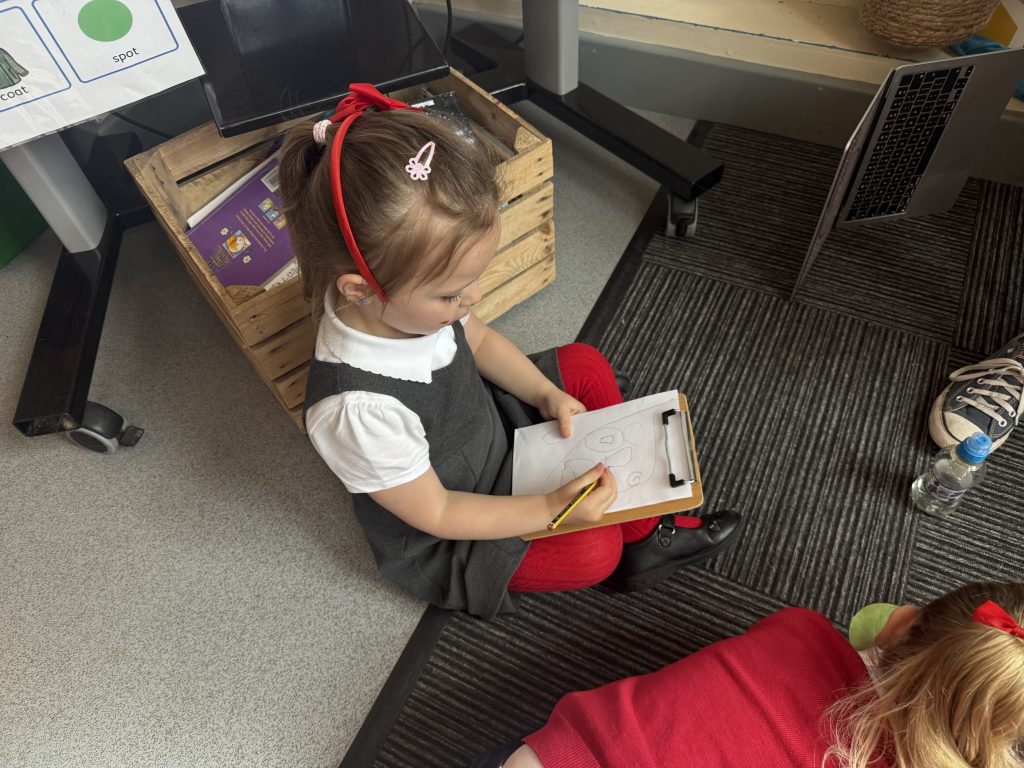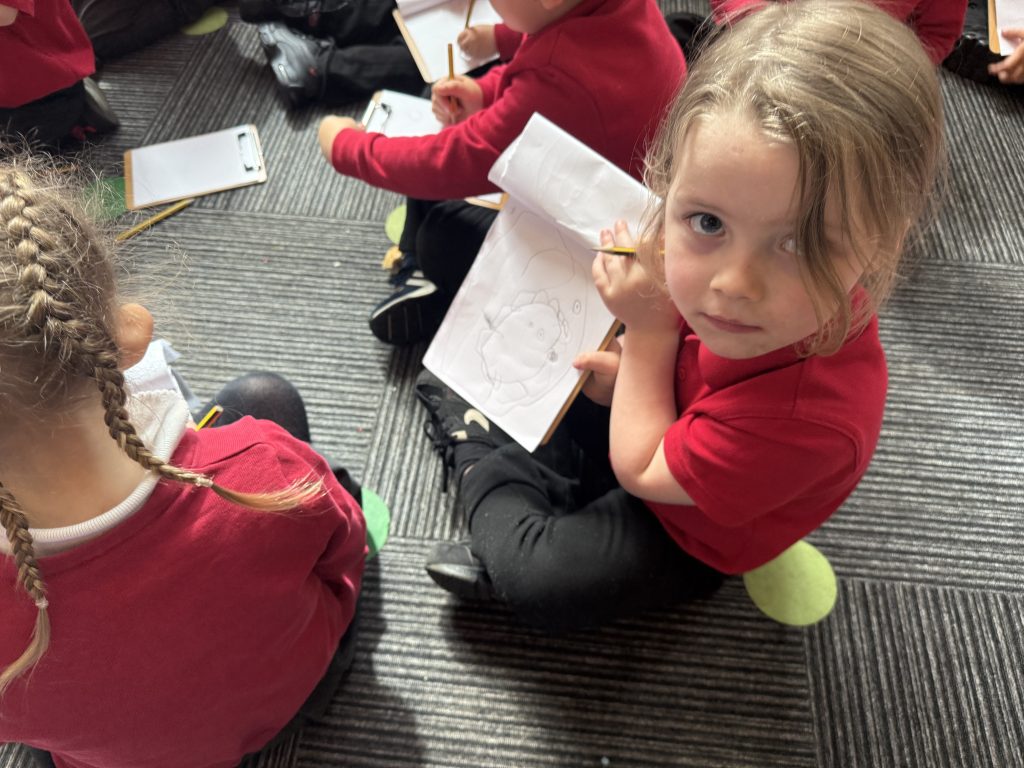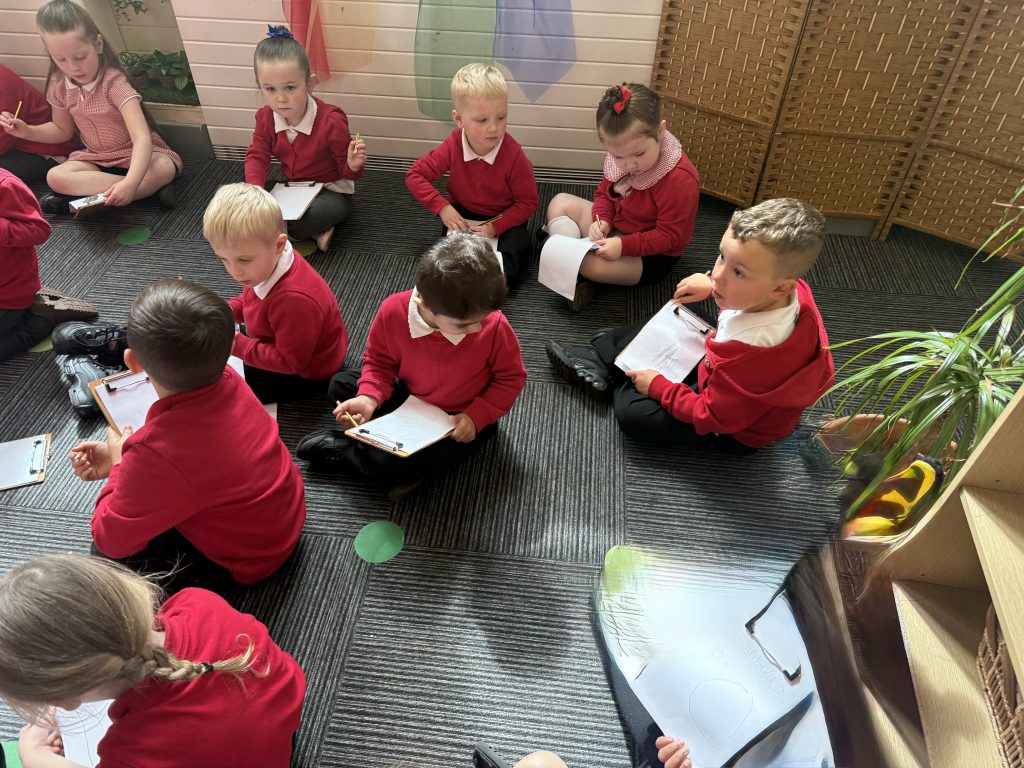
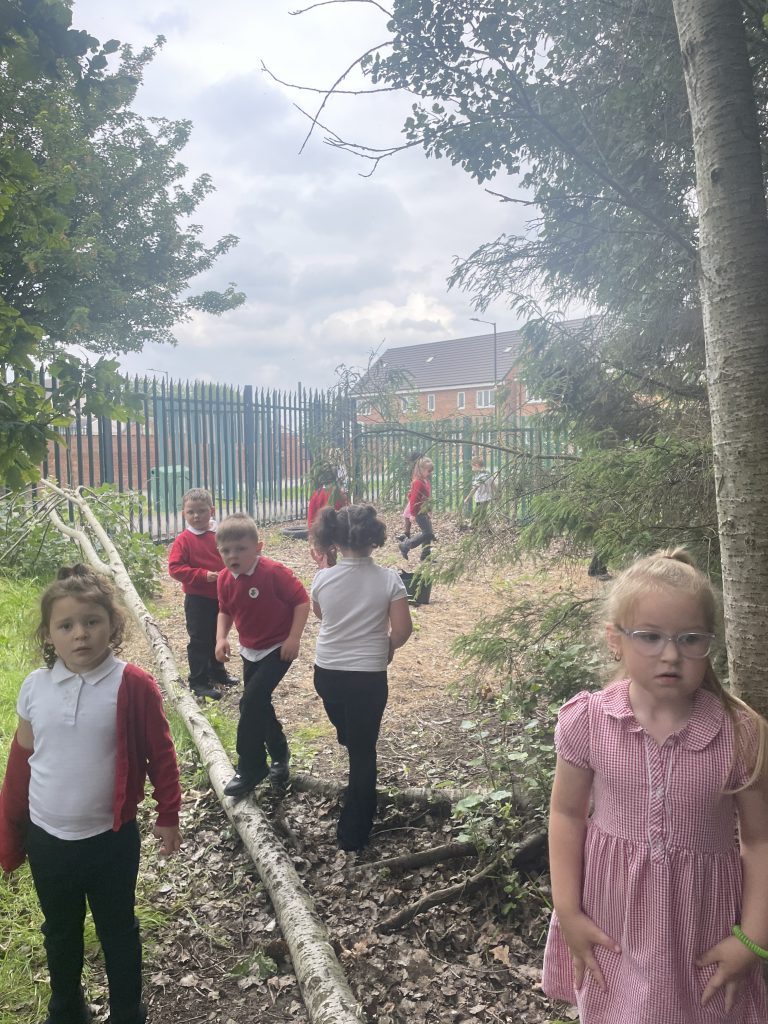
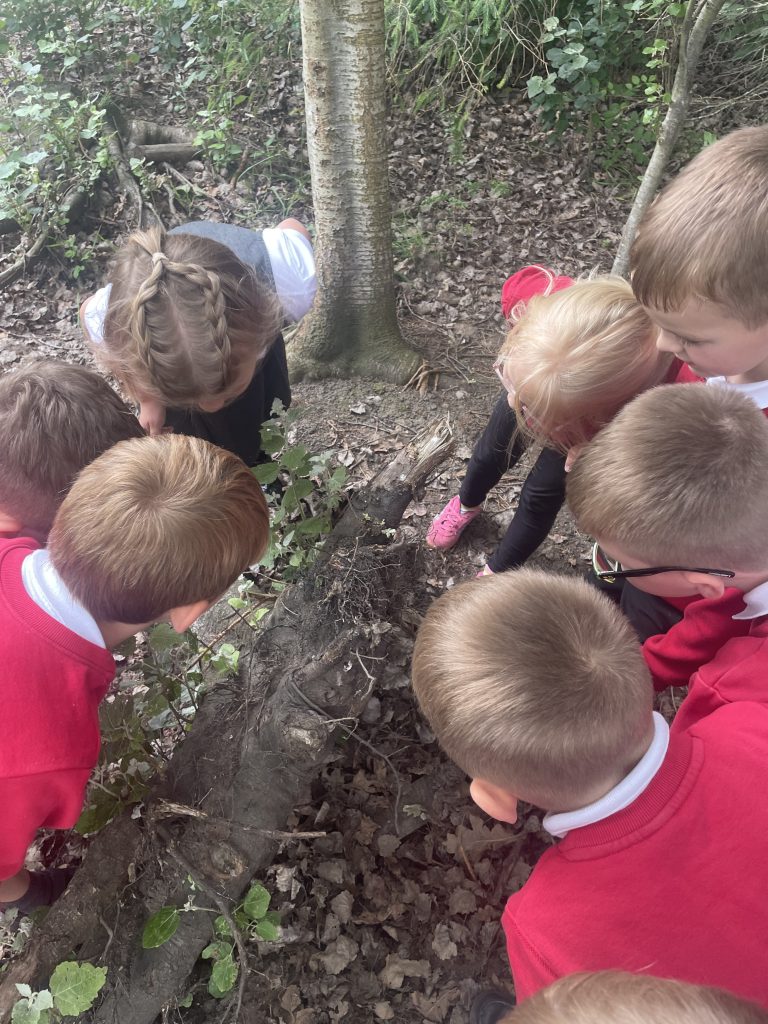
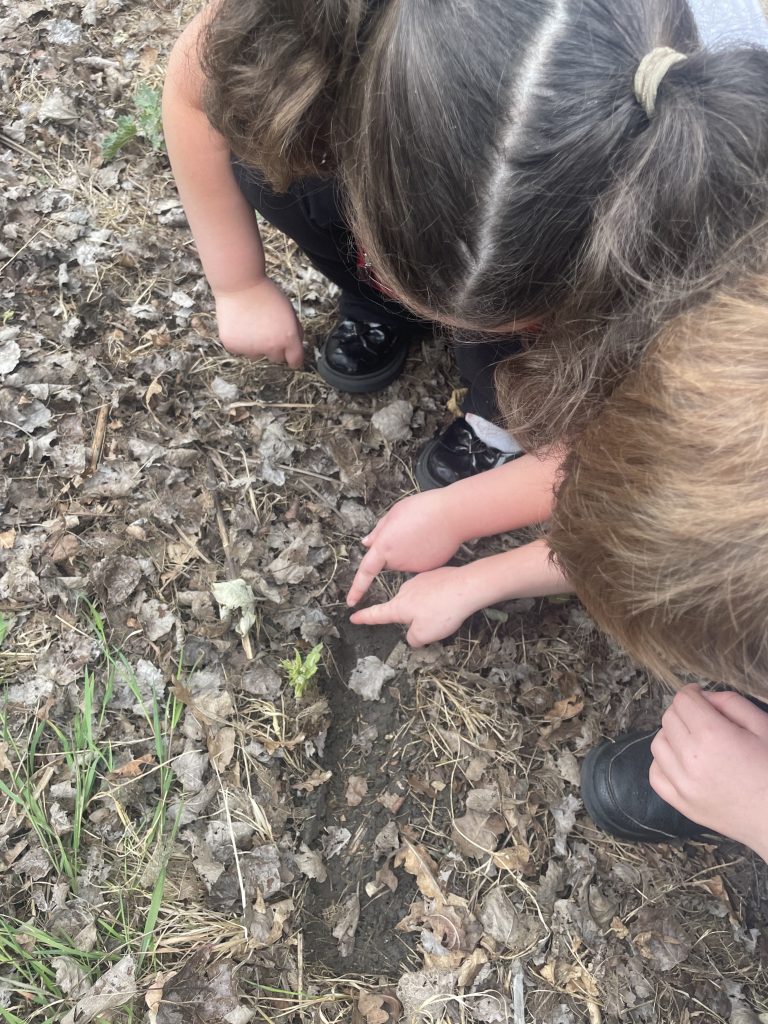
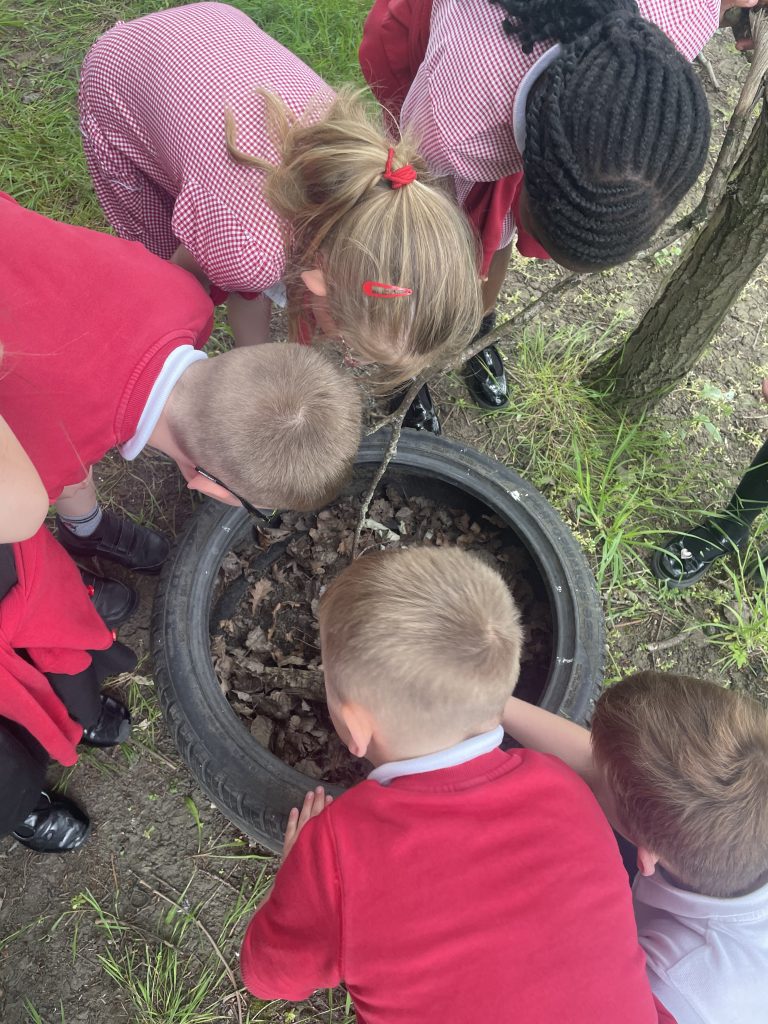
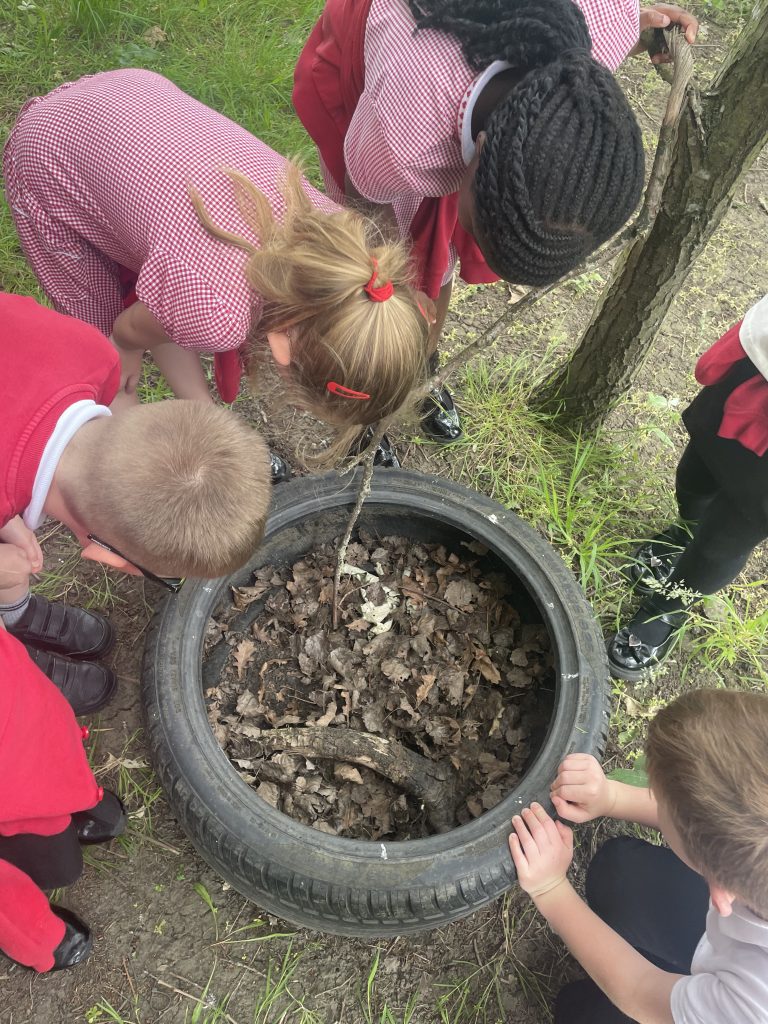
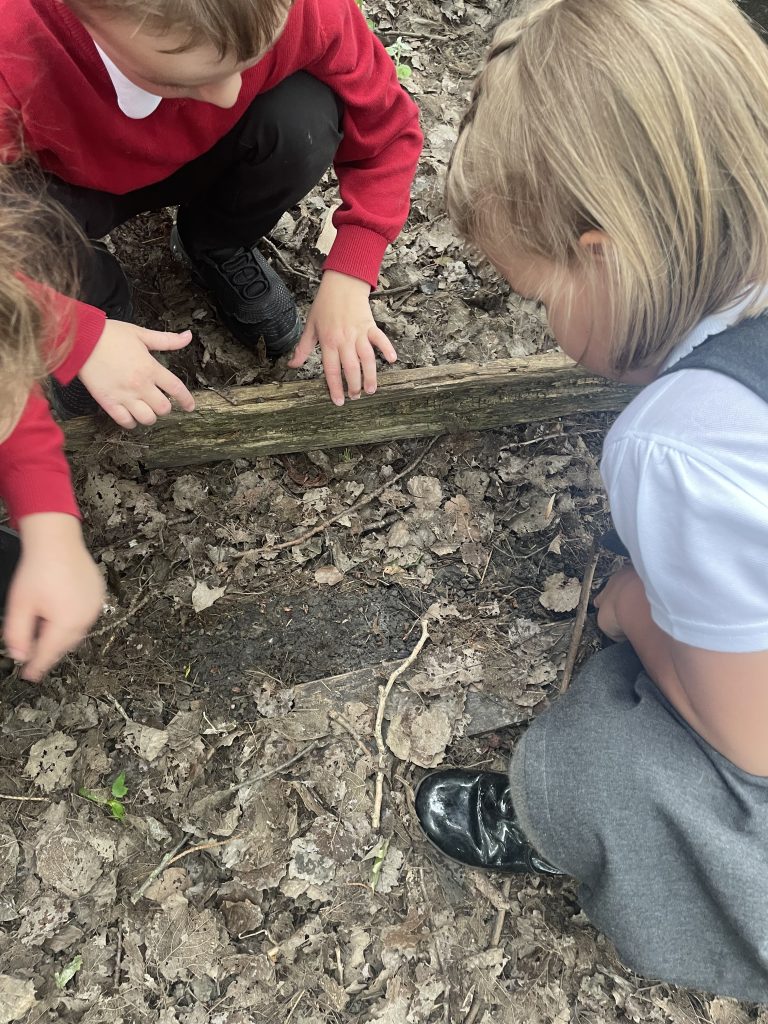
Crew Farrow went on a bug hunt today as part of expedition, to see what insects we could find. We found lots of different insects including spiders, woodlice, butterflies and flies.
Category : Crew Frost 25/26
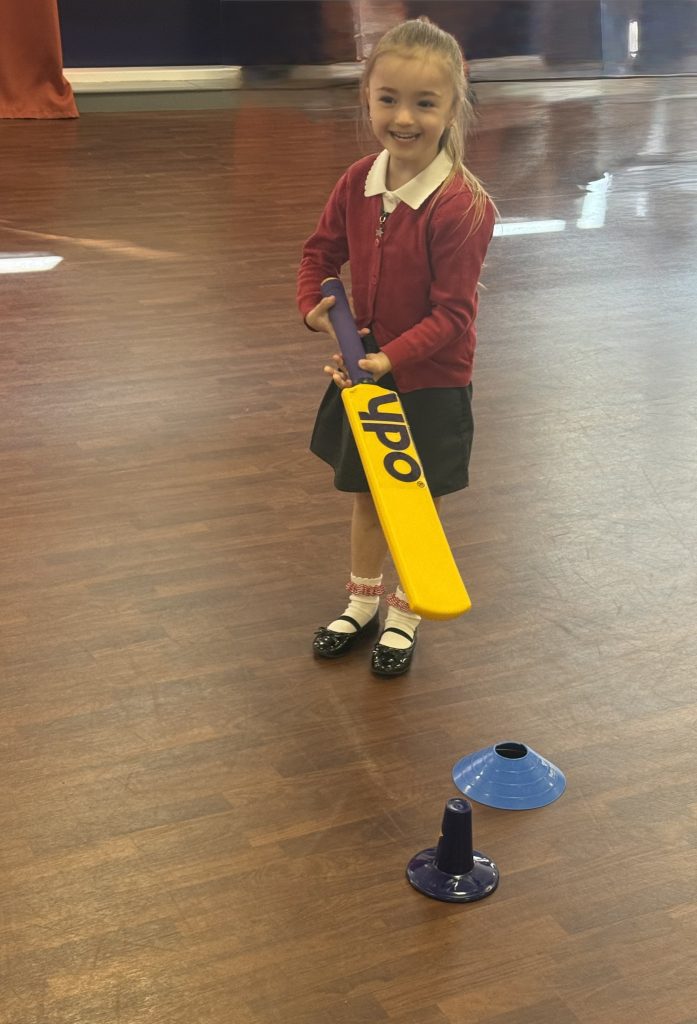
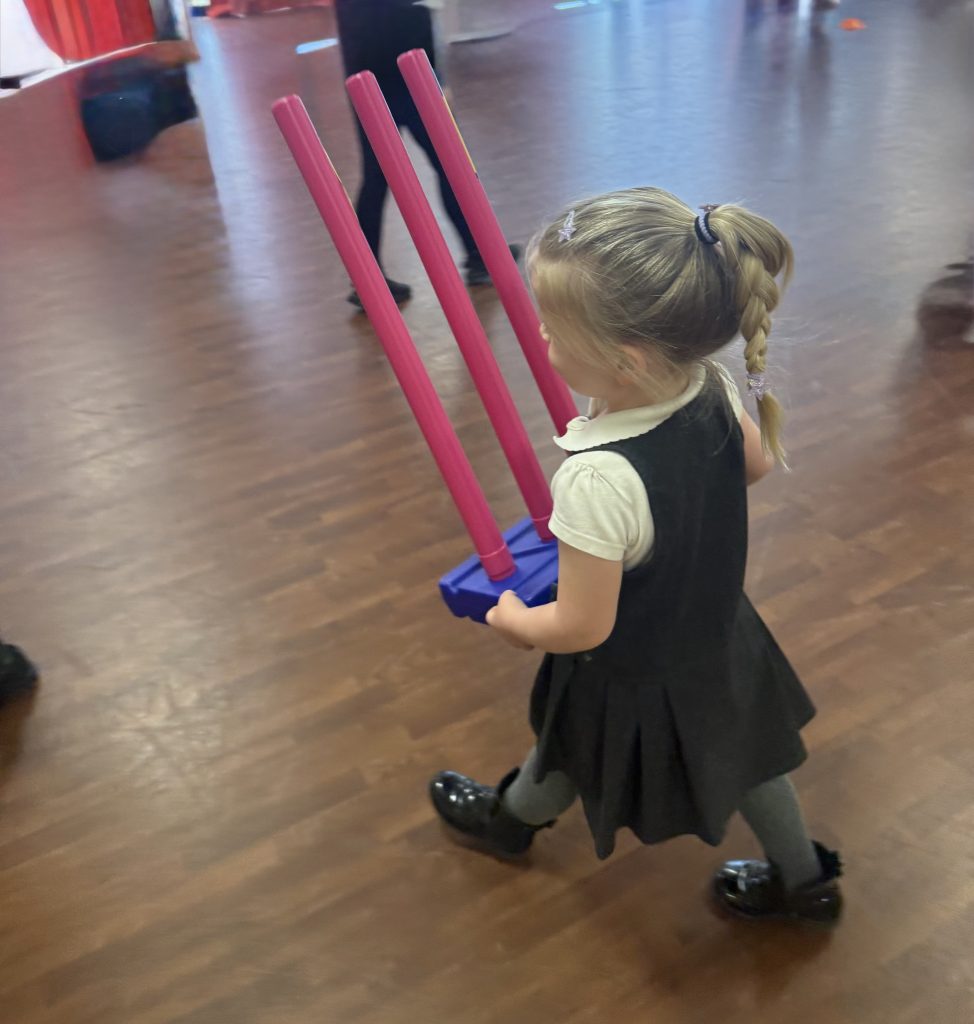
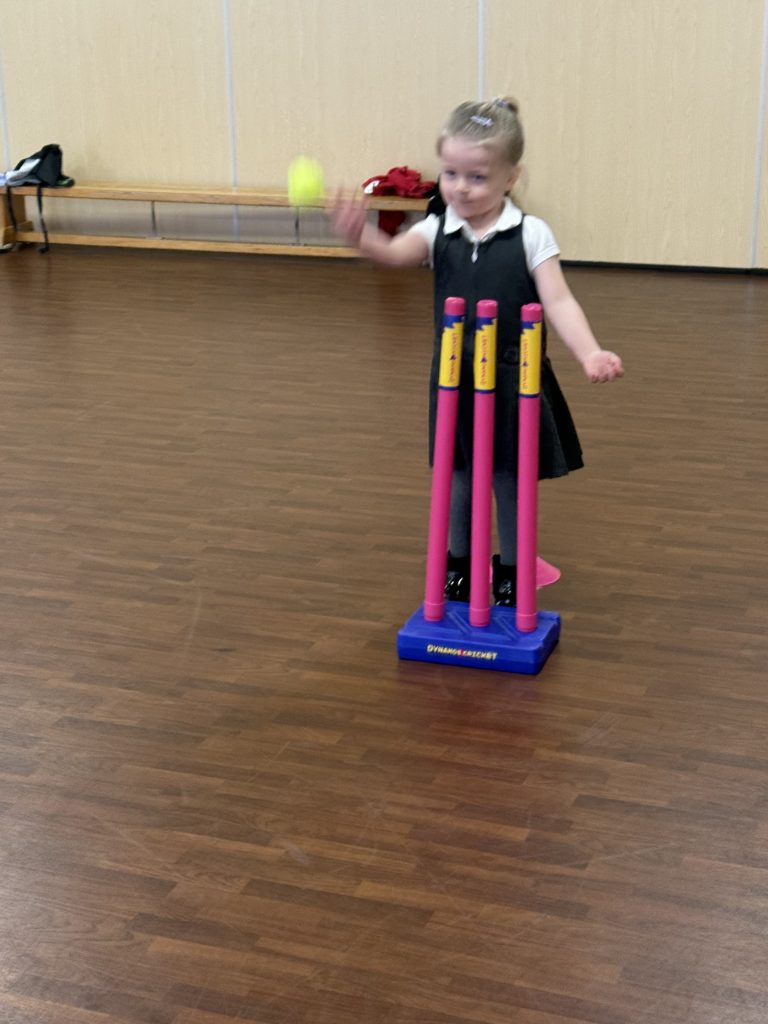
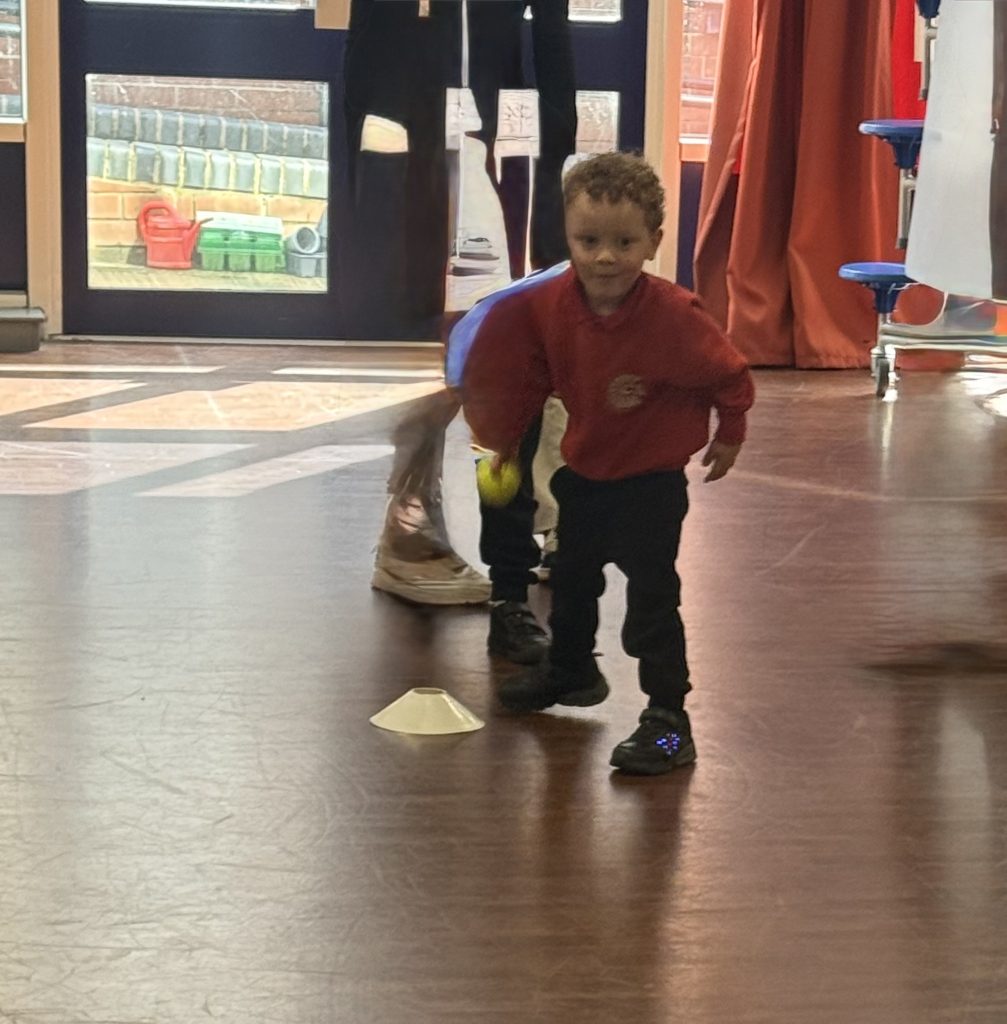
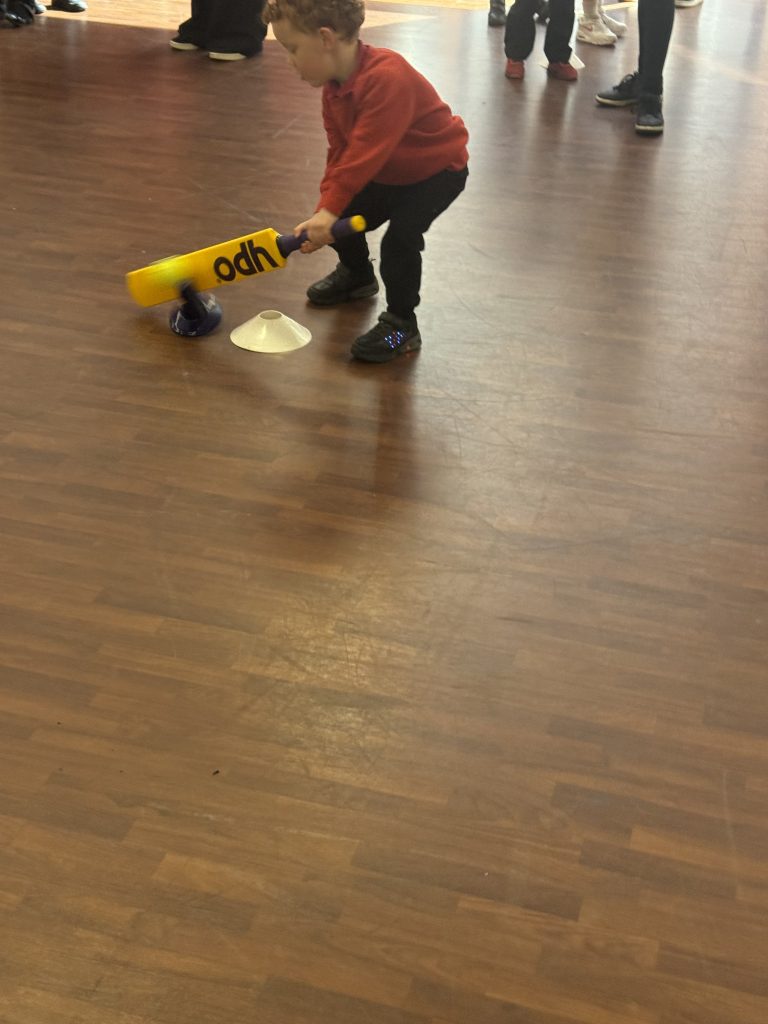
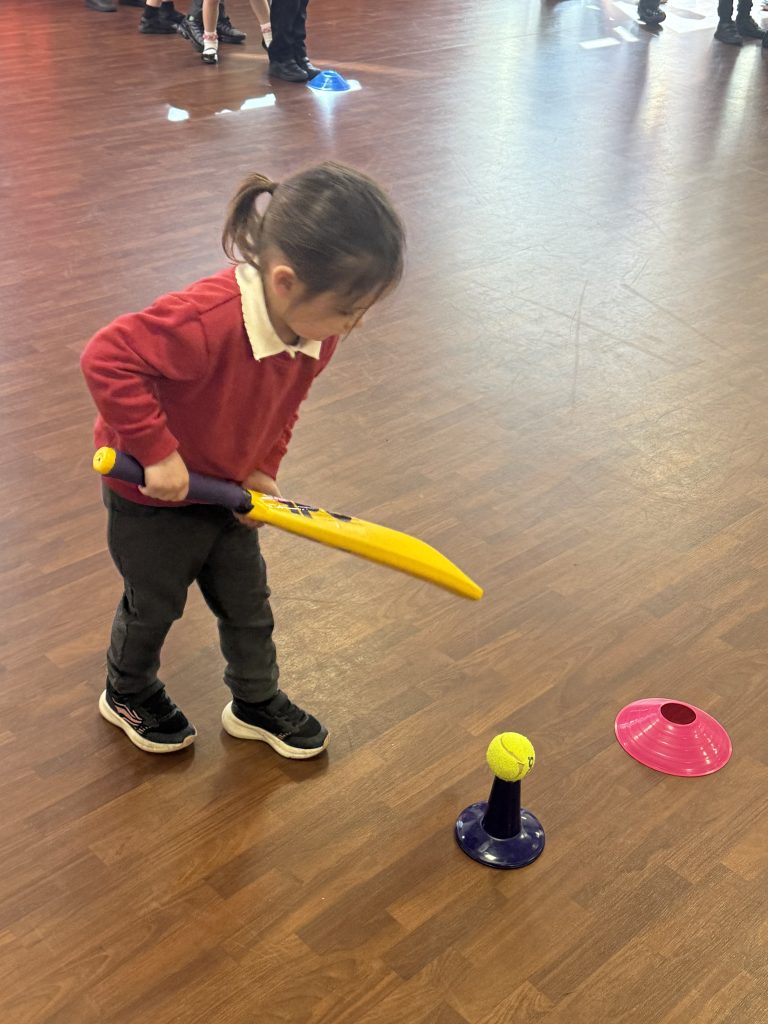
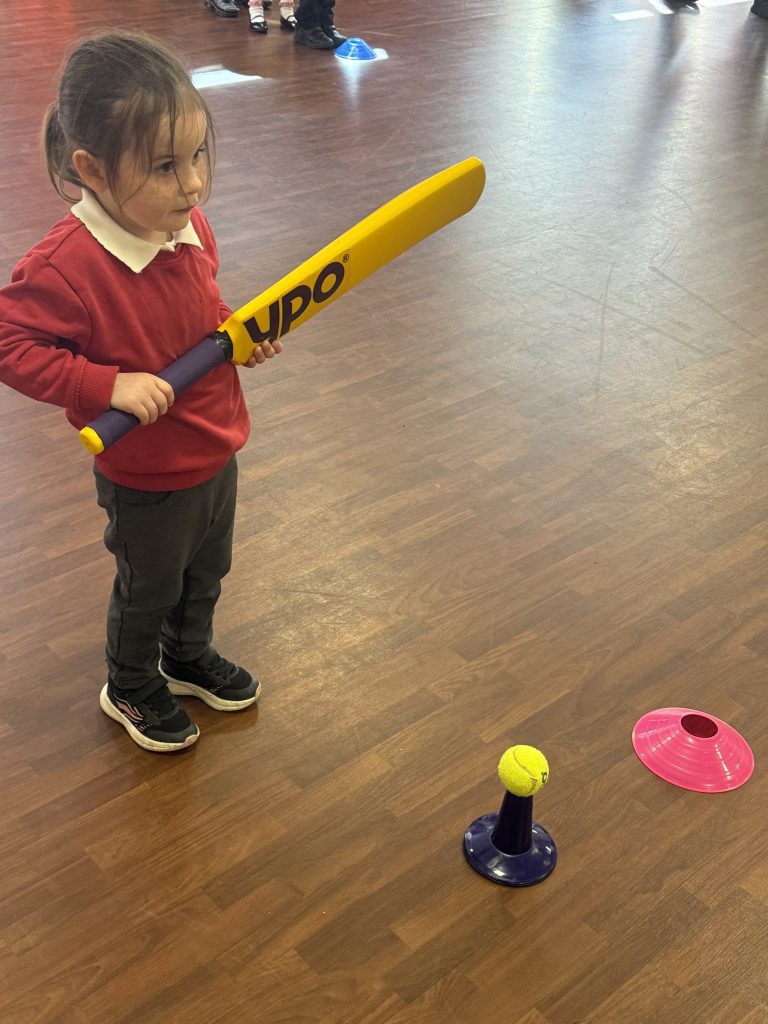
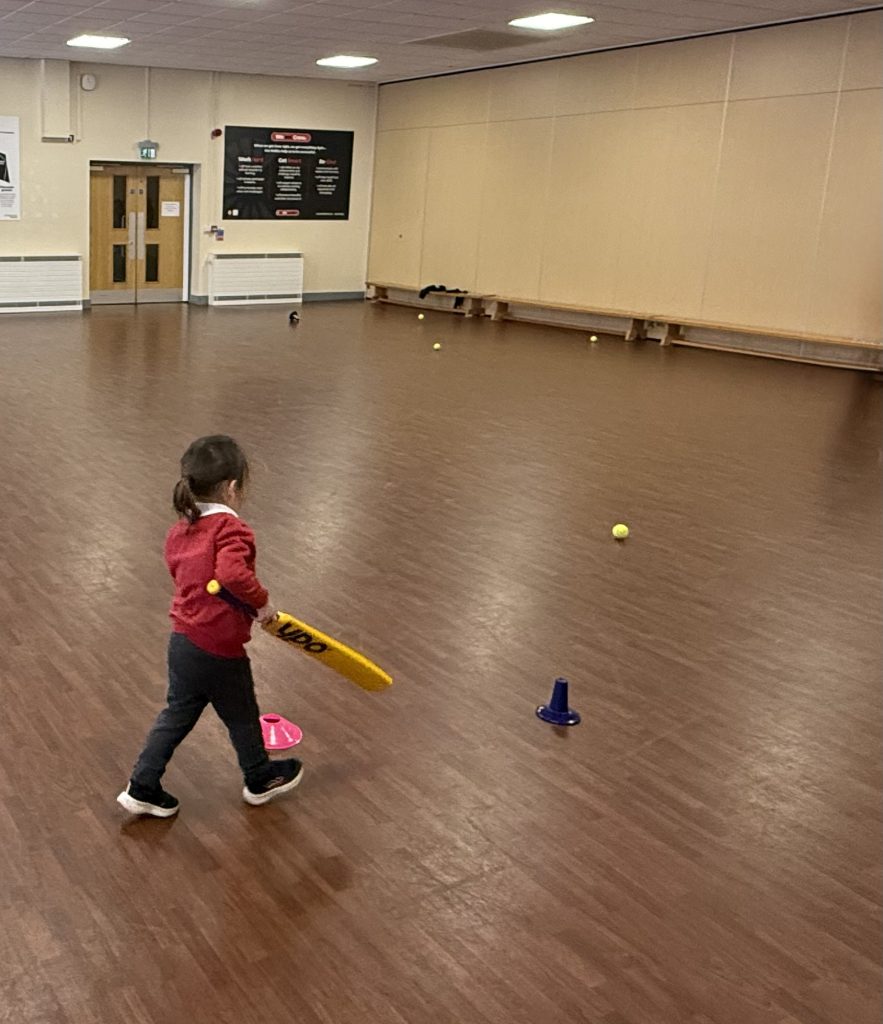
Cricket!
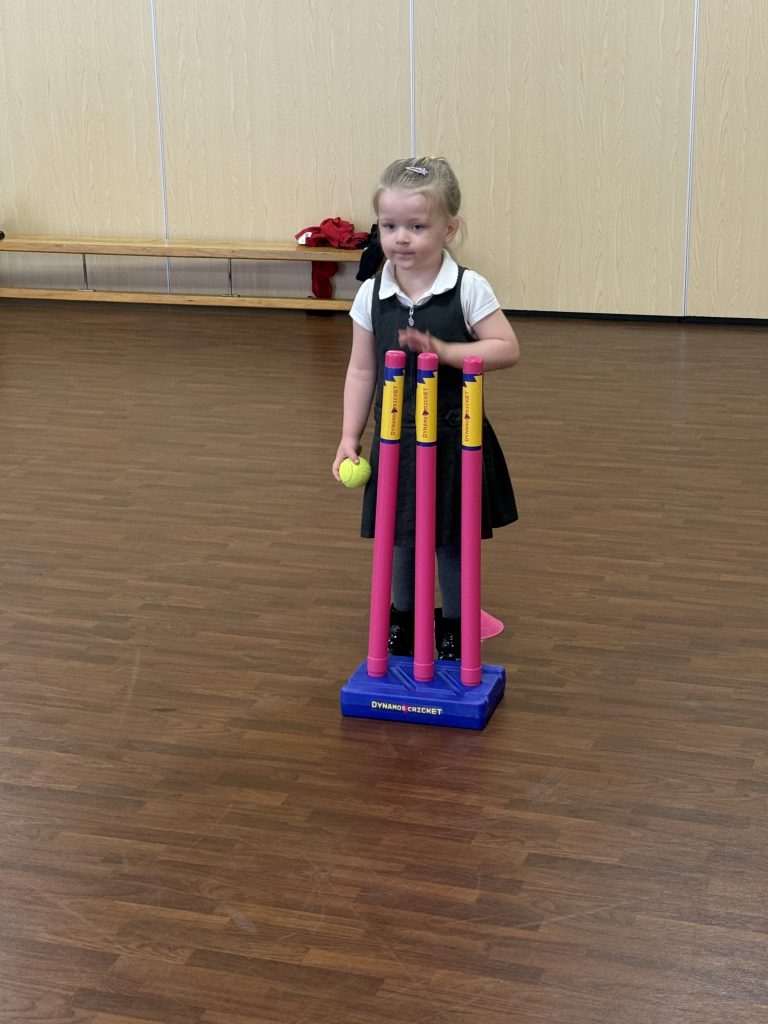
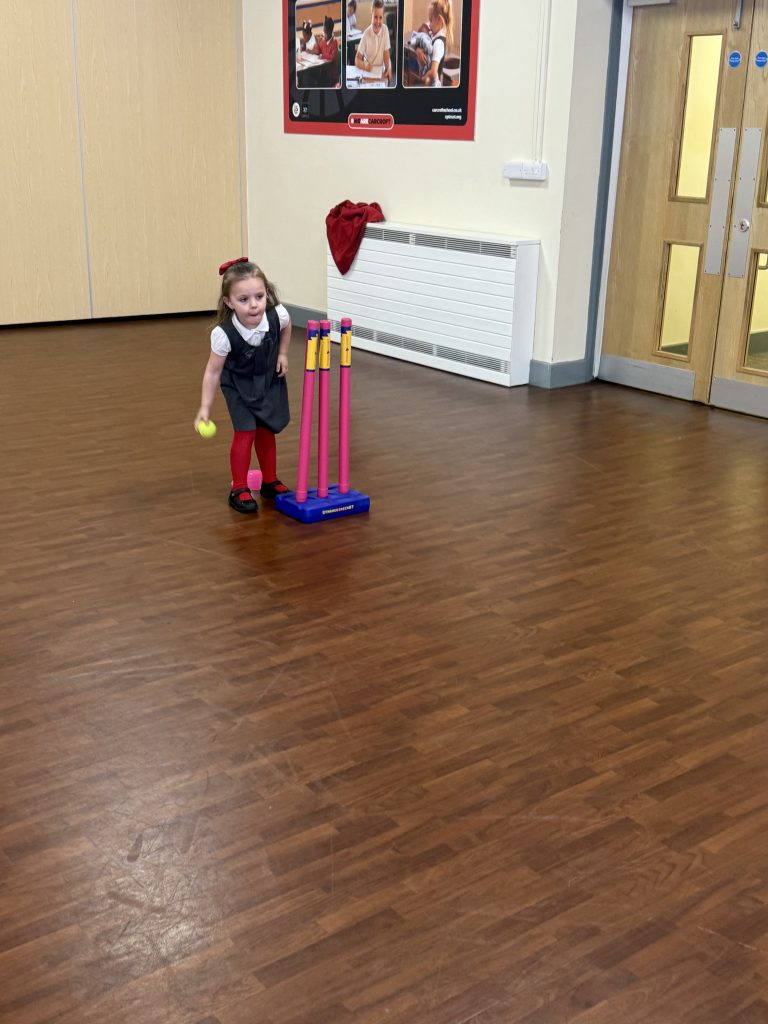
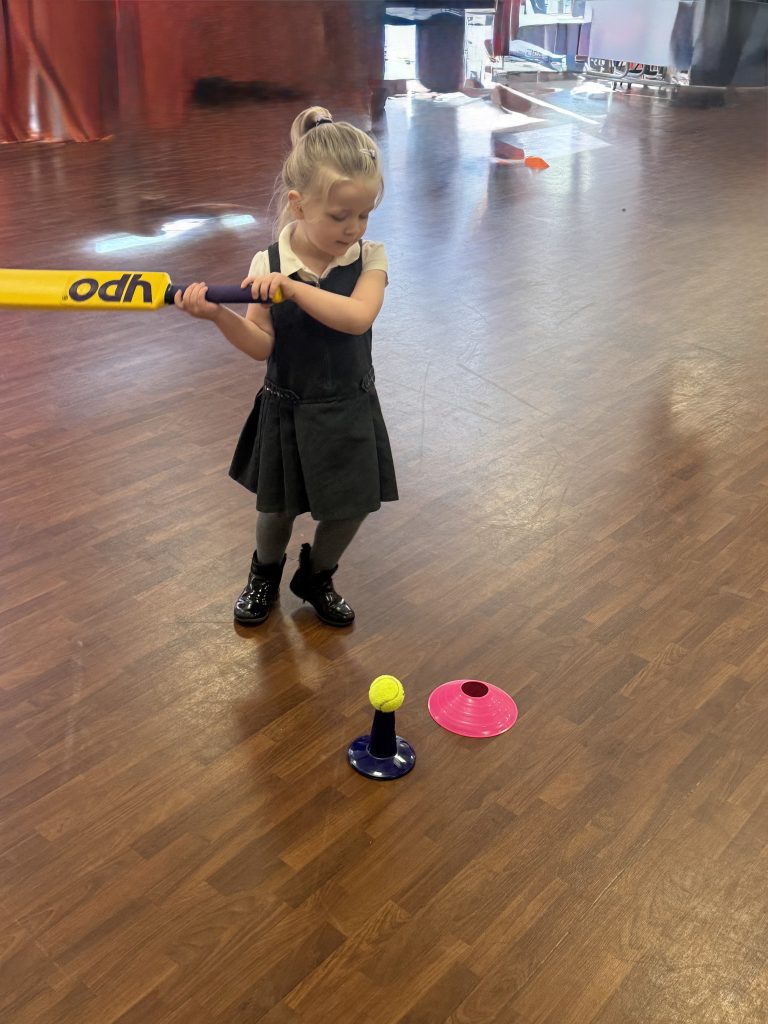
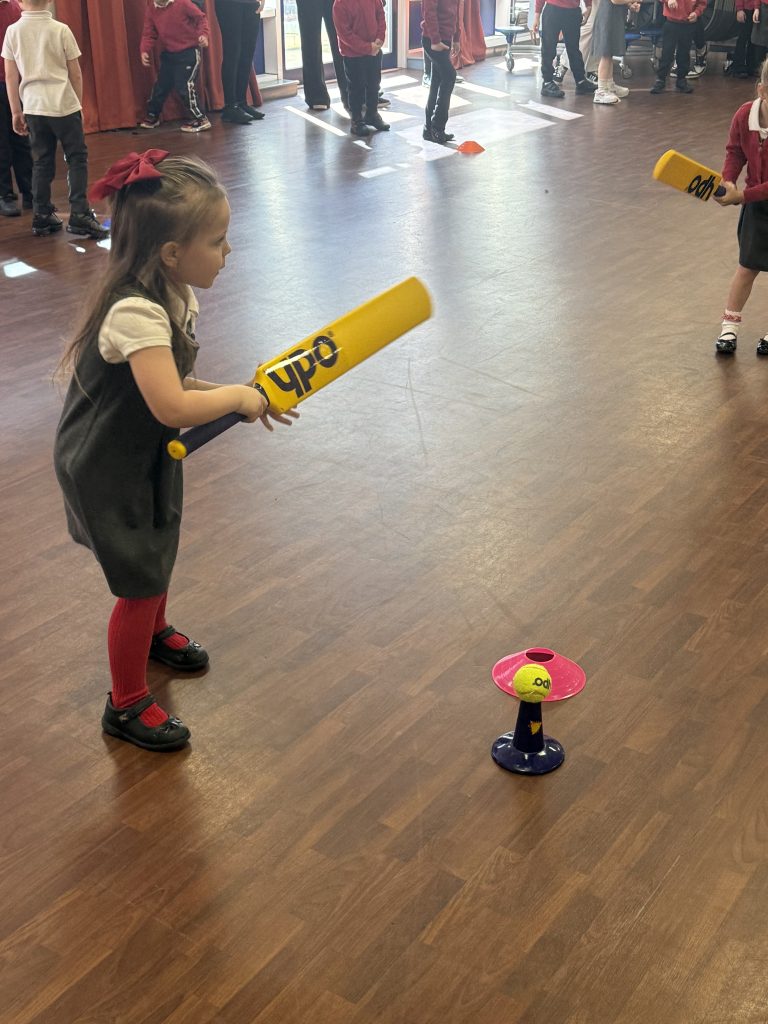
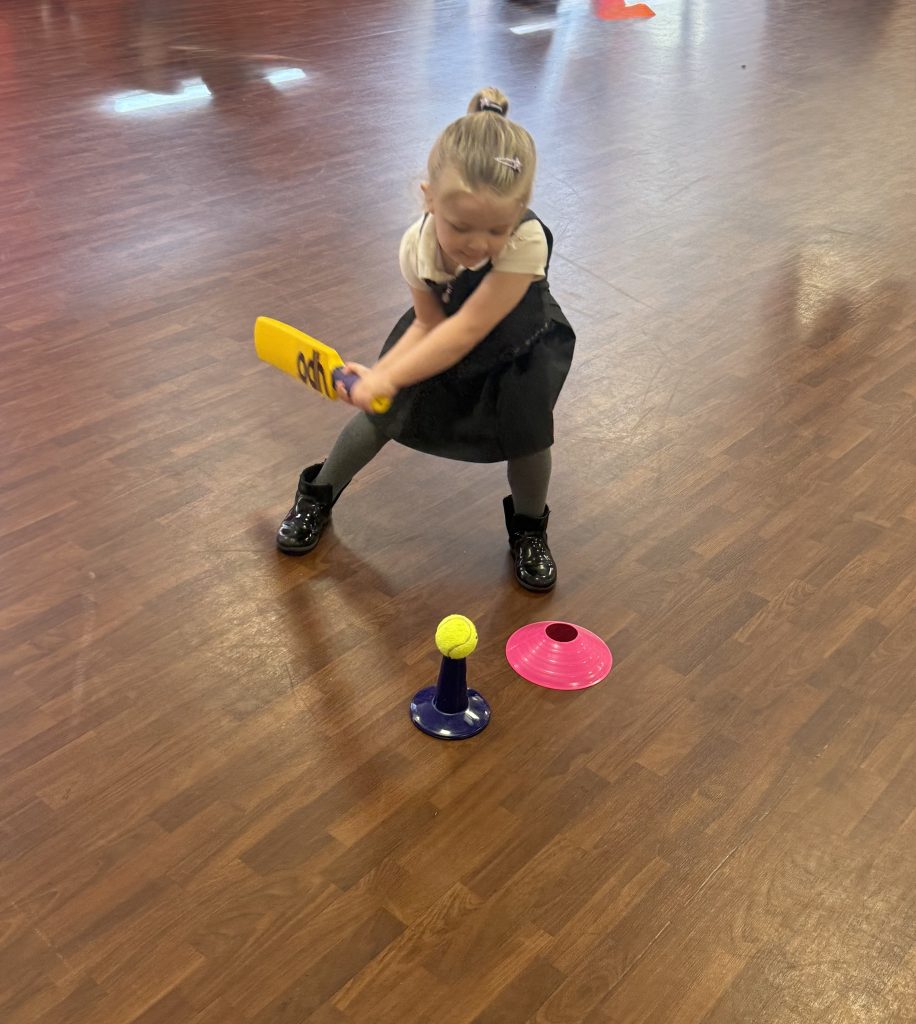
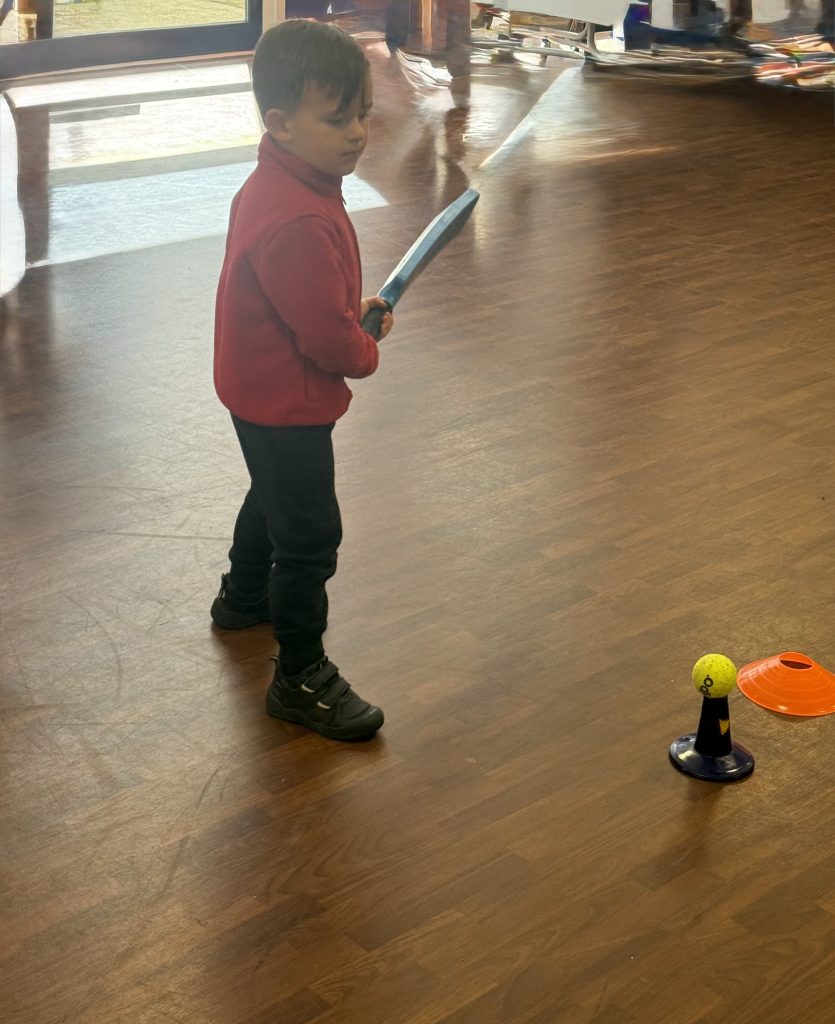
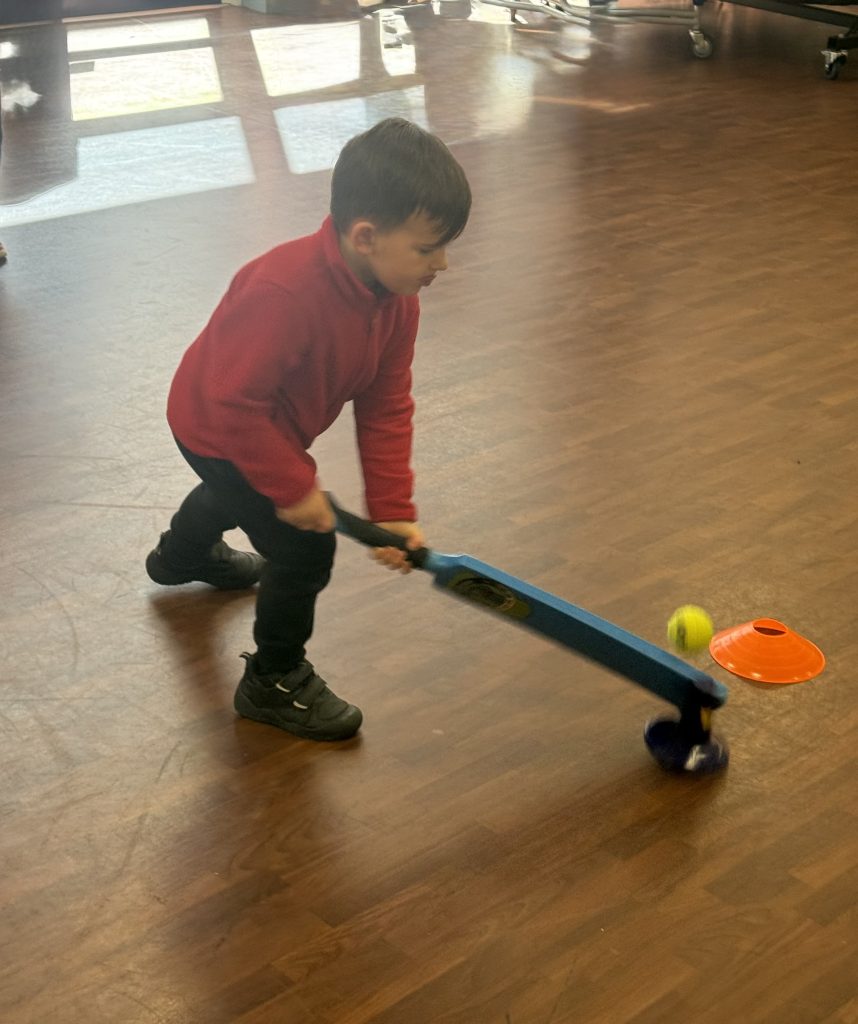
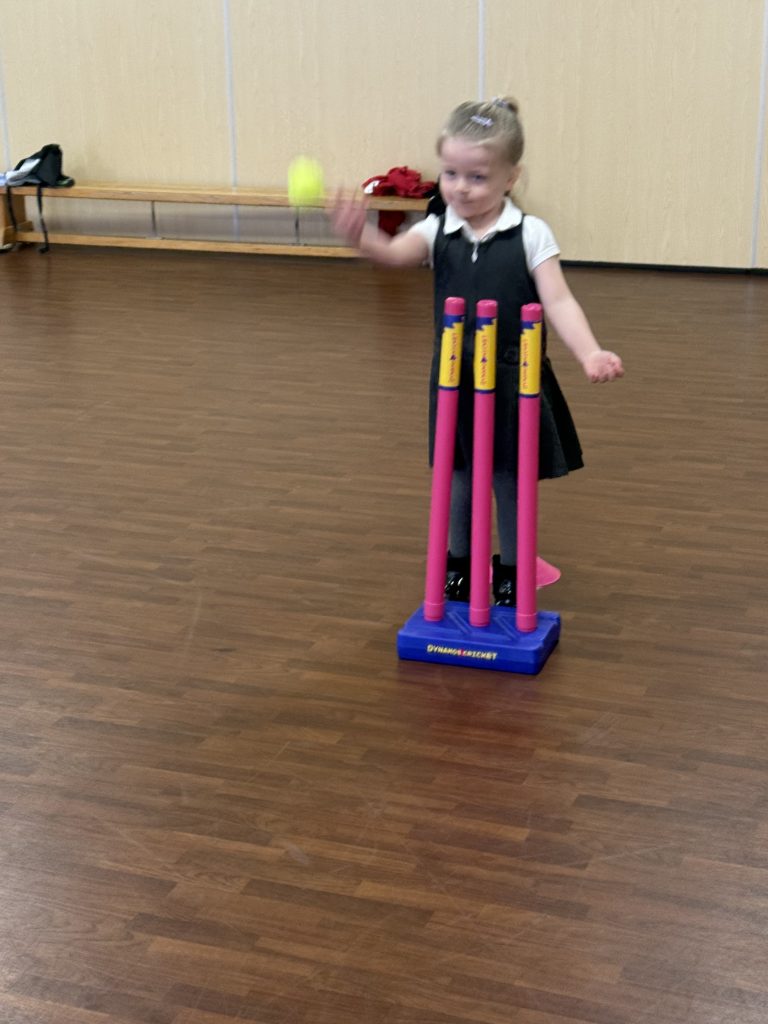
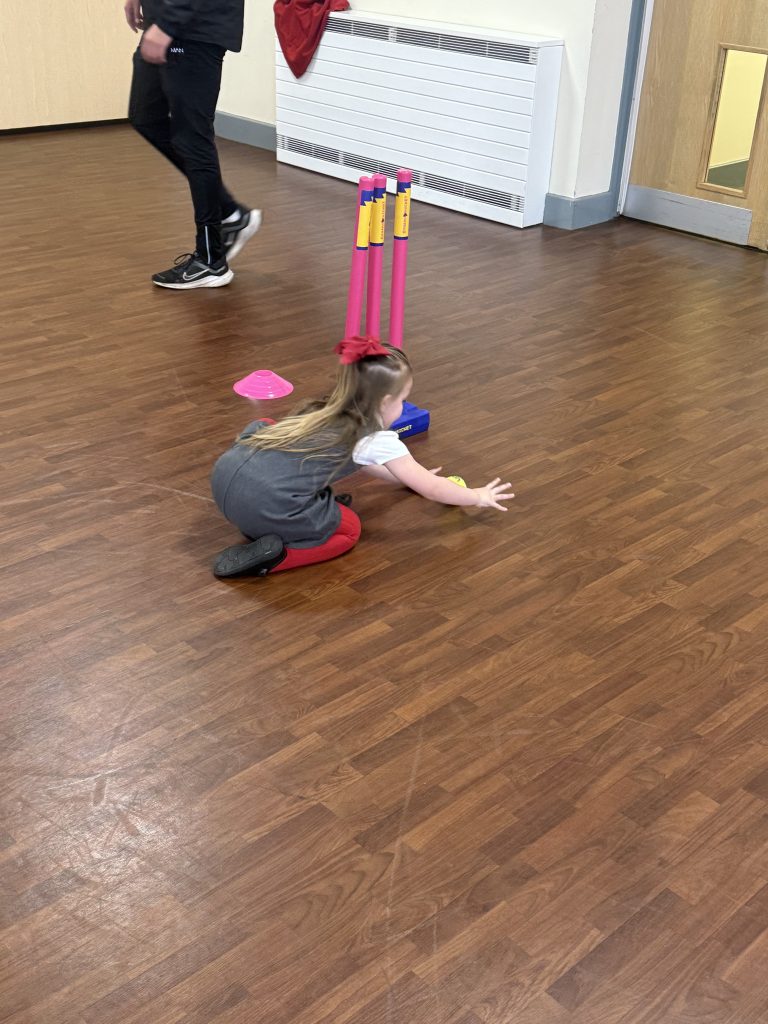
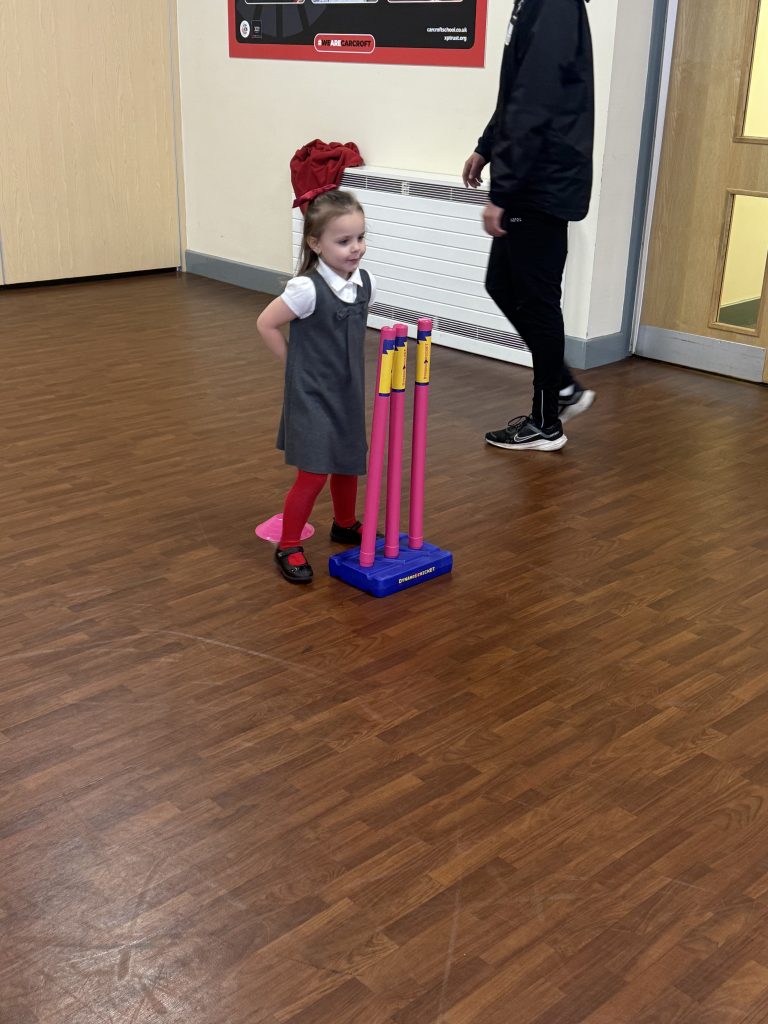
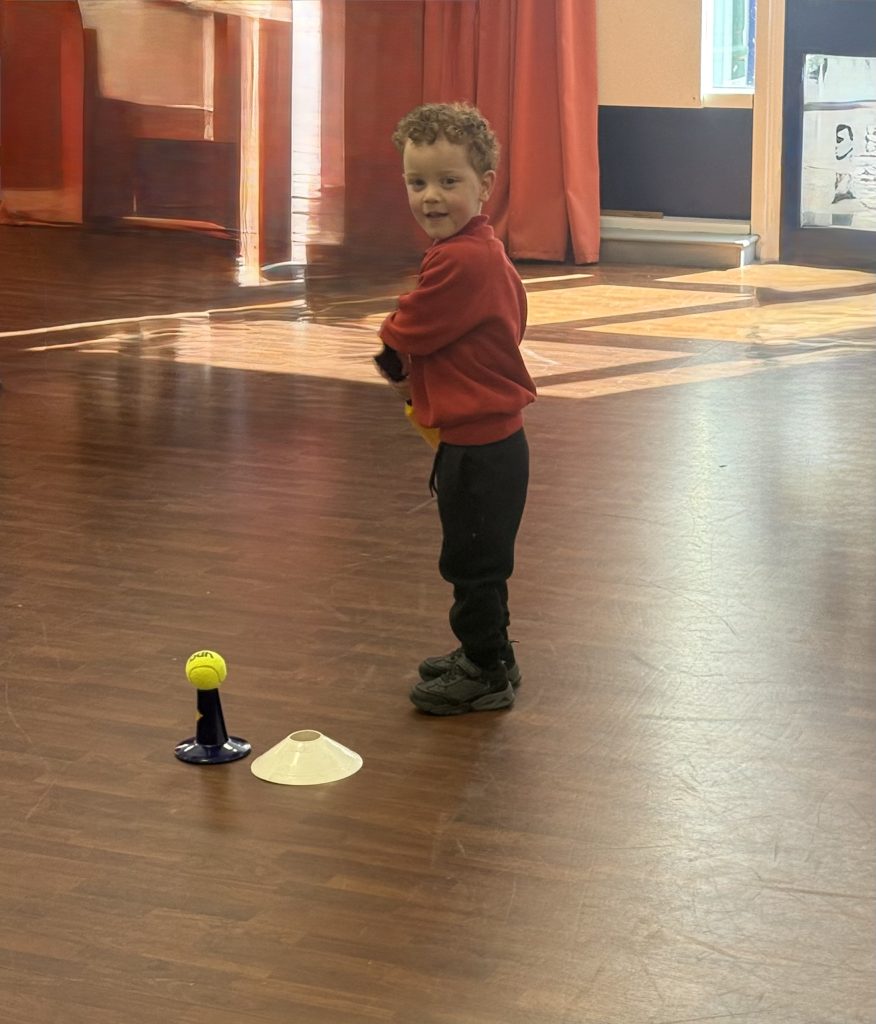
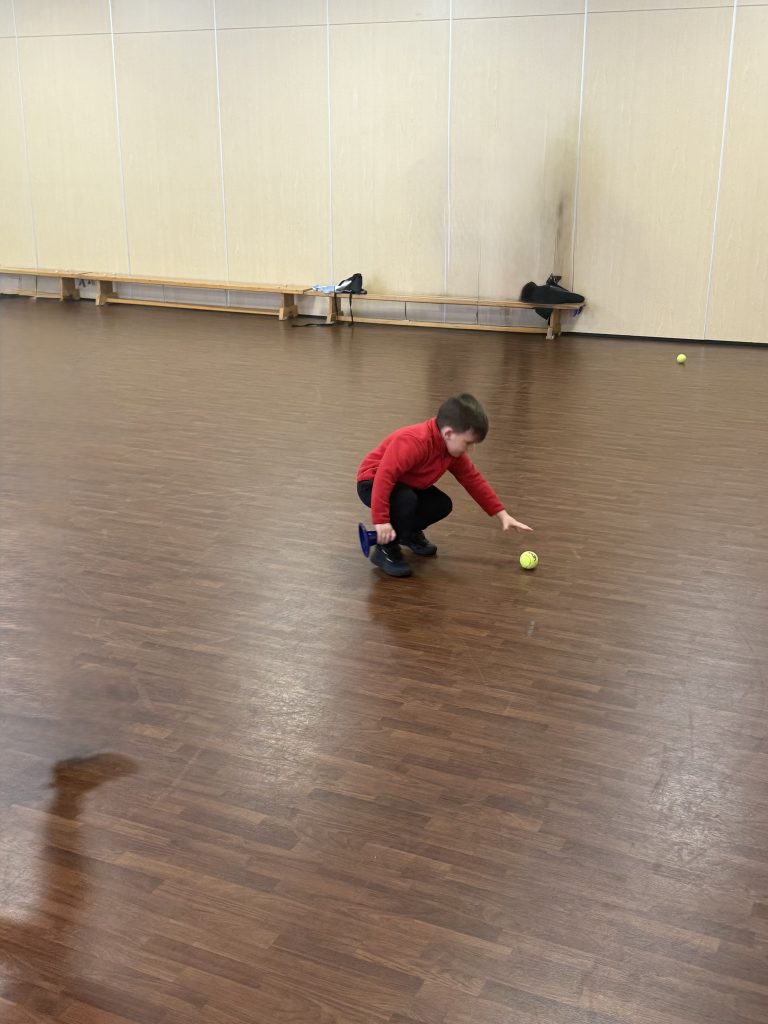
This week, Crew Frost were given another exciting opportunity to take part in a PE session with Legacy. The children showed fantastic enthusiasm and engagement throughout the session as they developed a range of important physical and social skills through team games and ball activities.
The stages of learning were carefully scaffolded to support the children’s understanding and confidence. We first began by practising simple rolling skills, working in teams to roll the ball back and forth to one another. Once the children became more confident, we moved on to practising aiming and throwing the balls at pins to score points for their teams, helping to develop hand-eye coordination, control, and turn-taking skills.
Finally, the children were introduced to bats and learned about the role of a bowler, including fetching the ball after it had been hit. The children absolutely loved this part of the activity and showed great excitement as they explored the different roles within the game. It was wonderful to see many of the children making links to their own past experiences and confidently talking about games and sports they have played before.
Activities like these help to build important skills for Reception, including listening and attention, following instructions, teamwork, coordination, and resilience. We were incredibly proud of the children’s amazing listening skills, positive attitudes, and encouragement towards one another throughout the session. Well done, Crew Frost!
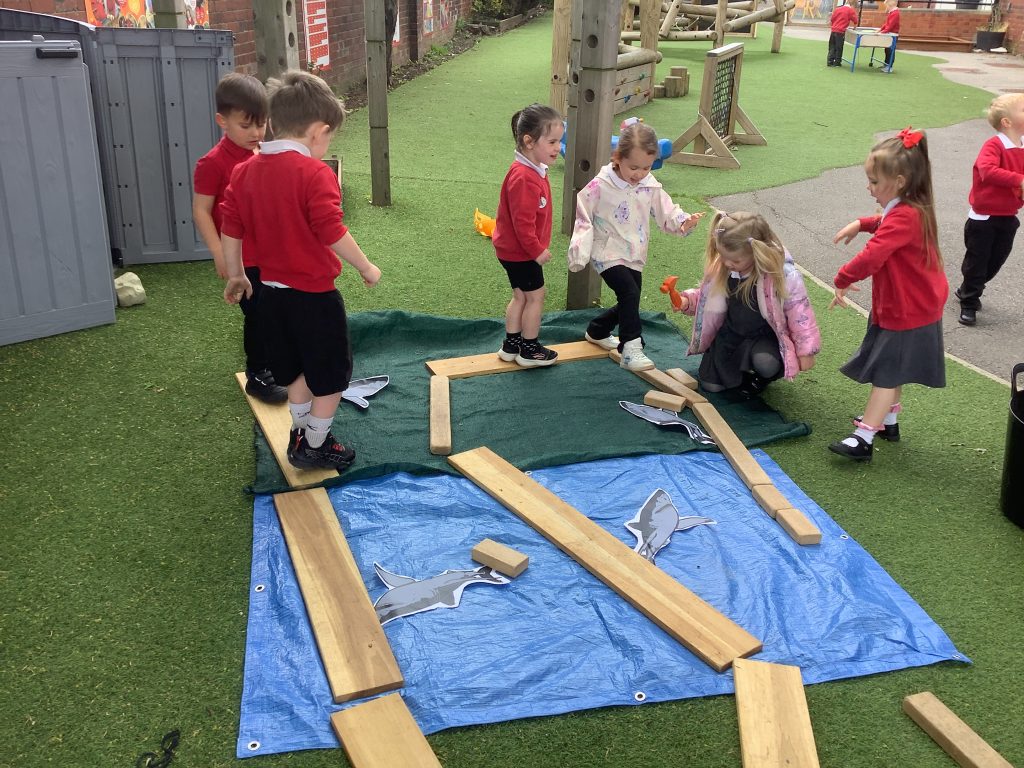
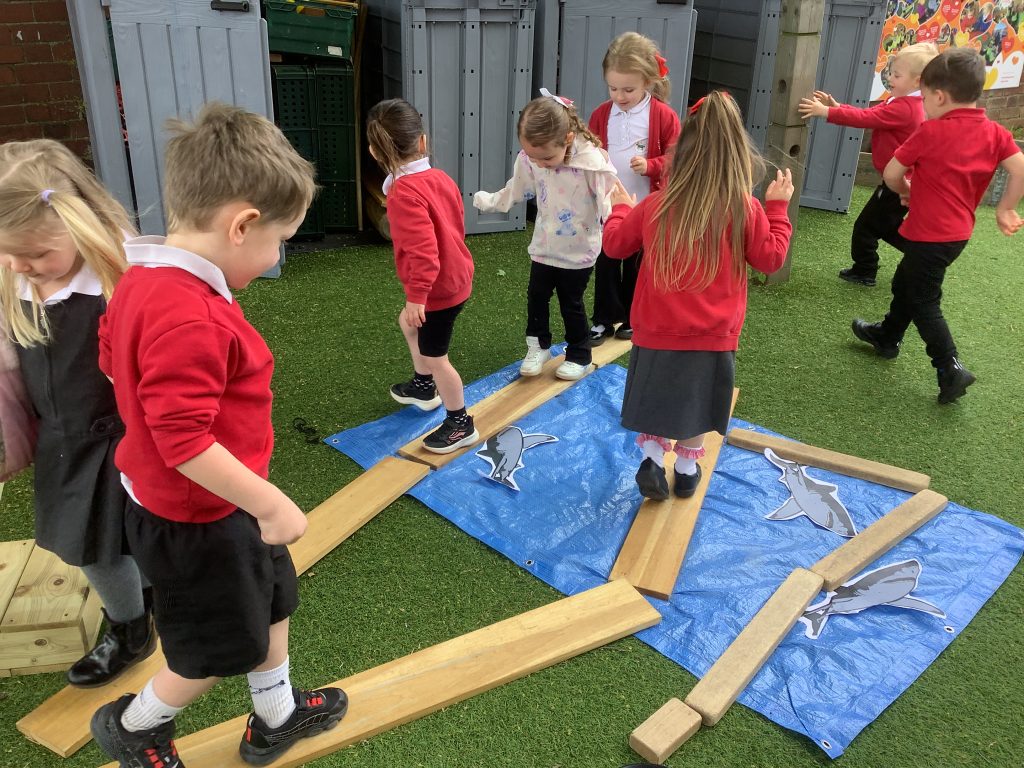
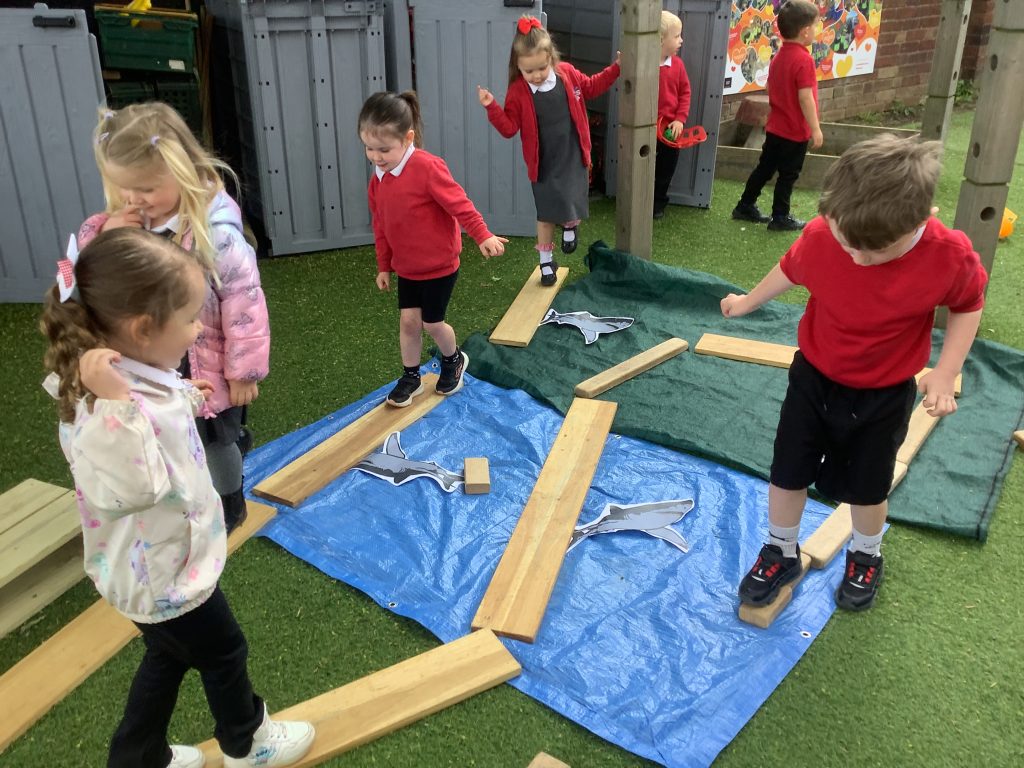
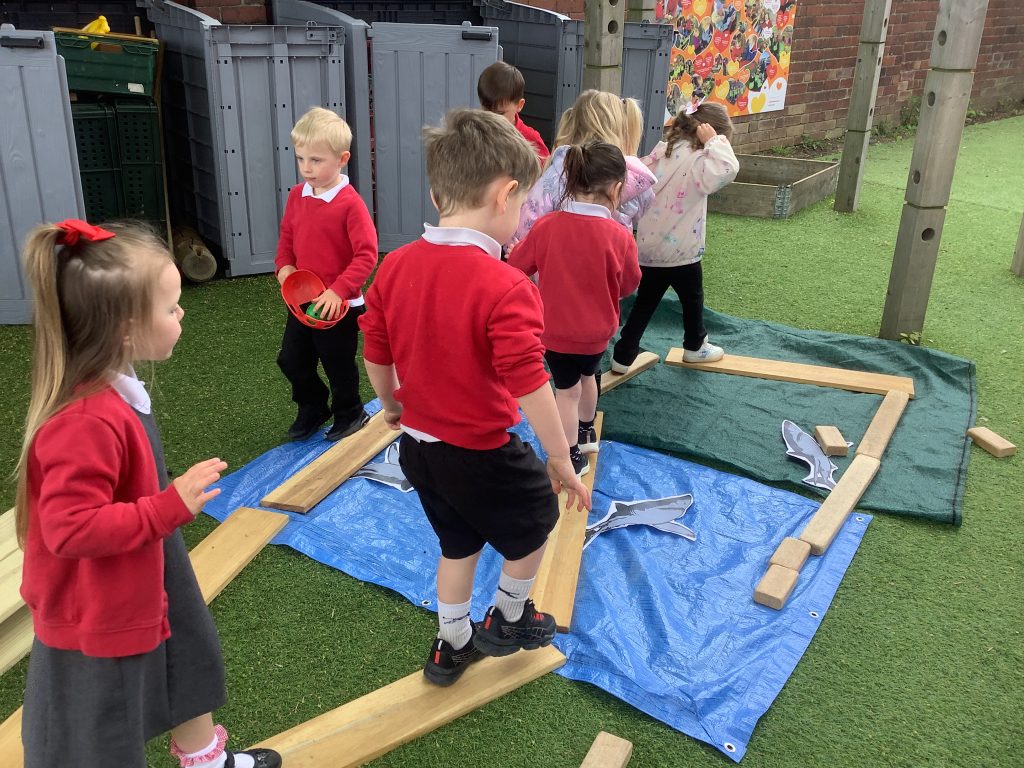
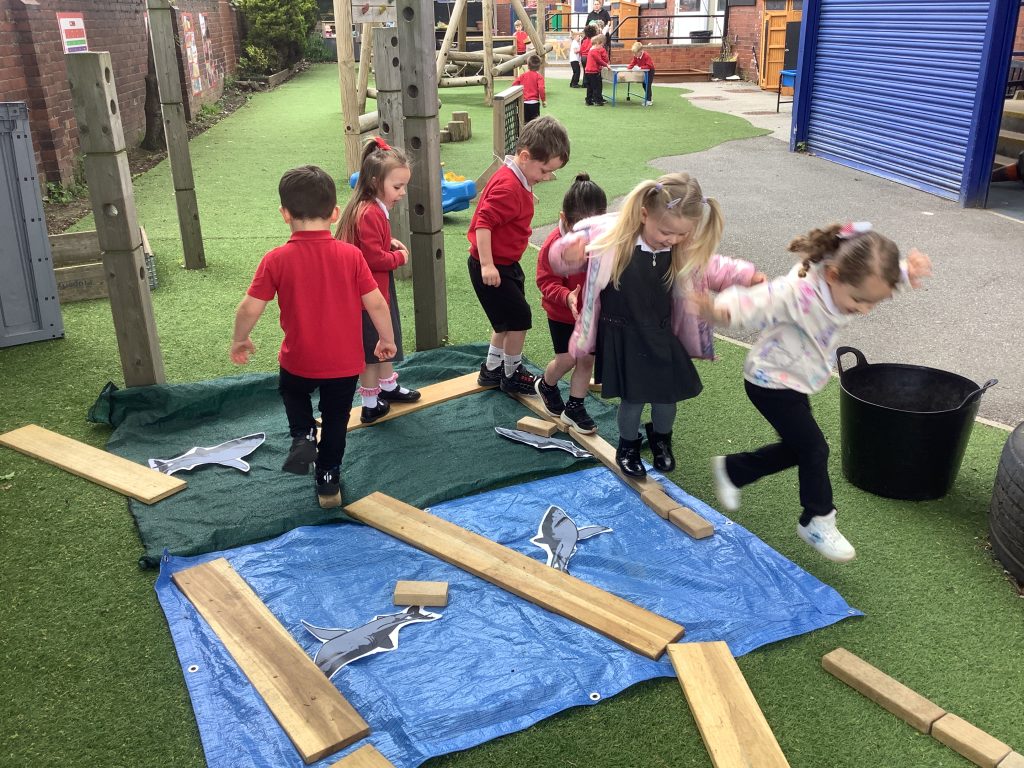
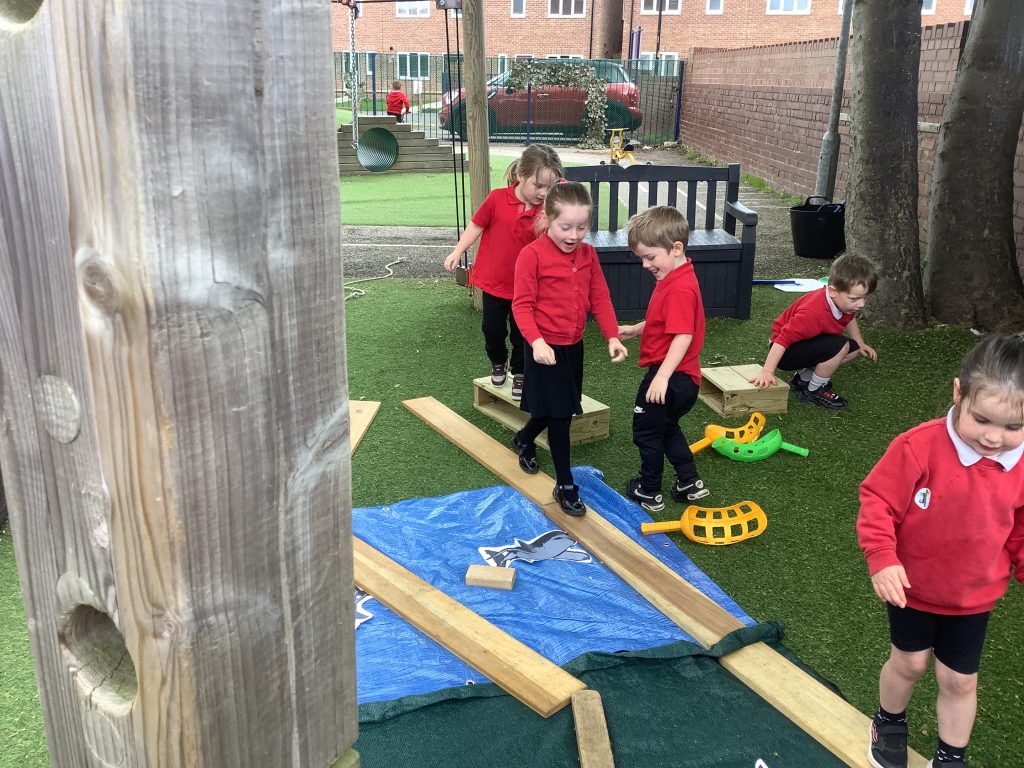
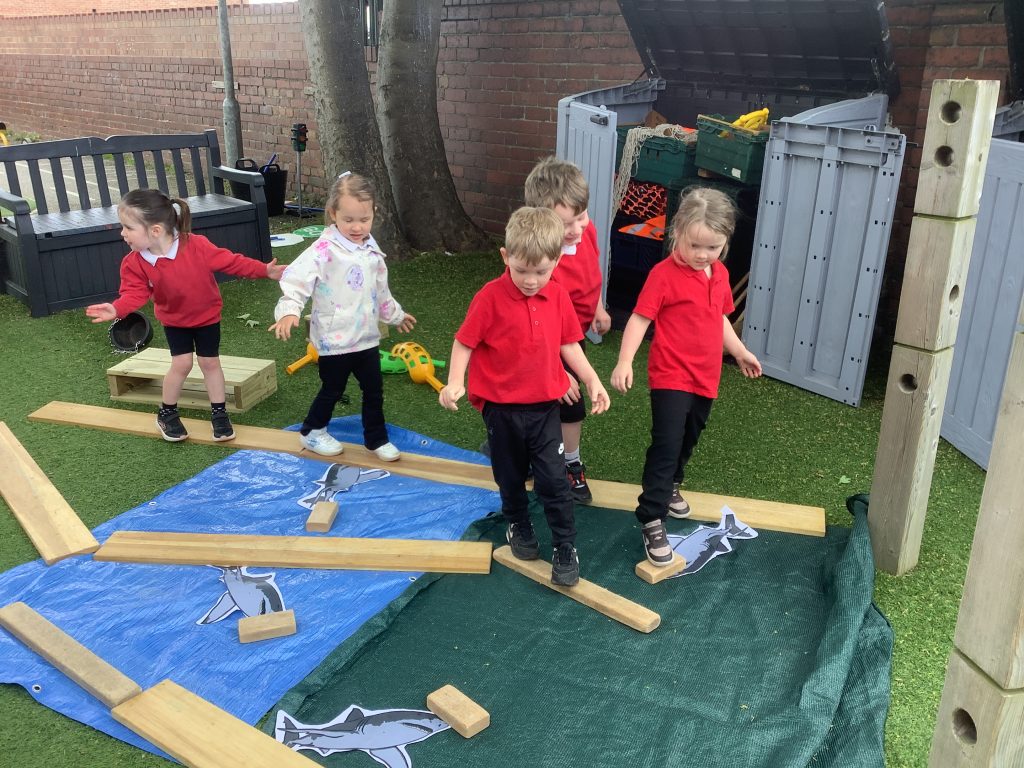
Stay away from the sharks!
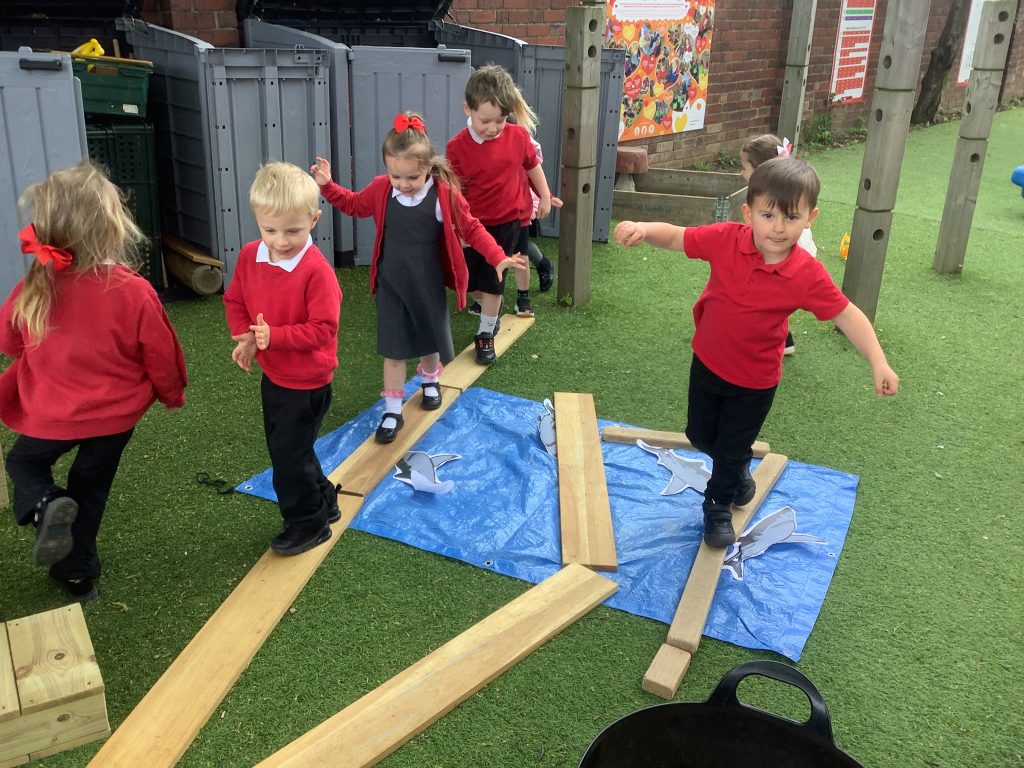
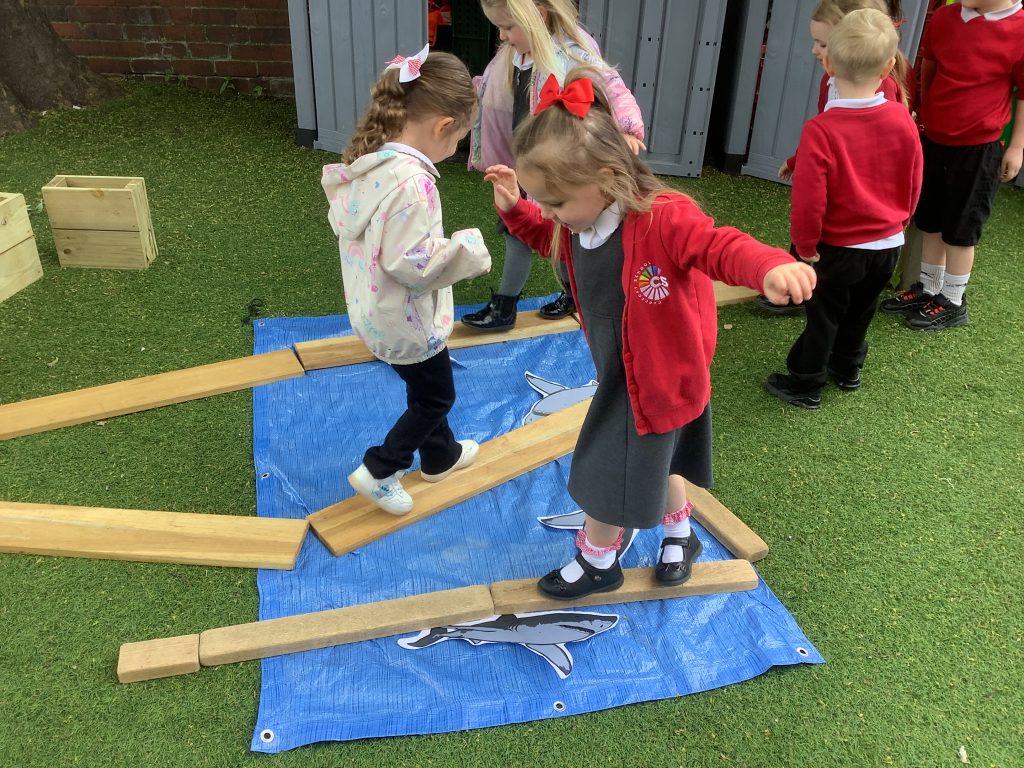
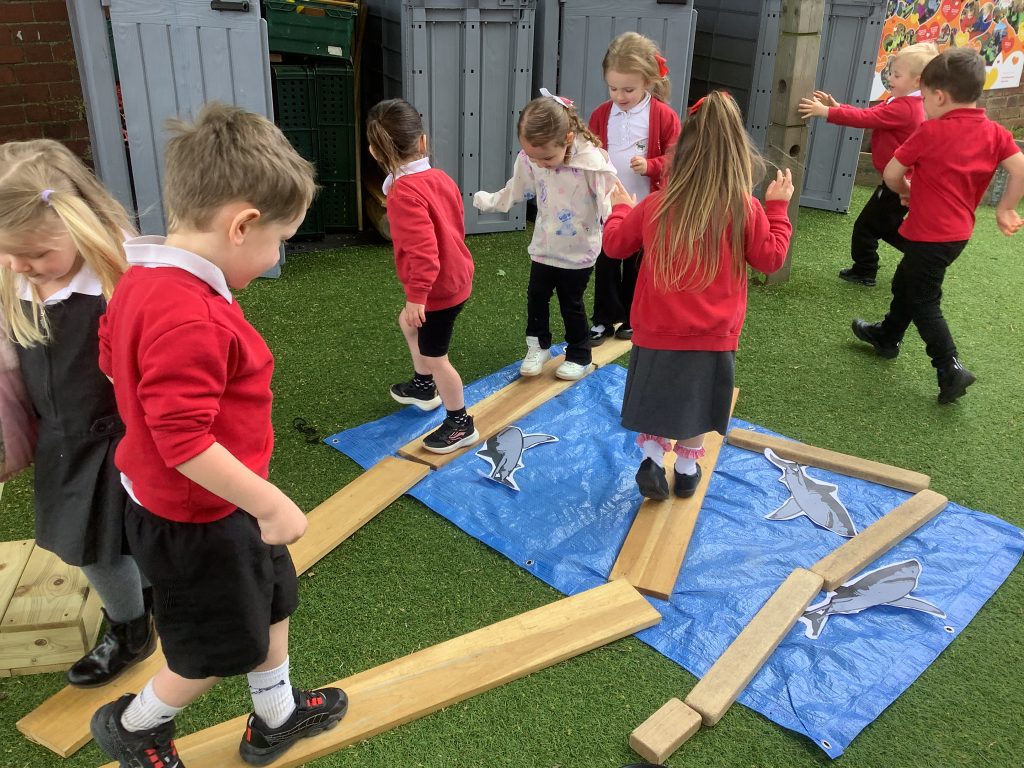
Last week, the children were busy developing and strengthening their balancing skills through a fun and exciting physical development activity. Together, we created our very own “bridges” to carefully walk across whilst making sure to stay away from the sharks underneath!
The children absolutely loved this activity and showed fantastic levels of concentration and determination as they carefully balanced their way across. It was wonderful to see the children naturally using their arms to support their balance and thinking carefully about how to move their bodies safely and with control. Activities like this are so important for developing core strength, coordination, spatial awareness, and overall gross motor skills, which all support children’s physical development and readiness for writing.
What made the activity even more special was watching the children encourage, motivate, and help one another as they took turns crossing the bridges. Crew Frost showed fantastic resilience when things felt tricky and demonstrated such kindness and teamwork throughout the activity. We are so proud of the way the children supported each other whilst building their confidence and physical skills. Well done, Crew Frost!

Fine motor building
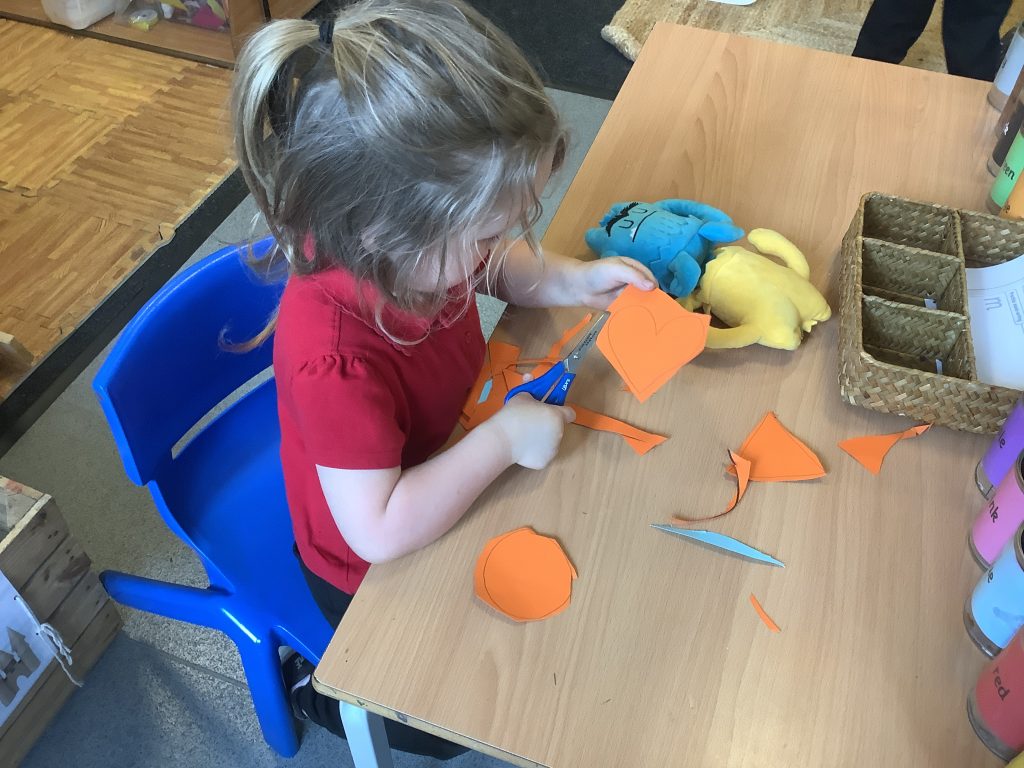
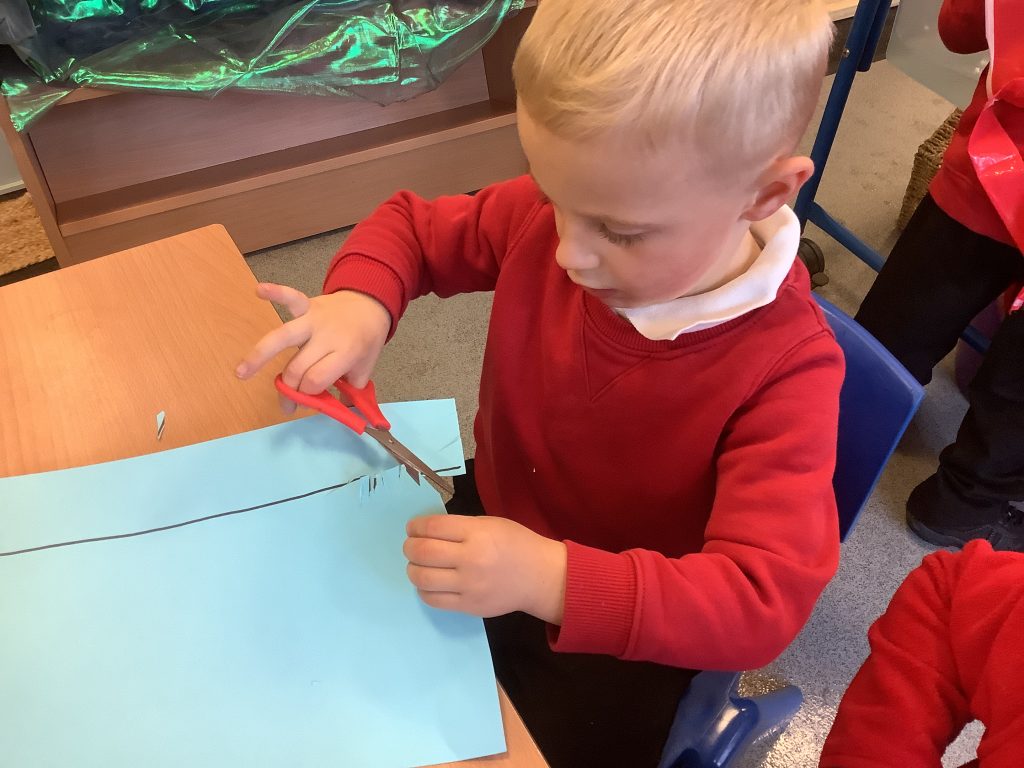
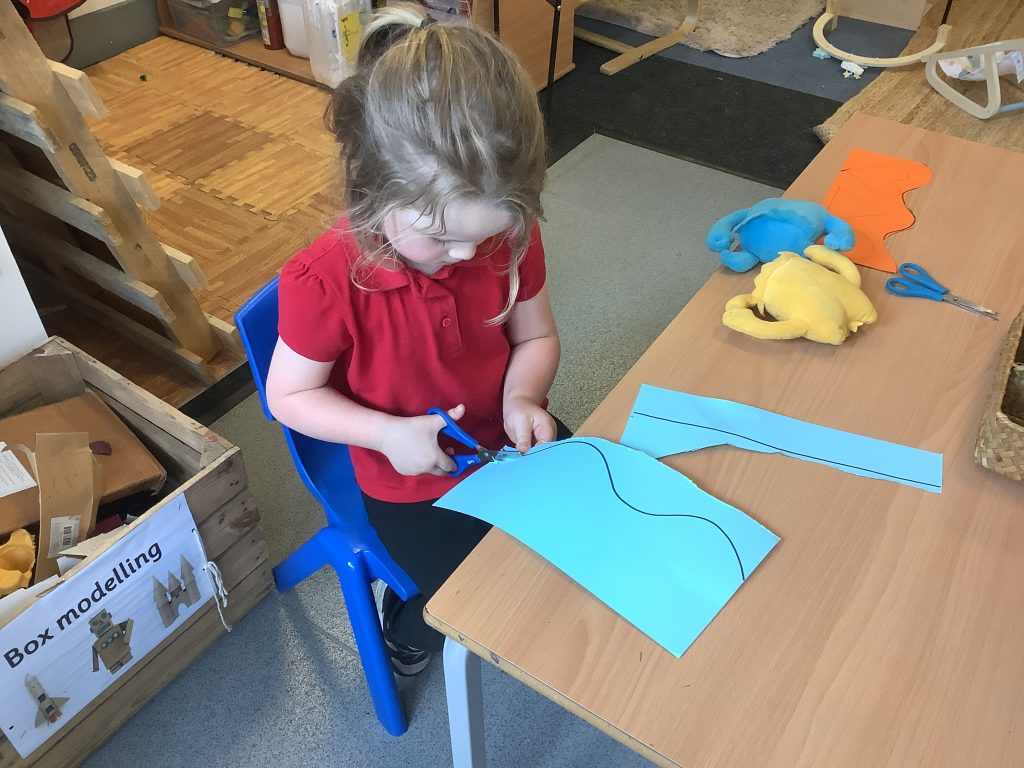
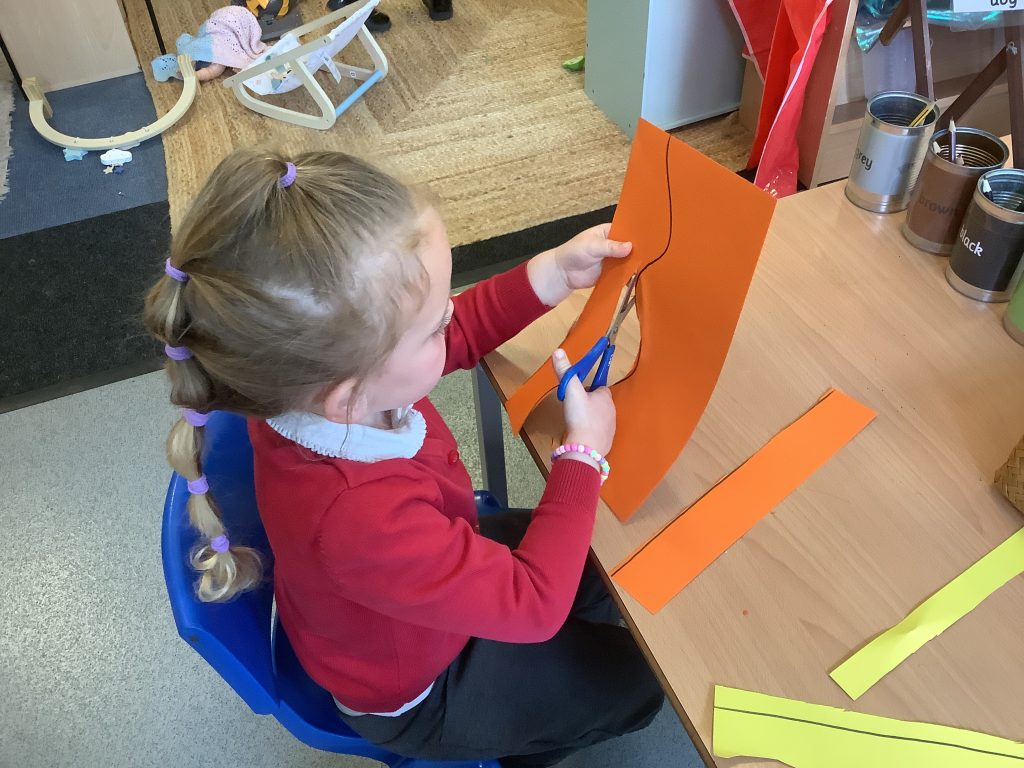
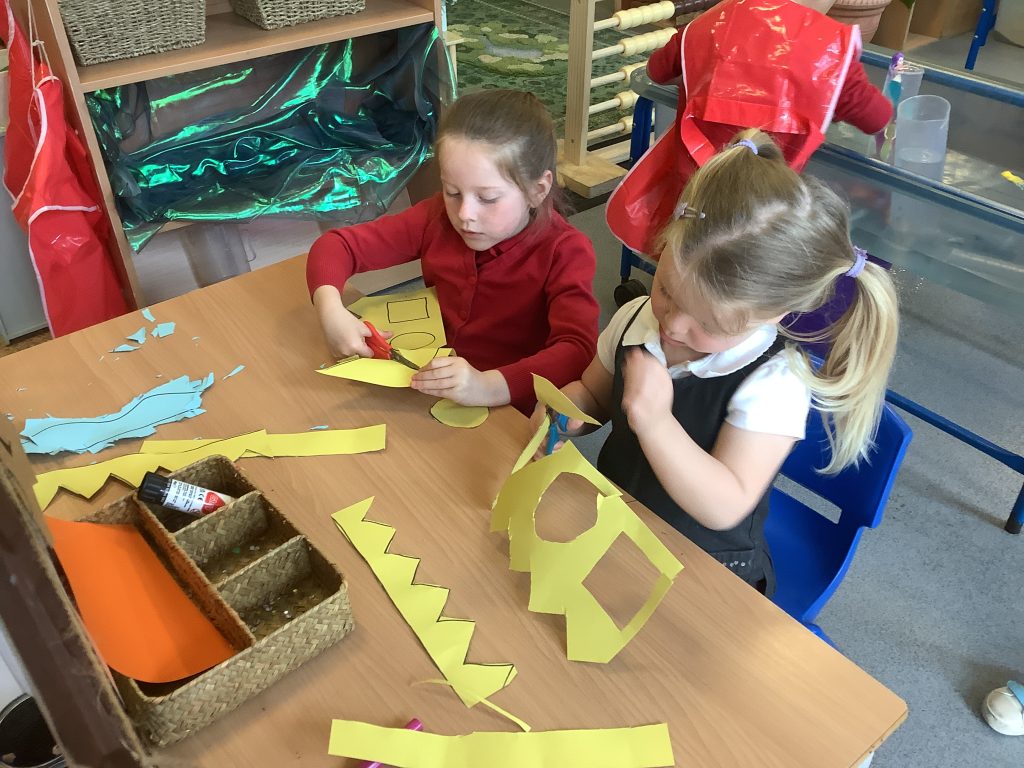
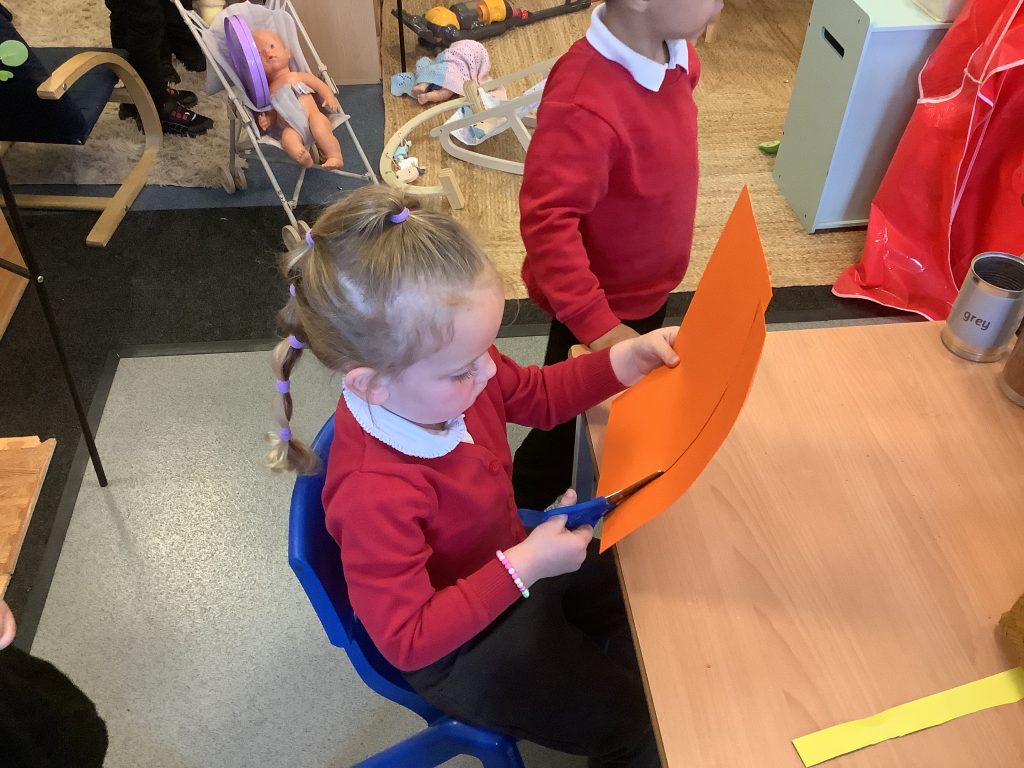
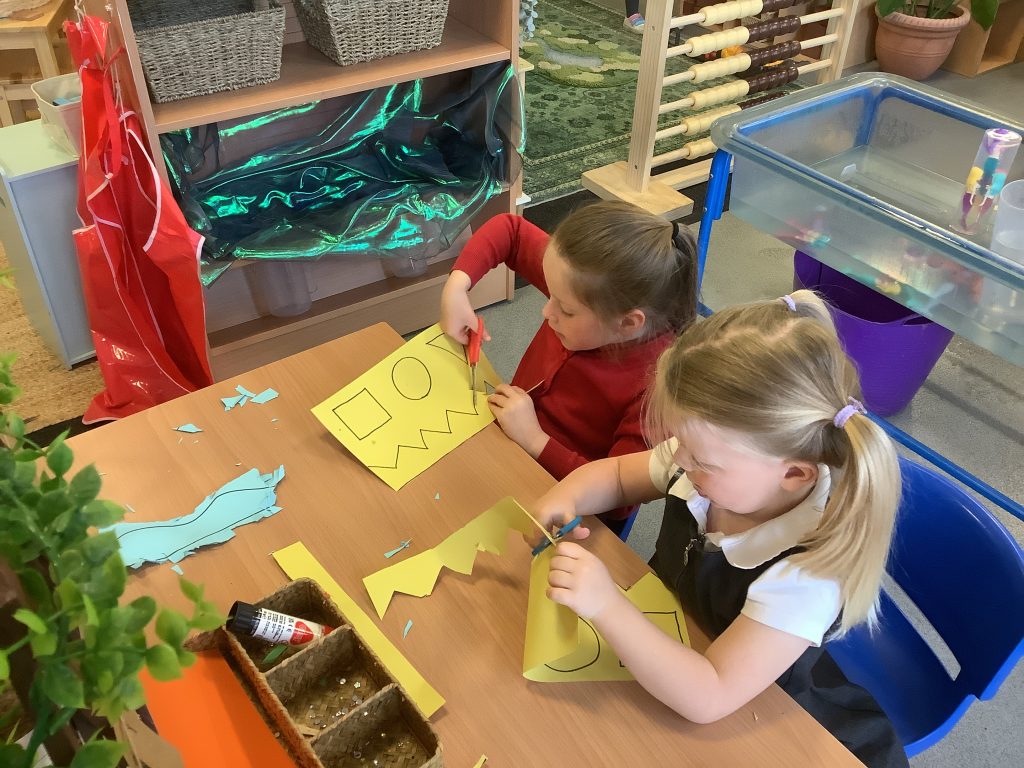
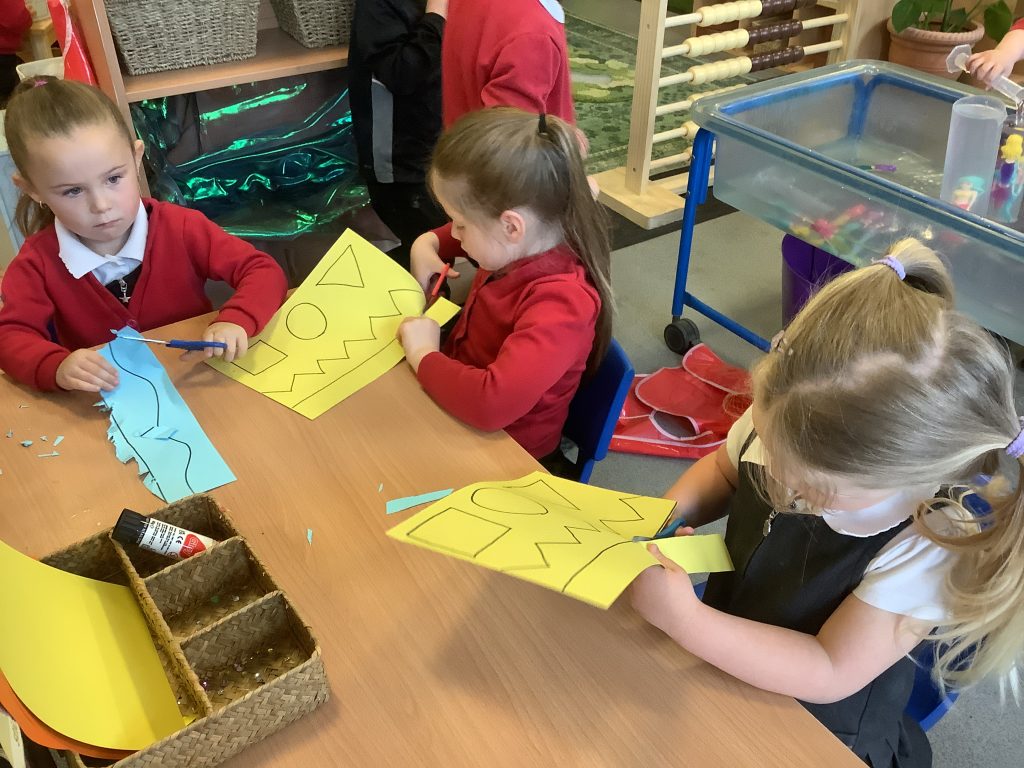
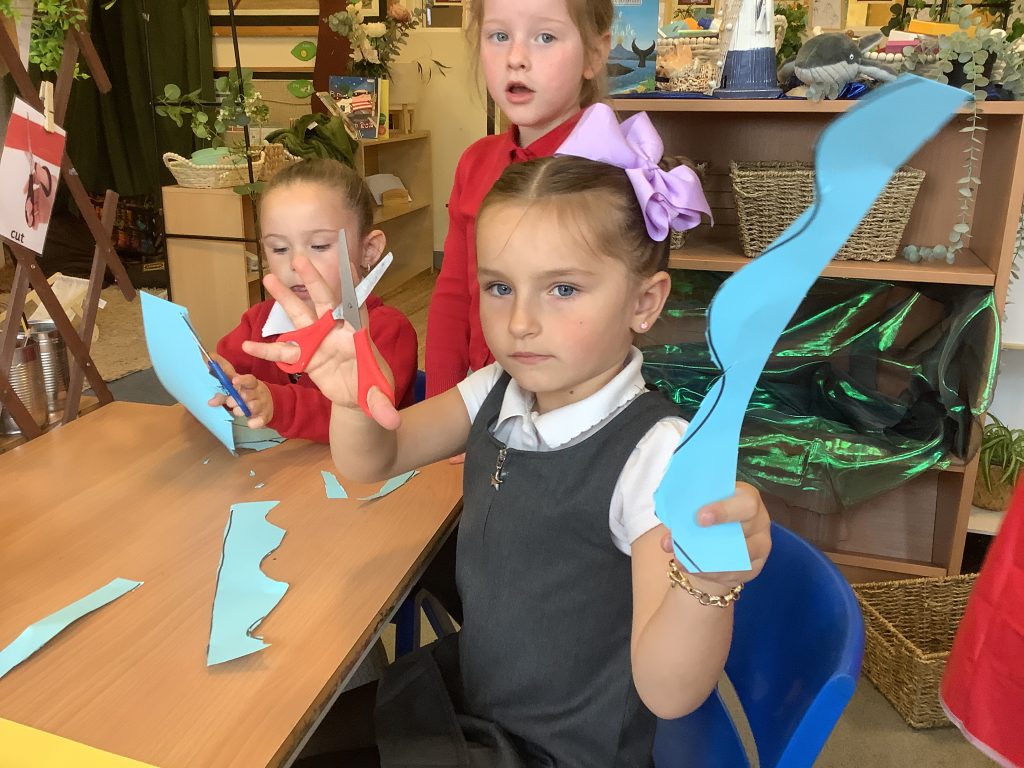
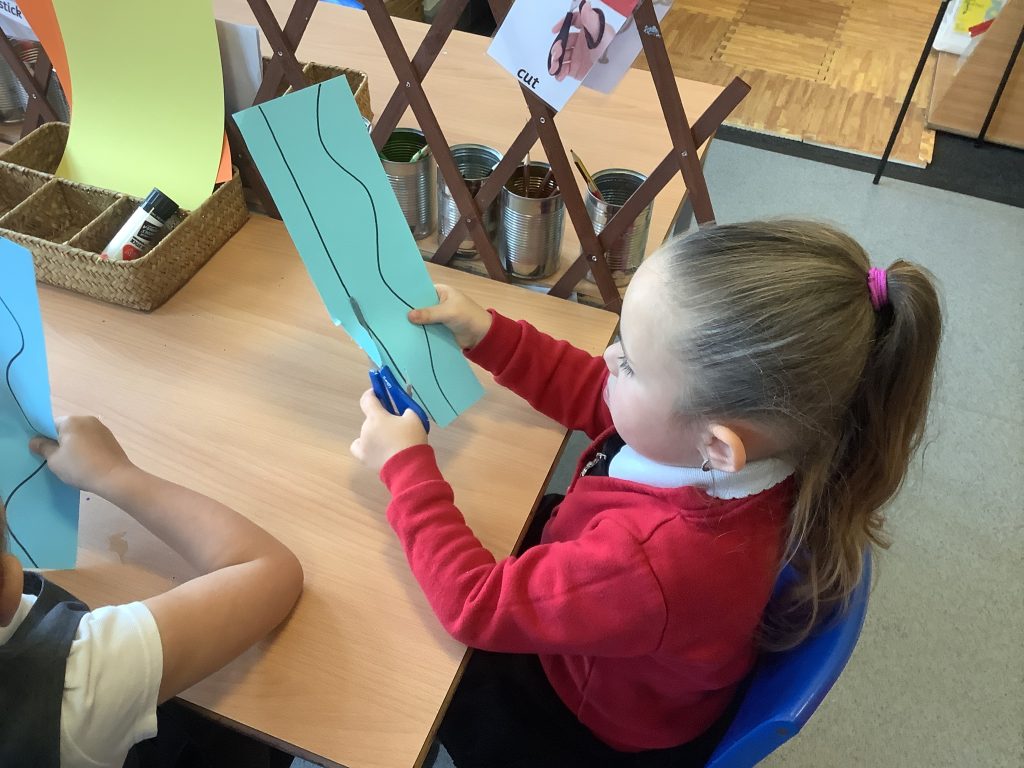
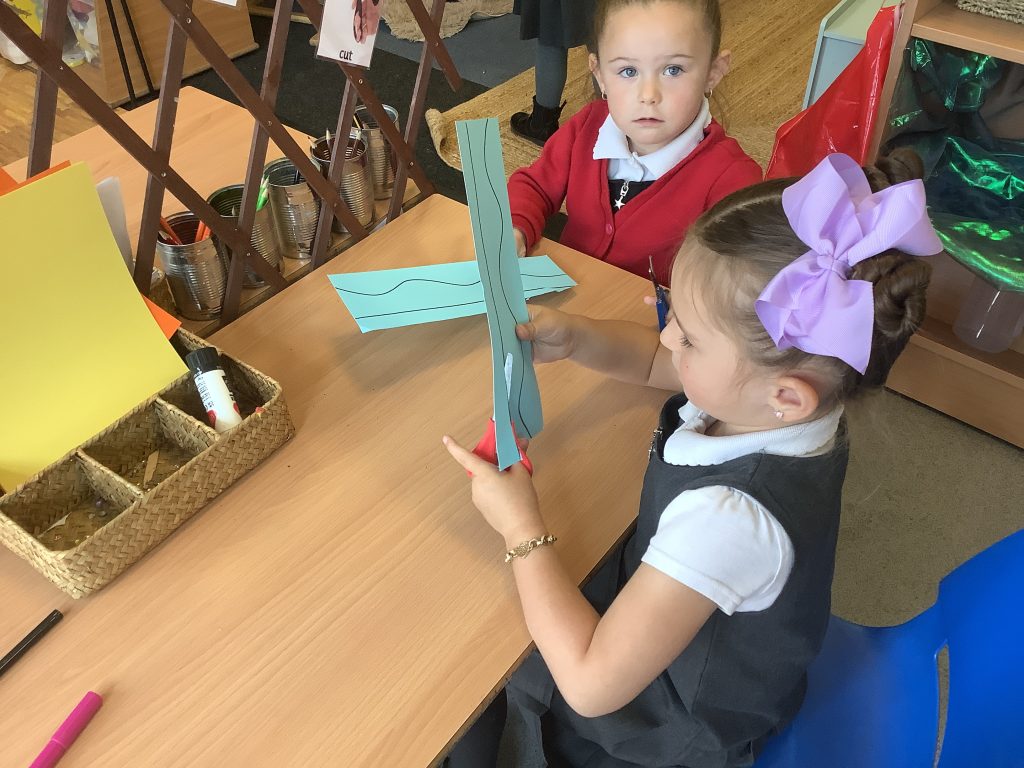
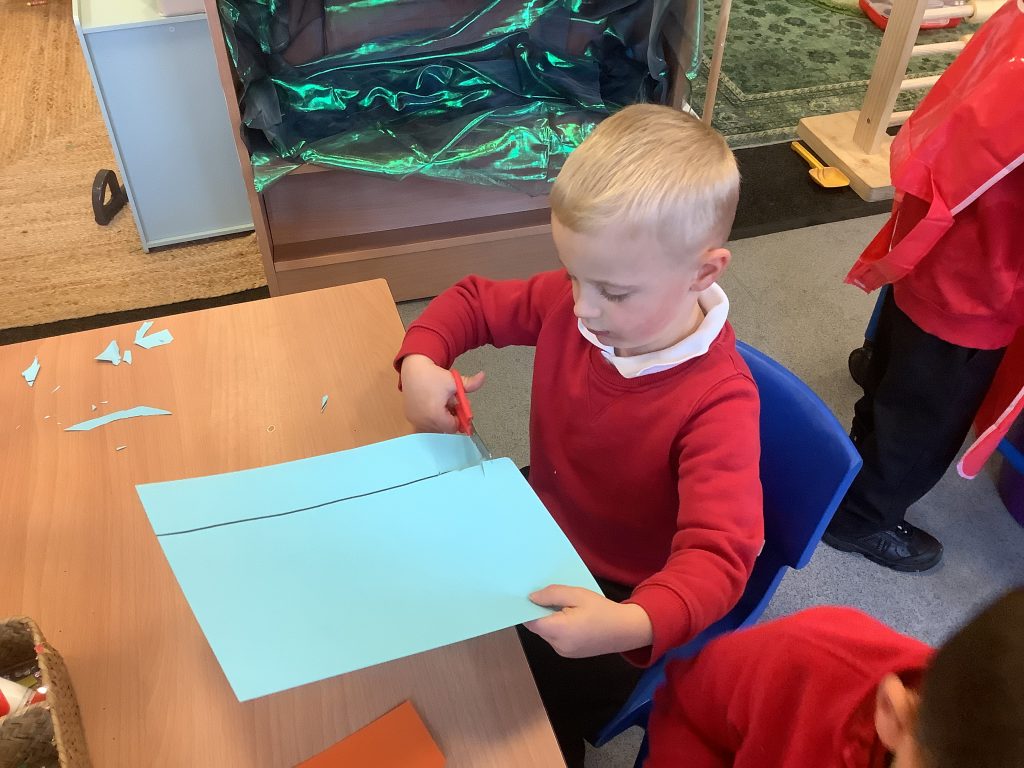
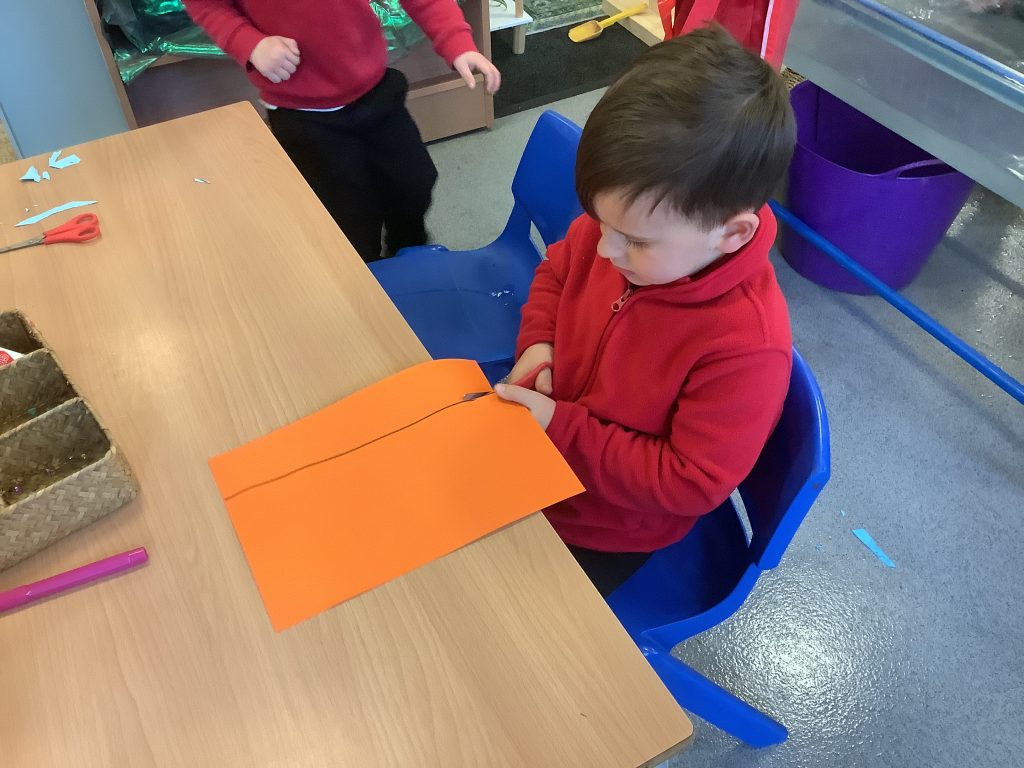
One day each week in Crew Frost, we spend time focusing on developing our fine motor skills through activities such as using scissors to cut along lines and around shapes. Cutting is an excellent skill to master in the Early Years, as it supports so many of the important skills children need as they begin their writing journey.
The children are learning how to separate and strengthen the muscles in their fingers and hands whilst carefully controlling the scissors. They are also developing their hand-eye coordination and problem-solving skills as they work out how to move the paper and scissors together whilst trying to stay on the lines. This takes a huge amount of concentration, control, and perseverance.
Alongside this, we have been practising our “ready to write” positioning by sitting with our tummy to the table and all six chair legs on the floor. Developing core strength, balance, and posture is a very important part of early writing development, helping children to gain the stability needed for mark making and pencil control in the future.
Although cutting may look simple, it is actually a very tricky skill that requires children to coordinate many different movements at the same time. We are so proud of the resilience, determination, and focus Crew Frost have shown whilst practising these important skills. Well done, Crew Frost — it is much harder than it looks!
Interventions
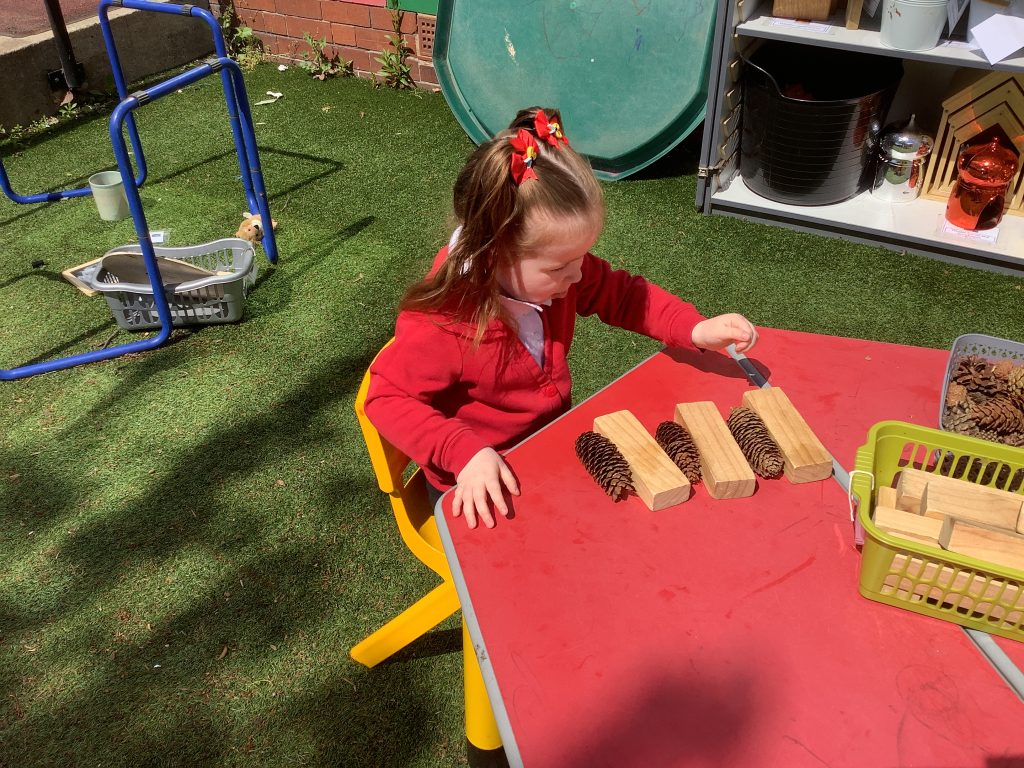
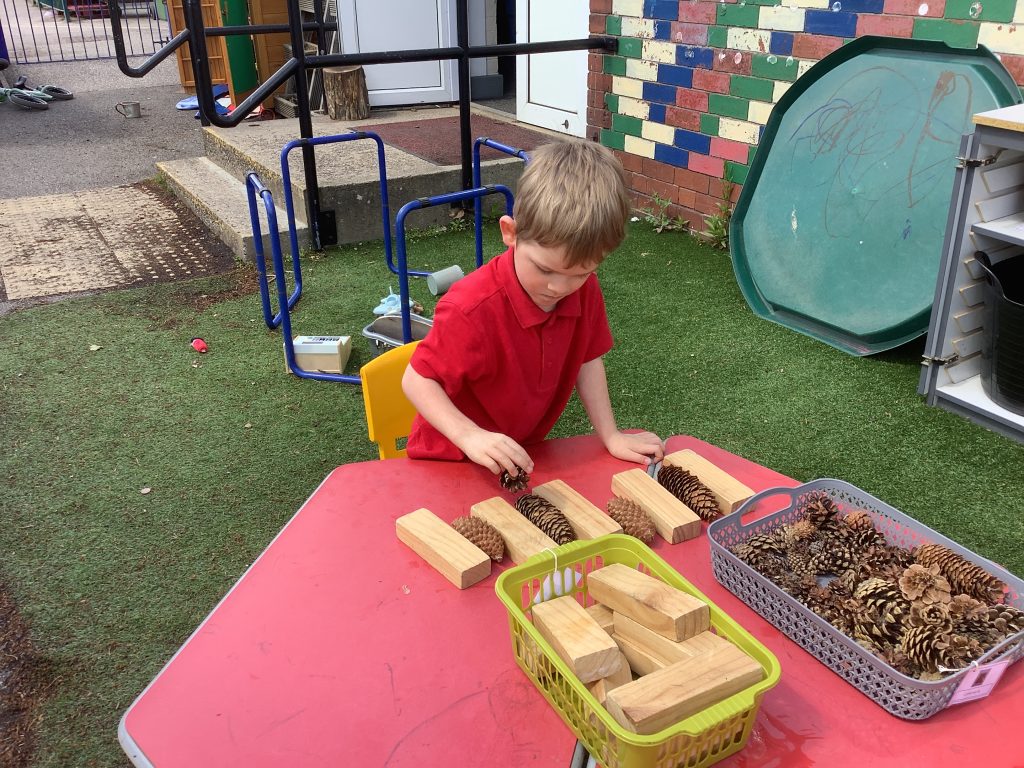
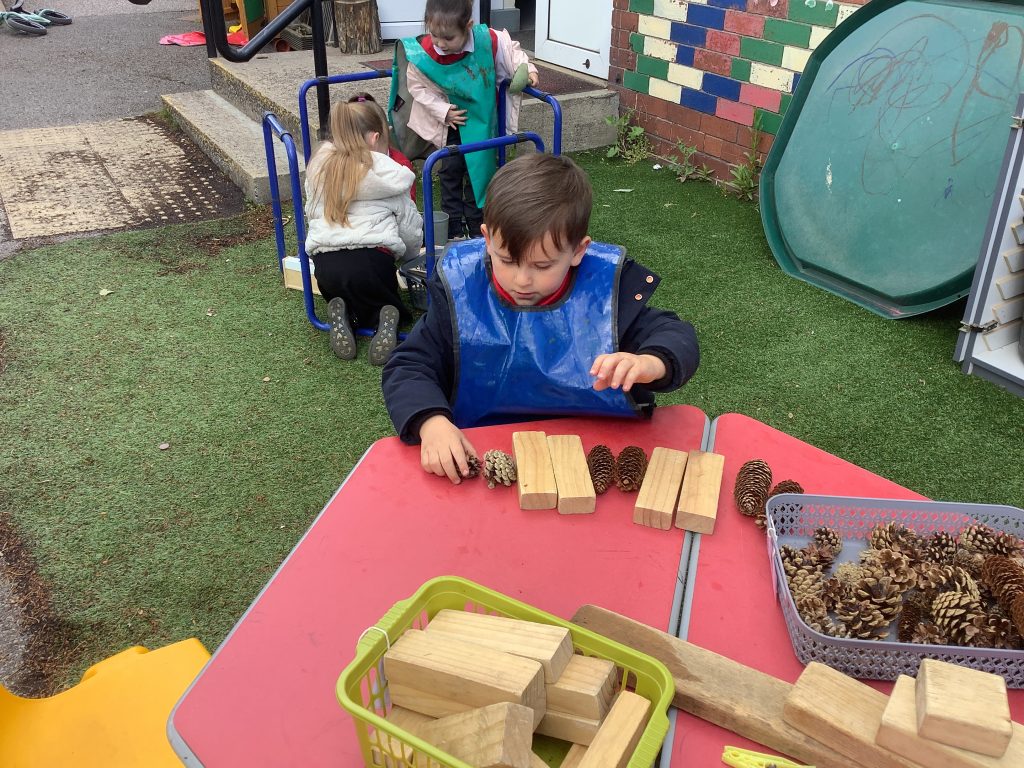
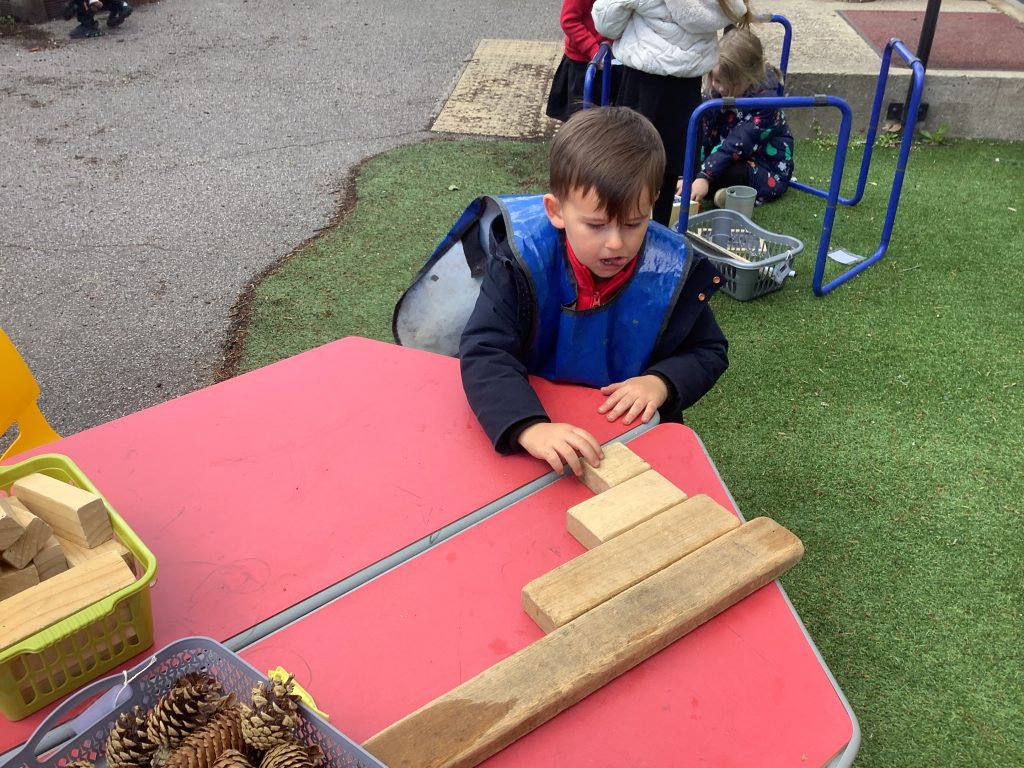
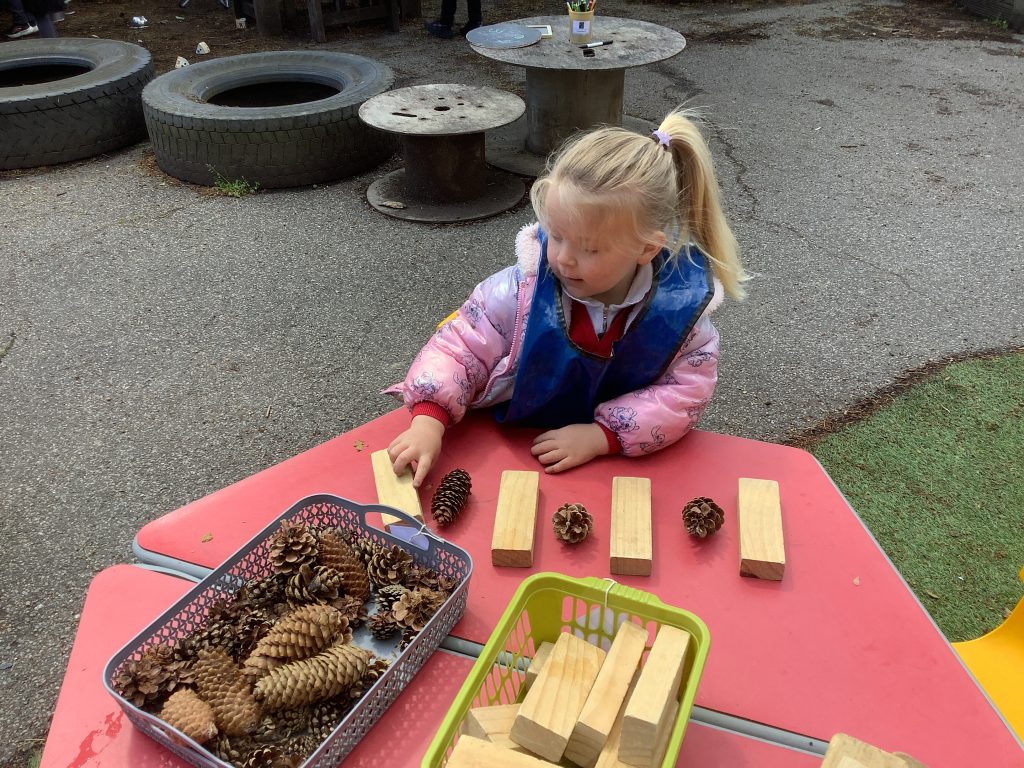
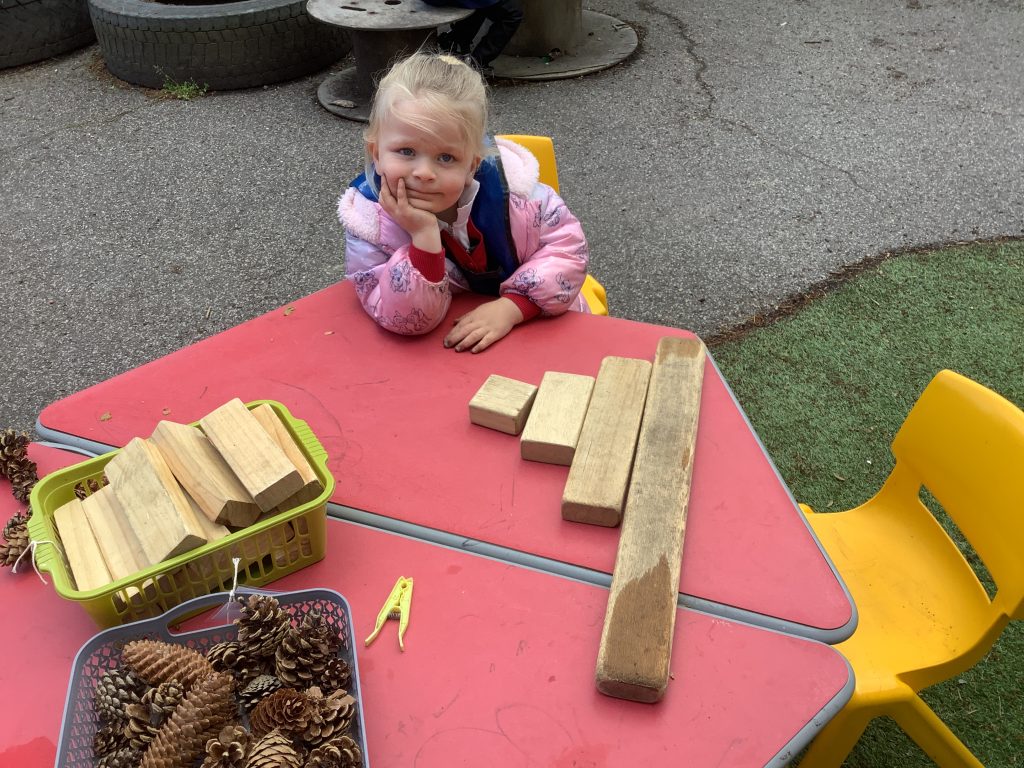
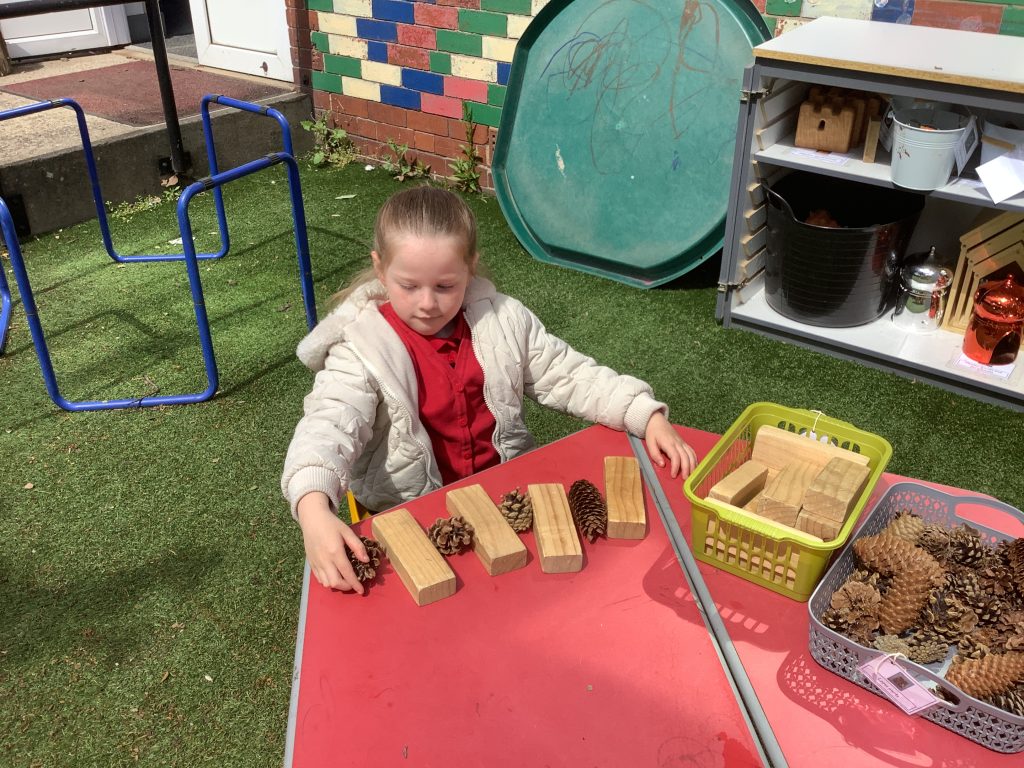
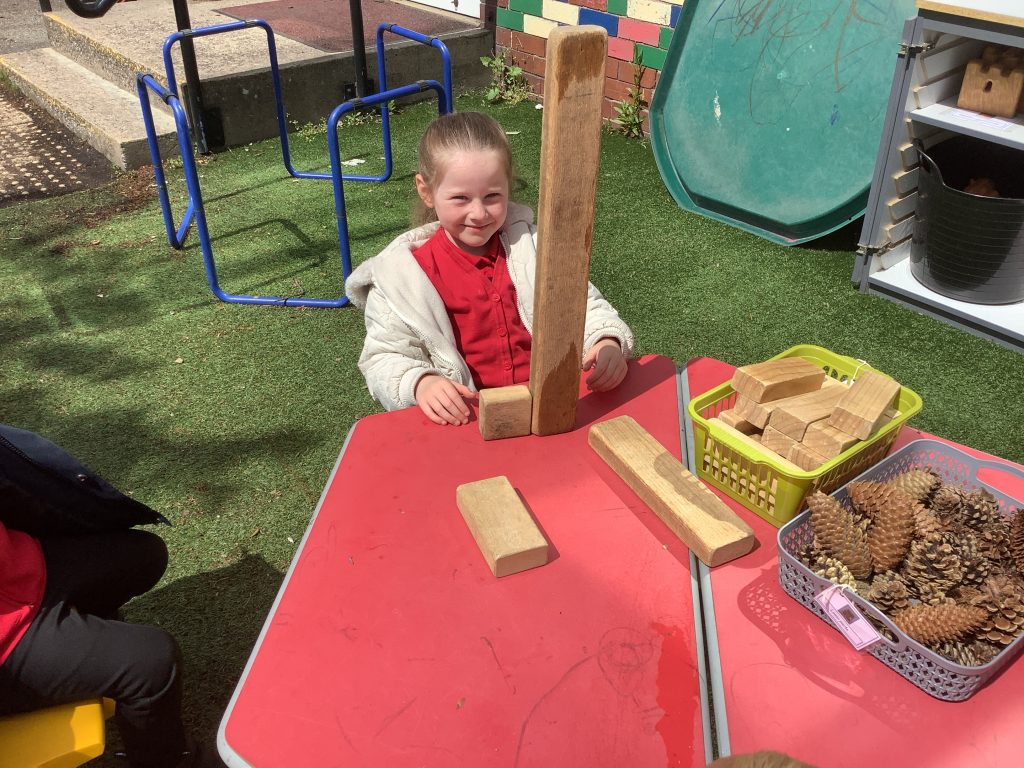
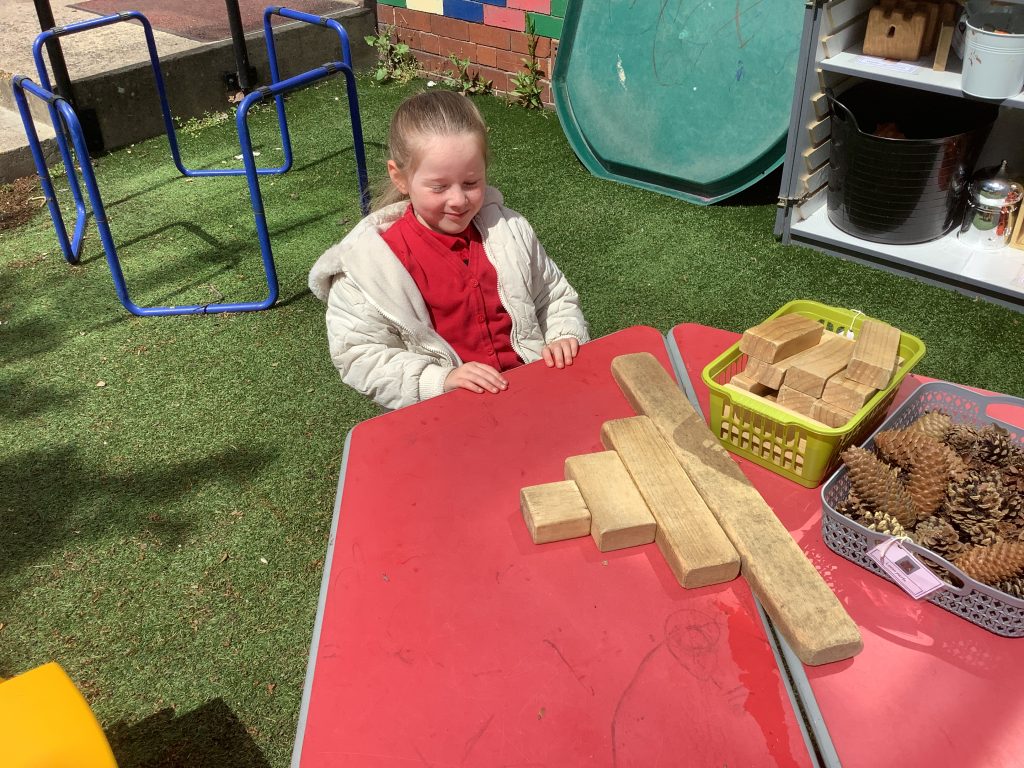
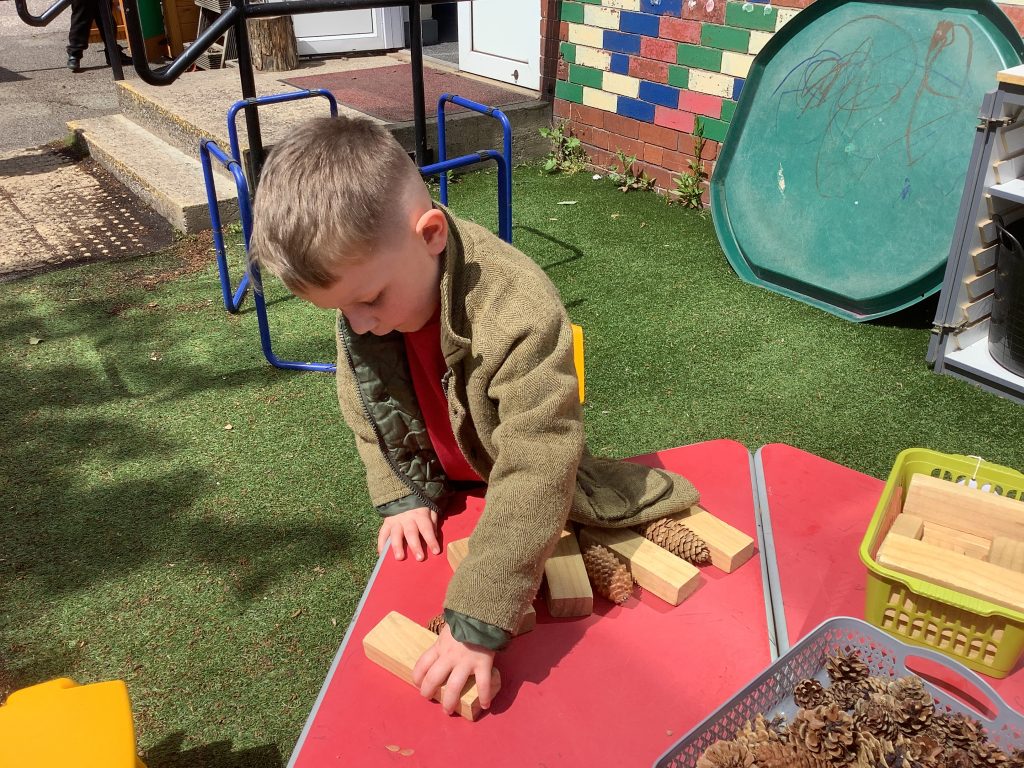
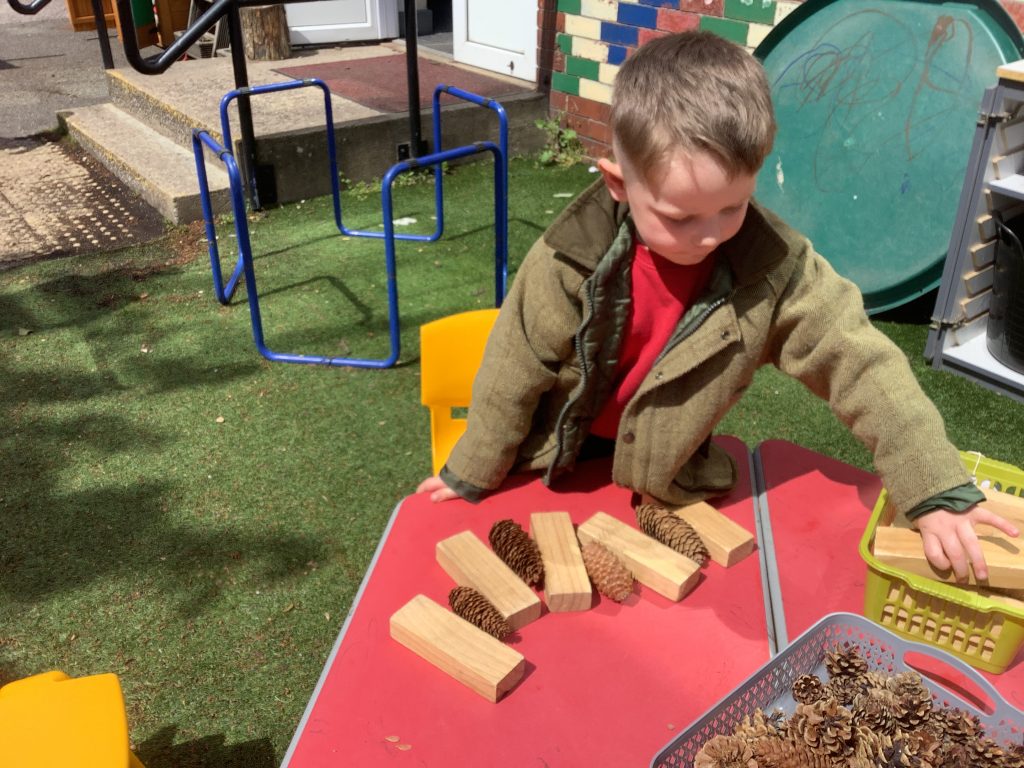
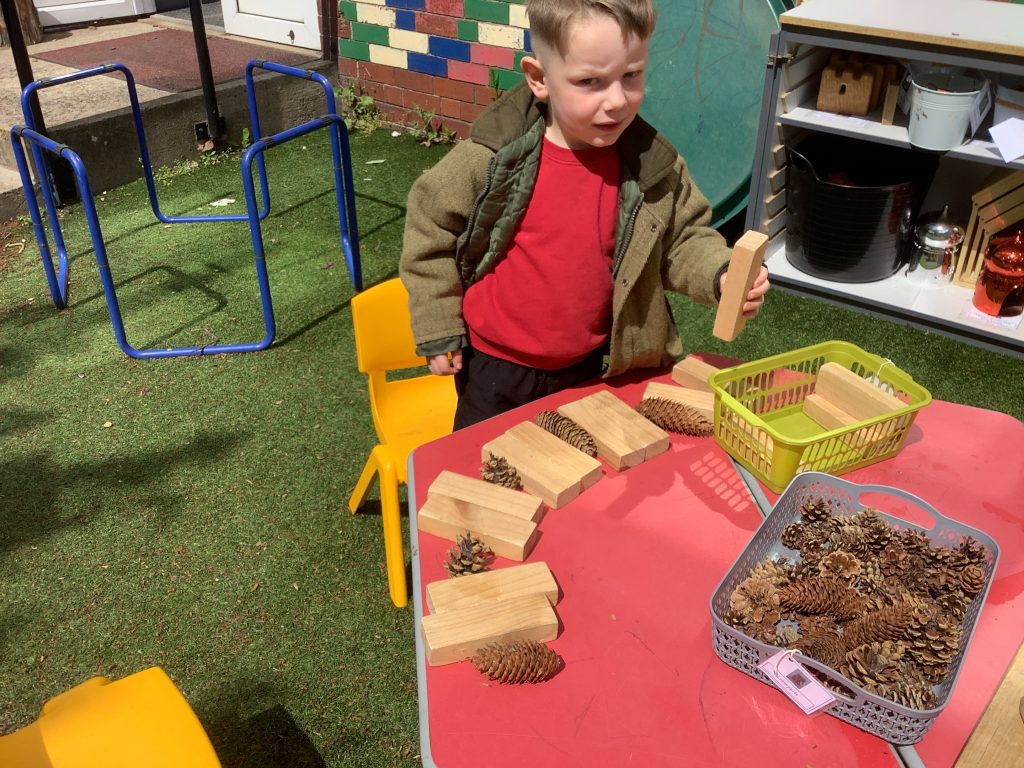
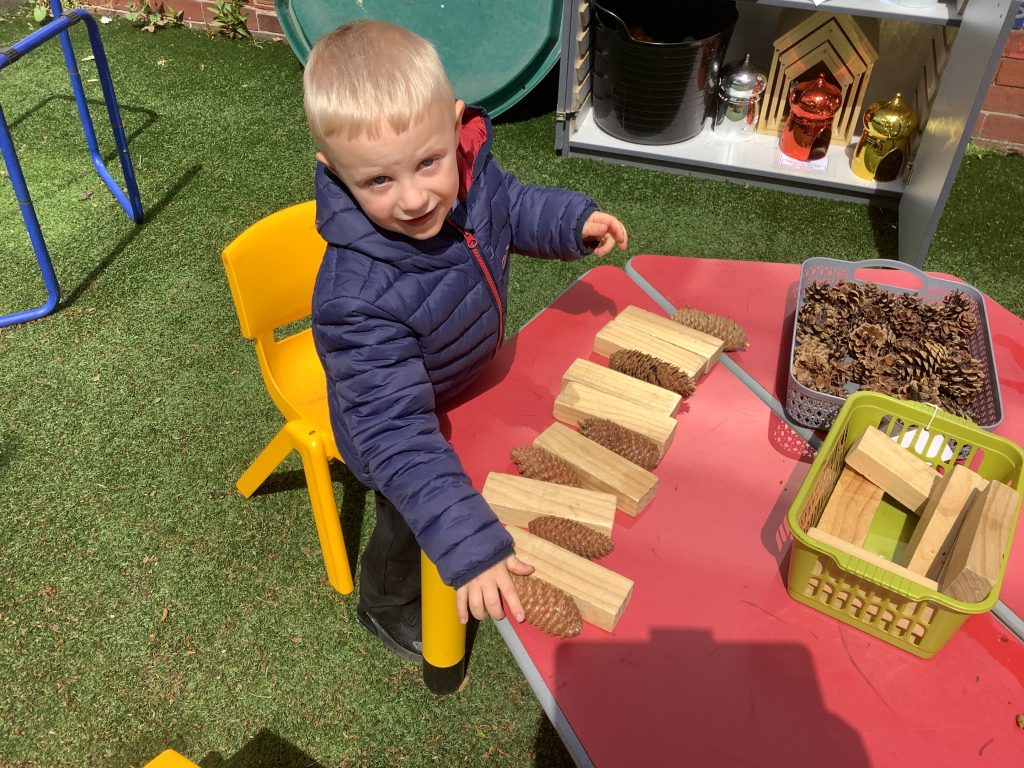
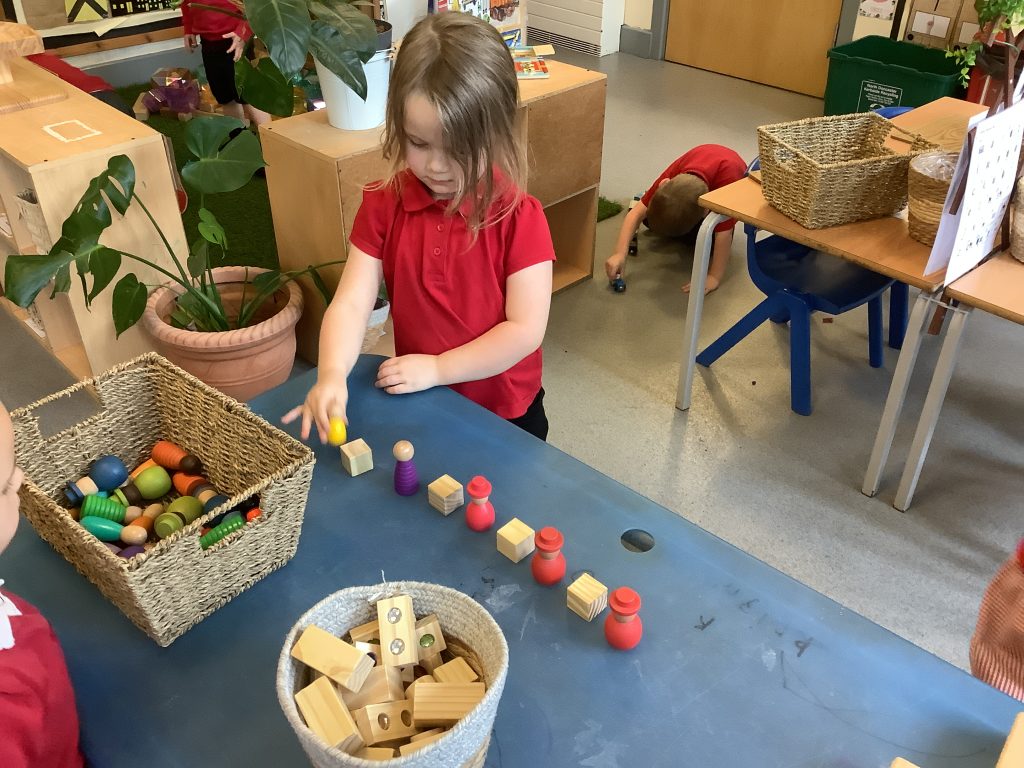
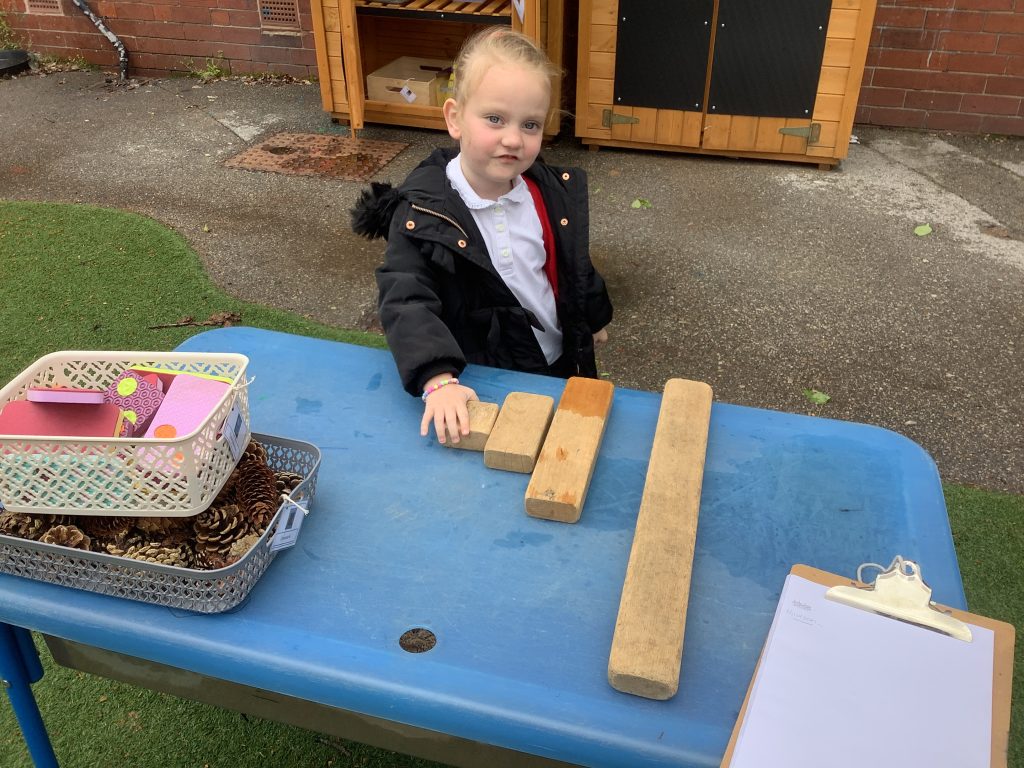
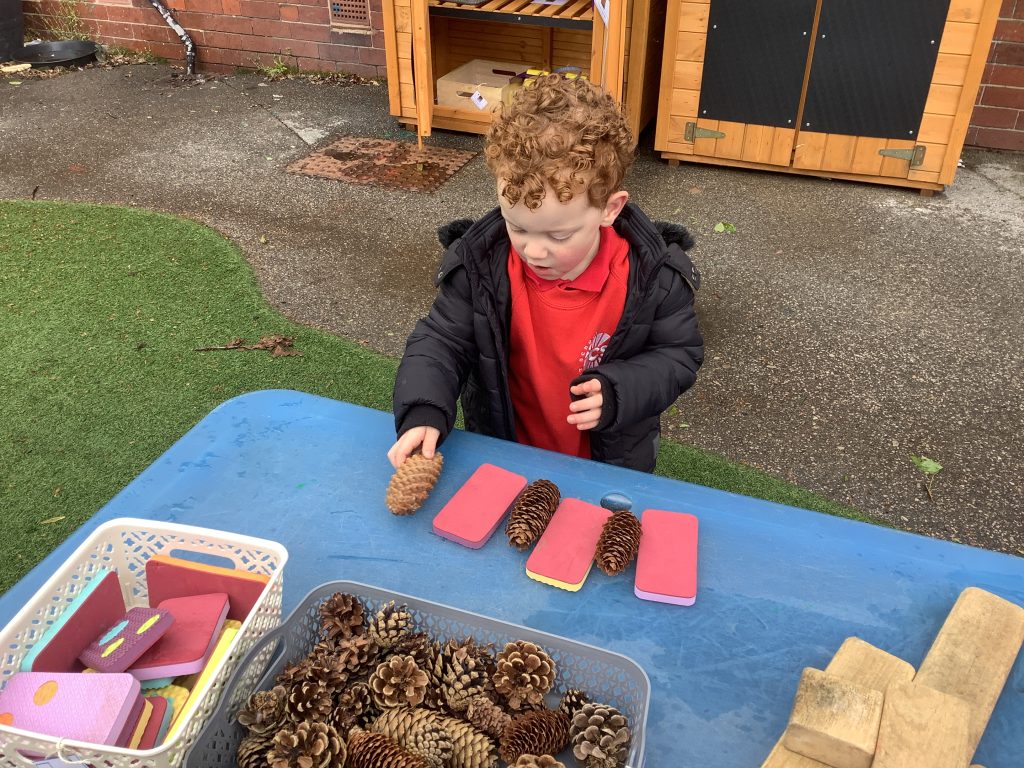
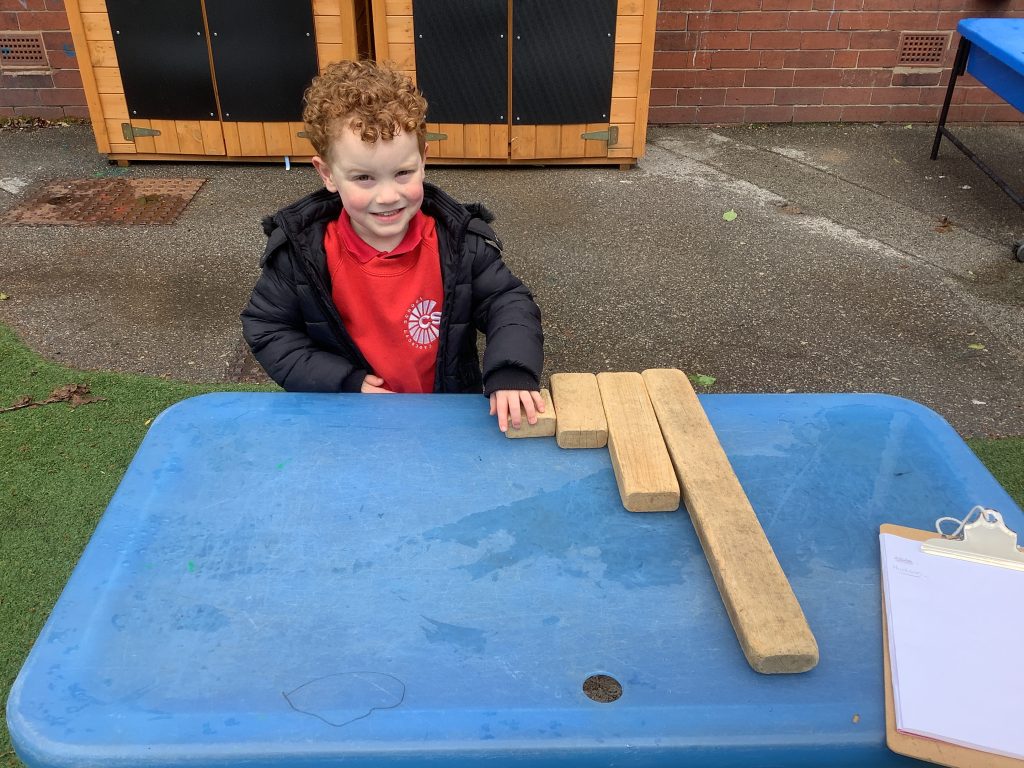
During our choosing time, Crew Frost have been developing their early mathematical skills through a range of practical, hands-on interventions linked to the EYFS Development Matters guidance. This week, the children have focused on recognising, extending, and creating their own two-part patterns, as well as organising and comparing objects by size from biggest to smallest.
The children showed great curiosity and engagement as they explored pattern and shape through play. They were encouraged to use mathematical language to describe what they could see, including words such as pointy, corners, sides, stripy, and edges. This supported the children in talking about and exploring shapes and patterns around them.
These activities help to build strong foundations within the Mathematics area of learning, particularly in noticing patterns, comparing size, and developing spatial reasoning. Crew Frost have worked incredibly hard to explain their thinking, solve problems, and apply their learning independently during provision.
We are so proud of the progress Crew Frost are making as they continue to grow in confidence and prepare for their transition into Reception. Well done, Crew Frost!
Building up our stories
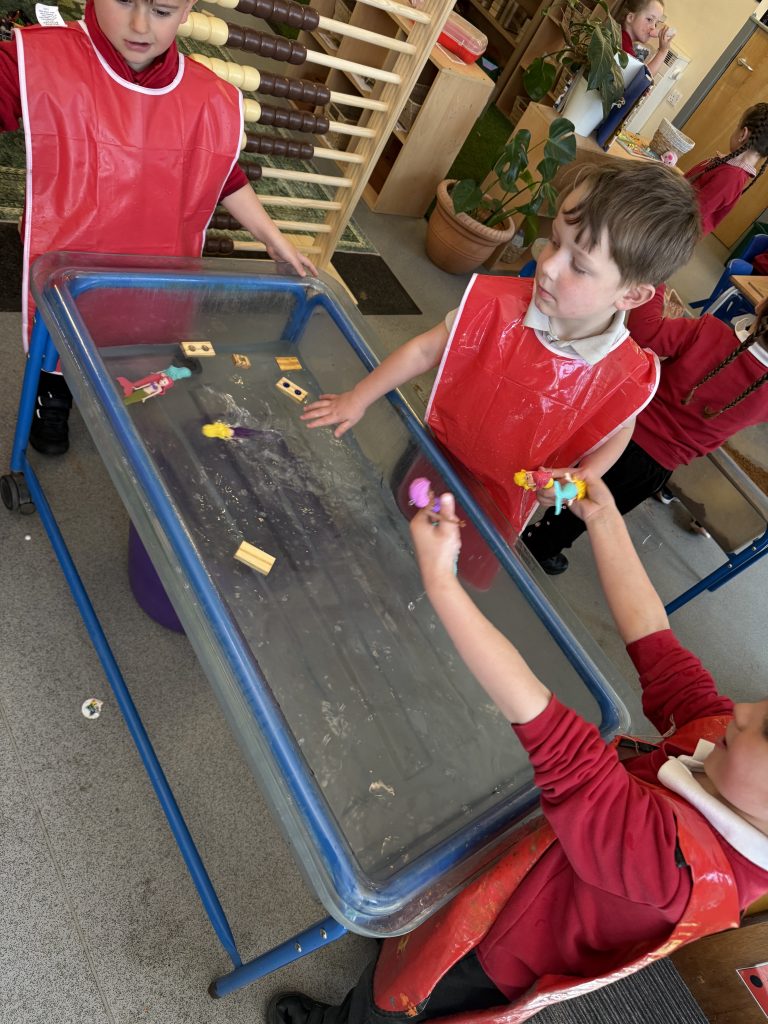
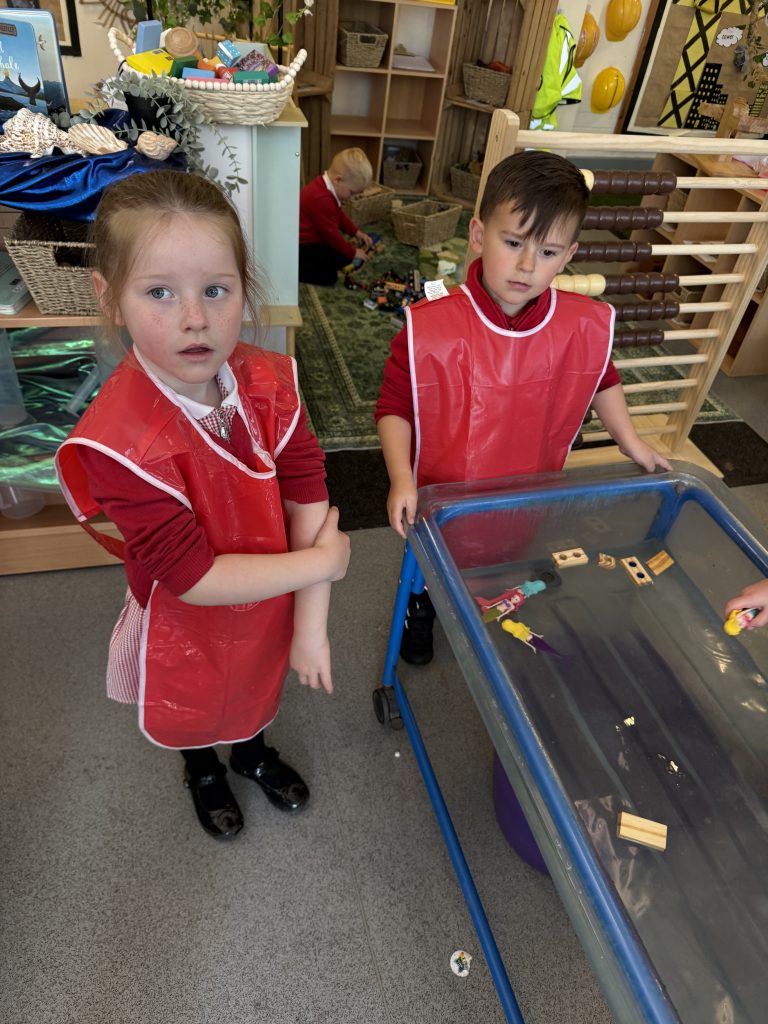
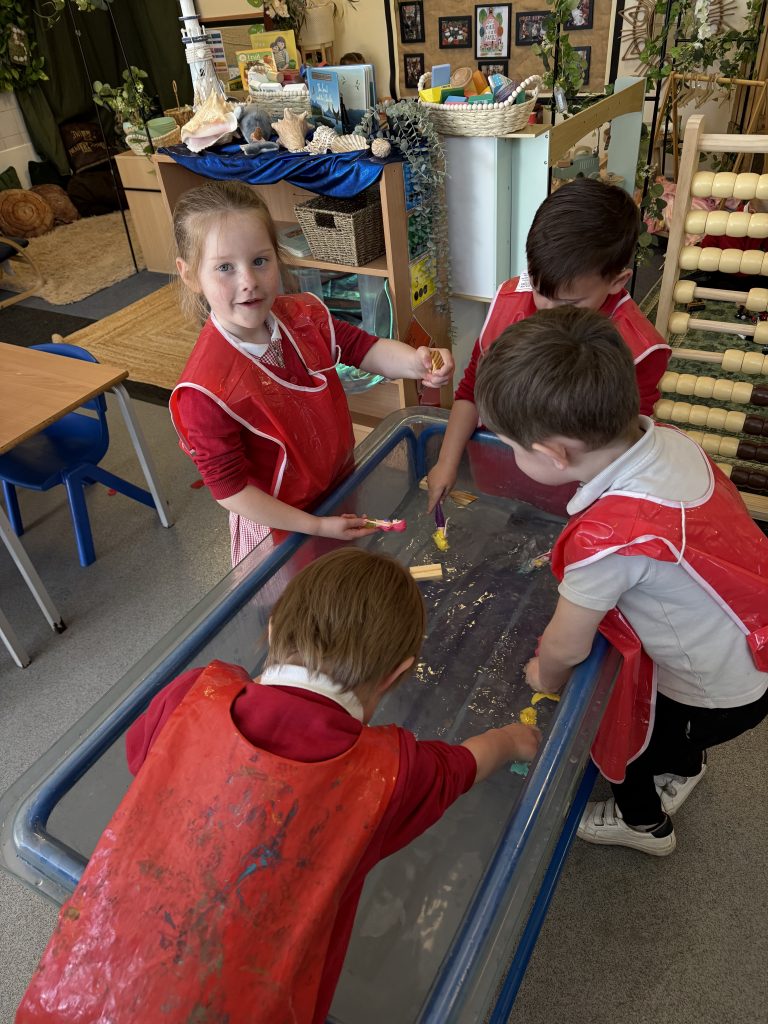
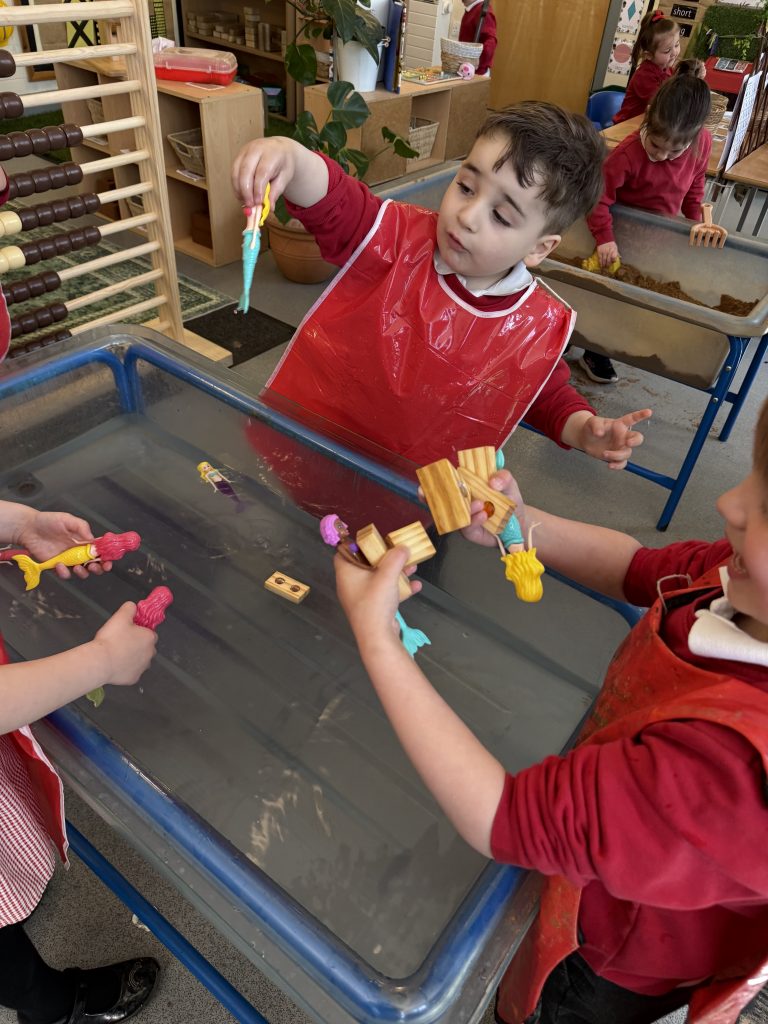
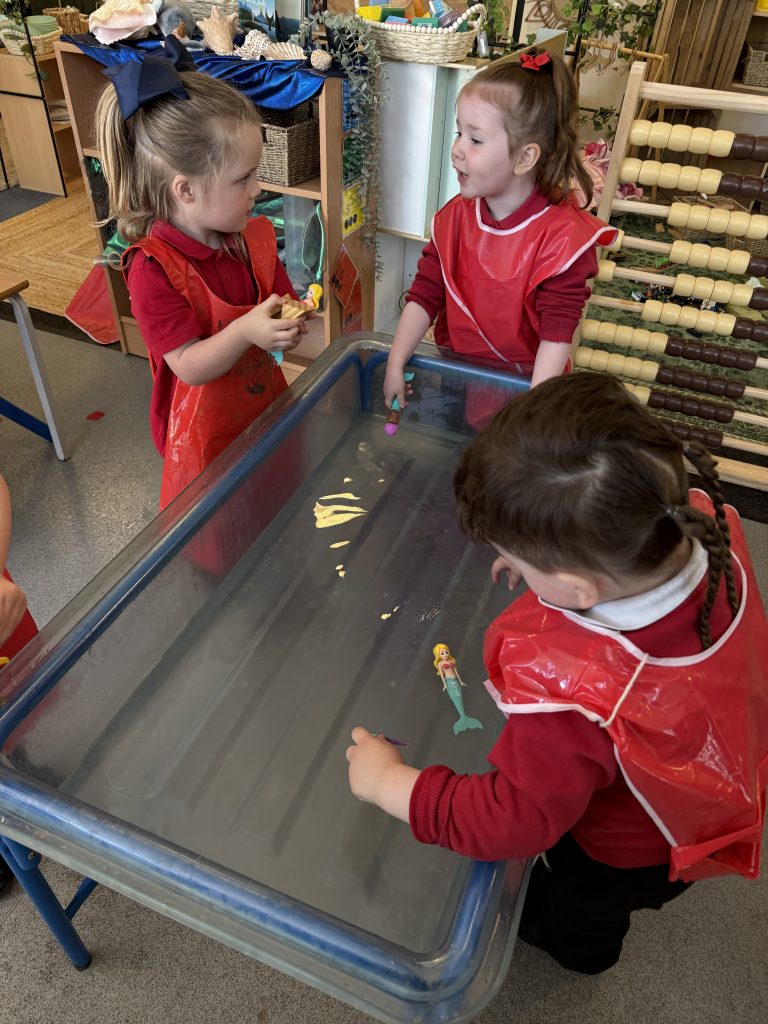
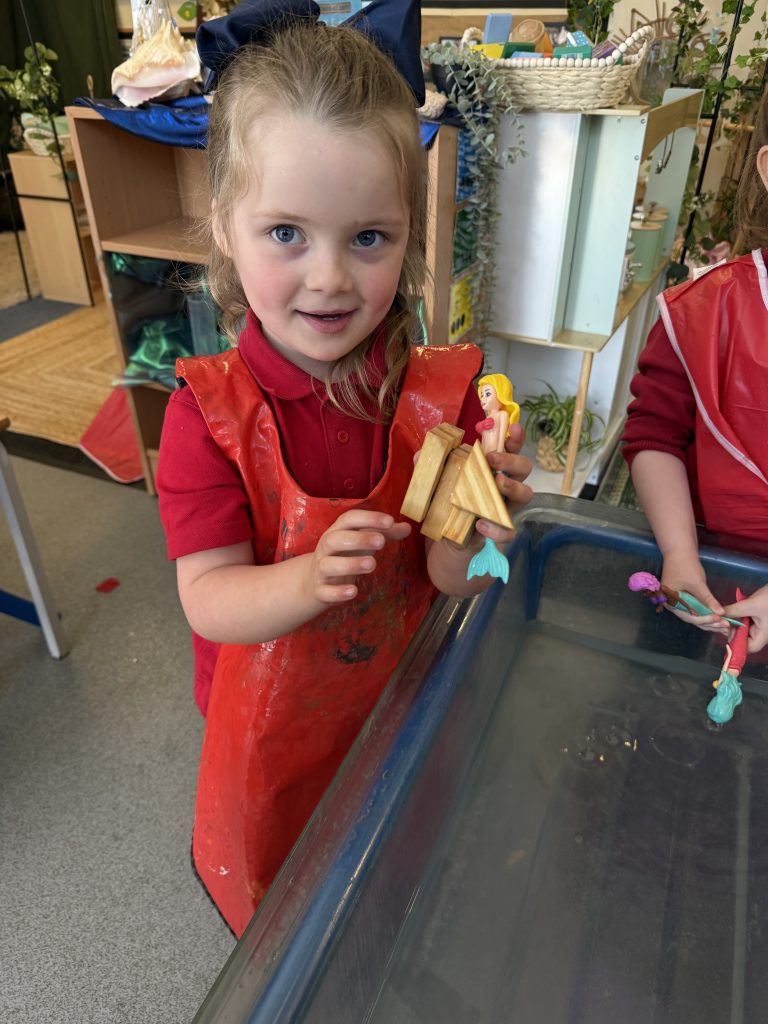
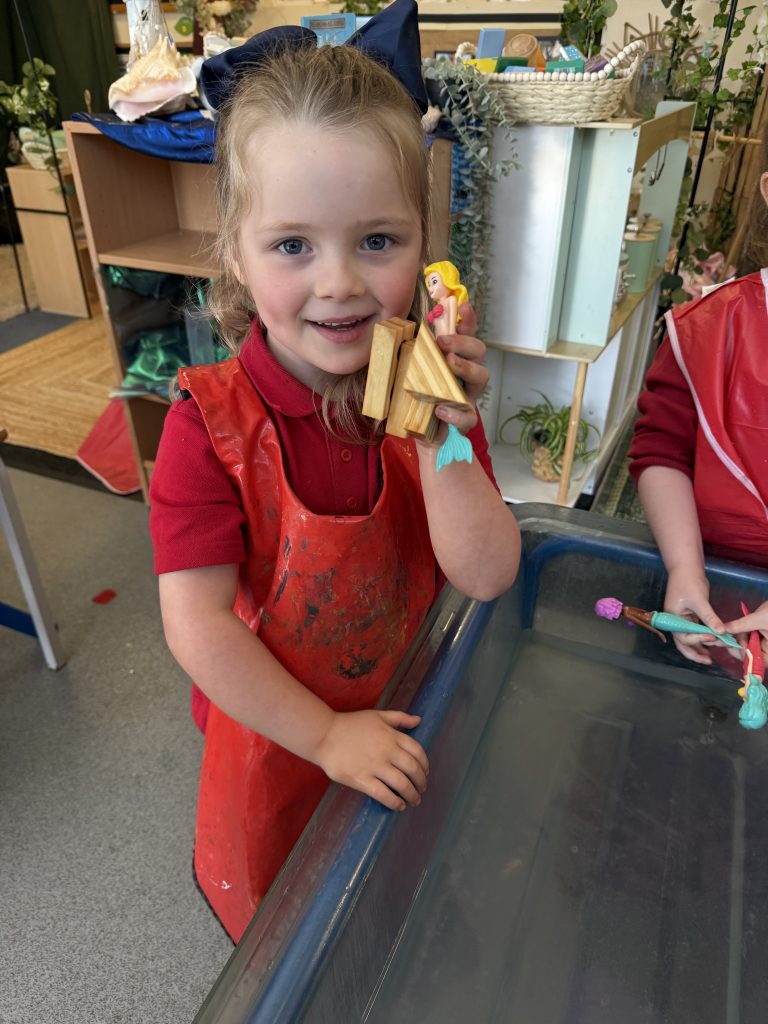
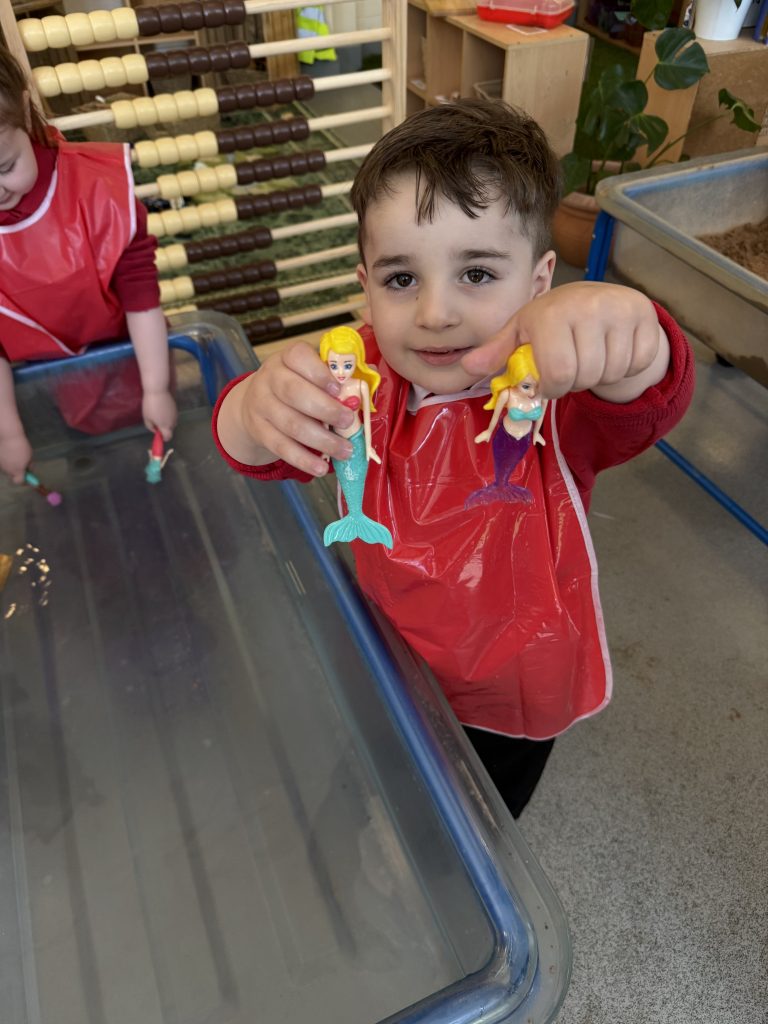
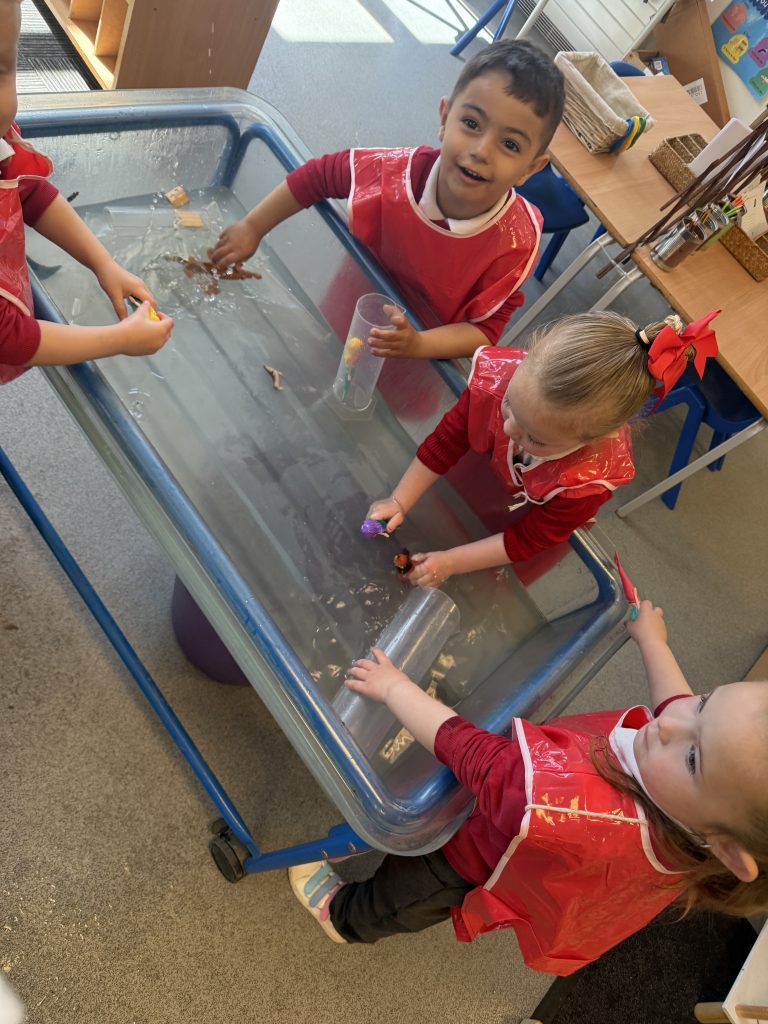
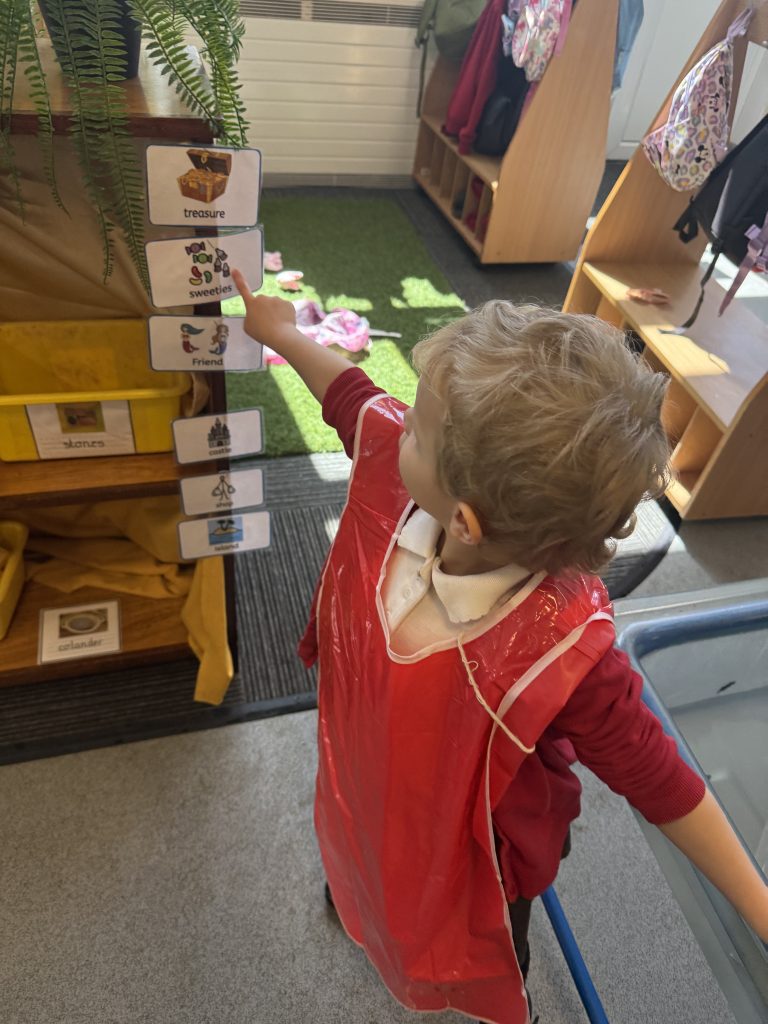
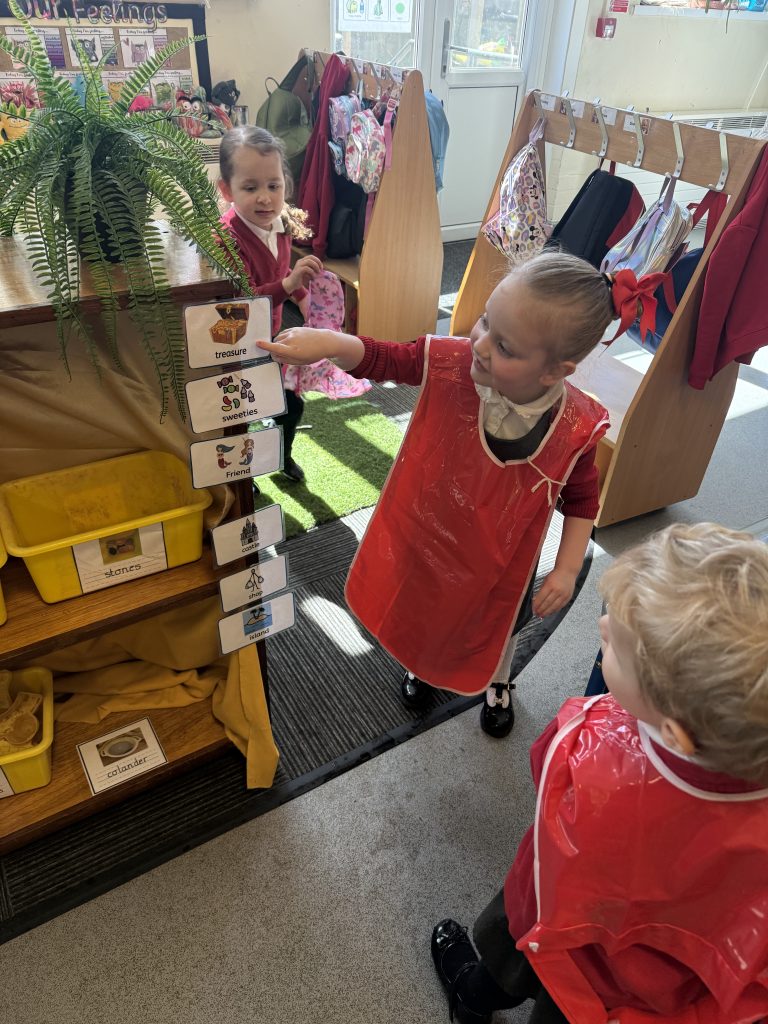
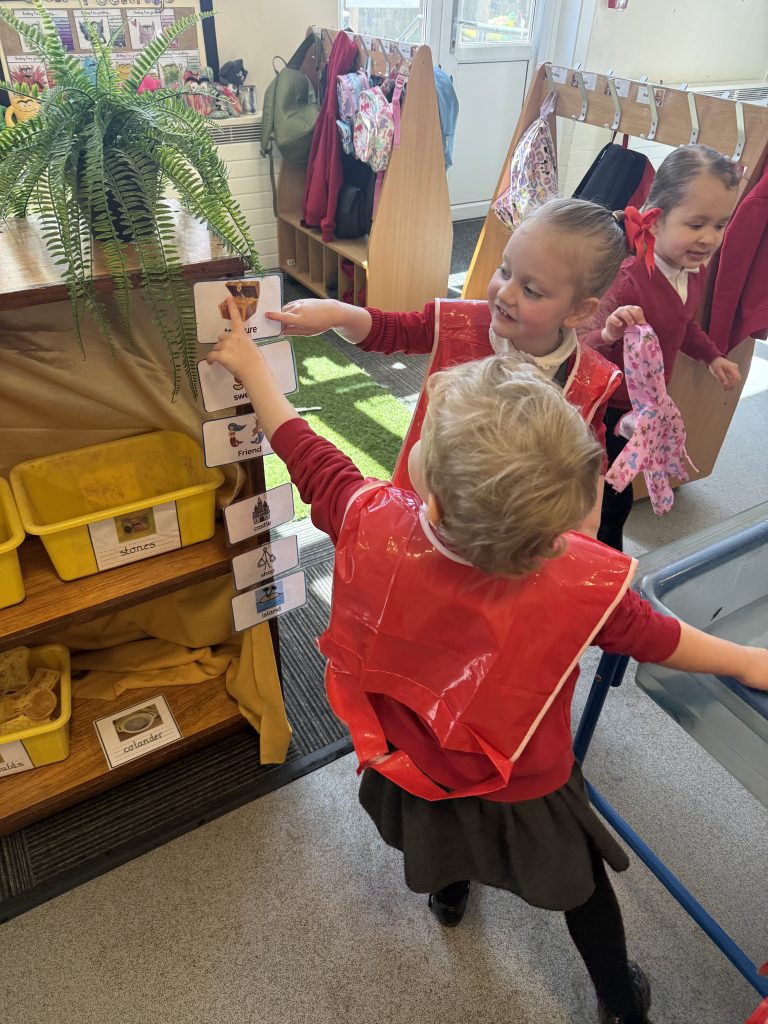
During our expedition “When the Sea Meets the Shore,” we have been exploring the story The Singing Mermaid. The children began by sharing their ideas and predictions, thinking carefully about where the mermaid might travel next and what adventures she might have along the way. This gave them the opportunity to express their own thoughts and build on each other’s ideas.
We then used these suggestions to create visual prompts, which were taken to the water tray to enhance our play. The children used these prompts to guide their storytelling, developing their vocabulary and deepening their understanding of “who,” “what,” and “where.” Through this, they created imaginative and detailed narratives, bringing the mermaid’s journey to life in their own unique ways.
This activity supported their communication and language development, as well as encouraging creativity and collaboration. It was also a lovely way to engage in meaningful, hands-on learning, especially in the warm weather.
Well done for working so hard, Crew Frost!
Coral Reef
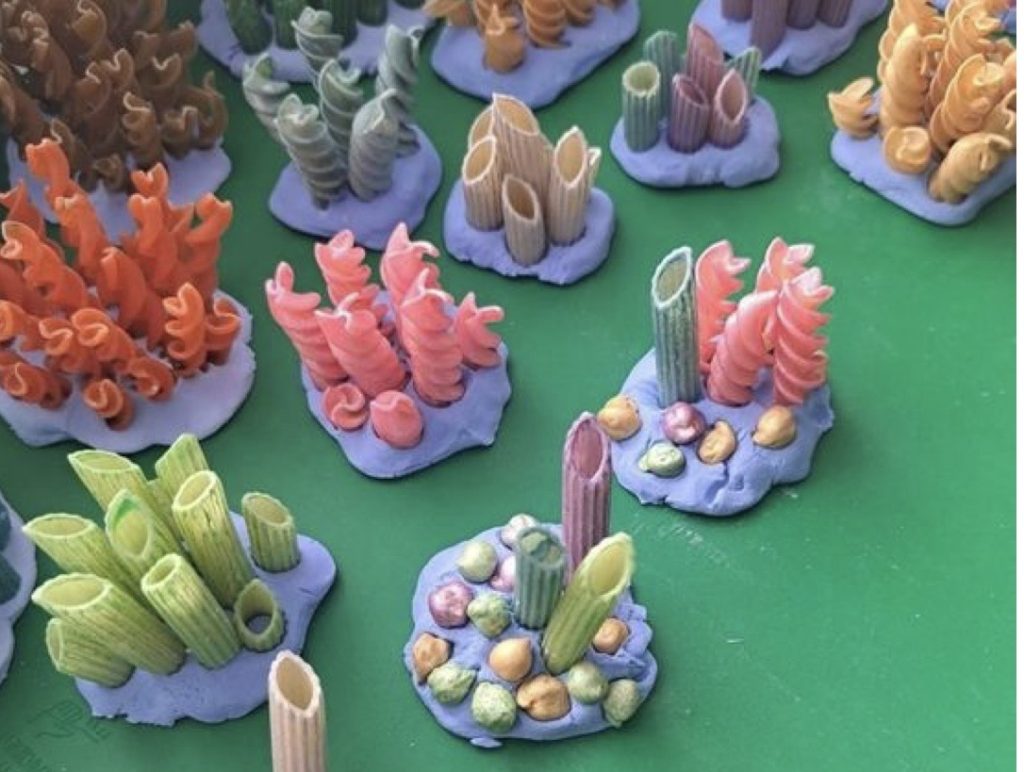
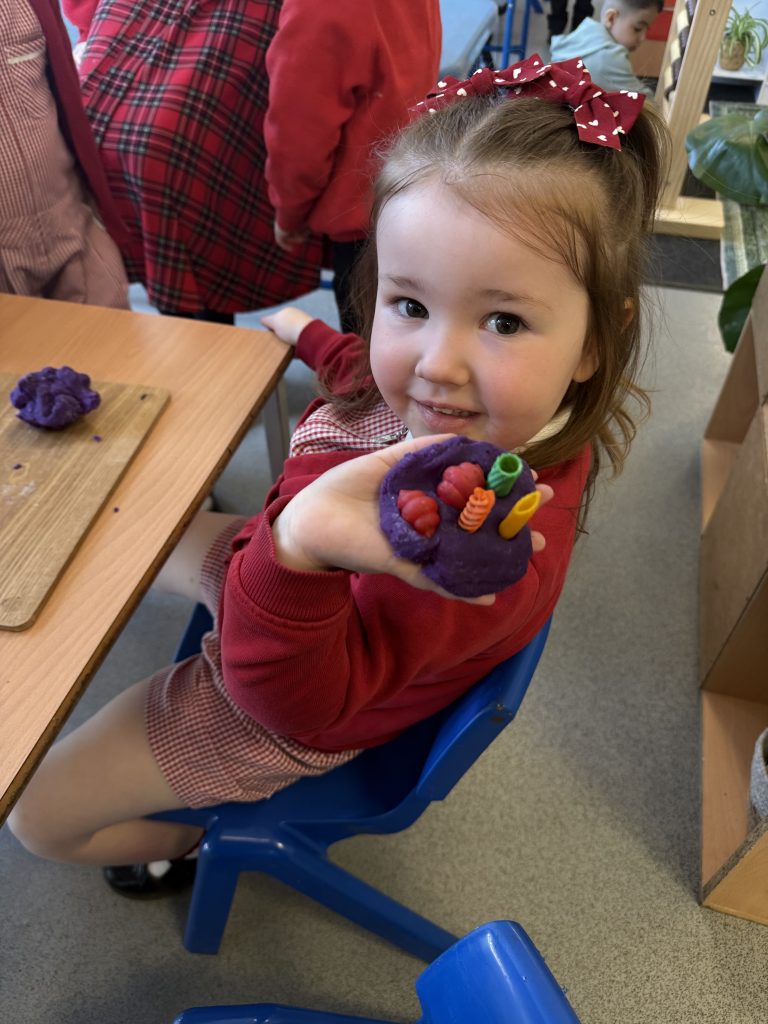
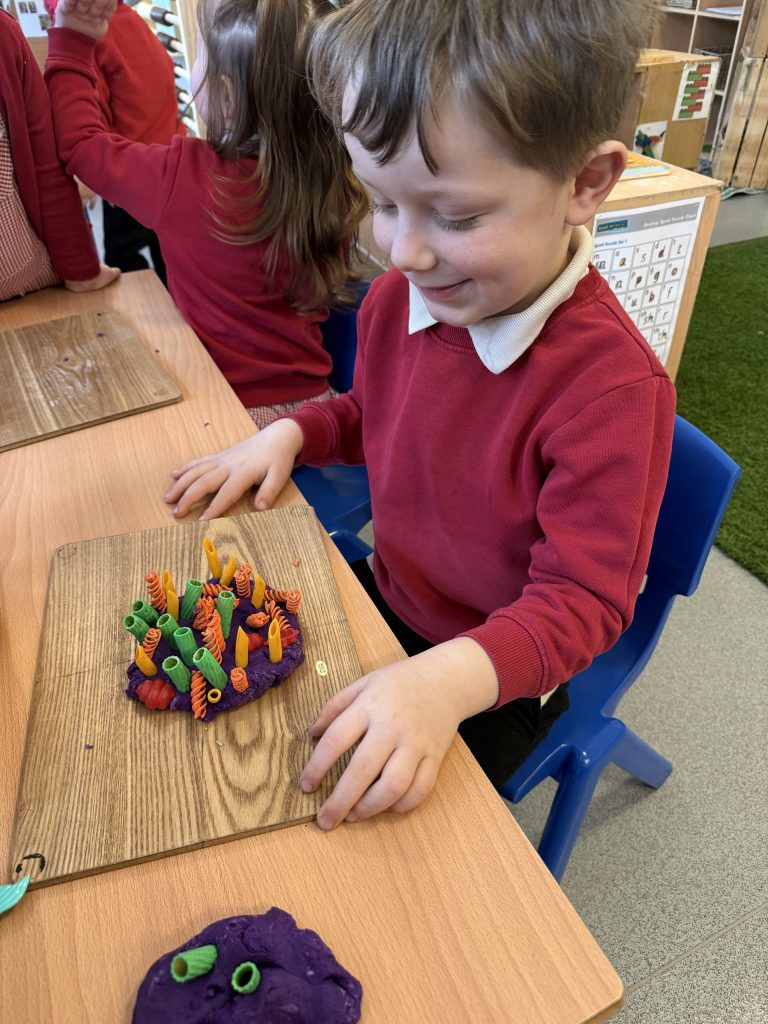
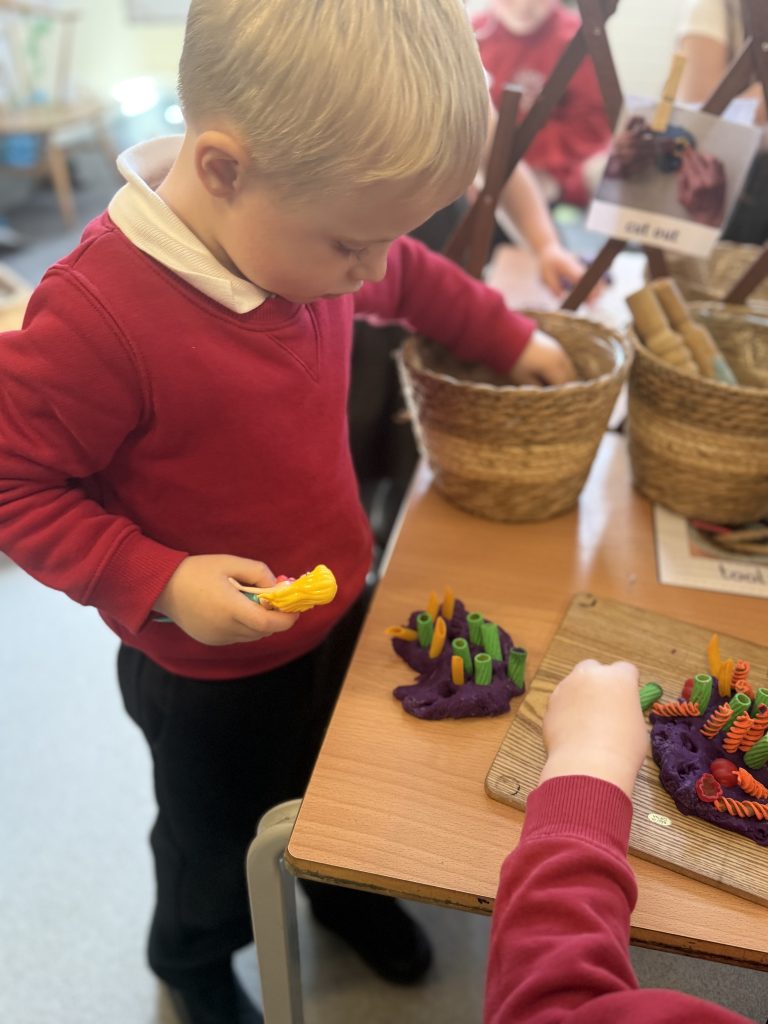
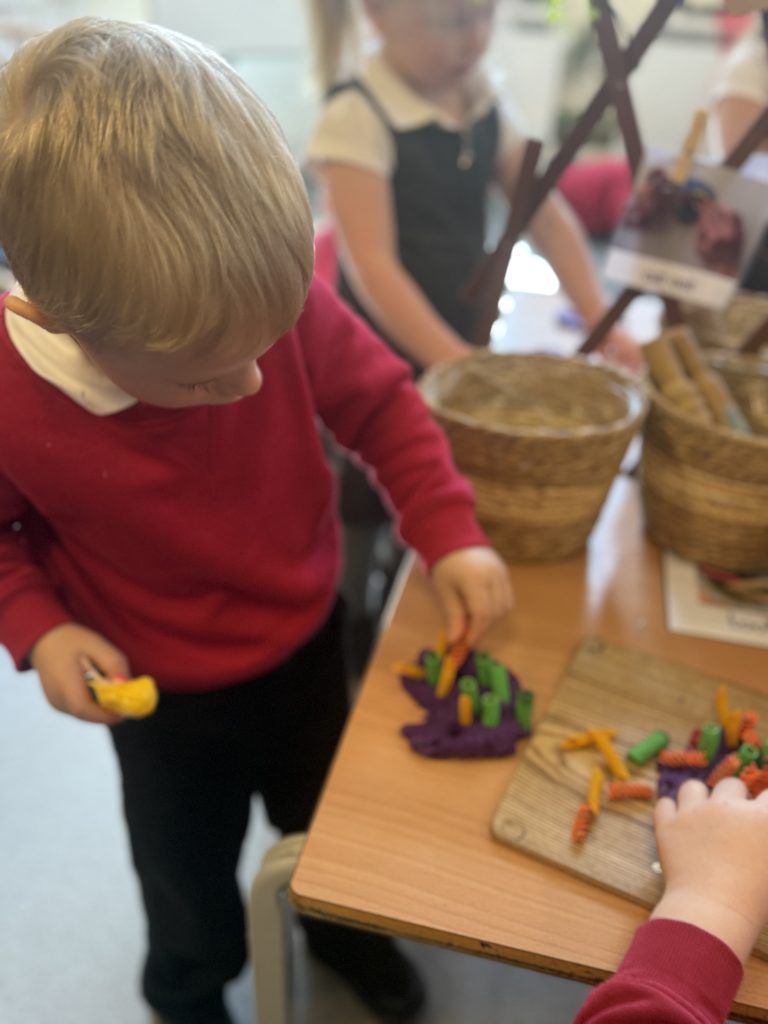
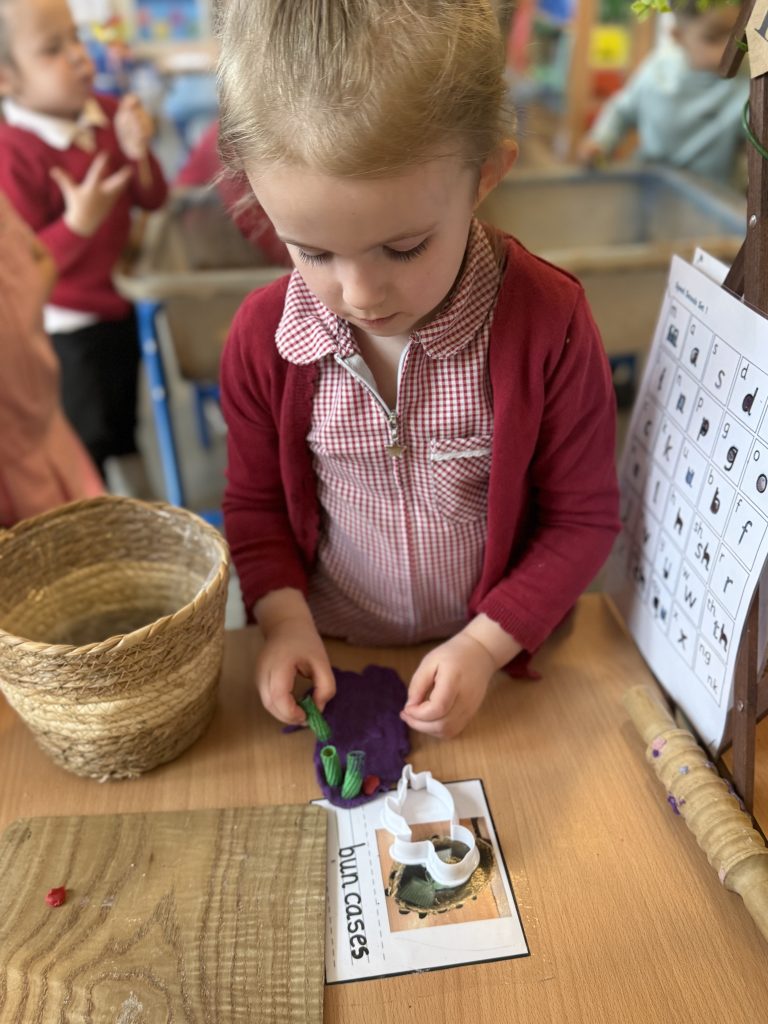
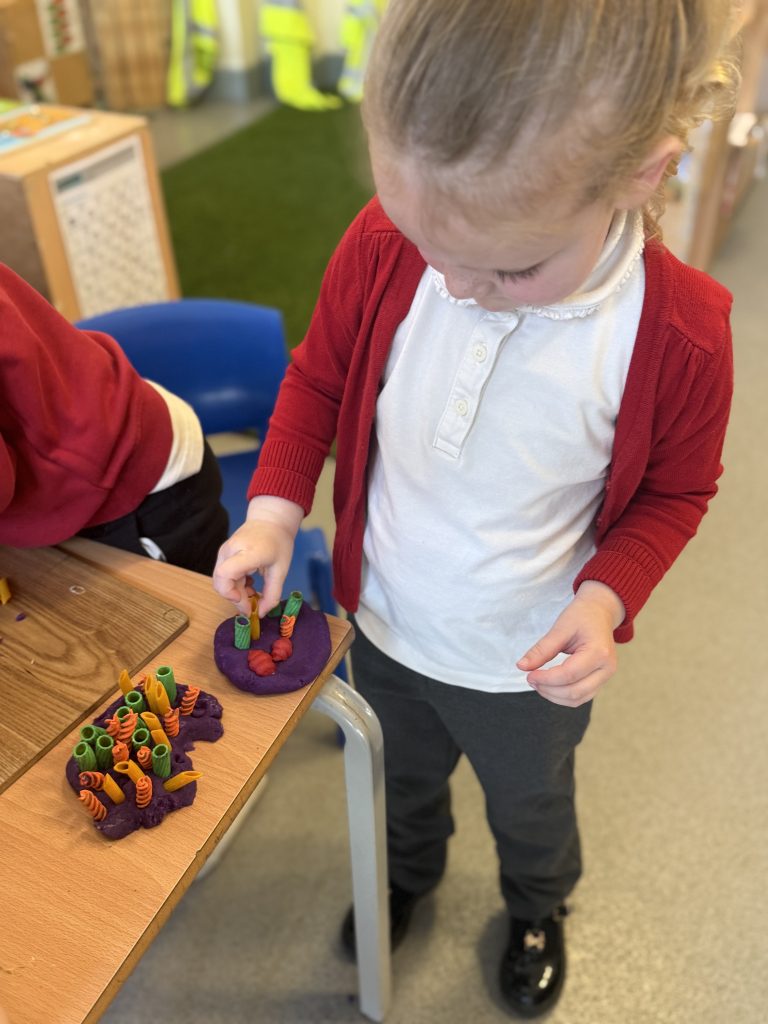
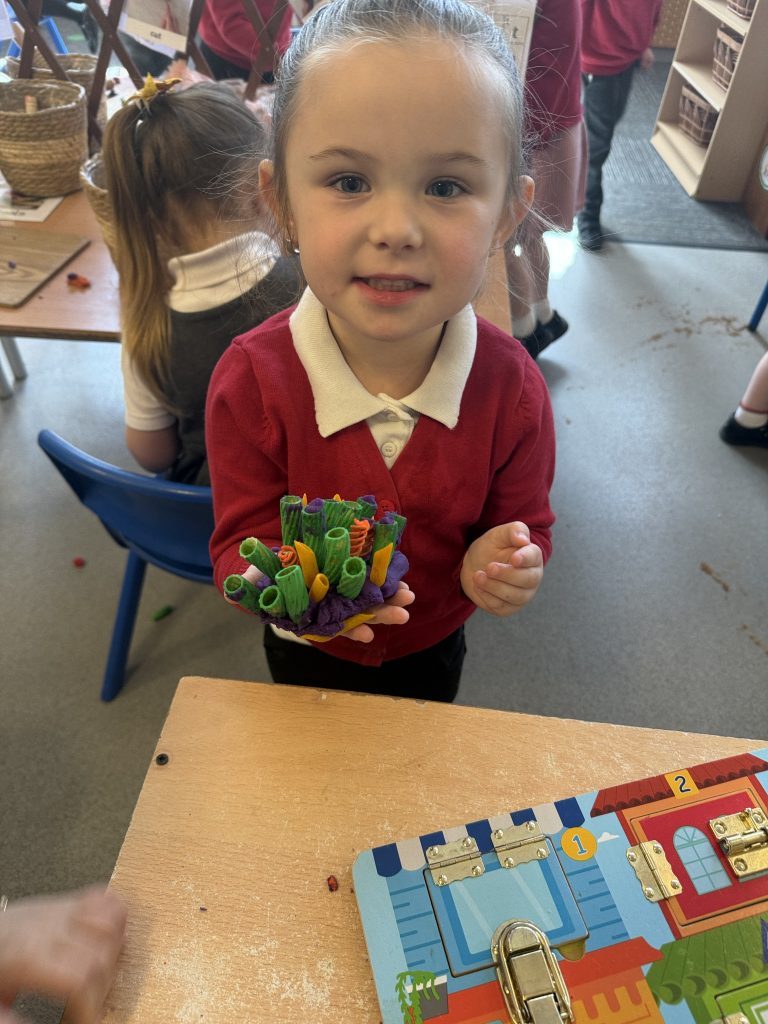
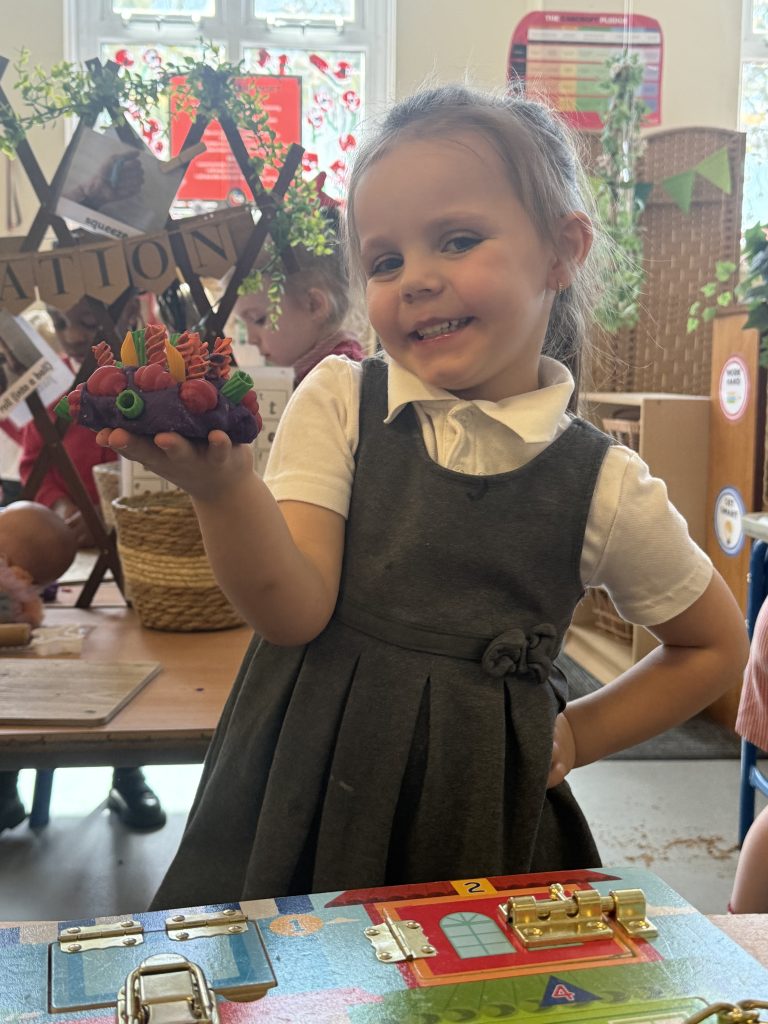
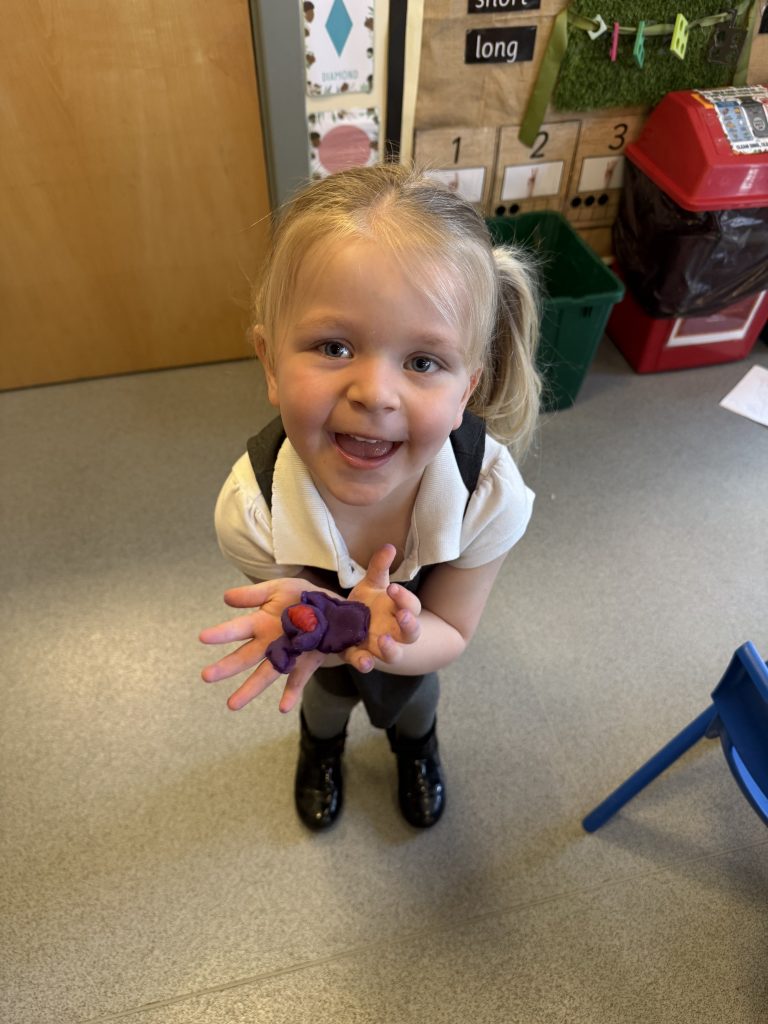
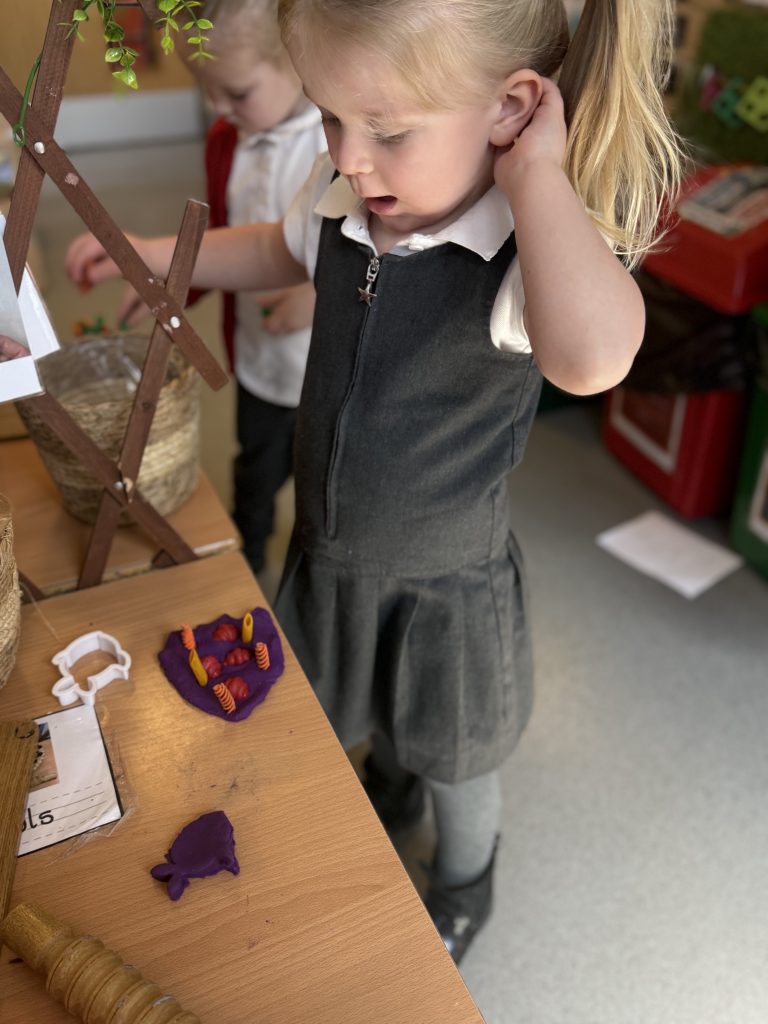
During our expedition “When the Sea Meets the Shore,” the children have been learning all about coral reefs and how this environment differs from their own. They explored the wide range of colours and textures found in coral reef habitats and then applied this knowledge in our playdough area, where they created their own reef-inspired models.
This activity provided a great opportunity to develop fine motor skills, while also supporting language development as the children described their creations and shared ideas. It also helped build their understanding of boundaries, particularly when using food-based resources for creative purposes rather than for eating.
Well done, Crew Frost!
Building our own pier
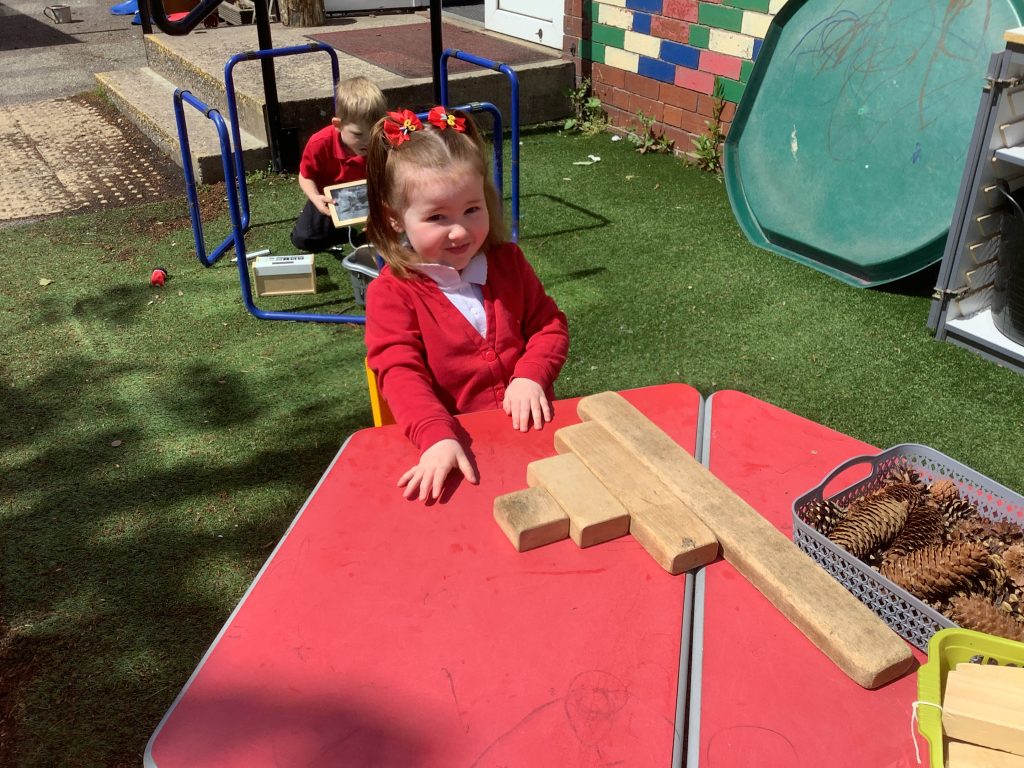
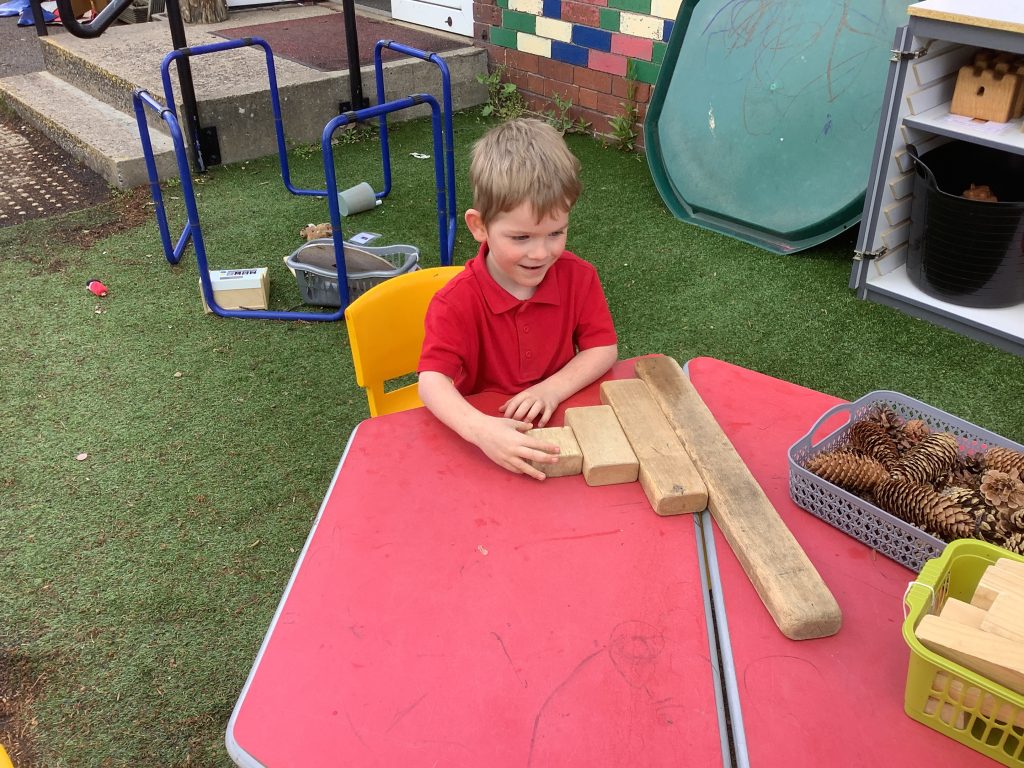
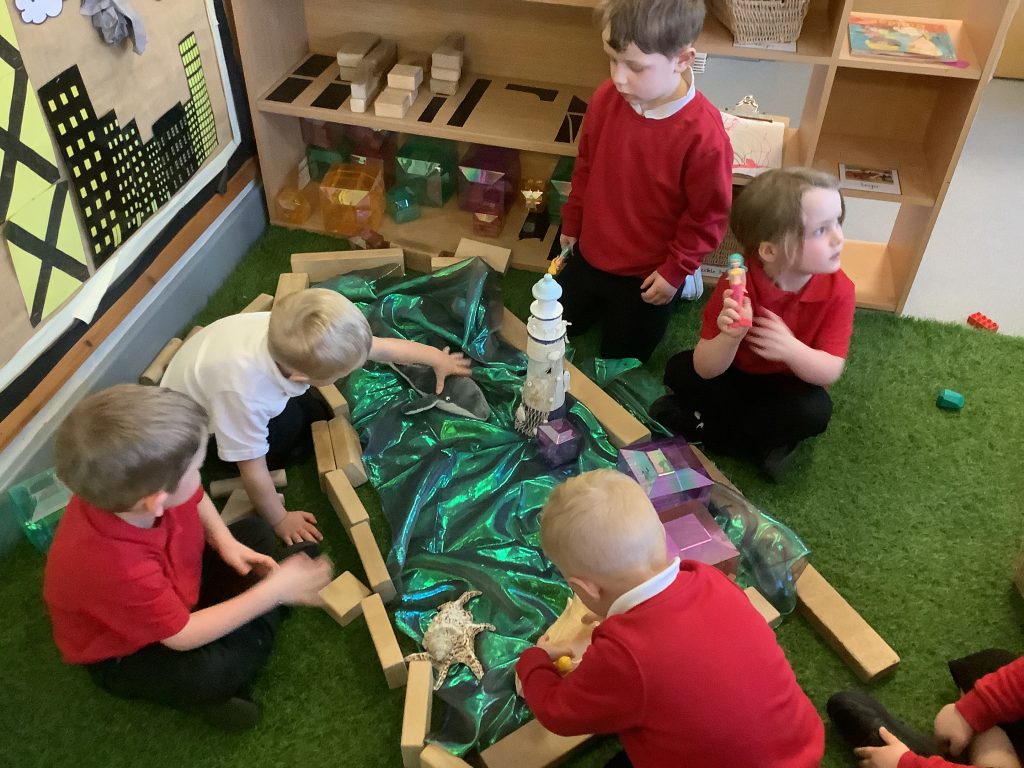
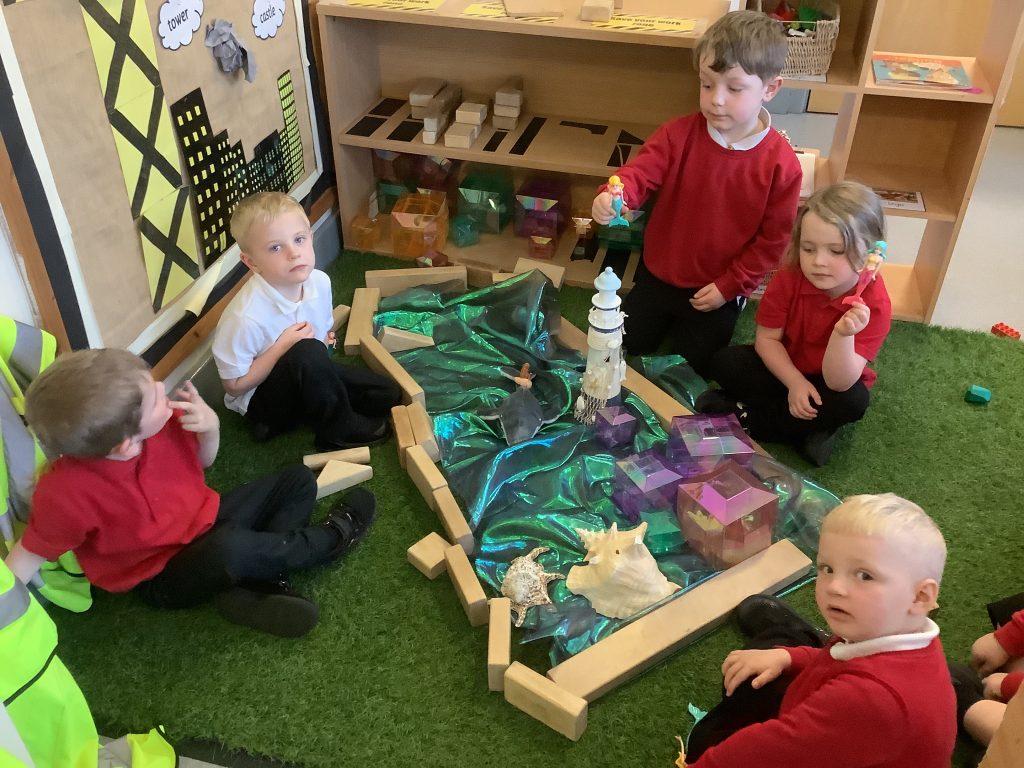
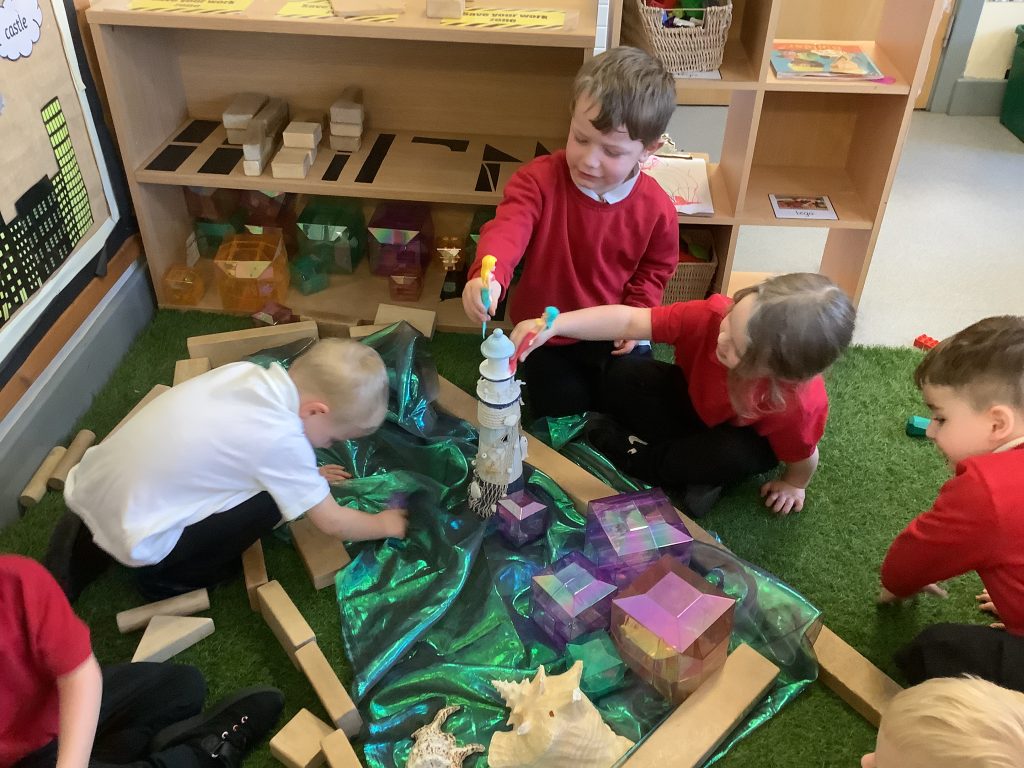
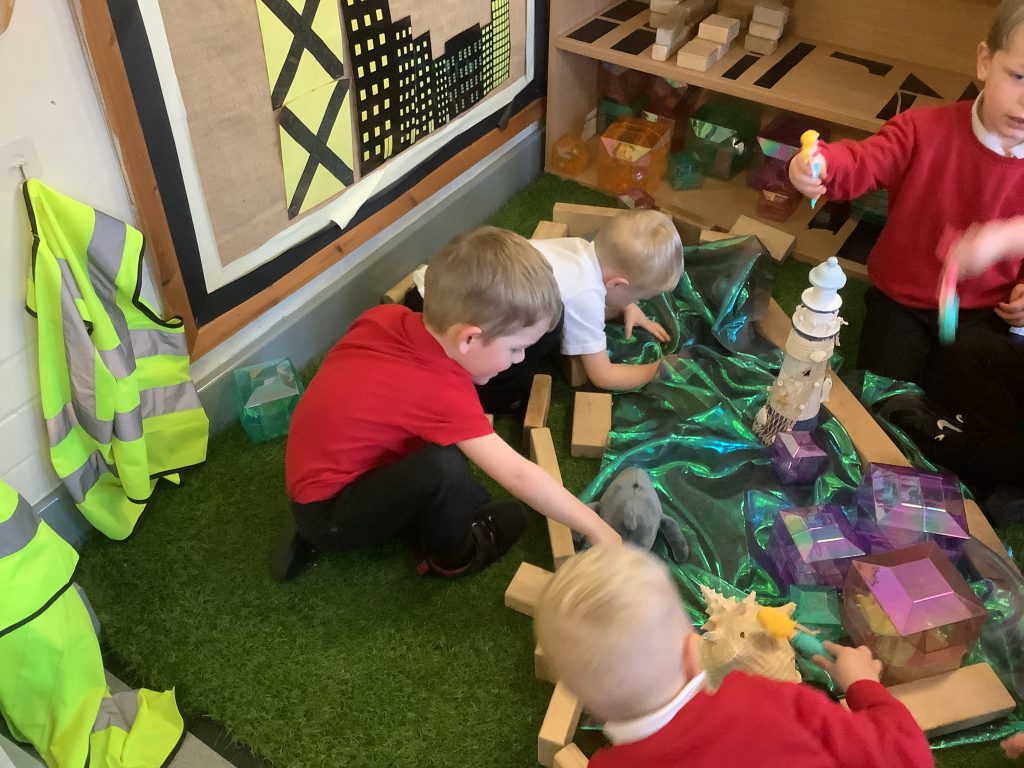
During our expedition “When the Sea Meets the Shore,” the children thoroughly enjoyed learning about lighthouses and understanding the important role they play in keeping boats safe.
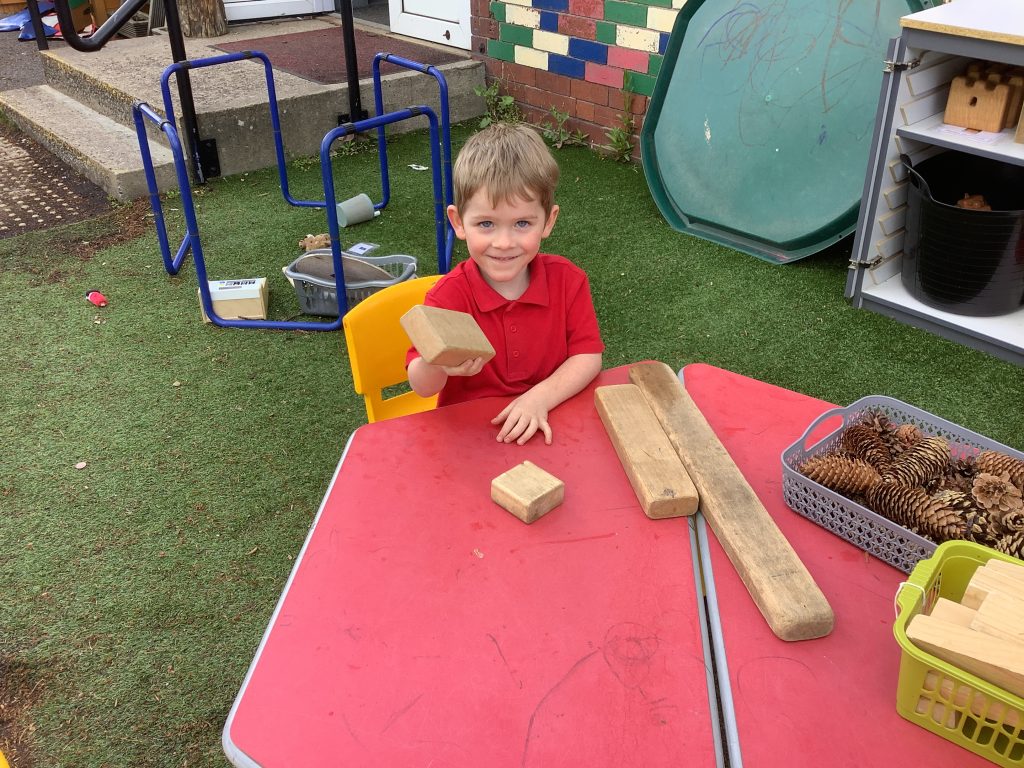
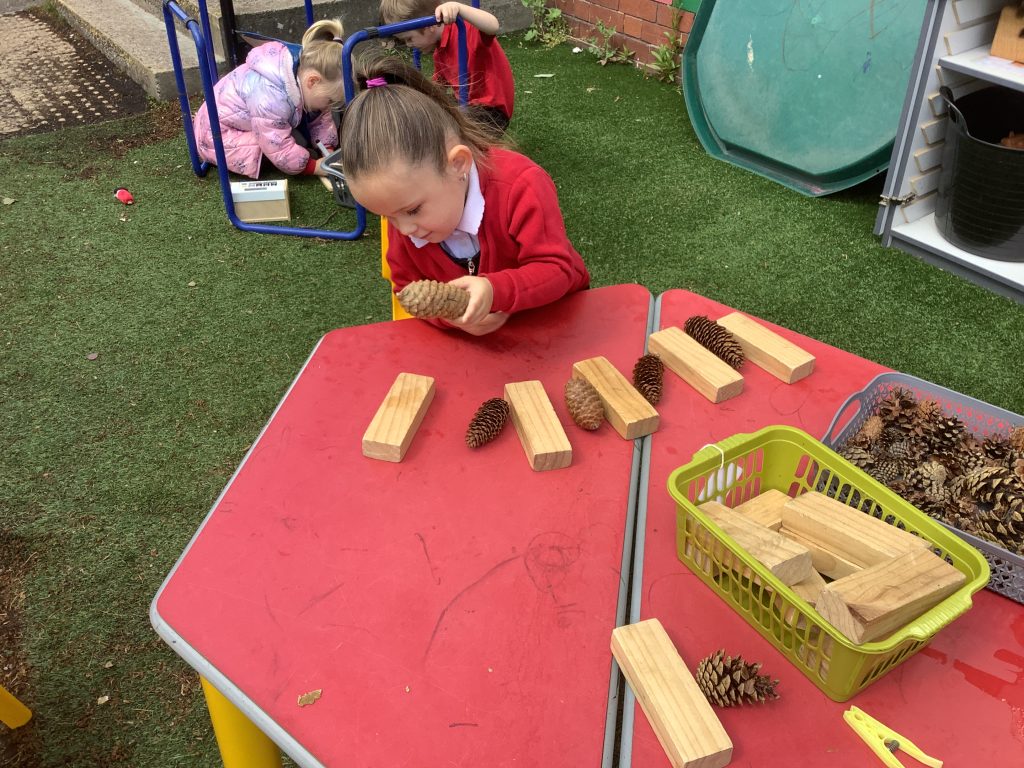
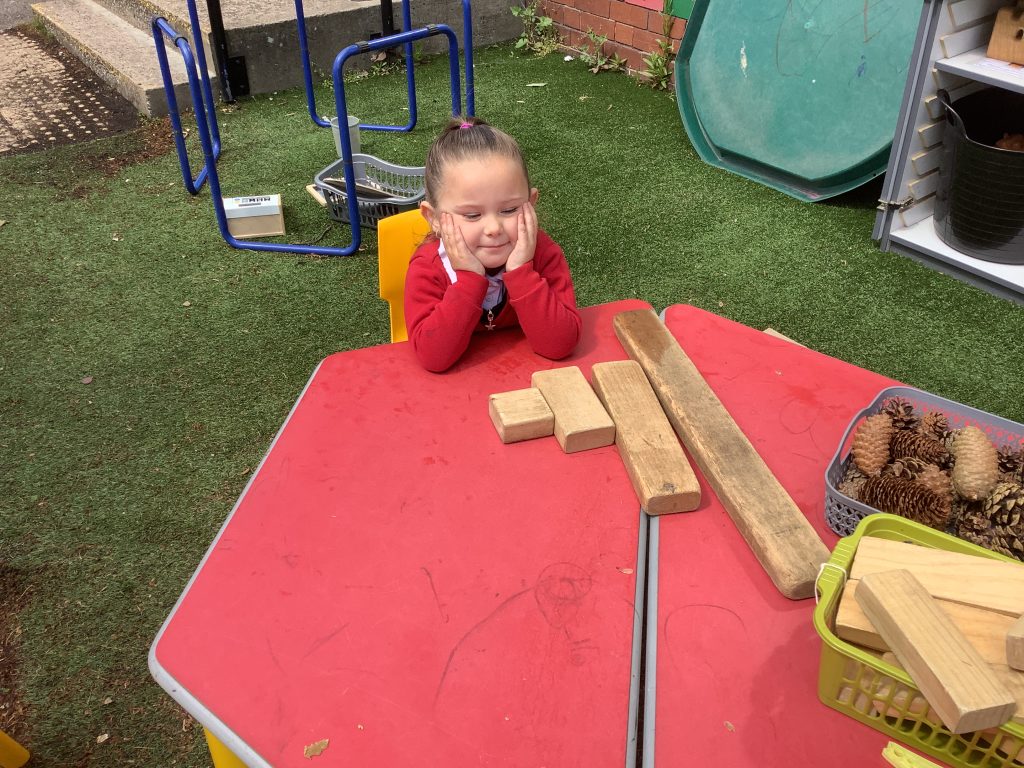
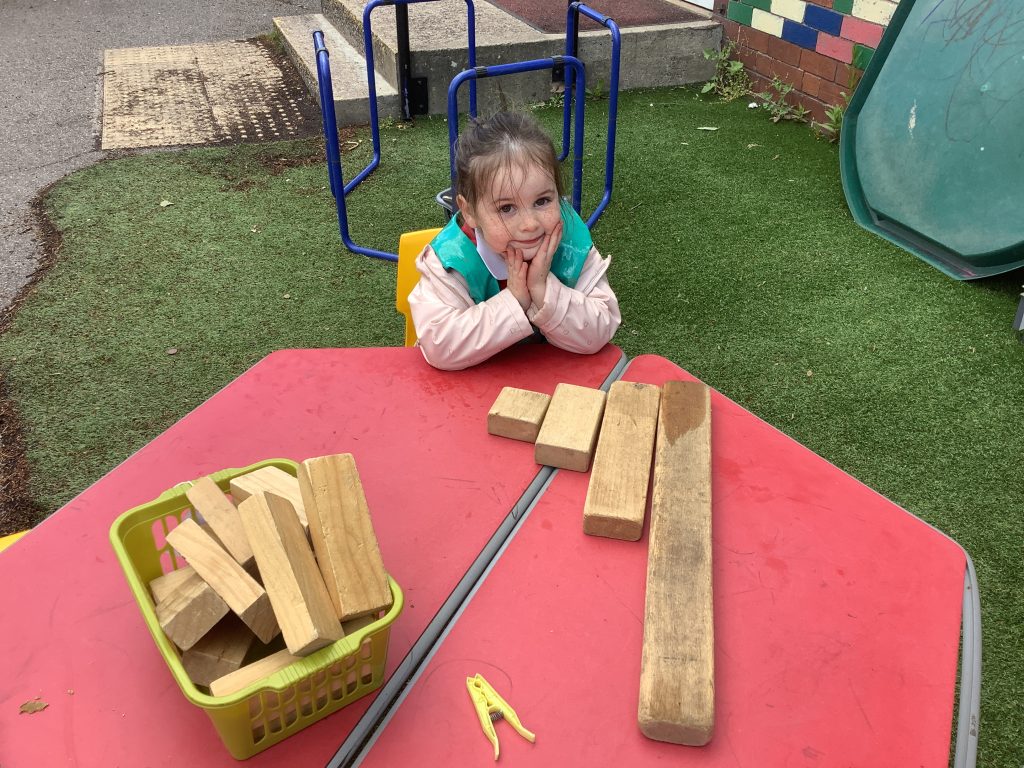
Inspired by this, Crew Frost used their imagination during provision time to create their own seaside scene. They built a pier using wooden blocks, added large diamond bricks as rocks, and carefully chose the perfect spot for their lighthouse. Their creativity didn’t stop there—The Snail and the Whale even made an appearance, swimming alongside mermaids in their imaginative world!
This was a wonderful opportunity for the children to develop their communication and understanding, as well as build on their storytelling skills. They worked collaboratively, sharing ideas and bringing their stories to life, supporting their next steps in developing rich and meaningful language.
Well done, Crew Frost!
Outside Provision.
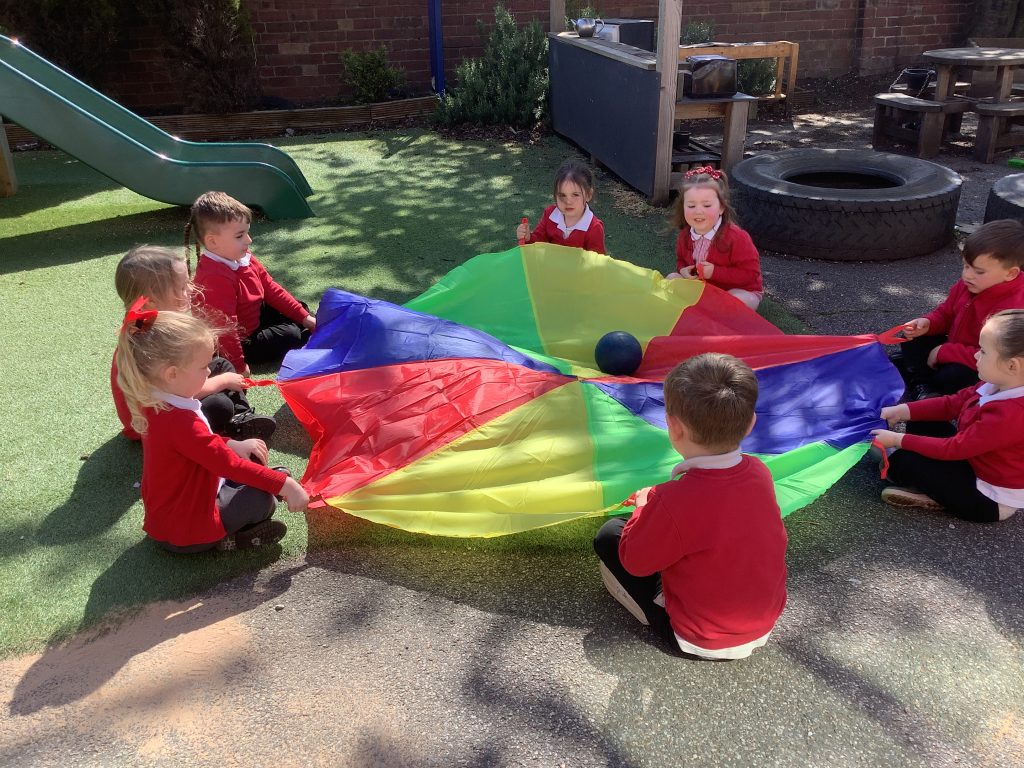
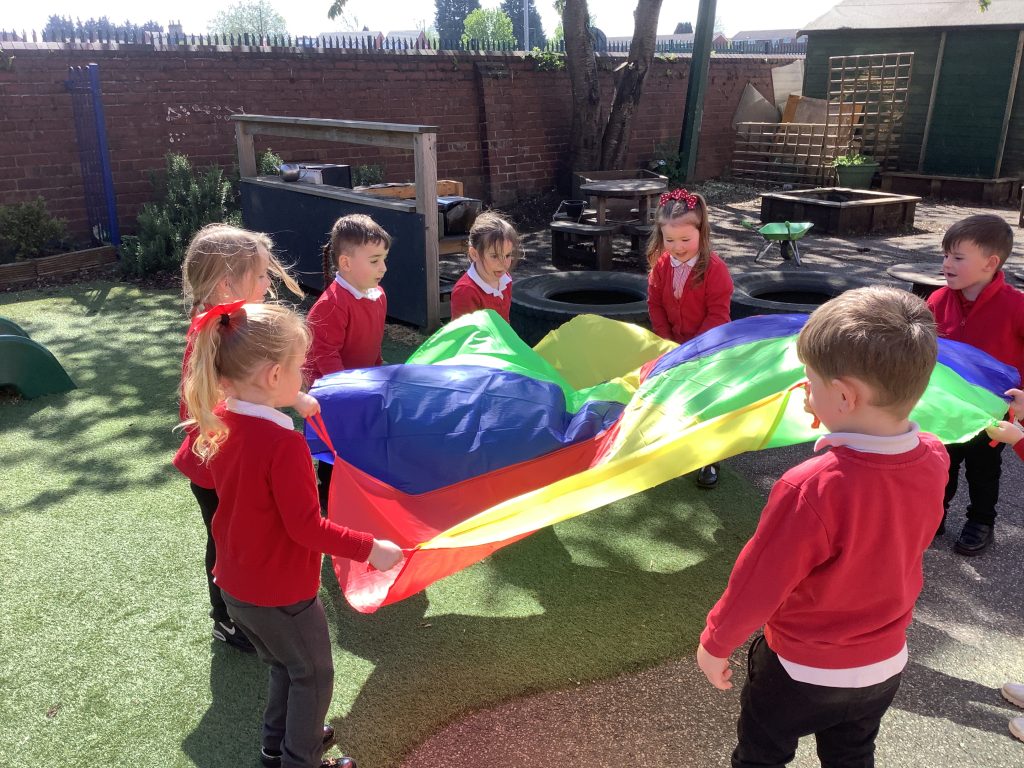
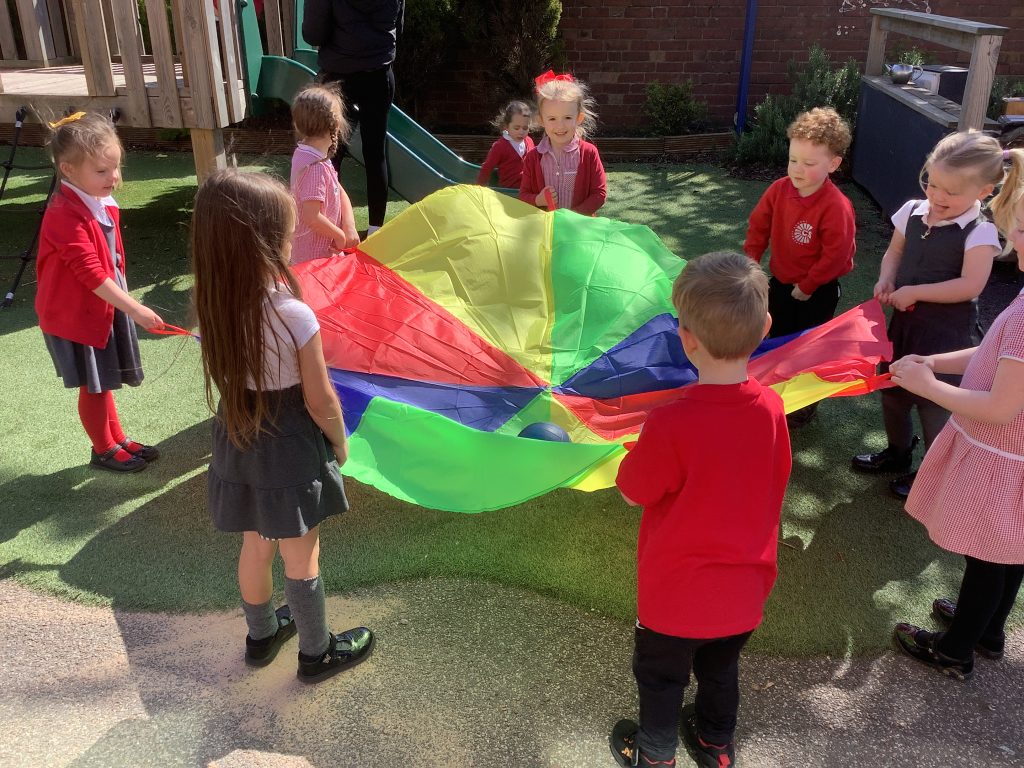
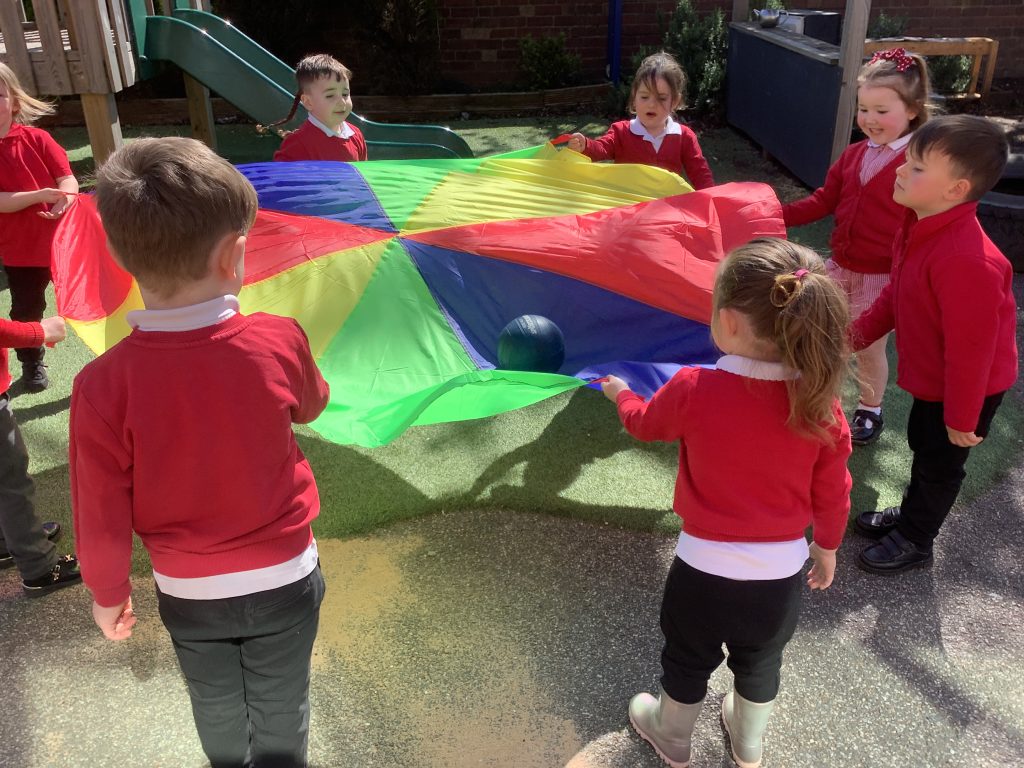
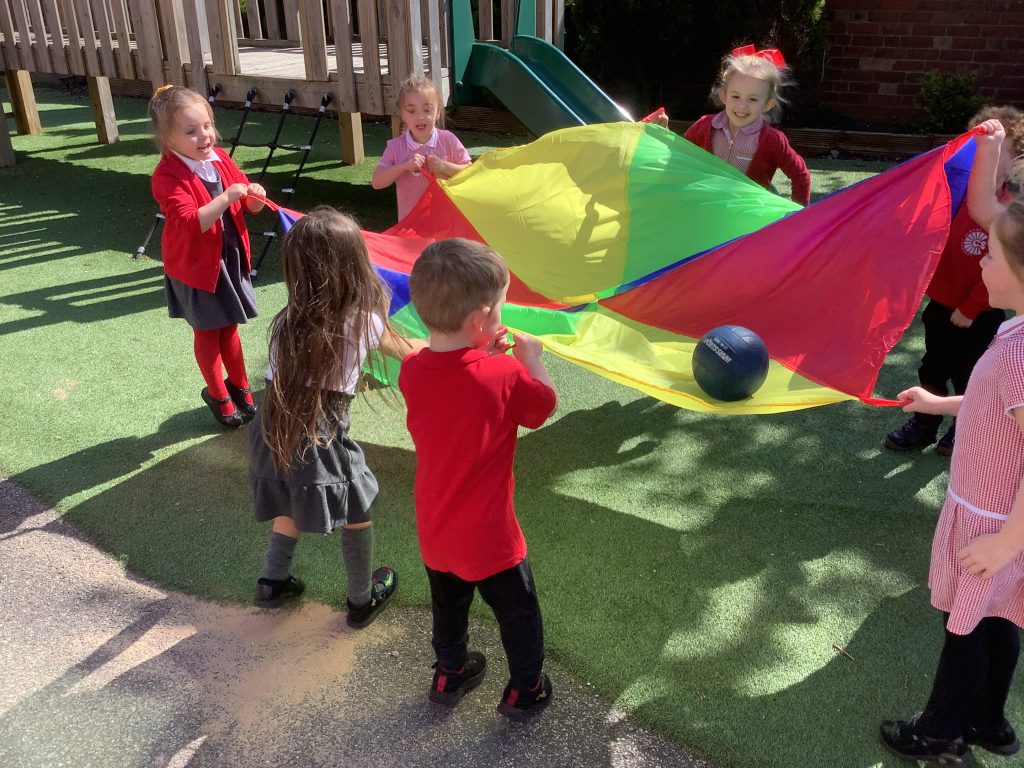
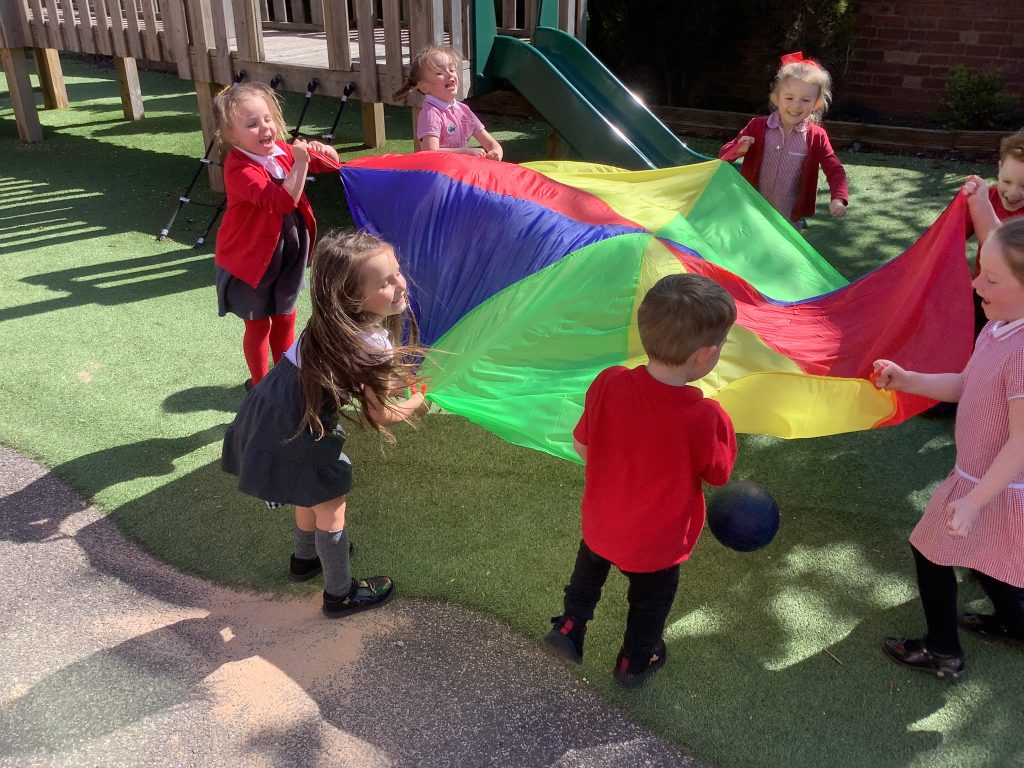
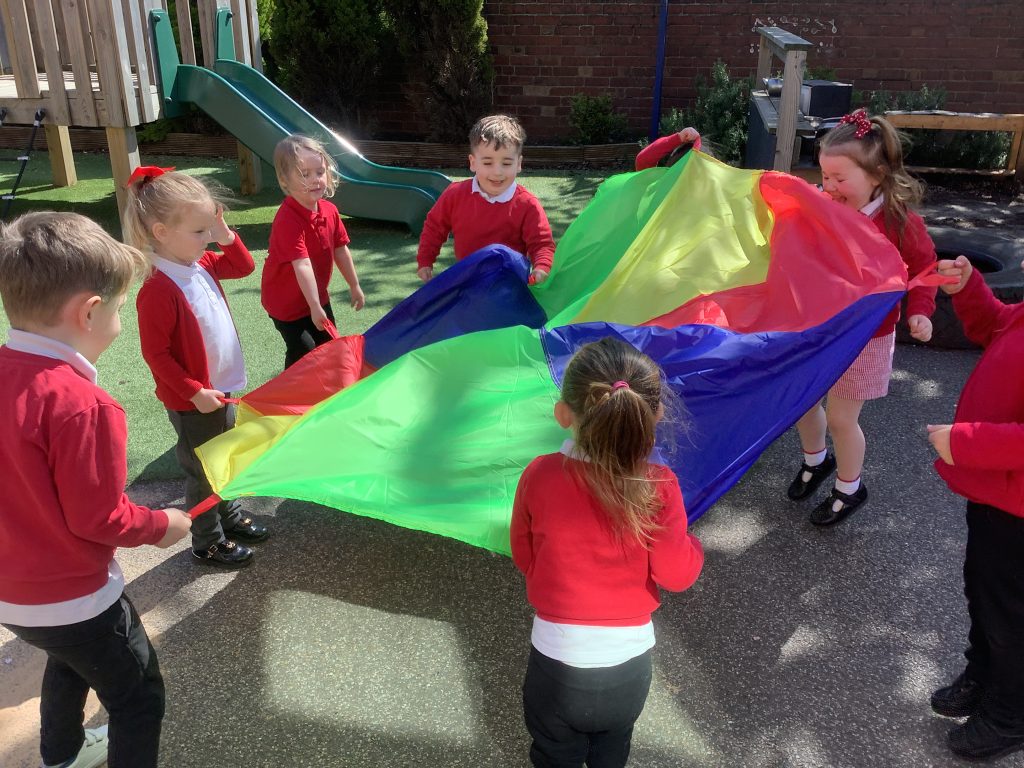
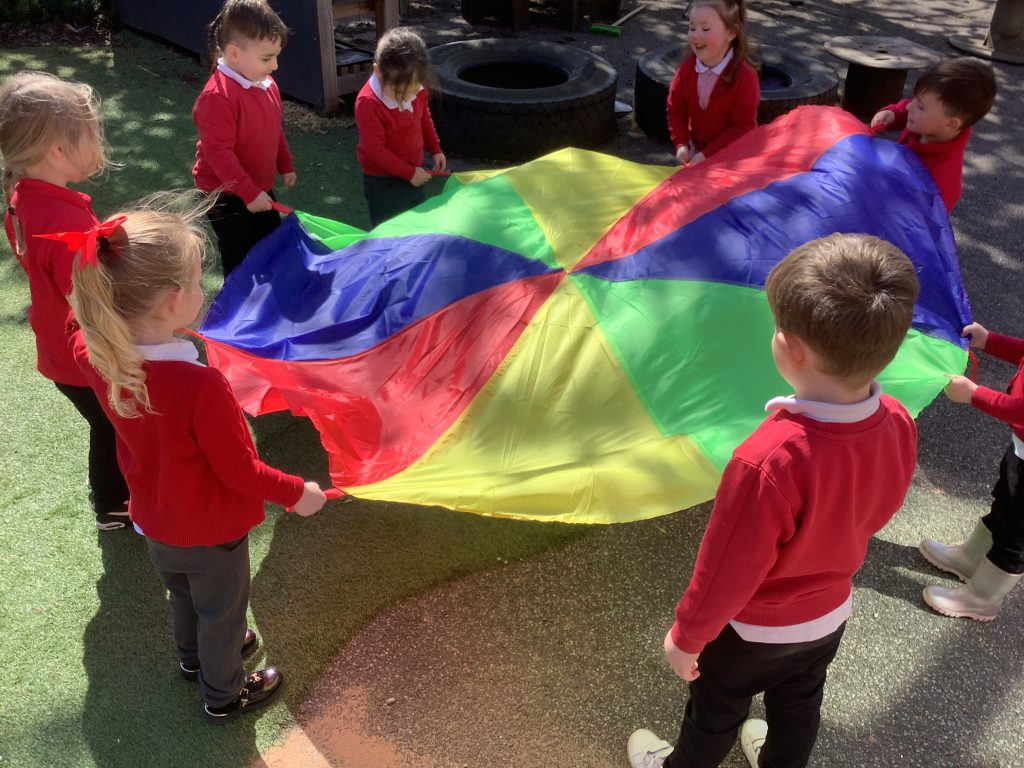
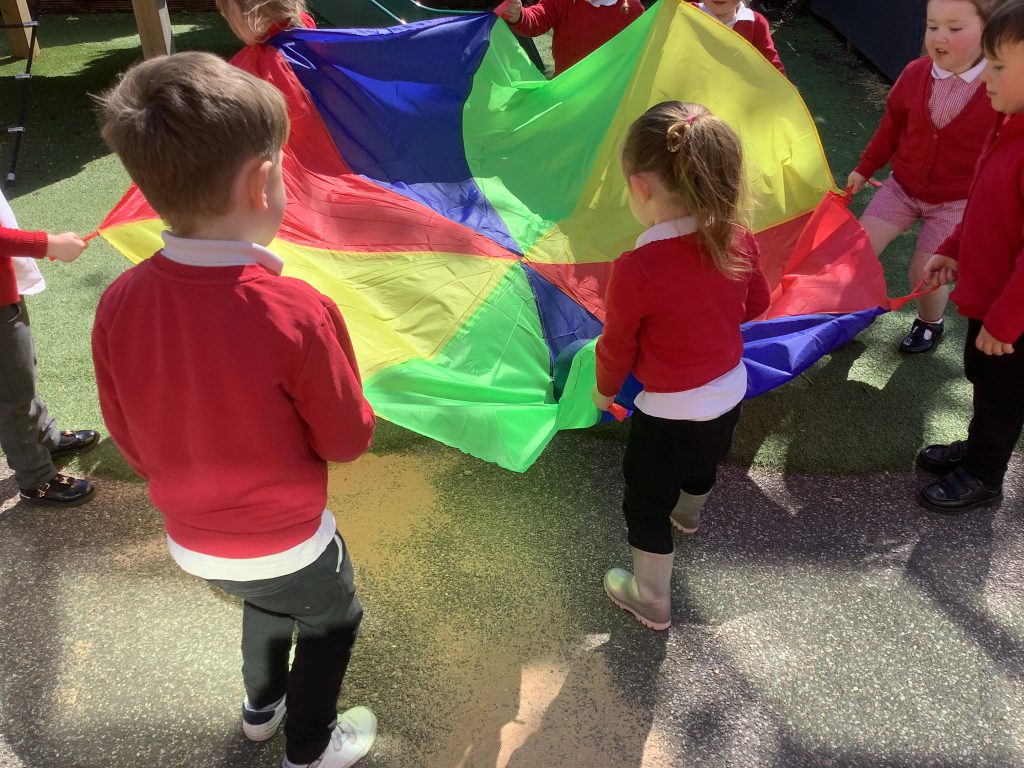
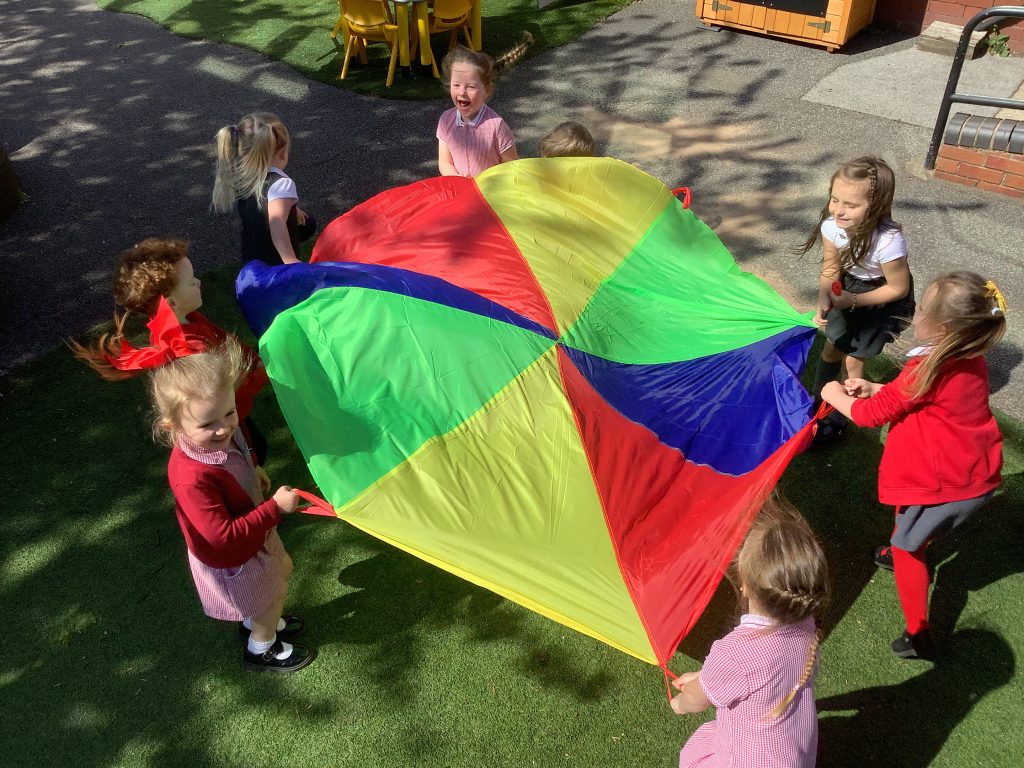
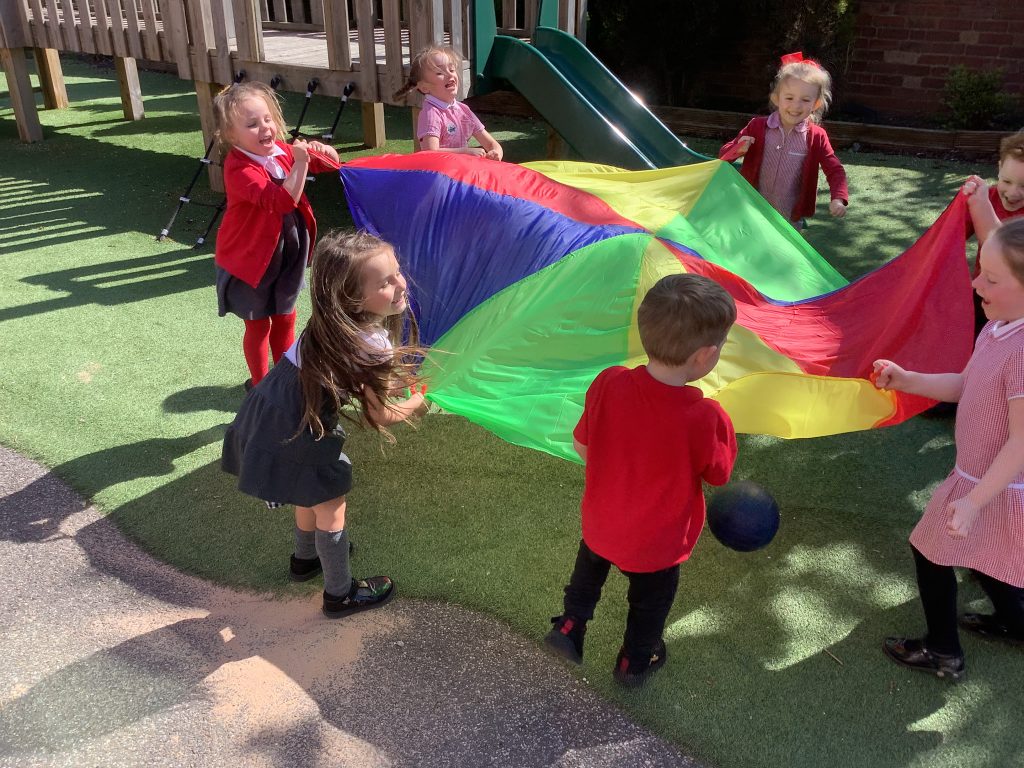
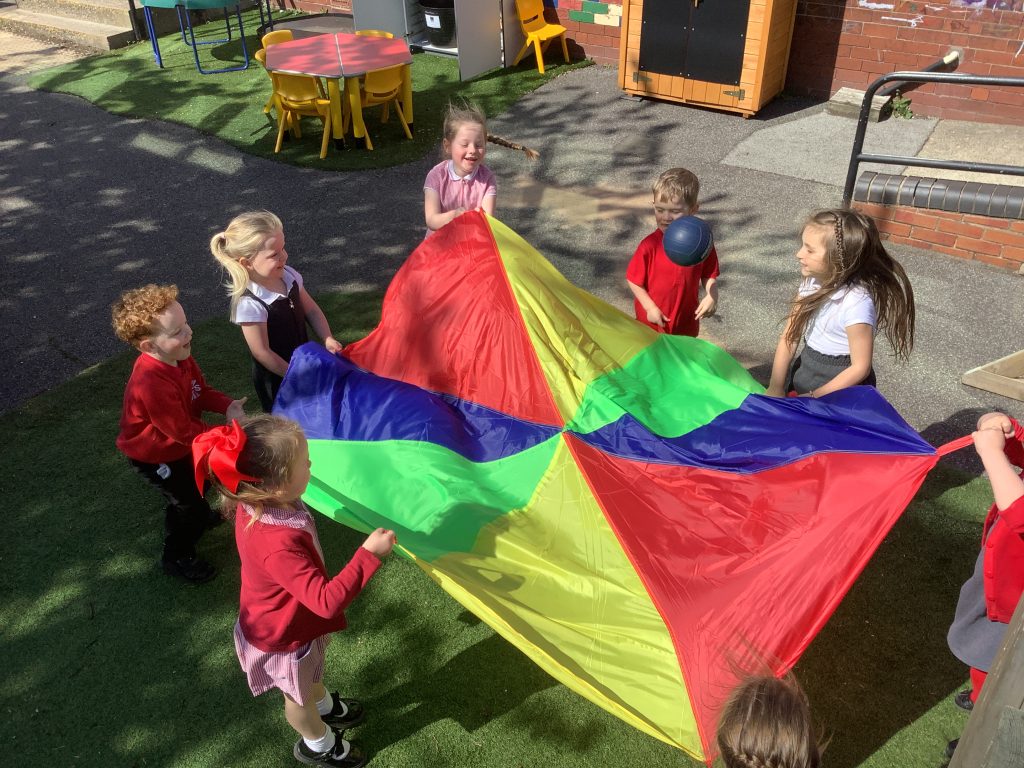
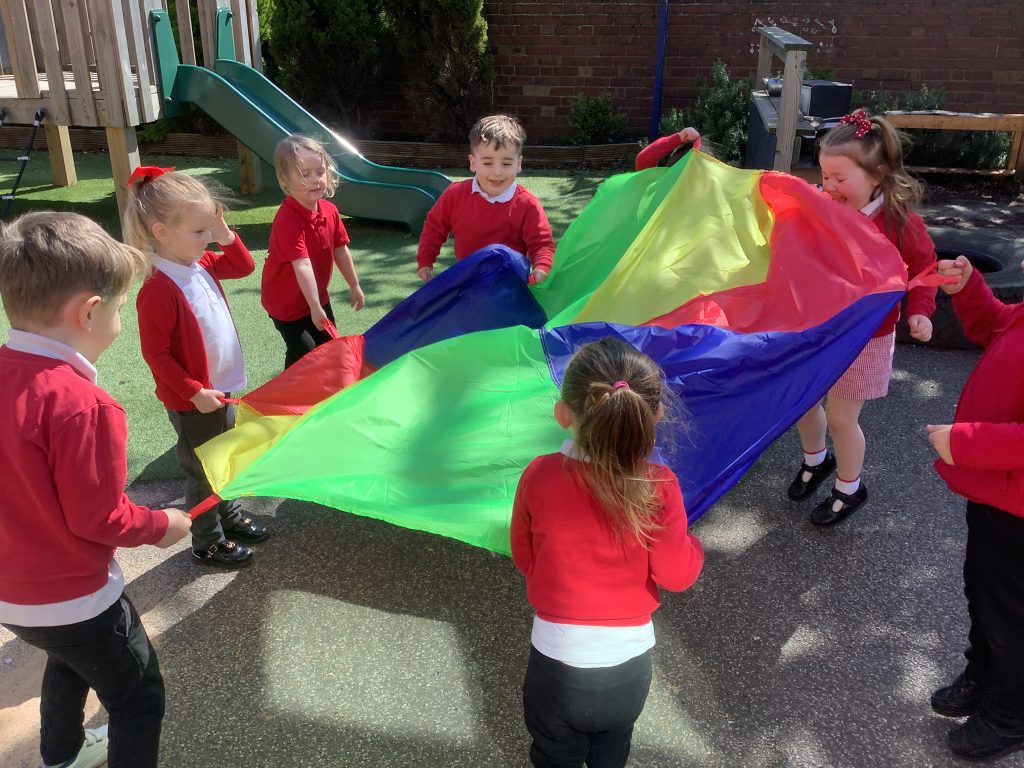
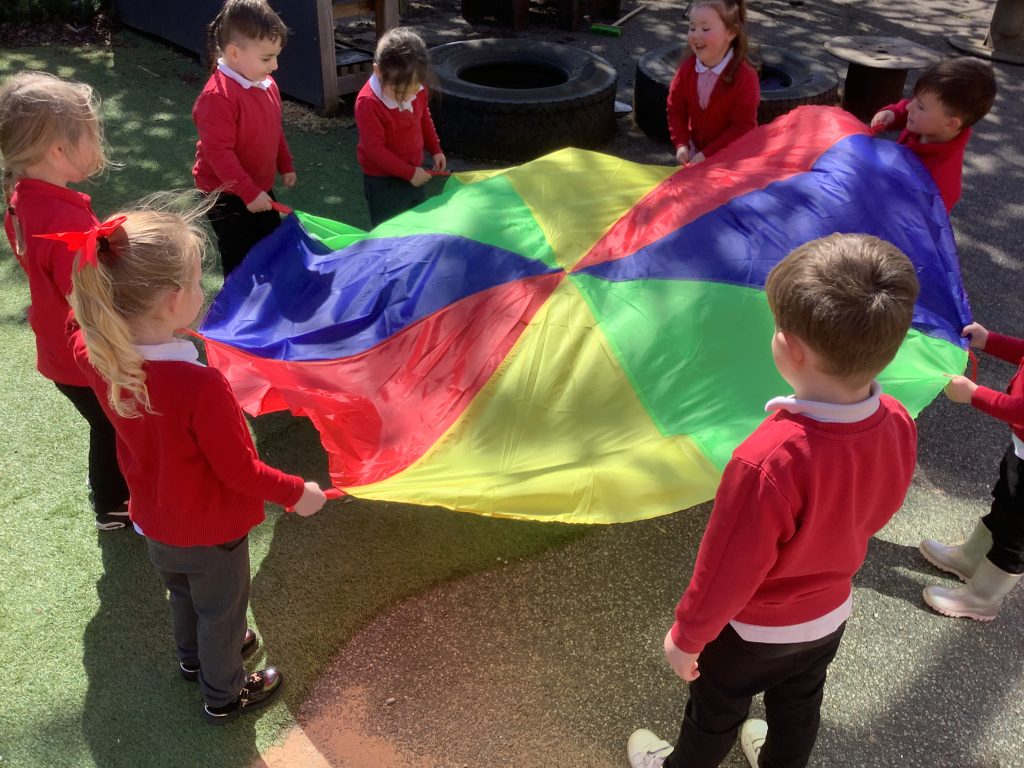
In our outdoor provision, we have been focusing on developing our gross motor skills alongside listening and attention. During this activity, Crew Frost took part in a series of actions designed to strengthen their arm muscles, helping to build the foundations needed for writing.
The children then followed simple instructions that gradually built into two-part directions, supporting their ability to listen carefully and process more than one step at a time. This helped them grow in confidence while developing both their physical skills and their understanding.
Well done, Crew Frost!
Ready for F2.
During the Summer term, we place a strong focus on supporting our nursery children to develop their independence and resilience as they prepare for their transition into Reception. These are key aspects of the Early Years Foundation Stage, particularly within Personal, Social and Emotional Development and Physical Development.
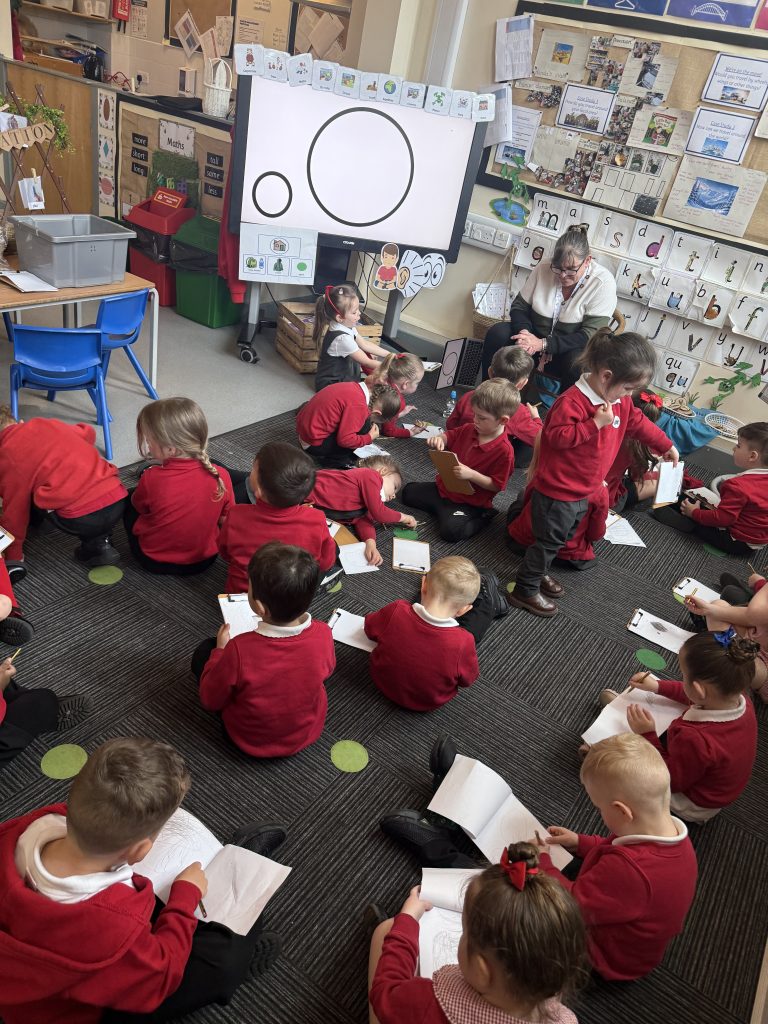
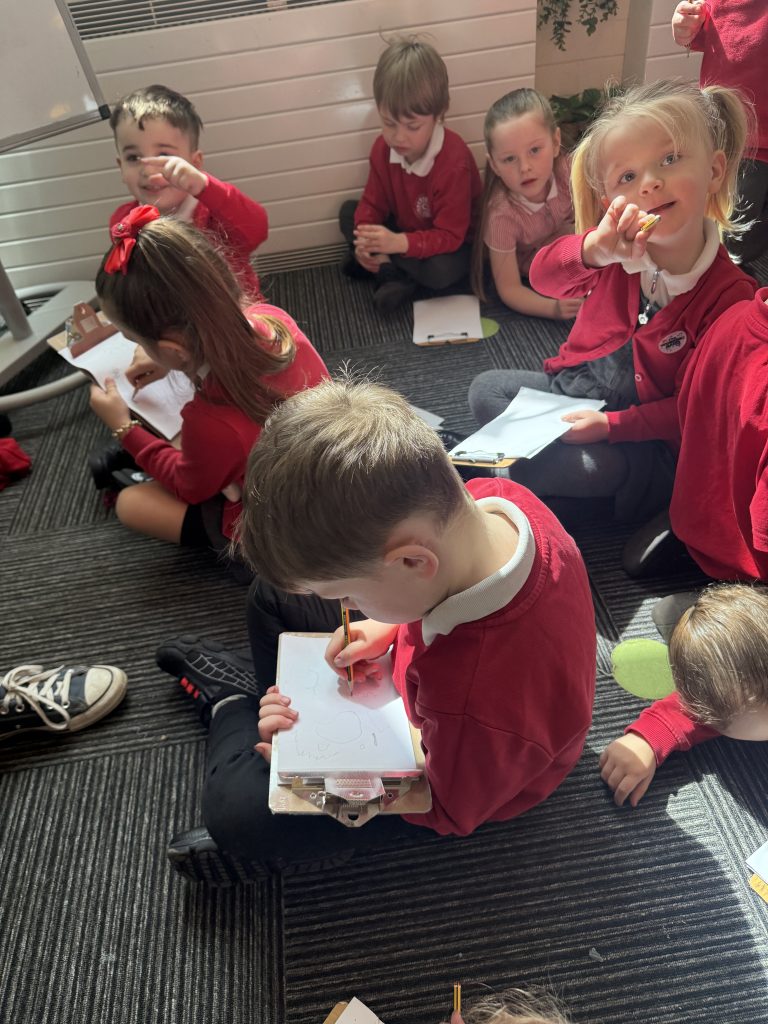
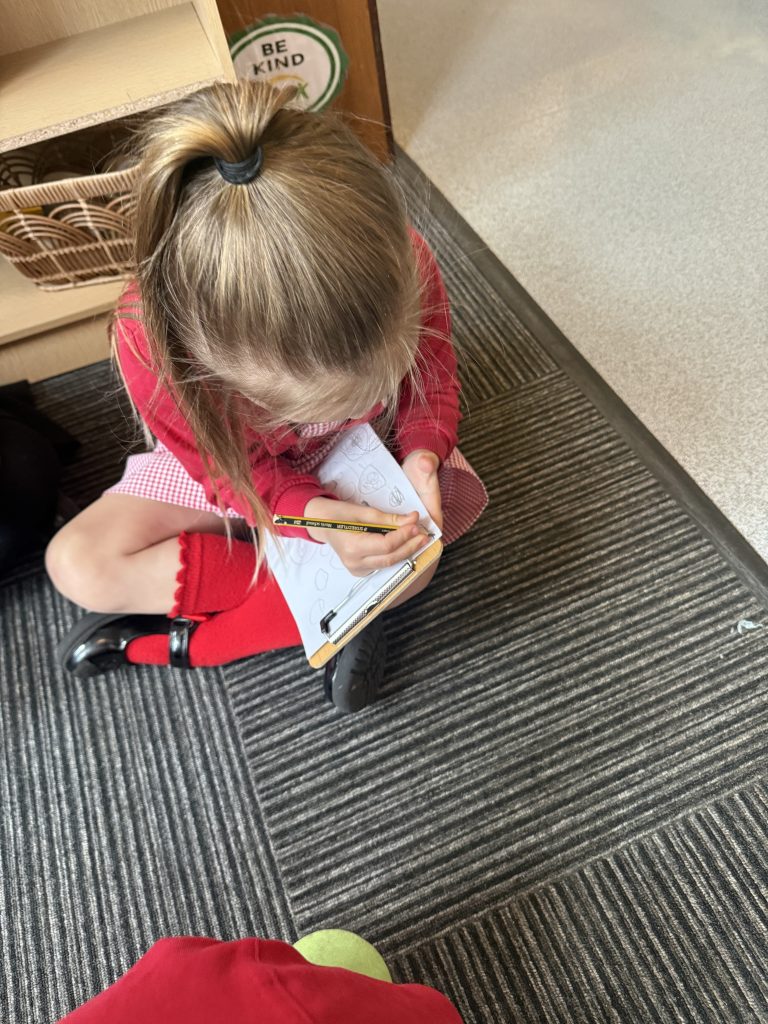
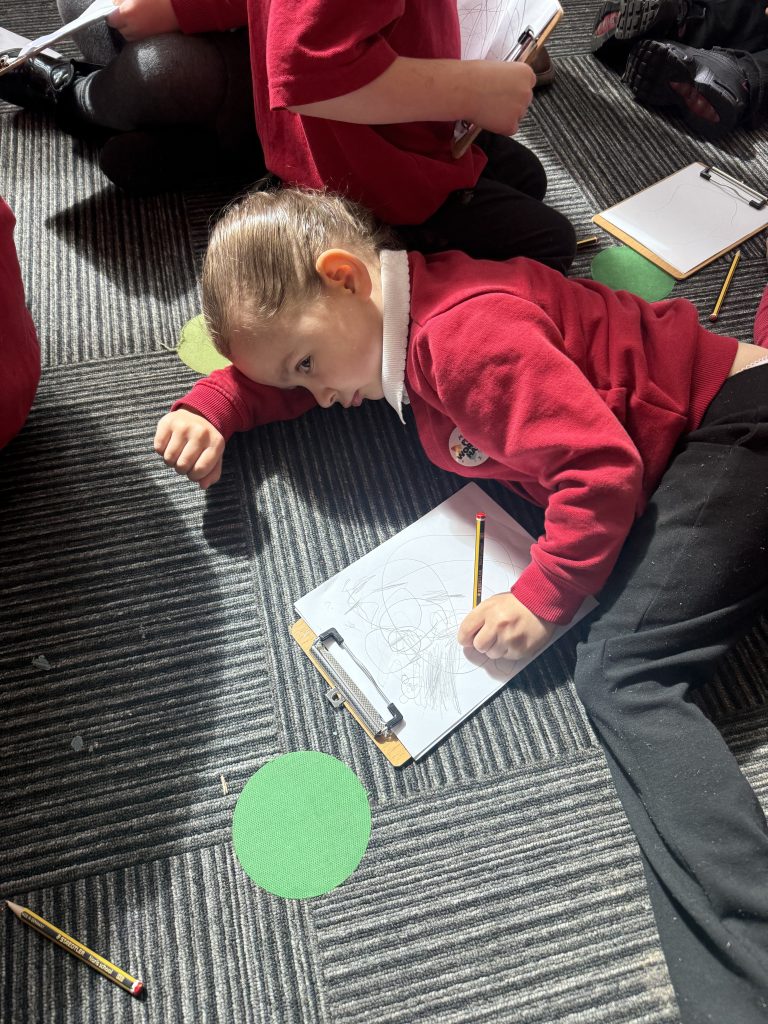
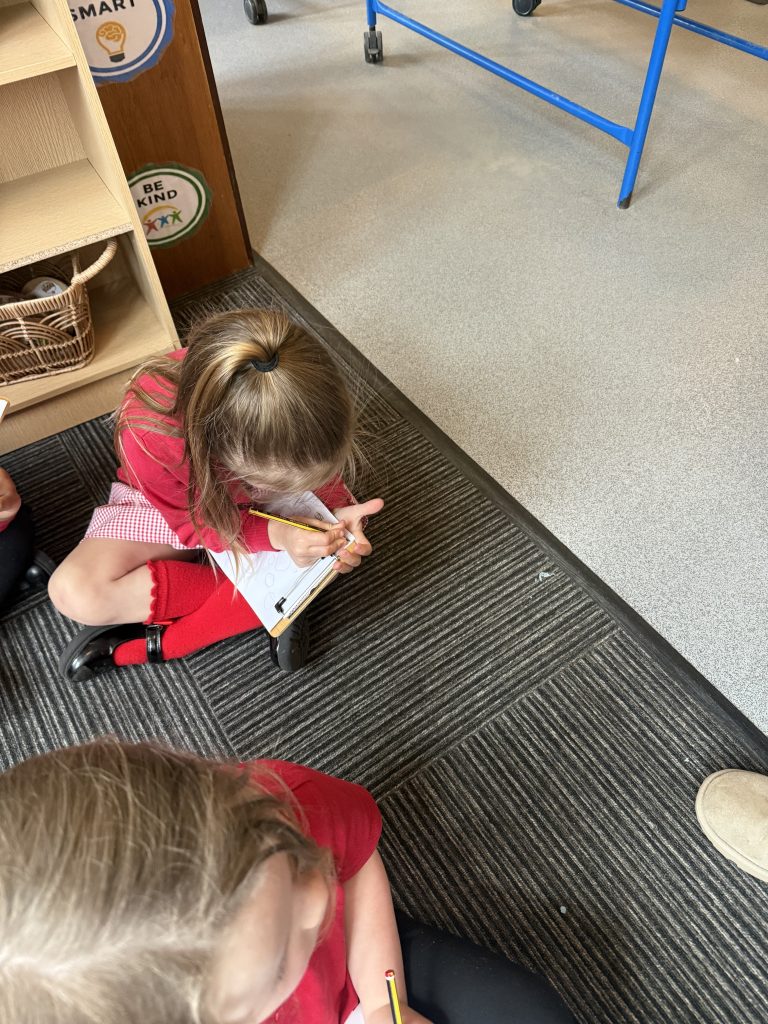
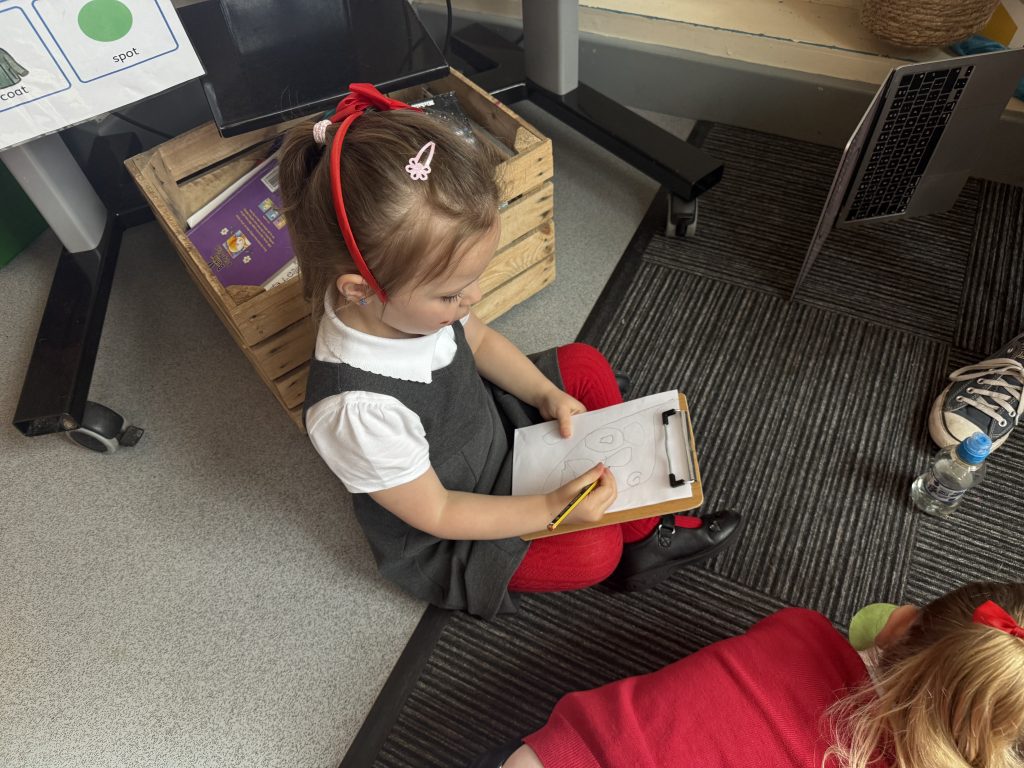
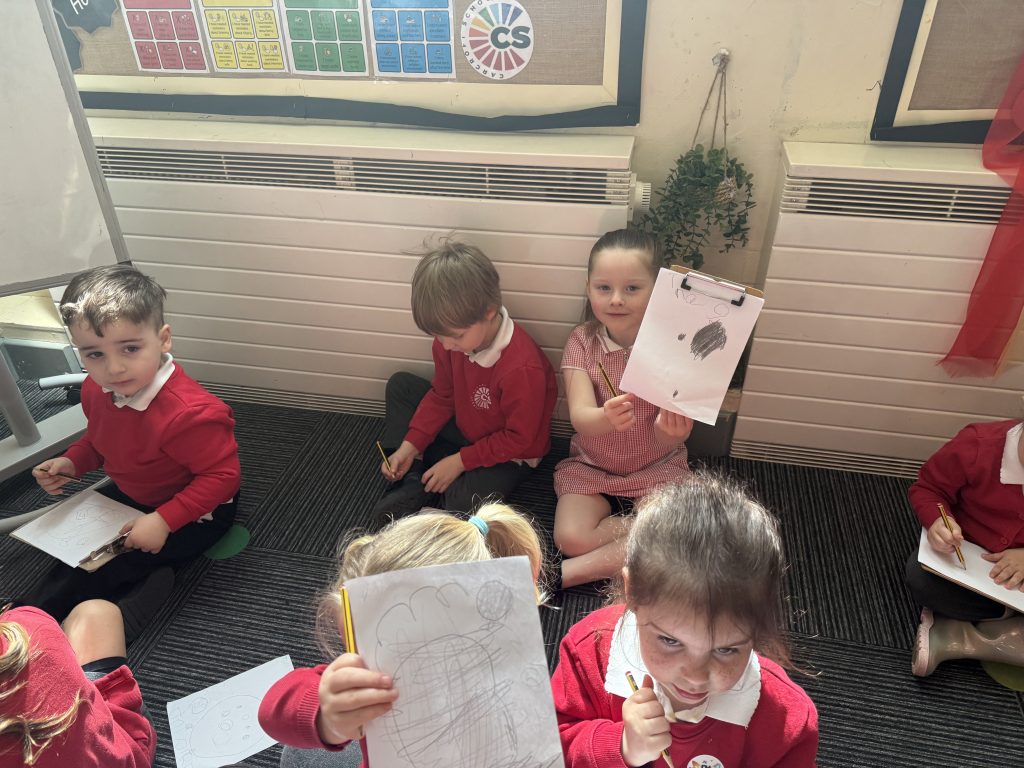
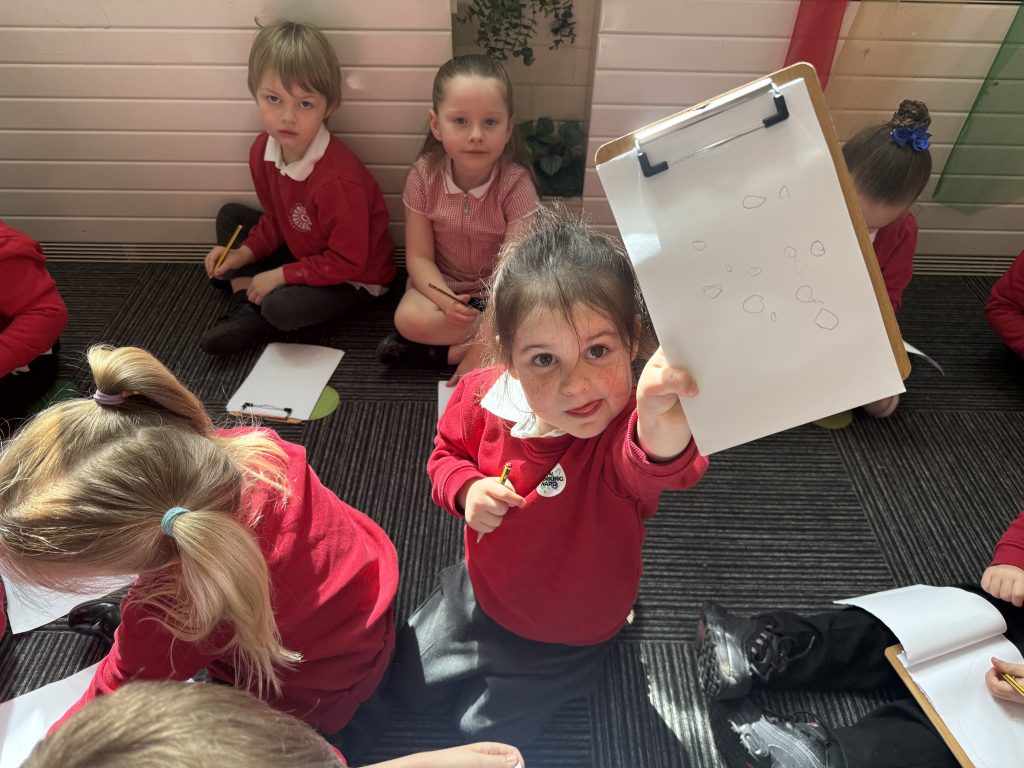
Throughout the year, we have been working hard to strengthen the children’s fine motor skills, and this term we have introduced a focused activity known as “apron entry.” During this activity, each child is given their own clipboard and a shortened pencil, which helps to support correct grip and control.
The children are encouraged to draw an object, letter or shape from the board, with a particular focus in this session on creating circles of their own chosen size and quantity. This open-ended approach allows the children to explore their creativity while also developing important early writing skills.
It was fantastic to see the children’s growing ability to concentrate, as well as their confidence in using an effective pencil grip and forming recognisable shapes. These small but significant steps are helping to build the foundations for future writing.
Well done, Crew Frost—keep up the great work!