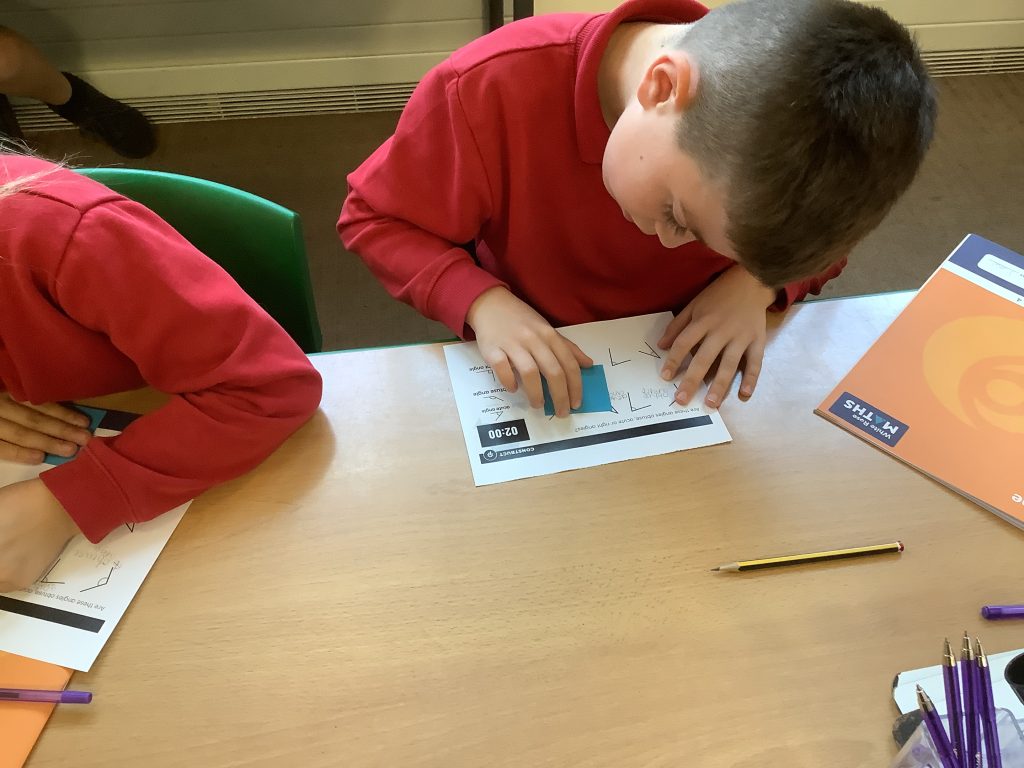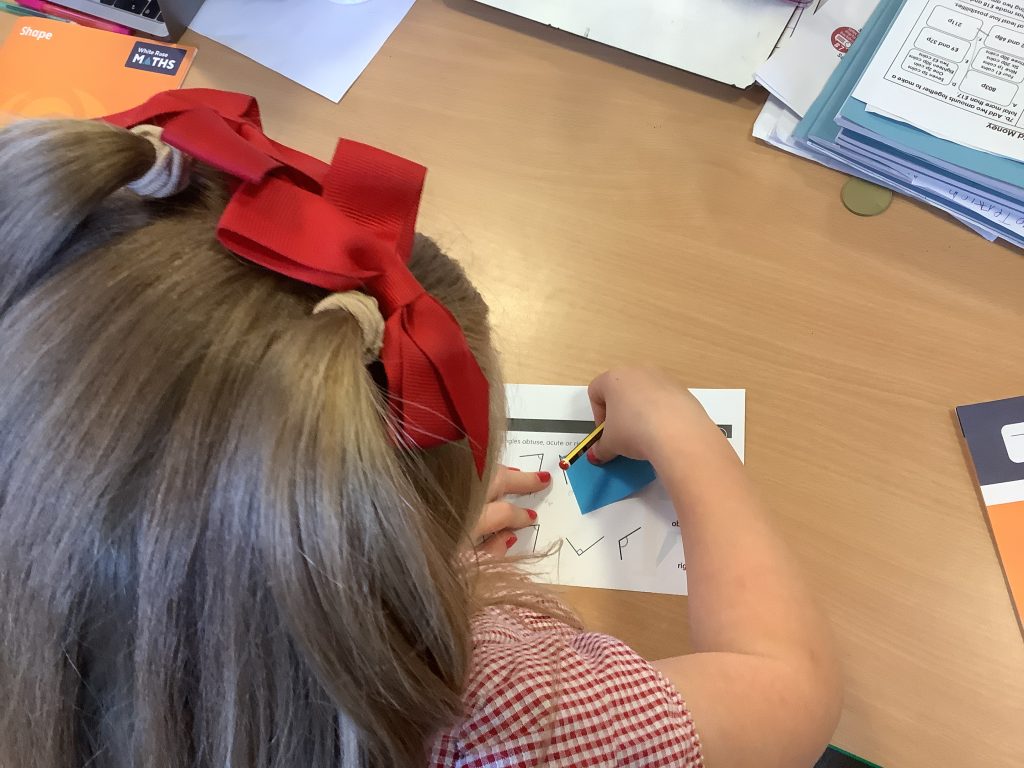
Exploring 3D shapes

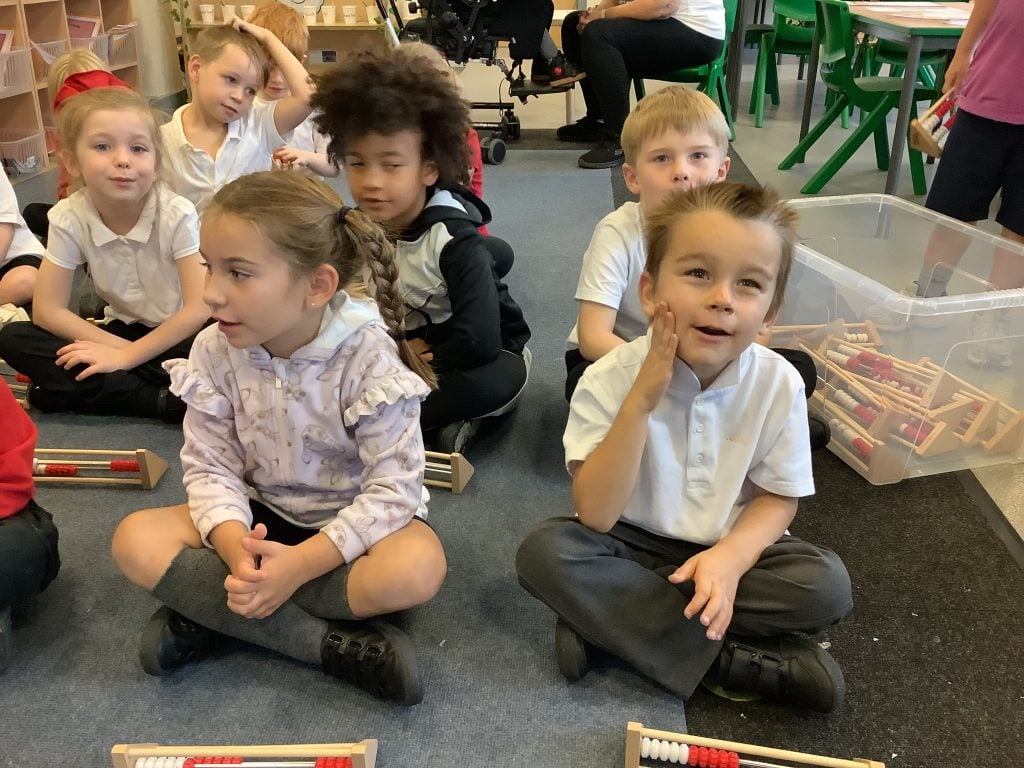
In Maths, we explored 3D shapes and learned about their properties. We looked at faces, vertices and edges and practised counting them on different shapes.

By the end of the lesson, we were more confident identifying and describing 3D shapes using mathematical vocabulary.

Measuring in maths.

Last half term, we started measuring our growing plants to see how big they would get. We were amazed to discover that in just three weeks they had grown an incredible 60cm tall!
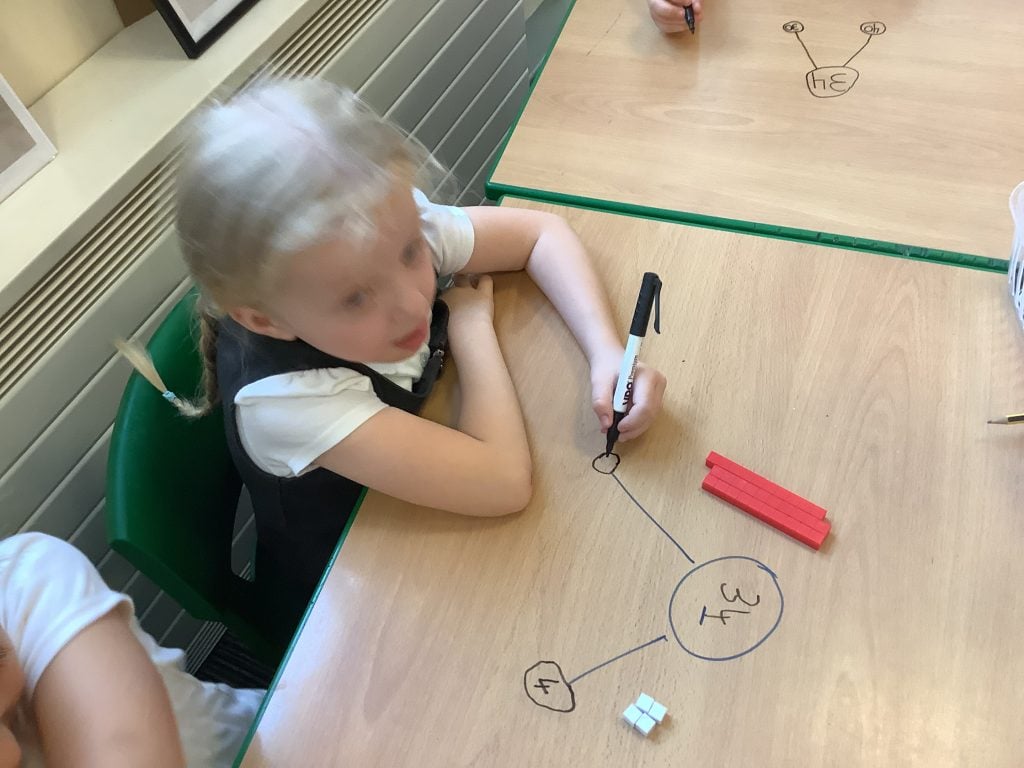
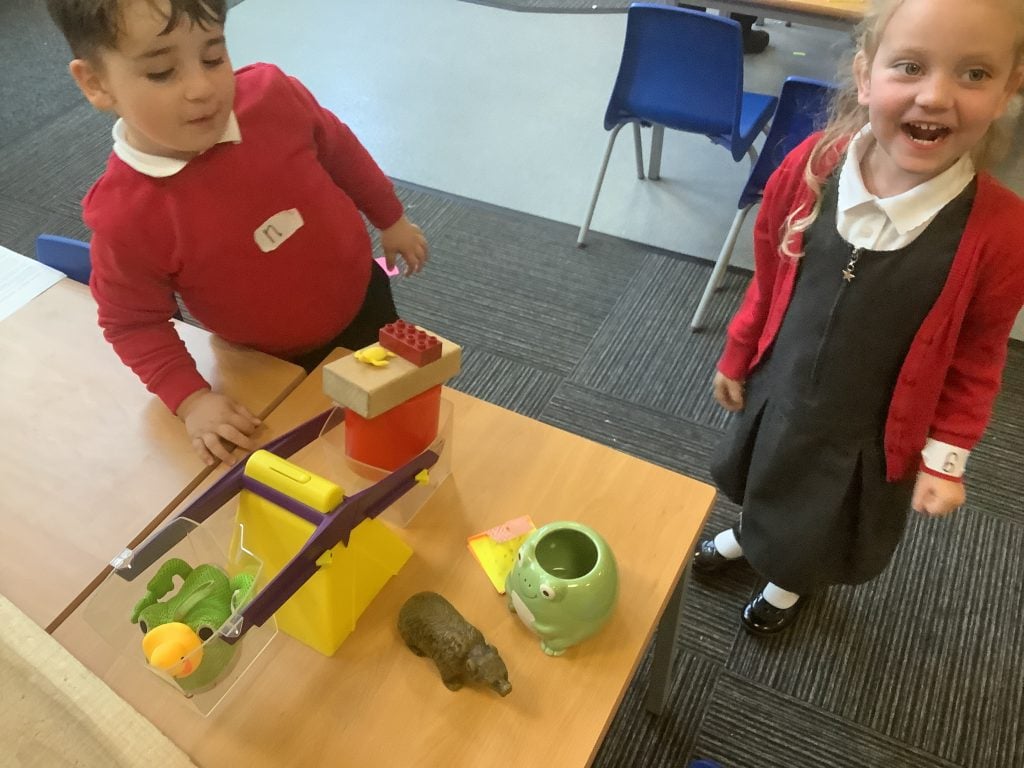
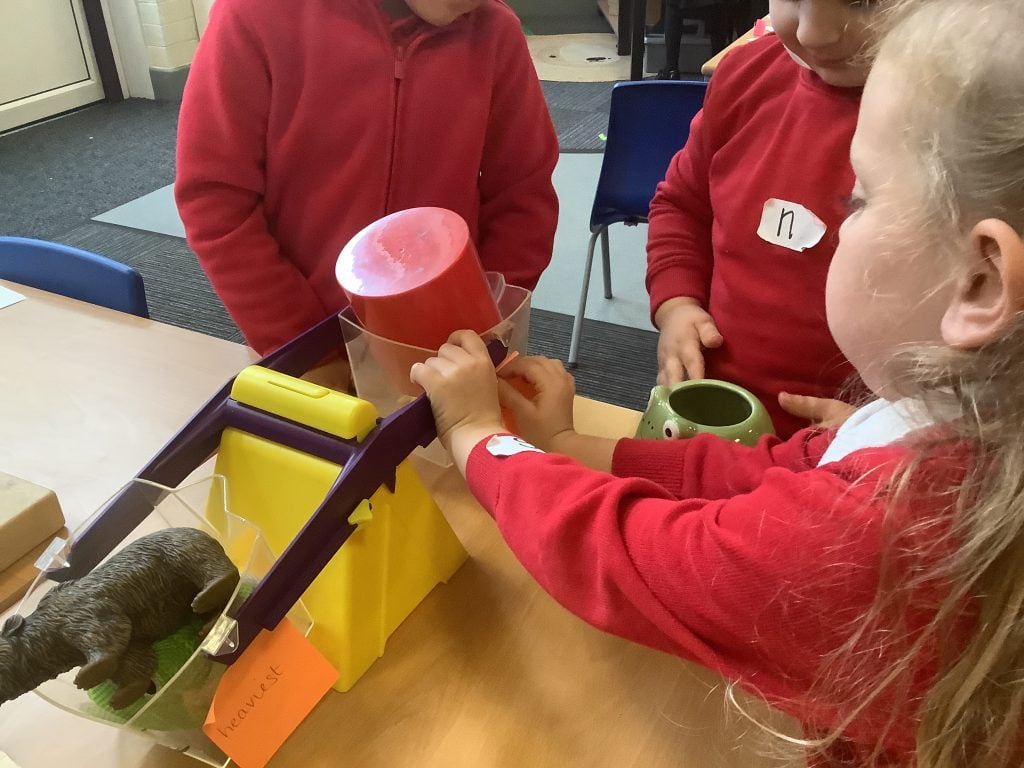
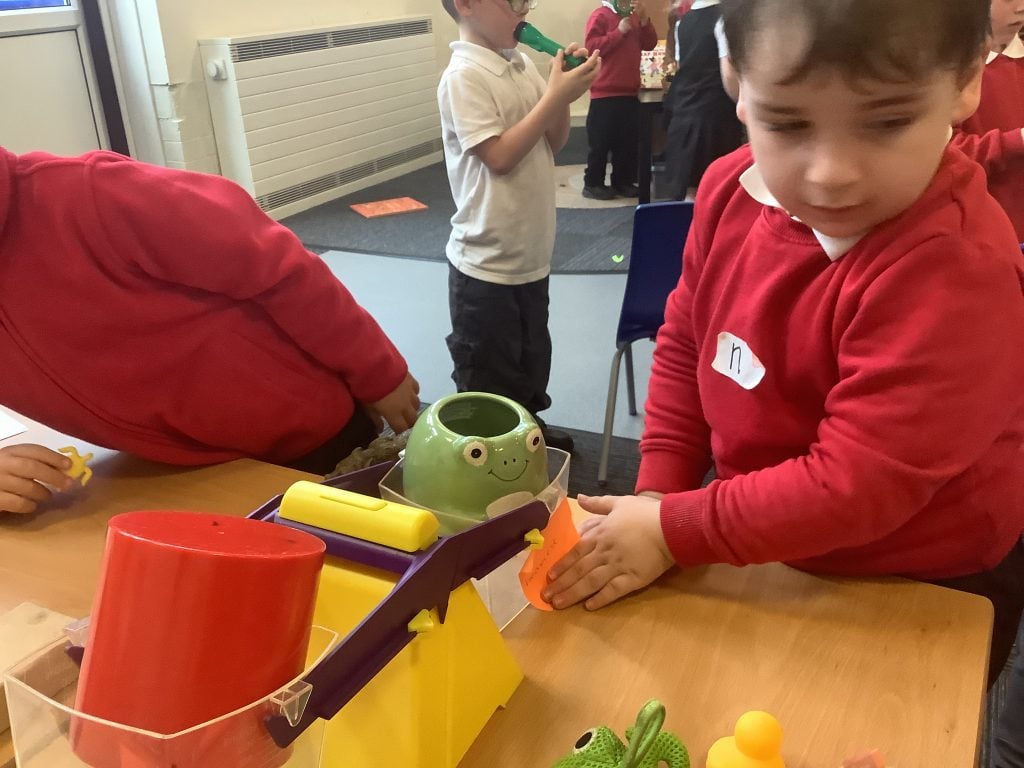
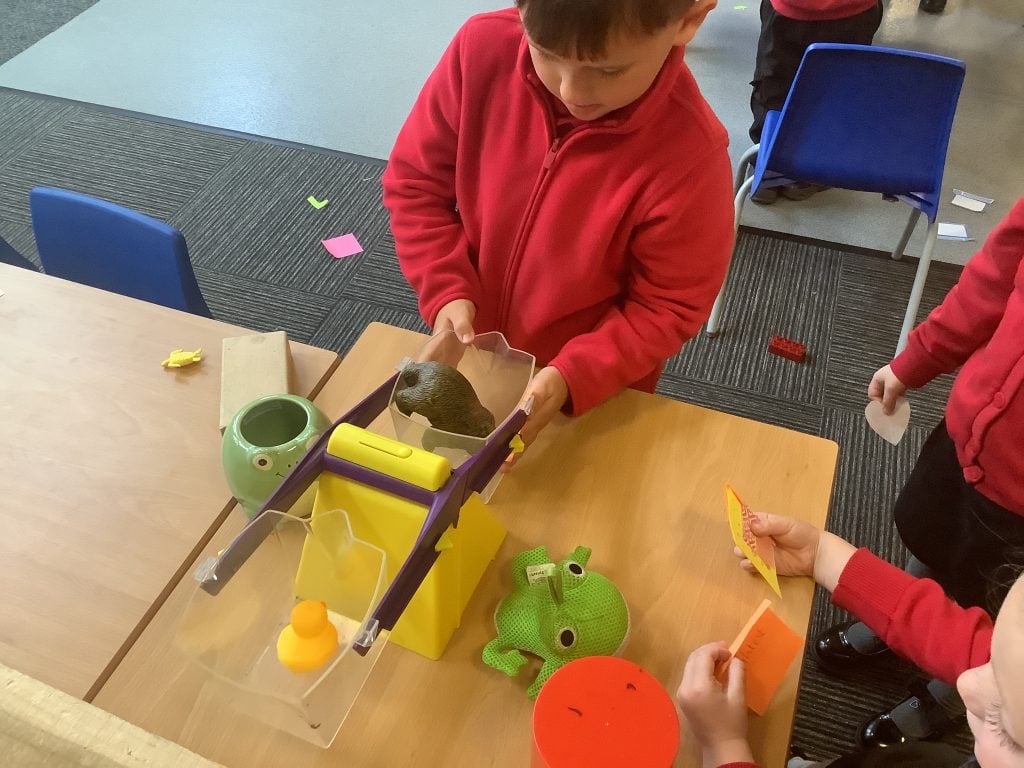
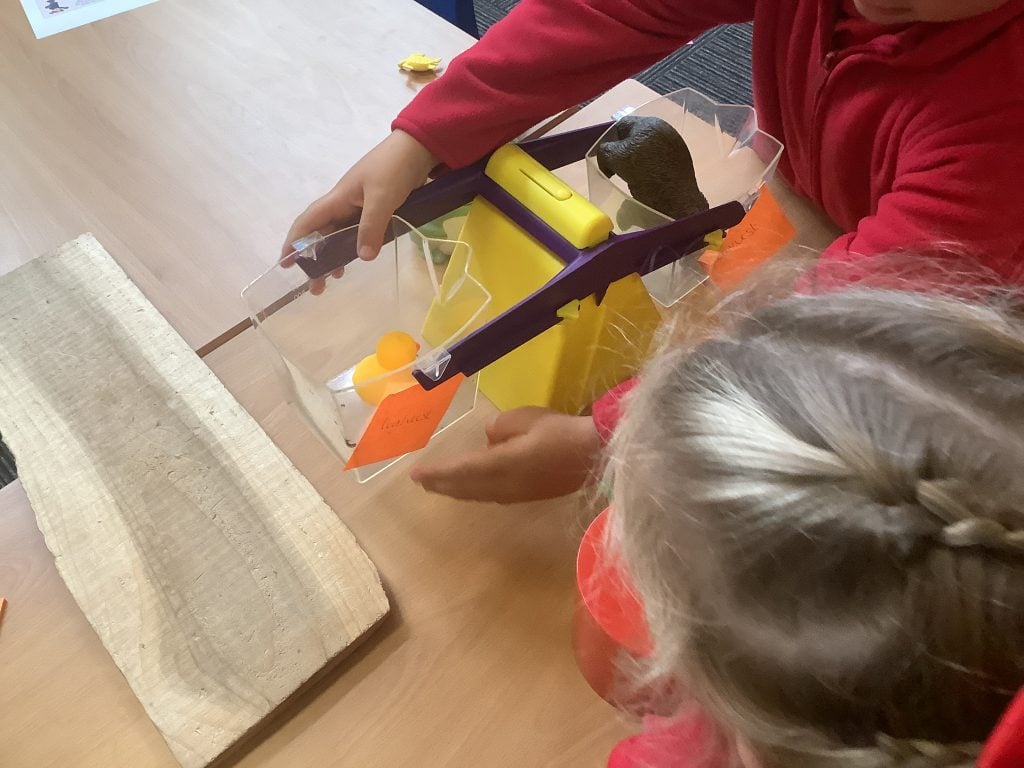
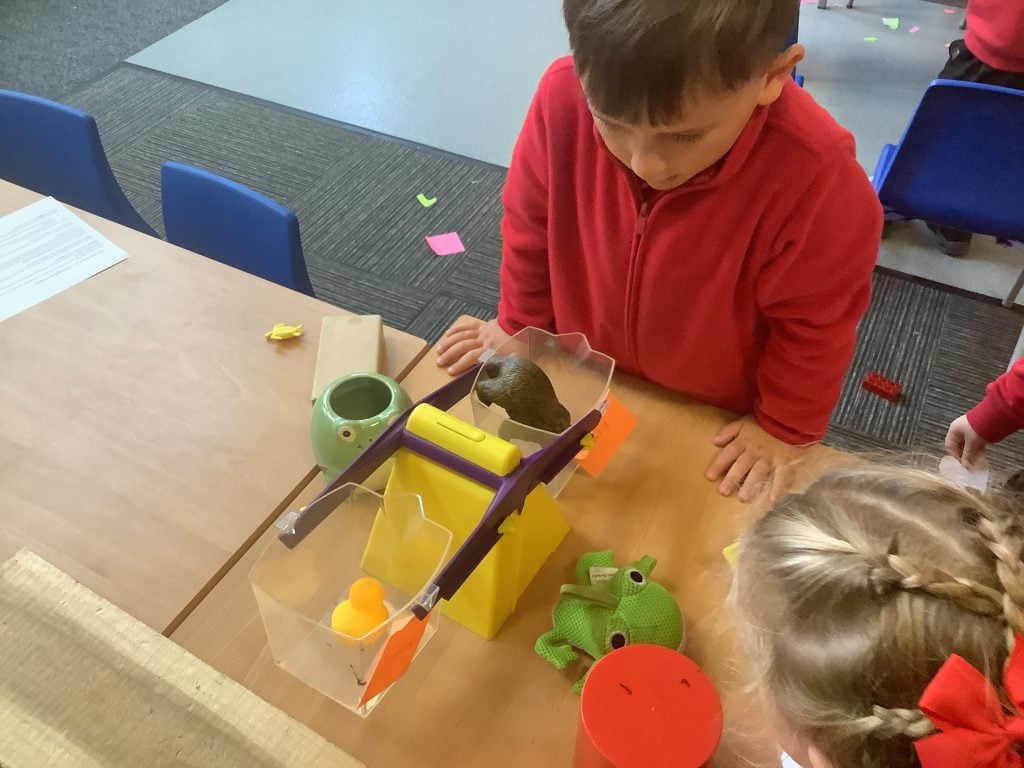
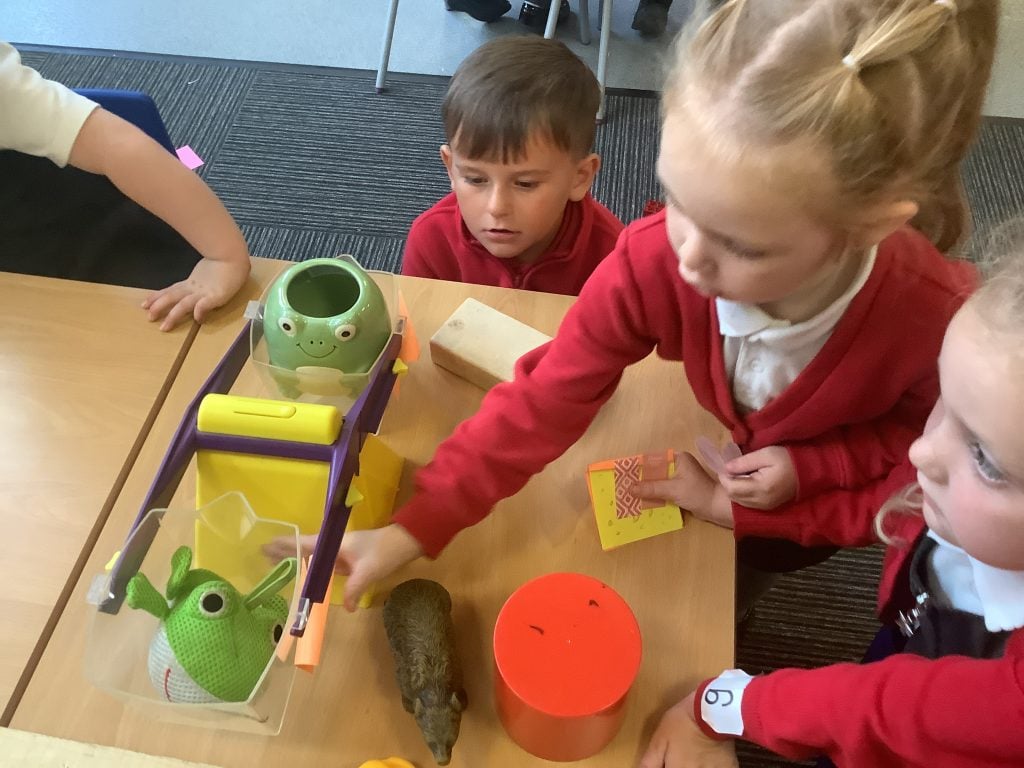
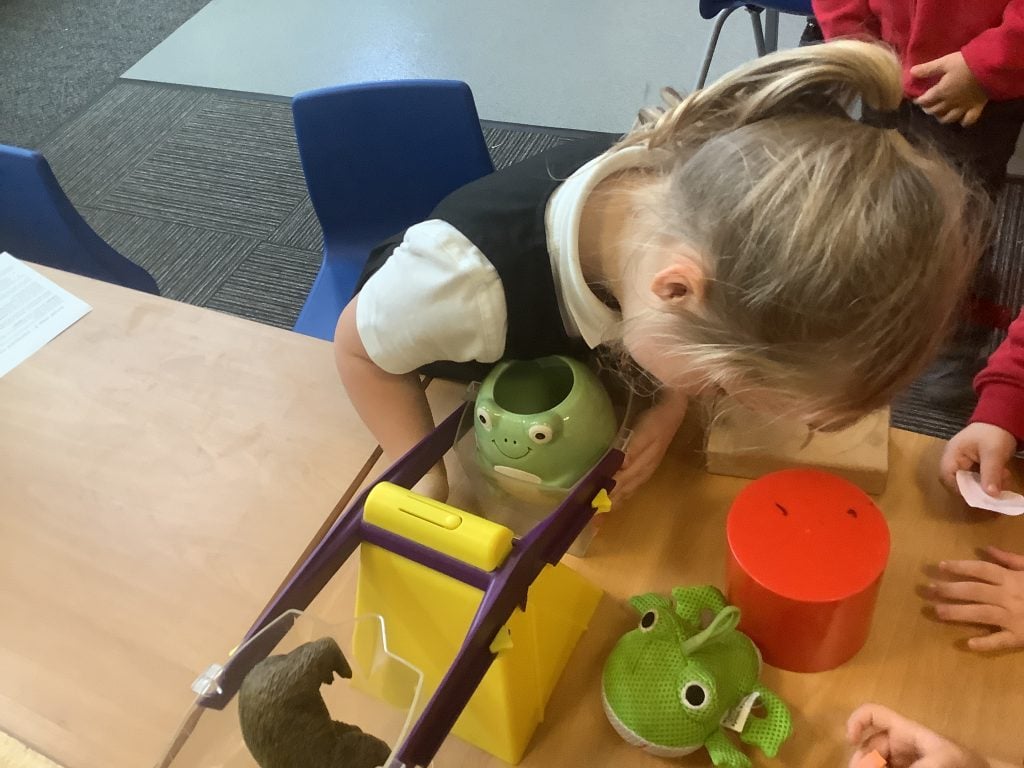
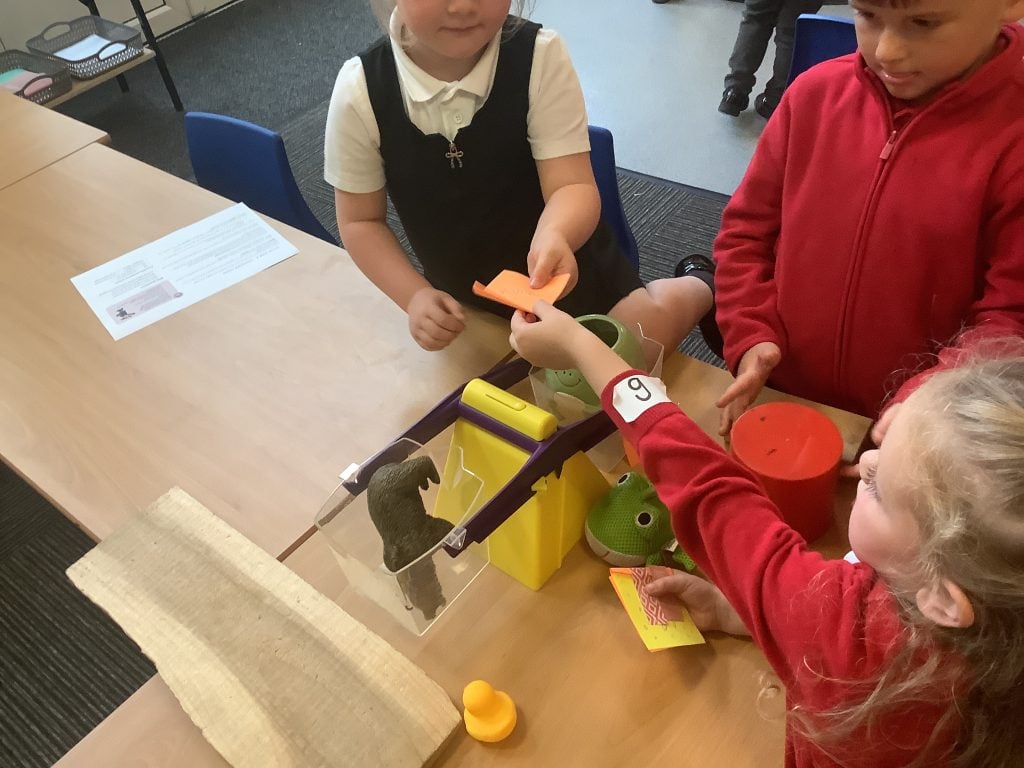
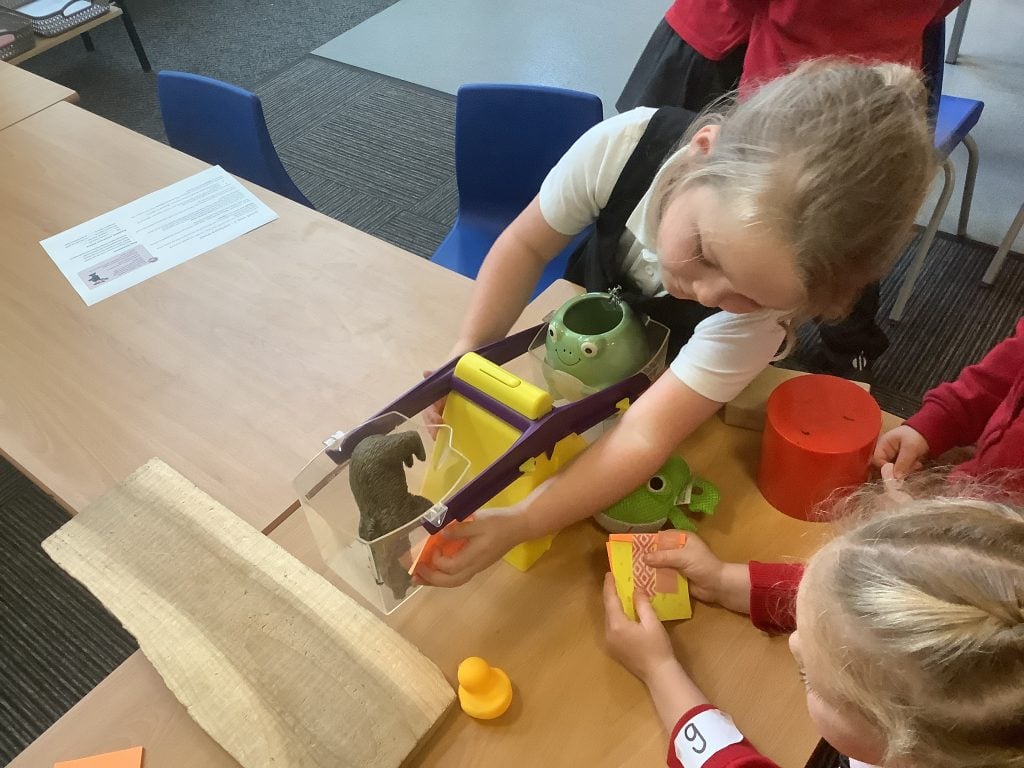
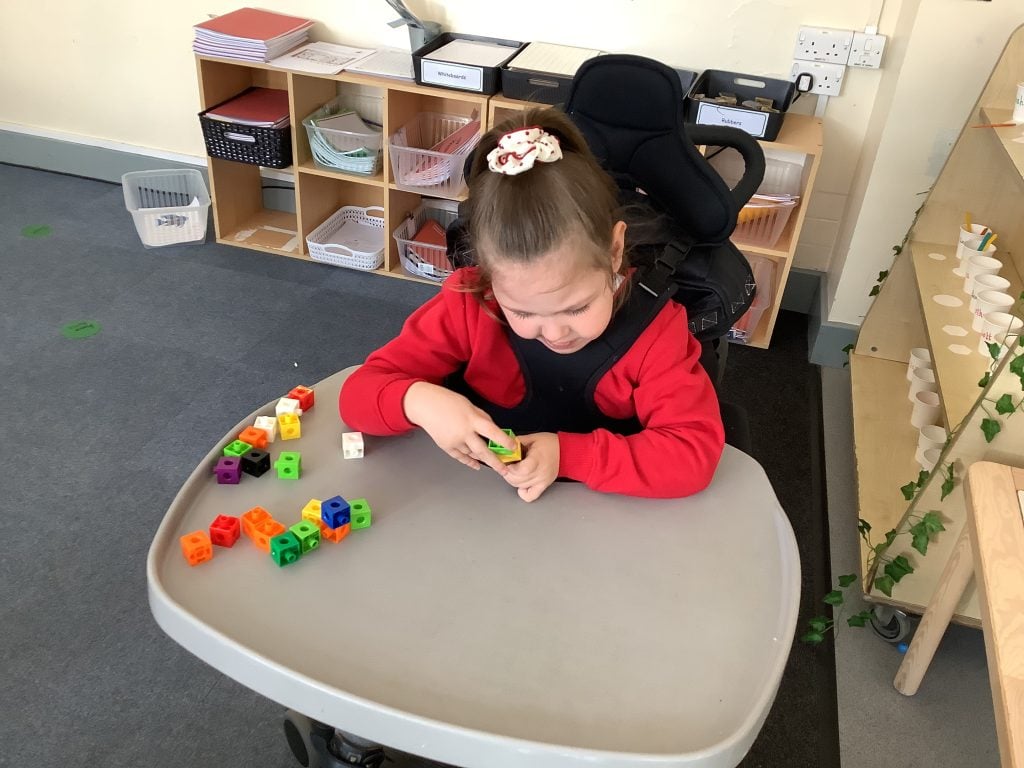
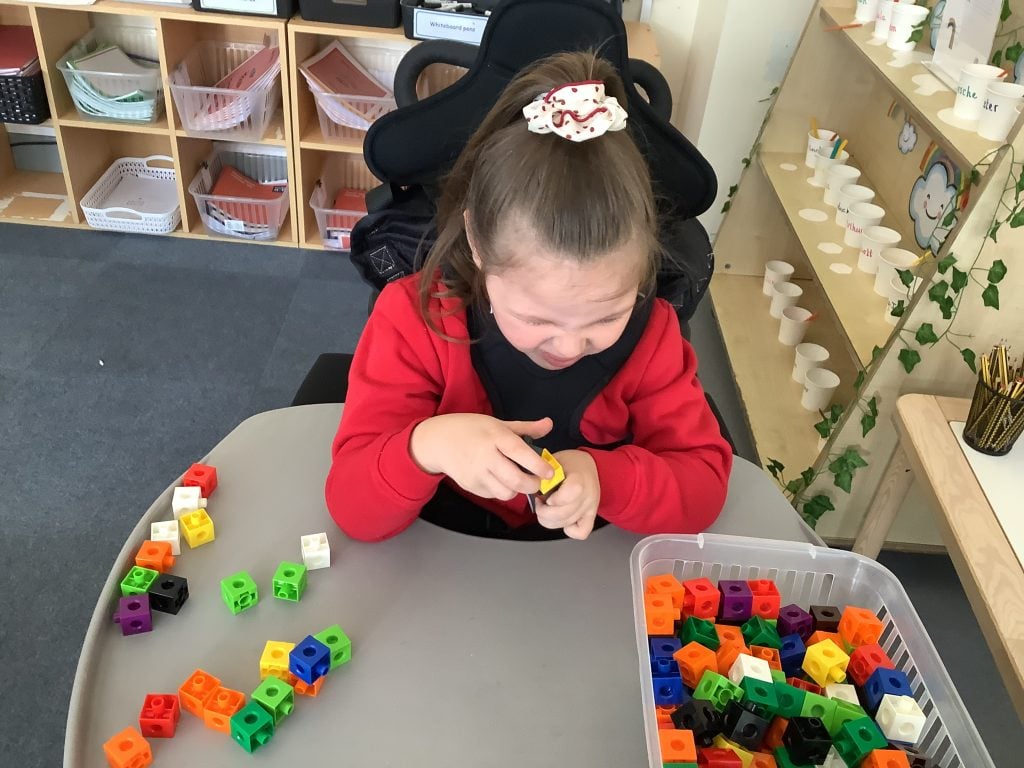
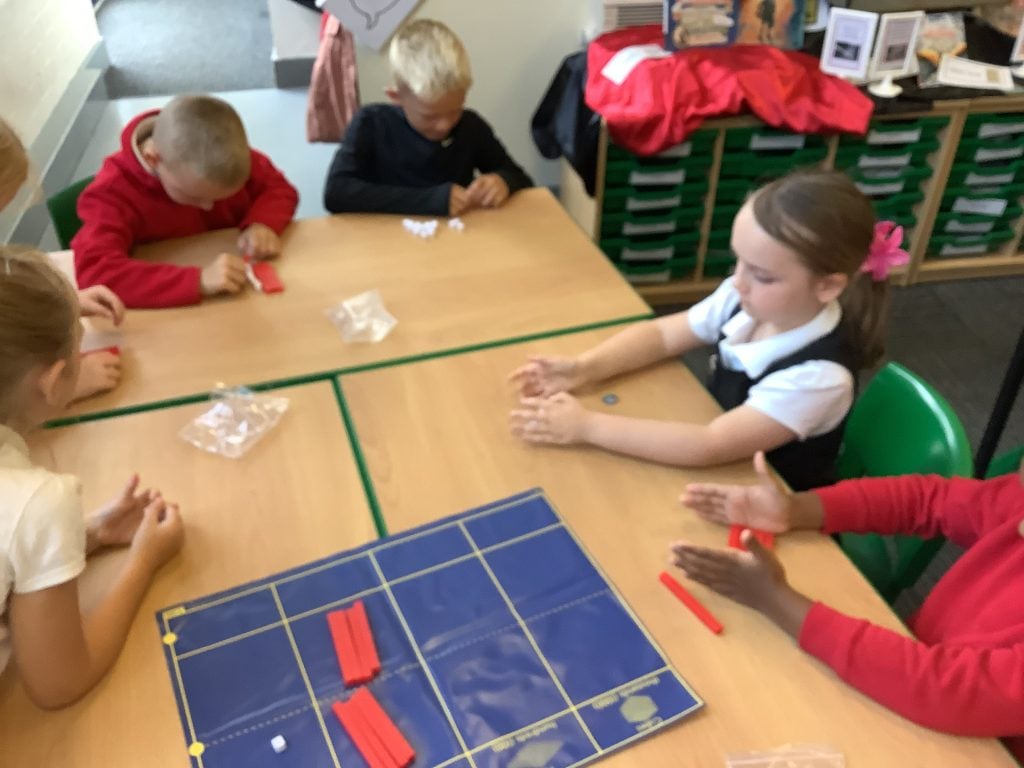
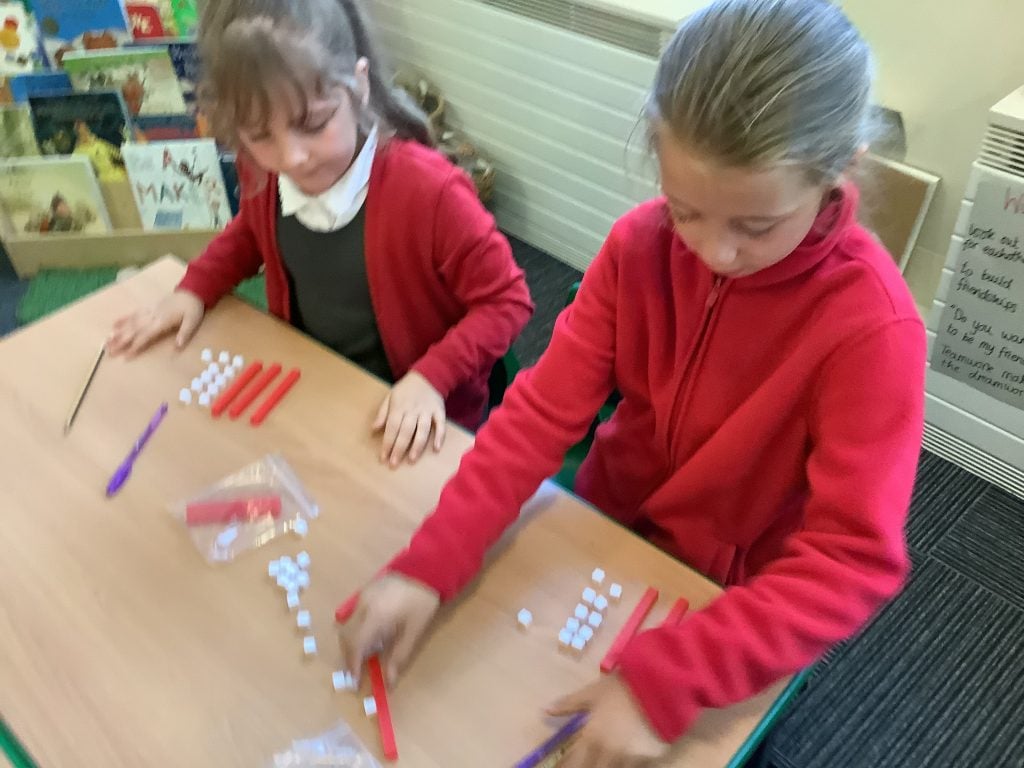
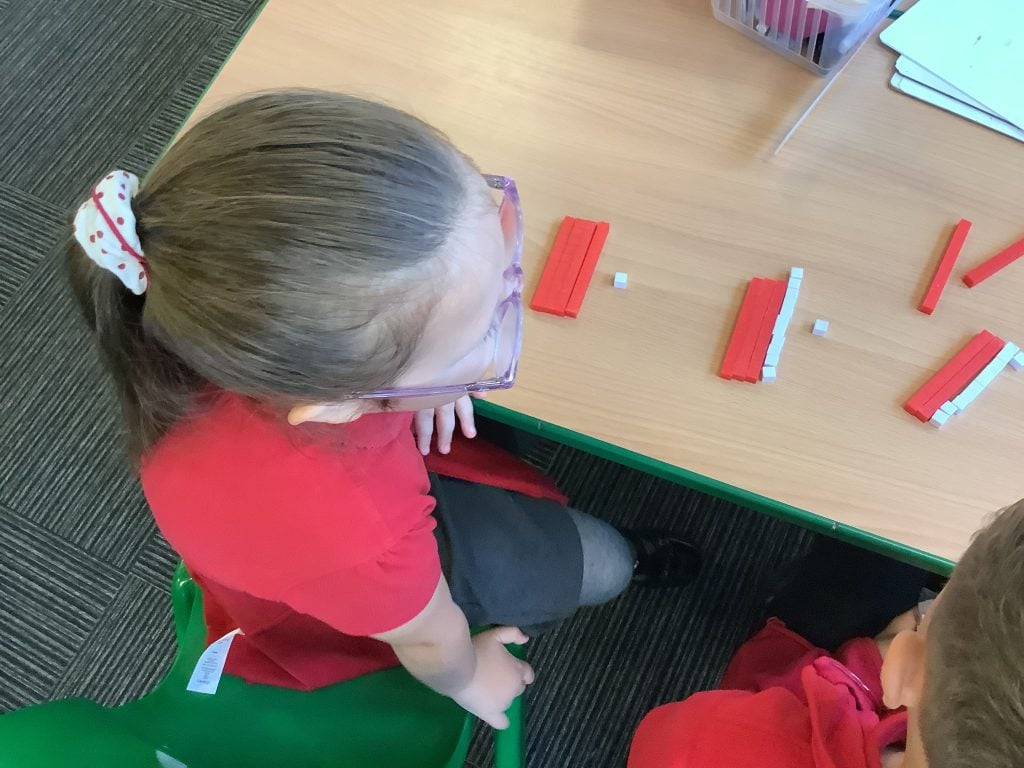
This week’s maths focus is all about measuring and comparing size. Today we explored our classroom, measuring different objects and seeing what we could build. As our structures got taller, we practised measuring them and comparing their heights.

We also developed our counting skills by adding one more resource each time and then remeasuring to see how the height changed. This helped us to understand measurement, counting, and the concept of “one more” in a fun and practical way.

Fine motor building

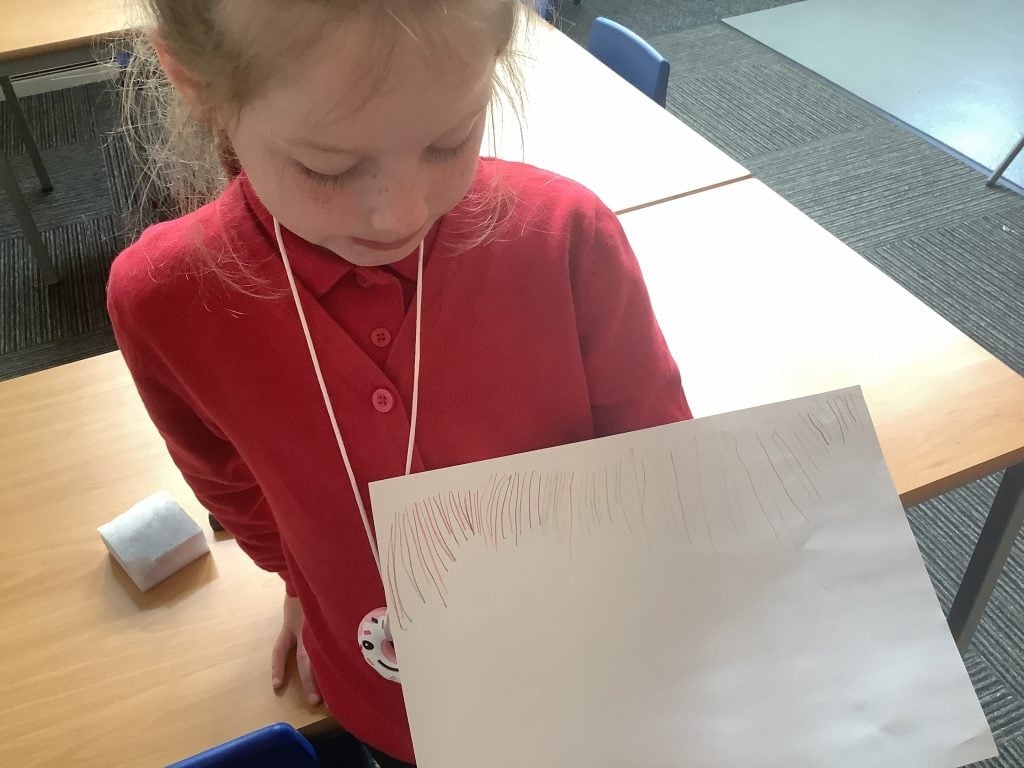
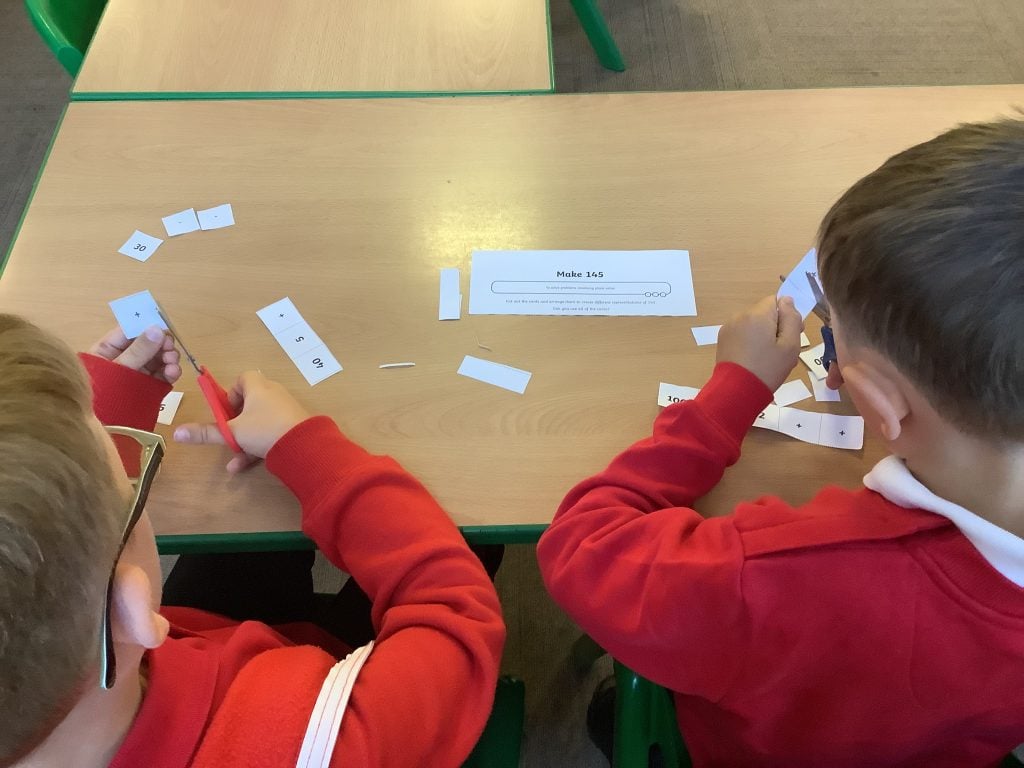
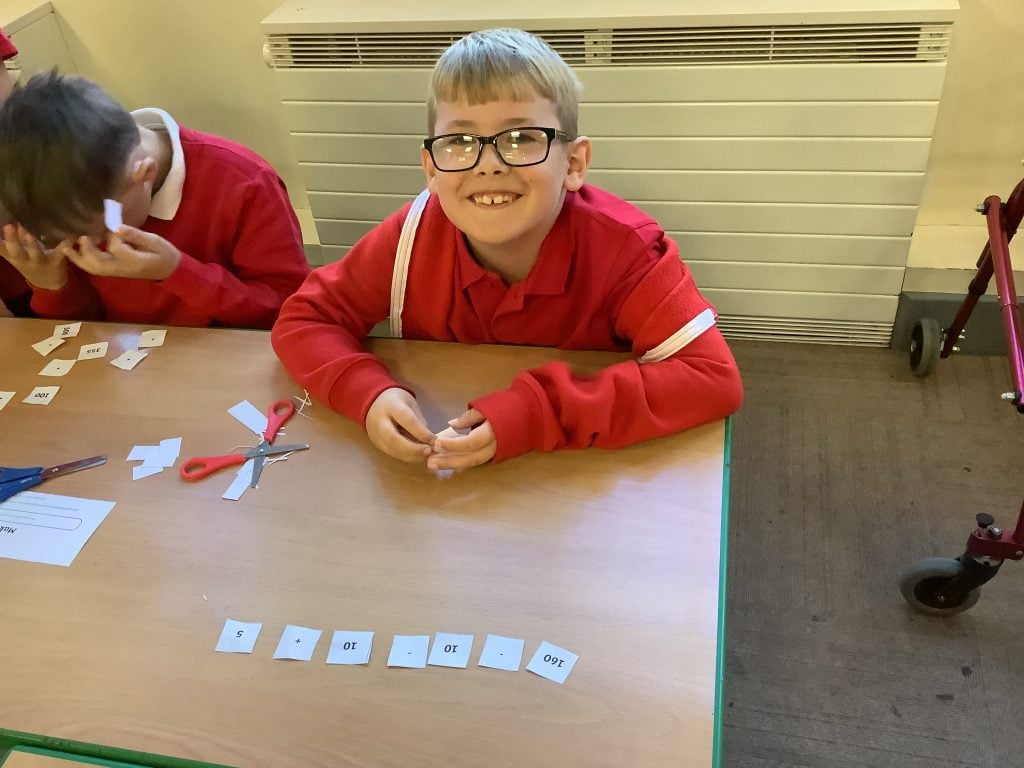
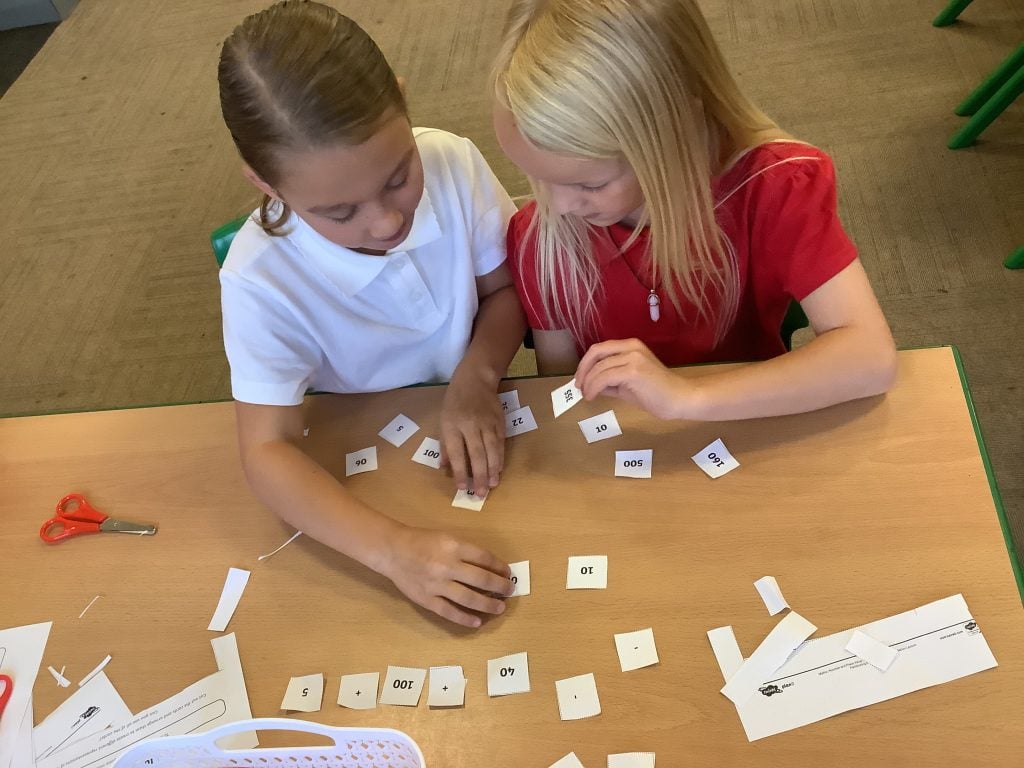
One day each week in Crew Frost, we spend time focusing on developing our fine motor skills through activities such as using scissors to cut along lines and around shapes. Cutting is an excellent skill to master in the Early Years, as it supports so many of the important skills children need as they begin their writing journey.

The children are learning how to separate and strengthen the muscles in their fingers and hands whilst carefully controlling the scissors. They are also developing their hand-eye coordination and problem-solving skills as they work out how to move the paper and scissors together whilst trying to stay on the lines. This takes a huge amount of concentration, control, and perseverance.

Alongside this, we have been practising our “ready to write” positioning by sitting with our tummy to the table and all six chair legs on the floor. Developing core strength, balance, and posture is a very important part of early writing development, helping children to gain the stability needed for mark making and pencil control in the future.

Although cutting may look simple, it is actually a very tricky skill that requires children to coordinate many different movements at the same time. We are so proud of the resilience, determination, and focus Crew Frost have shown whilst practising these important skills. Well done, Crew Frost — it is much harder than it looks!

Interventions

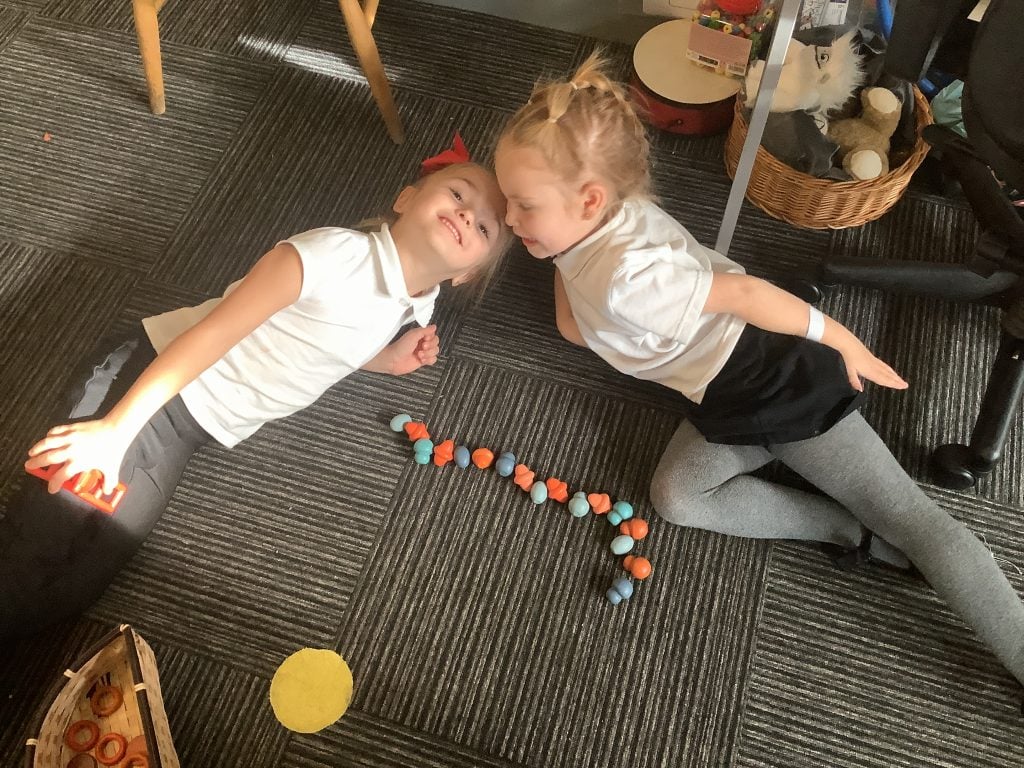
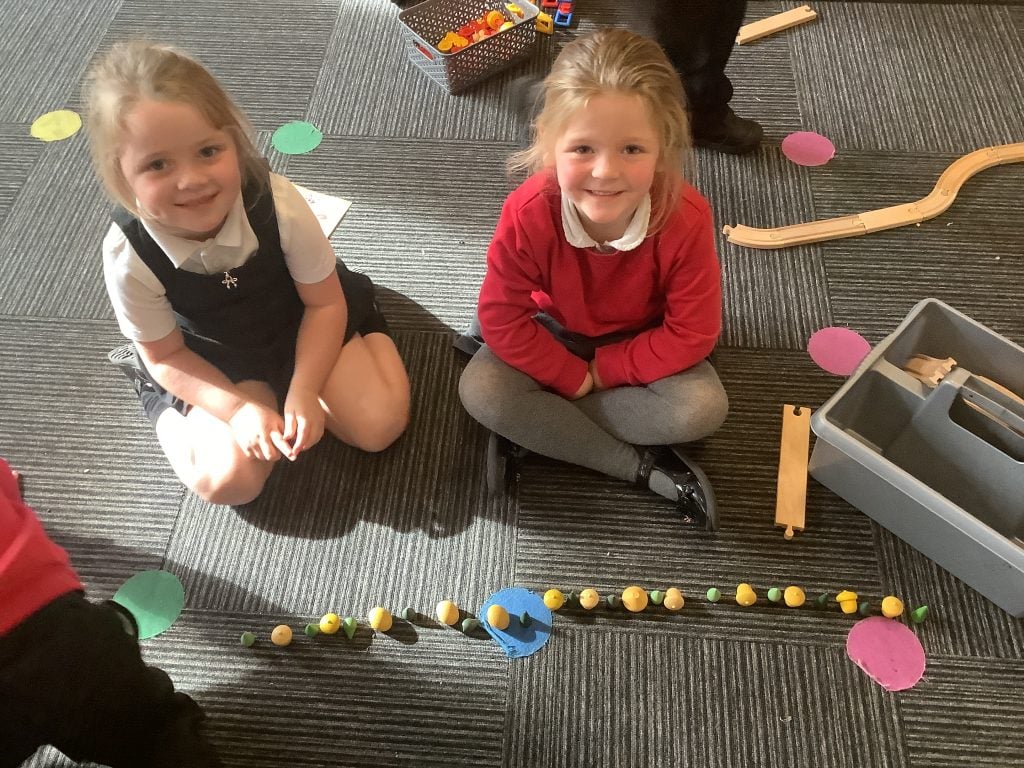
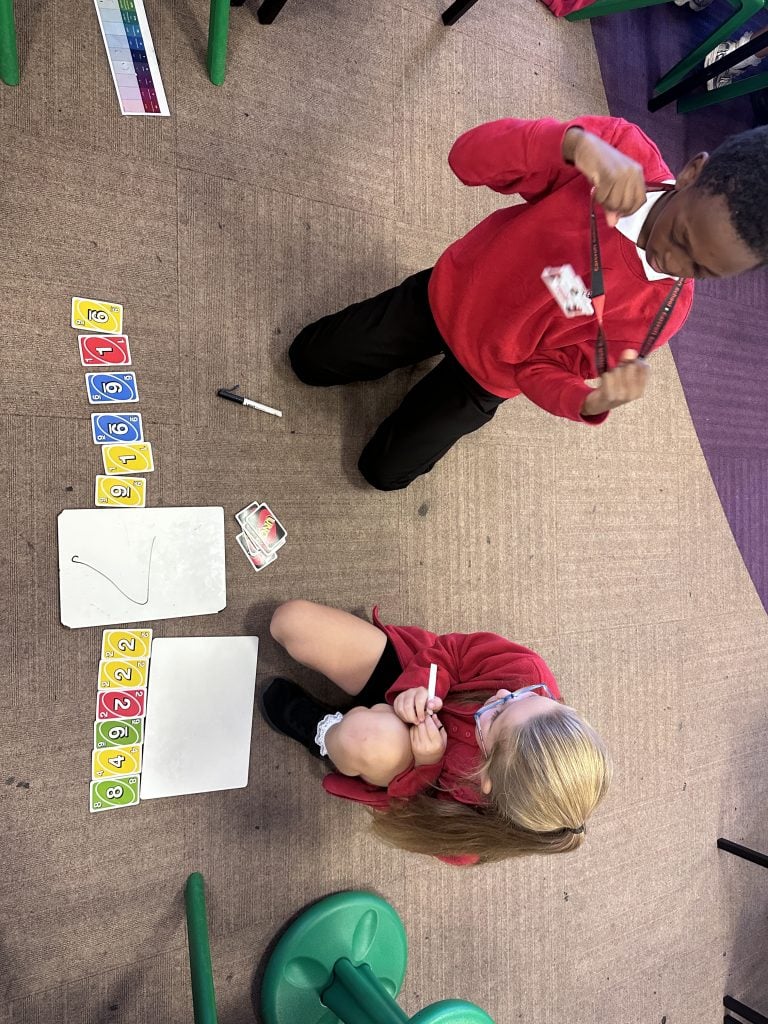
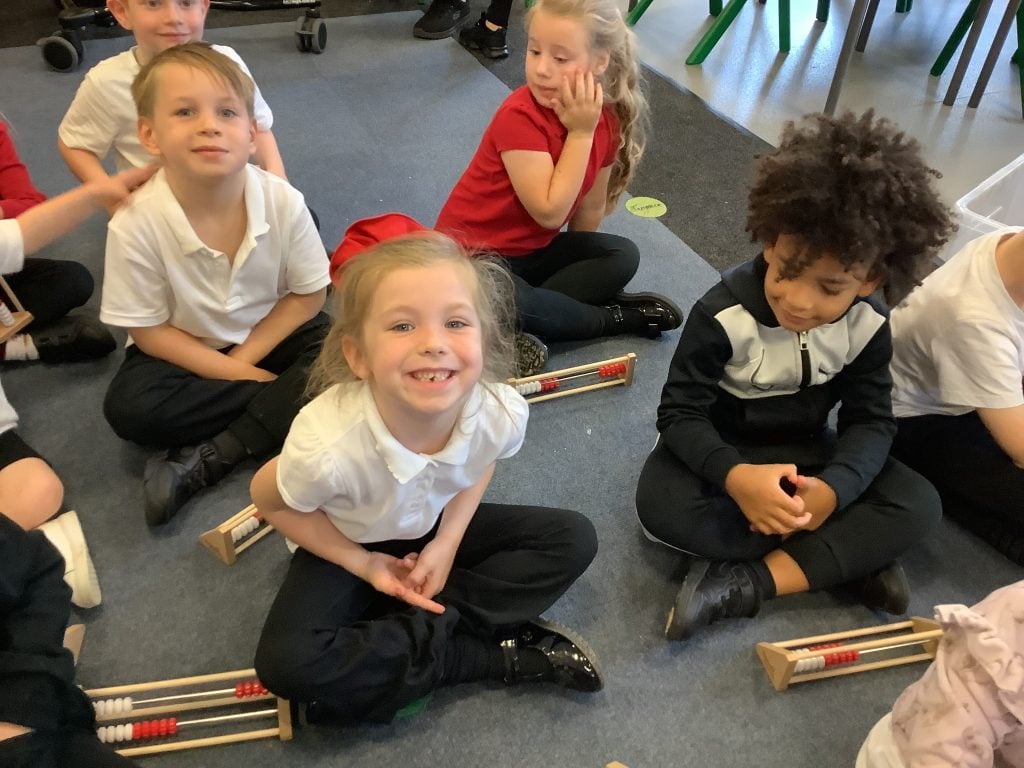
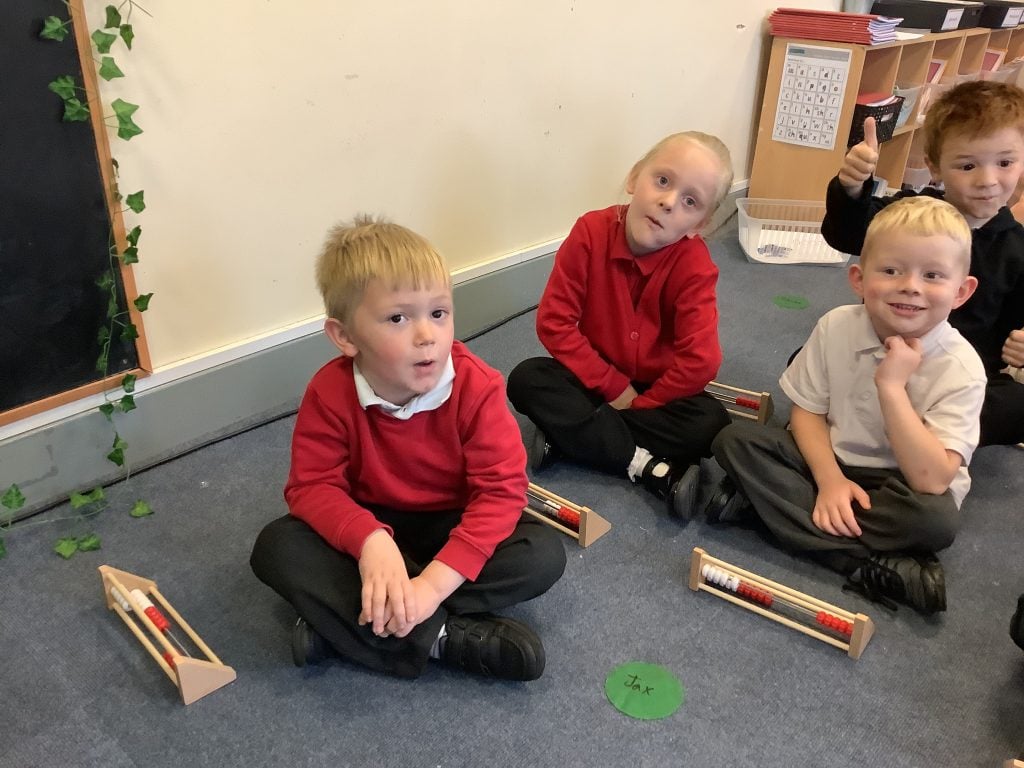
During our choosing time, Crew Frost have been developing their early mathematical skills through a range of practical, hands-on interventions linked to the EYFS Development Matters guidance. This week, the children have focused on recognising, extending, and creating their own two-part patterns, as well as organising and comparing objects by size from biggest to smallest.

The children showed great curiosity and engagement as they explored pattern and shape through play. They were encouraged to use mathematical language to describe what they could see, including words such as pointy, corners, sides, stripy, and edges. This supported the children in talking about and exploring shapes and patterns around them.

These activities help to build strong foundations within the Mathematics area of learning, particularly in noticing patterns, comparing size, and developing spatial reasoning. Crew Frost have worked incredibly hard to explain their thinking, solve problems, and apply their learning independently during provision.

We are so proud of the progress Crew Frost are making as they continue to grow in confidence and prepare for their transition into Reception. Well done, Crew Frost!

Working Hard to Get Smart in Maths

Crew Godley have been working hard in maths, developing their understanding of how to calculate percentages of amounts. In particular, Sharni-Mae has shown great determination and focus, approaching each challenge with a positive attitude and growing in confidence when applying her skills to solve problems. Well done, Crew – keep up the fantastic work!

Exploring Thousandths as Fractions

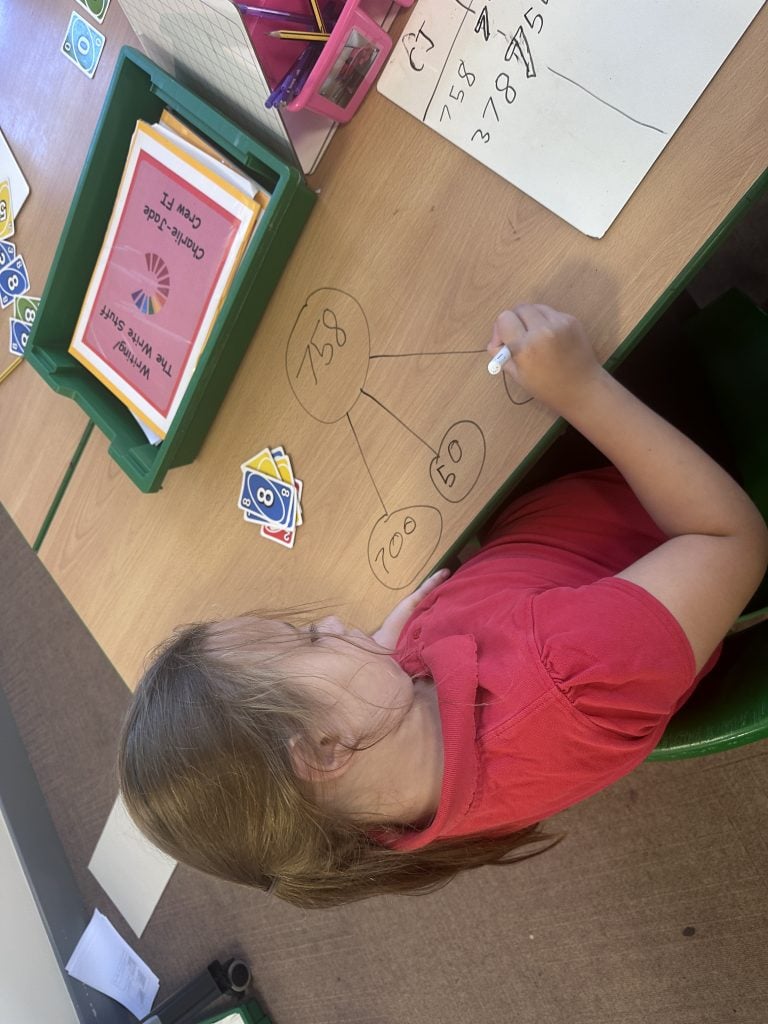
Crew Godley have been working incredibly hard to deepen their understanding of how numbers can be represented in different ways – particularly focusing on thousands expressed as fractions.

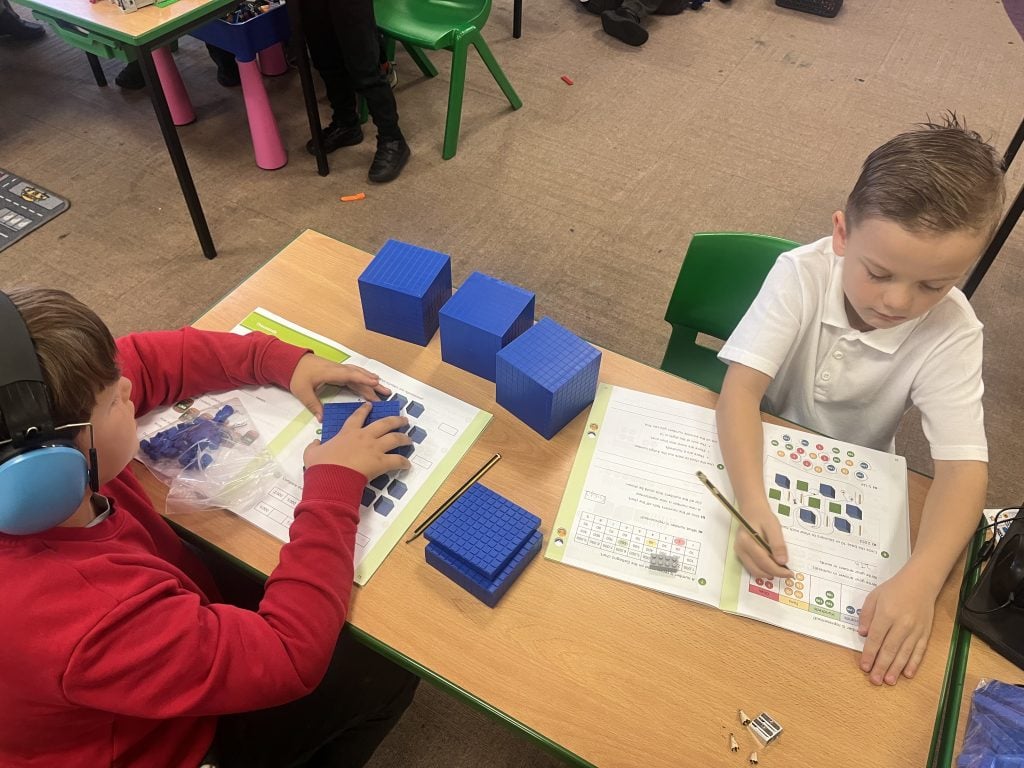
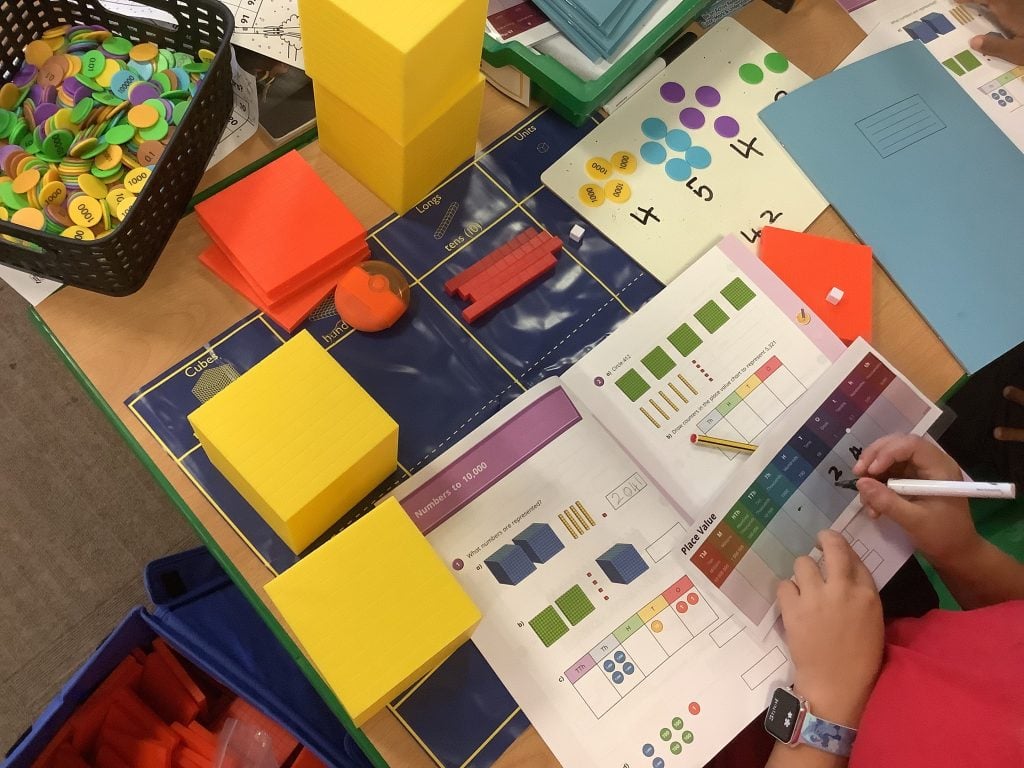
To support their learning, we used a range of manipulative to physically explore how a whole can be divided into equal parts and how those parts relate to thousandths. We investigated how one whole can be partitioned into 1,000 equal parts and what this looks like when represented as fractions. Through discussion and collaboration we were able to recognise patterns and simplify these fractions, linking their understanding to equivalent fractions and decimal forms.

Screenshot