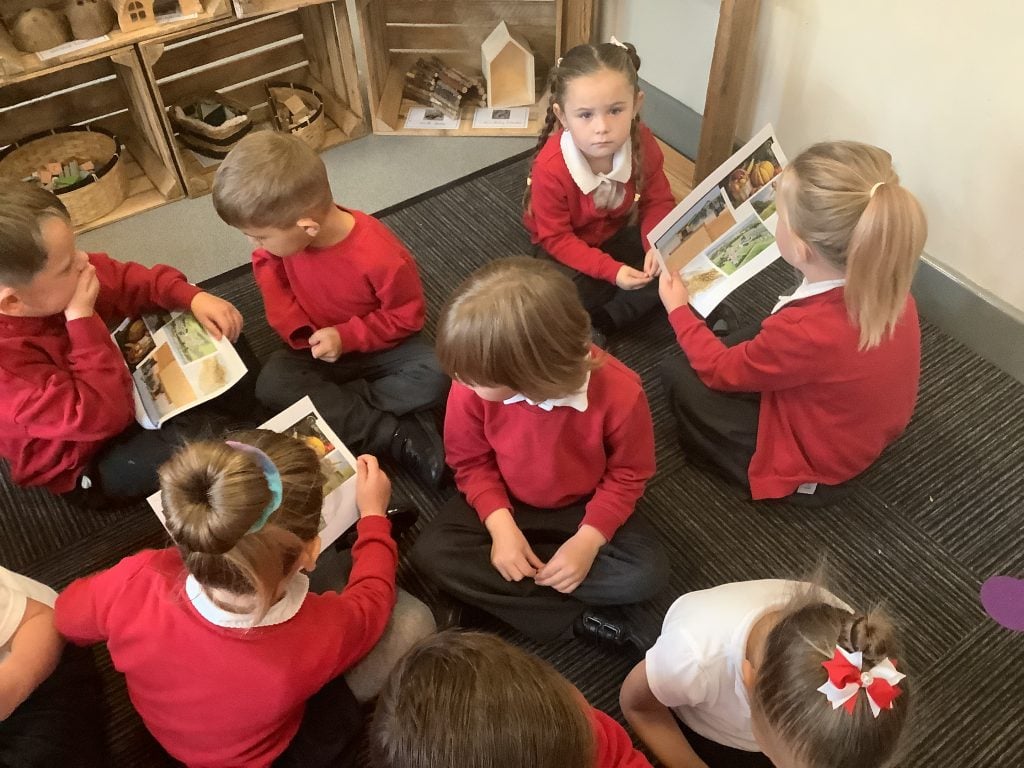
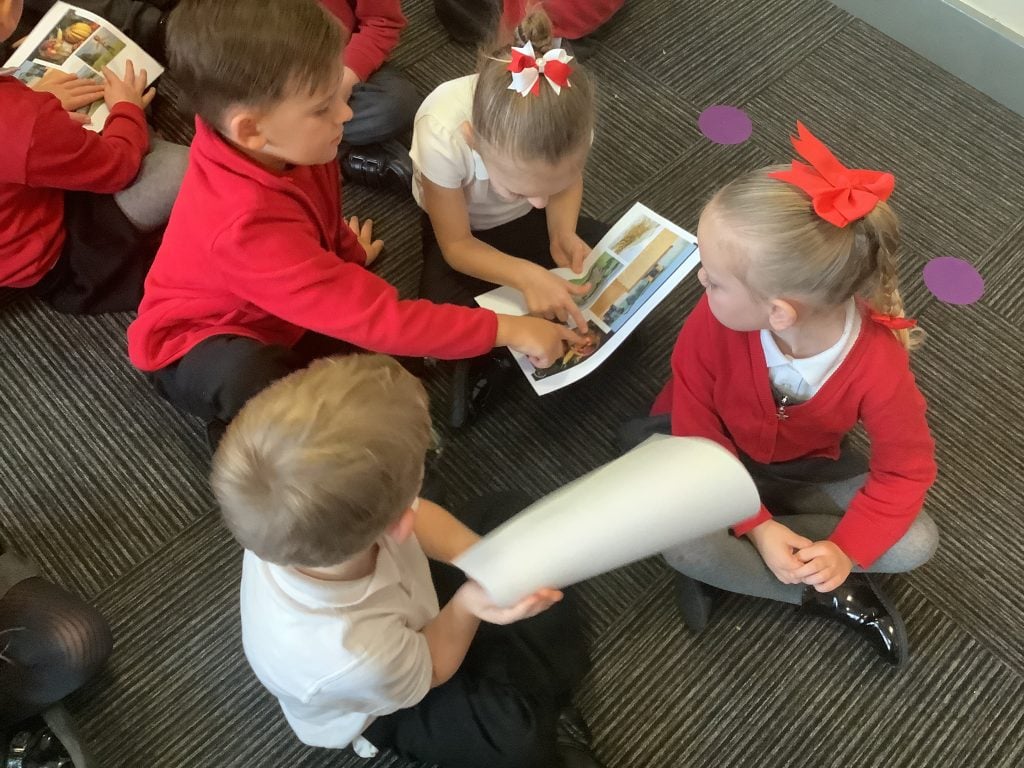
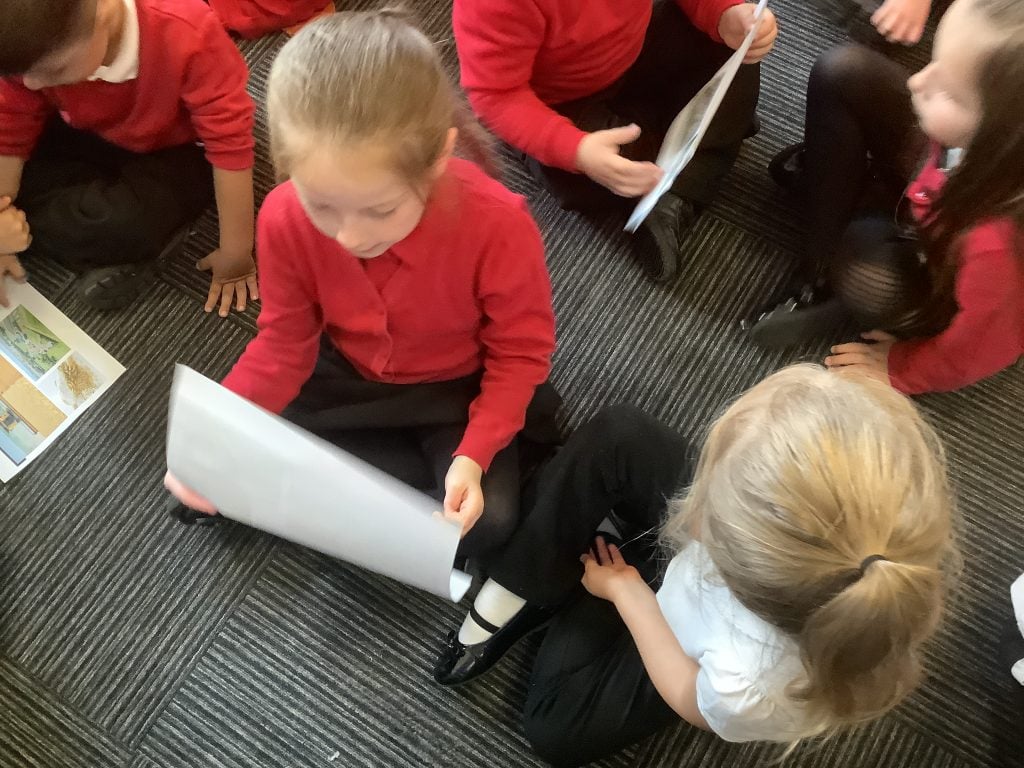
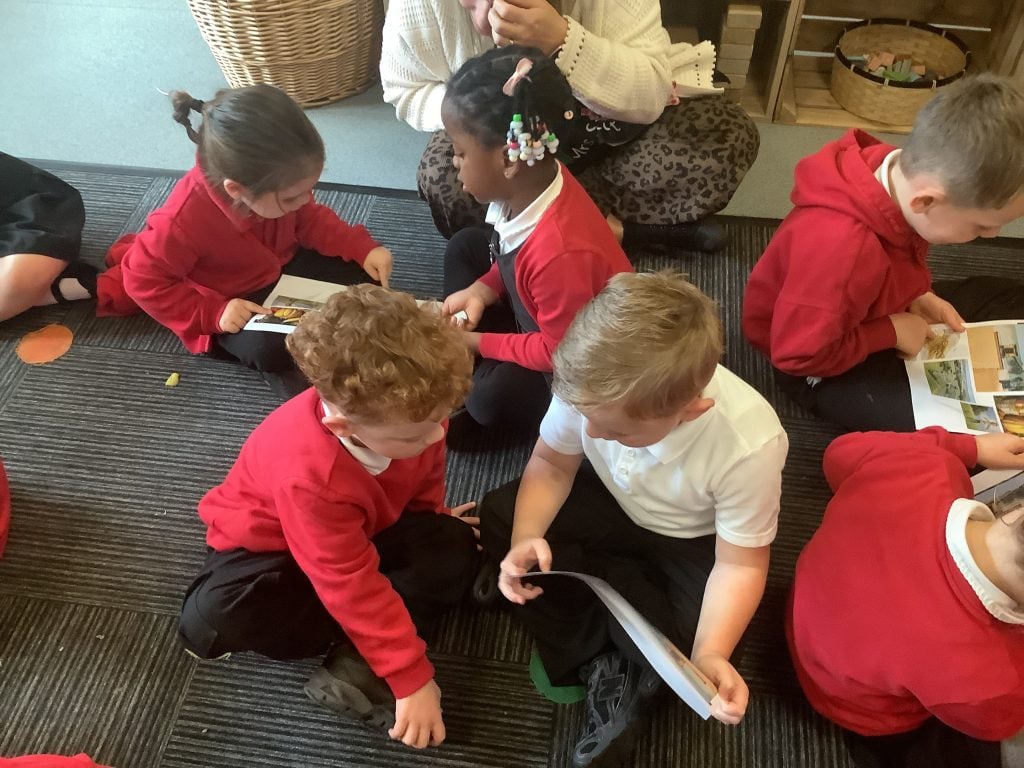
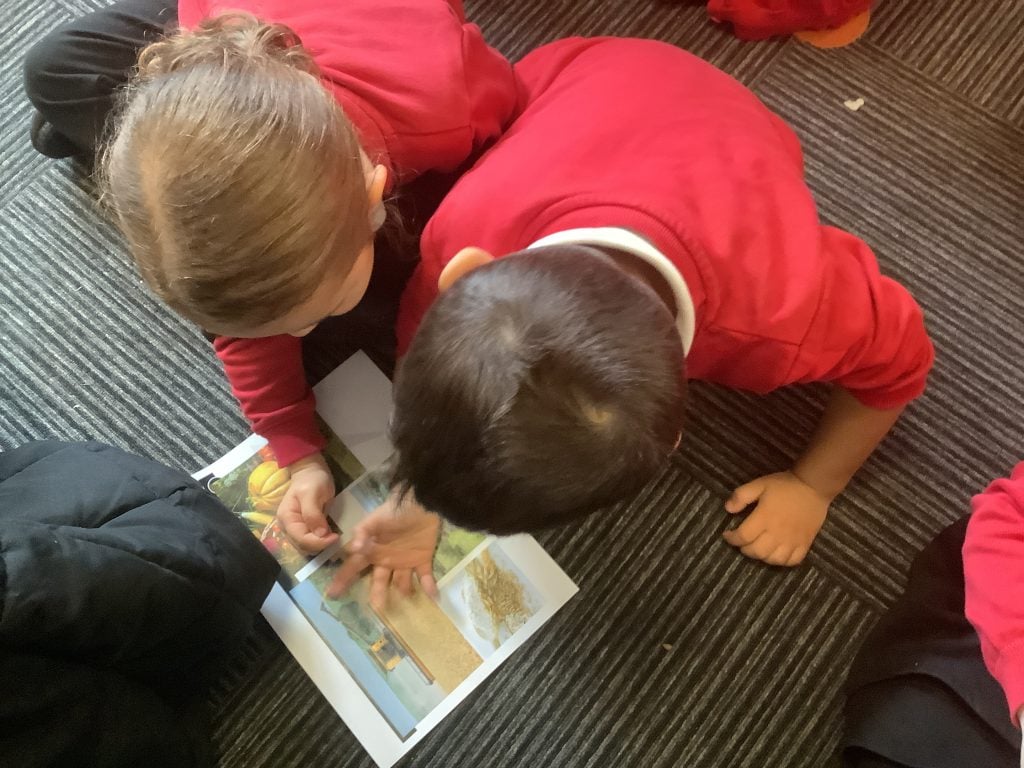
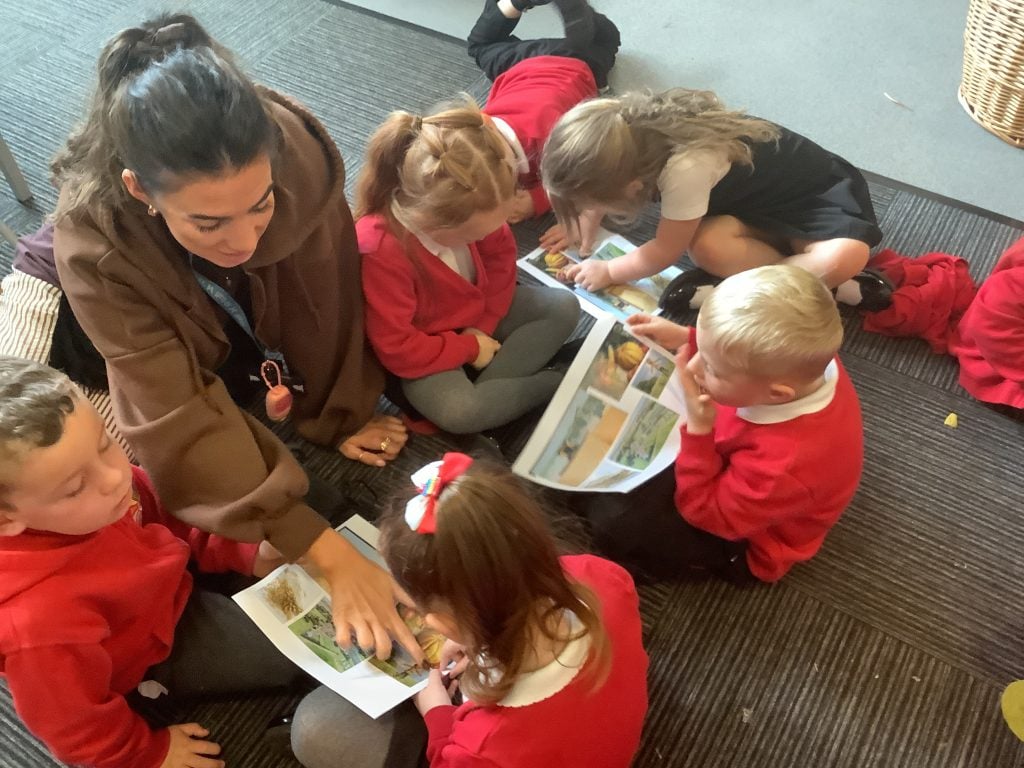
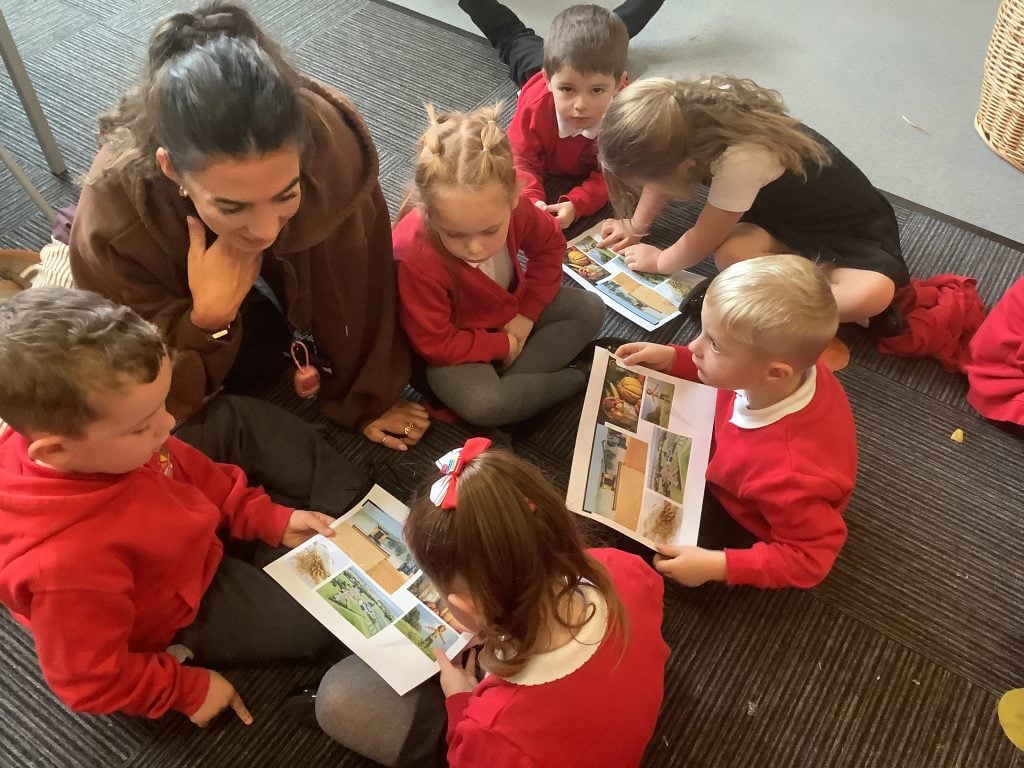
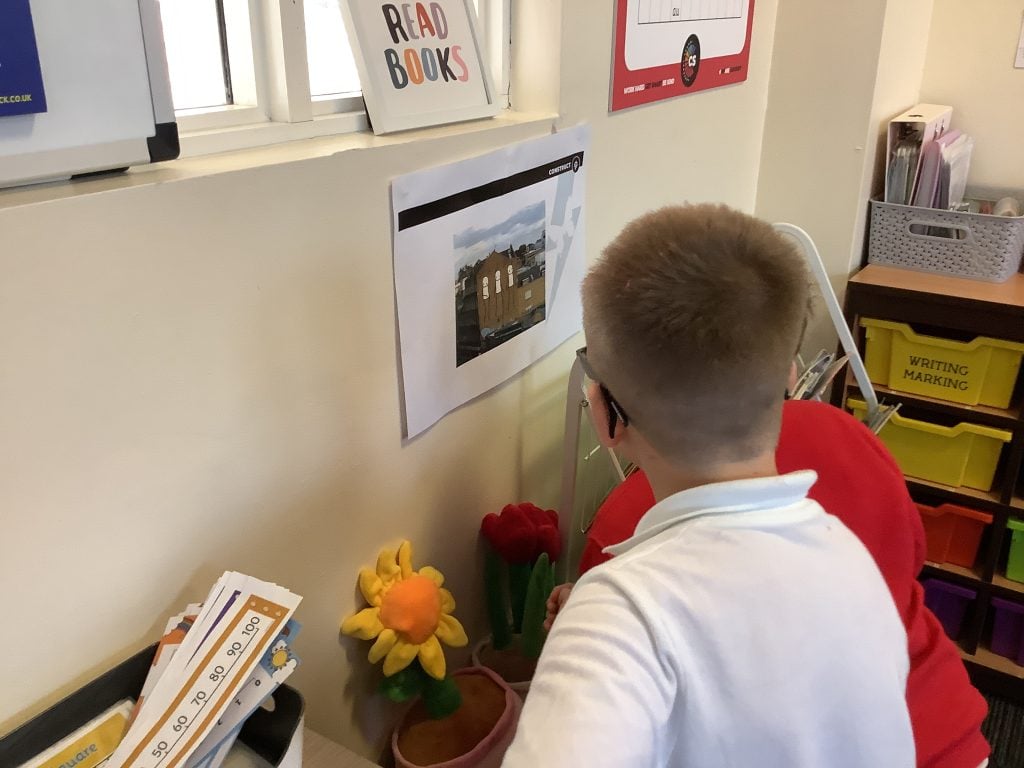
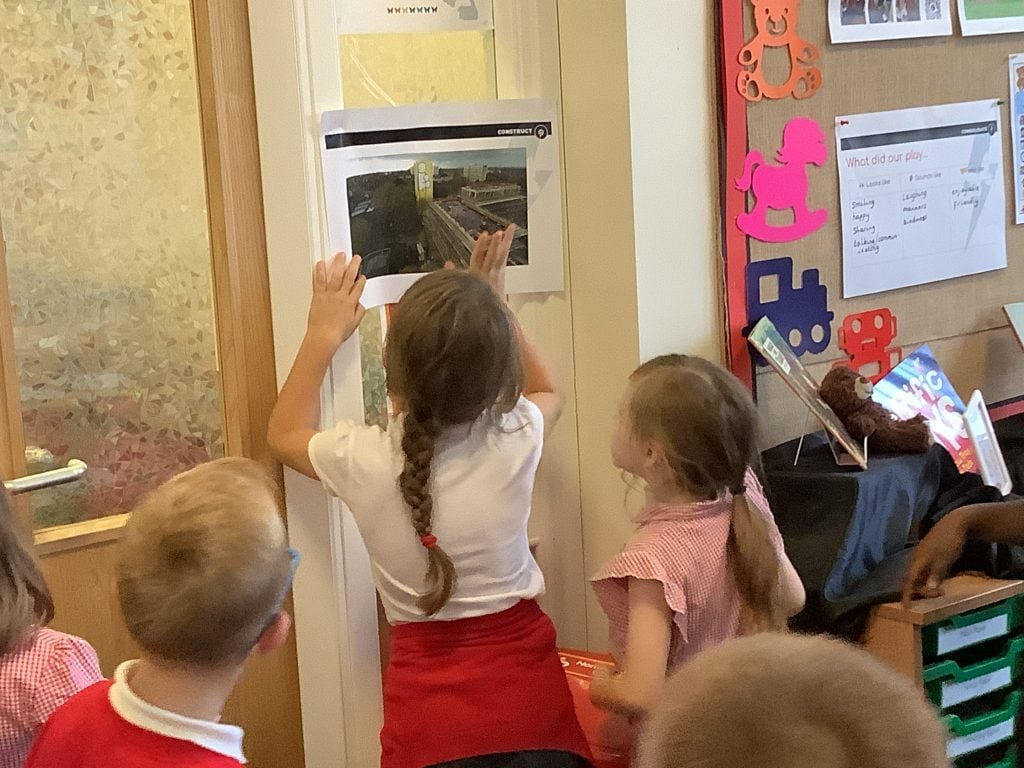
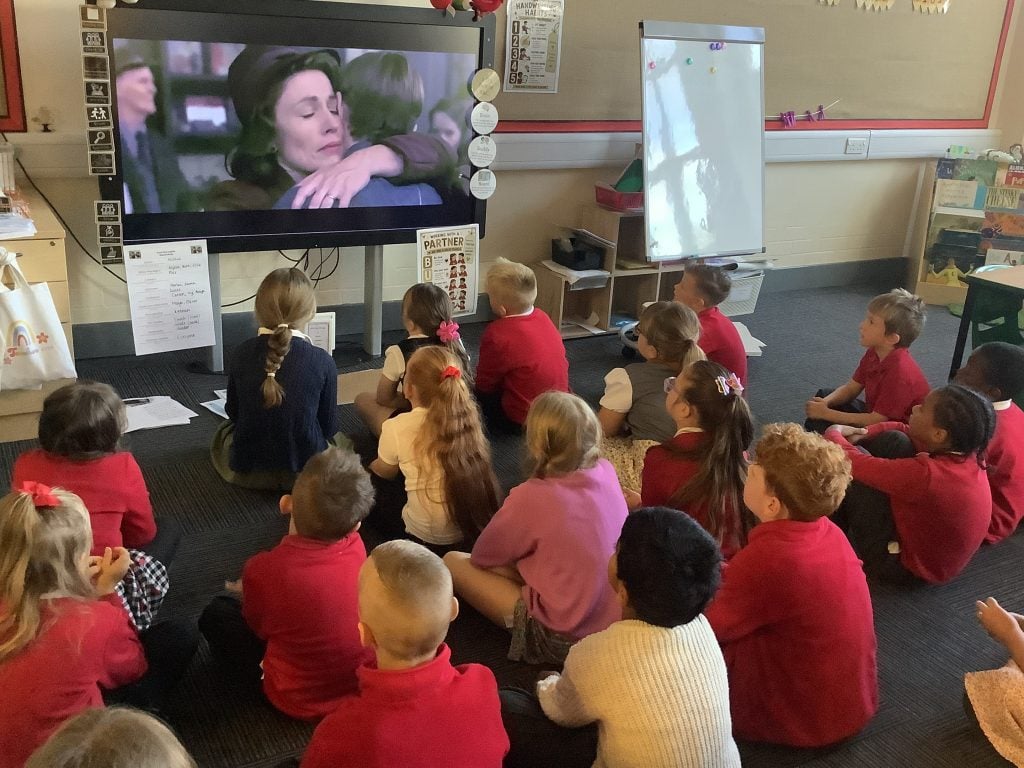
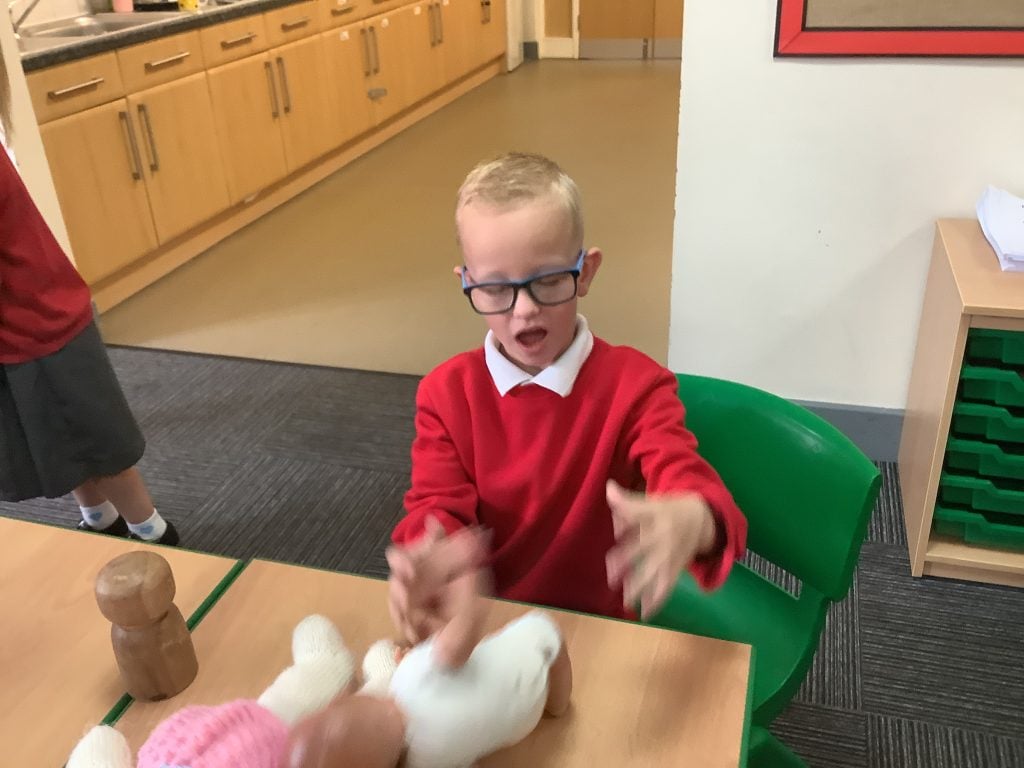
This week, we have been learning about harvest and why we celebrate it. We activated our learning by looking at different pictures linked to harvest and discussed what we could see with our talk partners. After watching a short video clip about harvest, we created actions to help us remember that ‘harvest is a festival that celebrates crops’.
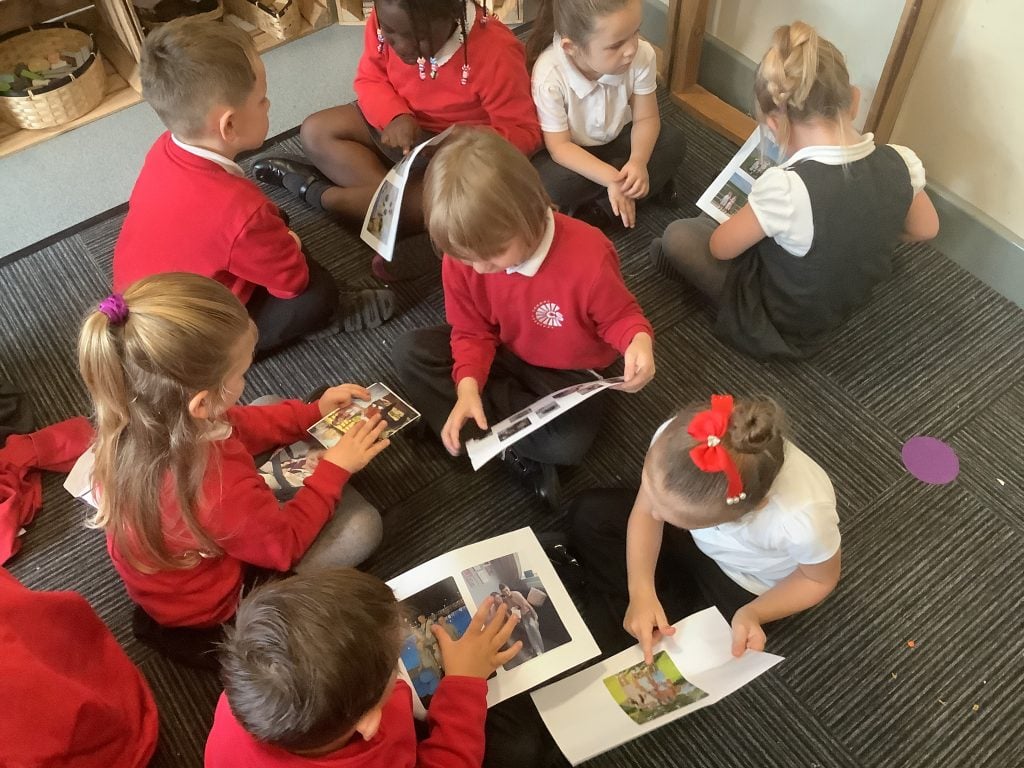
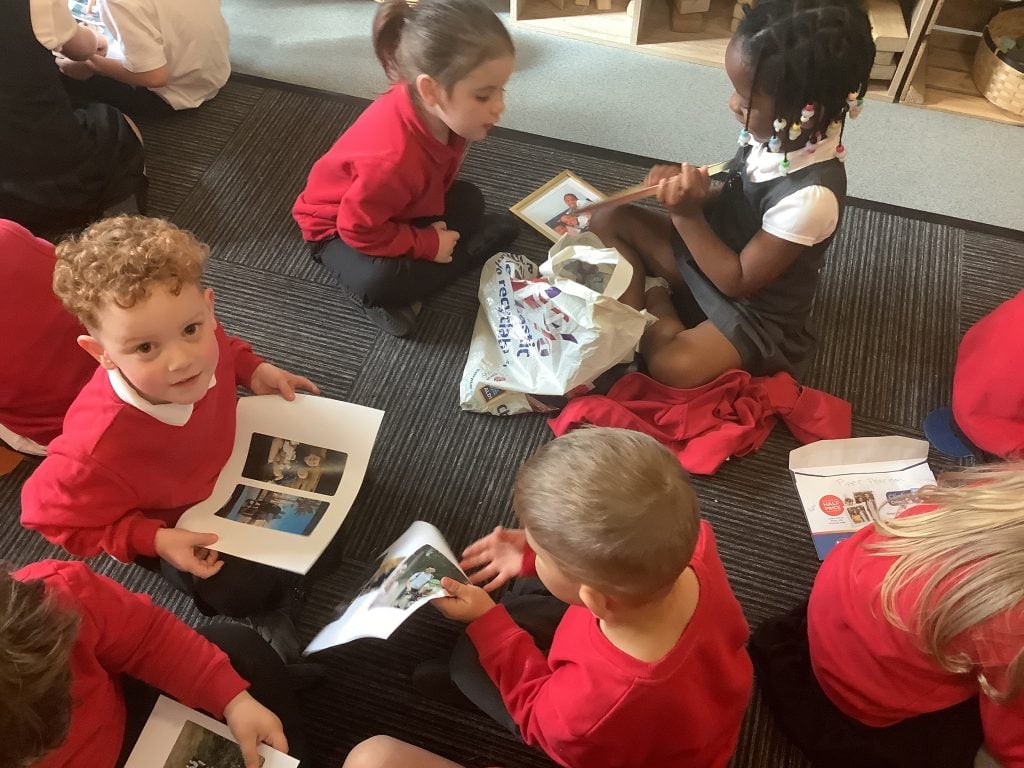
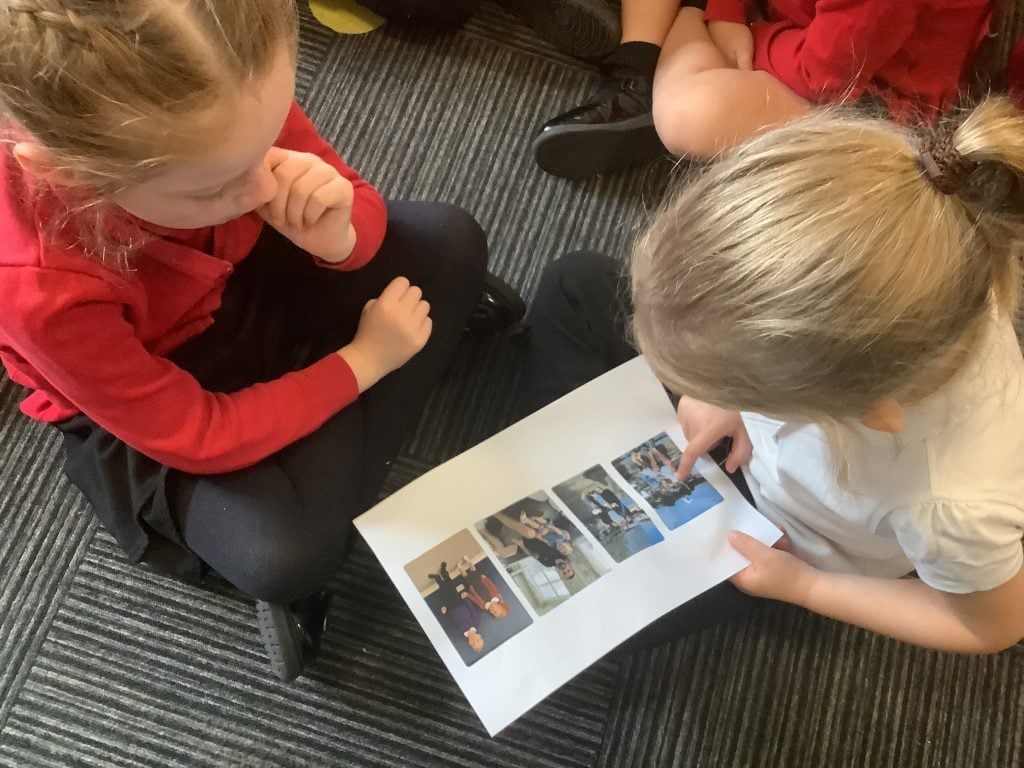
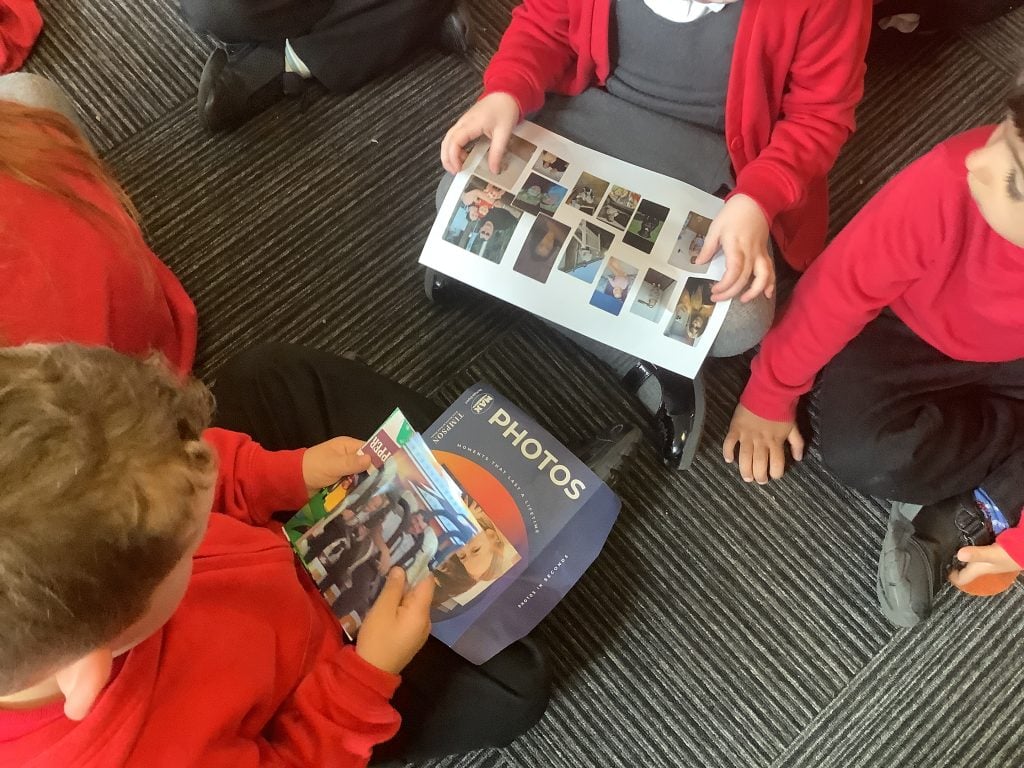
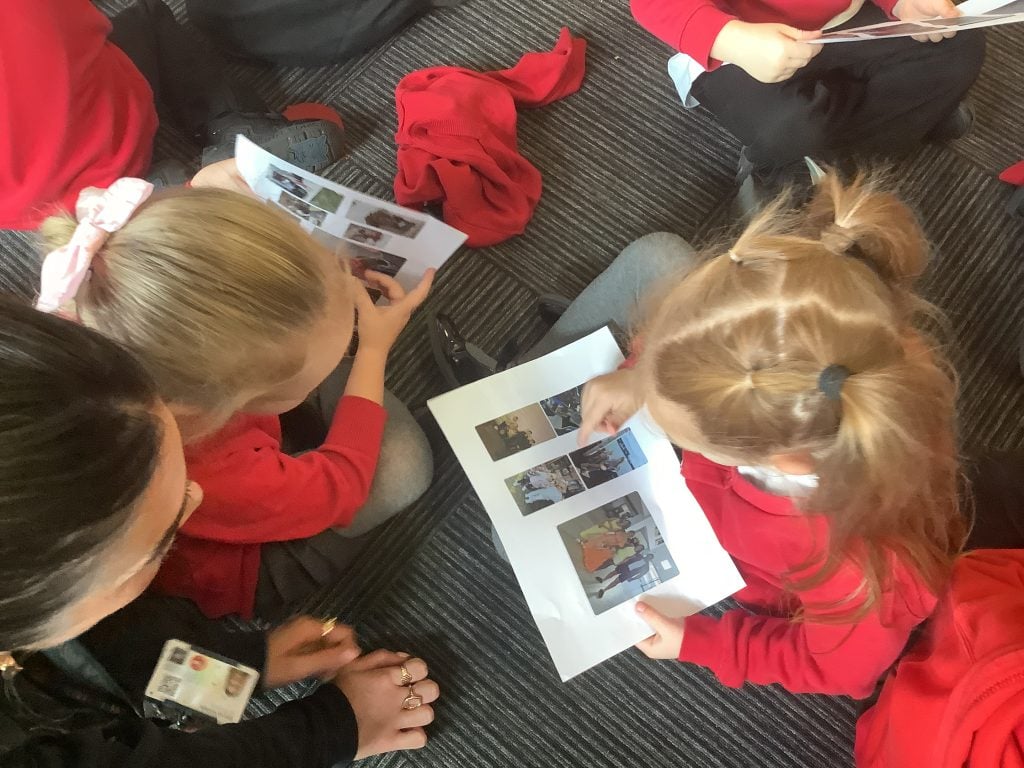
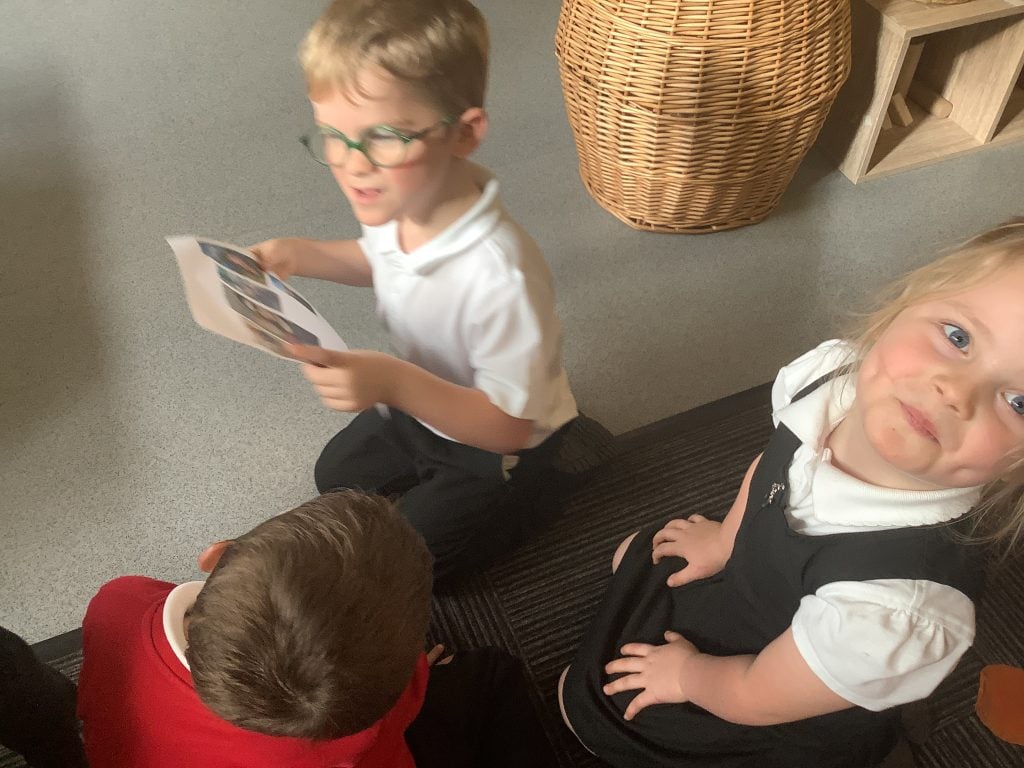
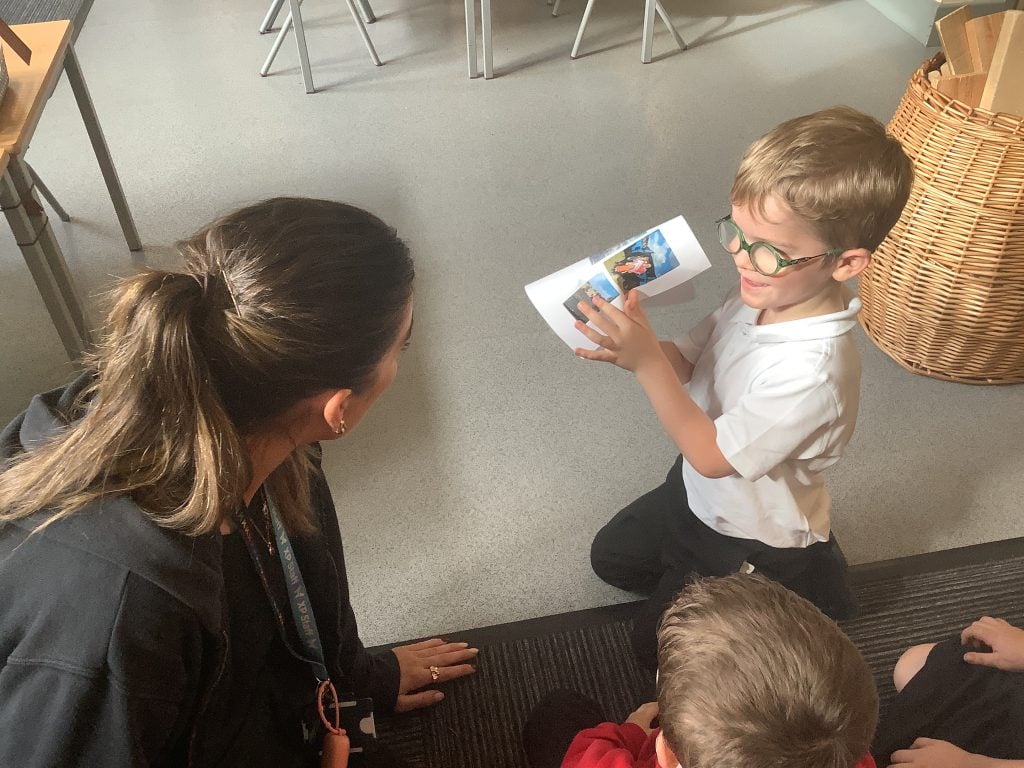
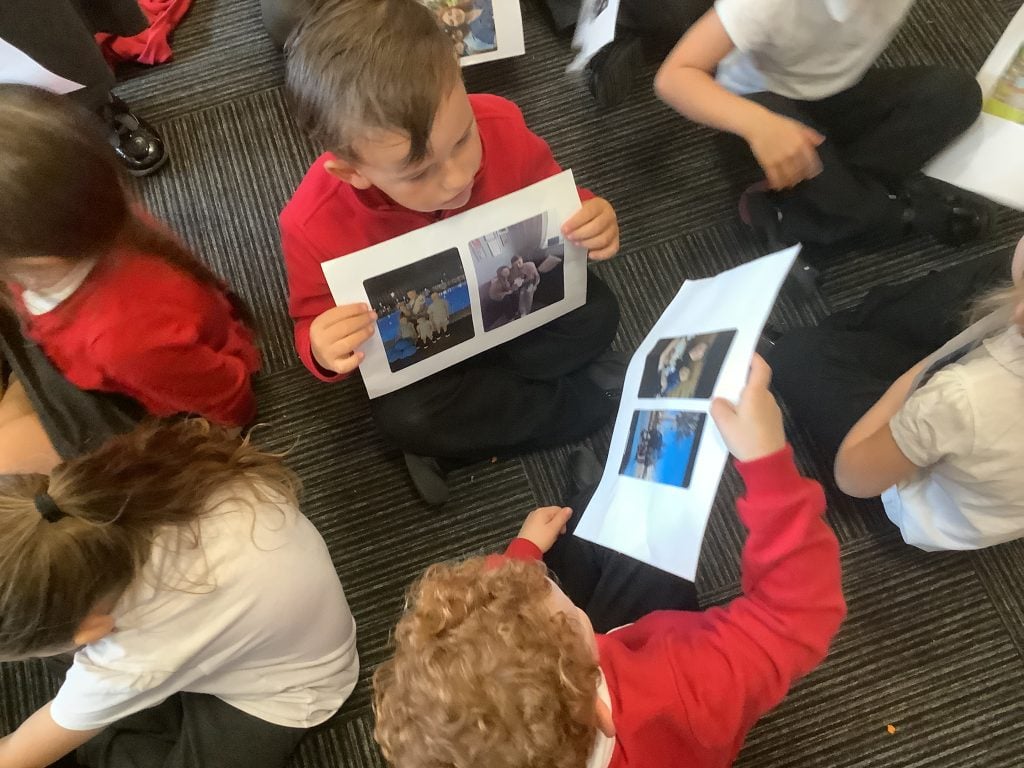
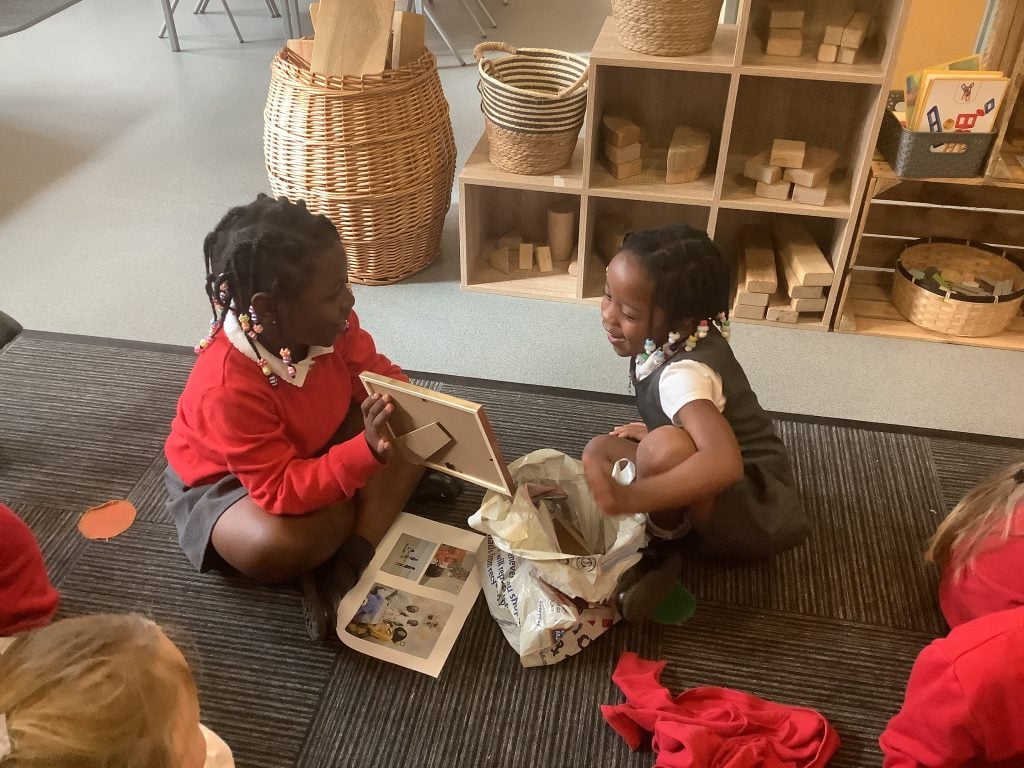
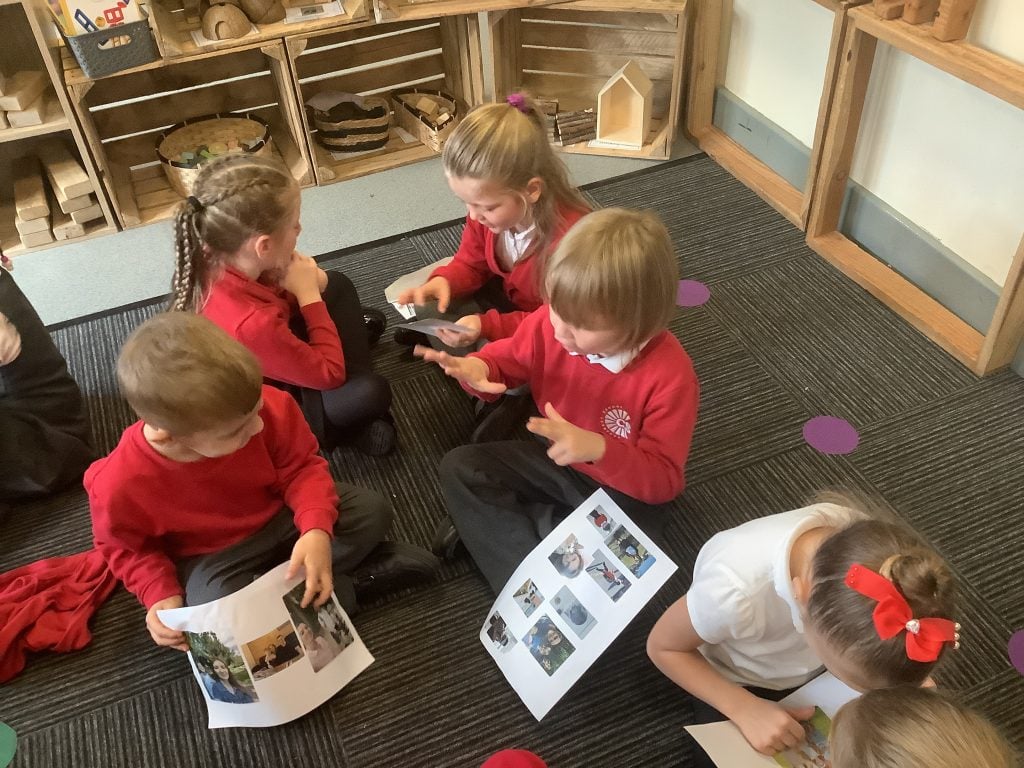
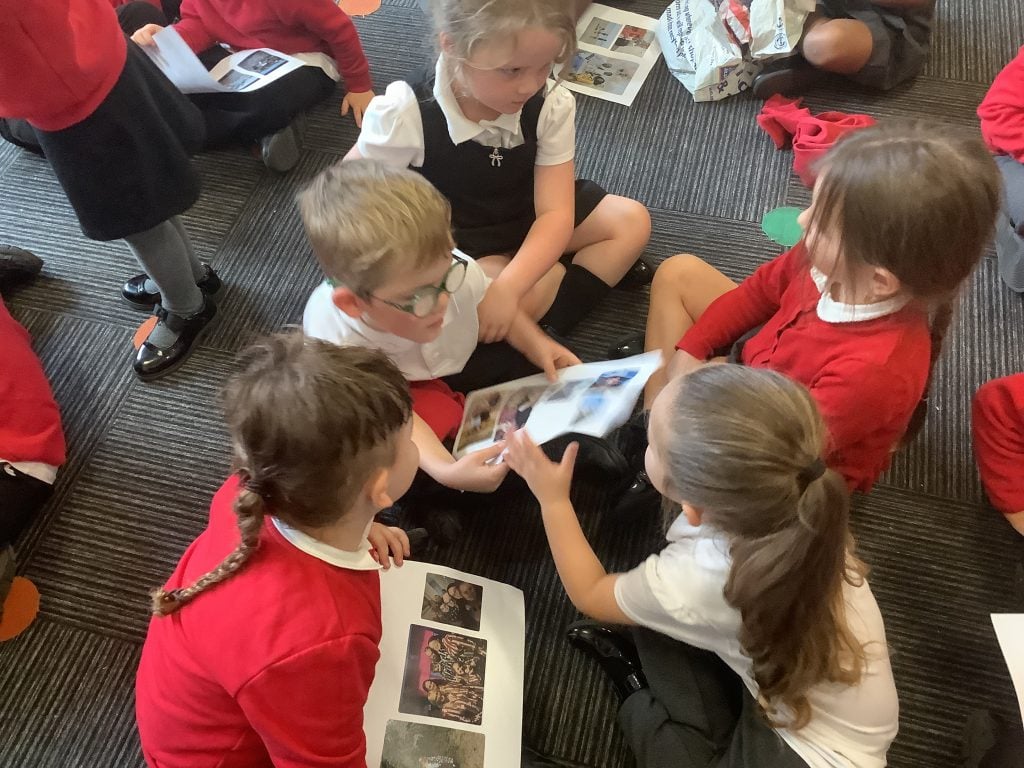
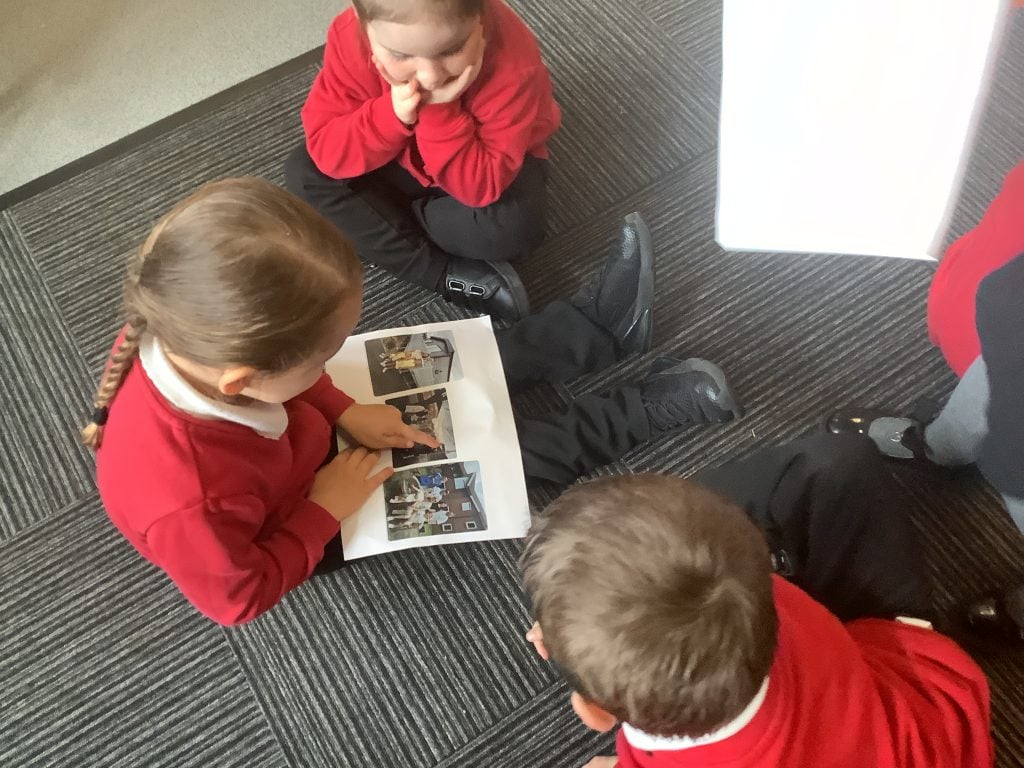
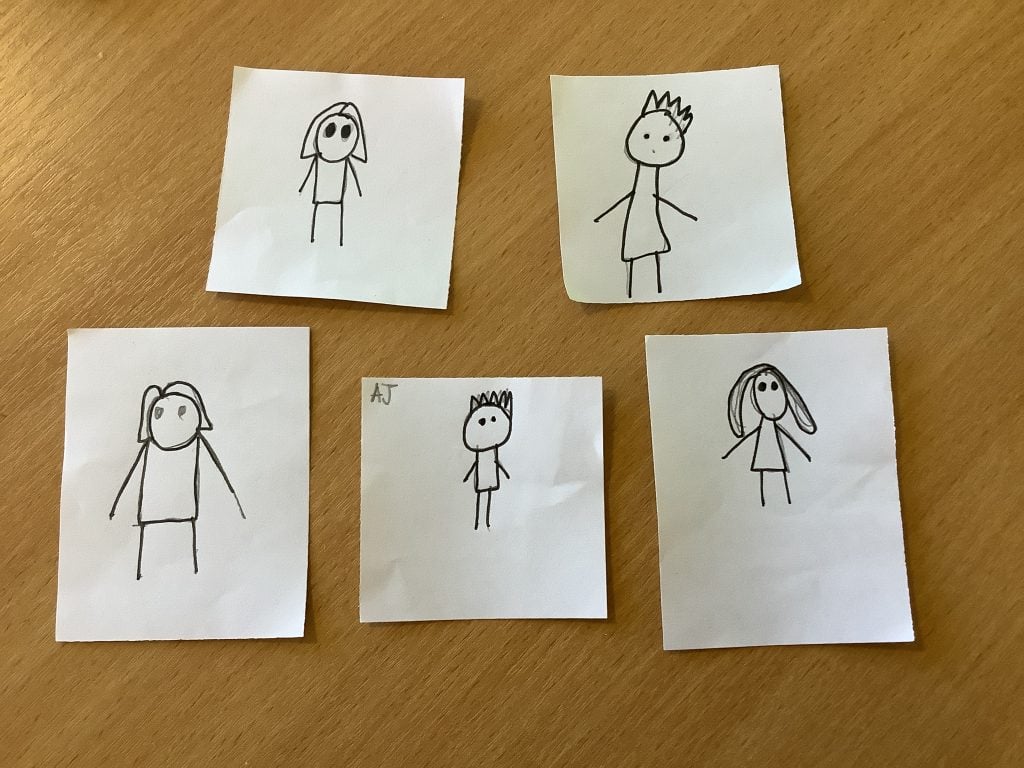
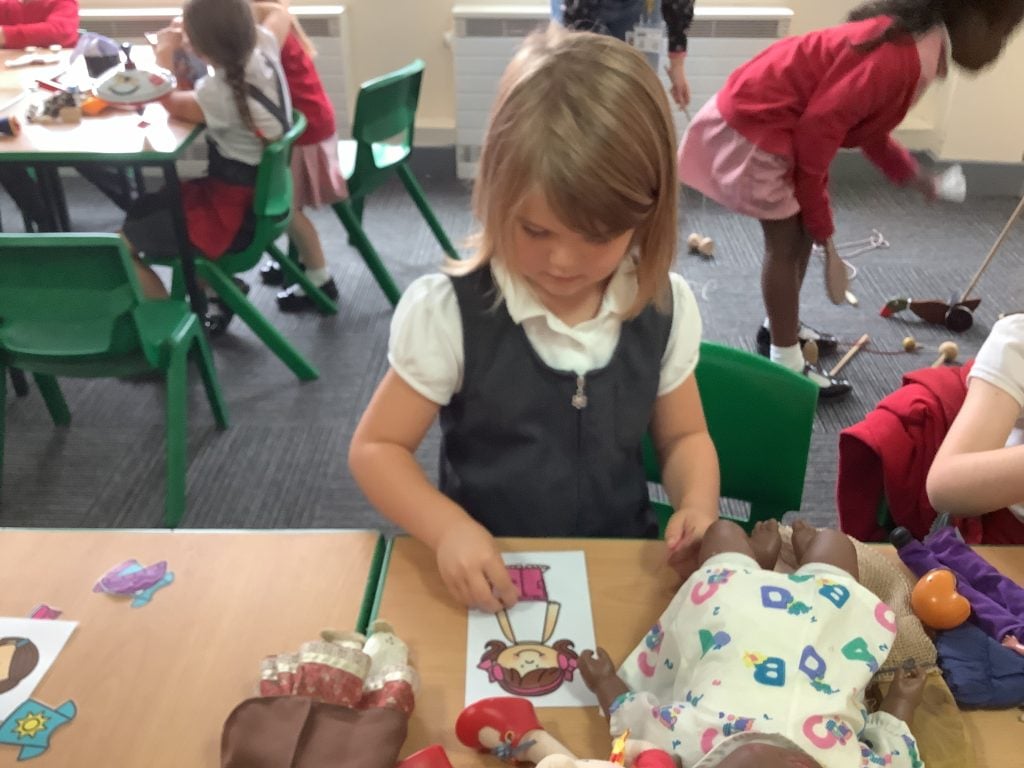
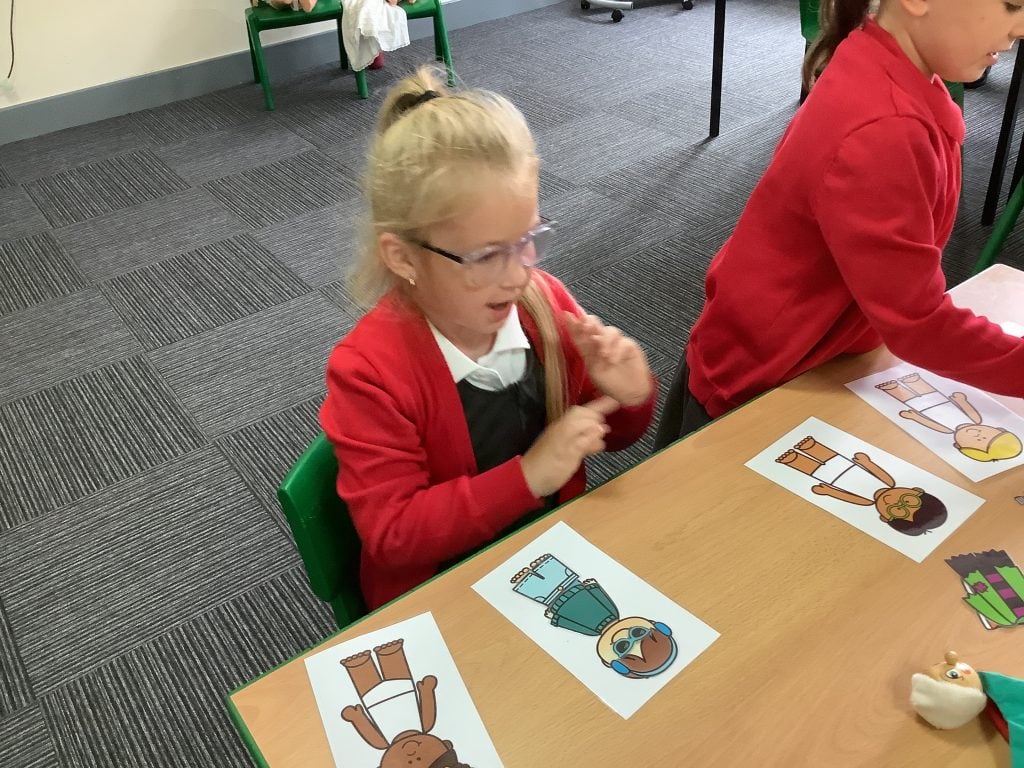
We have been discussing families during our expedition lessons, and what better way to tell our friends about our families than by SHOWING THEM! We shared pictures of the people who are most special to us with our friends, and we talked about how they keep us safe. It was lovely to hear the children talking so beautifully to one another, and the questions that could be heard being asked were fantastic!
We have enjoyed our first few lessons of our new expedition.
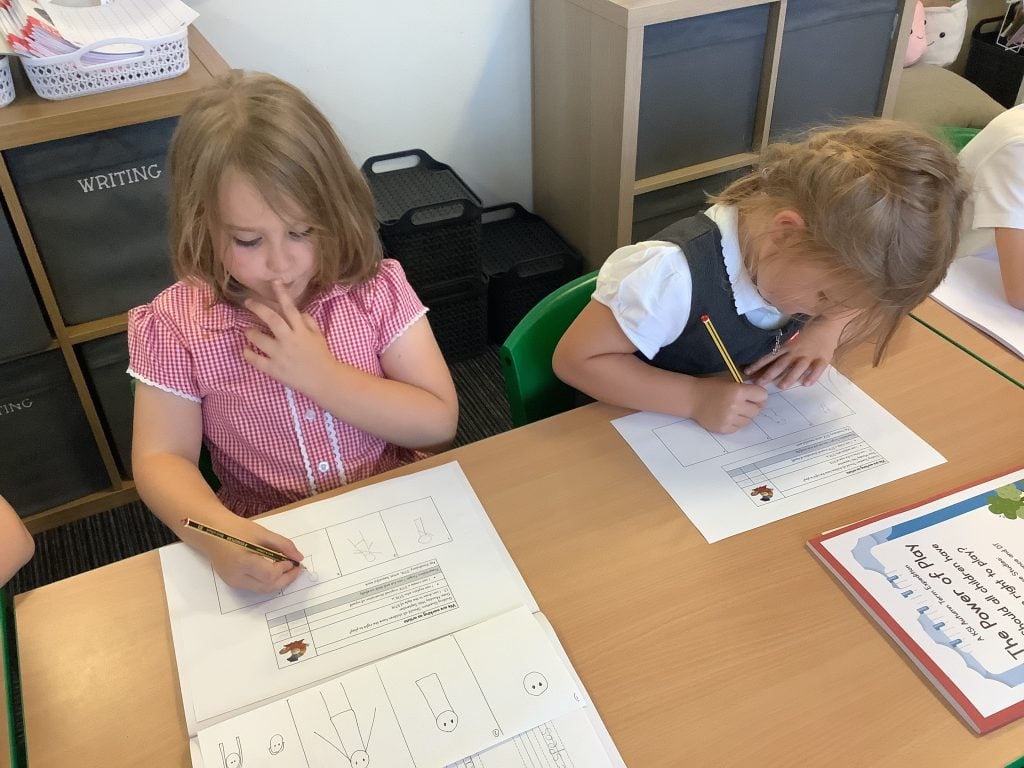
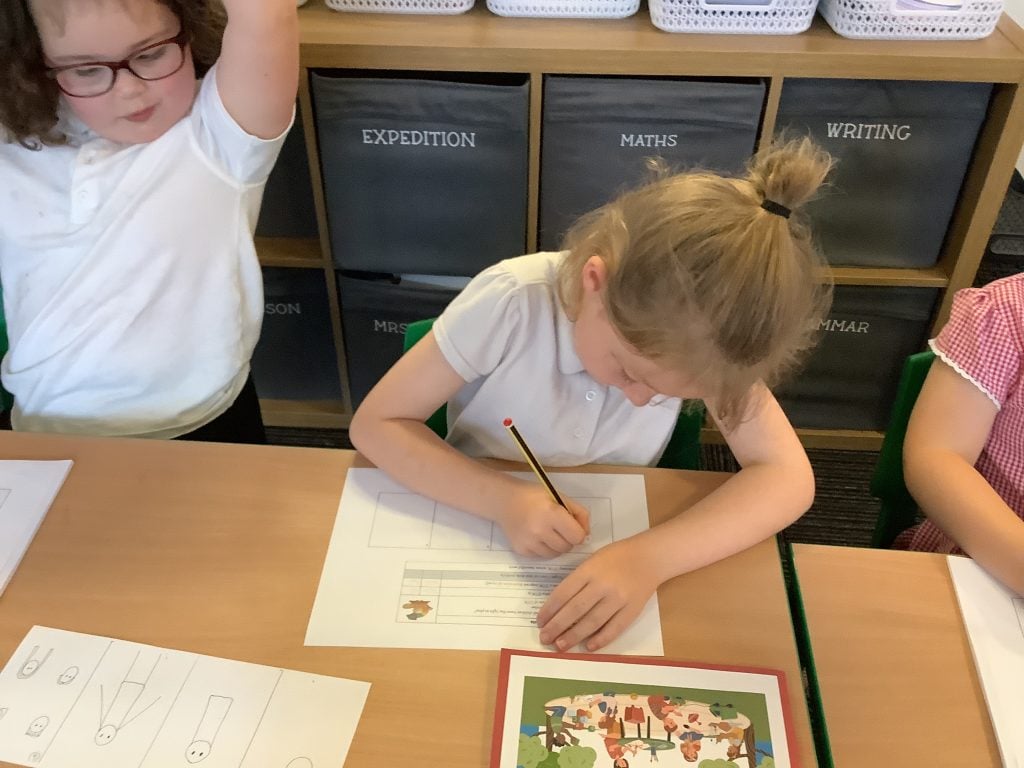
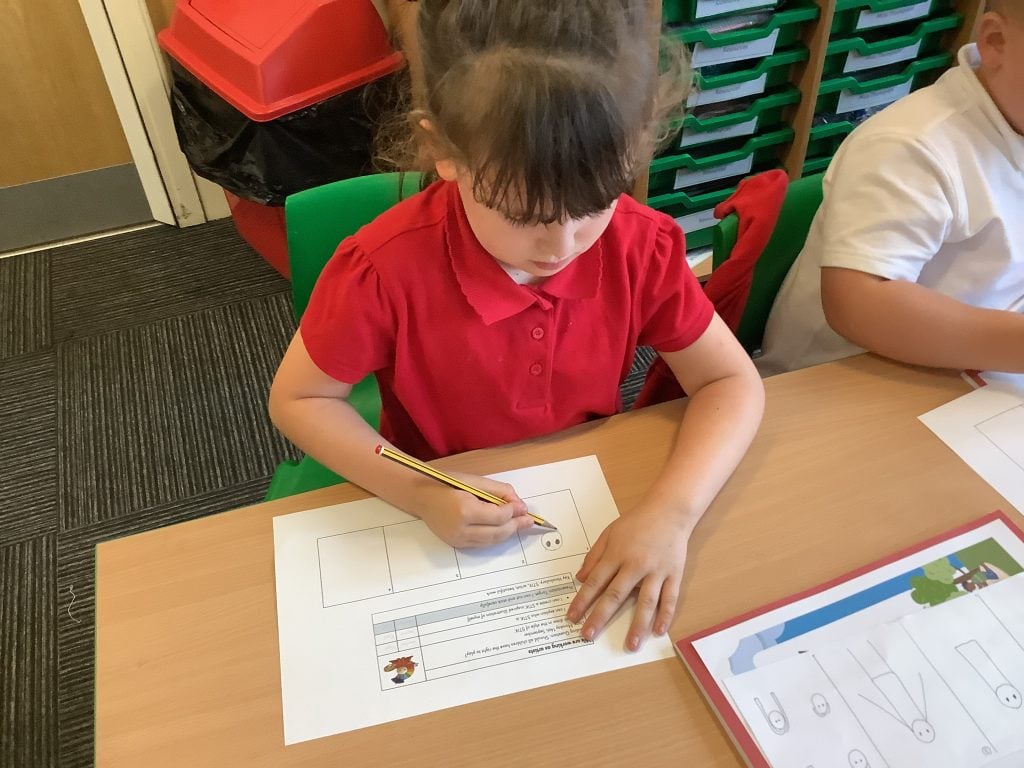
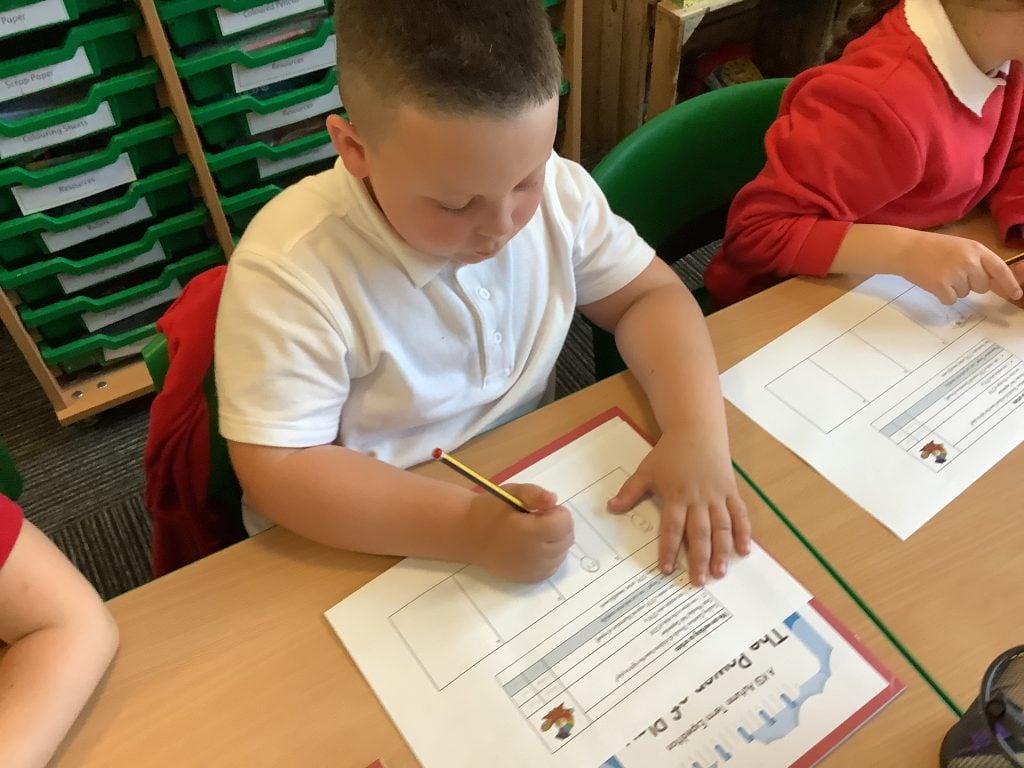
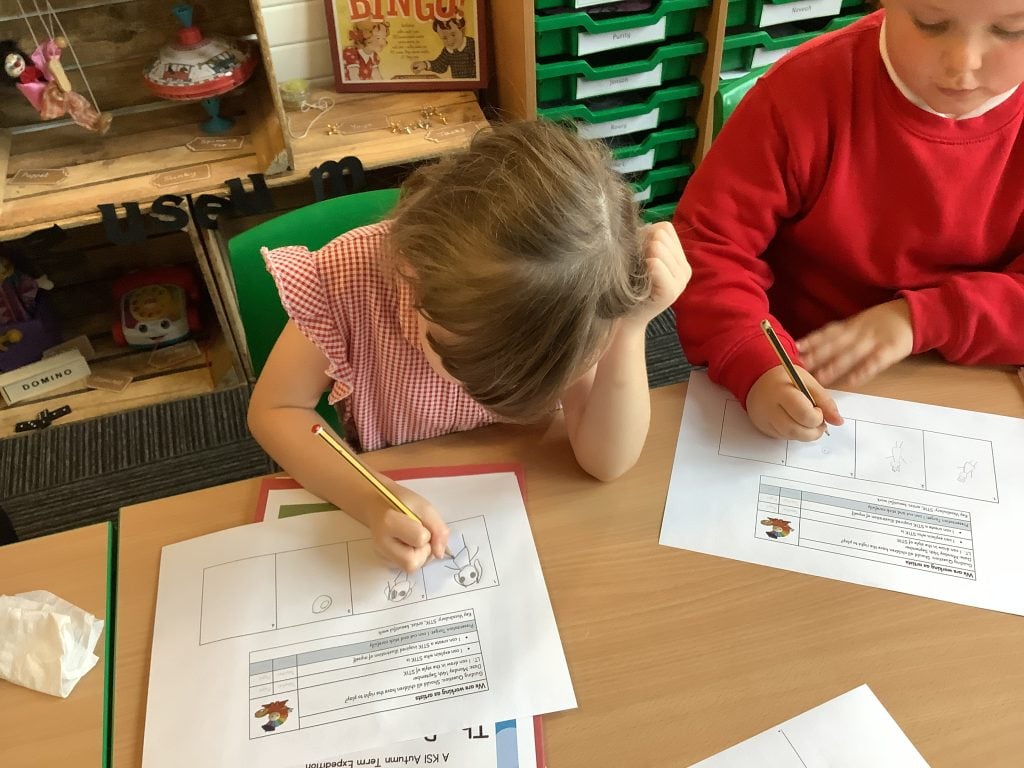
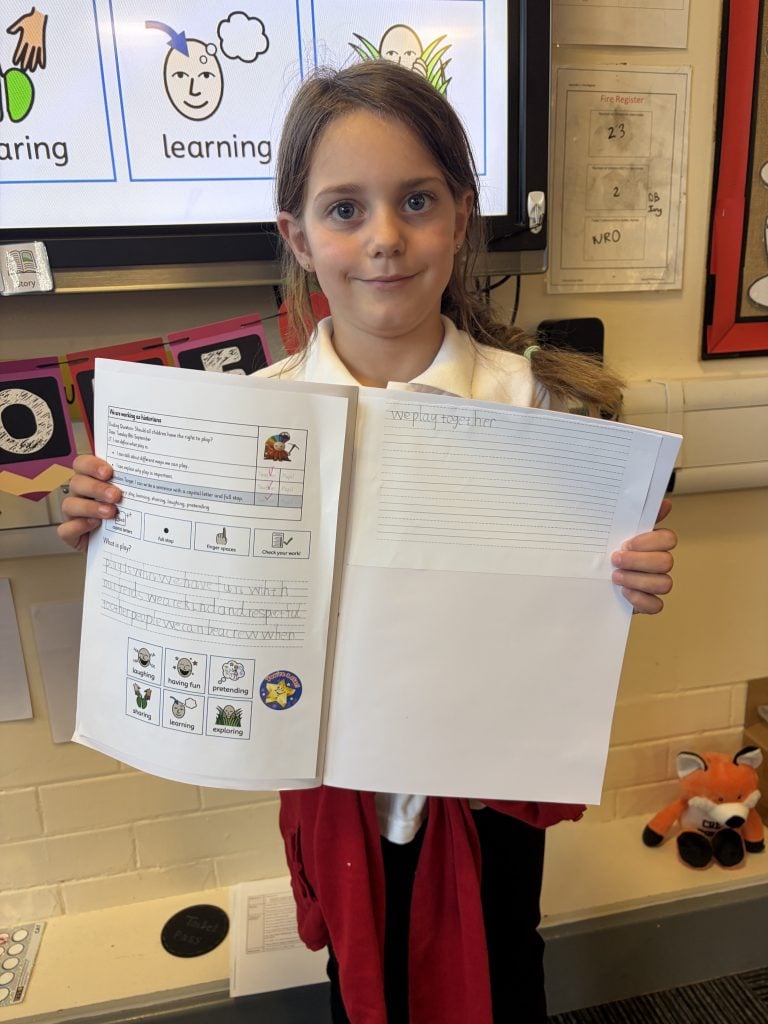
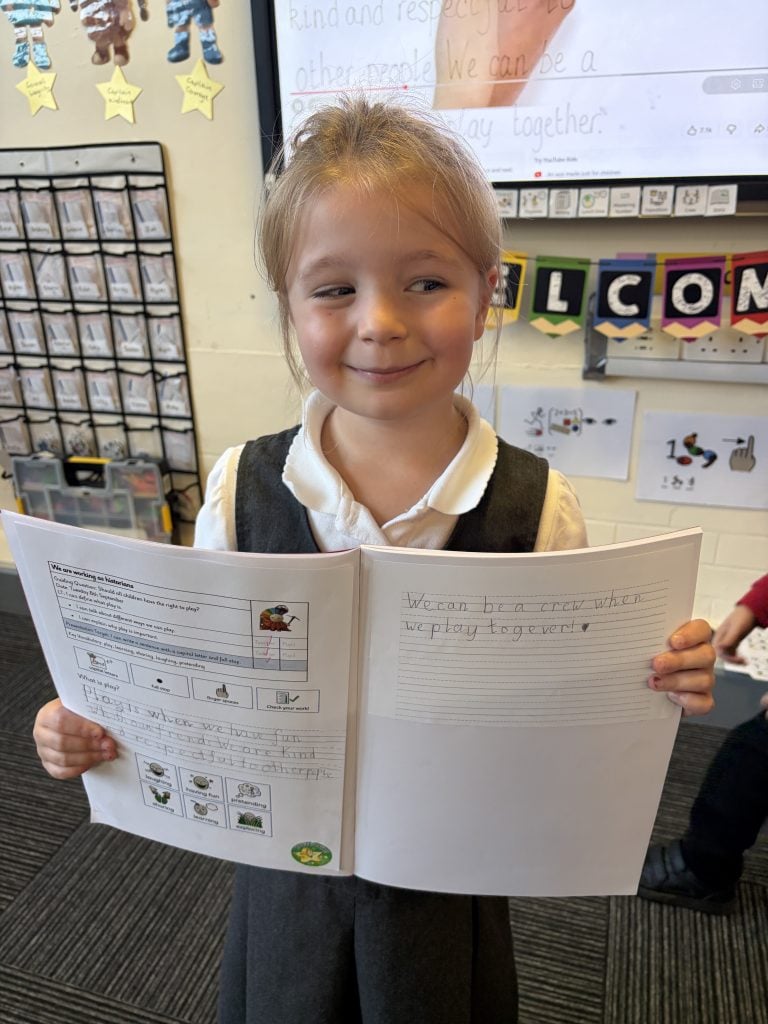
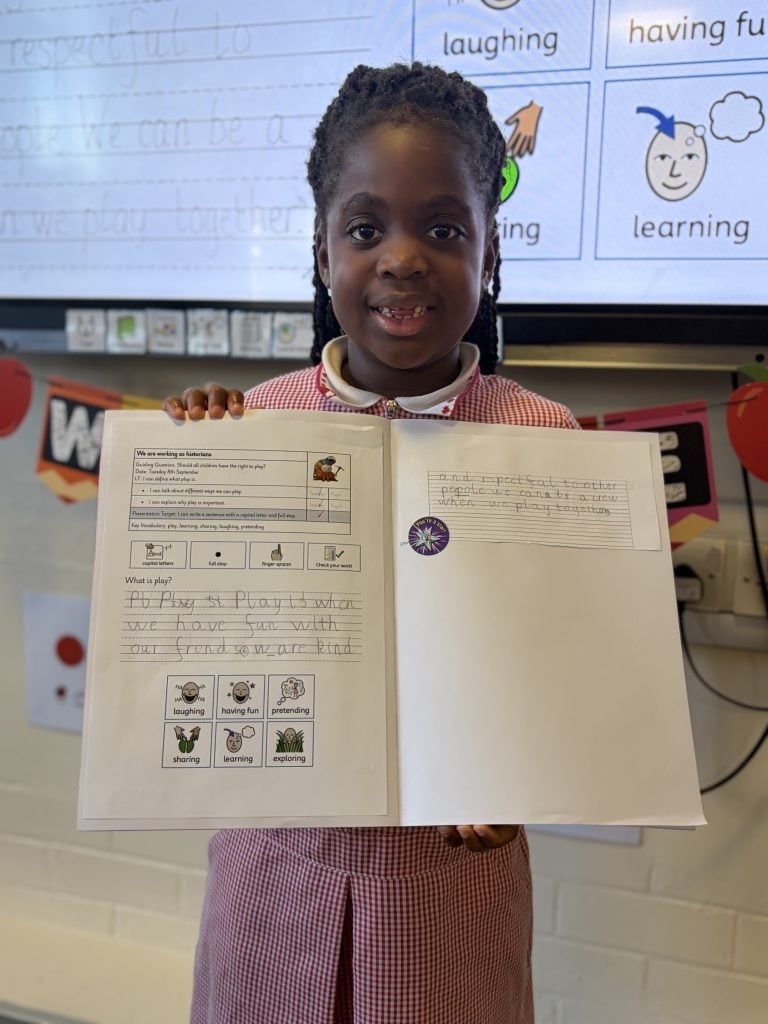
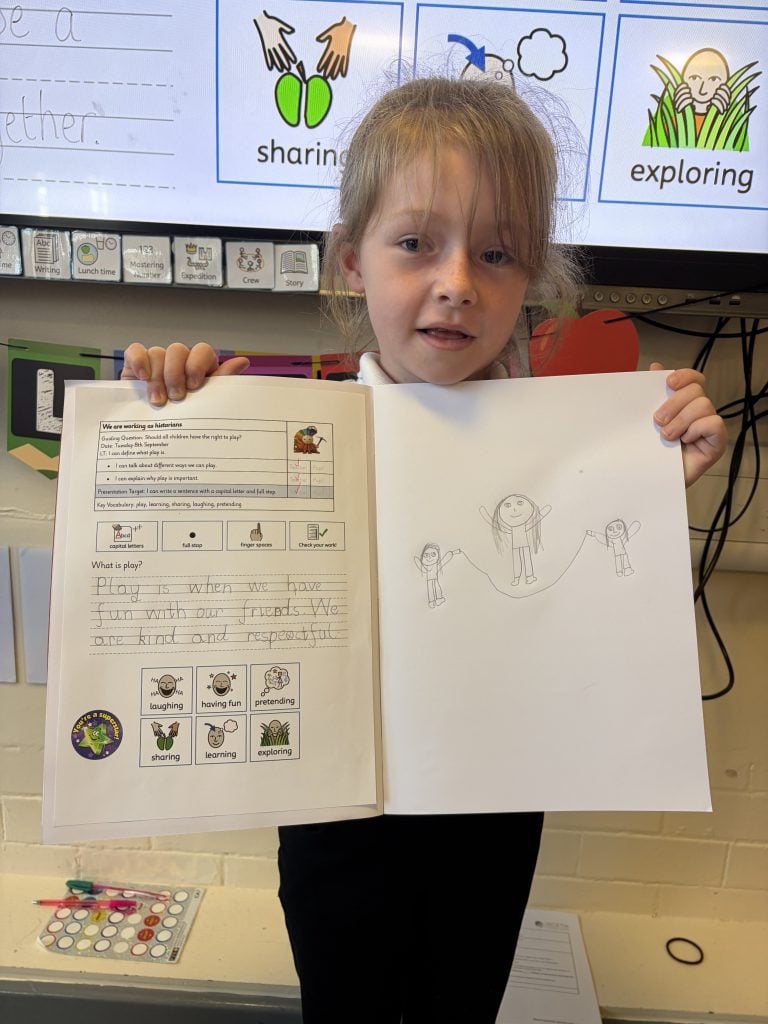
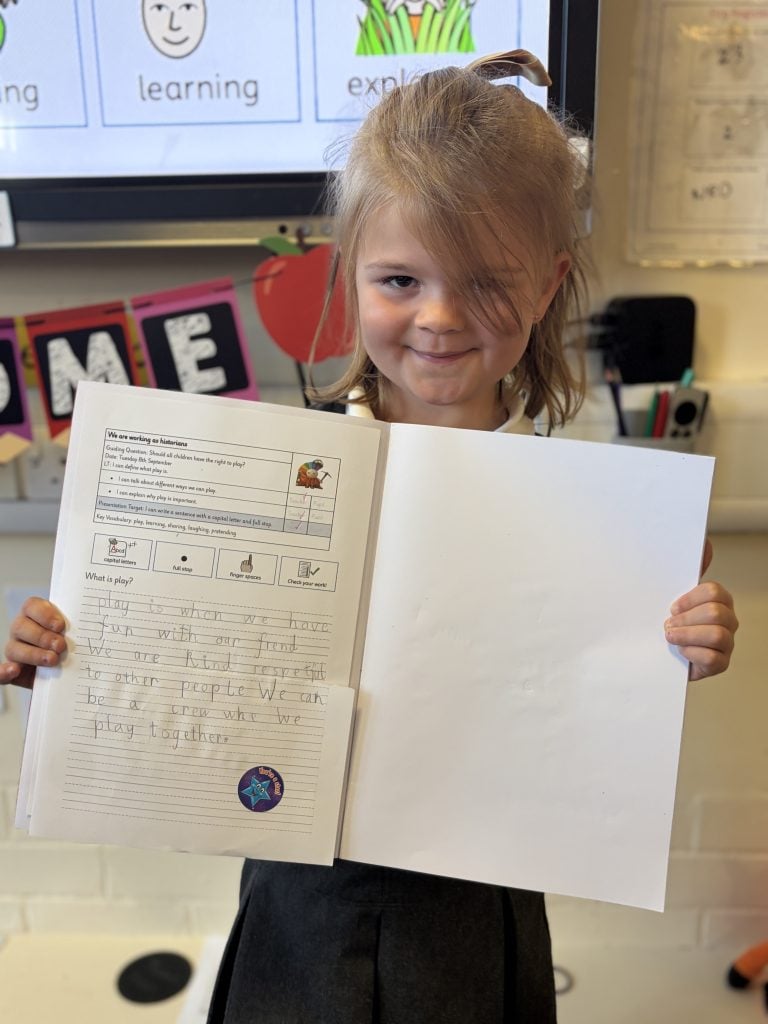
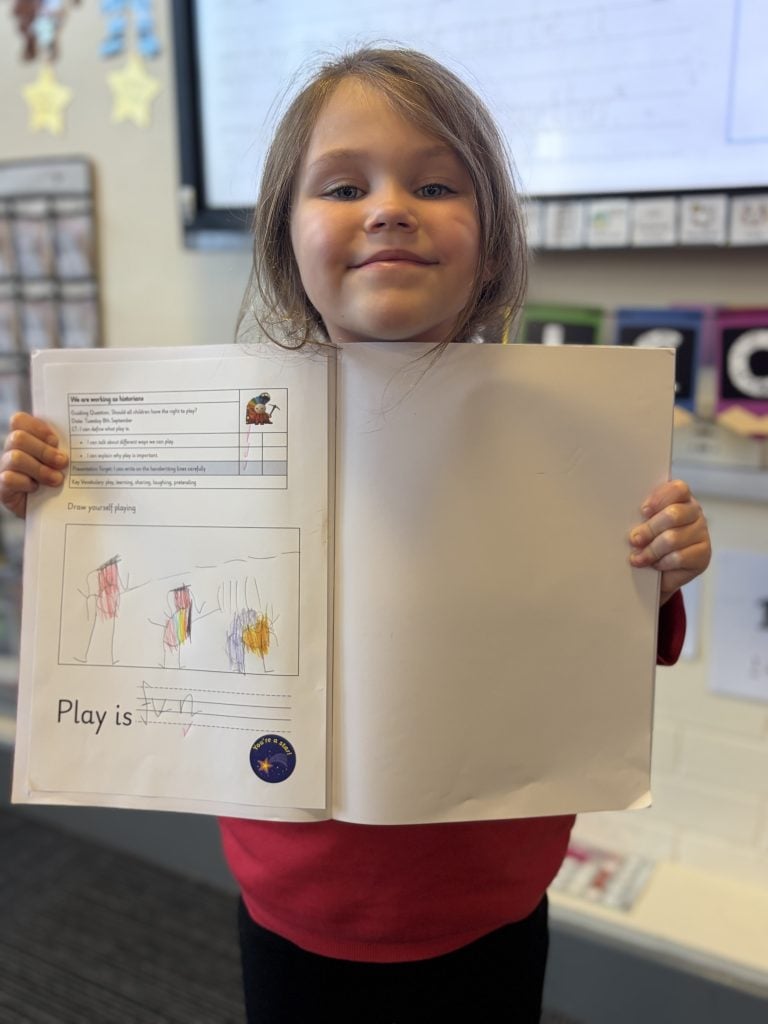
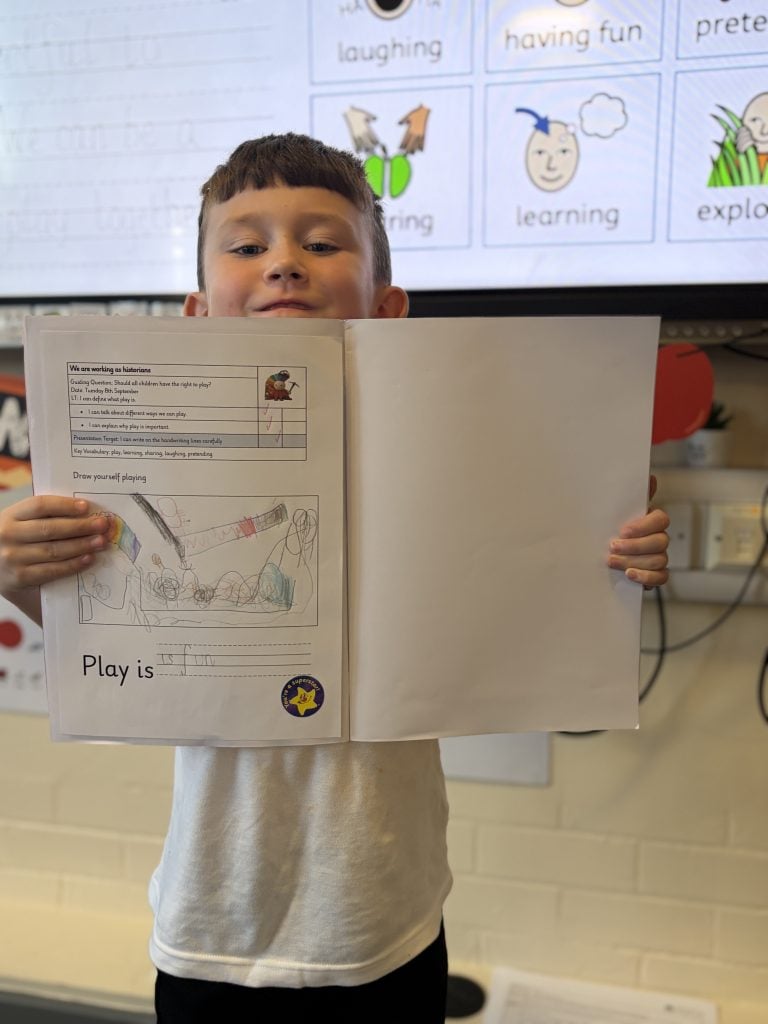
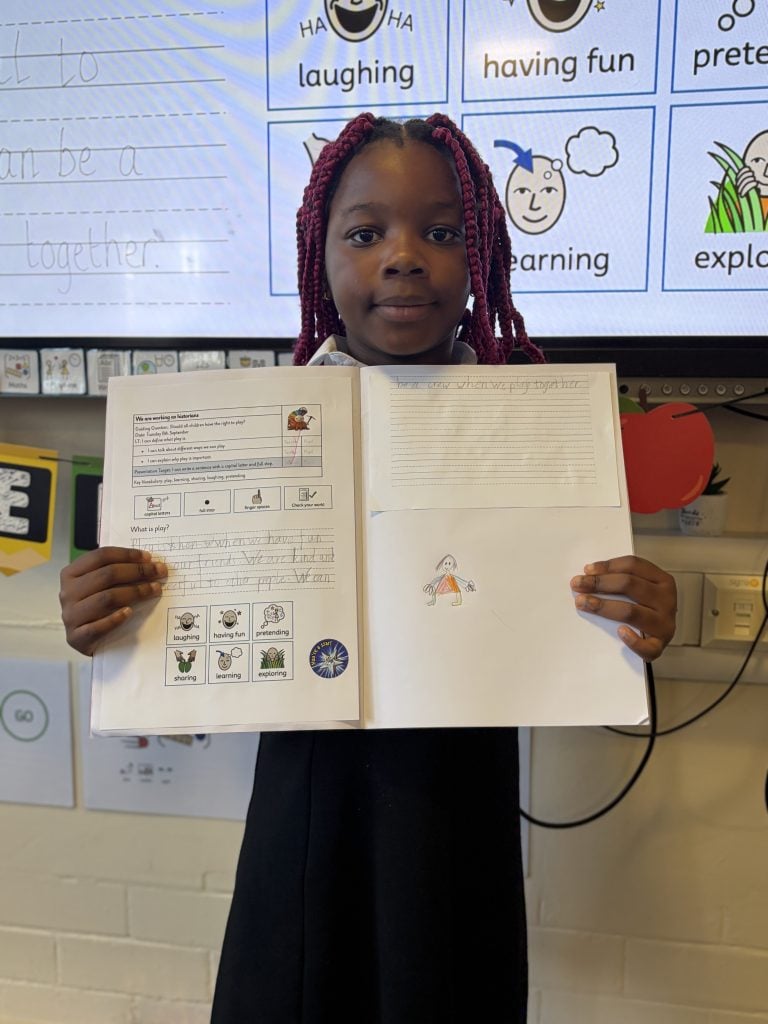
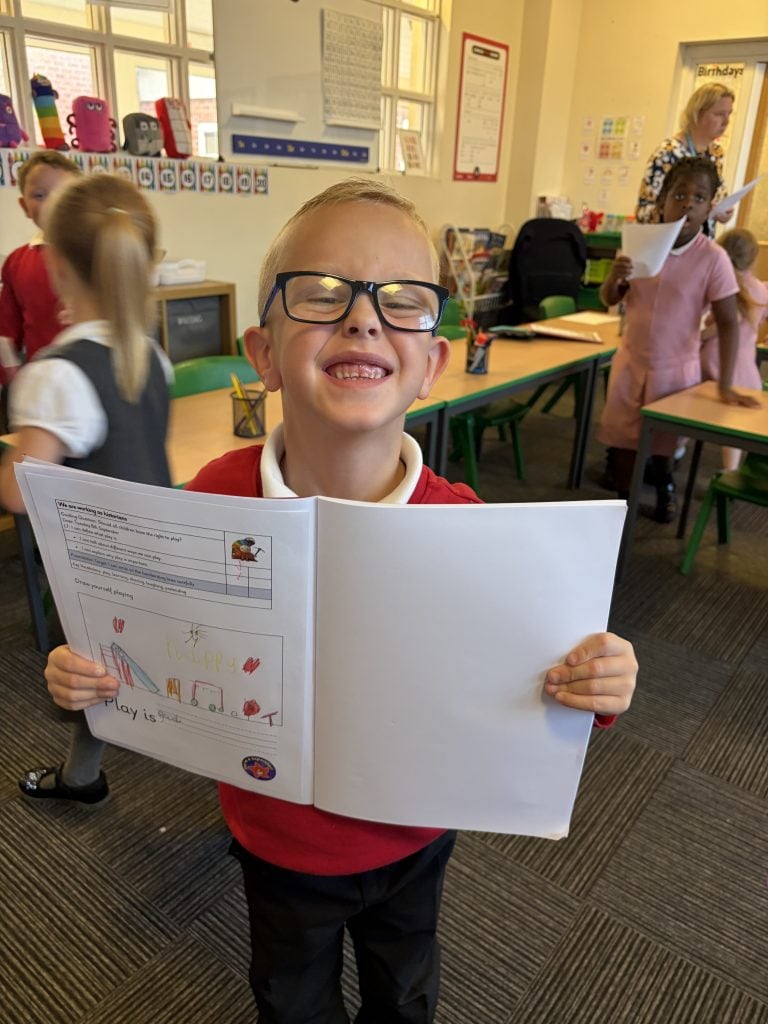
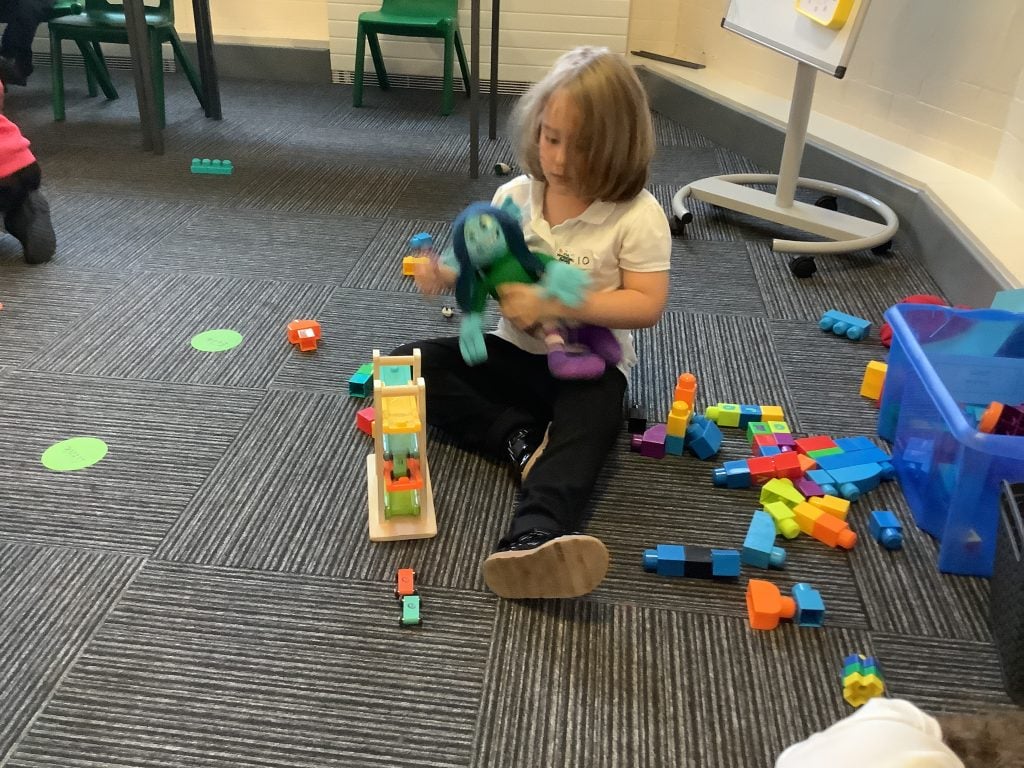
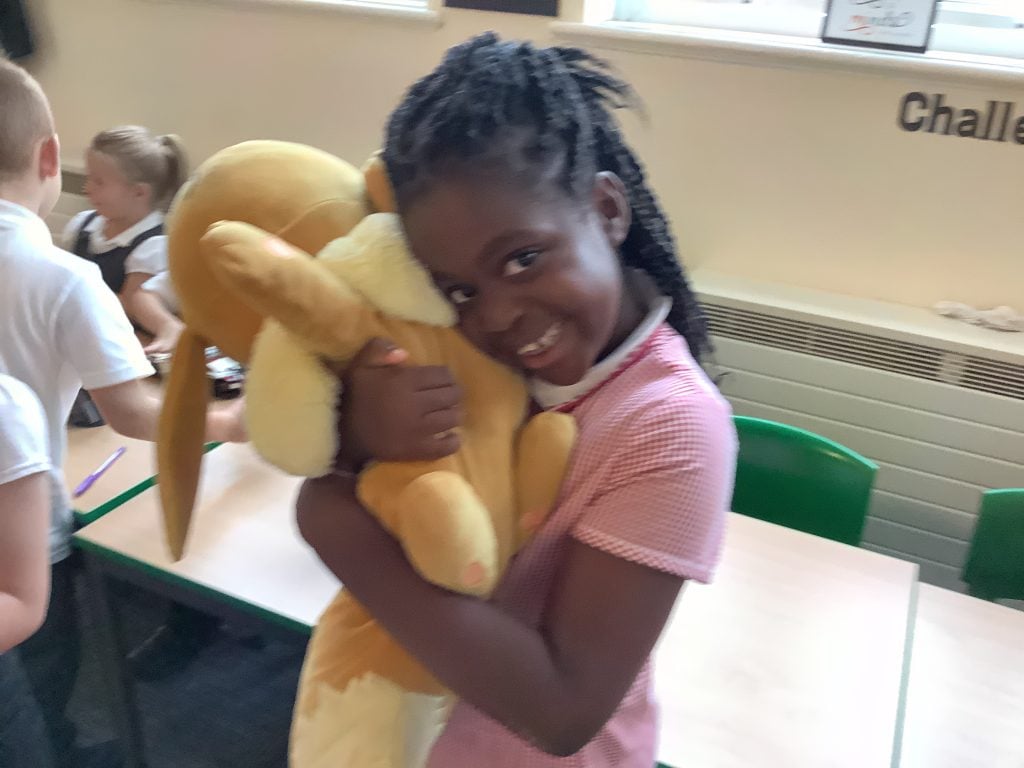
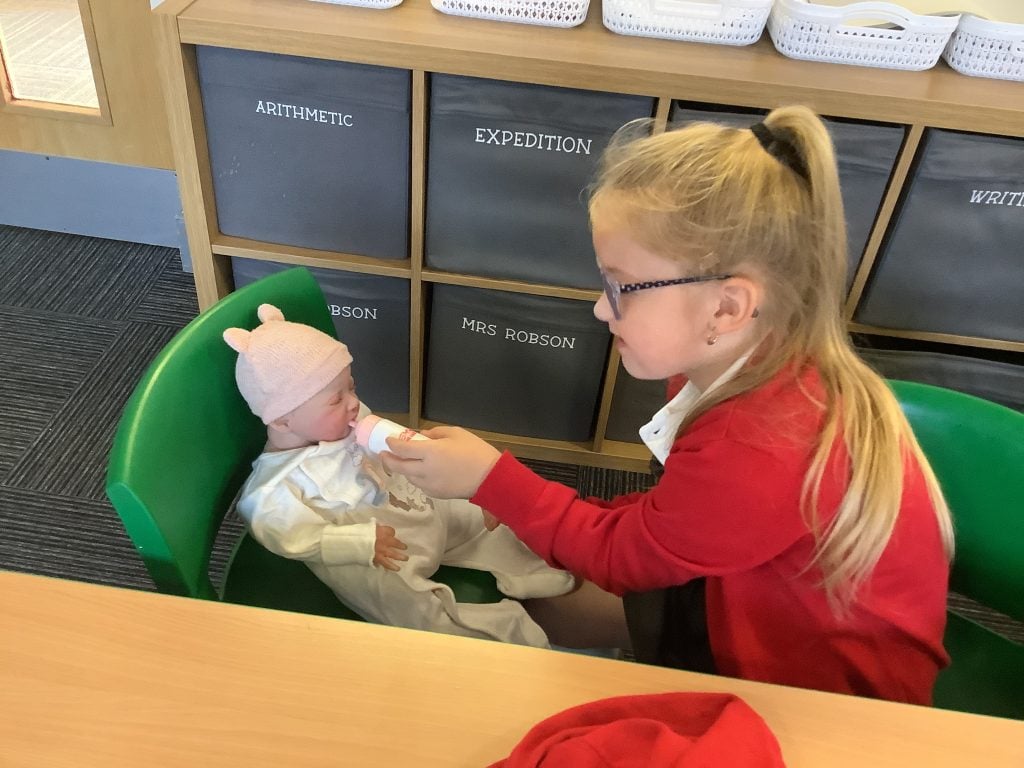
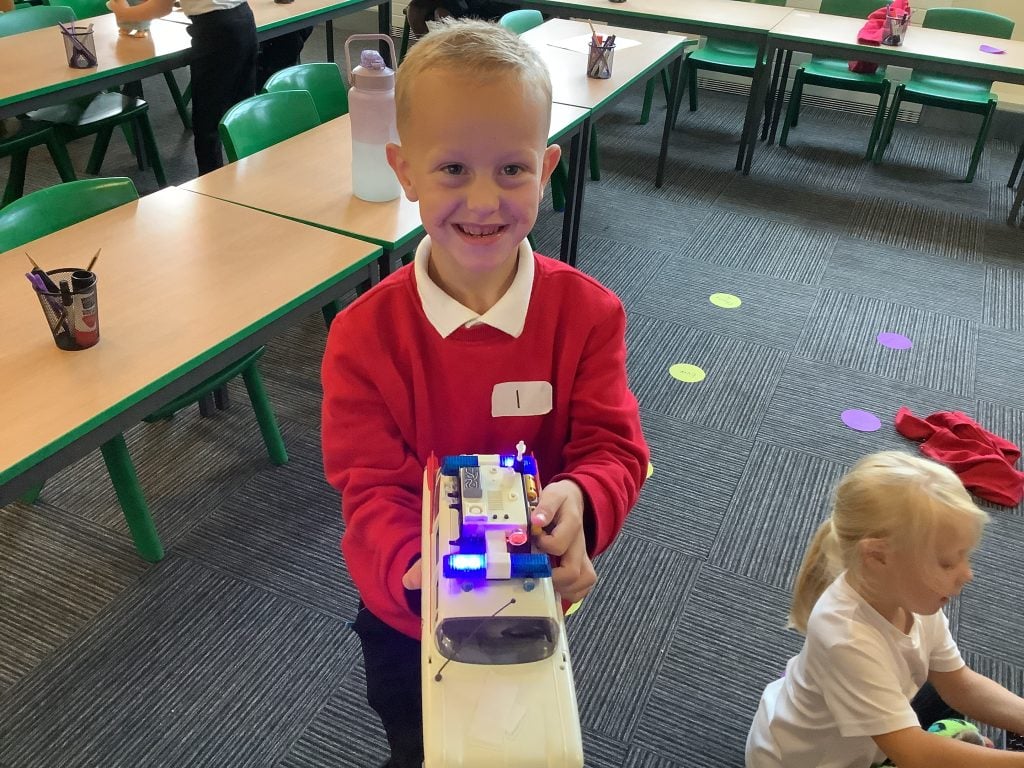
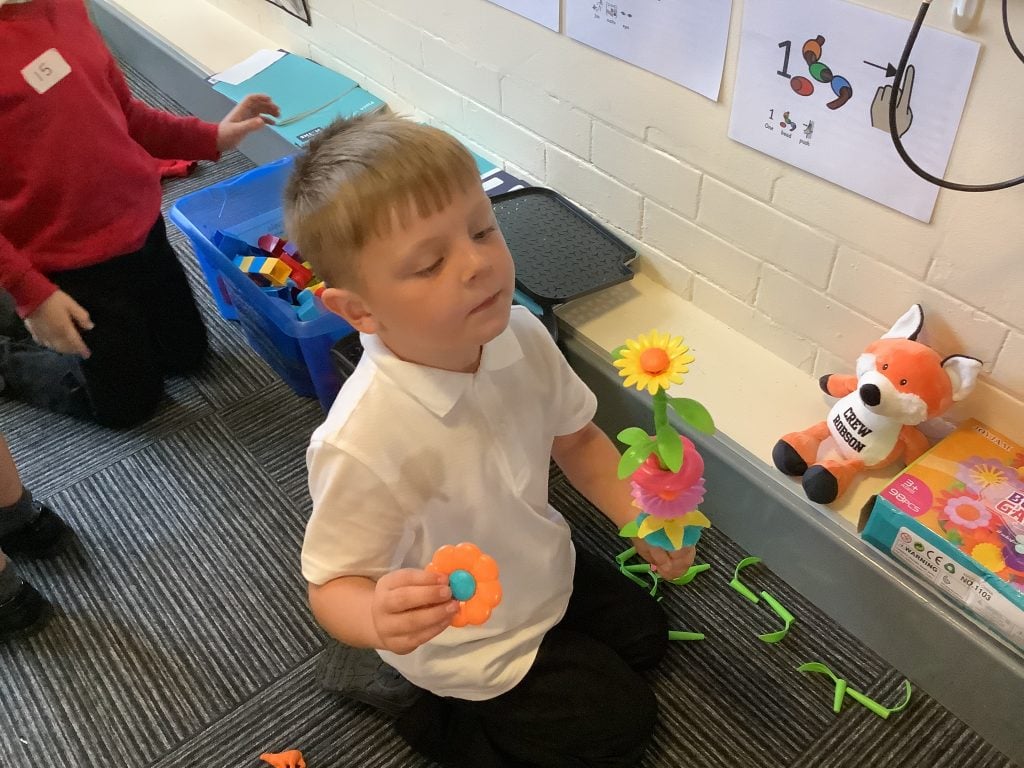
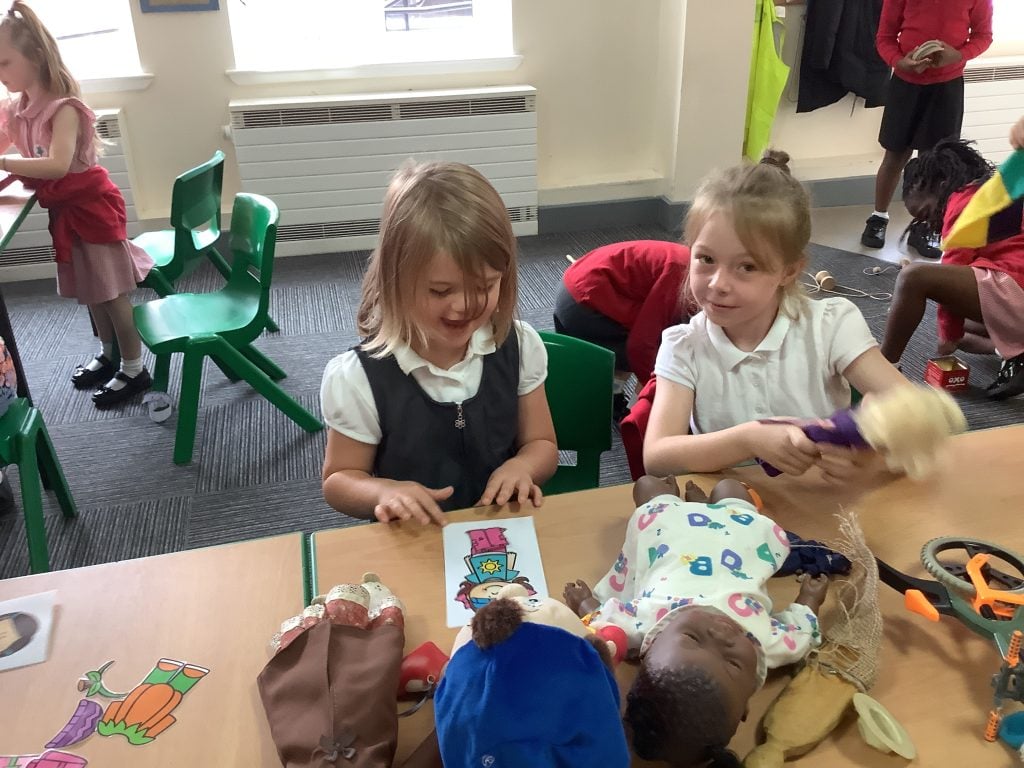
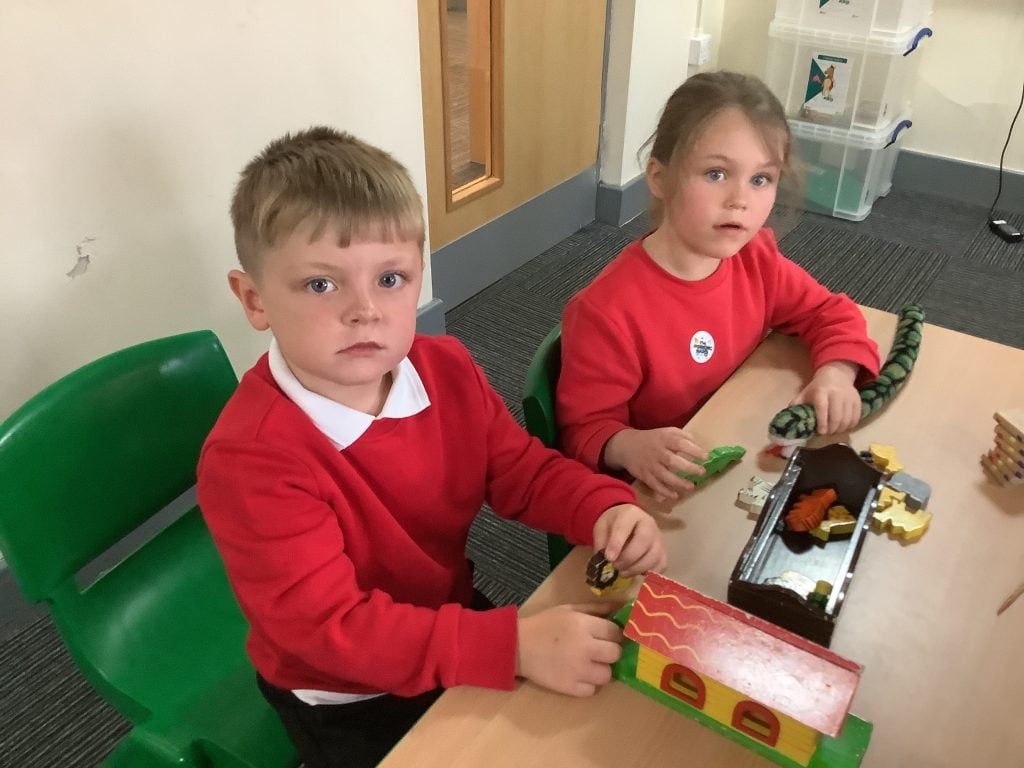
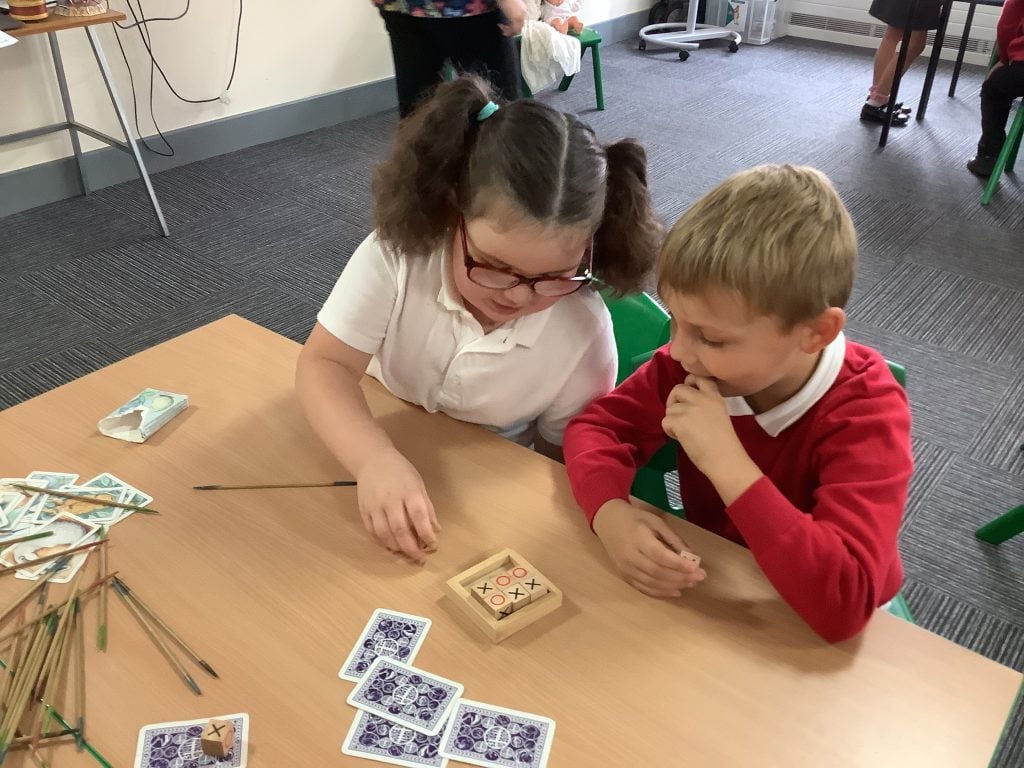
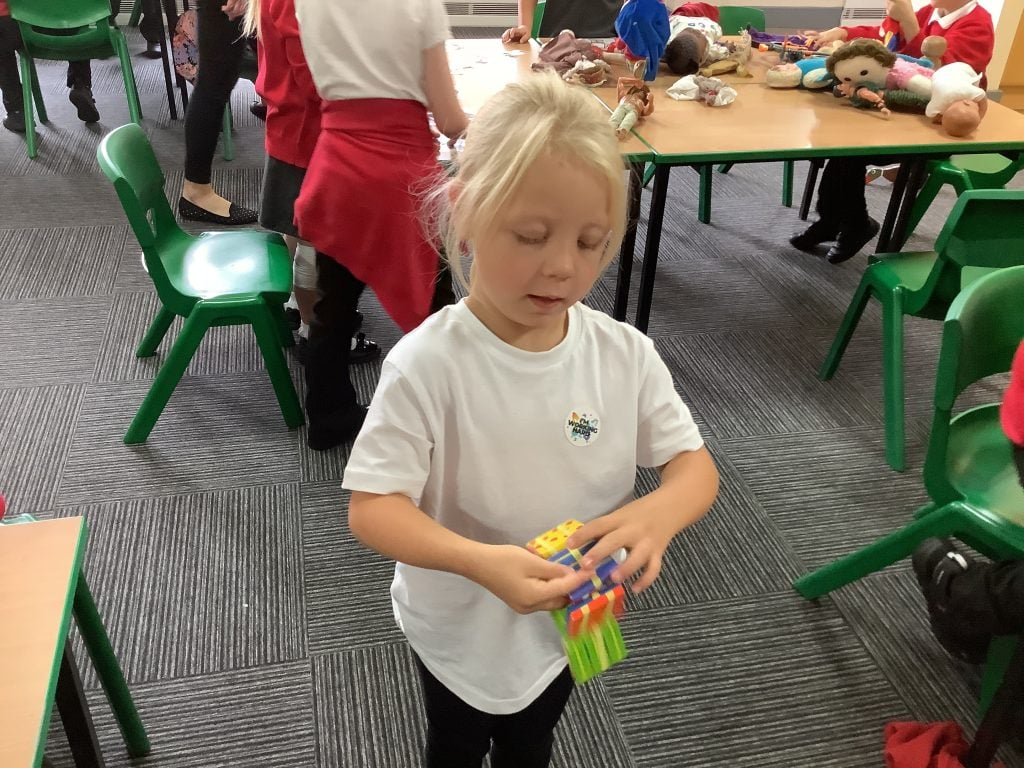
Today we unpicked what play is. We talked about how play can take lots of different forms such as imaginative and individual. Most of all we agreed that play should be fun!.
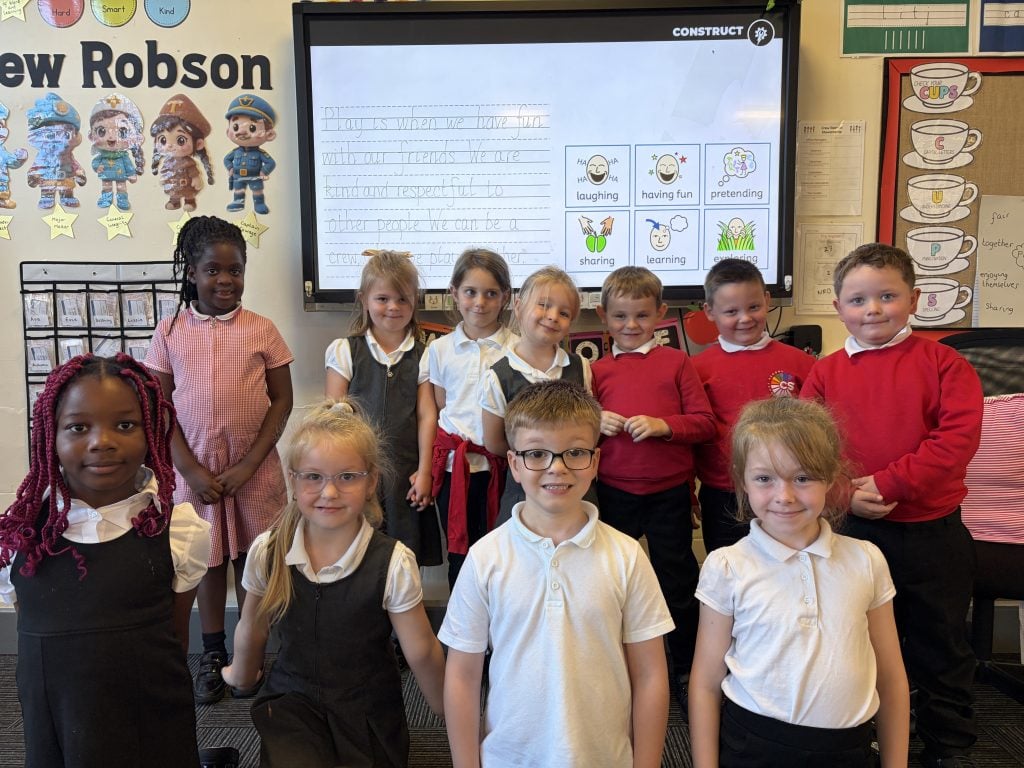
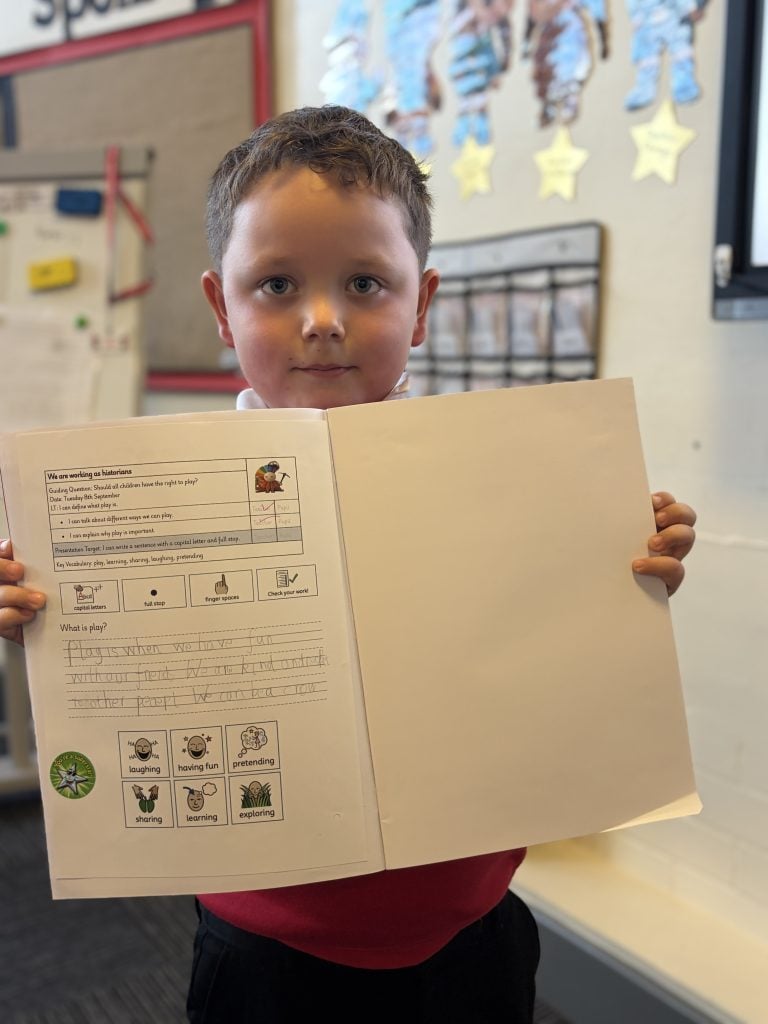
This is the definition of play that some of our crew came up with together.
“Play is when we have fun with our friends. We are kind and respectful to others. We can be a crew when we play together.”
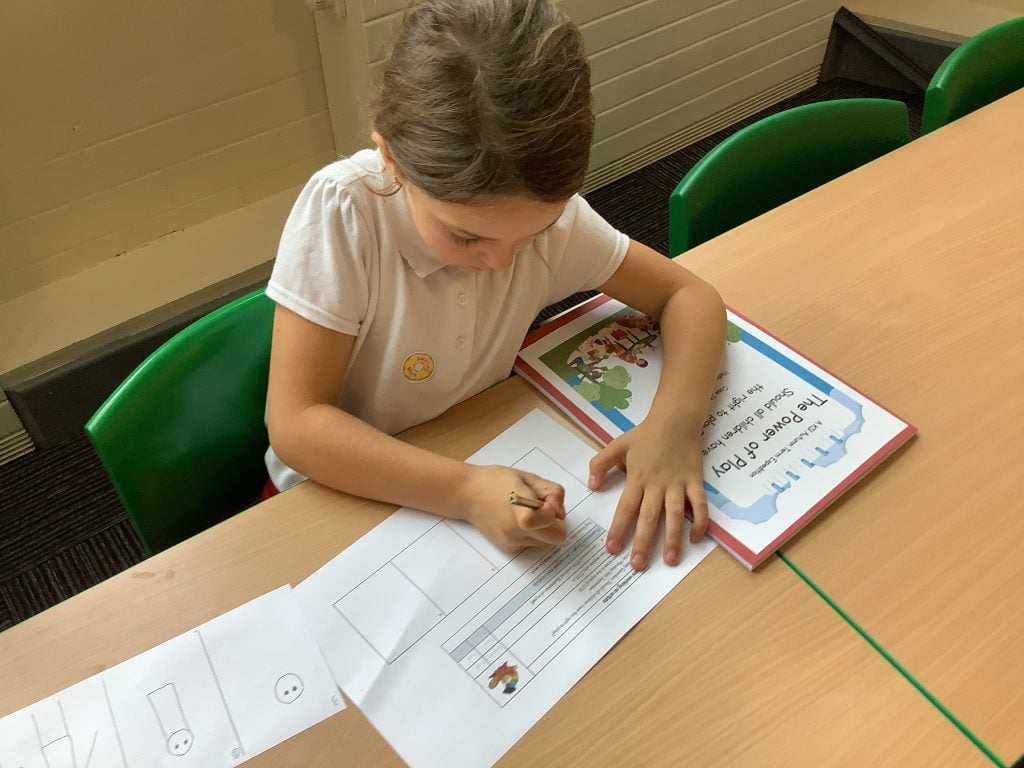
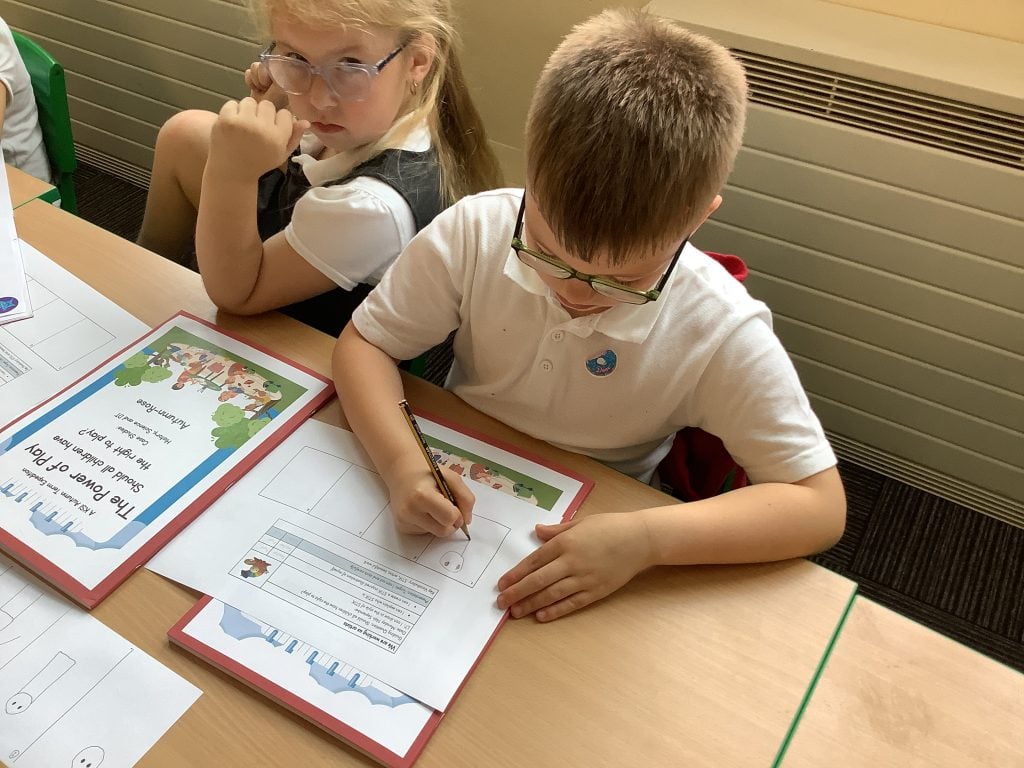
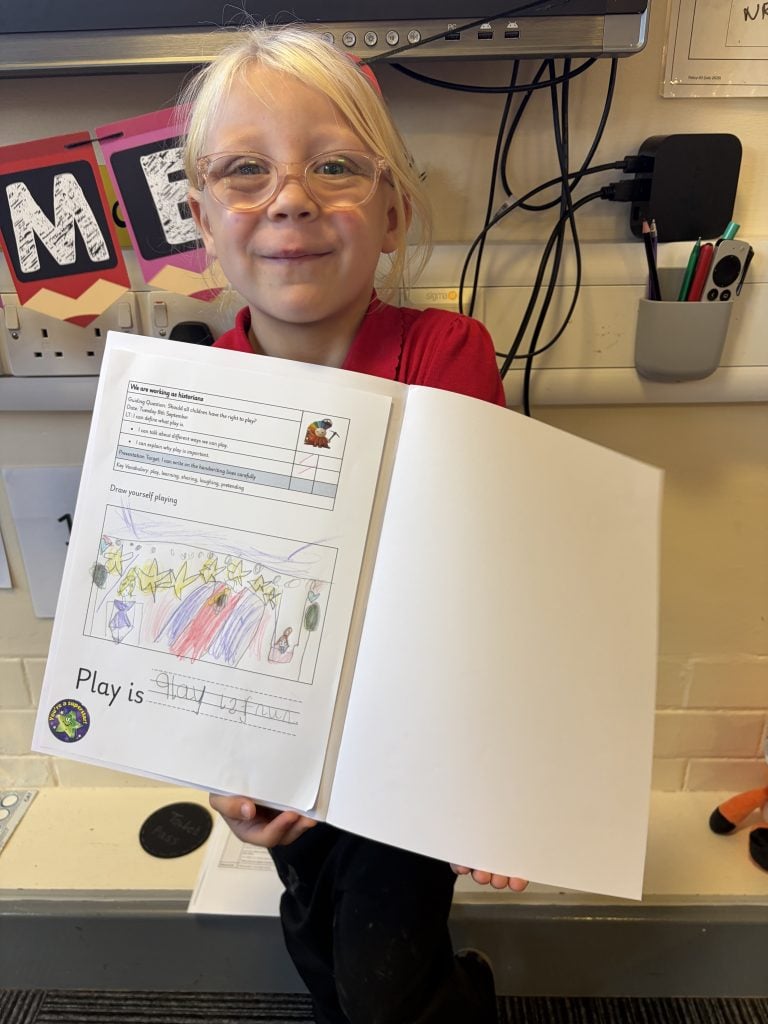
We then went on to produce some beautiful work all about what play is.
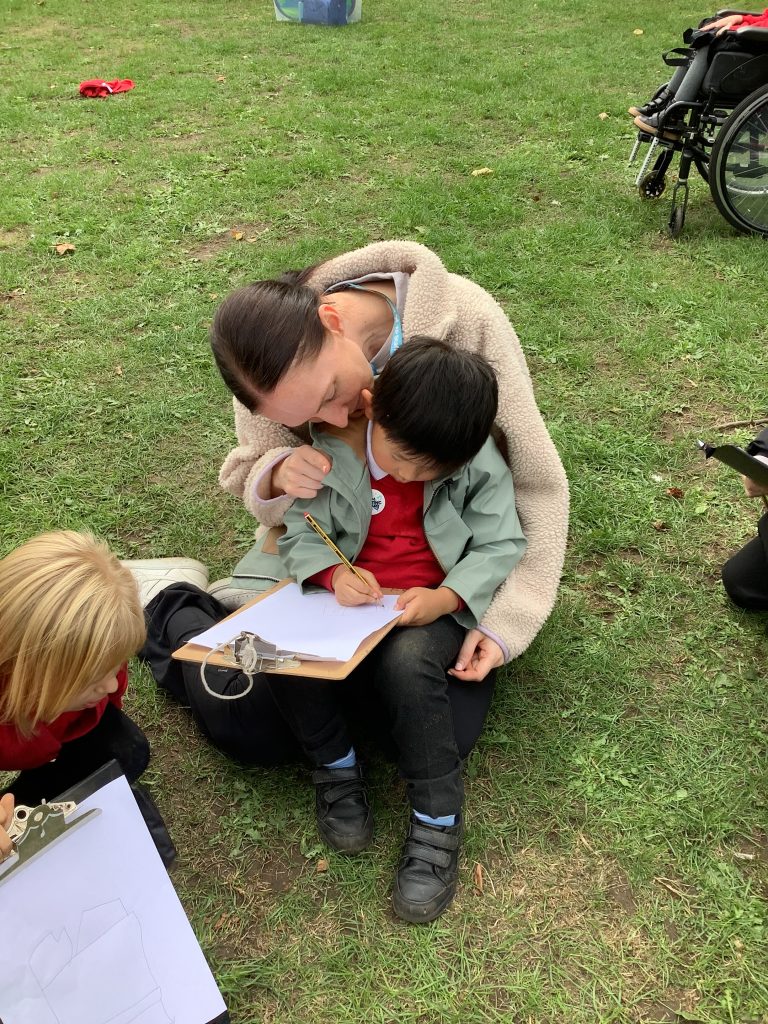
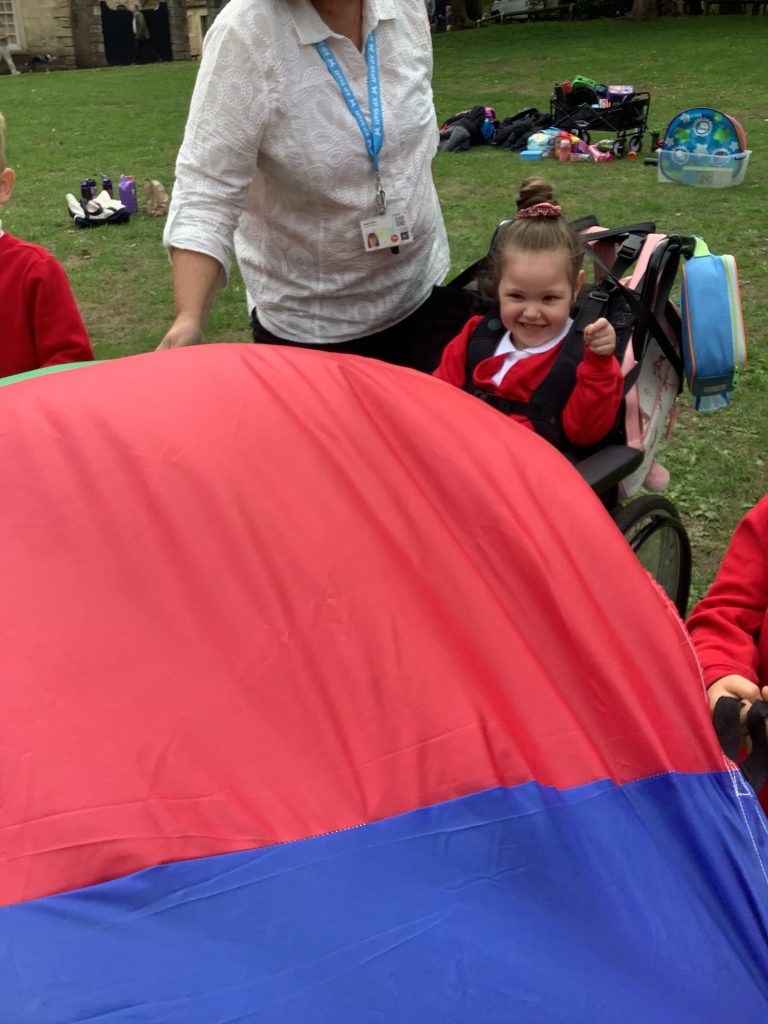
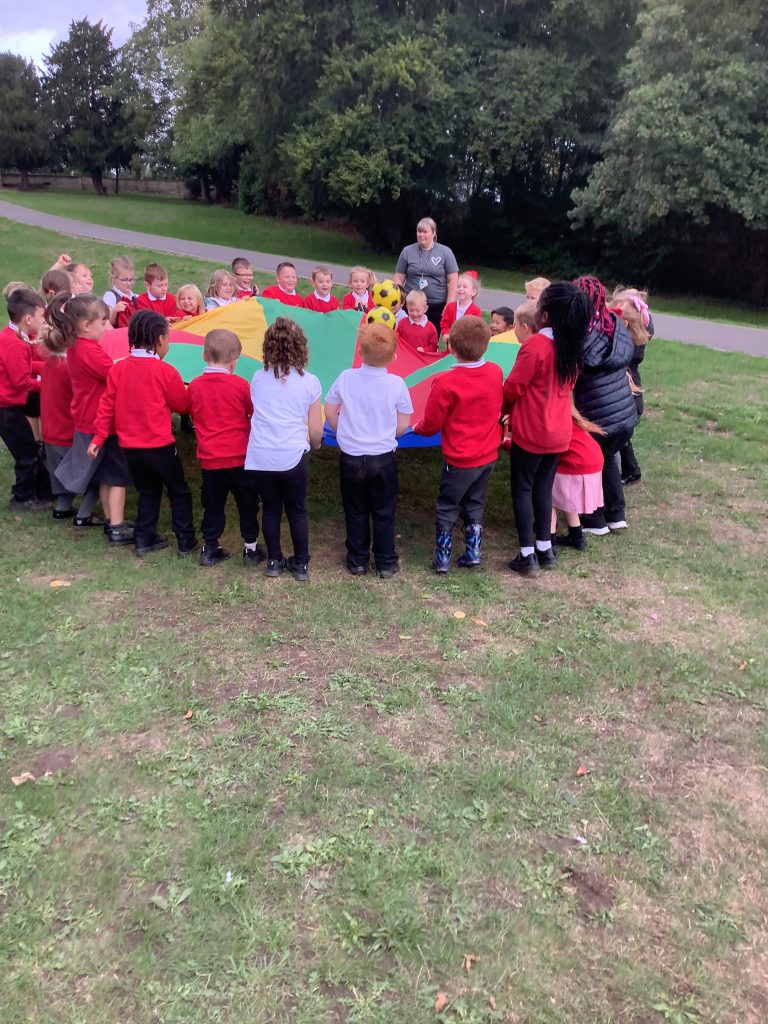
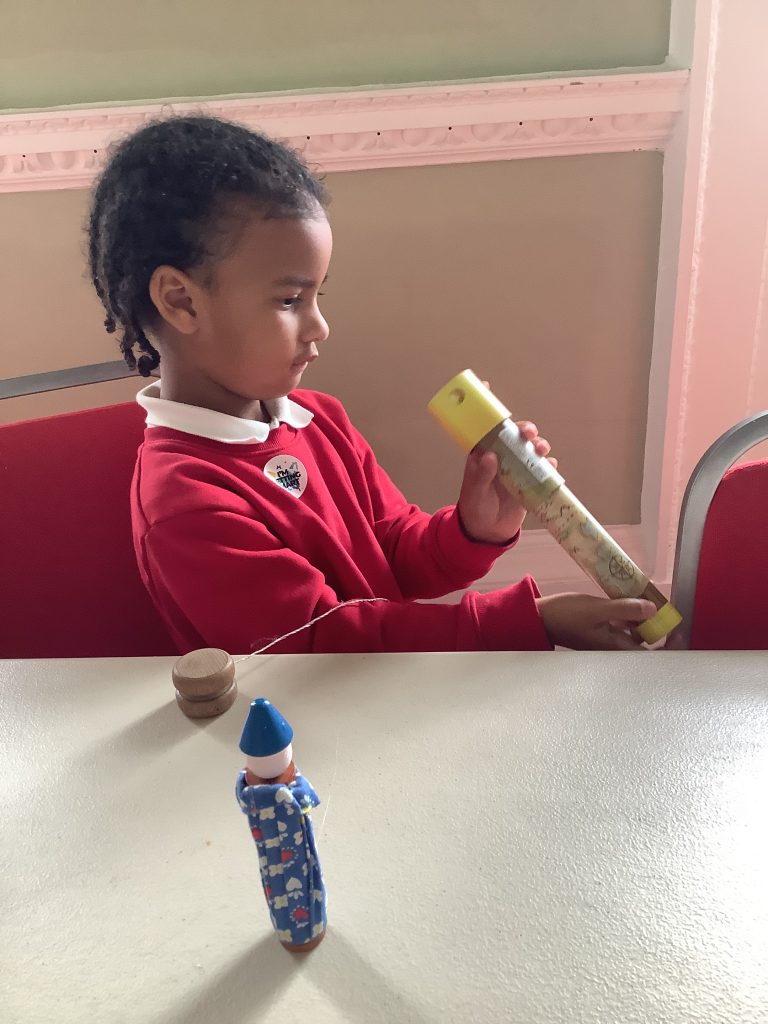
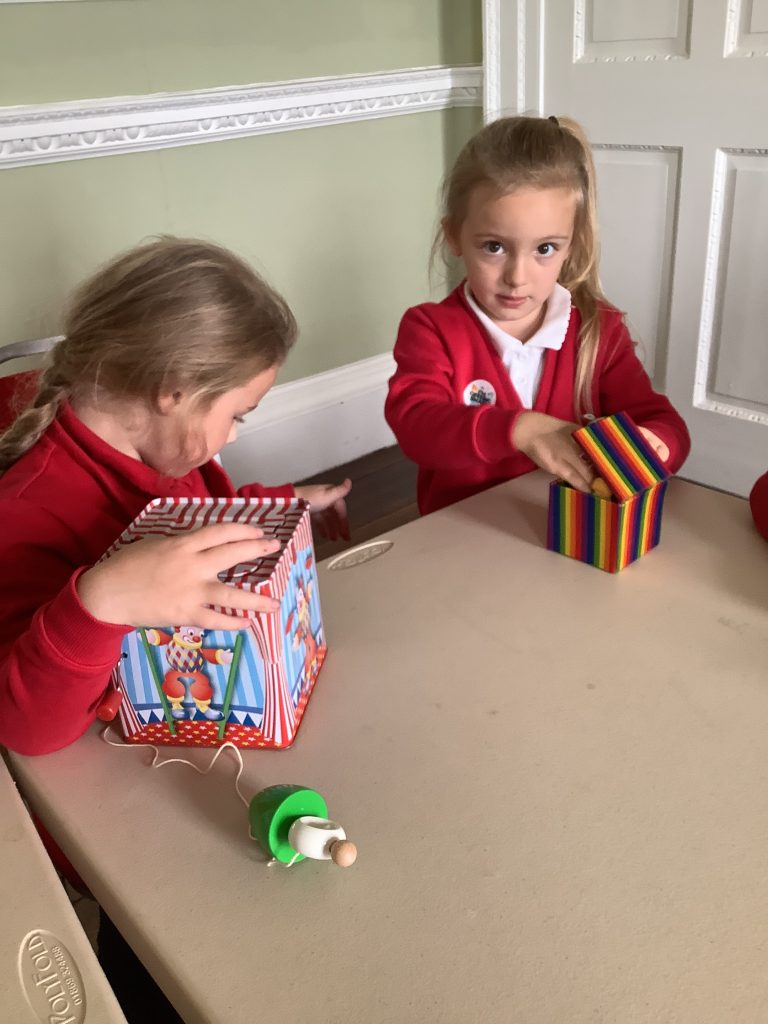
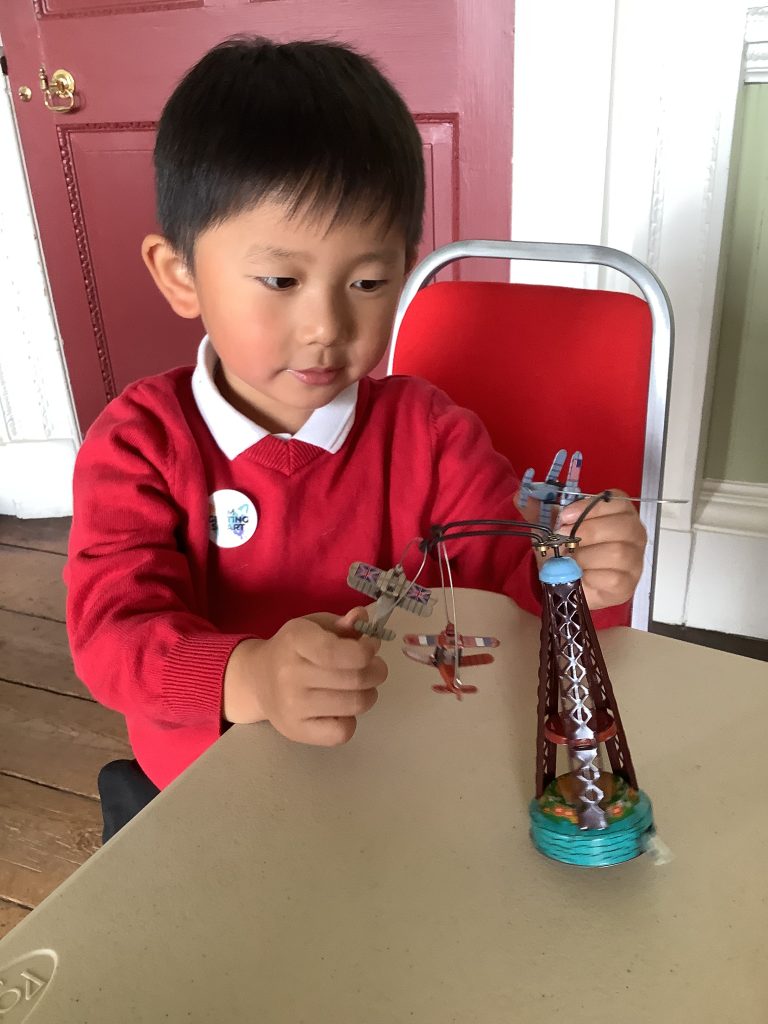
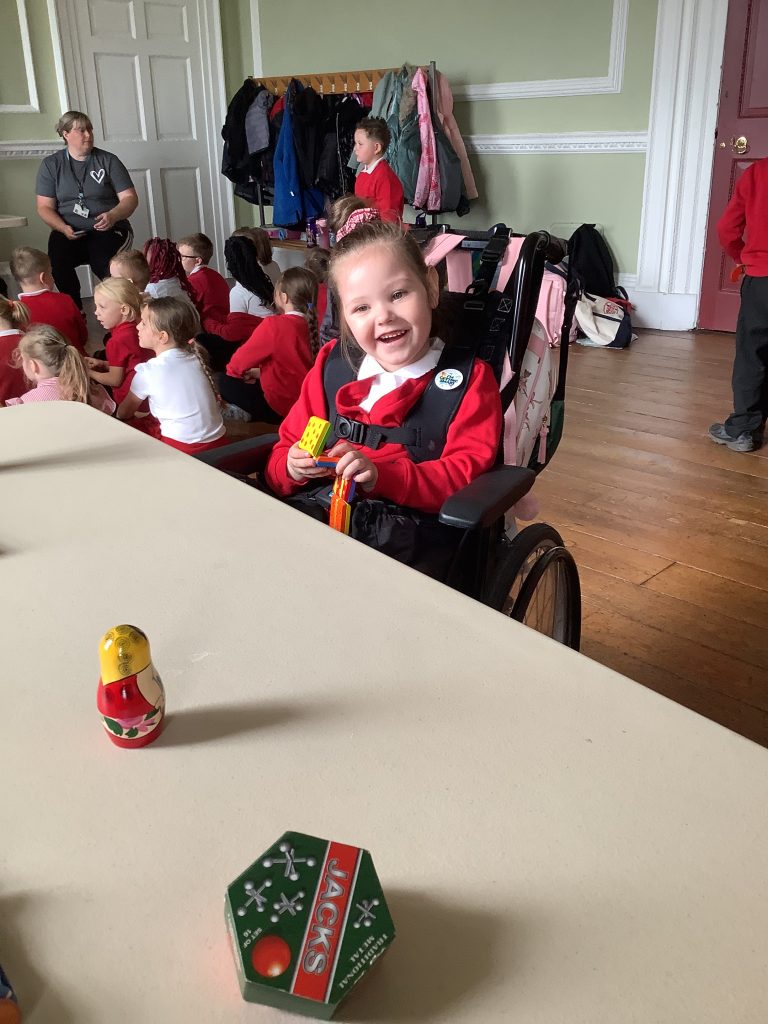
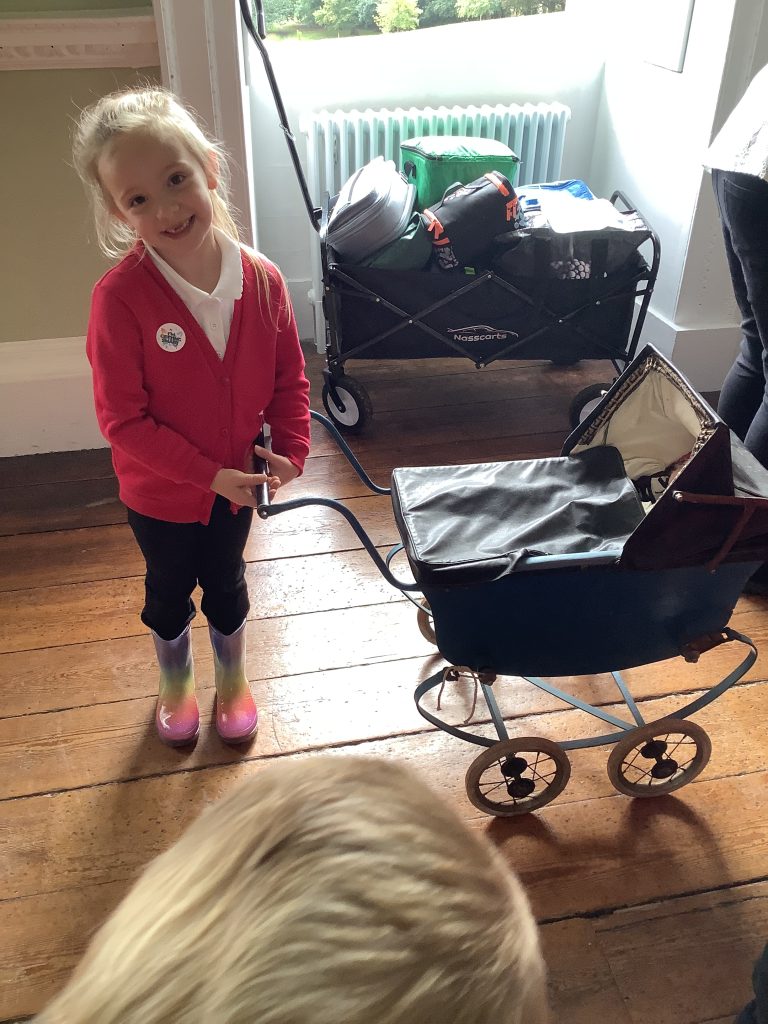
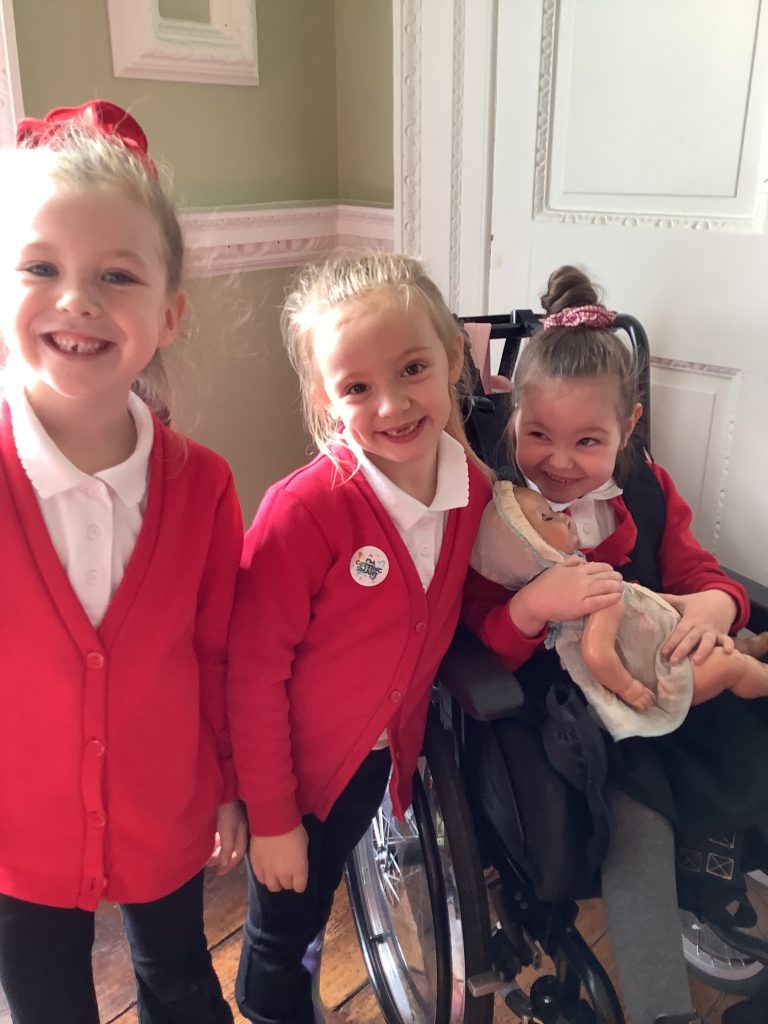
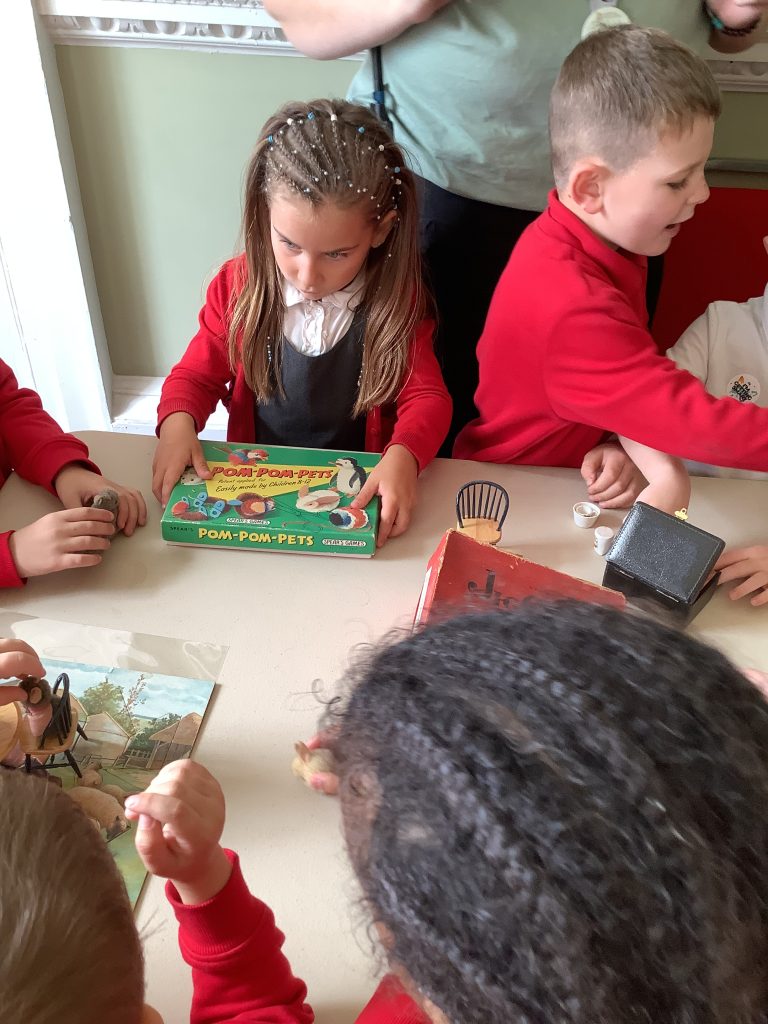
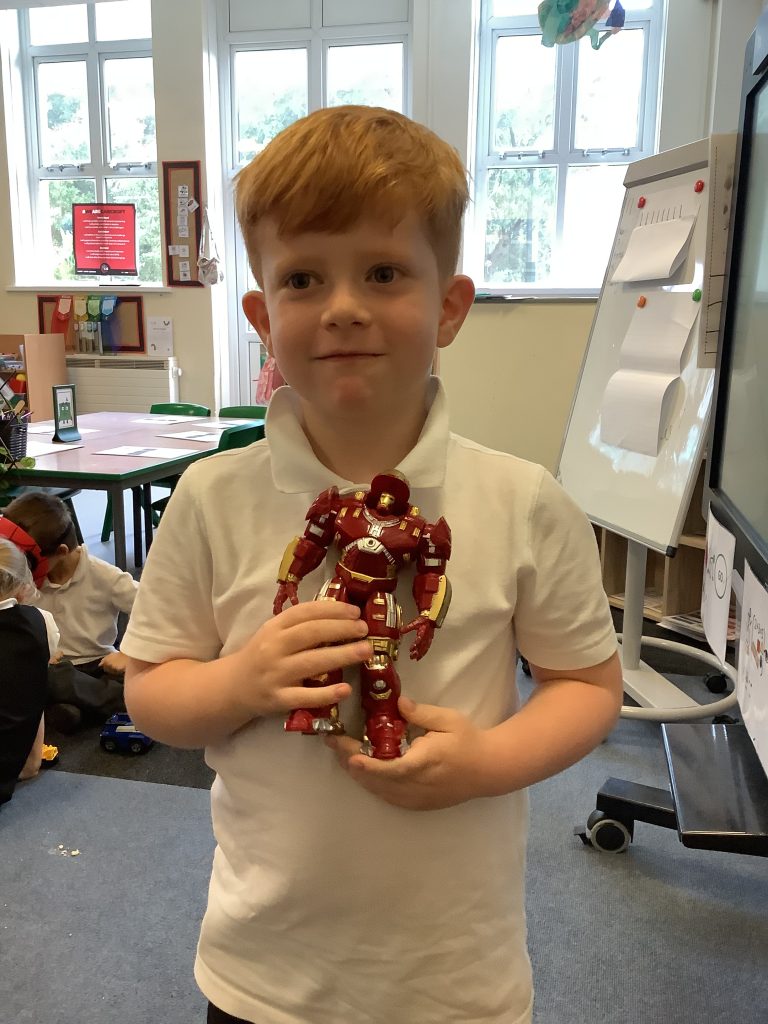
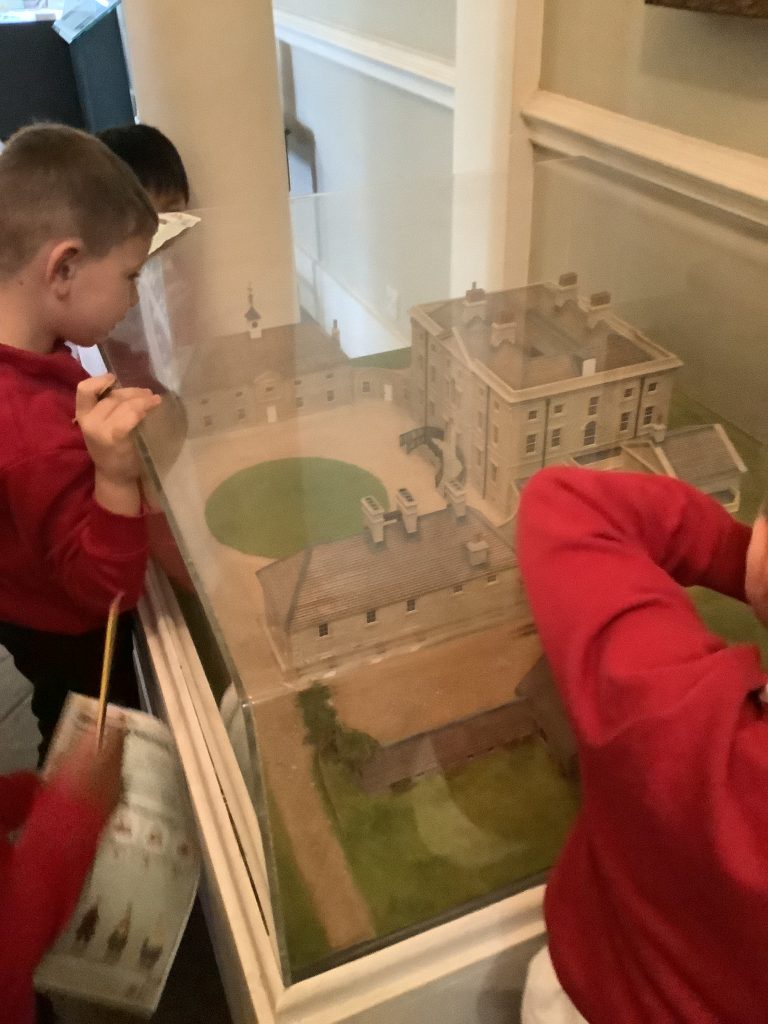
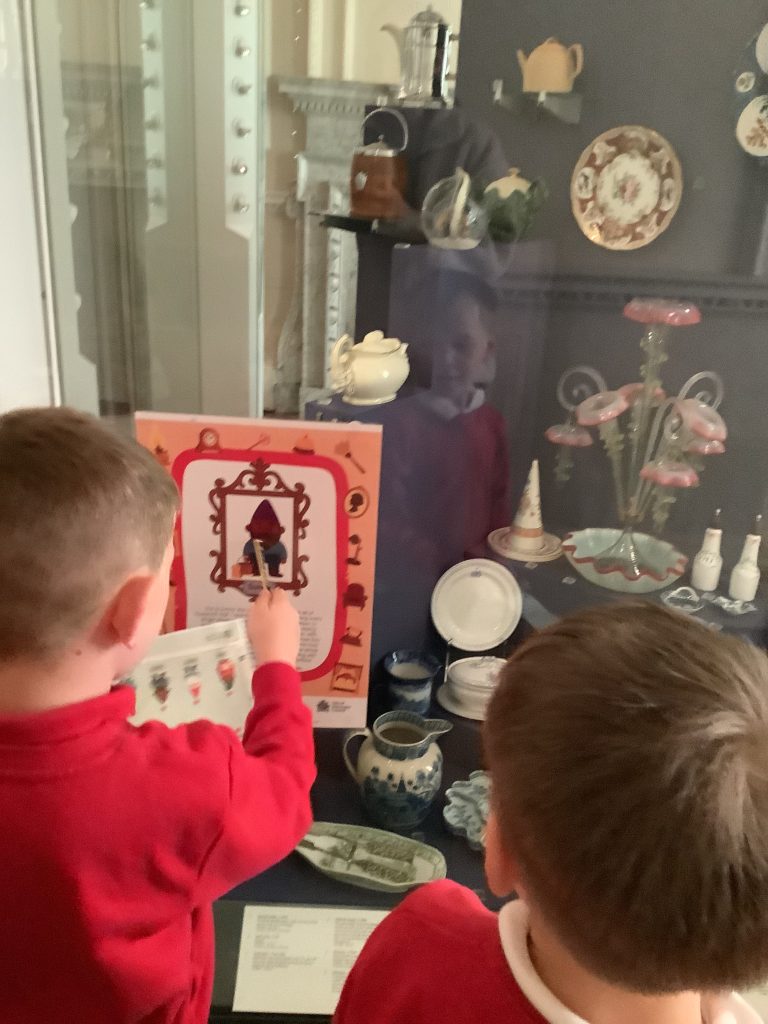
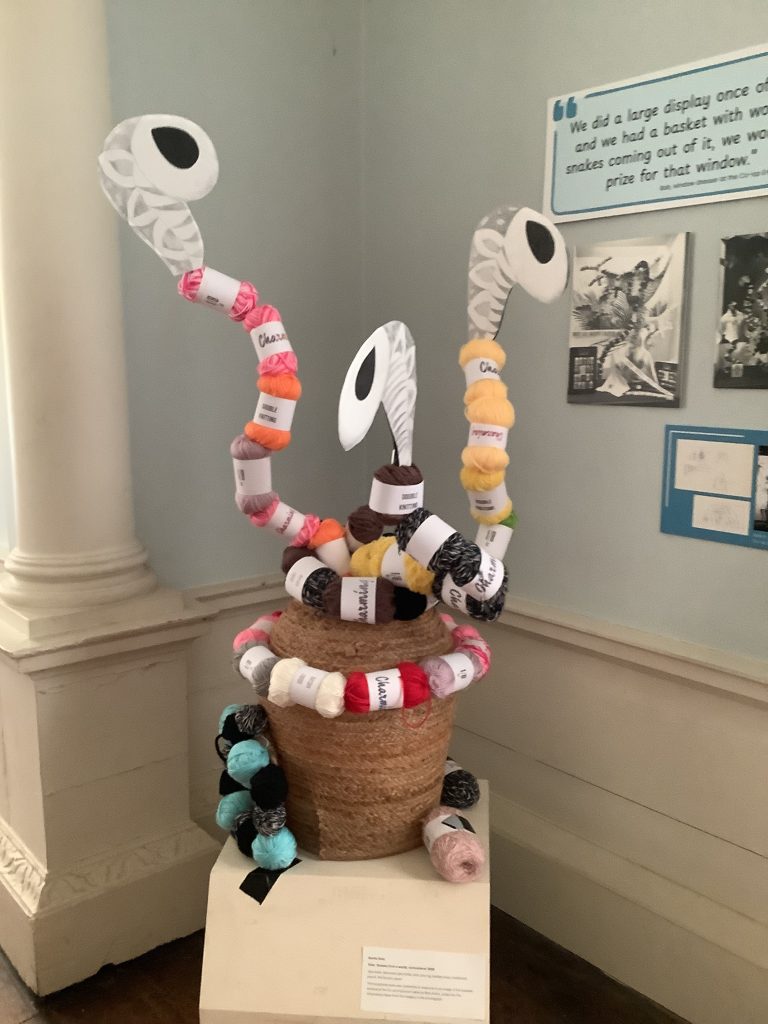
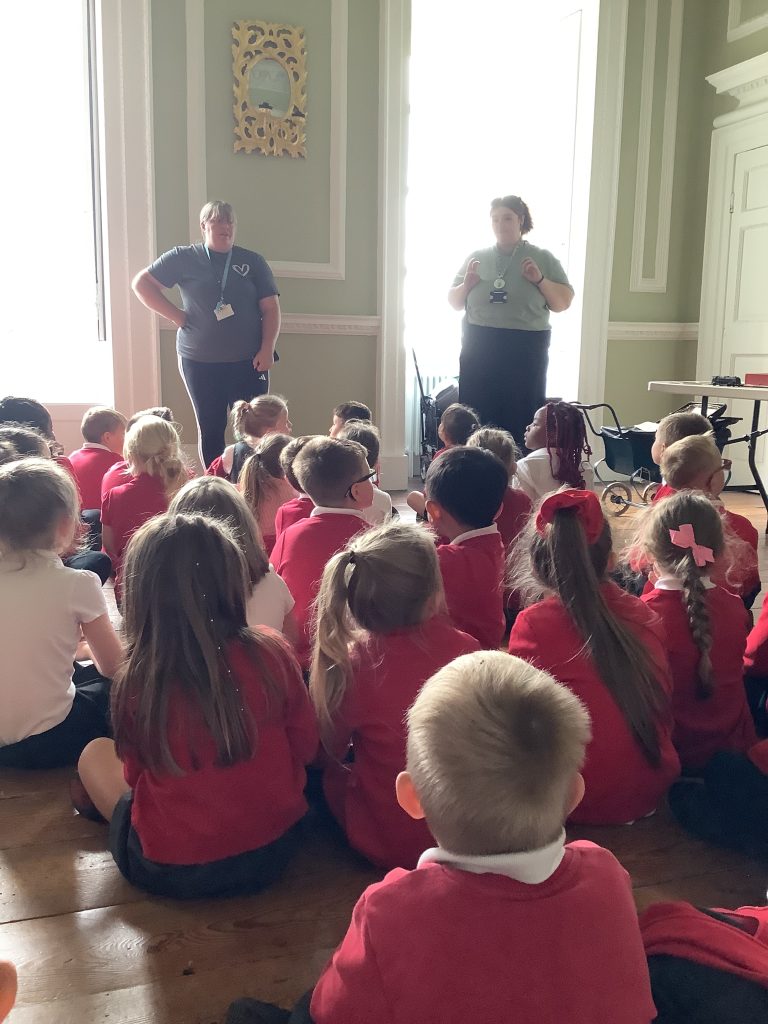
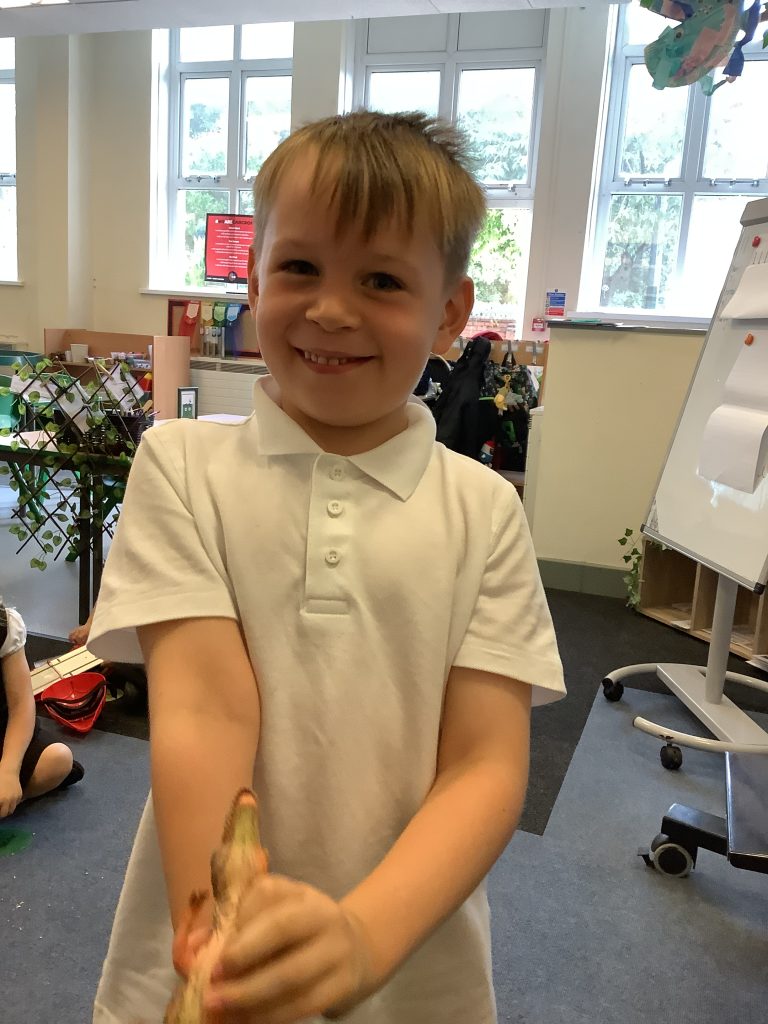
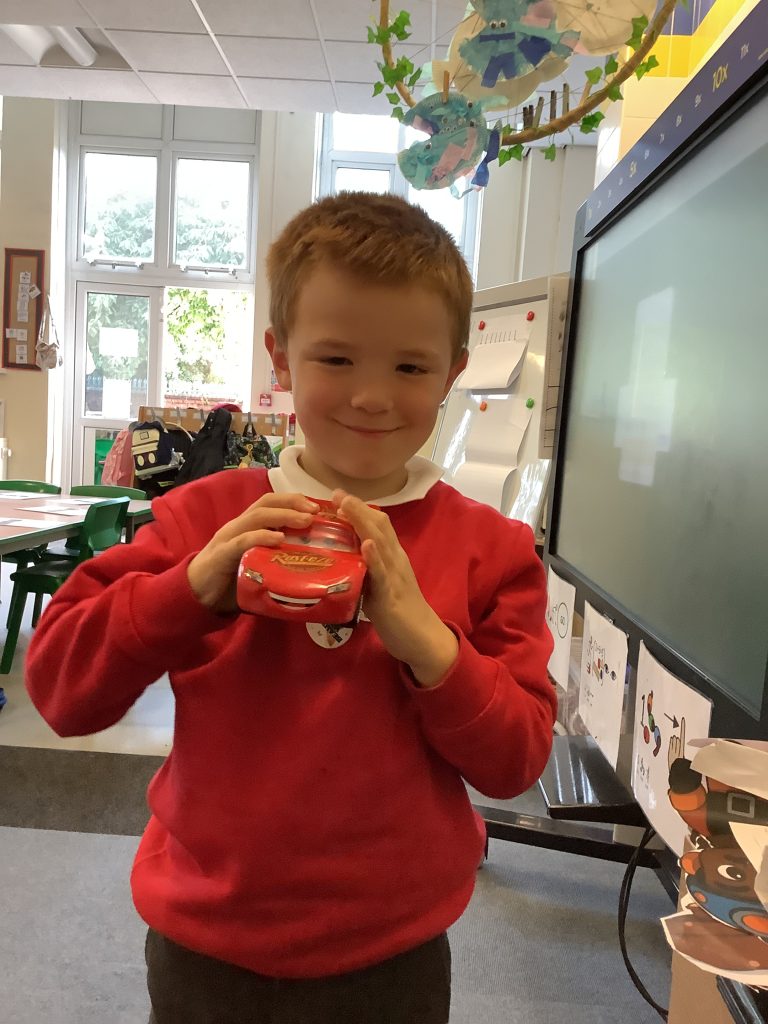
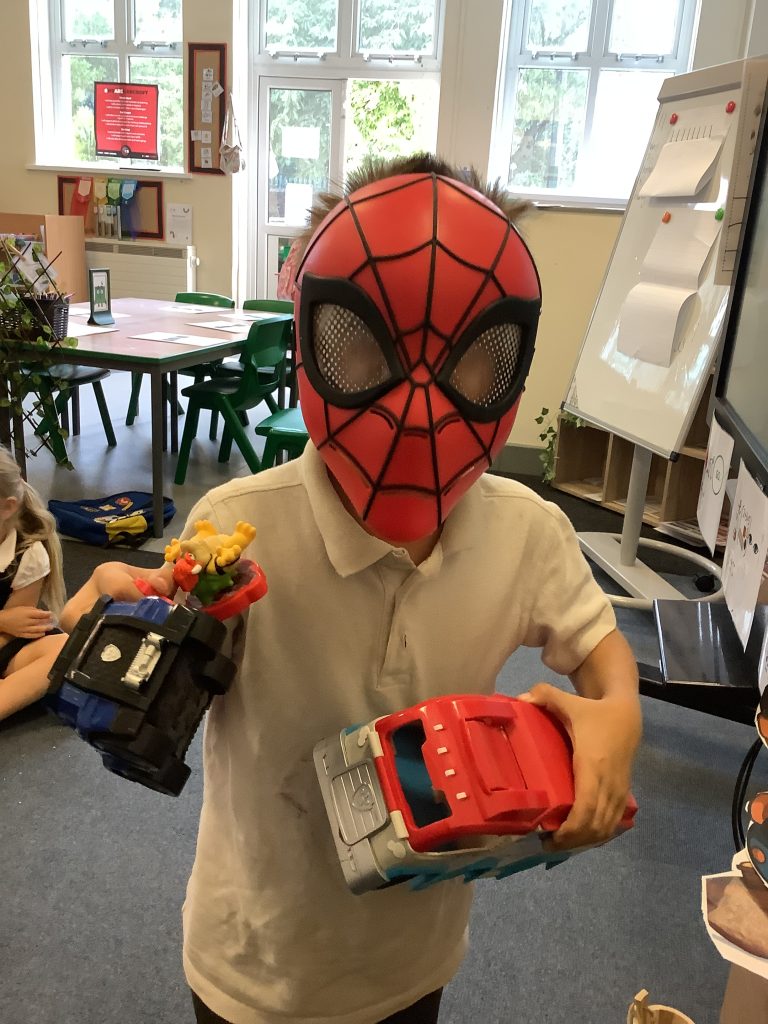
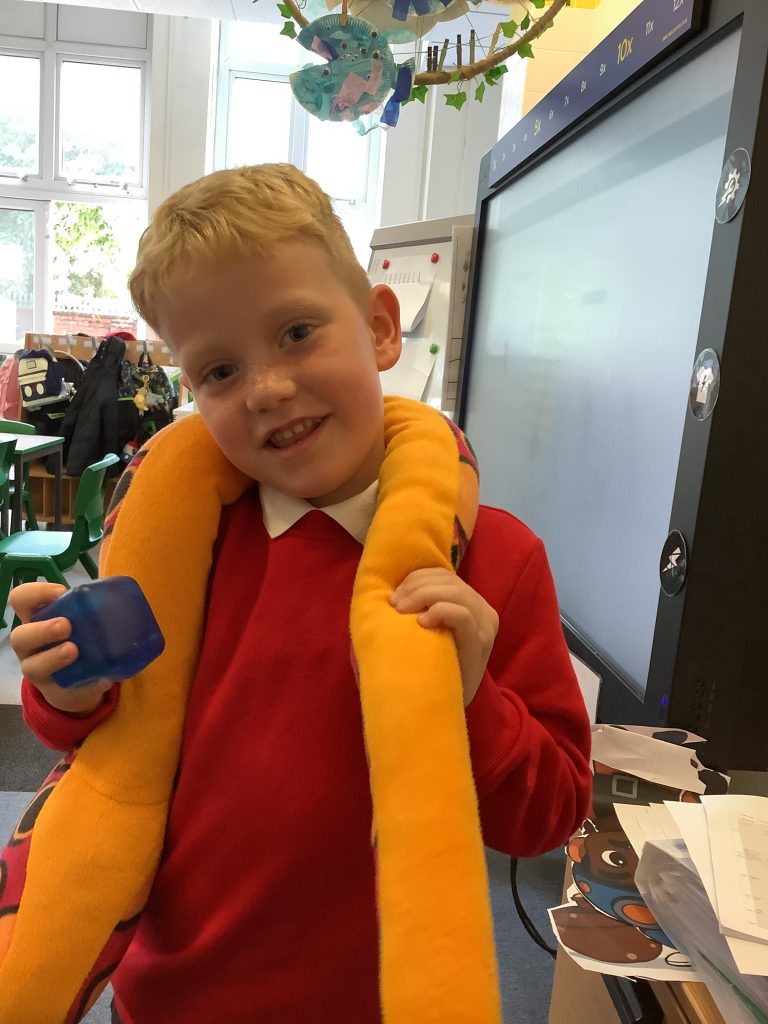
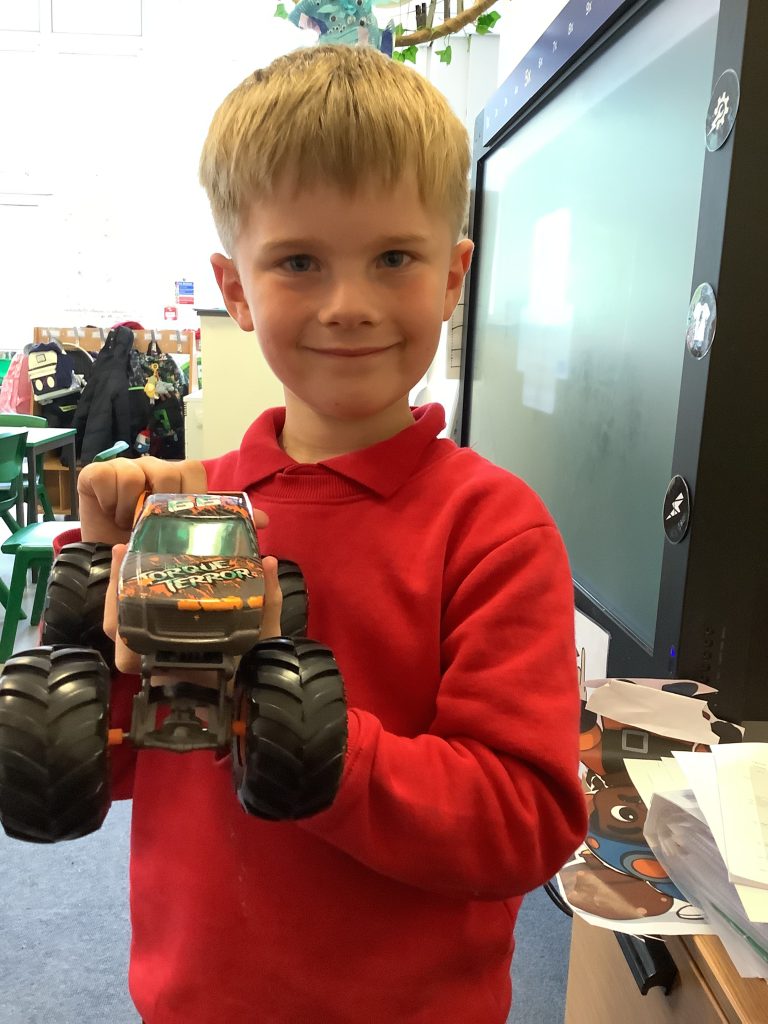
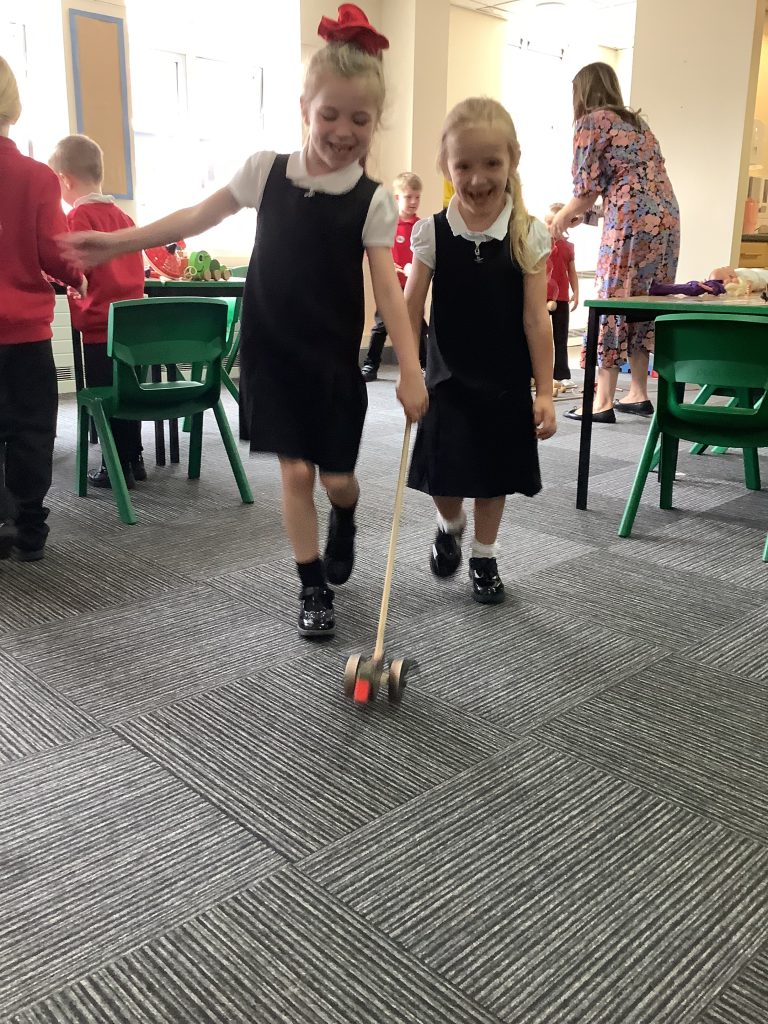
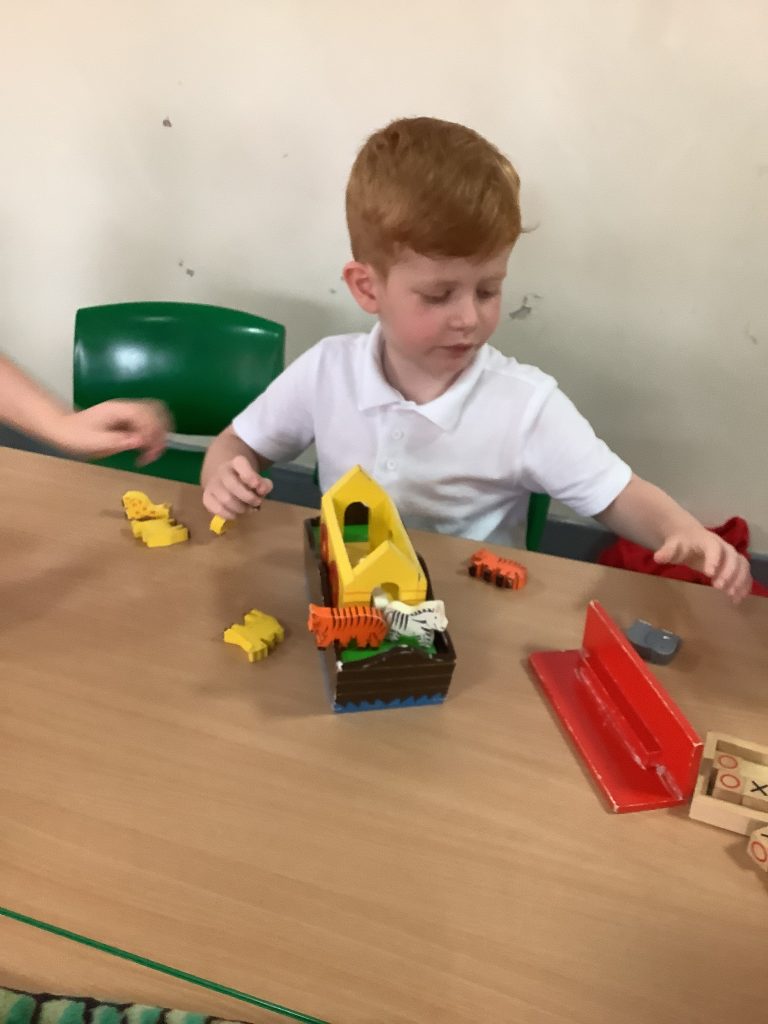
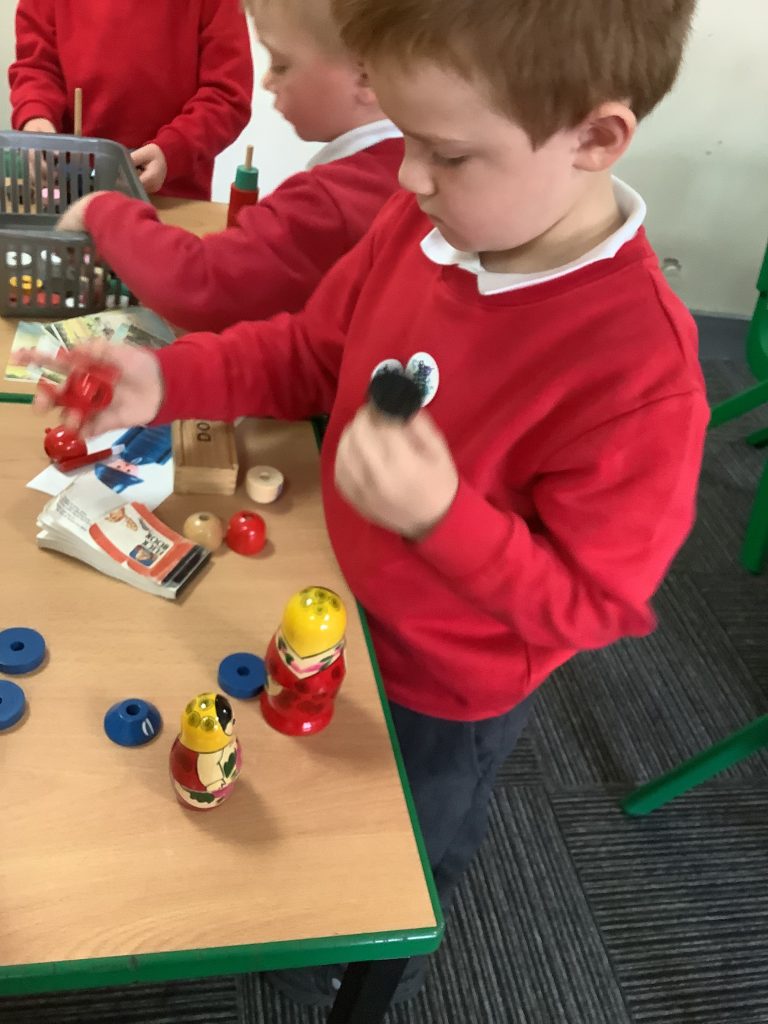
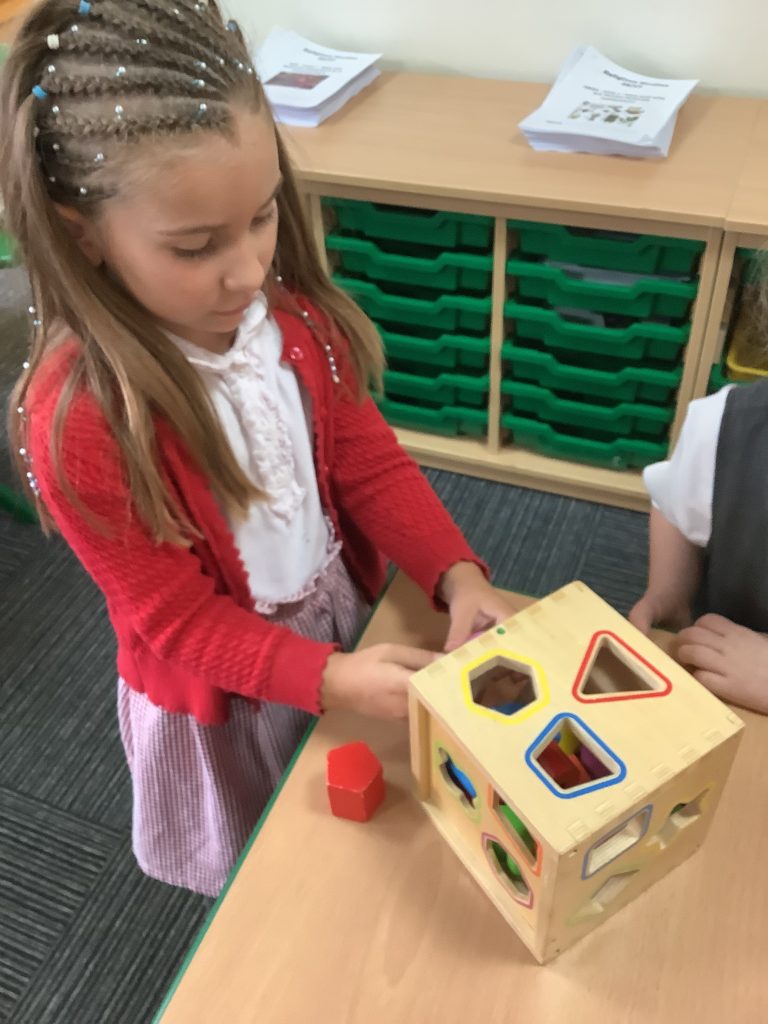
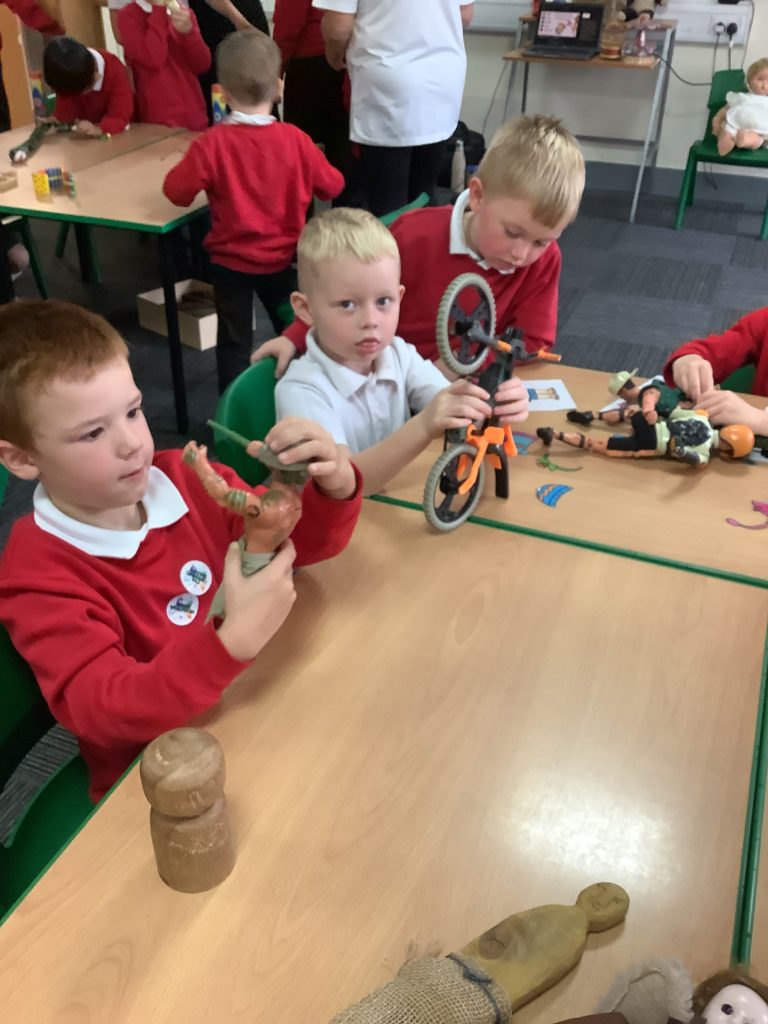
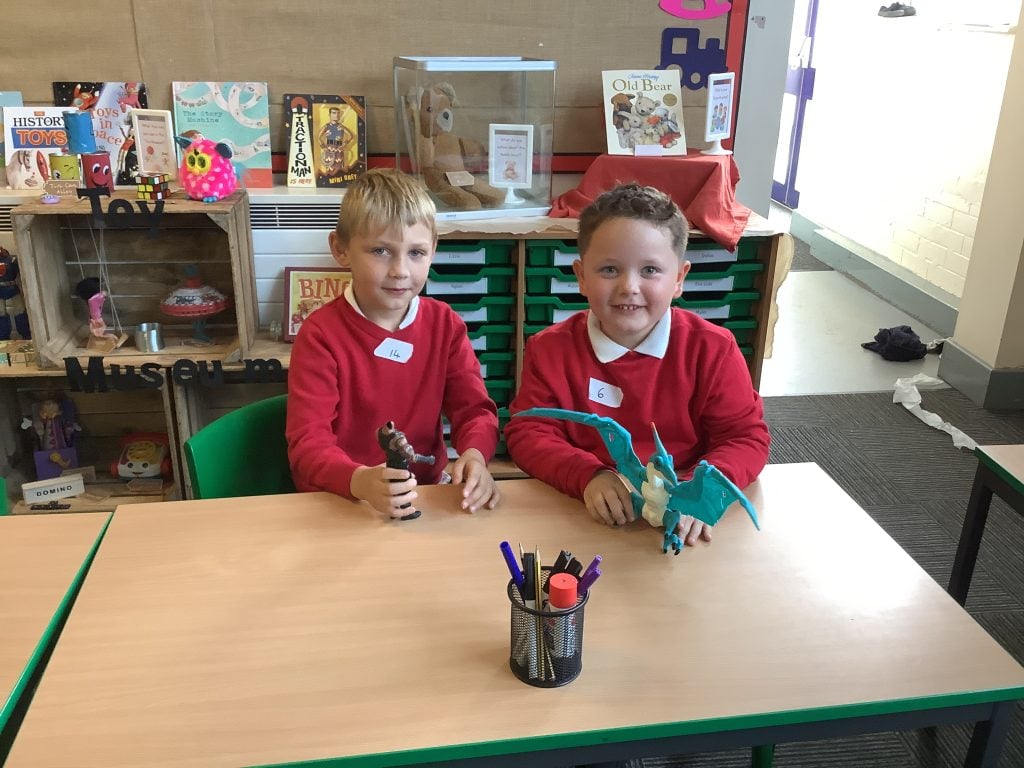
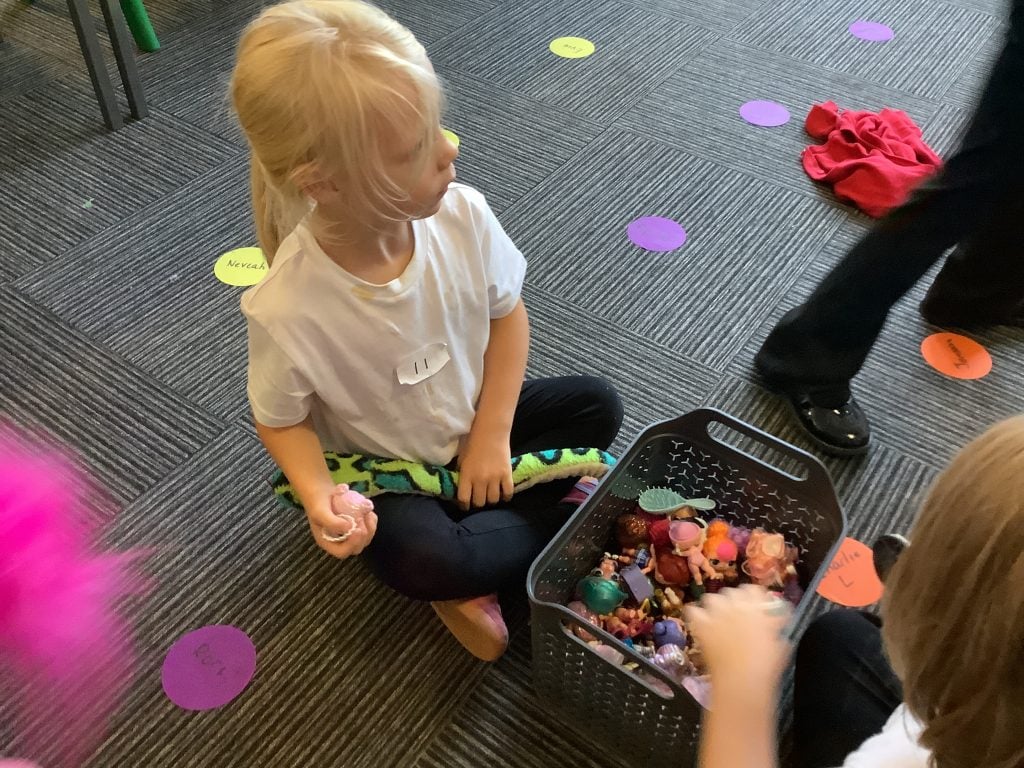
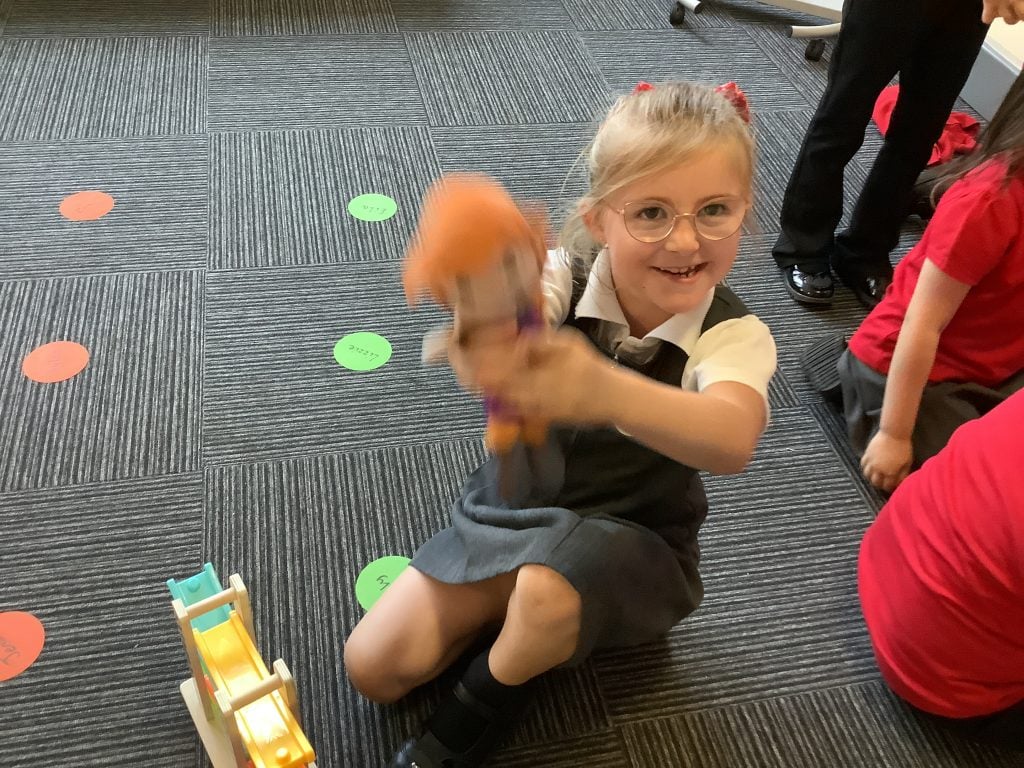
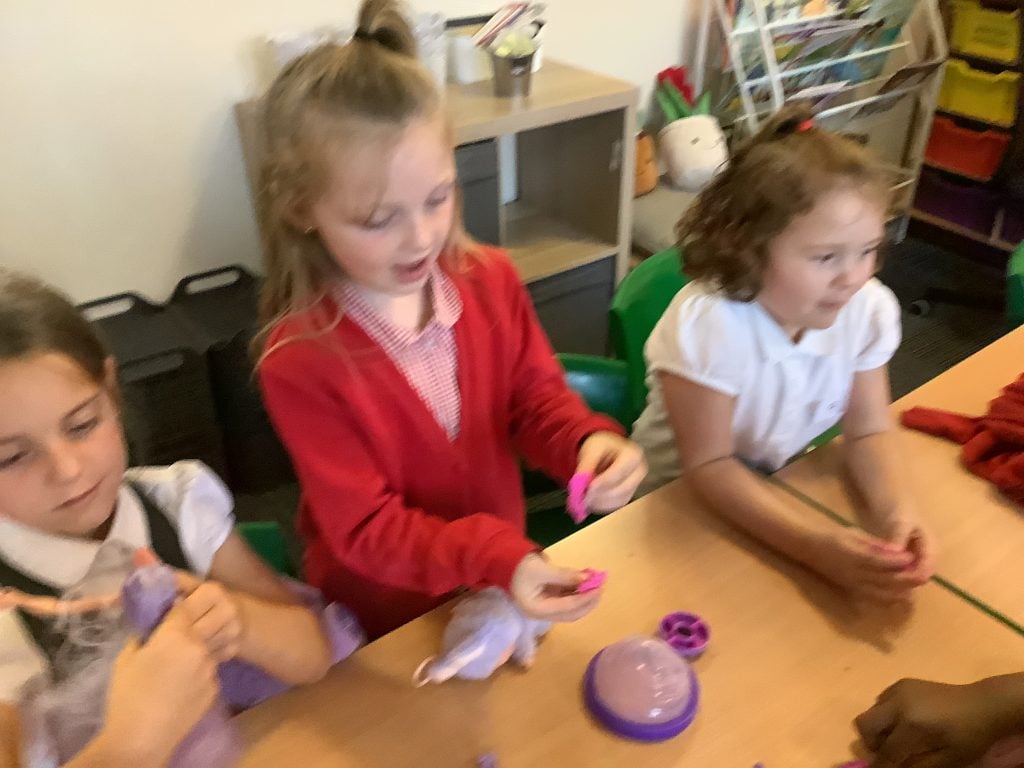
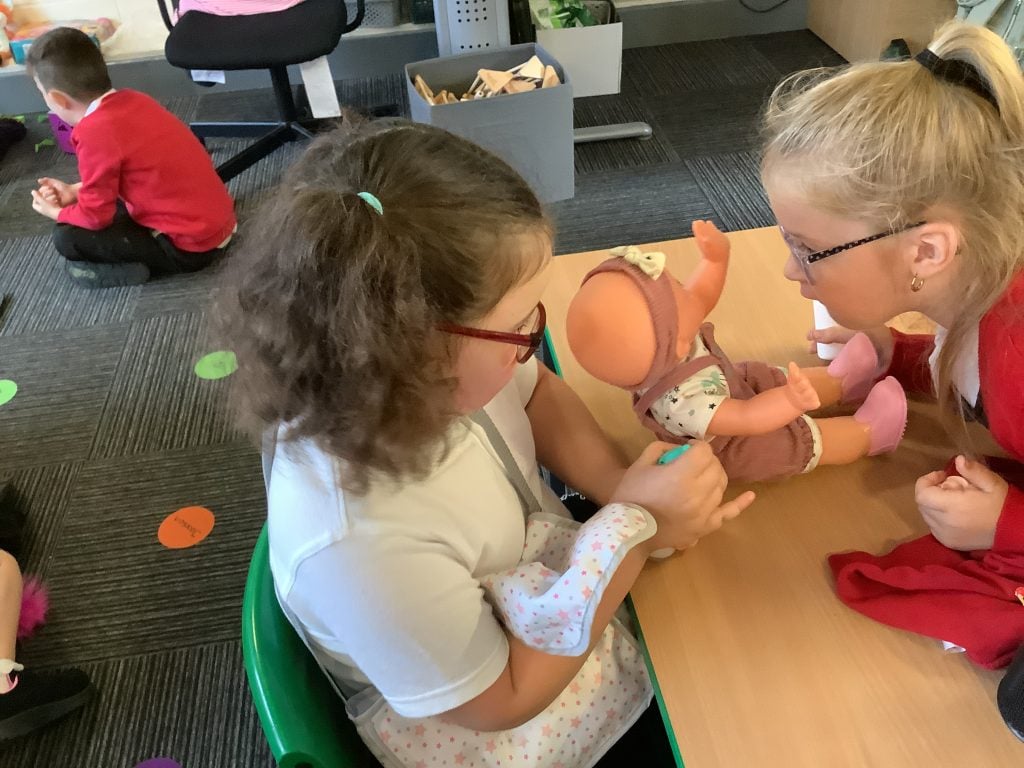
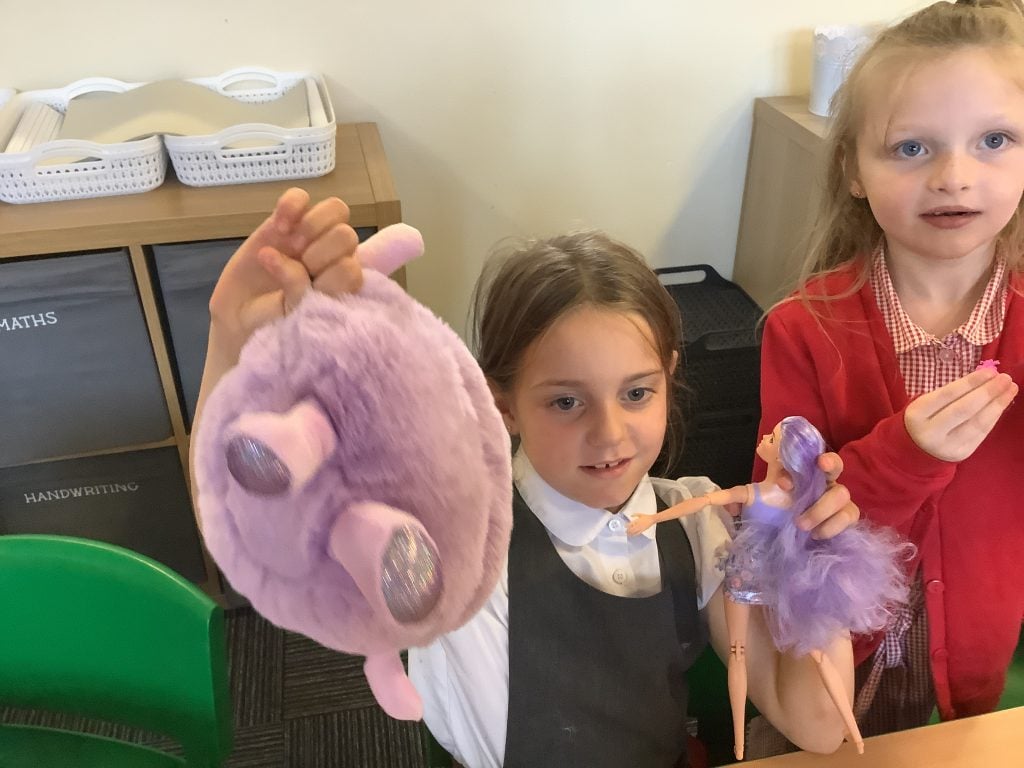
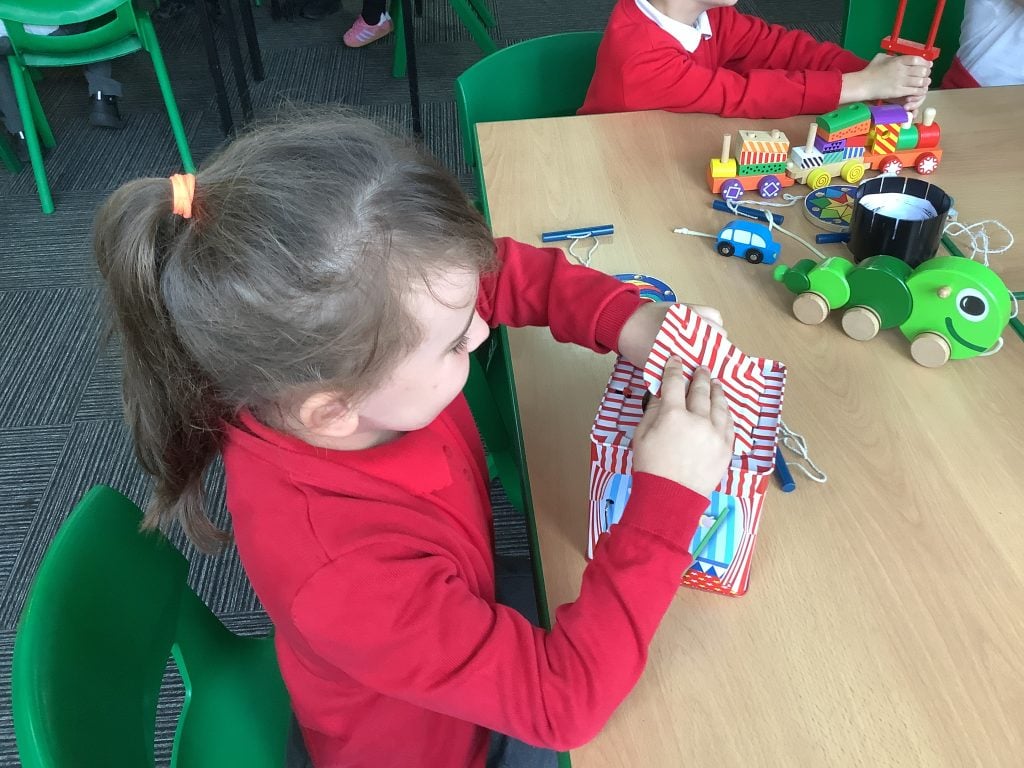
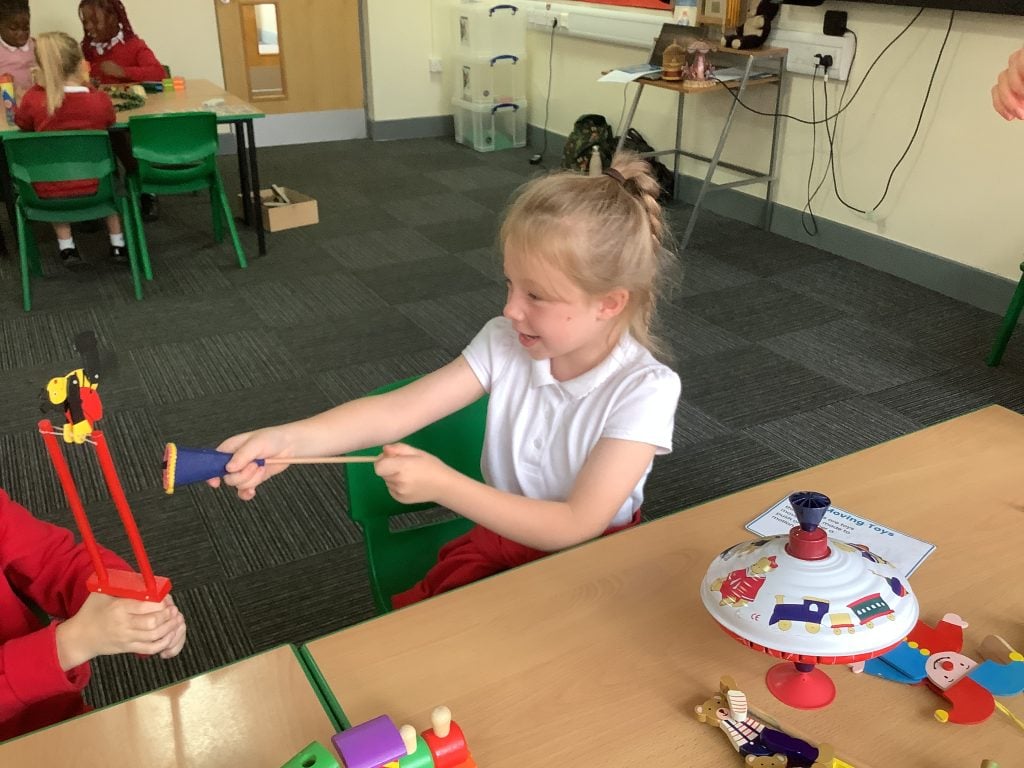
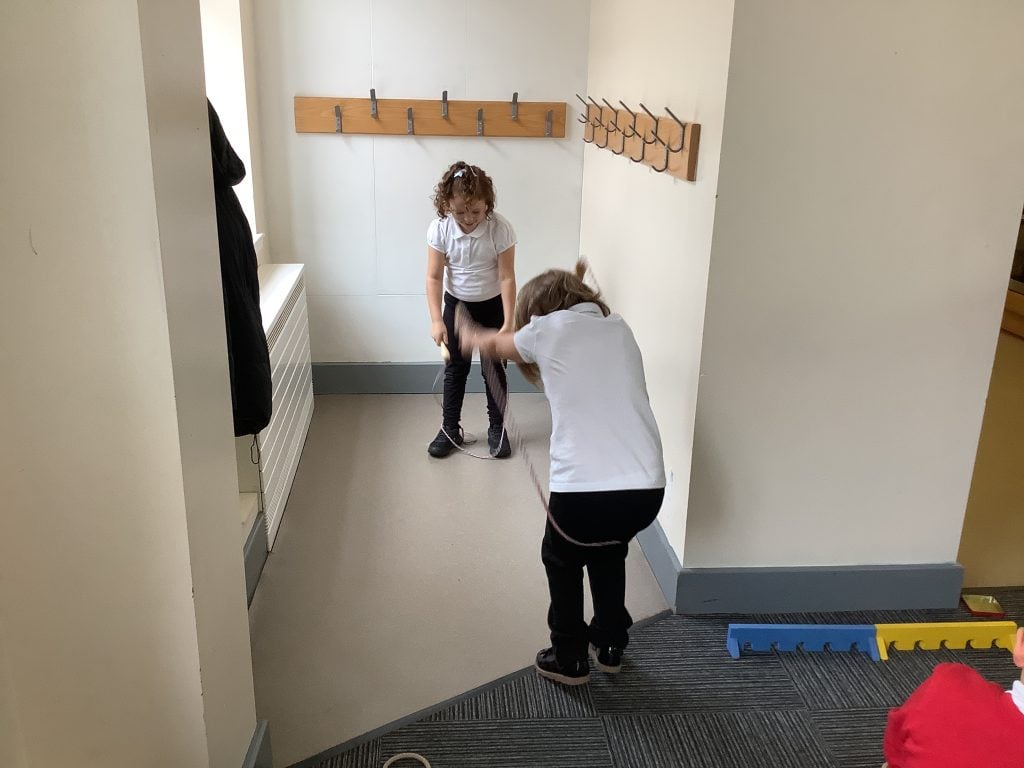
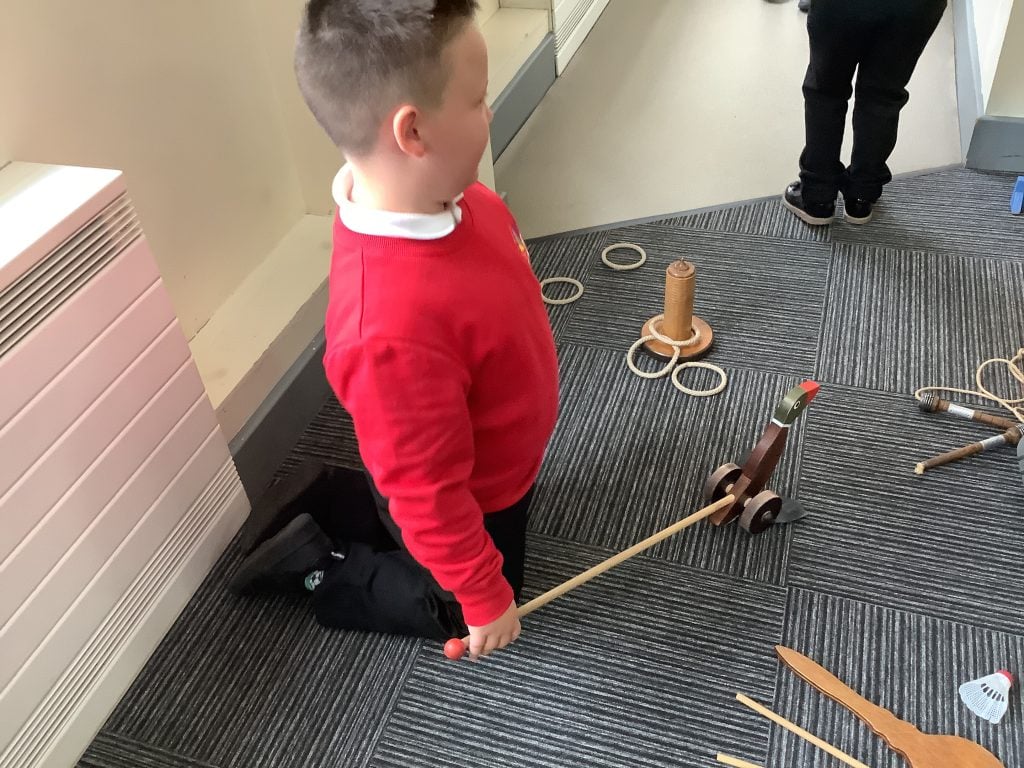
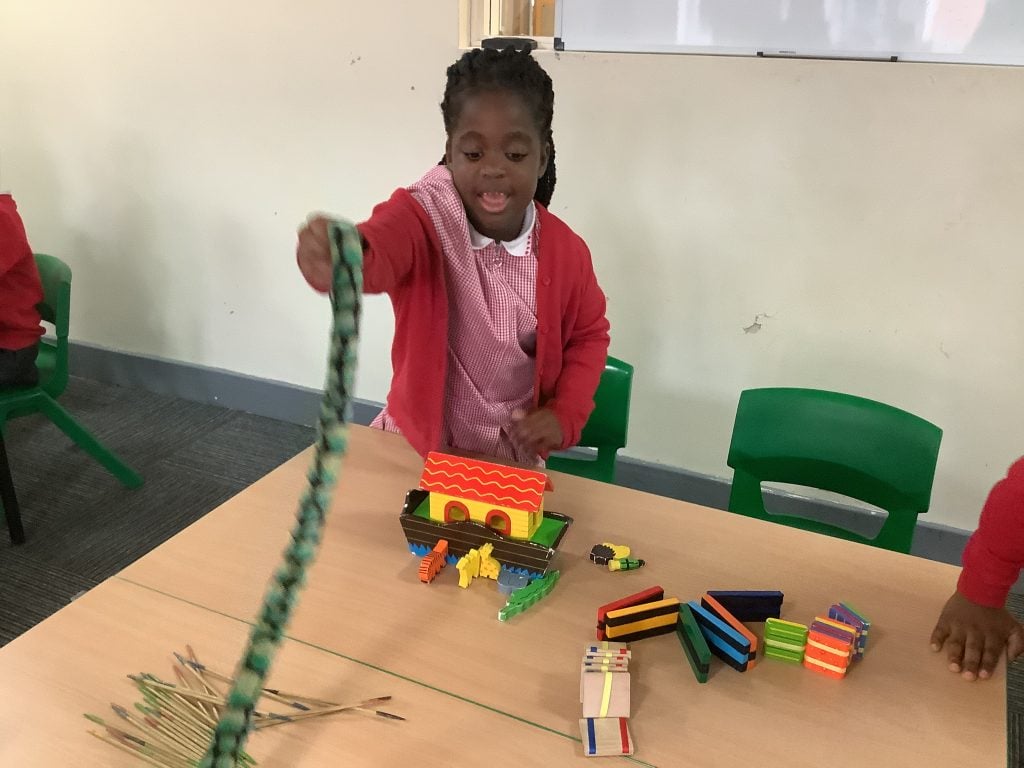
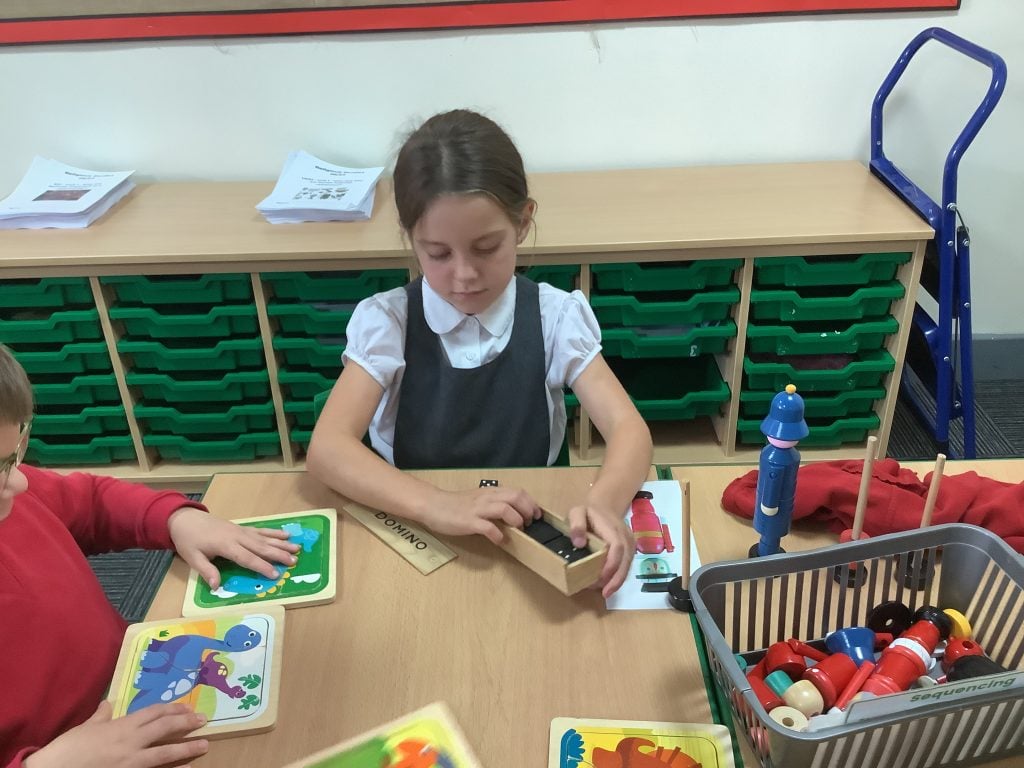
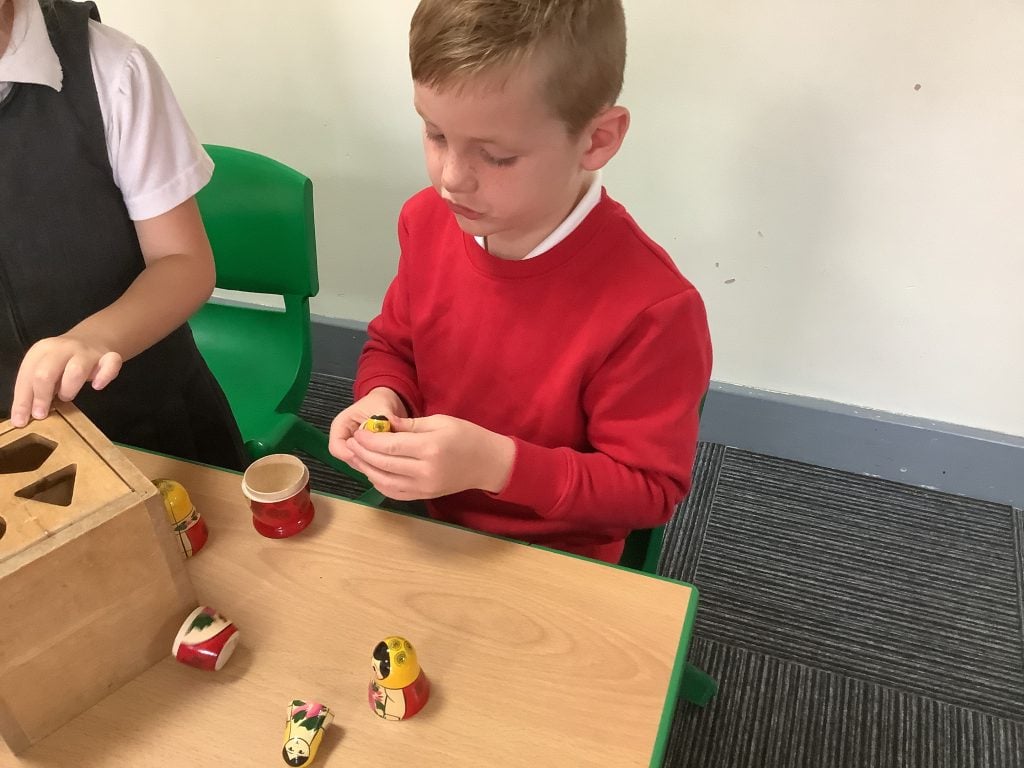
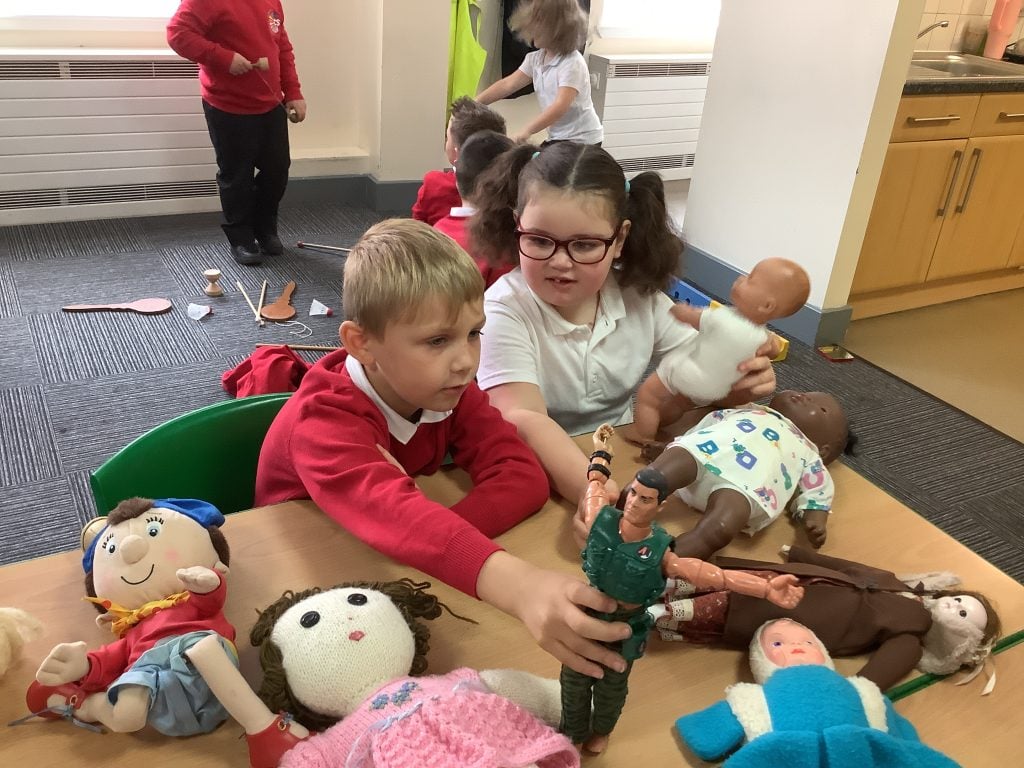
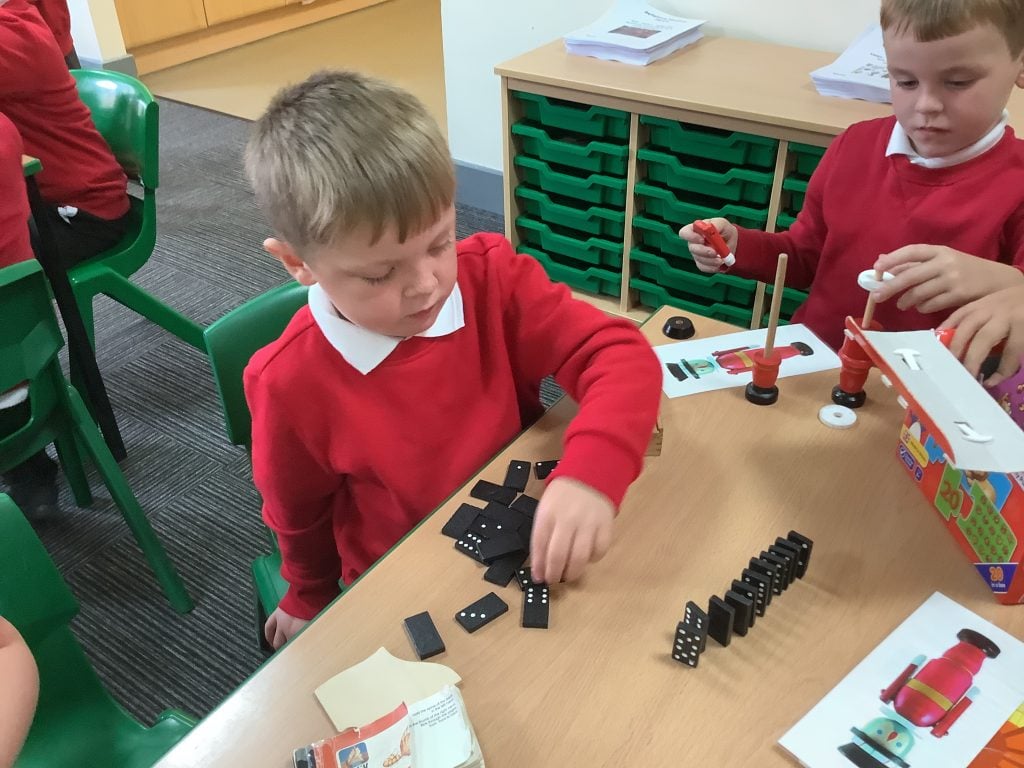
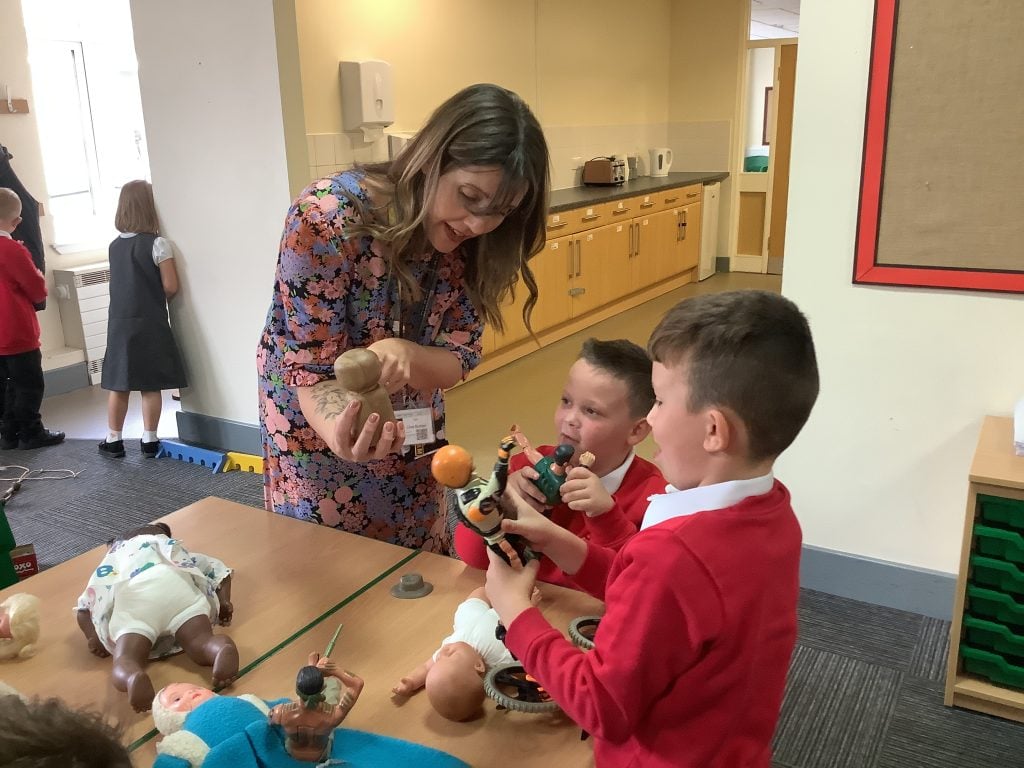
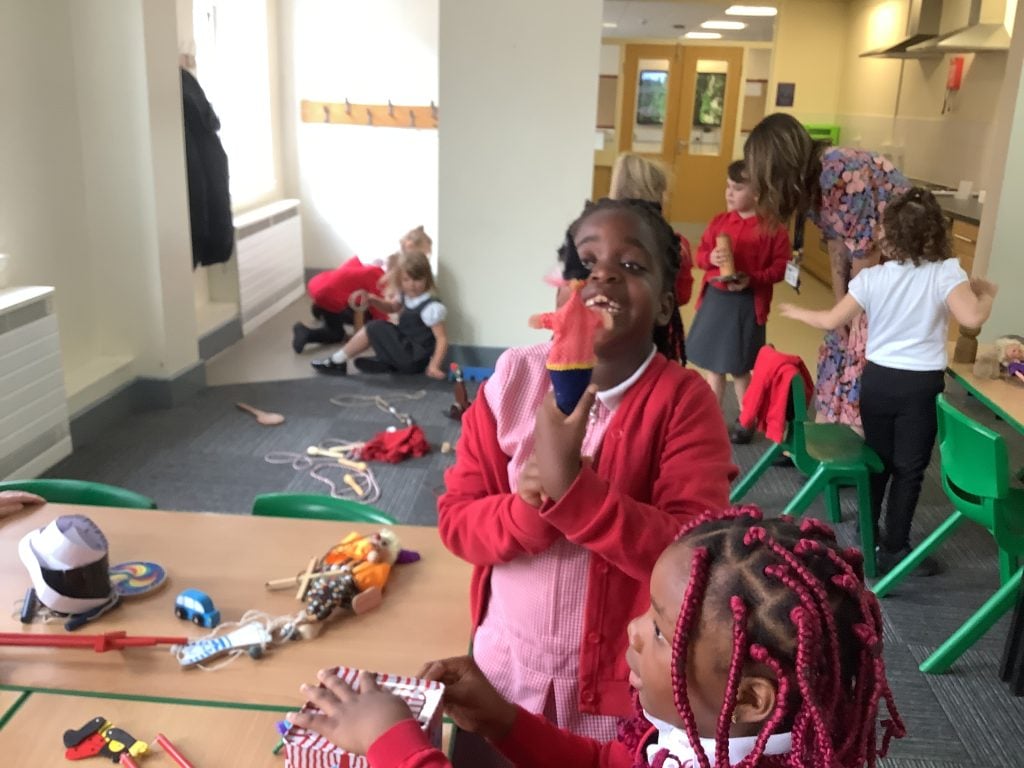
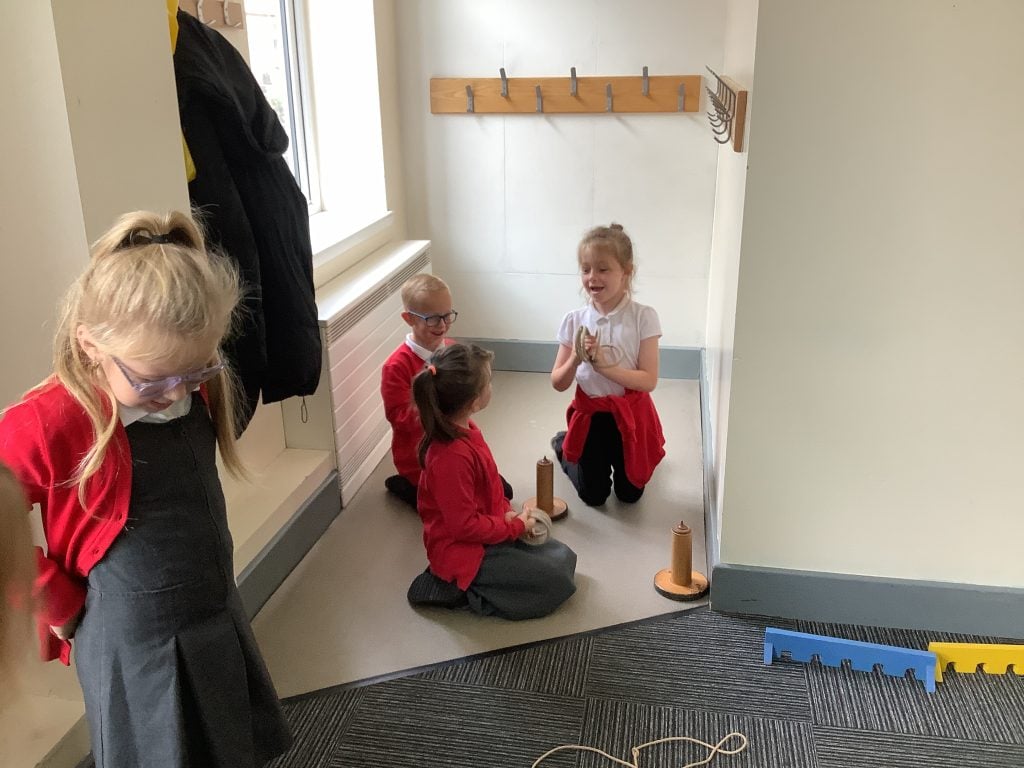
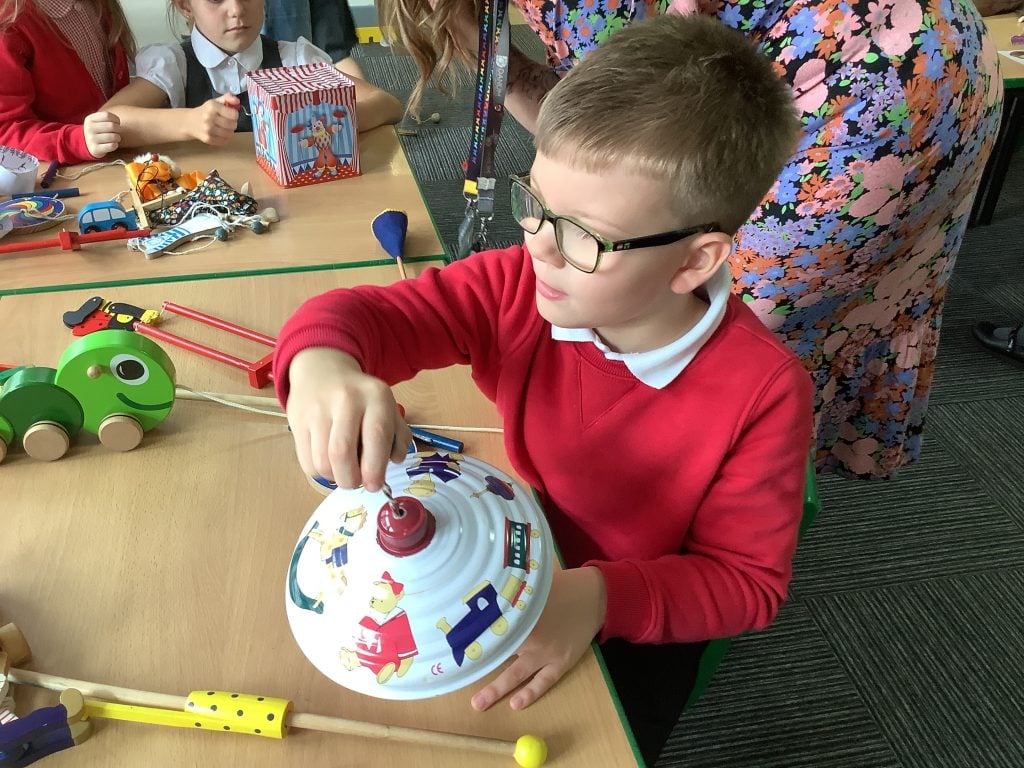
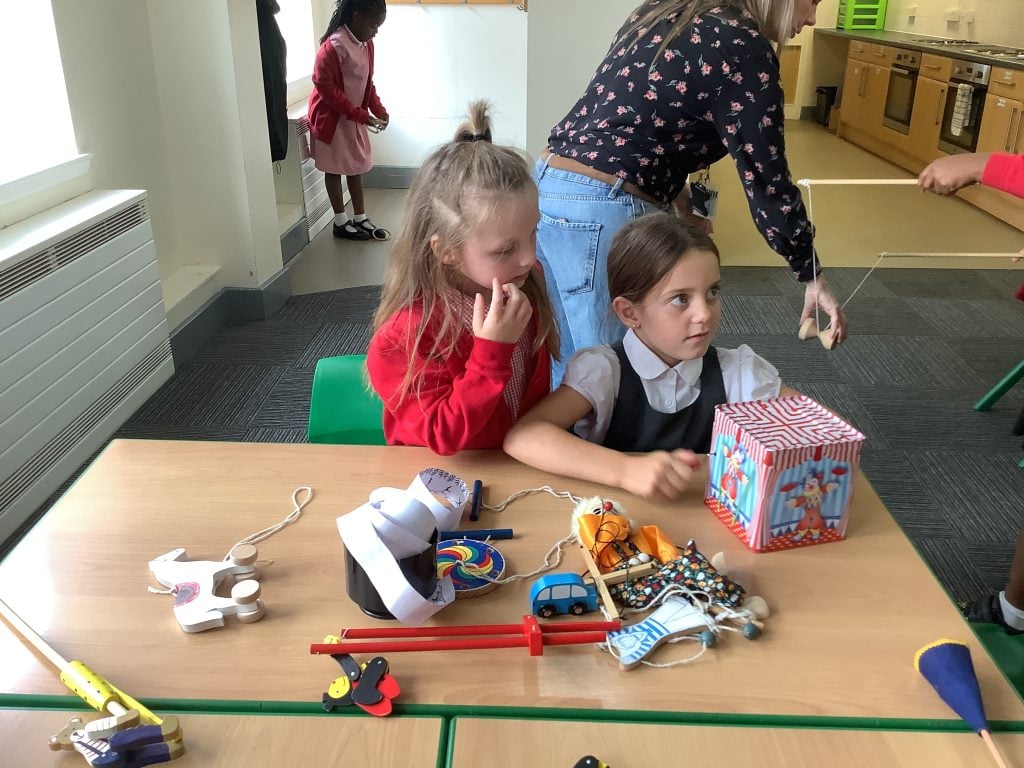
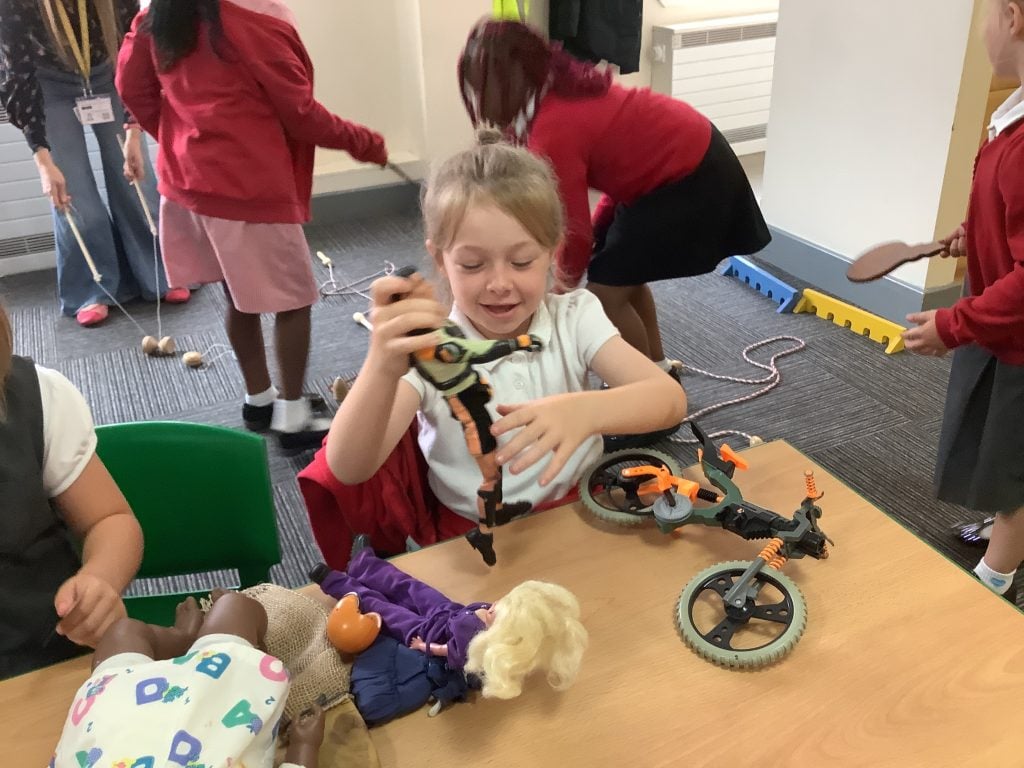
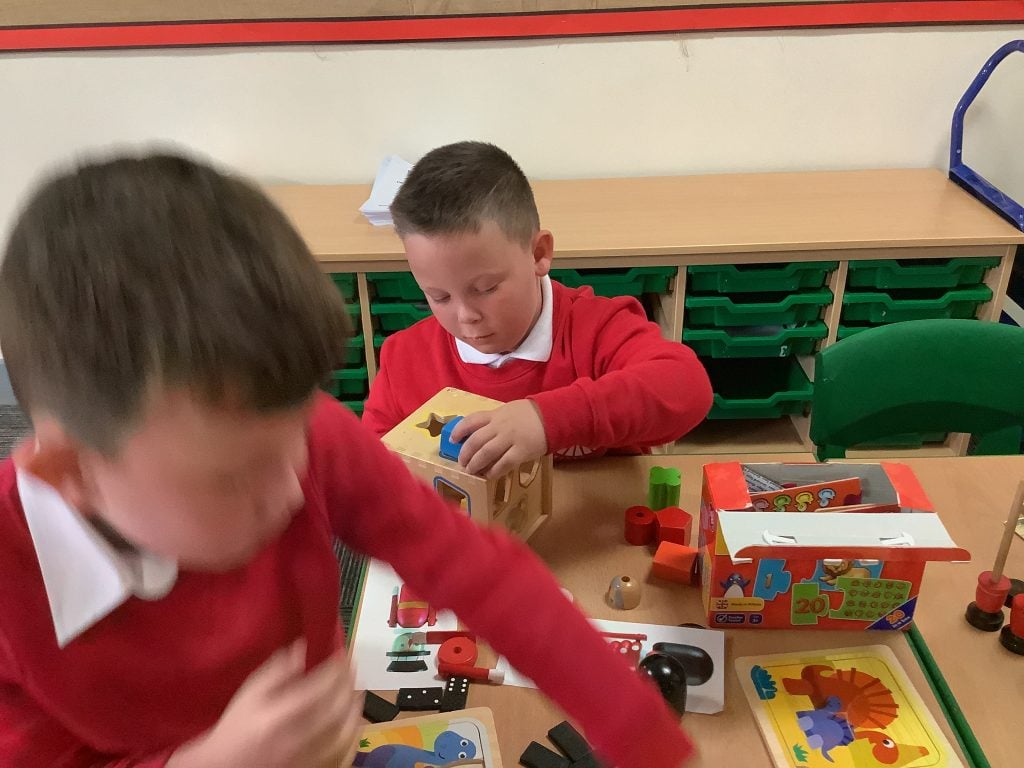
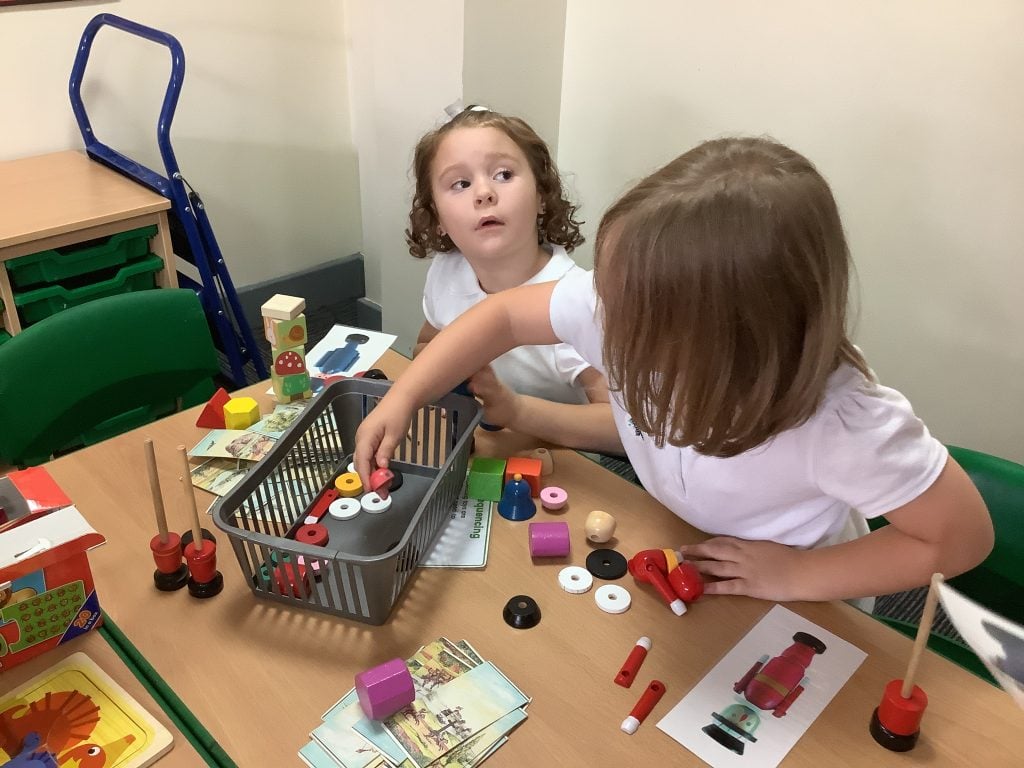
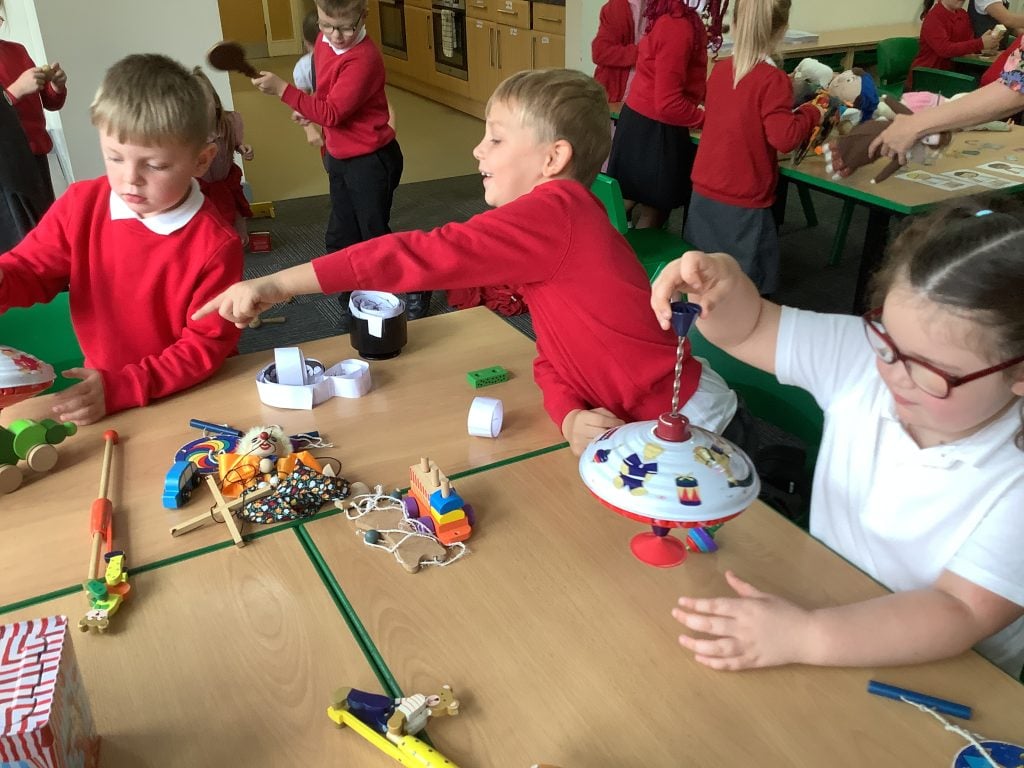
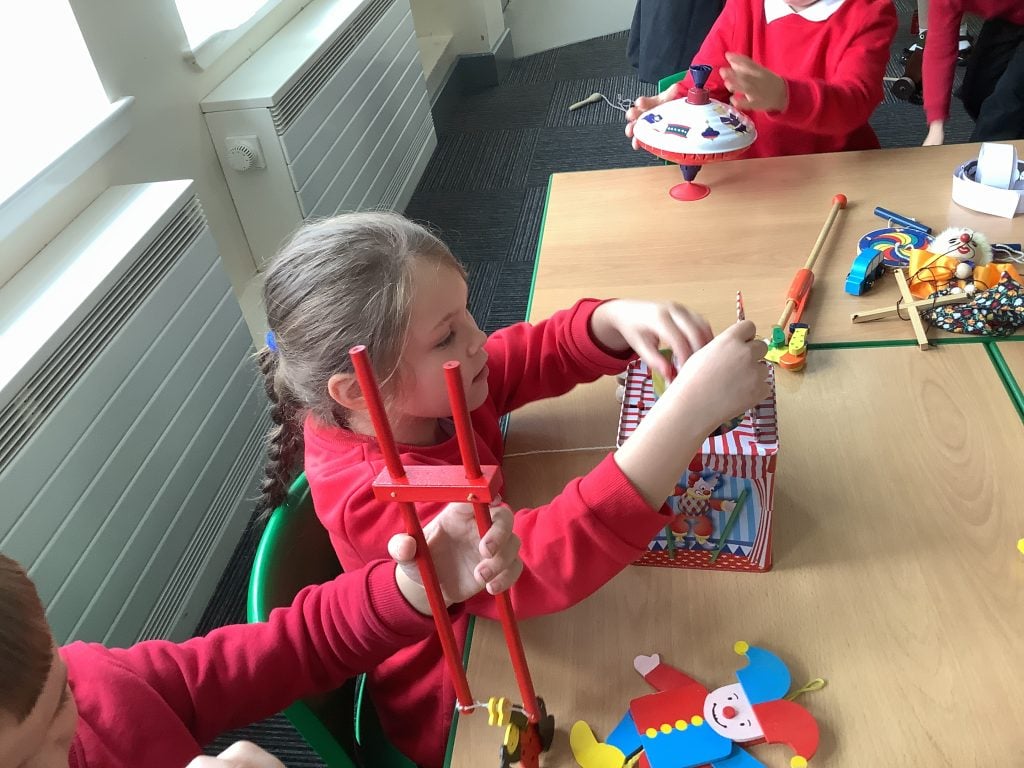
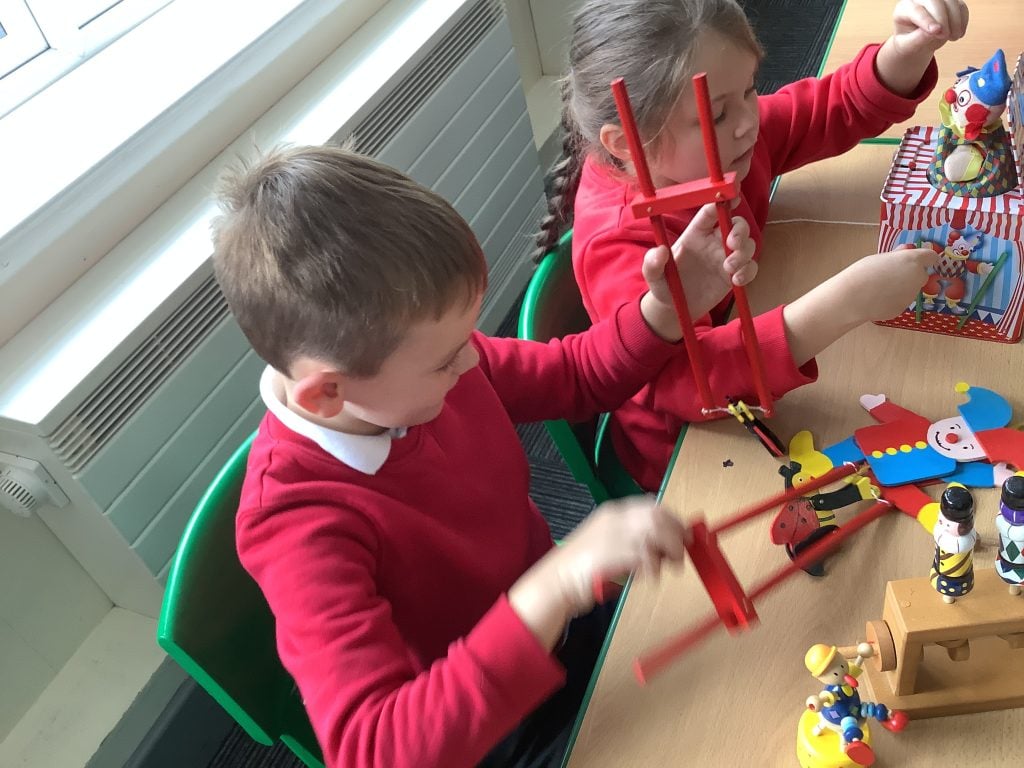
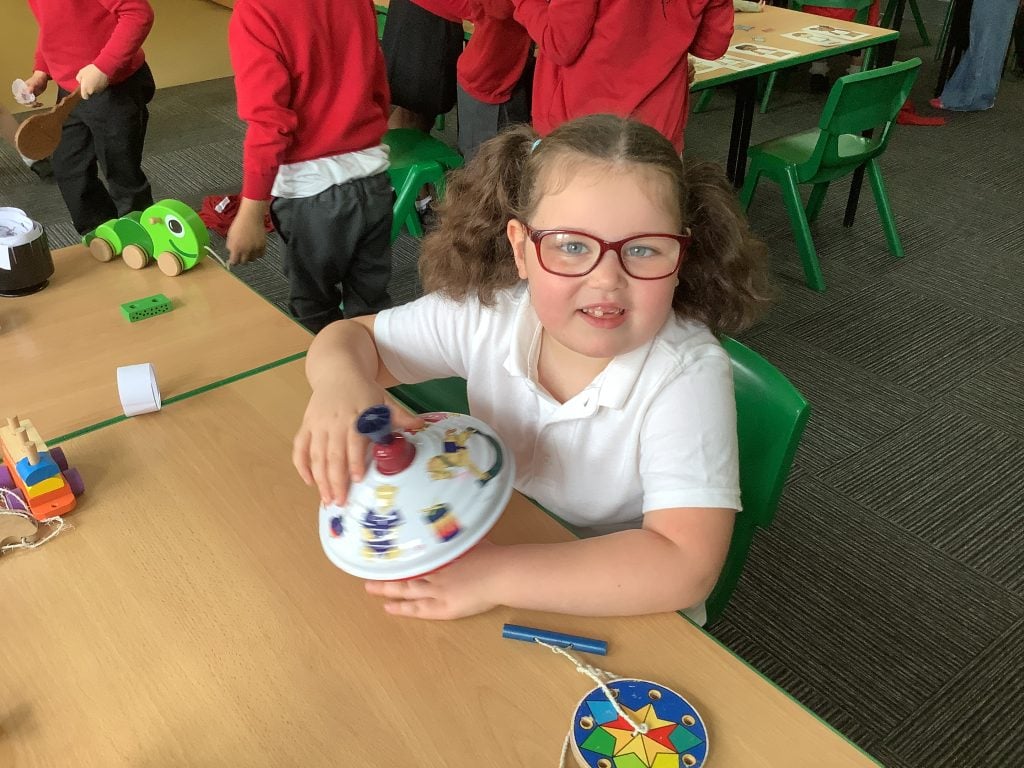
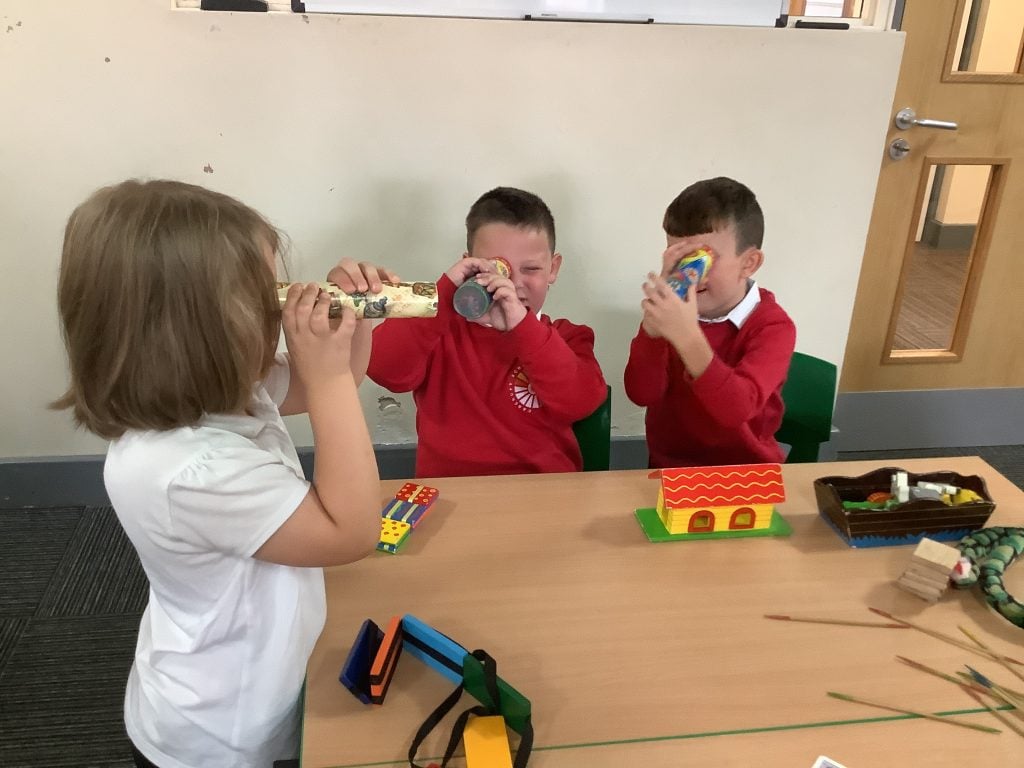
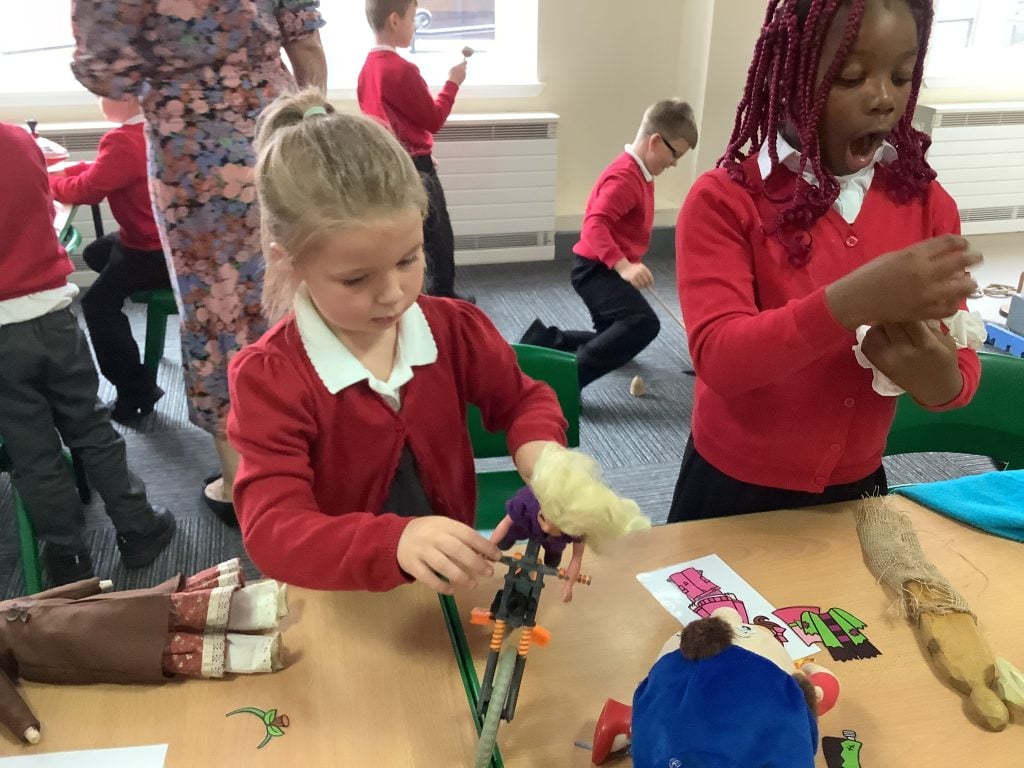
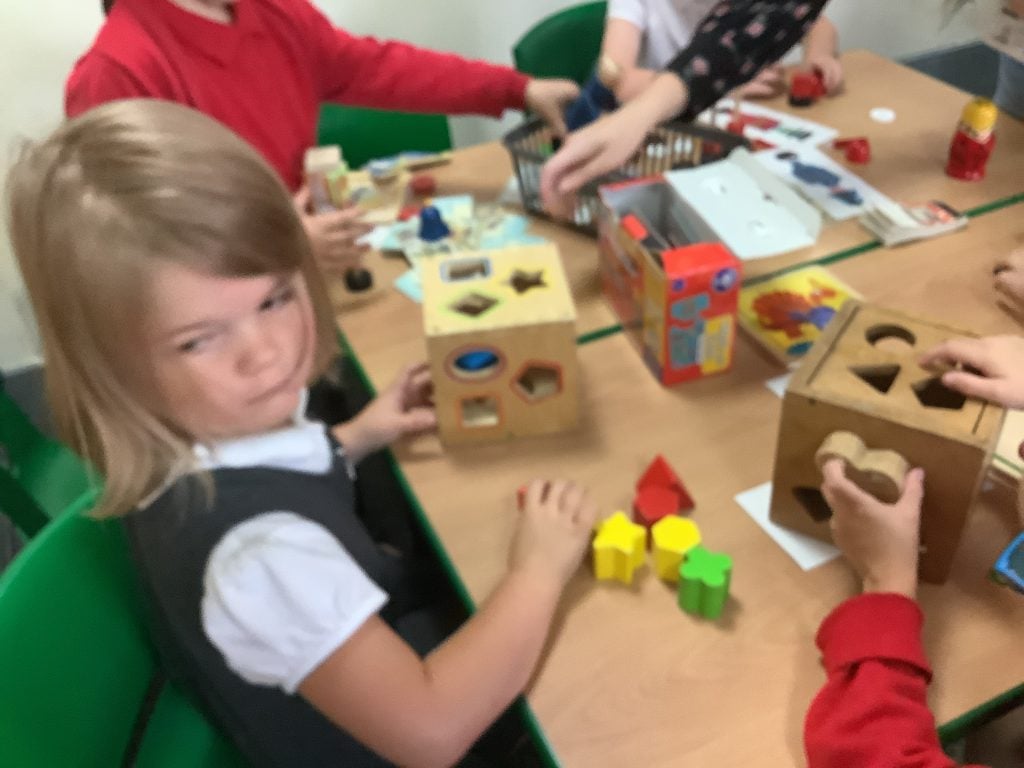
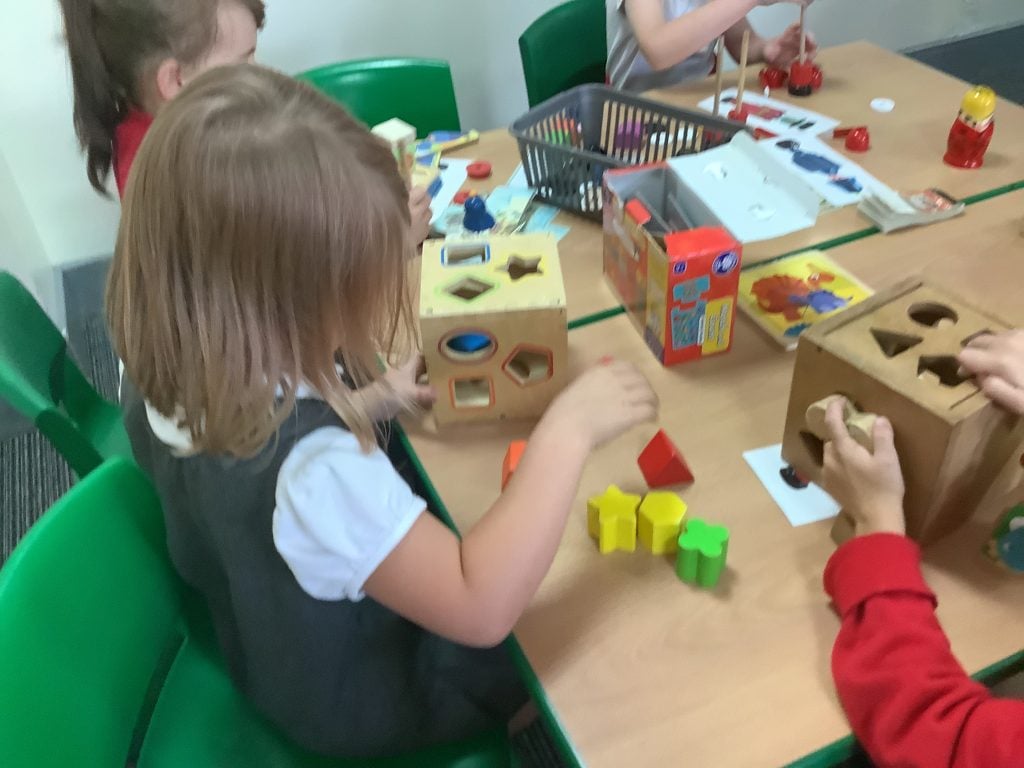
This week we have been trying to guess what our autumn expedition will be! We have had experts with old toys visiting our school, a play afternoon to showcase our favourite toys and a fieldwork trip to Cusworth Hall Museum. Here we are getting hooked on expeditionary learning! We would like to say a special thank you to our visitors and experts for all of your generosity this week. Also, a massive thank you to our volunteer helpers Mrs T and Blue for coming on our trip and Eila’s mum for your toy workshop at Cusworth Hall! We are so grateful for your acts of kindness in bringing this Hook Week alive.
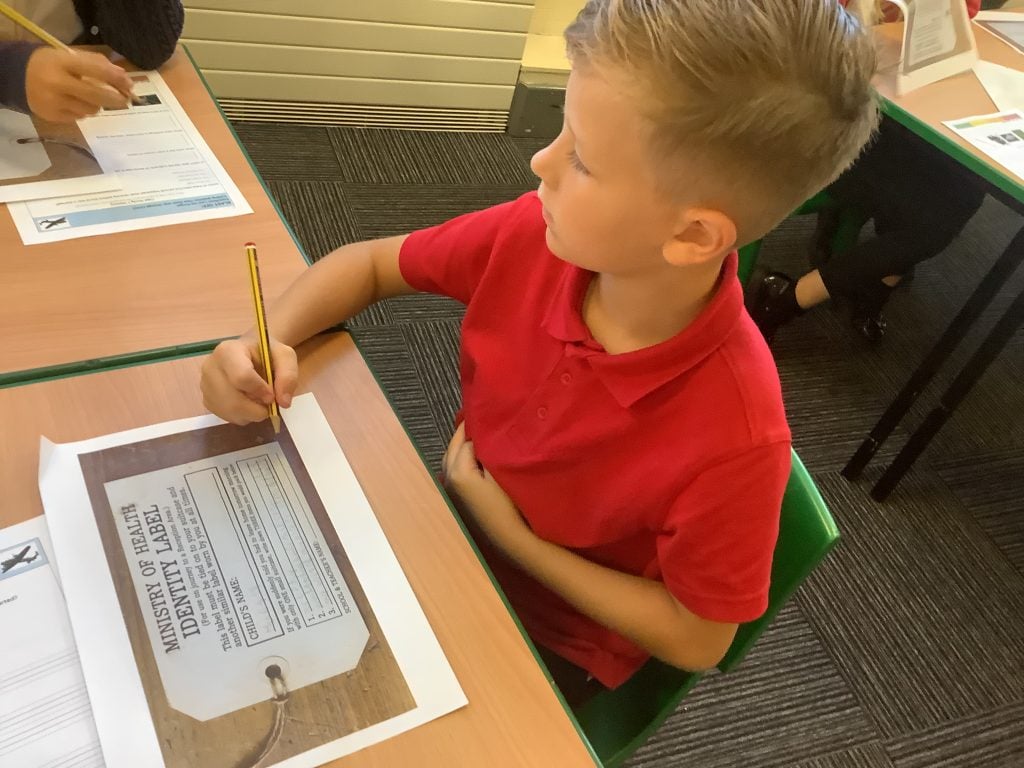
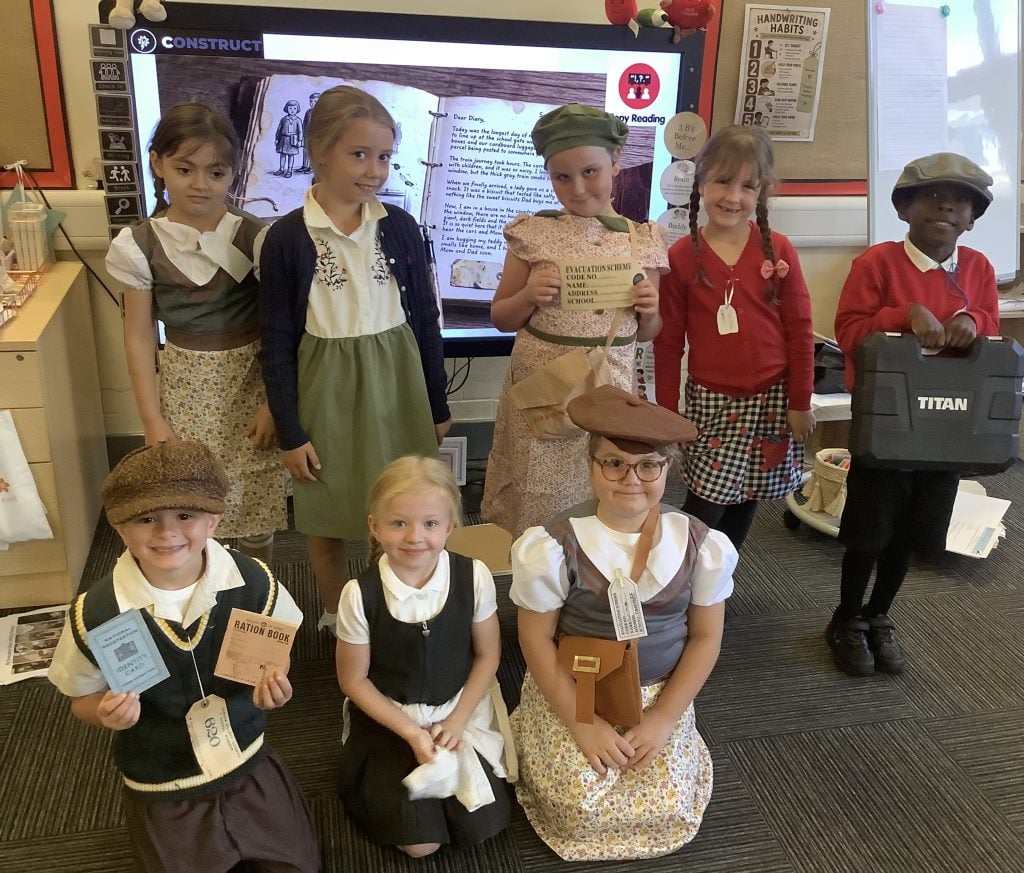
Year 3 had an exciting day stepping back in time as we began our new World War Two topic!
Some of us got into the spirit of the day by dressing up, helping us imagine what life might have been like during the 1940s. We certainly looked the part!
We started our morning by watching the opening of The Lion, the Witch and the Wardrobe. This helped us to understand what it might have felt like for children who were evacuated from their homes during the war. We then put ourselves in the shoes of an evacuee and wrote our own WW2 diary entries, imagining what it would have been like to leave our families and travel somewhere unfamiliar.
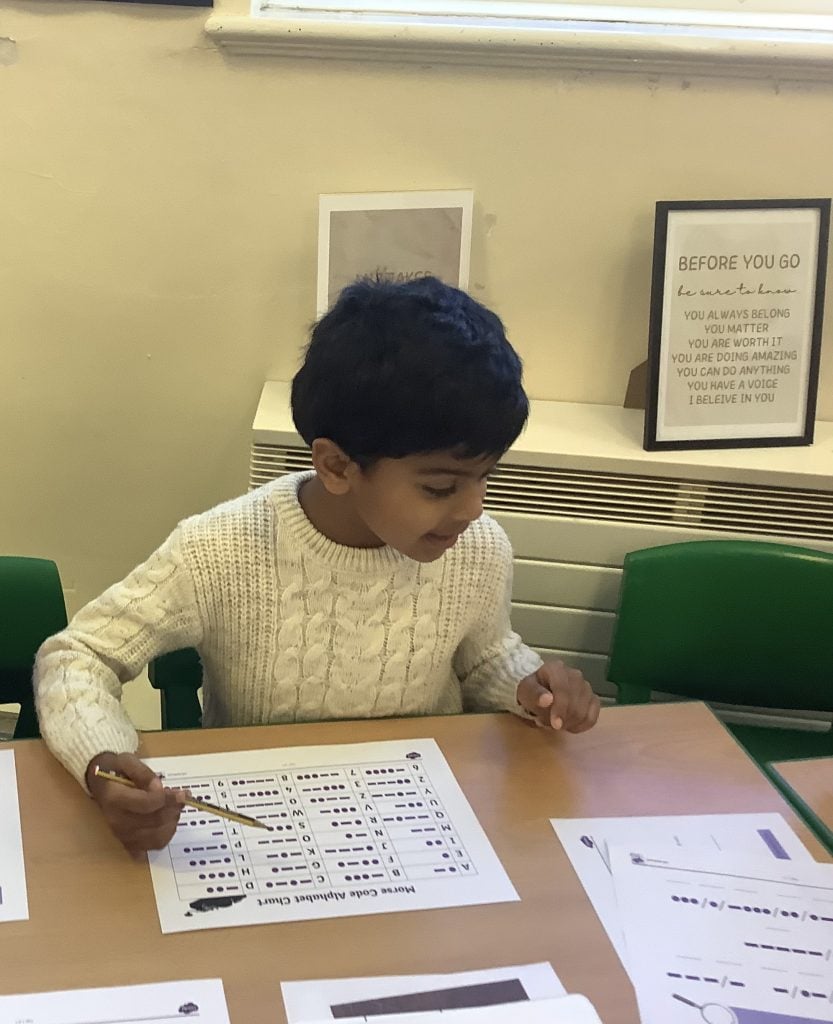
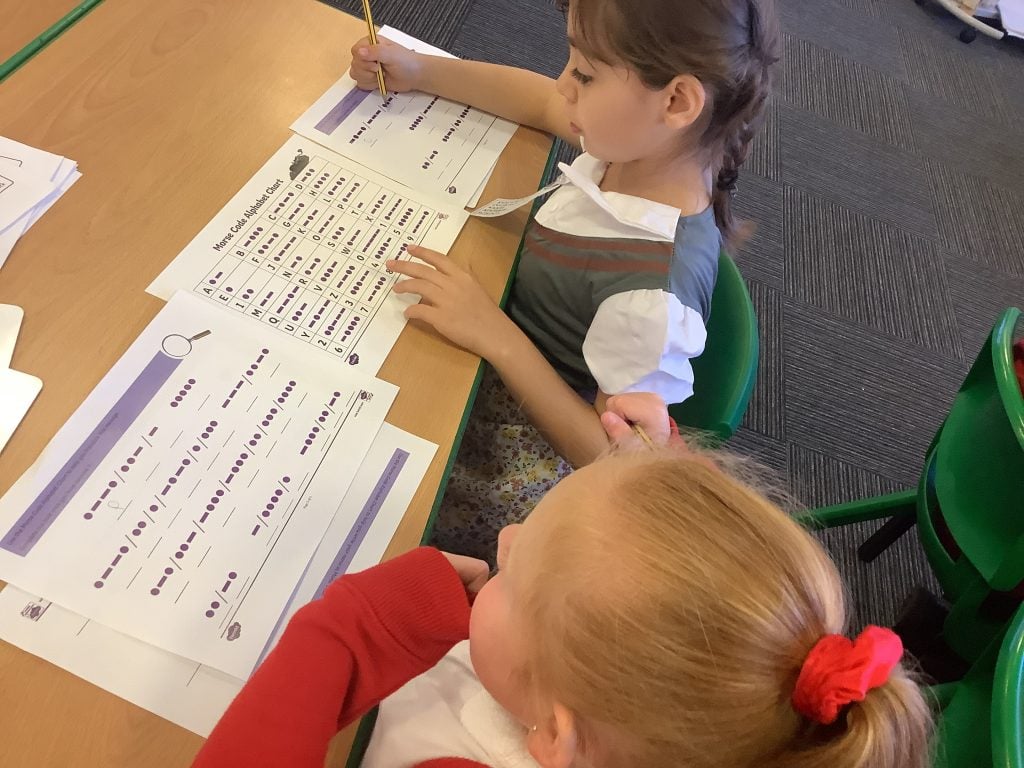
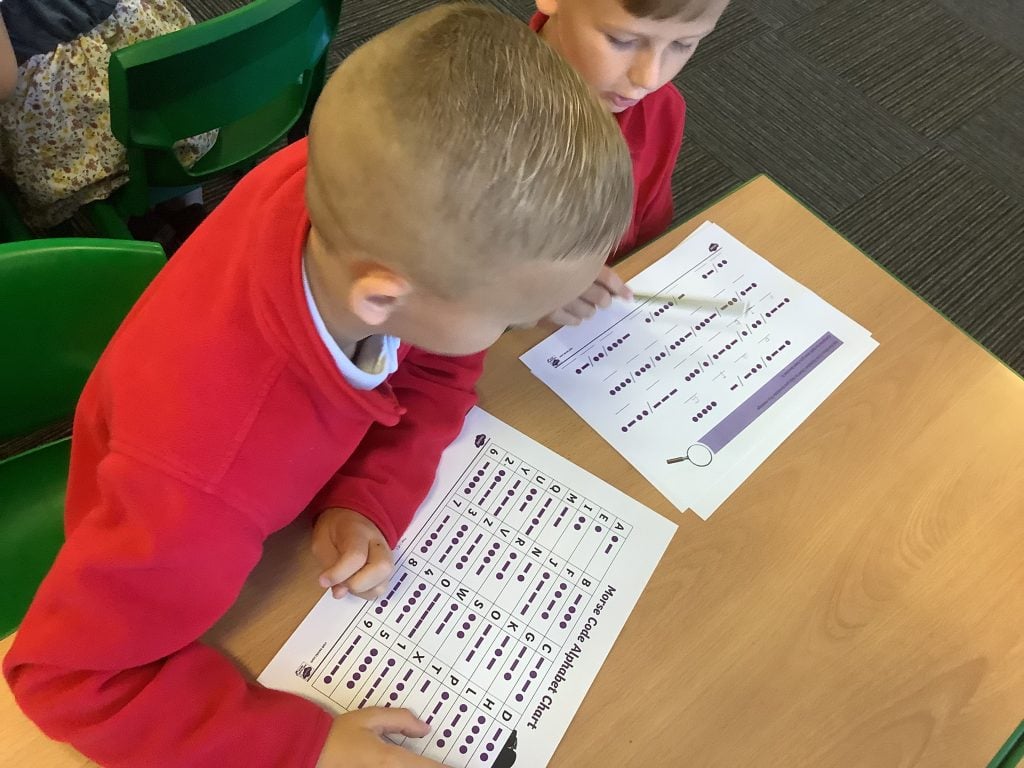
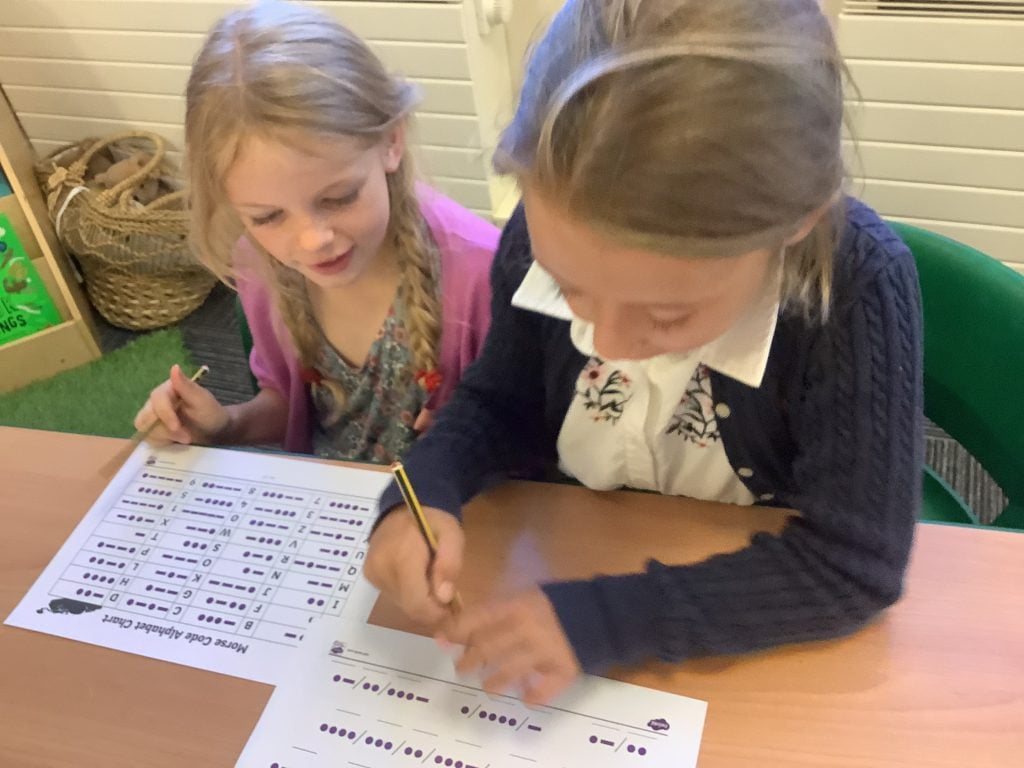
But our day wasn’t finished there! Suddenly, an air raid siren sounded, alerting us to danger. We had to think about how people would have felt hearing this sound during the war. We also had the chance to listen carefully to Morse code and work out the hidden messages being sent.
Then it was our turn to become secret codebreakers! We learned how messages could be communicated secretly and created our own secretmessages for others to unpick.
It was a fantastic day of learning, imagining and investigating,and we can’t wait to find out more about WorldWarTwo as our expedition continues!
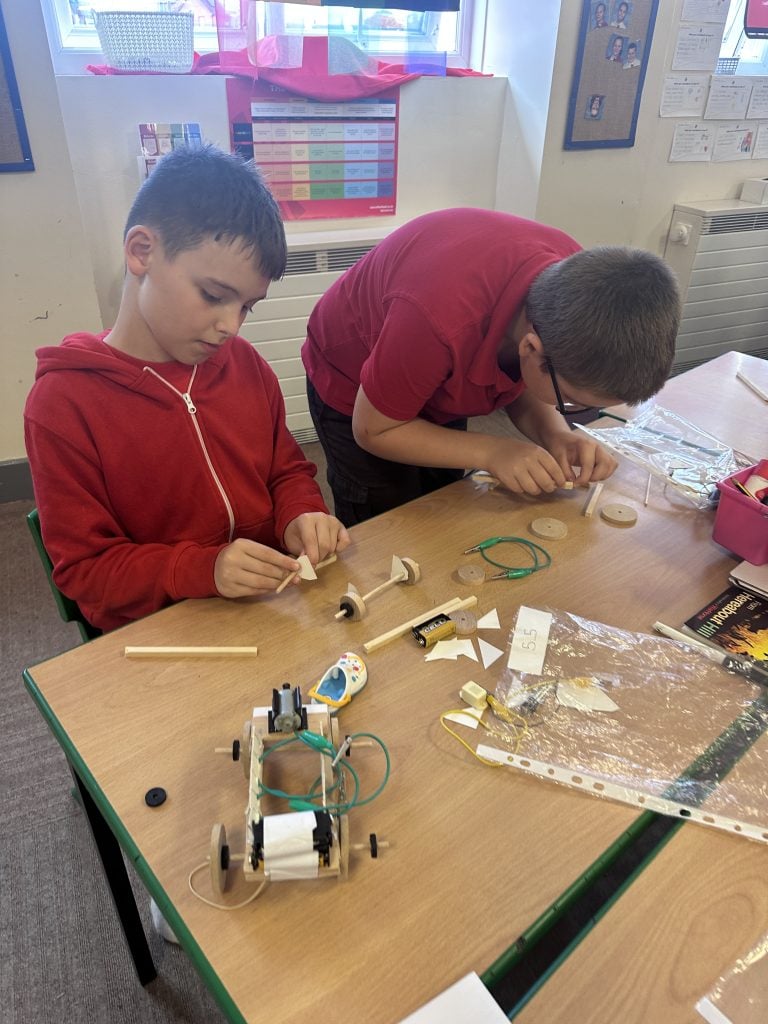
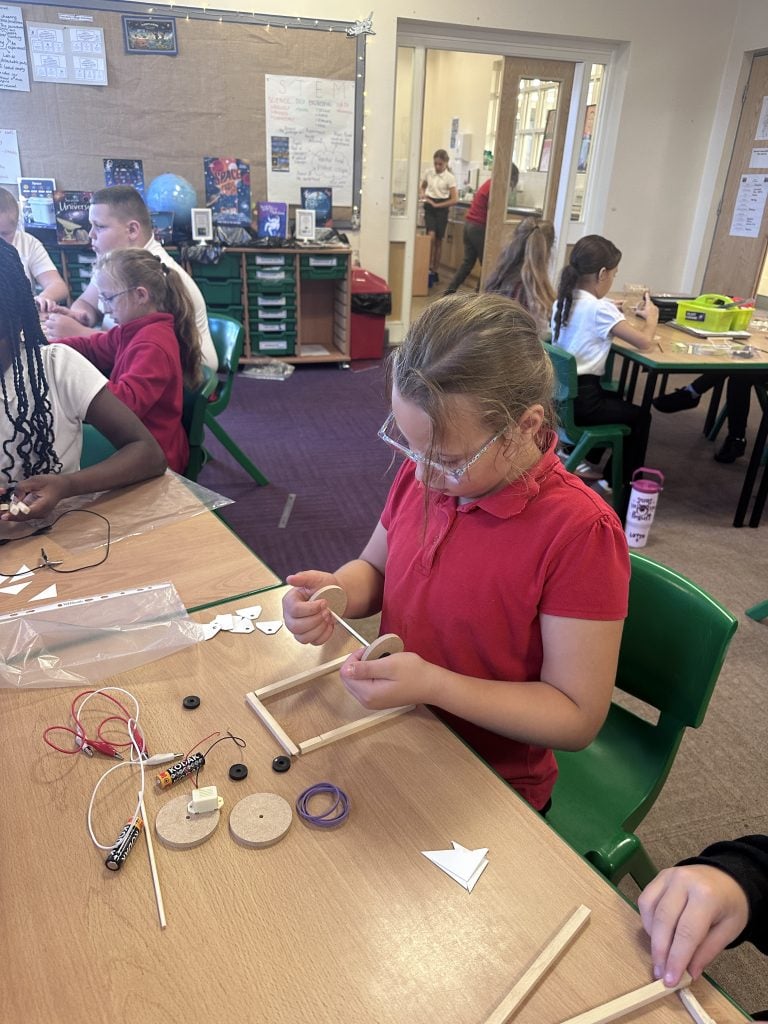
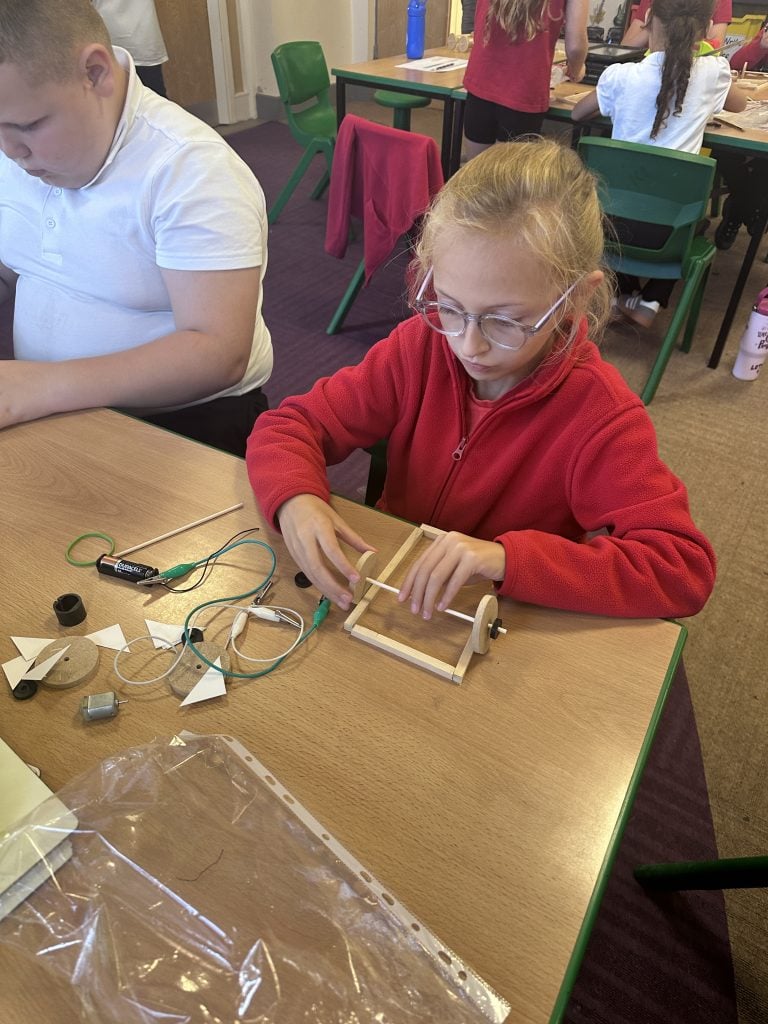
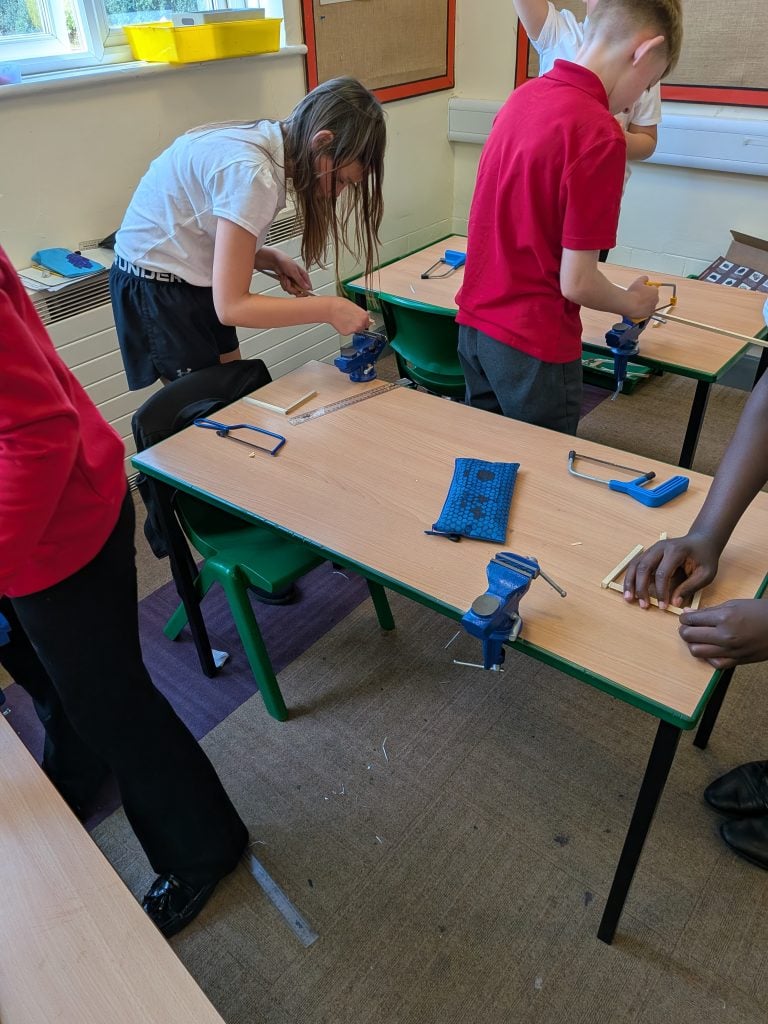
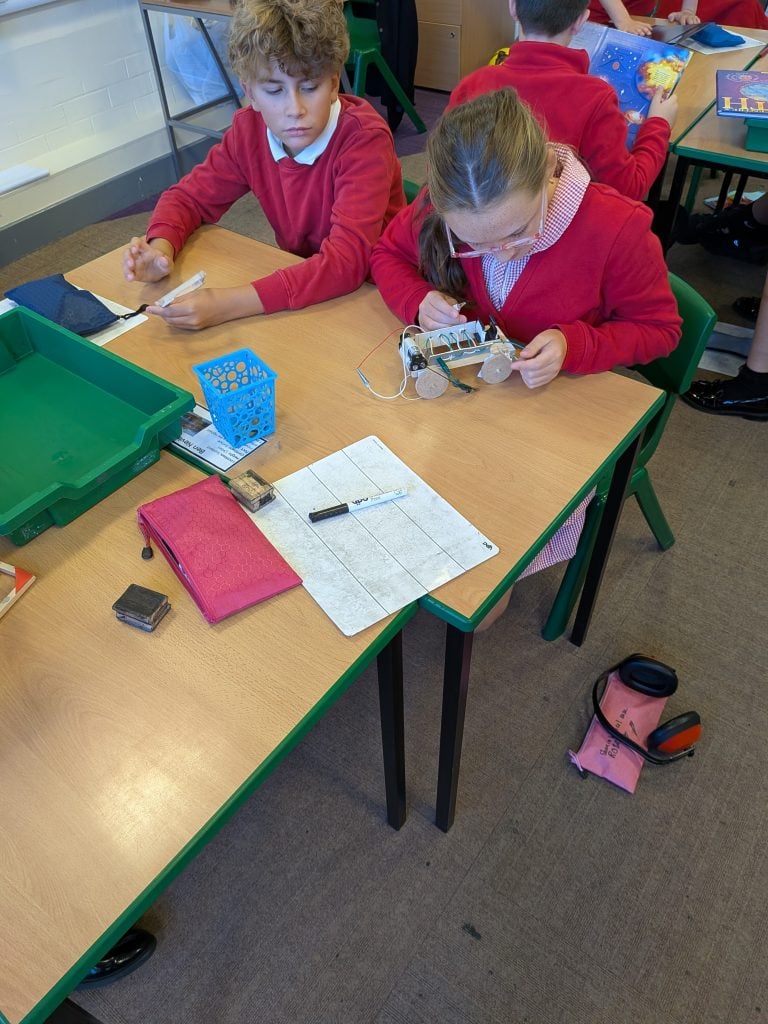
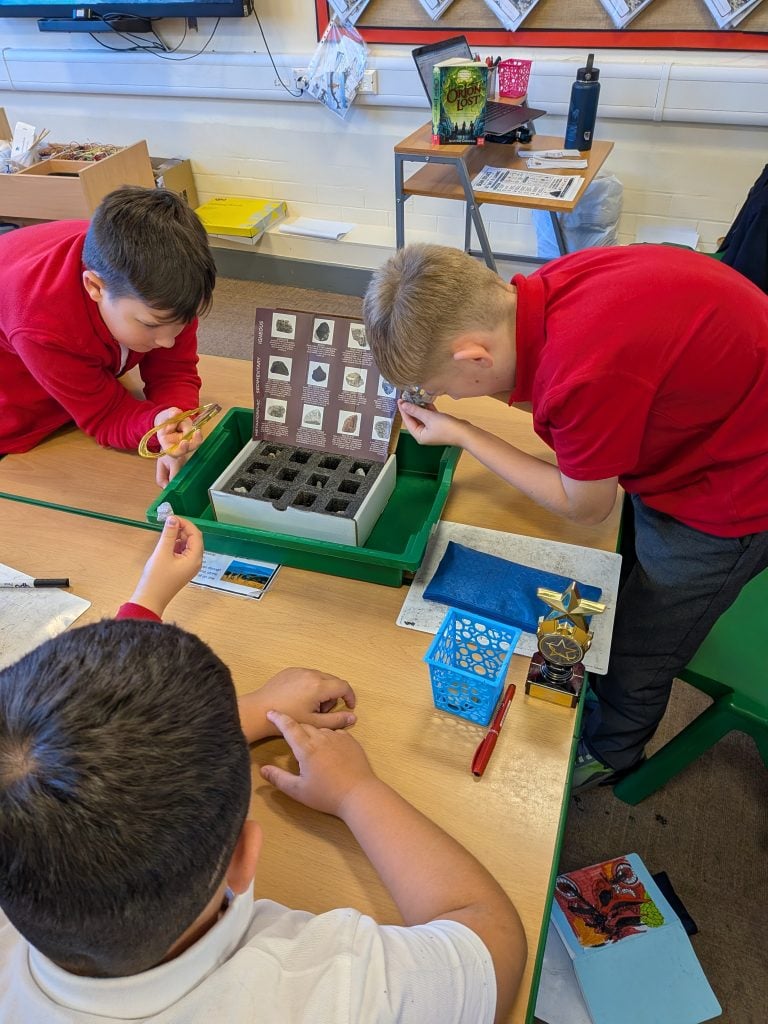
Today, our classroom became a Mars research and engineering centre as the children began their mission to design and build their own Mars rovers.
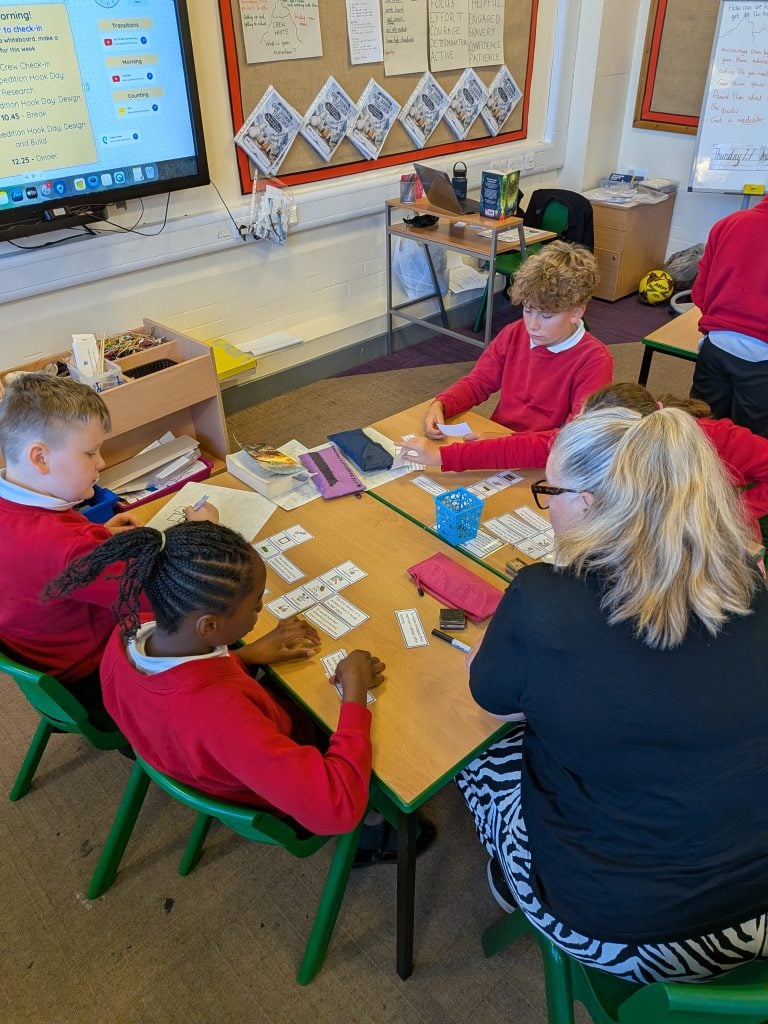
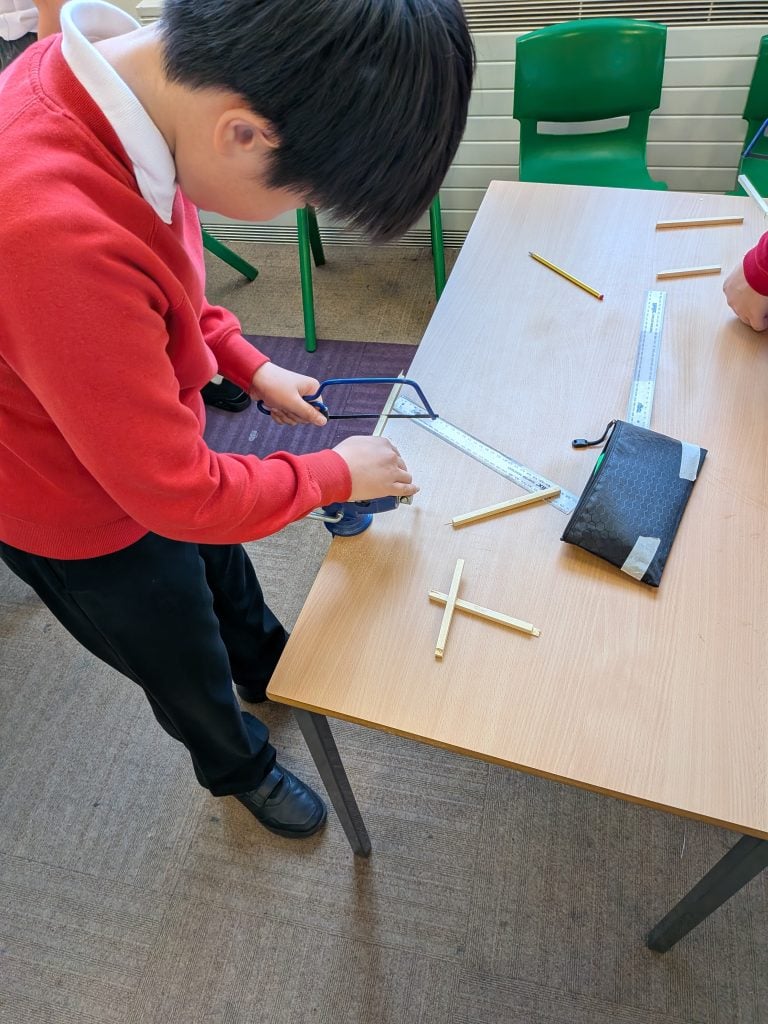
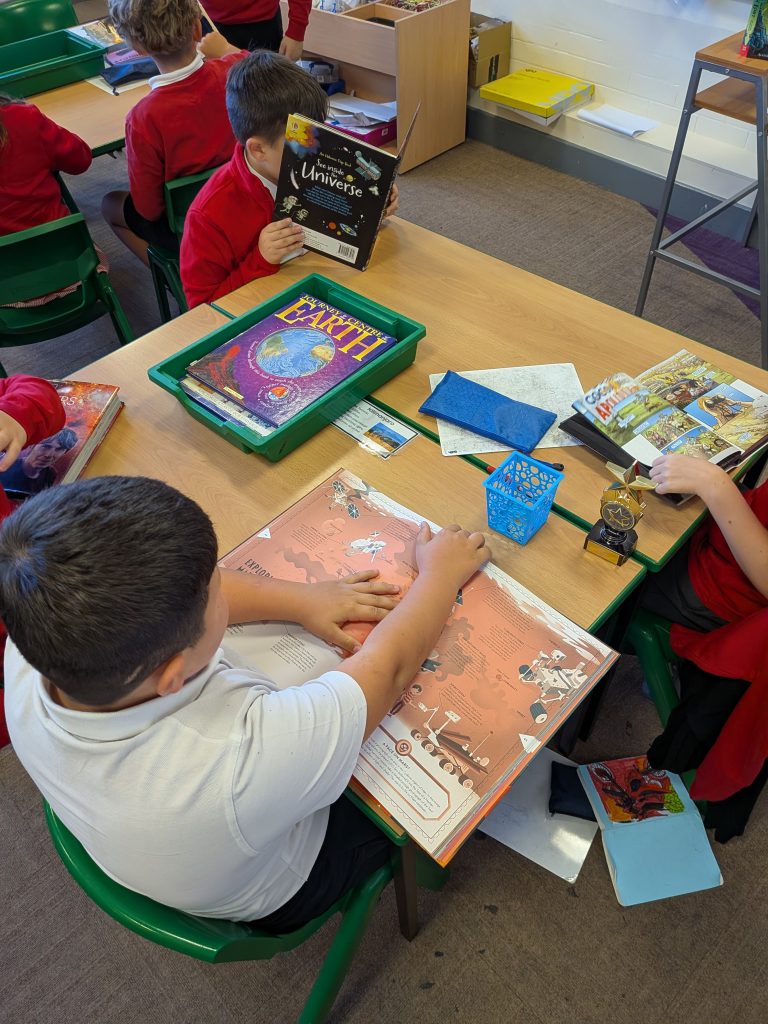
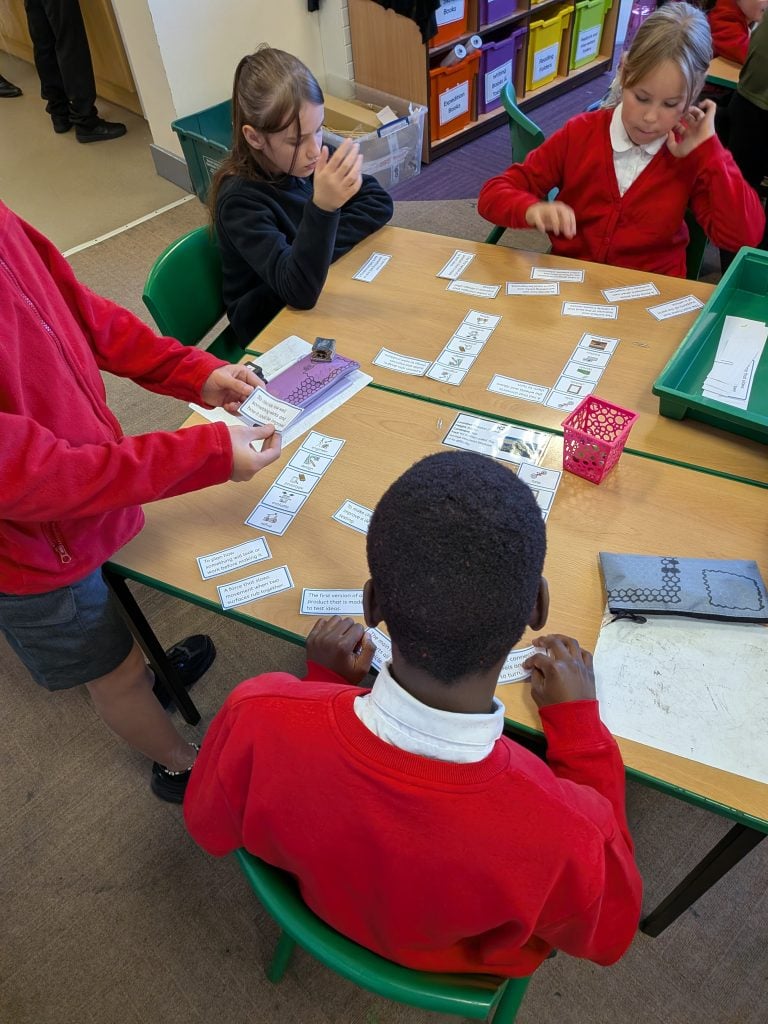
We started with a research carousel. The children explored NASA mission photographs, watched footage of a rover landing and investigated the challenges of reaching Mars safely. They measured a wooden chassis, examined rock samples, developed key vocabulary and used non-fiction books to discover more about space exploration.
Next, the children compared four famous rovers: Curiosity, Perseverance, Opportunity and Spirit. They identified features such as camera masts, robotic arms, solar panels, wheels and suspension. Importantly, they considered the purpose of each feature before selecting ideas for their own designs.
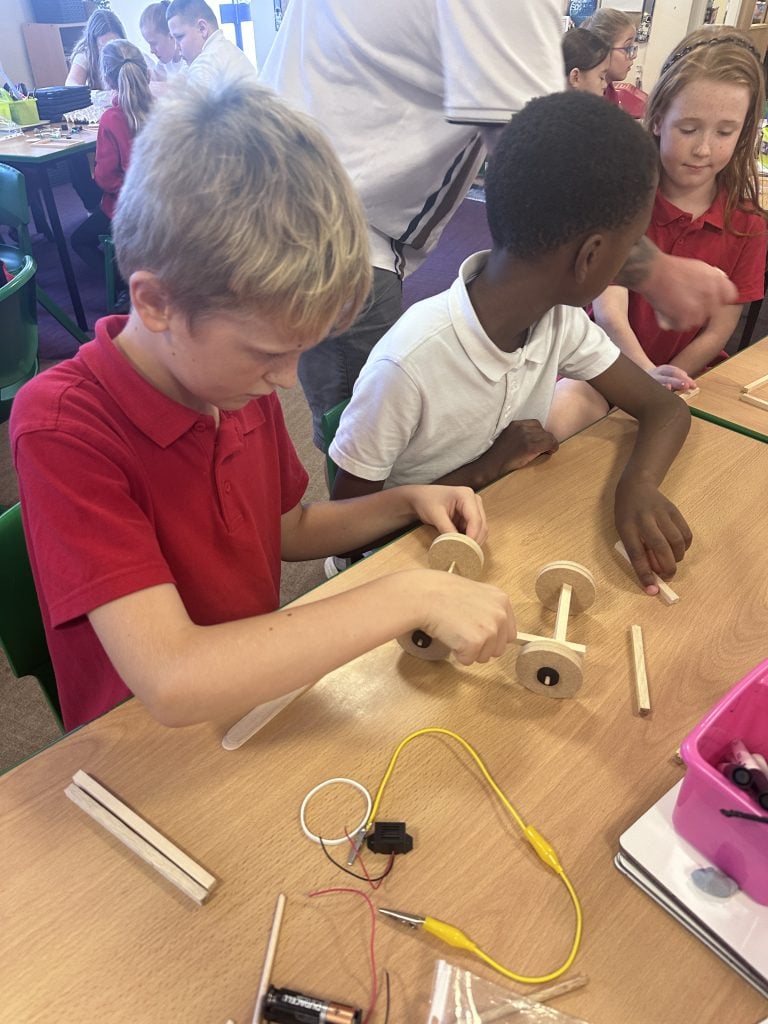
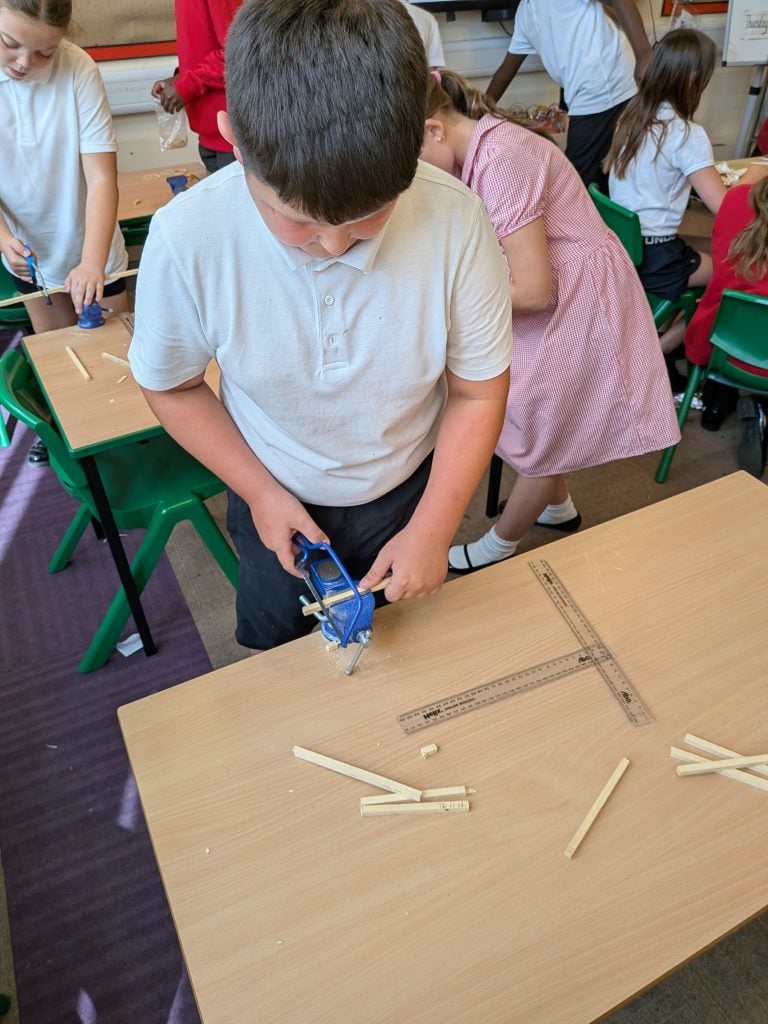
During the building activities, the children tackled three engineering challenges. They carefully measured and cut wood for their chassis, created prototypes of possible rover features and built electrical circuits to power a motor. They tested their ideas and made changes when something did not work as expected.
We were particularly impressed by the children’s curiosity, teamwork and perseverance. Like real engineers, they had to communicate, solve problems and learn from their first attempts.
Today’s research, designs and prototypes will guide the children as they continue developing and building their finished Mars rovers. We cannot wait to see where their ideas take them next!