Learning Lifesaving Skills Together: Family First Aid Session🫀

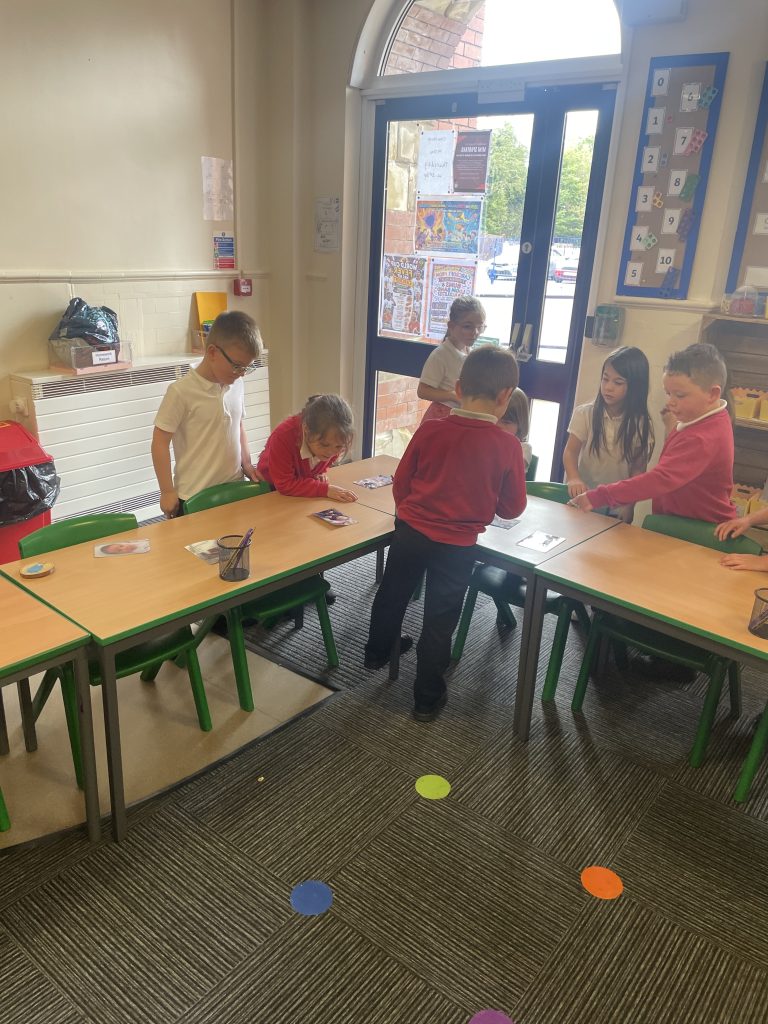
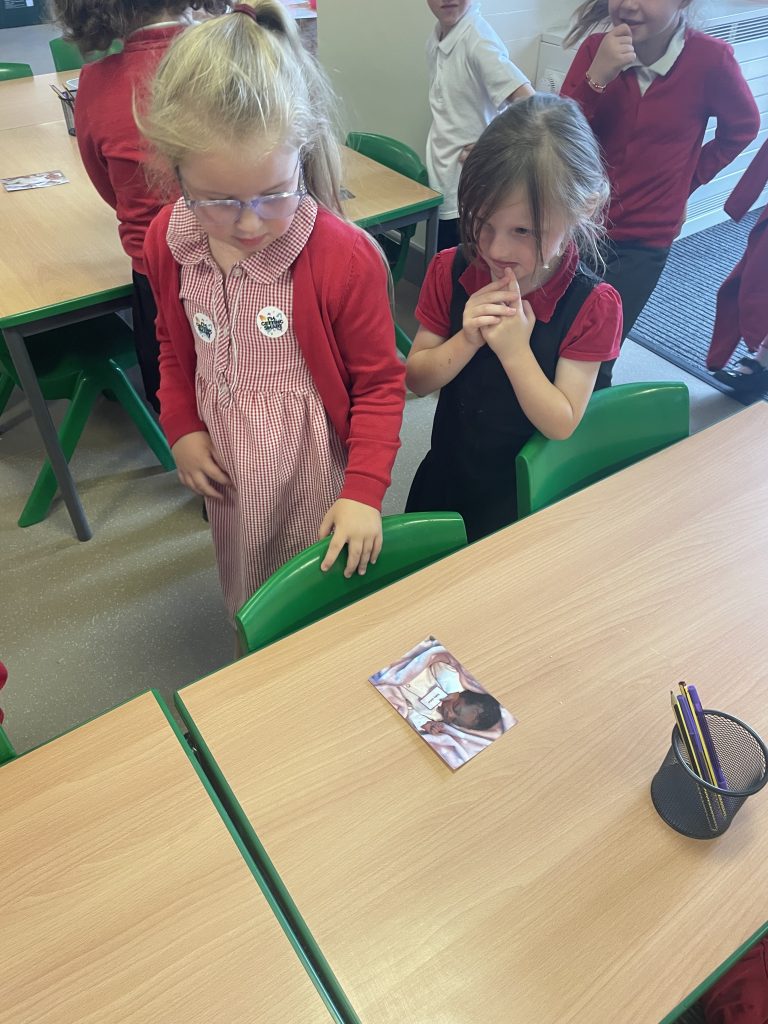
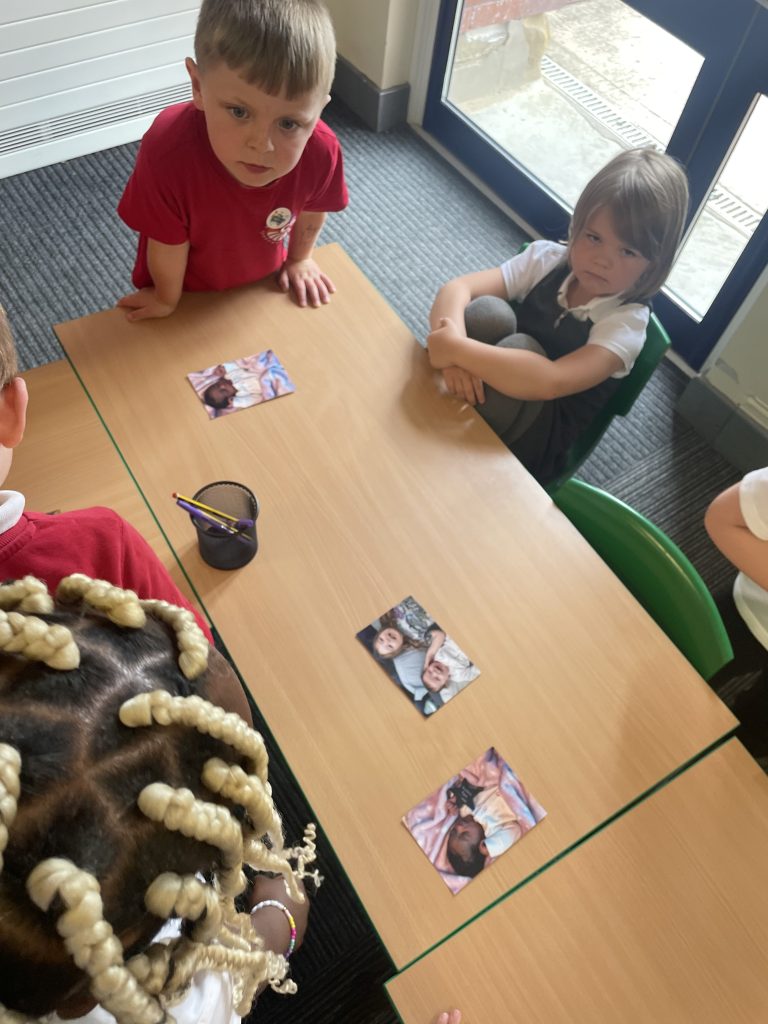
Last week, our children took part in an engaging and informative family learning session focused on first aid basics. The session provided a valuable opportunity for children and their families to learn essential skills that could one day help save a life.

One of the key areas of learning was Cardiopulmonary Resuscitation (CPR). Children were introduced to the correct steps involved in performing CPR and practised the technique using demonstrations and role-play activities. They learned the importance of acting quickly in an emergency and how effective CPR can help someone whose heart has stopped beating.
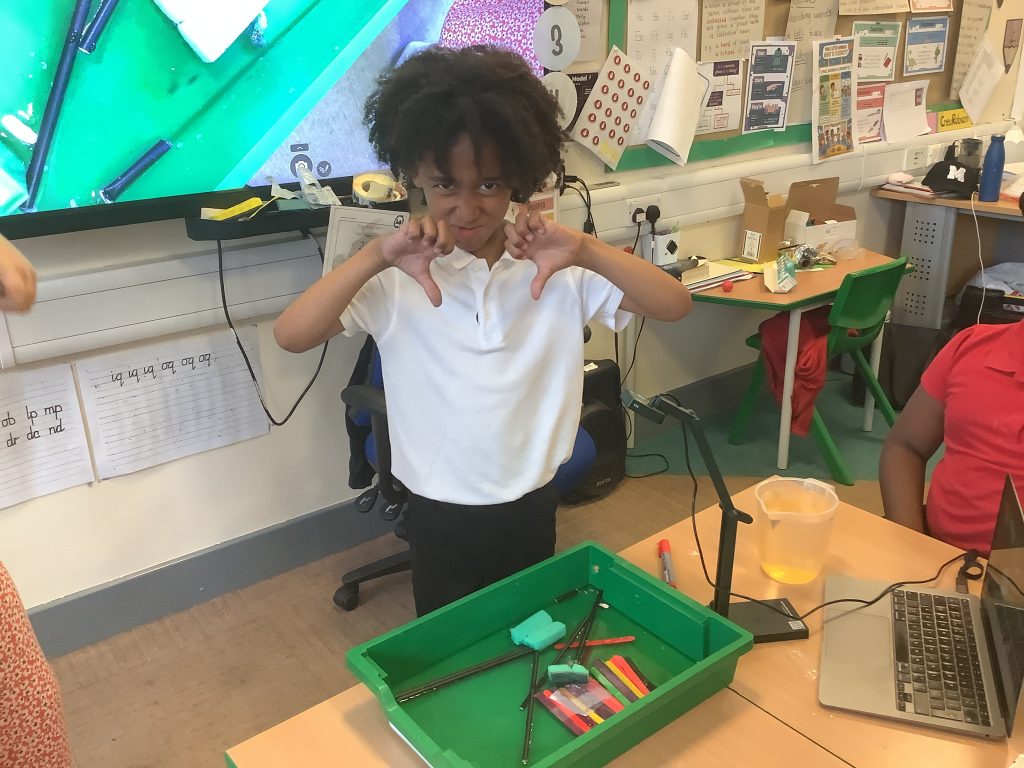
The children were also introduced to the DR ABC approach, a simple but vital method used when responding to an emergency situation:

  • D – Danger: Check that the area is safe.
  • R – Response: Check if the casualty is responsive.
  • A – Airway: Ensure the airway is open and clear.
  • B – Breathing: Check whether the casualty is breathing normally.
  • C – Circulation/CPR: Begin CPR and call for emergency help if required.

Through discussions and practical activities, the children developed a greater understanding of how to assess a situation calmly and safely before offering help.

We are incredibly proud of the children for their participation and commitment. The knowledge and confidence they gained from this session will be invaluable and we hope they continue to share what they have learned with their families and wider community.

Endangered Animals!

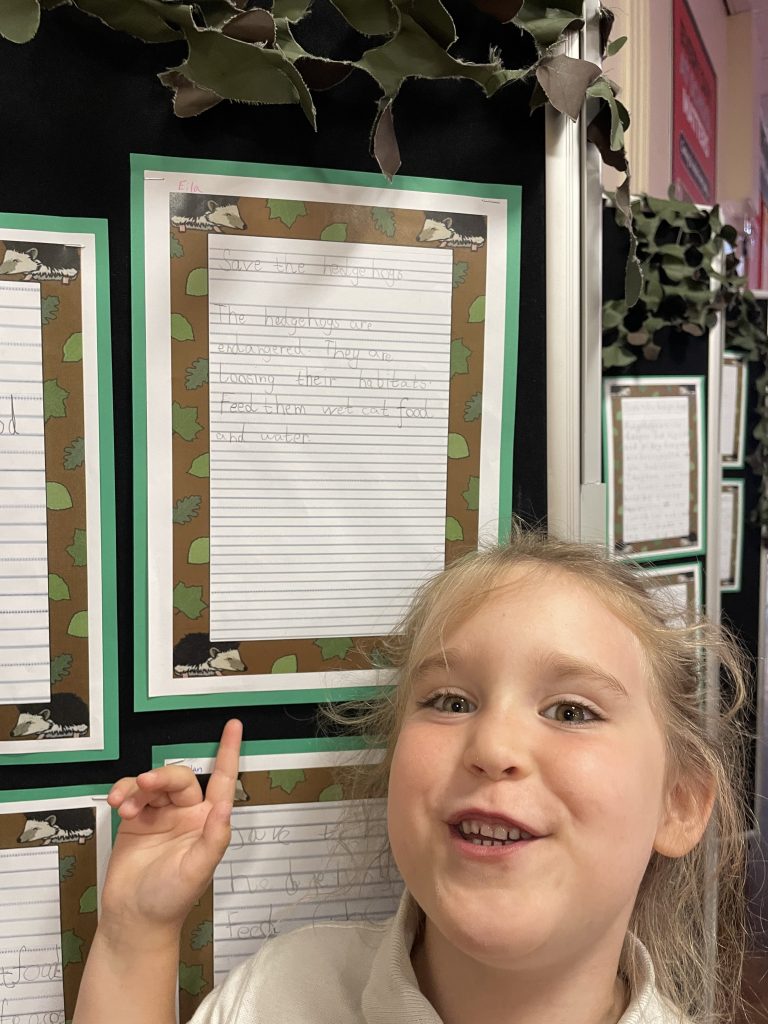
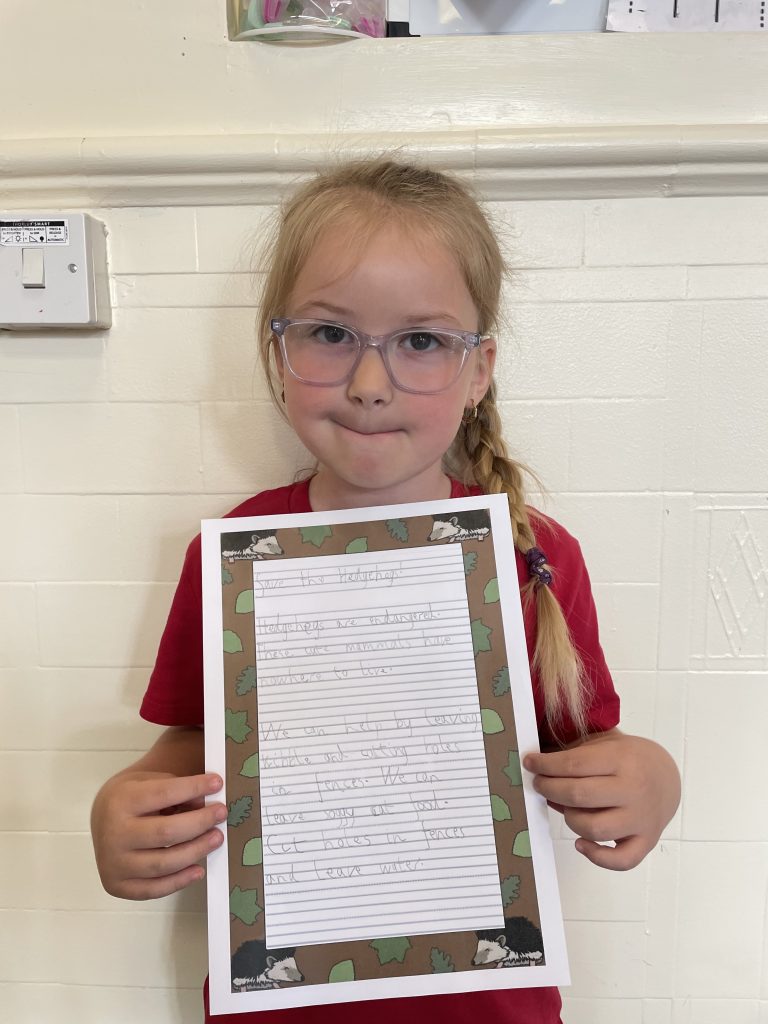
We have been researching endangered animals using one of our Expedition Anchor Texts, Red Alert! We have been gathering information to help us write an information text about what leads to extinction and how this can be prevented. We decided to focus on sea turtles but before that we loved learning about frogs, bears and many more endangered species!

Ancient Egyptian fact-finding

This week, in Crew White we have been delving deeper into the history of Ancient Egypt to find how just how advanced they were as a society and civilisation. We started by ordering some key events over the time period then became historians and looked at a range of secondary sources. We finished our lesson by answering the question, ‘How do we know the Ancient Egyptians were advanced?’
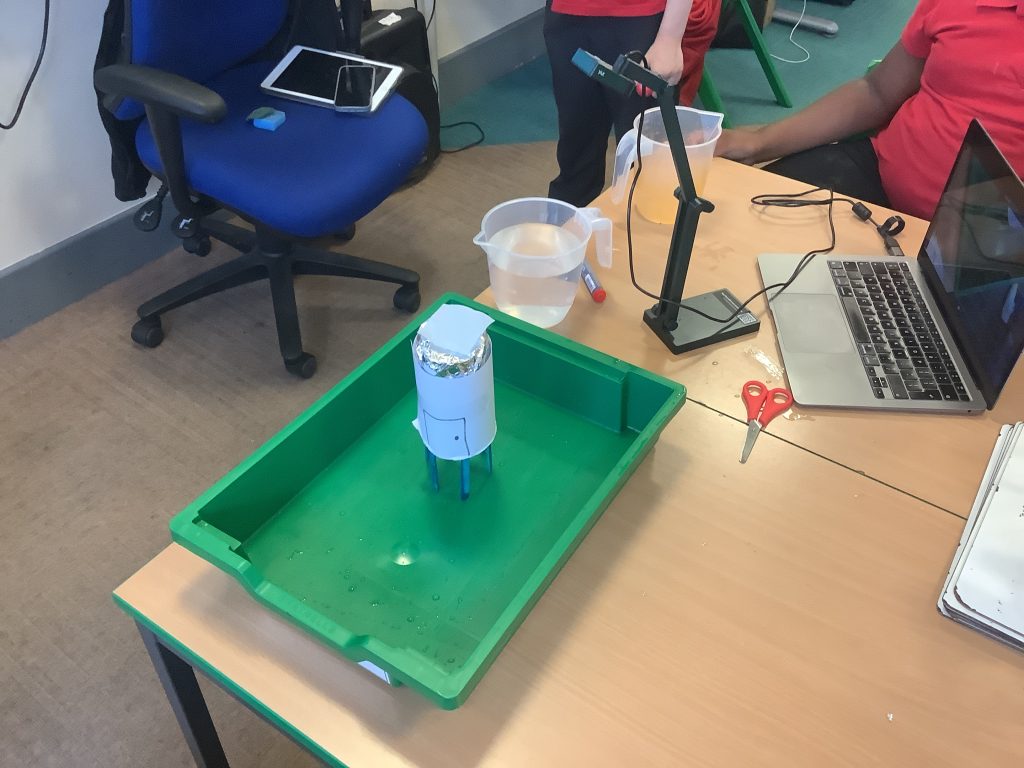
Crew McLoughlin Become Historians!

This week, Crew McLoughlin stepped into the role of historians as they explored a range of Ancient Egyptian artefacts. Using their Historian’s Note Pages, the children carefully examined each artefact and recorded their observations, describing exactly what they could see, including shapes, materials, symbols and patterns. They then used these clues to make inferences about what the artefacts may have been used for and what they could tell us about life in Ancient Egypt.
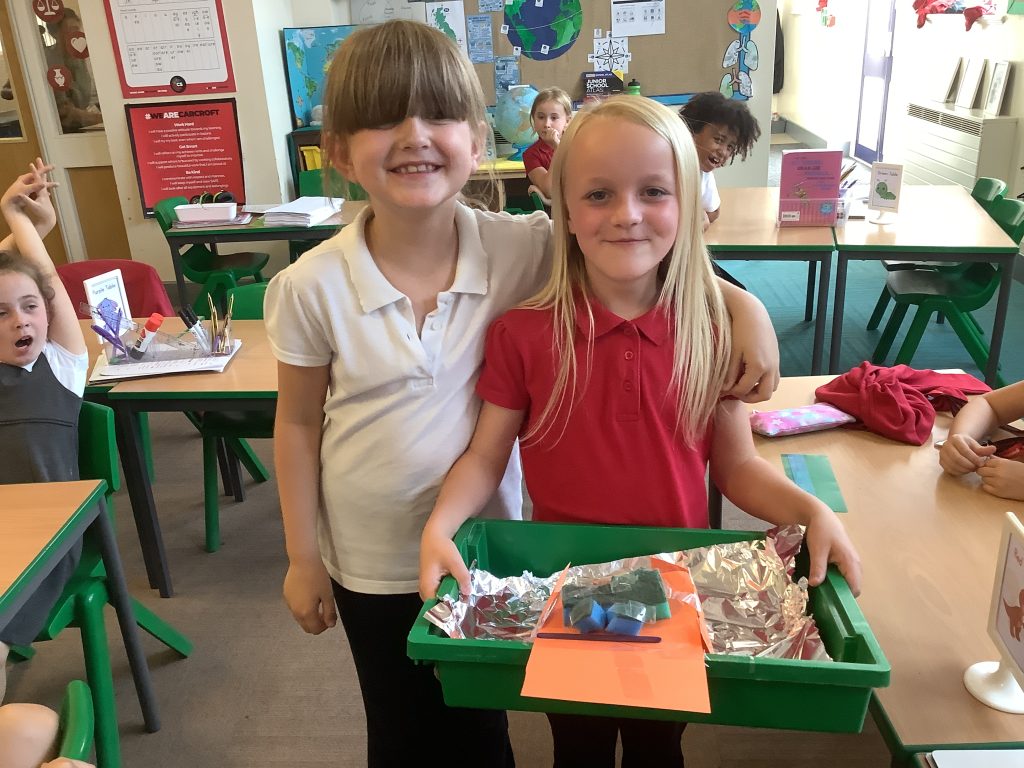
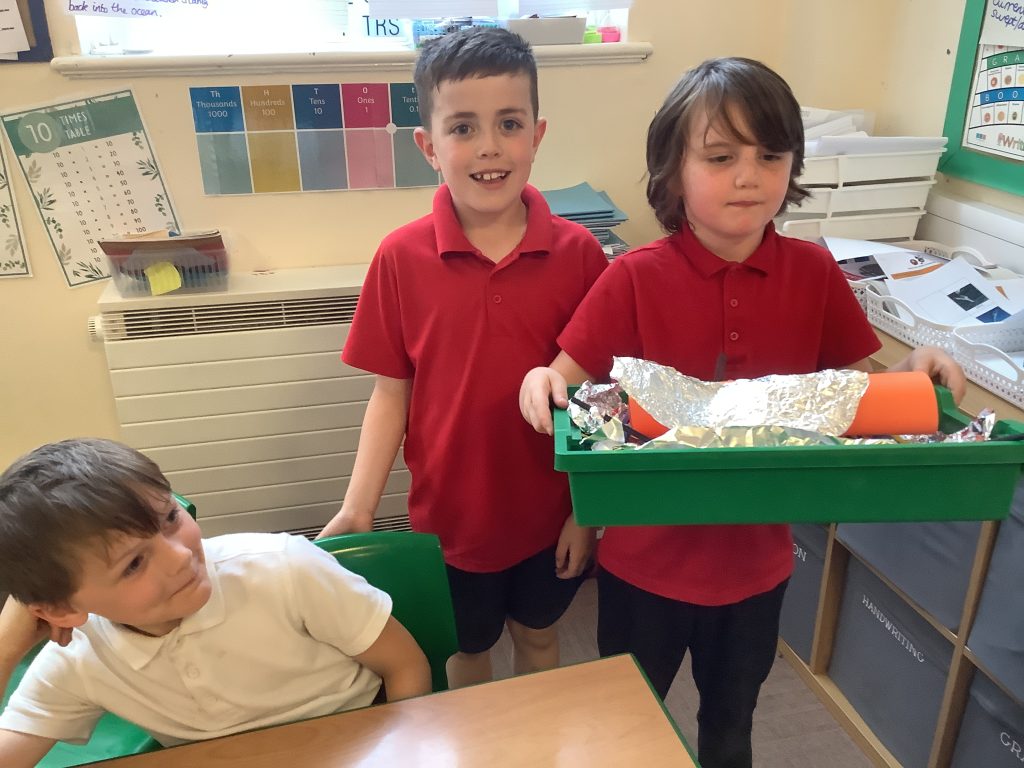
As part of their historical enquiry, the children also generated thoughtful questions about the artefacts, considering who may have used them, why they were created and what they reveal about Ancient Egyptian society. Through discussion and investigation, the children demonstrated curiosity, critical thinking and a growing understanding that historians use evidence to build a picture of the past. We were incredibly impressed with the insightful ideas and questions that emerged and look forward to continuing our journey into the fascinating world of Ancient Egypt.

Crew McLoughlin Takes Part in First Aid Training

Crew McLoughlin recently took part in an exciting and informative first aid training session, supported by their adults from home. The session gave young people the opportunity to learn important life-saving skills and develop a better understanding of how the human body works.

During the training, the crew learned about DR ABC, a simple but essential process used when responding to an emergency. They explored what each step means:

  • D – Danger
  • R – Response
  • A – Airway
  • B – Breathing
  • C – Circulation

Understanding DR ABC helps people assess a situation safely and decide what action needs to be taken to help someone who may be injured or unwell.

The group also learned about the circulatory system and discussed what makes it healthy or unhealthy. They explored how the heart pumps blood around the body and why it is important to maintain a healthy lifestyle through good nutrition, regular exercise, and positive habits. The young people considered how choices such as smoking, poor diet, and lack of exercise can negatively affect the circulatory system.

One of the most engaging parts of the session was learning how to perform Cardiopulmonary Resuscitation (CPR). Crew members practised the correct techniques for chest compressions and learned when CPR may be needed. They discovered how quick action can make a significant difference in an emergency situation.

The training also introduced the crew to the use of a defibrillator (AED). They learned what a defibrillator does, when it should be used, and how the device provides clear instructions to help people respond confidently during a cardiac emergency. Practising with training equipment helped everyone feel more comfortable and prepared.

The session was a fantastic learning experience, and Crew McLoughlin showed great enthusiasm throughout. A big thank you goes to the adults from home who supported the event and helped make the learning possible. By developing these first aid skills, the crew has gained valuable knowledge that could one day help them save a life.

Well done to everyone involved for their participation, teamwork, and commitment to learning such important skills.

Crew White Learn Vital First Aid Skills

This morning, Crew White took part in an exciting introductory First Aid session led by expert, Sam. The children were introduced to DR ABC and learned the important first steps to take when helping a casualty, including staying calm, checking for danger and finding out whether a person is responsive.

The session linked closely to our current science learning about the circulatory system and the importance of keeping the heart beating to move oxygen around the body. Sam explained how CPR can help save lives and demonstrated the correct technique using straight arms and effective chest compressions. To help remember the correct rhythm, the children practised compressions to the beat of ‘Another One Bites the Dust’!

Crew White also took part in a range of practical activities, including head-only CPR, arm-only CPR, physical challenge CPR and high knees, helping them understand both the technique and physical effort needed during an emergency.

To finish the session, the children learned about defibrillators, including where to place the pads and how these devices can help restore a normal heartbeat.

A huge thank you to Sam for delivering such an engaging and memorable session. The children represented Crew White brilliantly and showed fantastic maturity throughout.

Science Investigation: Exercise and Heart Rate

In Crew White, we’ve been investigating the effects of exercise on the heart. We completed a full science investigation including prediction, method, results, presenting results and a conclusion. We chose which two exercises we would do, with the second being more intense than the first. We measured our pulse rates and then wrote up our investigation.