Category : Crew McLoughlin 25/26
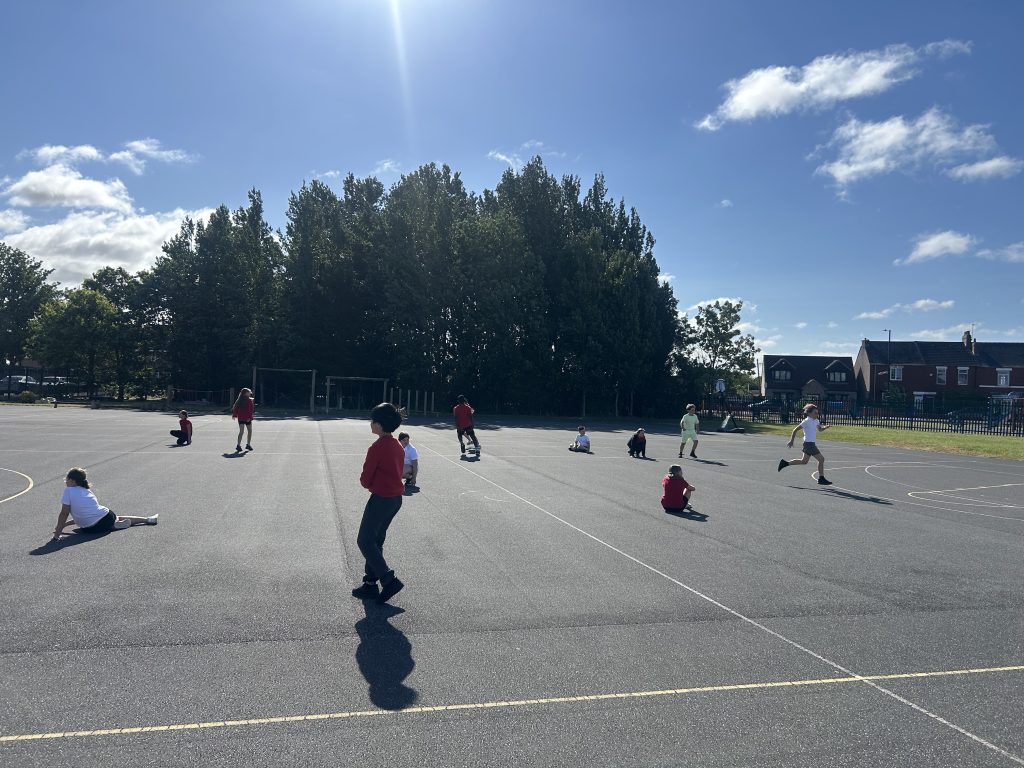
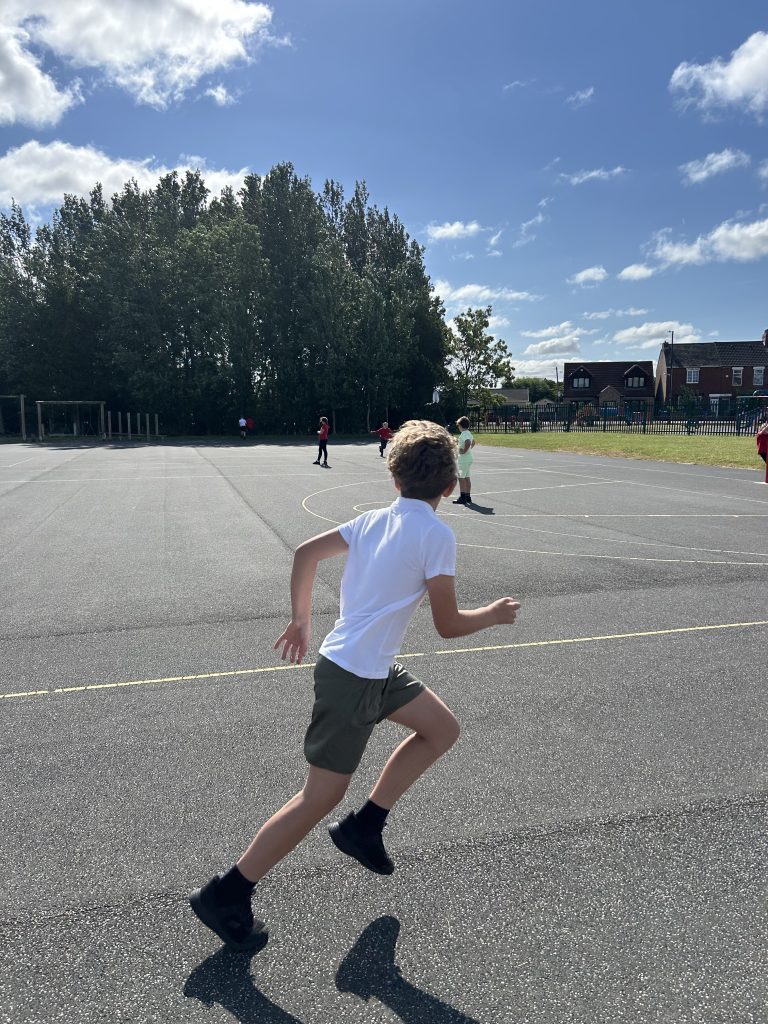
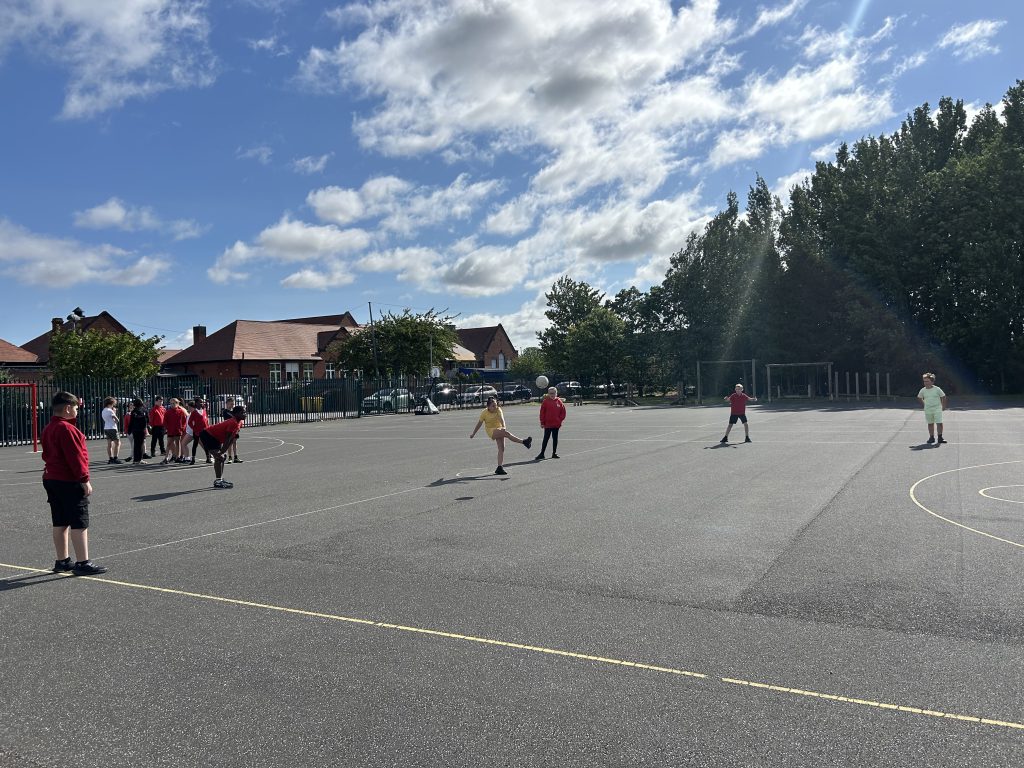
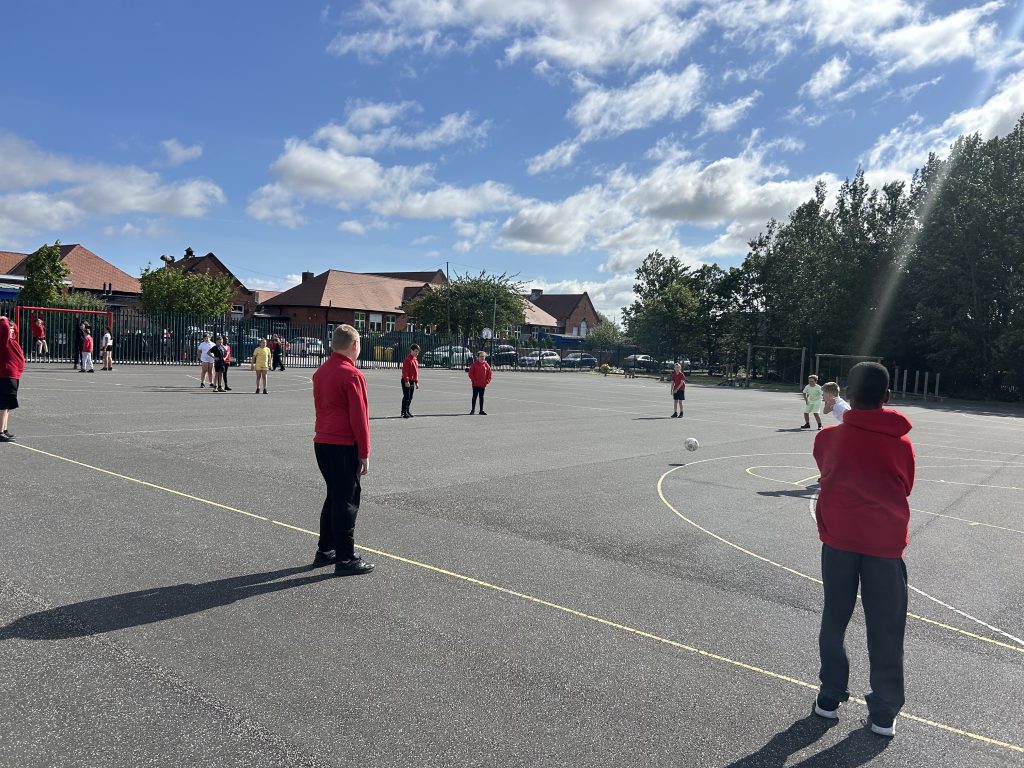
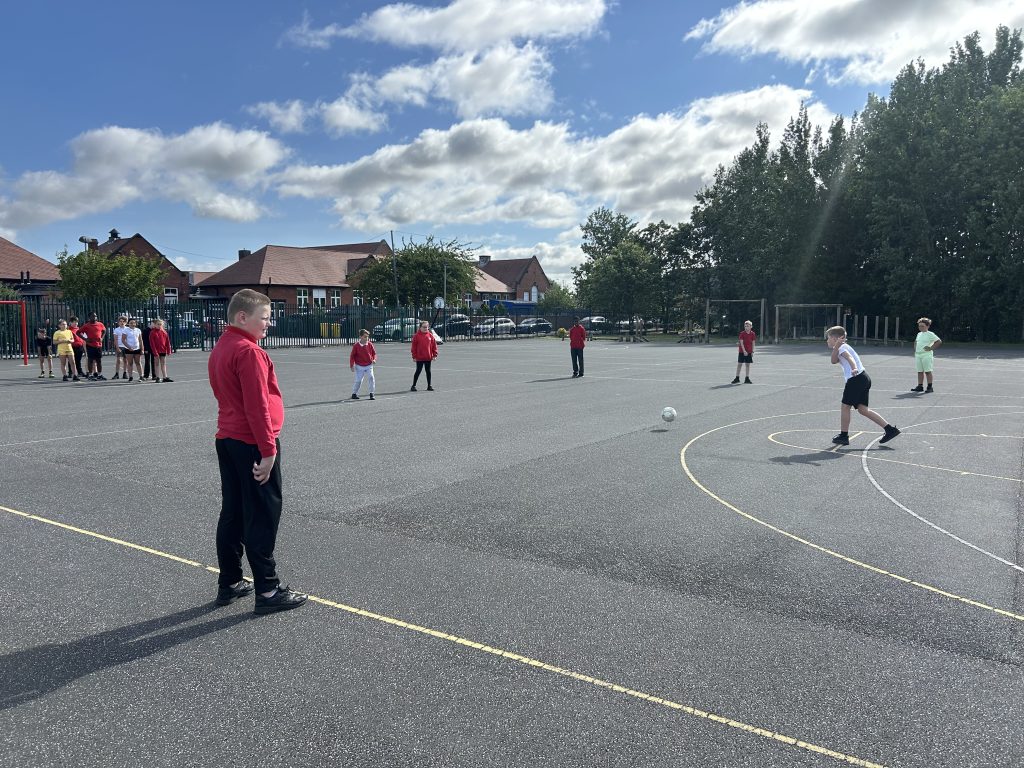
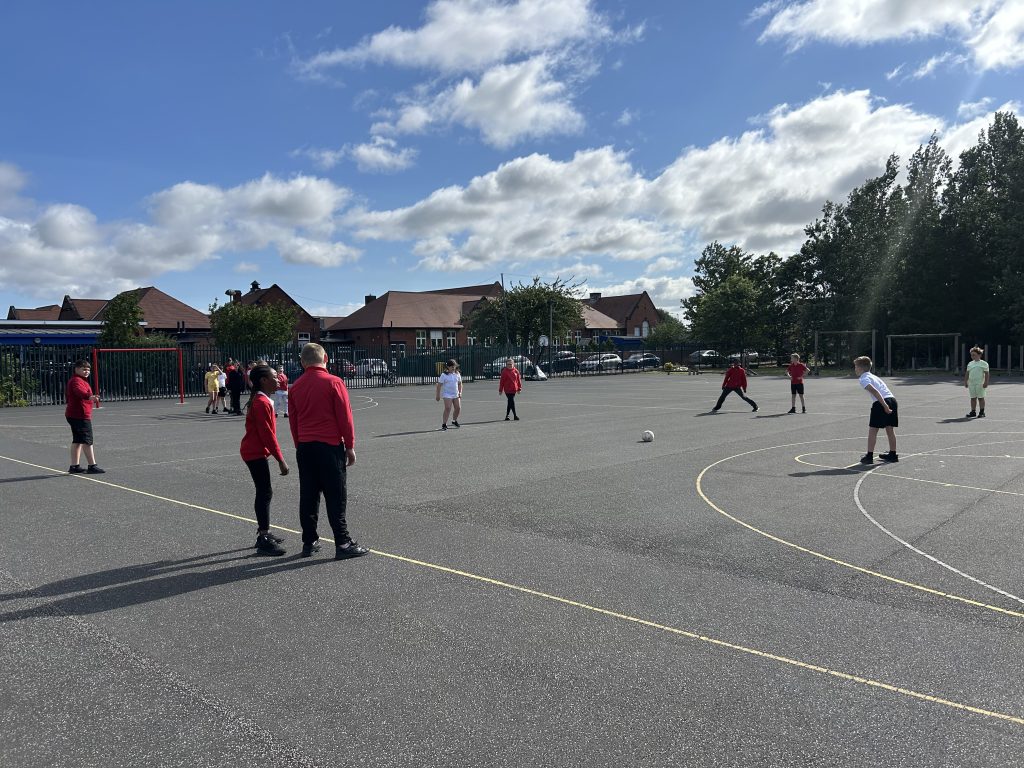
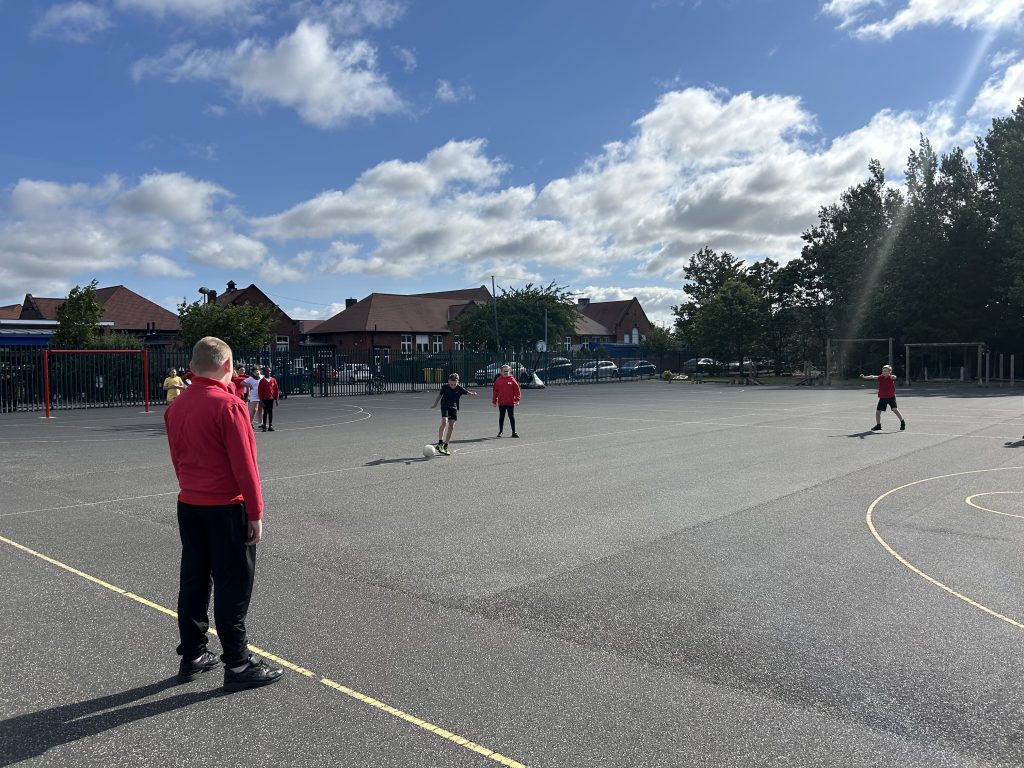
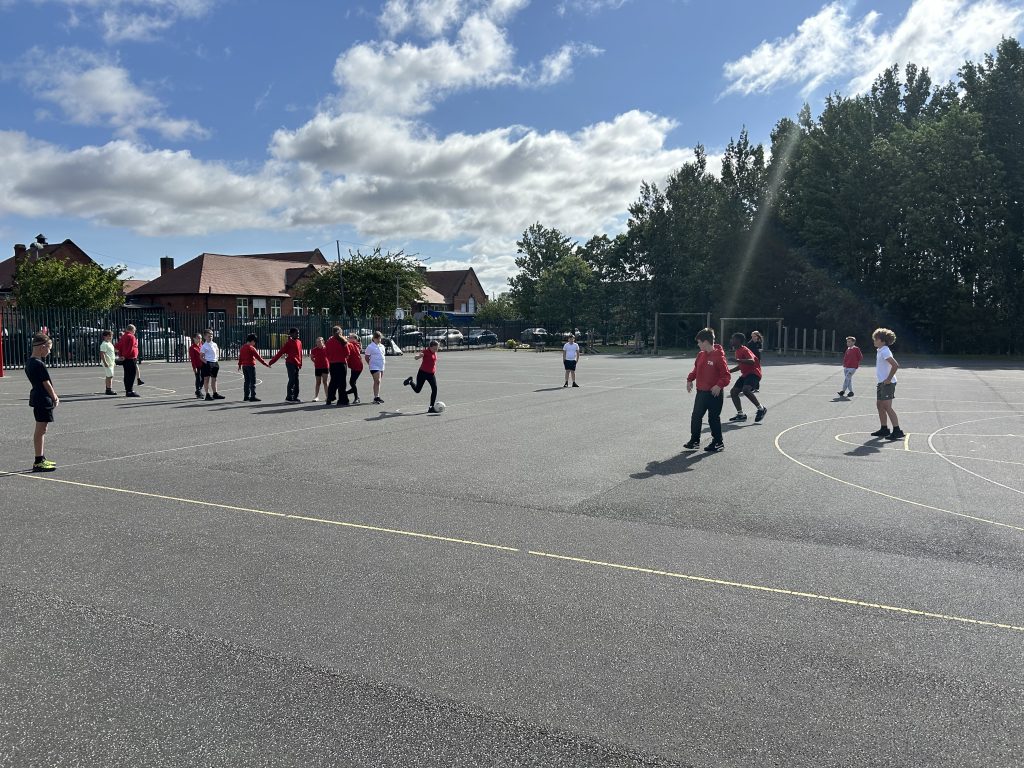
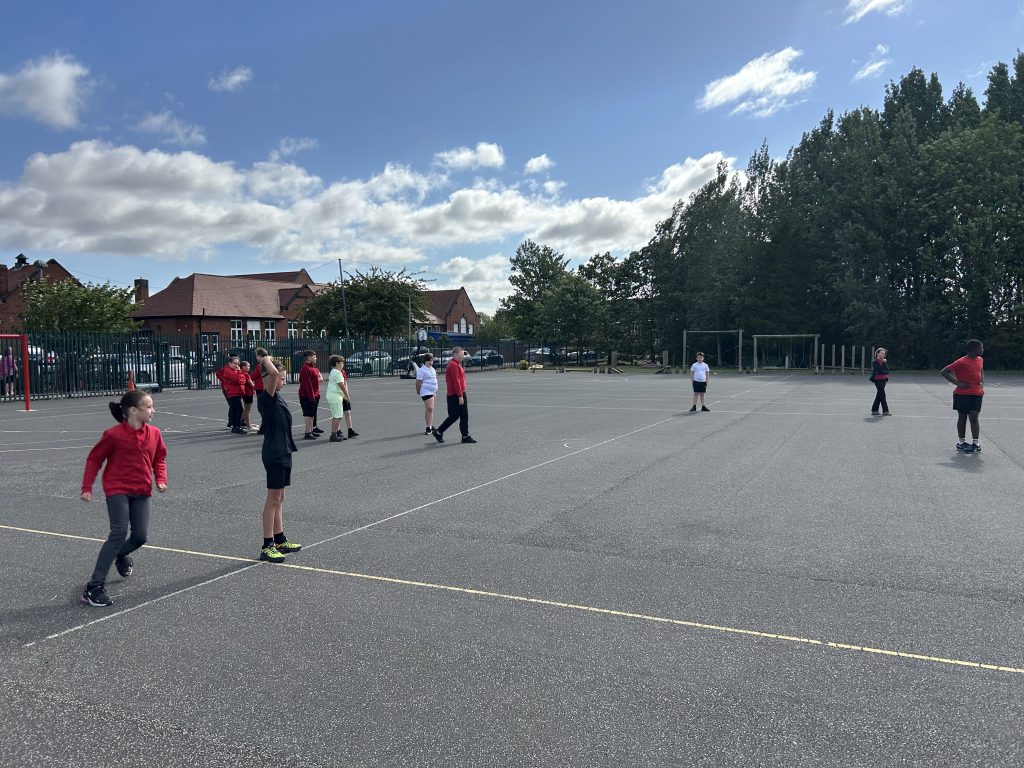
PE Fun: Crew McLoughlin Enjoys Kicky Rounders
Today in PE, Crew McLoughlin had a fantastic time taking part in kicky rounders. The children worked on their kicking, running, and teamwork skills while enjoying this fun and active game. Crew showed great enthusiasm, listened carefully to instructions, and joined in with confidence throughout the lesson. It was wonderful to see everyone encouraging one another and developing their coordination and game skills in such a positive way.
UKS2 POL in Crew McLoughlin 🍯
What an incredible afternoon we had celebrating our Presentation of Learning! A huge thank you to all of our parents and families who joined us – we loved every minute of sharing our learning with you.
This term, our expedition explored Ancient Egypt alongside healthy lifestyles. The children investigated the foods Ancient Egyptians ate before designing and creating their own Ancient Egypt-inspired energy bars, combining historical inspiration with modern healthy ingredients. It was wonderful to see everyone taking part in our taste test, sharing thoughtful feedback and helping us decide on the most successful recipe.
We also shared our product for our last expedition- our Tudor Trivia Card Game! Families also put their historical knowledge to the test with our Crime and Punishment trivia challenge, bringing plenty of smiles, teamwork and friendly competition to the afternoon.
The atmosphere was simply pyramid perfection – filled with curiosity, laughter and pride! We are so grateful for the continued support from our families, whose encouragement helps make these special learning experiences possible.
Thank you again for celebrating with us. We hope you enjoyed being part of our learning journey as much as we enjoyed sharing it.
🏃❤️XP Trust Sports Day 2026❤️🏃♀️
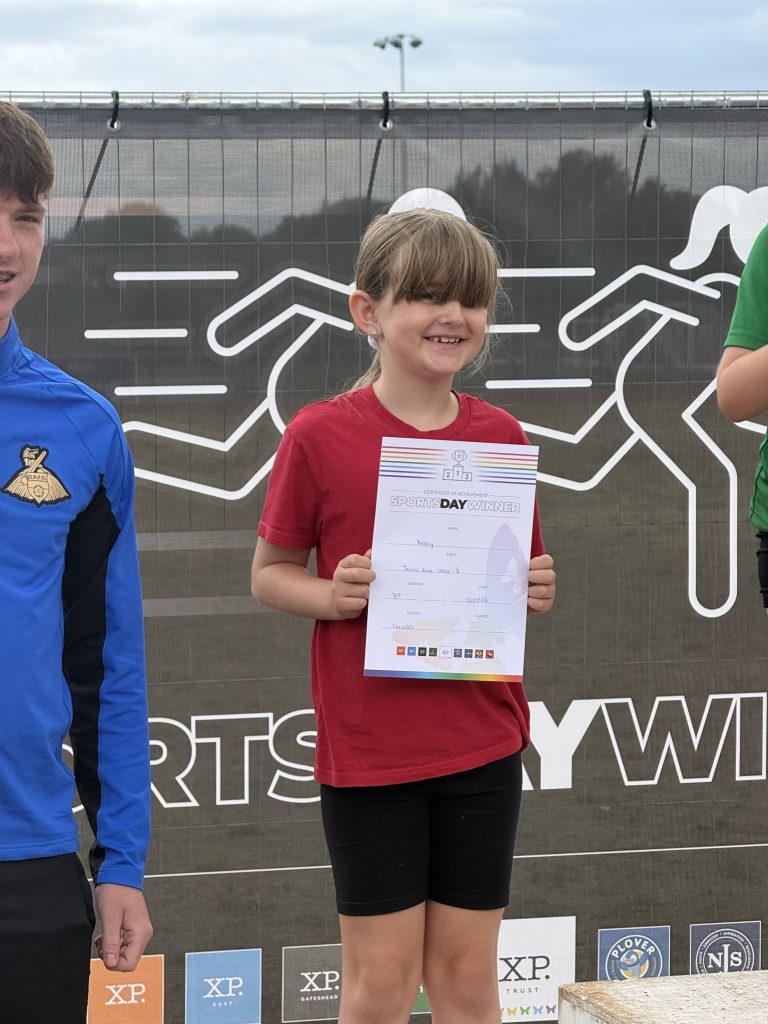
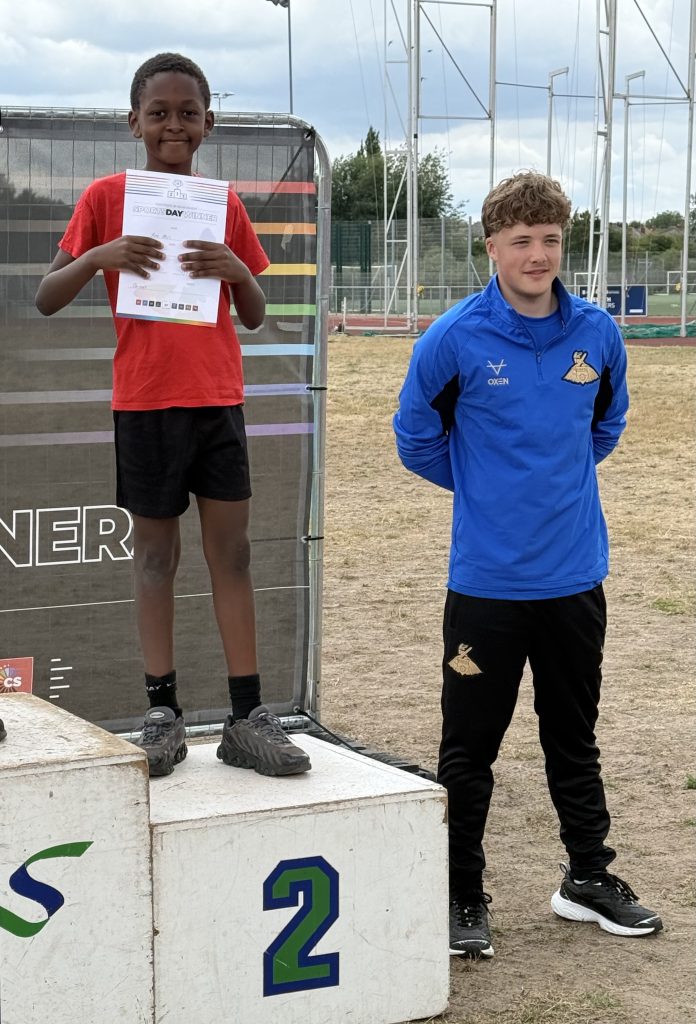
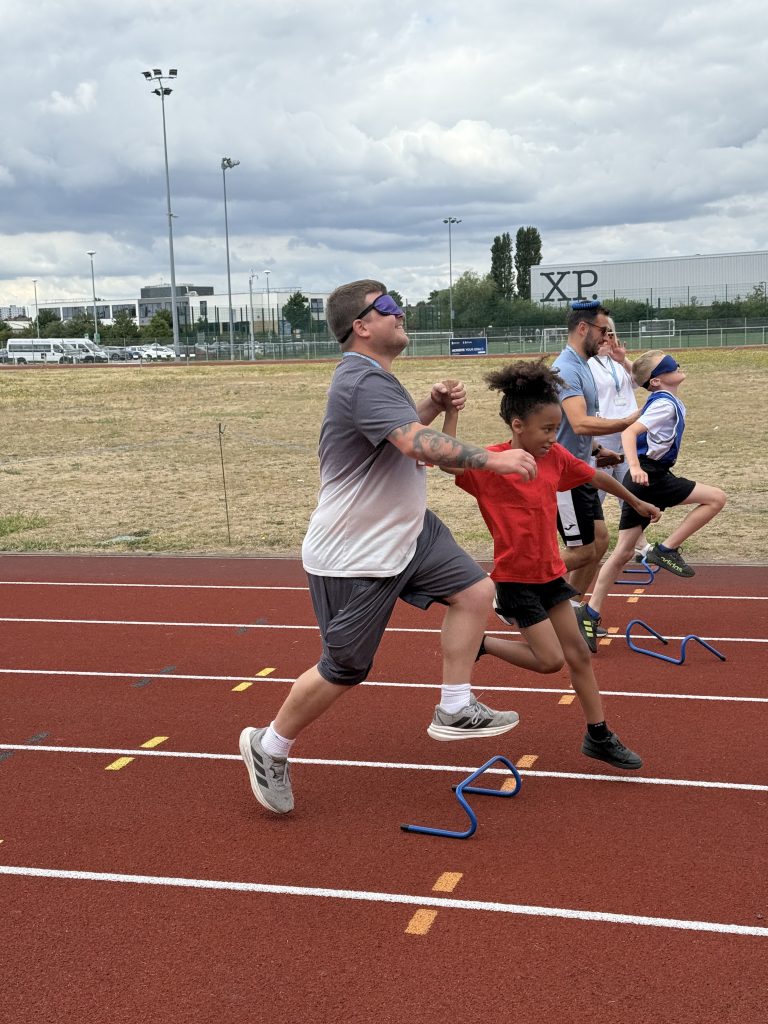
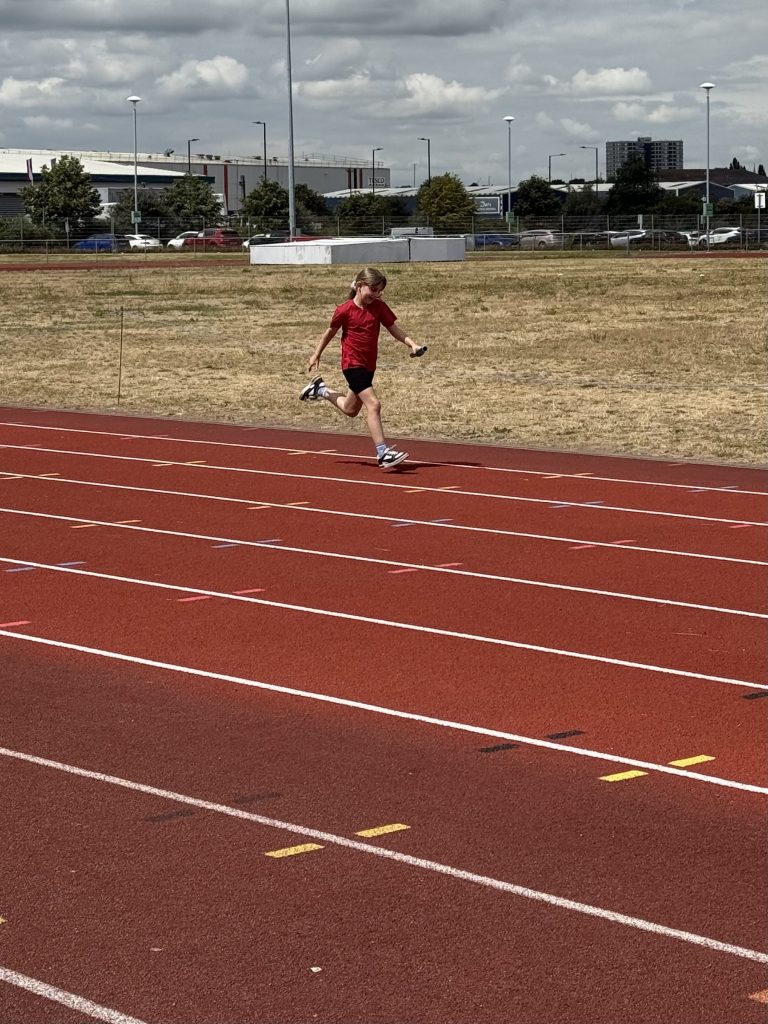
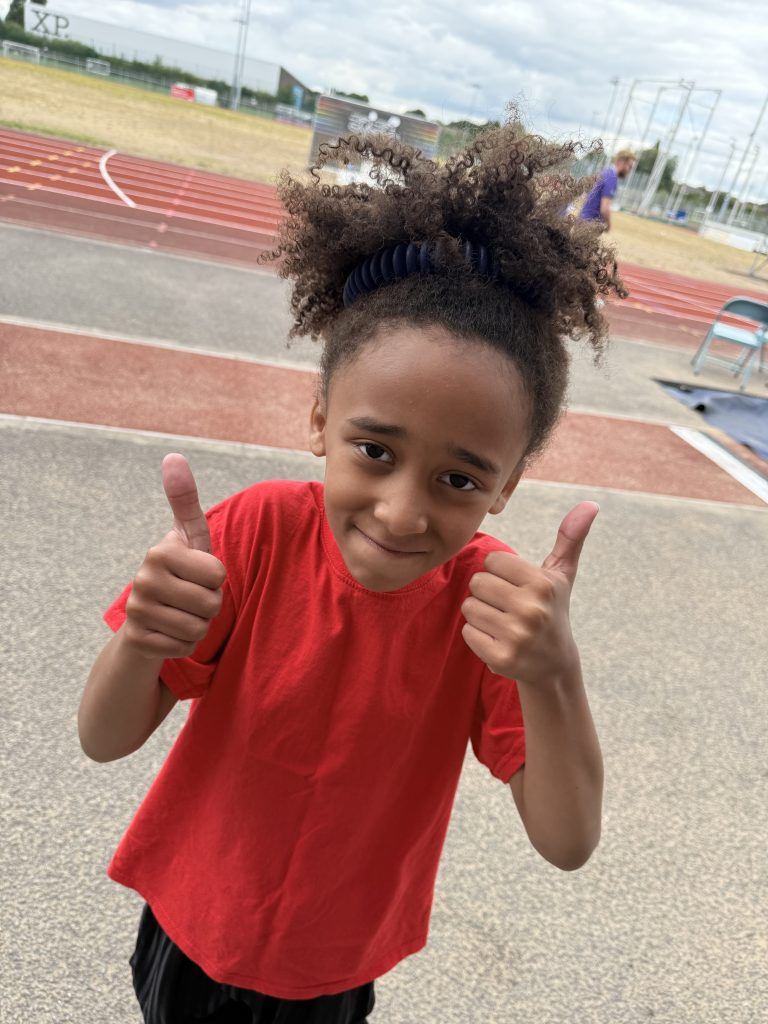
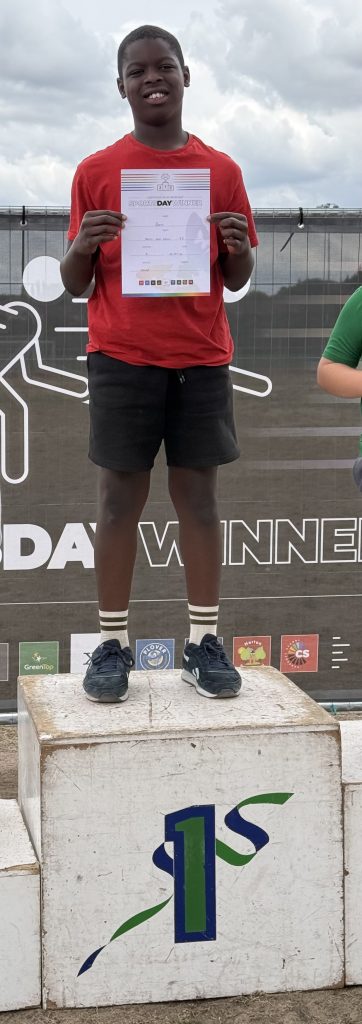
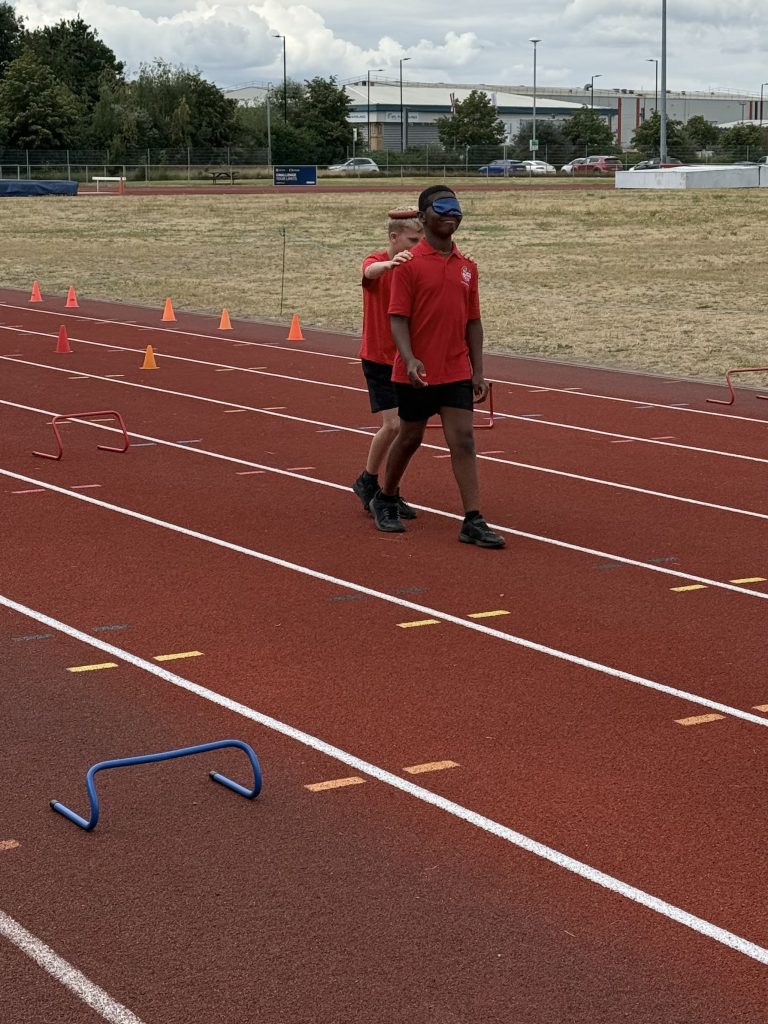
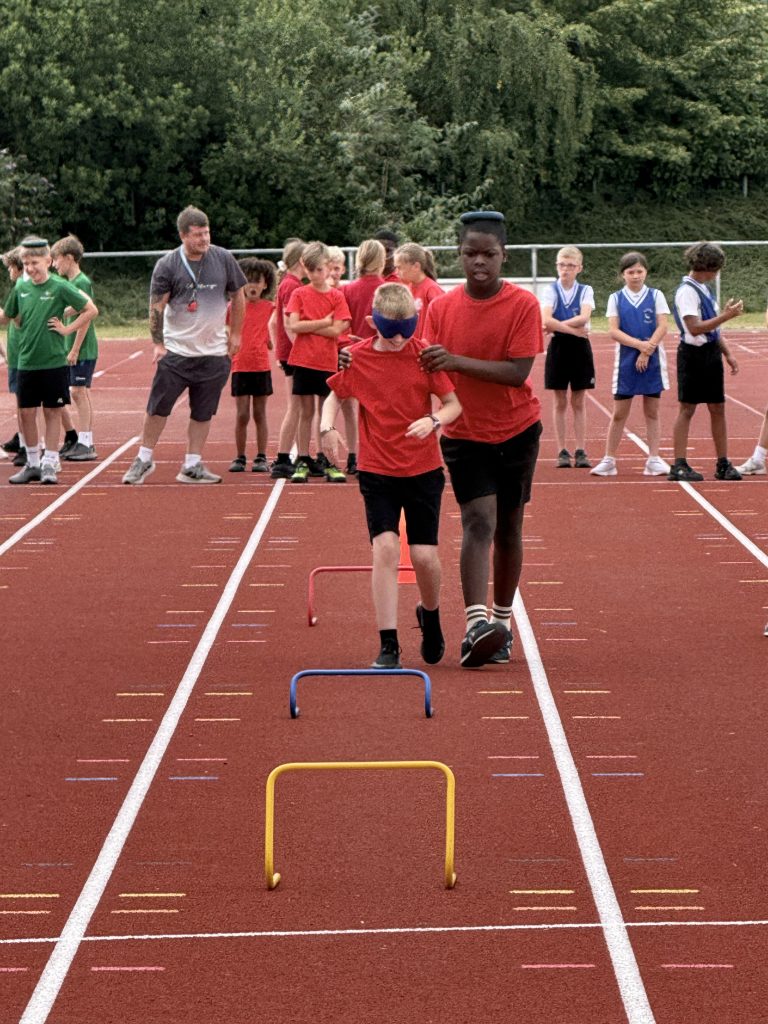
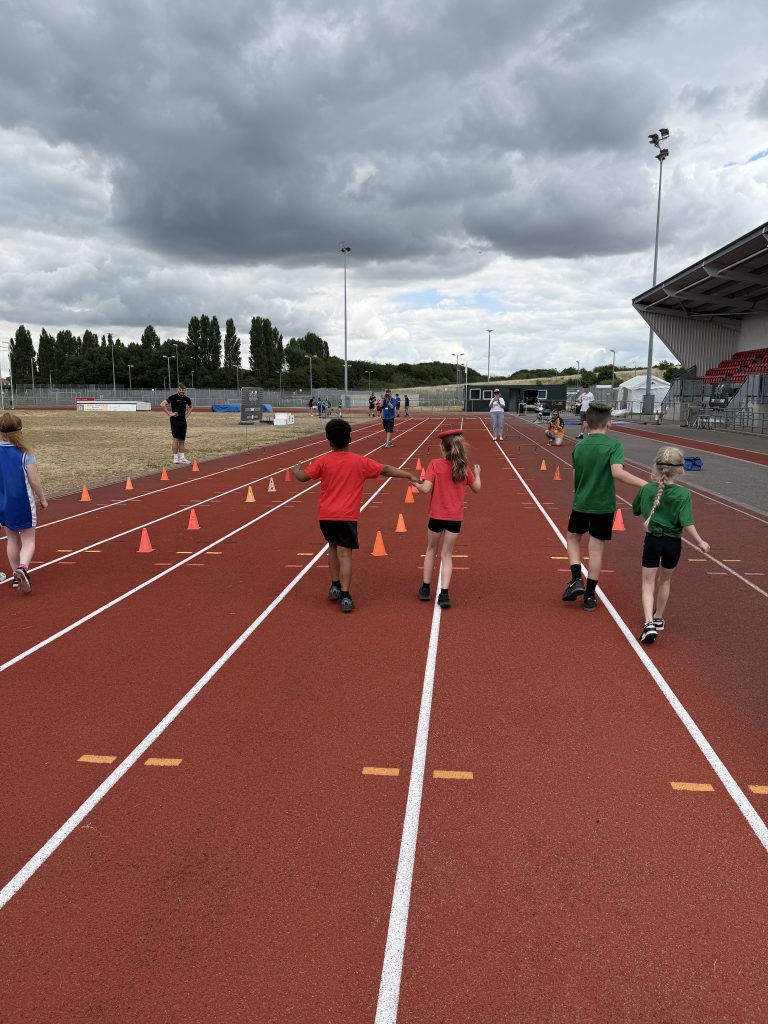
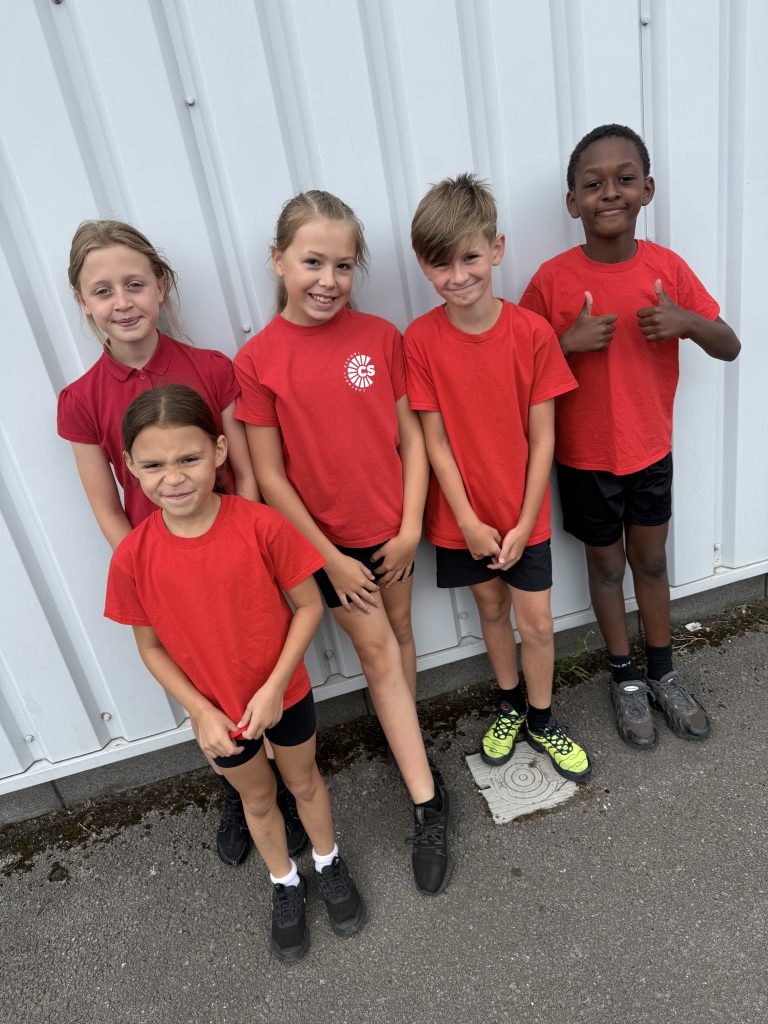
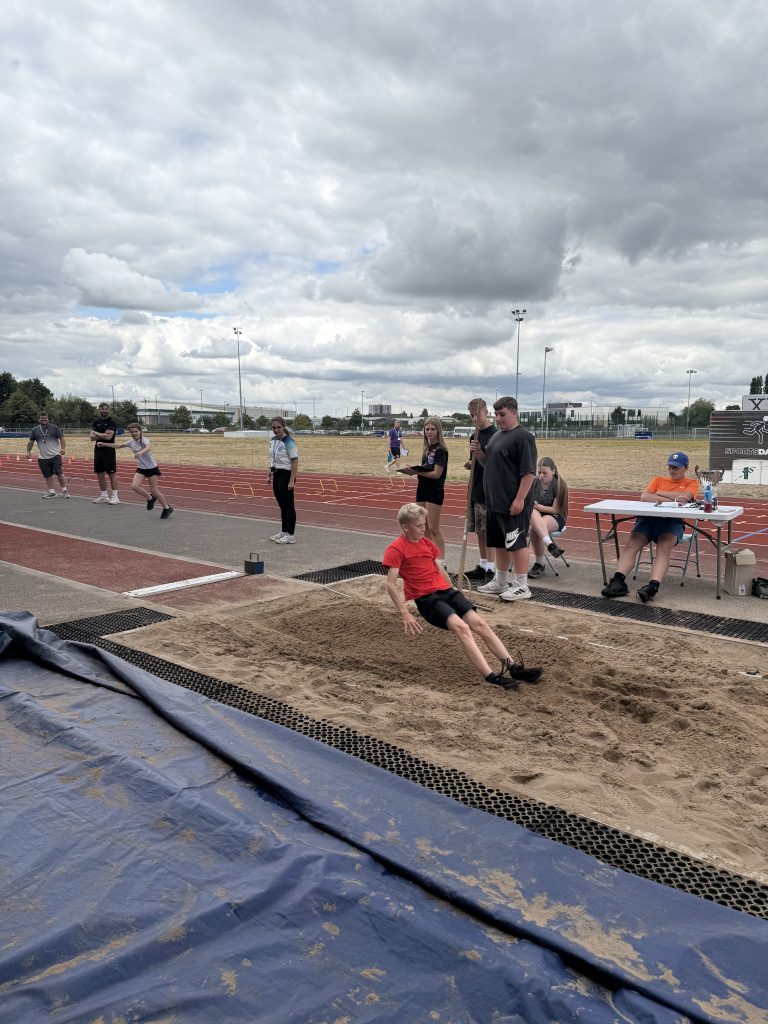
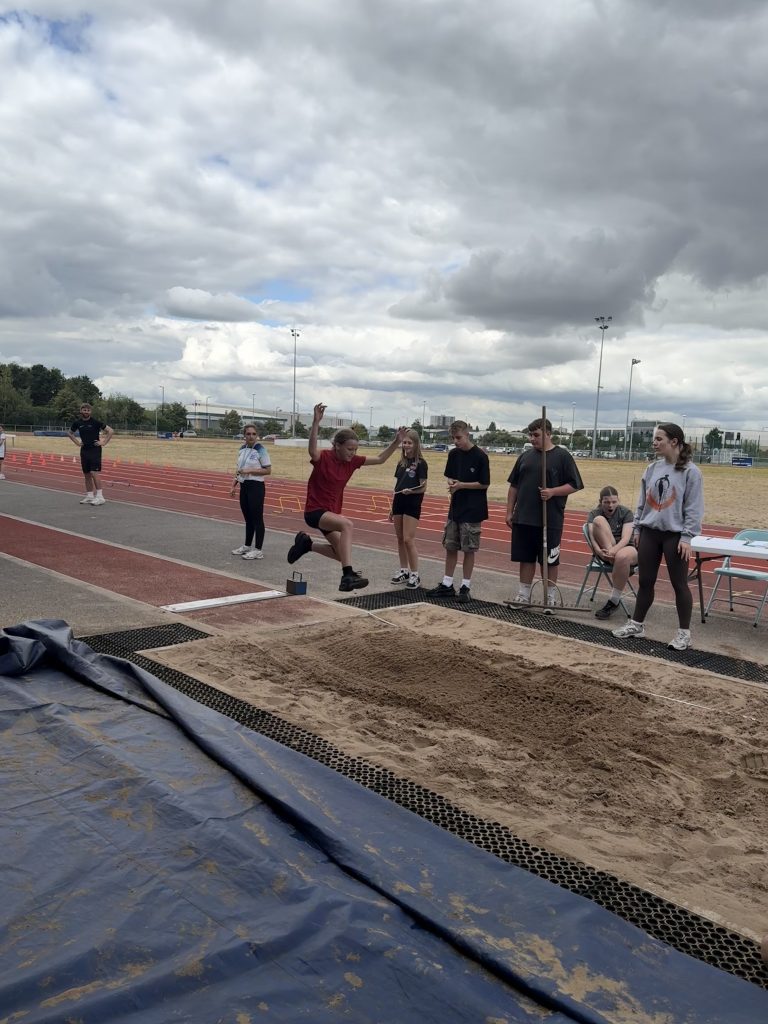
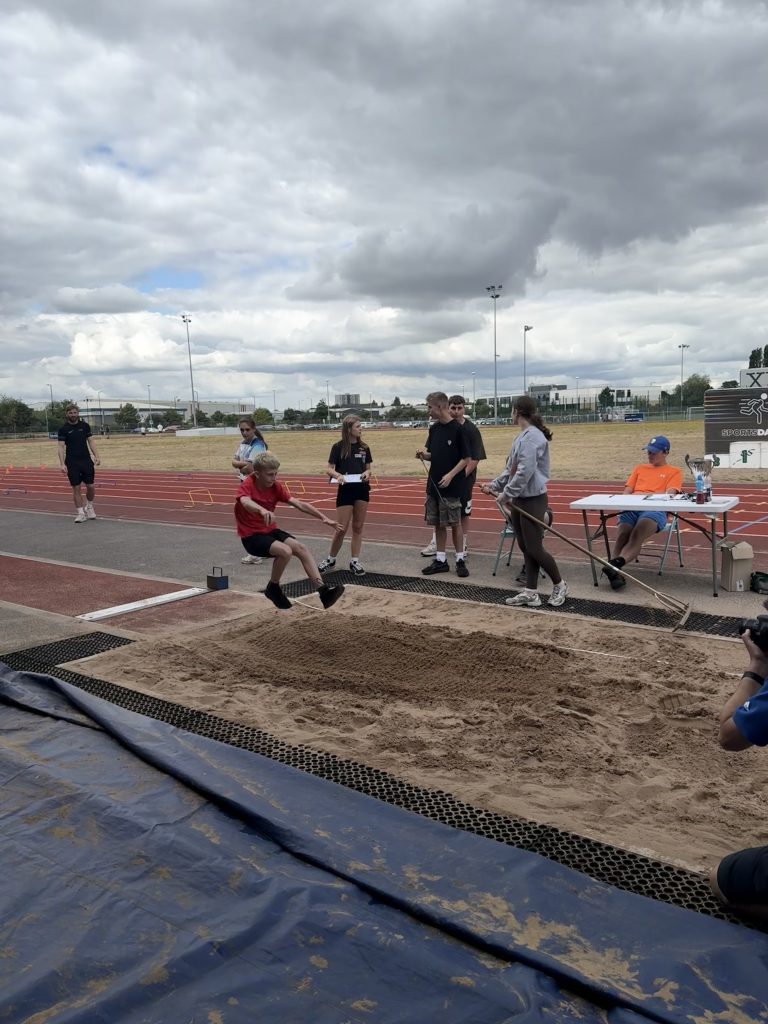
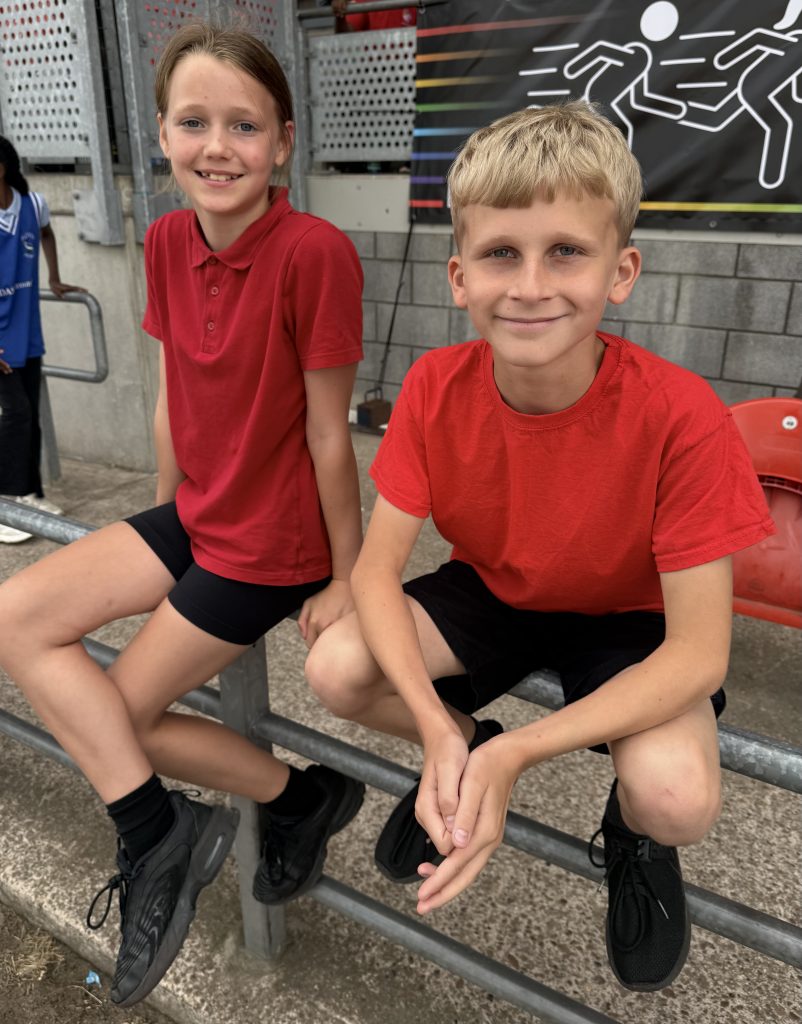
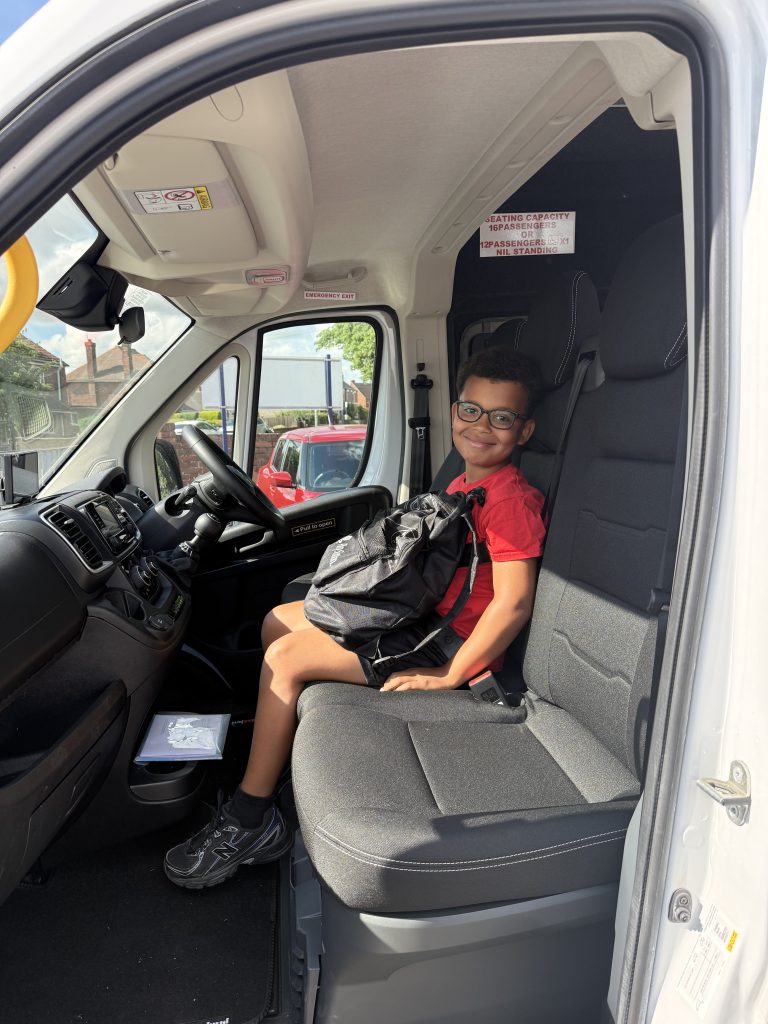
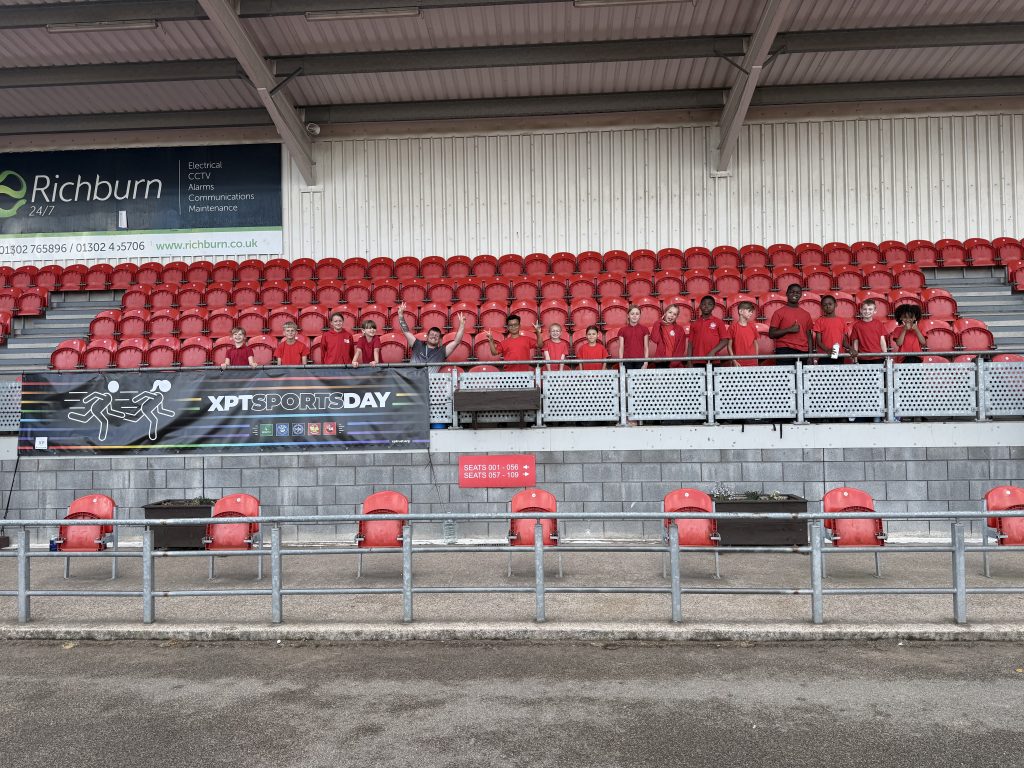
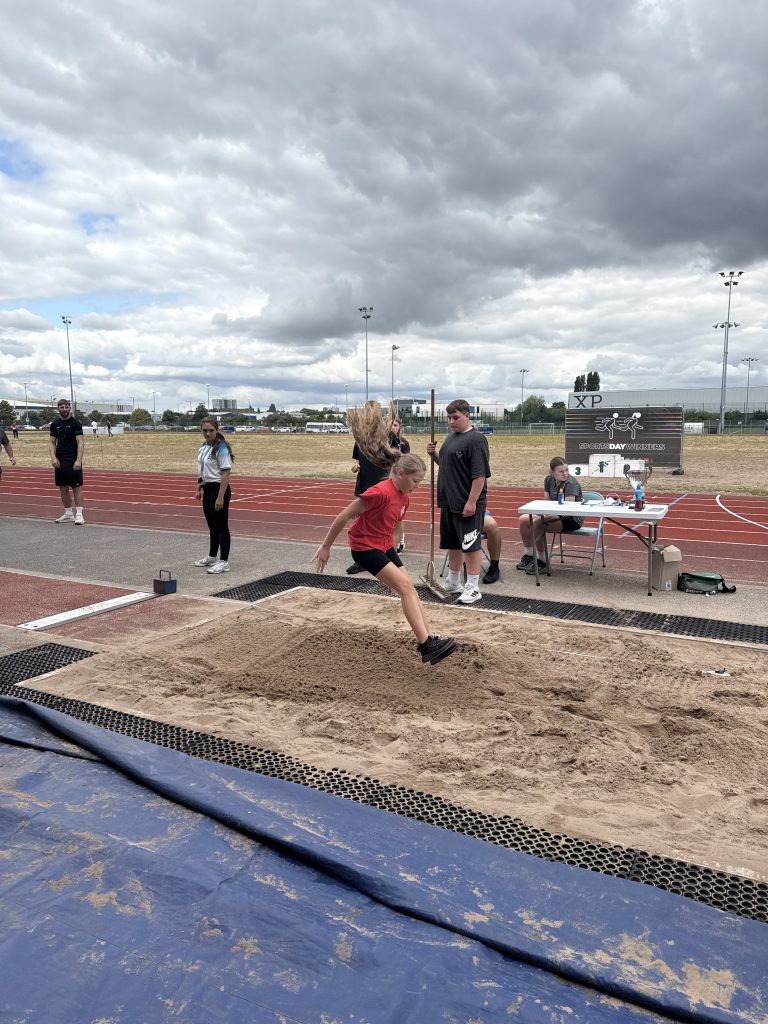
What an absolutely BRILLIANT day we have had at the XP Trust Sports Day🤩 Carcroft youngsters, you absolutely blew us away with your professionalism, sportsmanship and all round talents🙌🏻 Everyone had a wonderful time and we even came 2ND – woohoo🥳 A huge thank you to the other schools, staff and everybody who ran the event today. BRING ON XP TRUST SPORTS DAY 2027🤪❤️💙💚🤍
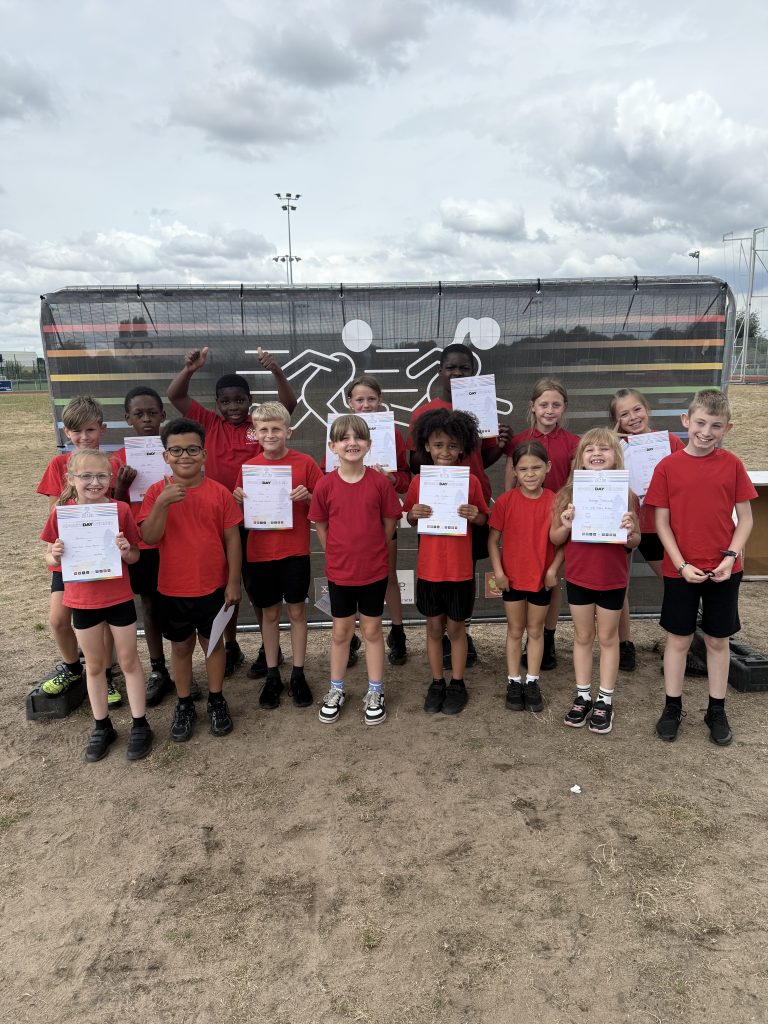
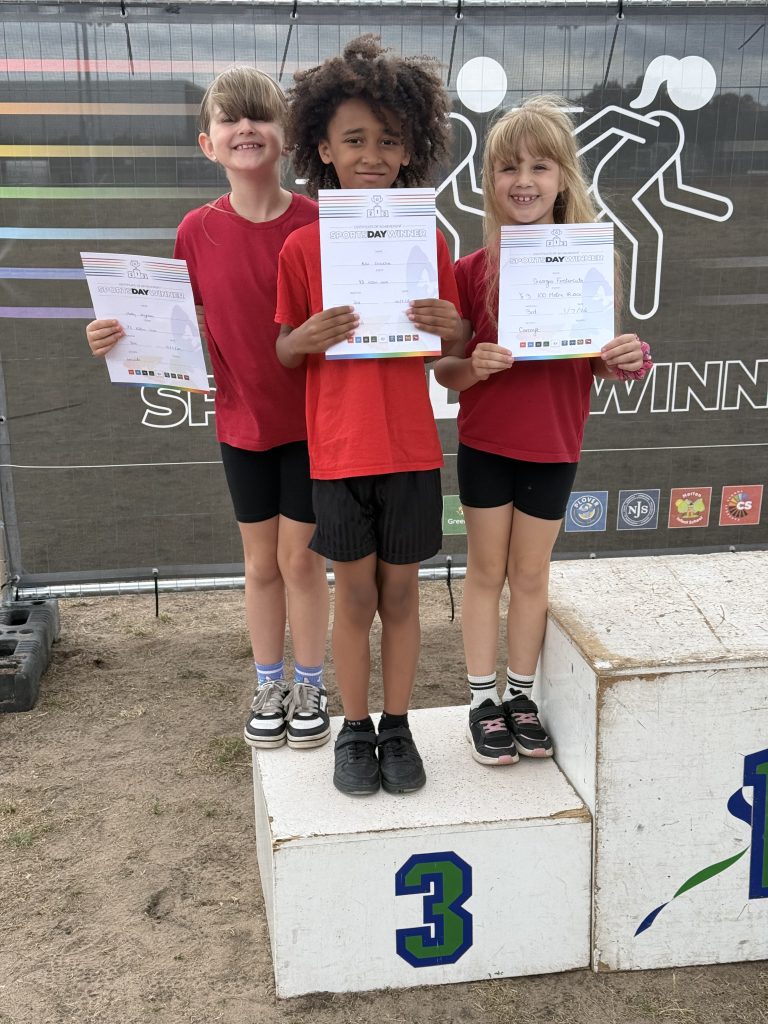
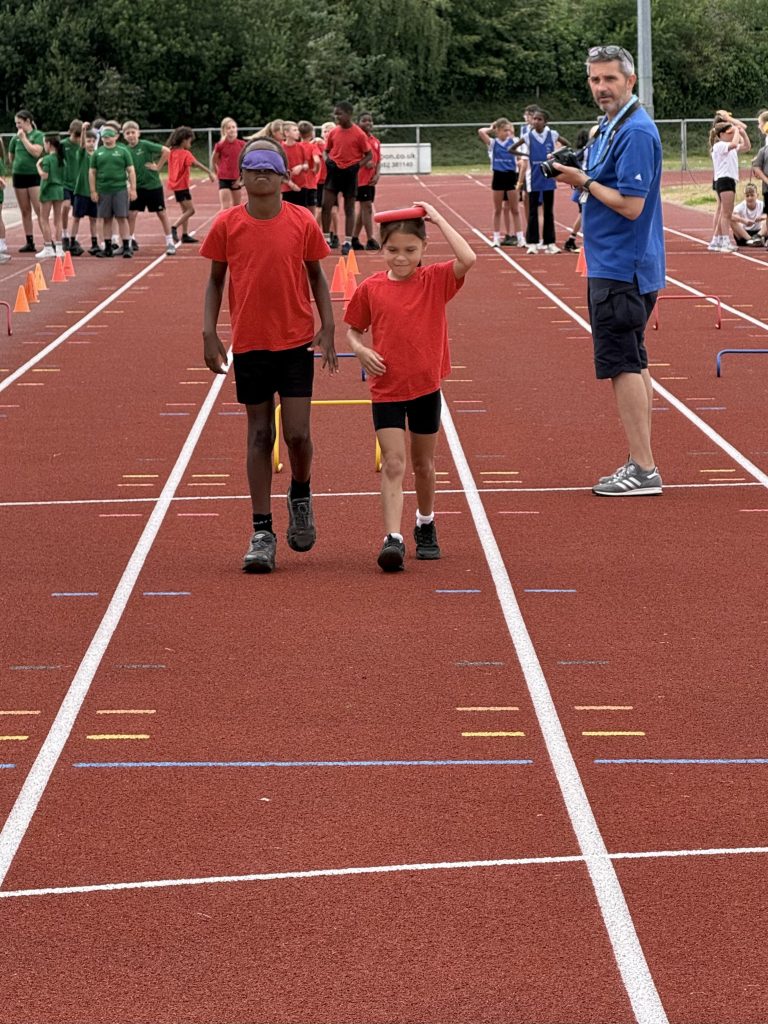
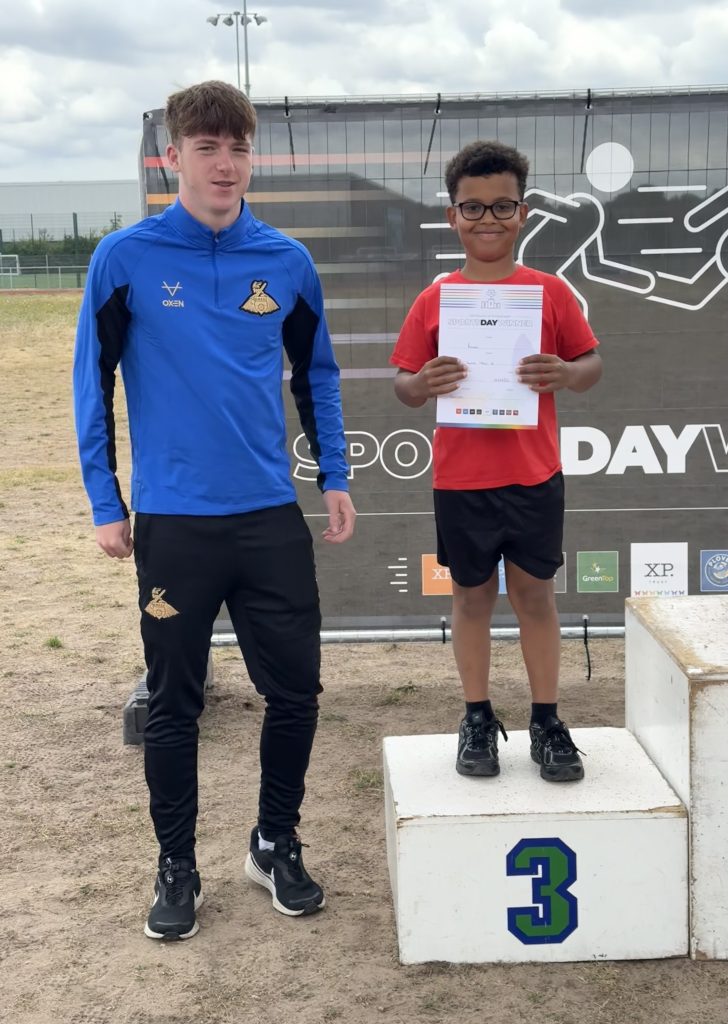
Sunshine, Smiles & So Many Memories
We Came. We Sweated. We Conquered☀️🥵The Year 6 residential certainly brought the sunshine! Despite the heatwave, our Y6’s threw themselves into every challenge with enthusiasm, resilience and plenty of water breaks. From adventurous activities to unforgettable moments with friends, it was 3 days full of laughter, teamwork and memories that will last a lifetime. Take a look at some of our favourite highlights!
Learning Life Skills Through Cooking
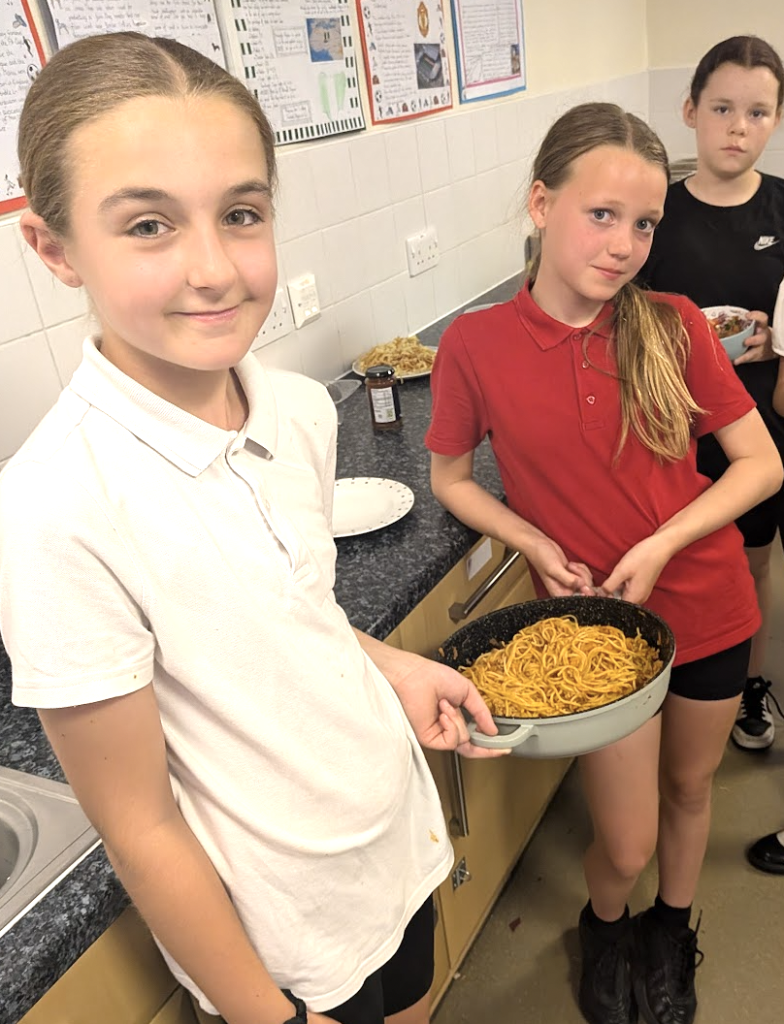
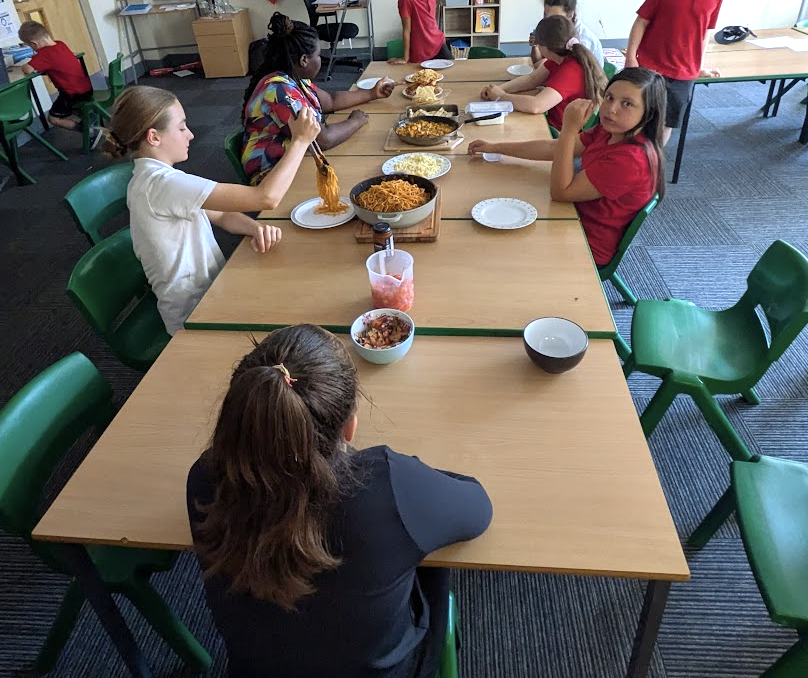
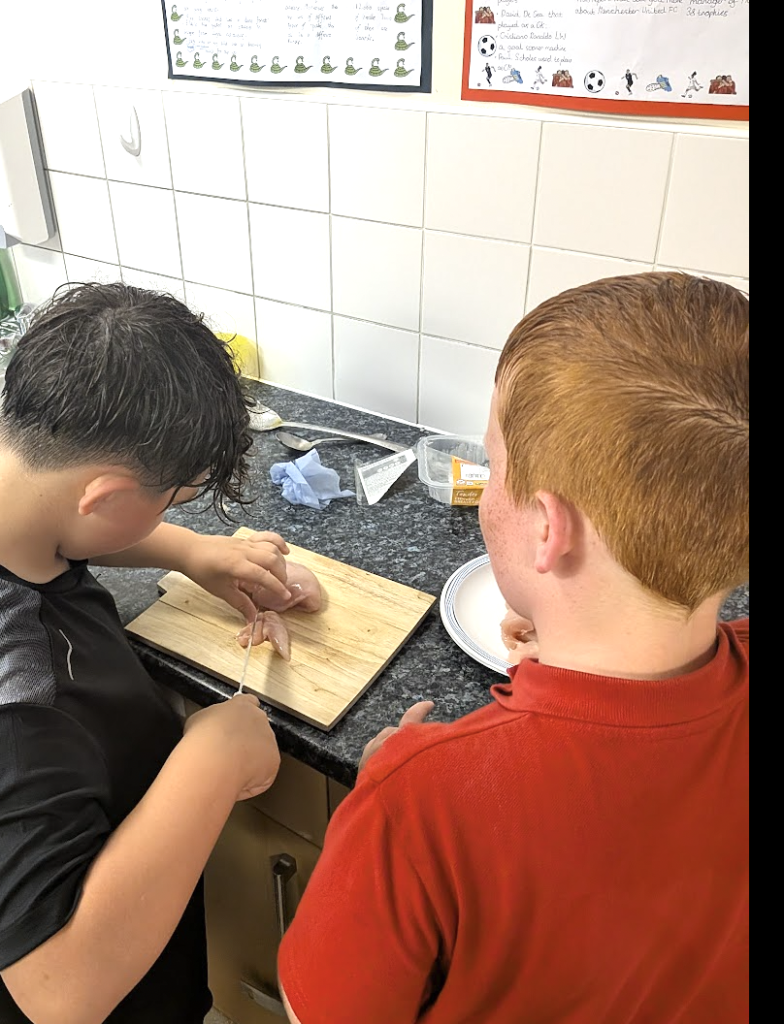
While many of their classmates were away on residential, a group of Year 6 pupils took part in a week of practical life skills centred around planning, budgeting and cooking healthy meals.
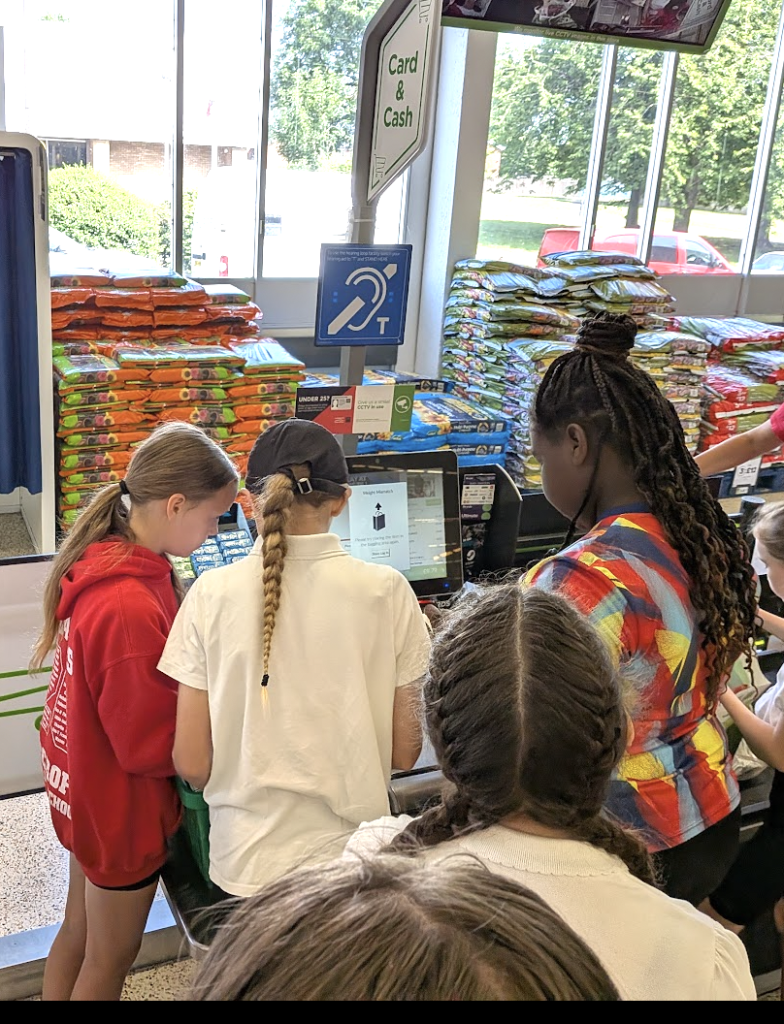
Working in teams, pupils were challenged to create a menu while sticking to a budget. They researched recipes, compared prices and carefully planned their shopping lists before travelling to Asda to buy their ingredients. Along the way, they developed valuable maths skills by calculating costs, comparing prices and making sensible spending decisions.
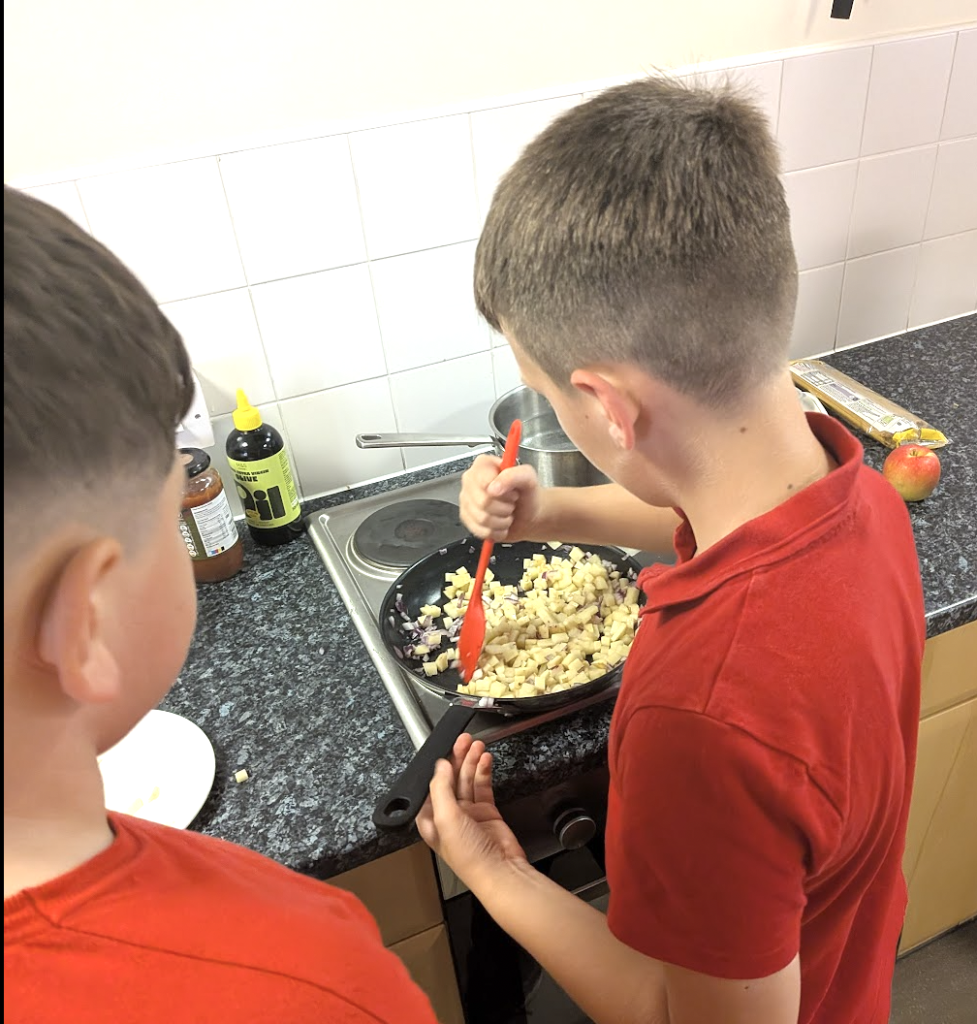
Back at school, it was time to put their plans into action. Pupils prepared and cooked delicious meals including spaghetti bolognese and chicken curry before making fresh fruit smoothies for dessert. They worked together to divide responsibilities, solve problems and support one another in the kitchen before sitting down to enjoy the meals they had created from scratch.
The project was about much more than cooking. It encouraged independence, teamwork and resilience while helping pupils develop important skills for the future. We were incredibly proud of the maturity, enthusiasm and determination shown by every pupil throughout the week.
Year 6 Residential – Day One
What a start to our Year 6 residential!
After arriving safely and settling in, it was straight into the action. First up was archery, which we discovered we were very skilled at!
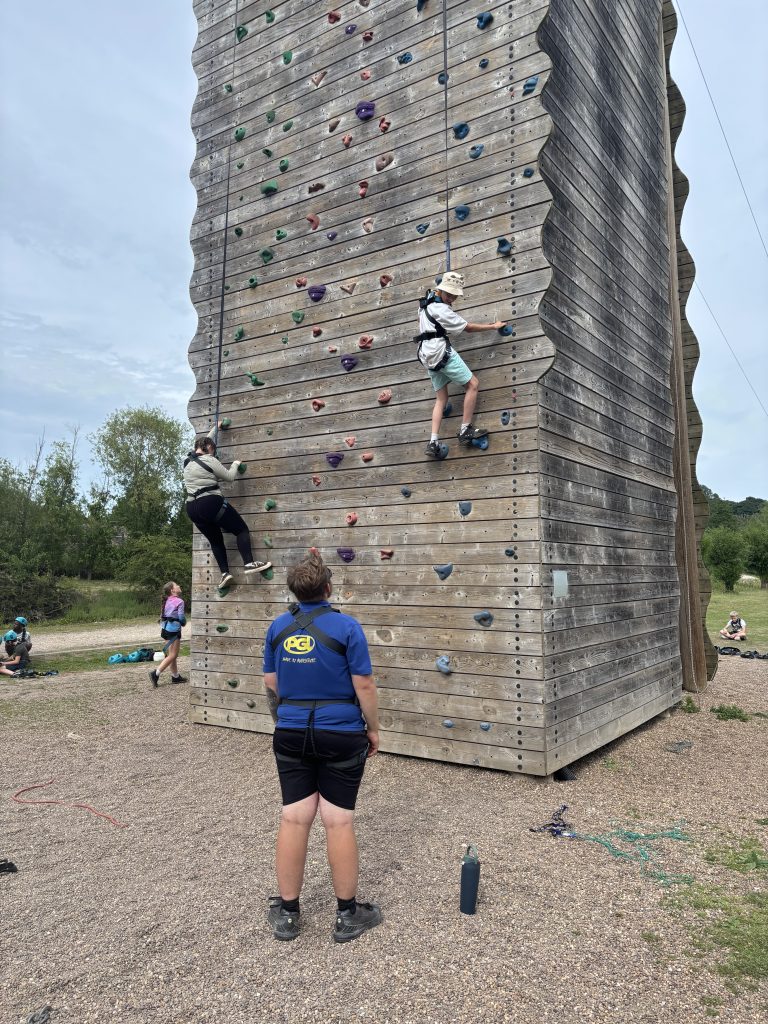
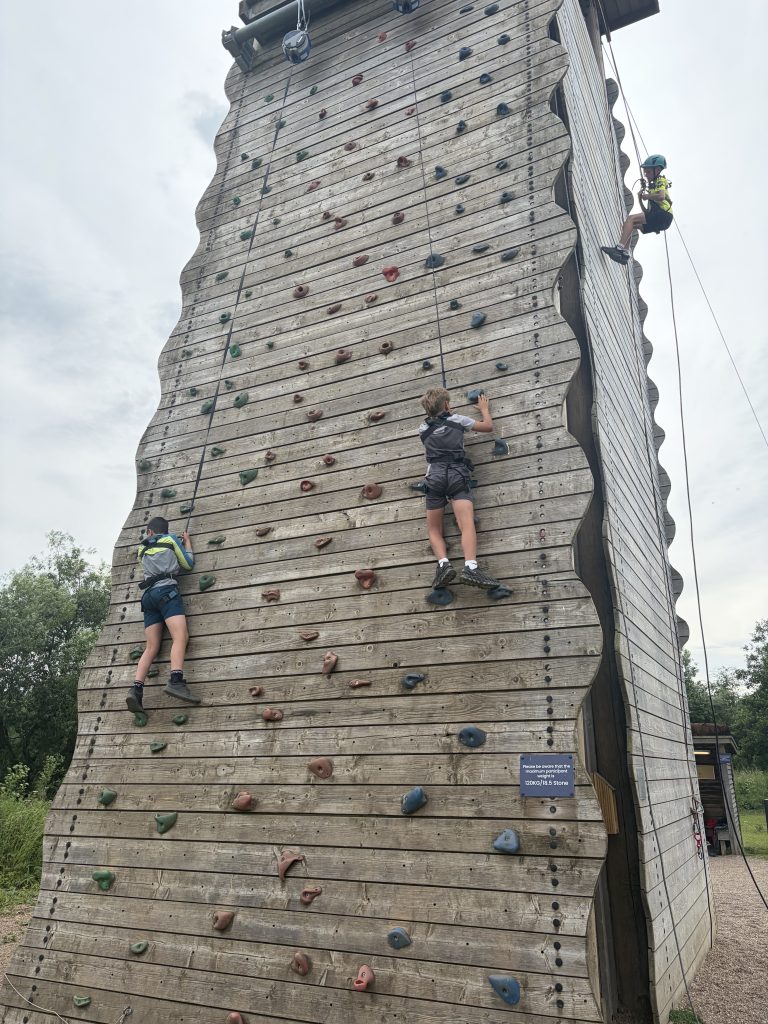
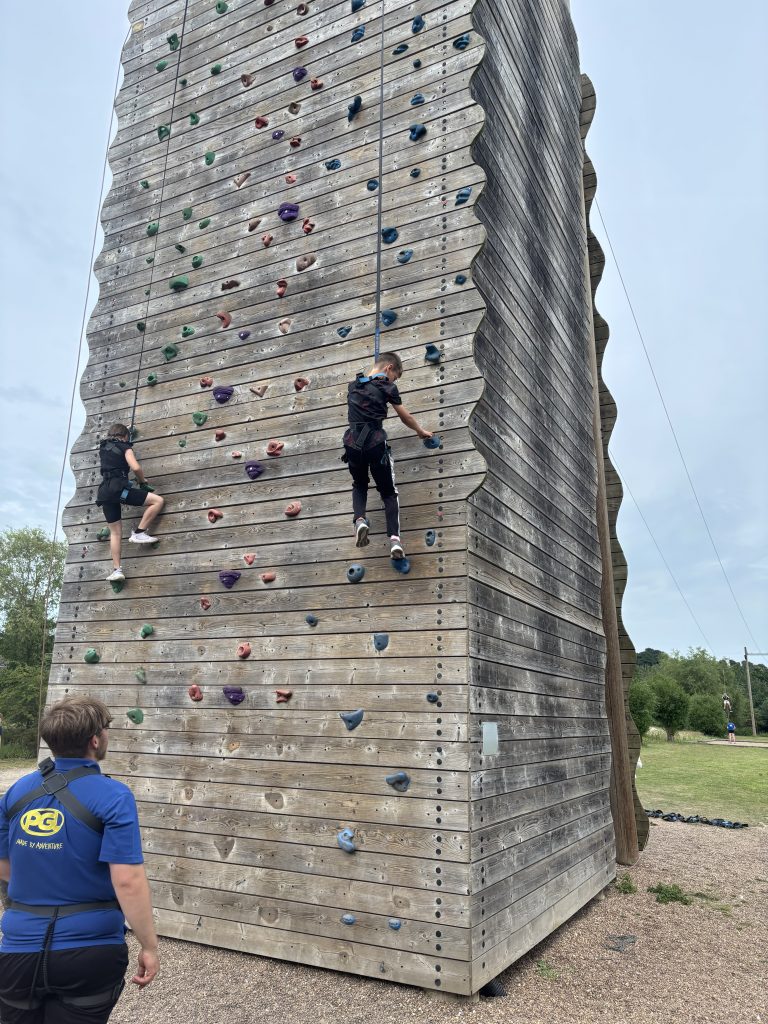
Next came the climbing wall. There were some nervous faces at first, but everyone gave it a go and showed fantastic determination. It was brilliant to see the children cheering each other on and there were plenty of proud smiles at the top – and relieved ones when both feet were back on the ground!
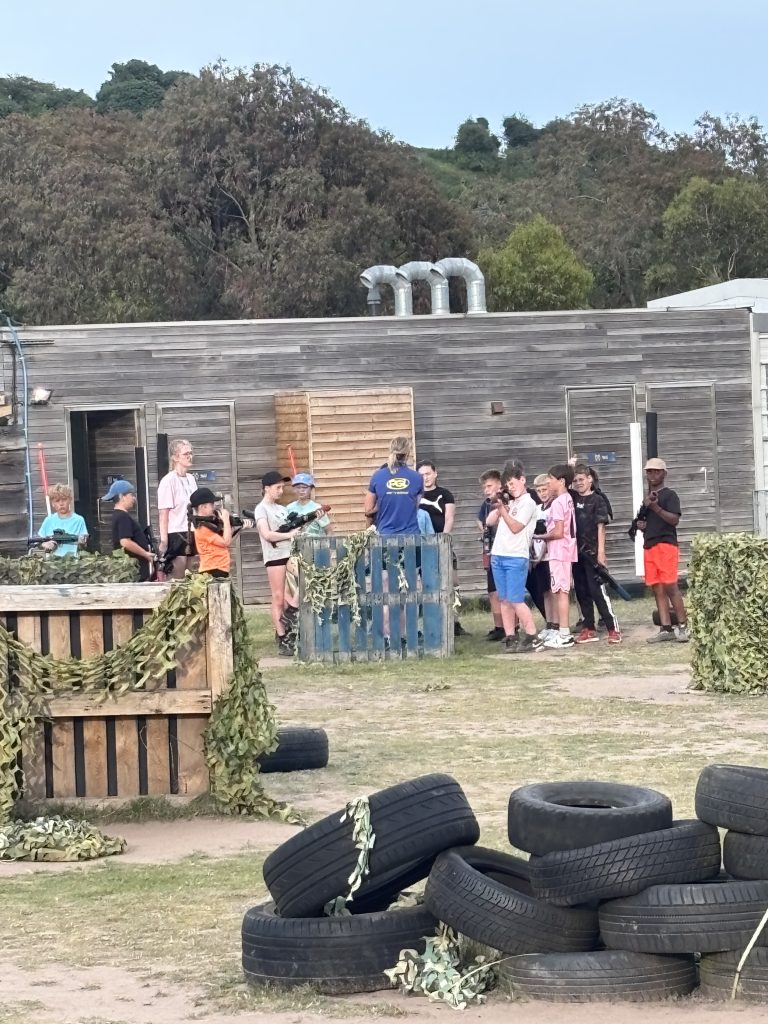
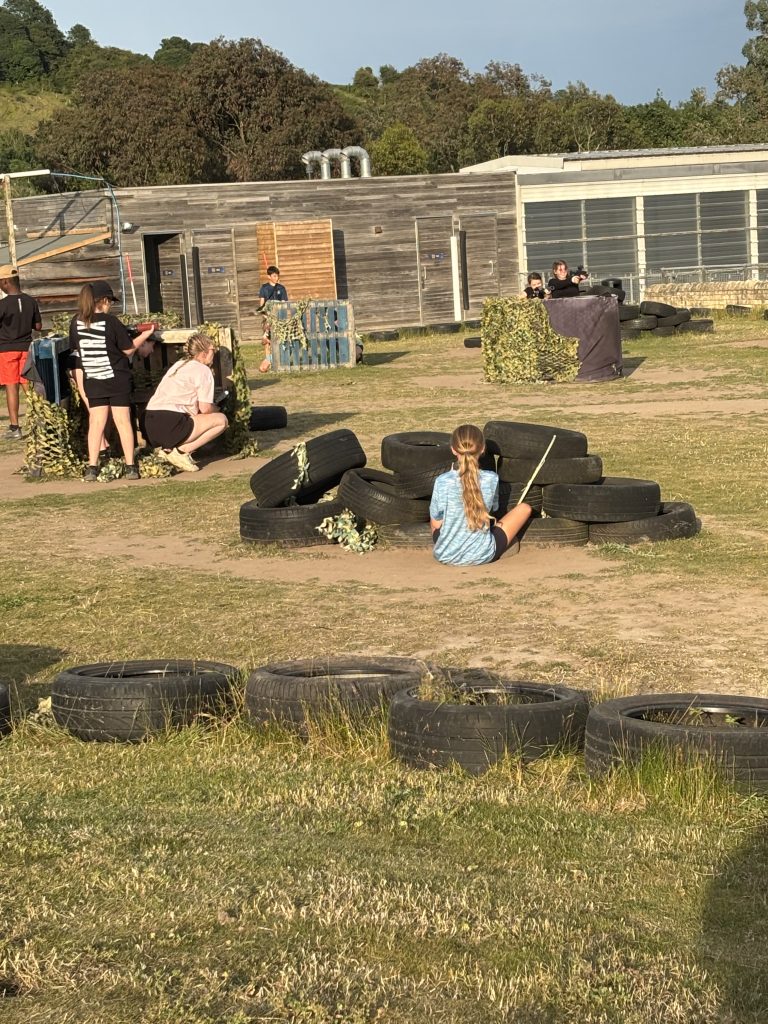
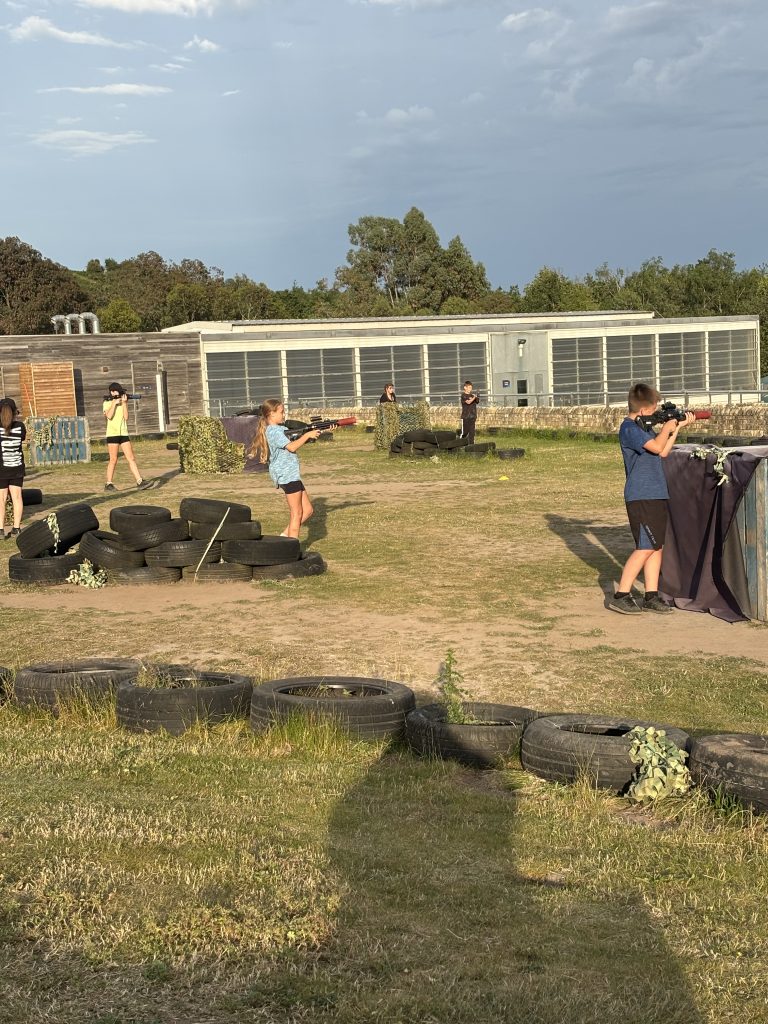
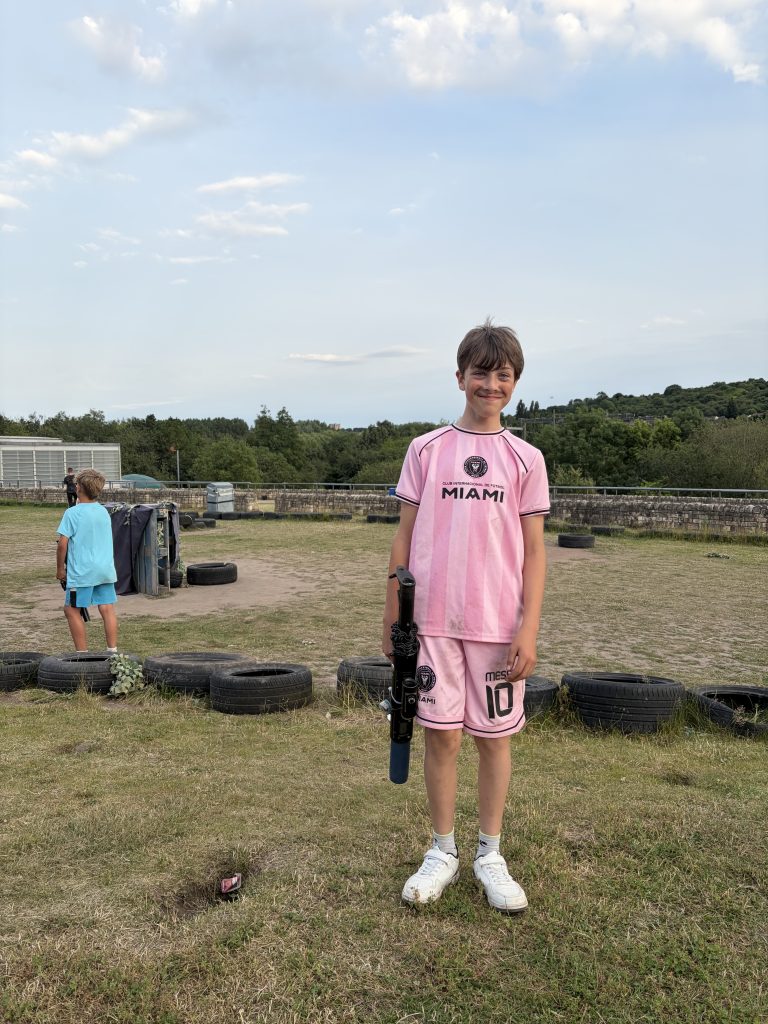
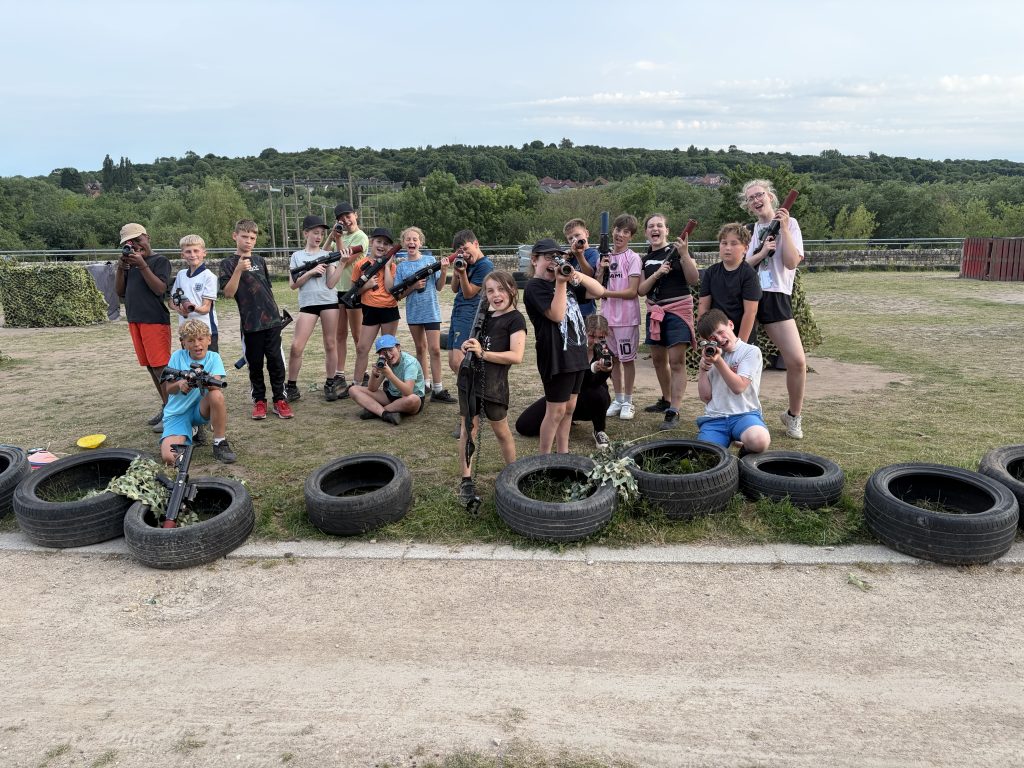
To round off the day, we headed into battle for laser tag. Alliances were formed, strategies were discussed and a few teachers may have discovered that Year 6 pupils are surprisingly good at sneaking up on them! There were lots of laughs and more than a little competitive spirit.
So far, the children have been amazing – full of enthusiasm, encouragement and endless energy (we’re hoping some of them might actually sleep tonight!). Day one has been a huge success and we can’t wait to see what tomorrow brings.
Stay tuned for more adventures!
Forest School Crew Challenge
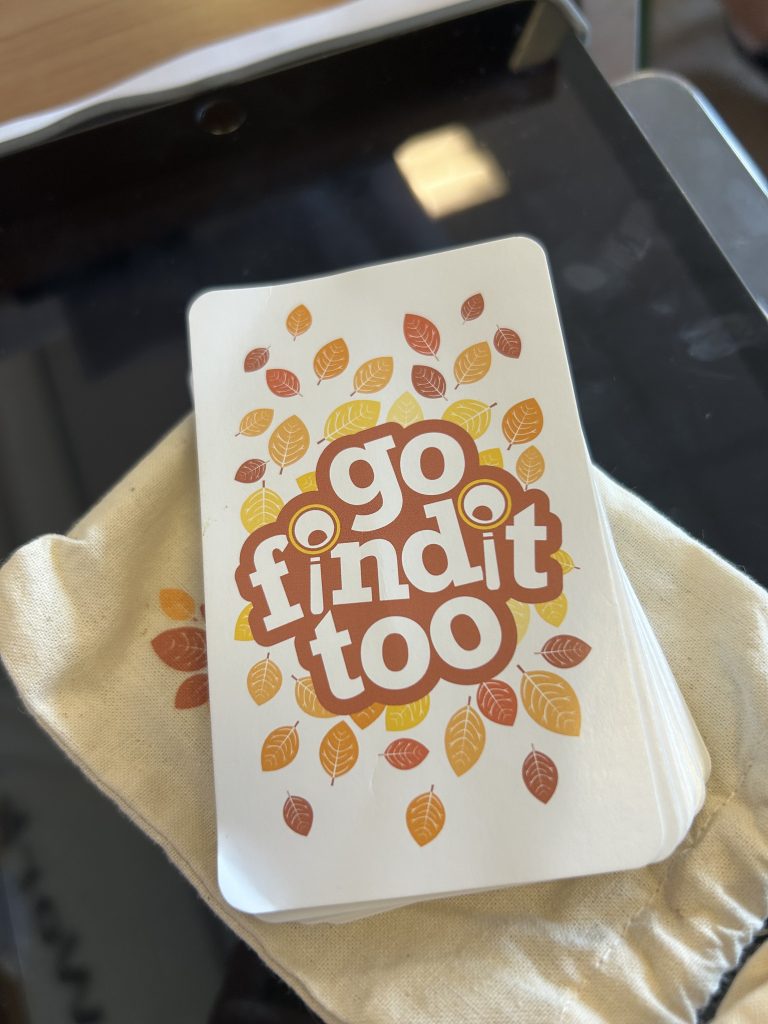
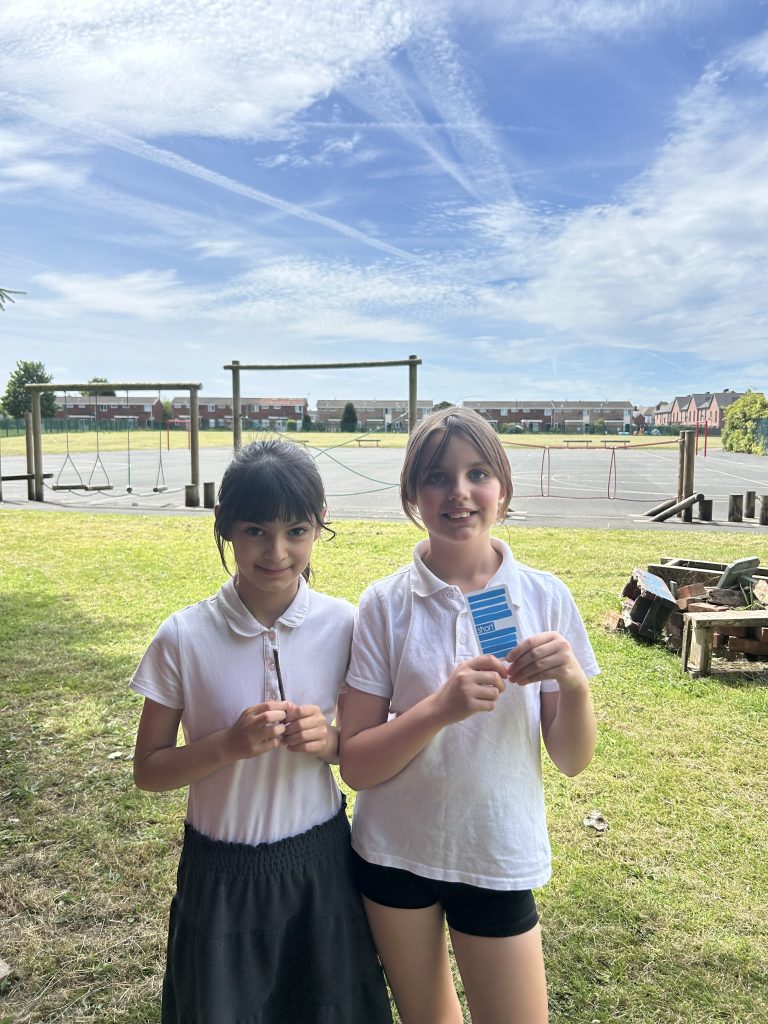
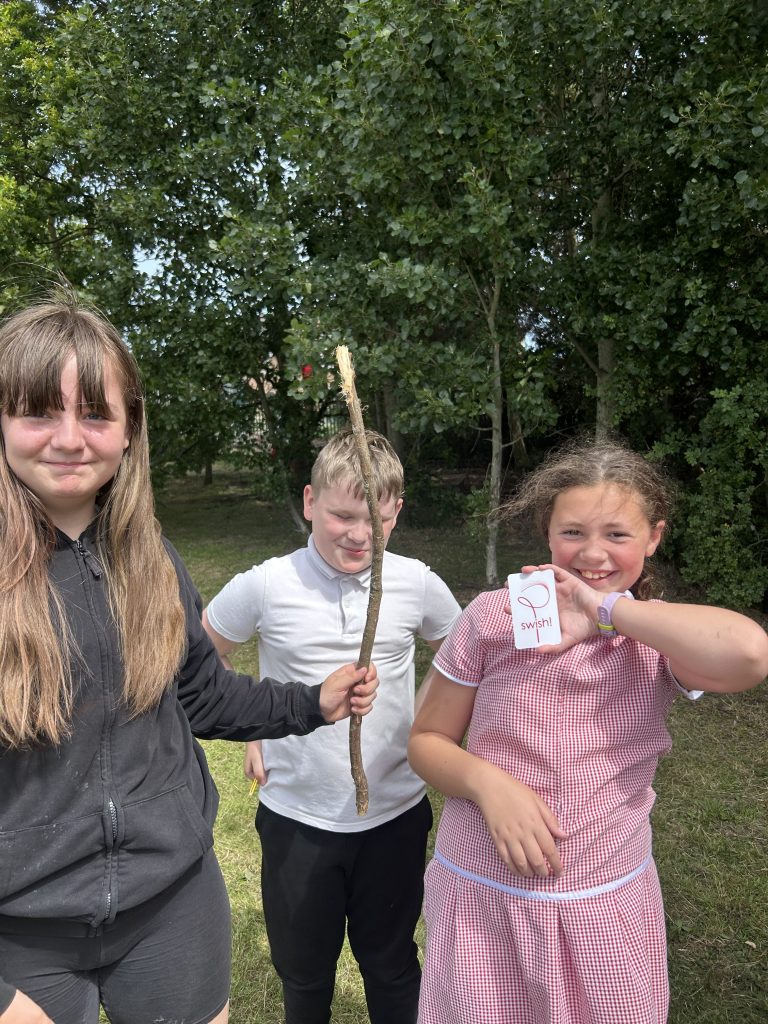
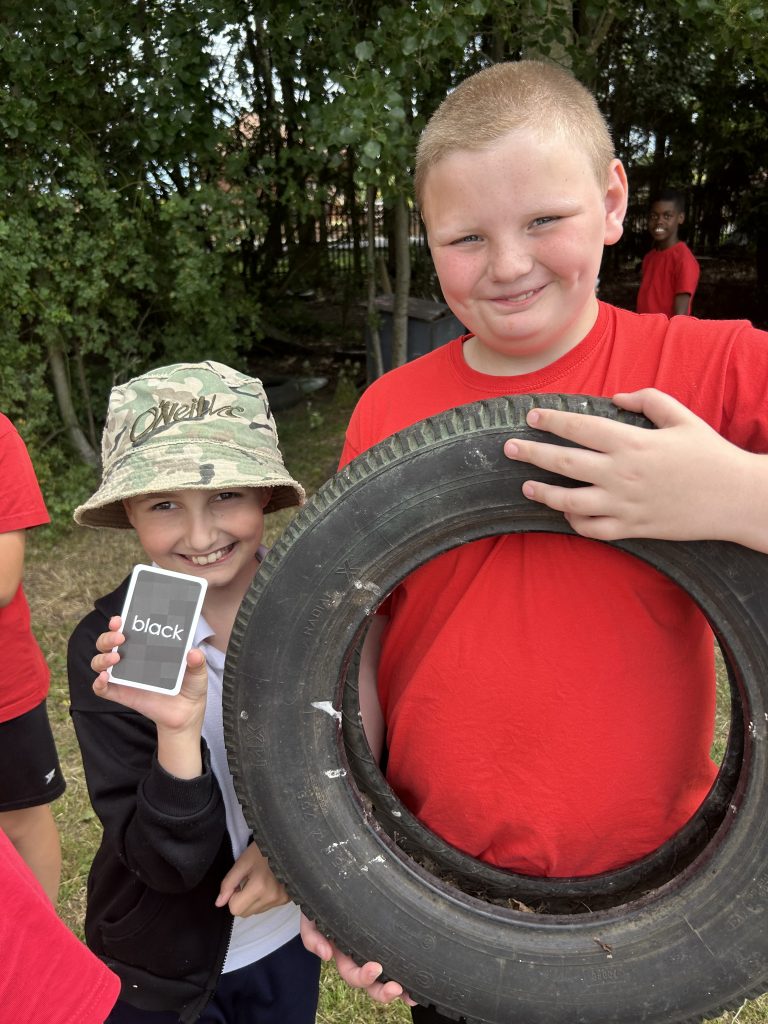
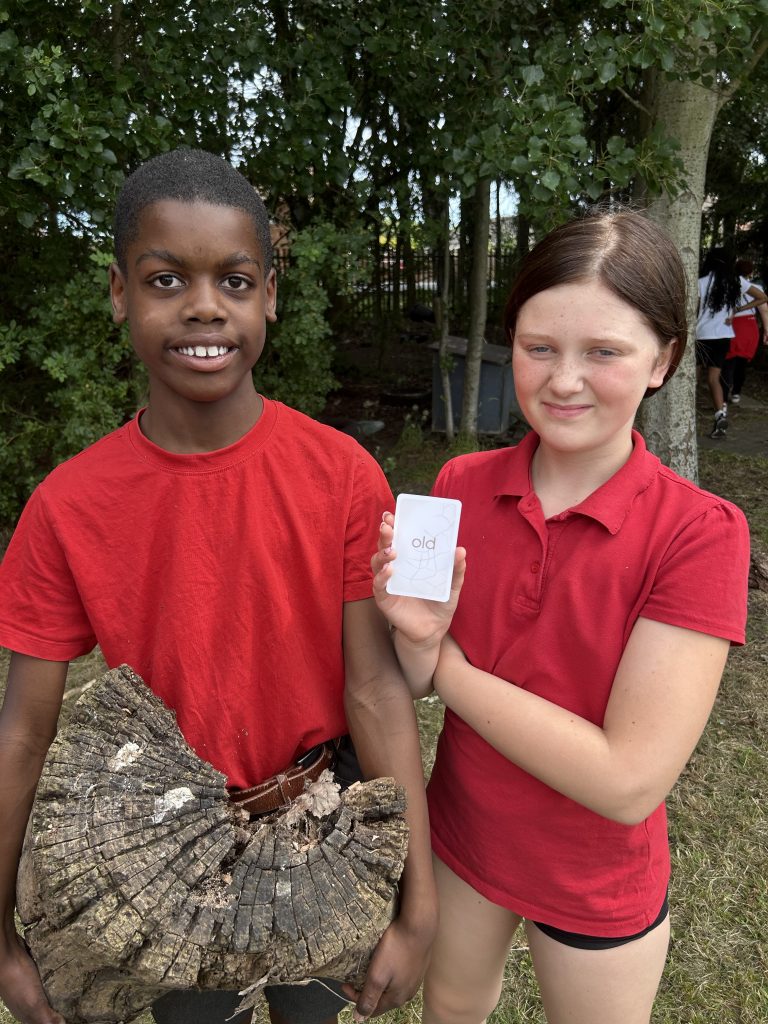
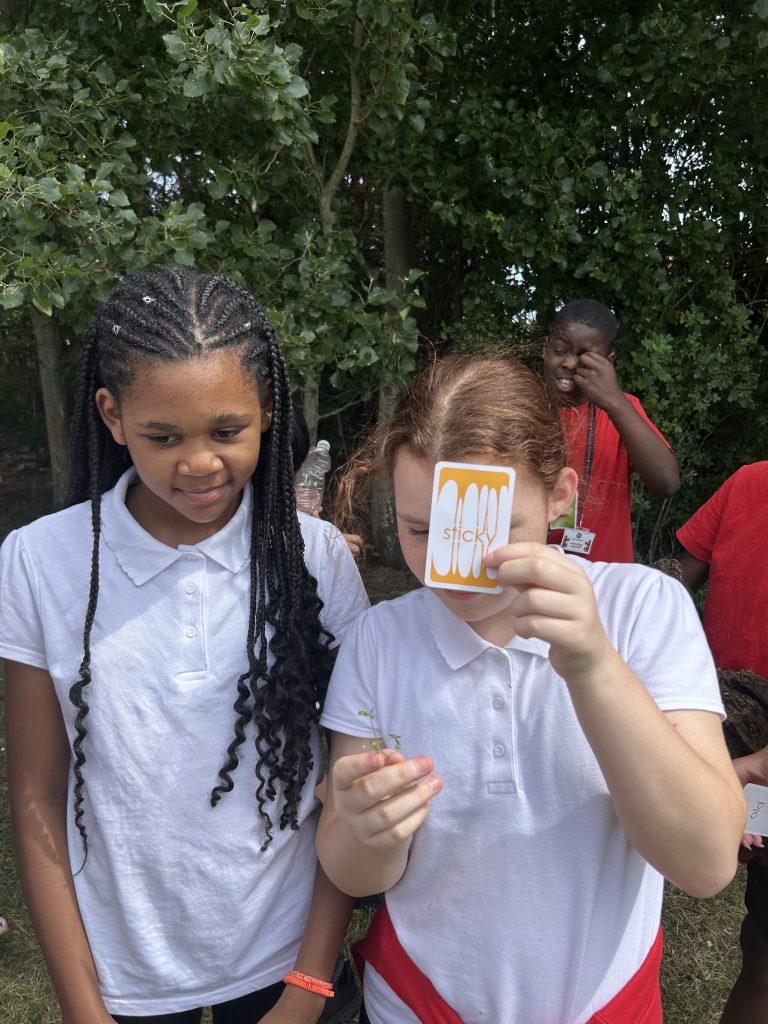
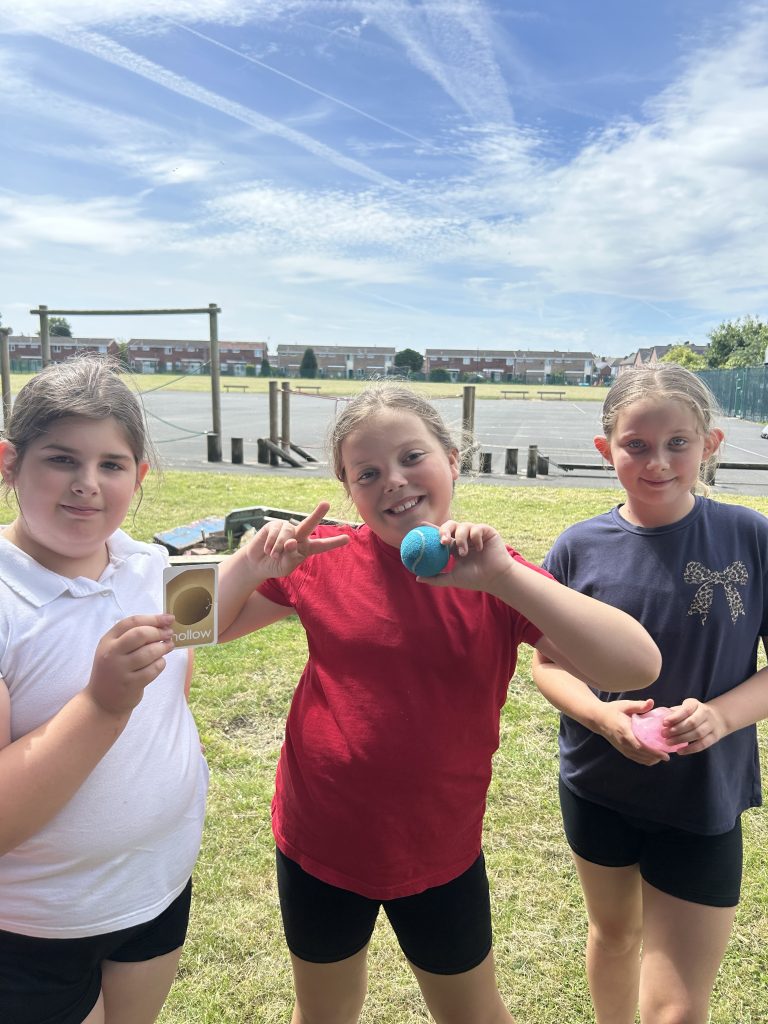
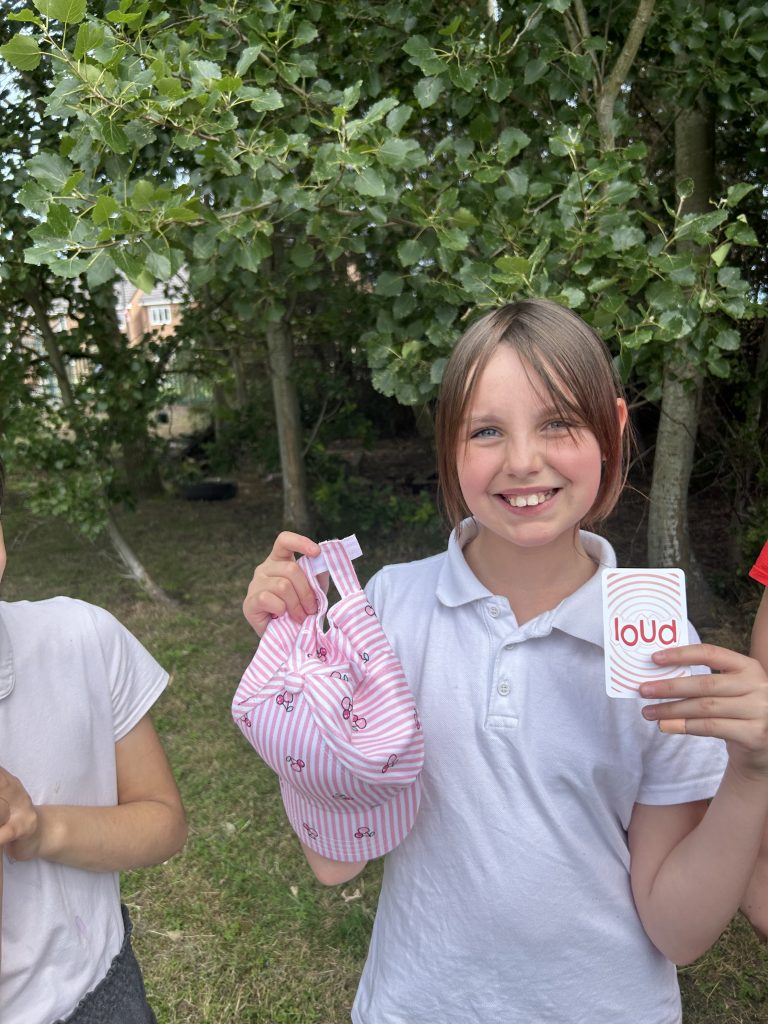
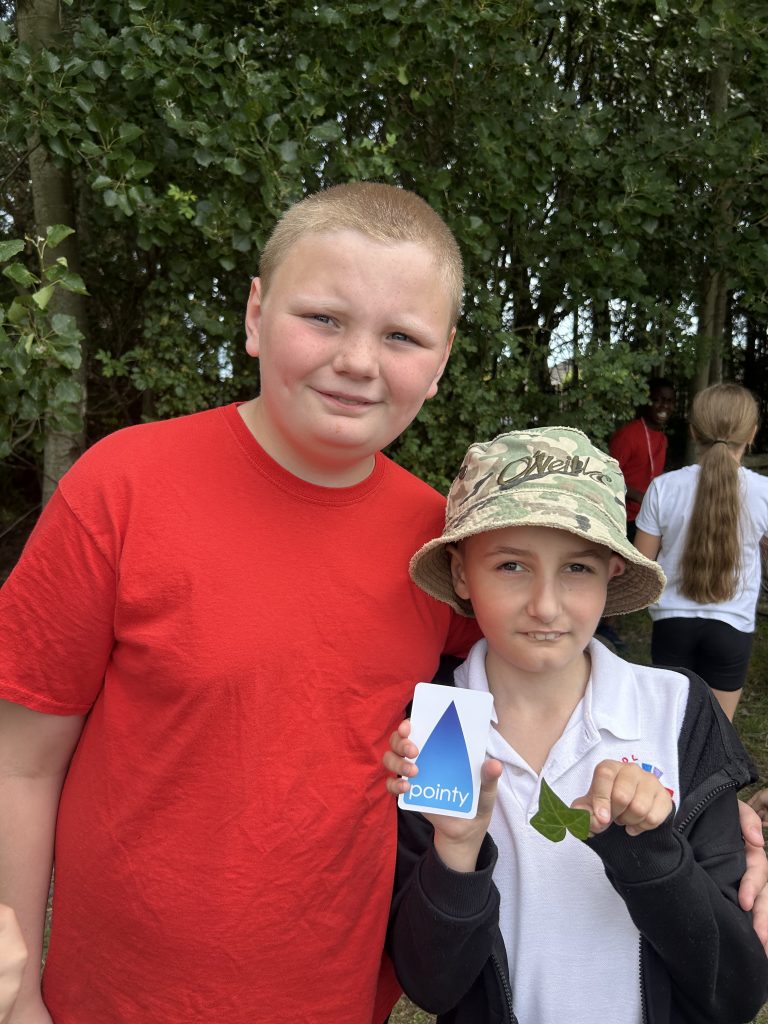
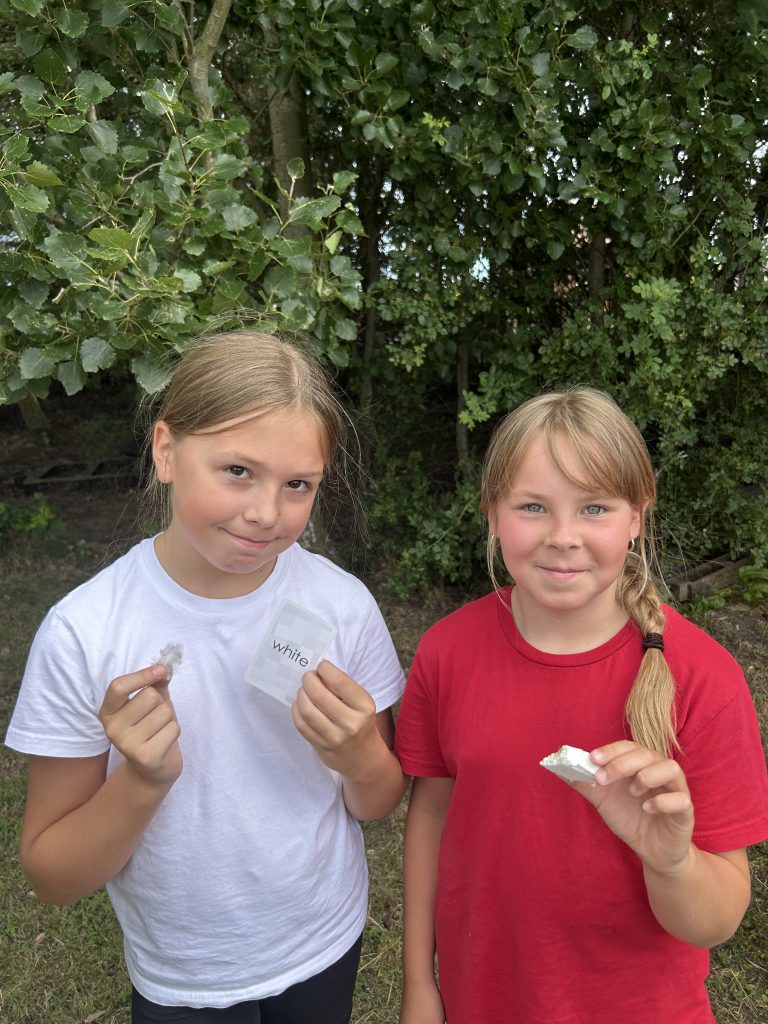
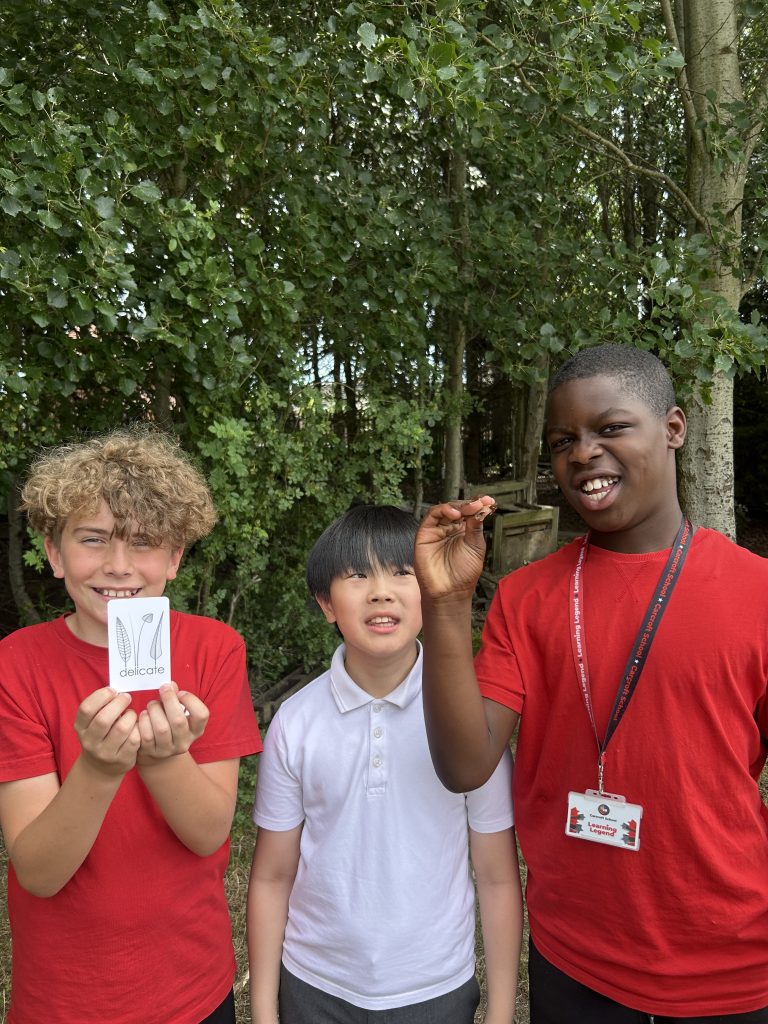
Crew McLoughlin and Crew Gray recently took part in an exciting Forest School challenge using the game Go Find It Too! Working in small groups, the children were given cards showing different objects, colours, textures, and features to find in the natural environment. They explored the Forest School area carefully, searching for items that matched the cards while demonstrating excellent teamwork, communication, and observation skills. The challenge encouraged the children to work together, discuss their ideas, and look closely at the world around them, helping to develop their problem-solving skills while enjoying outdoor learning. Everyone showed great enthusiasm and determination throughout the activity, making it a fun and successful challenge for all involved. 🌿🔍🍂
Year 6 Celebrate with a Bowling Trip
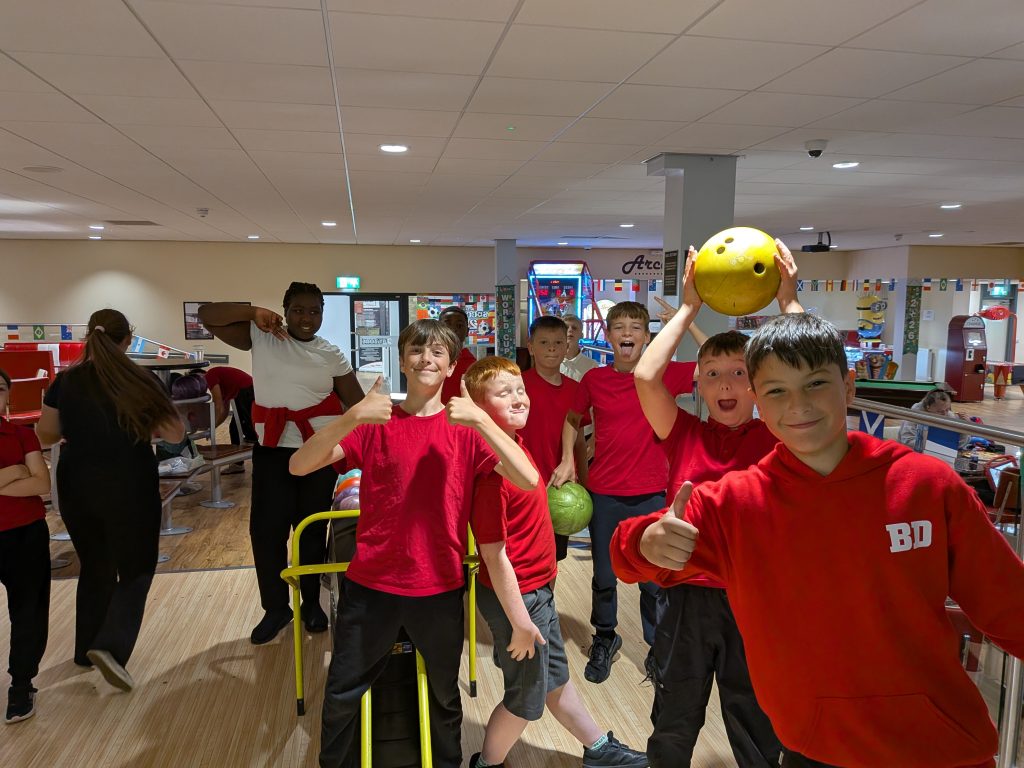
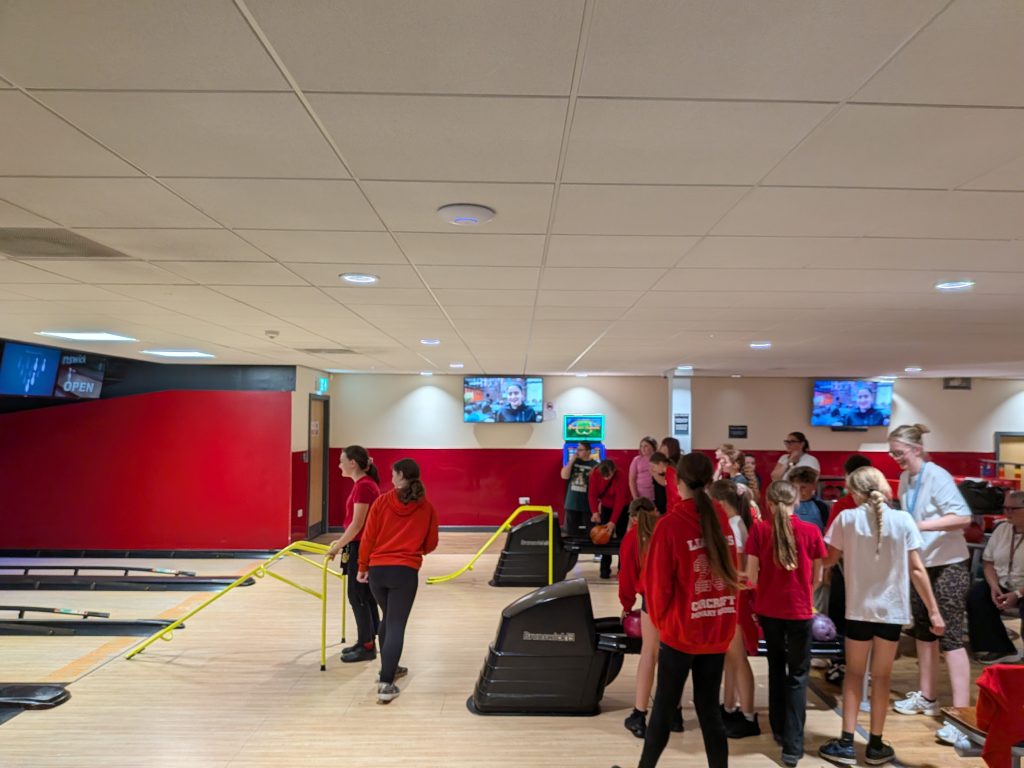
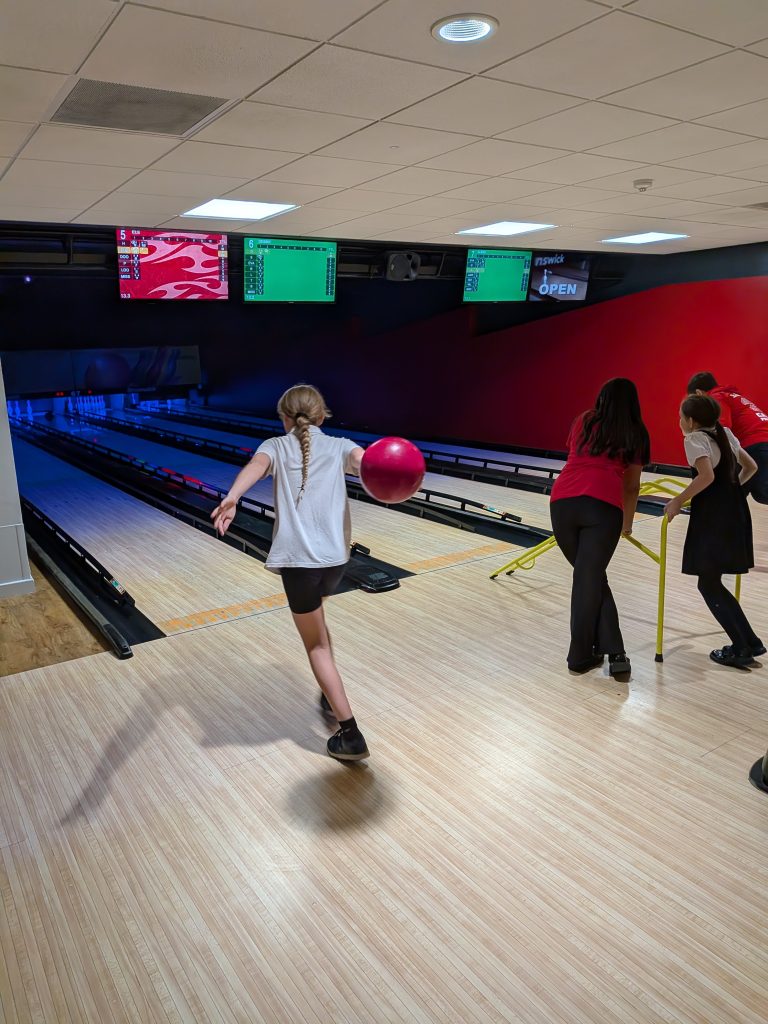
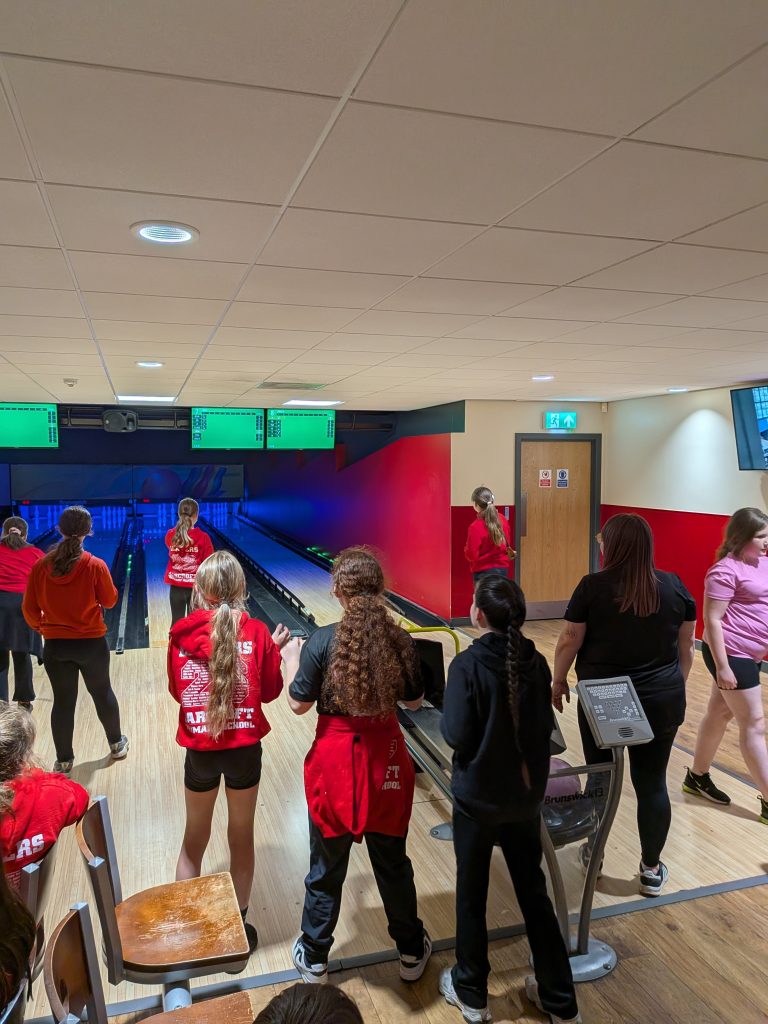
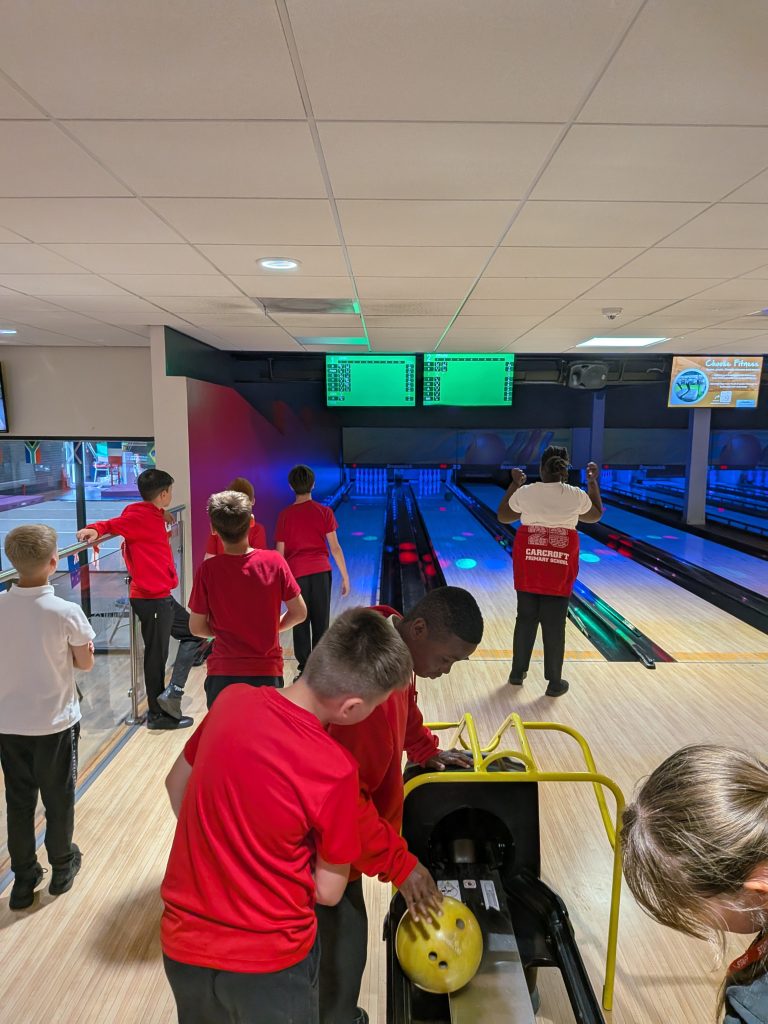
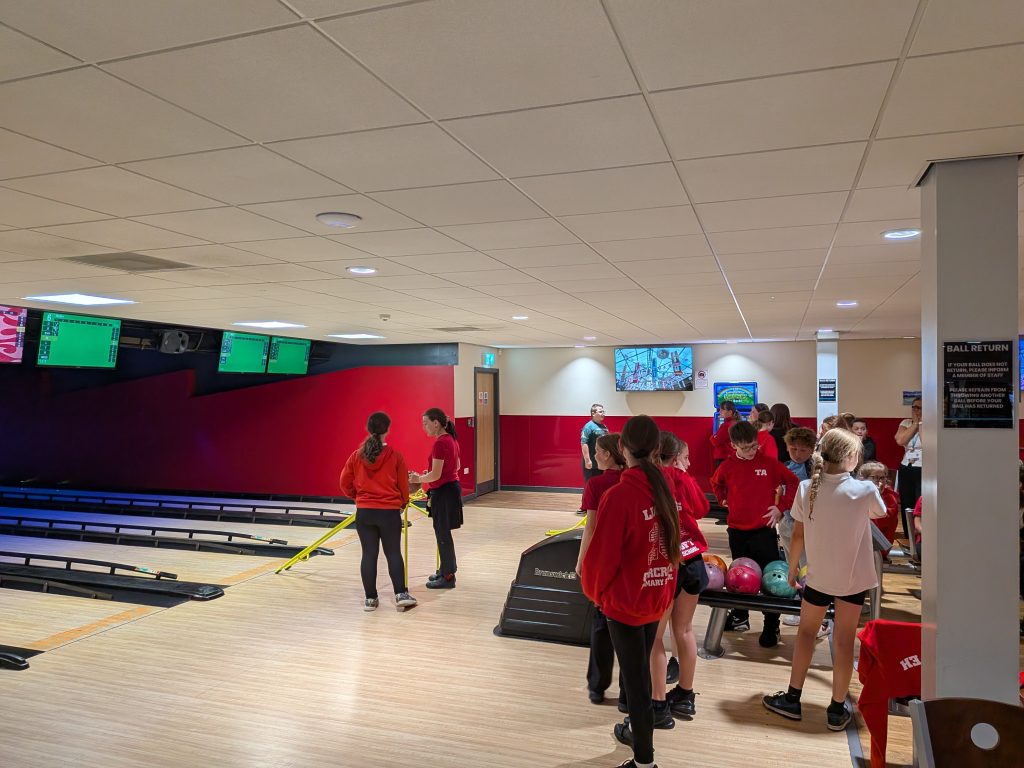
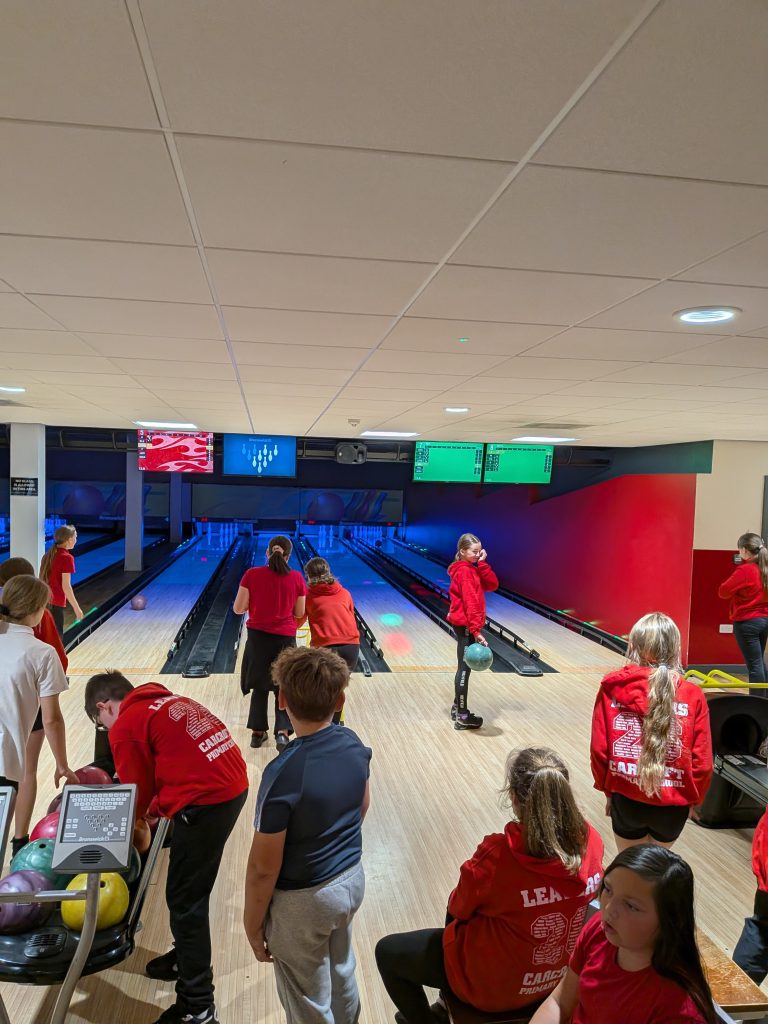
On Wednesday afternoon, pupils from Crew Gray, Crew Godley, Crew McLoughlin and Crew White enjoyed a well-deserved trip to Adwick Leisure Centre to celebrate their hard work and resilience throughout SATs week and their final year at Carcroft School.
The adventure began with a journey on the public bus, where pupils represented the school brilliantly. Staff were incredibly proud of the maturity, respect and responsibility shown throughout the trip. Their excellent manners were noticed by members of the public and reflected the character they have developed during their time at Carcroft.
For some pupils, the afternoon was particularly memorable as it was their first ever visit to a bowling alley. It was wonderful to see their excitement as they tried something new alongside their friends.
Once the games began, there were plenty of strikes, spares and celebrations. Pupils encouraged one another throughout and showed fantastic sportsmanship, making the afternoon enjoyable for everyone.
The trip was an opportunity to celebrate more than academic success. Throughout the year, Year 6 have demonstrated perseverance, kindness and a commitment to working hard. The bowling trip provided a chance to recognise these achievements and create lasting memories together.
We would like to thank the staff at Adwick Leisure Centre for their warm welcome and congratulate all of our Year 6 pupils for being excellent ambassadors for Carcroft School. Well done, Year 6 – a well-earned reward for all of your hard work!
Headlines in Crew Mcloughlin
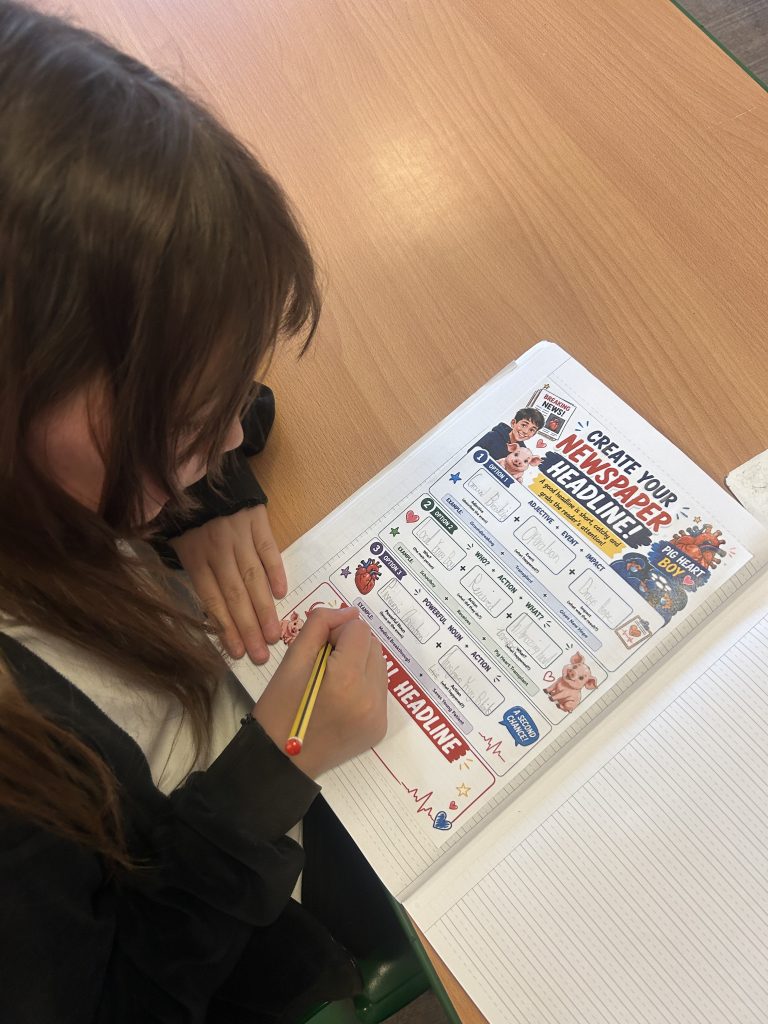
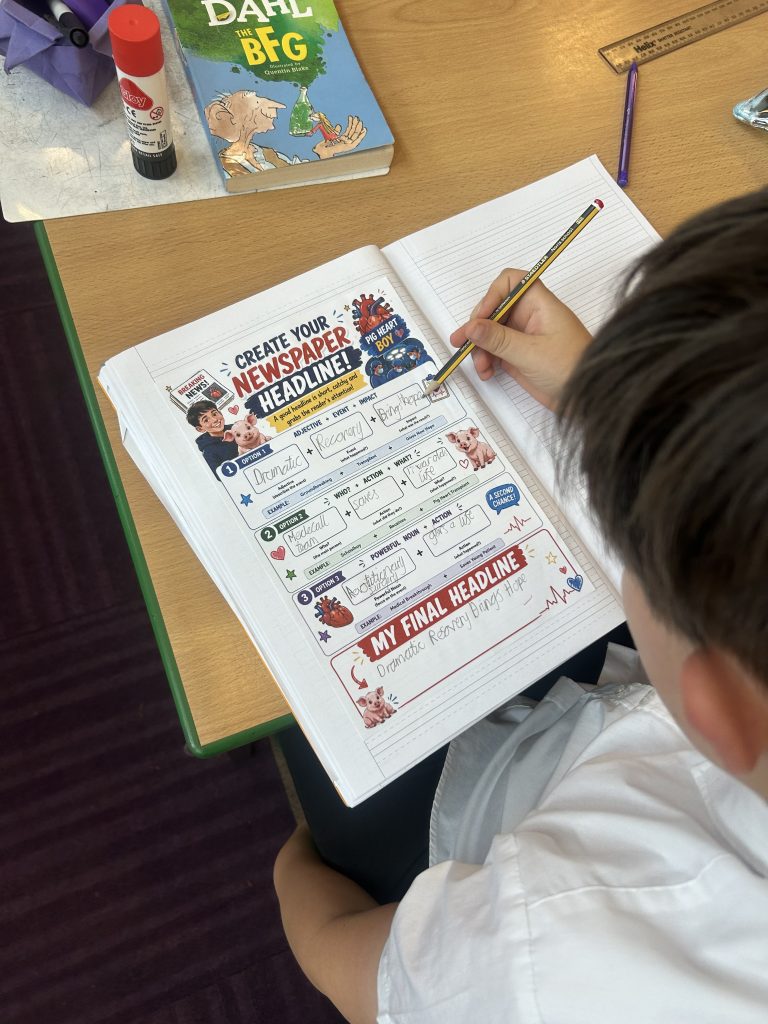
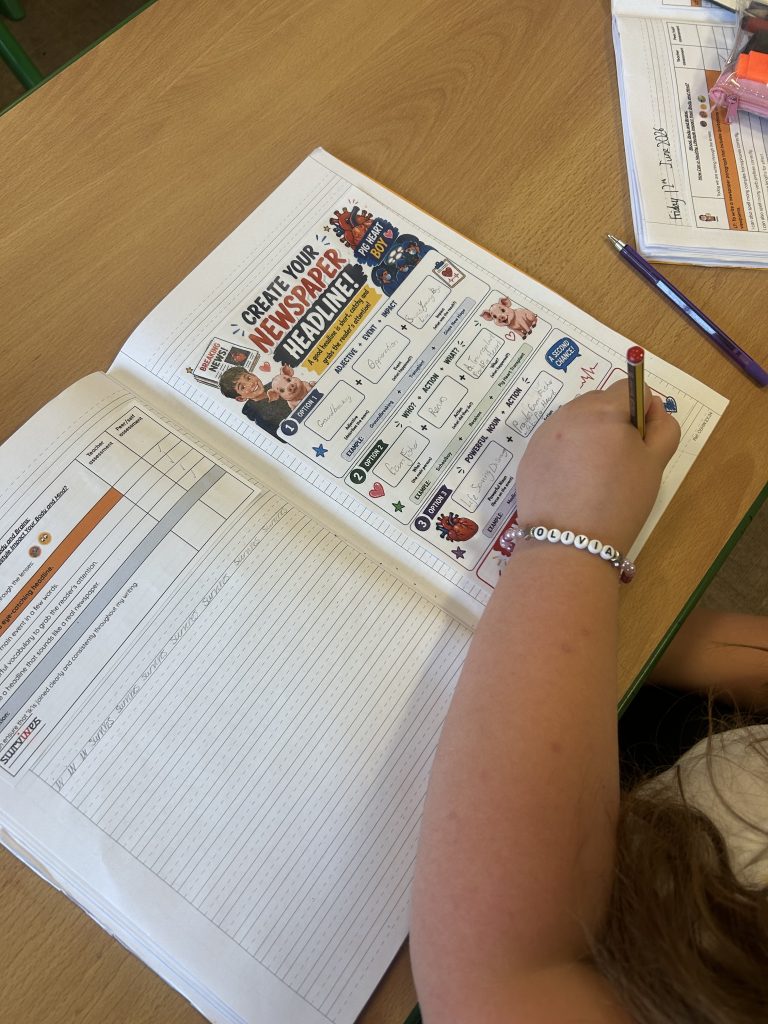
Today, Crew McLoughlin stepped into the role of a newspaper journalist to create bold and exciting headlines. The Crew showed great creativity and understanding of the novel. This engaging activity helped develop reporting and summarising skills while bringing the story to life in a fun and imaginative way. Well done, Crew, for producing eye-catching headlines worthy of the front page!