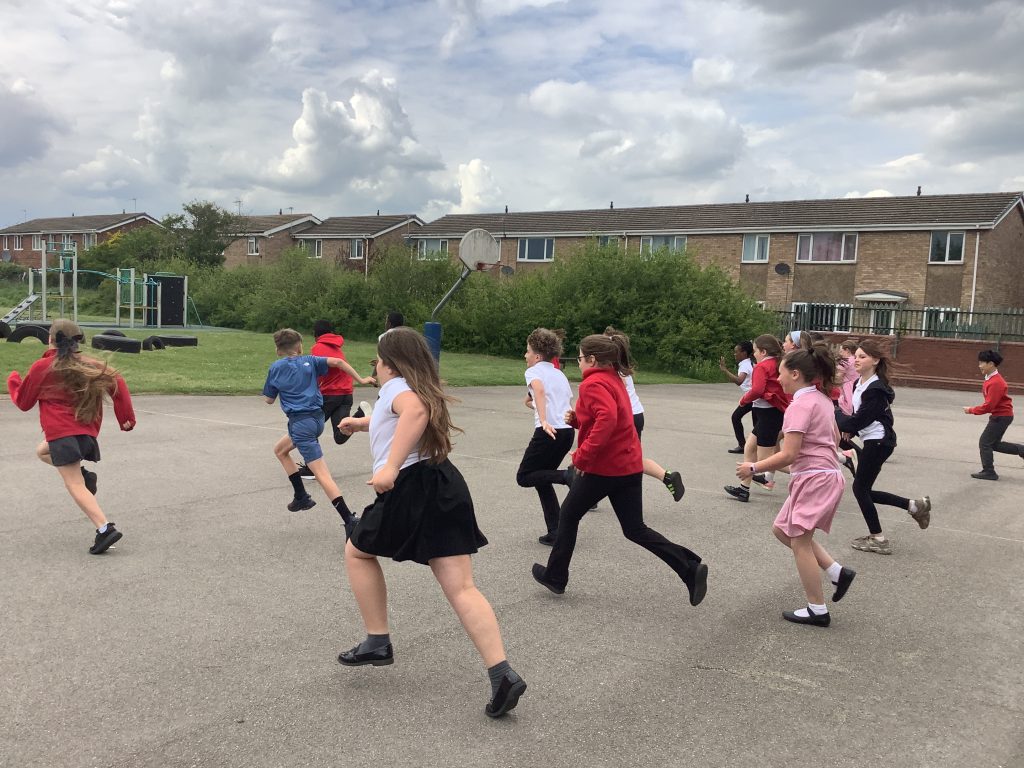
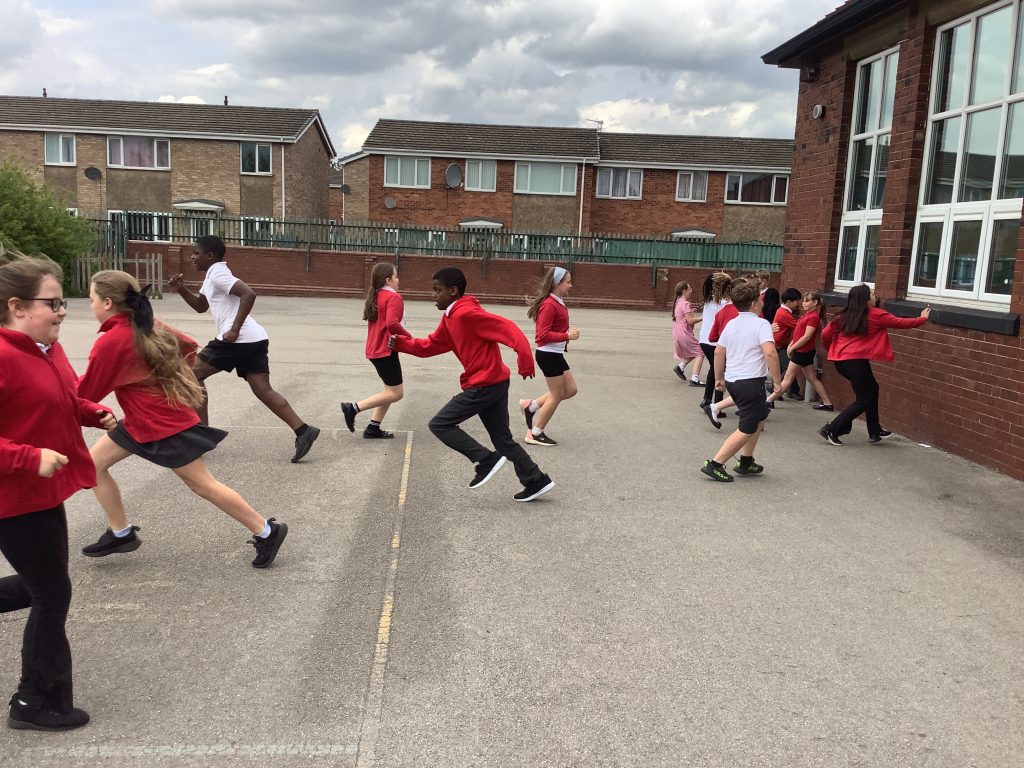
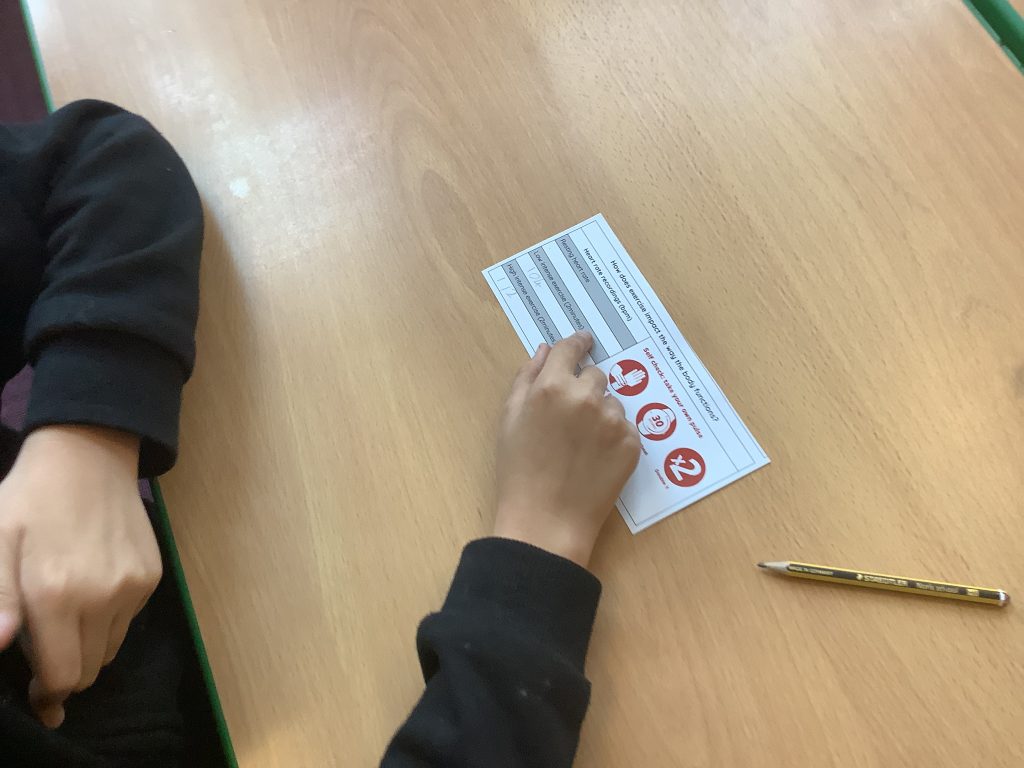
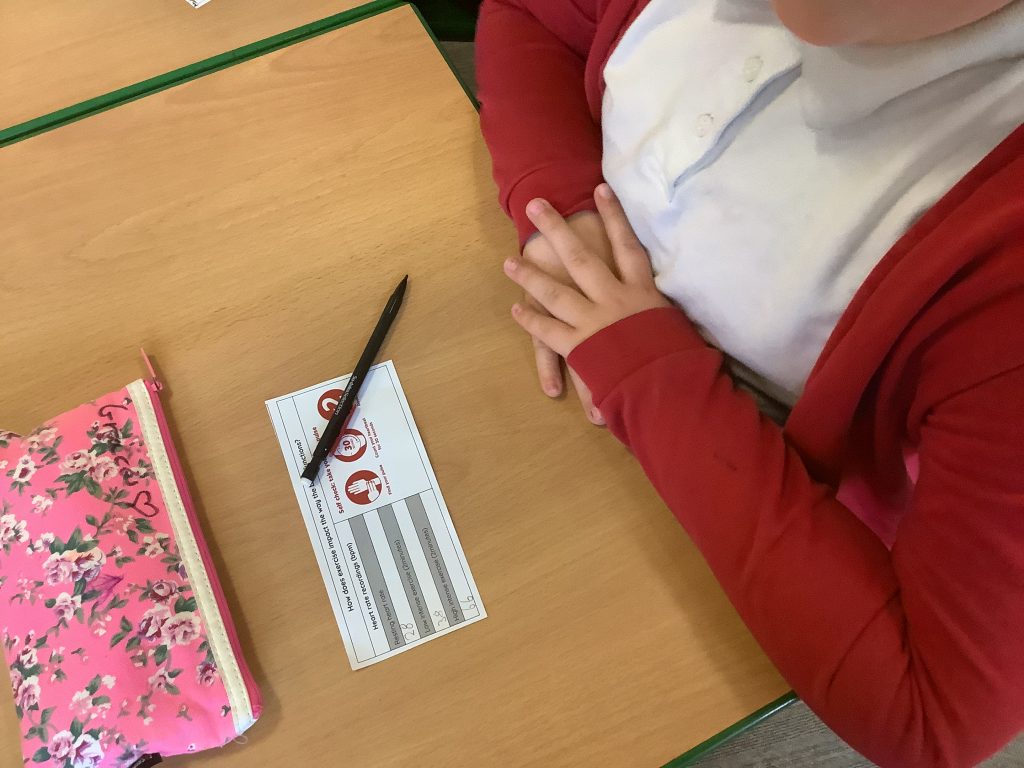
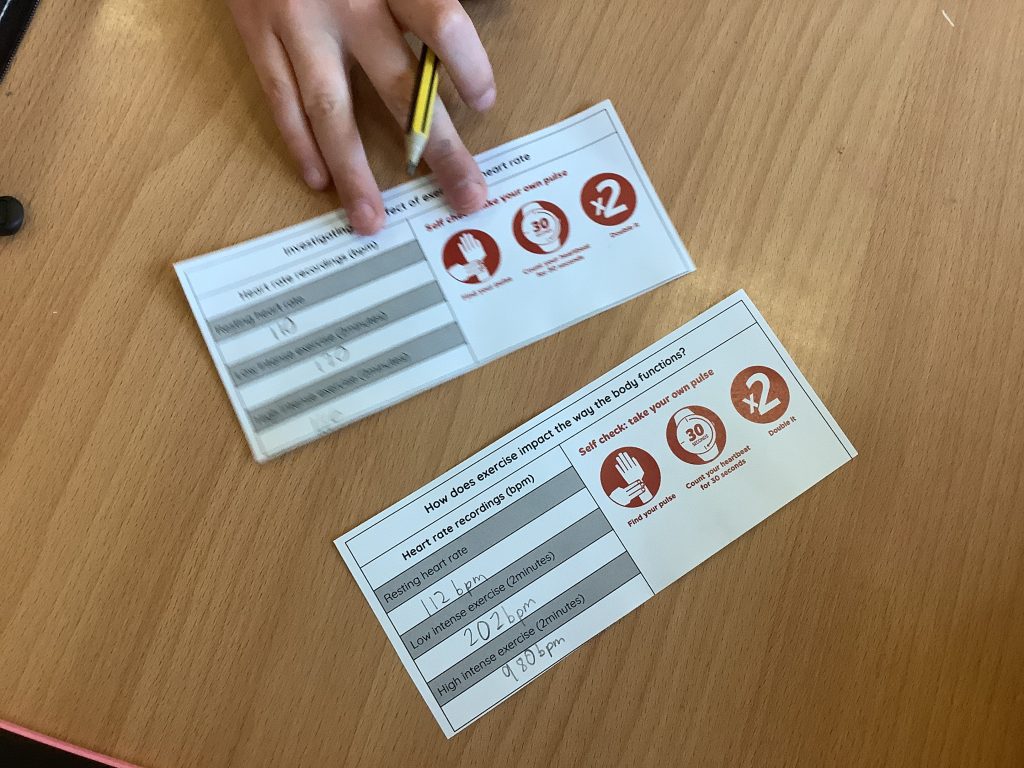
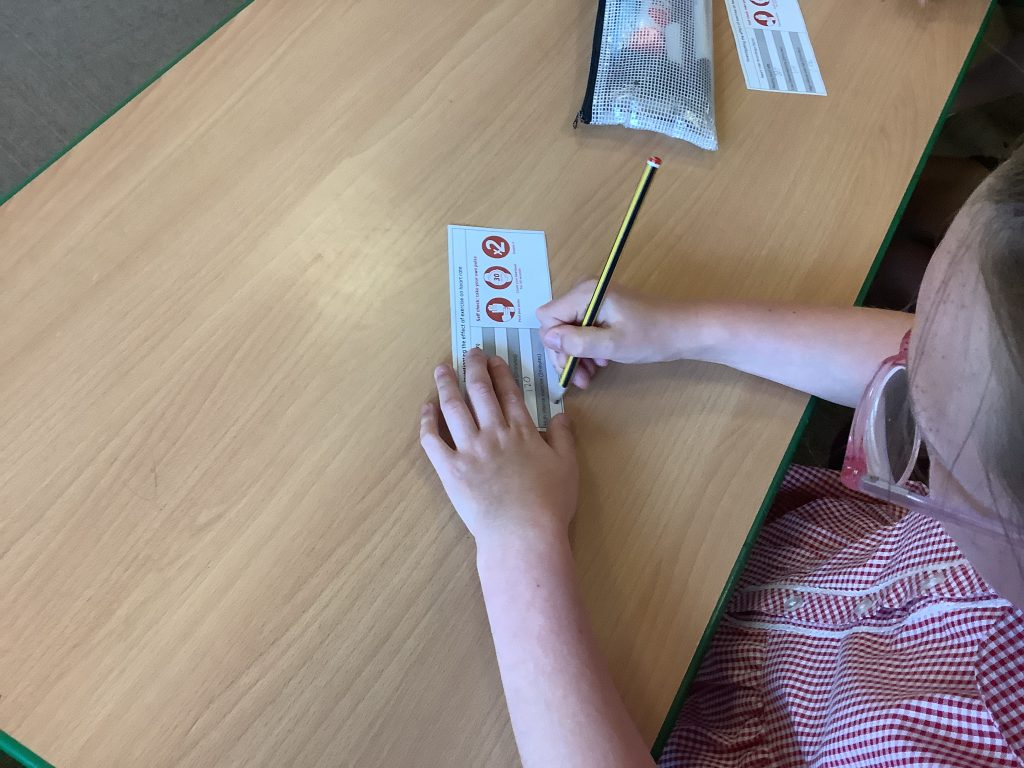
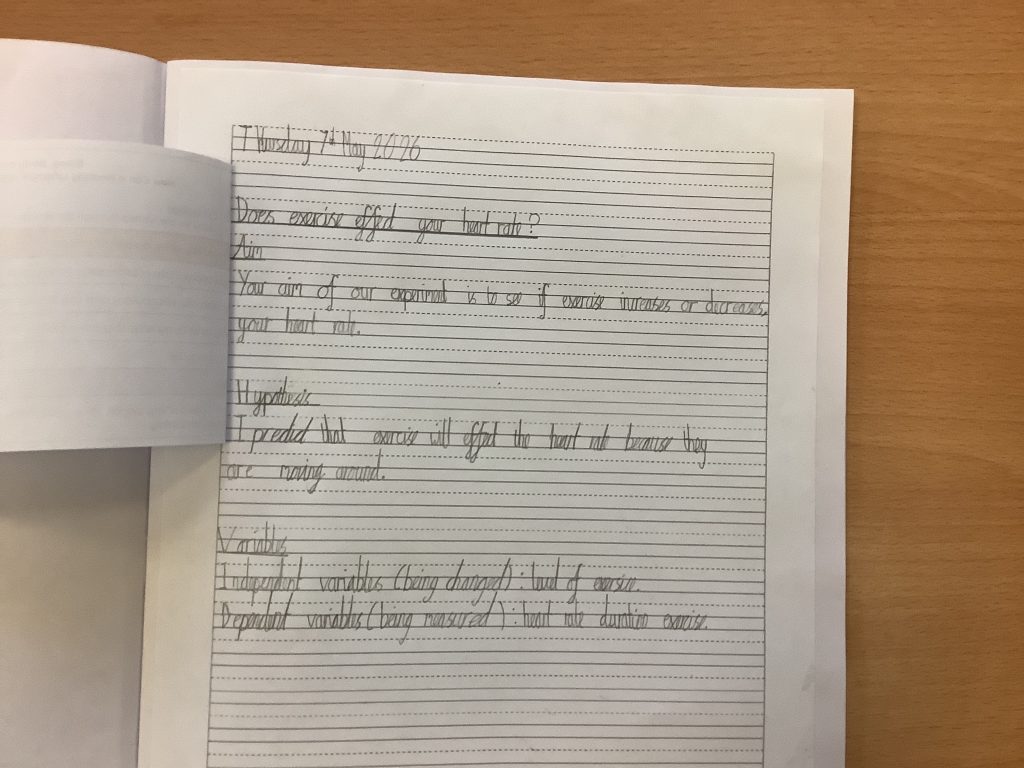
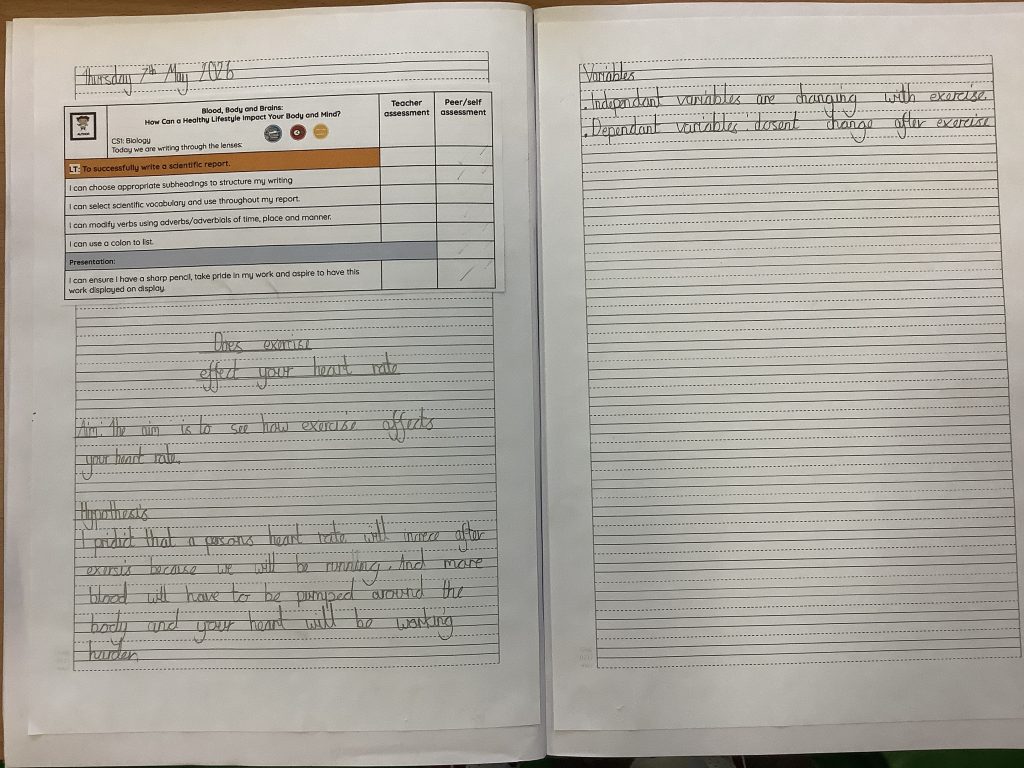
Today, Crew McLoughlin successfully initiated their scientific investigation by drafting their title, aim, hypothesis and variables before diving into active testing. To determine if exercise directly impacts our heart rate. They conducted a controlled experiment measuring heart rate at resting, low intensity exercise and high intensity. By documenting their pulse before and after activity, they were able to gather their findings.
In this lesson, Miss taught us about the four main components of blood. Rather than simply reading from a textbook, we explored the topic through a creative step-by-step “construct and demonstrate” activity, which made the concepts much easier to understand.
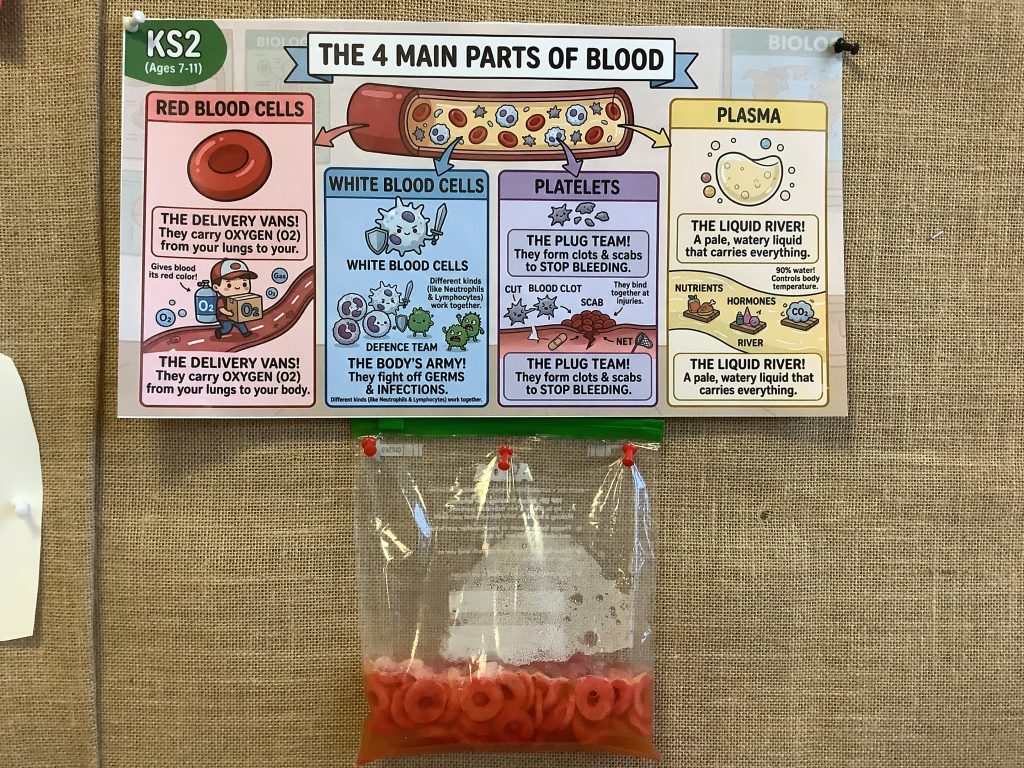
Miss explained that blood is made up of four key parts: plasma, red blood cells, white blood cells and platelets. Each part has an important job in keeping our bodies healthy.
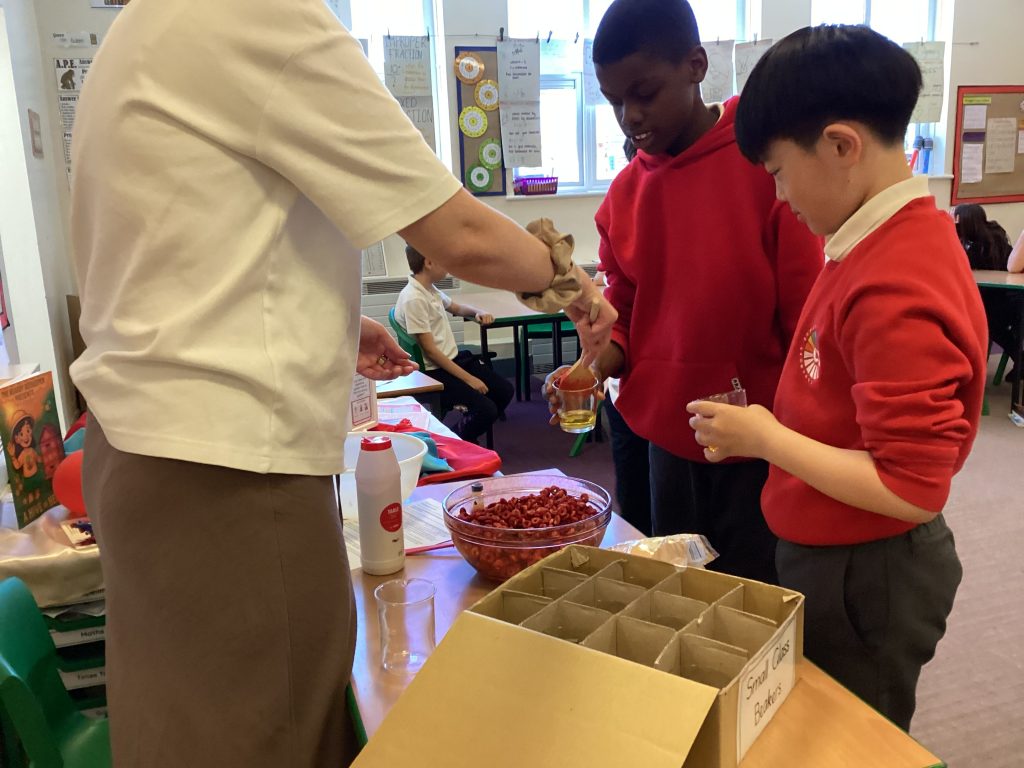
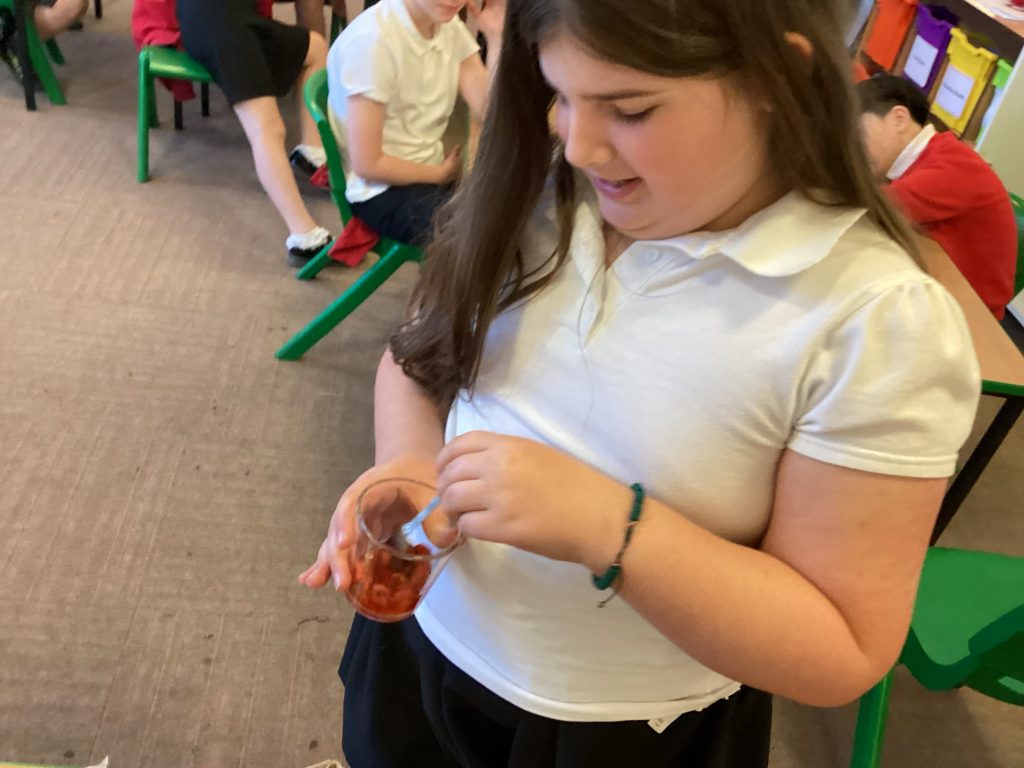
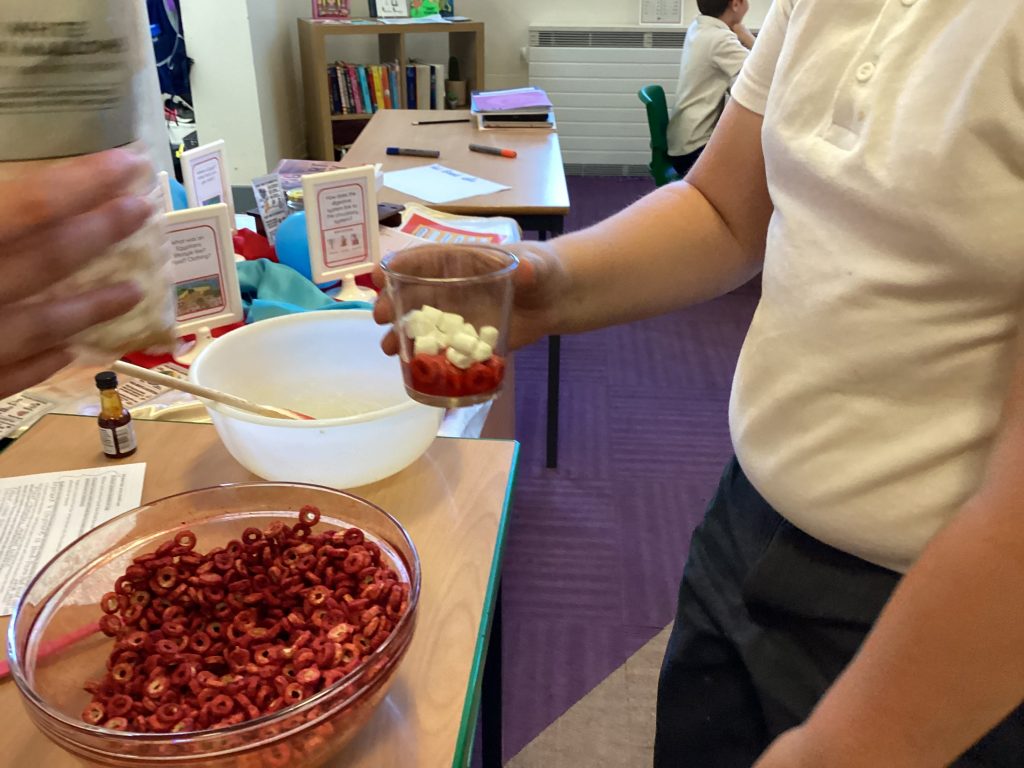
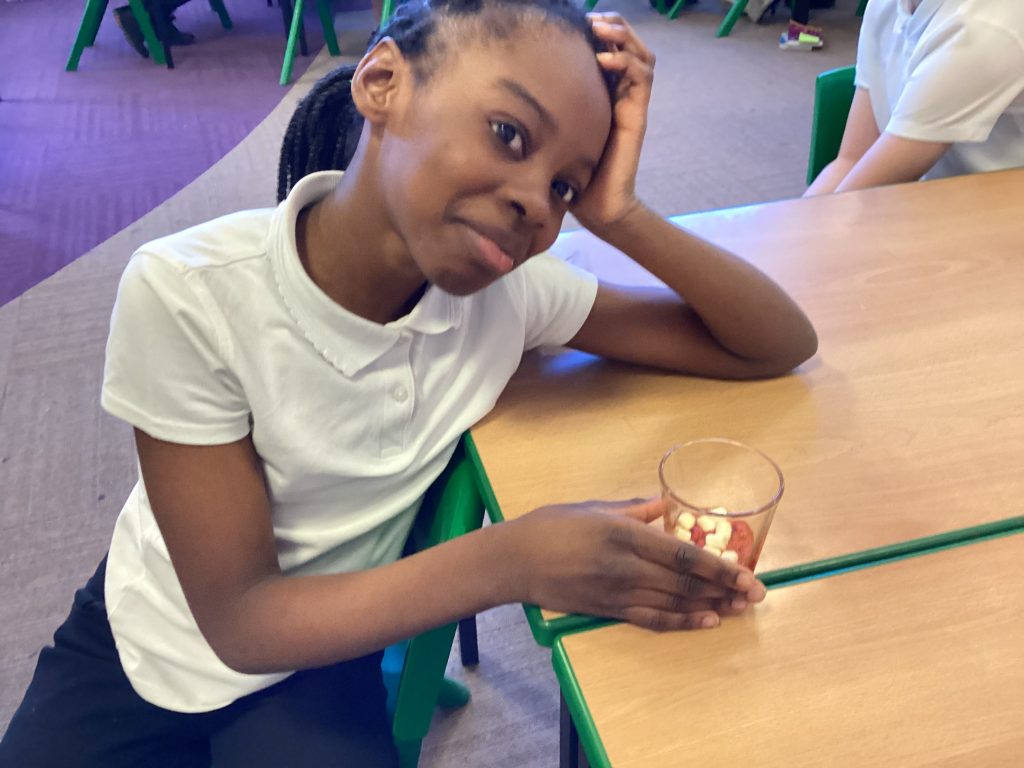
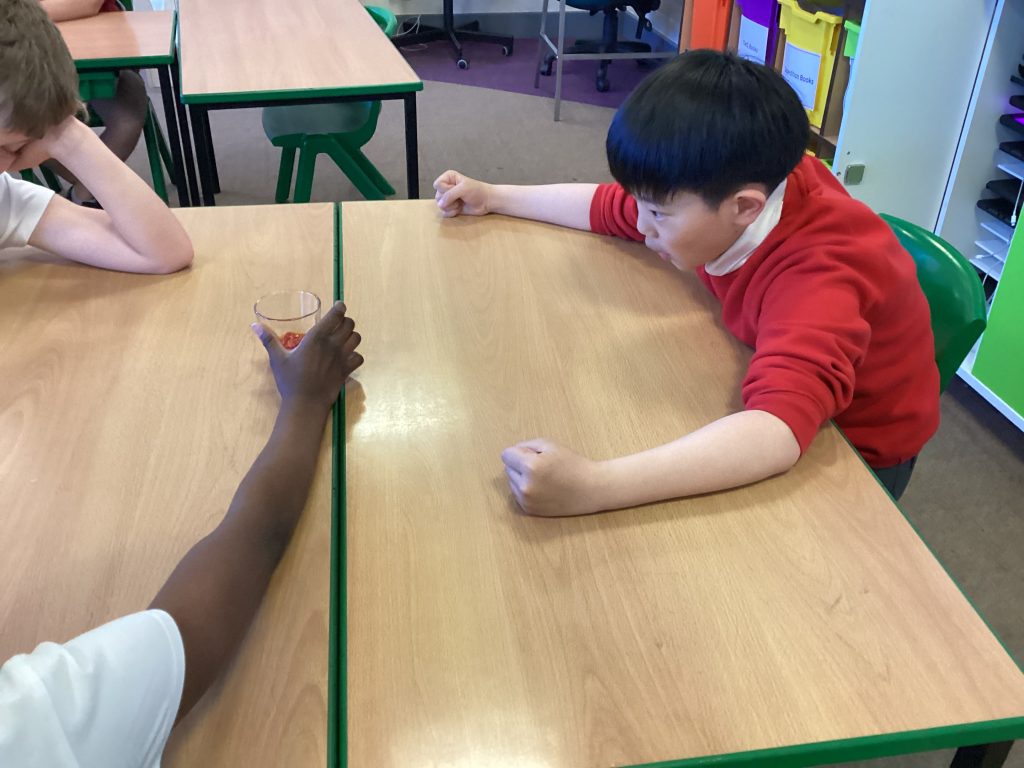
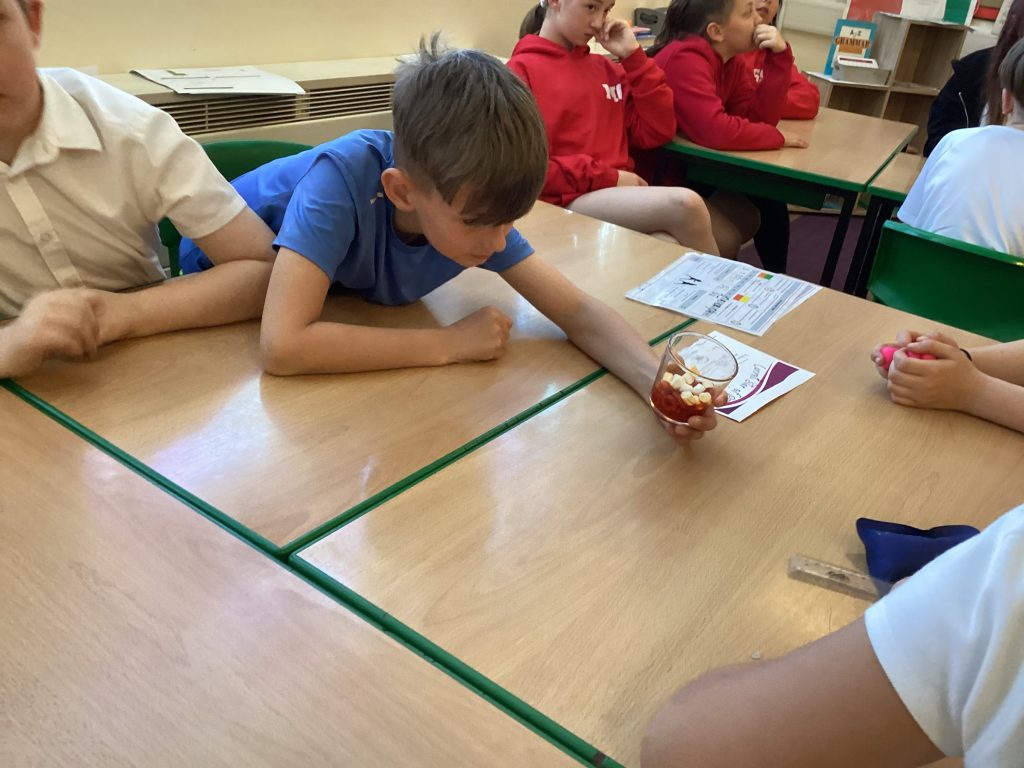
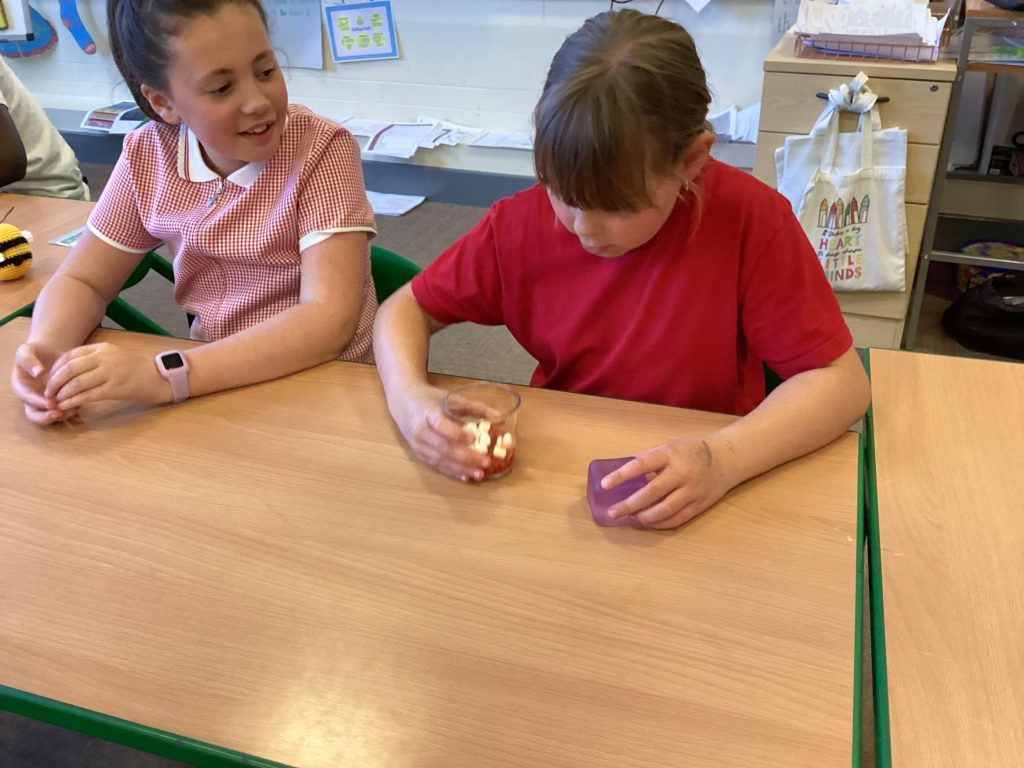
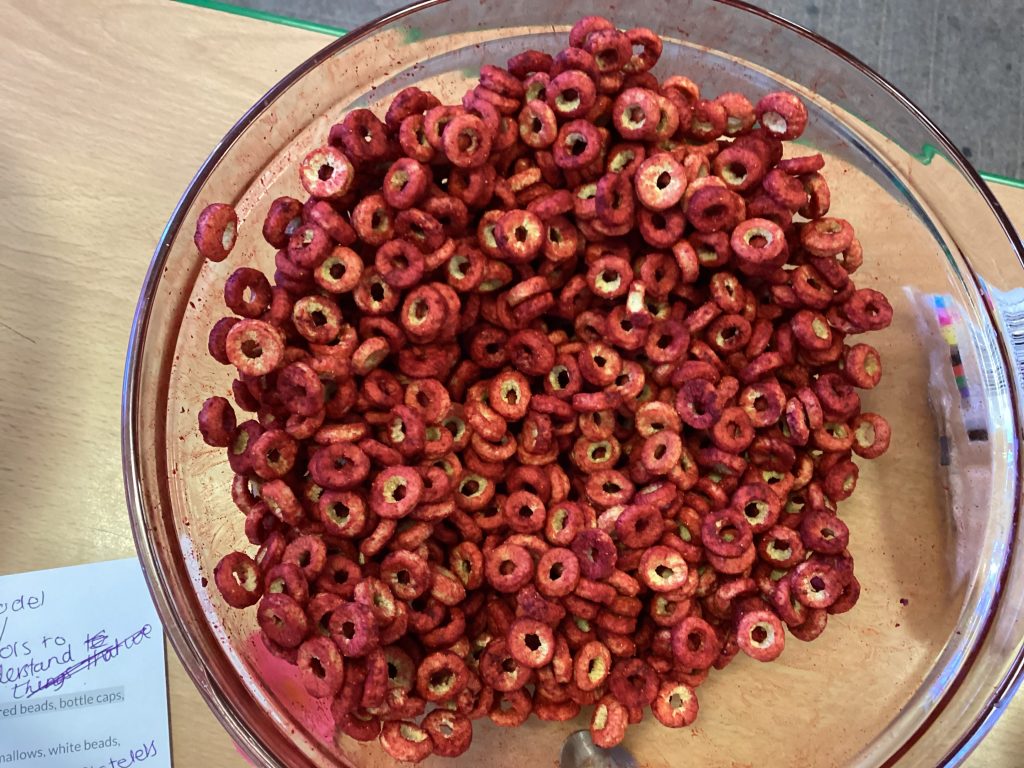
To help us visualise this, we carried out a fun hands-on activity by creating a blood model. We used water and yellow food colouring to represent the plasma, giving the liquid its realistic appearance. Marshmallows were added to show the white blood cells, which help fight infections. Cheerios represented the red blood cells, carrying oxygen around the body and giving blood its distinct red colour. We also included small pieces to represent platelets, which help our blood clot when we get a cut. Building our own “blood model” made it much easier to understand how all the components work together.
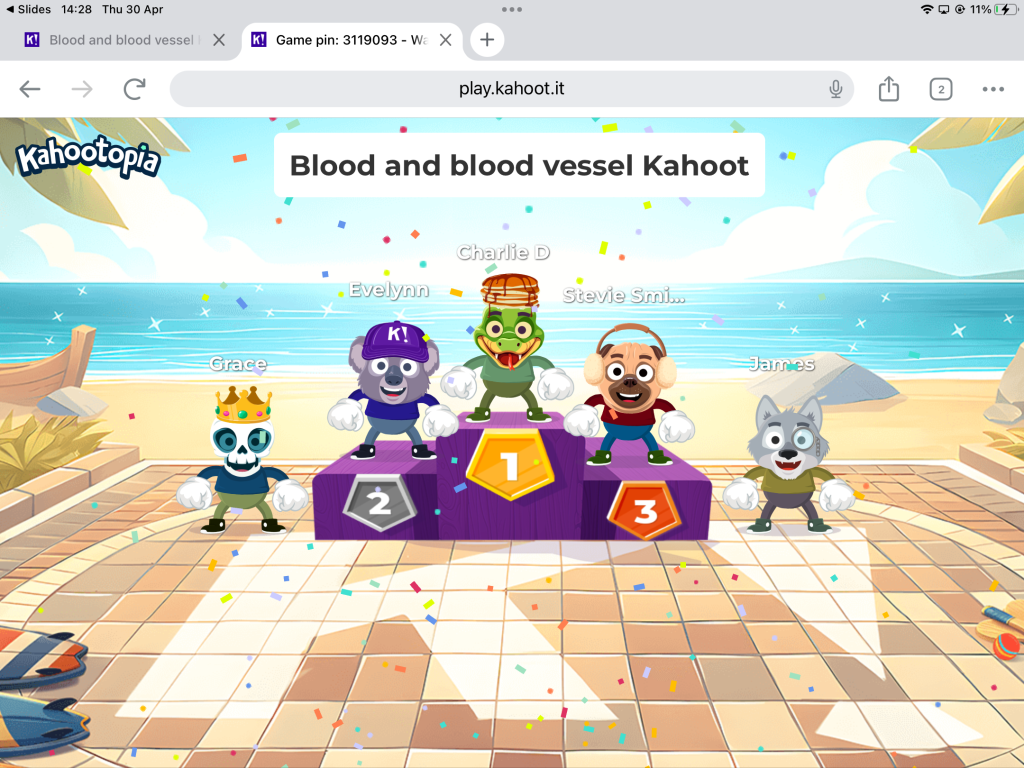
We finished with a kahoot to test our knowledge to exit out of the lesson.
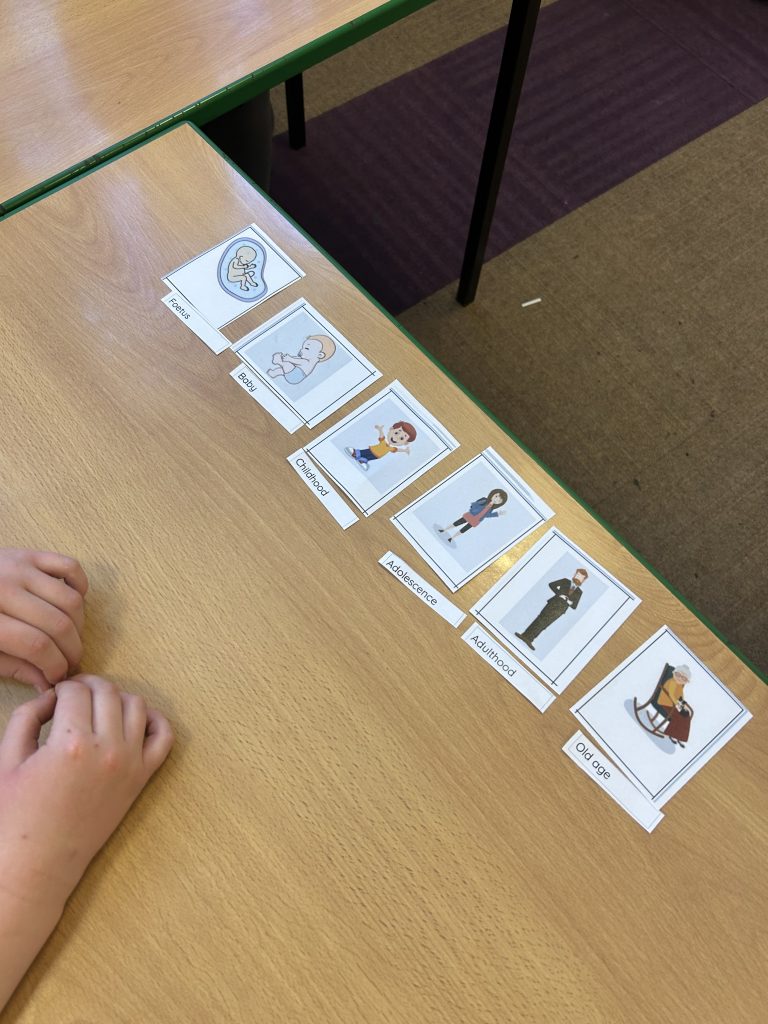
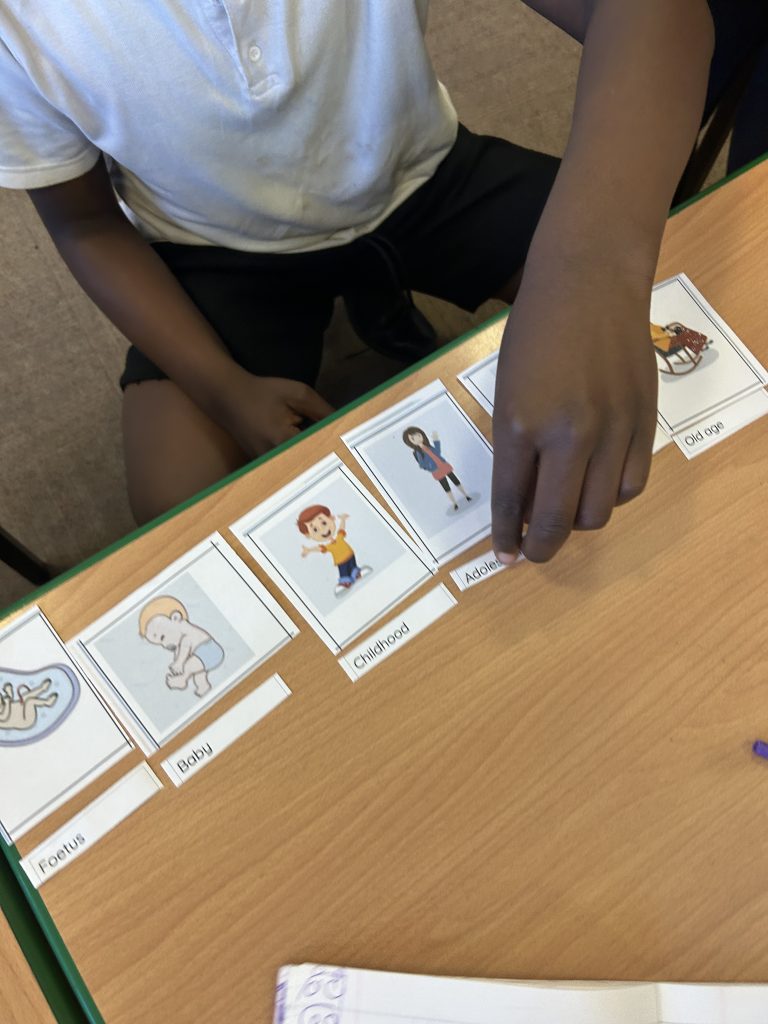
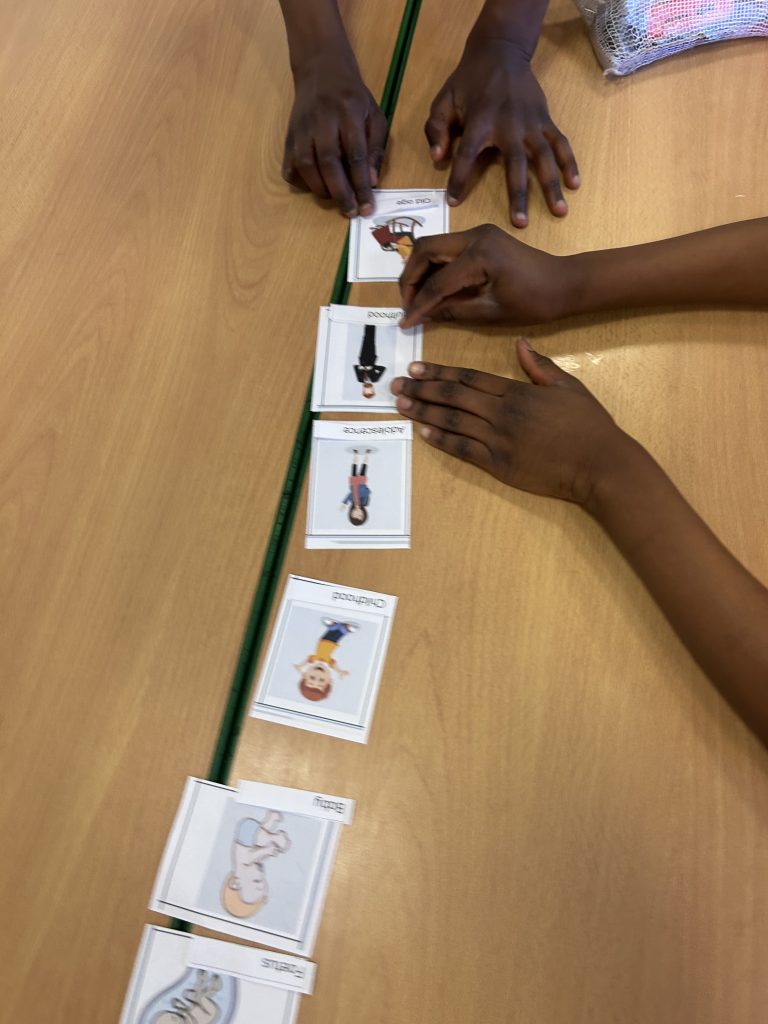
Today, Crew McLoughlin dove into the fascinating world of biology by creating our own visual life cycles. The students mapped out the distinct stages of growth and transformation, from prenatal to late adulthood.
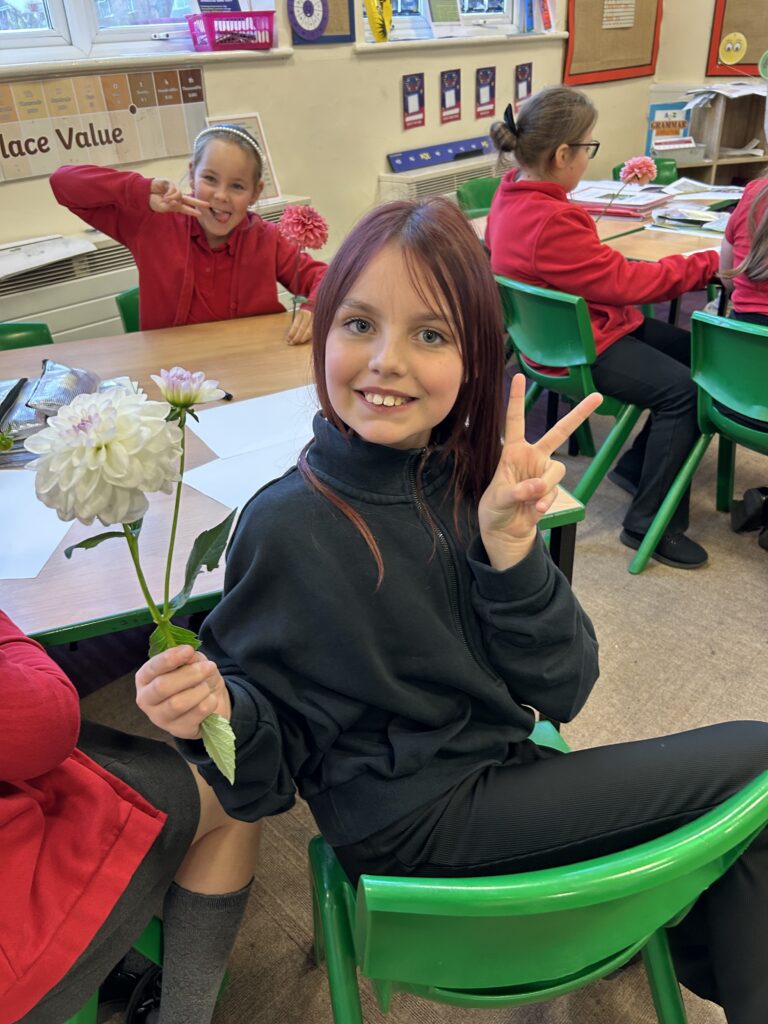
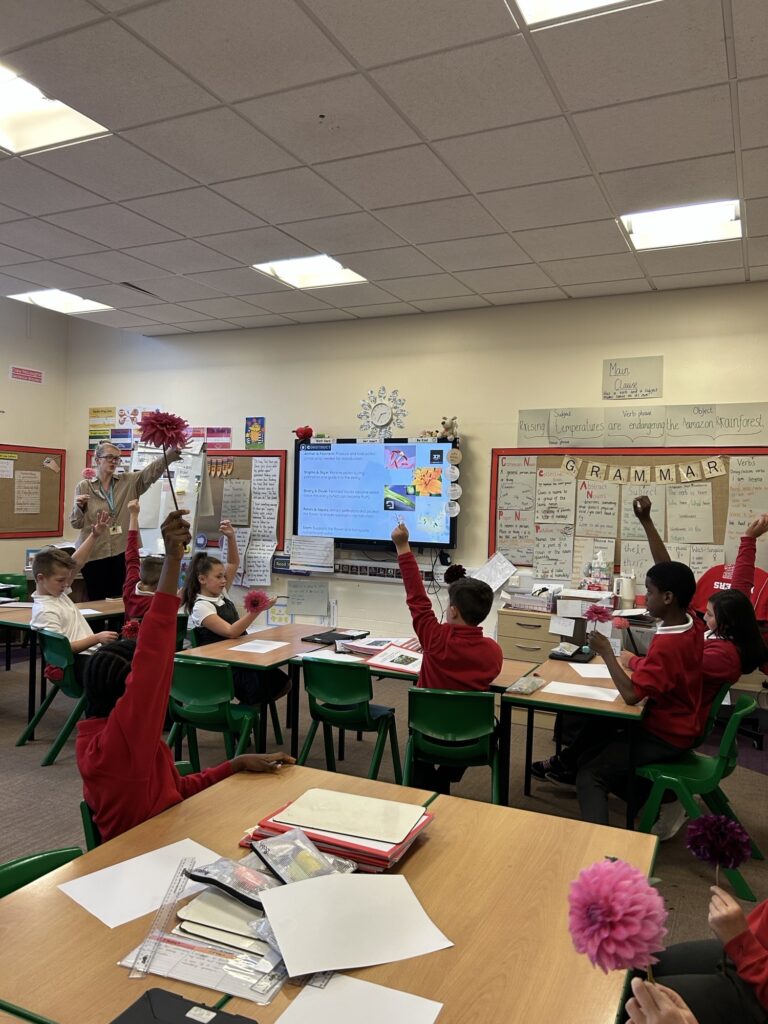
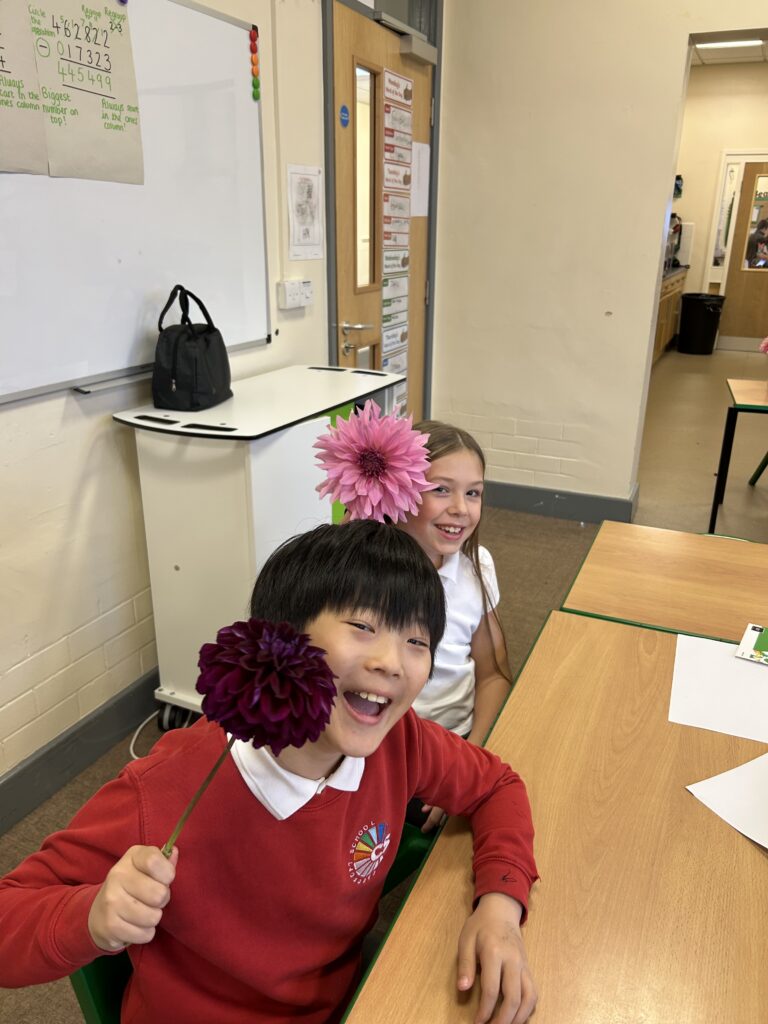
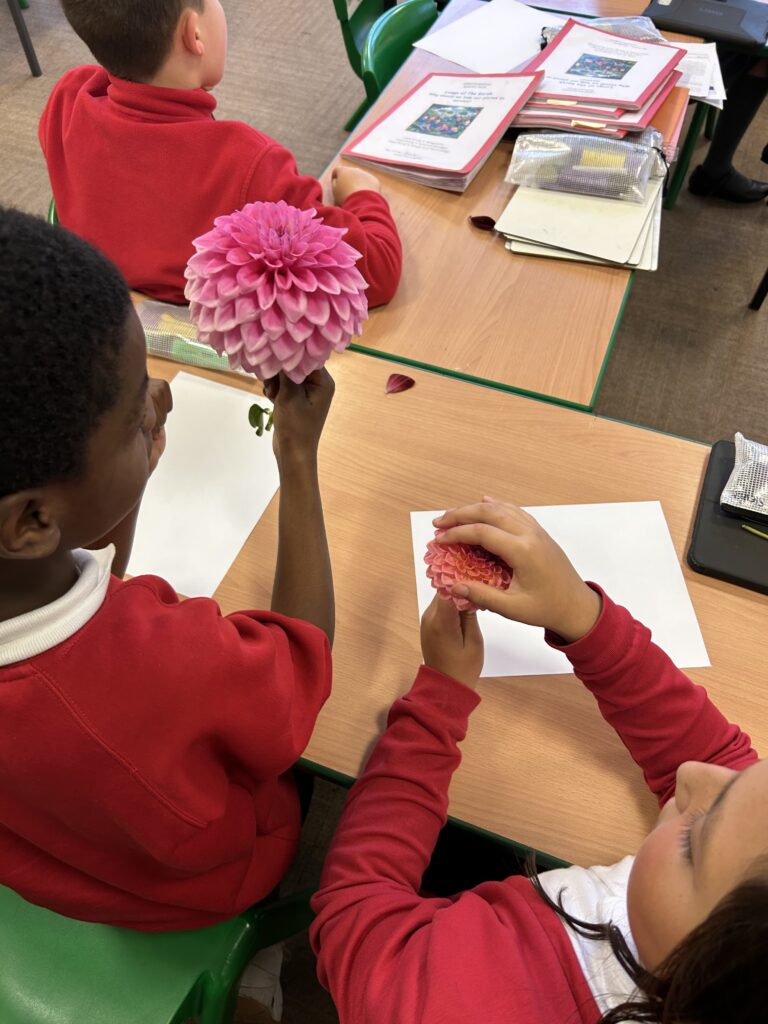
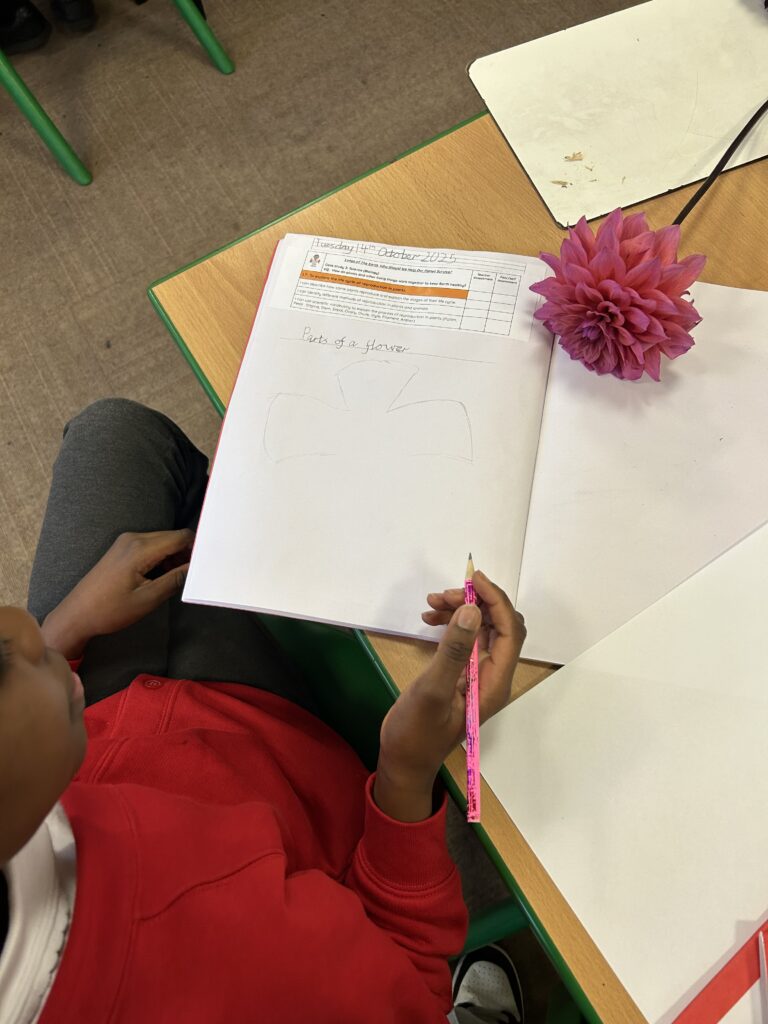
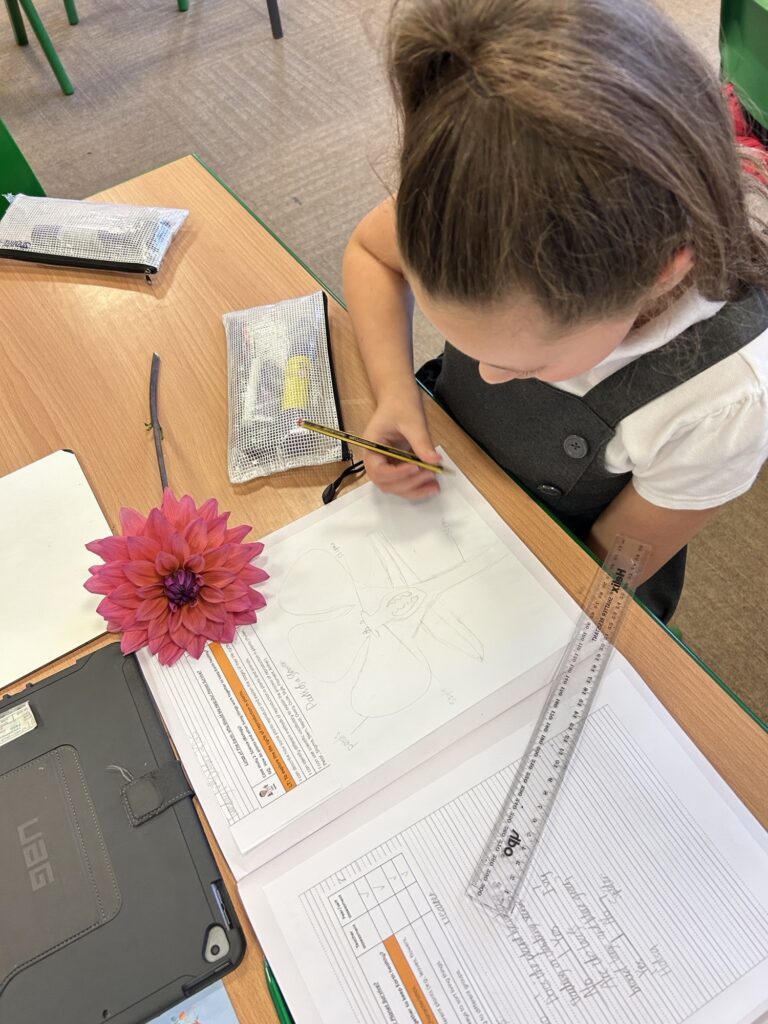
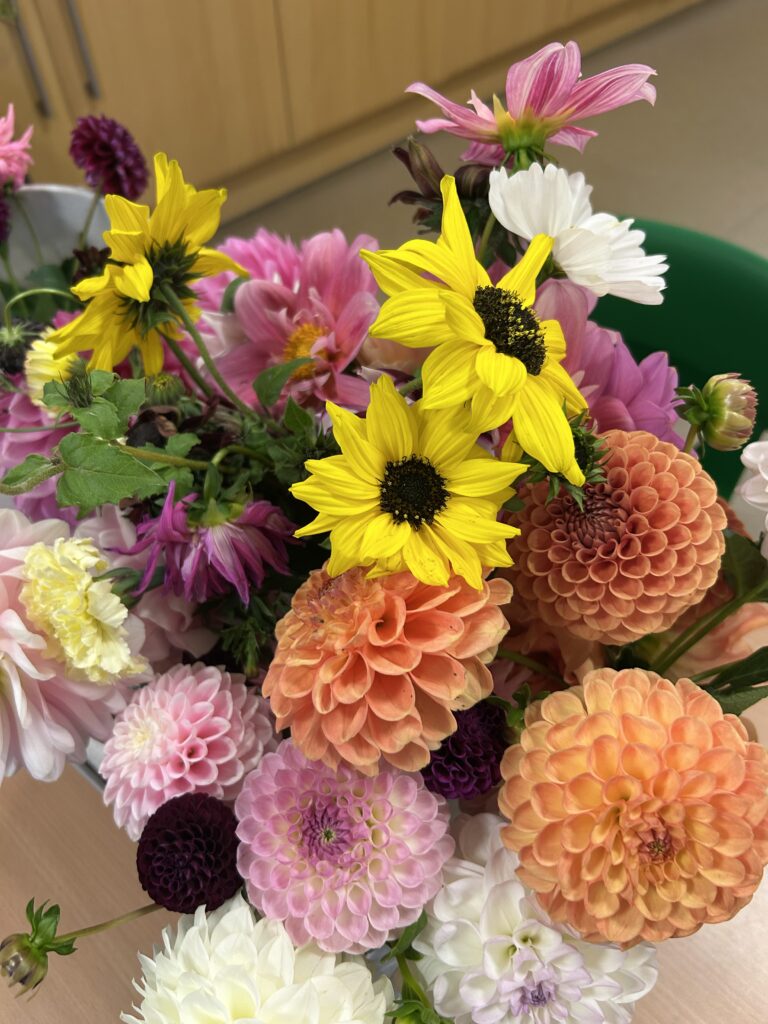
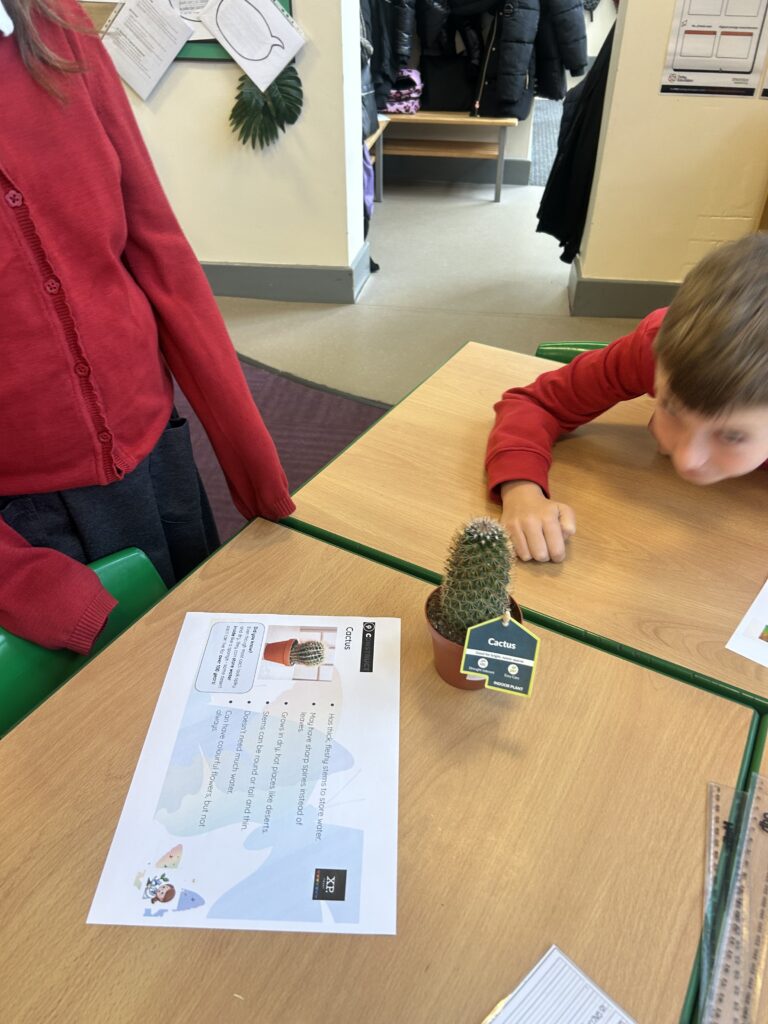
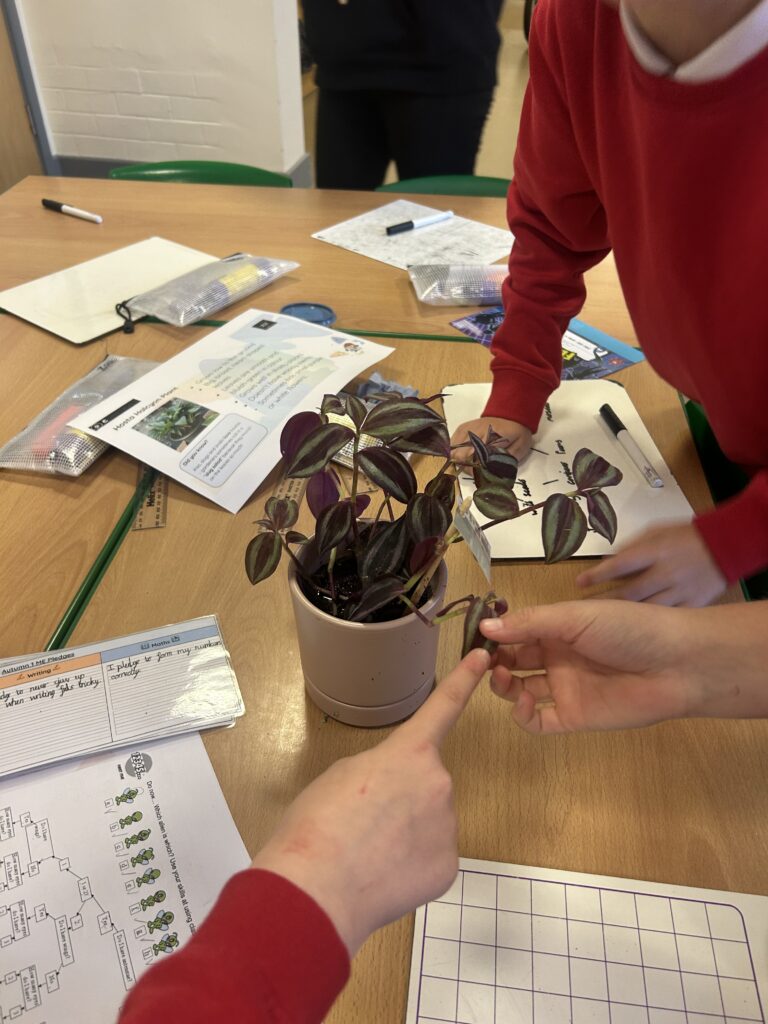
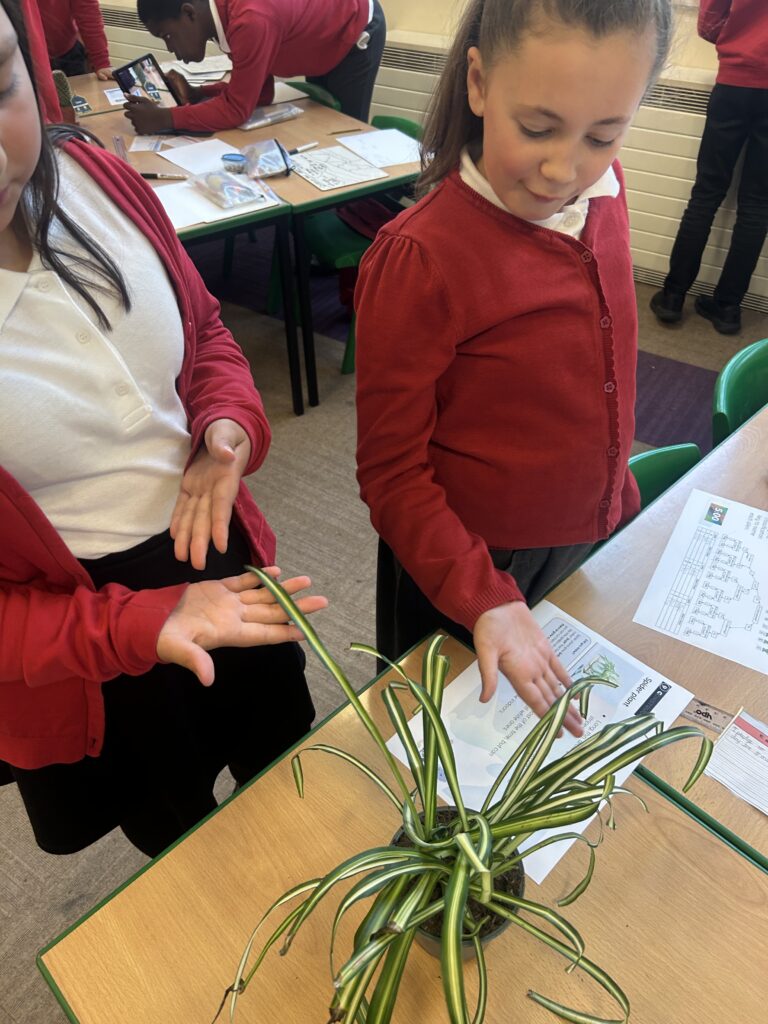
Today, Crew McLoughlin had a fantastic expedition science lesson learning about the different parts of plants and their roles. The class explored real plants kindly shared from Miss Newman’s mum’s garden, which made the lesson extra special!
Students carefully examined roots, stems, leaves, and flowers, discussing how each part helps the plant grow and stay healthy. They loved getting hands-on with the plants and spotting the unique features of each one.
This week, Crew McLoughlin became young scientists as they learned how to classify different plants.They looked closely at leaves, stems, and flowers – they even got to touch and feelmany of the plants to notice their textures and features (but not the cactus, of course)! The crew loved comparing what they found and talking about how scientists group plants based on their characteristics.
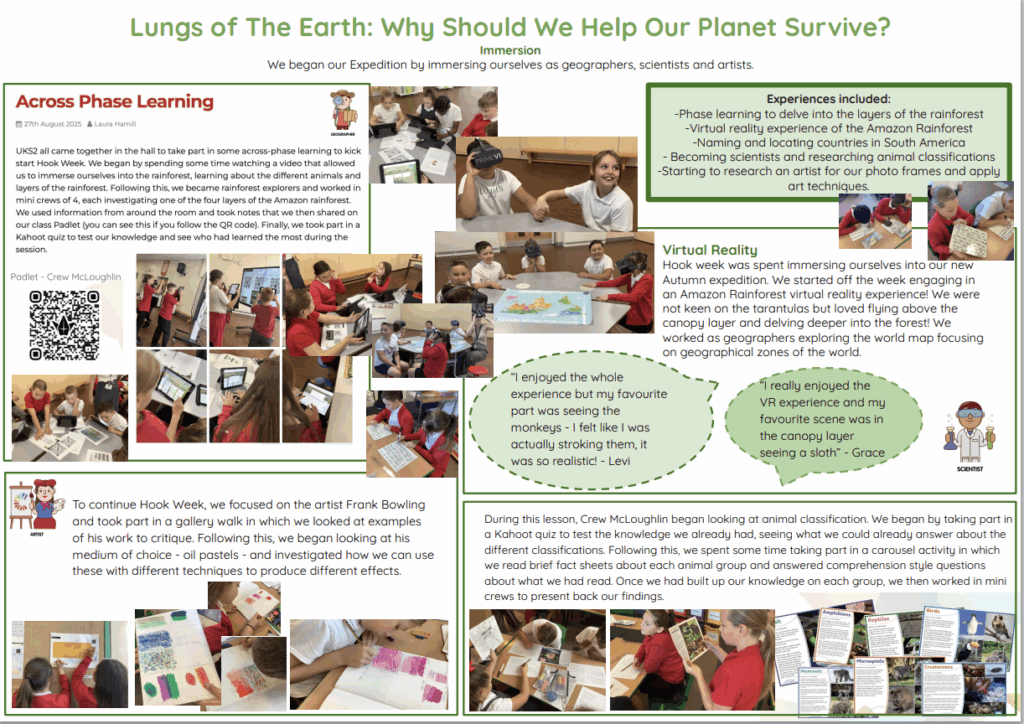
During this lesson, Crew Rankin began looking at animal classification. We began by taking part in a Kahoot quiz to test the knowledge we already had, seeing what we could already answer about the different classifications. Following this, we spent some time taking part in a carousel activity in which we read brief fact sheets about each animal group and answered comprehension style questions about what we had read. Once we had built up our knowledge on each group, we then worked in mini crews to create a class set of google slides that detailed as much information about our given classification as we could. You can see our work following the QR code.
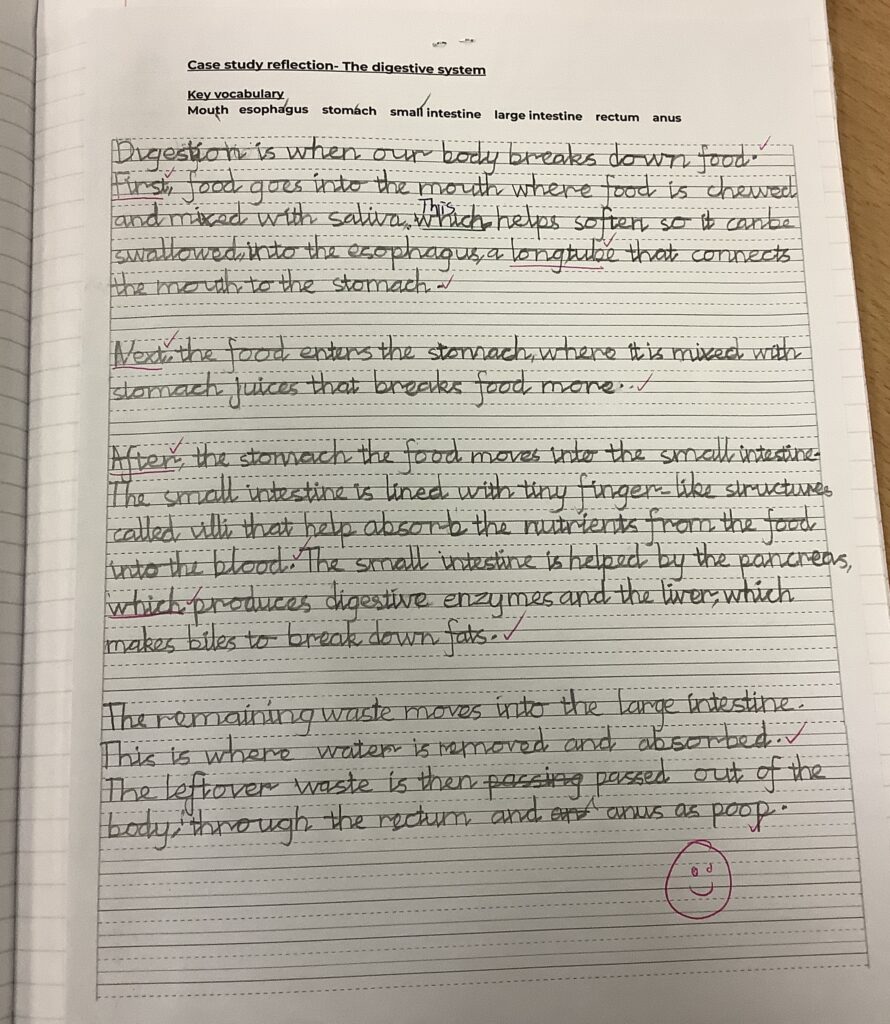
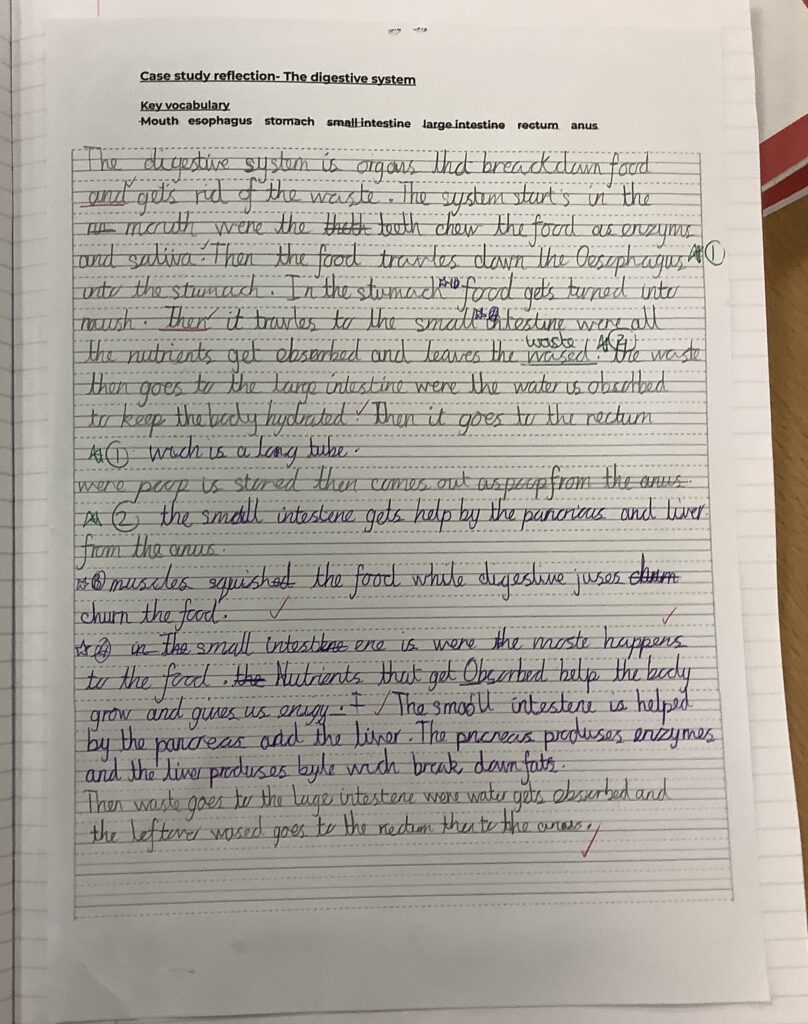
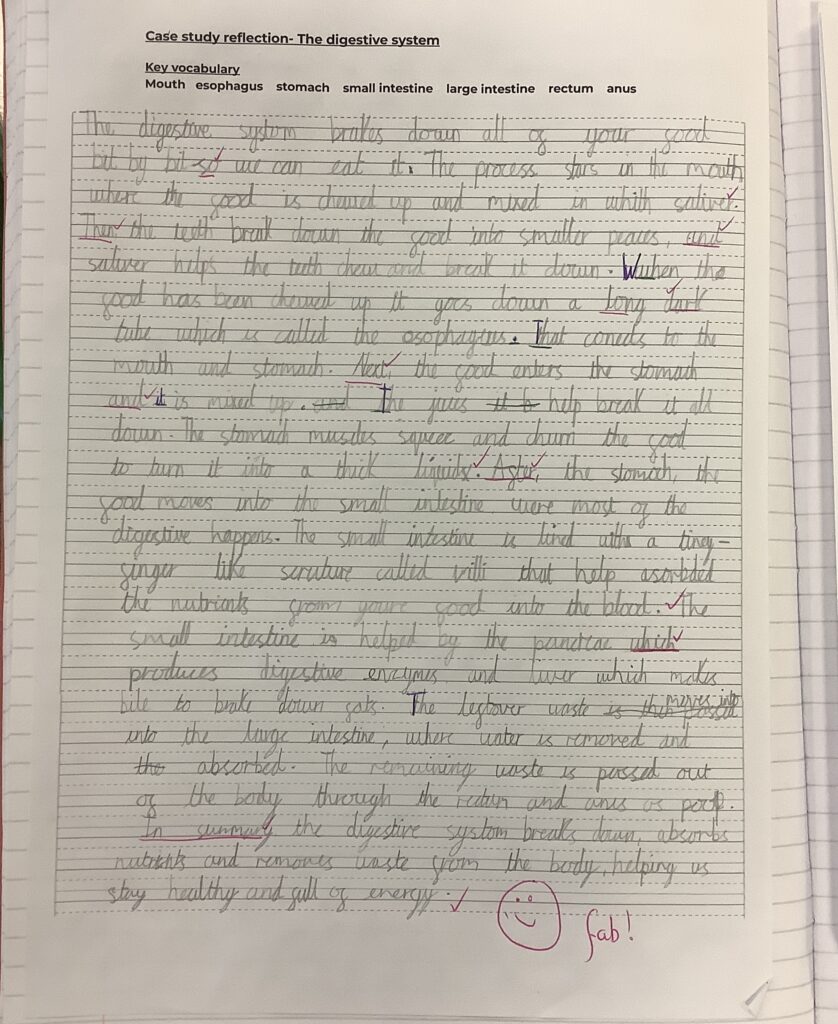
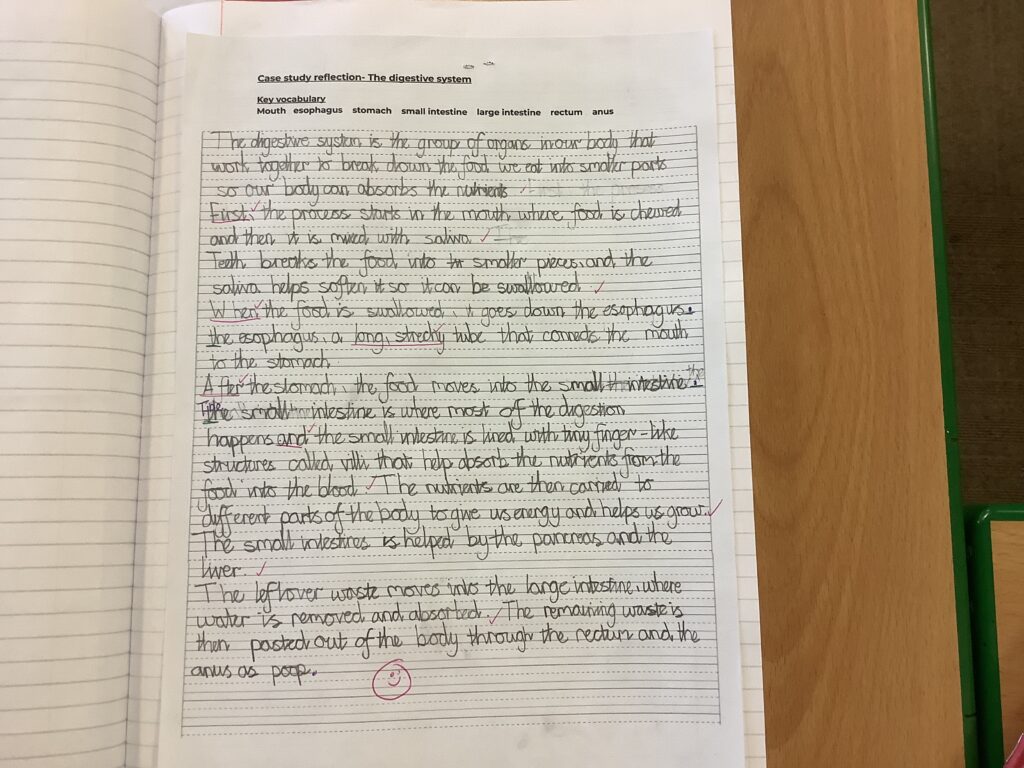
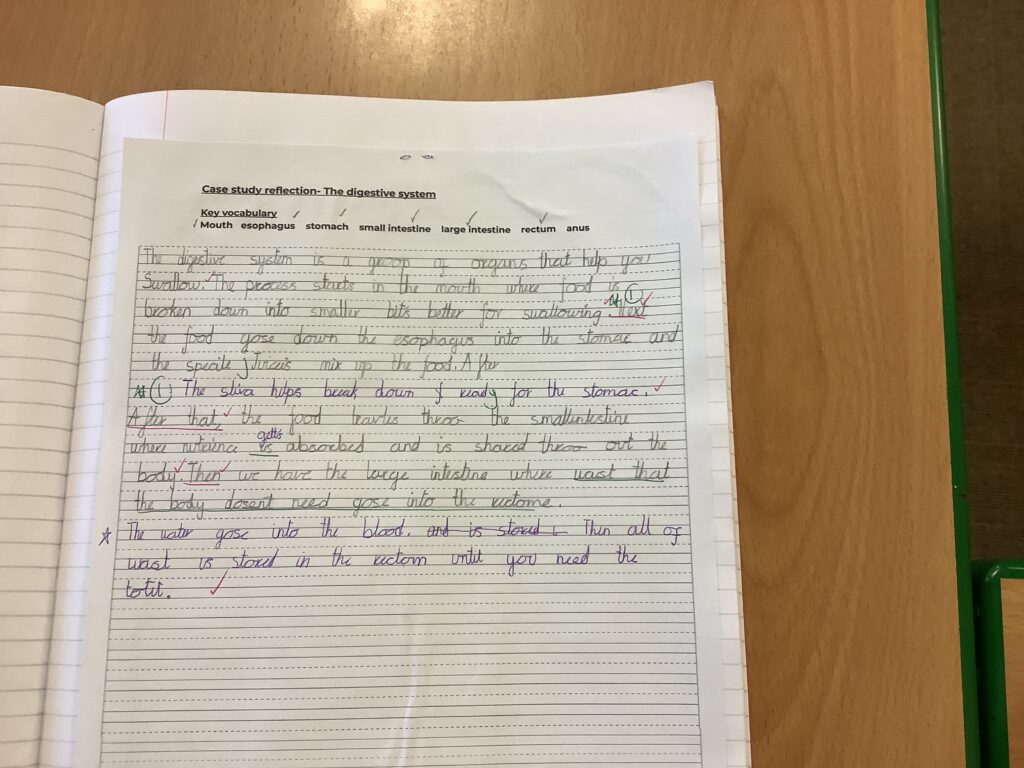
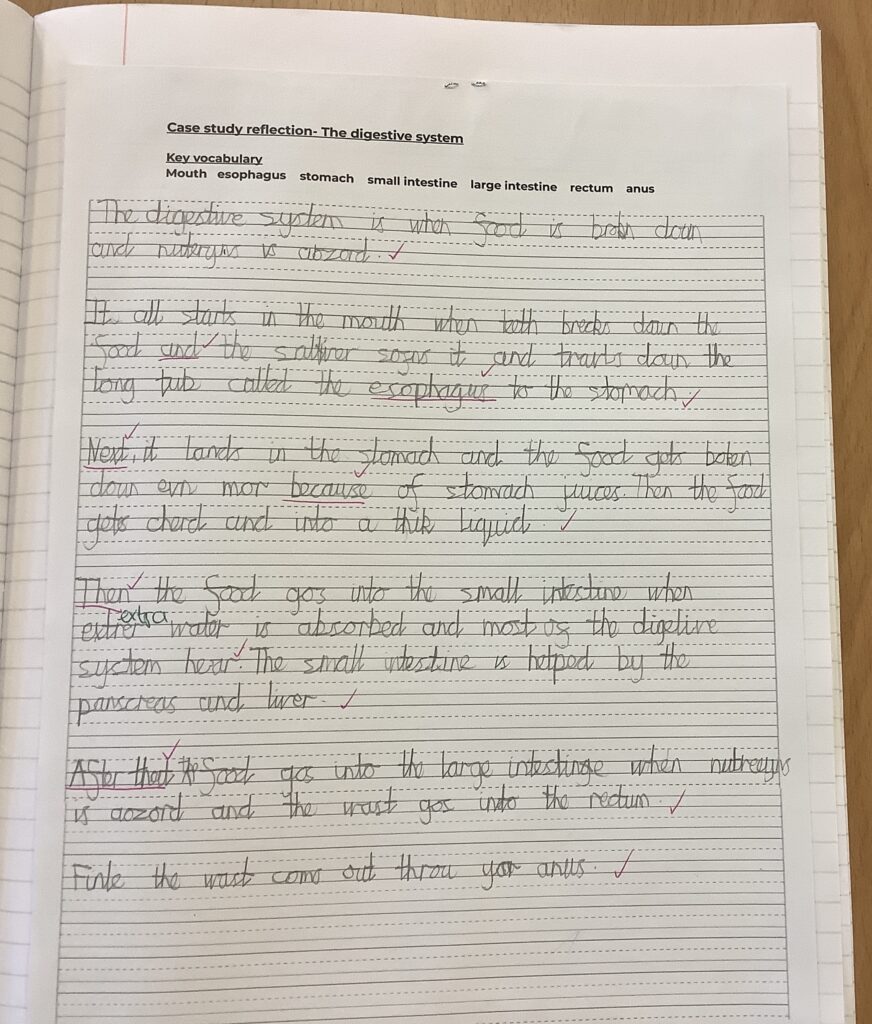
Some great case study reflections on the digestive system 🙂 Children used the knowledge they had gained through case study one to write an explanation of what happens during digestion.
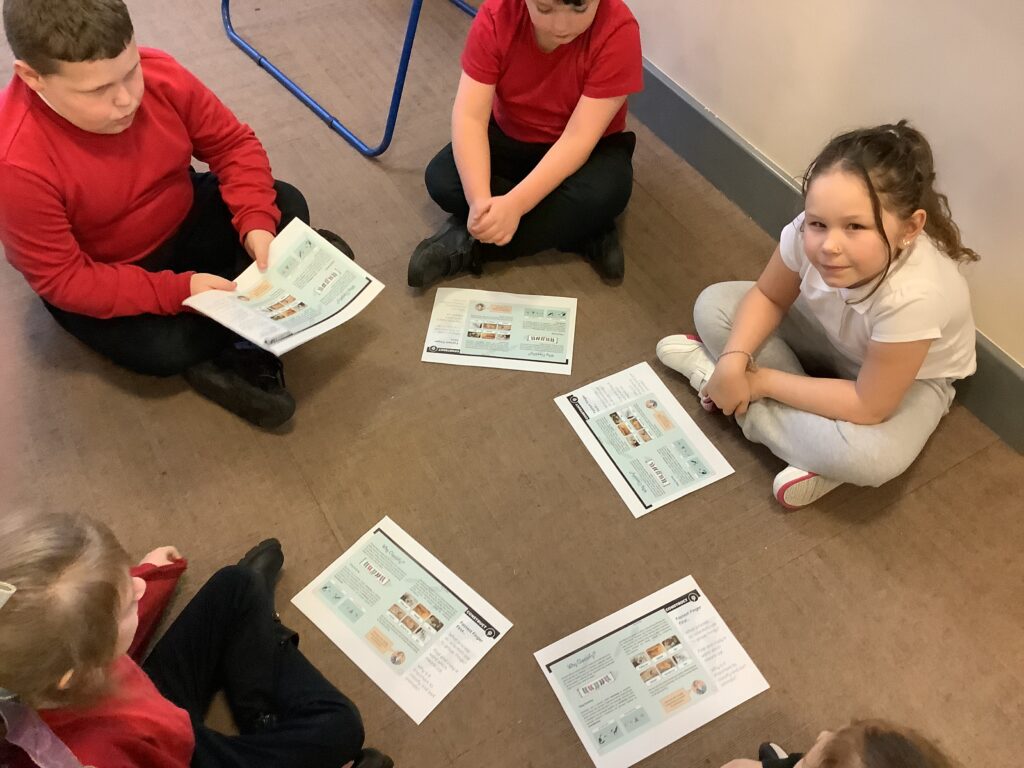
In our expedition lesson (science), we have been learning about grouping animals. We learned (through some reading) that the scientific word for this is taxonomy and that the reason we do this is because we like things to be organised and orderly.
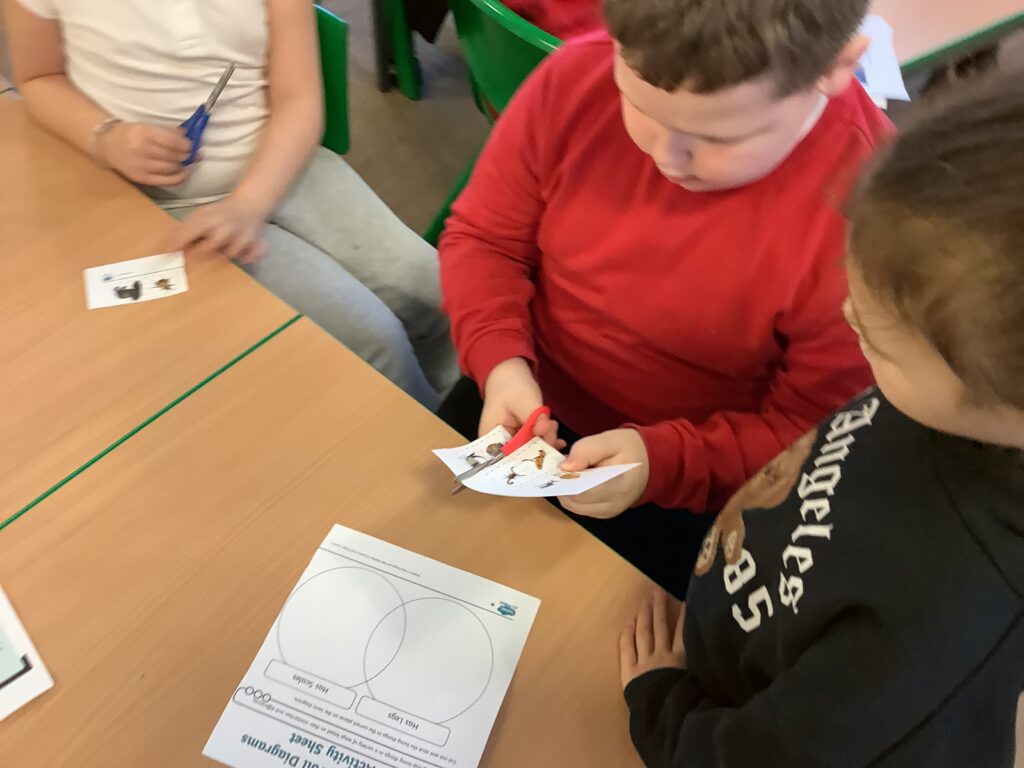
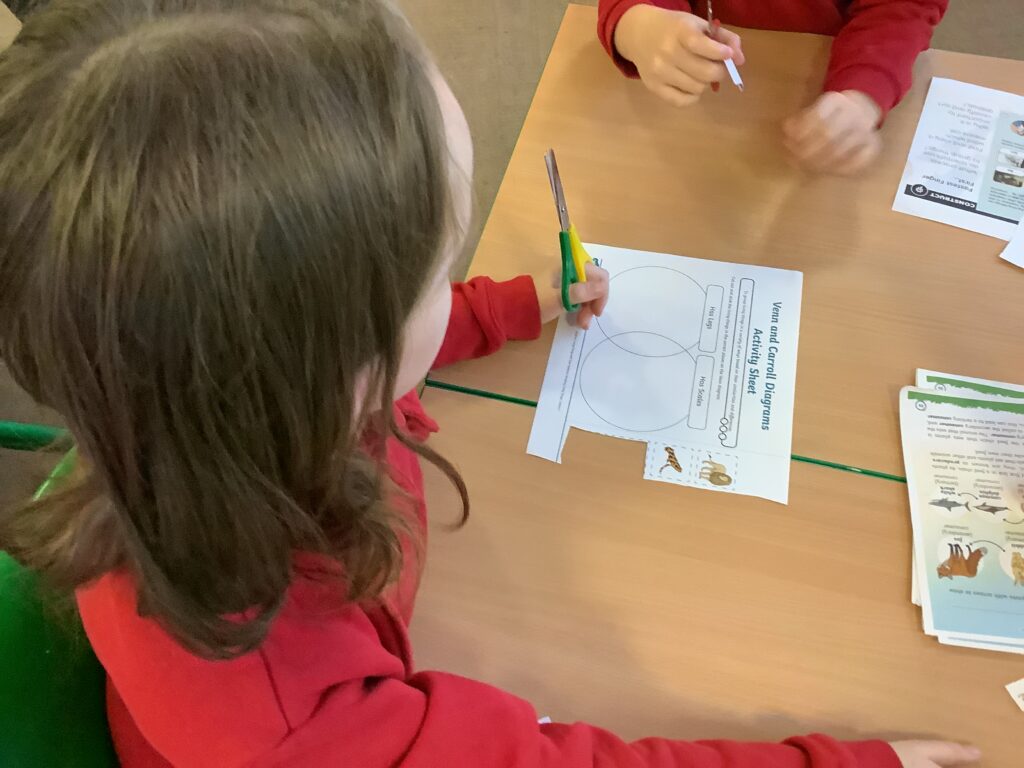
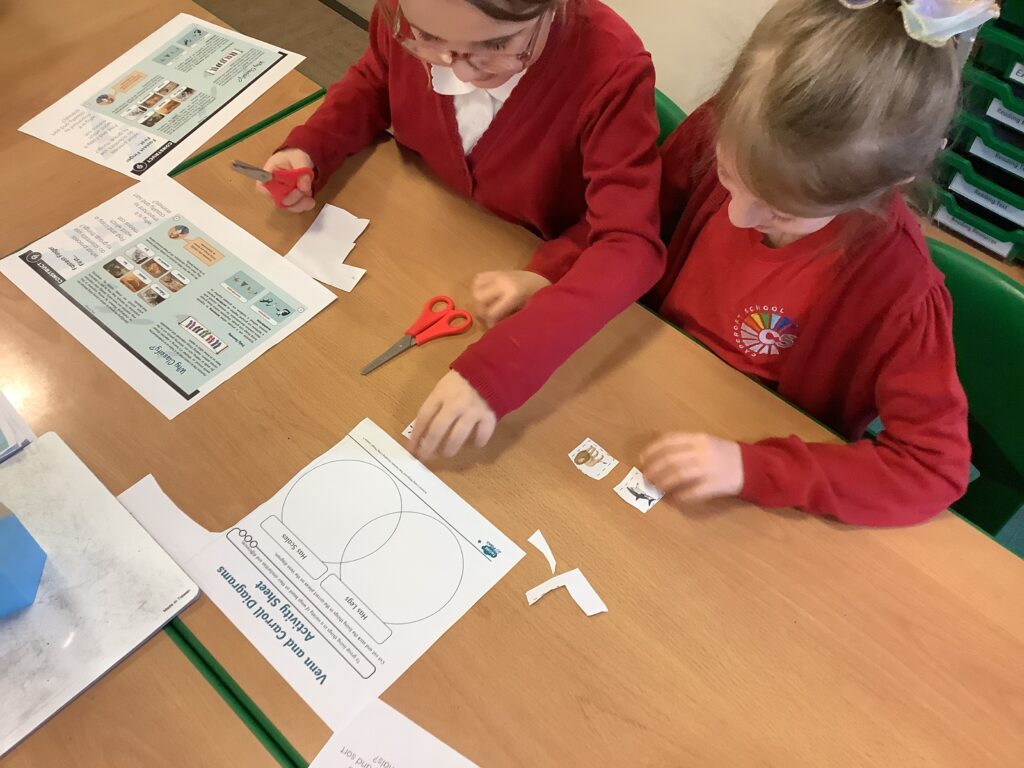
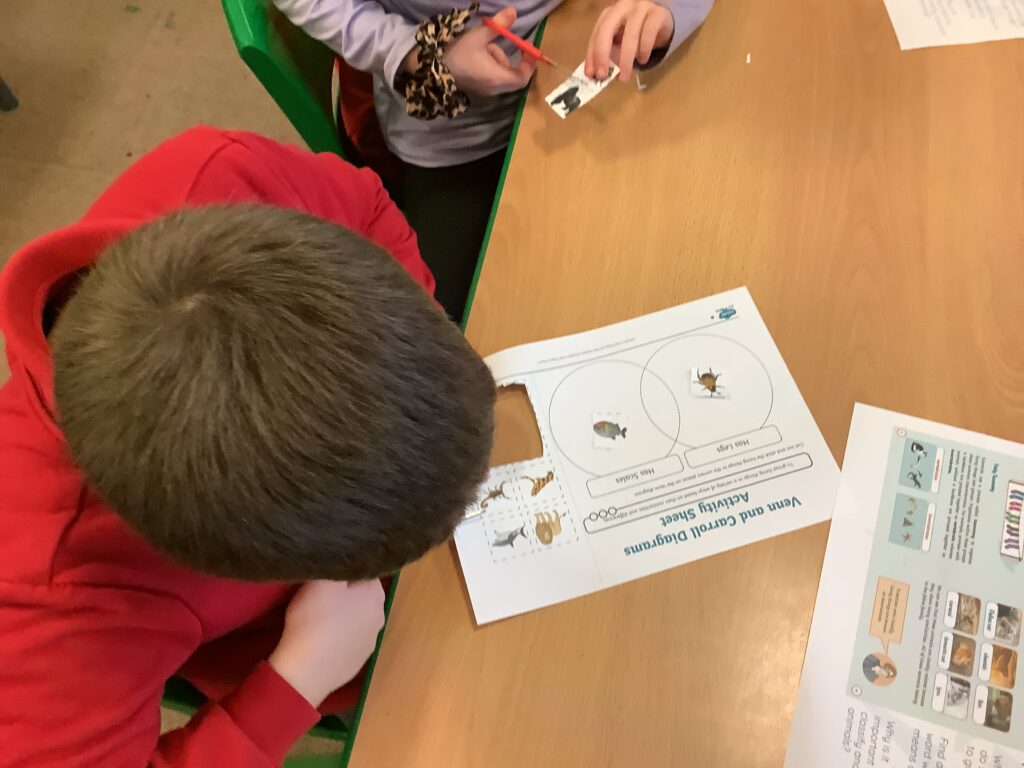
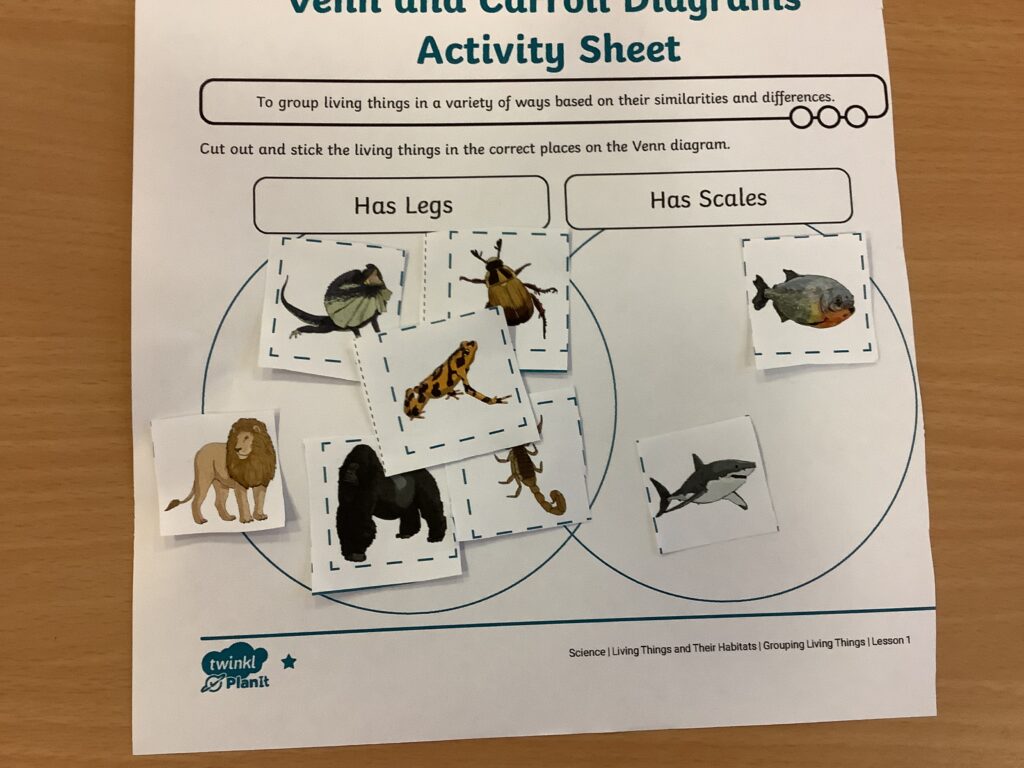
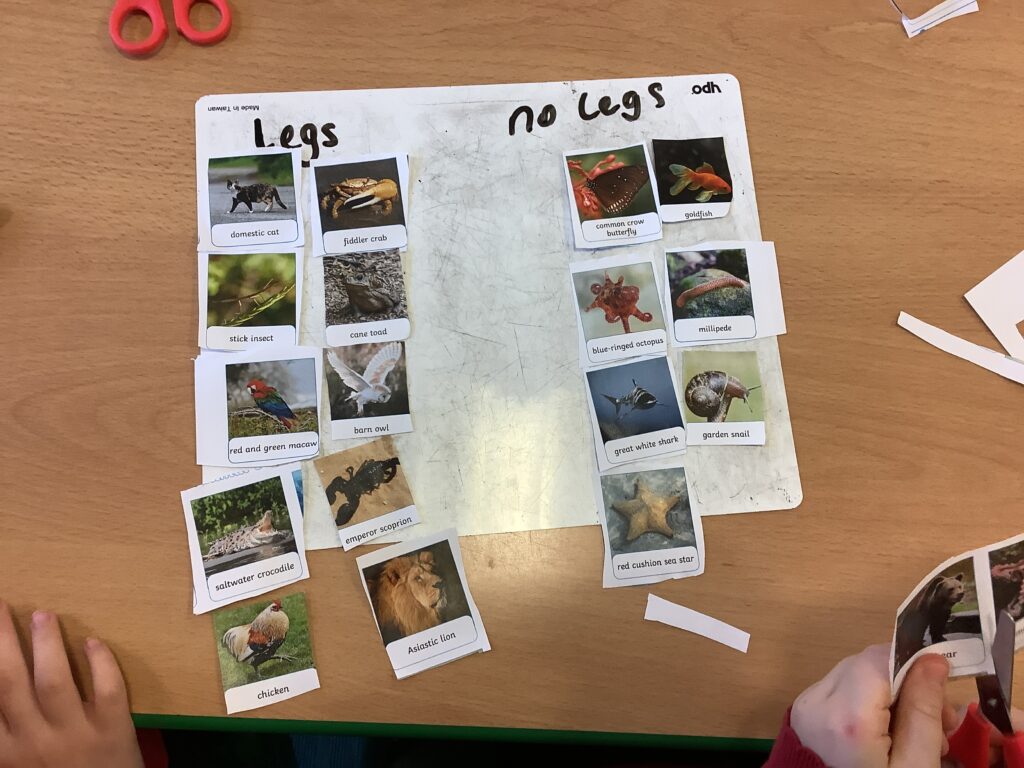
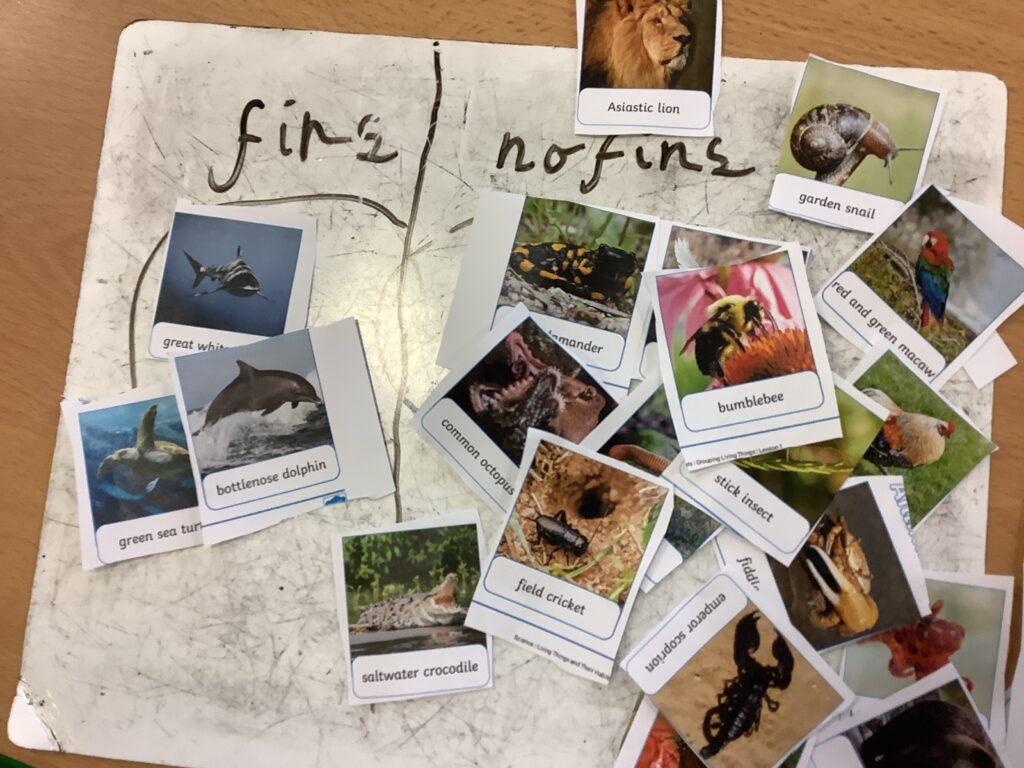
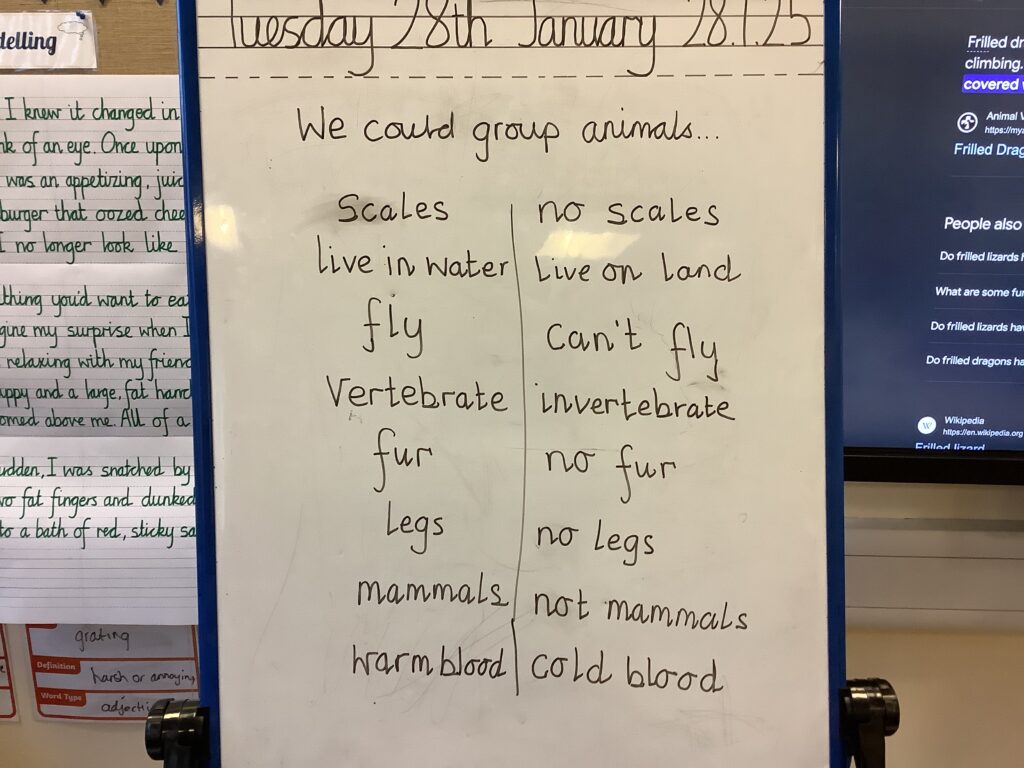
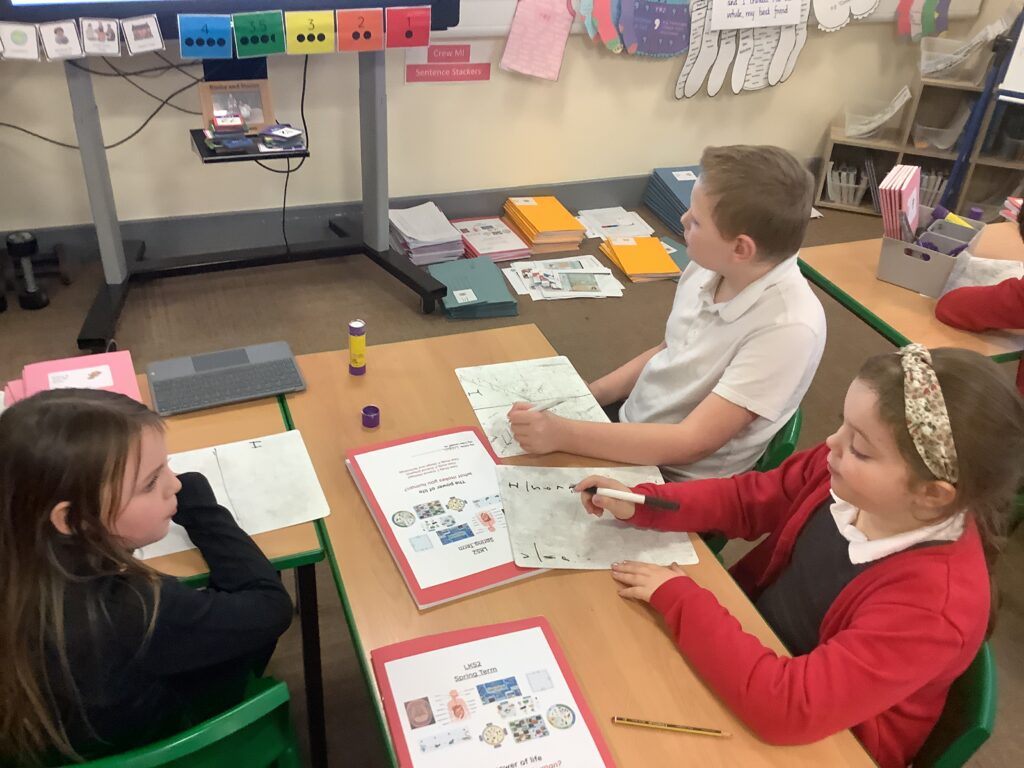
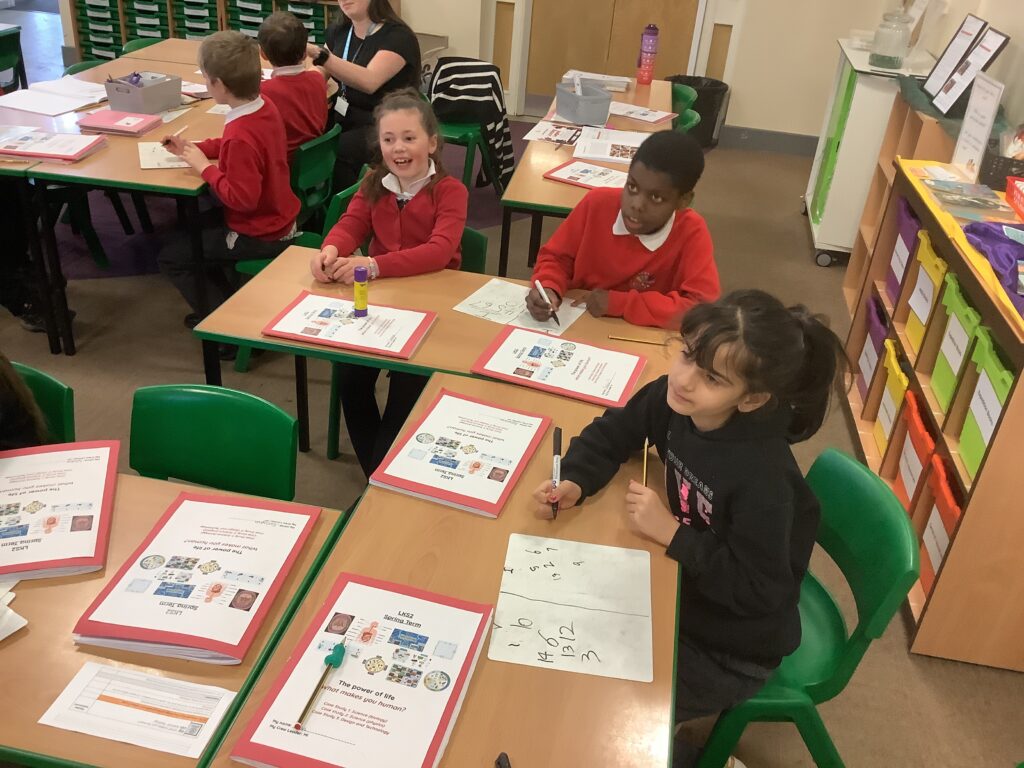
We discussed some ways that animals could be grouped and looked at some examples. Children then had an opportunity to group some animals using a Venn diagram. After this, they were given a larger group of animals where they worked in pairs to decide how they could be grouped. Children were able to show a good understanding of how they could be grouped differently and it was great to see them using language such as vertebrate, invertebrate, mammals, warm blooded or cold blooded. We’re now ready to move on to classification.
Our expedition lesson today continued to look at grouping living things. First, we recapped our previous learning on vertebrates and invertebrates, working with our partner to sort a variety of animals.
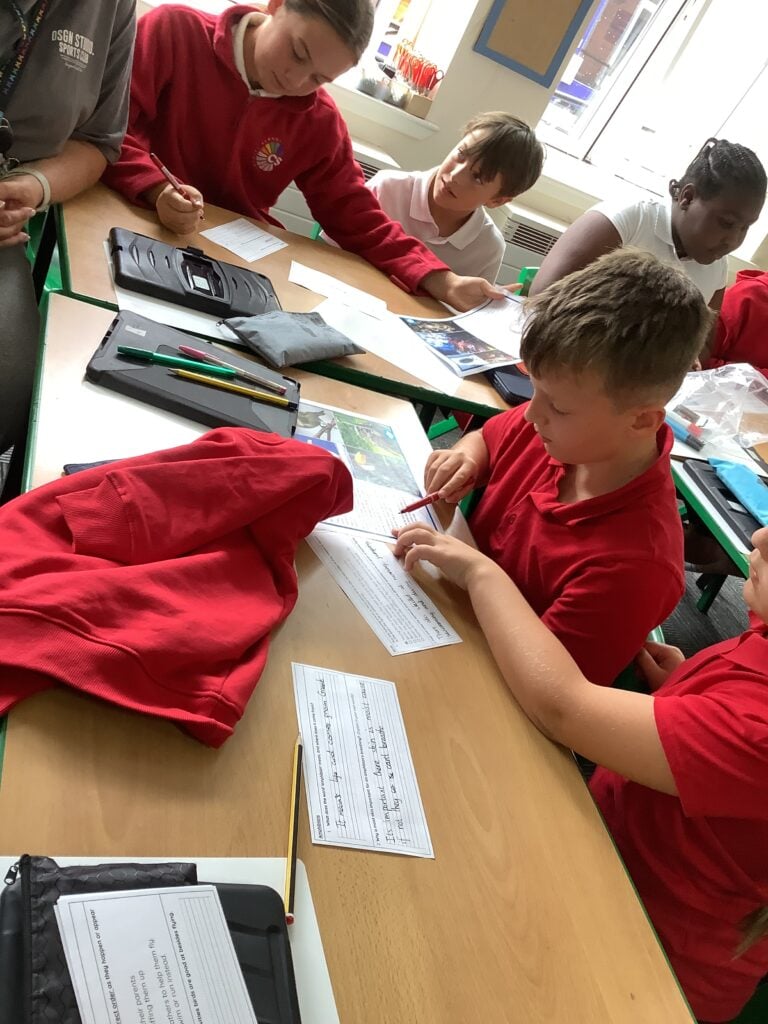
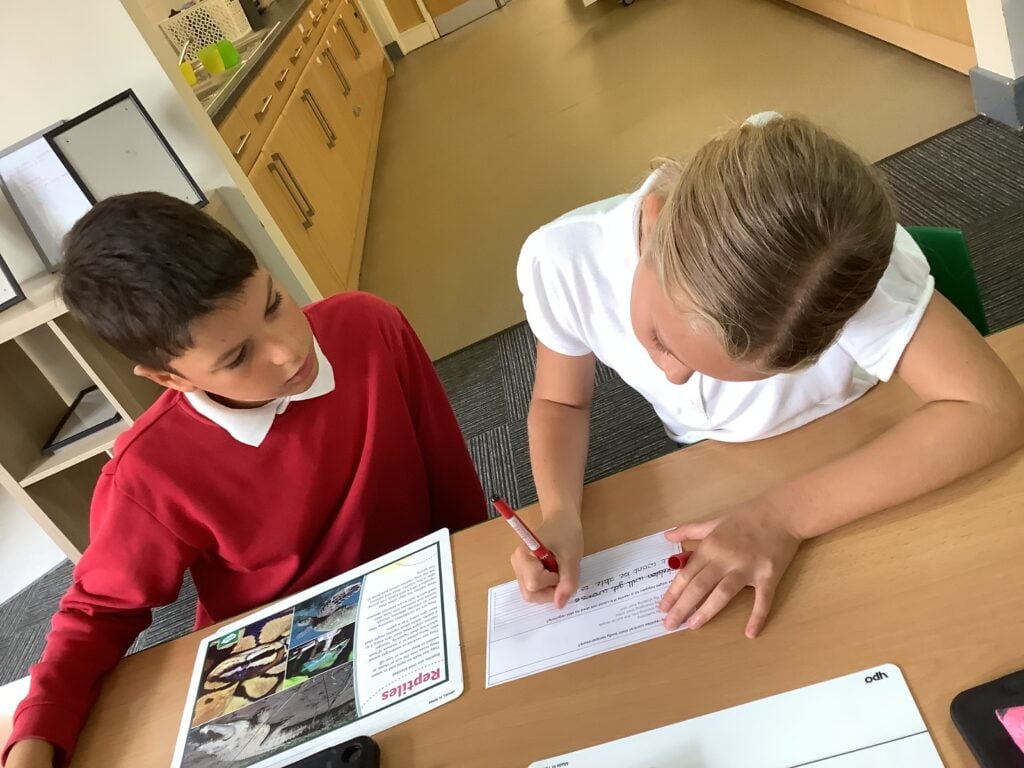
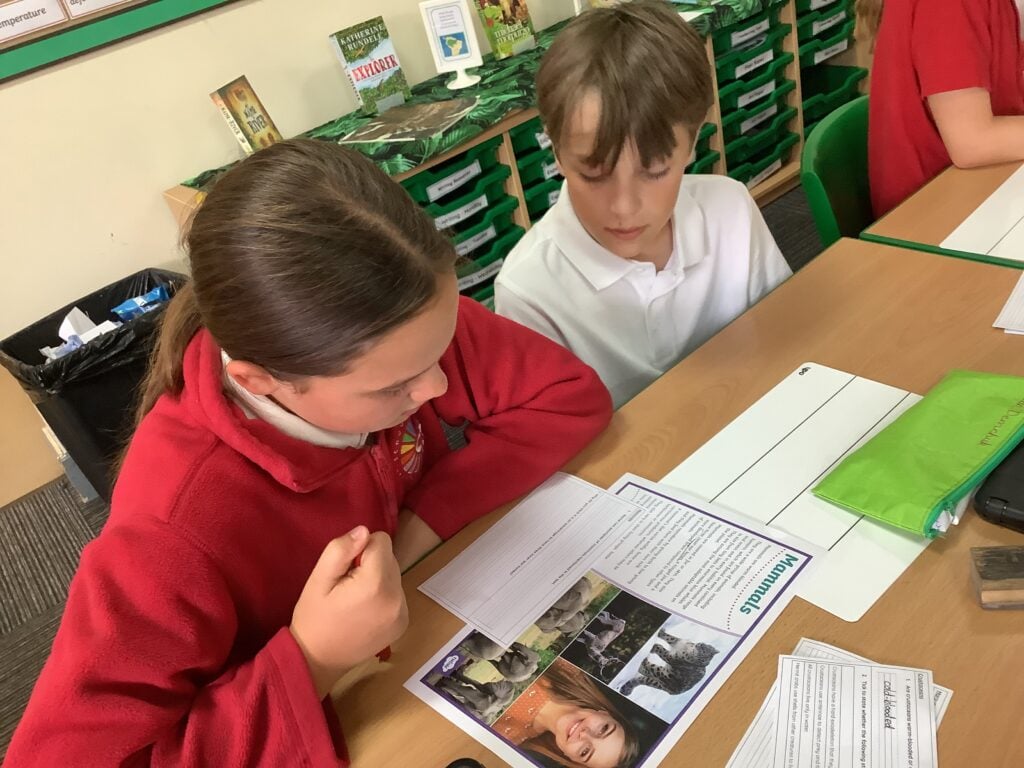
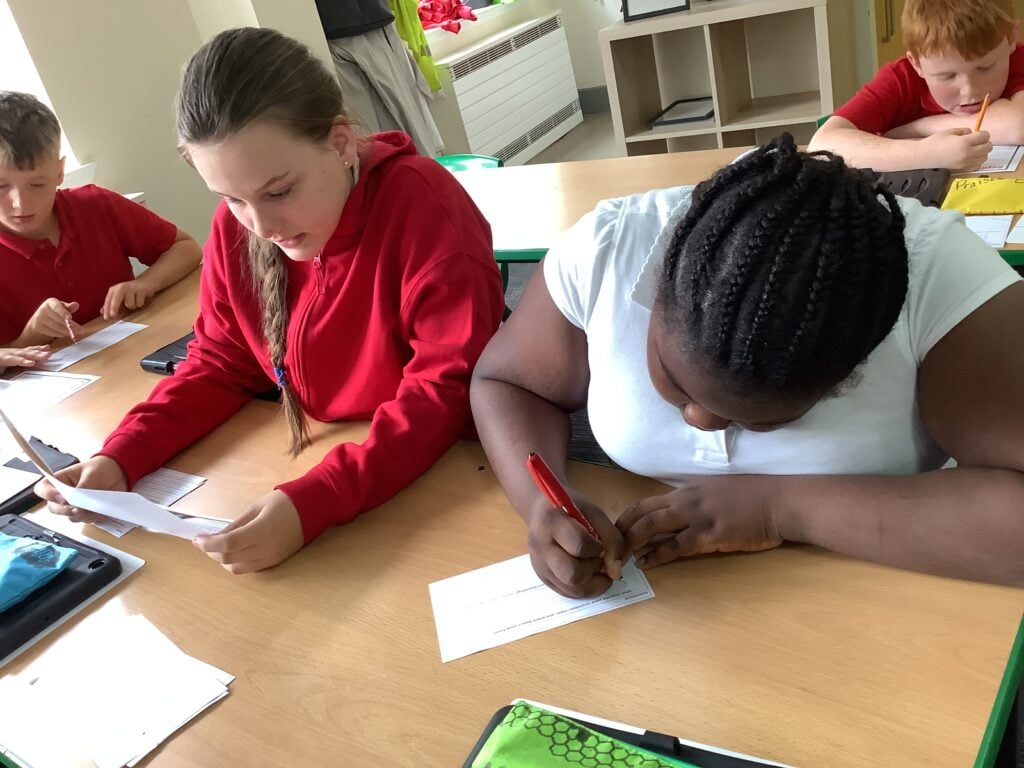
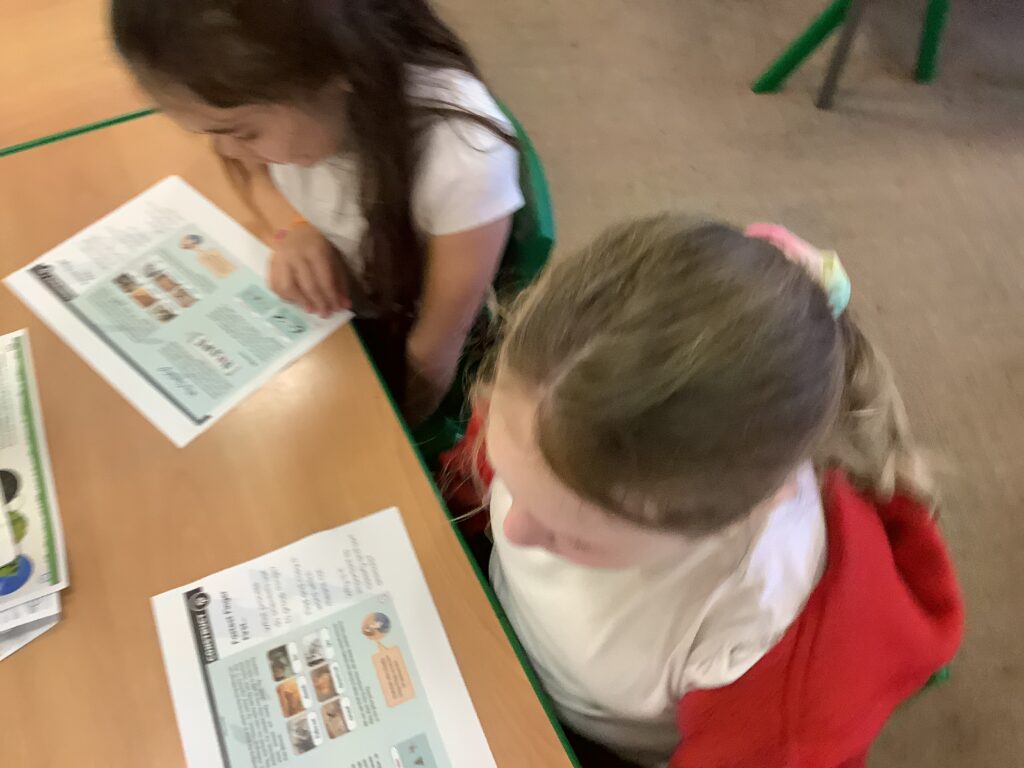
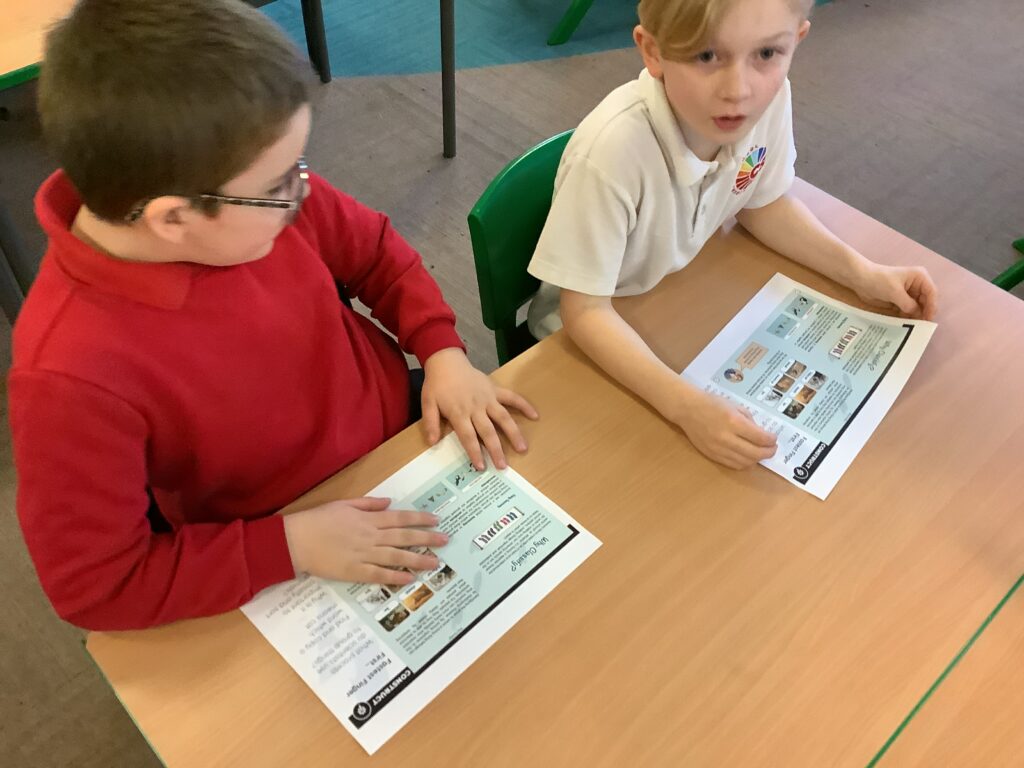
From here we started to classify vertebrates into 5 groups and watched a video clip to help us build background knowledge. We noted down facts and then shared these with the whole crew. We then explored a variety of texts, building further information on mammals, birds, reptiles, amphibians and fish. We played fastest finger to further assess our understanding. There were lots of reading opportunities again today, reading with a partner and echo read to name a few.
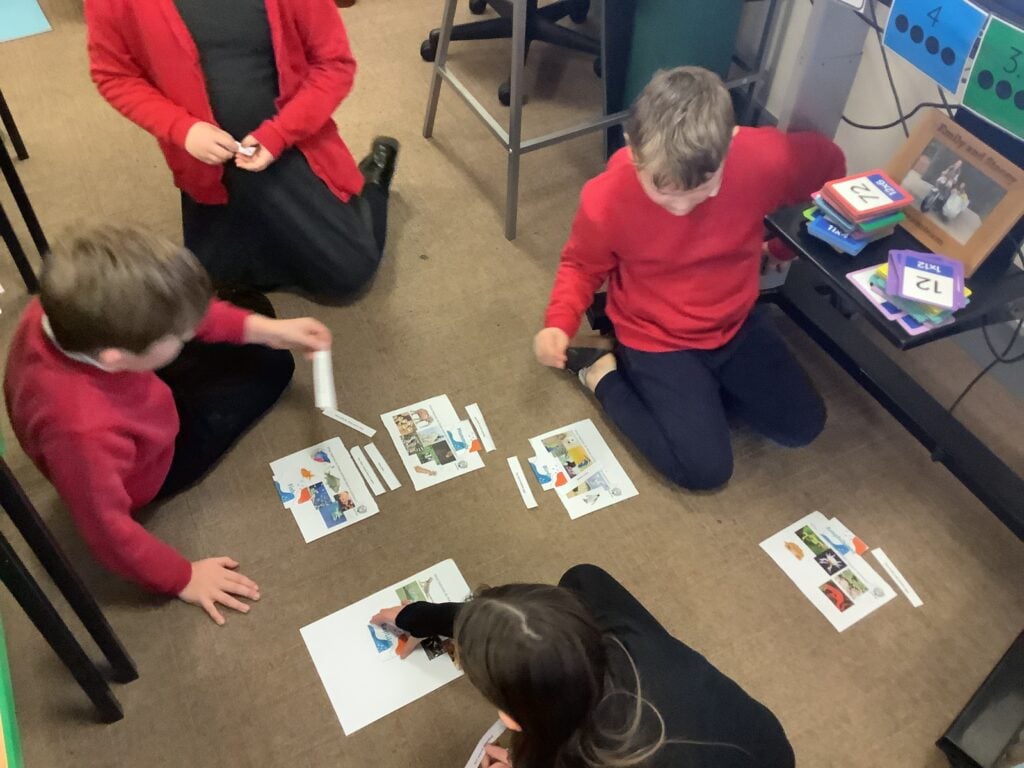
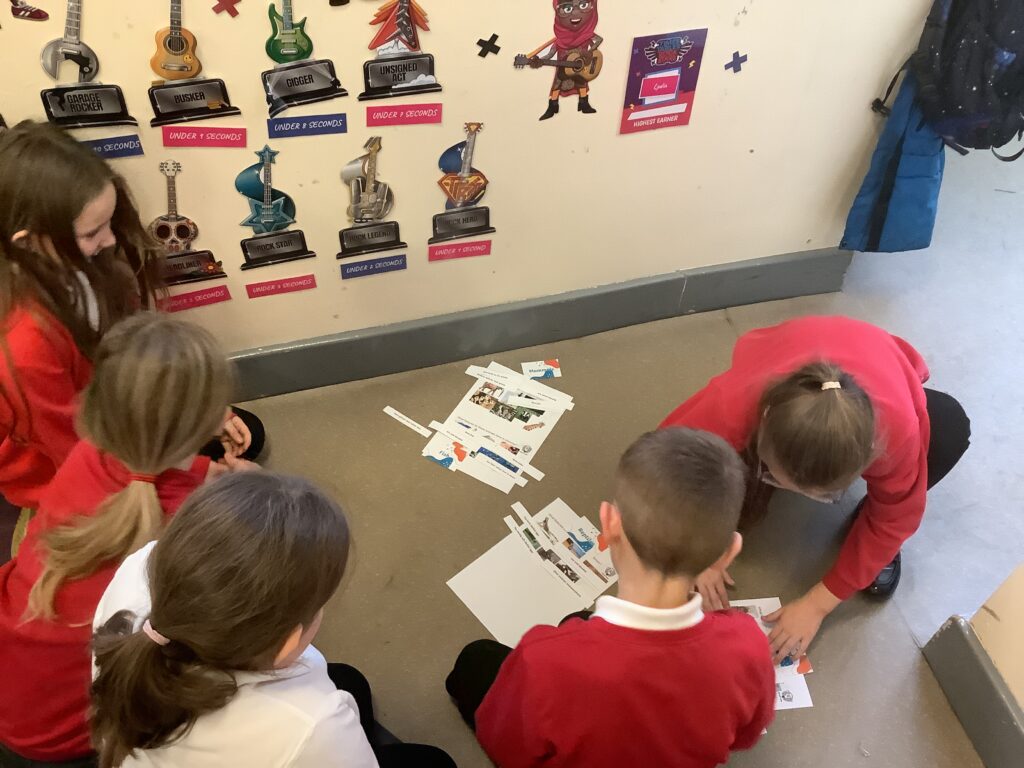
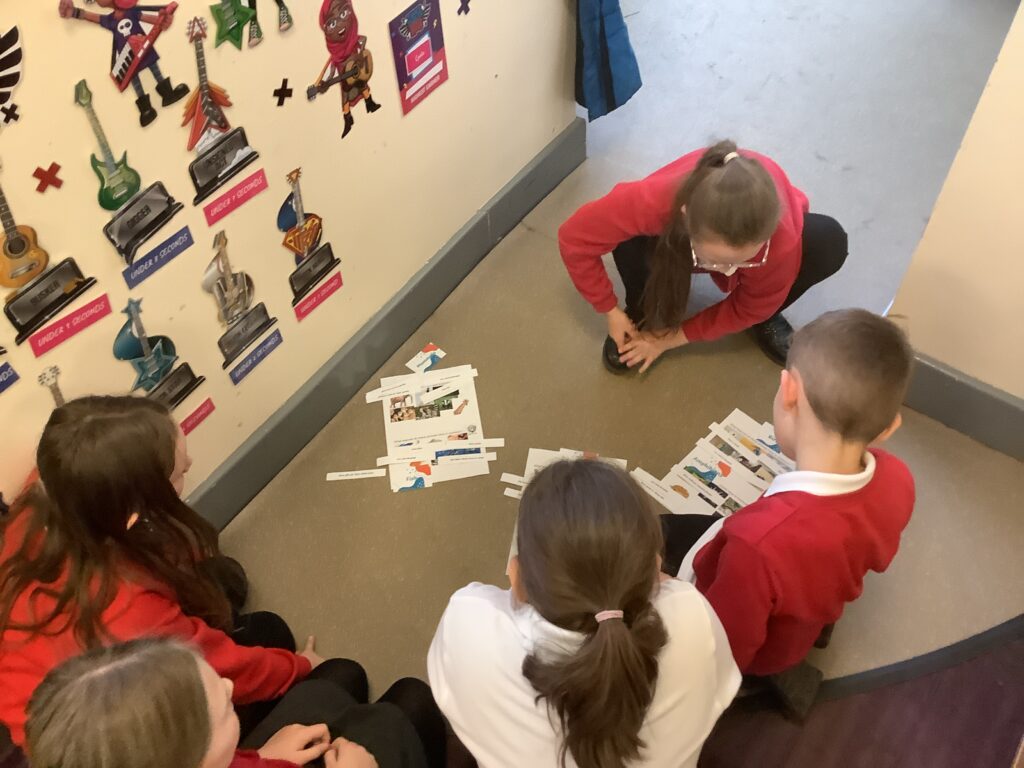
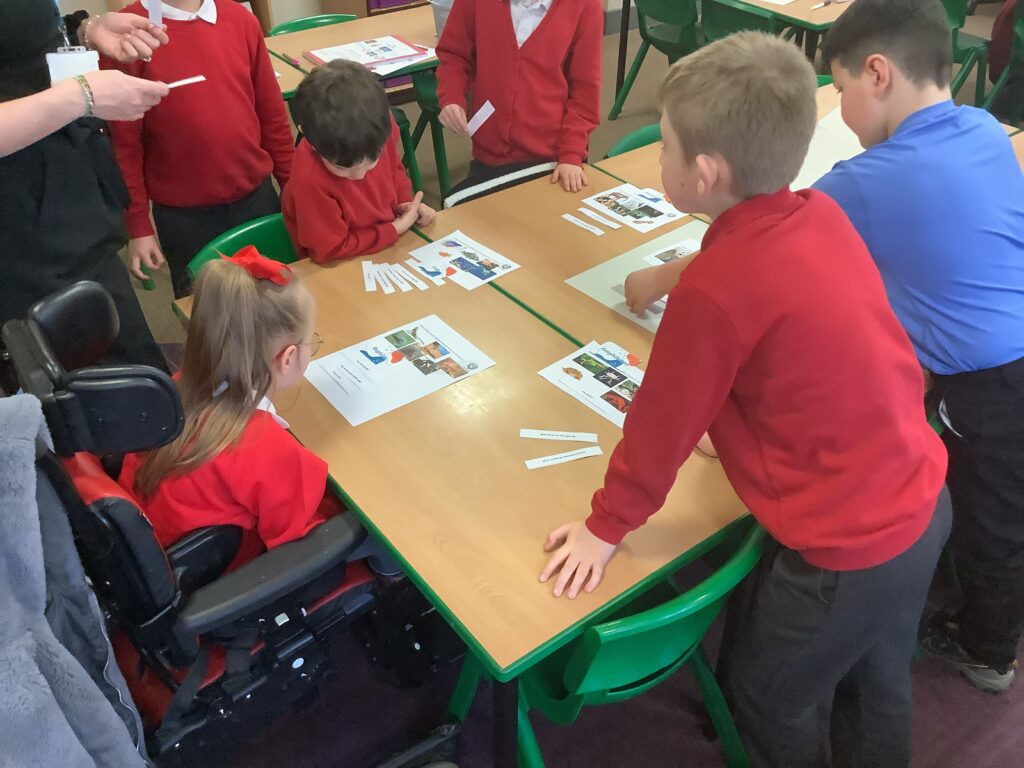
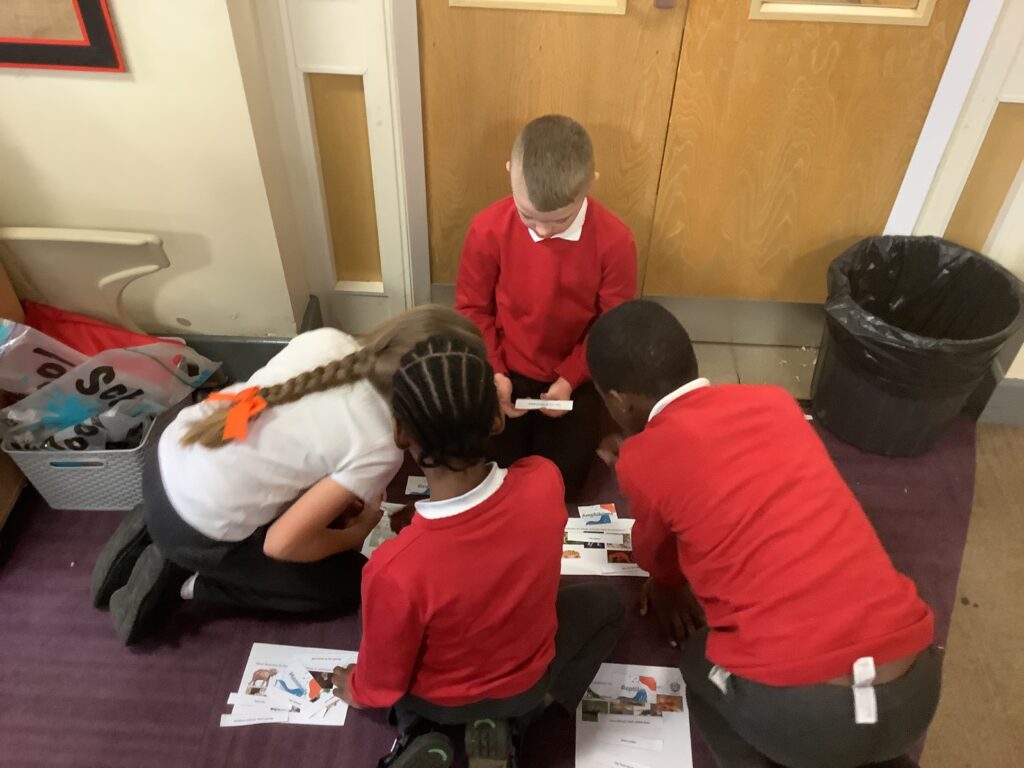
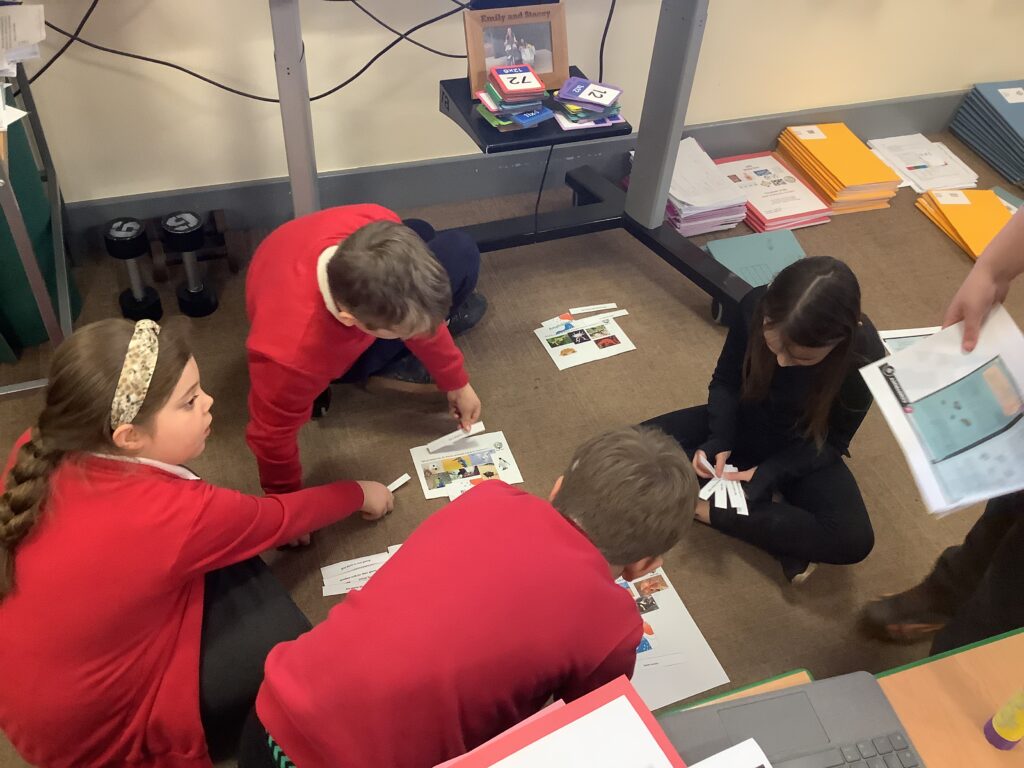
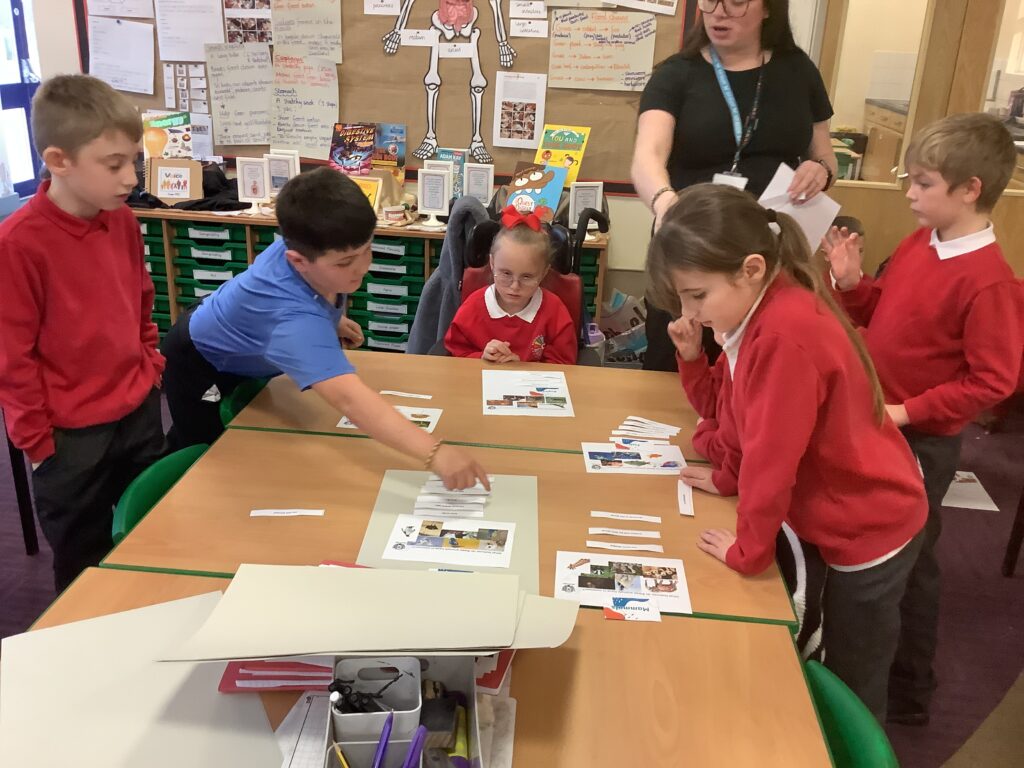
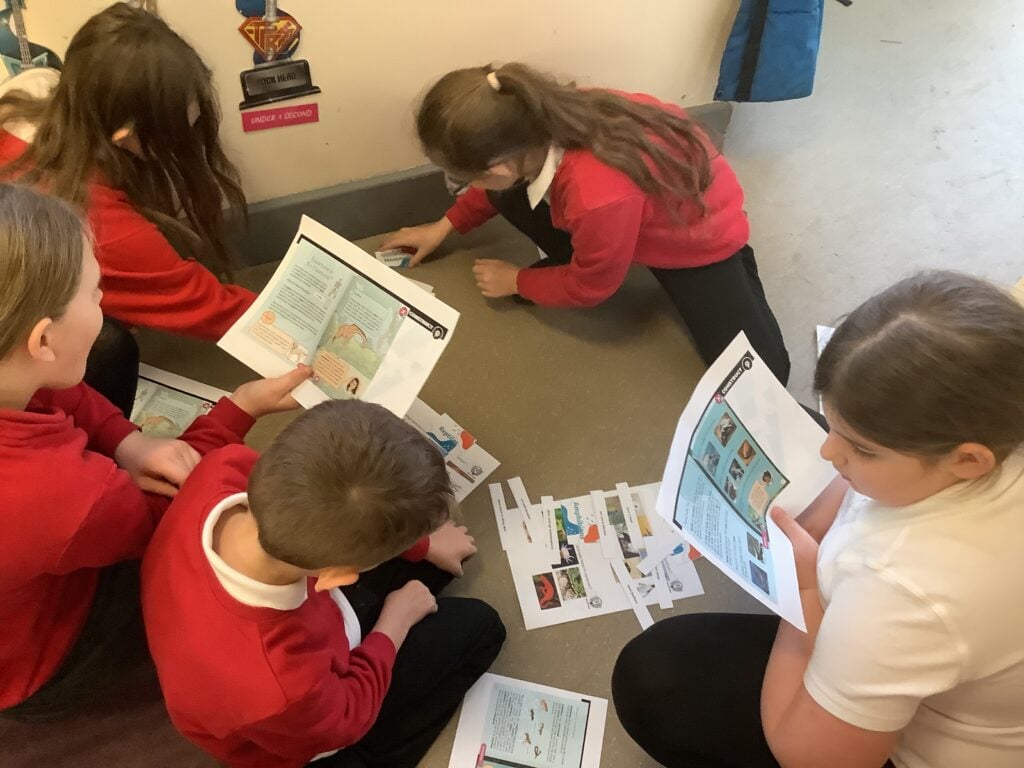
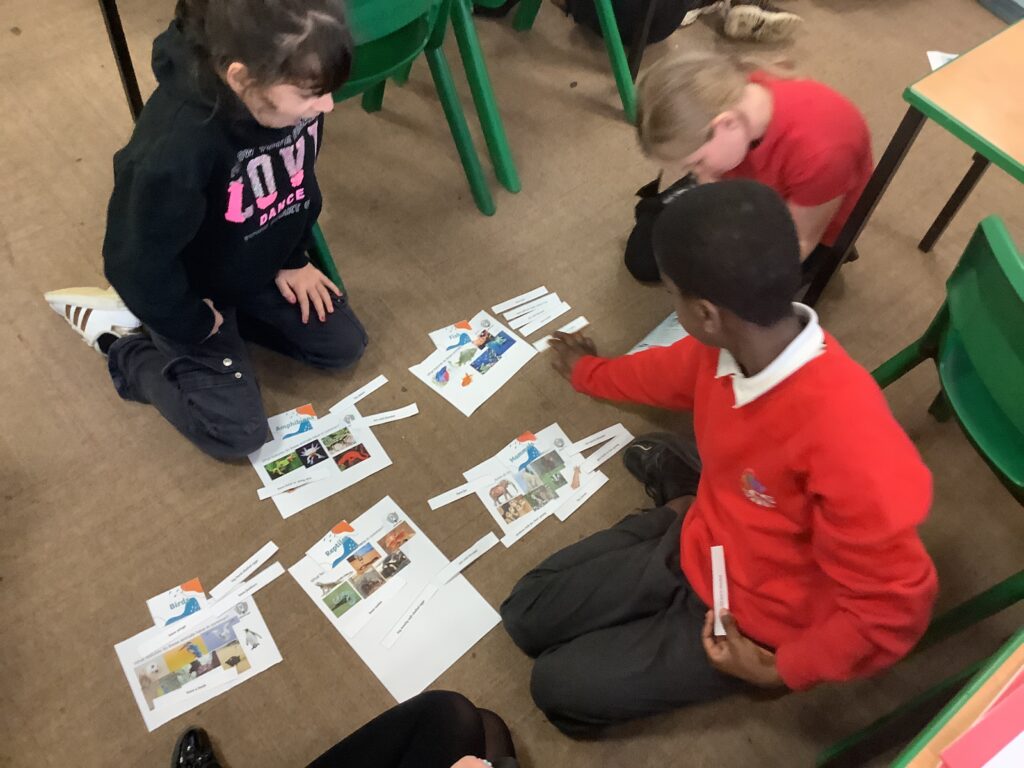
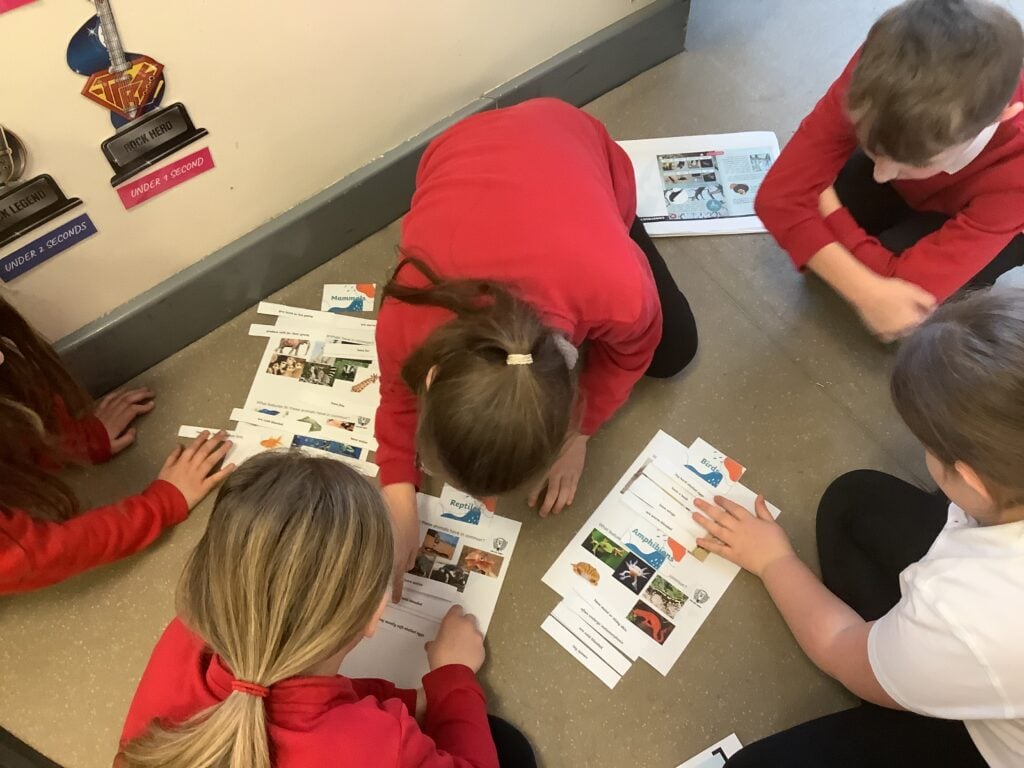
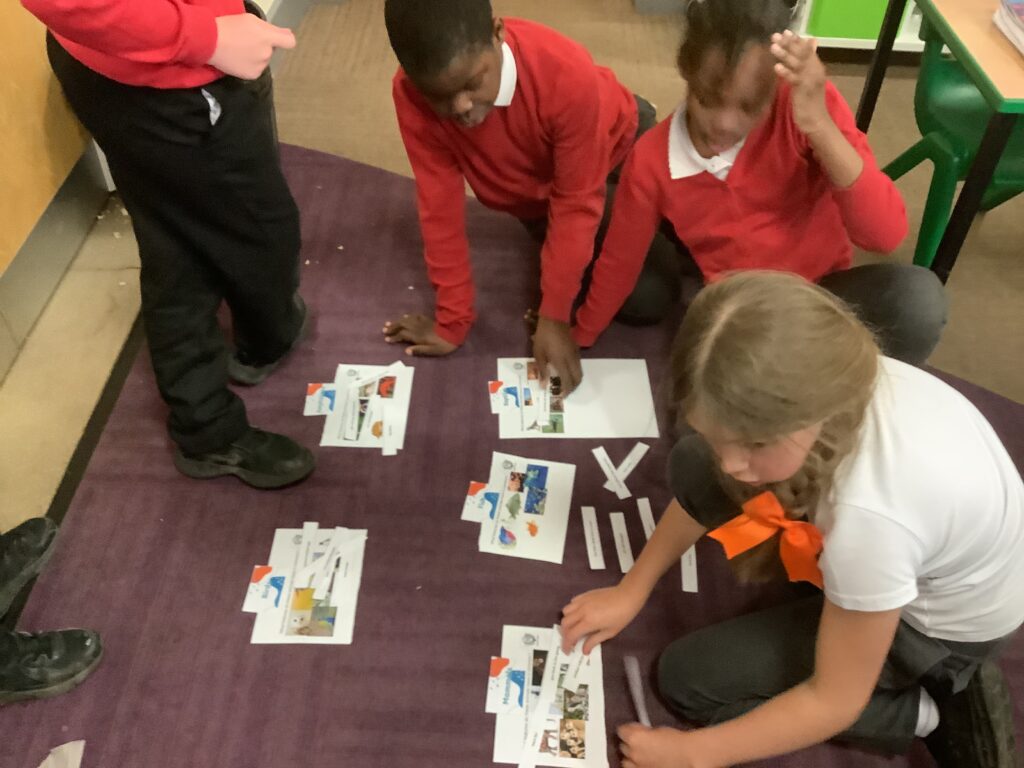
From here we worked in mini crews to demonstrate our understanding. We read a variety of facts and put these facts in the correct group.
We then took part in a quiz to test our understanding further! We are really enjoying our expeditionary lessons 🙂