How and Why Are Jewish Festivals Celebrated?

So far this term, Year 5 and 6 have been exploring the important question: “How and why are Jewish festivals celebrated?” We have learnt about four significant Jewish festivals: Pesach (Passover), Rosh Hashanah, Yom Kippur and Sukkot.

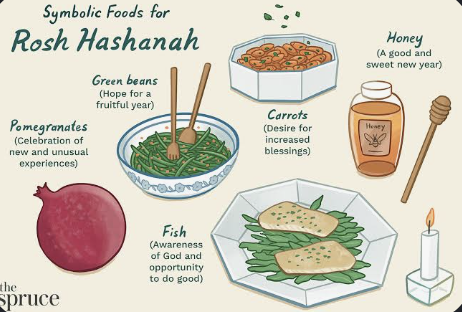
Through our learning, we discovered the stories, traditions and beliefs behind each festival and considered why they are important to Jewish people today. We explored how Pesach remembers the Israelites’ freedom from slavery in Egypt, while Rosh Hashanah marks the Jewish New Year and is a time for reflection and new beginnings. We learnt about Yom Kippur, a special day of prayer, reflection and forgiveness, and Sukkot, when Jewish people remember the Israelites’ journey through the wilderness and give thanks for what they have.

We have enjoyed learning how festivals bring families and communities together and how religious beliefs are expressed through special foods, prayers, symbols and traditions. Our learning has helped us to develop a deeper understanding and respect for Jewish beliefs and practices.
God’s covenants…

In year 3 and 4, we have been learning about God’s covenants that appear in the bible.

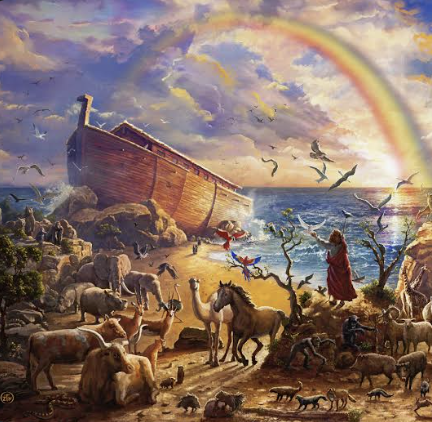
First, we looked at the story of Noah and the Ark. Noah was asked by God to build an ark that would accommodate his family and 2 of each animal. God informed Noah that he was going to send a flood because the people on earth were evil and didn’t listen to God. Despite being laughed at, Noah built the ark and was ready when the rain came. The rain flooded the earth and killed everyone outside of the ark. When the flood was finally over, God told Noah that a rainbow would appear in the sky as a symbol to his people that he would never flood the earth again.

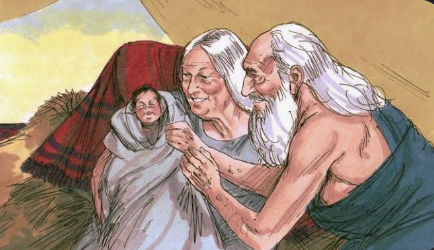
Next we learned about the story of Abraham and his wife Sarah. God promised Abraham that he would be the father of many nations. However, Abraham had no children and was considerable old. Despite this Abraham and his wife kept their faith in God. Eventually after many years, Sarah fell pregnant and later had a son and God fulfilled his convenant with Abraham.

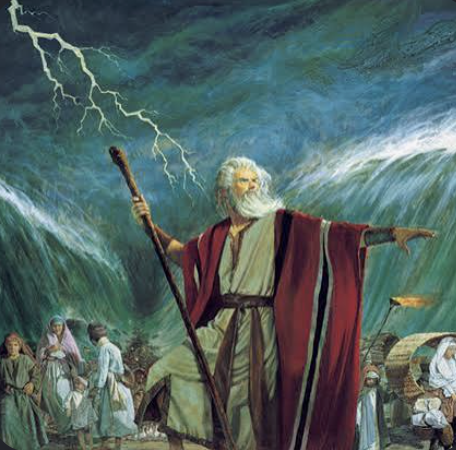
Then we learned about Moses and the Israelites who wandered the desert for 40 years. Moses freed the Israelites from slavery after God inflicted 10 plagues on the Pharoah and the Egyptians. They left Egypt and went to the desert in search for the promised land. God told Moses that if he freed the Israelites that he would provide for them which he did. He protected them from the Pharoah, provided food when they were hungry and provided water when they were thristy. Noah had faith that God would fulfill his promise.

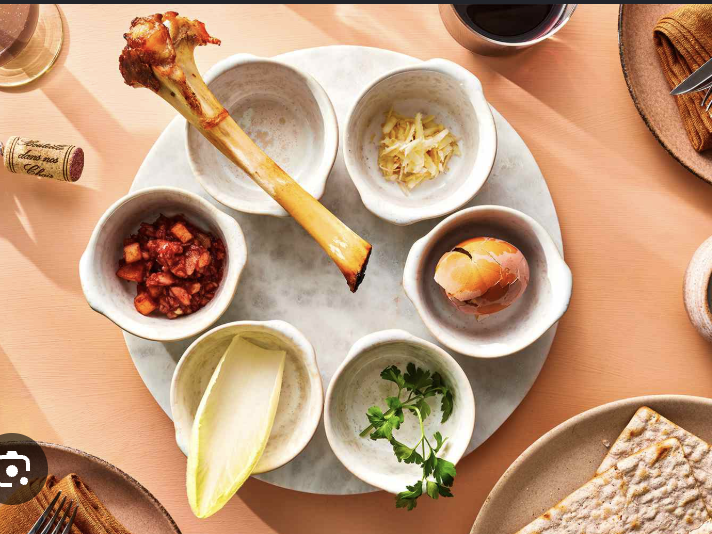
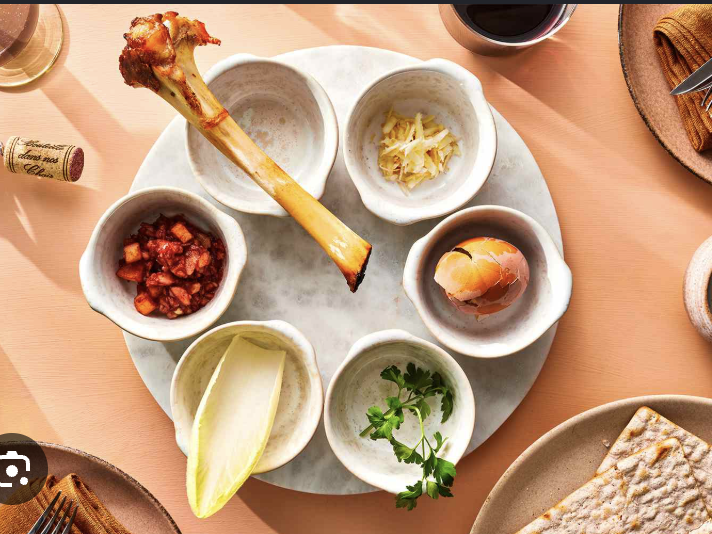
To follow on from the Moses story, we learned about Pesach which is the celebration of Passover. A time that Jewish people remember the story of Moses and him saving the Israelites from slavery. We learned about the Seder meal where each part retells the story of Moses. For example, they dip herbs in salt water to represent the tears of the slaves, the apple, cinnamon and walnut paste represents the mortar used by the slaves on the pyramids and the egg represents a new beginning.
Festivals so far…

In year 1 and 2, we have been learning about different festivals and how they are celebrated.

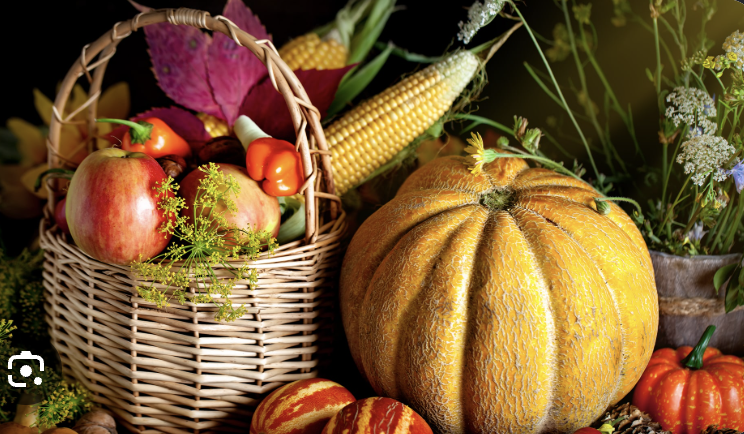
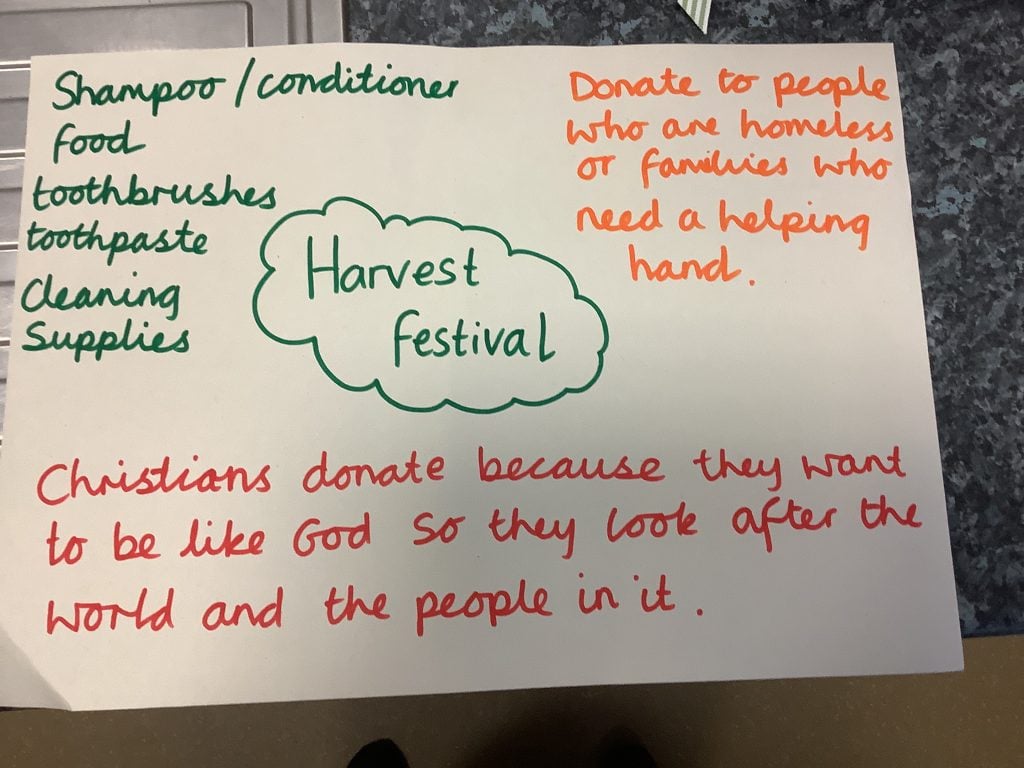
Christians celebrate Harvest festival which is a time to thank God for all that he provides. People bring fruit, vegetables and other food items to their church service. In addition to this, they will donate toiletries and cleaning supplies. All of these items will then be donated to others less fortunate.
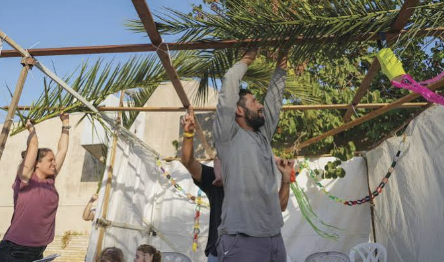
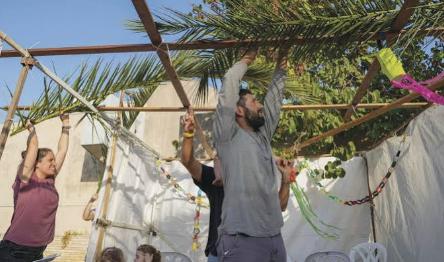
Jewish people celebrate Sukkot which is when they remember Moses and his time in the desert. Moses freed the Israelites from slavery and then wandered the desert for 40 years until God showed them their promised land. Jews will build shelters where they’ll pray, eat and sometimes sleep.

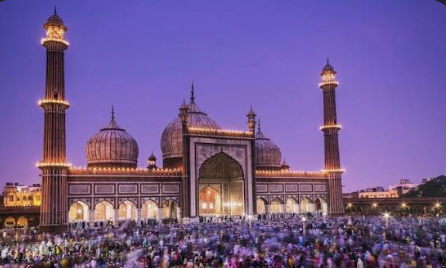
Next we learned about the Muslim festival of Eid which is celebrated at the end of Ramadan. Ramadan is when Muslims fast from dawn to sunset for approximately 30 days. They fast as a way of showing their commitment to their faith and also helps to build compassion for others. Children have a calendar similar to an advent calendar but instead of chocolate they’ll have challenges or opportunities to help others.

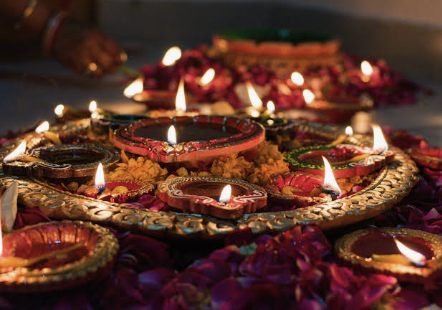
Today, we have learned about Diwali which is known as the festival of light. This is a festival celebrated by Hindu’s and Sikh’s. During this festival, they will decorate their homes, make candles, cook and buy sweet treats. This is a time for them to think about the year ahead and to remember the story of Rama and Sita where good triumphed over evil.

Harvest Festival

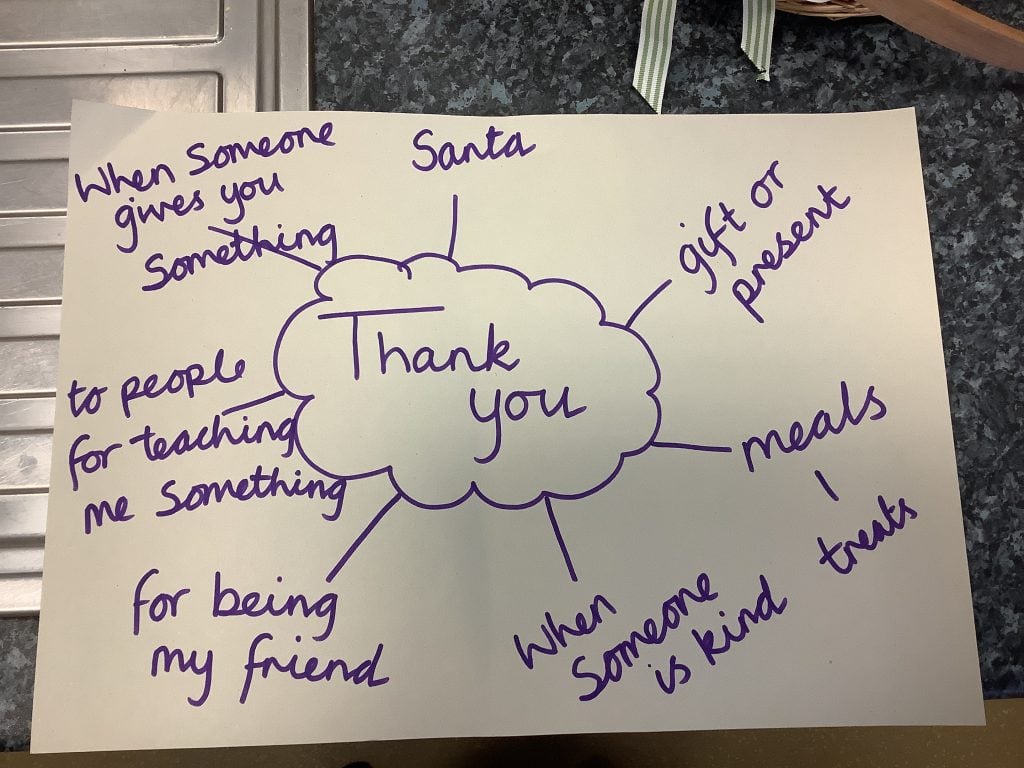
Last week in RE, Year 1 and 2 learned about the Harvest Festival and the importance of this to the community. We started by thinking of the things that we are thankful for before exploring what the Christian church do during Harvest festival. We learned that they have donations to the church which they then donate to others who are less fortunate or just need a helping hand.

This led on to this weeks lessons where we learned about Sukkot which is the Jewish celebration of Harvest. The Jewish people celebrate takes place in September or October depending on the Hebrew calendar. They build shelters which they pray, eat and even sleep in as a way to remember the story of Moses and his people in the desert.

How might ideas about God be represented?

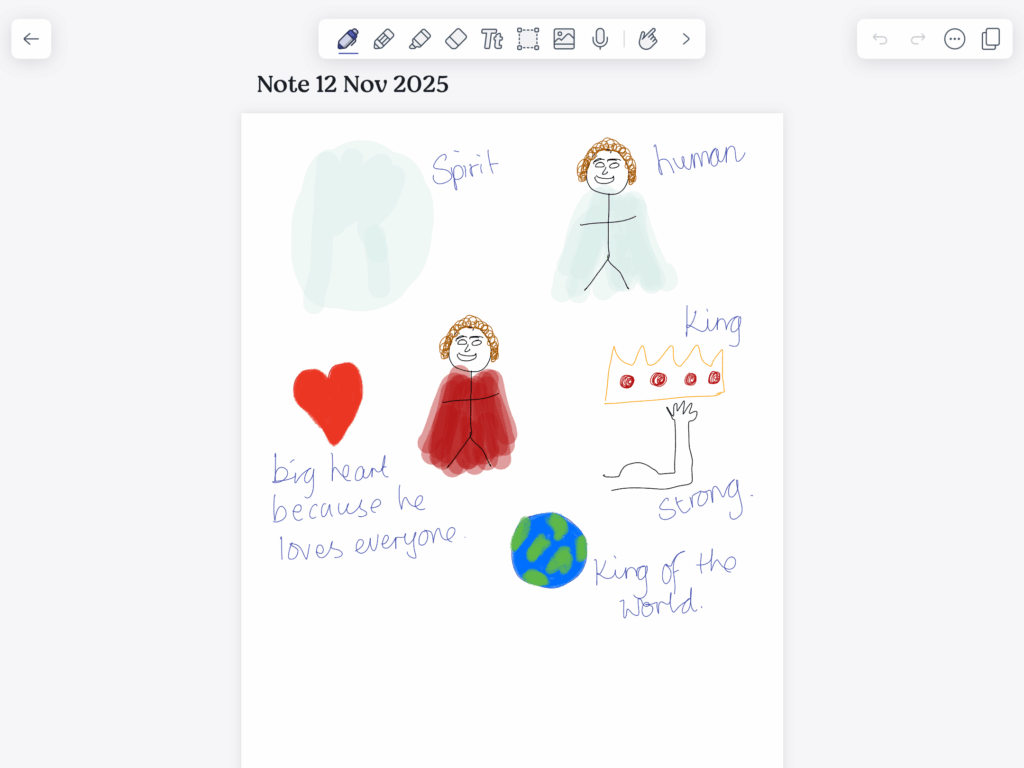
In RE, Year one started to explore how God is represented and what they think he is like. We discussed that no one knows for definite what he is like but we all have views and ideas about him. We discussed and shared our thoughts and views.

In addition to our RE unit, we have been learning about some well known Bible stories. Today, we learned about David and Goliath. This taught children the following things – be bigger than your fears, size doesn’t matter, make use of what you have, believe it is possible and never underestimate your own abilities.

What do some Hindu people believe about Creation?

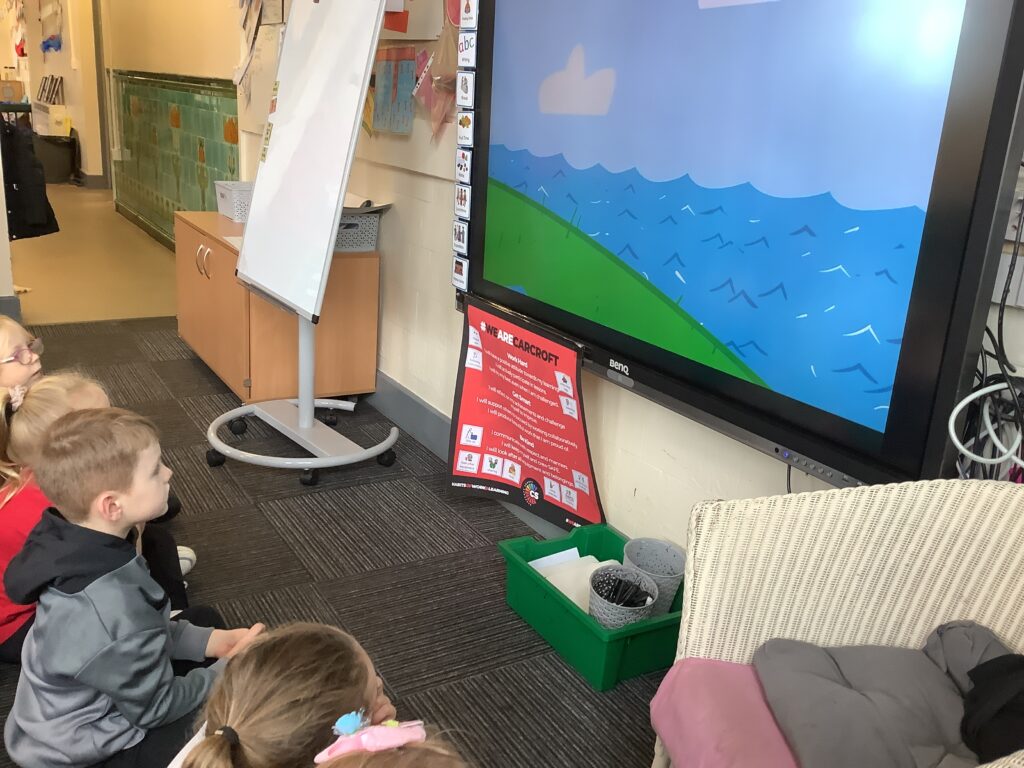
In Re, Year 1 have been learning about creation. Last week, we learned about what Christian people believe about creation and how God created the world. To start our lesson, children recapped what God created each day before we started looking at what some Hindu people believe. We watched a video about Hindu people’s beliefs and then discussed the similarities and differences to the Christian creation story.

Denominations

Year 5/6 have been learning about the different denominations that have evolved from Christianity over the years. Although, they have the same Jewish core beliefs, they worship God in slightly different ways based on their leaders interpretations of the bible.

At the end of the lesson, we revisited the story of Creation and about Adam and Eve as children were unfamiliar with this bible story and how Christian’s believe the world was created.

Creation – How do Christians and Jews believe the world was created?

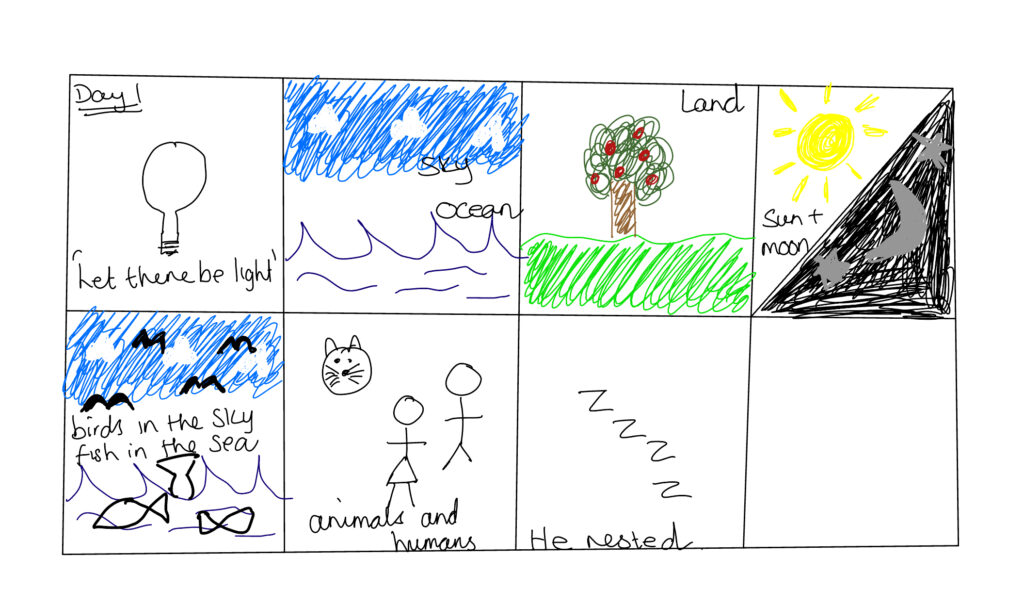
In RE, year 1 have been learning about how the world began. Last week, we investigated things around the world to help us understand that lots of things occur naturally on the Earth such as trees, sunsets, mountains and animals. This week, we have learned about what Christians believe and their belief is that God created the world. We watched a video that explained how God created the world in 7 days and created an anchor chart.

R.E

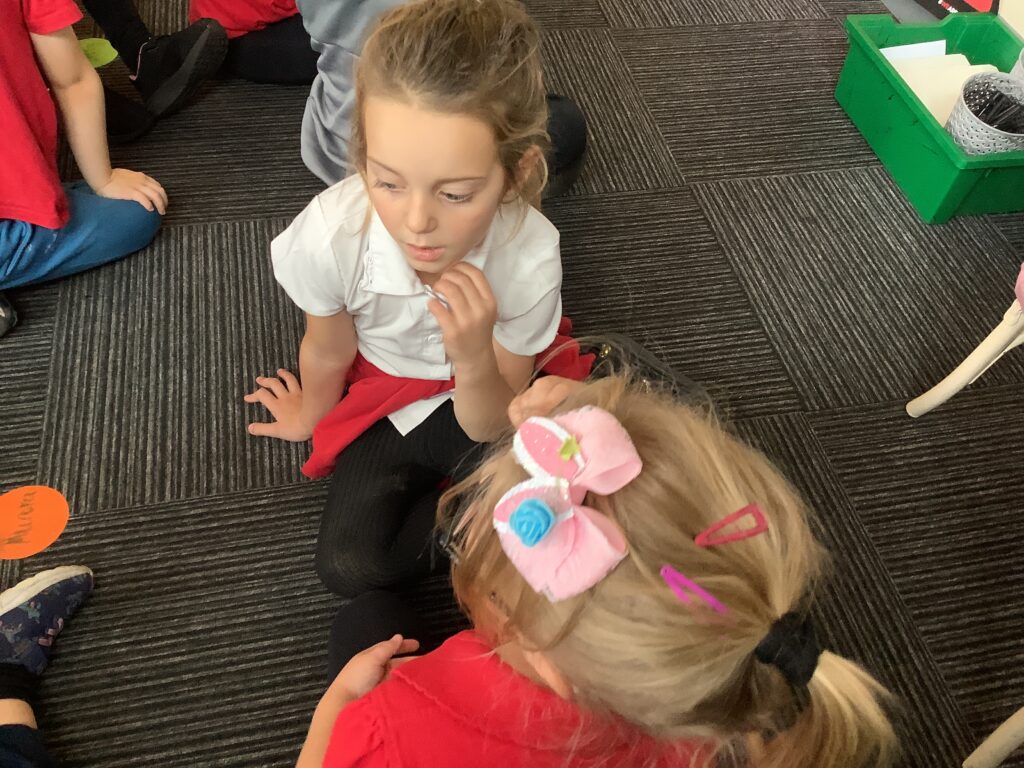
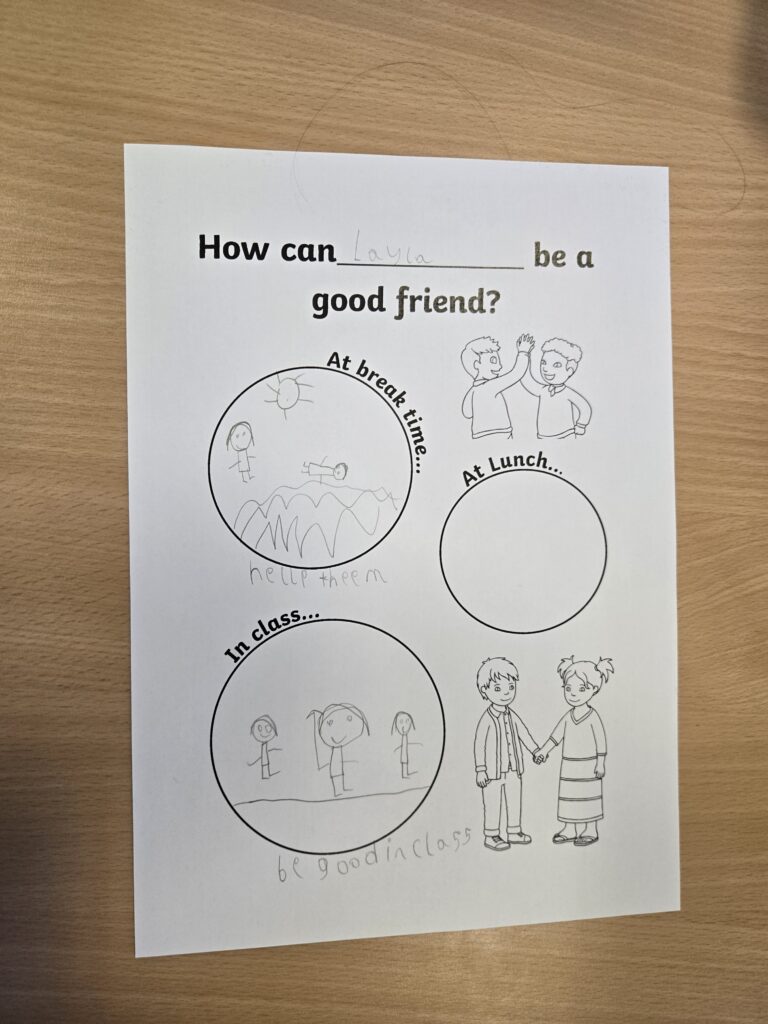
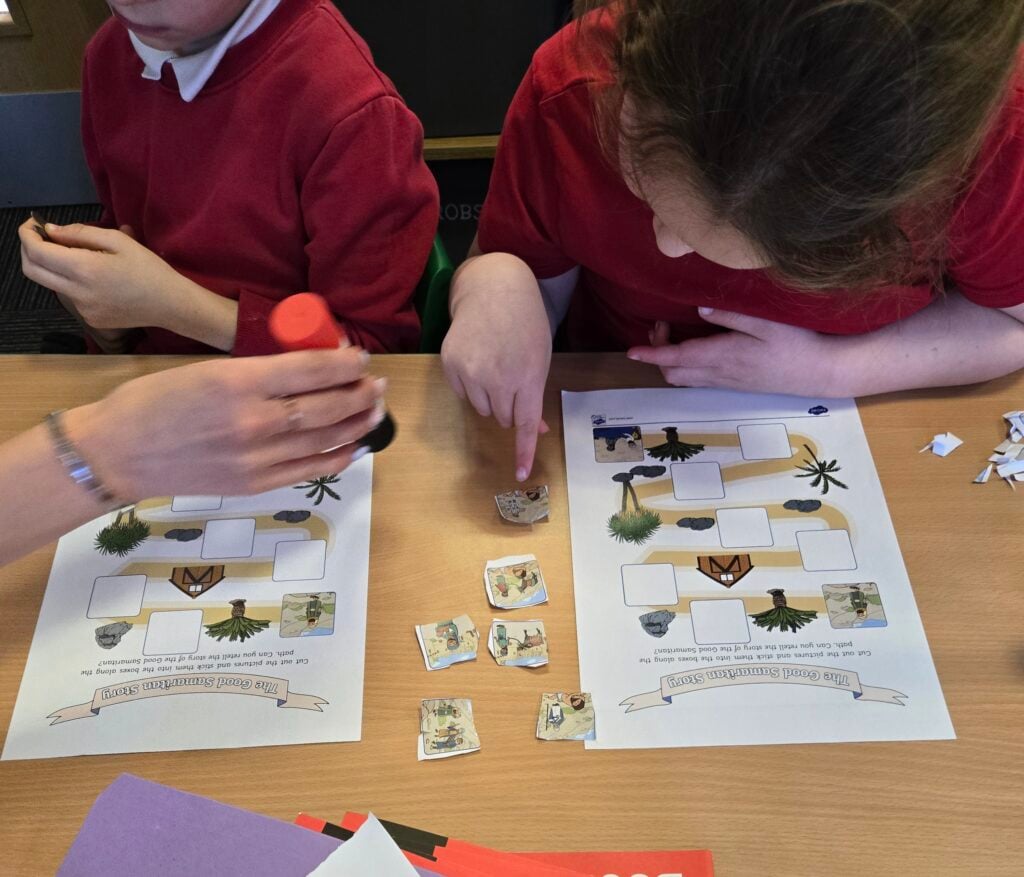
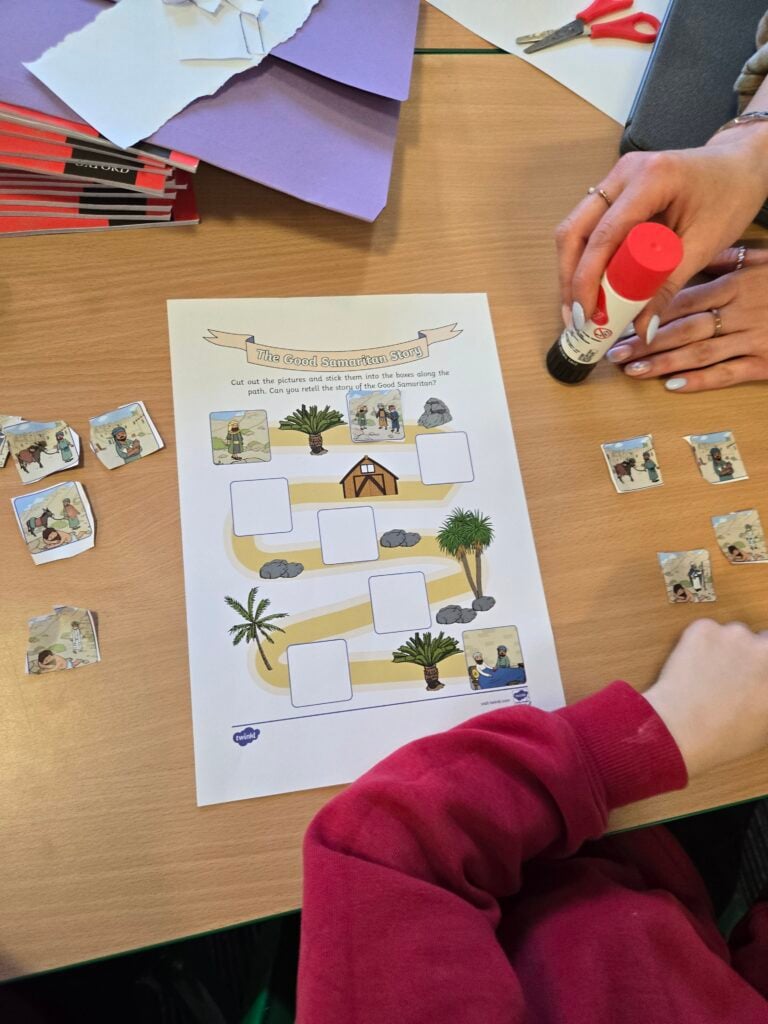
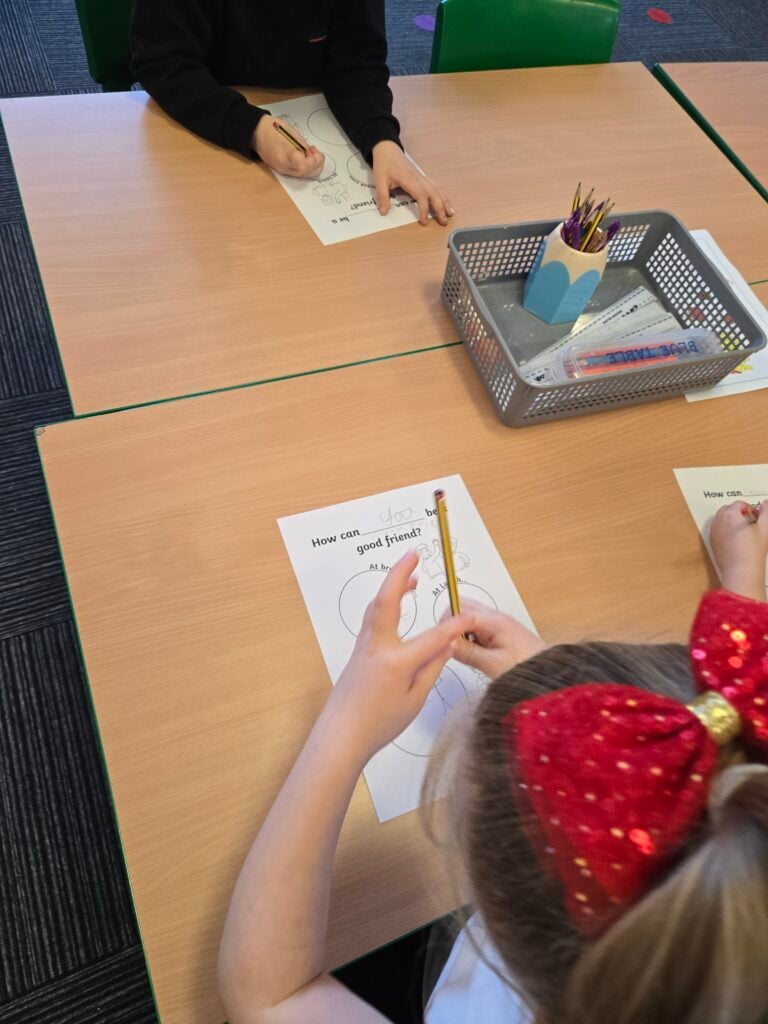
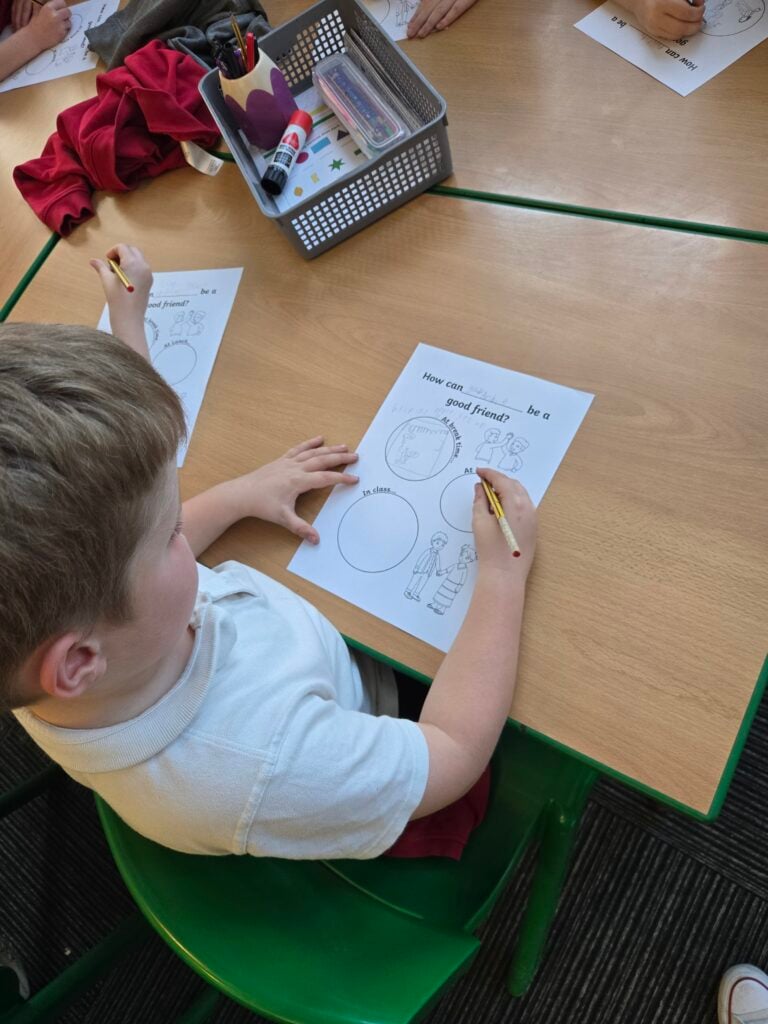
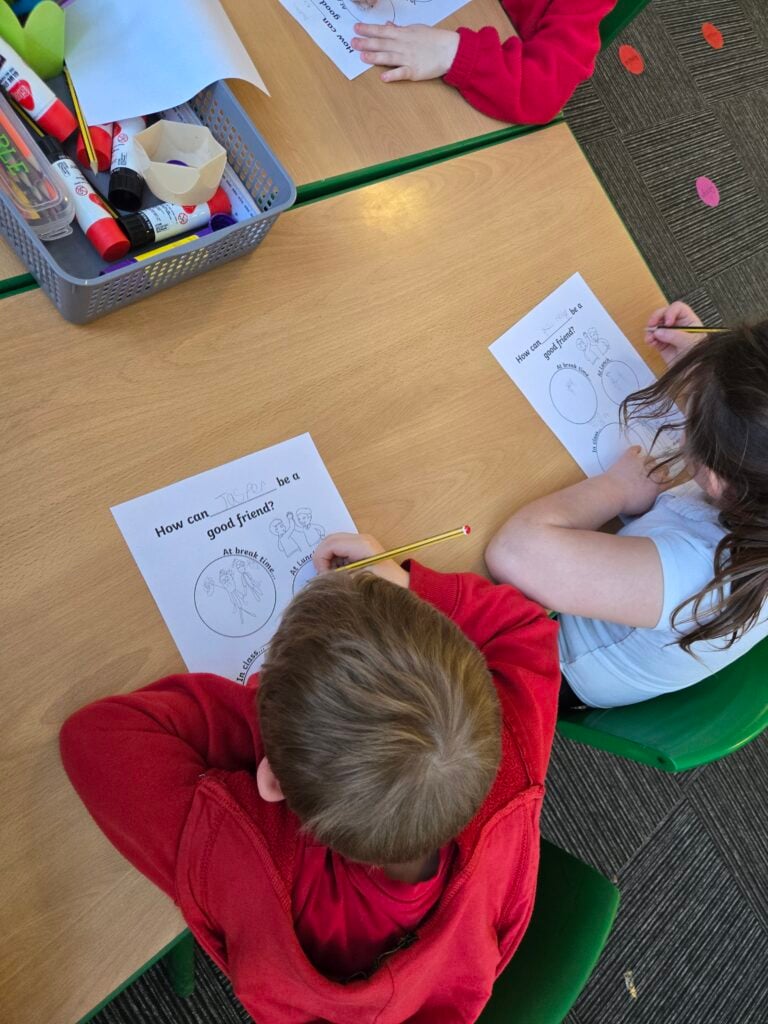
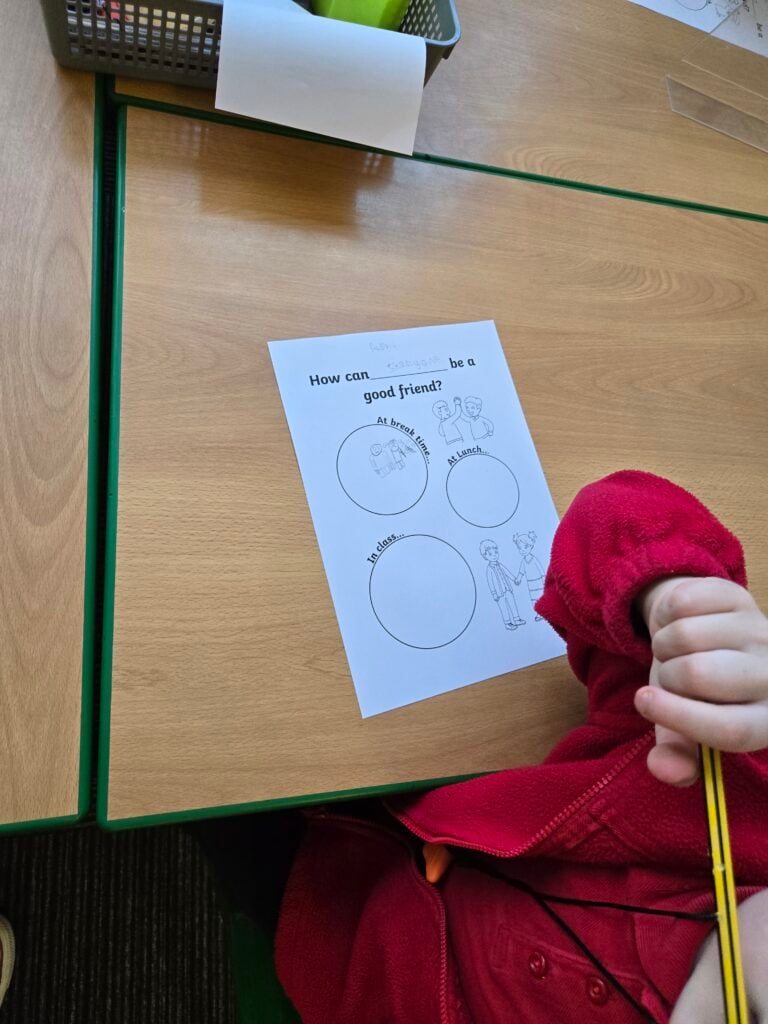
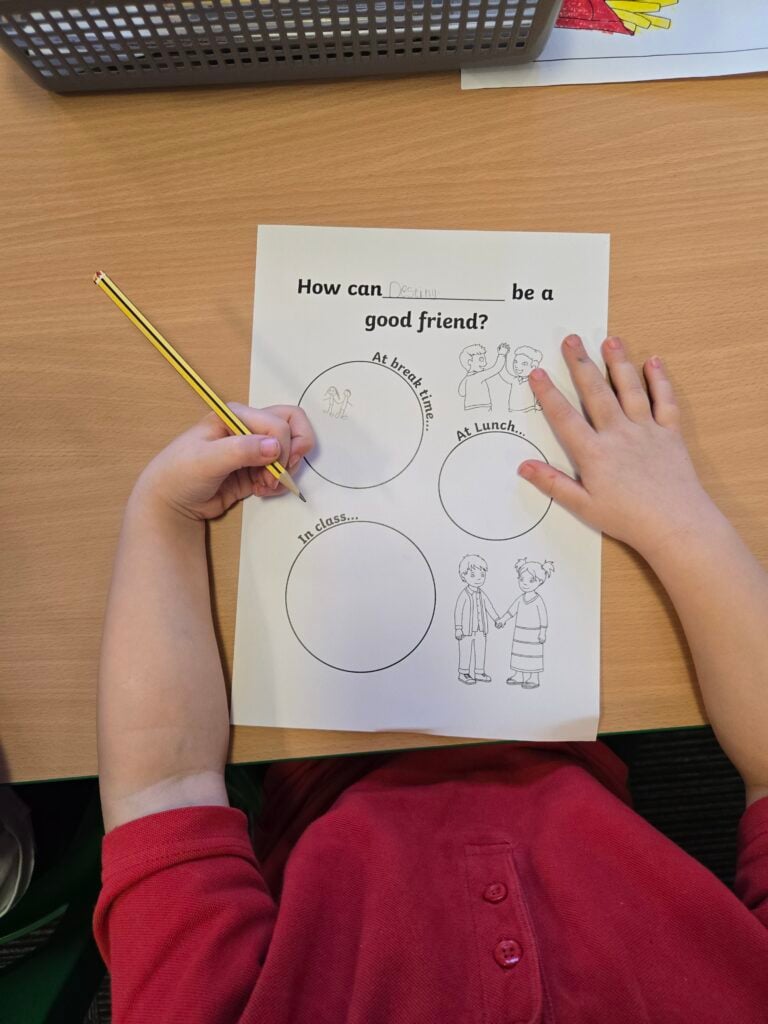
In R.E today Crew Robson learnt and talked about how to be a good samaritan. They could sit in a circle and discuss what a good samaritan is. Here is some of their work.

Pancake day

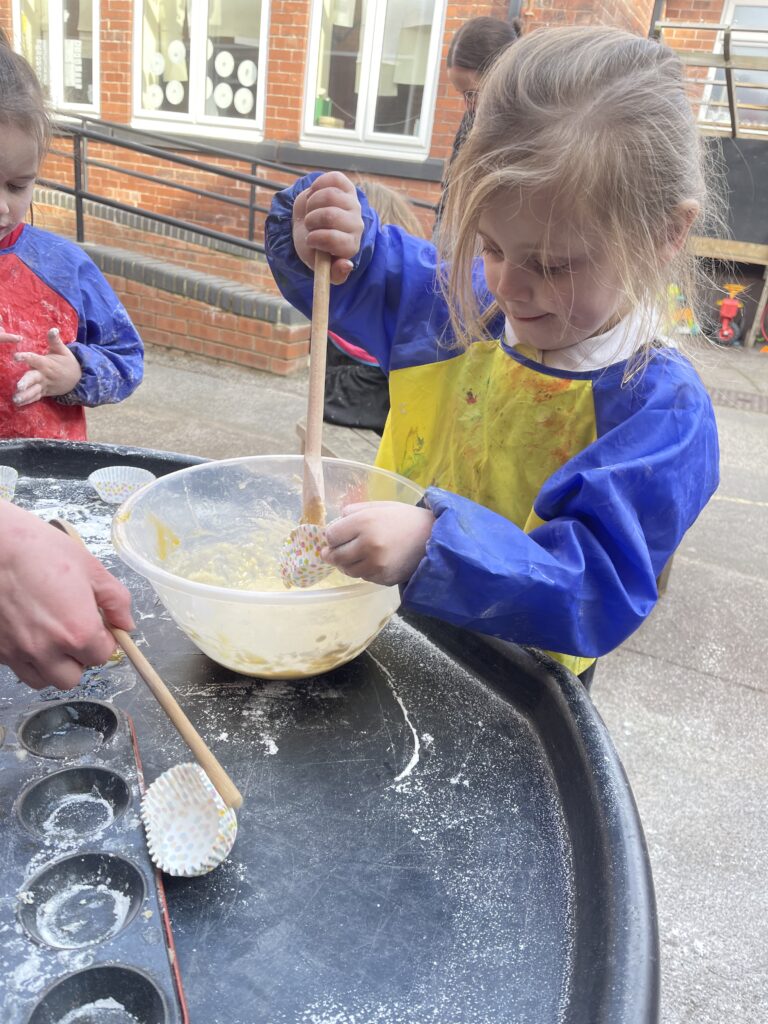
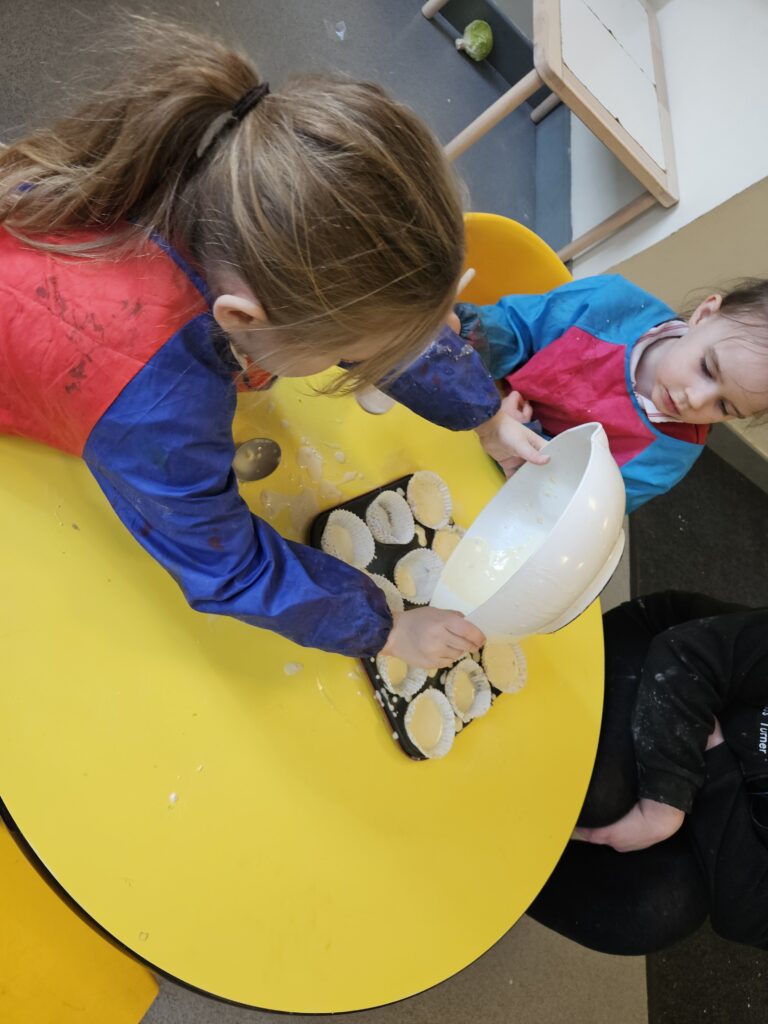
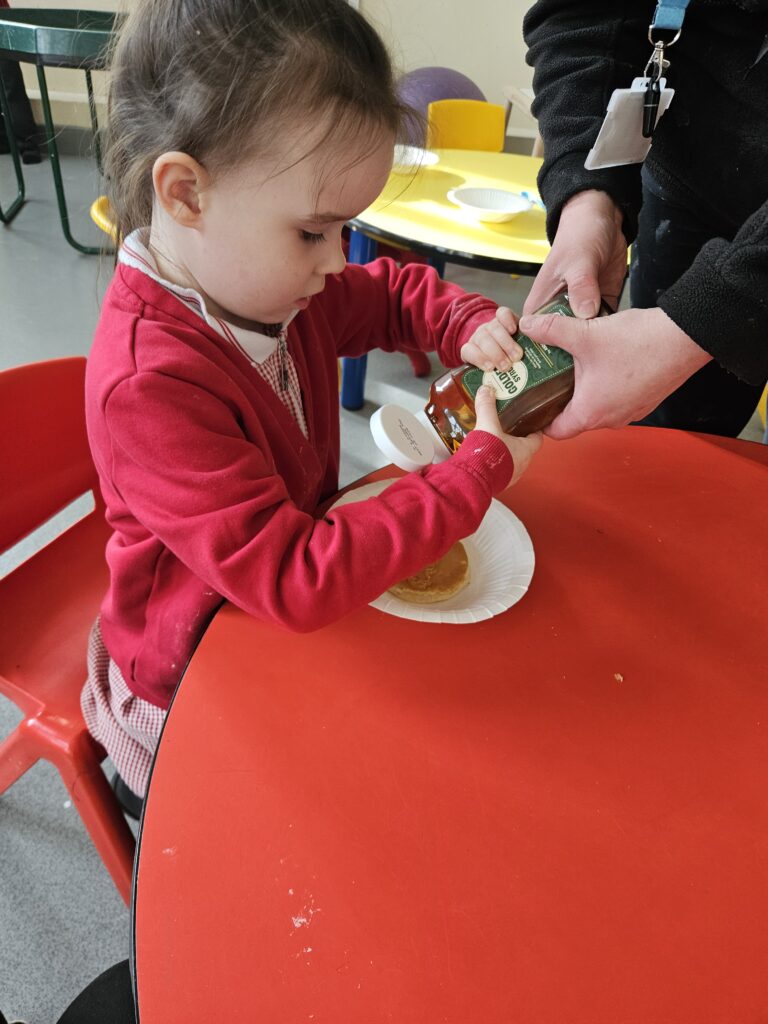
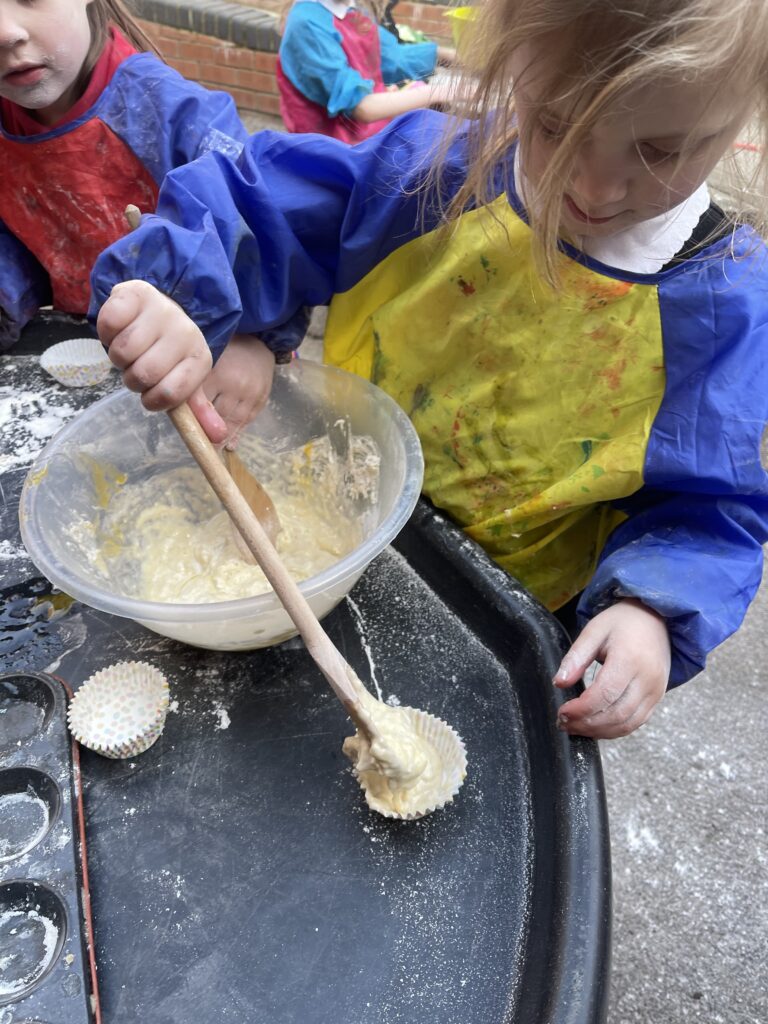
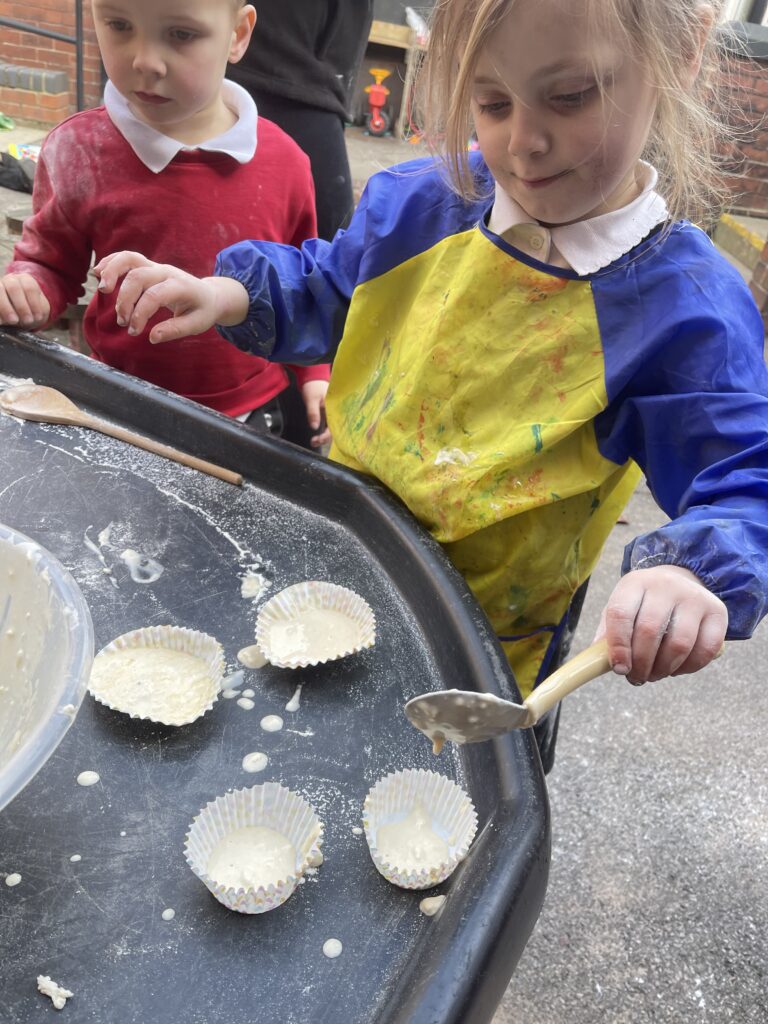
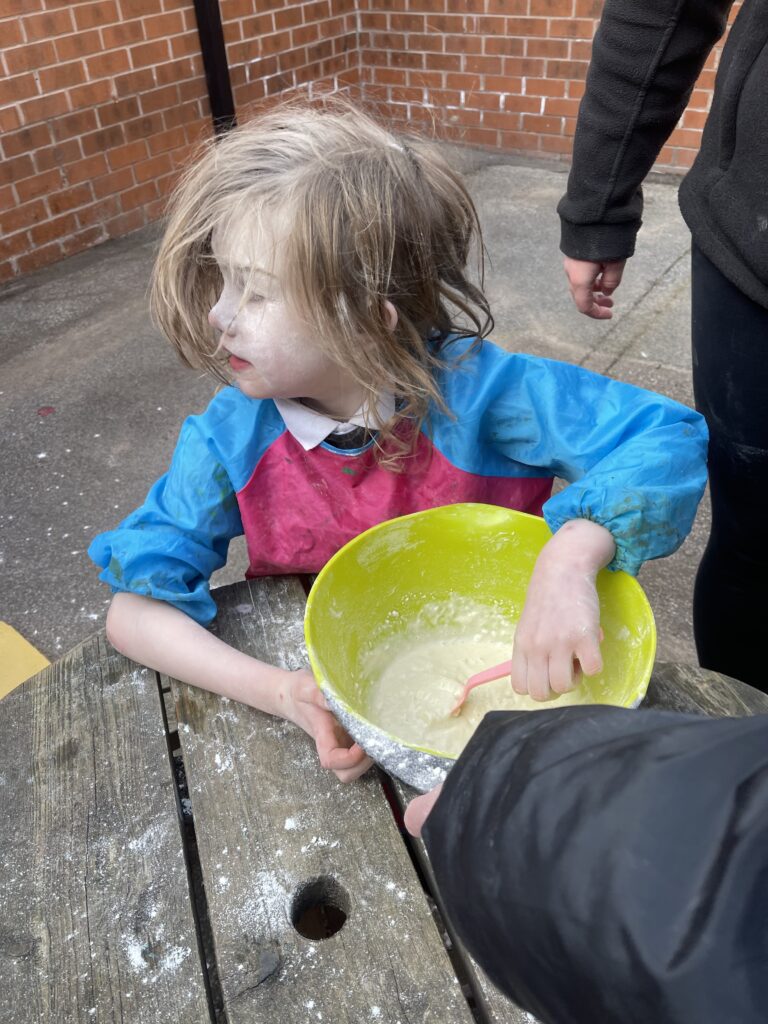
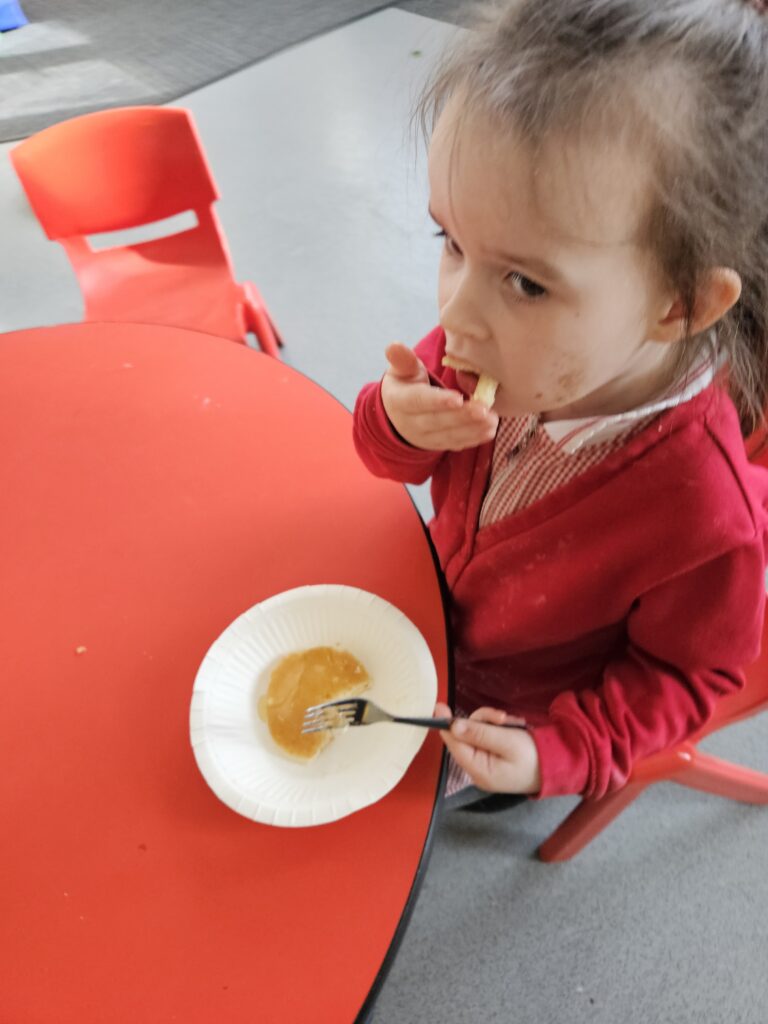
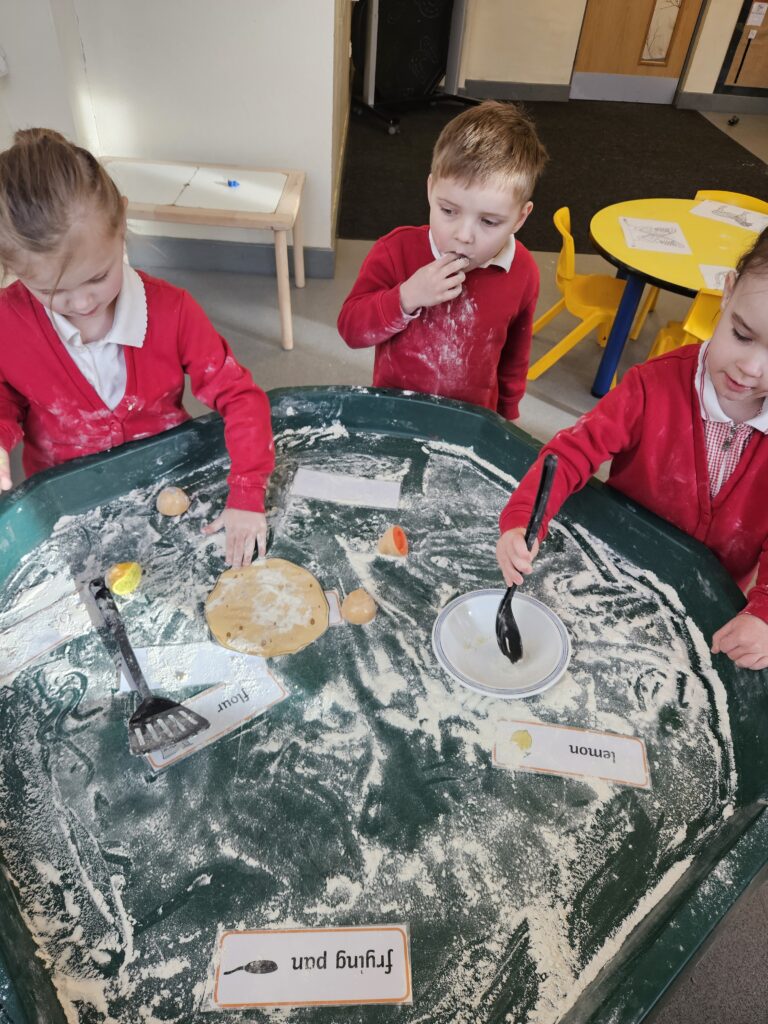
Tuesday was the best day ever! We made pancakes, and it was VERY messy (but that’s the fun part!).

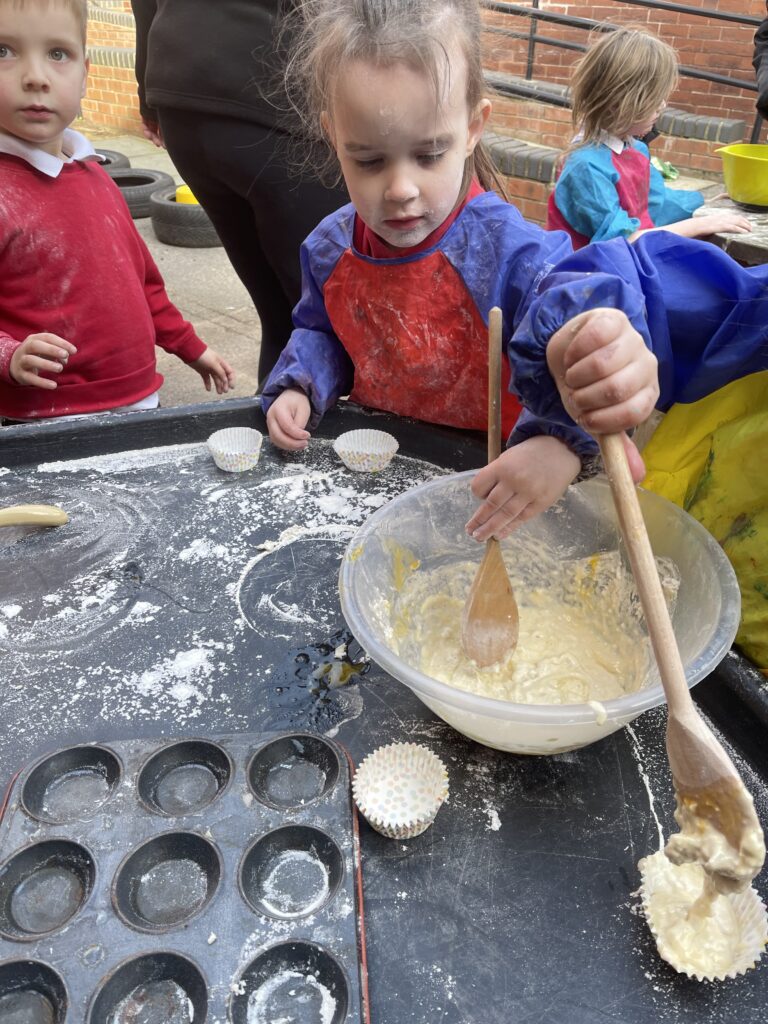
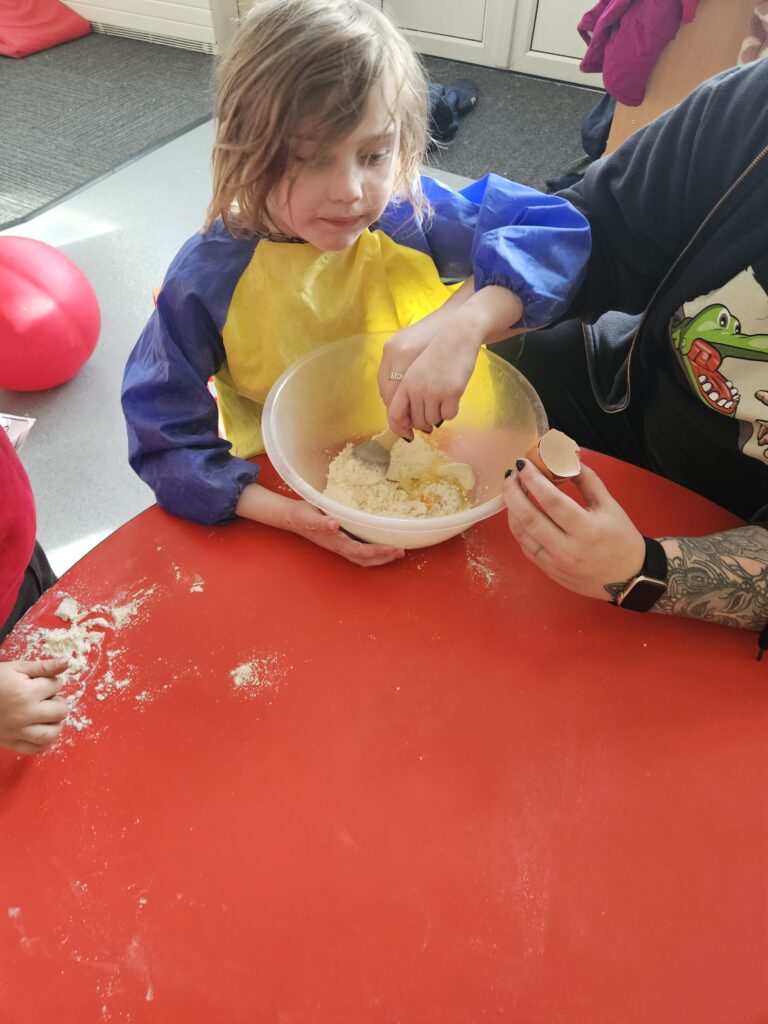
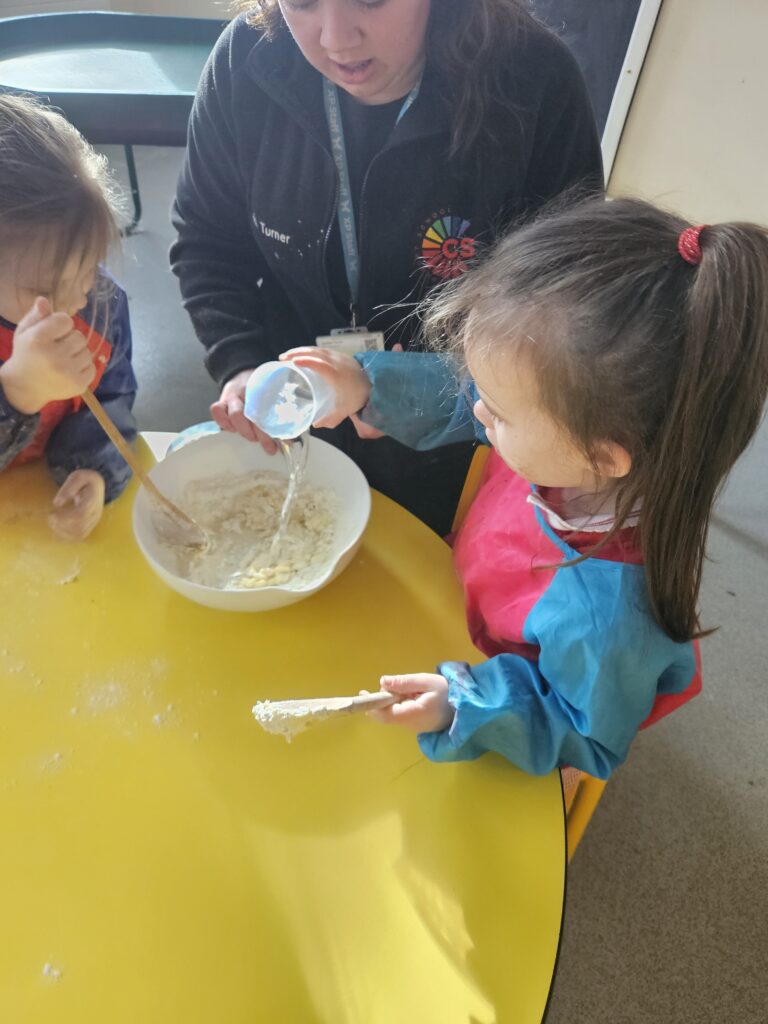
First, we mixed all the ingredients in a big bowl. The flour went poof! everywhere, and our faces turned white like snow. We stirred and stirred with big wooden spoons—our arms got super tired, but we didn’t give up!

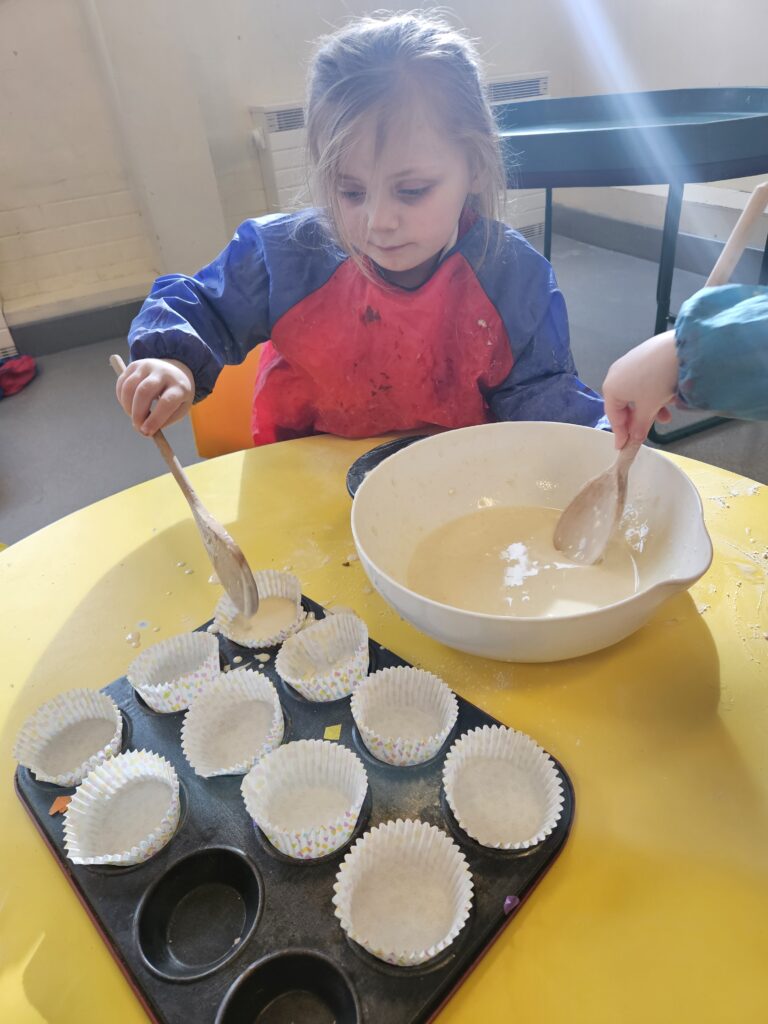
Then, we scooped the gooey pancake mix into little cups. It was sticky and squishy, and some of it even landed on the table (oops!). But that’s okay because we were having so much fun!

They were the BEST pancakes in the whole wide world!