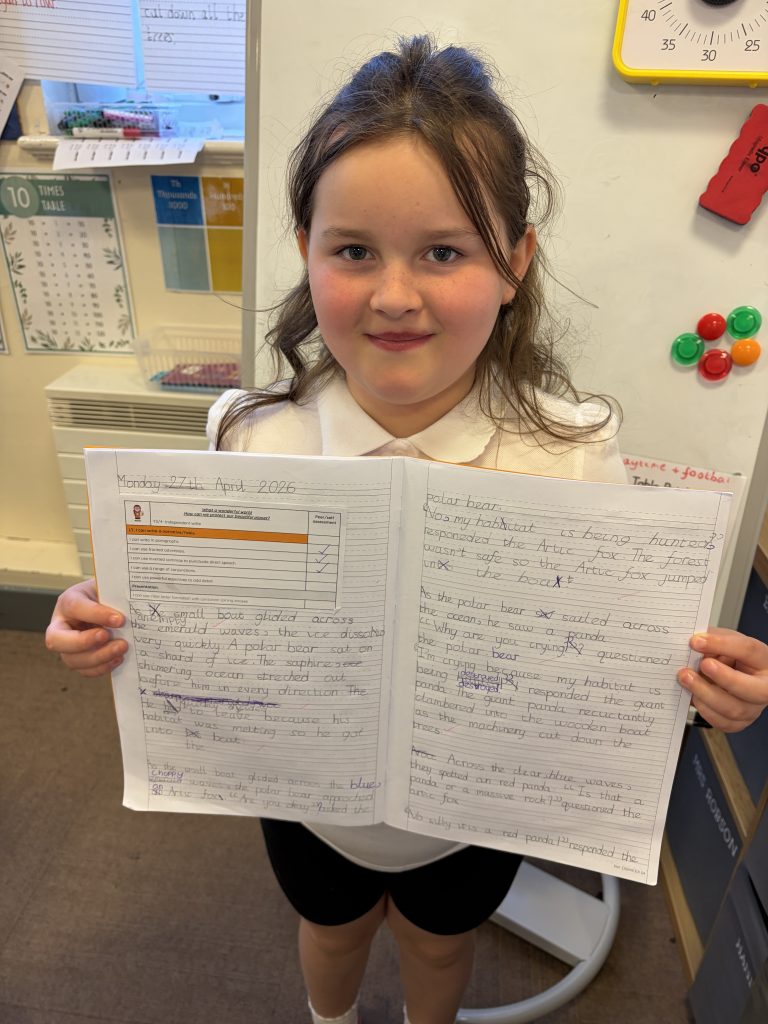
This week we have started our independent write about an endangered animal searching for food. We have loved inventing a new story… here we are using our plans and resources to help us produce beautiful stories.
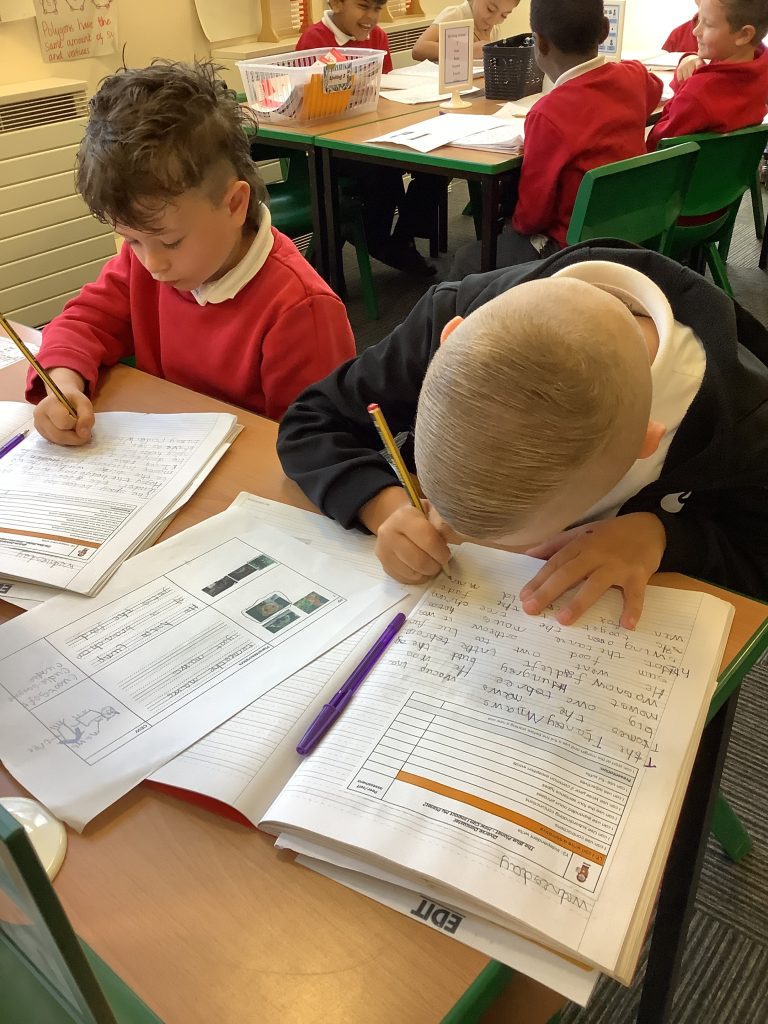
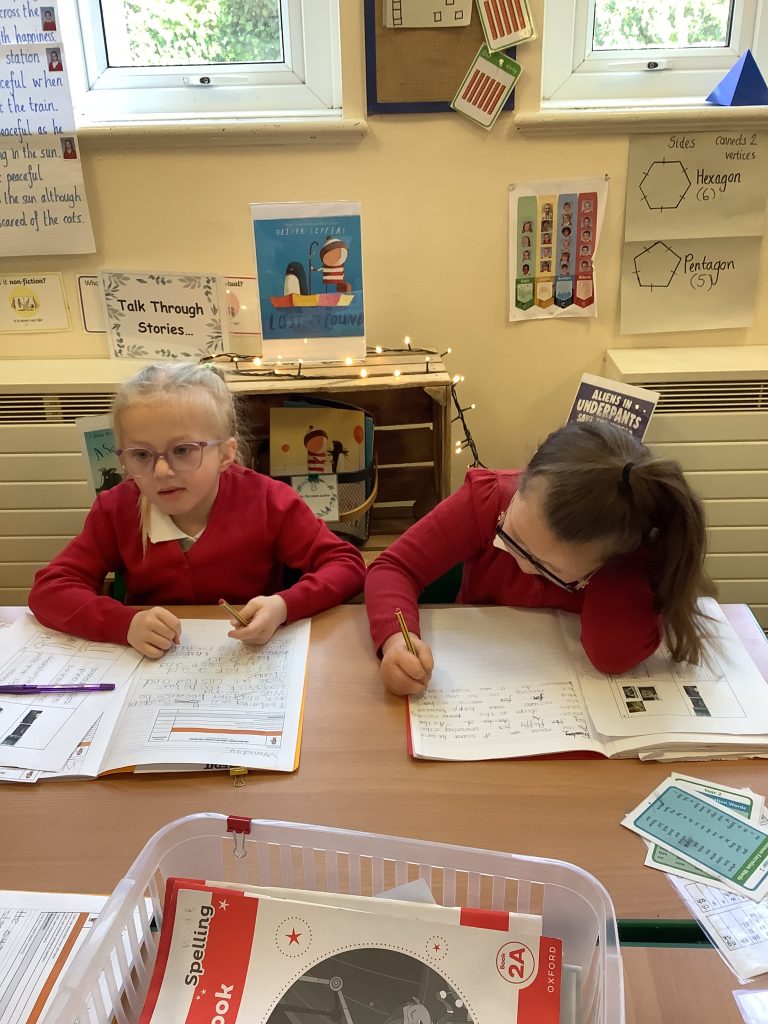
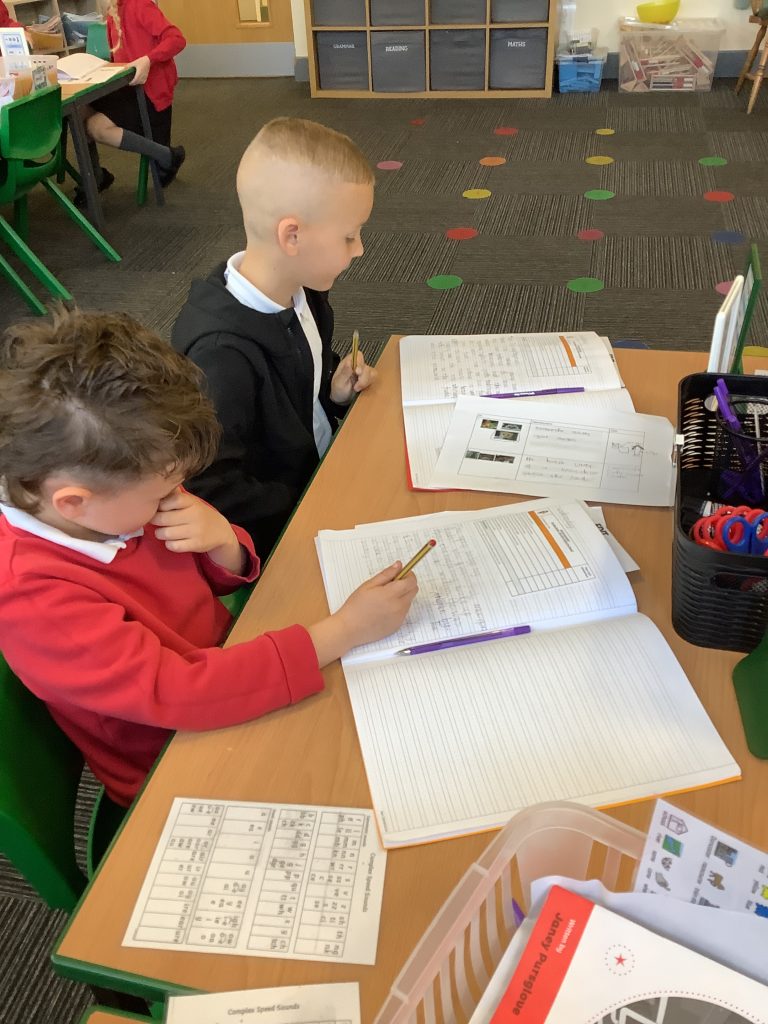
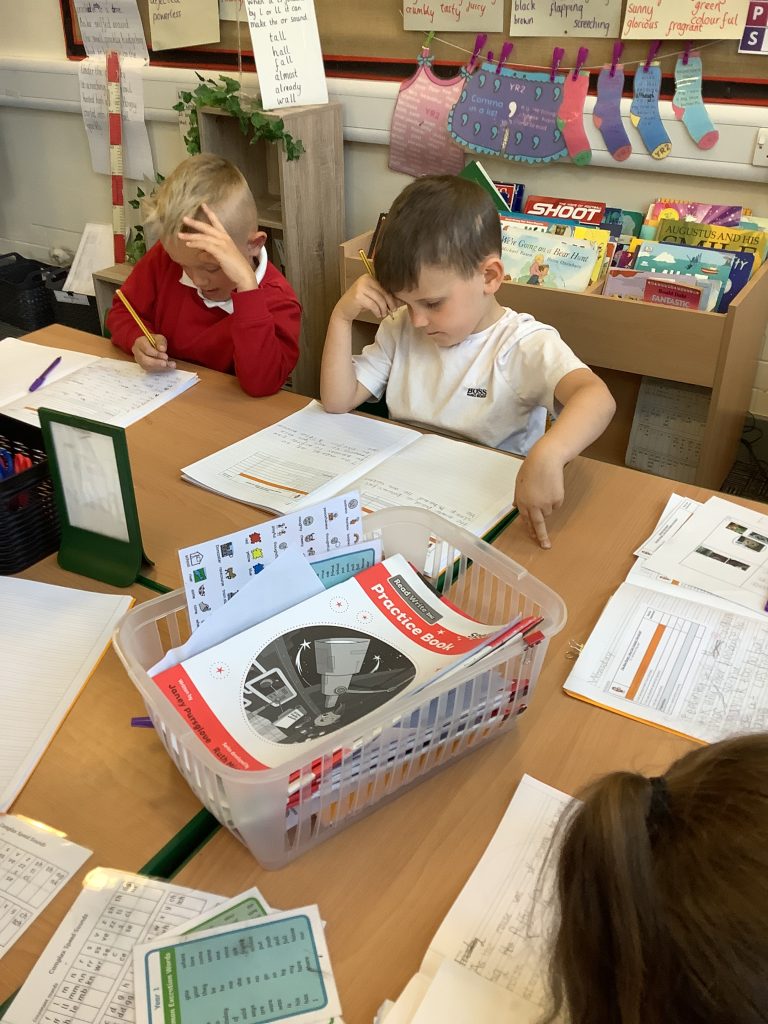
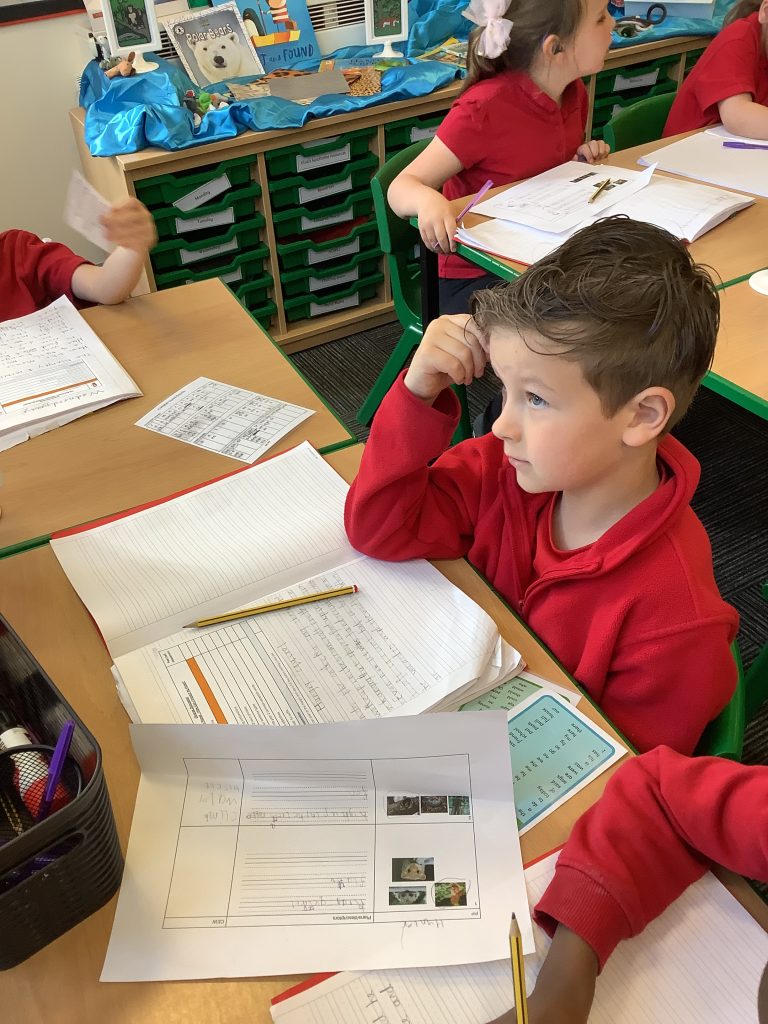
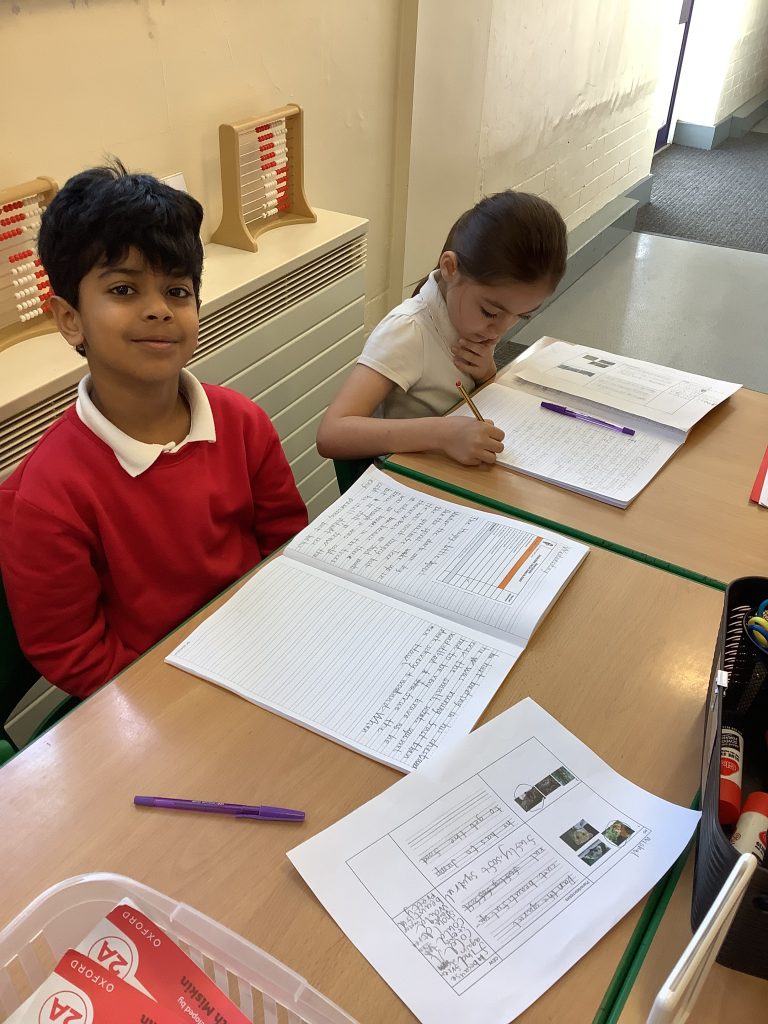
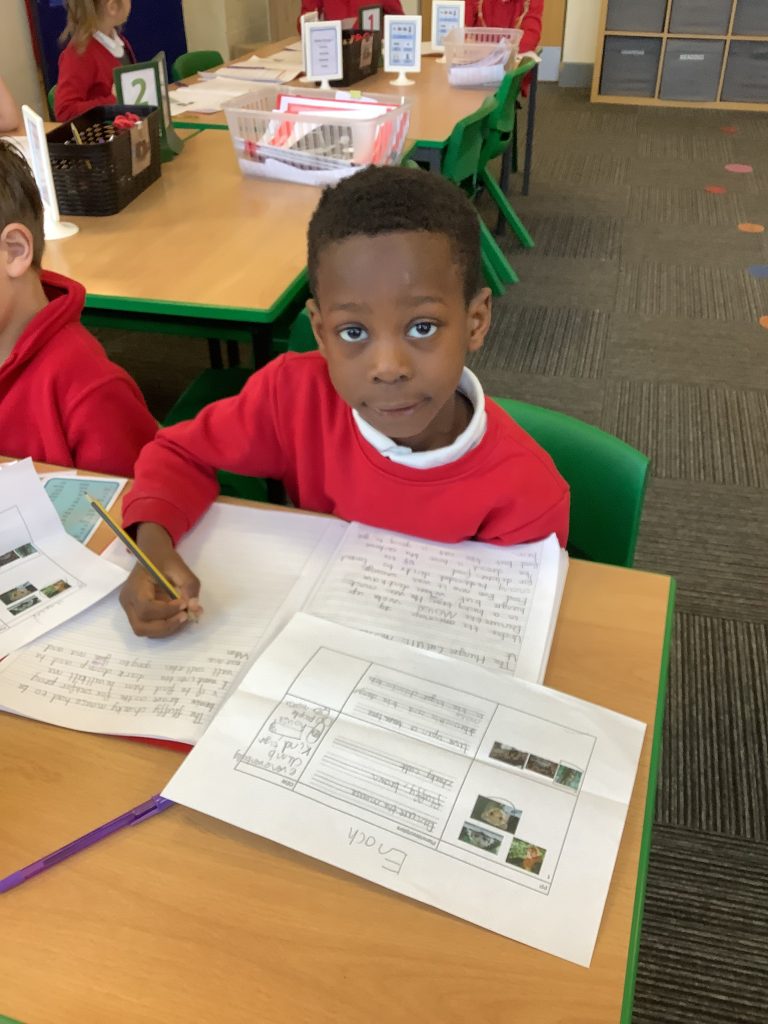
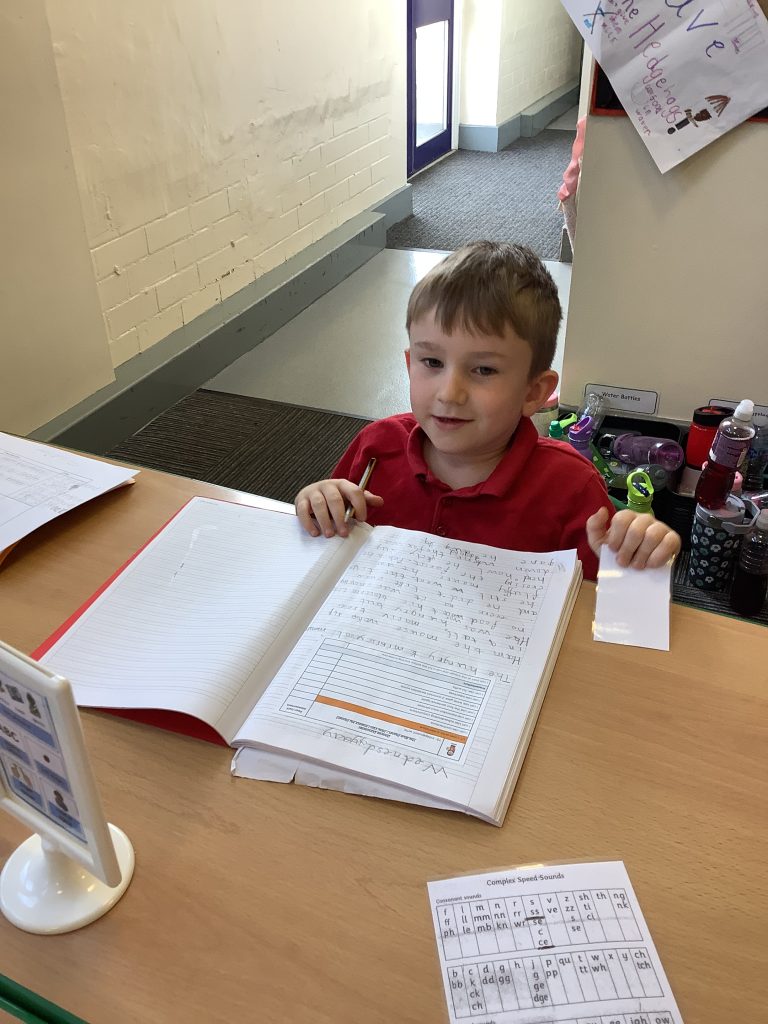
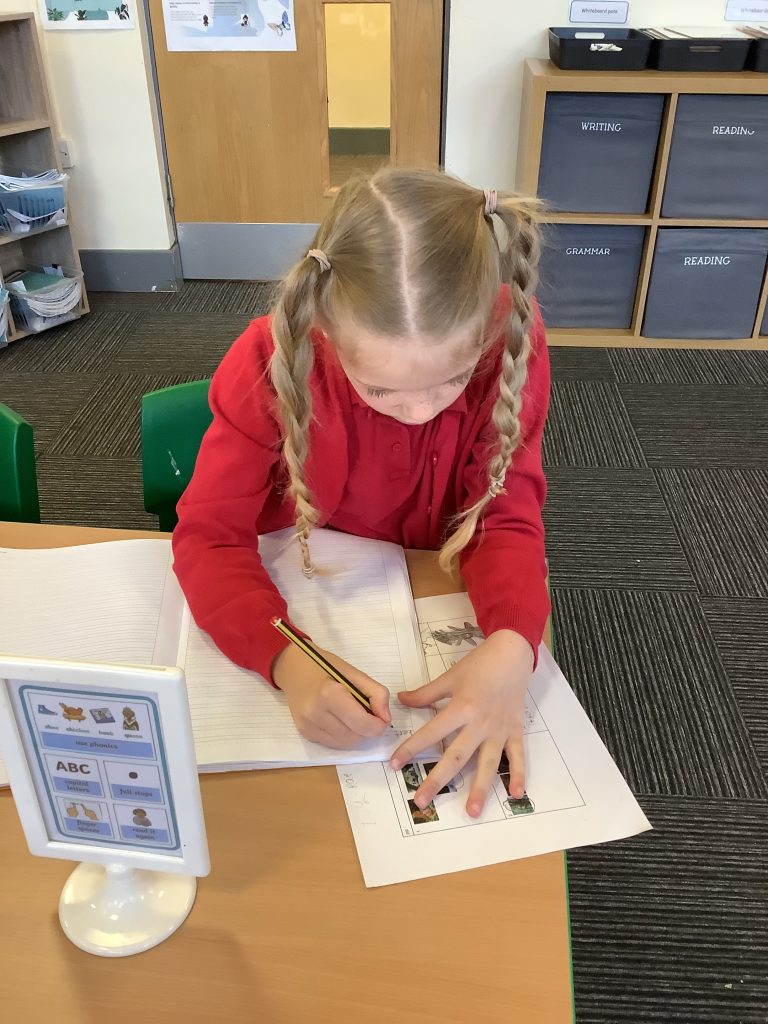
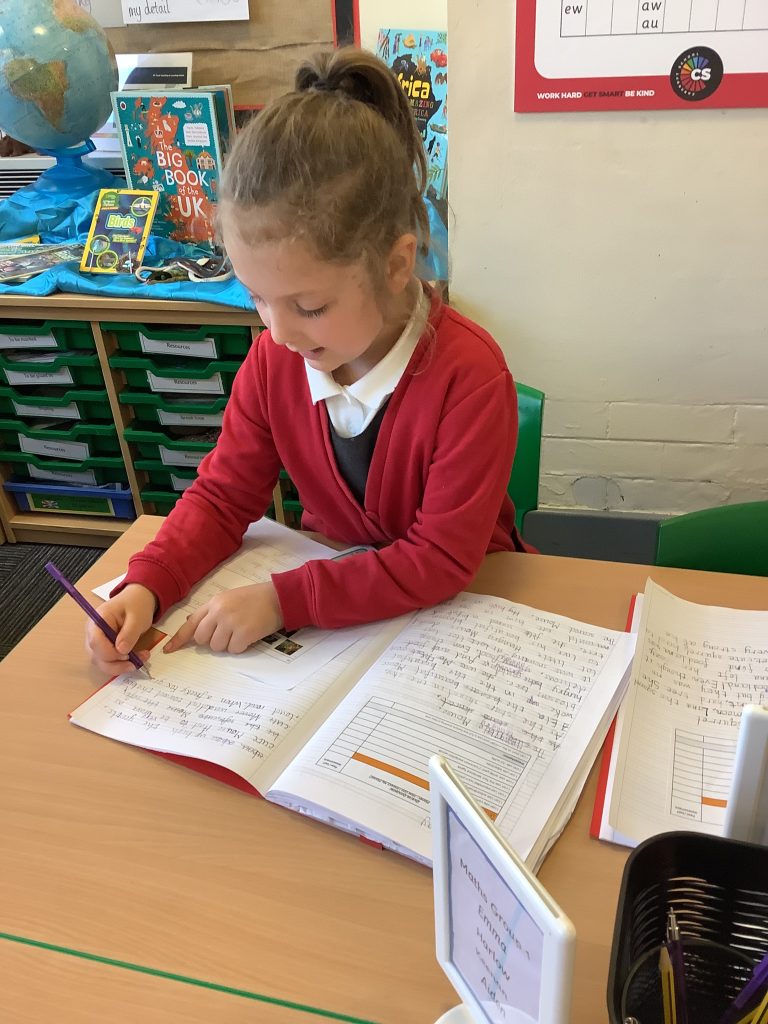
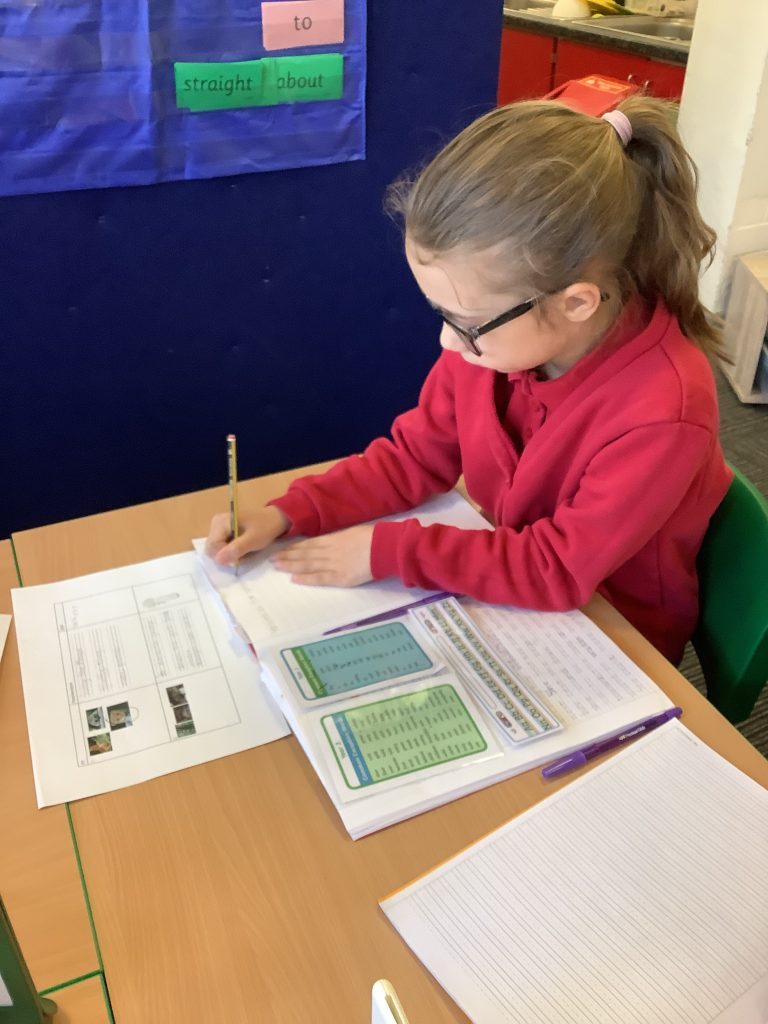
This week we have started our independent write about an endangered animal searching for food. We have loved inventing a new story… here we are using our plans and resources to help us produce beautiful stories.
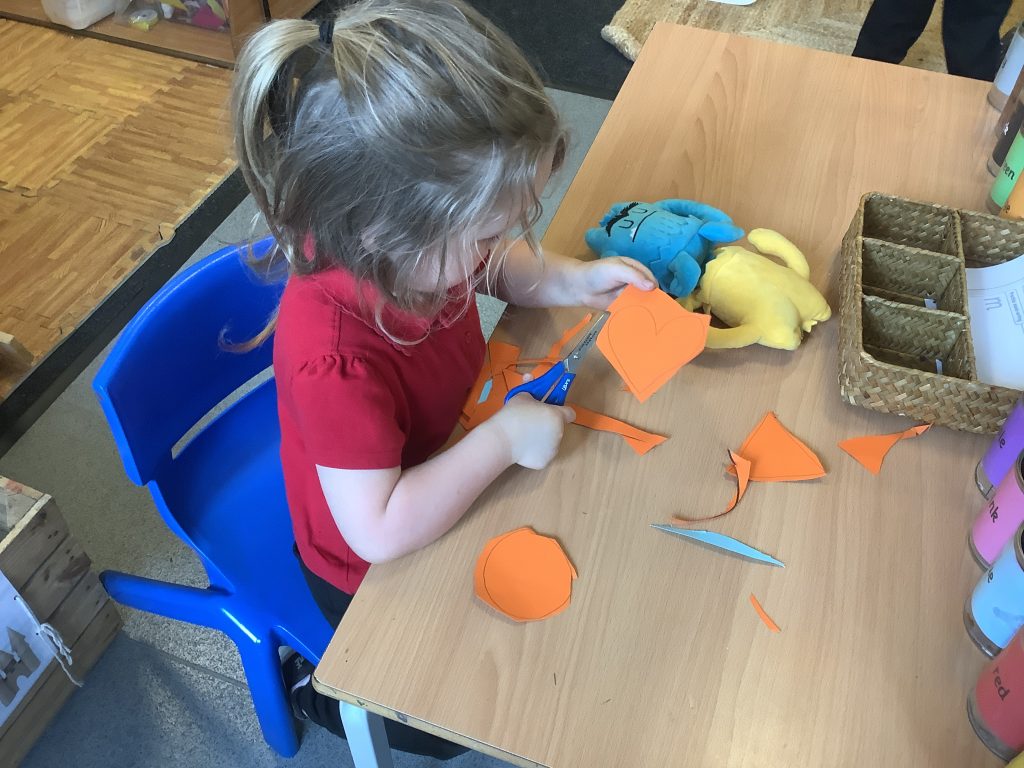
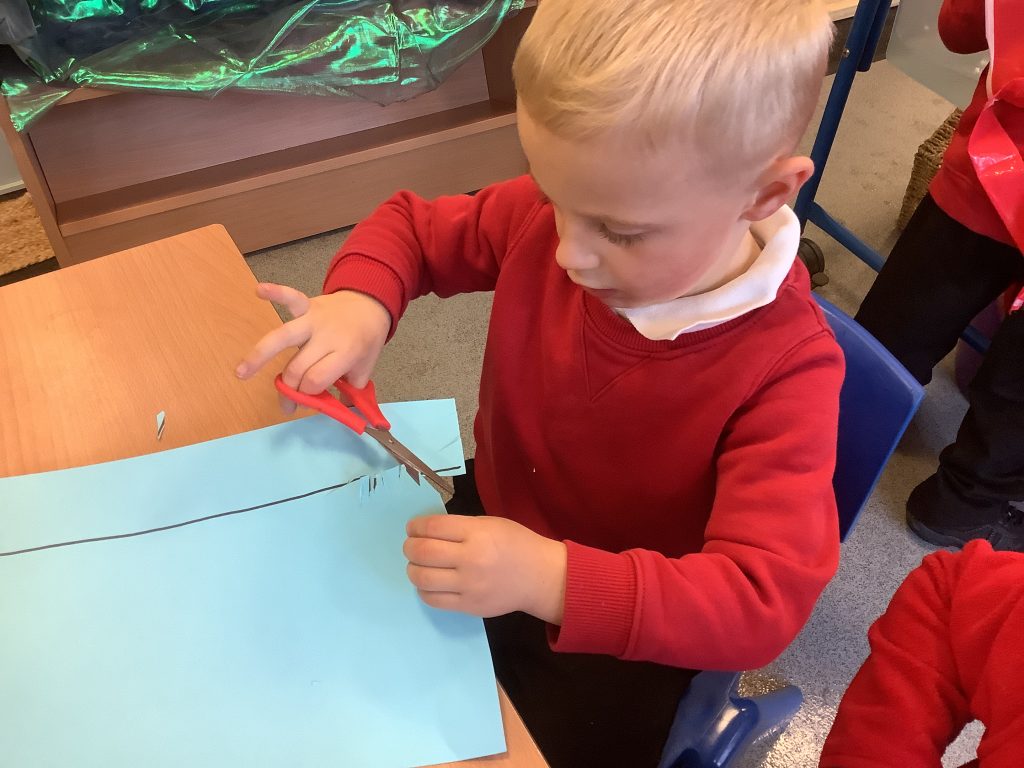
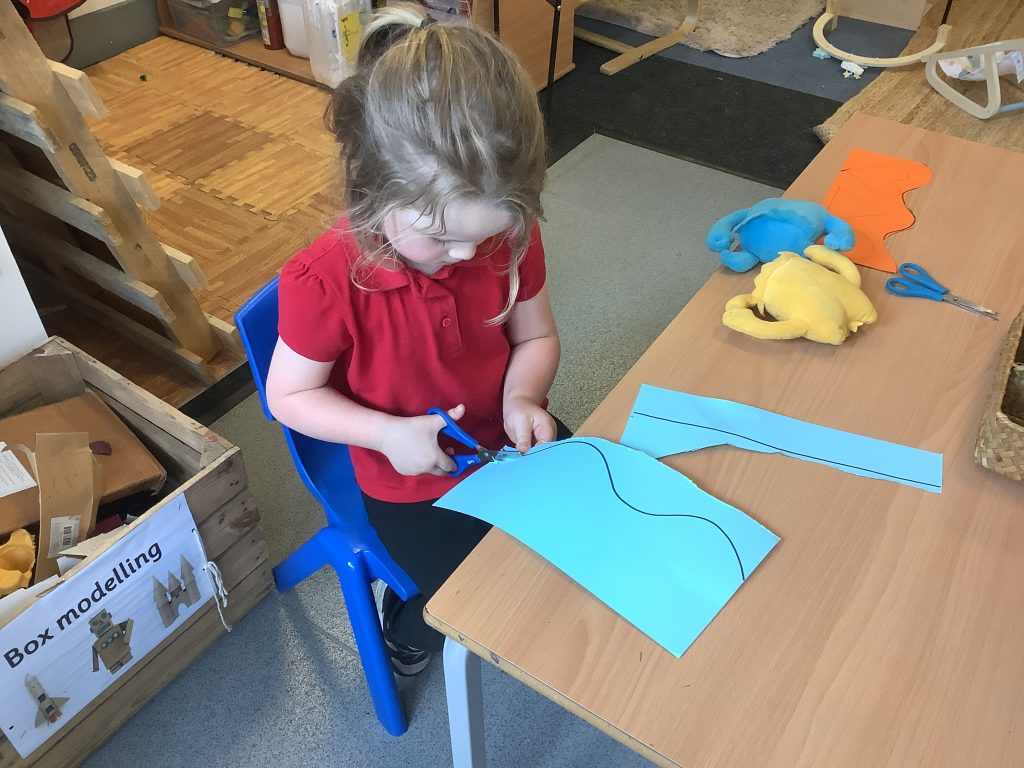
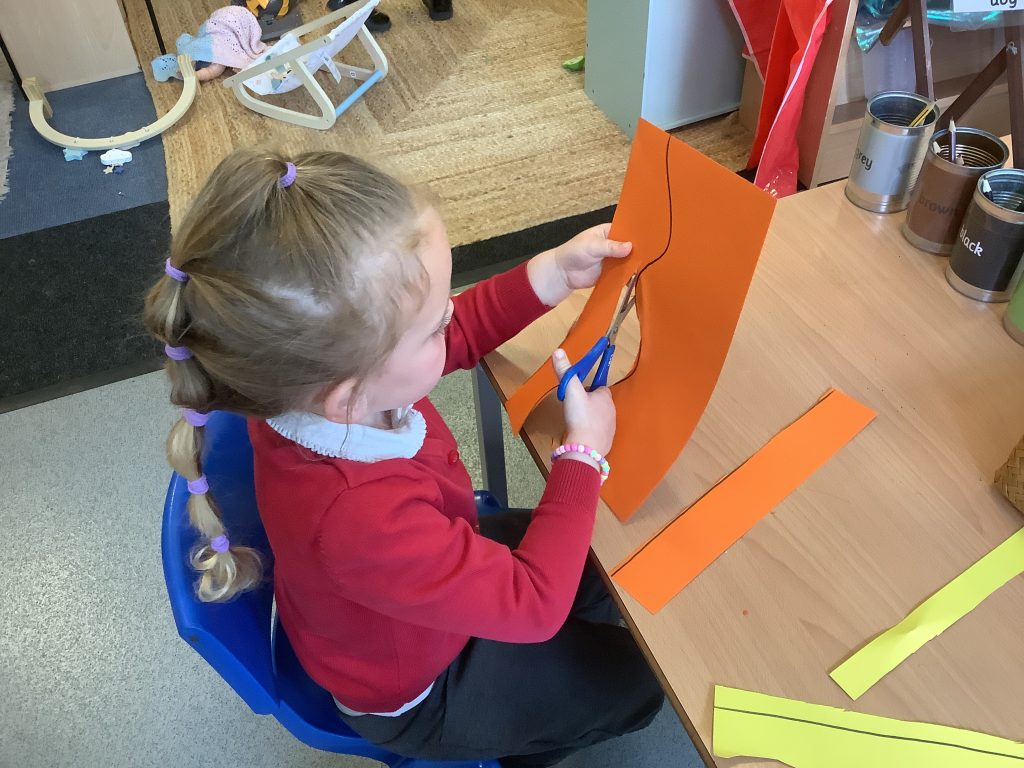
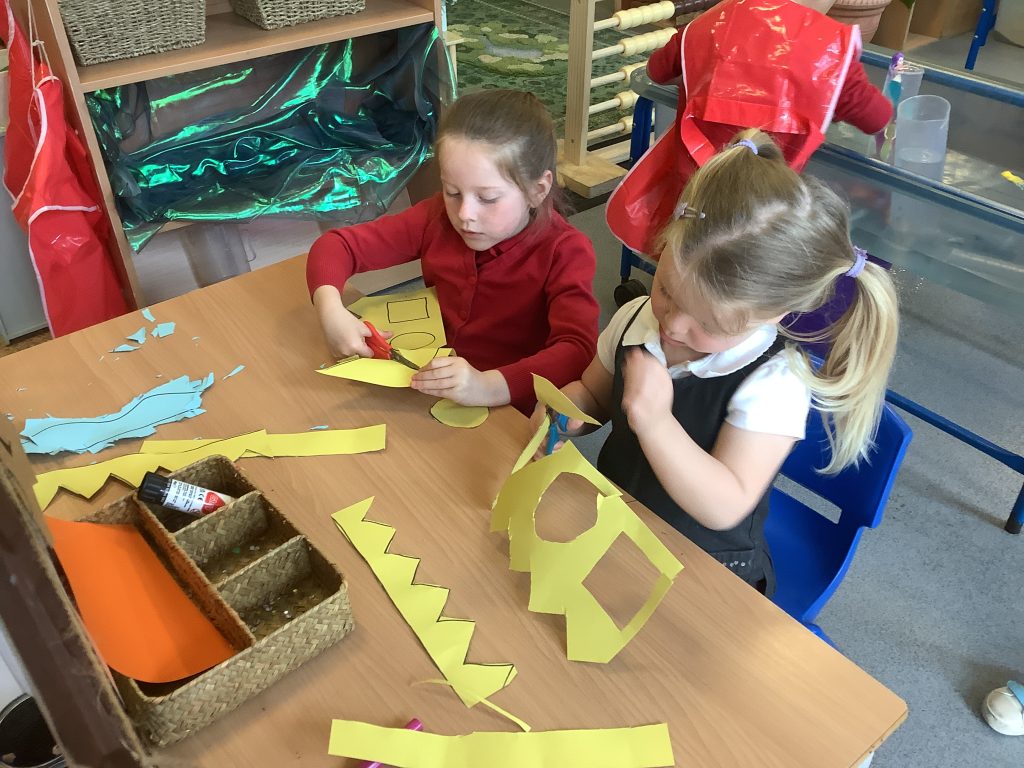
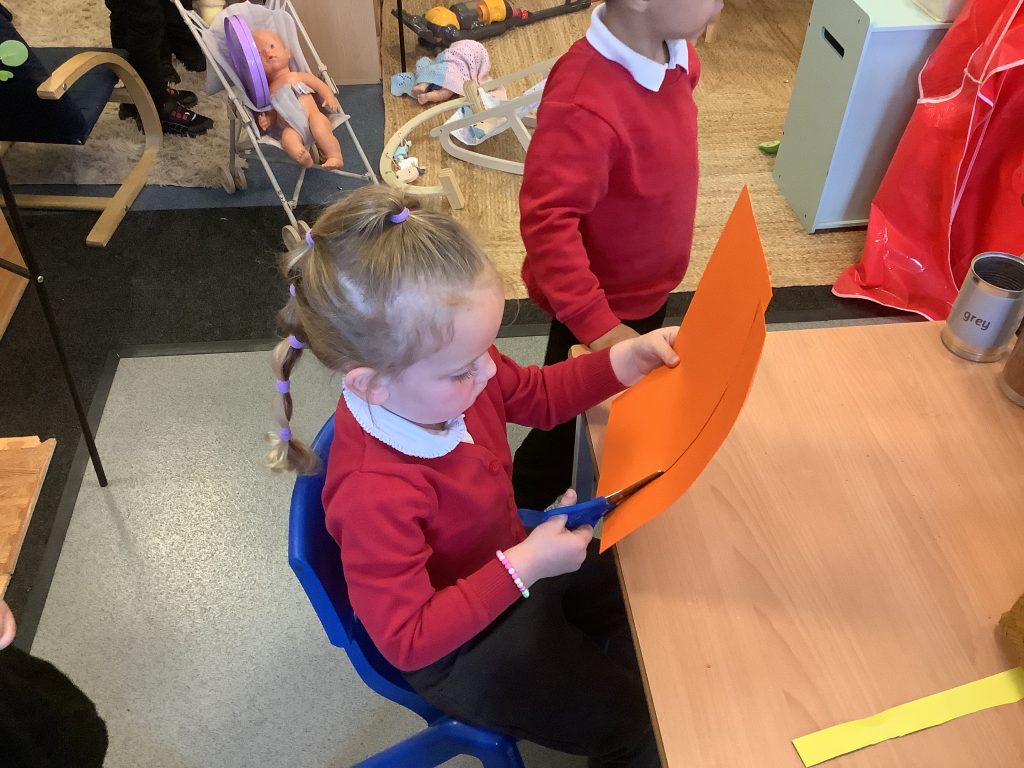
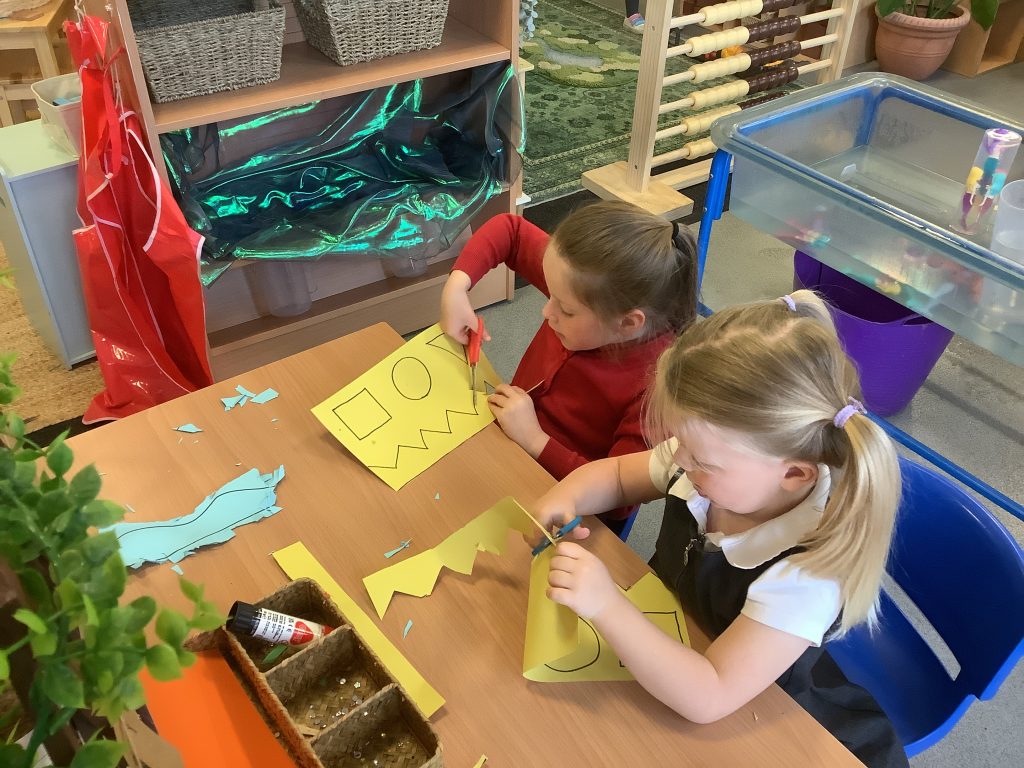
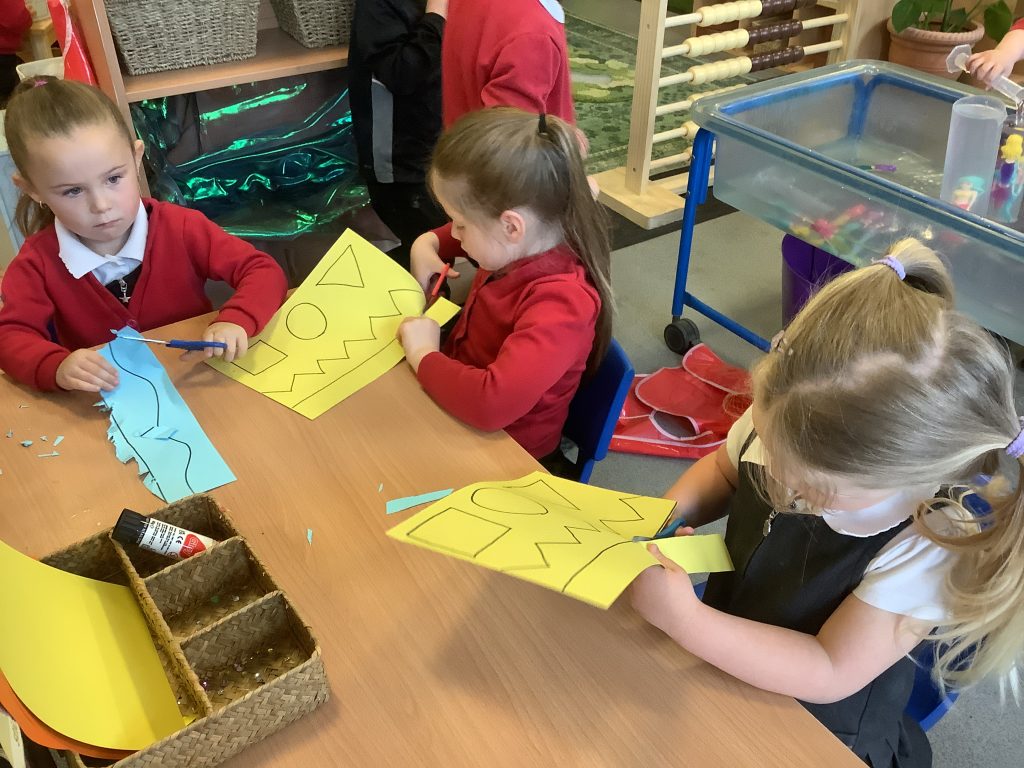
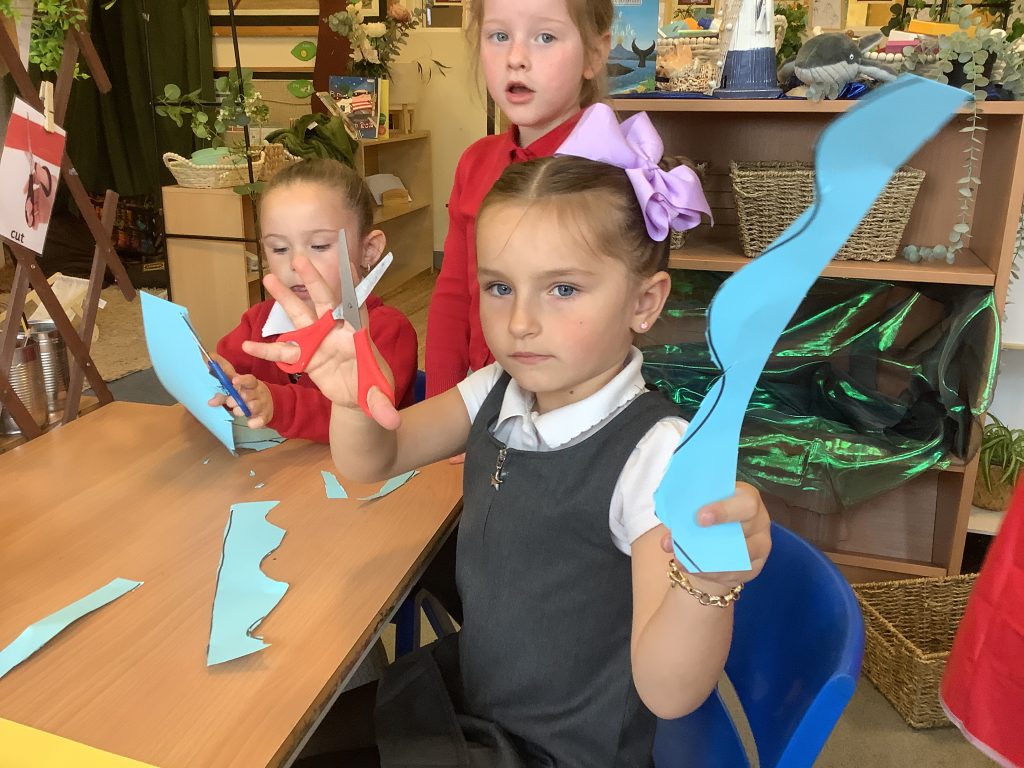
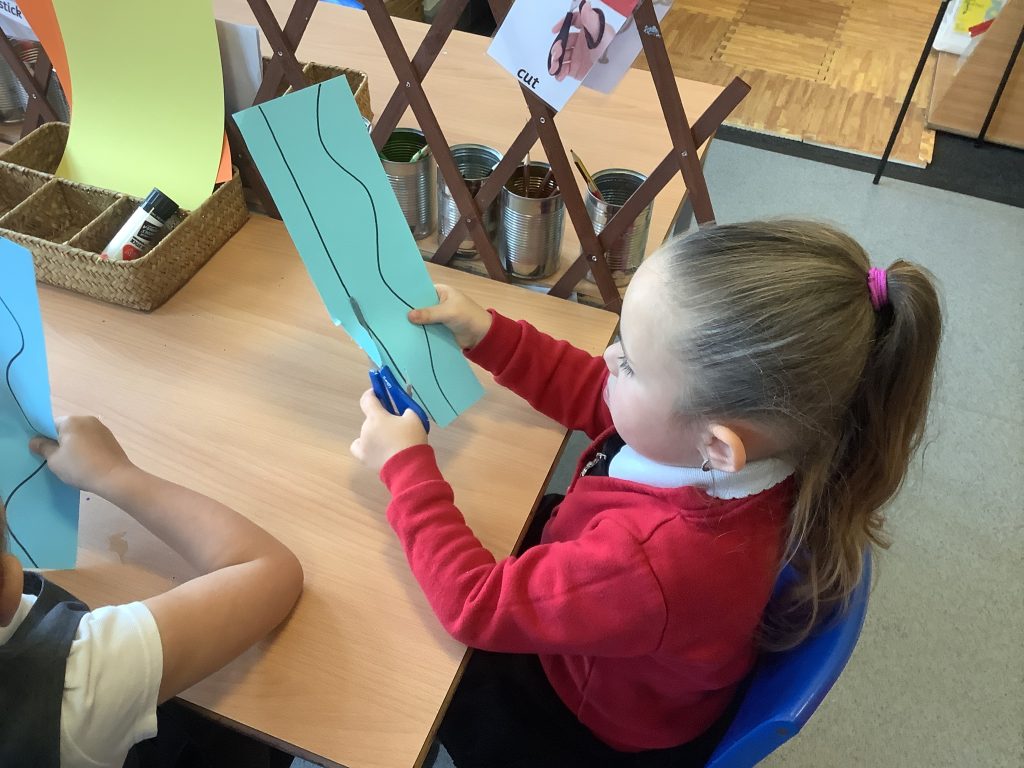
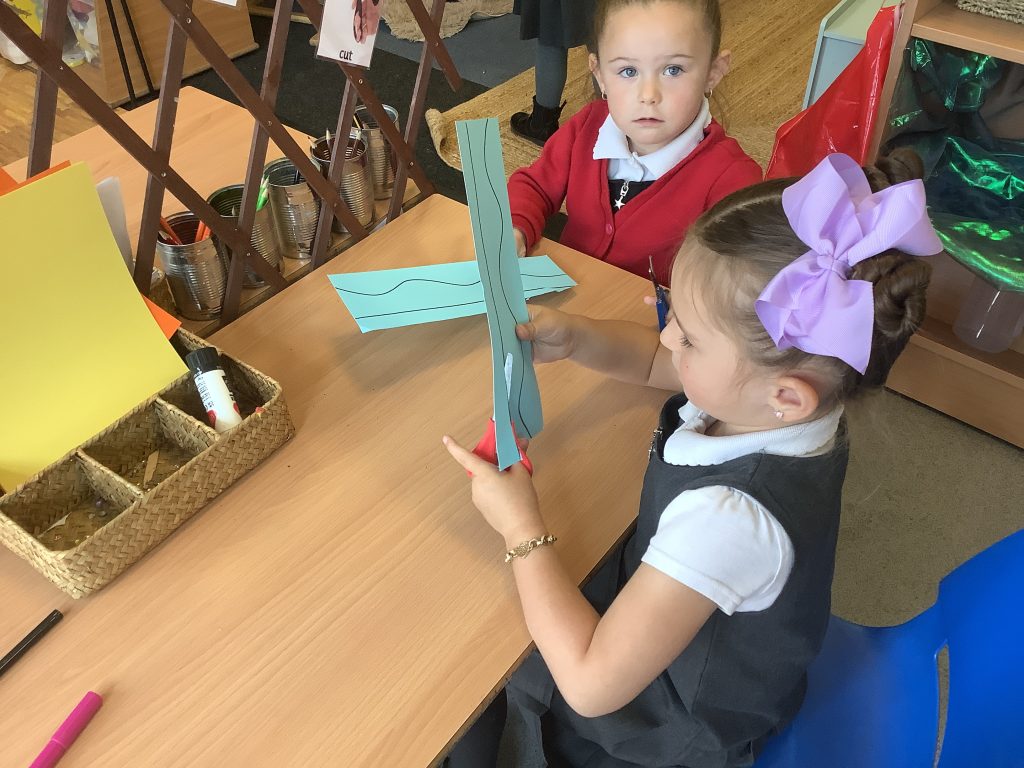
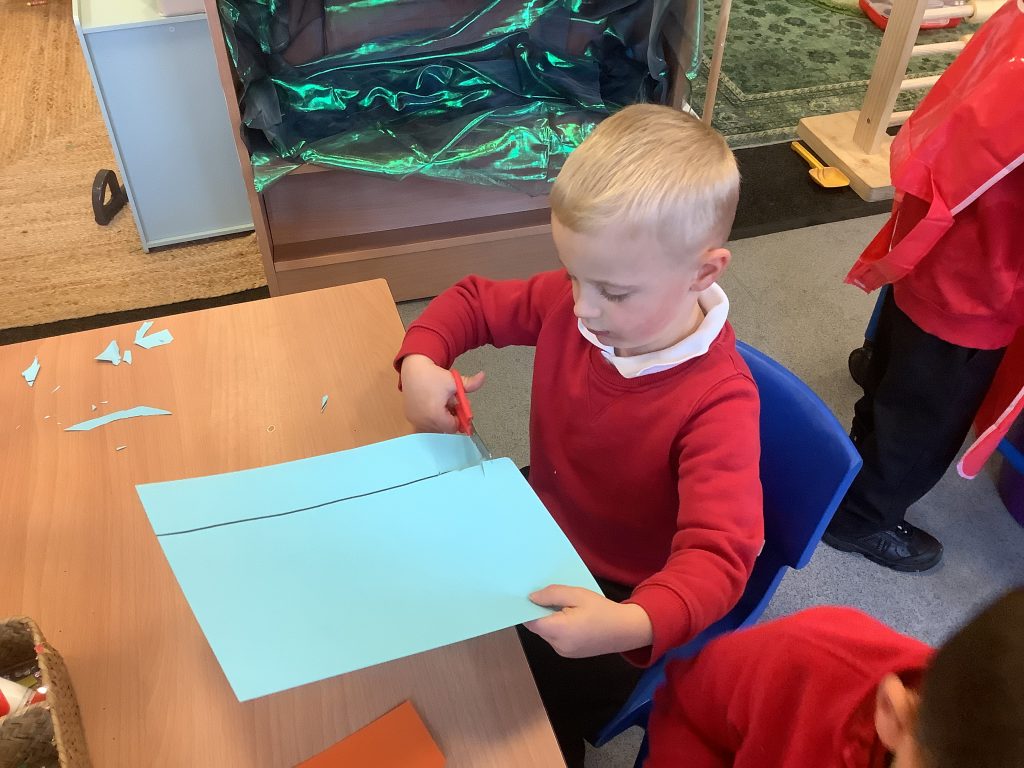
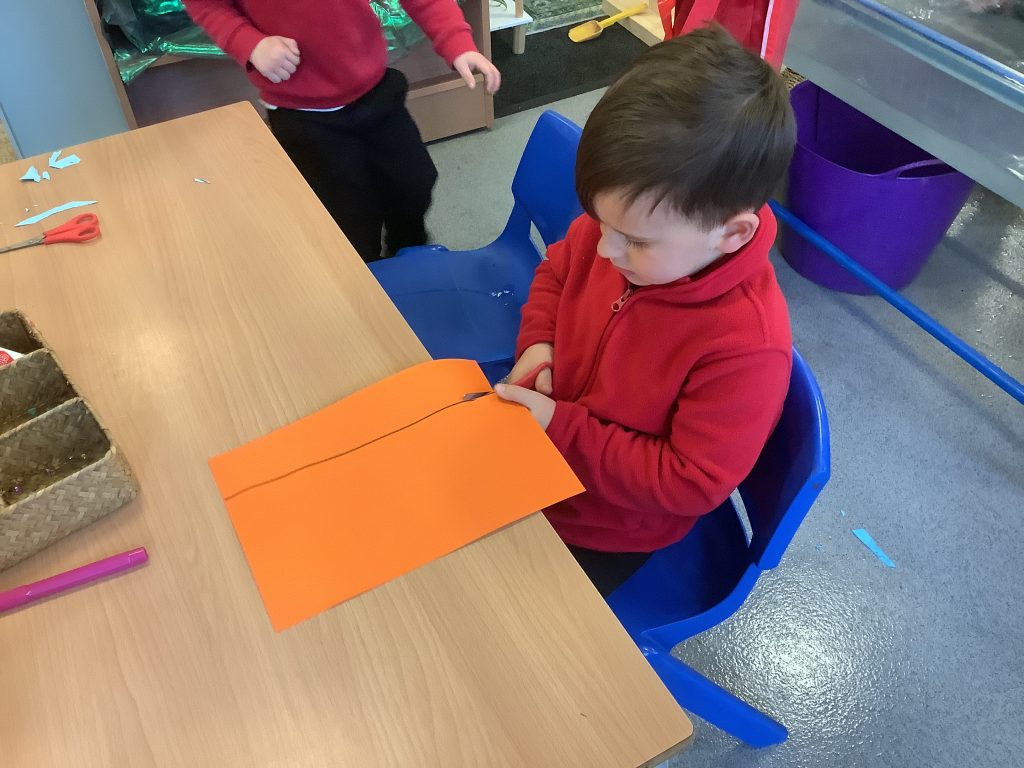
One day each week in Crew Frost, we spend time focusing on developing our fine motor skills through activities such as using scissors to cut along lines and around shapes. Cutting is an excellent skill to master in the Early Years, as it supports so many of the important skills children need as they begin their writing journey.
The children are learning how to separate and strengthen the muscles in their fingers and hands whilst carefully controlling the scissors. They are also developing their hand-eye coordination and problem-solving skills as they work out how to move the paper and scissors together whilst trying to stay on the lines. This takes a huge amount of concentration, control, and perseverance.
Alongside this, we have been practising our “ready to write” positioning by sitting with our tummy to the table and all six chair legs on the floor. Developing core strength, balance, and posture is a very important part of early writing development, helping children to gain the stability needed for mark making and pencil control in the future.
Although cutting may look simple, it is actually a very tricky skill that requires children to coordinate many different movements at the same time. We are so proud of the resilience, determination, and focus Crew Frost have shown whilst practising these important skills. Well done, Crew Frost — it is much harder than it looks!
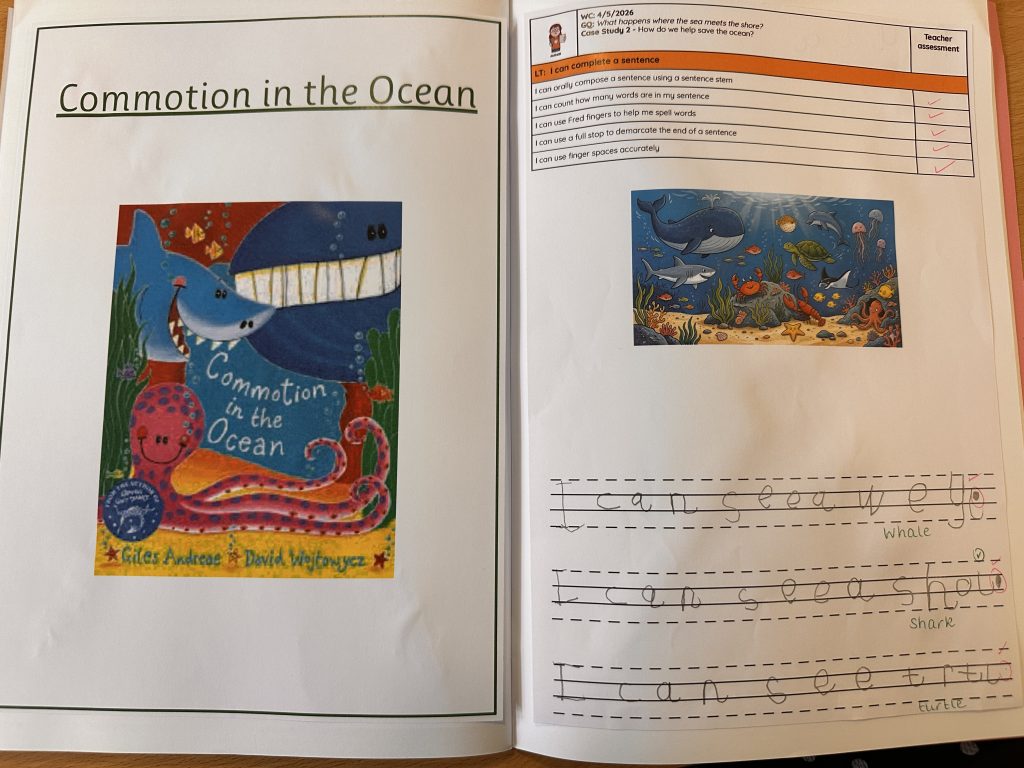
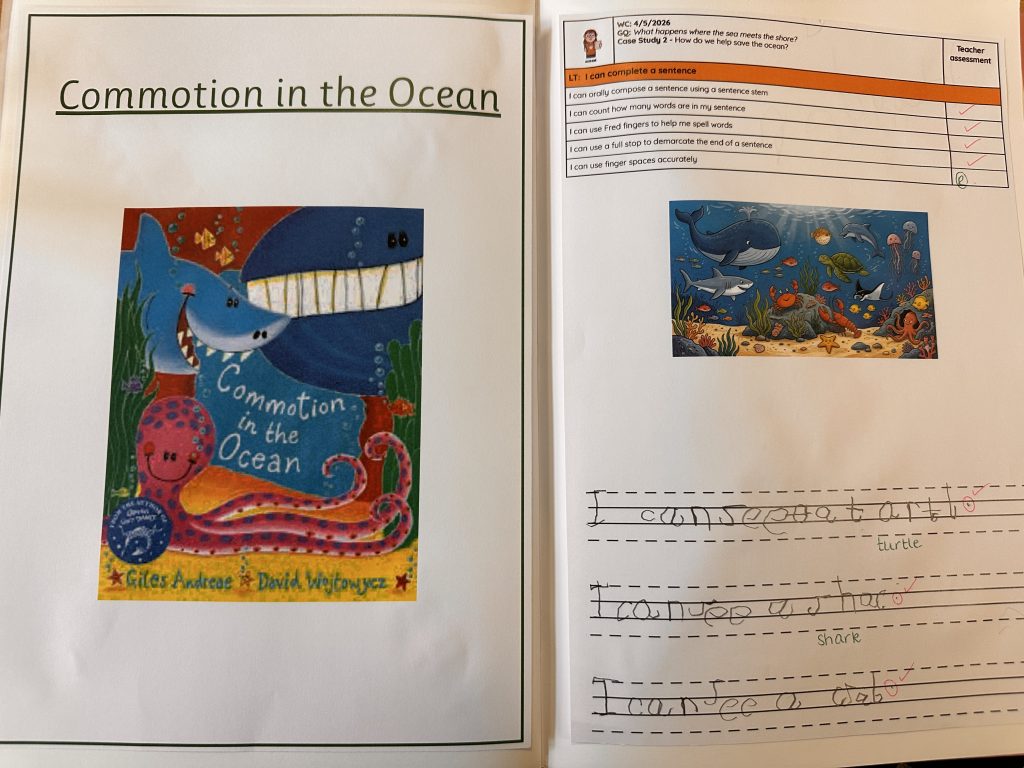
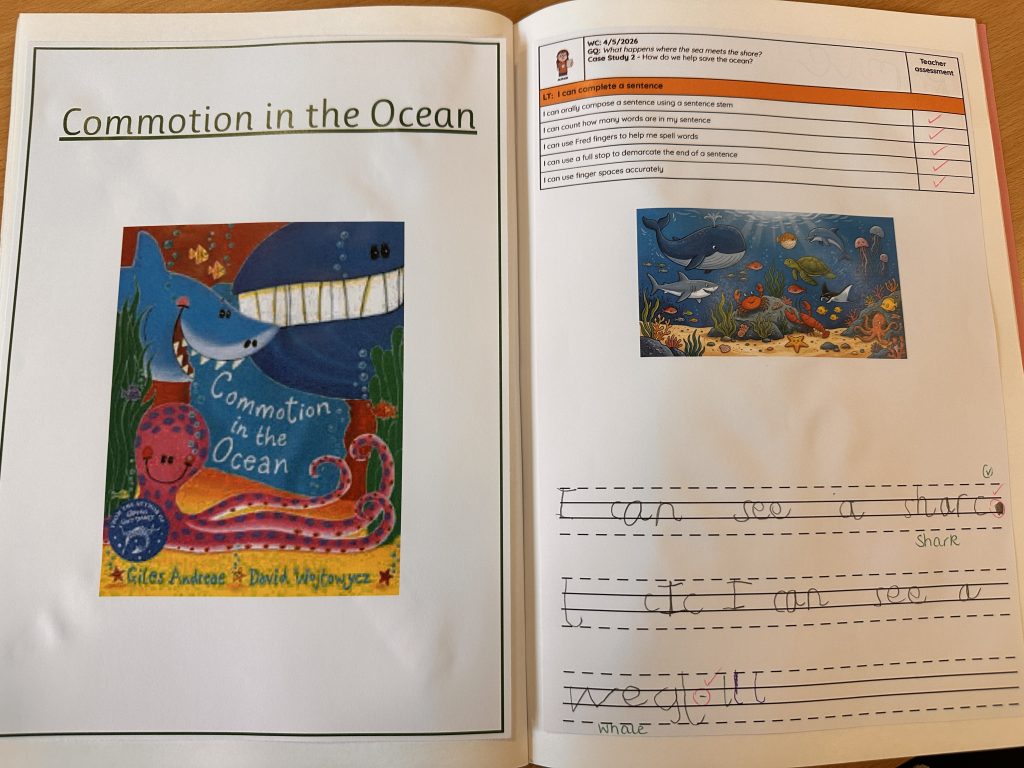
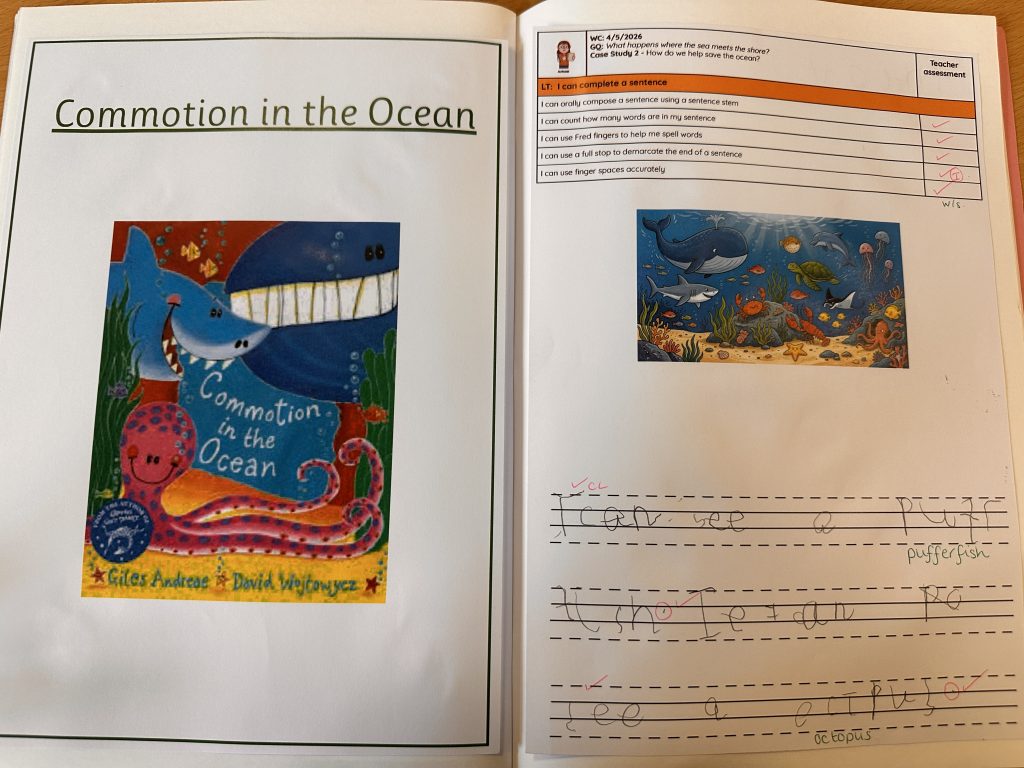
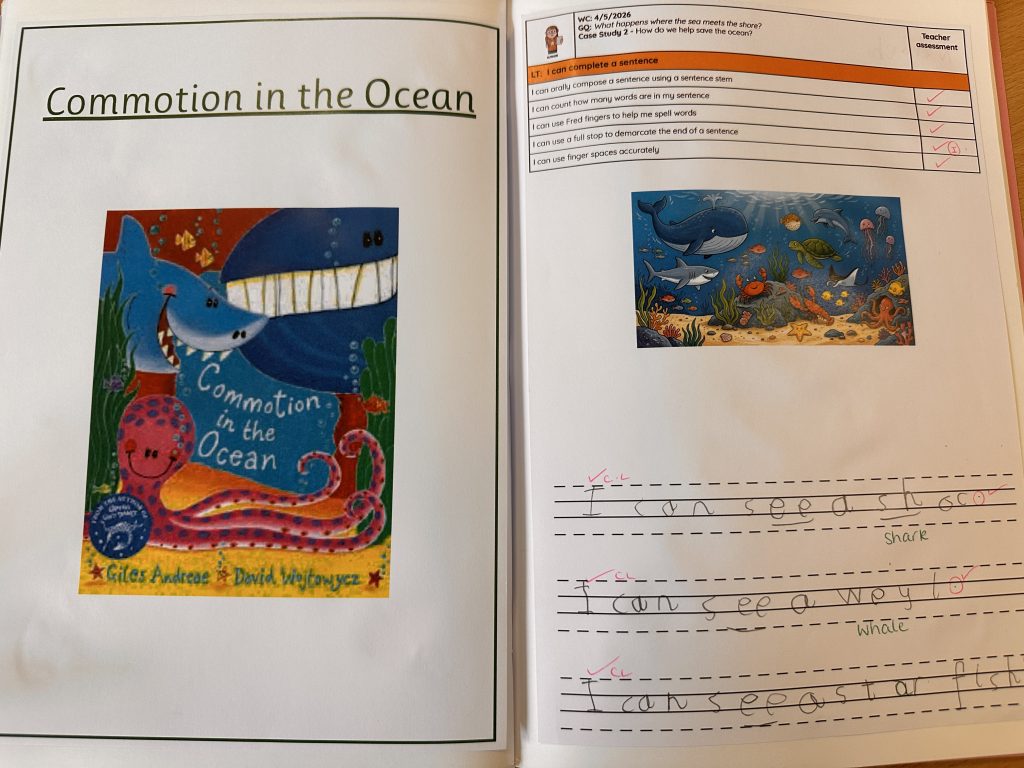
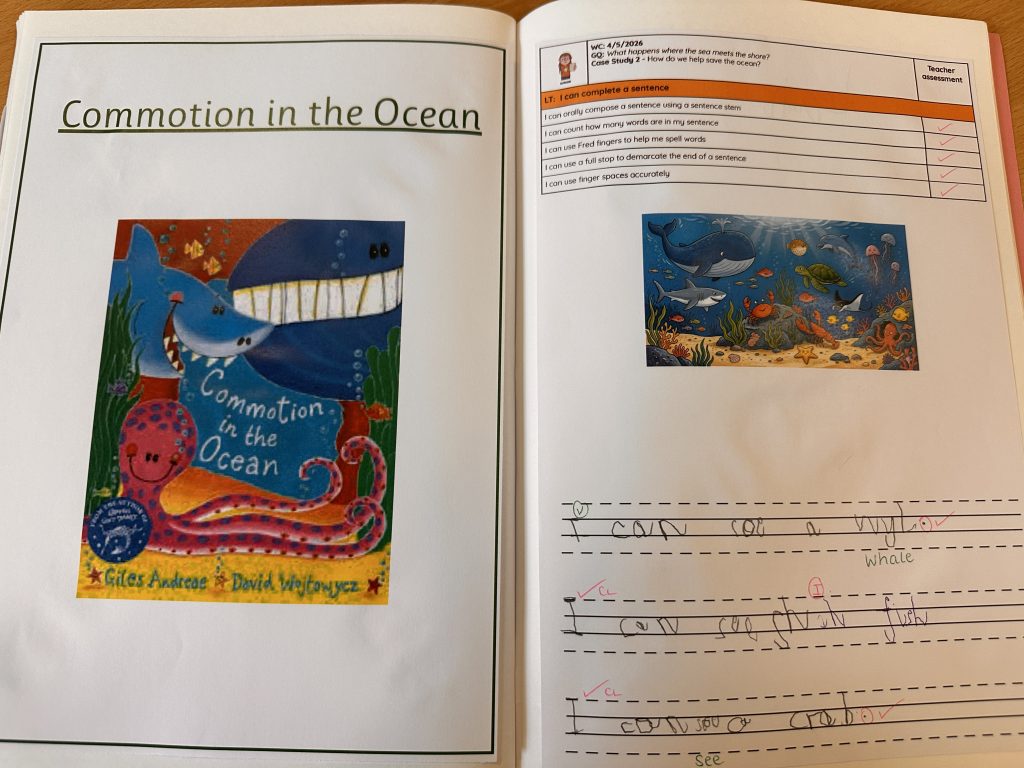
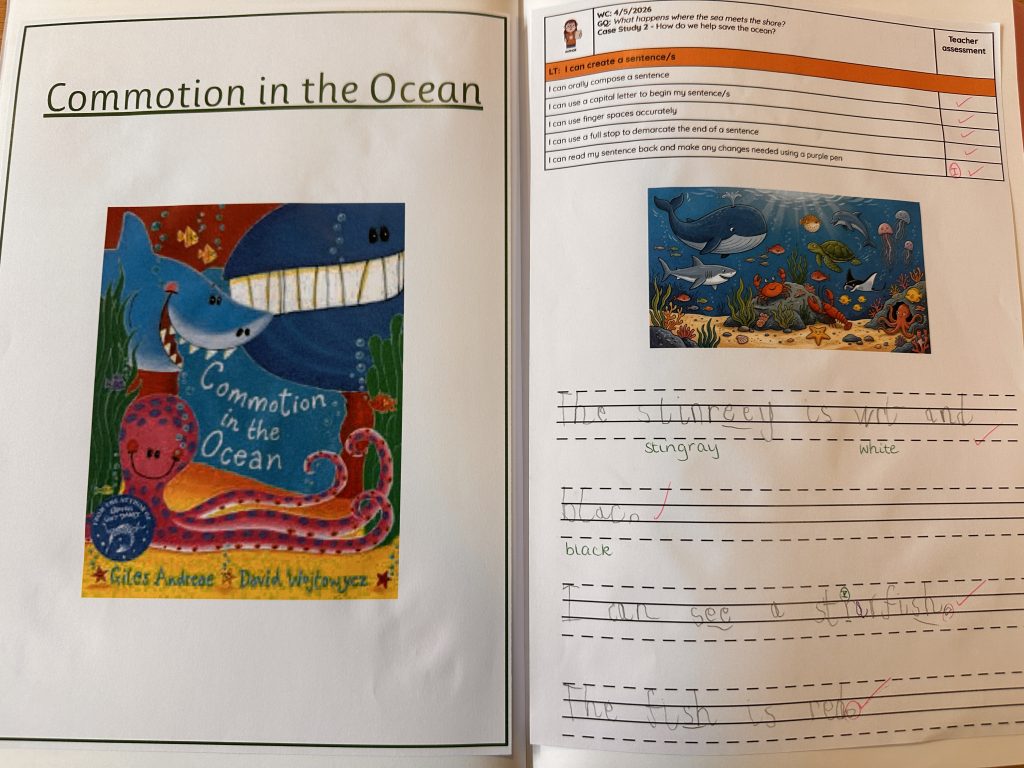
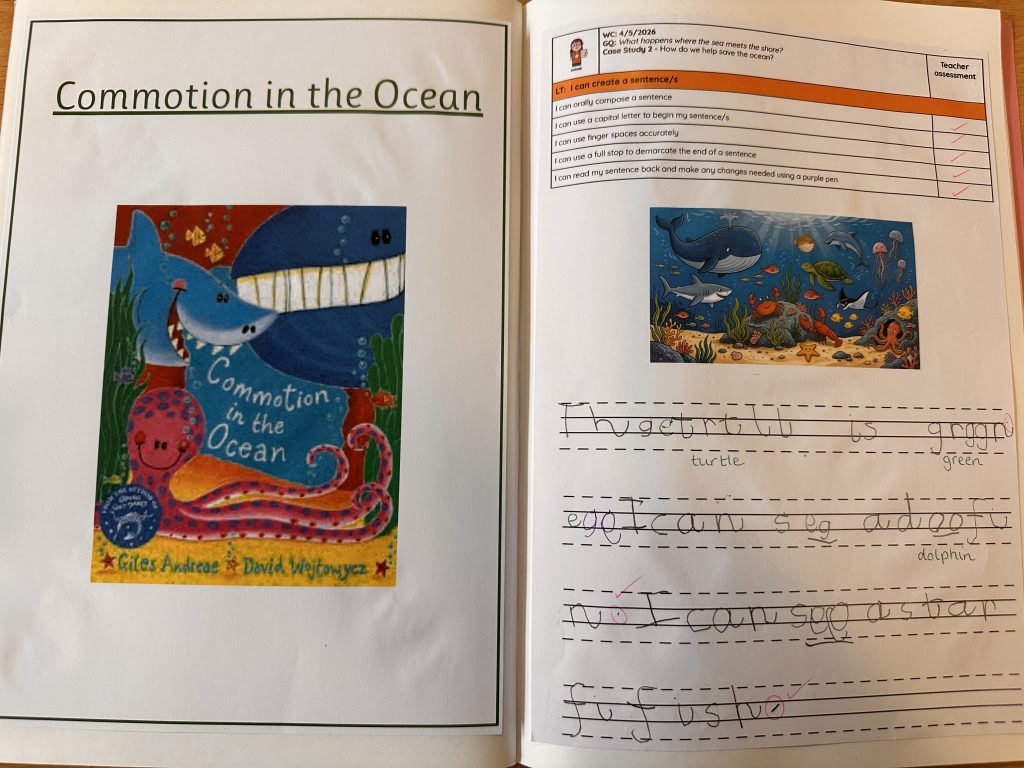
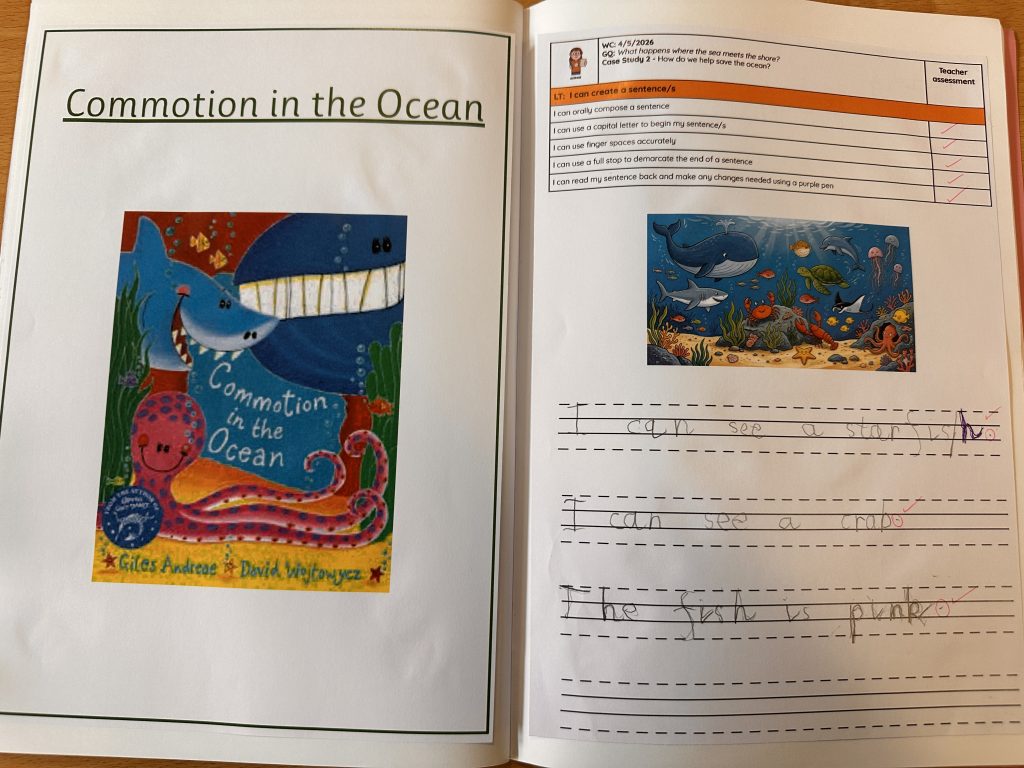
Take a look at some of our beautiful pieces of writing from last week. I am so proud of how well the children are working hard to get smart and take real pride in their work. Keep up the amazing work Crew McGlone!
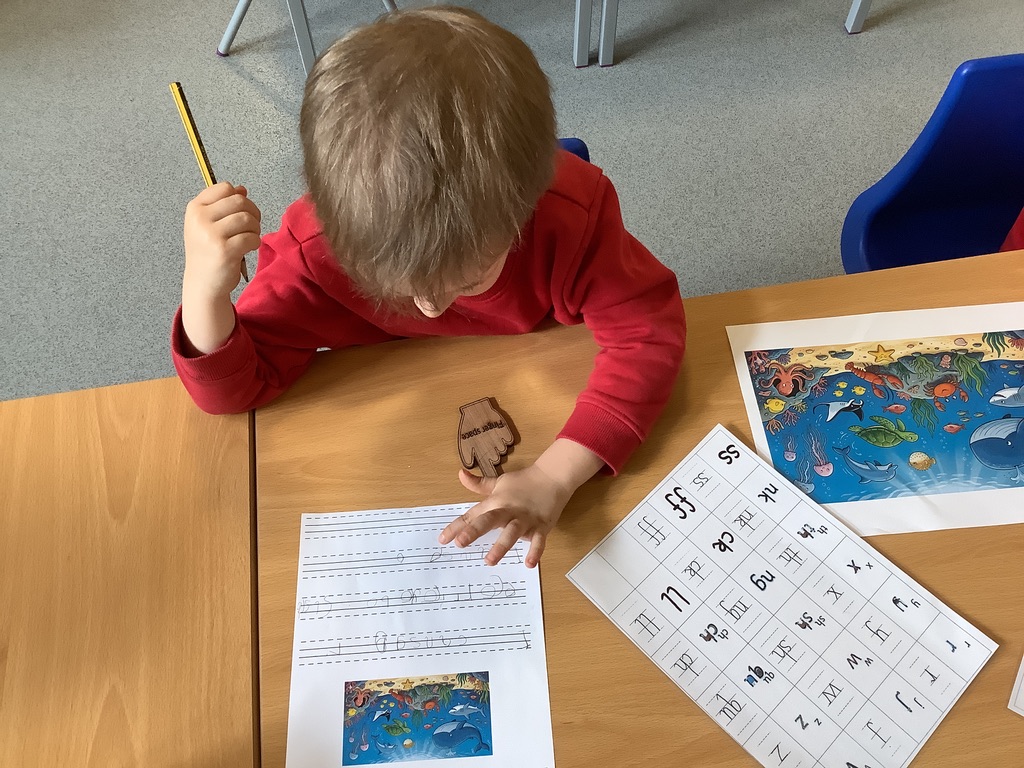
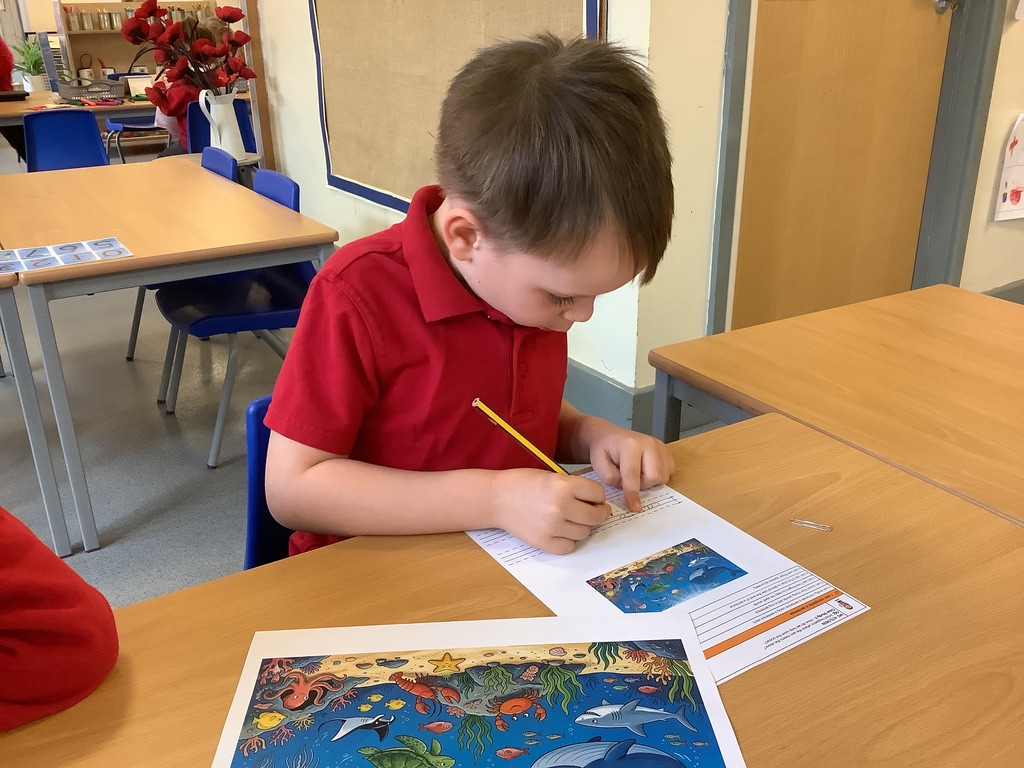
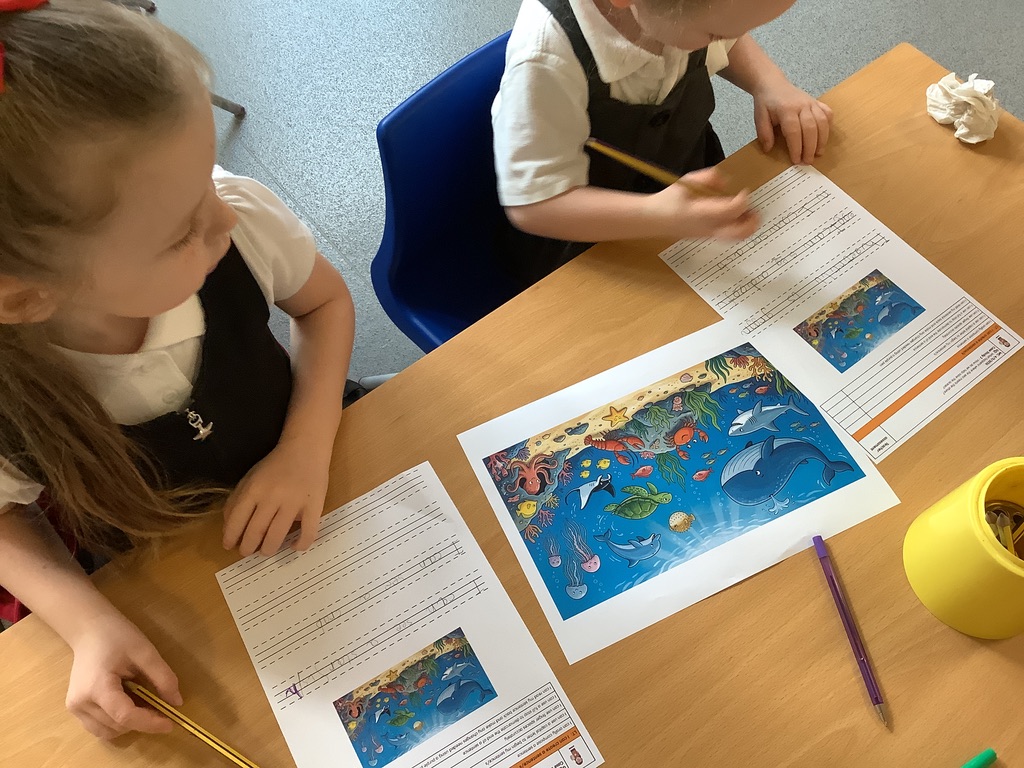
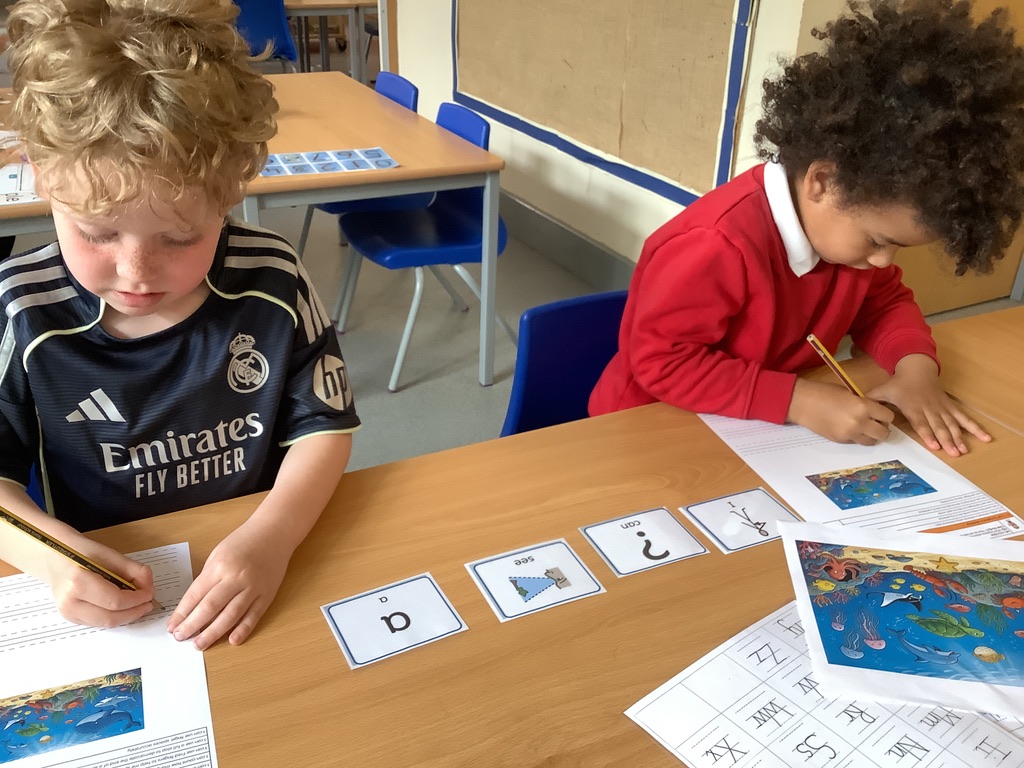
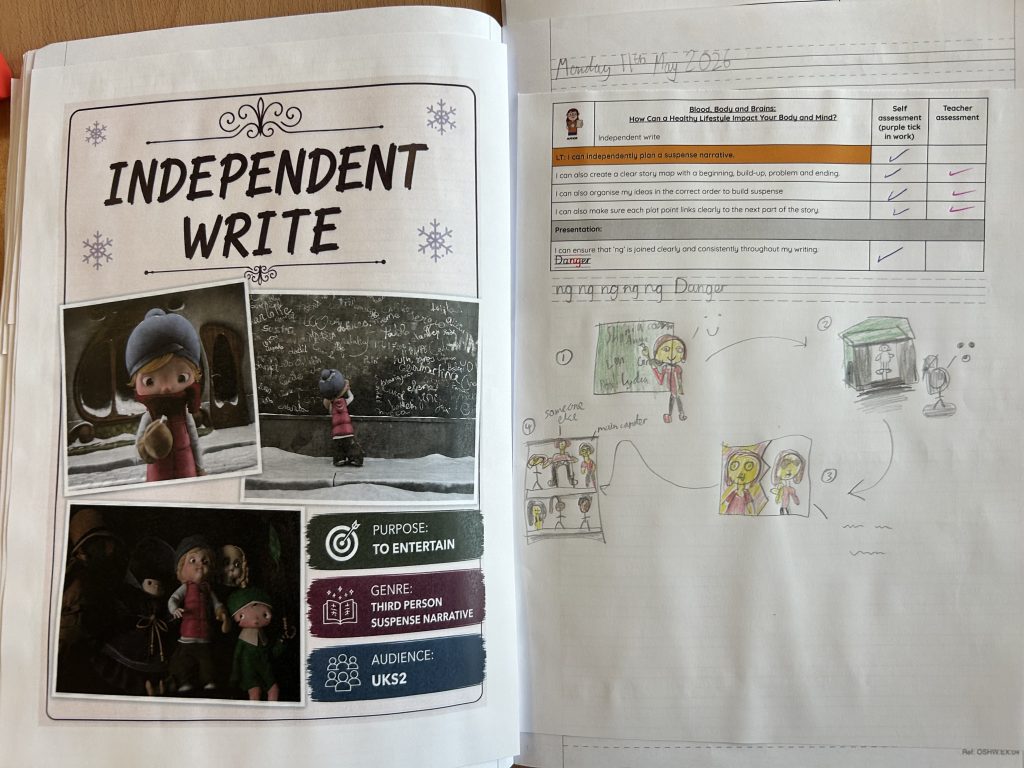
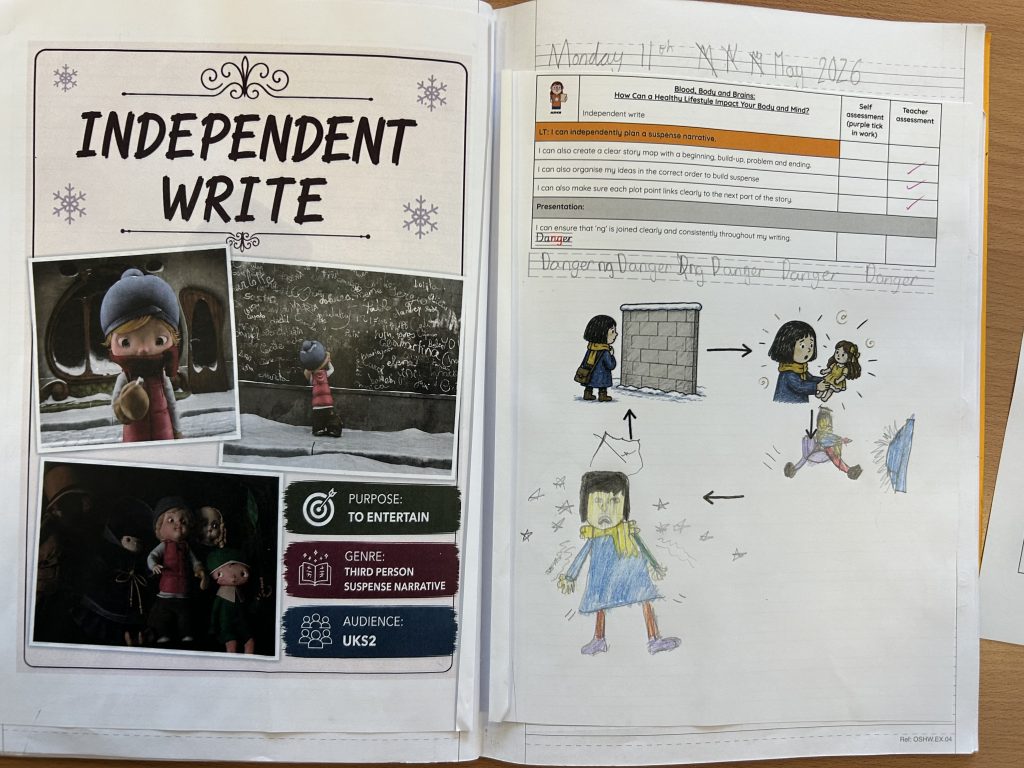
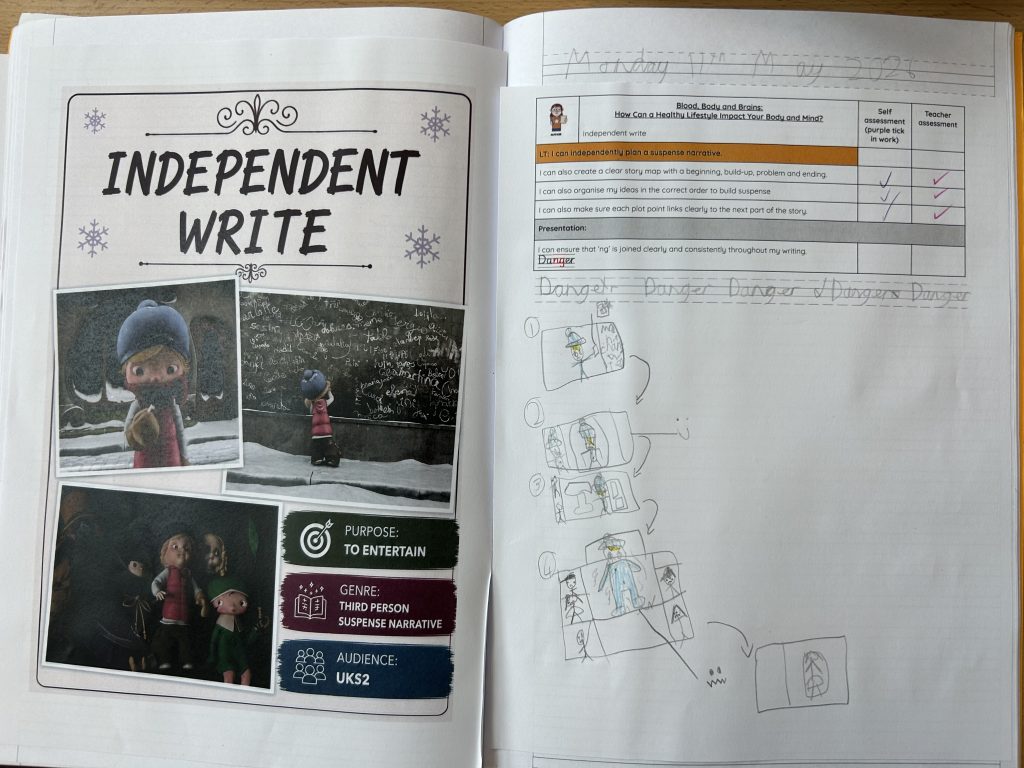
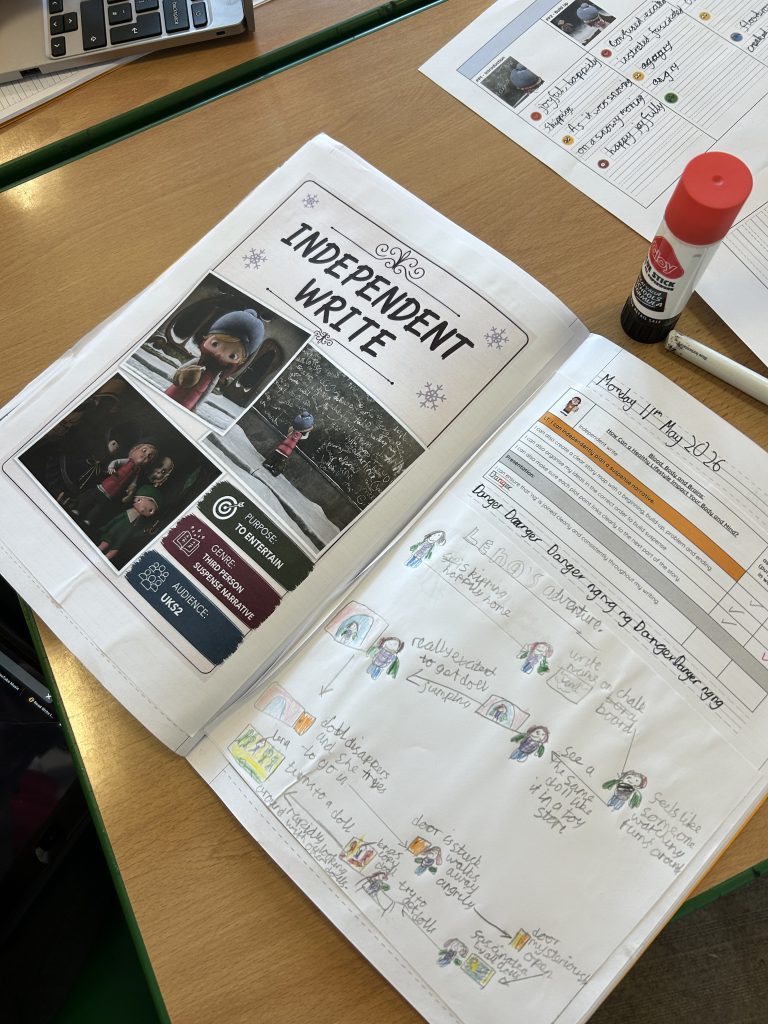
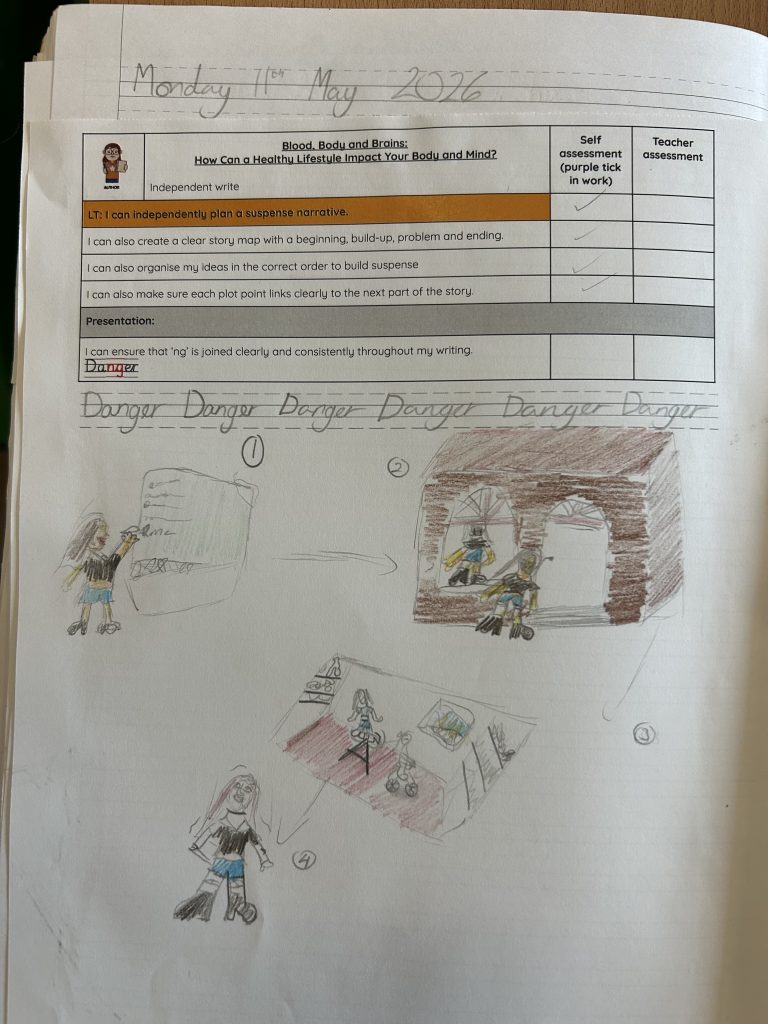
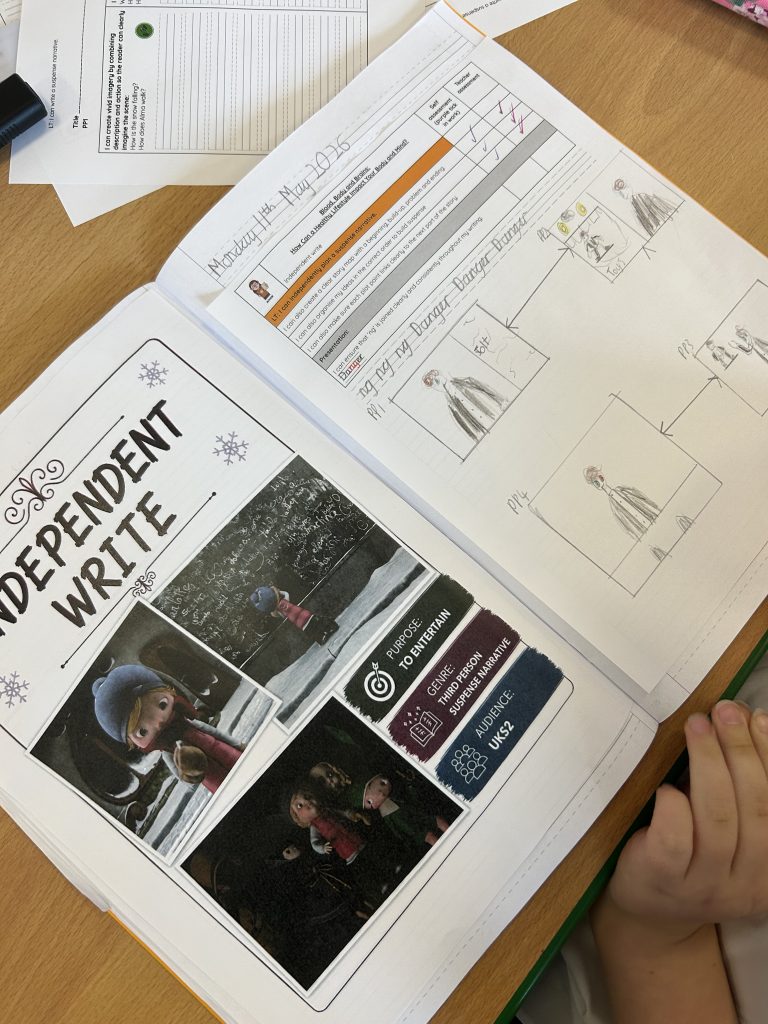
Crew McLoughlin began their independent writing journey by creating amazing story maps to plan third-person suspense narratives. These story maps helped structure how the suspense will unfold naturally while keeping readers emotionally connected to the characters. Children worked super hard to create beautiful high-quality work.


CrewRobson enjoyed practicing performing poetry today to hook them into our new writing unit.
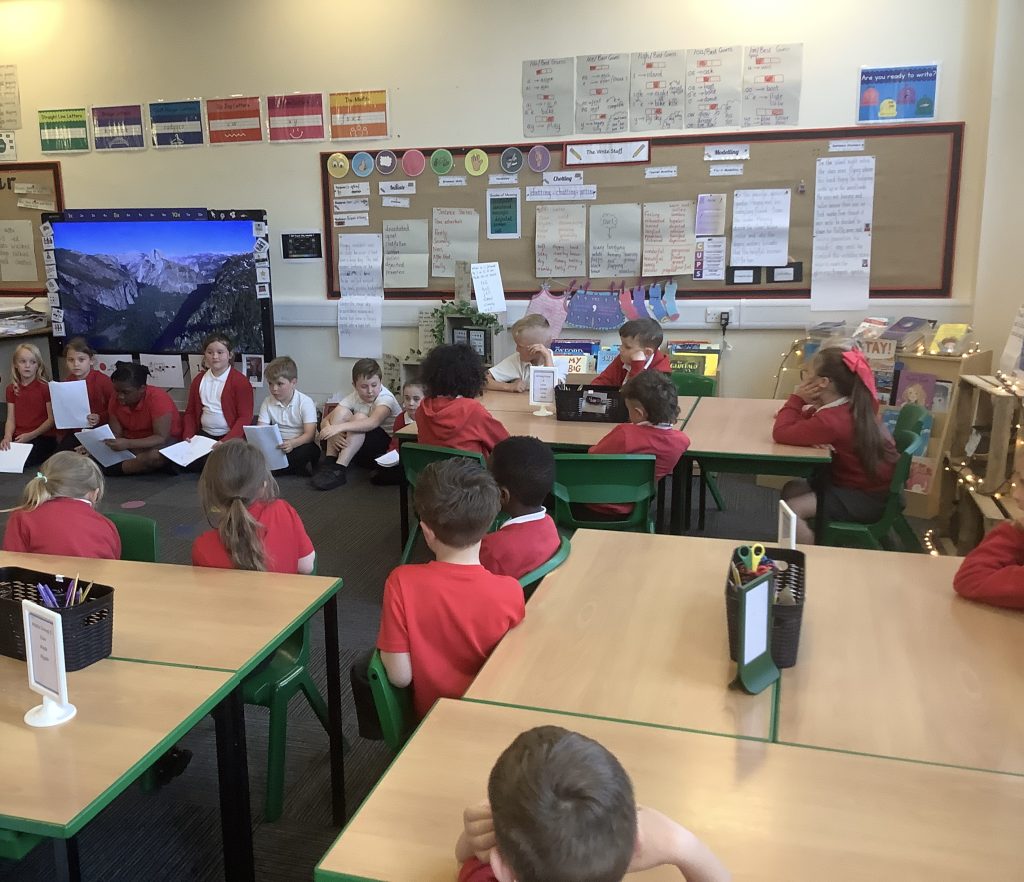
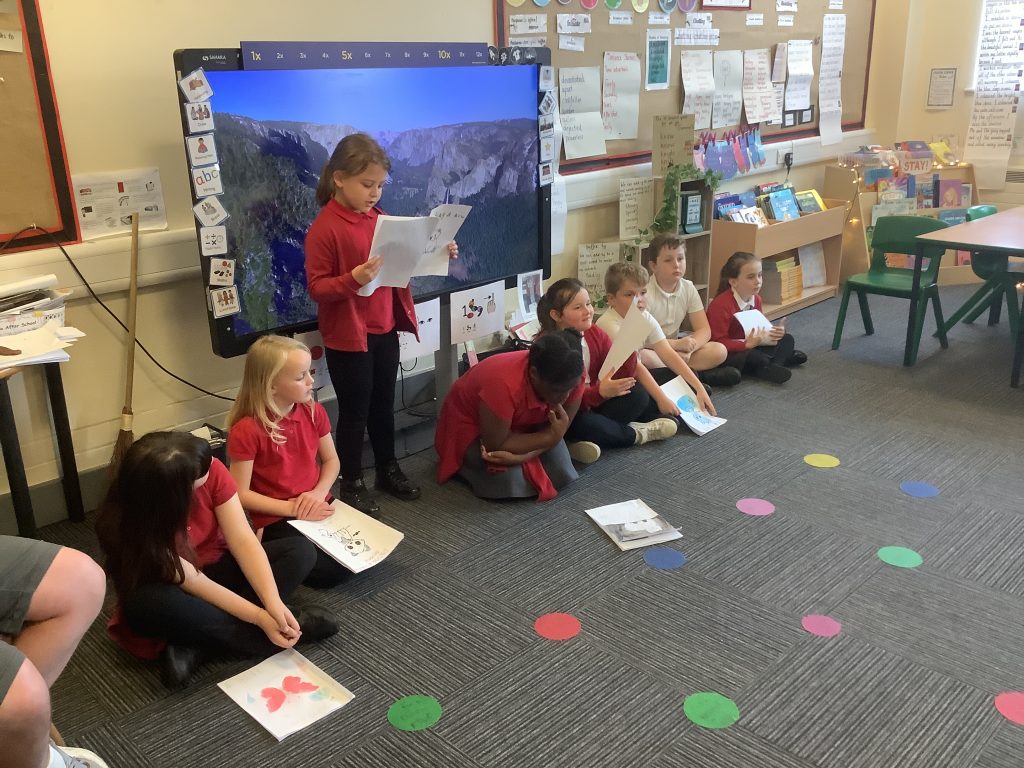
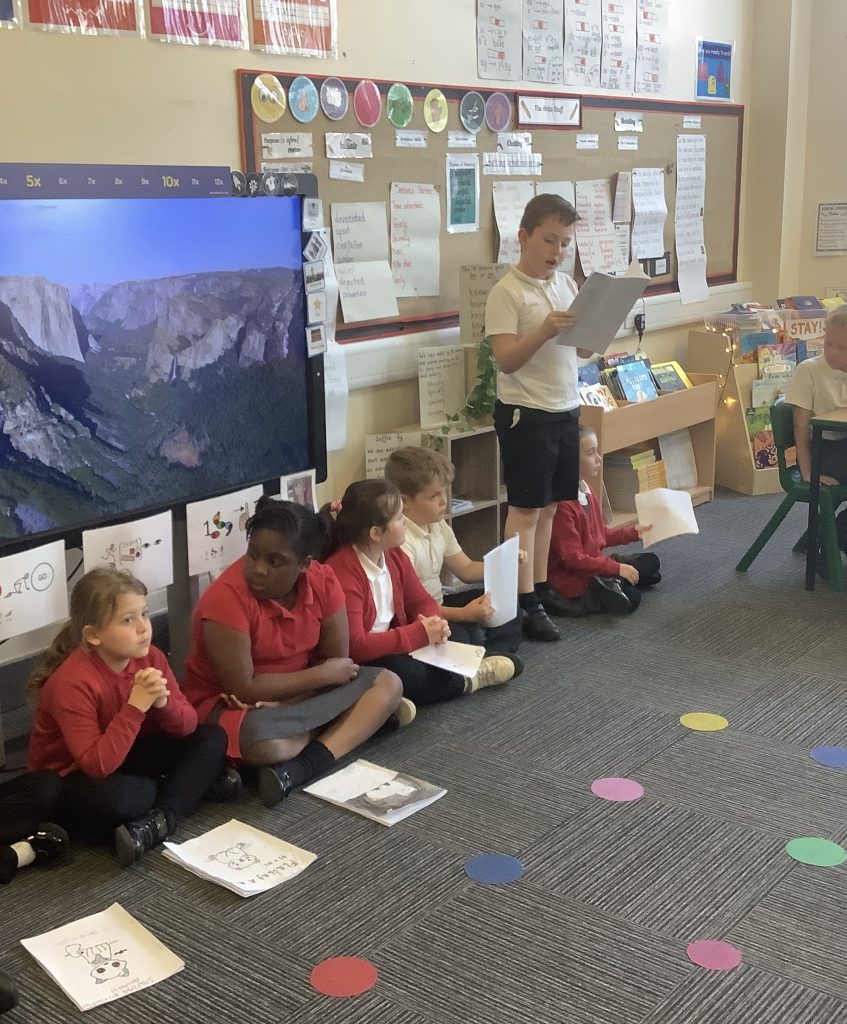
Year 3 loved sharing their stories inspired by ‘The Journey Home’ with FS1, Year 2 and Year 5.
The staff were very impressed with their stories and how confidently they read them.
Well done CrewRobson!
In Crew White this morning, we have continued to build on our ideas by mapping feelings of the main character, Francis, in our writing. Once we thought about how the character was feeling, we then created phrases using ‘show me not tell me’ to challenge the reader to infer how the character is feeling, rather than telling them. The feelings map helped us to see how emotions change throughout a story, ranging from positive to negative. Watch this space for our drafting coming soon!
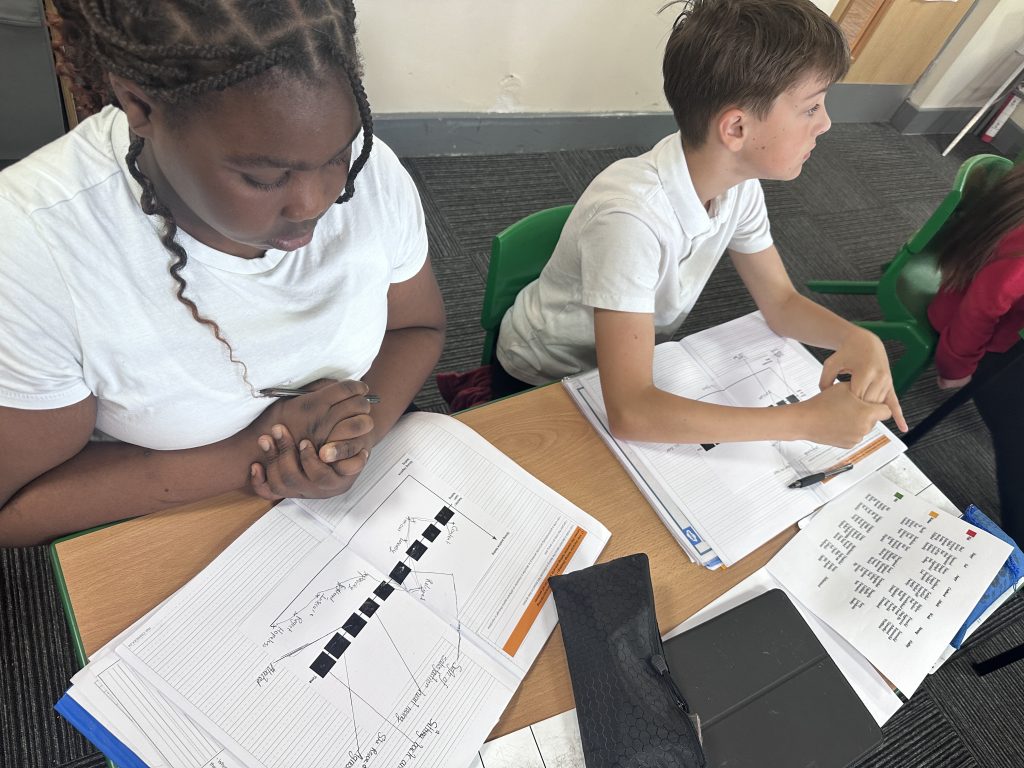
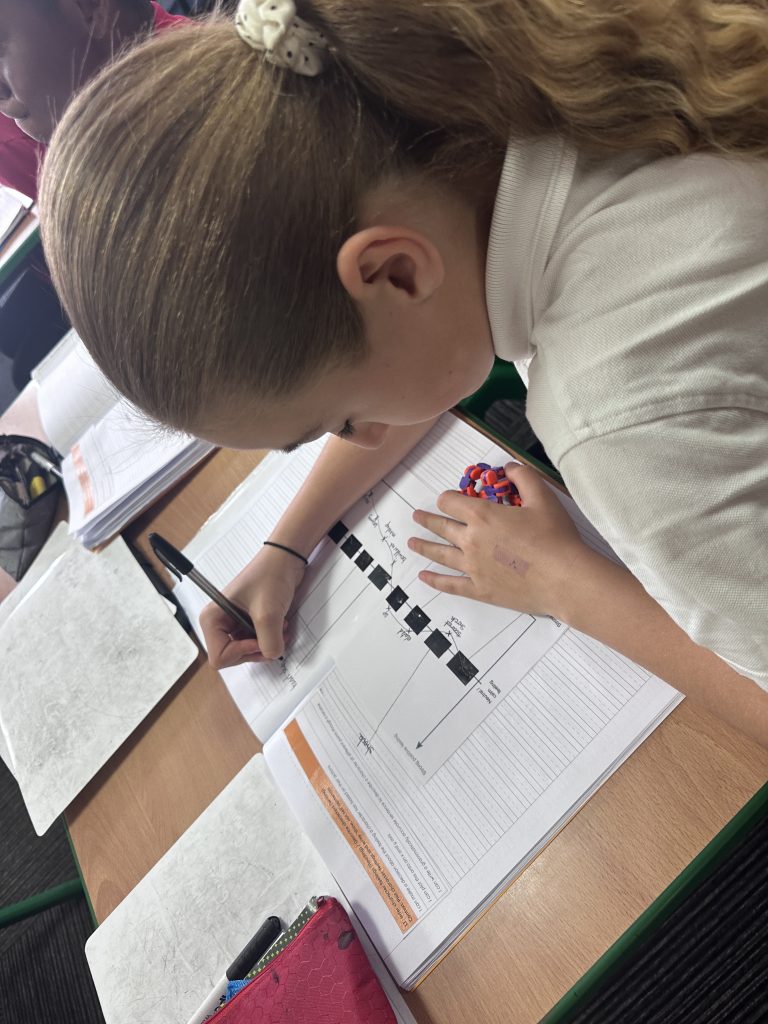
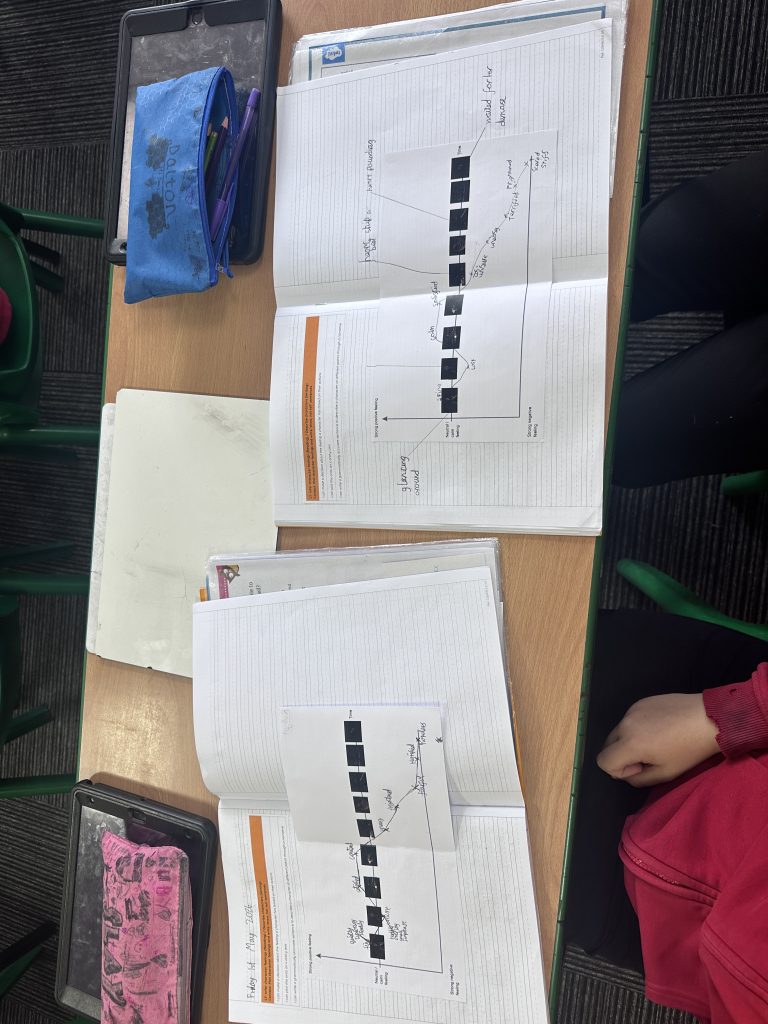
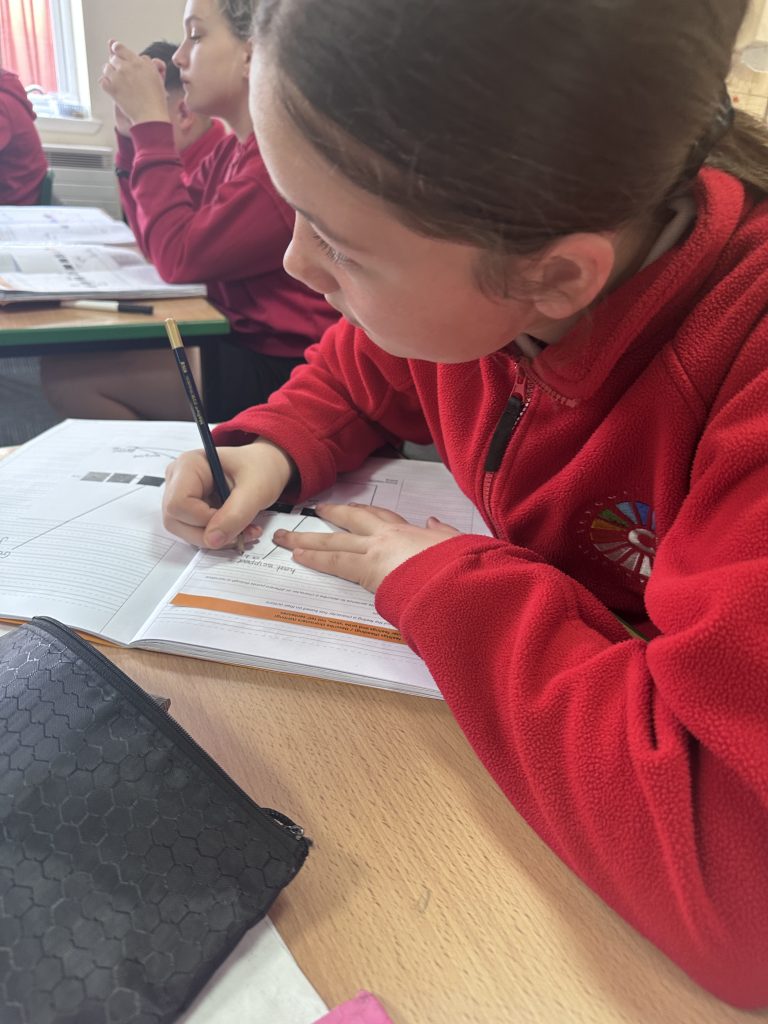
This week the children have been writing their own narrative based on The Journey Home. I have been so impressed with their hard work and can’t wait to see them finished and published next week!
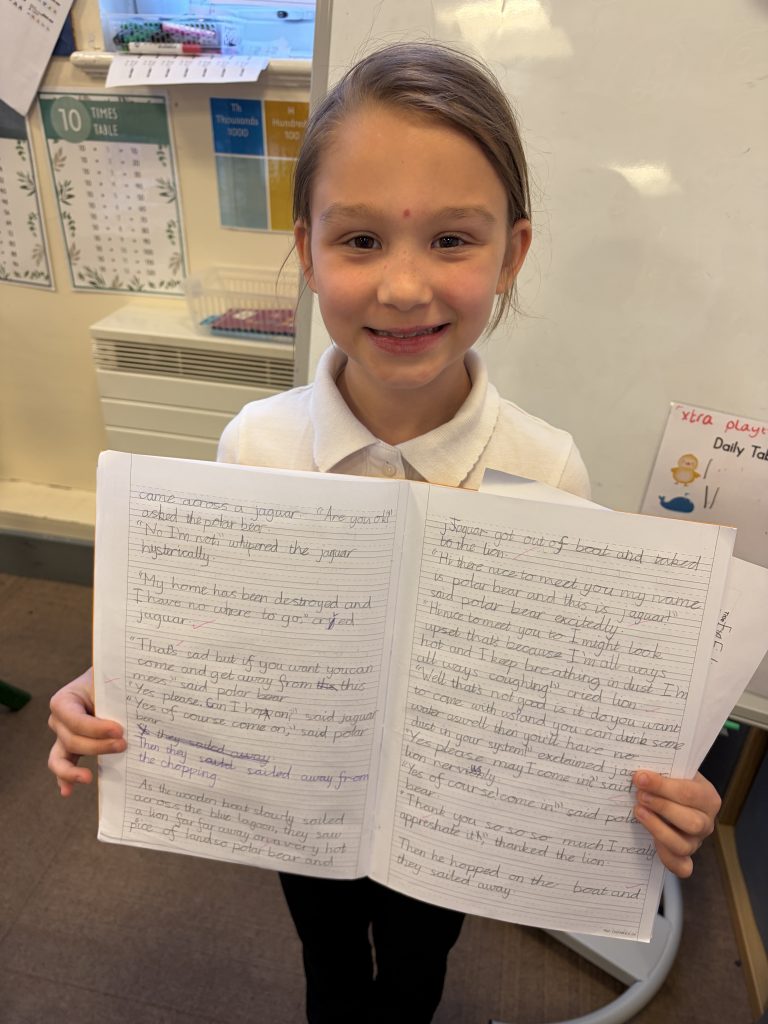
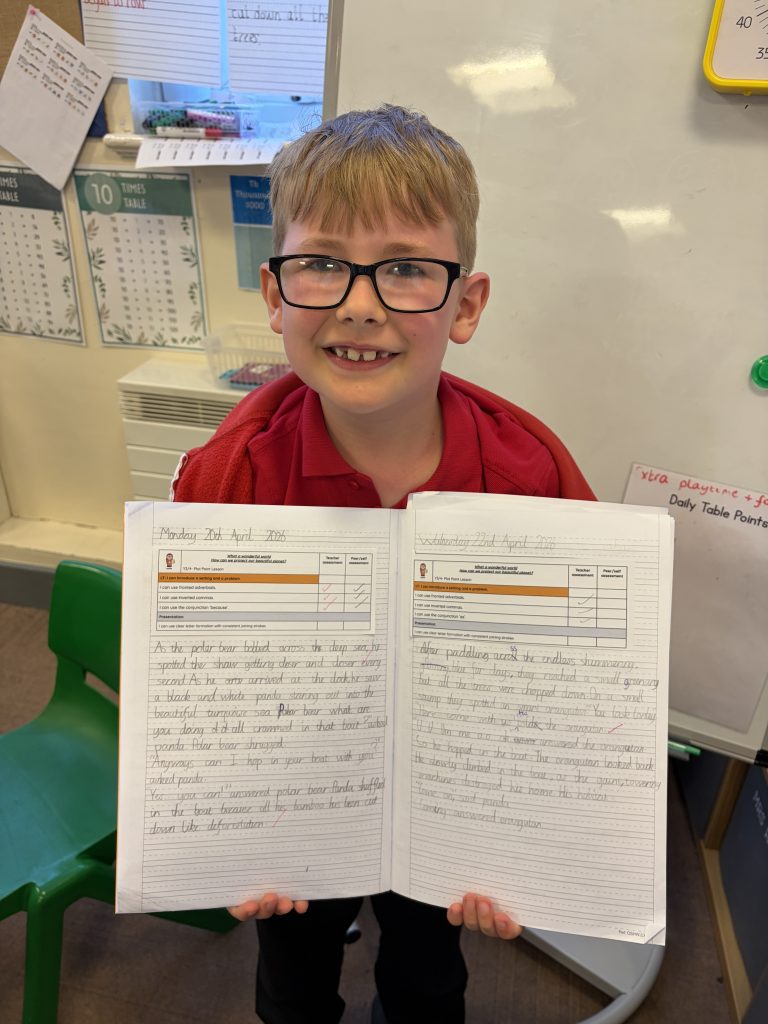
This week, Crew McGlone have been focusing on the story of ‘Storm Dragon’ by Dianne Hofmeyr. We have really enjoyed taking part in a sensory story to help support us with the structure and sequencing of events in the story.
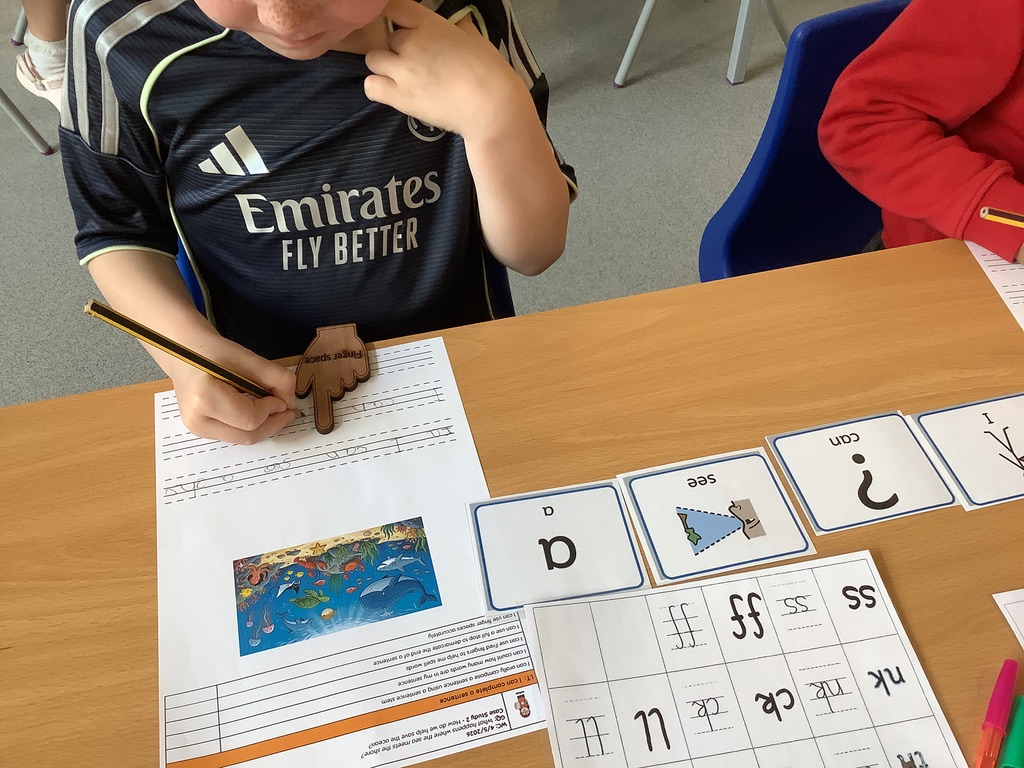
Our writing this week saw us create ‘I can see’ sentences using a stimulus of a depiction of the storm dragon. We talked about the different parts of the storm dragon we could see, some of us even challenged ourselves by adding in some detail to our sentences to give a clearer description. We even used our sentence building knowledge in provision when drawing our own pictures.
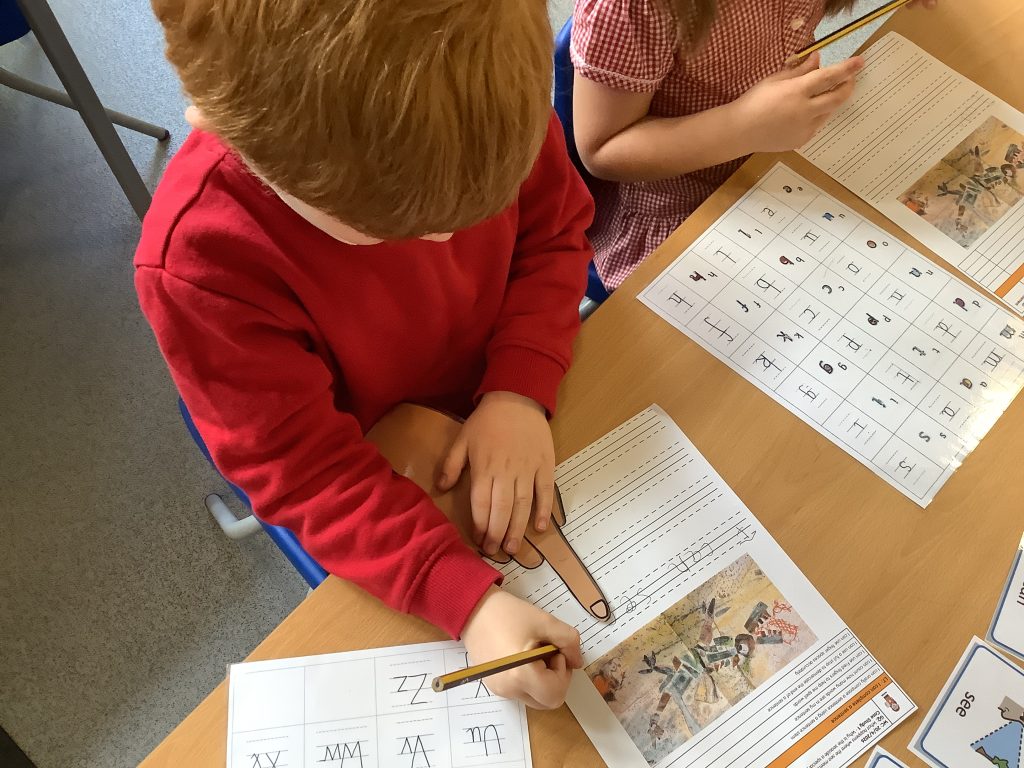
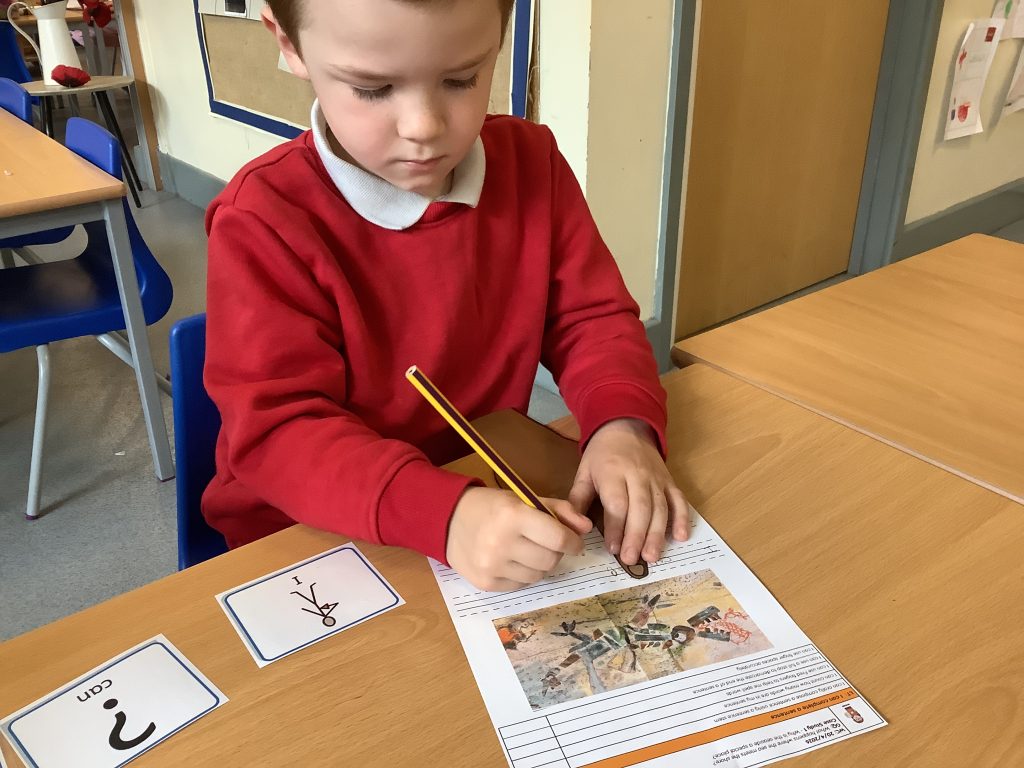
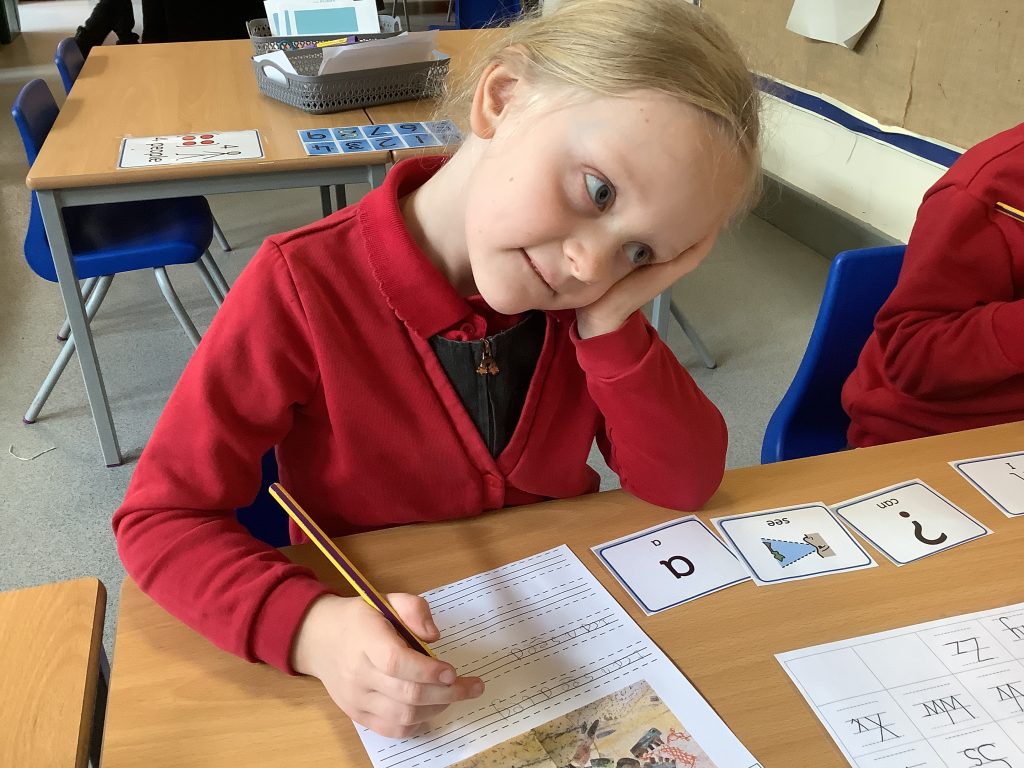
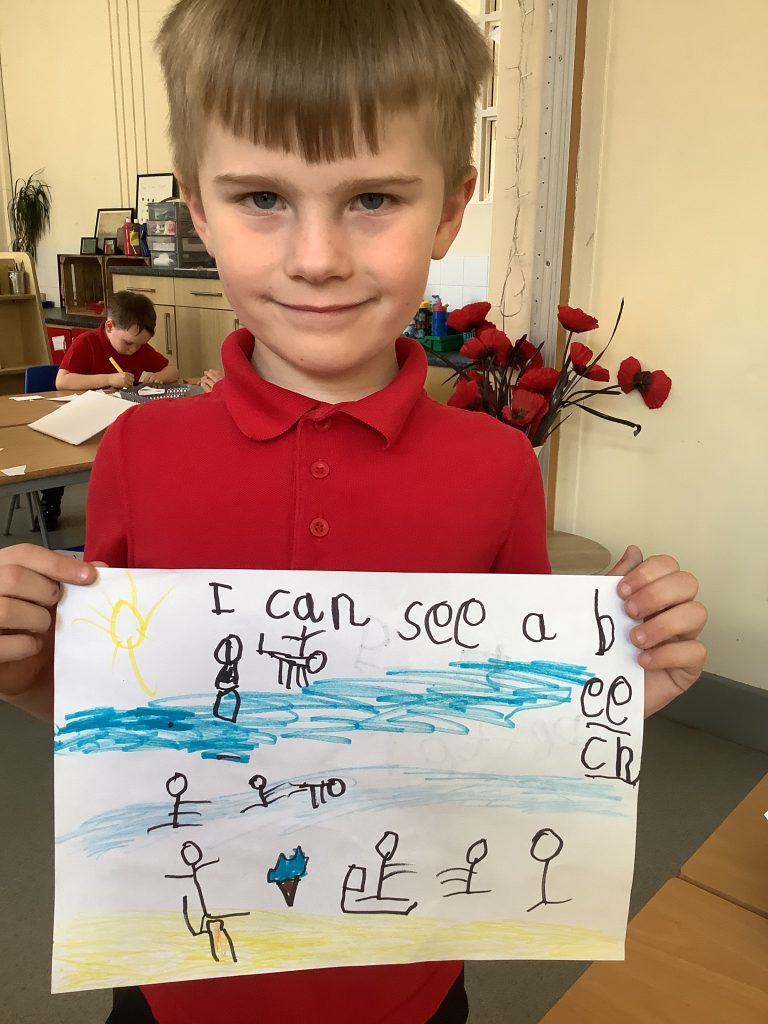
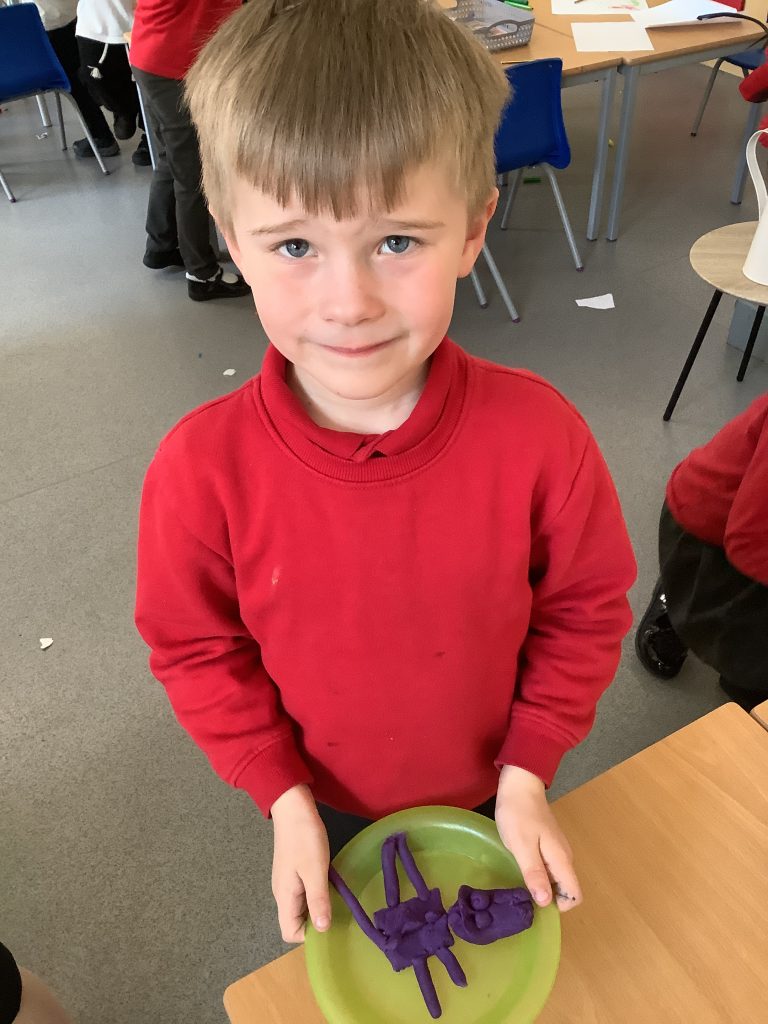
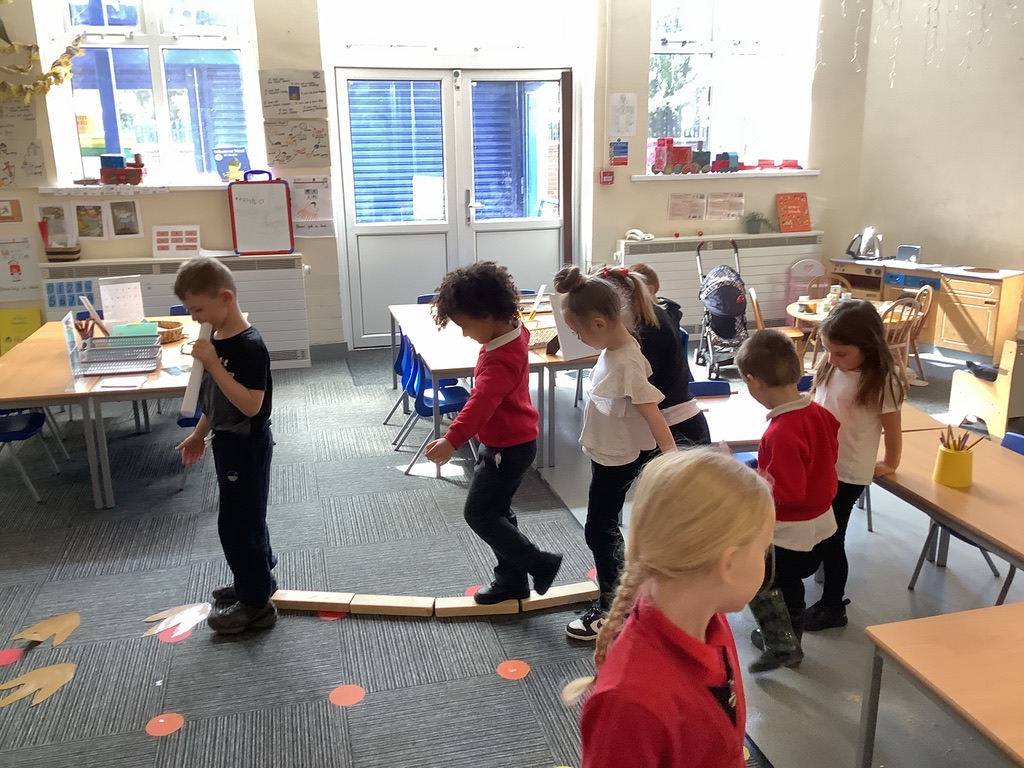
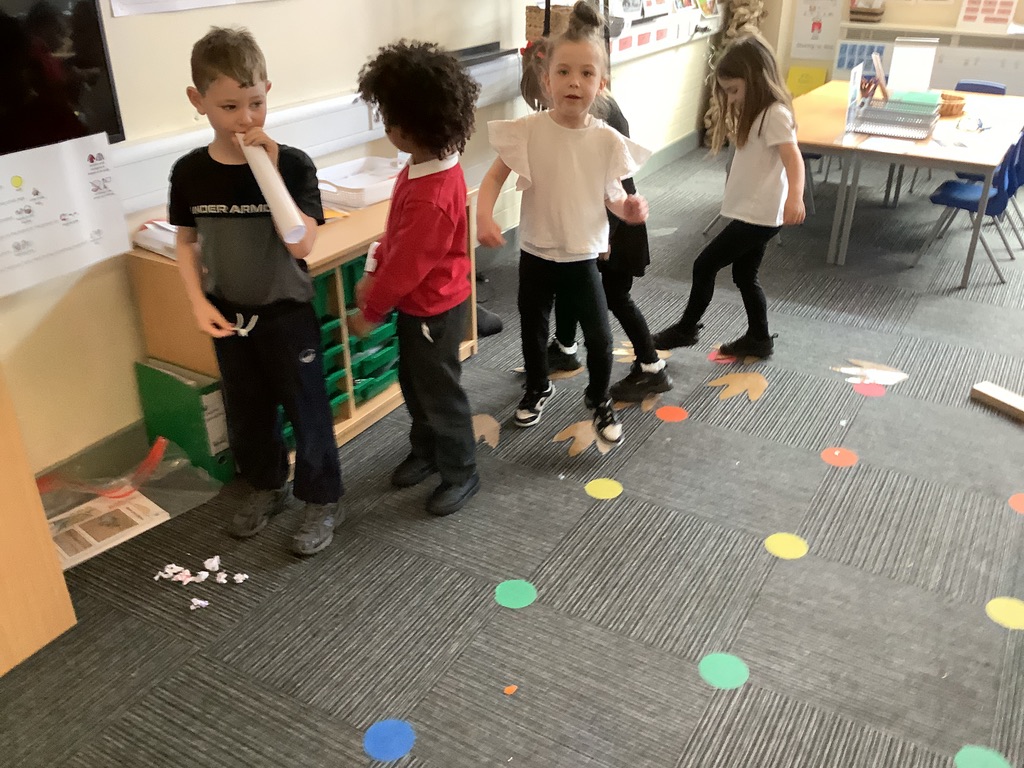
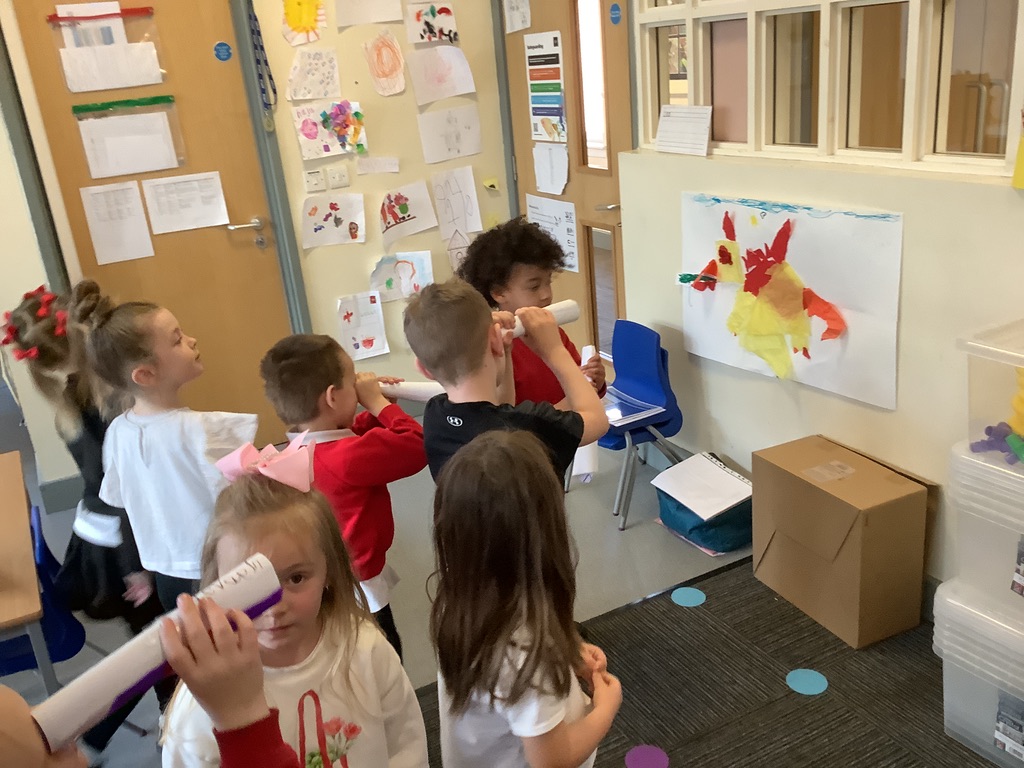
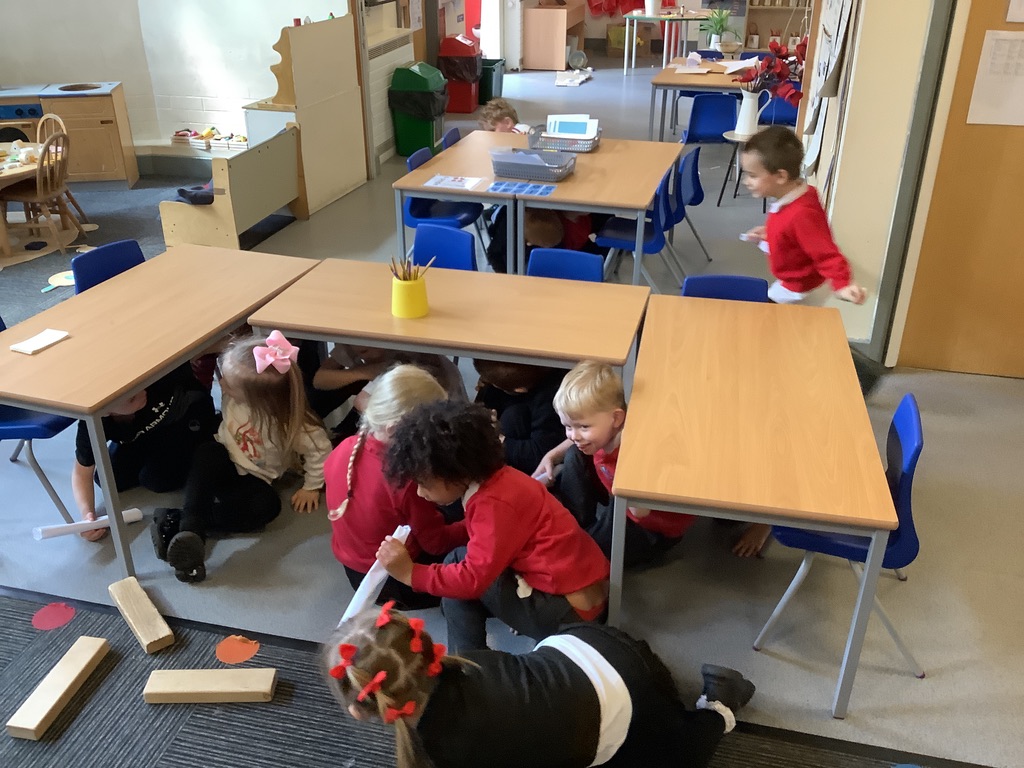
We have also absolutely LOVED using our imagination and leading our own learning when accessing provision – we have created shelters to protect us from the storm, large scale models of the storm dragon, small world scenes of the story, created our own role play sensory story, made a collaborative collage dragon, made models out of playdough, made our own spyglasses to search for storm dragons, and lots of things in between!
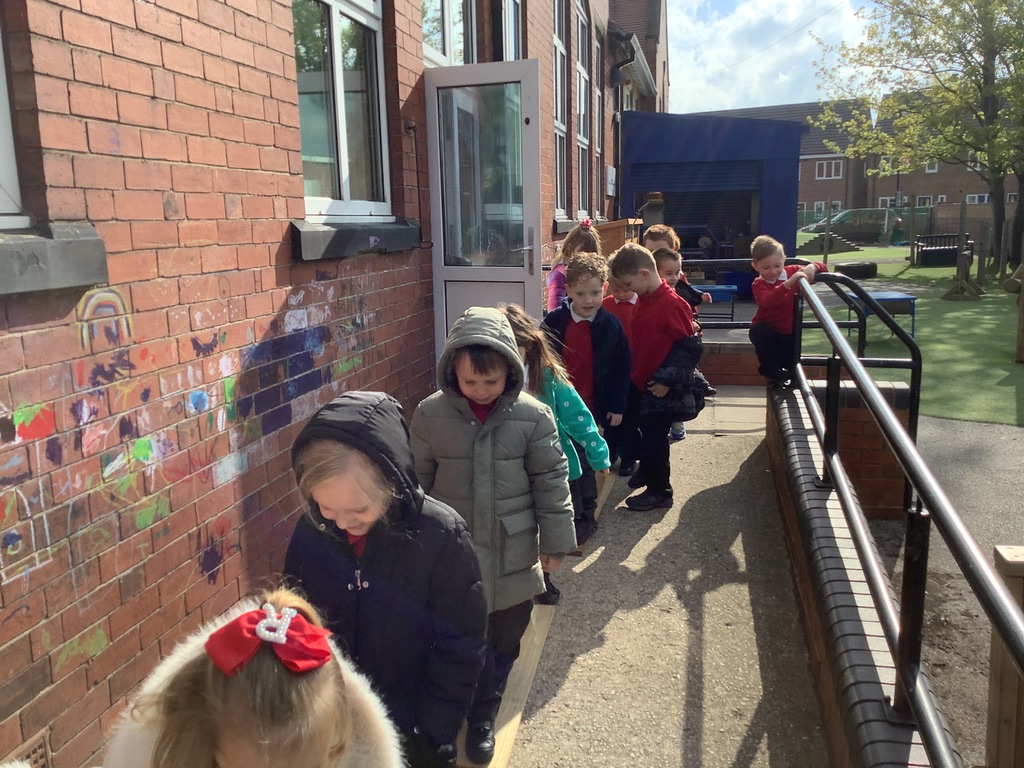
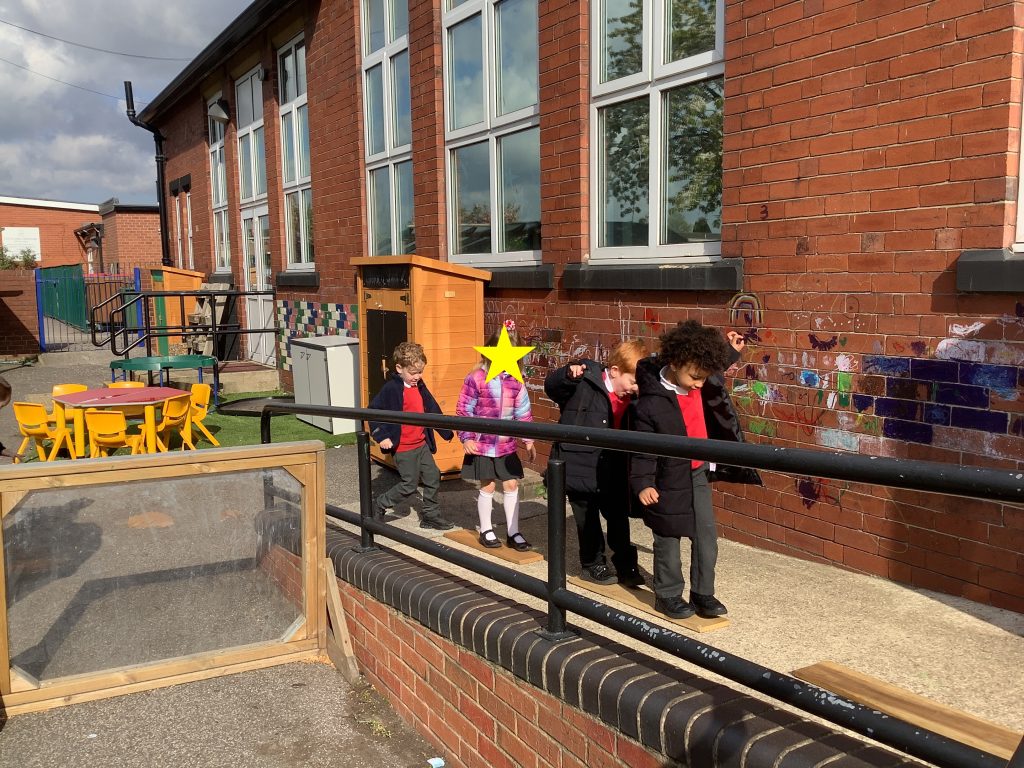
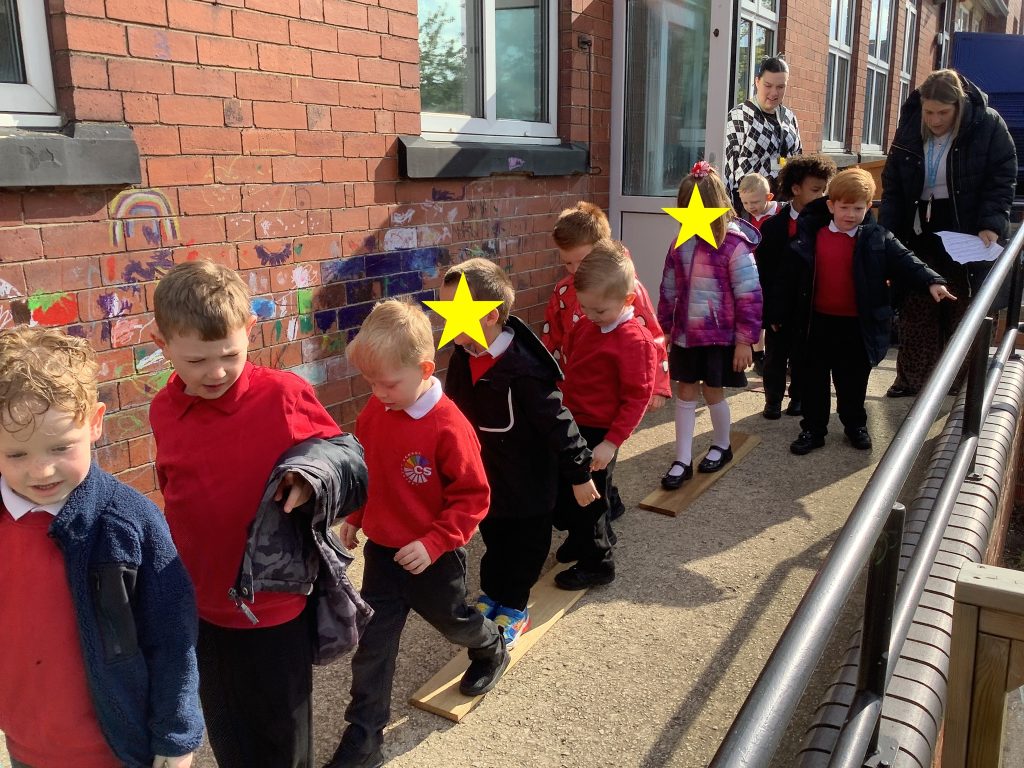
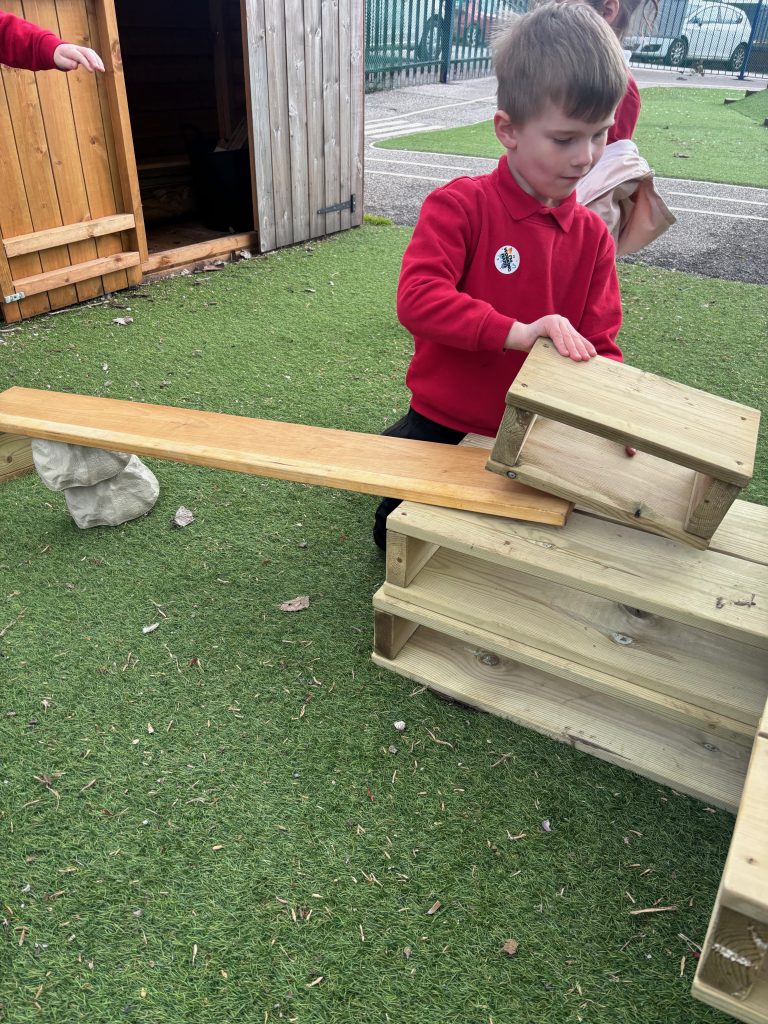
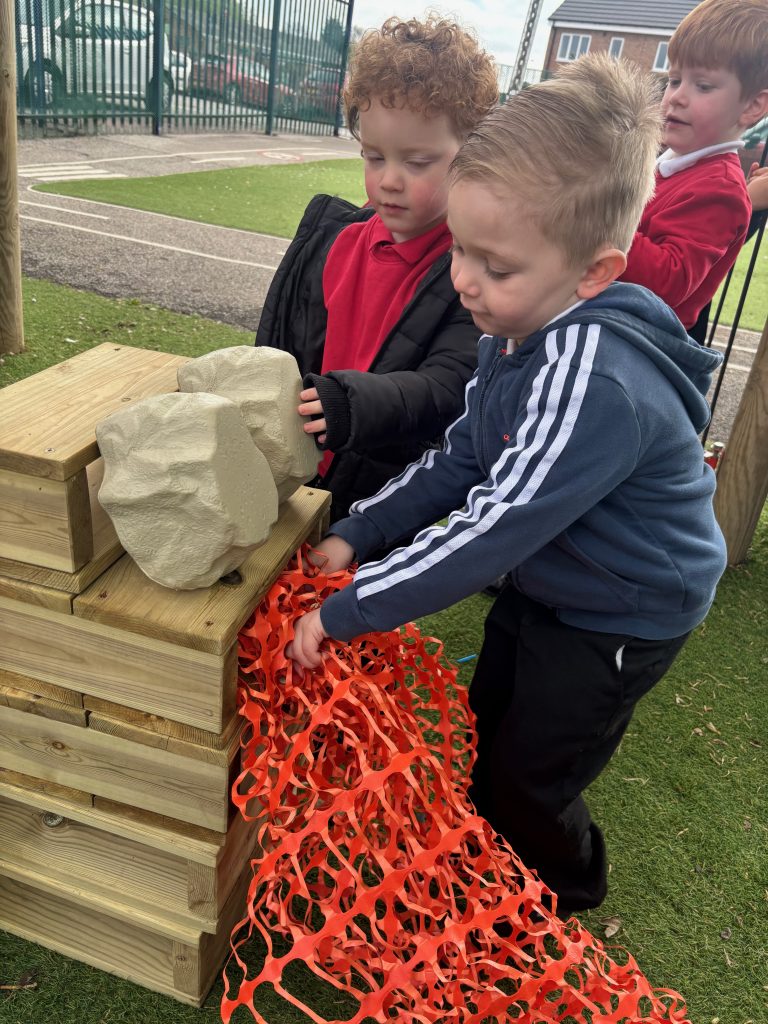
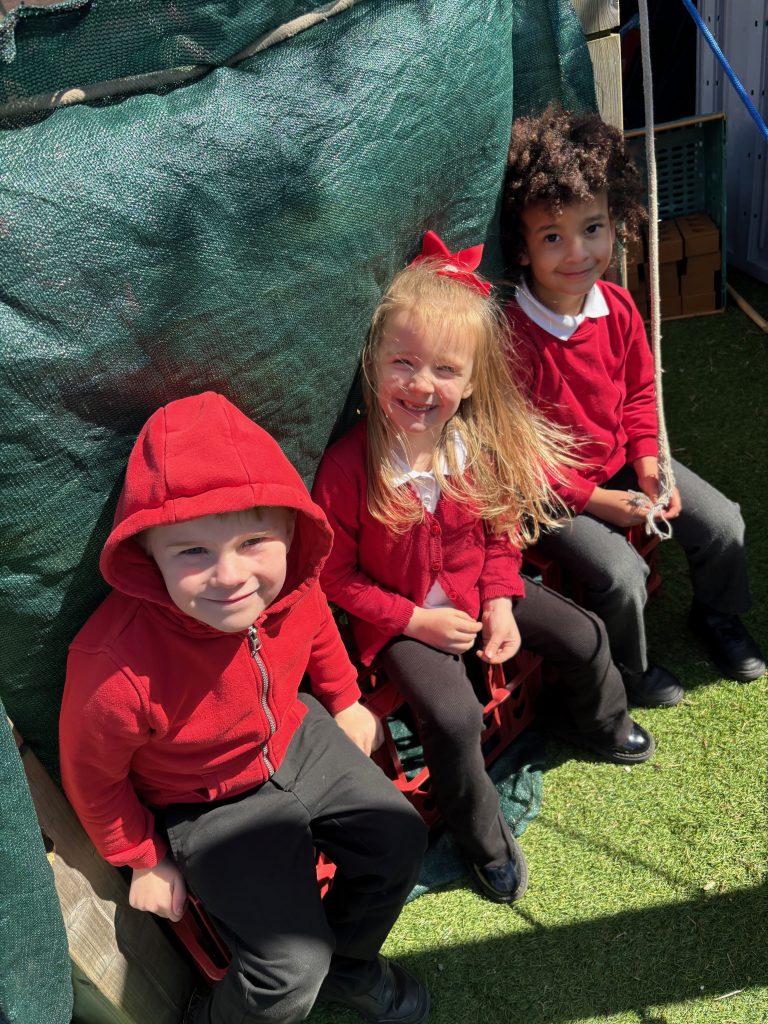
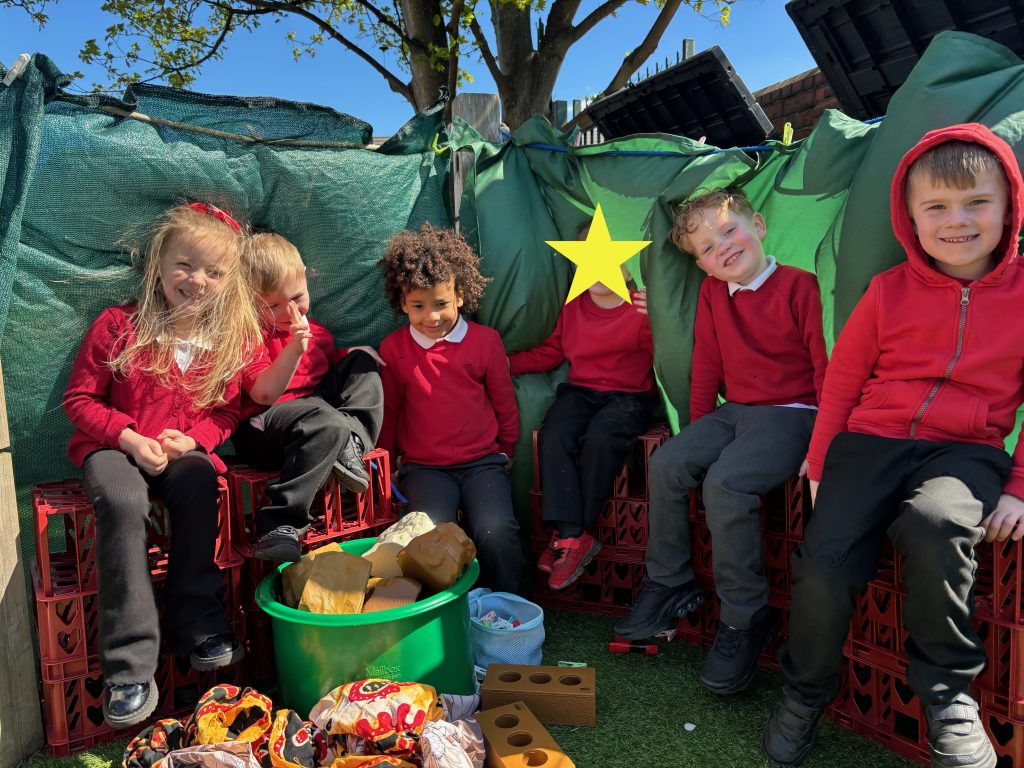
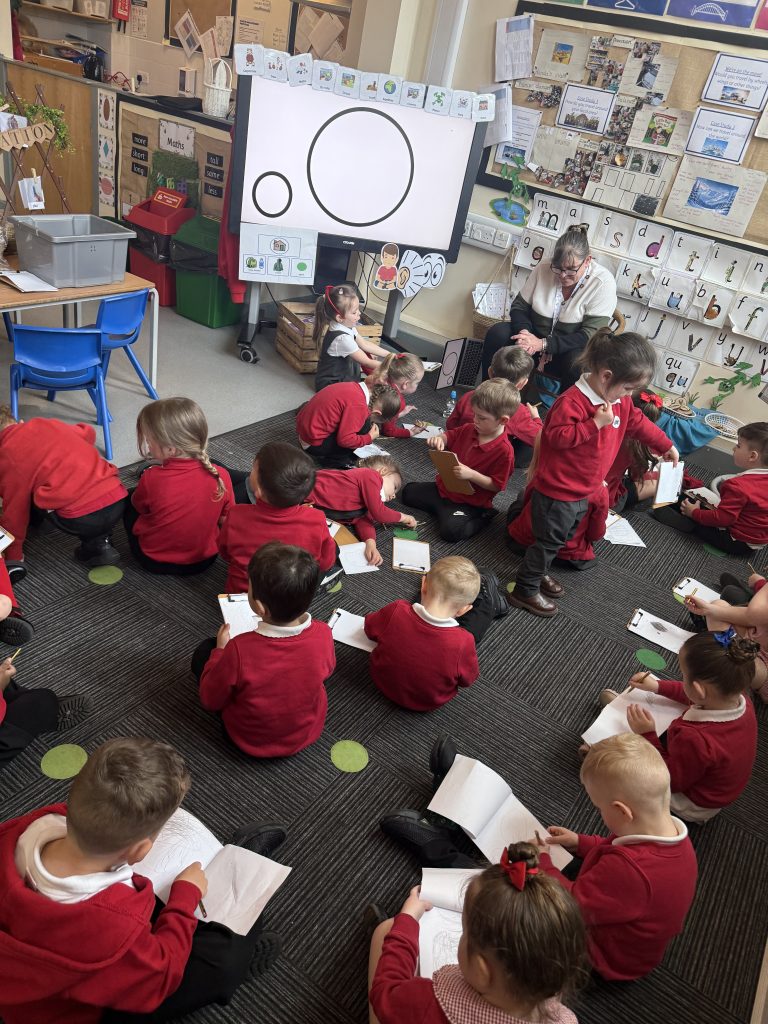
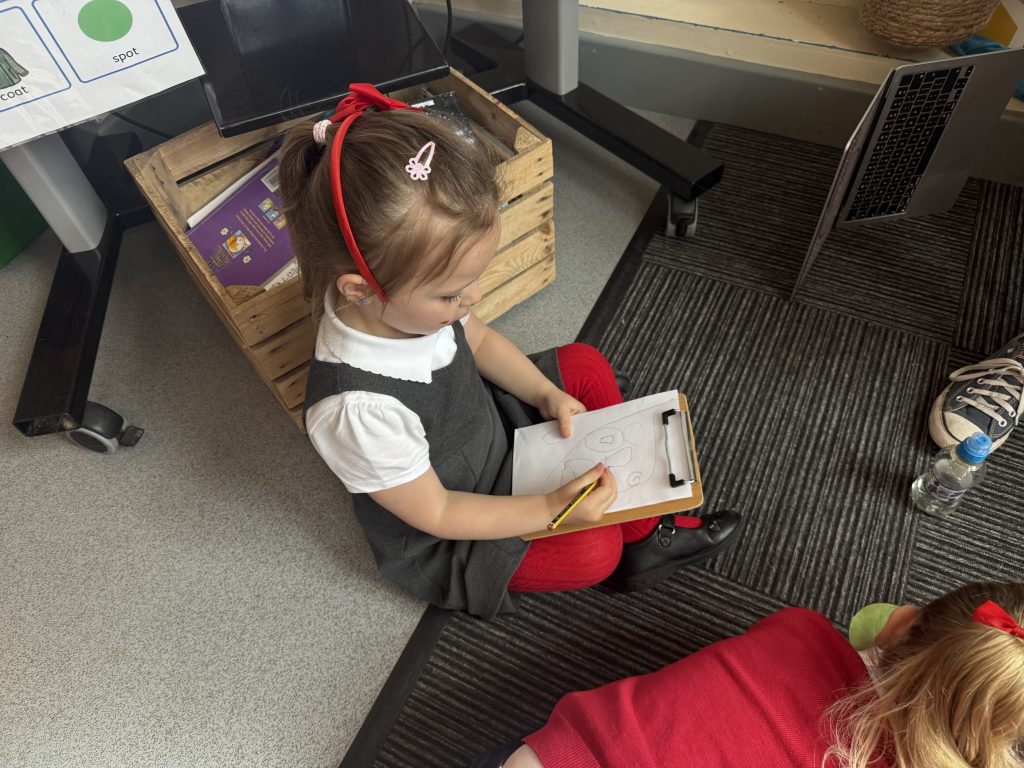
During the Summer term, we place a strong focus on supporting our nursery children to develop their independence and resilience as they prepare for their transition into Reception. These are key aspects of the Early Years Foundation Stage, particularly within Personal, Social and Emotional Development and Physical Development.
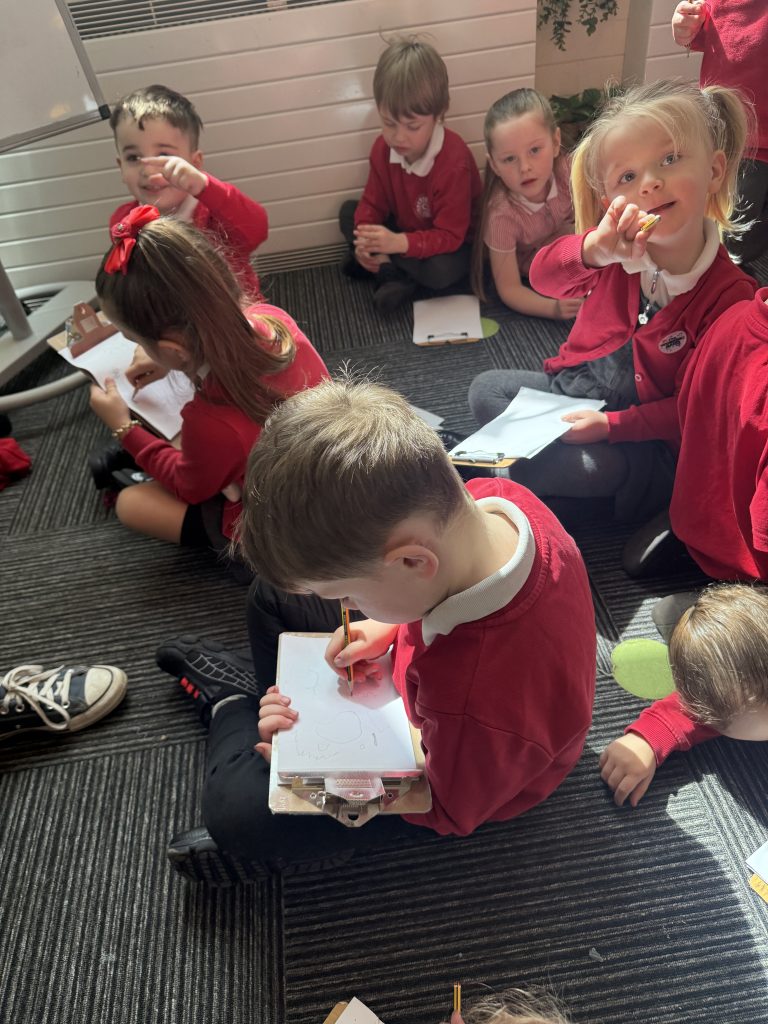
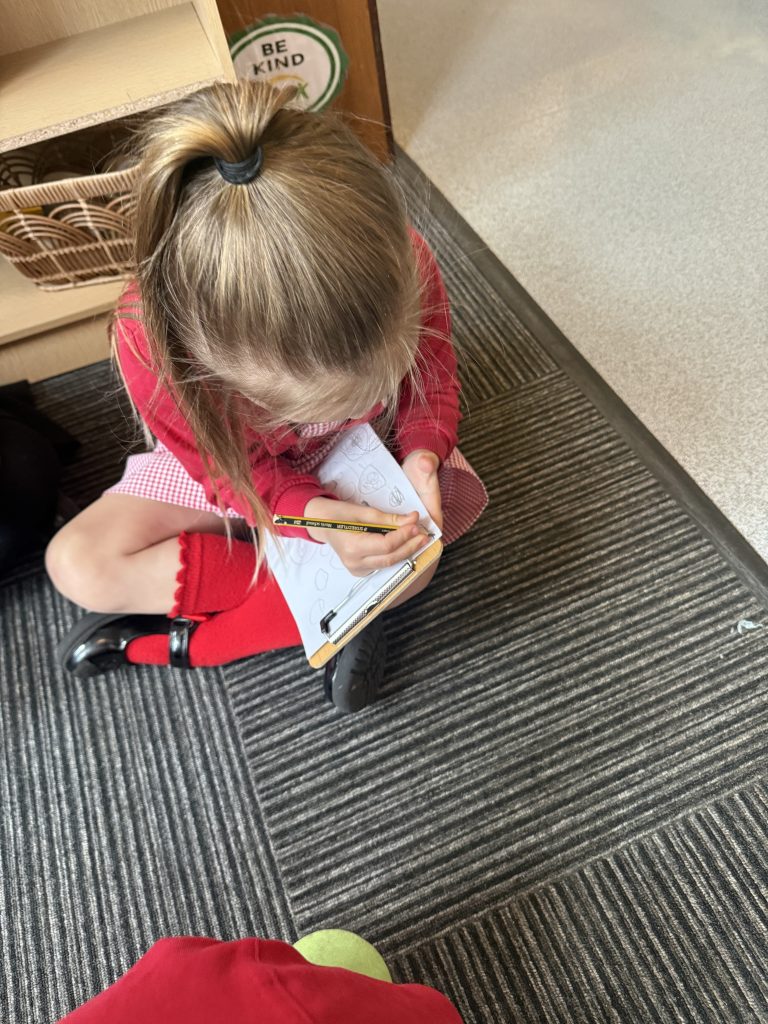
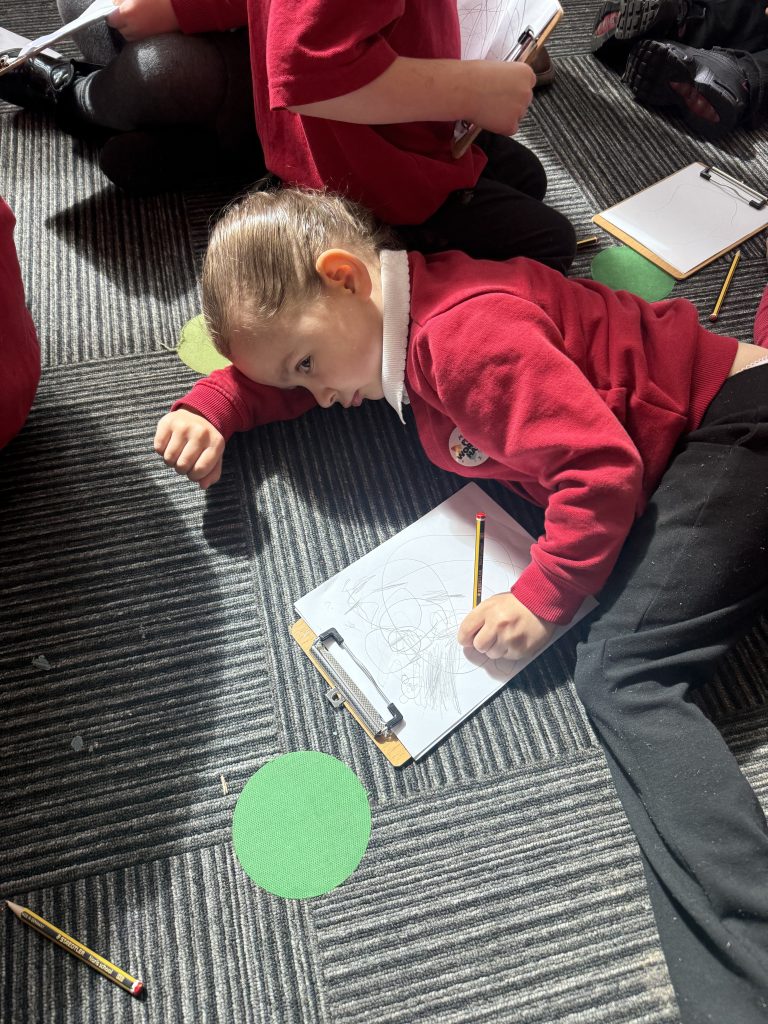
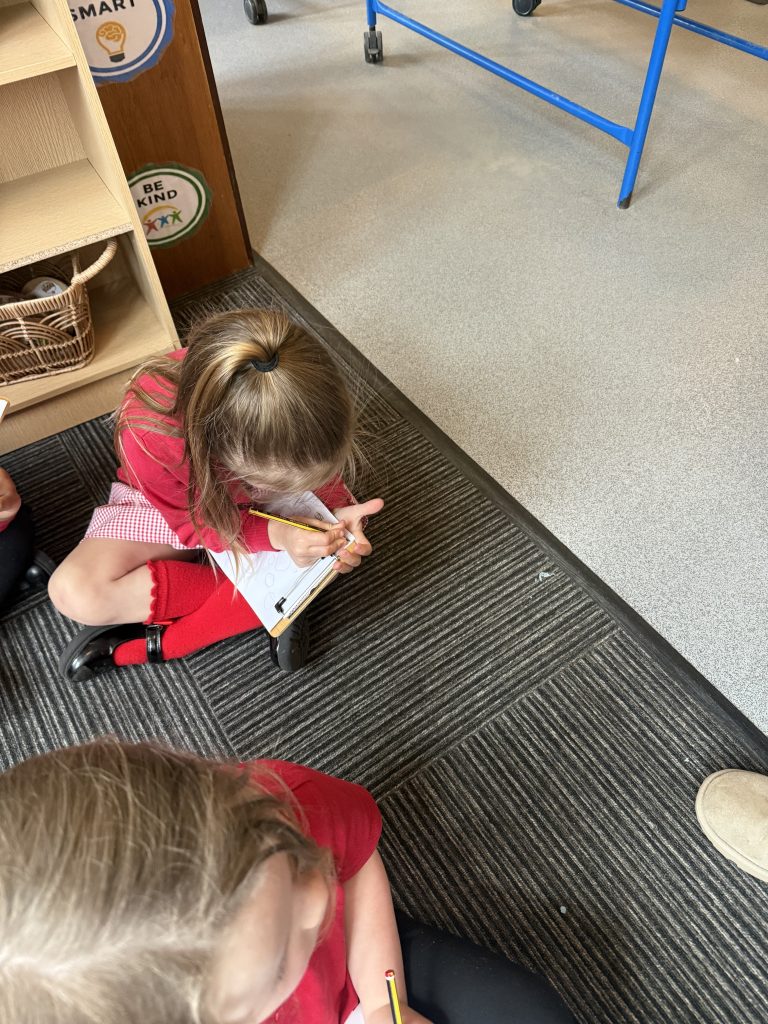
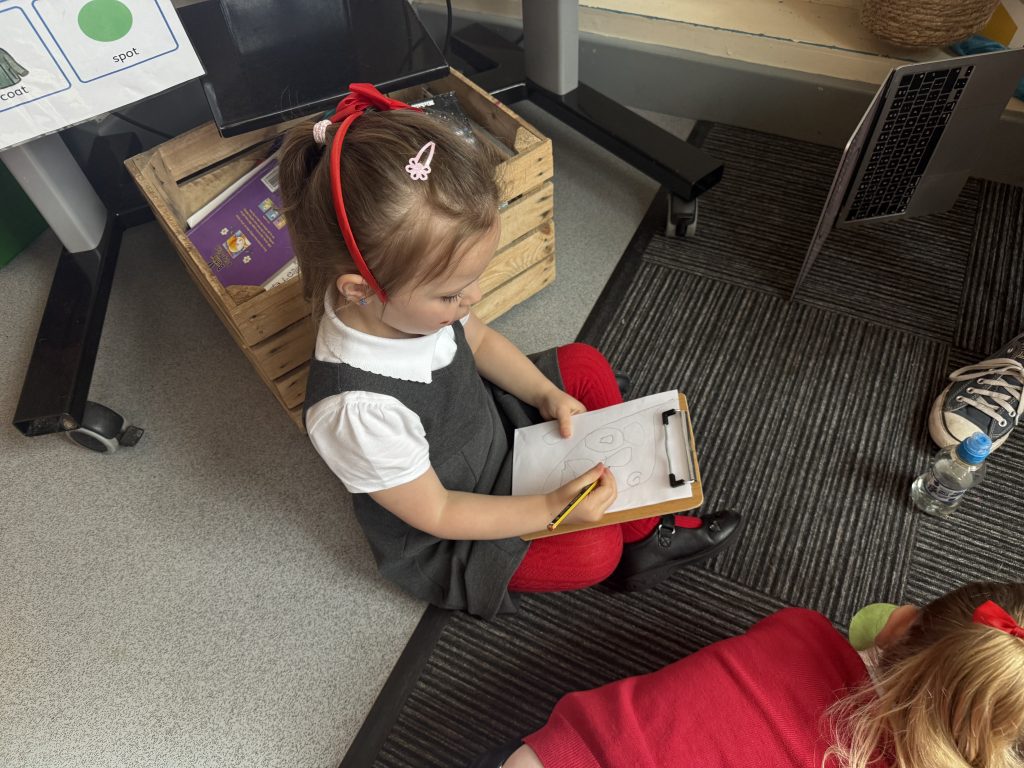
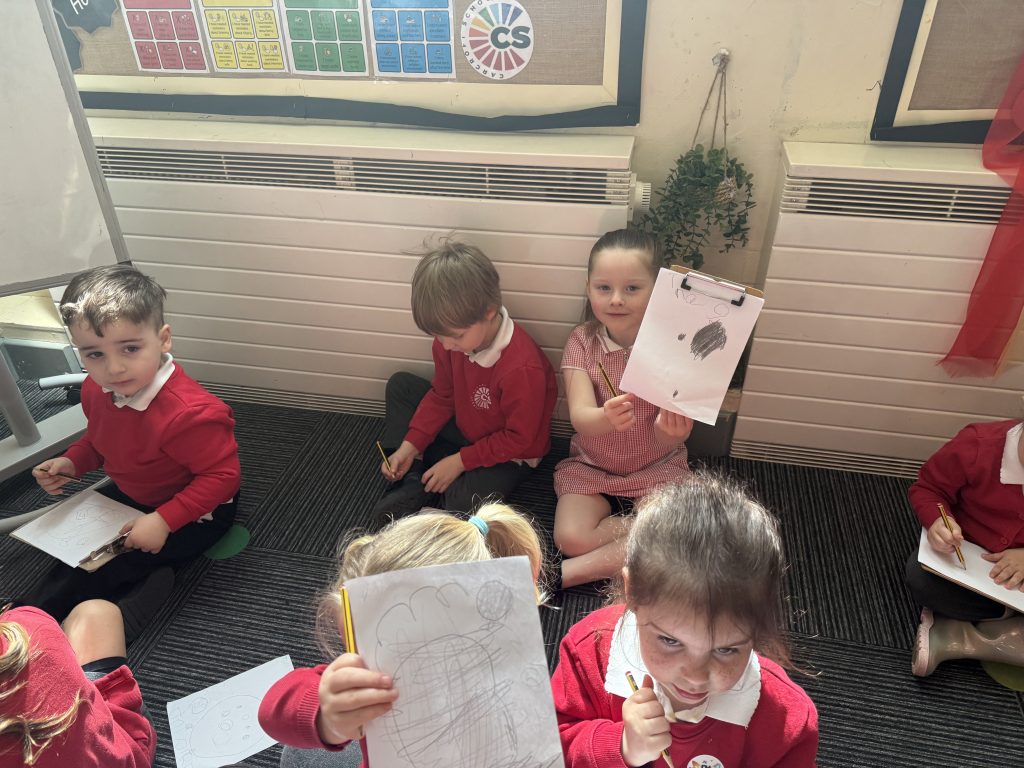
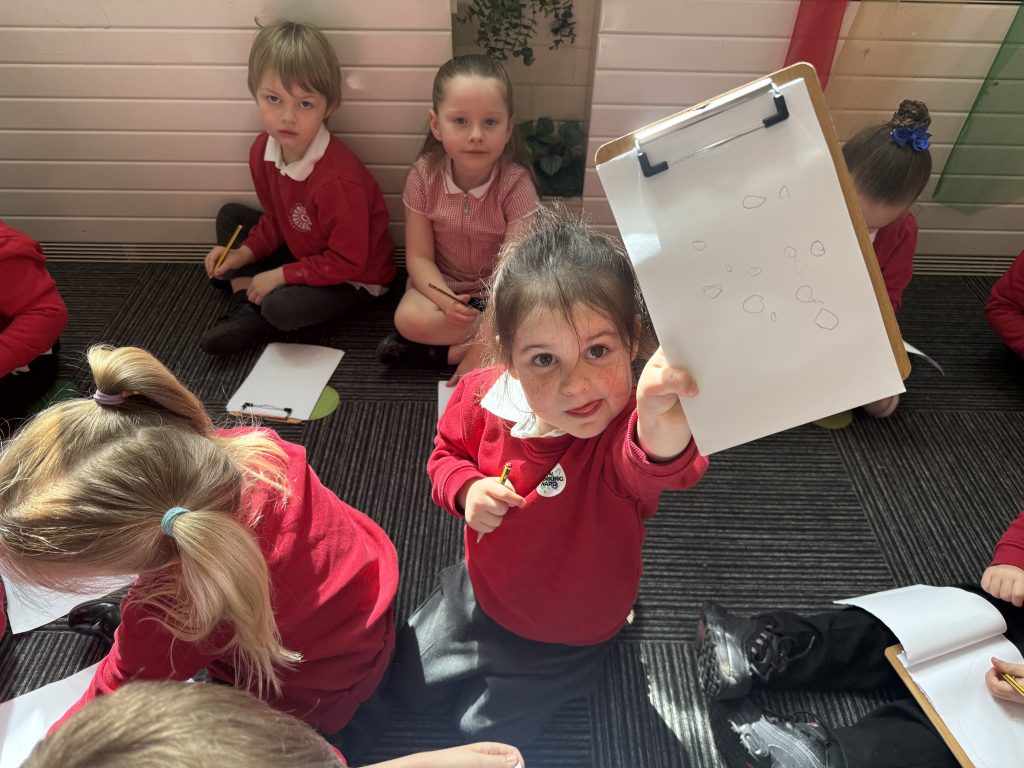
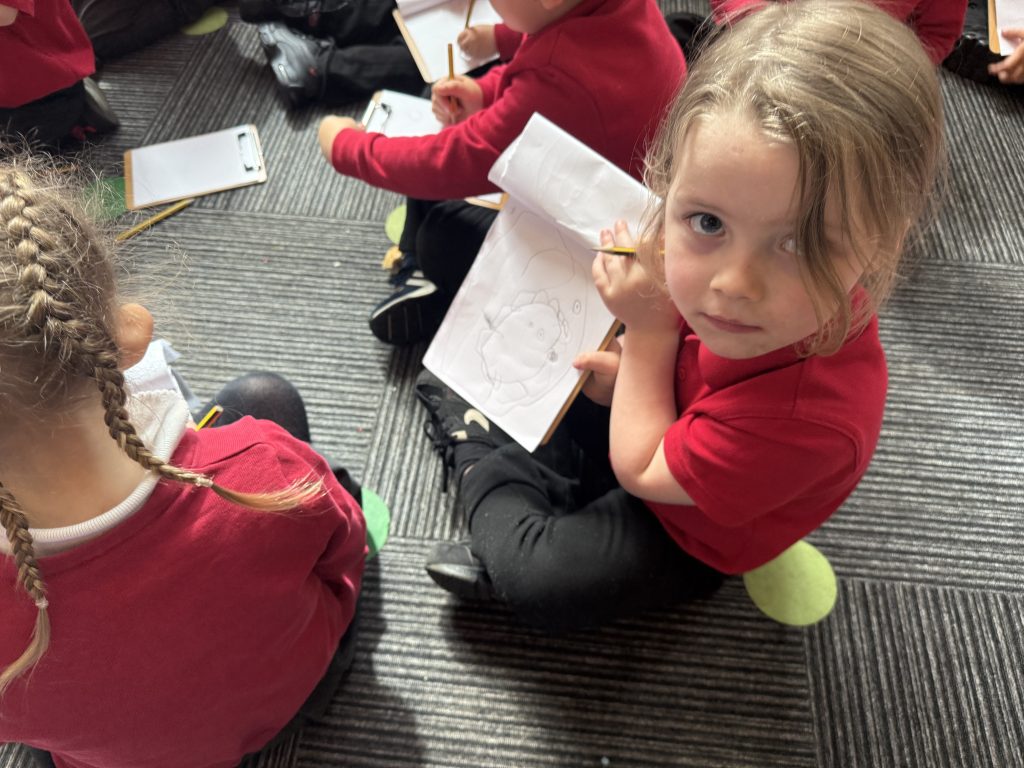
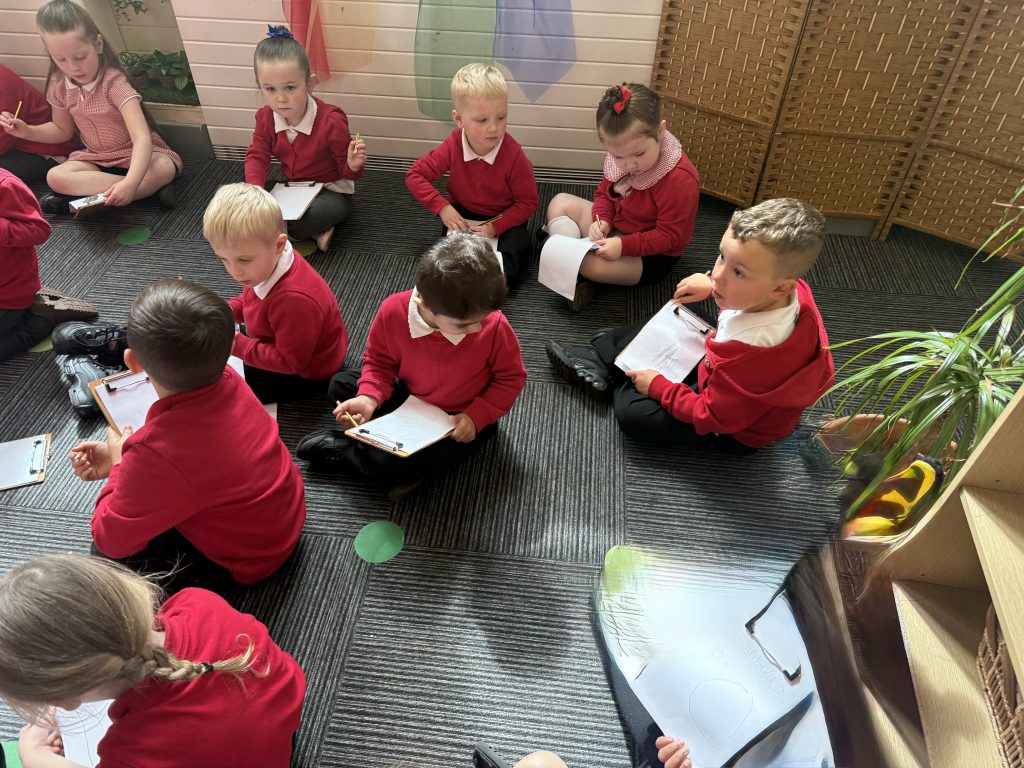
Throughout the year, we have been working hard to strengthen the children’s fine motor skills, and this term we have introduced a focused activity known as “apron entry.” During this activity, each child is given their own clipboard and a shortened pencil, which helps to support correct grip and control.
The children are encouraged to draw an object, letter or shape from the board, with a particular focus in this session on creating circles of their own chosen size and quantity. This open-ended approach allows the children to explore their creativity while also developing important early writing skills.
It was fantastic to see the children’s growing ability to concentrate, as well as their confidence in using an effective pencil grip and forming recognisable shapes. These small but significant steps are helping to build the foundations for future writing.
Well done, Crew Frost—keep up the great work!