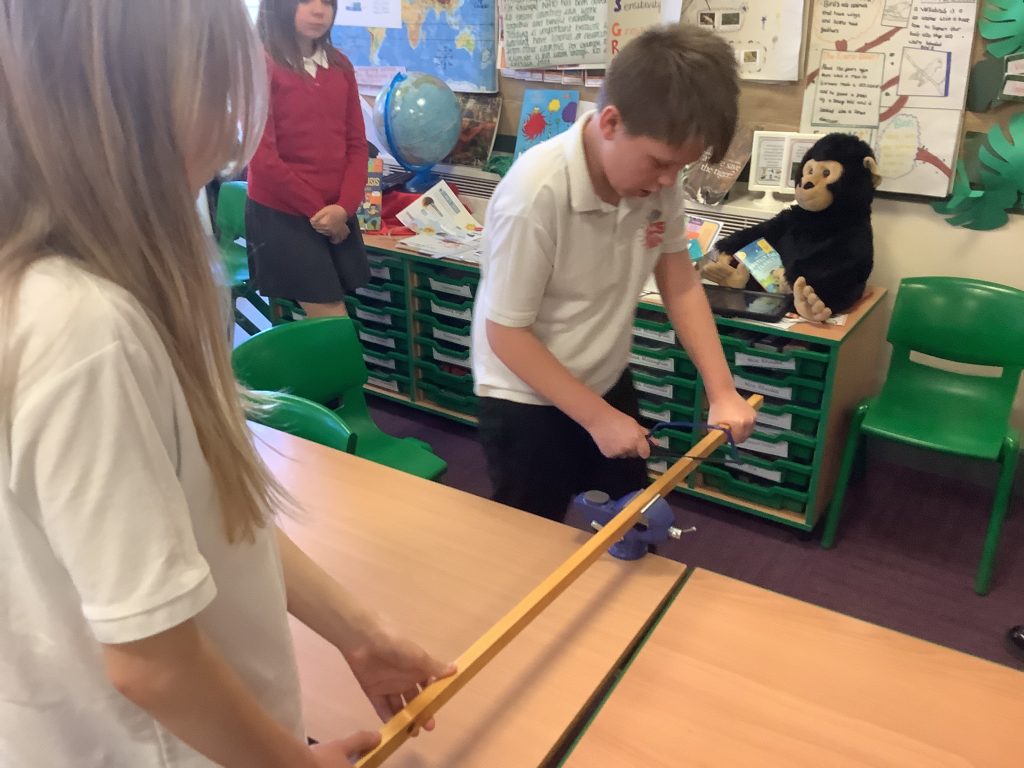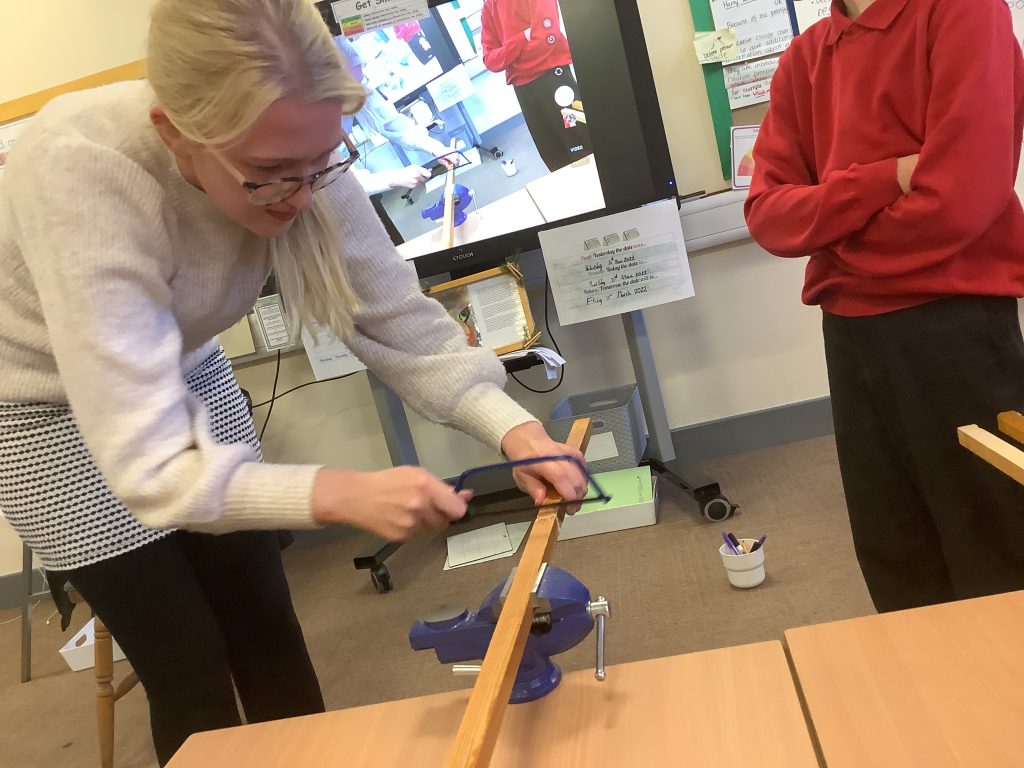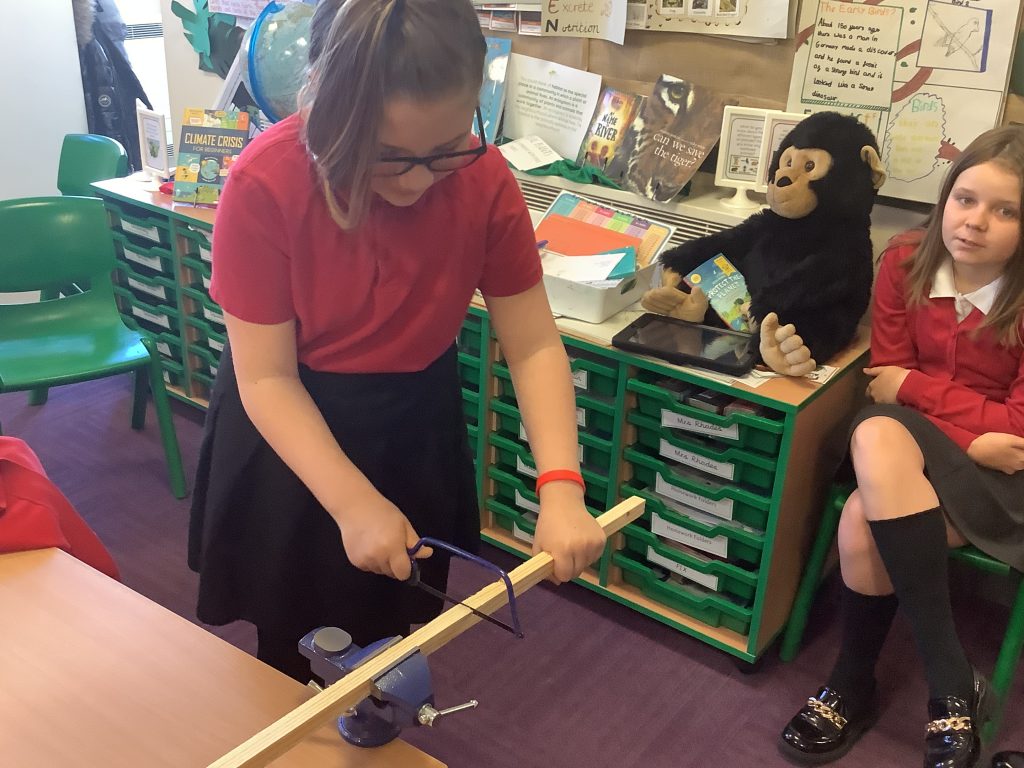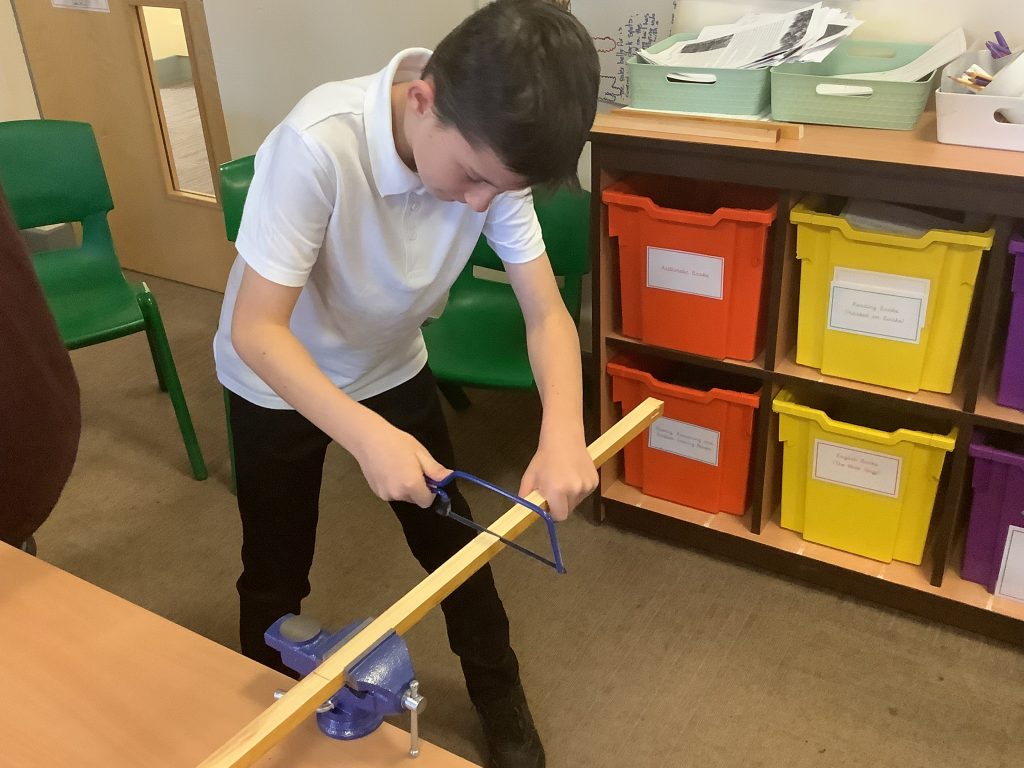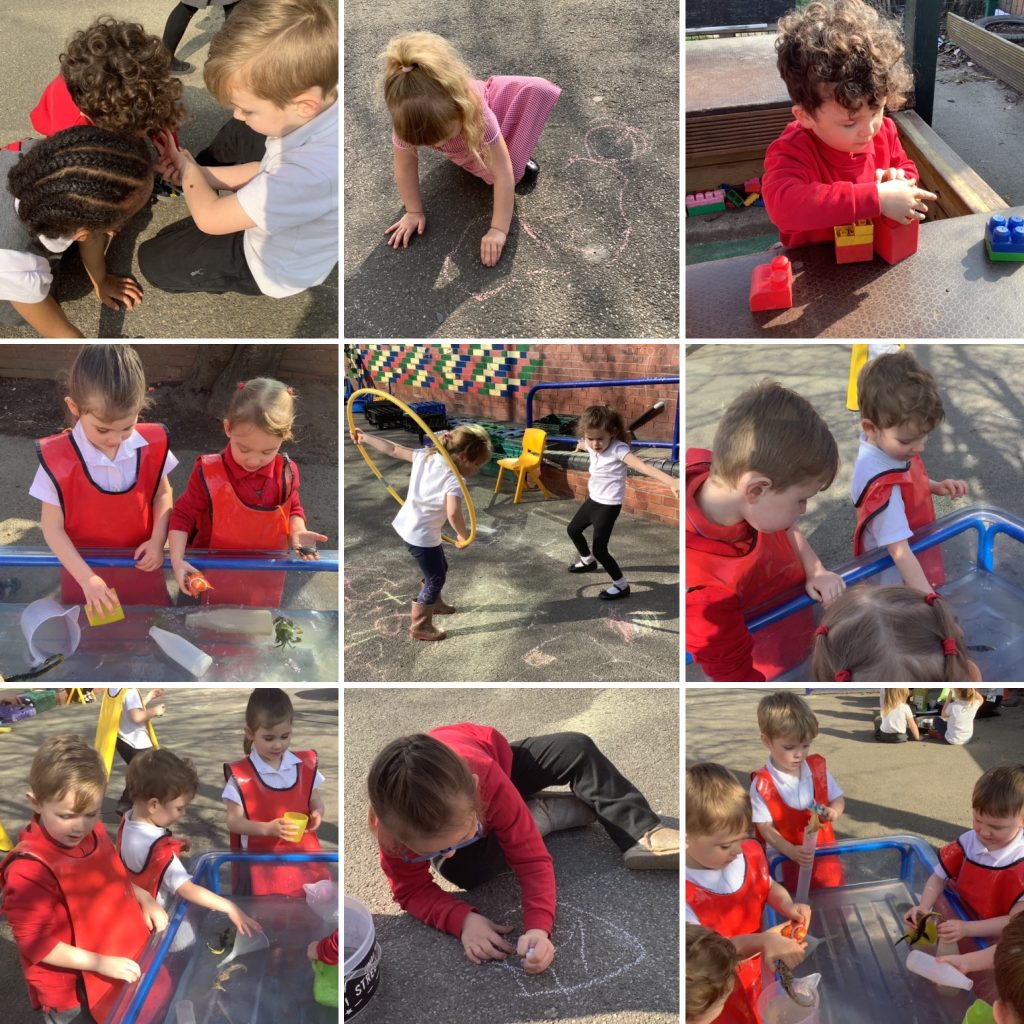
Collaborative Maths (10.5.22)🔢#️⃣

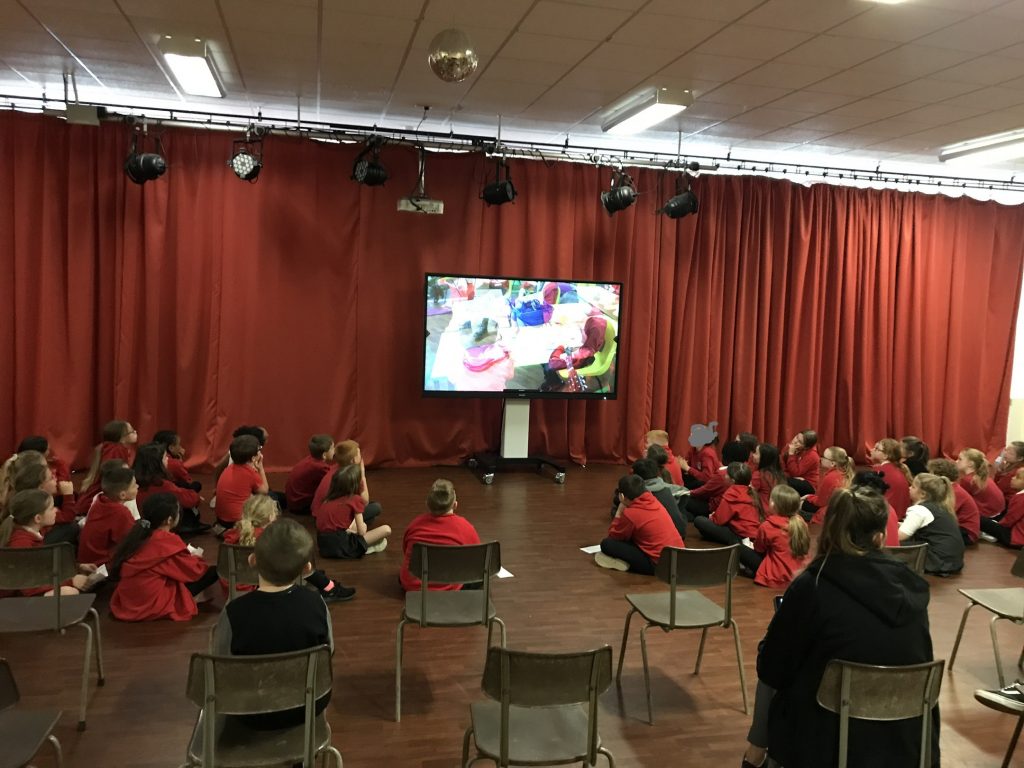
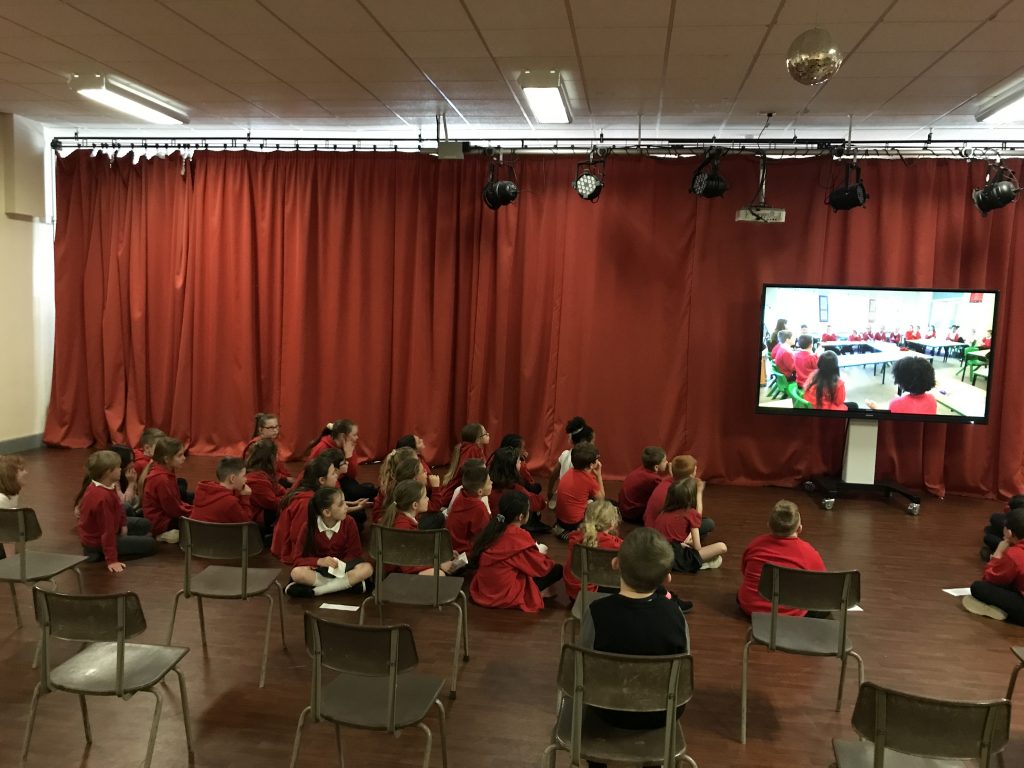
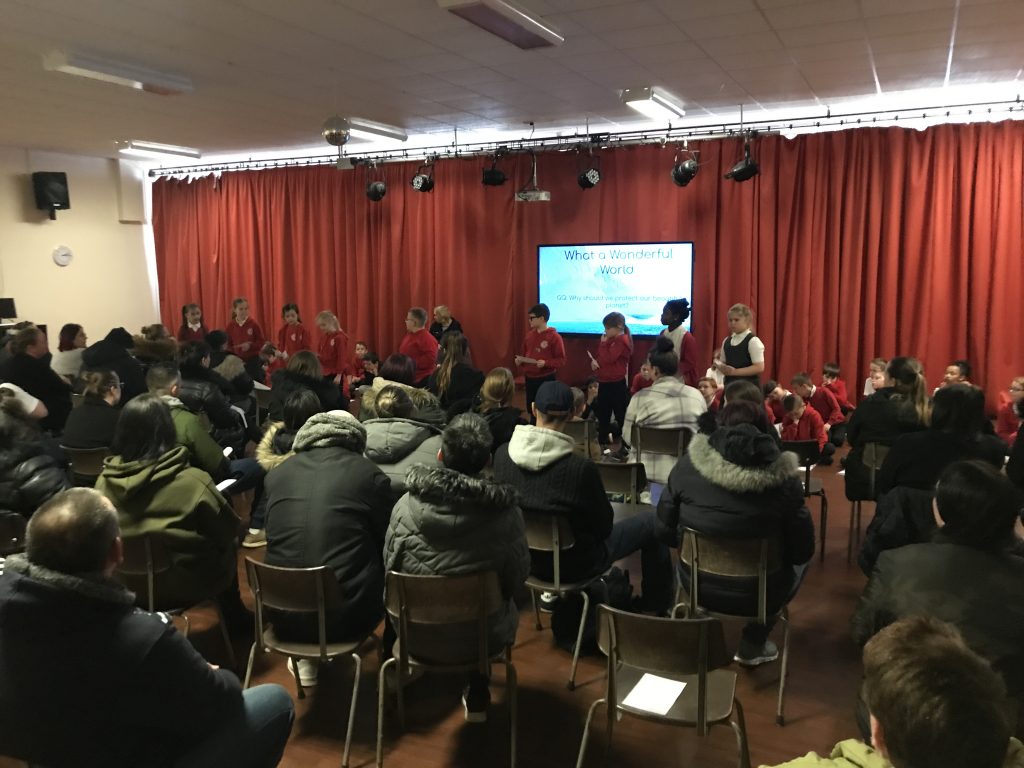
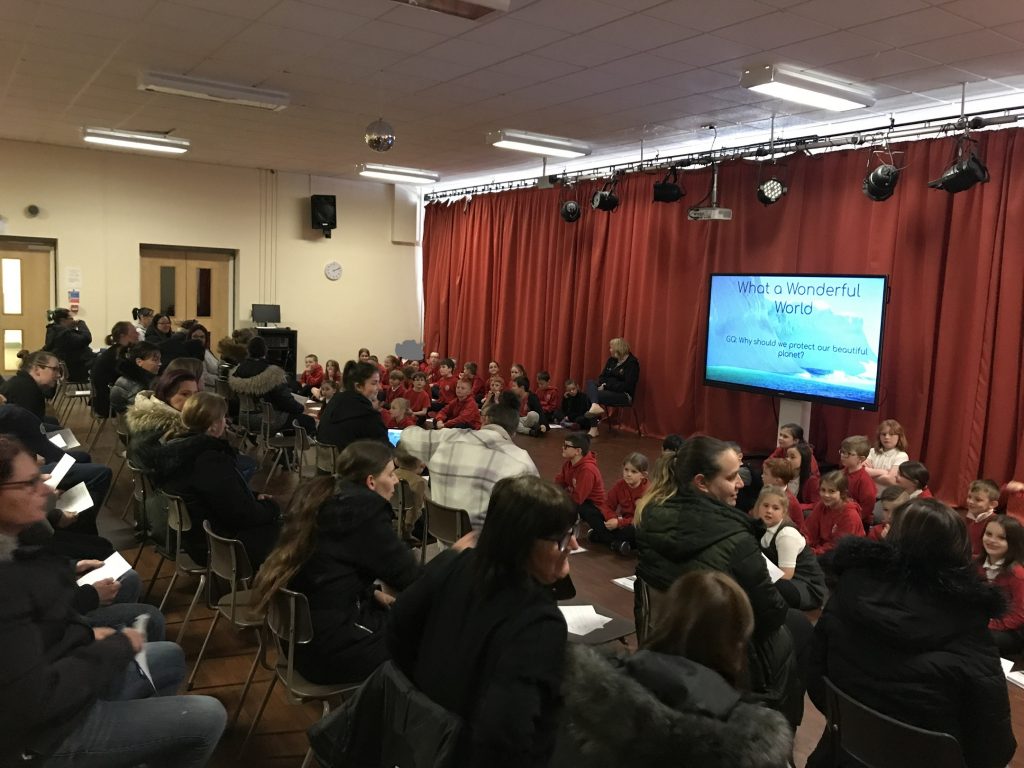
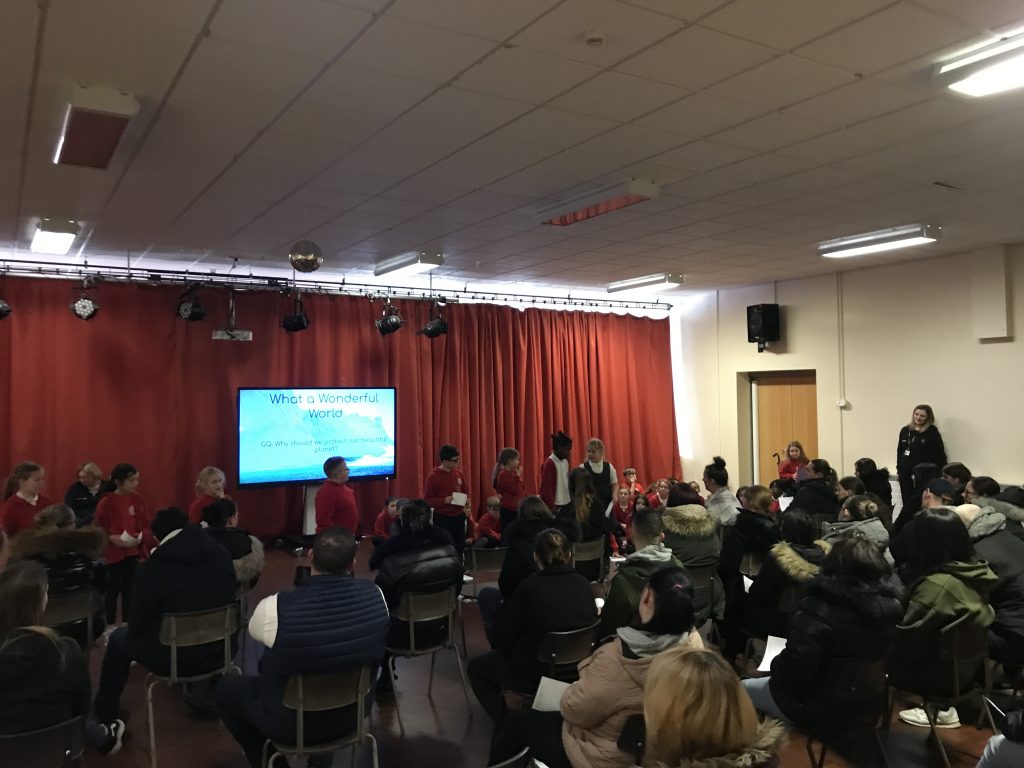
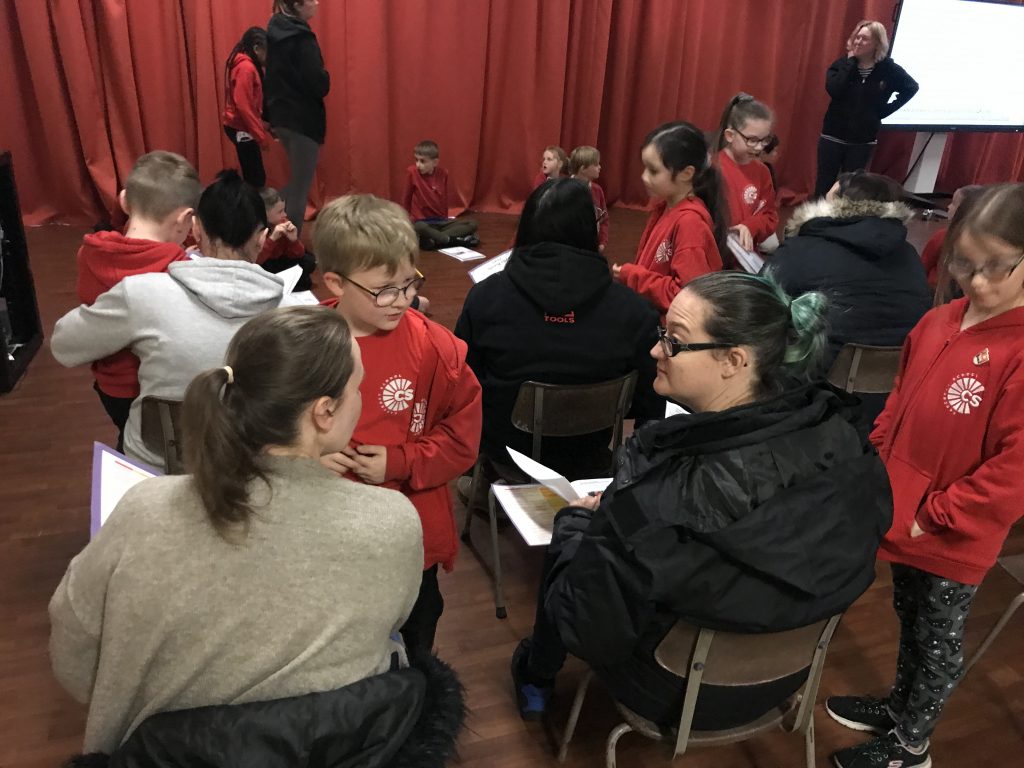
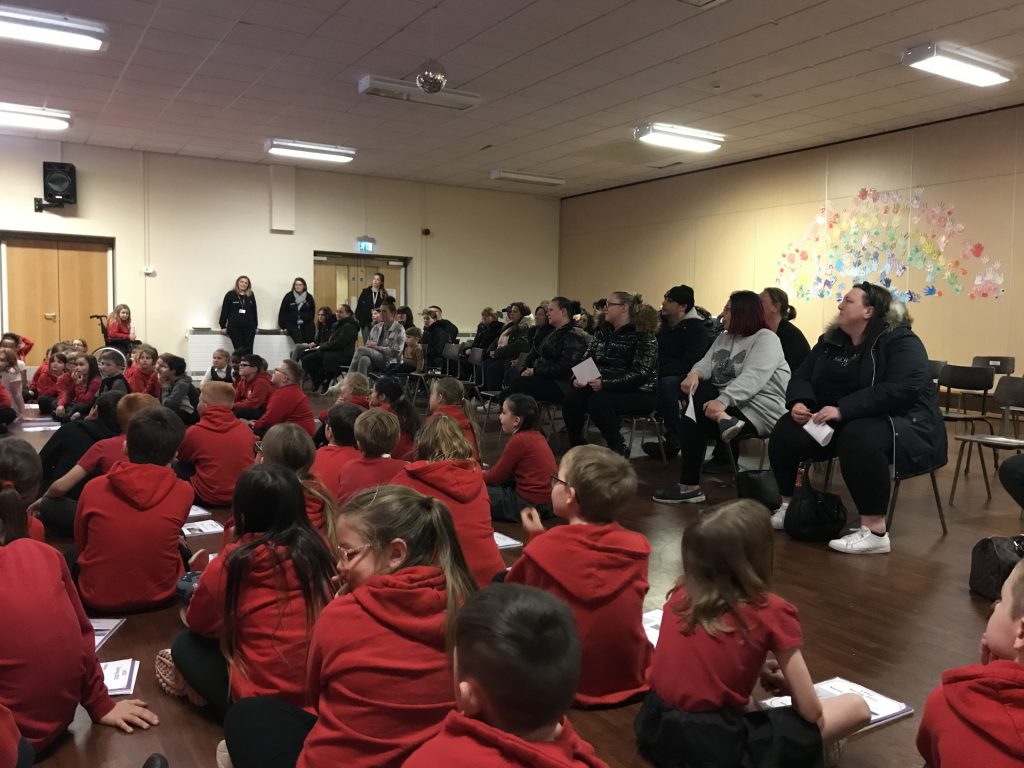
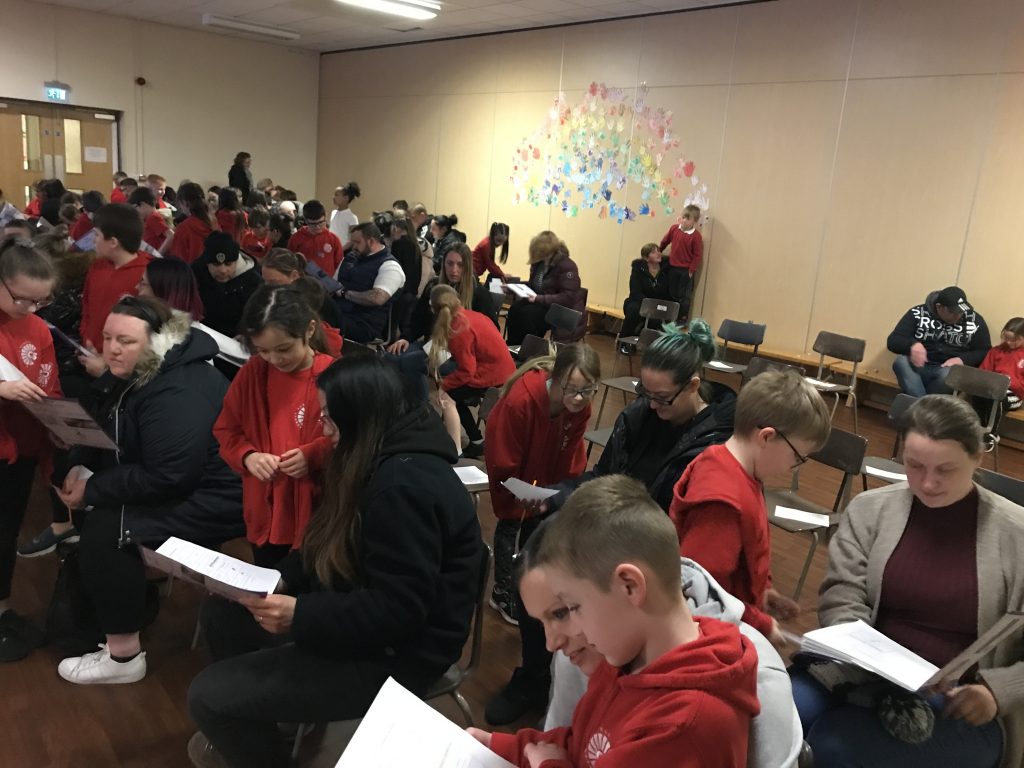
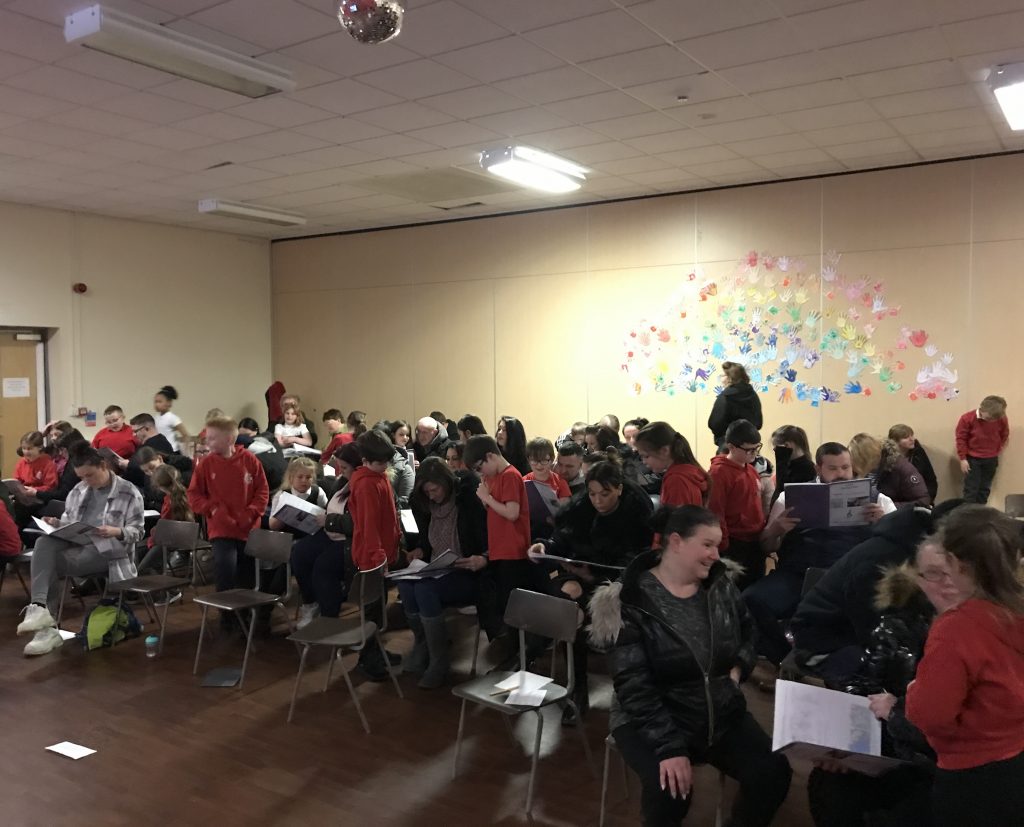
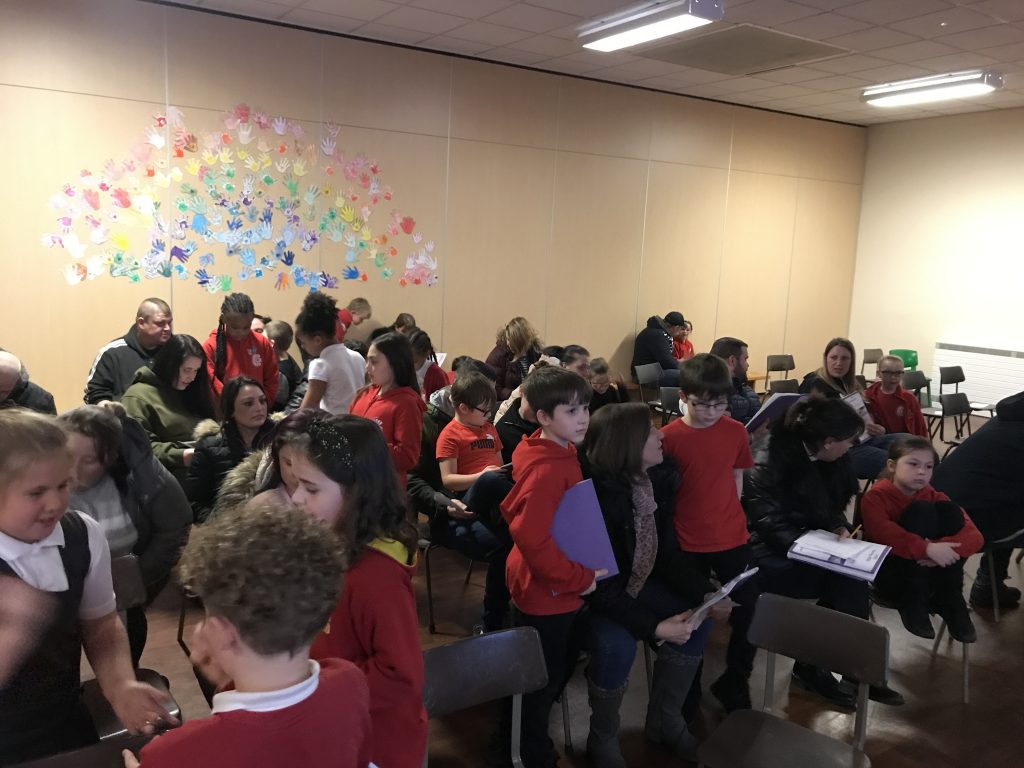
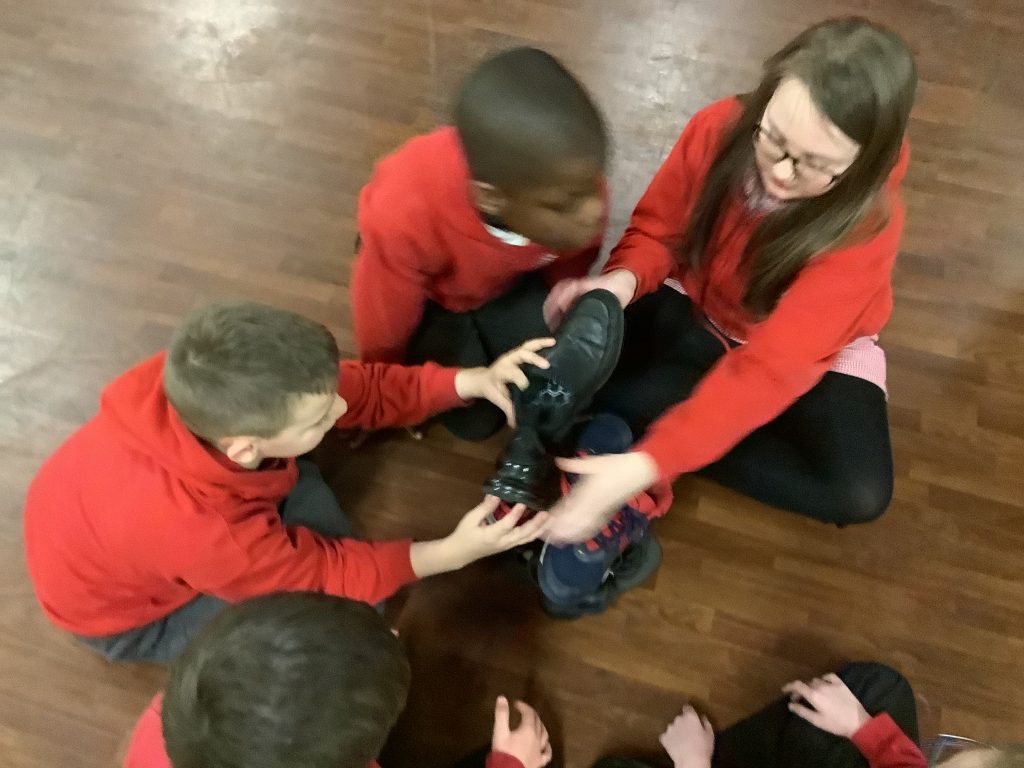
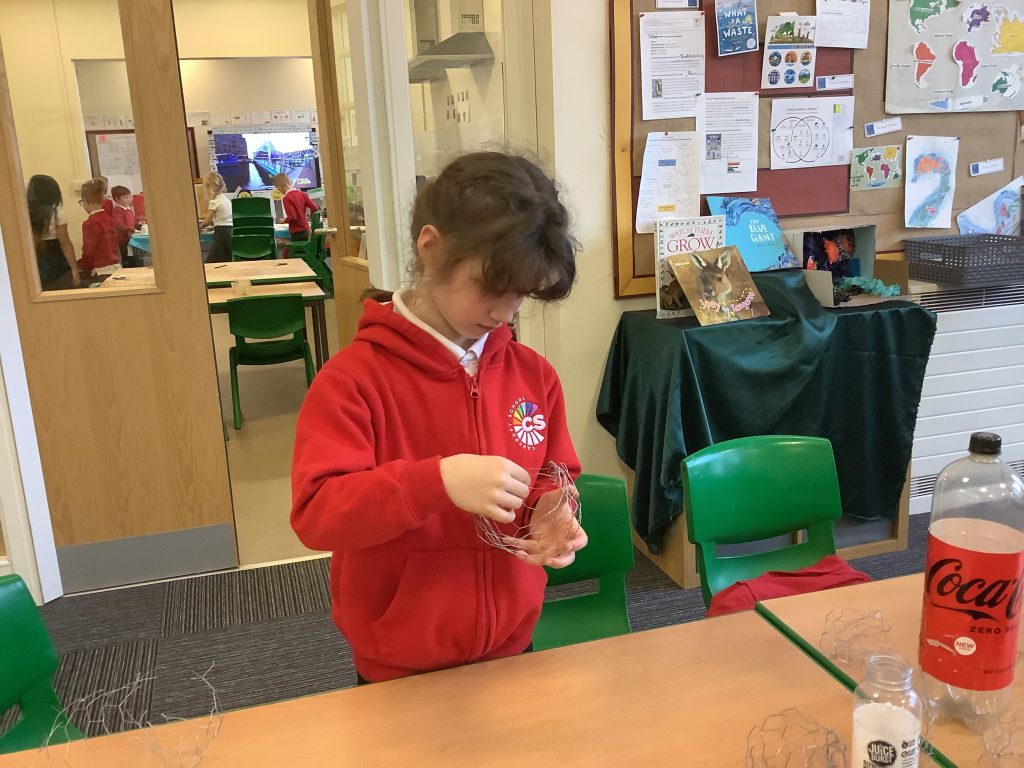
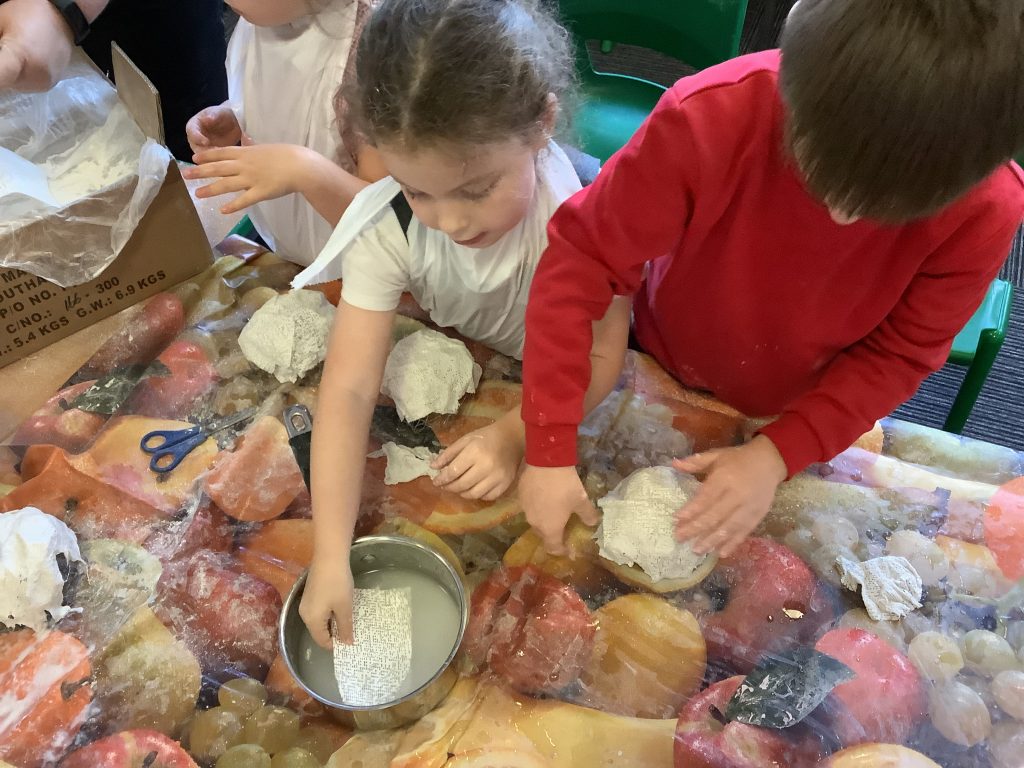
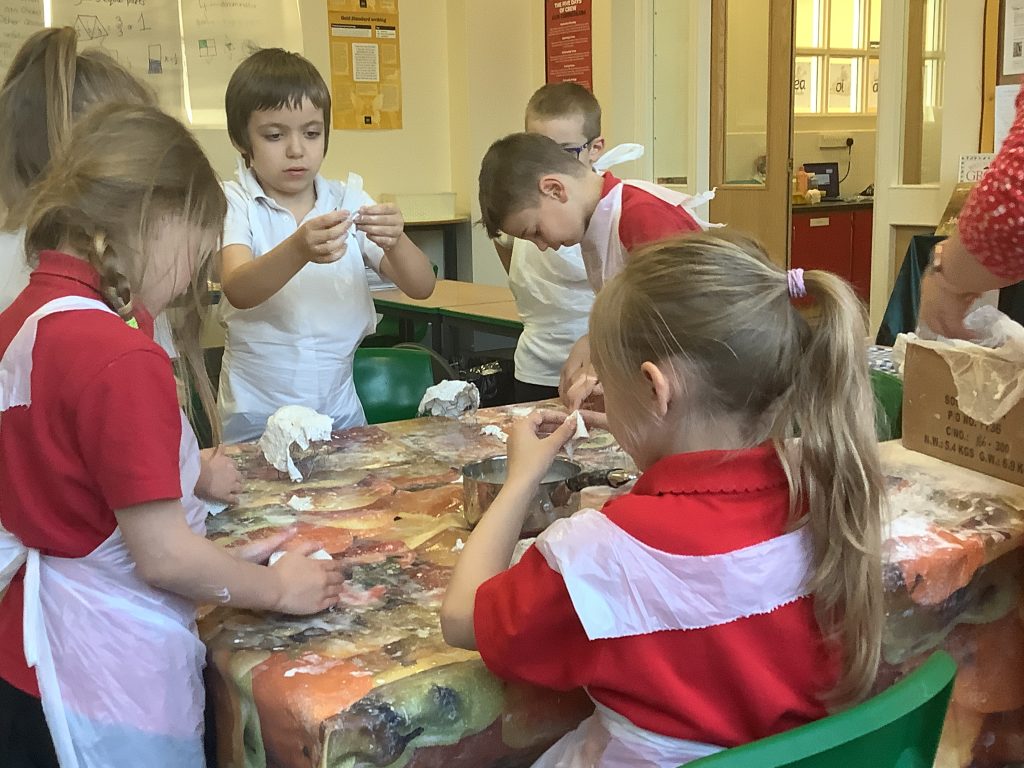
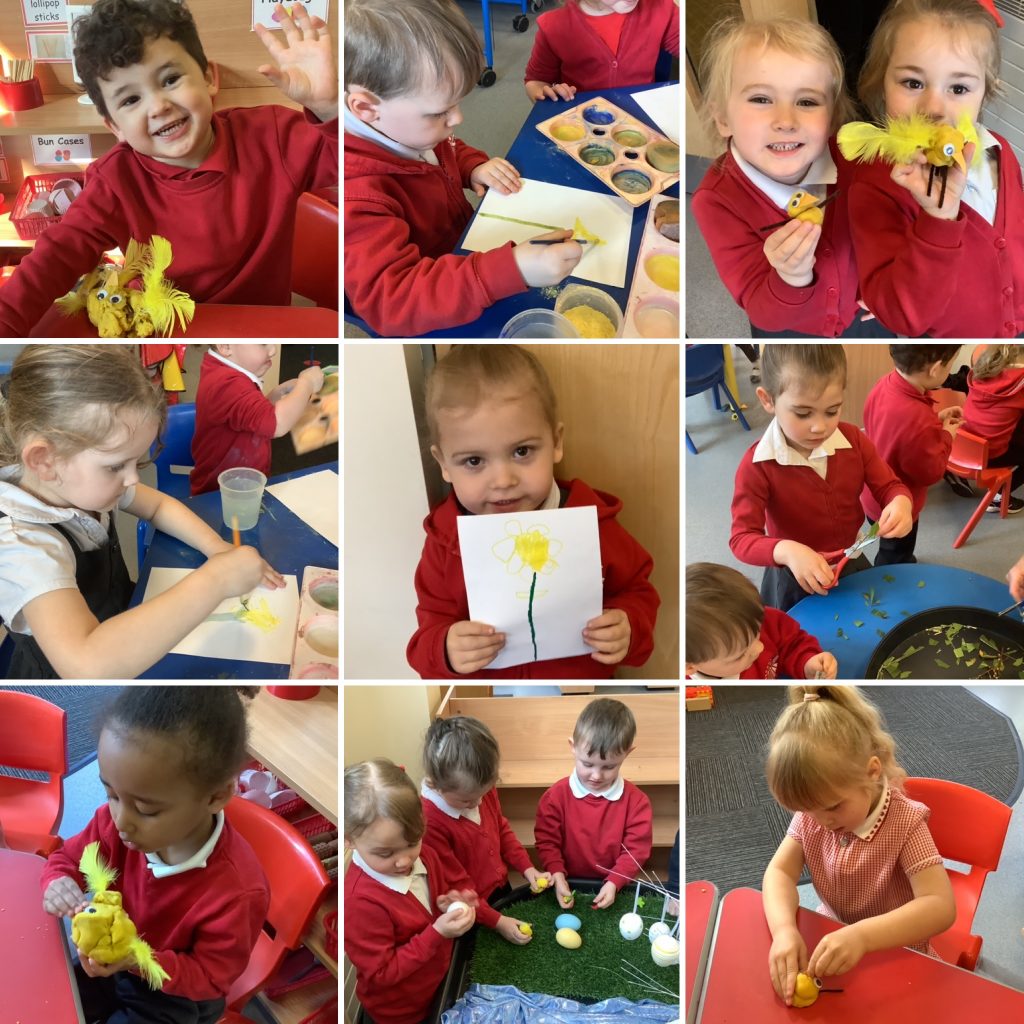
What a lovely lesson of maths we had today and so many fantastic “teachers” on show! We were practicing how to find fraction of amounts. Today was trickier than yesterday because we had to follow two steps. Divide by the denominator and multiply by the numerator.

We worked together to be able to help each other get smarter! The kindness on show and willingness to help each other was amazing to see. We certainly demonstrated our HoWLs today! The little “teachers” are now making me worried for my job!

Collaborative working in MI

Today we continued with our history work where we researched different illnesses as mini crews. We all worked collaboratively thinking about the two rubrics we had just discussed, this made us think more about team work and listening to others. After we had gathered our information we worked together thinking about how we would present our findings to the rest of the crew. Again we thought about our rubric and how we can engage an audience. We all presented extremely well, everyone participated and everyone listened well when the other groups shared their work. Finally, we applied our knowledge to a written task, here we showed all the learning we had just done.

SATs Party Friday 13th May

To celebrate the hard work of our Y6’s this week, we are hosting a party on Friday. We would be grateful if children could bring a £1 contribution towards food and drinks and children can also come in non-uniform.

Thank you,

Mrs Fox and Miss McLoughlin

Reading in Y2

Thank you to those parents that access their children’s reading online, we can really see the impact this is having. It is important that the children build their stamina in reading and understanding longer text. Being able to answer oral and written questions about a text is a useful way to check this and we are working to develop these skills.


Reading fluently is important to help a child understand the text. When a child reads slowly, the meaning is lost.  
The DFE guidance states that, ‘in age-appropriate books, a year 2 pupil working at age related expectations should read words accurately and fluently without overt sounding and blending, at a rate of over 90 words per minute.’

This is a guide and not an exact measure, however aiming for the 90 words a minute helps to build reading stamina, as it enables longer texts to be read in a shorter period of time.  

We will be sending home a short texts with an average word count of 90 words and some comprehension questions to enable children to practise their comprehension skills. The children are used to this kind of working and in class are encouraged to underline/circle important question words (clues), then to skim and scan the text to find the clue words. Once found, they re-read the sentence and the one before and after to find their answer. Once they have located the answer, they circle it in the text and finally record their answer to the question.  

Question types include:


– Vocabulary questions help you to look at how authors and poets have chosen to use certain words or phrases and their meanings. They also encourage you to think of alternative words.

– Inference questions help you hunt for clues in a text about how someone might be feeling. They need you to be a detective and understand what you have read.  

– Prediction questions help you to think about what might happen next based on the text you have read.

– Explain questions help you think about what you have read and to give reasons for why things have happened.

– Retrieval questions help you to look at the text and retrieve facts. 

– Sequence questions help you to put the events in a text in the order in which they occurred. 

The reading and questions should take around 10 to 15 minutes to complete and this homework can contribute towards the 20 reads a month so please record it in the children’s reading records if you would like it to count!
If you have any questions, please come and speak to a member of staff in Year 2. Thank you for your continued support.

Expedition Learning in MI

Today we started to compare The Great Plague with current medicine. We took part in an active activity in mini crews where we had to read statements scattered around the room. We had to decide if the statement related to The Great Plague, modern medicine or both. We discussed our ideas in mini crews then fed back our thoughts to the crew. We used the knowledge we had already gained to support our ideas.

Crew MI 5th May

Today we had some medical training on how to become a physician from the restoration period. We learnt about the 4 humours (blood, phelgm, black bile and yellow bile) and what an apothecary would have done to cure any ailments. We used a variety of exciting ingredients (dried fox hair, fresh herbs, powdered bones and bat blood) to create our own cures to treat different diseases.

SLC success 🤩

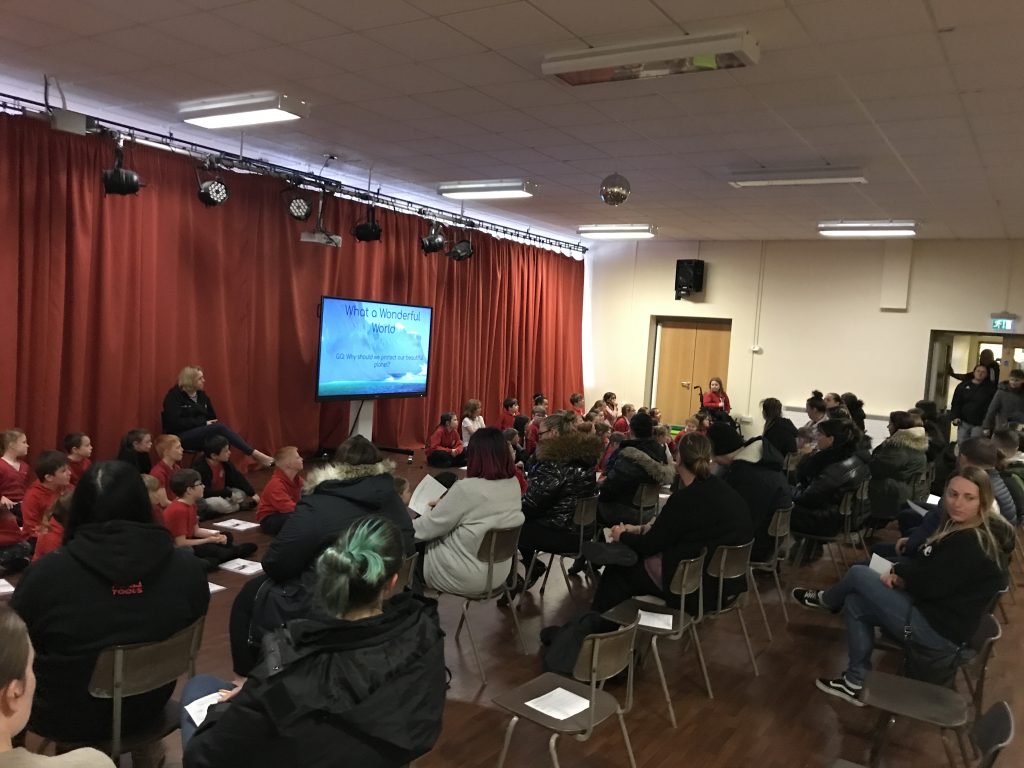
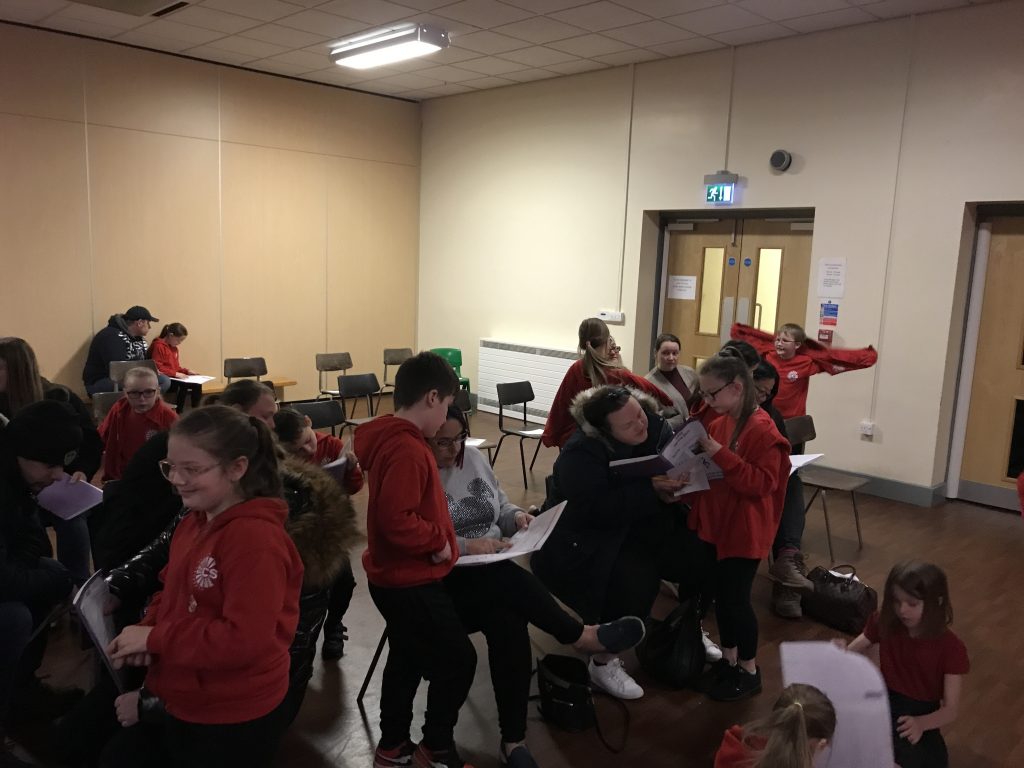
Our SLCs this week have been such a wonderful experience to be part of – all the children have been beaming since presenting to their parents. In crew this morning all the children that had their SLC yesterday said they felt really happy because their parents said they were proud and loved hearing about their learning 🥰 I am so proud too with how you had the confidence despite being nervous and how well you articulated yourselves. Amazing, Crew Mcloughlin!

Make sure you get a well deserved rest this weekend ready to show off your hard work for next week.

YOU CAN DO THIS ⭐️

Special Agents Training

Each week, we will post a series of mission training activities.

There will be rewards for each mission completed.

Good luck agents!

SLC’s in Crew Godley

A massive well done to those children who took part in their SLC’s over the past two evenings. Miss McBride and I have been blown away by your presentations. You really did showcase yourselves in the best possible light, with such confidence, at such a young age. I am so proud of how you all and it was lovely to hear you all speak about yourself so and your expeditionary learning. I can’t wait to listen to more tomorrow!