
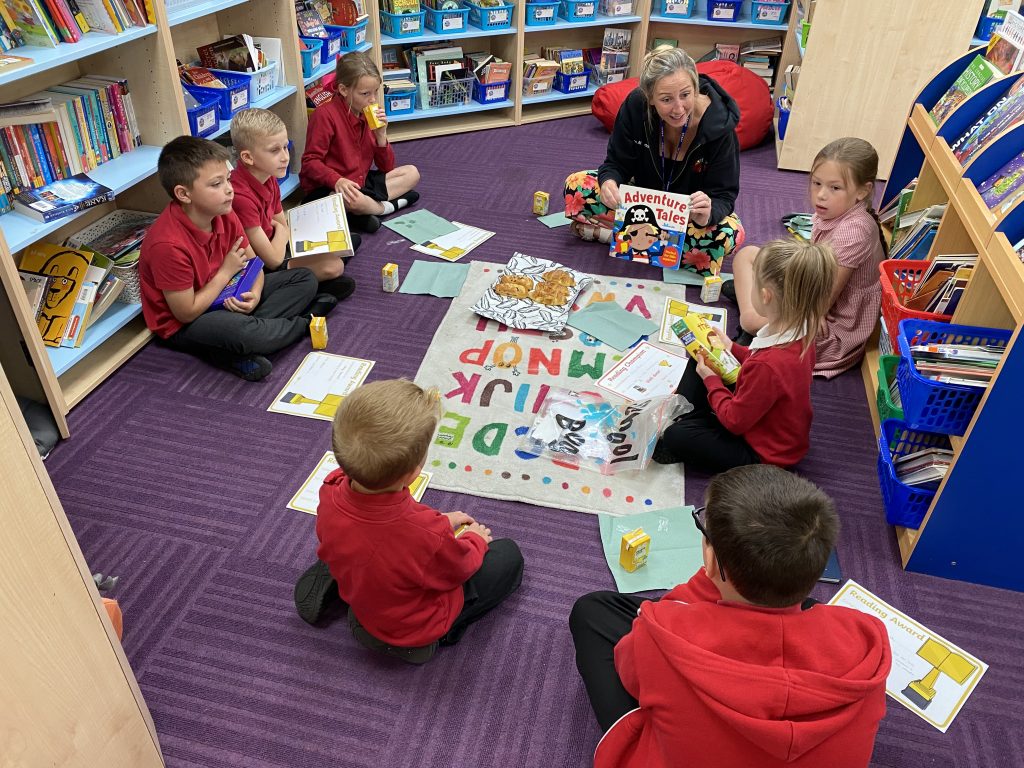
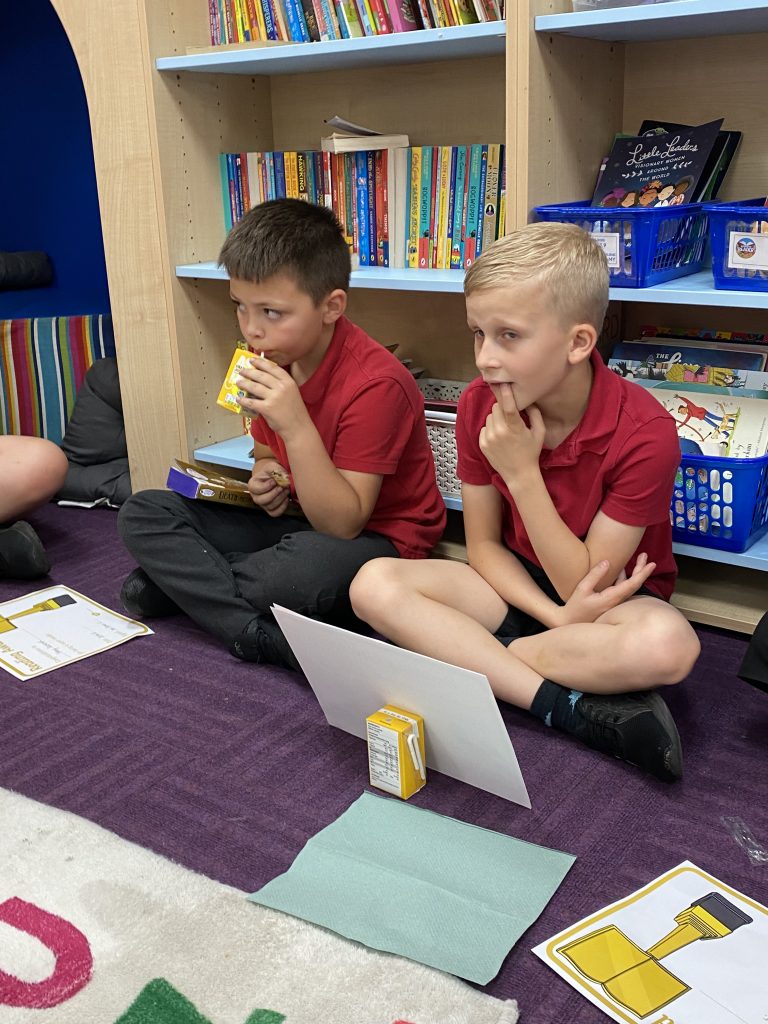
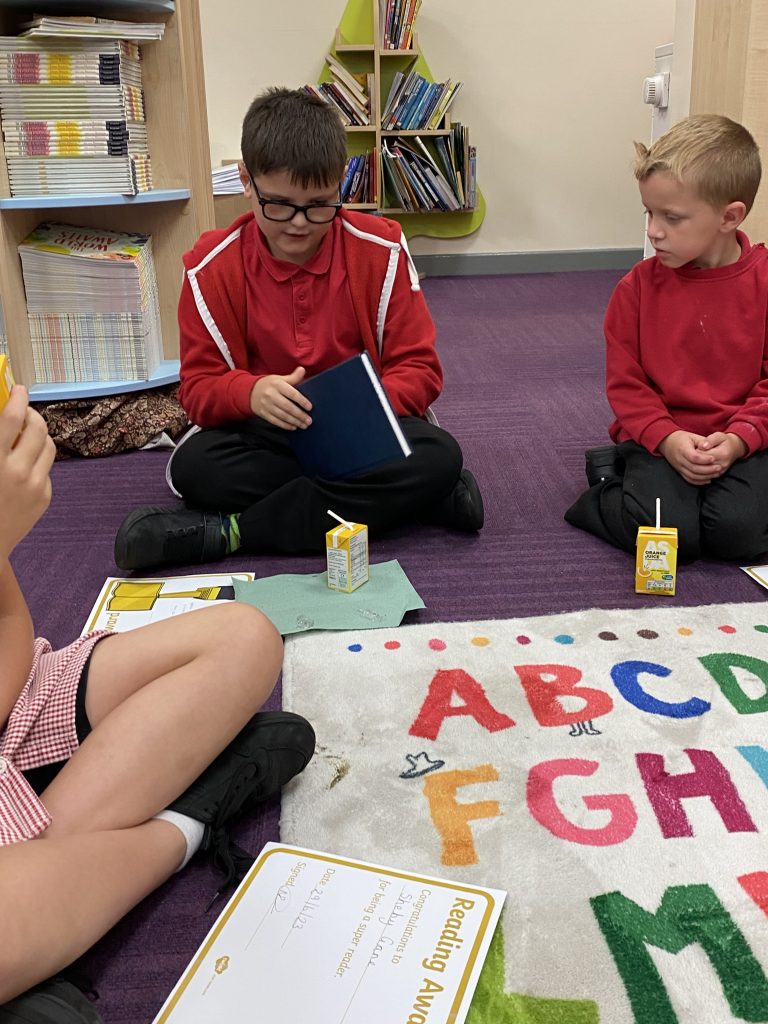
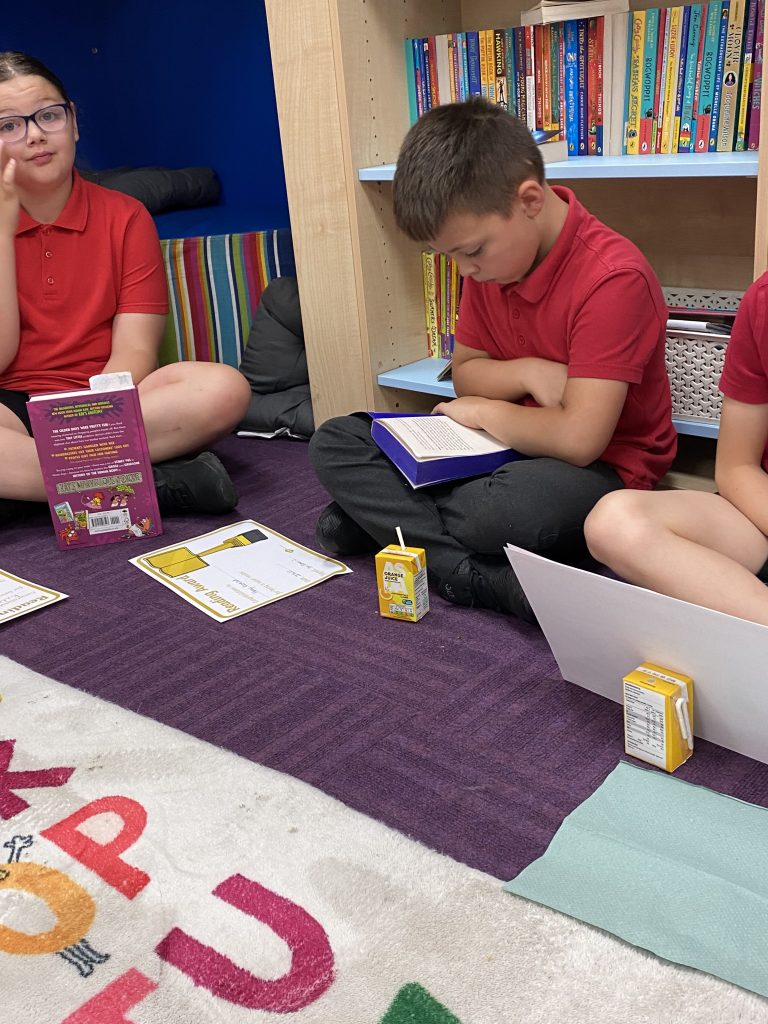
It was a lovely relaxed start to the afternoon for Crew Shields as we spent some time in the. Library. What could be better than reading and a biscuit.
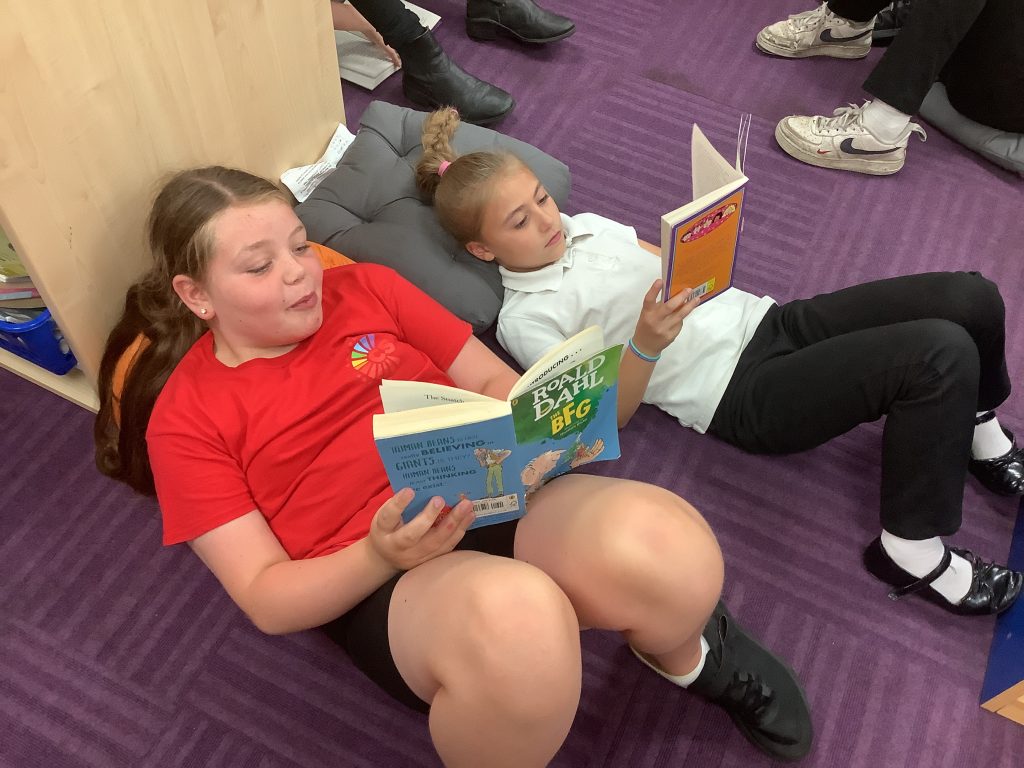
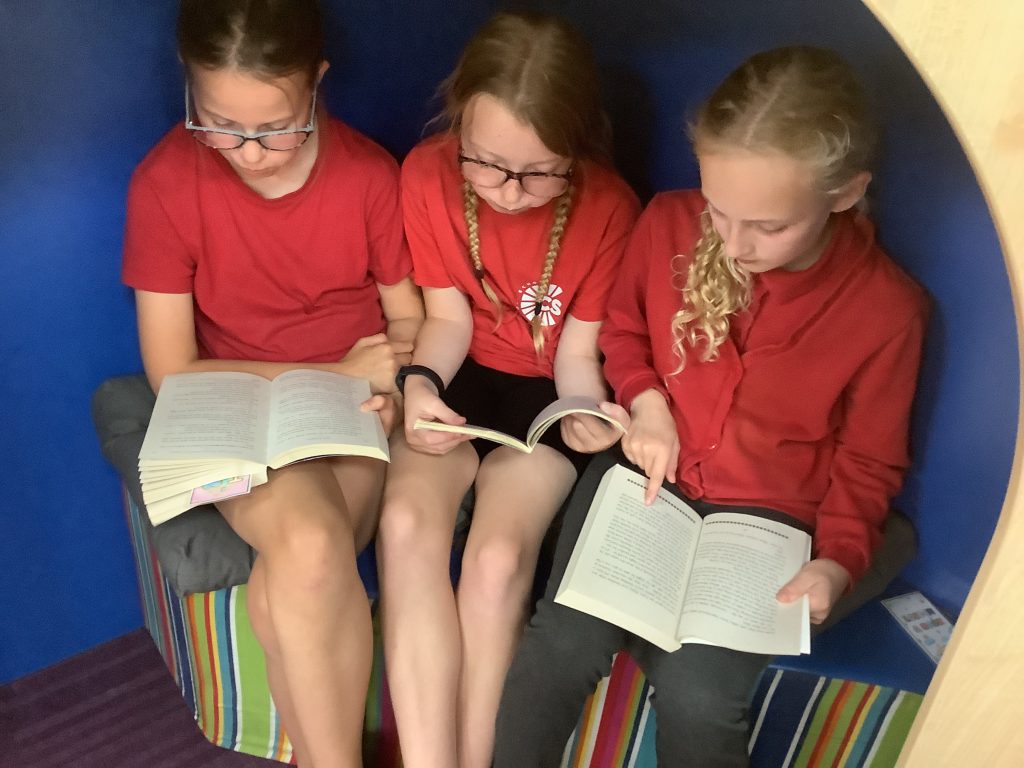
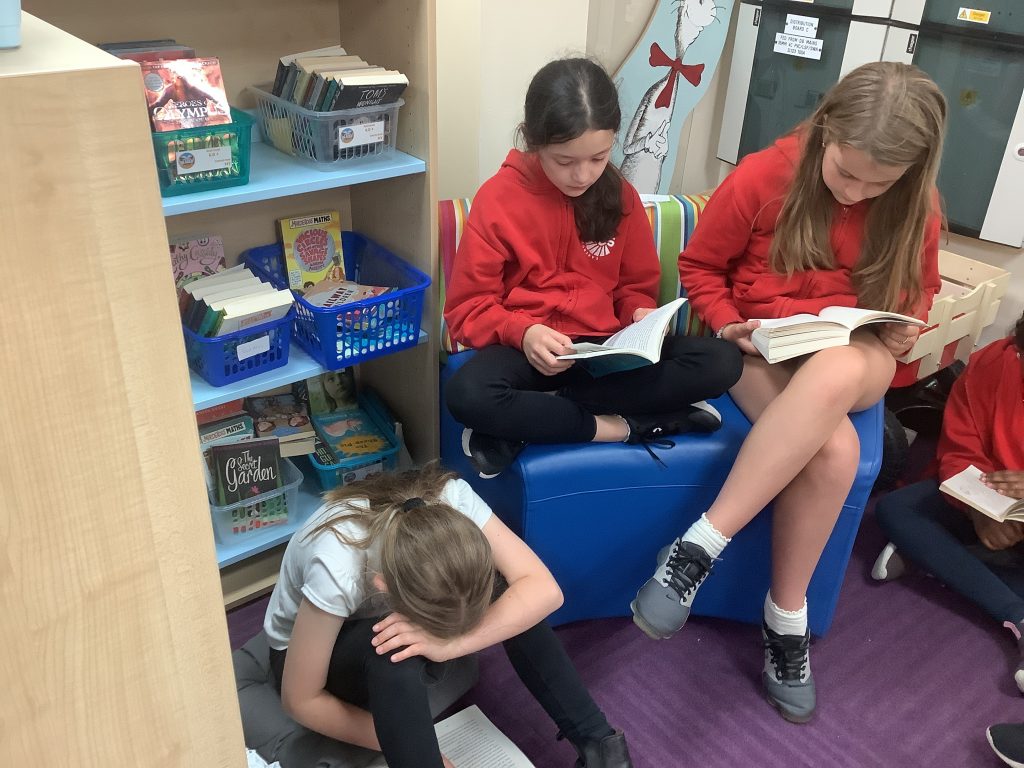
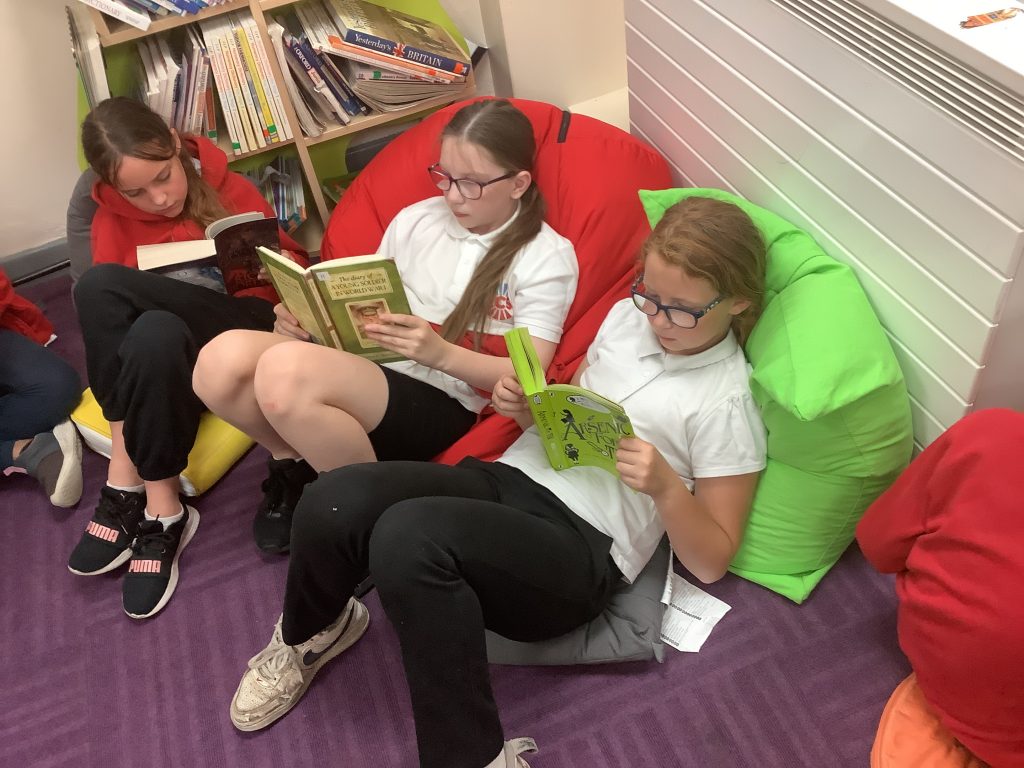
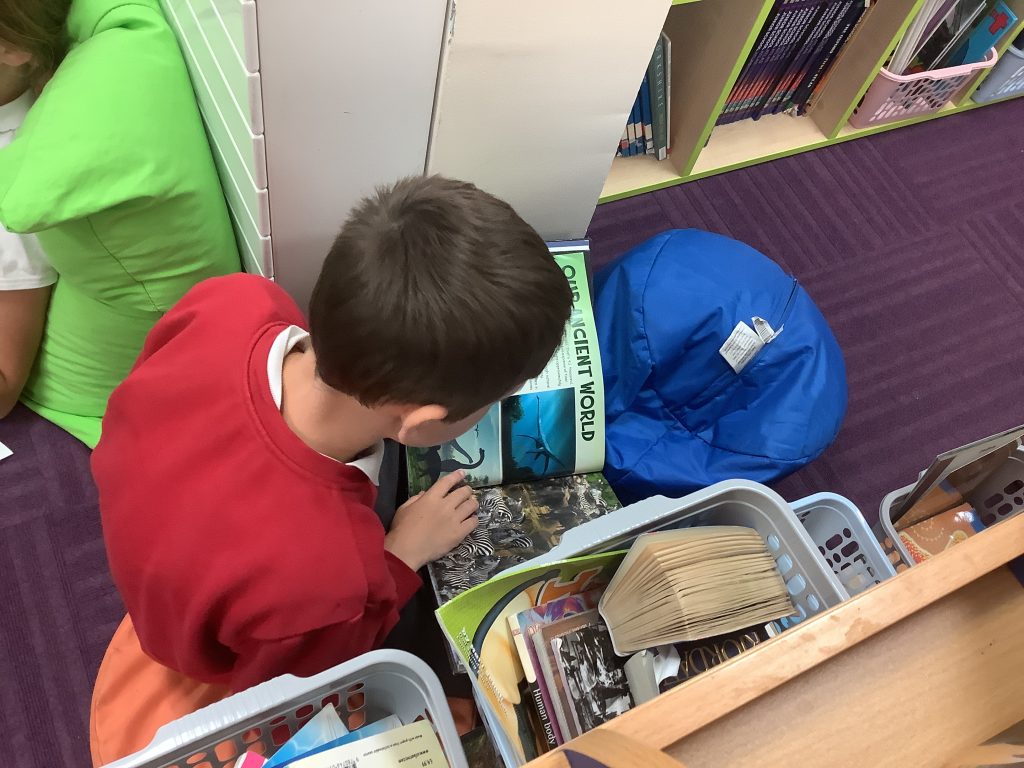
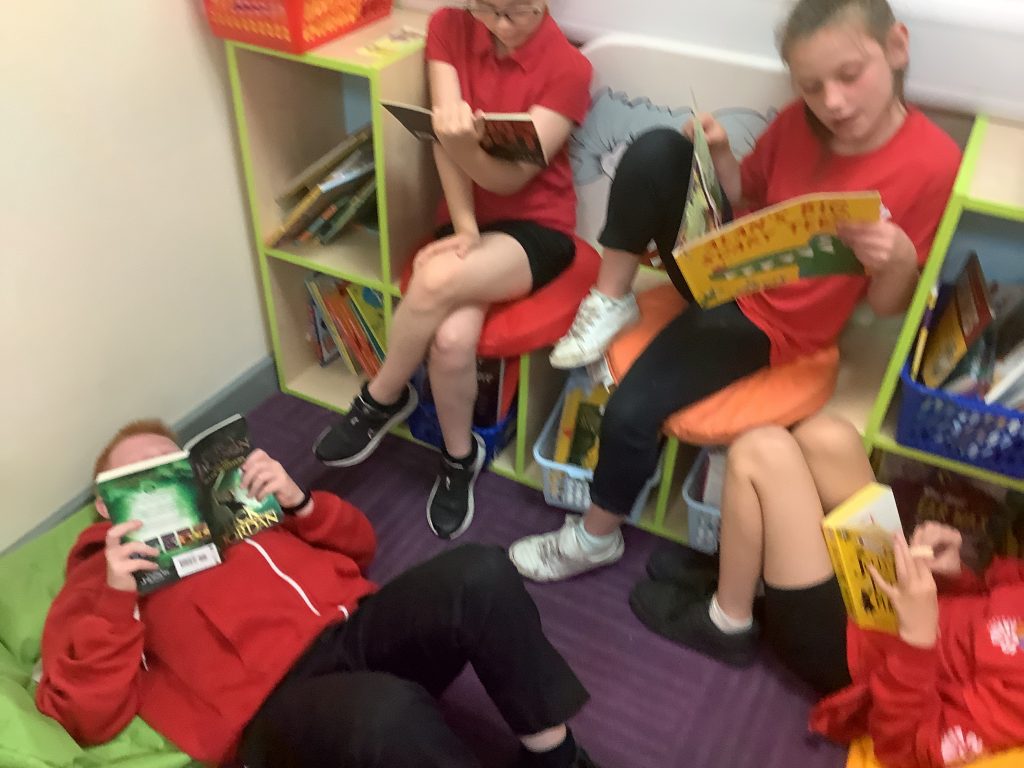
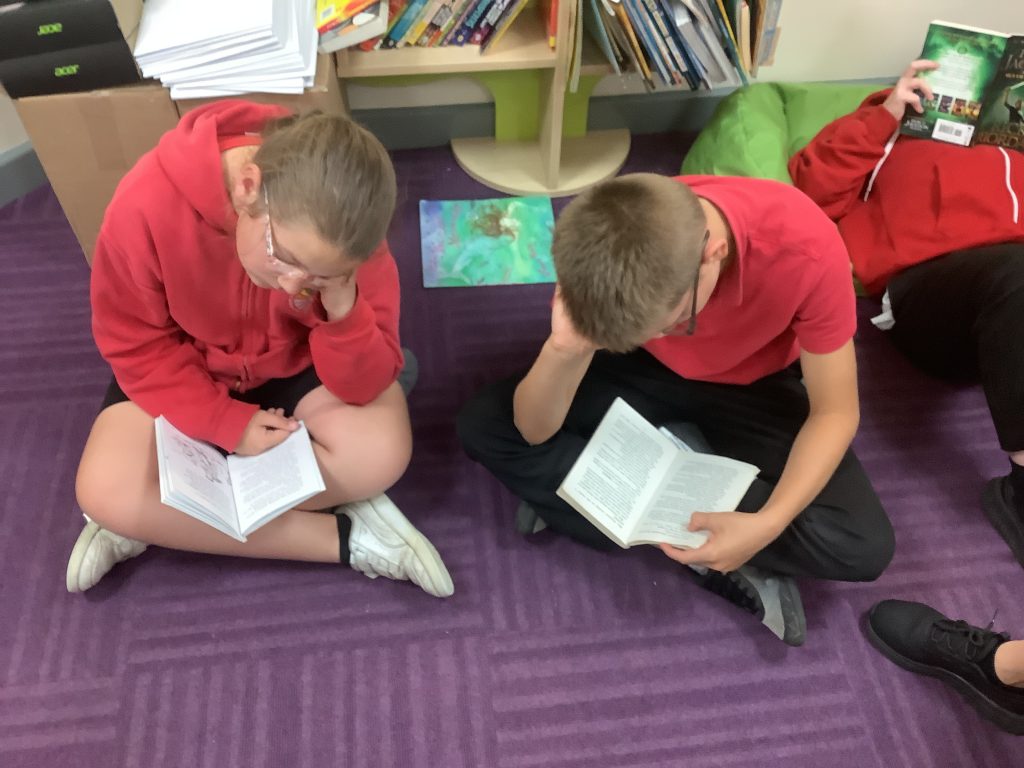



It was a lovely relaxed start to the afternoon for Crew Shields as we spent some time in the. Library. What could be better than reading and a biscuit.
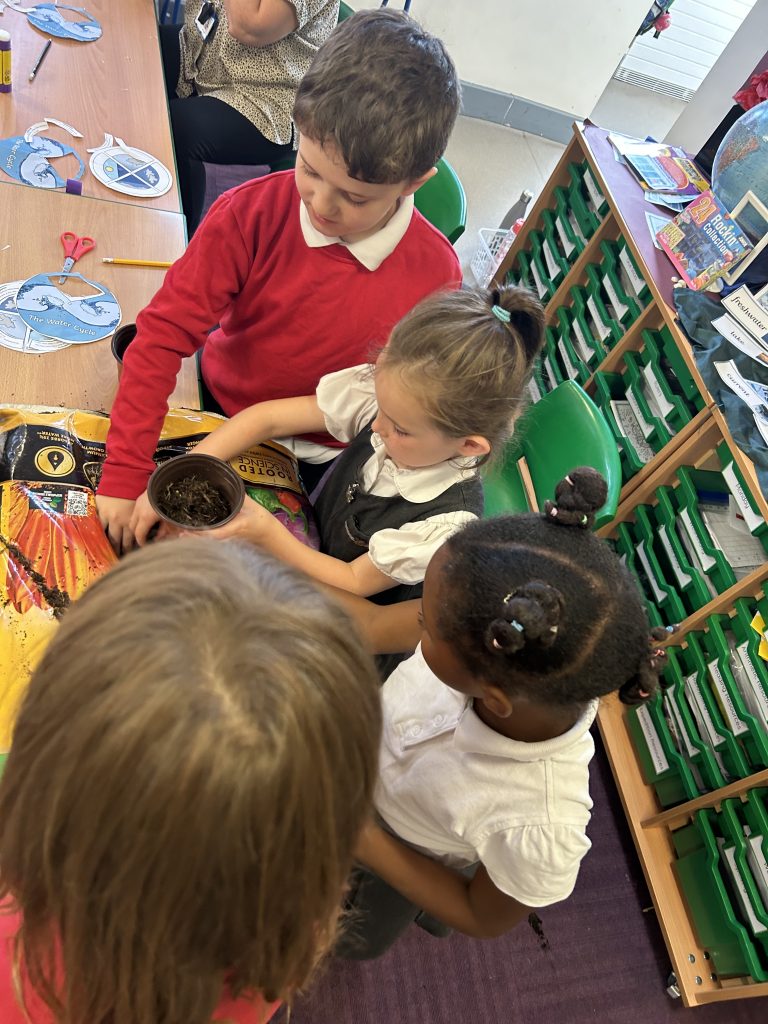
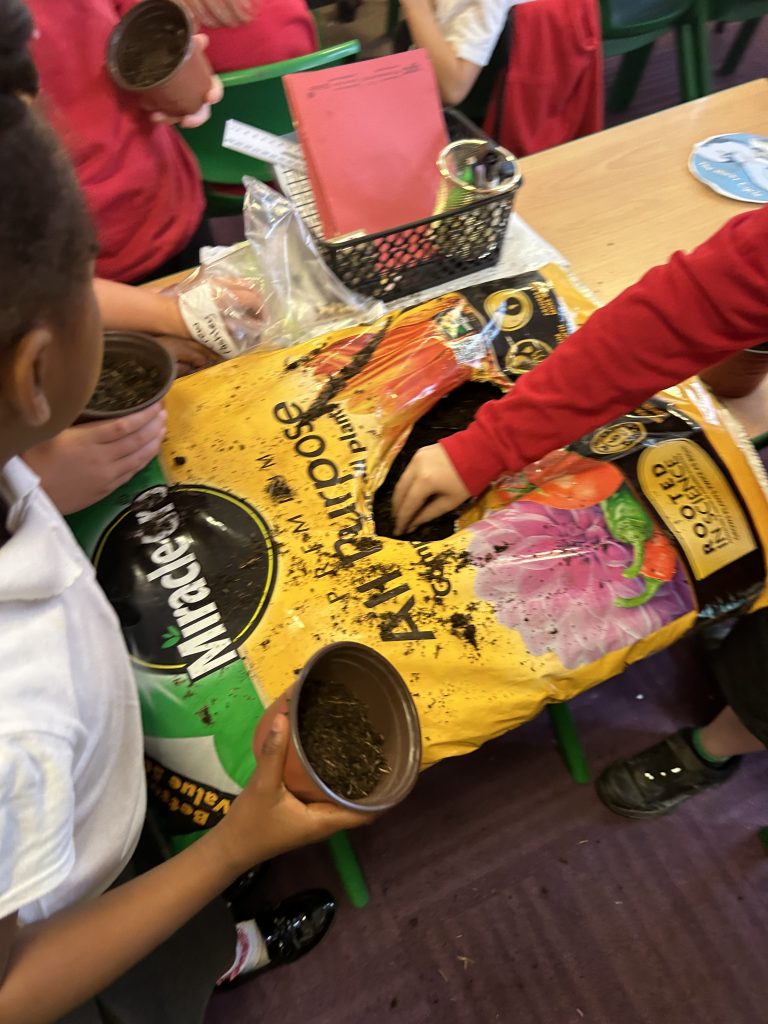
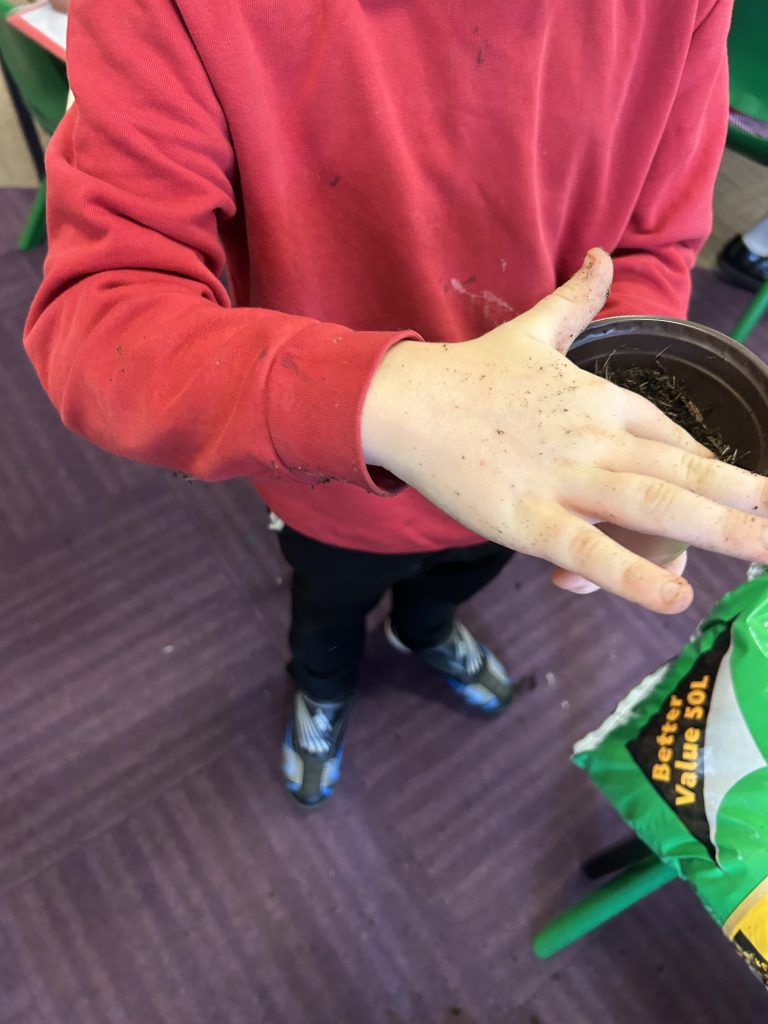
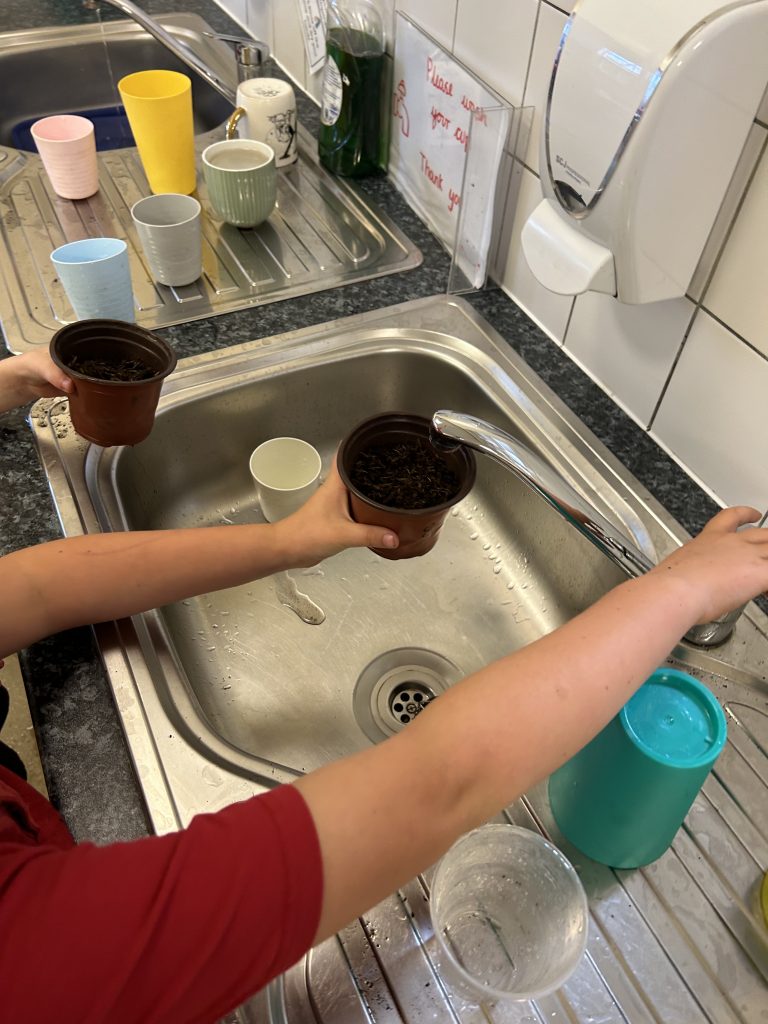
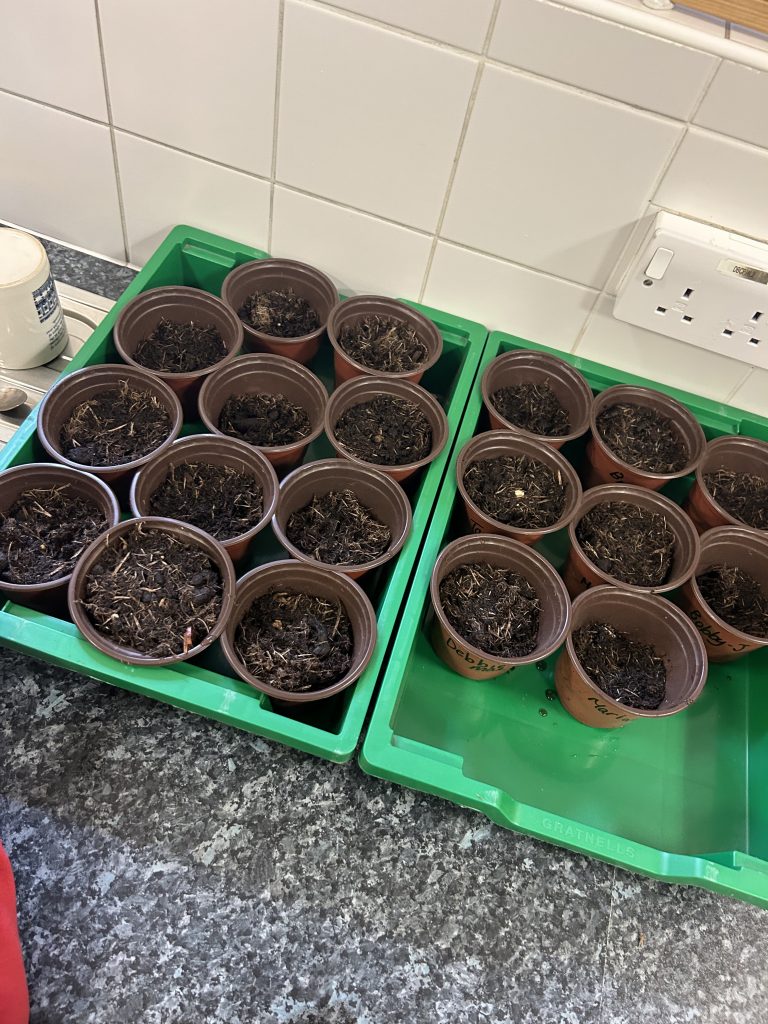
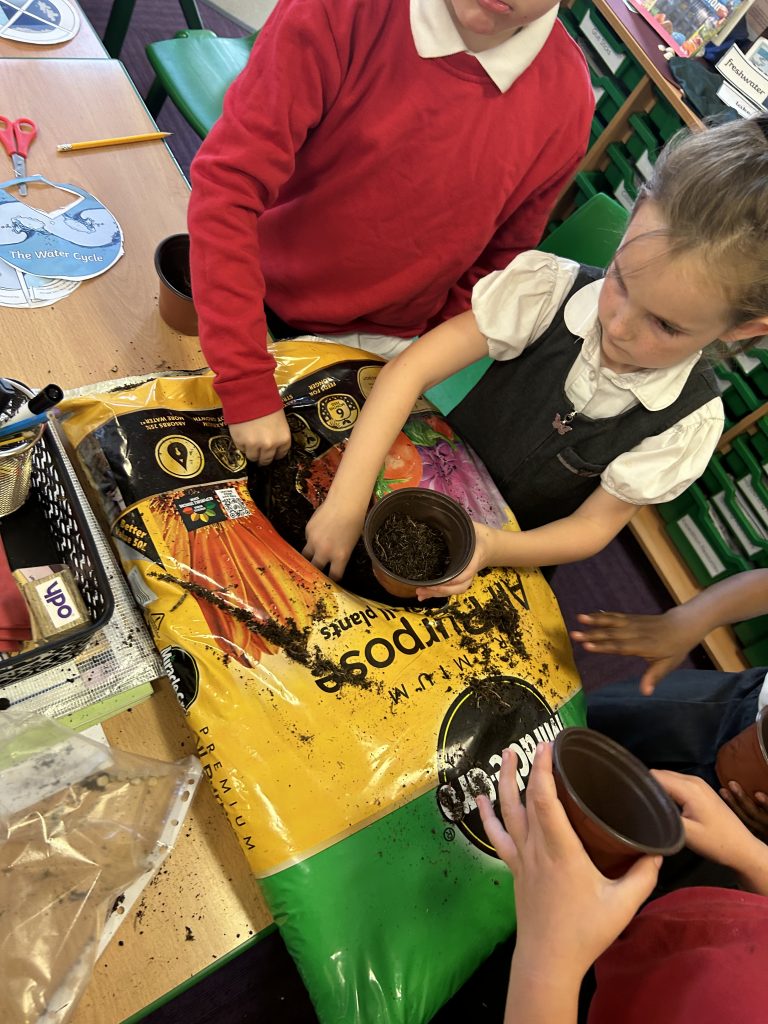
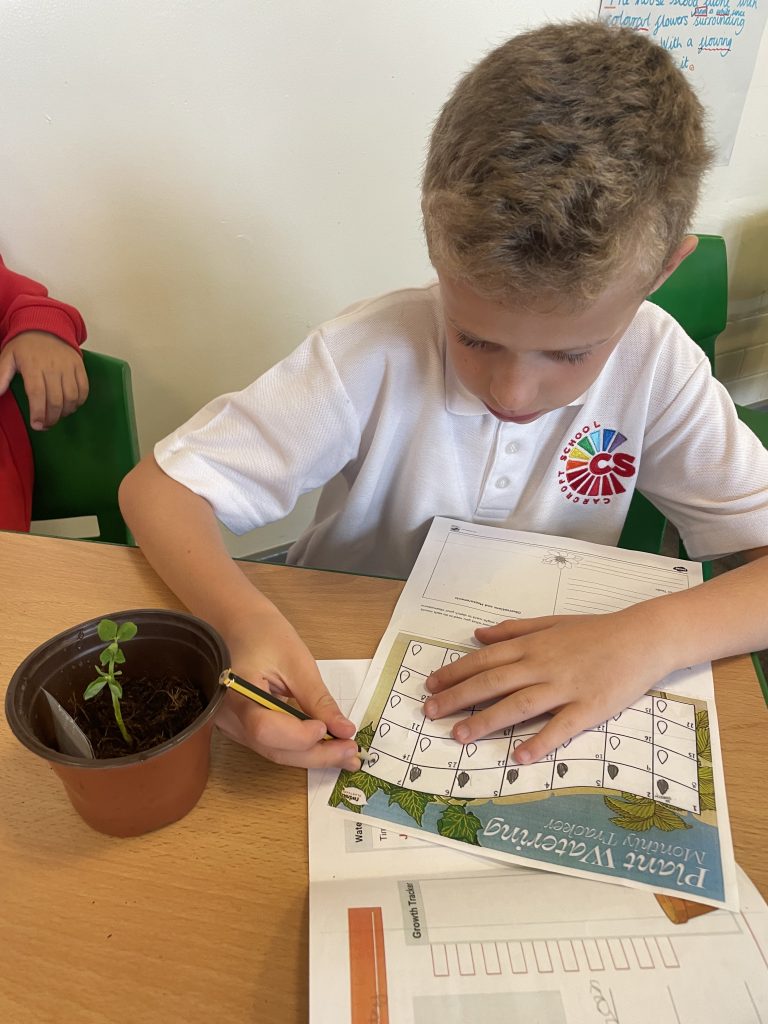
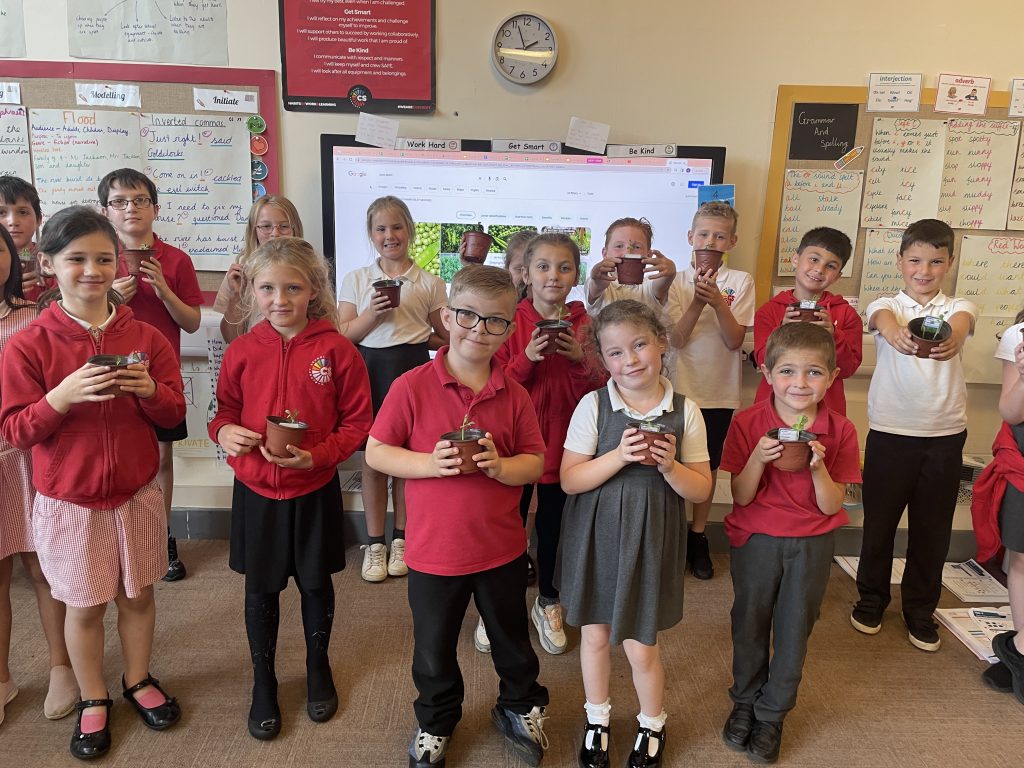
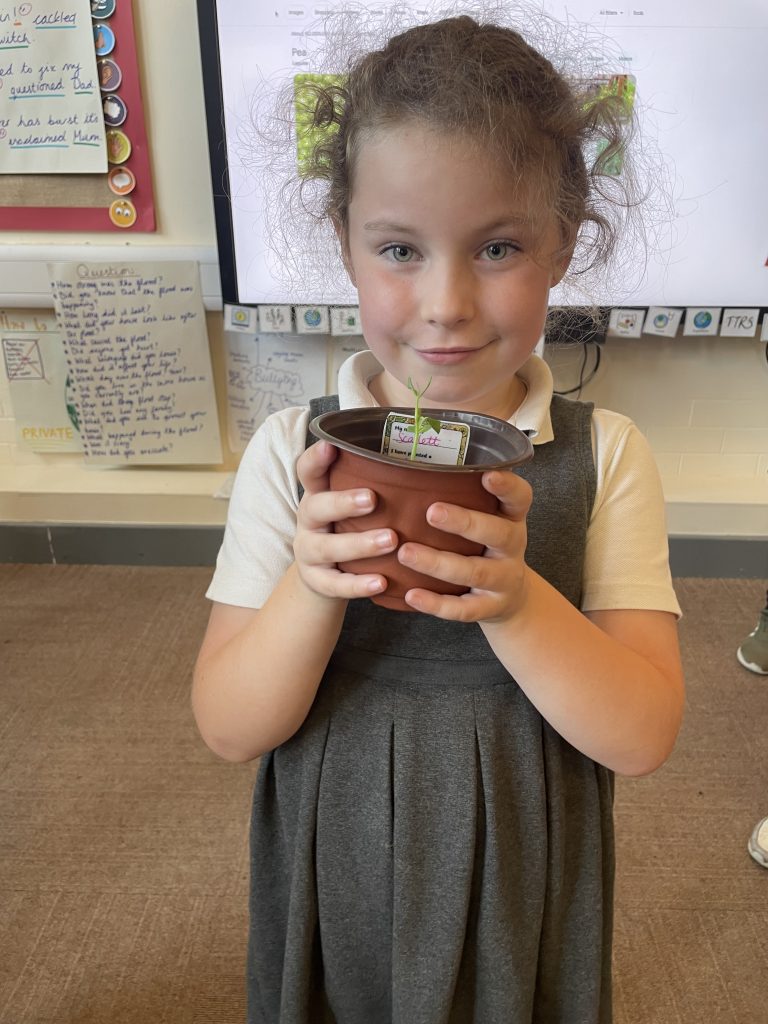
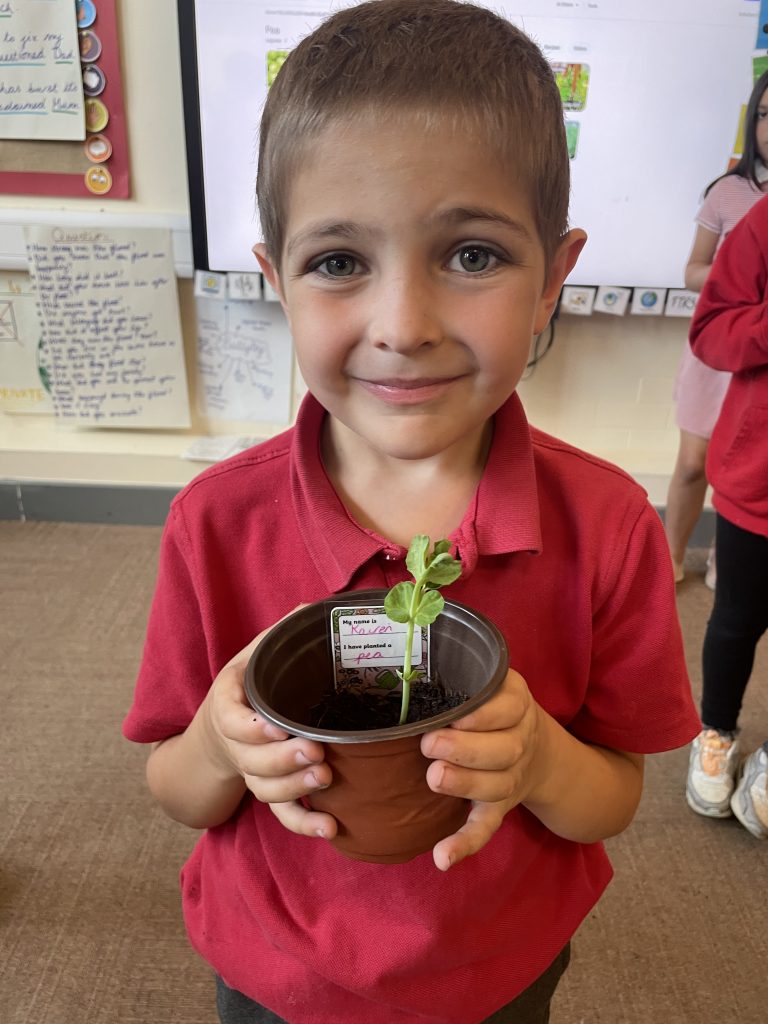
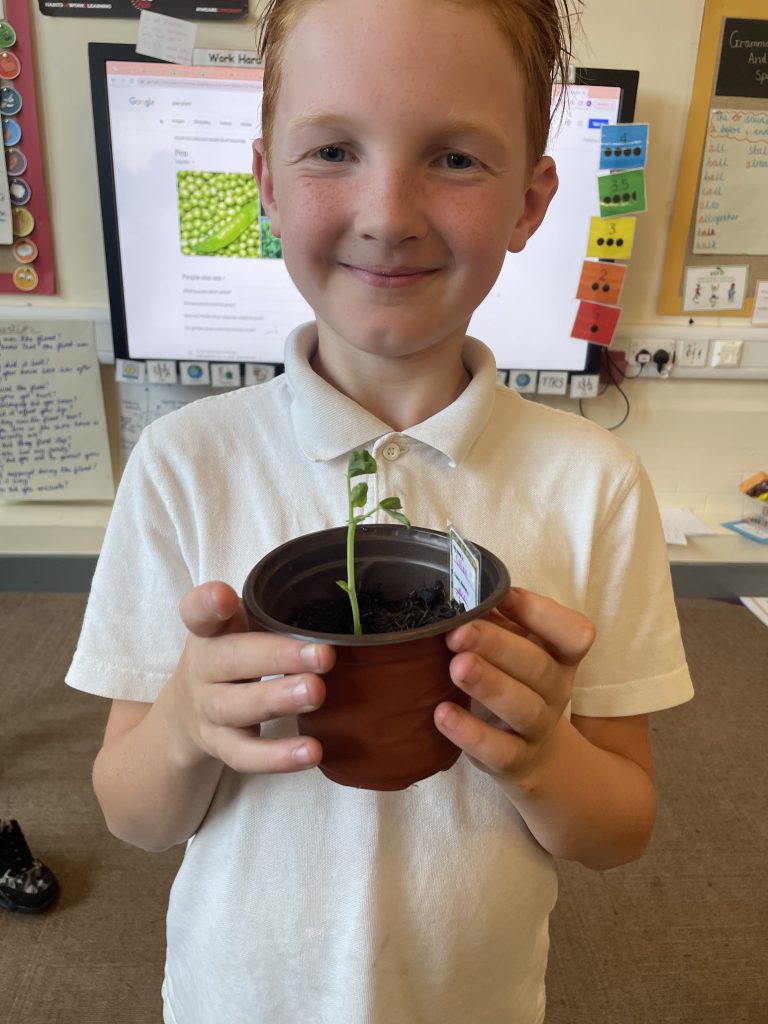
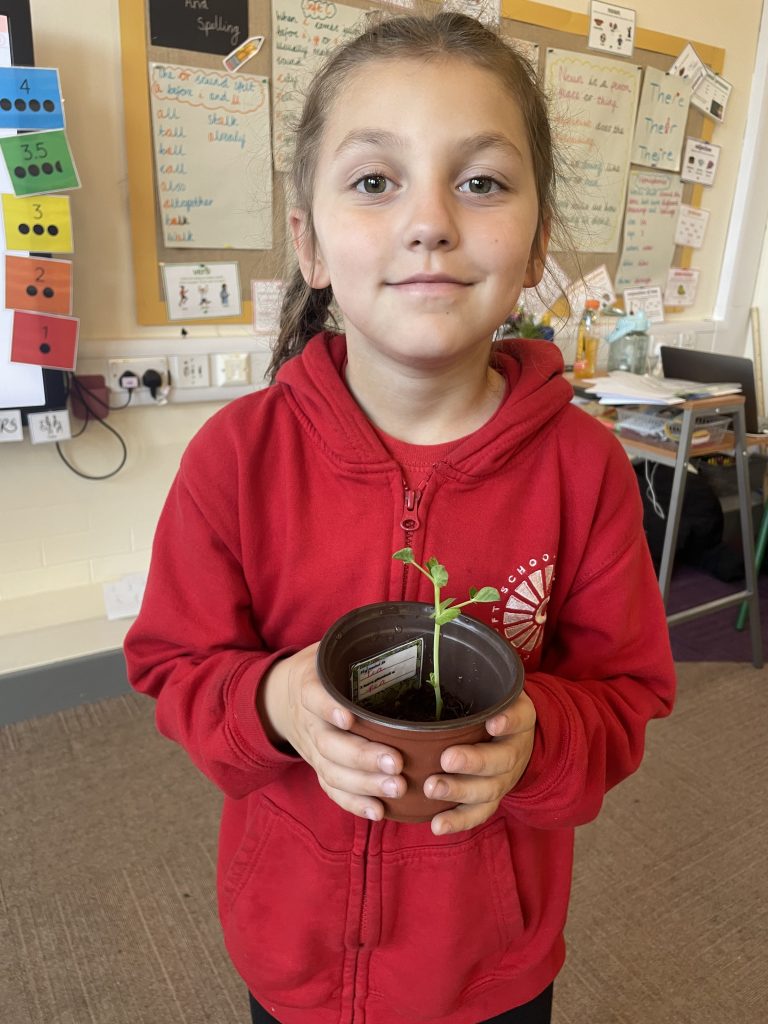
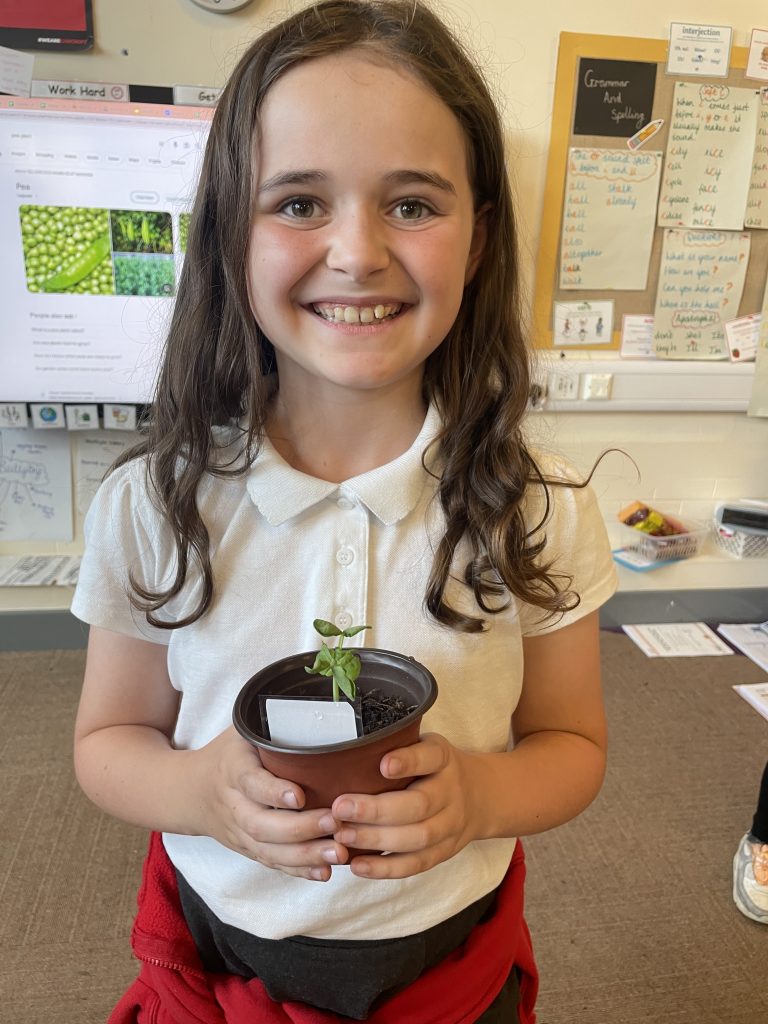
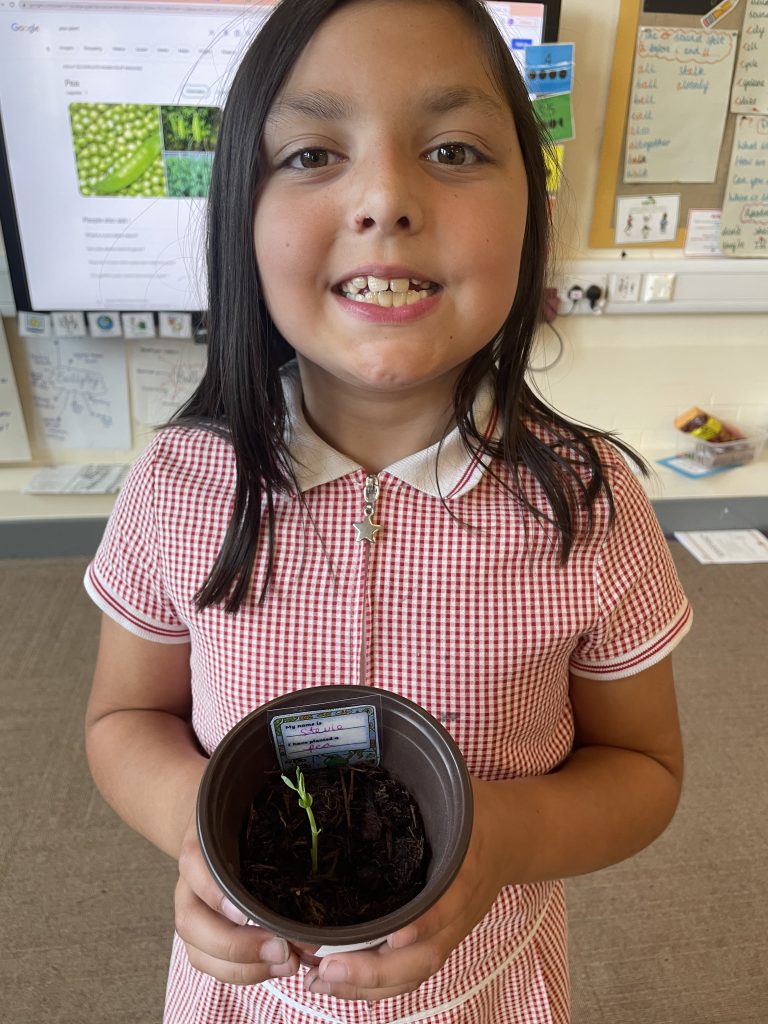
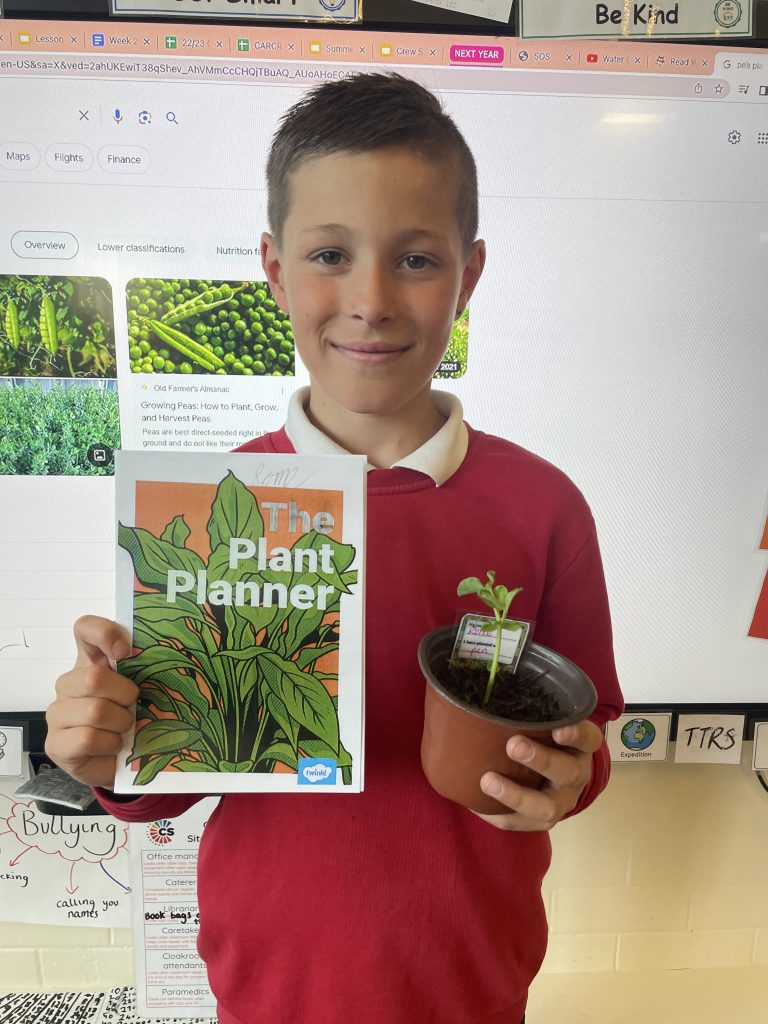
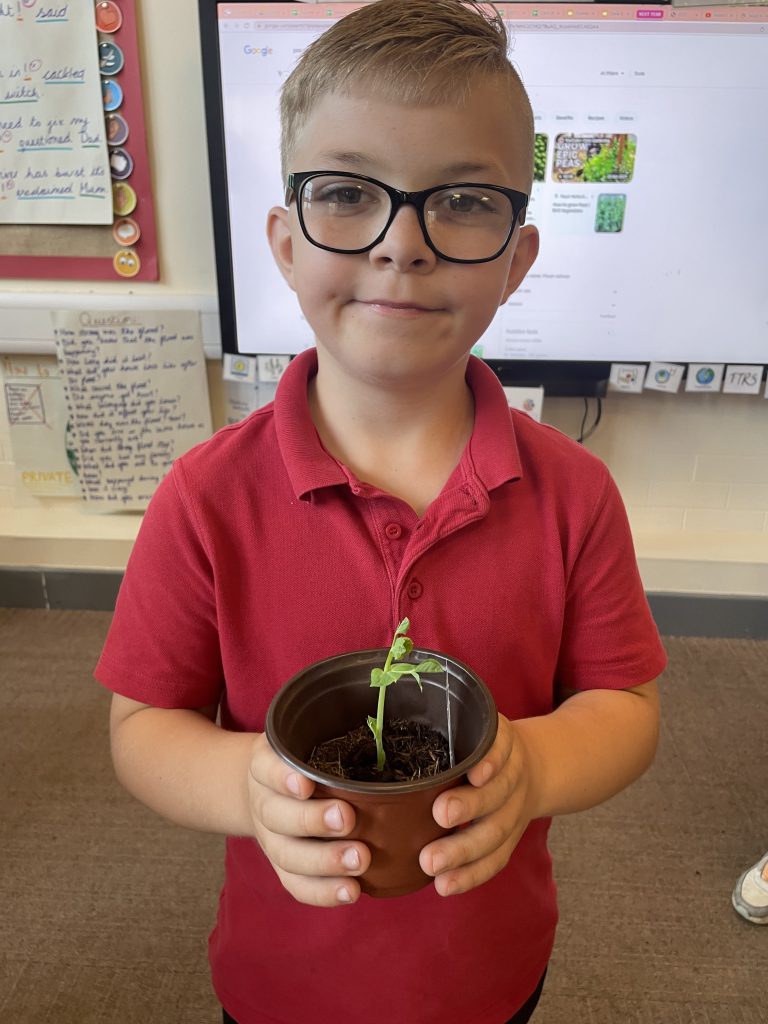
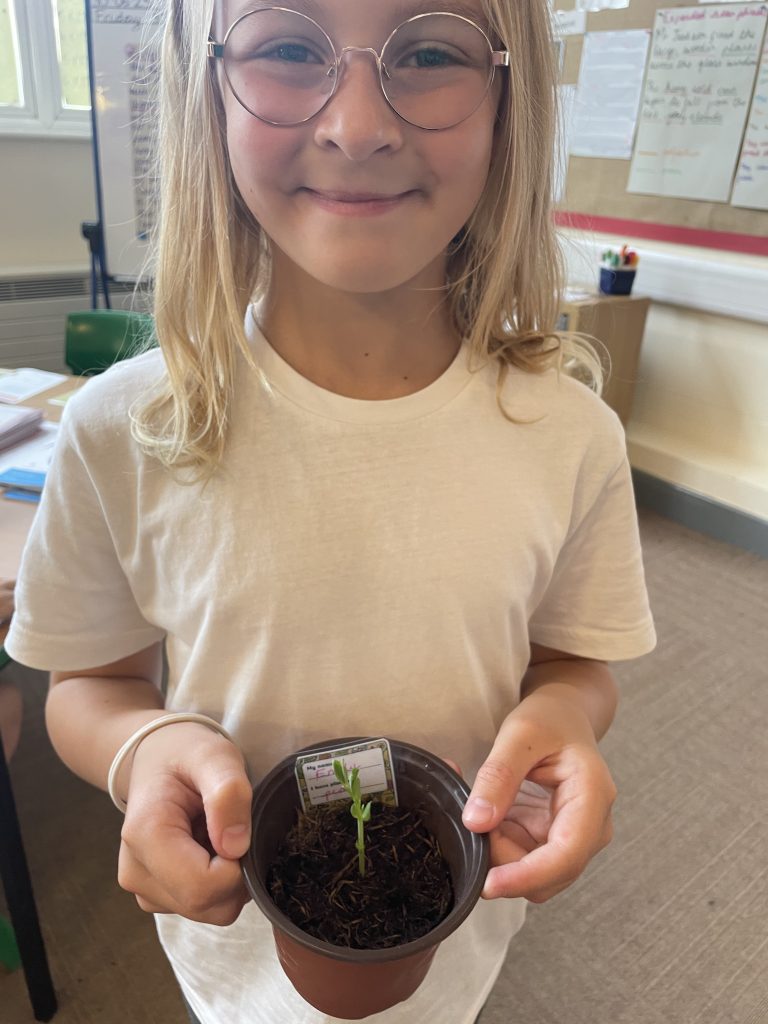
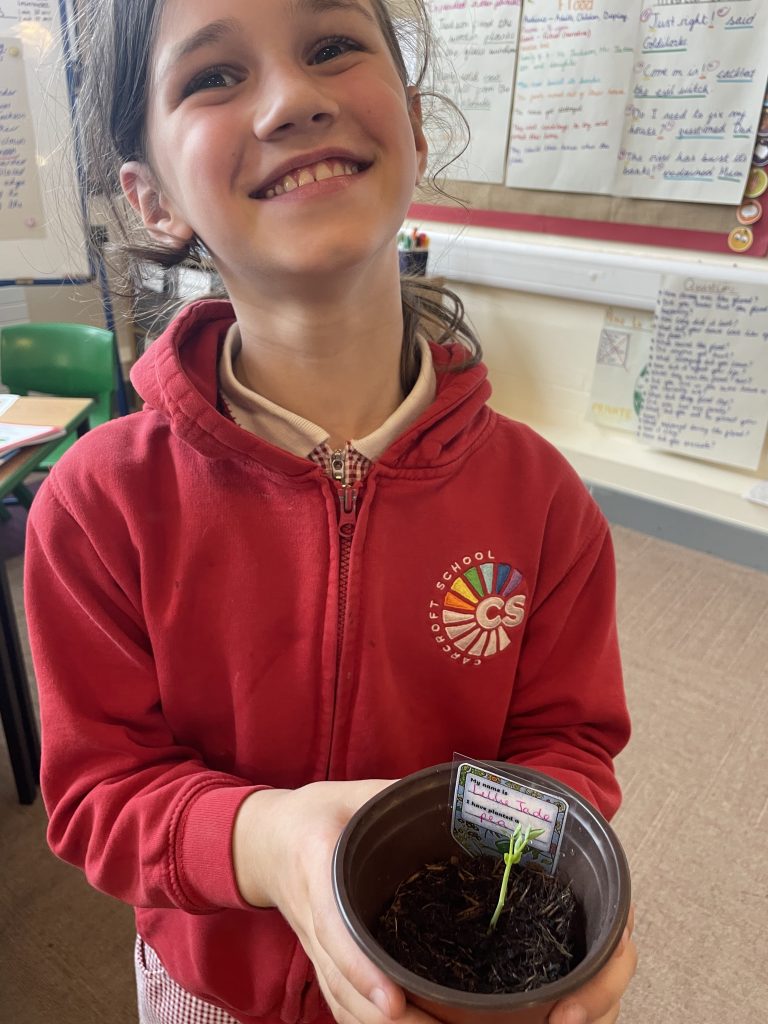
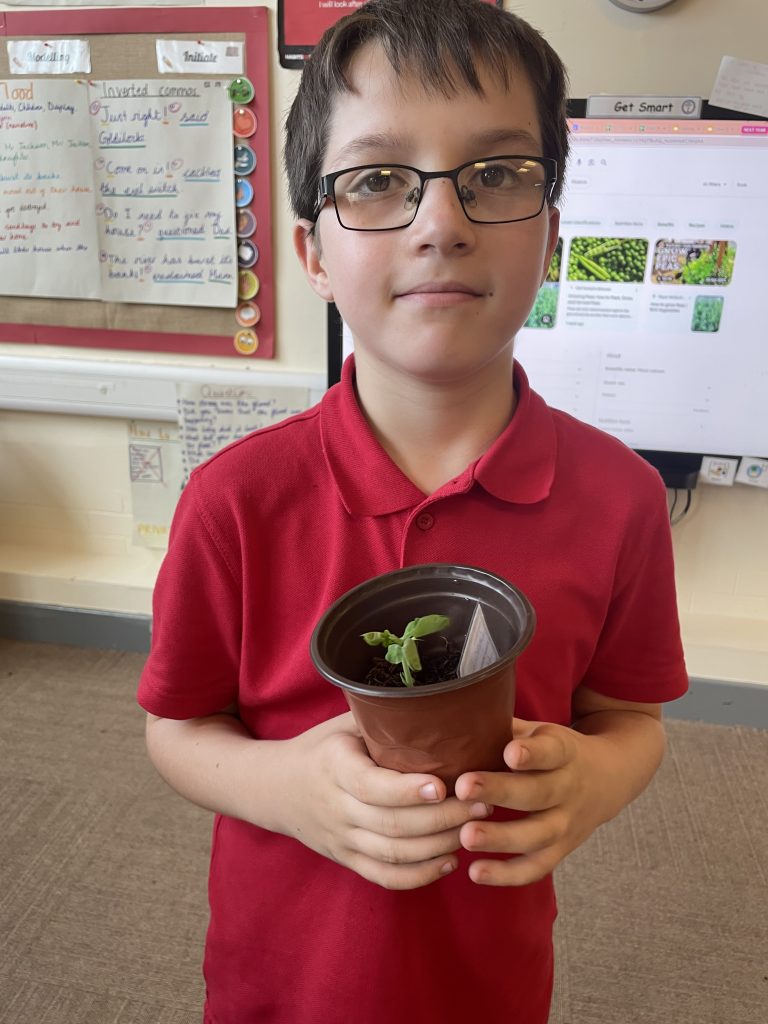
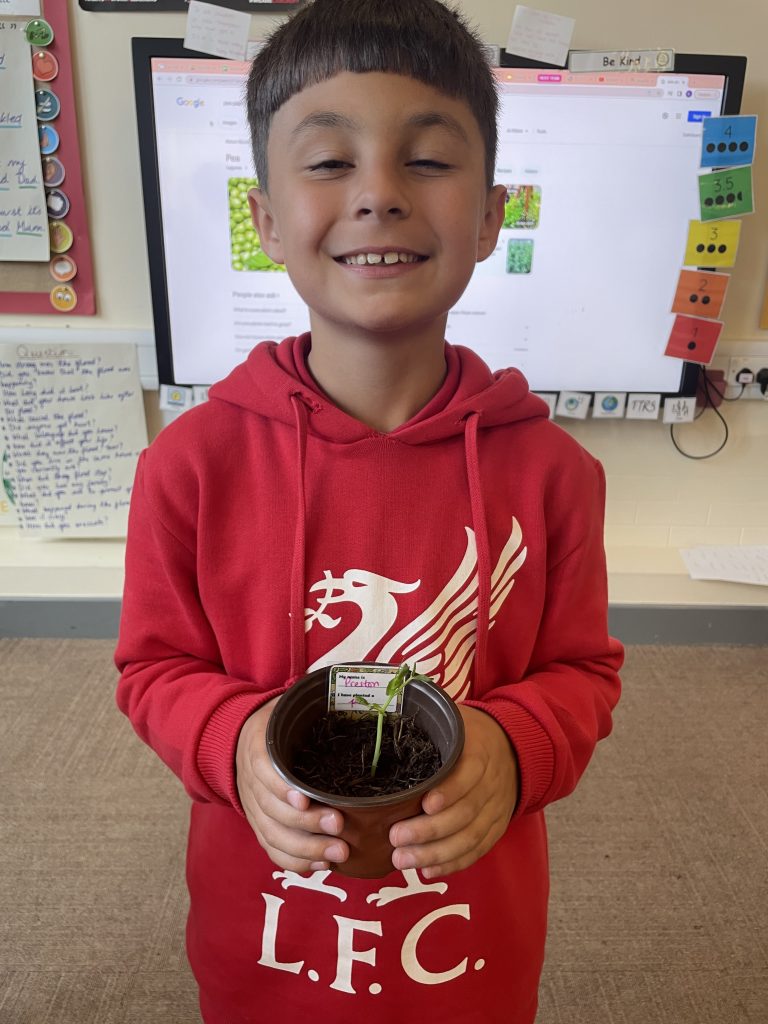
Today, we finished planting our pea seeds in our pots, including setting up our plant diaries to keep track of their progress. We used what we learnt during the Spring term about planting seeds to make sure they were planted properly, so they could grow. We discussed the best place in the classroom to get the most sunlight.


Today we continued our learning around Christianity. We listened to a range music and discussed how and why they use music in worship. We listened for similarities and differences between them. Finally, we thought about what songs were special to us and what emotions they made us feel.

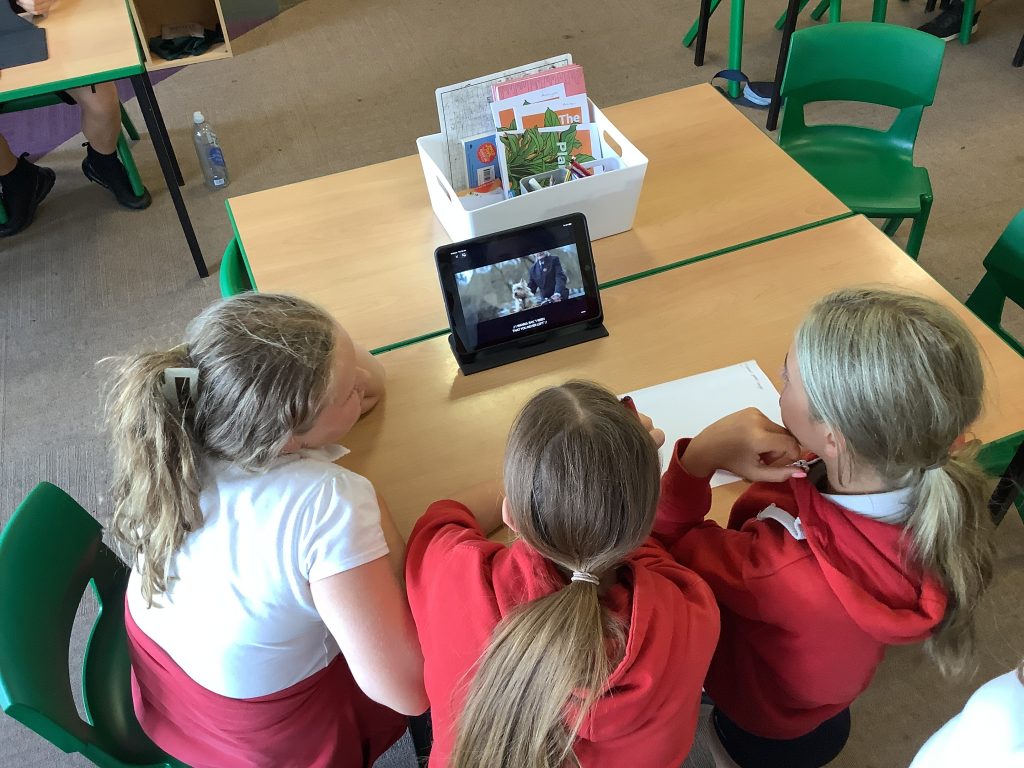
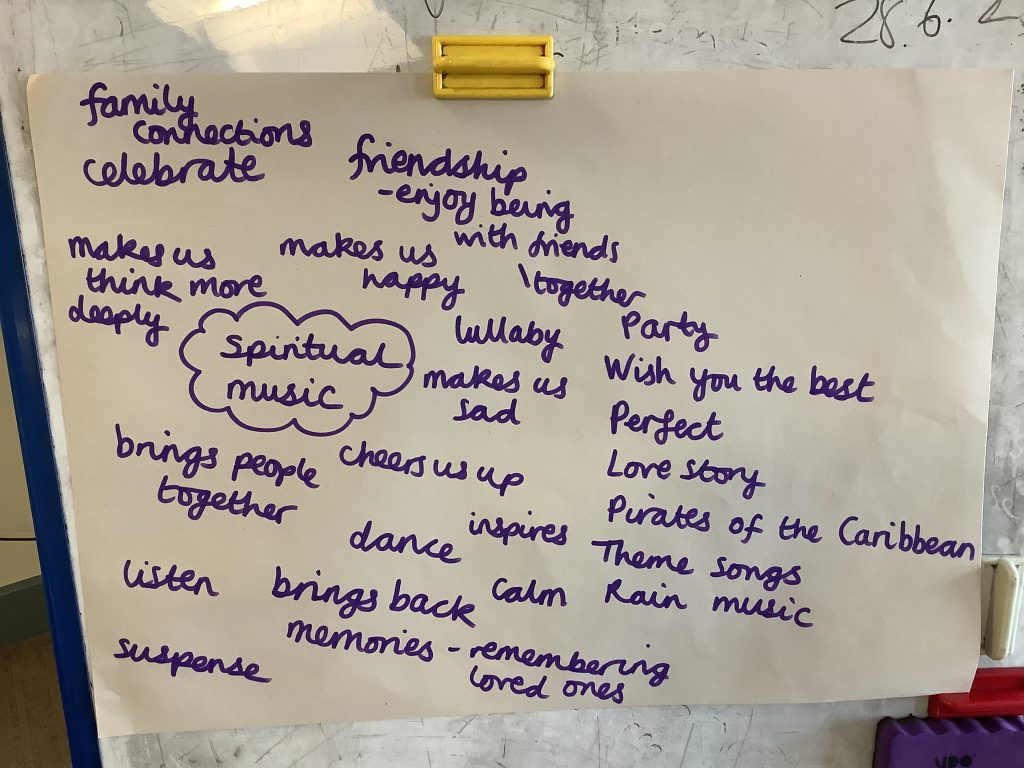
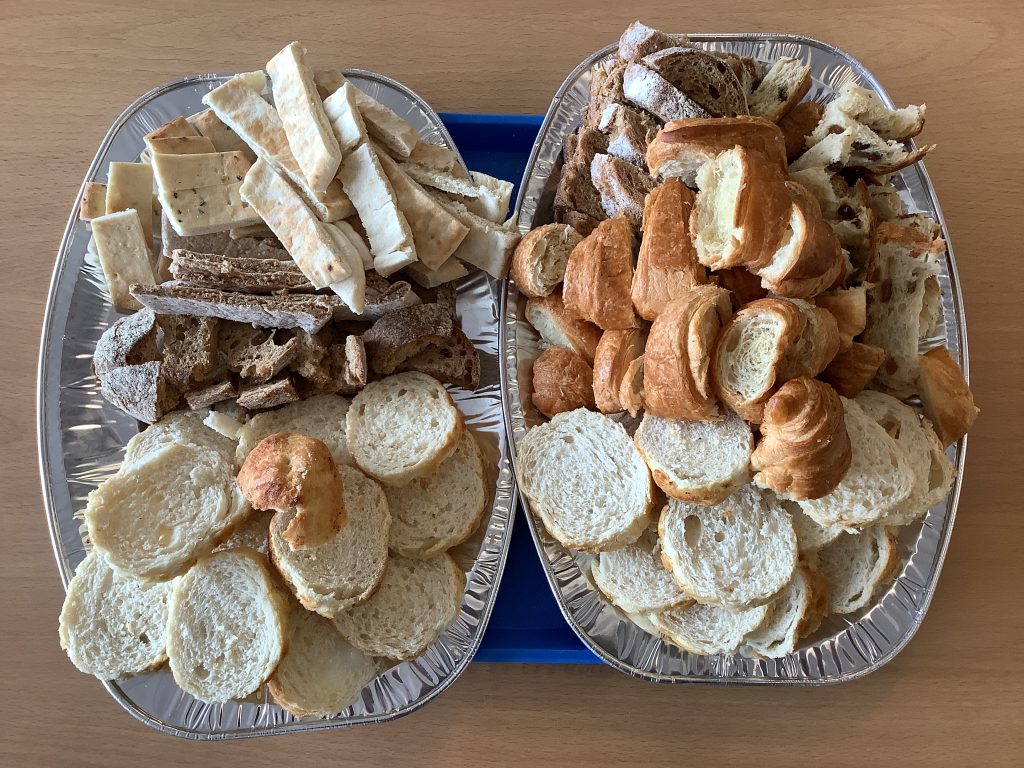


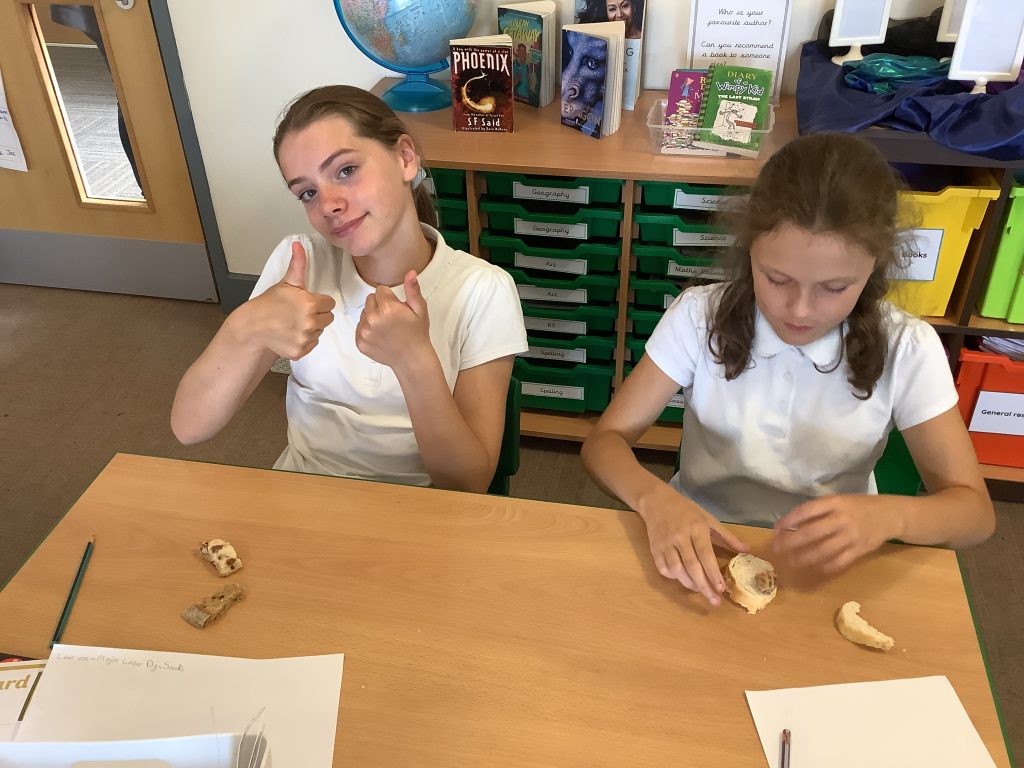
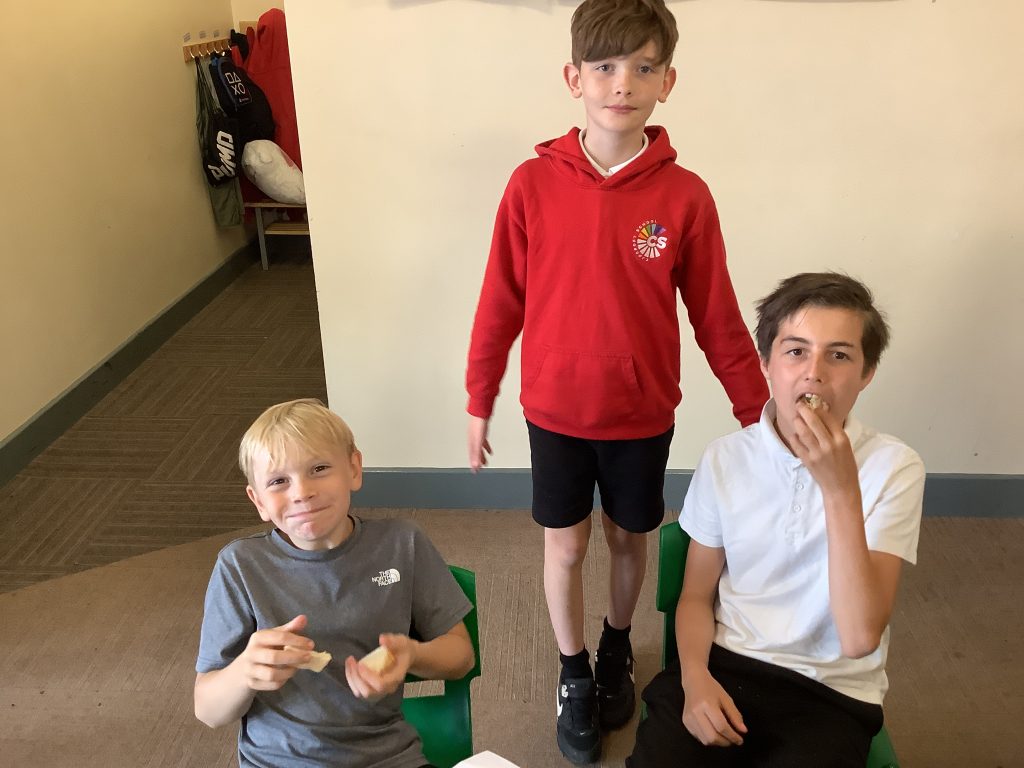

We also enjoyed tasting bread and learning about the Holy Communion.
We have been watering our pea plants every other day for the last week and we are so surprised by how fast they have grown. Today, we watered our plants and filled out our plant planner.
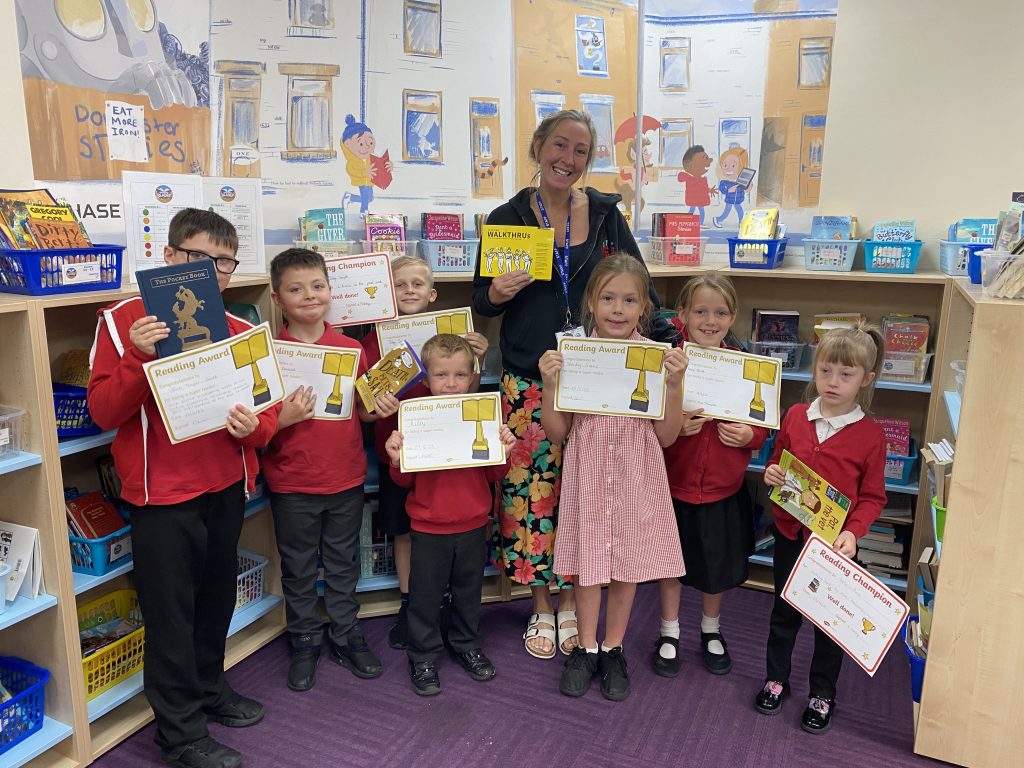
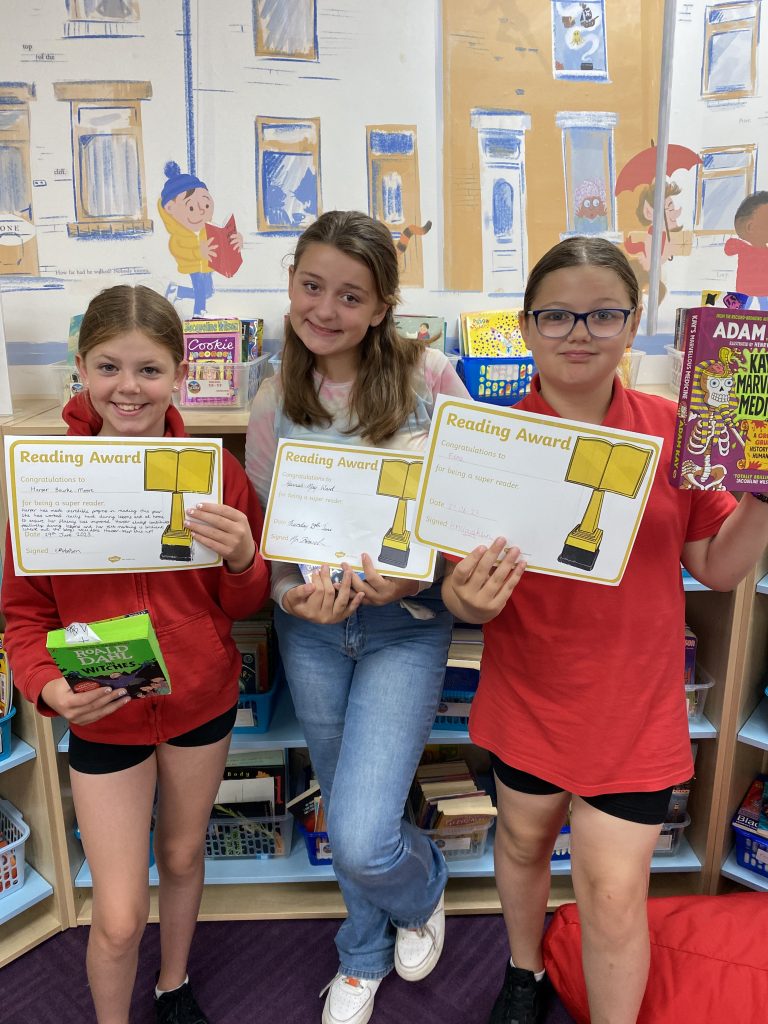
I love meeting with our weekly Reading Stars ⭐️
We spoke about our favourite books and what we were reading at the minute. I shared with the children that I was reading a book about schools and how to make our school even better. We talked about the reasons for reading and the children shared that you can read for enjoyment or to learn new facts. It was such a lovely time.
Wonderful to see our students @XPtrust @XPEastSchool @XPschool taking part in the @ukEdge #DeeperLearning conference today @DoncasterRaces – what a great view from the Royal Box! With @clairabelle5 @SprakesA & @gwynap pic.twitter.com/2sbu9lrCtz
— Melanie Hewitt FRSA (@MelanieHewitt61) June 22, 2023
Just back from attending an @ELeducation institute in Boston on cultivating high quality work. So many take aways from the institute and from around Boston. Very much looking forward to sharing all that we have learned with @XPtrust pic.twitter.com/4f6qusysSD
— Laura Parsons (@lauraparsons700) June 25, 2023

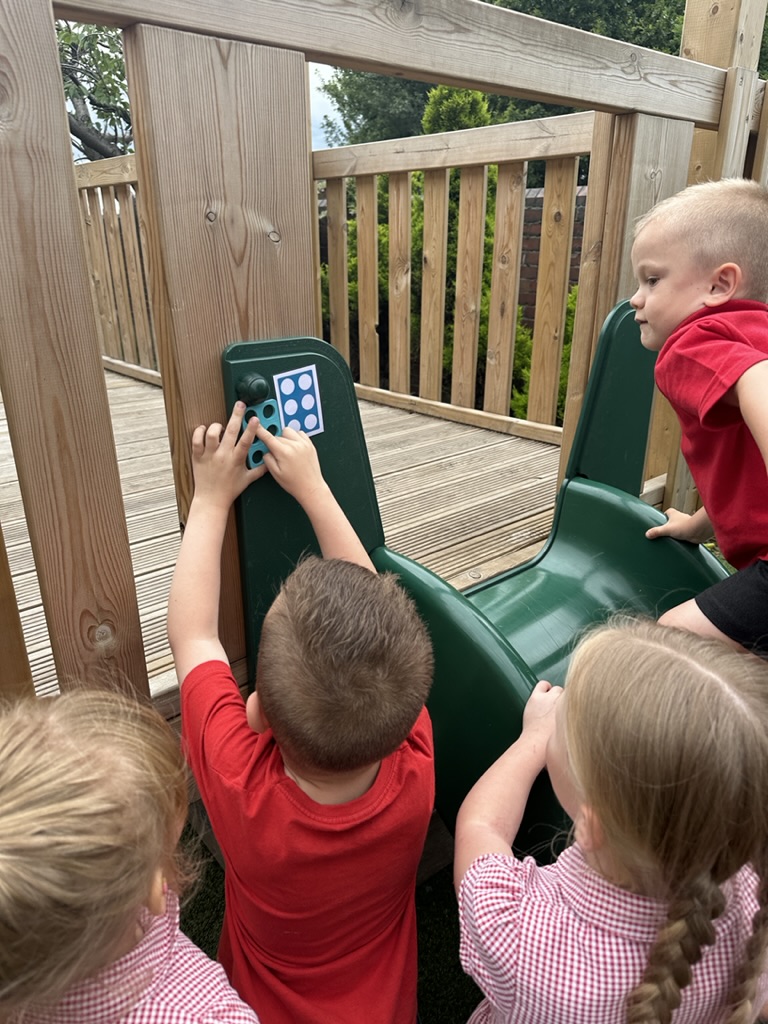
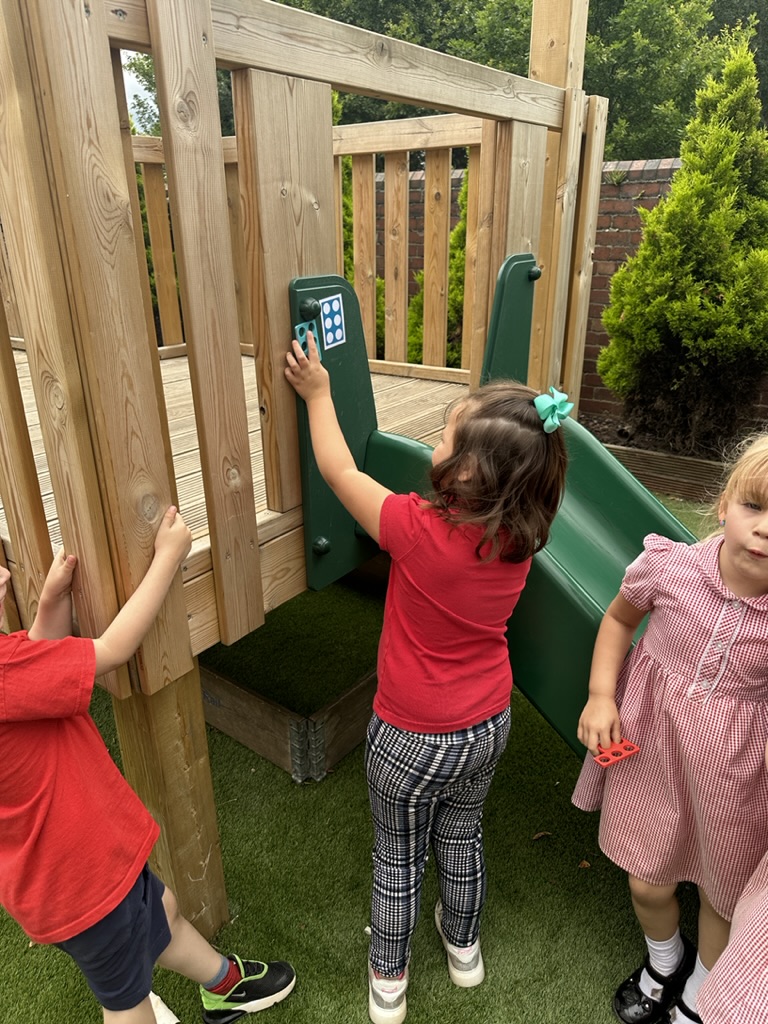
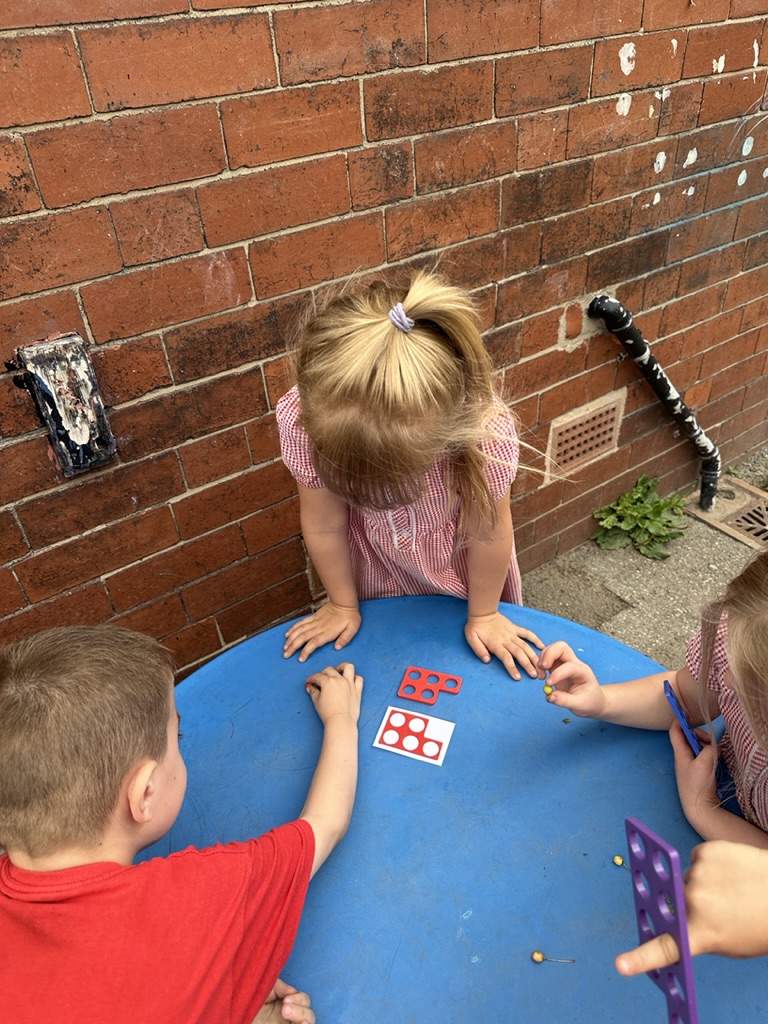
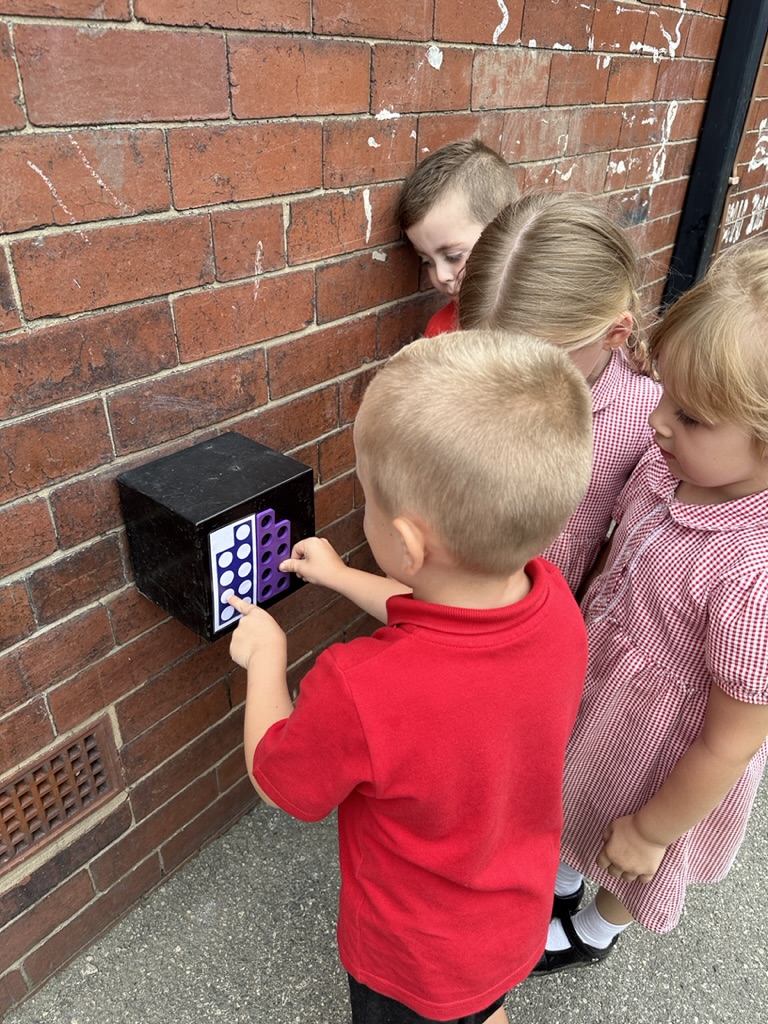
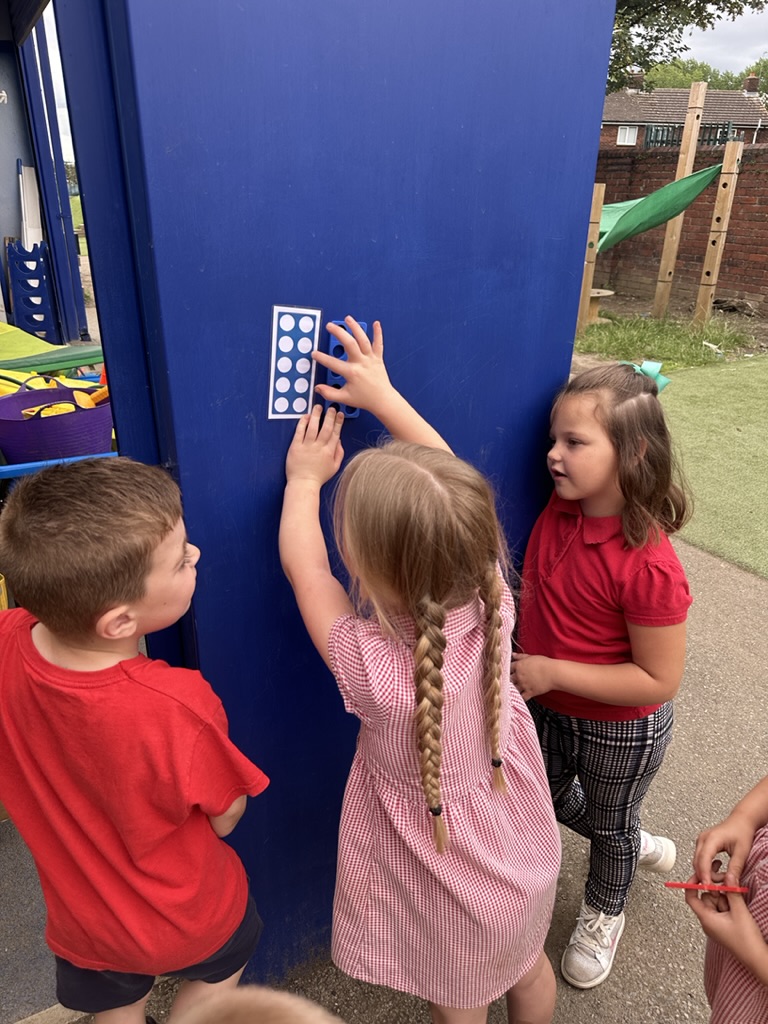
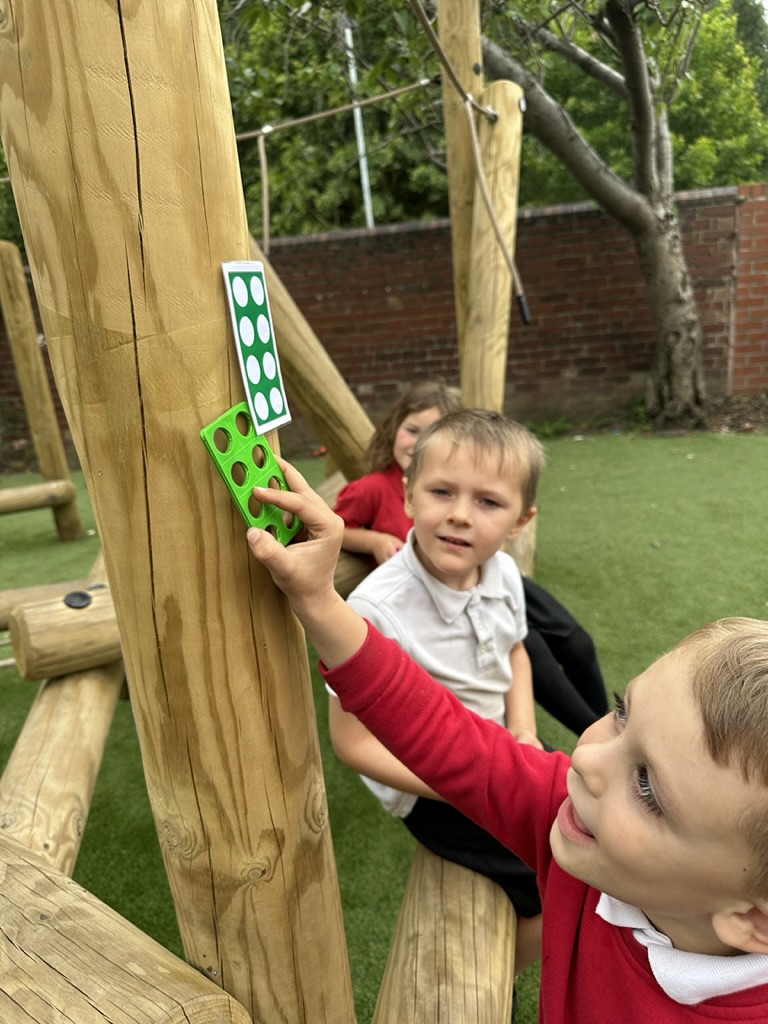
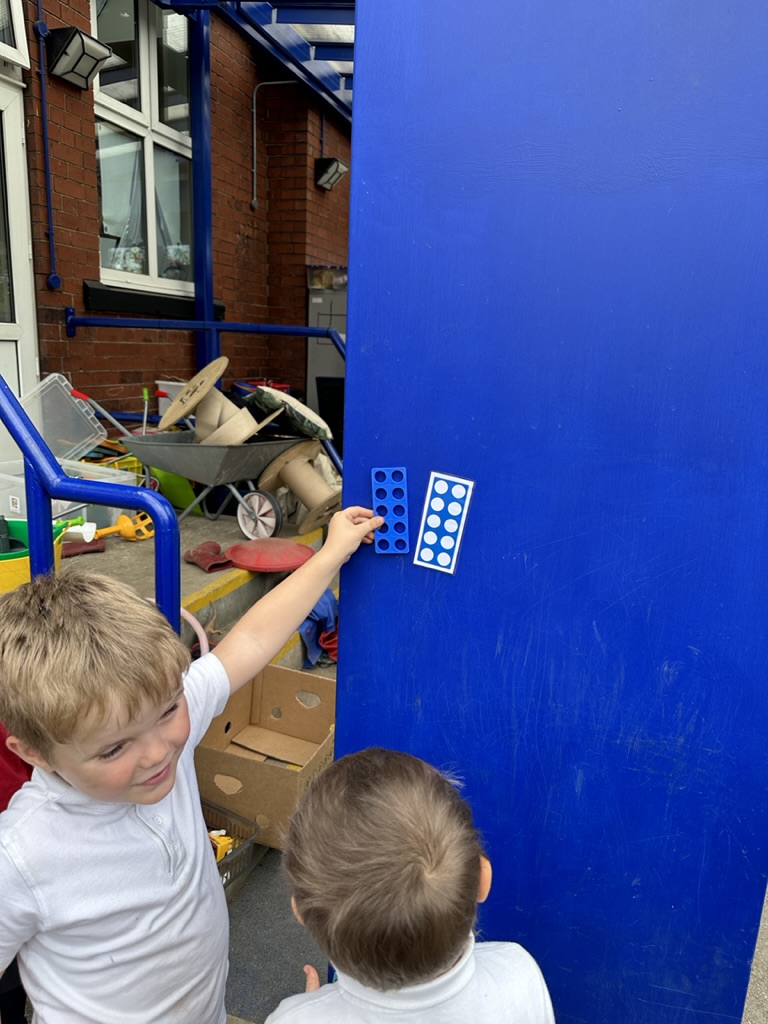
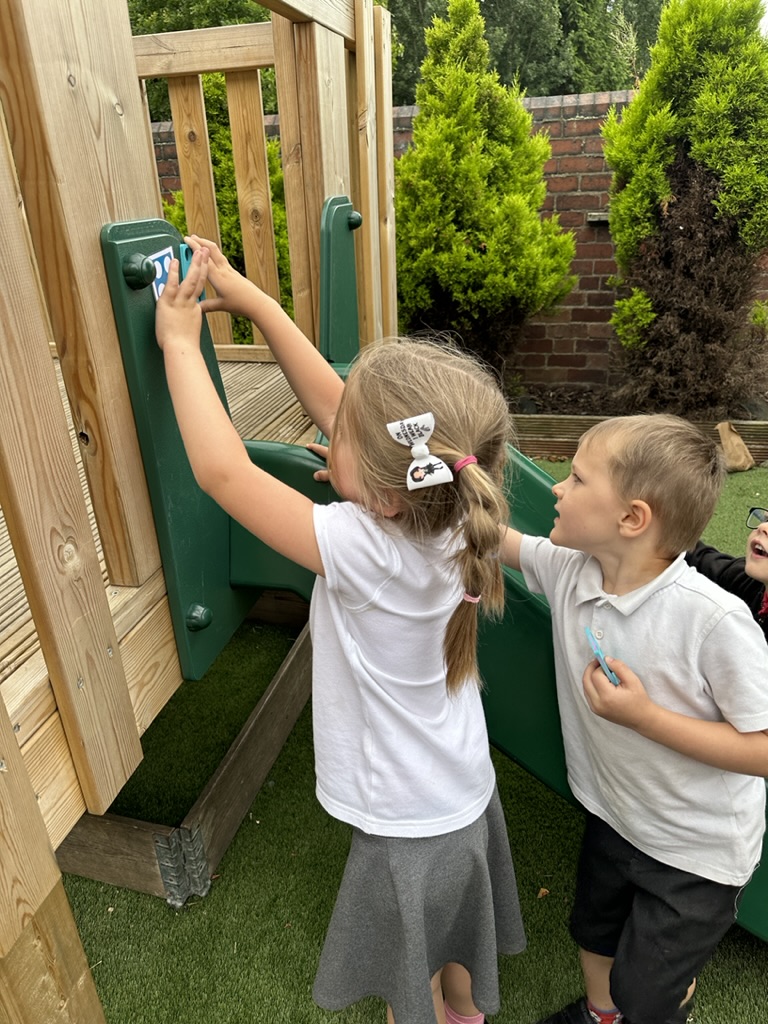
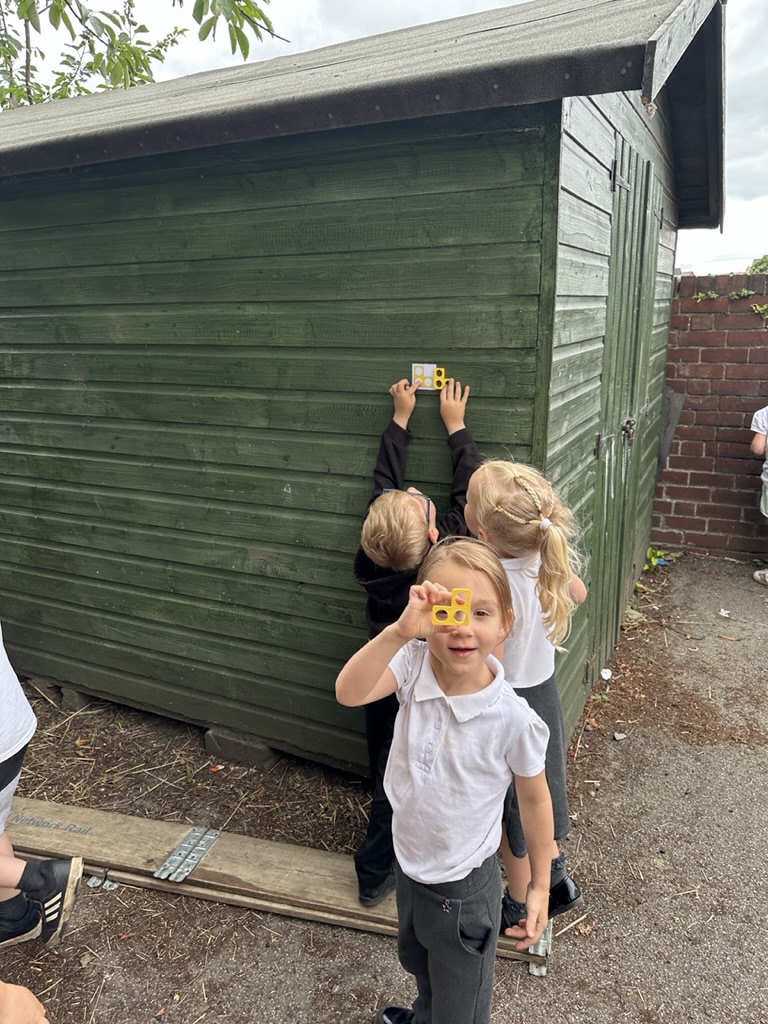
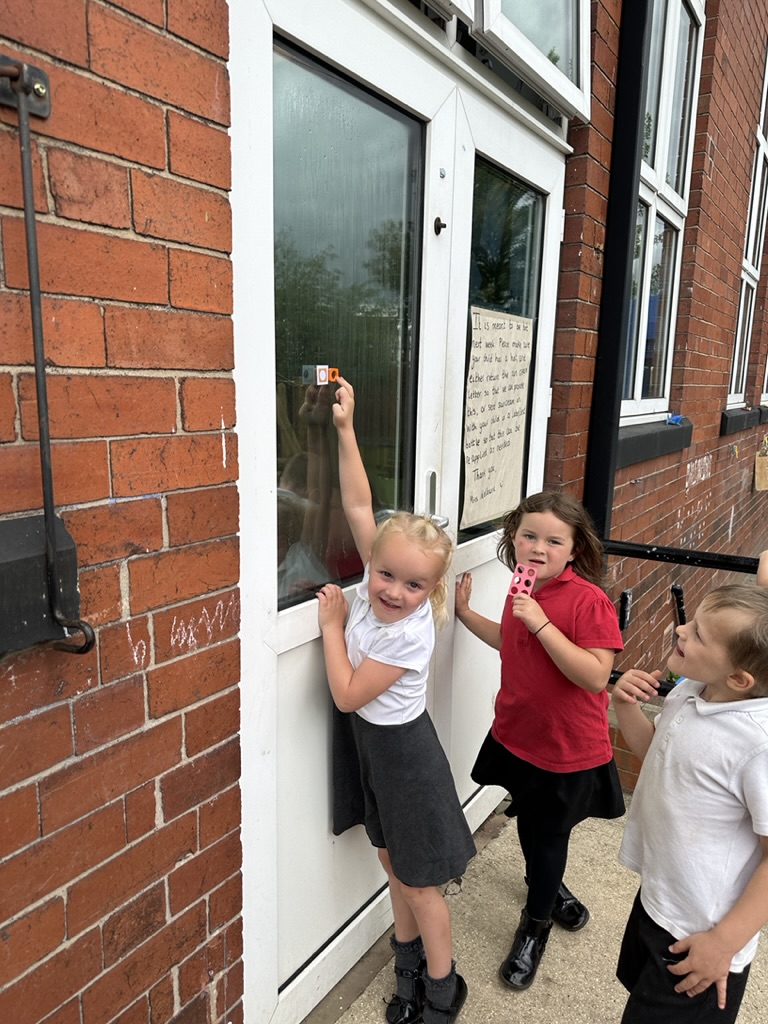
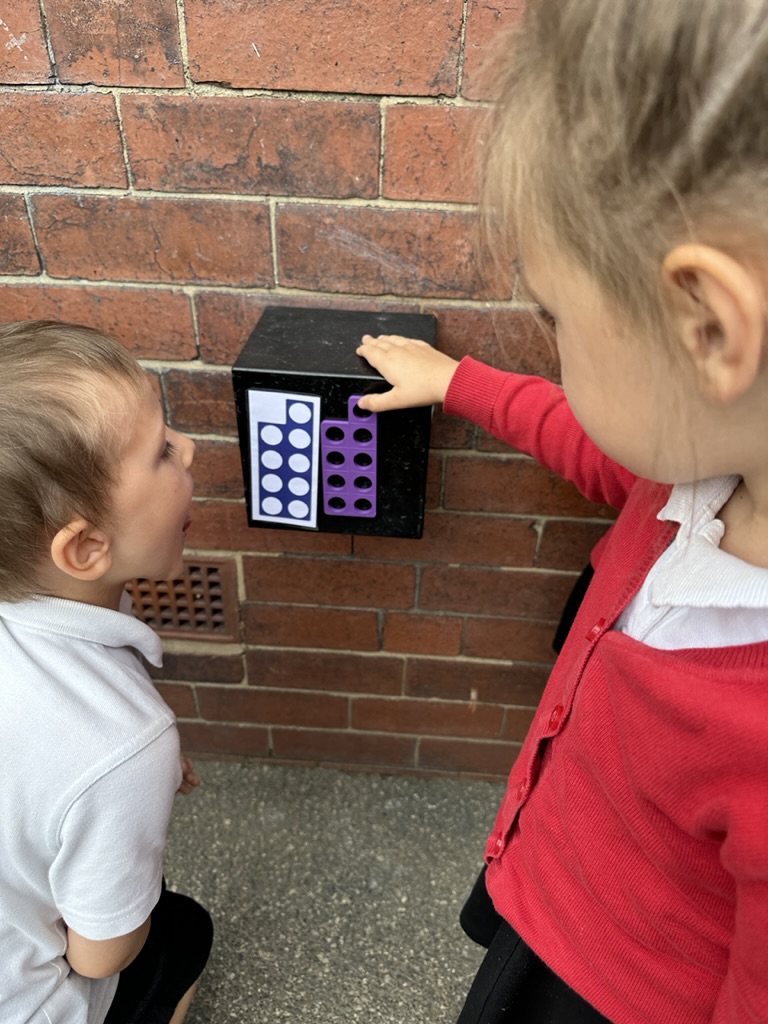
Finding doubles – outdoor maths @ Carcroft School
Weekly update for families @ XP Gateshead
Catch up with Crew Caldwell @ XP
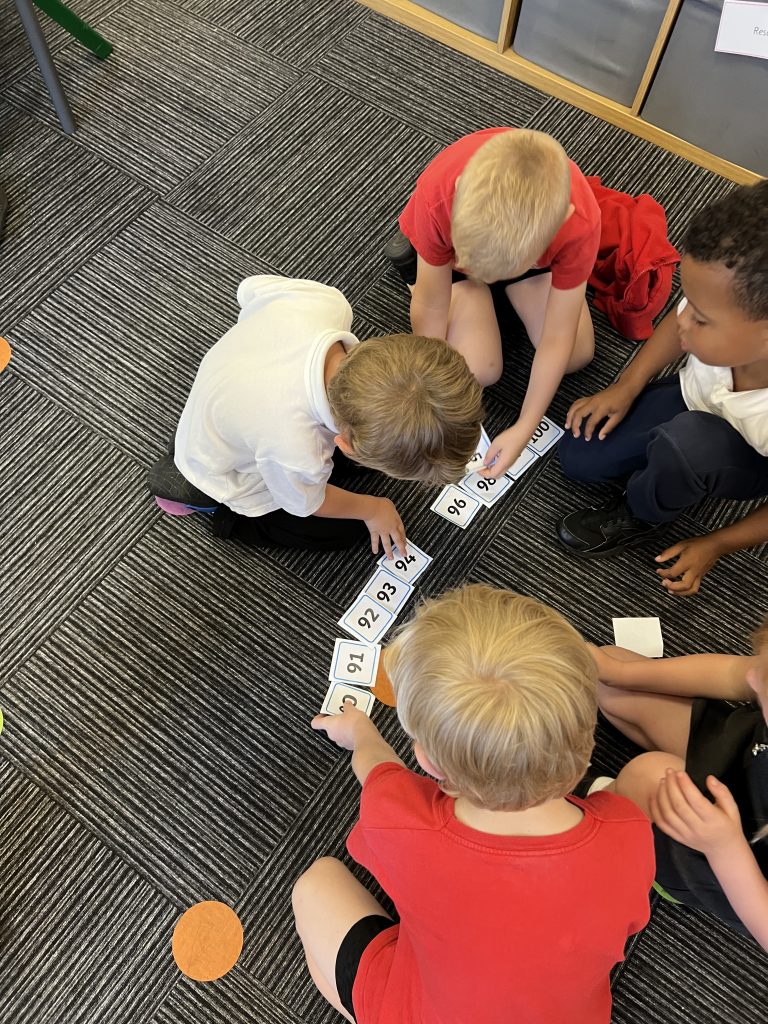
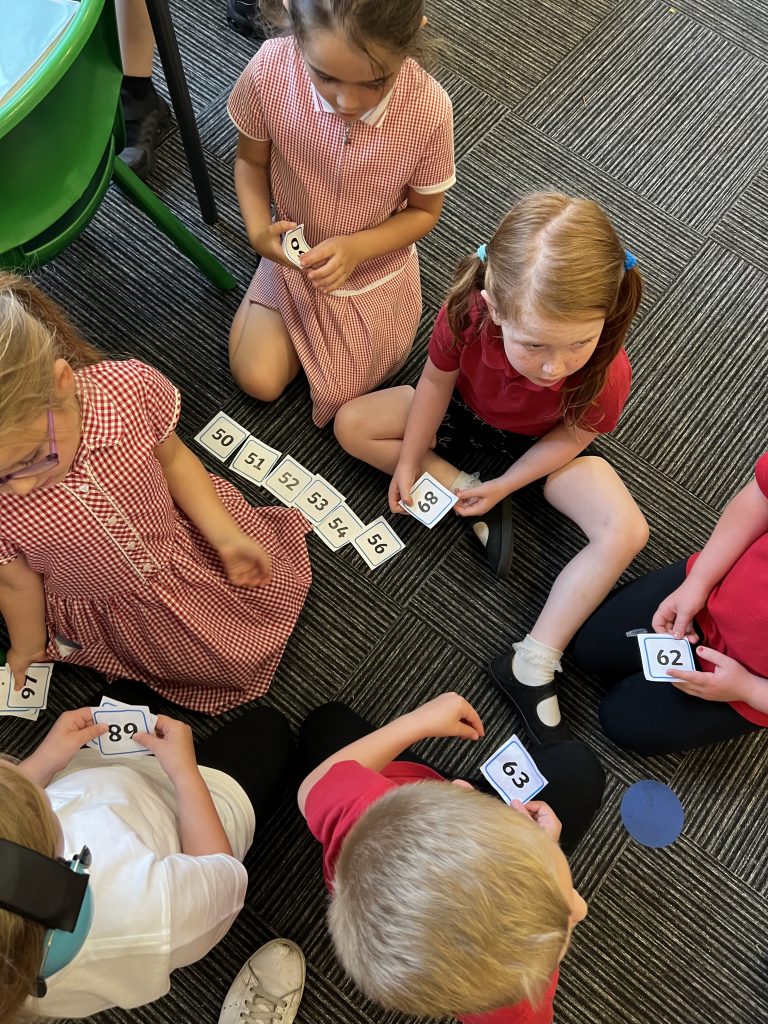
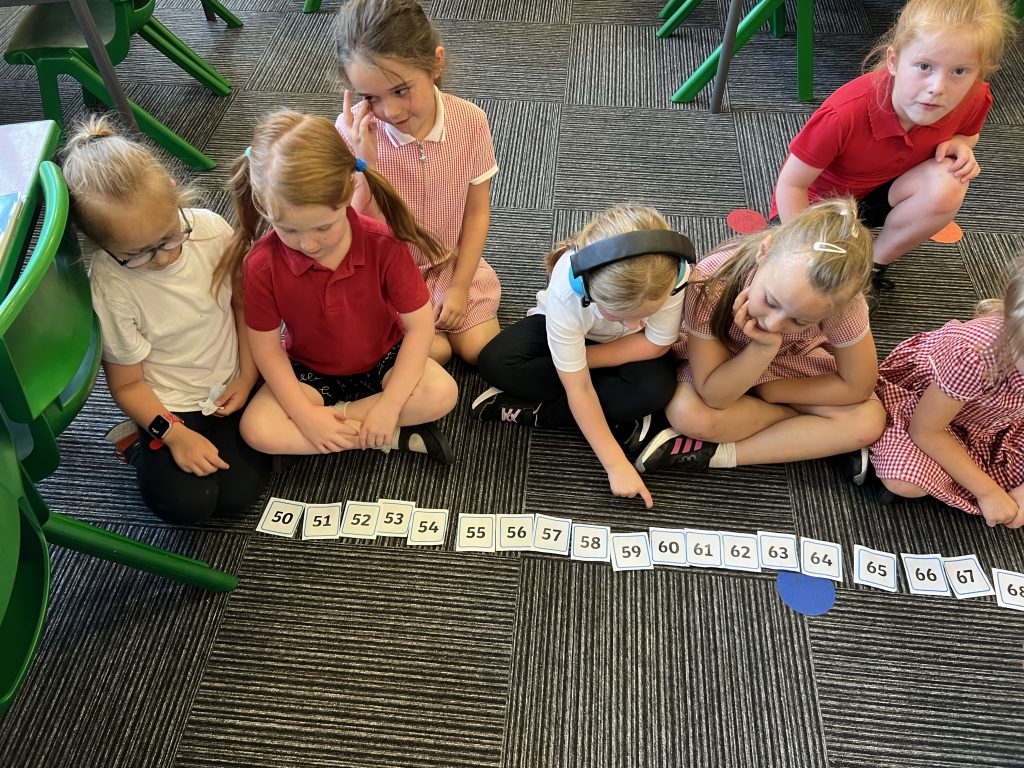
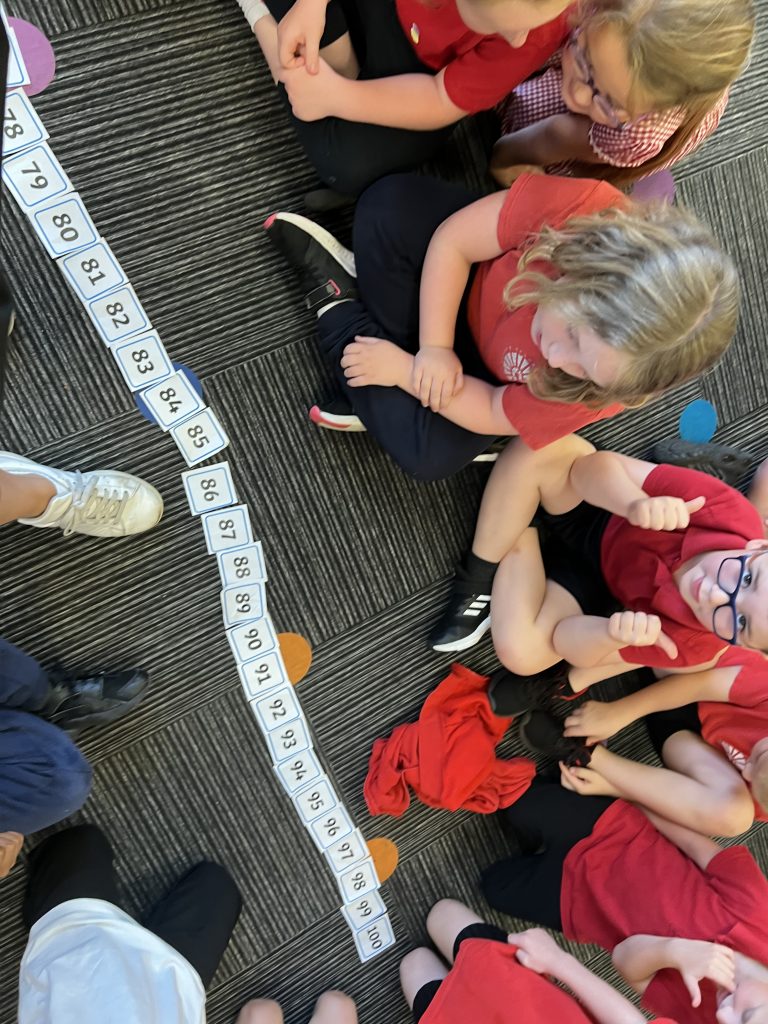
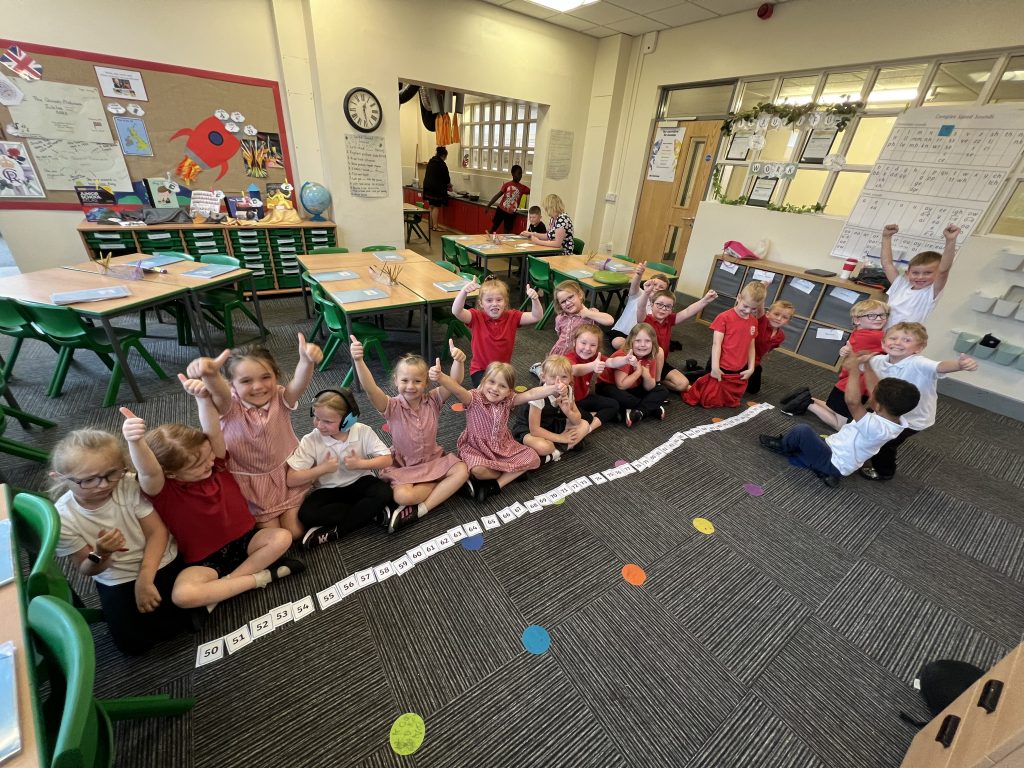
Before moving into Y2 we have been practising our counting to 100. We have been able to work as a crew to order the numbers 50 to 100.
In Friday funday crew we have played fishy fishy all together. We loved playing to the new rules!
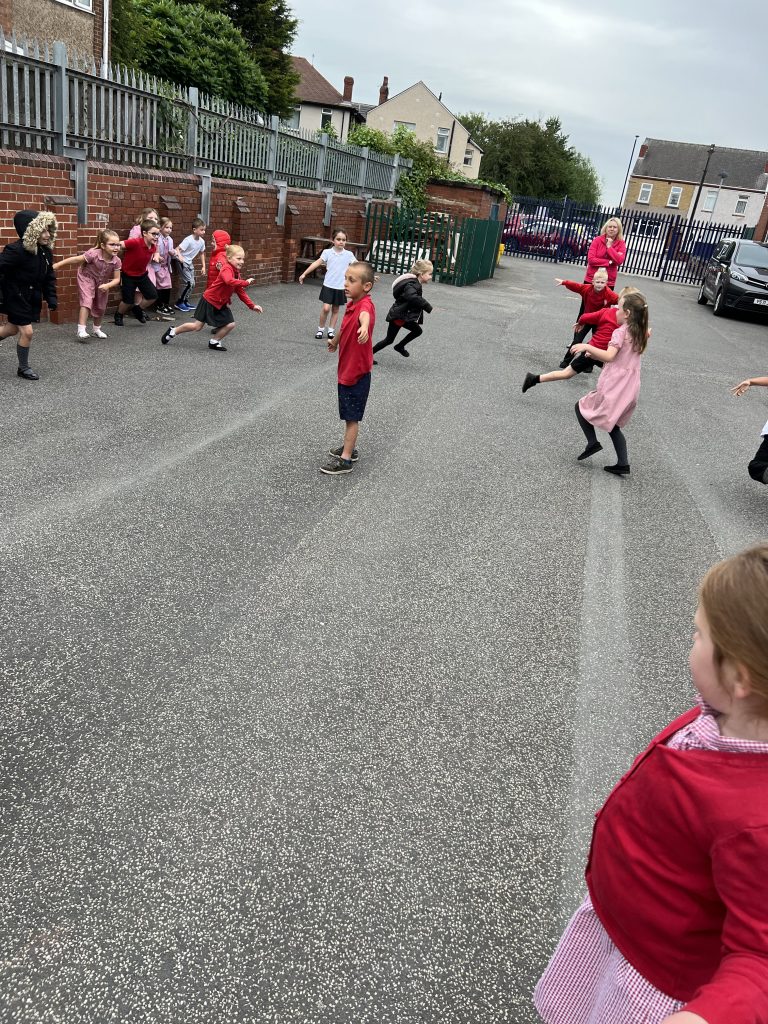
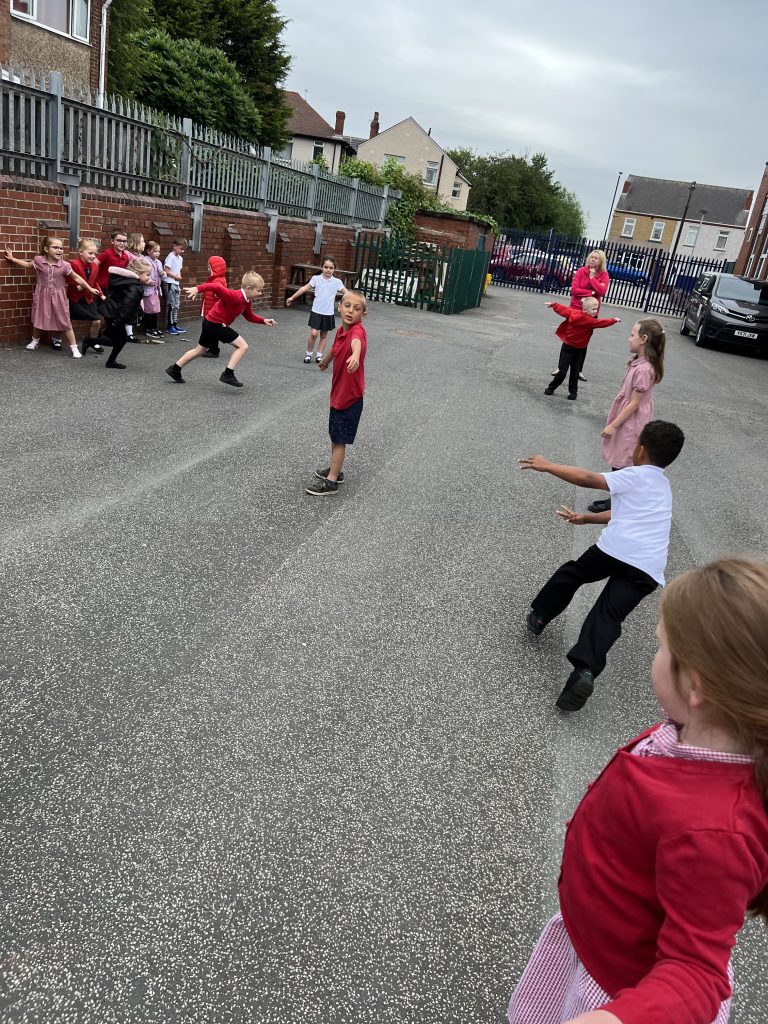
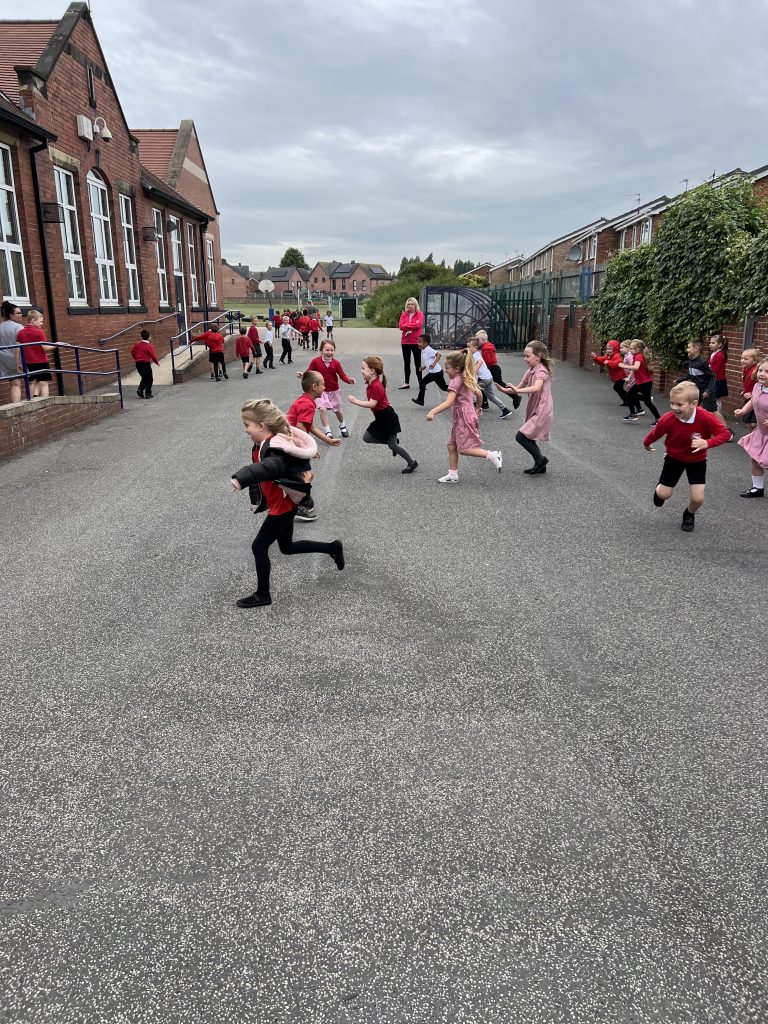
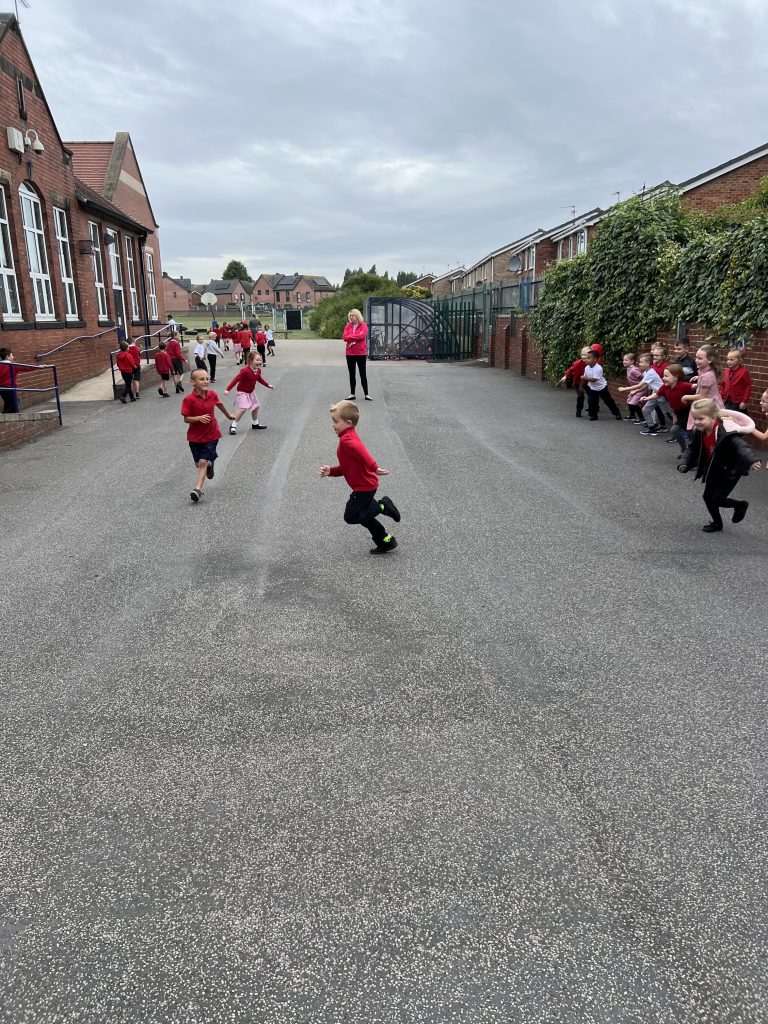
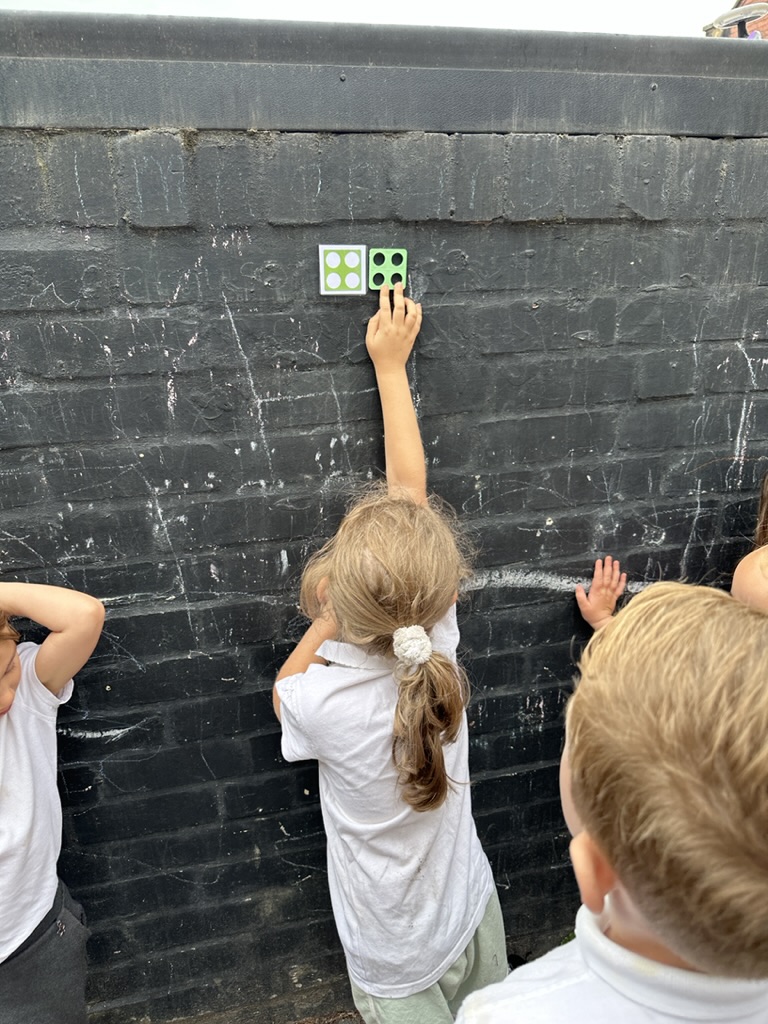
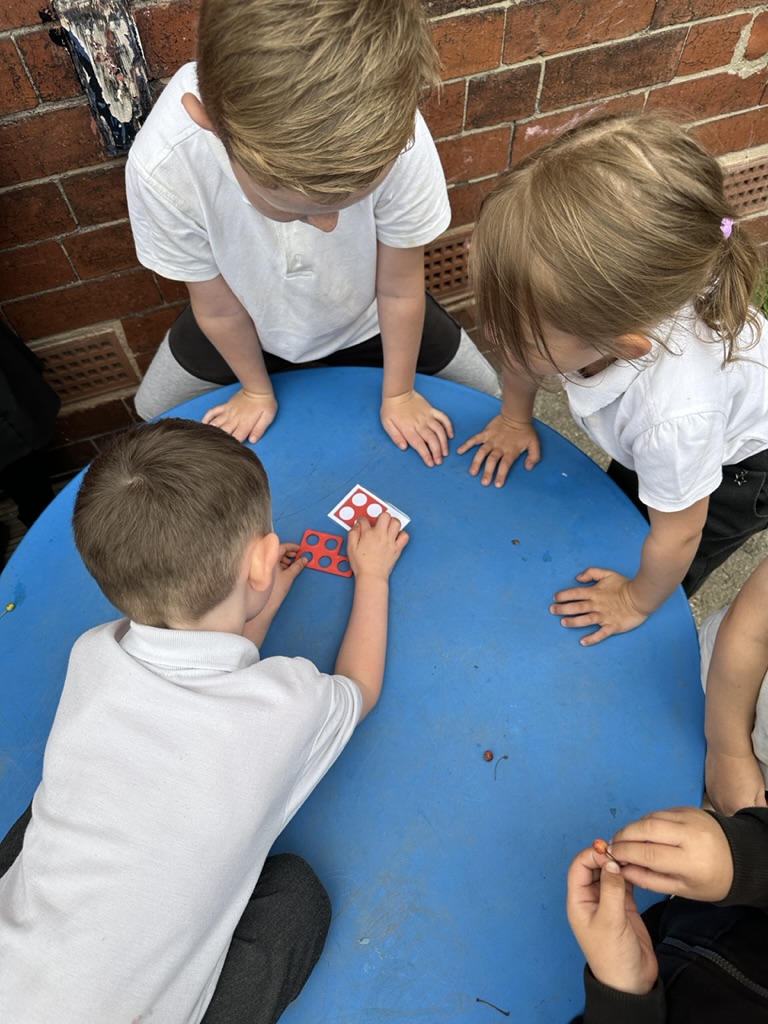
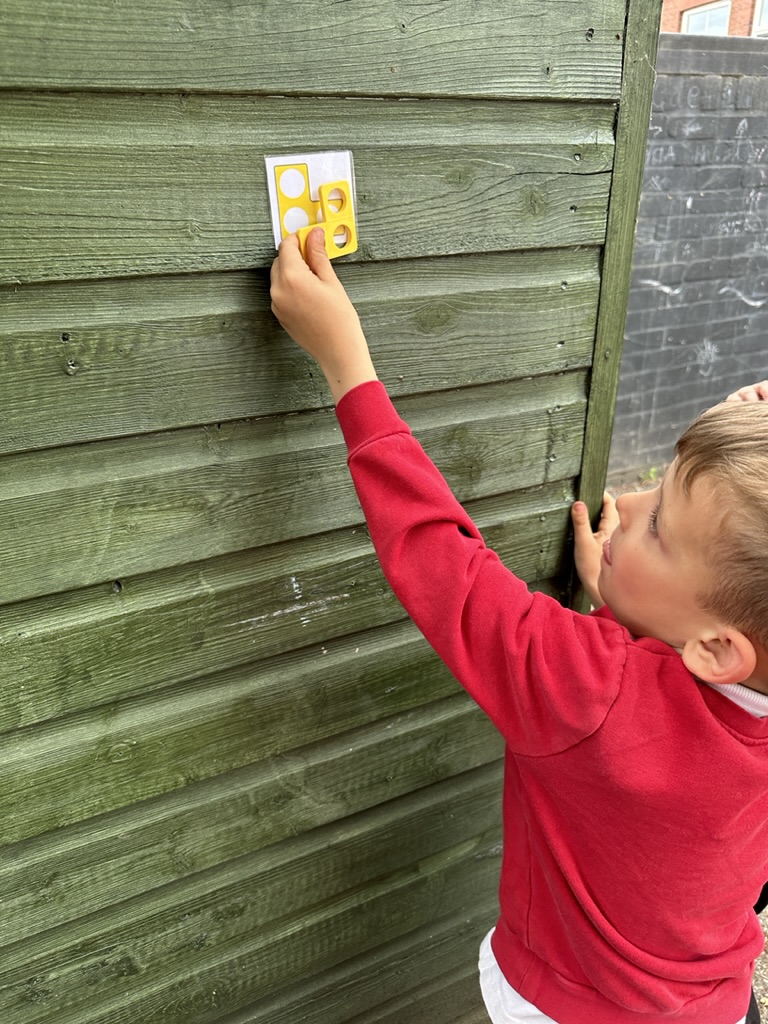
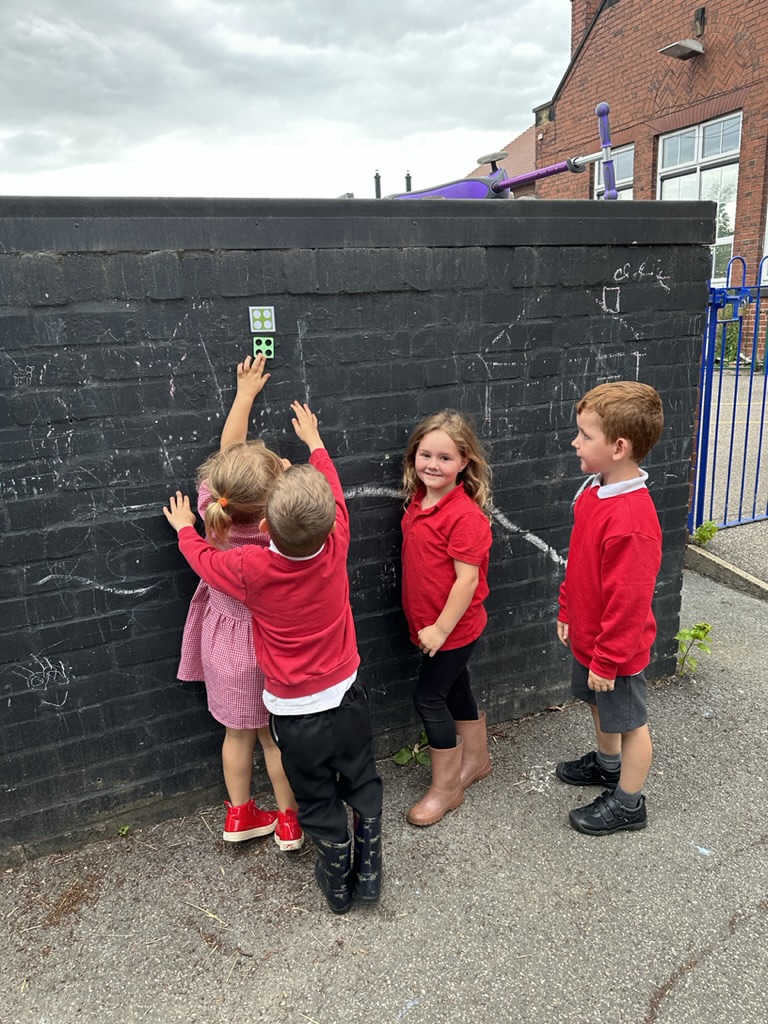
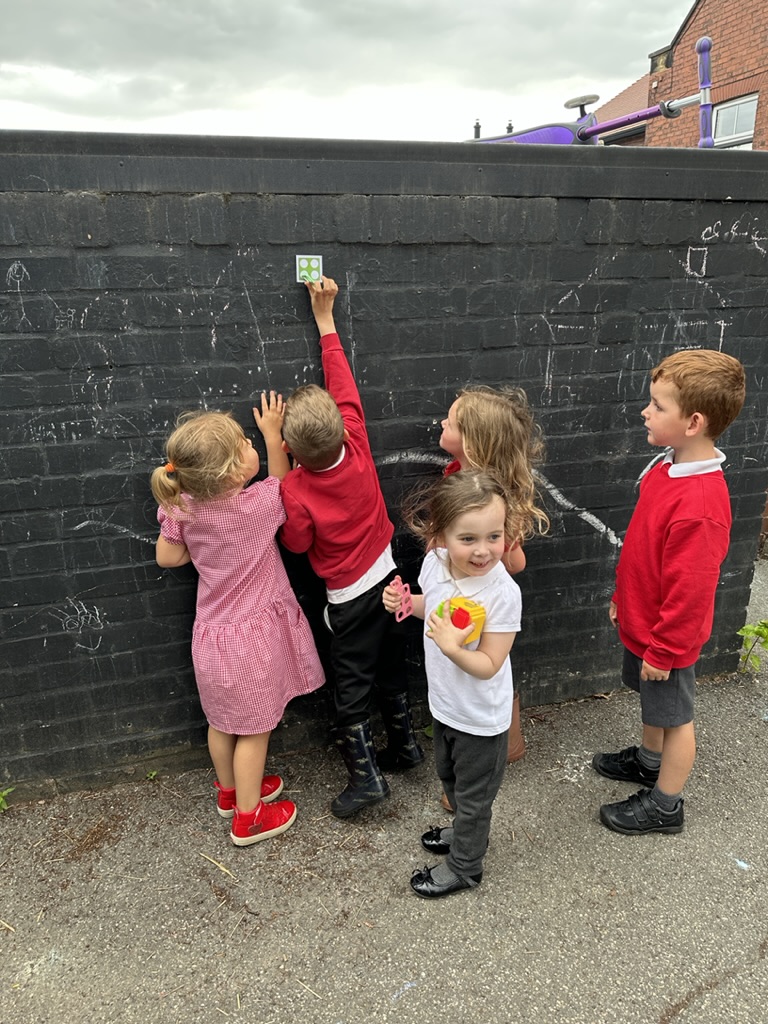
We have been looking at what doubles are, and what happens to a number when you double it. We took our learning outside this week and had a ‘Doubles Hunt’! We each had to take a piece of numicon out of the mystery bag before searching the playground for the matching image. Once we had found it, we had to count what double the original number was. Even though we all had a piece, we worked well with our peers and showed fantastic team-work by helping each other find the correct image and then helping to count to find double that number. Excellent work Crew Welburn!
On Wednesday, we were treated to a production of Oliver Twist. This was a big deal for Crew McGlone because it was the first time we had been in the hall for a performance with the rest of the school! We absolutely LOVED IT! We loved the lights, the music, everything! We sat so beautifully as well throughout the whole performance, our teachers we so proud of how well we behaved! We can’t wait for the next production! 🎭