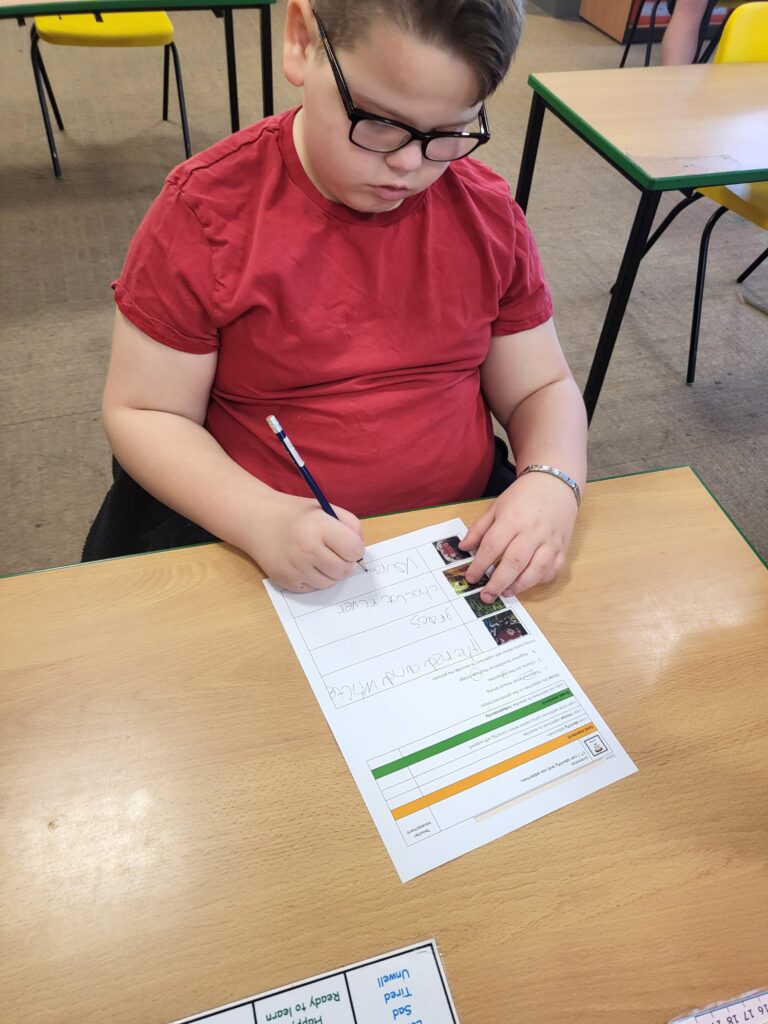
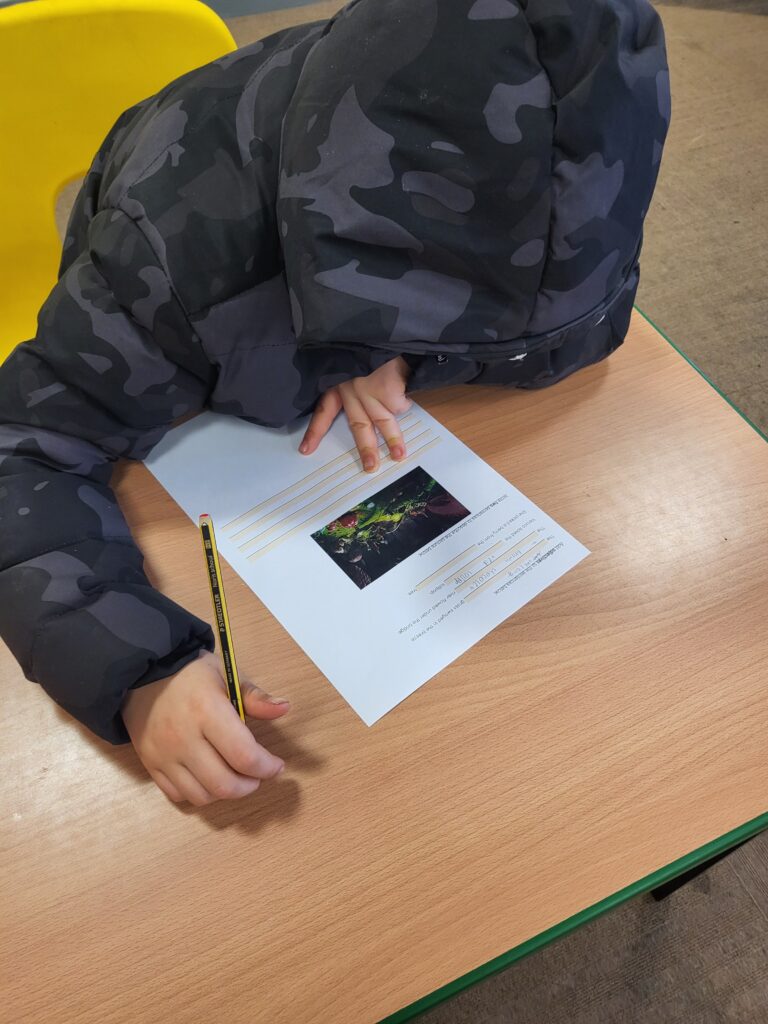
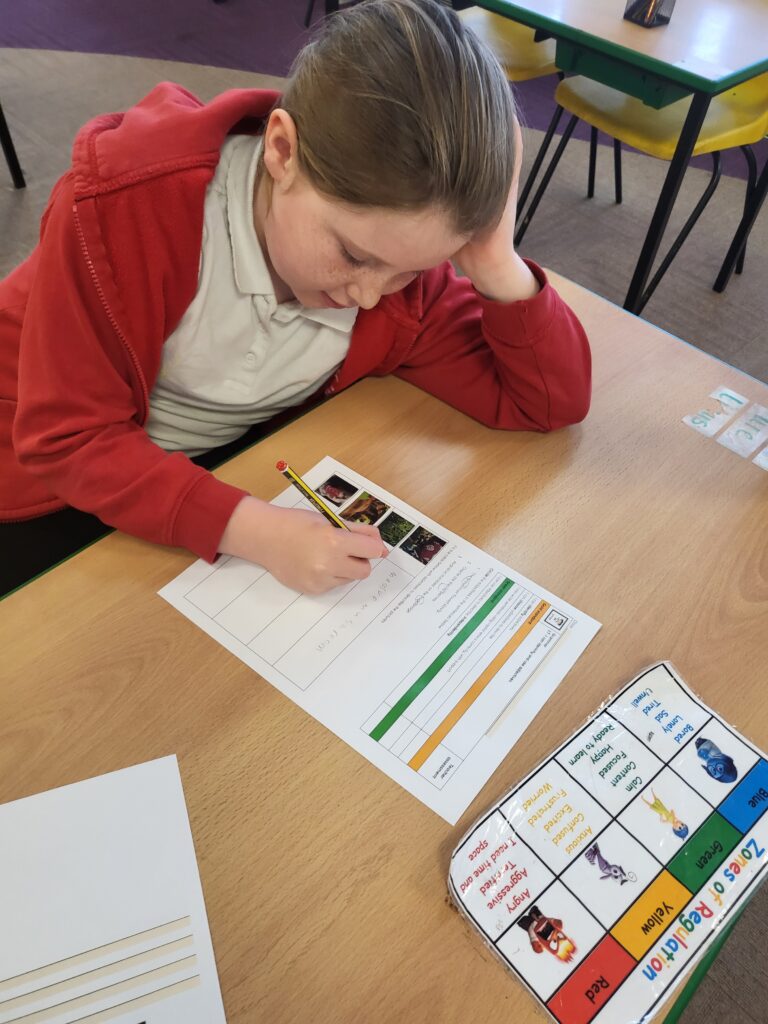
In writing today we sequences the photos in Charlie and the chocolate factory
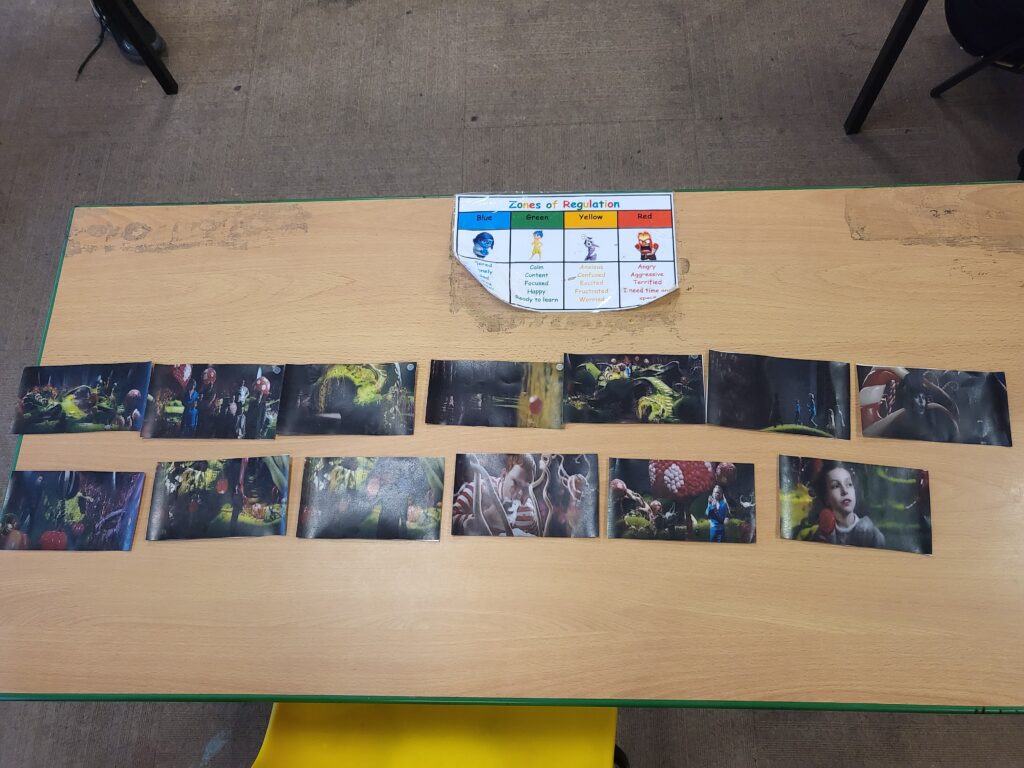
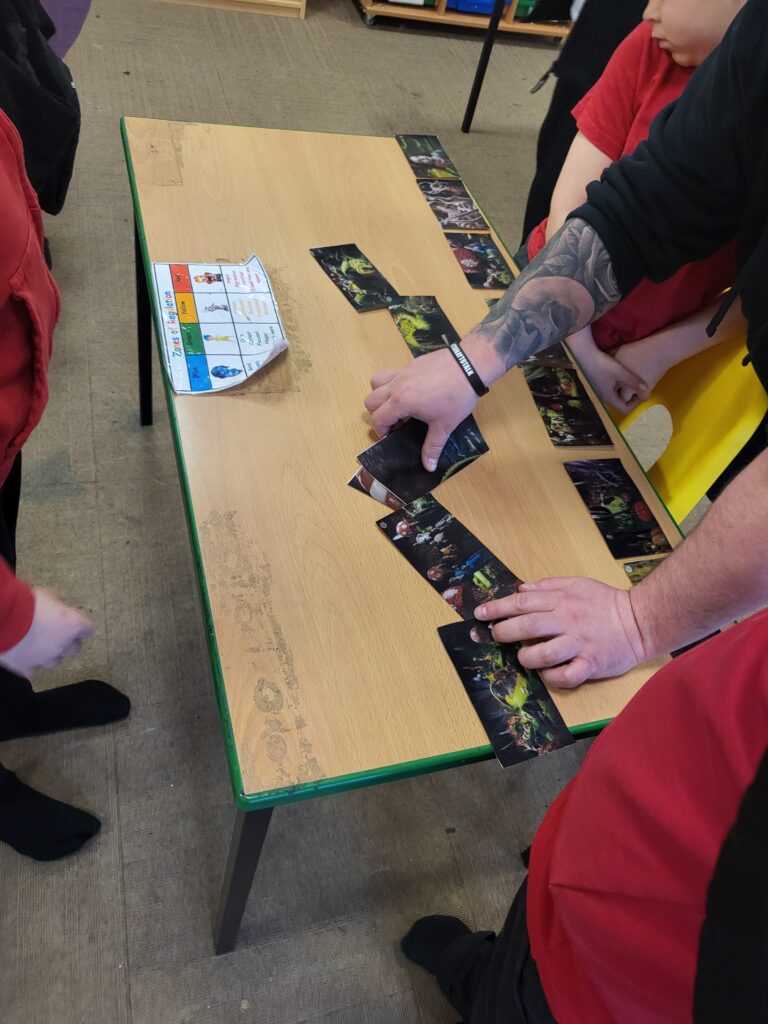
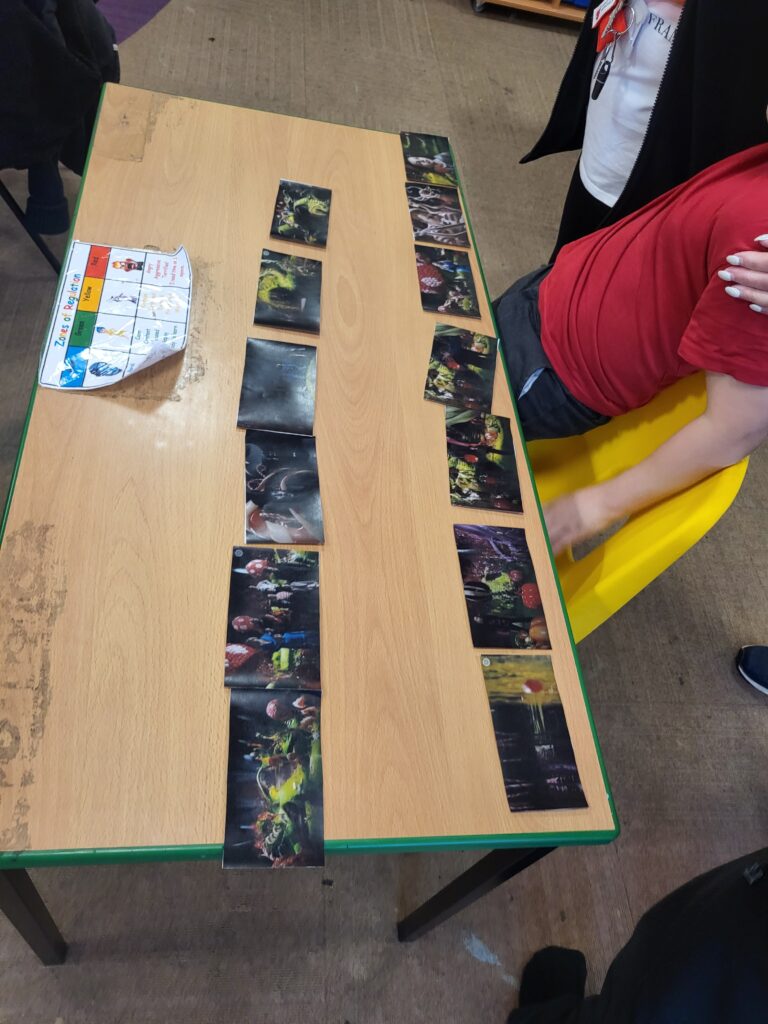
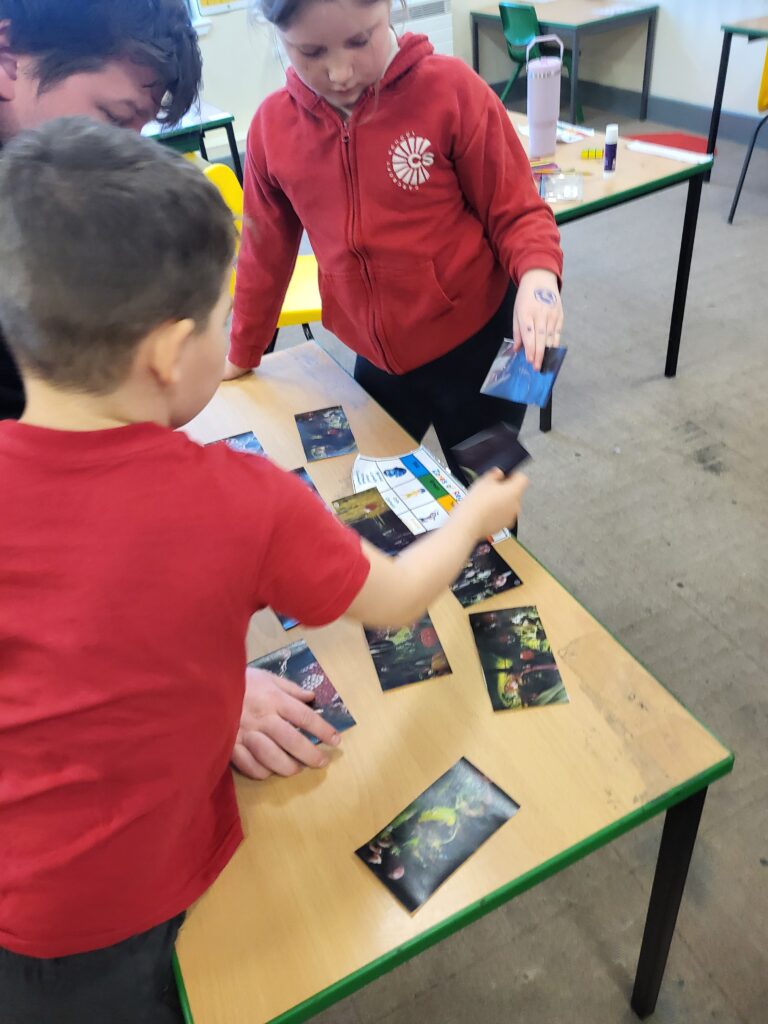
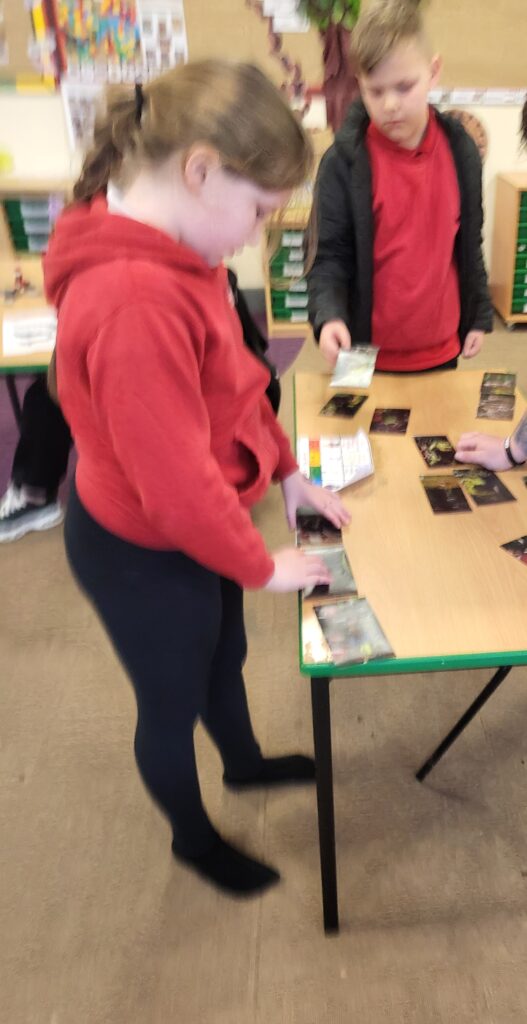
In writing today we sequences the photos in Charlie and the chocolate factory
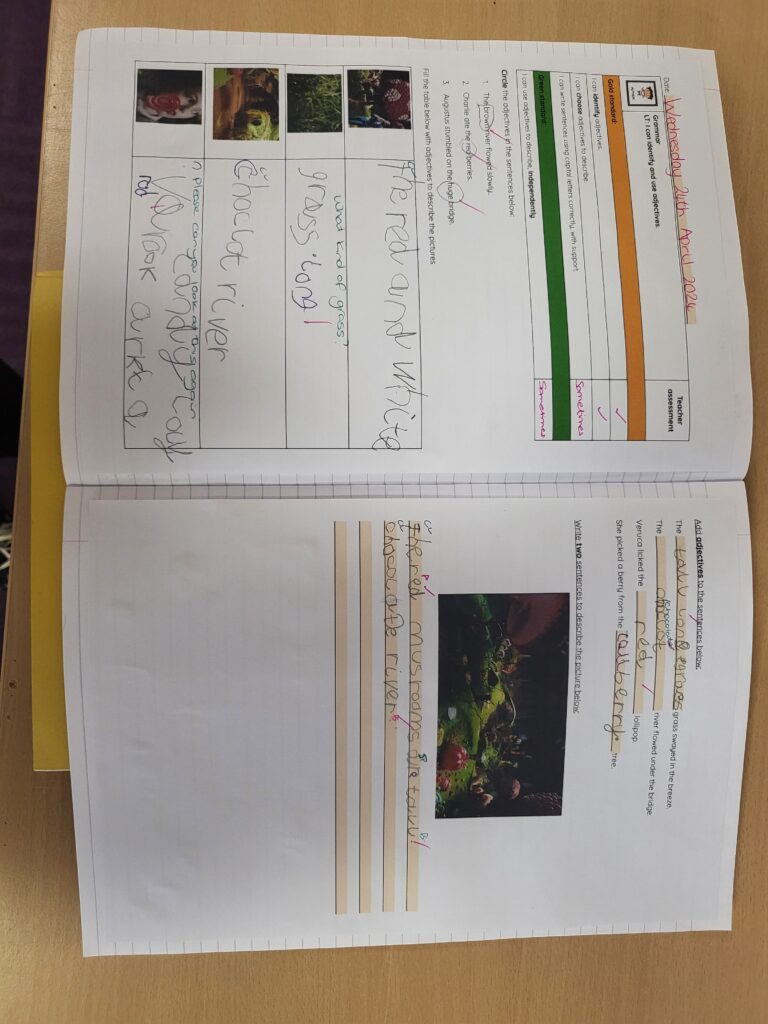
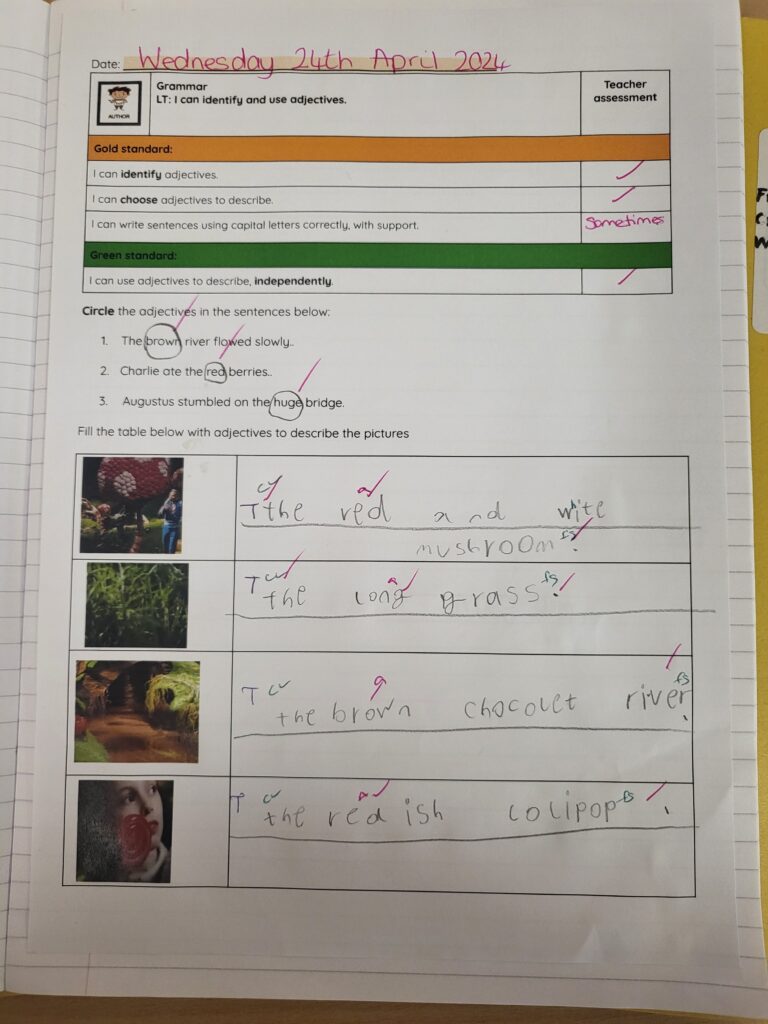
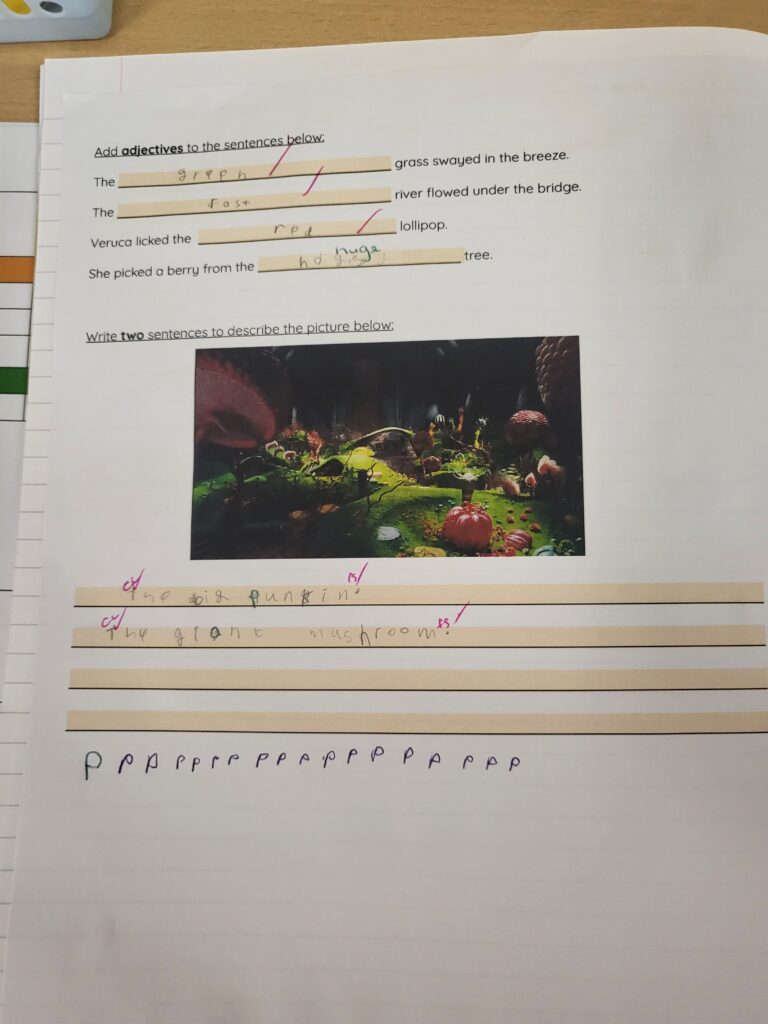
In writing we did are grammar day 2 ready to start of writing on Charlie and the chocolate factory.
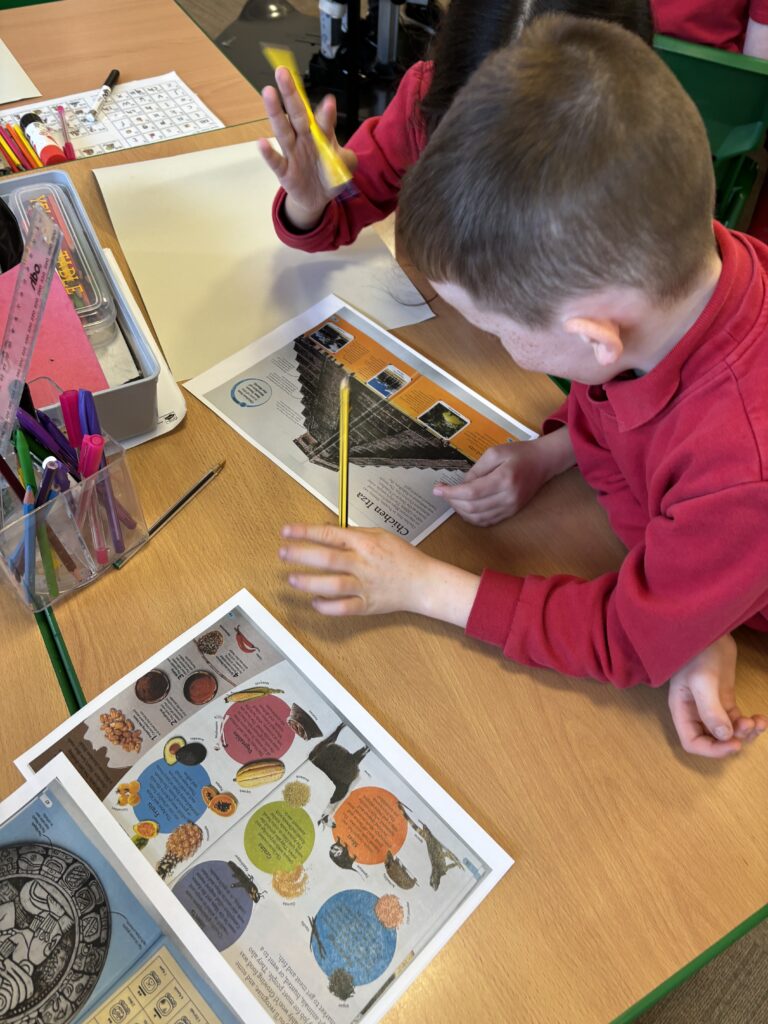
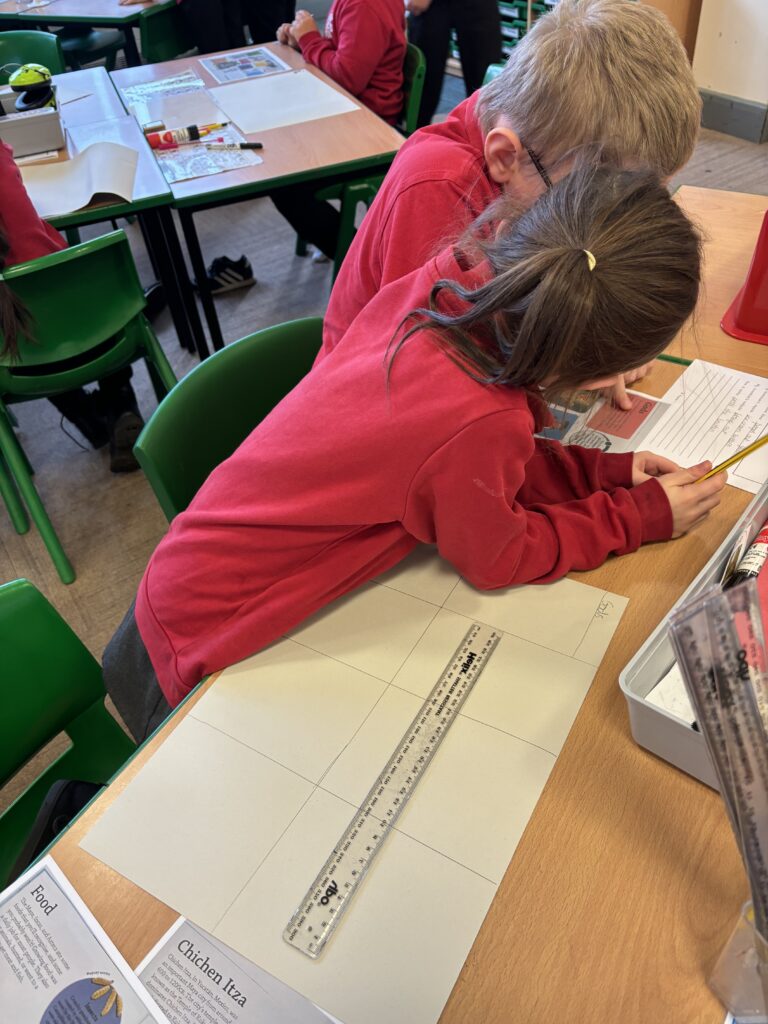
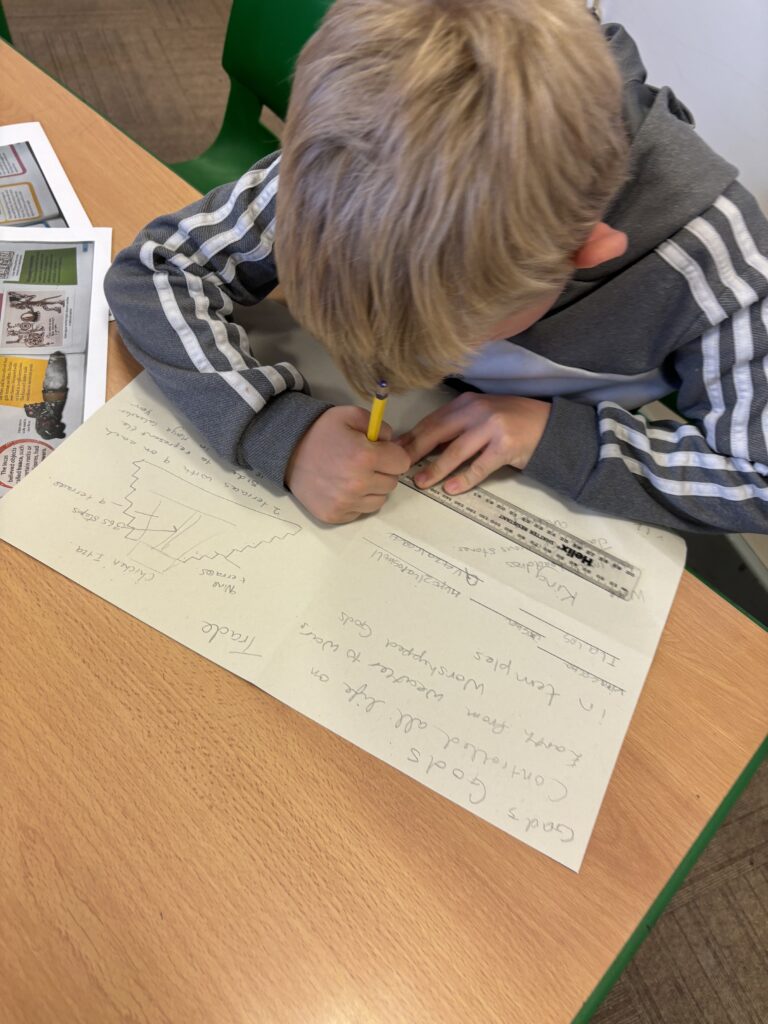
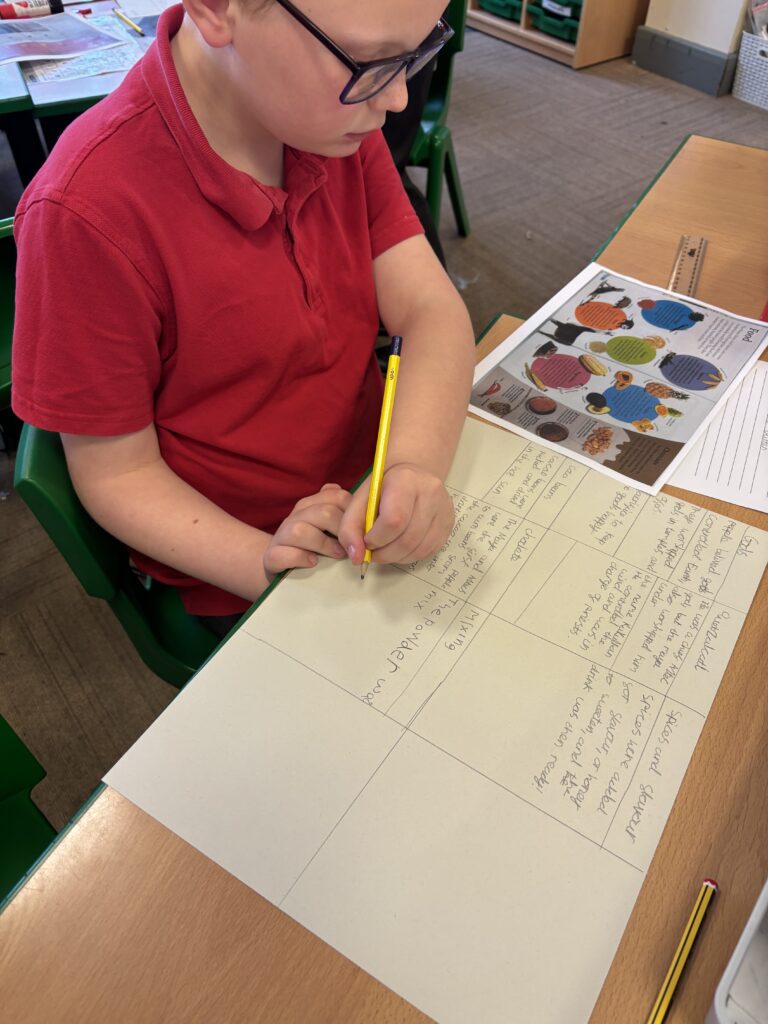
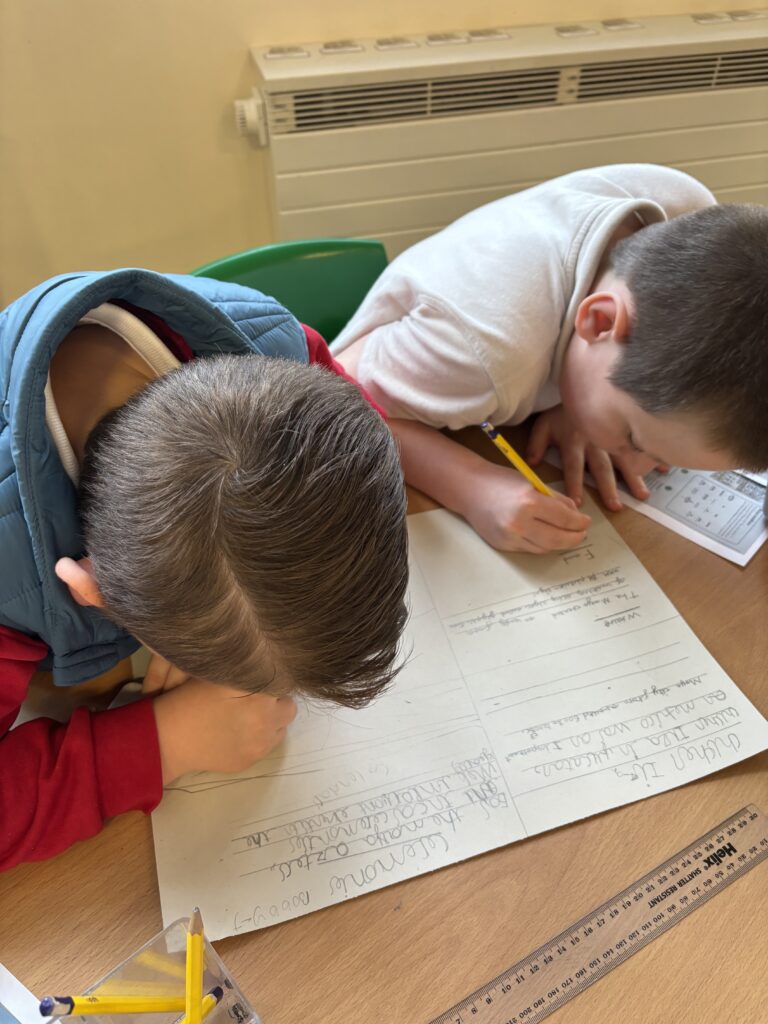
To continue our history case study, Crew Hamill worked in mini crews to gather as much information about Ancient Maya as we possibly could. We started by listening to a song and working as a crew to chot down the important facts and information. Did you know they were experts in maths, pottery, agriculture and astronomy? Following this, we worked in mini crews to look through some information from a non-fiction book on the Ancient Maya and wrote down as many interesting facts as we could. We are going to use this to create a poster in our next expedition lesson.
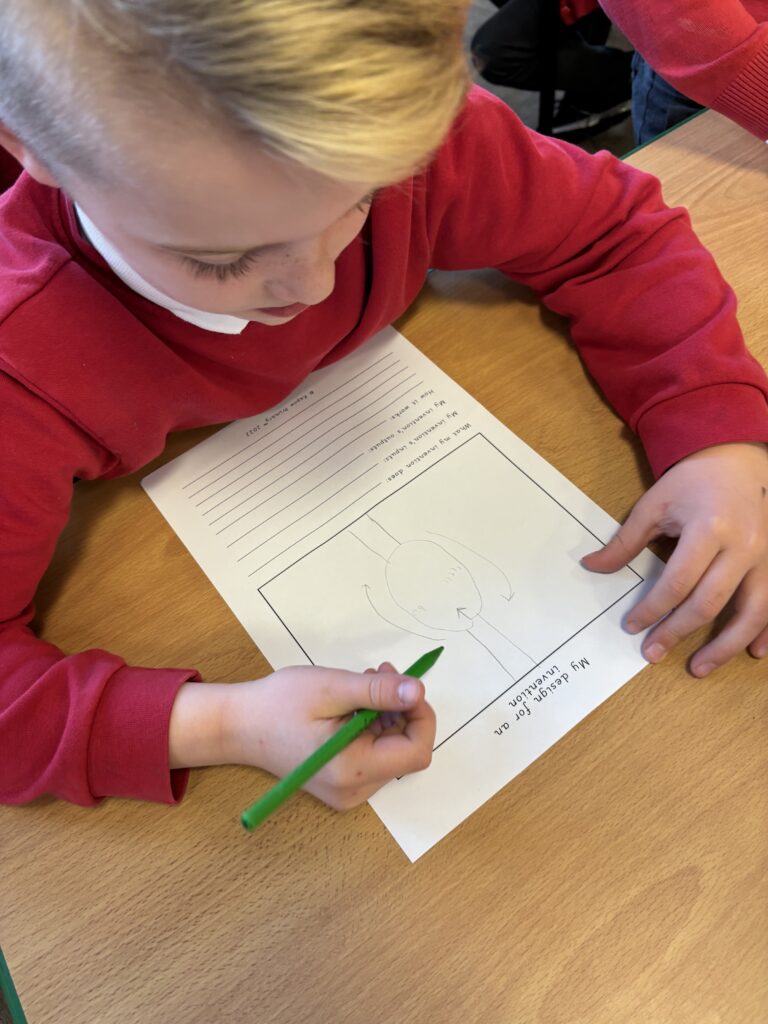
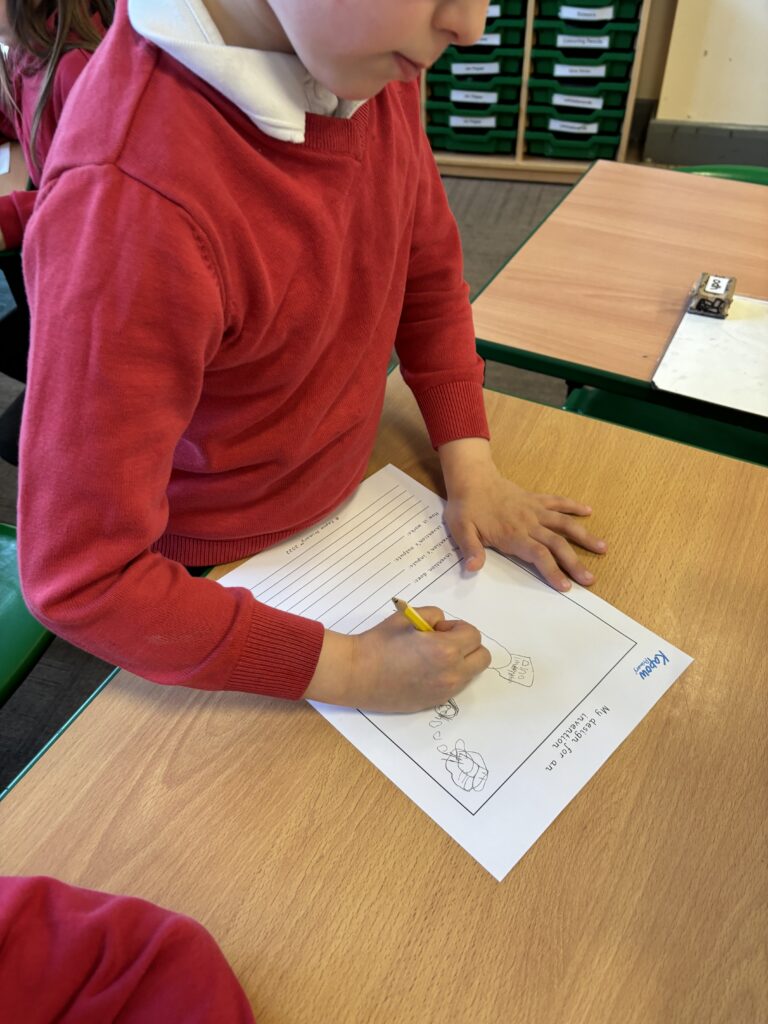
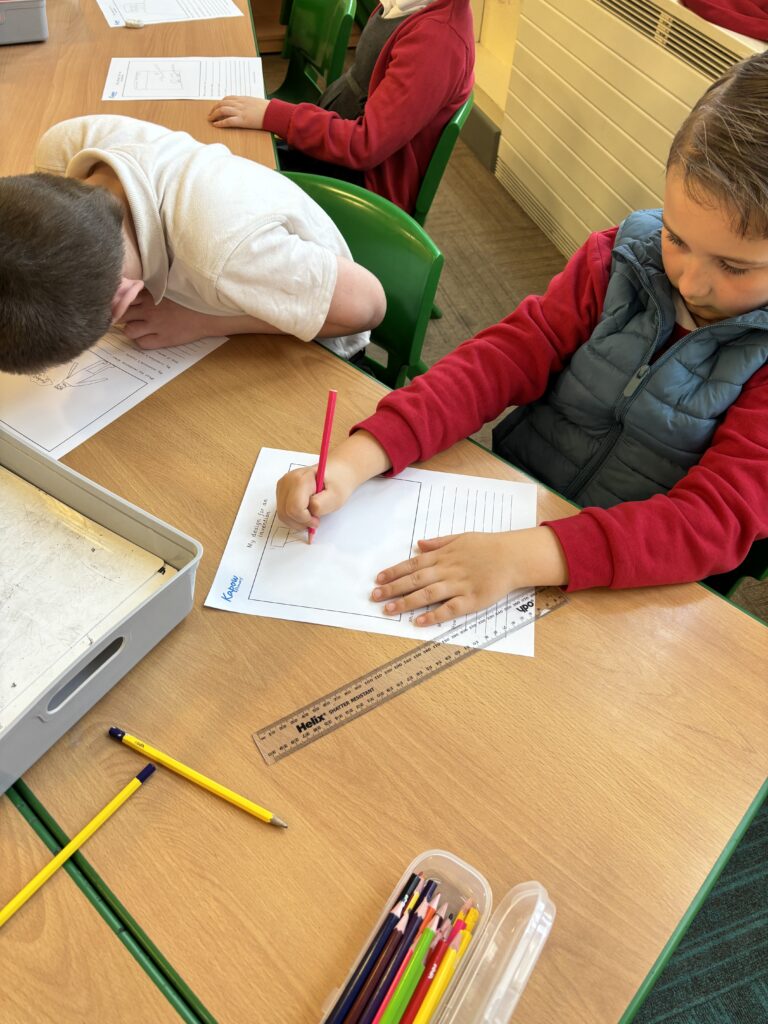
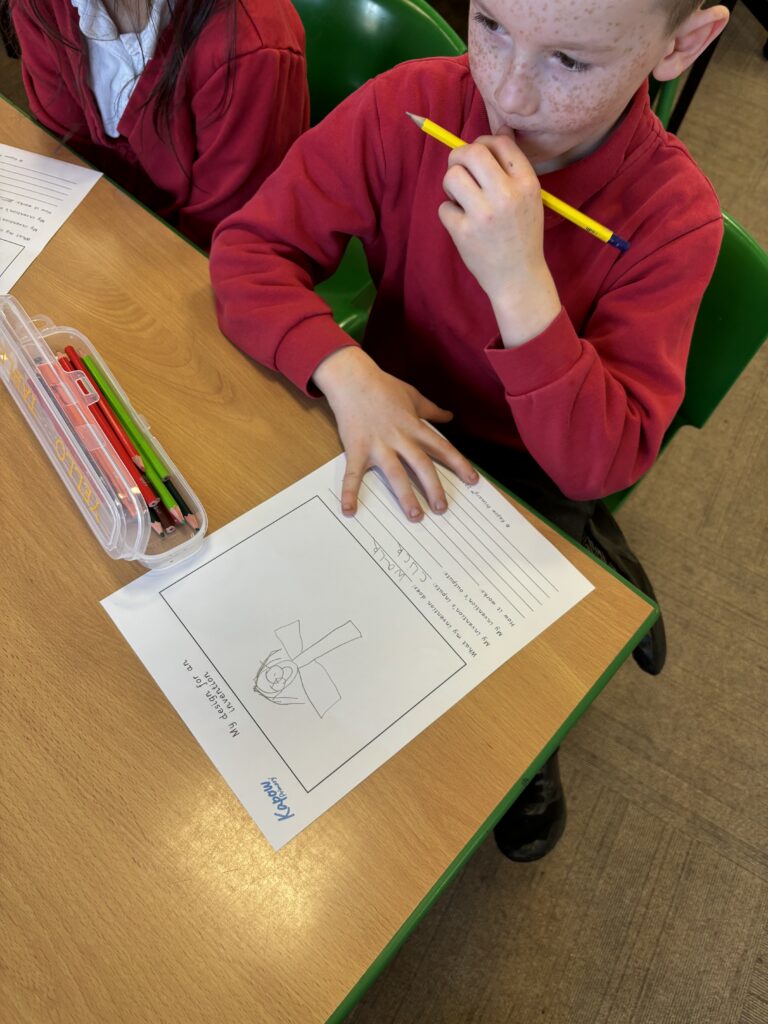
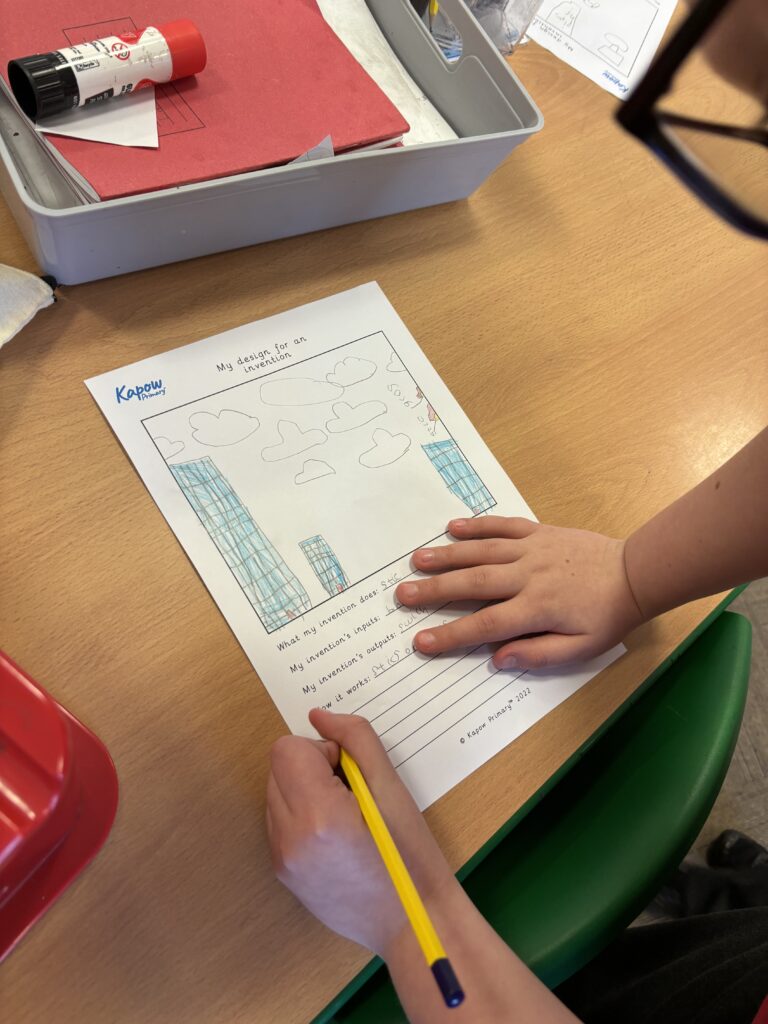
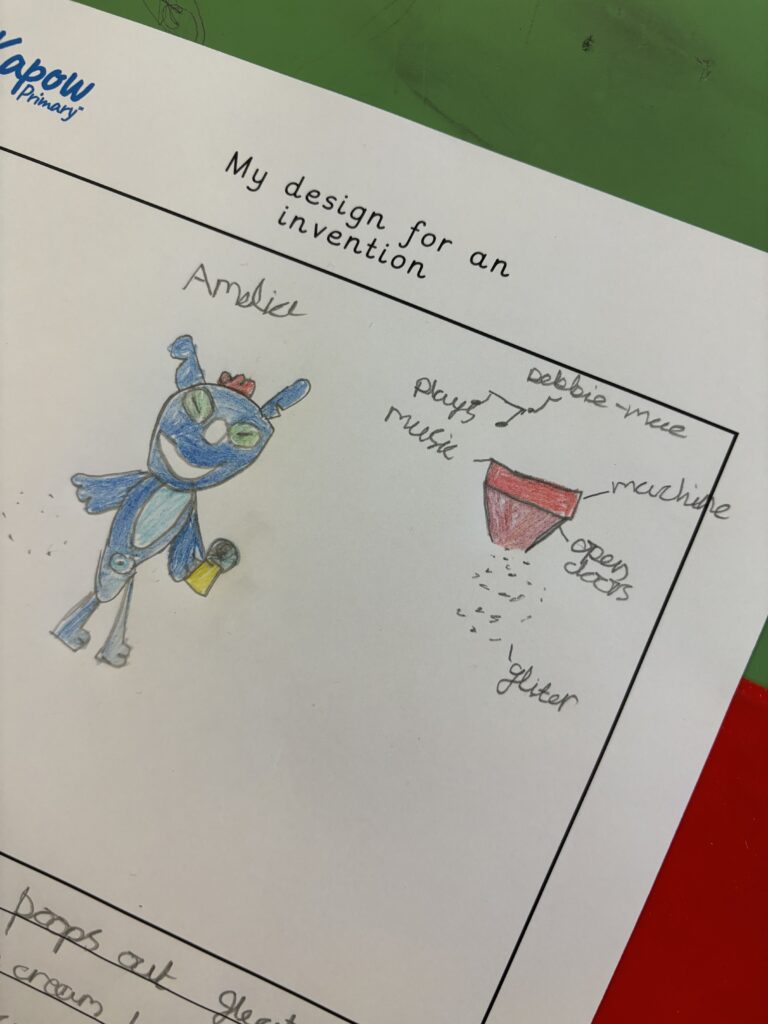
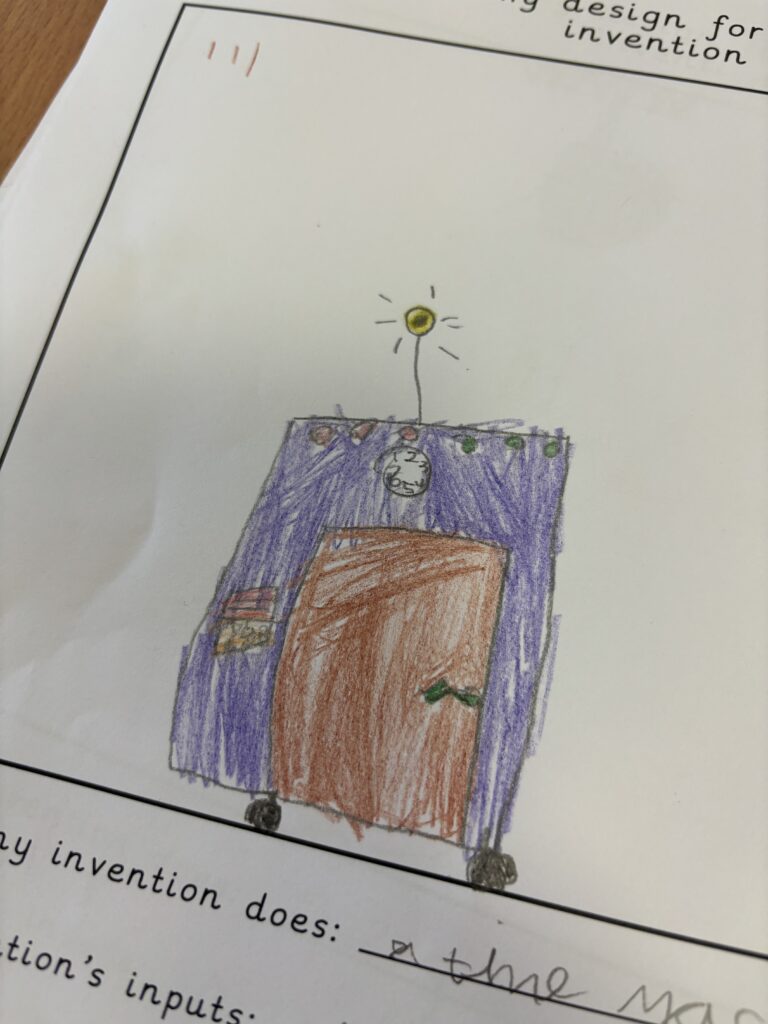
Crew Hamill had SO much fun this afternoon creating their own inventions! We discussed all of the pieces of technology we found around school during our last computing lesson and reminded ourselves of what a computer is. We then used this information to come up with our own inventions that all involved a computer. We had to think about what we would need to input into our inventions in order for them to work and then what the output would be once we did that. We had some amazing ideas, including:
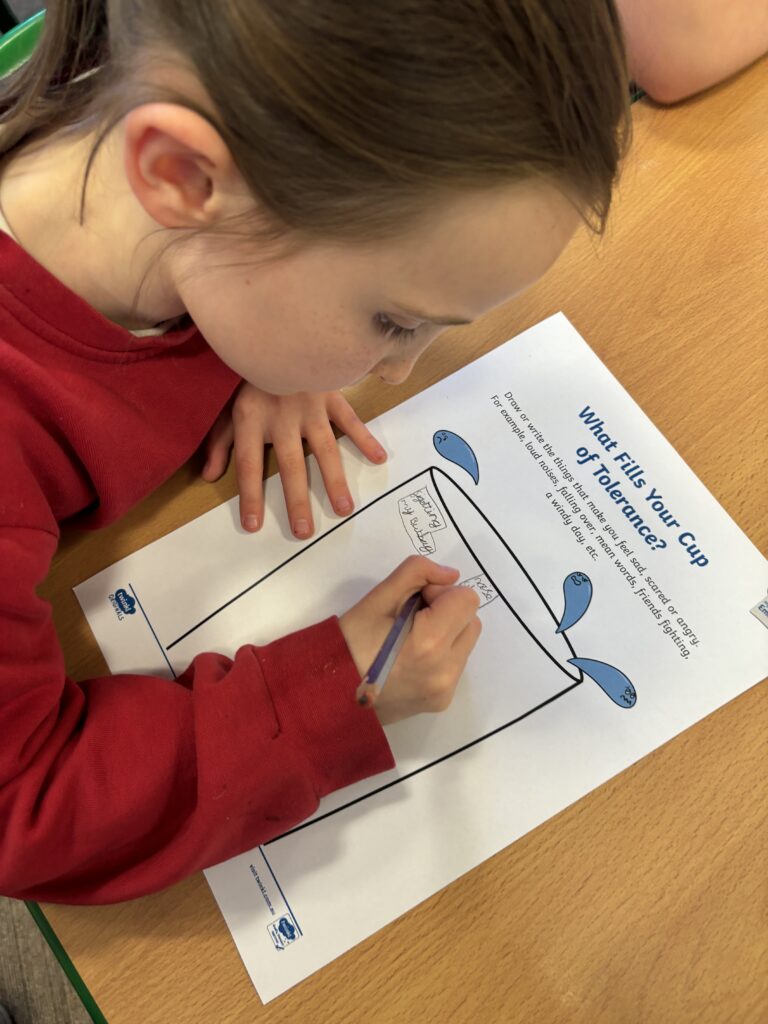
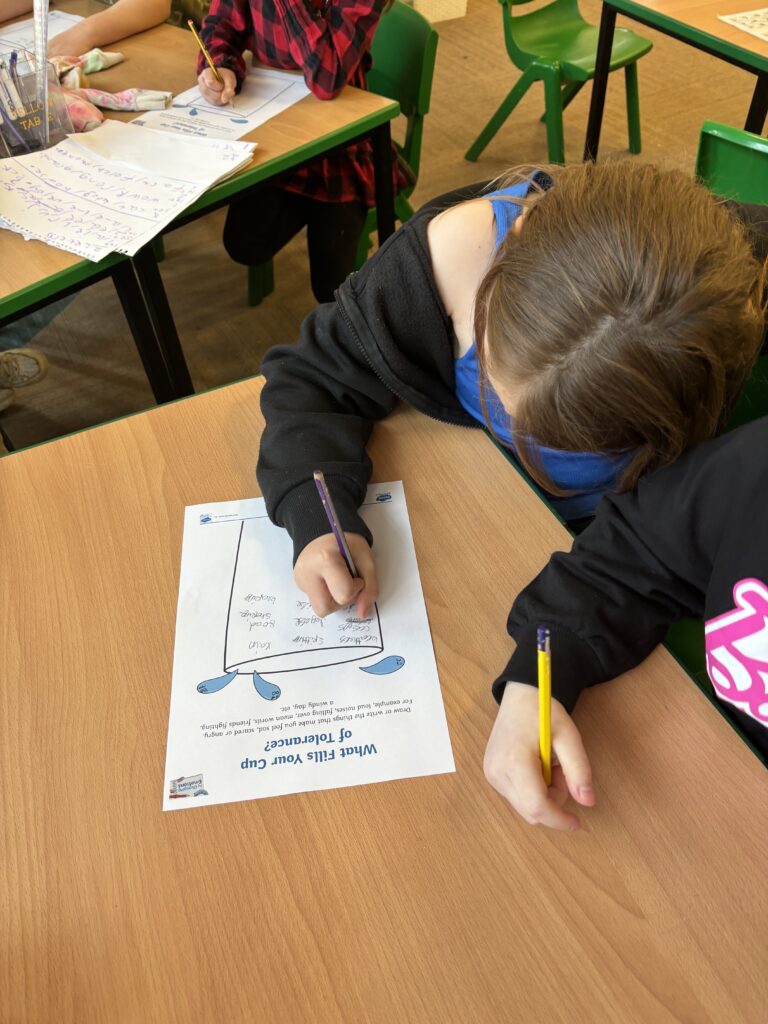
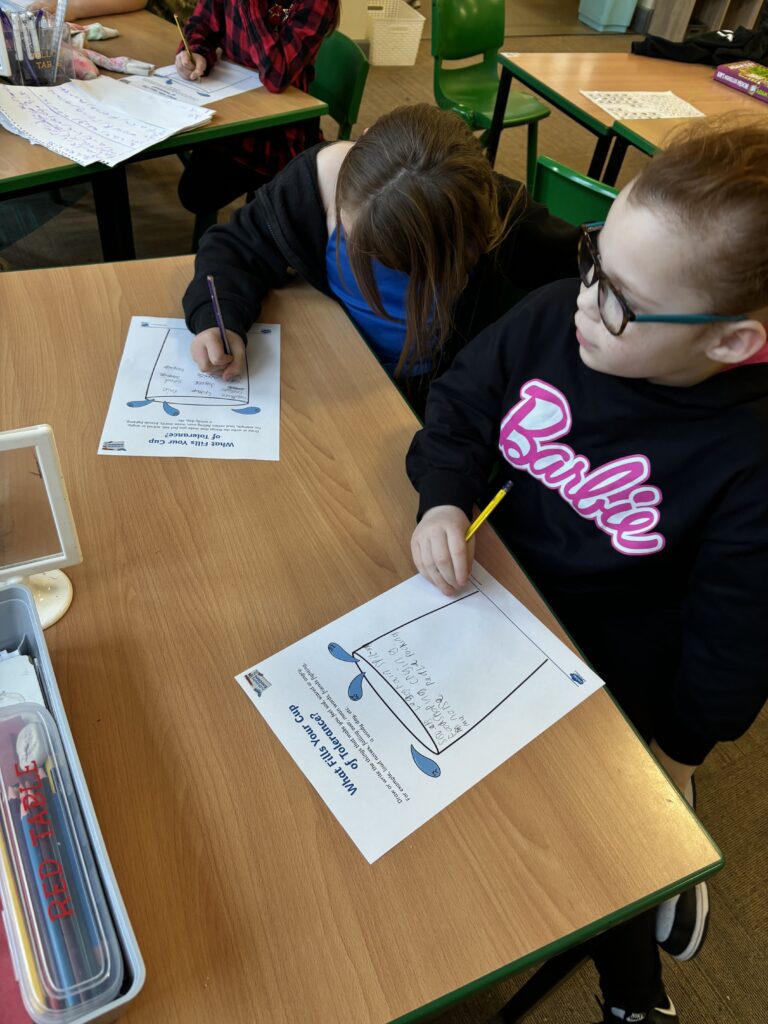
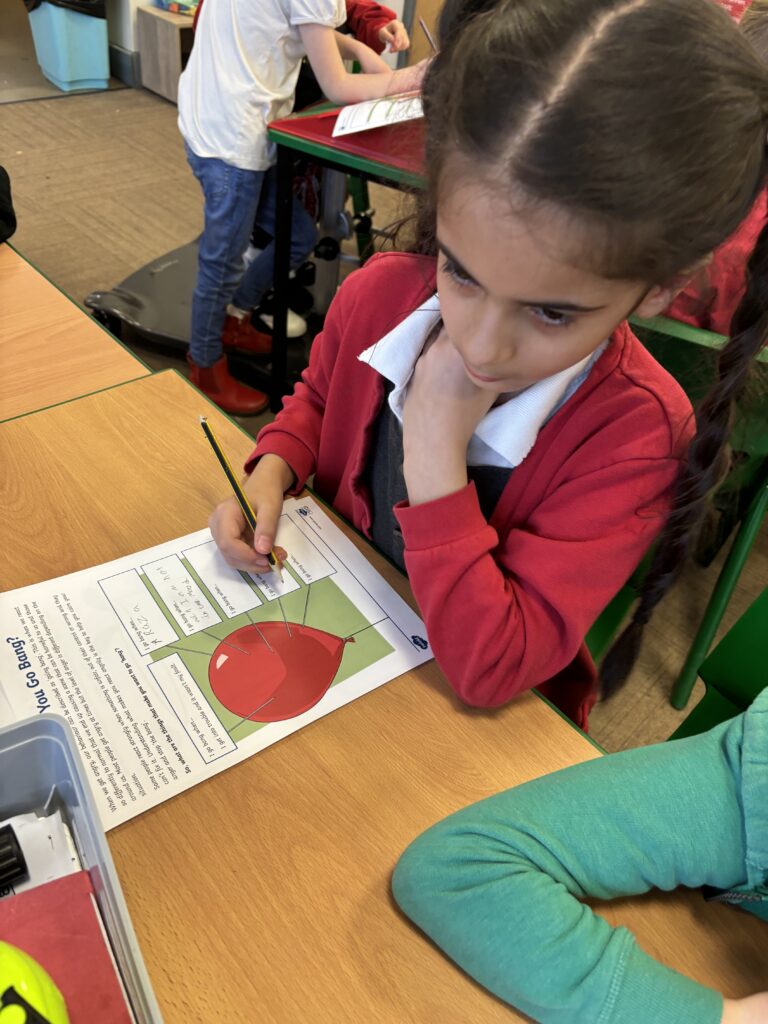
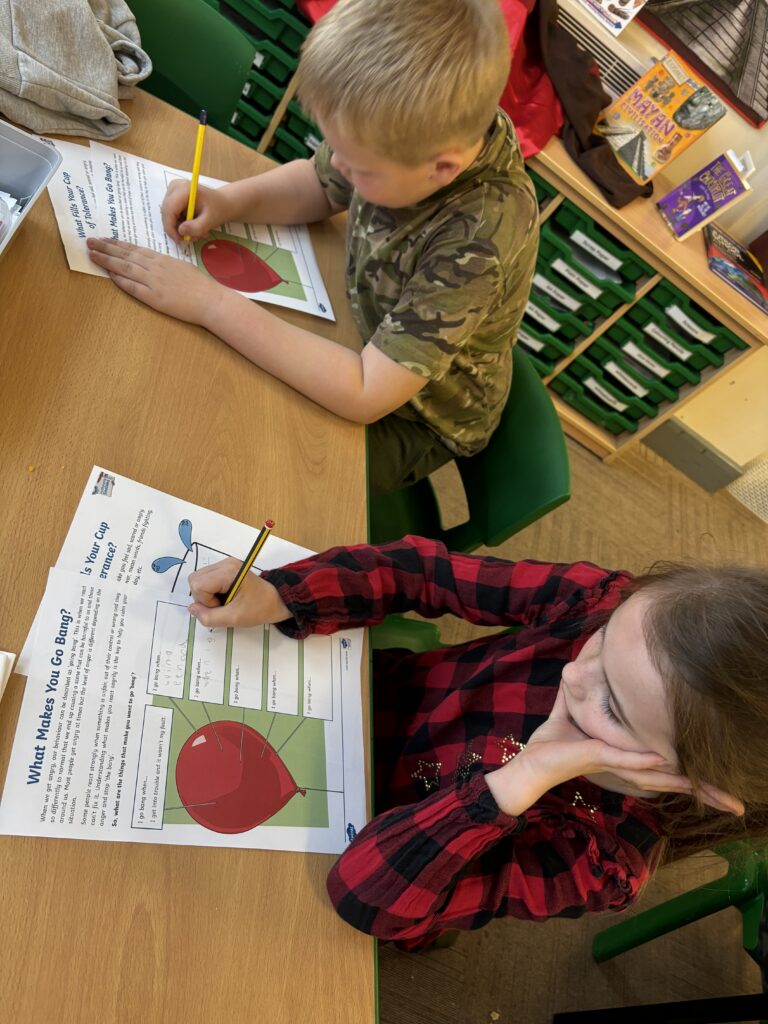
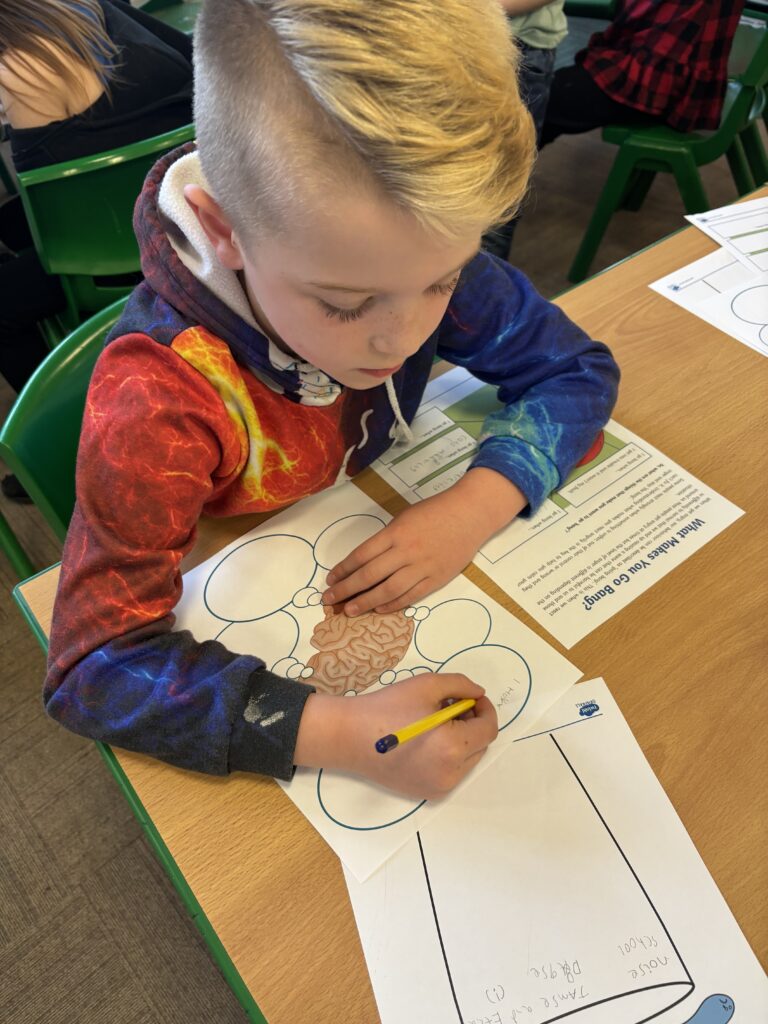
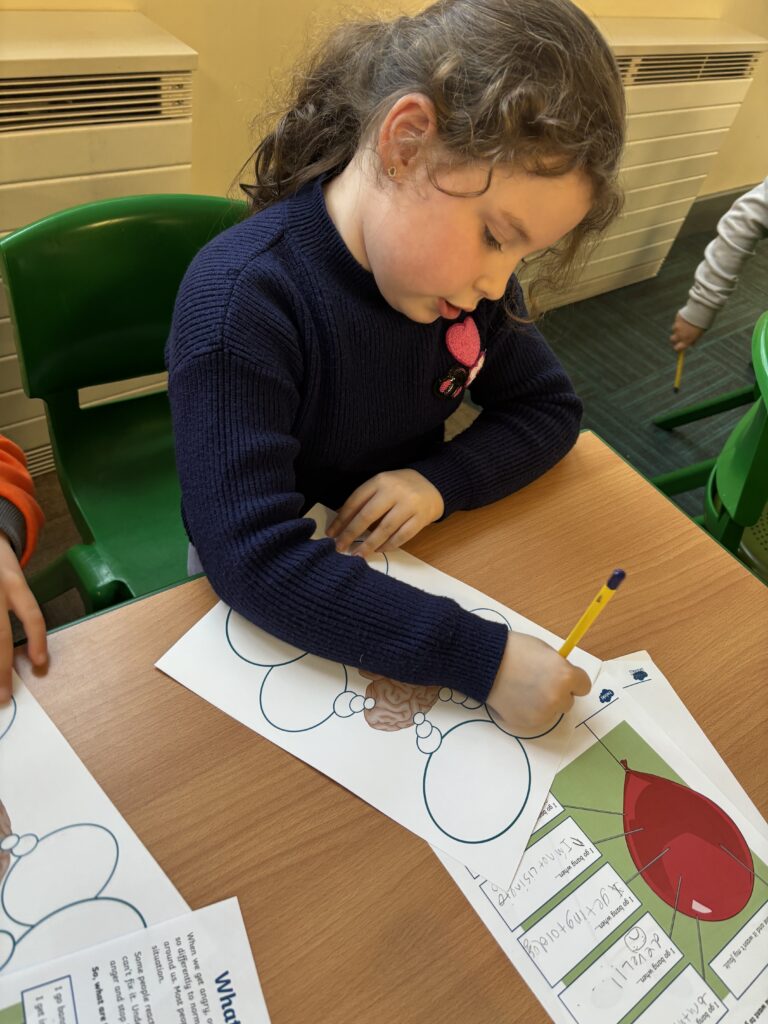
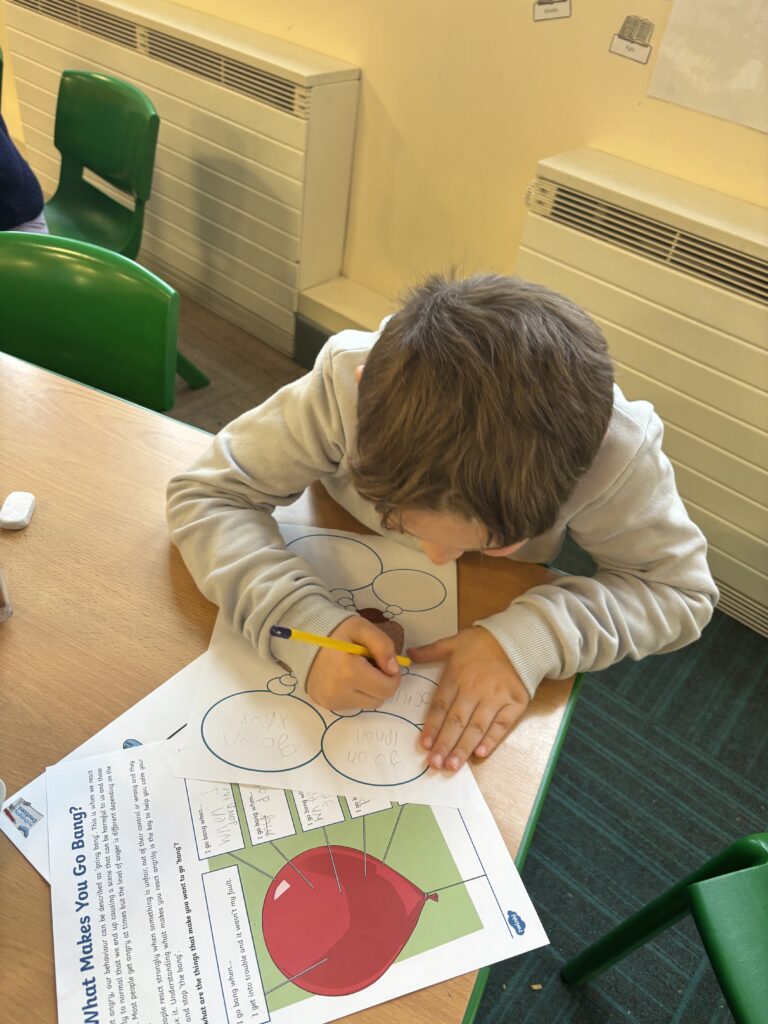
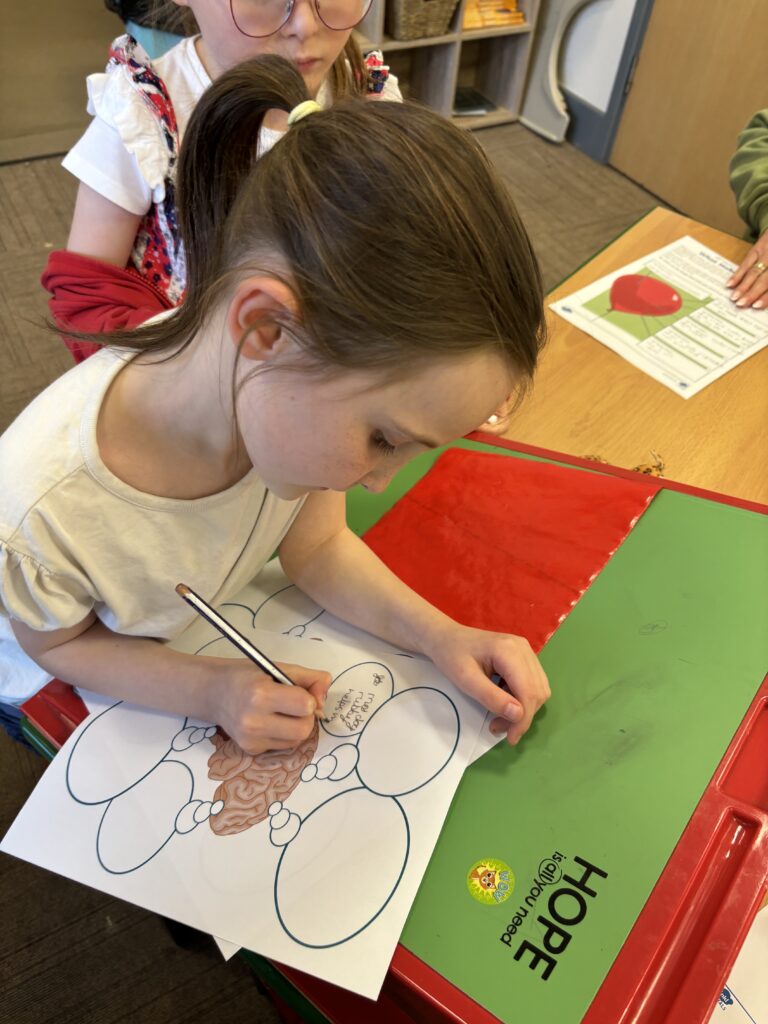
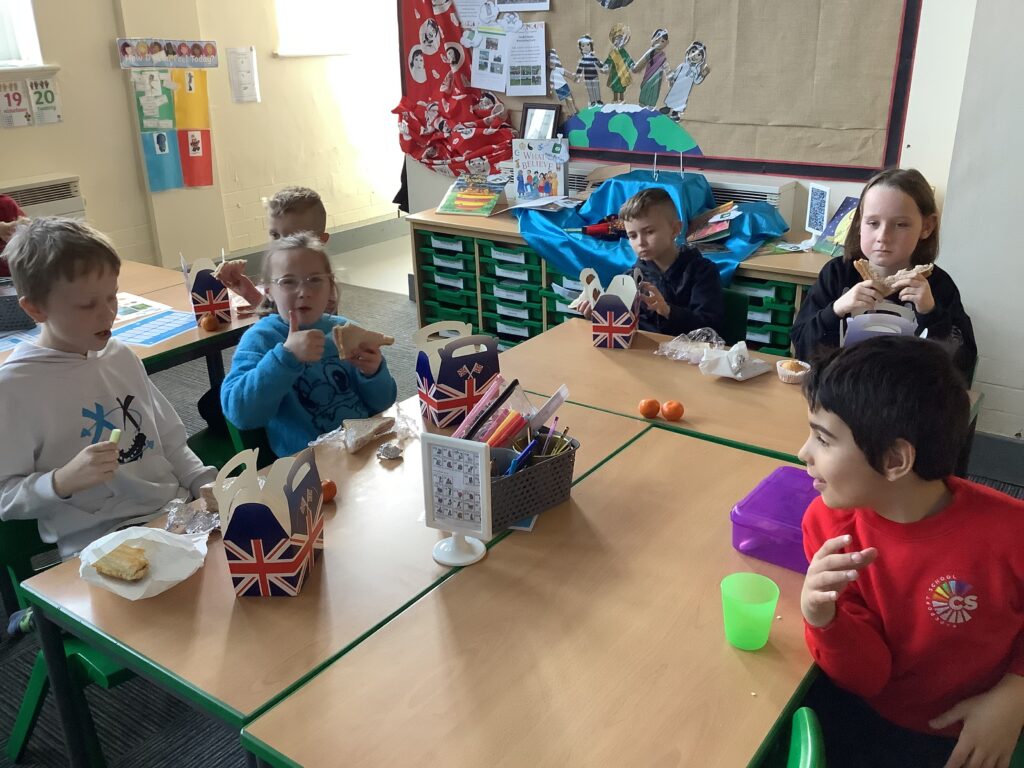
Crew Hamill loved having their picnic in class on St George’s Day! We used the afternoon to learn more about who St George was and why he was so important. We then focused on the British Values – democracy, the rule of law, individual liberty, mutual respect and tolerance. For our activities, we had a Crew Focus on tolerance. We discussed what this meant, understanding that we all don’t share the same beliefs and values but that it is important to respect the values, ideas and beliefs of others whilst not imposing our own onto them. We then thought about what the term ‘tolerance’ actually means and identified things that can impact on our own tolerance levels. We created ‘tolerance cups’, filling our cups with all of the day to day things that can niggle us and lead to us having lower tolerance levels. Once we had done this, we thought about the things that ‘make us pop’ – those things that mean our tolerance has run out and we struggle to control our emotions. Finally, we thought about what we could do to calm our brains in these situations and allow ourselves time to top our tolerance back up.
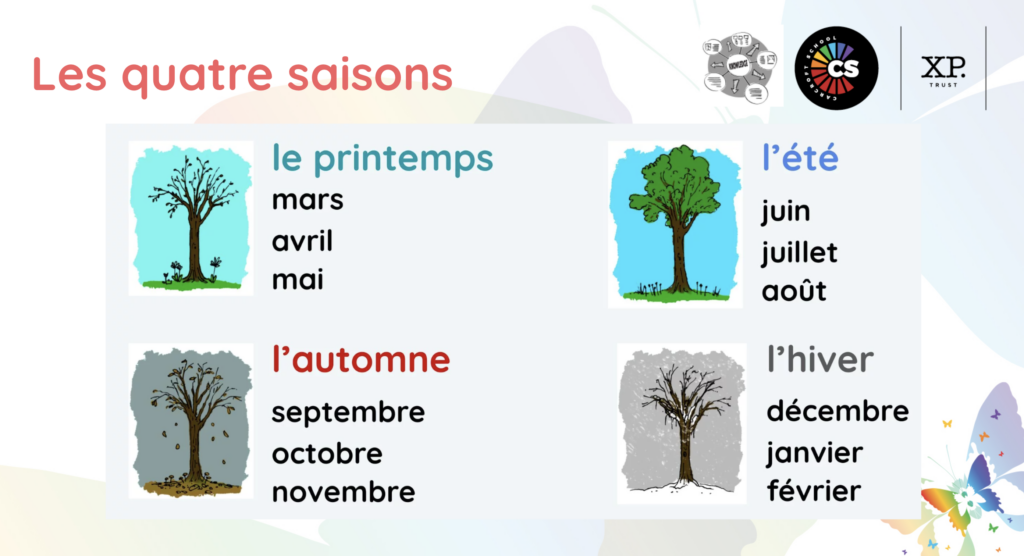
This week we have been looking at seasons and becoming more confident with dates in French. We started by looking at the four seasons, practising our pronunciation, before discussing which season each month of the year falls into.
We then spent time improving our speaking skills, as well as our listening and understanding skills, by asking our friends what their date of birth is. We used our knowledge organisers to help us construct the correct French translation to record their birthdays.

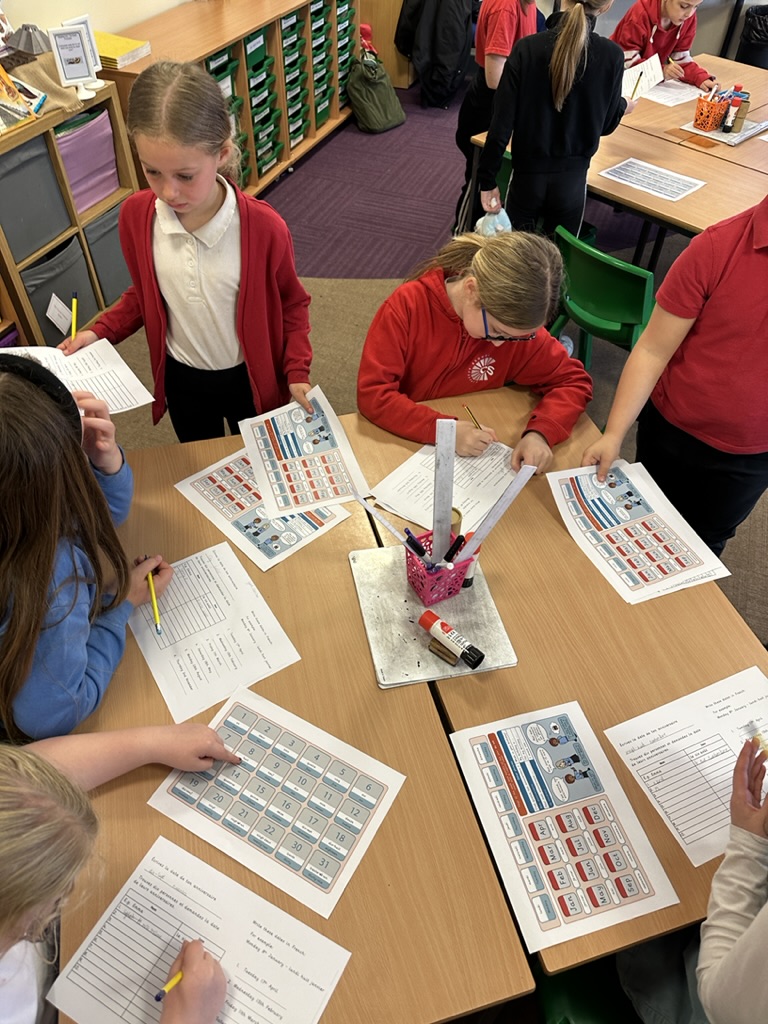
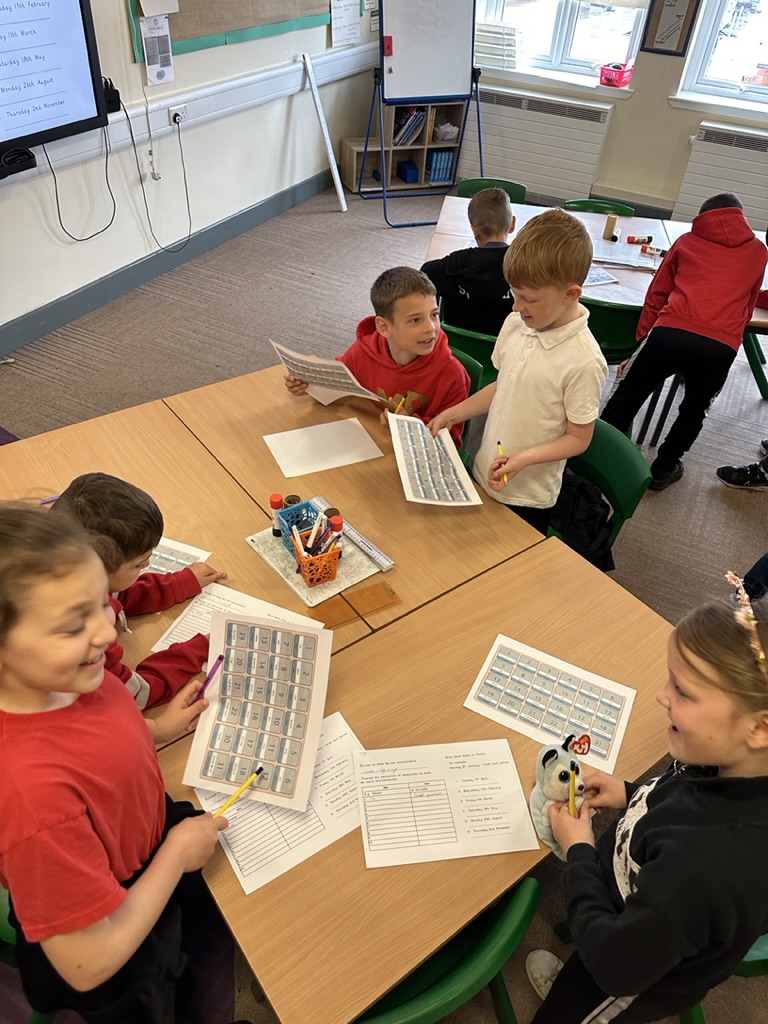
We then utilised our knowledge organisers again to translate a range of dates from English to French which supported practising to write in French.
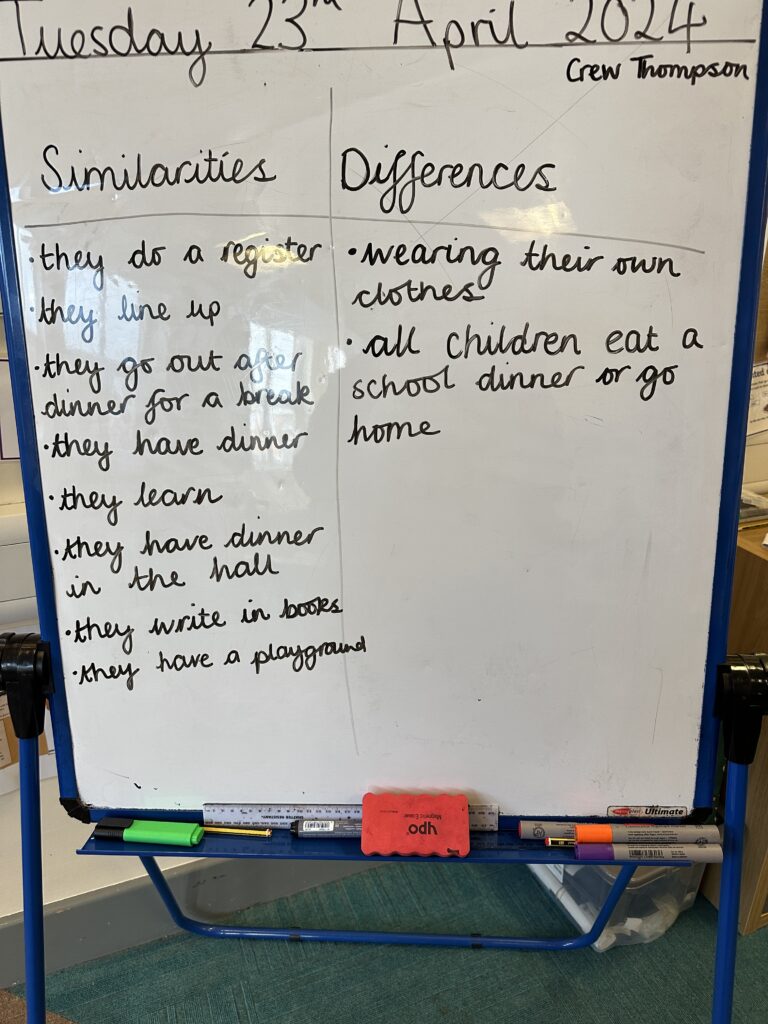
We began a new unit by looking at life in a French school. We watched a video clip to help identify any similarities and differences between school life in France and the UK.
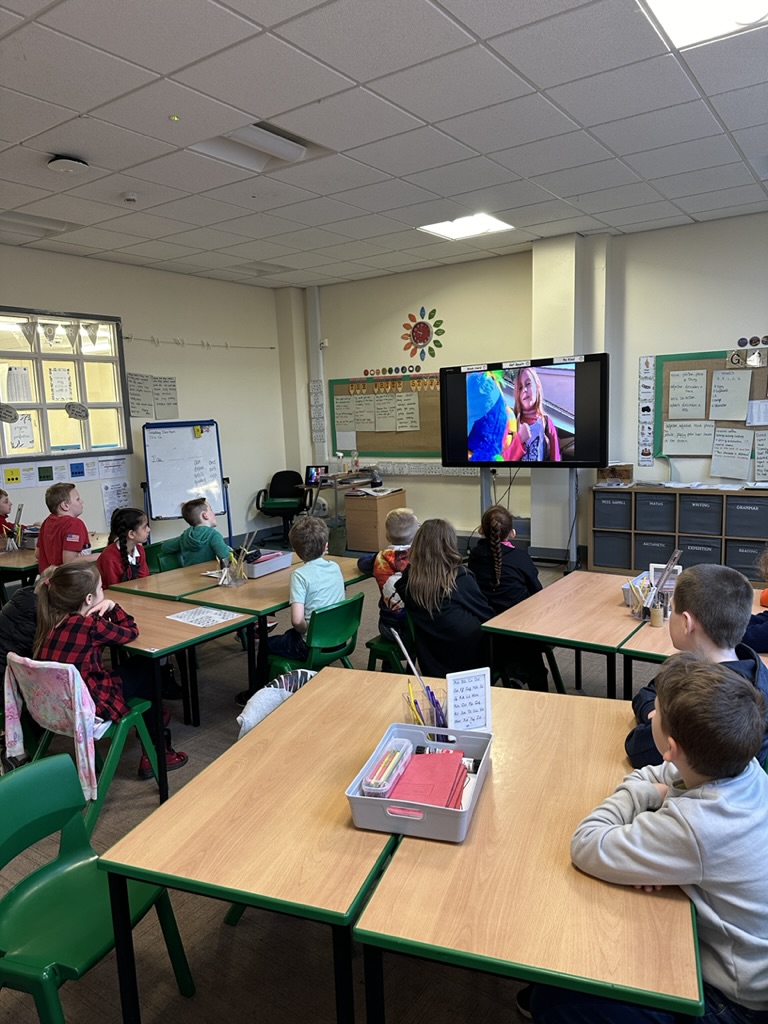

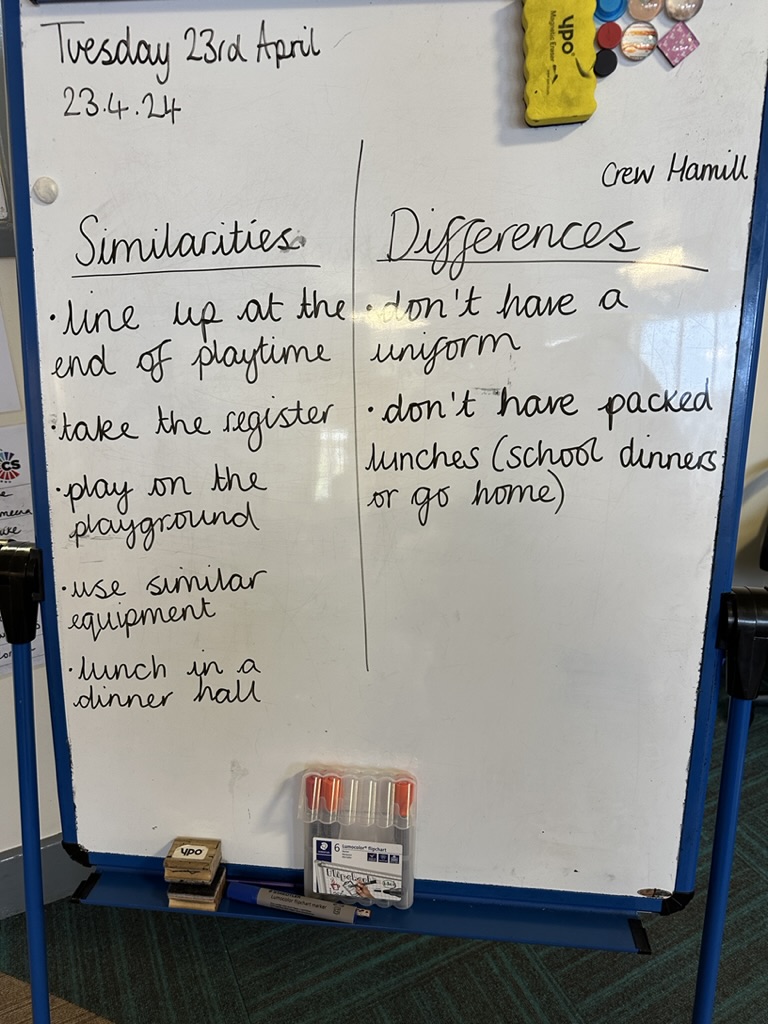
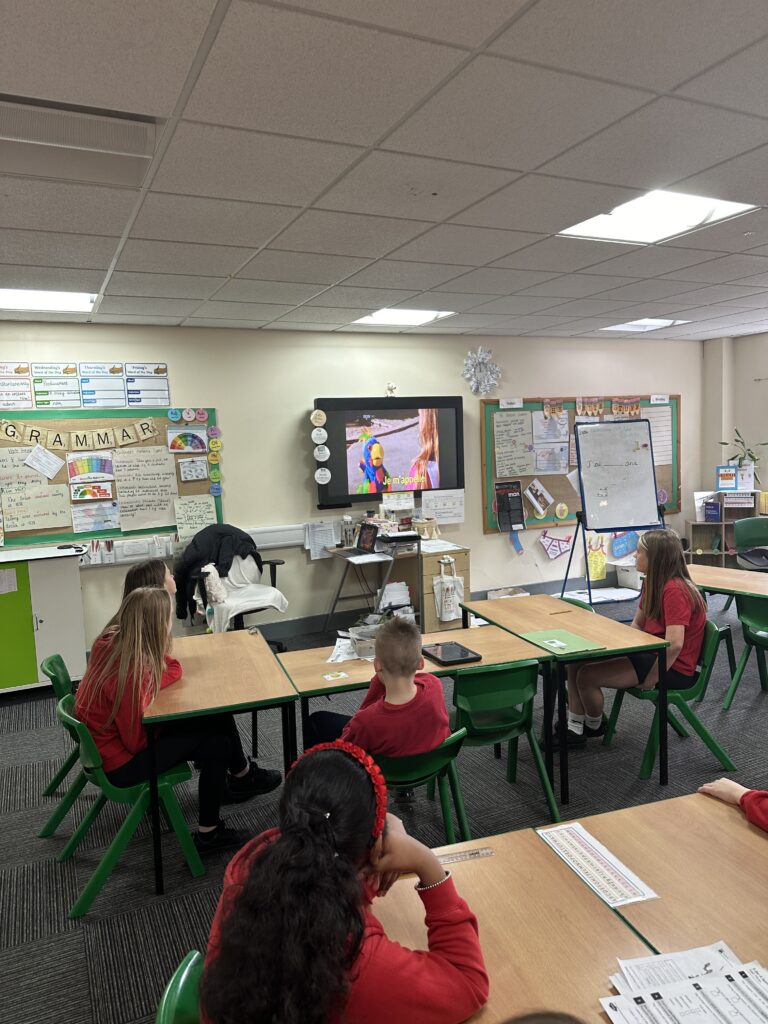
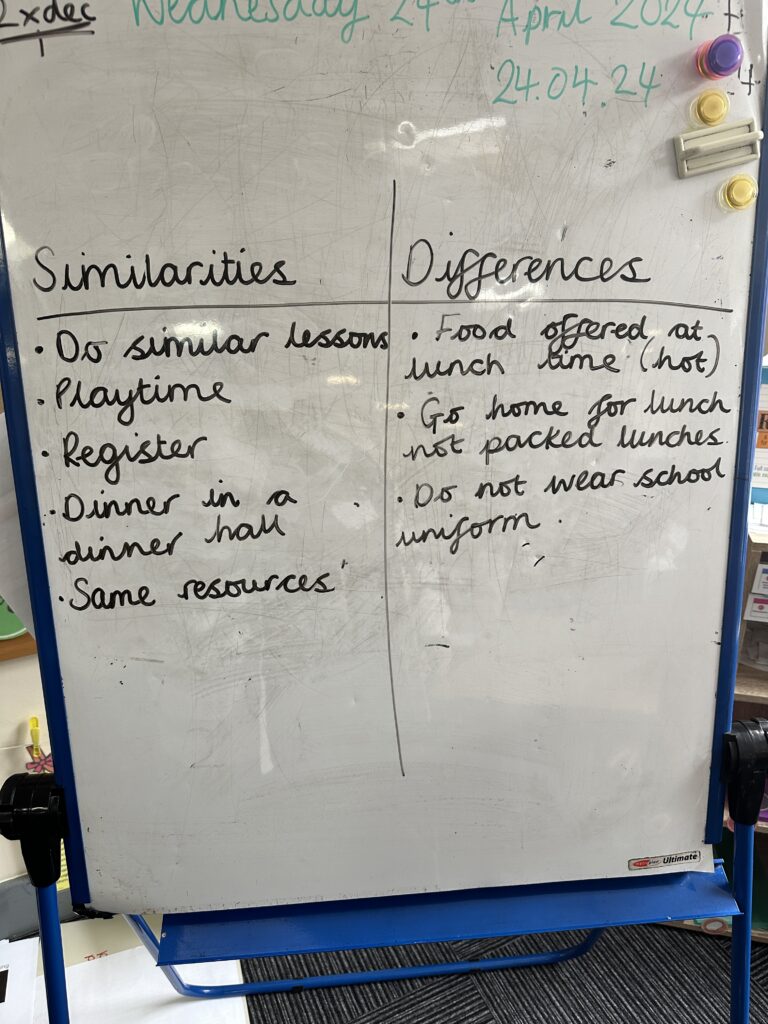
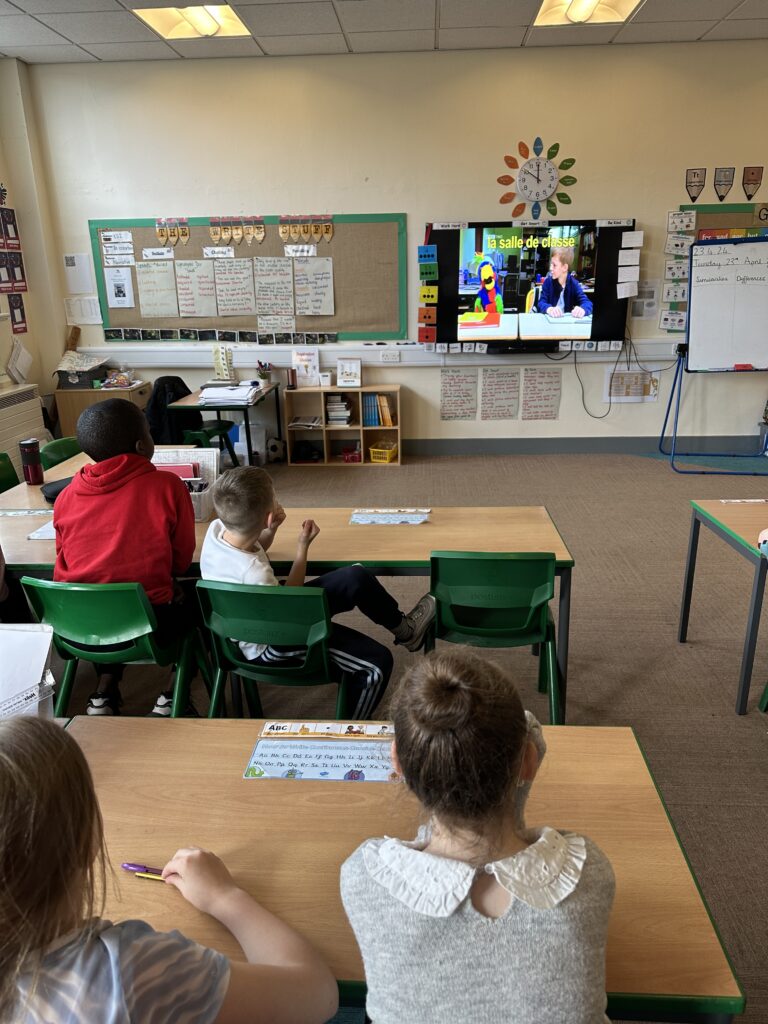
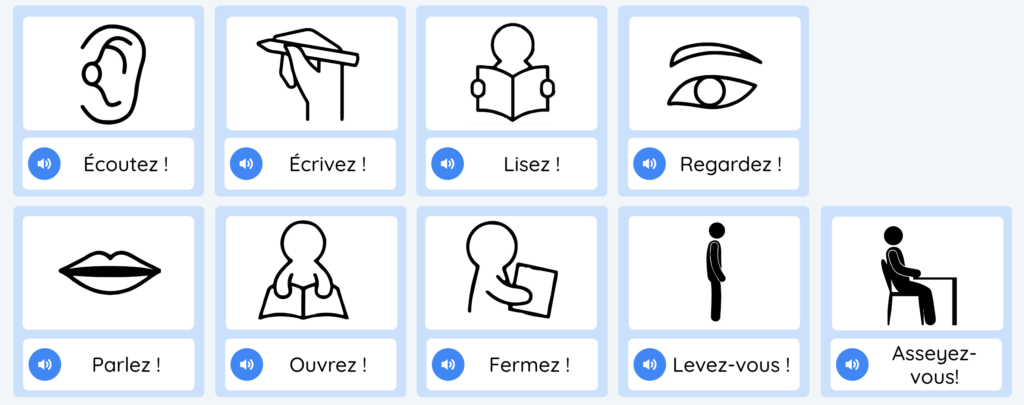
We then looked at new vocabulary related to instructions given in the classroom. We practised our pronunciation and understanding by creating signals to match the French pronunciation. We then worked together to match the symbols to the correct written phrase for each instruction.
To finish, we played a game of Jacques a dit (a French equivalent to Simon Says). We had to listen carefully to the instruction given to us in French before showing either a gesture or doing that action depending on whether it was prefaced with ‘Jacques a dit’ or not.
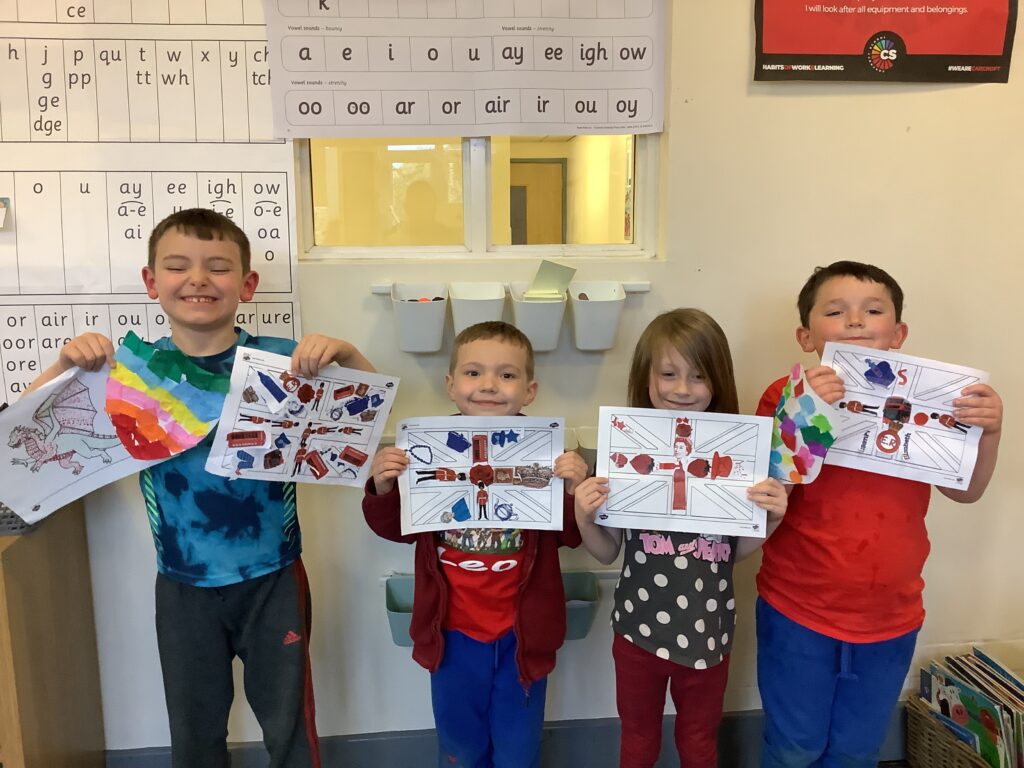
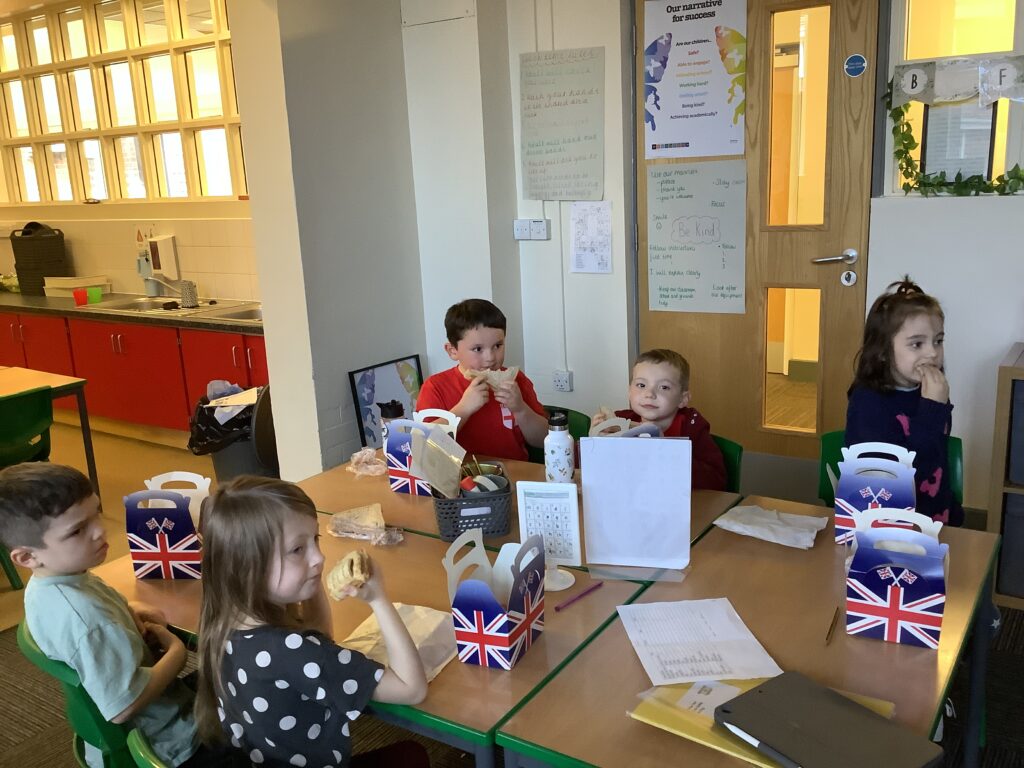
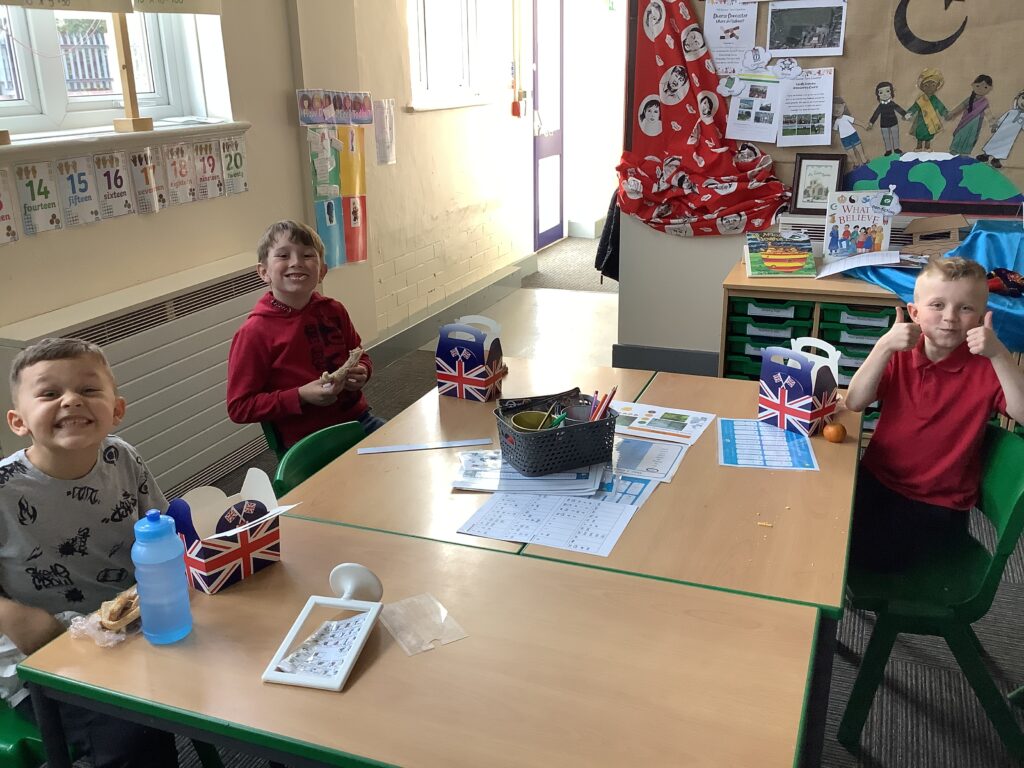
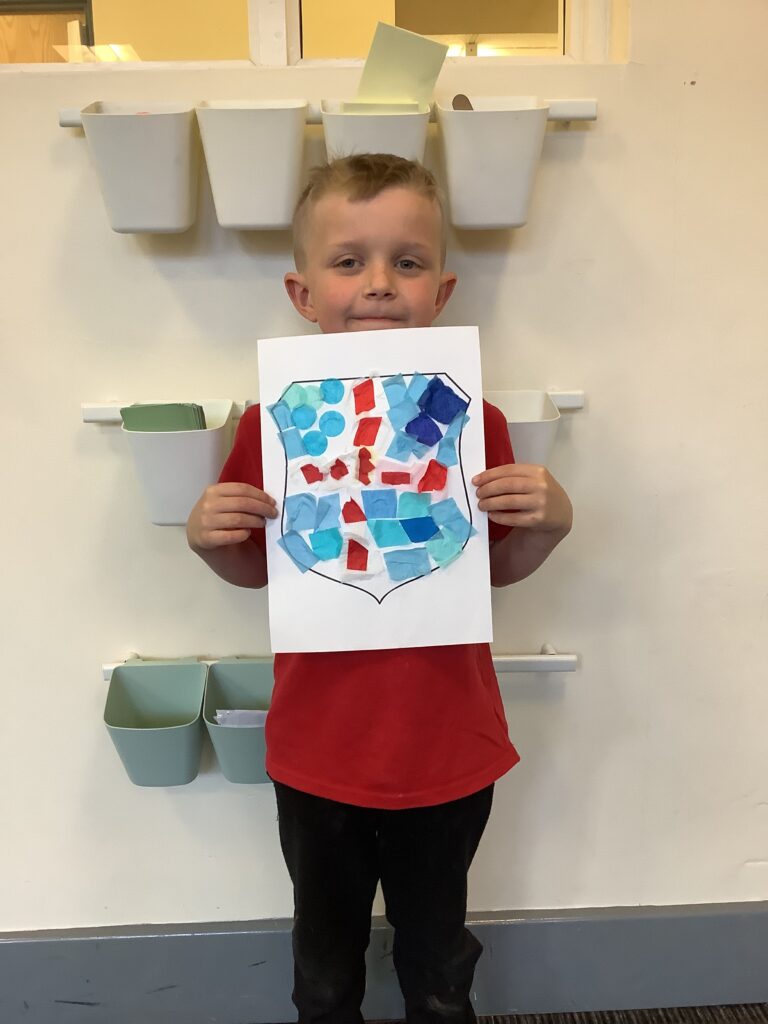
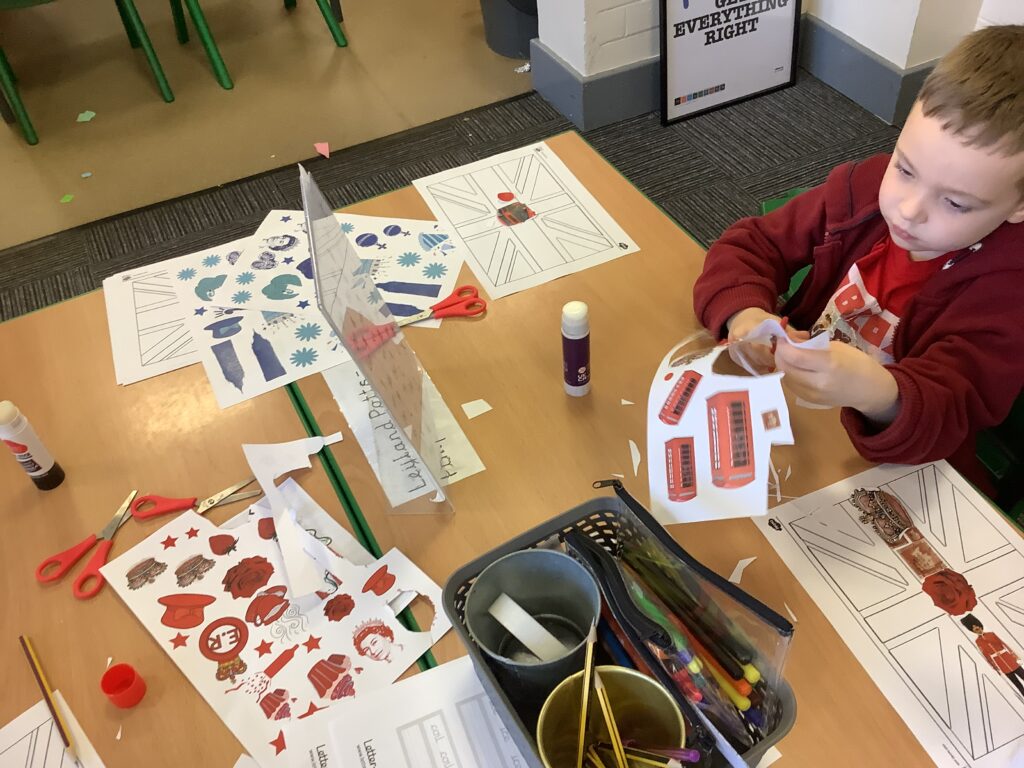
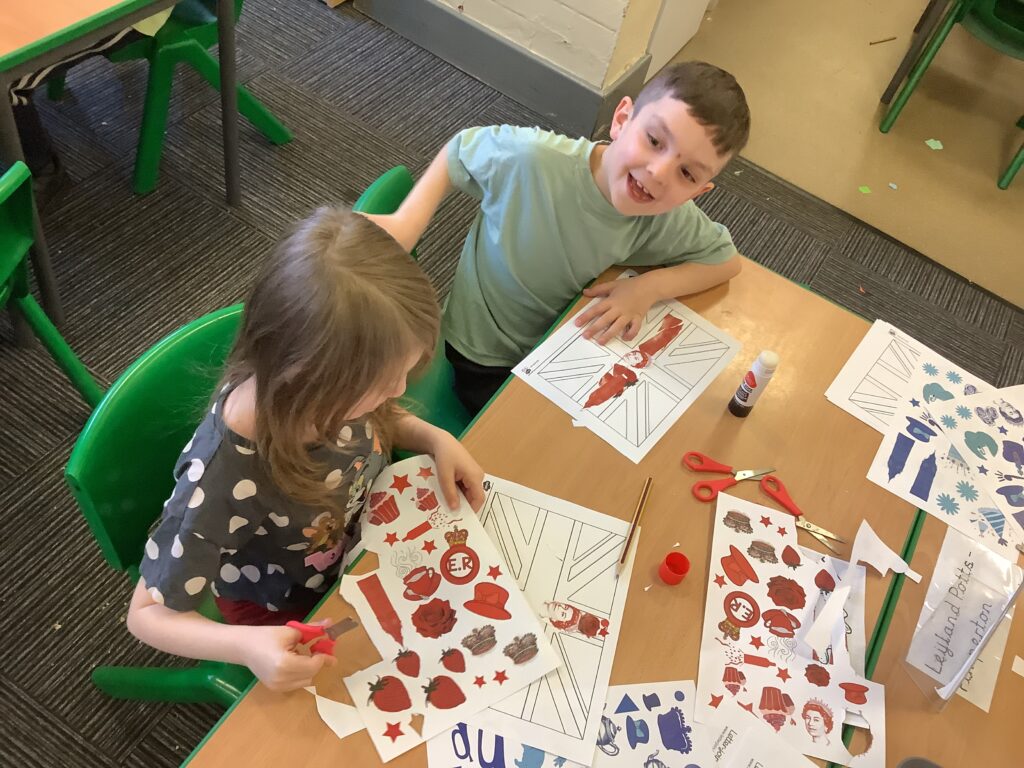
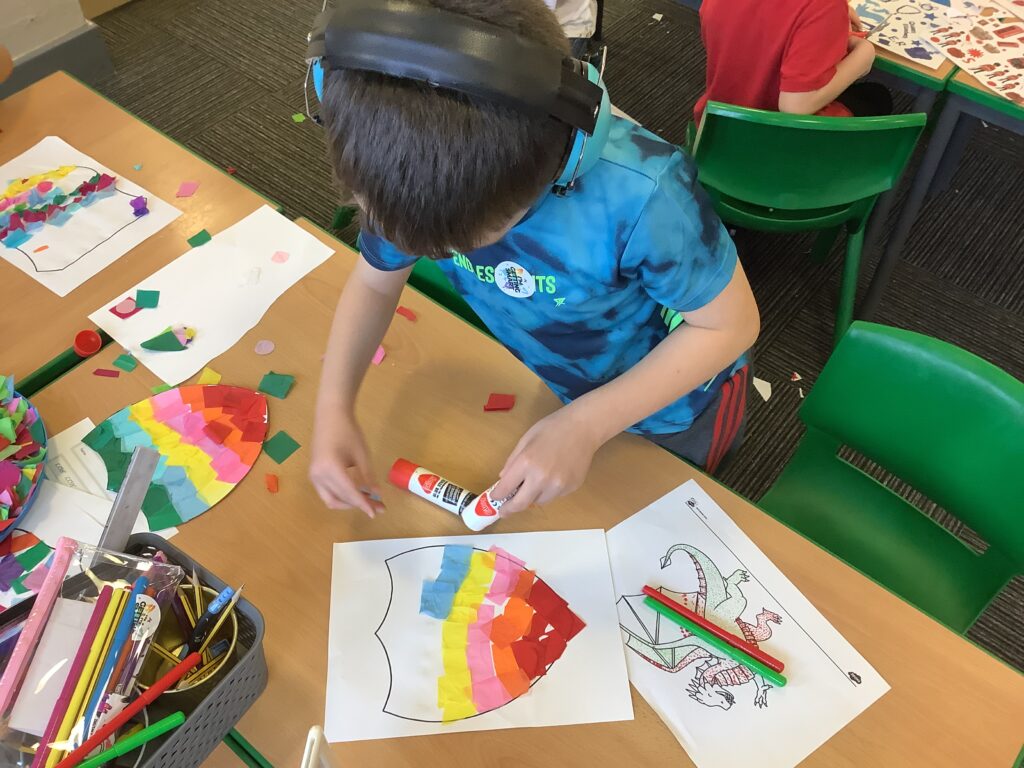
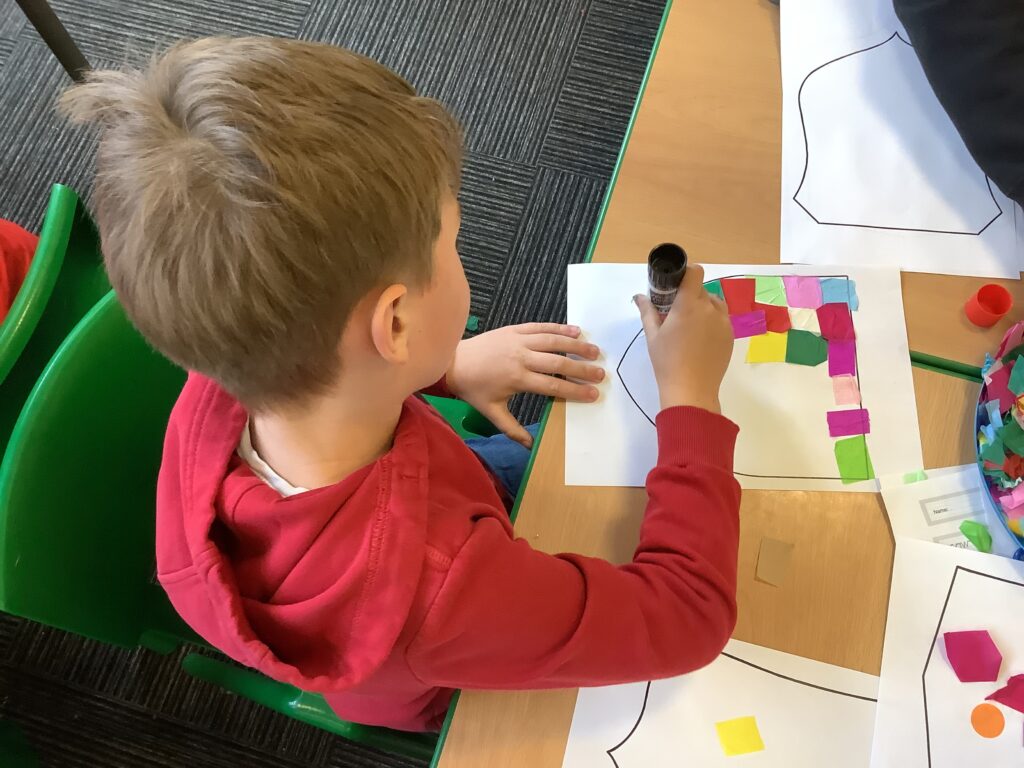
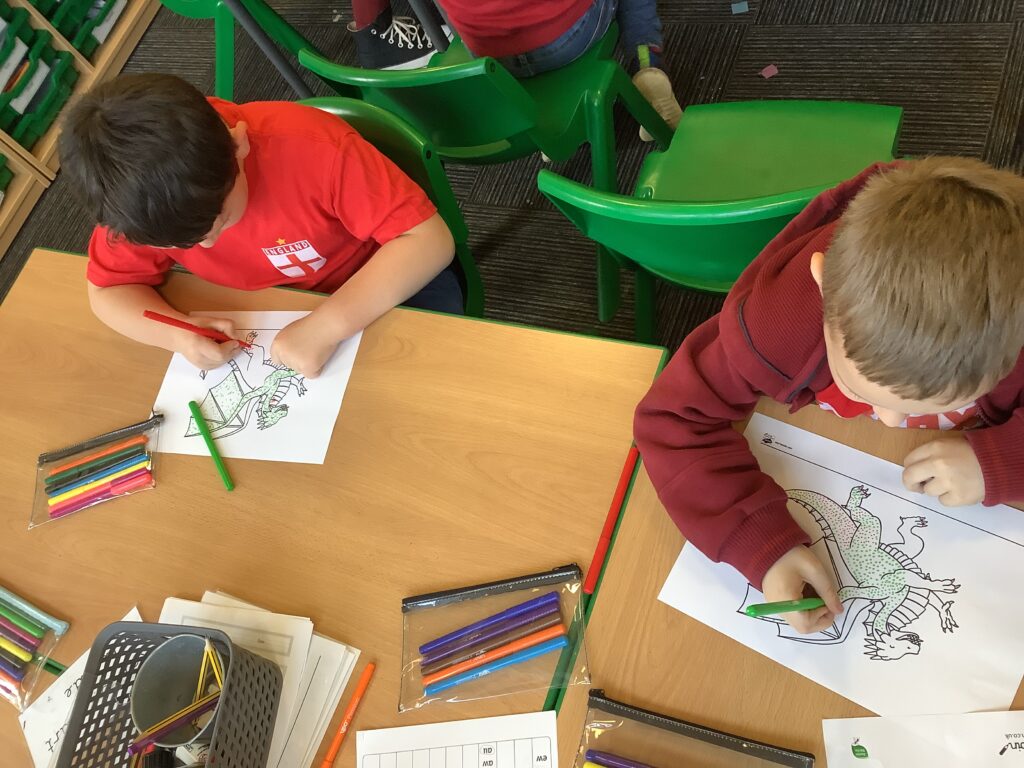
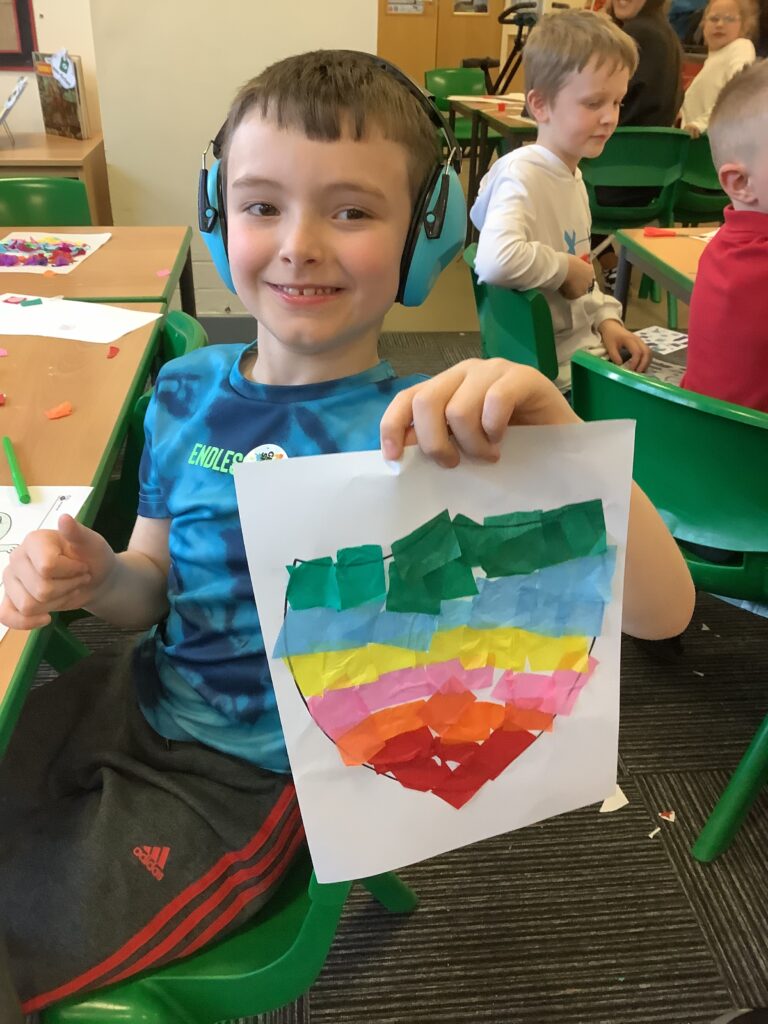
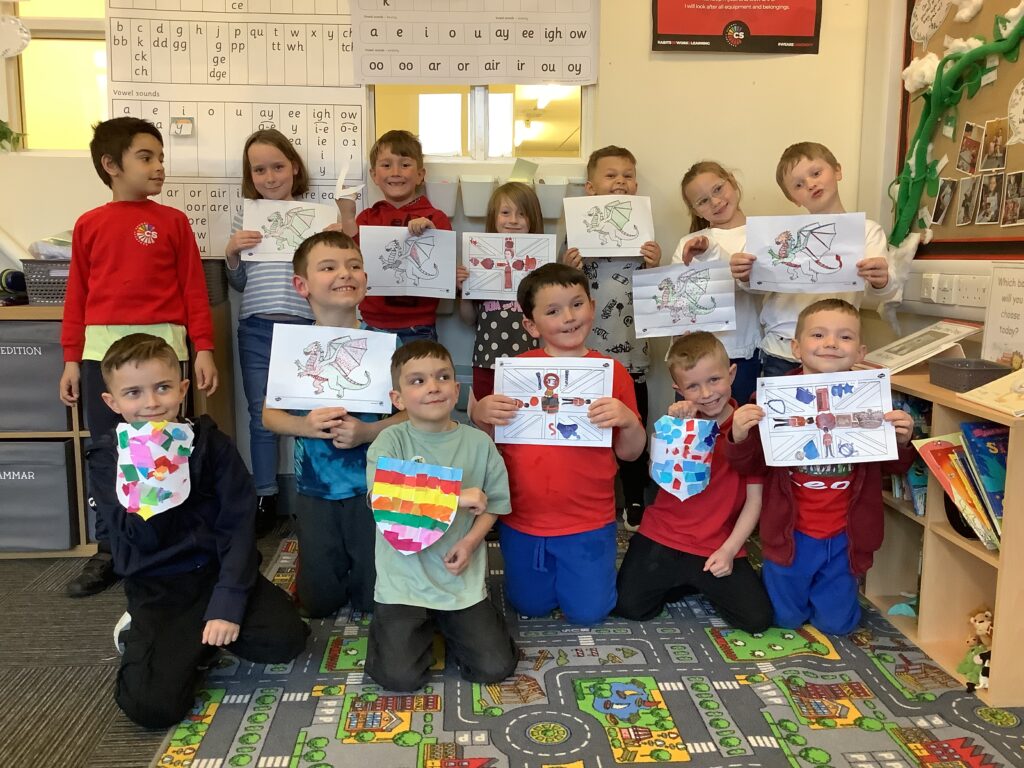
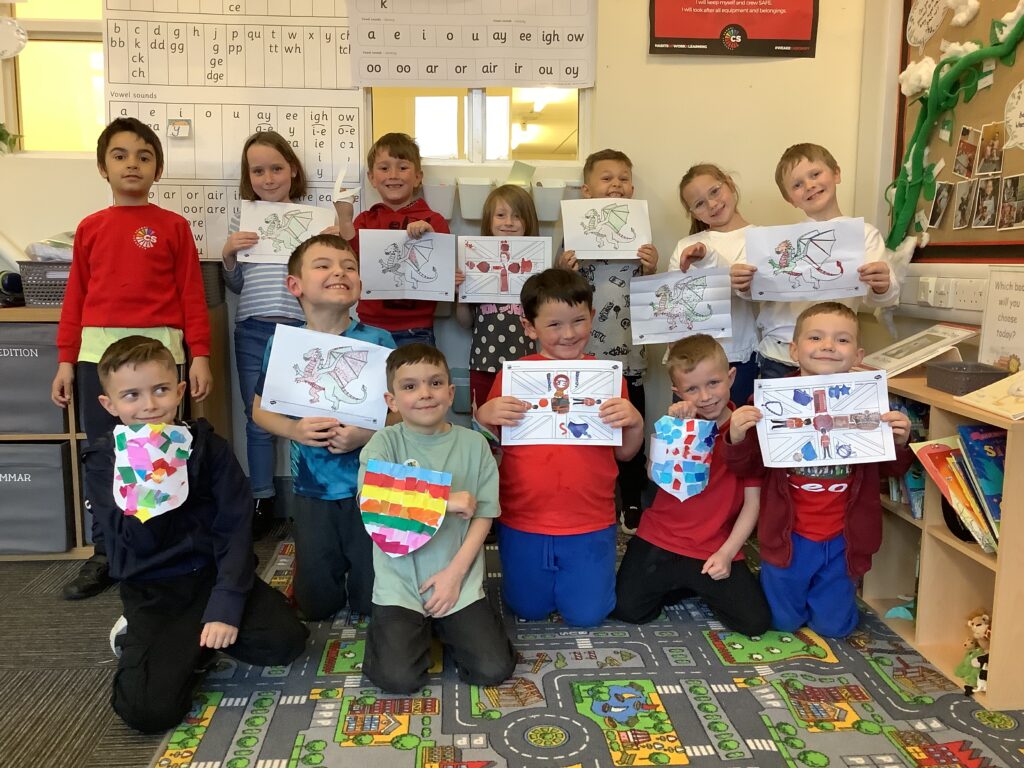
To celebrate St George’s Day in Crew Godley we participated in a number of fun activities! We began by enjoying our ‘British’ crew picnic where we sat together and ate sandwiches, sausage rolls and cakes. We then completed a carousel of art activities including, creating colourful shields, pointillism dragons and collage flags. We also discussed why we were creating the different pieces, who St George was and what he accomplished!
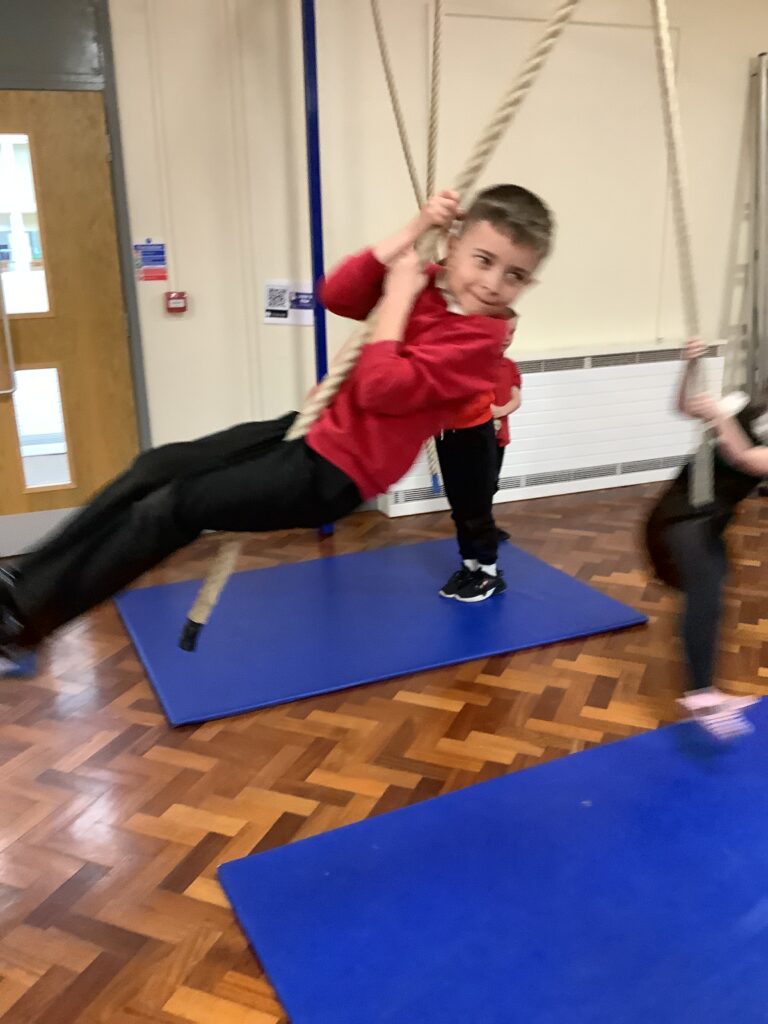
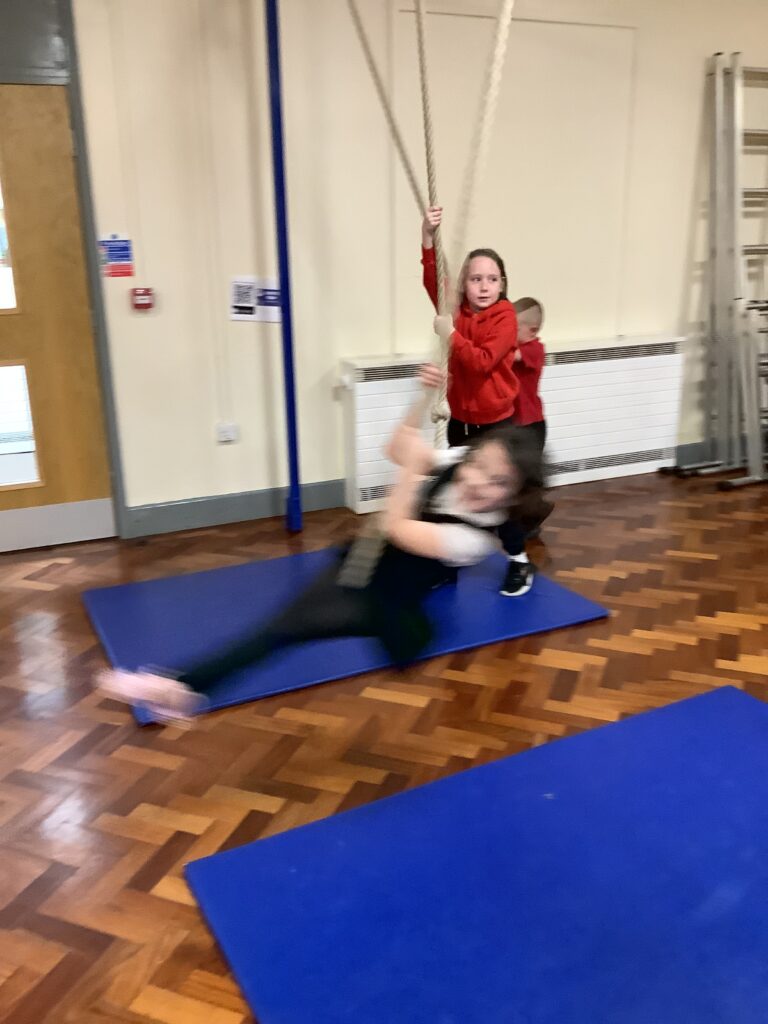
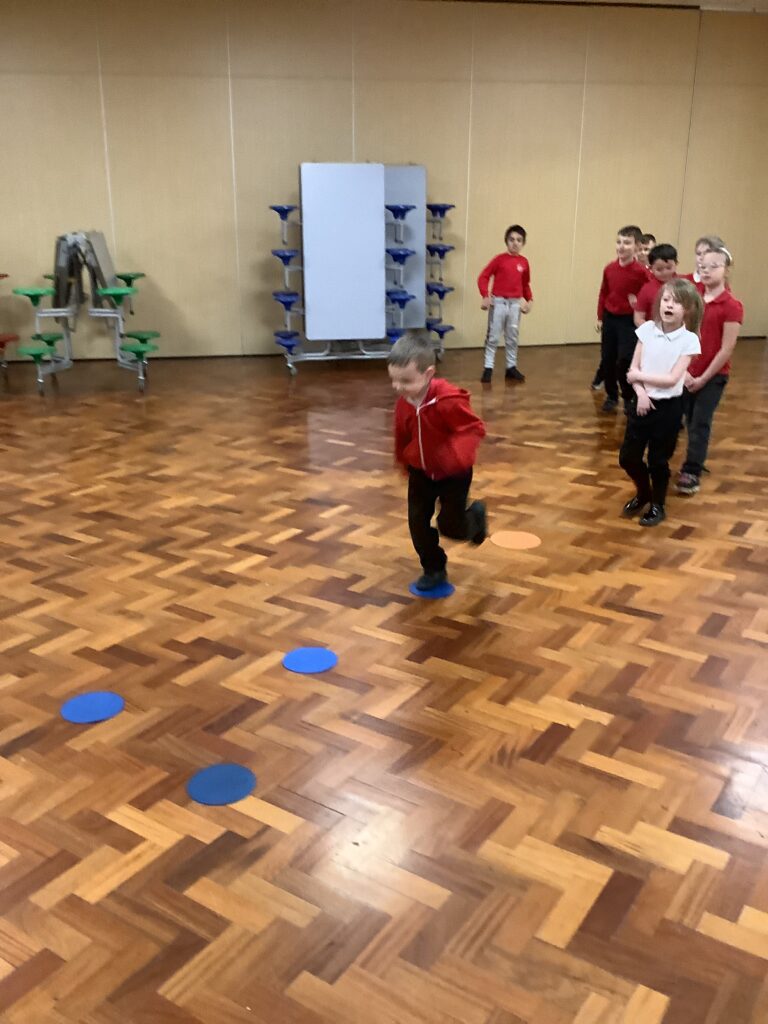
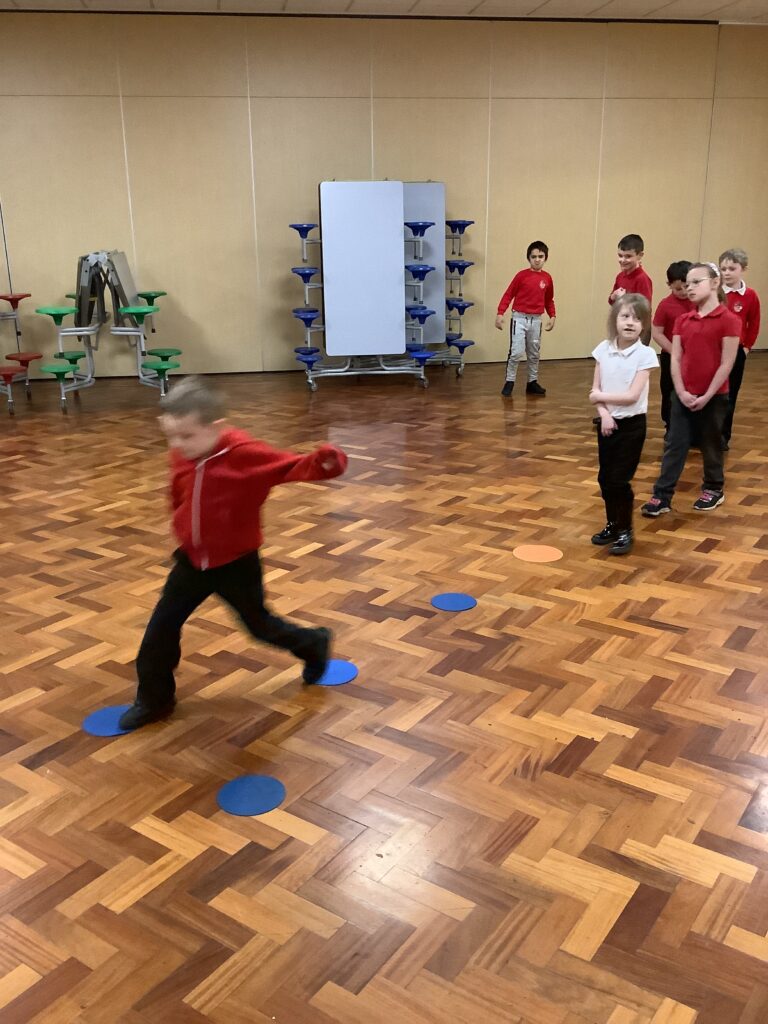
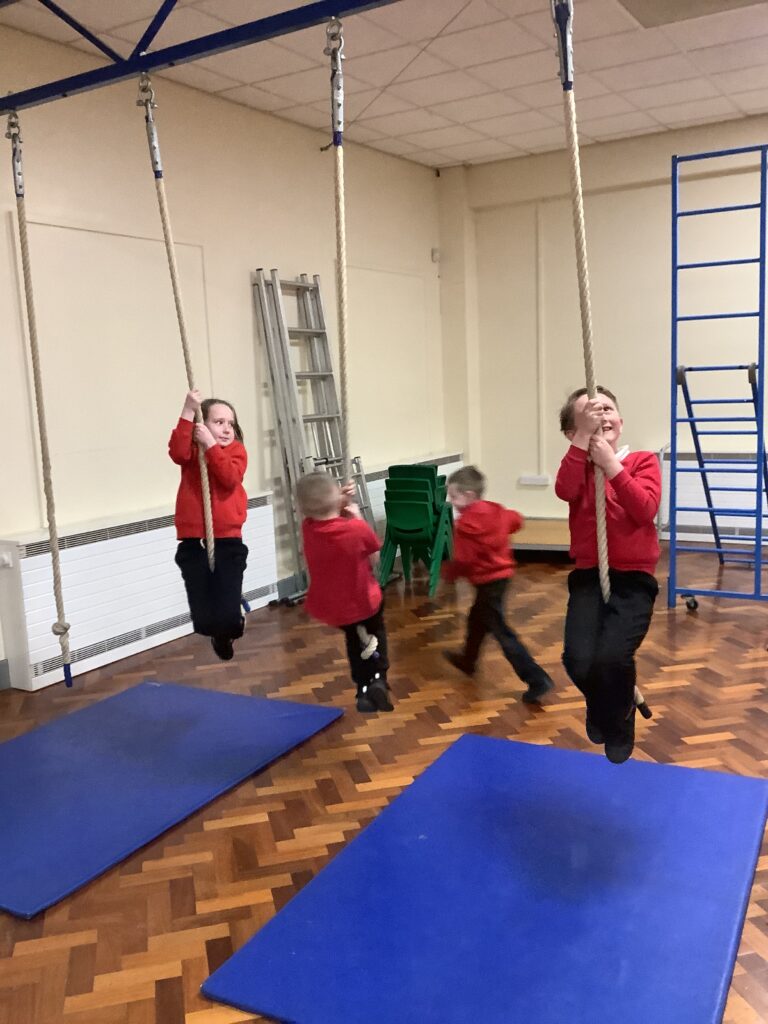
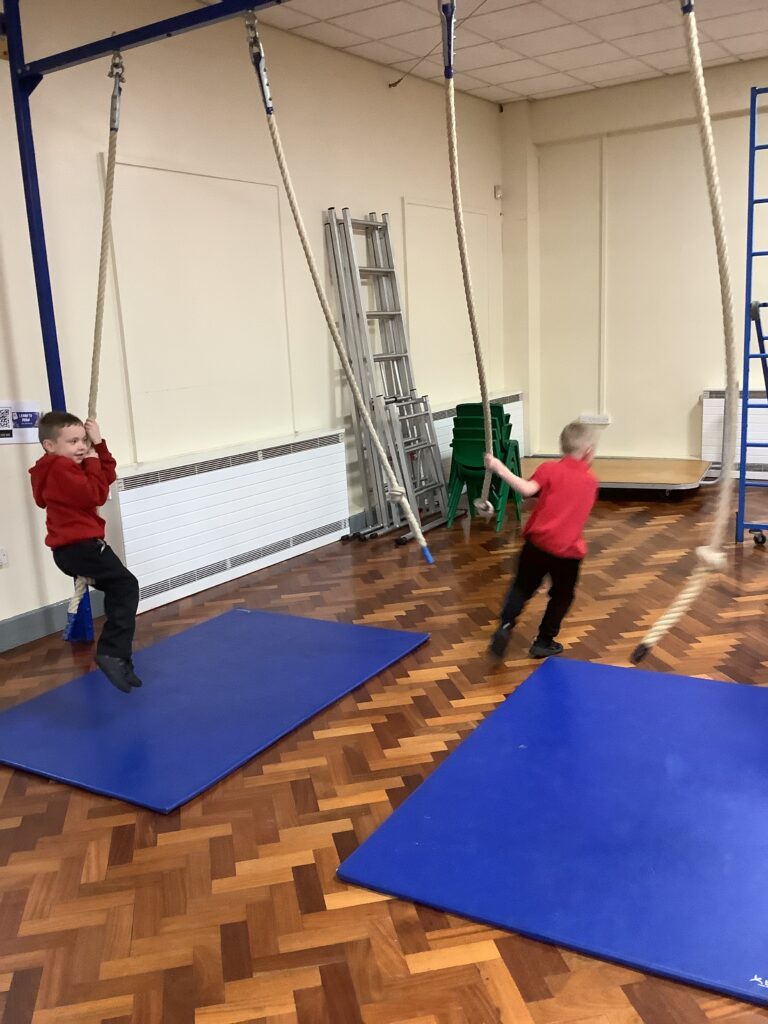
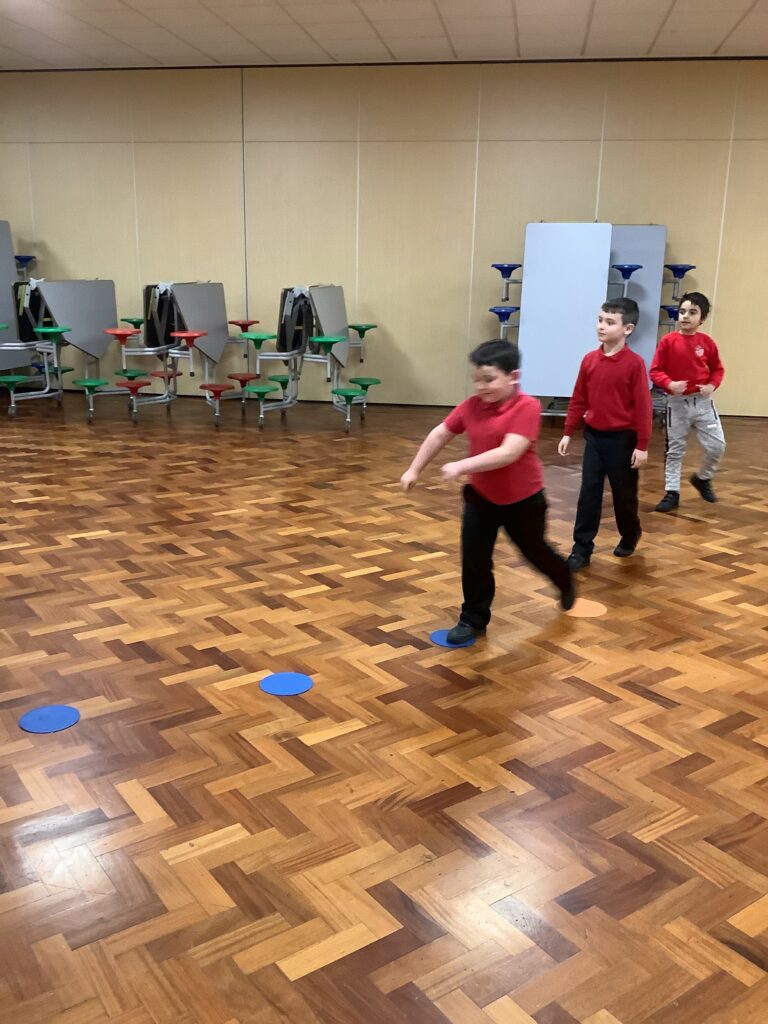
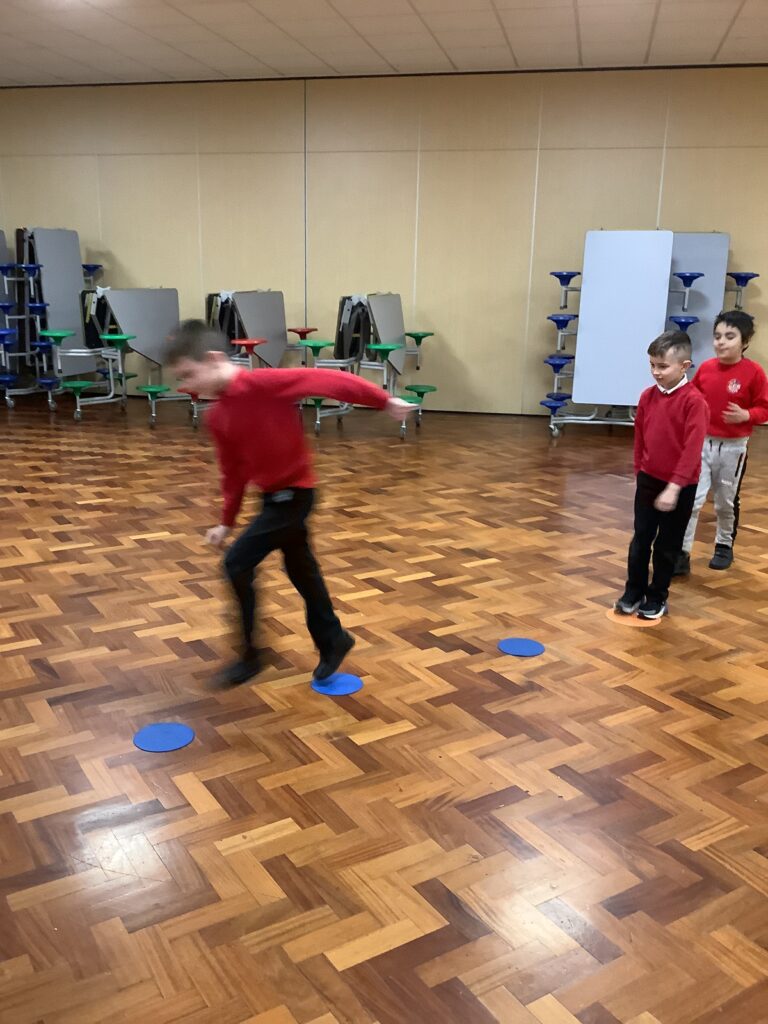
Today as part of our Experience Day for The Write Stuff, we swung through the tree, navigated the tall grass and spied the magical creatures. We had to keep our balance on the stepping stones and we were unsure what the ear aching noises from down below could be…
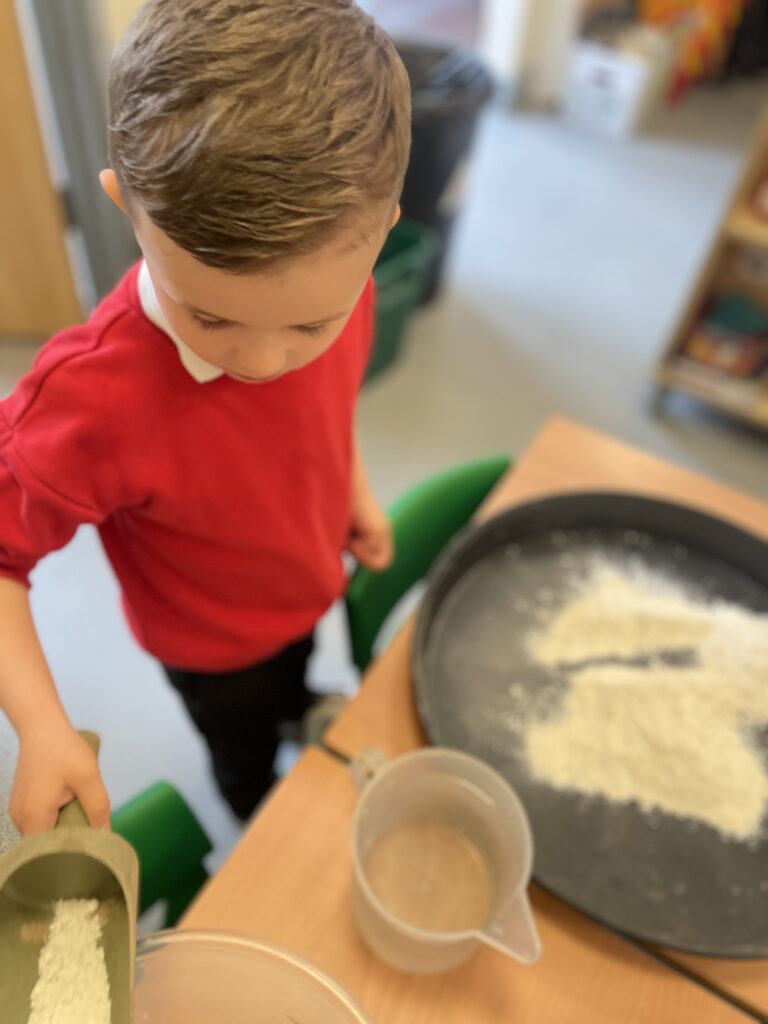
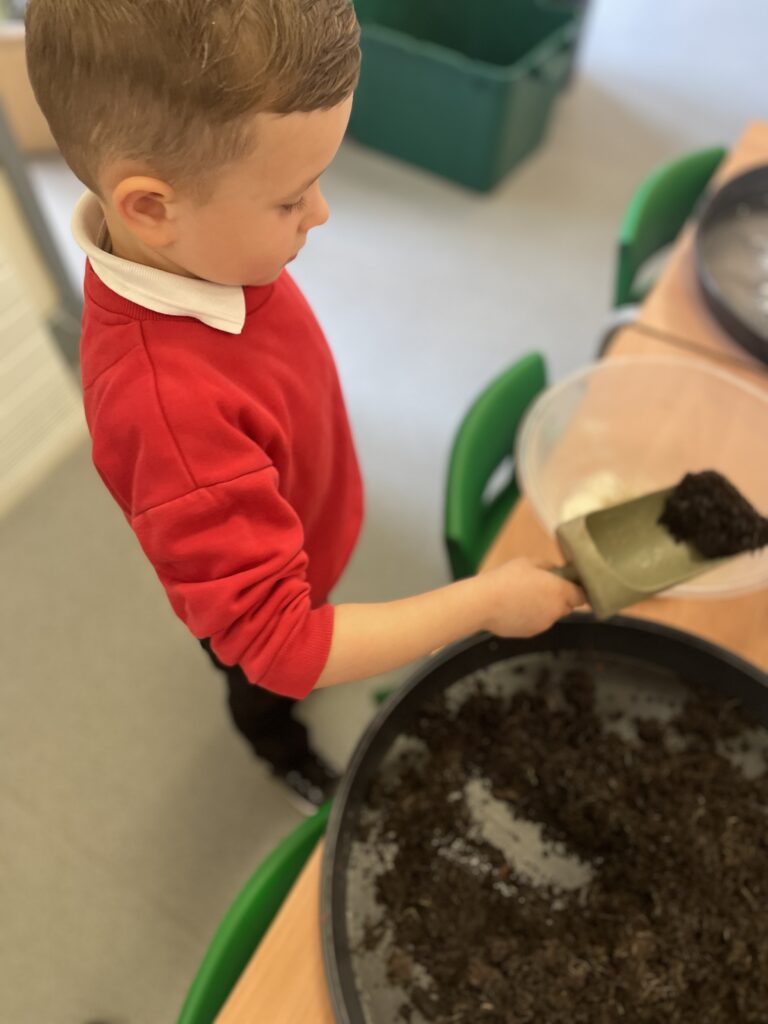
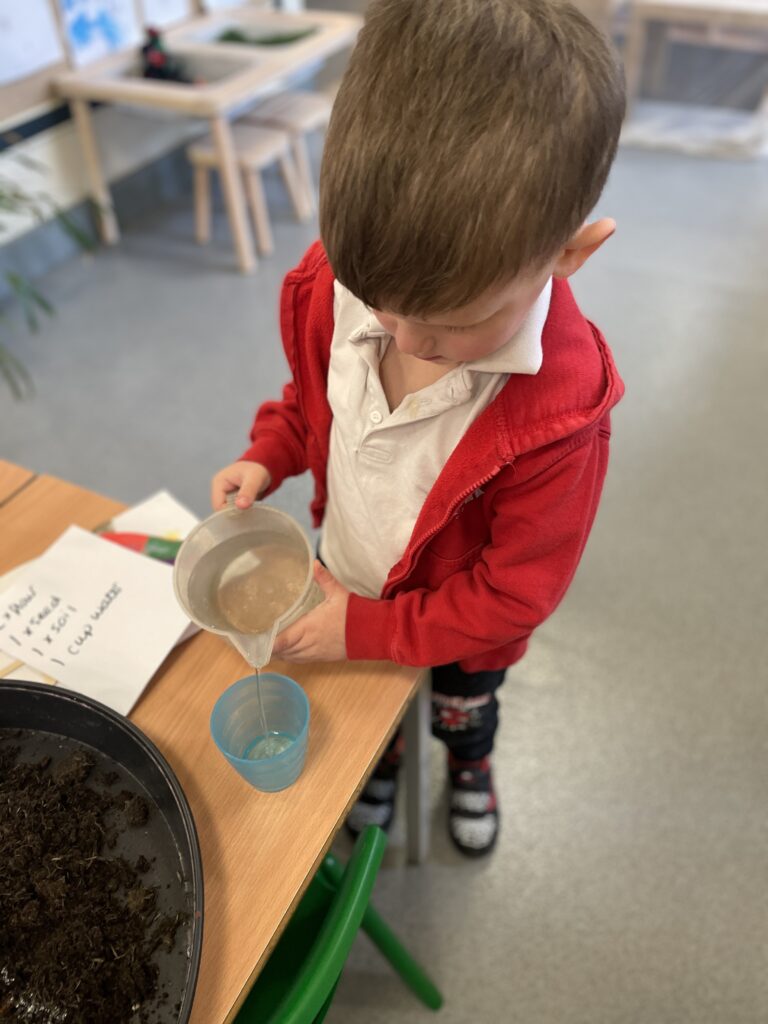
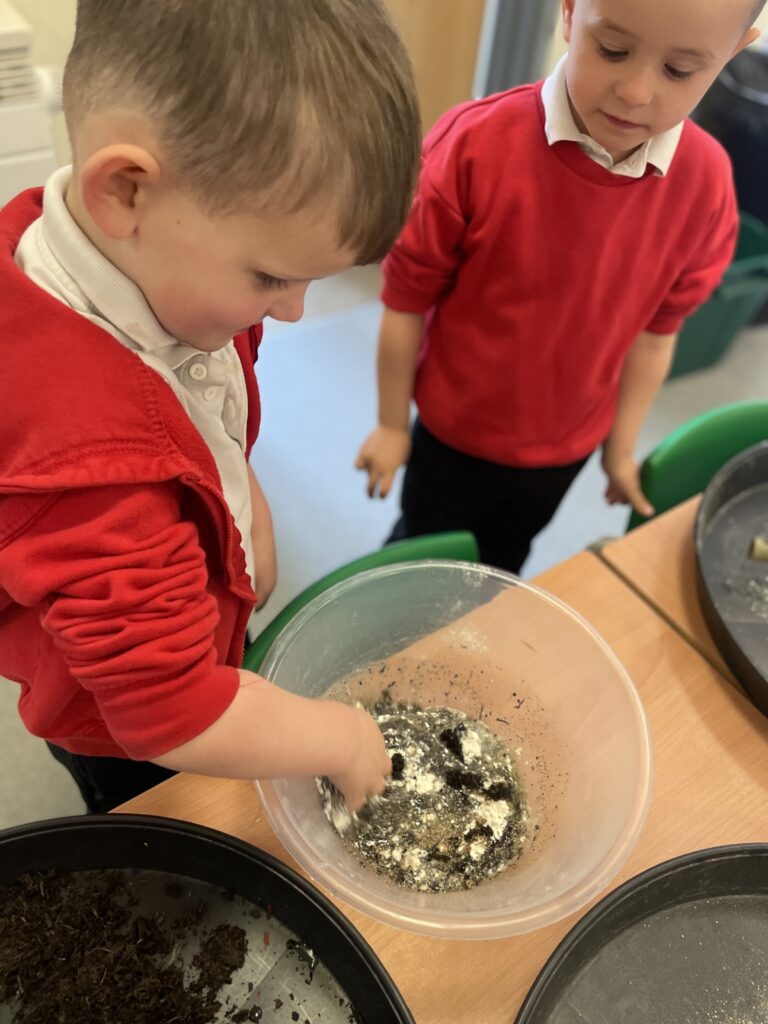
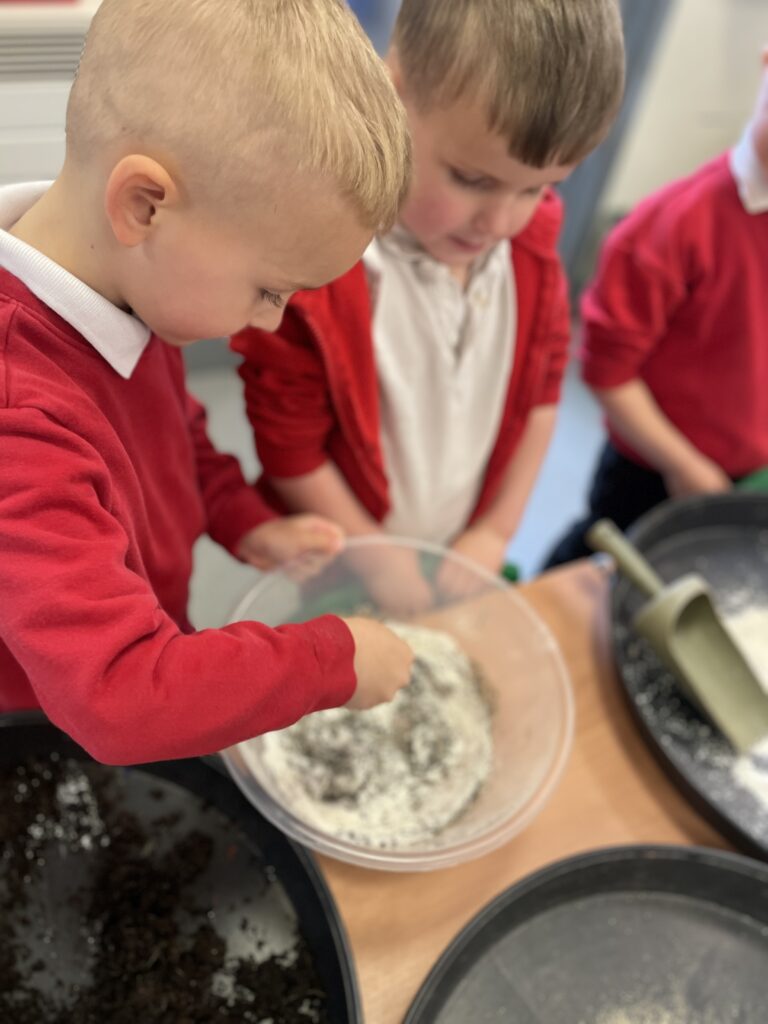
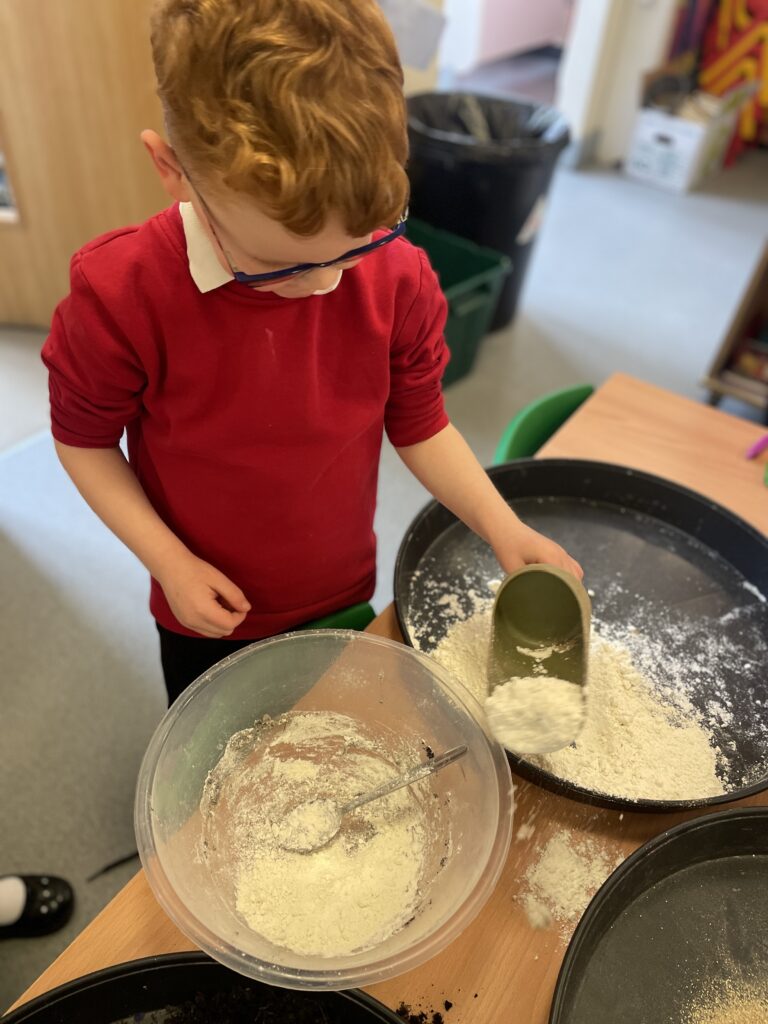
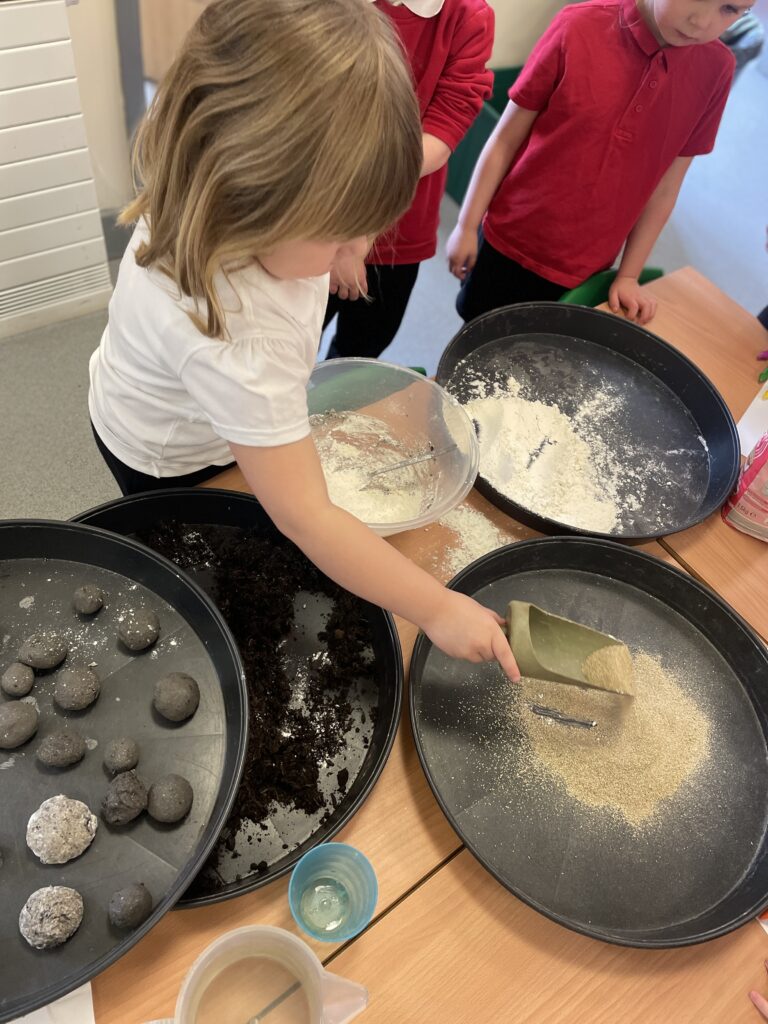
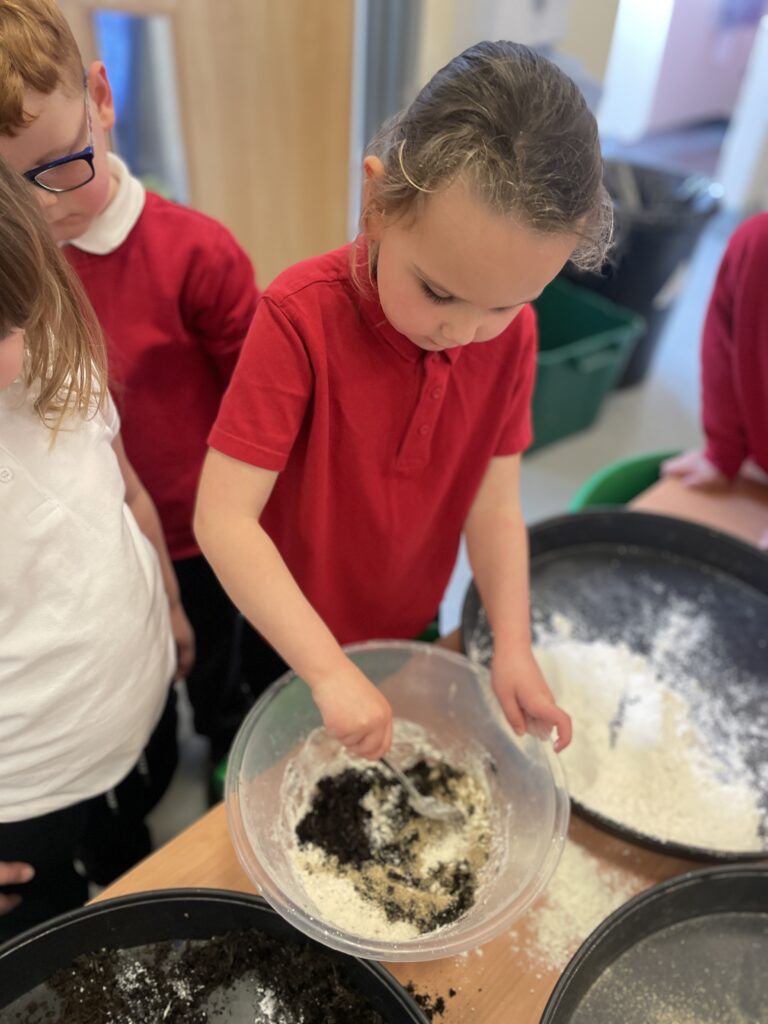
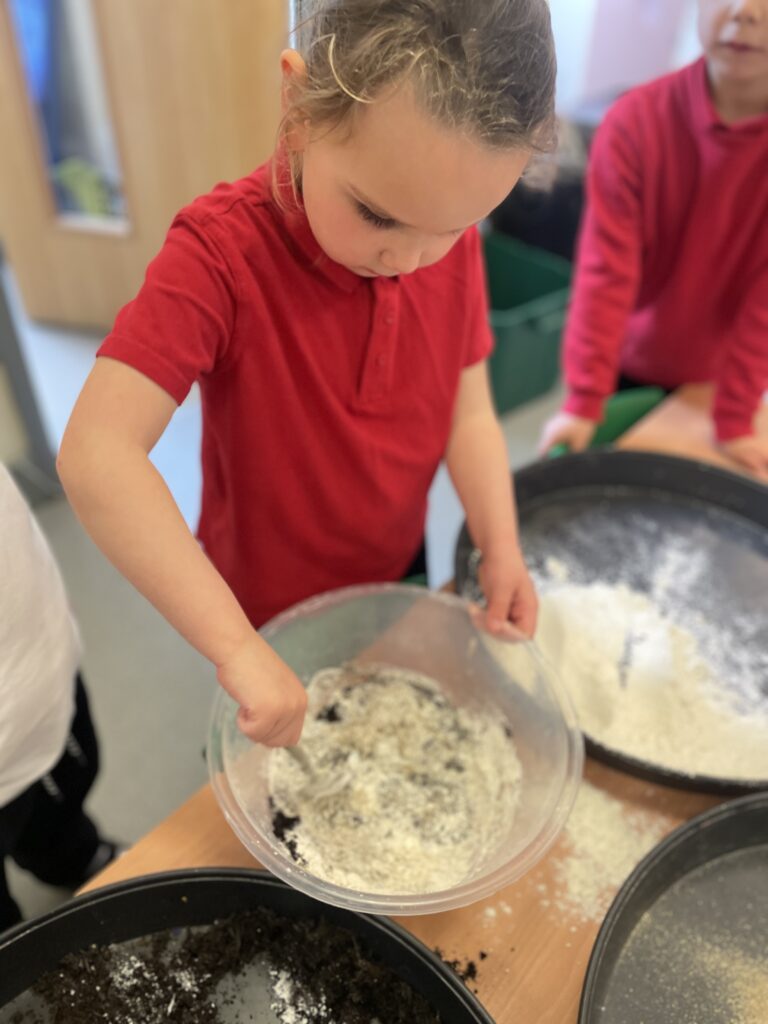
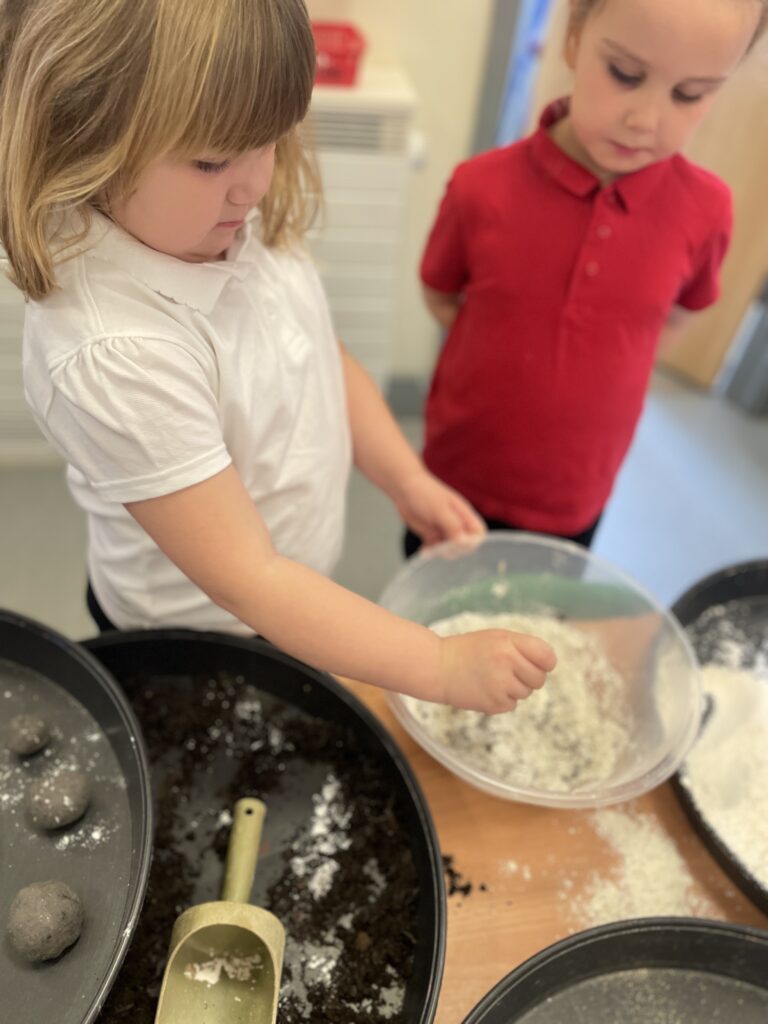
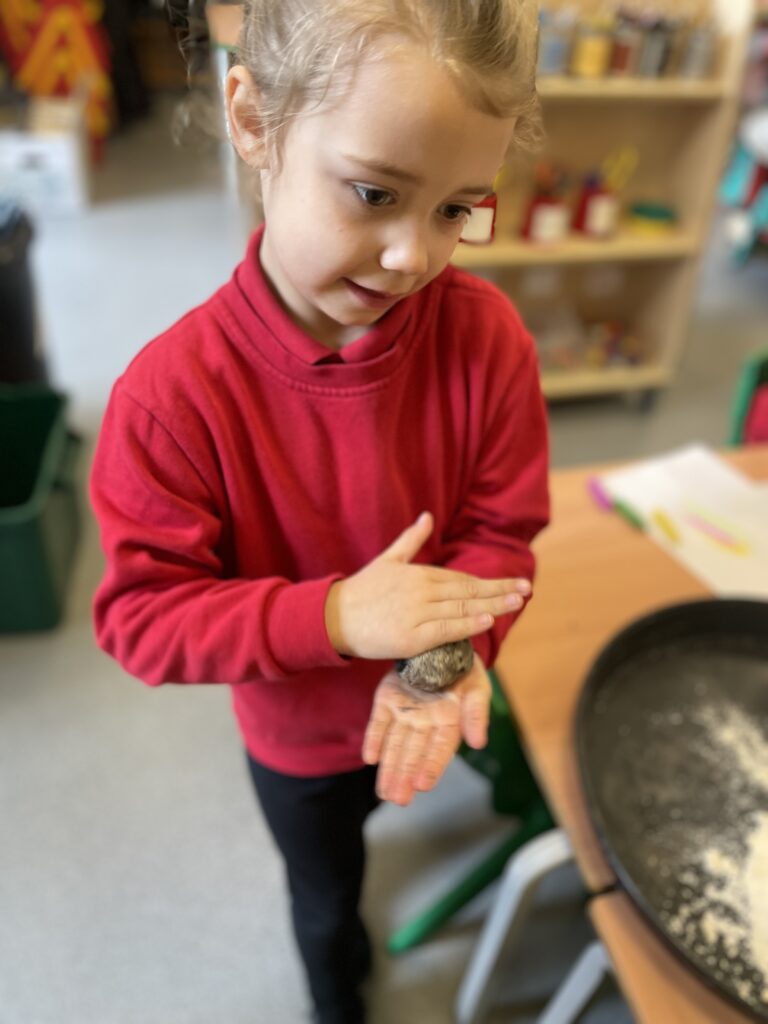
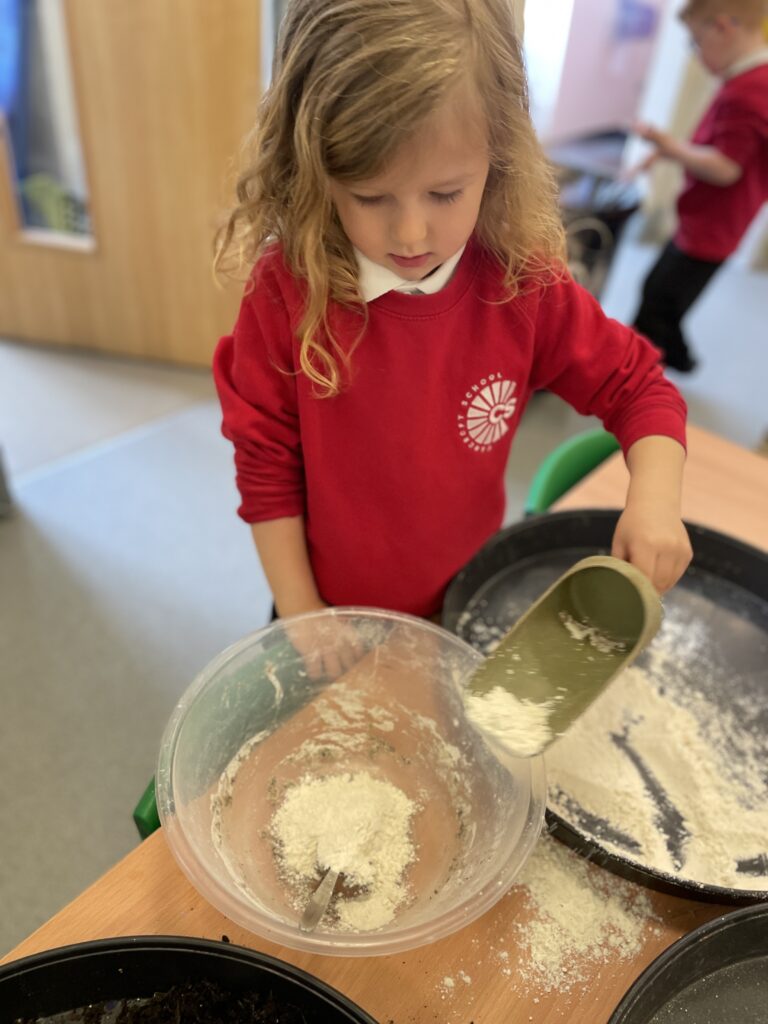
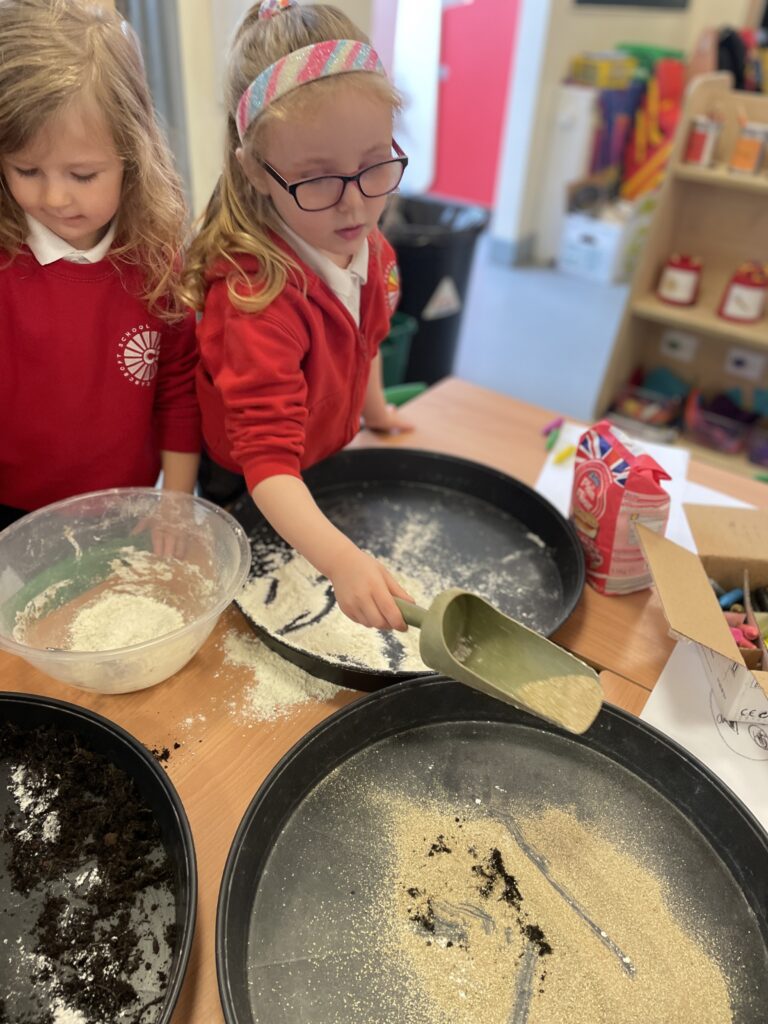
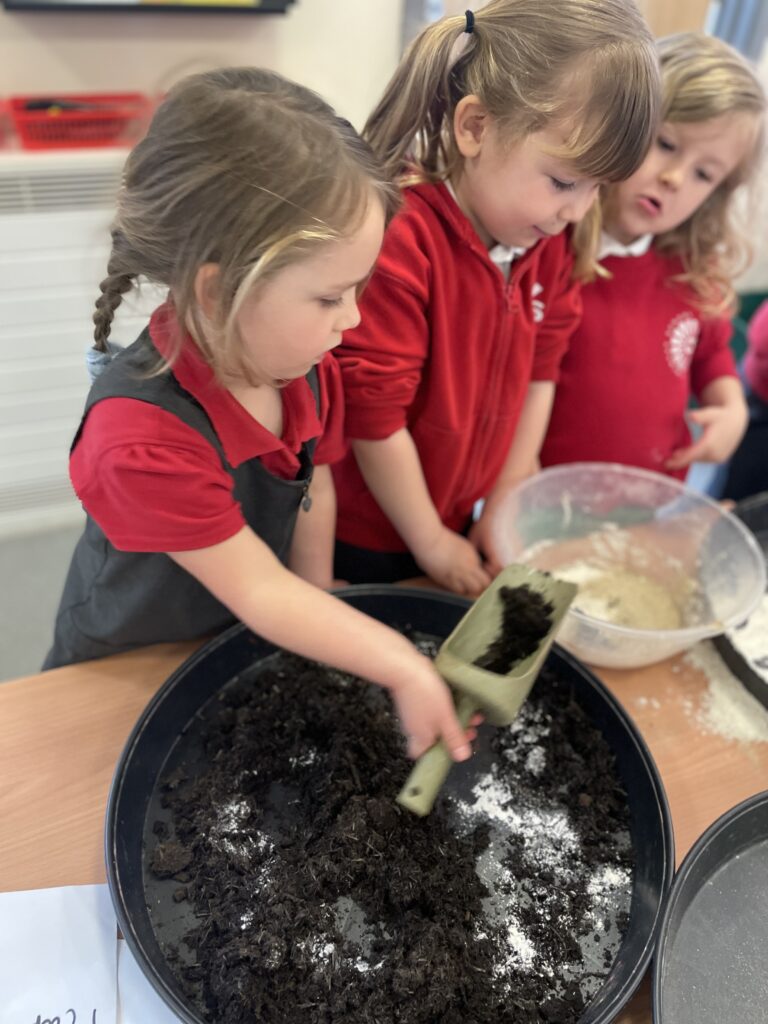
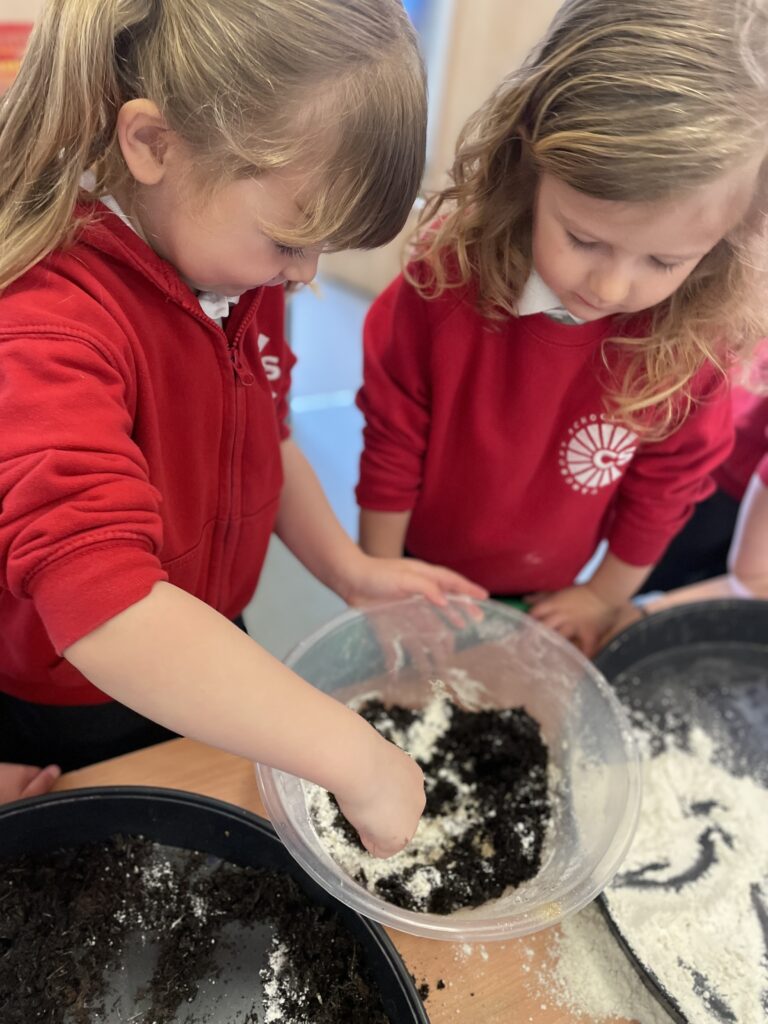
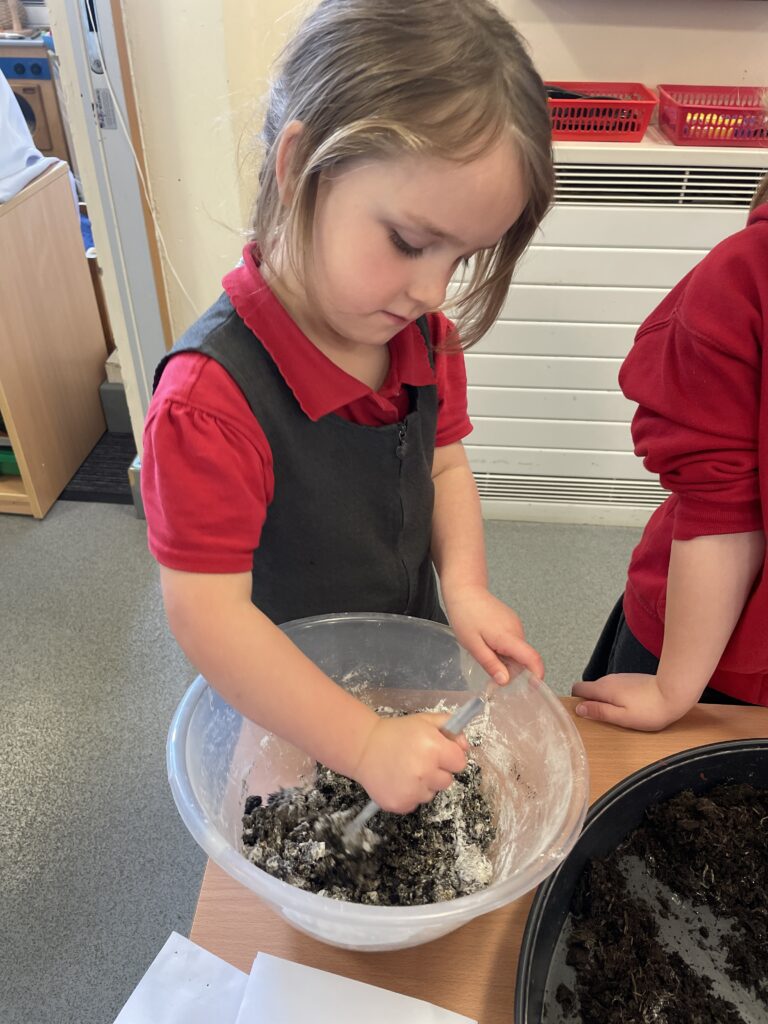
To celebrate Earth Day, we spent time in our XP Outdoors crew session making seed bombs!
We used flour, wildflower seeds, compost and water and mixed them altogether to create a mixture. We then took this mixture and rolled it into golf-sized balls and put them aside to dry. Once they are dry we will take some home but also plant some in our outdoor area at school. Seed bombs simply need to be dropped into soil and nature will do the rest. Over time they will turn into beautiful wildflowers!