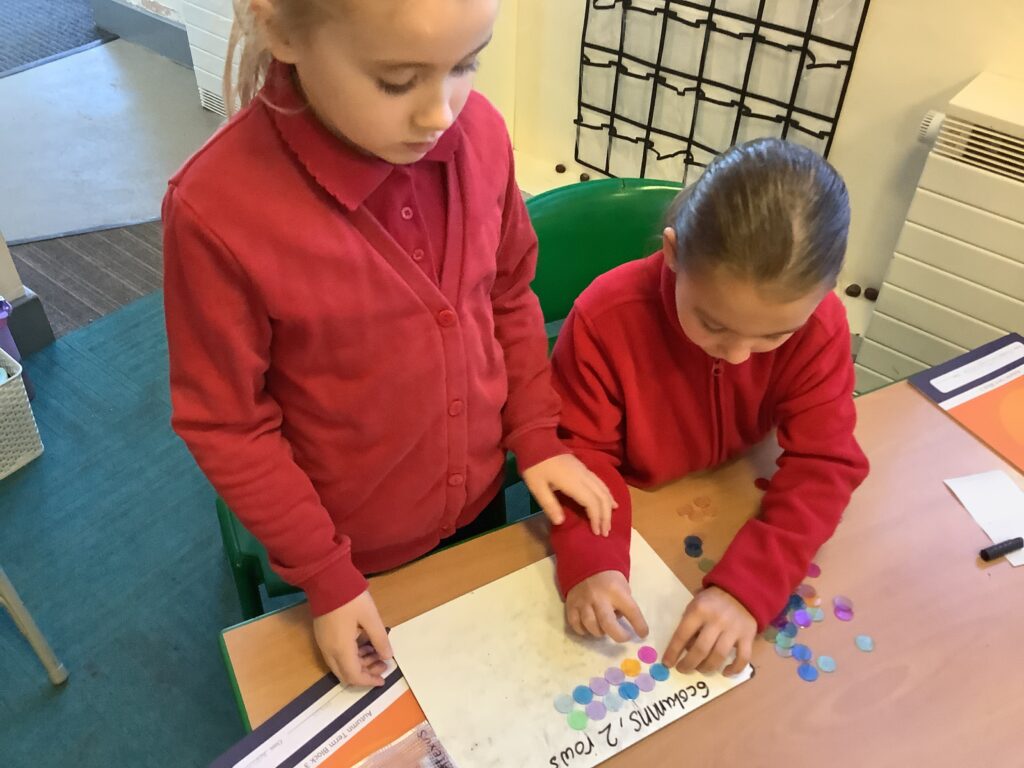
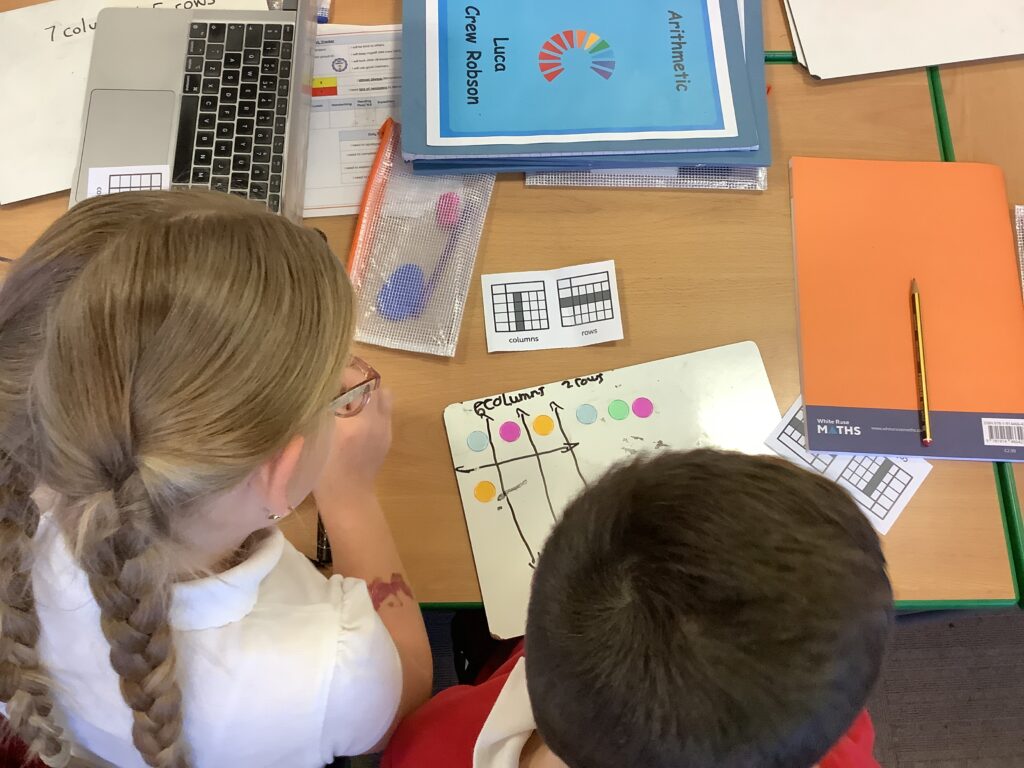
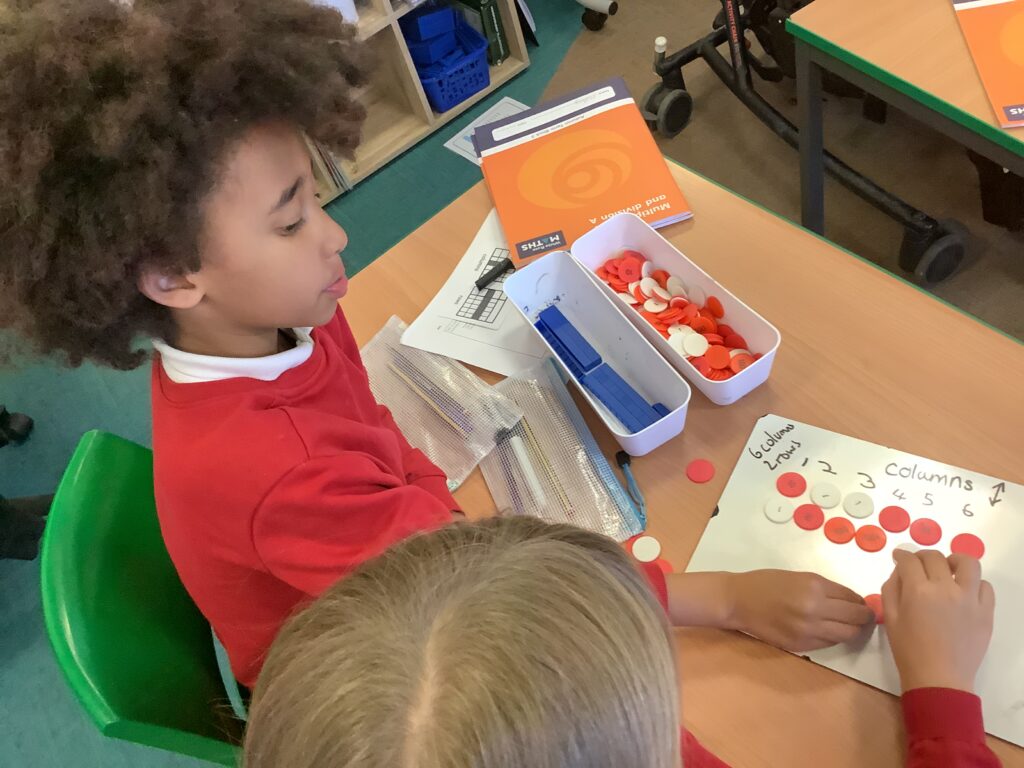
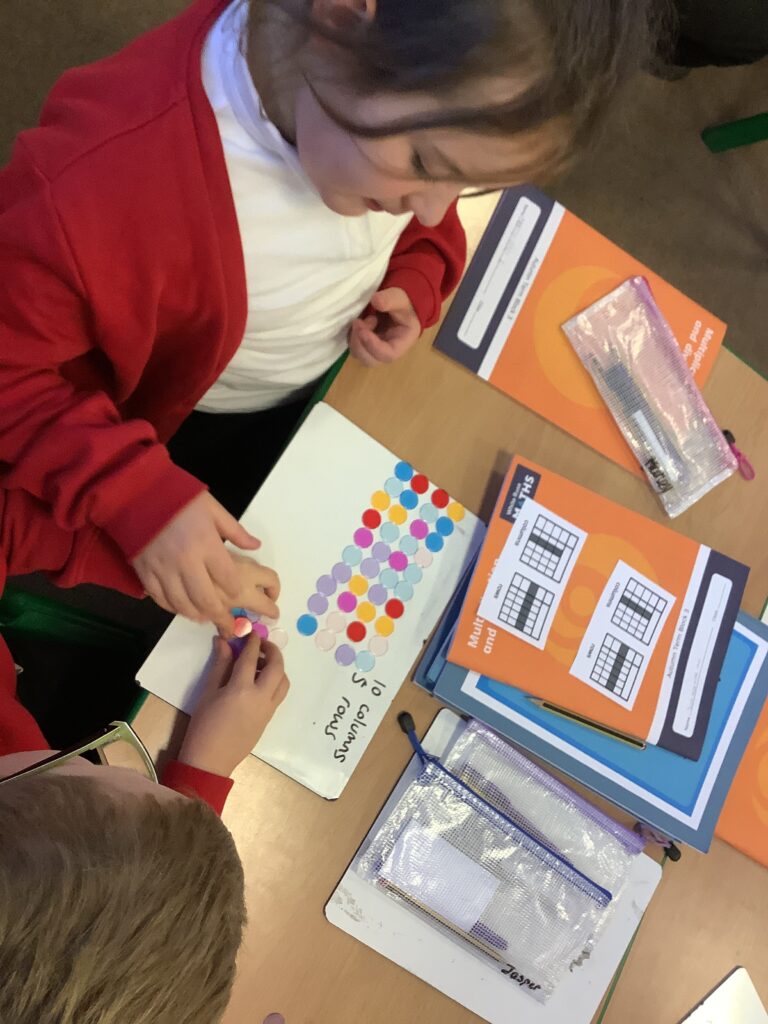
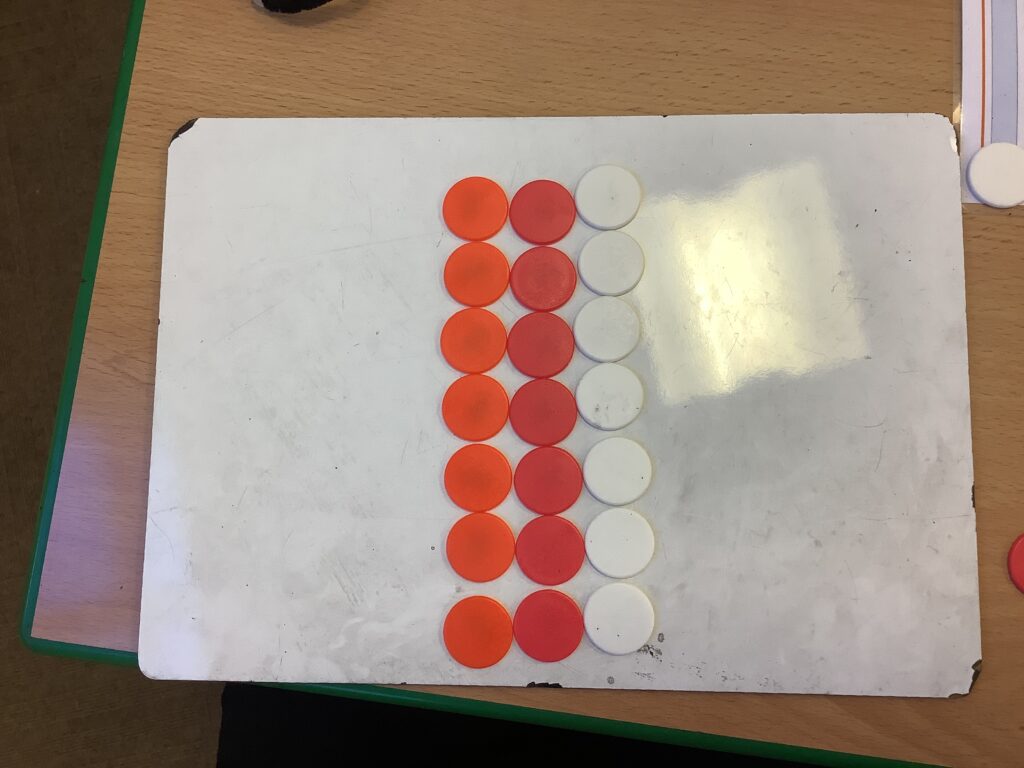
This week in maths we have started our multiplication and division unit.
On Friday we grappled with arrays and understanding the difference between columns and rows.
This week in maths we have started our multiplication and division unit.
On Friday we grappled with arrays and understanding the difference between columns and rows.
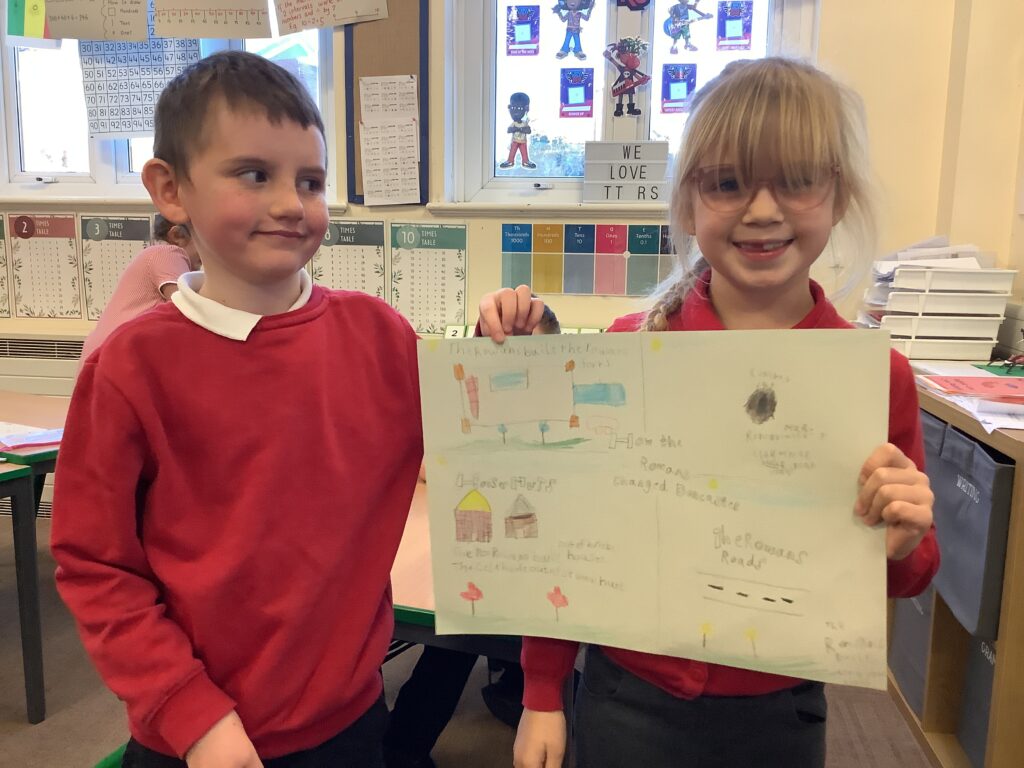
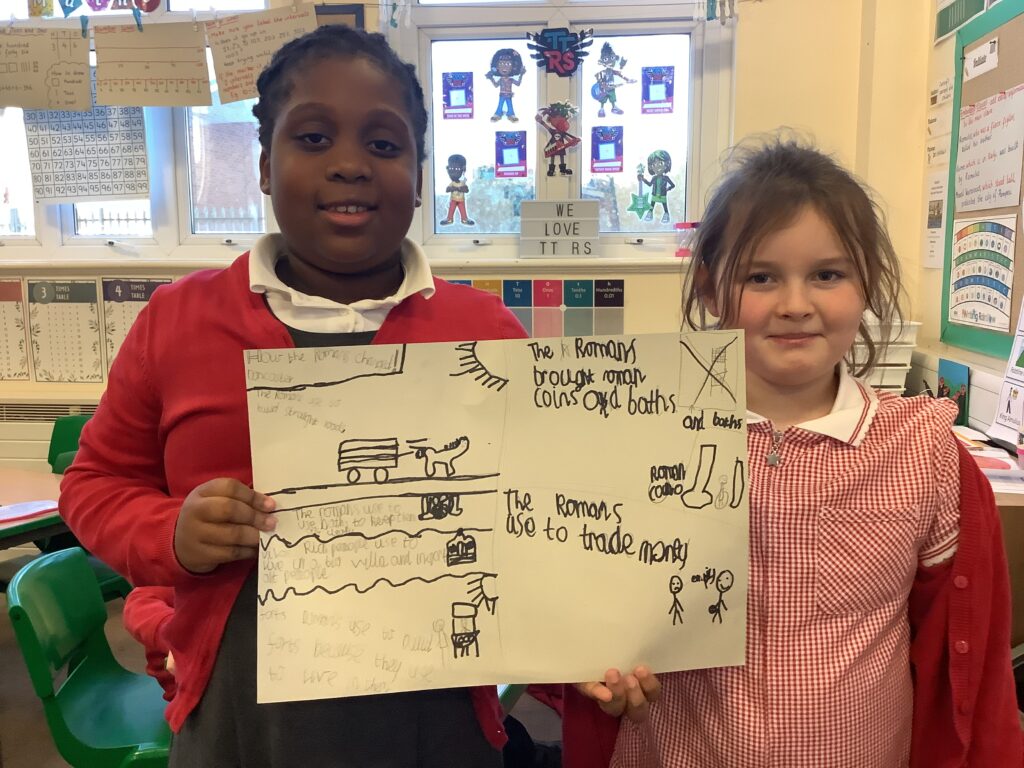
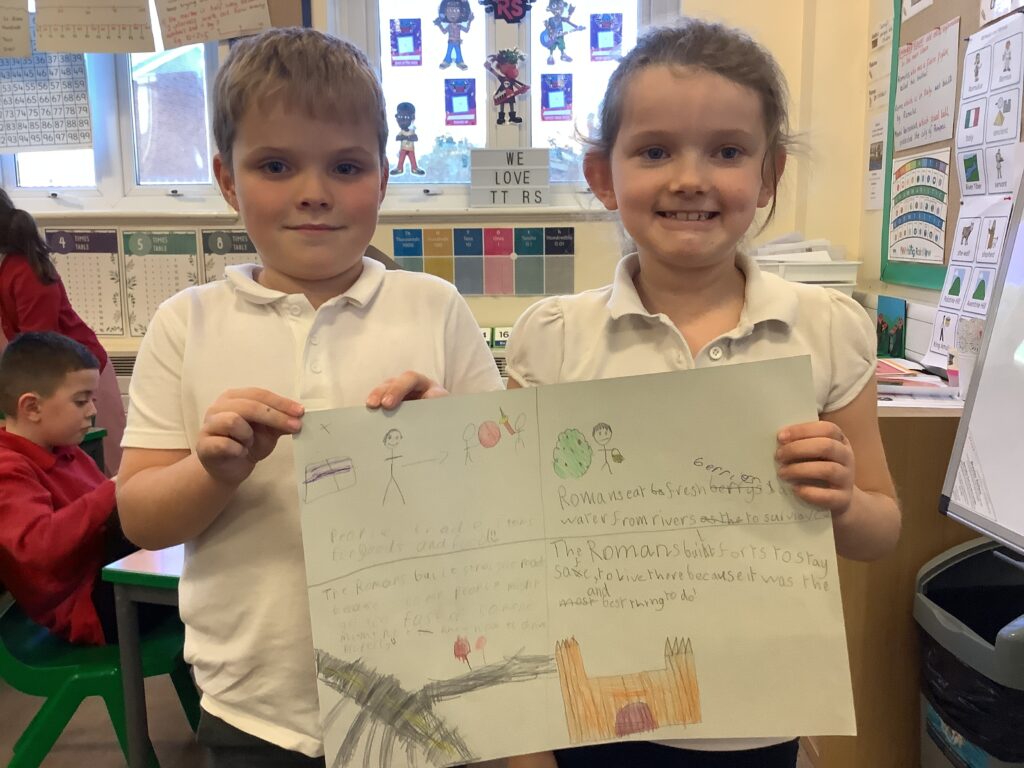
Year 3 have been investigating changes made to Doncaster by the Romans. We learnt that there was a Roman fort in Doncaster and there is even the remains that can still be seen today. We also learnt that the River played an important part in why the Romans chose to settle in Doncaster.
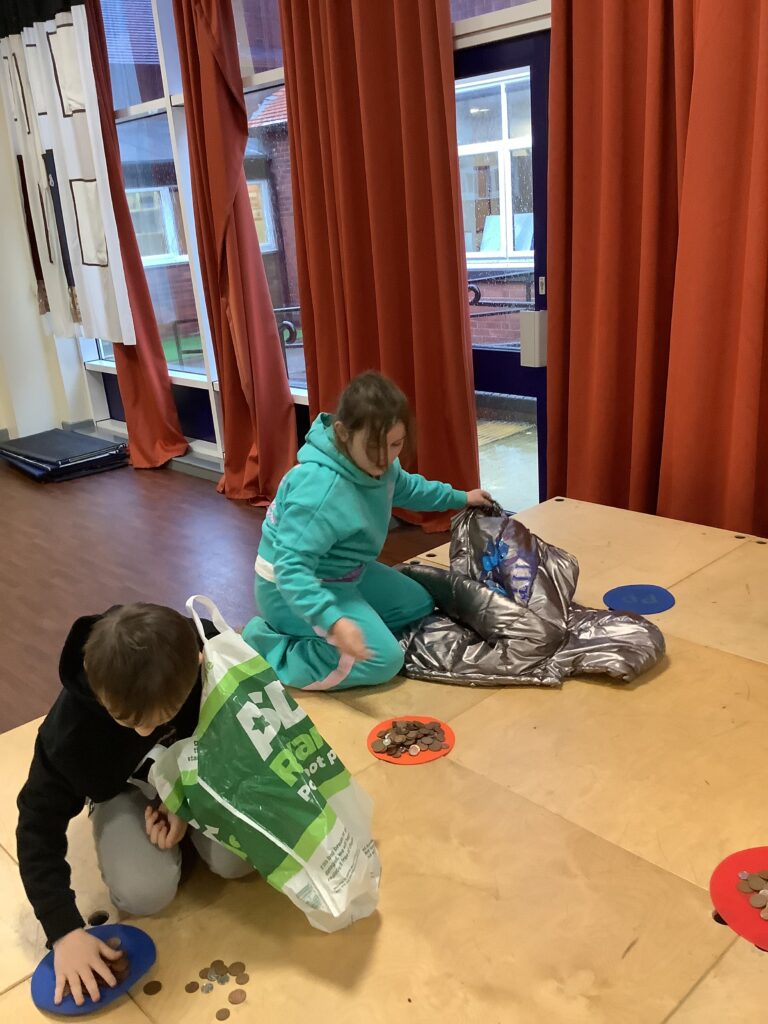
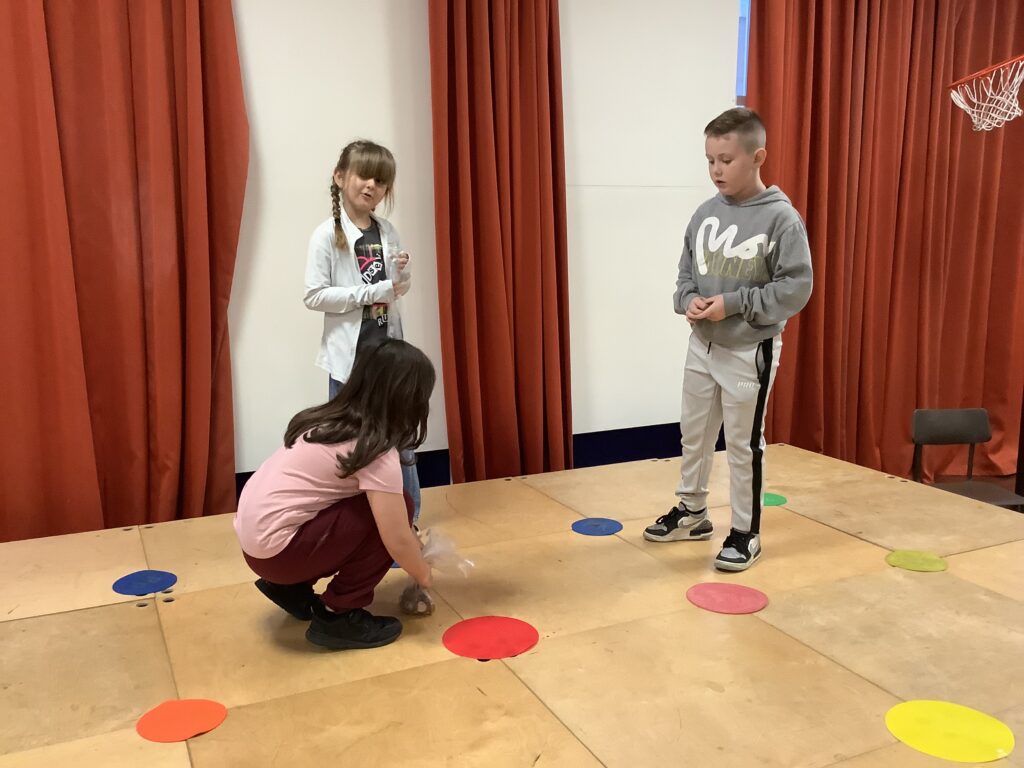
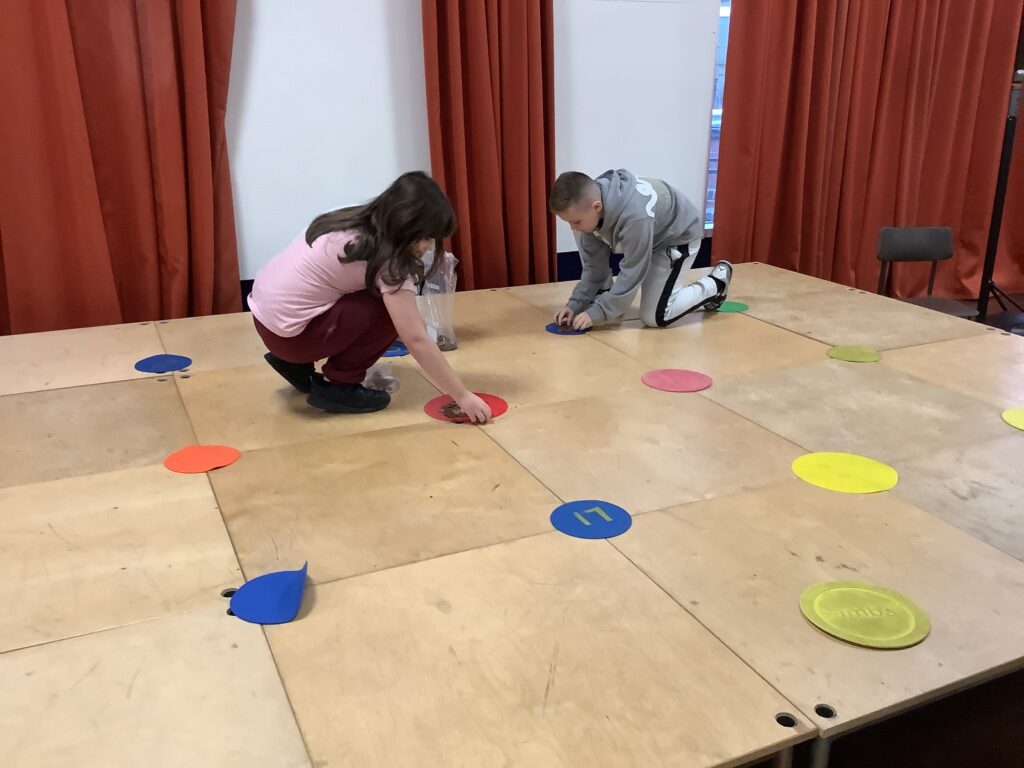
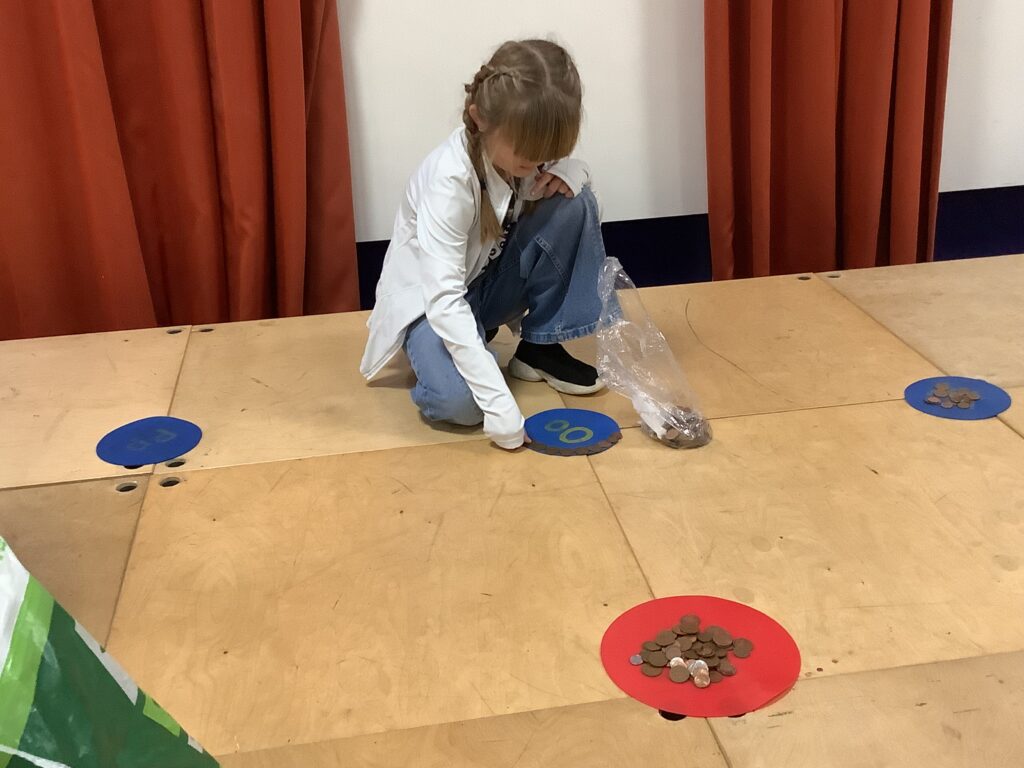
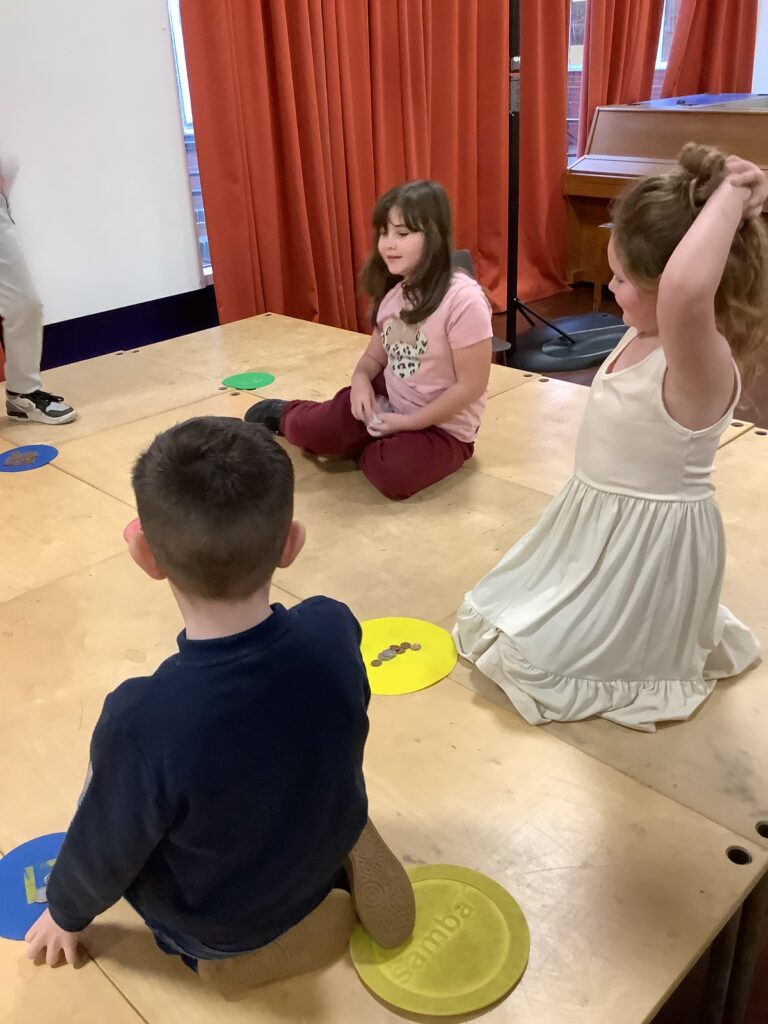
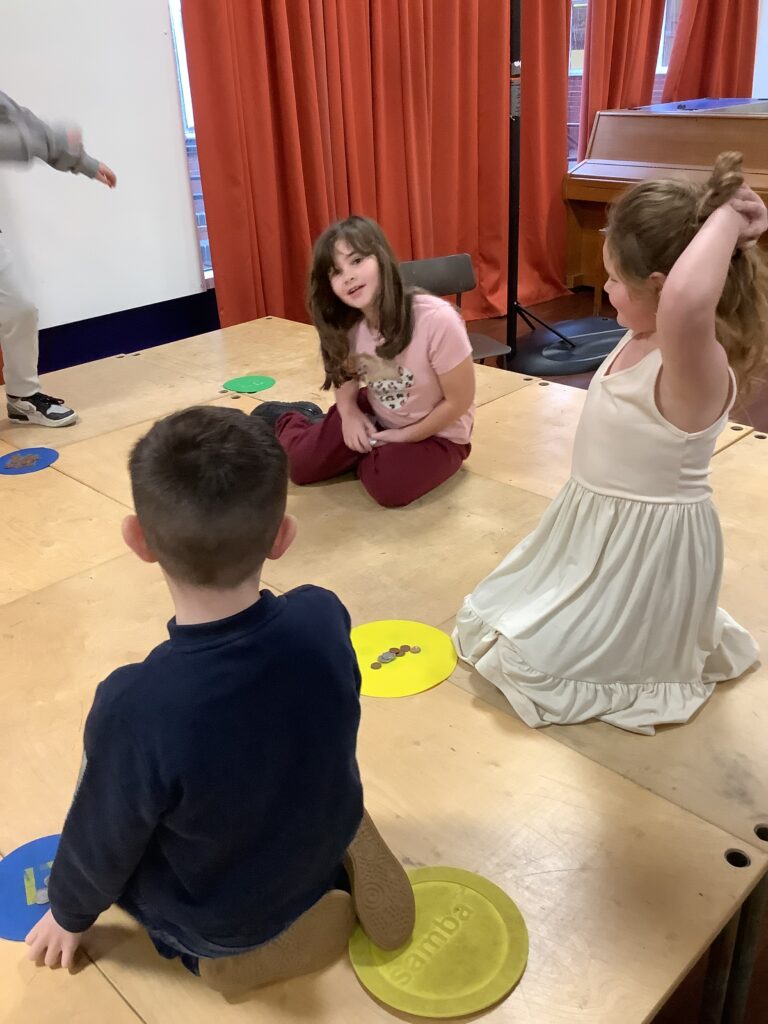
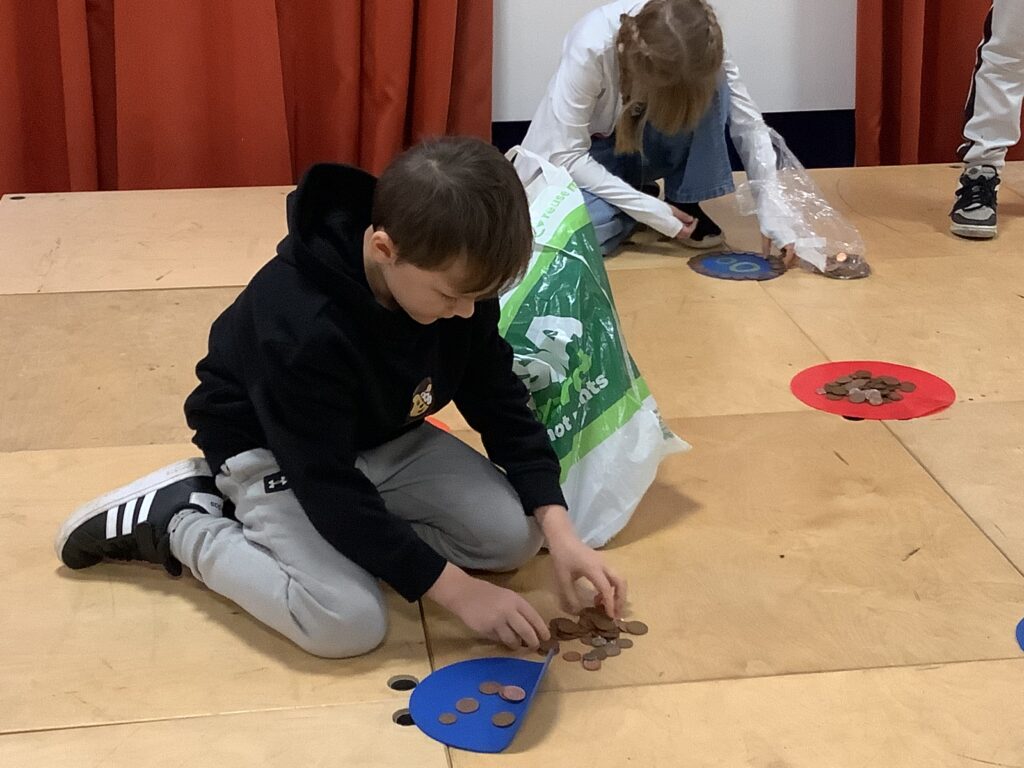
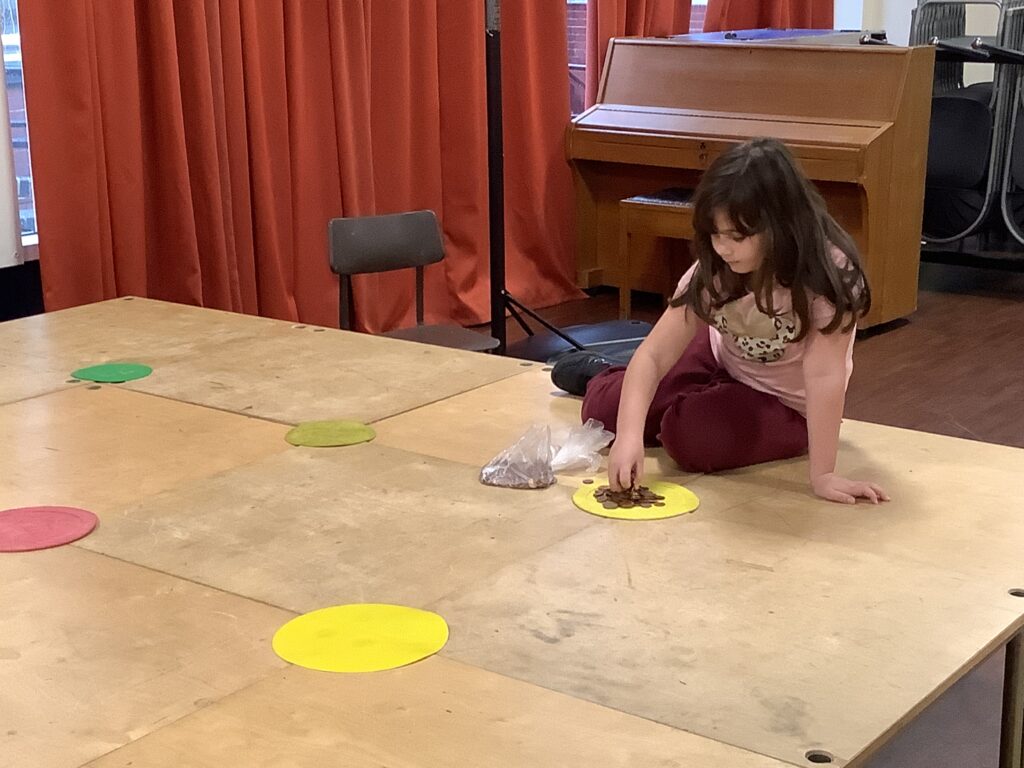
Crew Robson showed kindness by donating their small change to the Children in Need appeal.
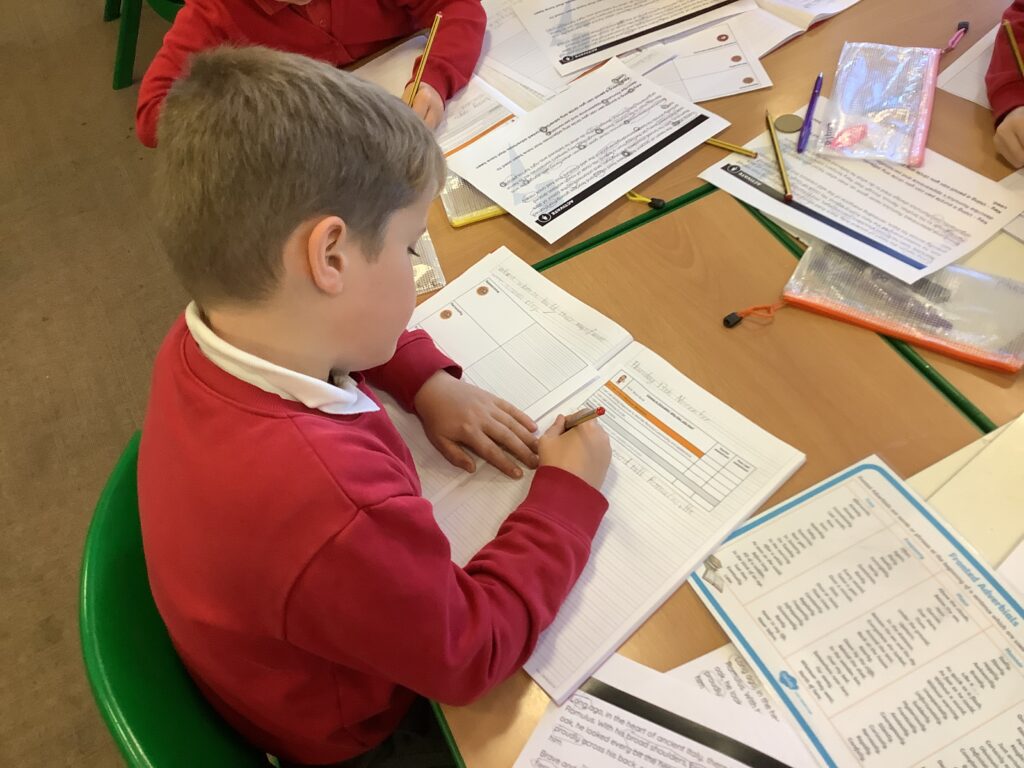
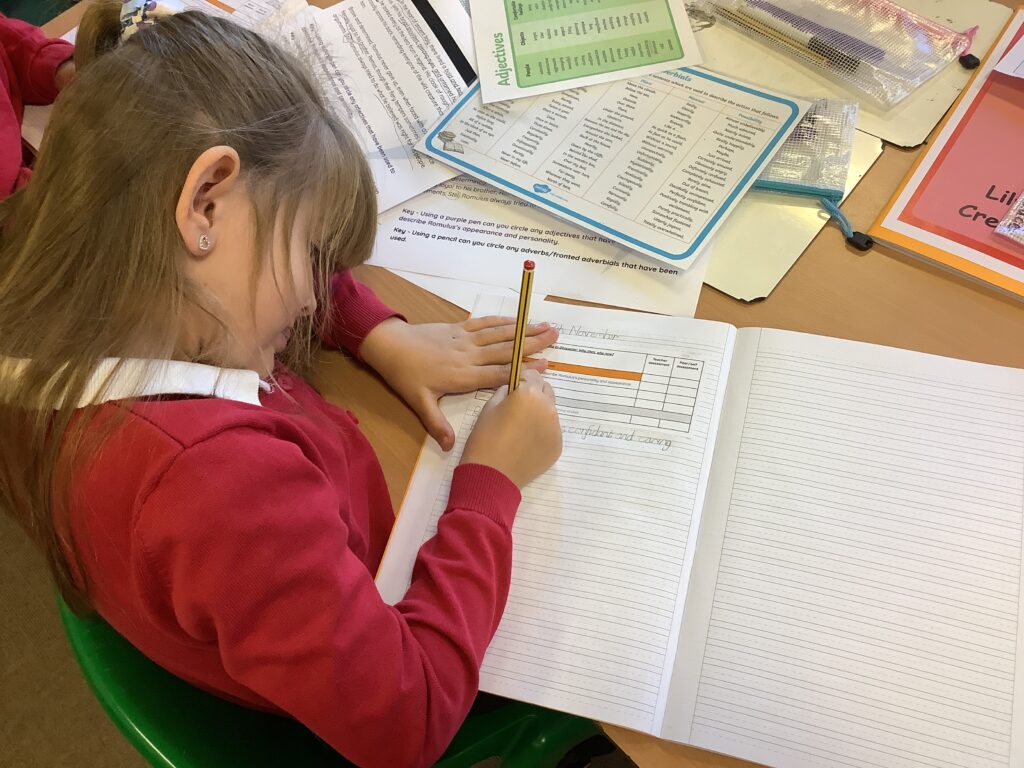
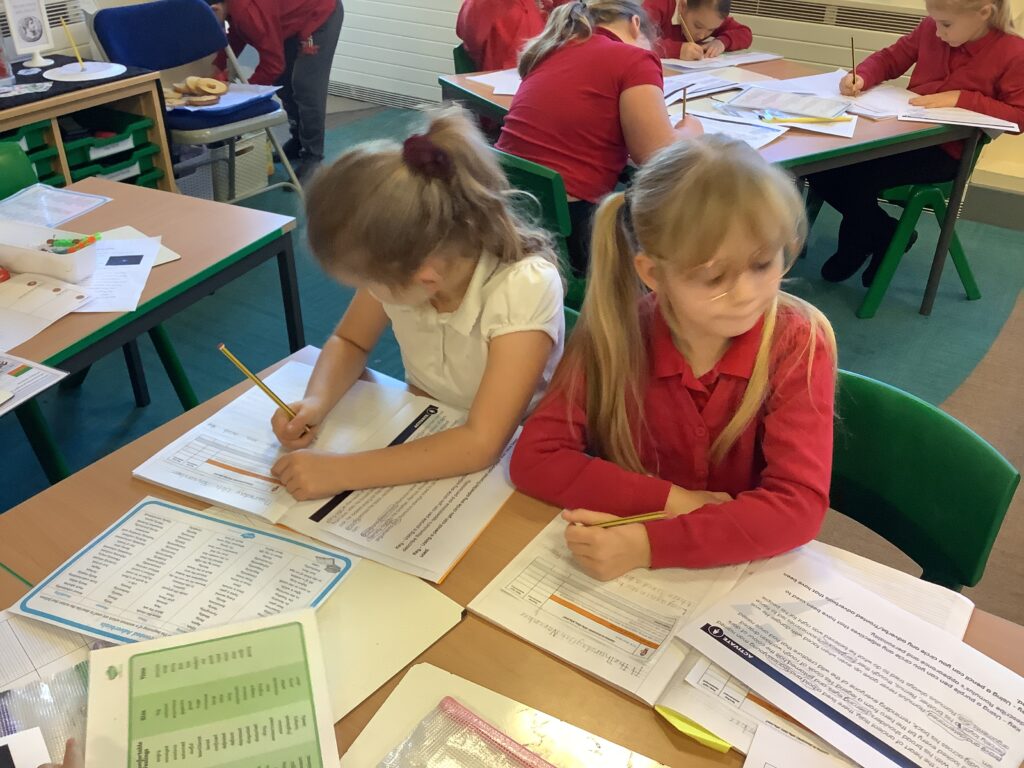
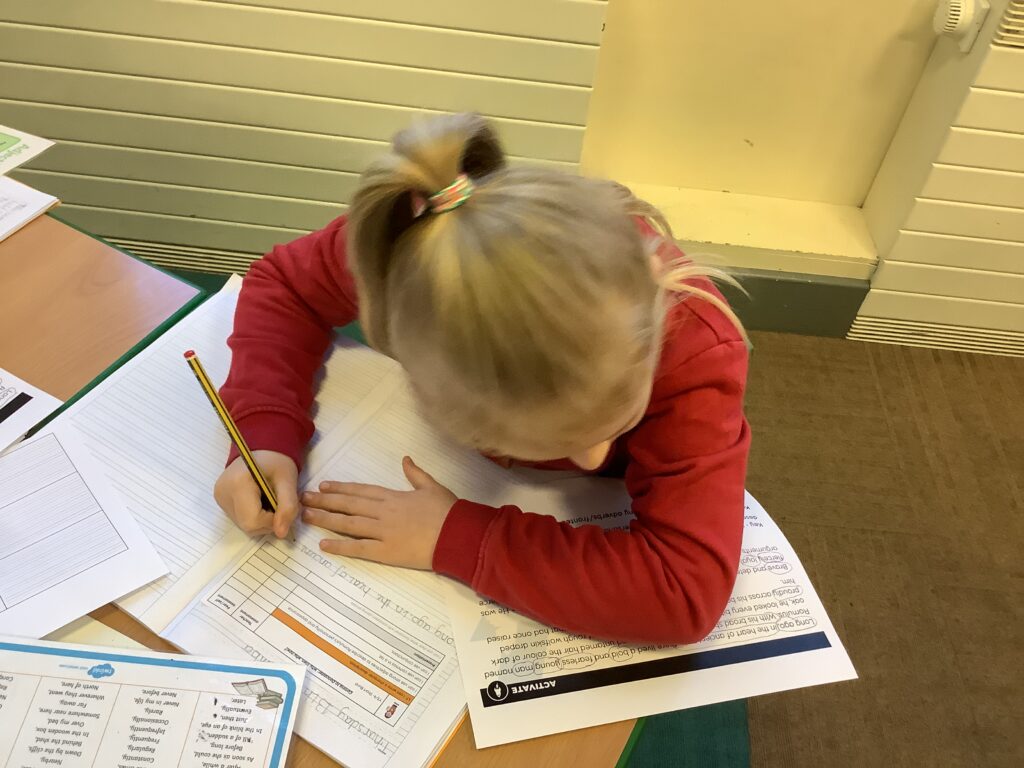
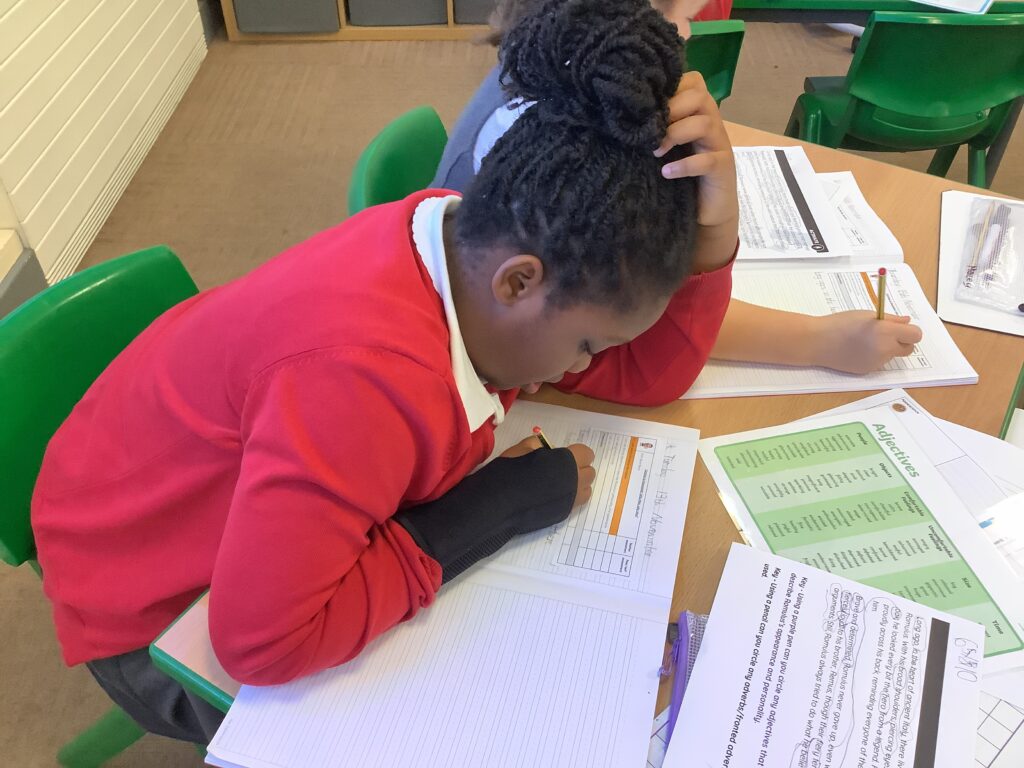
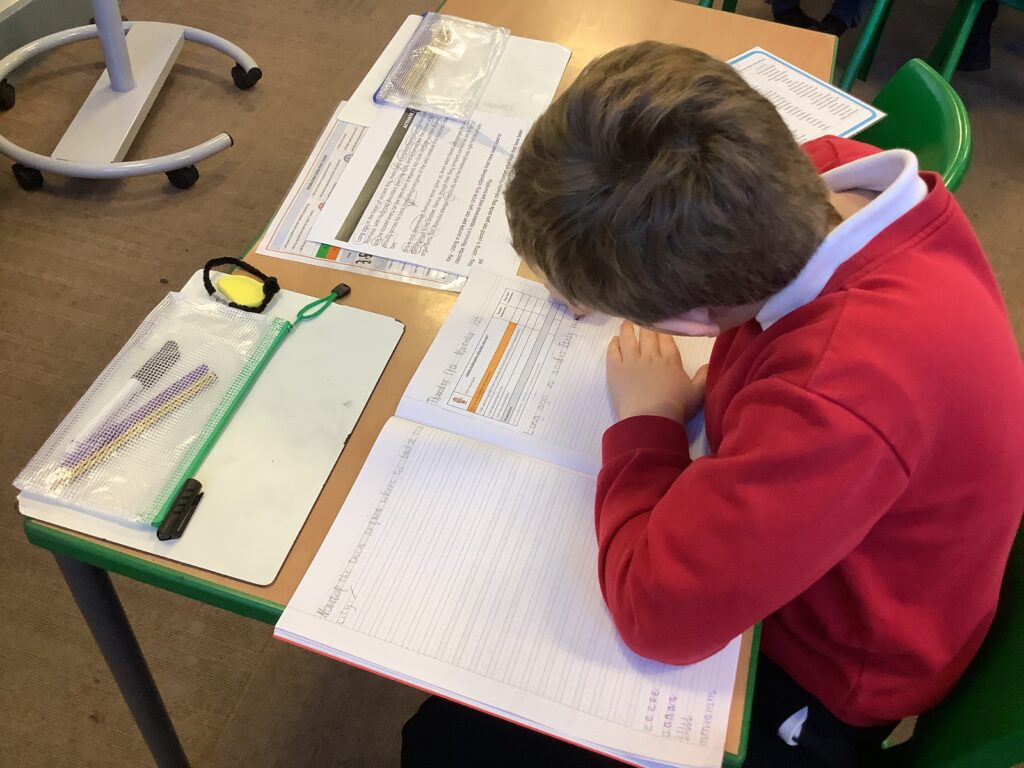
Crew Robson have blown me away with their HoWLs during writing this week. They have been so focussed and determined to show off the amazing writing skills.
In year 3, 4 and 5/6 this week, we have been grappling with getting ourselves logged on to our Google accounts but then taking it one step further by joining our Google classroom. This is a tool that was used during lockdown so children could access learning online and submit it to their teacher. Being able to access Google classroom will allow children to develop their computing skills and complete some of their learning online. It also encourages children to remember their details especially their passwords. Some children were able to show their resilience and patience while we got everyone to the same point before moving on.

This week, Year 3 and 4 have started a new unit which will focus on online safety. Both crews focused on how to be able to identify fake information and decide whether information is opinion, beliefs or fact. We used Sky News Kids which has a section on fake news or fact and this really did open the children’s eyes to the fact you can’t believe everything you see online. We discussed the importance of using reliable sources for information or to fact check things when we are unsure.
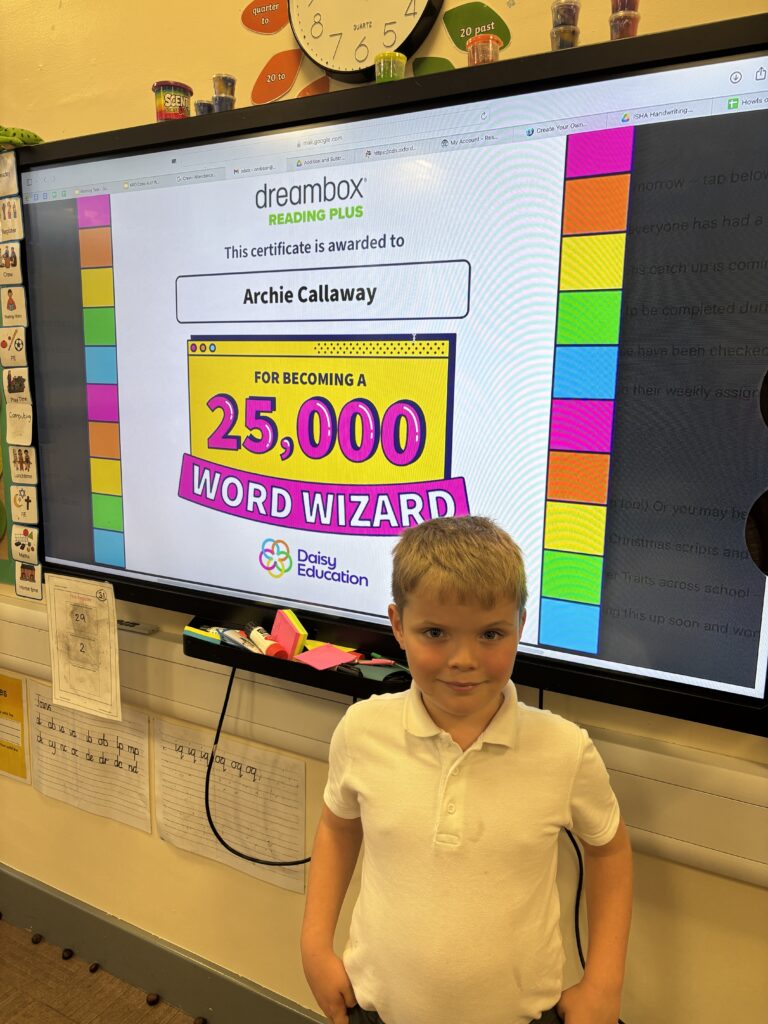
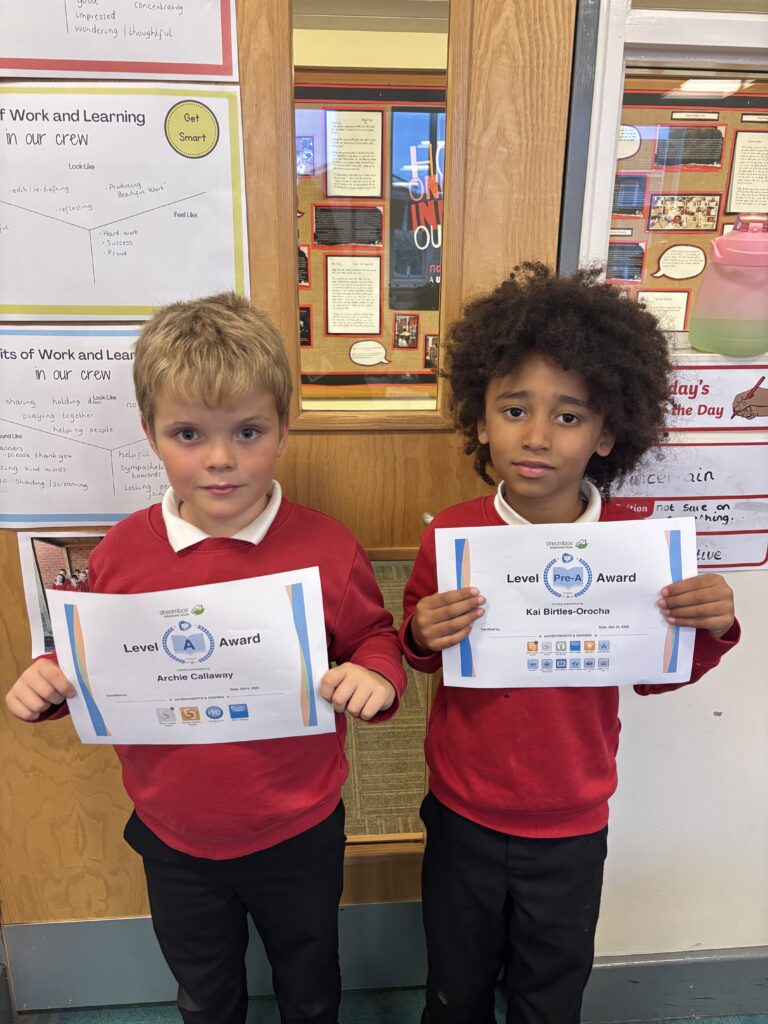
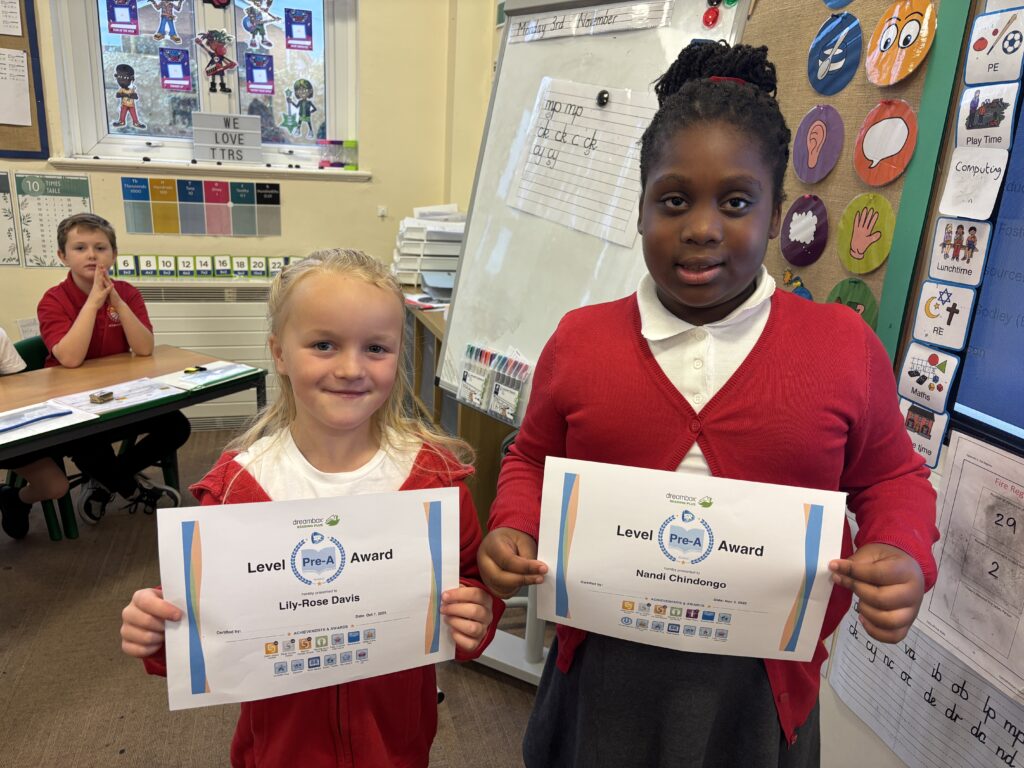
A huge shoutout to these children who are absolutely smashing reading plus at the minute.
All these children have achieved their Pre-A awards and Archie has been recognised as a word wizard too!
Keep it up!
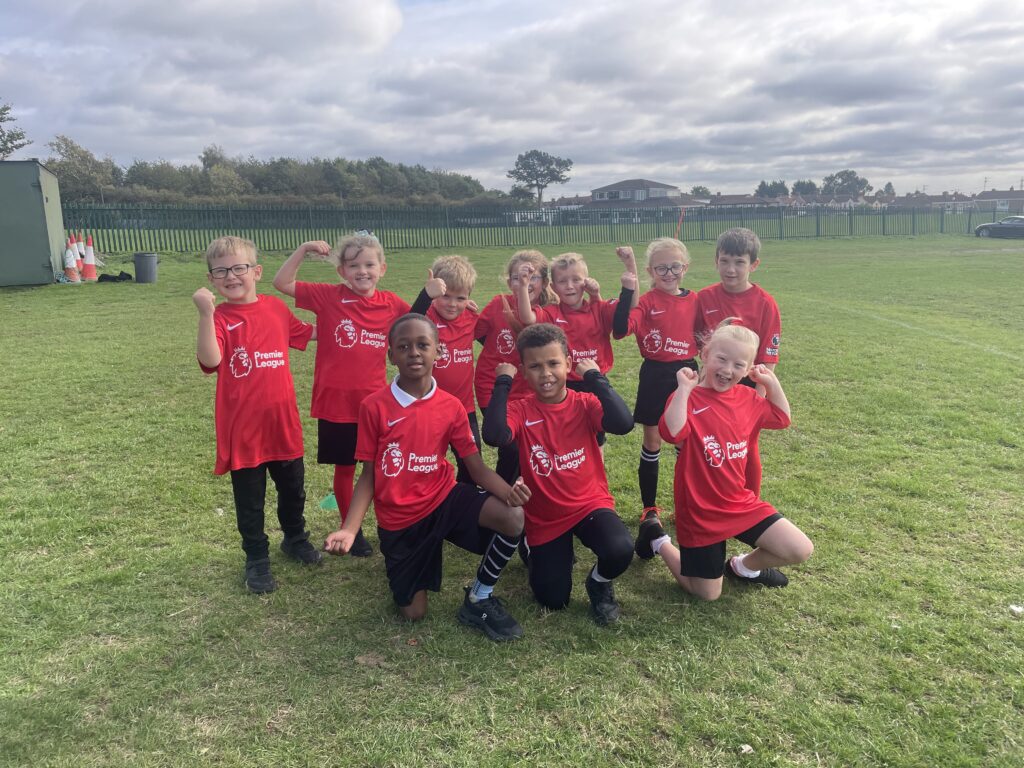
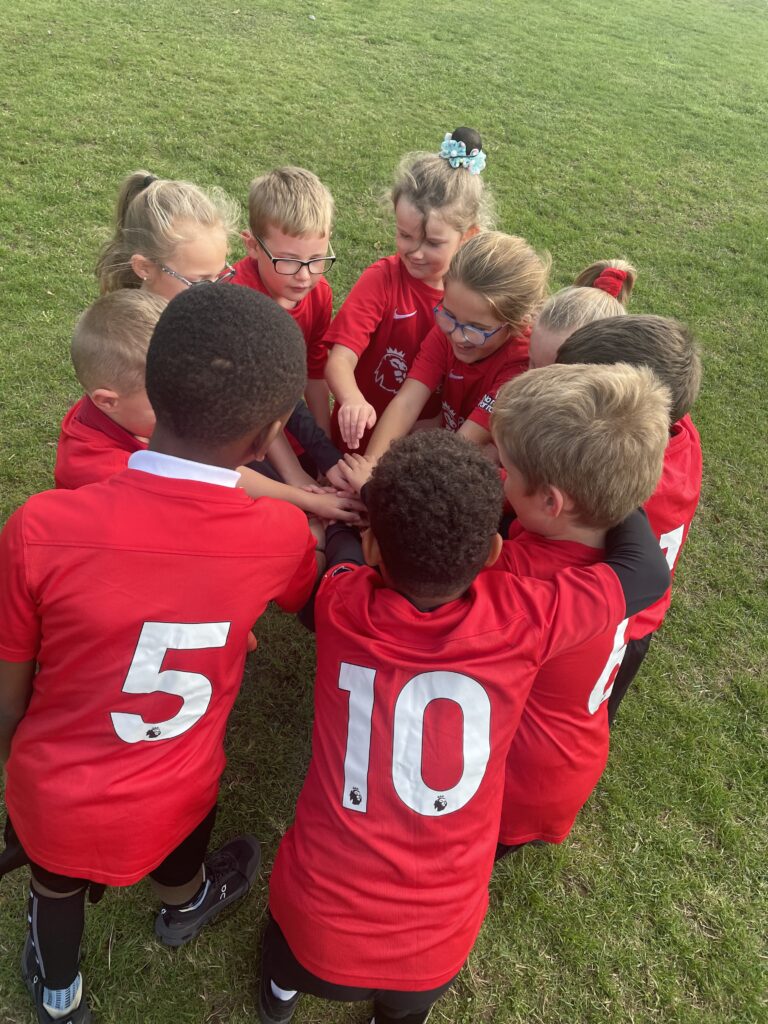
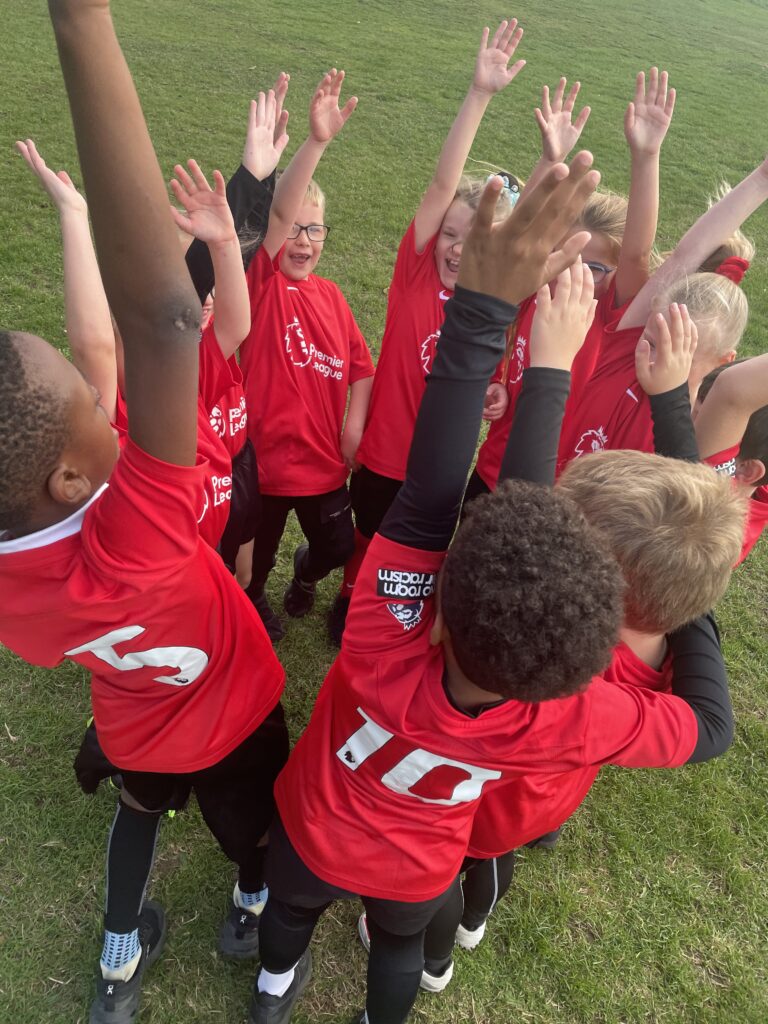
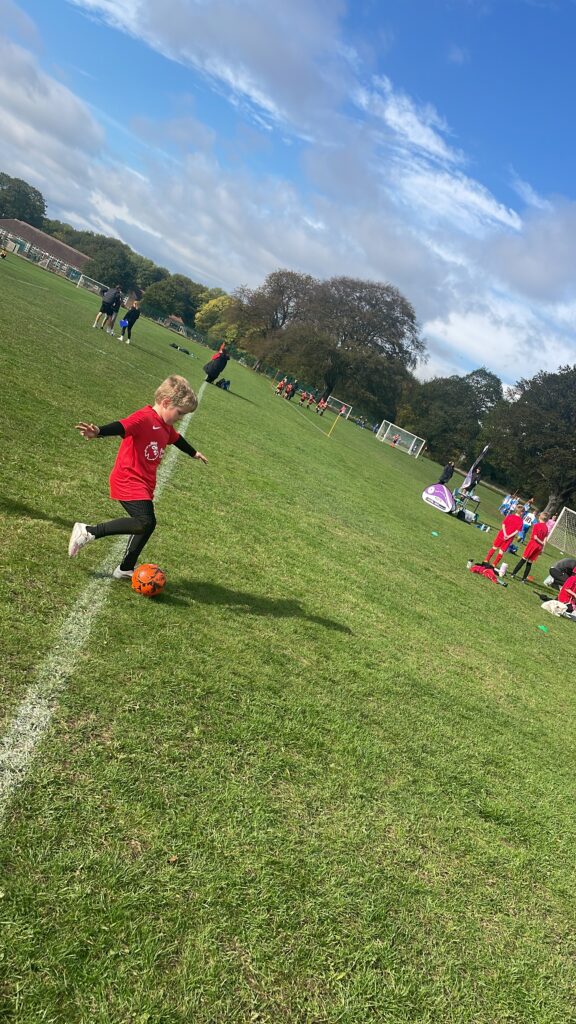
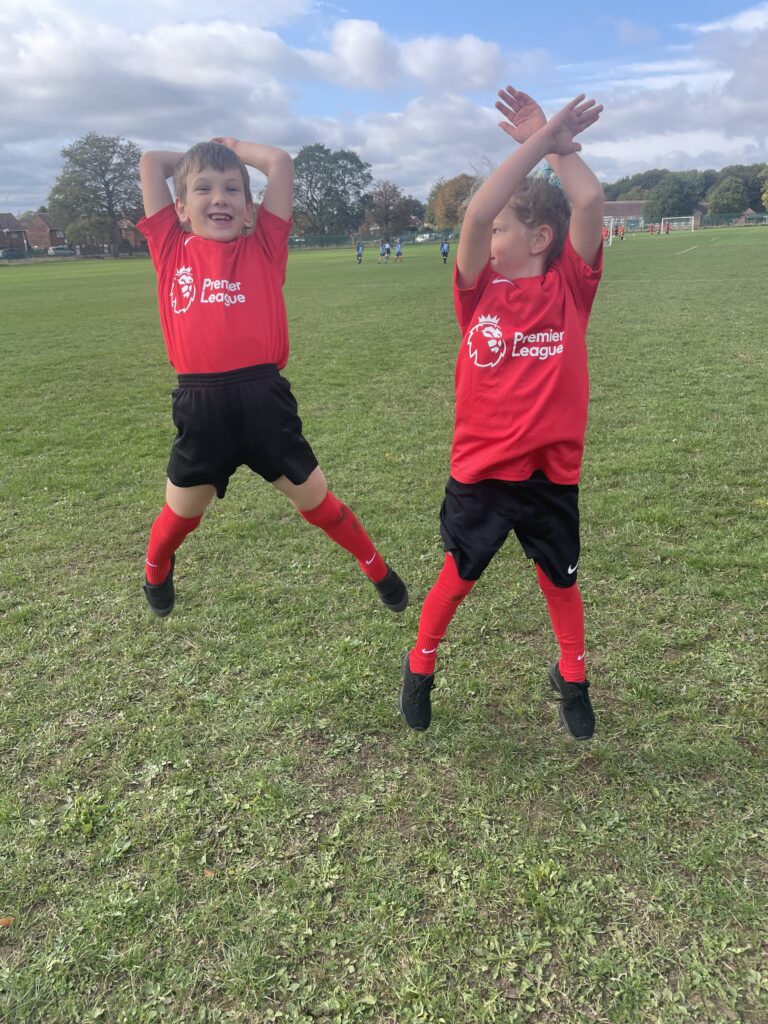
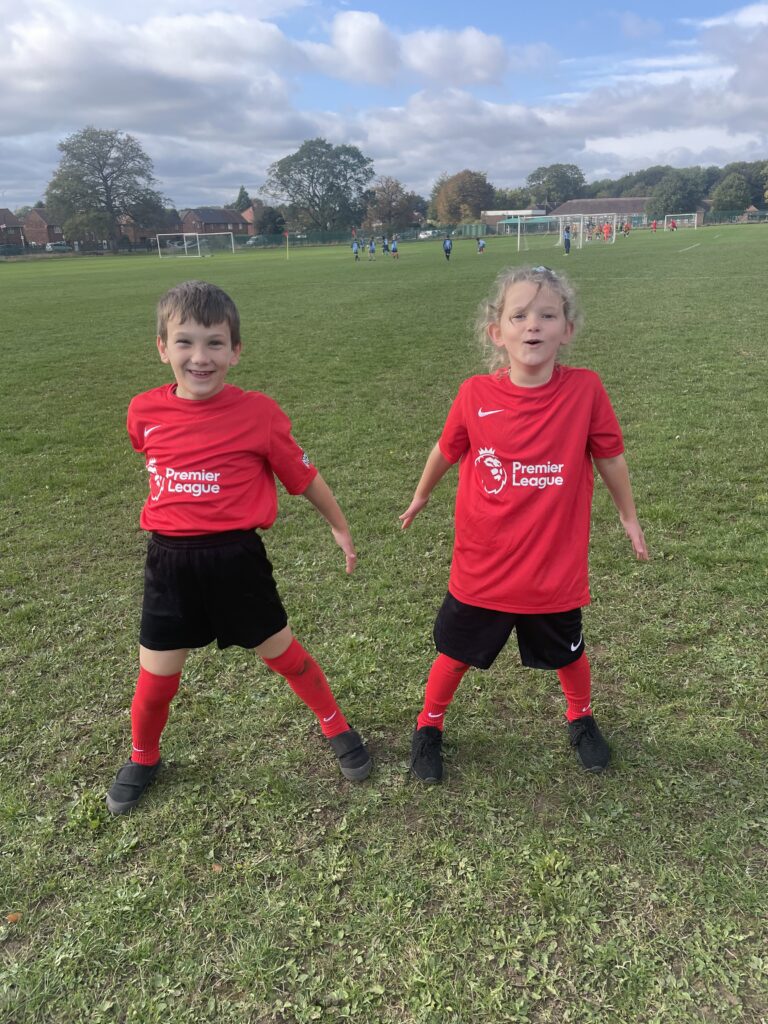
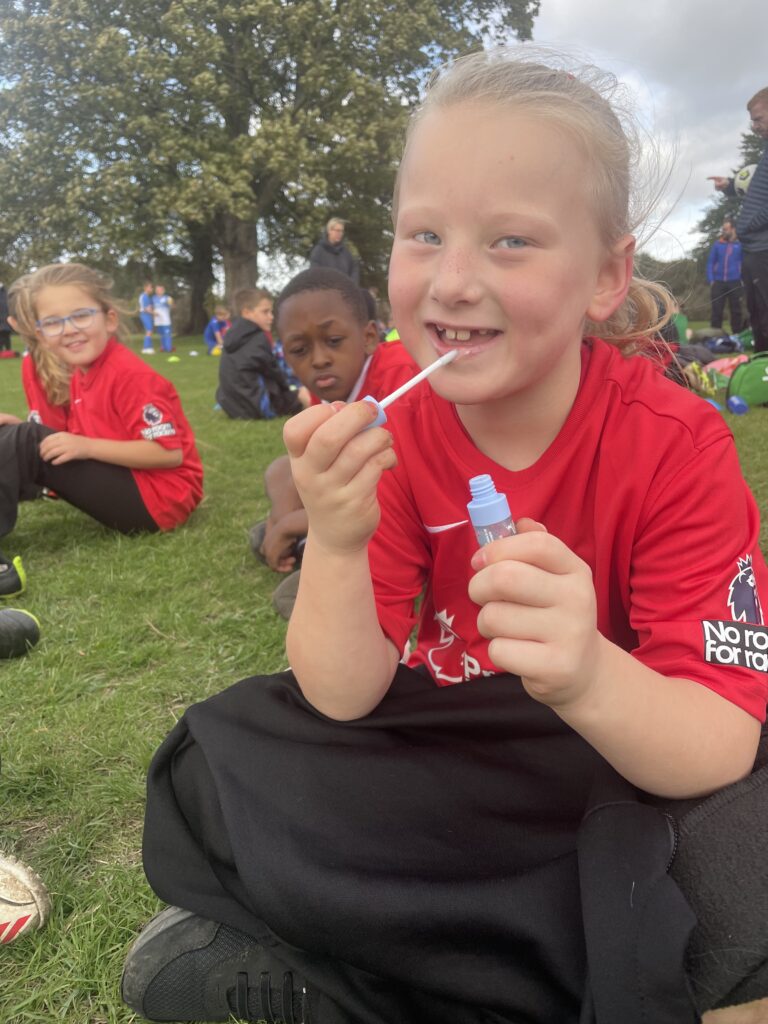
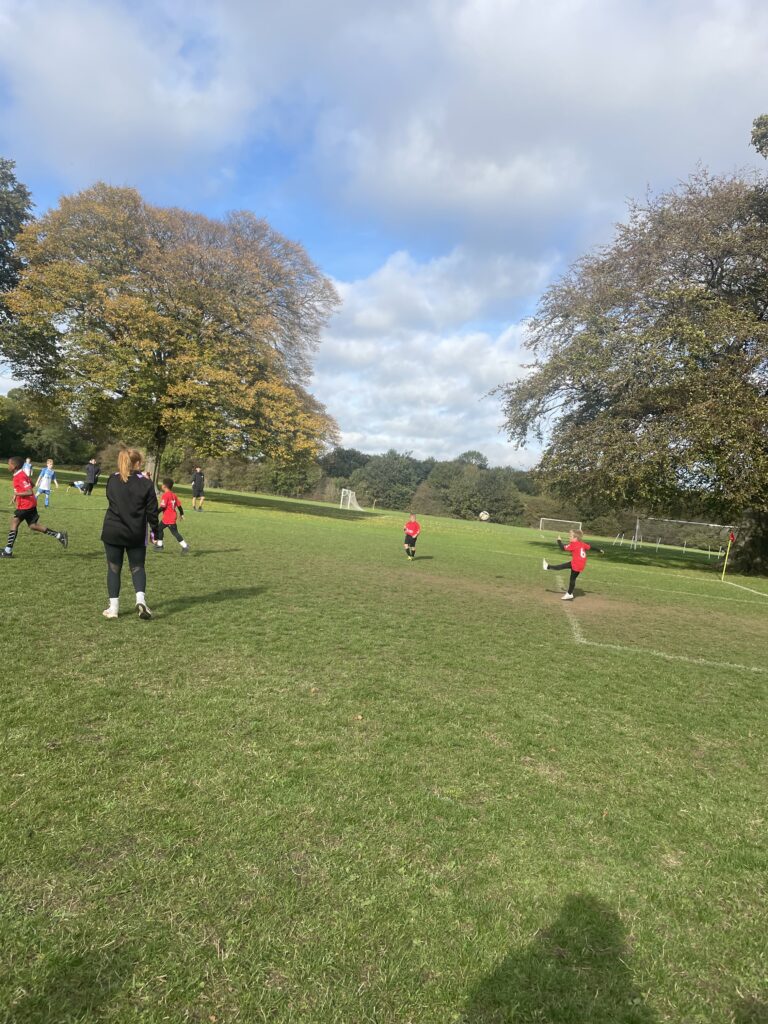
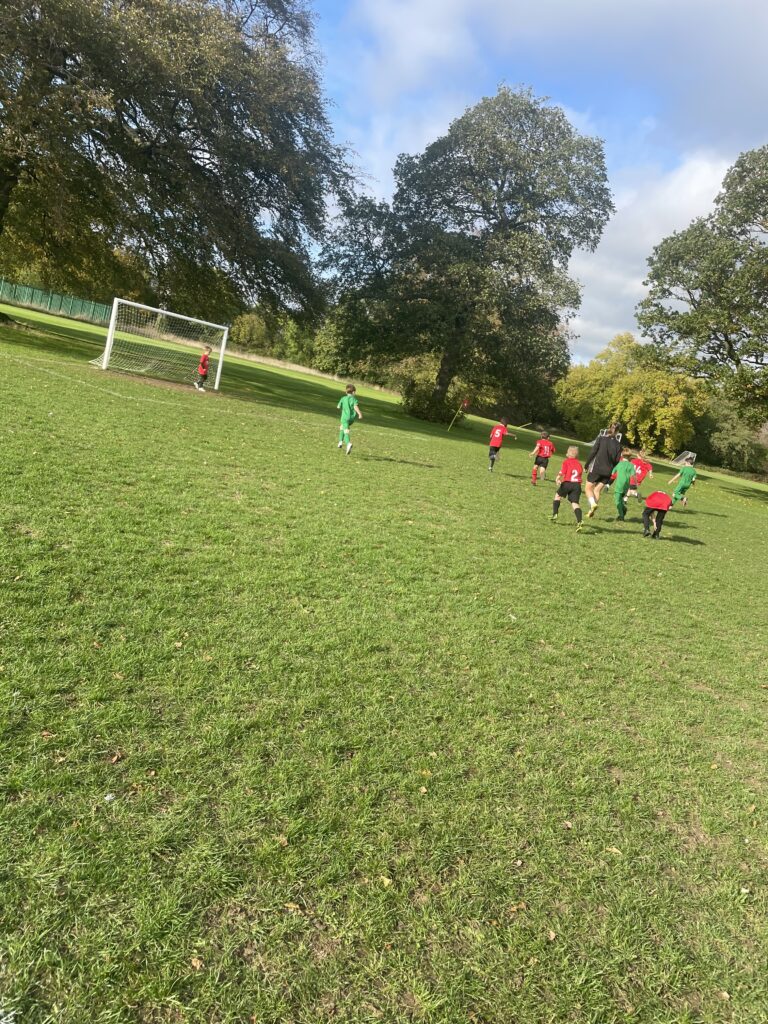
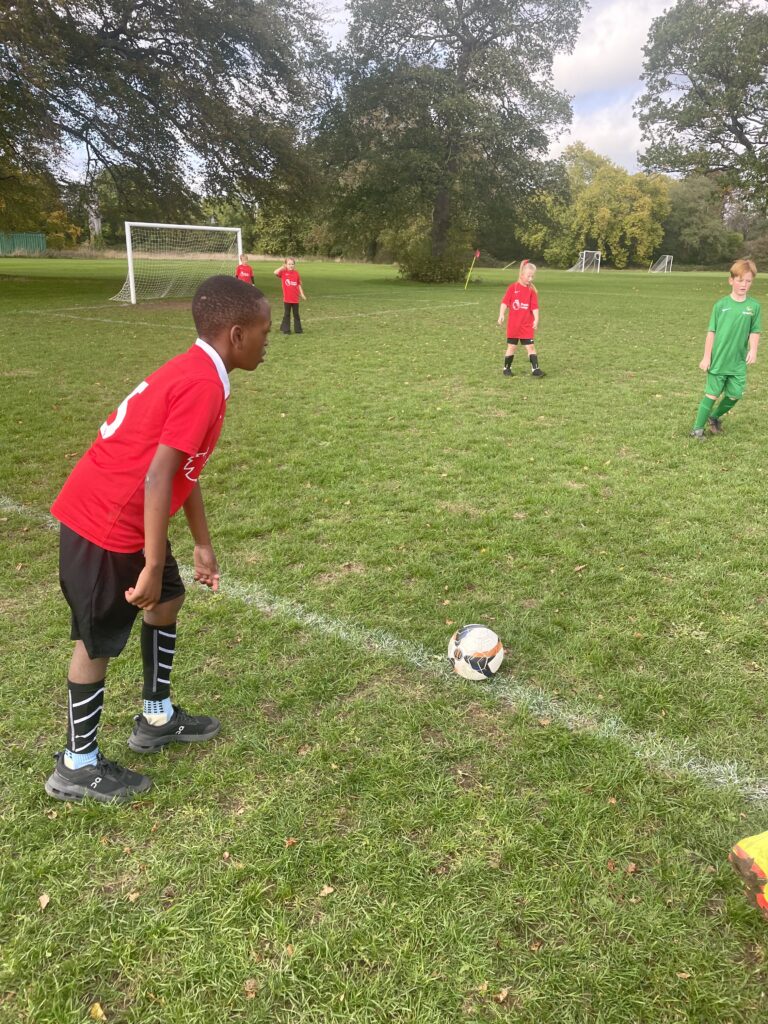
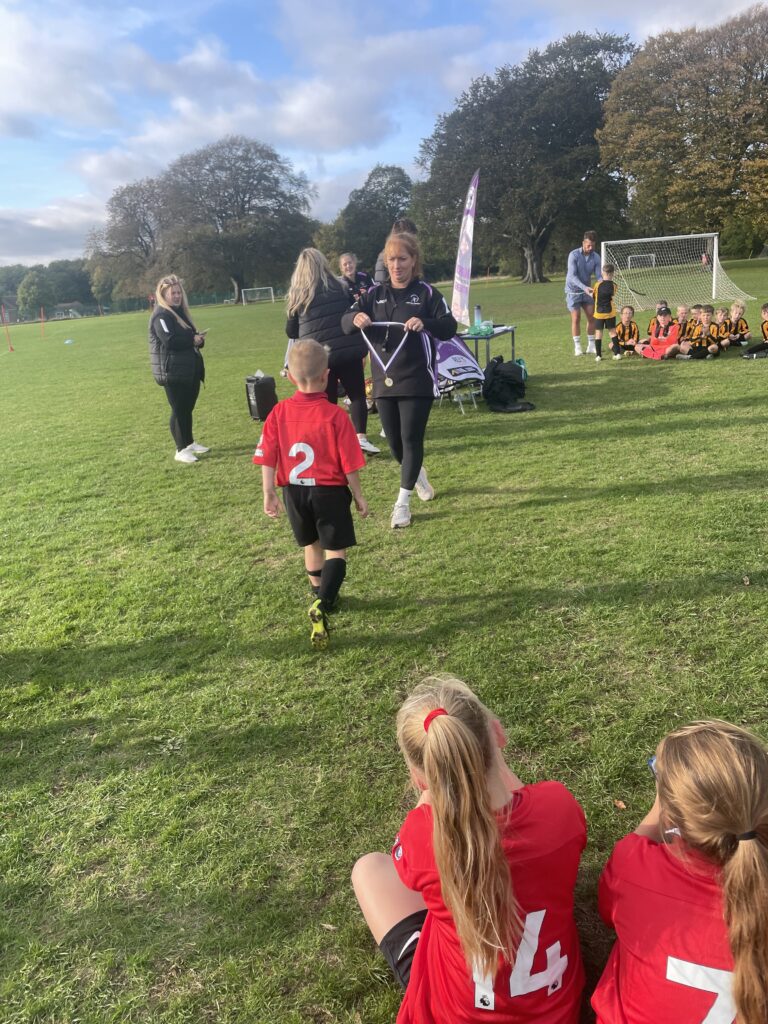
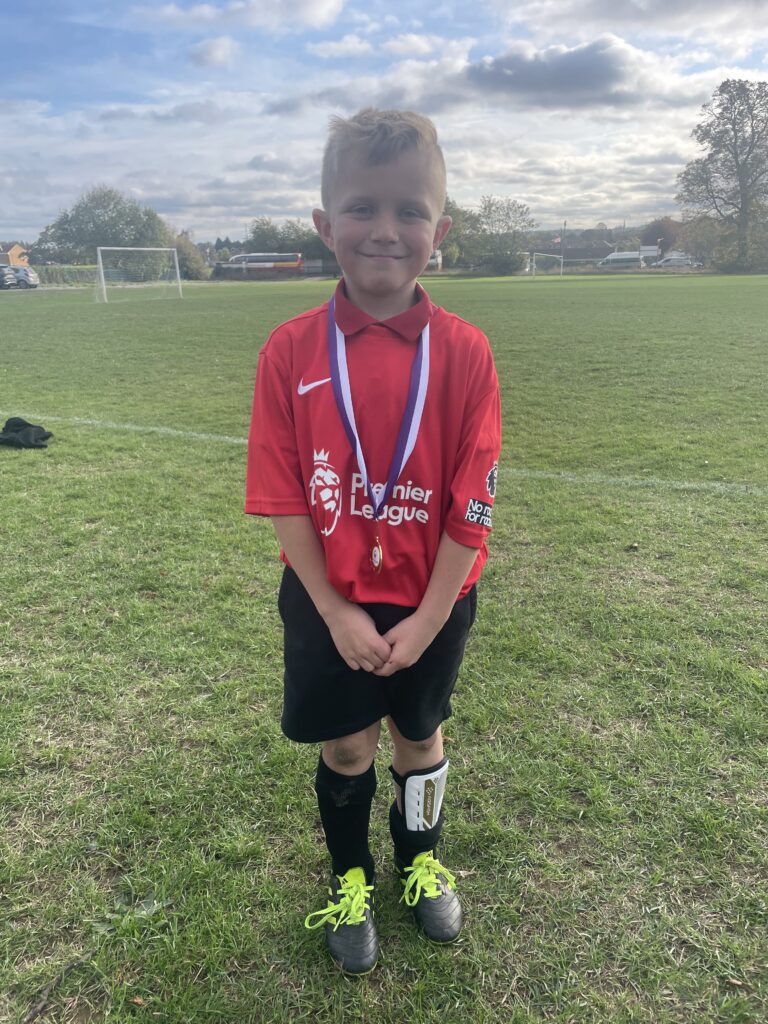
Today 5 pupils from both year 3 and year 4 headed out for the afternoon to compete in a football tournament. They were one of 10 teams, unfortunately we didn’t place in the top 3 but I was so impressed with the children’s efforts, resilience and sportsmanship. Out of the 10 teams, which was over 100 children in total, one of our year 4 pupils was given a medal for his stand out sportsmanship. We were all so proud of him, what a great achievement! Here’s a few photos to showcase our fantastic afternoon!
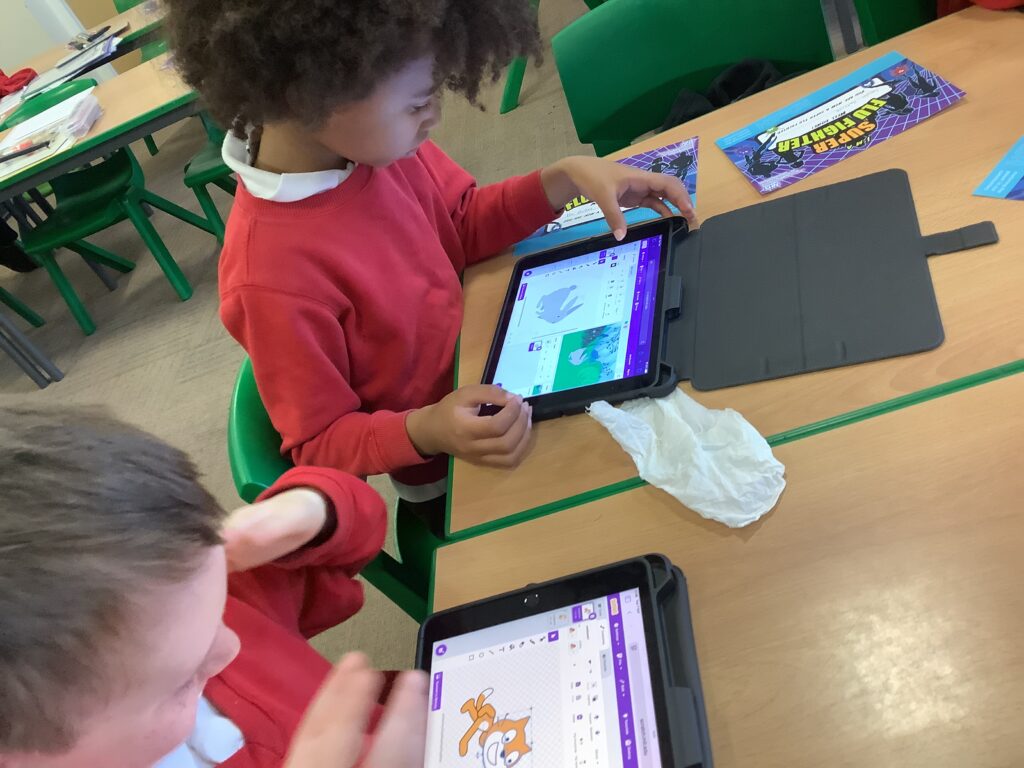
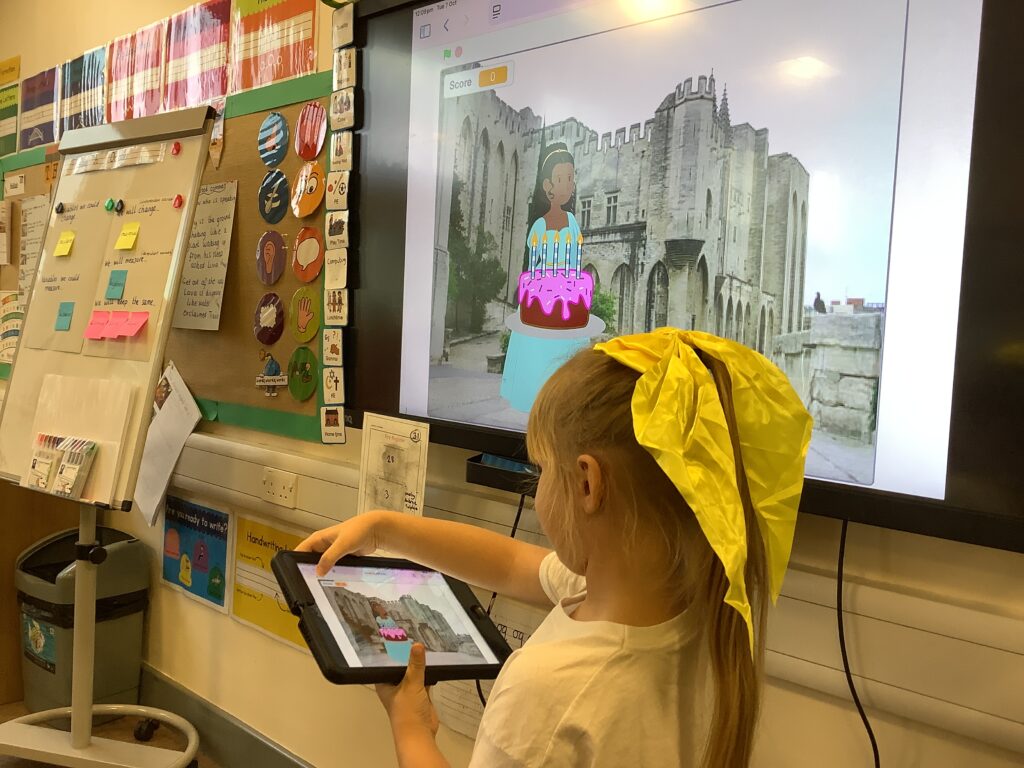
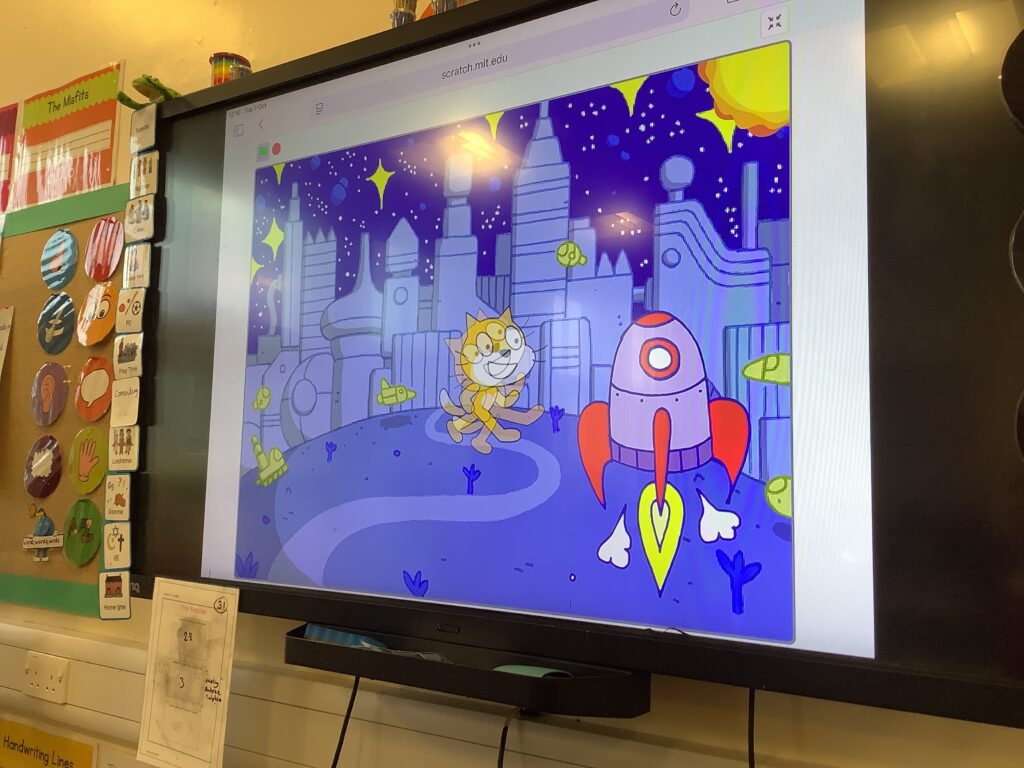
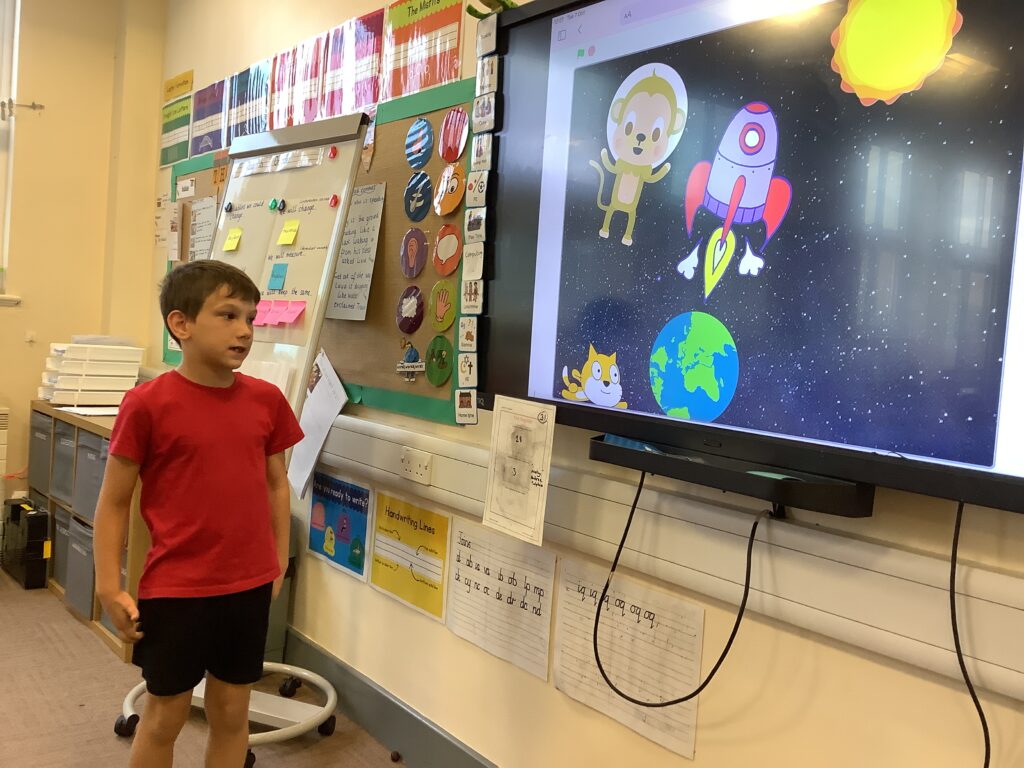
In computing, Year 3 have continued to explore scratch by creating an animation. Children used a variety of blocks to make their sprite move, spin or make a noise. Some children even started to add some dialogue to it. This lesson will support children ahead of the next lesson which will be where they start telling a story using code. Before we finished the lesson, some children shared their animation to the board and what their idea was.
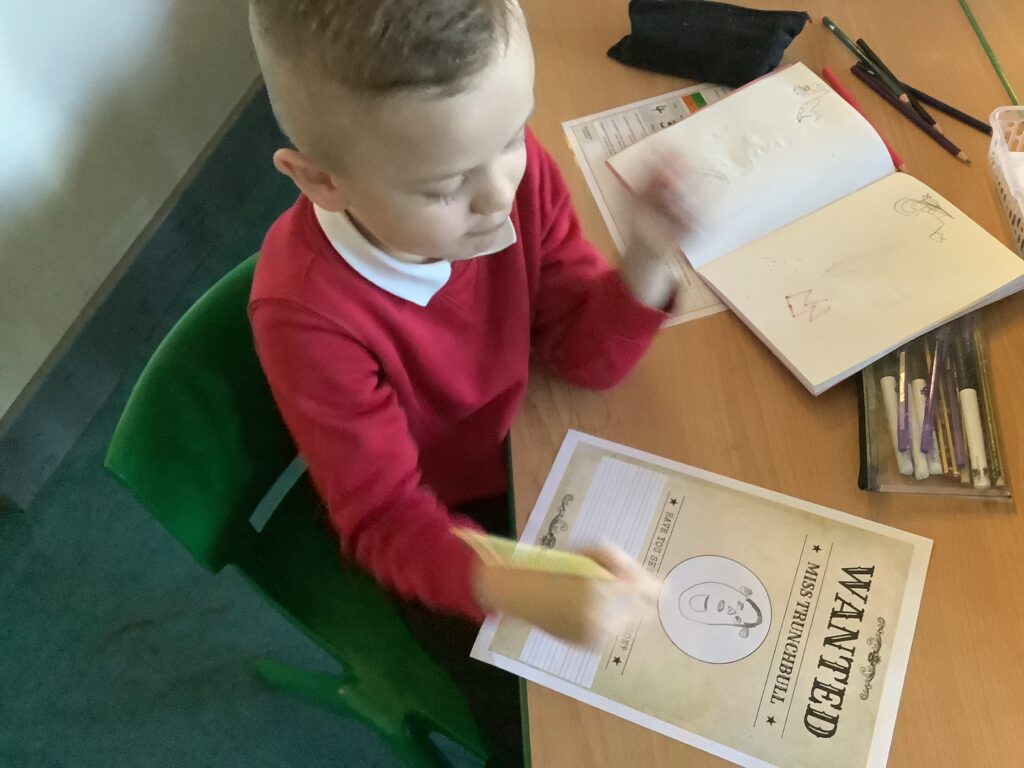
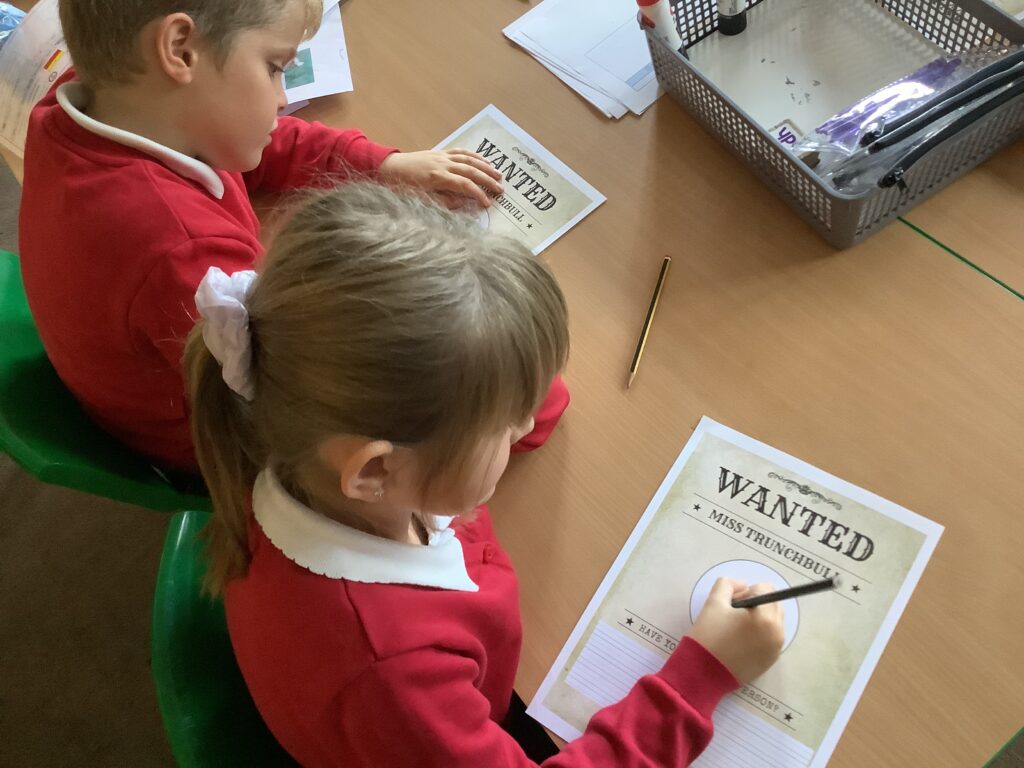
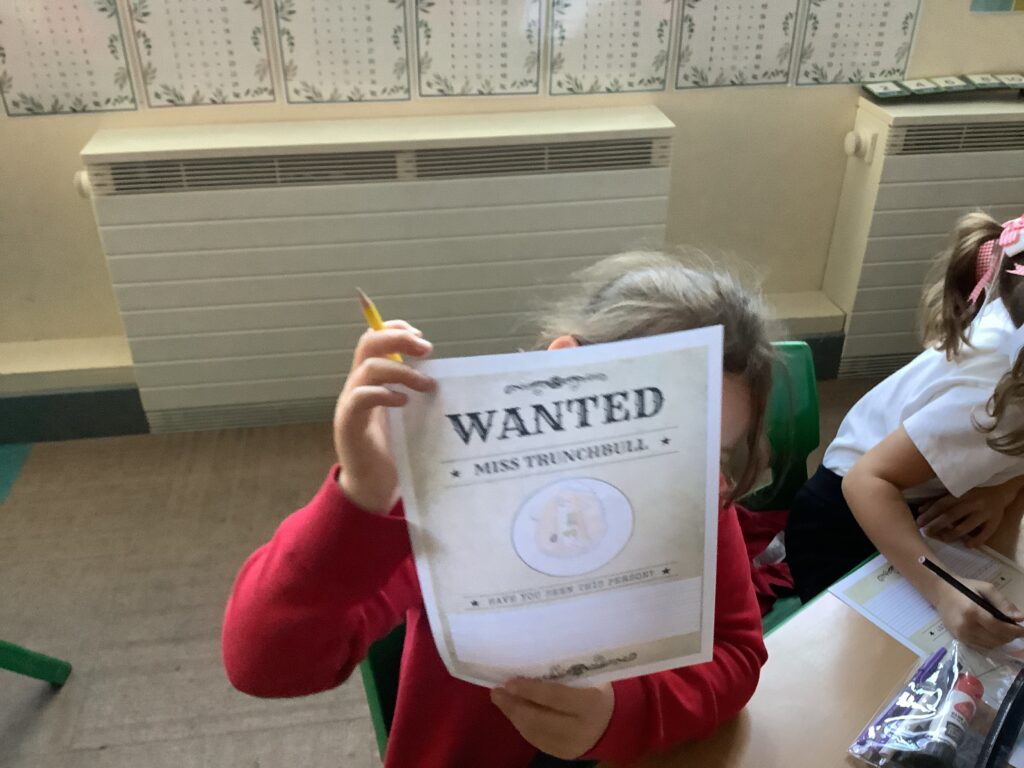
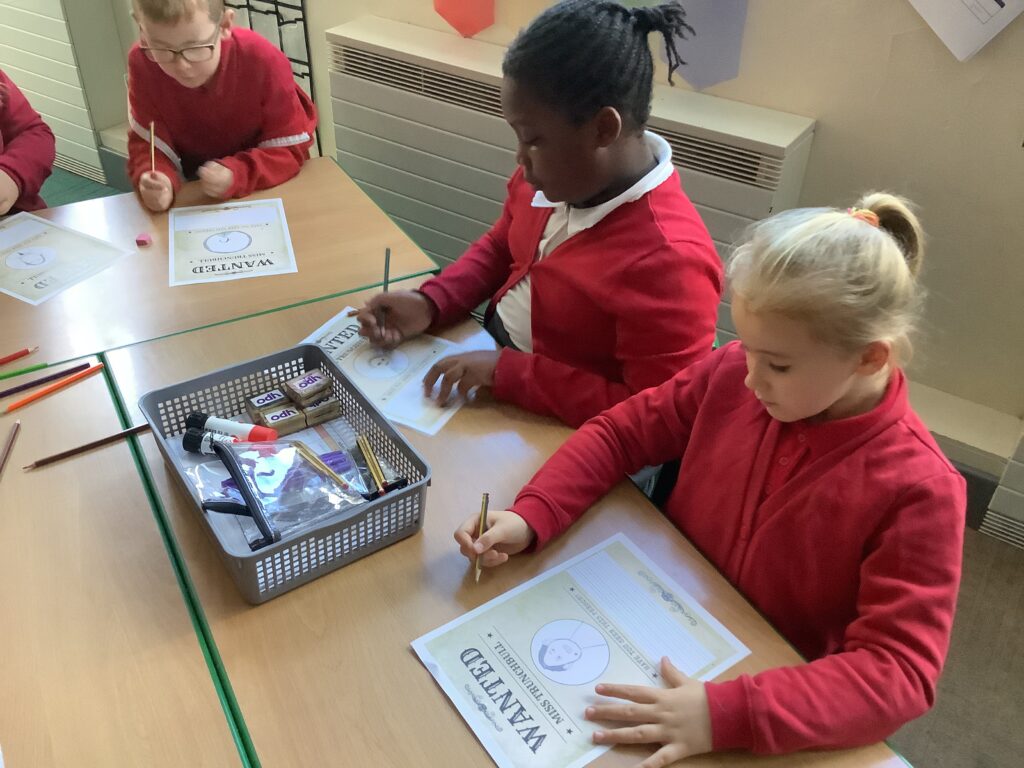
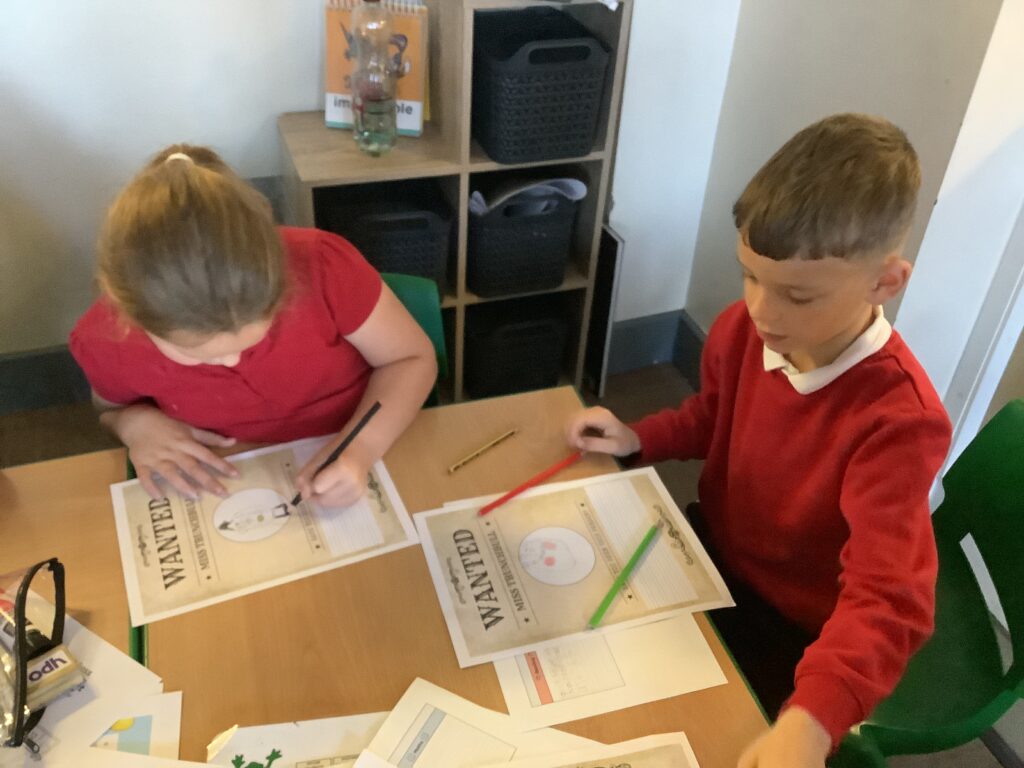
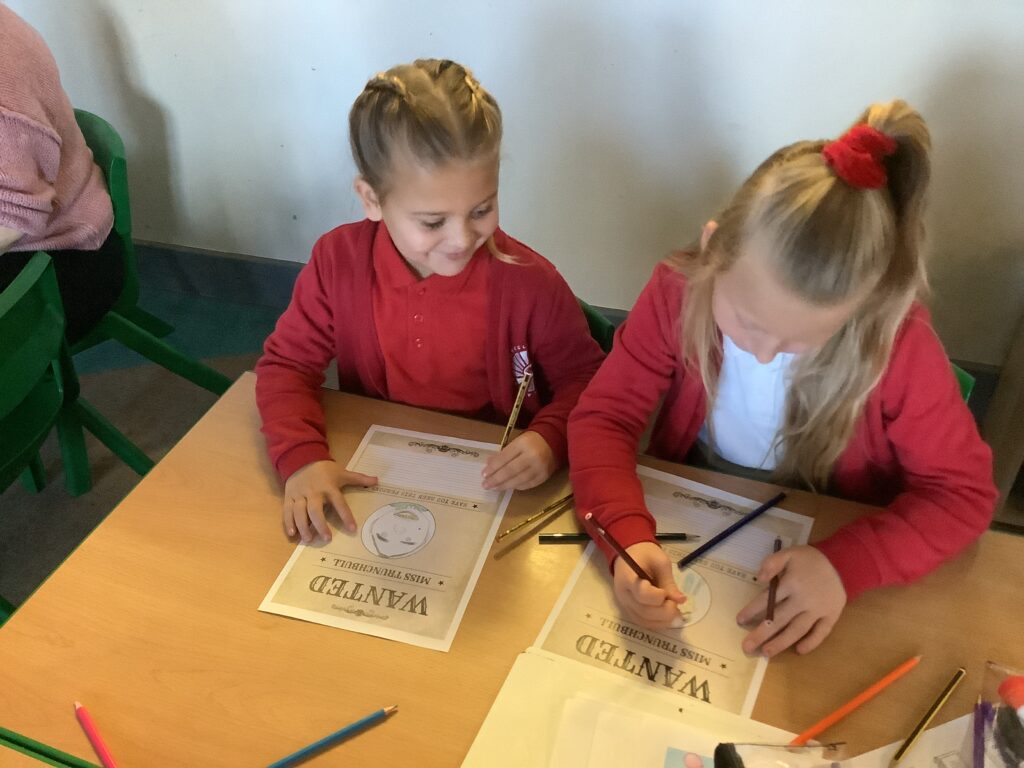
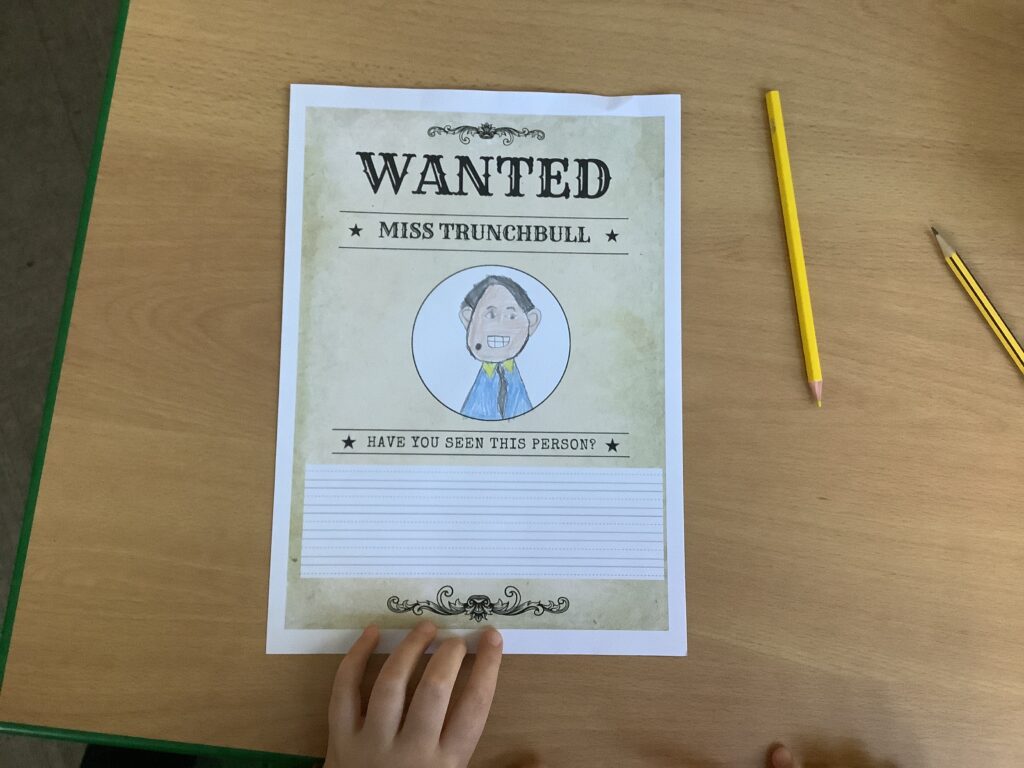
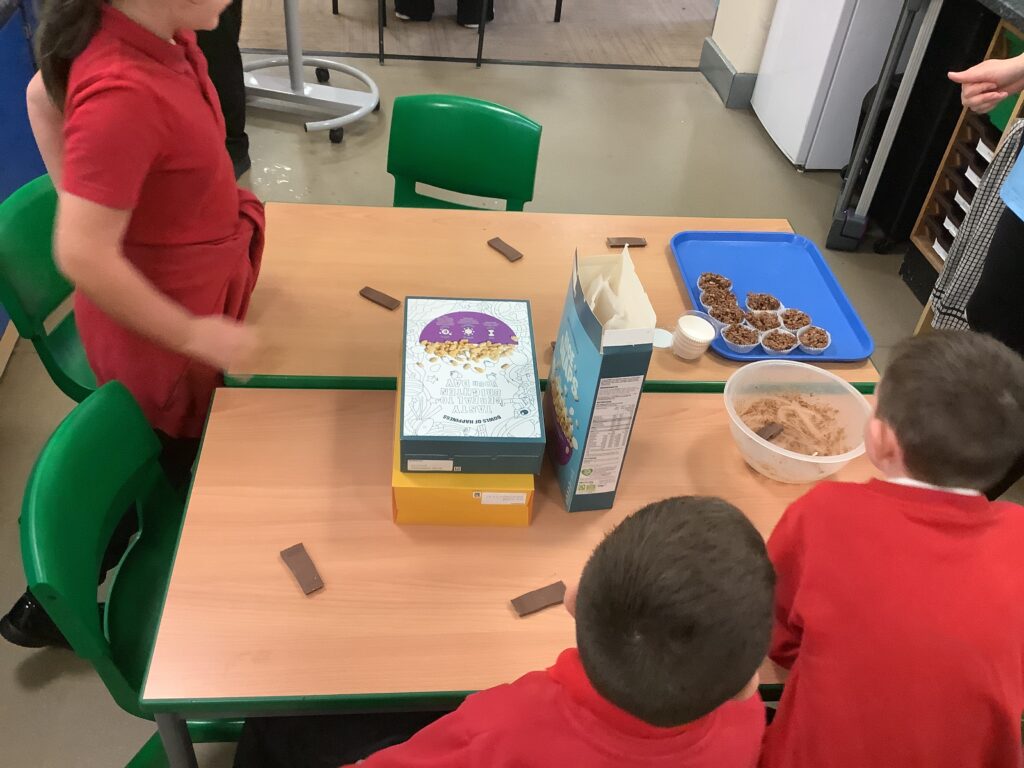
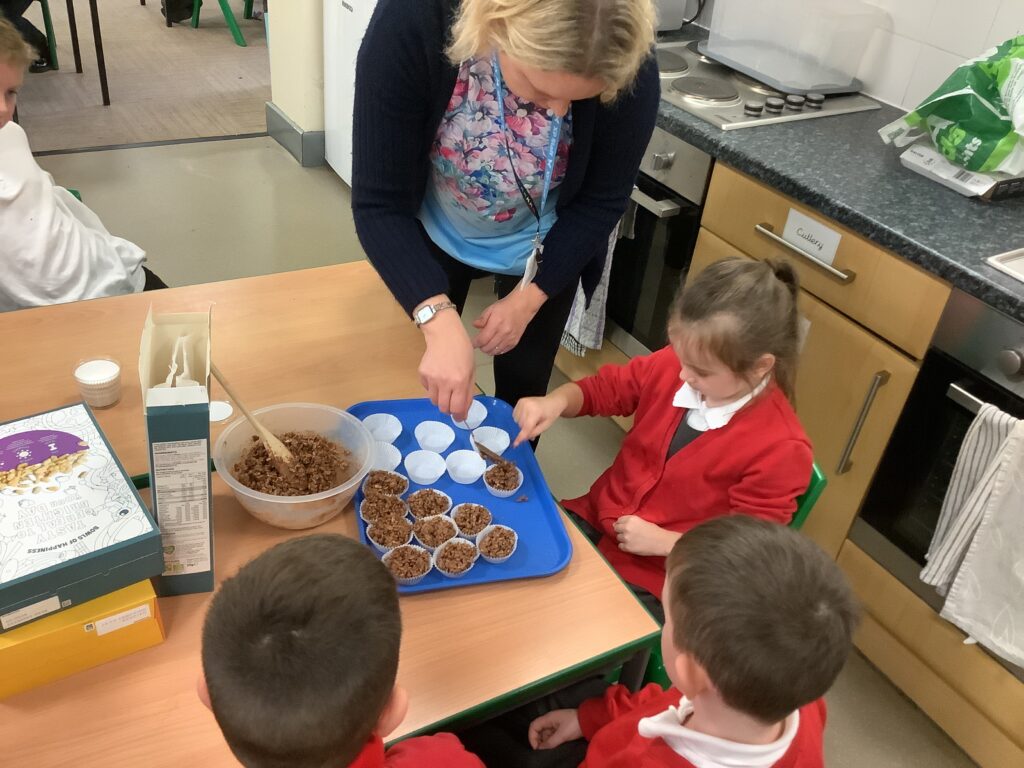
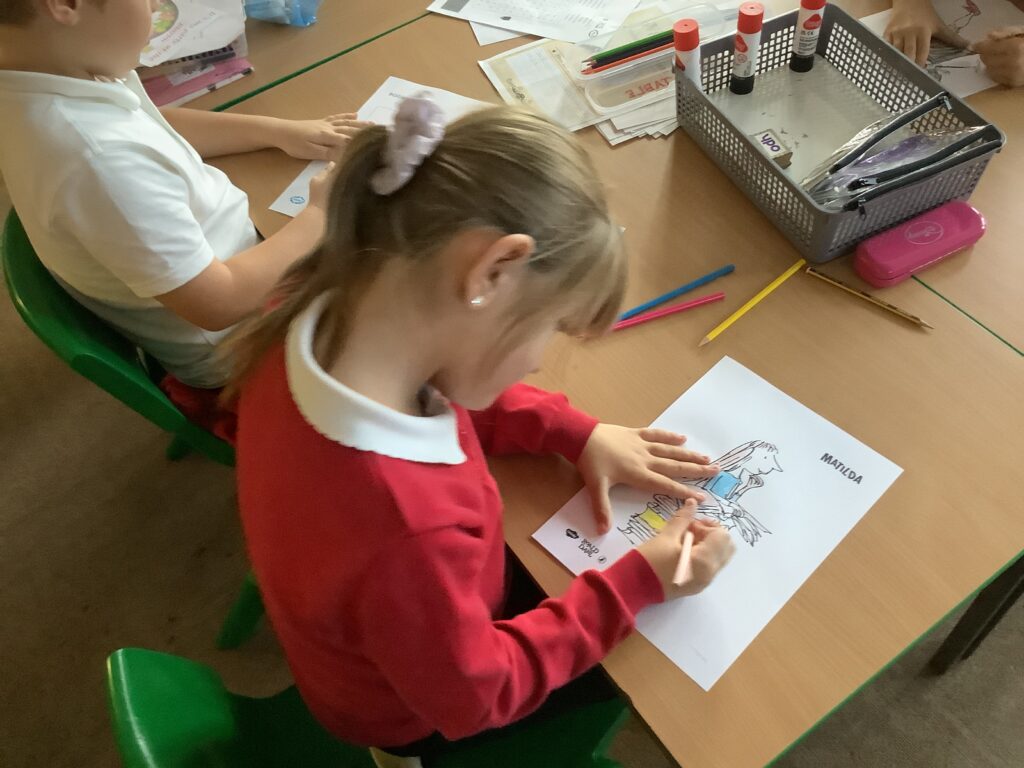
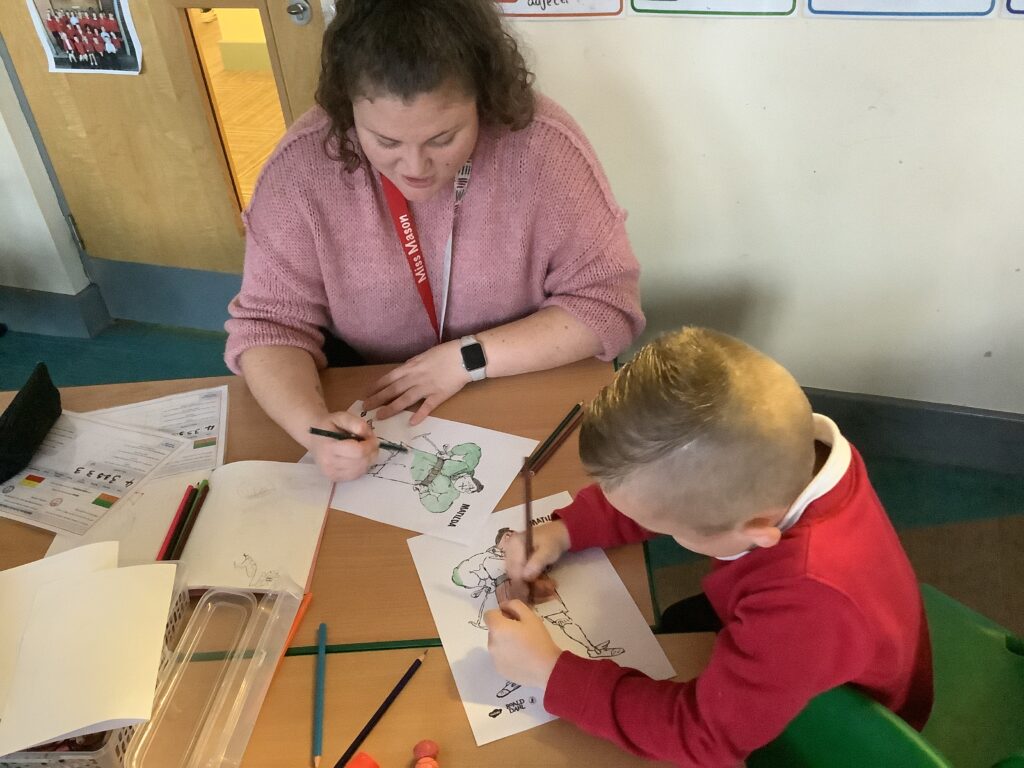
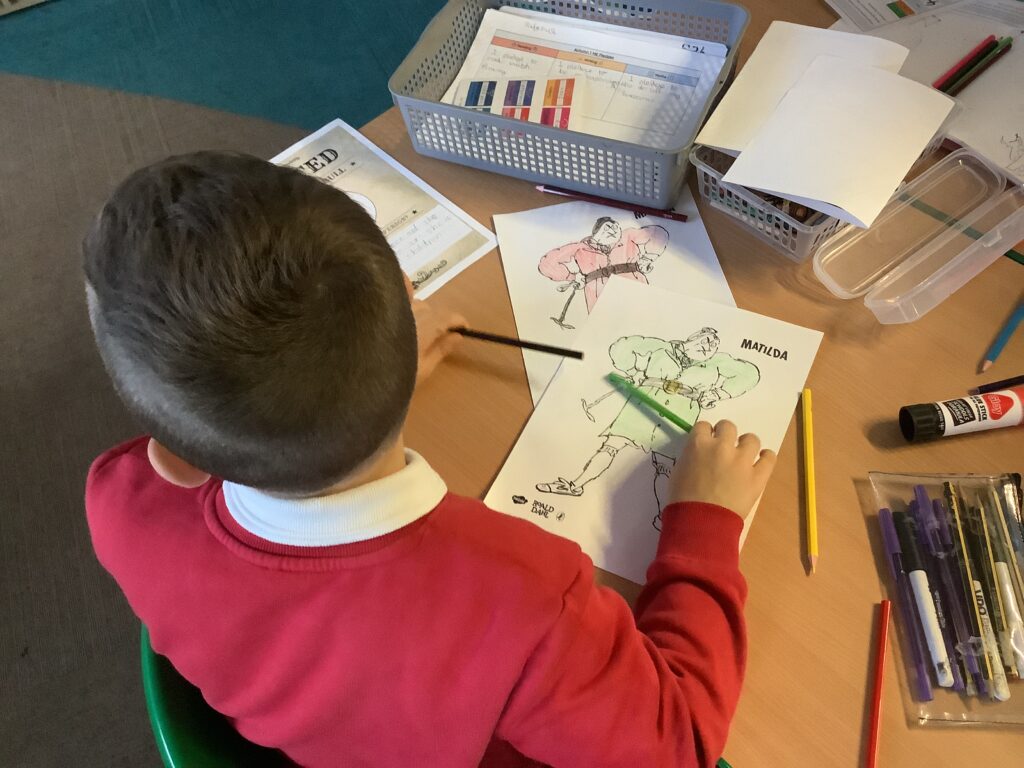
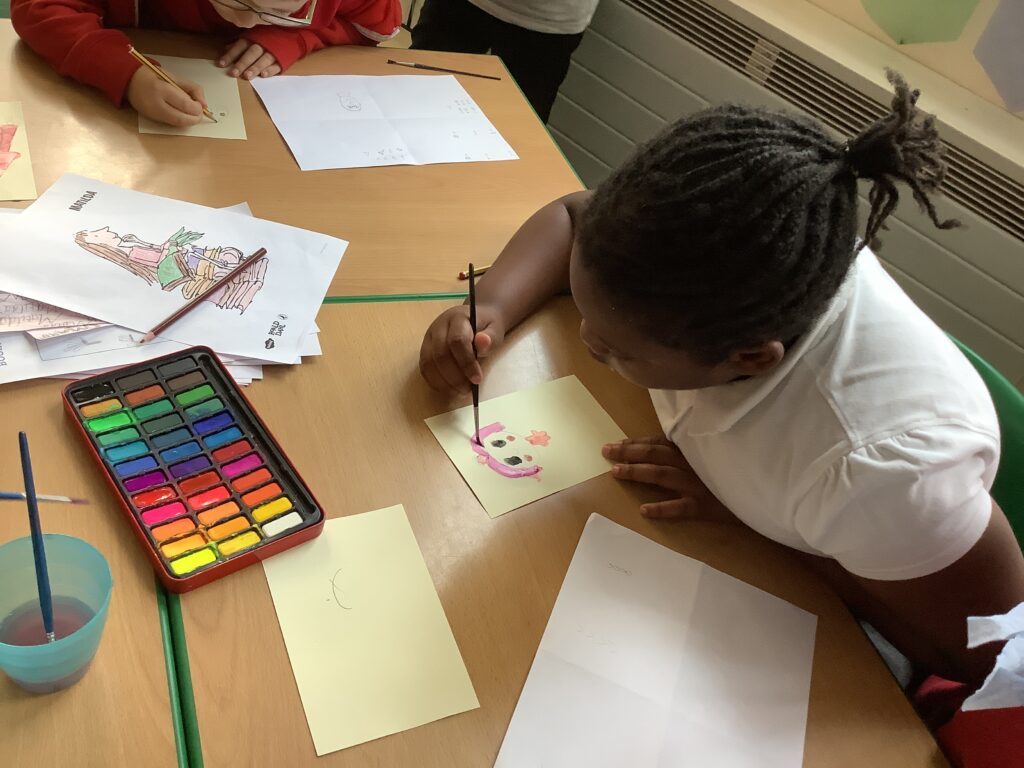
We have loved taking part in lots of Roald Dahl themed activities today including creating wanted posters for Miss Trunchbull, baking chocolate treats for Bruce Bogtrotter and drawing in the style of Quentin Blake.