Today we explored pronouns…
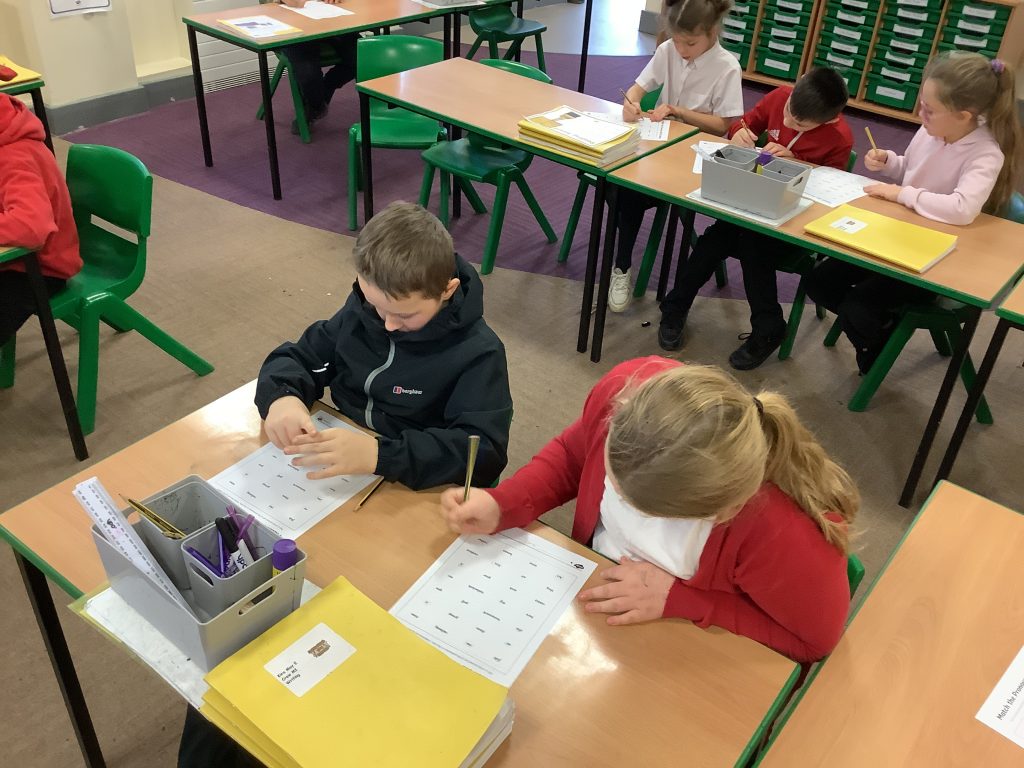
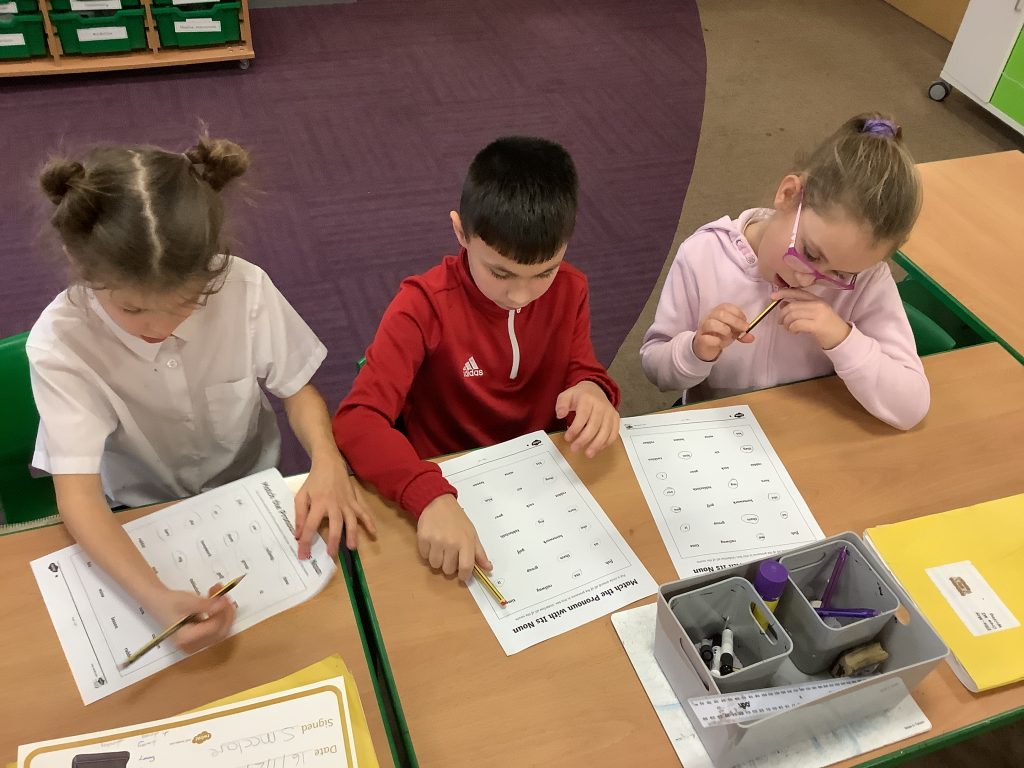
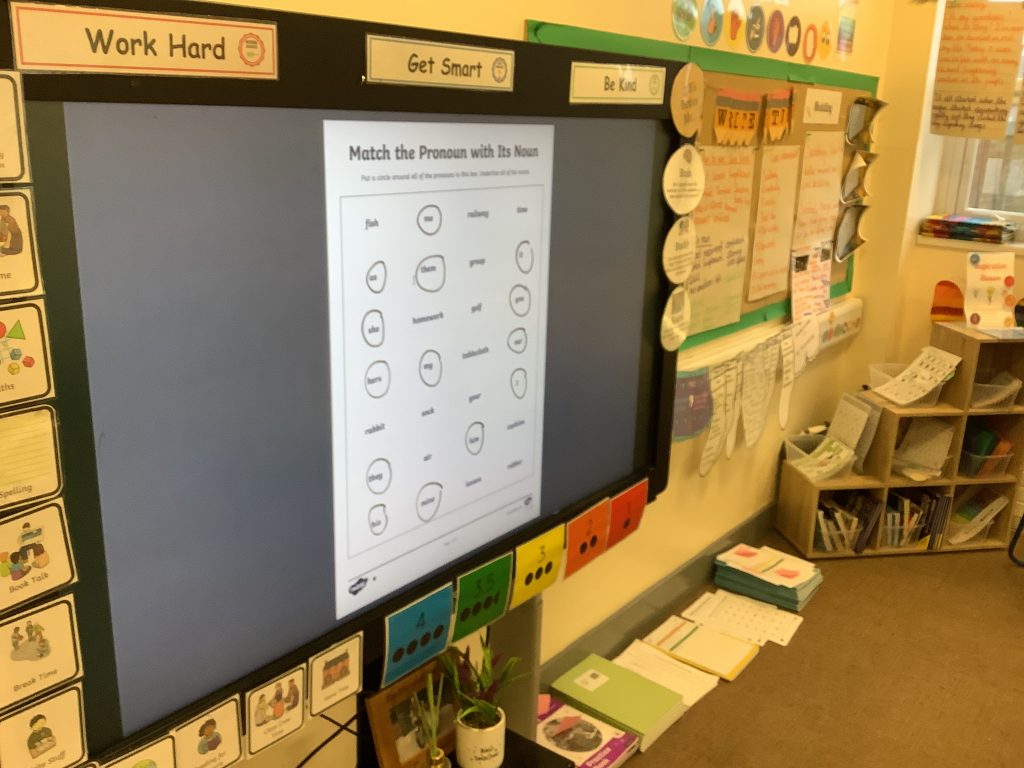
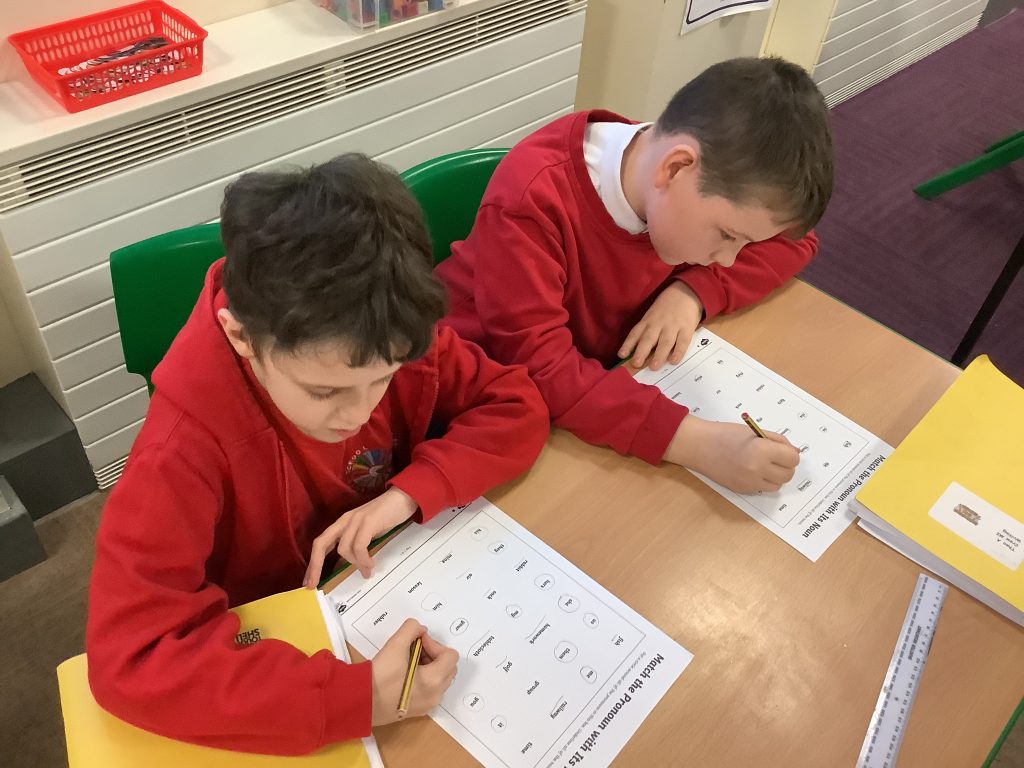
Today we explored pronouns…
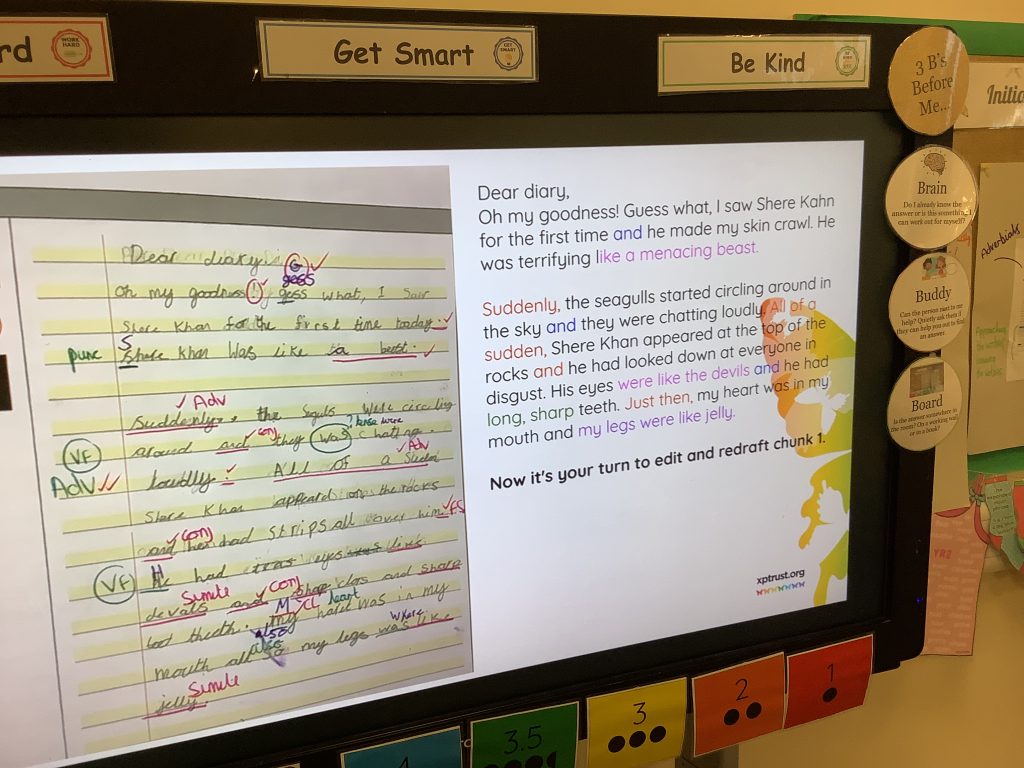
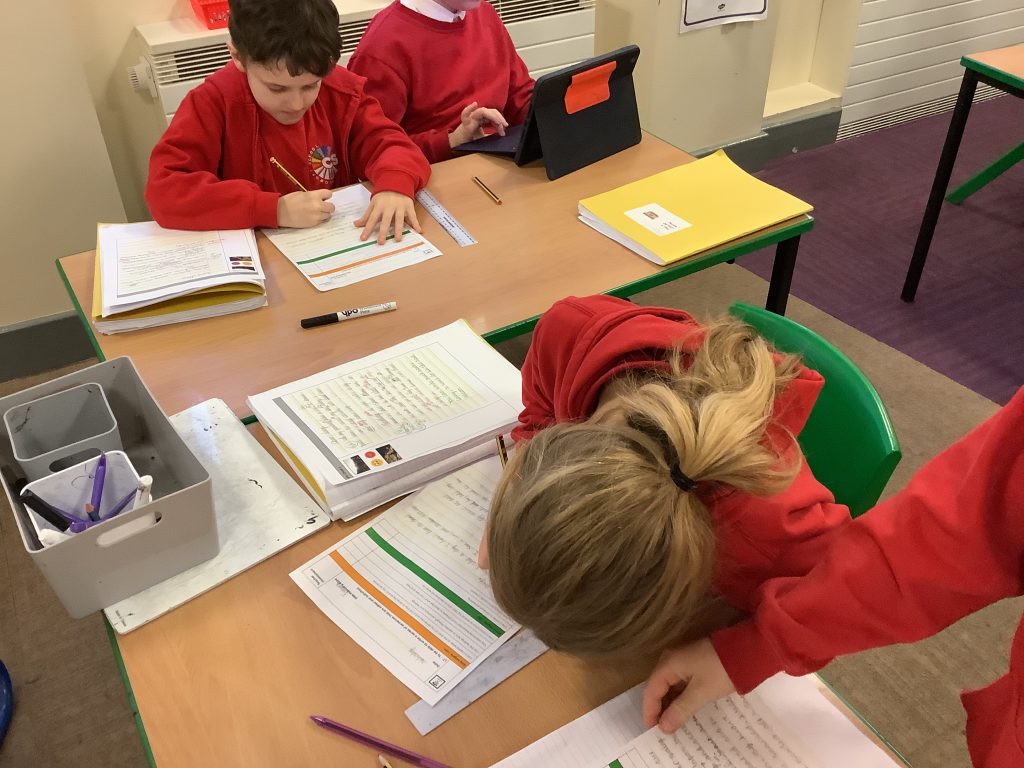
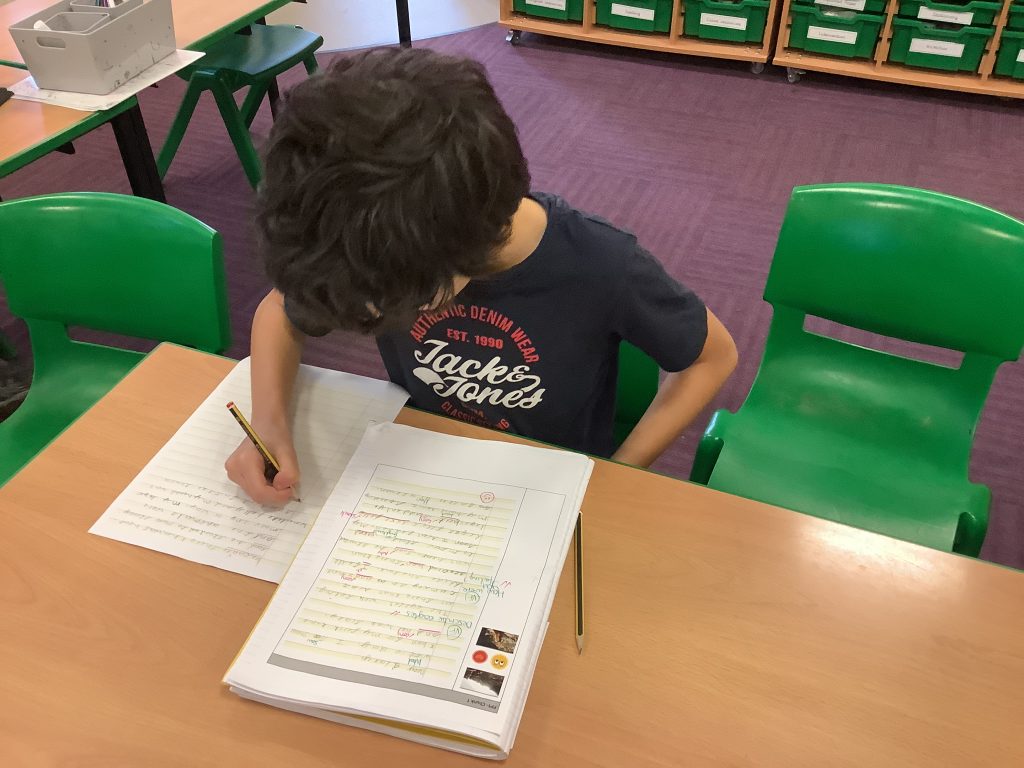
Today we worked as a crew to edit and improve our peers first chunk of writing then we started on our own. We tried really hard to use our target grids to improve our work.
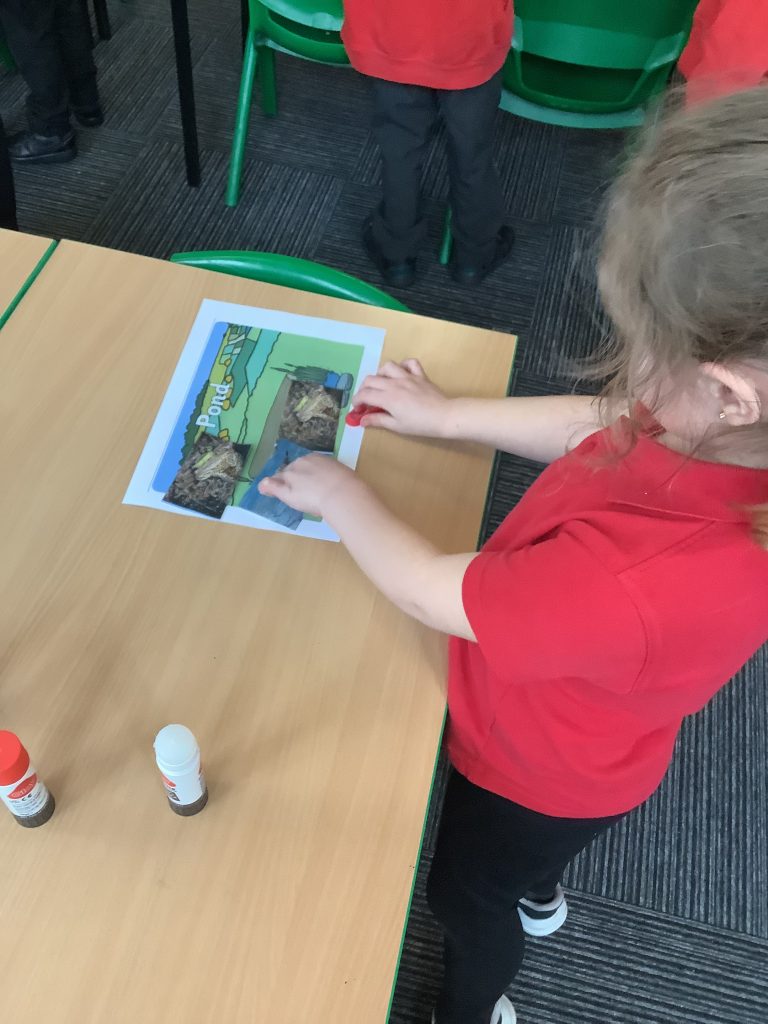
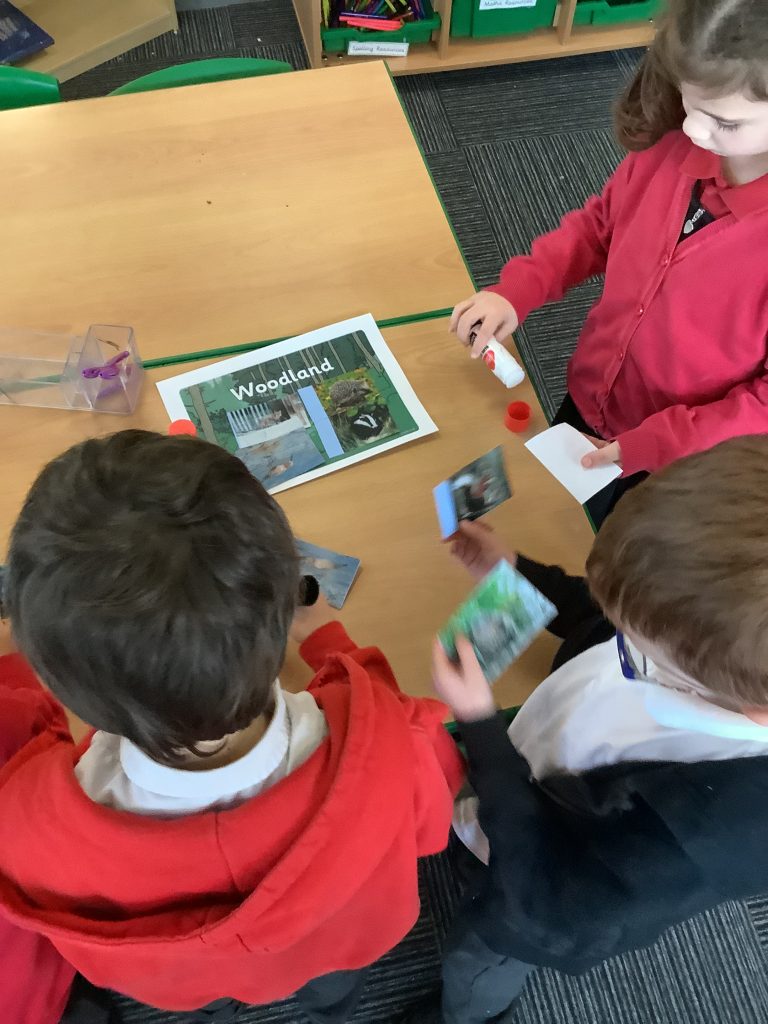
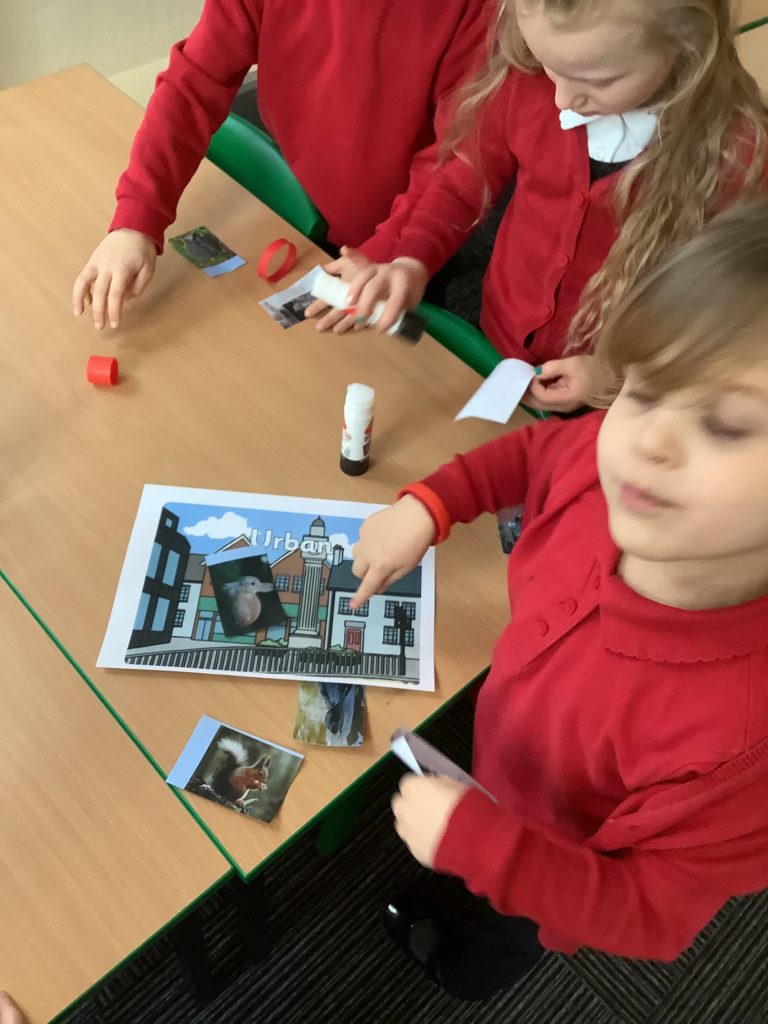
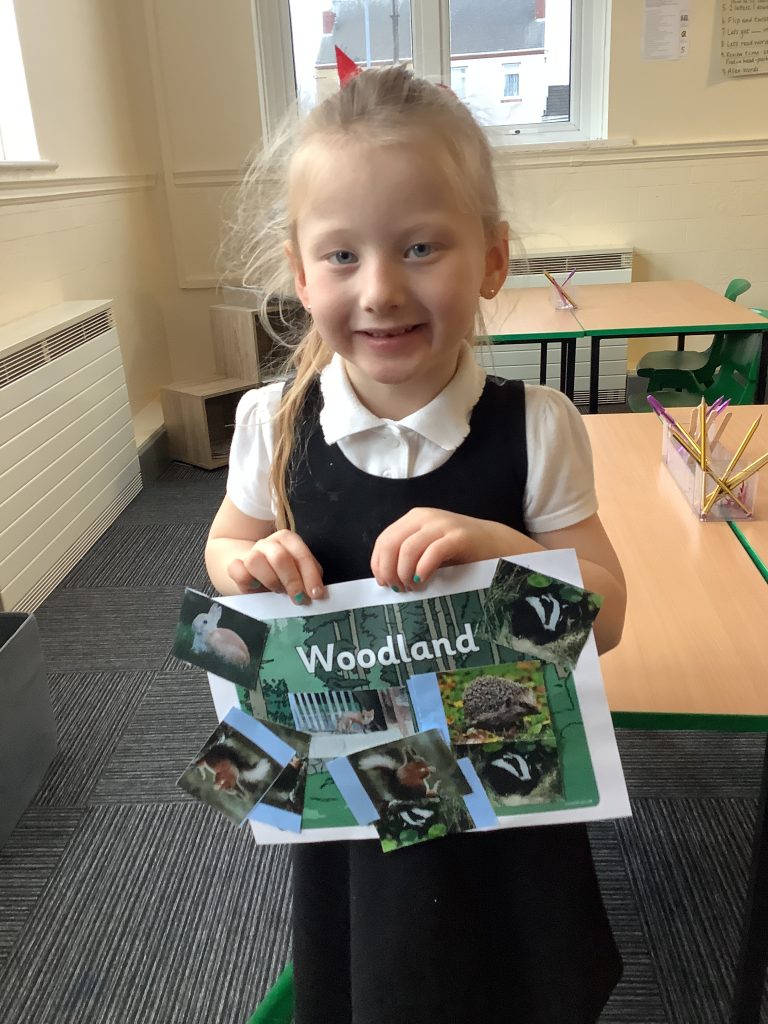
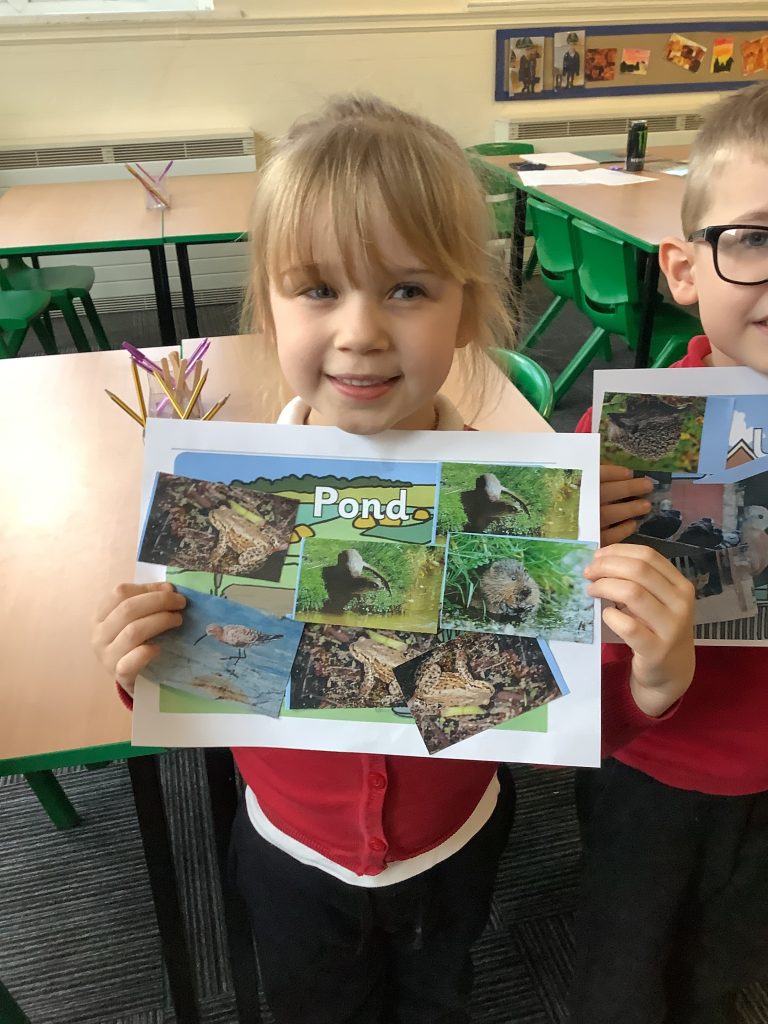
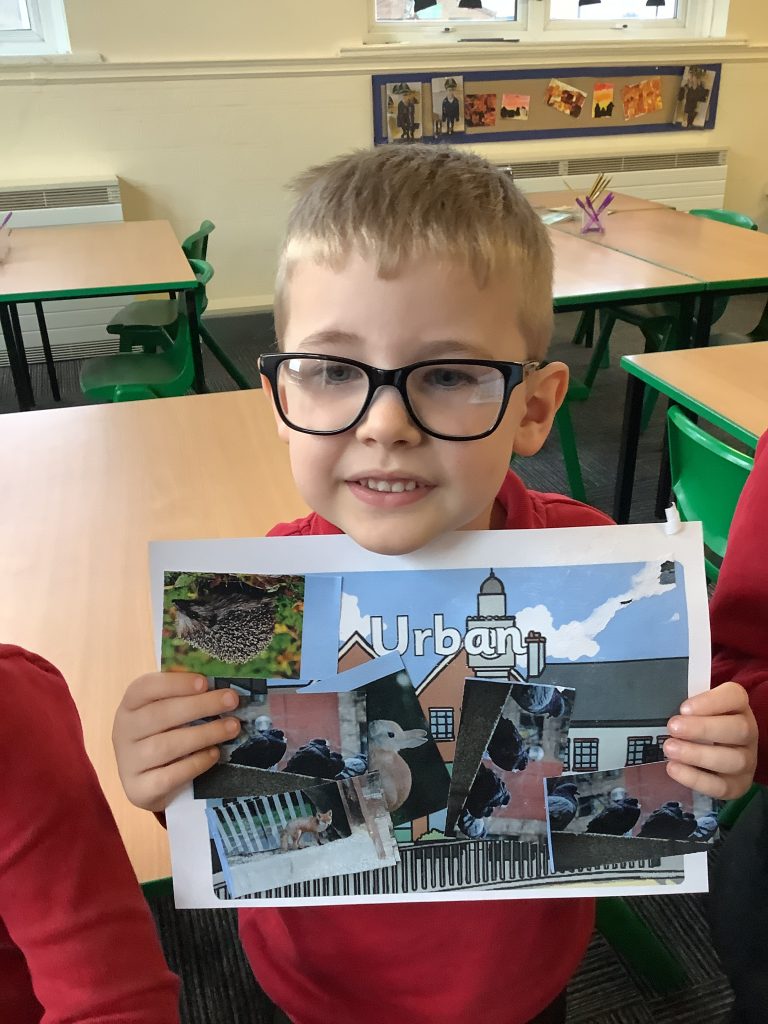
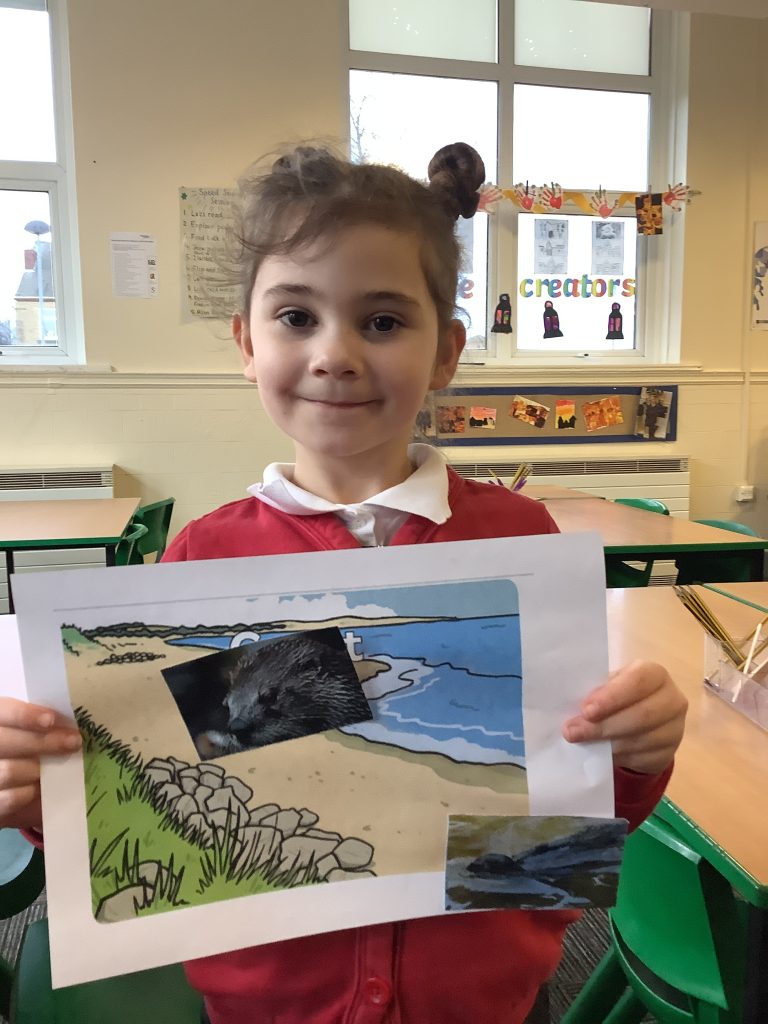
Over the last two days we have been looking at habitats – the 4 different habitats we have looked at are coastal, woodlands, urban, pond. We got given an animal and we had to stick them to the correct habitat.
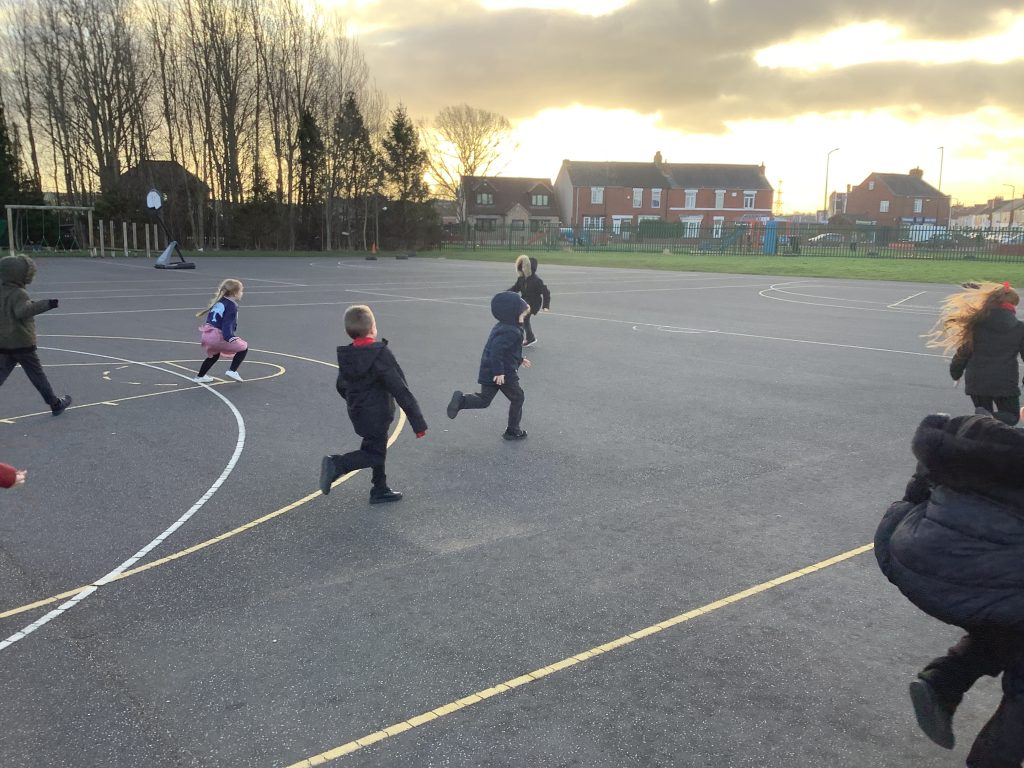
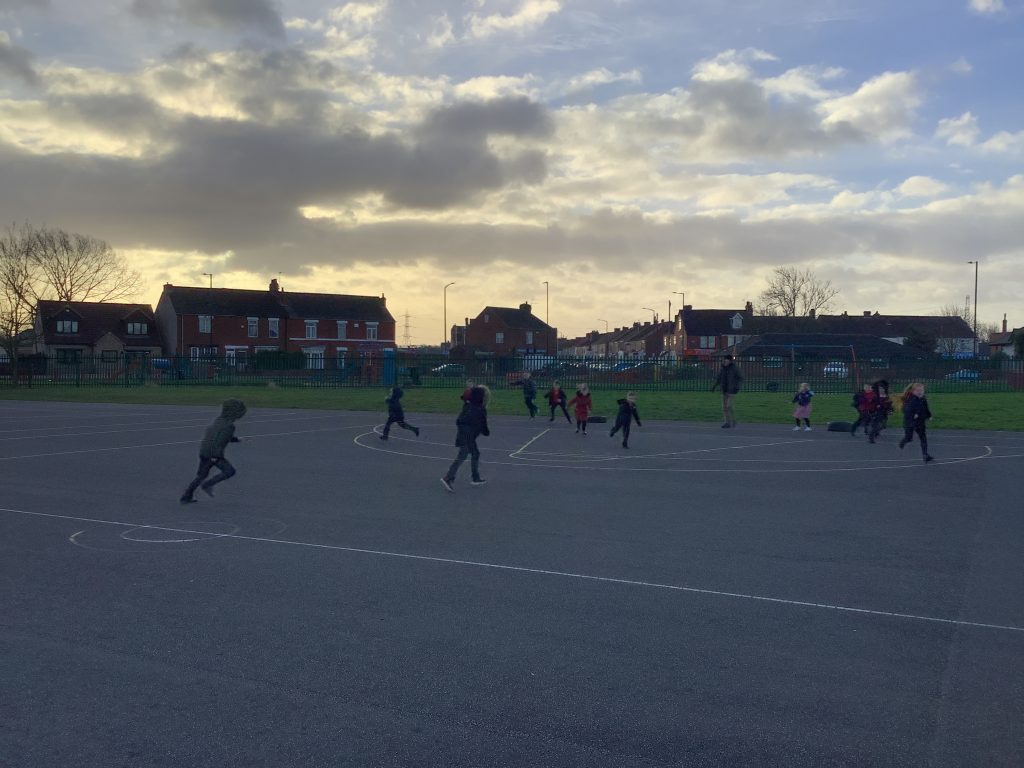
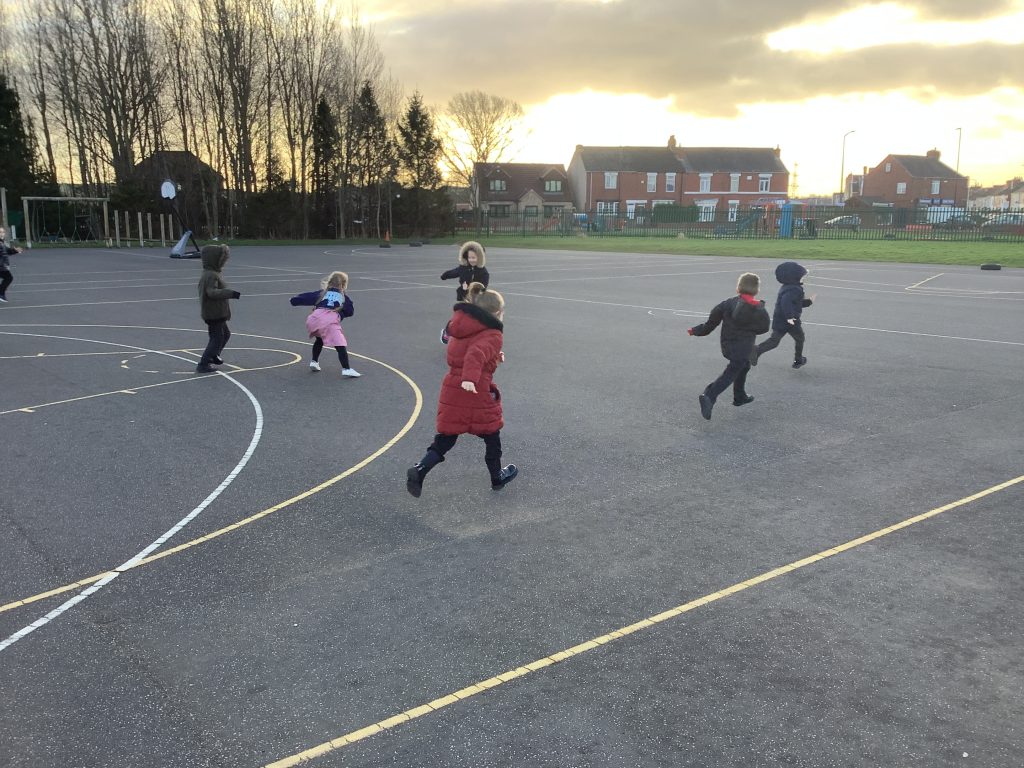
The wind didn’t stop us having a great time at Scottie’s, it was very difficult to work against the wind but we absolutely smashed it showing resilience and determination to succeed 💪
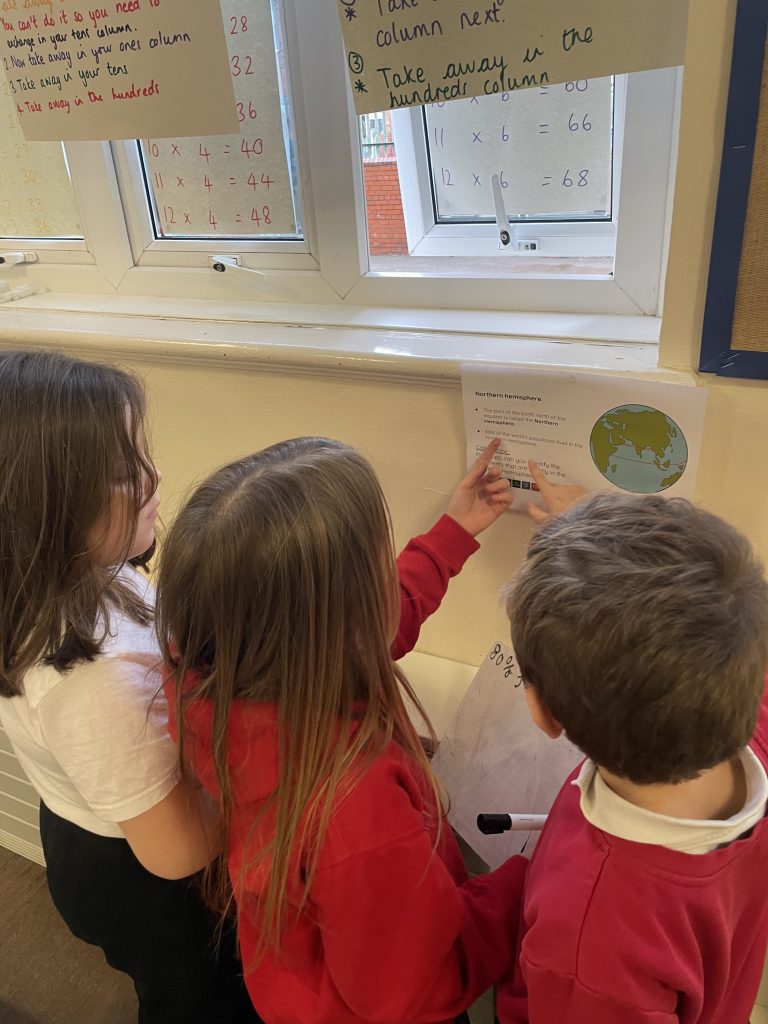
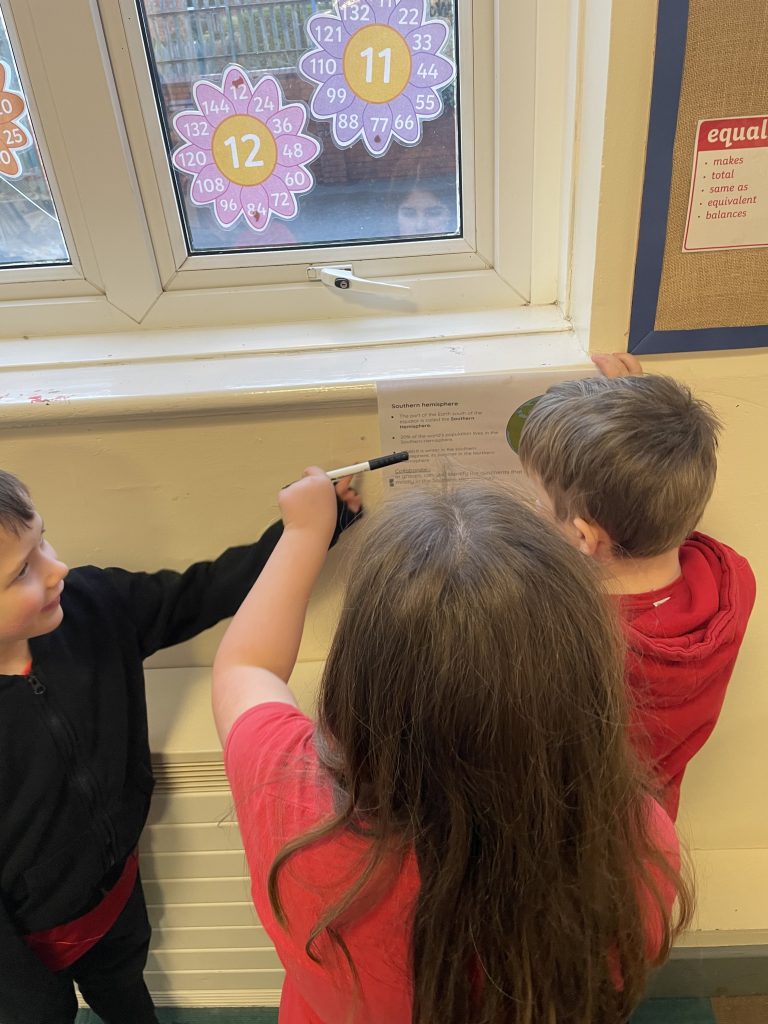
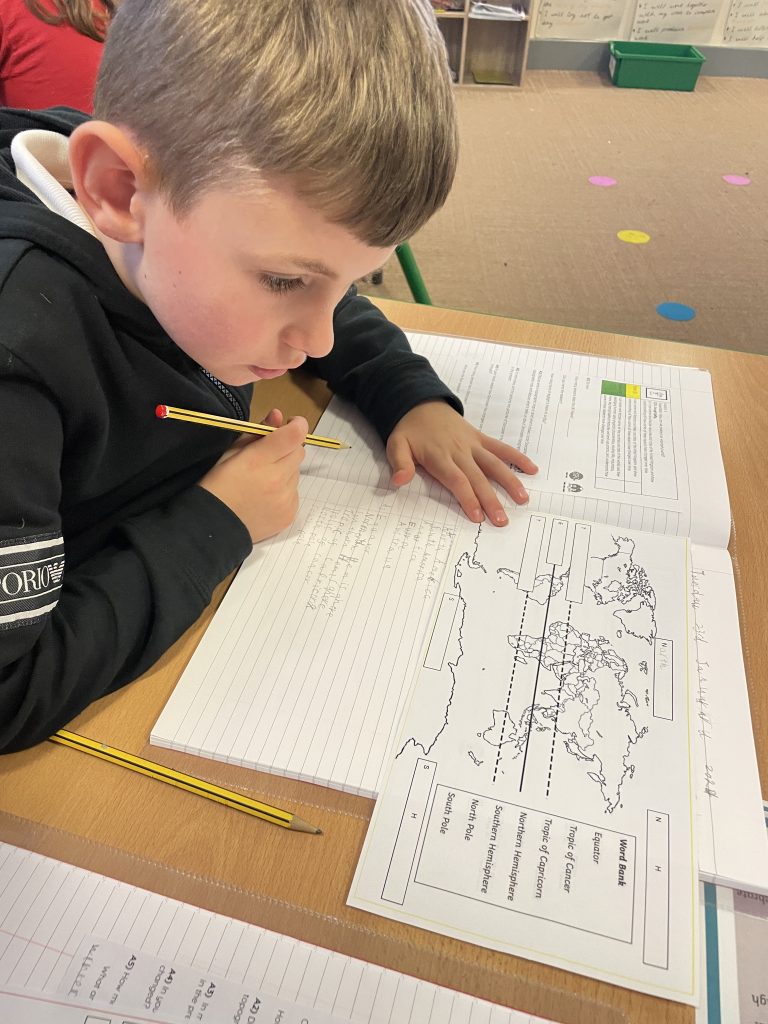
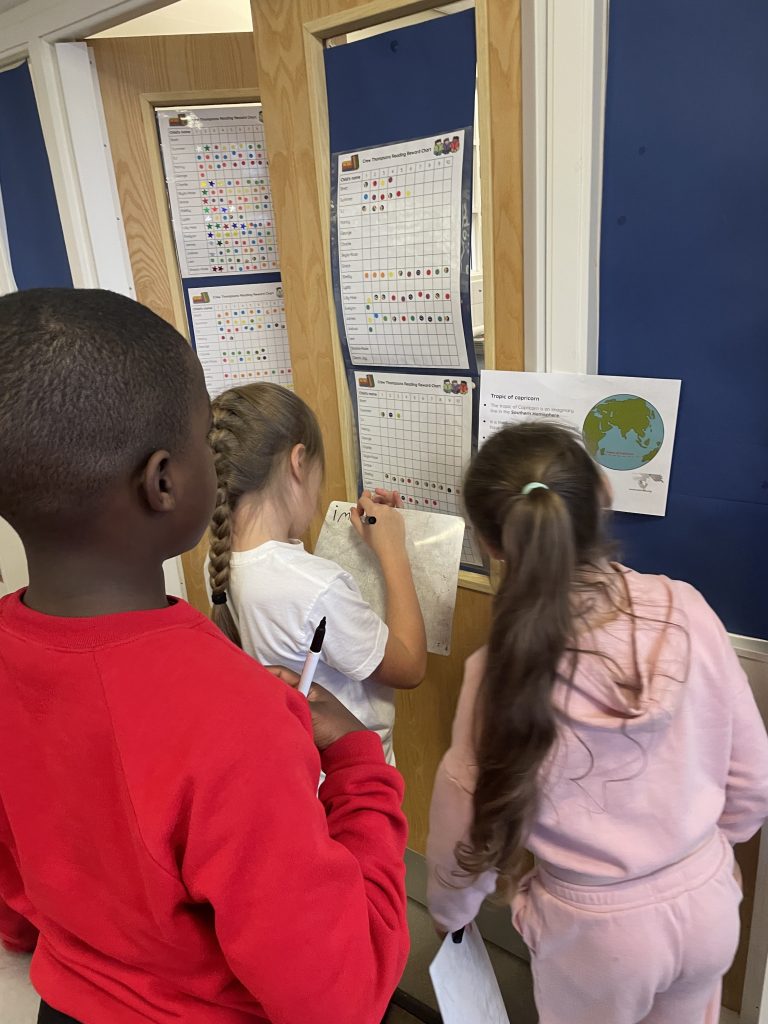
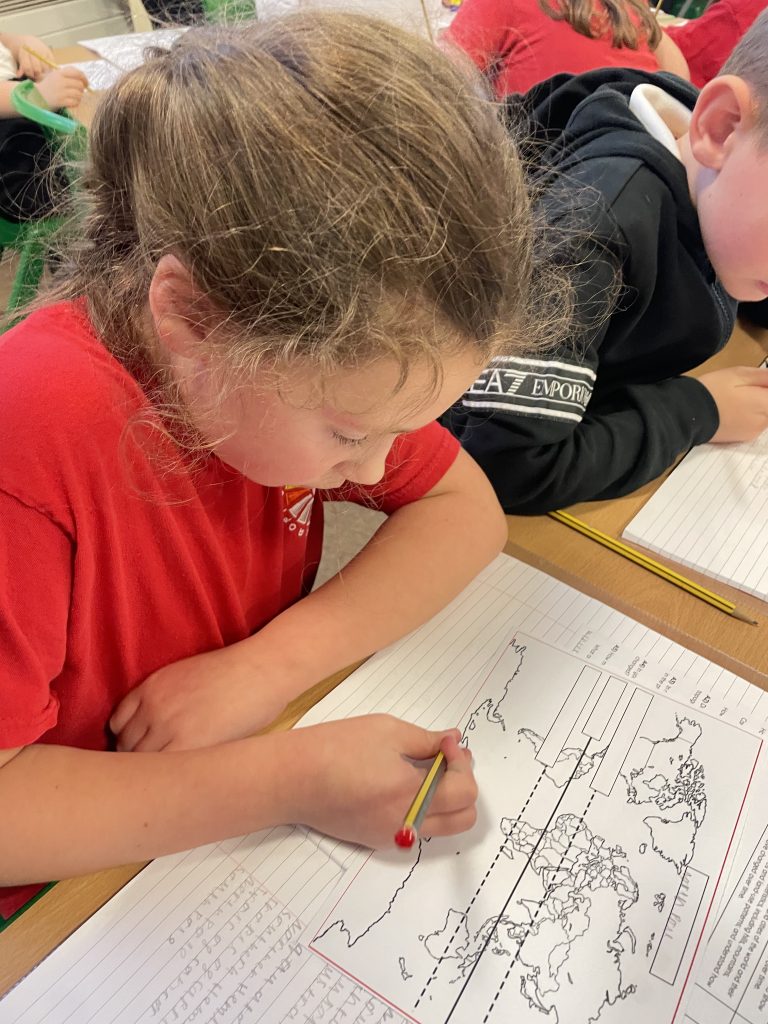
This afternoon, we continued our expeditionary learning by looking how the earth is split into 7 geographical zones. We found out the 7 zones are: Equator, North Pole, South Pole, Tropic of Cancer, Tropic of Capricorn, Northern Hemisphere and Southern Hemisphere. With our new found knowledge, we labelled a map with the zones.
Working hard on our diary entries 🙂
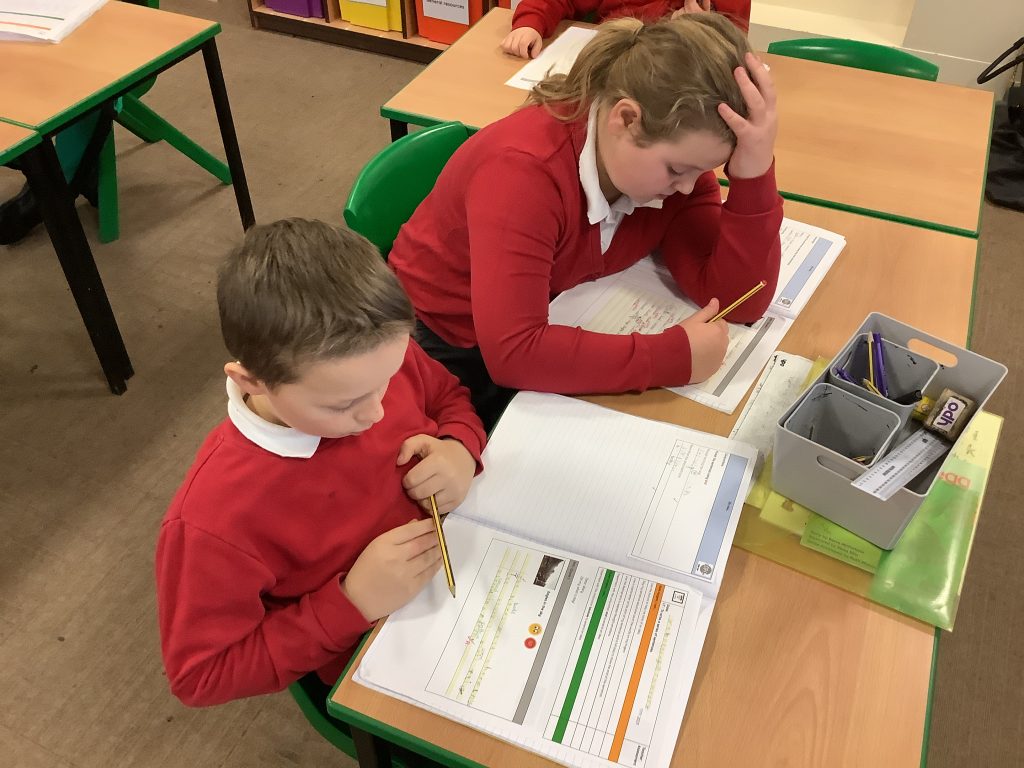
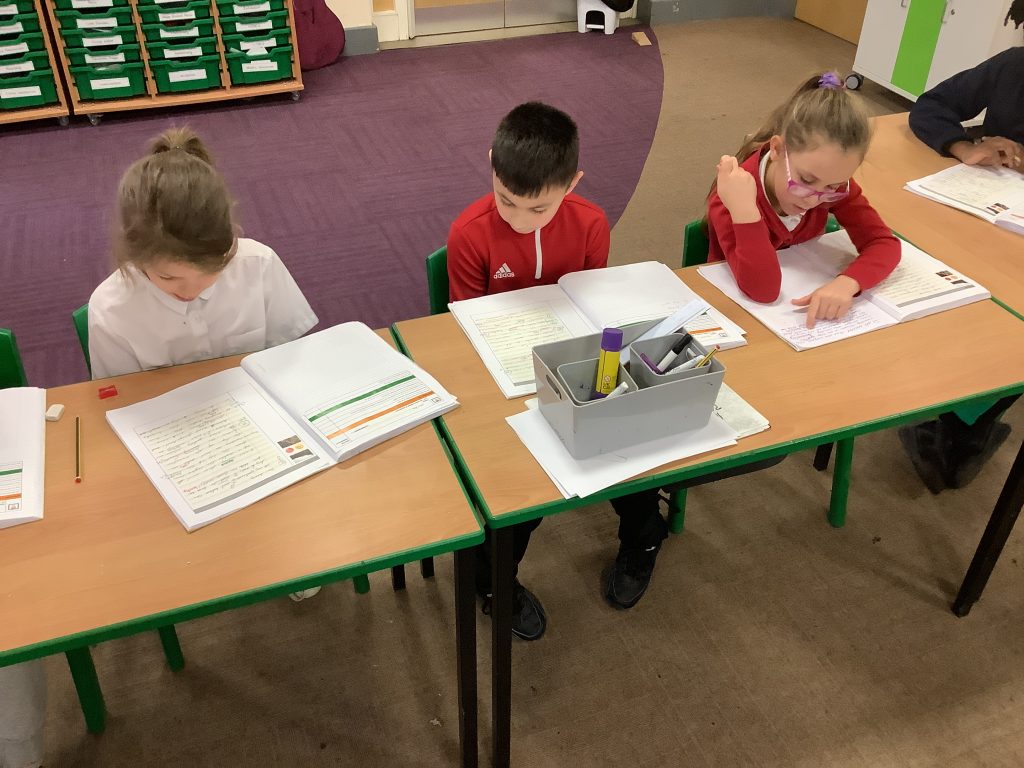
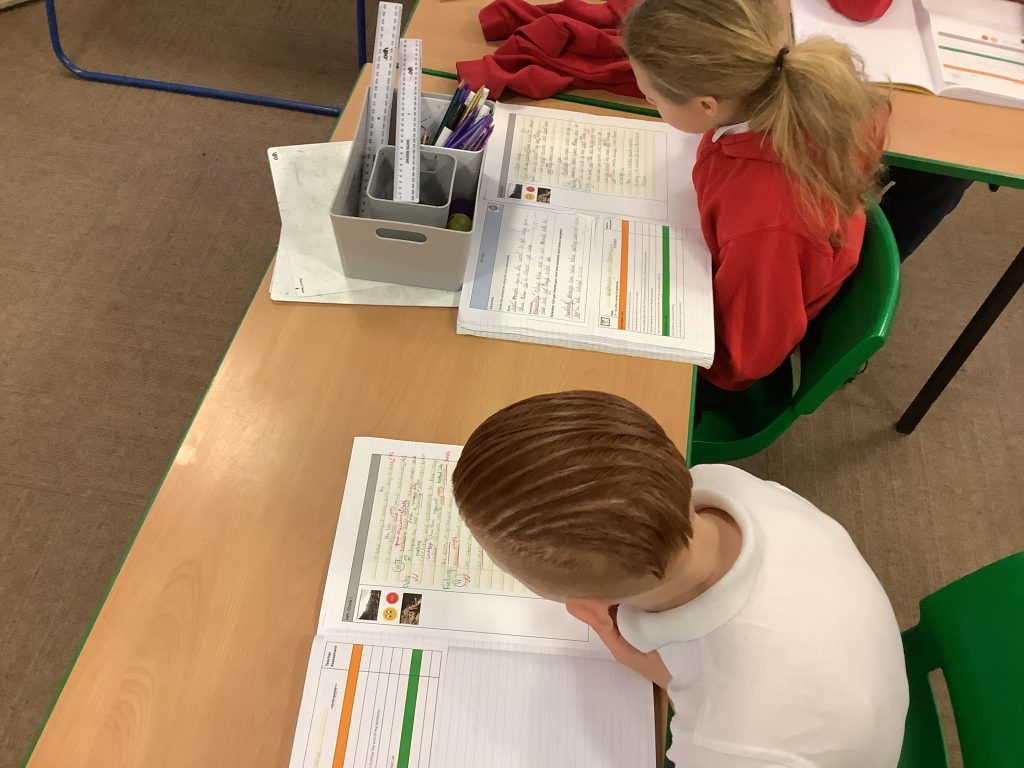
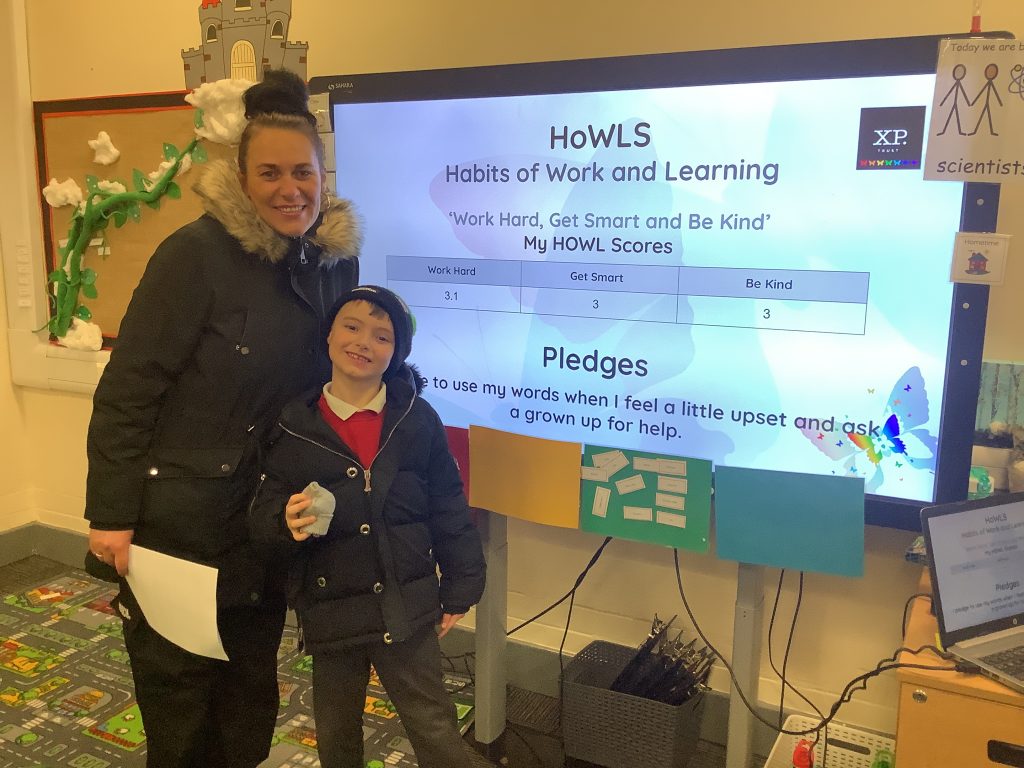
We are so proud of the children who took part in their SLC’s last night. The children showed courage presenting to their families and spoke with pride about their learning over the last term. I was so proud of you all and I can’t wait to hear the children tomorrow share their learning journey.
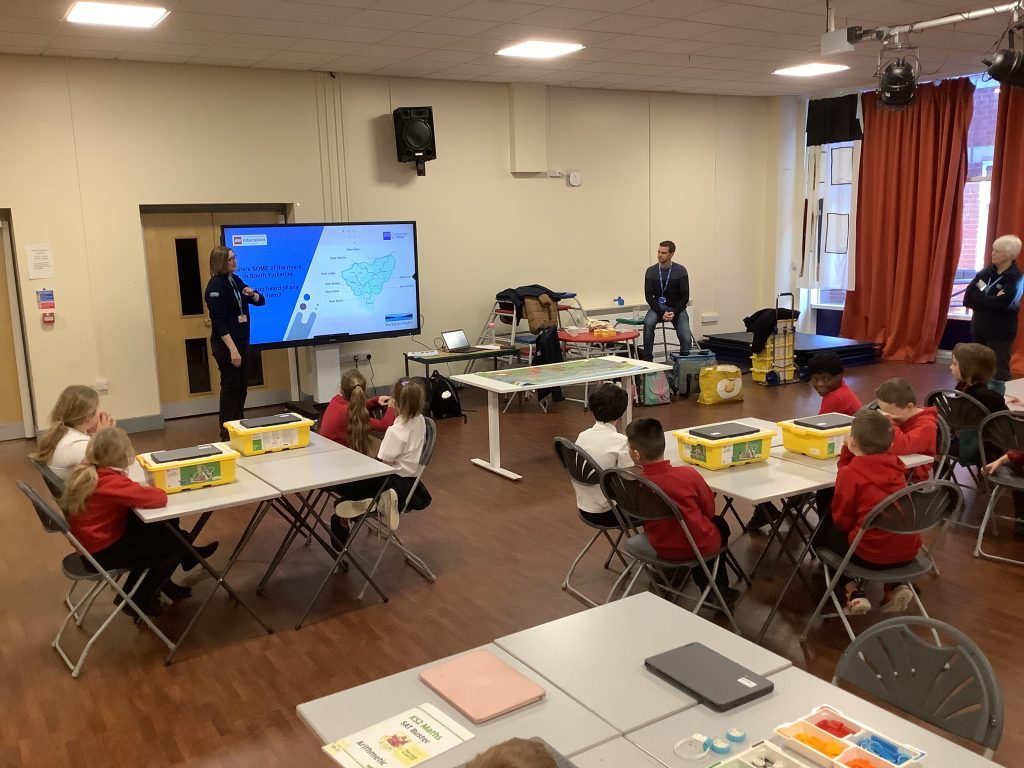
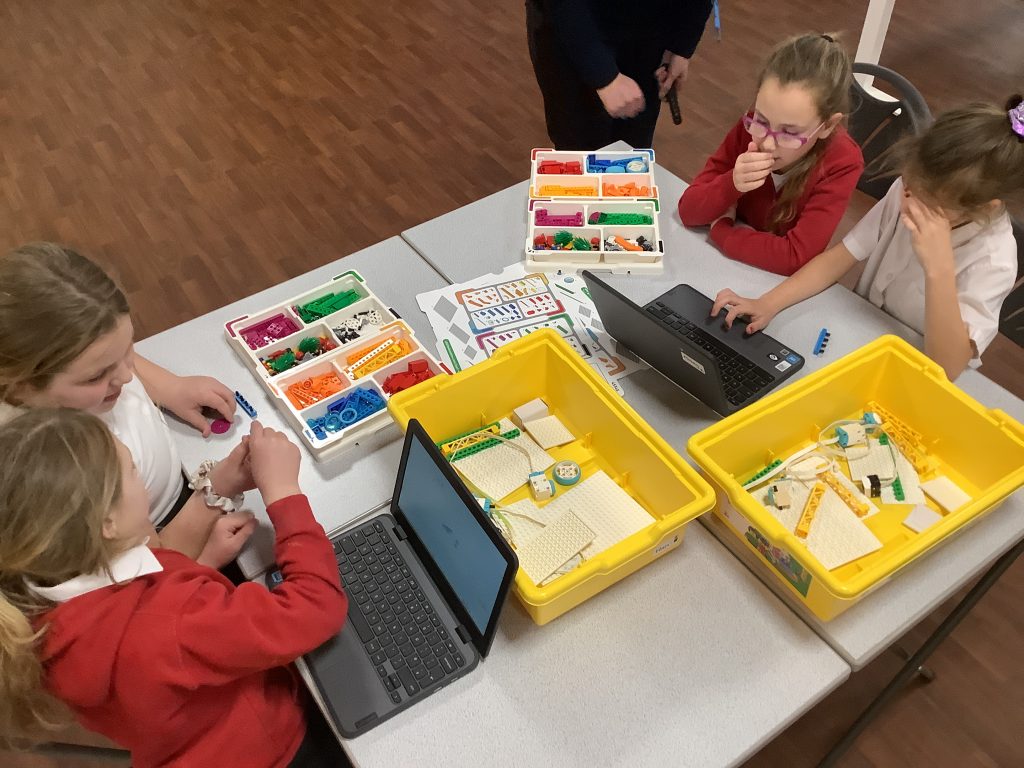
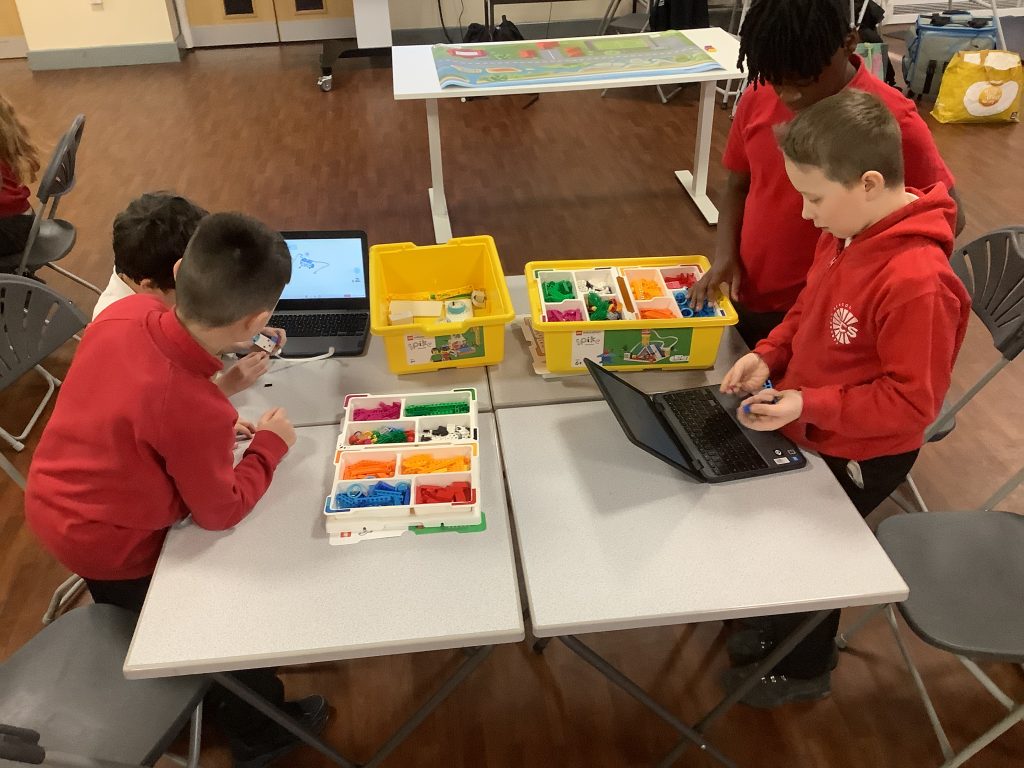
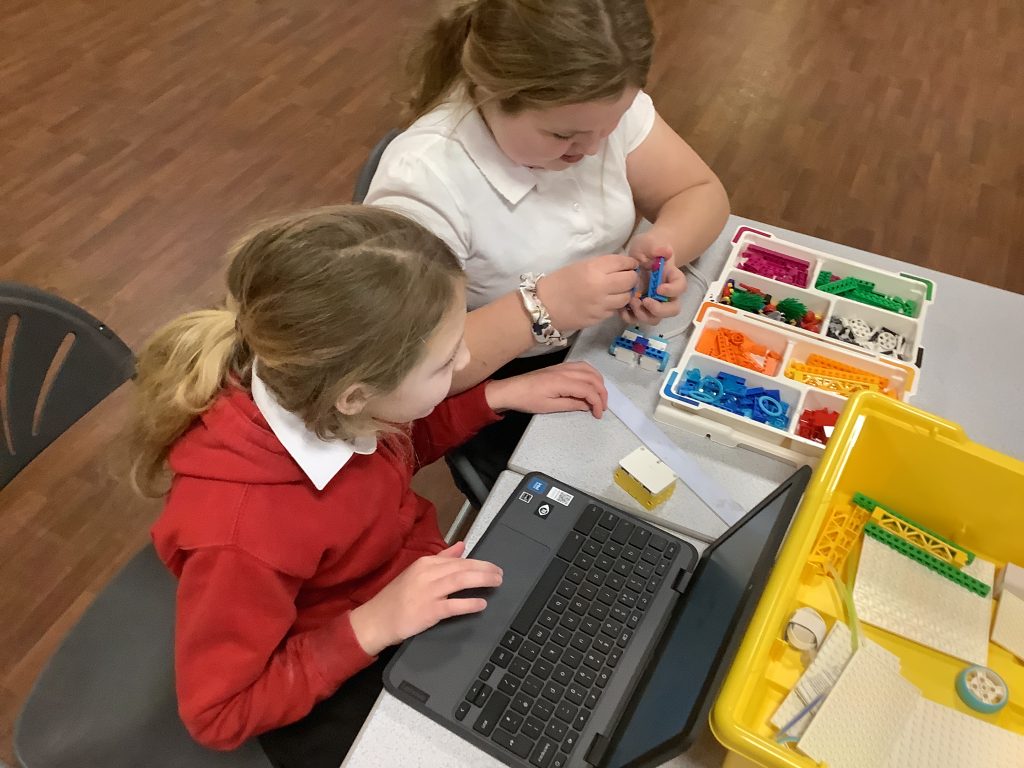
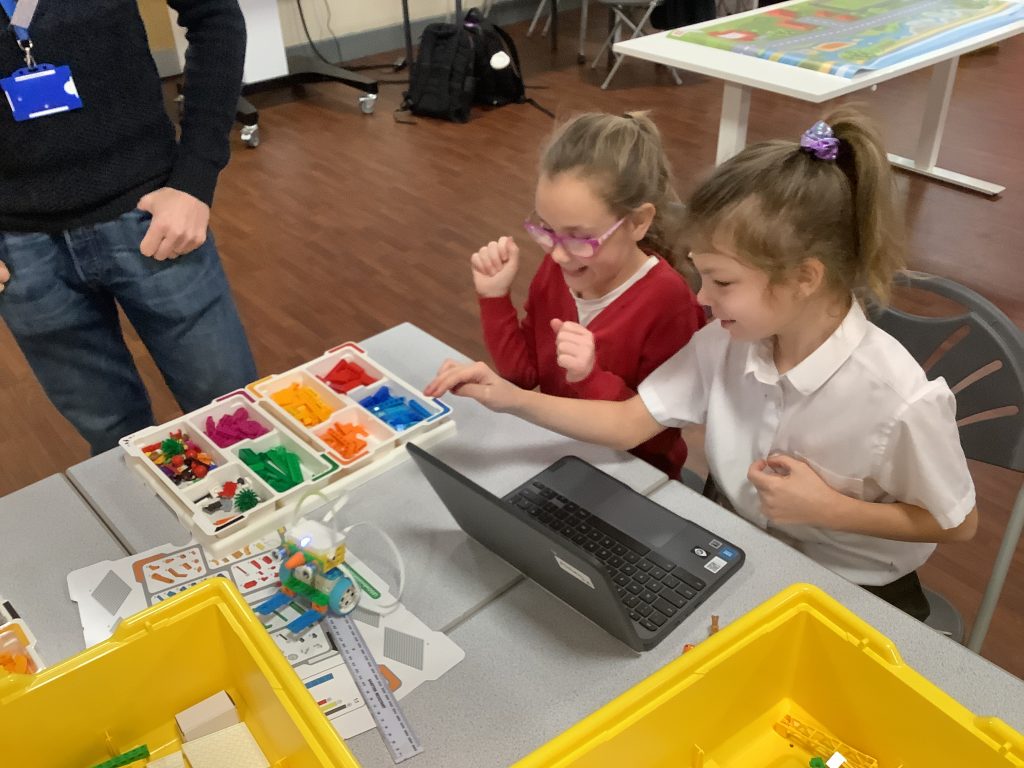
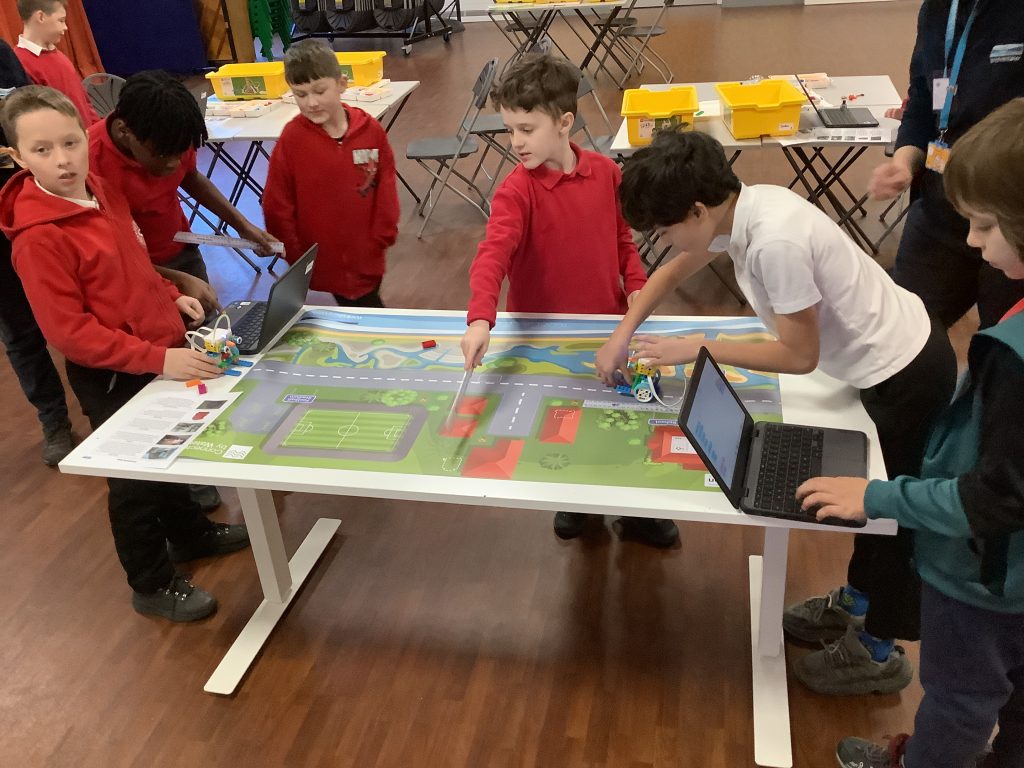
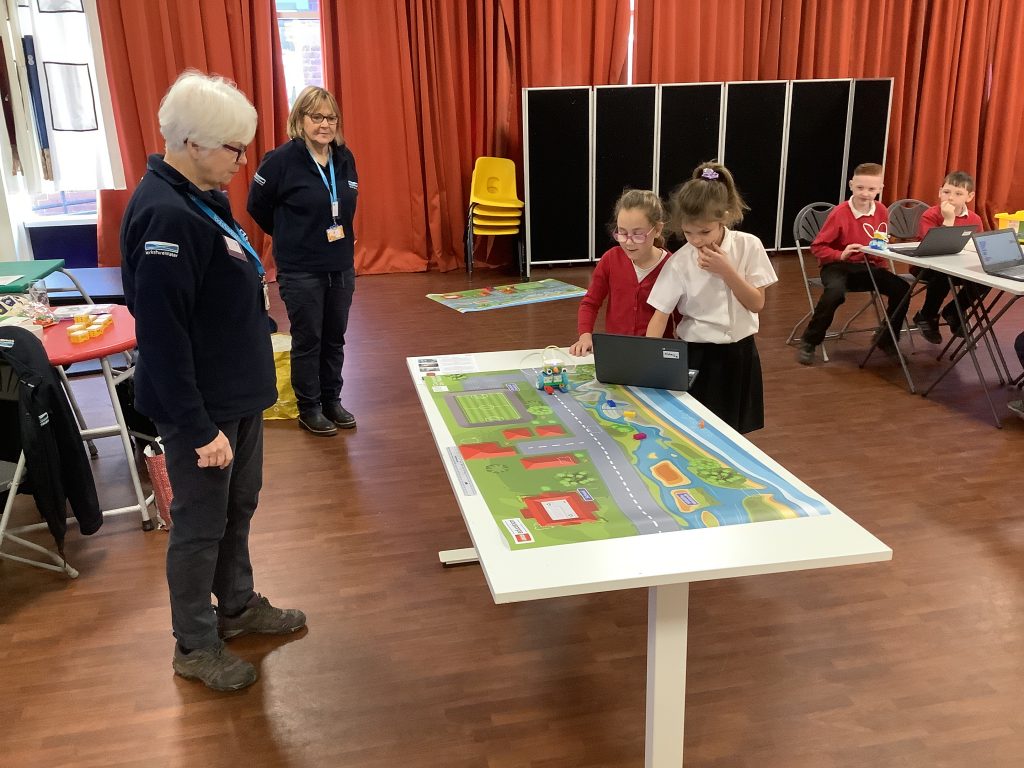
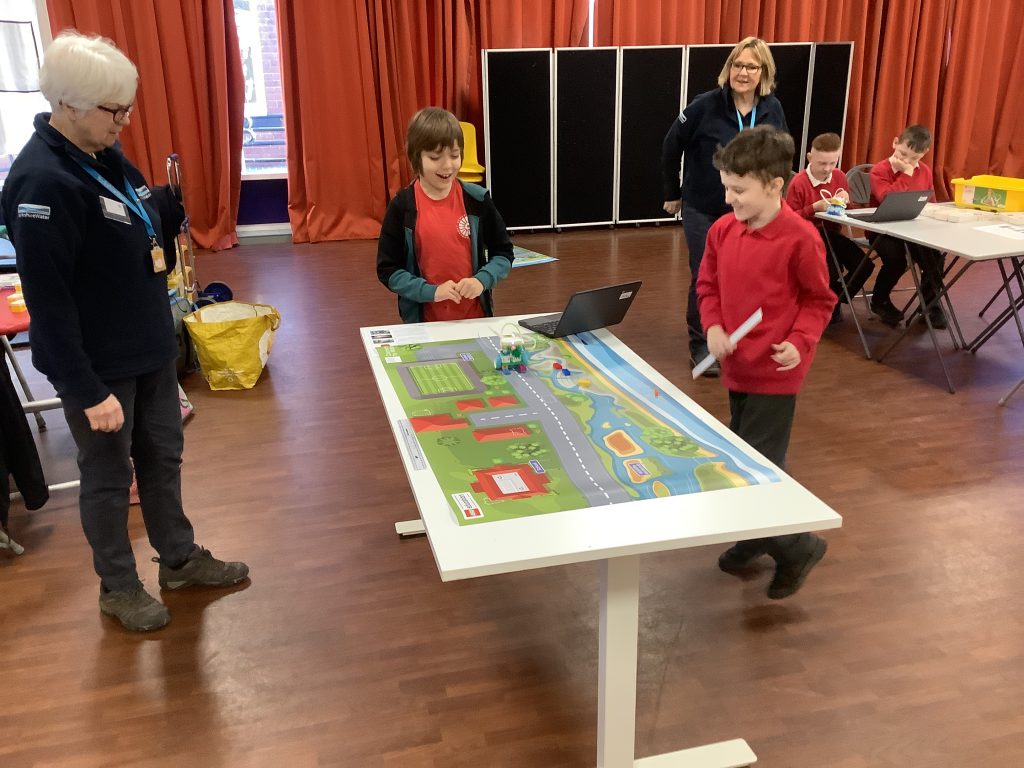
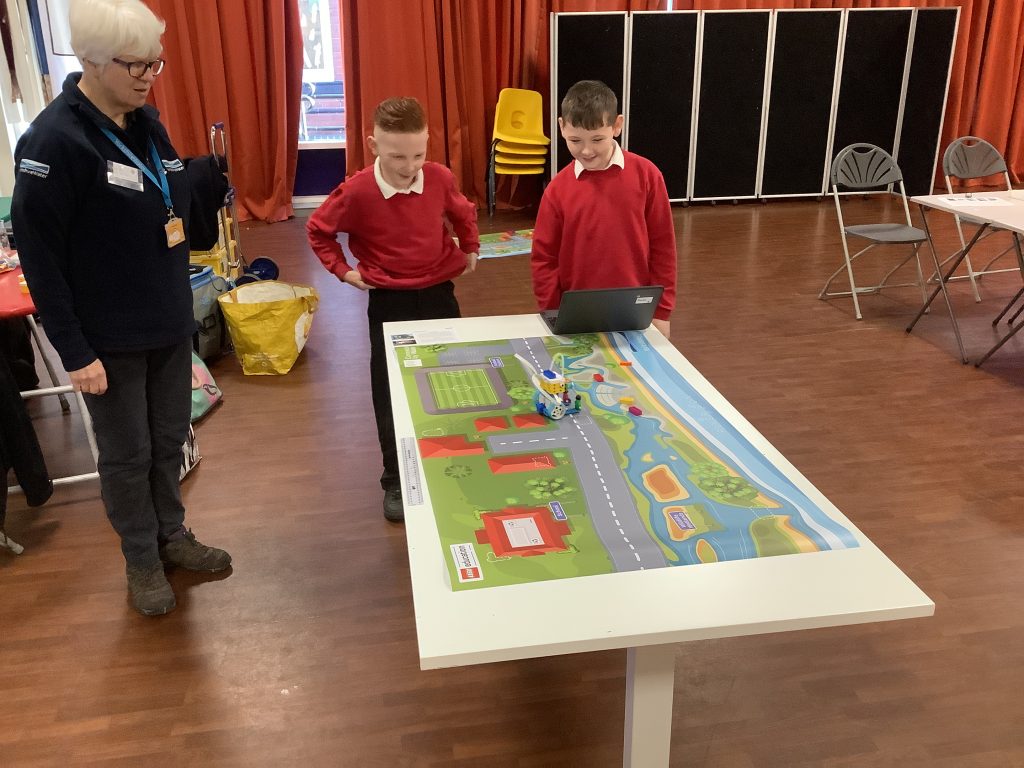
Last week, year 5 took part in a fantastic workshop which consolidated their learning on their autumn expedition and also their expedition around the water cycle last year. The children then worked in groups to create a Lego bot which they then programmed using a computer so it would move on its own to deliver much needed water supplies. The children really enjoyed this but it was also great to see them all grappling and working collaboratively.





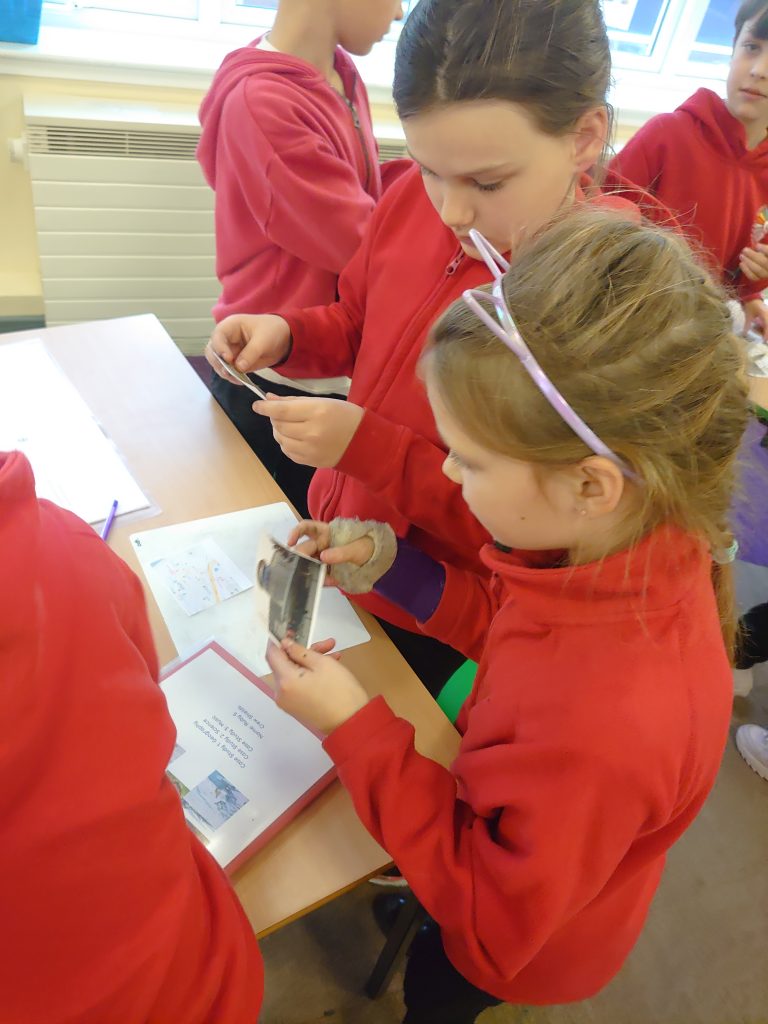
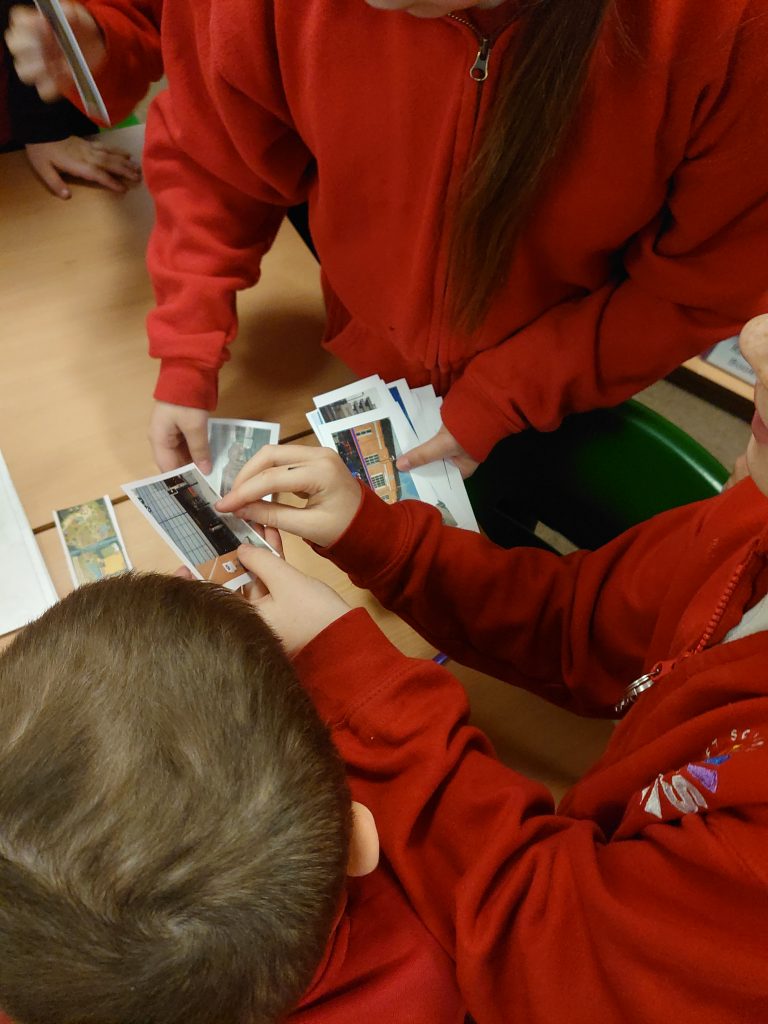
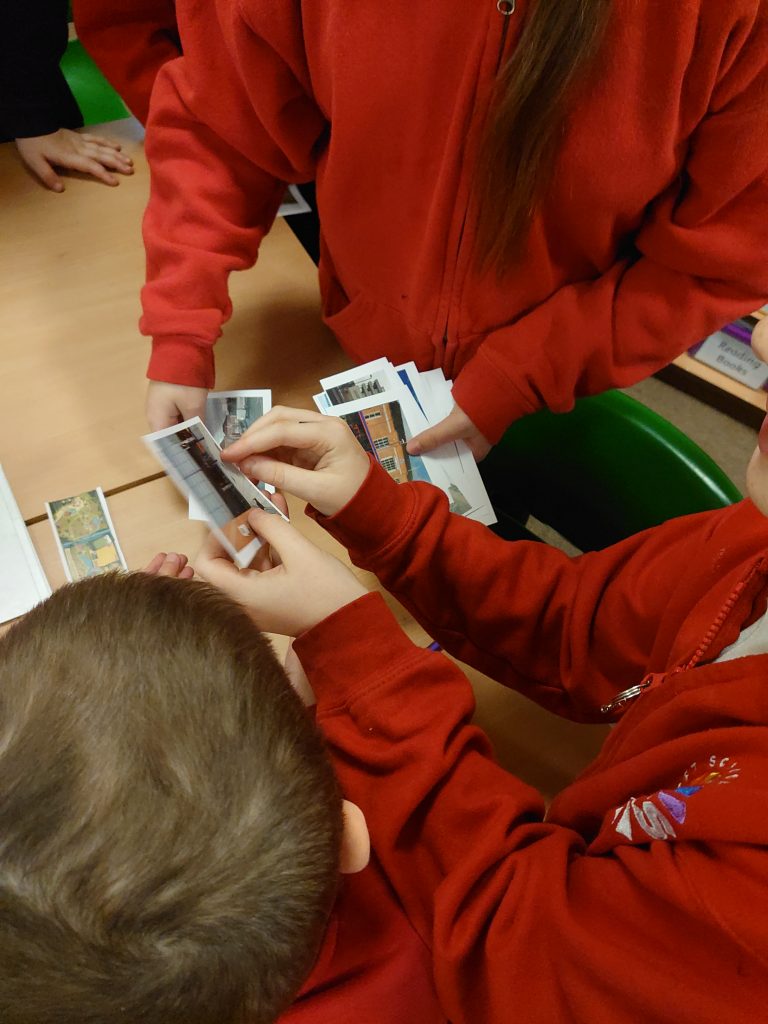
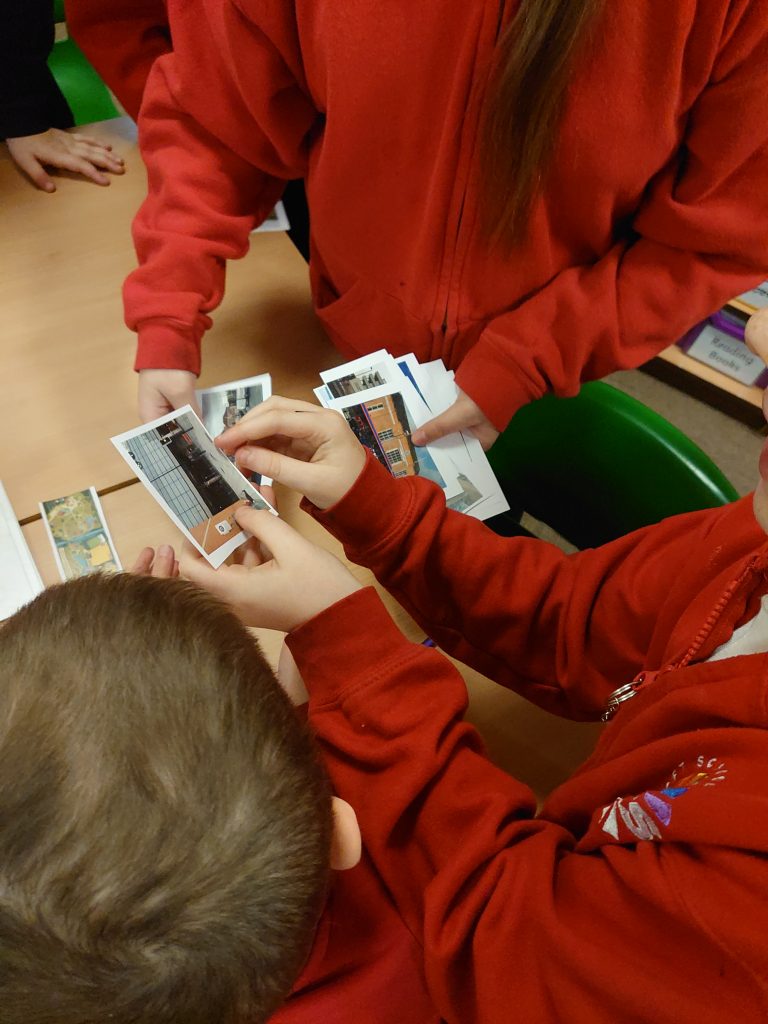
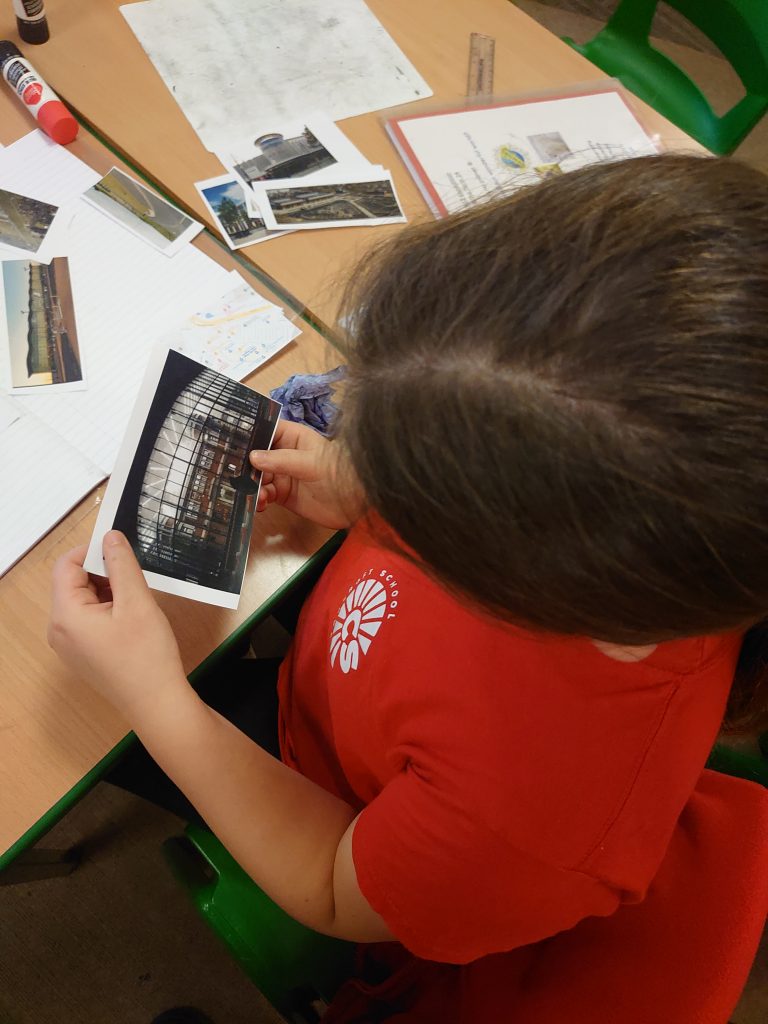
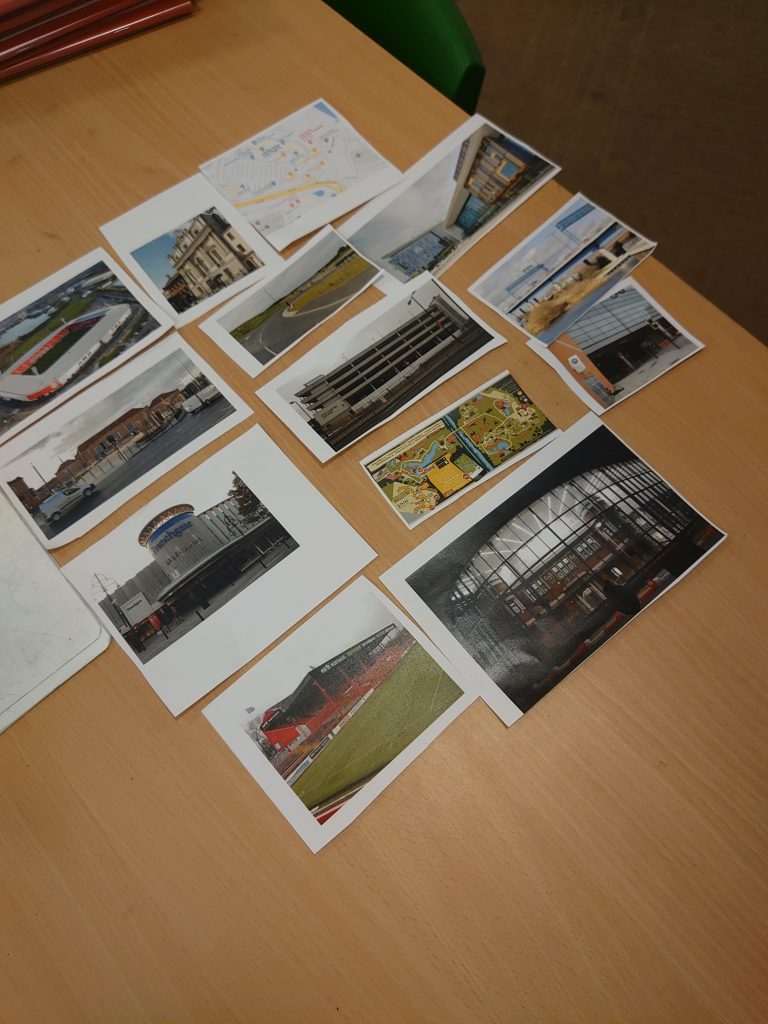
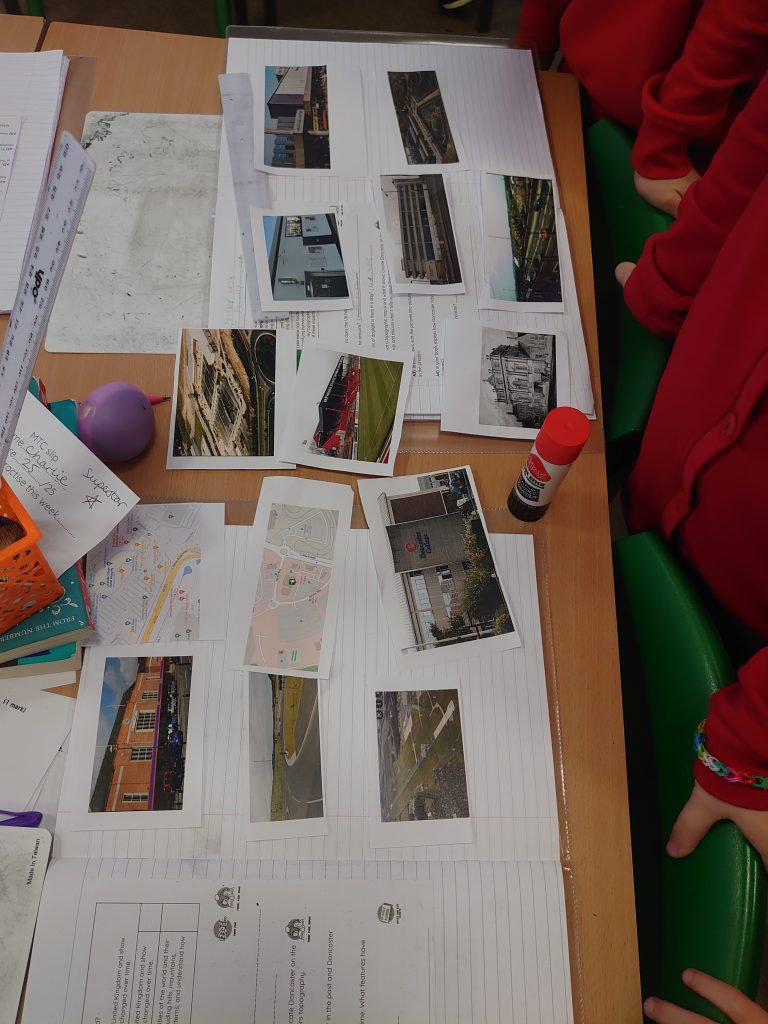
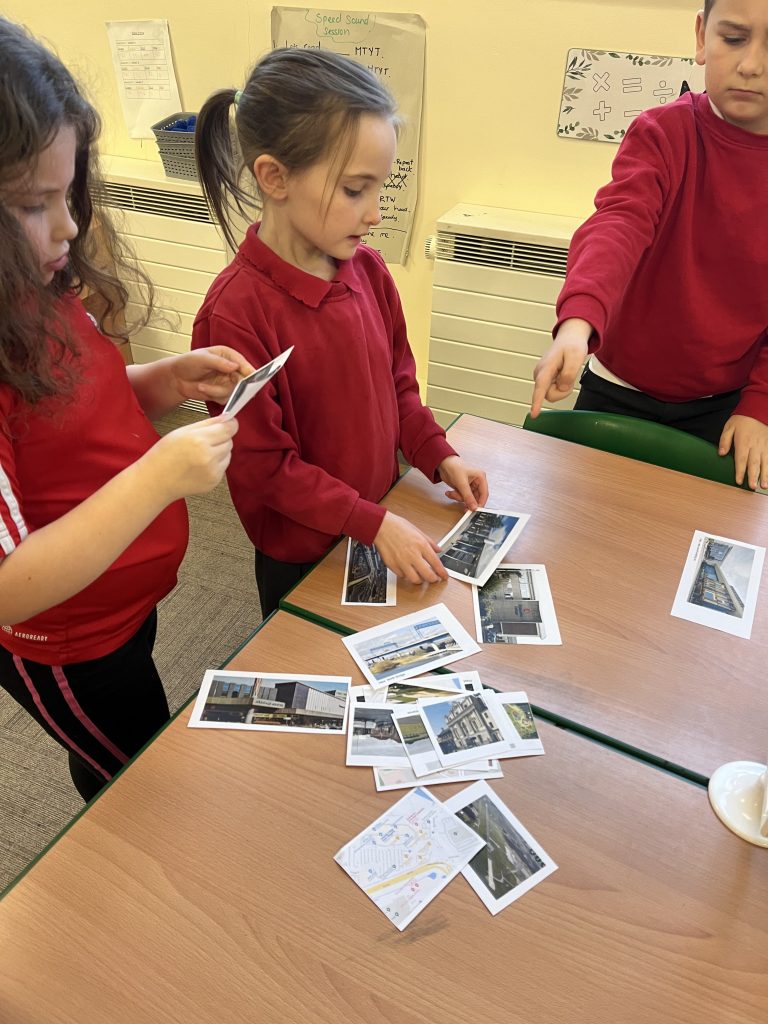
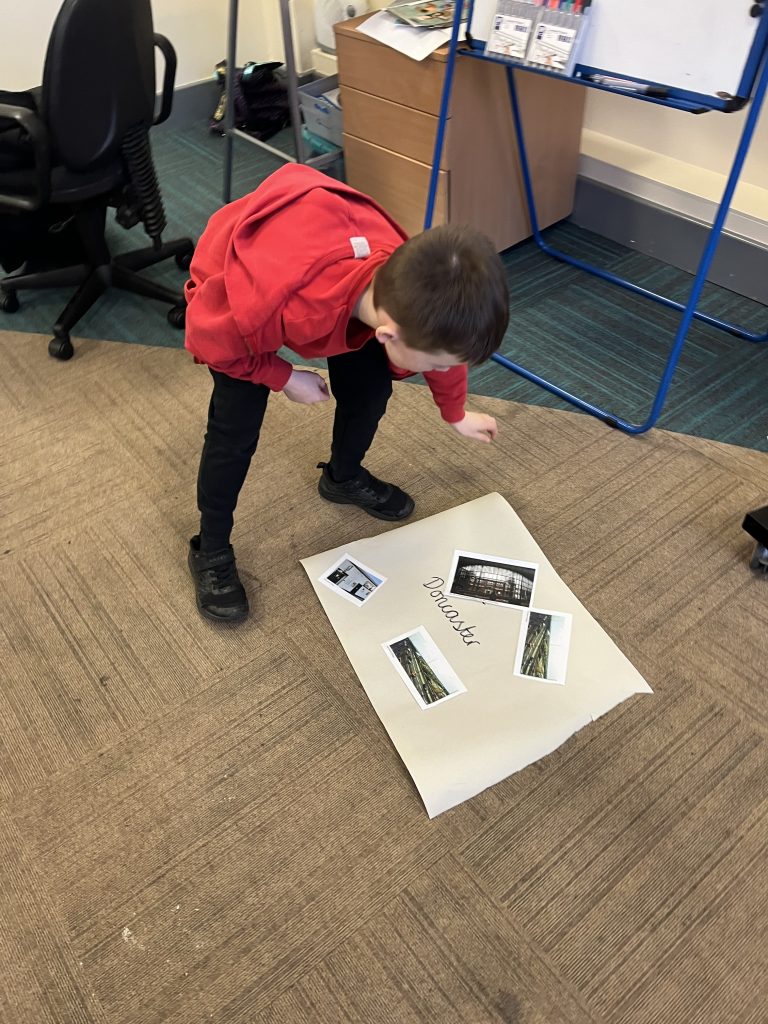
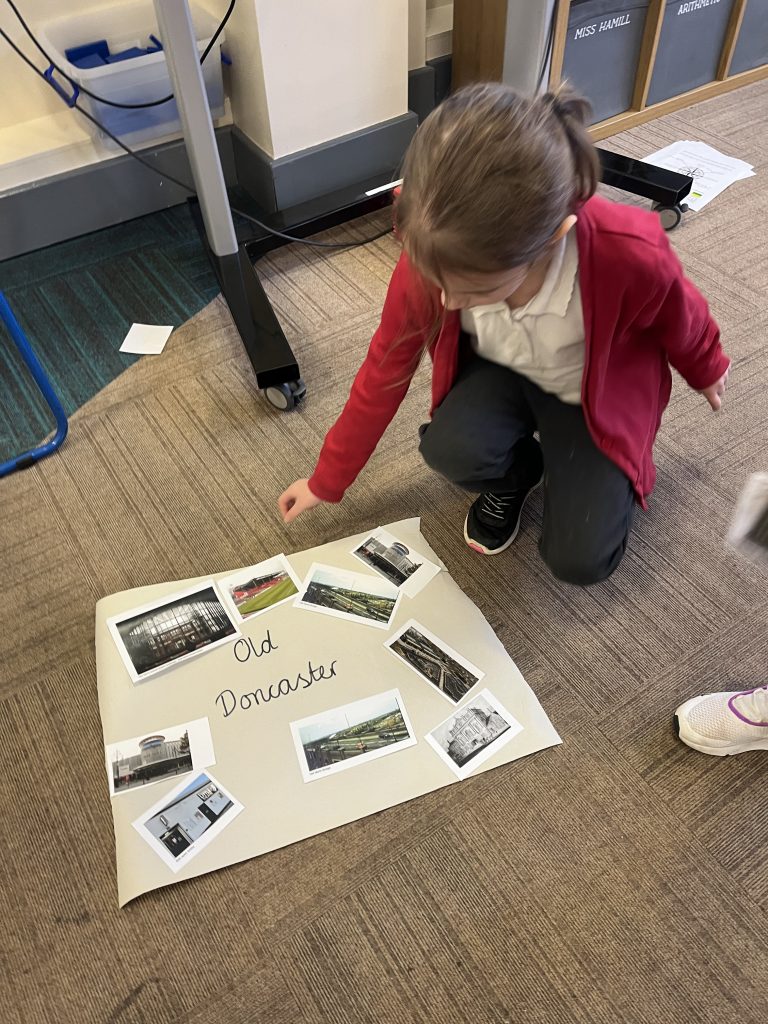
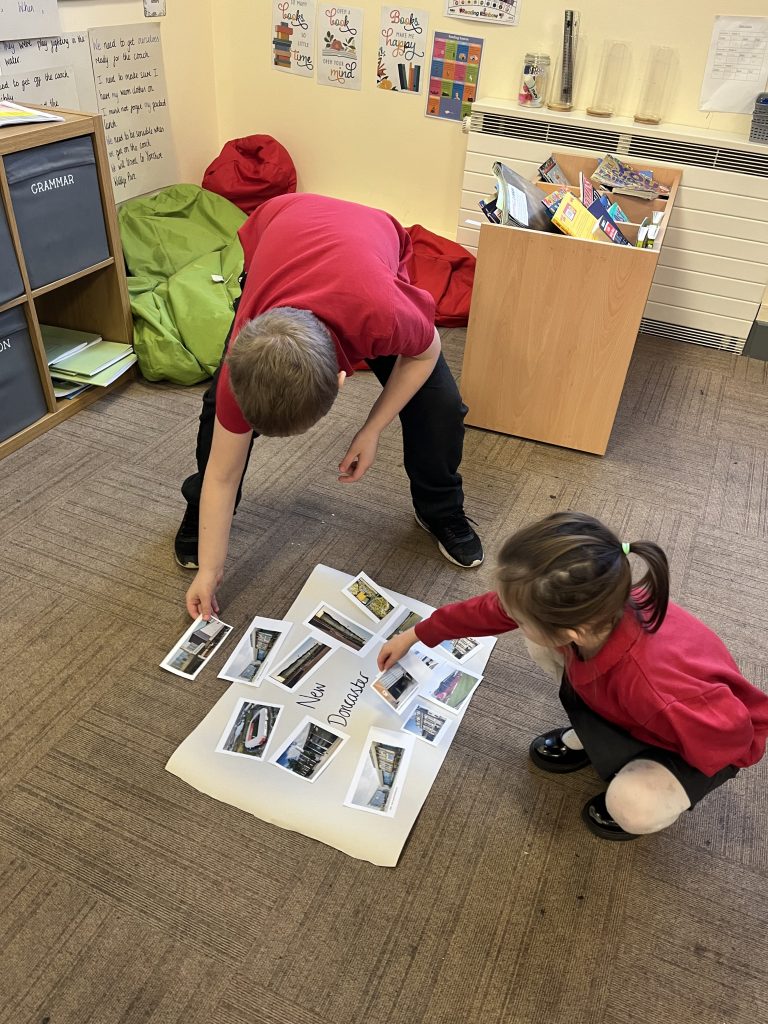
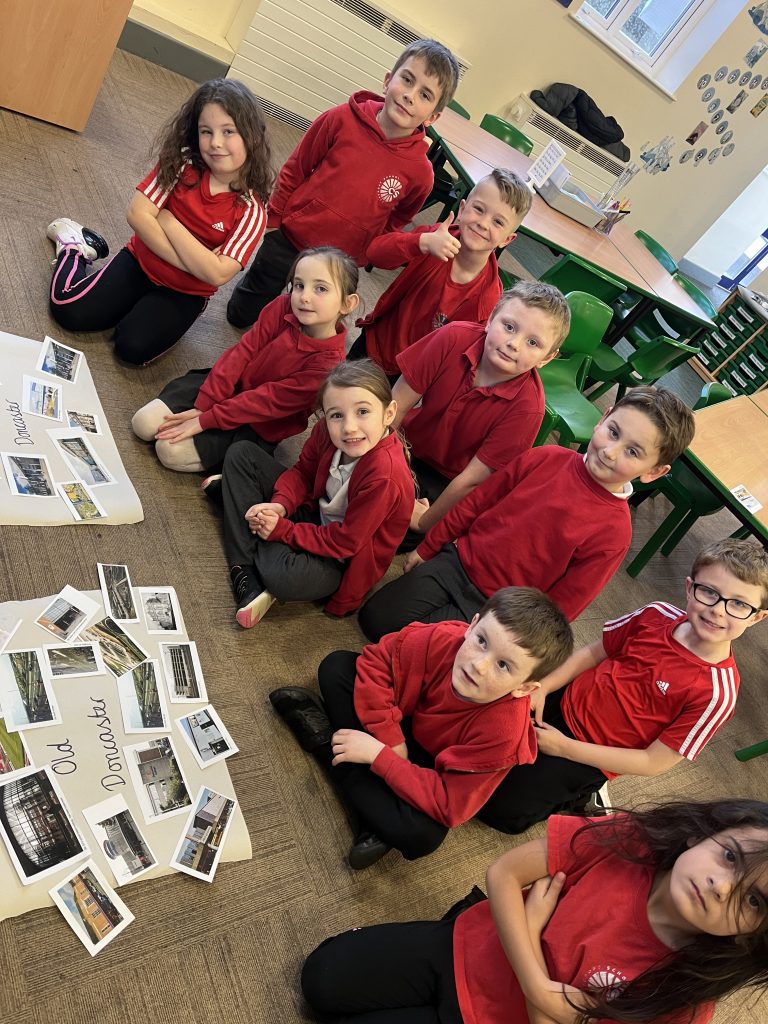
Today, Crew Hamill continued with their expedition by looking at Doncaster and other cities around the United Kingdom, learning more about their human and physical characteristics. We focused on how some of these aspects have changed over time, looking at images of Doncaster and organising them into “old” and “new”. It was so interesting to see how our city has changed over time! Do you recognise some of the older buildings?


We continued with our expedition where we looked at a topography maps and what they can show. We learned that Doncaster is between approximately 8-24m above sea level whereas the Peak district is around 400m above sea level.
We estimated the population of the world. Most of us estimated around 7-8 billion.
Next we considered the estimation of London based on the size and population of the other capital cities but unfortunately we were nowhere near for this one. We could imagine there were over 7million people in London.
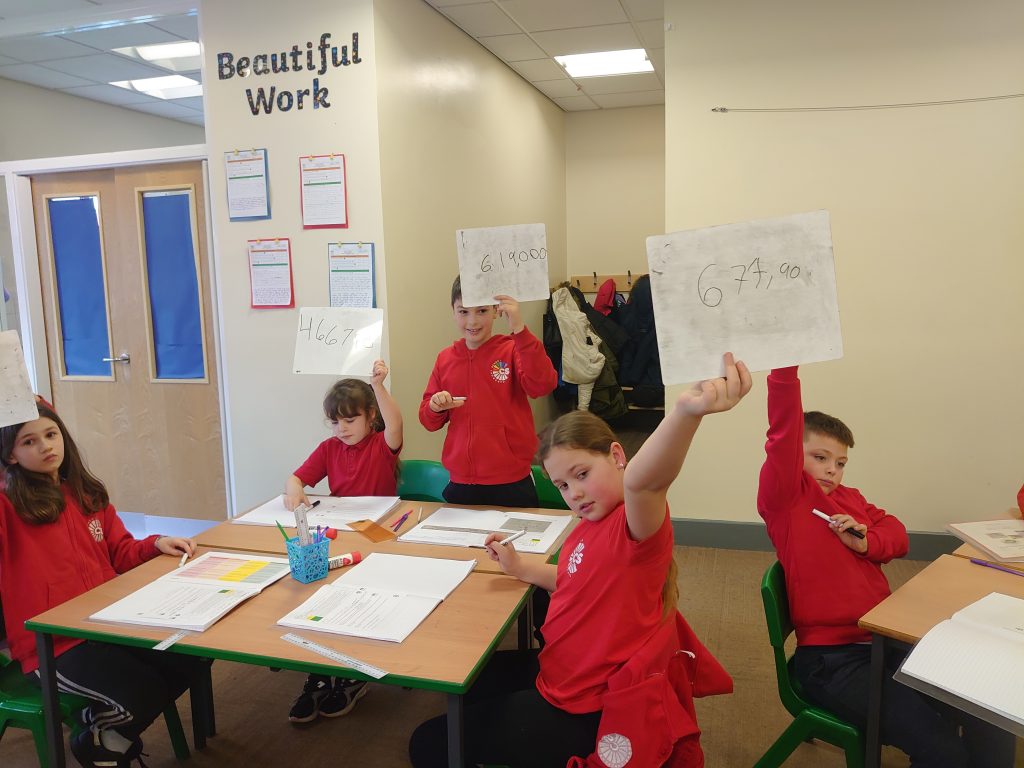

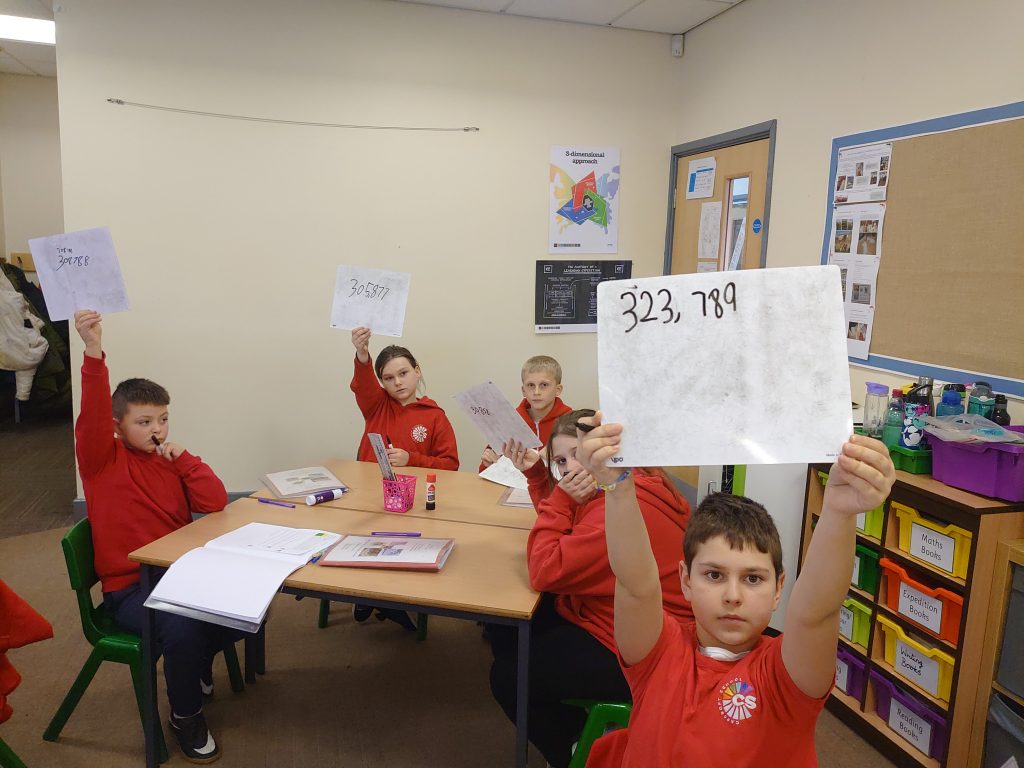
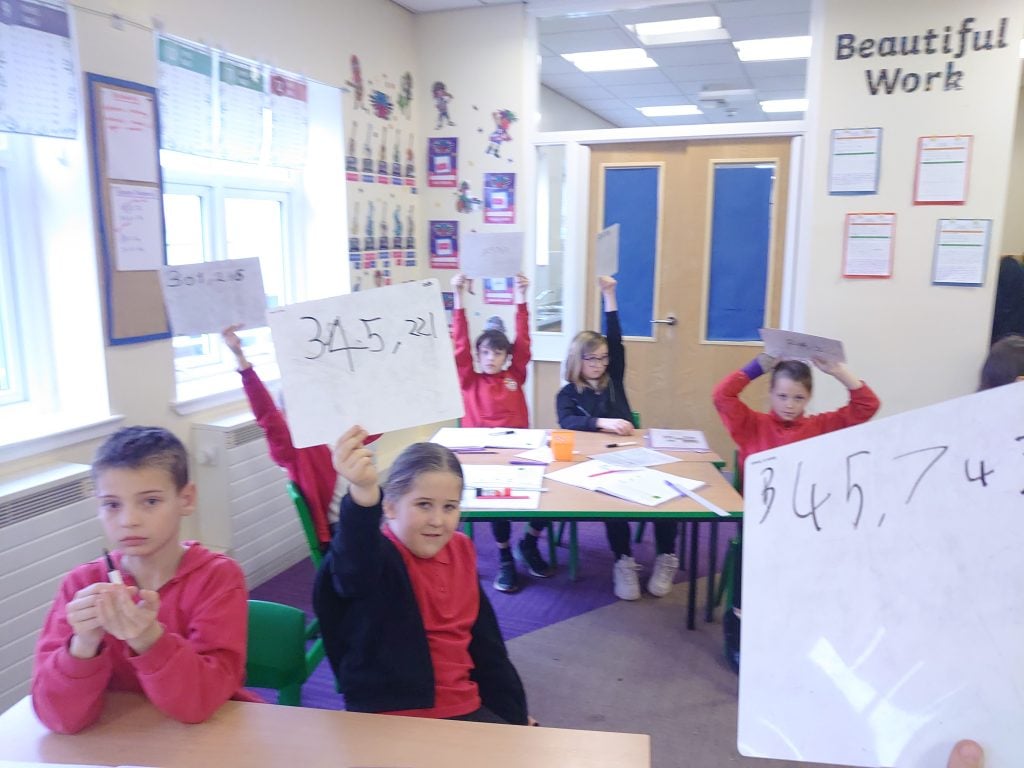
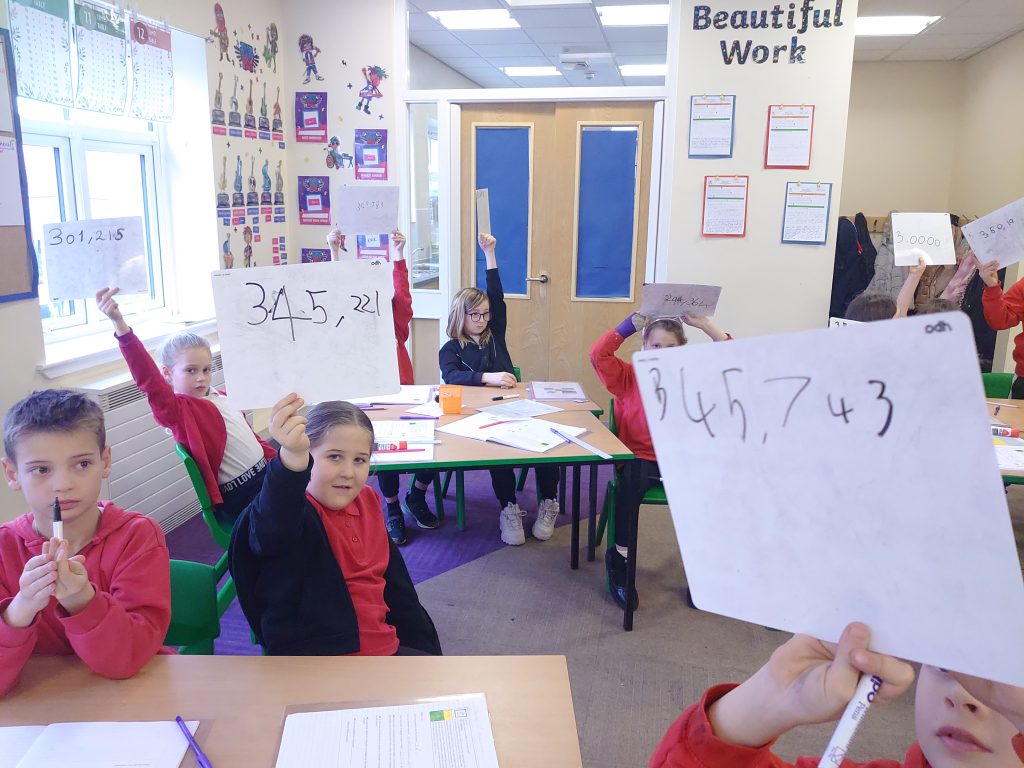
We looked at different areas around the UK and the population of these areas. To help with our estimation for Doncaster we looked at areas similar in size to this area so we could make realistic estimations. Some great estimations.
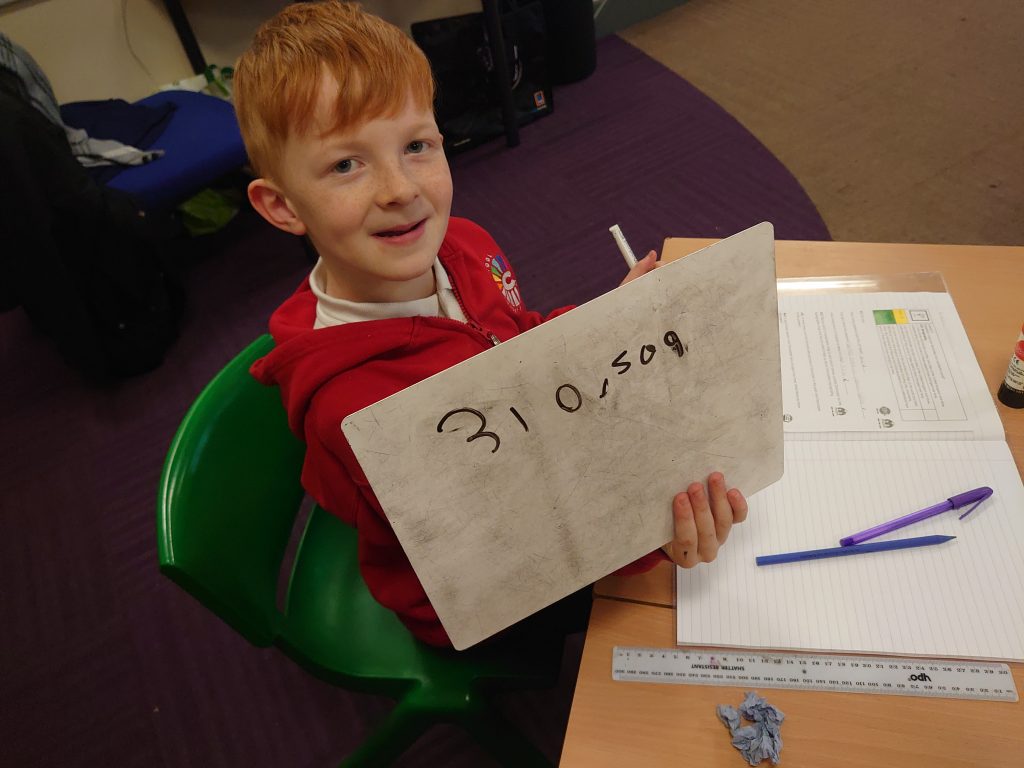
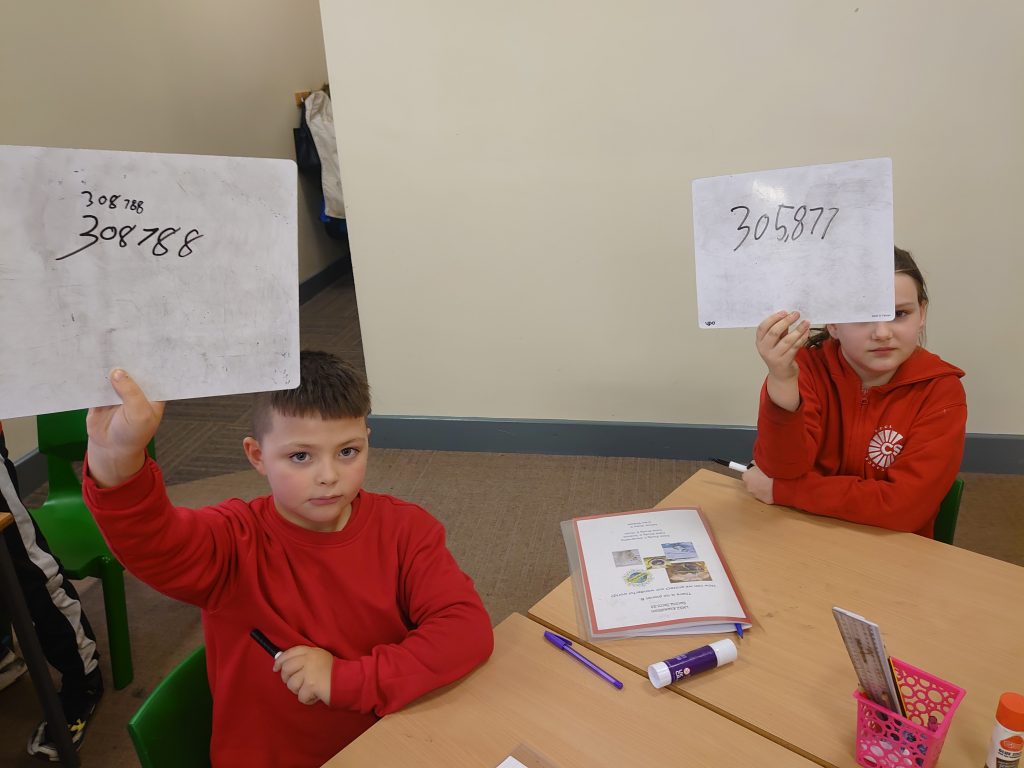
Finally, we looked at a range of photos from the past and present of Doncaster. It was interesting to see how much Doncaster has changed over time. There has certainly been an increase in the amount of human features in our local area over the years.