
Category : Front Page News
Post inside this category will show up on the front page
Christmas reading in MI
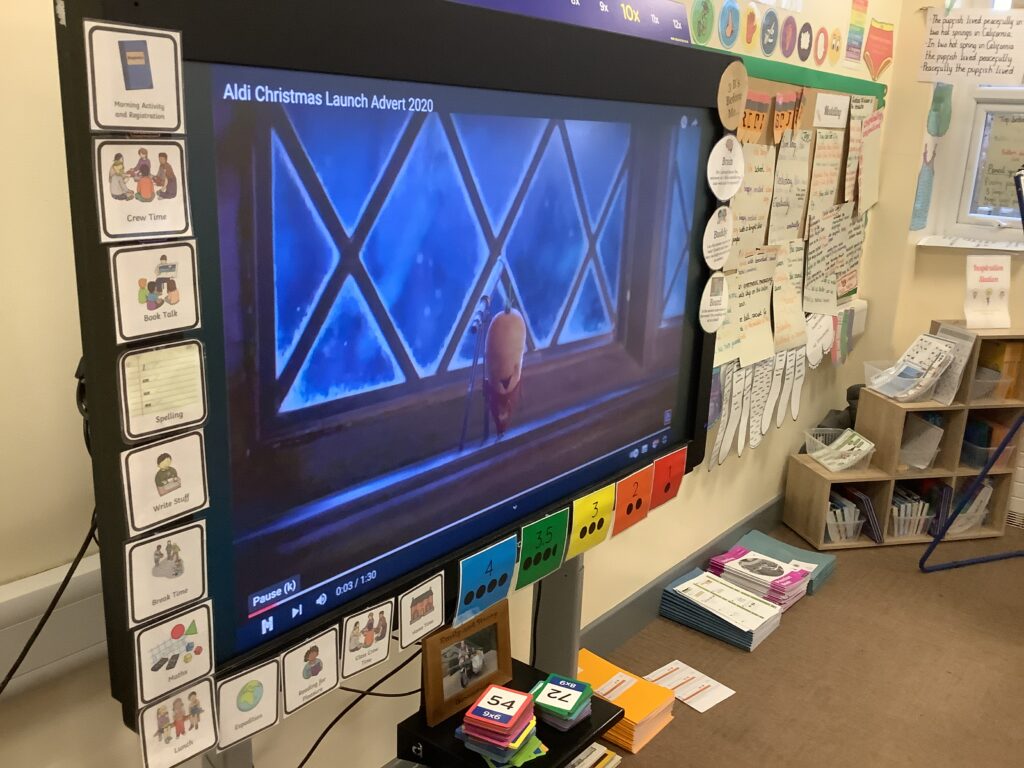
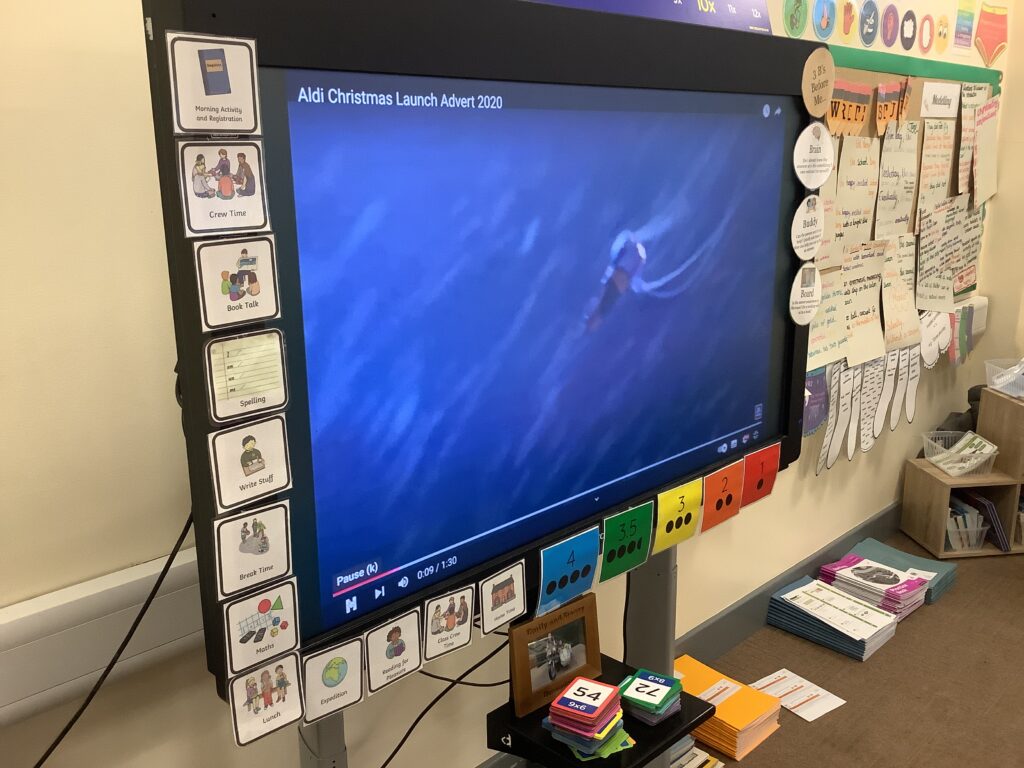
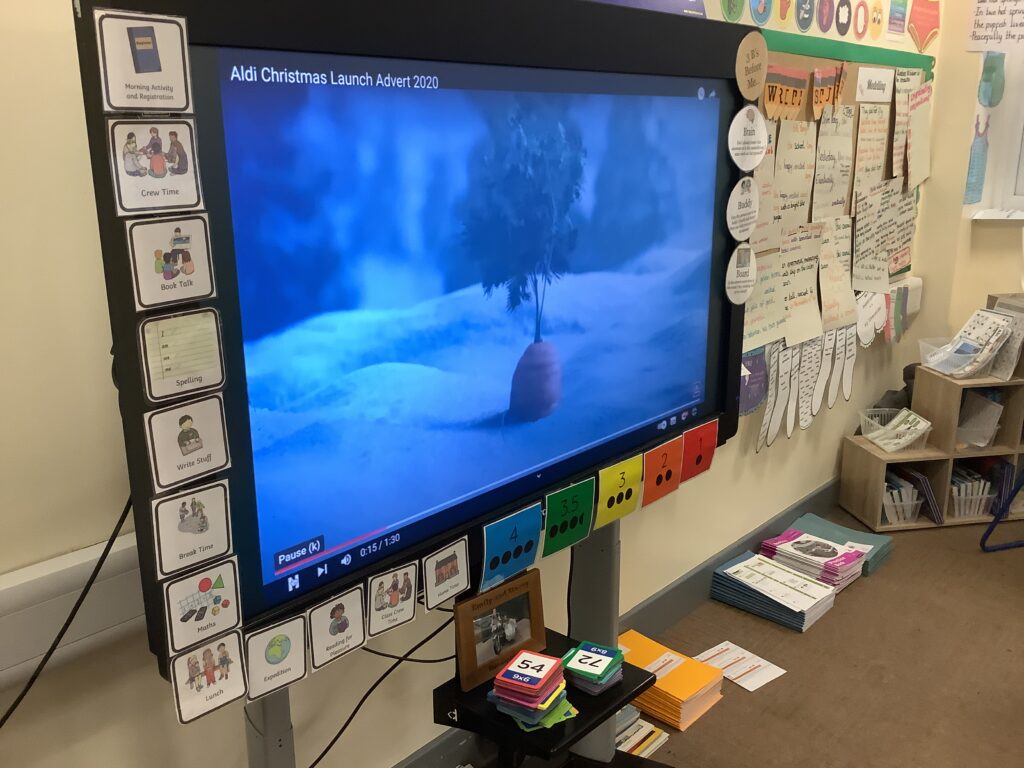
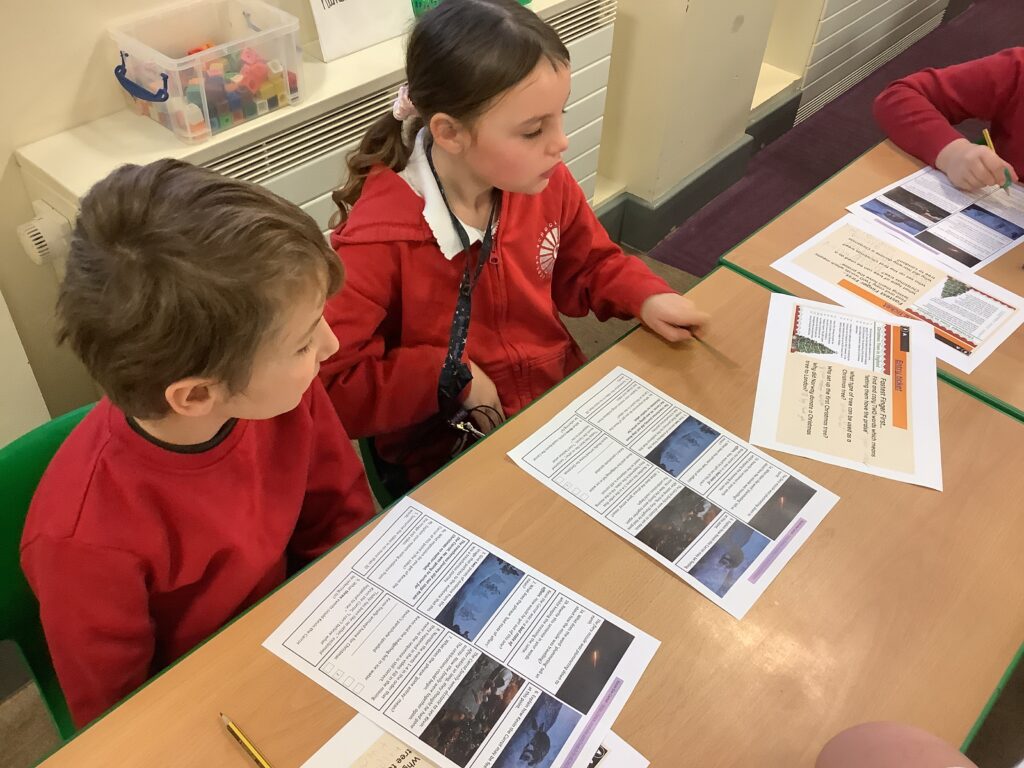
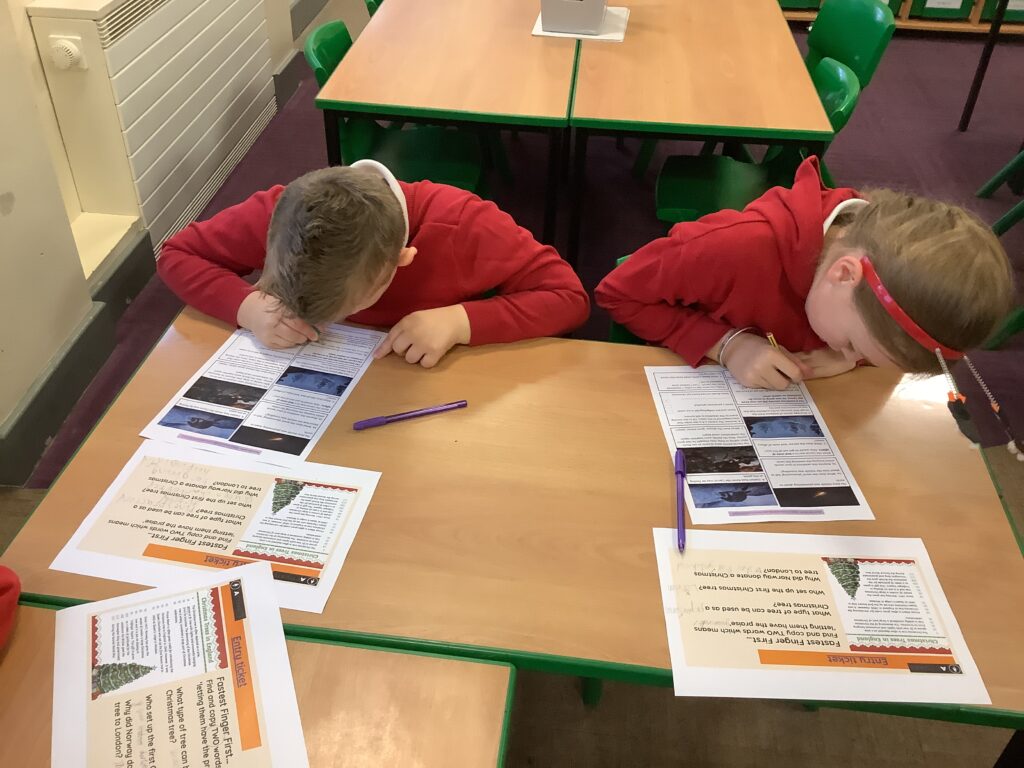
In reading we have started our Christmas reading lessons. All our do now activities involve a quick read which are Christmas related. We are working on our words per minute before answering questions relating to the text. The main part of our reading lesson links to a Christmas advert 🙂 We loved watching the first one today. We then looked at a series of questions together which we unpicked in mini crews and then as a whole crew.
Beautiful Work
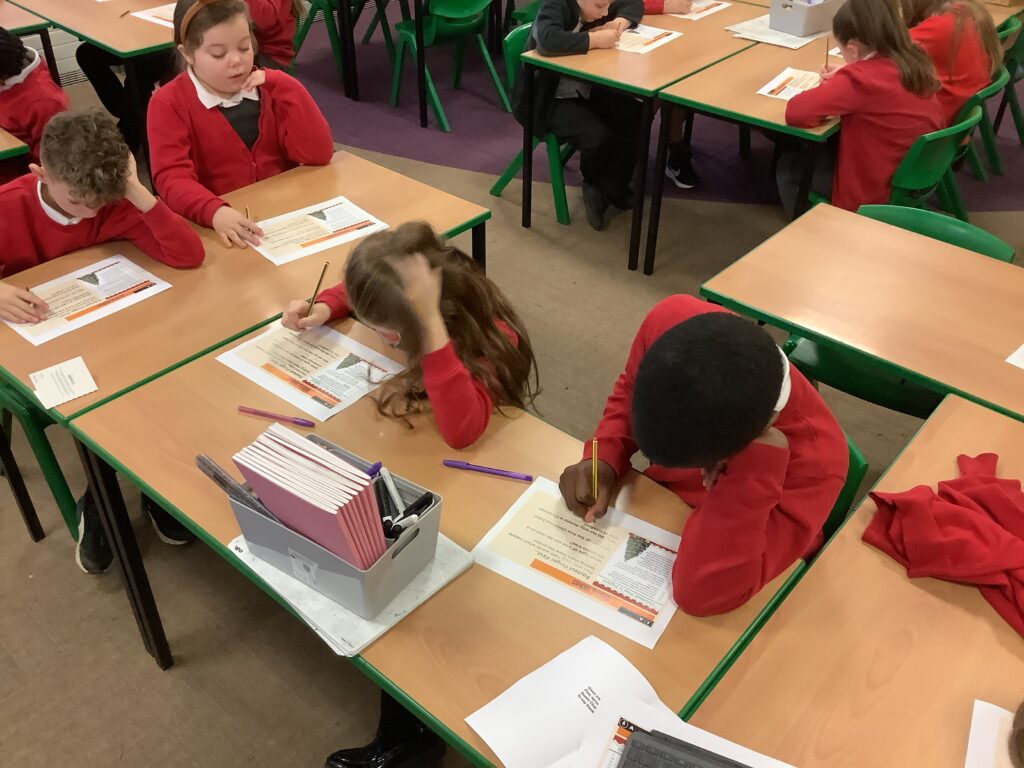
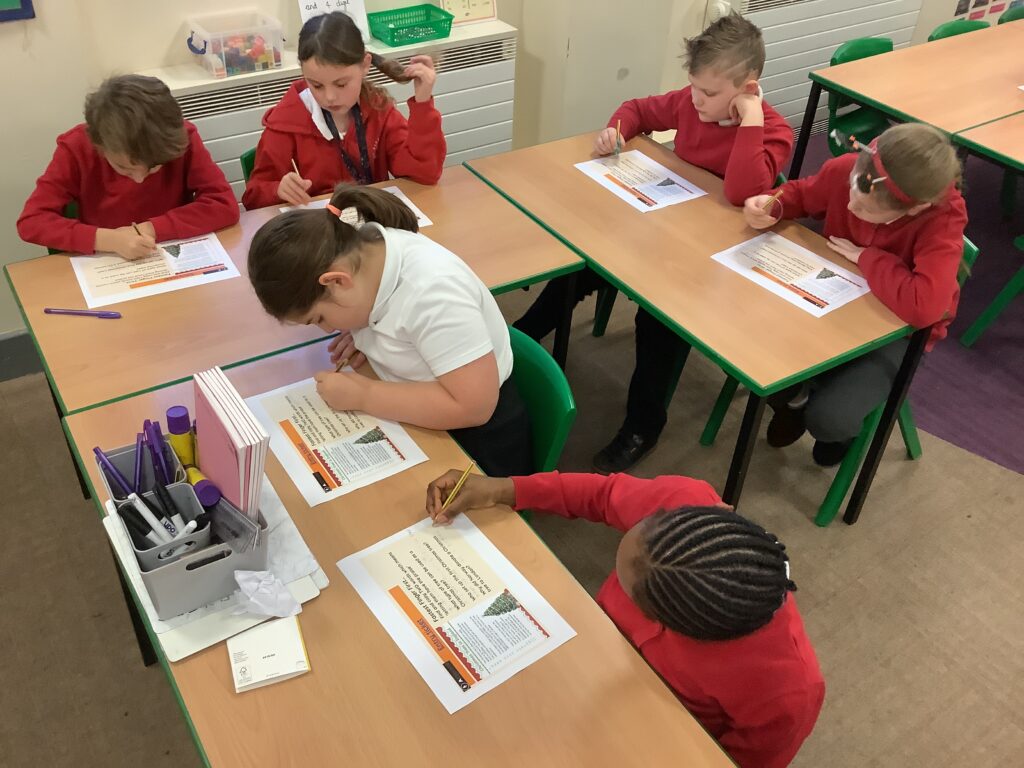
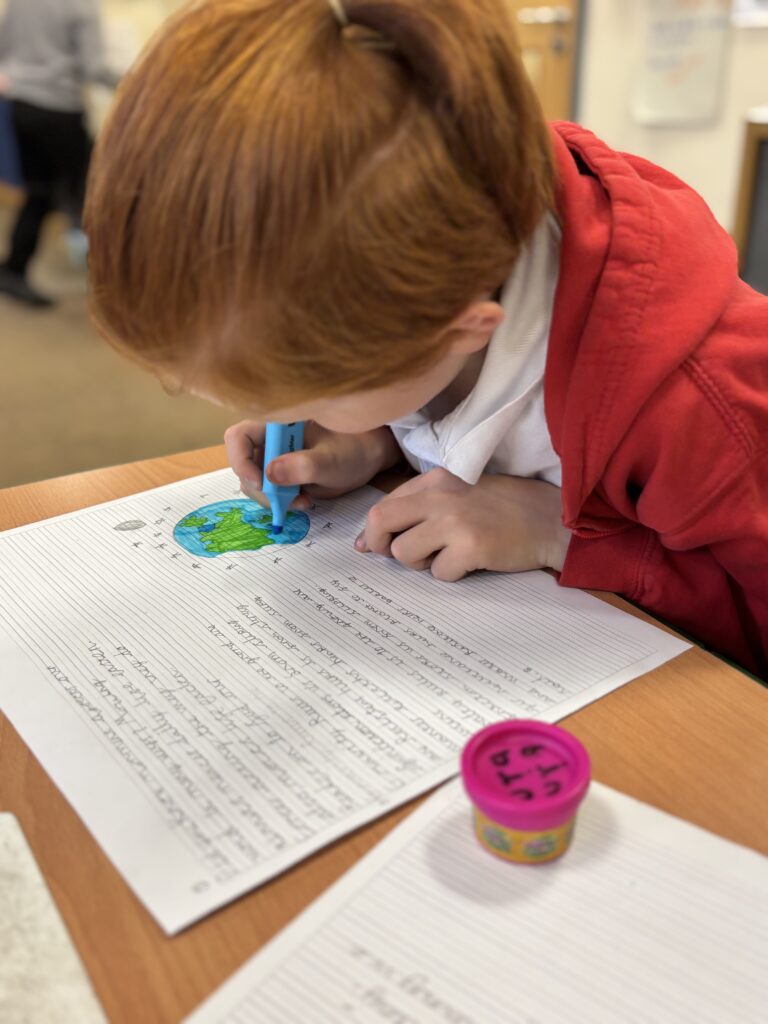
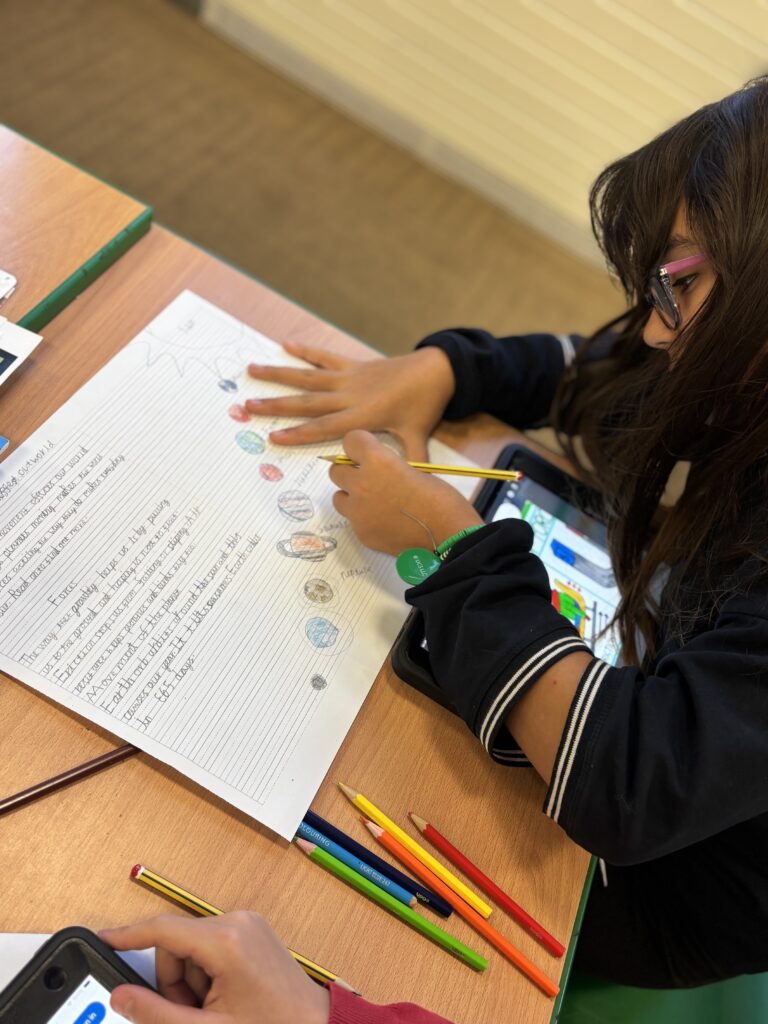
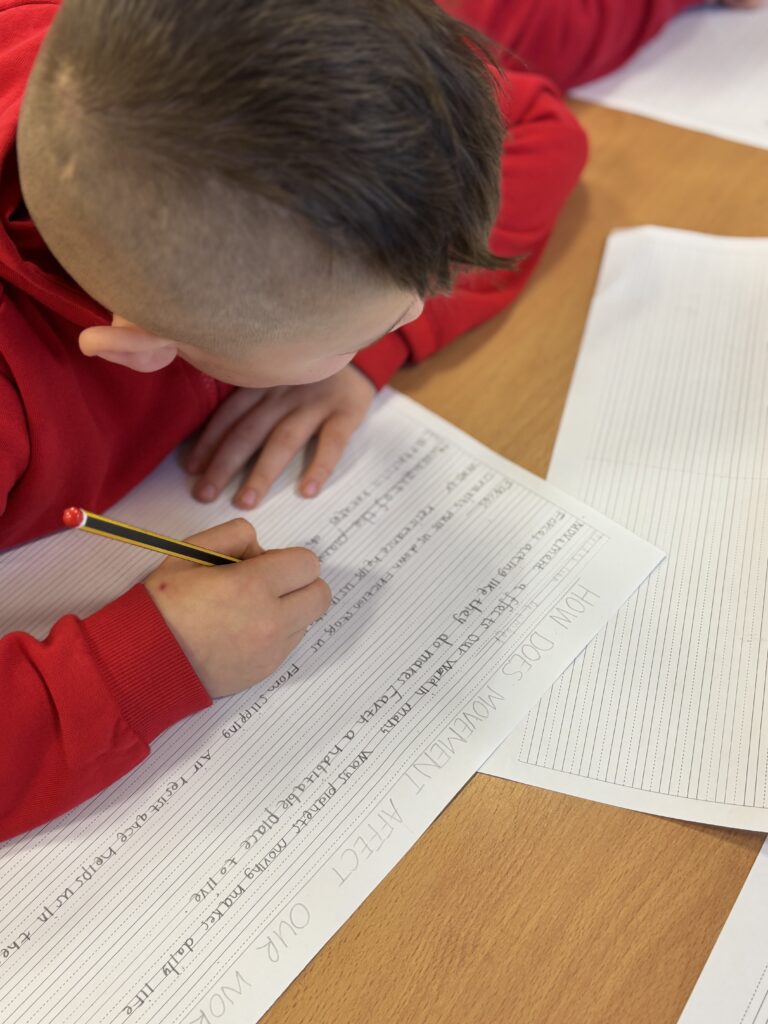
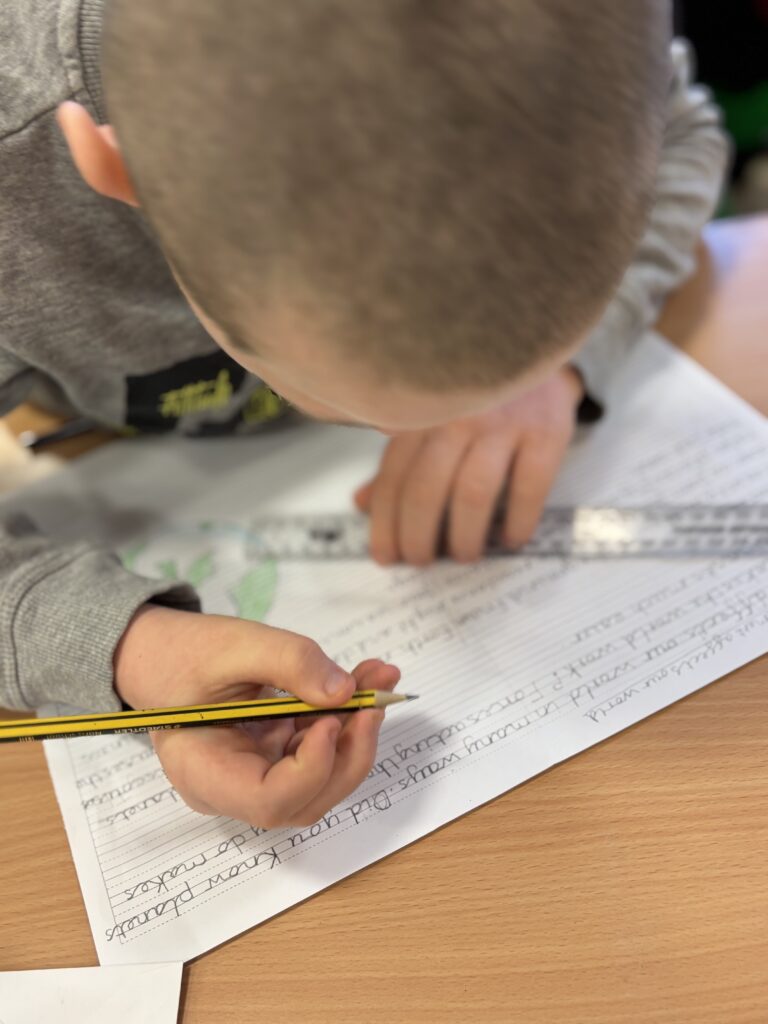
Starting Friday and continuing today, Crew Hamill have been working on producing beautiful work they are proud of, in line with our Get Smart HoWL, to produce a full non-chronological report. We have used our writing from the last few weeks that we have edited and improved in order to fully answer our guiding question for this term: How does movement affect our world? We created an introductory plot point as well as two detailed paragraphs on how the movement of the planets and forces impact on our daily life. We’ve then used what we know about the layout of non-chronological reports to write this up in our most beautiful handwriting, supported by our handwriting lines. We’ve even illustrated these with relevant pictures.
Mindful Monday
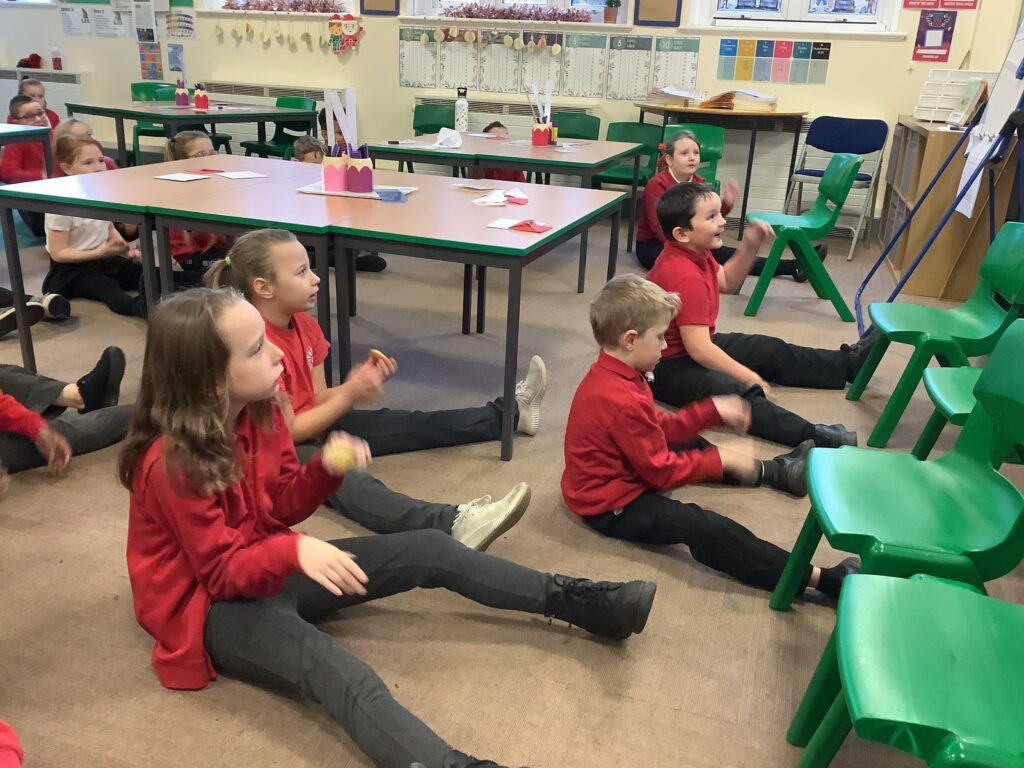
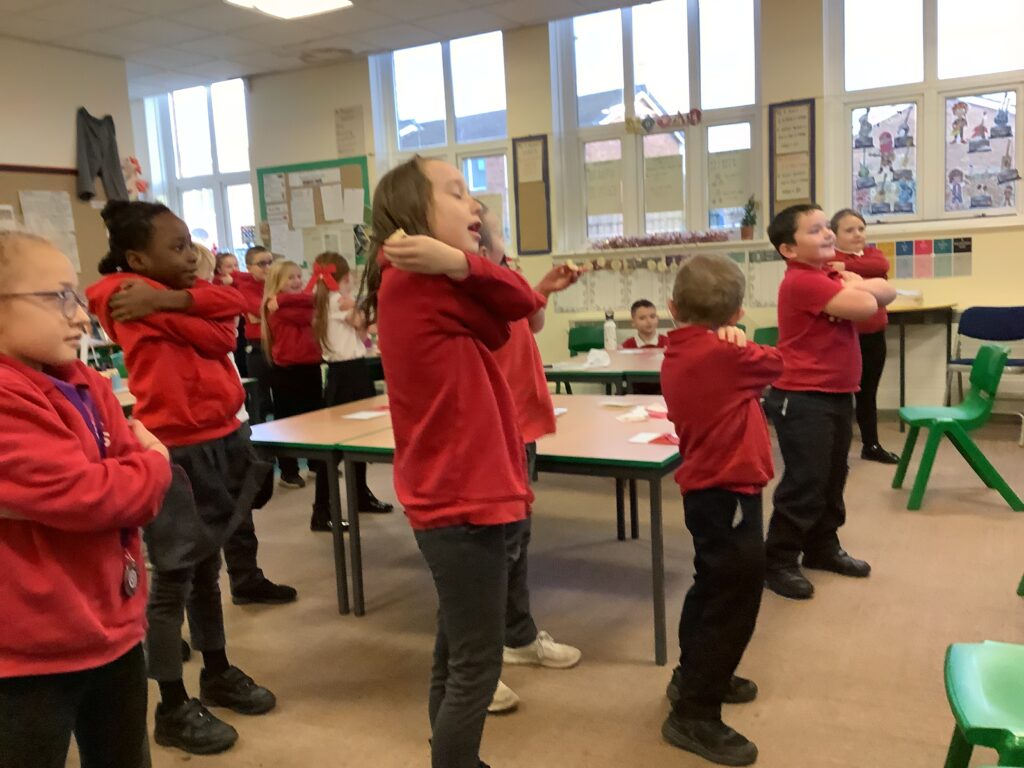
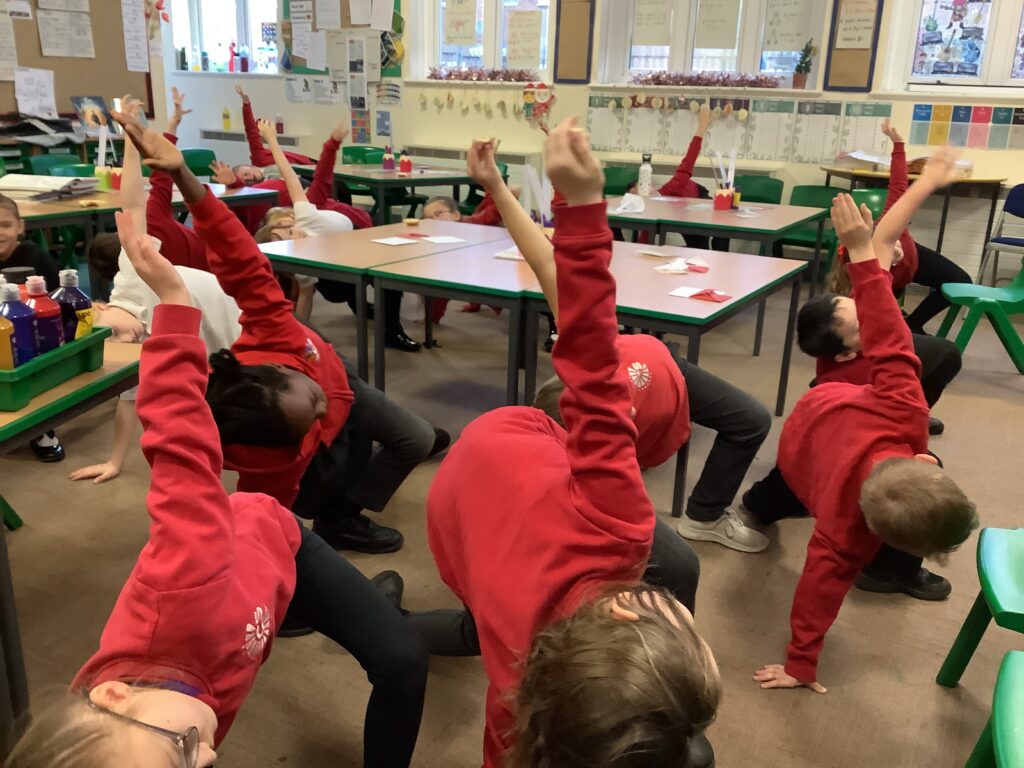
Crew Shields started their morning with a mindful yoga session. Even better as we were on our way to the North Pole to help Santa with his presents.
Reading in MI
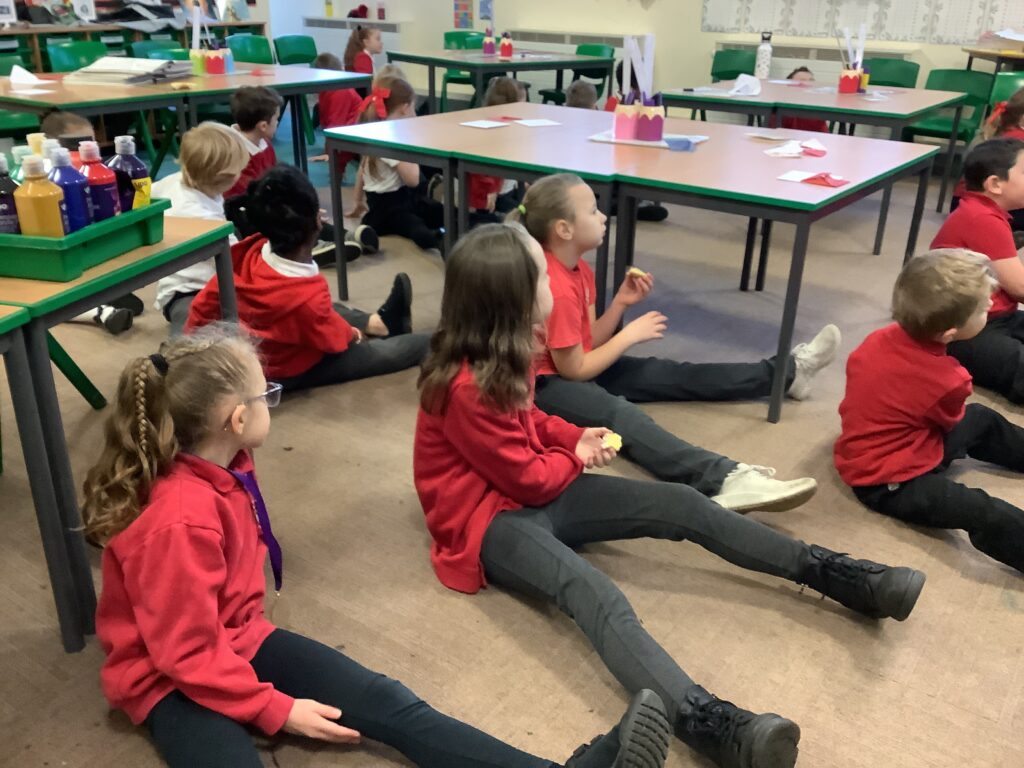
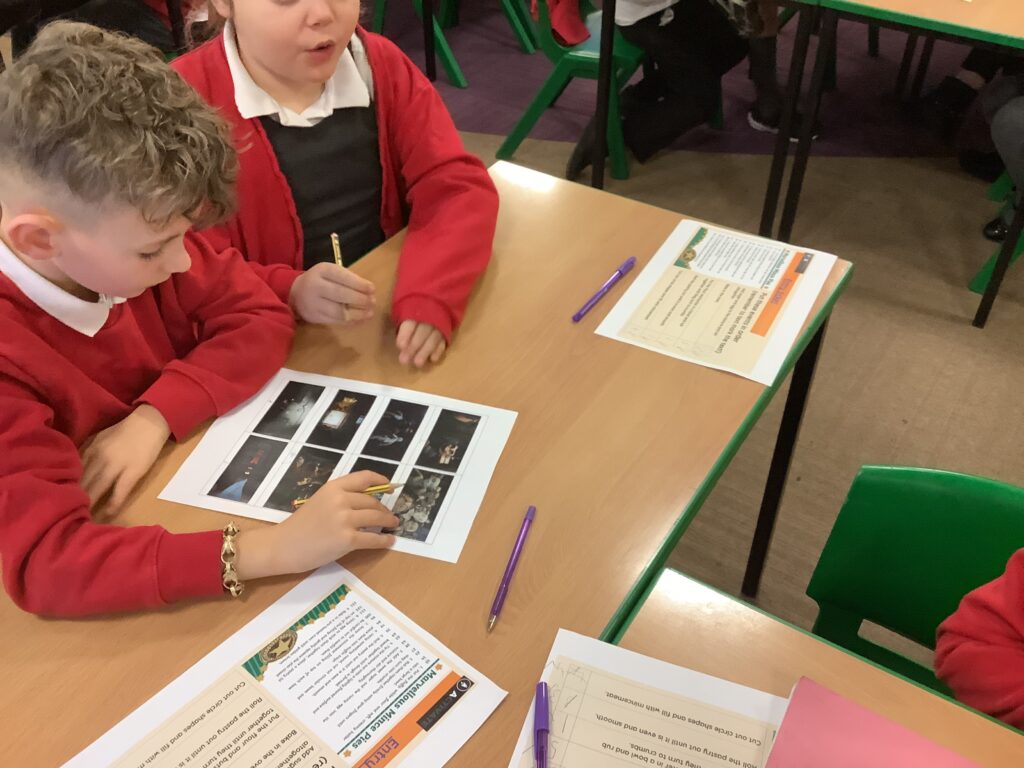
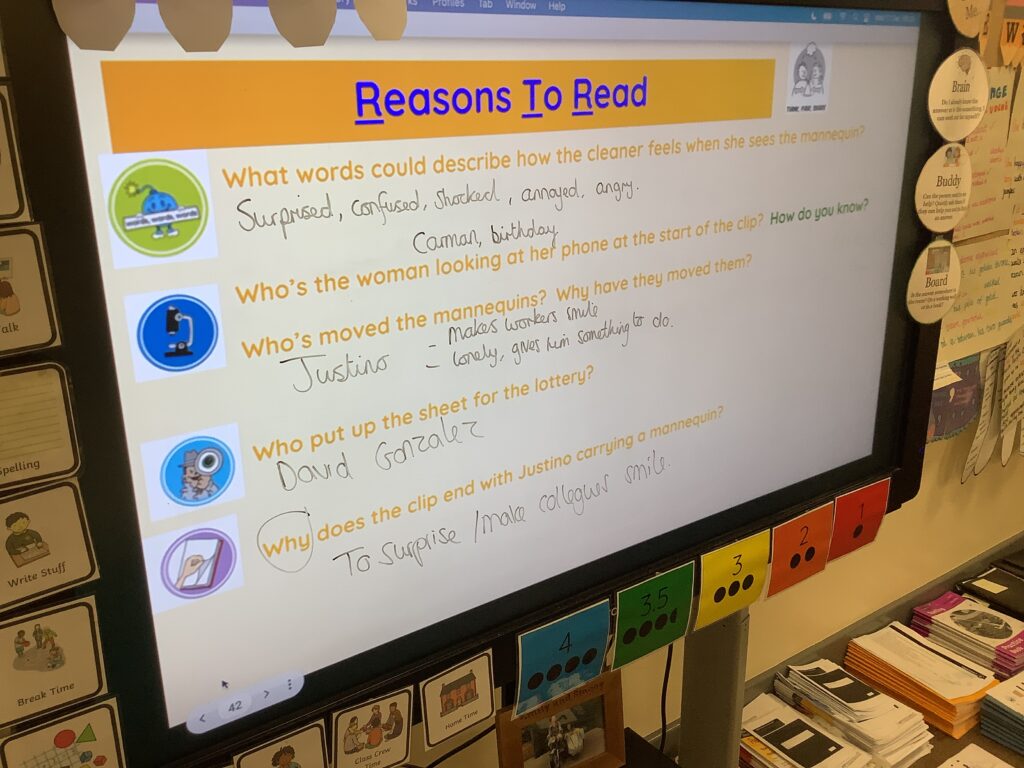
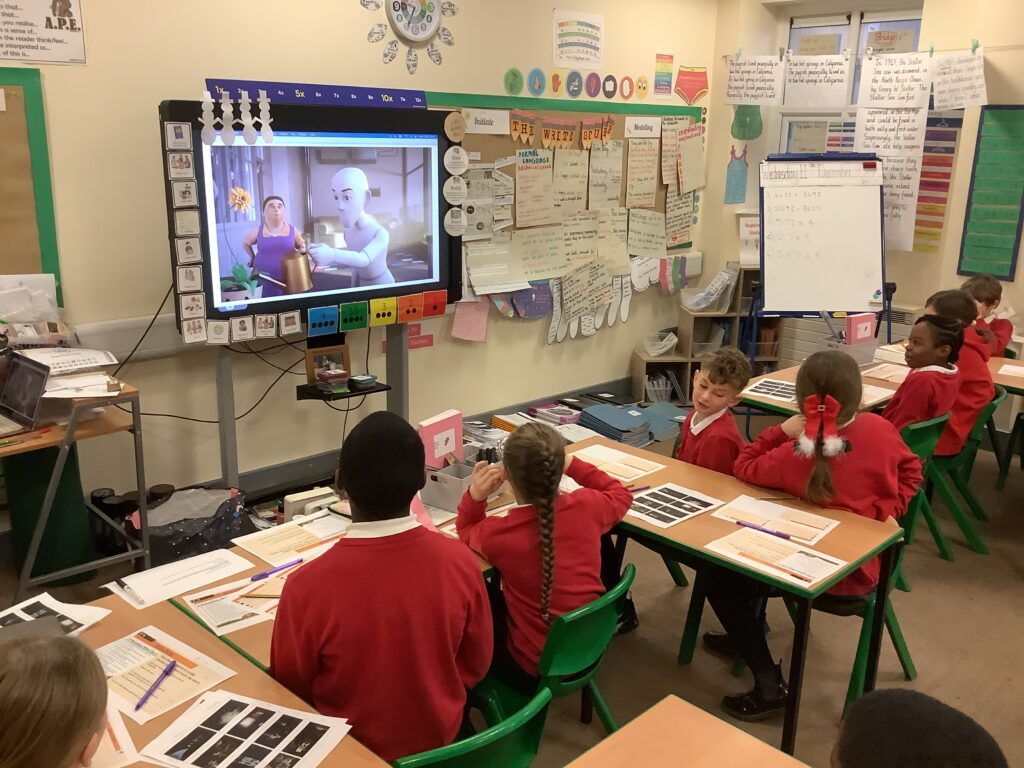
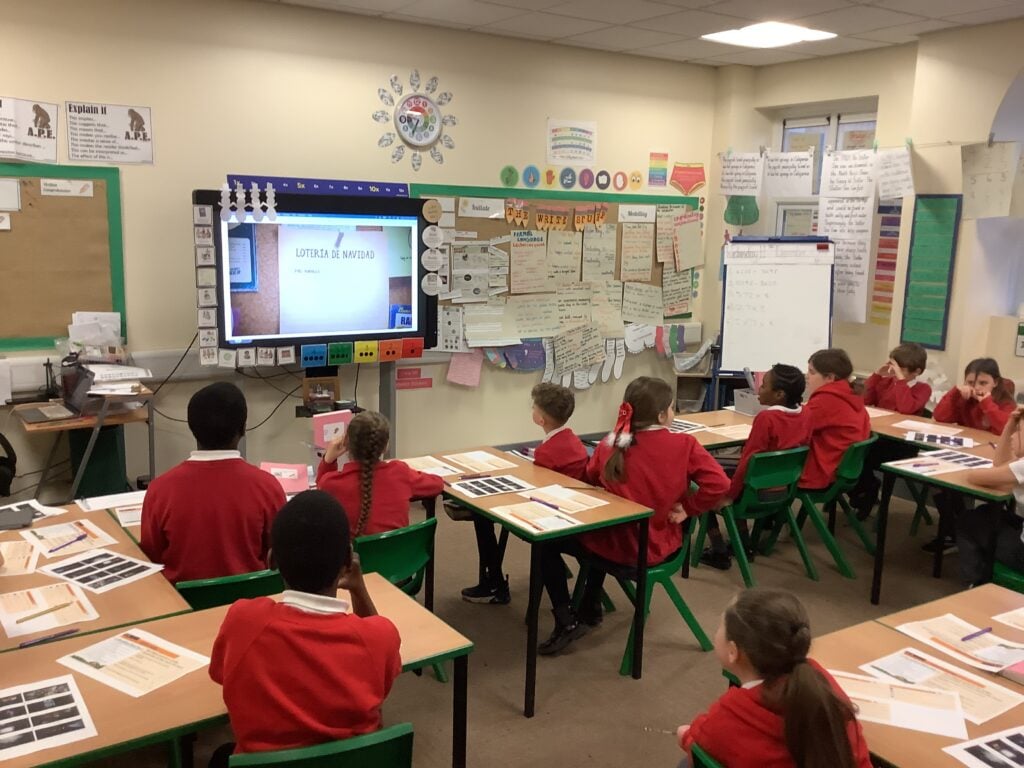
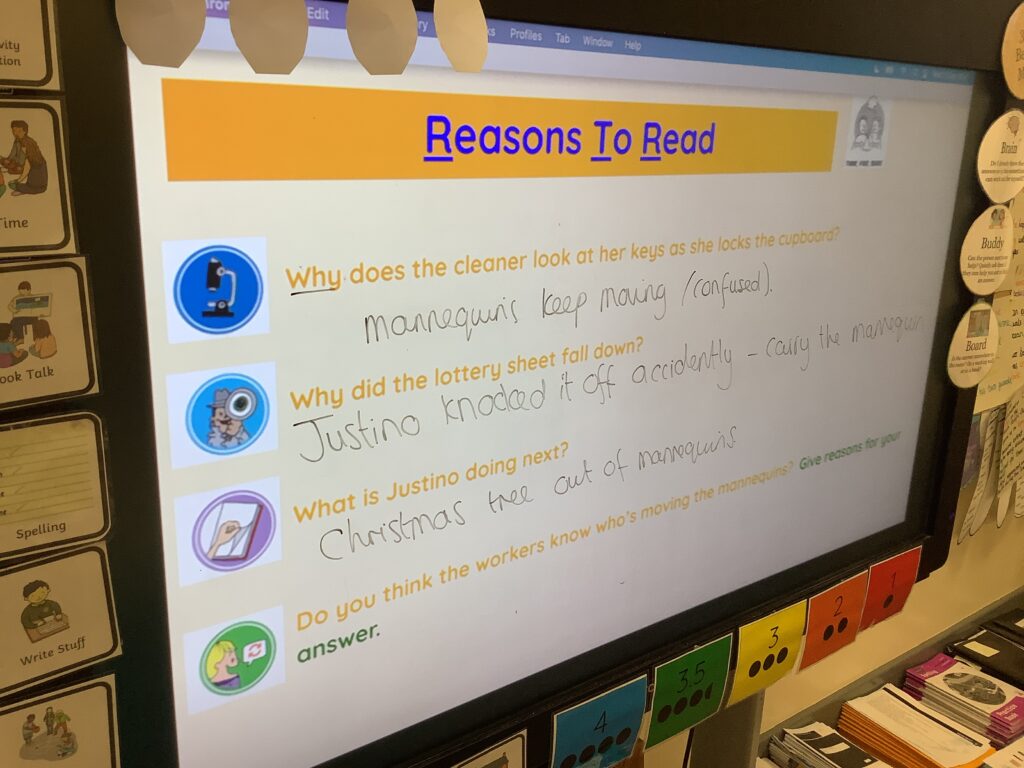
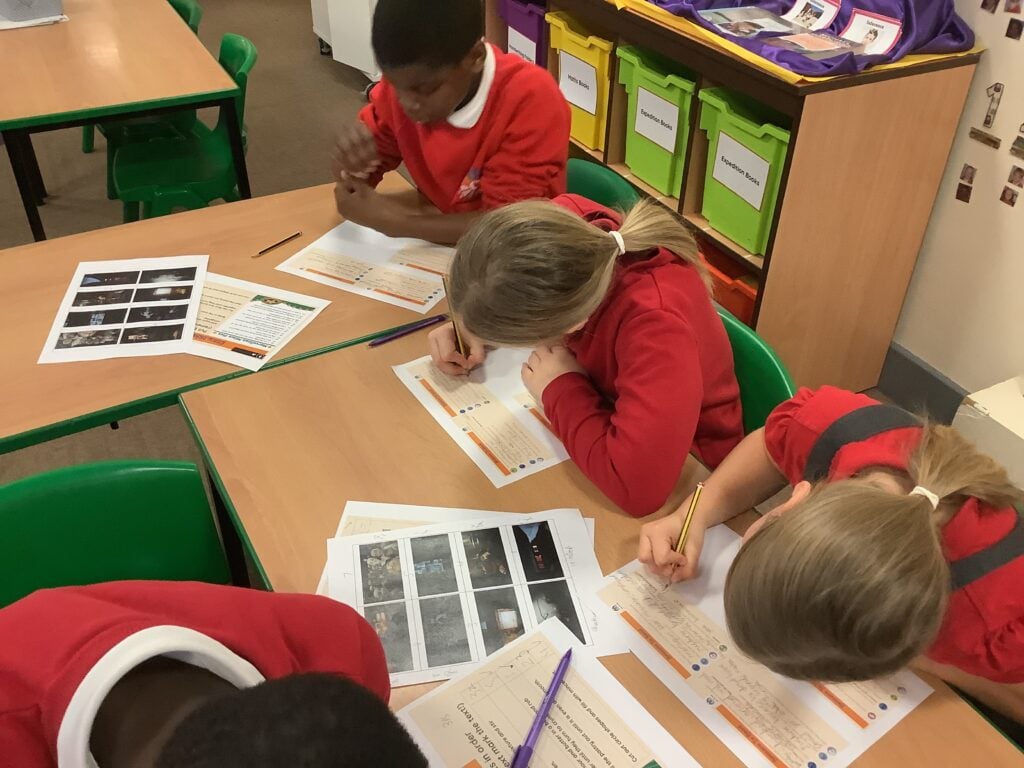
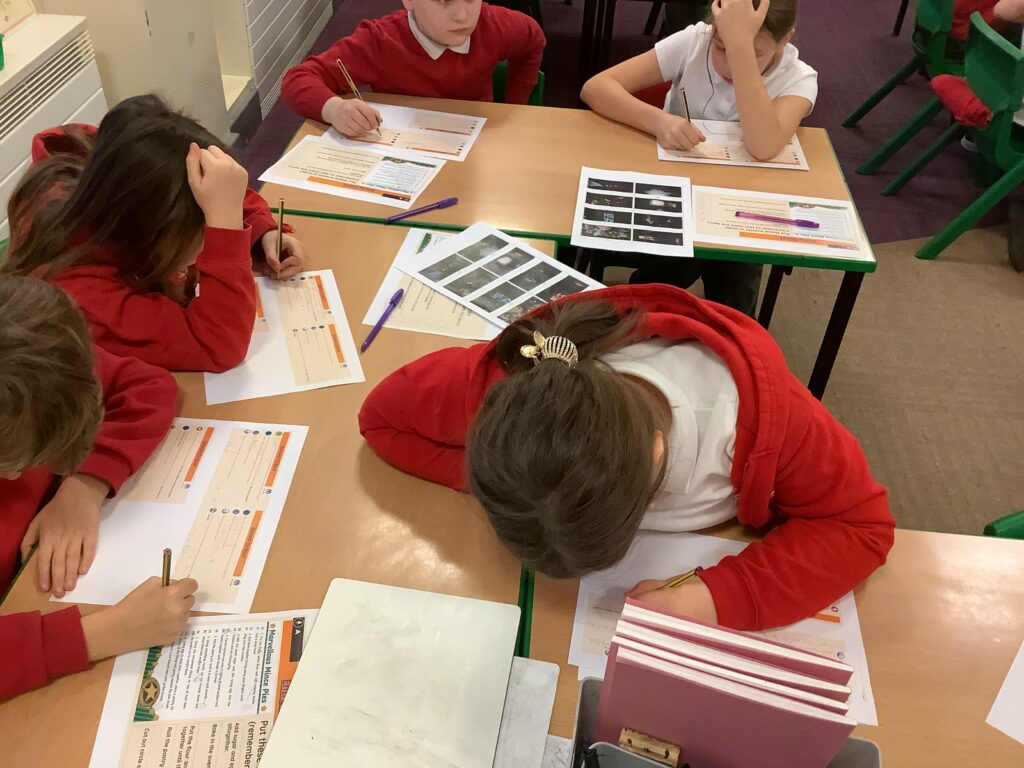
This week we have used a video clip for our reading lessons which has allowed us to develop our inference skills! We have LOVED the clip and have been excited every day to watch the next part. On Wednesday we ordered pictures from the parts of the clip we had read so far and explained each part to our partner and in small mini crews. We then watched small parts of the clip and carried out our reasons to read. There were so many different discussions and ideas on each part of the clip. Children’s ideas were just amazing 🙂
Exploring factors in MI
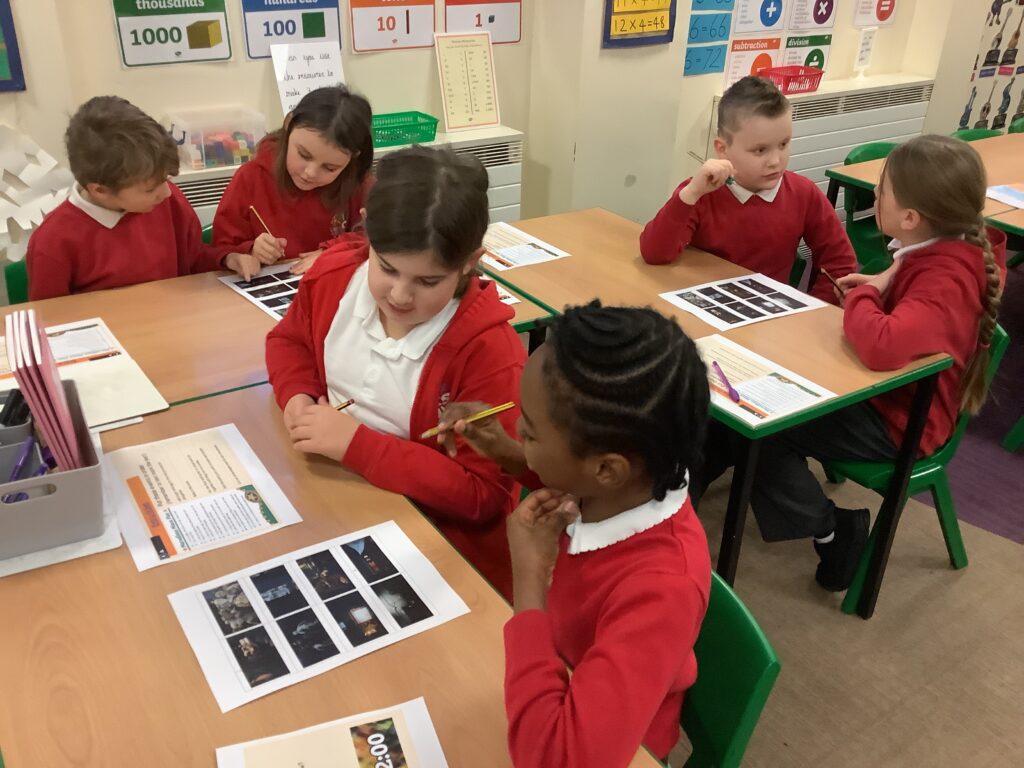
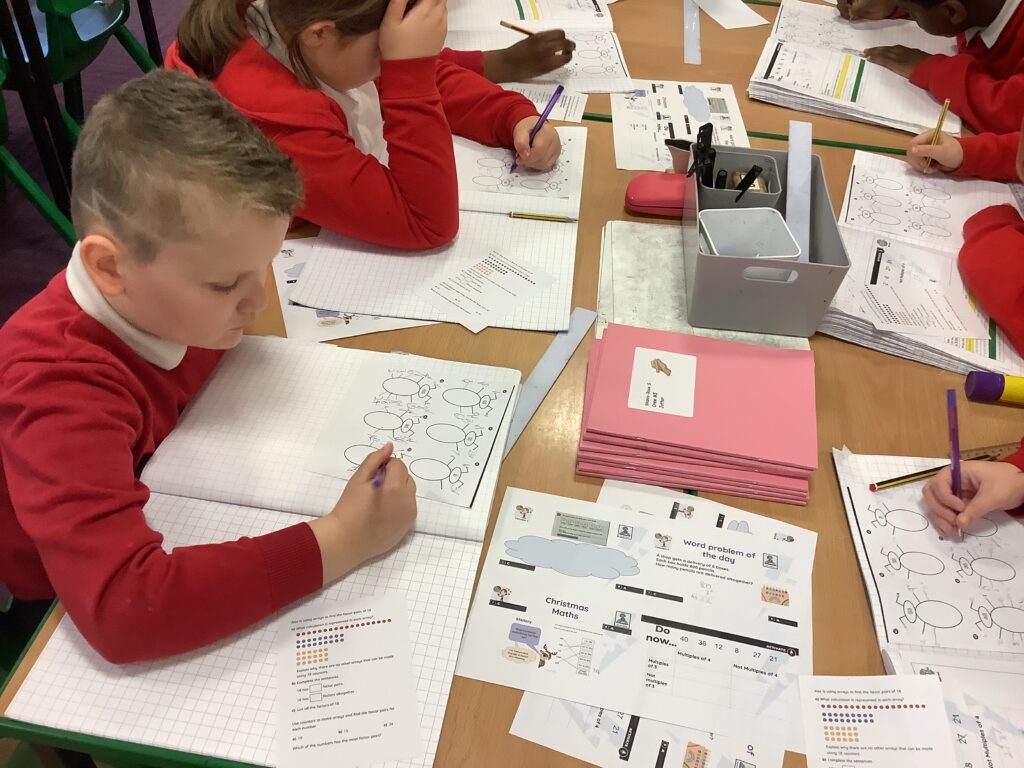
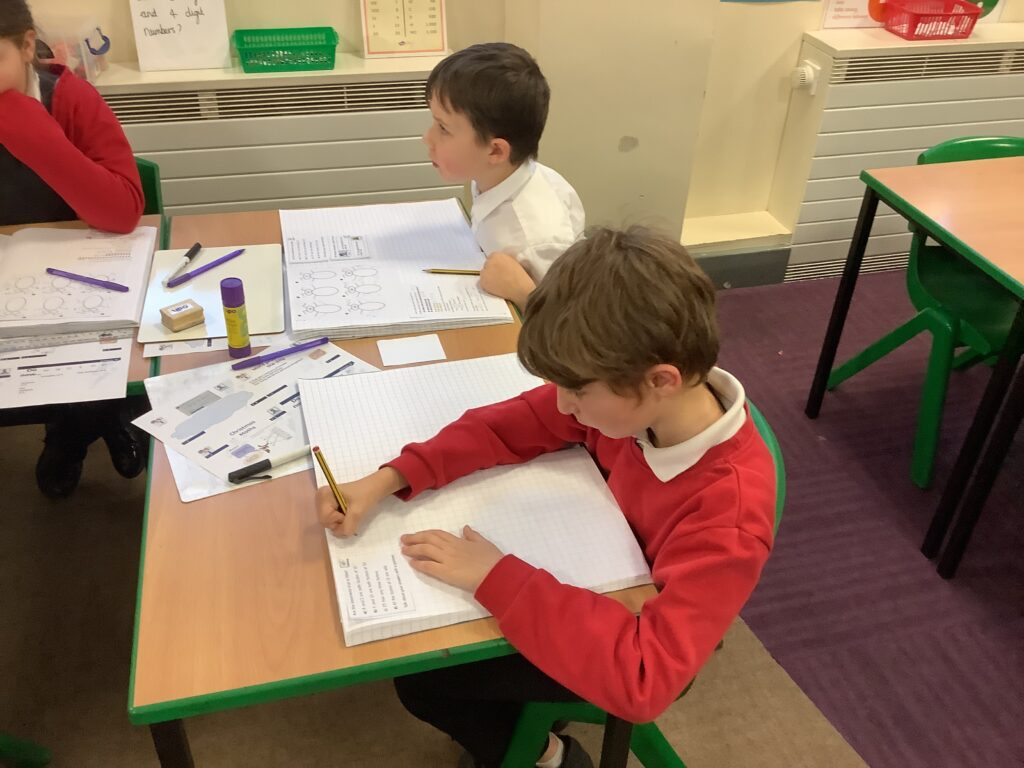
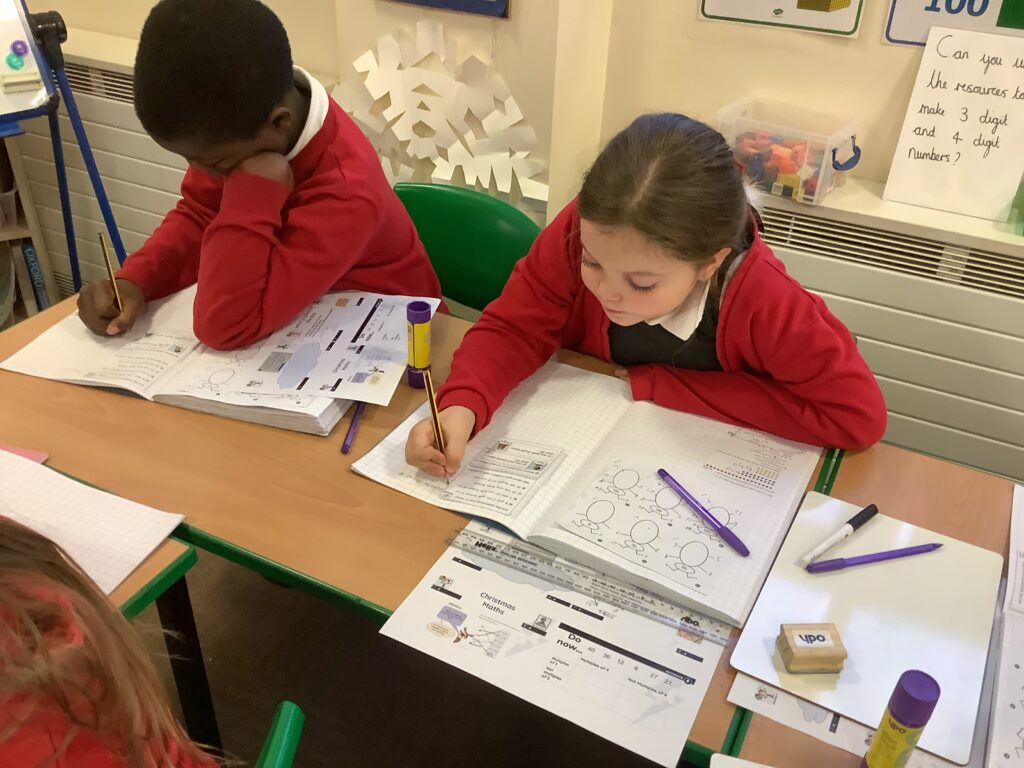
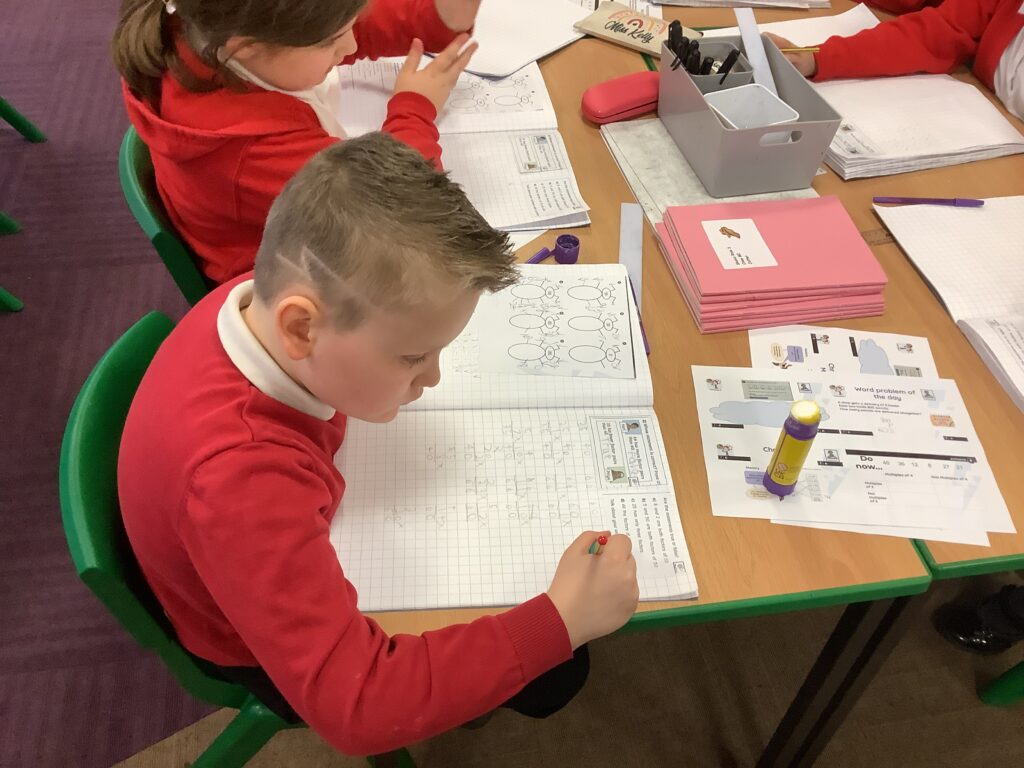
Wednesday’s maths lesson allowed us to really think about our times tables. We explored factors and factor pairs. The lesson really showed us how much our times tables have developed 🙂
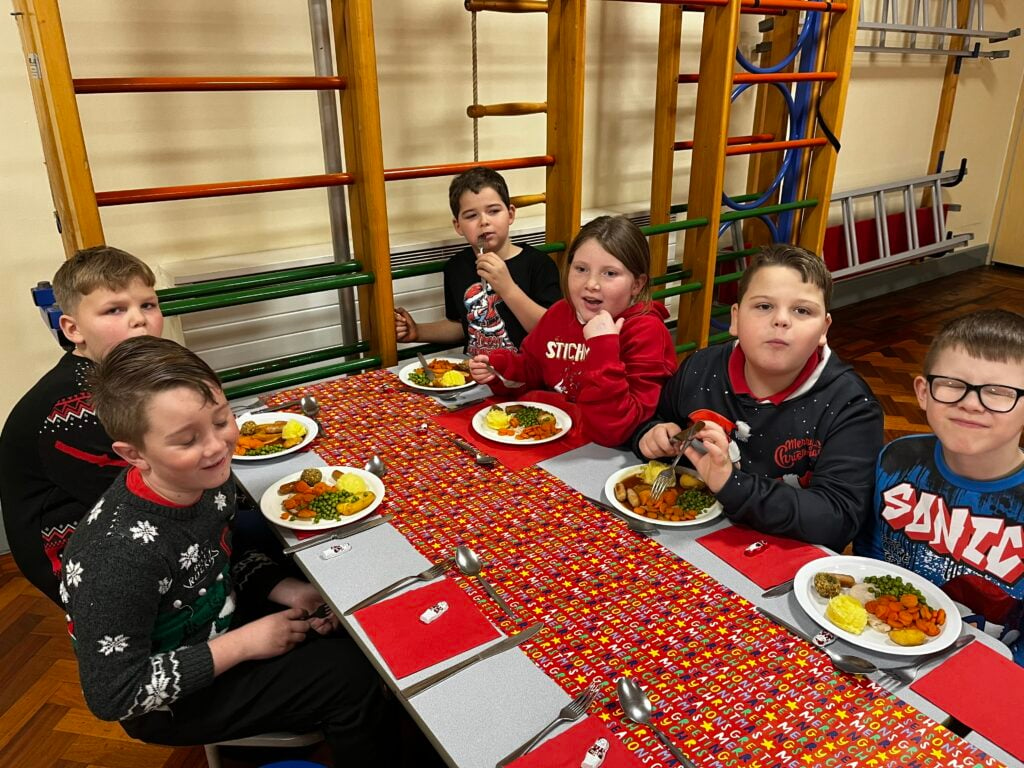
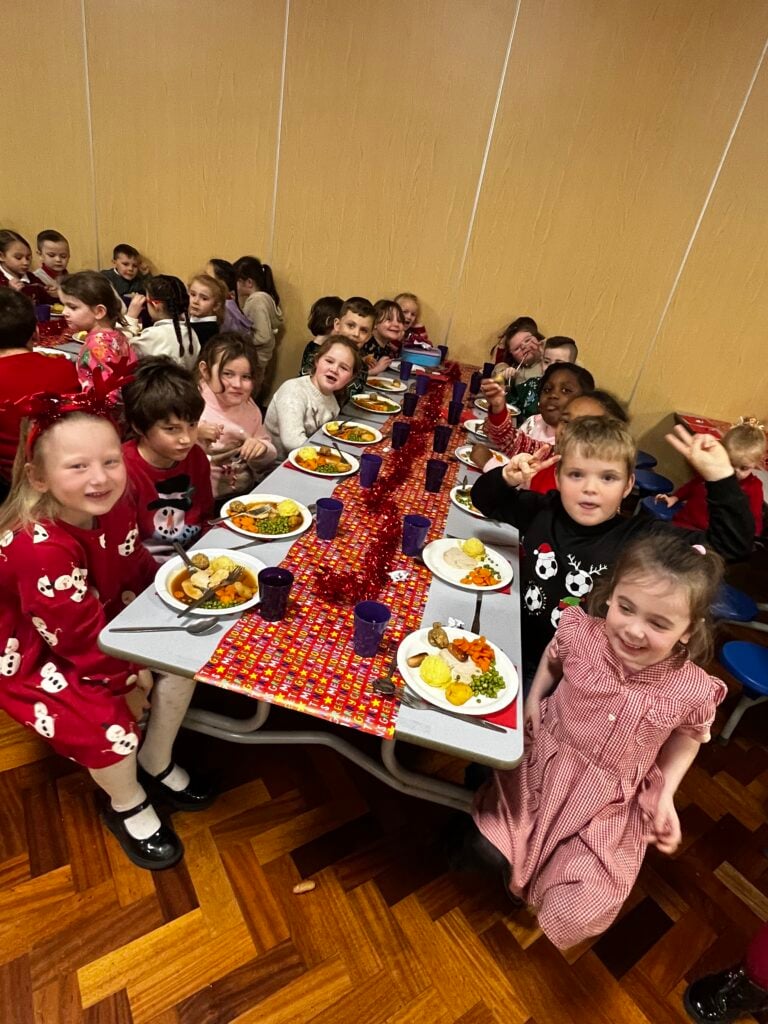
Getting into the Christmas Spirit
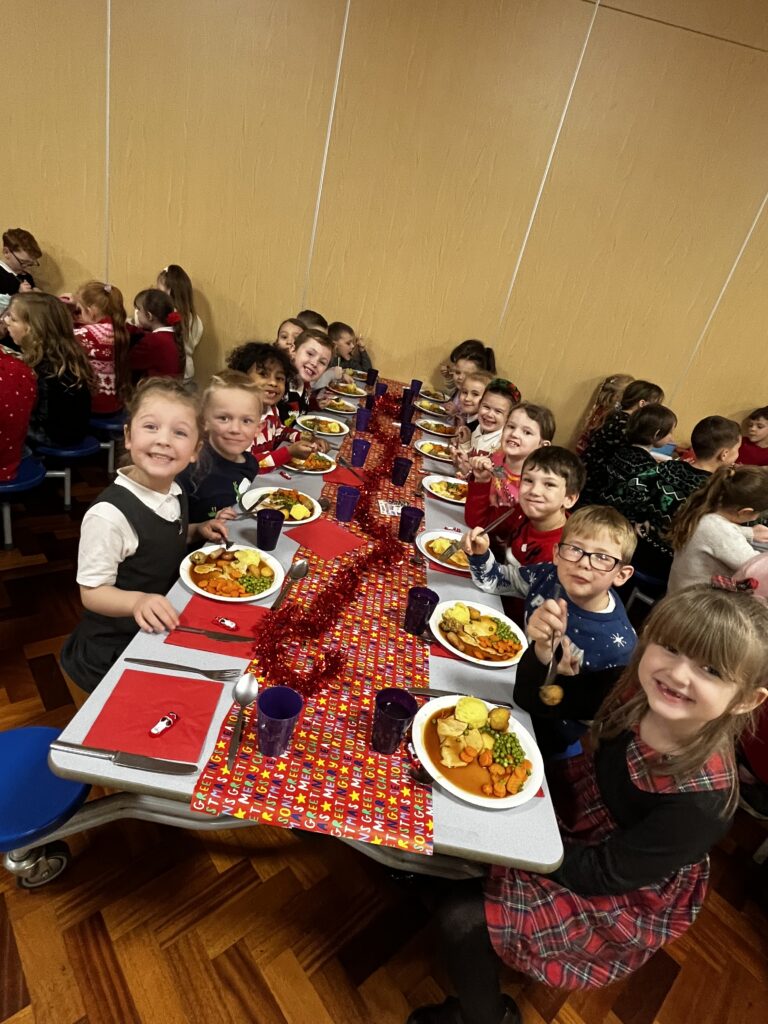
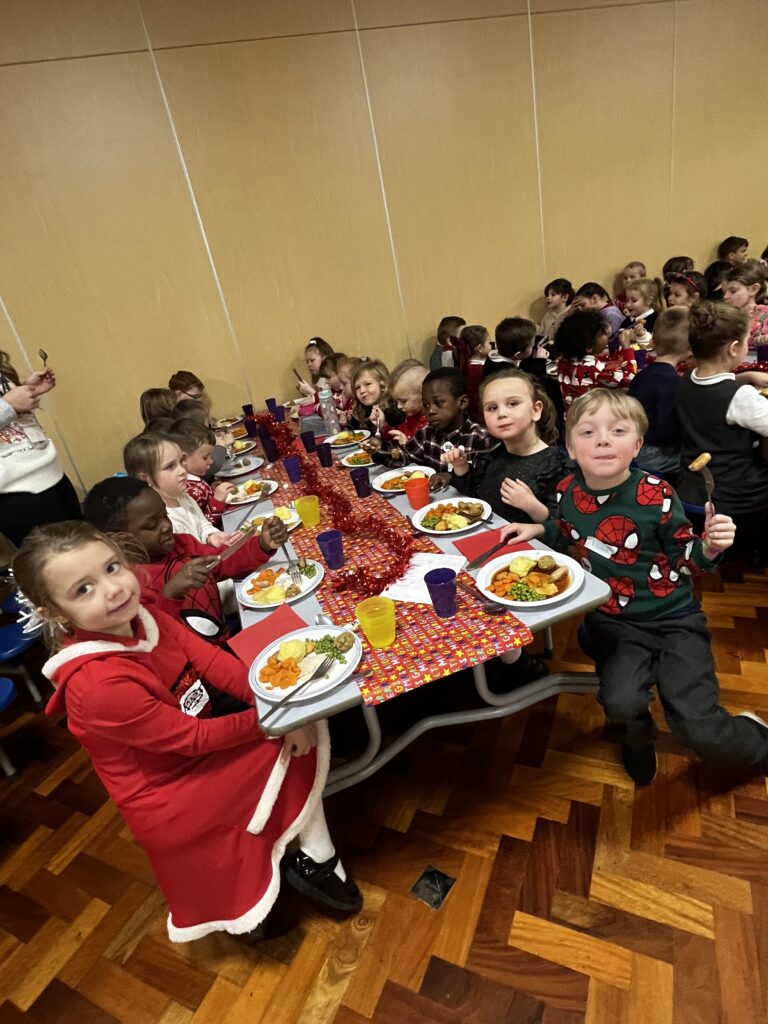
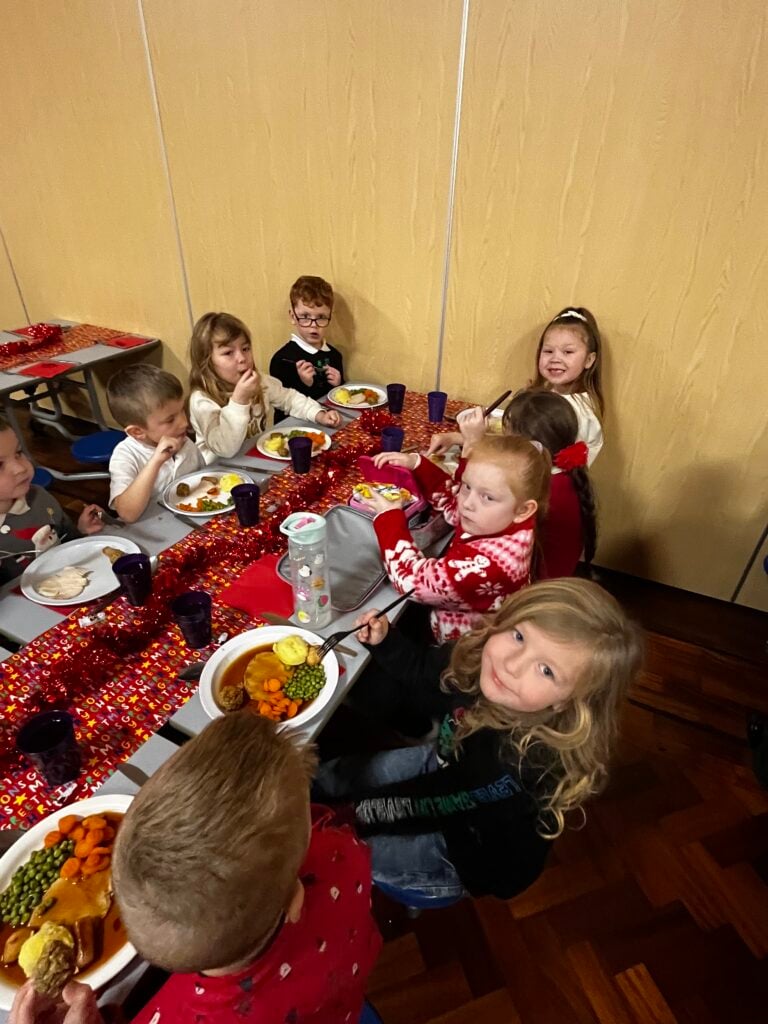
Sharing our Stories: 13/12/2024
Beautiful Work This Week
Here’s a selection of beautiful work from across the XP Trust over the last week! To read about other stories from across the XP Trust, visit xptrust.org.
Top of the Blogs
Get your groove on for a great cause! @ XP East
Share your stories with us!
Fab writing in Y1
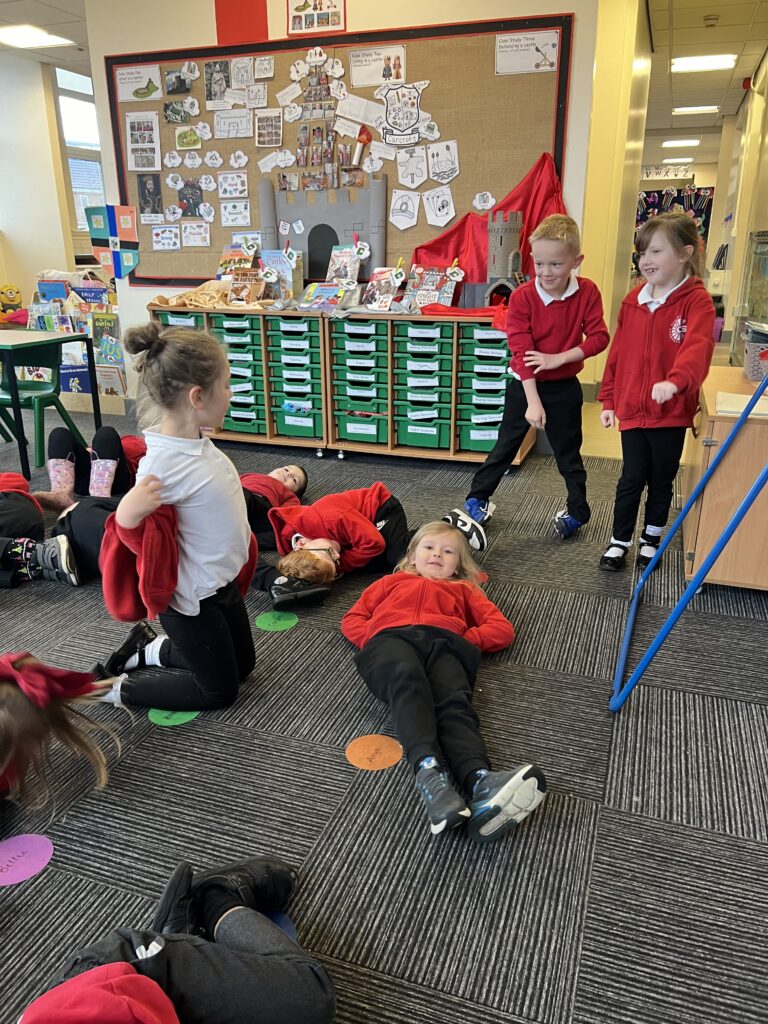
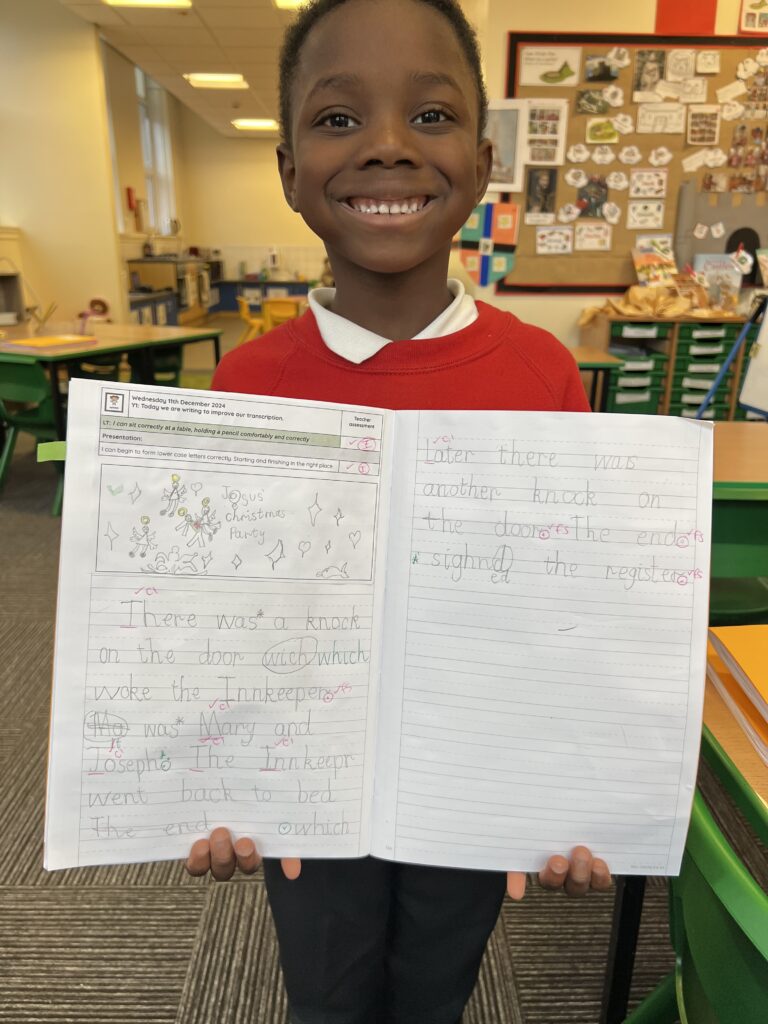
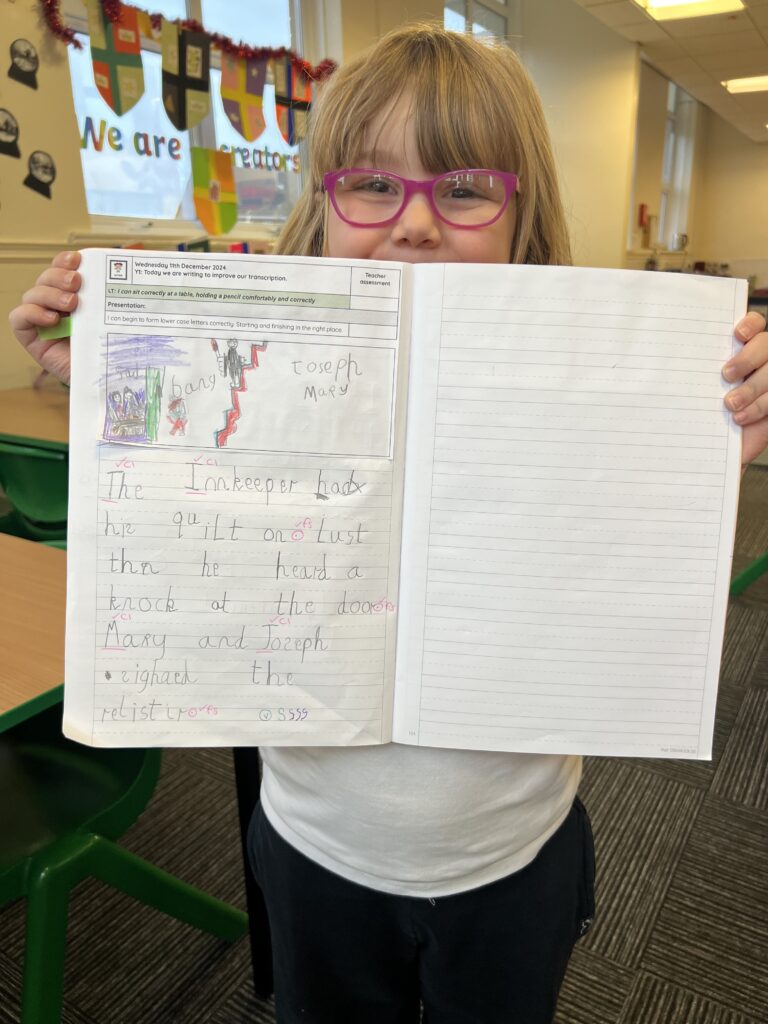
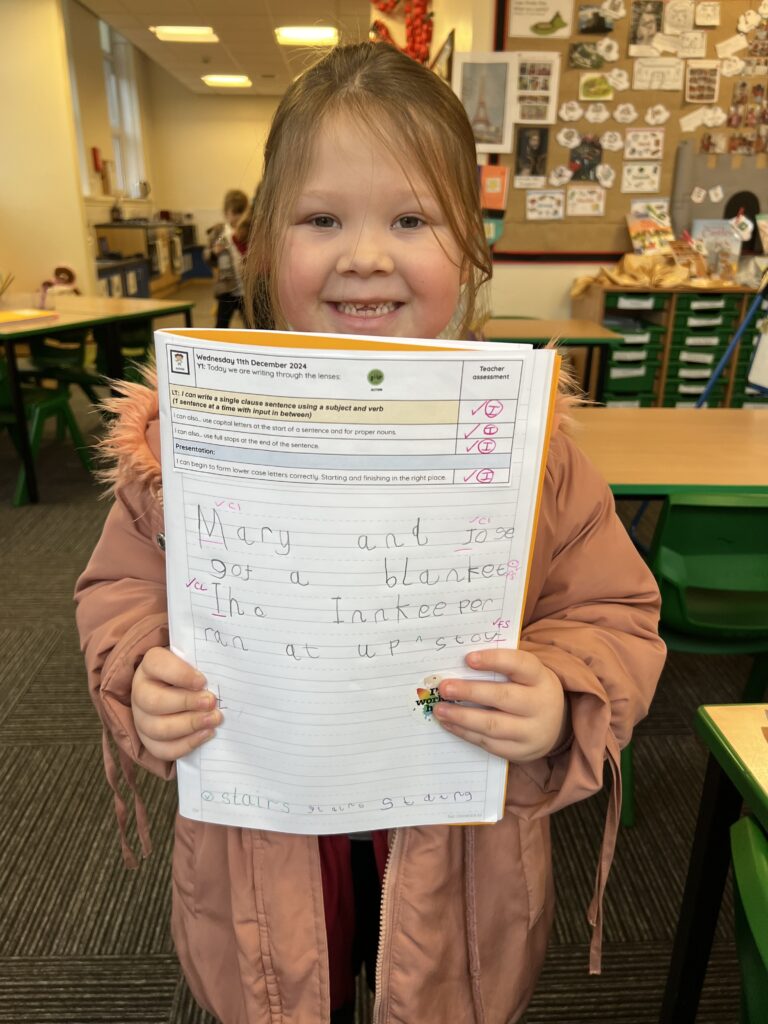
This week we have started our writing on Jesus’ Christmas party. I have been so impressed with their sentences and how neat their handwriting has been!
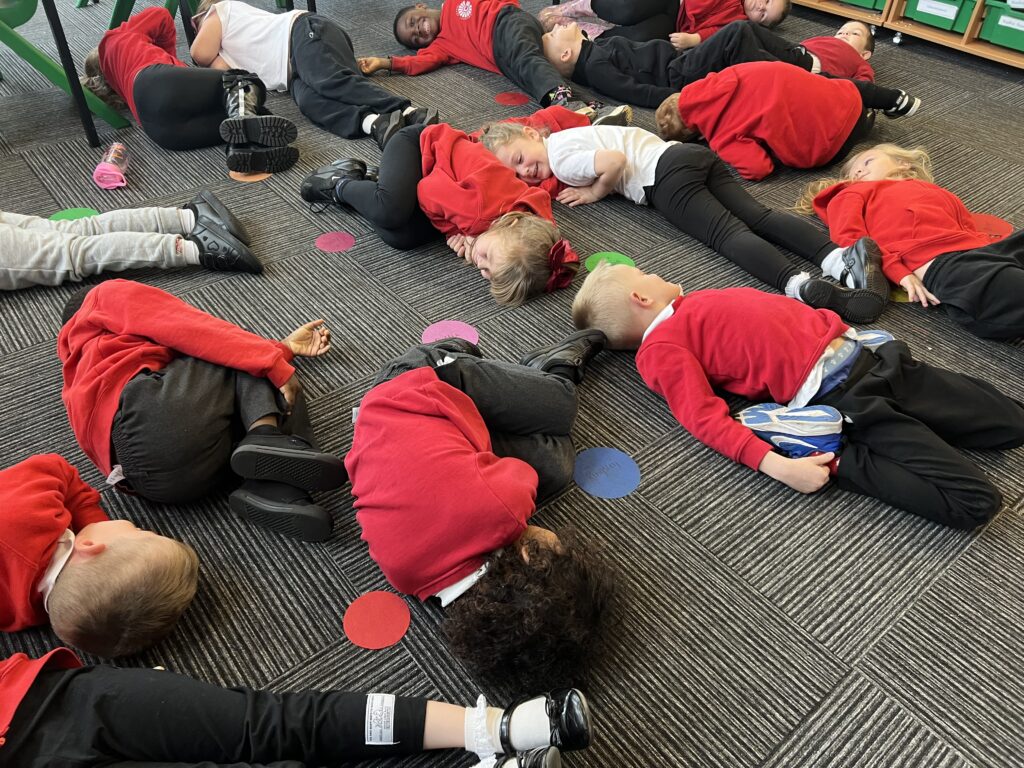
KS1 Multiskills
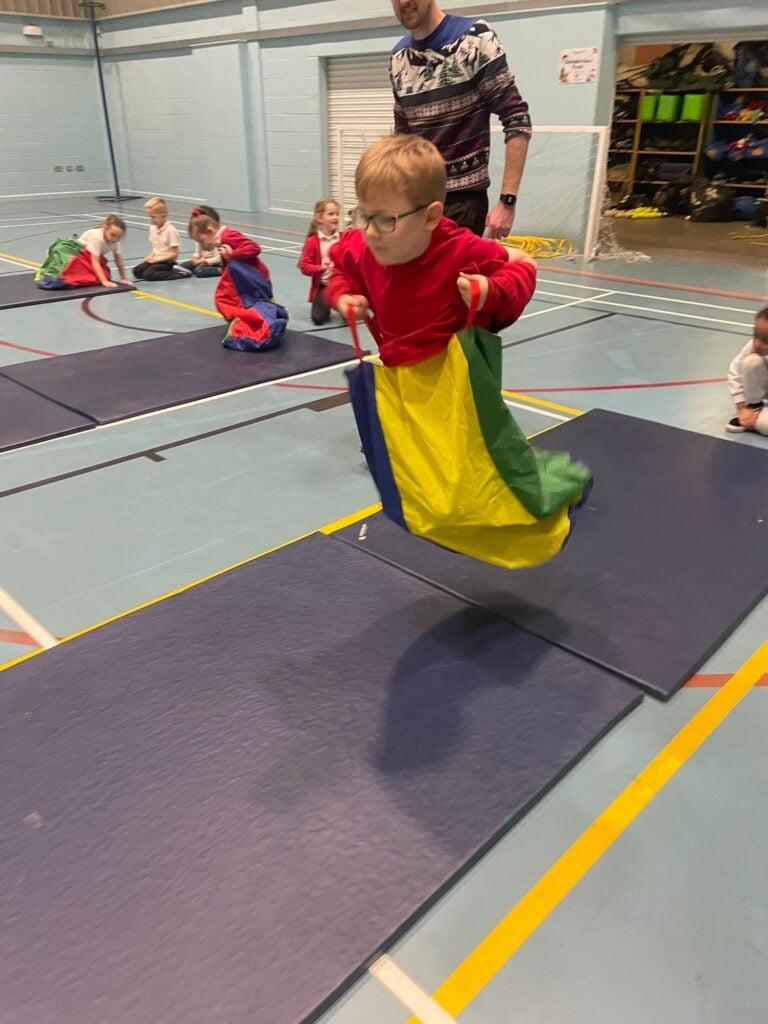
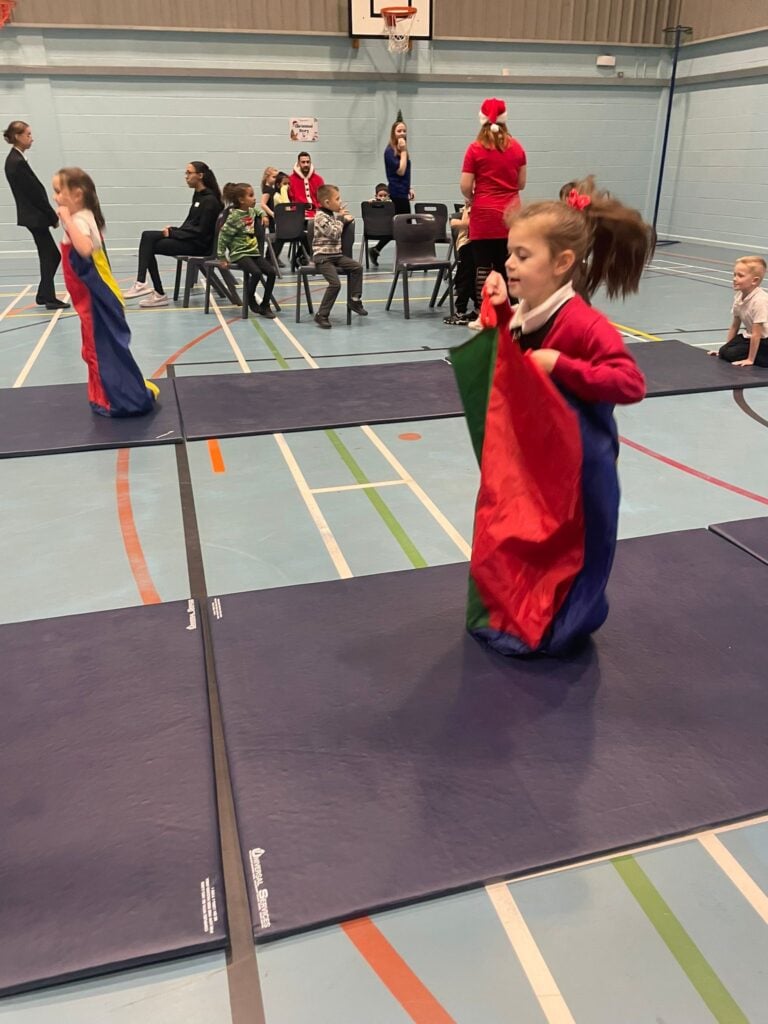
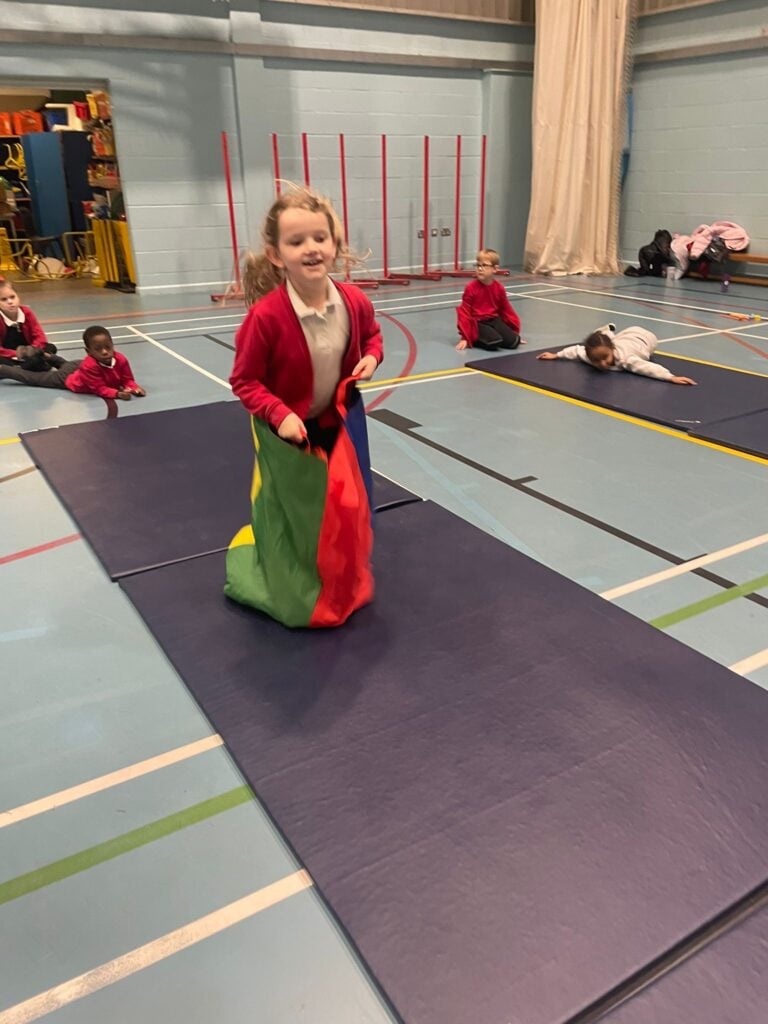
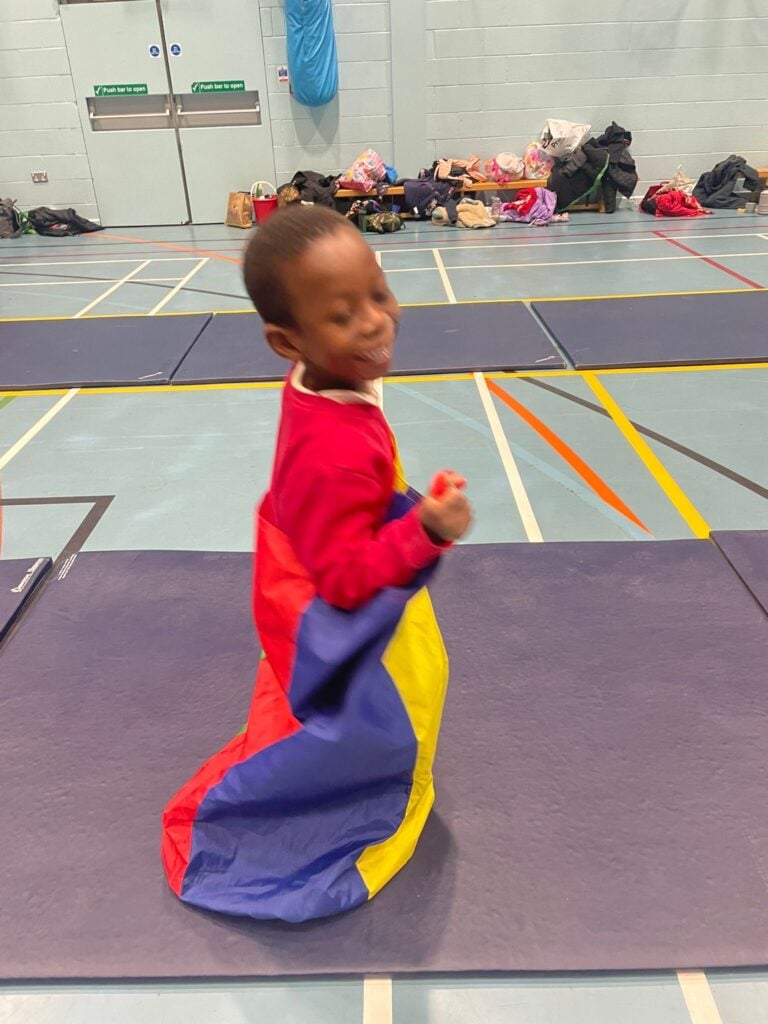
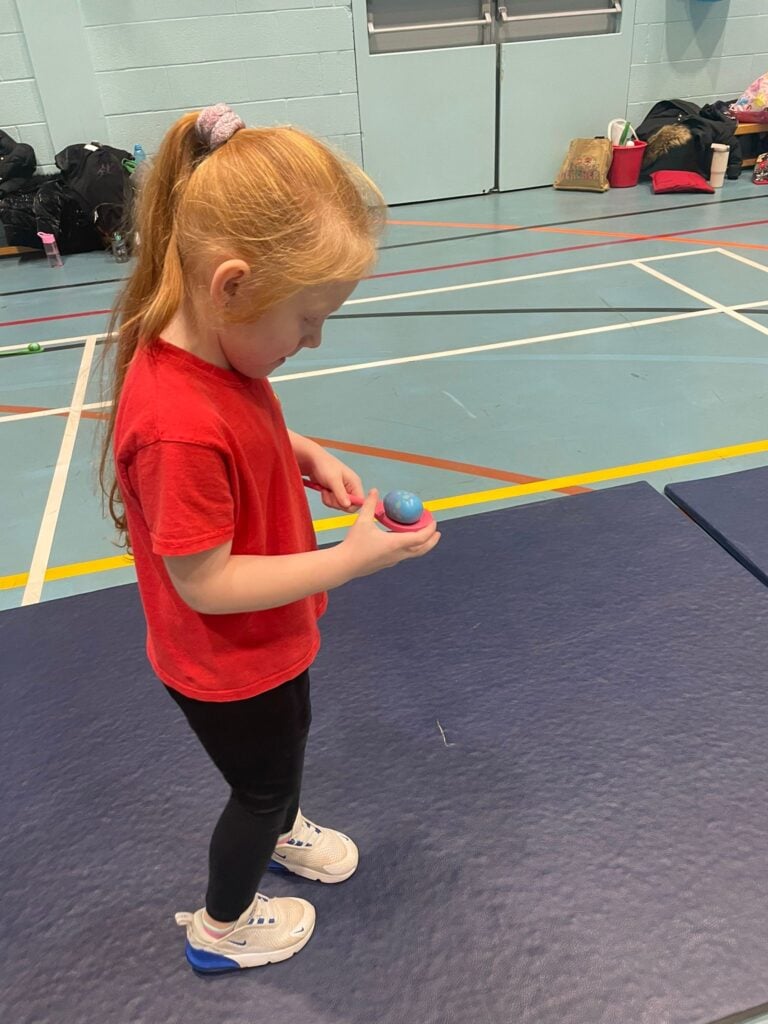
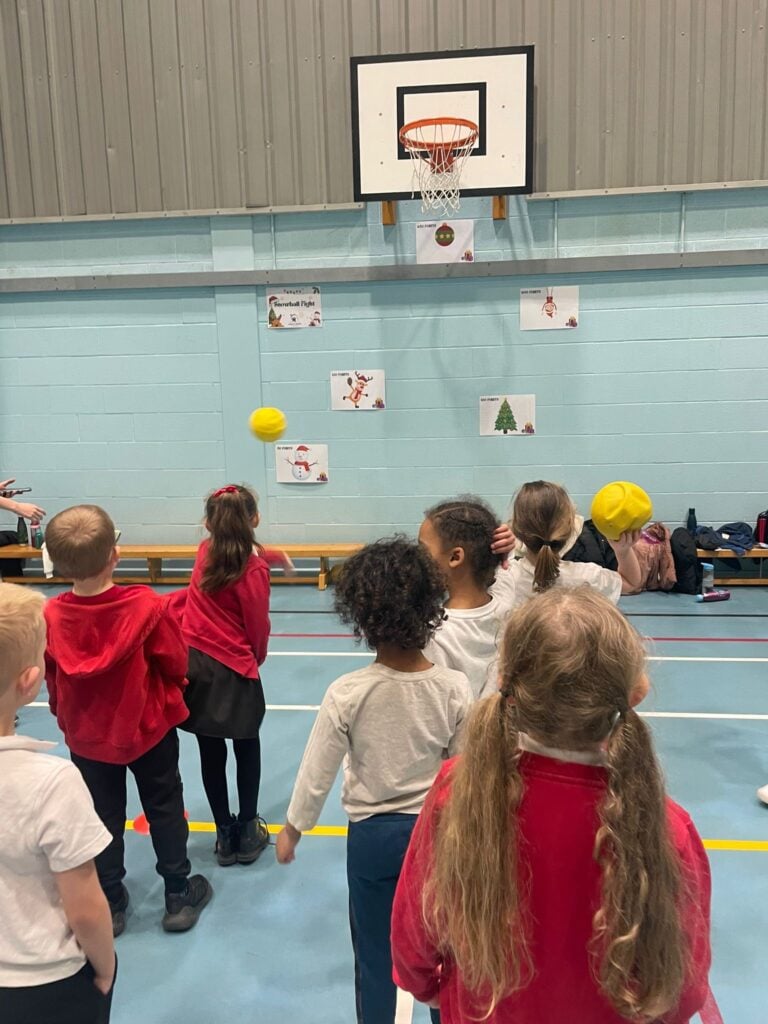
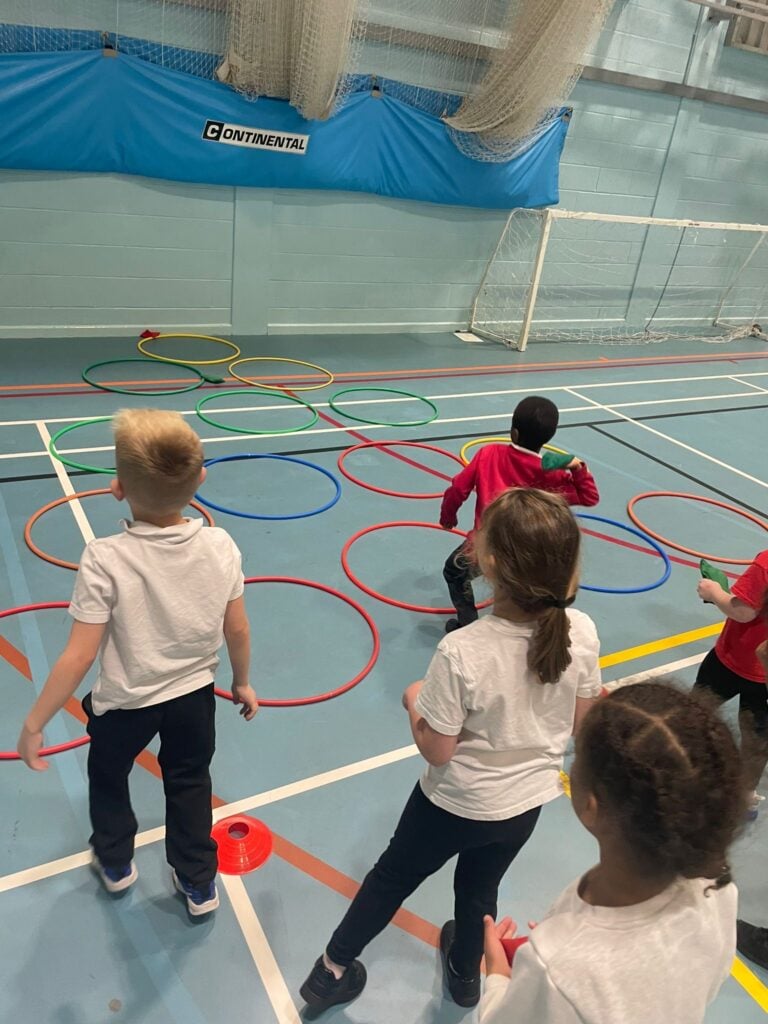
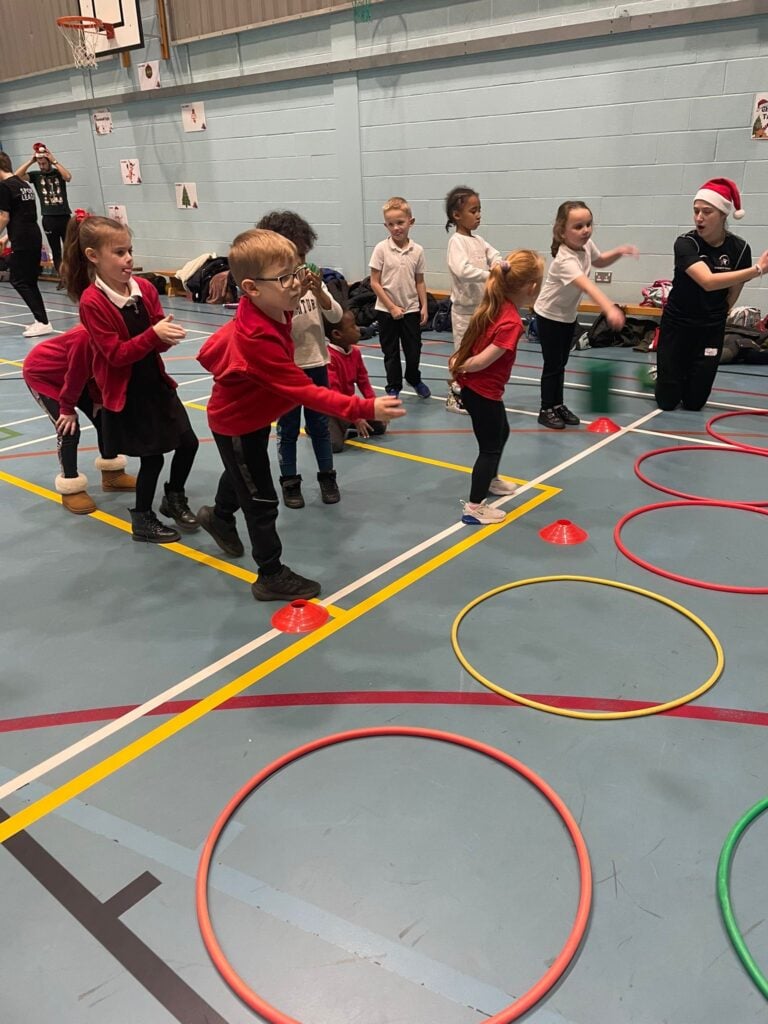
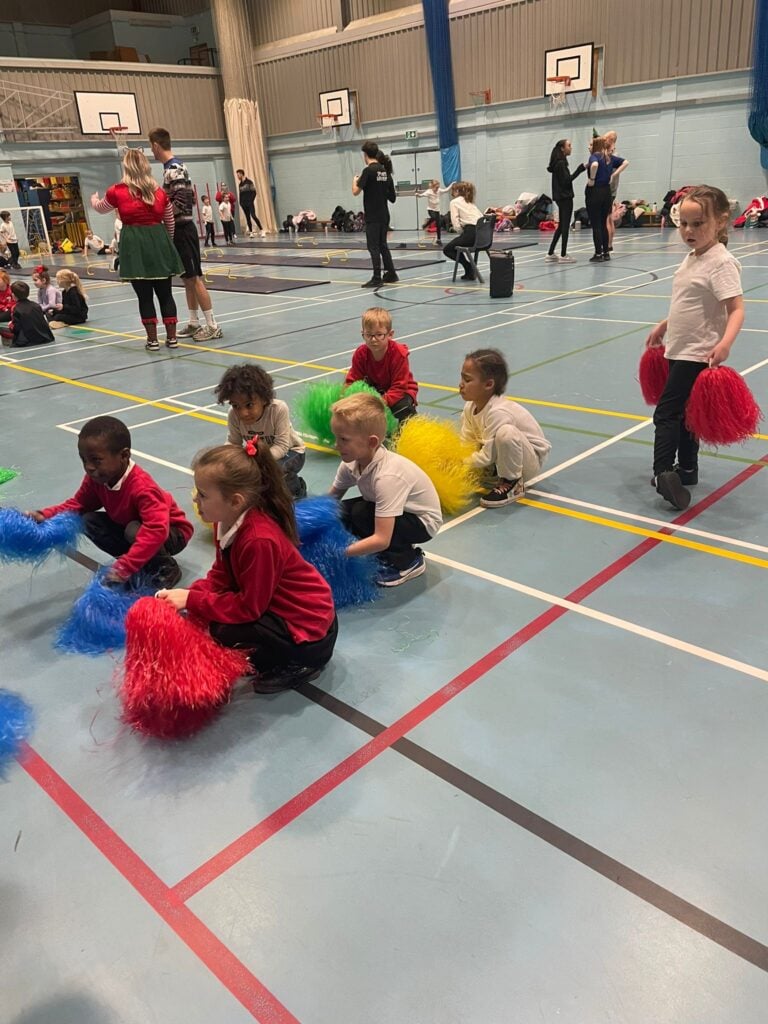
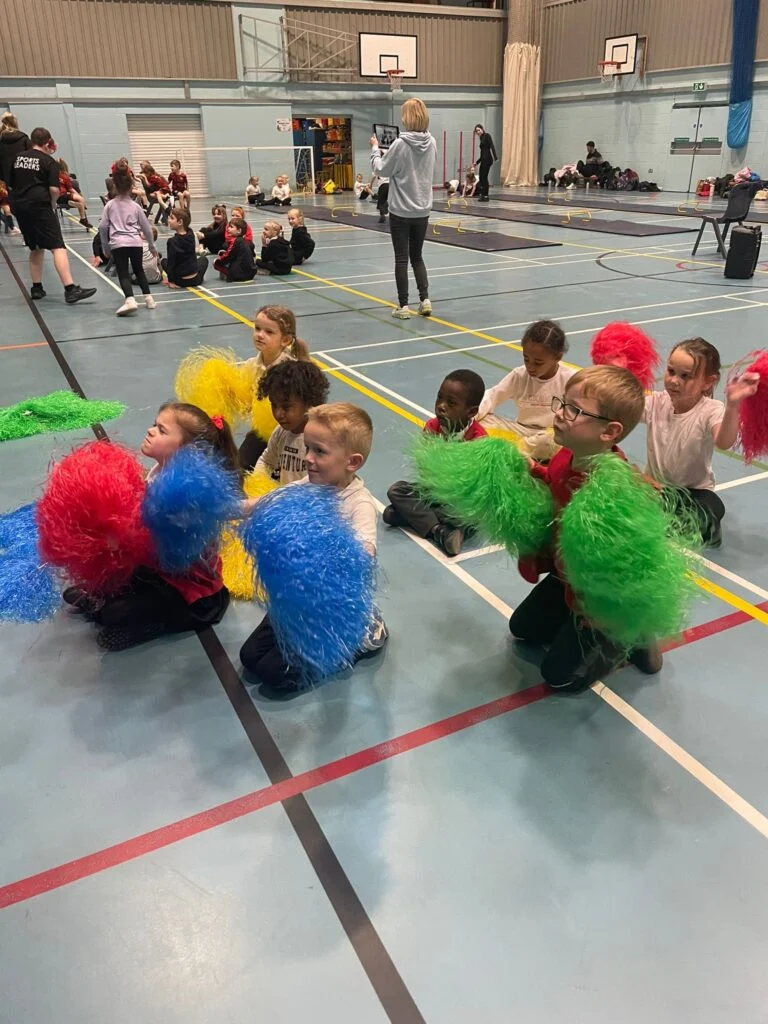
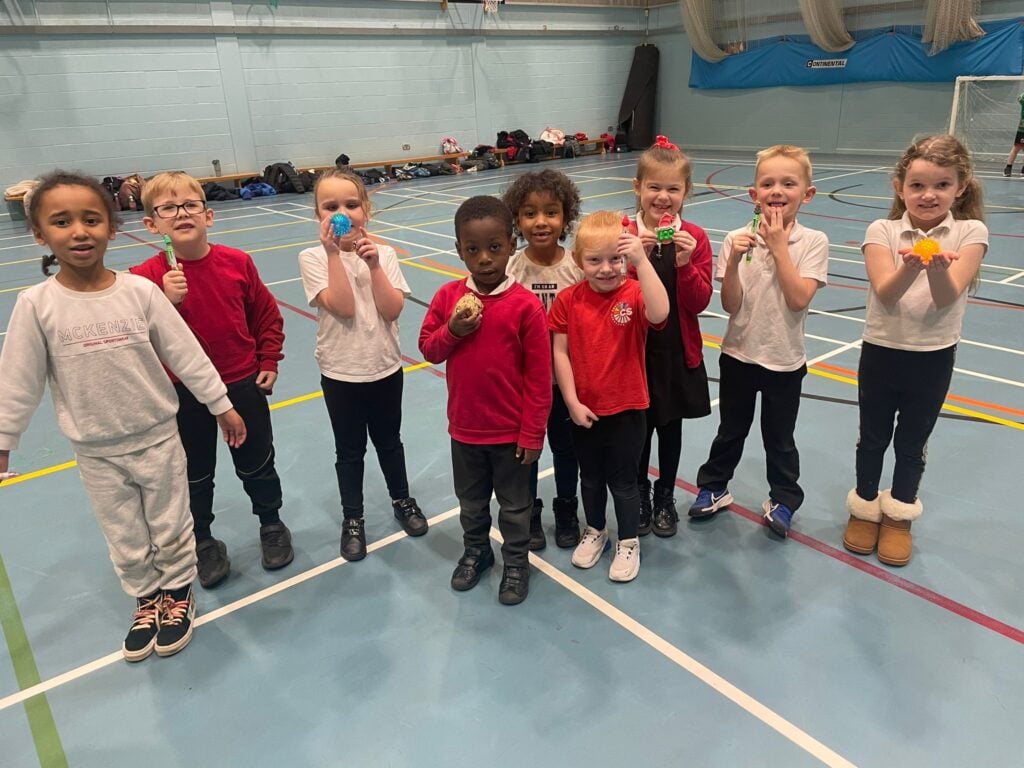
The KS1 children have loved their multi skills event this afternoon.