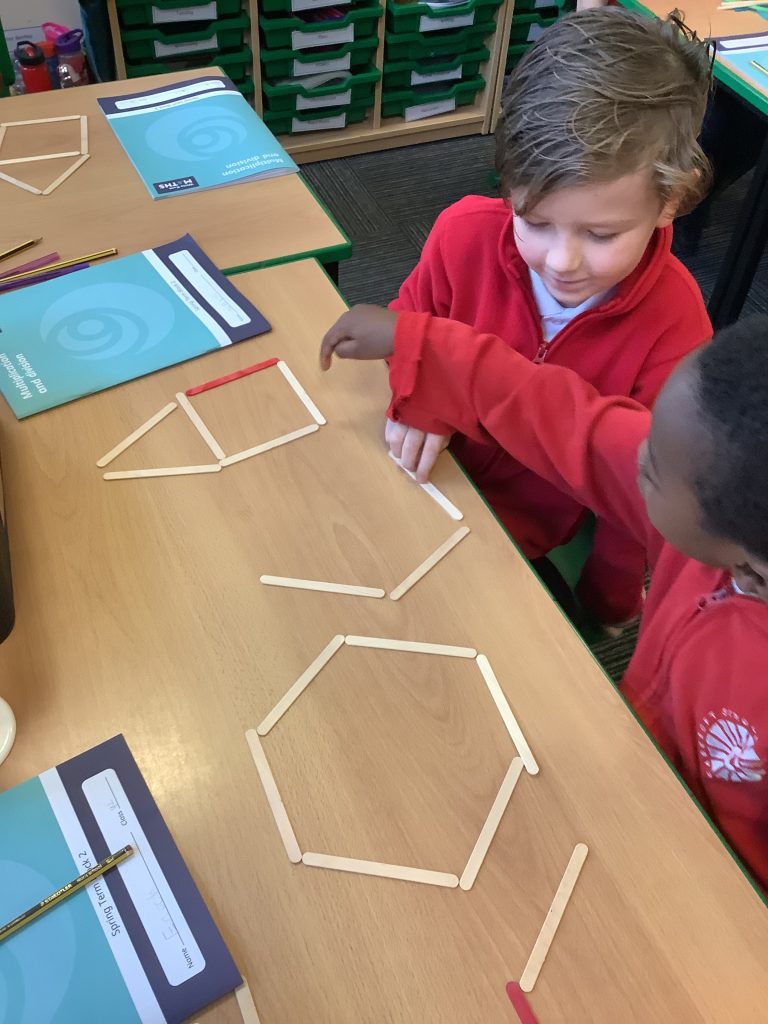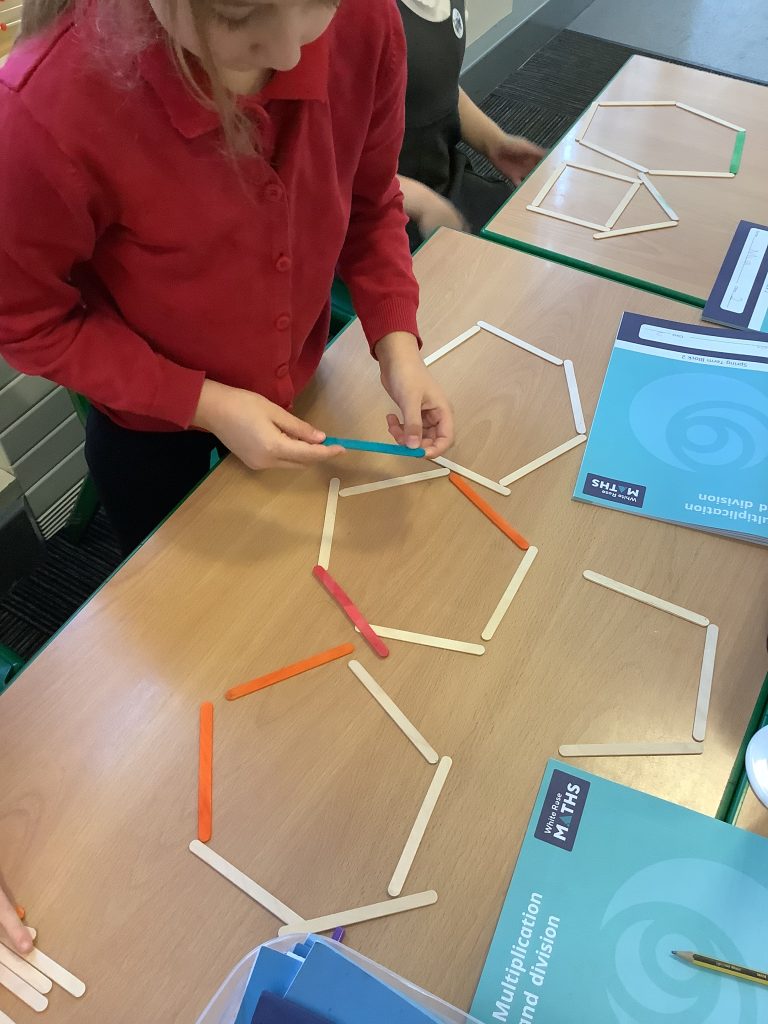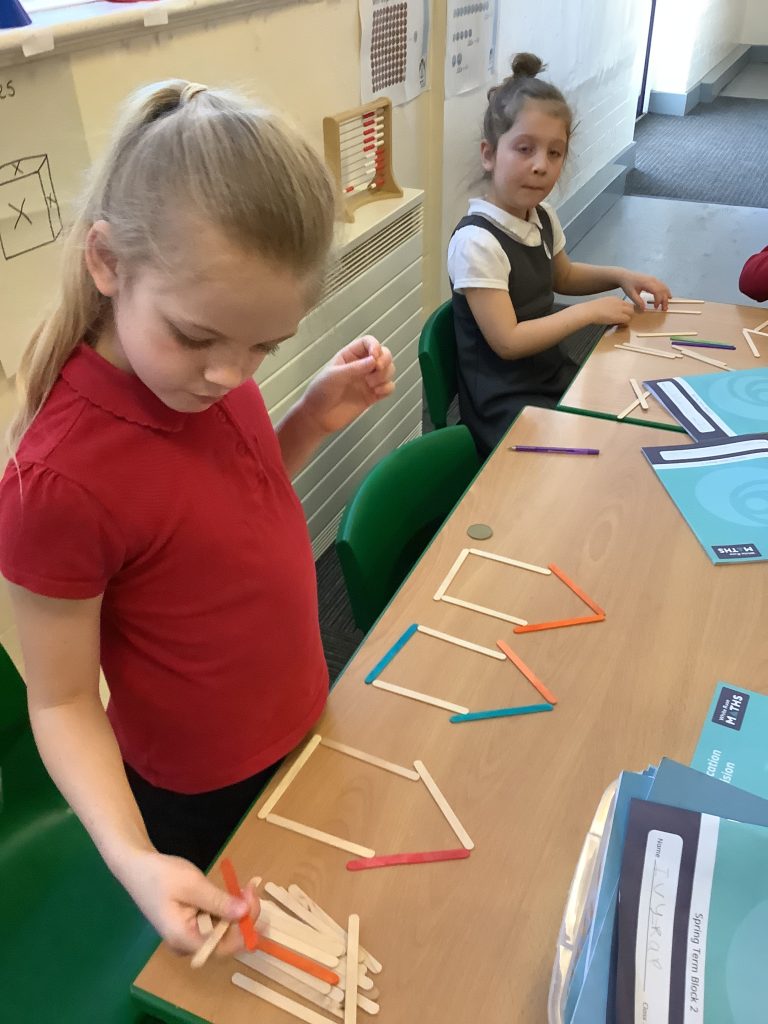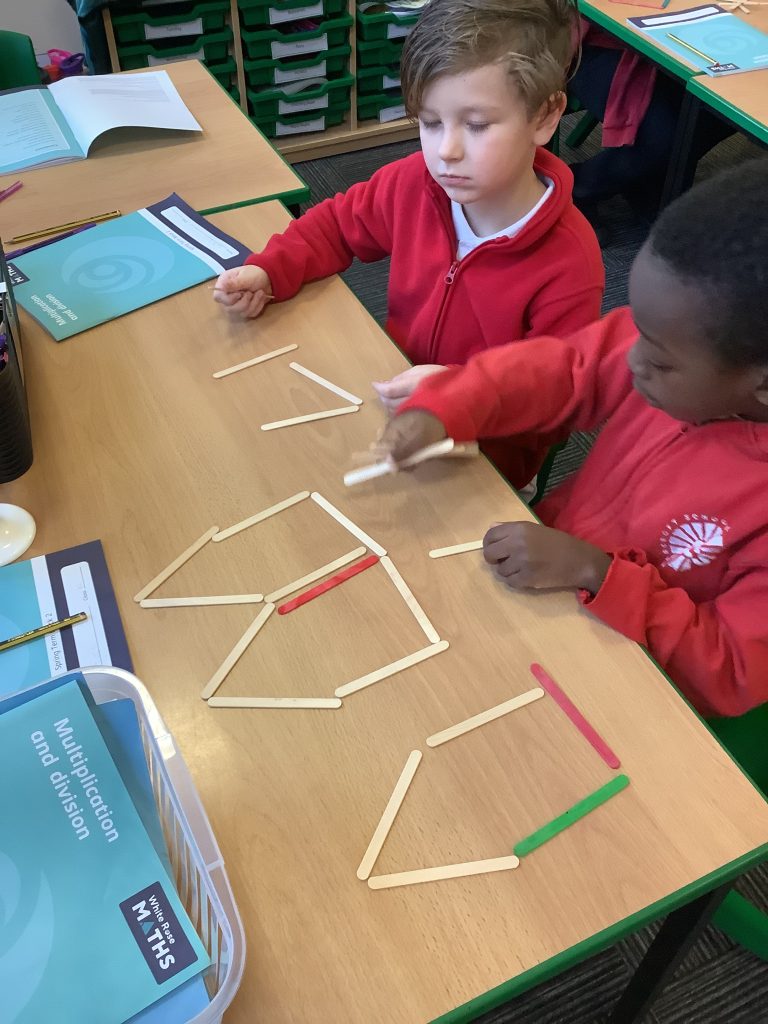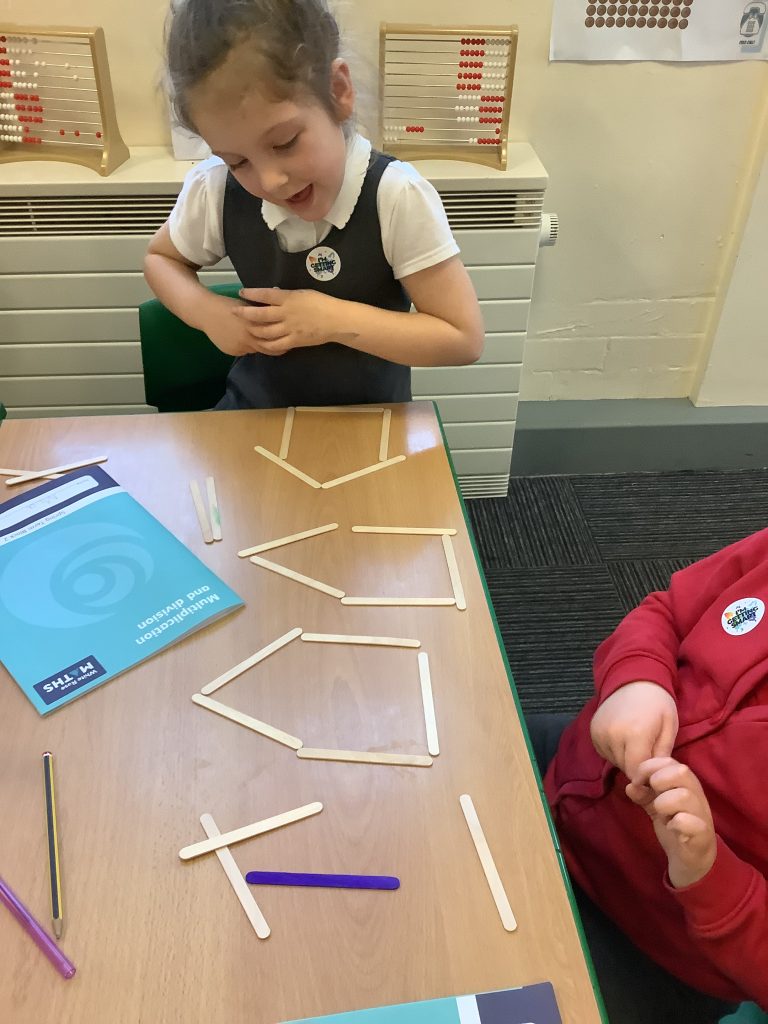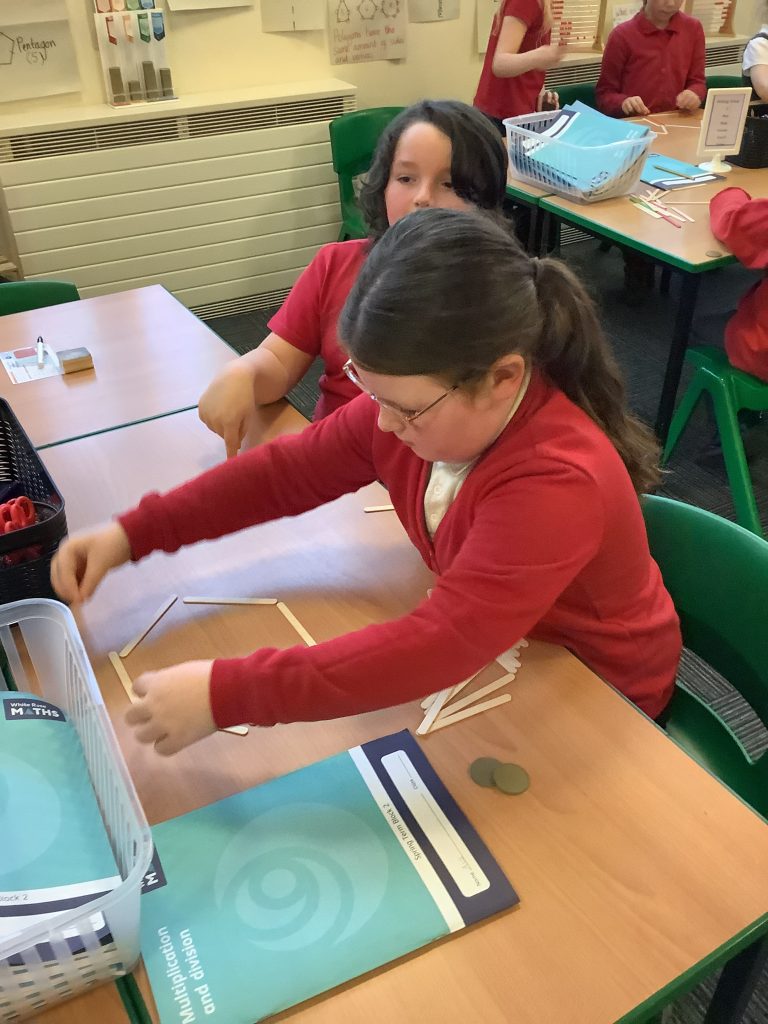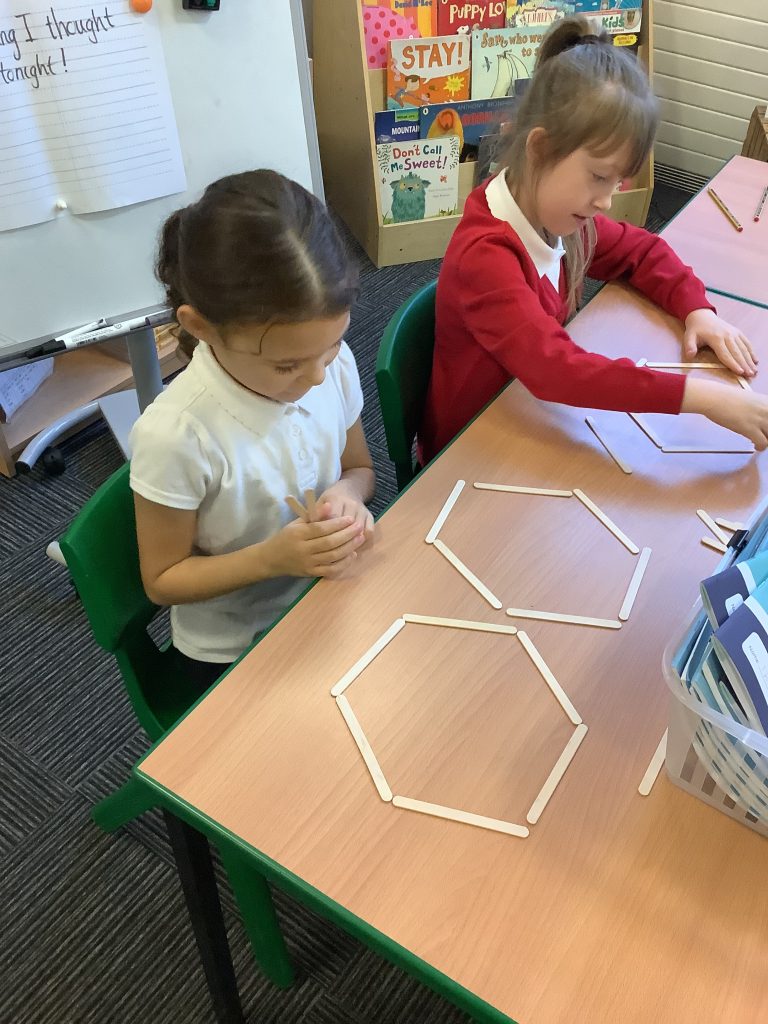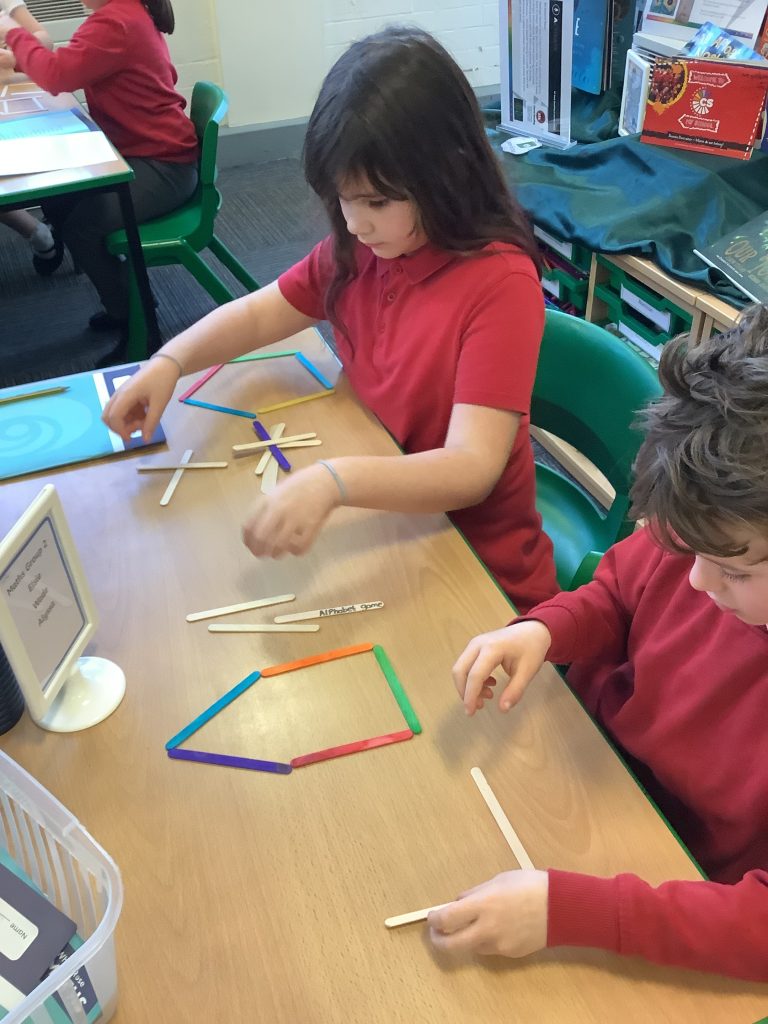
Crew Gray have been Getting Smart by working in small teams to complete our times table relays. This was fun and active way for us to continue consolidating our times table knowledge.
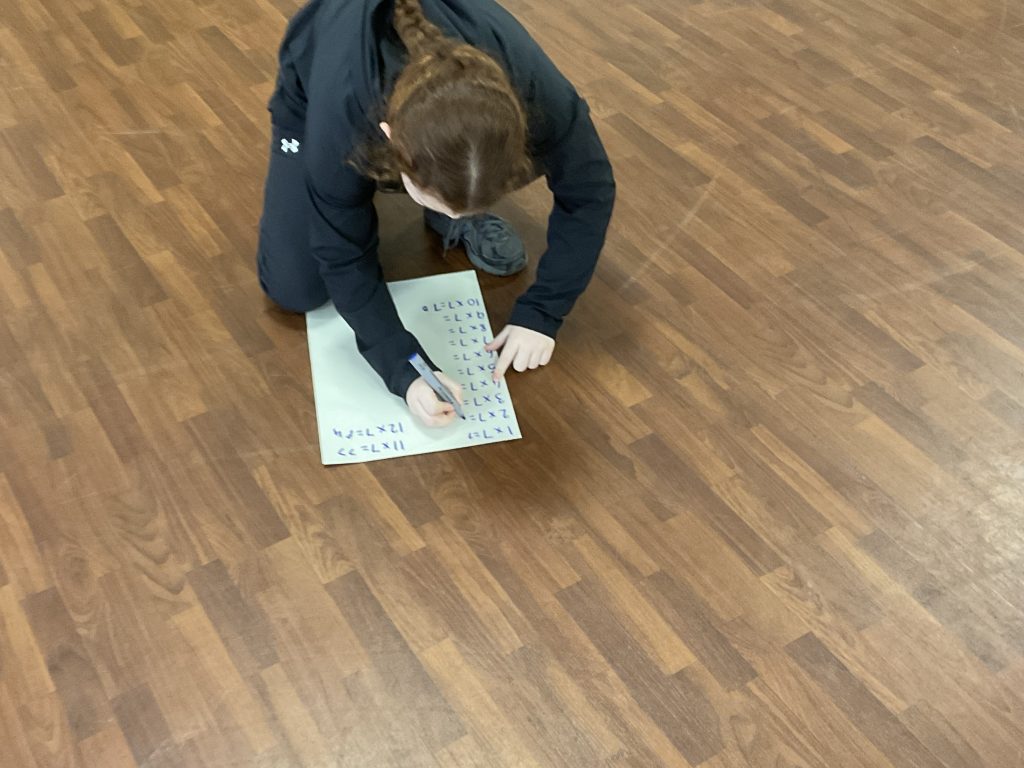
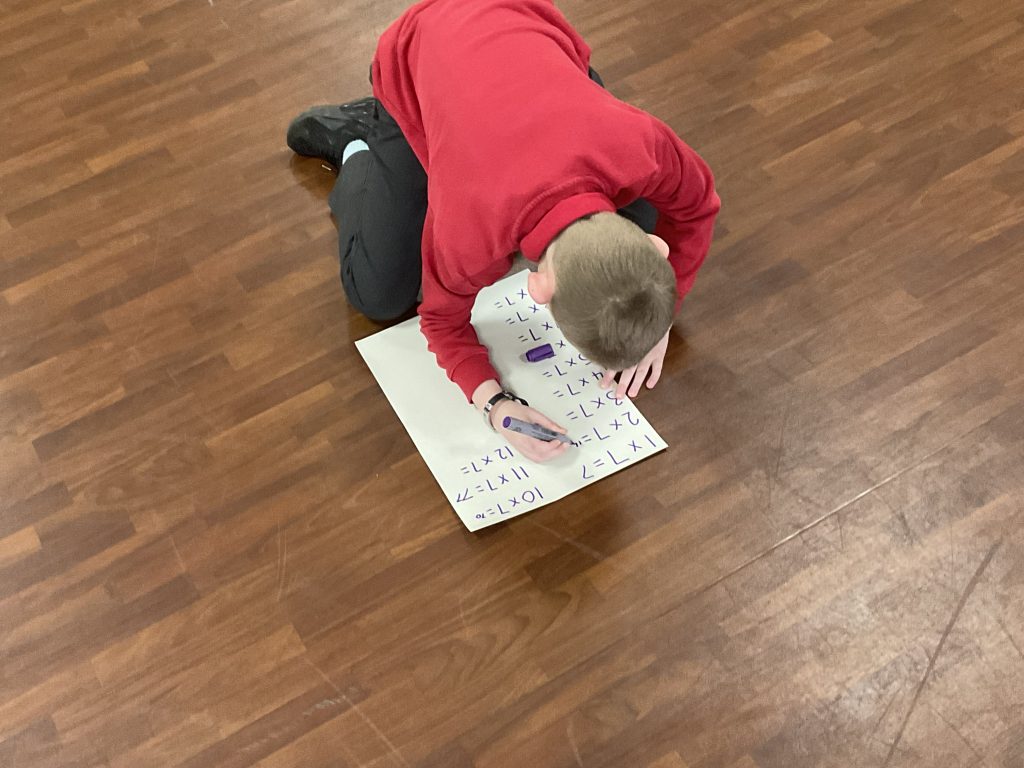
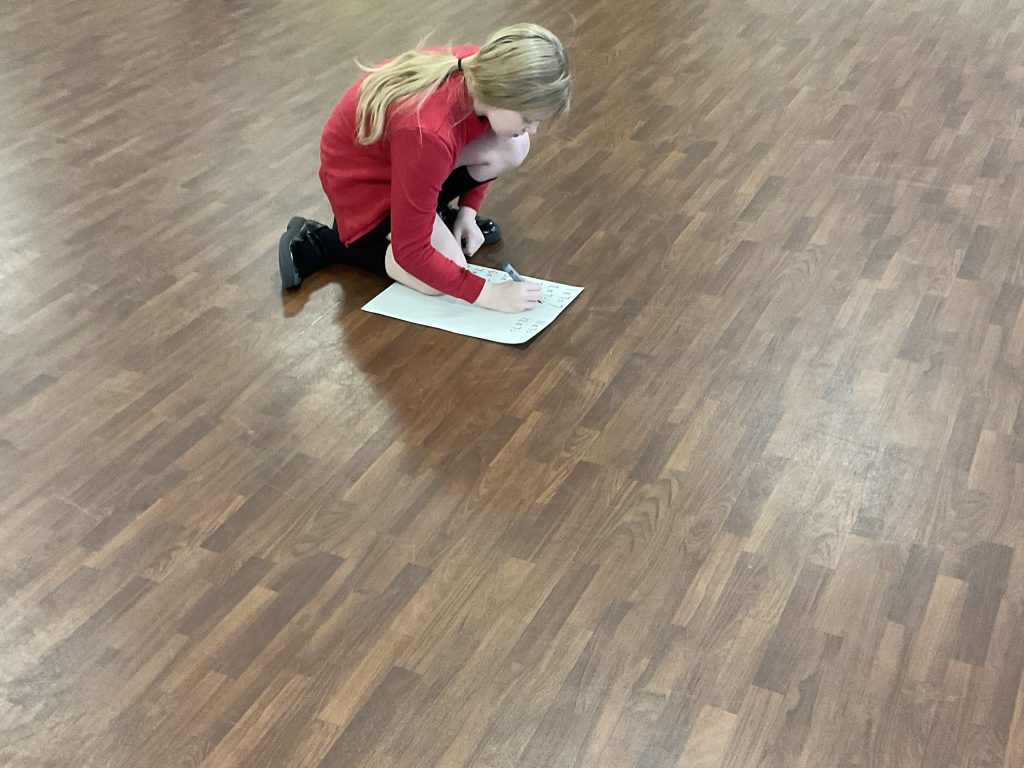
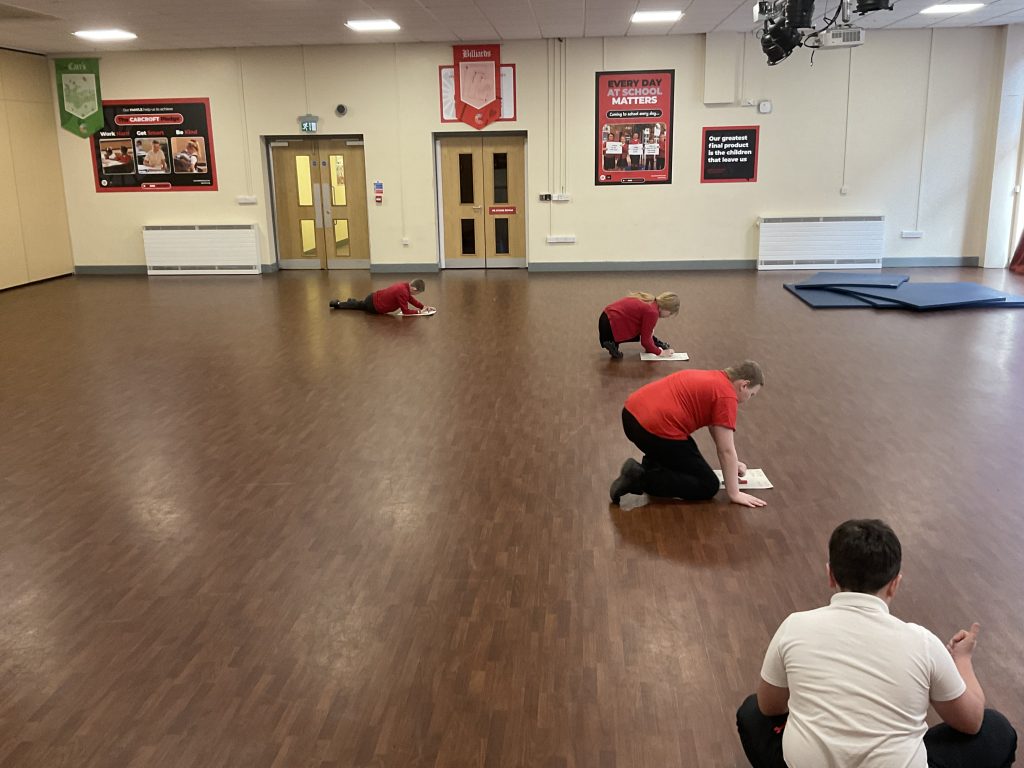
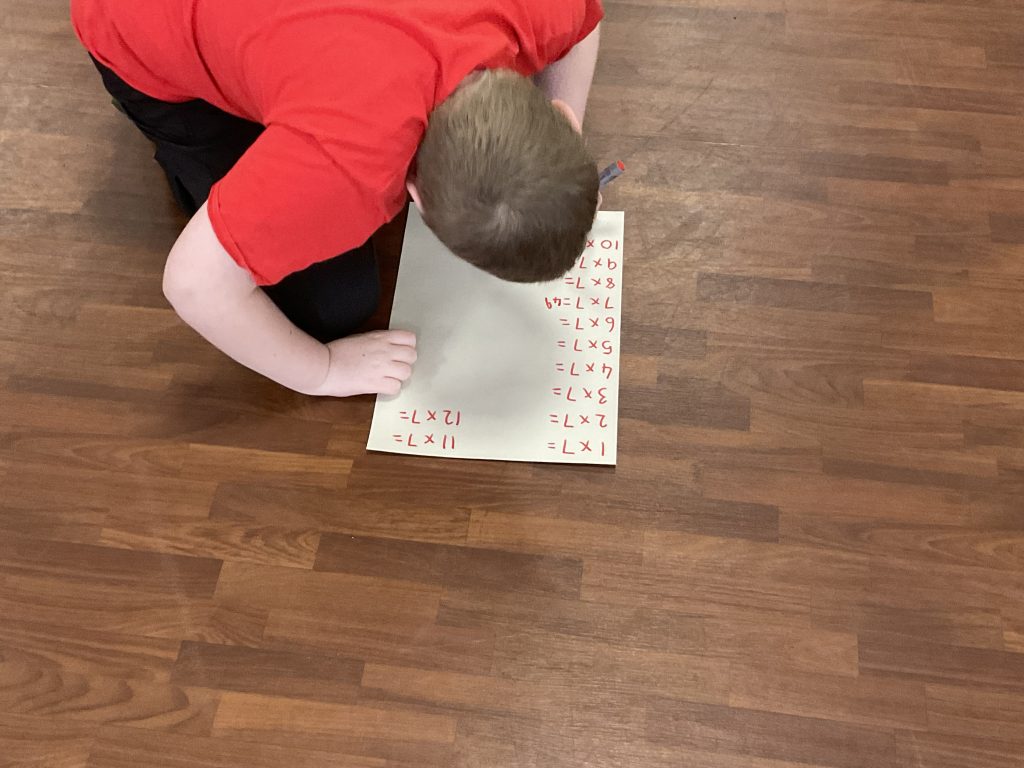
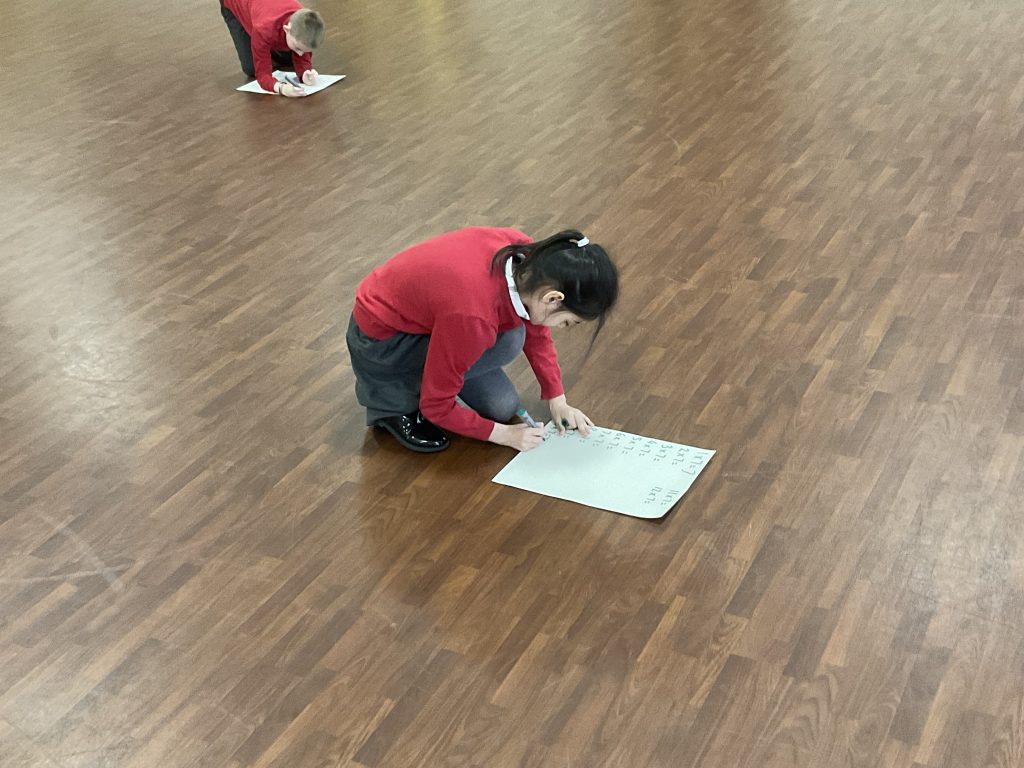
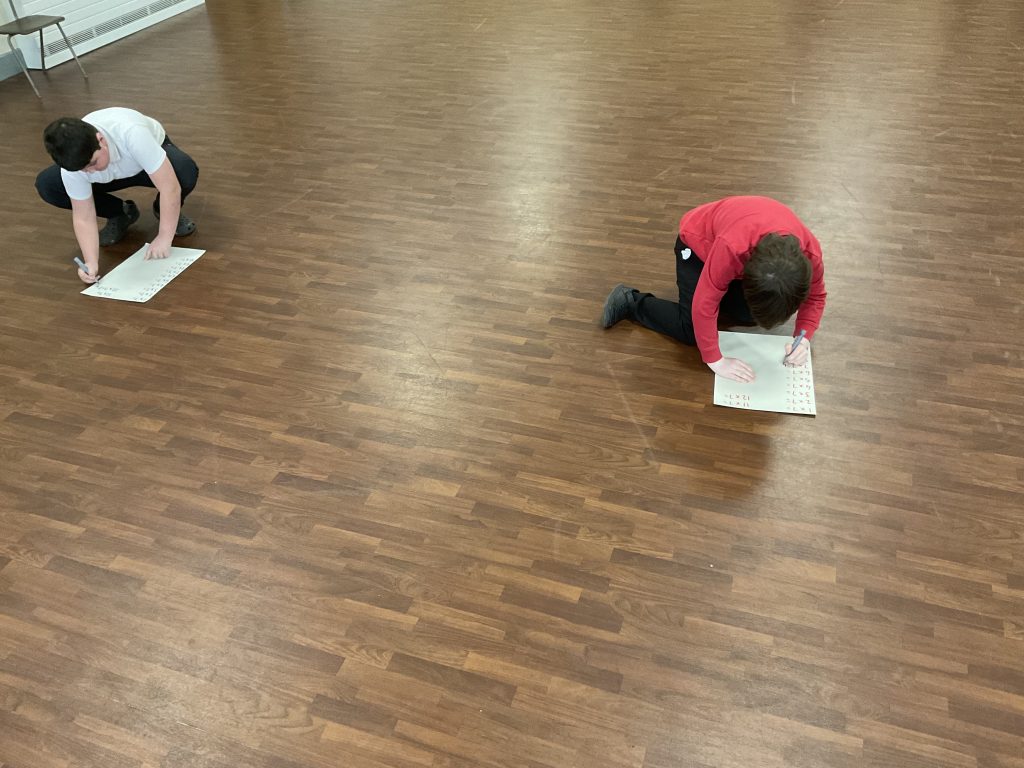
Crew Gray have been Getting Smart by working in small teams to complete our times table relays. This was fun and active way for us to continue consolidating our times table knowledge.
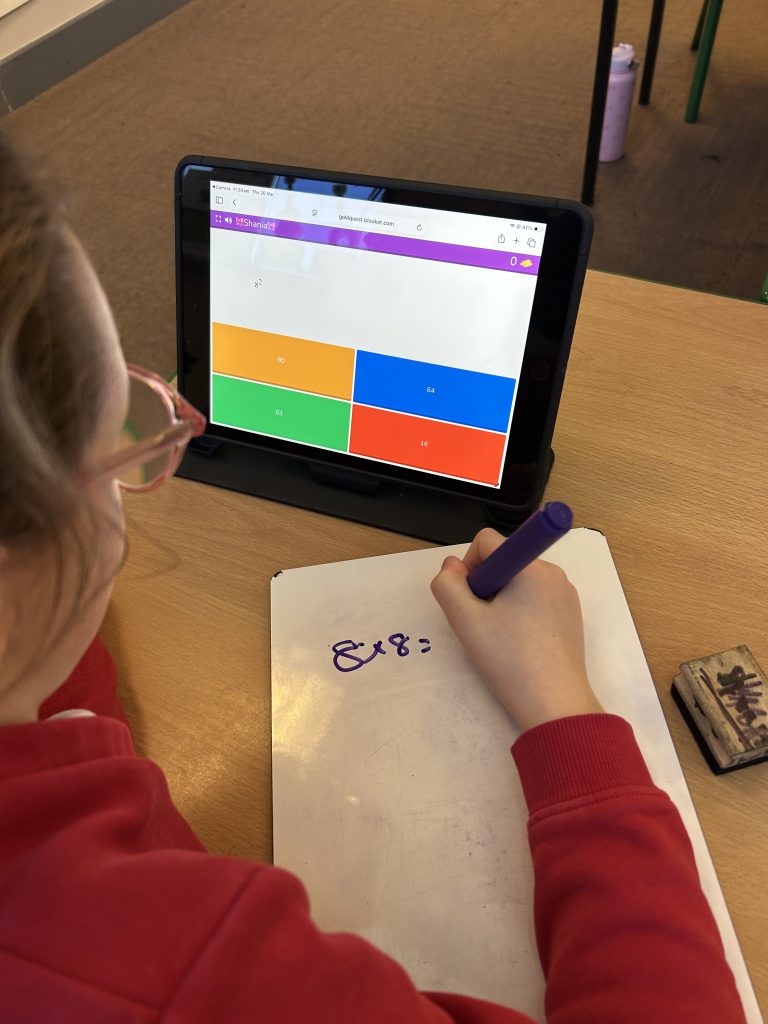
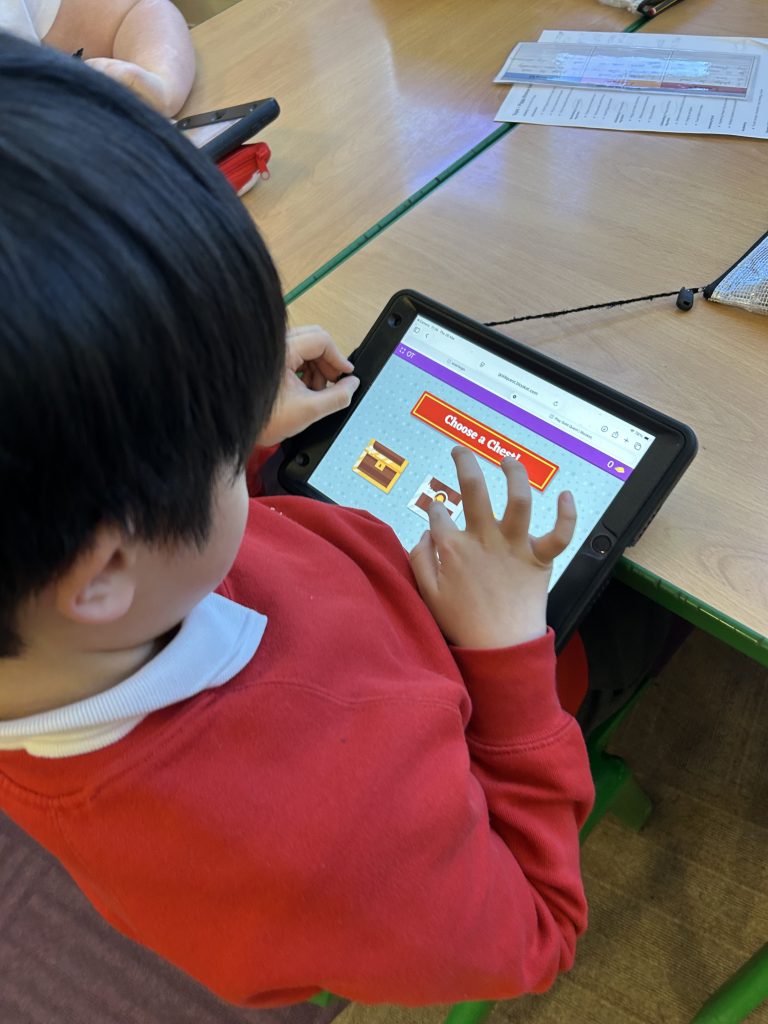
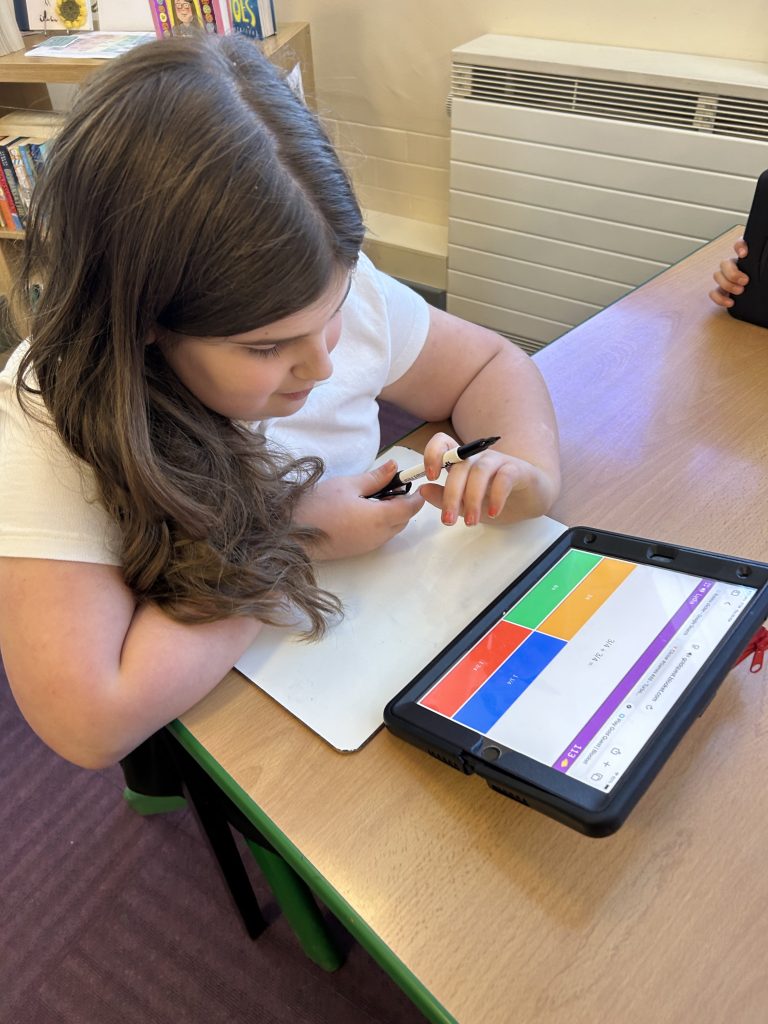
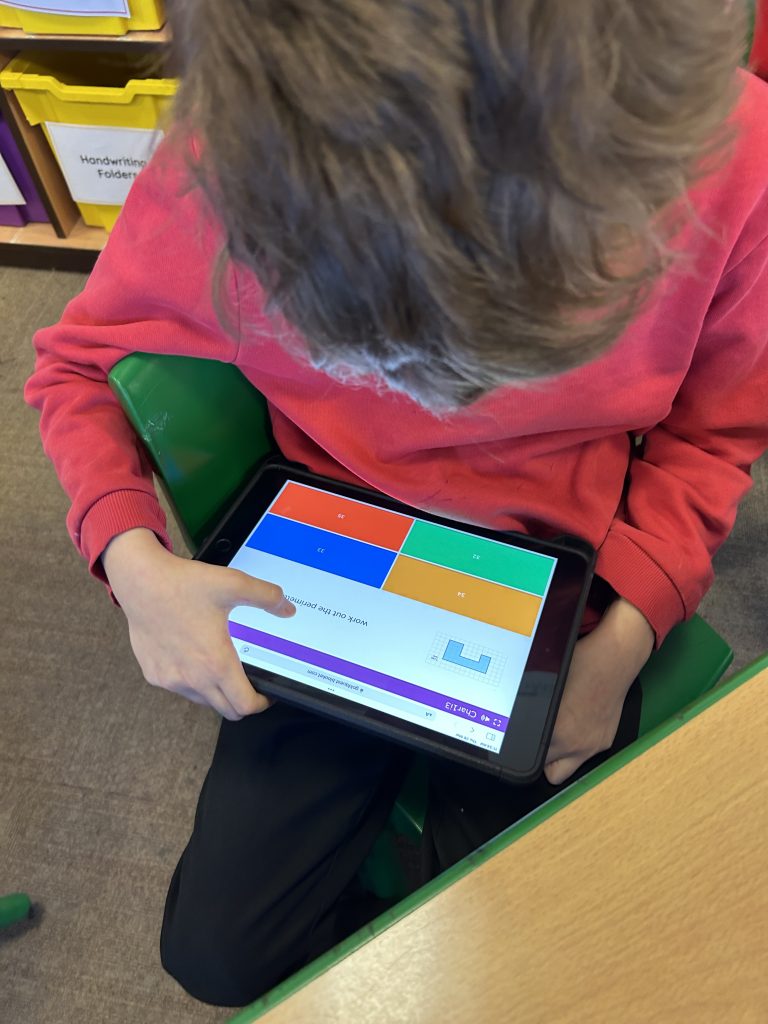
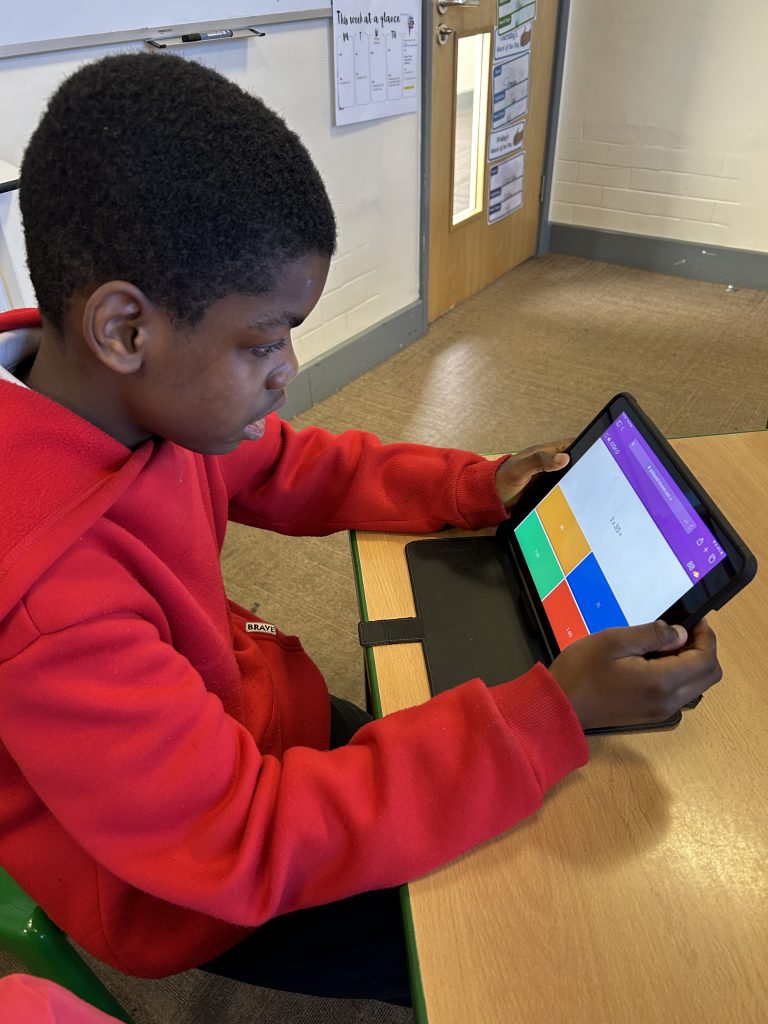
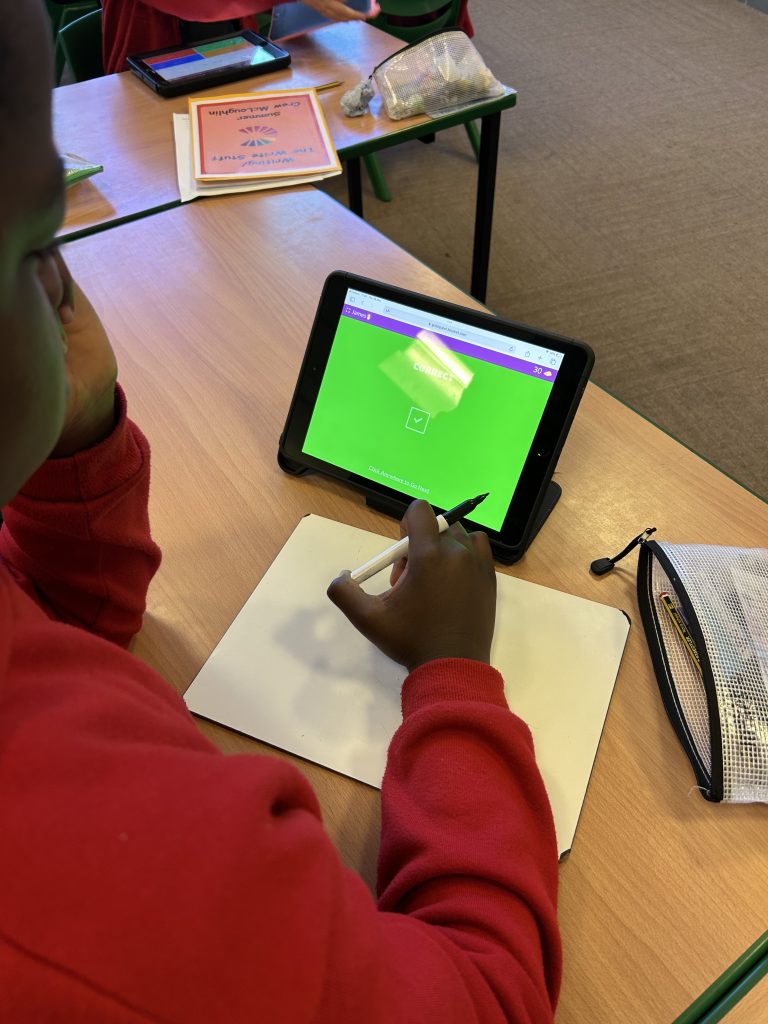
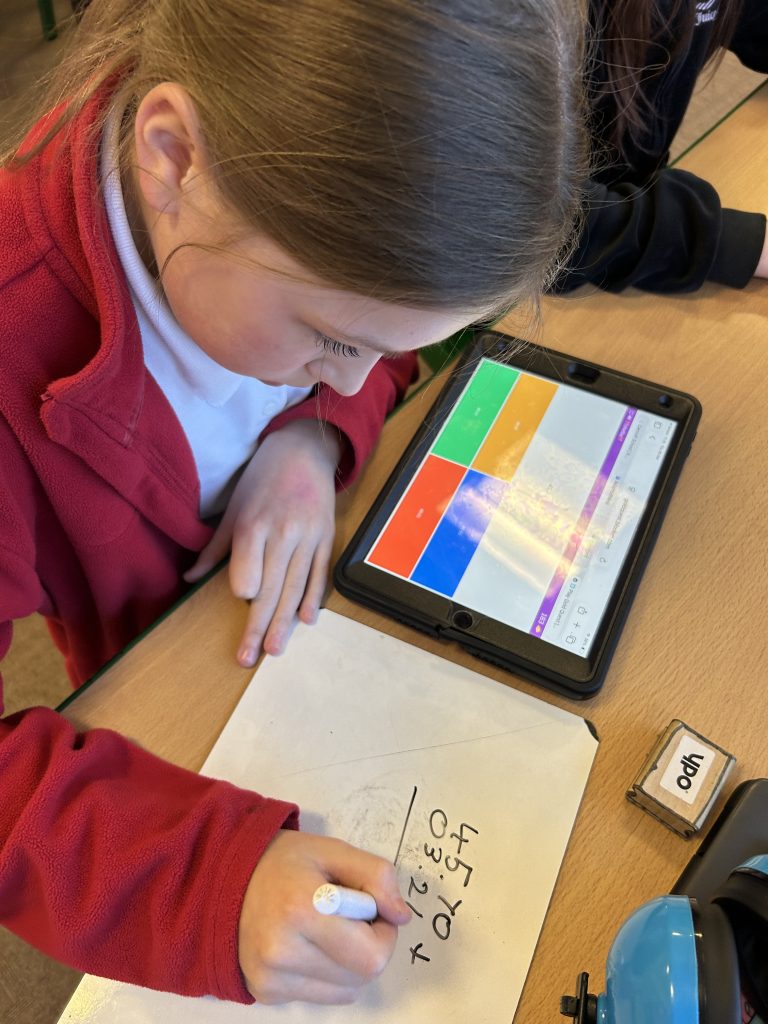
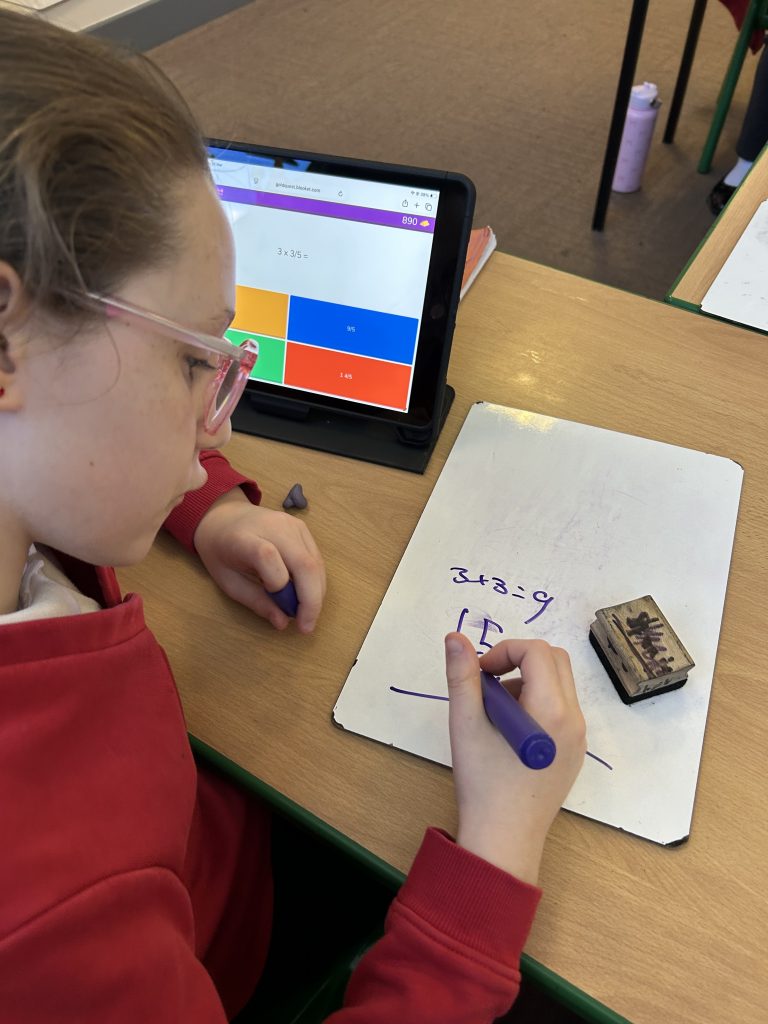
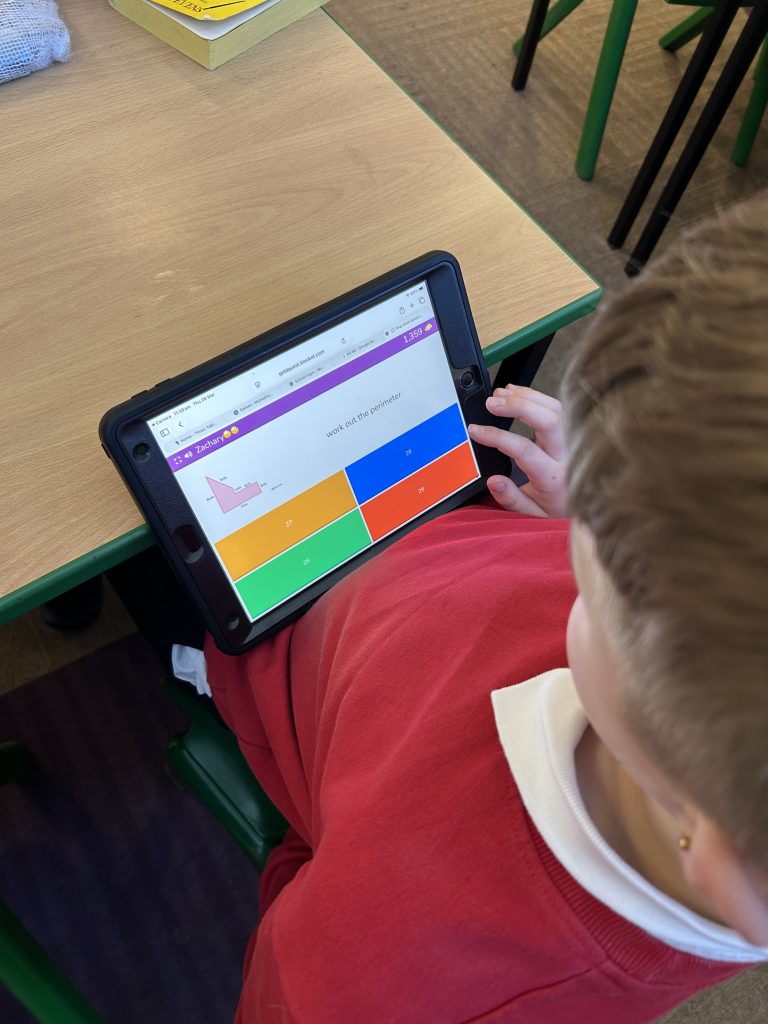
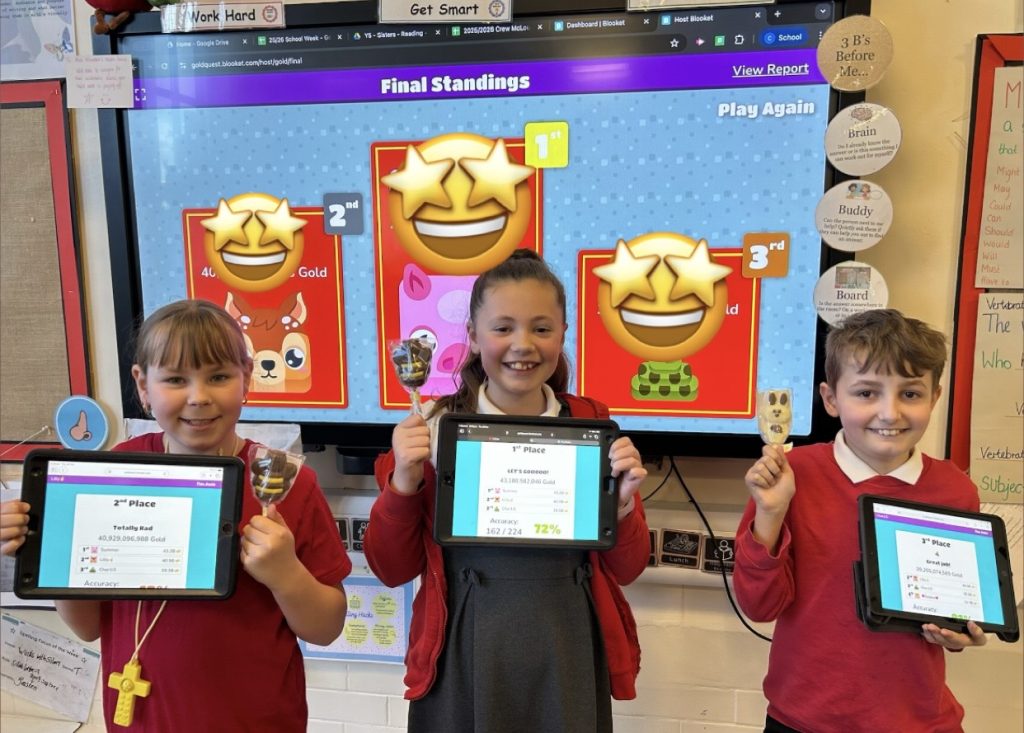
This week, Miss Newman’s maths group wrapped up the spring term in an engaging and rewarding way – by completing a fun and interactive Blooket quiz designed to consolidate all the knowledge they’ve built over the past few months.
Throughout the term, the group has worked incredibly hard, developing their understanding across a range of mathematical topics. From problem-solving strategies to key arithmetic skills, every lesson has contributed to their growing confidence and ability.
The children showed great resilience when tackling challenging questions and celebrated each other’s successes along the way.
Well done to everyone in Miss Newman’s group for a brilliant spring term – your hard work is truly paying off! We look forward to continuing this journey of learning and growth in the summer term.
Keep up the great work! 🌟
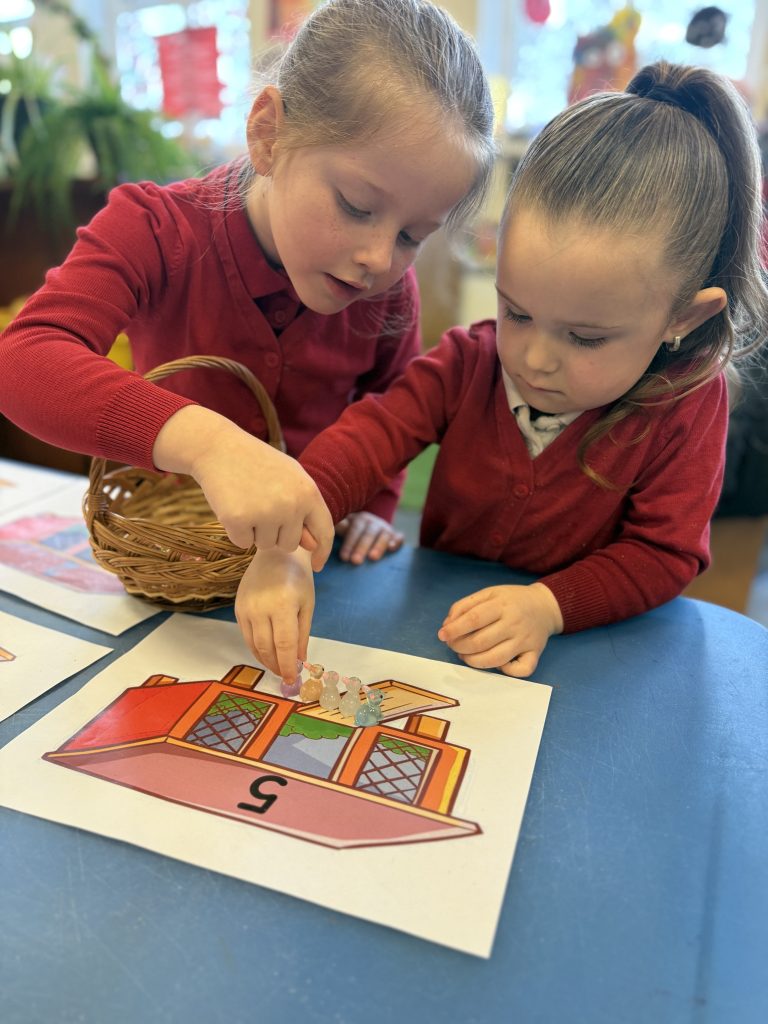
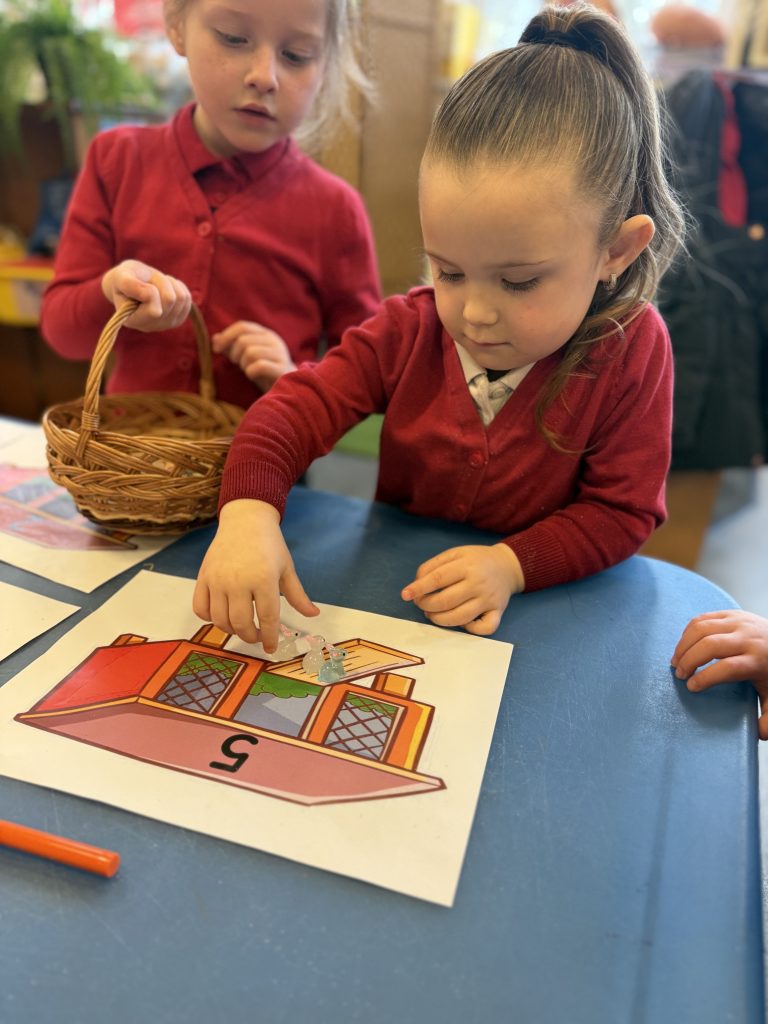
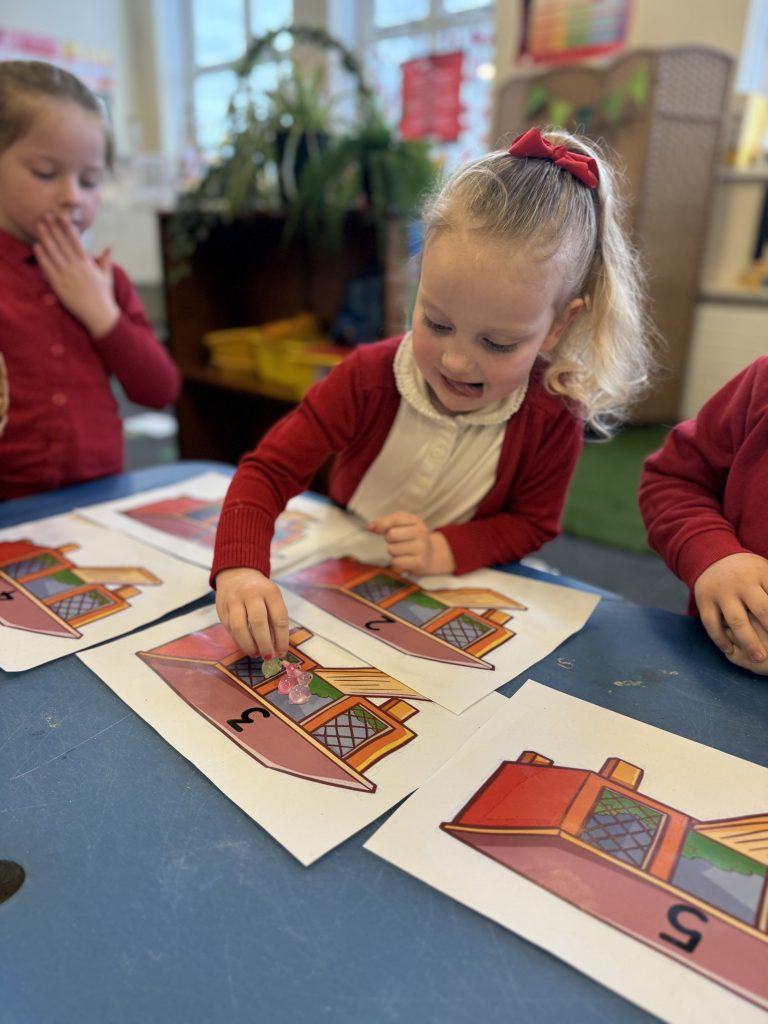
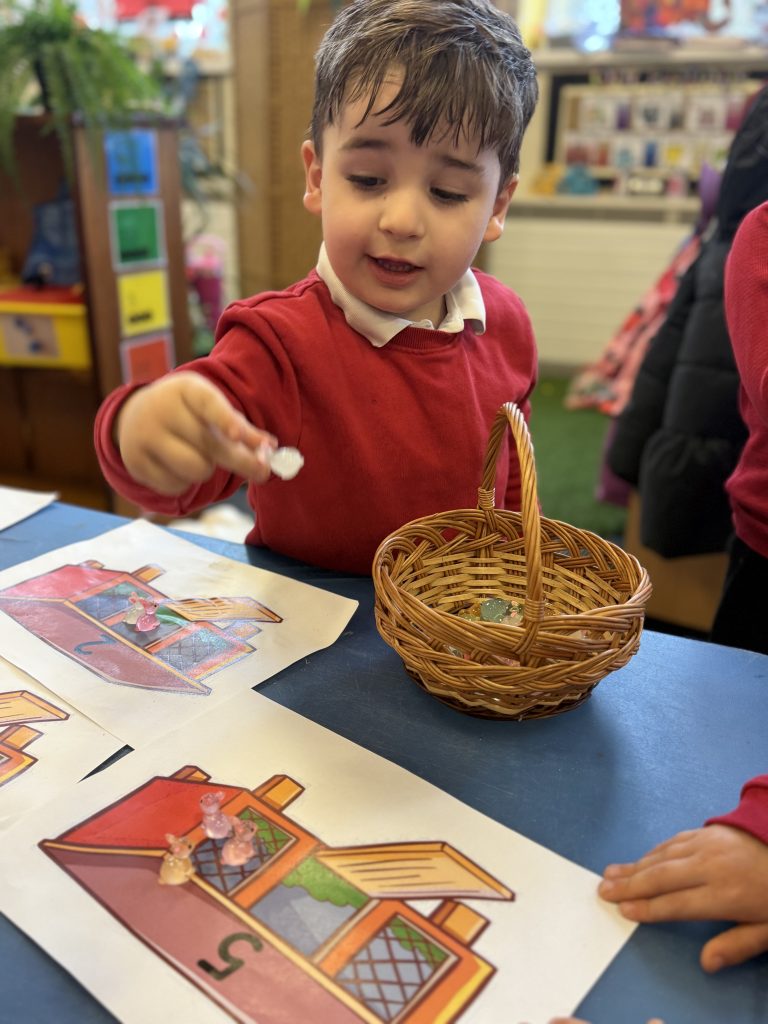
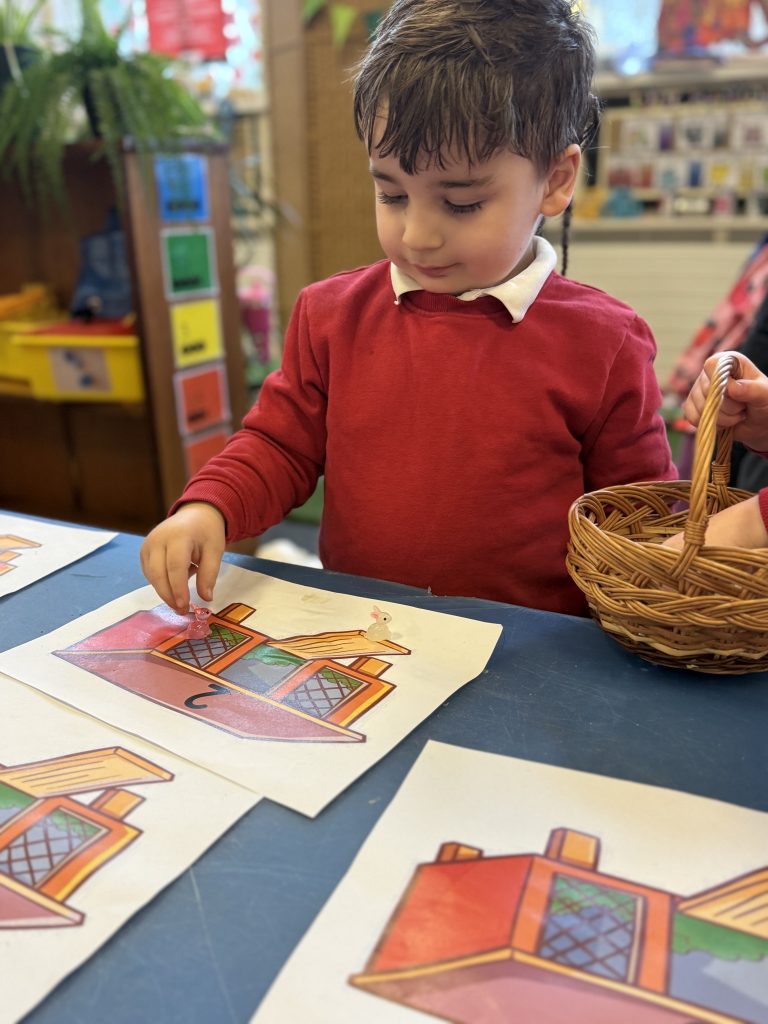
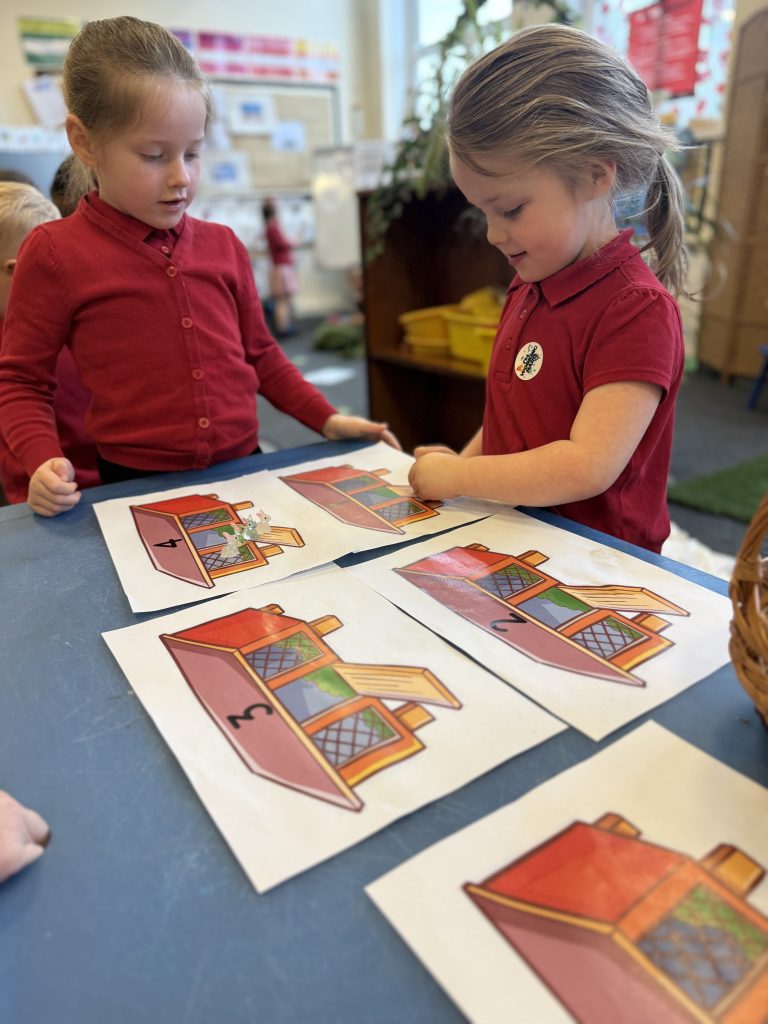
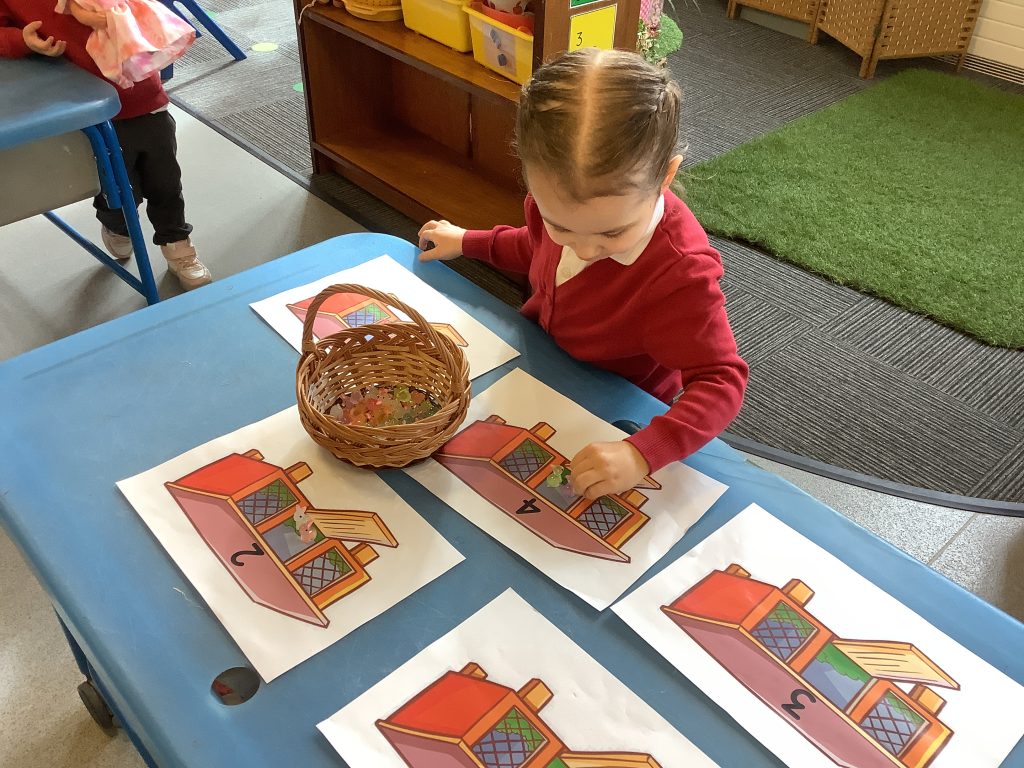
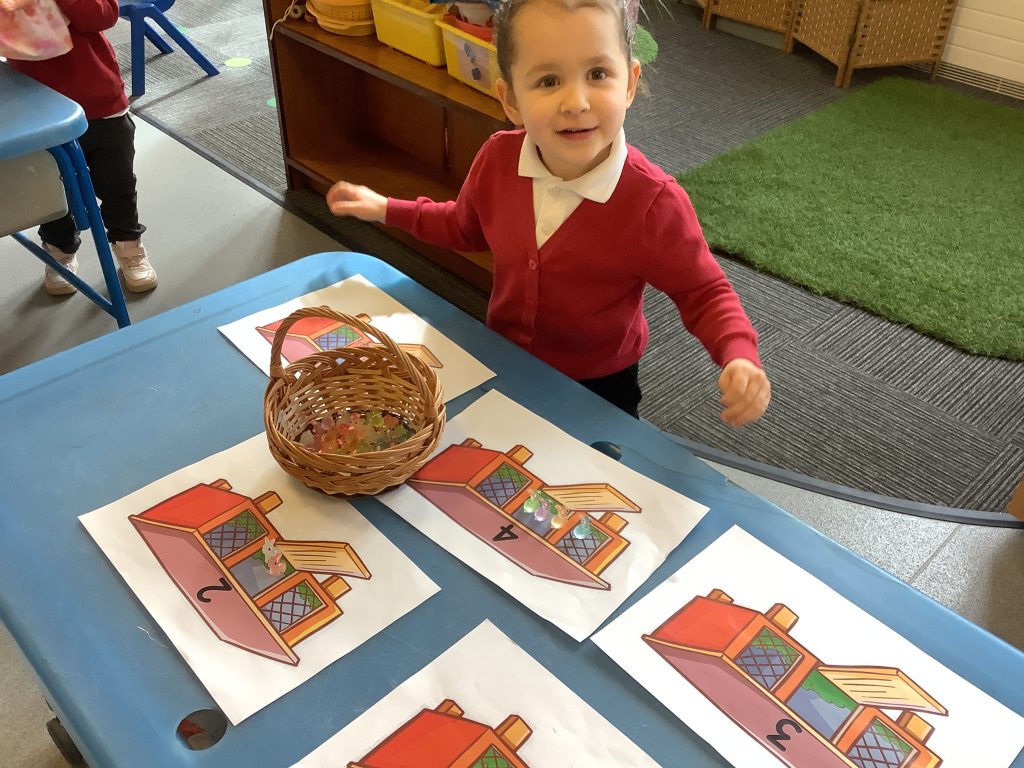
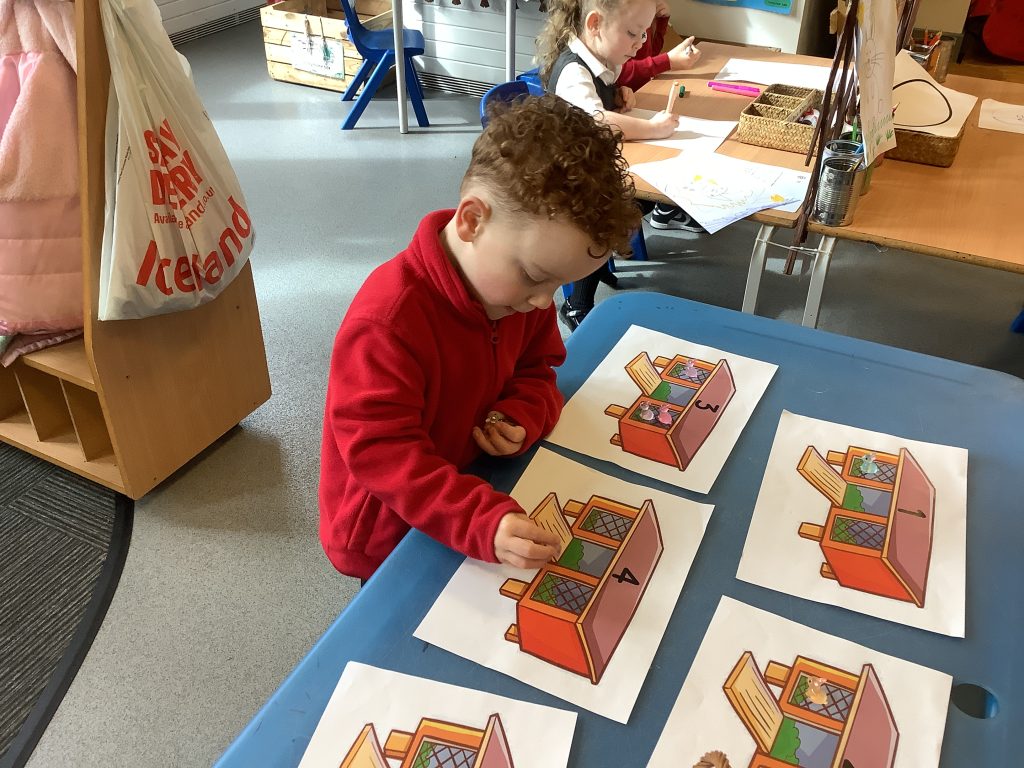
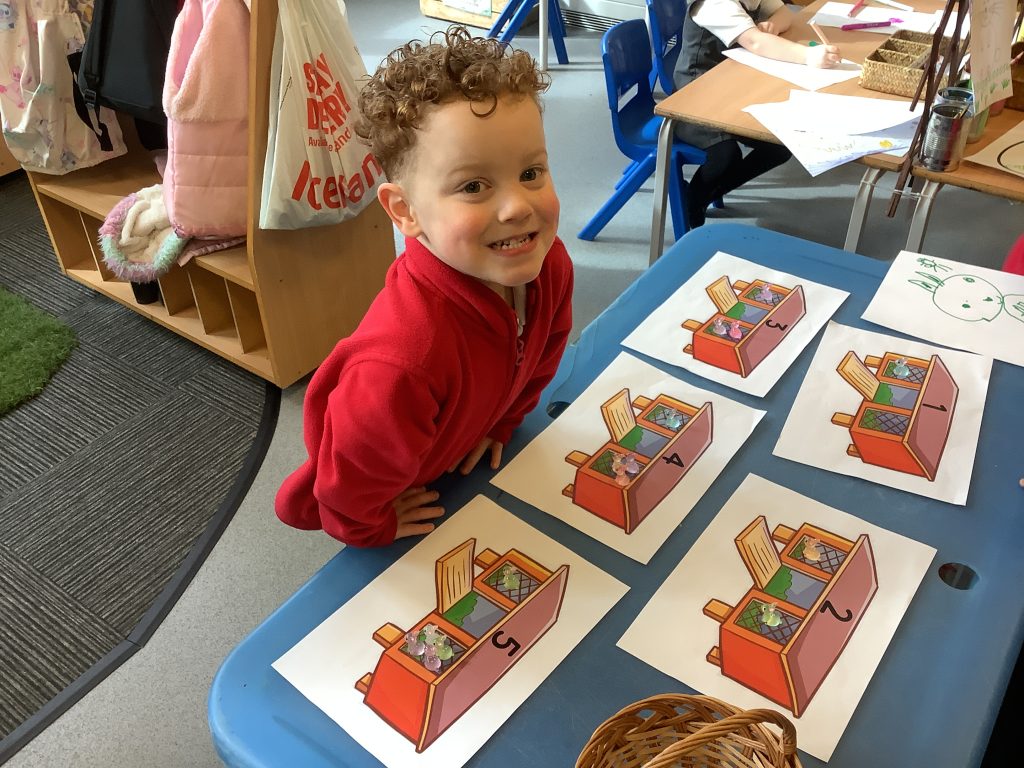
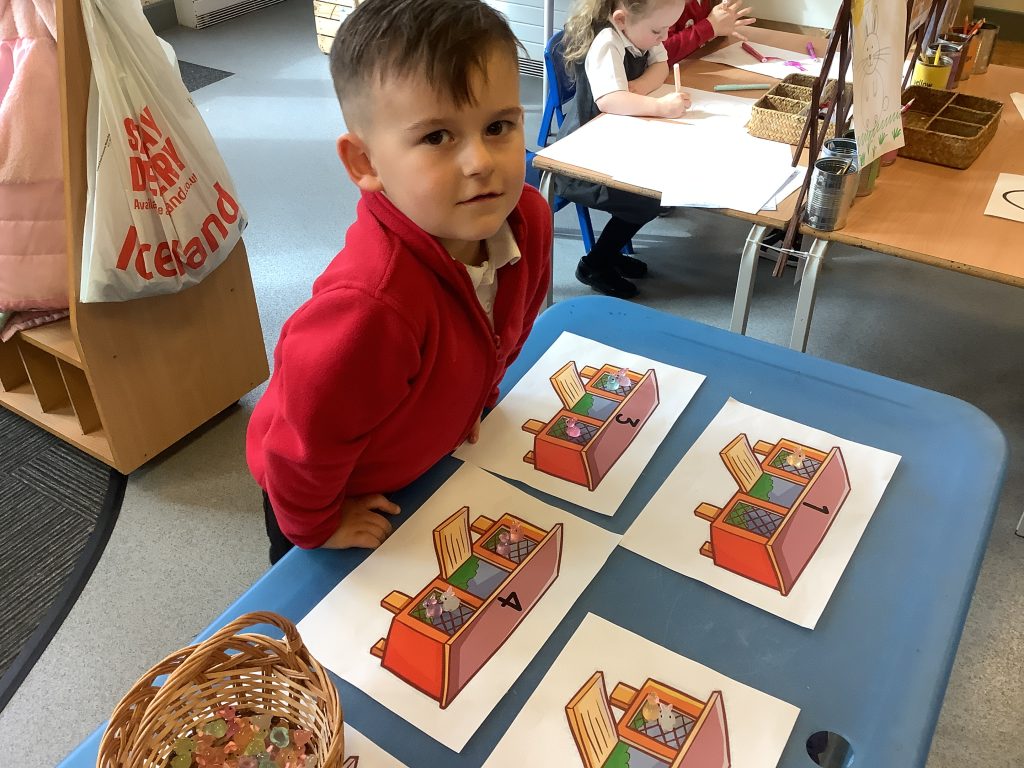
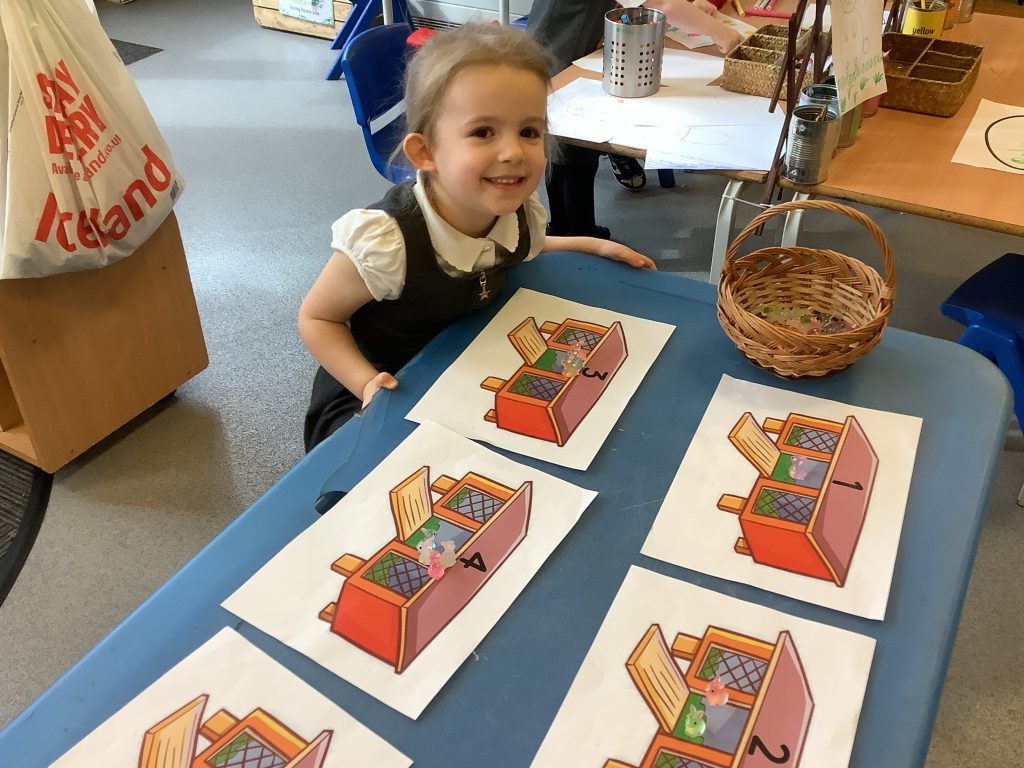
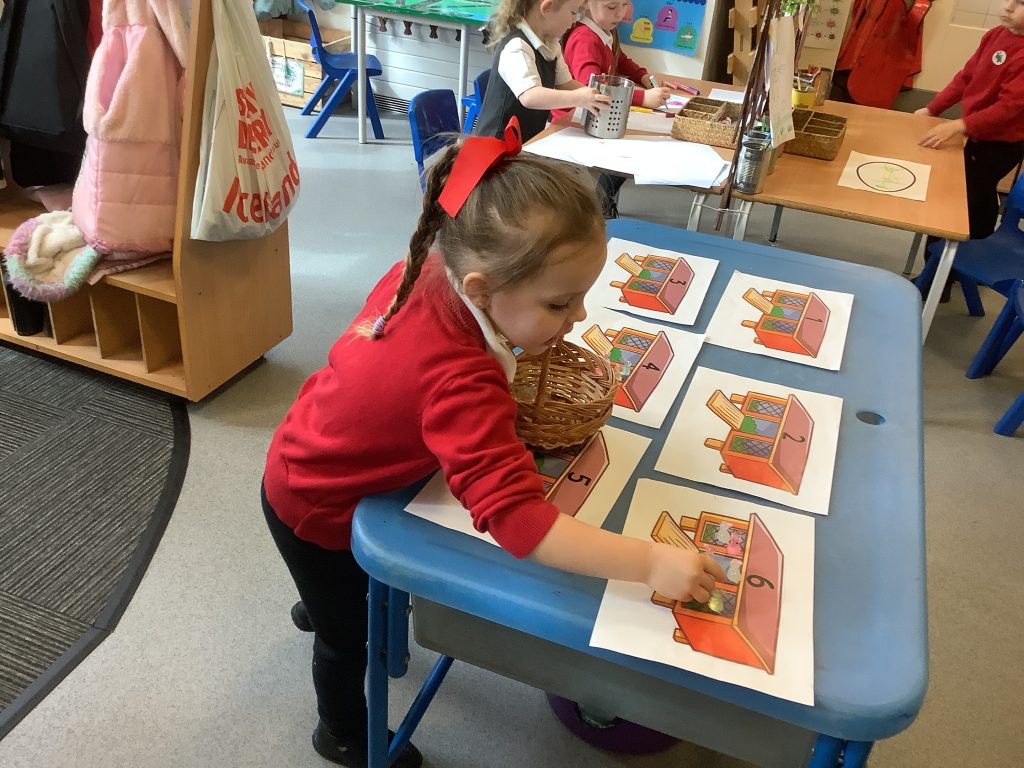
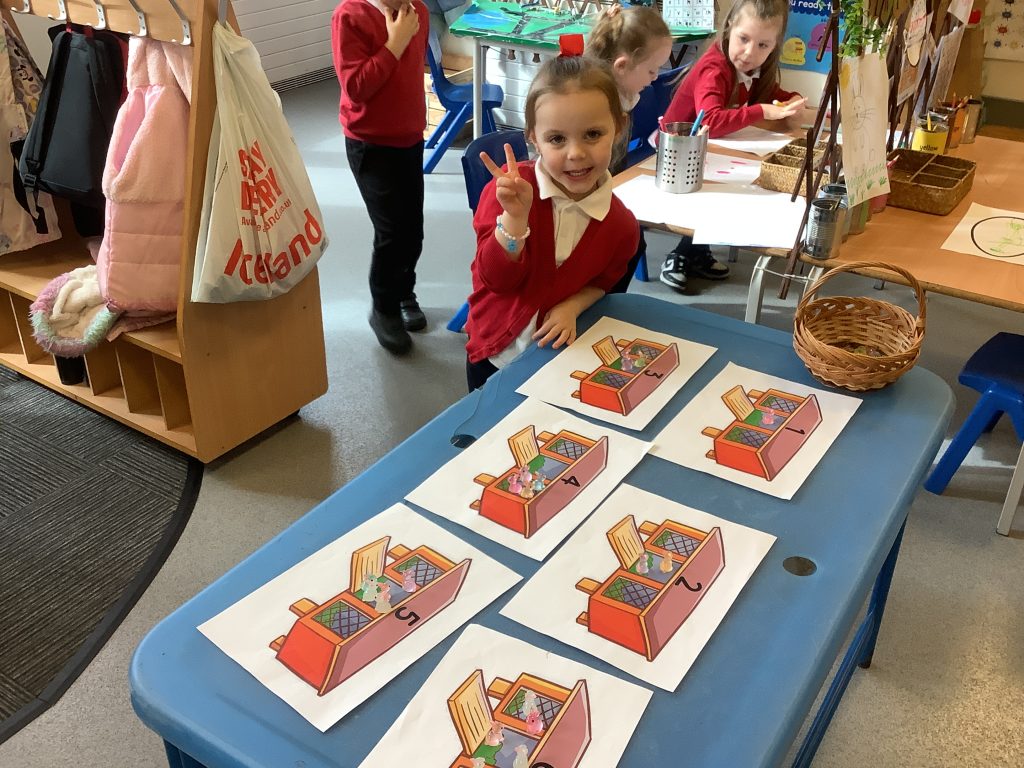
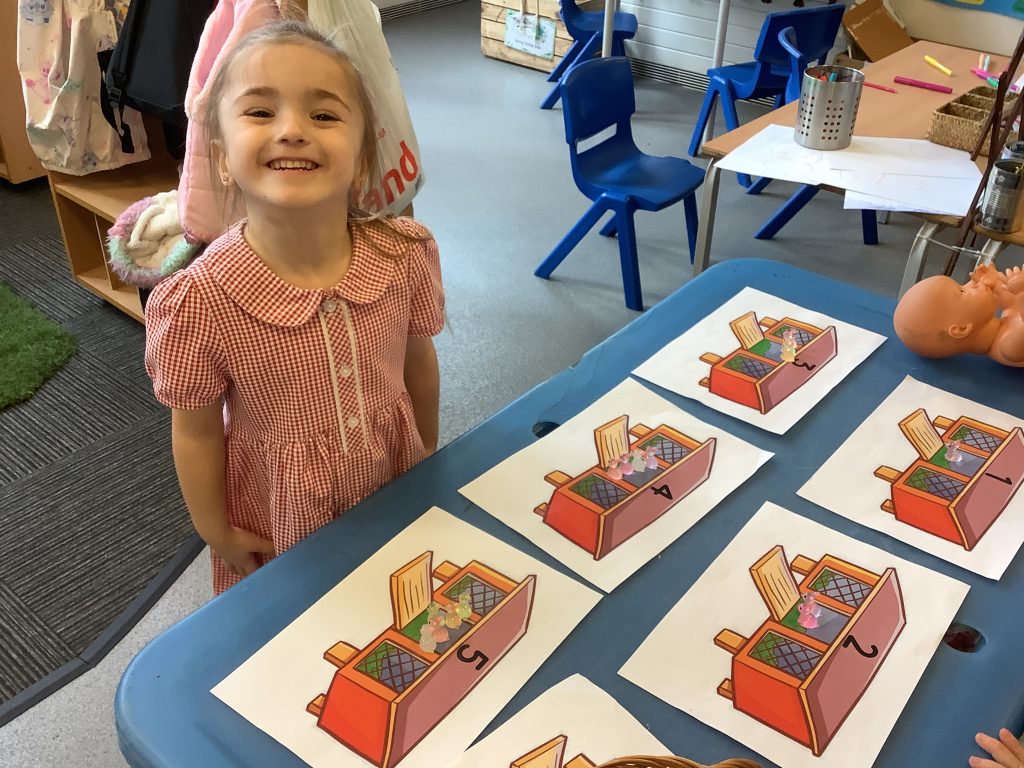
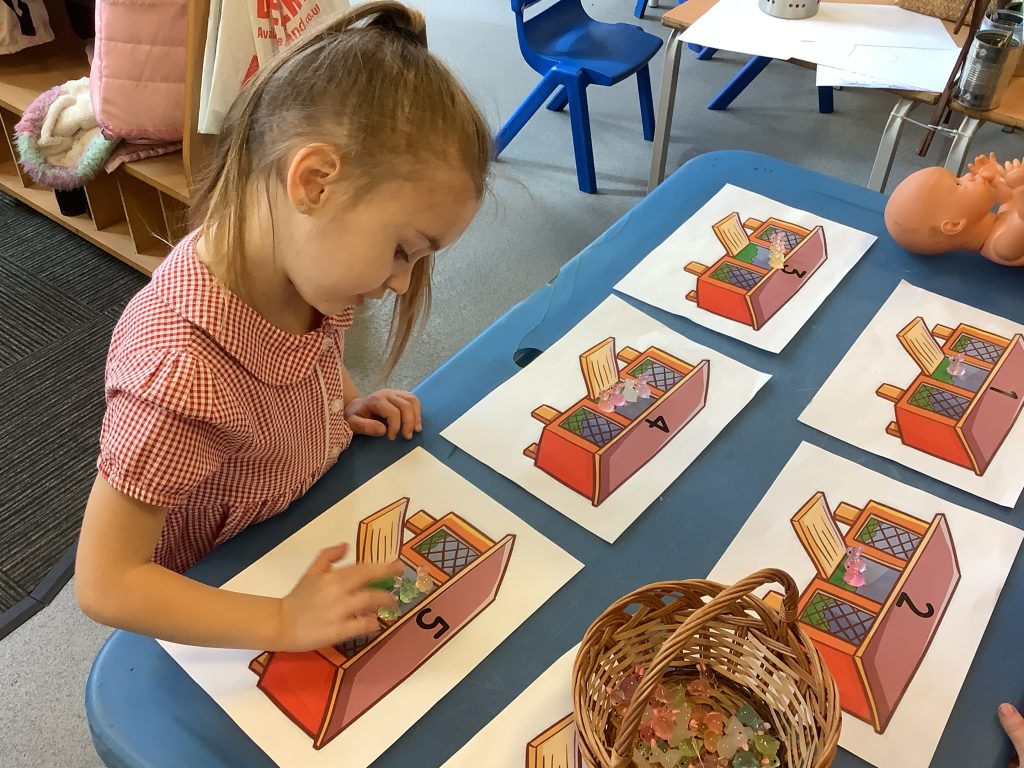
Today, Crew Frost continued their Easter-themed learning—with a mathematical twist! This week, we have been focusing on number recognition and touch counting as part of our early maths development.
The children were encouraged to count out the correct number of rabbits for each hutch. This supported their understanding of matching quantity to number, which is a key aspect of the EYFS Maths area of learning.
During the activity, the children worked both collaboratively and independently, developing their confidence as well as their communication and language skills. We also saw lots of perseverance and problem-solving as they checked and corrected their counting.
Using their “pinchy fingers” to pick up the rabbits helped to strengthen their fine motor skills, supporting Physical Development—an important foundation for later writing.
Furthermore, as the children develop positive attitudes towards maths through play this makes us so proud as a Crew. Well done, Crew Frost—we are so proud of the fantastic learning we are seeing and can’t wait to watch your confidence in maths continue to grow!
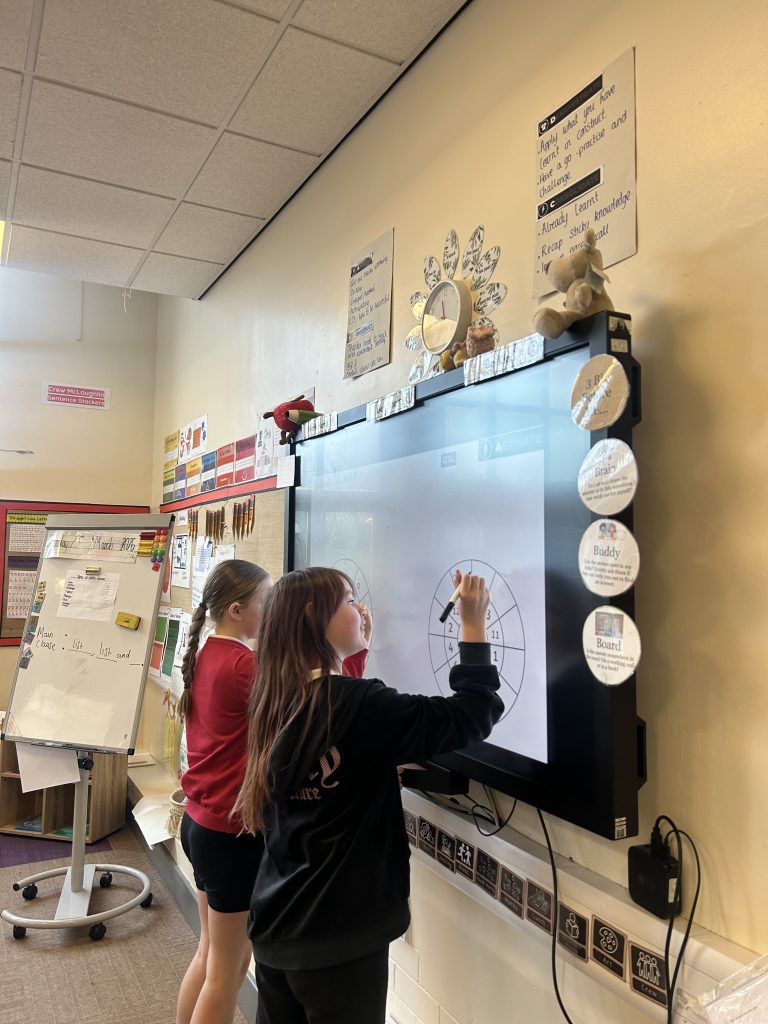
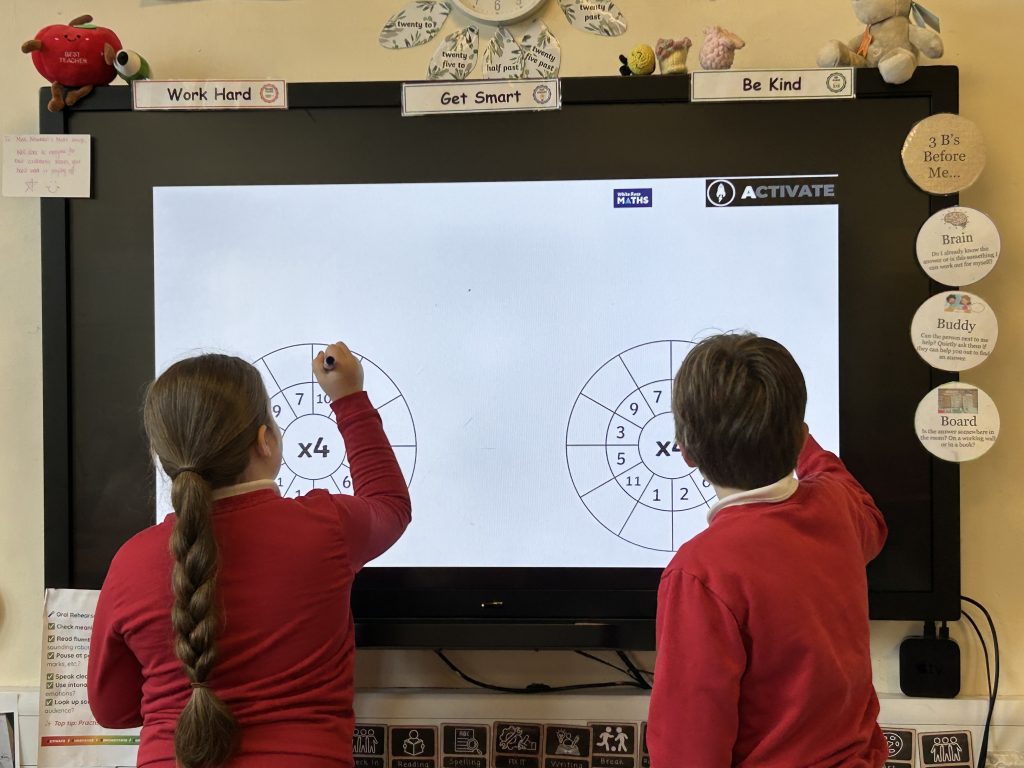
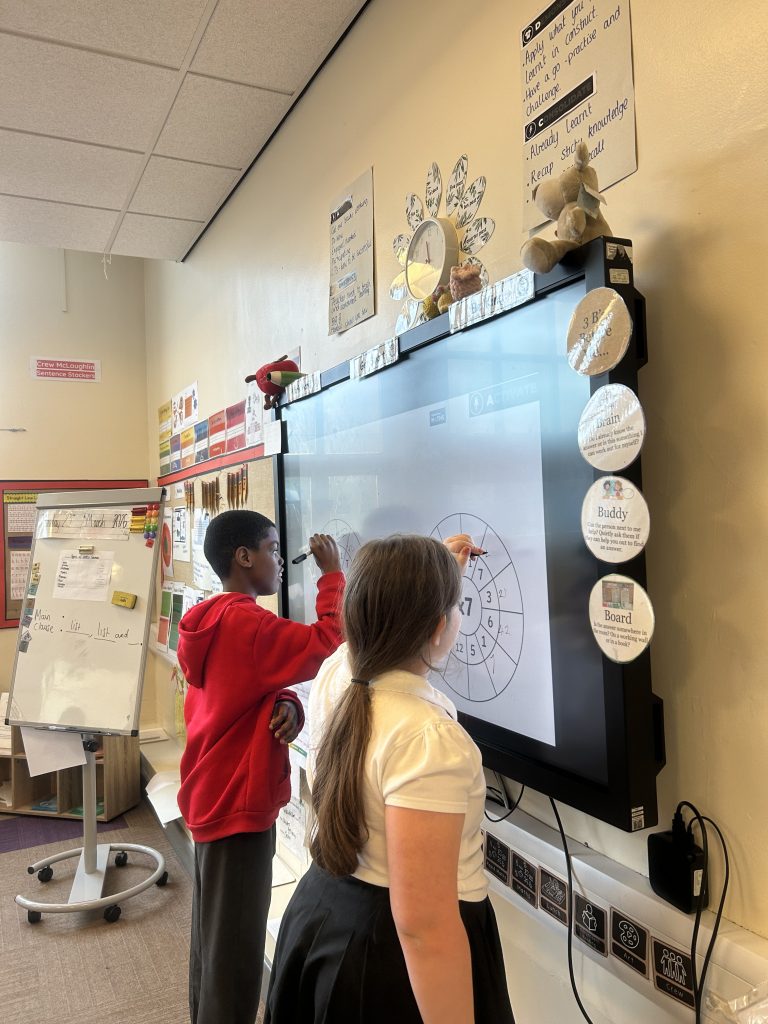
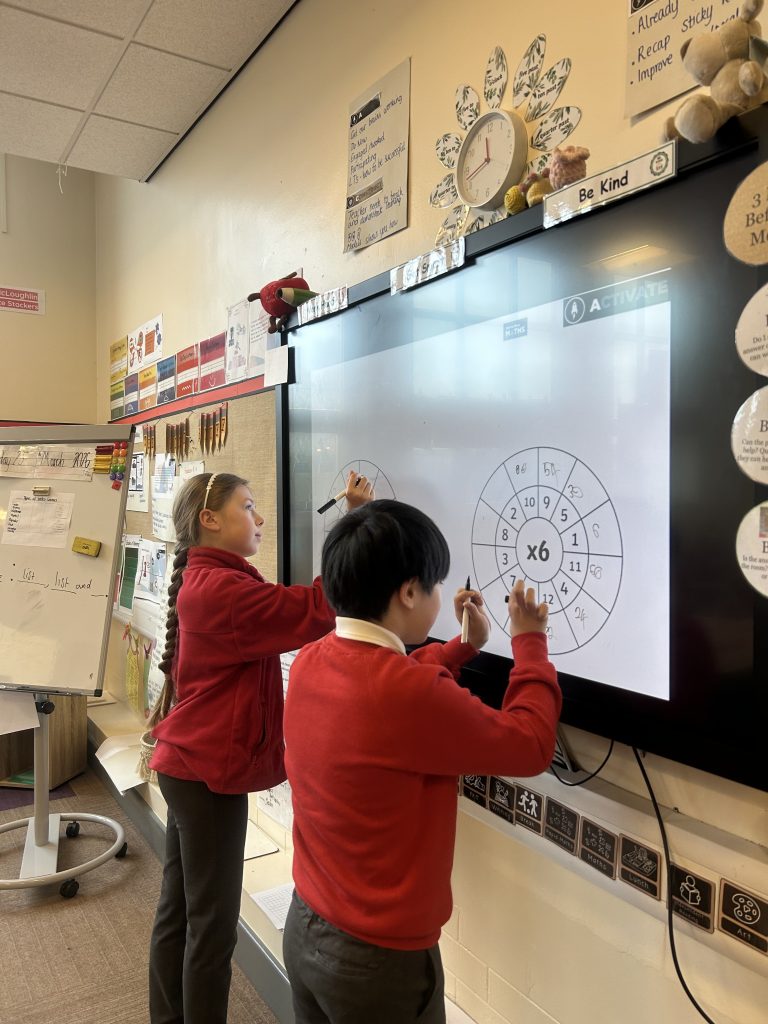
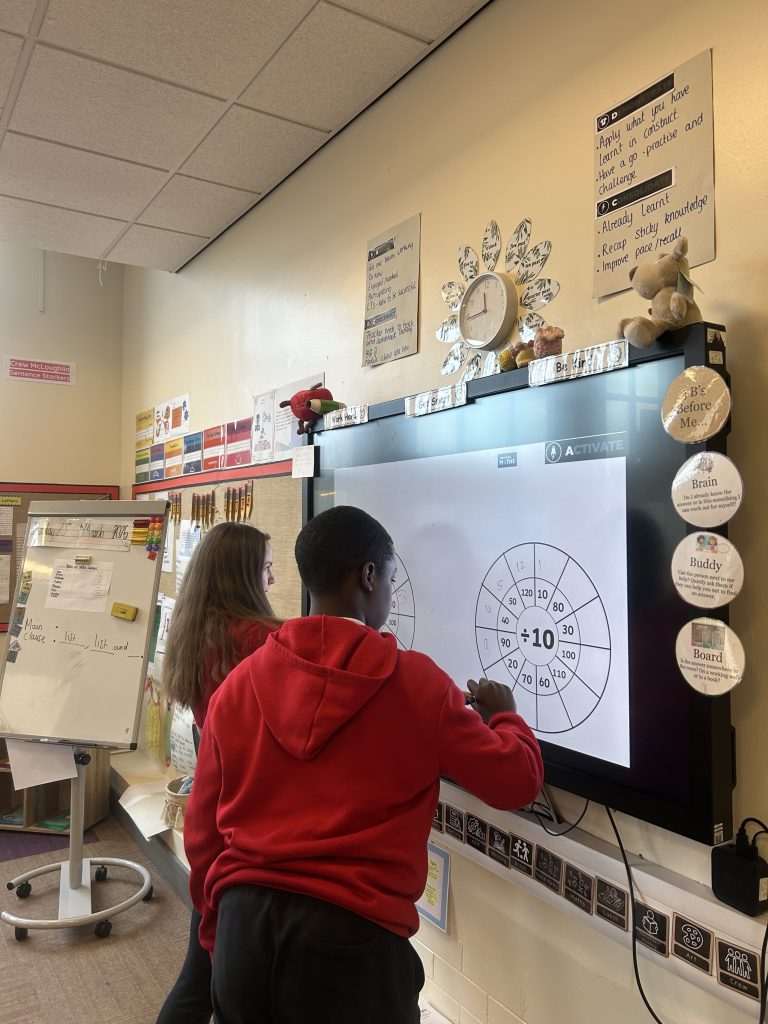
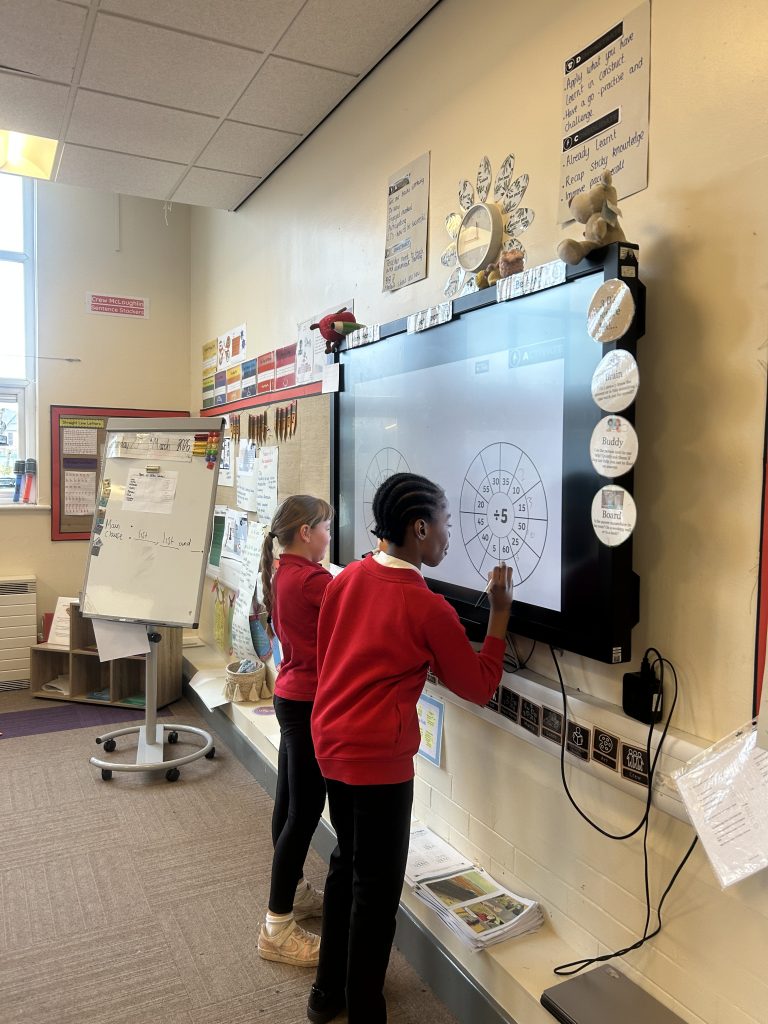
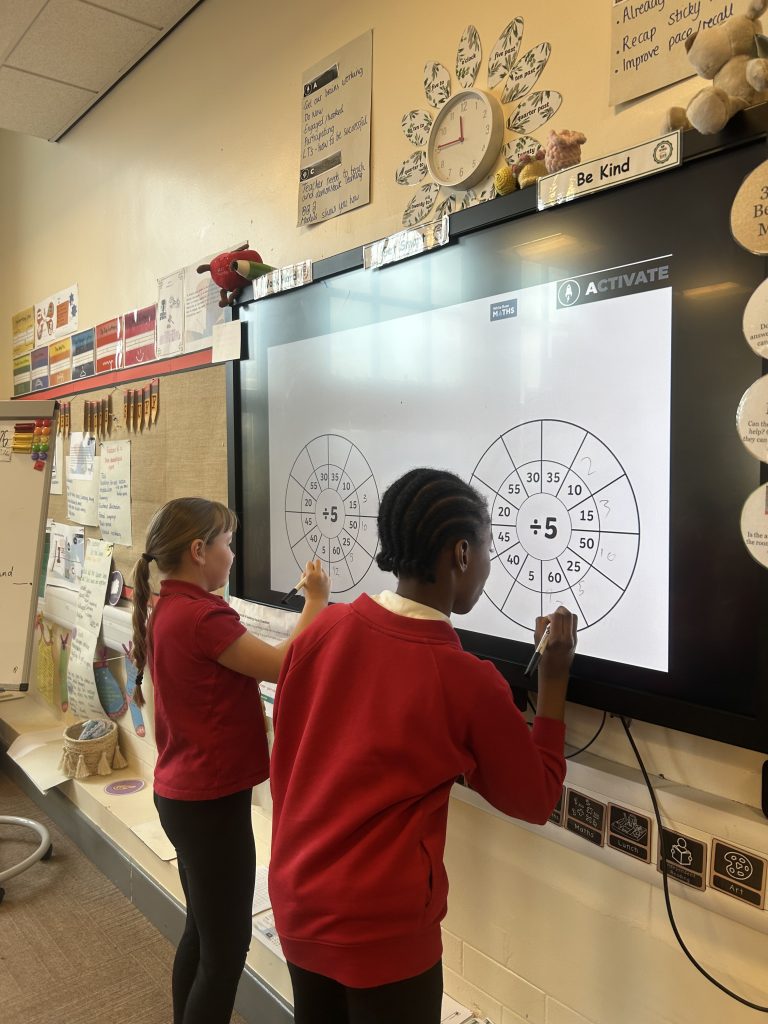
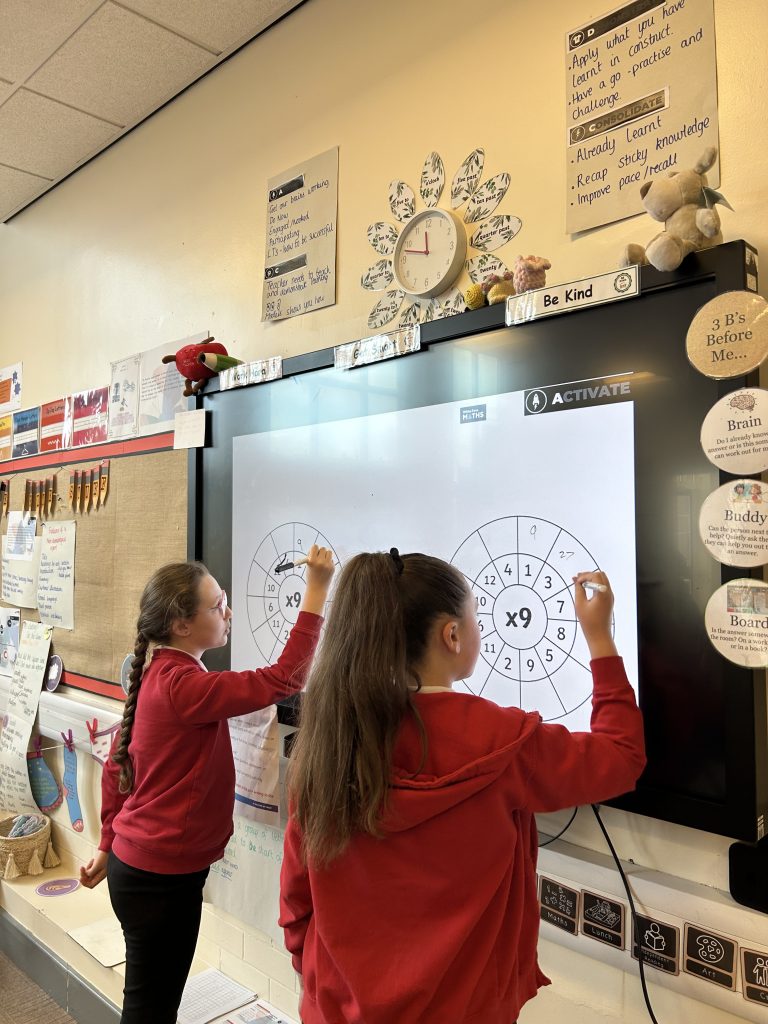
Today in maths, Miss Newman’s maths group took part in a fun and engaging multiplication wheel starter activity, where the children were randomly paired up to race against each other to complete the calculations as quickly and accurately as possible.
The friendly competition created lots of excitement and motivation, helping the children to build confidence in recalling their times tables while also improving their speed and accuracy. It was great to see such positive attitudes, with children encouraging one another and showing determination when faced with more challenging questions.
Everyone worked super hard and showed courage by participating in this exciting starter activity.
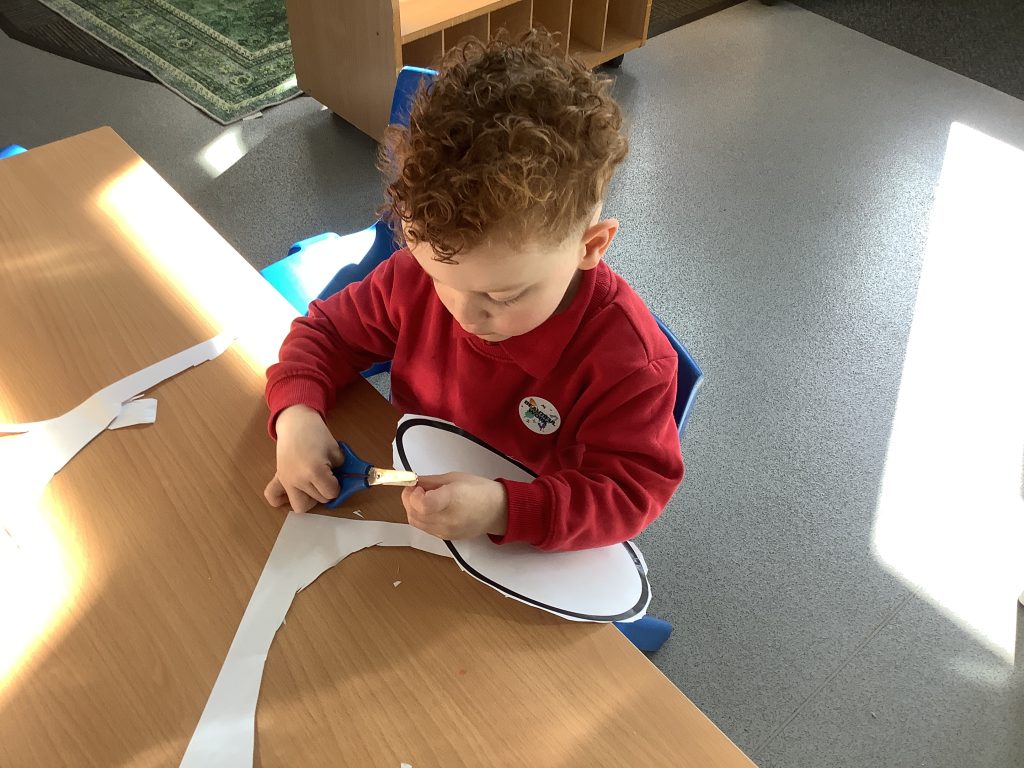
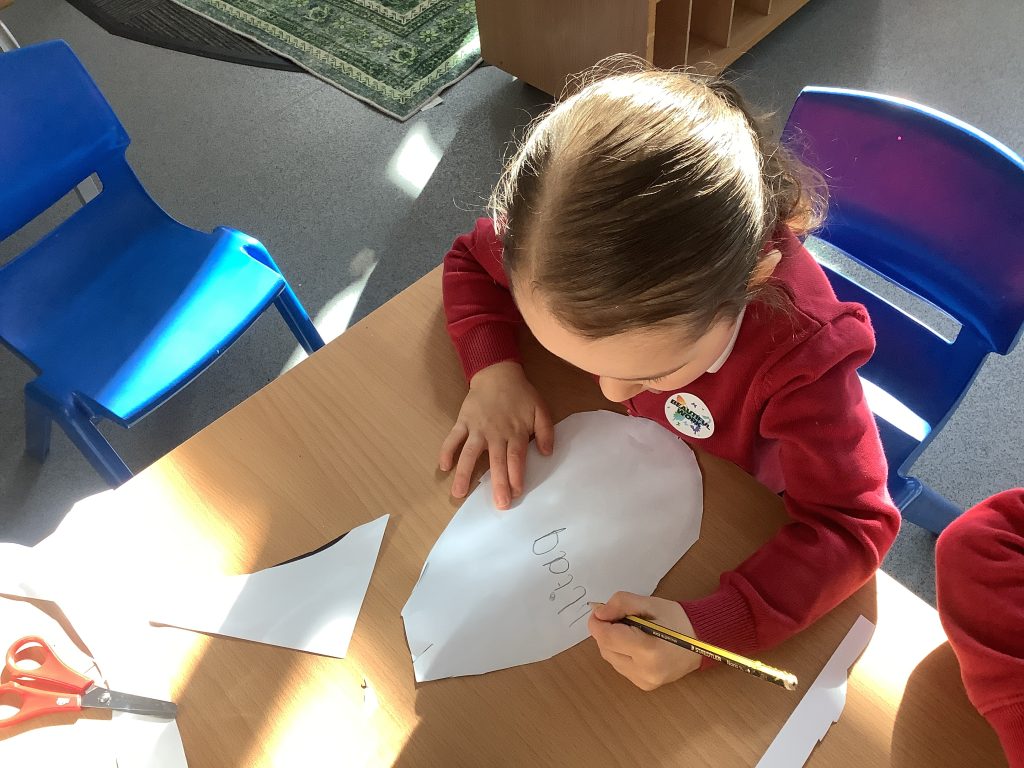
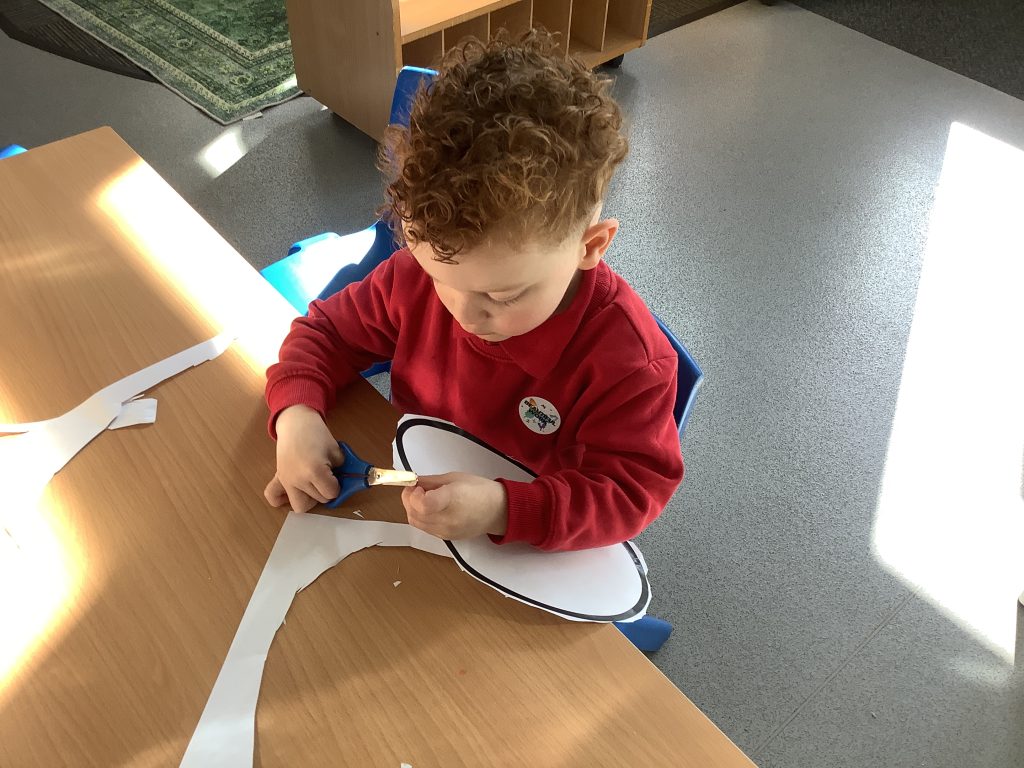
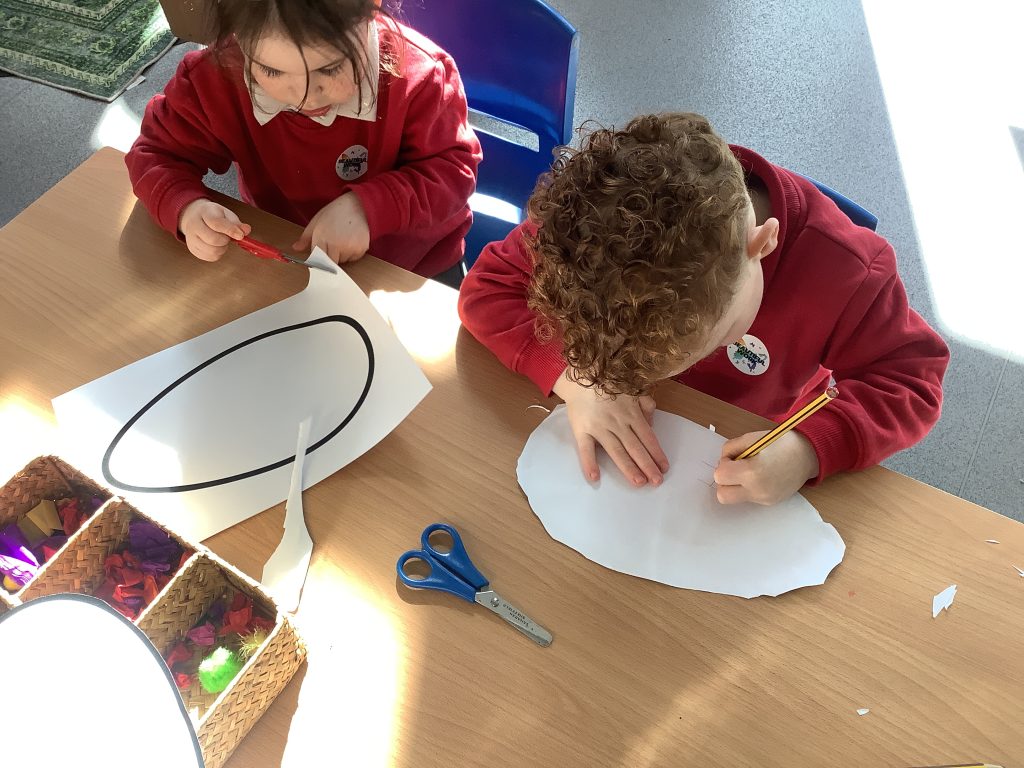
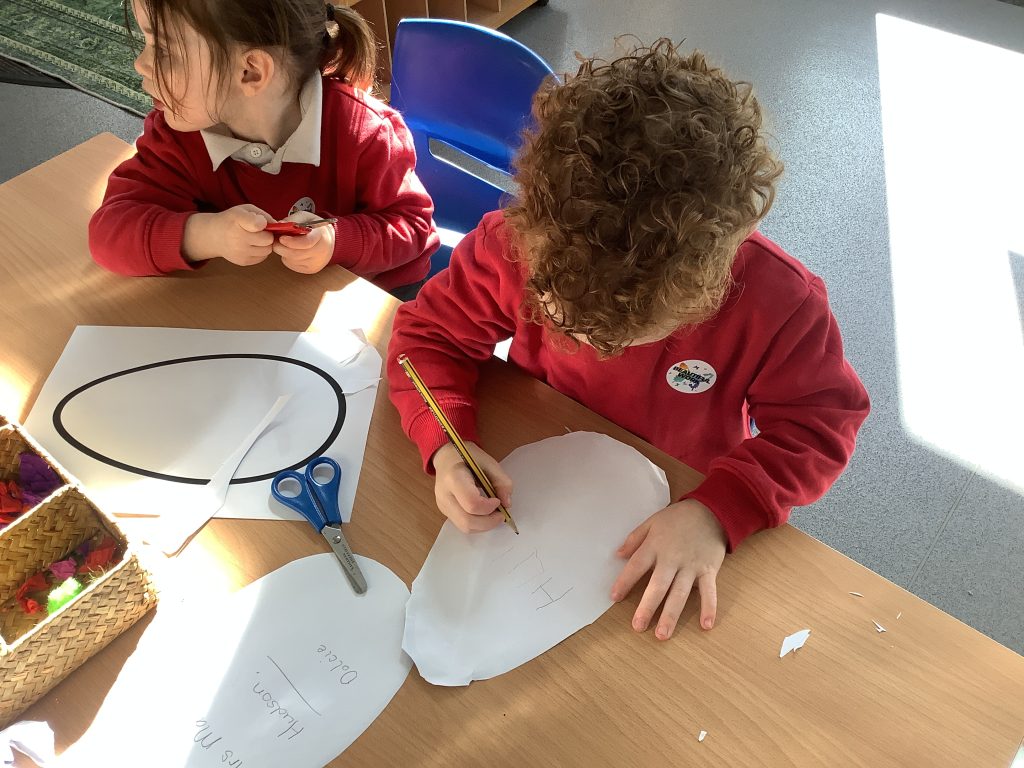
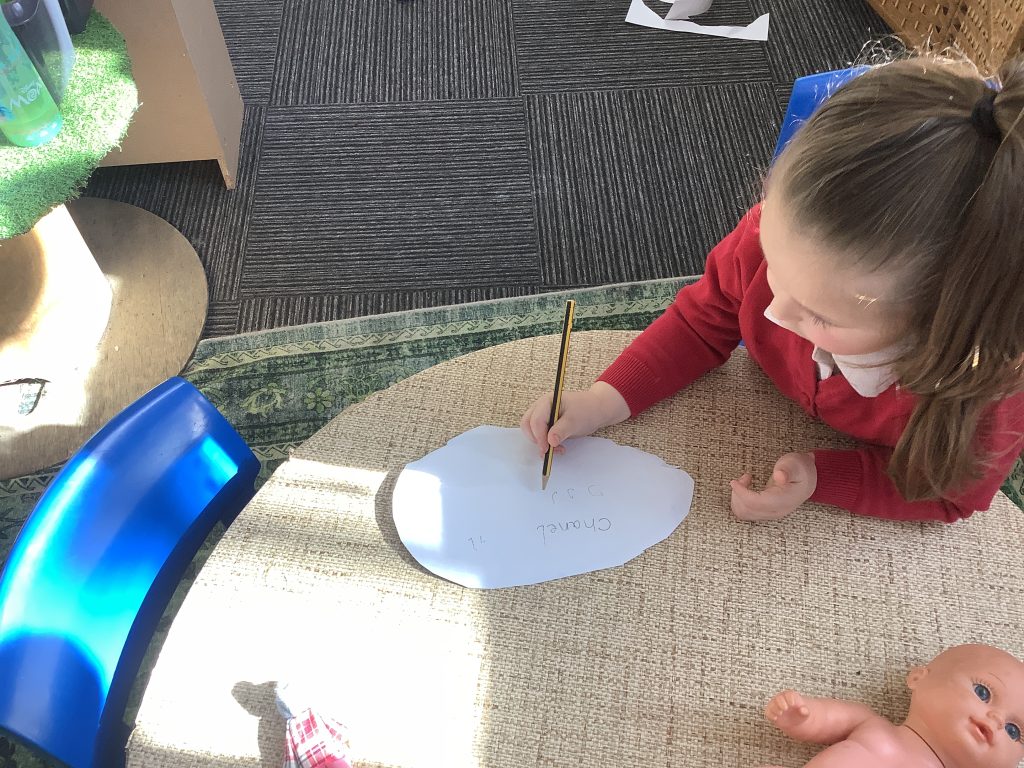
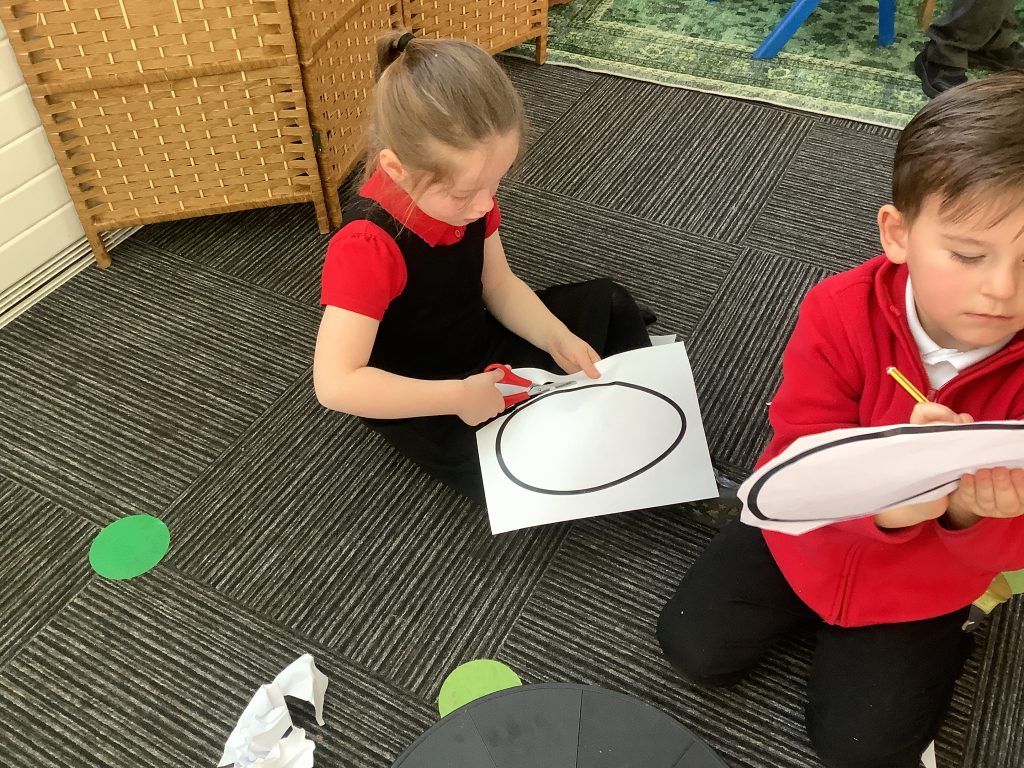
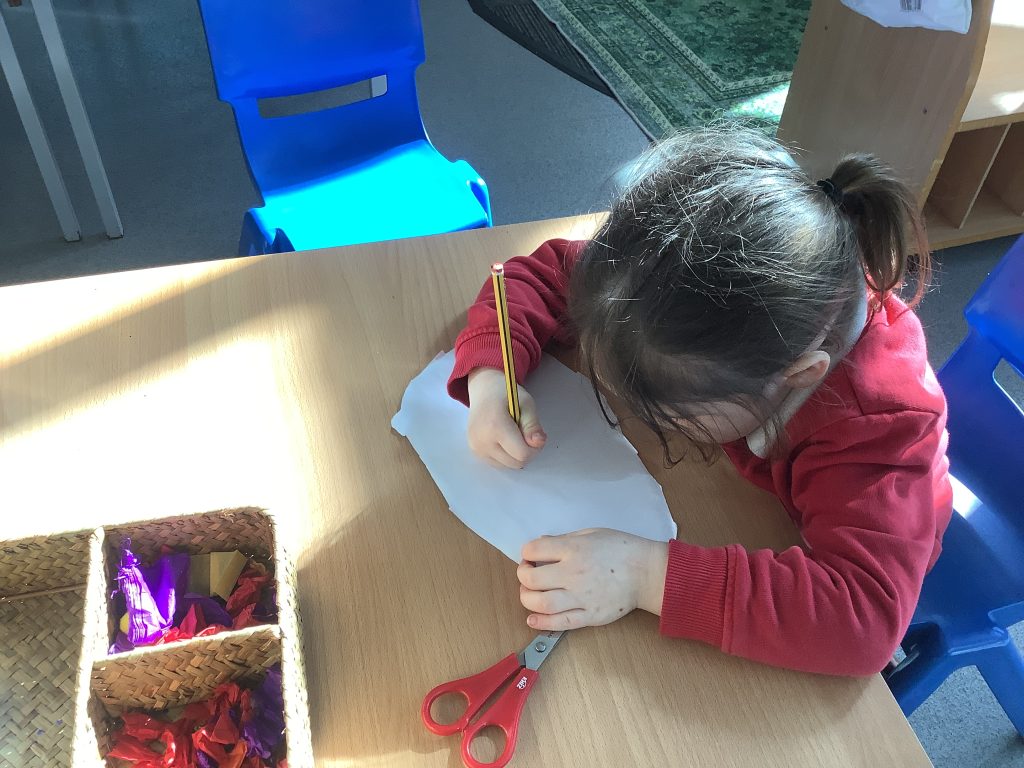
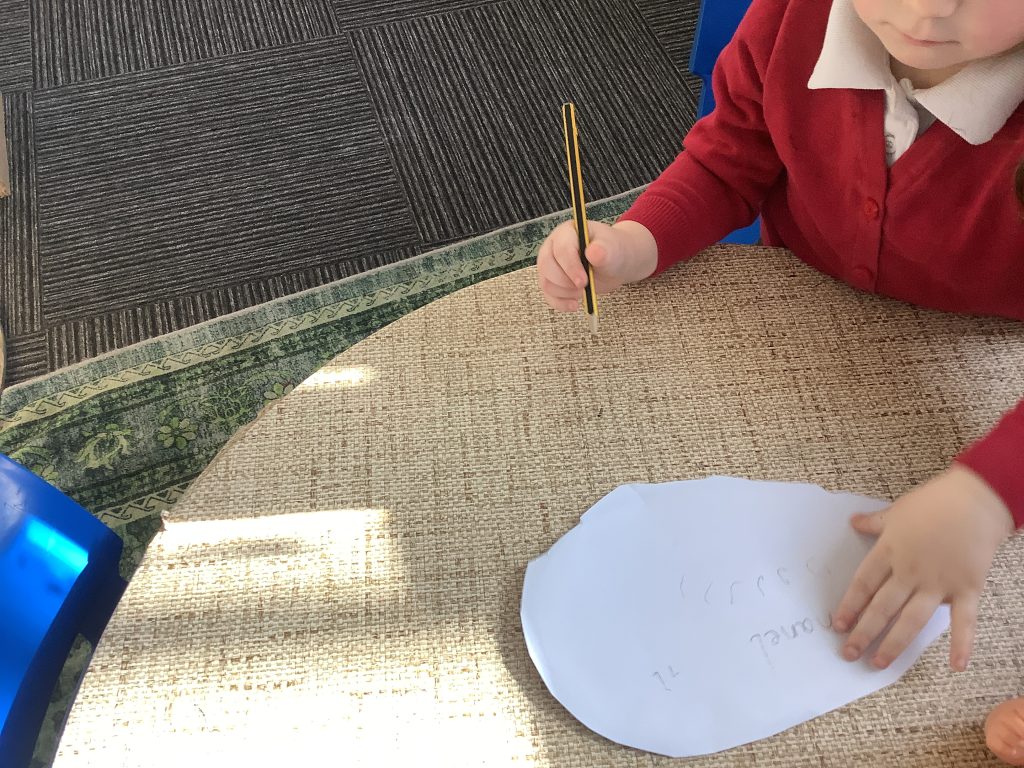
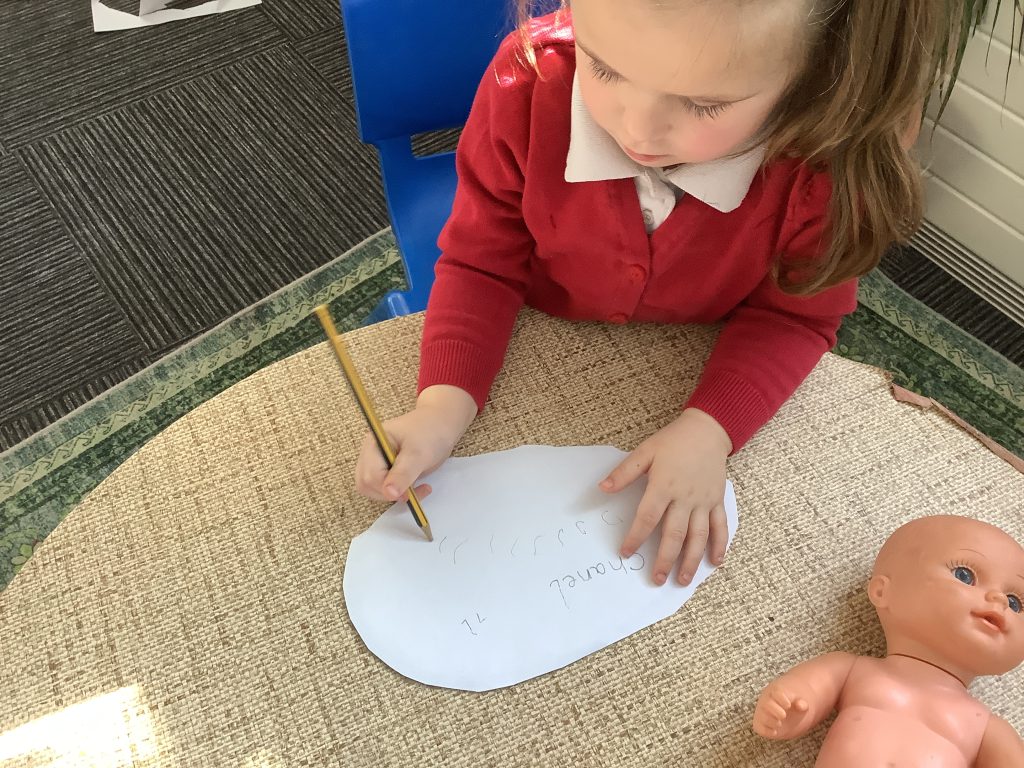
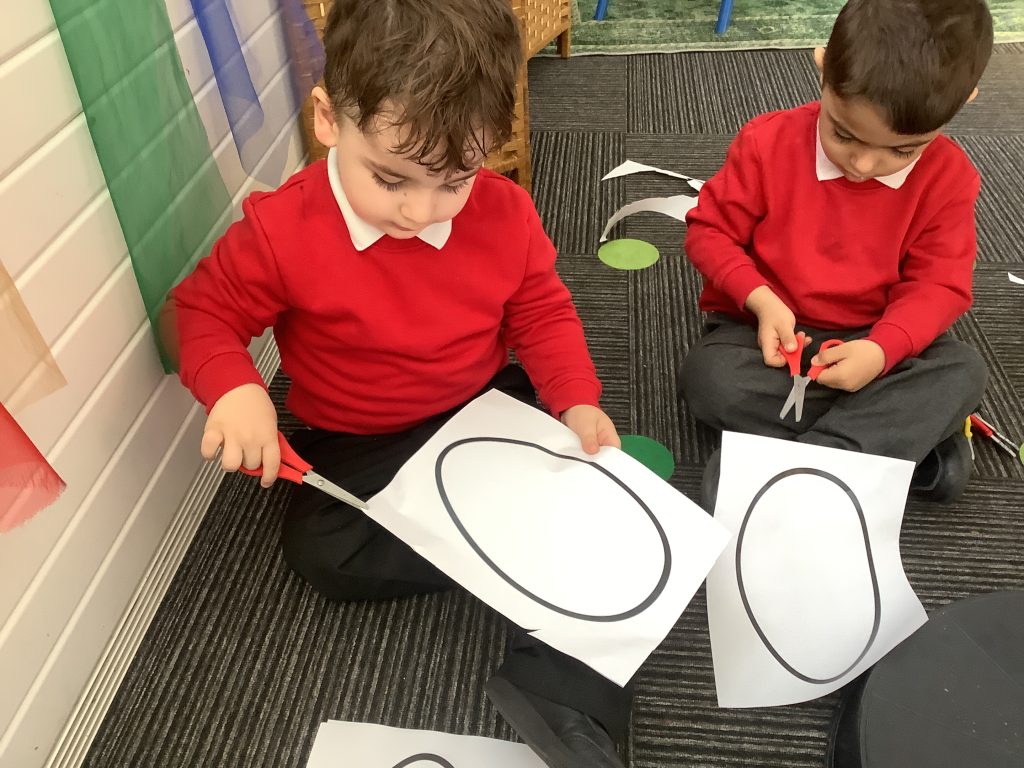
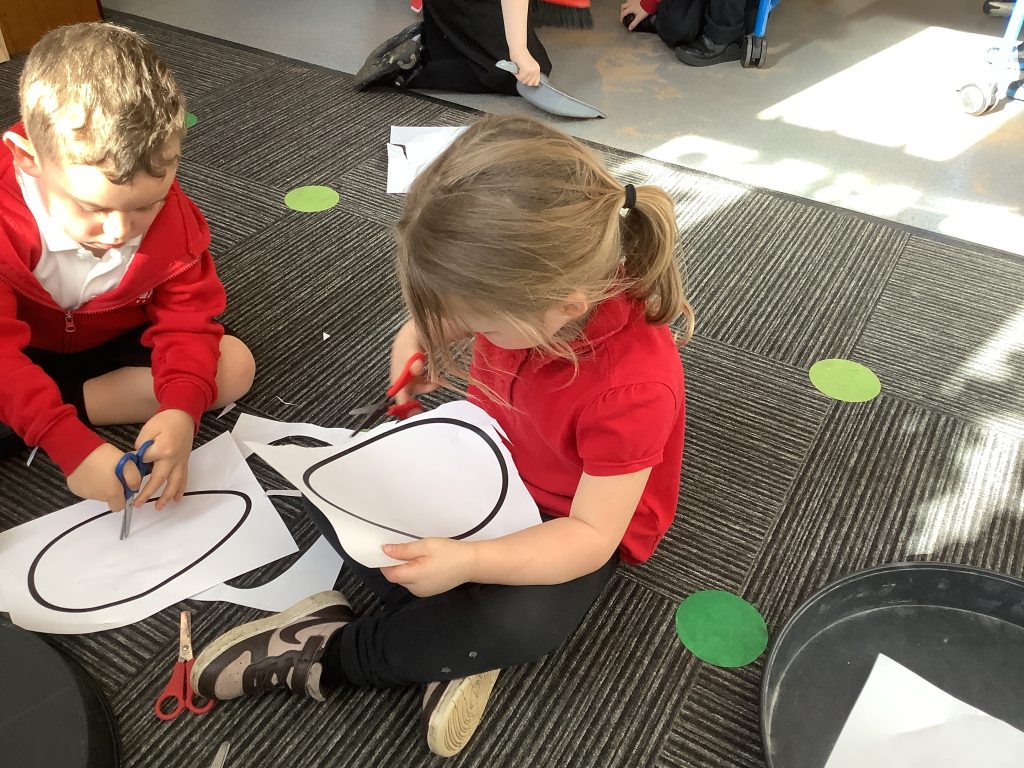
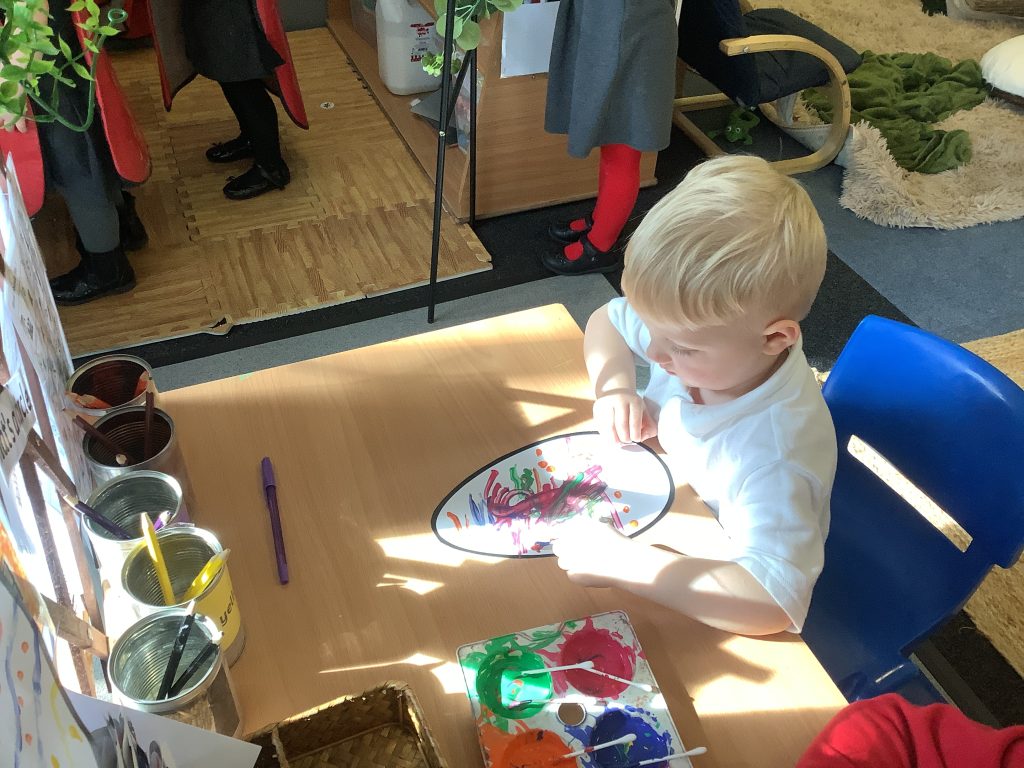
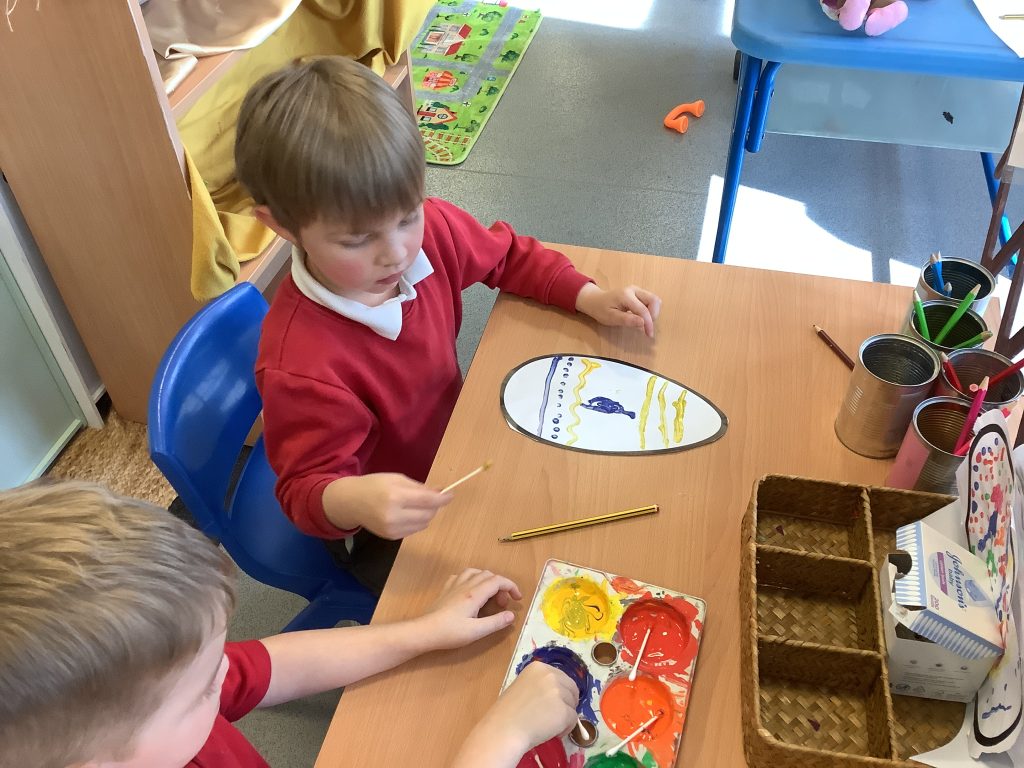
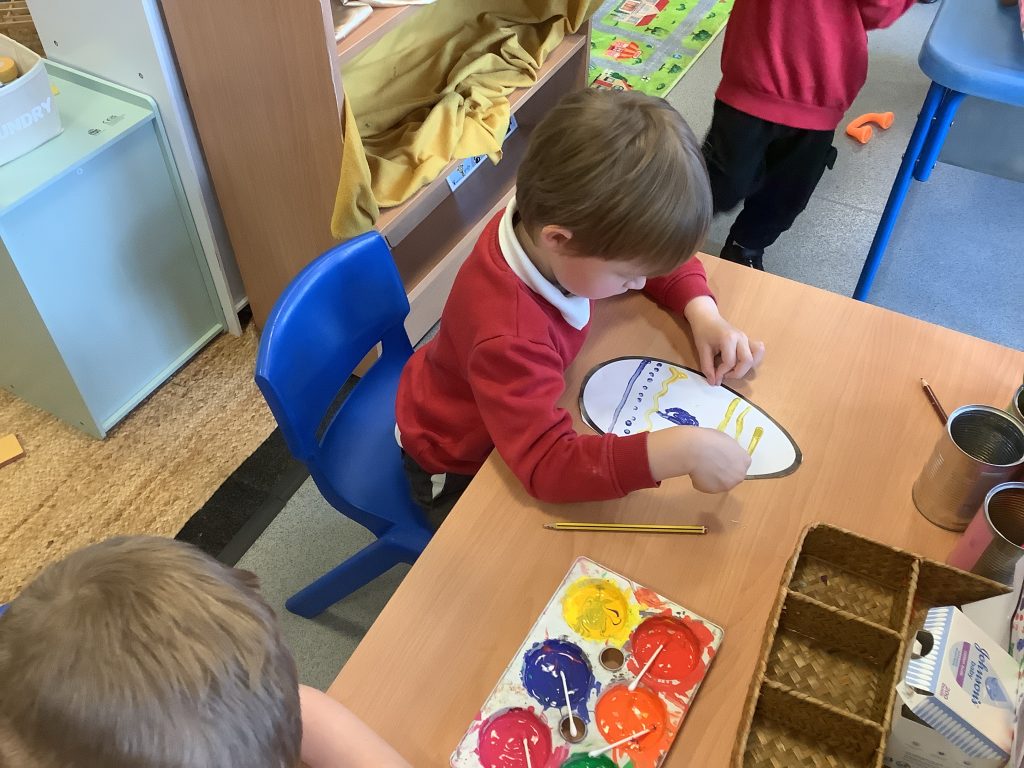
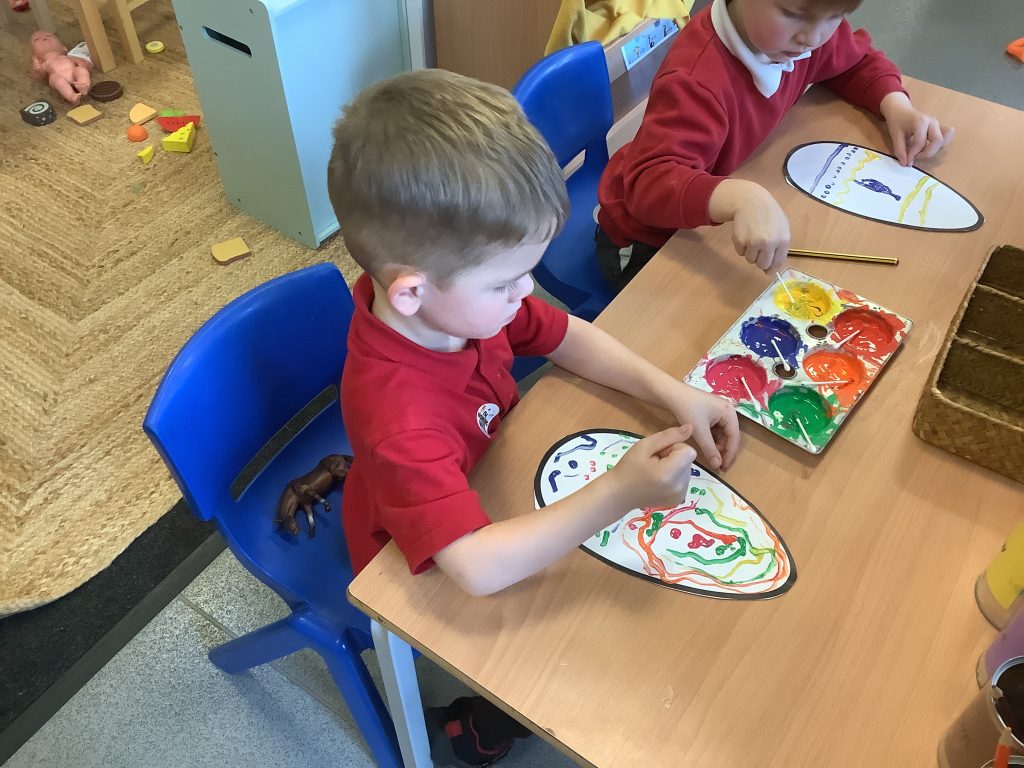
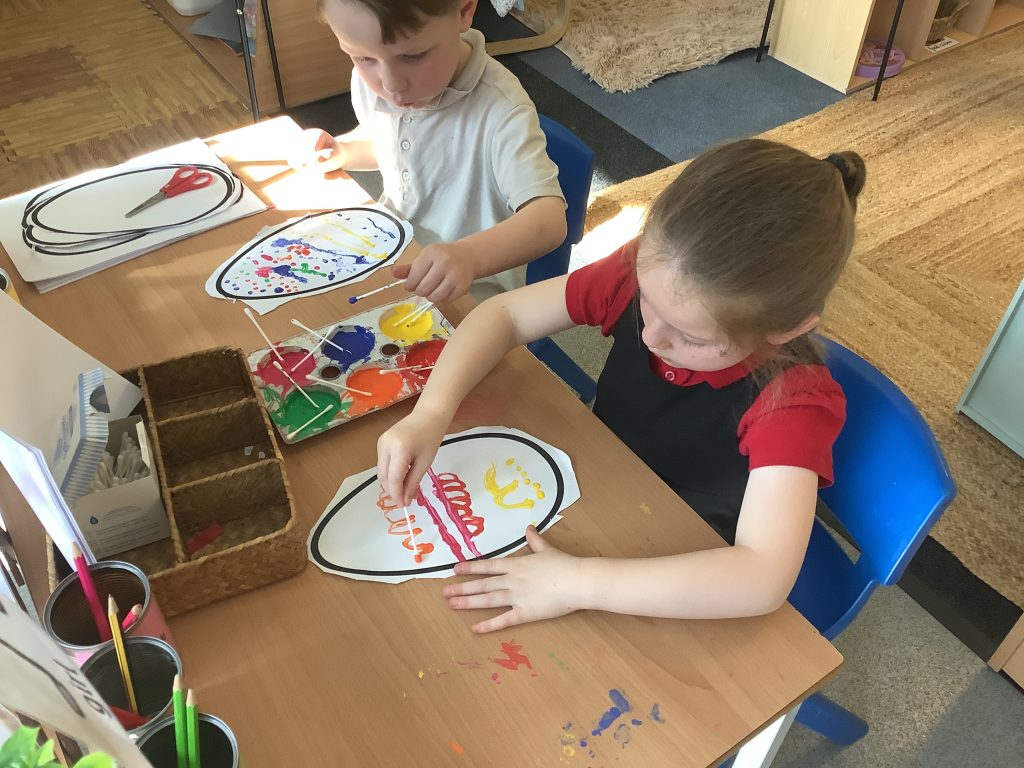
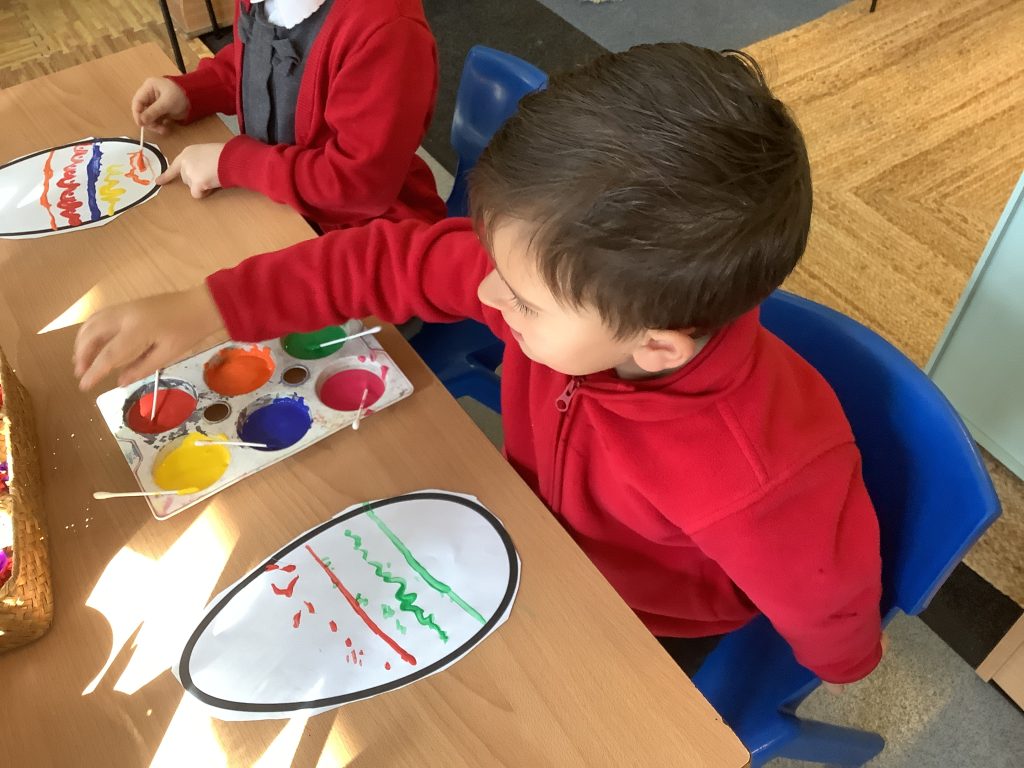
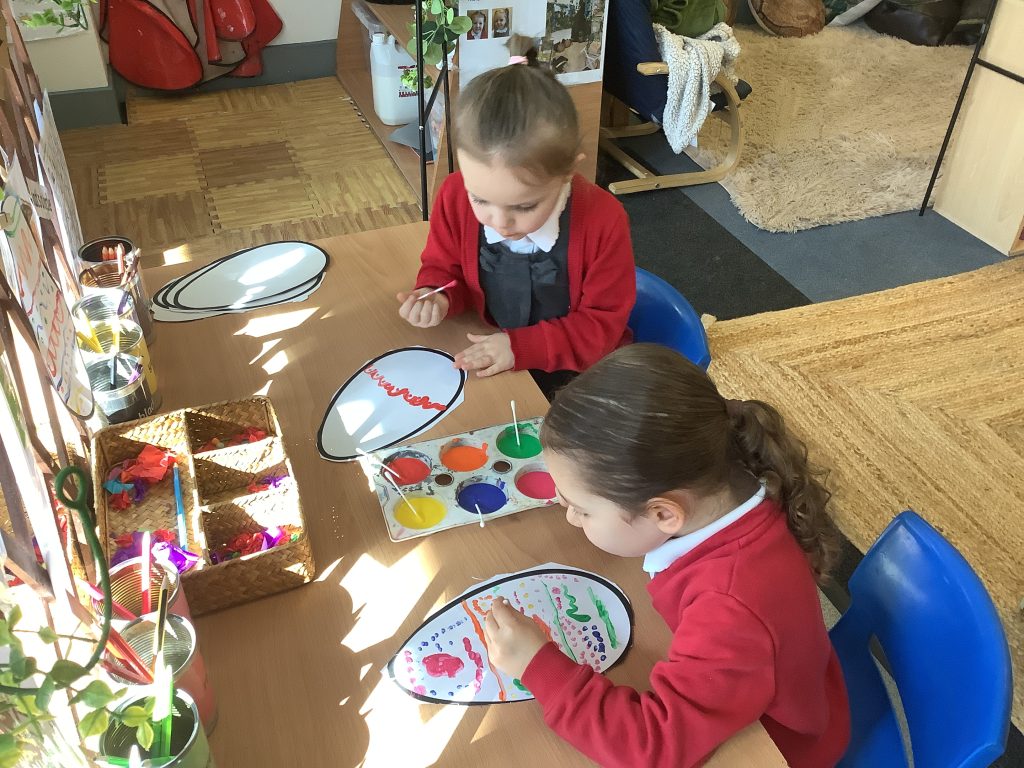
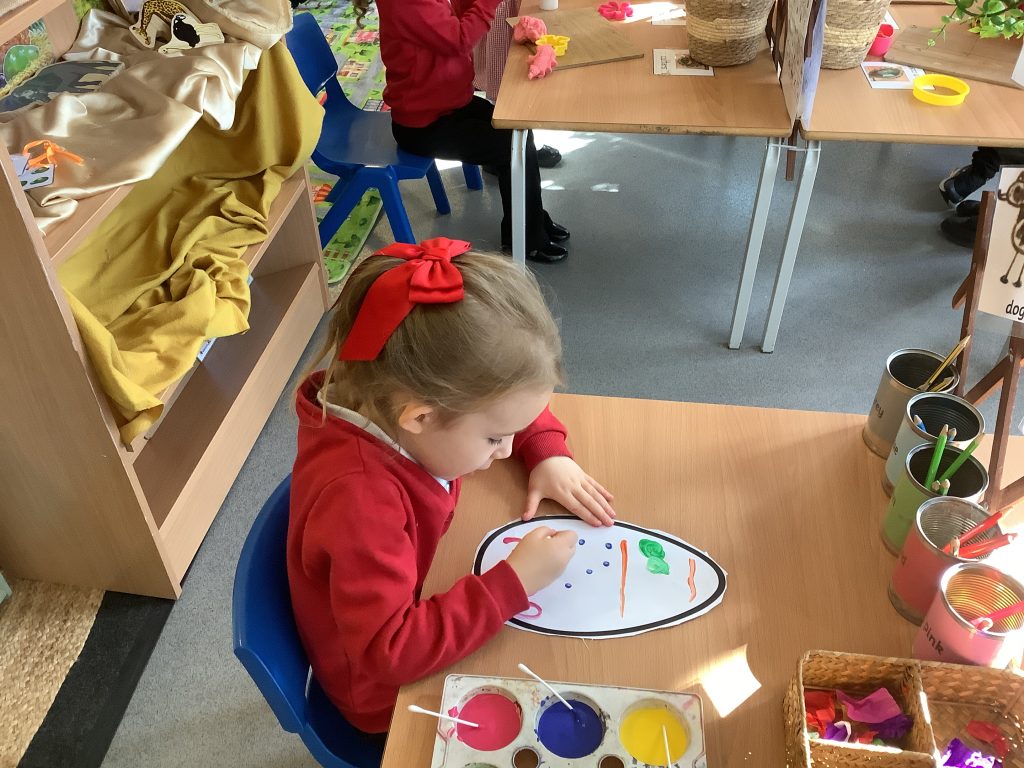
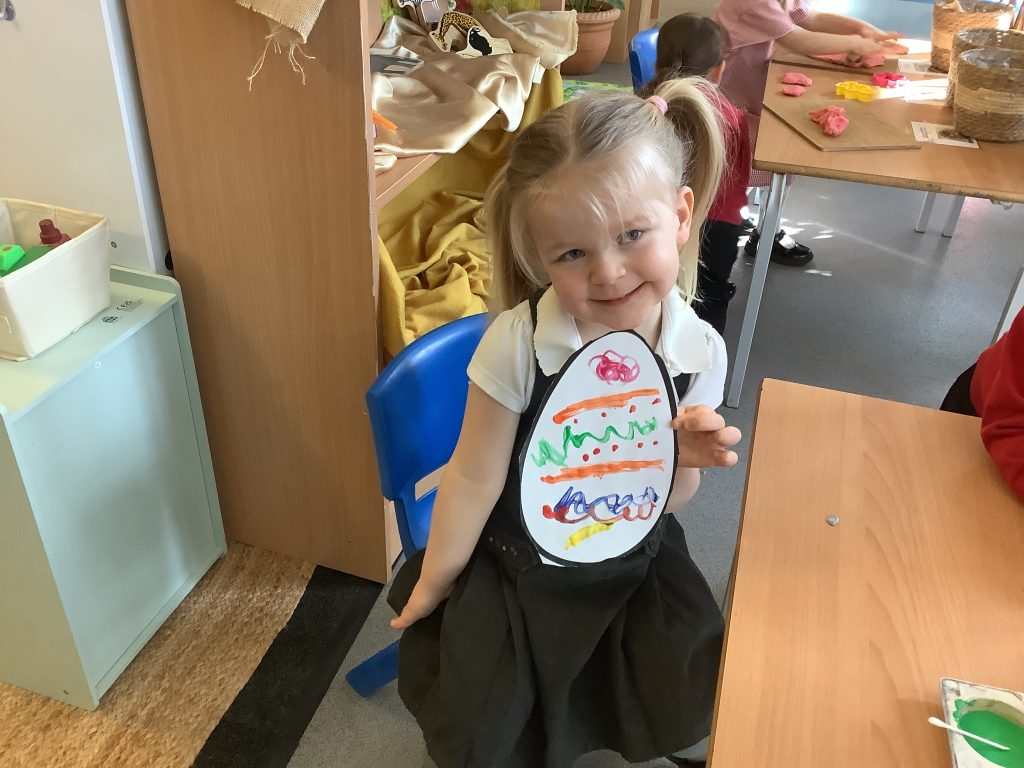
Last week in nursery, the children enjoyed a creative and engaging Easter-themed activity that supported several areas of their development.
The children began by developing their fine motor skills as they carefully cut out their own Easter egg shapes. They loved learning all about the oval shape! Activities like cutting help to strengthen the small muscles in their hands, which are essential for writing and their physical development.
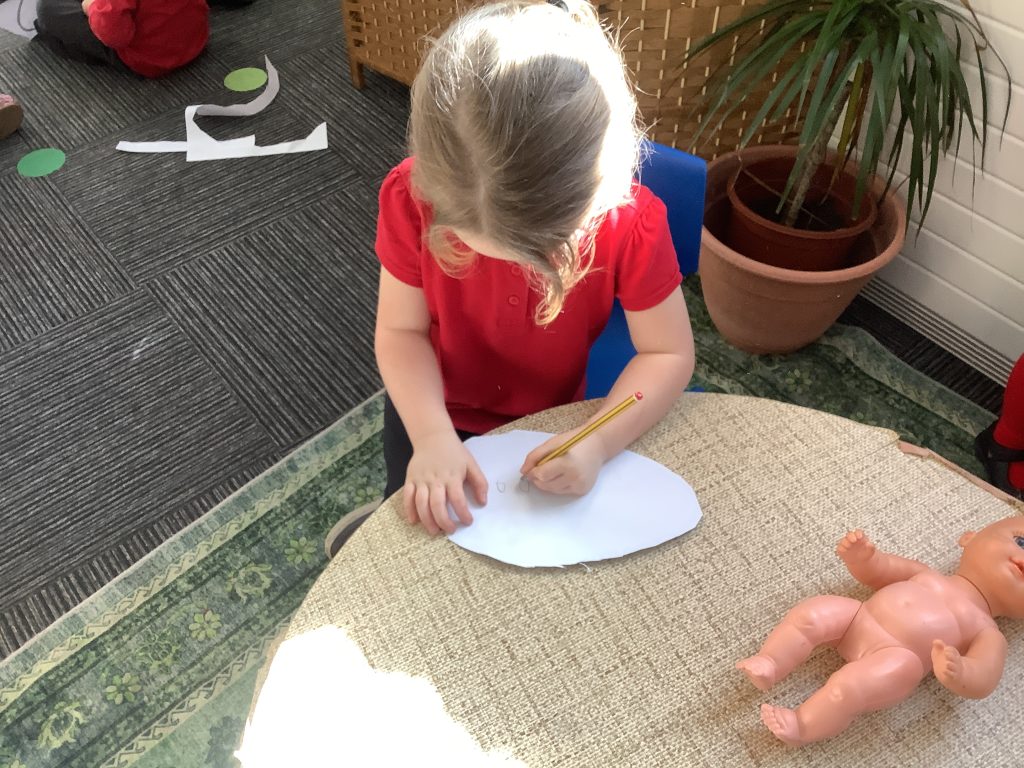
Once their eggs were cut out, the children showed wonderful independence and confidence by taking ownership of their work and writing their own names. Writing their names helps children to give meaning to marks they make, while also fostering a sense of pride in their achievements.
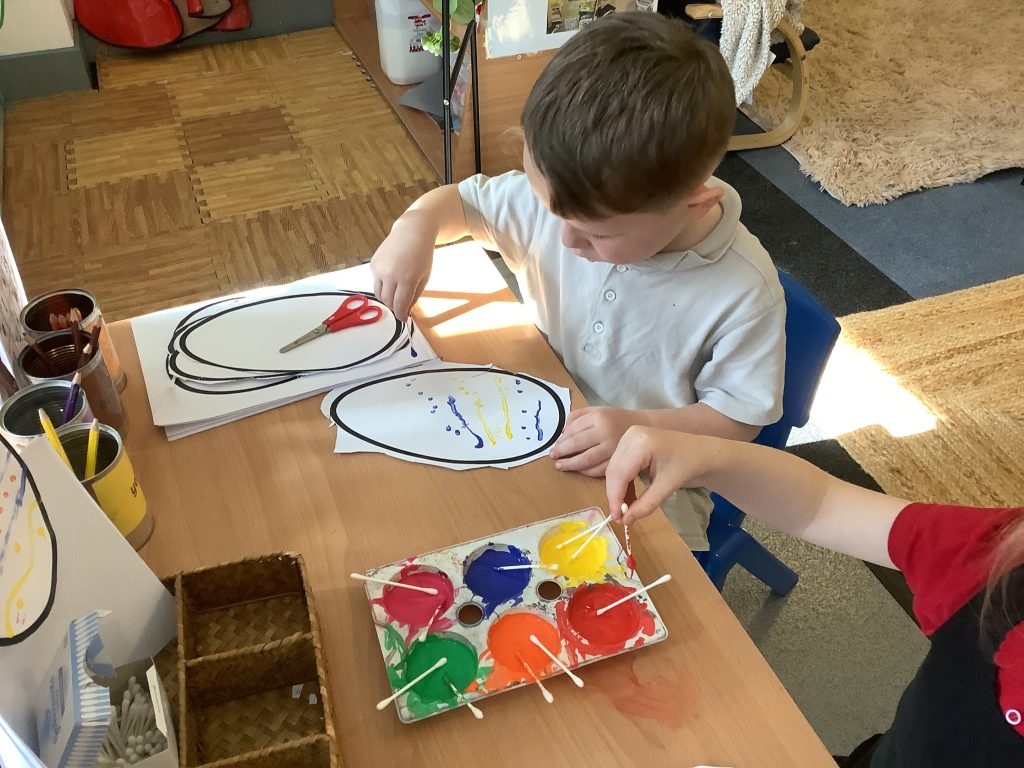
The learning didn’t stop there! Many of the children were so engaged that they chose to extend the activity further. Using cotton buds and a range of colours, they explored creating two-part repeating patterns on their eggs an important early maths skill to master!
Using cotton buds also provided another opportunity to refine fine motor control, as the children carefully dipped and dabbed to create their designs. At the same time, they explored colour, creativity, and self-expression, supporting their development within Expressive Arts and Design.
We loved seeing the children so motivated, independent, and proud of their creations. It was a wonderful example of how a simple activity can support multiple areas of learning while allowing children to follow their own interests and ideas.
Well done, Crew Frost!
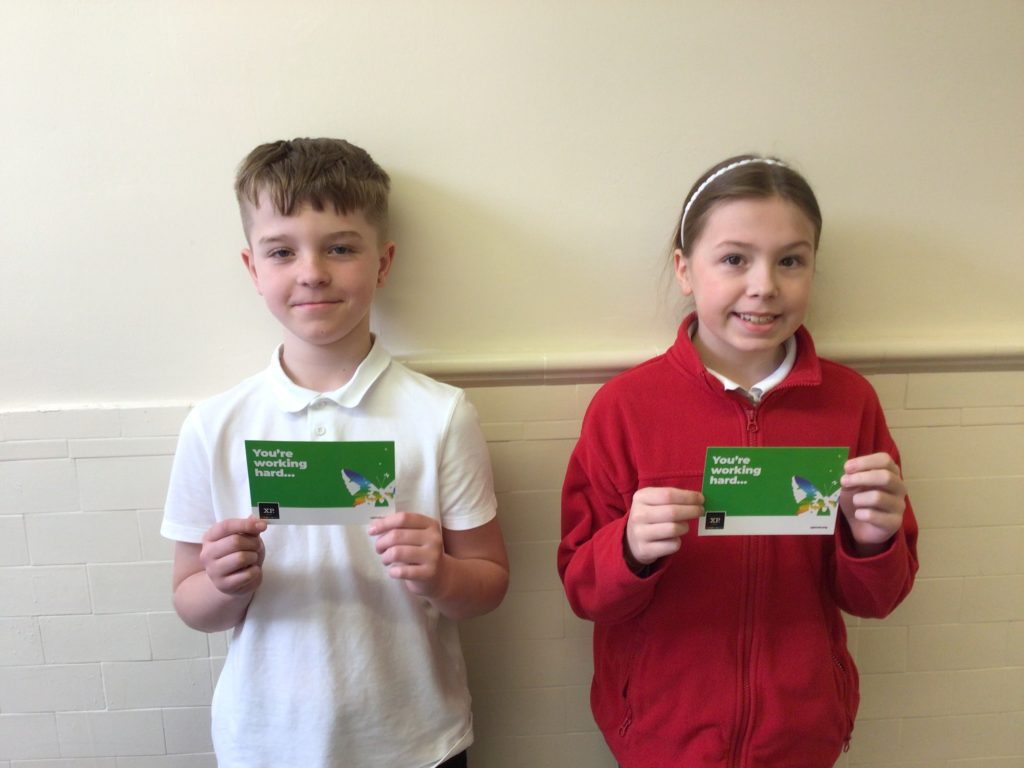
Miss Newman’s maths group have shown fantastic determination and resilience this half term, and it is truly paying off! They have been working incredibly hard on their arithmetic skills, practicing regularly and pushing themselves to improve. Many pupils have made significant progress since last half term. We are so proud of the progress they have made and look forward to seeing their confidence continue to grow as they build on this success. A special shoutout goes to these two children in particular who managed to double their scores! Well done everyone, keep up the amazing work.
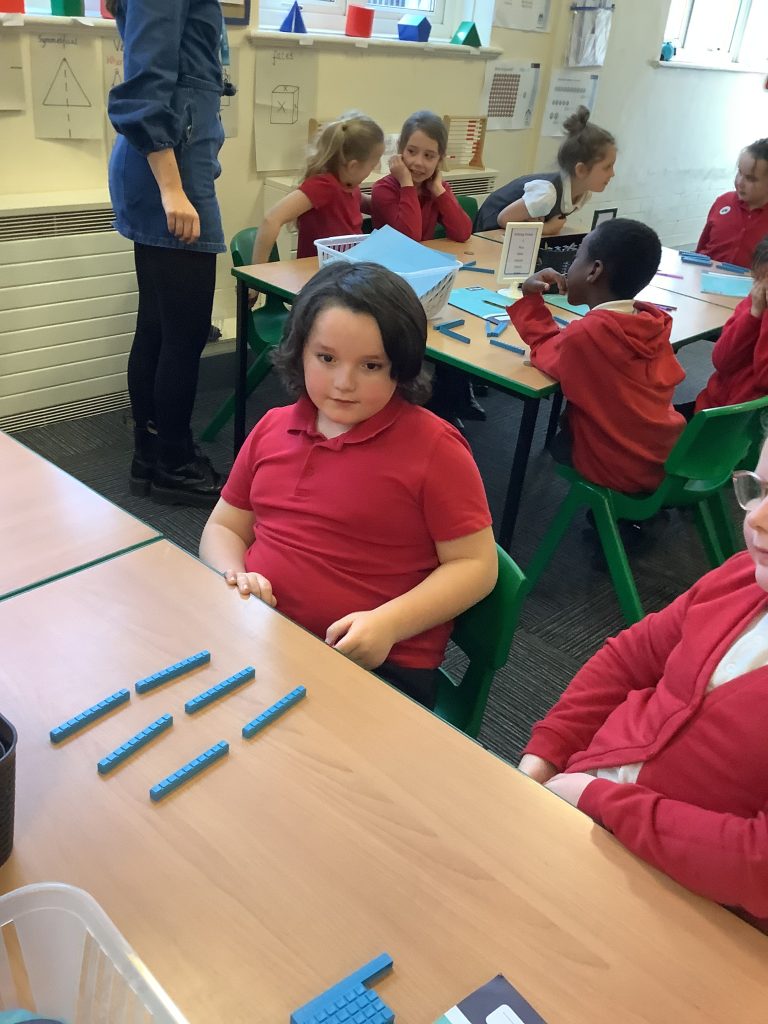
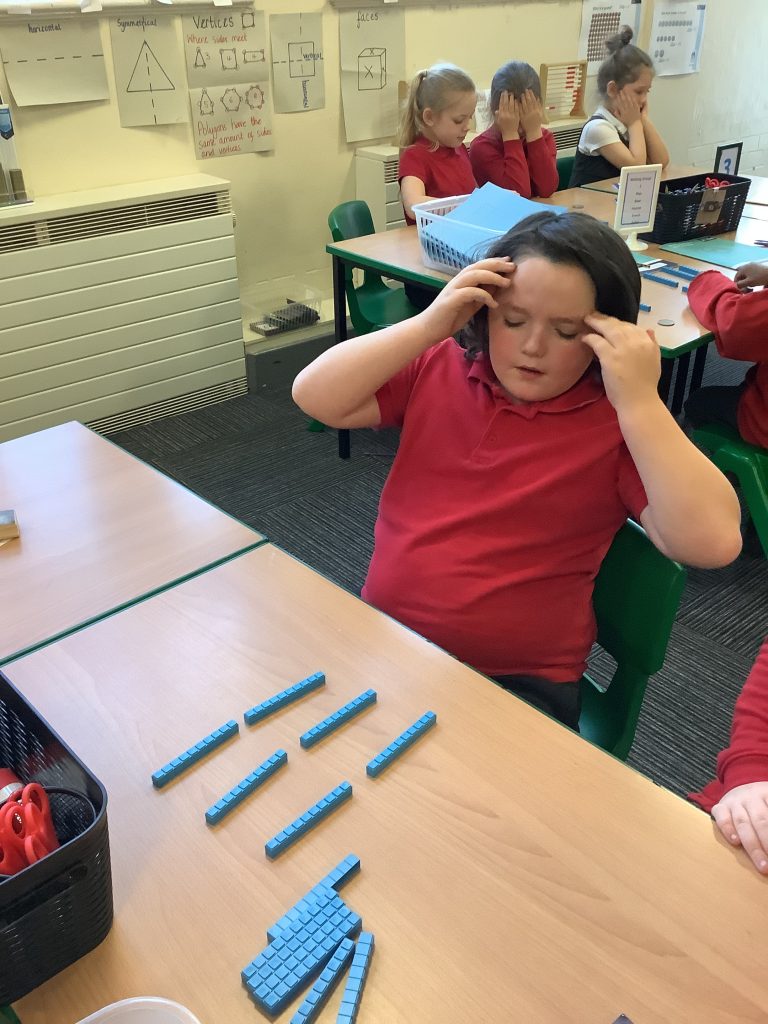
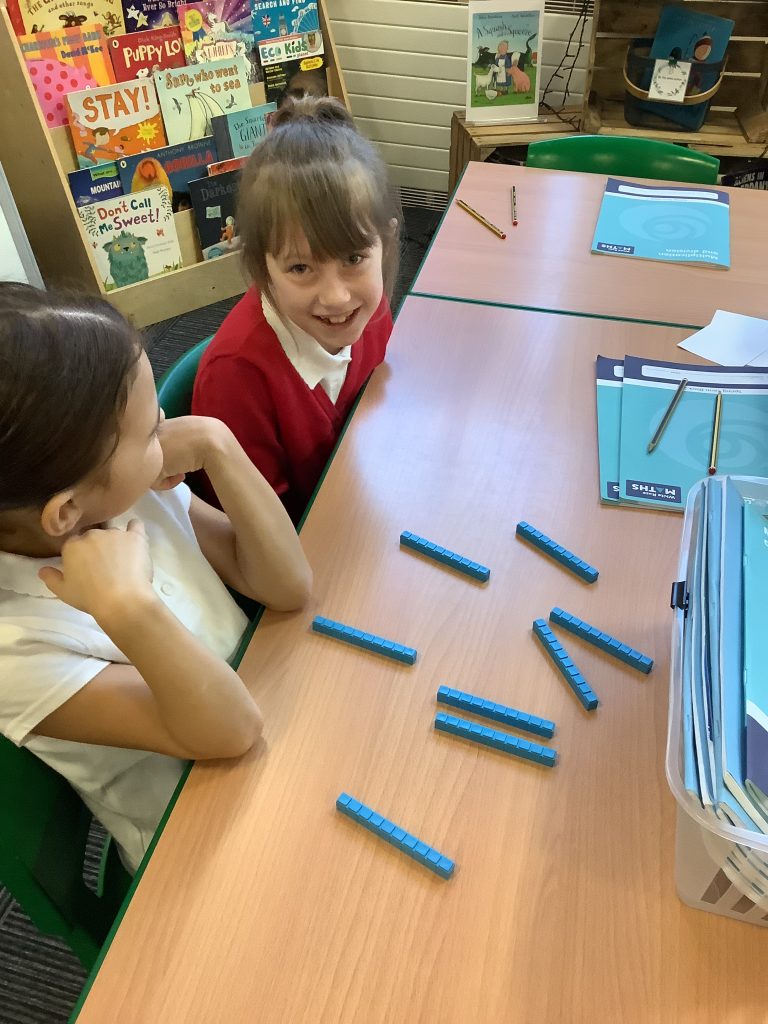
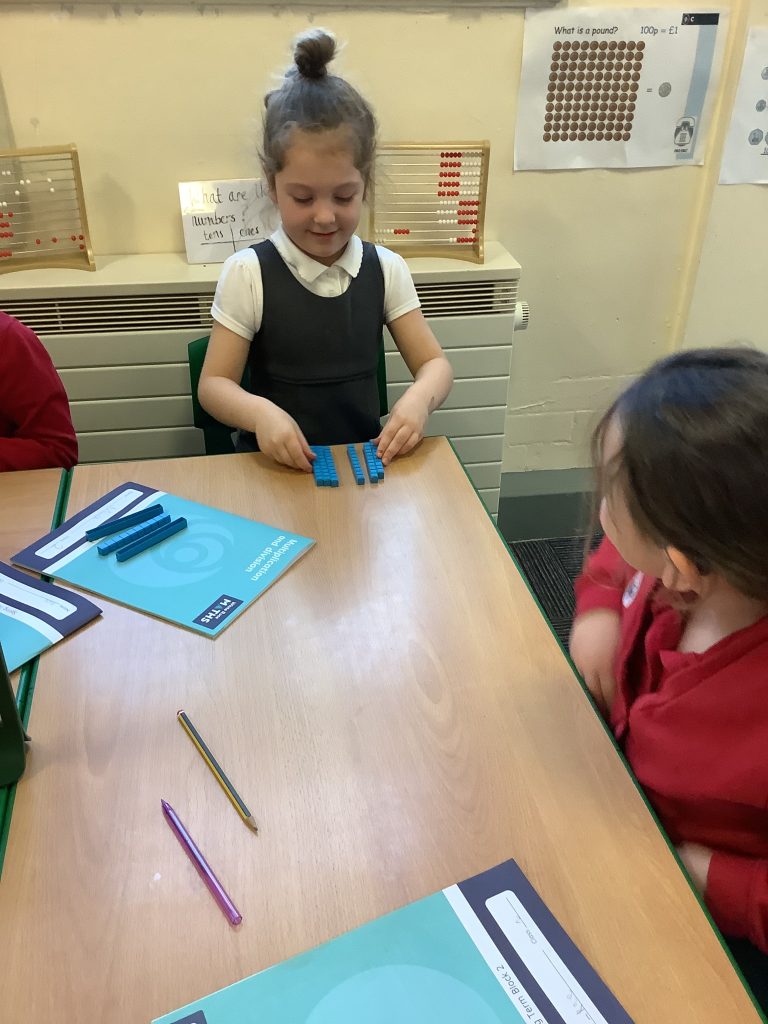
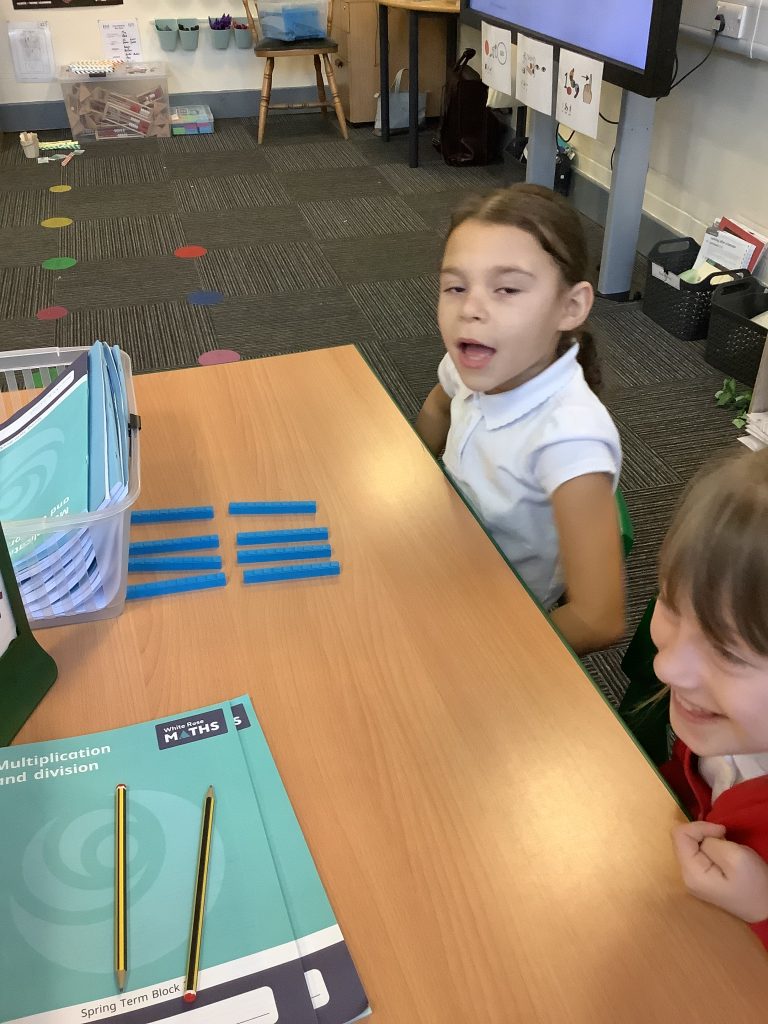
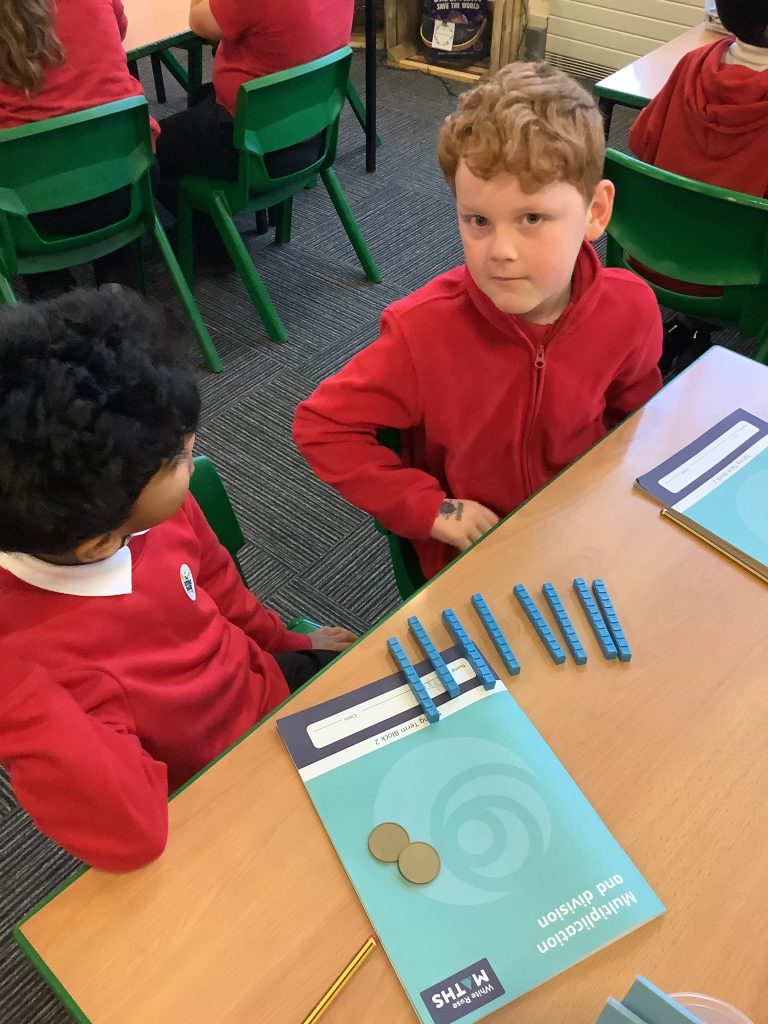
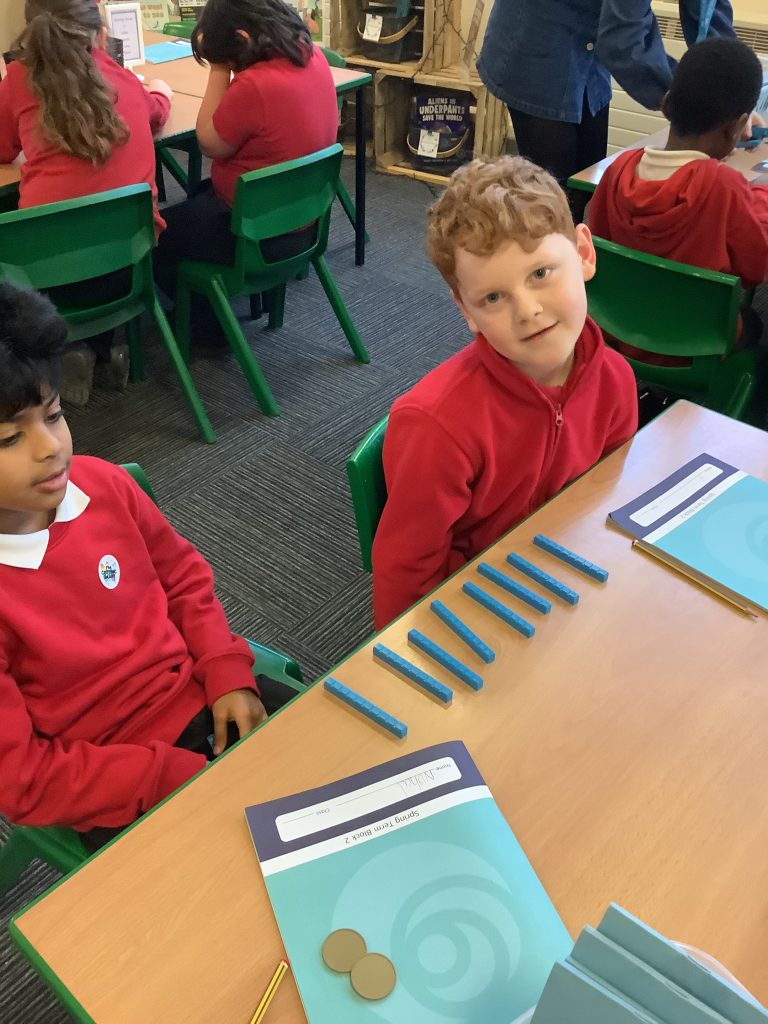
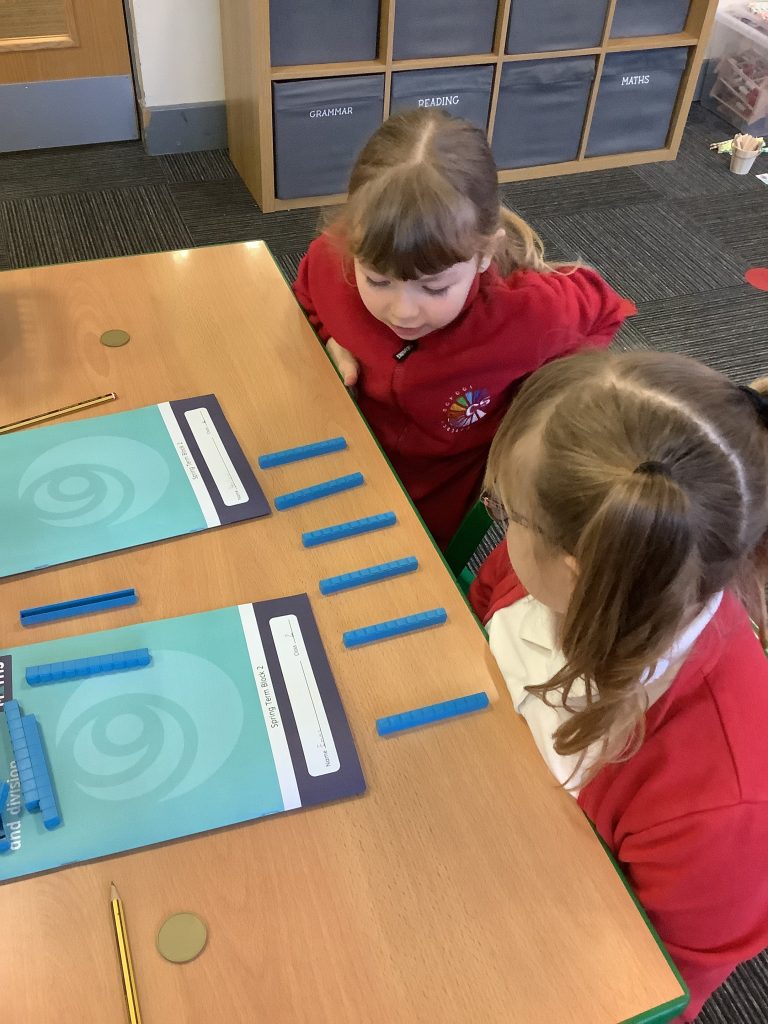
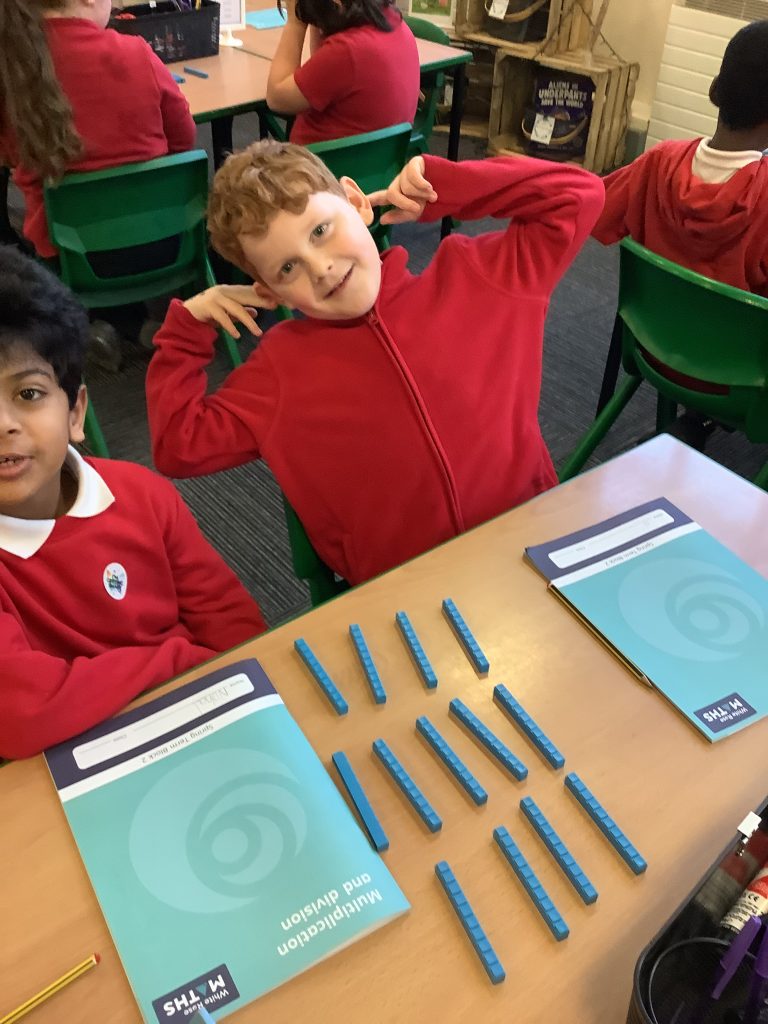
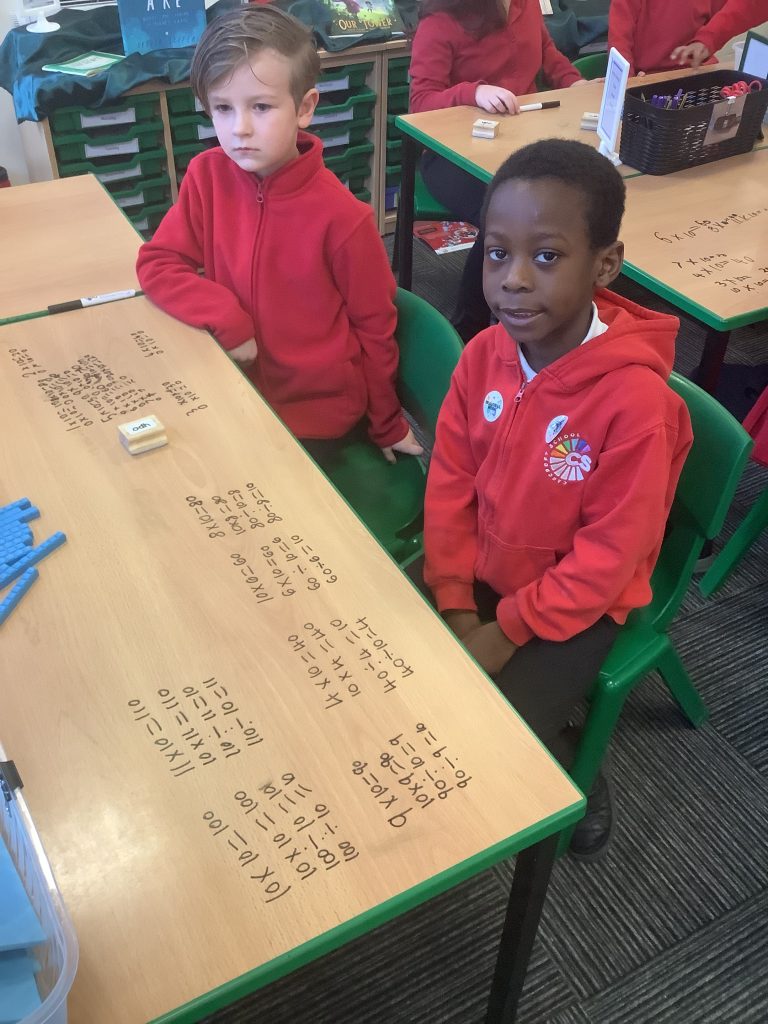
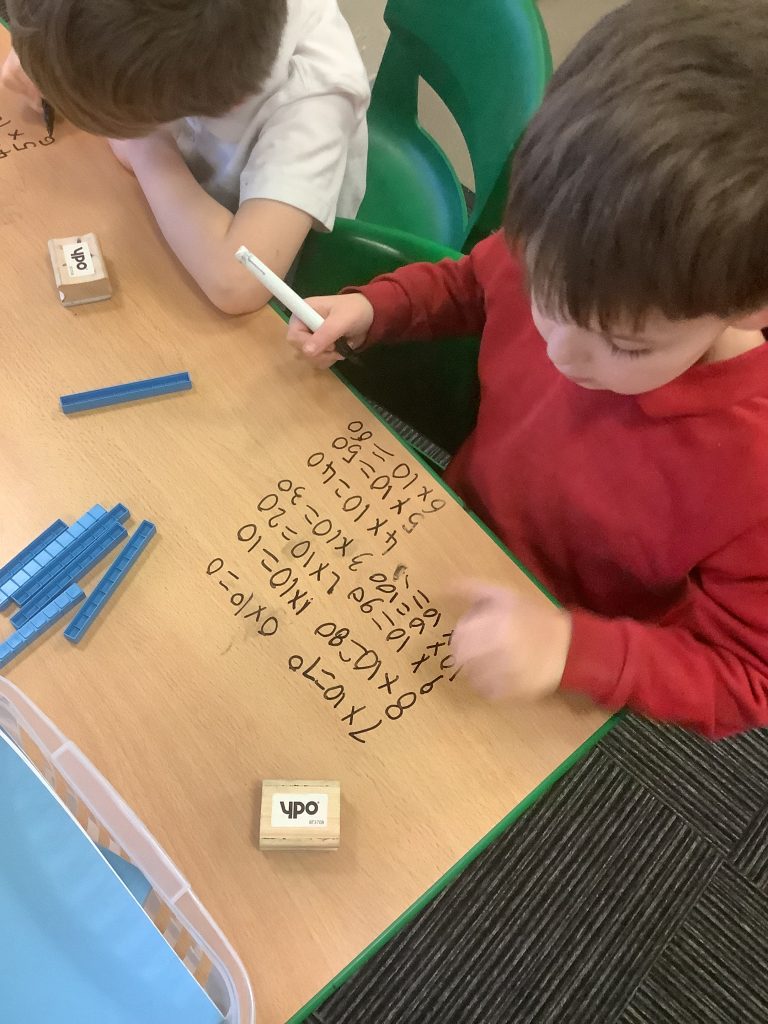
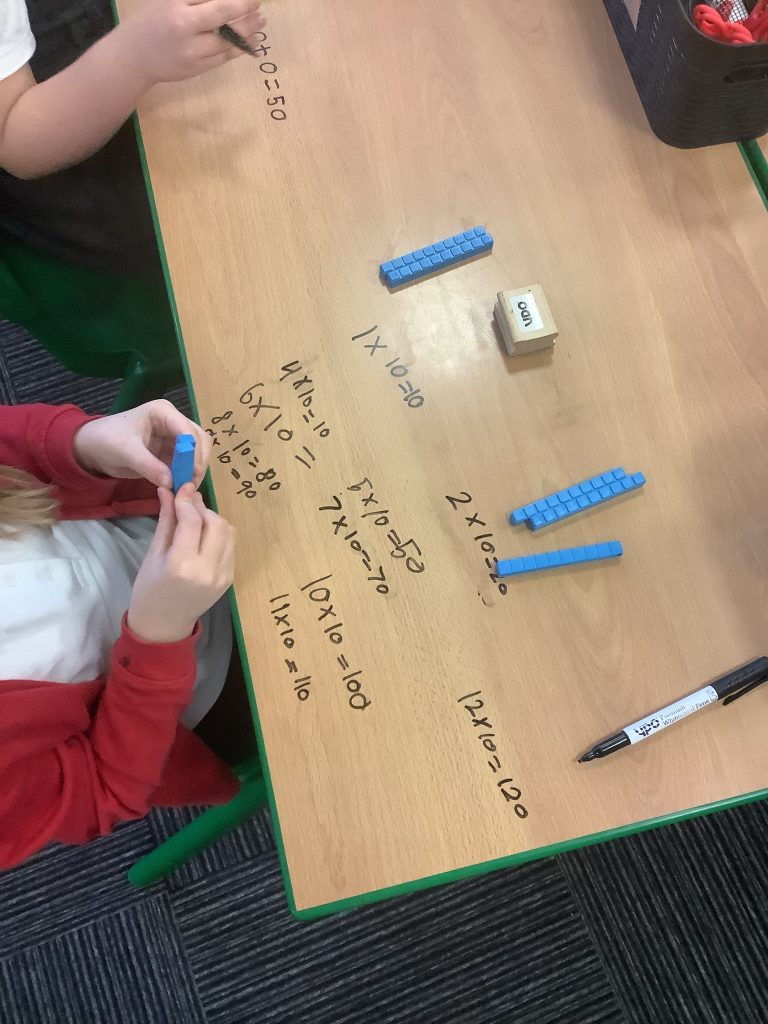
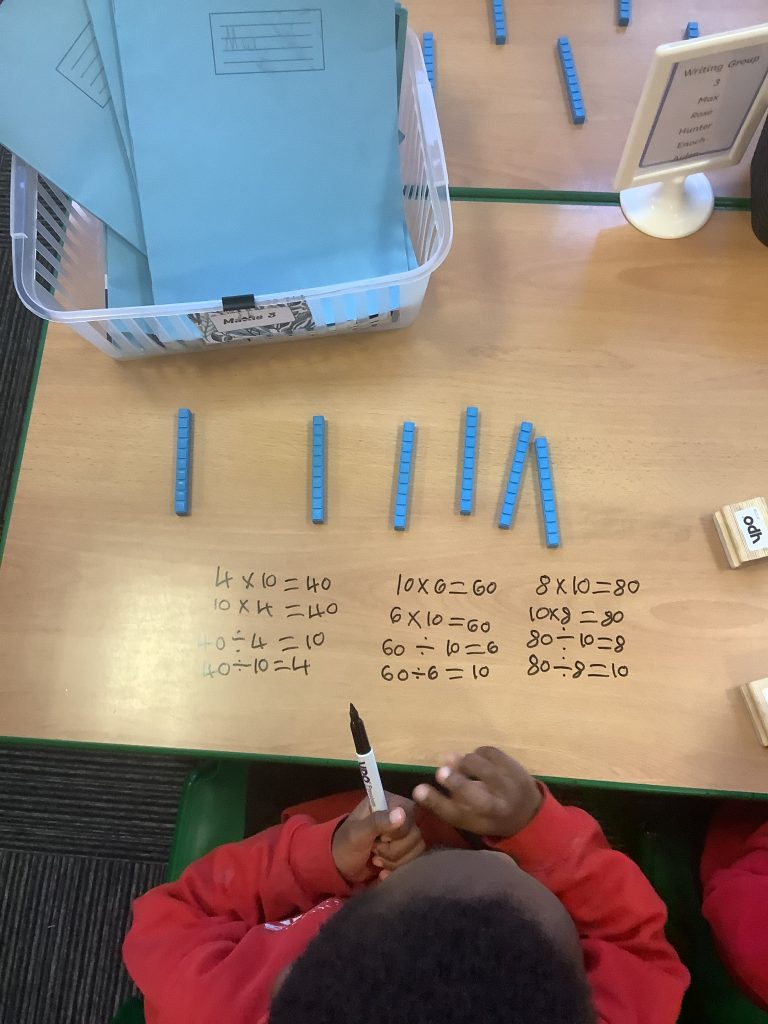
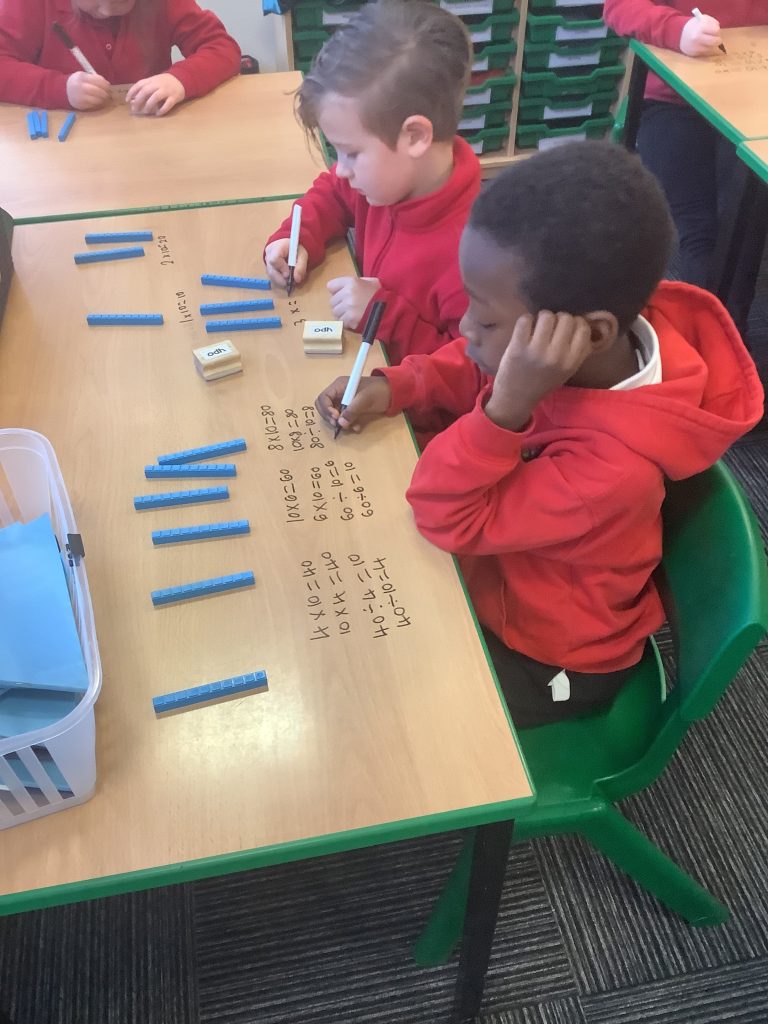
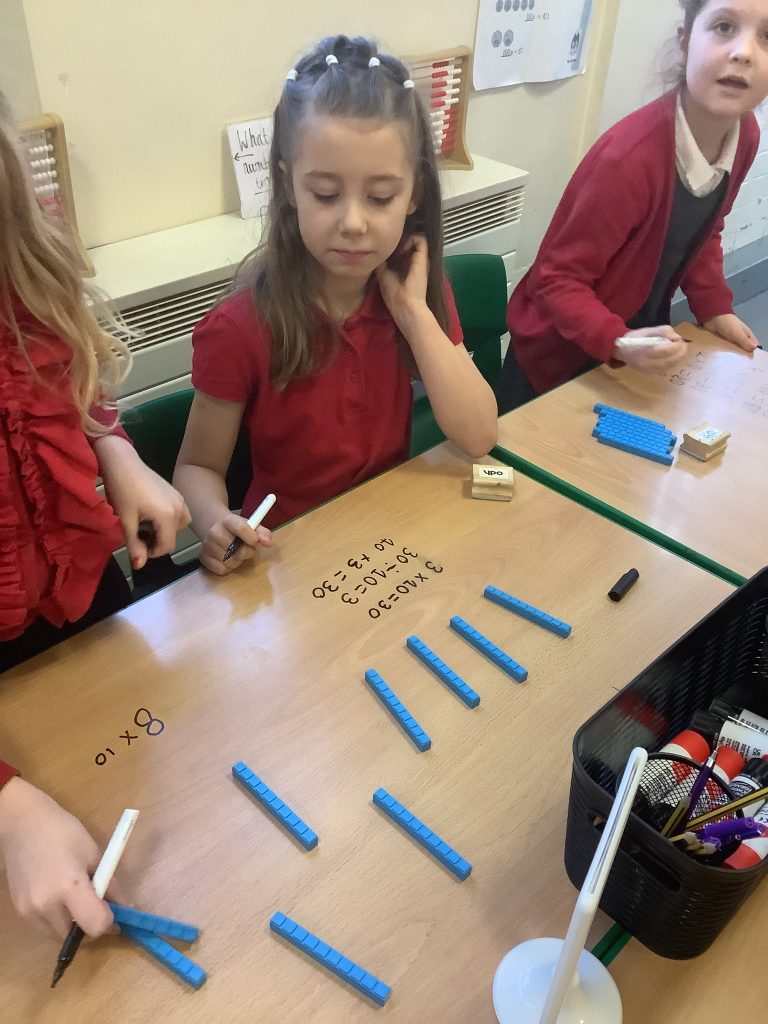
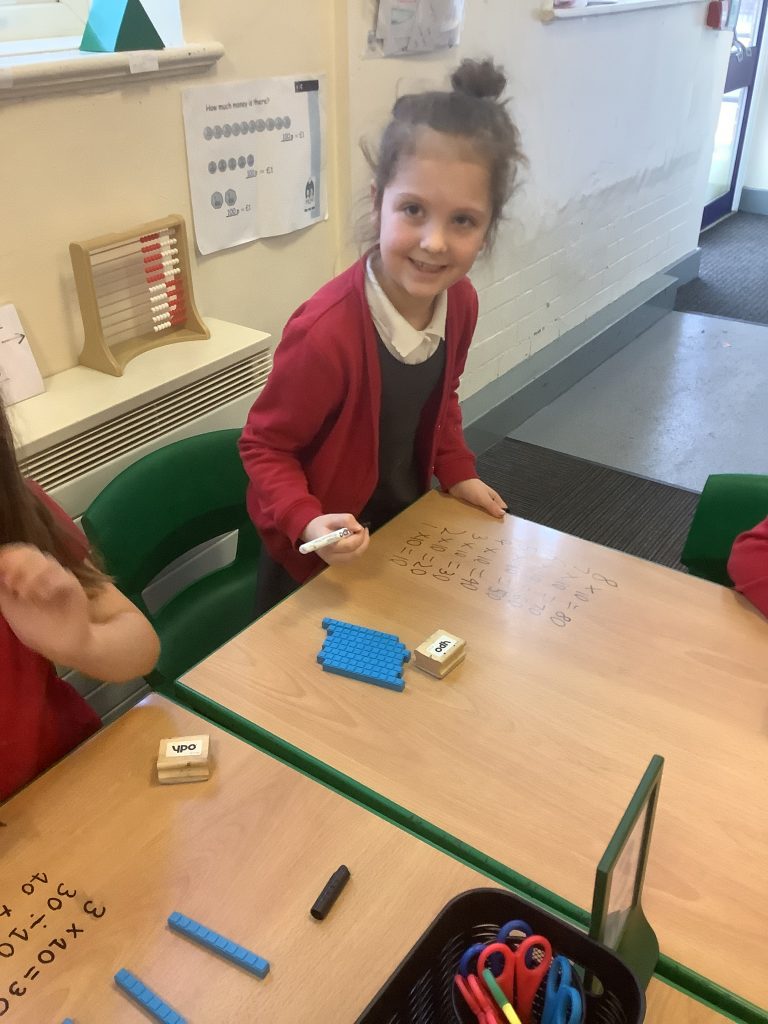
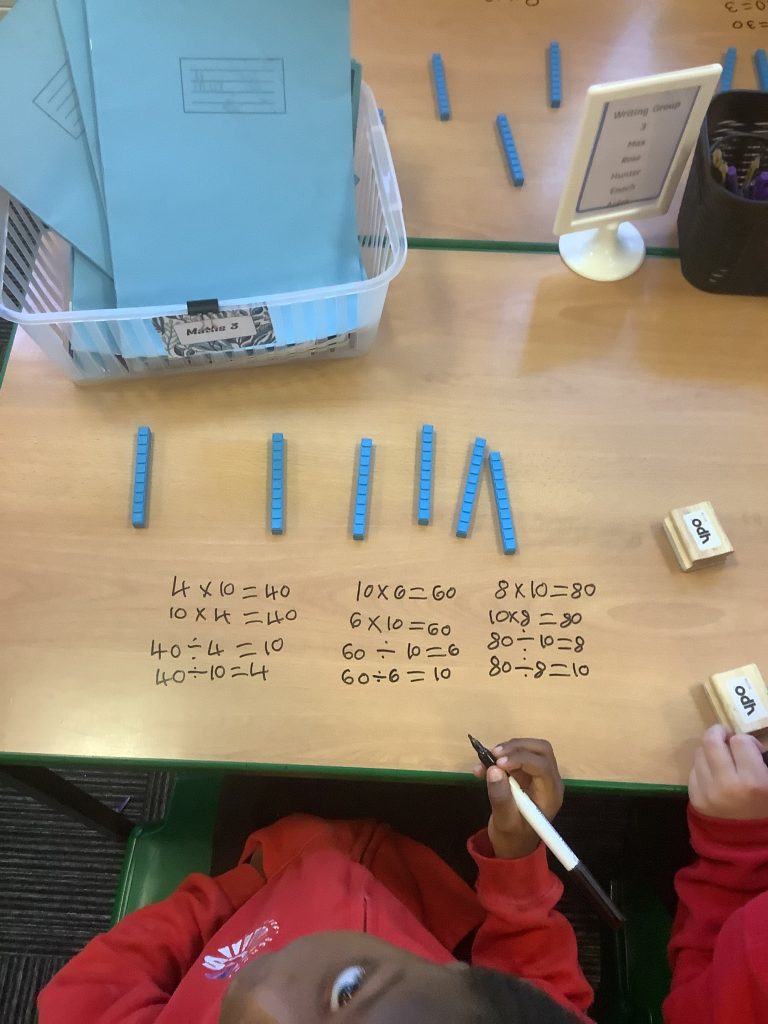
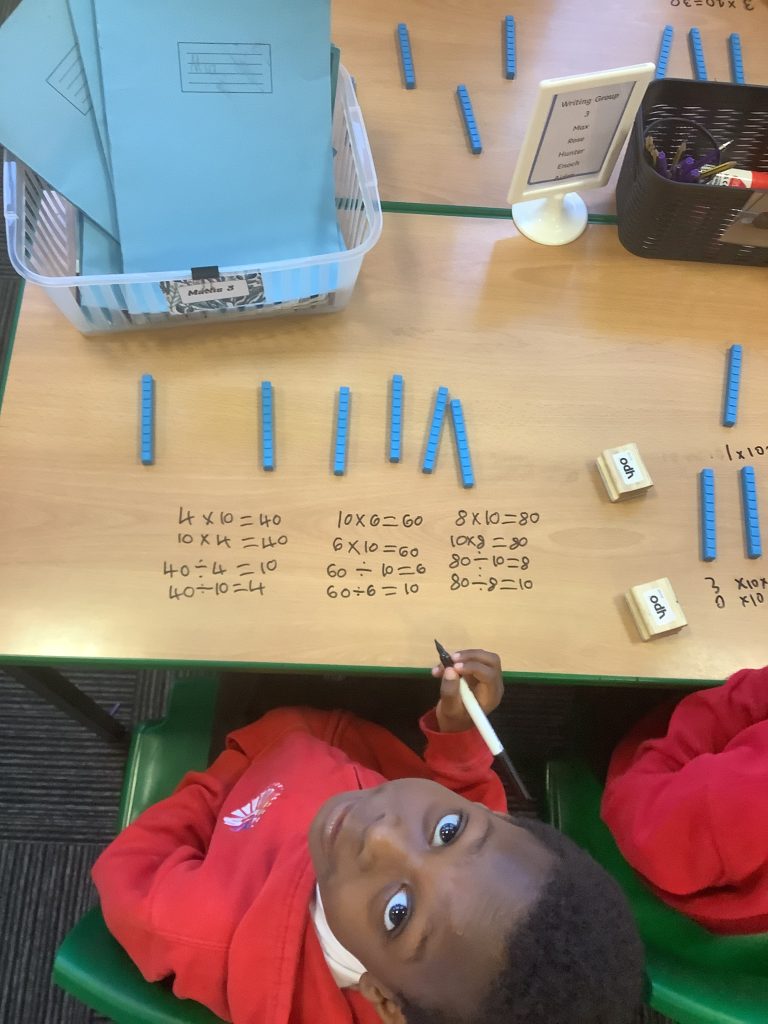
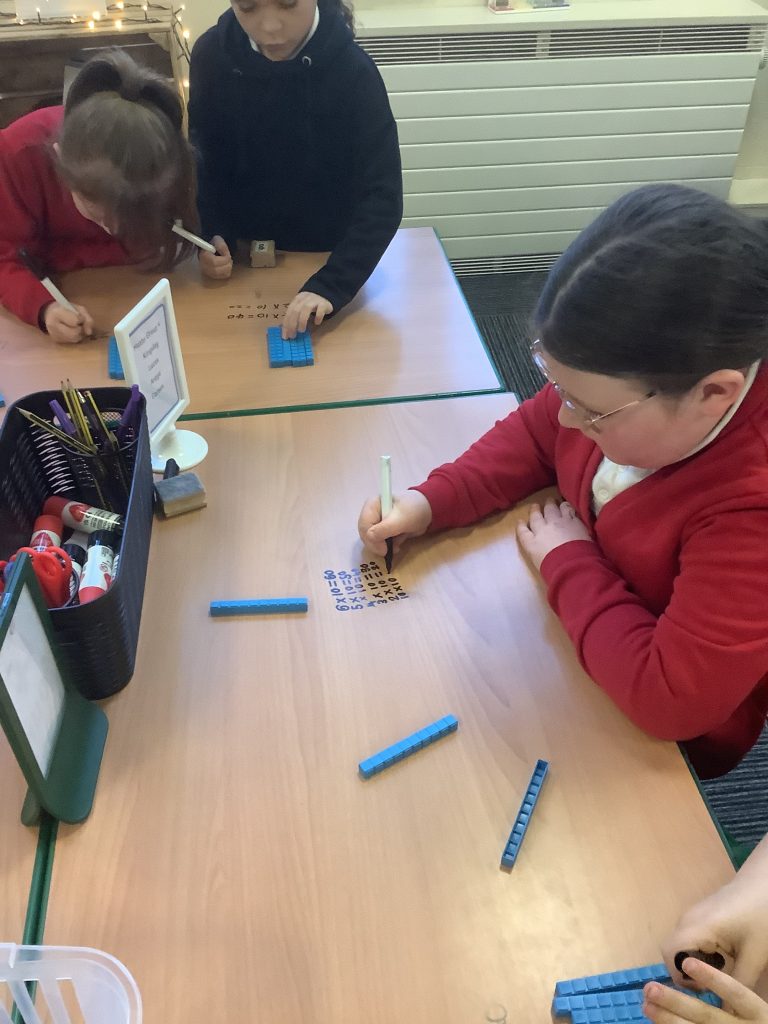
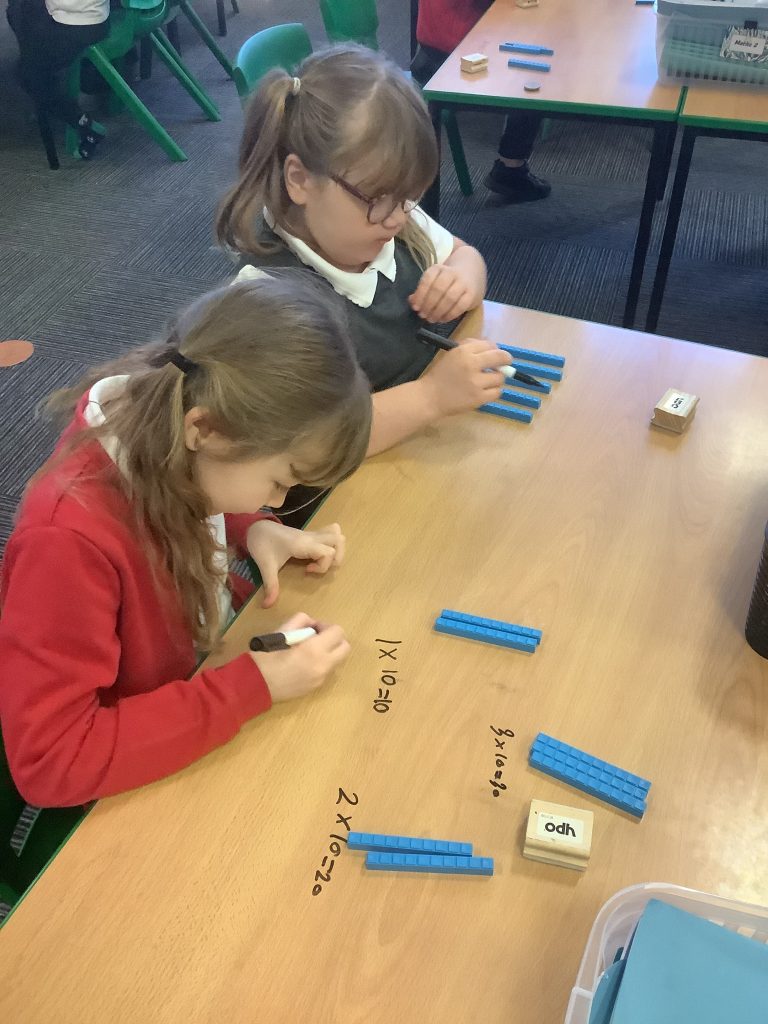
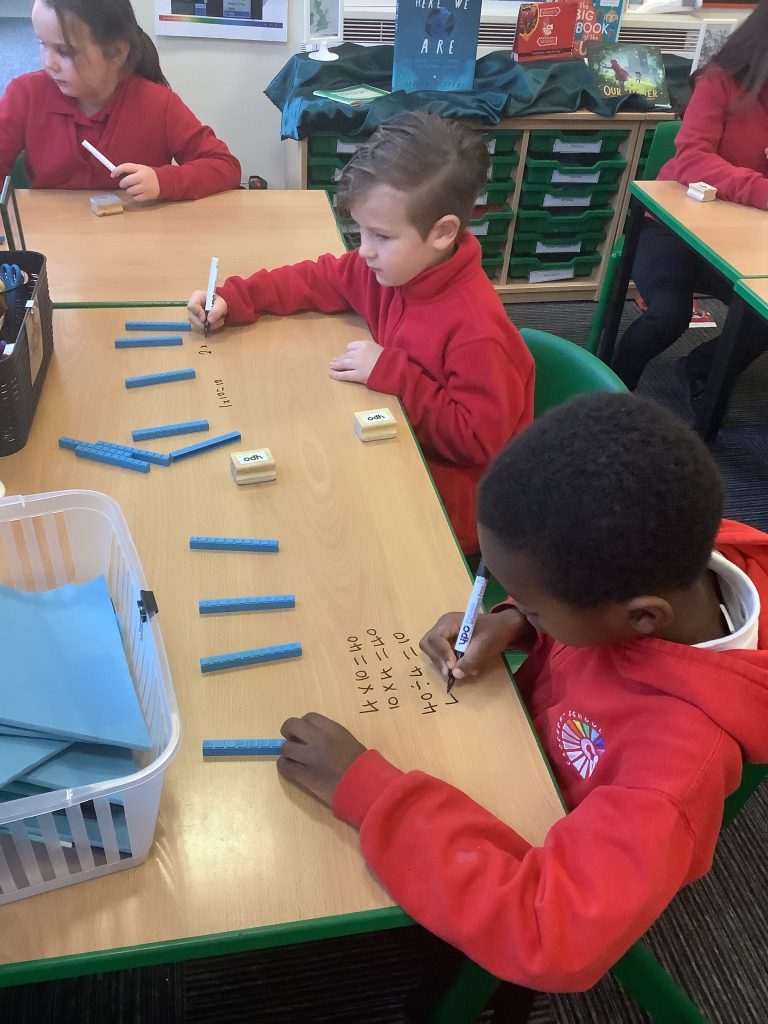
Today we have been using the Base Ten to multiply by ten and then record the abstract equations! We were able to see the commutativity of multiplication. We also explored the division facts associated with these multiplication facts.
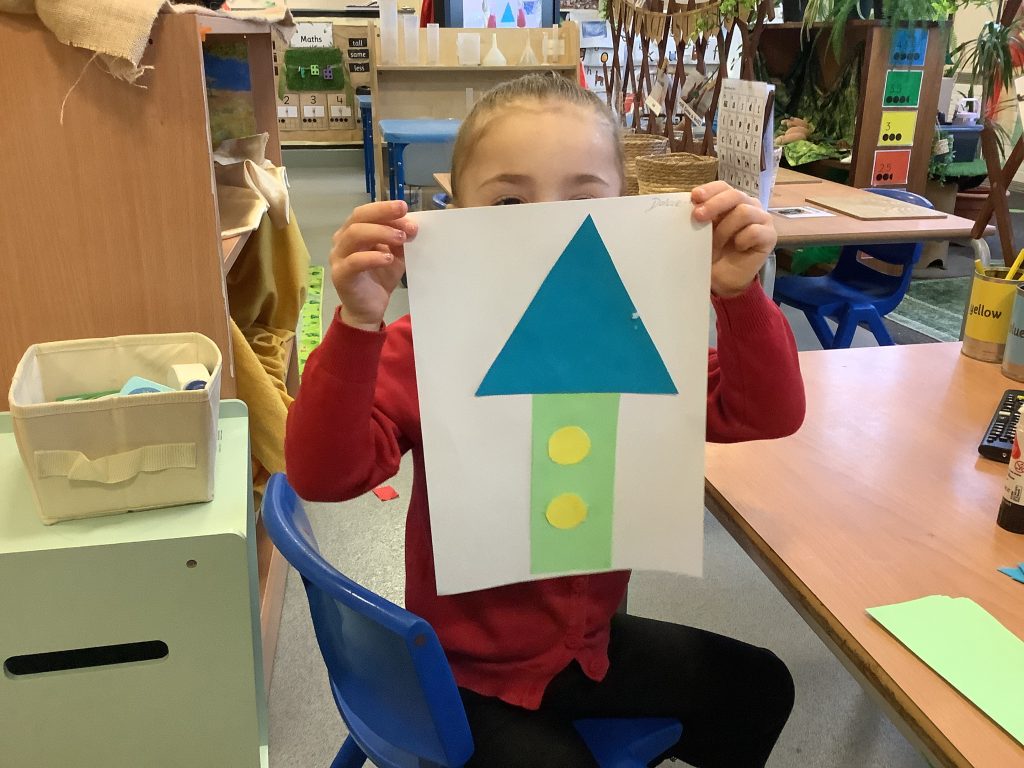
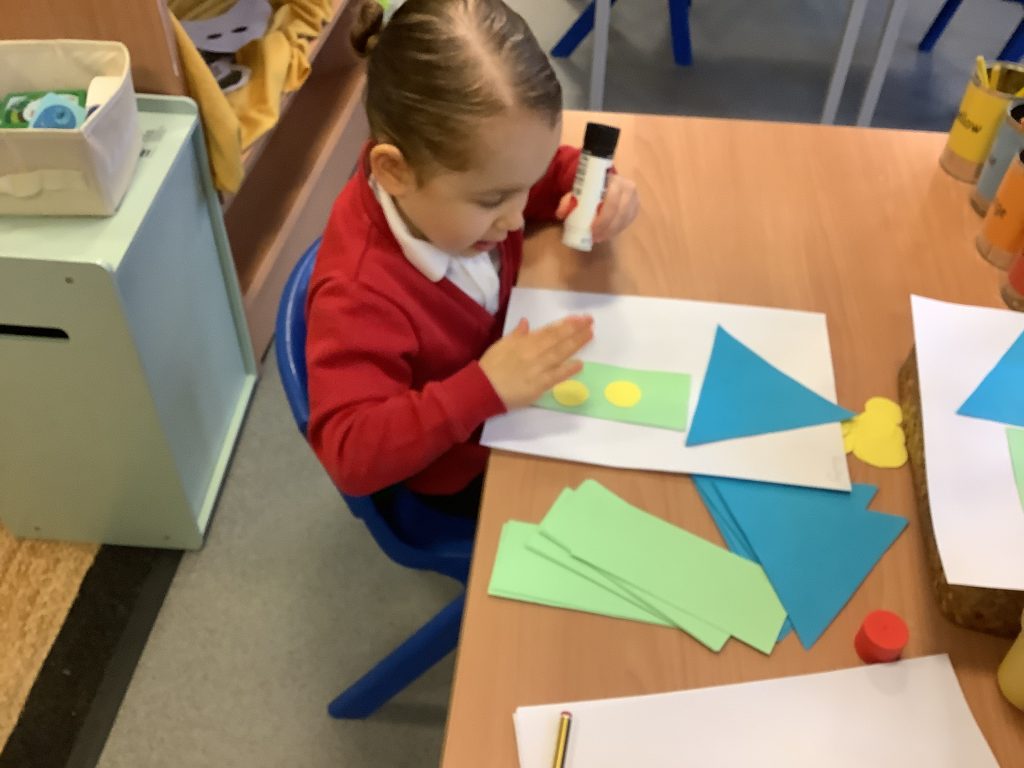
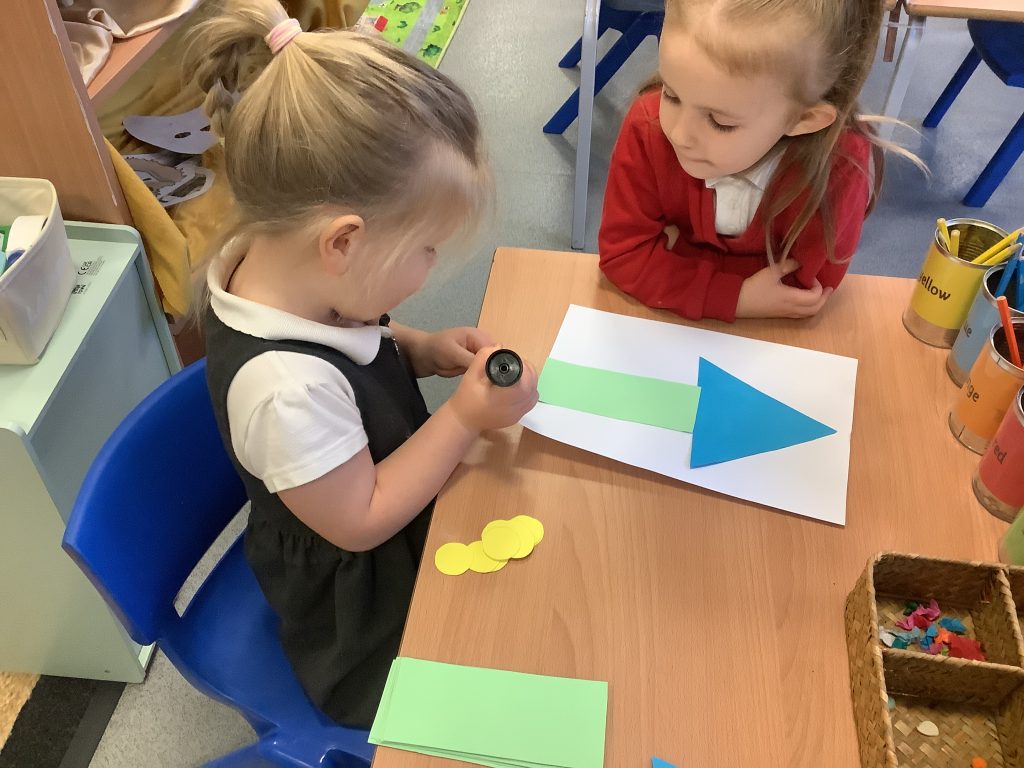
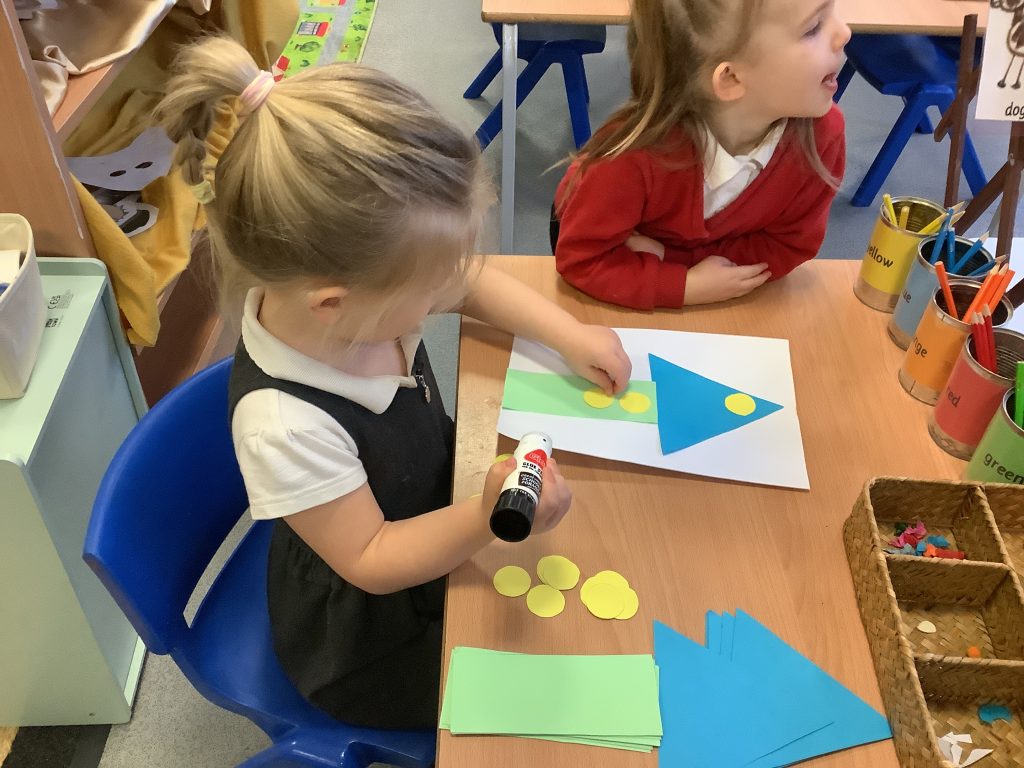
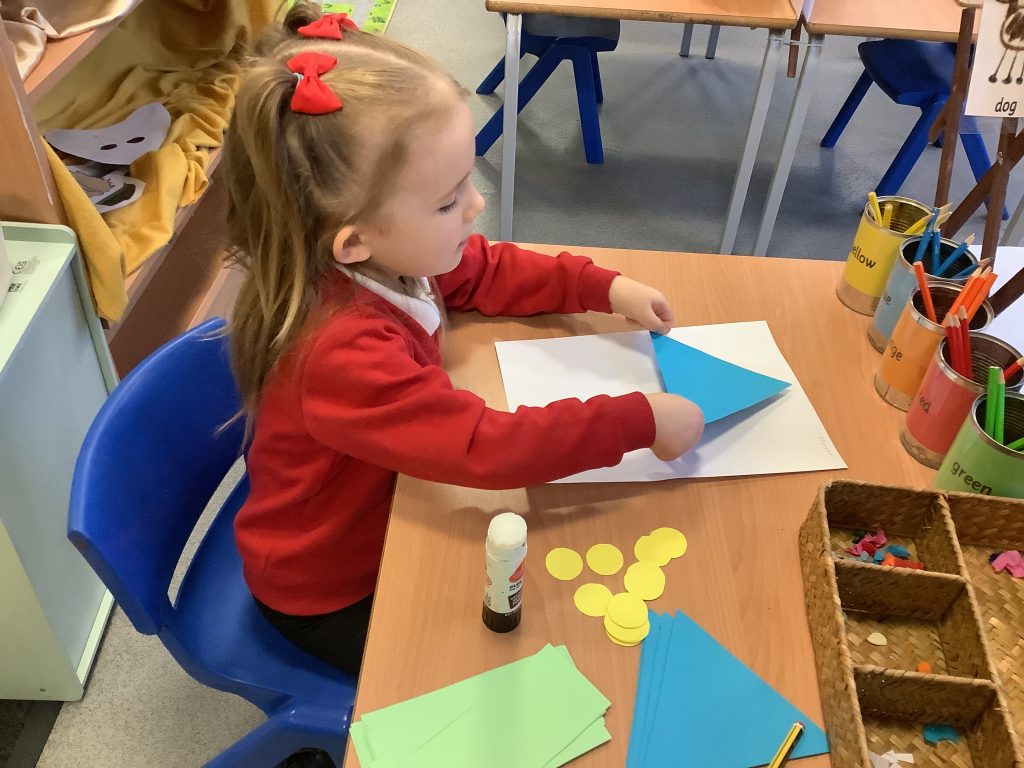
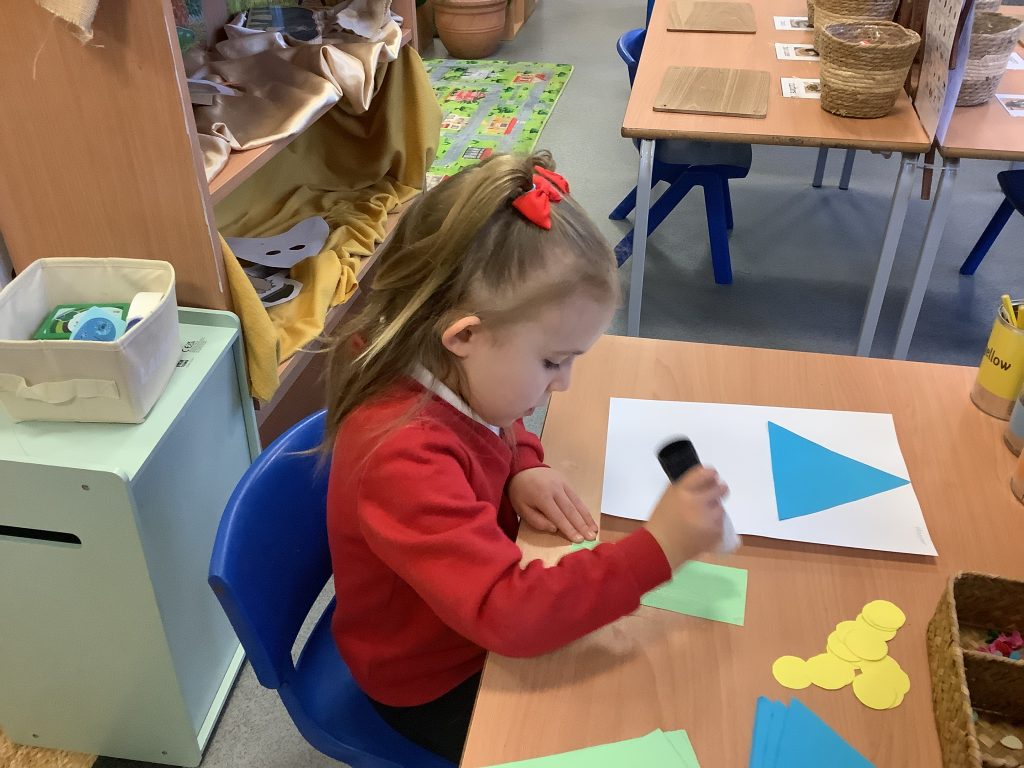
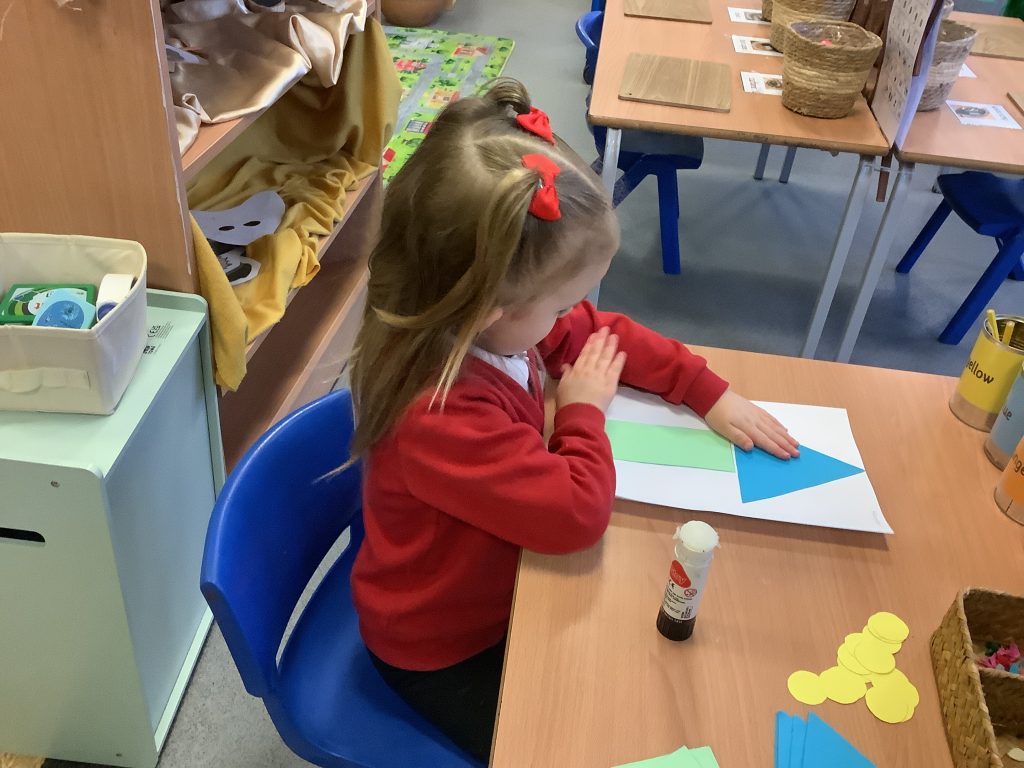
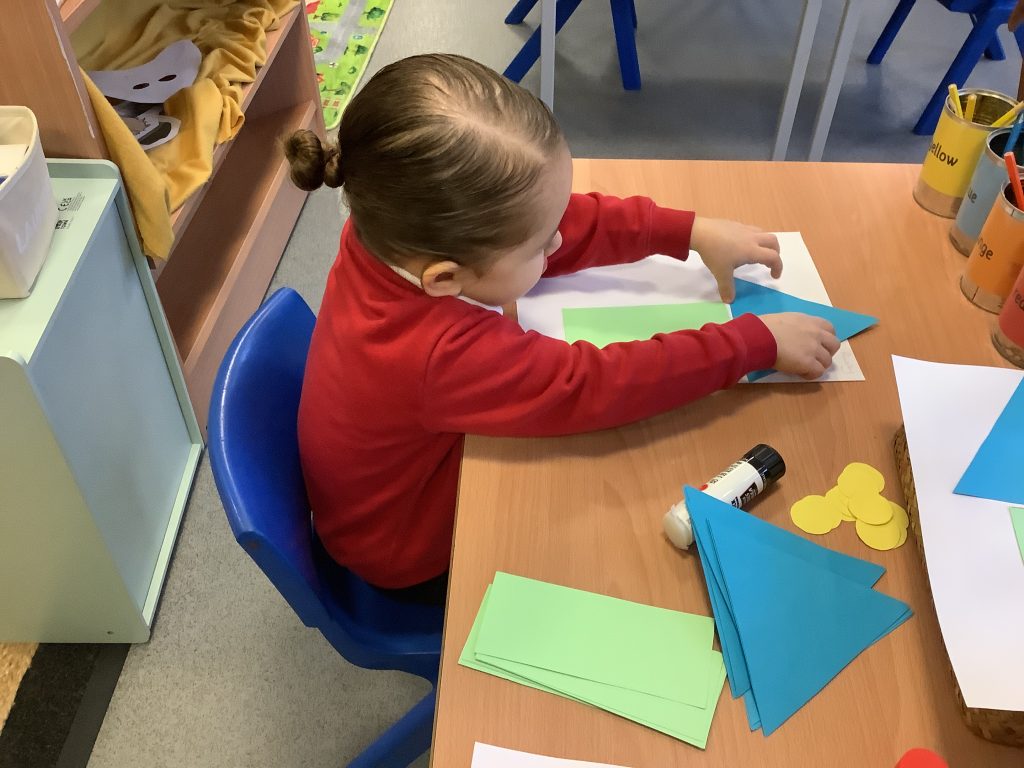
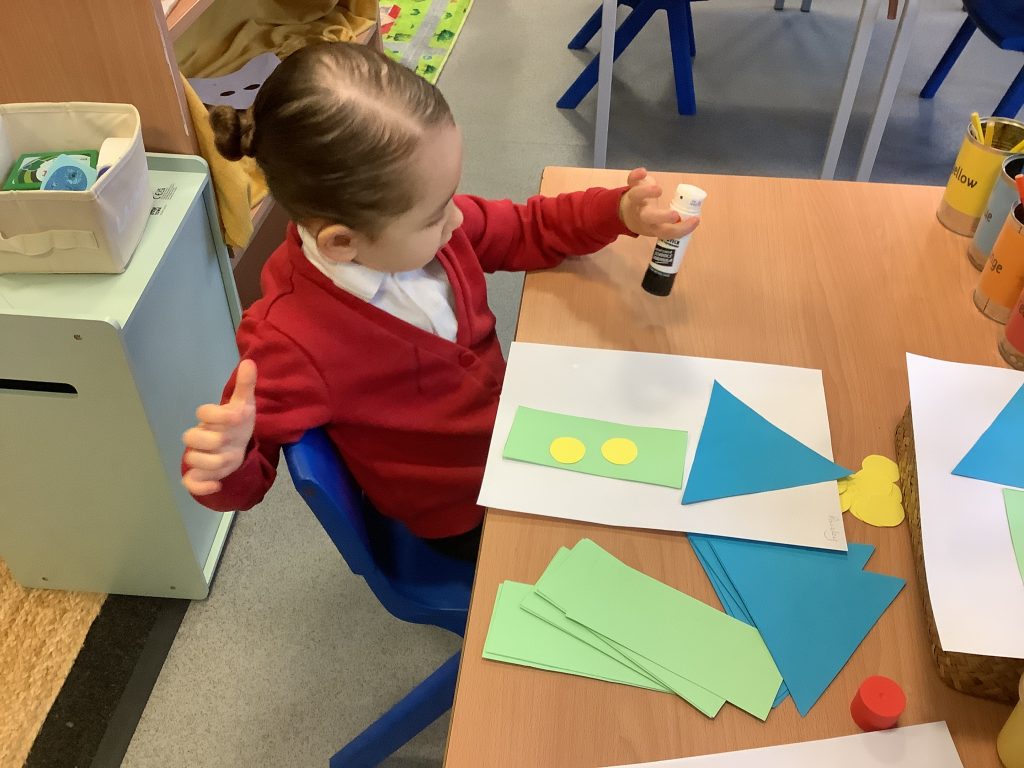
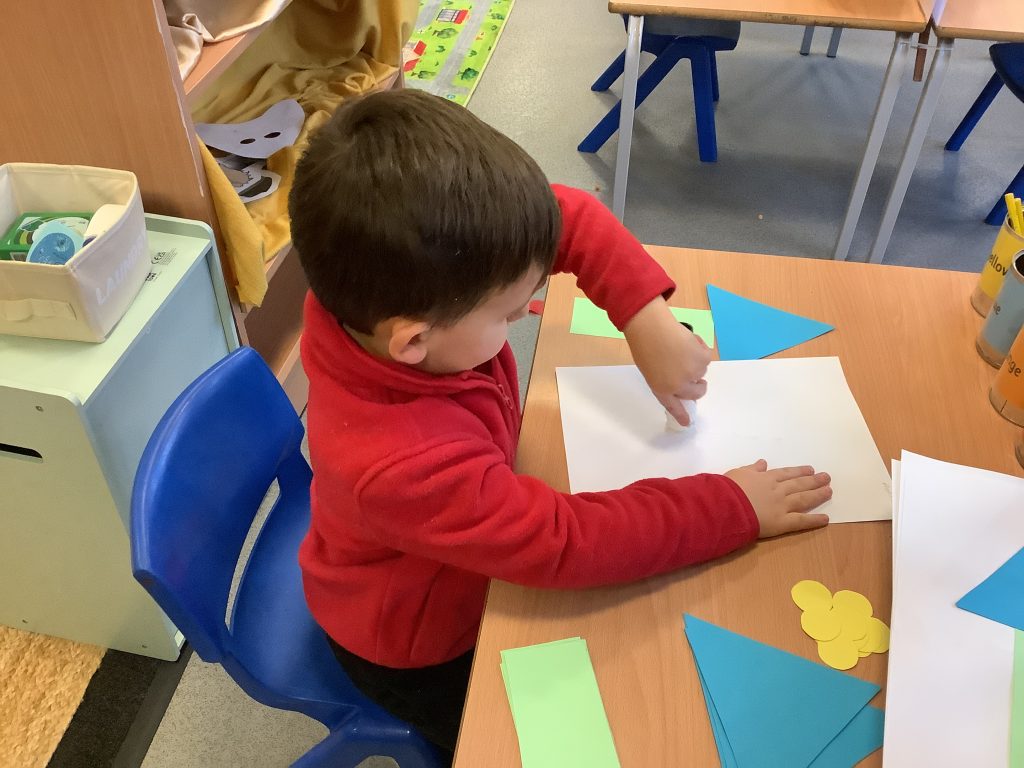
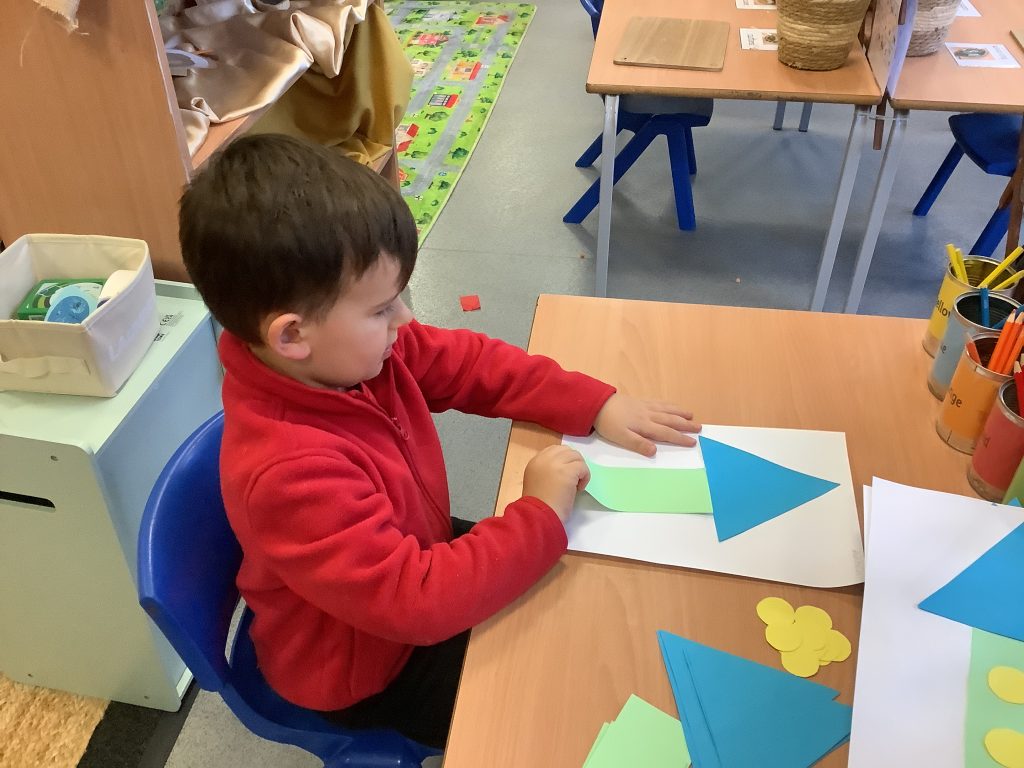
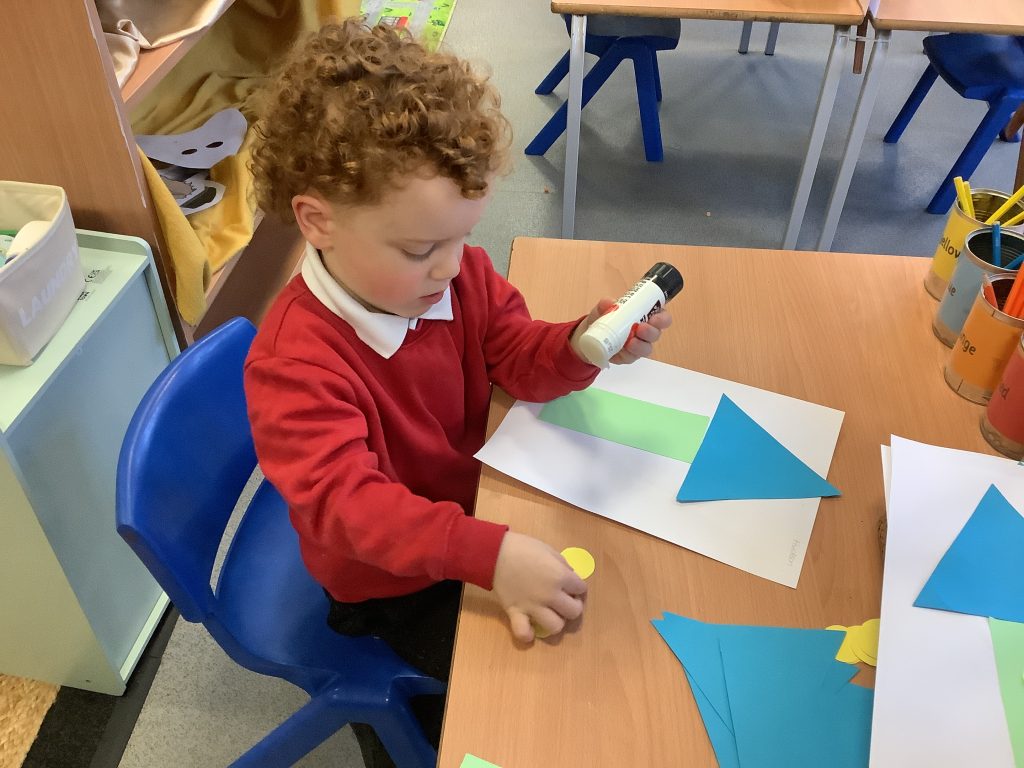
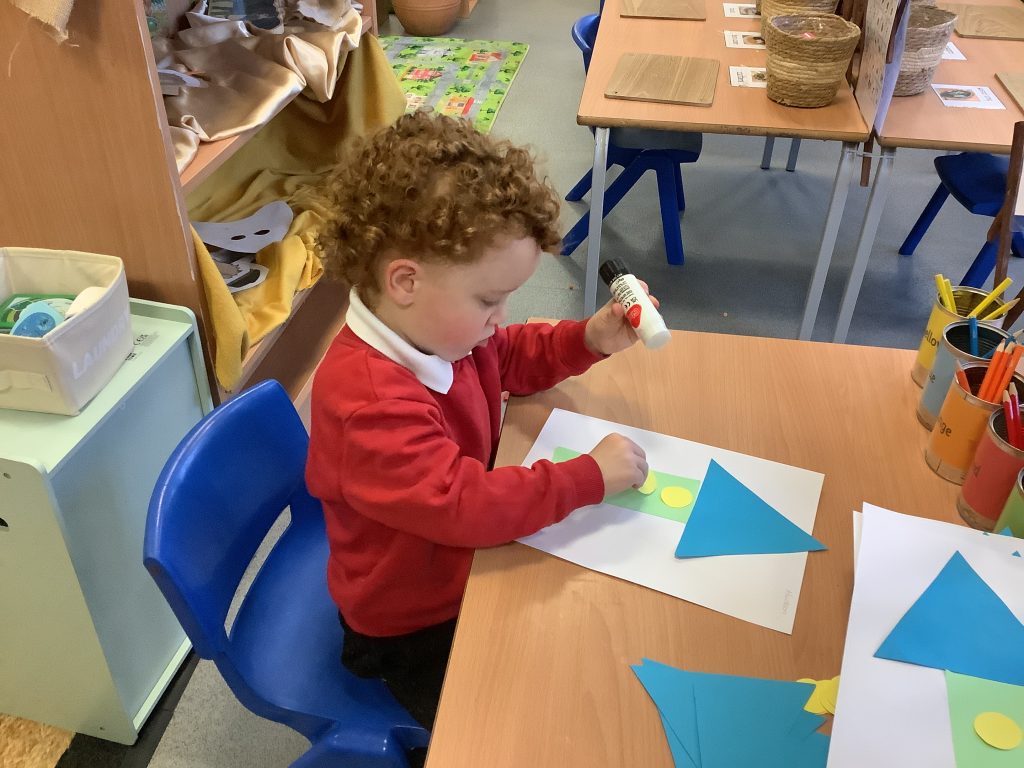
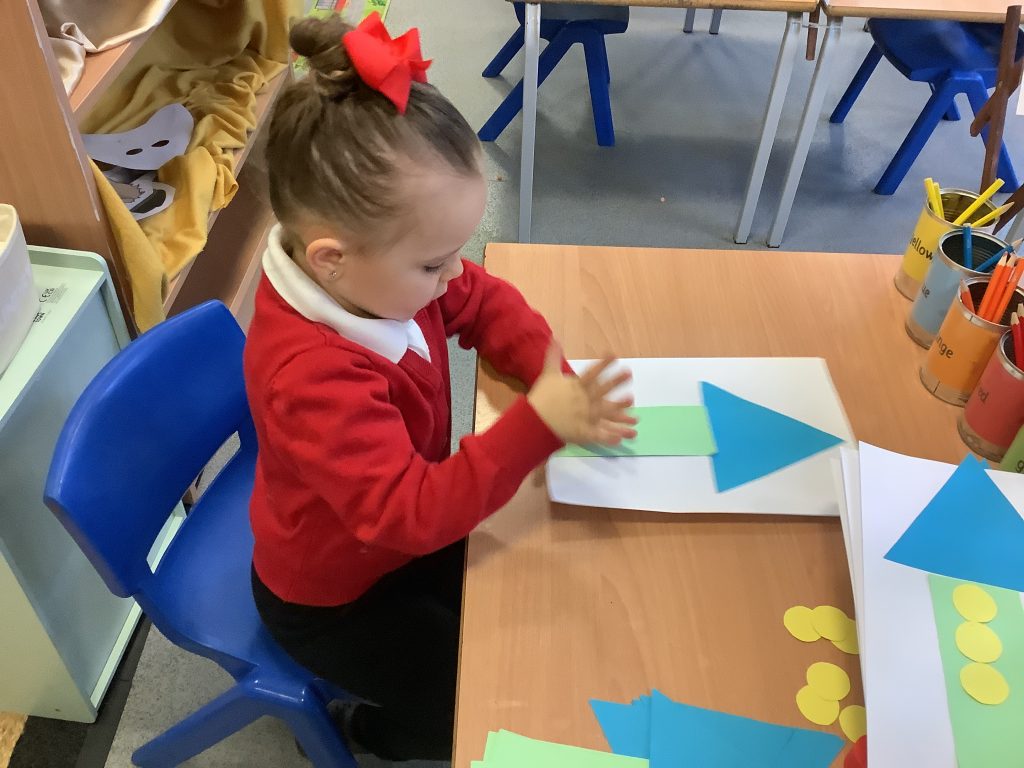
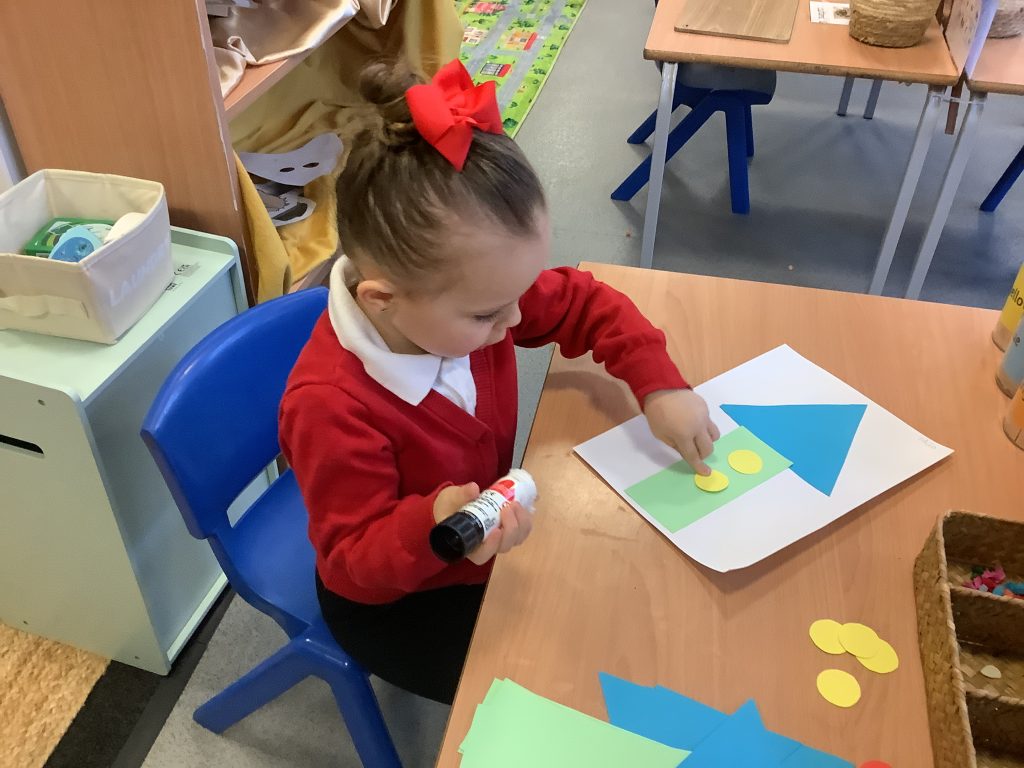
Last week the children explored the story Whatever Next! as part of their expedition learning. This story was incorporated into our continuous provision to support their understanding through play. The children were provided with simple 2D shapes such as circles, squares and triangles and encouraged to talk about the shapes and their properties. Using their knowledge, they created their own rockets inspired by the story.
This activity supported the children’s fine motor development as they manipulated and placed the shapes, while also developing their mathematical understanding of shape and space. The hands-on experience also provided rich sensory exploration and opportunities for discussion, linking storytelling with creative and mathematical learning. Well done crew Frost.
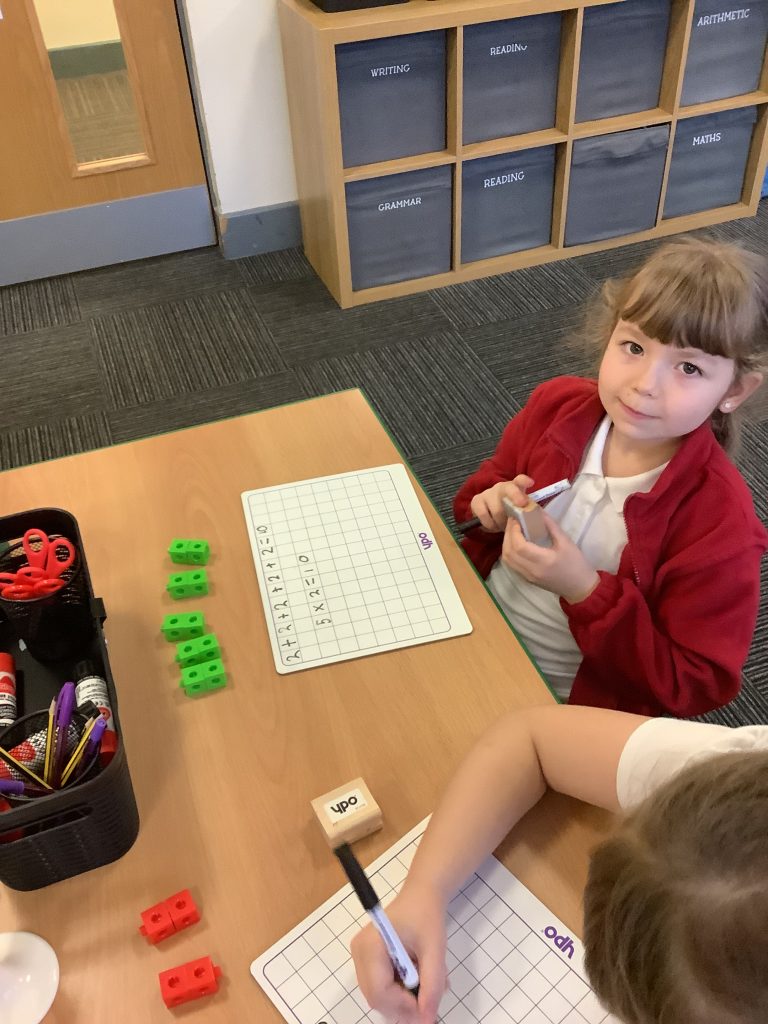
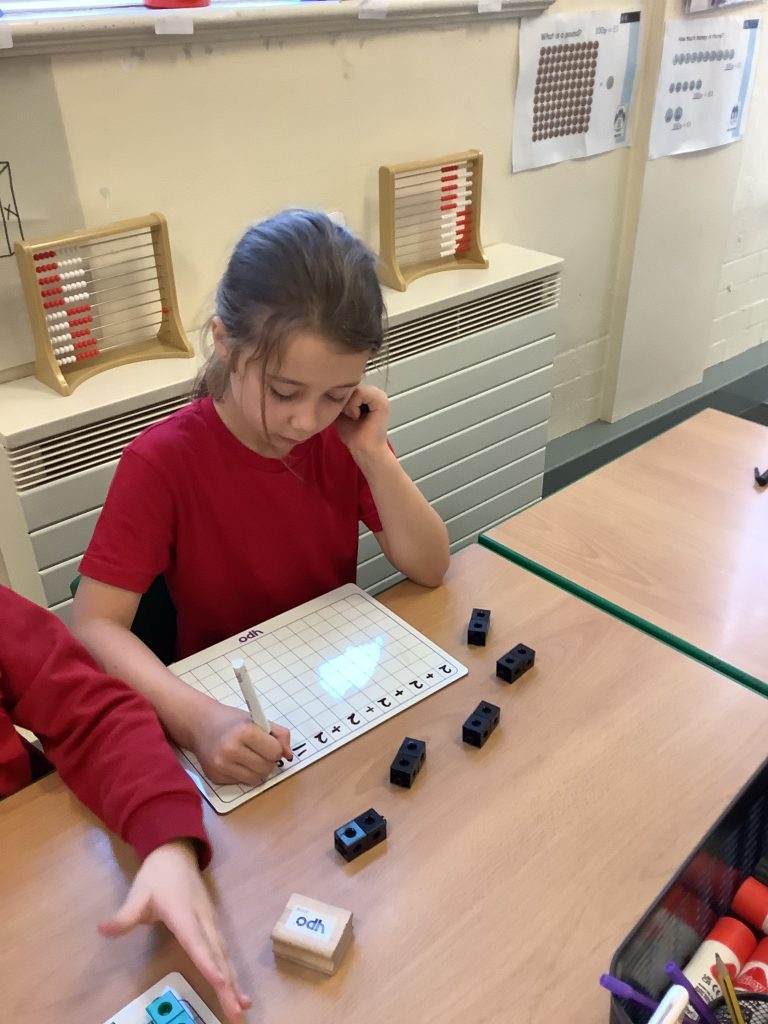
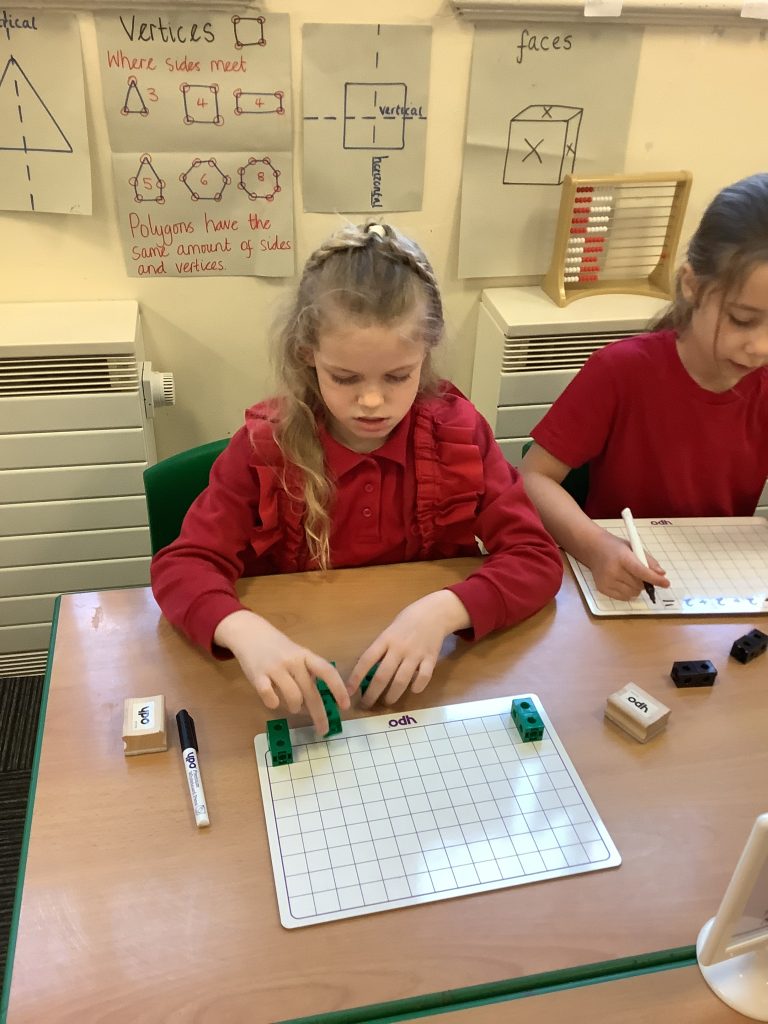
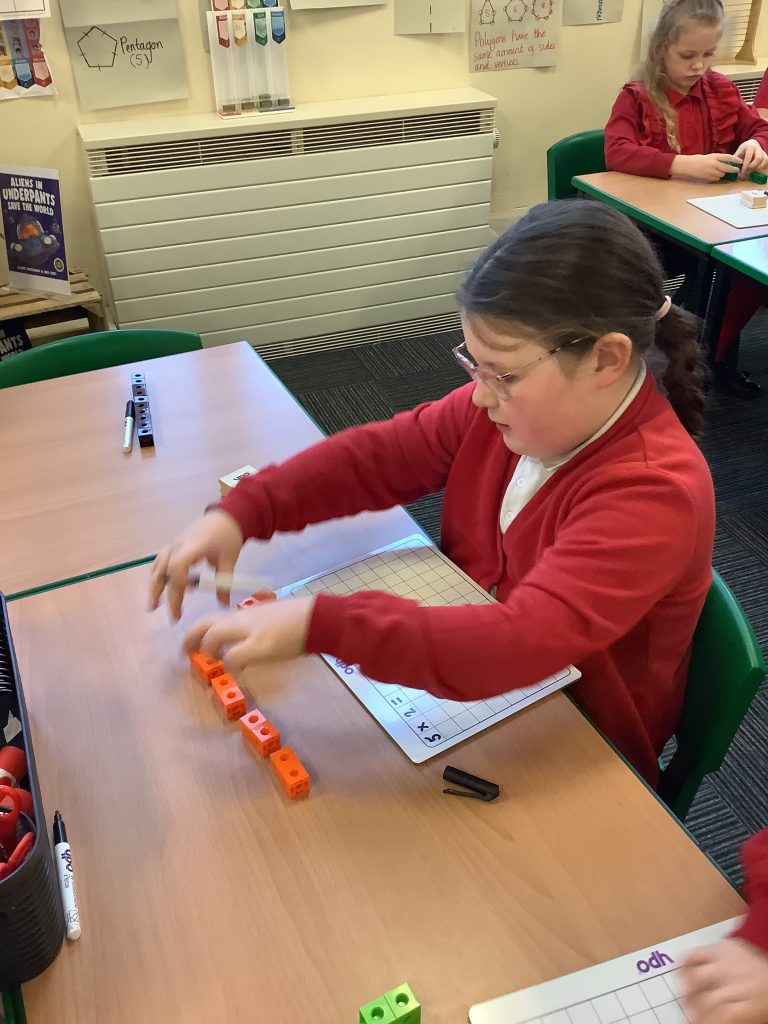
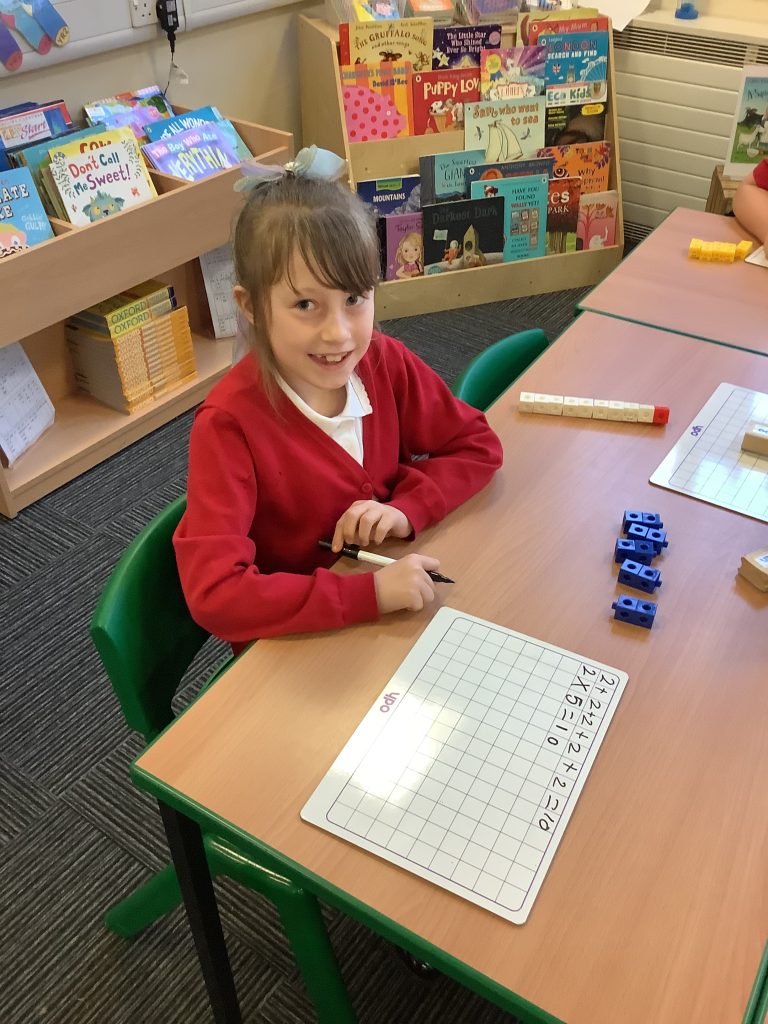
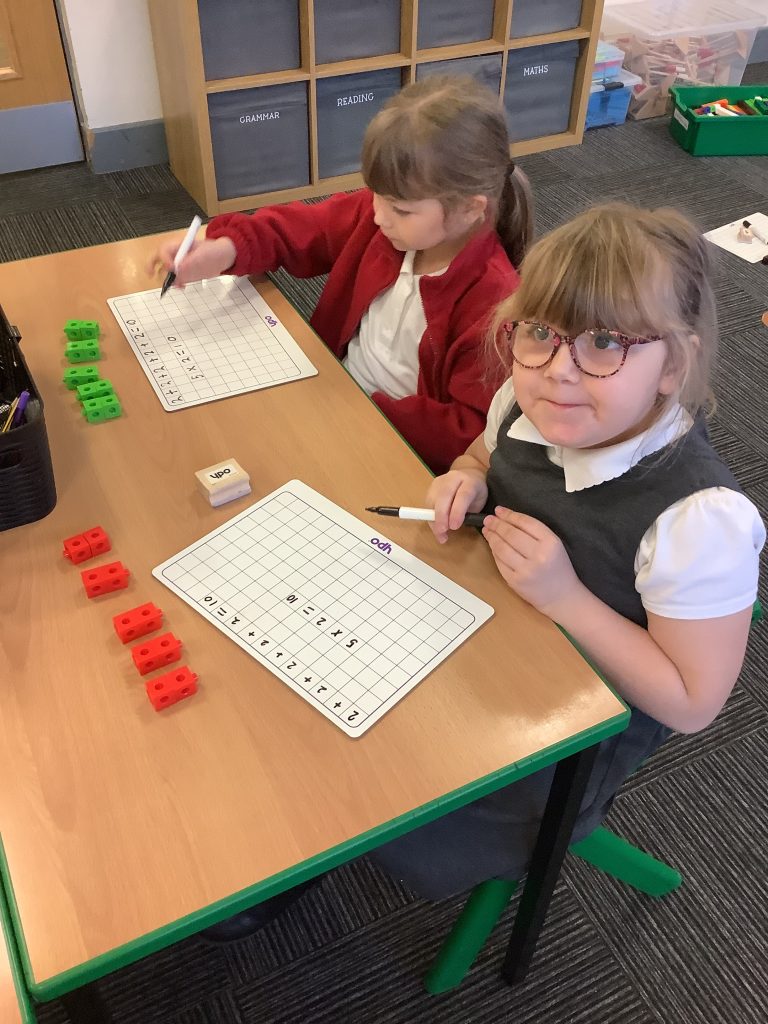
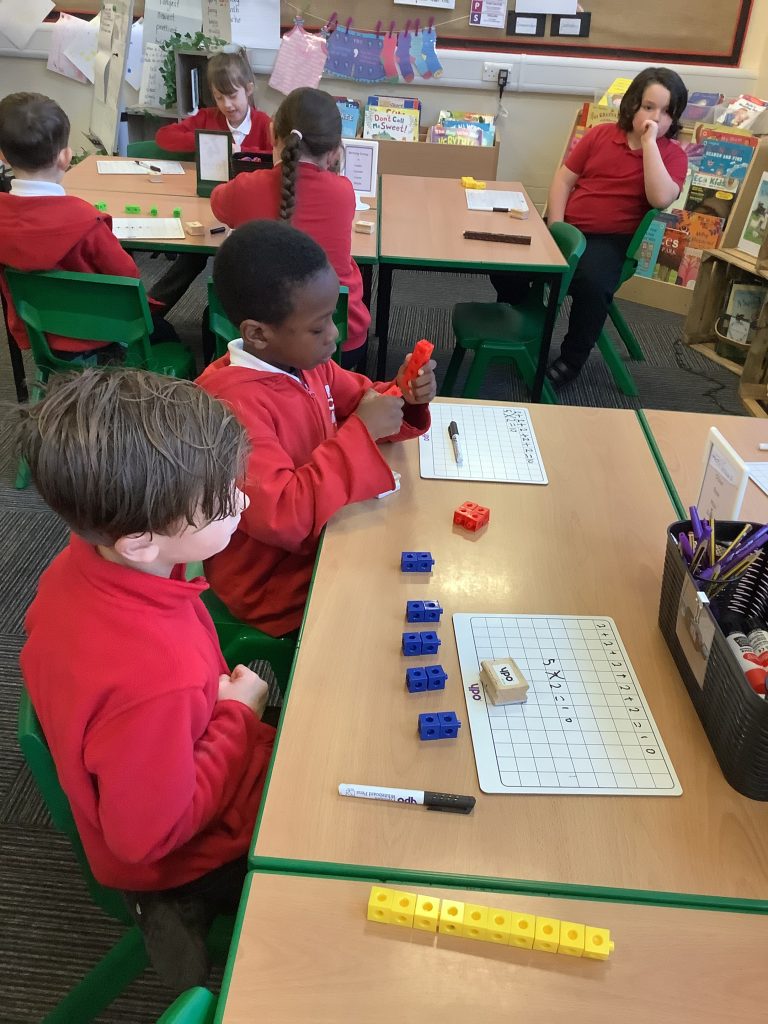
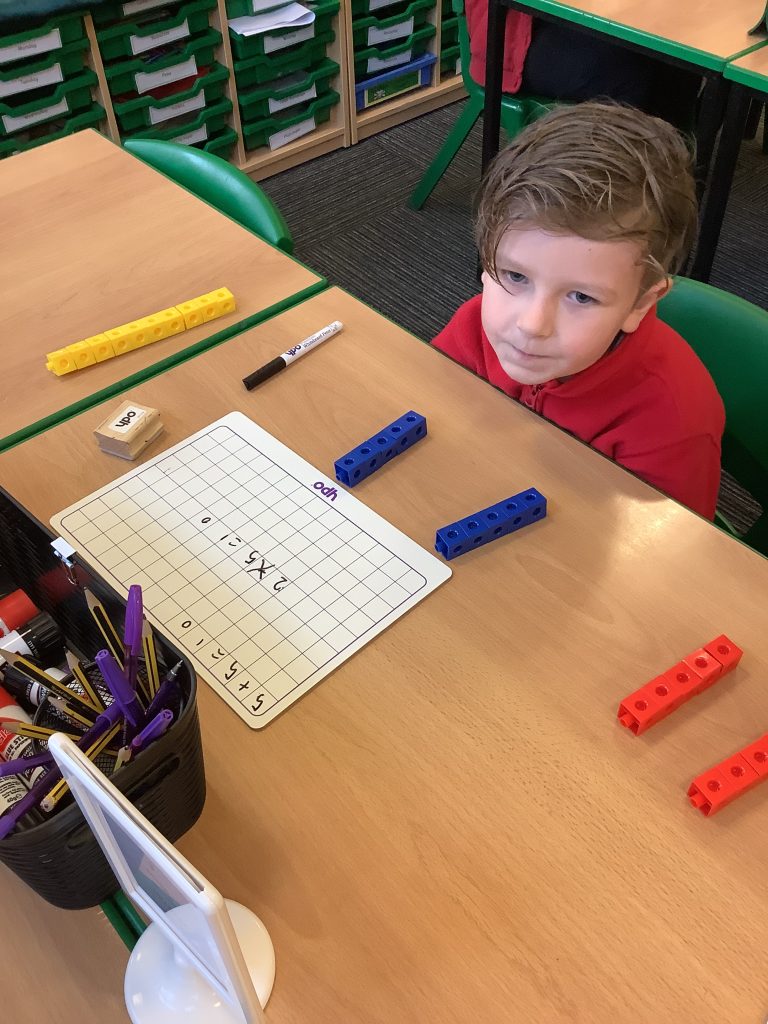
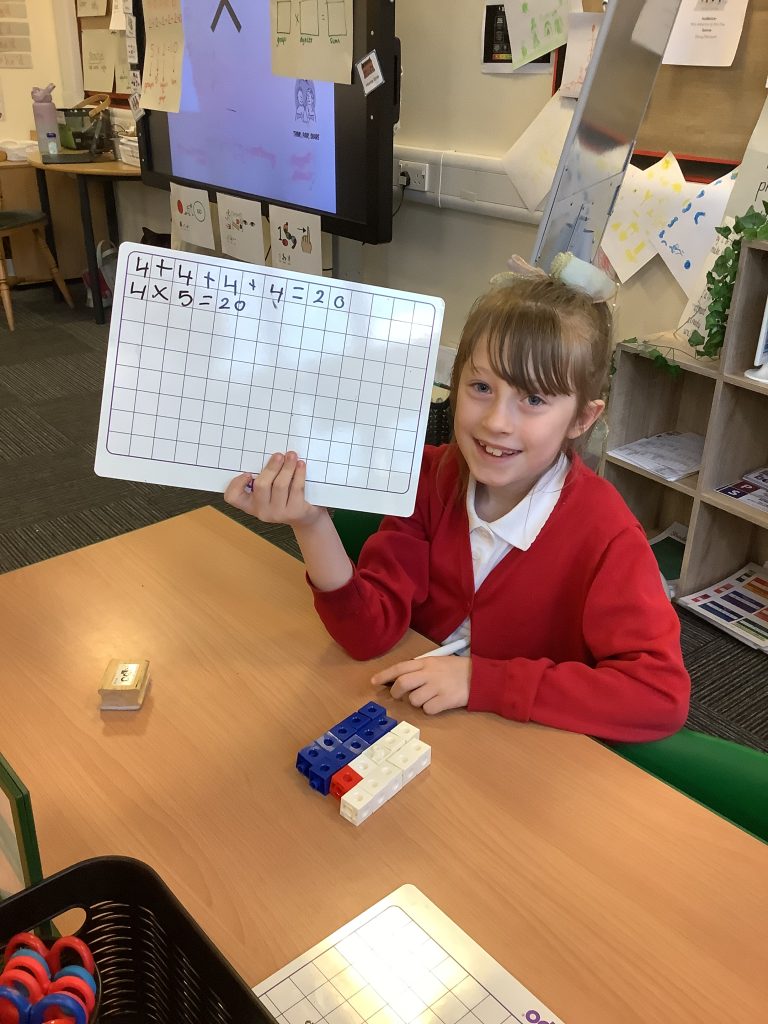
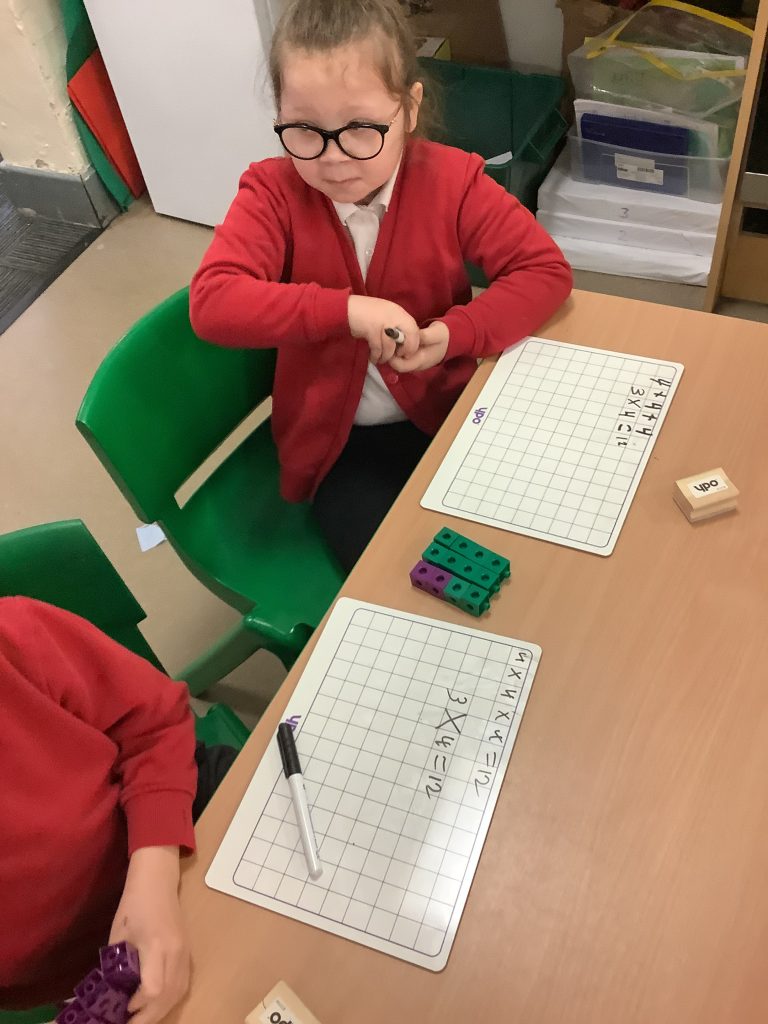
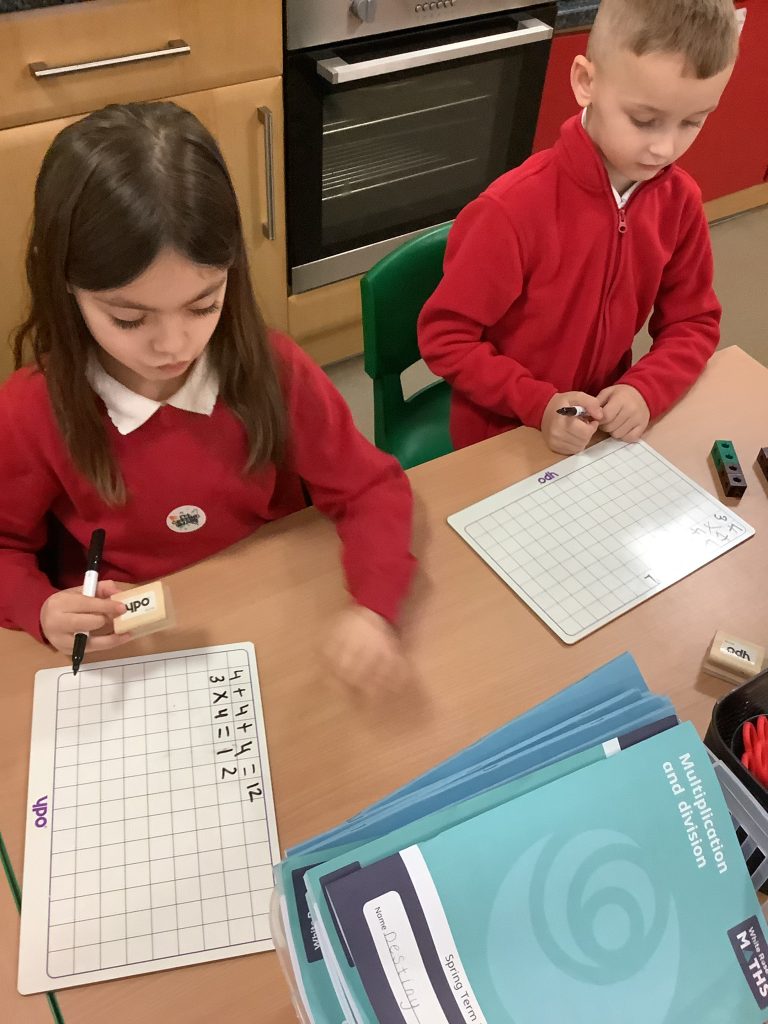
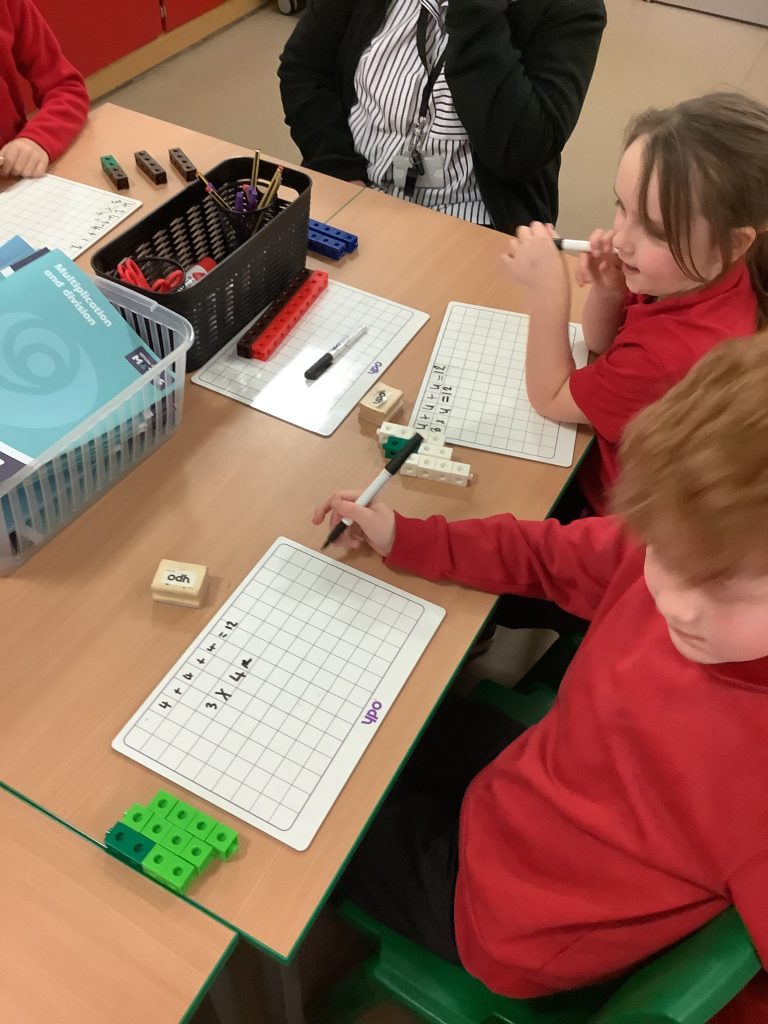
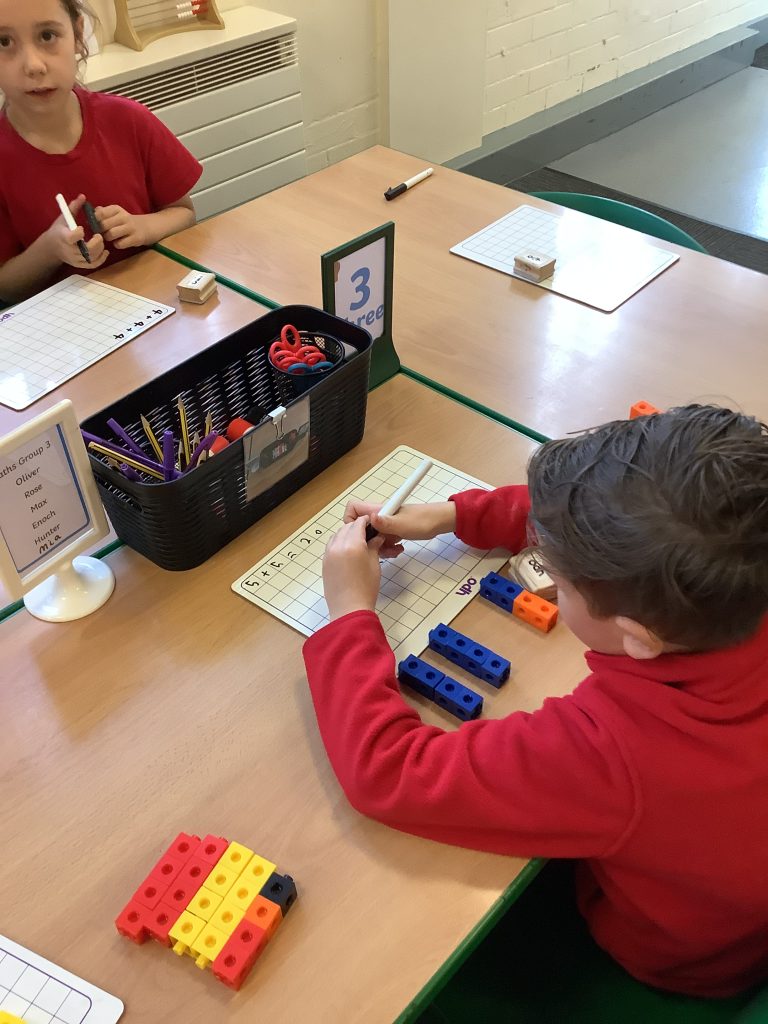
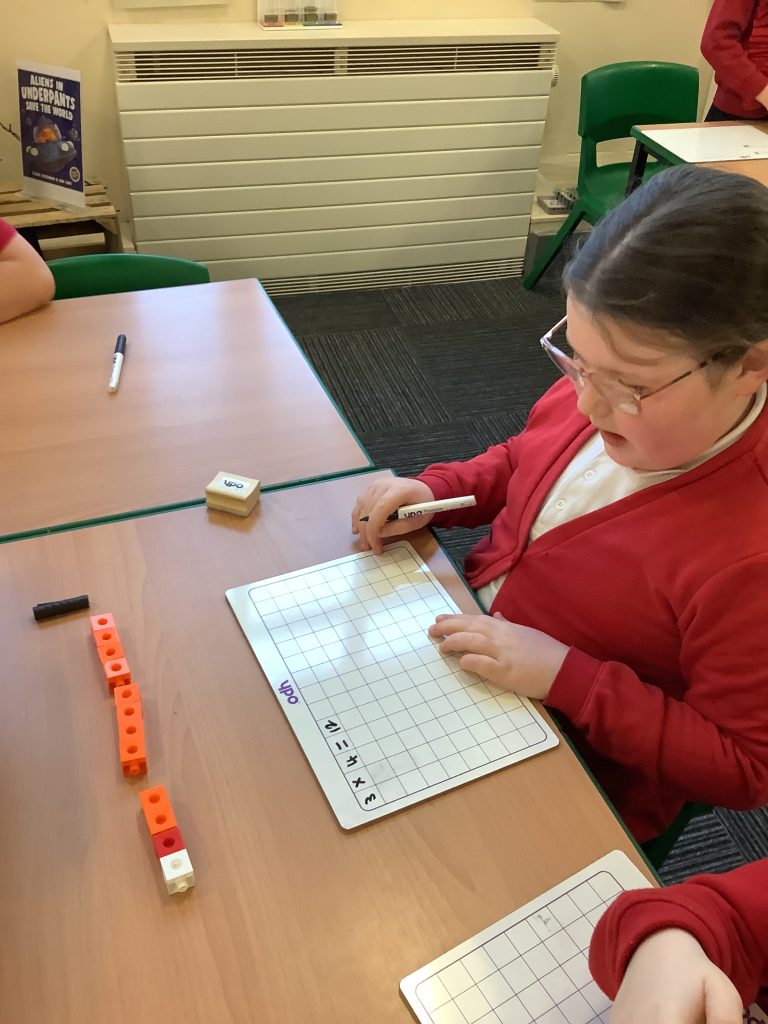
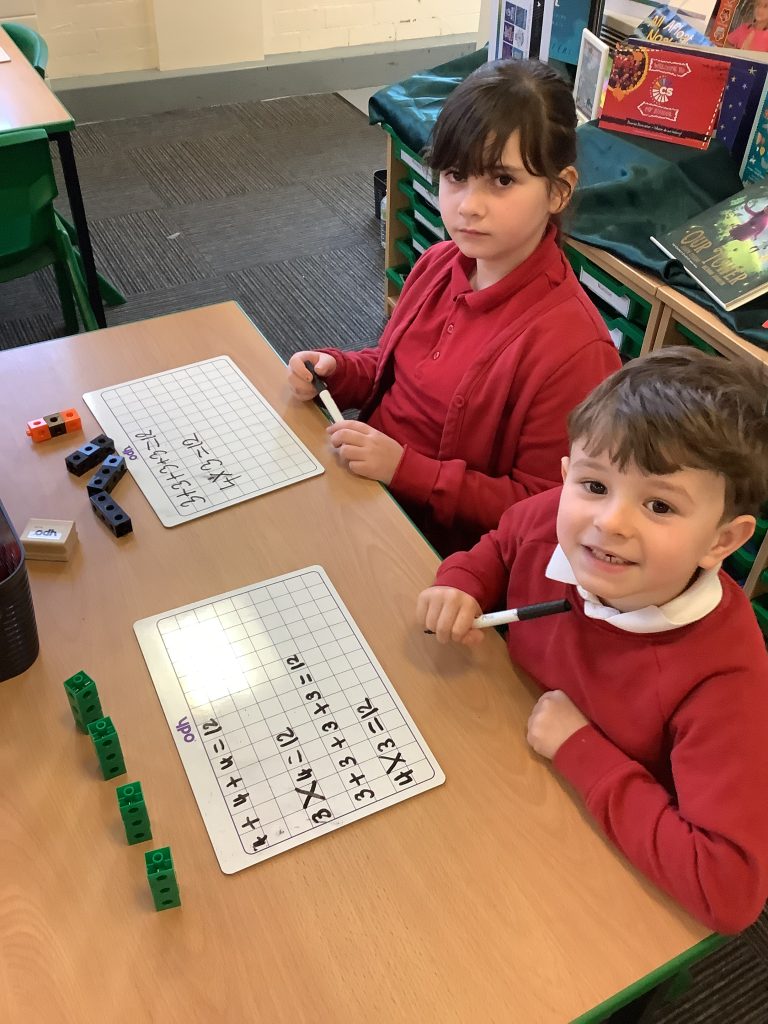
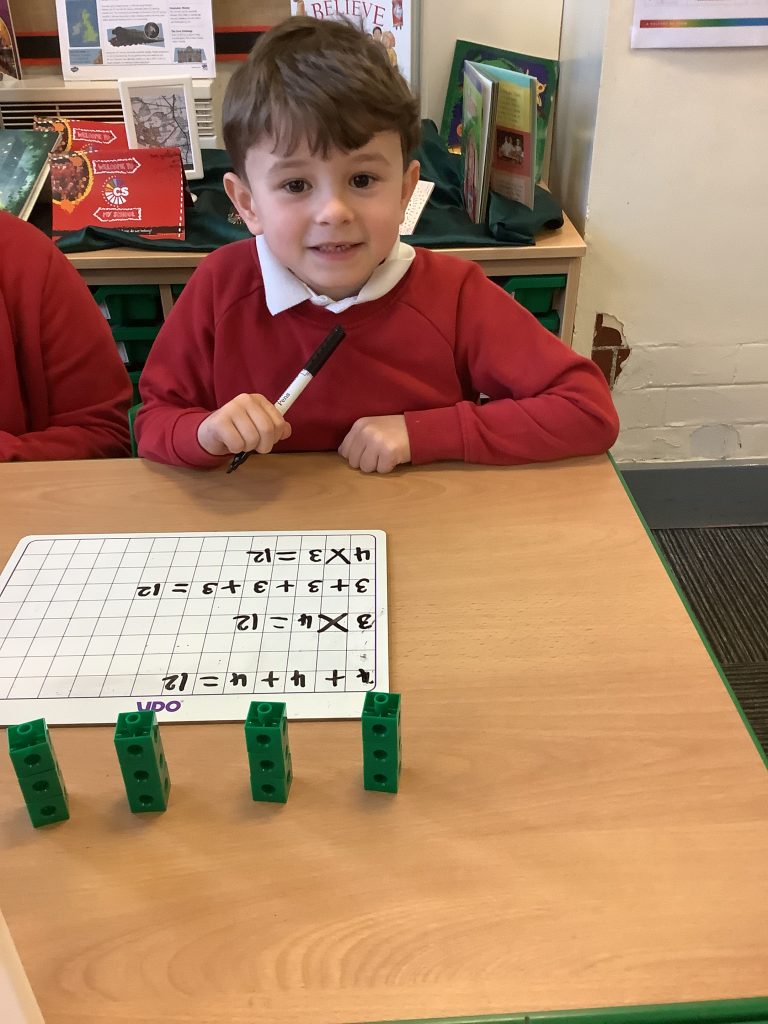
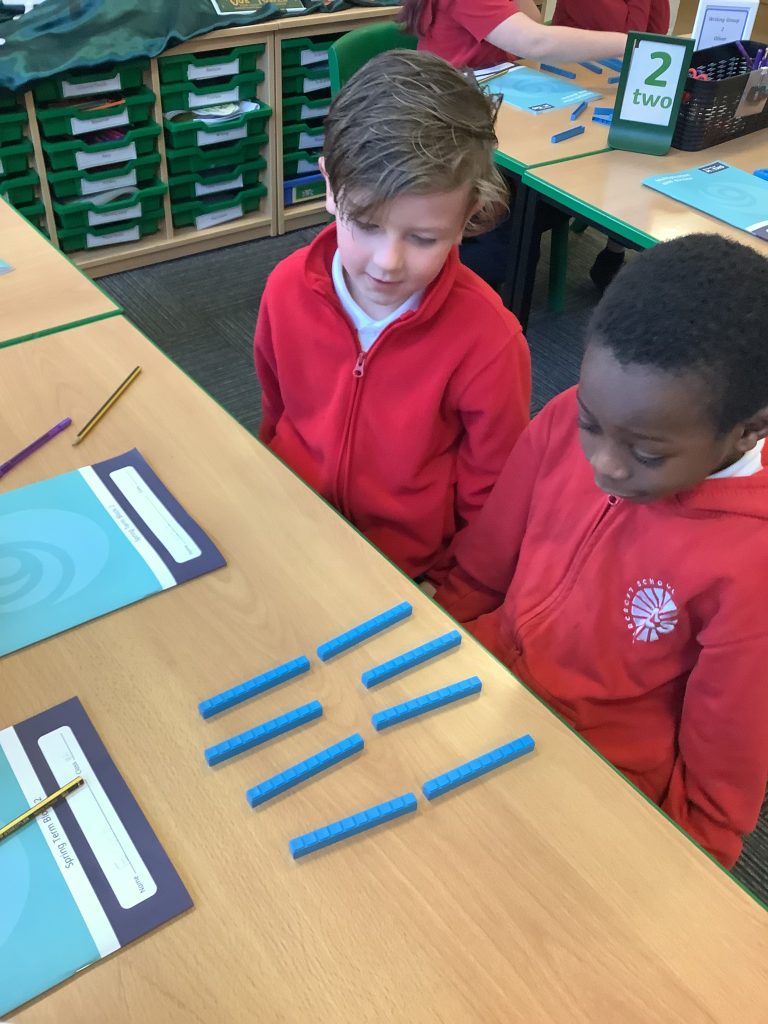
We have been learning about the 2 times tables using bricks to visualise what this looks like. We noticed doubles! We then wrote out the abstract form and noticed the commutativity of multiplication… check us out!

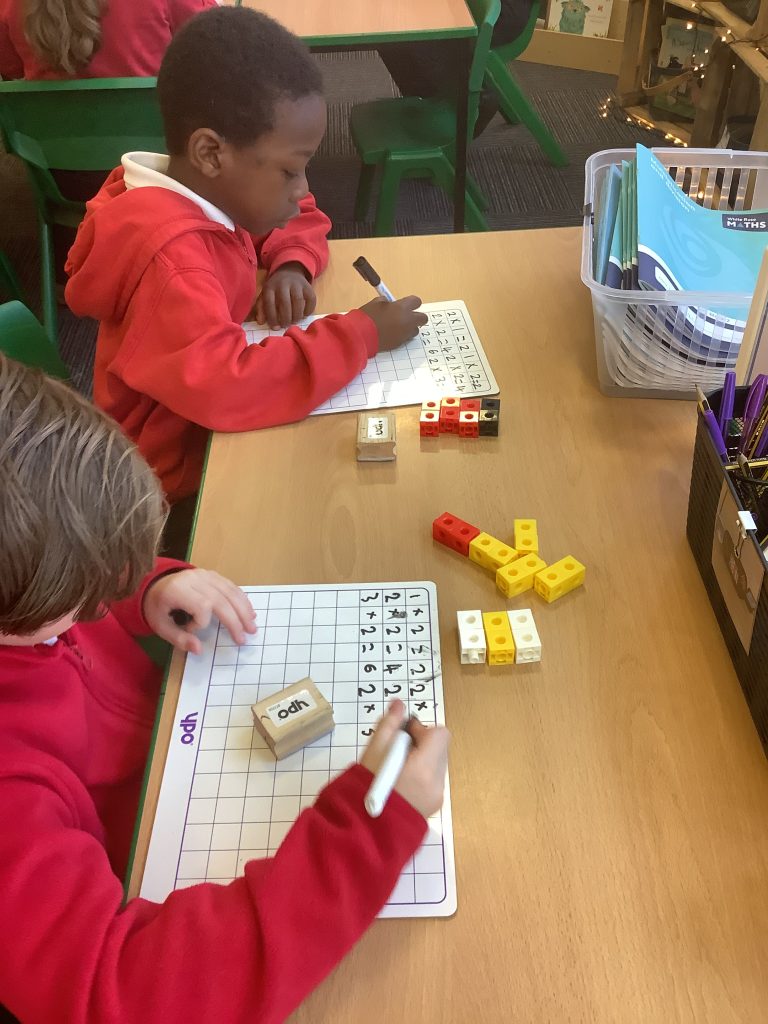
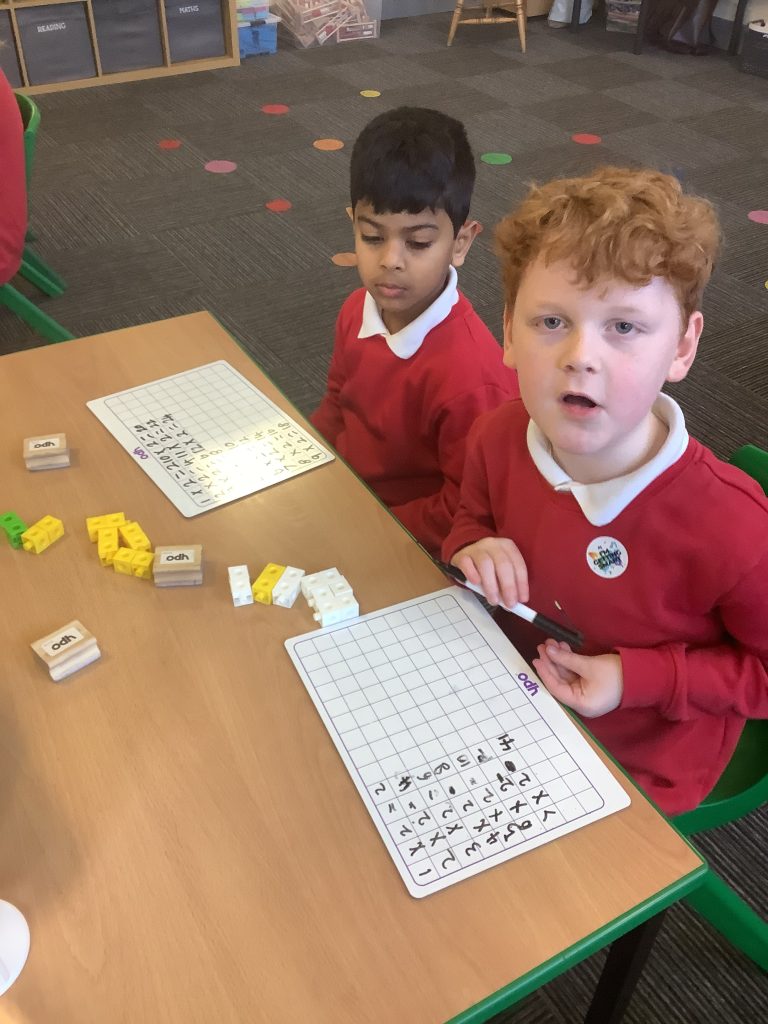
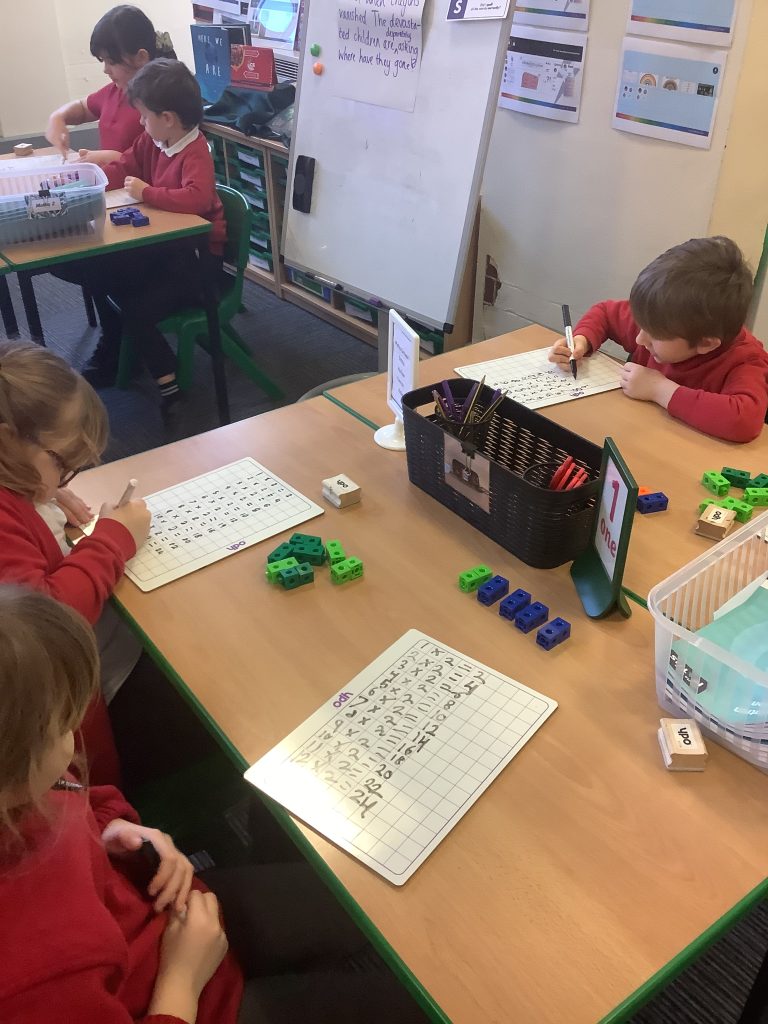
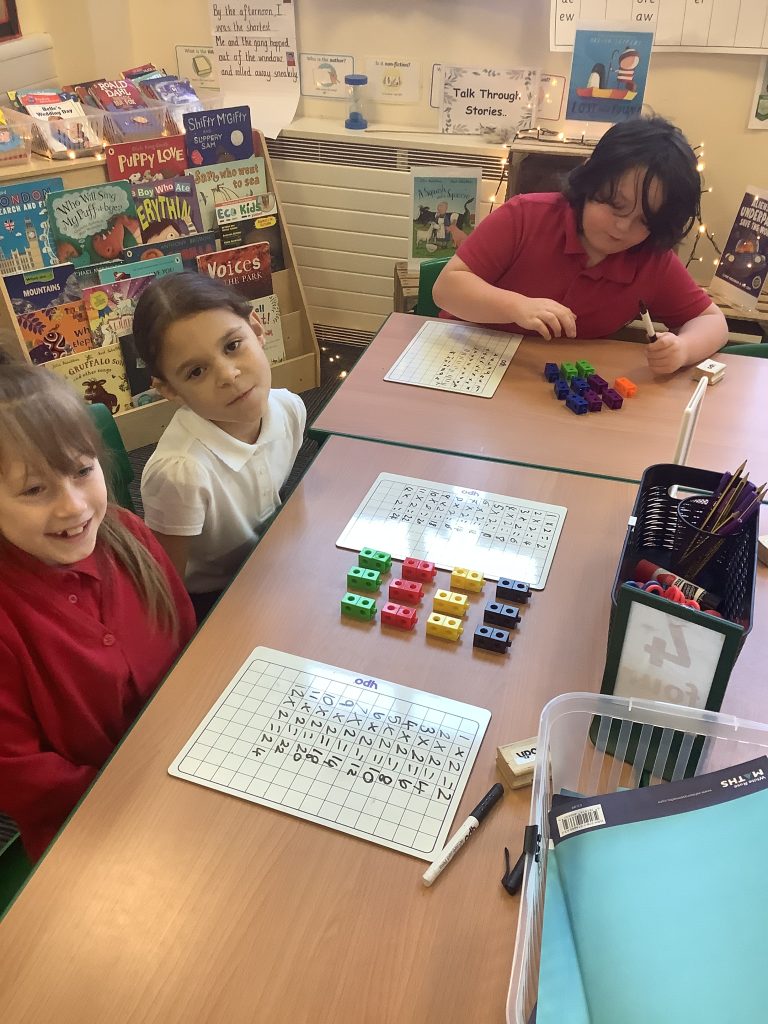
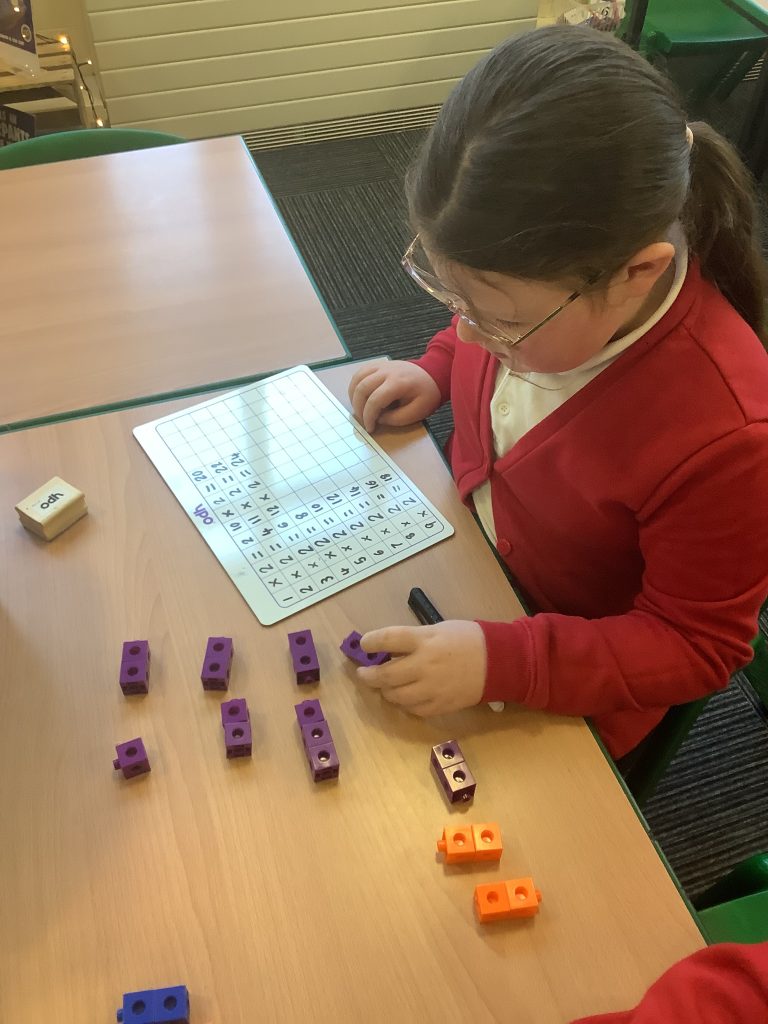
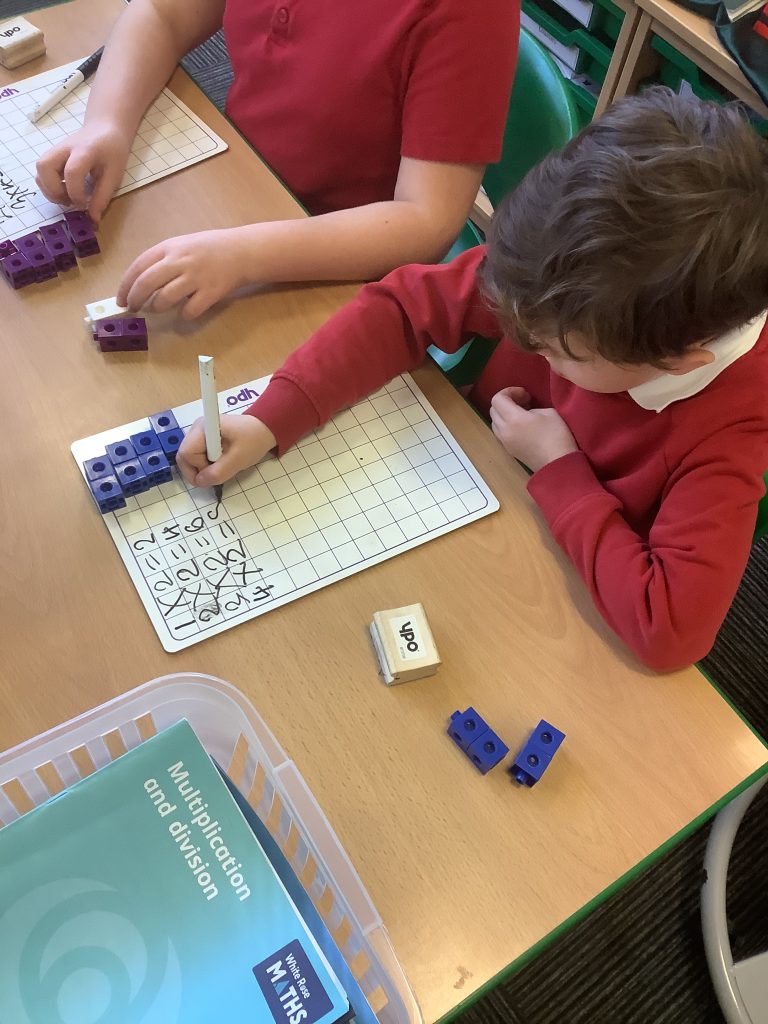
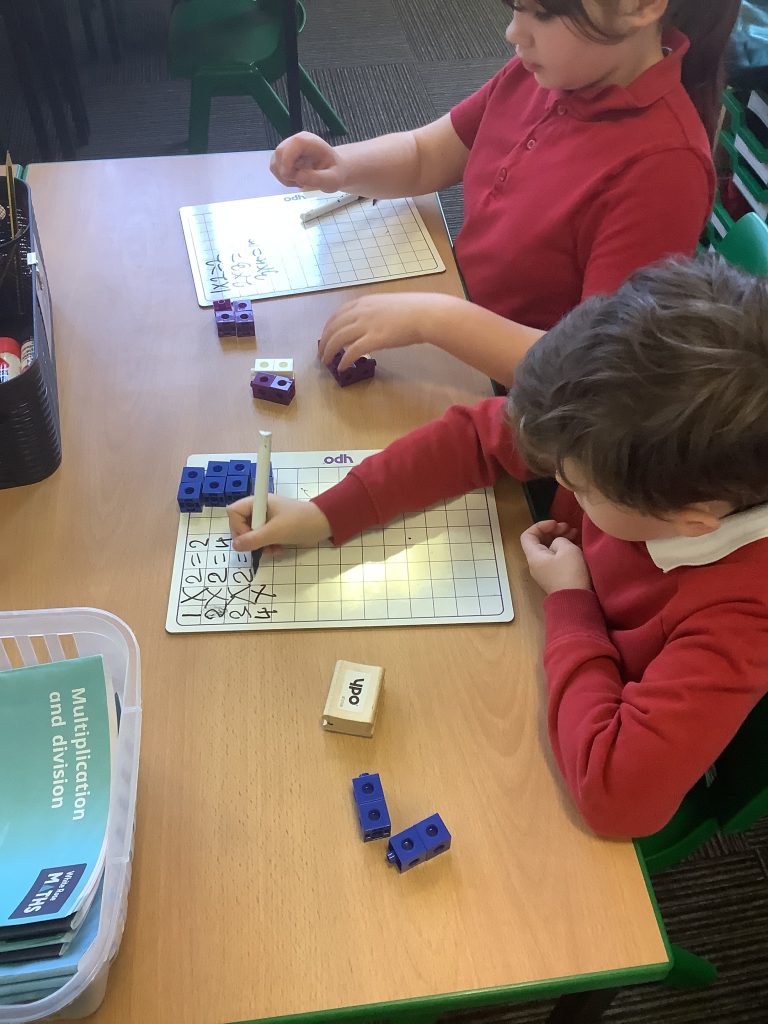
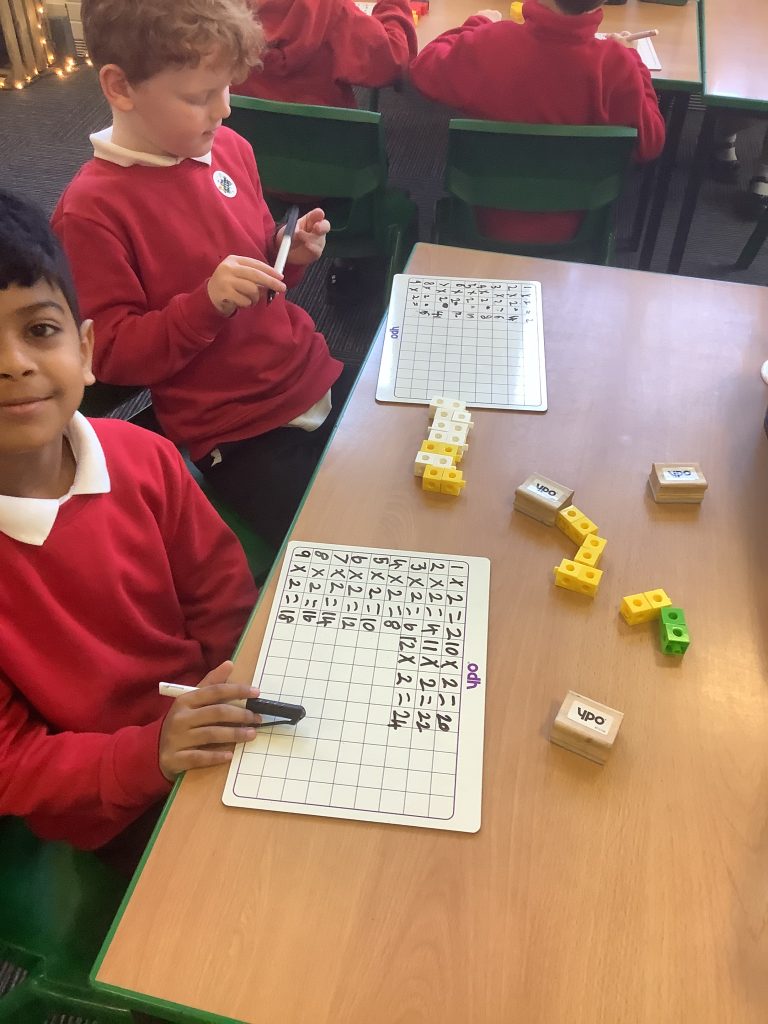
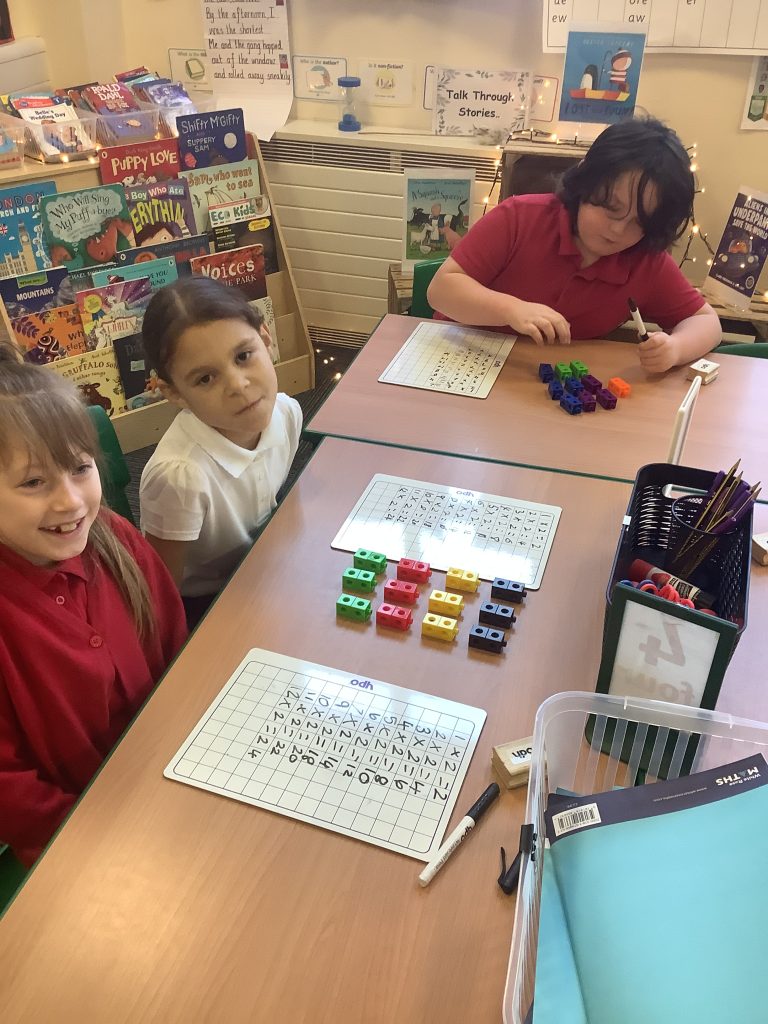
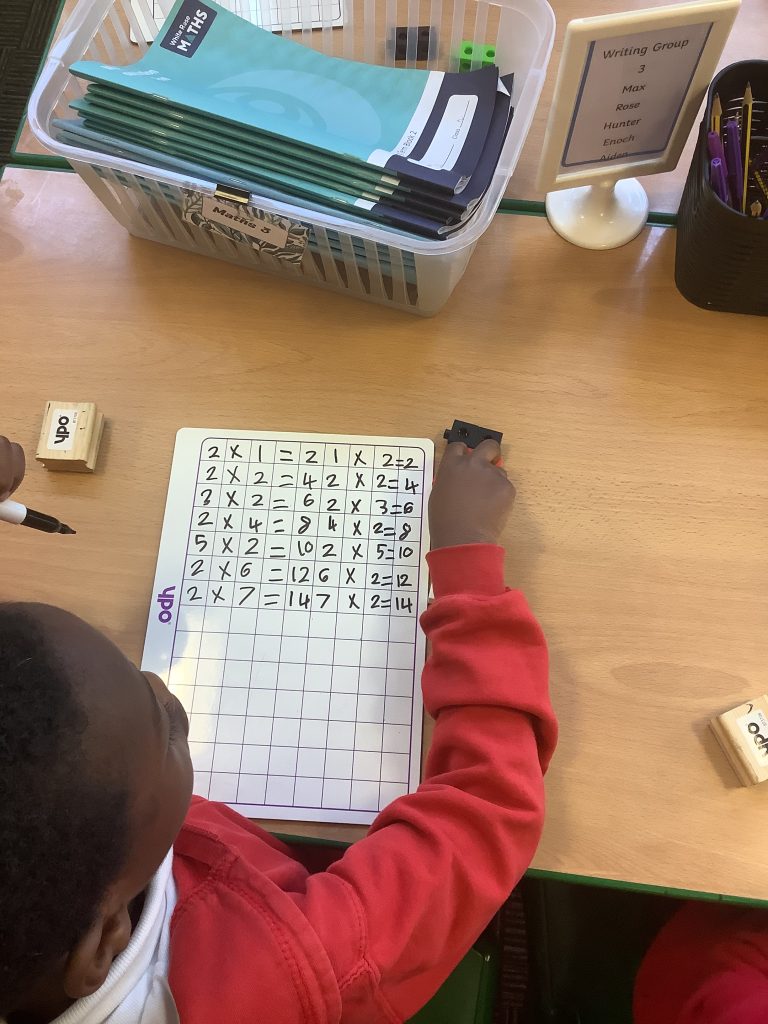
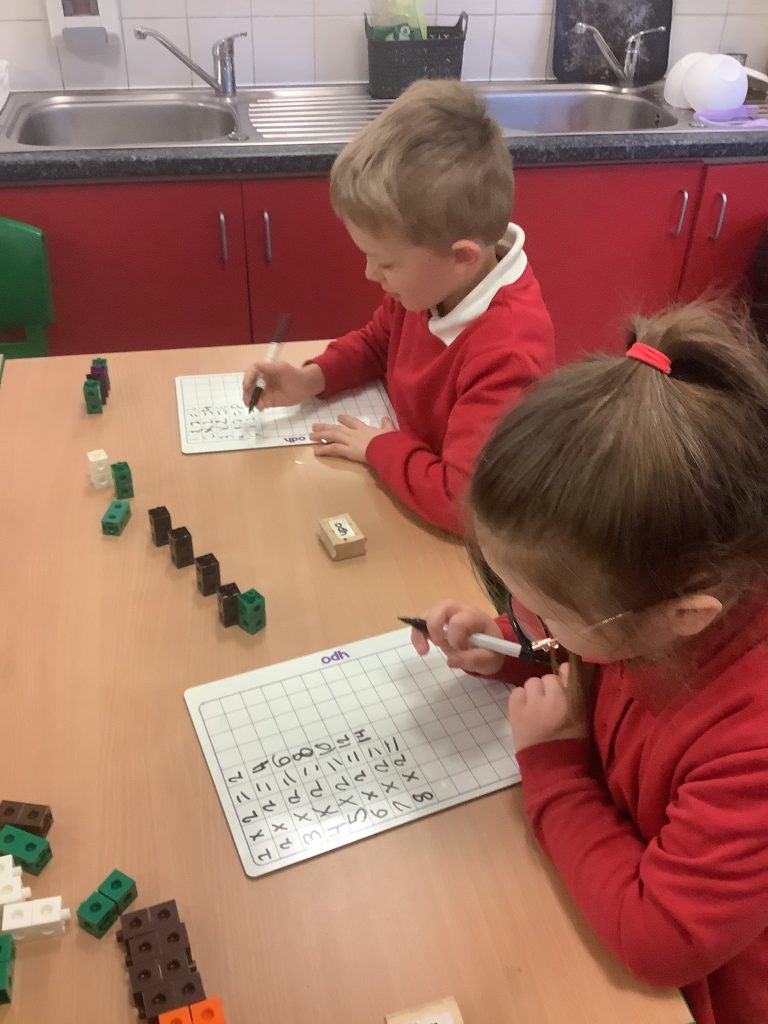
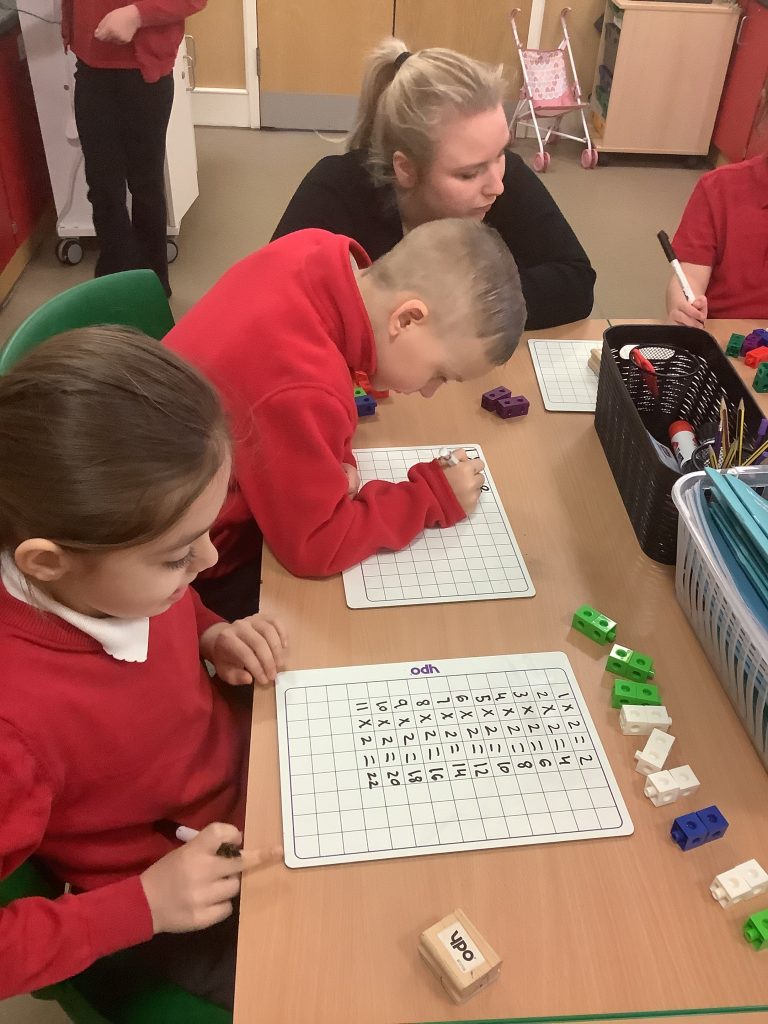
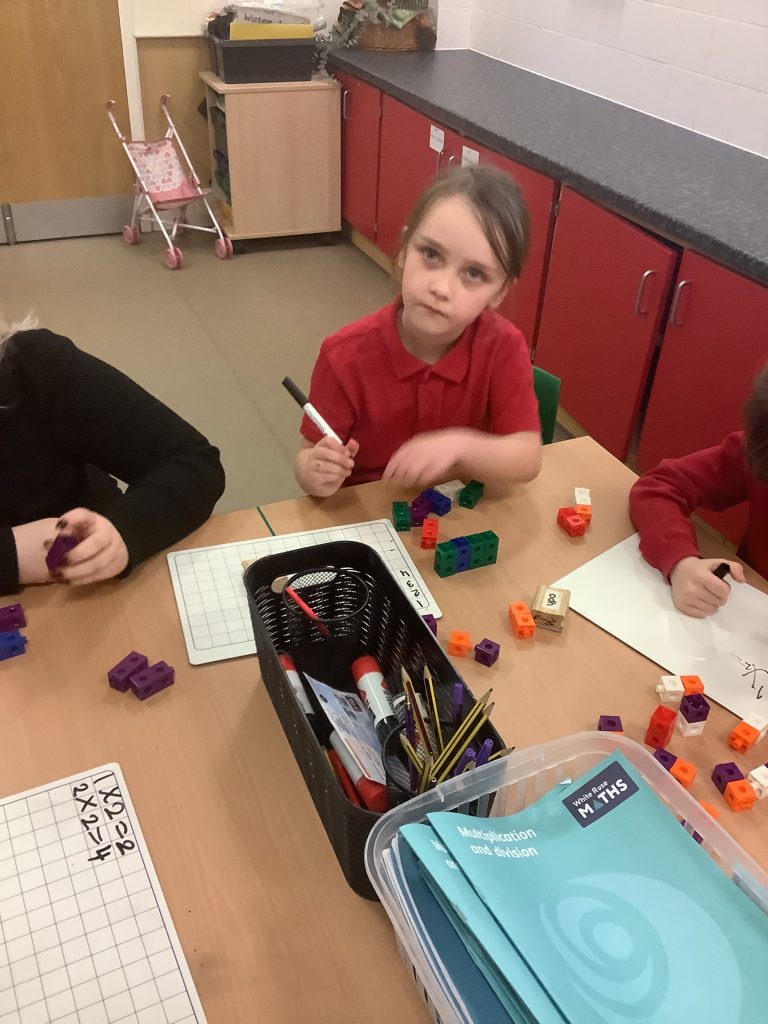
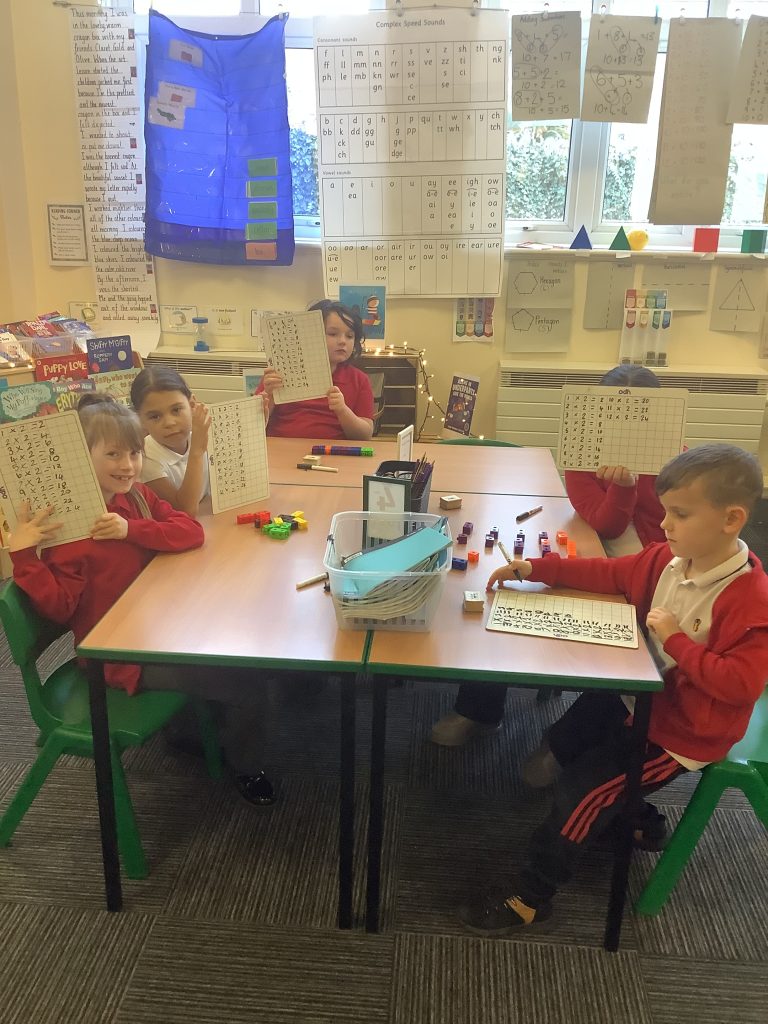
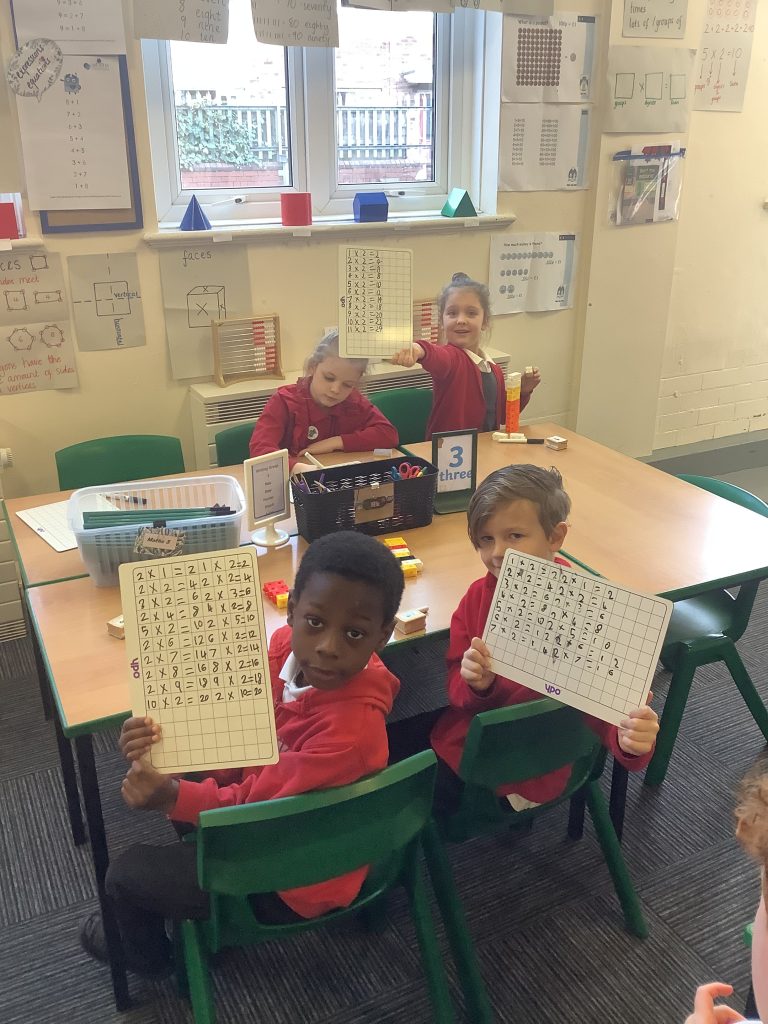
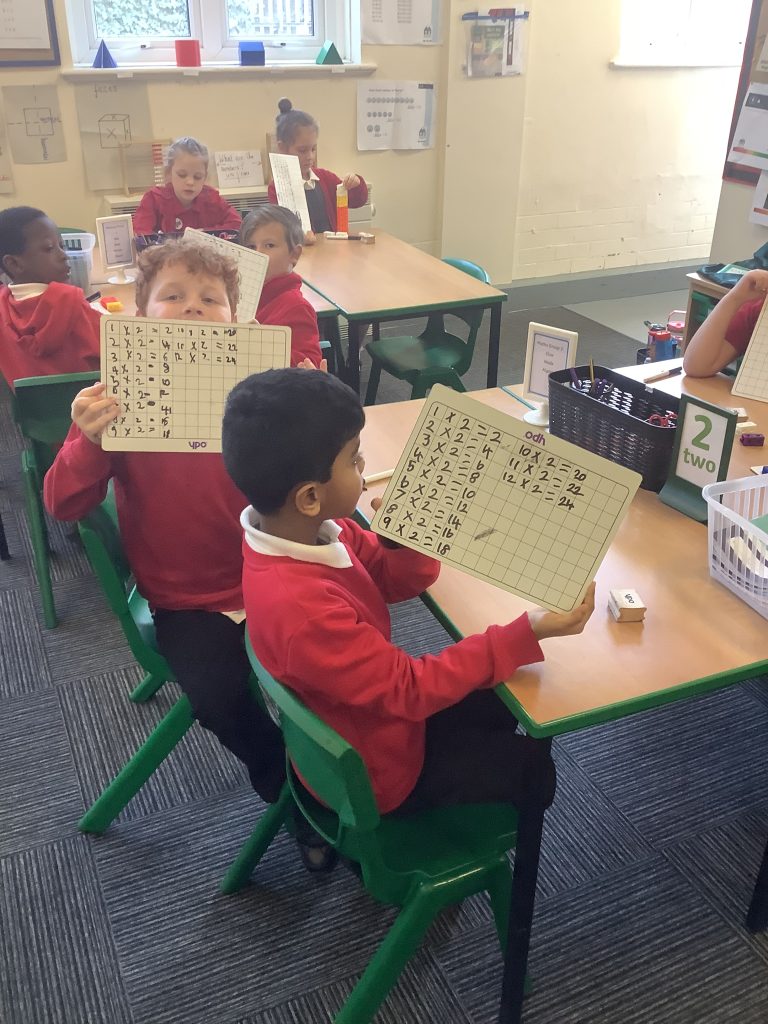
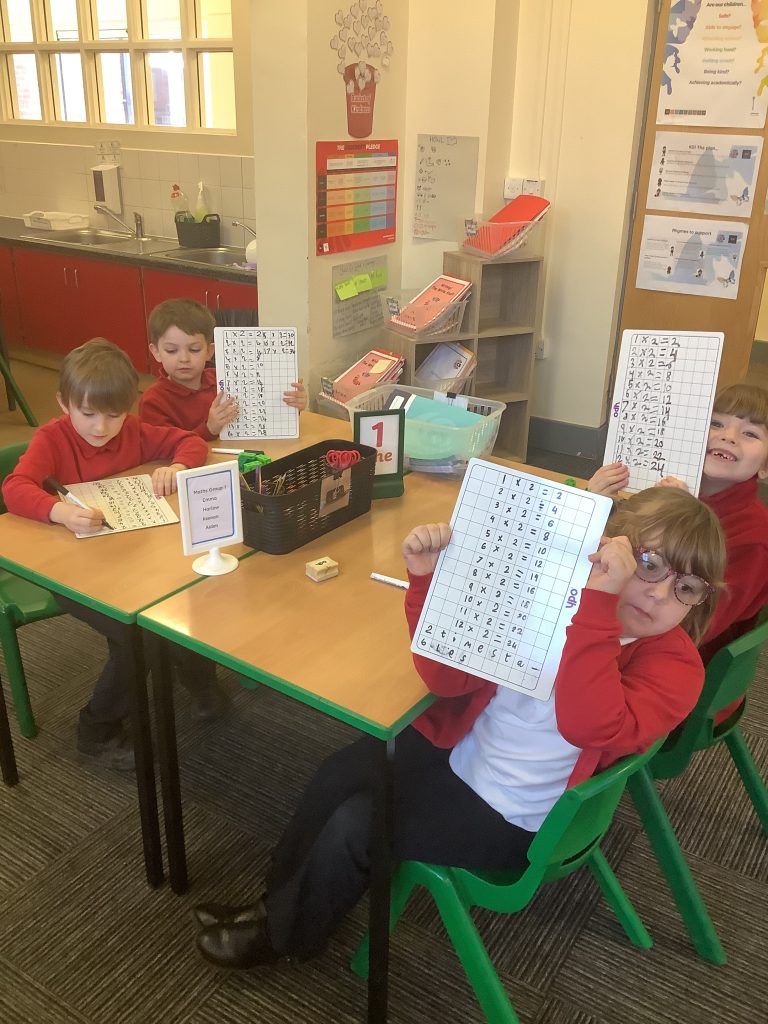
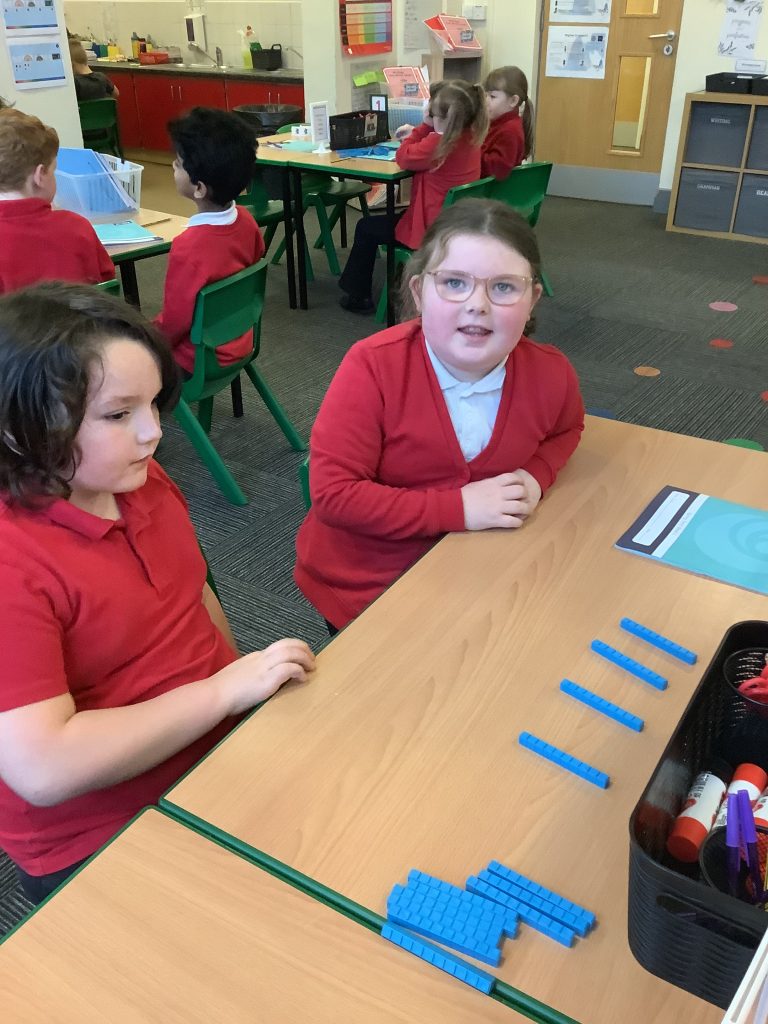
We have been really grasping the concept of multiplication by exposing the structure of repeated addition first. Here we are multiplying numbers with bricks, base ten and sticks! We are so secure with this now that writing equations is easy work. Good Job Crew Ramsay!