Find out more here and apply to #JoinOurCrew – https://xptrust.org/xp-trust-senco/
Find out more here and apply to #JoinOurCrew – https://xptrust.org/xp-trust-senco/
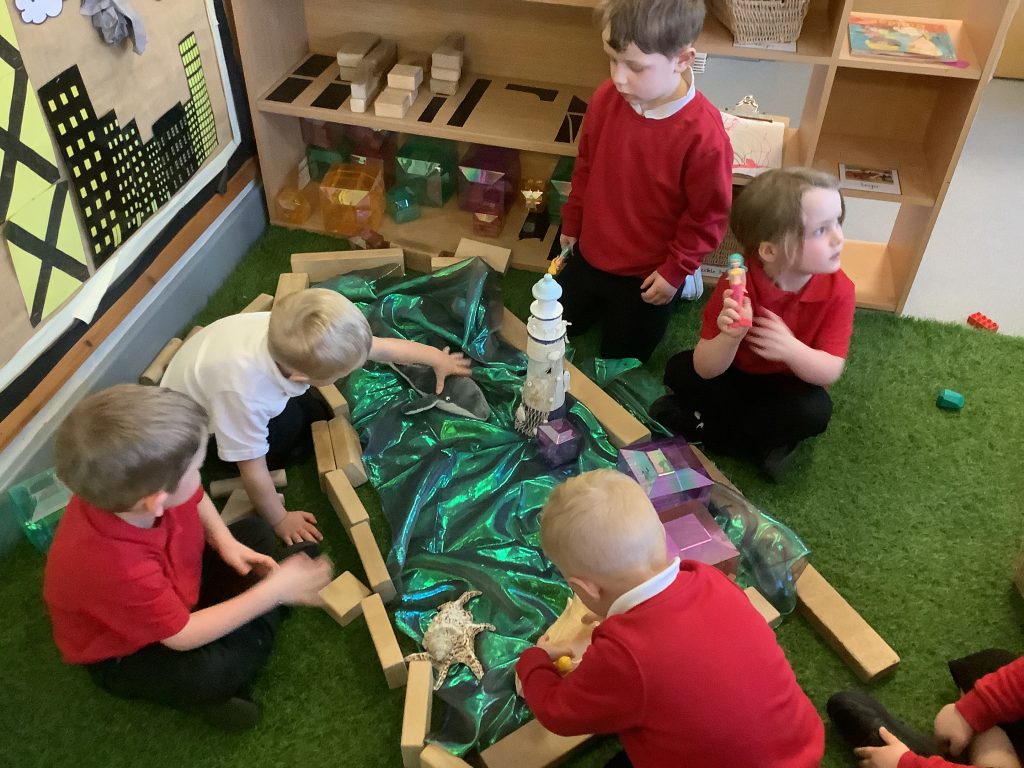
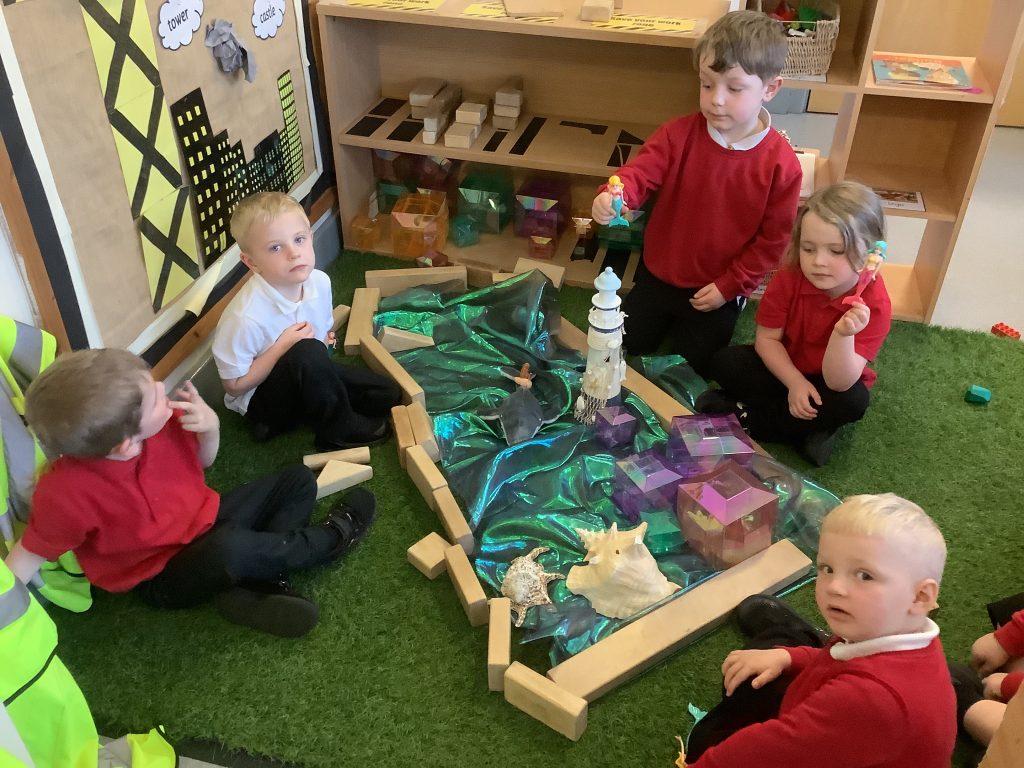
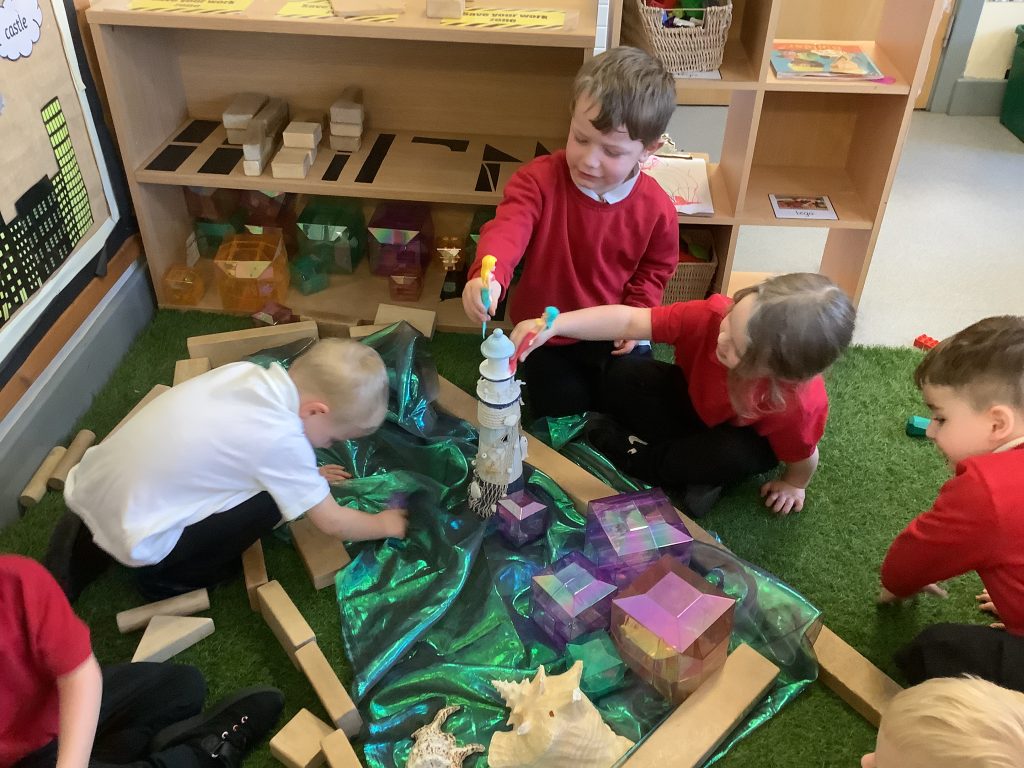
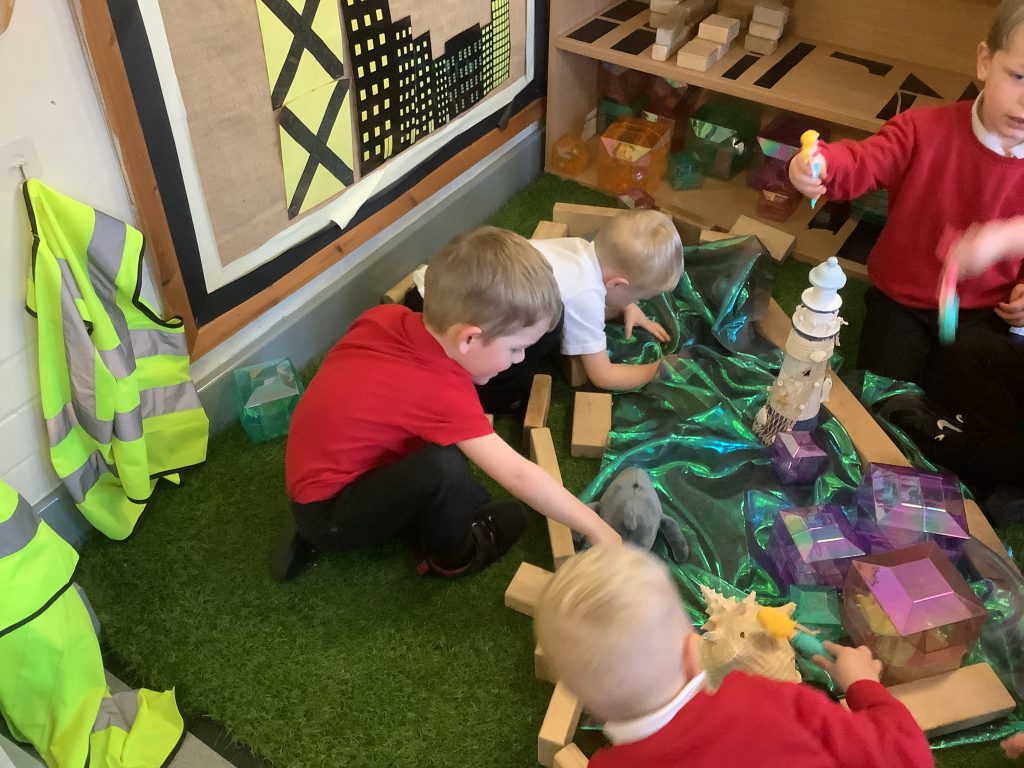
During our expedition “When the Sea Meets the Shore,” the children thoroughly enjoyed learning about lighthouses and understanding the important role they play in keeping boats safe.
Inspired by this, Crew Frost used their imagination during provision time to create their own seaside scene. They built a pier using wooden blocks, added large diamond bricks as rocks, and carefully chose the perfect spot for their lighthouse. Their creativity didn’t stop there—The Snail and the Whale even made an appearance, swimming alongside mermaids in their imaginative world!
This was a wonderful opportunity for the children to develop their communication and understanding, as well as build on their storytelling skills. They worked collaboratively, sharing ideas and bringing their stories to life, supporting their next steps in developing rich and meaningful language.
Well done, Crew Frost!
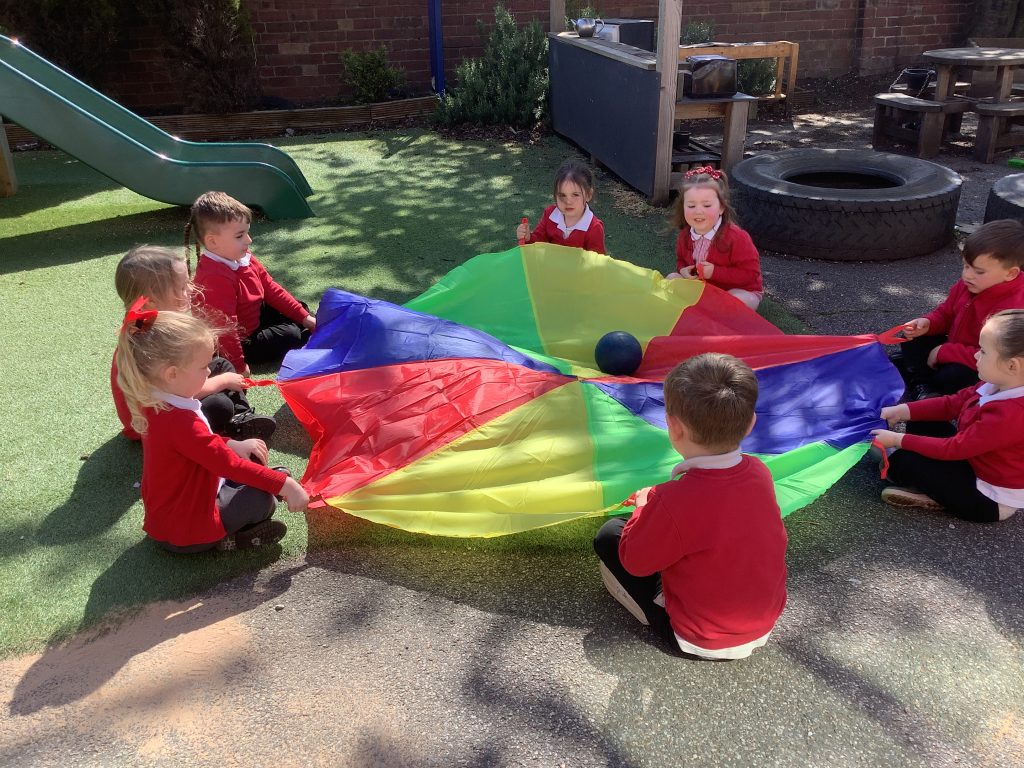
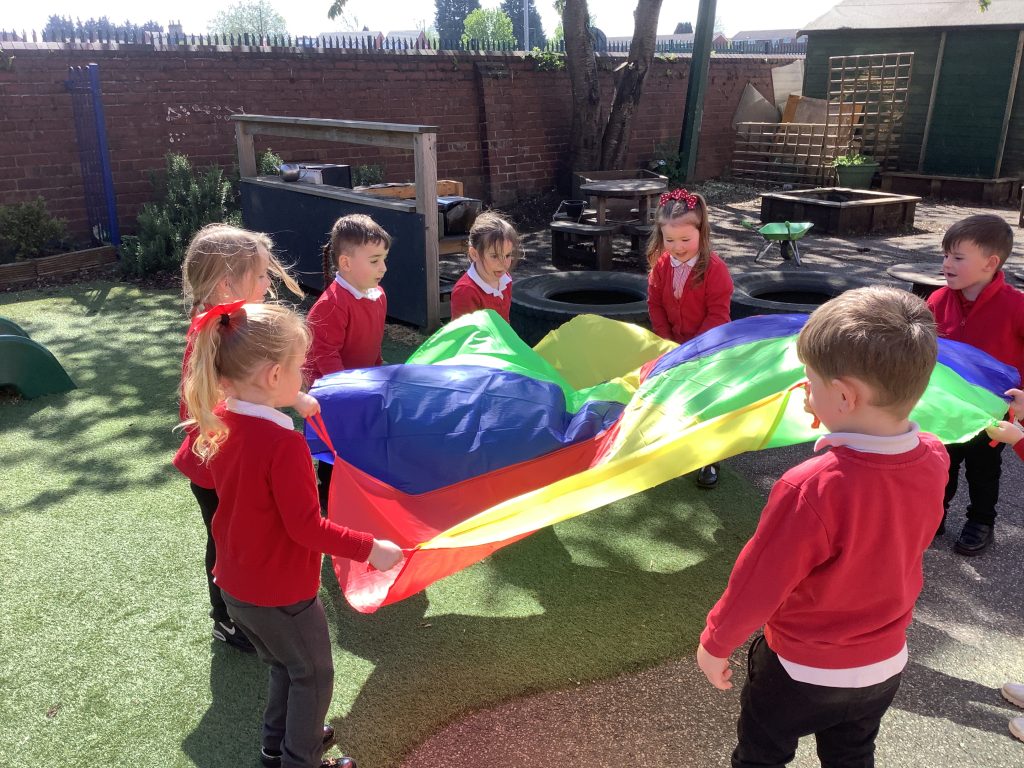
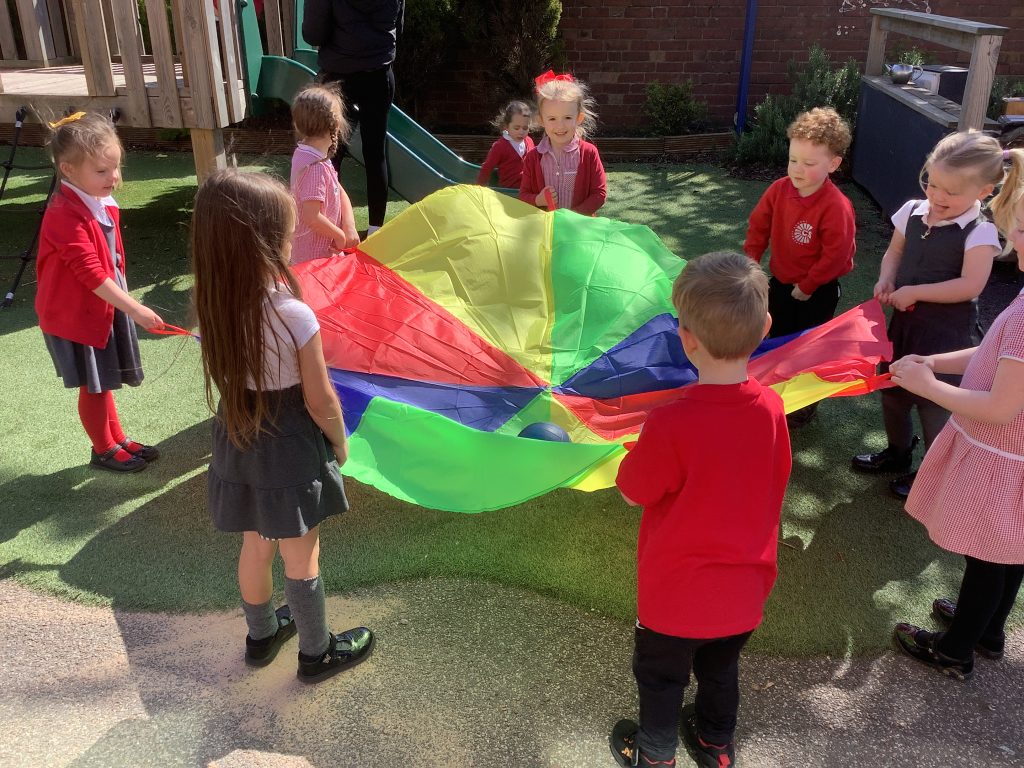
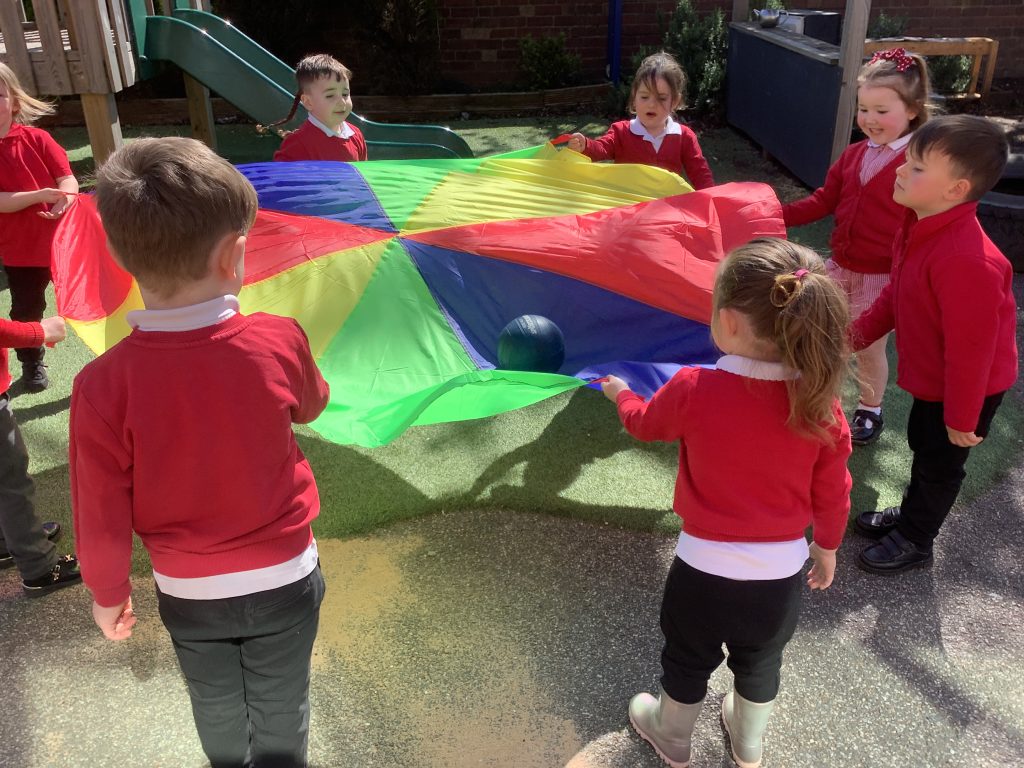
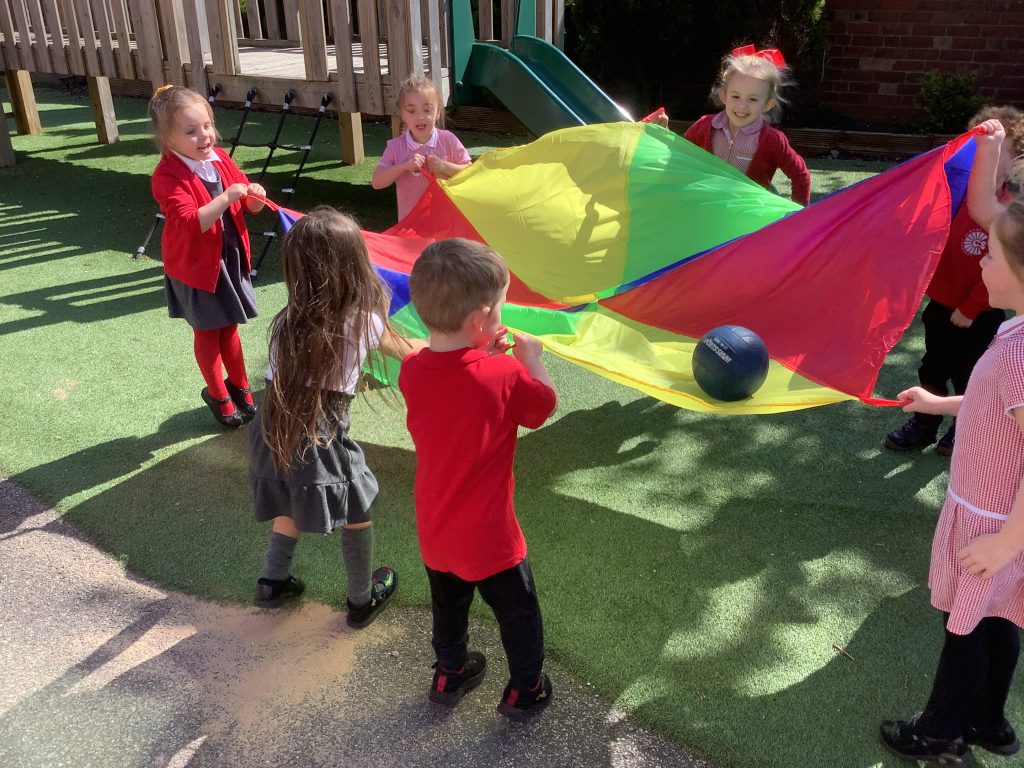
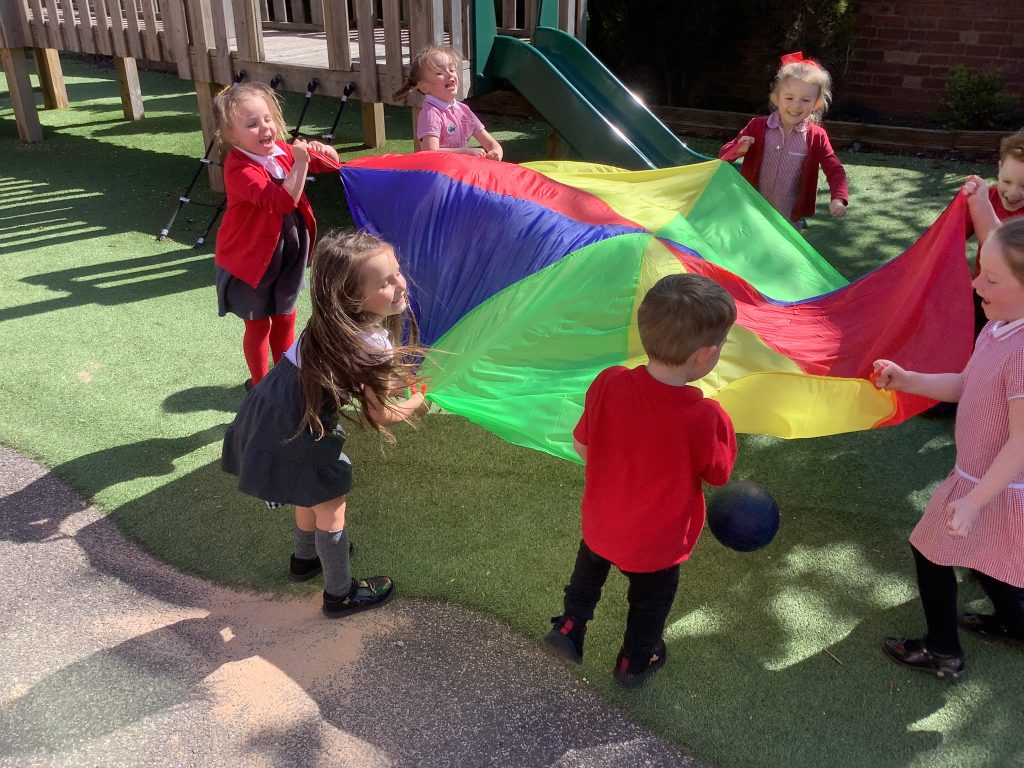
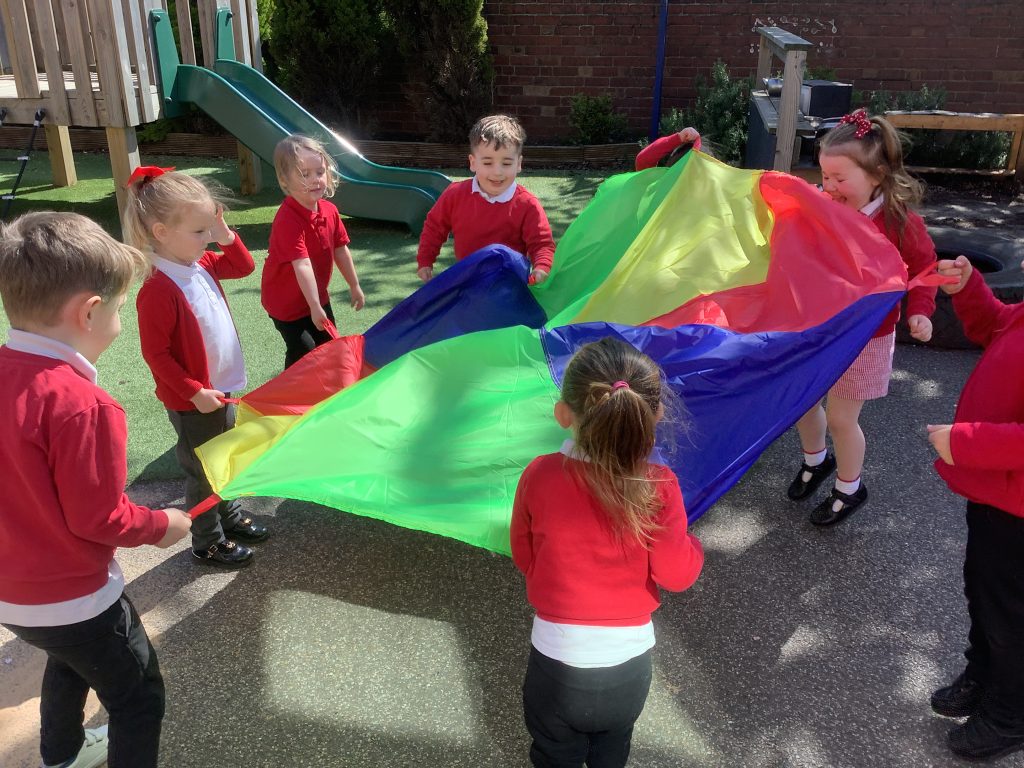
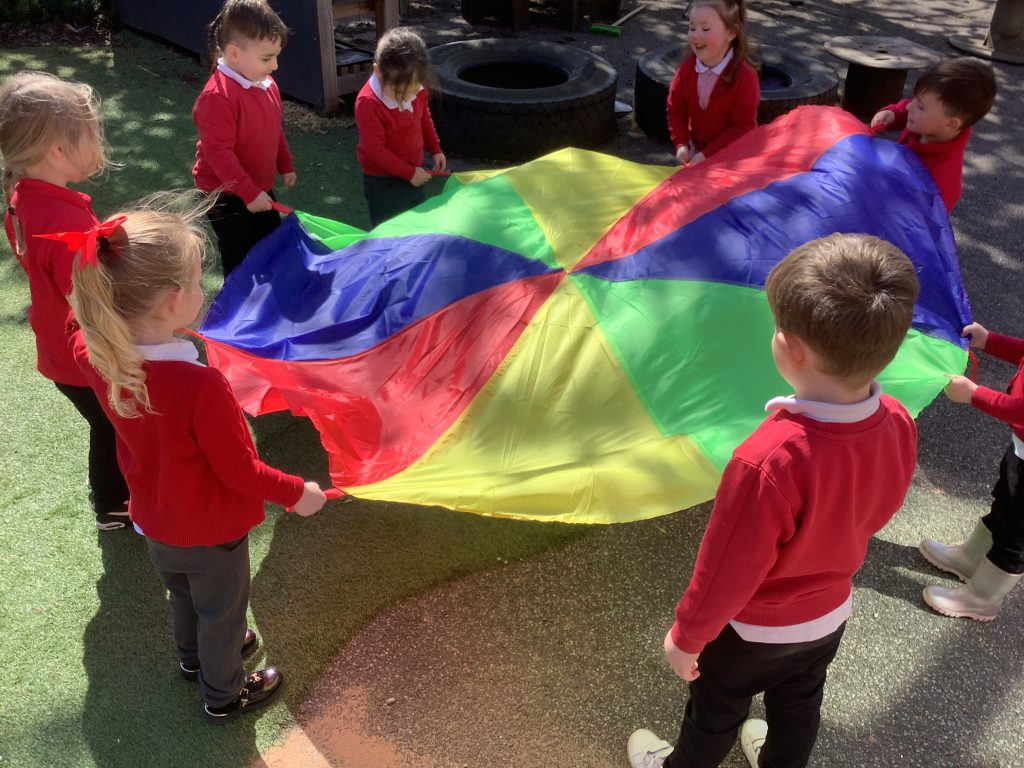
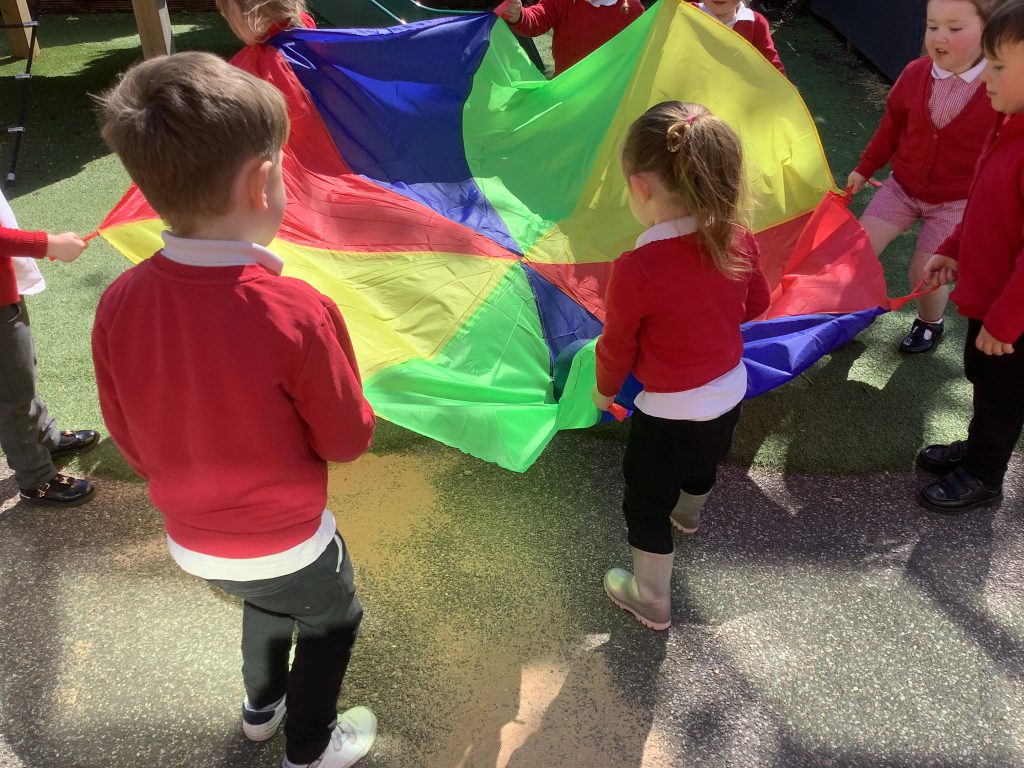
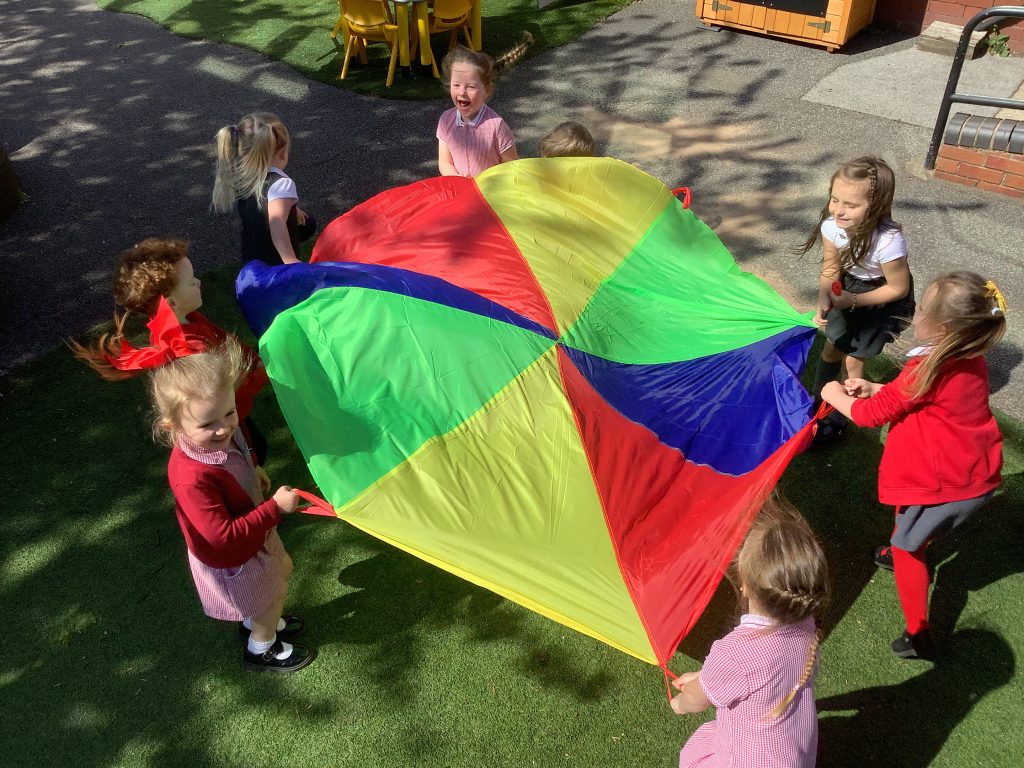
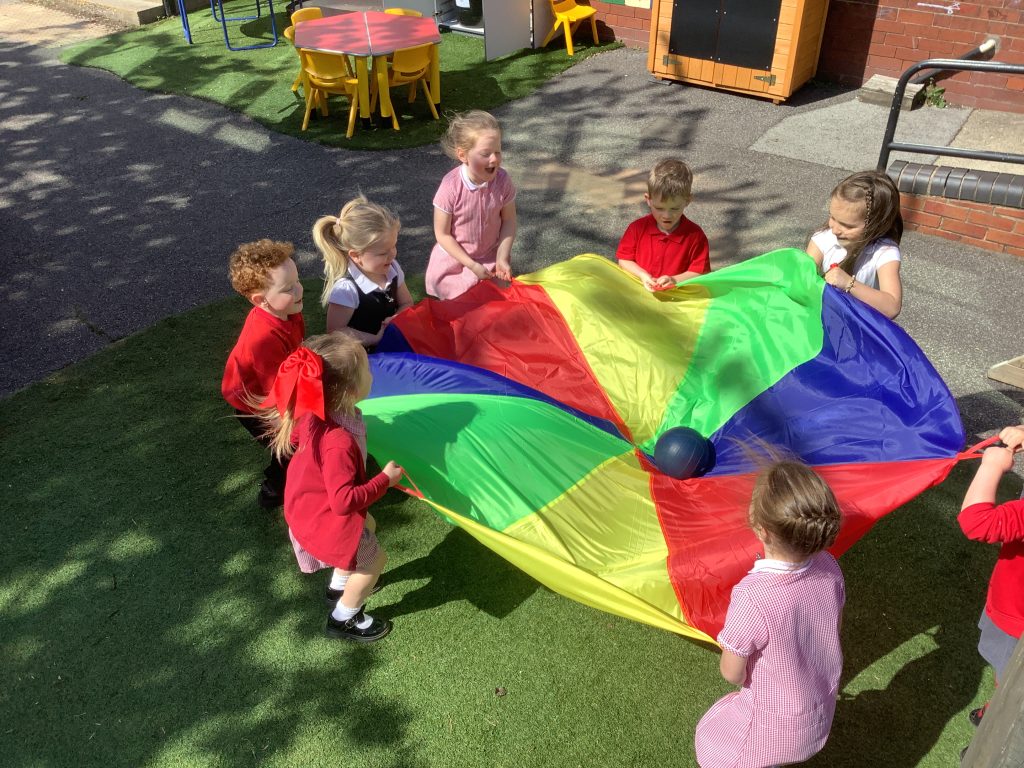
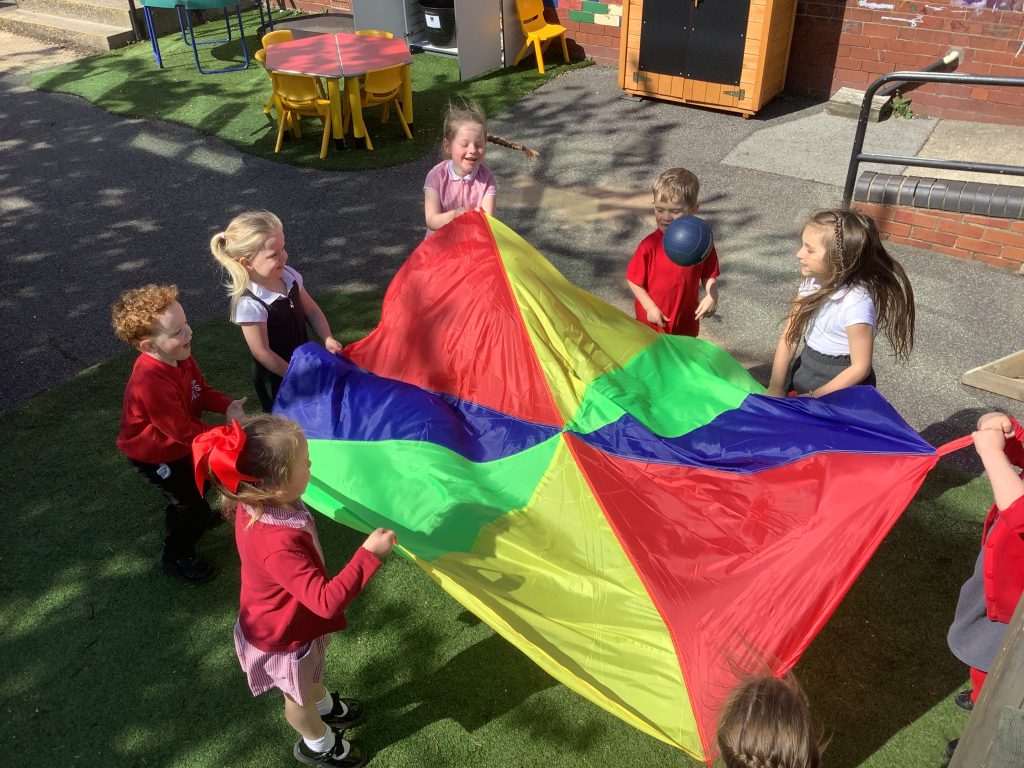
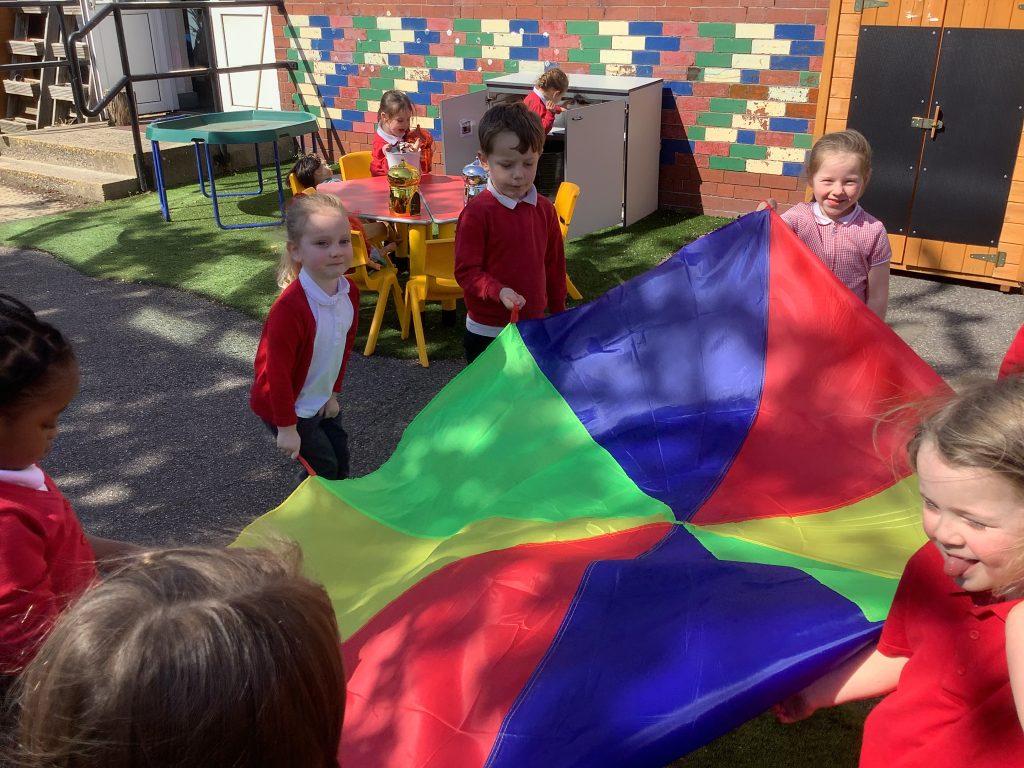
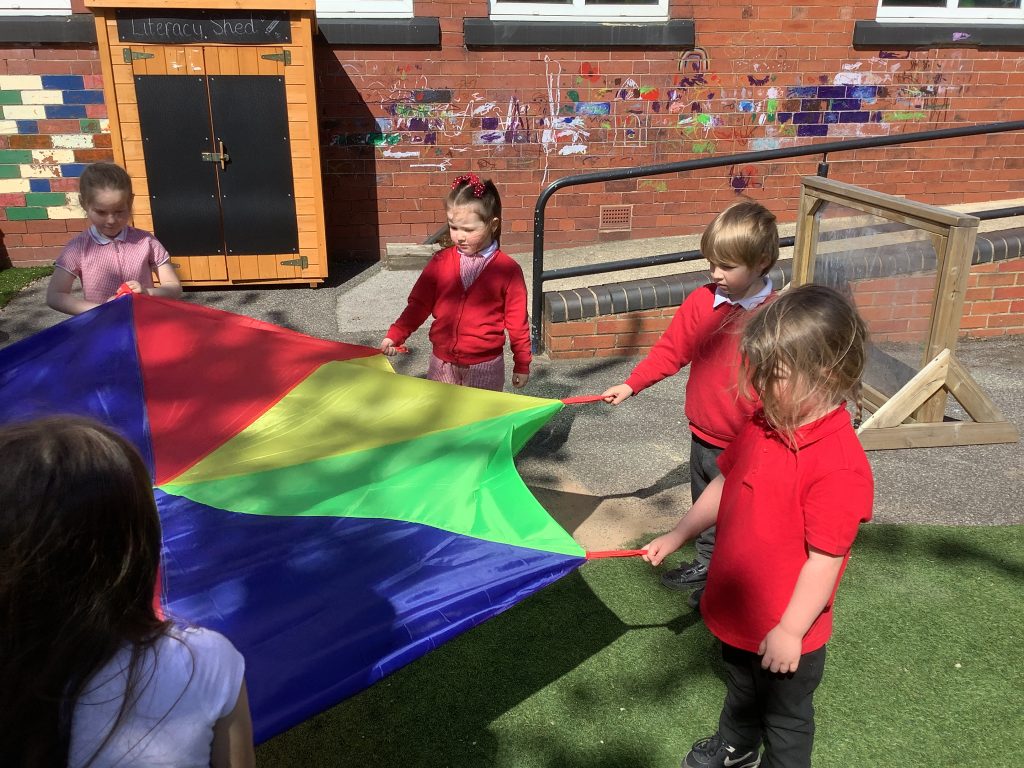
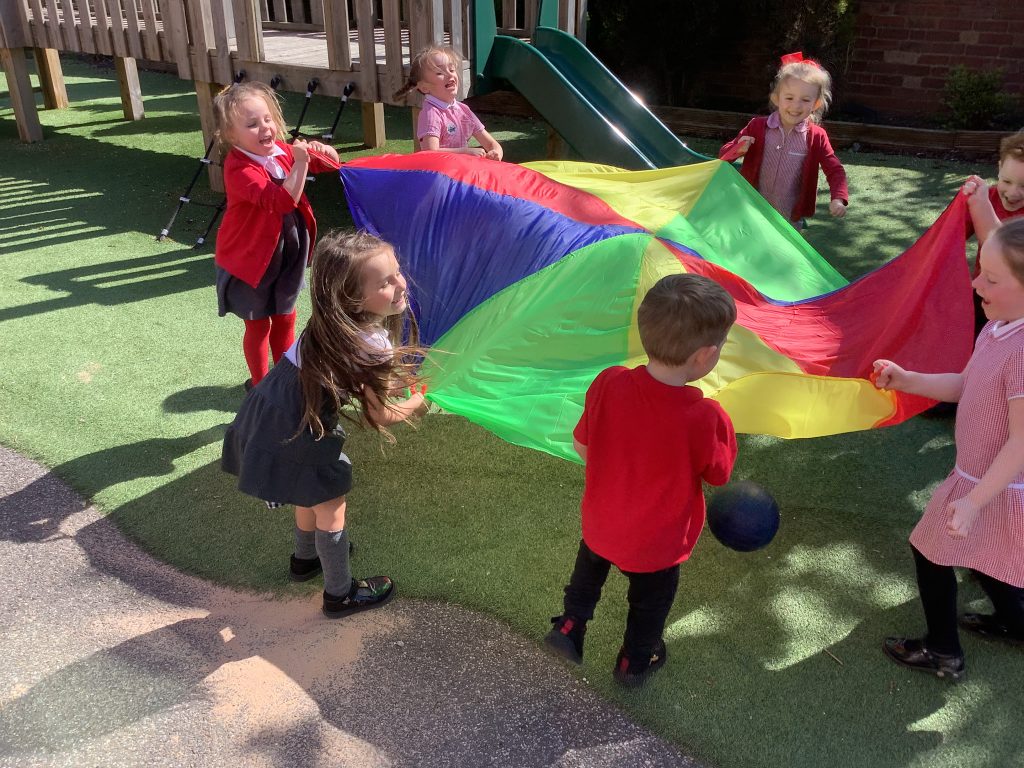
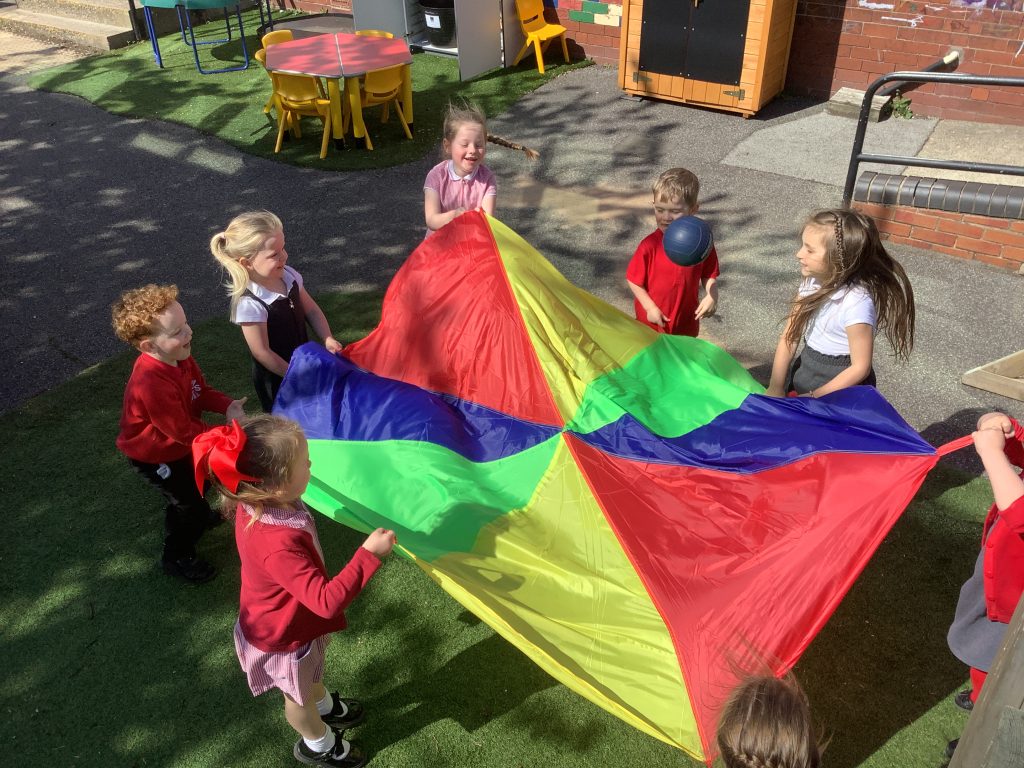
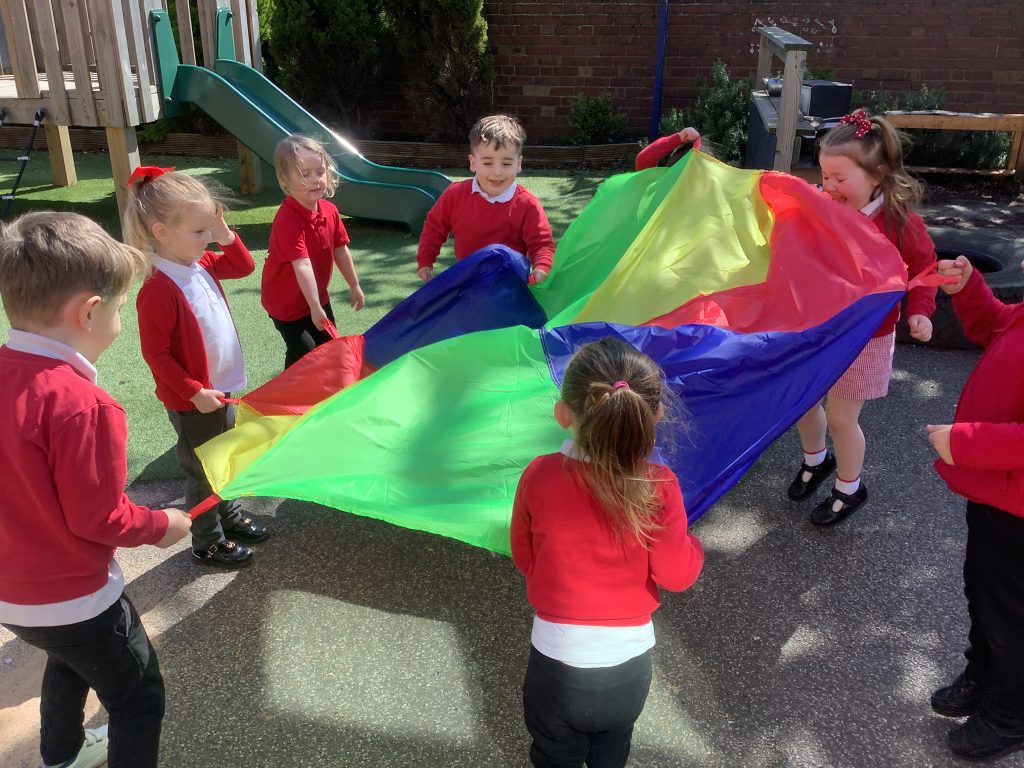
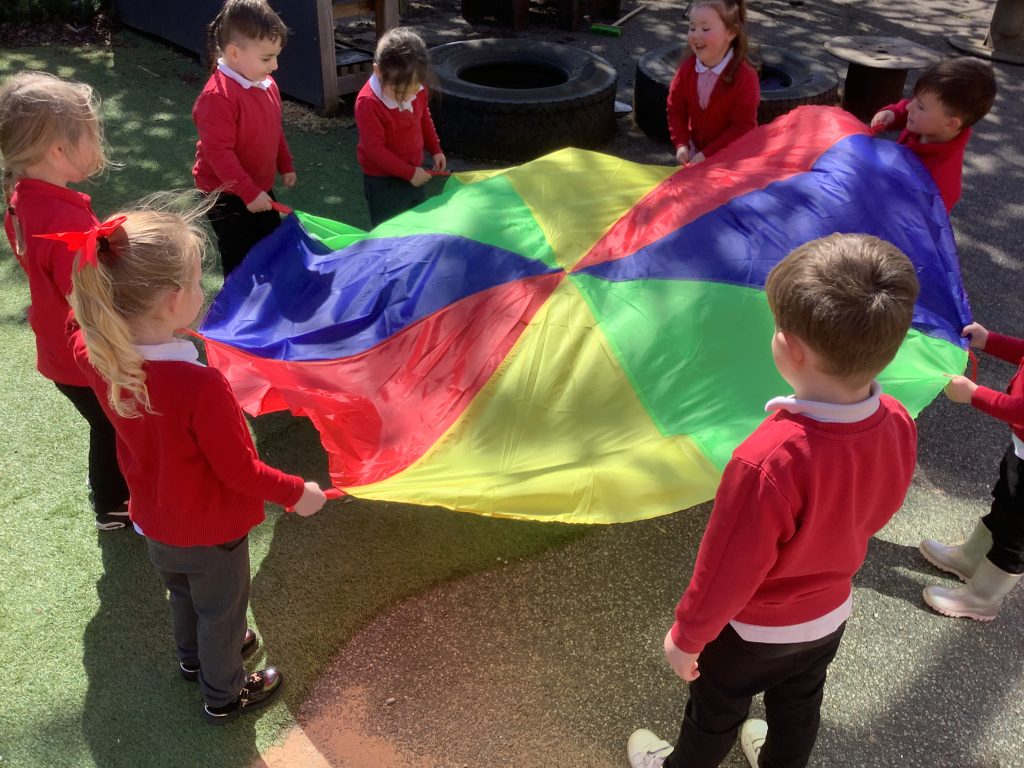
In our outdoor provision, we have been focusing on developing our gross motor skills alongside listening and attention. During this activity, Crew Frost took part in a series of actions designed to strengthen their arm muscles, helping to build the foundations needed for writing.
The children then followed simple instructions that gradually built into two-part directions, supporting their ability to listen carefully and process more than one step at a time. This helped them grow in confidence while developing both their physical skills and their understanding.
Well done, Crew Frost!
We’ve got vacancies across our Trust for Cleaners!
Find out more here and apply to #JoinOurCrew – xptrust.org/vacancies
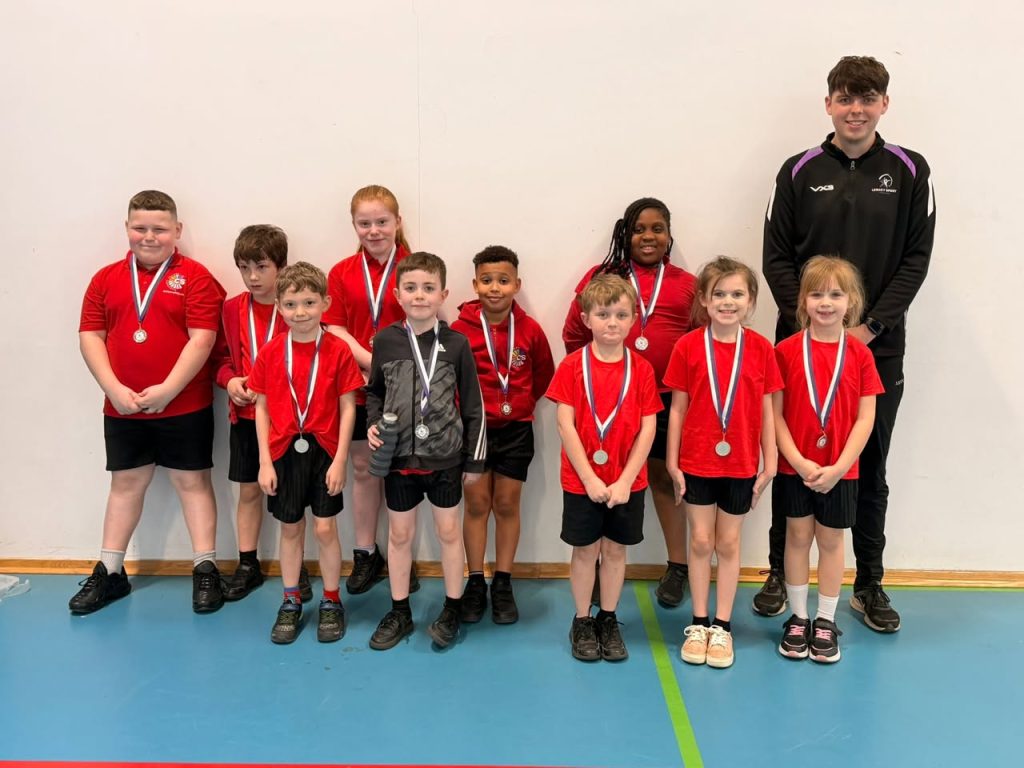
What an incredible afternoon of dodgeball at Armthorpe Academy! Our Carcroft Crew put in a brilliant performance, battling their way through tough competition to secure an impressive second-place finish.
Facing strong opposition from 10 schools, the team showed determination, teamwork, and resilience throughout the event. After a series of highly competitive matches, Carcroft reached the final, where they finished as proud runners-up to Kirk Smeaton C of E Primary School, who took home the gold medals.
What a fantastic moment for HoWL House as we celebrate our latest champions – Smithies! Their hard work, sense of camaraderie, and determination have truly paid off, and their victory is incredibly well deserved.
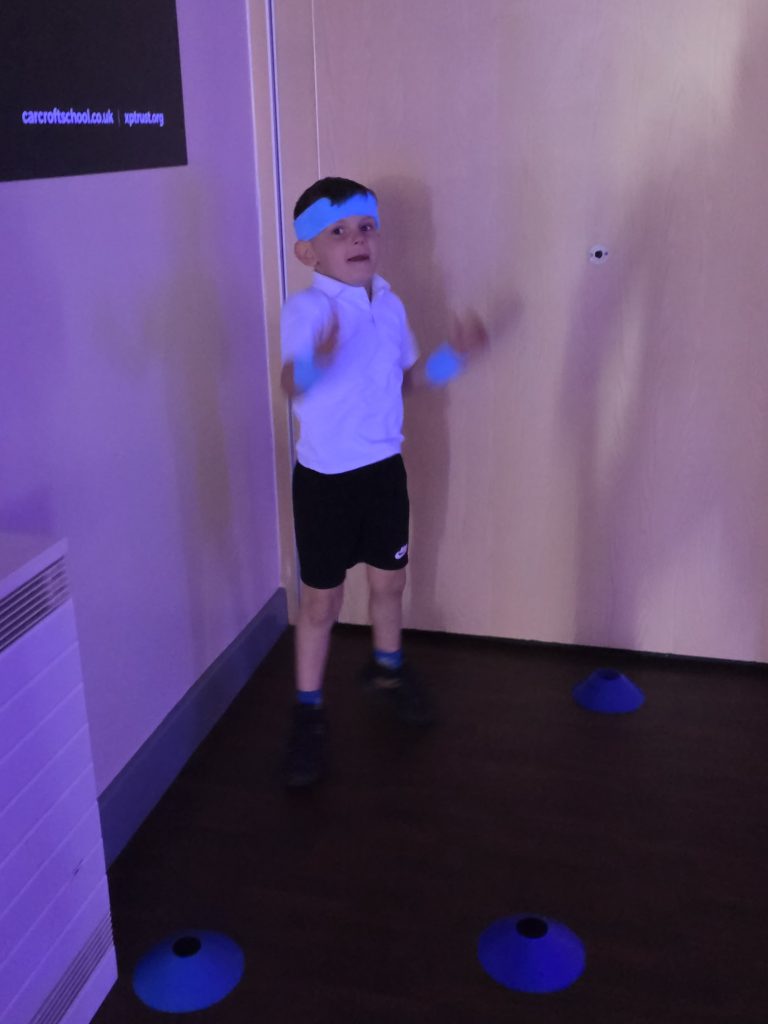
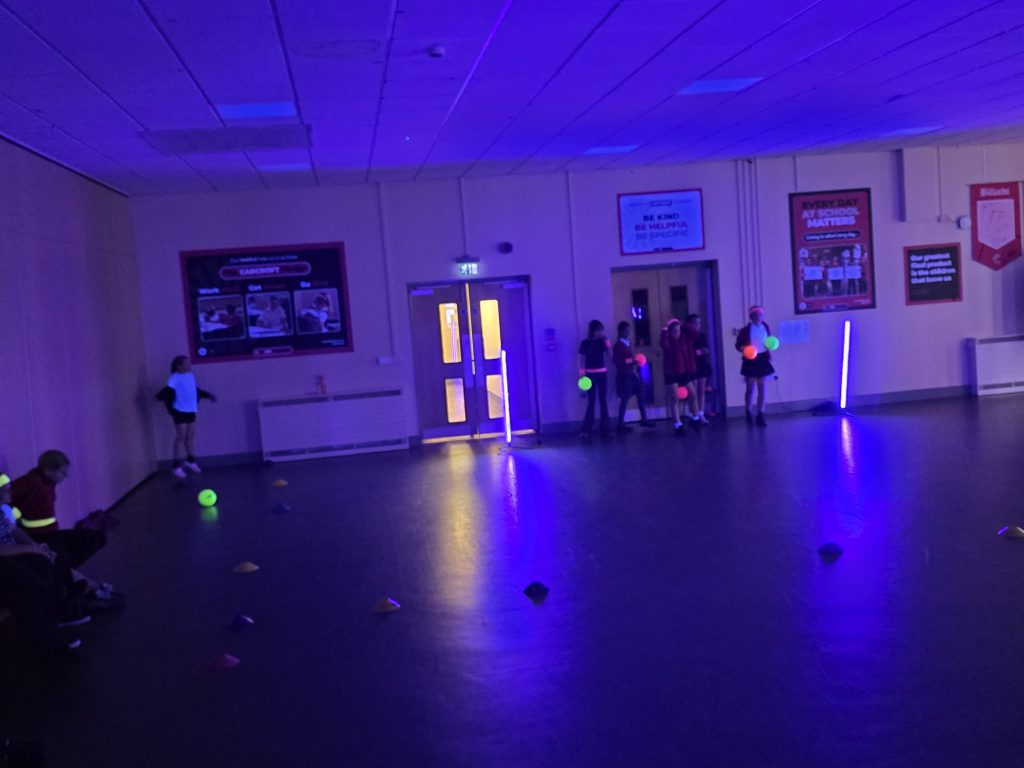
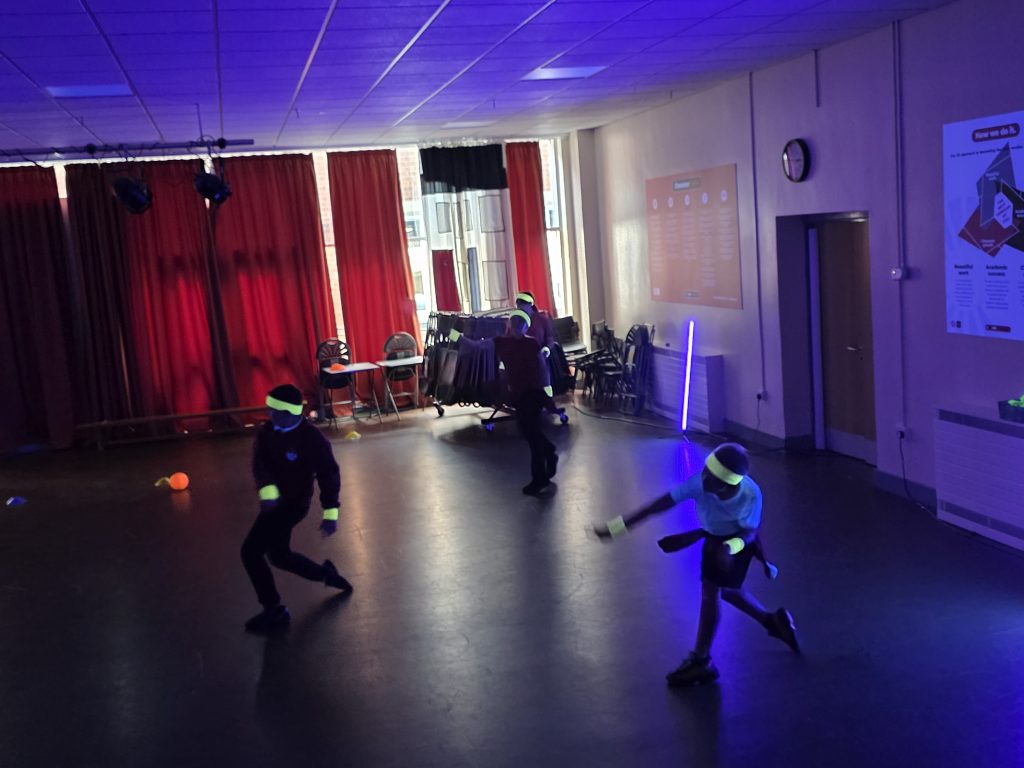
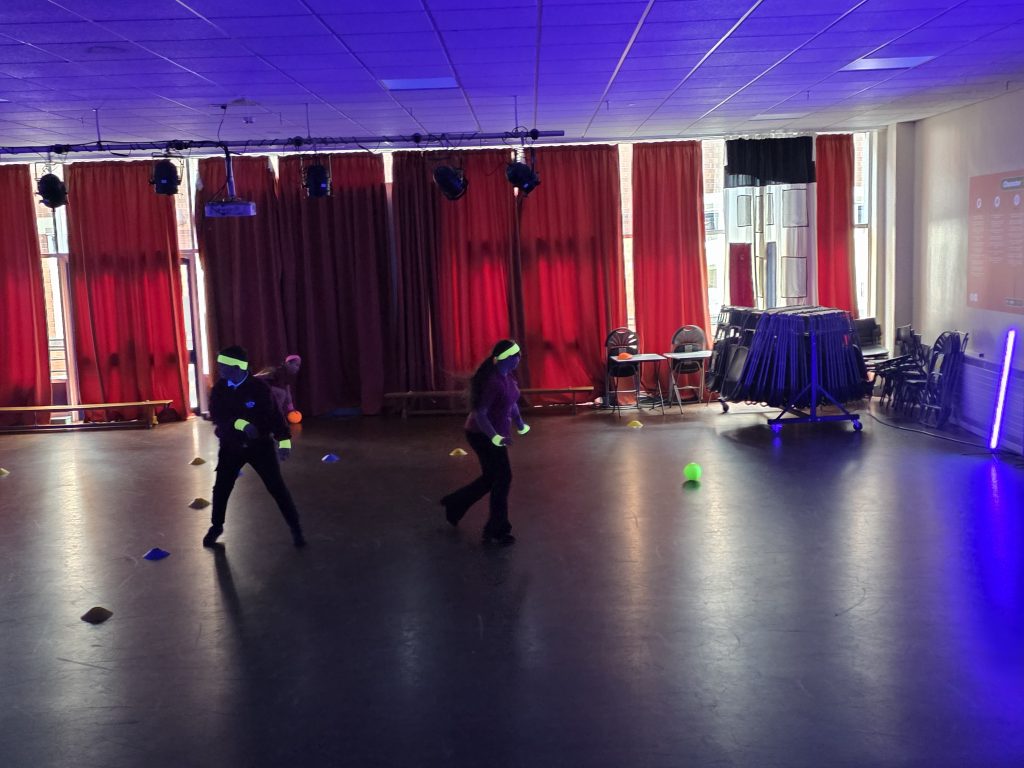
To mark the occasion, Smithies took part in an unforgettable glow-in-the-dark dodgeball session – and what a celebration it was! The lights went down, the neon came out, and the energy in the room lit up just as brightly as the players themselves. Laughter, friendly competition, and glowing dodgeballs flying across the court made for a celebration that perfectly matched their vibrant crew spirit.
A huge congratulations once again to Smithies, and of course, a big well done to all the other houses, with only three points this term between Smithies and Carrs!
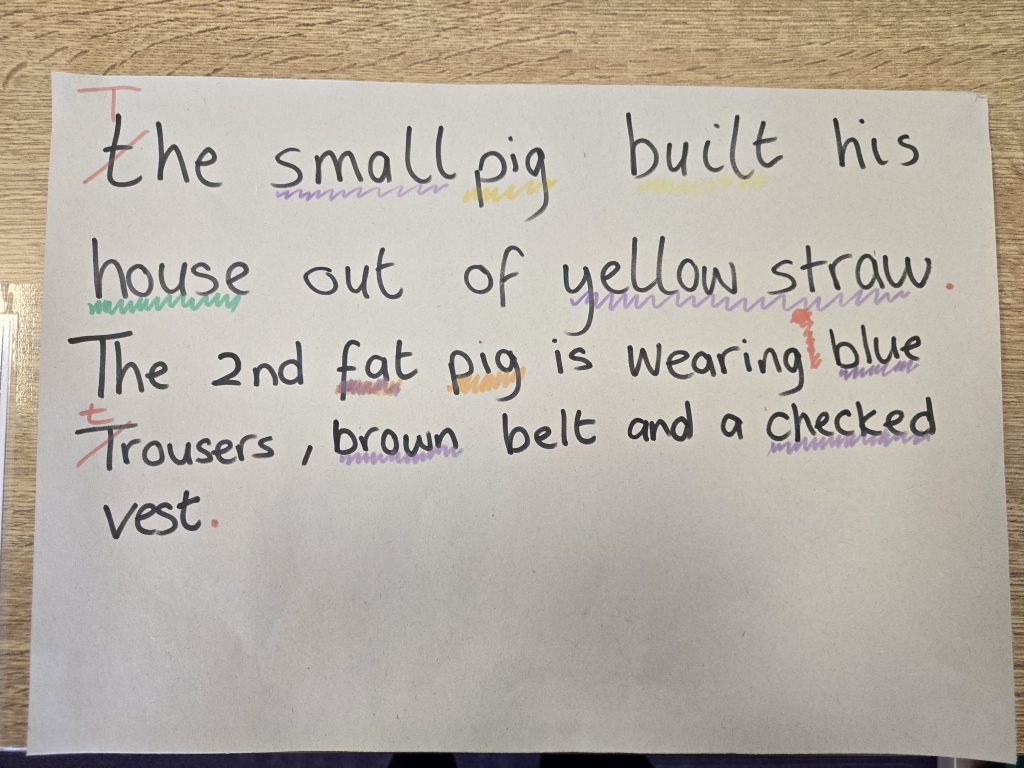
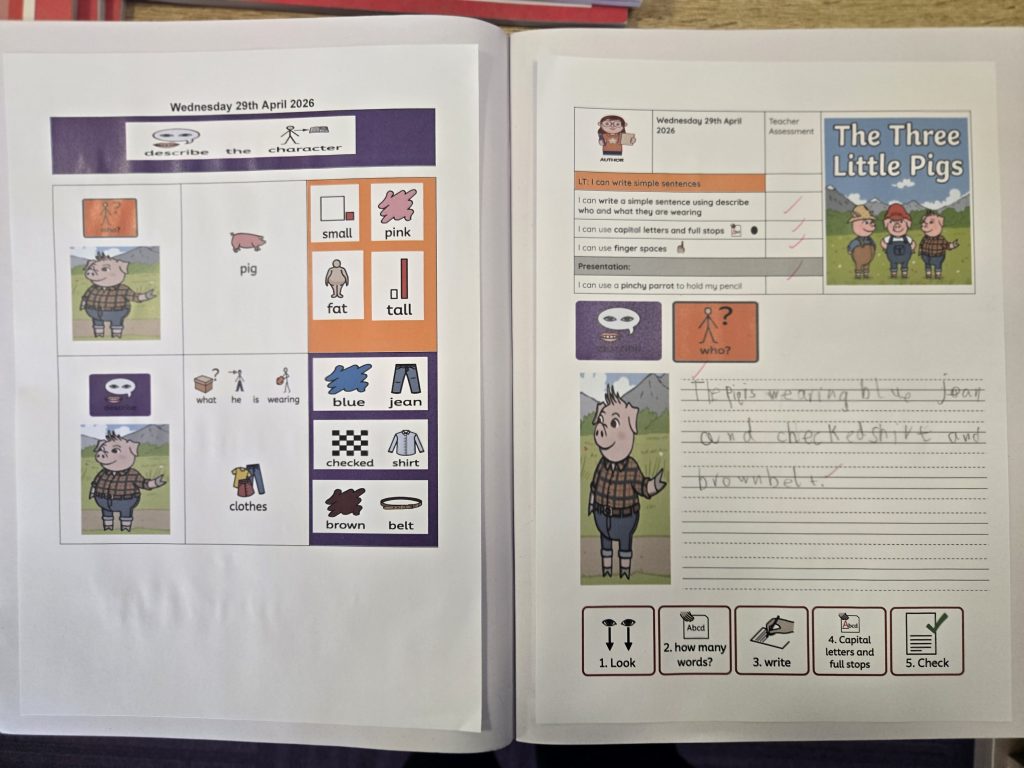
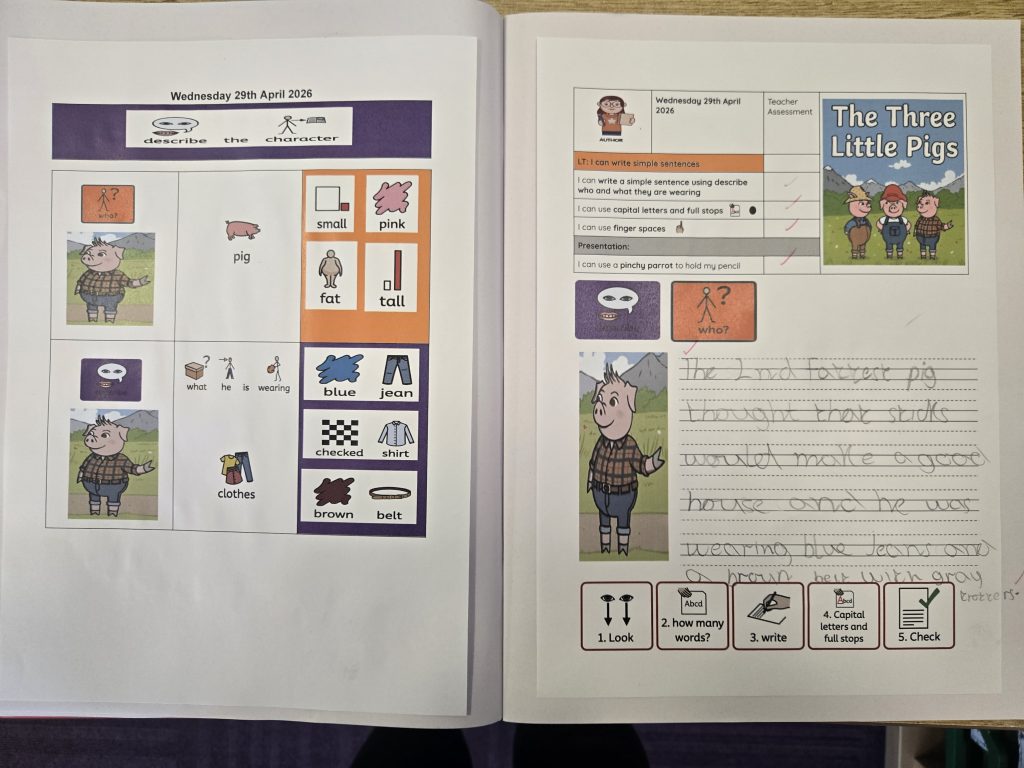
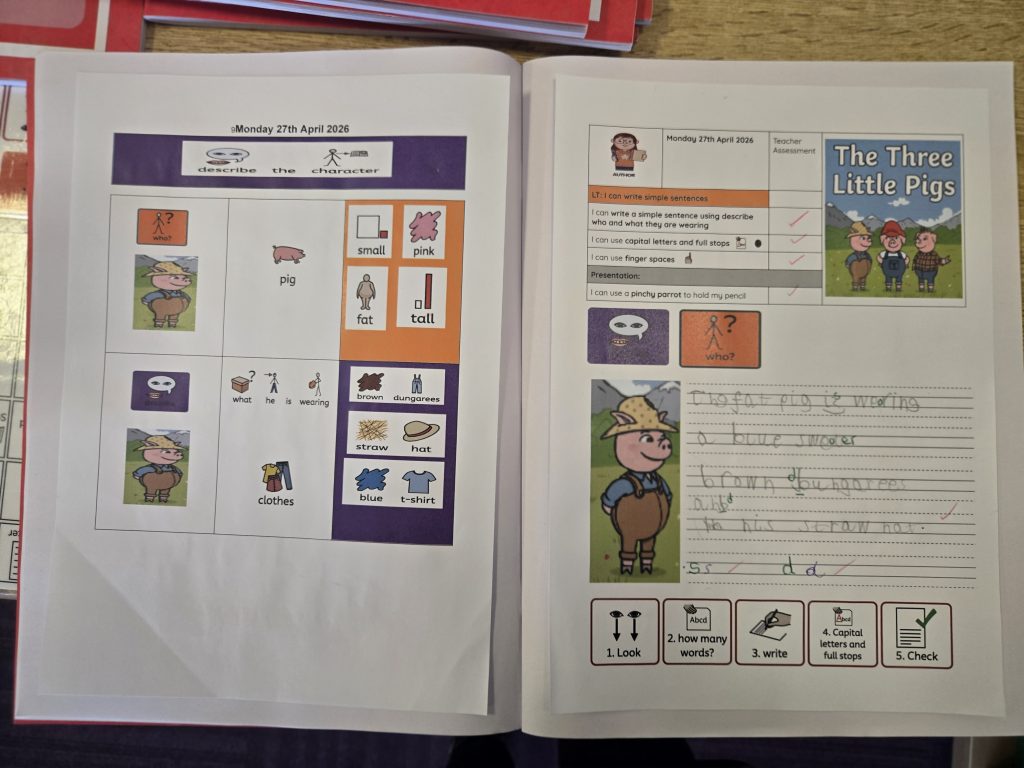
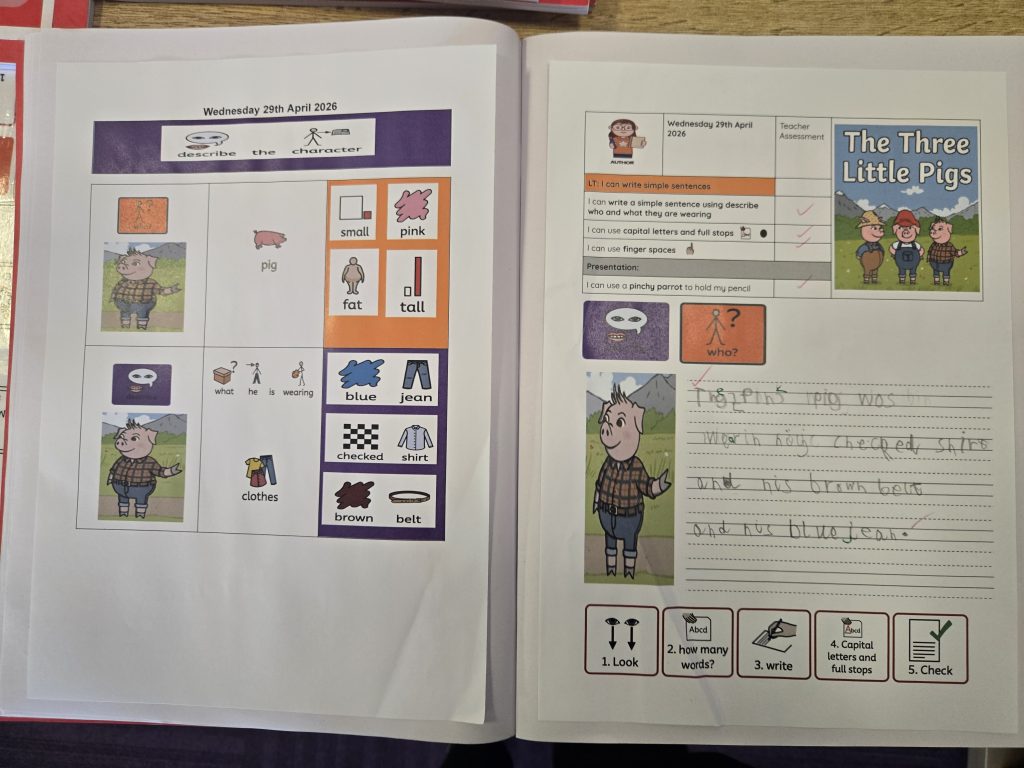
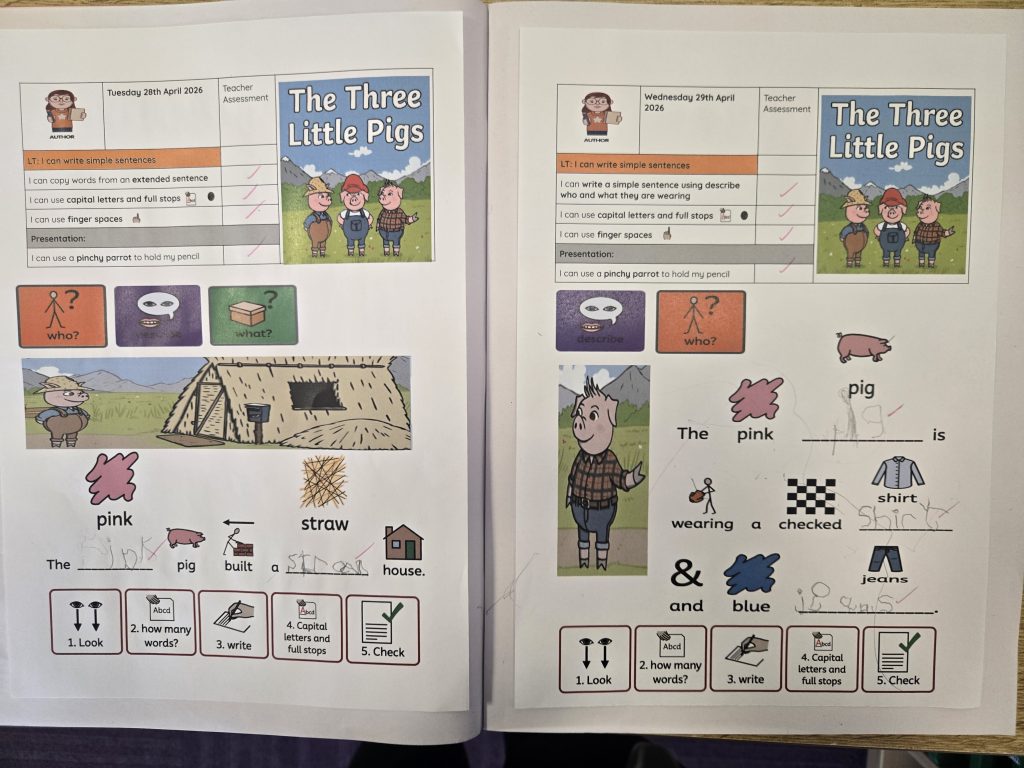
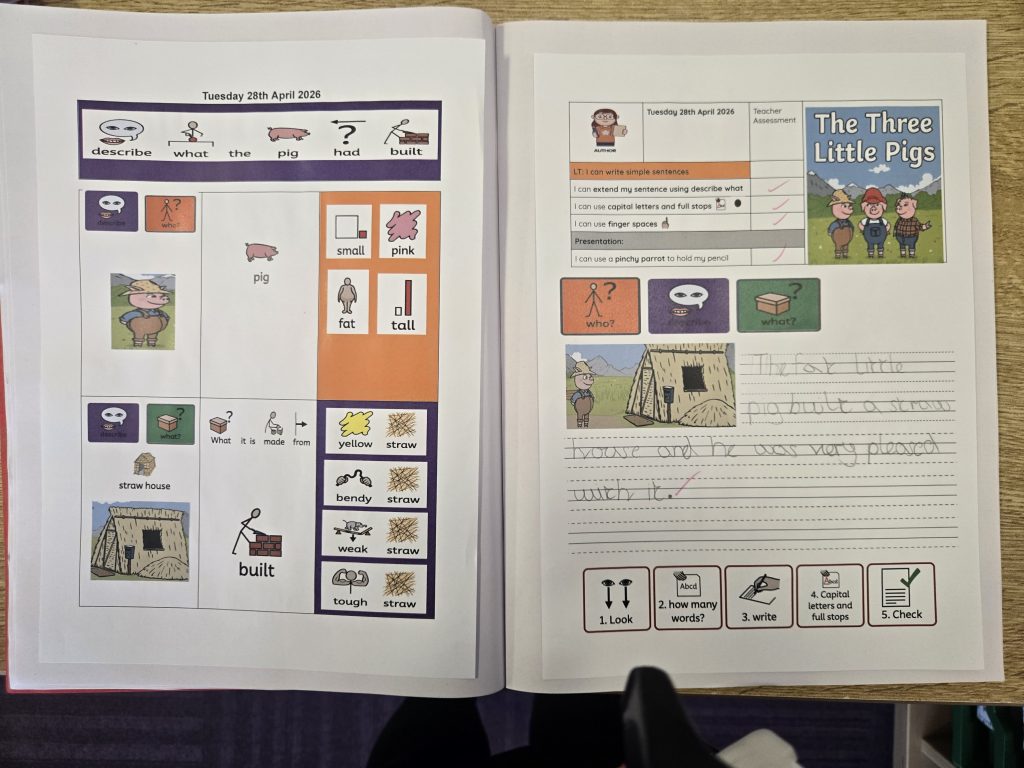
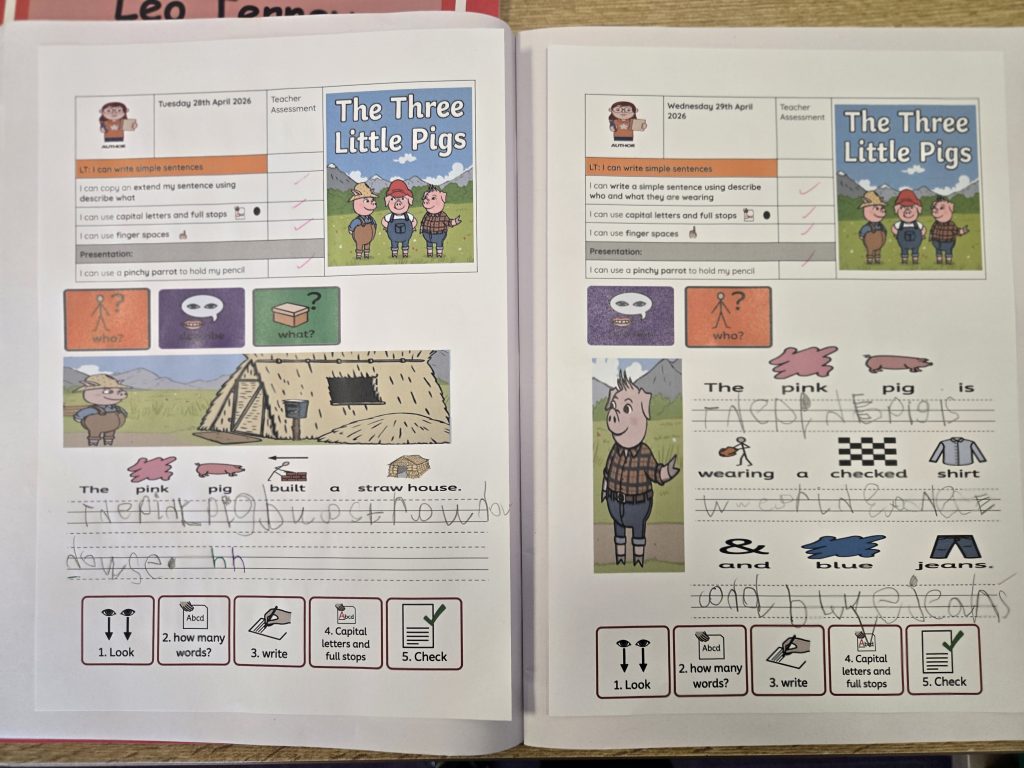
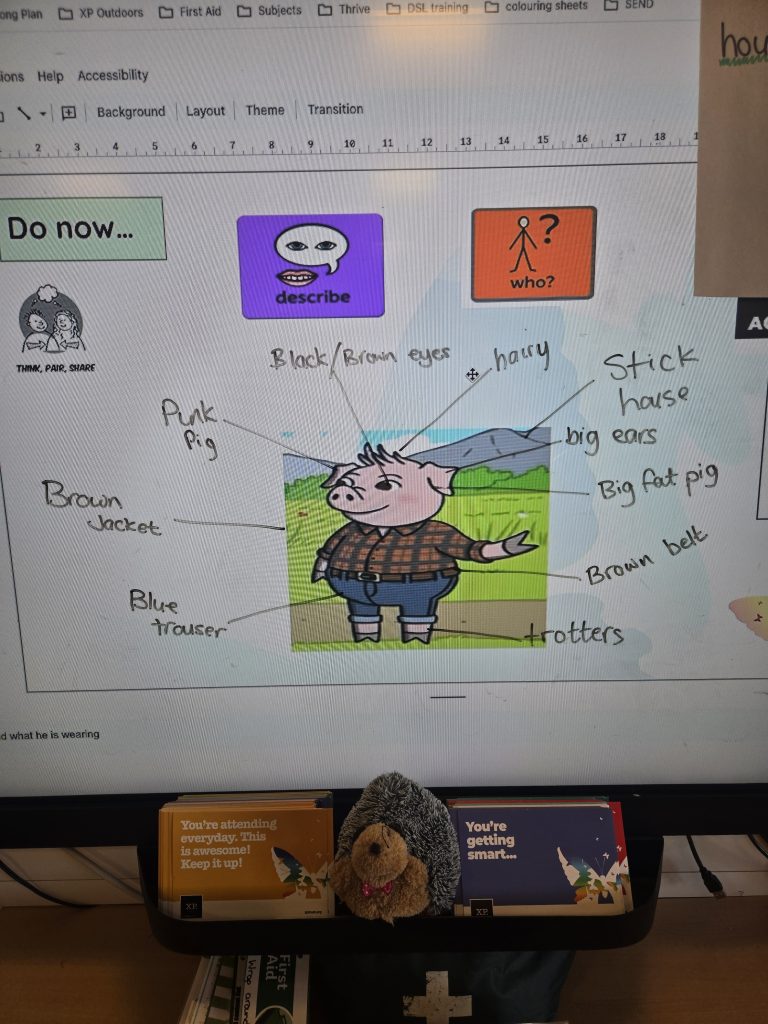
Over the past three days, the children have begun writing simple sentences using colourful semantics. They started by describing pictures verbally, identifying key elements such as who, what, and where. This was followed by a shared writing activity, where the class worked together to construct sentences. The children then had the opportunity to write independently, using a help sheet for support.
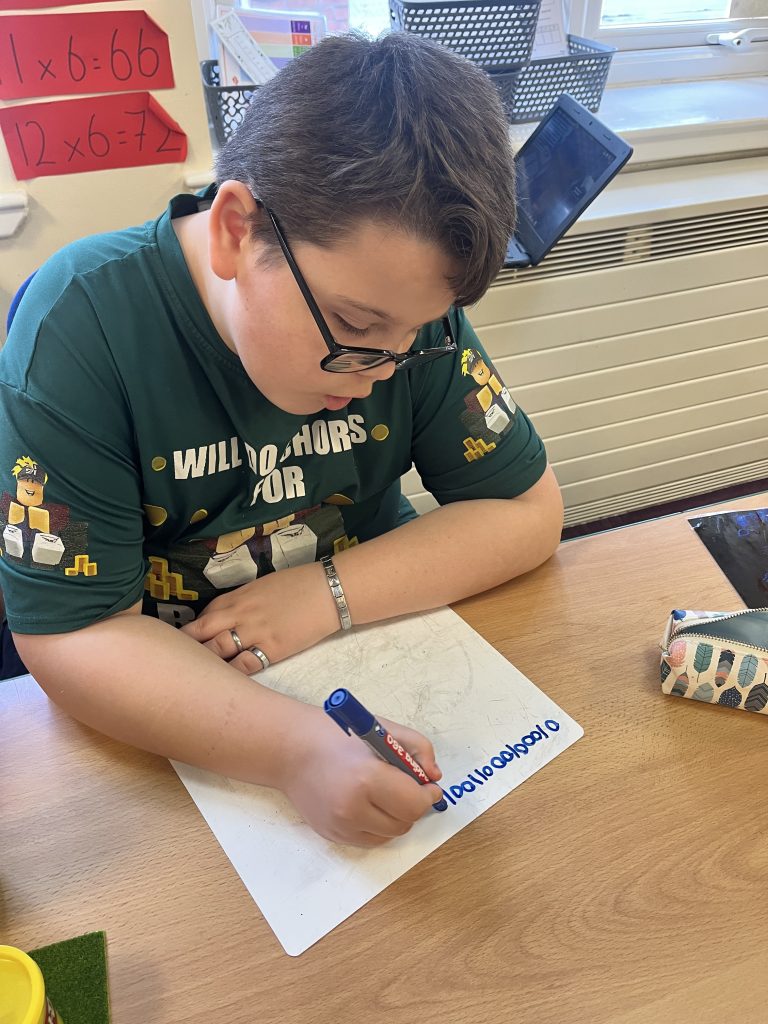
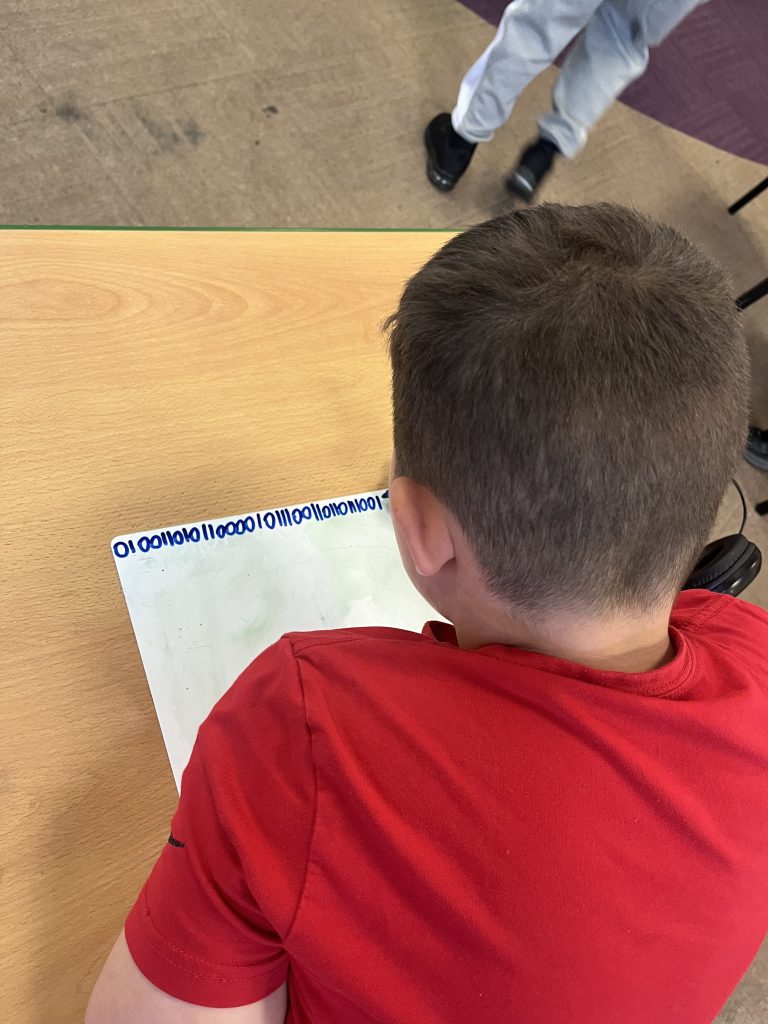
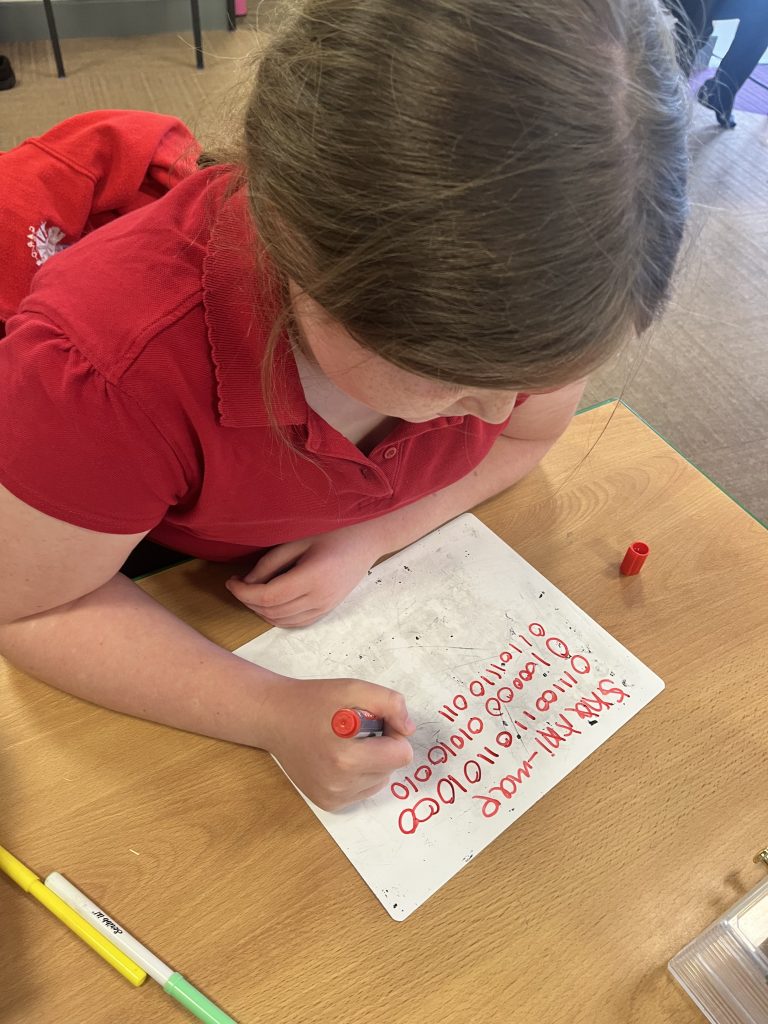
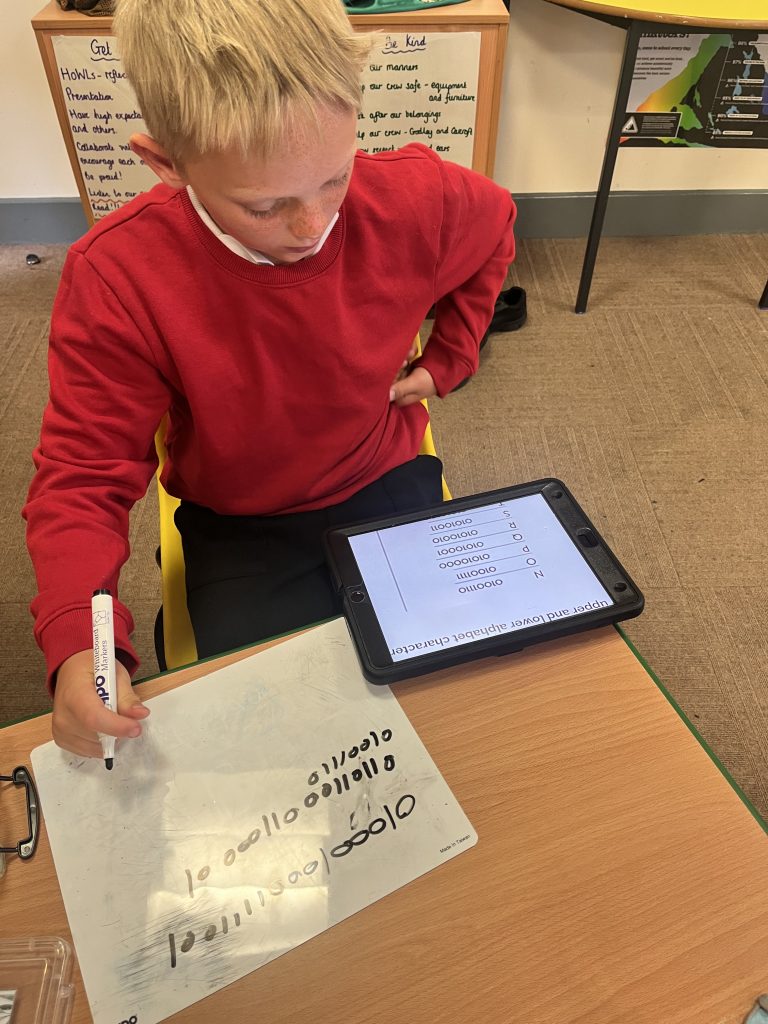
As part of our expedition ‘To Infinity and Beyond’, Crew Godley have been exploring the incredible journey of the first woman in space, Valentina Tereshkova, and discovering how coding played a vital role in making space travel possible.
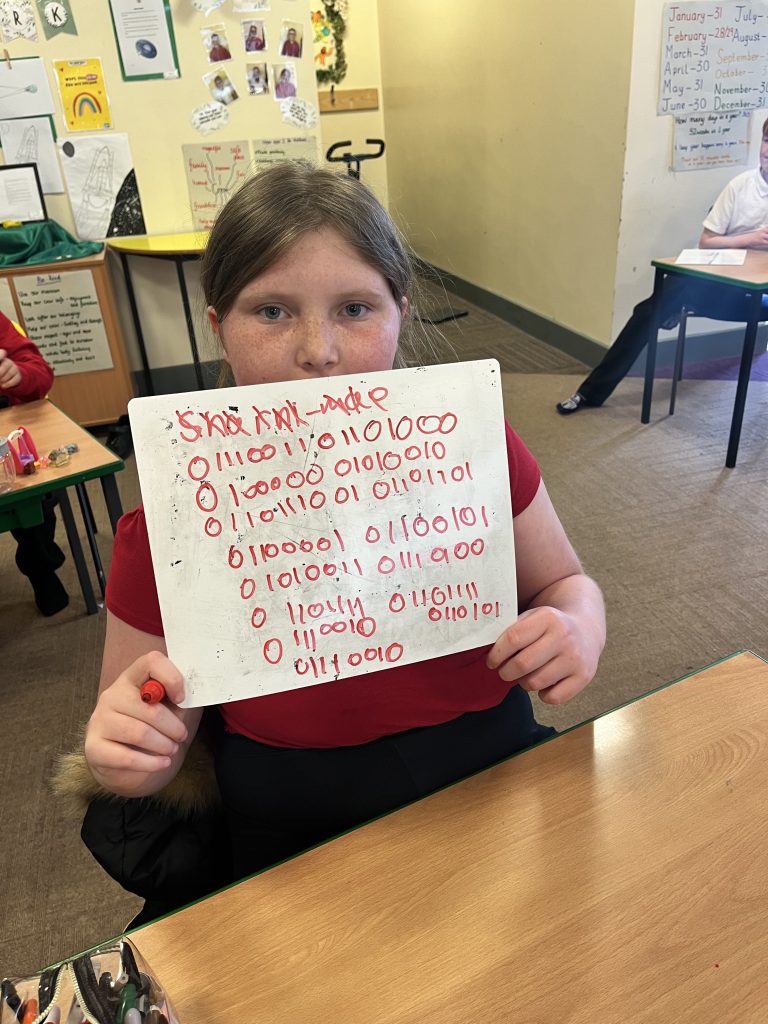
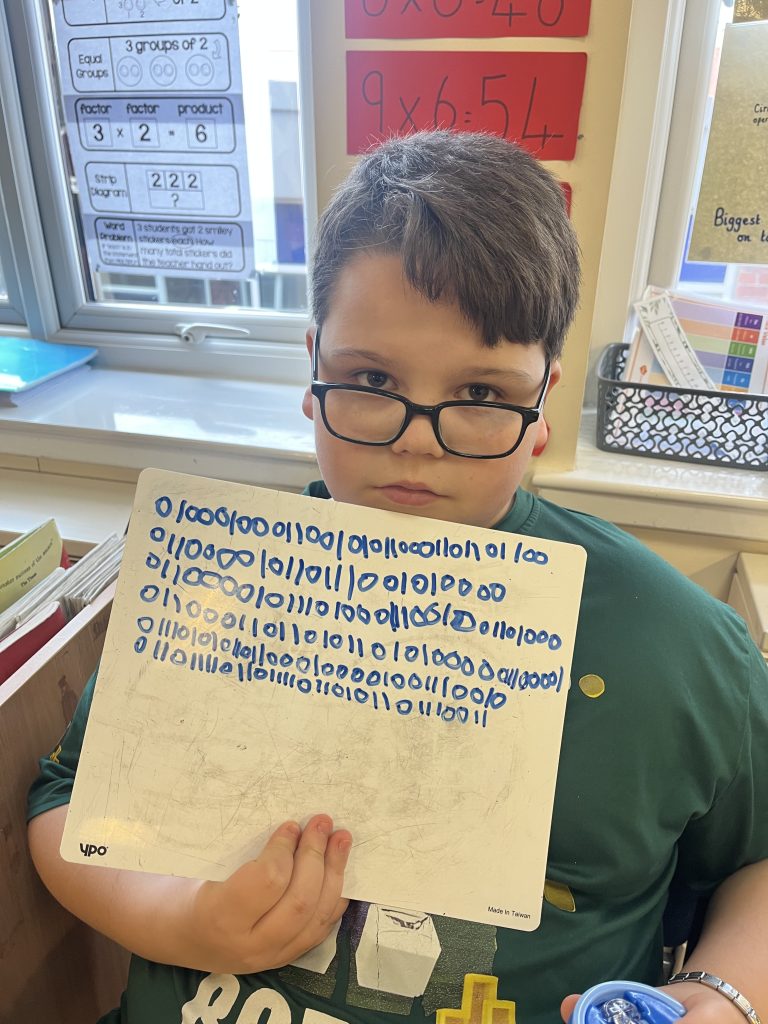
We began our learning by diving into the world of binary – the language computers use to communicate. The crew were fascinated to learn that everything a computer does is built from just two digits: 0 and 1! Using this knowledge, we had a go at writing our own names in binary code. It was a fun challenge, and we quickly realised just how complex things would be if we had to communicate like this all the time – thankfully, computers do the hard work for us!
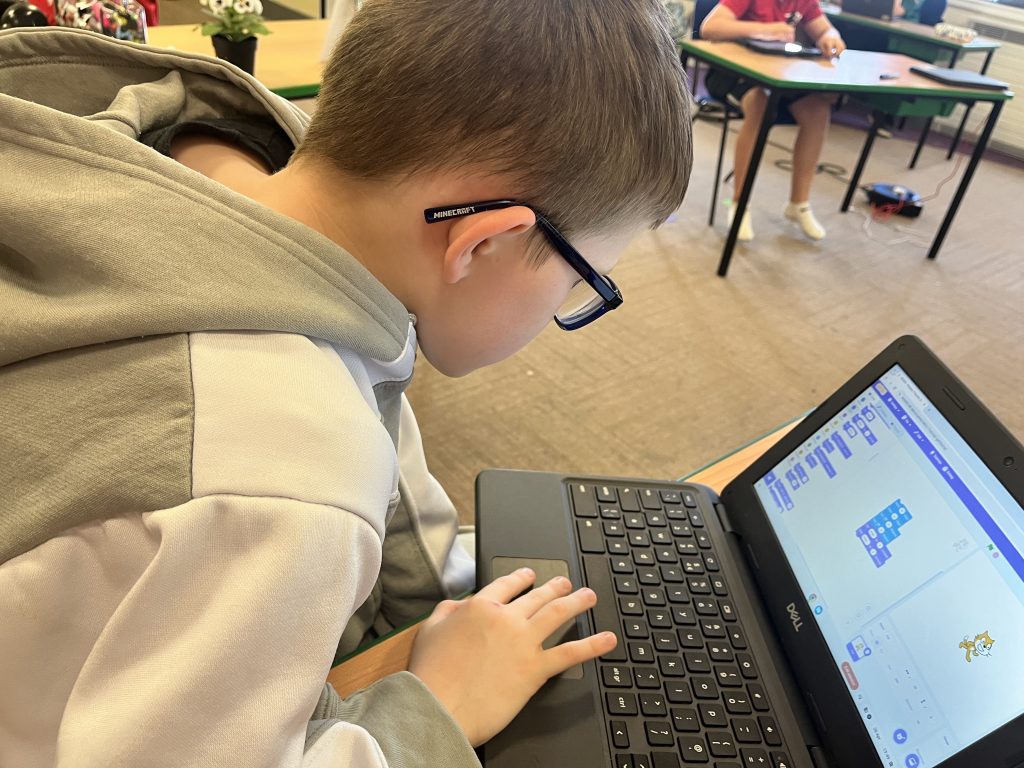
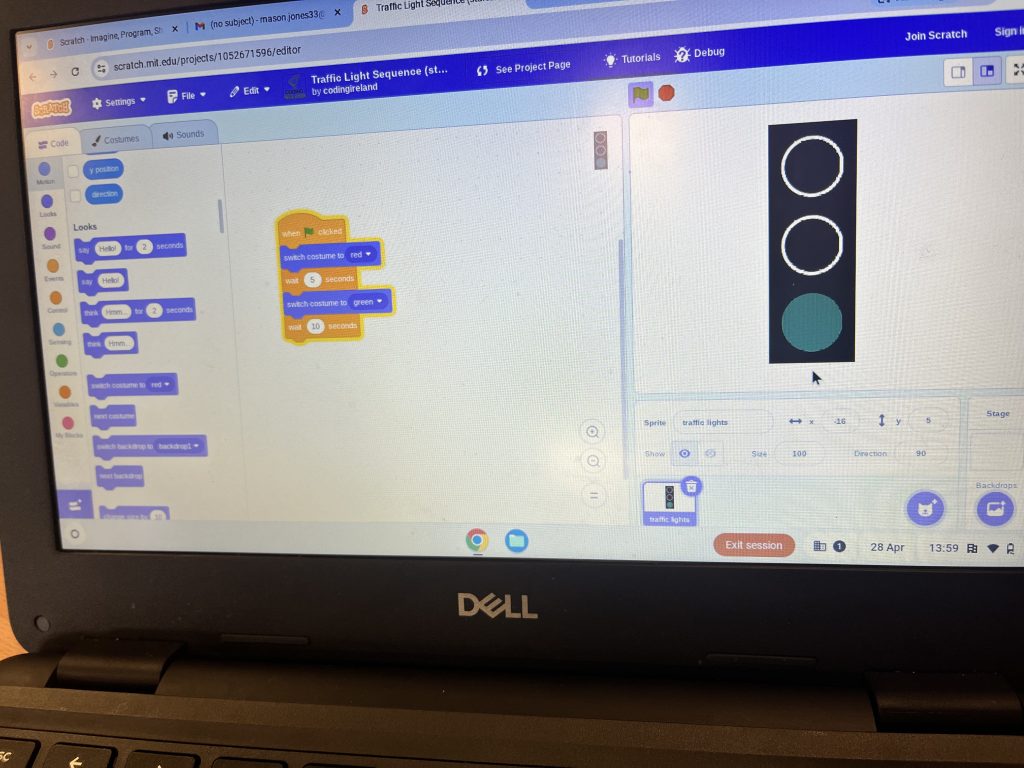
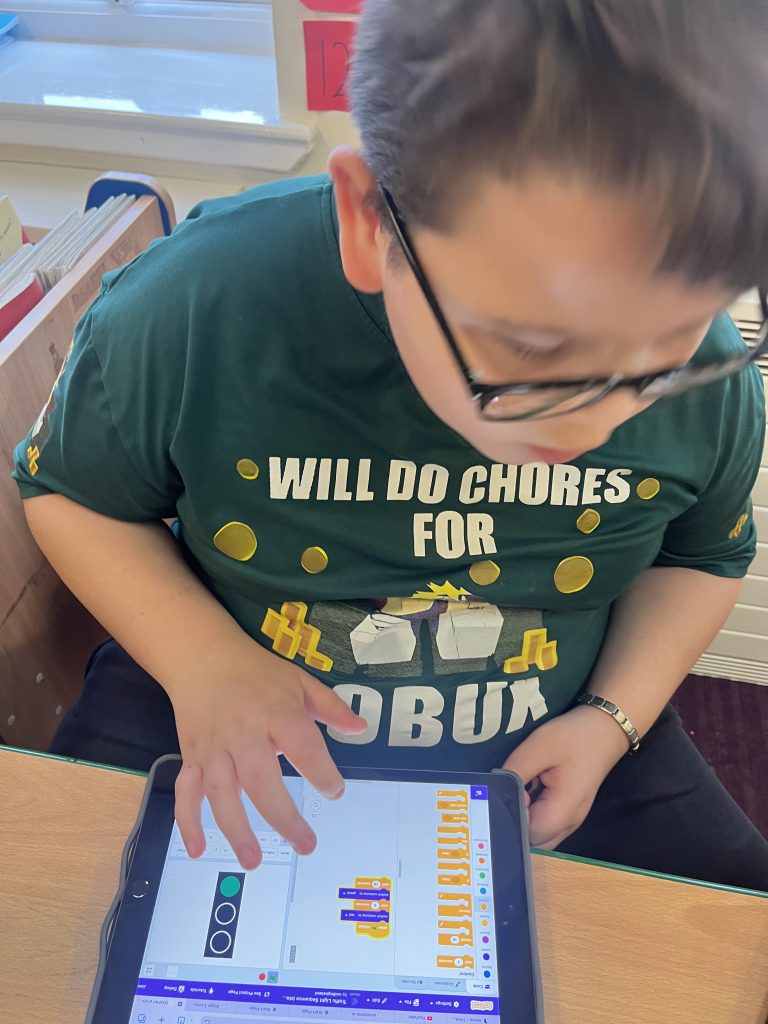
Building on this, we moved into practical coding. The children applied their understanding by programming a traffic light sequence, carefully instructing it to change colours in the correct order and at the right time. This helped them to understand how precise and logical instructions need to be when coding – just like the instructions used in real-life space missions.
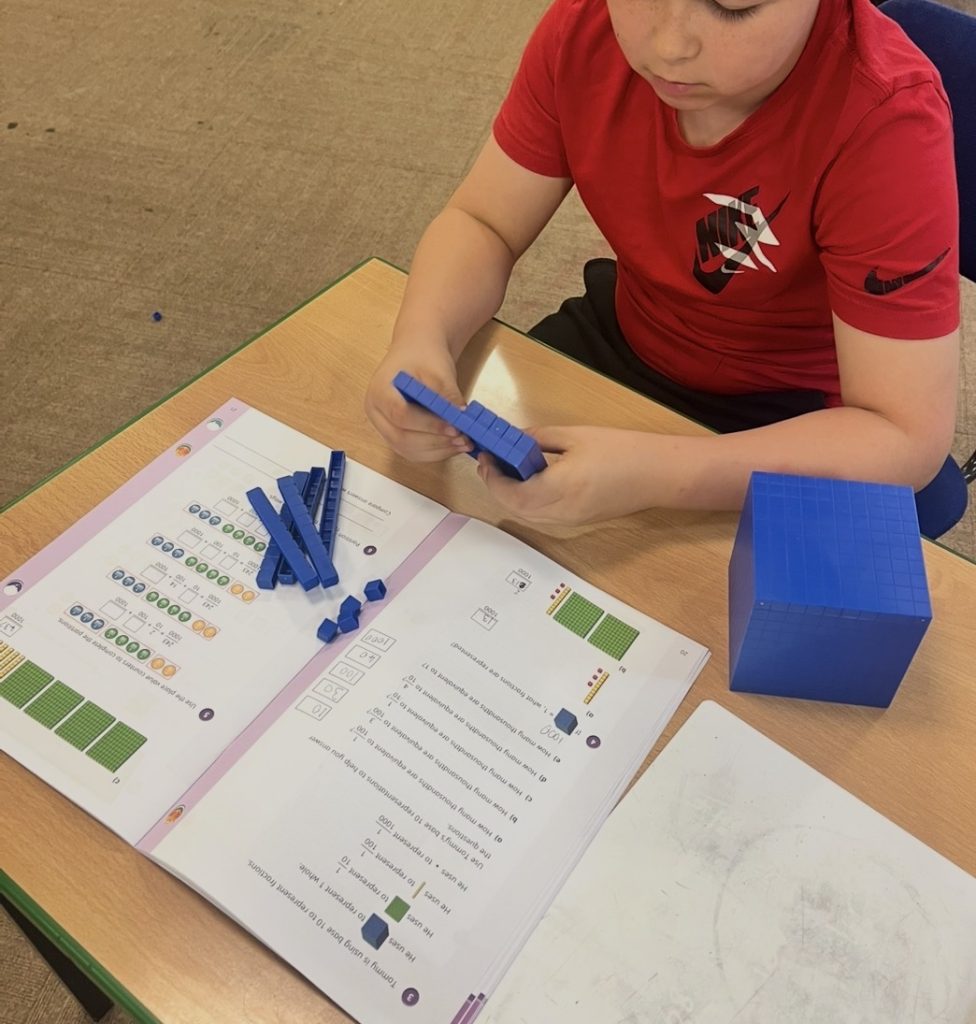
Crew Godley have been working incredibly hard to deepen their understanding of how numbers can be represented in different ways – particularly focusing on thousands expressed as fractions.
To support their learning, we used a range of manipulative to physically explore how a whole can be divided into equal parts and how those parts relate to thousandths. We investigated how one whole can be partitioned into 1,000 equal parts and what this looks like when represented as fractions. Through discussion and collaboration we were able to recognise patterns and simplify these fractions, linking their understanding to equivalent fractions and decimal forms.
Find out more and apply here to #JoinOurCrew
https://xptrust.org/were-looking-for-a-primary-teacher-at-xp-trust/