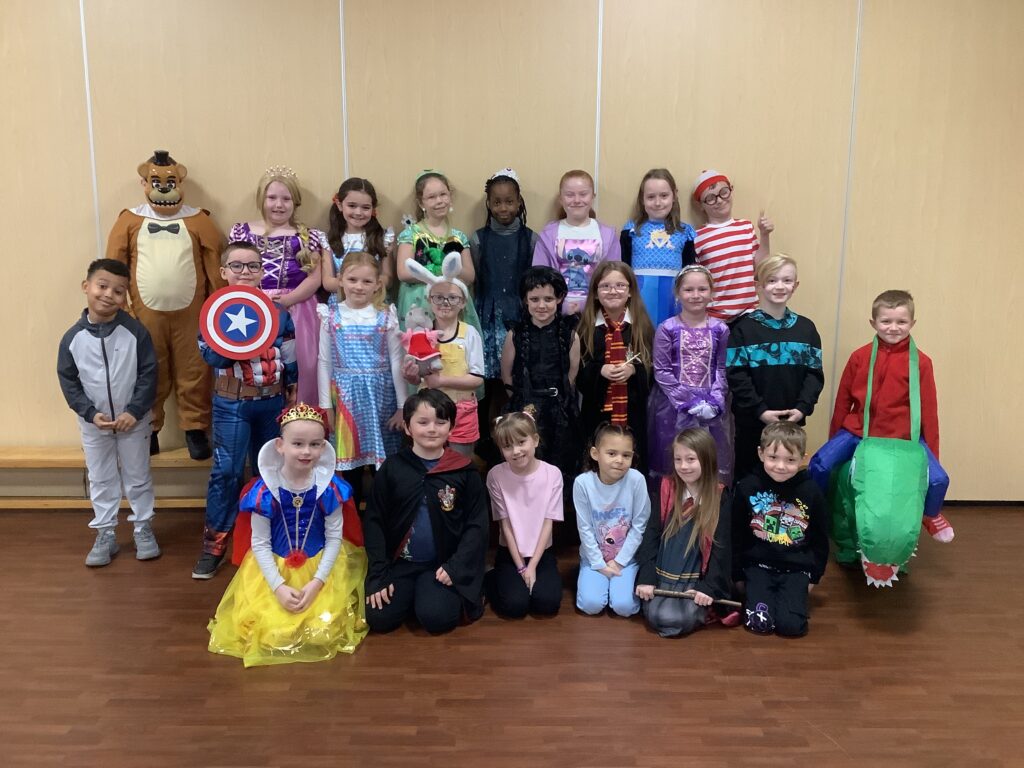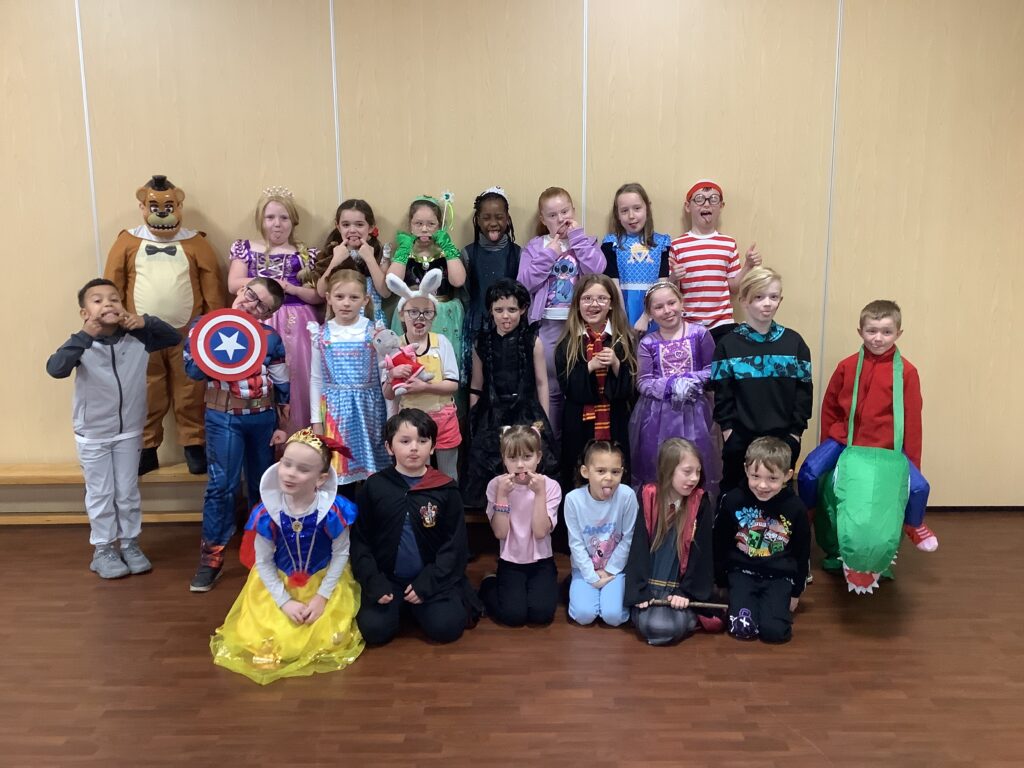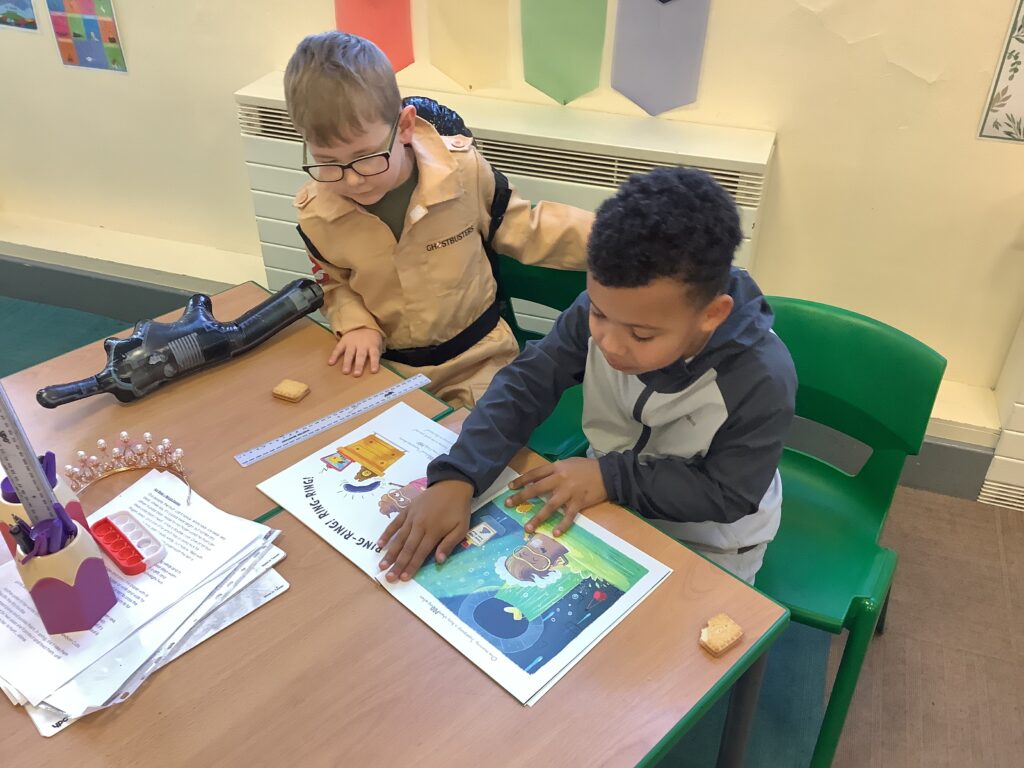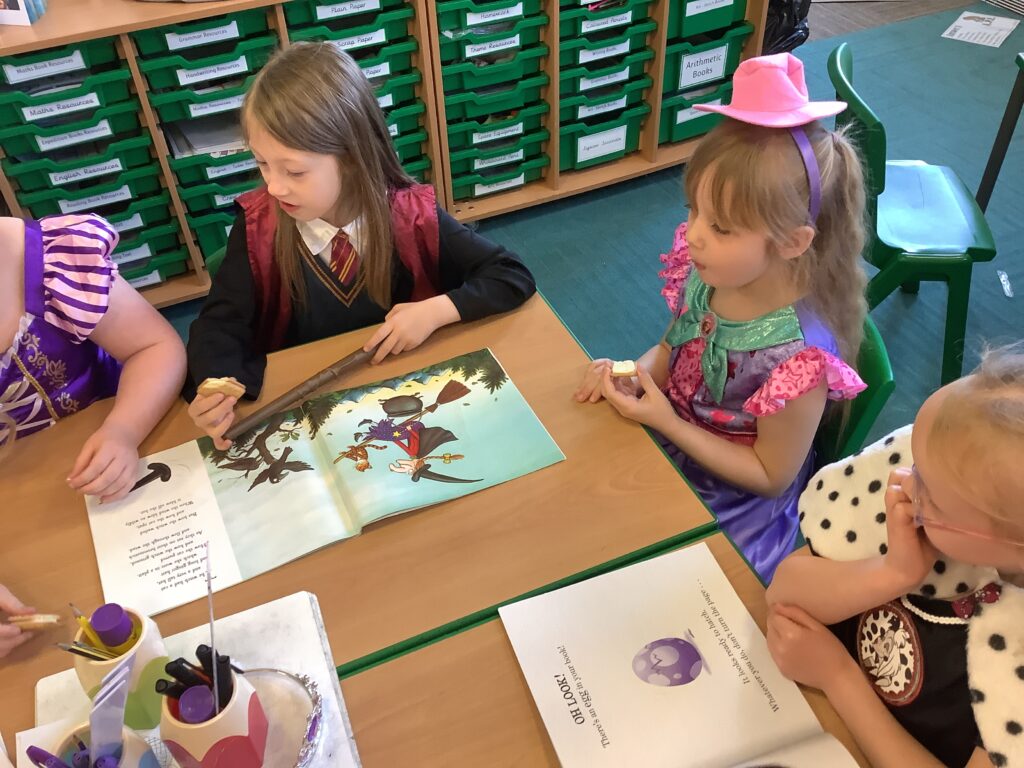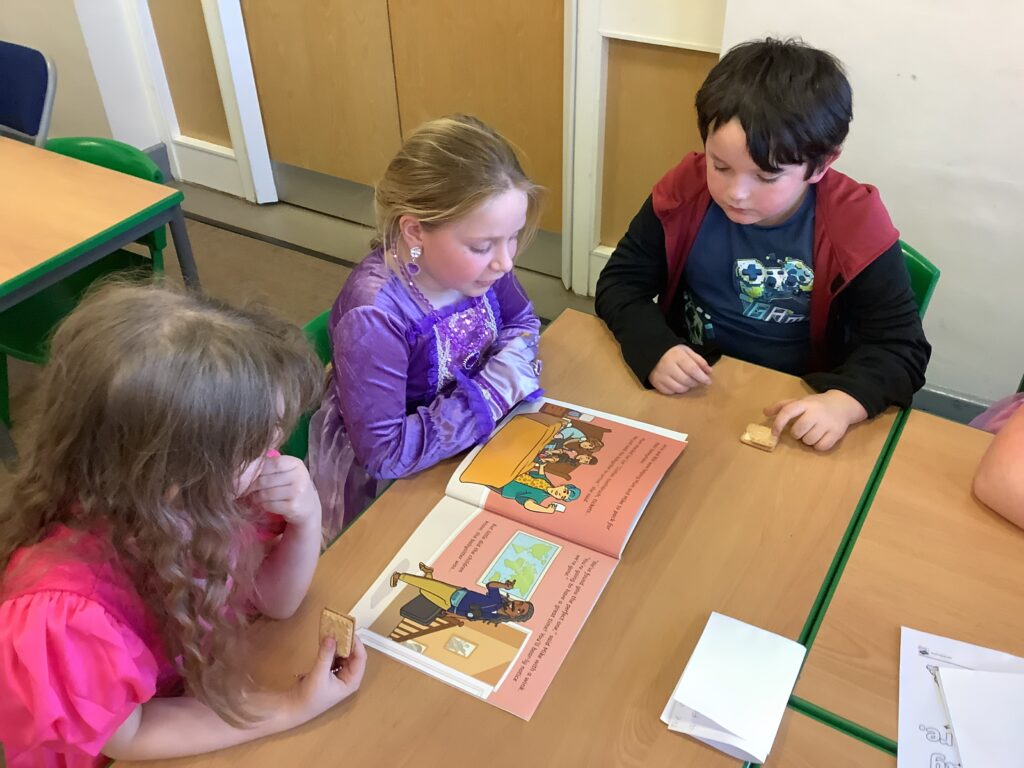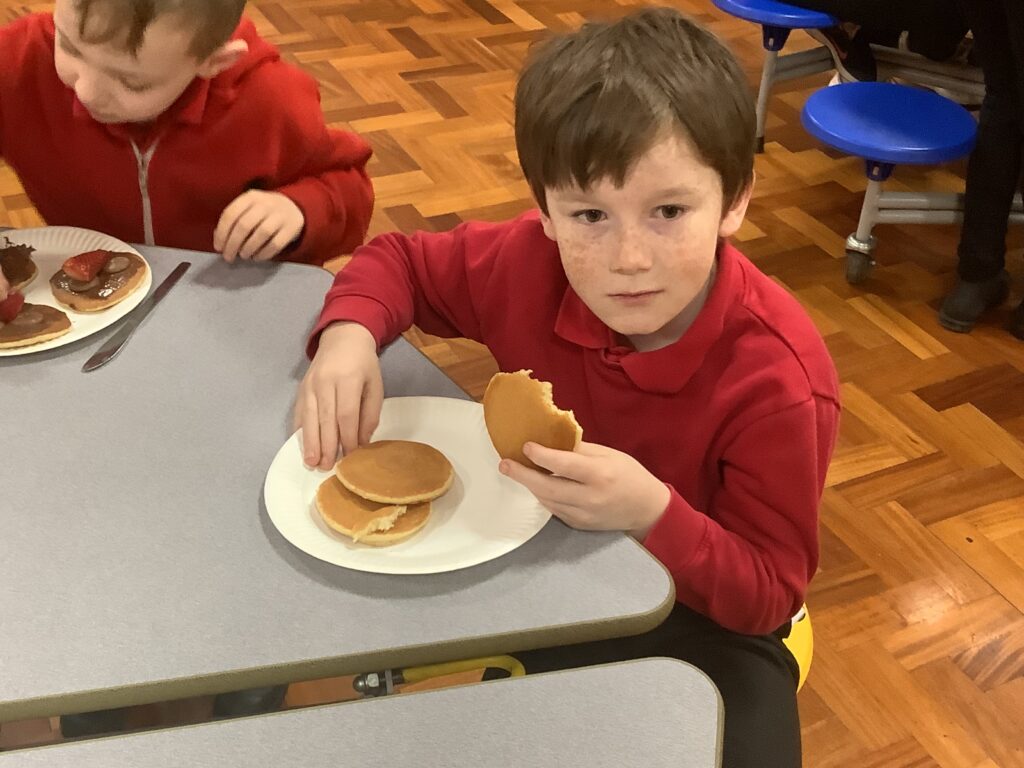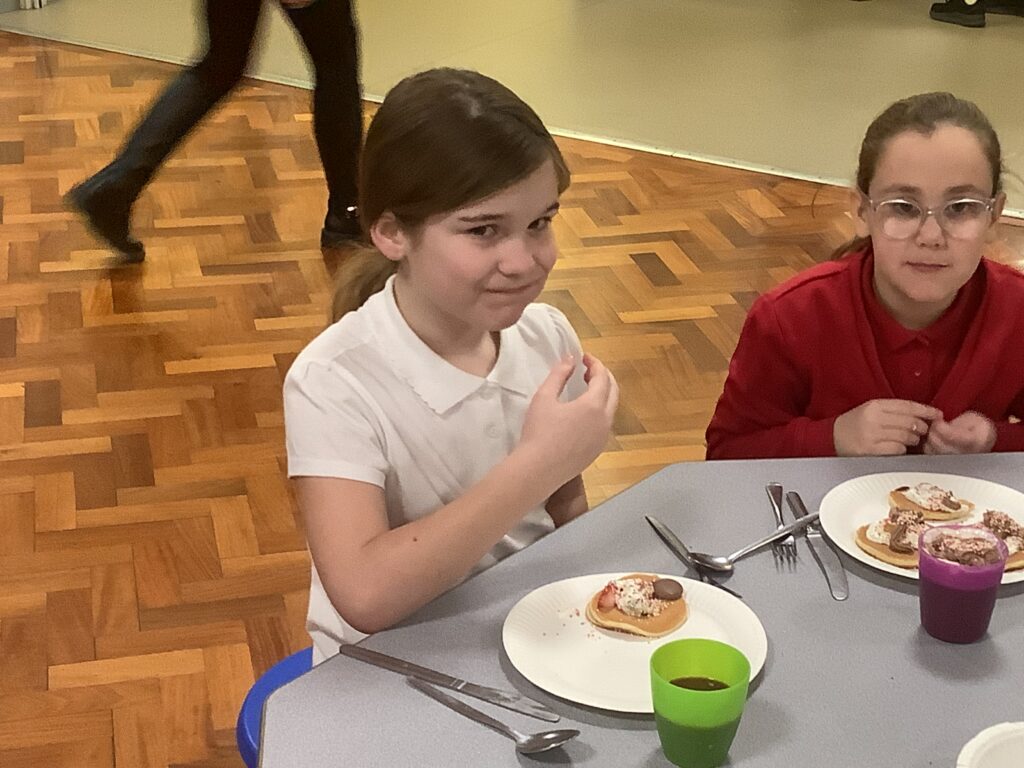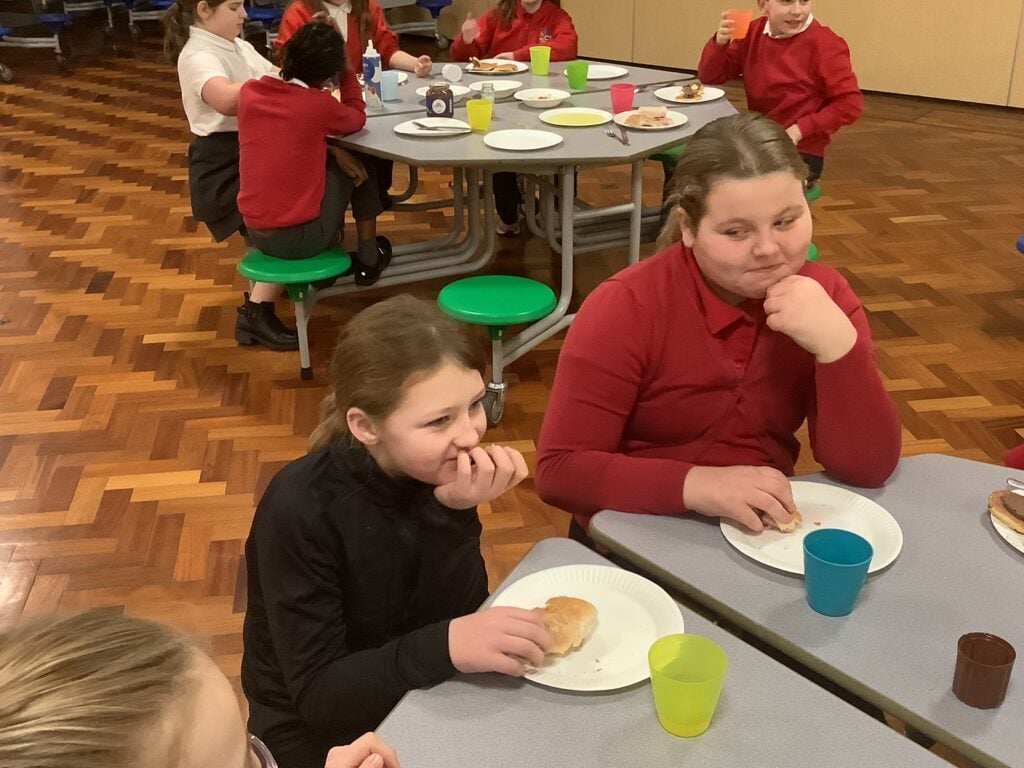
What an amazing treat from Mrs Atherton for the children who have made the most improvements with reading over this half term, including those who have done lots of reading at home!


What an amazing treat from Mrs Atherton for the children who have made the most improvements with reading over this half term, including those who have done lots of reading at home!


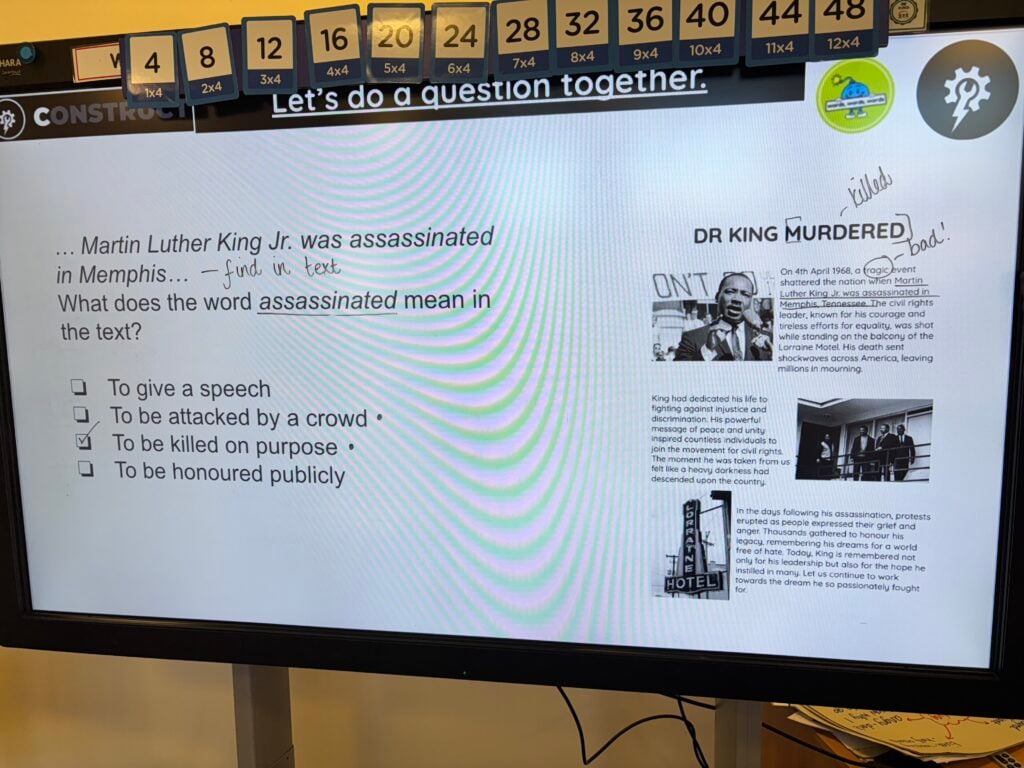
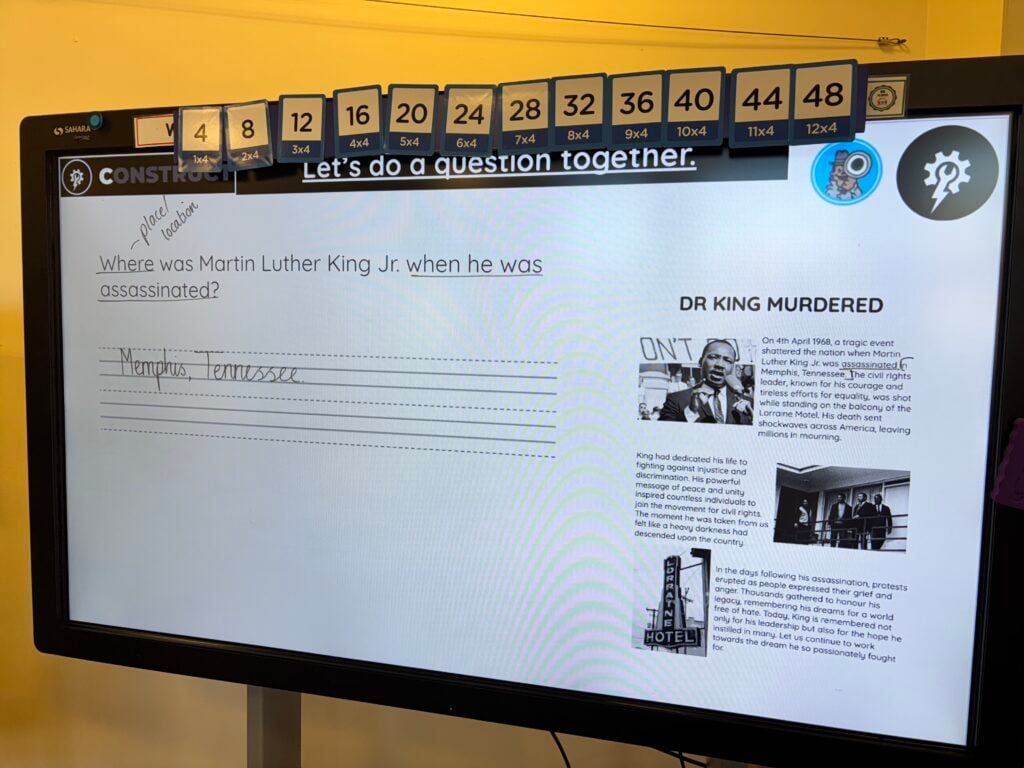
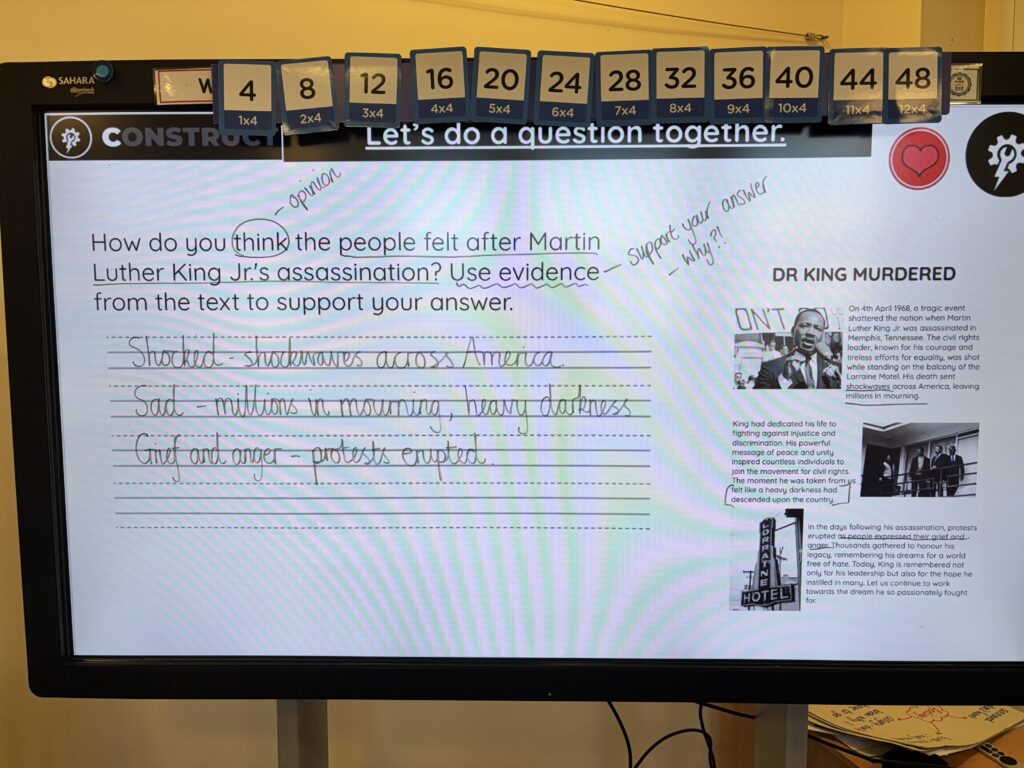
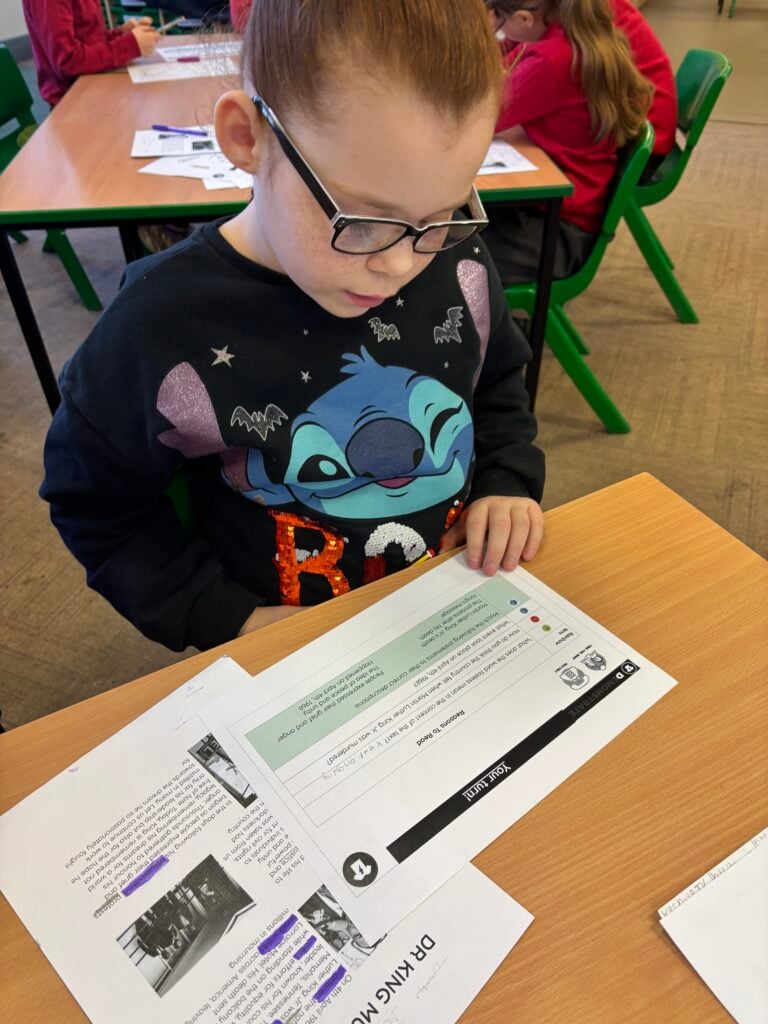
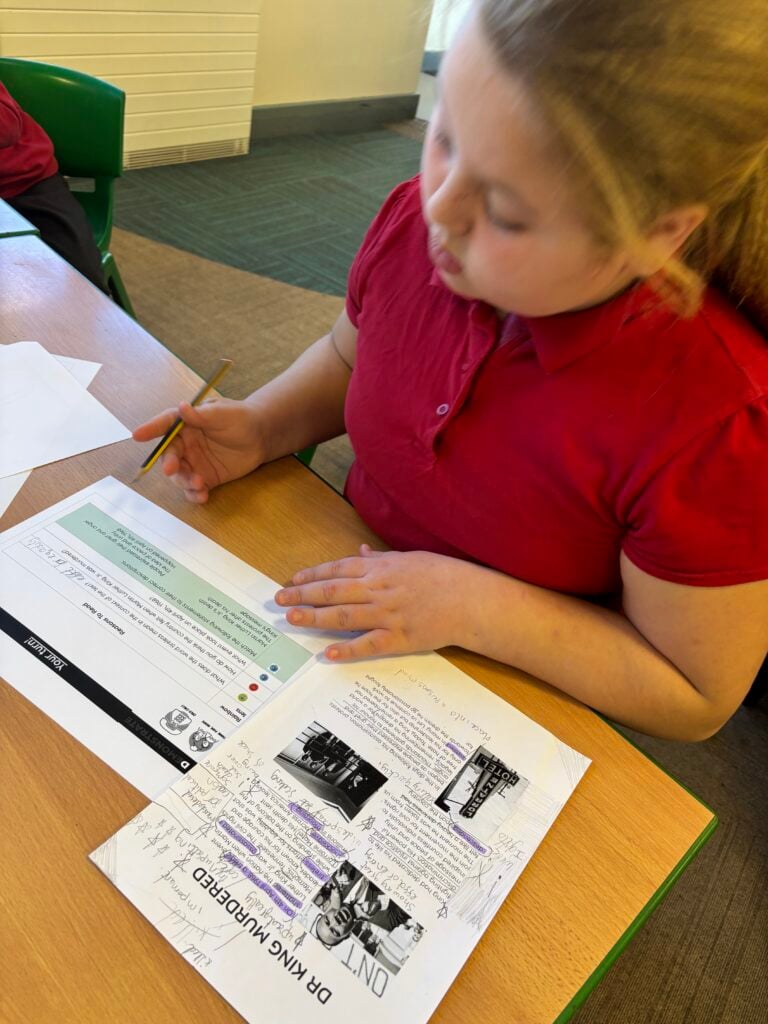
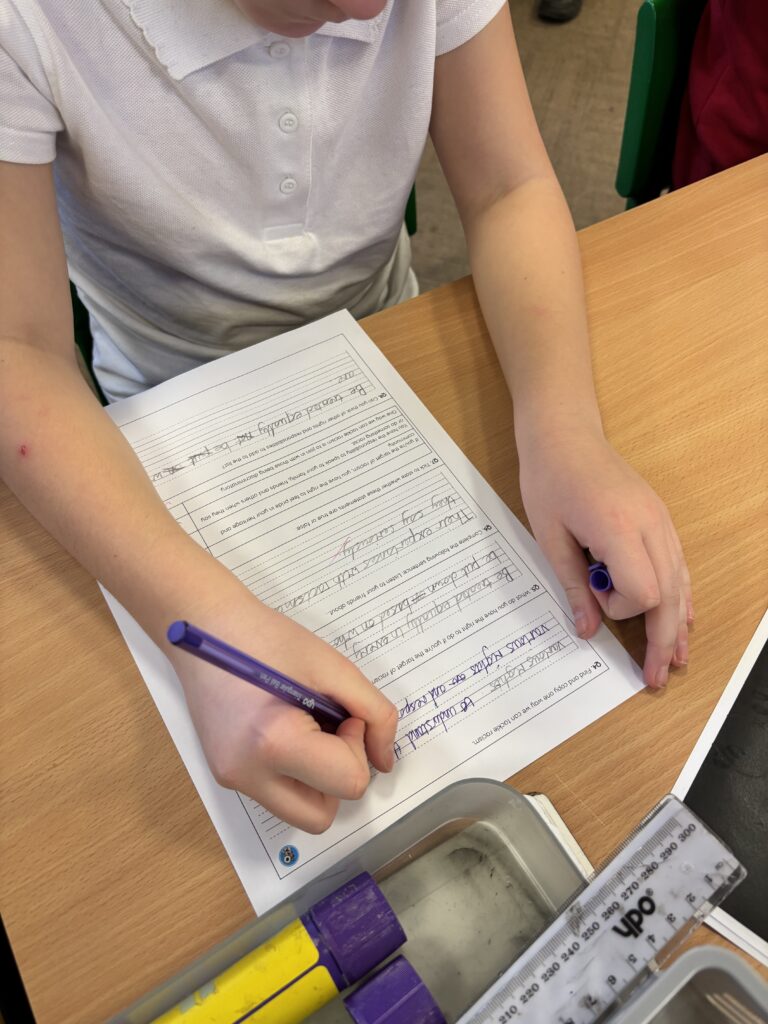
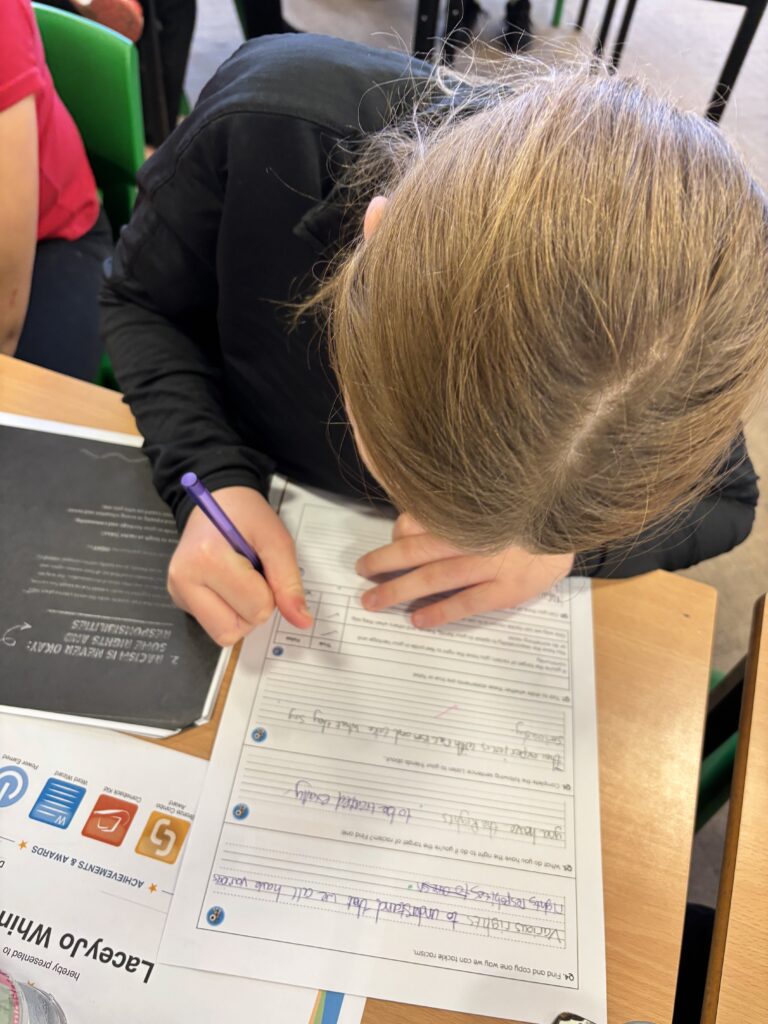
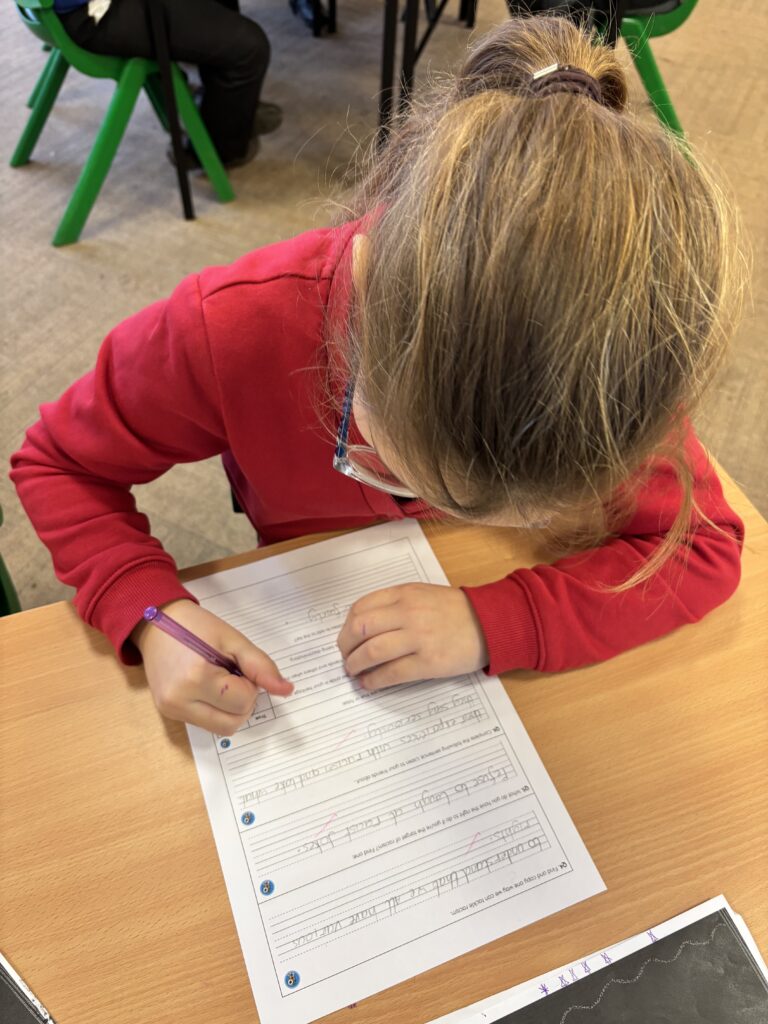
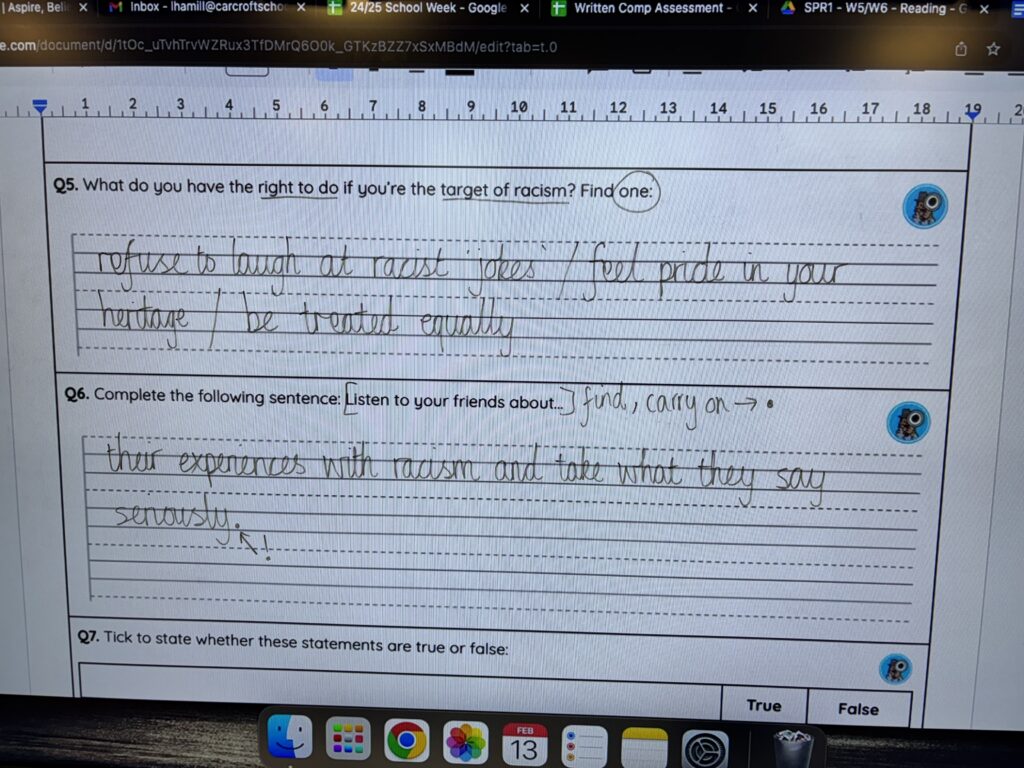
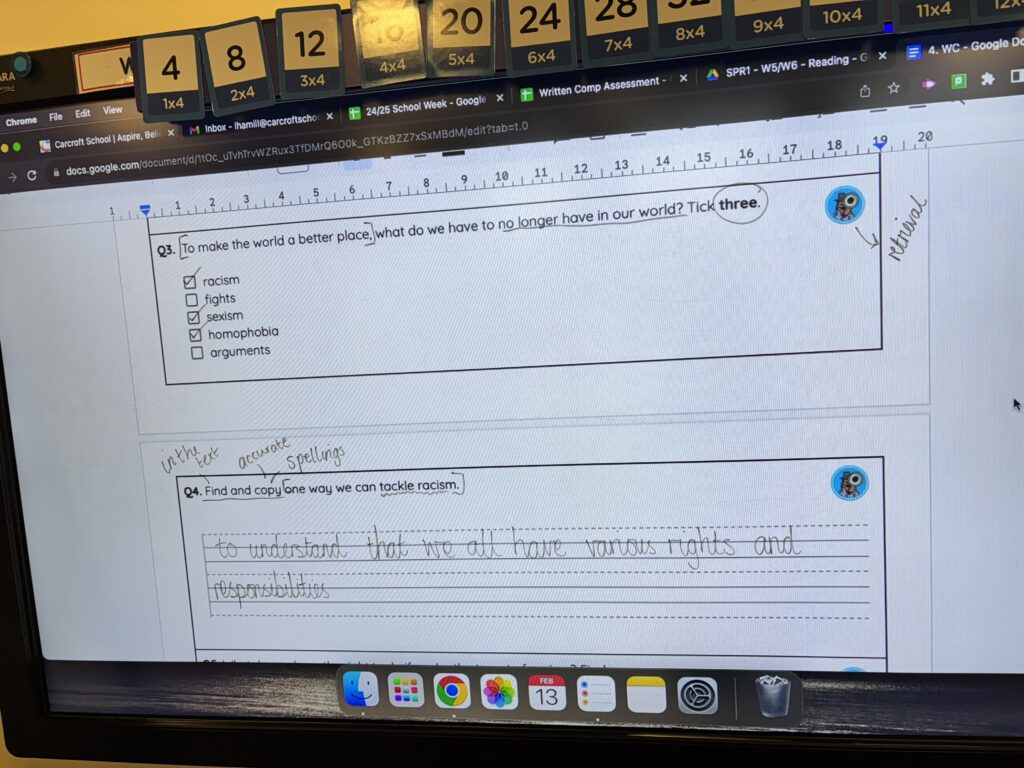
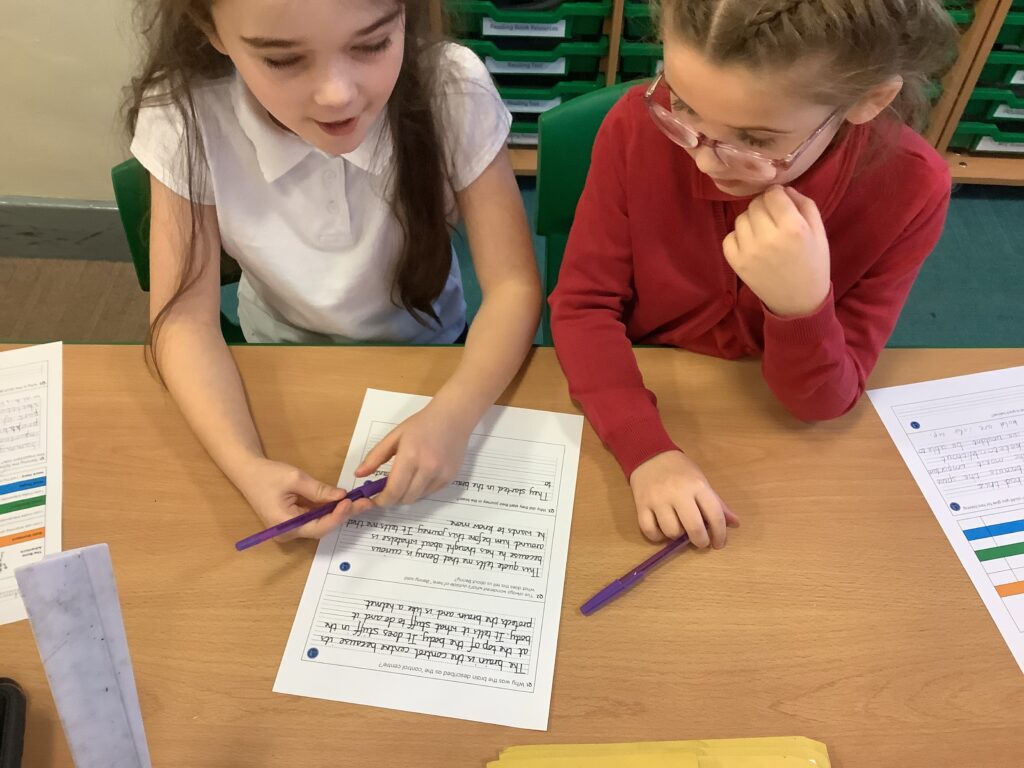
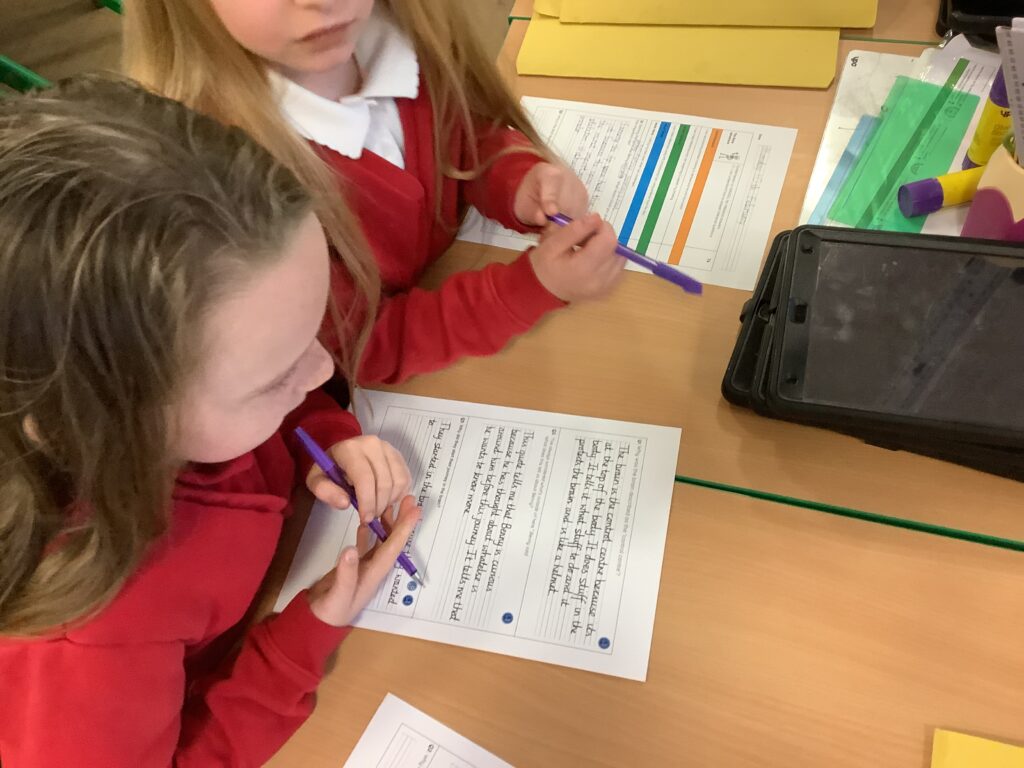
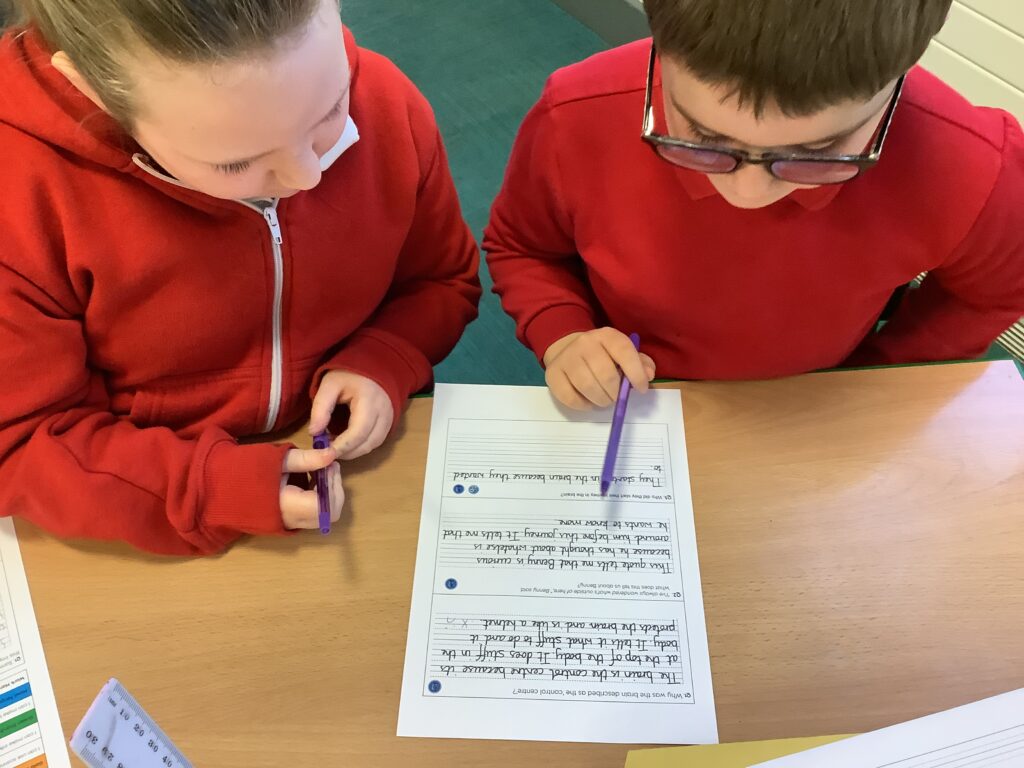
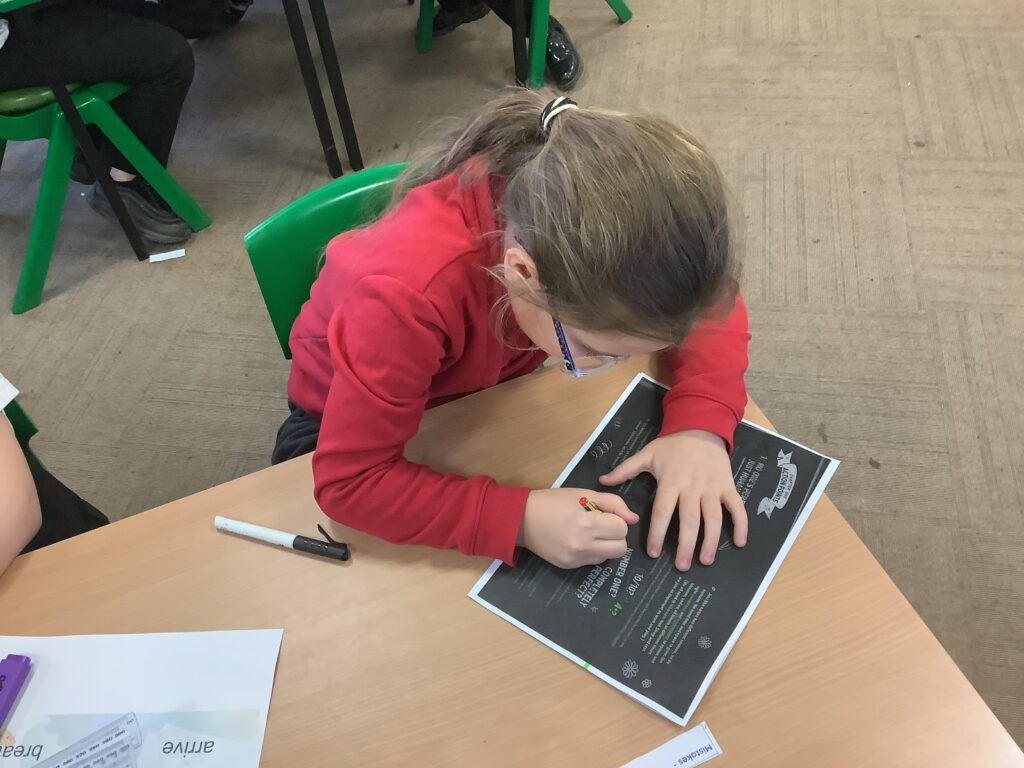
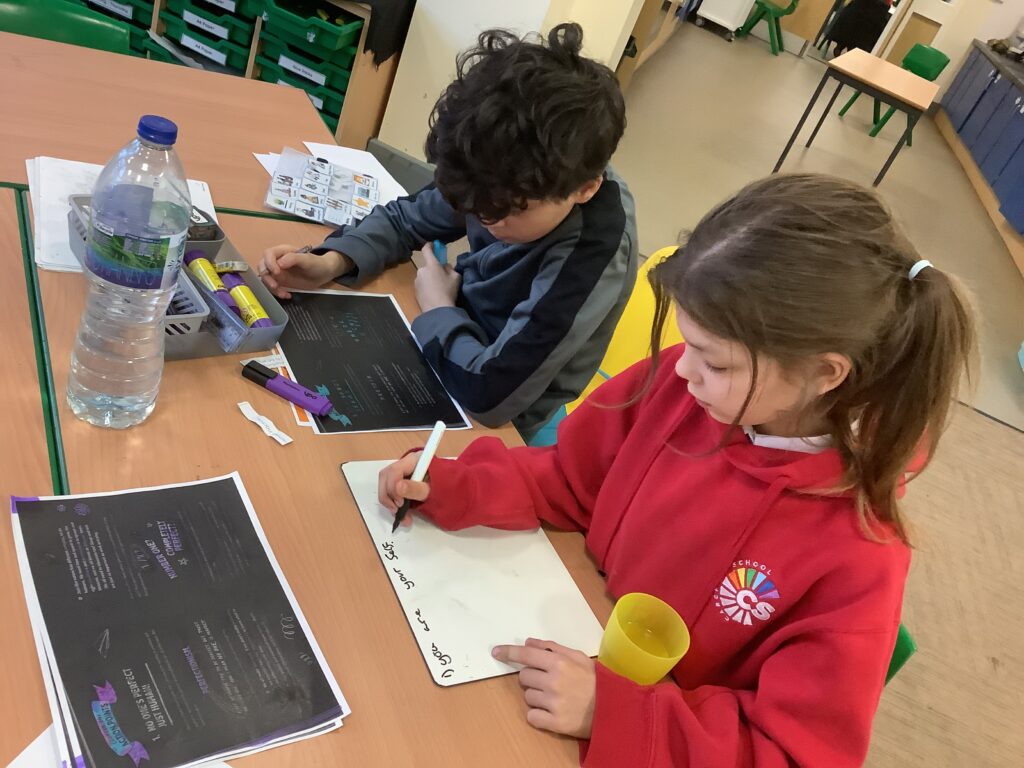
This week, Crew Hamill have looked in depth at their written comprehension answers, pulling apart the questions and identifying the steps needed in order to answer them correctly. We have identified as a crew that we are much stronger at answering comprehension questions on texts that we are familiar with so we have been challenged over the last two weeks to complete our written comprehensions on unseen texts. These have been much trickier as we have no awareness of the text before we answer questions on it, similar to how it will be in our SATs and assessments. We worked as a crew to discuss how we identify question types from the wording of the question and then how we use the information within the question to find the answer in the text. For any questions we got wrong, we purple penned our answers.
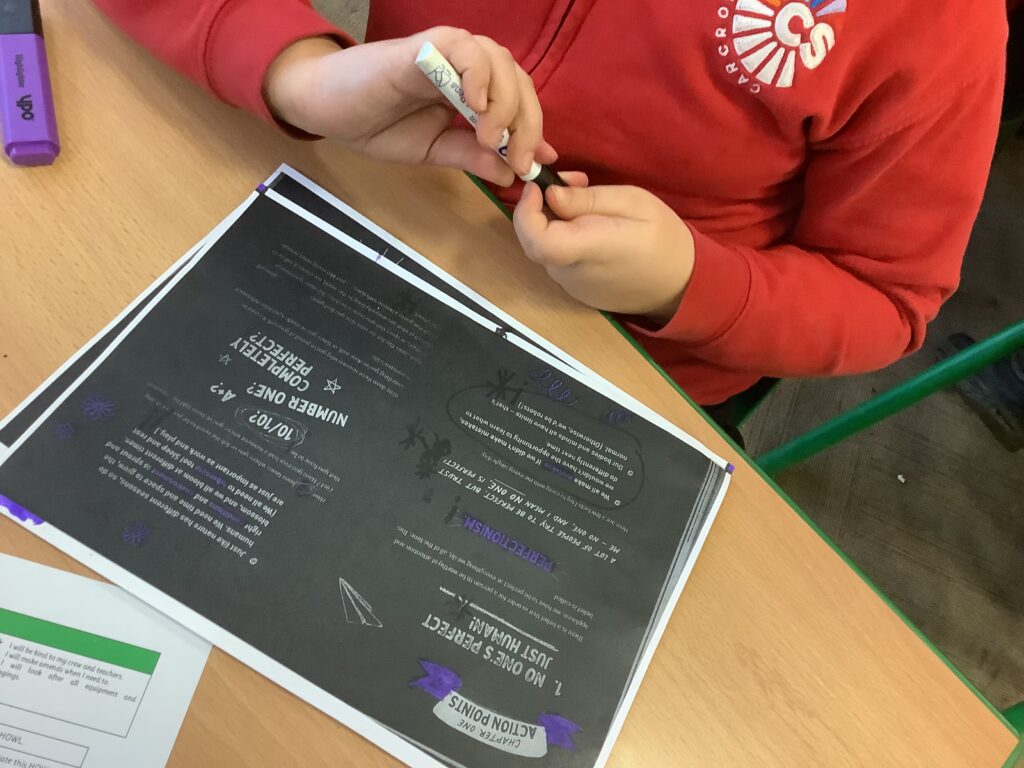


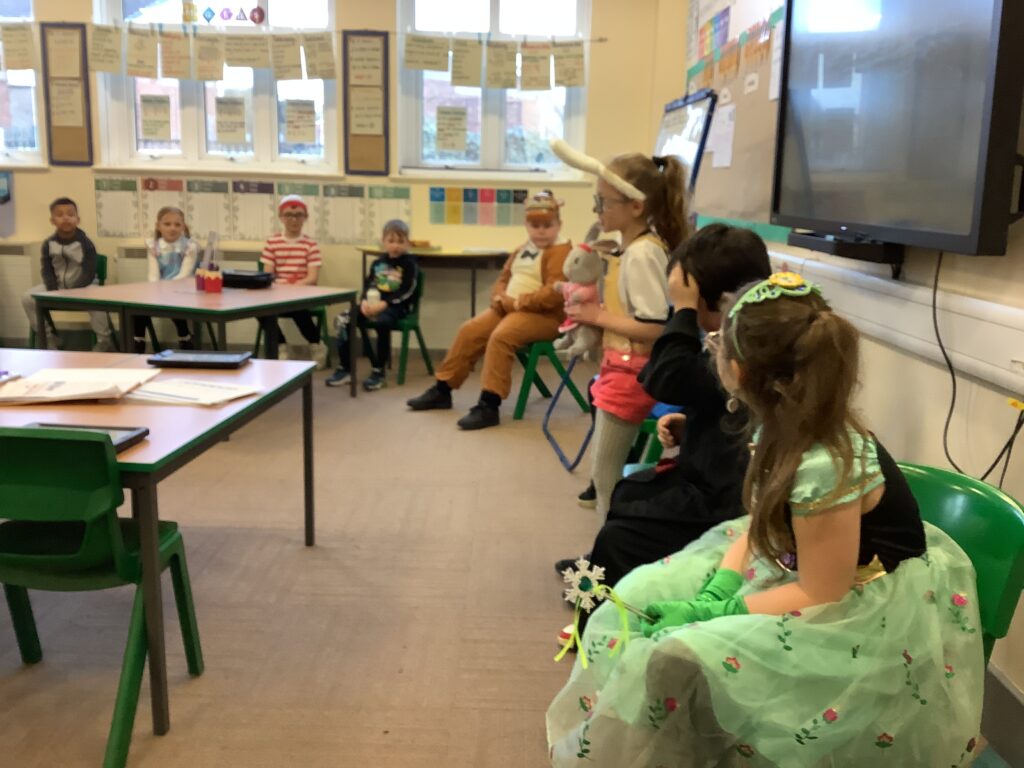
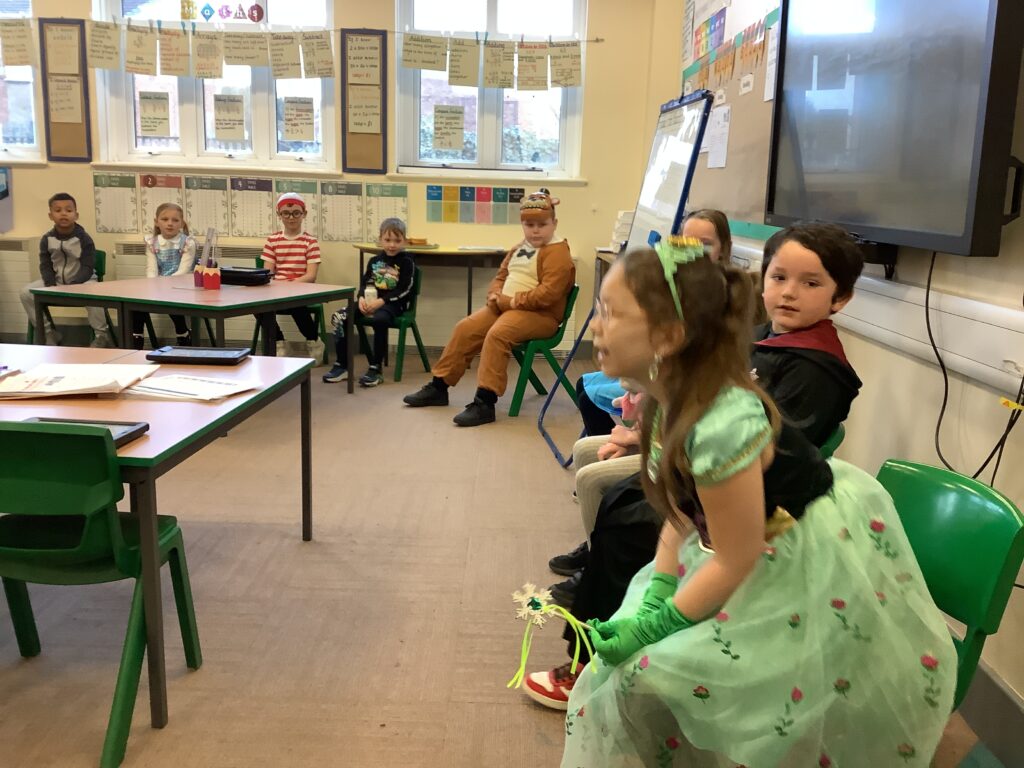
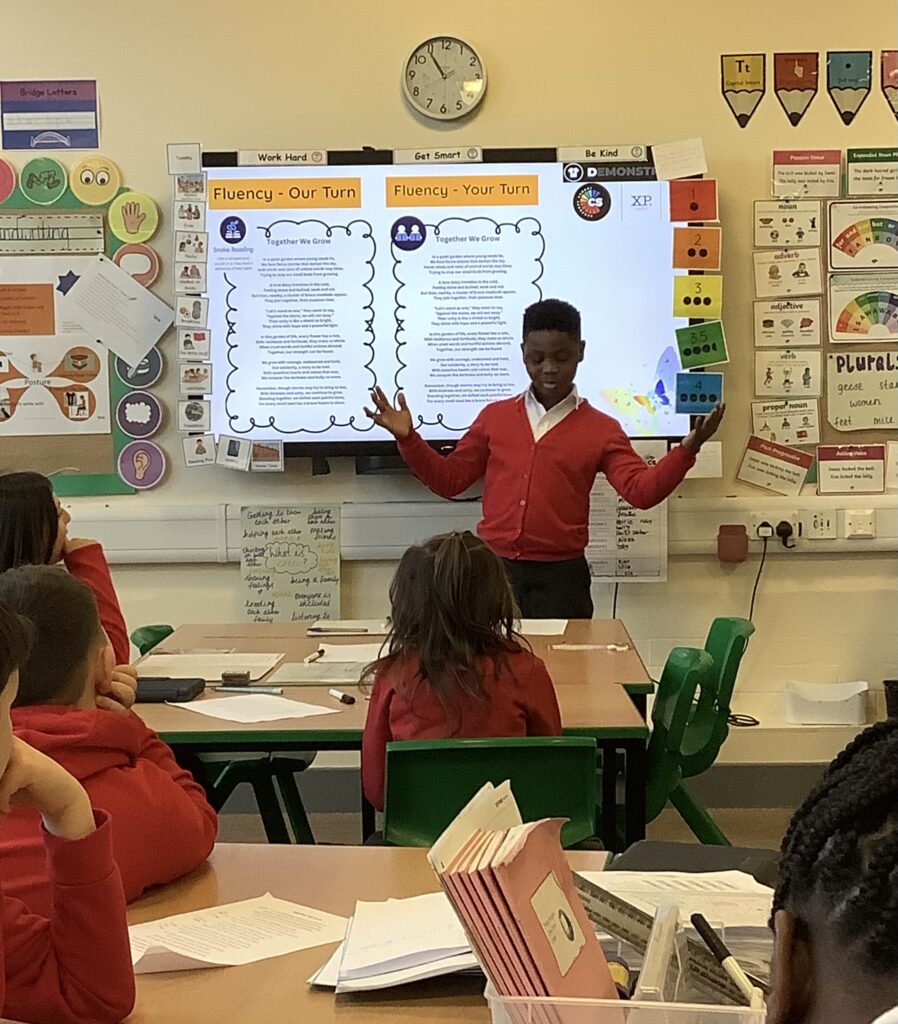
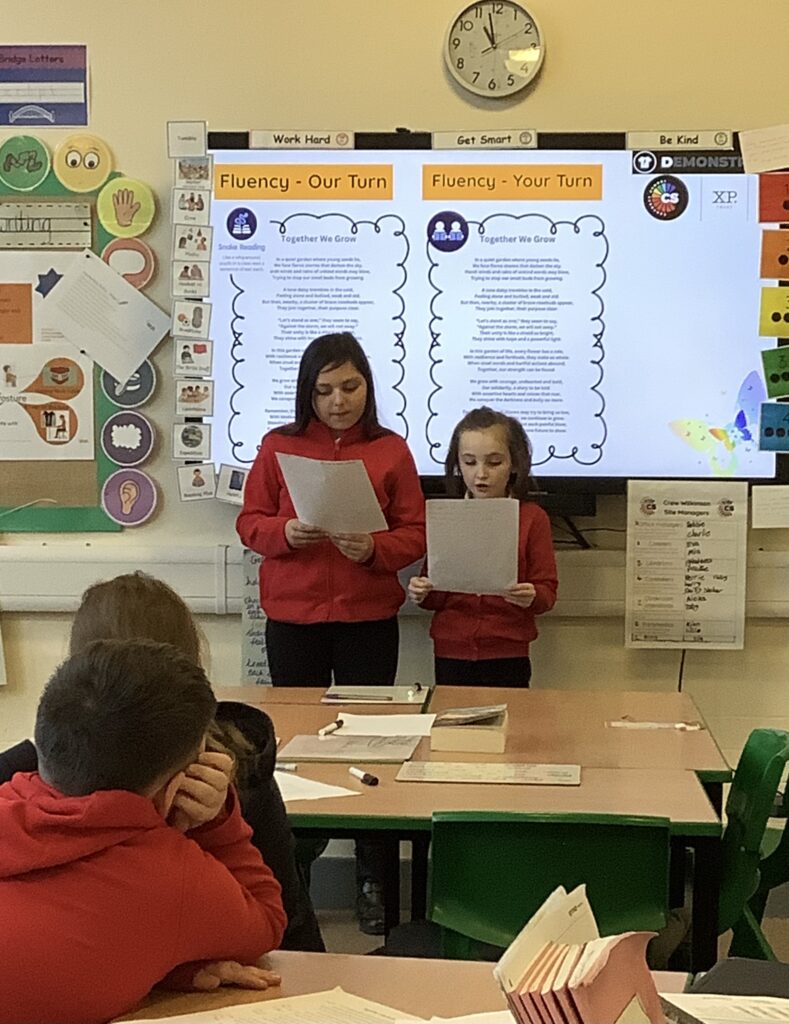
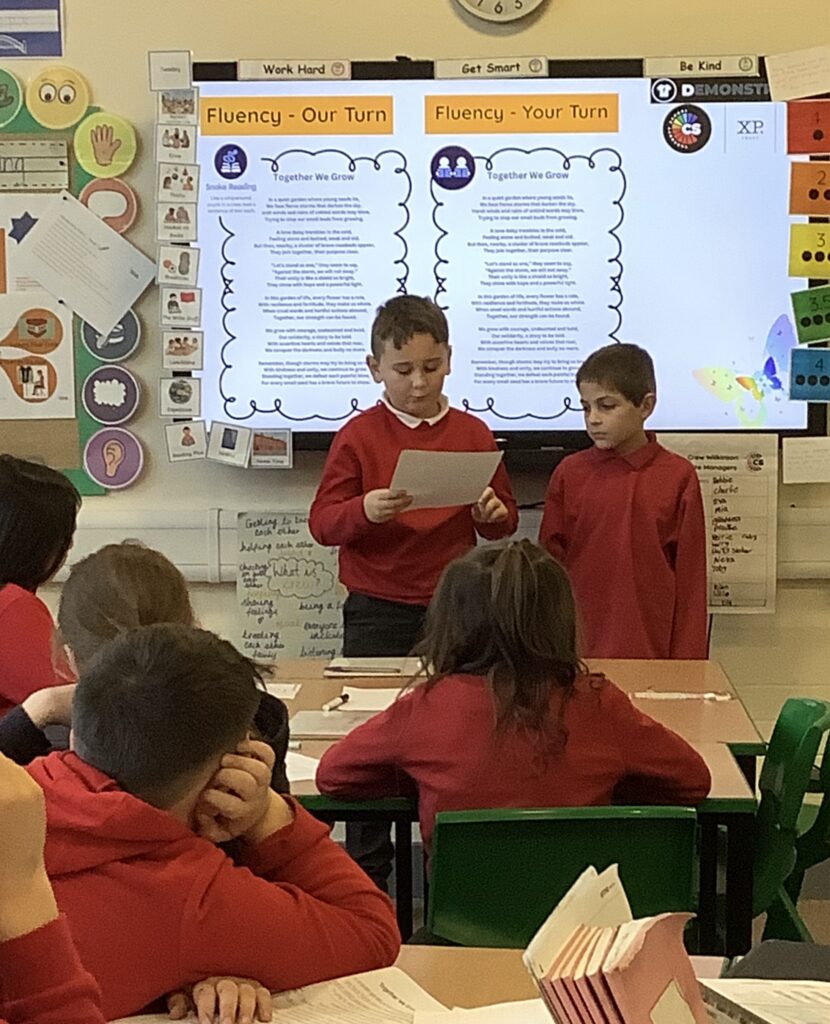
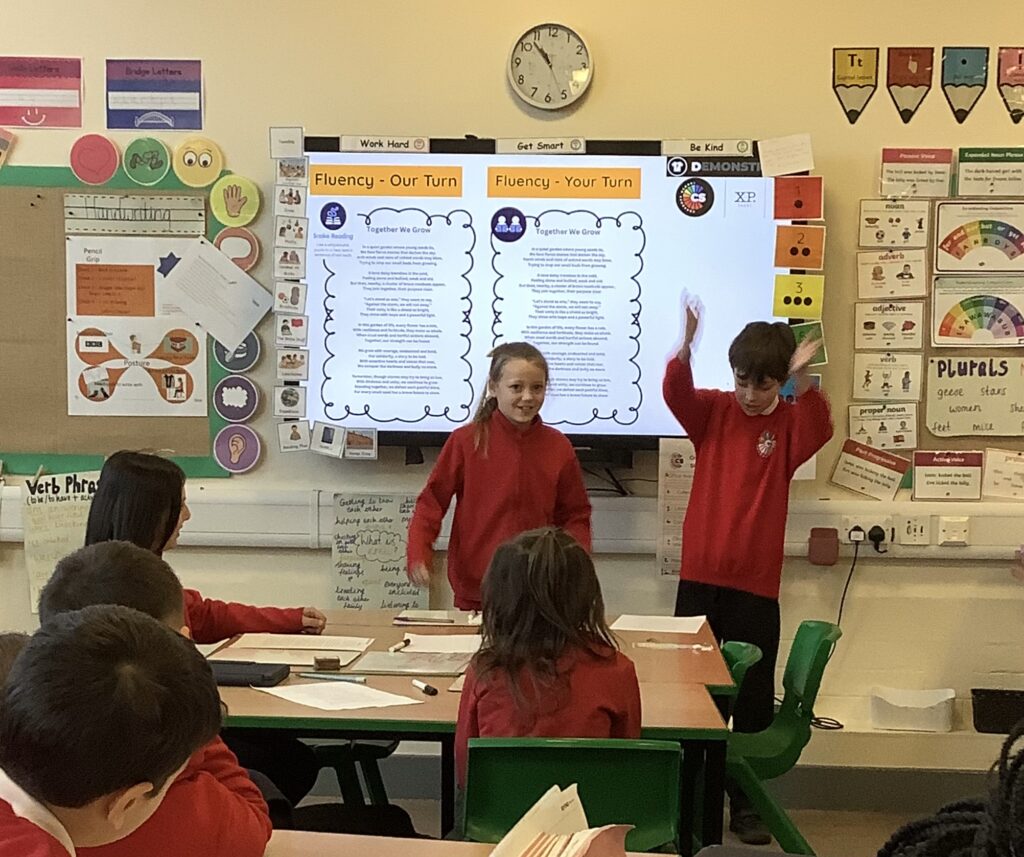
In reading yesterday, we focused on our reading fluency and reading with expression. Miss Shields did an echo read to model how to read with expression then the children worked in small groups to work on a small section together. They had some time to practice before performing to the rest of the class. I was very impressed with how quickly they picked it up.
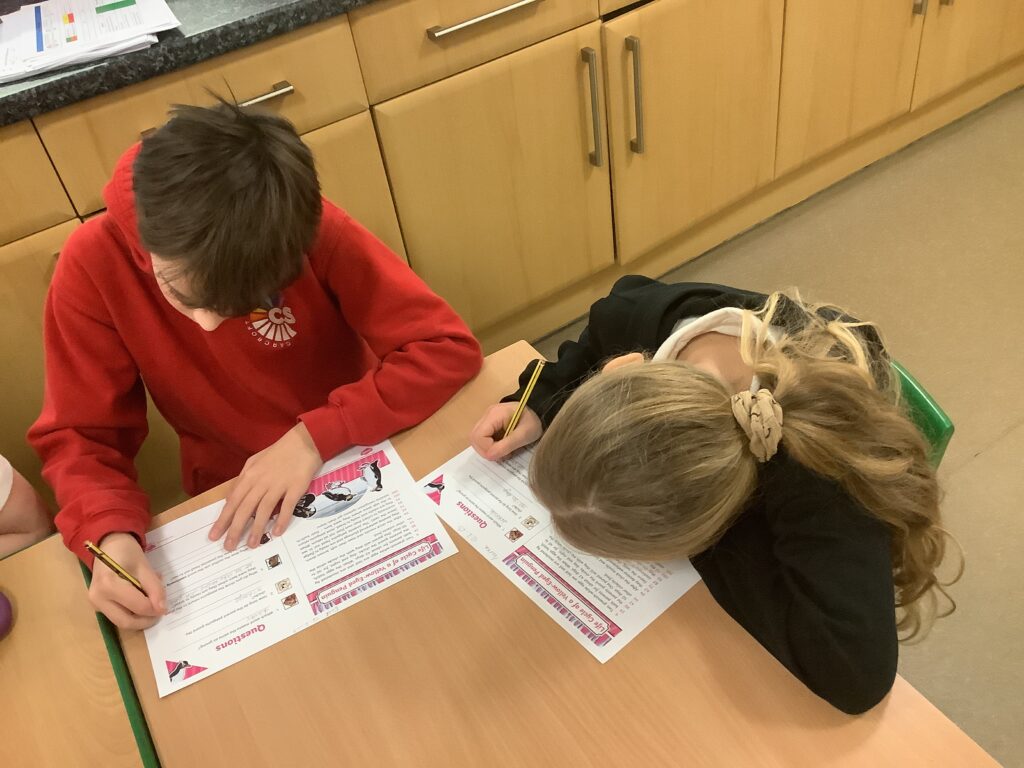
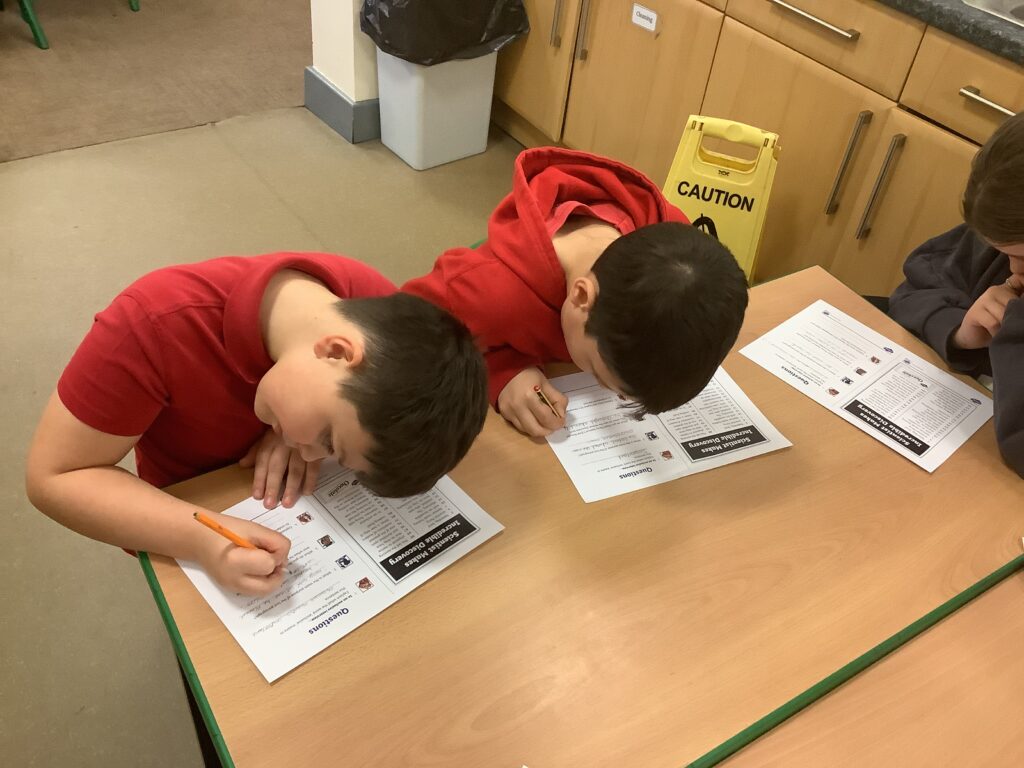
In our reading lesson today, we tackled reading an unseen text and used some important reading strategies ( skimming and scanning, highlighting key information, vocabulary and context clues, making inferences and summarising what we have read ), to help us answer the questions.


In reading this week, the children had the opportunity to be the teacher. They were provided with some inference questions that had been answered. They worked in pairs to evaluate which questions or questions they thought had been answered well. Children were able to start pulling out that they preferred a particular answer because it give an explanation that linked to the question. They could see that in other answers it either didn’t provide enough information or it was a lot of writing but didn’t actually answer the question.


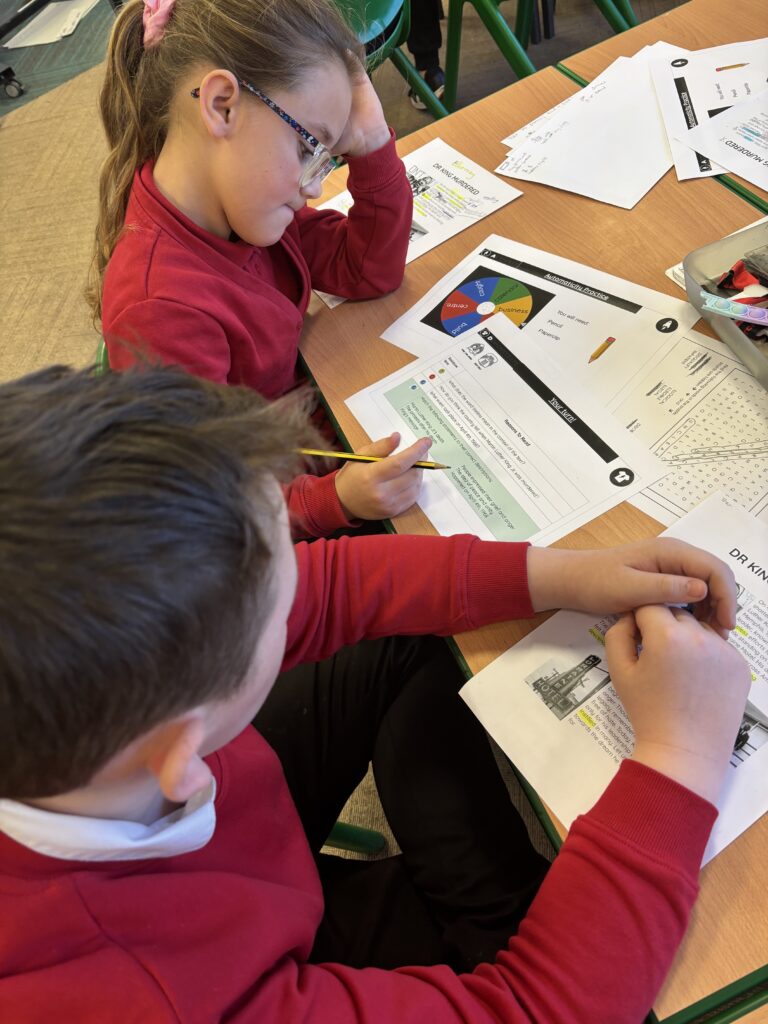
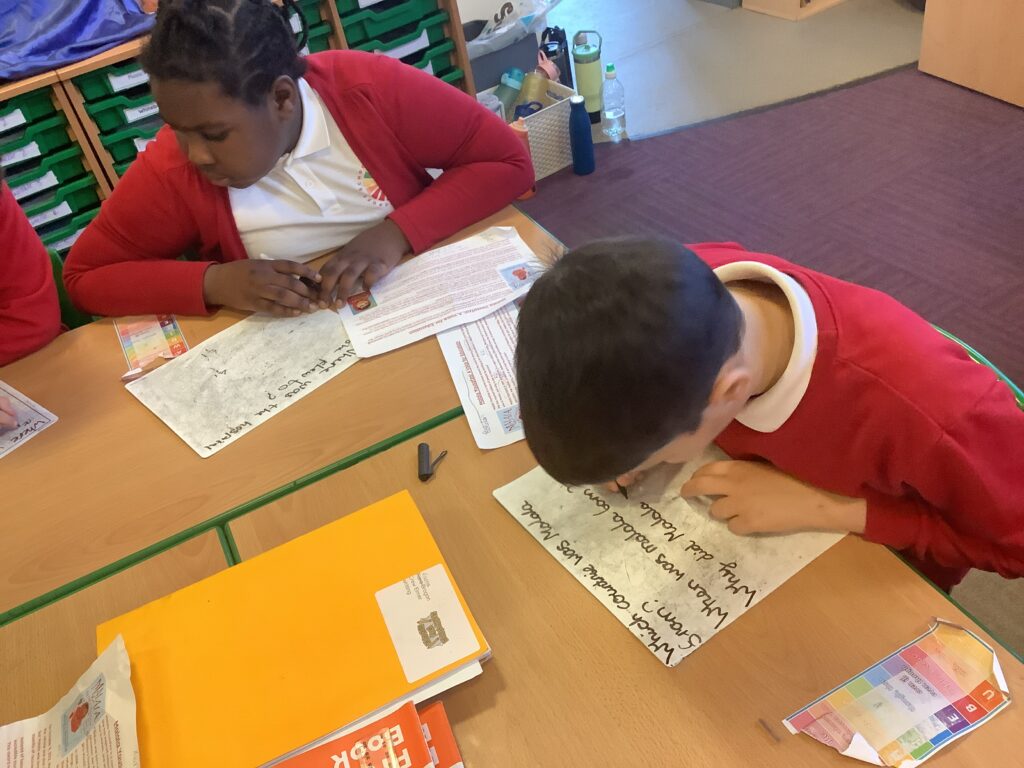
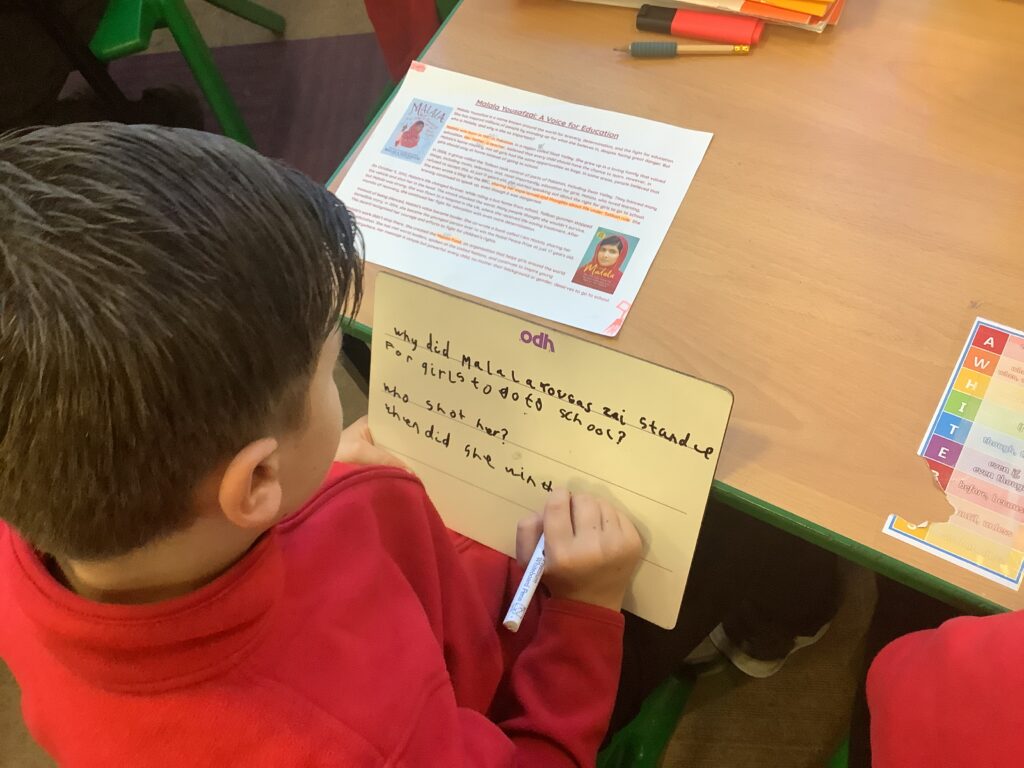
Today, we lead our own learning in Crew Wilkinson. We used the text, (Malala Yousafzai: A Voice for Education)to create 3 Reasons To Read questions for our partner to answer. We used our skimming and scanning skills to help us create our questions.


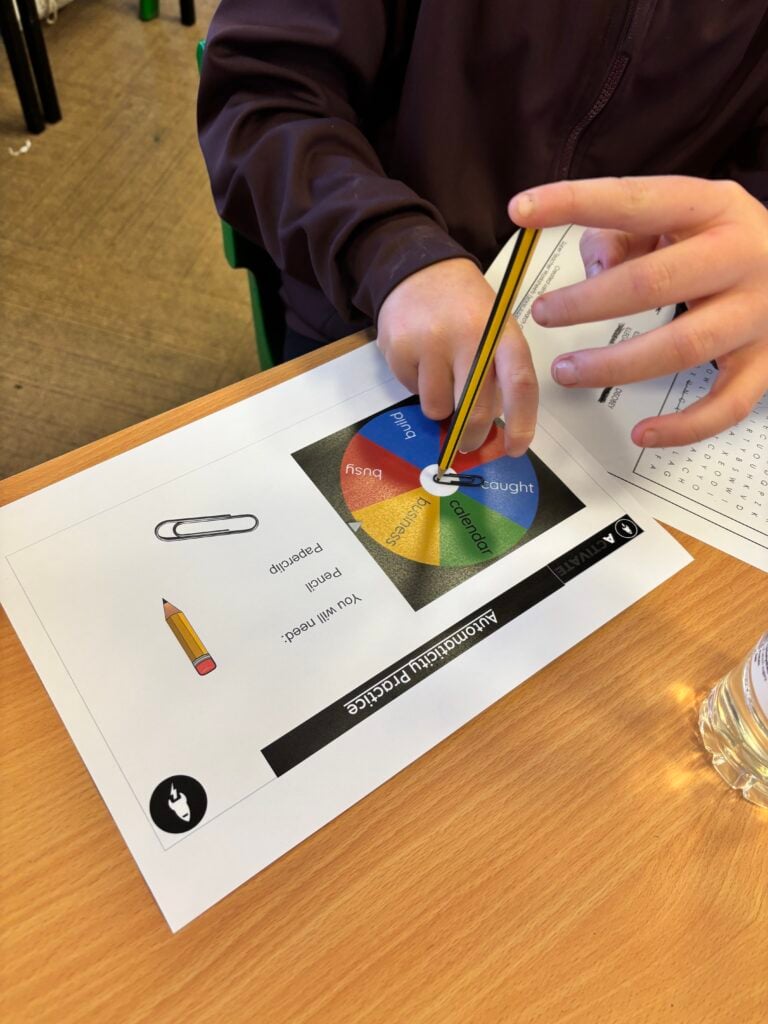
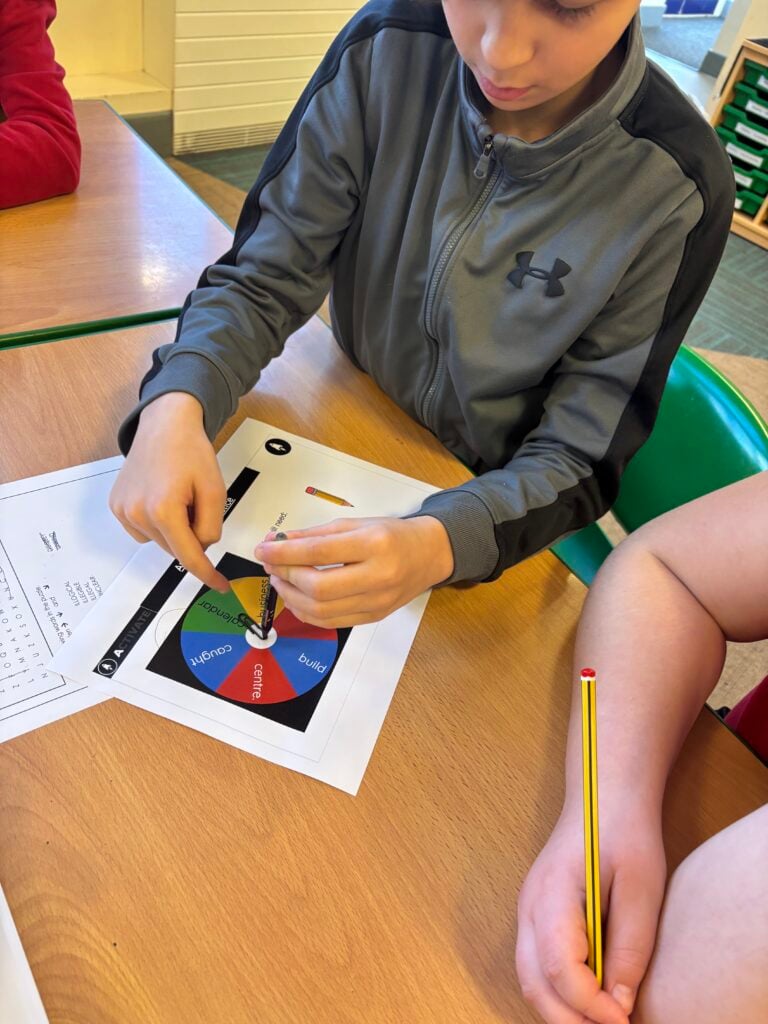
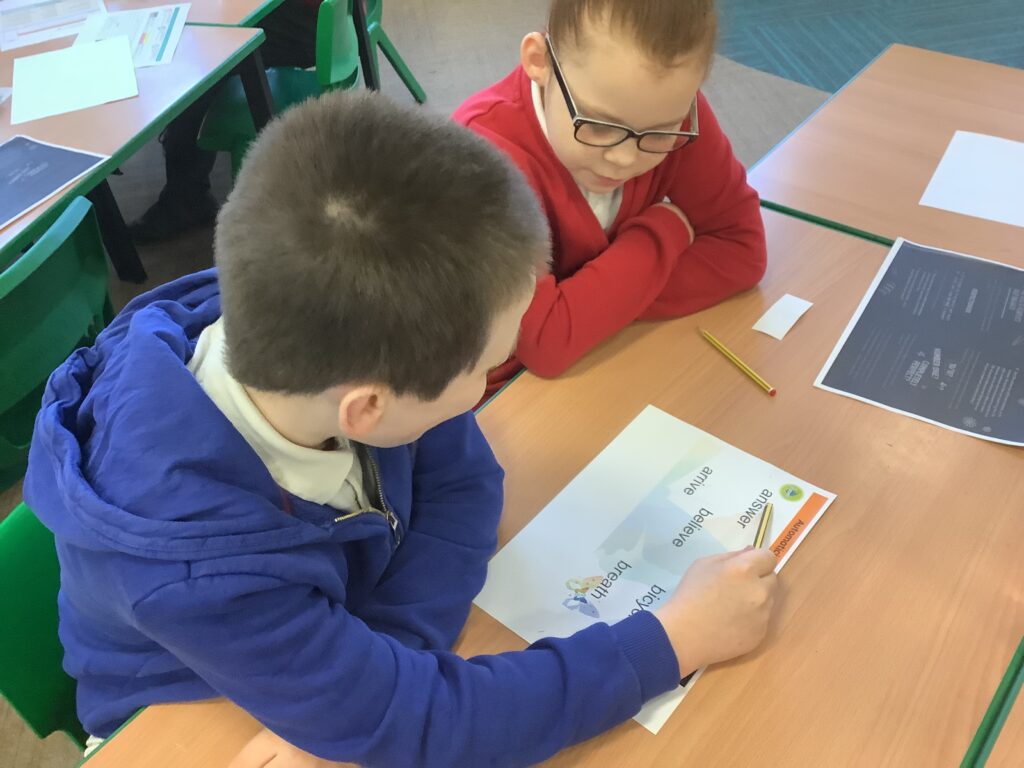
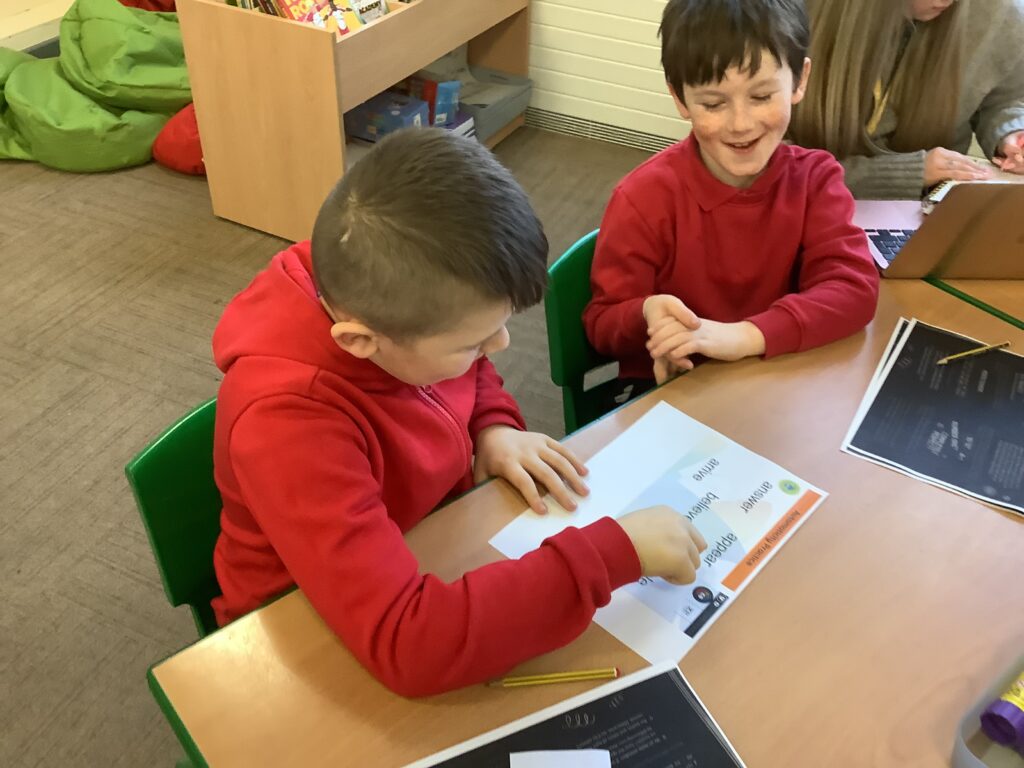
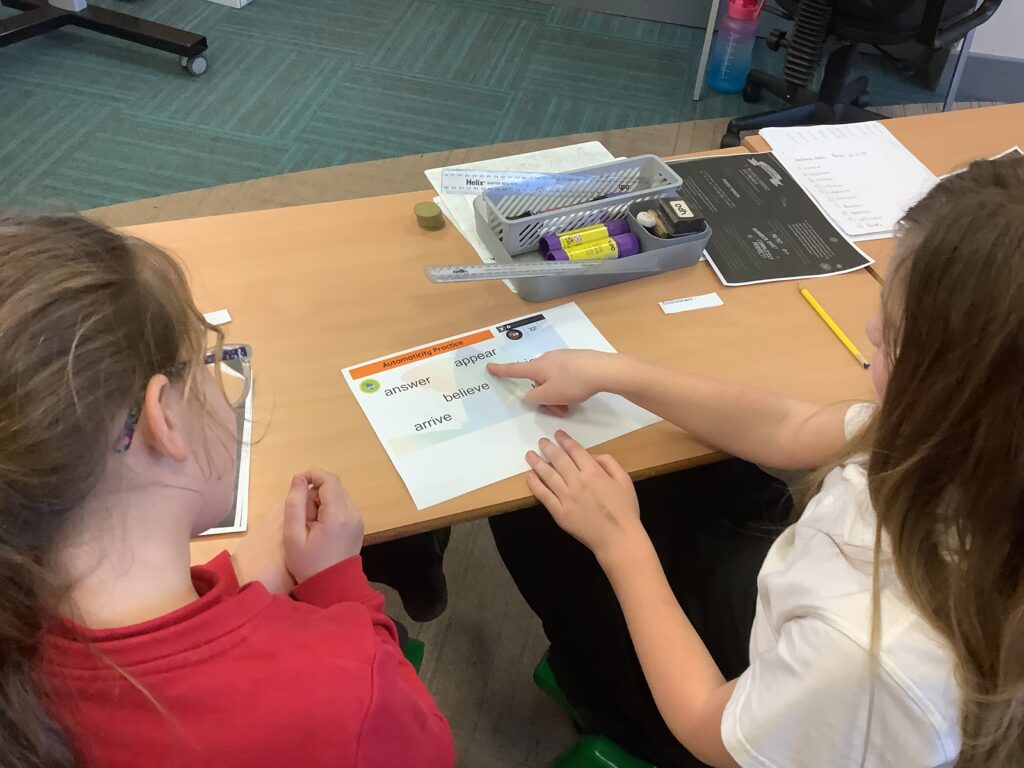
This week, we have been focusing on a new book by Marcus Rashford called “You Can Do It”. We started the week by looking at the front cover and the blurb and pulling apart as much information as we could from what we could see and read. This helped us to understand a little bit more about what the book was about before we began to read any of it. Lots of us thought it might be a book about football due to the fact he is such a famous footballer. However, after reading the blurb, we were surprised to discover that it is actually about injustice and the injustices he has experienced first hand. Following this, we have pulled out a summary section on the first chapter and identified tricky vocabulary, making sure we can read all of these words and understand what they mean to support with our fluency. We also looked at our automaticity words and challenged a partner to read these automatically in a random order. We have then taken part in echo reading alongside our teacher and had another go at our words per minute challenge to see how close we are to the year 6 expected standard of 185 words per minute.


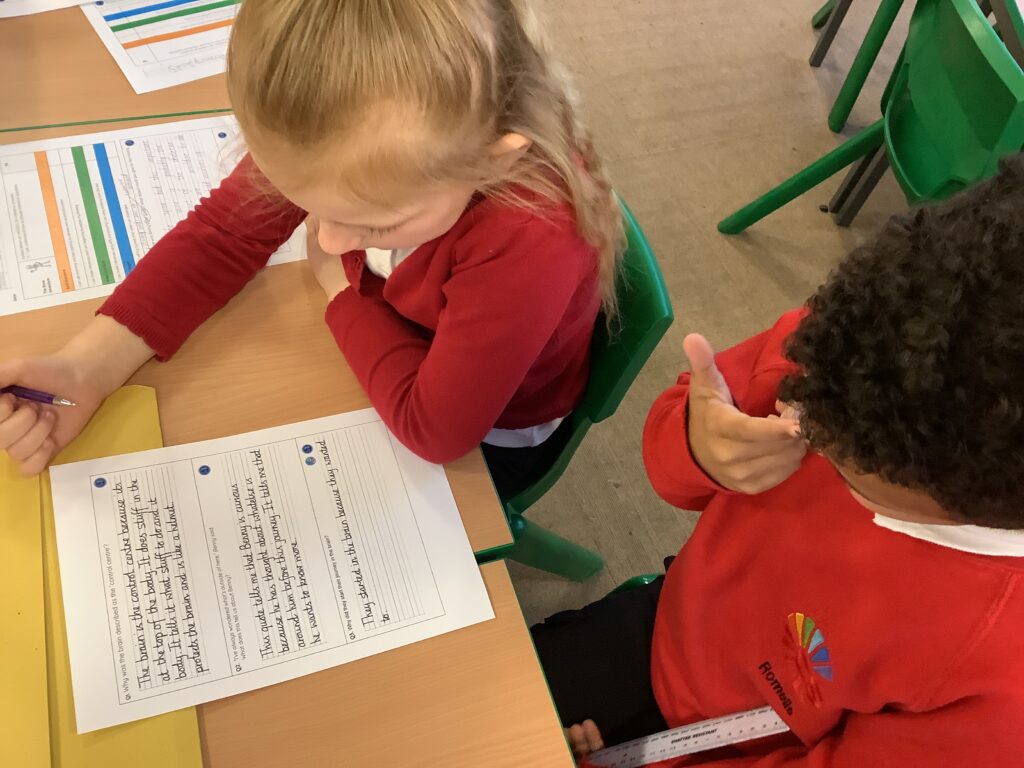
Crew Hamill have worked really hard this week on their comprehension skills. We have worked as a crew to remind ourselves the skills needed to solve vocabulary and fact and retrieval questions. Once we’d done this, we worked in pairs to solve some questions of our own.


In reading yesterday, we started off by recapping our automaticity words. These are words we’ve been learning to read by sight. Children threw the ball to each other and had to read the word that was closet to their right thumb.


In our expedition lesson (science), we have been learning about grouping animals. We learned (through some reading) that the scientific word for this is taxonomy and that the reason we do this is because we like things to be organised and orderly.
We discussed some ways that animals could be grouped and looked at some examples. Children then had an opportunity to group some animals using a Venn diagram. After this, they were given a larger group of animals where they worked in pairs to decide how they could be grouped. Children were able to show a good understanding of how they could be grouped differently and it was great to see them using language such as vertebrate, invertebrate, mammals, warm blooded or cold blooded. We’re now ready to move on to classification.