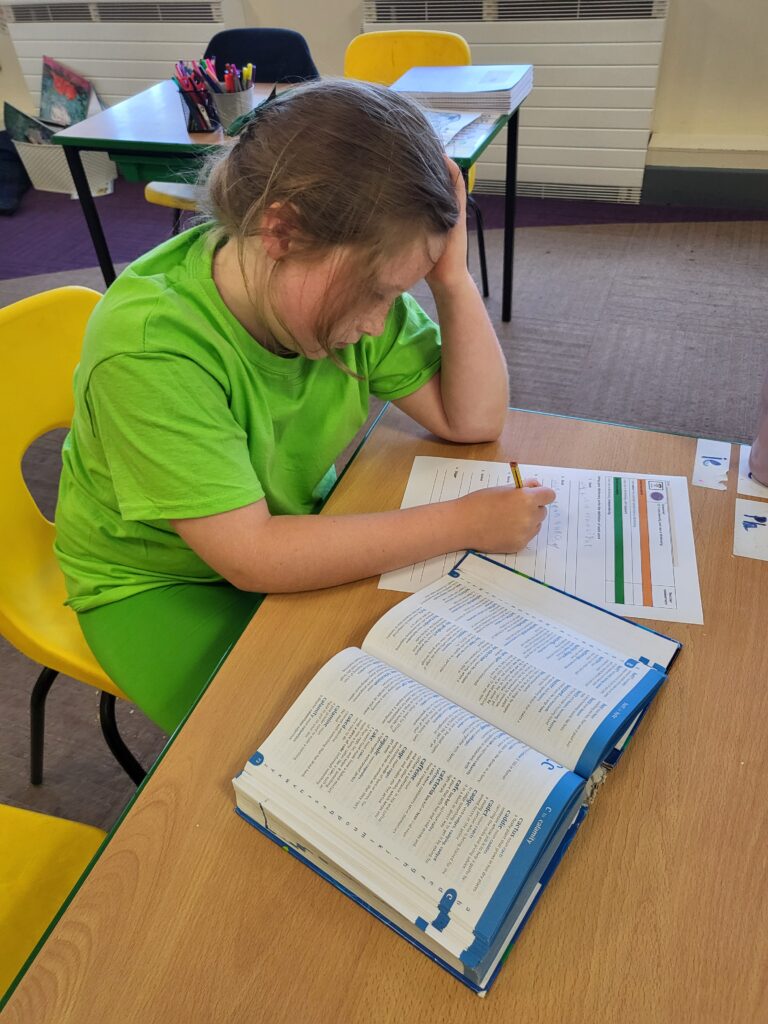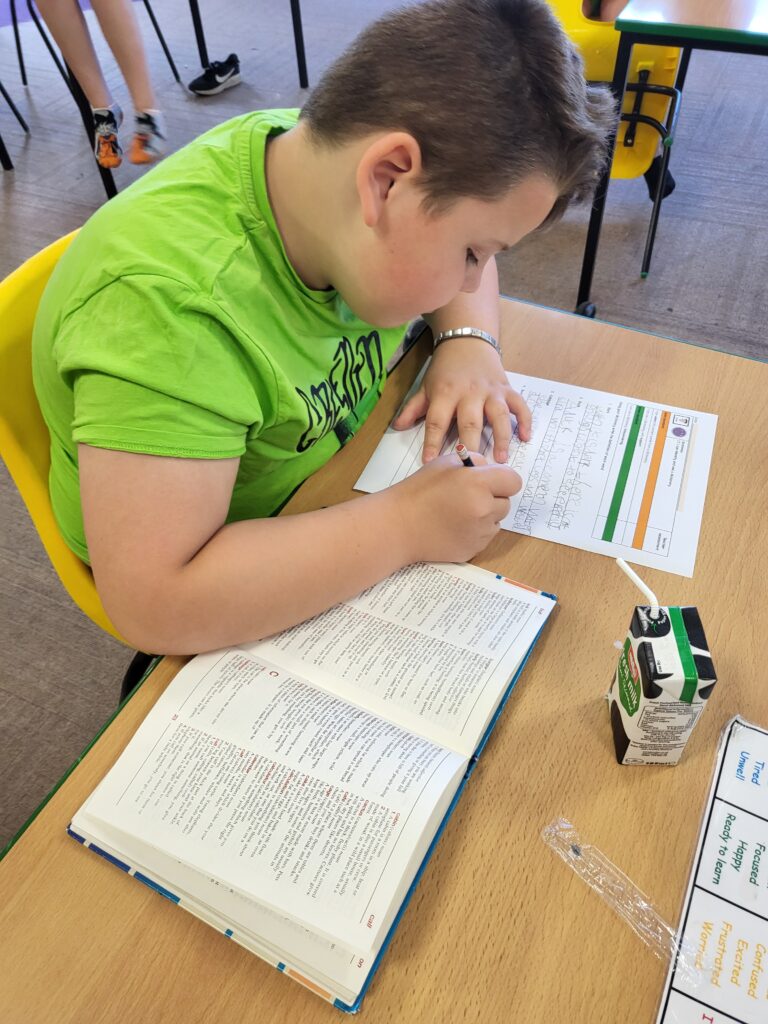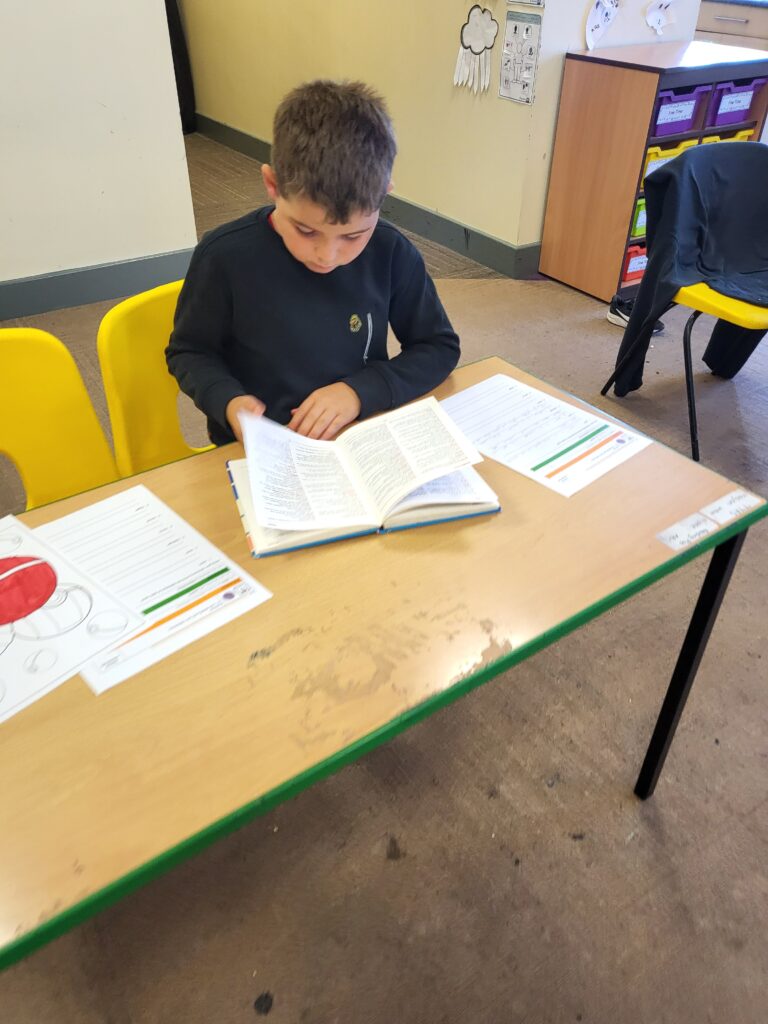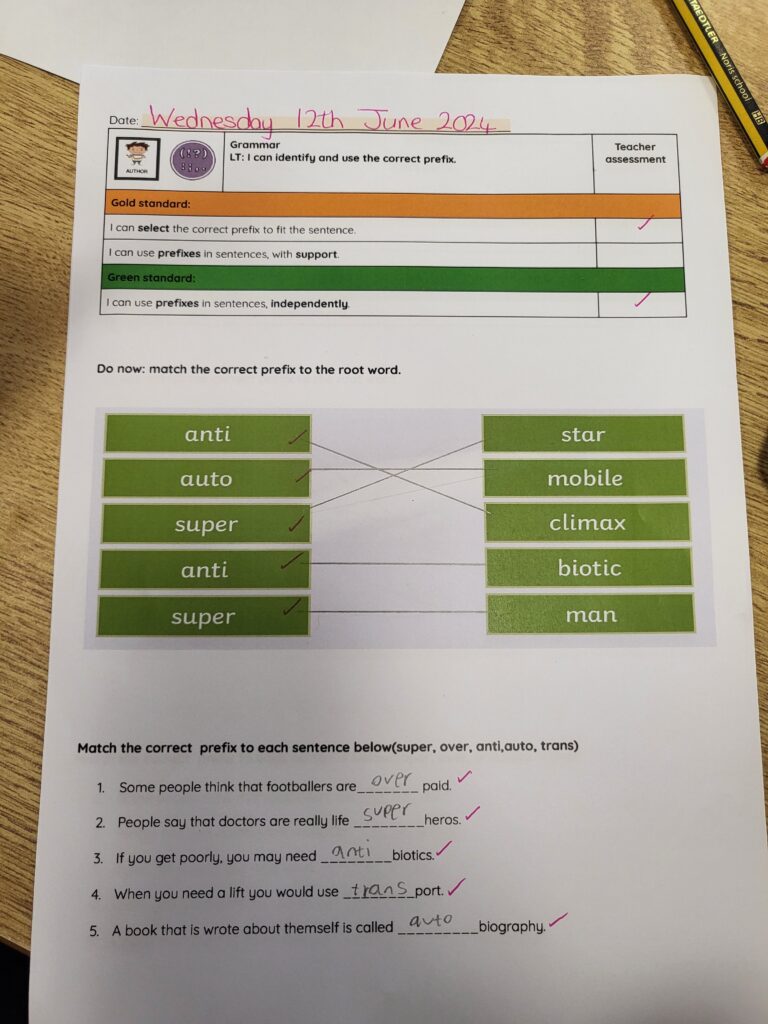
Grammar continues in MI

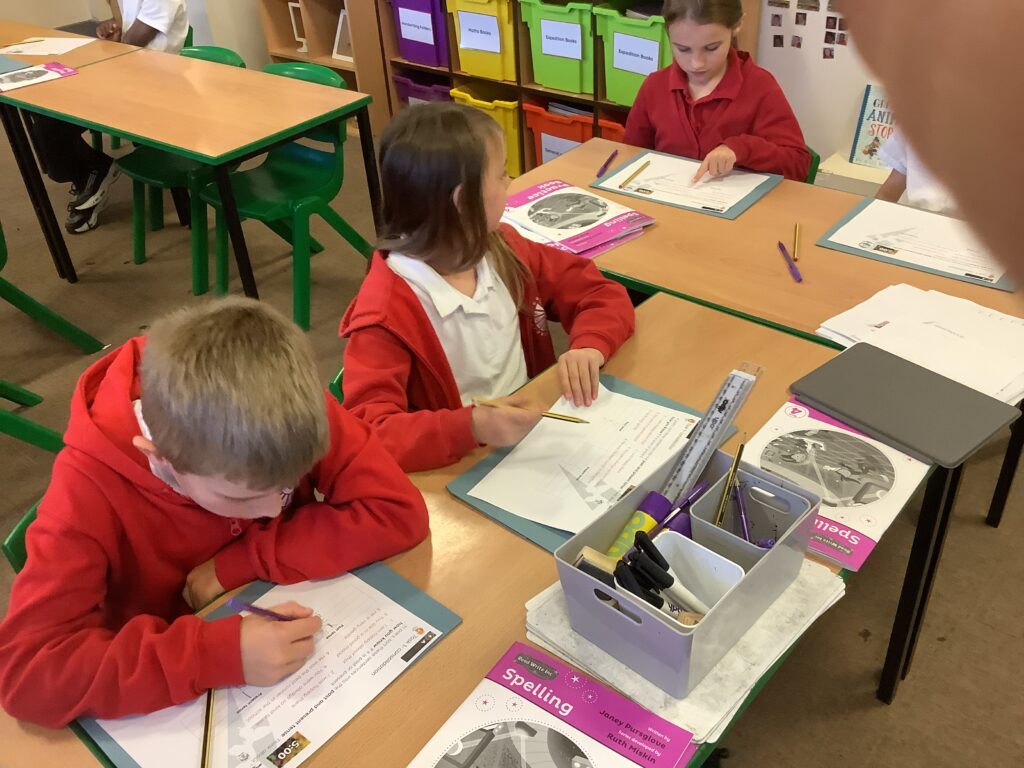
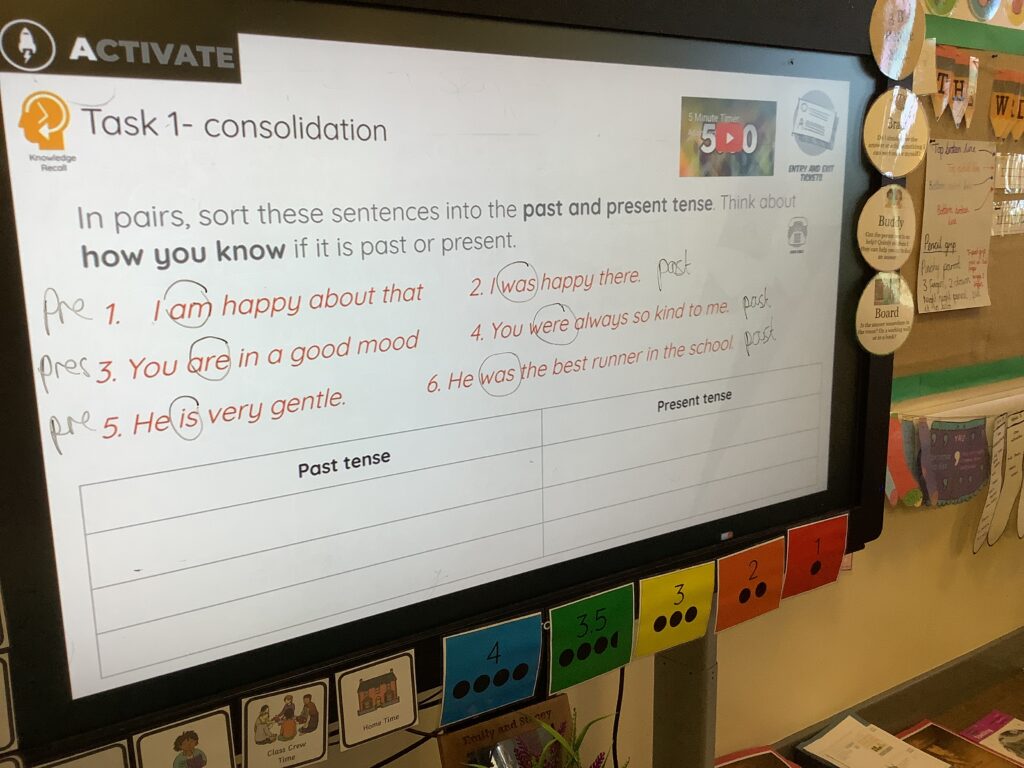
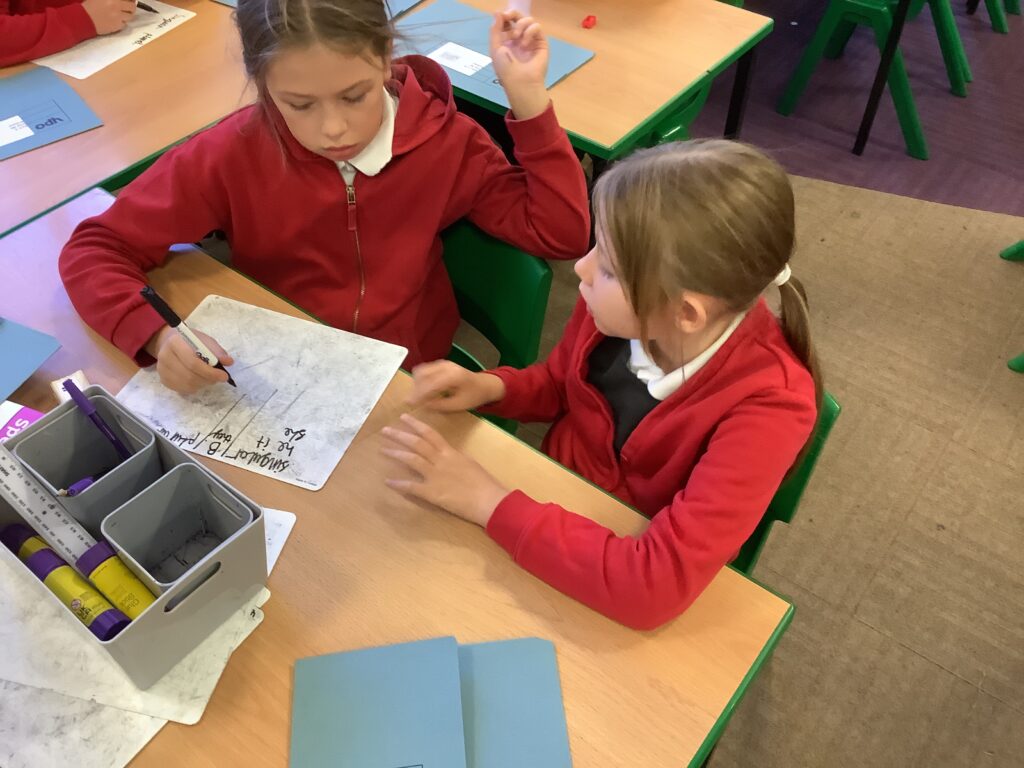
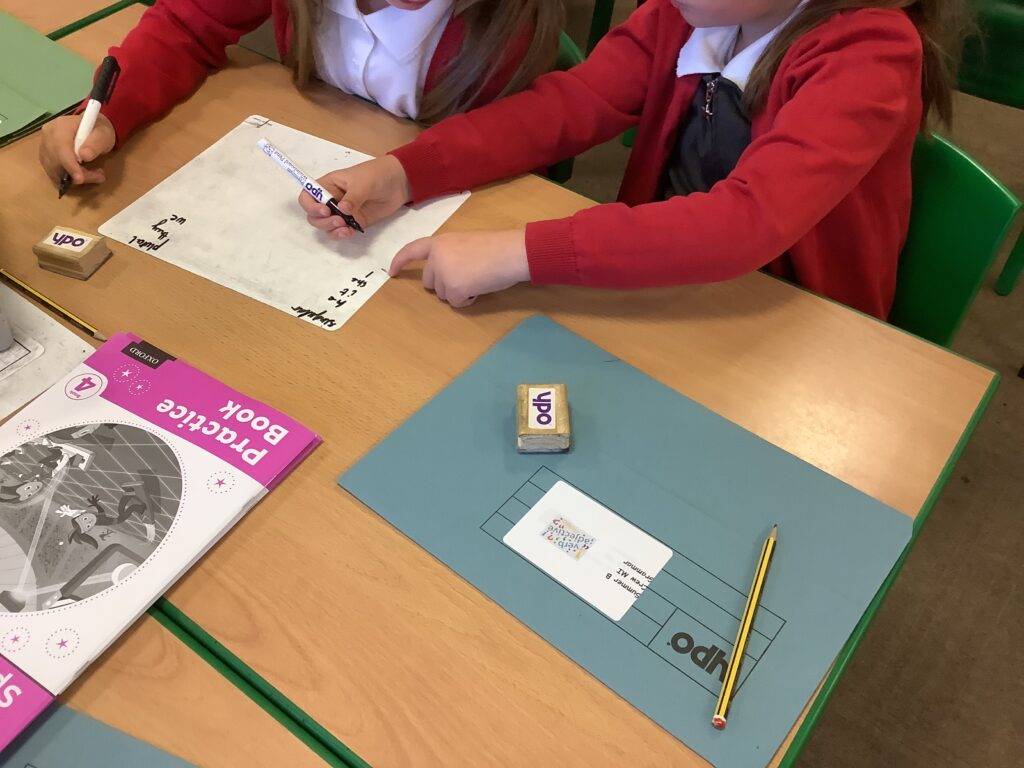
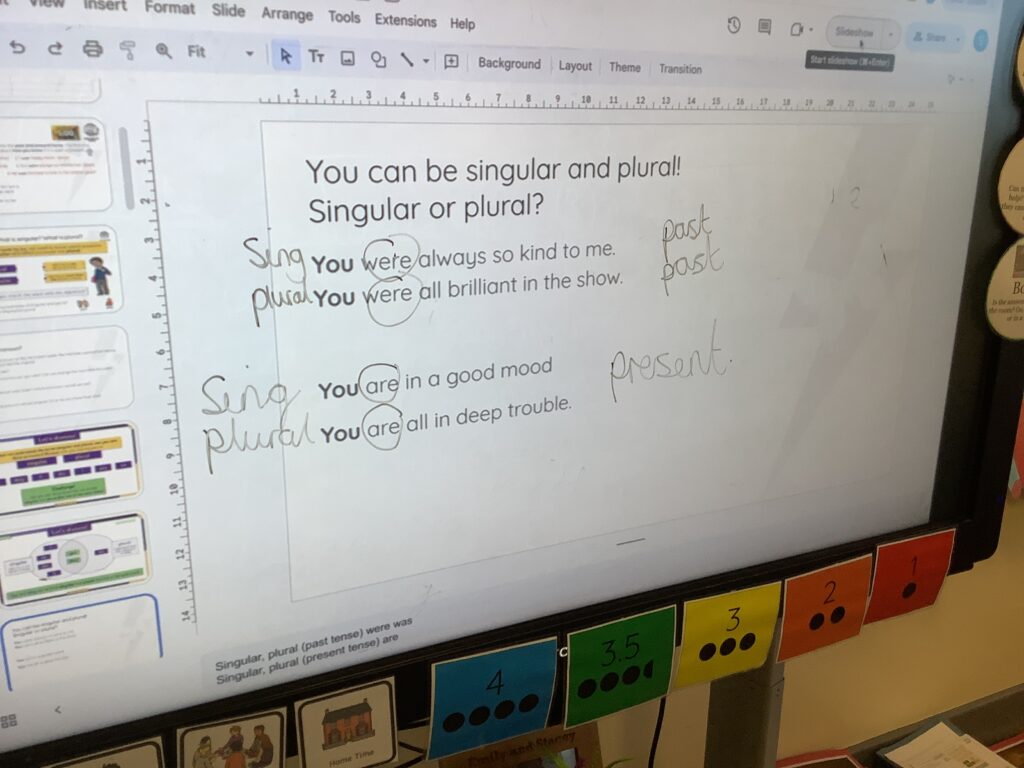
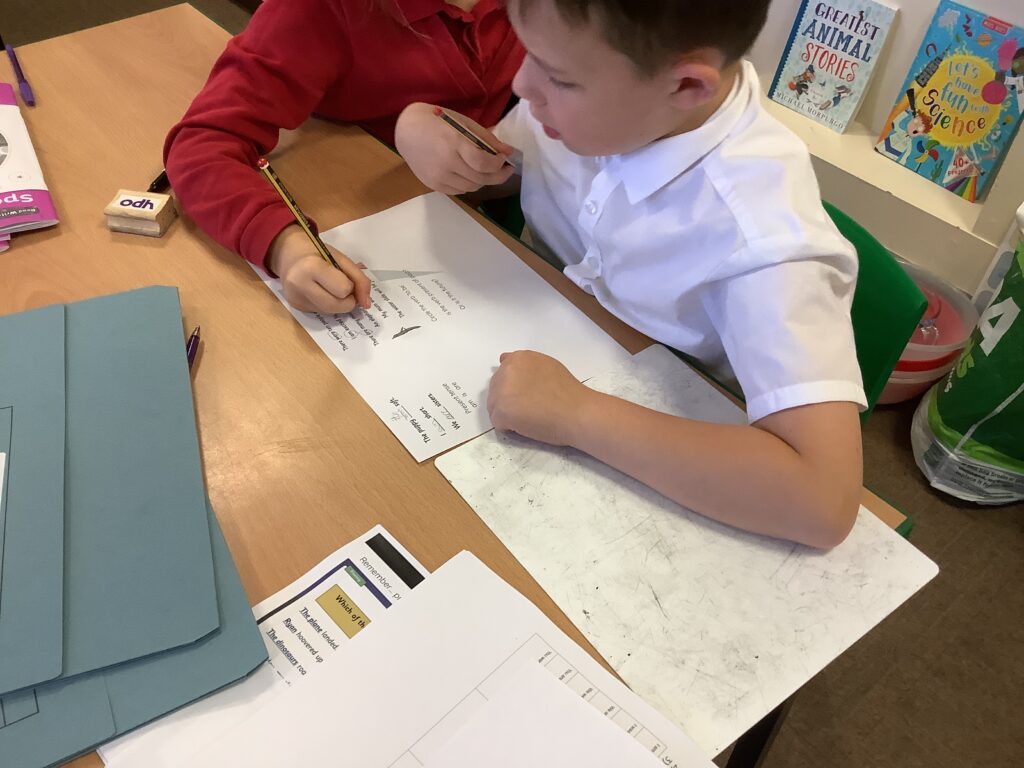
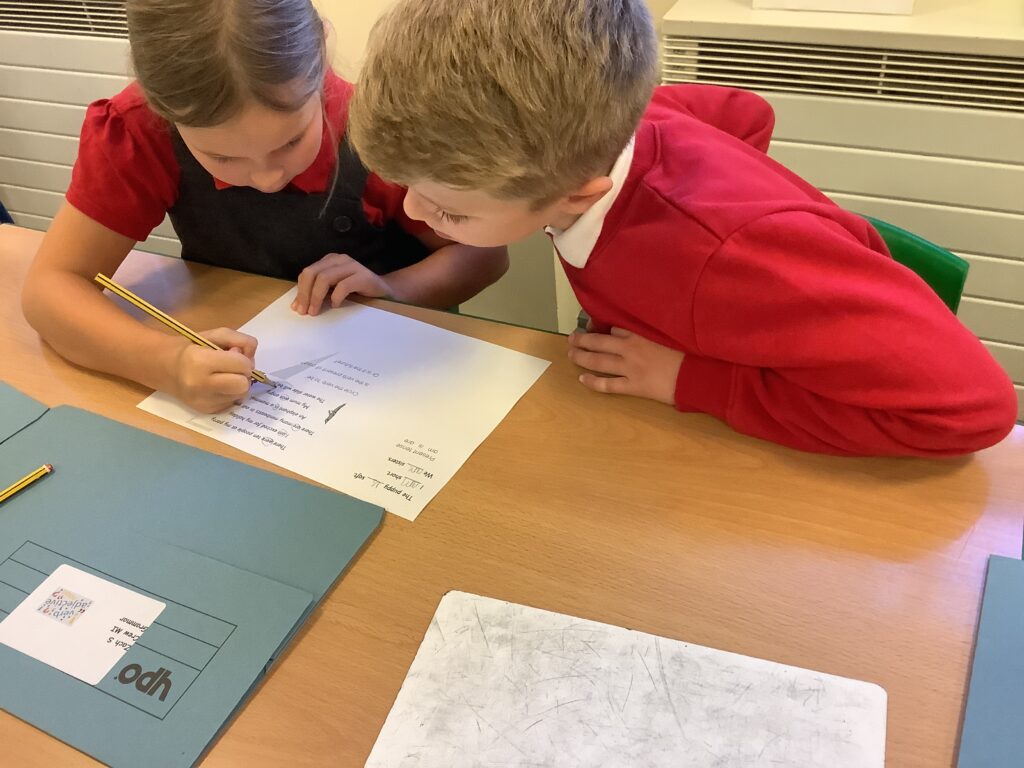
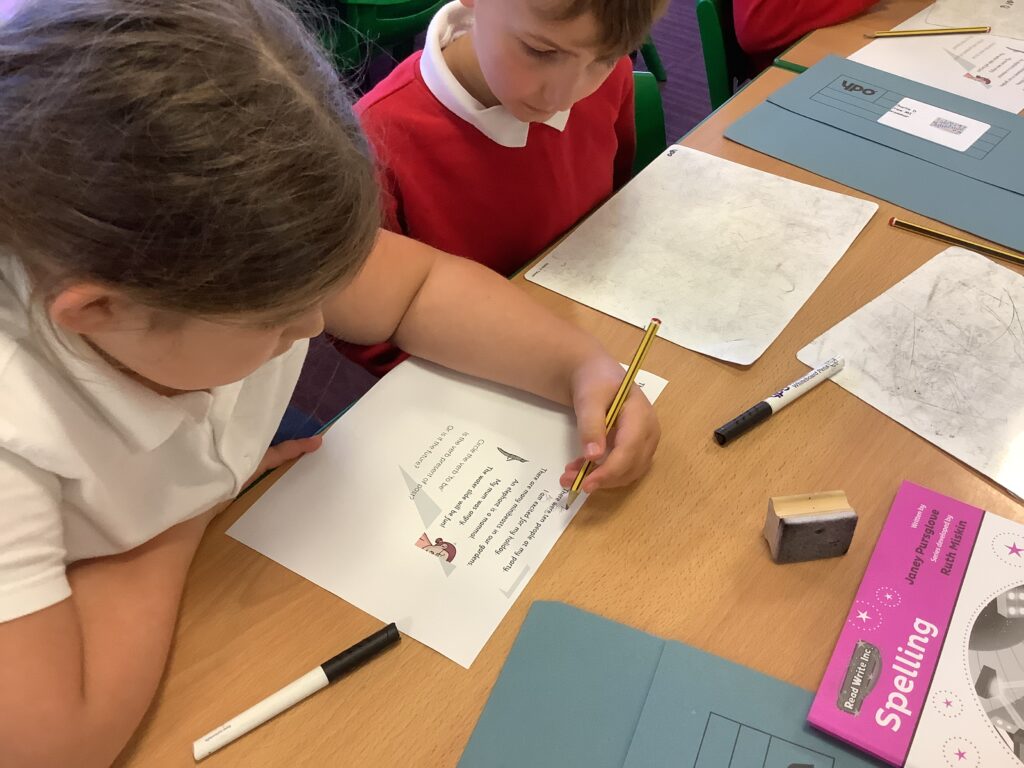
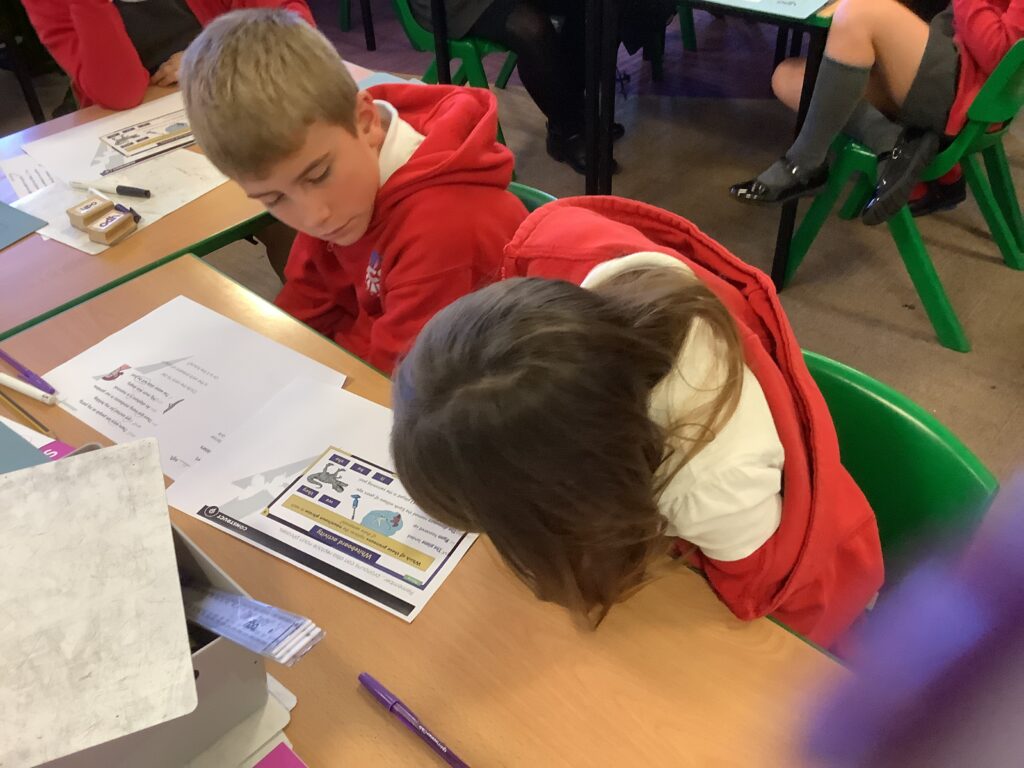
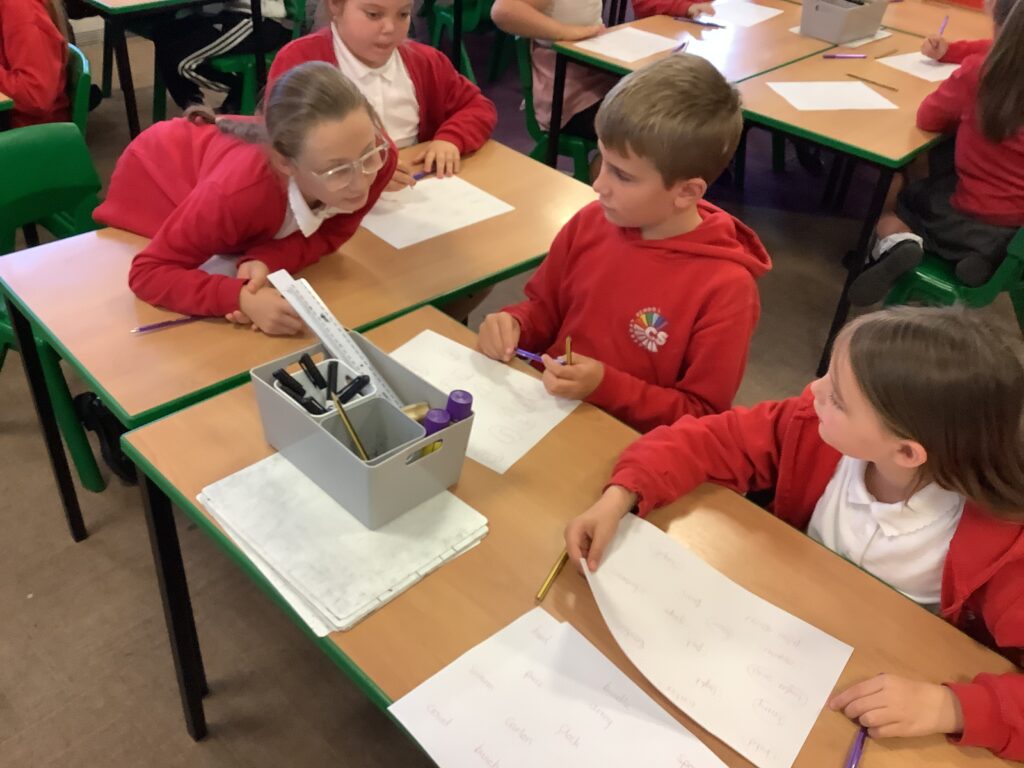
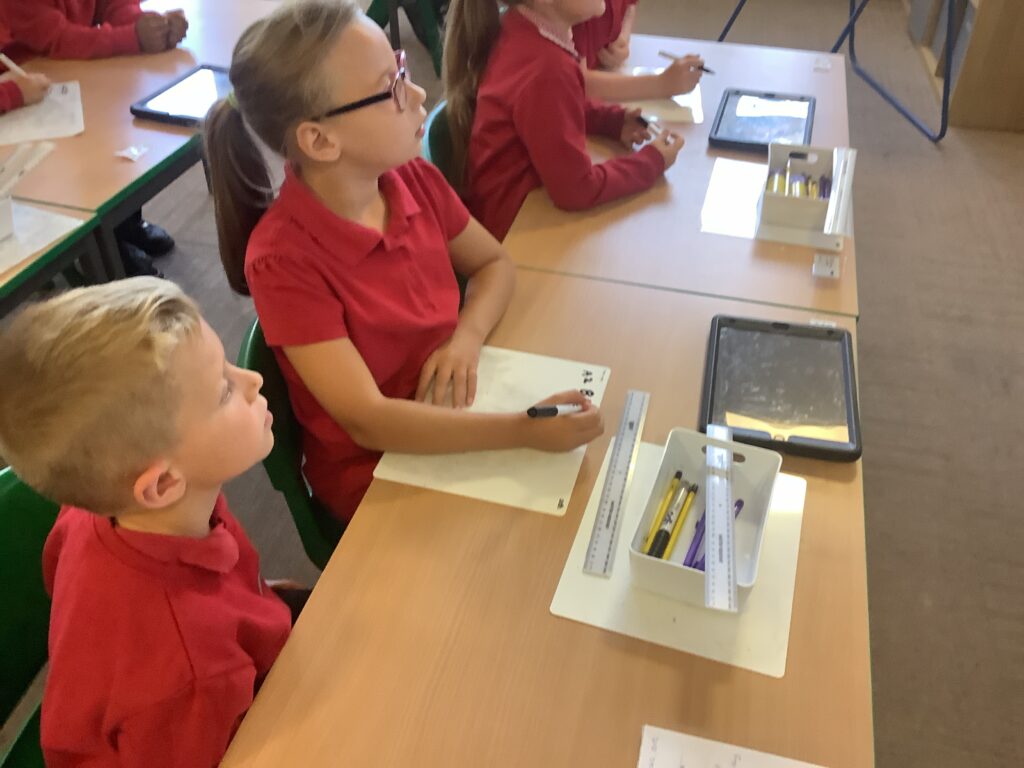
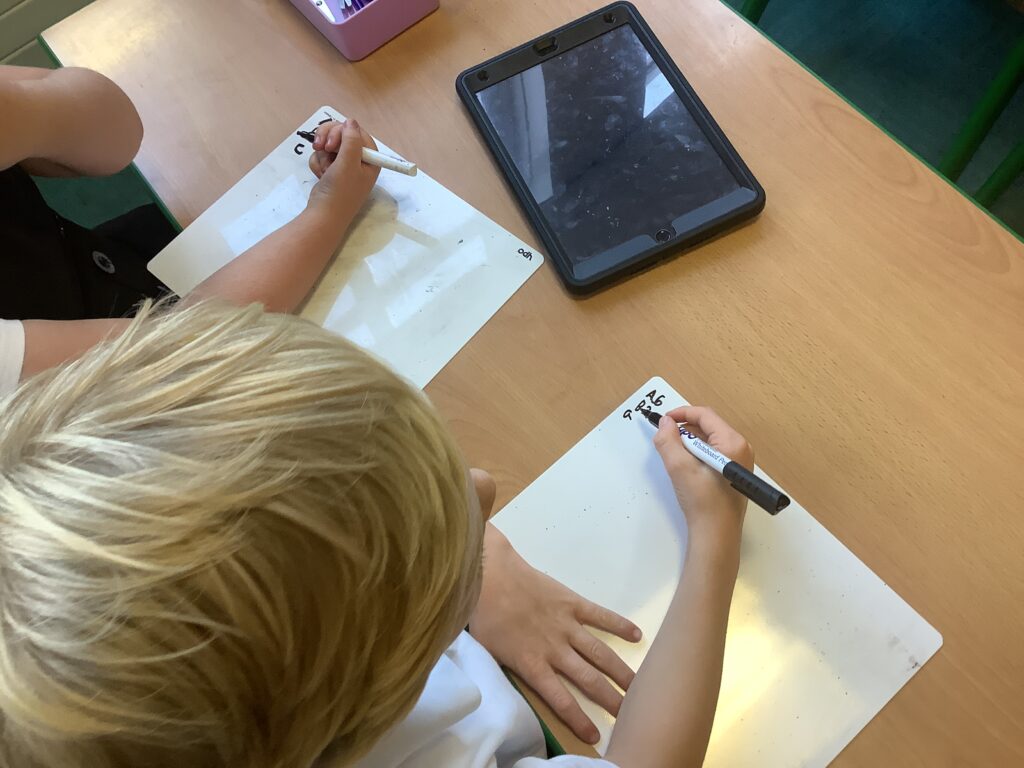
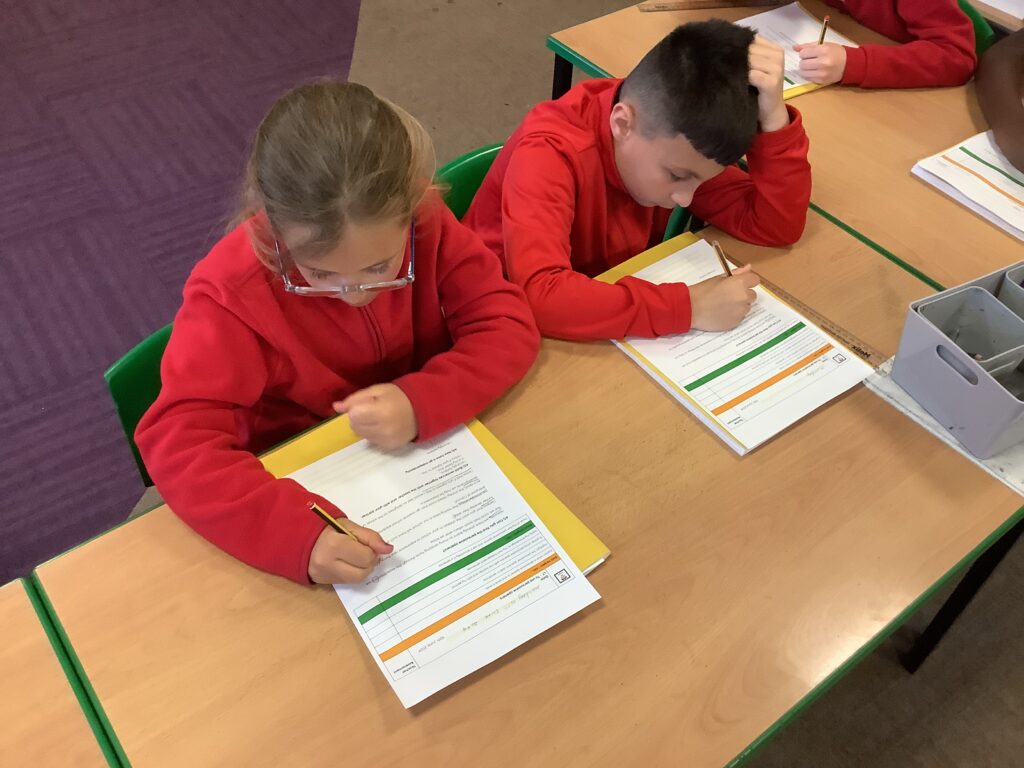
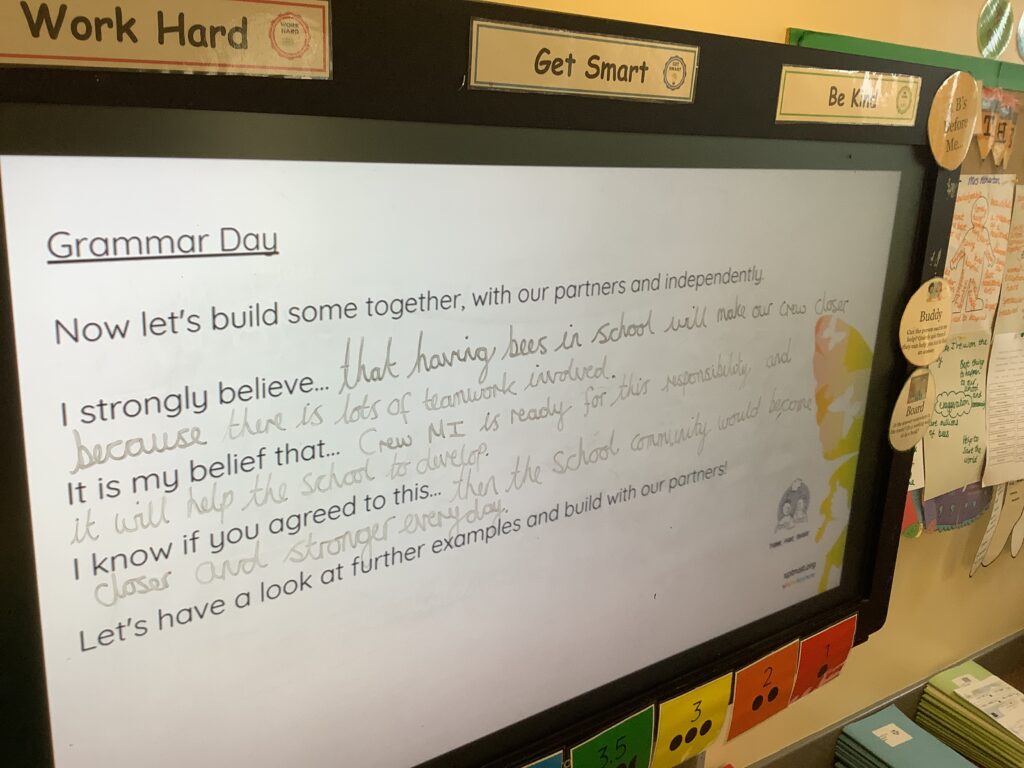
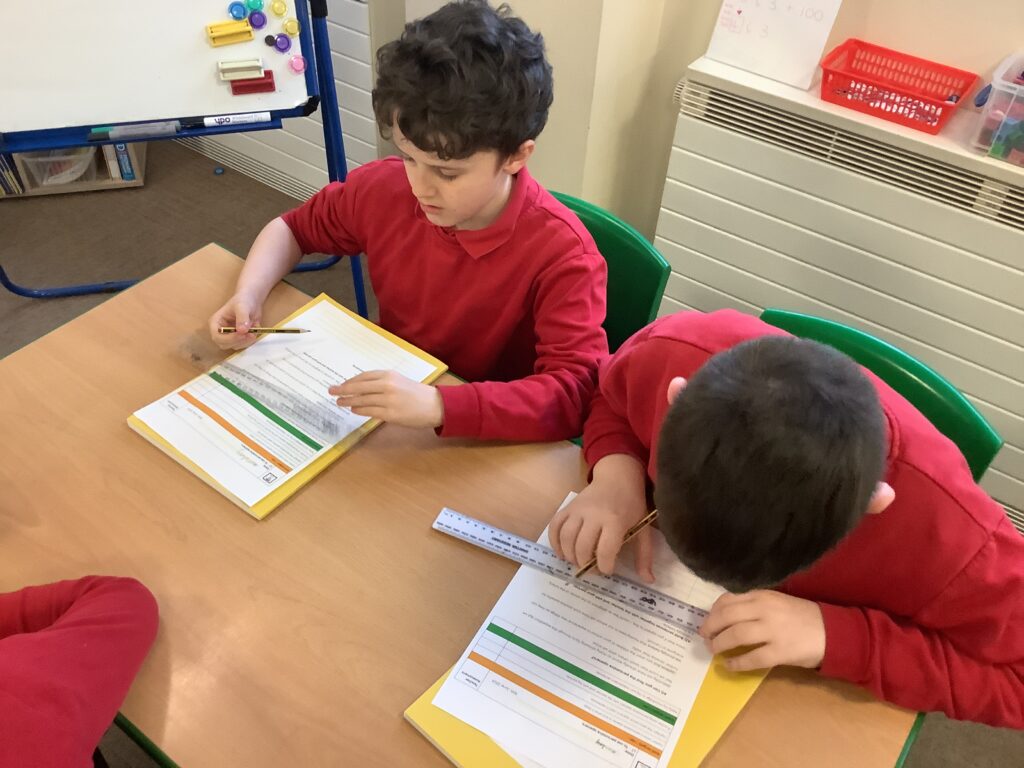
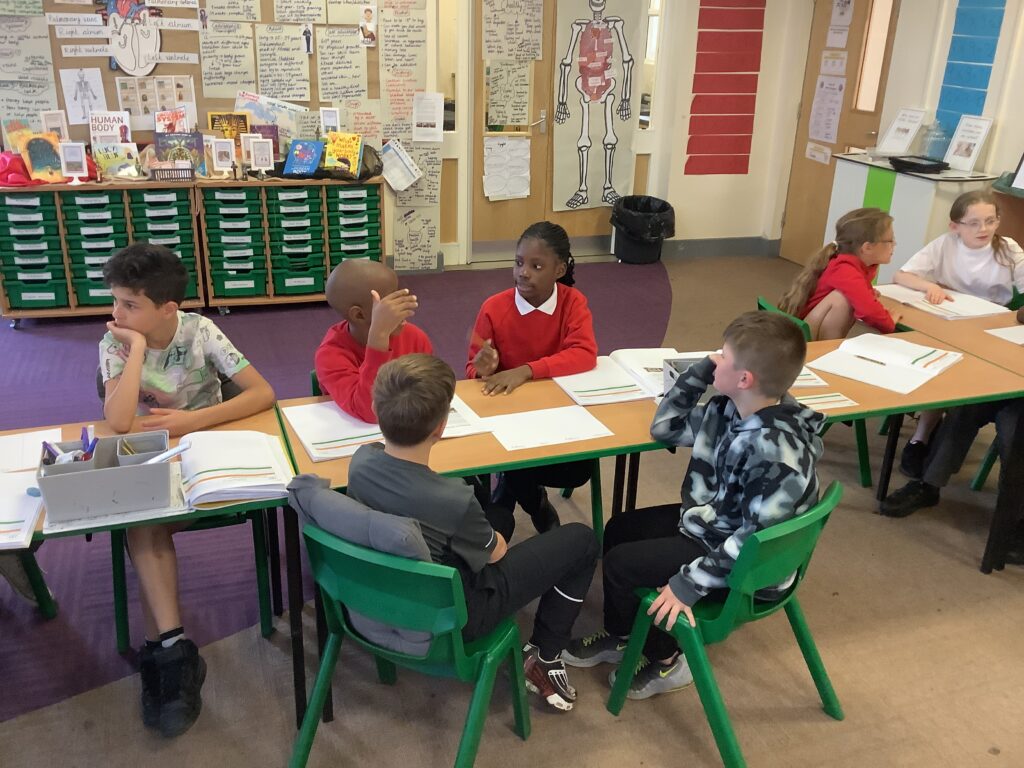
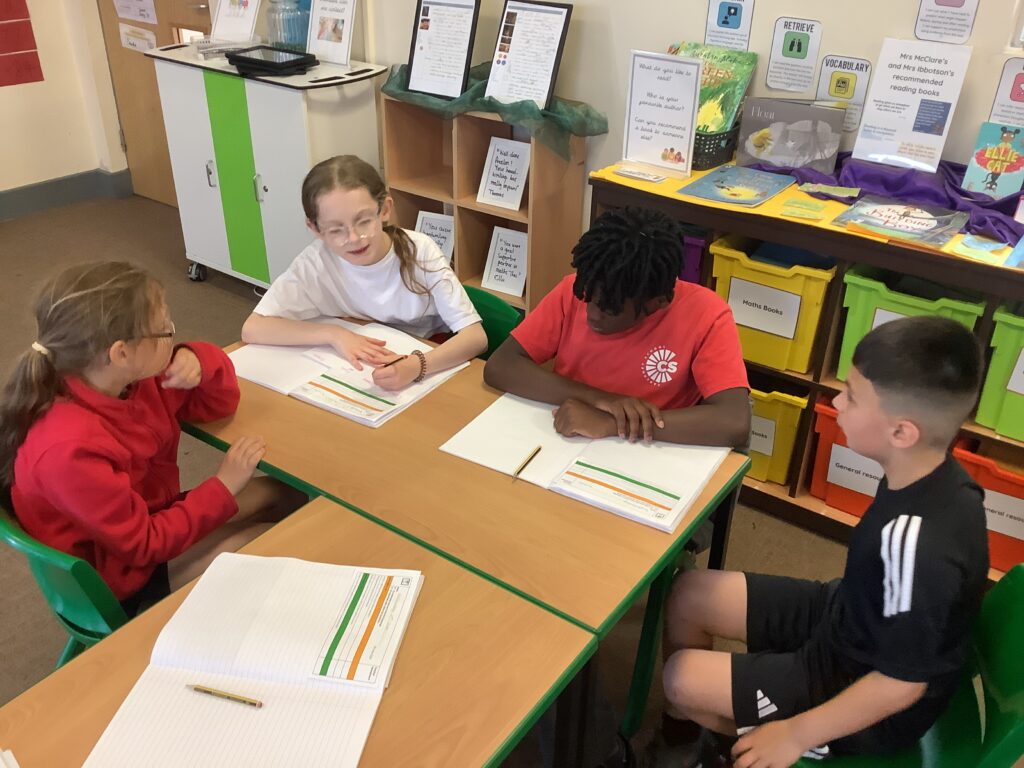
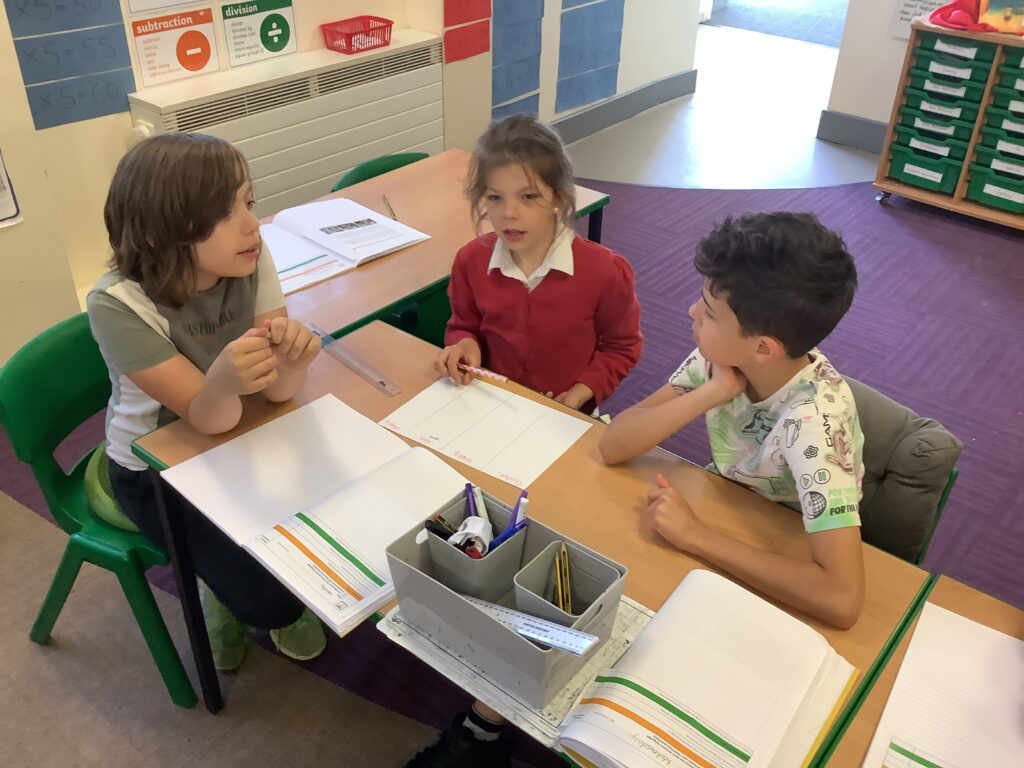
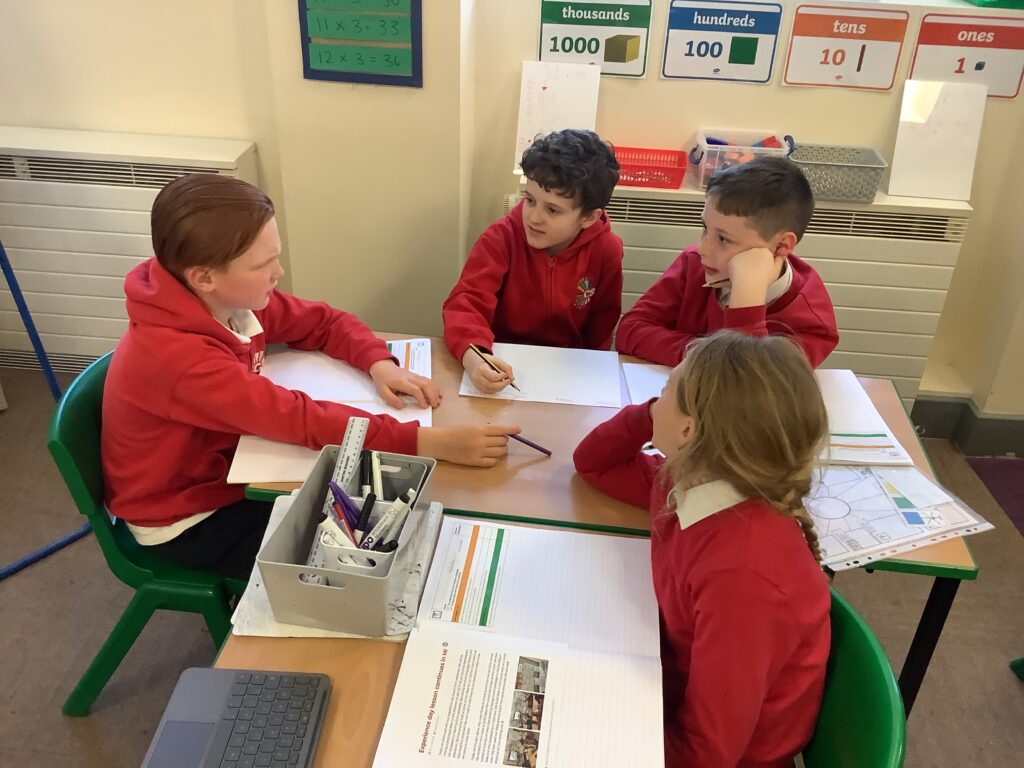
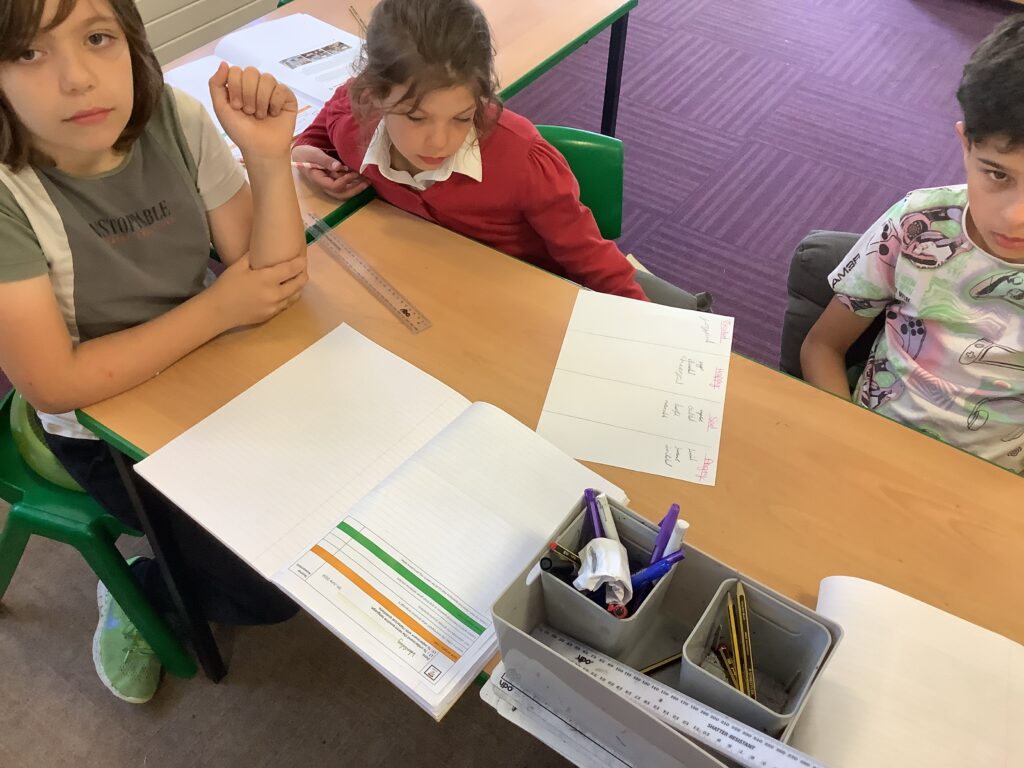
Today we consolidated our learning on being verbs. We were introduced to this on Friday with Mrs Ibbotson and we had a further lesson to ensure we really understood the concept. We started the lesson by recapping past and present tense. We then voiced how different sentences could be past or present by highlight the verb ‘to be’. We remembered that present tense verbs included am, are and is and past tense verbs use was and were. We then recapped singular and plural, thinking of our own examples and sharing these in mini crews before the whole crew. From here we moved onto pronouns replacing Mrs McClare with other pronouns and thinking about both males and females. We then thought about which pronouns can be singular and which are plural. We explored the ‘you’ pronoun in more detail as we realised that this pronoun can be both singular and plural! We looked at different examples and discussed if the sentences were singular or plural, past or present. Our next few activities allowed us to consolidate all these concepts we had worked on. A really great lesson today 🙂
A recap of nouns in MI

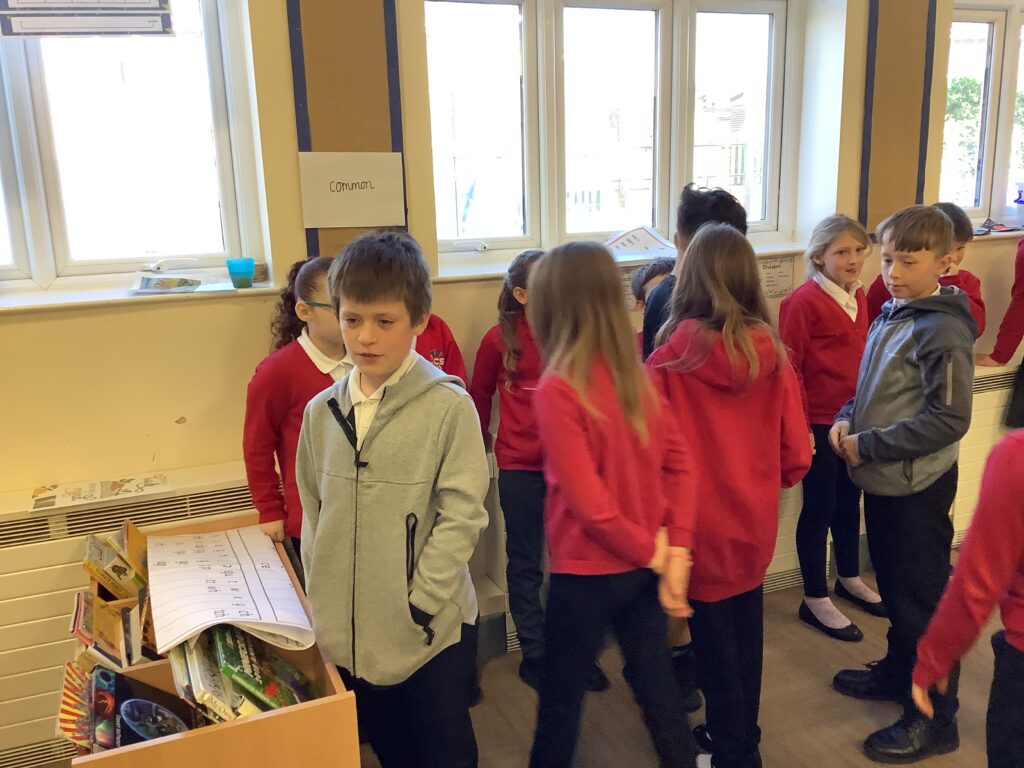
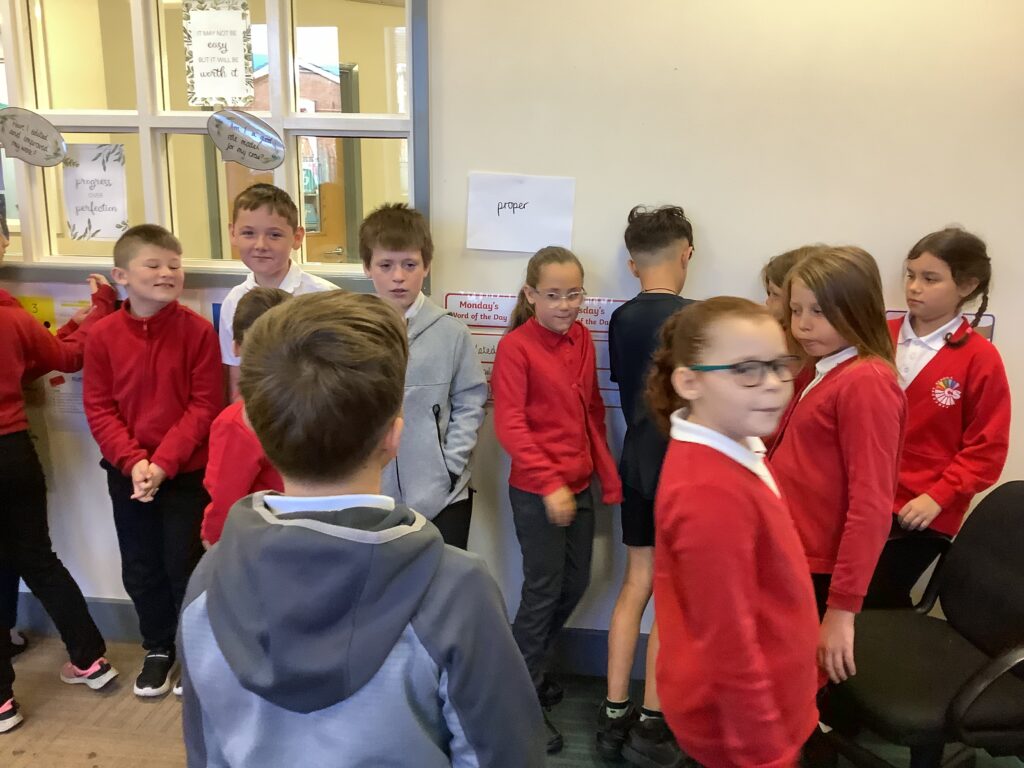
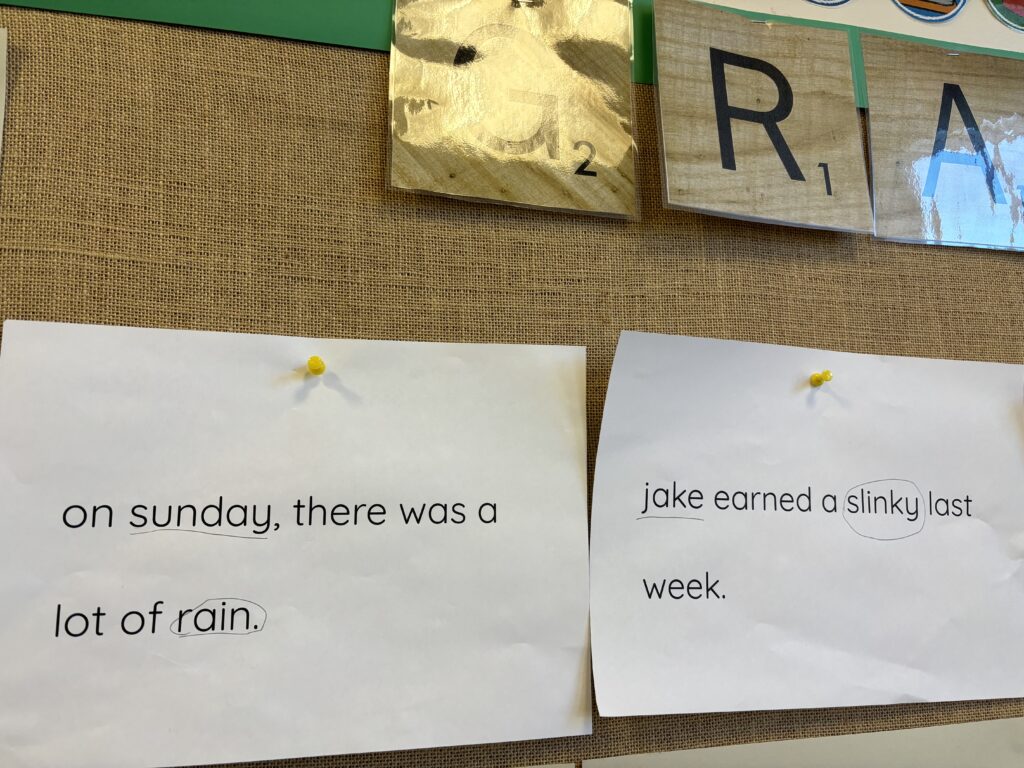
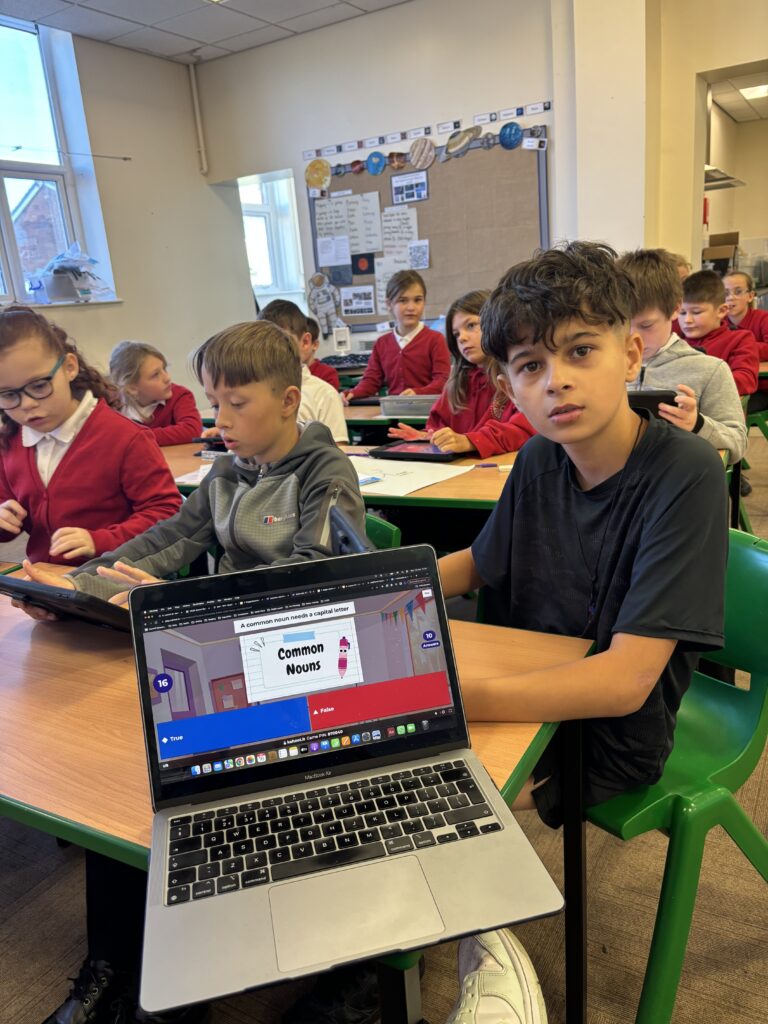
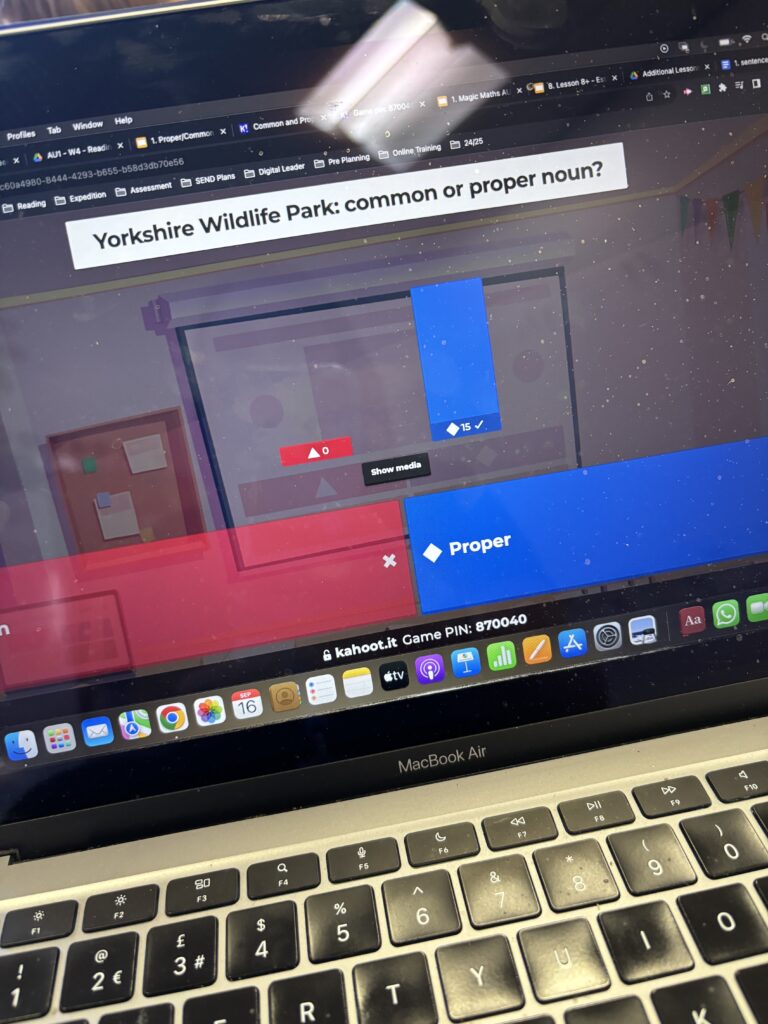
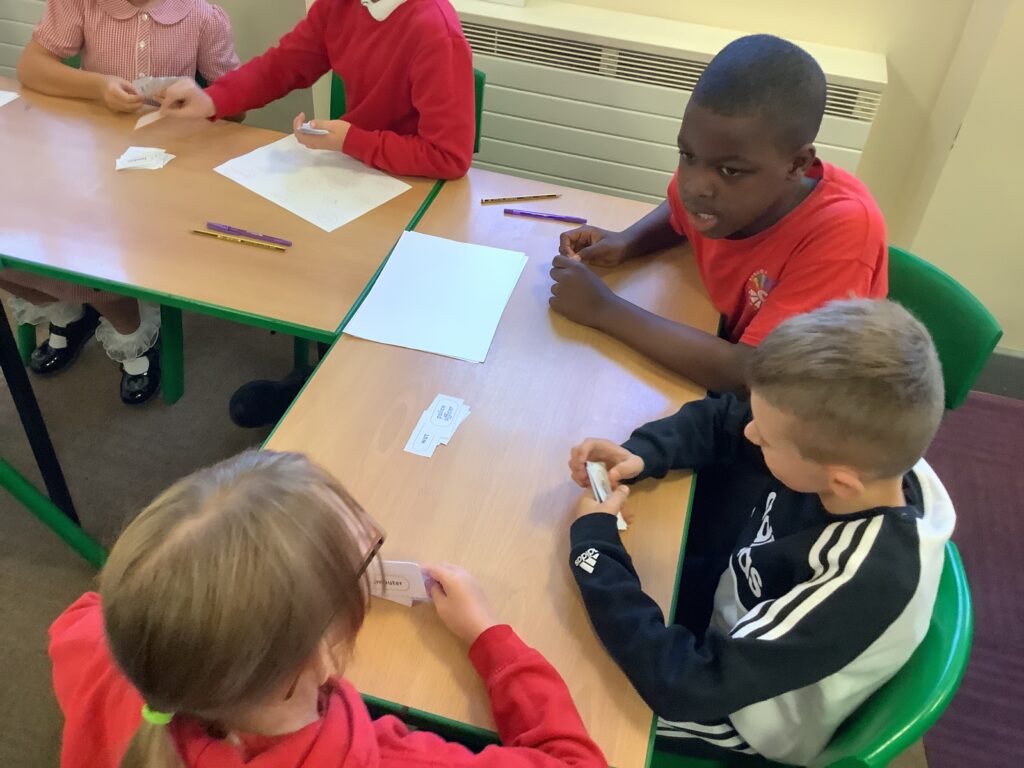
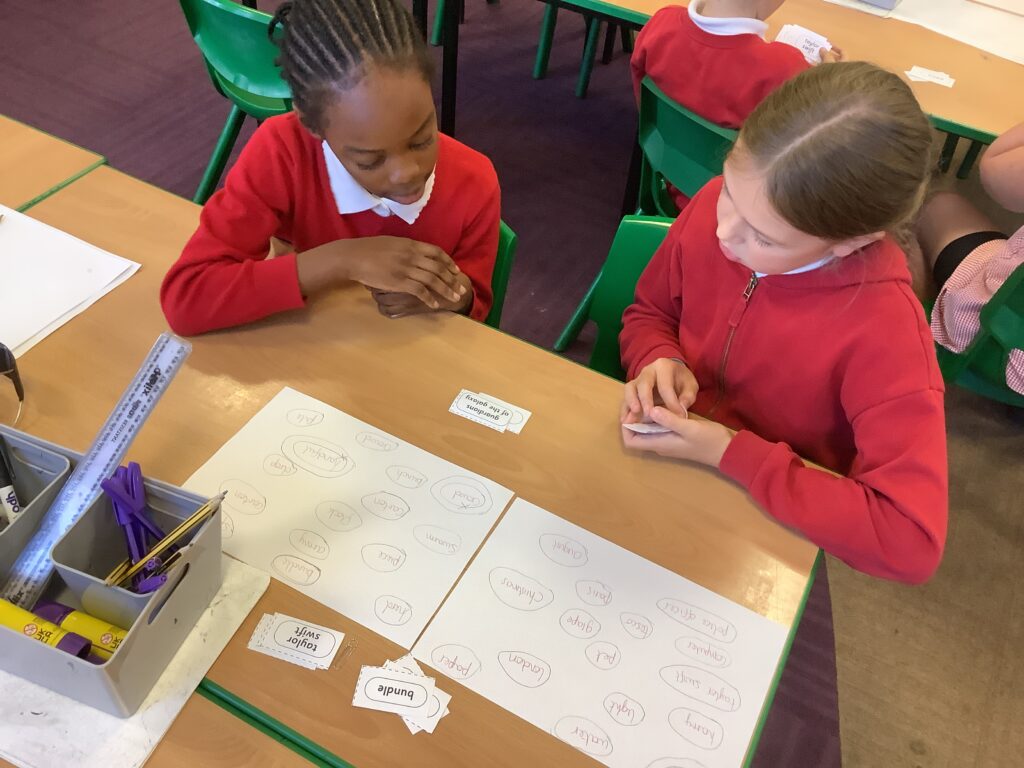
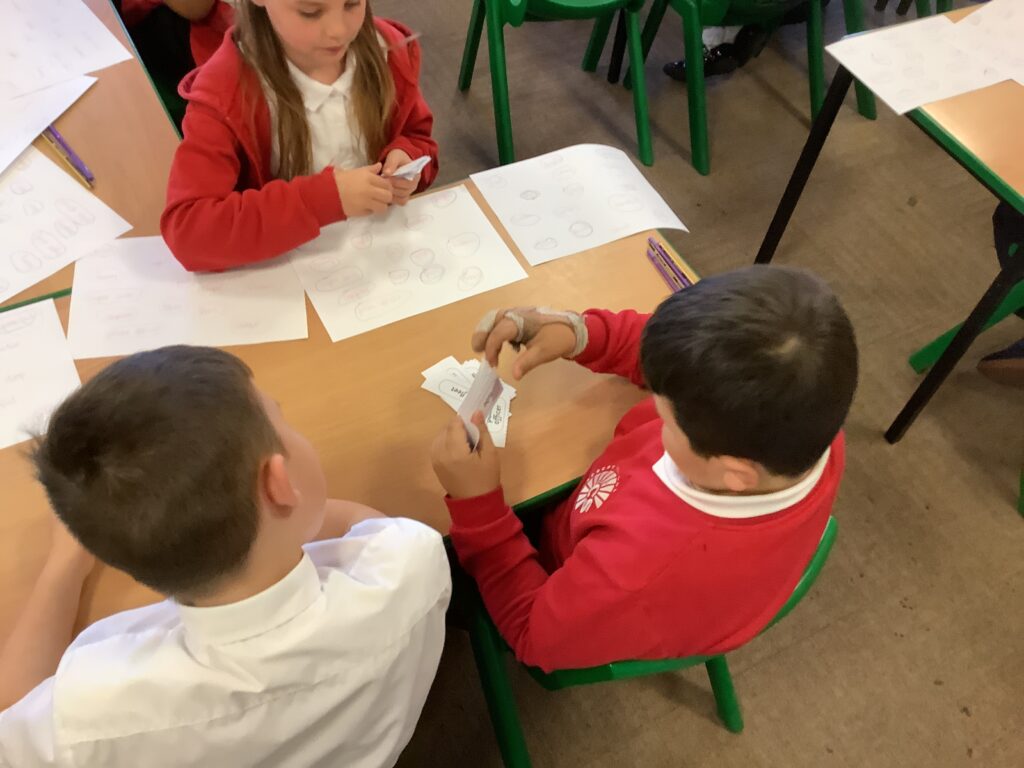
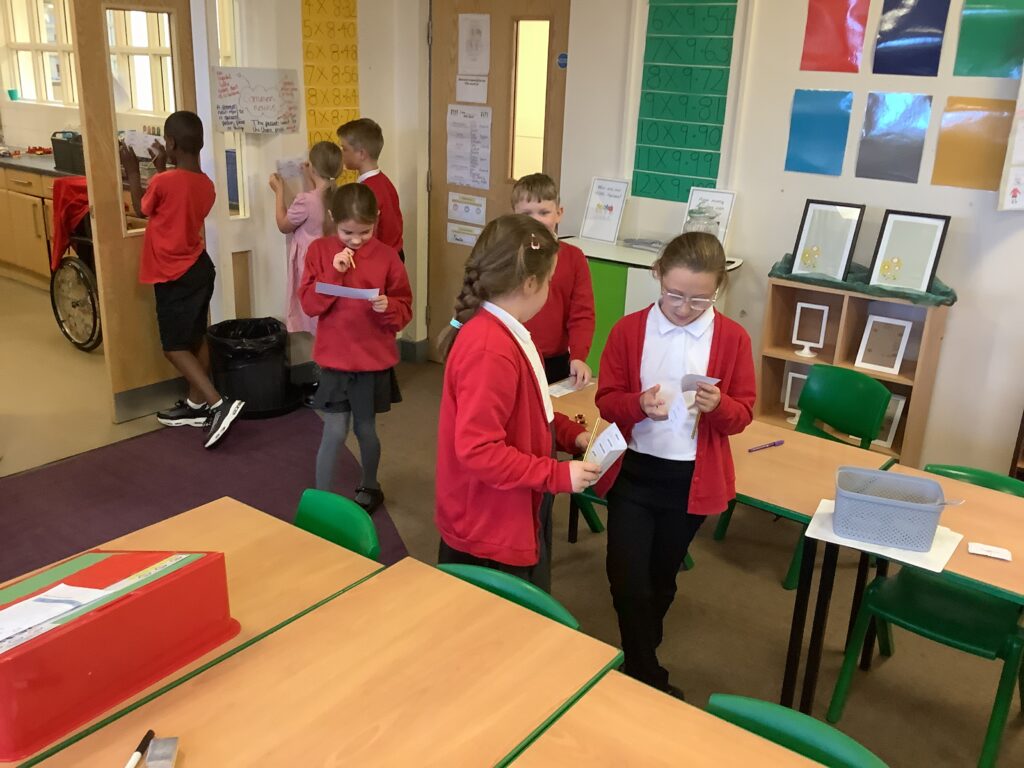
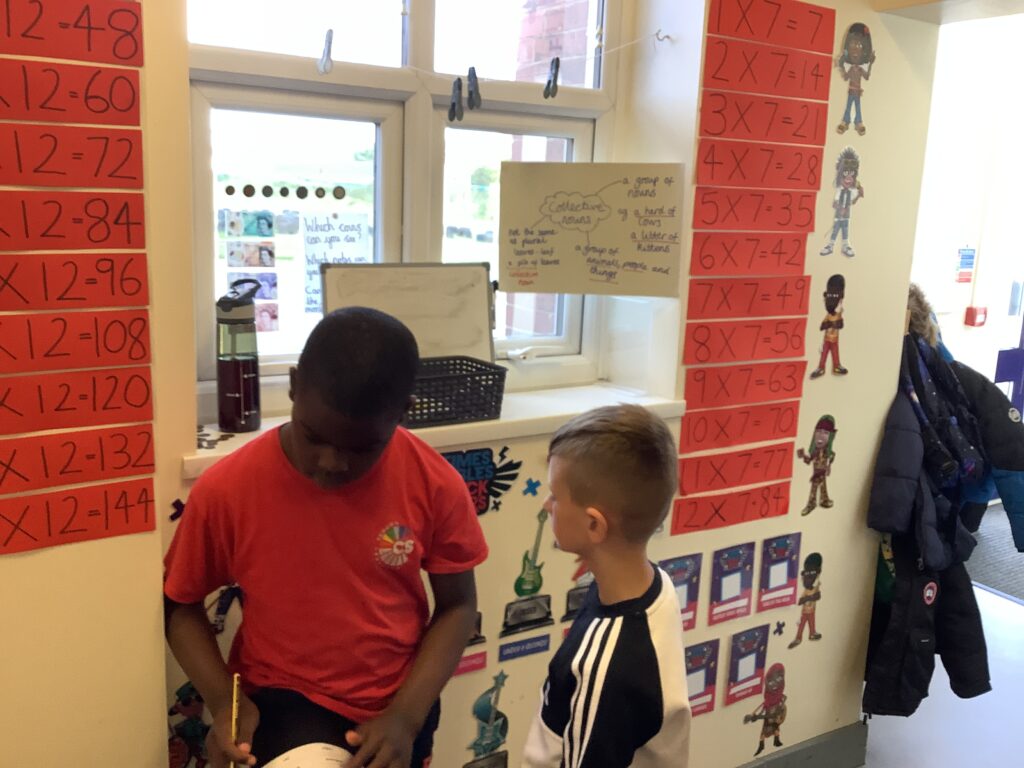
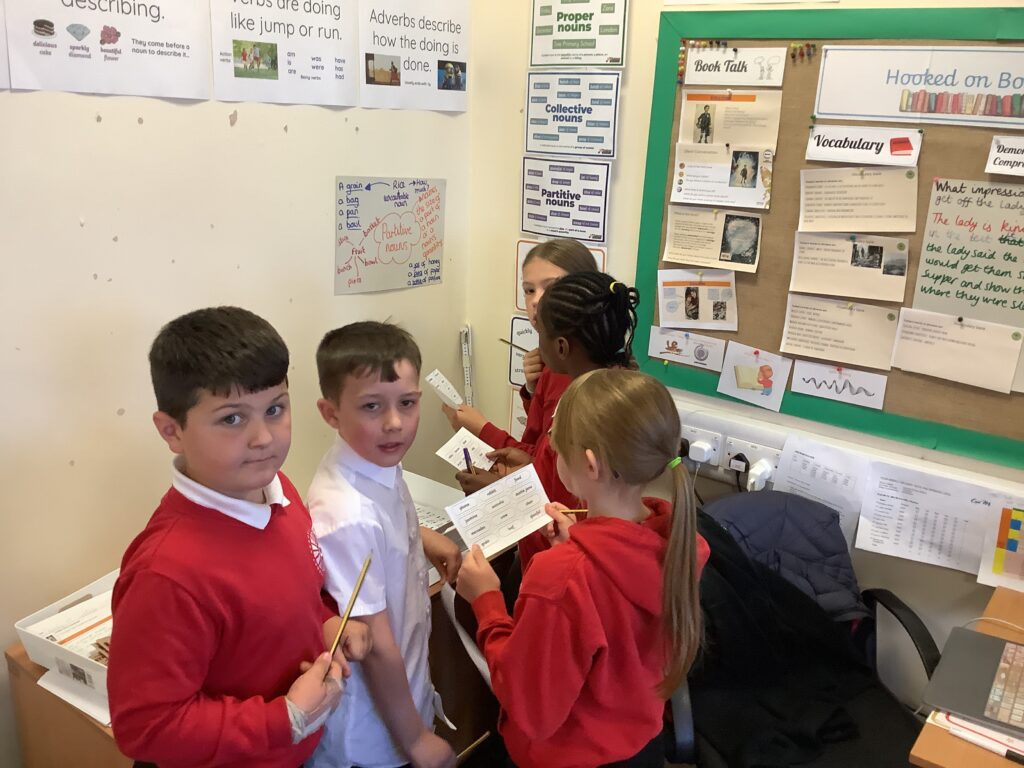
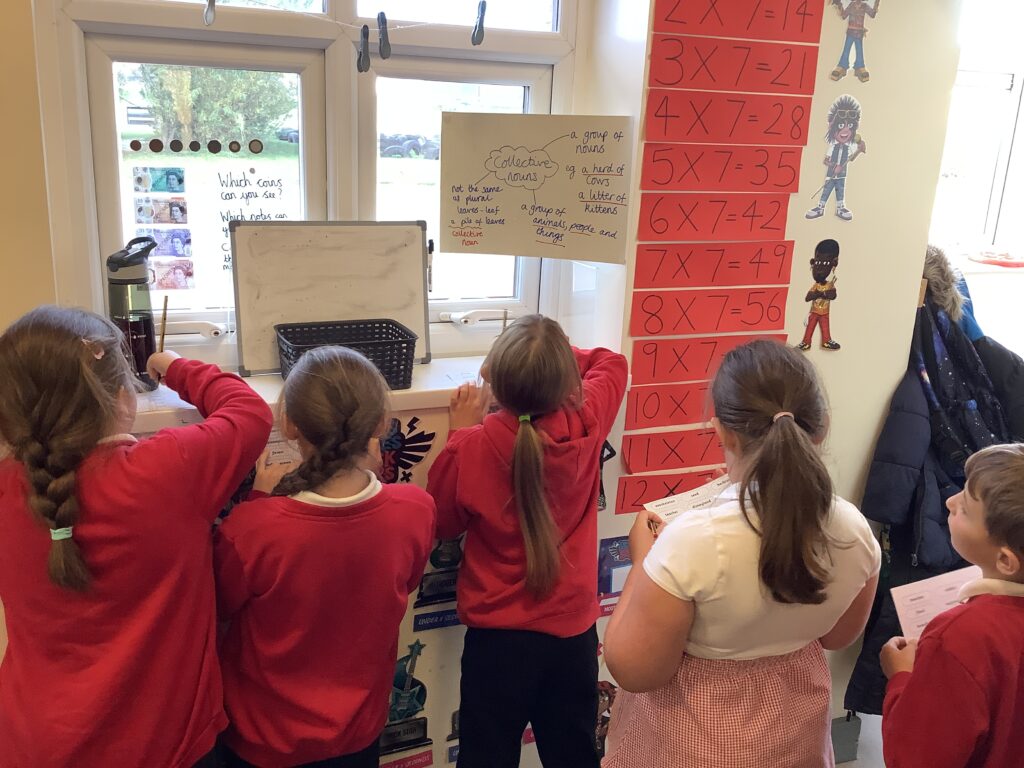
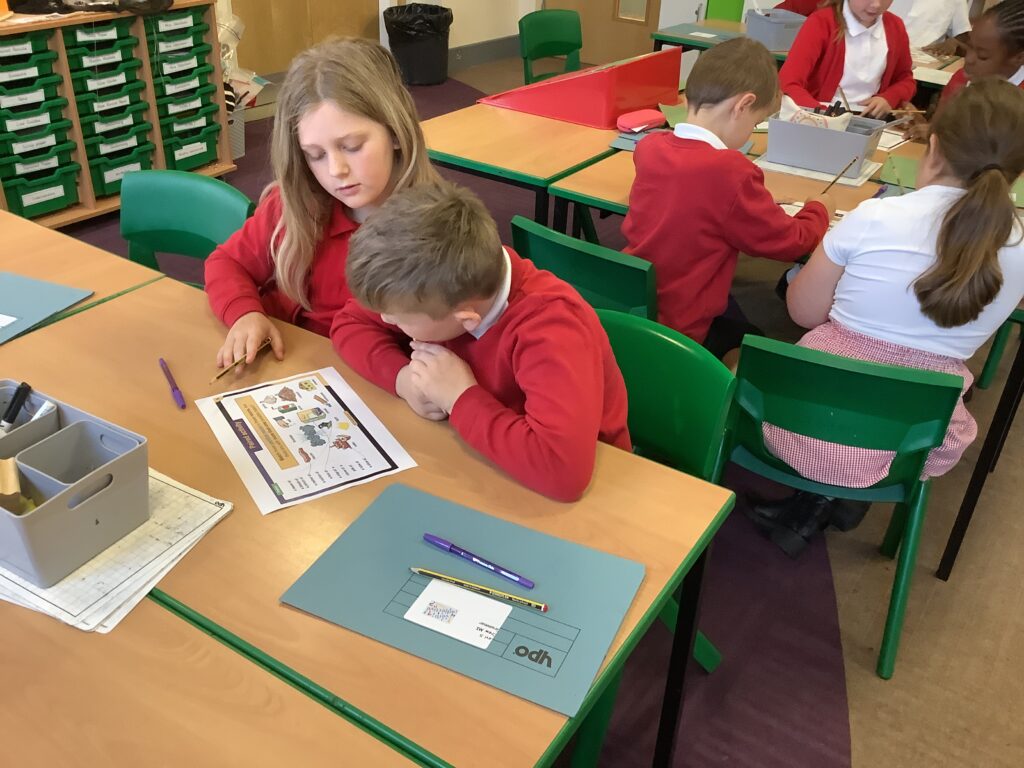
Super impressed with our nouns recap today! We played lots of short games to demonstrate our understanding of common, proper, collective and partitive nouns. We showed some great learning really showcasing what we have remembered over the last couple of weeks! I look forward to seeing how well you do tomorrow in your touch down! Great work MI 🙂

Partitive Nouns

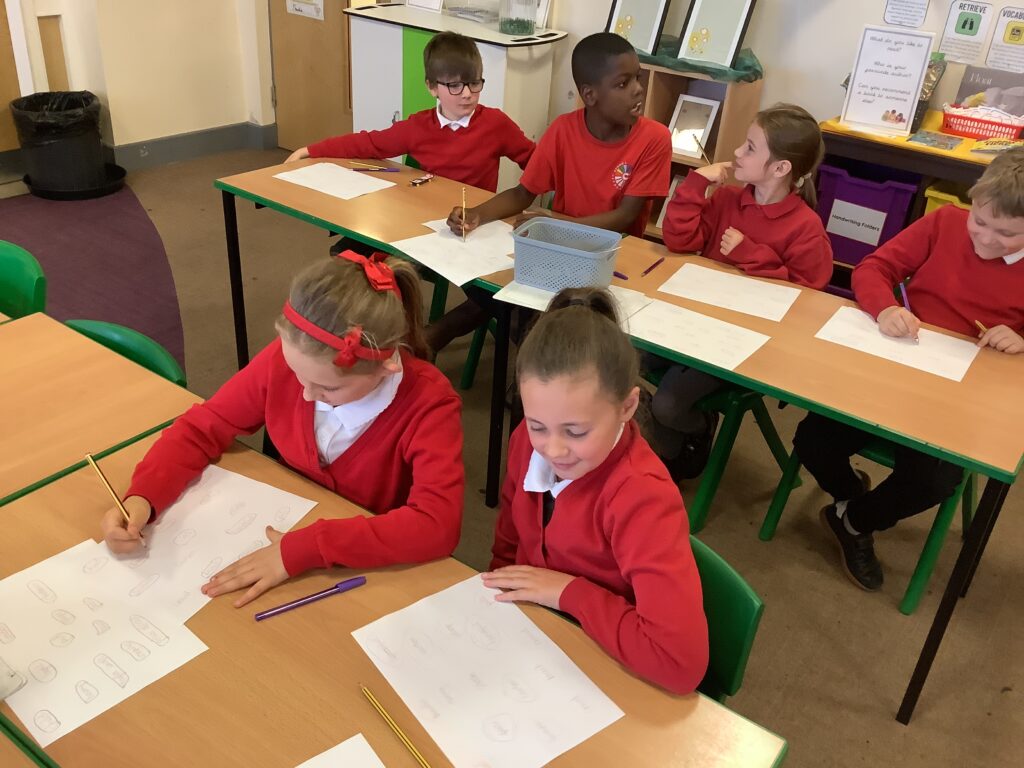
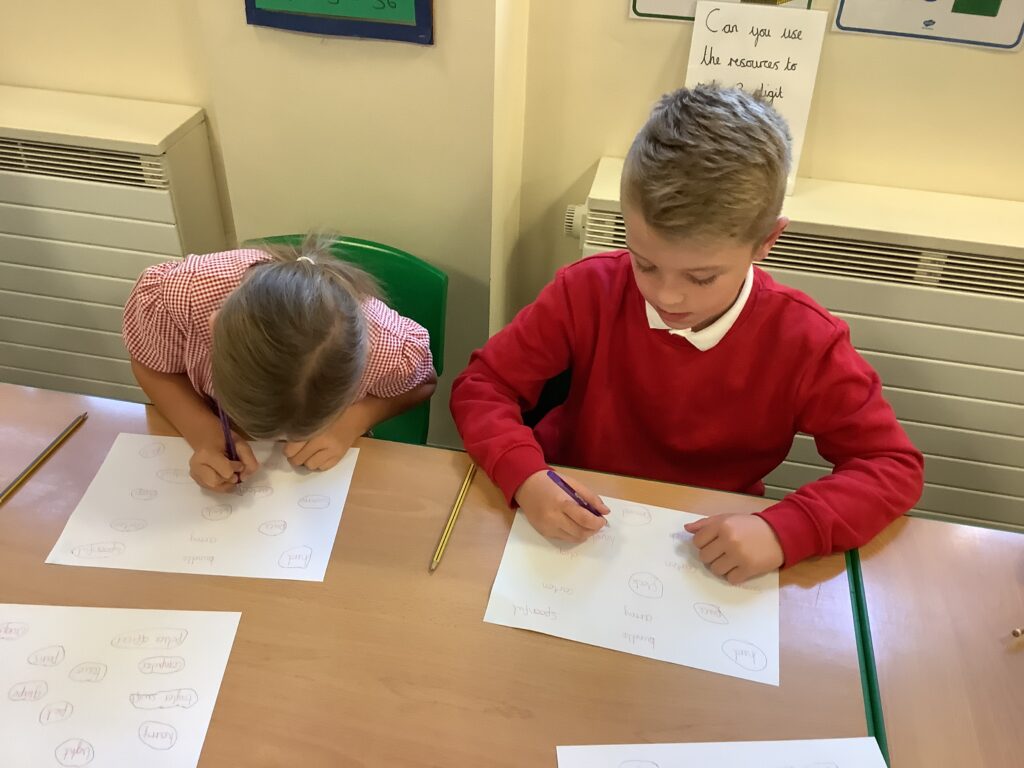
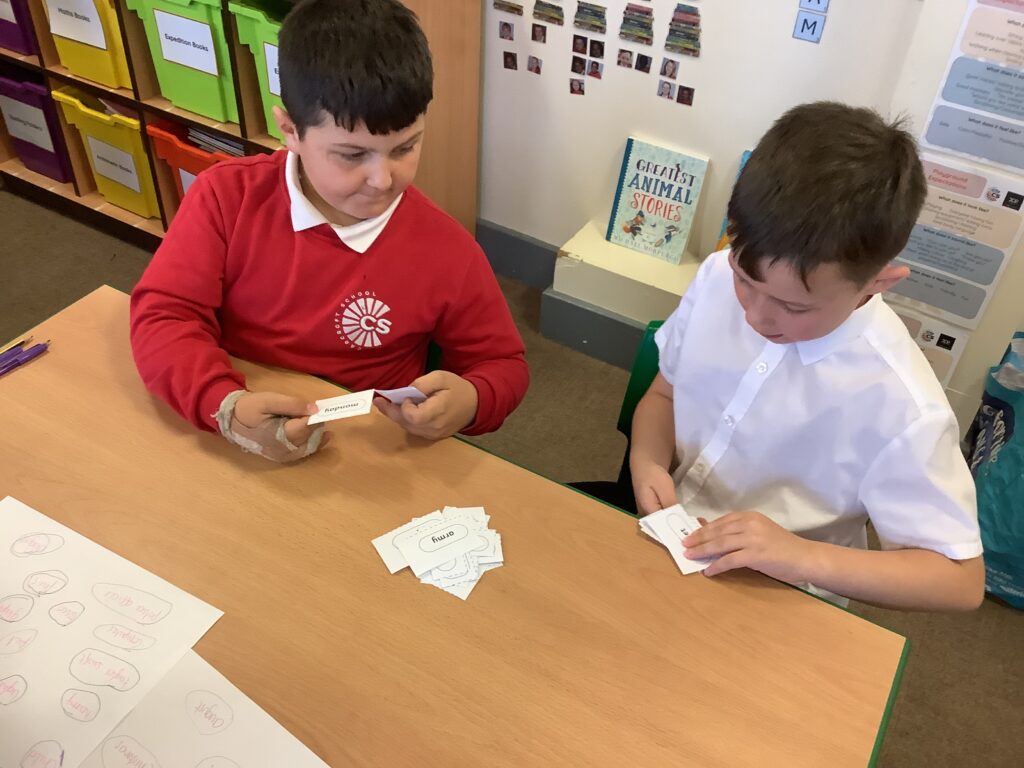
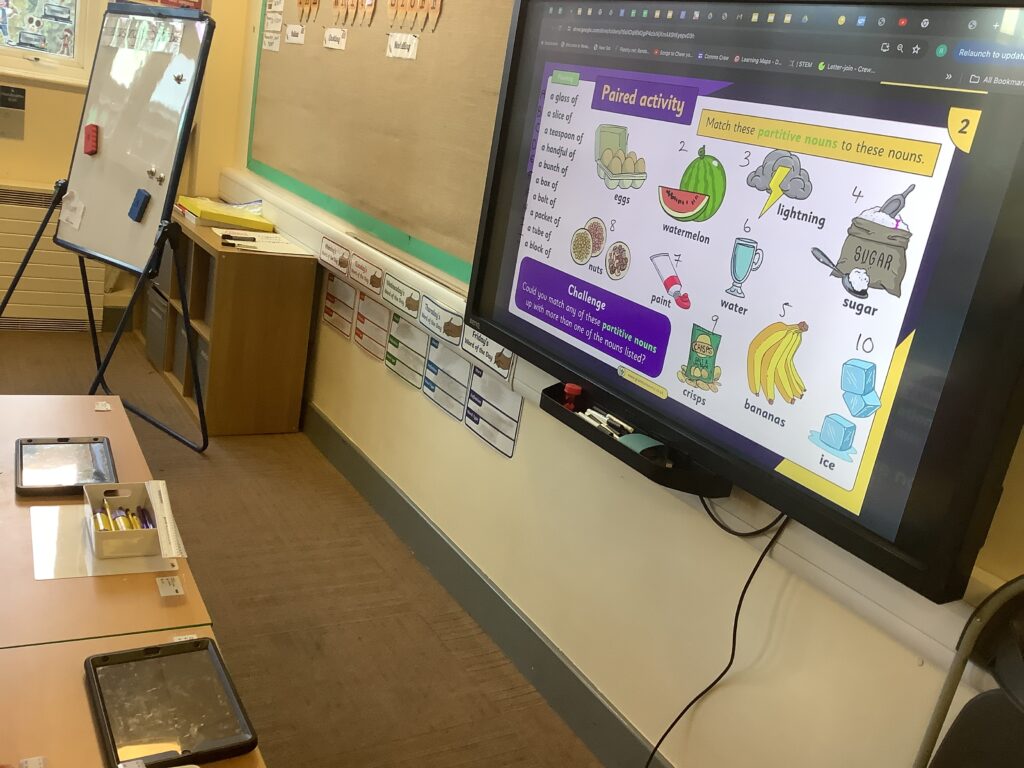
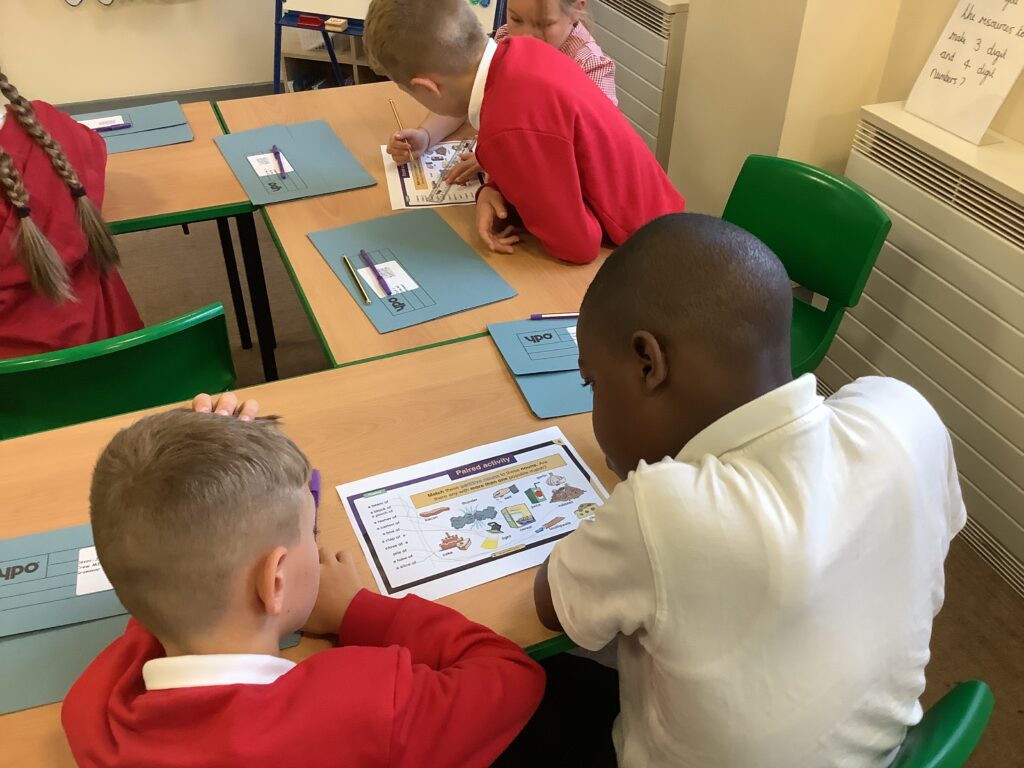
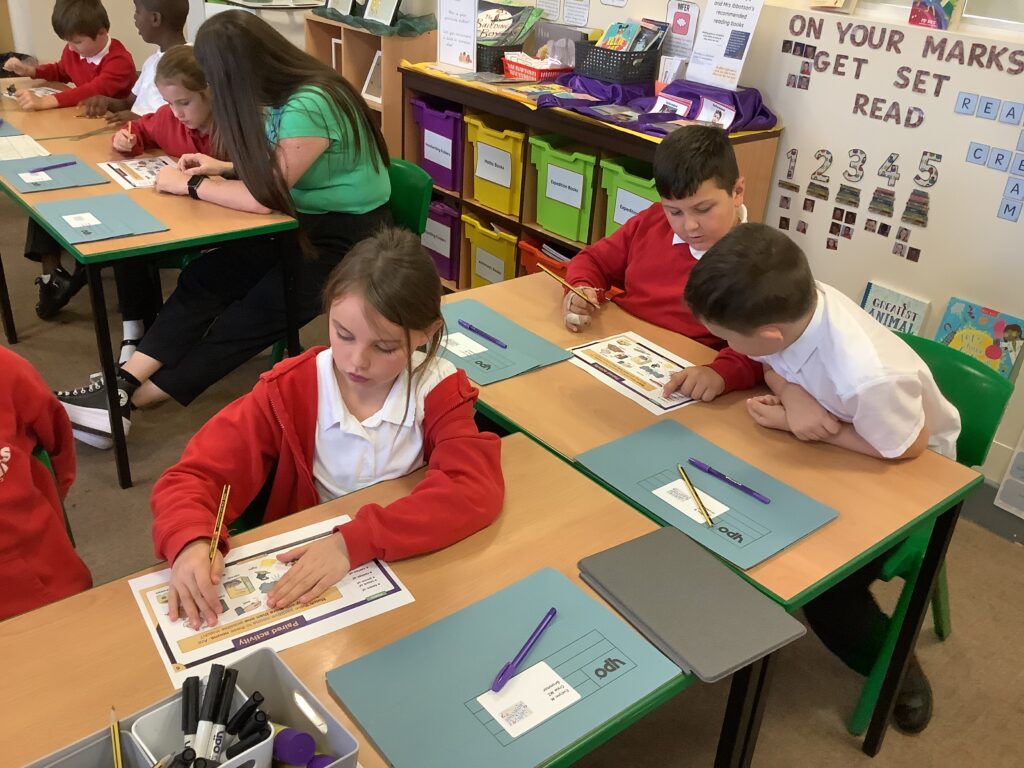
Today, we continued learning about nouns. So far we’ve learned about common nouns, proper nouns and collective nouns. It was the turn of partitive nouns which shows how much is a noun. For example: a spoonful of sugar, a cup of tea, a slice of cake

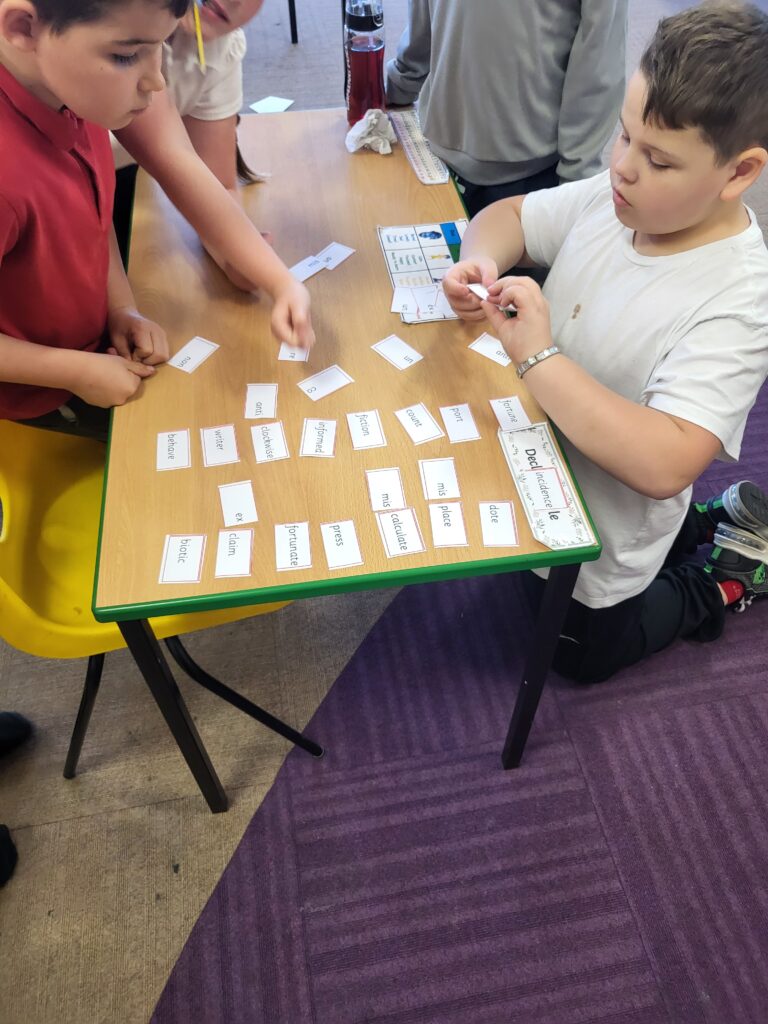
Children worked in pairs to match the partitive noun with the correct noun. Children were encouraged to read them out loud to check sense.

Grammar in MI

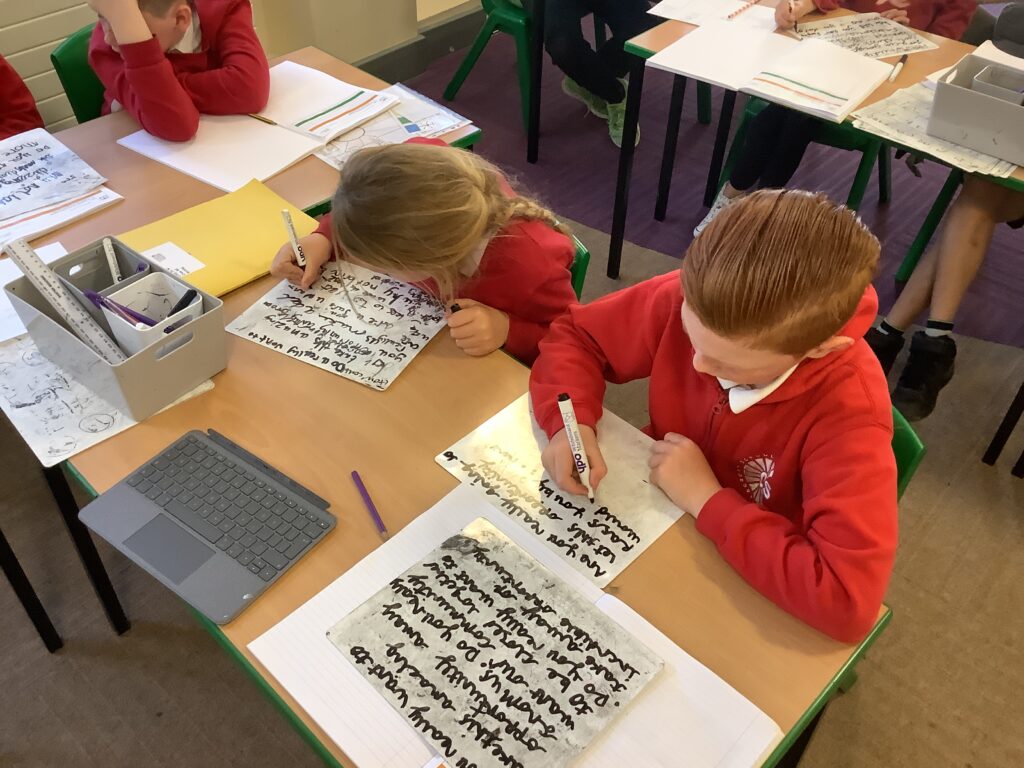
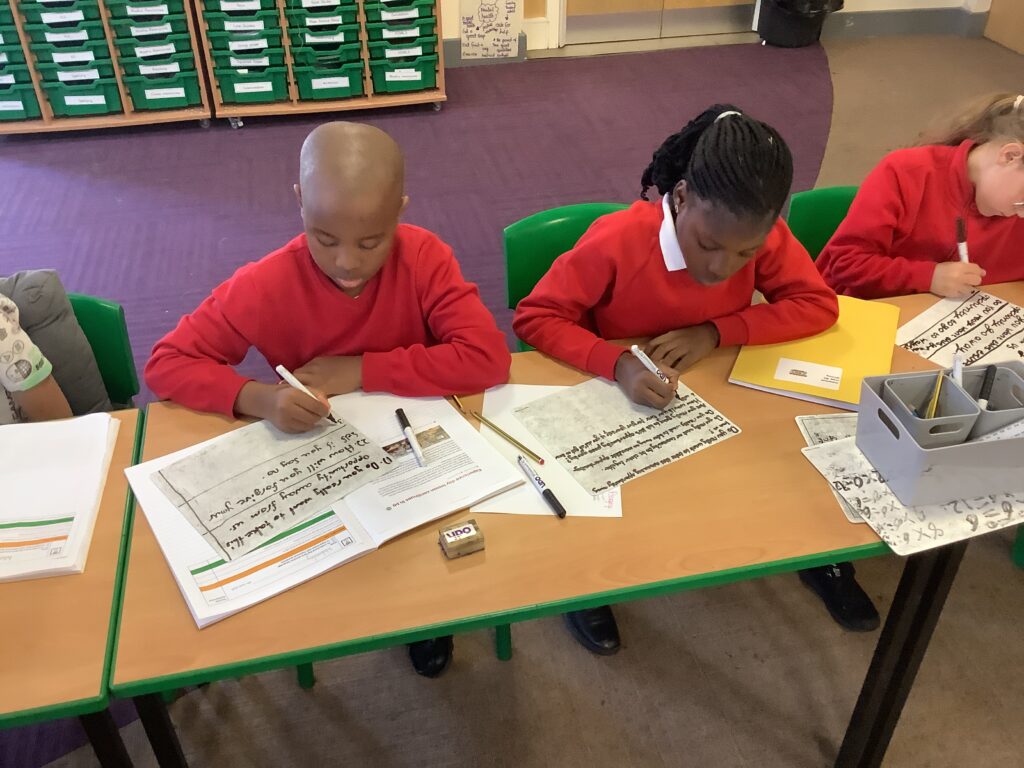
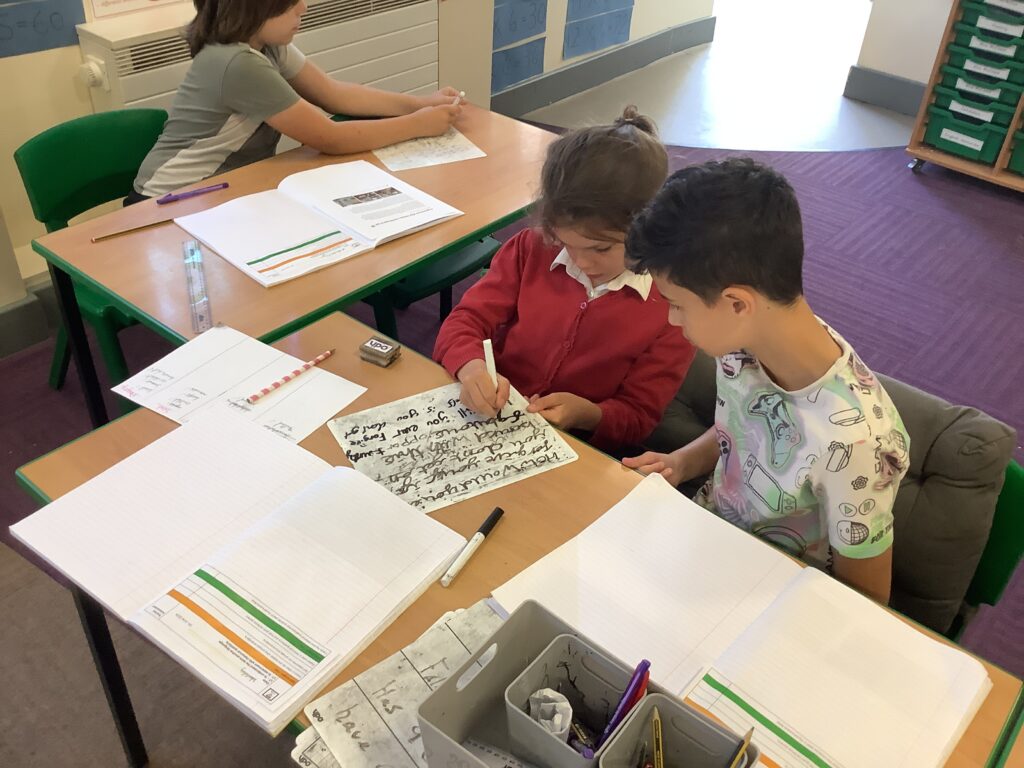
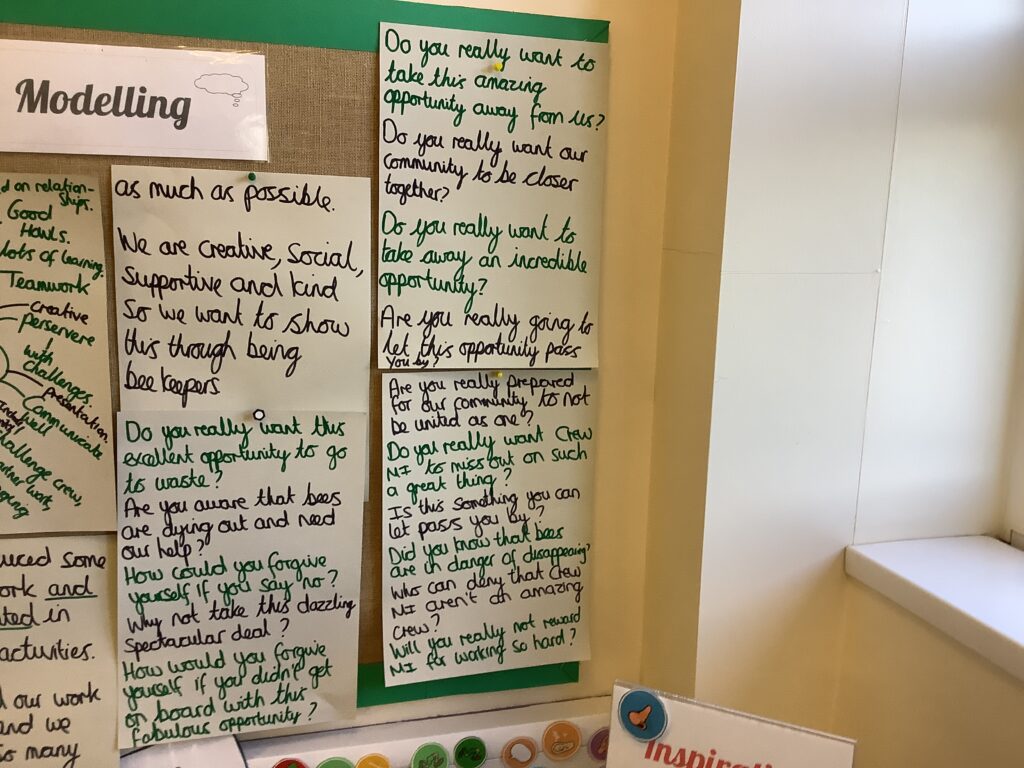
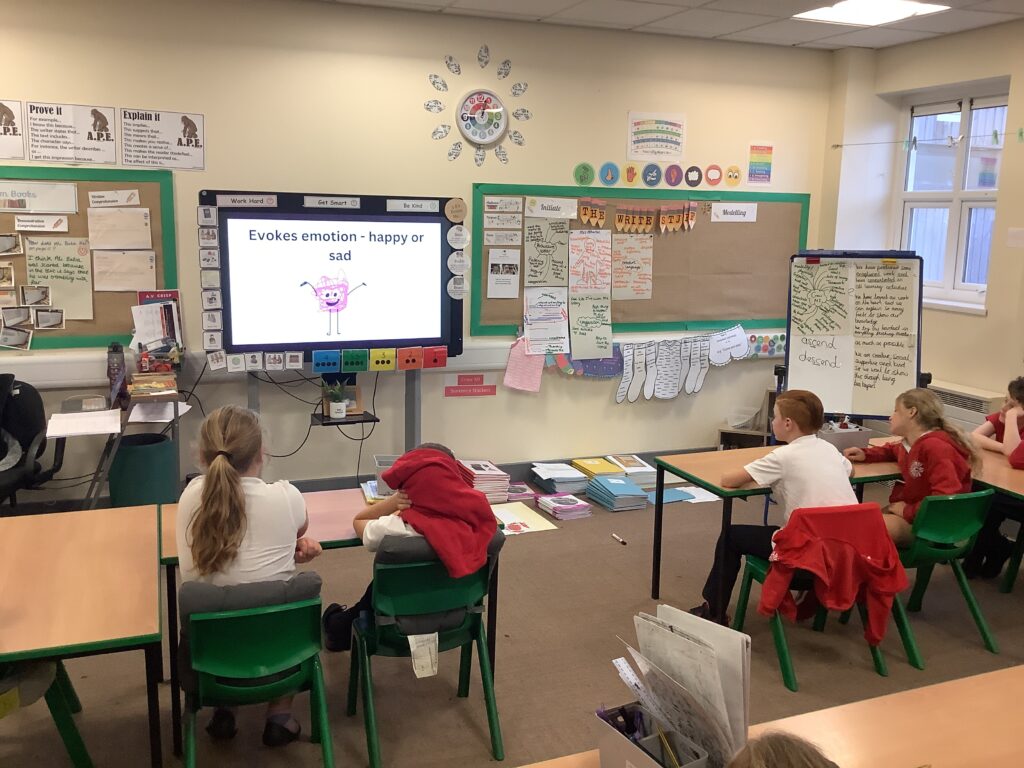
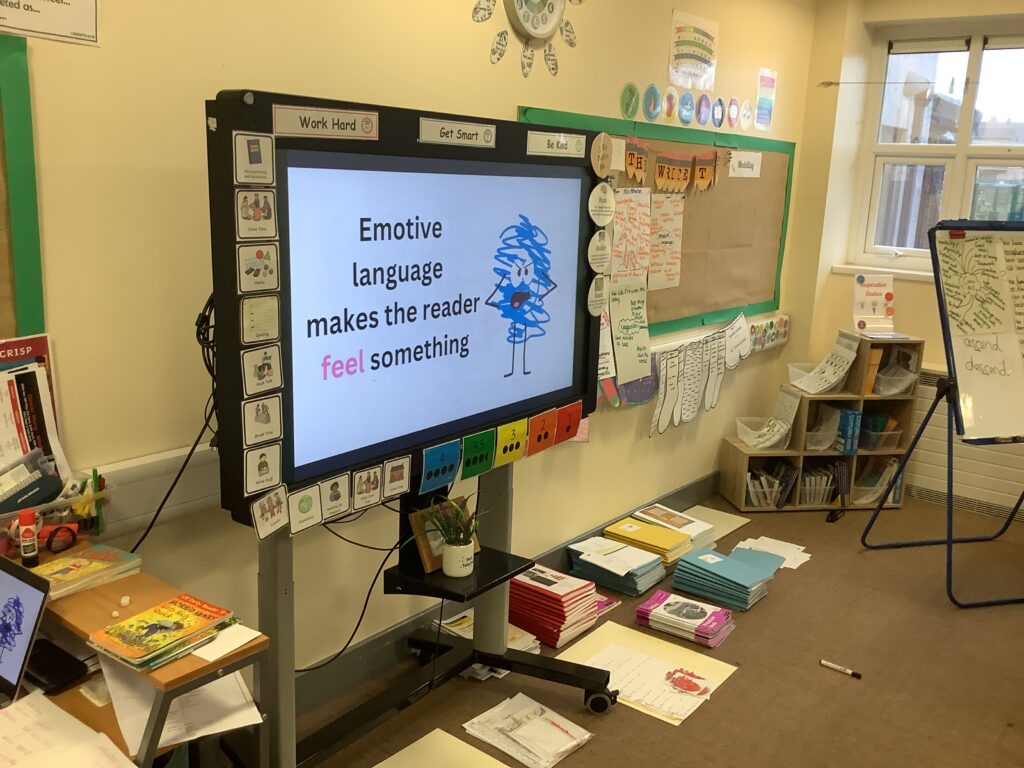
Today we explored emotive language and rhetorical questions, two key features we need to use when writing our persuasive letters. First we watched a clip exploring emotive language. We were given a range of pictures where we showed the emotion we felt. There was many laughs and giggles for some of these! We then discussed why writers use emotive language and the impact on the reader. Next we were given a range of language, we had to group the words under 4 headings- happy, excited, sad and angry. We worked in mini crews to discuss each word finding the synonyms. We then shared these back with the whole crew. Next we explored different scenarios where we discussed how the scenarios made us feel and which words were emotive.

We then moved onto rhetorical questions where we thought about the sections of our letter and where rhetorical questions could go. We used a range of sentence starters to help us build our own rhetorical questions in mini crews then shared these back with the whole crew. Our debrief allowed us to discuss how the rhetorical questions make us feel and the impact they will have on Mrs Atherton when she reads our persuasive letters!

Grammar – Non Chronological report

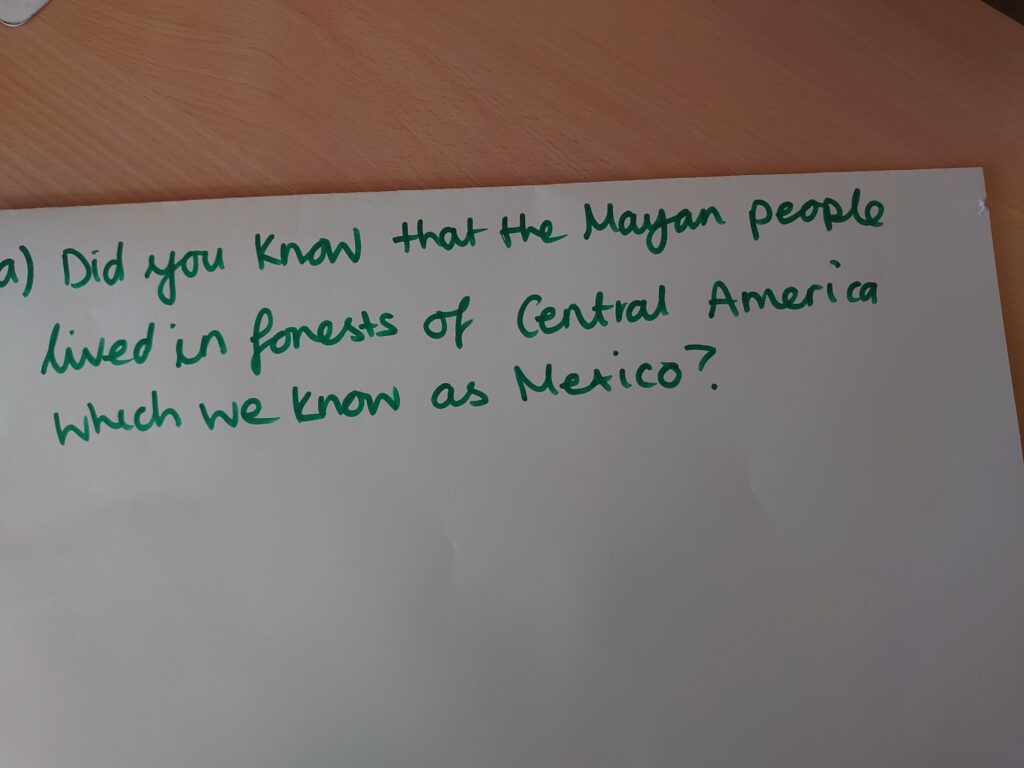
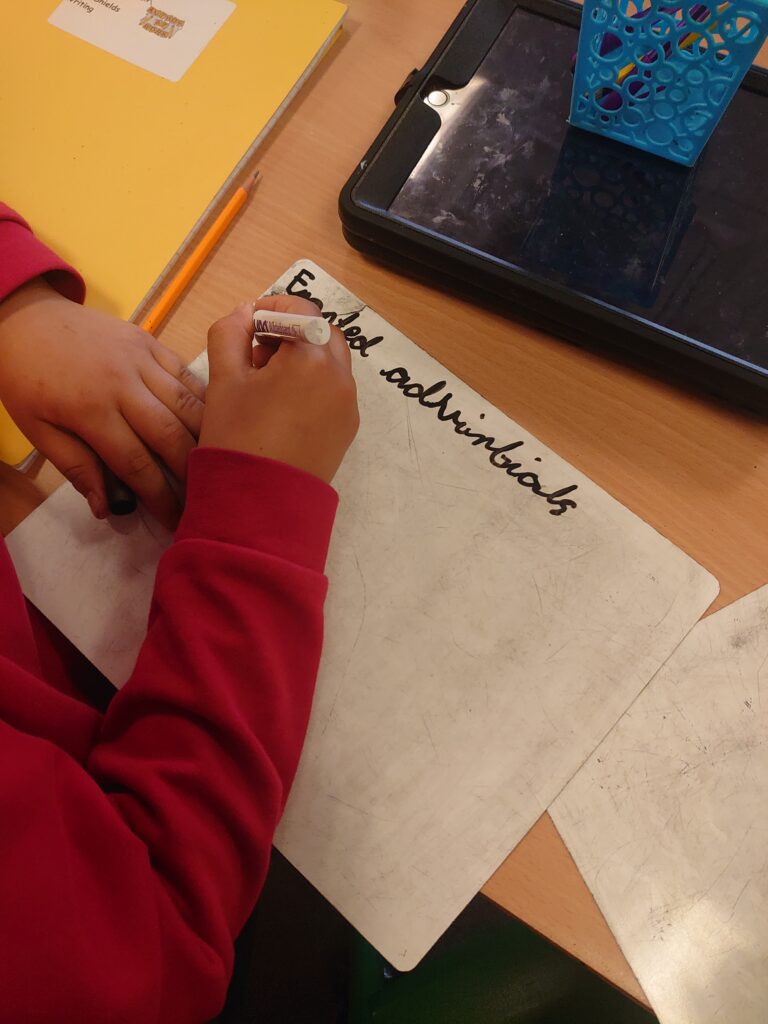
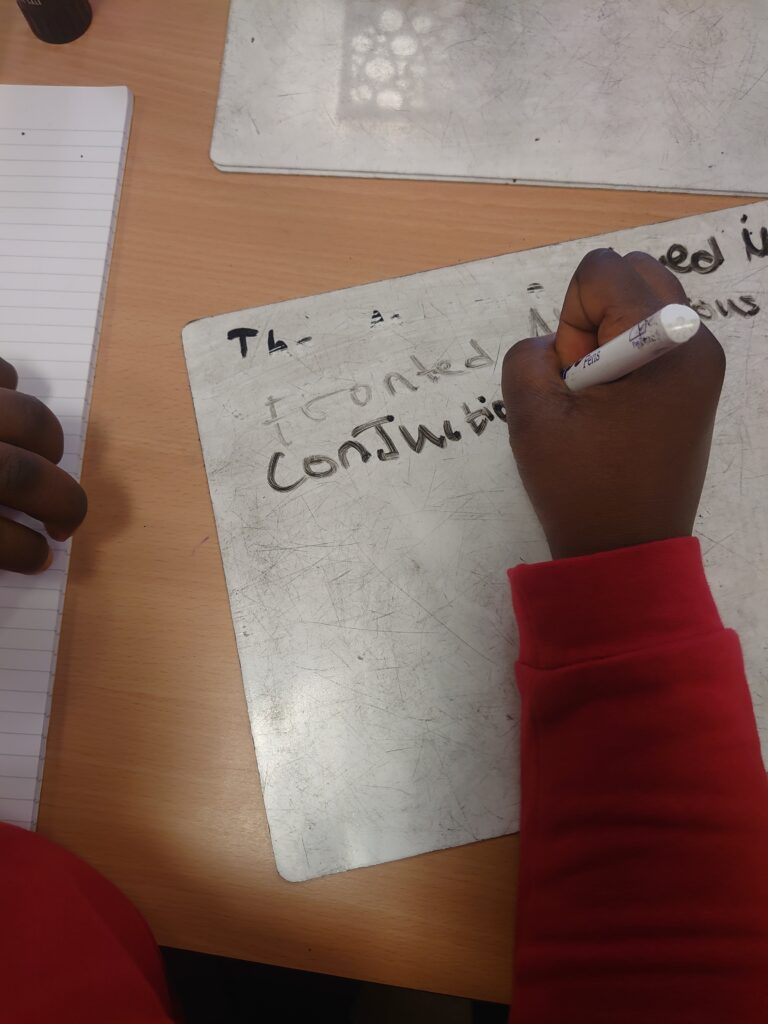
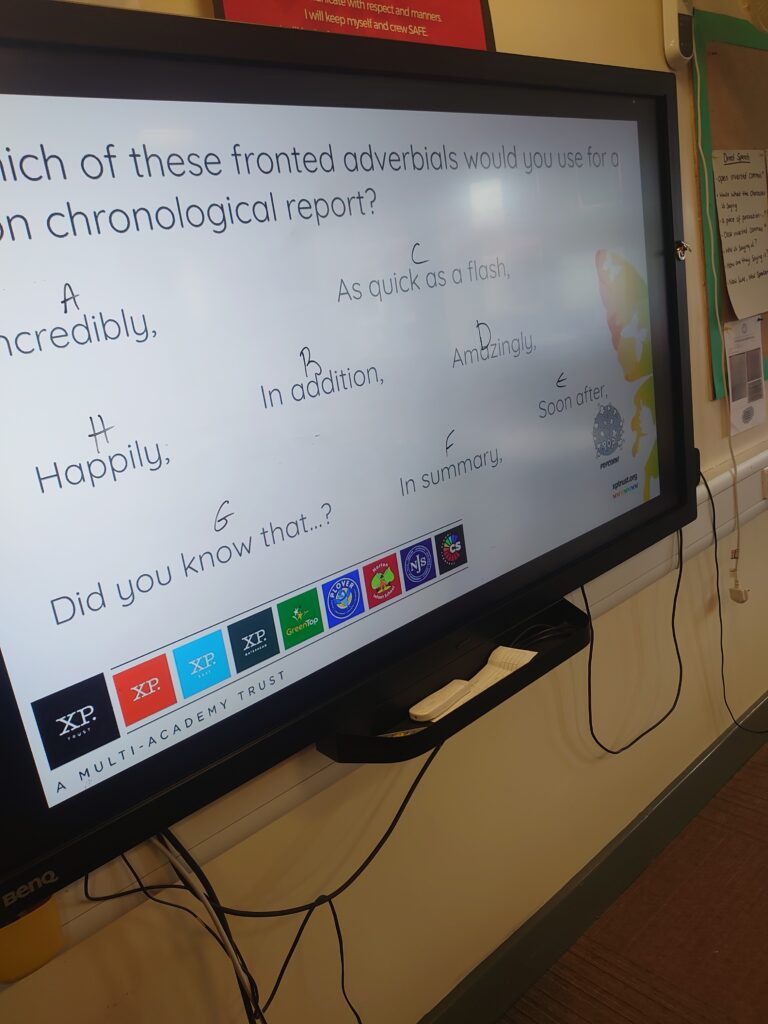
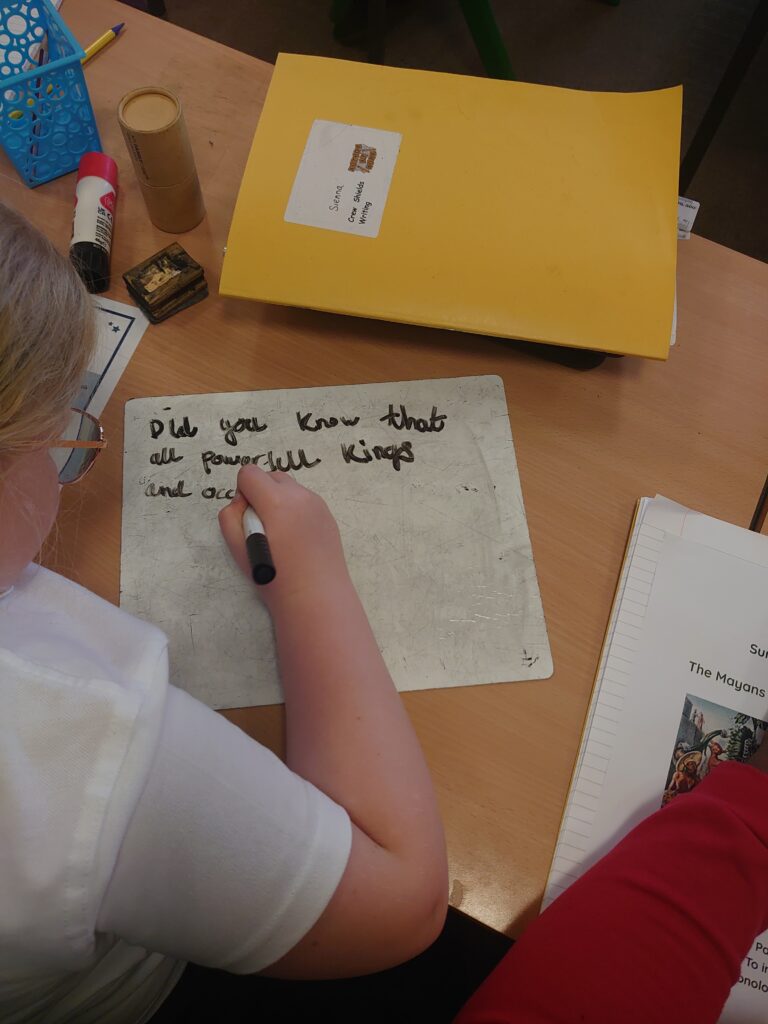
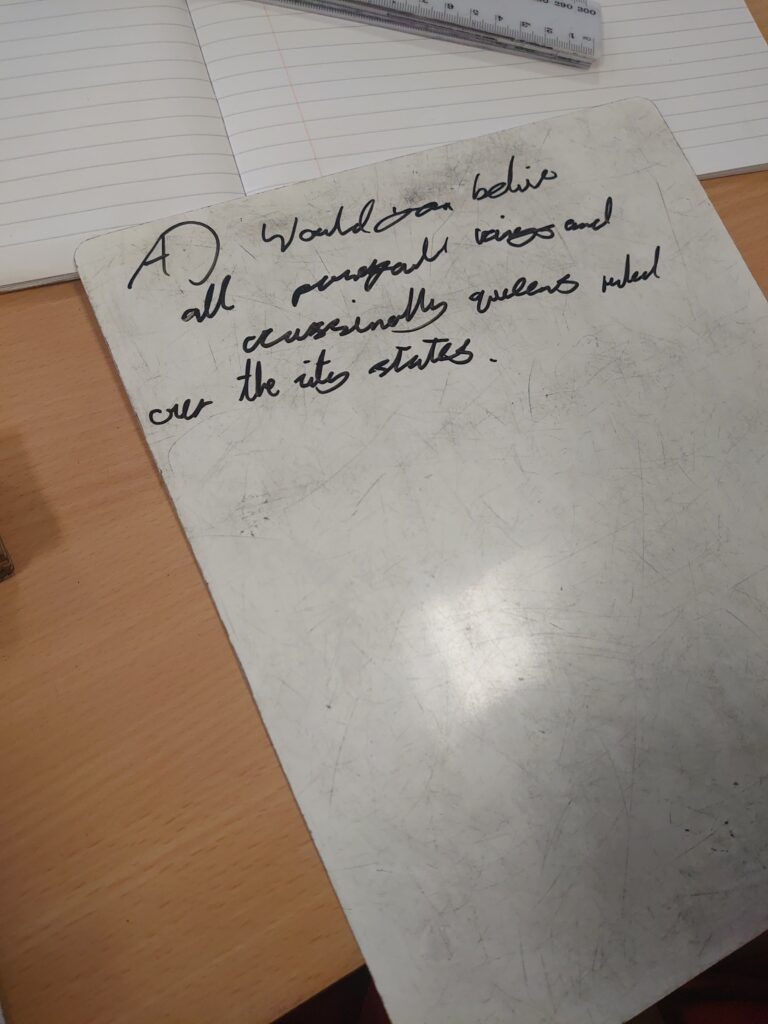
In our grammar lesson, we’ve really been honing in on the appropriate fronted adverbials and conjunctions you’d use within a non chronological report. We spent some time thinking about how we could link facts using fronted adverbials and which ones would best fit into the sentence. We also looked at models of a fiction and non fictions piece of writing so we could see the difference between the two. Finally we worked alongside our partner to start putting facts about the Mayans into sentences using appropriate fronted adverbials.

Grammar Day

Today, Crew Hamill began their new writing genre and discussed that we would be creating a non-chronological report all about Ancient Maya. We have done lots of historical learning over the last few weeks in expedition that we will be using to support this writing and we are going to be using one of our class texts to gather further information. To begin this new genre, we looked at our first grammar focus: fronted adverbials. We discussed what these were and read two different passages that contained them. We discussed how these are used differently depending on the genre we are writing and made comparisons between the two passages. Following this, we worked in talk partners to identify which fronted adverbials would be most appropriate in a non-chronological report. We then up-levelled sentences by adding fronted adverbials to them to make them more interesting. We can now use these sentences when we begin writing our plot points!