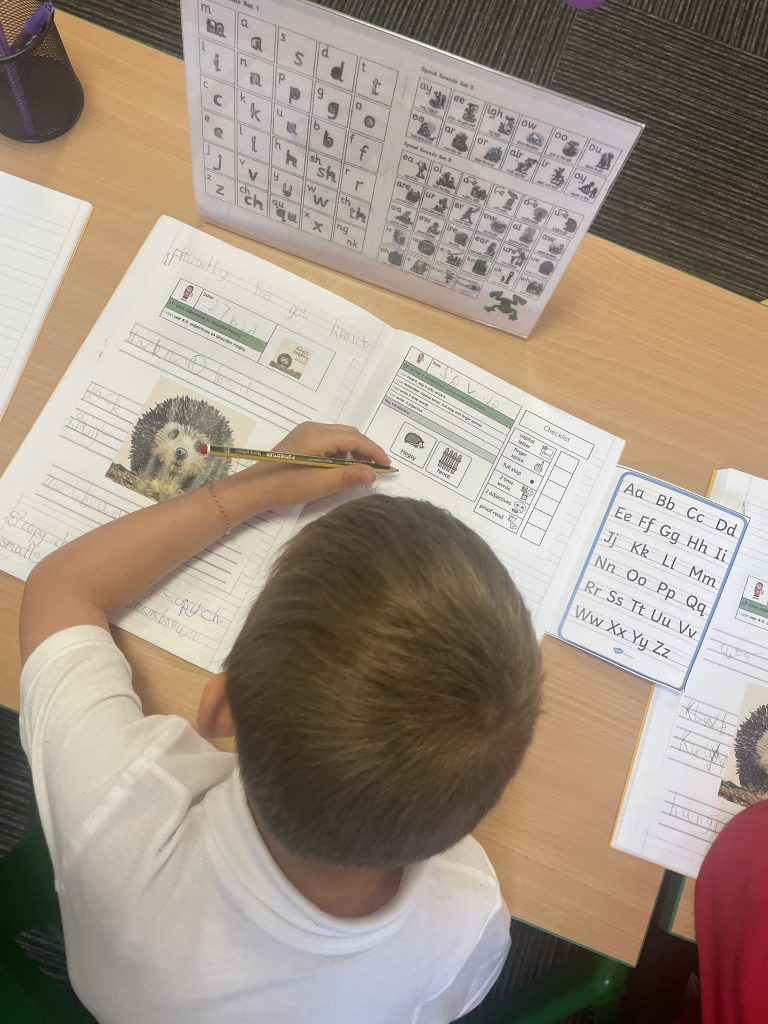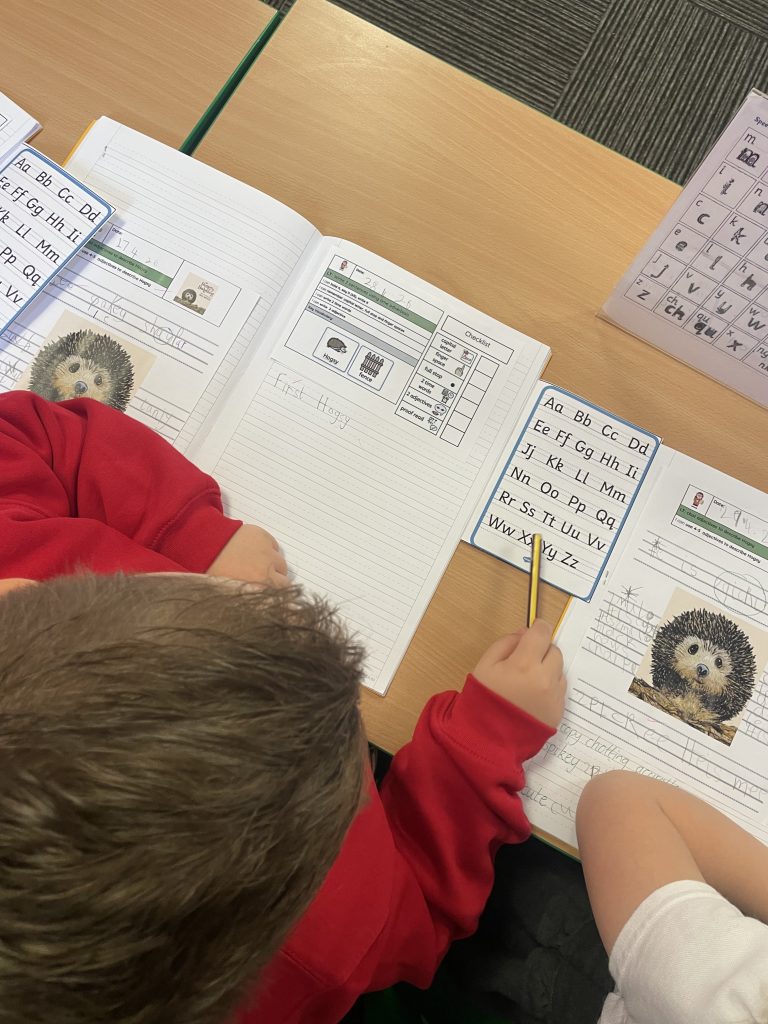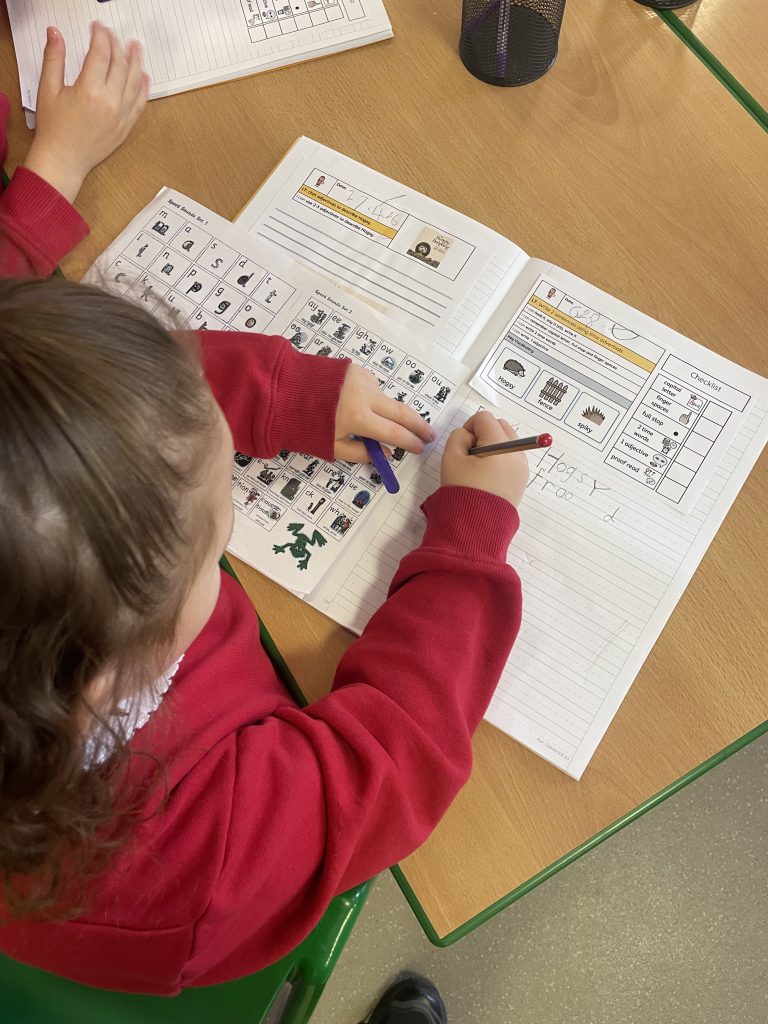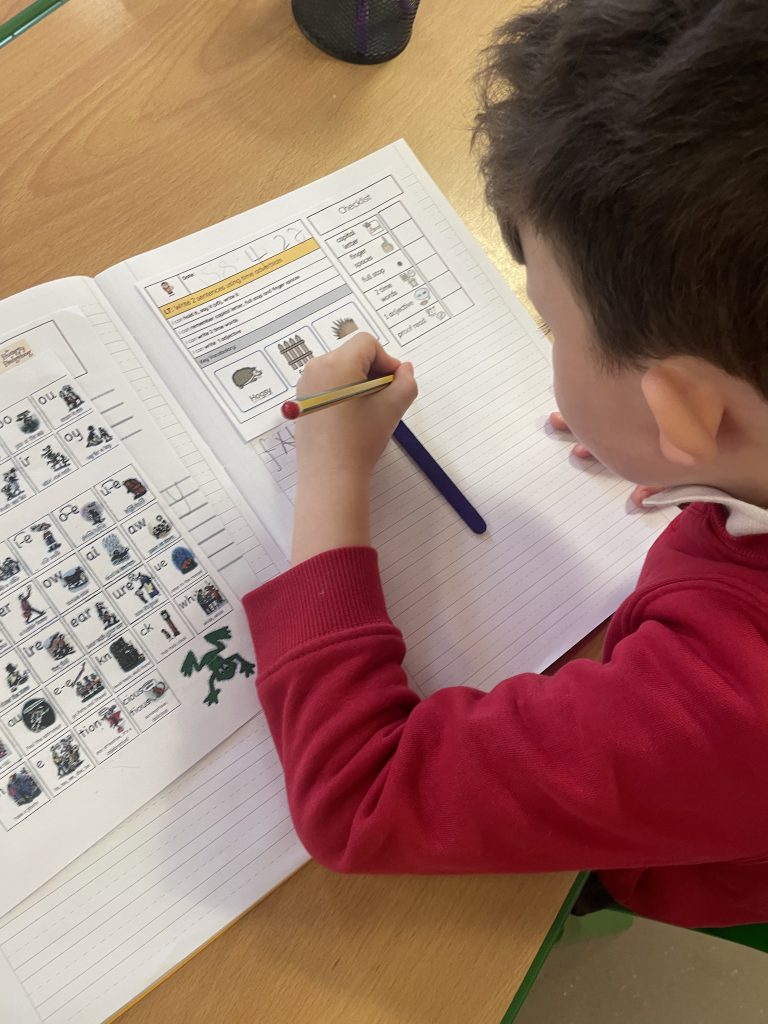
Take a look at some of our beautiful pieces of writing from last week. I am so proud of how well the children are working hard to get smart and take real pride in their work. Keep up the amazing work Crew McGlone!
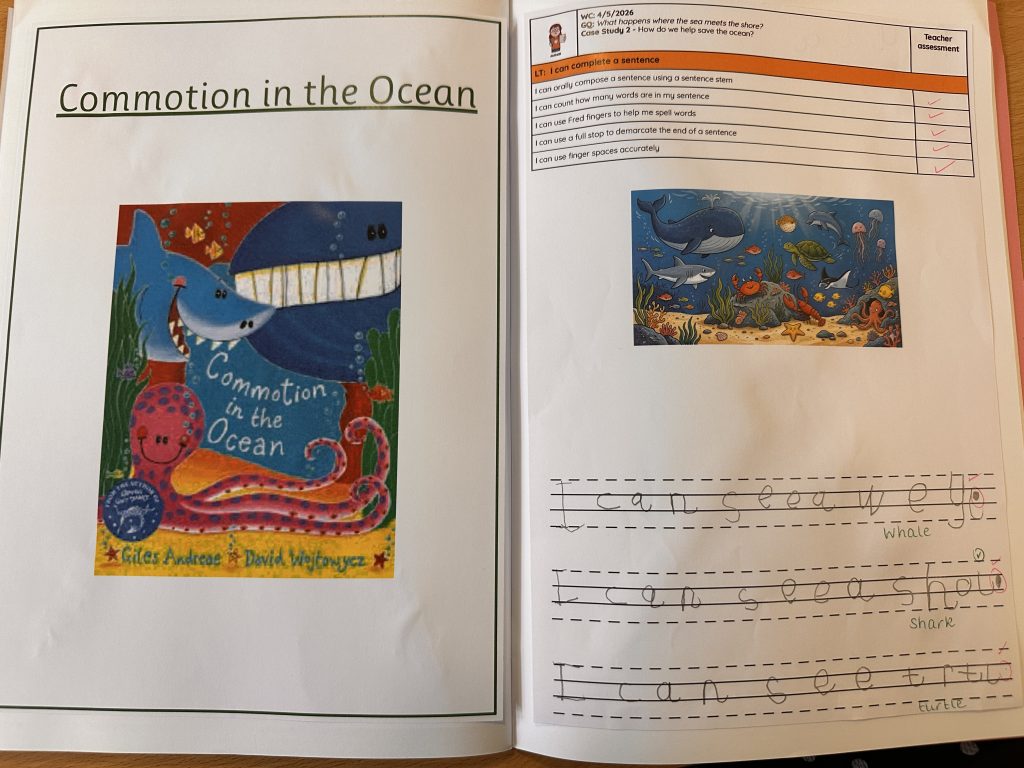
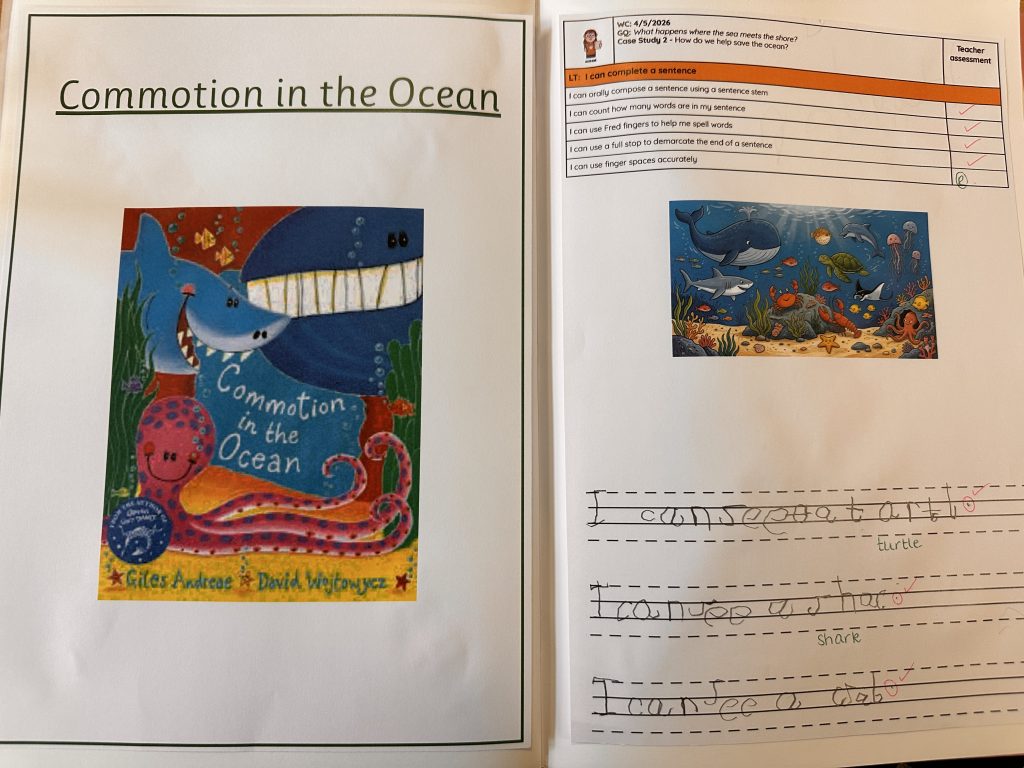
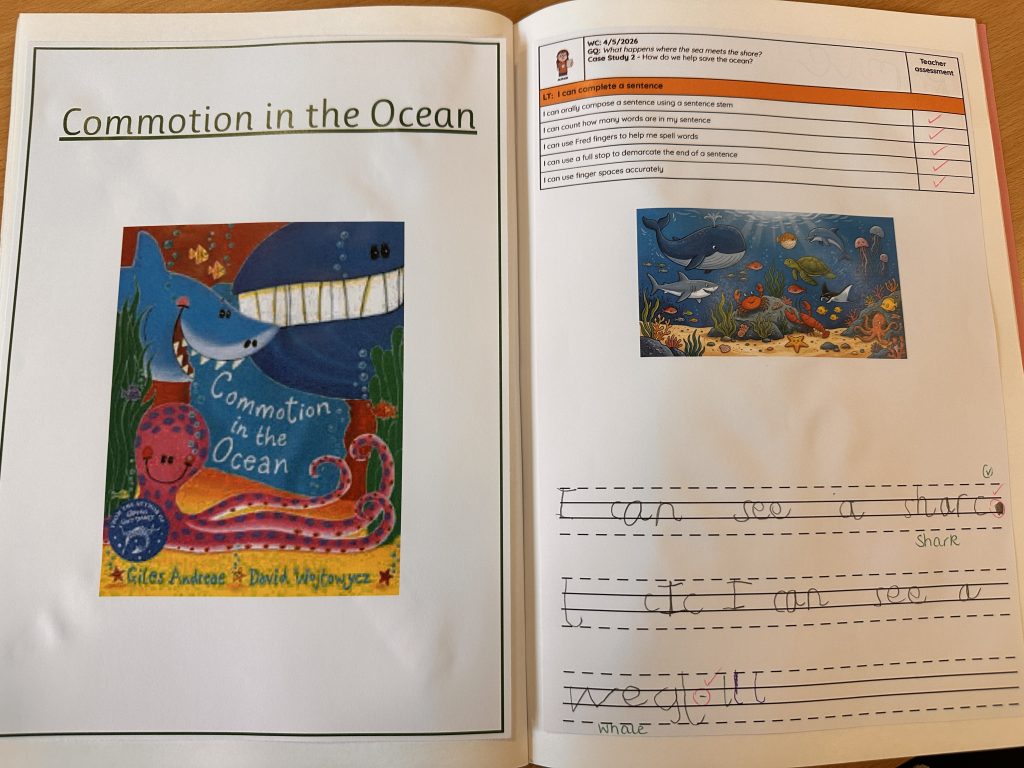
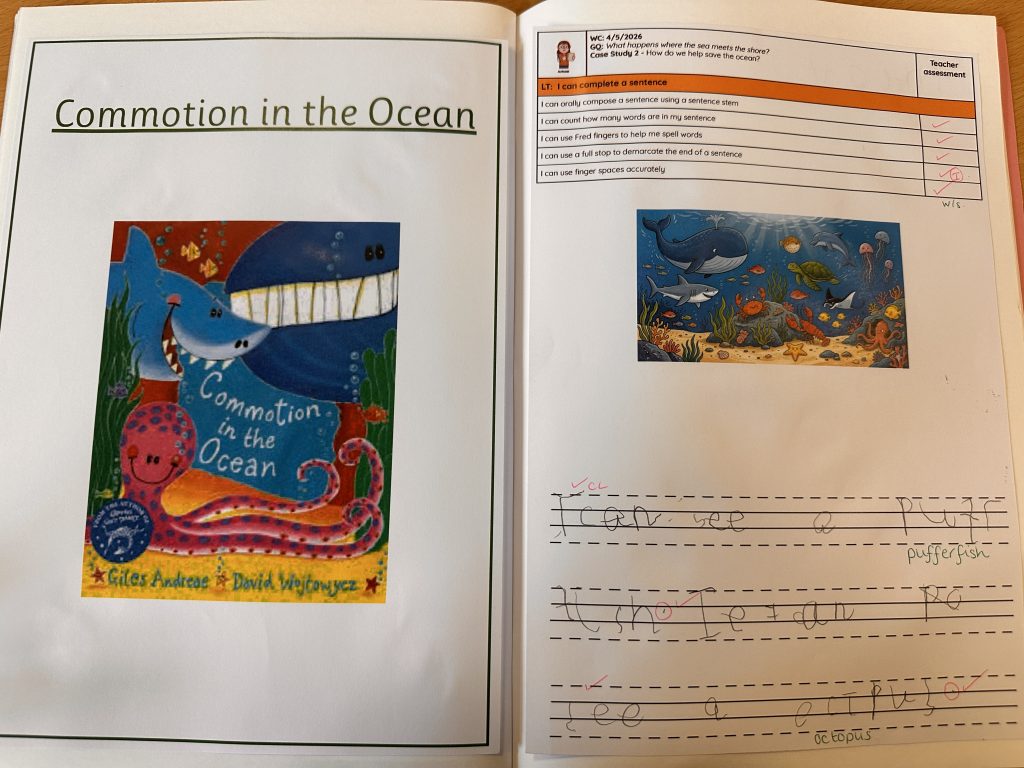
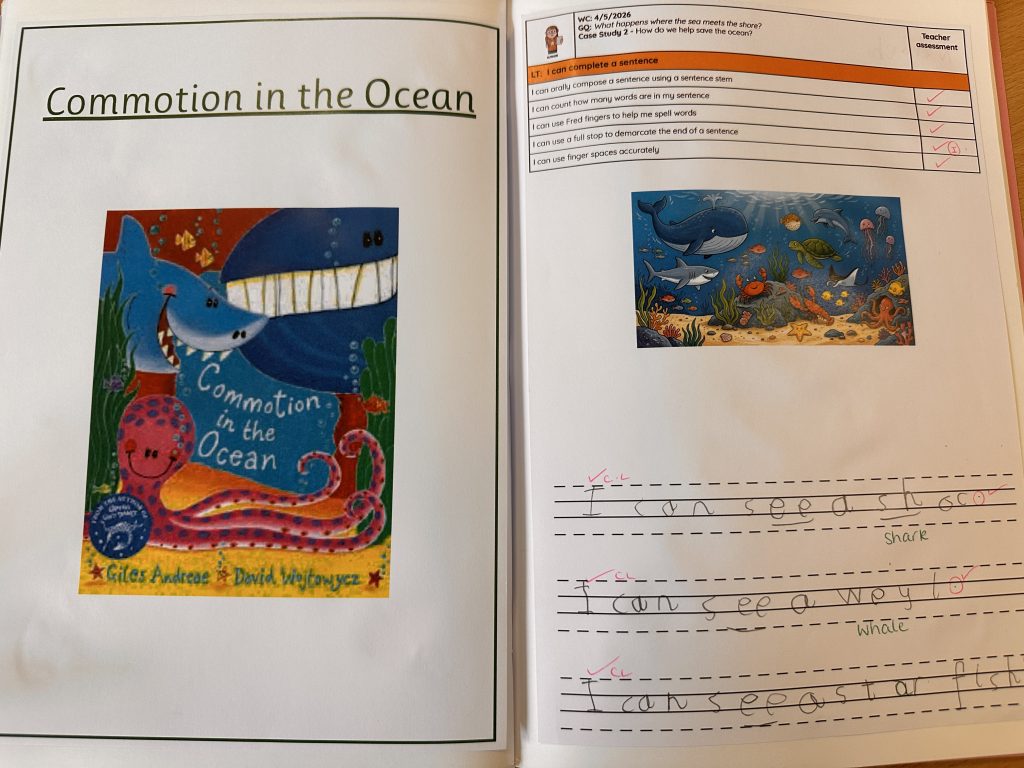
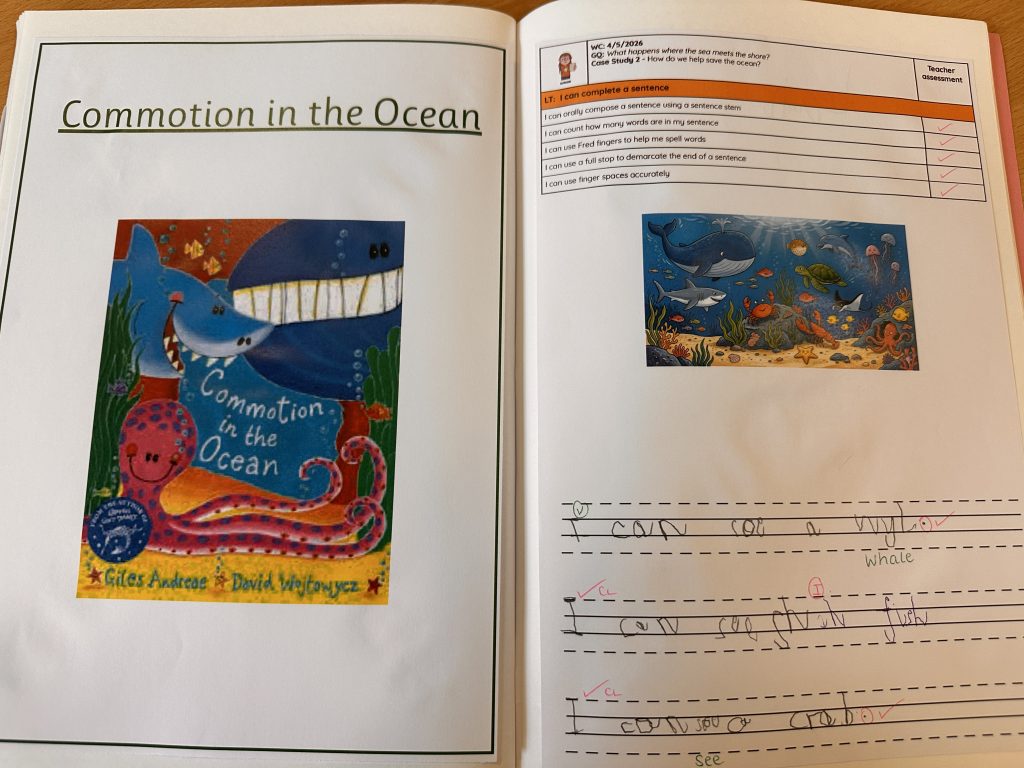
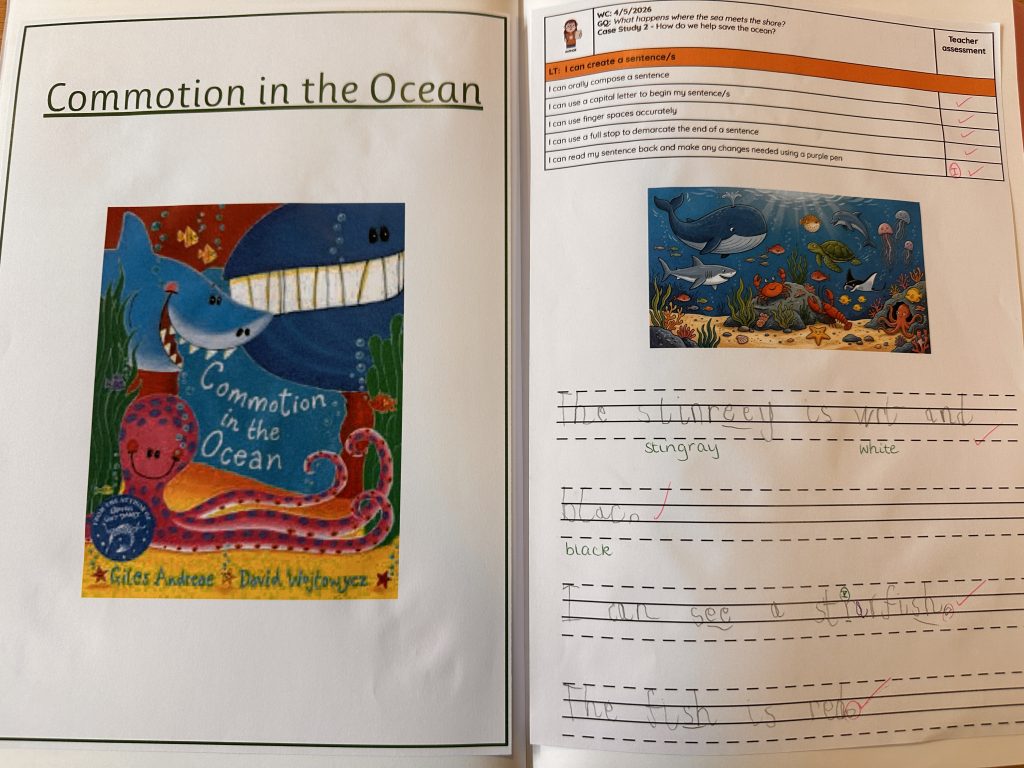
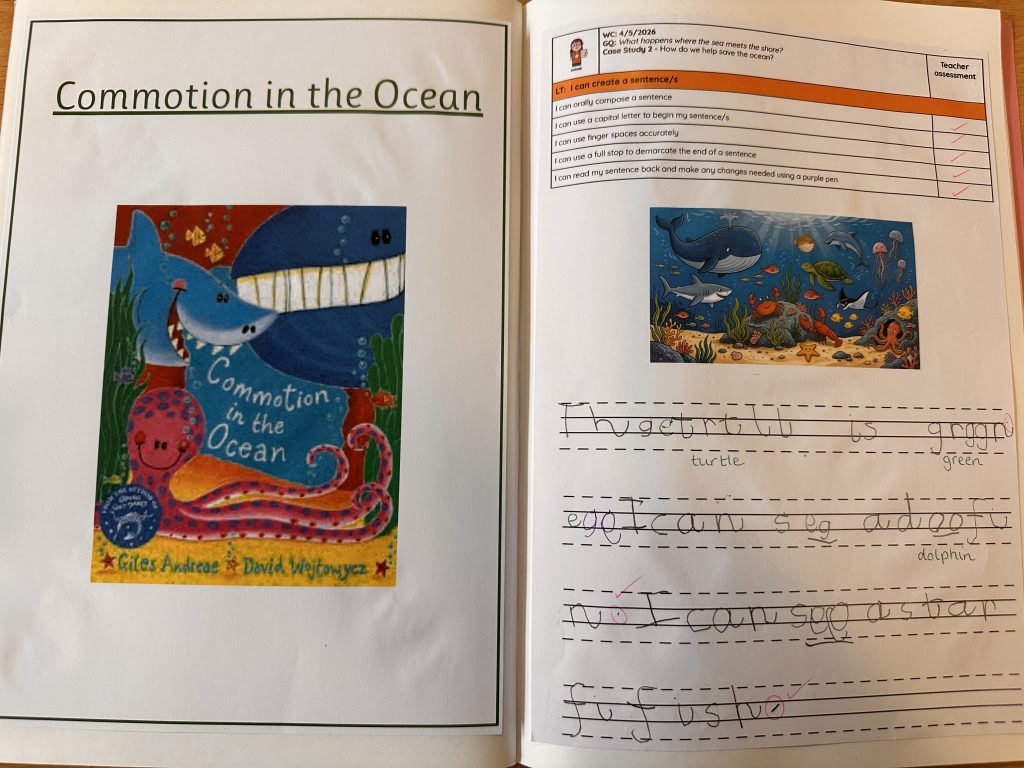
Take a look at some of our beautiful pieces of writing from last week. I am so proud of how well the children are working hard to get smart and take real pride in their work. Keep up the amazing work Crew McGlone!
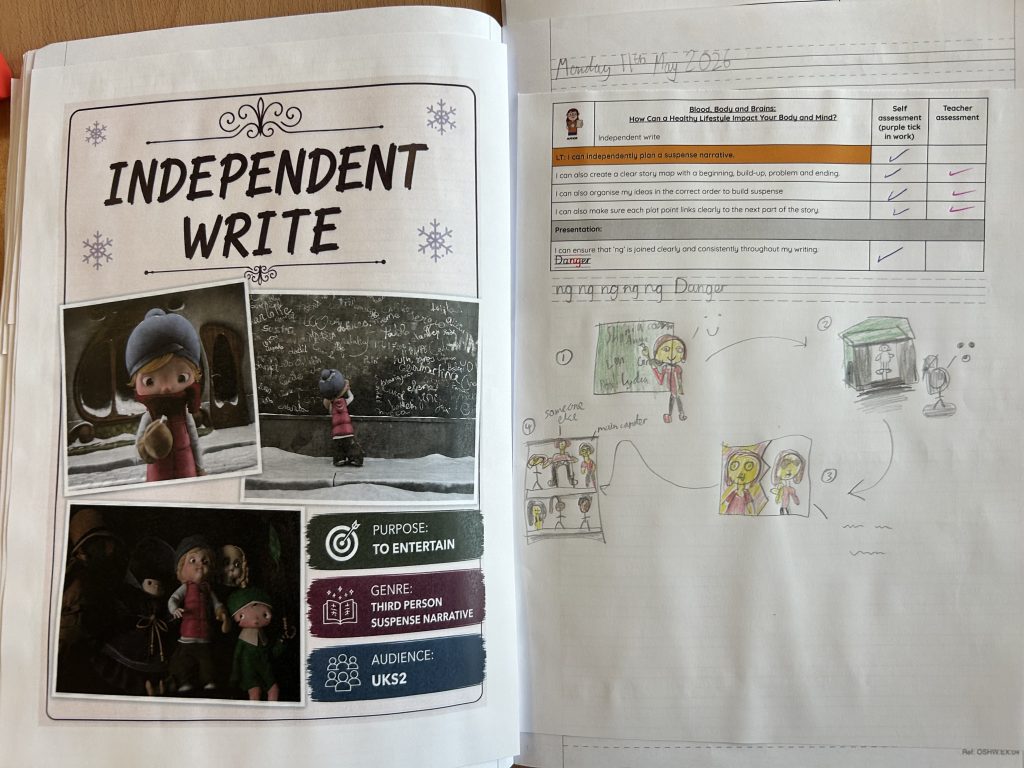
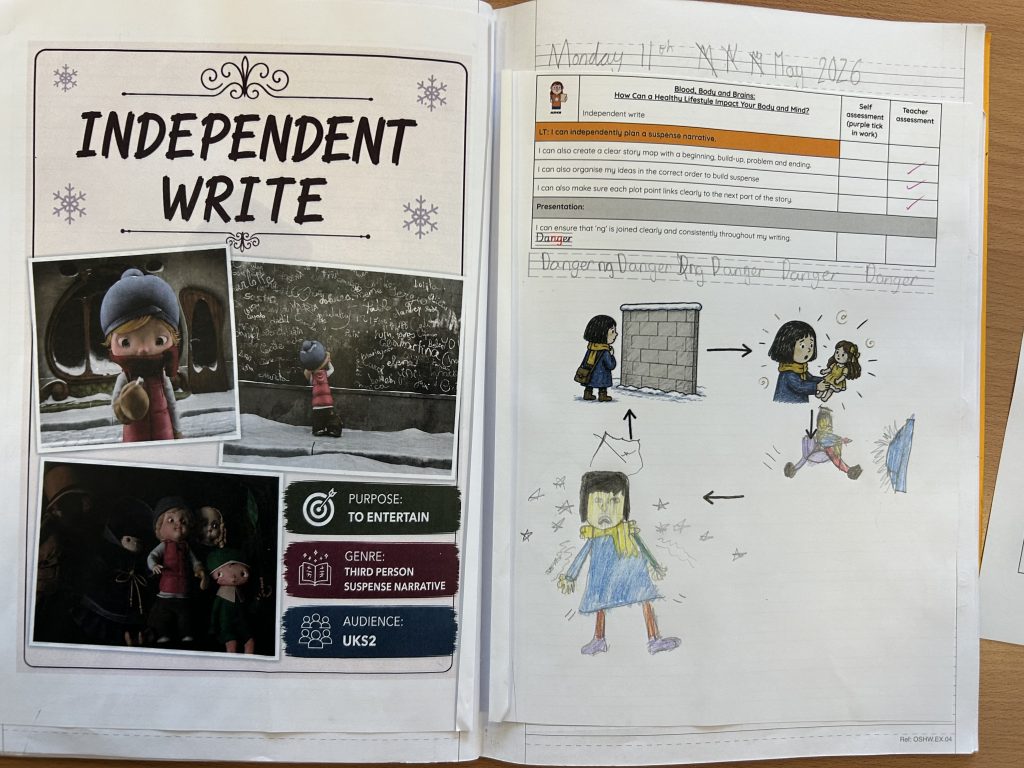
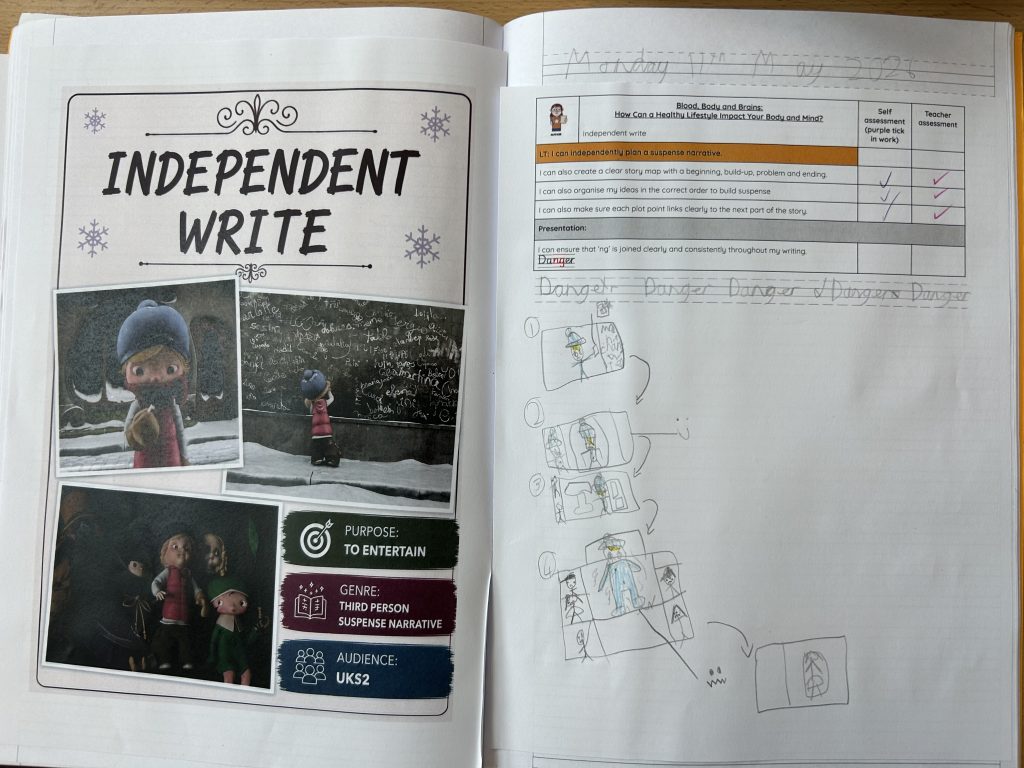
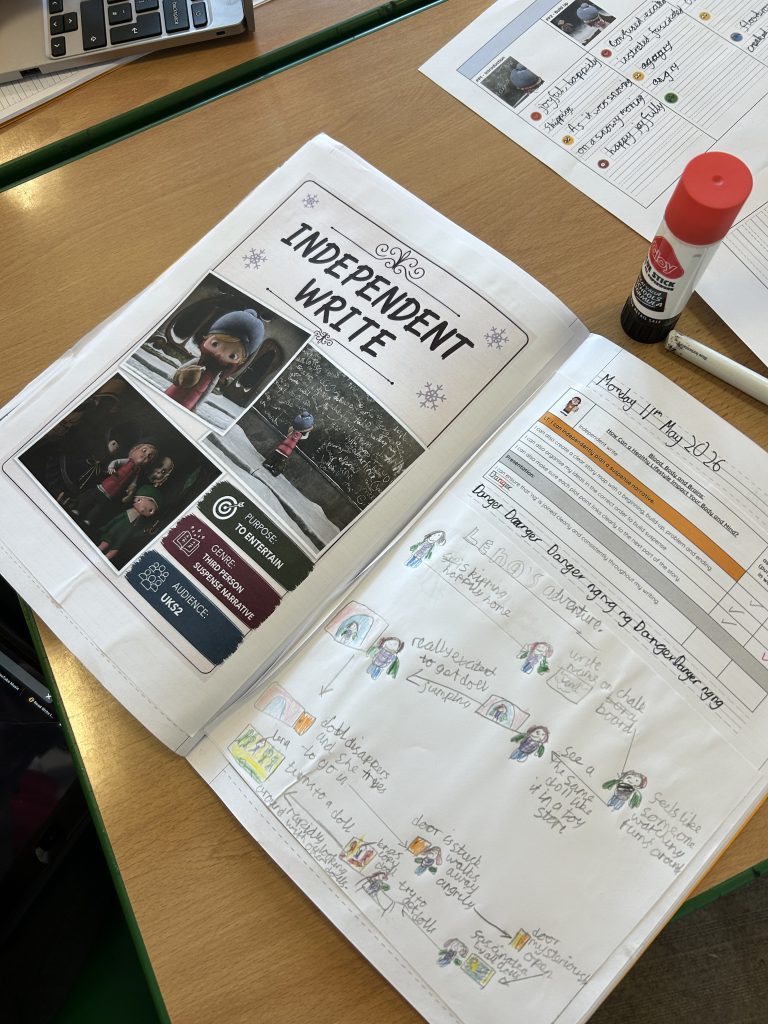
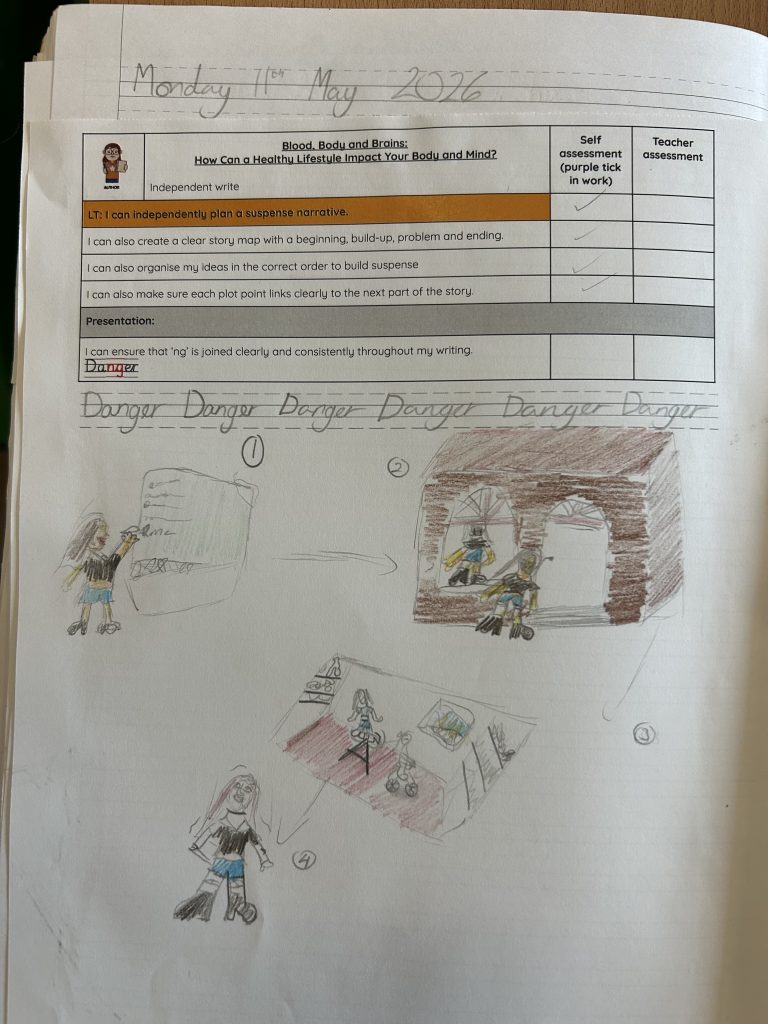
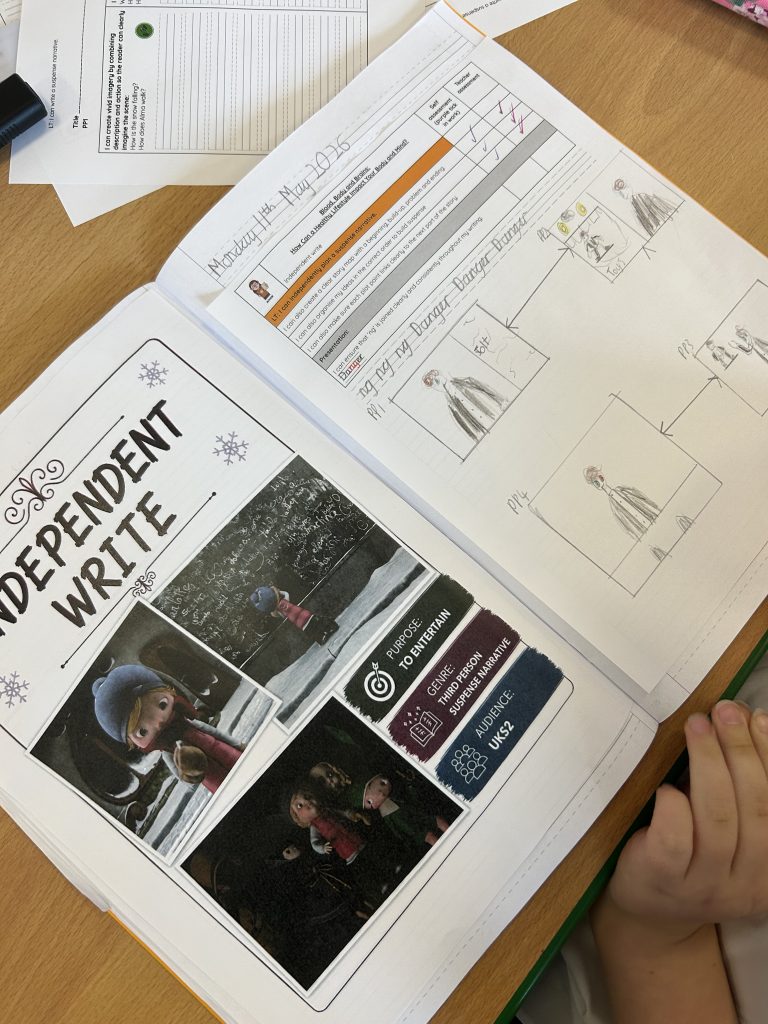
Crew McLoughlin began their independent writing journey by creating amazing story maps to plan third-person suspense narratives. These story maps helped structure how the suspense will unfold naturally while keeping readers emotionally connected to the characters. Children worked super hard to create beautiful high-quality work.
They loved writing about what the big bad wolf did to the straw house .
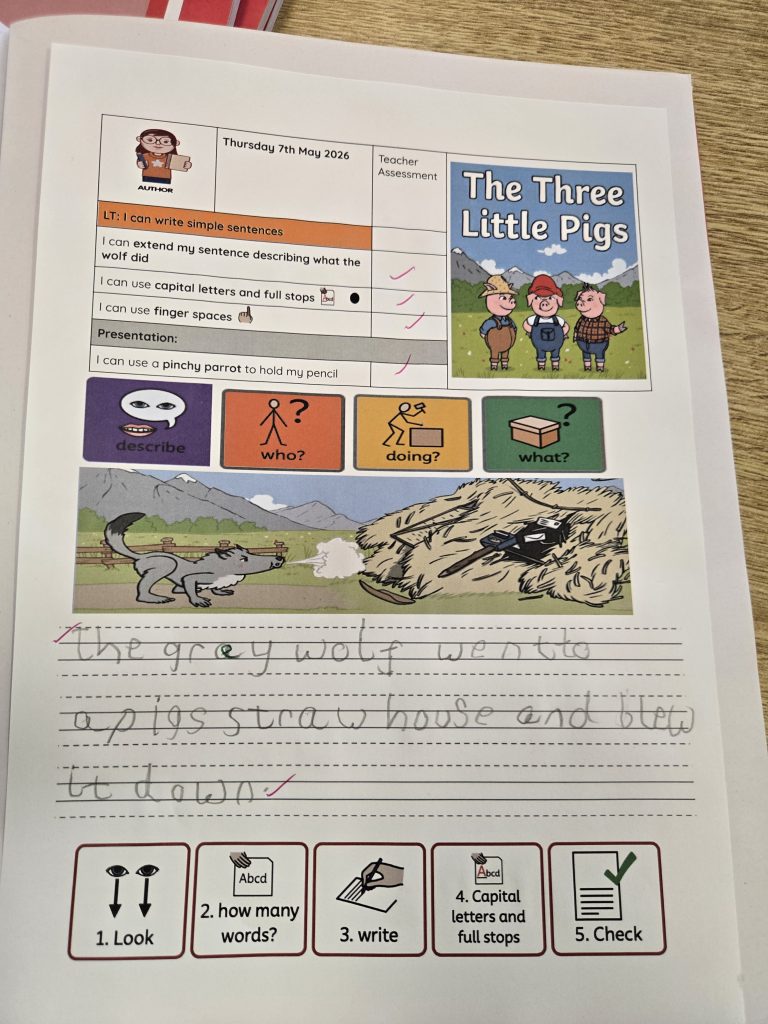
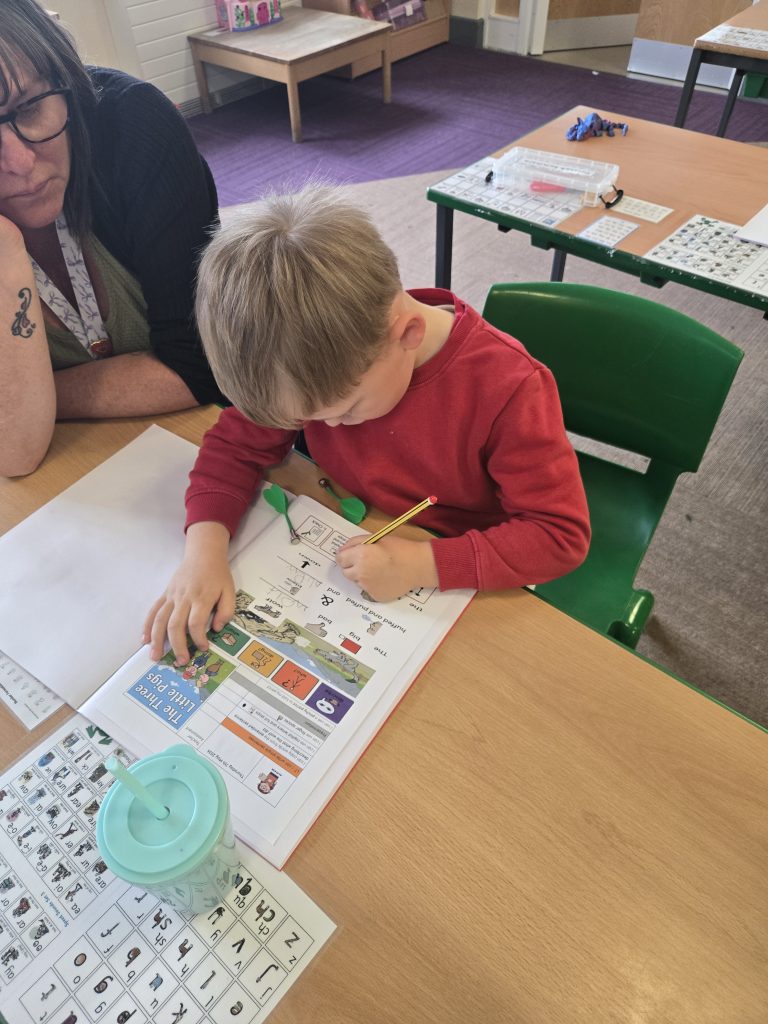
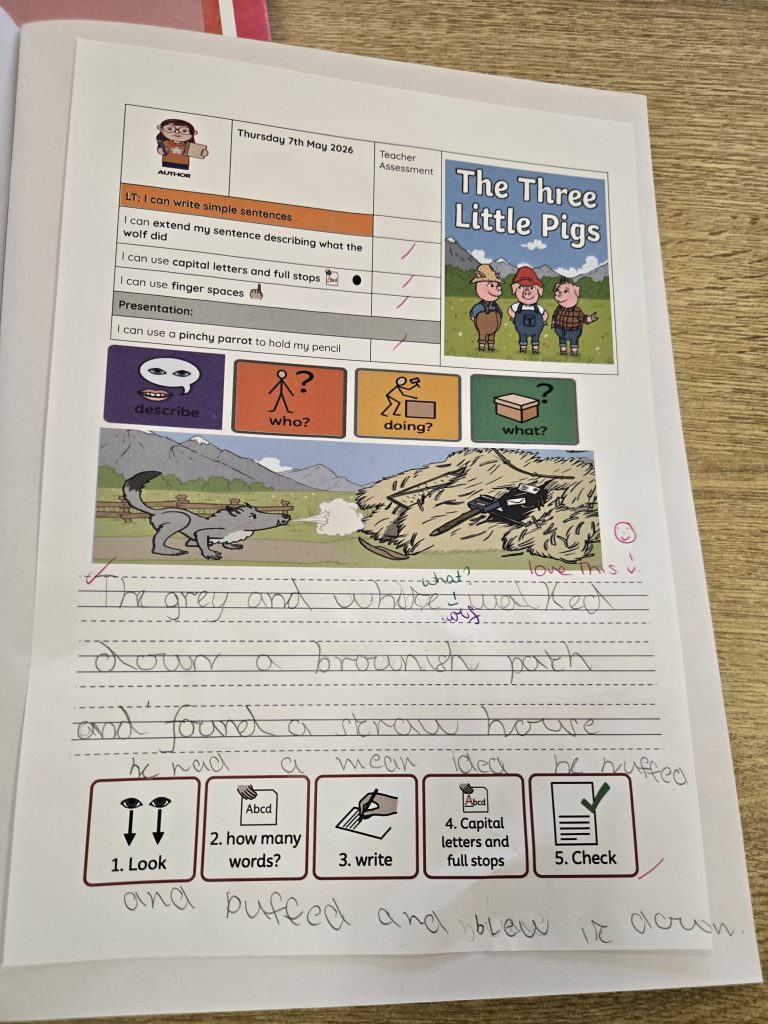
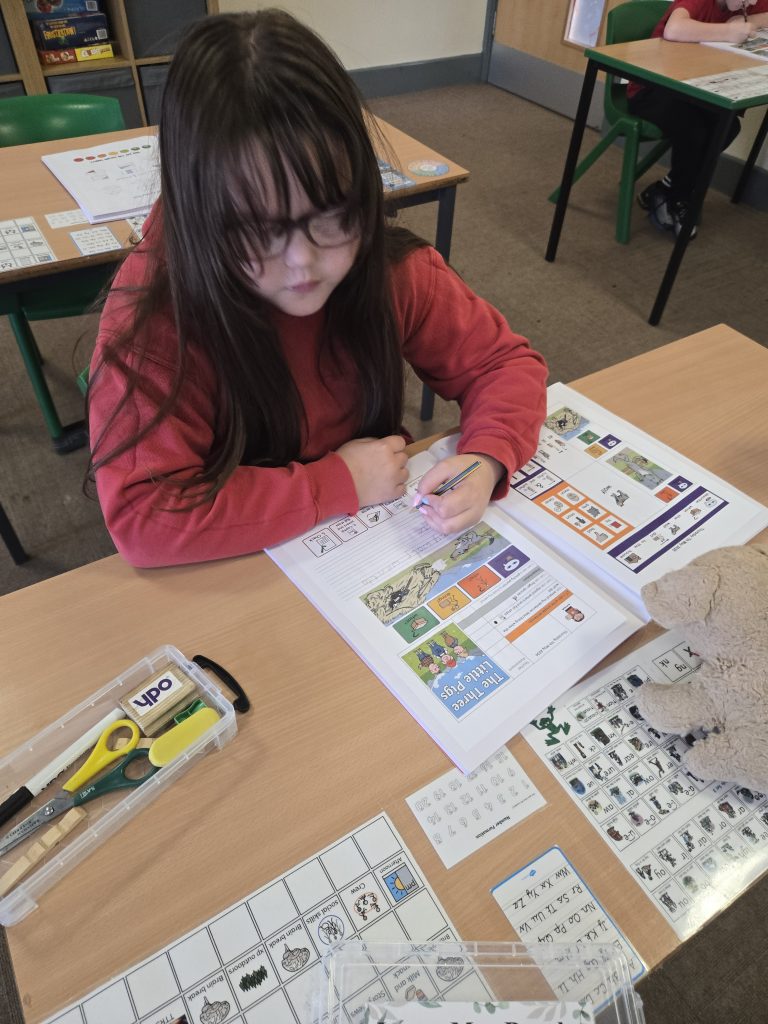
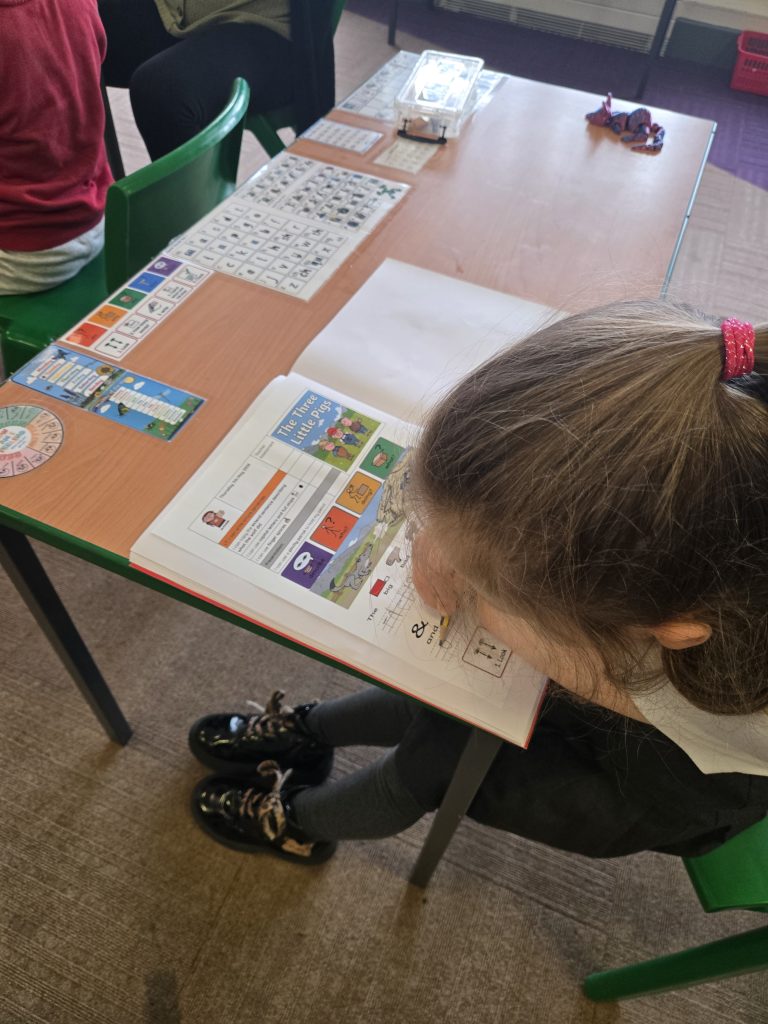
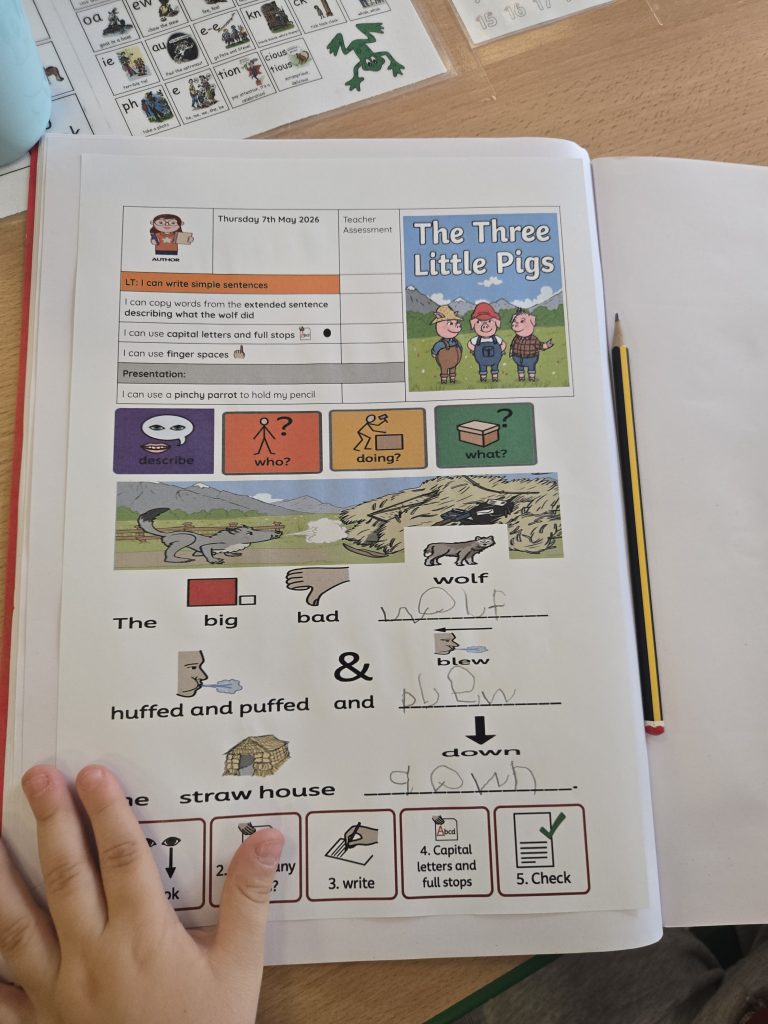
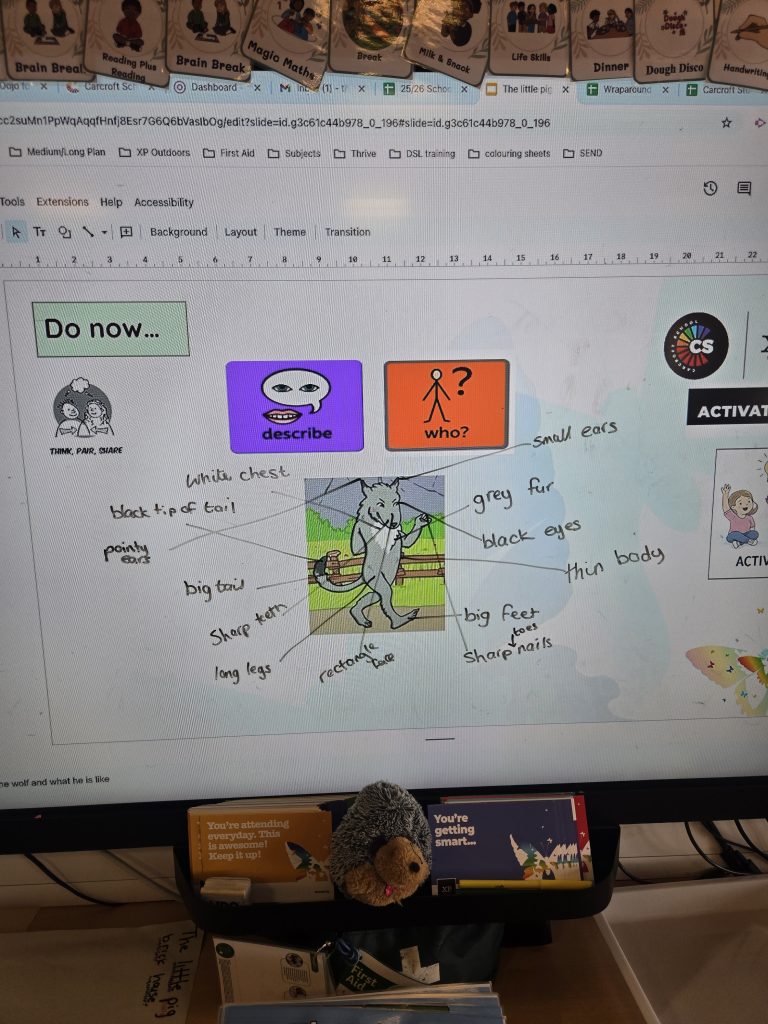
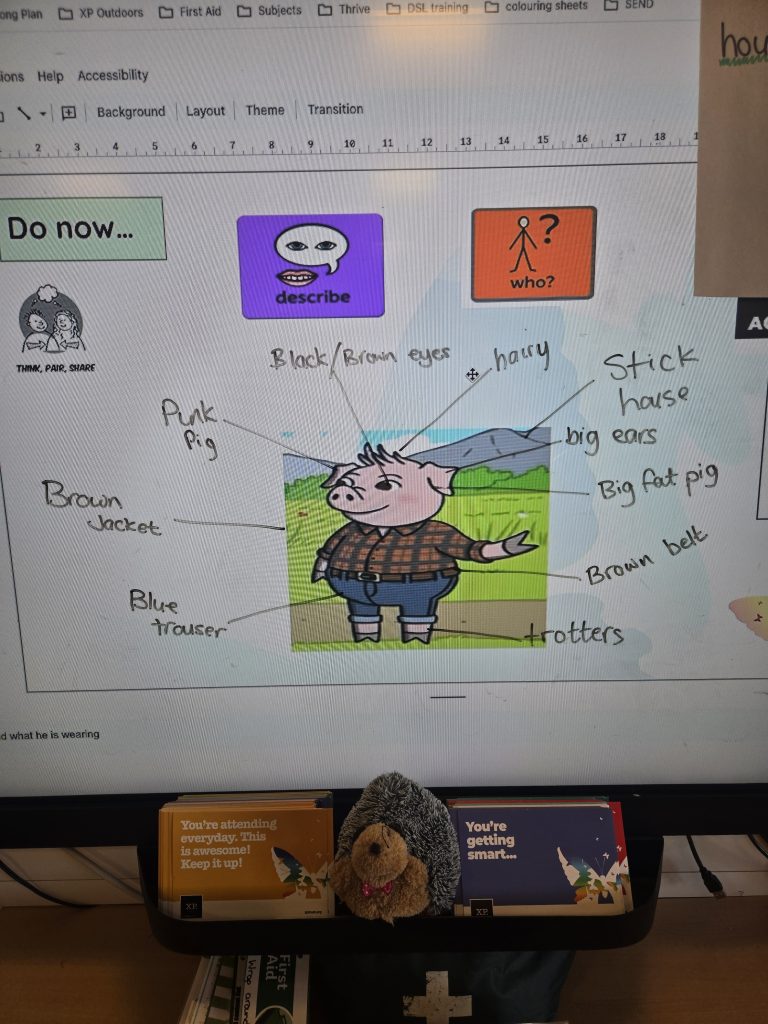
Writing session today. Focusing on describing the wolf from The Three Little Pigs is a great way to build vocabulary. By coming up with lots of descriptive words like “stray” , “sharp teeth”, “grey fur” and “big feet” they’re learning how to make their writing more vivid and interesting.
Using those words to create their own sentence is an important step too, because it helps them apply what they’ve learned rather than just listing ideas. Activities like this build both creativity and confidence in writing.
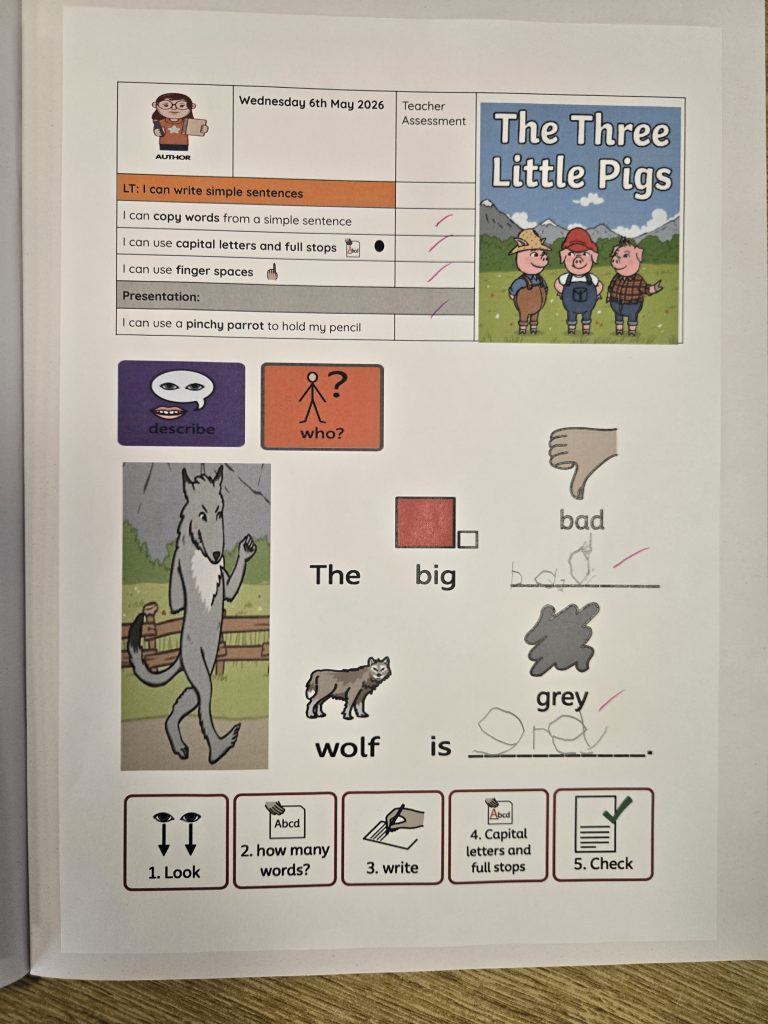
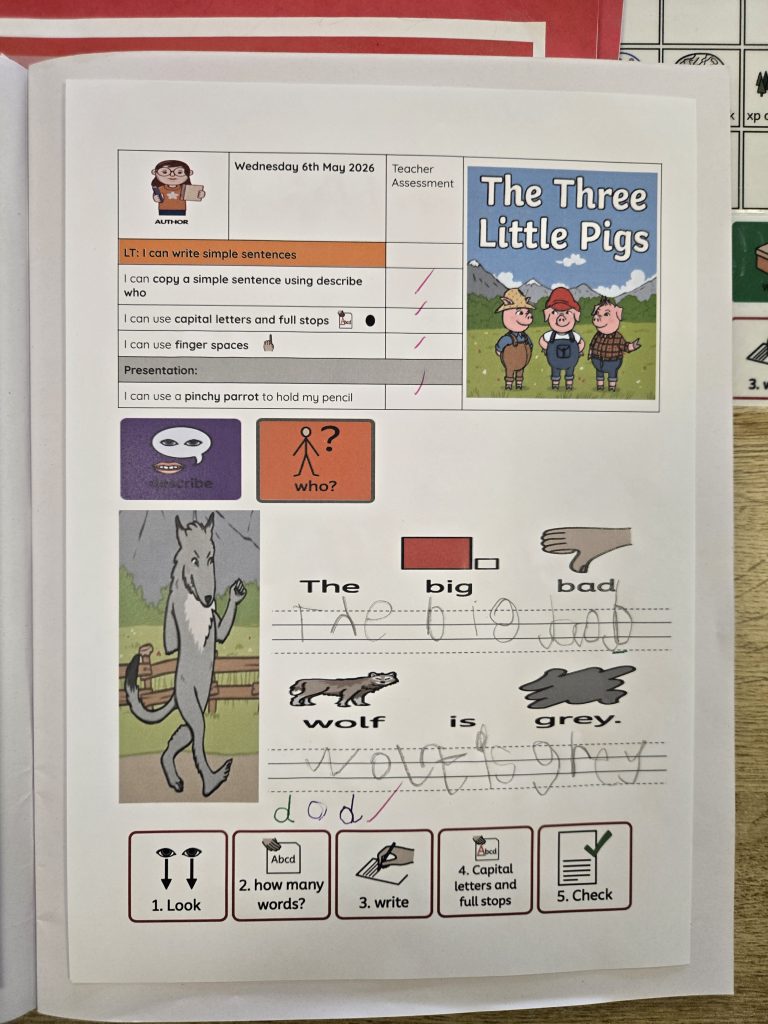
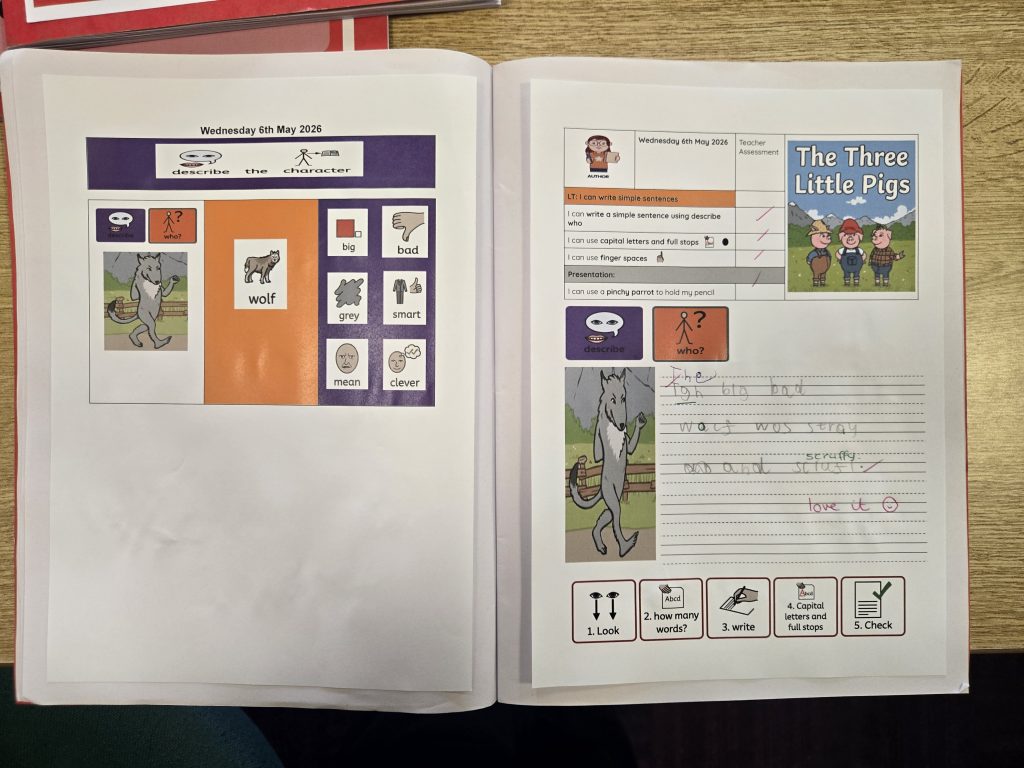
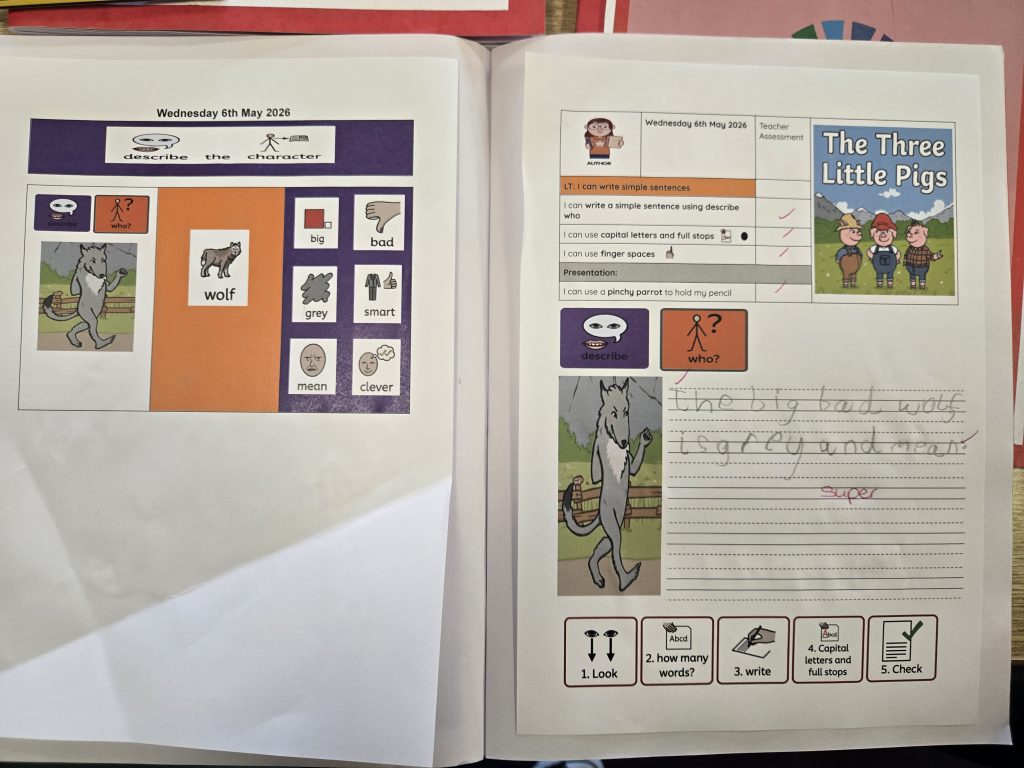
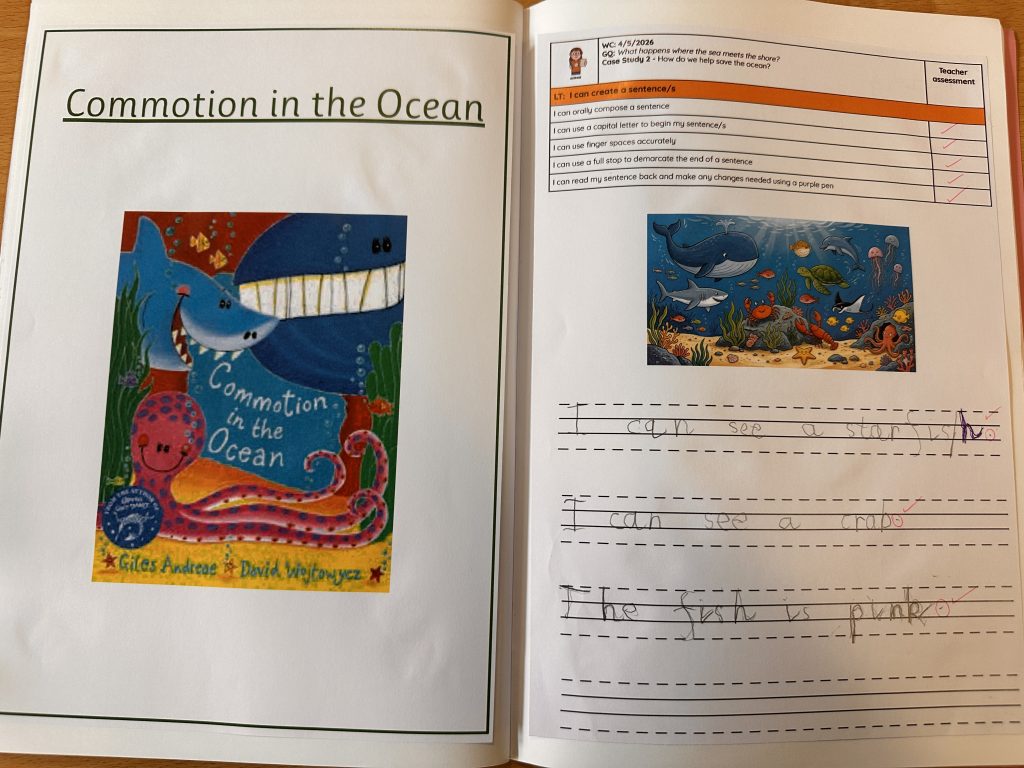
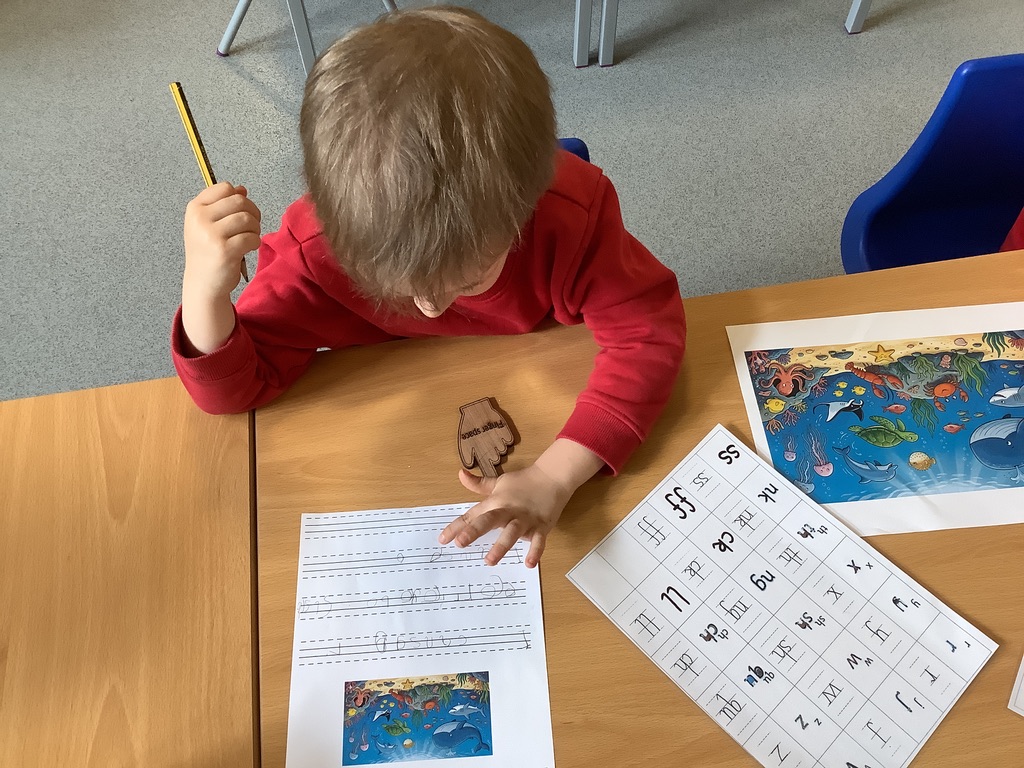
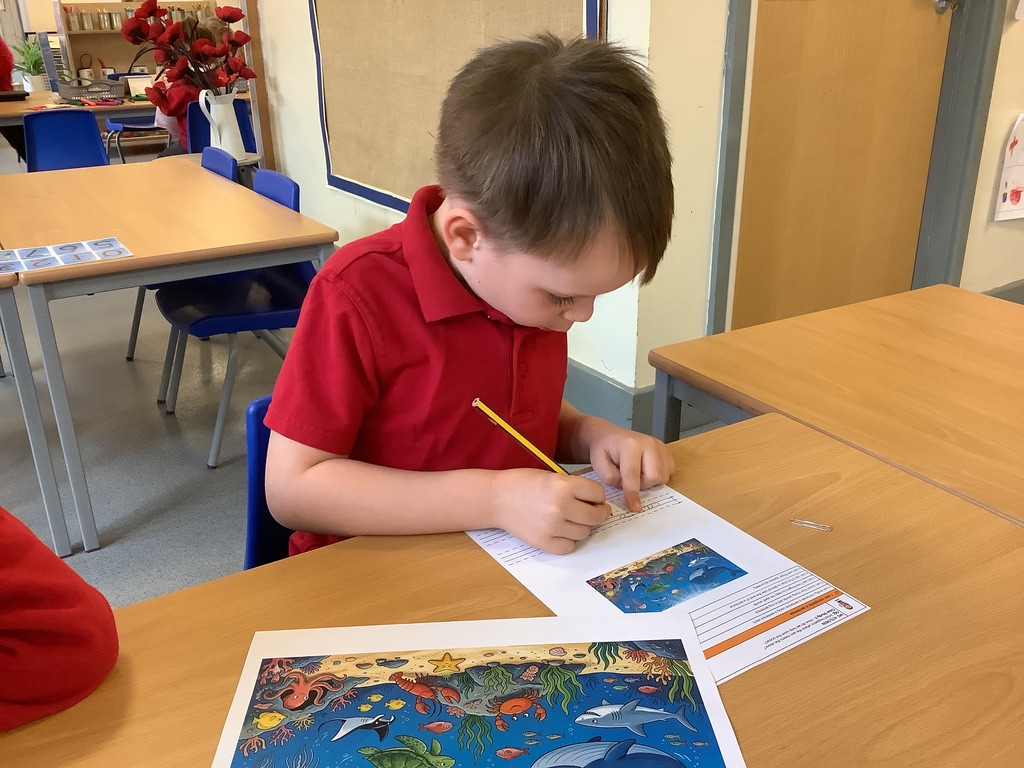
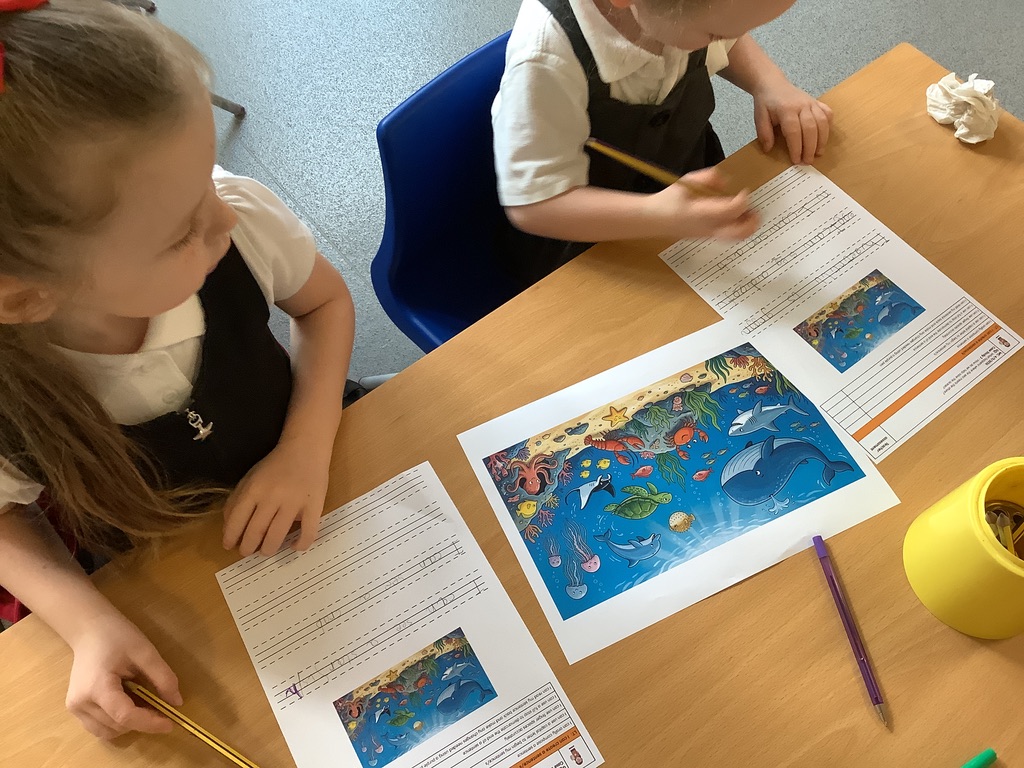
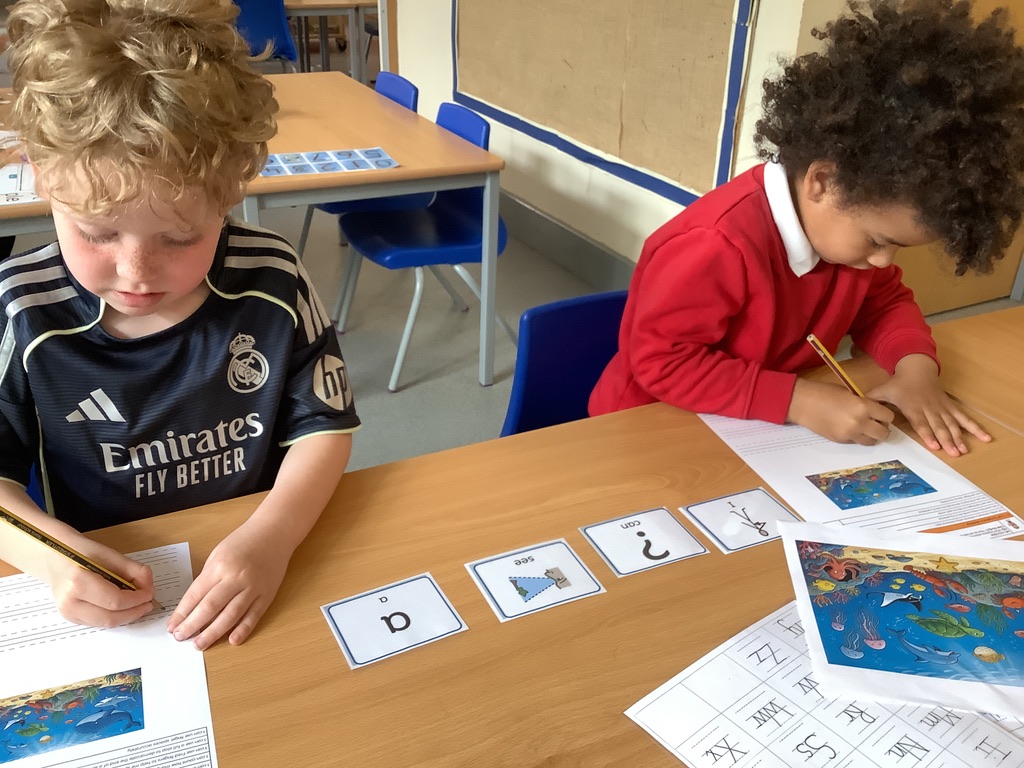
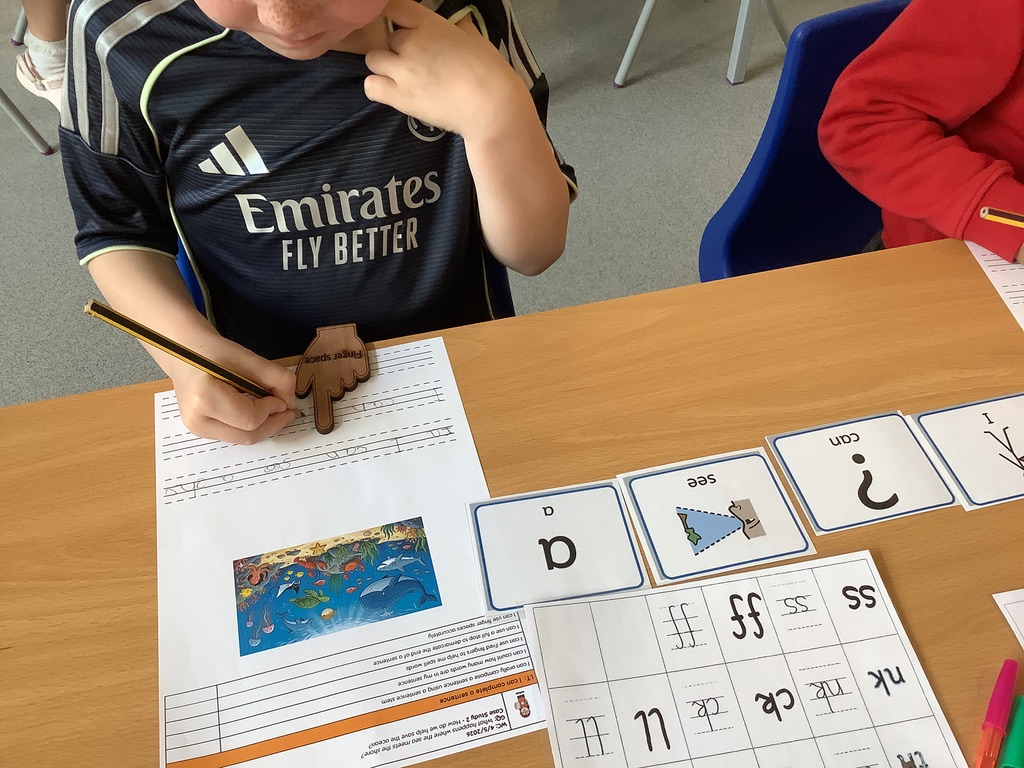
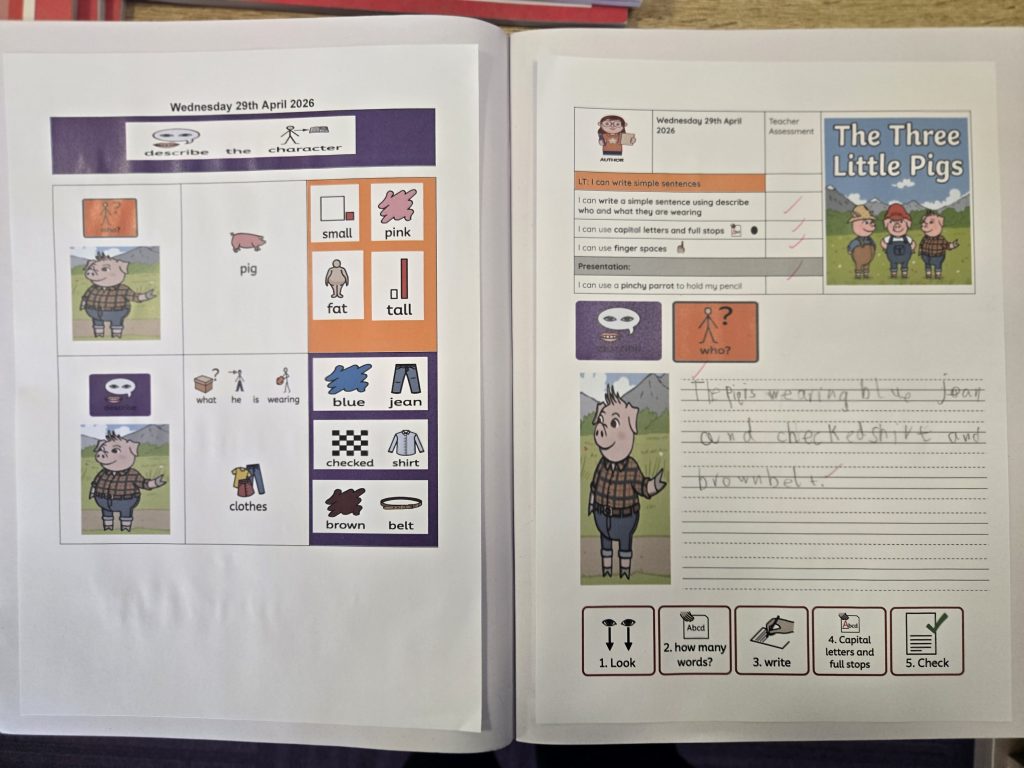
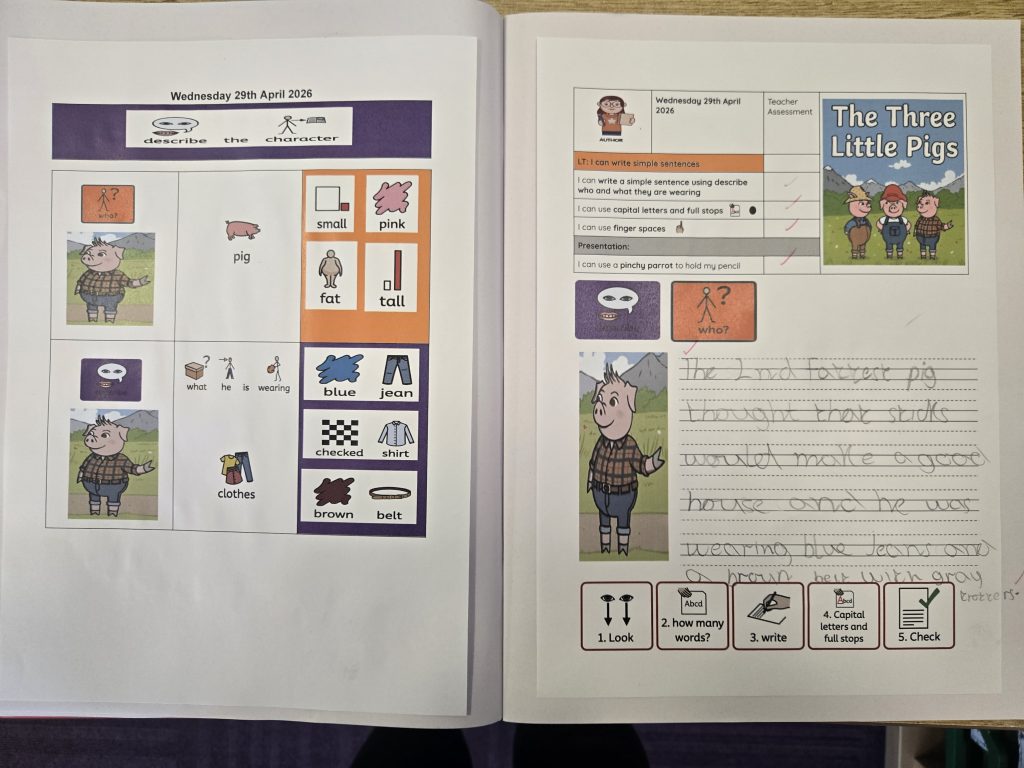
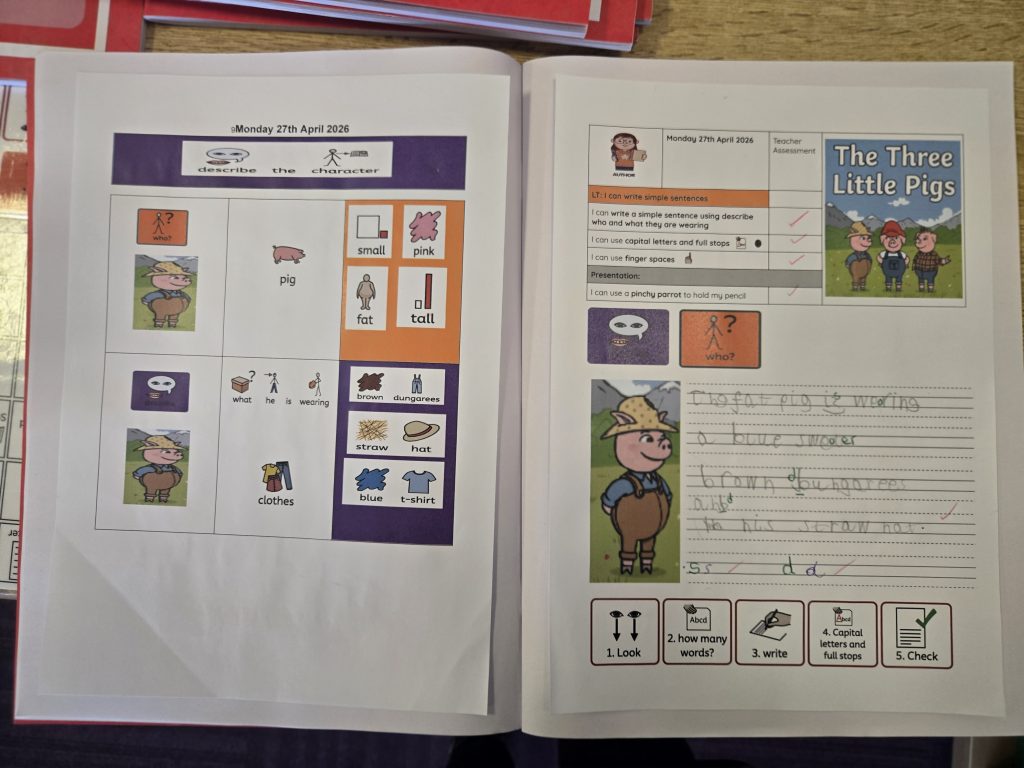
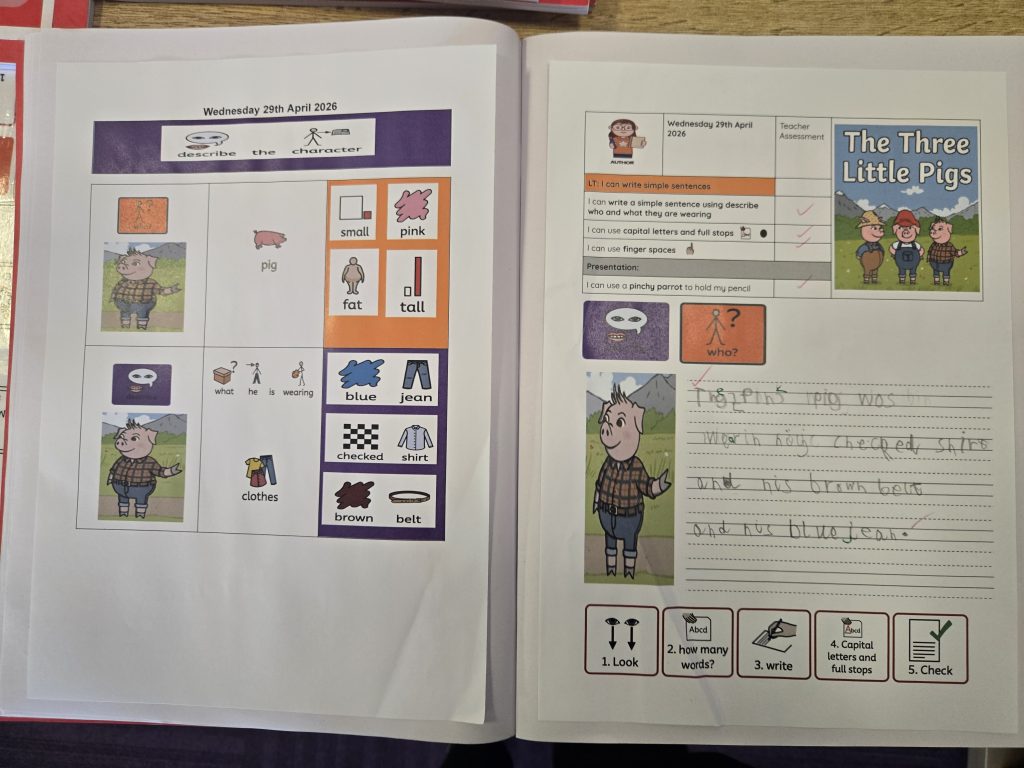
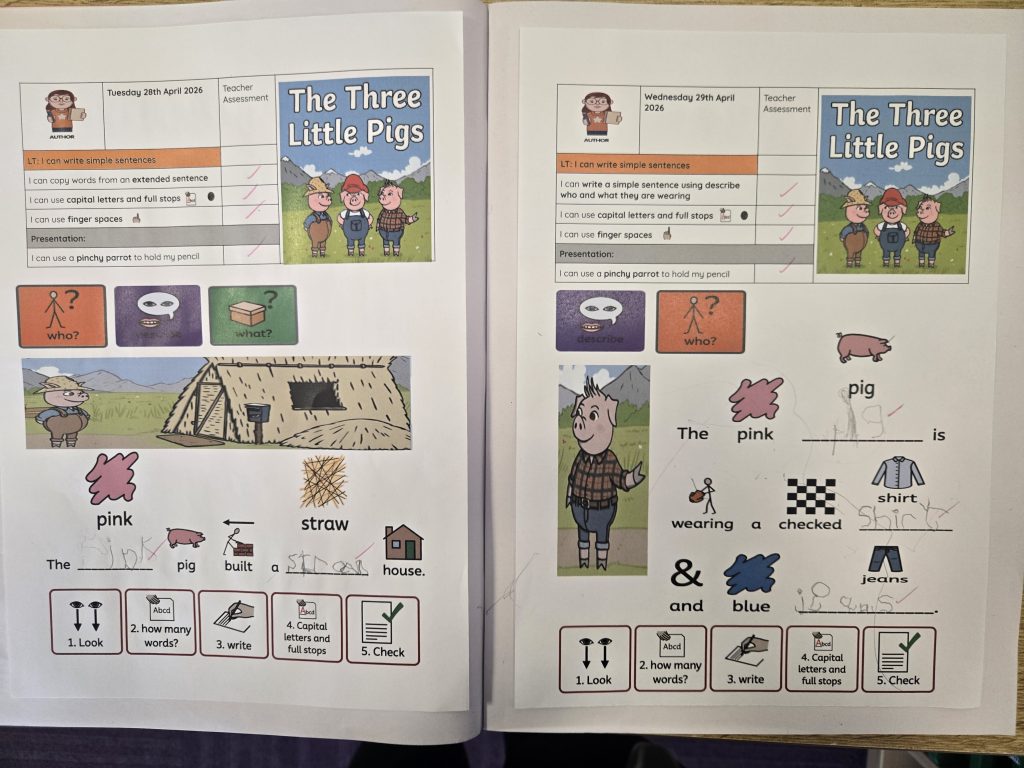
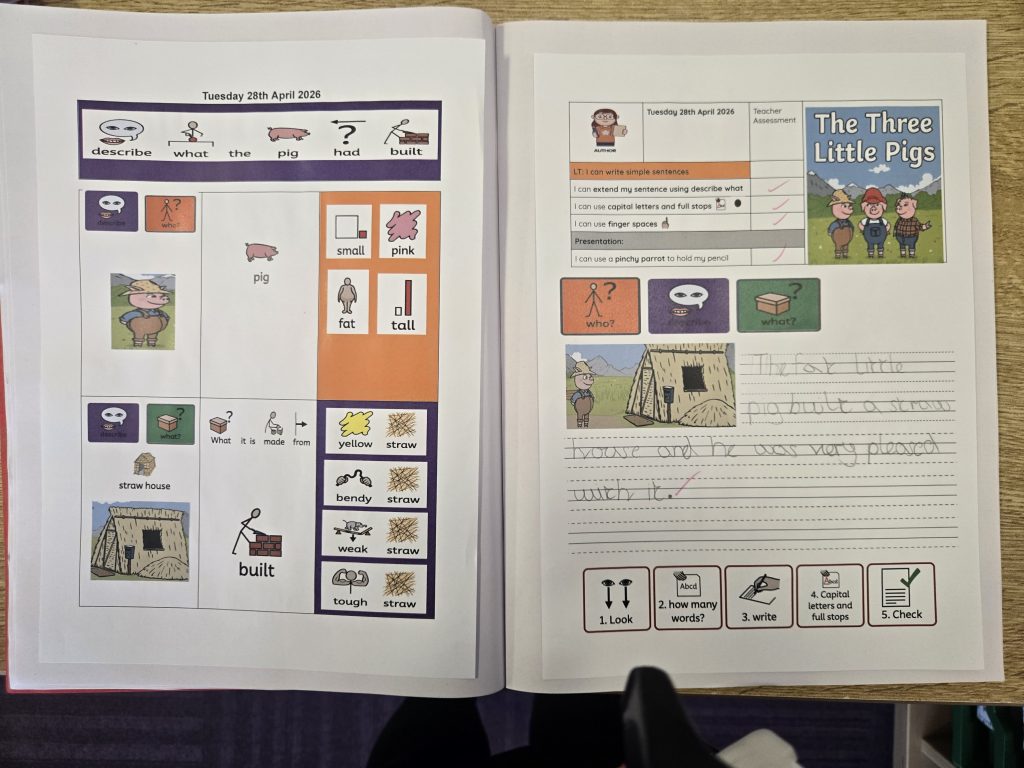
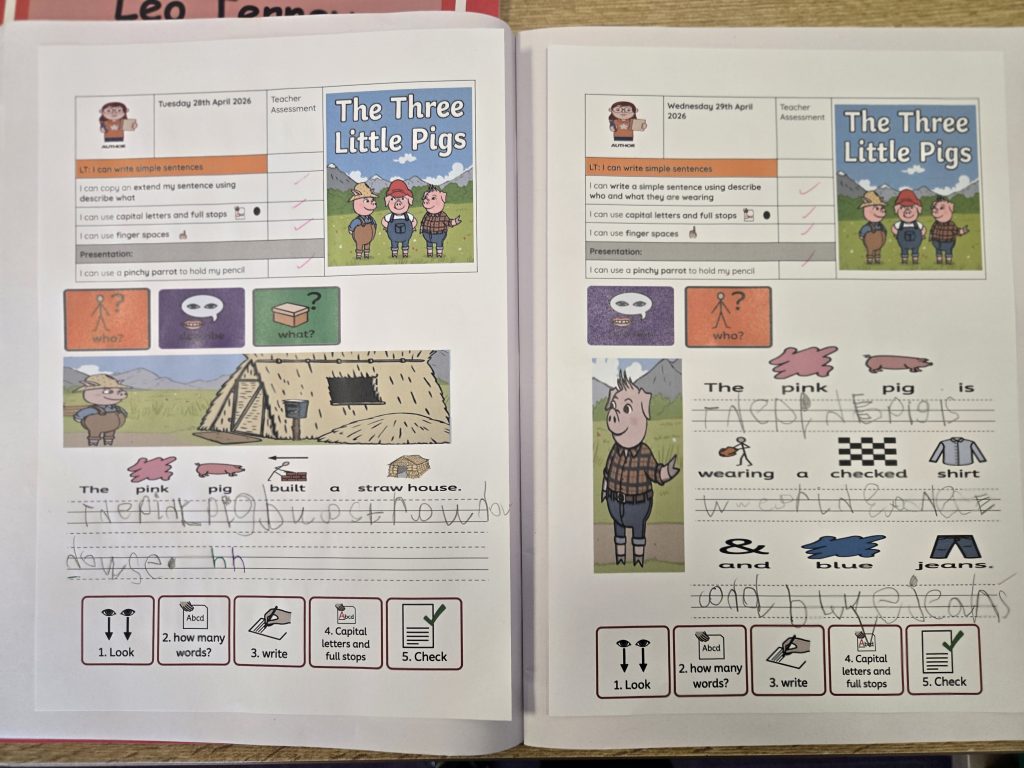
Over the past three days, the children have begun writing simple sentences using colourful semantics. They started by describing pictures verbally, identifying key elements such as who, what, and where. This was followed by a shared writing activity, where the class worked together to construct sentences. The children then had the opportunity to write independently, using a help sheet for support.
This week, Crew McGlone have been focusing on the story of ‘Storm Dragon’ by Dianne Hofmeyr. We have really enjoyed taking part in a sensory story to help support us with the structure and sequencing of events in the story.
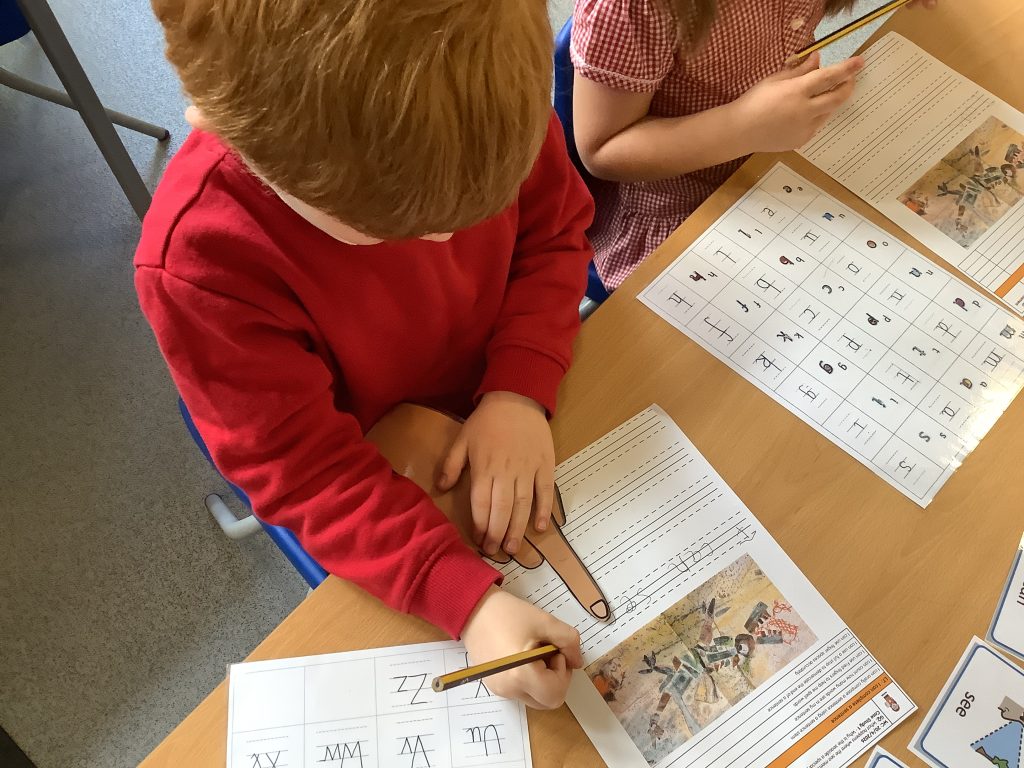
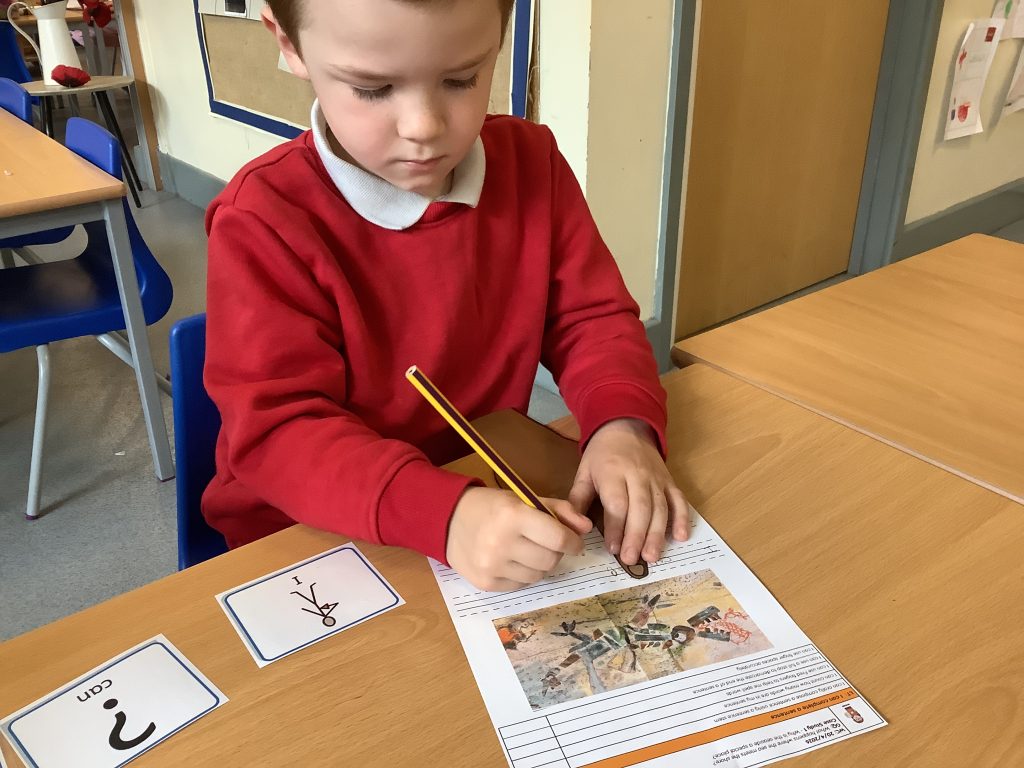
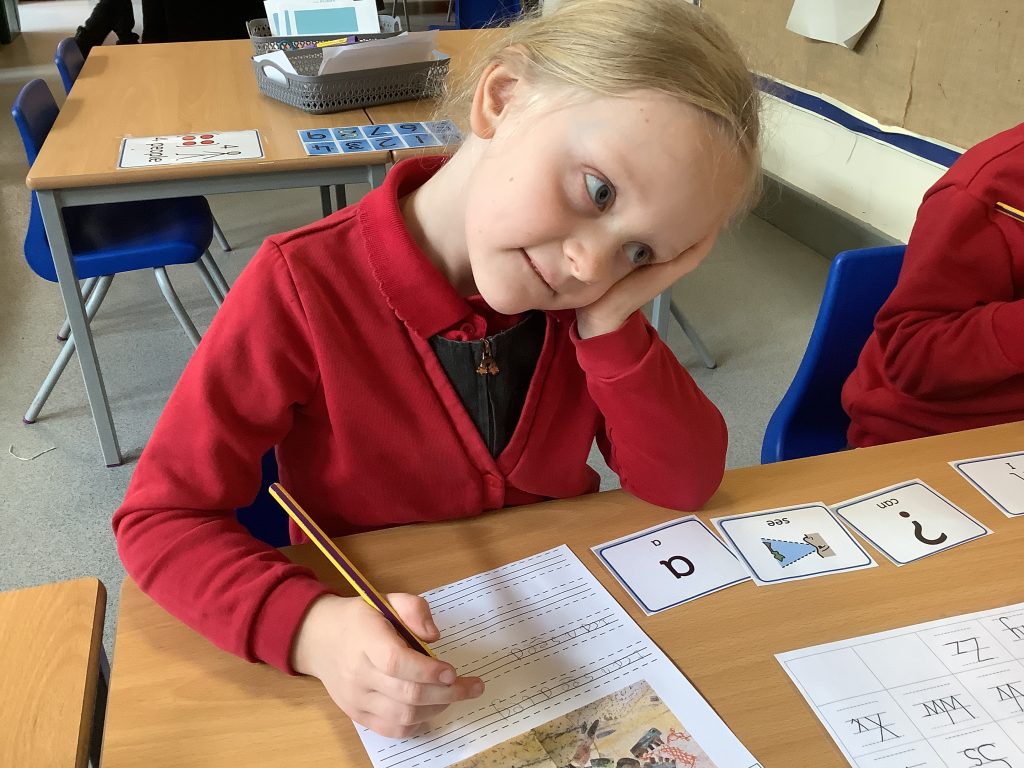
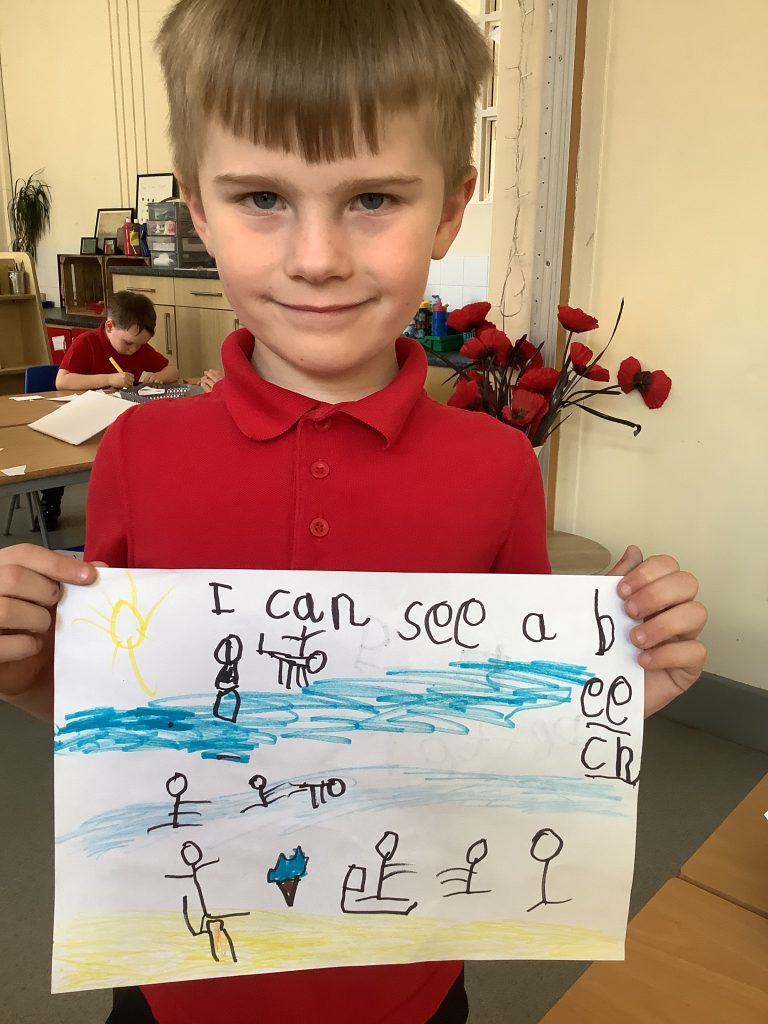
Our writing this week saw us create ‘I can see’ sentences using a stimulus of a depiction of the storm dragon. We talked about the different parts of the storm dragon we could see, some of us even challenged ourselves by adding in some detail to our sentences to give a clearer description. We even used our sentence building knowledge in provision when drawing our own pictures.
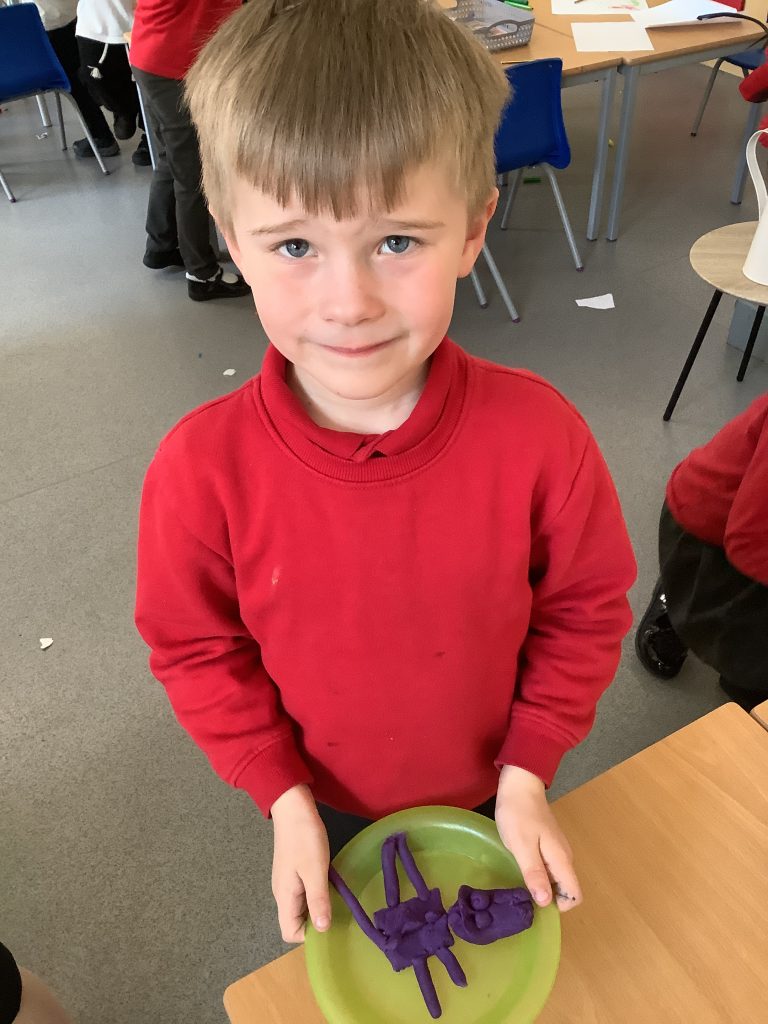
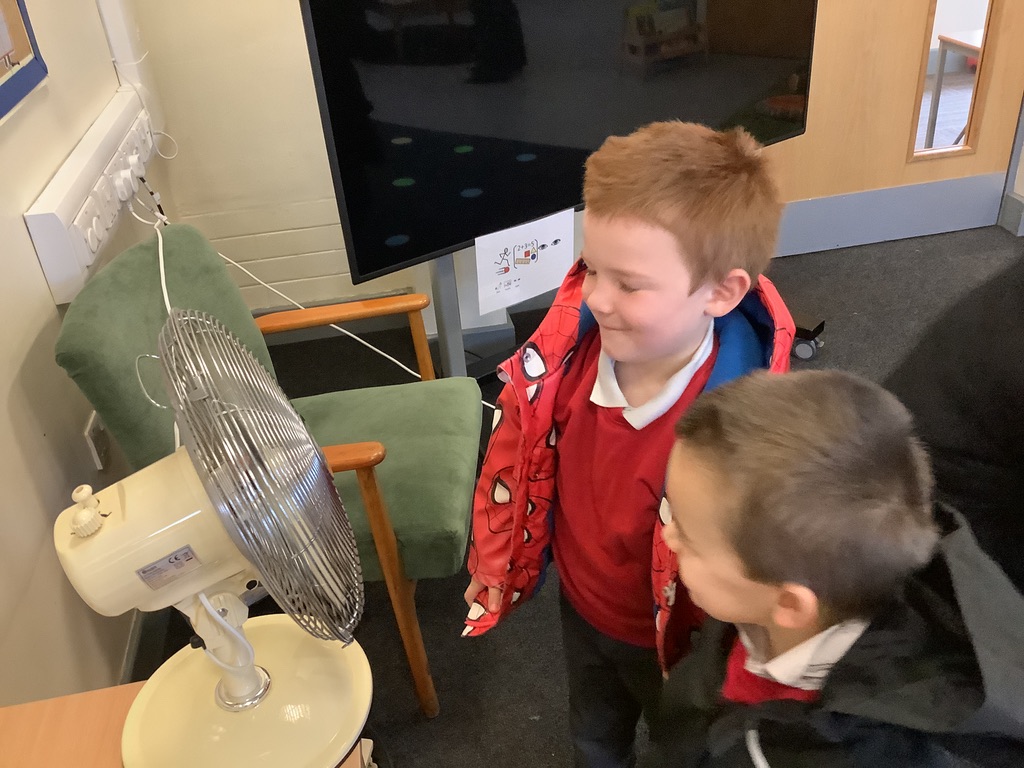
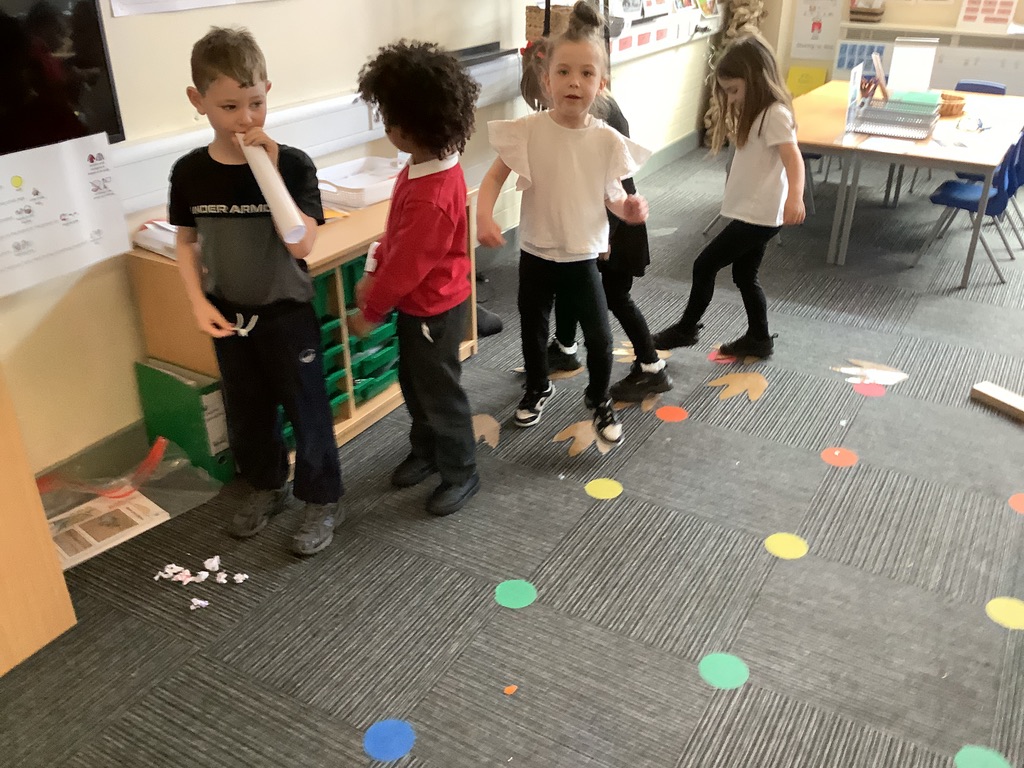
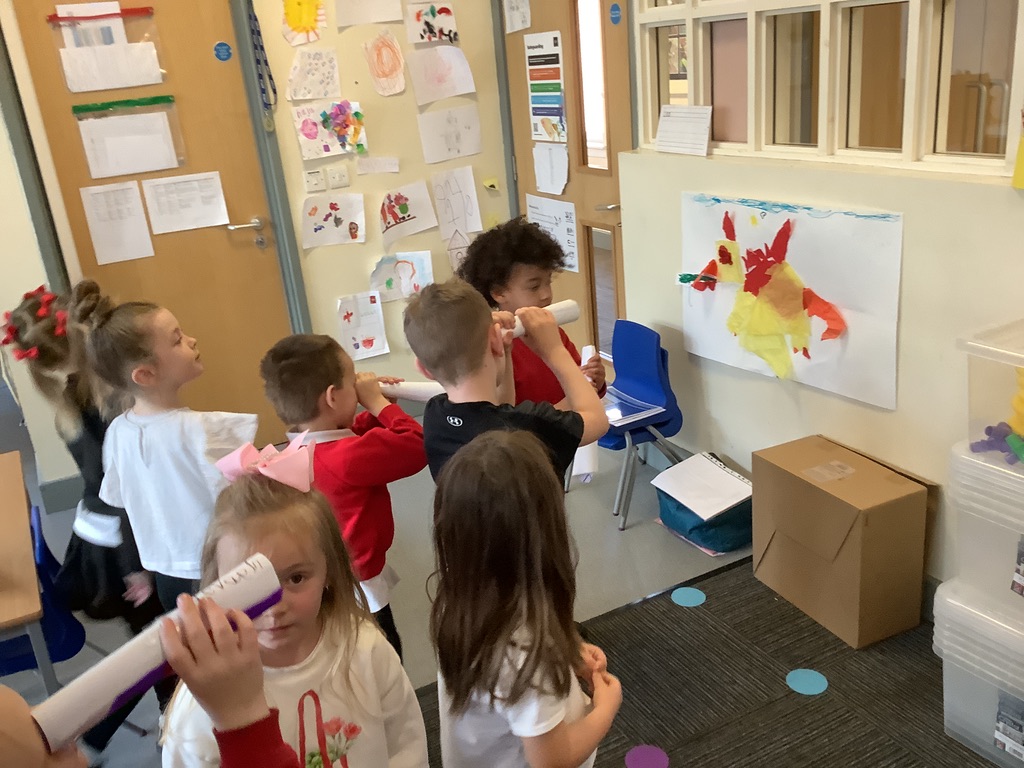
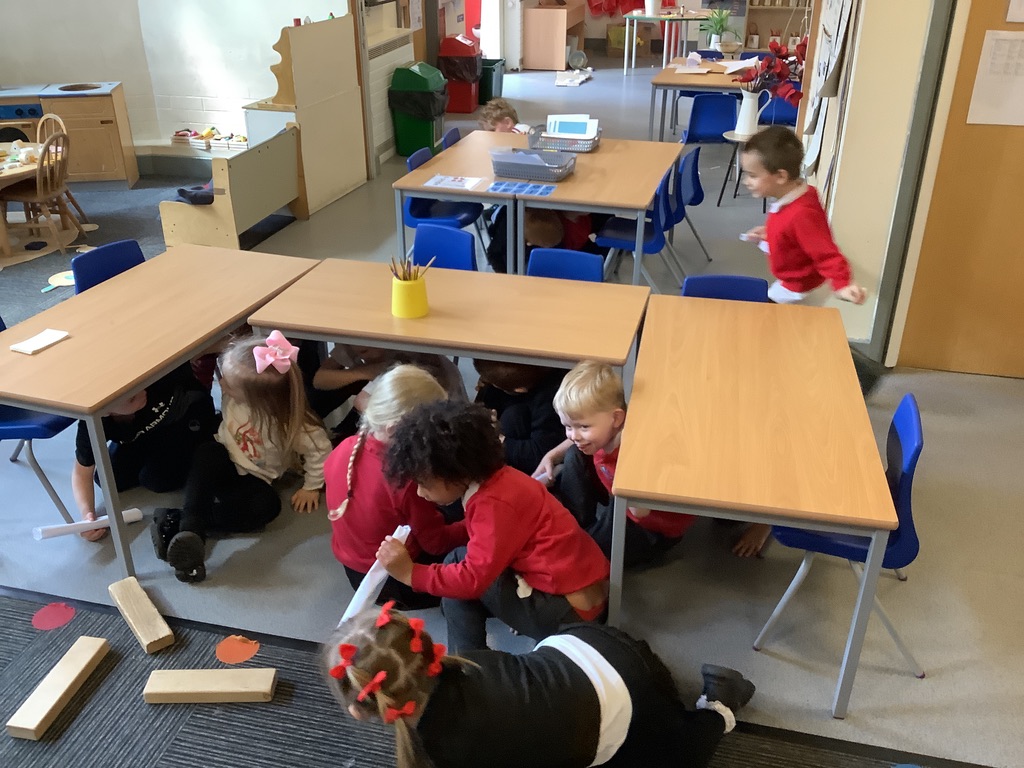
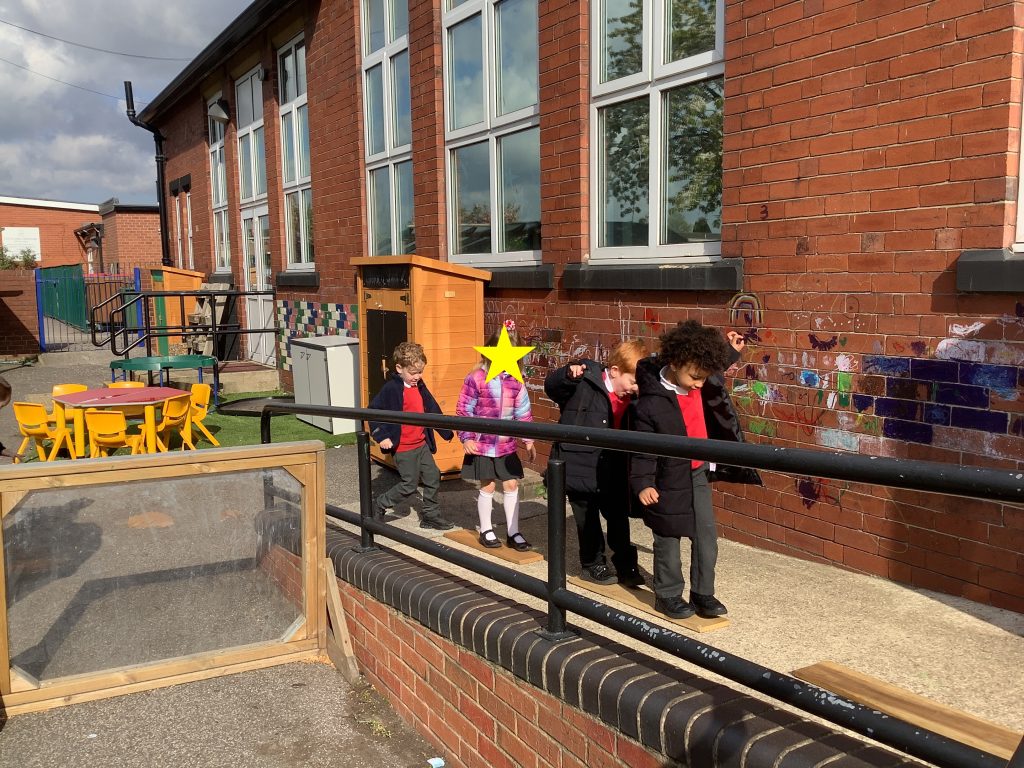
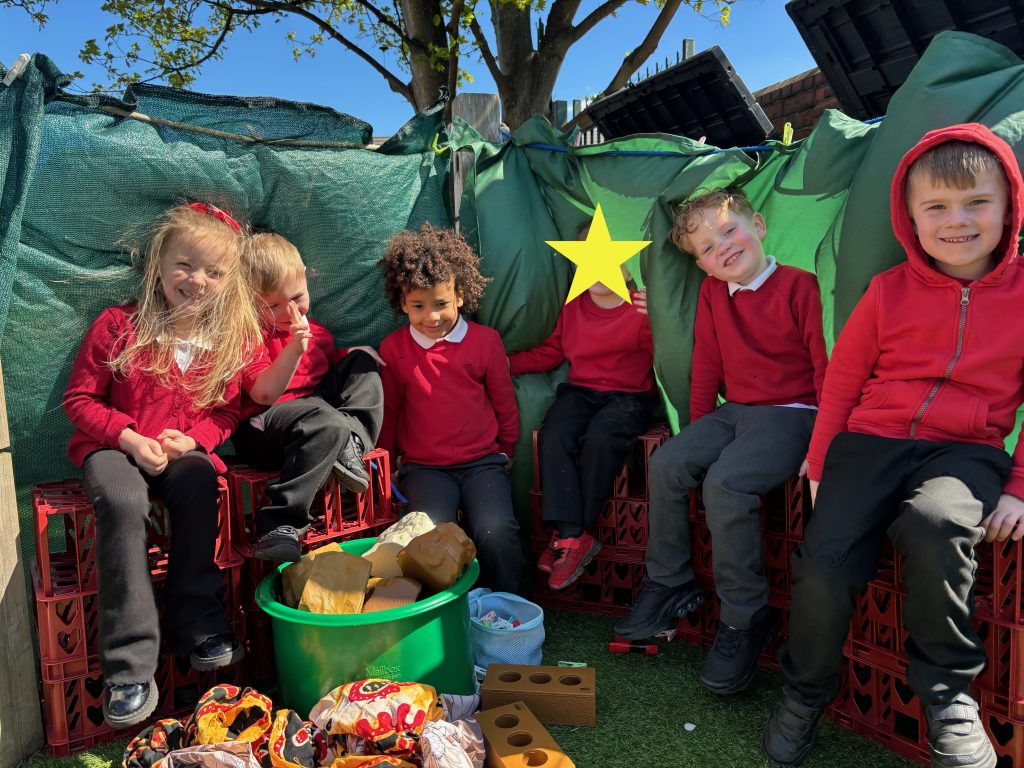
We have also absolutely LOVED using our imagination and leading our own learning when accessing provision – we have created shelters to protect us from the storm, large scale models of the storm dragon, small world scenes of the story, created our own role play sensory story, made a collaborative collage dragon, made models out of playdough, made our own spyglasses to search for storm dragons, and lots of things in between!
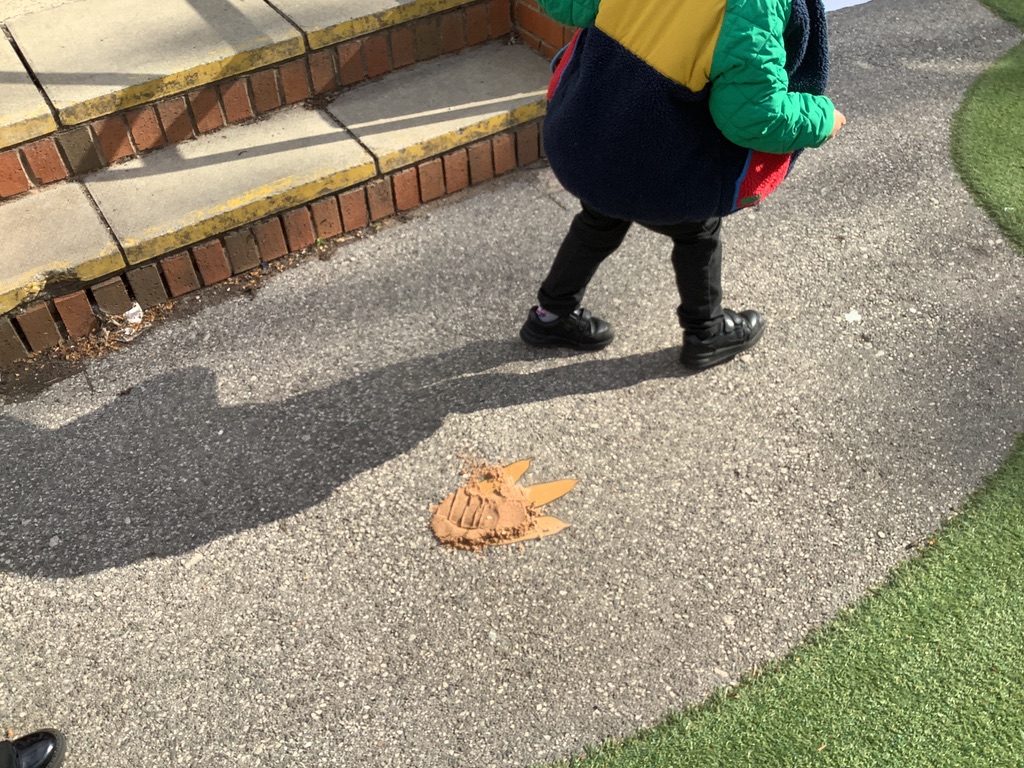
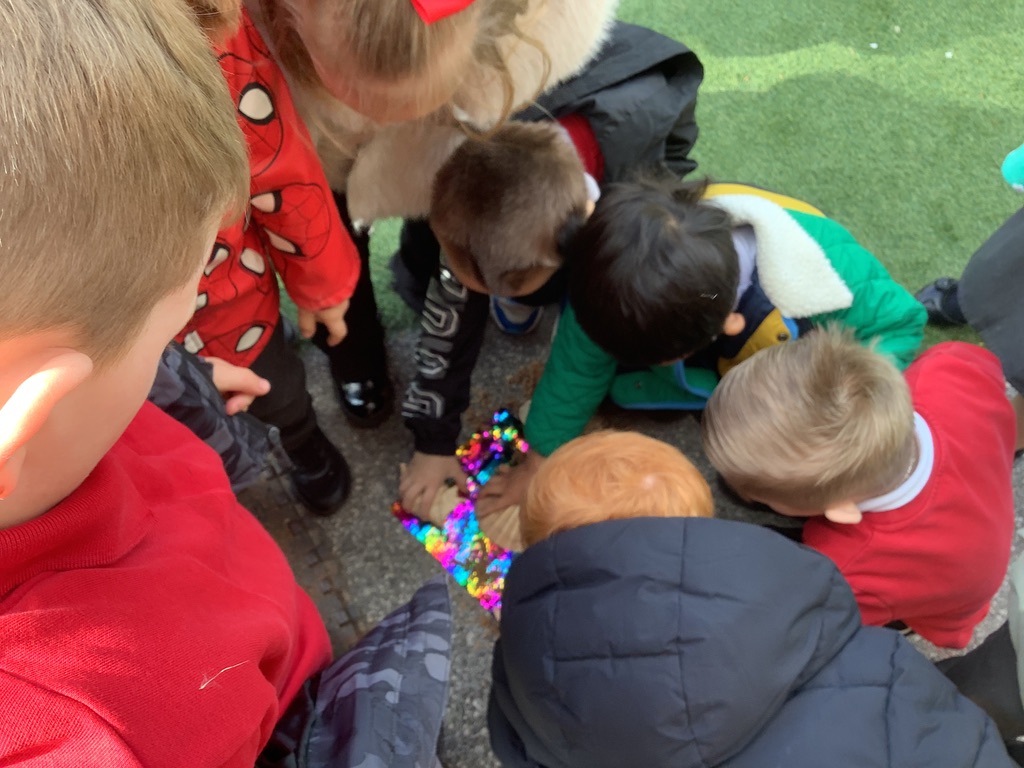
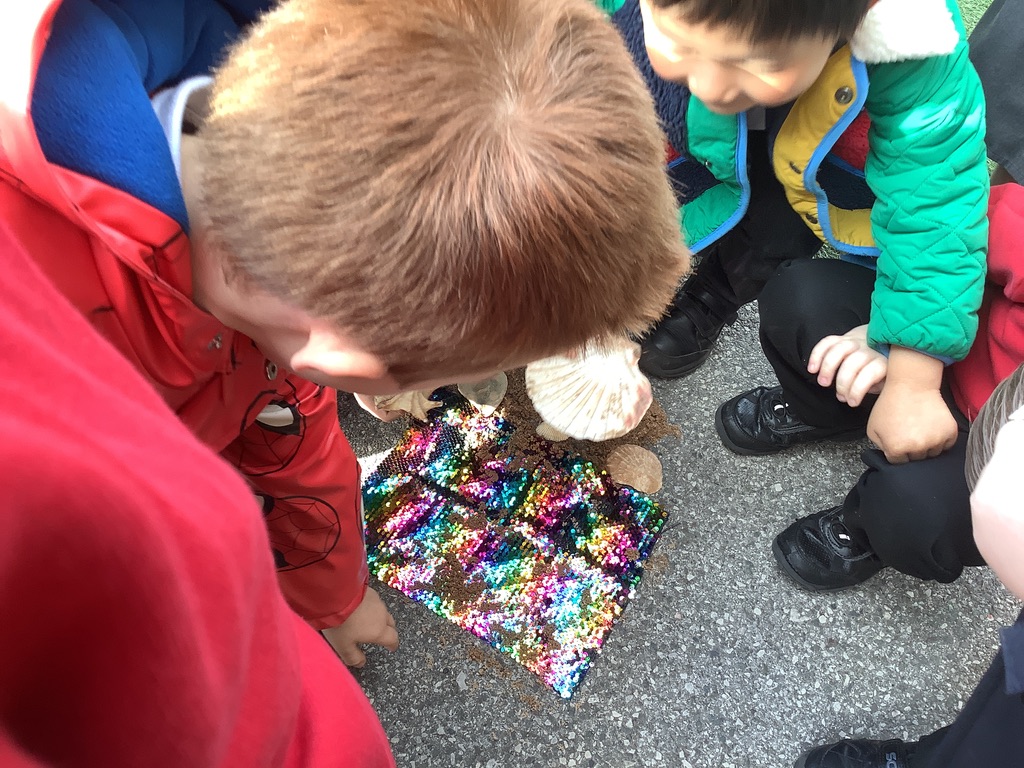
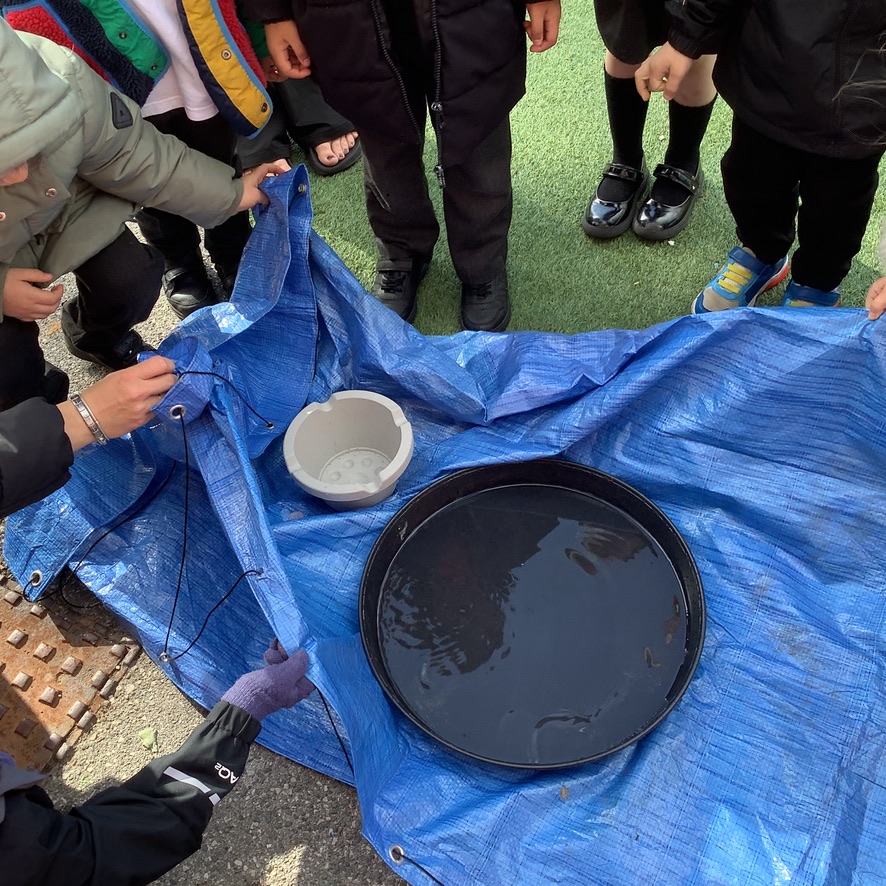
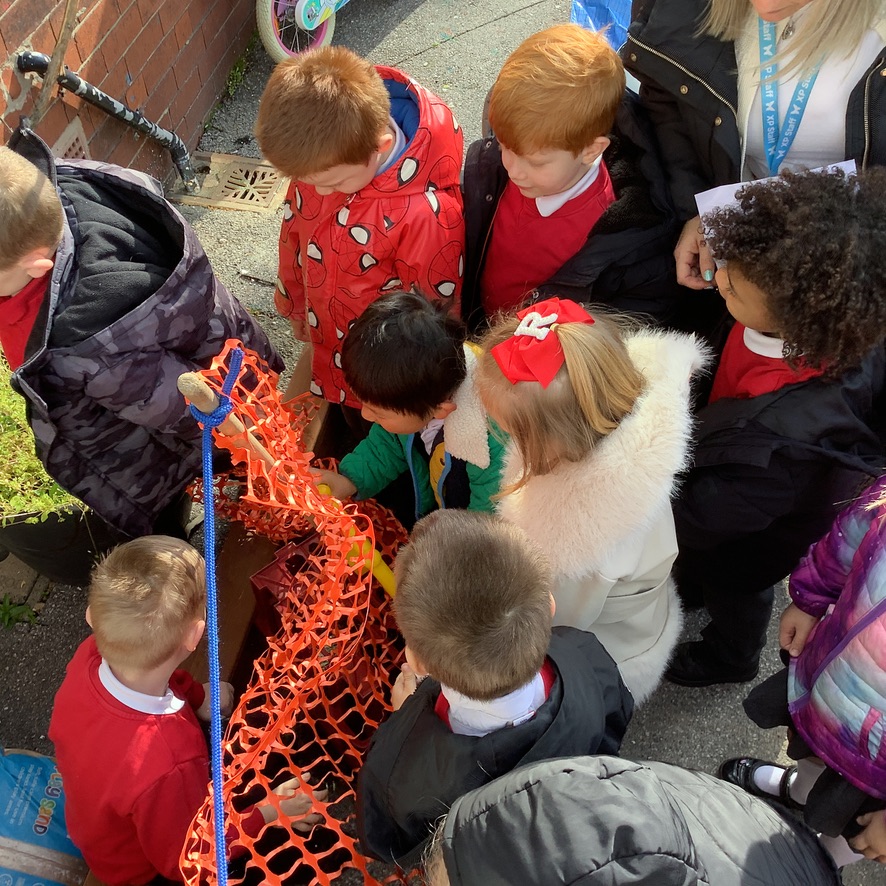
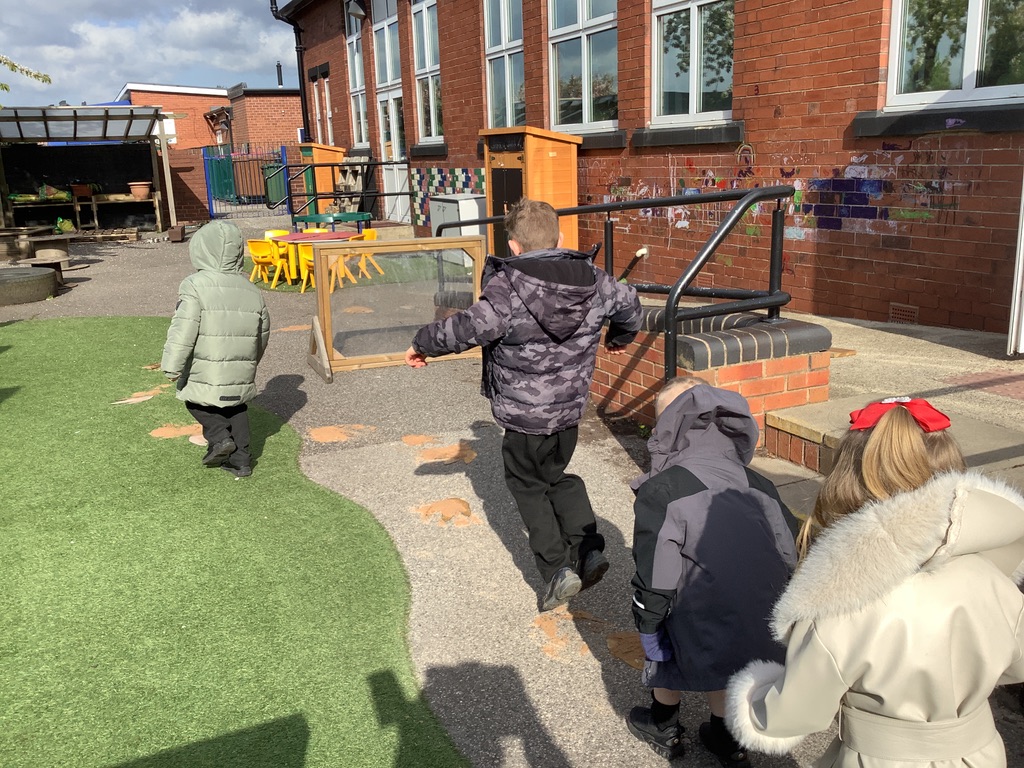
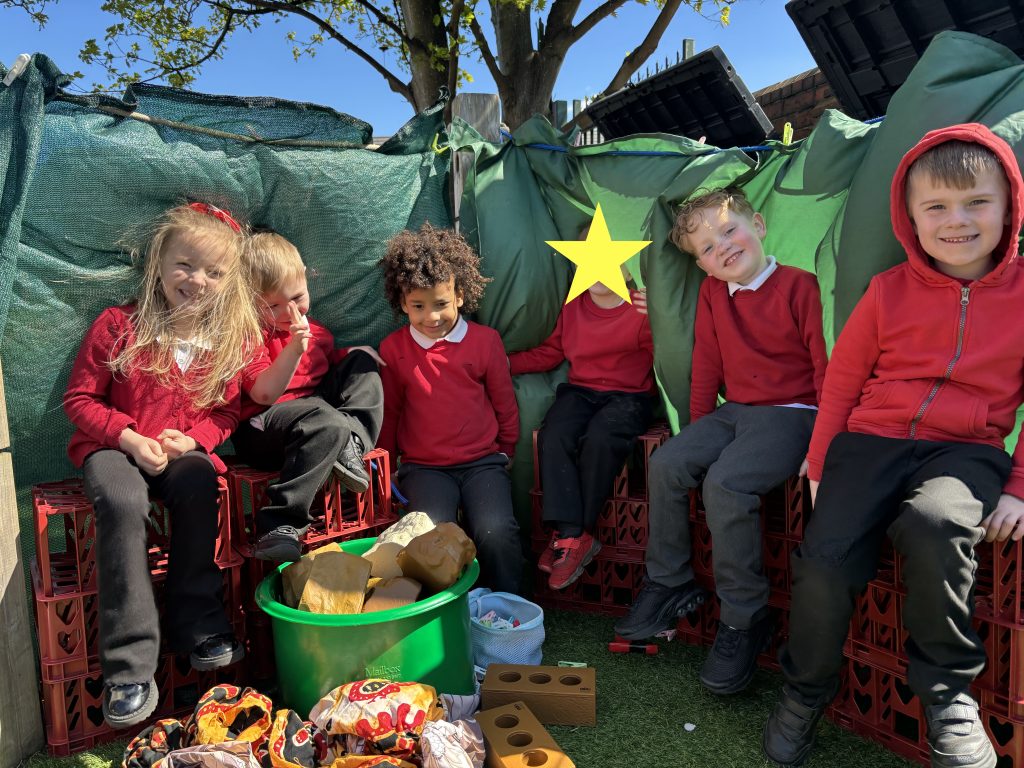
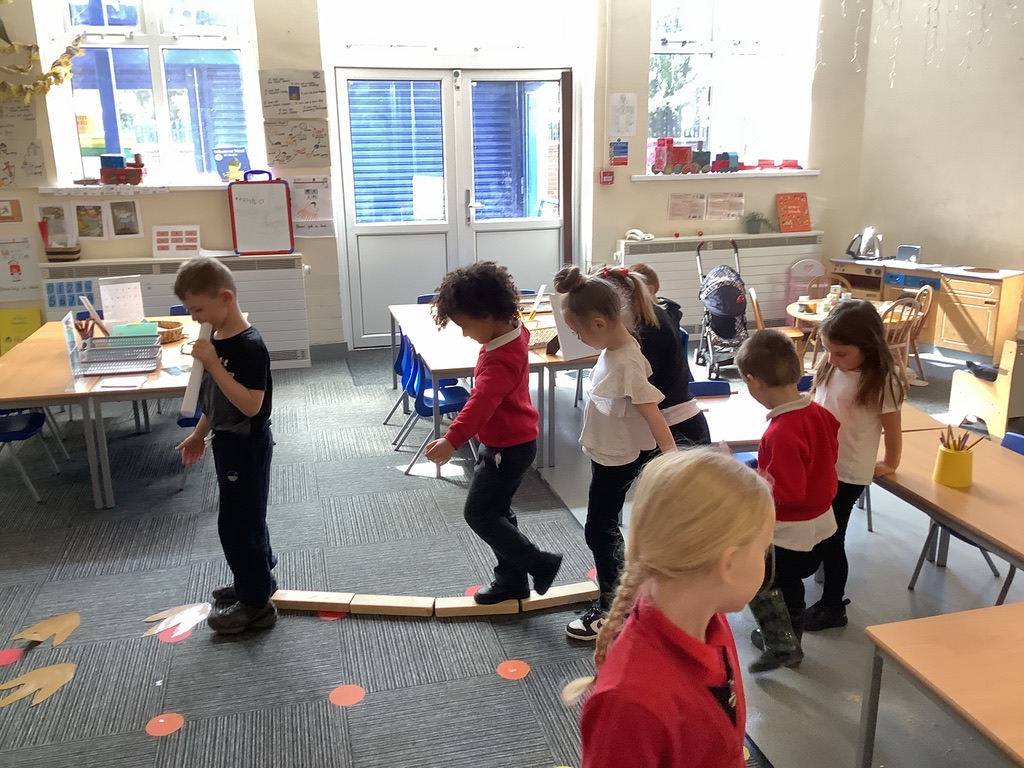
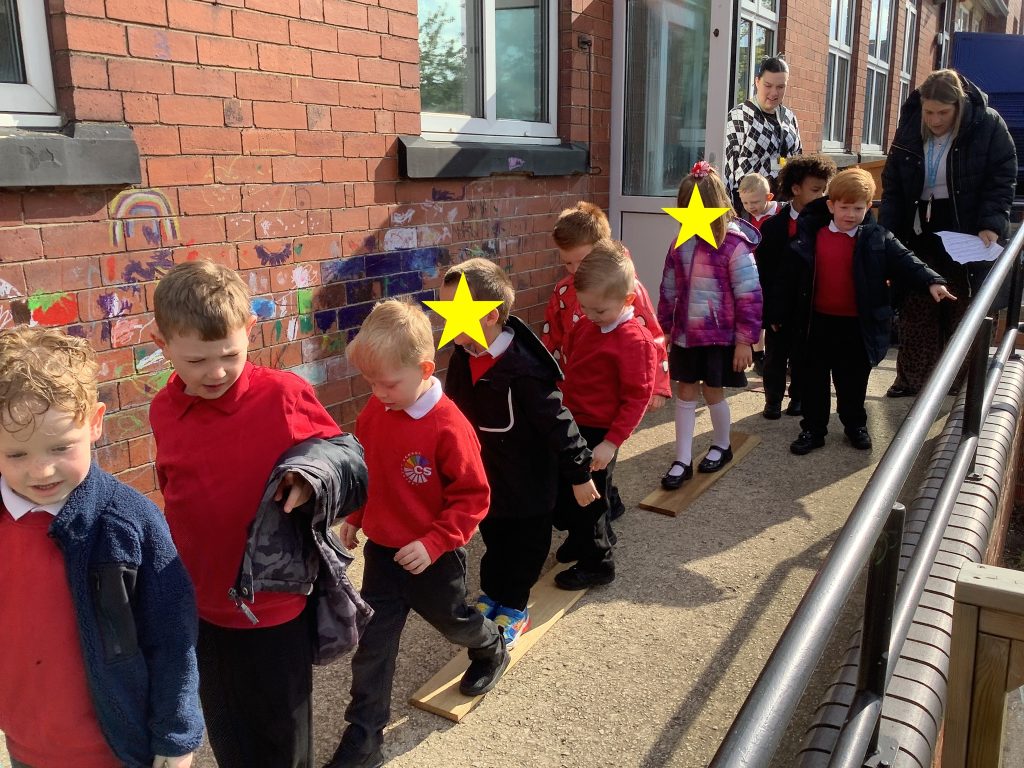
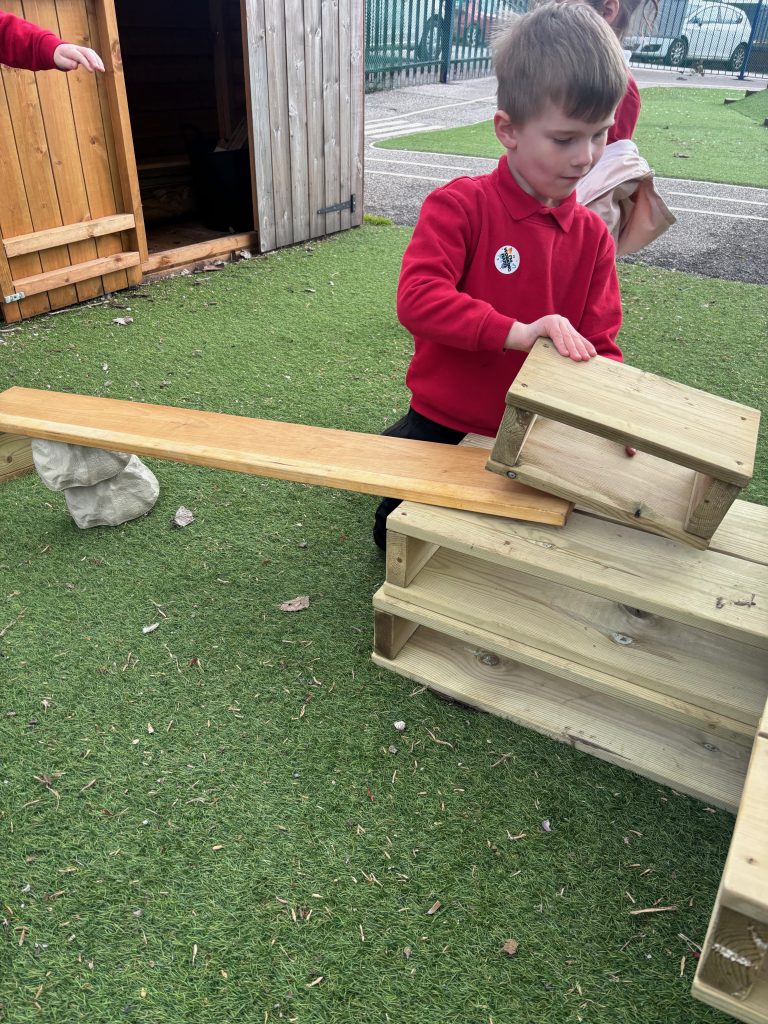
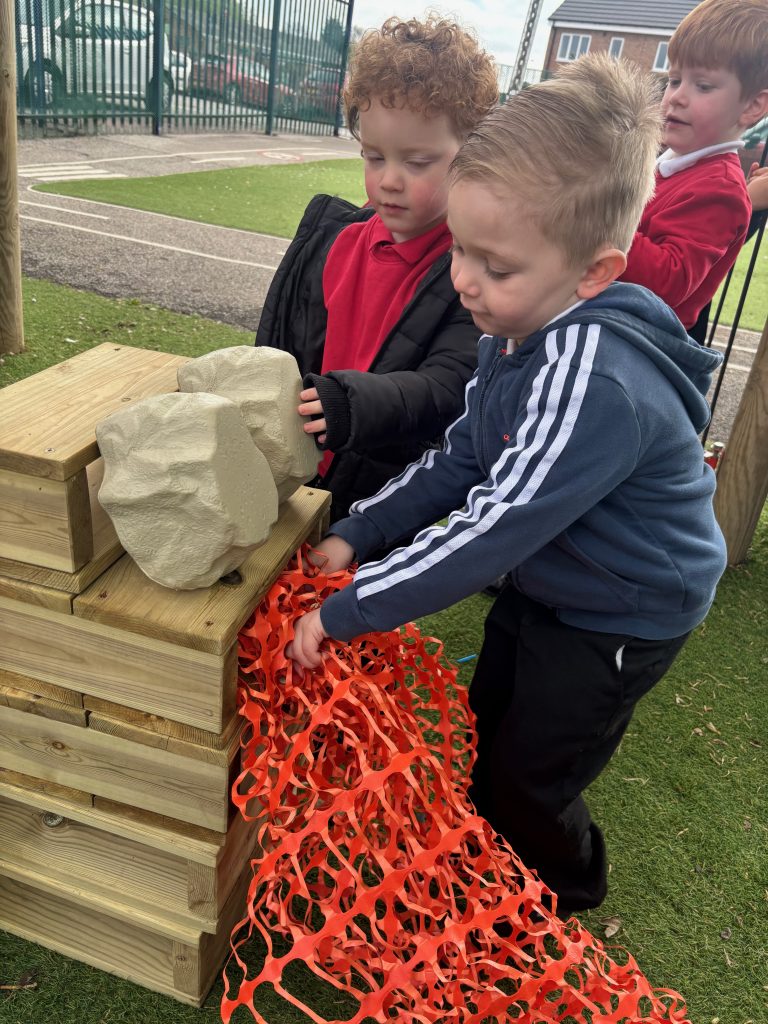
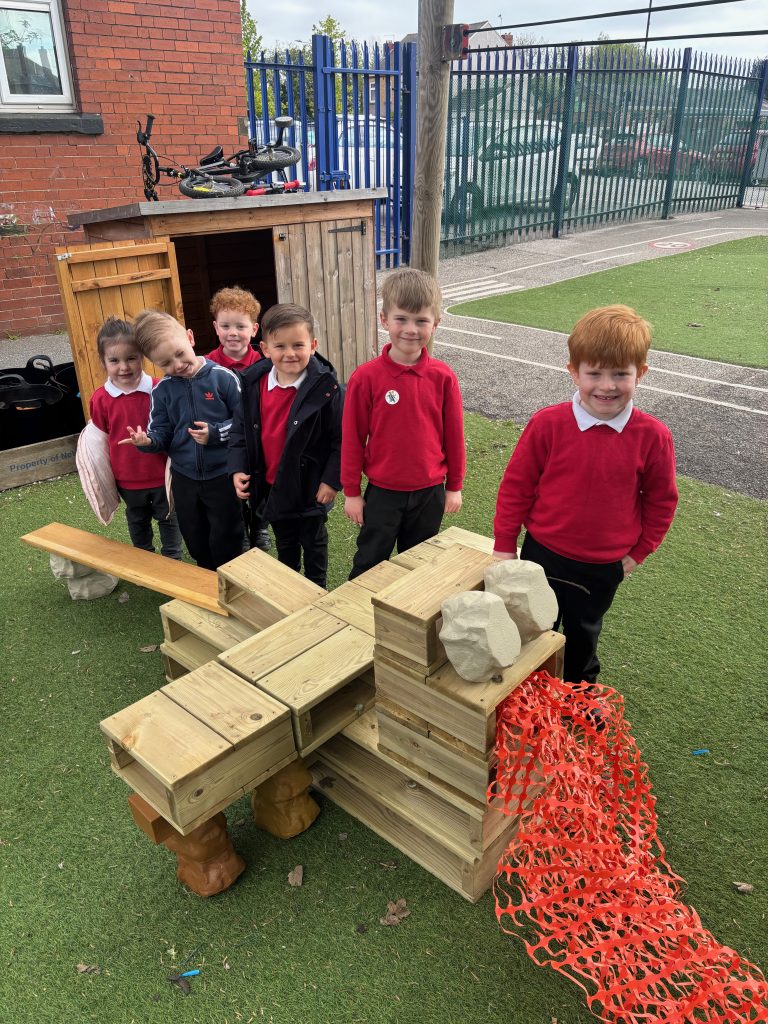
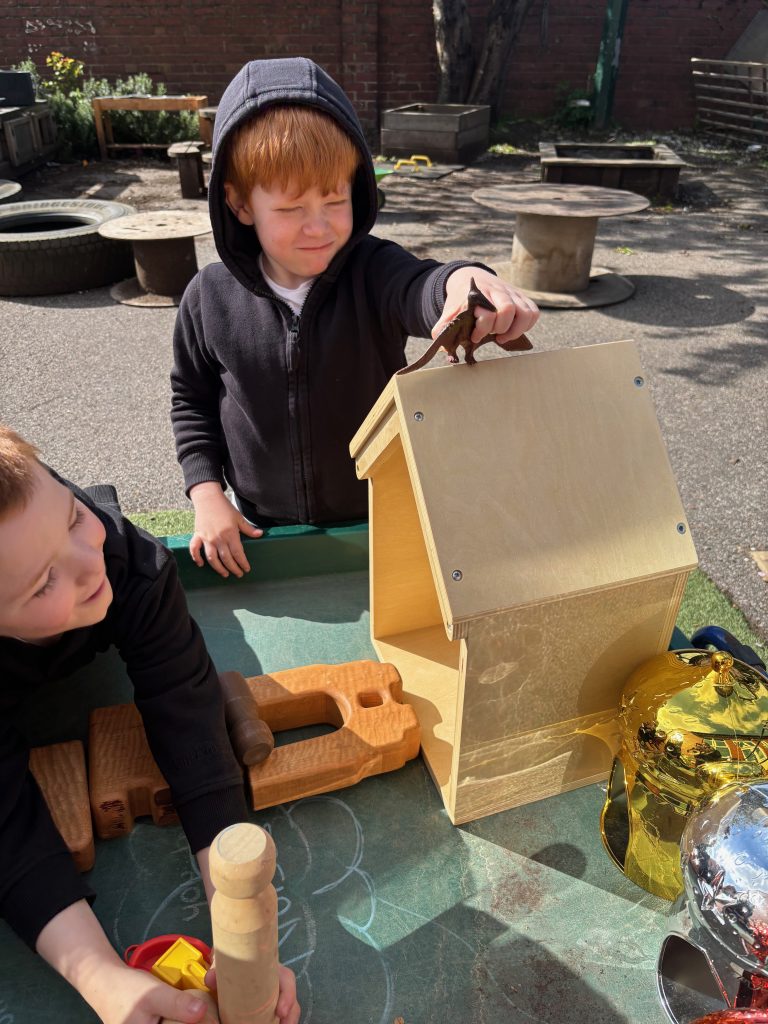
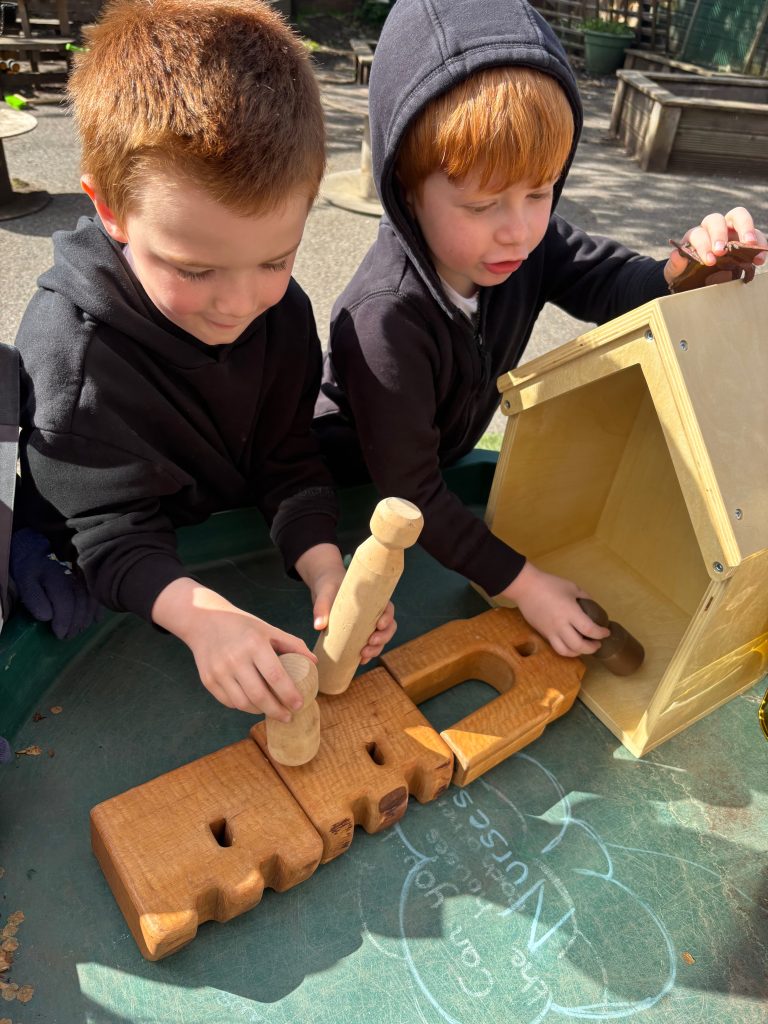
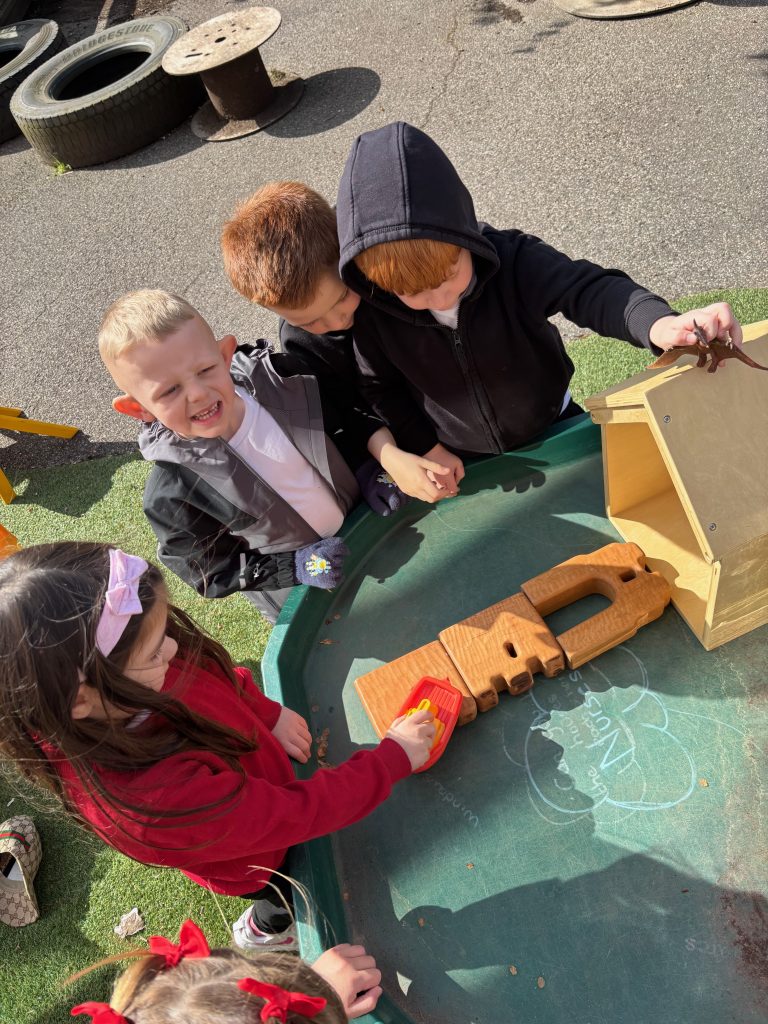
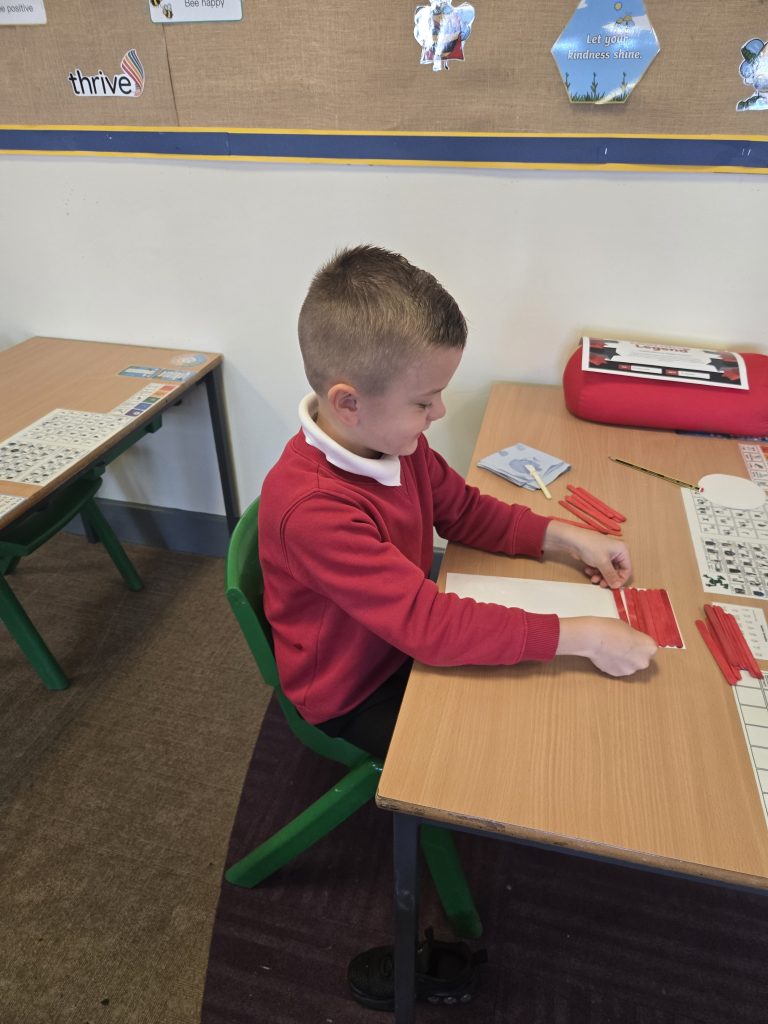
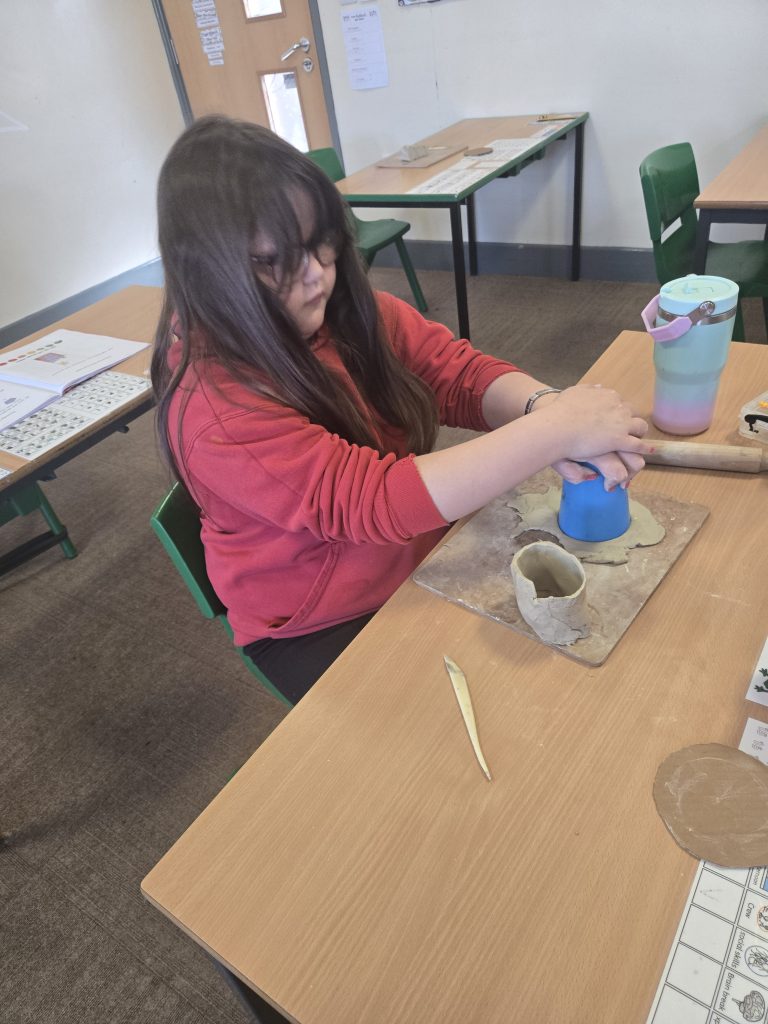
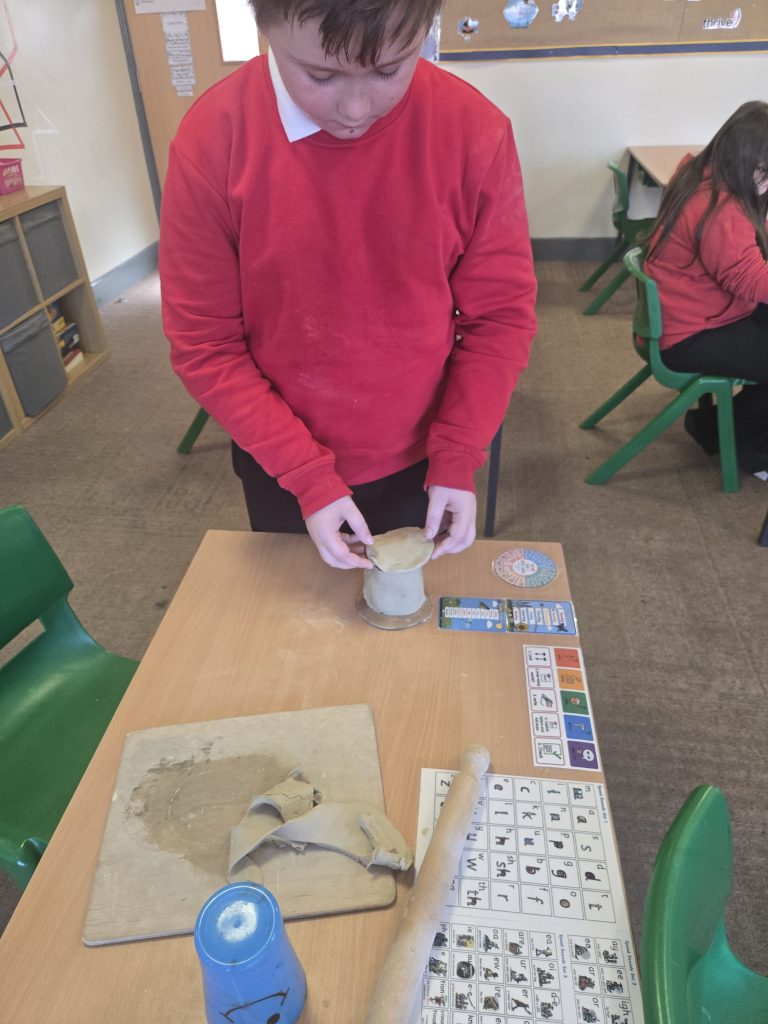
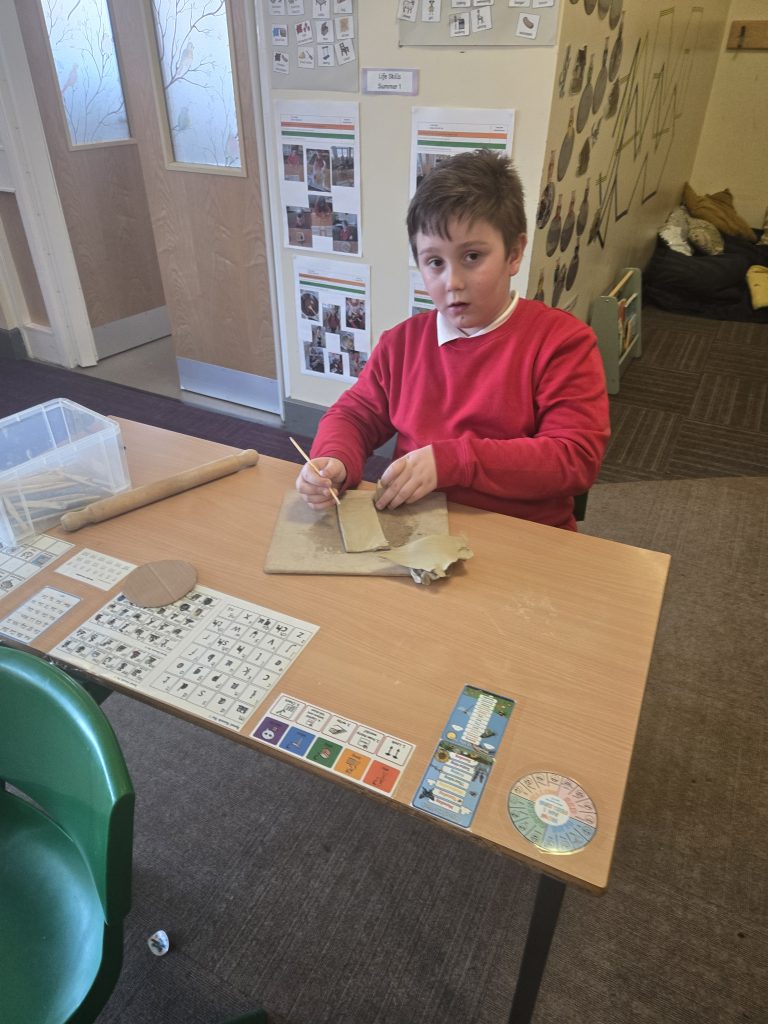
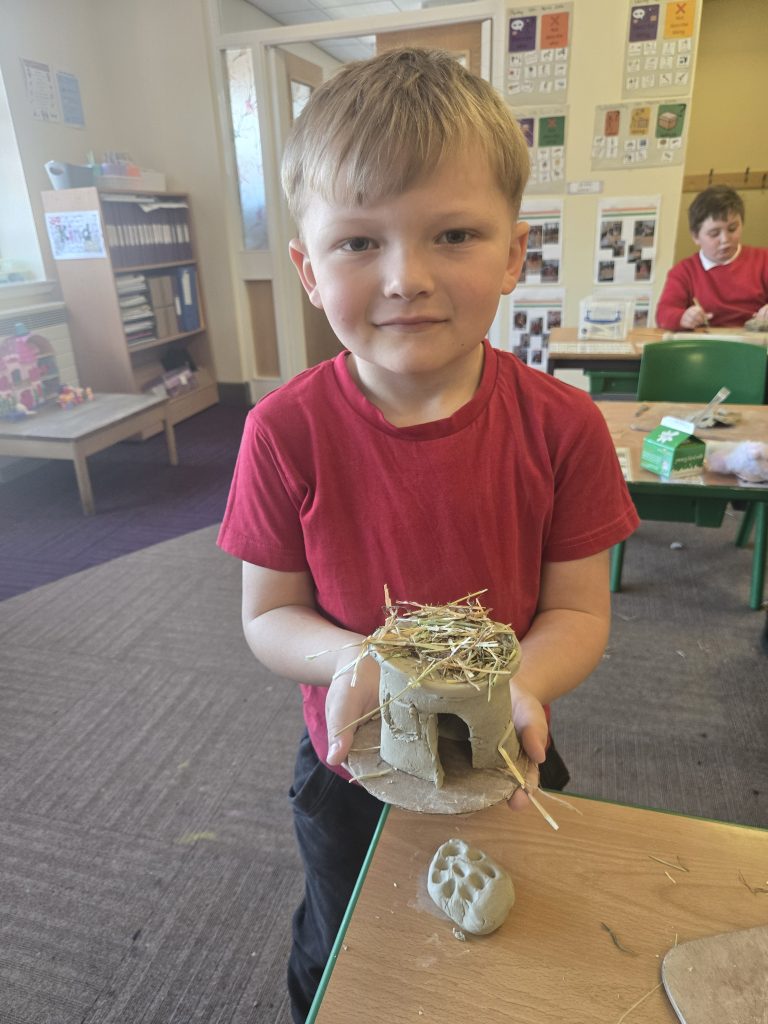
In writing today the children made their own stick house from The Three little Pigs.
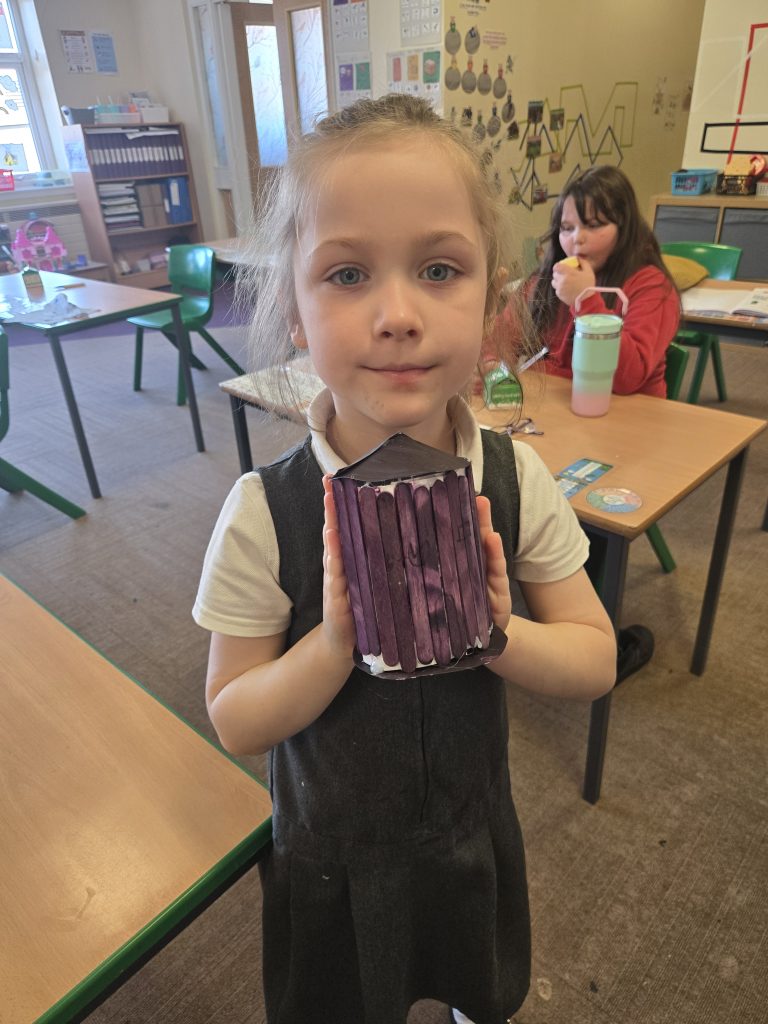
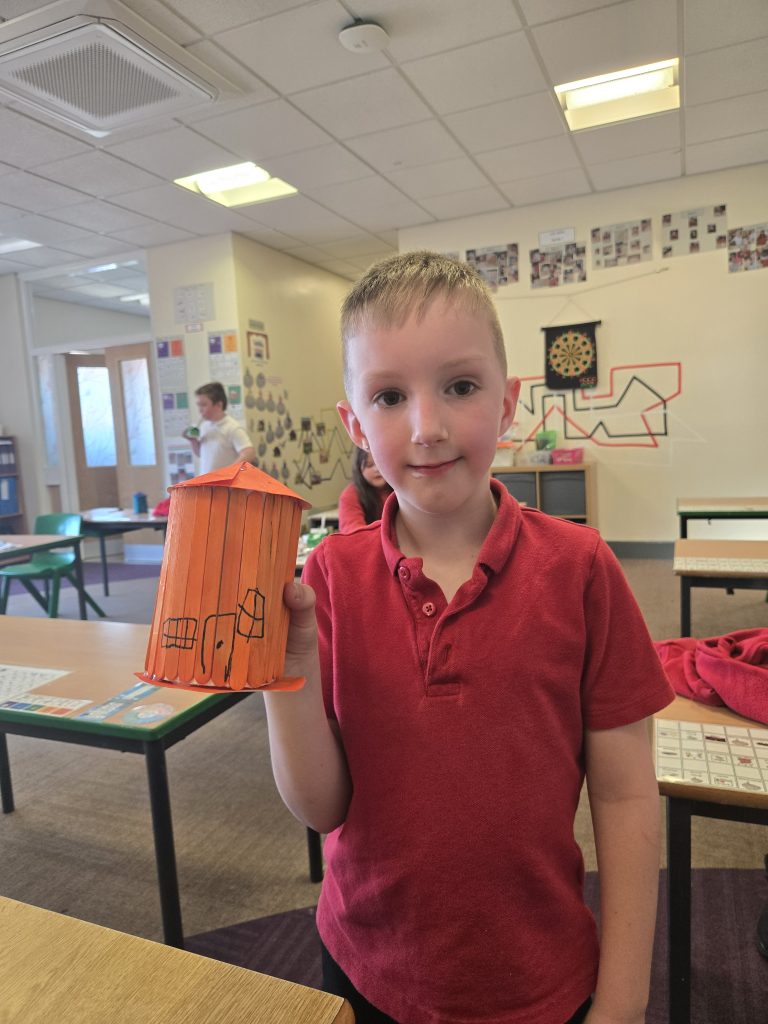
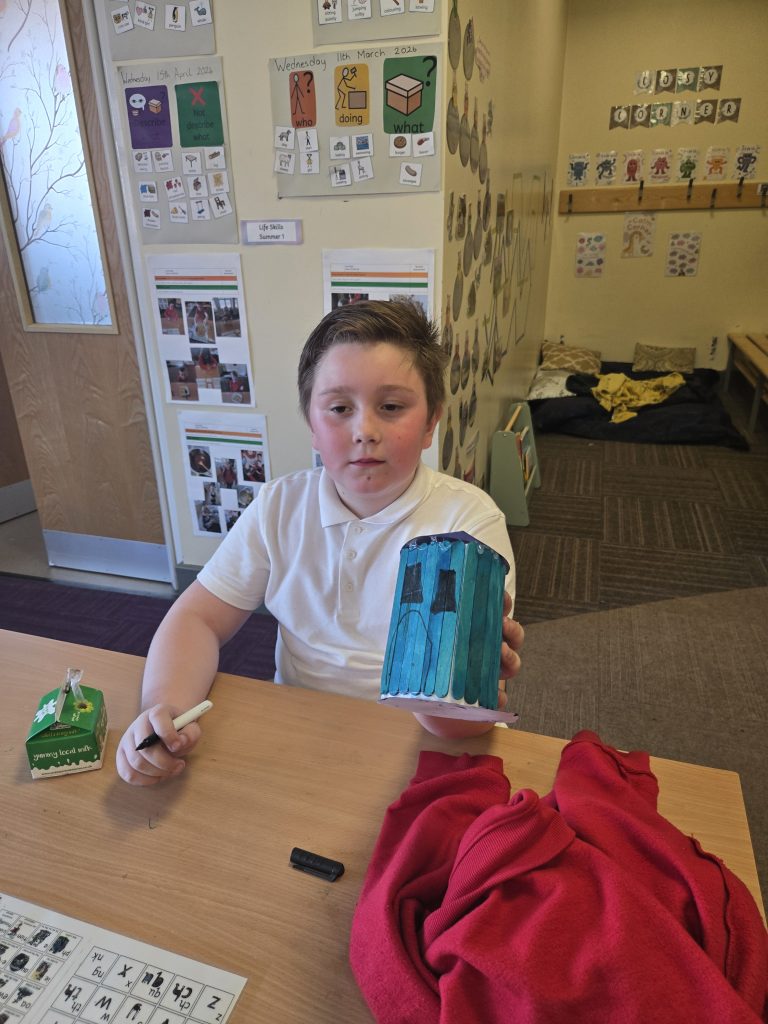
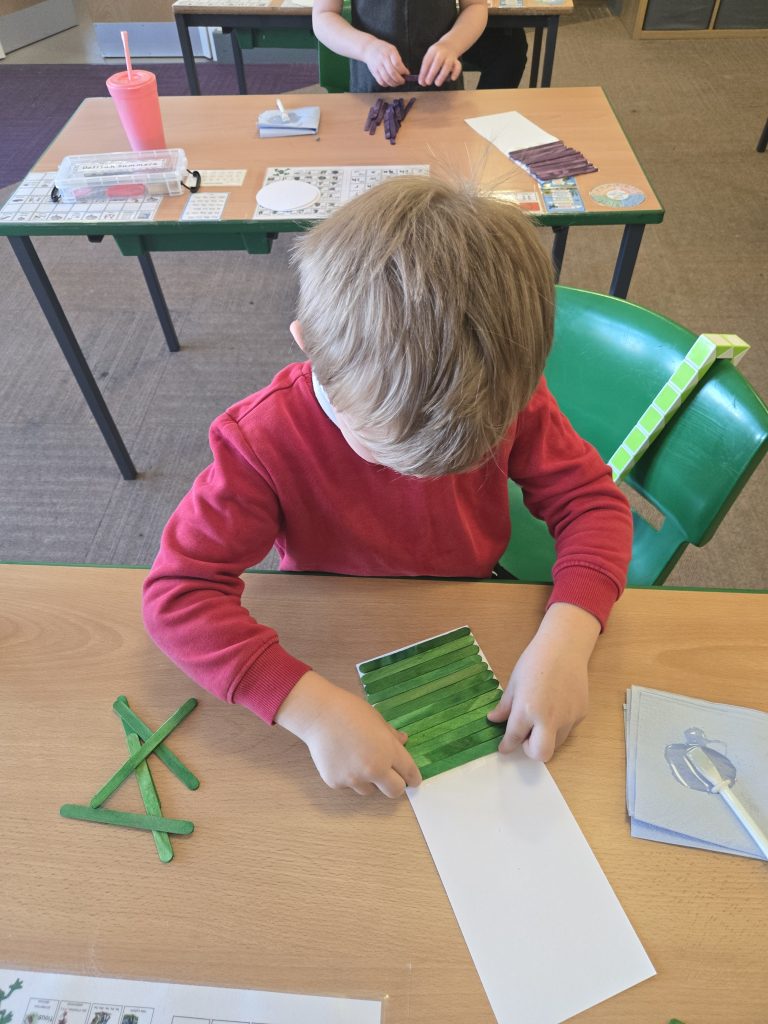
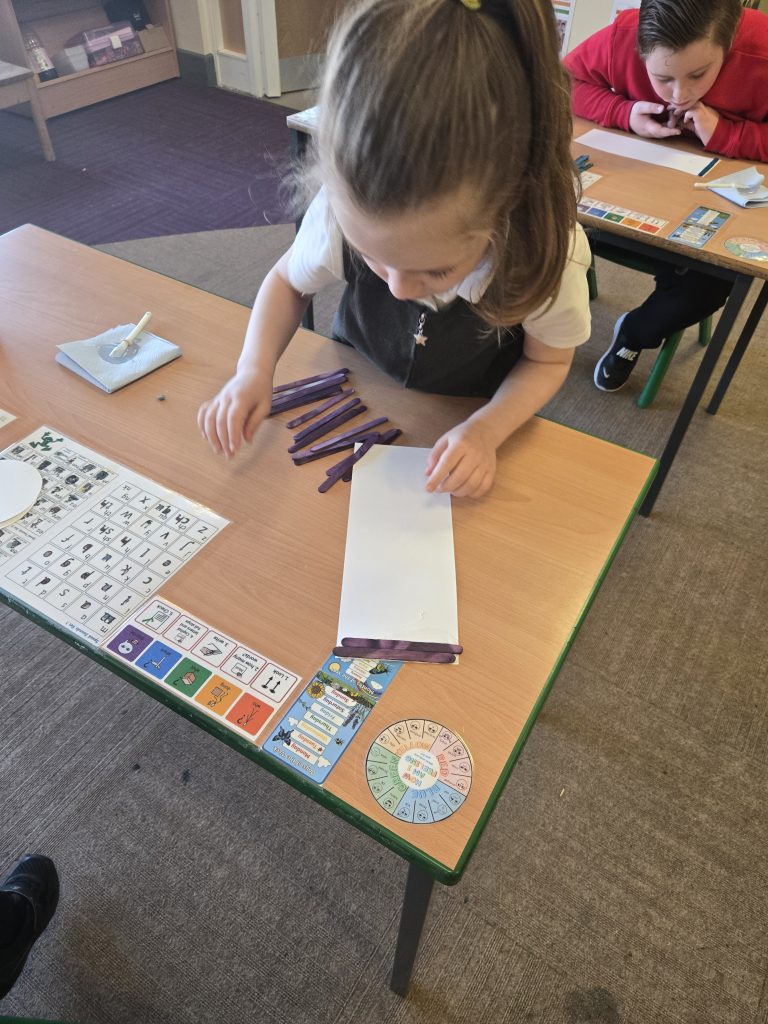
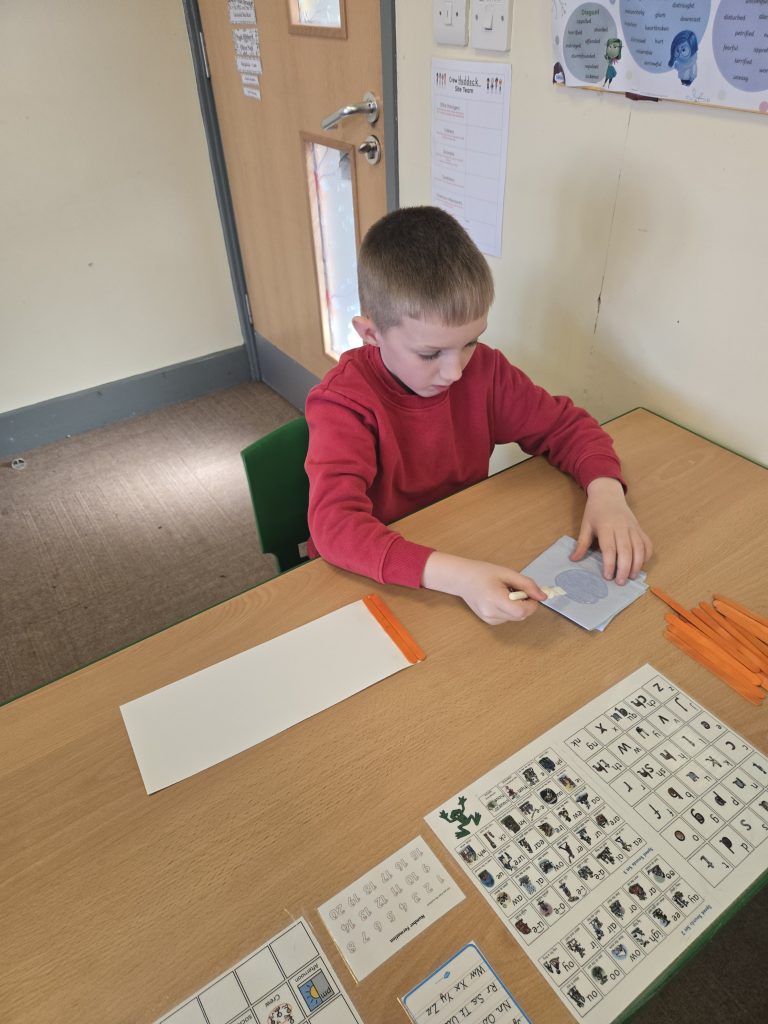
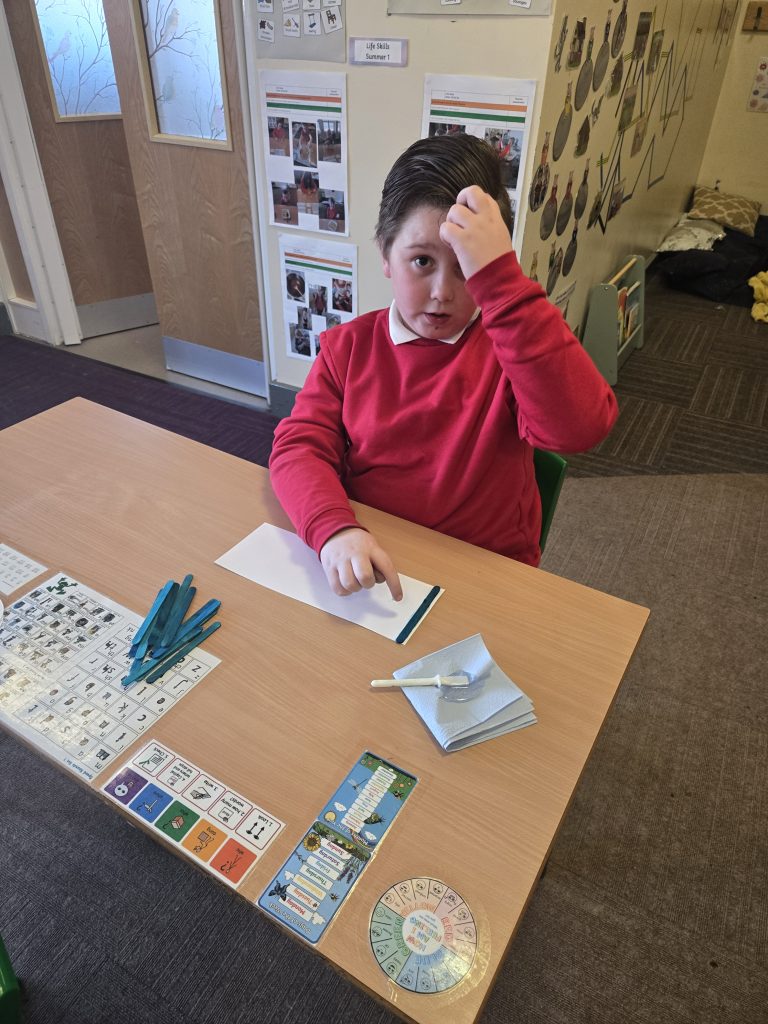
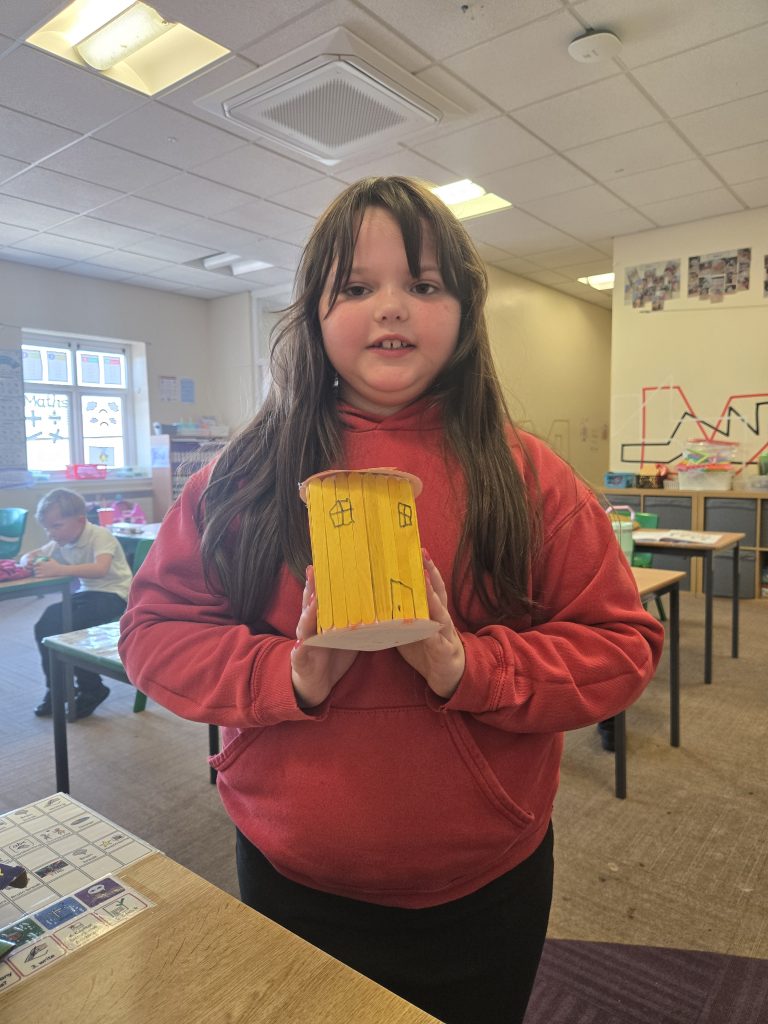
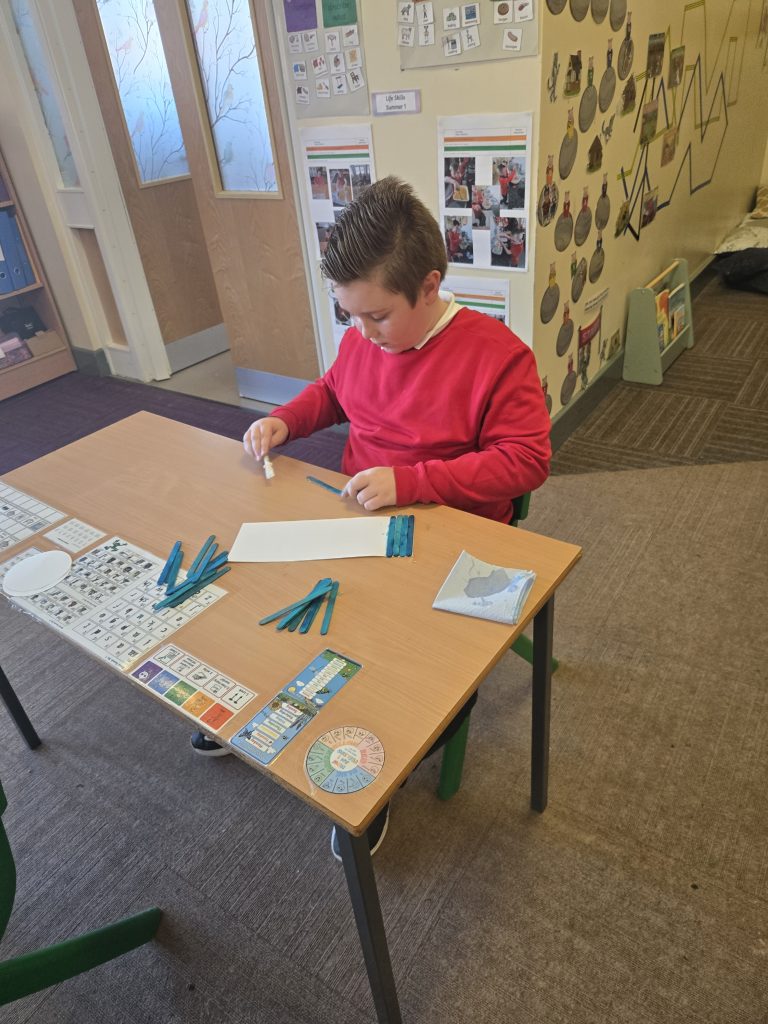
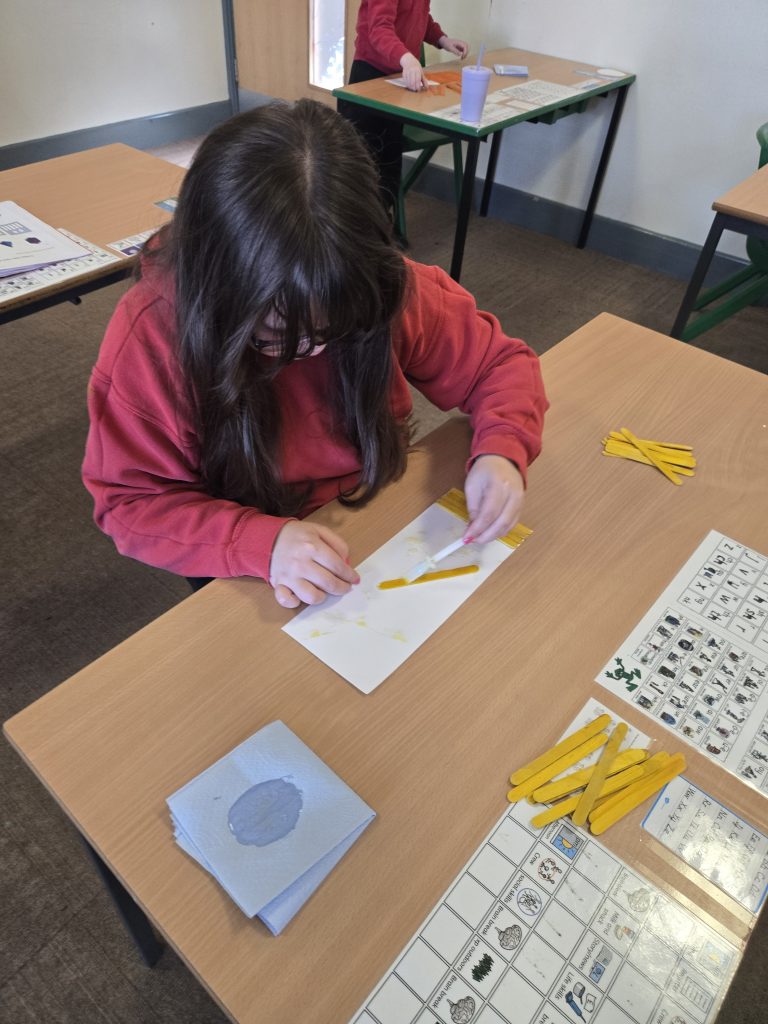
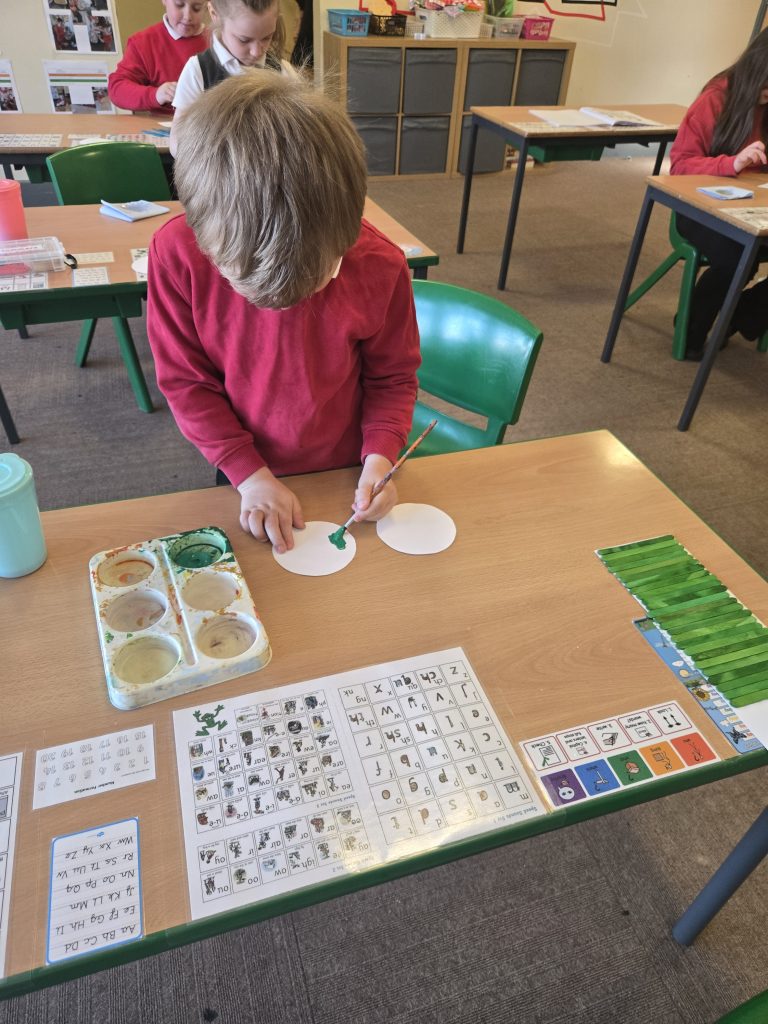
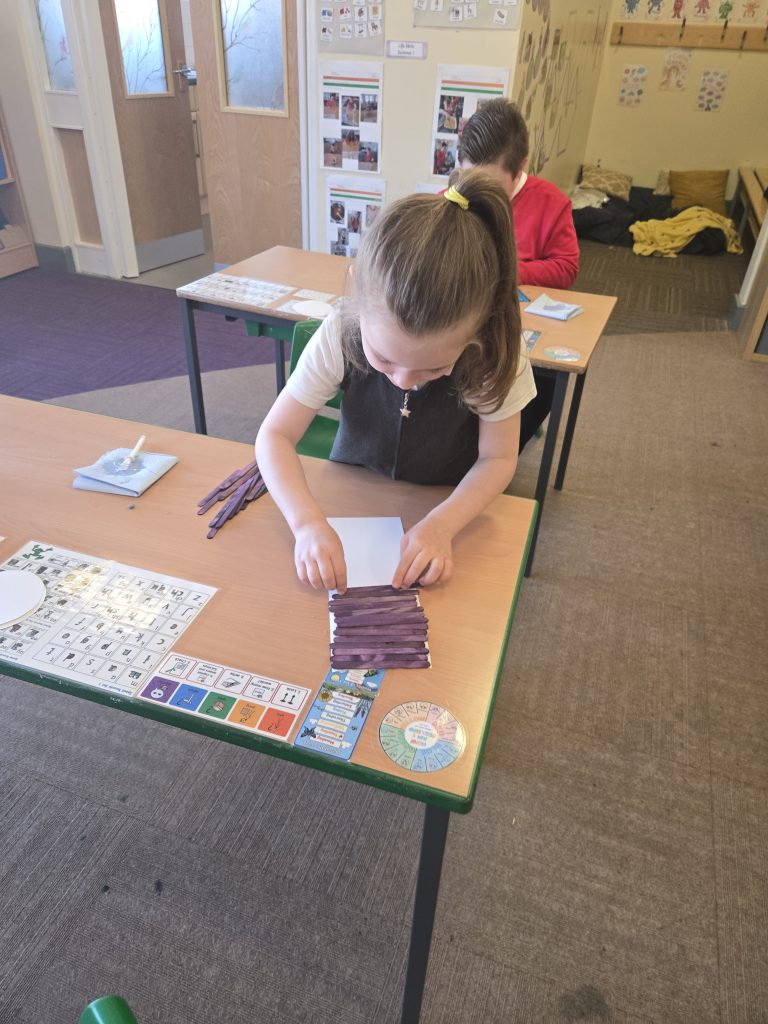
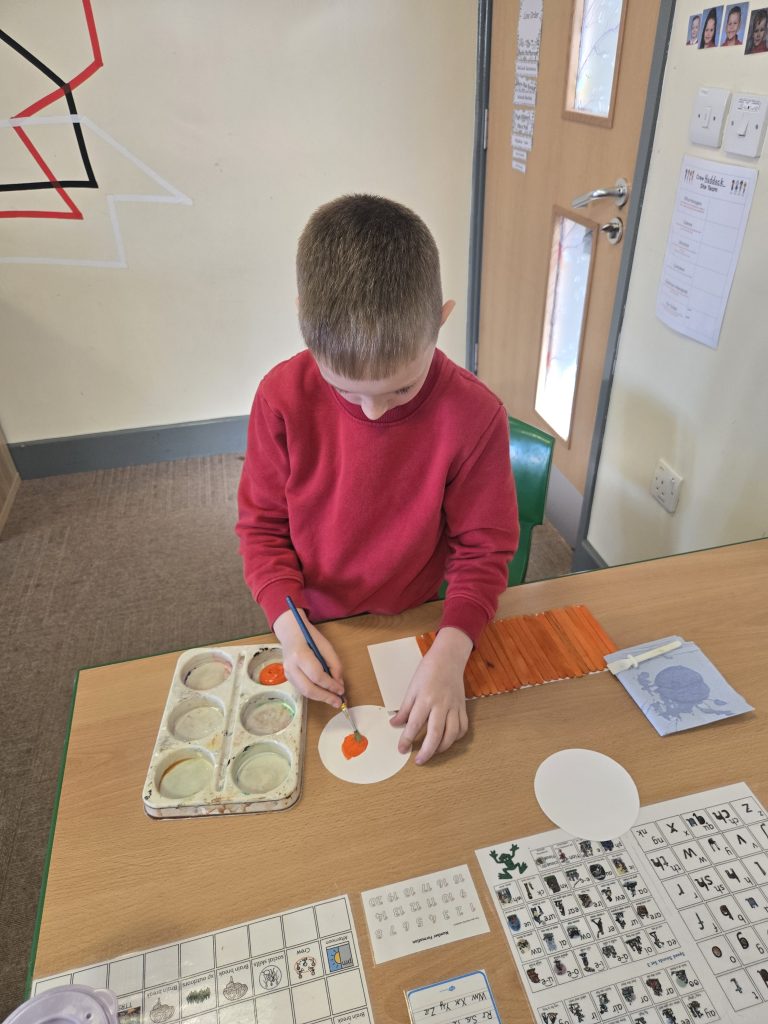
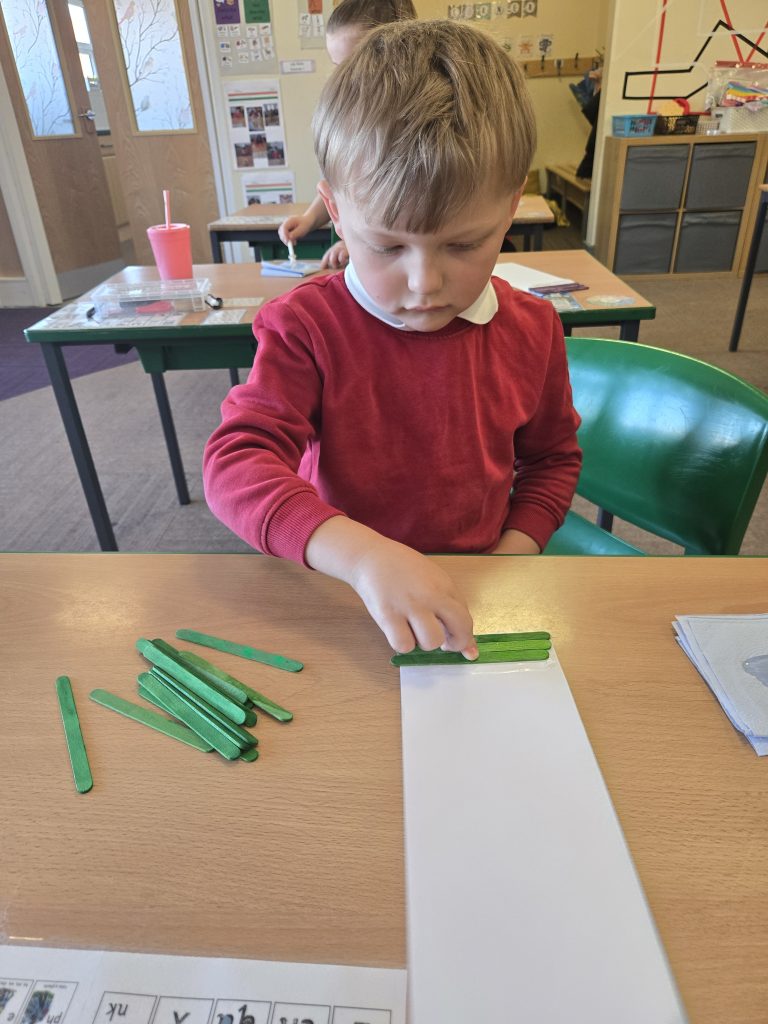
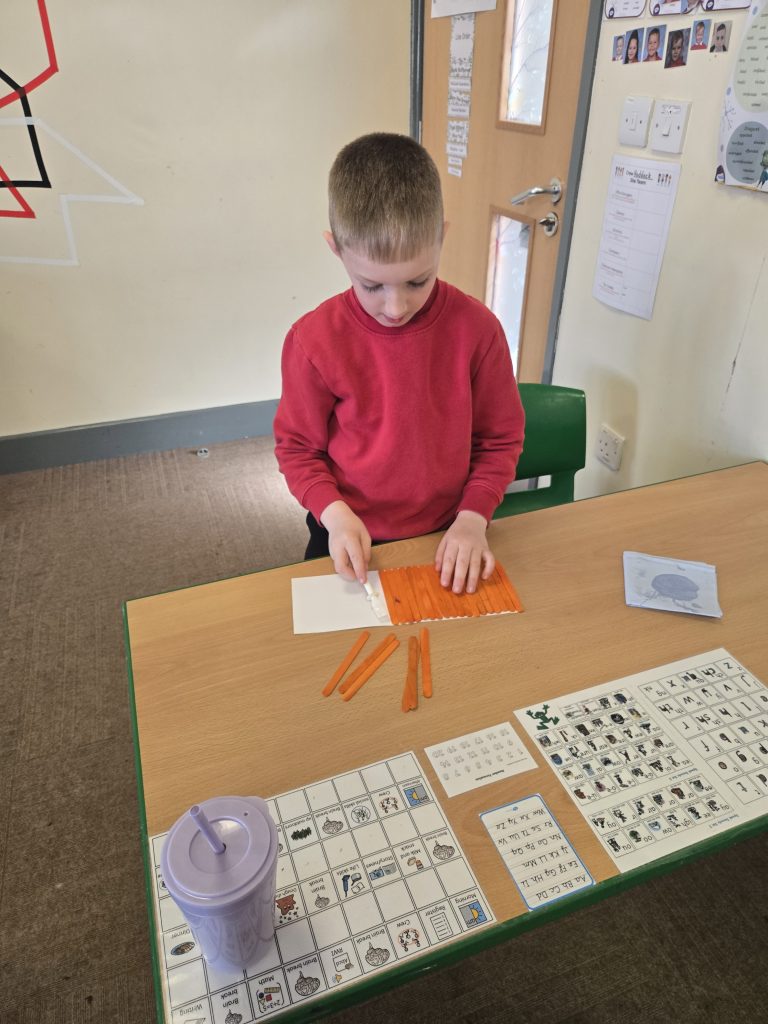
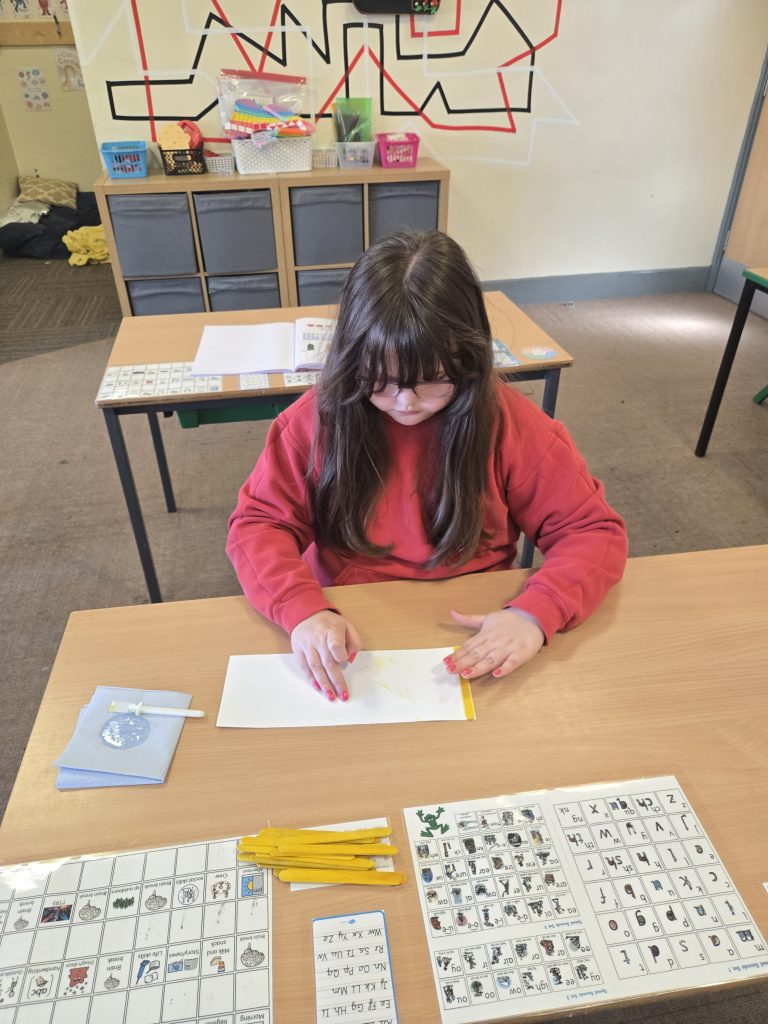
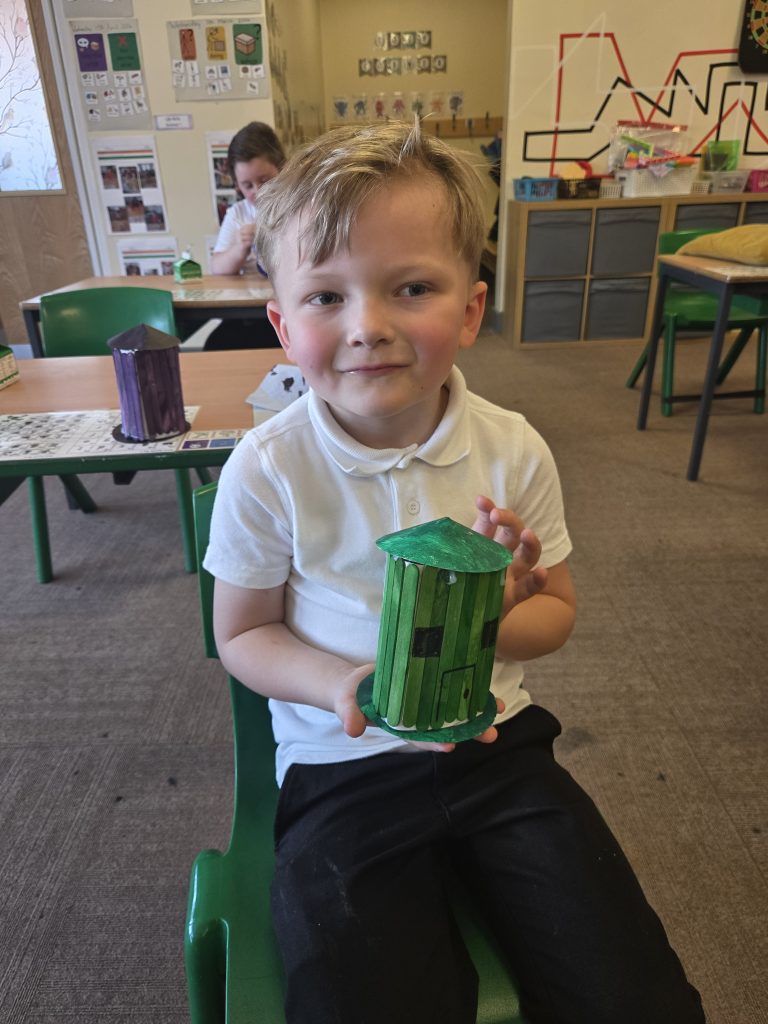
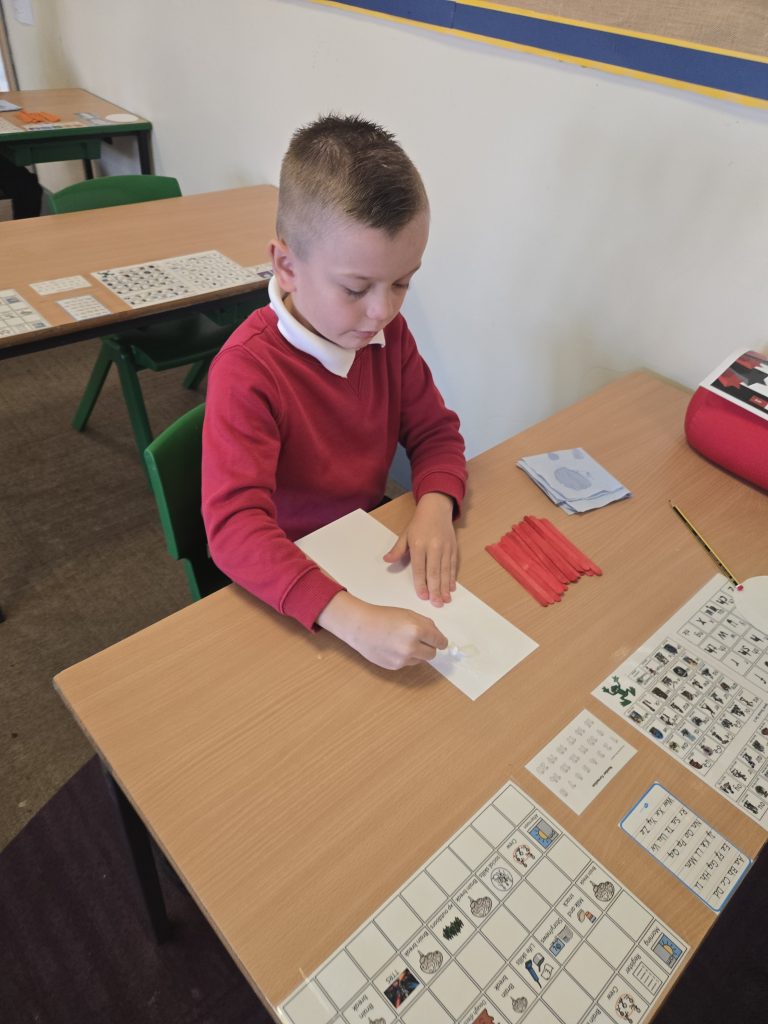
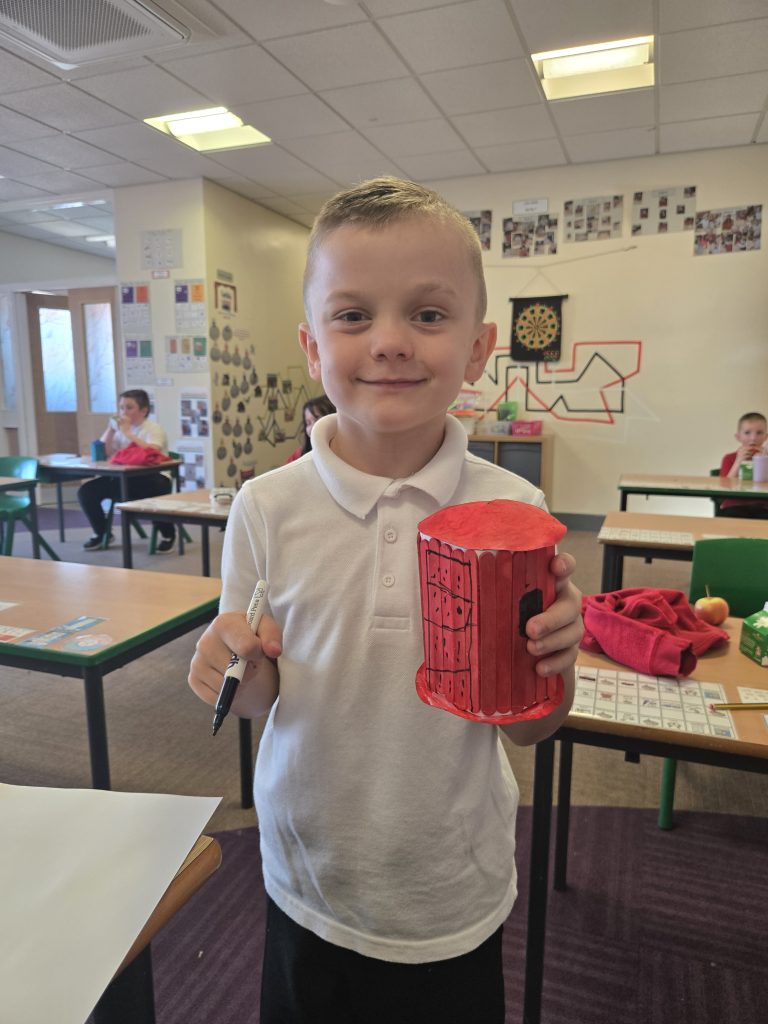
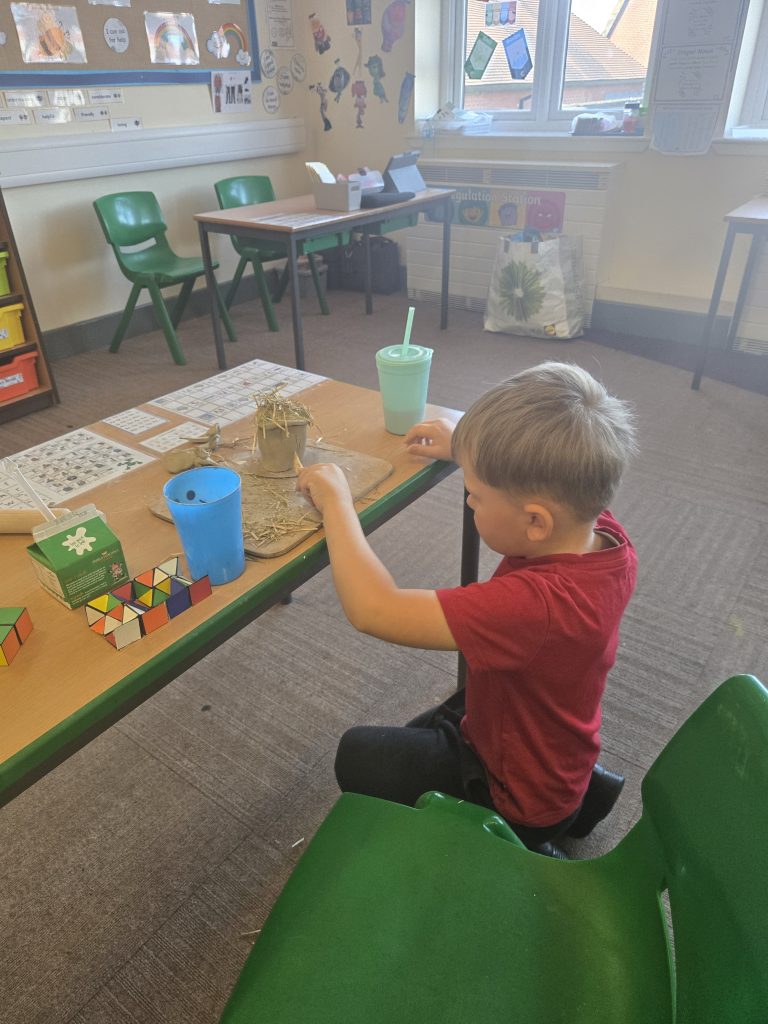
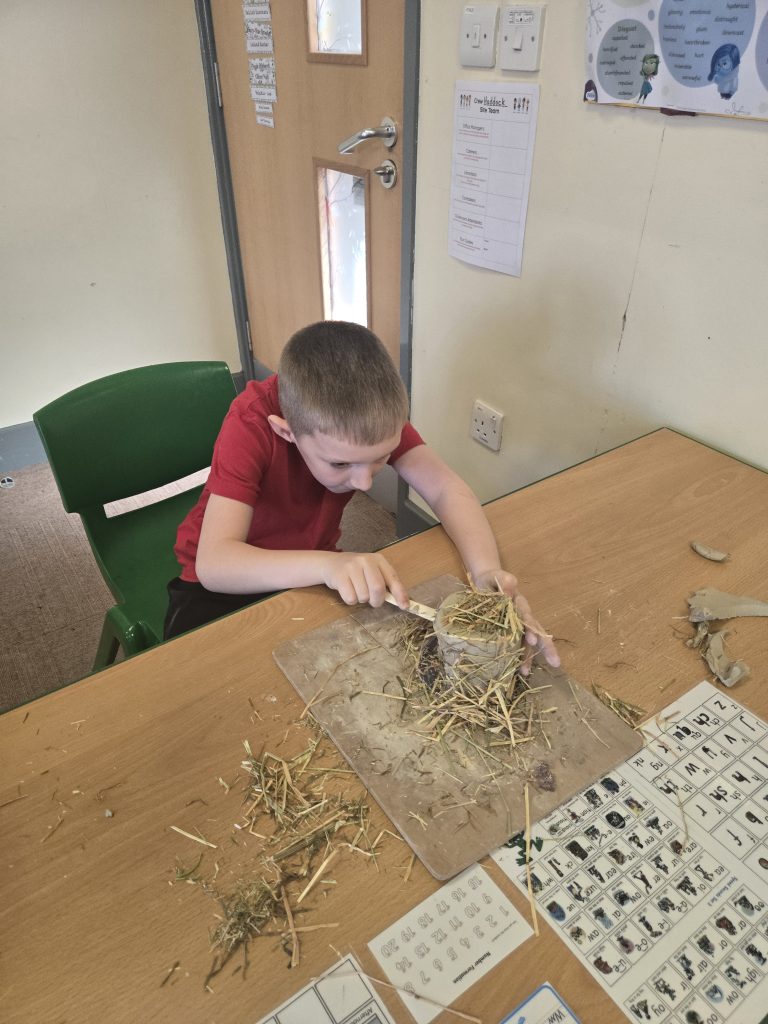
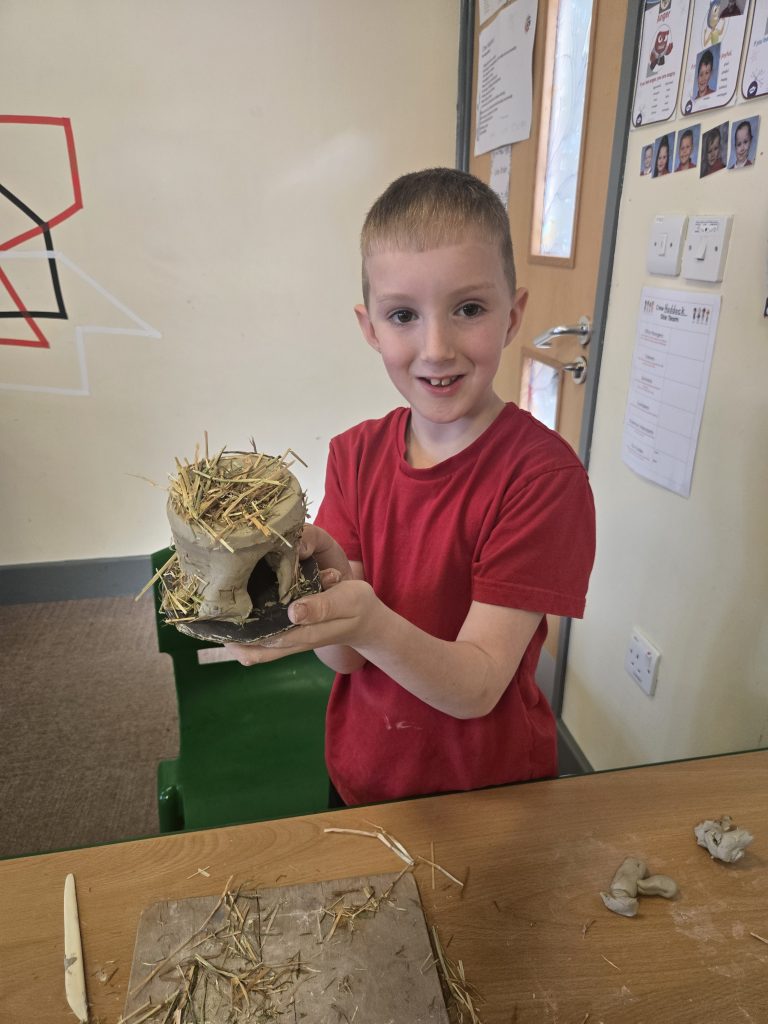
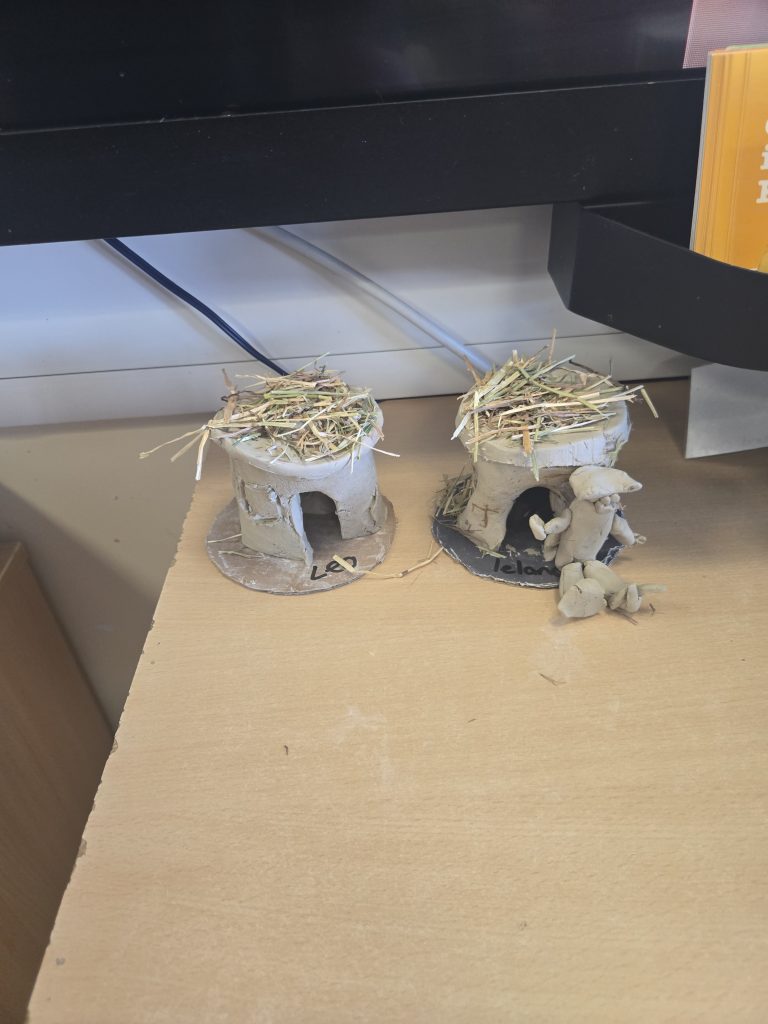
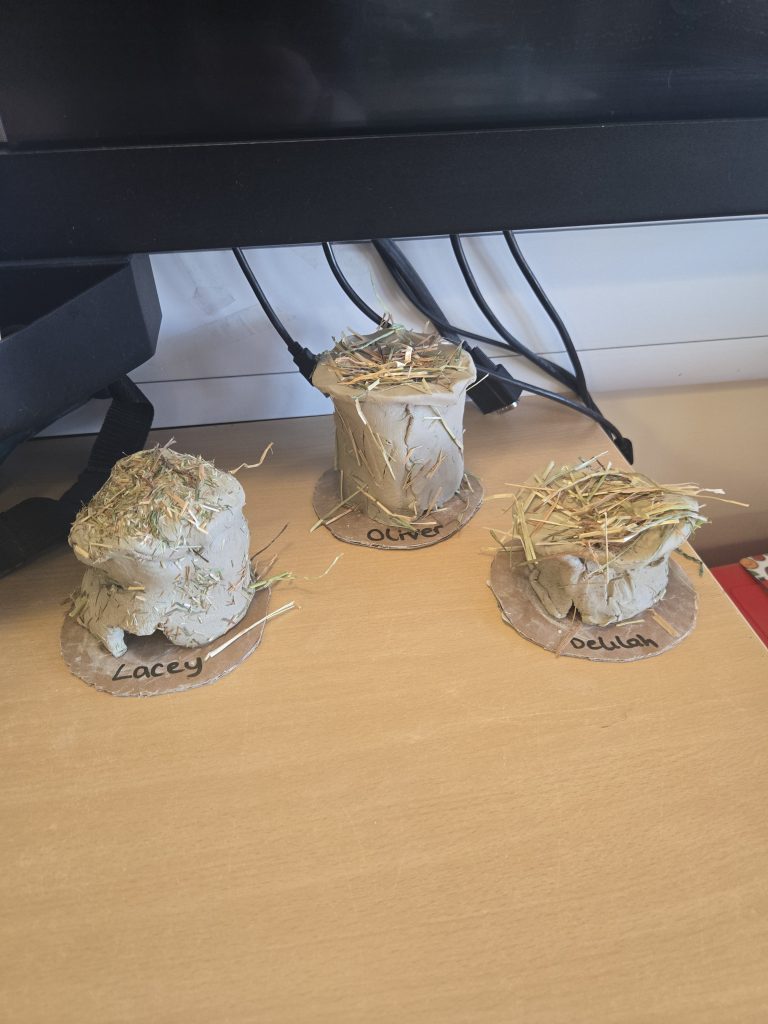
In writing today they made their own straw houses from The Three Little Pigs. They used clay, straw, and cardboard as the base. They had to use lots of different skills.
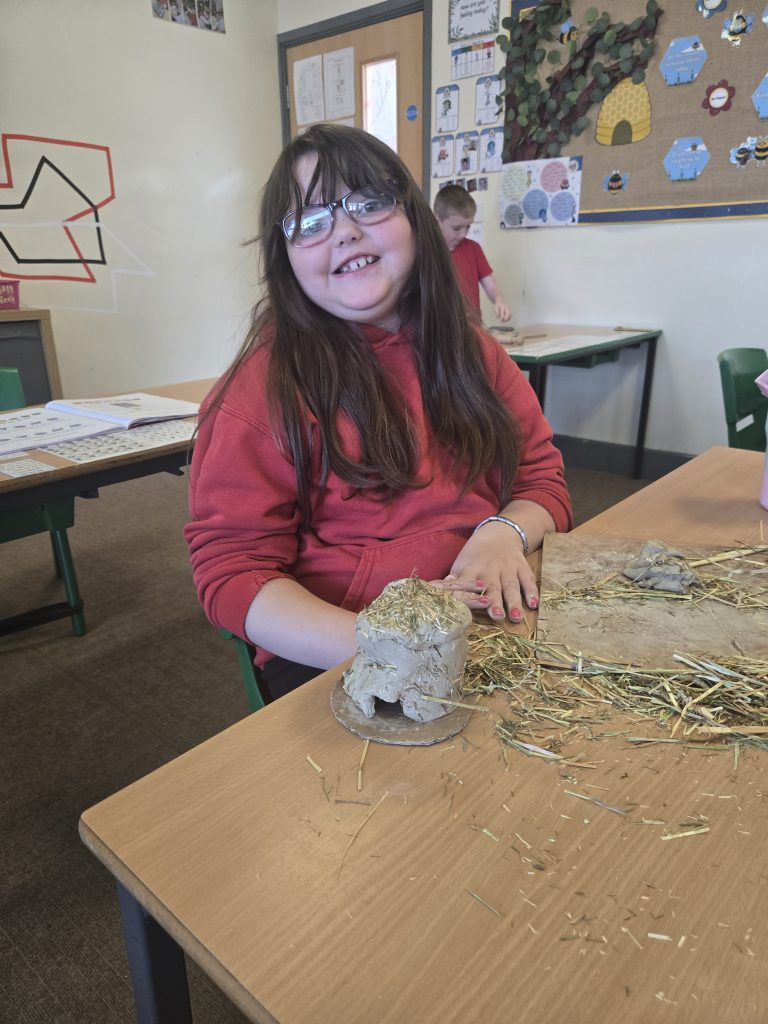
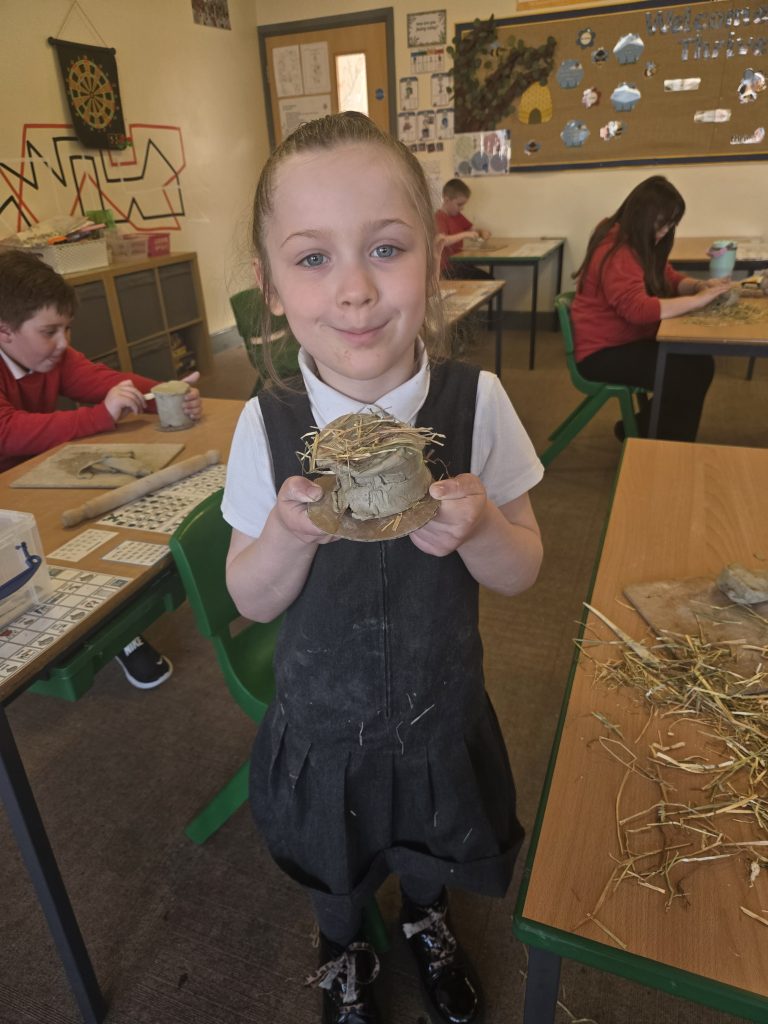
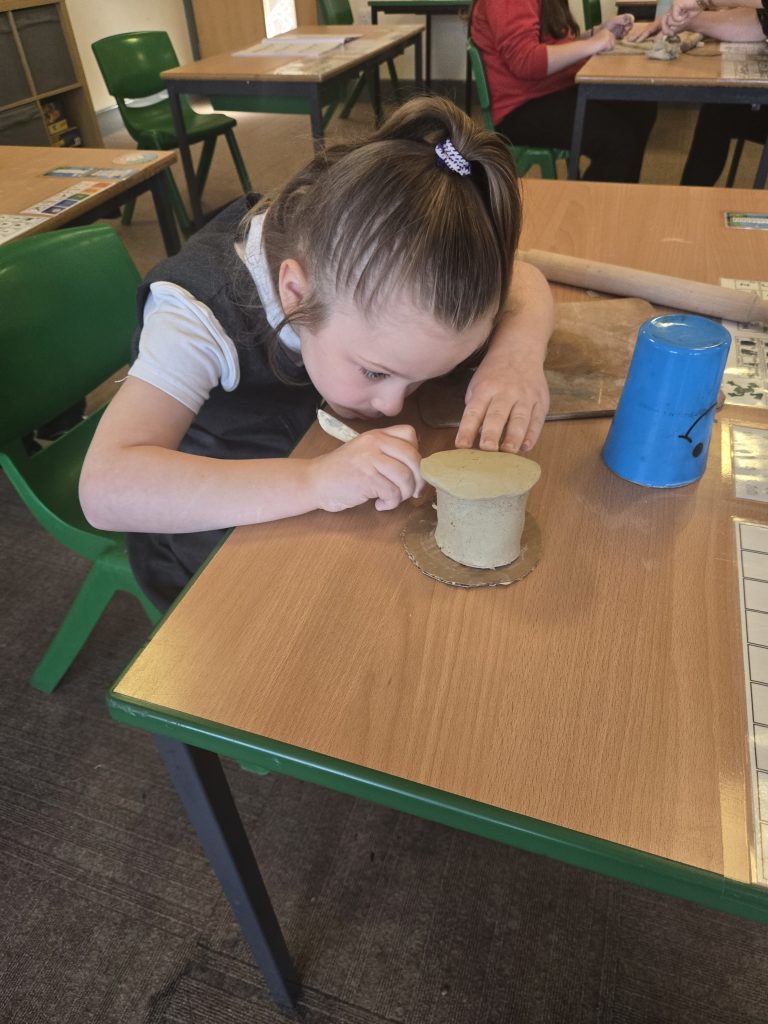
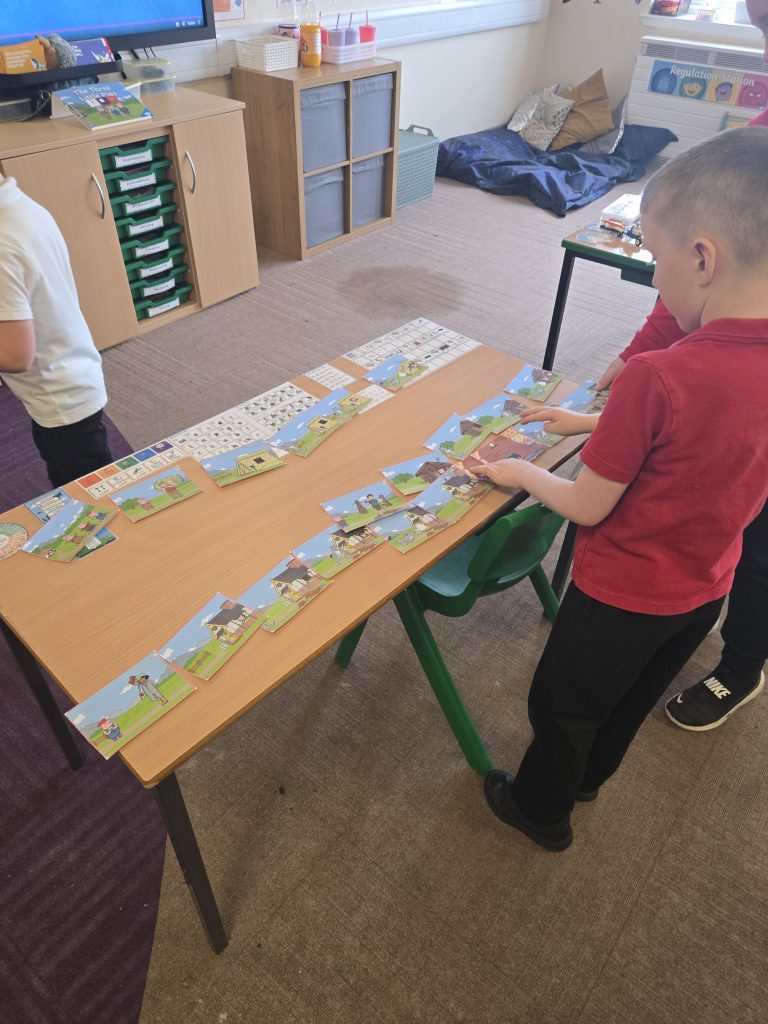
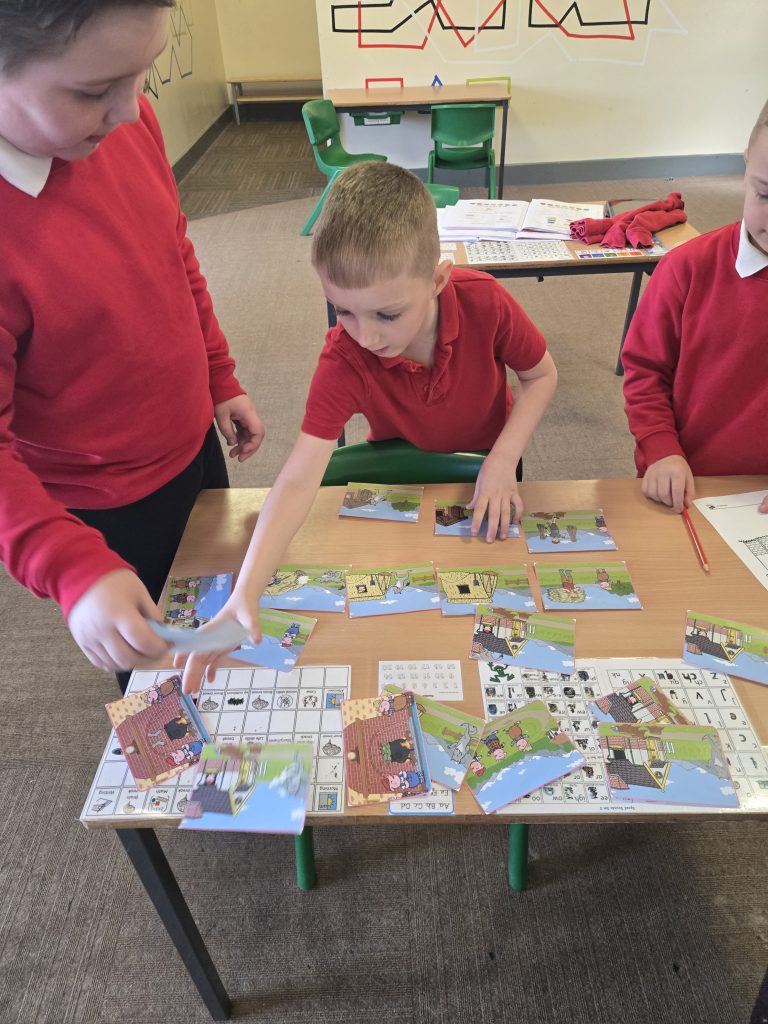
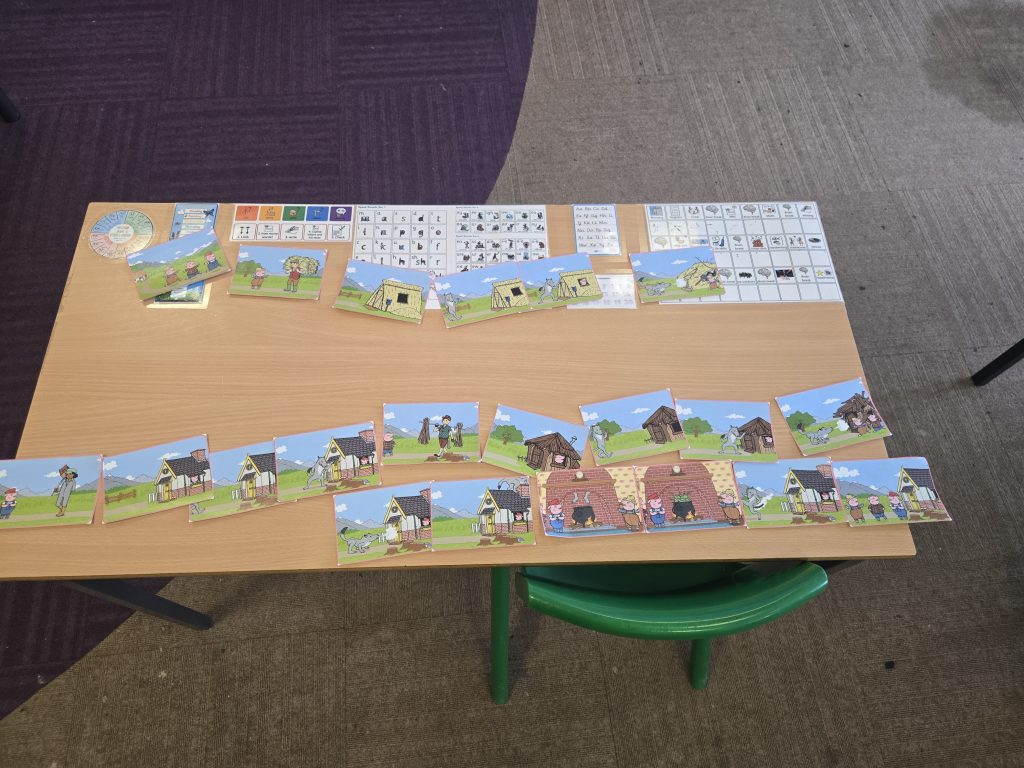
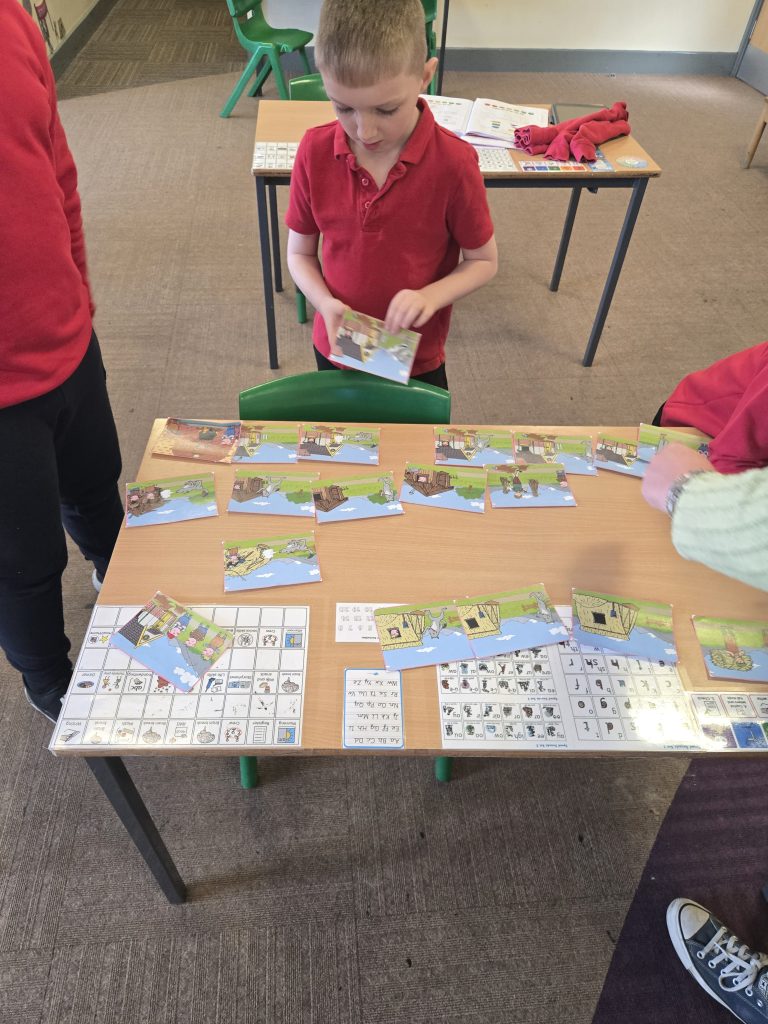
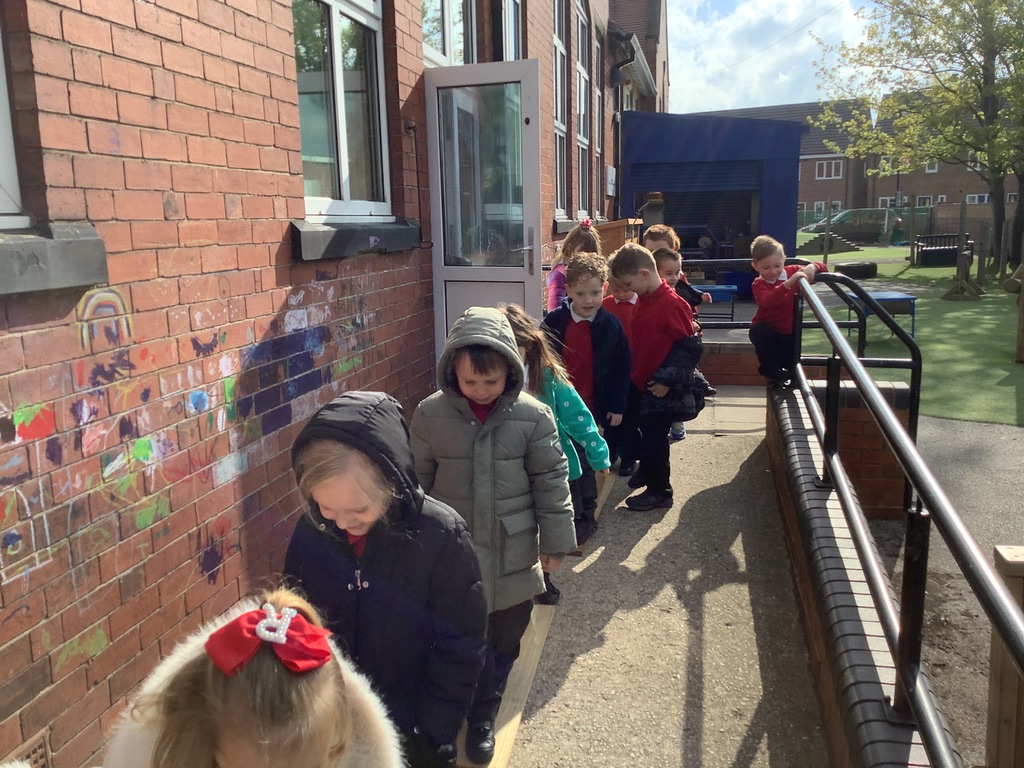
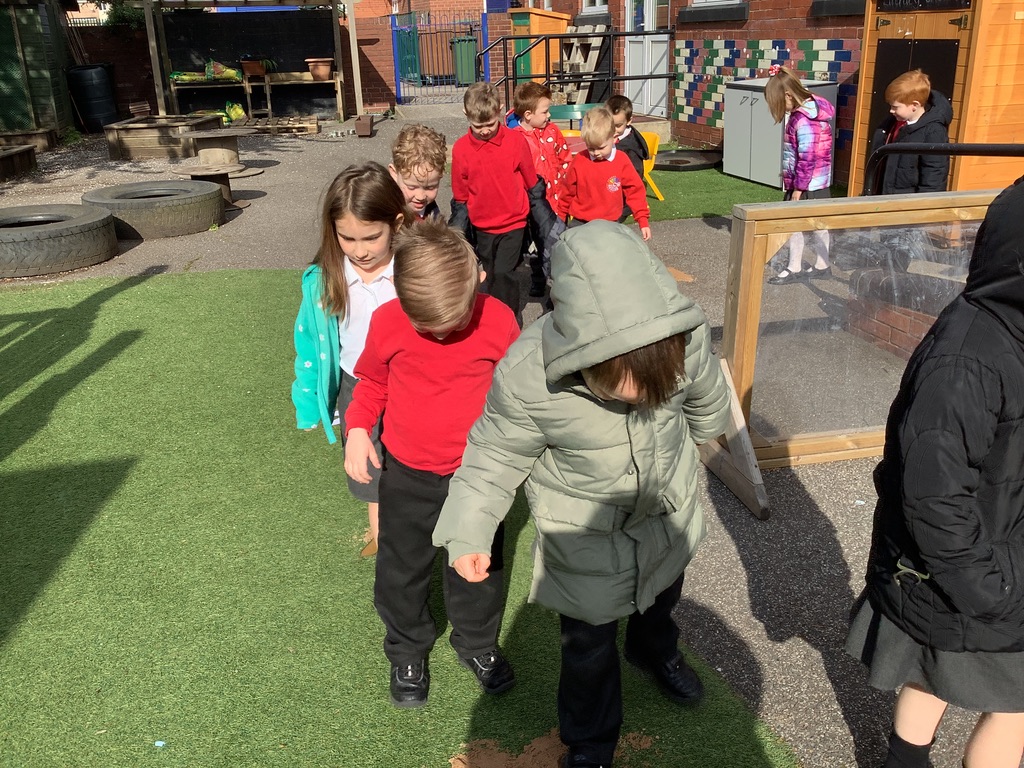
This term we are looking at The Three Little Pigs. They worked together to retell the story.