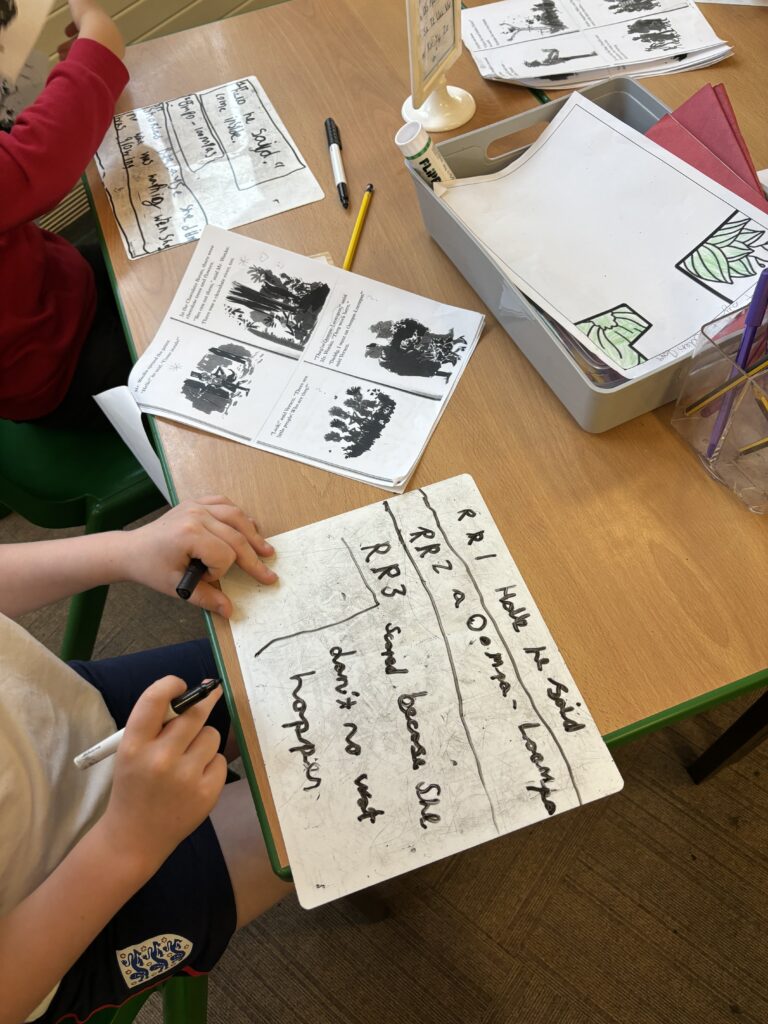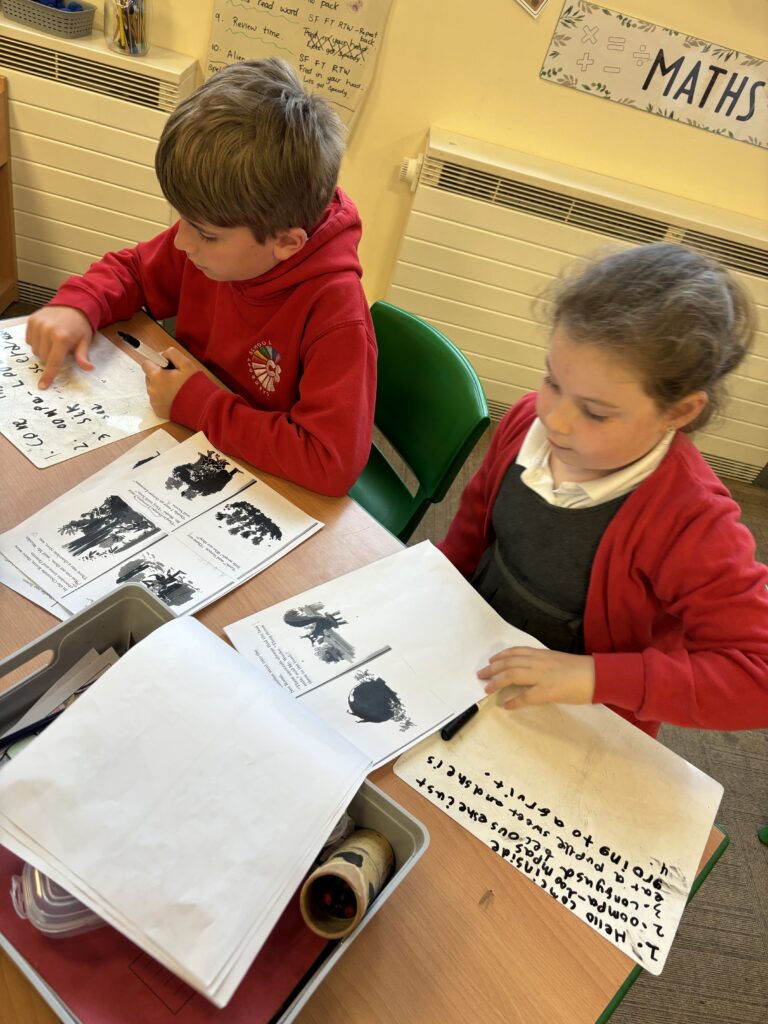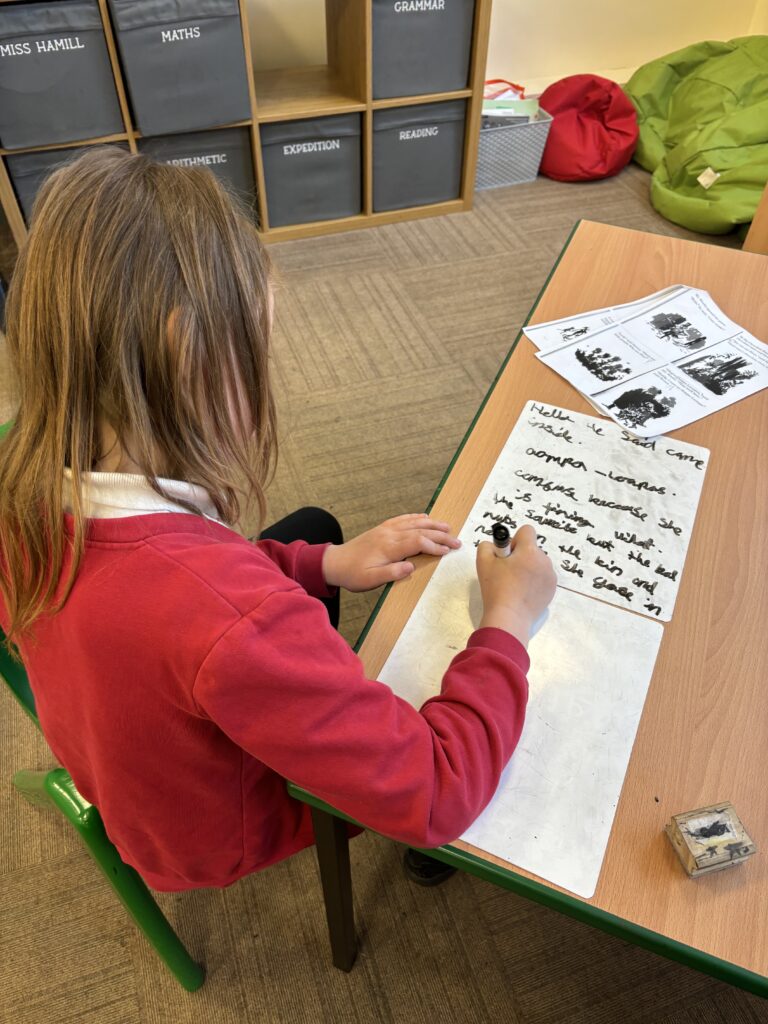
During our writing lesson, we’ve been discussing the importance of proofreading our writing. Before completing our plot point, we swapped books and provided some praises and wonders to help our partners move their learning forward.


During our writing lesson, we’ve been discussing the importance of proofreading our writing. Before completing our plot point, we swapped books and provided some praises and wonders to help our partners move their learning forward.


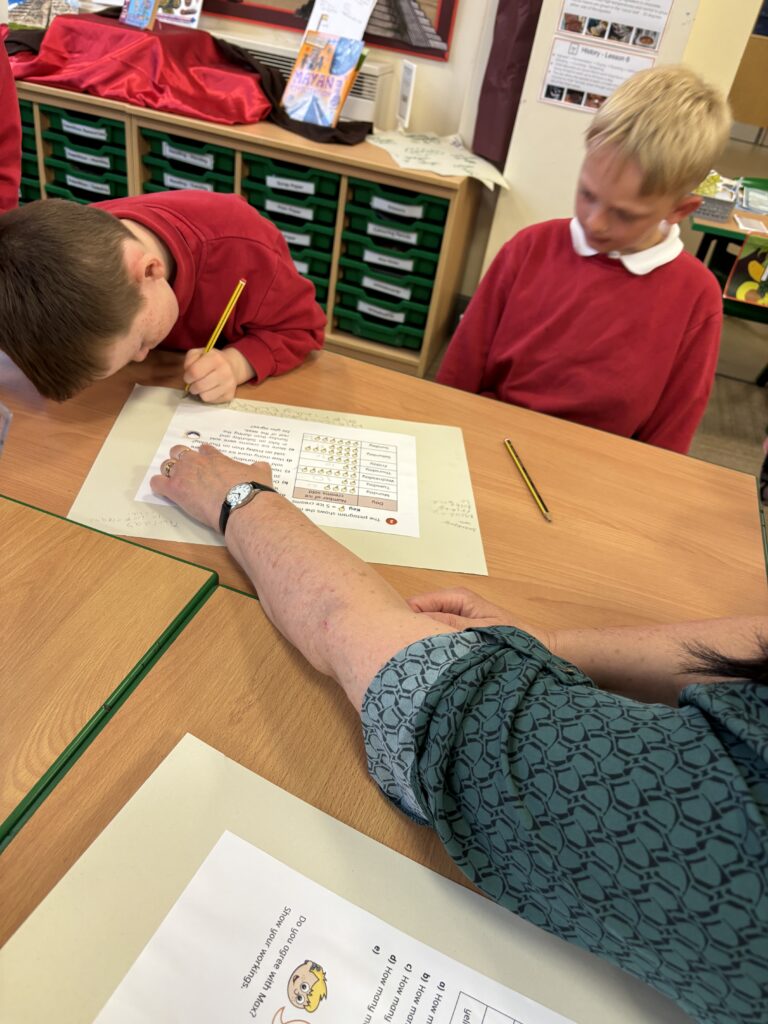
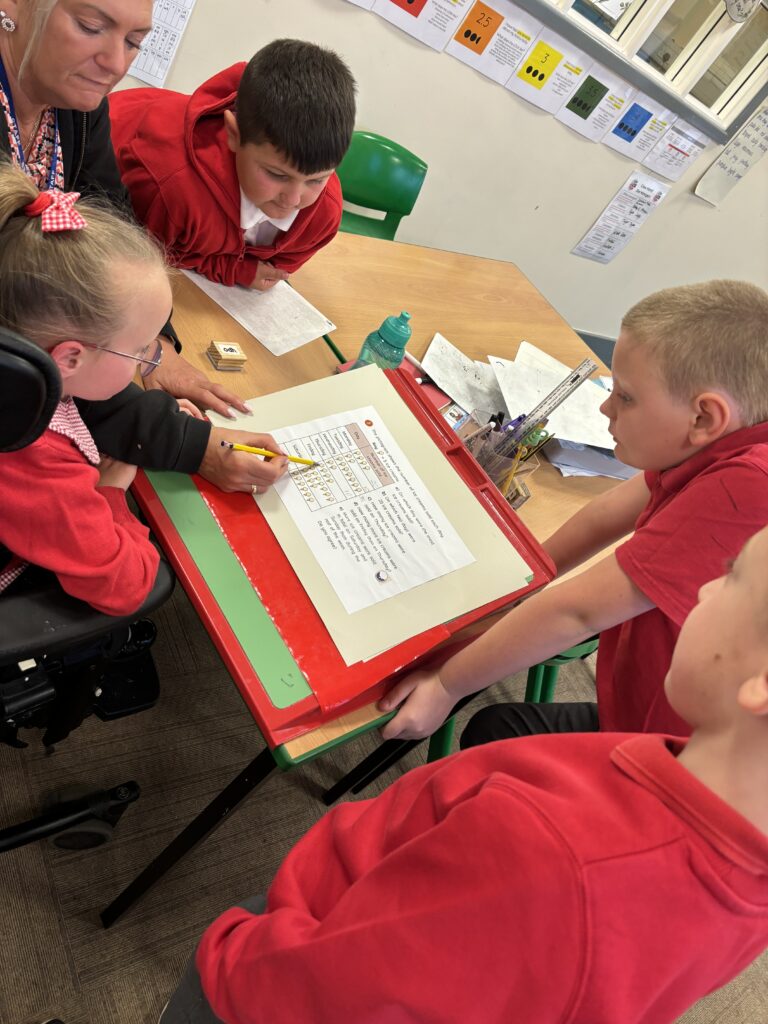
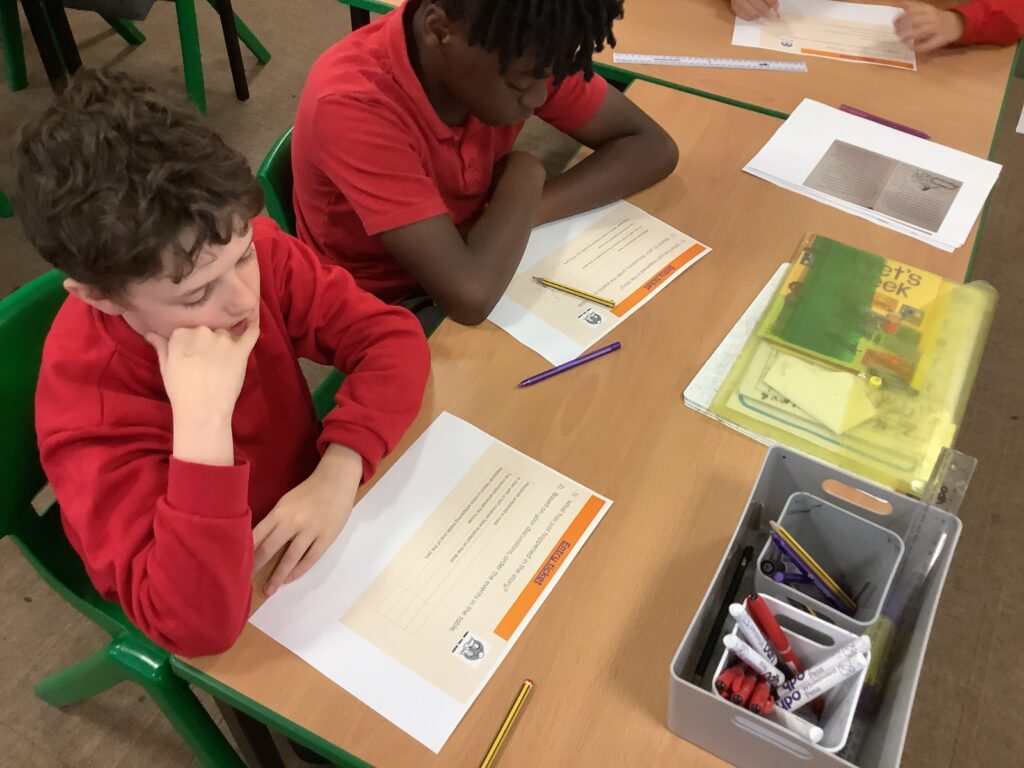
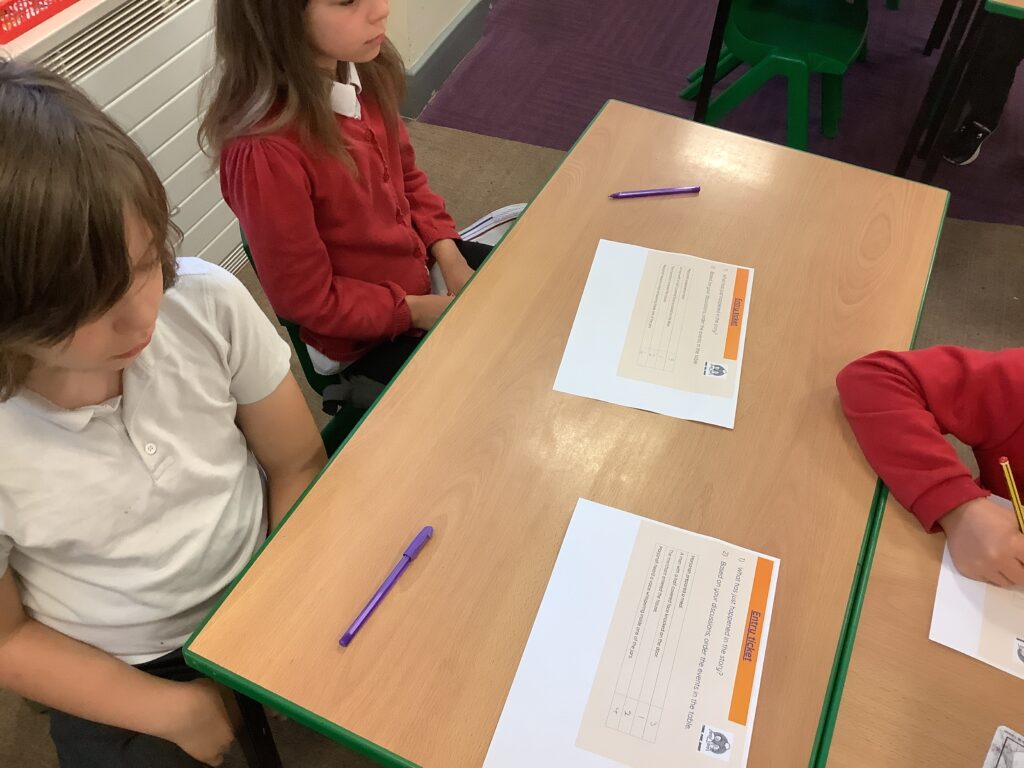
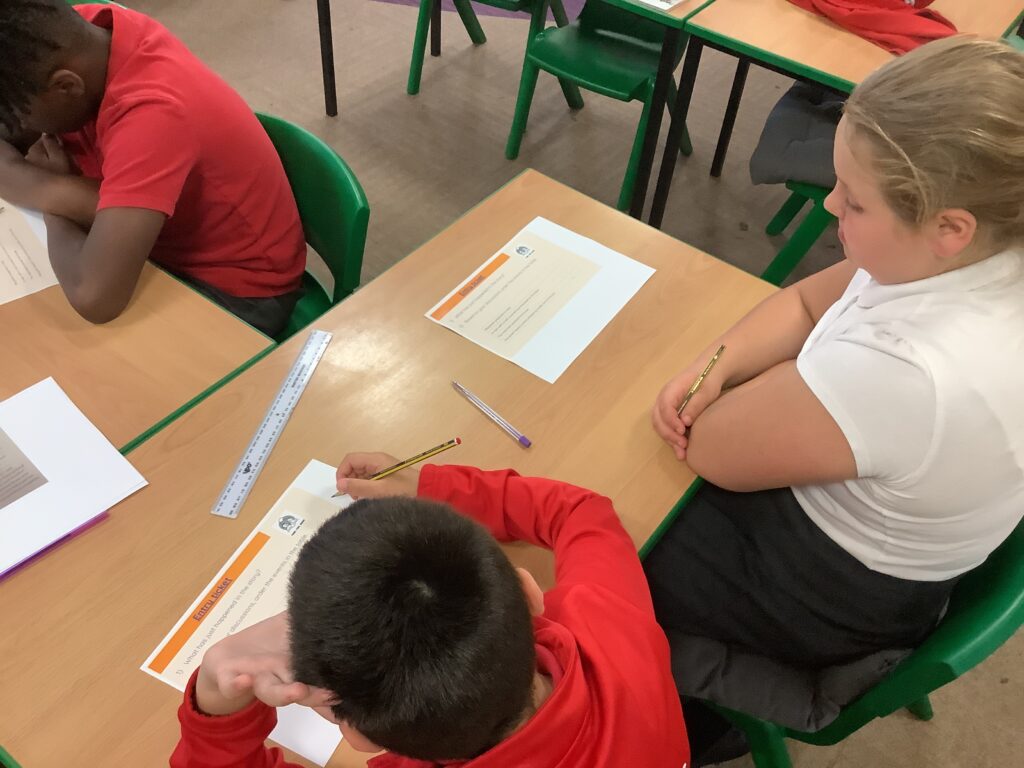
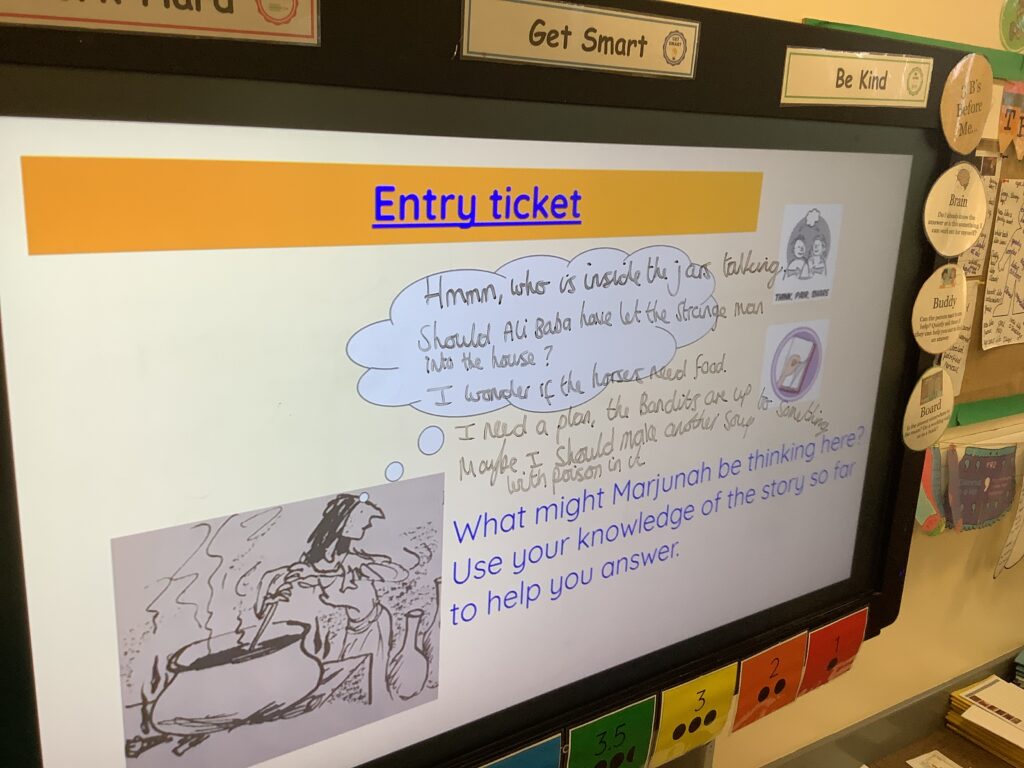
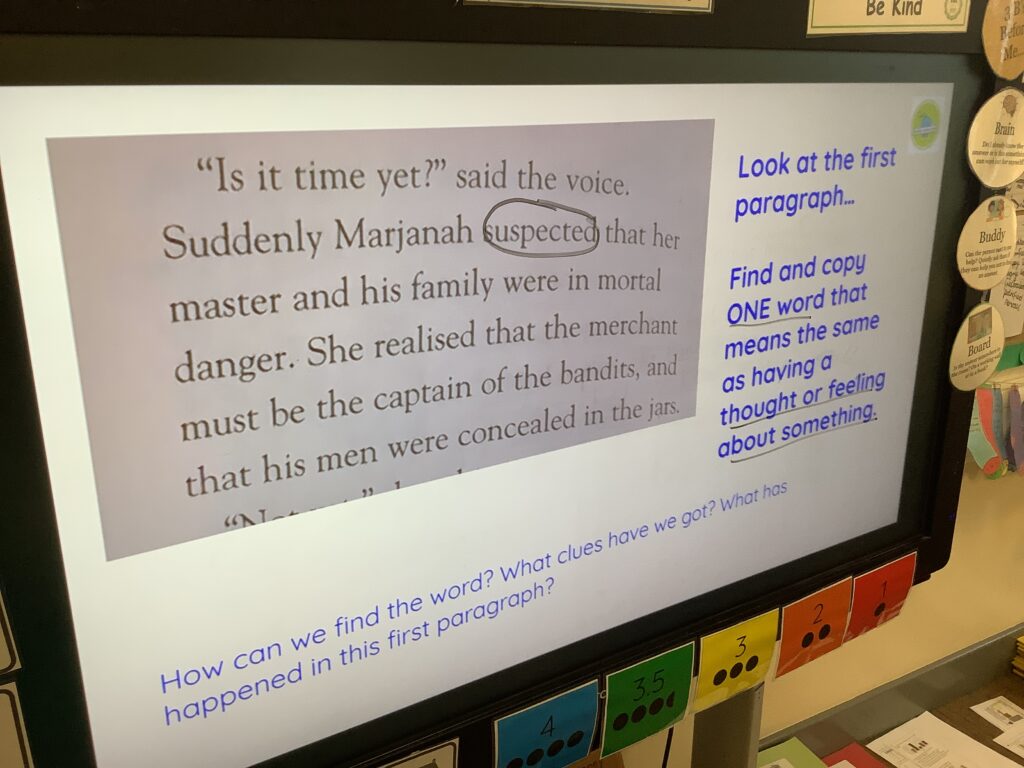
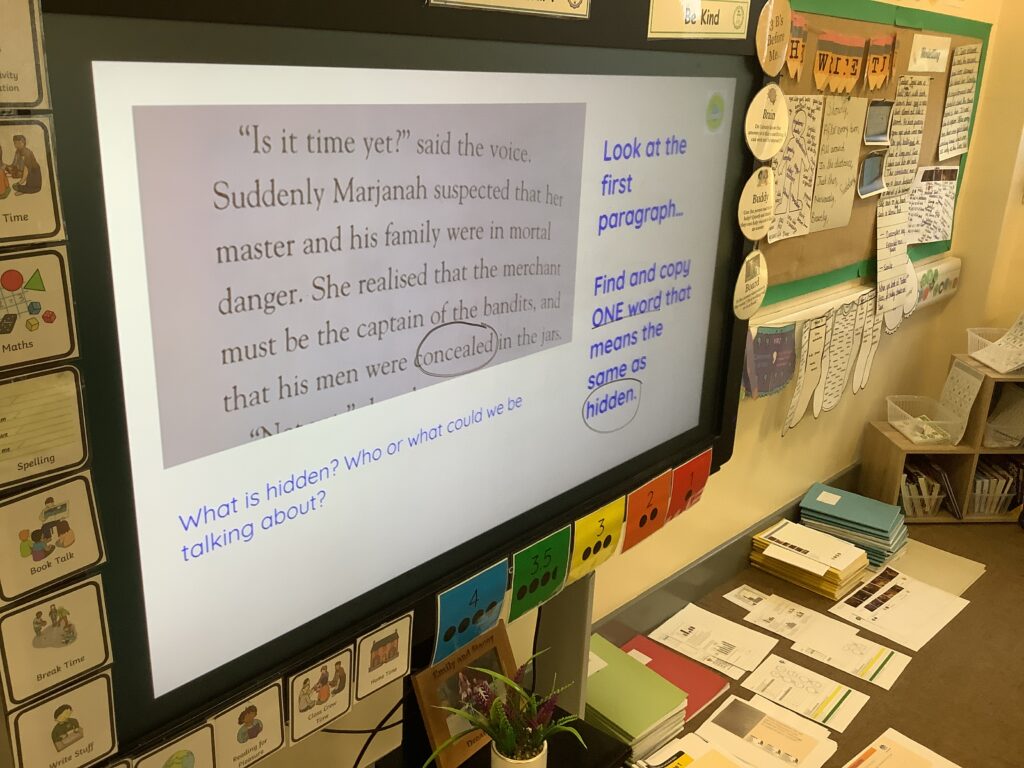
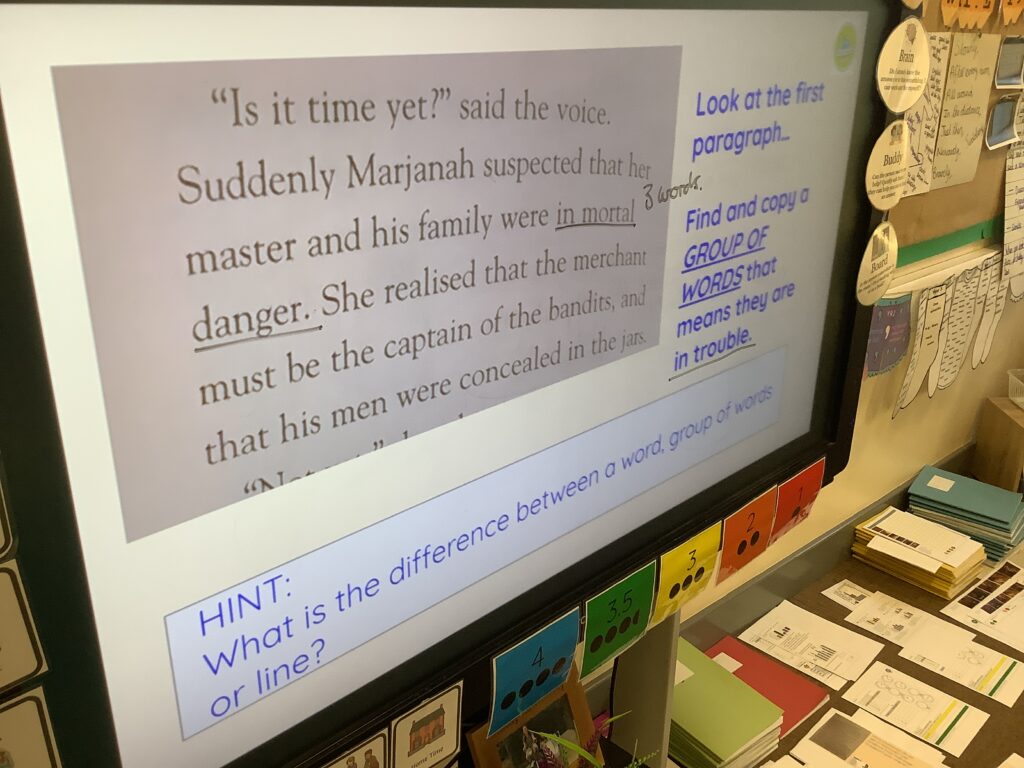
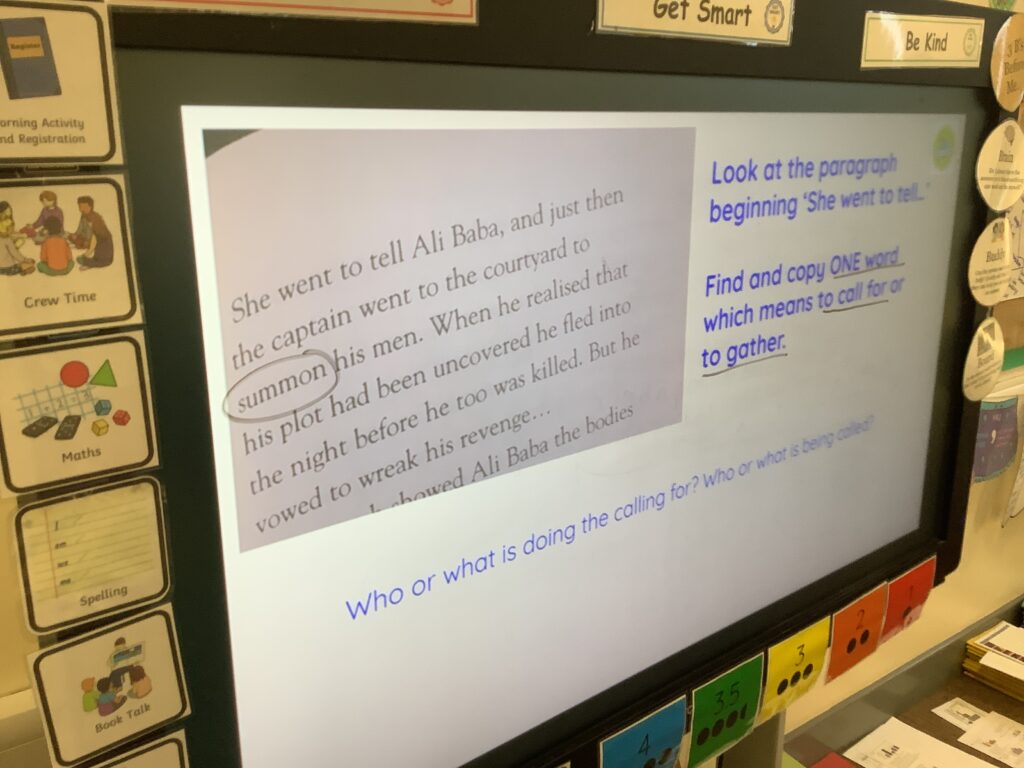
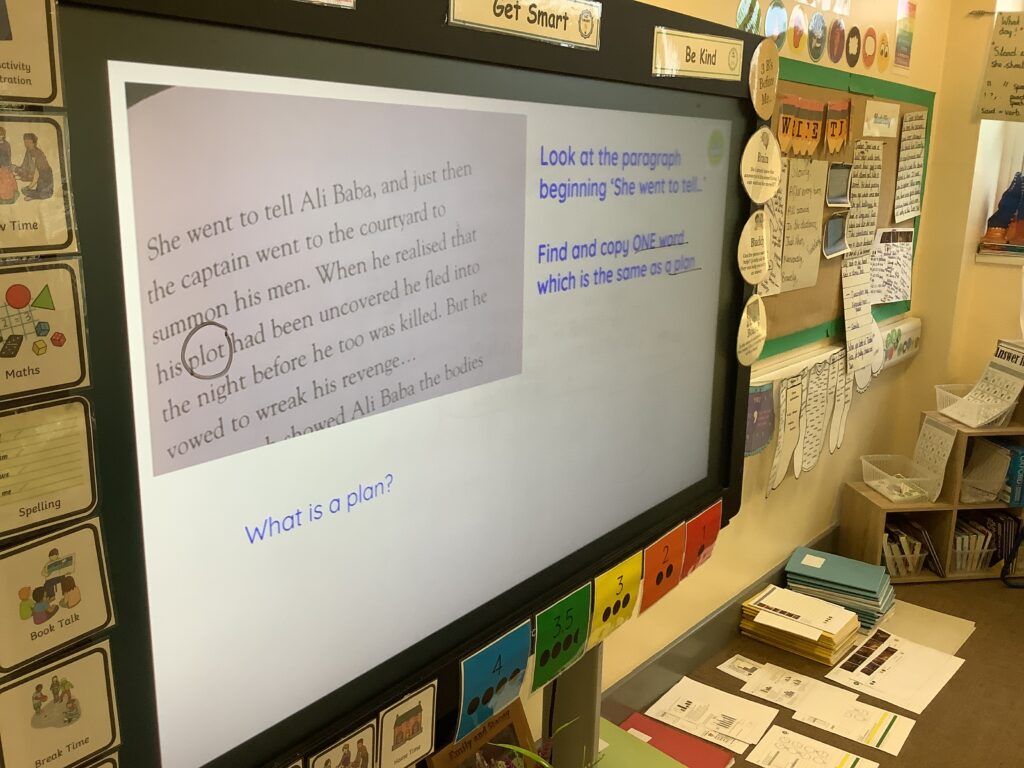
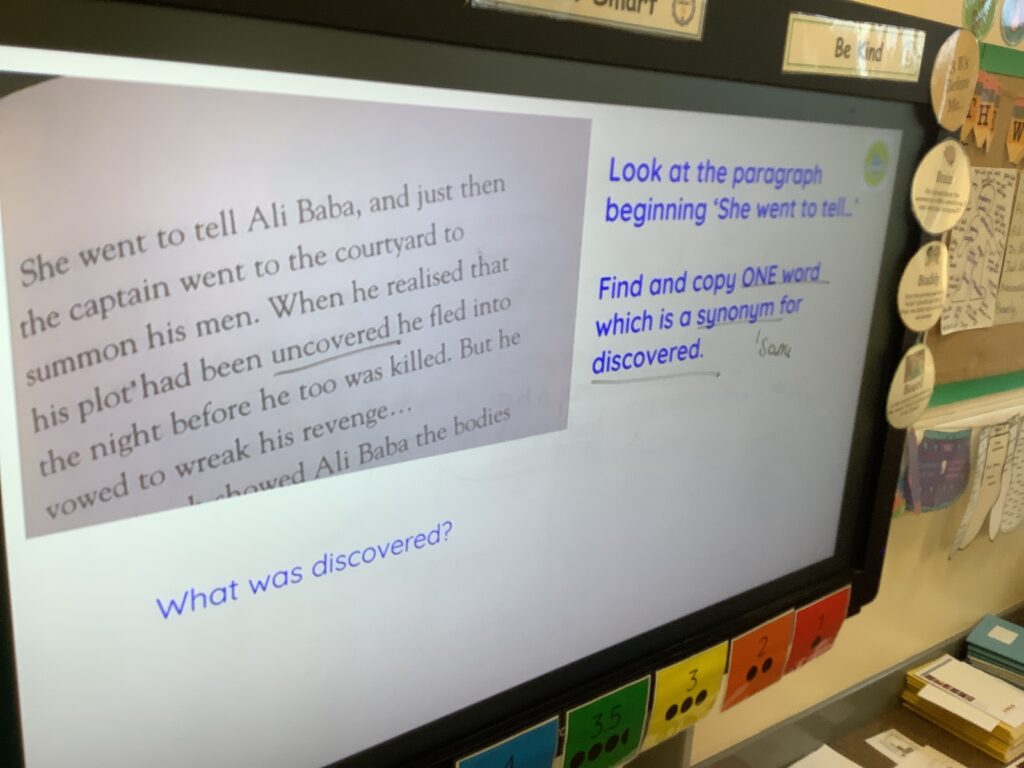
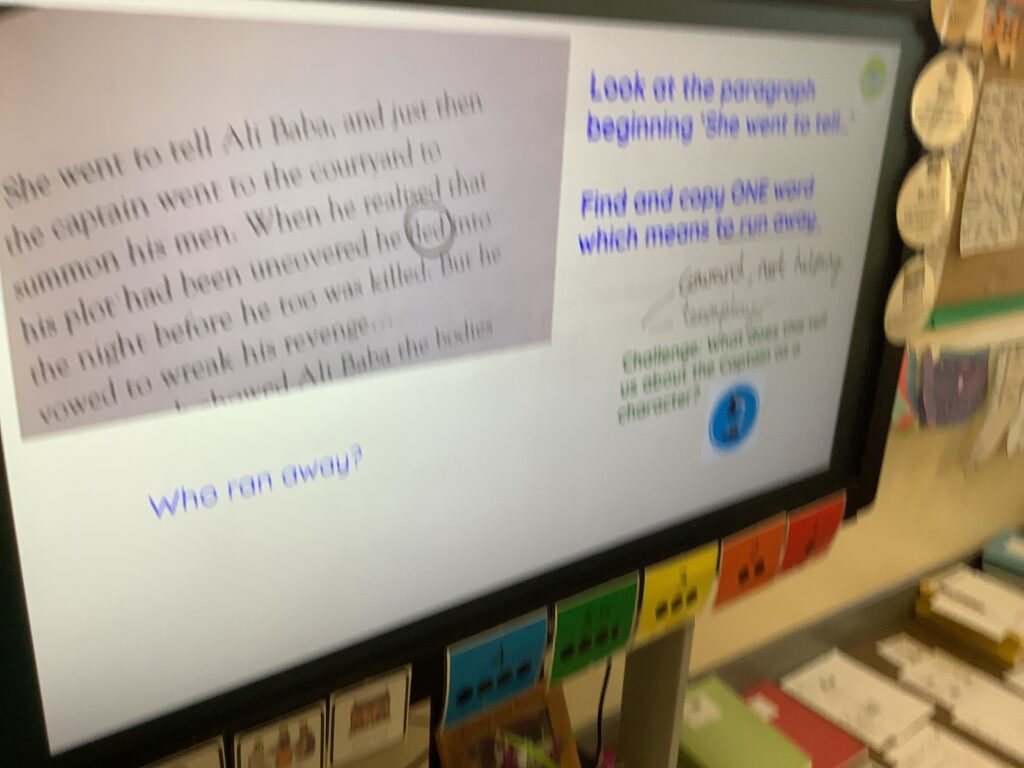
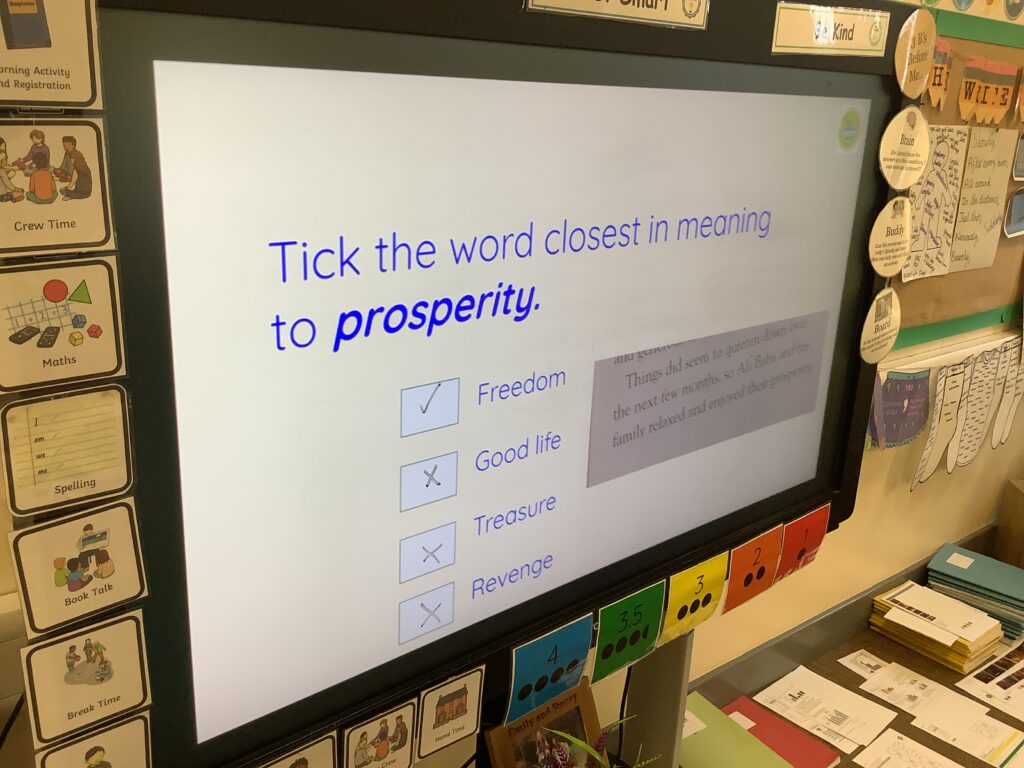
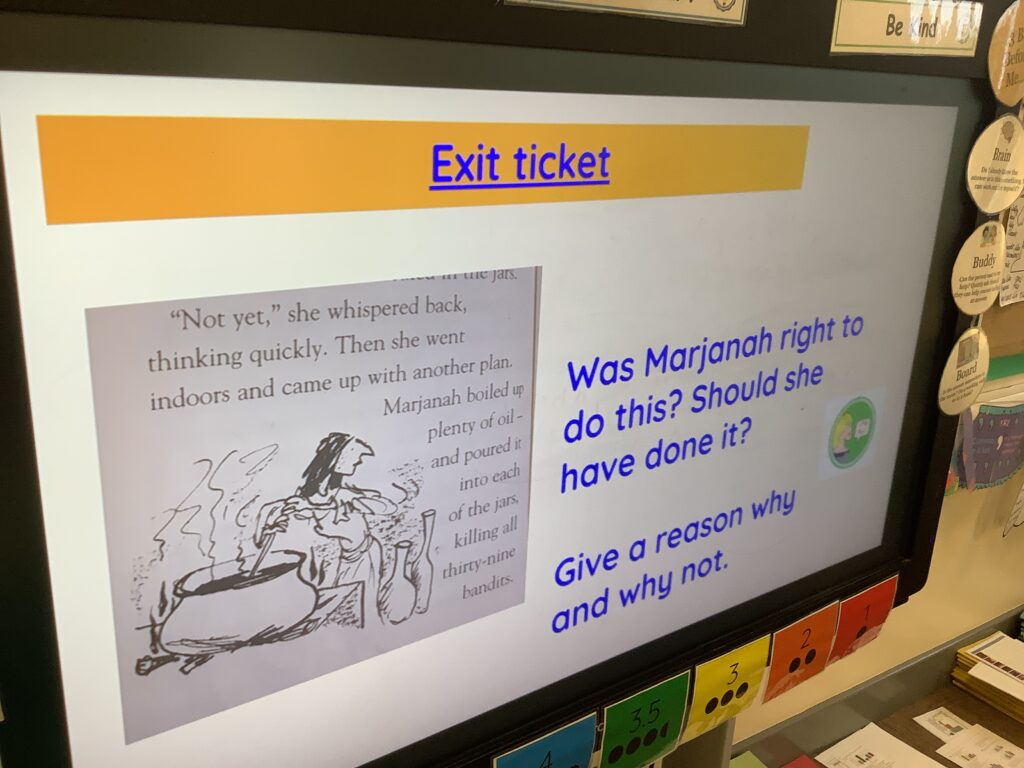
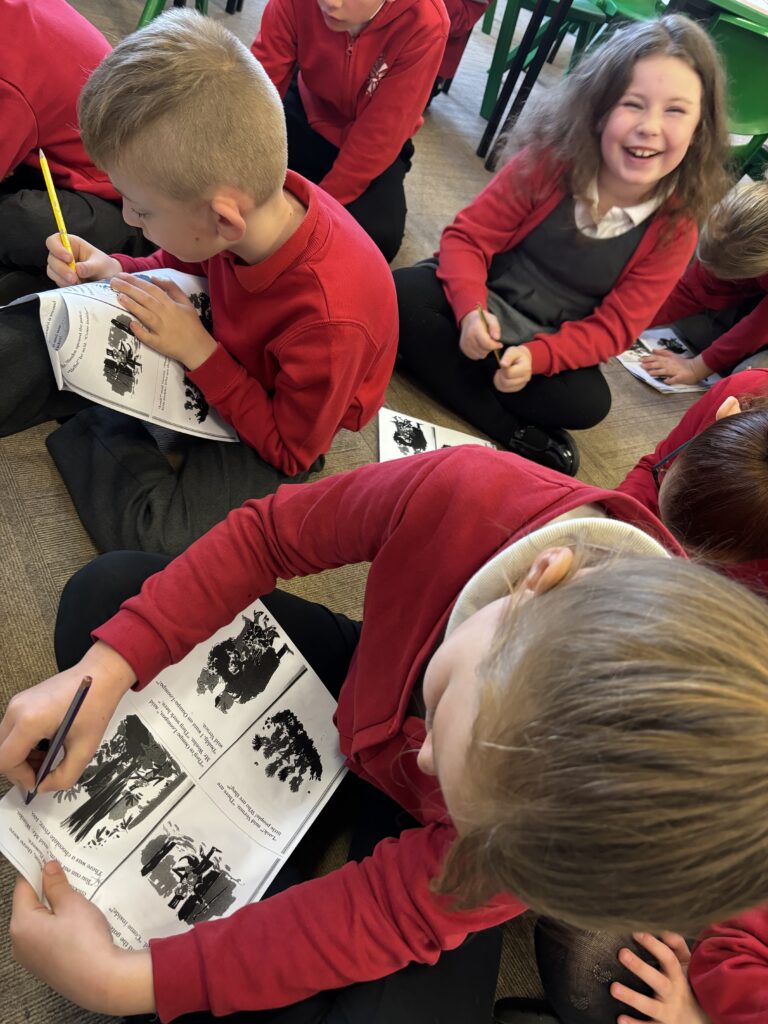
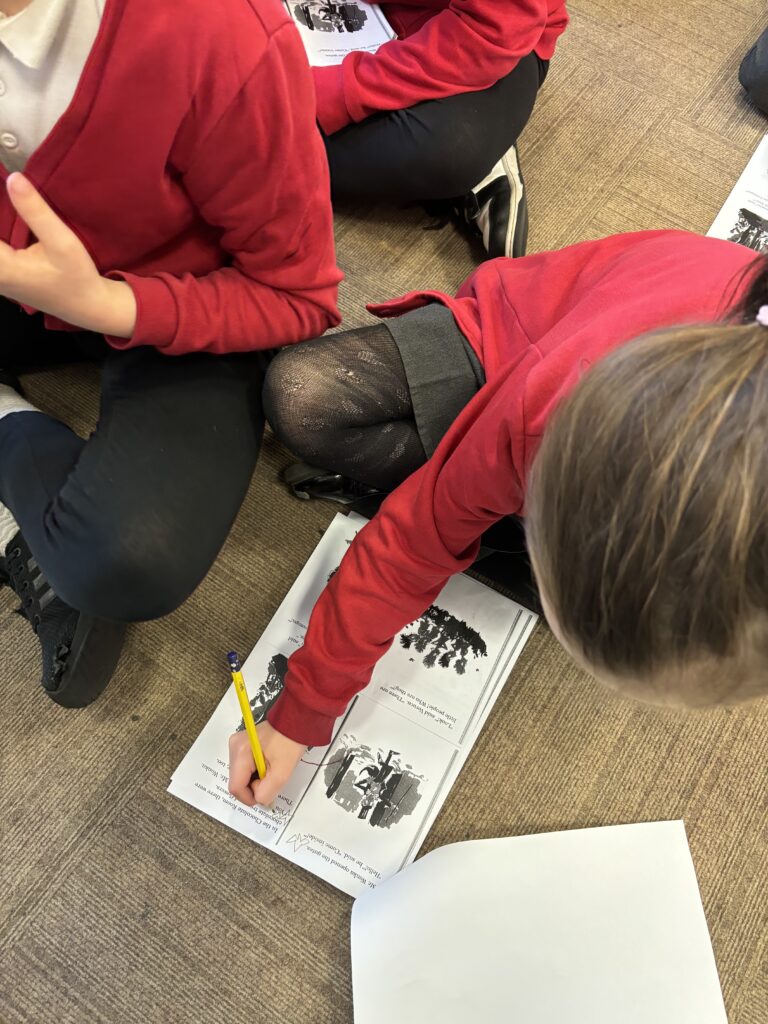
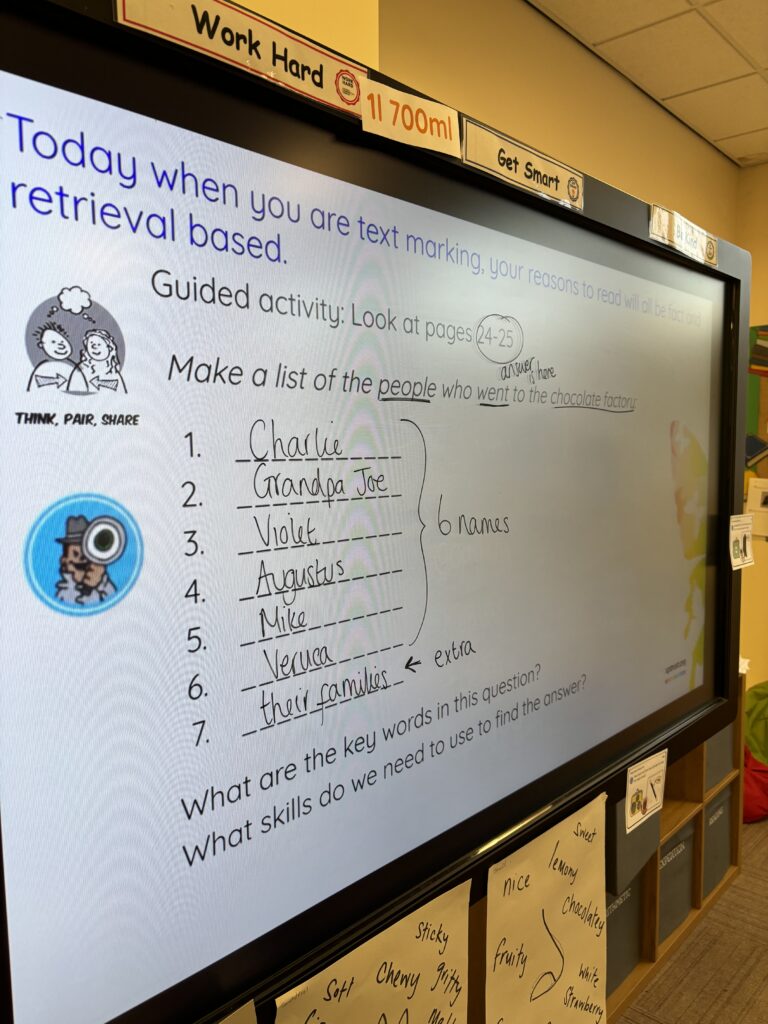
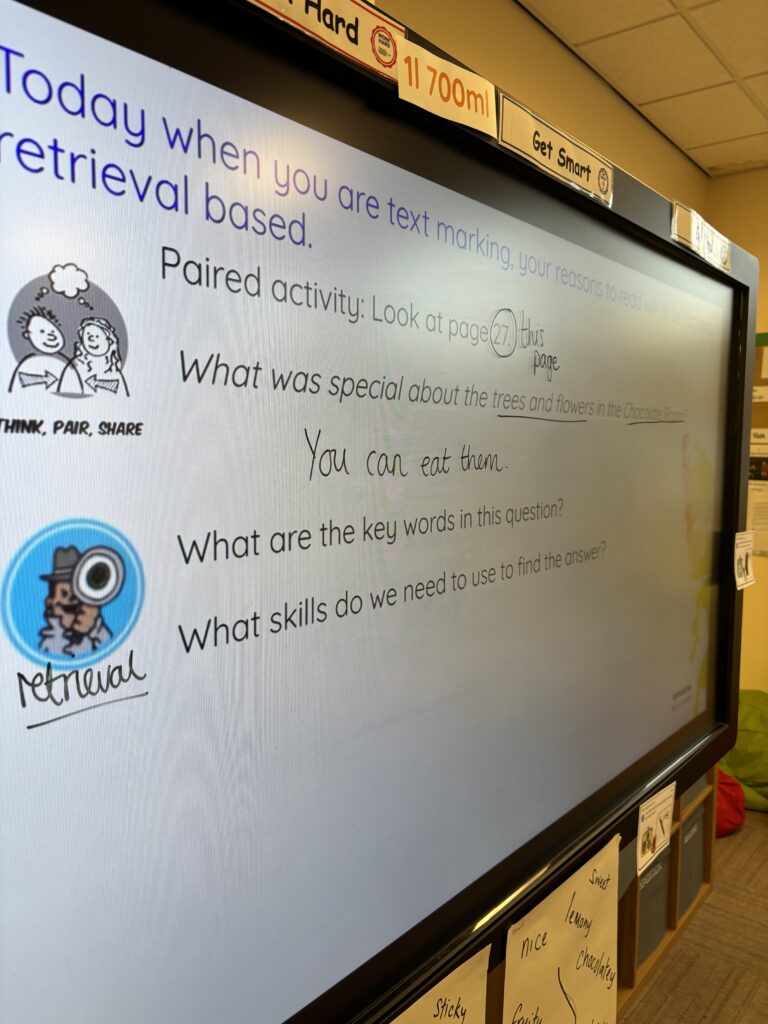
In our book talk lesson, we have been focusing on gaps from our previous assessments. As part of this, we’ve been using different formats so that we are familiar with different ways questions can be presented to us. We worked together as partners to come up with predictions but ensuring we linked this back to what we already know.


In history, we have been learning about where the cacao bean comes from and how it’s grown. We used QR codes to access some reading materials providing lots of information. We then had to use our skimming and scanning skills to help us locate the relevant information to answer questions.
We the looks at the differences between how the Maya processes cacao beans and how they’re processed now to keep up with the demand.


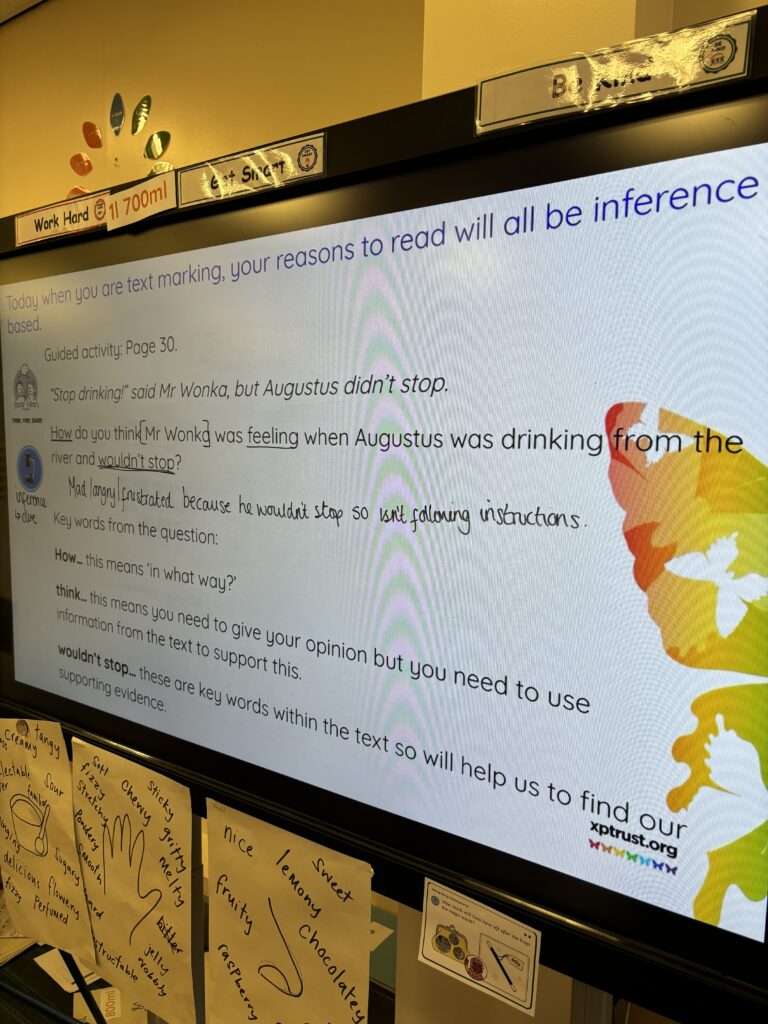
In our book talk session this week, we have continued to focus on inference. We have texted marked the next couple of pages in our book, highlighting any words we wasn’t sure of. We used skills such as read around the word and looking at the root word to unpick this vocabulary.


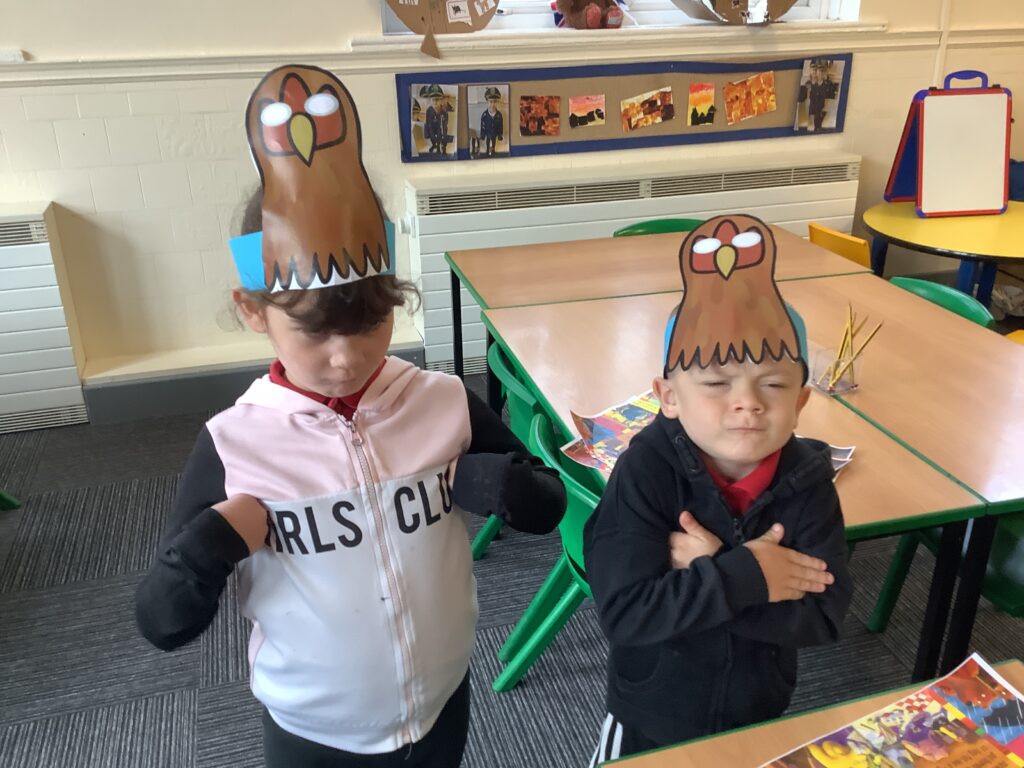
In preparation for our final plot point in writing, we were super excited to spend a lesson taste testing a number of different types of sweets. These sweets triggered different taste buds on our tongue, meaning we reacted to them in different ways. We were able to use our experience to create a bank of vocabulary to support our writing. We pulled lots of funny faces – especially with the sour and fizzy sweets.


In expedition, Crew Hamill began looking at the process involved in making a chocolate bar out of a cacao bean. We identified the main steps in the process and matched these to a description of what each step involved, placing them in chronological order. We were then given a picture of each step that we had to also match up correctly. Following this, we looked at some facts about chocolate production, such as, children are used to collect the cacao beans and on average, cocoa farmers earn just 6% of the final value of a bar of chocolate. We had to decide whether these facts were fair or unfair and make a decision on what we thought overall. We were very surprised by how many unfair comments there were and couldn’t believe children were used for many of the steps.


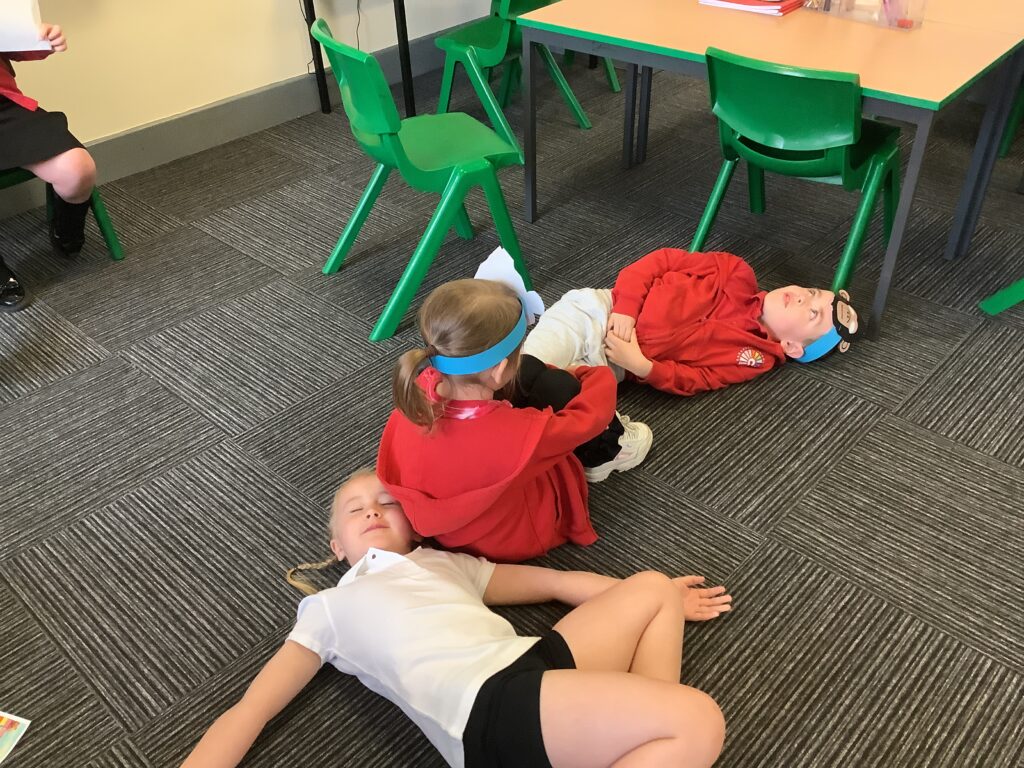
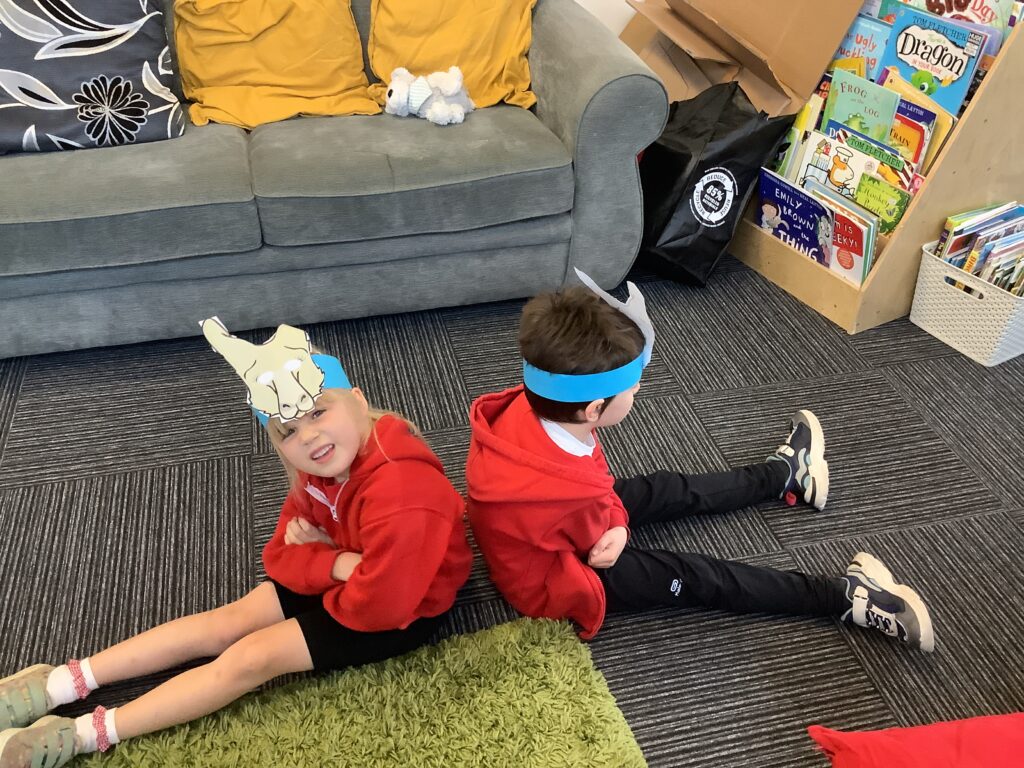
For today’s RE lesson we looked at a story called, ‘The Monkey King’. A story told by Buddhists about how to show care to others. We learnt how initially the Monkey King was selfish and didn’t want to share his mangoes with the other monkeys because they tasted too good! But then when the Human King caught one and wanted more and was willing to kill the monkey tribe for them, the Monkey King knew he had to make a sacrifice! He quickly used his body as a bridge and let the other monkeys climb over him to get across the river to safety. The Human King saw this kind action and recused the Monkey King for being so kind and let all of the other monkeys live. They then all shared the tropical fruit together. We all learnt a lot from this story, especially how to be kind to others and why being kind and caring is so important. We thought about questions that we might ask the Monkey King such as, why did you decide to help your tribe? Did your feet hurt? Did you think you were going to die? etc. We also thought about the different characters feelings at different points in the story. At the end of the lesson we shared some of the sacrifices that we have made for others.


To finish off our unit we had a quiz to test our computing knowledge. I was so impressed with how much you could recall. Well done!
This week, we have been finishing our learning about Number 1. We have been practicing writing and building number 1 in different ways


This morning in XP Outdoors, we planted our sunflowers outside in bigger pots to that they could grow big and strong in the bright sunshine! We carefully took our plants out of their small plant pots, made a small hole in the compost and patted our sunflowers firmly into their new pot. After that, we watered them to make sure they had had a good drink, and now we will keep our fingers crossed that they carry on growing!