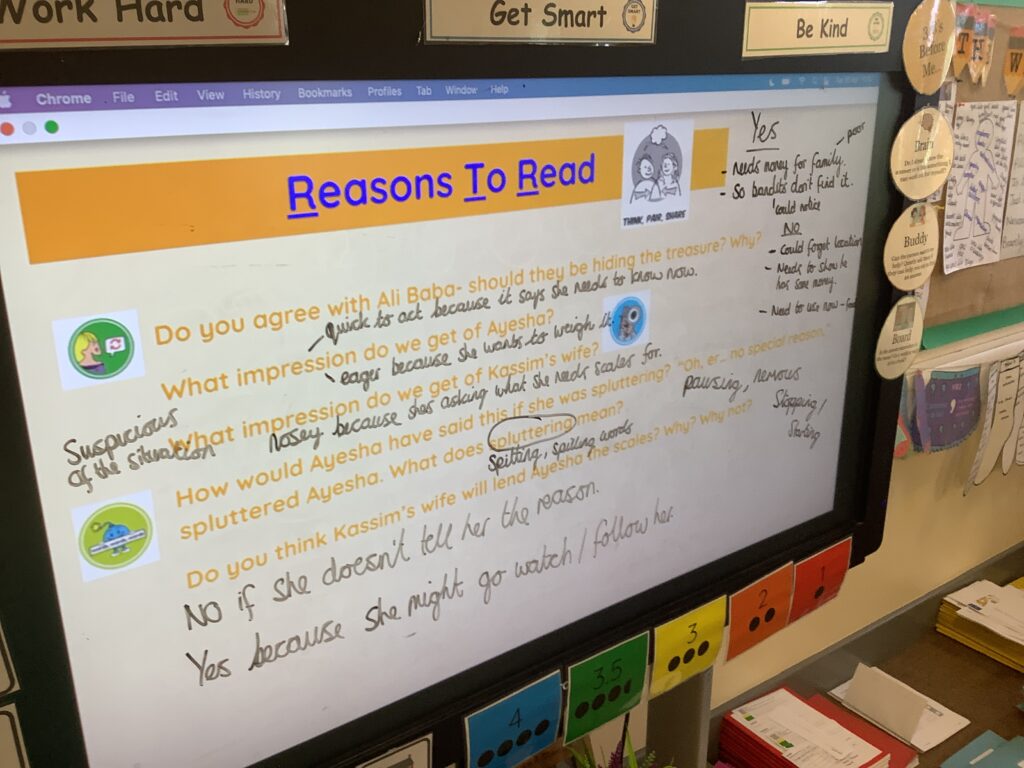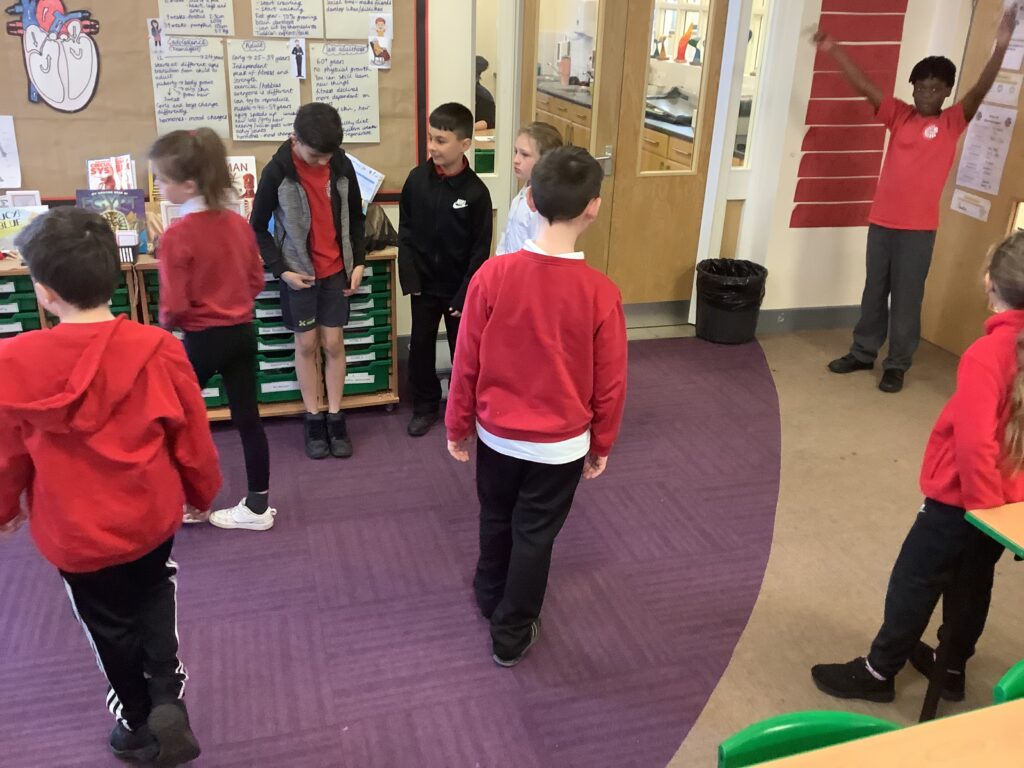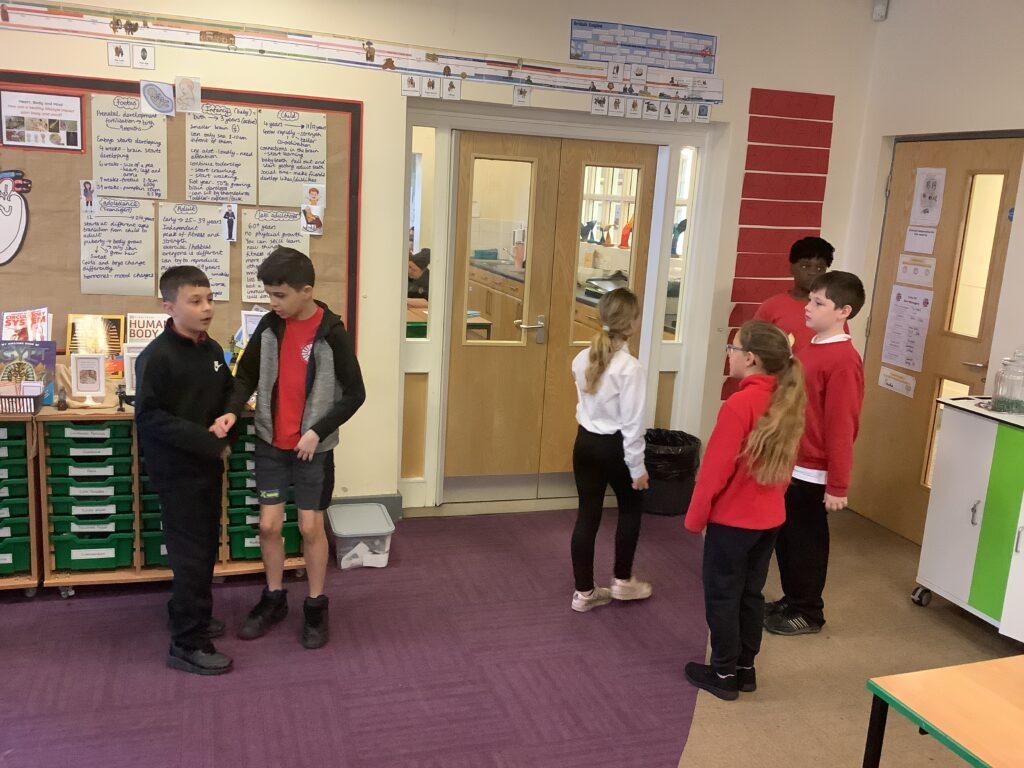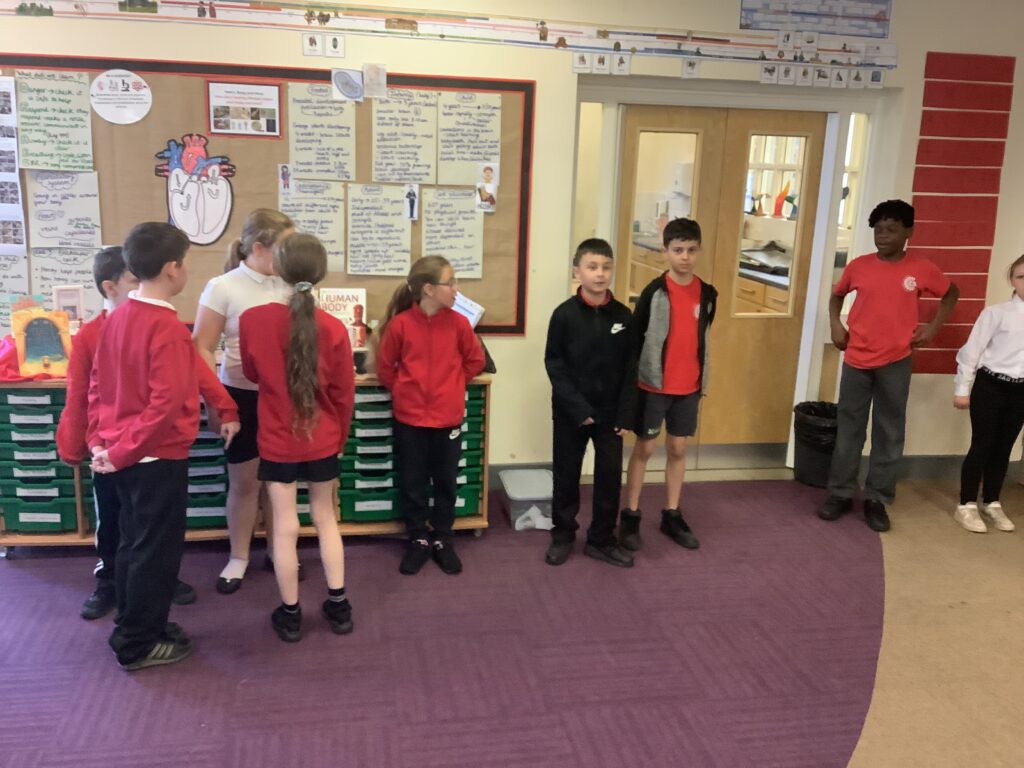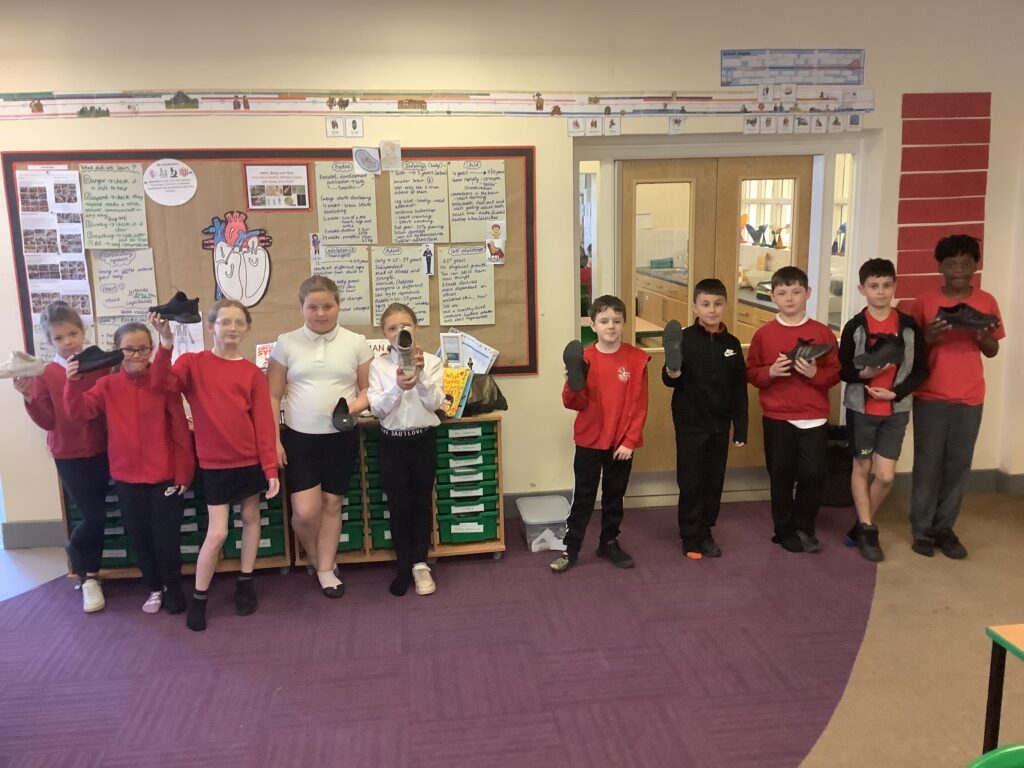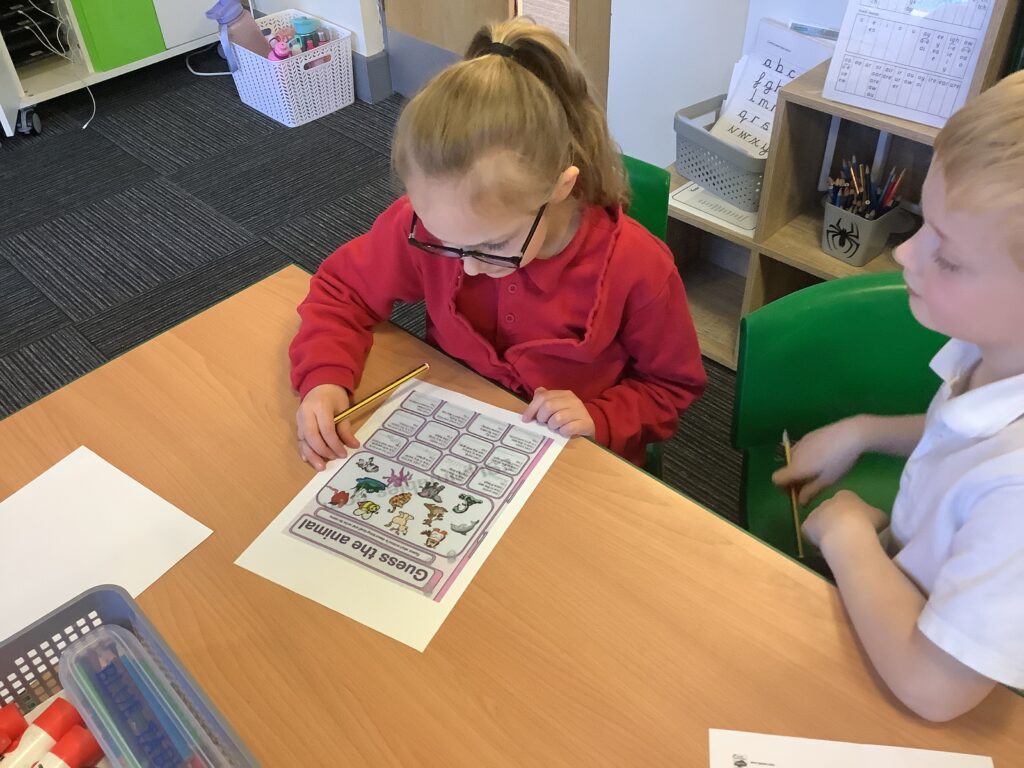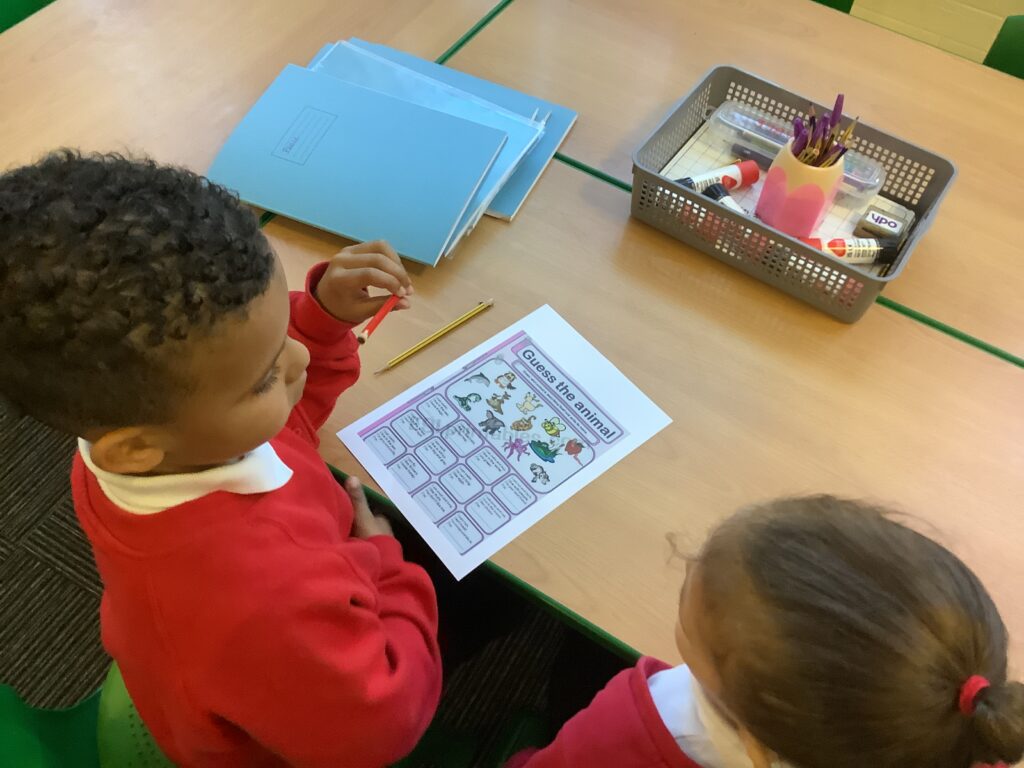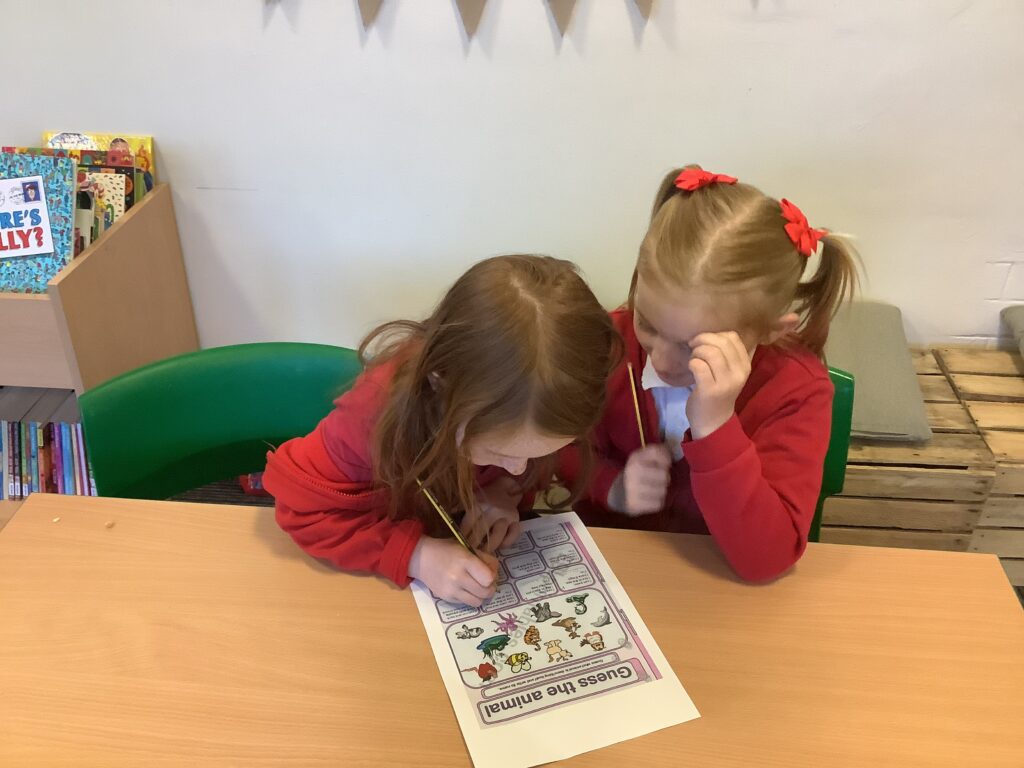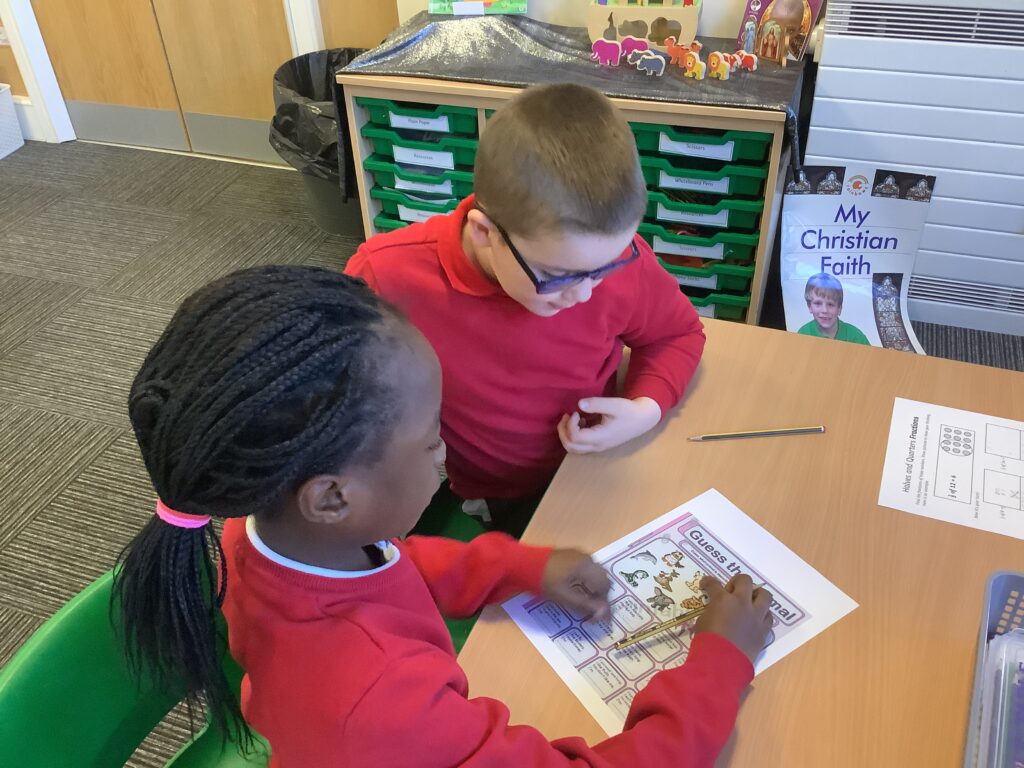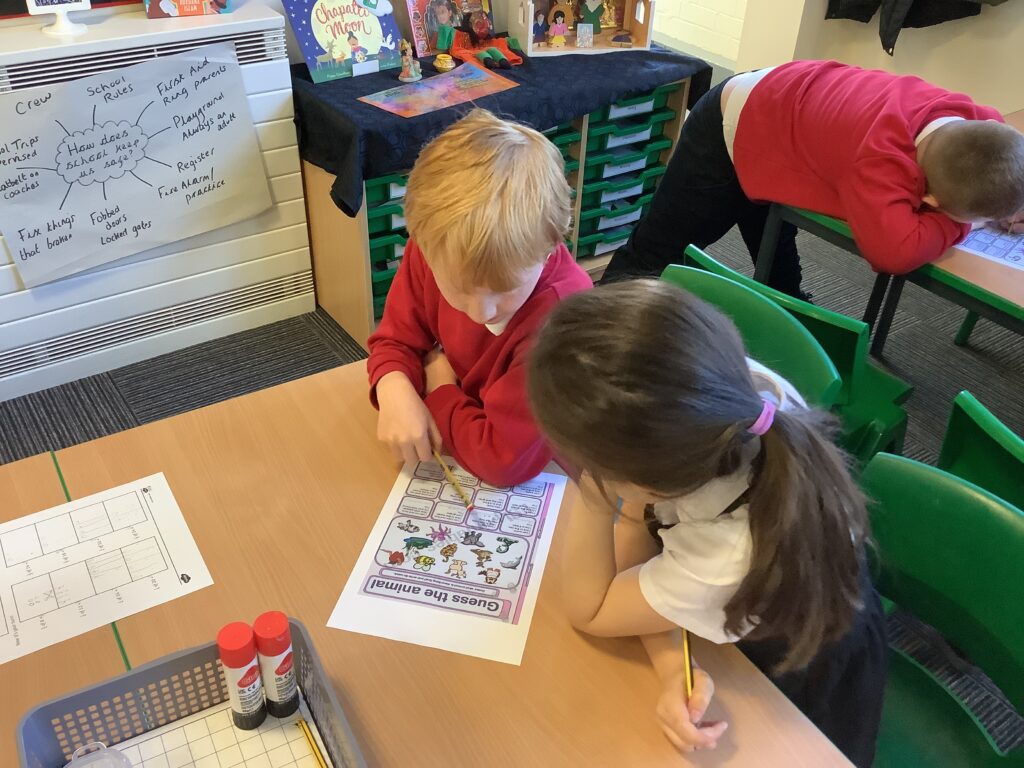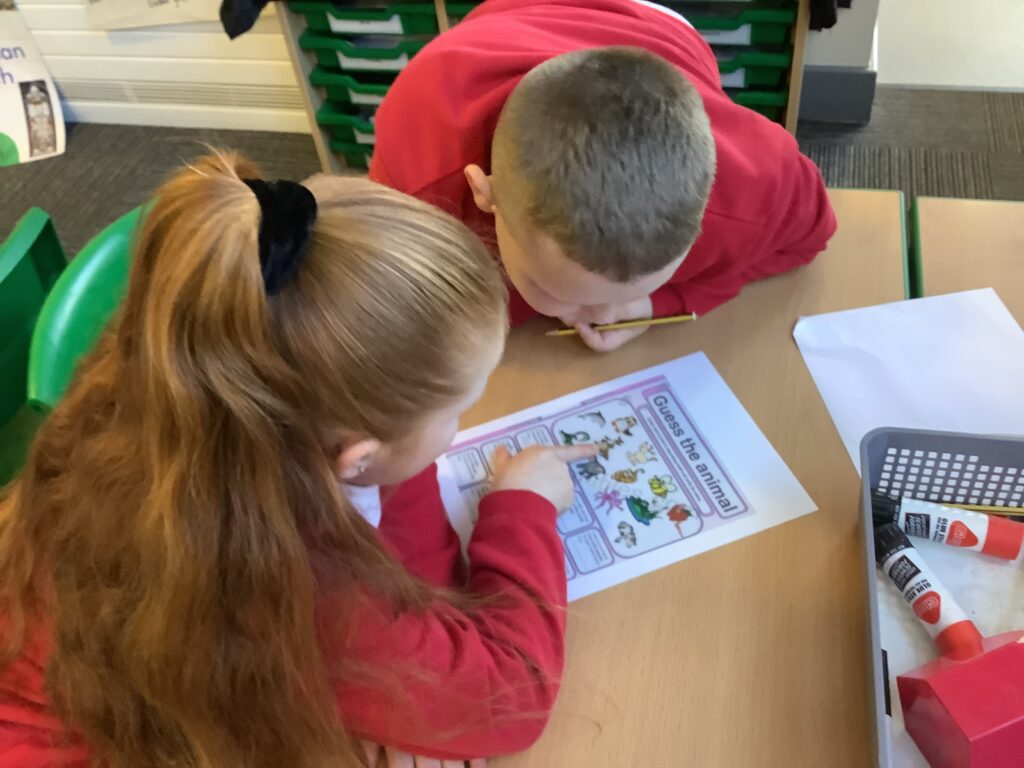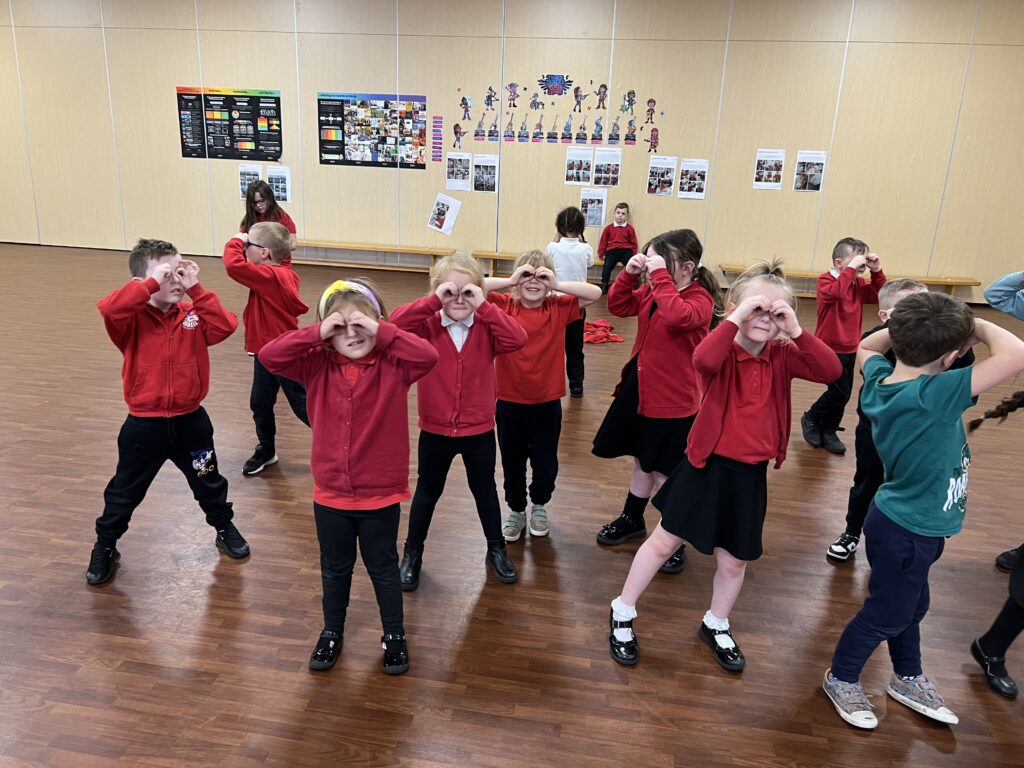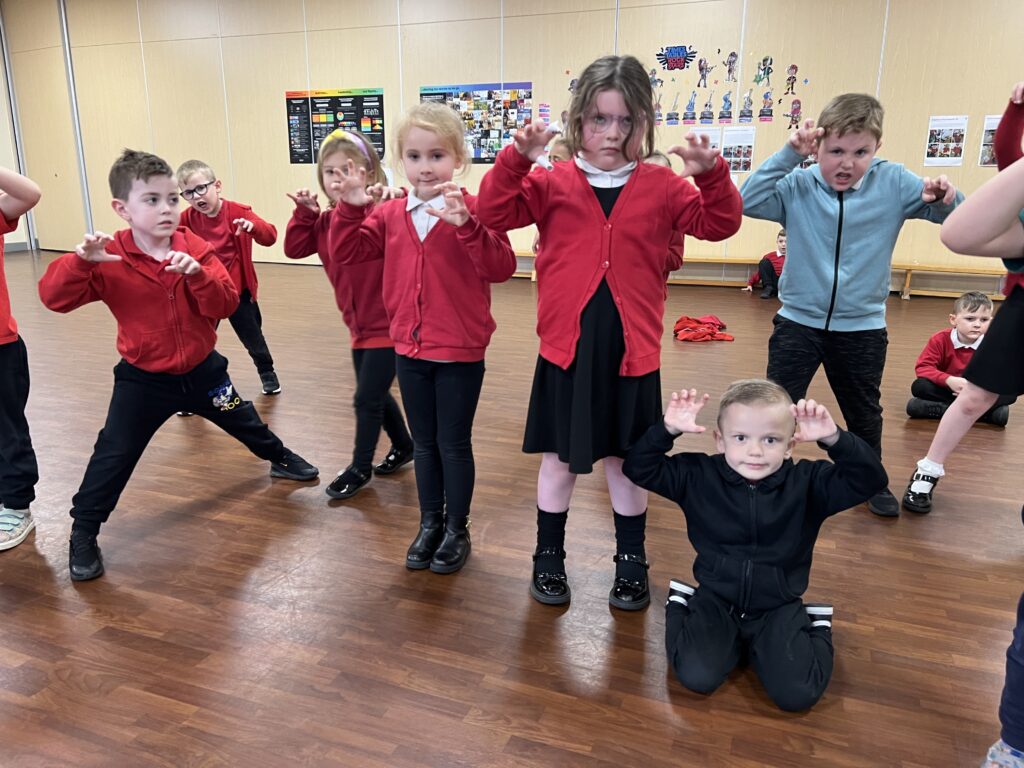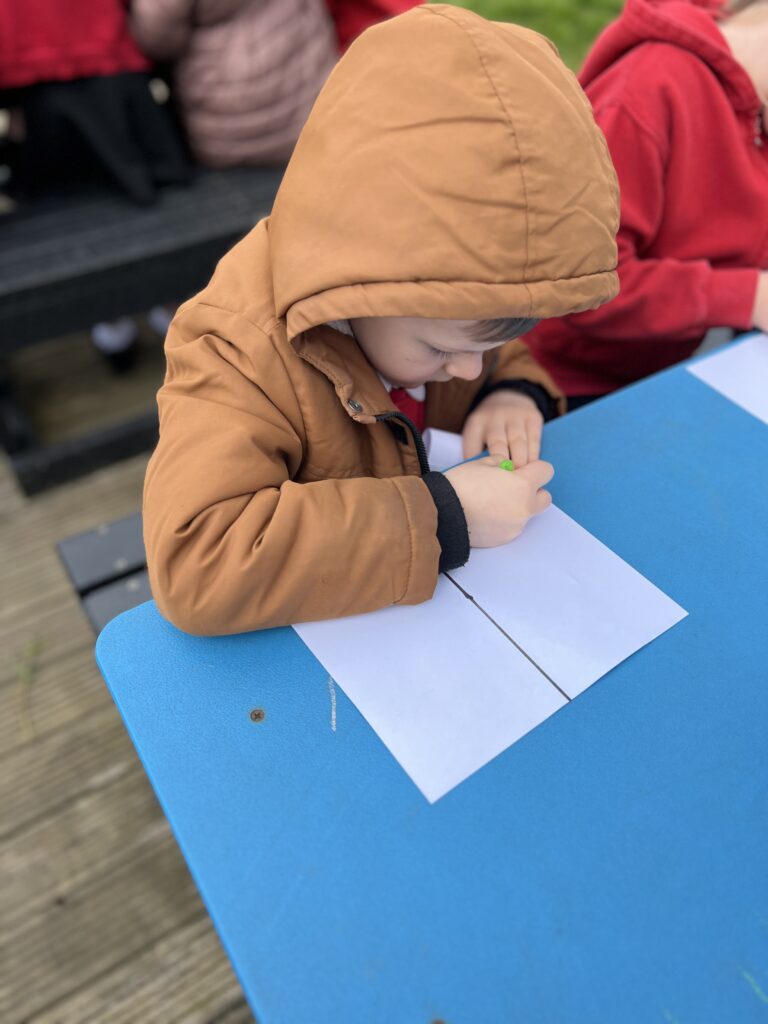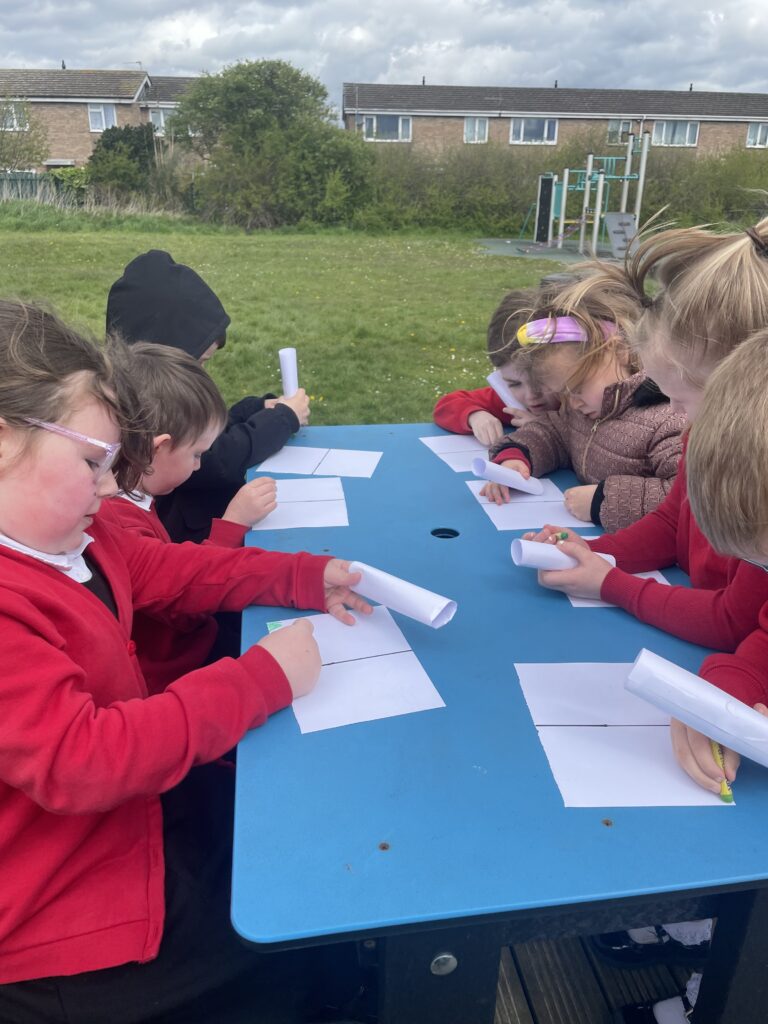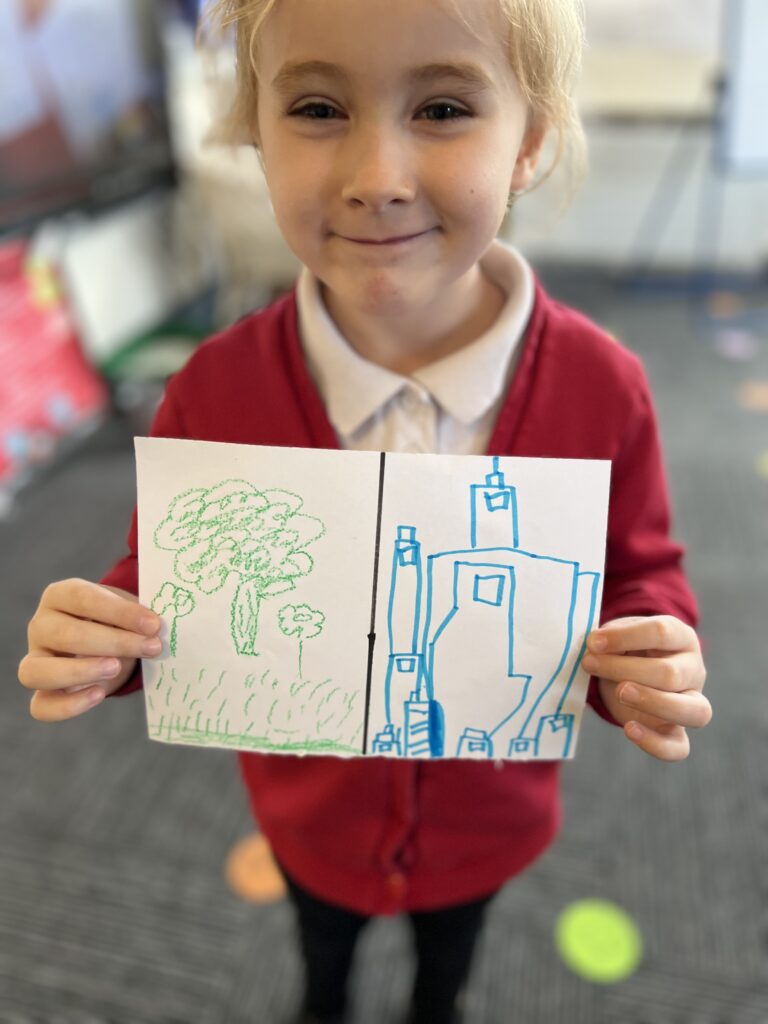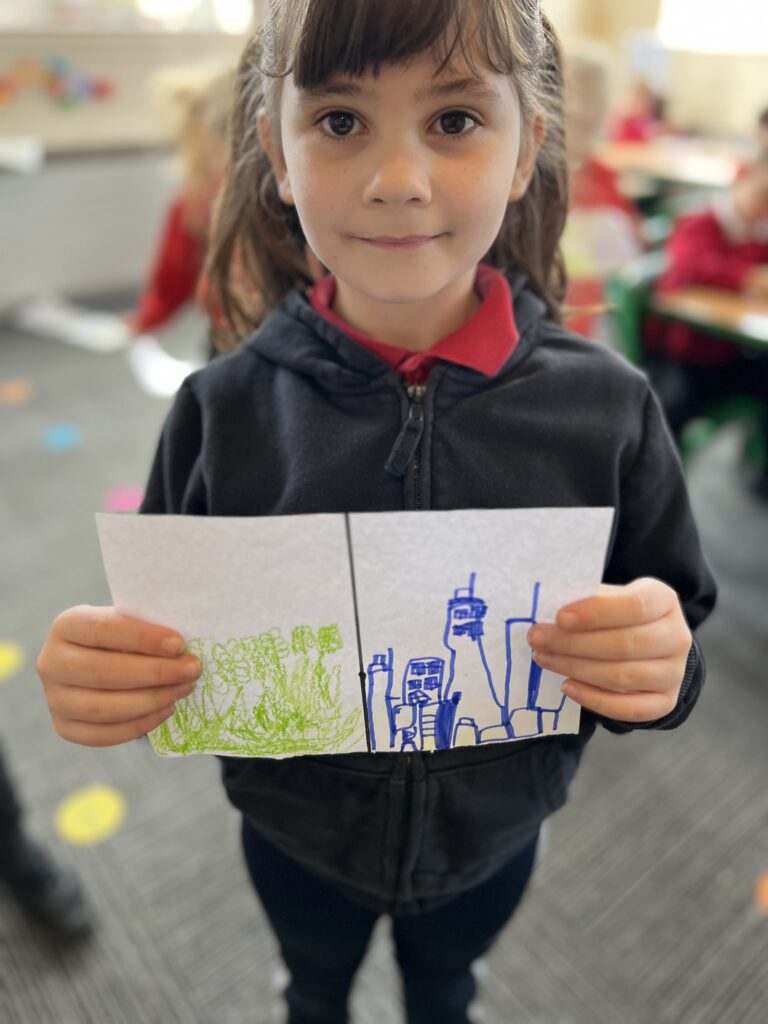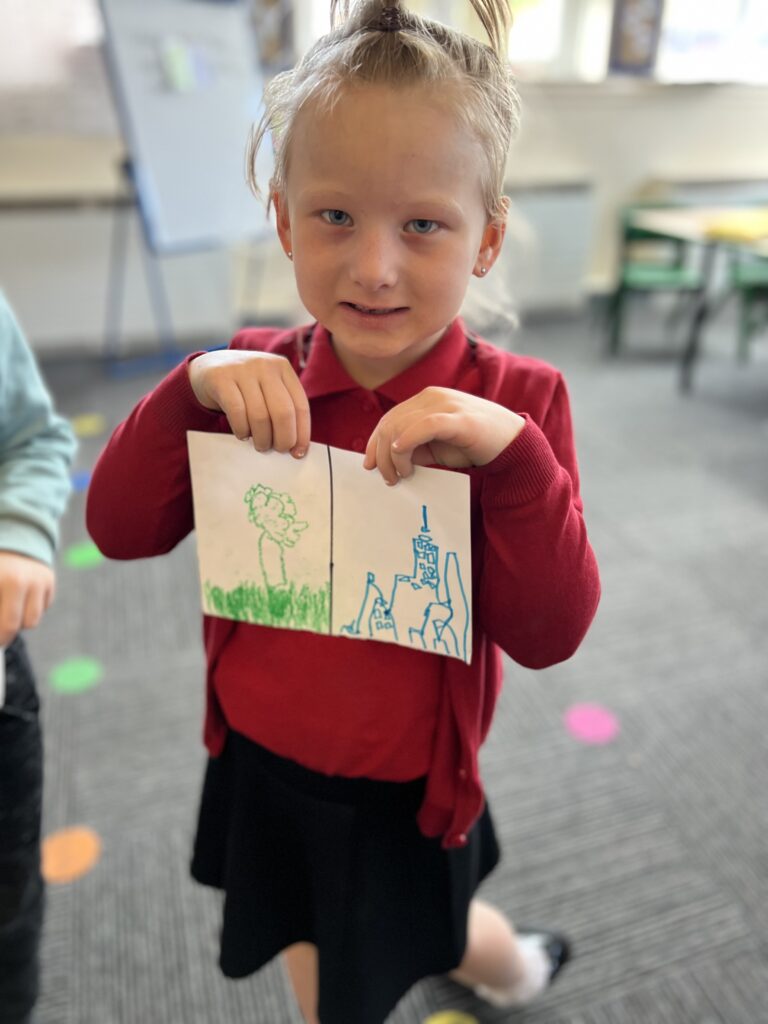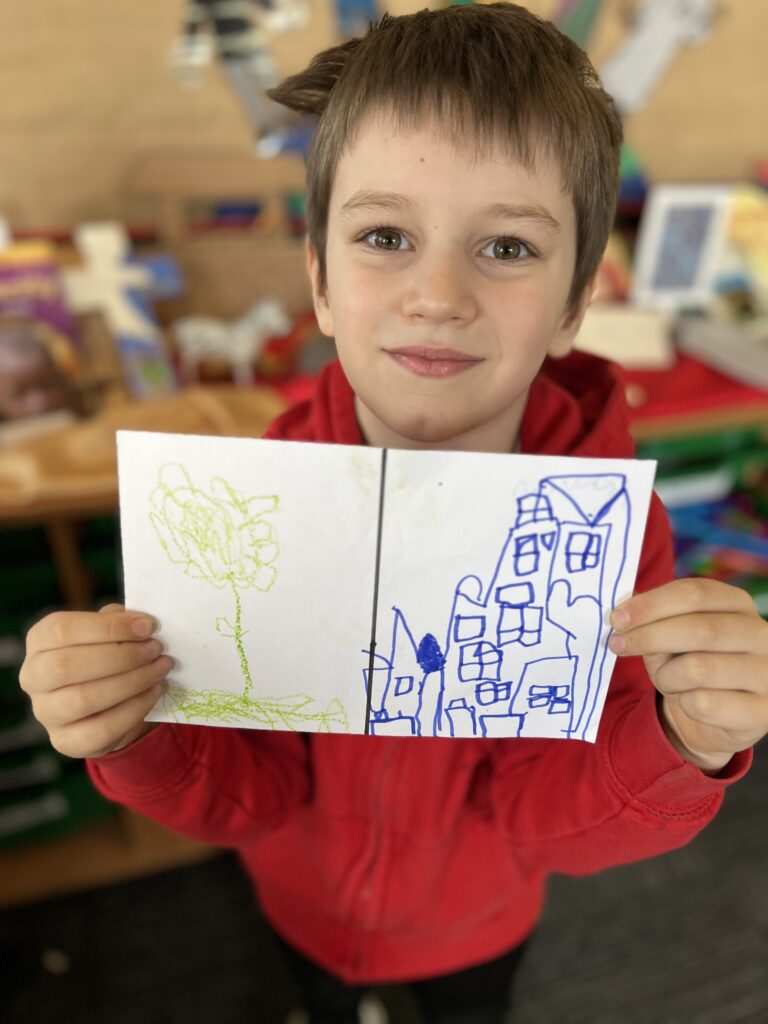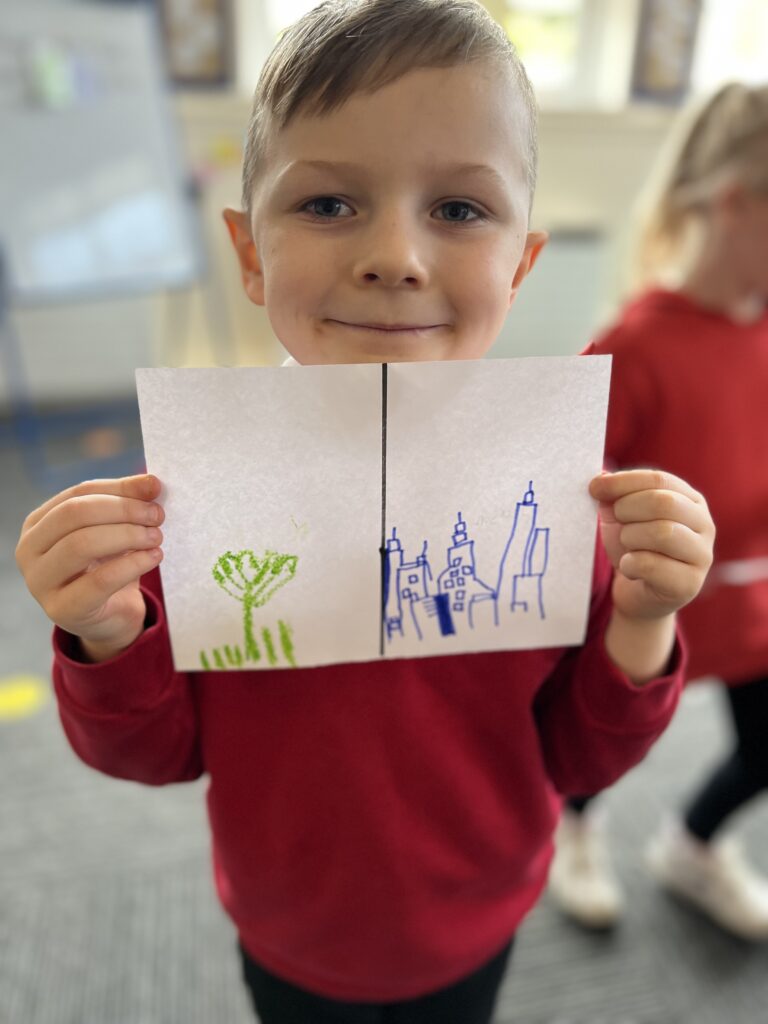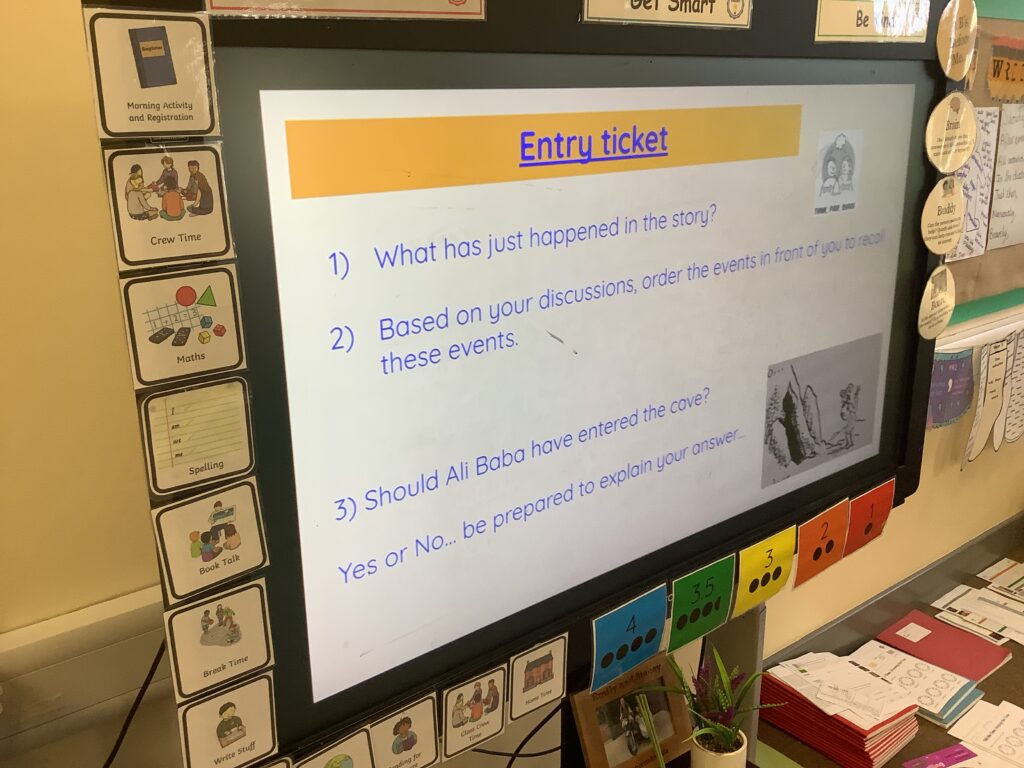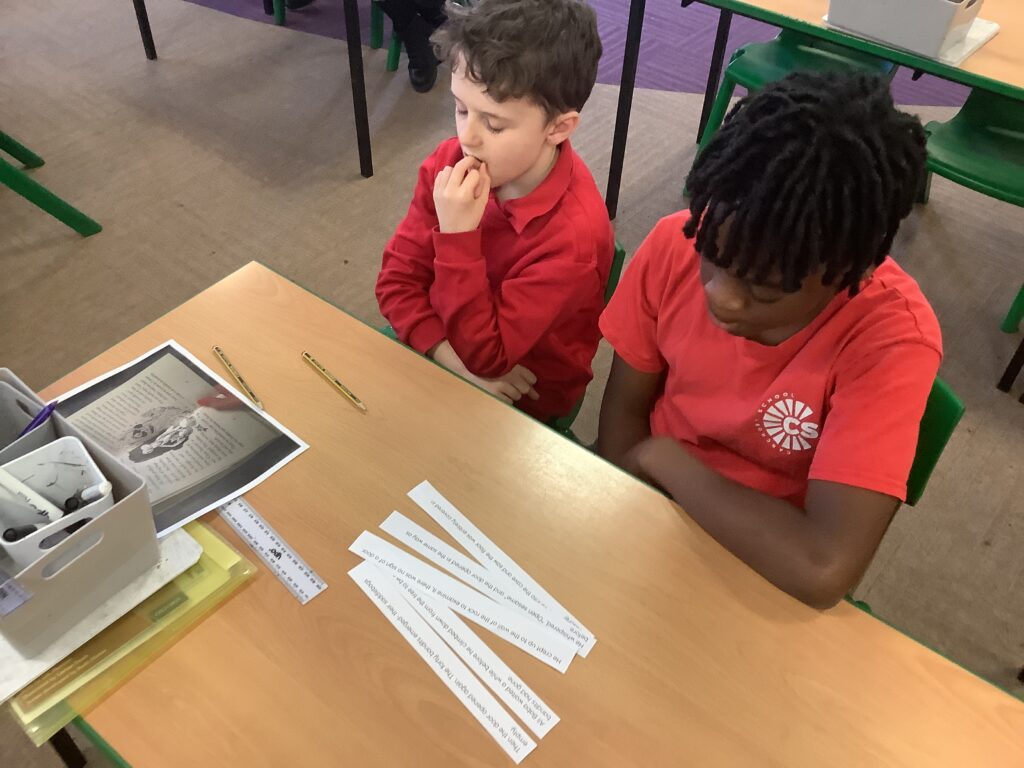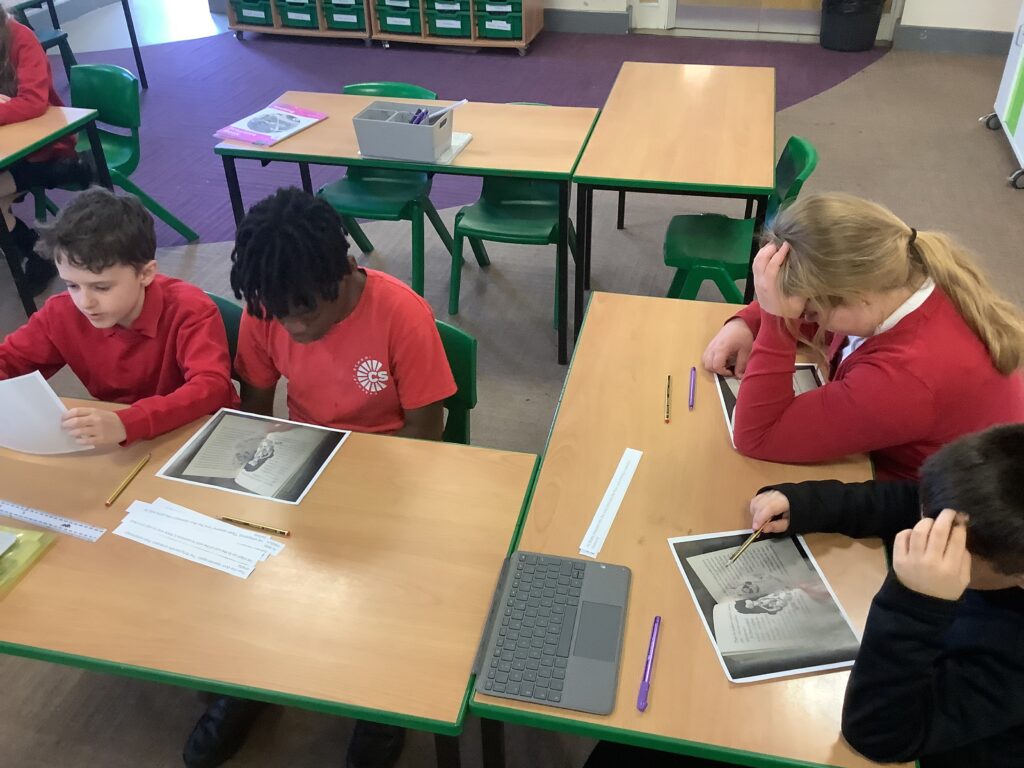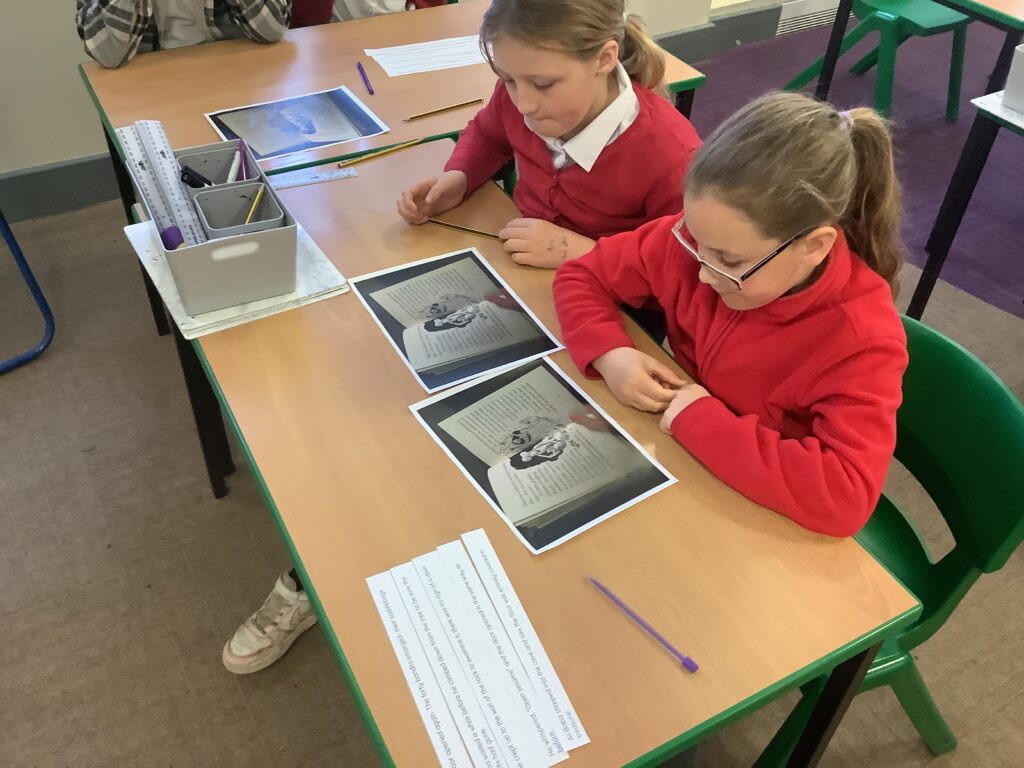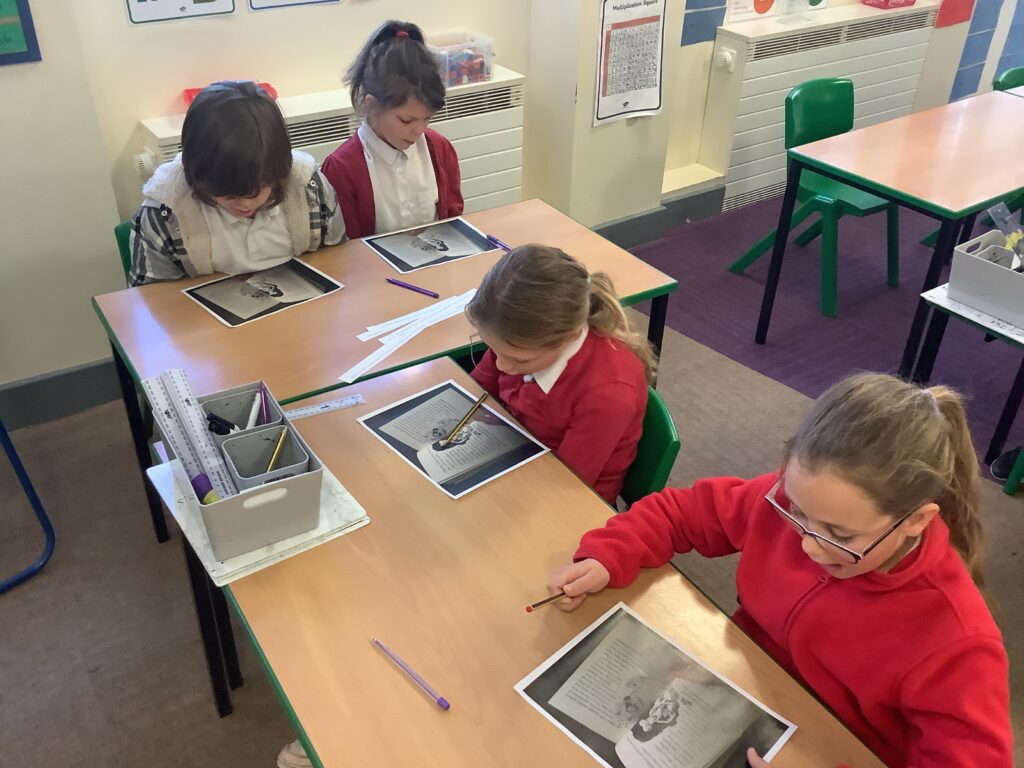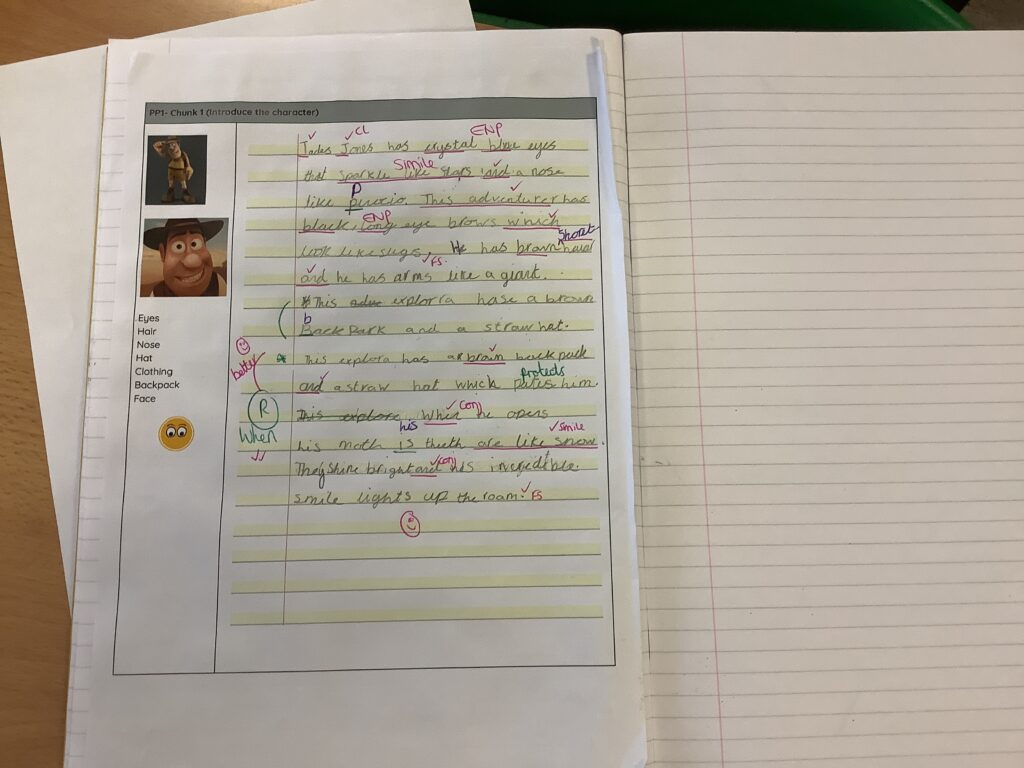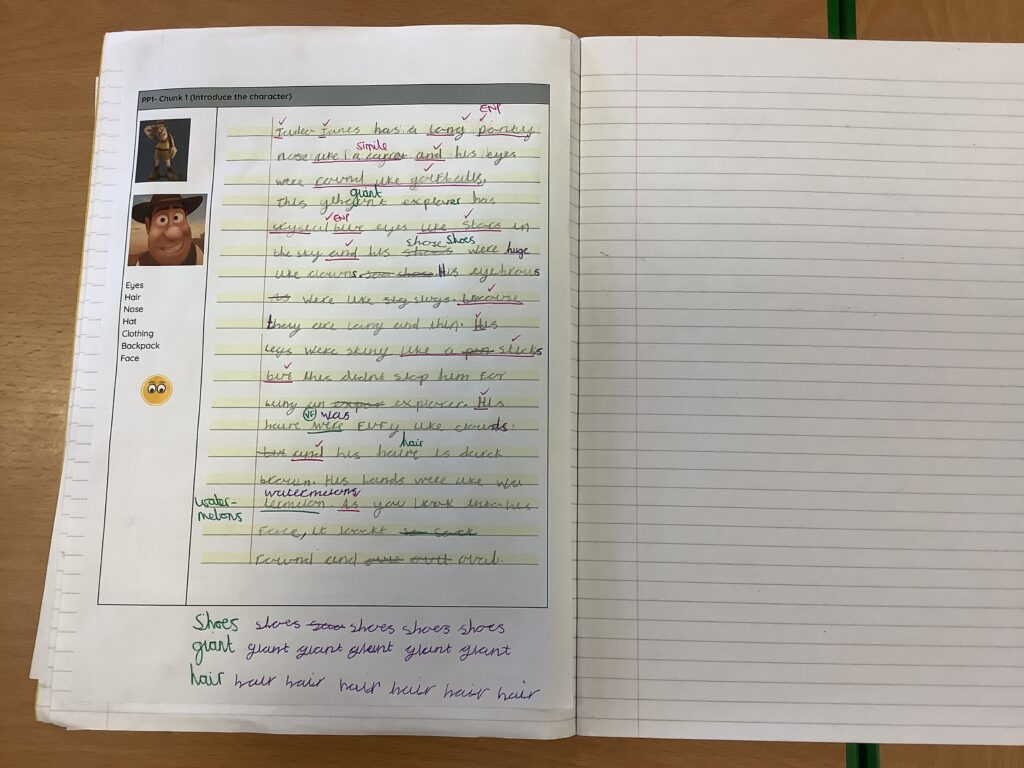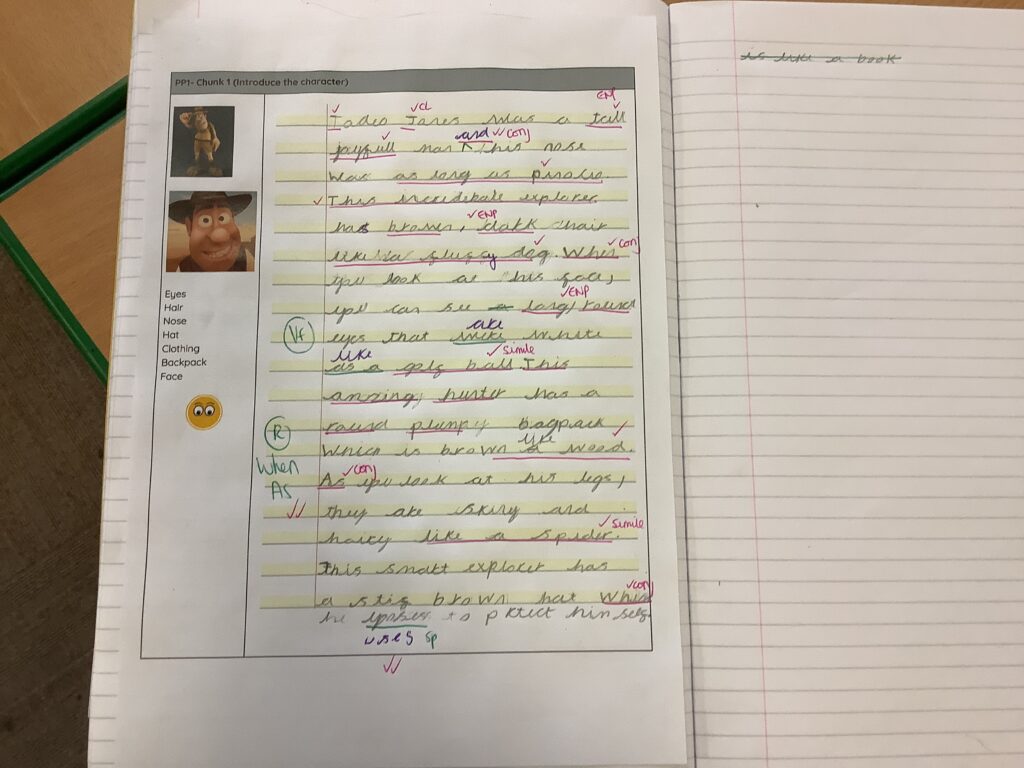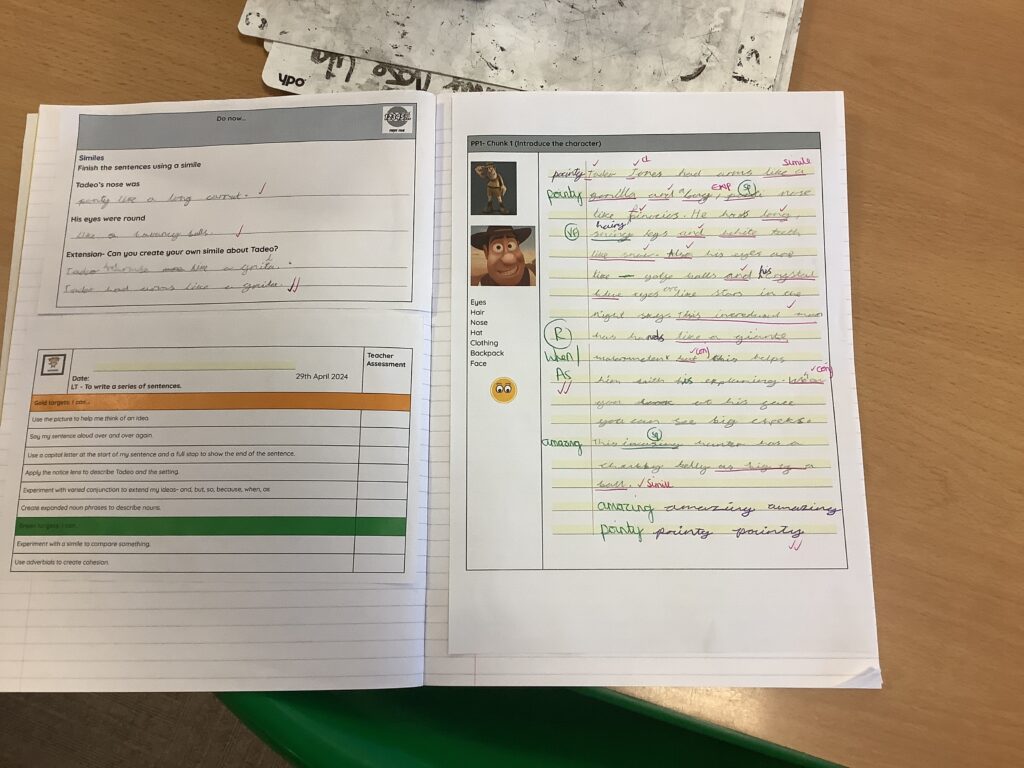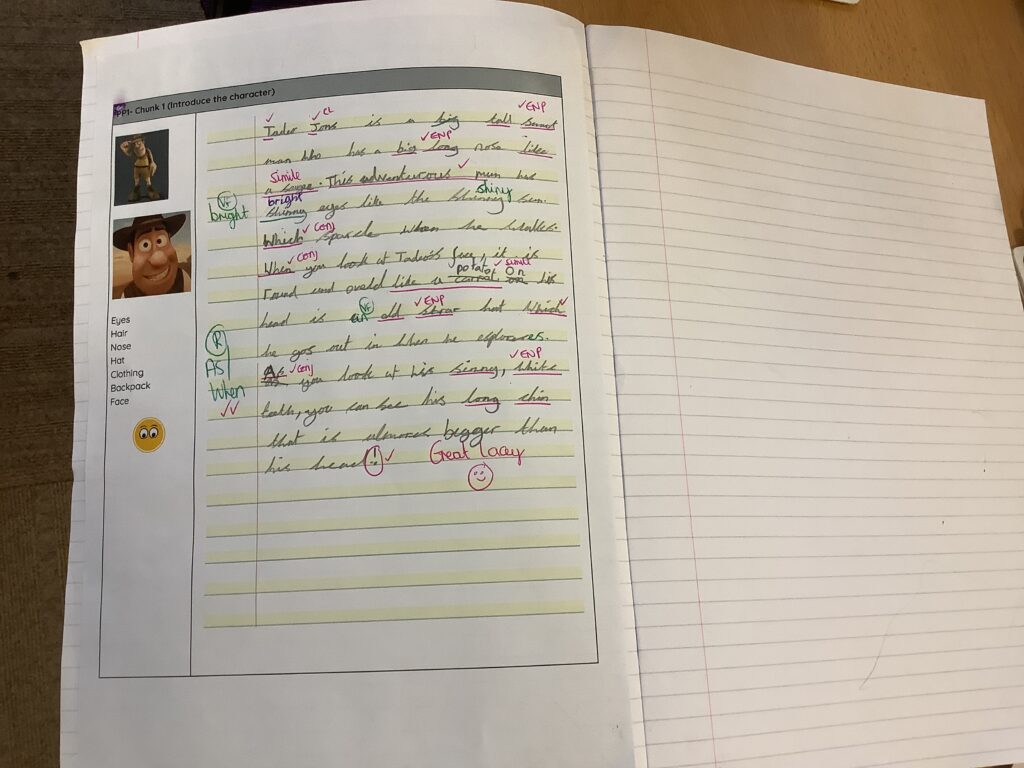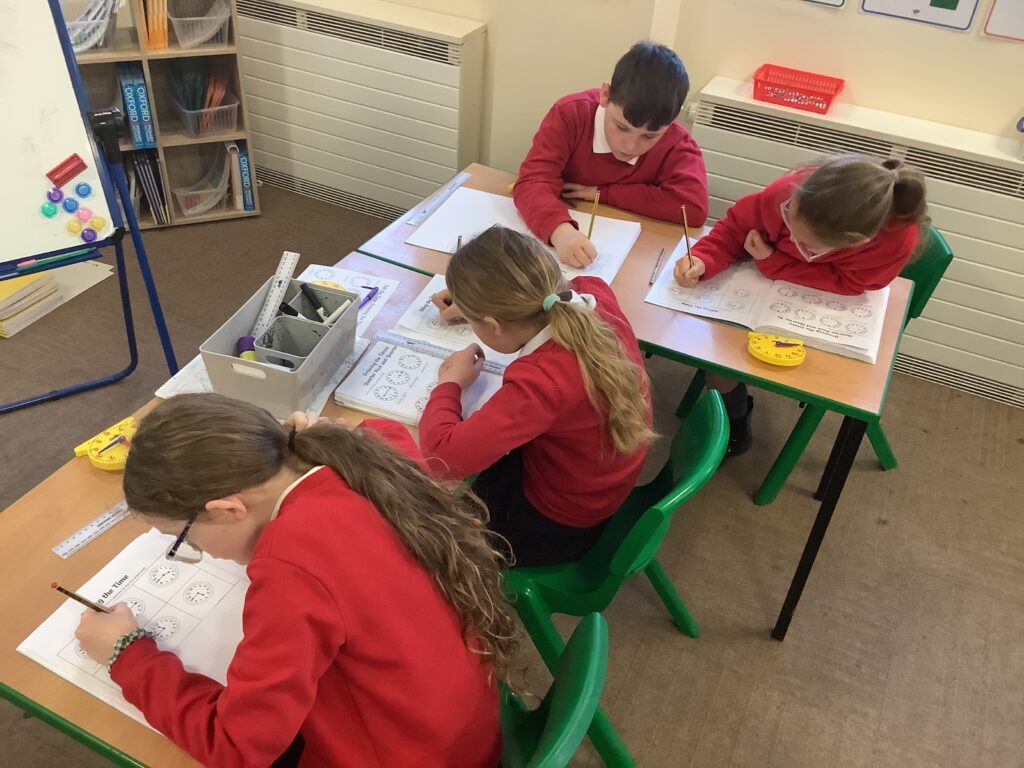

Today, we started our grammar sessions before we start our next piece of writing. One of our activities was to note down things we could notice in a passage of writing. It was great to see that we could identify lots of different features.
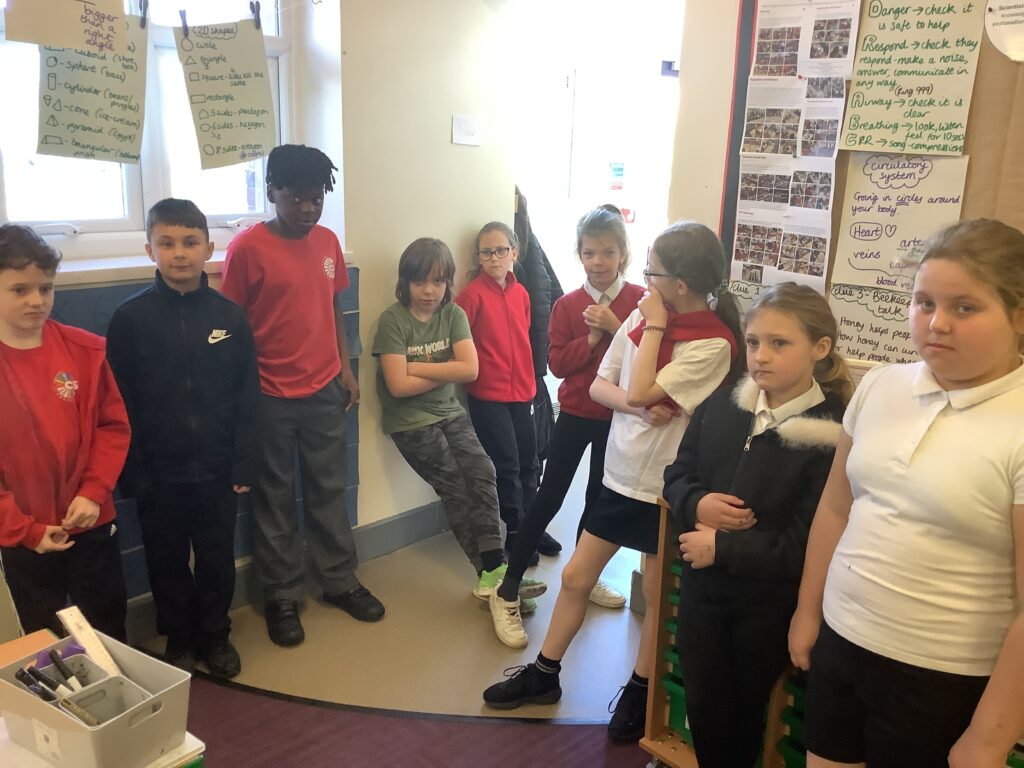
Today, we had a very exciting start to the term with a first aid course. We learnt about how to give CPR, check for dangers, call the emergency services, how to use a defibrillator and an epi-pen. We then discussed in detail about what we had learnt. Here are some pictures of us in action.
This afternoon, parents came in to support the children in building their background knowledge on the Egyptians. We explored the Ancient Egyptian civilisation through the Children’s University of Manchester’s resources.
Today, we had a very exciting start to the term and kicked off hook week with a first aid course. We learnt about how to give CPR, check for dangers, call the emergency services, how to use a defibrillator and an epi-pen. We then talked in detail about what we had learnt and made suggestions for what we thought our guiding question for this next expedition would be.
To explore length, we used different sizes of ribbon to talk about which we thought was the shortest, and which was the longest and why. We worked as a group to talk about the longest and the shortest and then looked at where the remaining ribbons would go based on how long they were.
We then used the small world blocks to create our own village. We then had to use multi-link cubes to work out who had the longest and shortest journey to ‘school’.
We have been looking at months of the year in French. We began by trying to find the matching pair to the word cards on our tables using a silent conversation protocol. One person had the English word and the other person had the French translation for months of the year. We discussed how we knew we had found the correct pair and we used our existing knowledge as well as identifying cognates for some of the months.
We watched a video and listened carefully to each of the months in French. If we heard our birthday month we had to stand up.
We then used the iPads to research various different important events that happen in France. We had to find out the month that the events usually happen and write this down using the French spelling. Just like days of the week, French months do not need capital letters at the beginning.
We finished off by learning how to ask and answer ‘when is your birthday?’ in French. We discussed with our partners and then shared the information we had found with the rest of the crew and confirmed whether this information was correct.
During this lesson, we investigated French days of the week. We looked at the written days of the week and tried to identify which day was which based on any clues we could get from the spelling. We found some slight similarities in terms of some spelling, initial letters and pronunciation when they were said out loud to us.
We noticed that, unlike in English, the days of the week are not given capital letters in French. So that we could practise pronunciation and order, we listened to and began to learn a days of the week song set to a familiar tune ‘Camptown Races’.
We finished by looking at the French translations for yesterday, today and tomorrow. We practised our pronunciation by using sentence stems to create conversations in pairs.
We have been looking at learning French numbers 1-31. From our previous French learning we were quite confident with numbers up to 12 and so we spent time looking at the written words for numbers 13-31 as well as practising our pronunciation.
We then had a go at doing simple mathematics using only French numbers. We had to work together to work out the numbers we needed to add/subtract before then working out the answer and giving the answer in French. This really got us thinking!