The Mayans

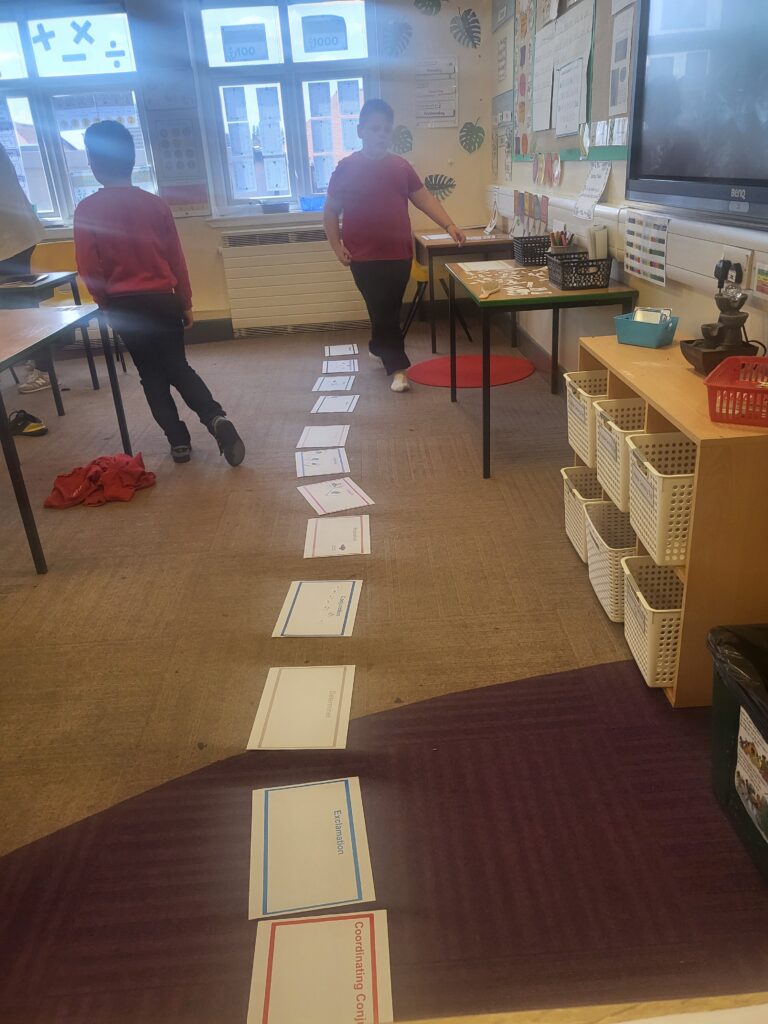
In our first History lesson, we quickly recapped ordering the Mayan timeline. When we completed it during hook week, there was a misconception about how to order BC dates. Therefore, we had another check in to ensure we’d remembered how to accurately order BC and AD events.

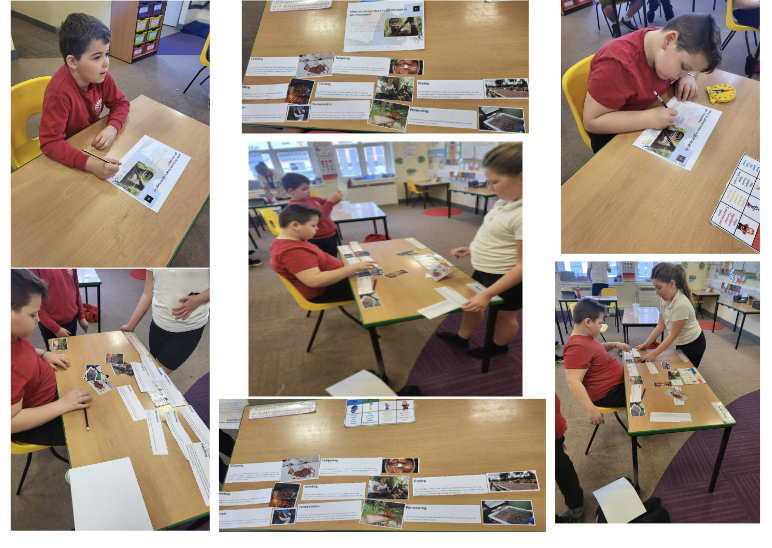
Next time we worked together in small groups to match some vocabulary and their definitions.

Then we learned some facts about the Mayan so we could start to understand this ancient civilisation.

Debugging

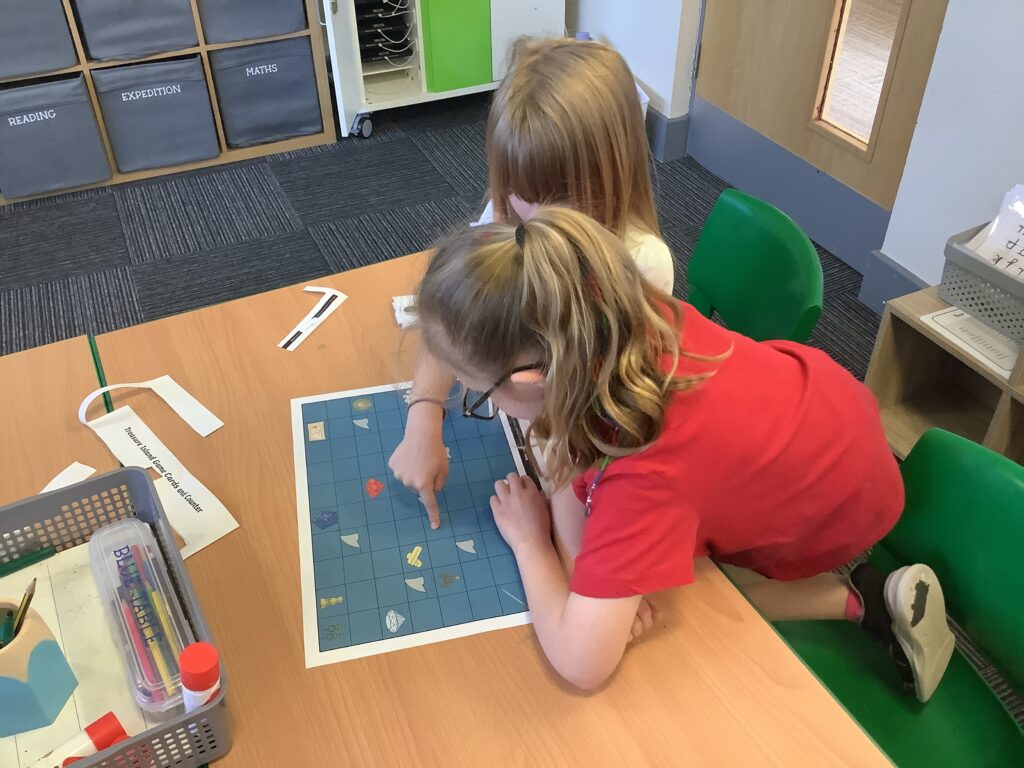
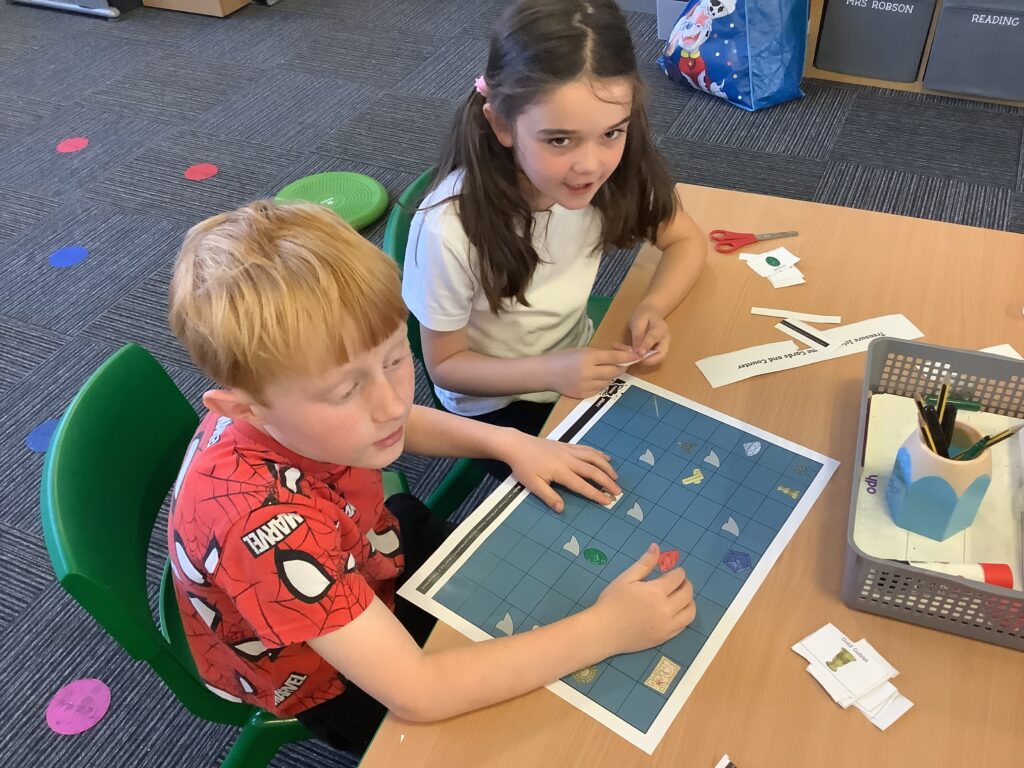
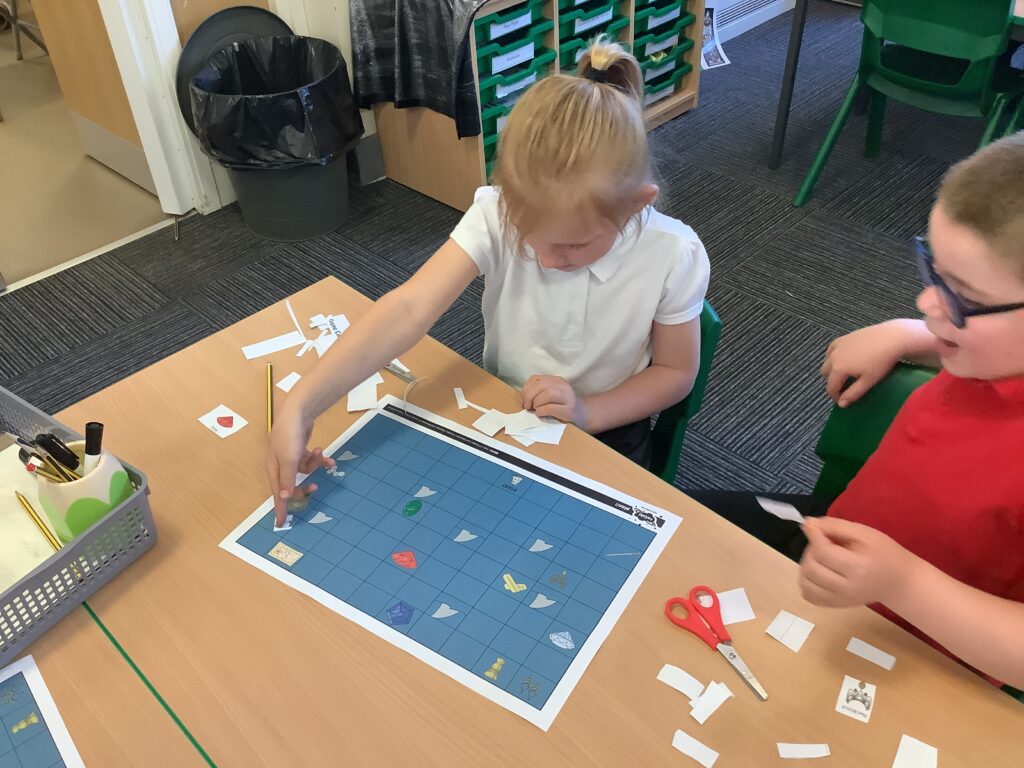
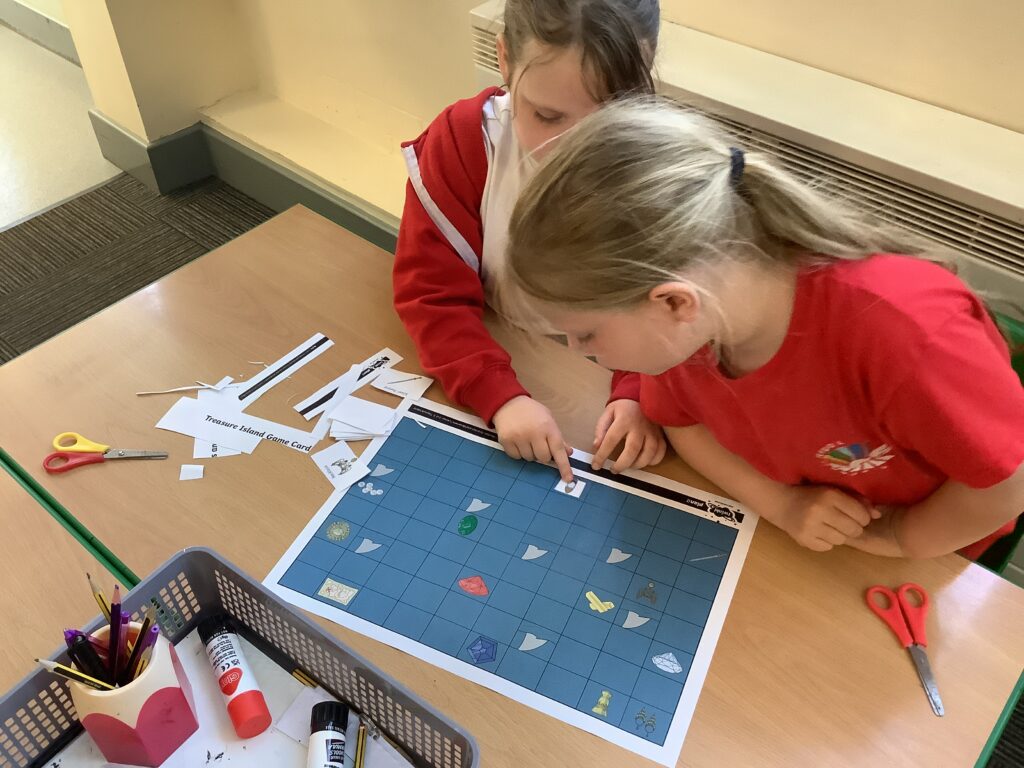
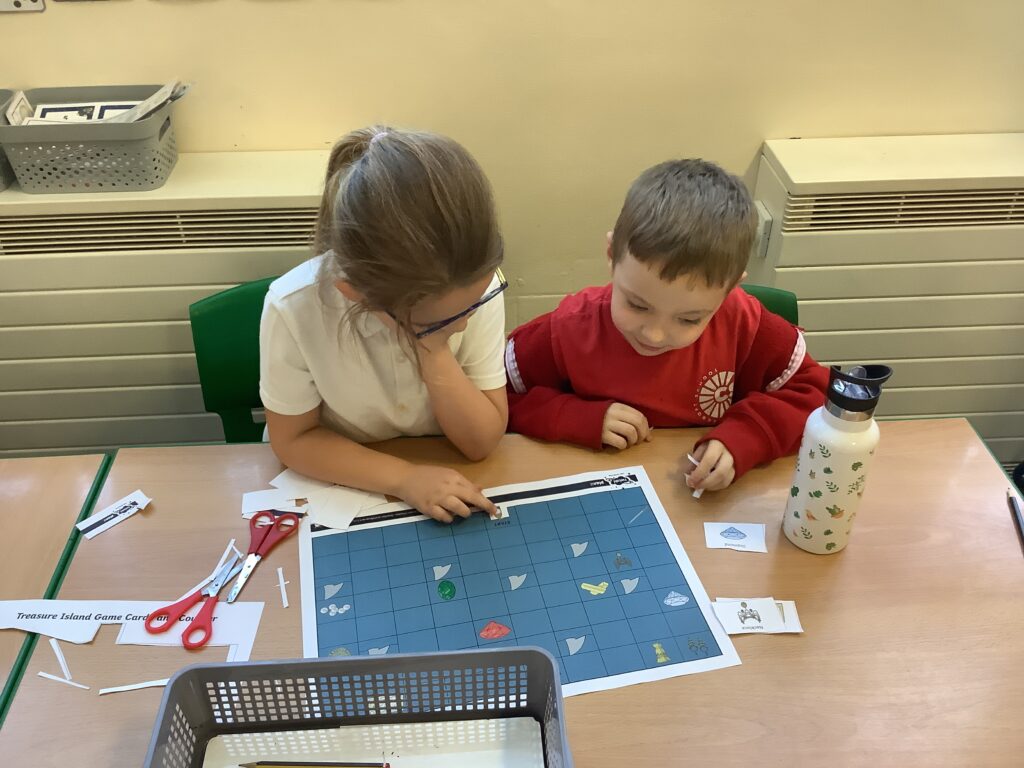
Today in our computing lesson we learnt about what debugging is and how we identify them in an algorithm. We used maps and directions to spot the bug and thought about how we rewrite the algorithm.

Decomposition

In Crew Godley, we continued our computing work and discussed what decomposition was. The children enjoyed explaining what they had already learnt about computers.

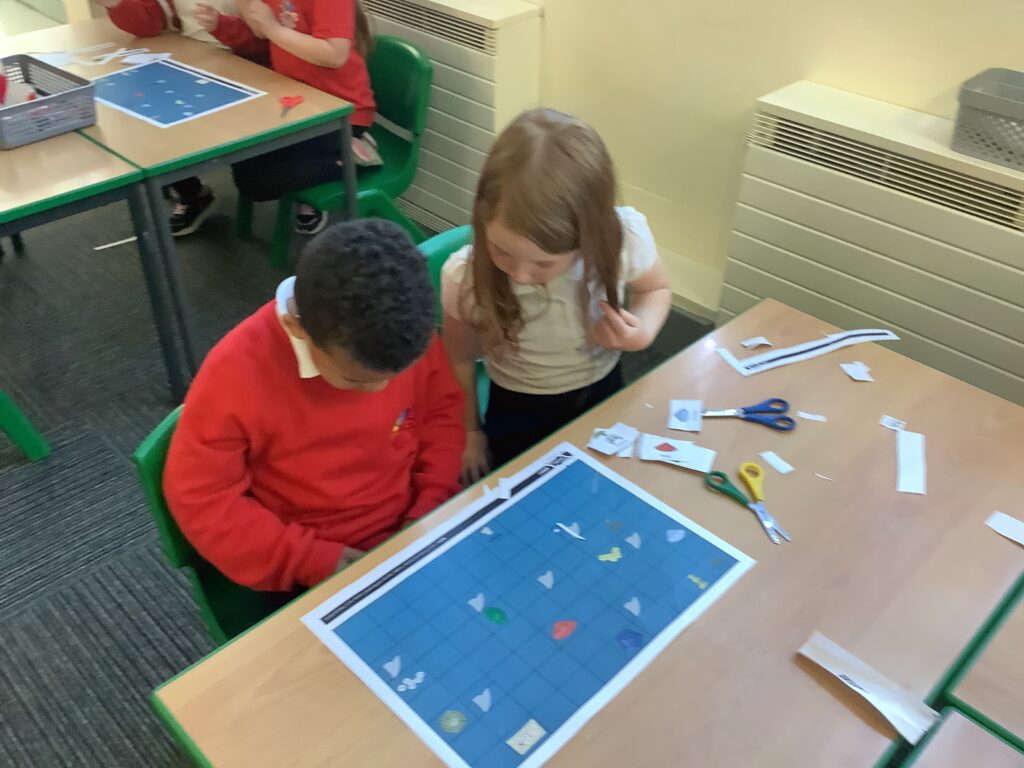
We first drew pictures using 2D shapes and discussed how we could break this down for someone to follow. We then created step by step instructions for our partners to follow.

We discussed that we have to break down big tasks into small chunks to make it easier to complete.

Busy week in Nursery

This week in nursery, we have been finishing our sorting topic in Maths. Some of the children practiced sorting the different chameleon pictures into their colours and sizes. The children enjoyed looking at the chameleon pictures and wanted to create some of their own. They enjoyed learning that chameleons change different colours and created lots of rainbow chameleons to show this.

We also are having lots of fun in our mini beach role play area with the different resources to play with including our ice cream shop and our sandy paddling pool.

Book Talk and Demo Comp – The very dangerous dinosaur.

Crew Hamill have really enjoyed this week’s book – The very dangerous dinosaur. We have lots of dinosaur fans in our reading group and they loved discovering the mischief that the dangerous dinosaur got up to. We spent the beginning of the week predicting what we thought might happen in the story based on a few pictures from the text and a brief introduction to the story. This allowed us to make notices and wonders about the story, using evidence from what we had read and seen to support our learning. We then unpicked some of the more difficult vocabulary in the story, allowing us to improve our fluency when echo reading, reading in pairs and reading independently. Following this, during our book talk question lesson, we were able to use Fastest Finger and Have a Think skills to accurately find the answers to questions about the story. Finally, we worked in mini crews to focus on inference questions within a demo comprehension lesson. We developed our skills from last week in which we found the key information in the question to find the key information in the text. This information gave us clues that enabled us to come up with a sensible answer to the questions, using the clue to support our ideas. We will then be able to apply these skills to our independent learning during our independent comprehension.

Exploring seasides in the past

This week in expedition, we have been looking at what seasides used to be like in the past. We’ve explored lots of photographs and pictures and talked about what we could see in each one that tells us about the past. Then we looked at a mix of photographs and pictures and tried to work out which were old and which were new using the clues in the pictures and our own experiences. We found out that not all black and white photographs are old! Next week, when we have been on our trip, we will begin to compare seasides in the past and seasides now after we have all experienced the beach!