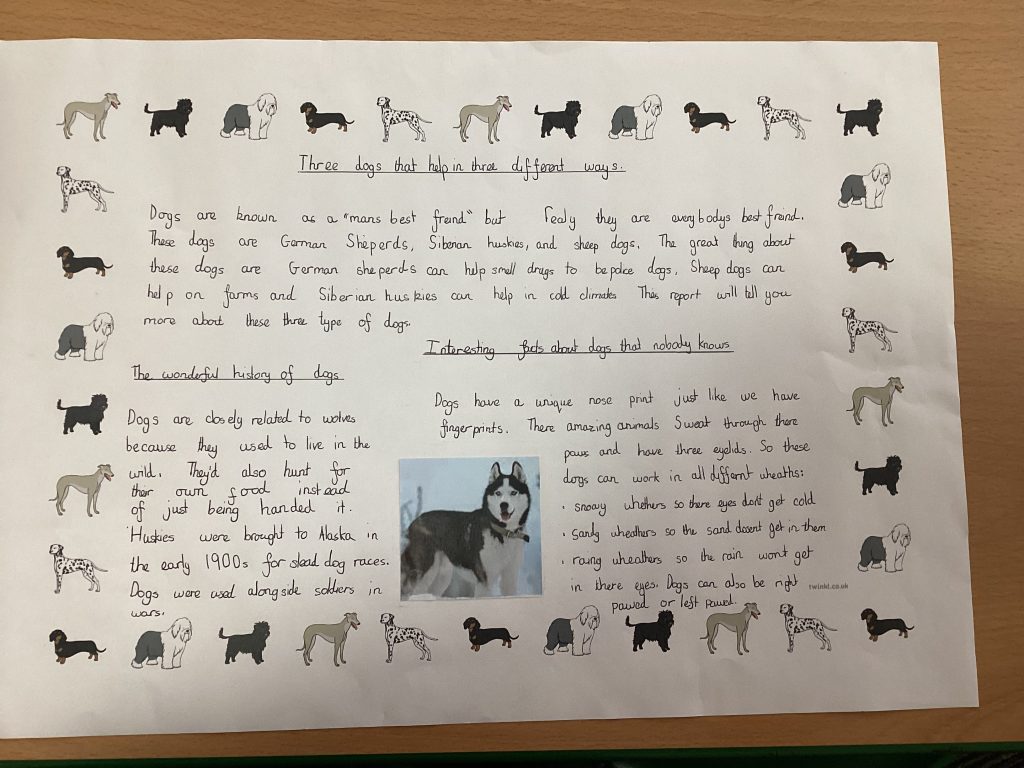
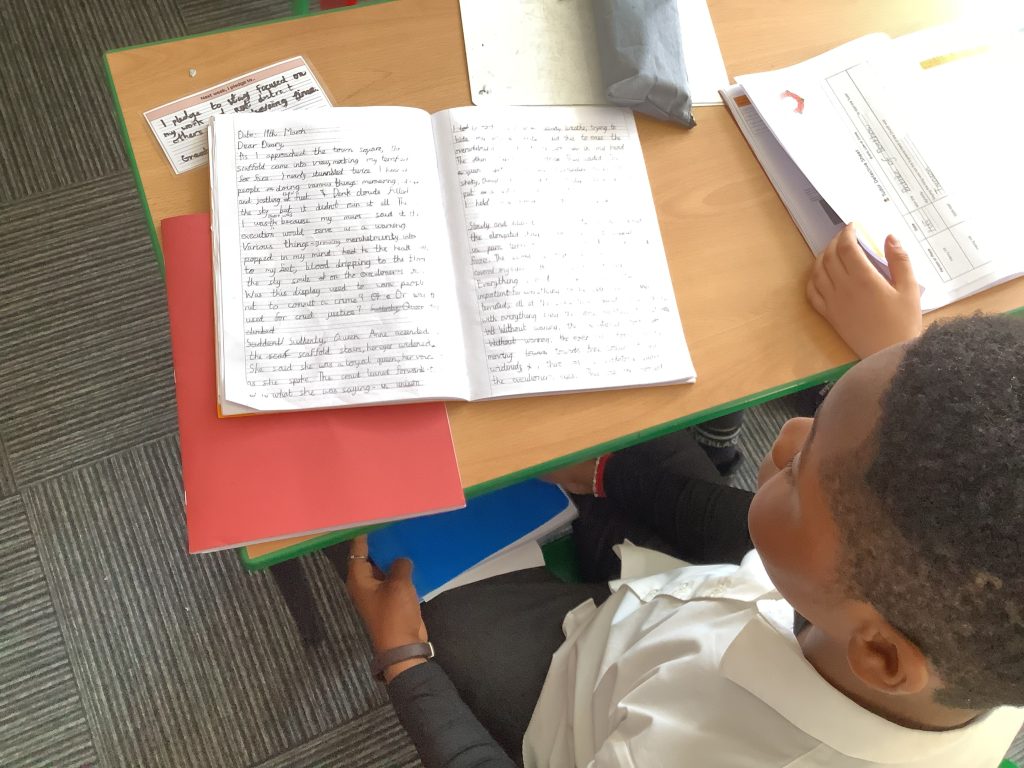
This week, I have been writing a non-chronological report about dogs. First, I researched my subject and wrote it in my book, then I checked and edited my work. After that, I designed where I would do my writing on a practice sheet then published it; here is my final piece of writing.
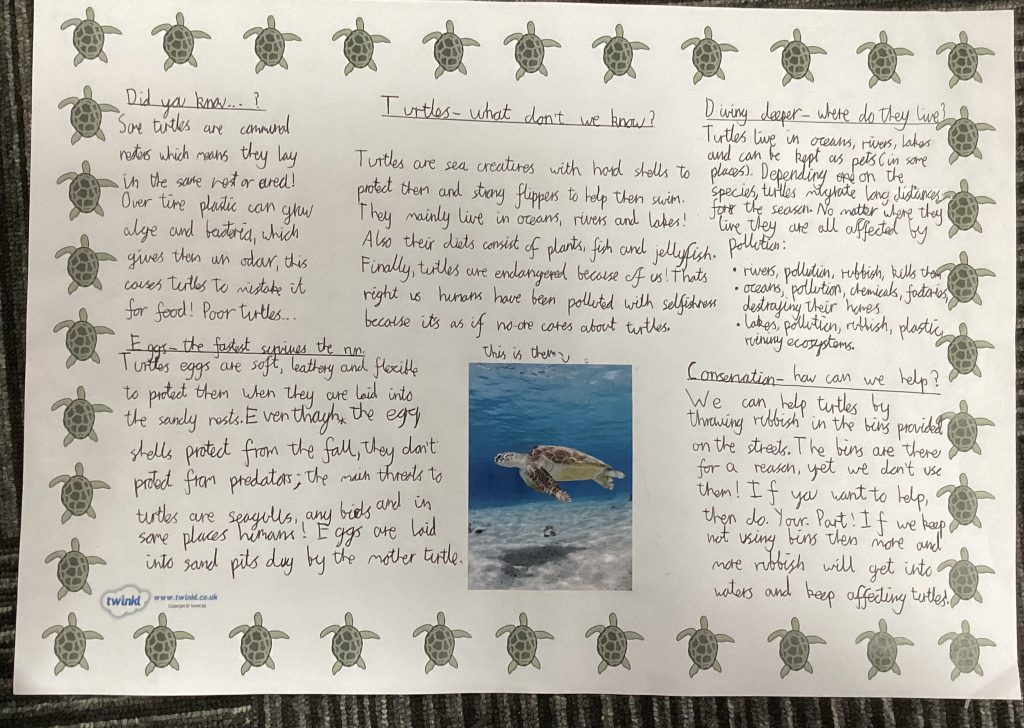
In Crew White, we have chosen a subject that we are interested in. We have written and published it in order to inform you about our interests! We have enjoyed writing about it all and we hope you learn something when we come to share it! Personally, I have chosen turtles since they are a big interest of mine and I hope to inform you about our impact on their world!
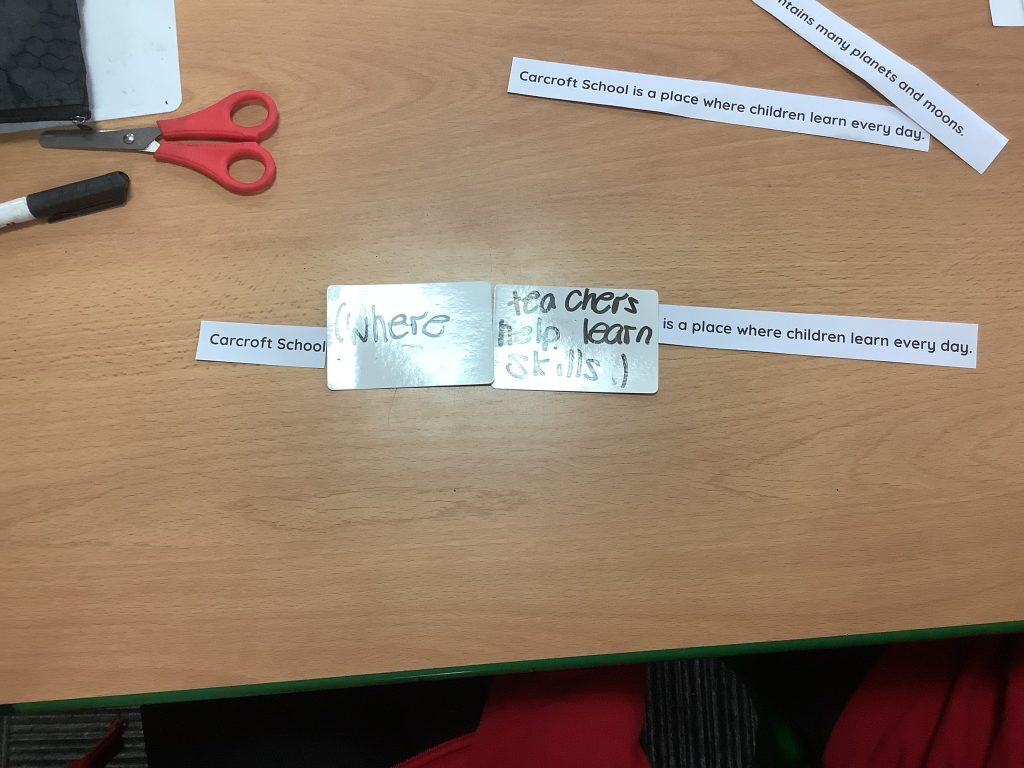
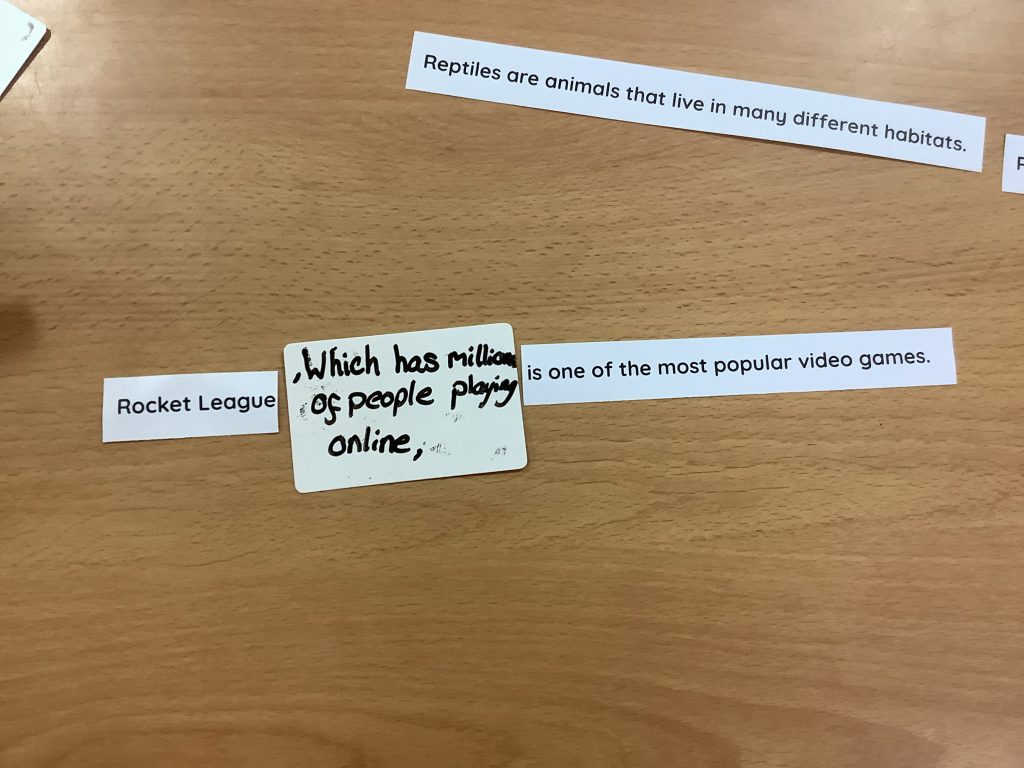
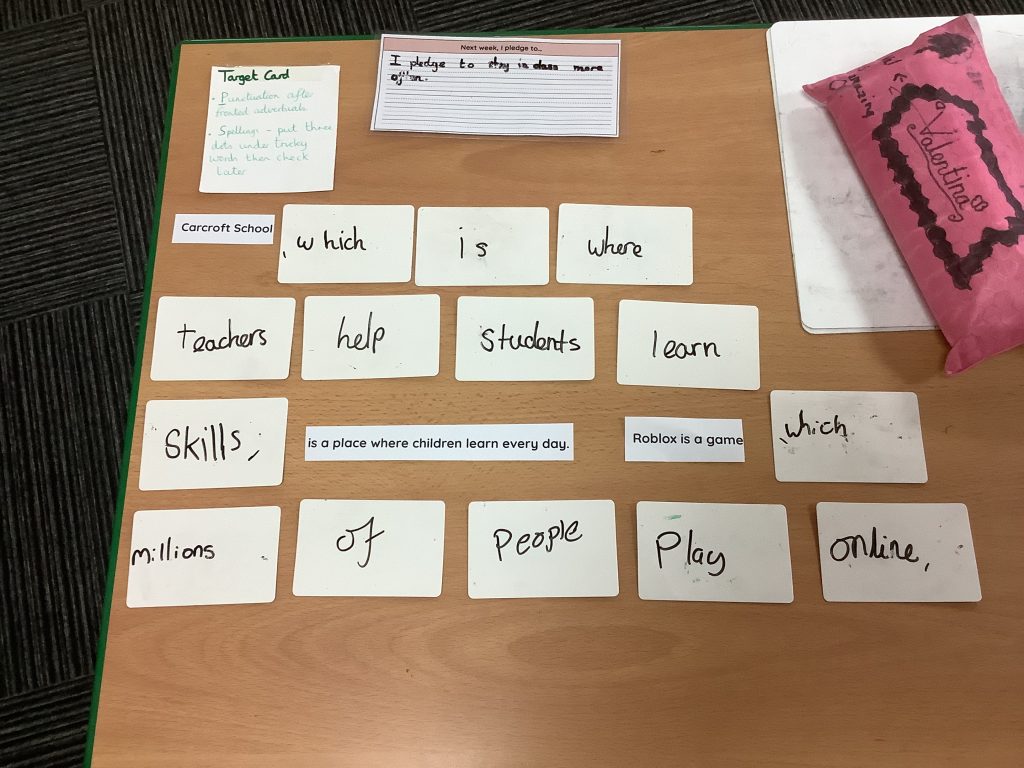
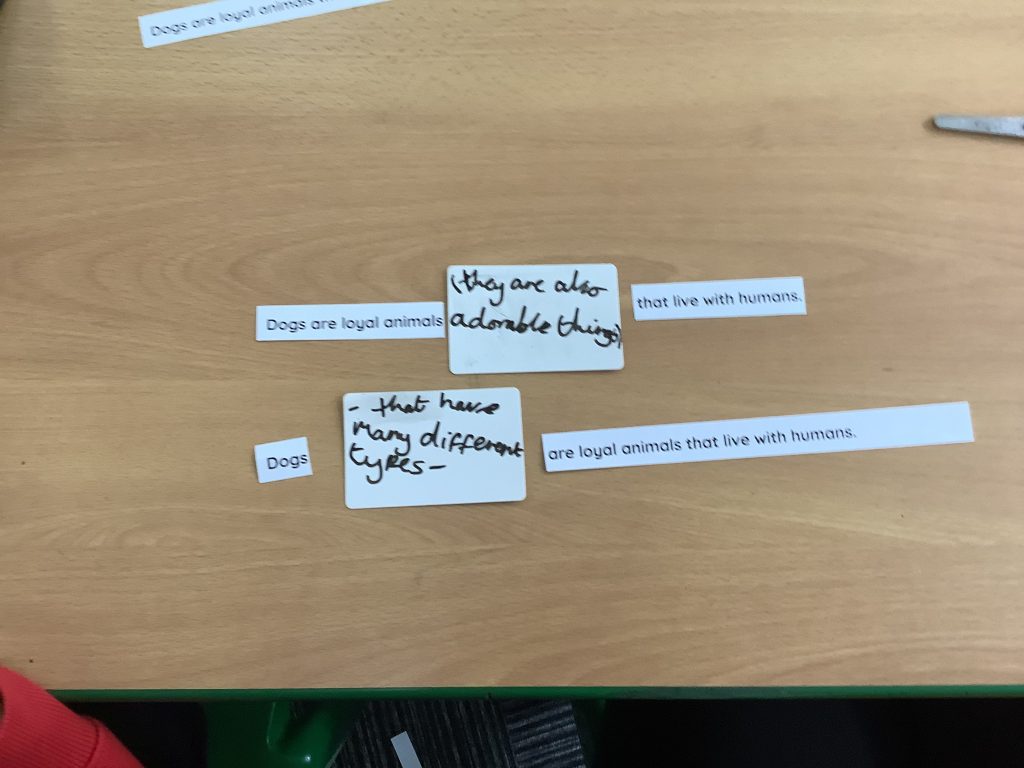
This week, we have been continuing to refine our use of relative clauses and accurate punctuation of parenthesis. We split our main clause, found the correct place to add our relative clause and then used correct punctuation. Then, we applied this to our previous writing, editing and improving.
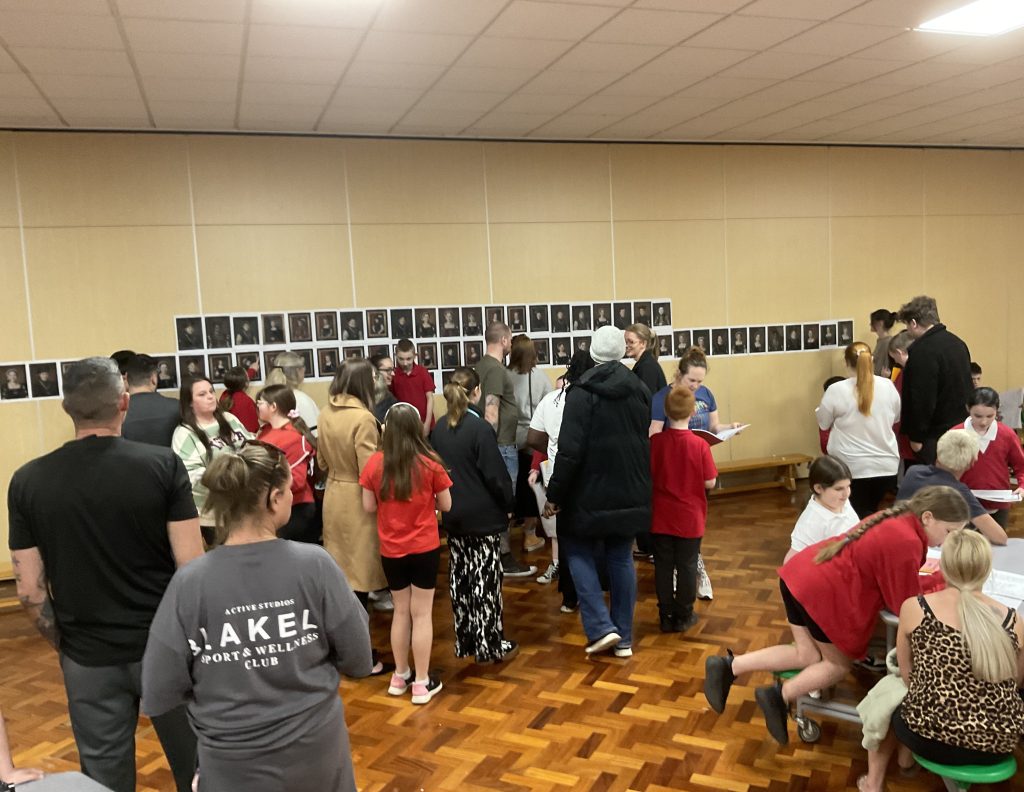
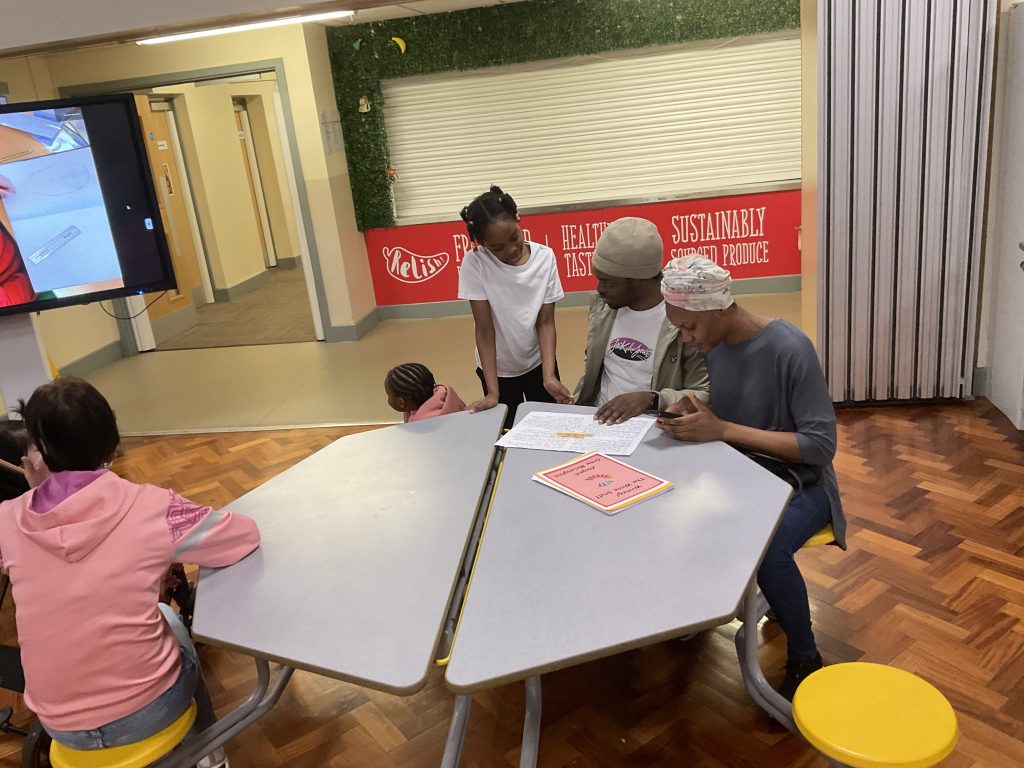
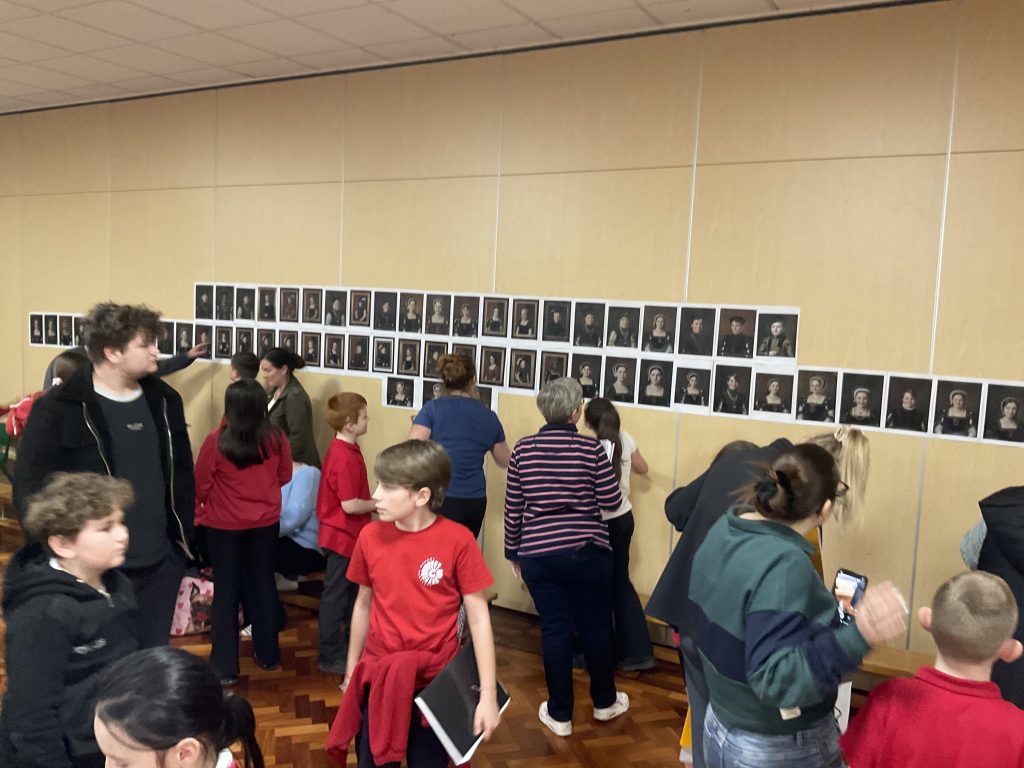
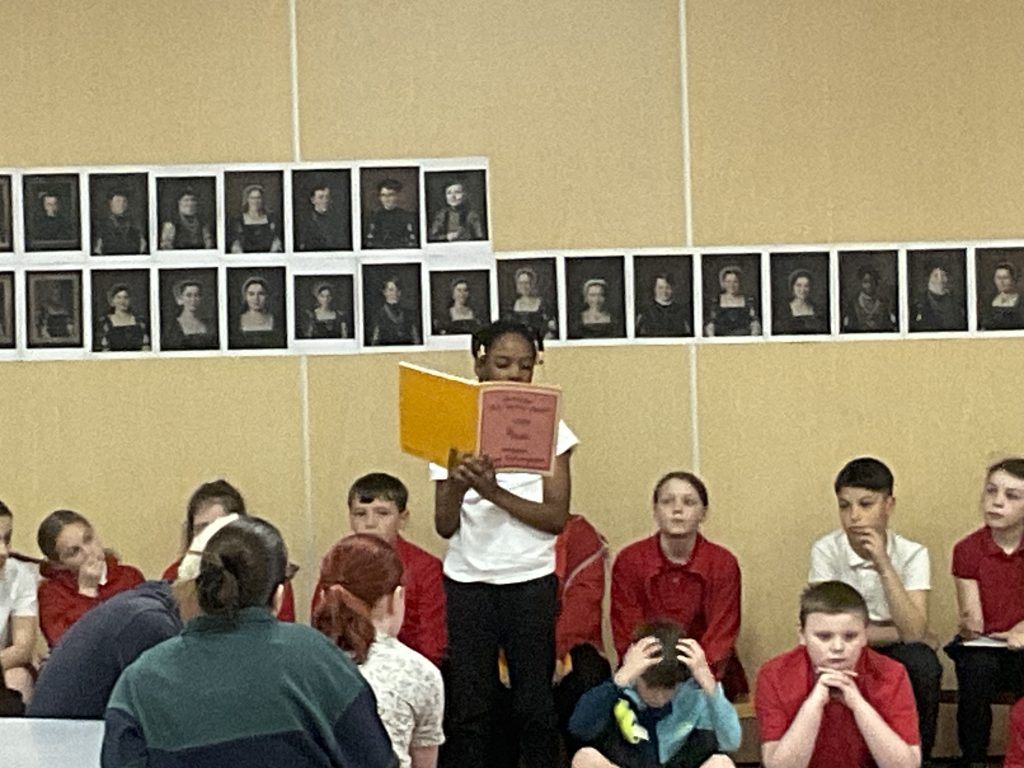
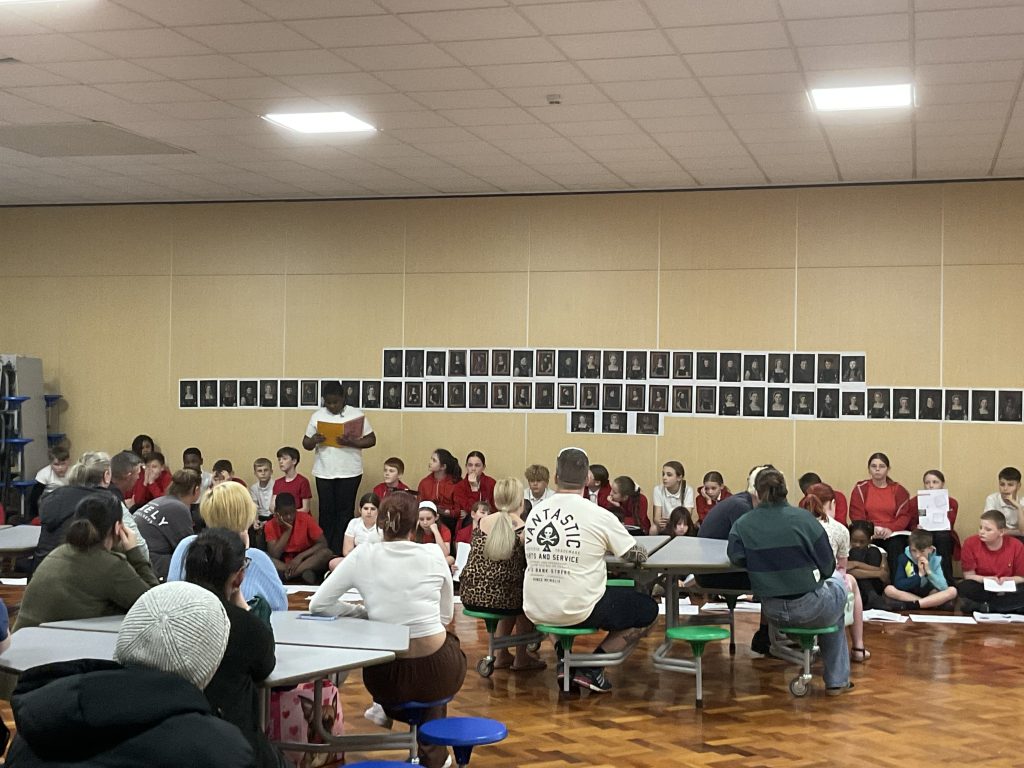
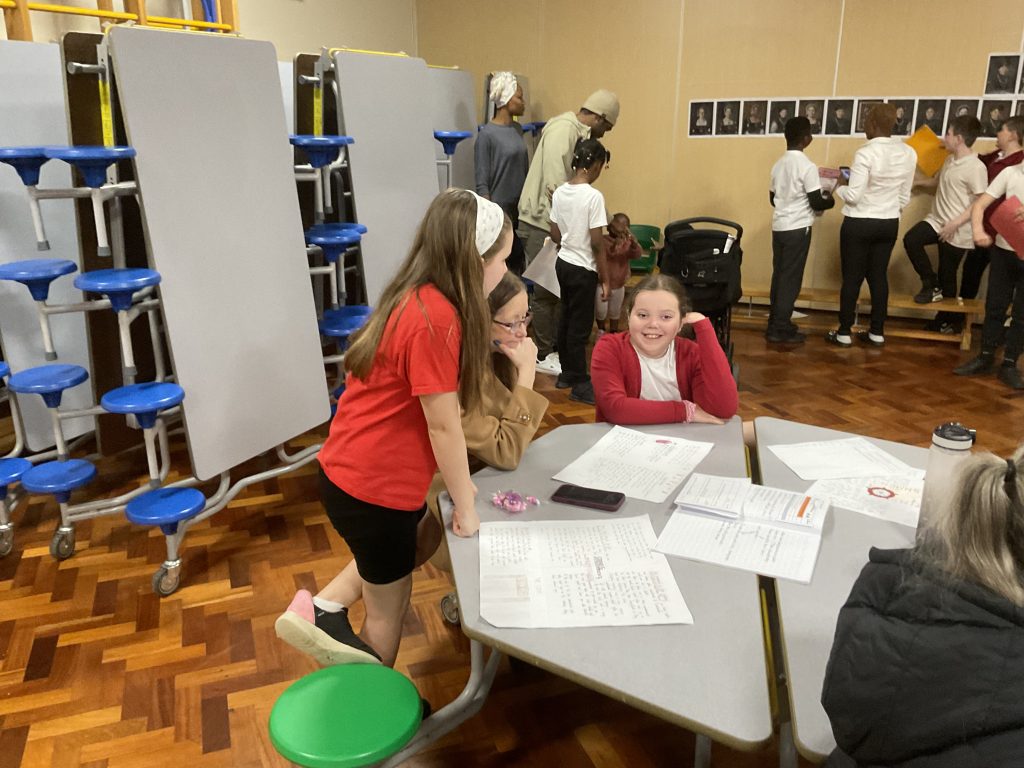
UKS2 were very proud to present their learning to their adults last week. After giving an introduction explaining all about our expedition titled: Justice through time, the children explained what we had done during our case studies to answer our guiding question: Does the punishment always fit the crime?
From showcasing their writing to demonstrating their growing historical knowledge, pupils have taken great pride in sharing what they have achieved.
We were all super proud of UKS2, we cannot wait to see and share our final product!
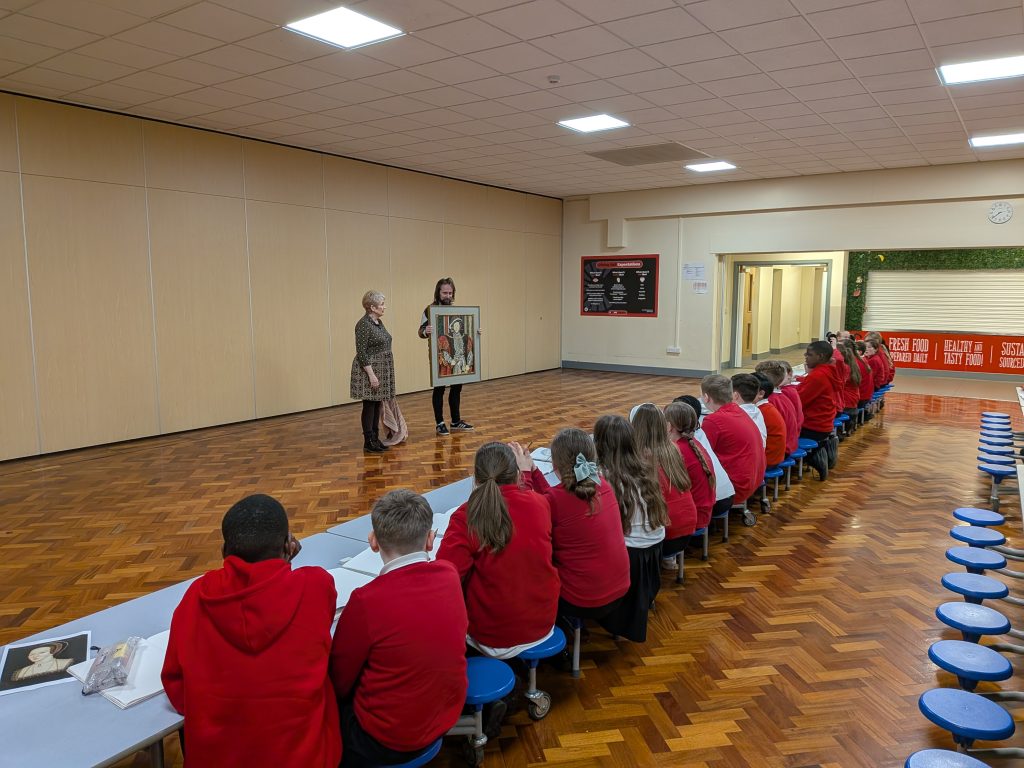
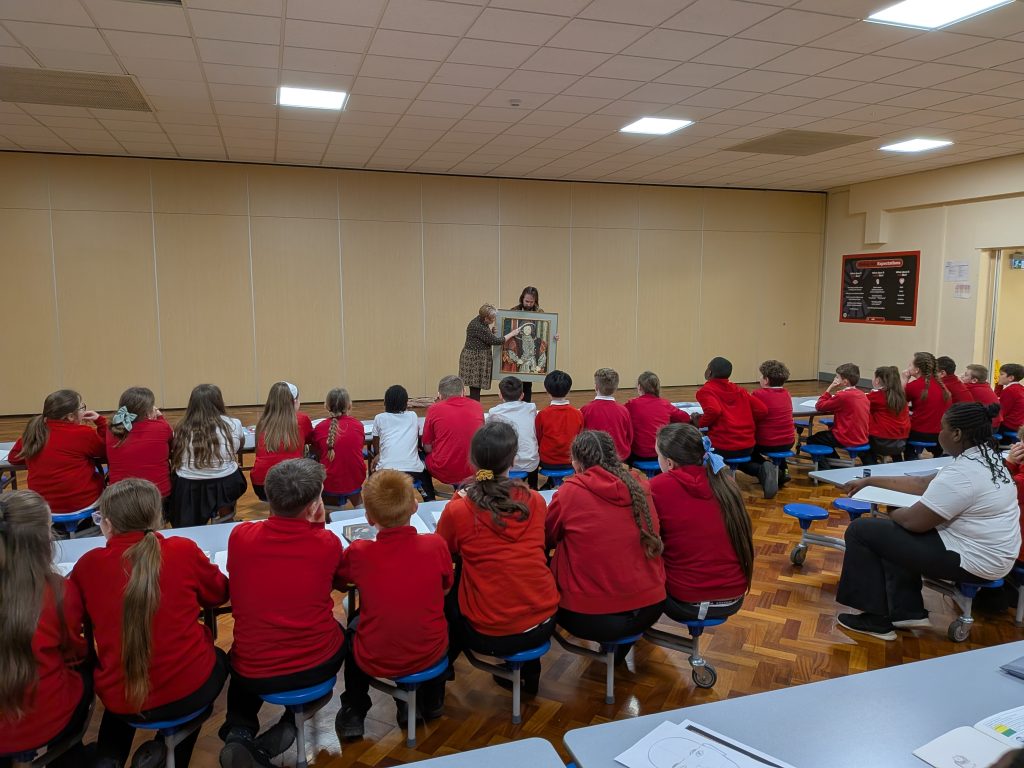
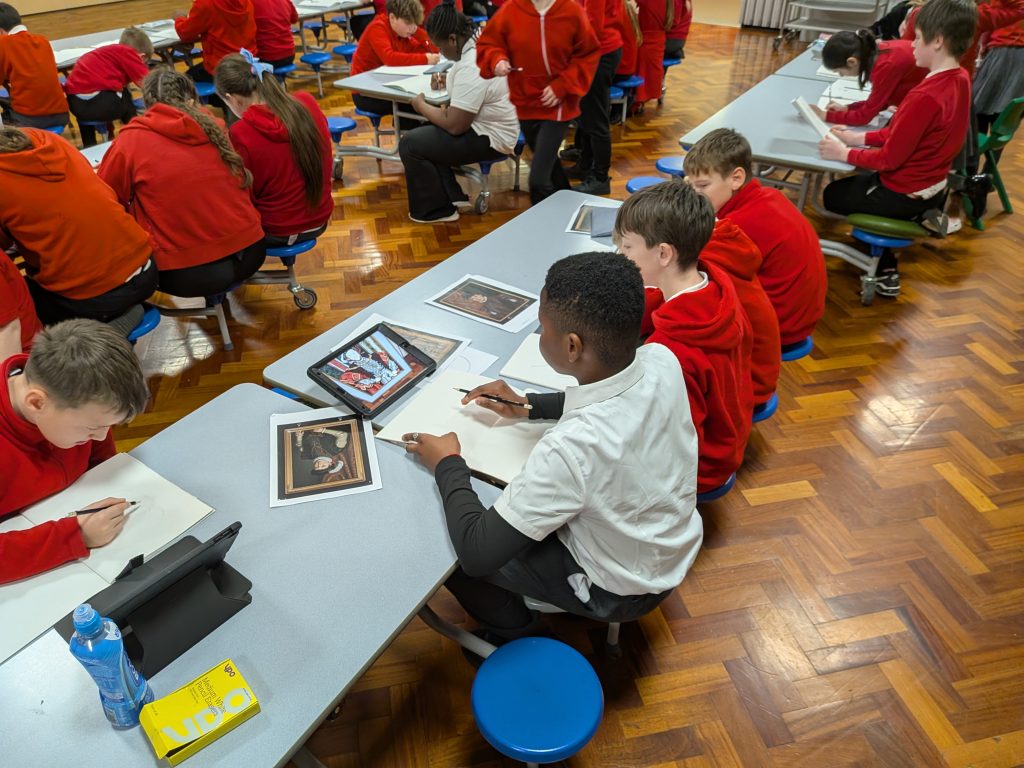
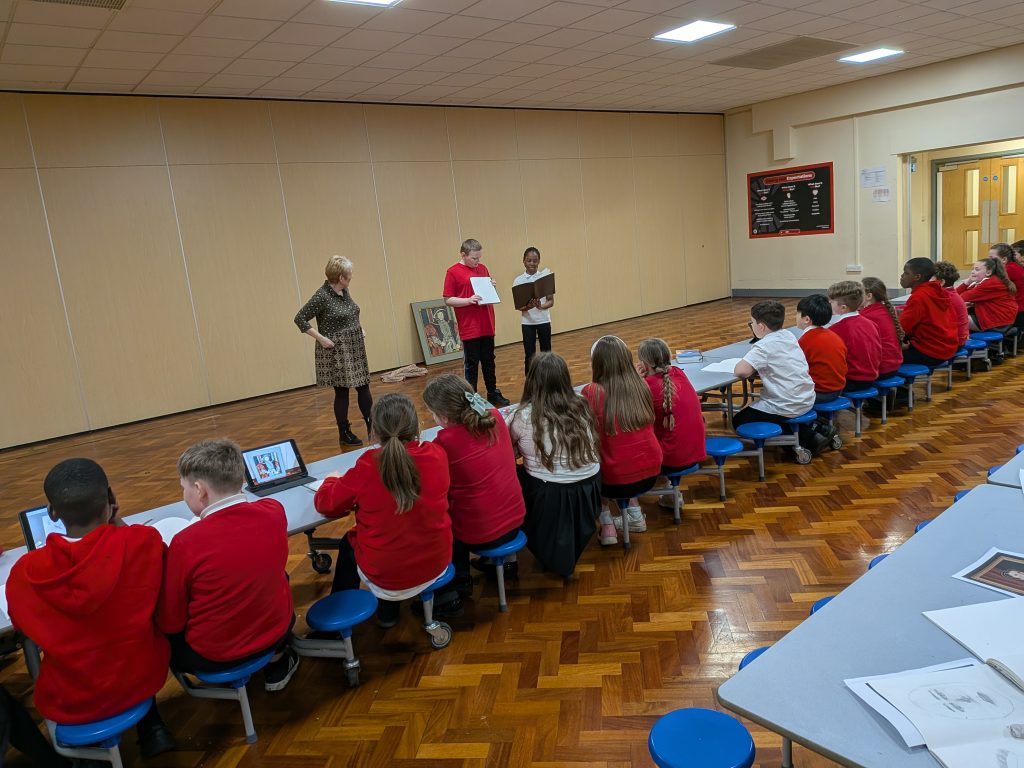
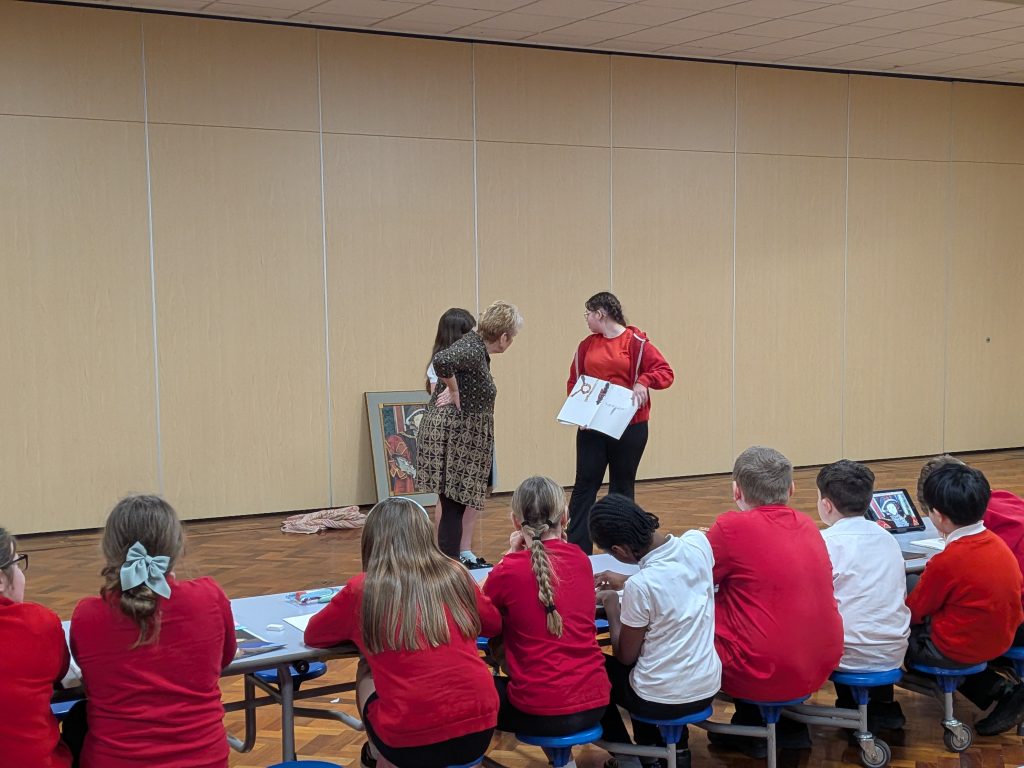
Last week, our UKS2 Crews had a very special visit from an expert artist and Tudor enthusiast. She brought with her a remarkable portrait of King Henry VIII, which had been painted for her by her father. Seeing the portrait up close was a fantastic experience for the children, as it helped bring our Tudor learning to life.
During the session, she shared fascinating information about Hans Holbein the Younger, one of the most famous artists of the Tudor period. Holbein is well known for painting incredibly detailed and realistic portraits of important figures at the court of Henry VIII. His paintings were not just about showing what someone looked like — they were carefully designed to show power, wealth and status.
We looked closely at some of the features that made Holbein’s portraits so distinctive. The children noticed the rich fabrics, detailed jewellery and confident poses used to show the importance of the people being painted. We also discussed how artists used colour, position and symbolism to send a message about the subject.
Our visitor also gave the class some helpful critique and advice about their own Tudor portrait work. She encouraged the children to think carefully about proportion, detail and expression, just as artists like Holbein would have done hundreds of years ago.
The session was a brilliant opportunity to combine history and art, helping the children understand not only what Tudor portraits looked like, but also why they were created in that way. It was a memorable experience and gave everyone lots of inspiration as we continue developing our own Tudor-style portraits.
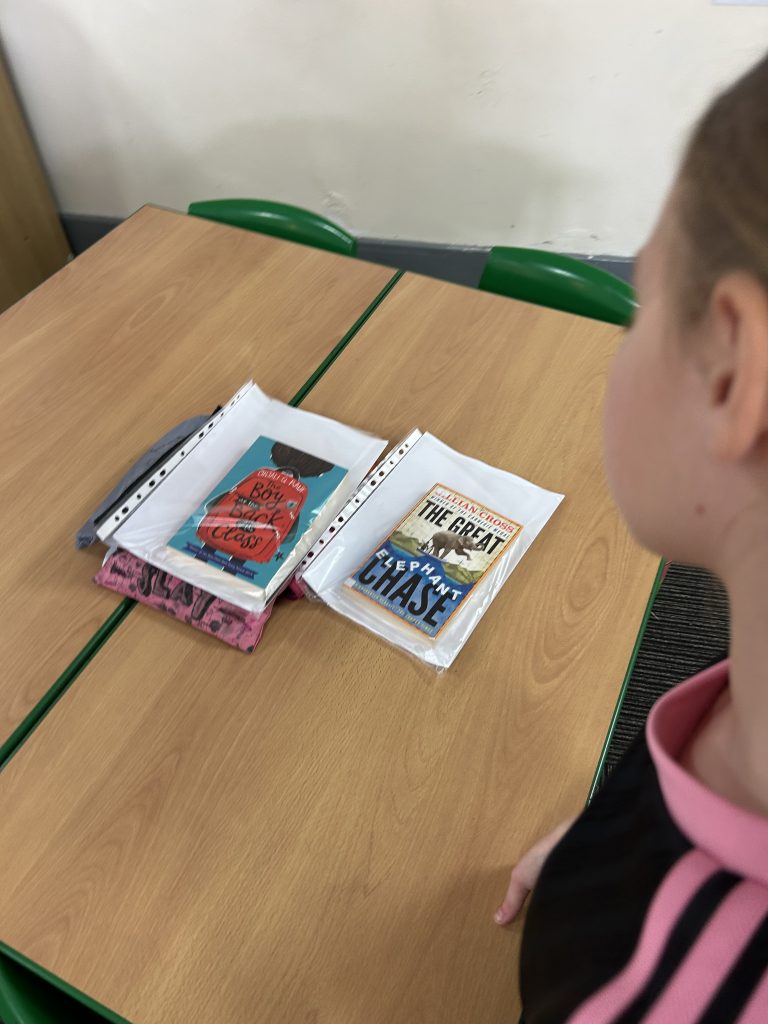
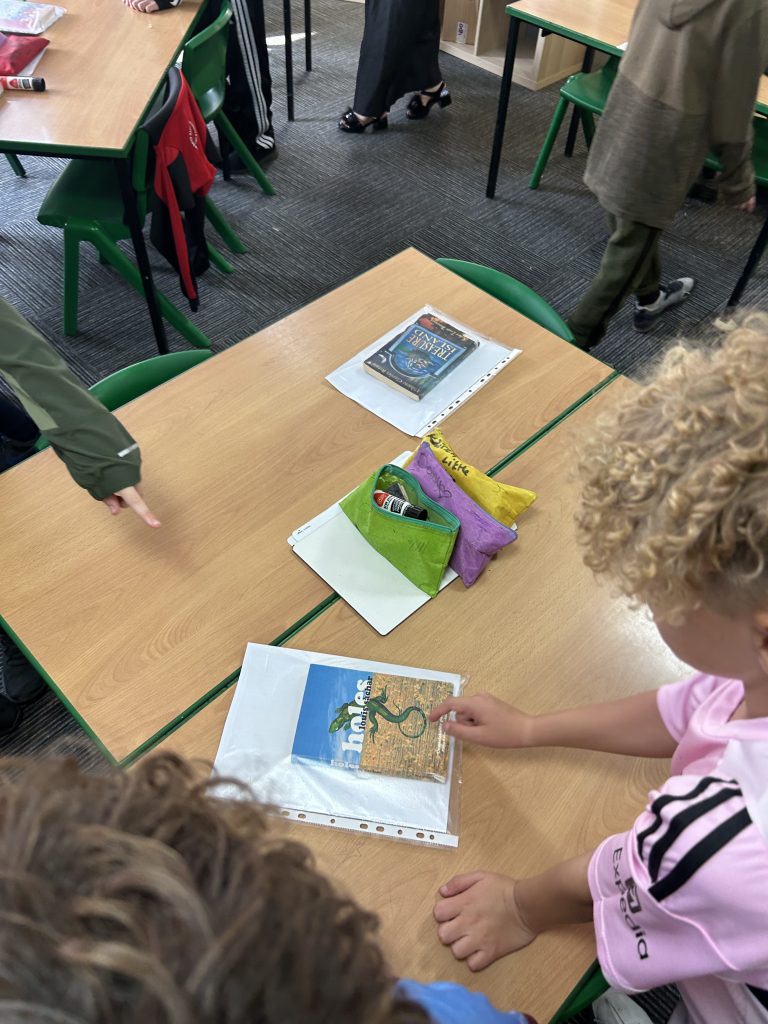
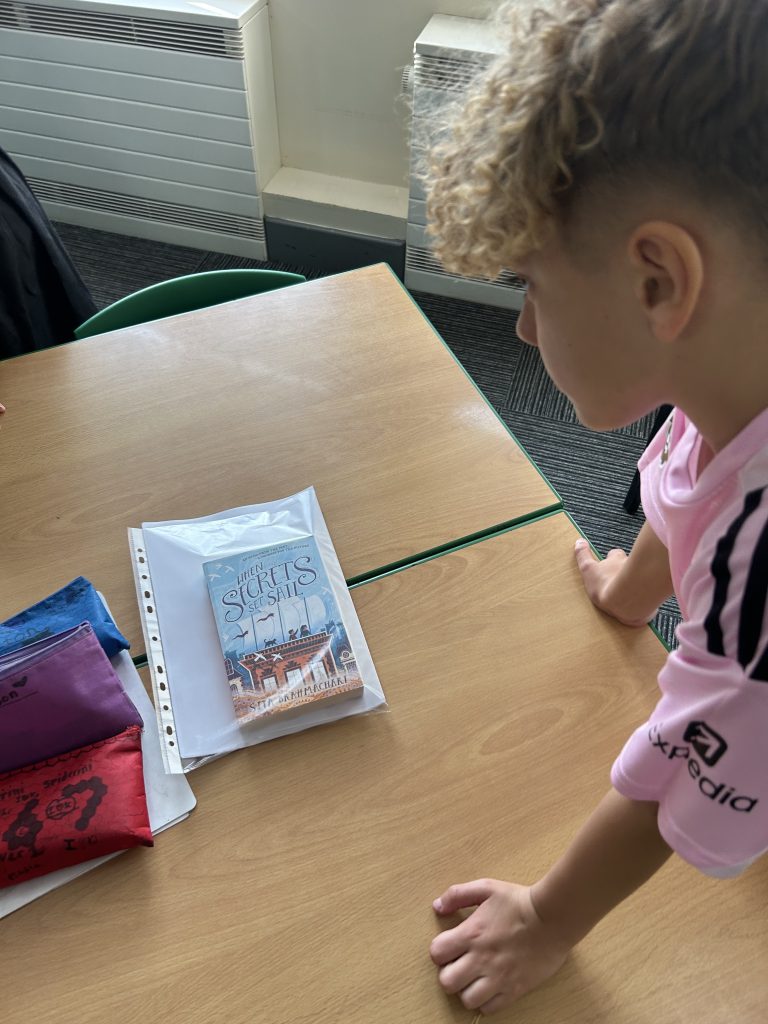
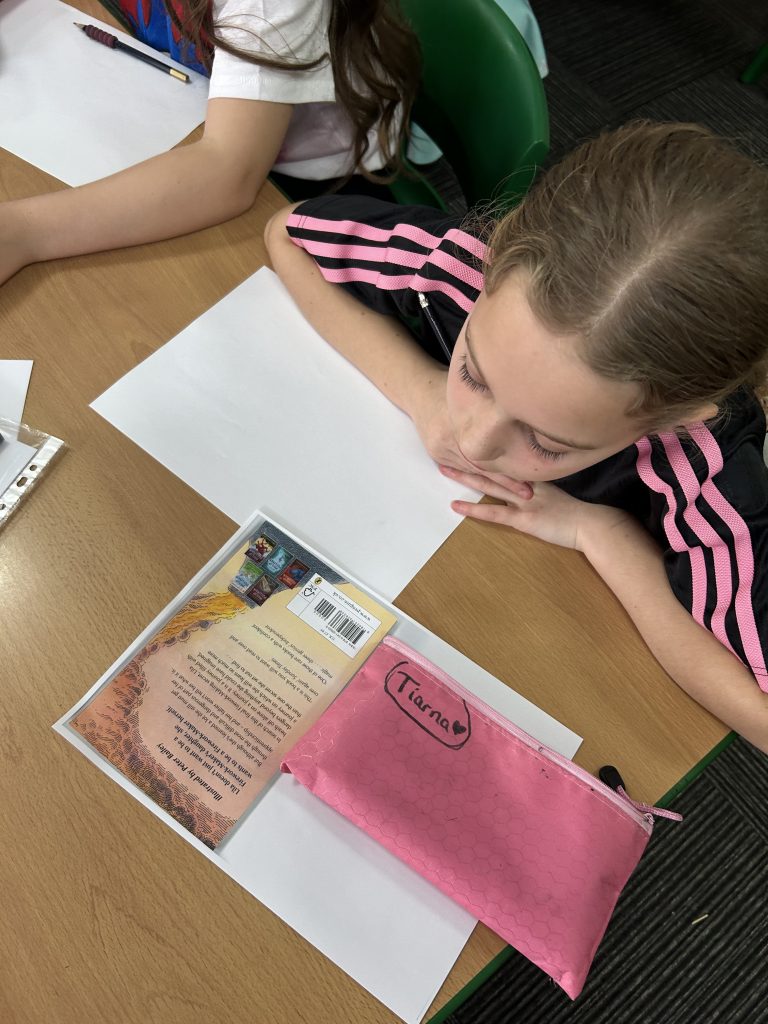
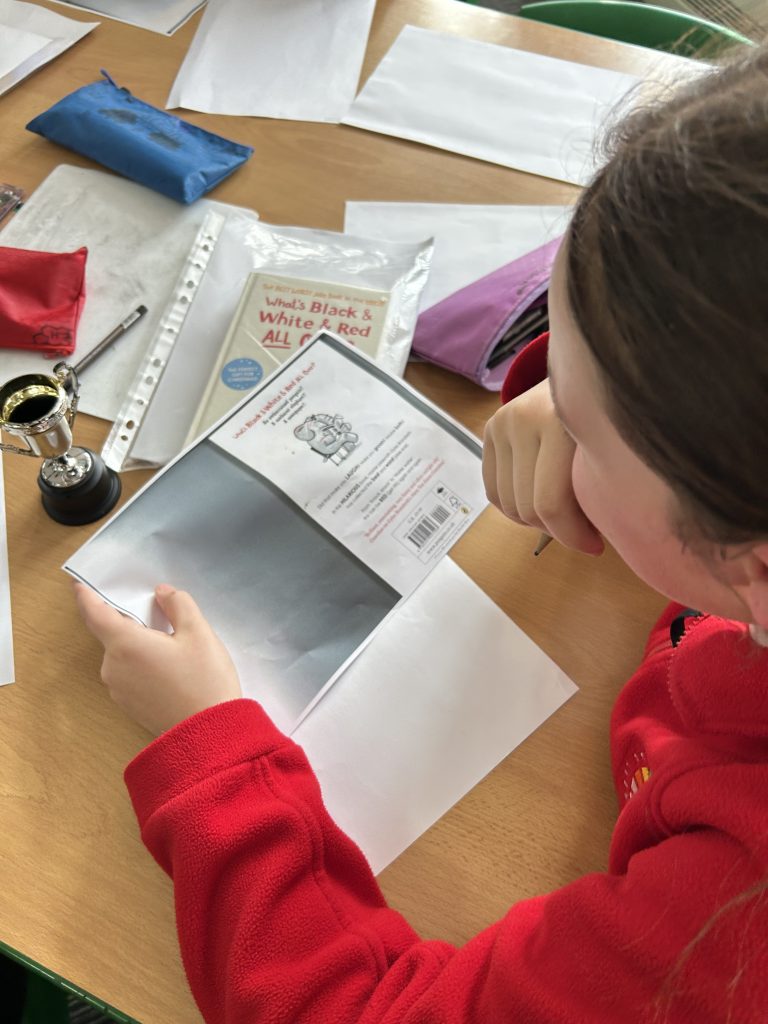
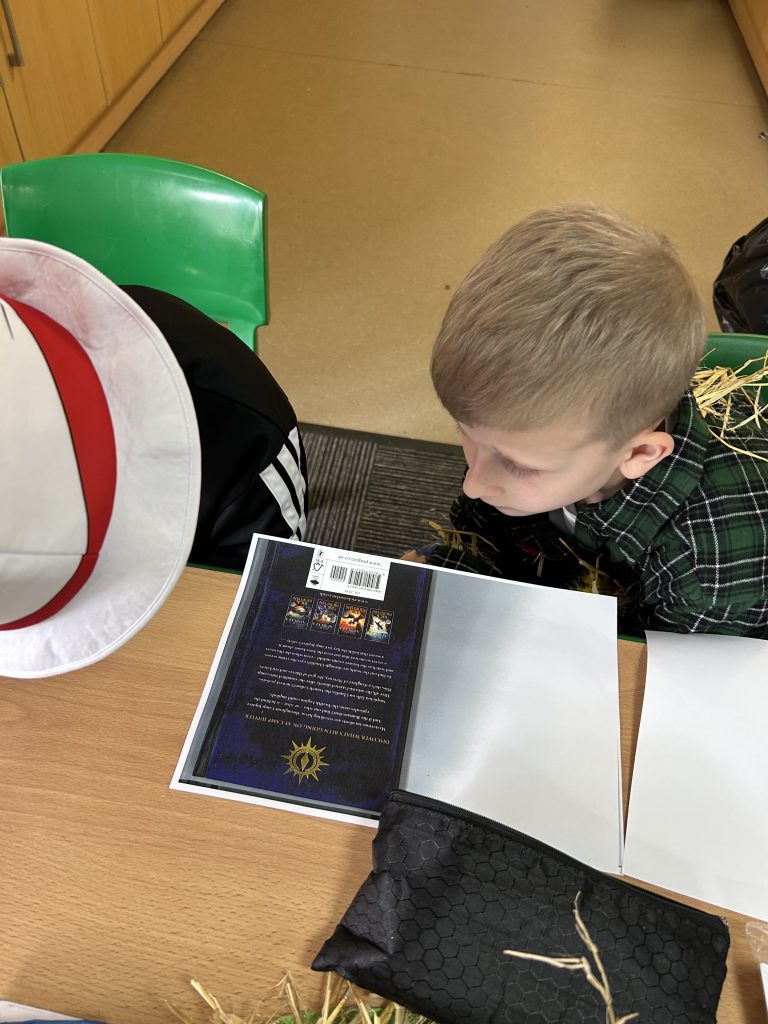
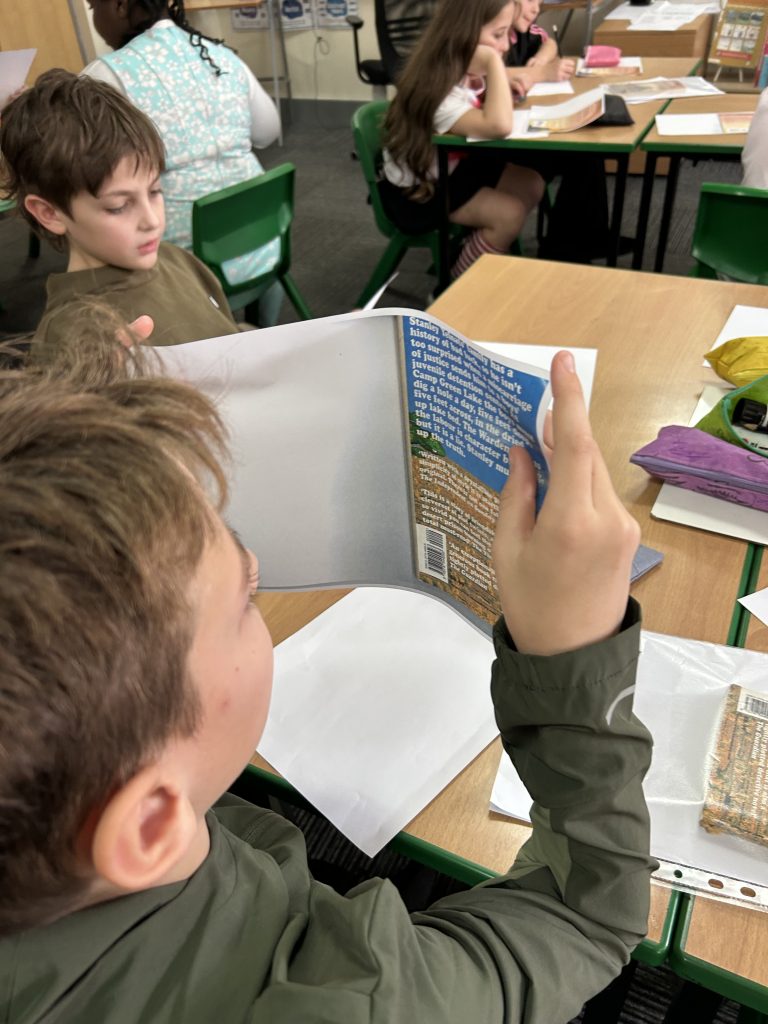
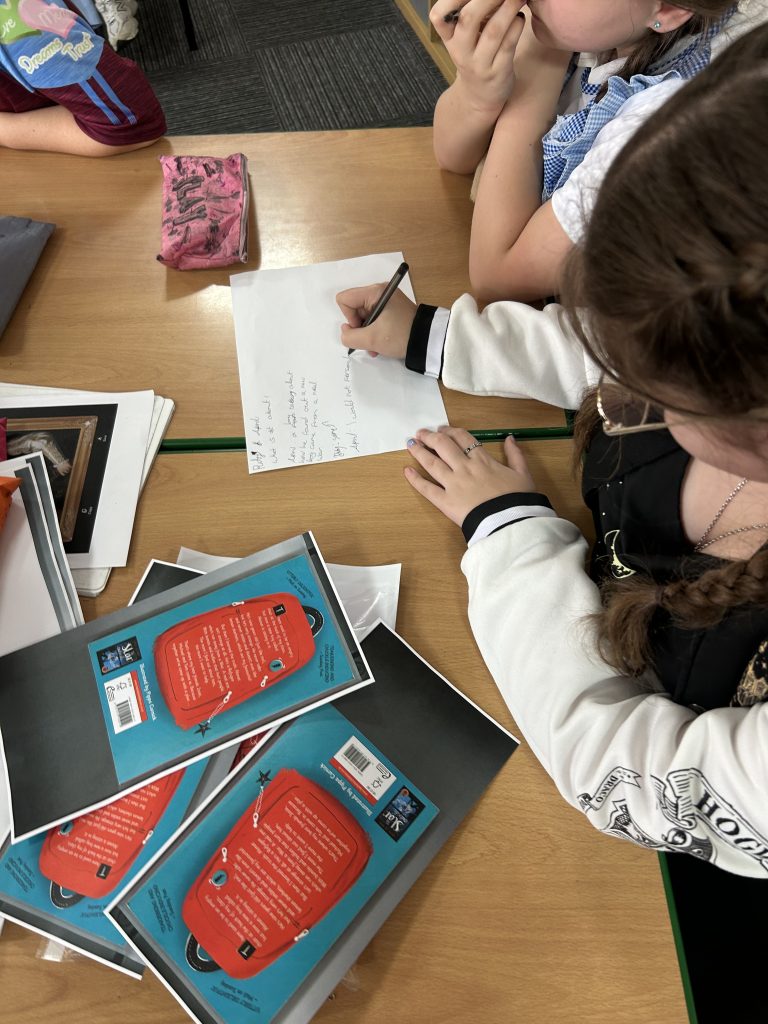
Today, Crew White celebrated World Book Day with a fun book discovery activity designed to spark curiosity about reading. Students began by silently exploring eight different books placed around the room, judging their first impressions based on the covers. After discussing what caught their attention, students read a selection of blurbs, noted interesting details and questions on post-its, and reconsidered their choices. To finish, we held a lively Book Tournament, where the eight books competed in a class vote until one Crew White Champion Book was crowned — which we’ll now begin reading together in class.
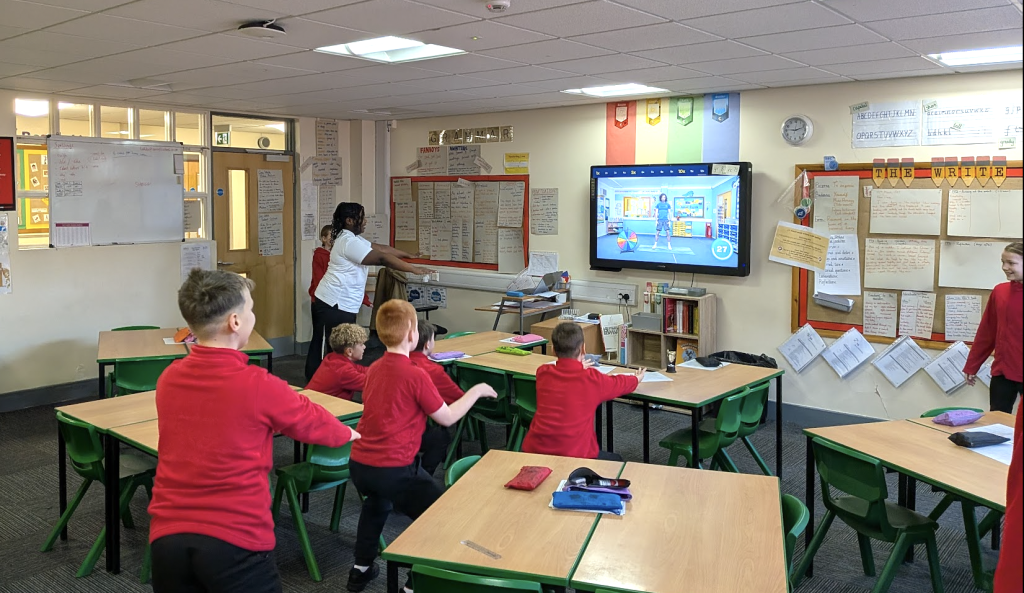
We began our first week back after the half-term holidays by waking up our brains with an 8 minute HIIT (high intensity interval training) activity! 35 seconds of work followed by 25 seconds of rest got us warmed up for the day ahead.
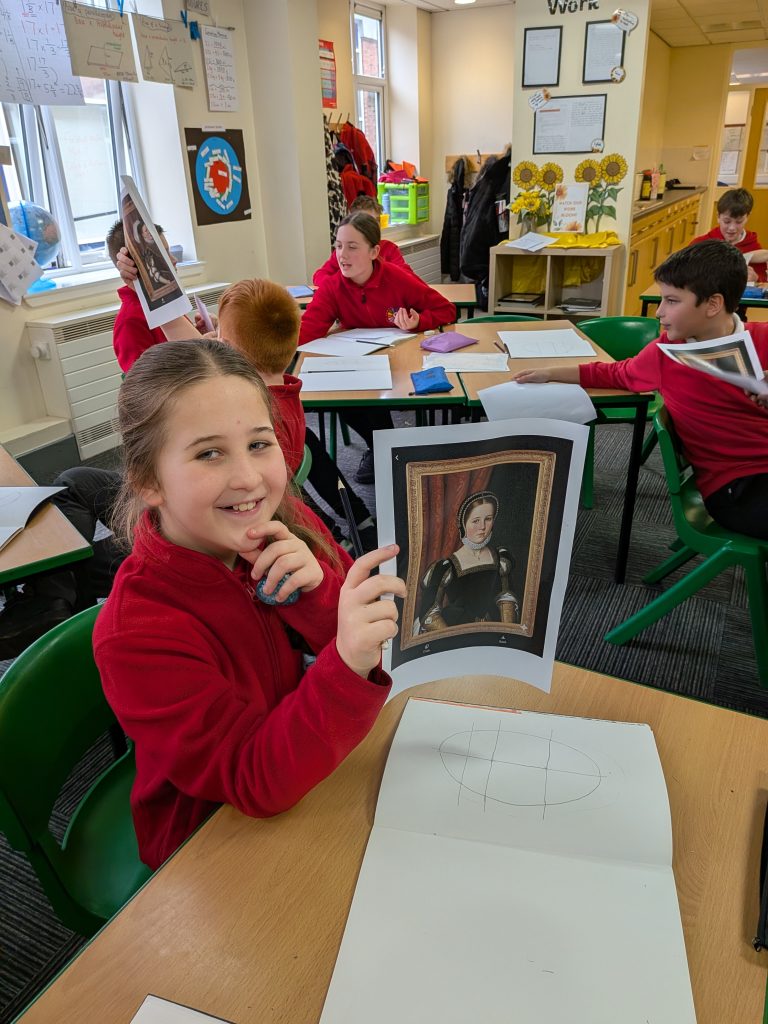
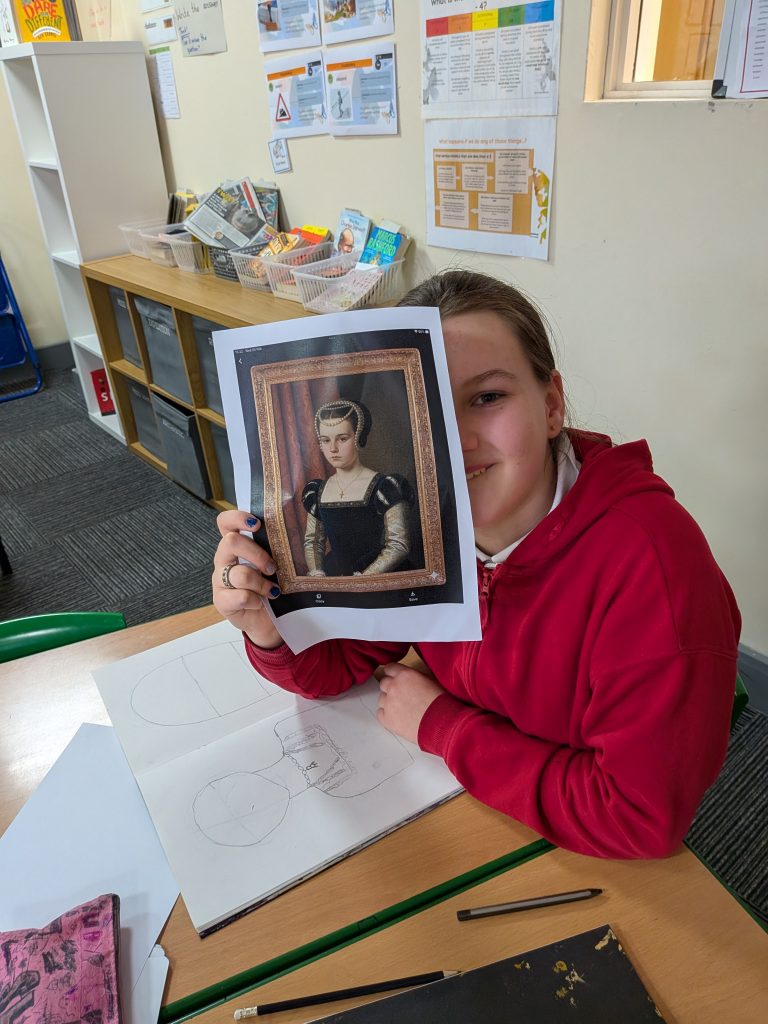
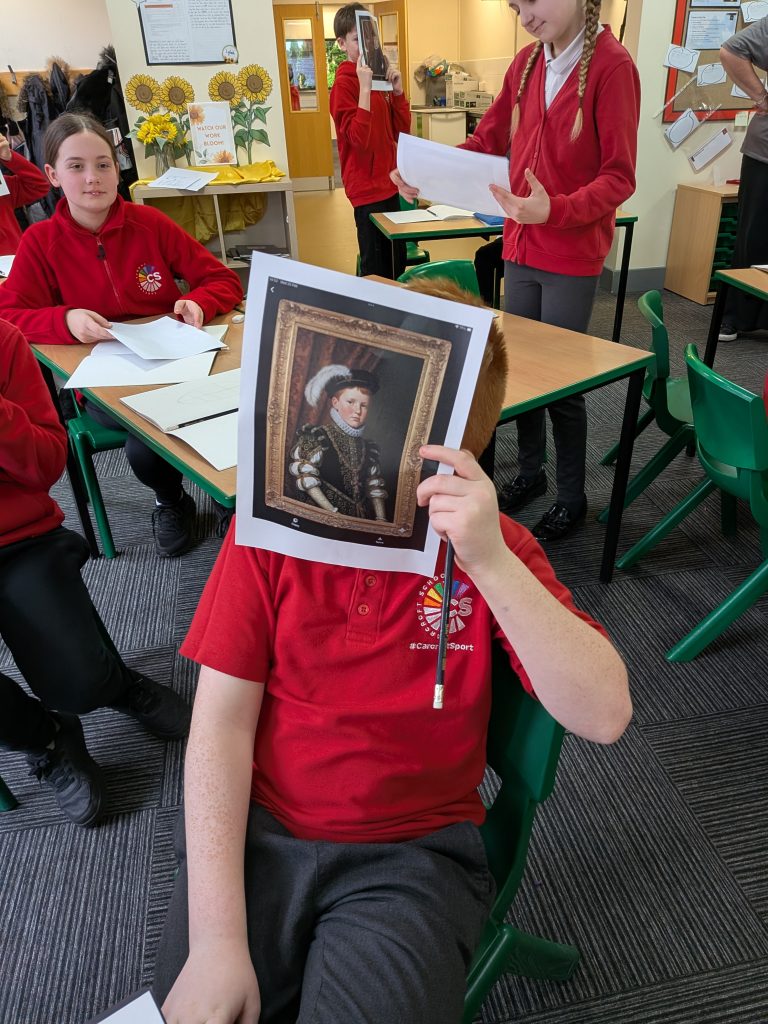
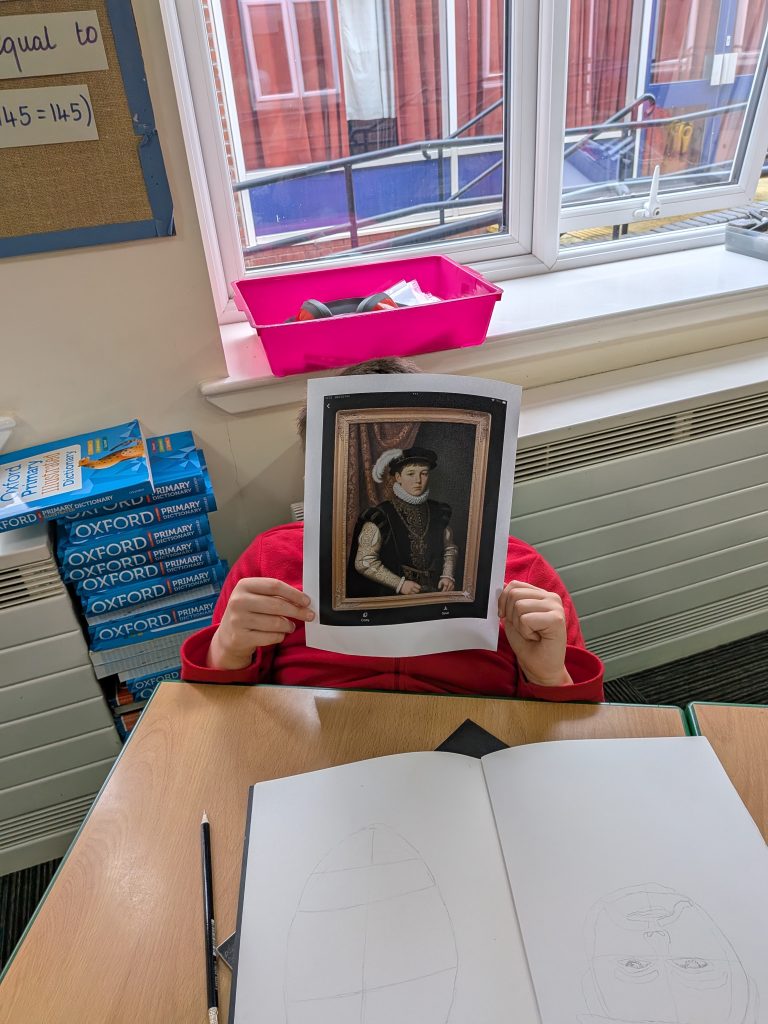
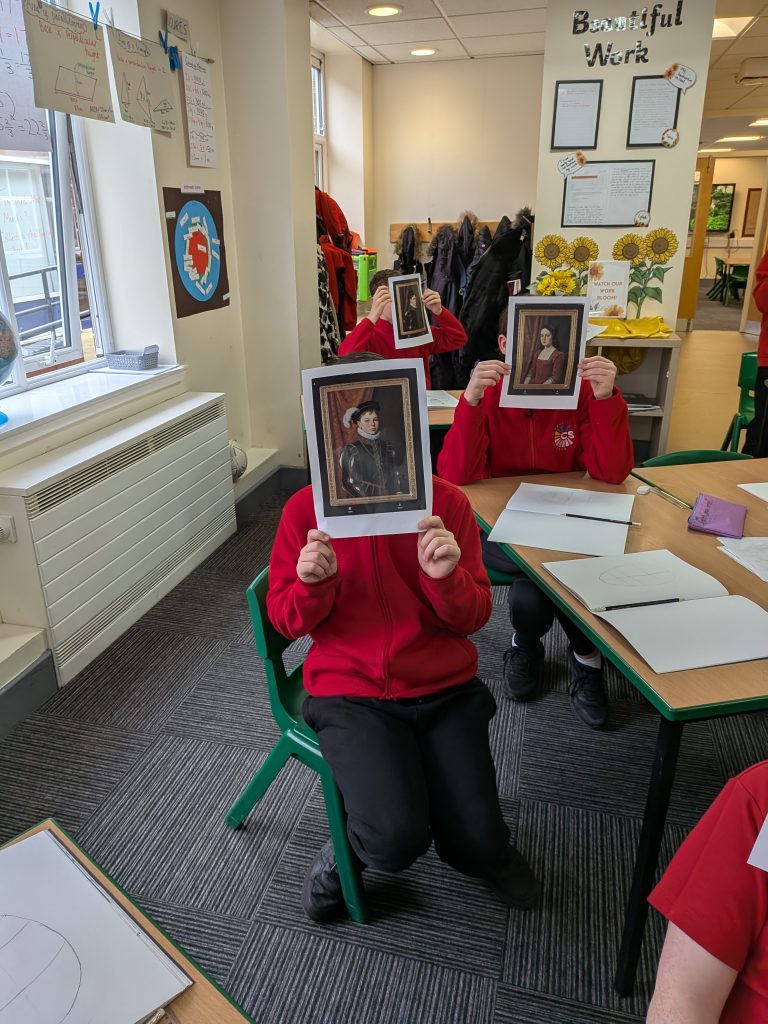
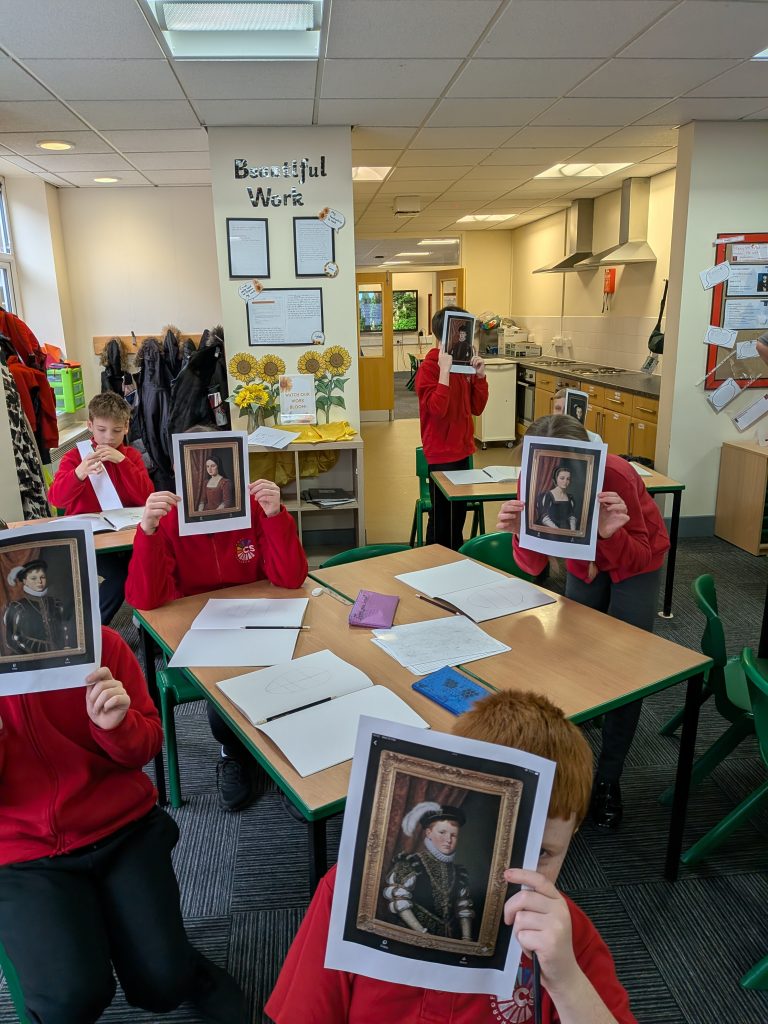
This week, we started our Case Study 3 Art study of our current expedition. With a focus on proportion and creating beautiful work, Crew White have stepped back in time to the Tudor Court.
Our current task is to create portraits of ourselves at Tudors using significant artist, Hans Holbein, as inspiration. Stay tuned over the next few weeks to see our progress.
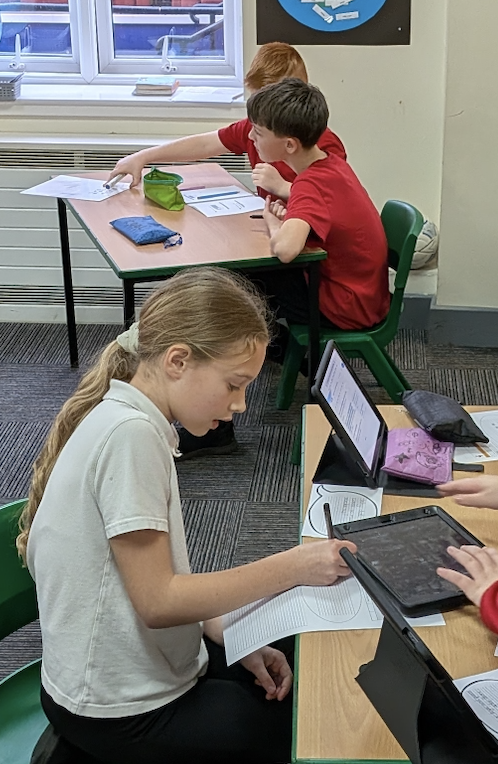
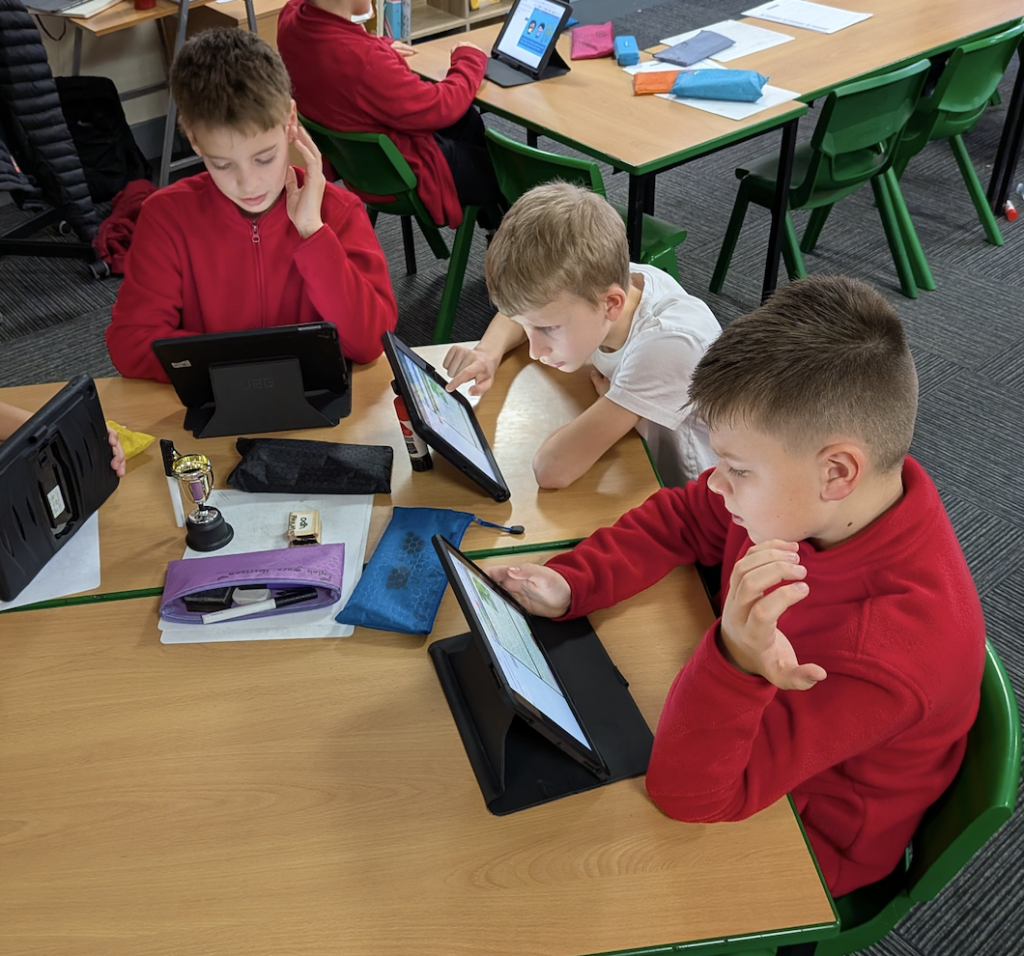
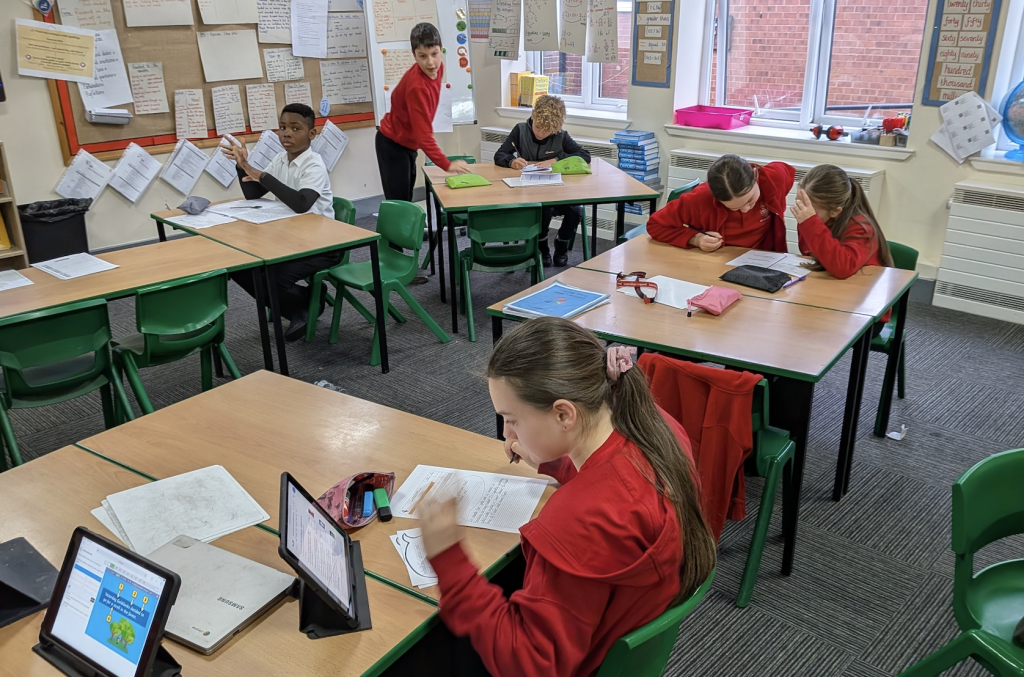
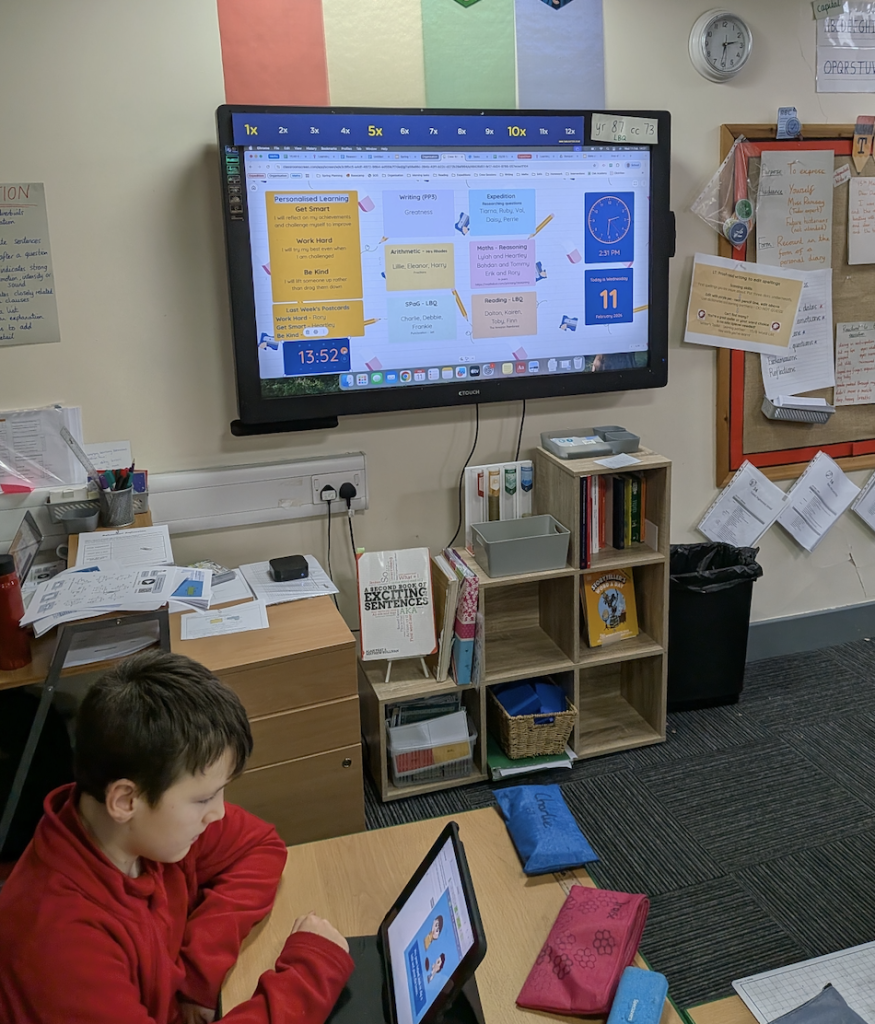
Recently, during Academic Crew in Year 6 we have been showing independence, collaboration and hard thinking to help us get smart. During these sessions, we have our own learning target that we are focusing on. Some of us are improving our writing skills, some of us are becoming better readers and others are becoming better mathematicians. Last week, postcards were given to Rory, Tommy and Tiarna for their effort during this session. This week, postcards were given to Charlie, Ruby and Toby. Follow us to find out who will be next!
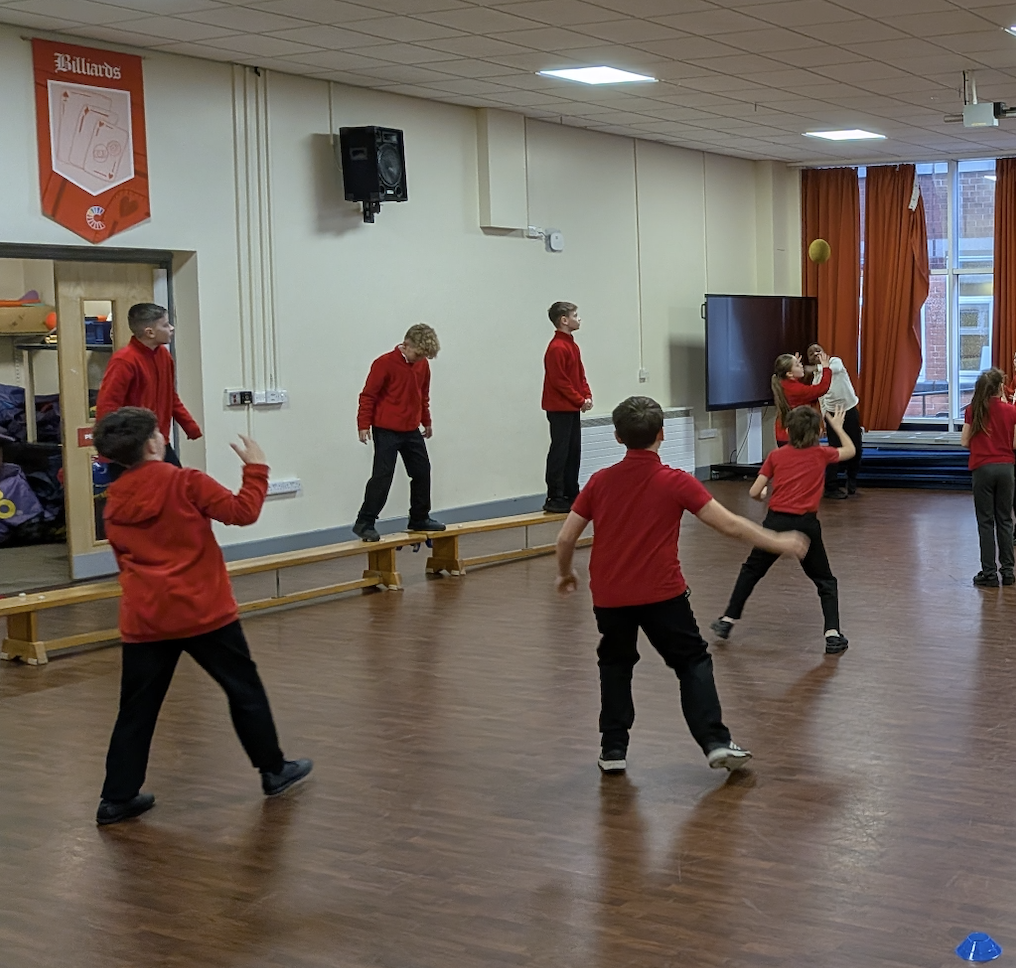
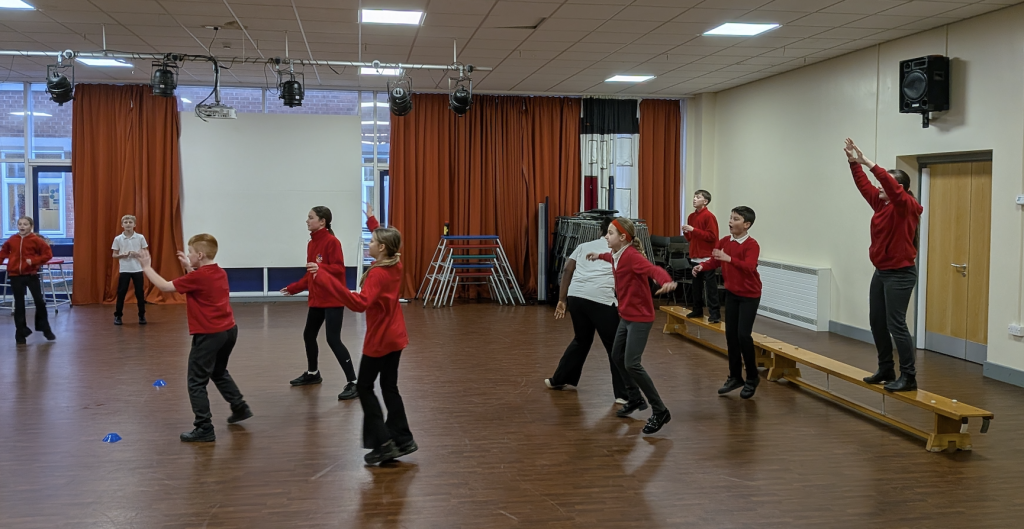
On rainy days, the mood within Crew White is a little melancholy. Going outside at break time, letting off some steam and doing some exercise is one of the best parts of the day for many children. Earlier this week, we didn’t let the rain stop us from having a well-earned brain break and we went into the hall to play bench ball.