This week, in RE we learnt what happens in a Mandir which is a Hindu place of worship. We watched several video clips and learnt about their different Gods and Goddesses. Did you know that Hindus worship in a Mandir but also have a shrine at home?
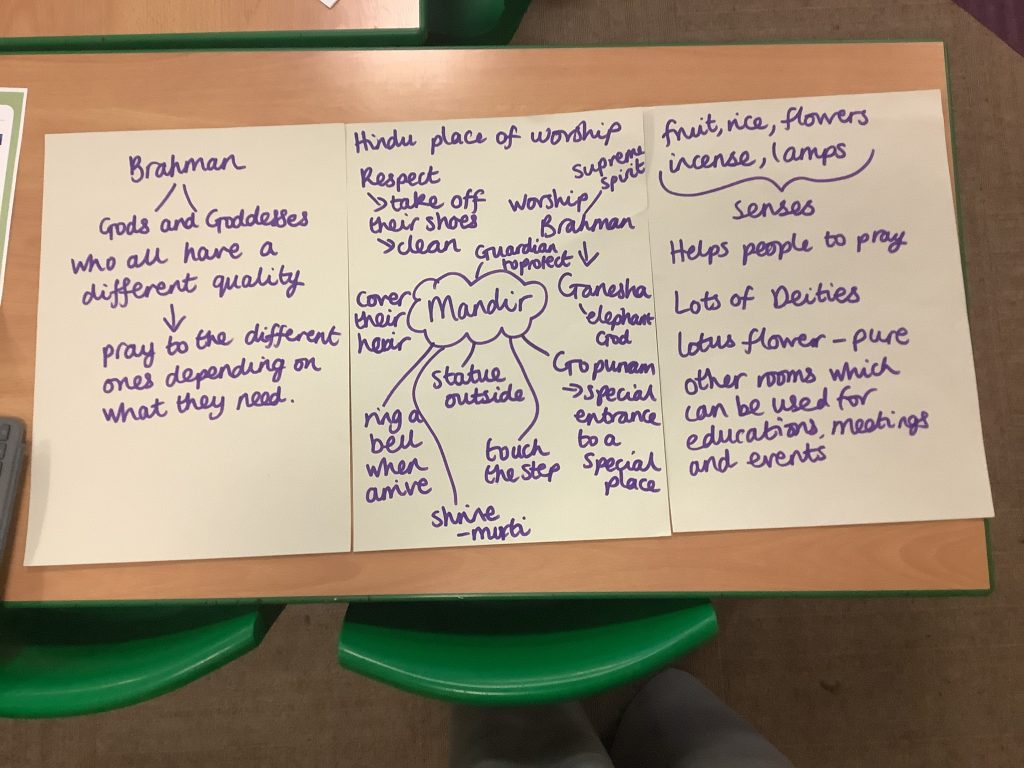
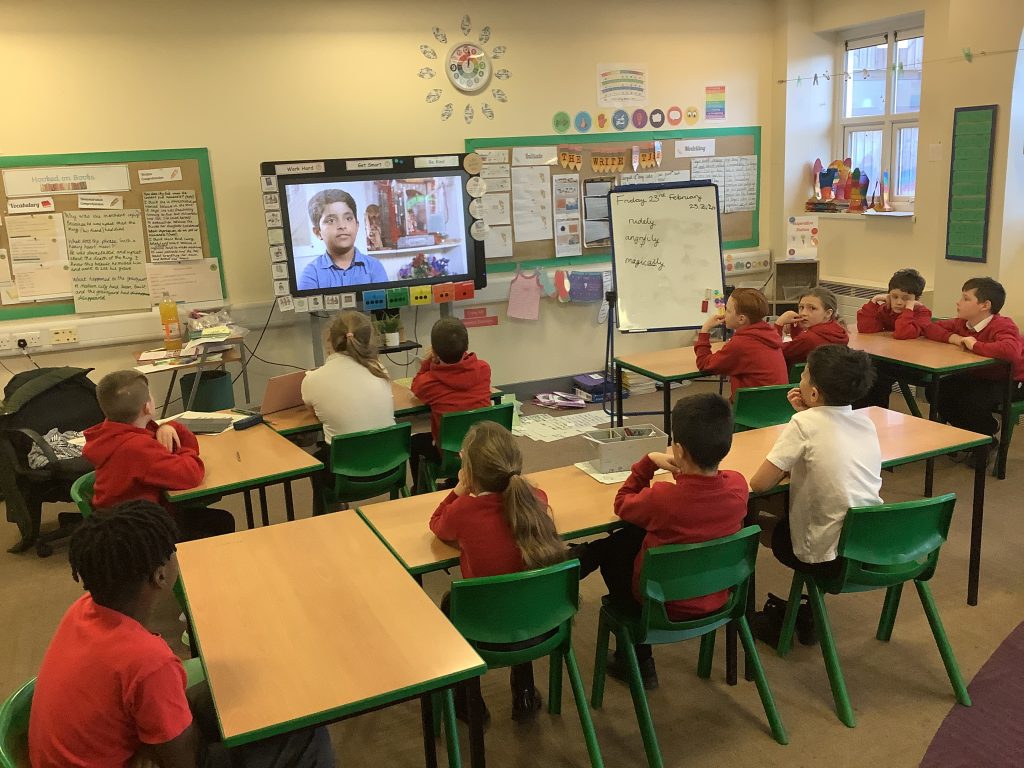
This week, in RE we learnt what happens in a Mandir which is a Hindu place of worship. We watched several video clips and learnt about their different Gods and Goddesses. Did you know that Hindus worship in a Mandir but also have a shrine at home?
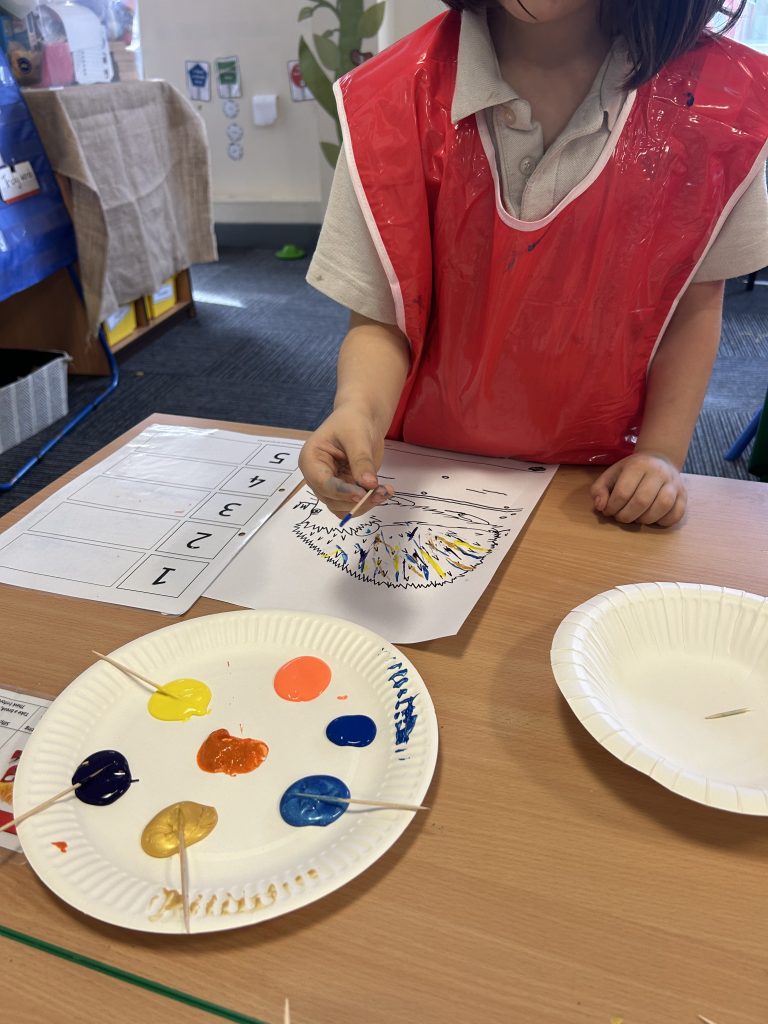
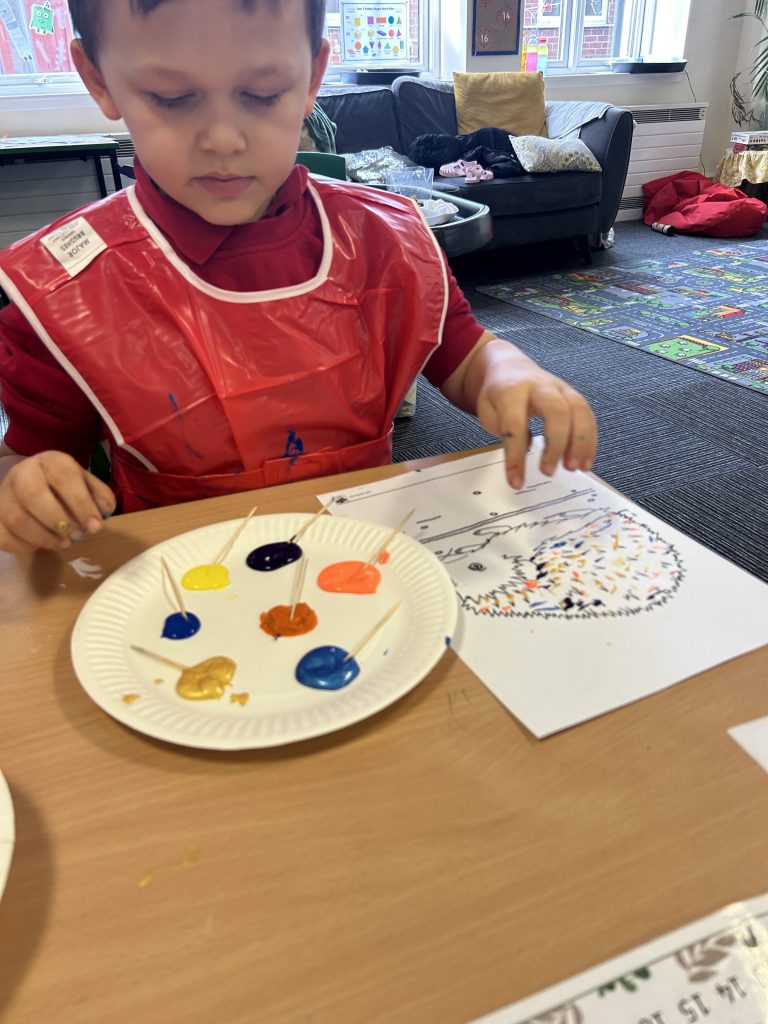
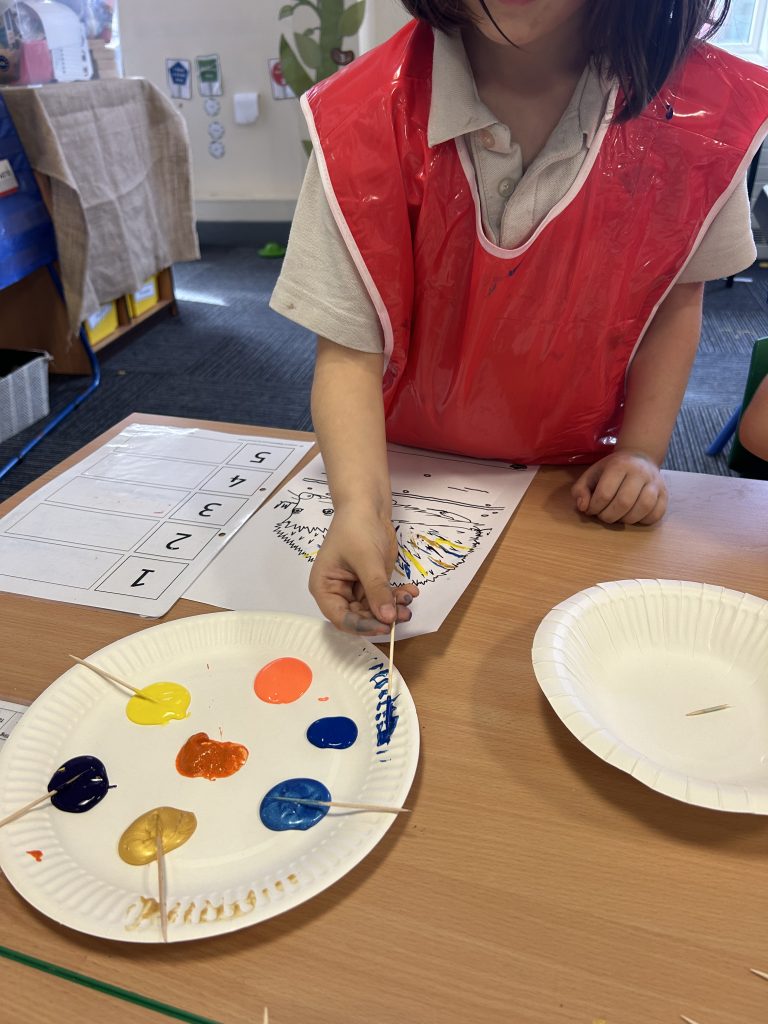
Our final artwork pieces… we used cocktail sticks to create a spike pattern.



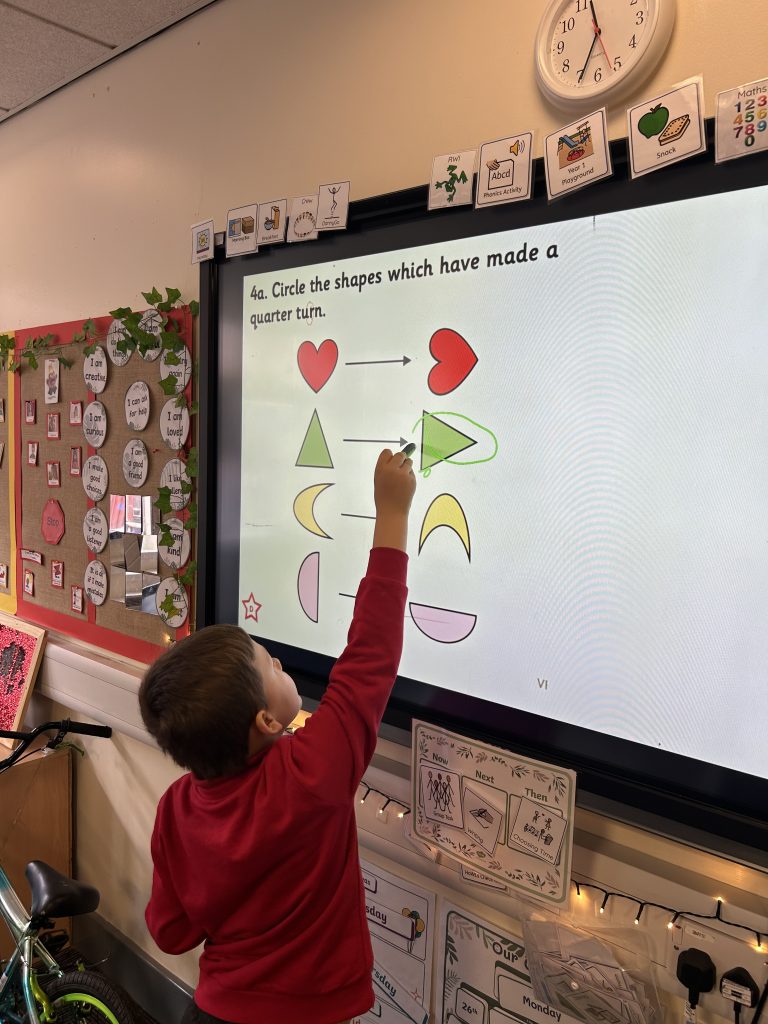
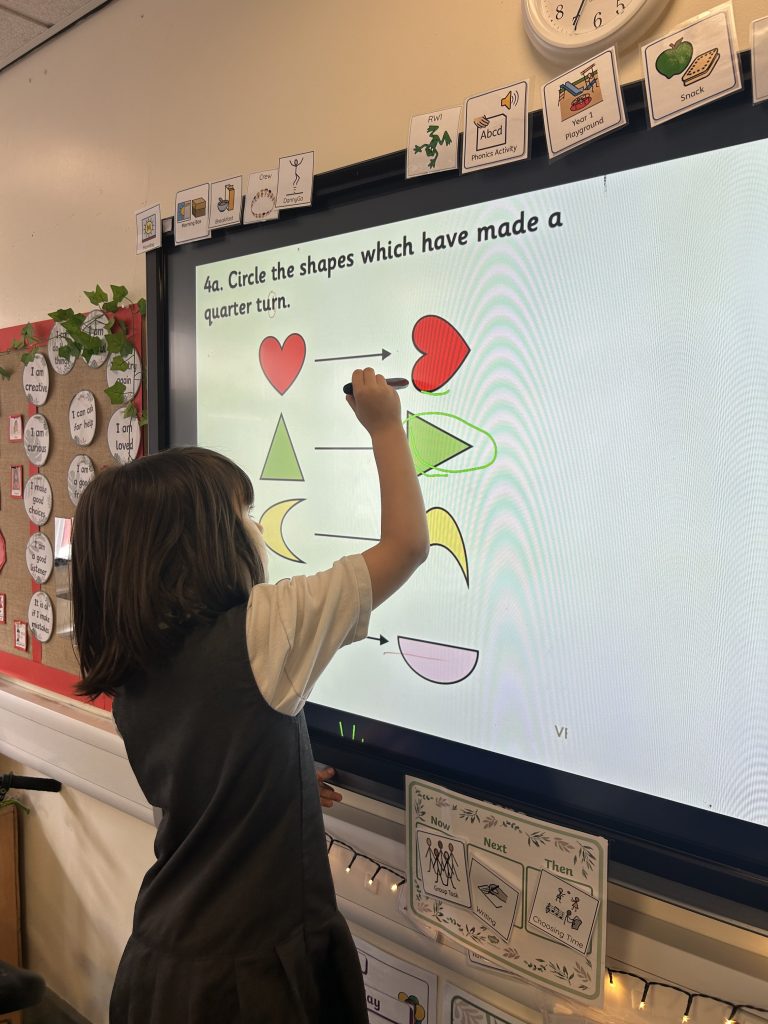
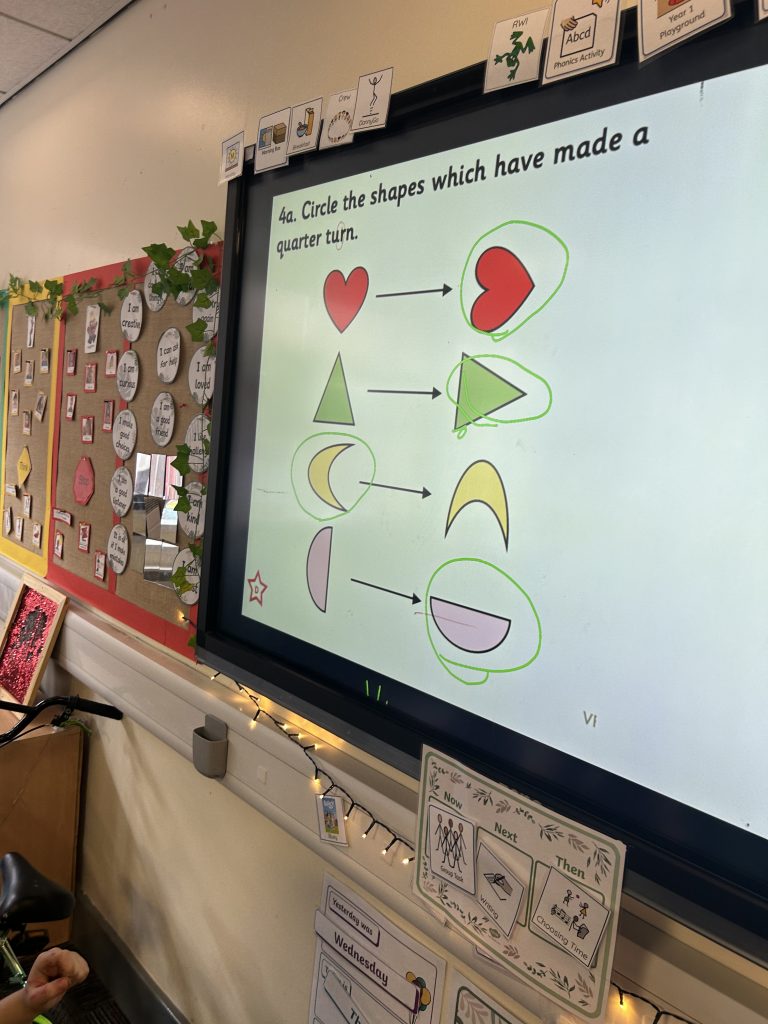
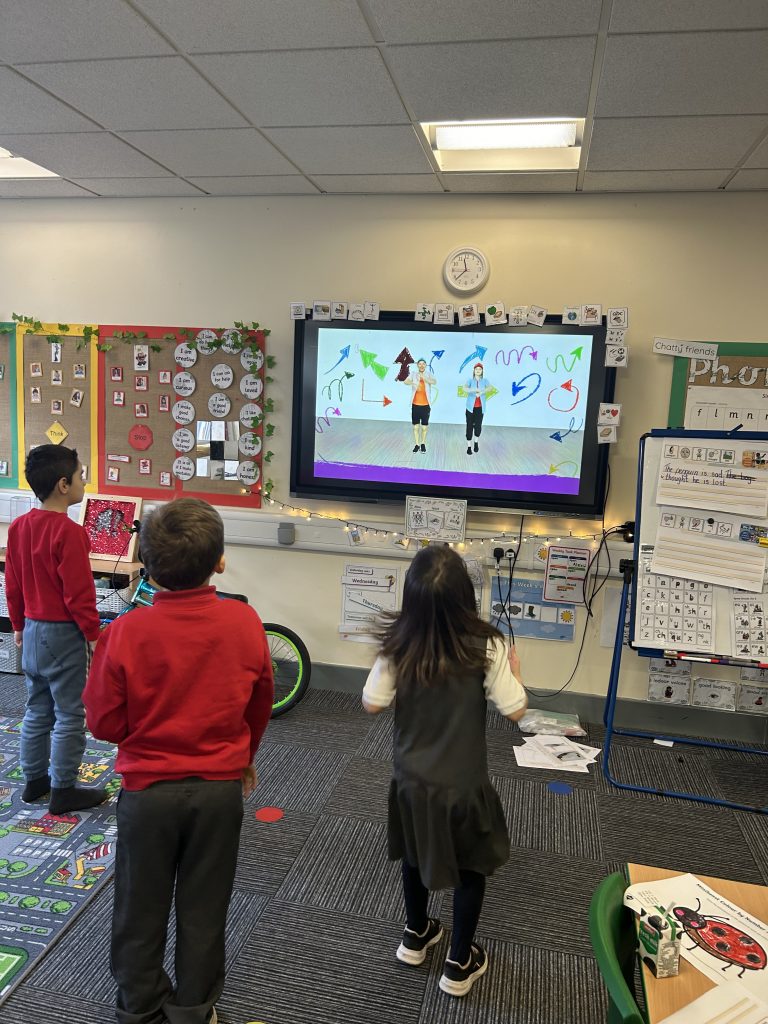
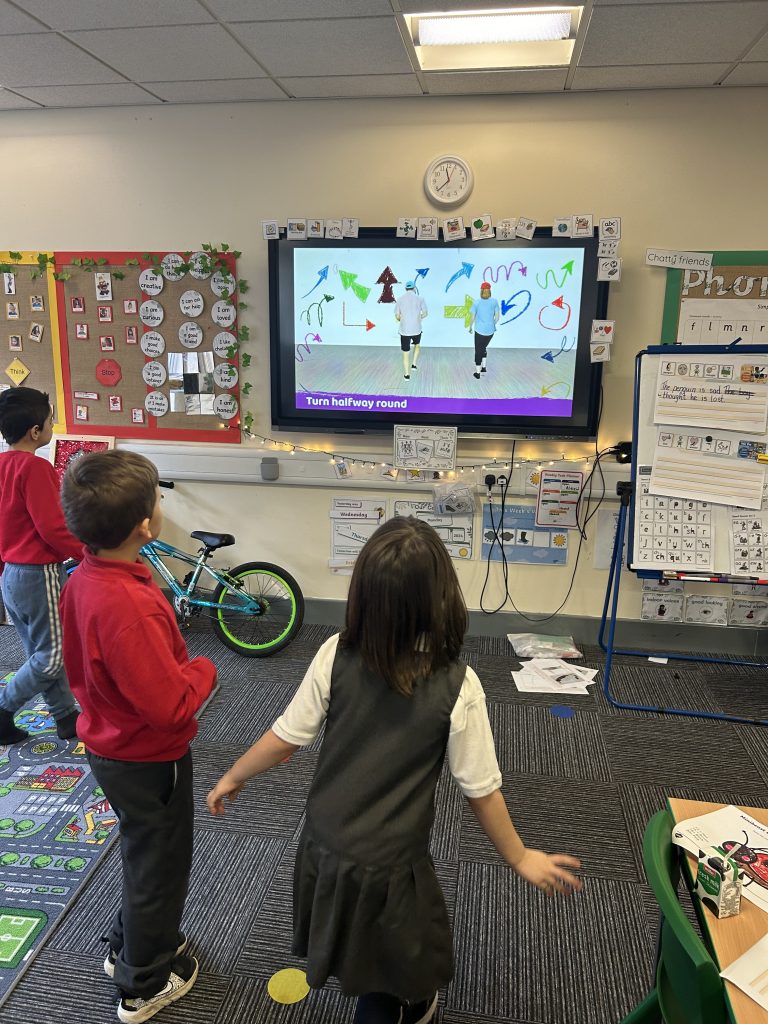
Today, in maths, we looked at describing turns and directions. We learnt about quarter turns, half turns and full turns. 🔄
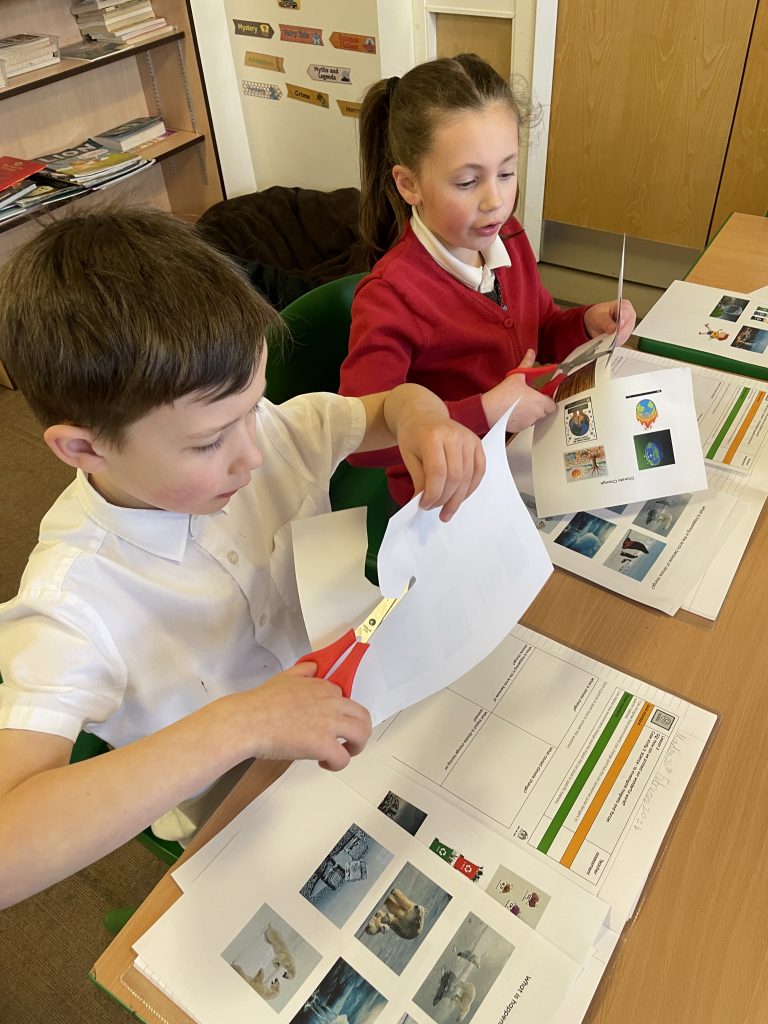
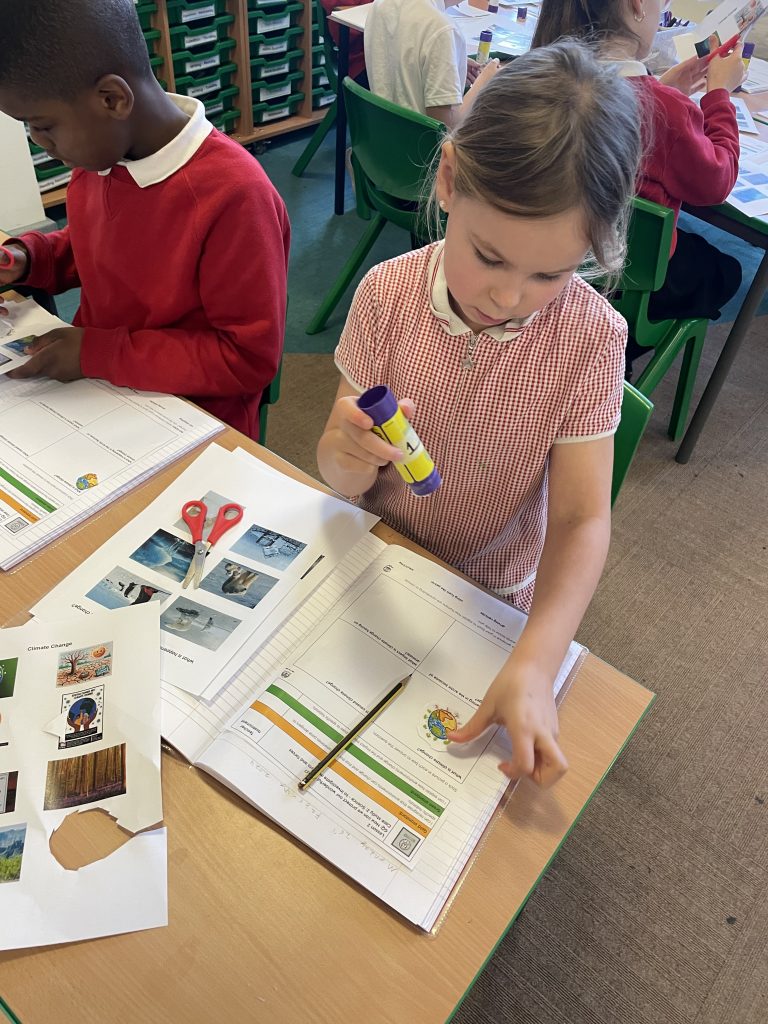
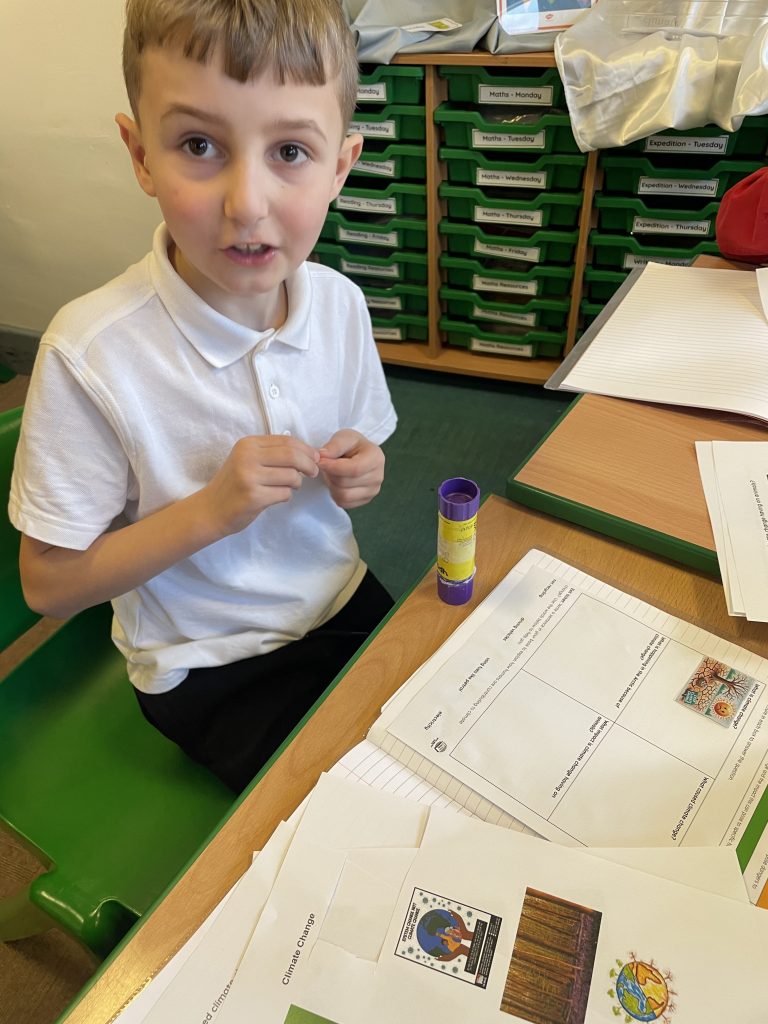
In expedition this afternoon, we looked at what climate change is and how it is effecting the environment and animal habitats. We discovered that climate is the weather patterns in a region for over 30 years. We then looked at how the climate has changed in Svalbard. We used our learning from the previous lesson and found out that the sea temperature and air temperature in Svalbard has increased and this is melting the ice therefore impacting polar bear habitats.

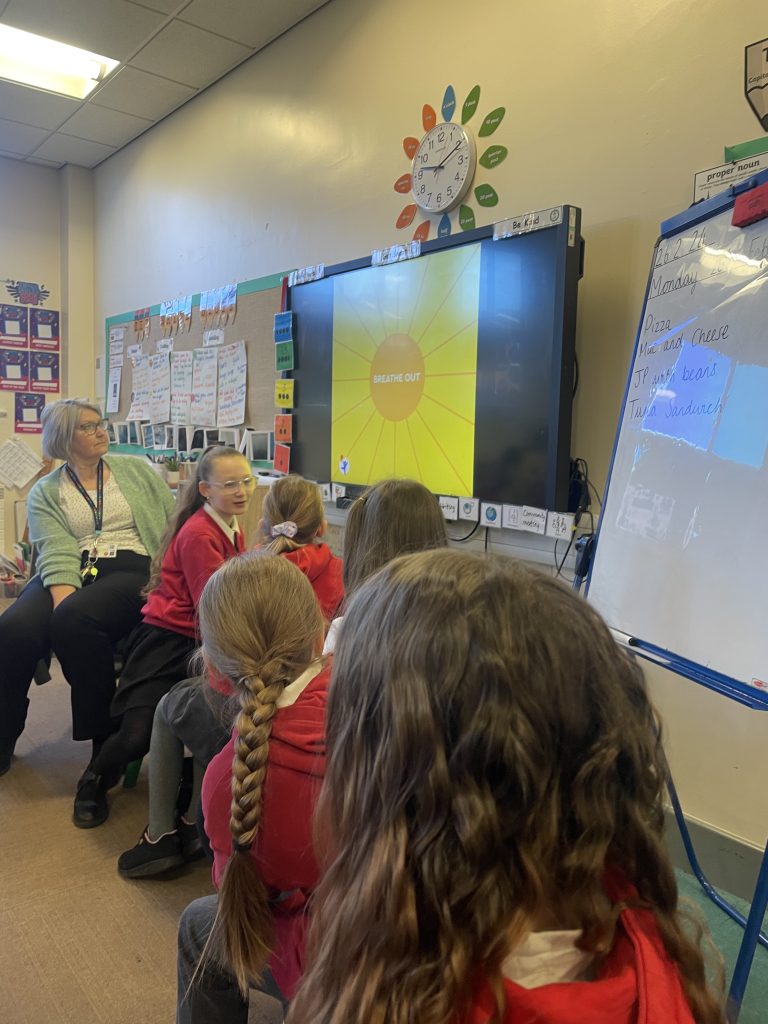
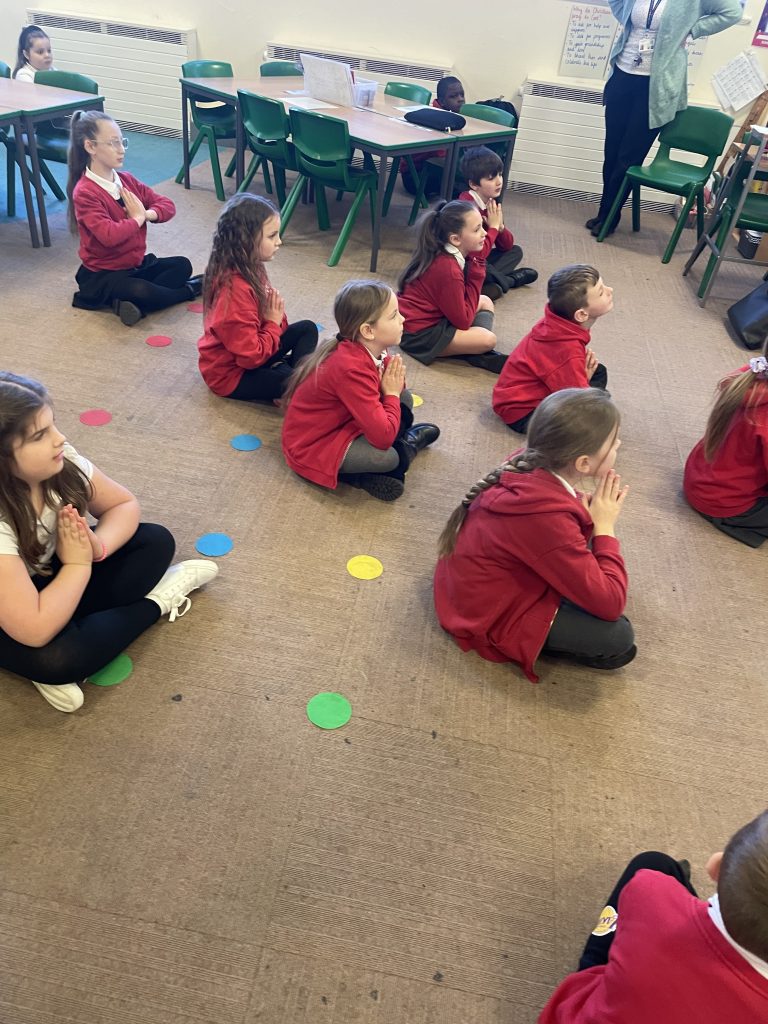
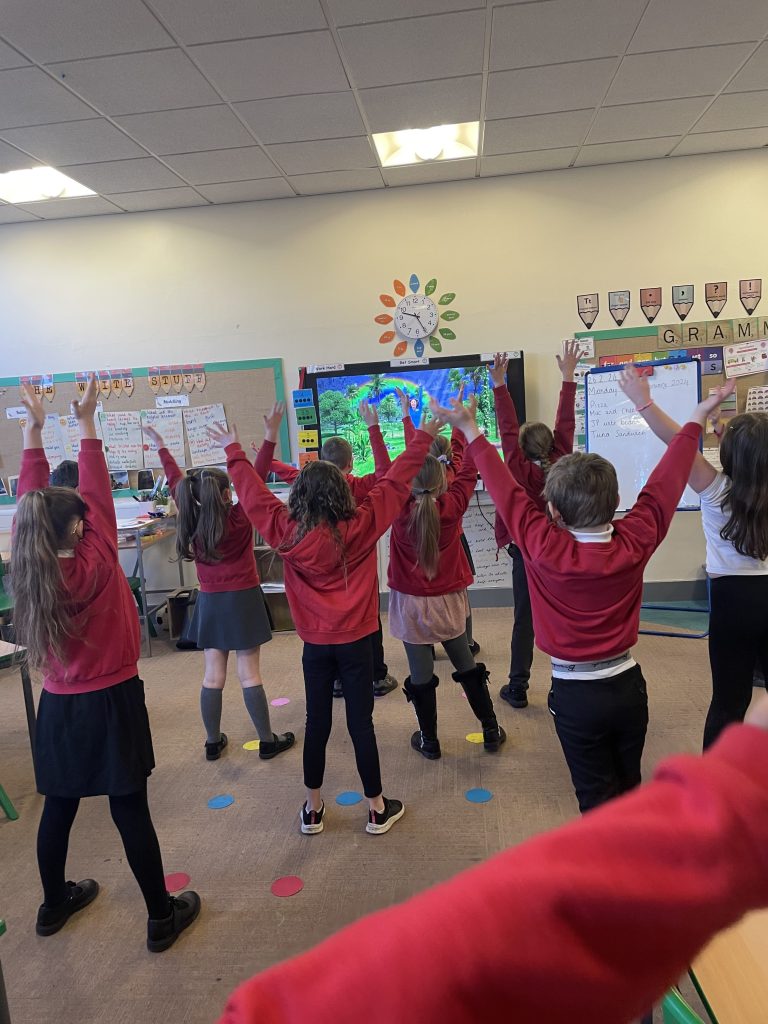
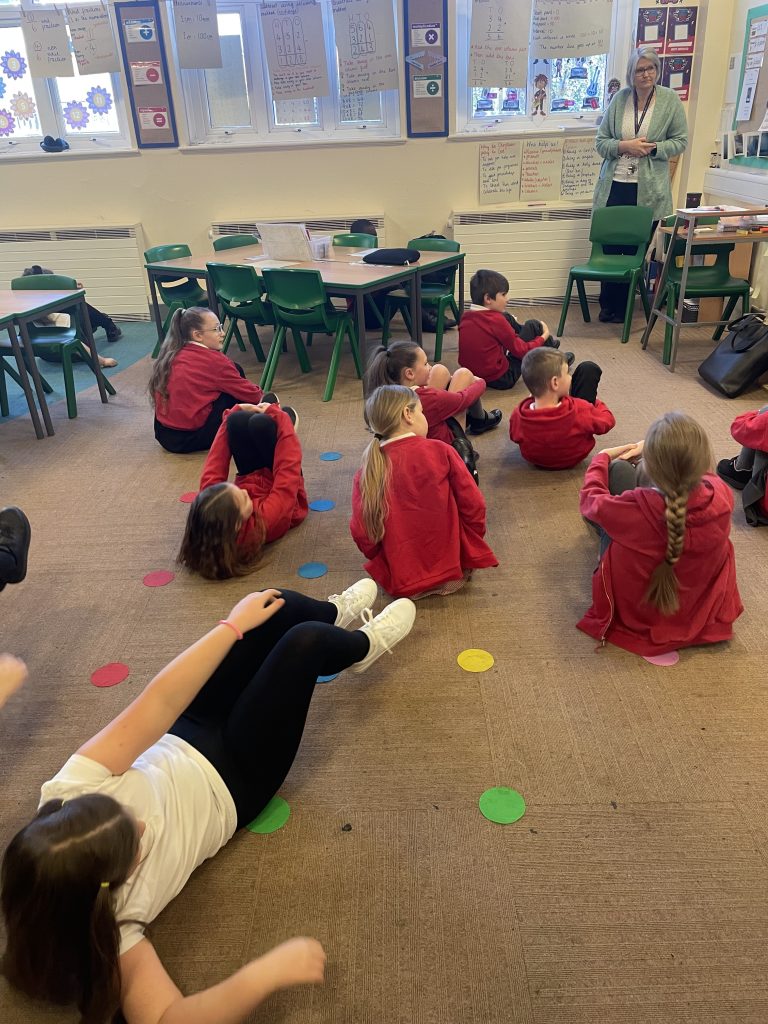
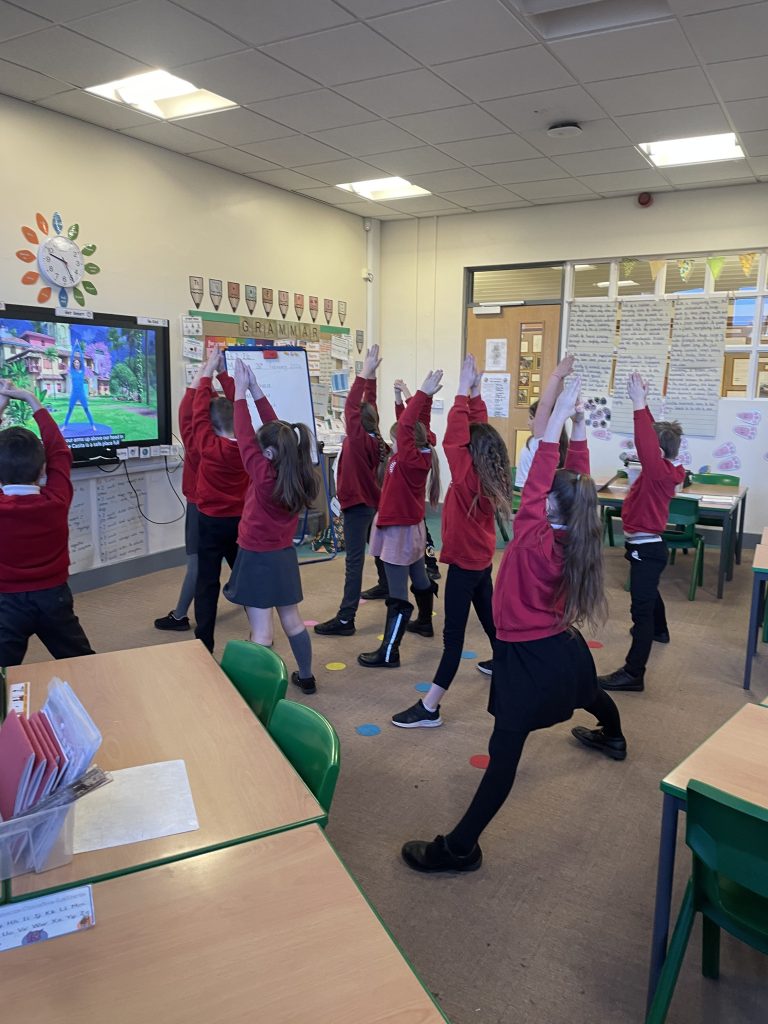
In crew this morning, we had a fantastic discussion about how important it is to be both mentally and physically healthy. We first looked at the benefits of being physically and mentally healthy and then had a go at some yoga 🧘

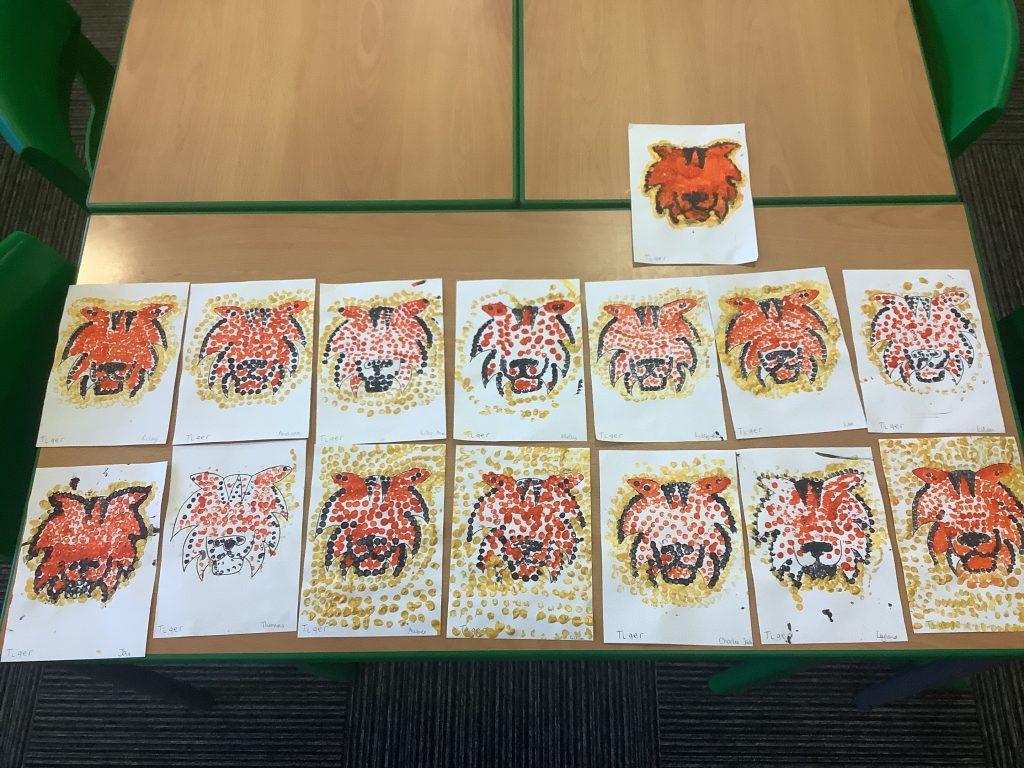
Today we have done our first draft of our African inspired pointillism. In Crew Godley we are painting tigers 🐯 we have critiqued these using Austin’s Butterfly ready for our second draft.
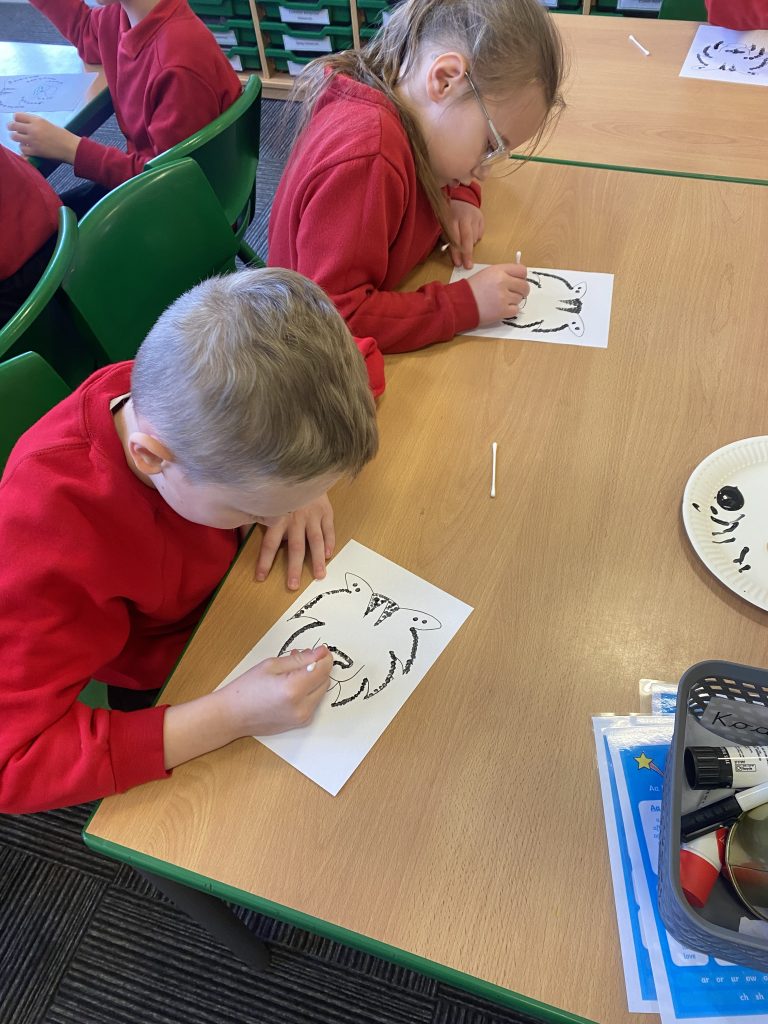
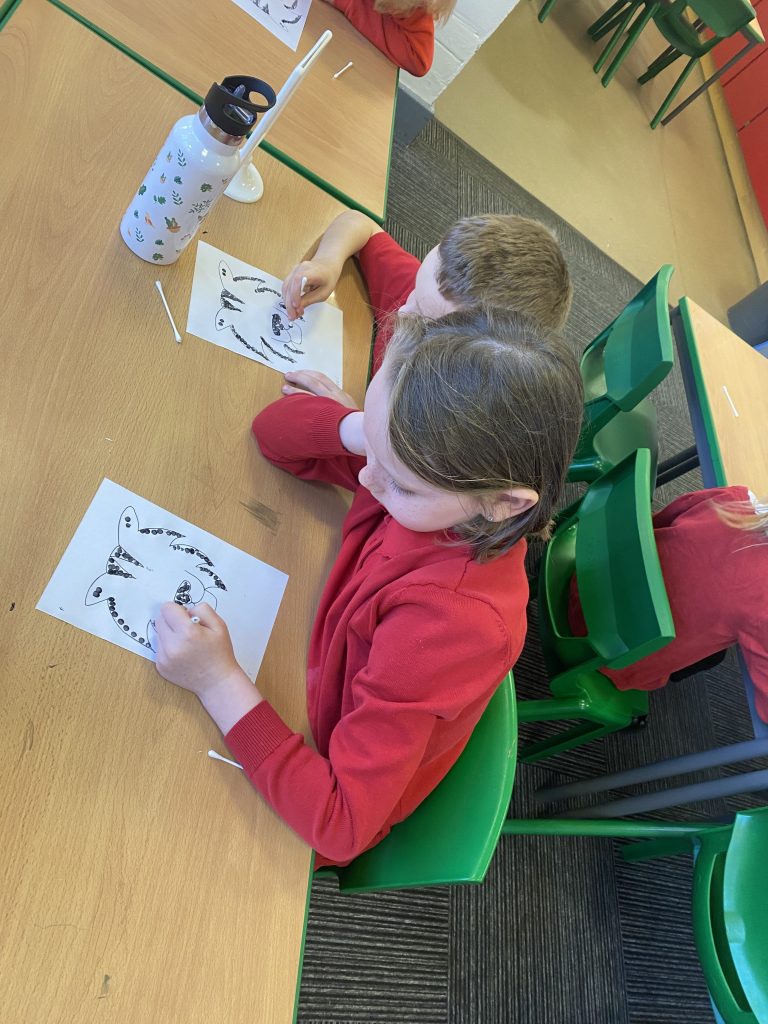
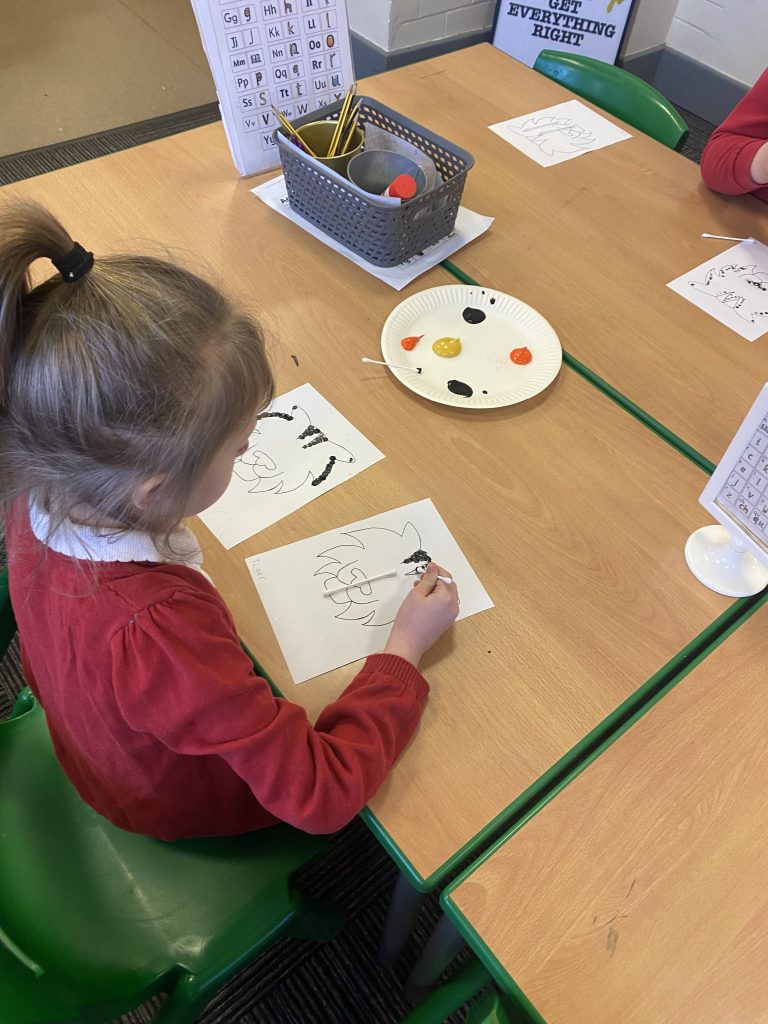
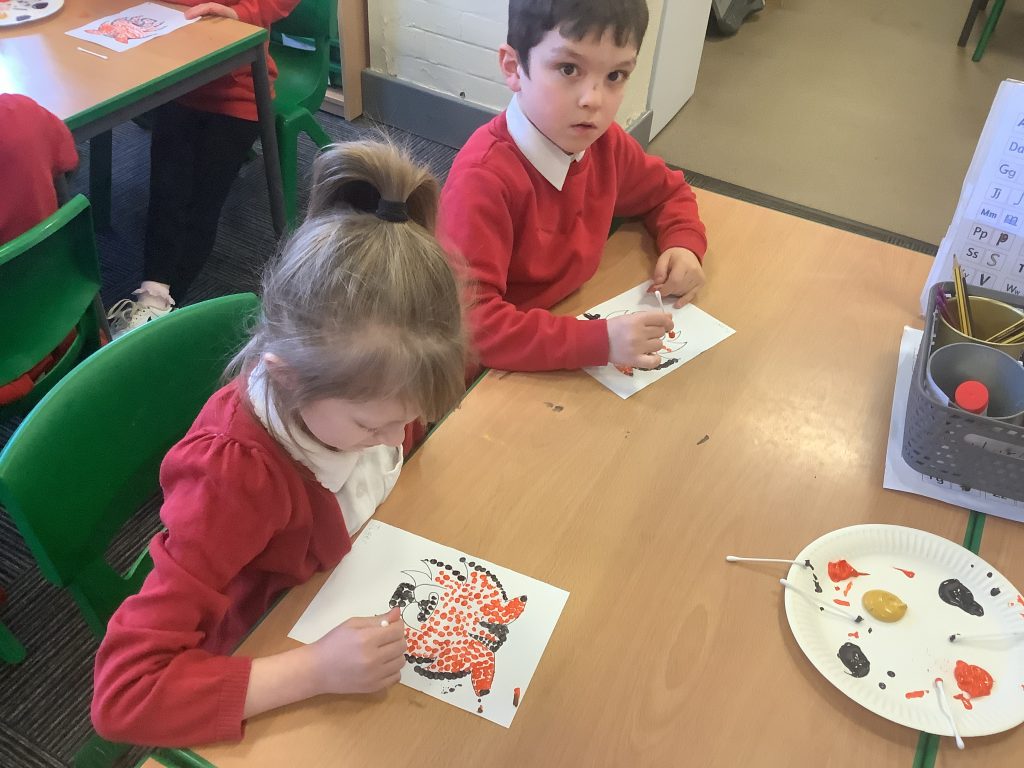
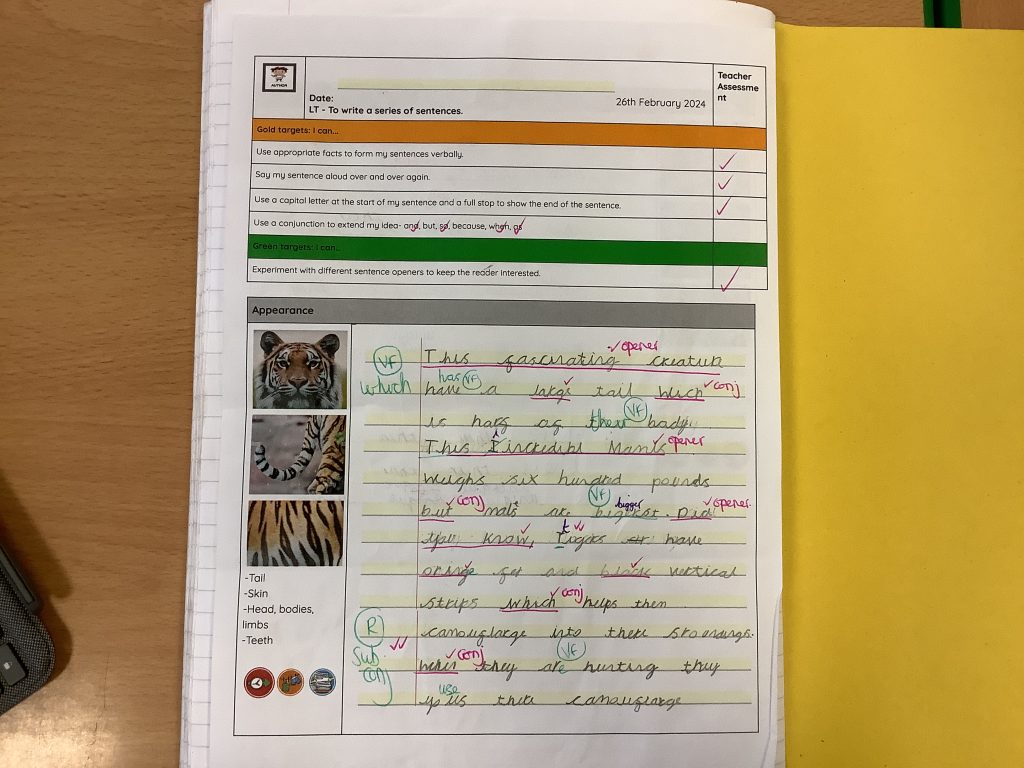
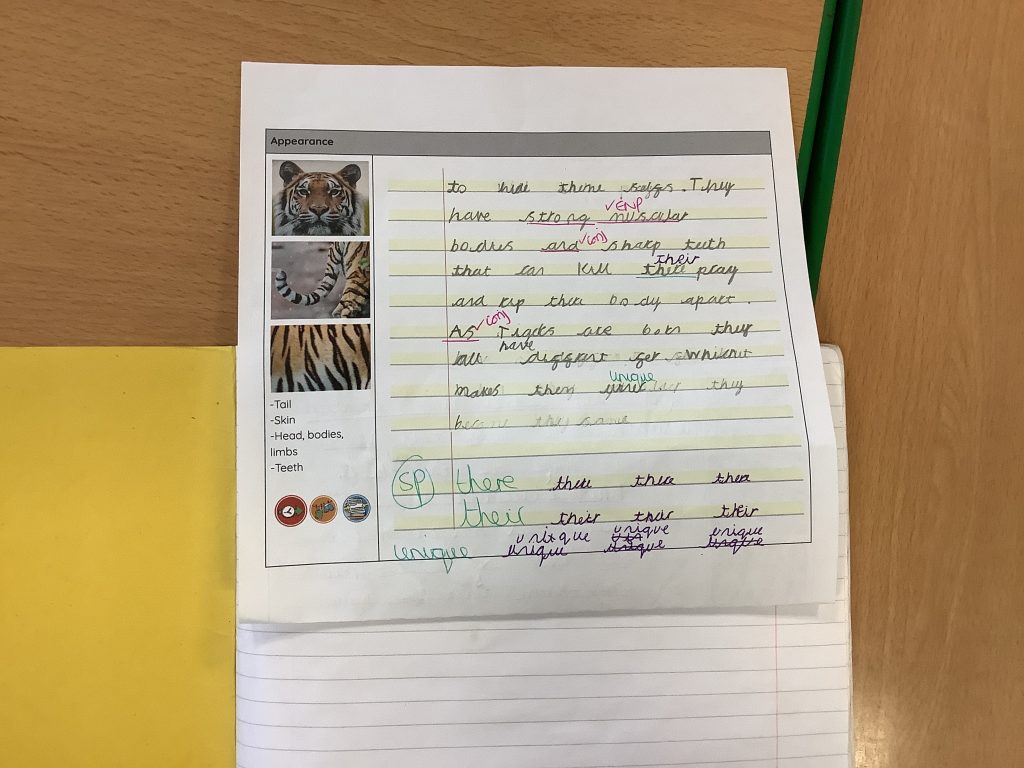
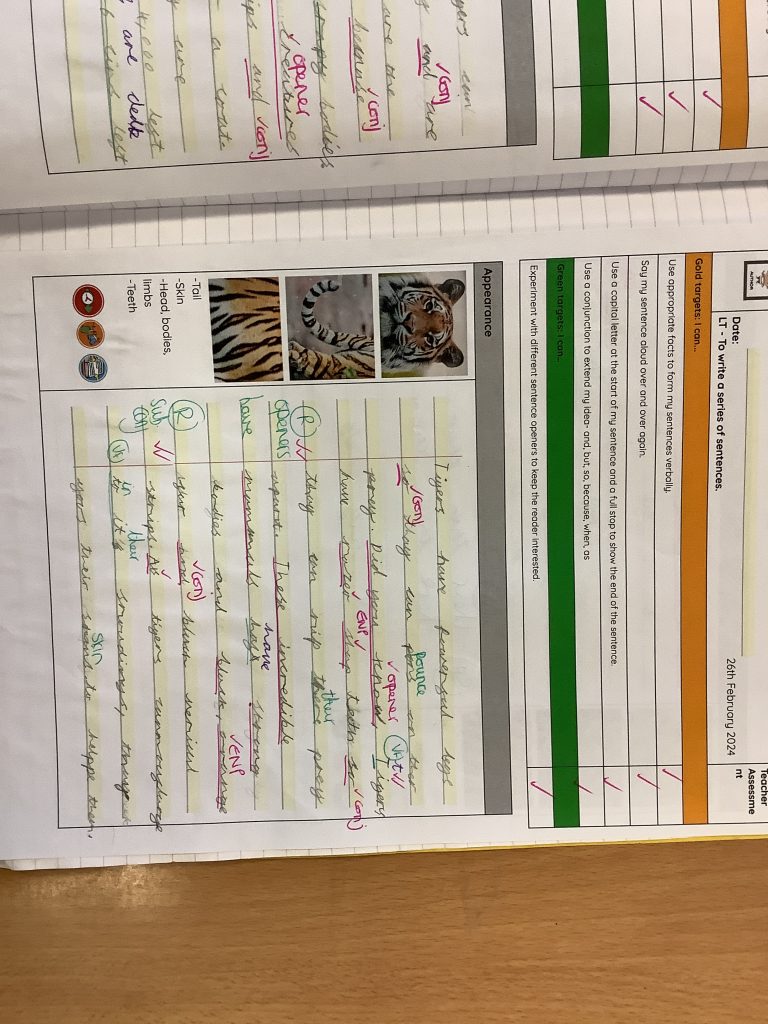
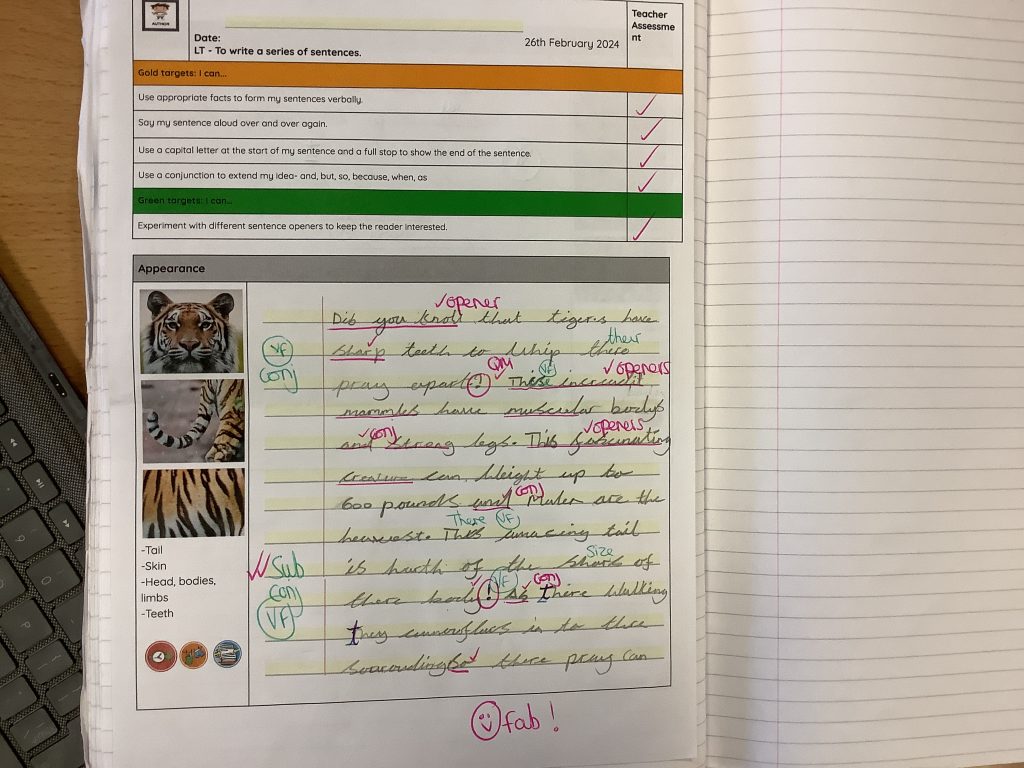
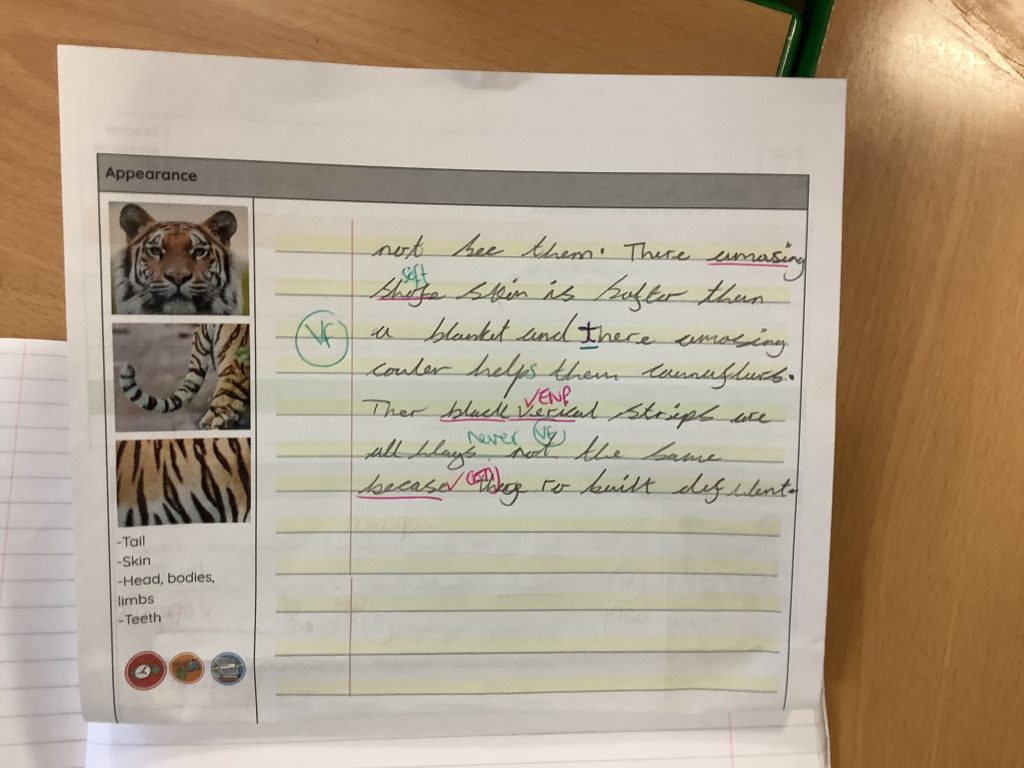
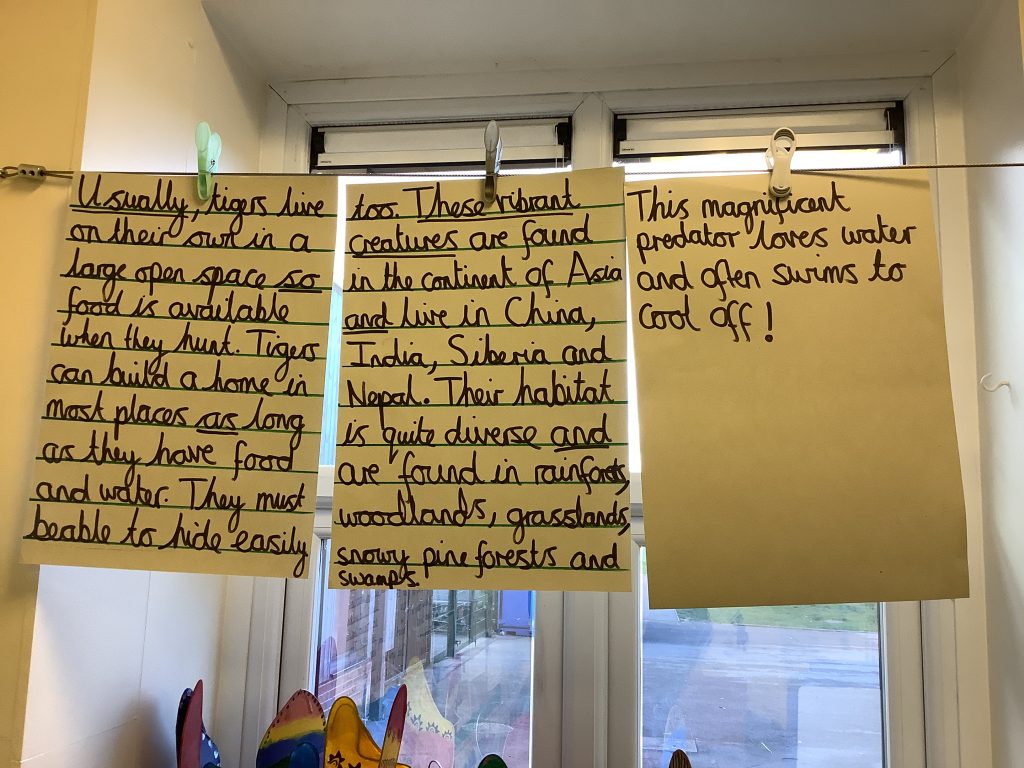
Today we used our chotting and shared write from last week to help us to write the appearance section of our non chronological report. We used our target grids well today, trying to include varied conjunctions and different openers. This afternoon we started chotting for the next section, a tigers habitat. We all took part in a shared write, trying hard to make positive contributions.
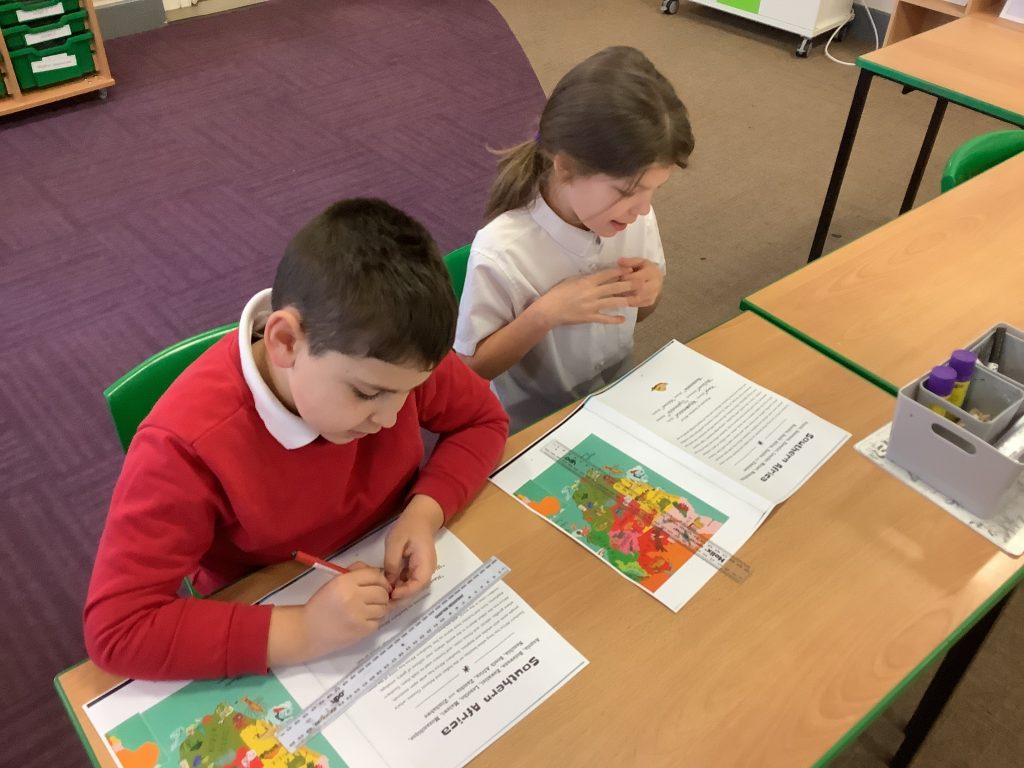
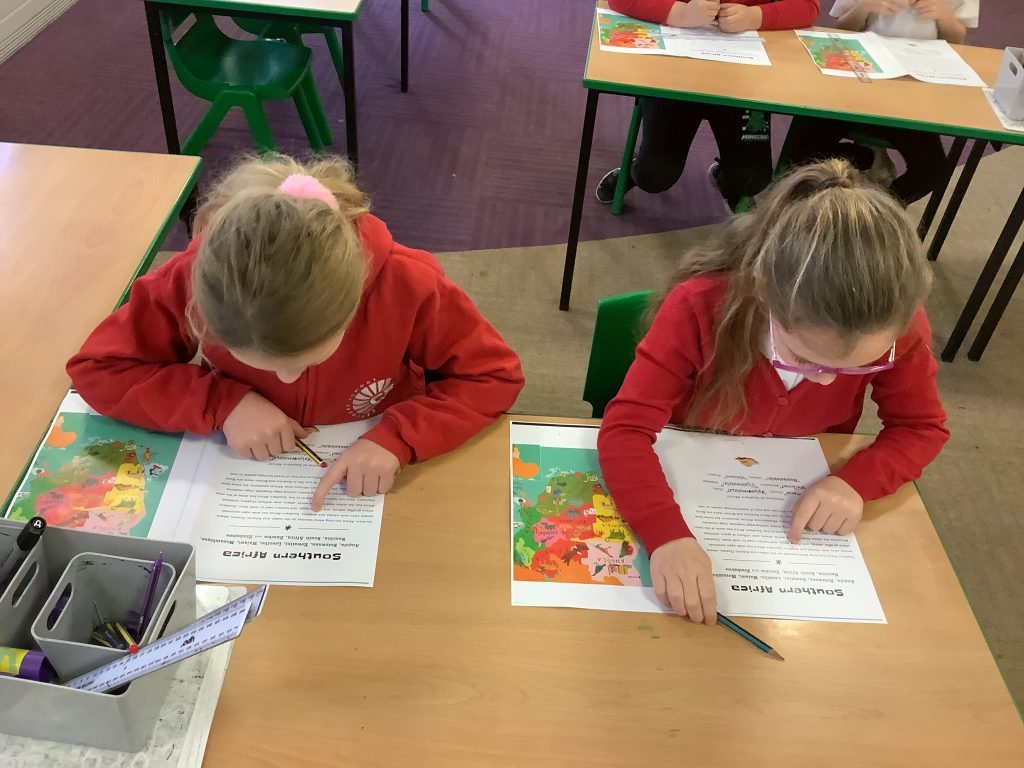
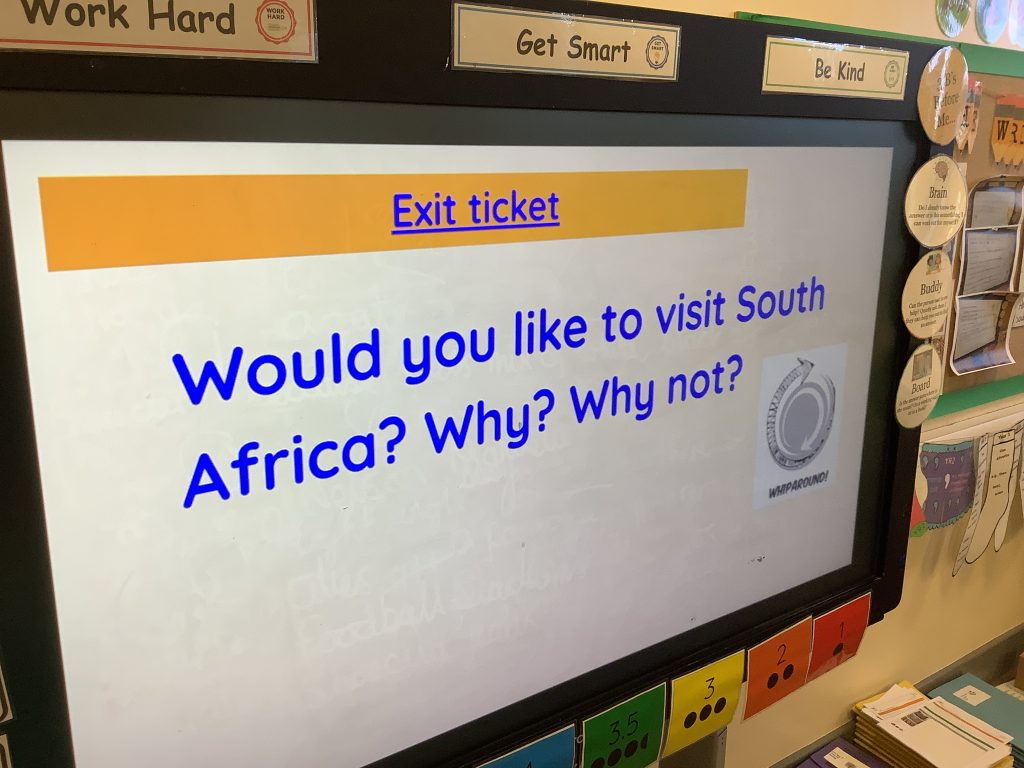
Our entry ticket allowed us to compare Nigeria and Sierra Leone, the text we looked at last week. We then played 4 corners looking at some of the vocabulary that would appear in our text today. We loved playing this and really thought about words in context and the word class of each word. We supported each other and discussed the words before moving to the corner we thought was correct. Today we did some independent reading but we all read out-loud. We tried to work on the pace of our reading, Mrs McClare even set timers for some parts! Our reasons to read allowed us to think about our impression of Africa but we had to use the text to support our answer. We then read the next part of the text, this time with our partners. We text marked our new vocabulary as we read. Our reasons to read on this section showed we had understood what we had read 🙂 Our exit ticket allowed us to give our opinion on South Africa, using the text to support our thoughts.


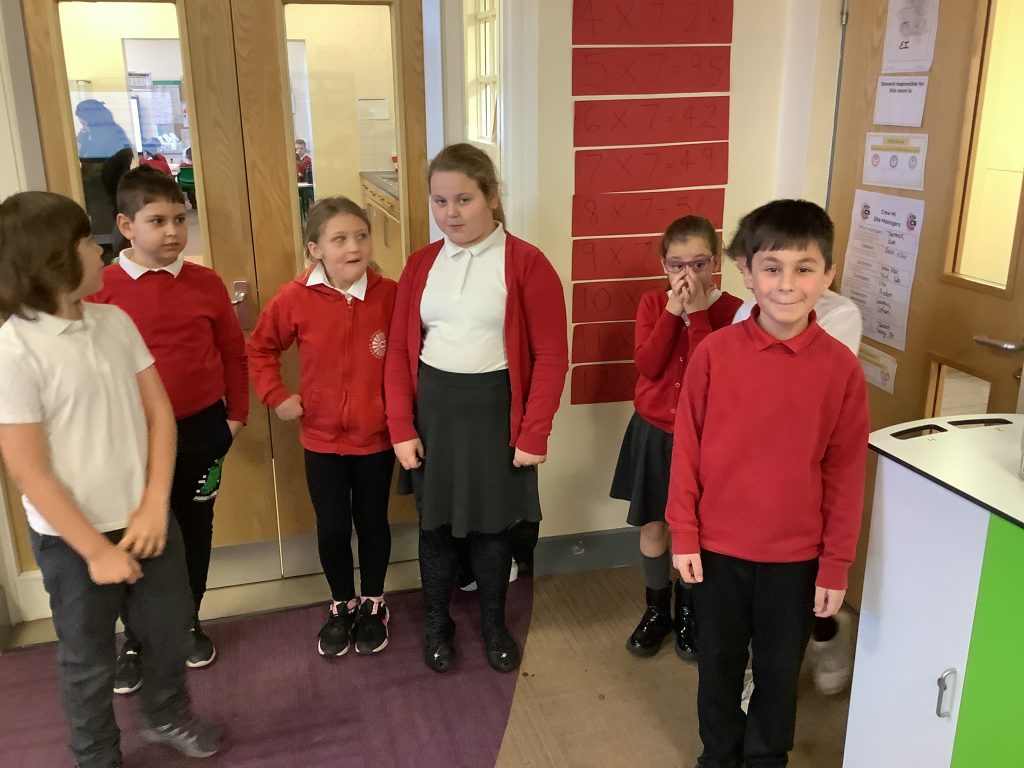


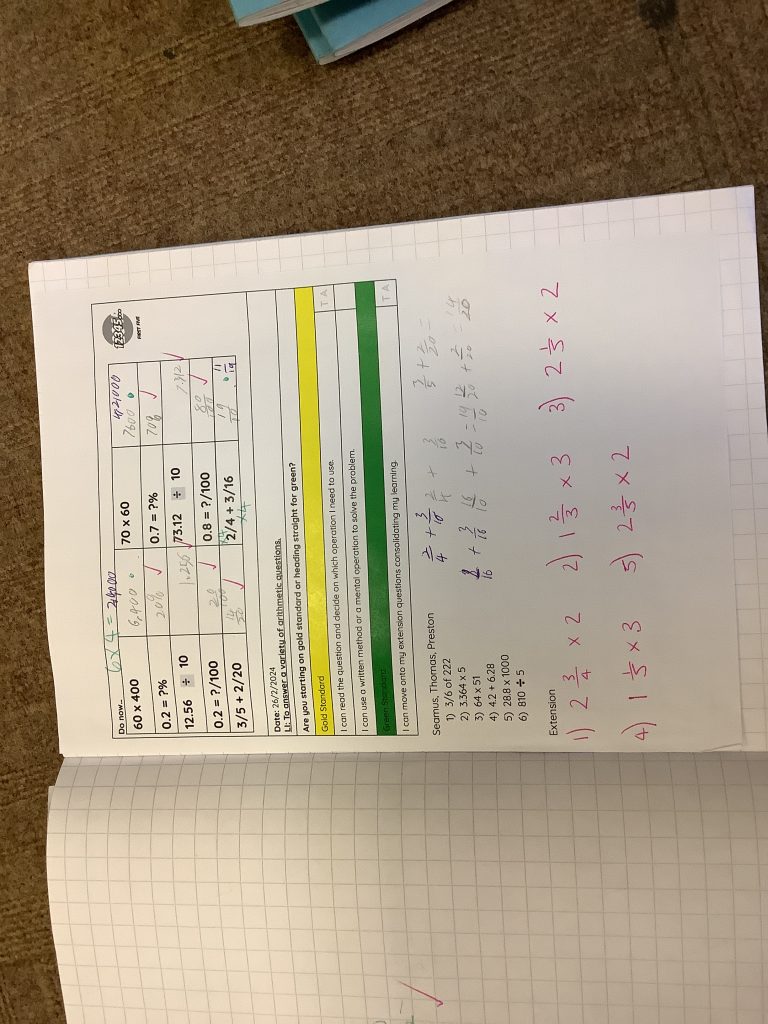
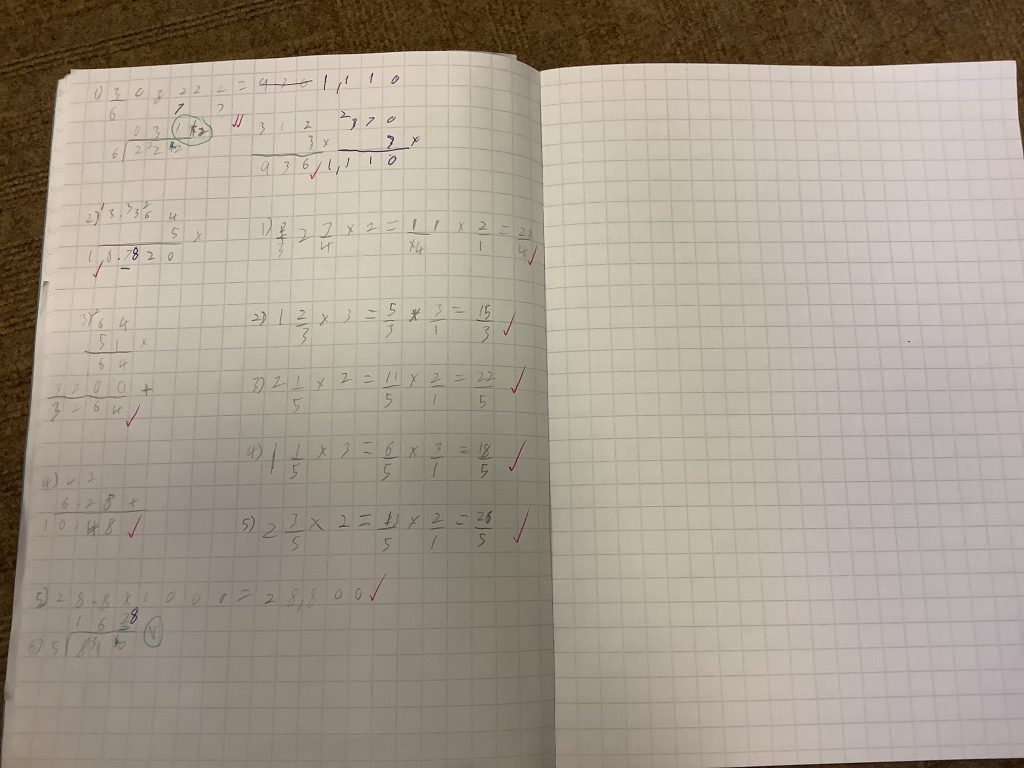
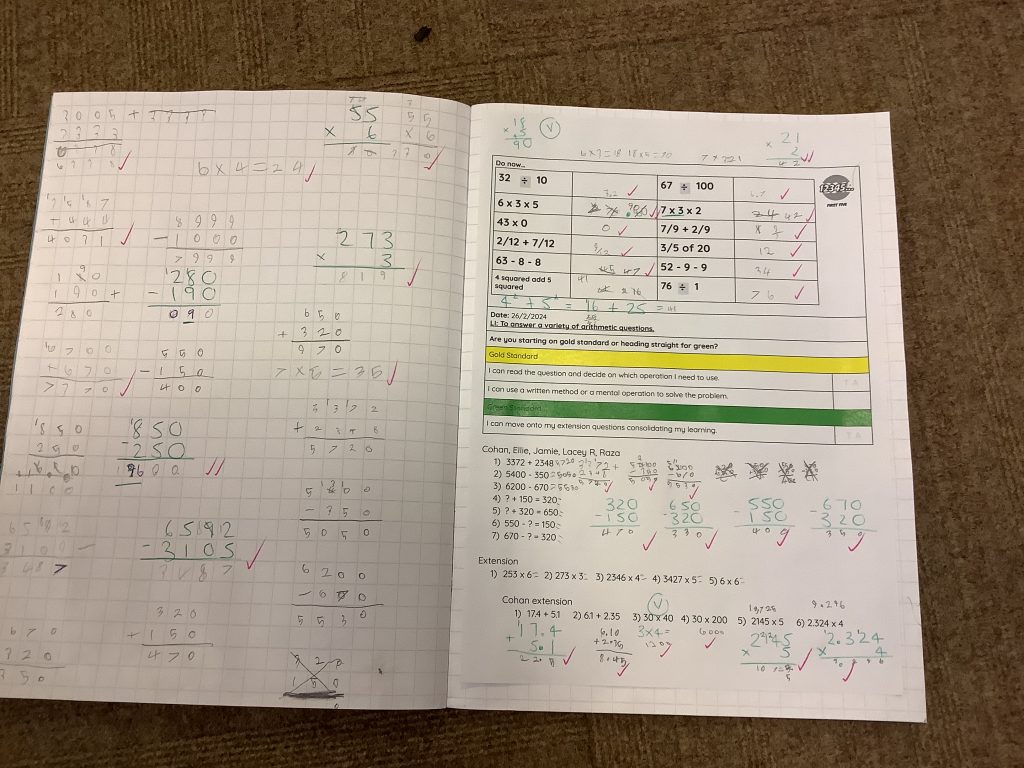
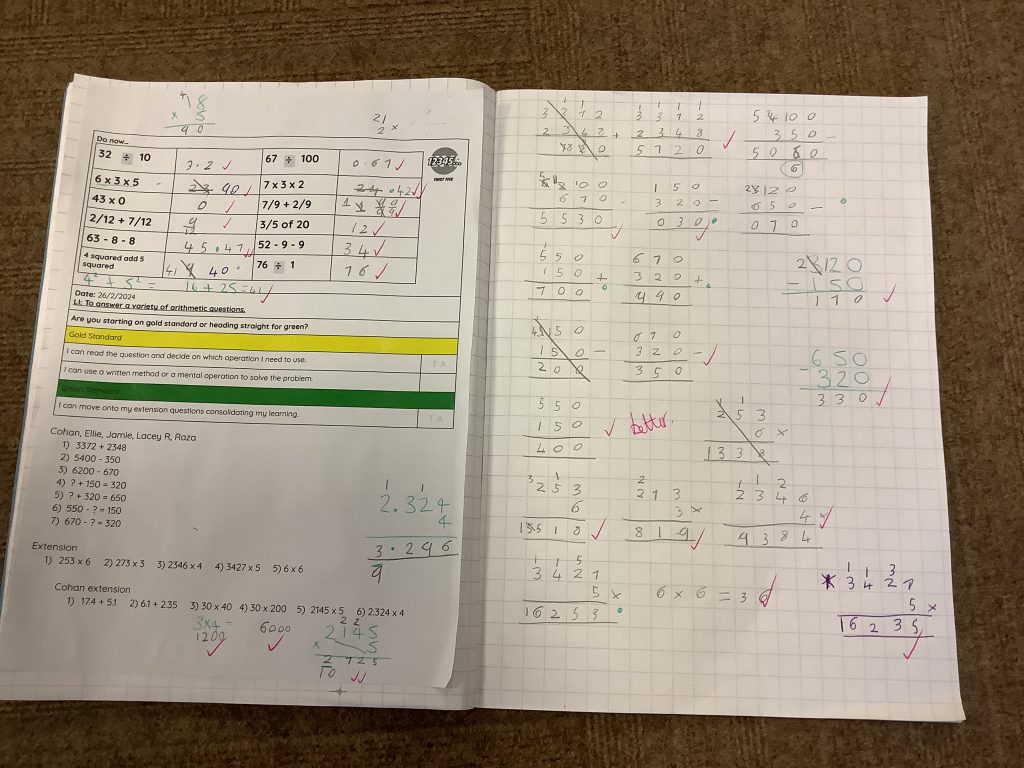
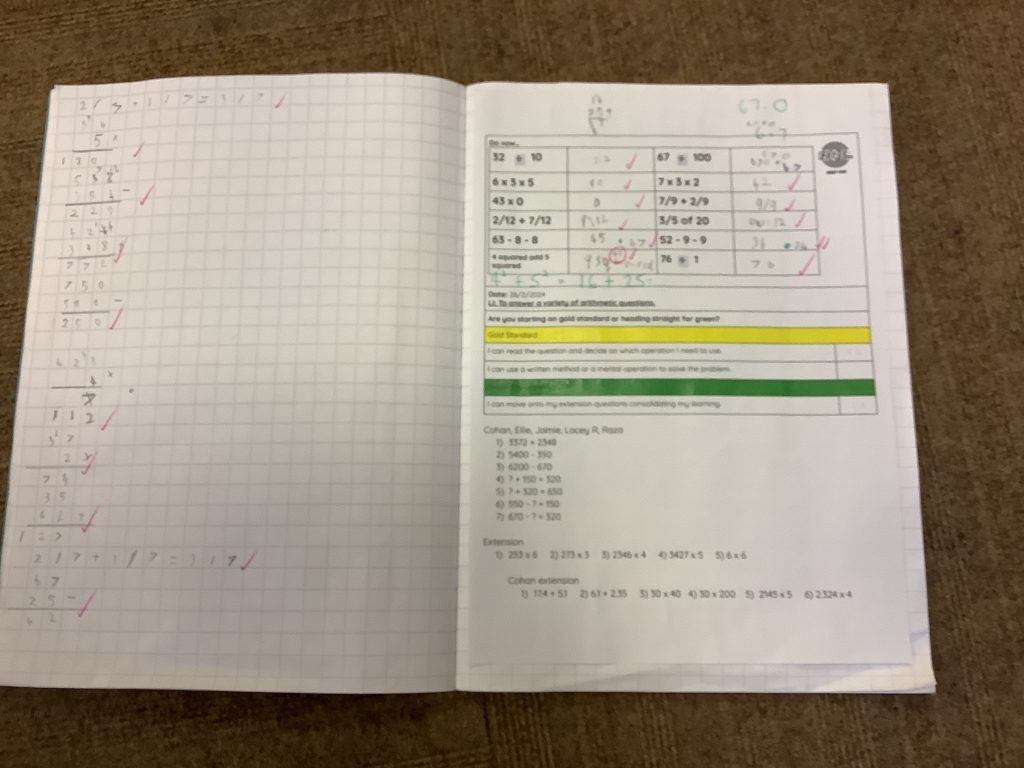
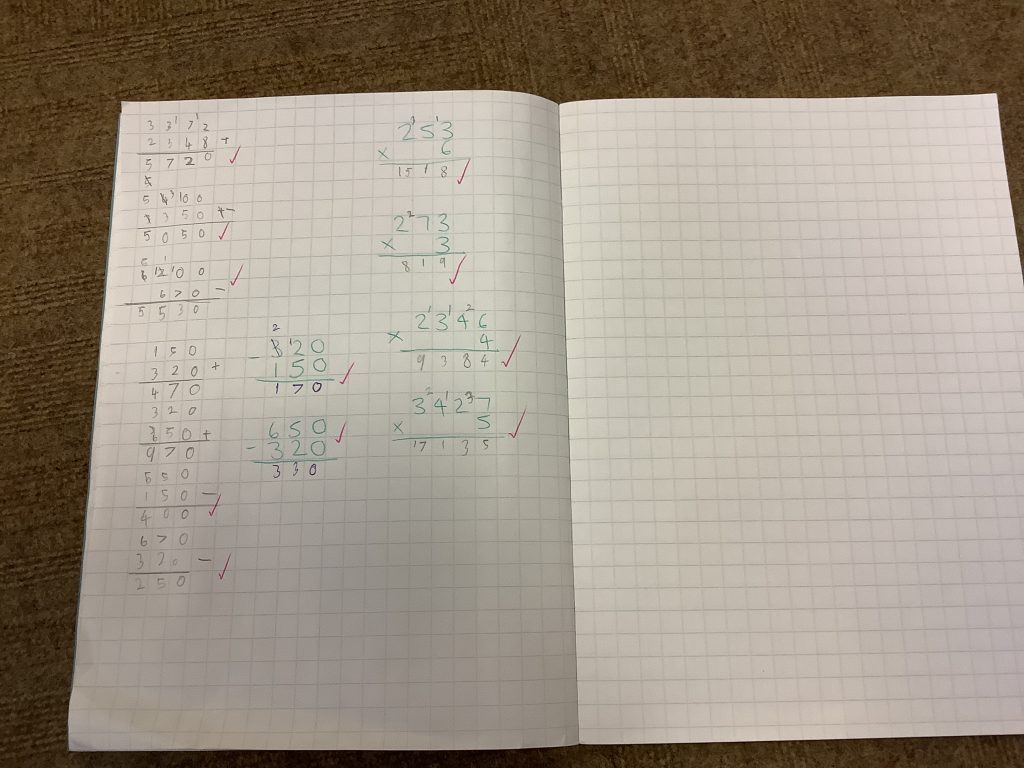
We continue to work on gaps from our arithmetic tests 🙂 What a fantastic lesson we had today!
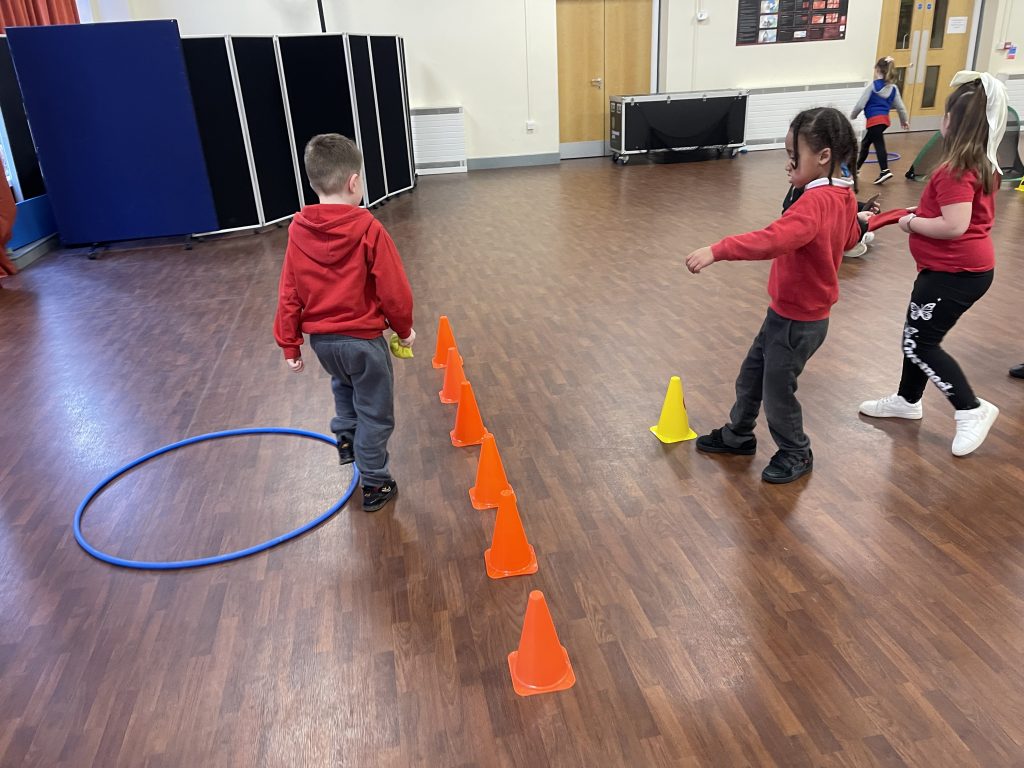
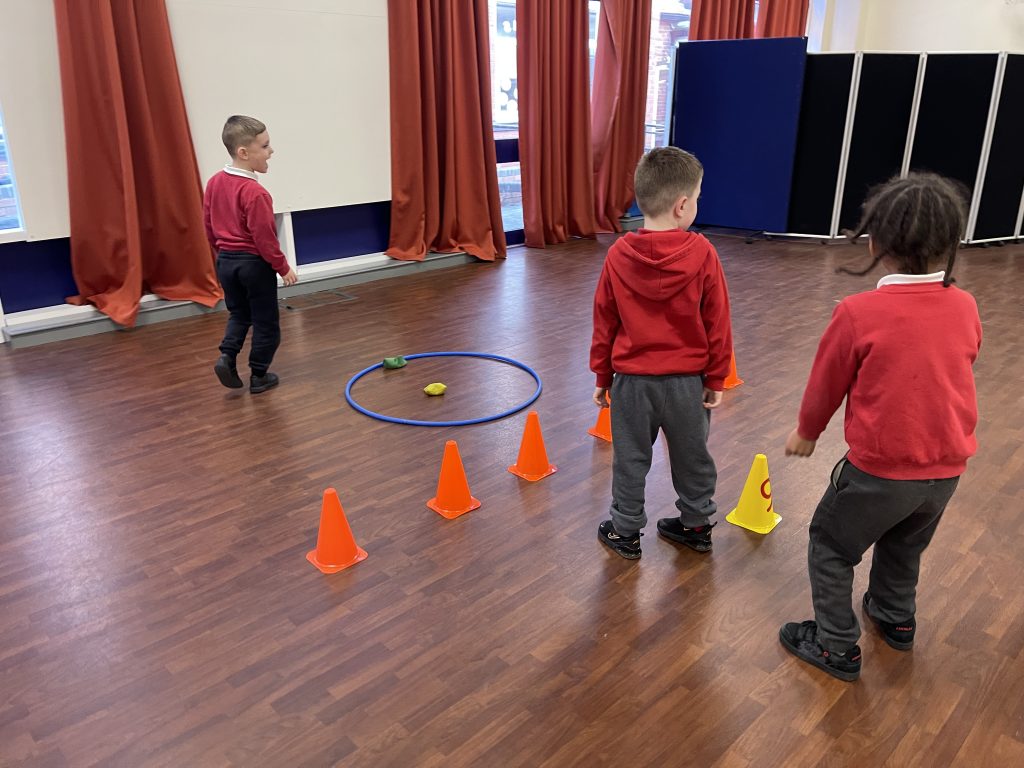
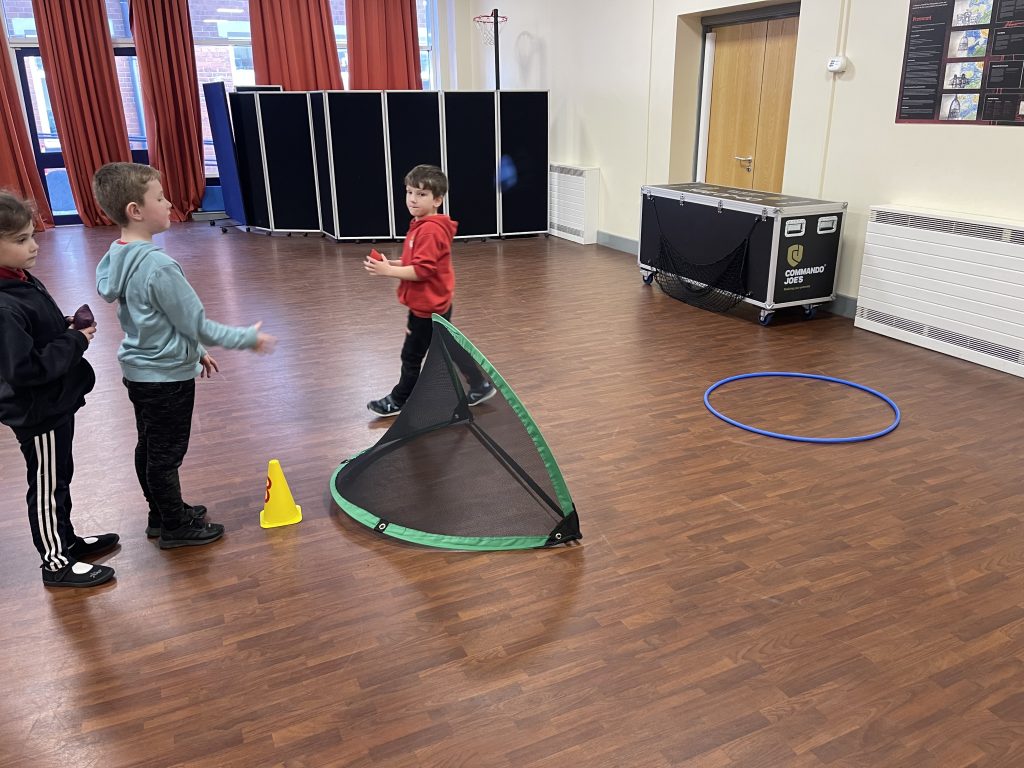
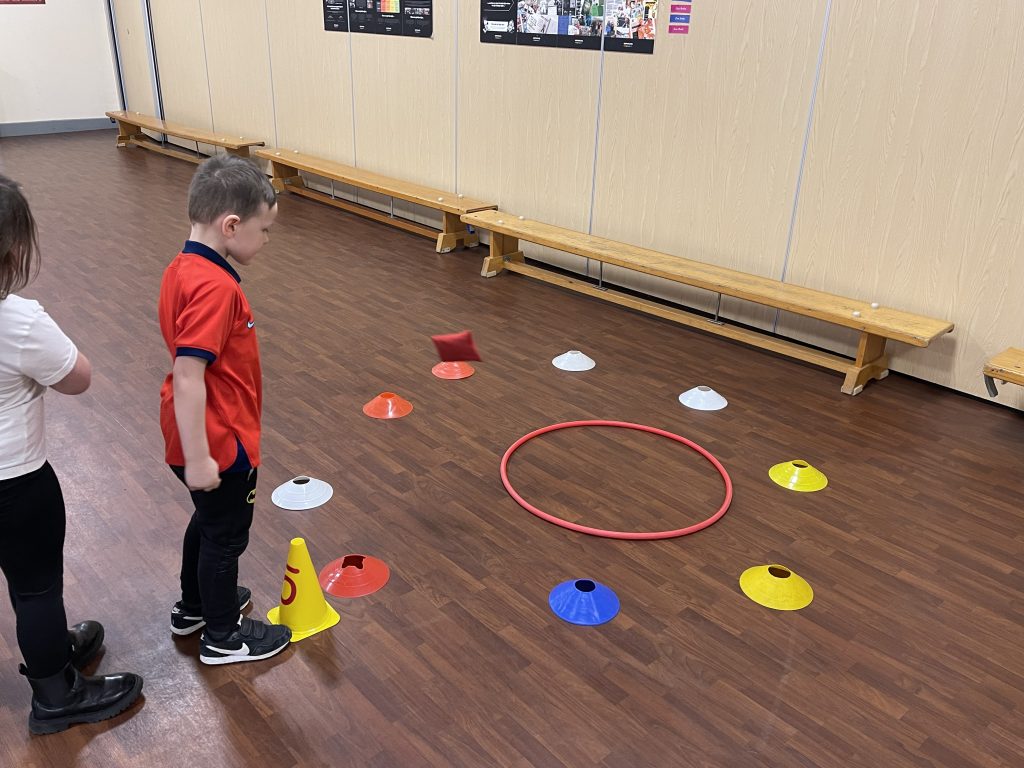
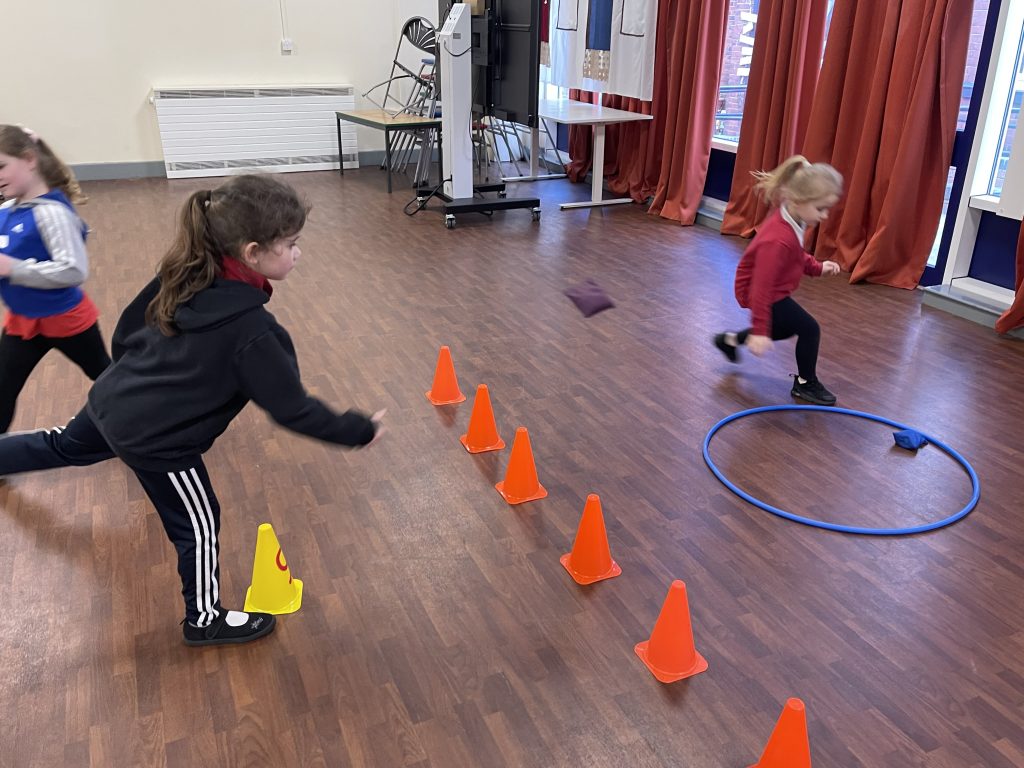
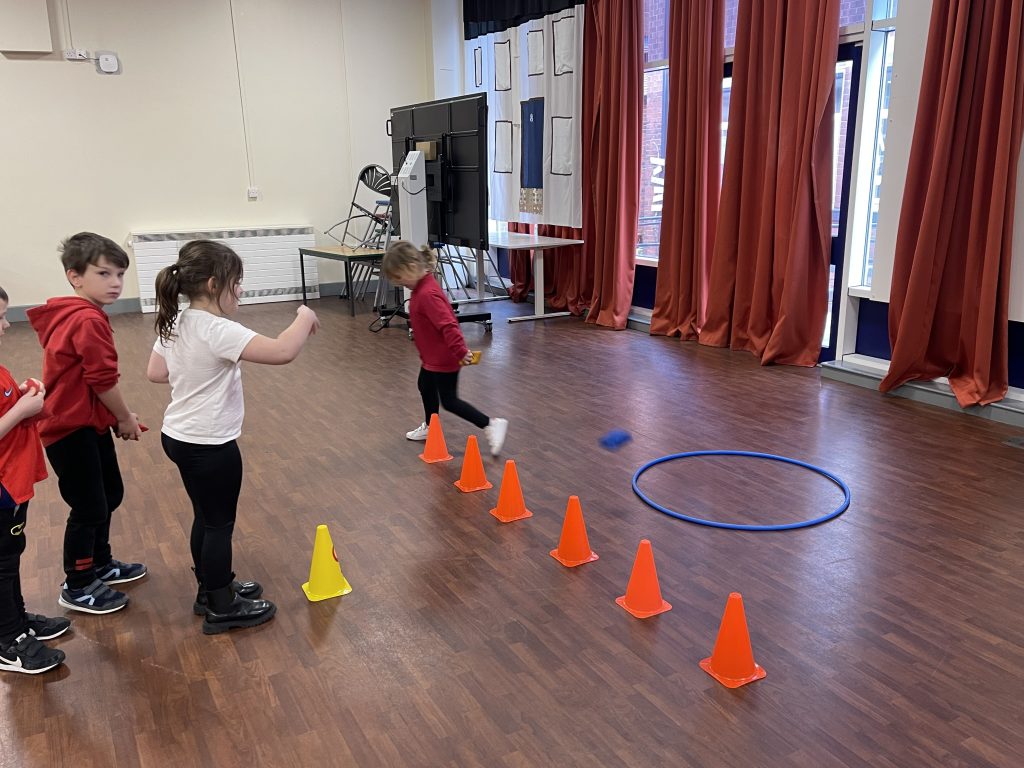
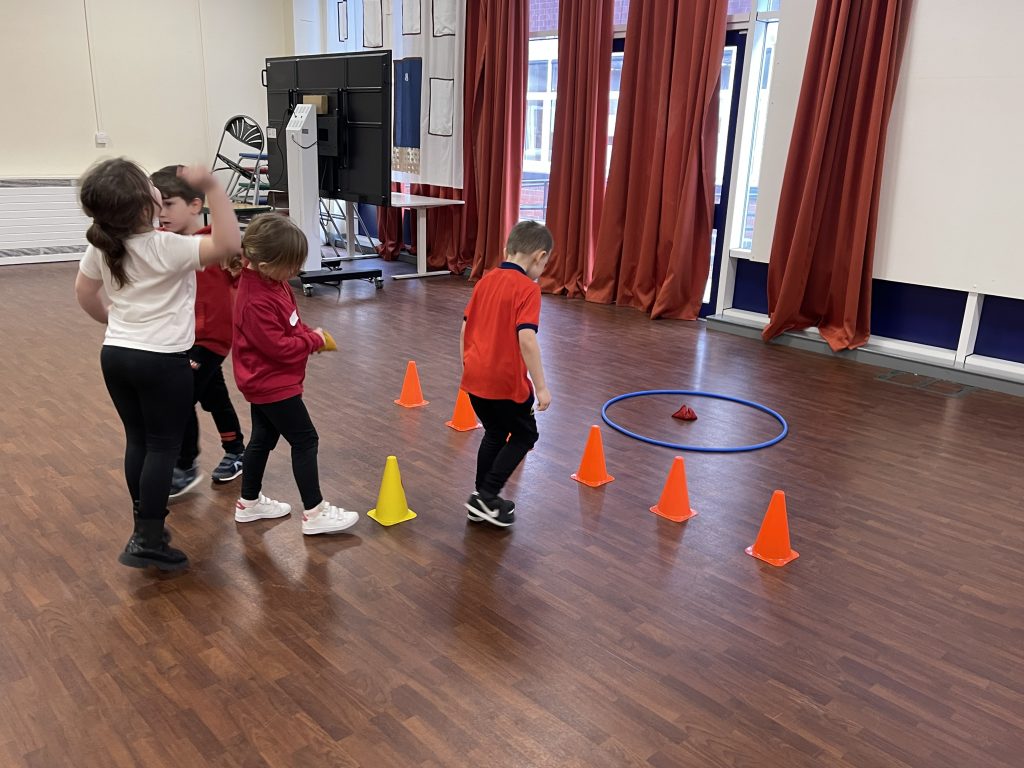
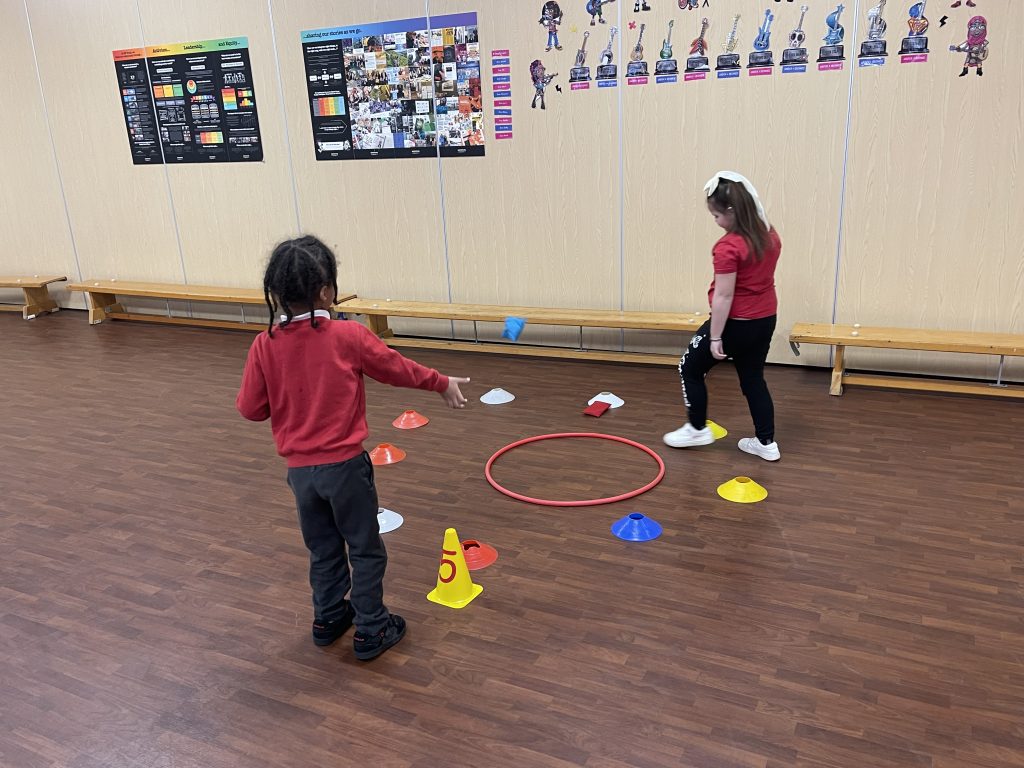
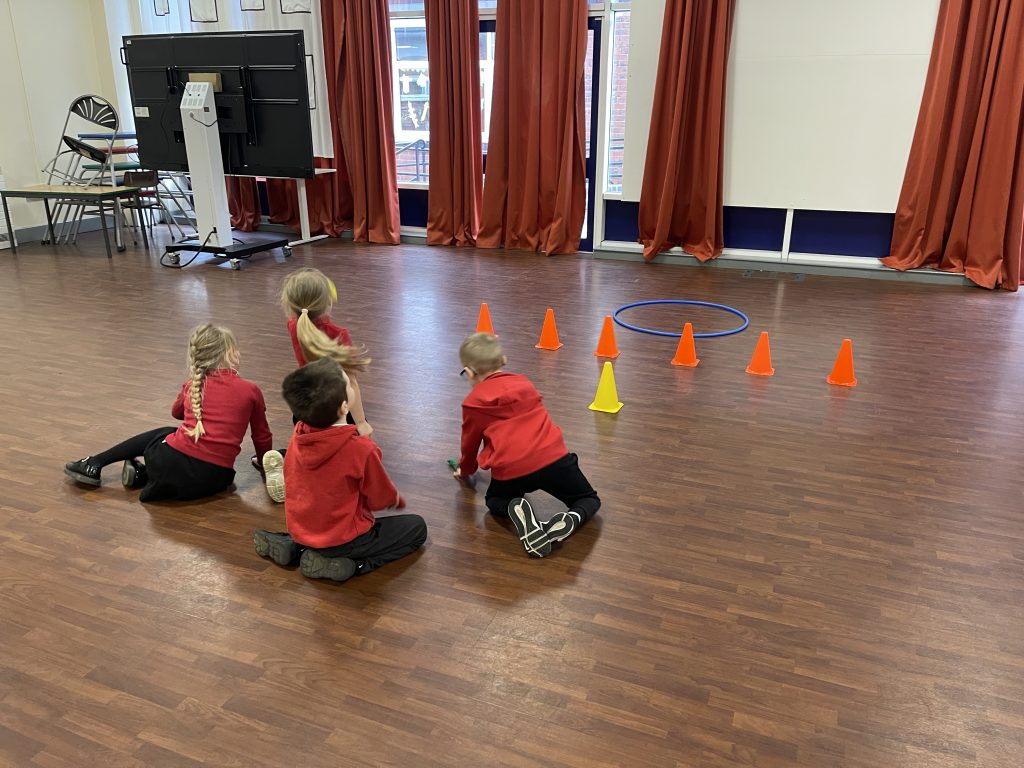
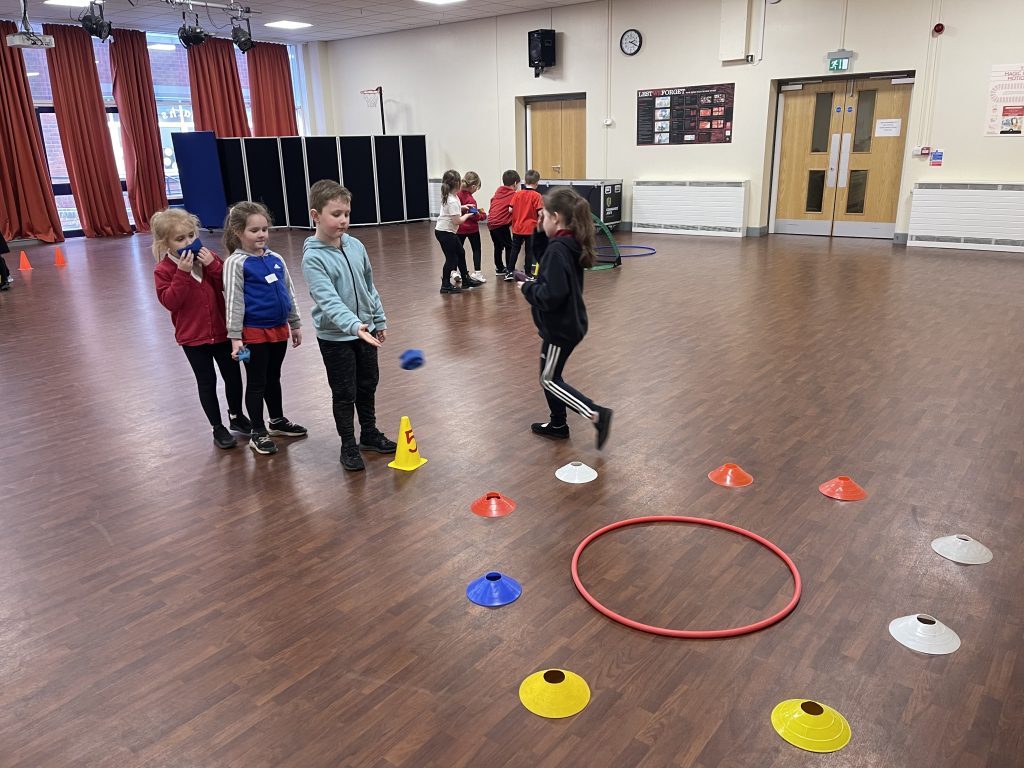
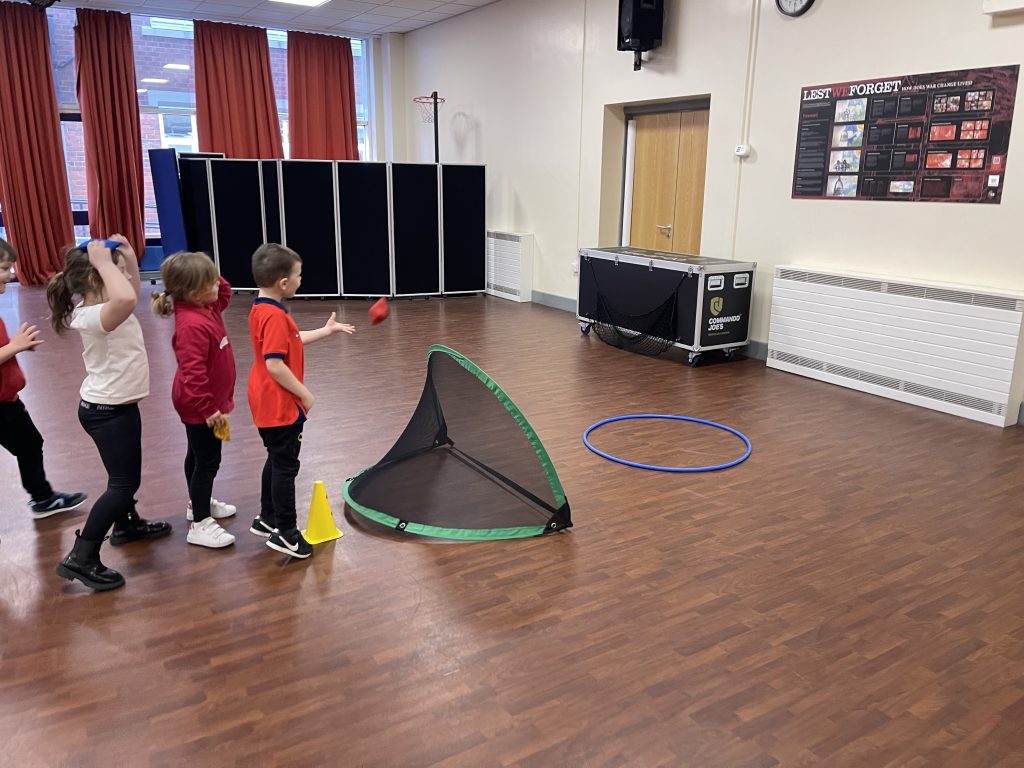
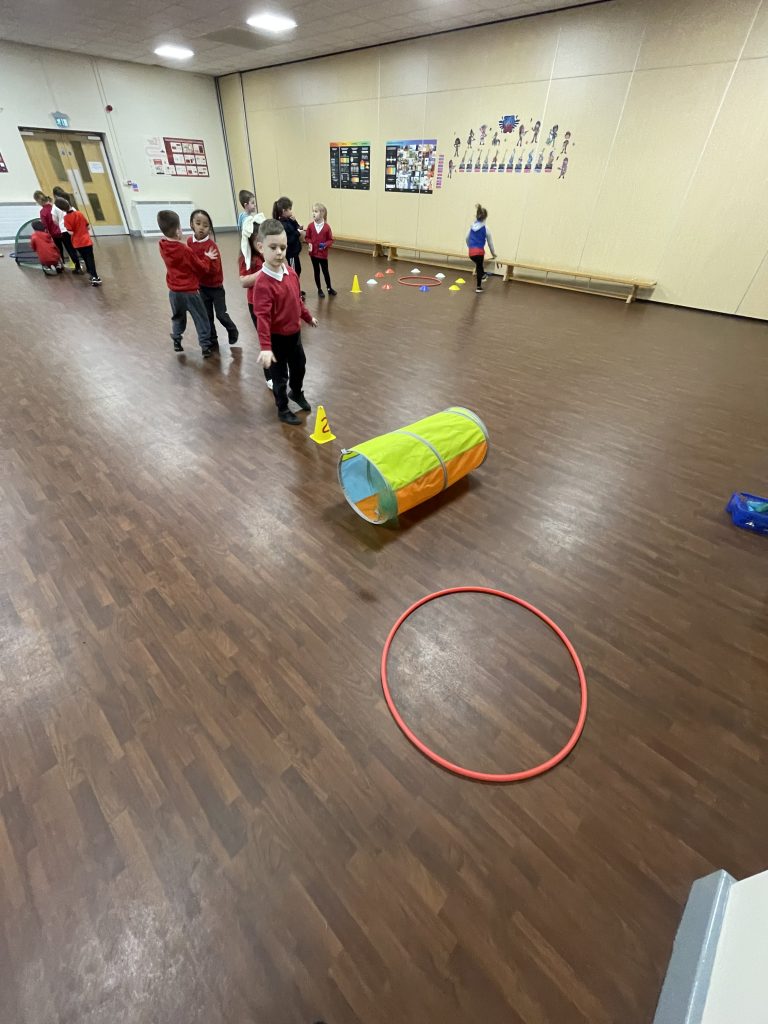
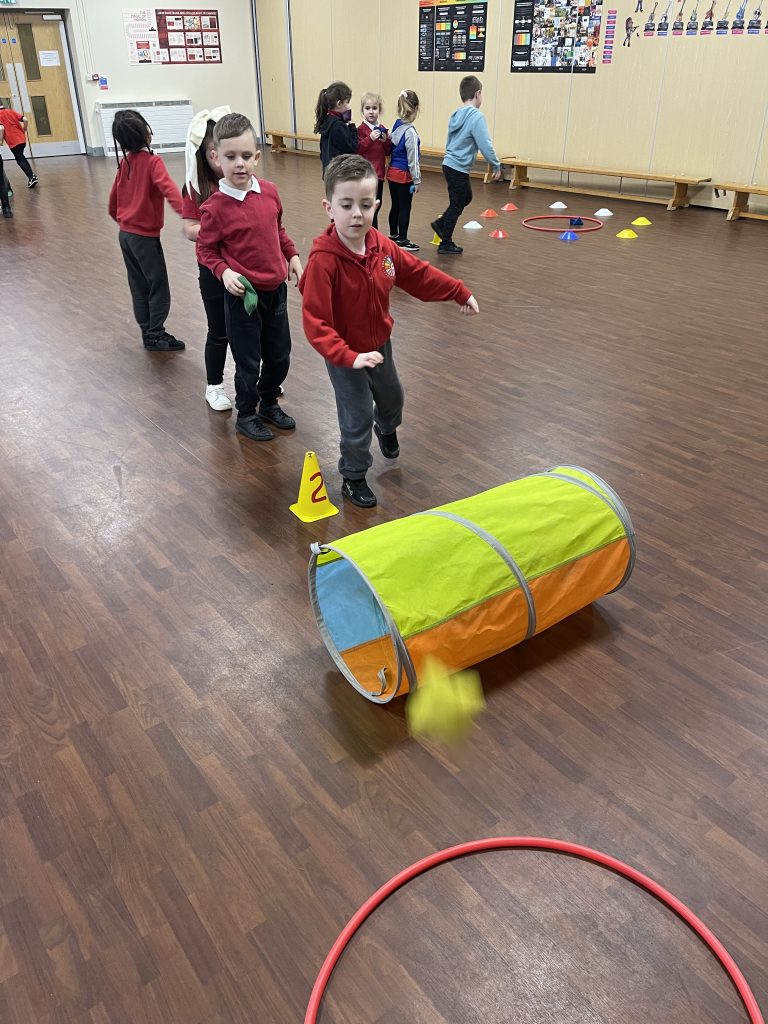
In PE today, we have perfected our technique when throwing under arm and over arm. Miss Marsh set us a challenge to see if we could throw our bean bag at the target with different obstacles in the way – this meant we had to pick which throw would be more suitable.